Posted on Leave a comment

Foraging: Unveiling the Wonders of Mallow

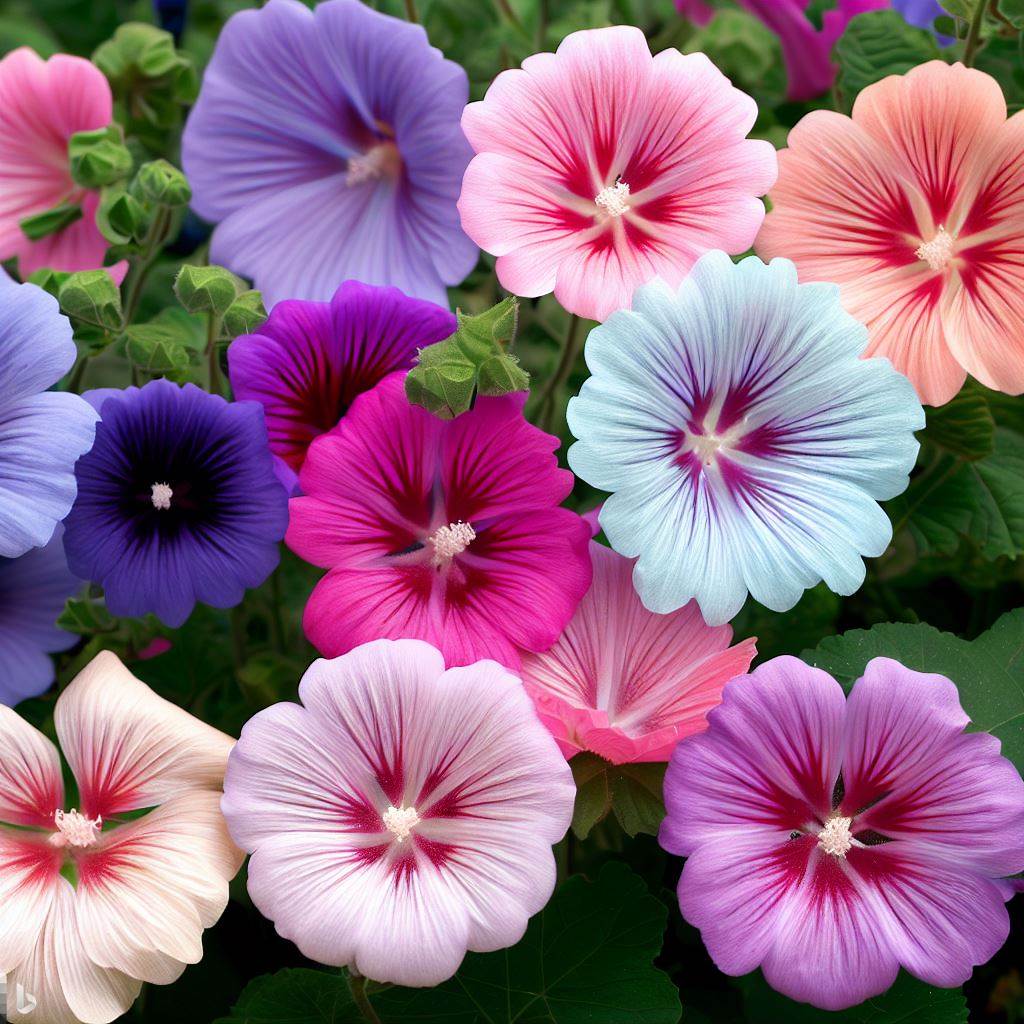
Mallow Varieties
Mallow Varieties

Introduction

A Comprehensive Guide to Foraging and Utilizing this Versatile Plant

Mallow, with its beautiful flowers and numerous practical uses, is a remarkable wild plant that has captured the attention of foragers, herbalists, and folklore enthusiasts for centuries. This article serves as an in-depth exploration of mallow, encompassing its variants, appearance, foraging locations, culinary and medicinal applications, magical properties, and important safety considerations.

Variants and Appearance

Mallow, with its various species, exhibits a range of delightful characteristics that make it easily identifiable during foraging endeavors. While common mallow (Malva sylvestris) holds the title of the most widespread and recognized variant, other species within the Malvaceae family share similar traits. Here are key insights into the variants and appearance of mallow:

Common Mallow (Malva sylvestris)
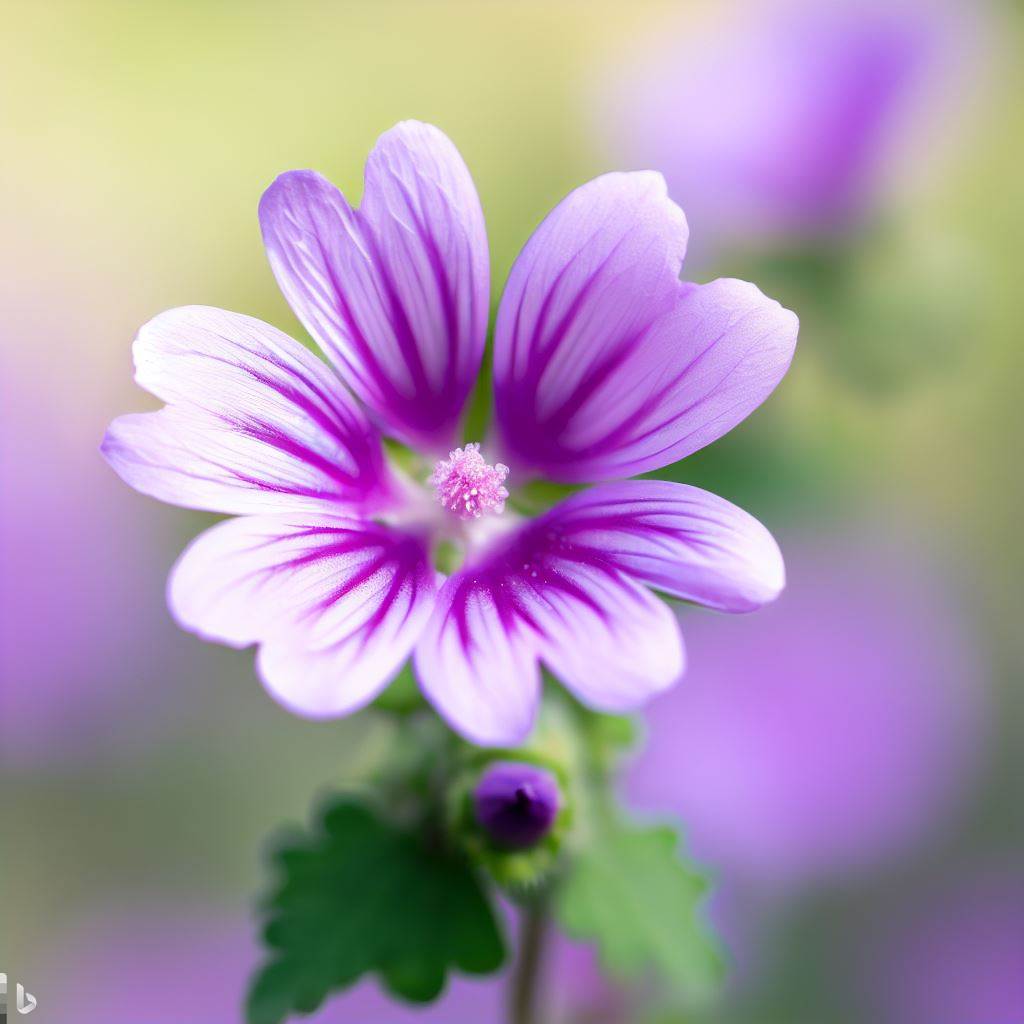
Common mallow, also known as high mallow, is the most prevalent and well-known species. It features rounded, palmate leaves with toothed edges that grow alternately along the stems. The leaves are often soft and velvety to the touch, giving them a distinctive texture. Common mallow produces attractive flowers with five petals that range in color from pale pink to deep purple. These flowers have noticeable veins and a central column of fused stamens. After flowering, common mallow forms disc-shaped fruits with numerous seeds.

High Mallow (Malva sylvestris var. mauritiana)
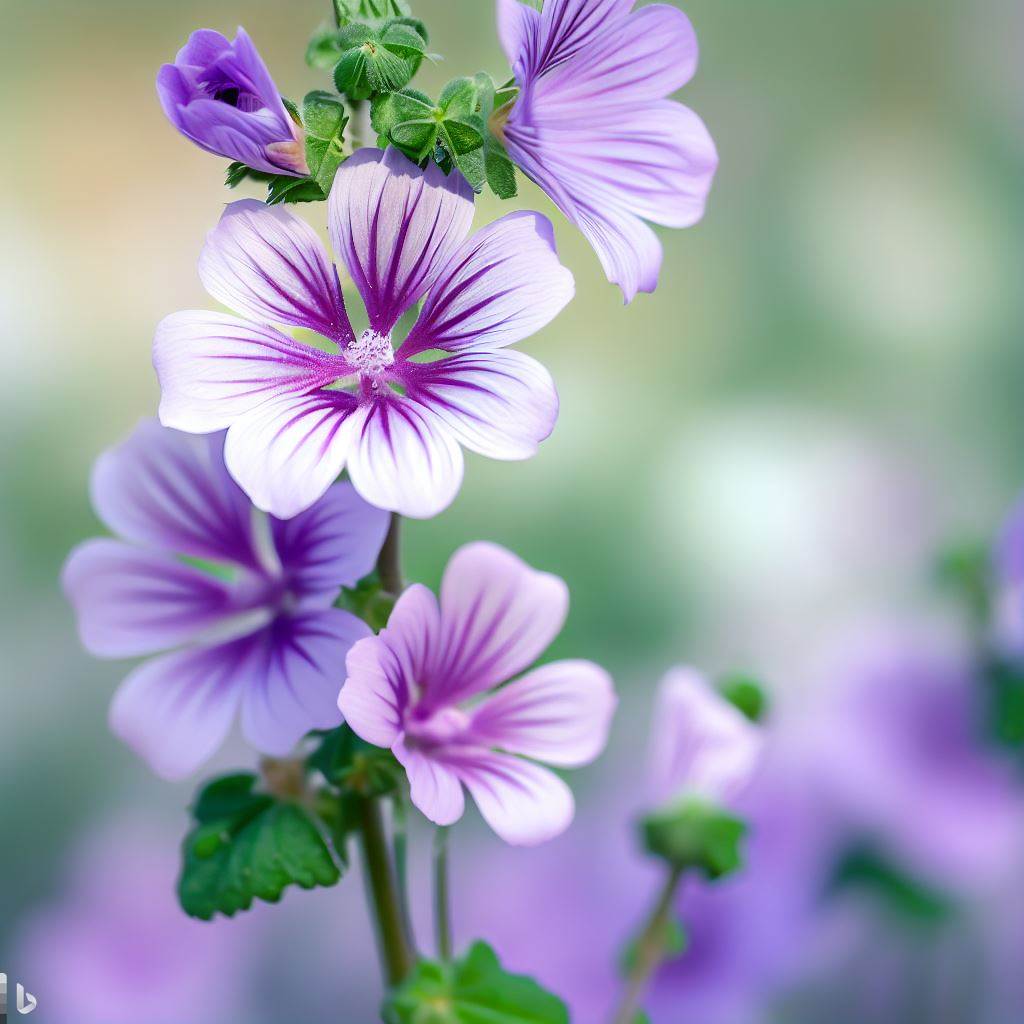
High mallow is a variant of common mallow that often has more deeply lobed leaves and larger flowers. The plant’s overall appearance and growth habits are like those of common mallow. It shares the rounded, palmate leaves, velvety texture, and attractive flowers with its counterpart.

Marsh Mallow (Althaea officinalis)
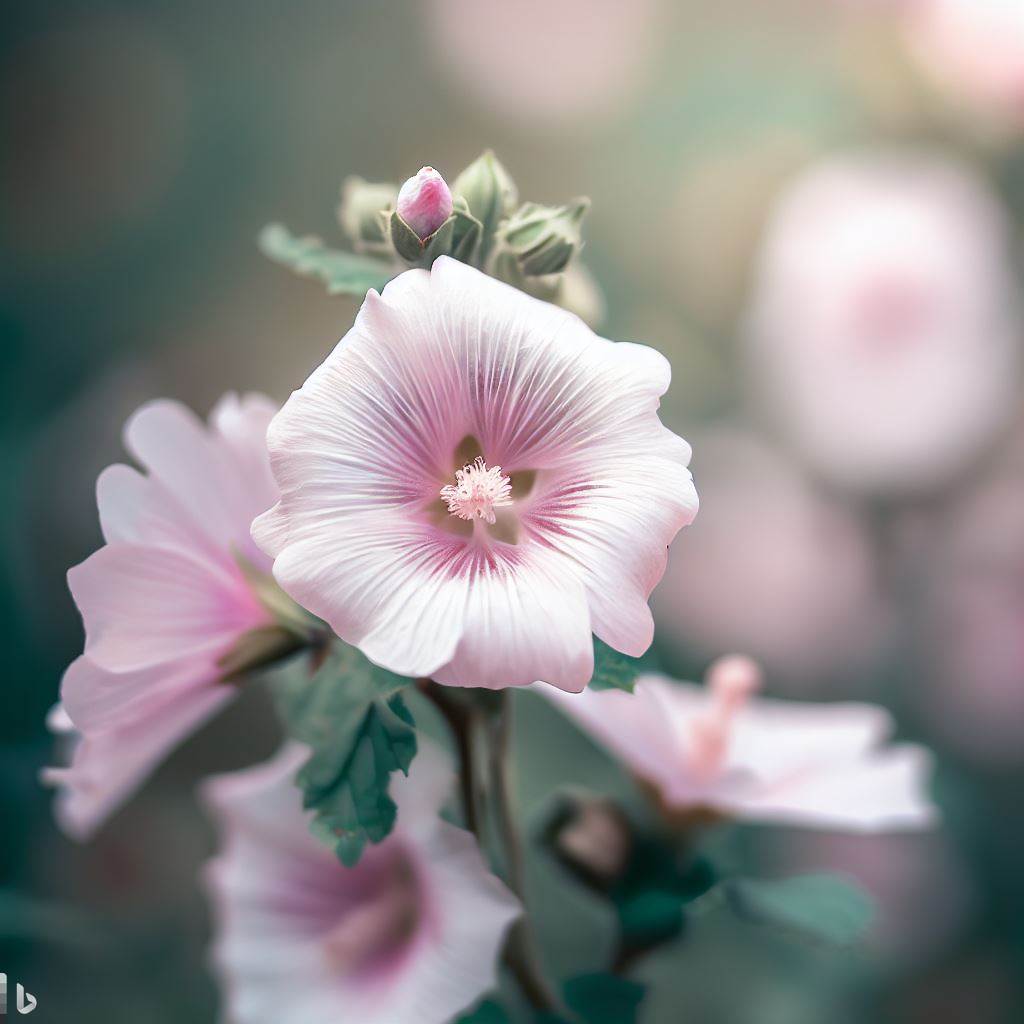
Marsh mallow is another noteworthy species within the mallow family. It is a tall perennial herb known for its medicinal properties. Marsh mallow features heart-shaped leaves with toothed edges and a slightly fuzzy texture. The plant produces pale pink or white flowers with five petals. The root of marsh mallow has been historically used for its mucilaginous properties.

Despite the differences in species, all mallow variants share common characteristics. These include the rounded, palmate leaves with toothed edges, attractive flowers with multiple petals, and the presence of disc-shaped fruits. These distinctive features contribute to the ease of identifying mallow during foraging excursions, allowing for confident and accurate harvests of this versatile plant.

Identifying Mallow

Identifying mallow during your foraging adventures is a rewarding endeavor, thanks to its unique and distinguishable features. The following characteristics will help you confidently recognize and differentiate mallow from other plants:

Leaf Structure: Mallow exhibits rounded, palmate leaves that grow alternately along the stems. These leaves are characterized by toothed edges, giving them a scalloped appearance. One distinct quality of mallow leaves is their often velvety or softly hairy texture, providing a tactile sensation when touched. Leaf size may vary depending on the species, with some displaying larger leaves than others.

Attractive Flowers: Mallow boasts beautiful flowers composed of five distinct petals. The colors of mallow flowers span a range from pale pink to deep purple, creating a visually pleasing display. The petals themselves often have prominent veins running through them, enhancing their allure. At the center of the flower, you will find a column of fused stamens, an integral part of mallow’s reproductive structure.

Fruiting Stage: After successful pollination, mallow develops disc-shaped fruits that contain numerous seeds. These fruits have a distinct appearance and can be observed following the flowering stage. The disc-shaped fruits are a characteristic feature of mallow, contributing to its unique visual identity.

When searching for mallow, keep an eye out for these identifying features. The rounded, palmate leaves with toothed edges and velvety texture, attractive flowers with noticeable veins and fused stamens, and the presence of disc-shaped fruits will aid you in accurate mallow identification. By familiarizing yourself with these distinguishing characteristics, you can confidently embark on foraging expeditions and make the most of this versatile plant’s culinary and medicinal potential.

Habitat and Foraging Locations

Mallow’s adaptability allows it to thrive in diverse habitats, making it a common sight for foragers in various locations. Understanding its preferred environments will help guide you to find and harvest mallow successfully. Here are some insights into the habitat and foraging locations of mallow:

Wide Range of Habitats: Malva species, including common mallow, can be found in a wide range of habitats. Look for mallow plants along roadsides, meadows, waste areas, fields, and disturbed sites. It has a remarkable ability to colonize different habitats, making it a versatile plant to forage.

Soil and Sun Preferences: Mallow thrives in well-drained soil conditions, preferring soil that is not overly waterlogged. It can tolerate various soil types, including sandy, loamy, or clay soils. Look for mallow plants in areas with good drainage. Mallow also prefers locations that receive ample sunlight, although it can tolerate partial shade as well.

Disturbed Areas and Gardens: Common mallow is known for its adaptability to disturbed areas and gardens. It readily colonizes areas that have undergone human activity or disruption, such as construction sites or abandoned lots. This adaptability makes common mallow a frequent resident in gardens and cultivated areas, where it often appears as a weed.

When embarking on a mallow foraging expedition, explore roadsides, meadows, waste areas, and fields. Pay attention to areas with well-drained soil and adequate sunlight. Common mallow’s affinity for disturbed areas and gardens presents additional opportunities for finding this versatile plant. However, it is important to practice responsible foraging and obtain permission before harvesting from private or protected lands.

Remember to be mindful of local regulations and restrictions on foraging in specific areas. Avoid areas that may have been treated with herbicides or pesticides, as these chemicals can pose risks to your health and the environment. By respecting the natural habitats and following ethical foraging practices, you can enjoy the abundance of mallow while preserving its presence in the ecosystem.

Culinary and Medicinal Uses

Discover the culinary possibilities

Mallow’s culinary versatility has been appreciated for centuries, with its young leaves, tender shoots, and flowers lending themselves to a wide range of delicious dishes. Discover the culinary possibilities of mallow and explore its flavorsome potential:

  • Young Leaves and Tender Shoots: Mallow’s young leaves and tender shoots are edible and offer a mild, slightly tangy flavor with a pleasing texture. These tender parts of the plant can be harvested and used in various ways. Consider incorporating them into salads, where they add a fresh and unique element. Mallow leaves can also be cooked as a vegetable, similar to spinach or other leafy greens, and make a delightful addition to stir-fries, sautés, or steamed dishes. Their mild taste makes them a versatile ingredient, blending well with other flavors.
  • Soups and Stews: Mallow’s leaves and shoots can lend themselves perfectly to soups and stews, adding a nutritious and delicate touch. Simply chop the leaves or shoots and include them in your favorite soup or stew recipes. Mallow’s mild flavor allows it to harmonize with a variety of ingredients, enhancing the overall taste and texture of the dish.
  • Decorative Salad Addition: Mallow flowers make a charming and decorative addition to salads. Their vibrant colors and delicate petals can enhance the visual appeal of your salad creations. Gently sprinkle the flowers over your salad, combining them with other fresh ingredients for an aesthetically pleasing and flavorful dish.
  • Herbal Teas: Mallow flowers can also be used to create delightful herbal teas. Steep the flowers in hot water for a few minutes, allowing their delicate flavors to infuse into the tea. The resulting brew offers a subtle and soothing taste, making it a pleasant beverage option.
  • When foraging mallow for culinary purposes, ensure that you select young, healthy leaves and shoots. It is advisable to harvest from clean, uncontaminated areas, away from roadsides or places where chemicals may have been applied. Thoroughly wash the harvested mallow before use to remove any dirt or debris.

As always, it is essential to practice responsible foraging and obtain permission when harvesting from private or protected lands. Furthermore, consult reliable foraging guides or local experts to ensure proper plant identification and to familiarize yourself with any specific guidelines or regulations pertaining to foraging in your region.

By incorporating mallow into your culinary adventures, you can savor its unique flavors, experiment with new recipes, and appreciate the nourishing qualities of this versatile plant.

Explore the medicinal potential

Mallow has a rich history of traditional medicinal uses, thanks to its soothing and beneficial properties. The plant’s mucilaginous nature makes it particularly valued in herbal remedies. Explore the medicinal potential of mallow and discover how it can be used to support health and well-being:

  • Soothing and Demulcent Properties: Mallow is renowned for its soothing and demulcent qualities, which can provide relief for various ailments. The mucilage present in mallow leaves helps to form a protective layer that soothes irritated tissues. As a result, mallow is often used to alleviate sore throats, coughs, and respiratory discomfort. Infusing mallow leaves to create a soothing tea is a common way to harness its medicinal benefits.
  • Respiratory and Gastrointestinal Support: Mallow’s soothing properties extend to the respiratory and gastrointestinal systems. When used as a tea or incorporated into herbal preparations, mallow leaves can help ease respiratory conditions, such as bronchitis or coughs. It may also provide relief from digestive complaints, including heartburn, indigestion, and gastritis. Mallow is believed to have a calming effect on inflamed tissues, aiding in their healing and promoting overall gastrointestinal comfort.
  • Anti-inflammatory Effects: Mallow is recognized for its potential anti-inflammatory properties, which can be beneficial for a variety of conditions. Its soothing action helps to reduce inflammation and alleviate discomfort. Mallow preparations, including teas and poultices, may be used topically to provide relief for minor skin irritations, rashes, or insect bites. The anti-inflammatory effects of mallow make it a valuable herb for promoting skin health and soothing external ailments.
  • Diuretic and Detoxifying Effects: Mallow has diuretic properties, which means it can help promote urine production and assist with flushing toxins from the body. This makes mallow beneficial for supporting kidney and urinary tract health. As a natural diuretic, mallow may aid in reducing water retention and supporting overall detoxification processes.

It is important to note that while mallow has a long history of traditional use, scientific studies on its medicinal properties are limited. As with any herbal remedy, it is advisable to consult with a healthcare professional before incorporating mallow or any herbal supplement into your healthcare routine, especially if you have underlying health conditions or are taking medications.

Mallow’s soothing and beneficial properties, along with its potential anti-inflammatory and diuretic effects, make it a valuable herb for supporting respiratory, gastrointestinal, and overall well-being. However, individual responses to herbal remedies can vary, and it is always important to exercise caution and seek professional advice when using mallow for medicinal purposes.

Magical Properties

Mallow, steeped in magical lore and folk traditions, is believed to possess mystical properties that have fascinated people across cultures. Immerse yourself in the enchanting world of mallow’s magical associations and discover its potential in various mystical practices:

  • Protection, Love, and Abundance: Mallow is often associated with attracting protection, love, and abundance. In folklore, it is believed that carrying or wearing mallow can create a shield of spiritual and energetic protection, warding off negative influences and energies. Mallow is also thought to enhance feelings of love, attracting romantic connections, and strengthening existing relationships. Additionally, mallow is associated with abundance, with some traditions utilizing it in rituals or spells to invite prosperity and material blessings.
  • Enhancing Psychic Abilities: Mallow has long been regarded as a plant that enhances psychic abilities and intuition. It is believed to aid in developing and strengthening one’s spiritual connection and psychic awareness. Some practitioners incorporate mallow into rituals, meditations, or divination practices to deepen their intuitive insights and open channels of communication with the spiritual realm.
  • Love Sachets and Charms: Mallow flowers, with their delicate beauty, are highly regarded as love magic and spellwork. They are often included in love sachets or charms to attract love, foster romance, and strengthen relationships. Mallow flowers can be gathered and dried, then incorporated into sachets or talismans to carry with you or place in your living space, infusing it with the energy of love and passion.
  • Barrier Against Negative Energies: Mallow is believed to possess protective qualities that can create a barrier against negative energies and psychic attacks. Some traditions use mallow in rituals or spells to shield oneself from harmful influences, ward off evil spirits, or create a space of energetic purity. Mallow’s presence is thought to repel negativity and create a harmonious and spiritually balanced environment.

When working with mallow’s magical properties, it is important to approach these practices with reverence and respect. Connect with the plant’s energy through rituals, spells, or personal intentions aligned with your beliefs and traditions. Always remember that the true power lies within your intentions and the energy you bring to your magical practices.

It is essential to note that magical associations and practices may vary across cultures and individual beliefs. As with any magical or spiritual practice, it is advisable to exercise personal discernment, conduct thorough research, and follow ethical guidelines. Embrace the magical realm of mallow with mindfulness and a deep appreciation for the natural world and its profound energies.

Safety Considerations

Safety is paramount when foraging, and although mallow is generally considered safe, it is crucial to be aware of certain safety concerns. By taking proper precautions, you can enjoy the benefits of mallow while prioritizing your well-being. Here are some important safety considerations to keep in mind:

  • Proper Identification: Accurate identification is crucial when foraging for mallow, as some plants may resemble mallow but have different properties. It is recommended to consult reliable foraging guides or seek guidance from local experts who can assist in identifying mallow correctly. Pay close attention to the distinct features of mallow, such as its rounded, palmate leaves, toothed edges, velvety texture, and five-petaled flowers.
  • Avoid Contaminated Areas: When foraging mallow, it is important to avoid areas that may have been sprayed with pesticides, herbicides, or other chemicals. These substances can pose health risks if consumed or applied to the skin. Steer clear of areas near roadsides, industrial sites, or places with a likelihood of contamination. Aim to gather mallow from clean and uncontaminated environments.
  • Allergies and Medical Conditions: Individuals with known allergies or medical conditions should exercise caution when using mallow. Some people may have sensitivities to mallow or other plants in the Malvaceae family. If you have known allergies or medical conditions, it is advisable to consult with a healthcare professional before using mallow medicinally or incorporating it into your diet. They can provide personalized guidance based on your specific health circumstances.
  • Disclaimer Regarding Medical Safety: It is important to note that the information provided in this article is for educational purposes only and should not replace professional medical advice. While mallow has a long history of traditional use and perceived health benefits, scientific studies on its safety and efficacy are limited. Individual responses to mallow can vary, and it is always advisable to consult with a healthcare professional before using mallow for medicinal purposes, especially if you have underlying health conditions or are taking medications.

By adhering to these safety considerations, you can ensure a safe and enjoyable foraging experience with mallow. Proper identification, avoiding contaminated areas, and consulting healthcare professionals when necessary are essential practices to safeguard your well-being. Always prioritize your health and make informed decisions regarding the consumption or use of mallow for medicinal purposes.

Additionally, remember to respect local regulations and guidelines related to foraging. Obtain permission when foraging on private or protected lands, and practice ethical foraging by harvesting in a sustainable manner that allows the plant populations to thrive for future generations.

Conclusion

Mallow, with its recognizable features, diverse culinary uses, and potential medicinal benefits, offers a wealth of opportunities for foragers and enthusiasts of natural remedies. However, responsible foraging practices, accurate identification, and understanding of safety considerations are crucial. Whether exploring its magical properties, enjoying its culinary versatility, or harnessing its healing potential, mallow invites us to appreciate the wonders of the natural world while prioritizing our well-being.

Posted on Leave a comment

Foraging: Discovering the Wonders of Chickweed

Introduction

A Comprehensive Guide to Foraging and Utilizing this Versatile Plant

Chickweed (Stellaria media) is a delightful and prolific wild edible plant that has been cherished for its culinary and medicinal properties for centuries. This article aims to provide a detailed exploration of chickweed, including its variants, appearance, foraging locations, culinary applications, health benefits, magical properties, and safety considerations.

Variants and Appearance:

Chickweed, a member of the Caryophyllaceae family, exhibits distinctive traits that make it easily recognizable in its various variants.

Common Chickweed:

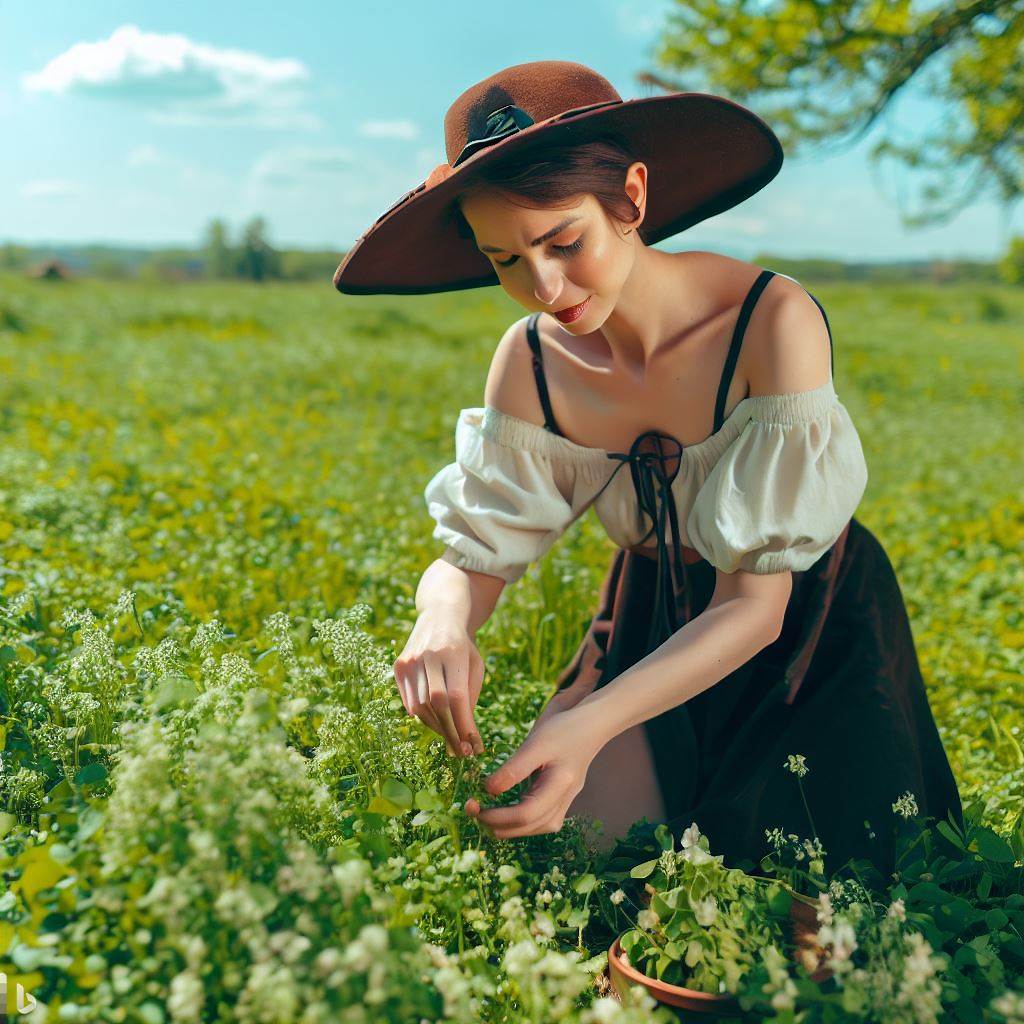
The most common variant, Stellaria media, is often referred to as common chickweed and holds widespread recognition. It features delicate, succulent stems that sprawl along the ground, forming dense mats or carpets of greenery. The leaves of common chickweed are smooth and bright green, with an oval shape and a single prominent vein running down the center. This variant bears small, star-shaped white flowers, each consisting of five deeply cleft petals. After flowering, common chickweed produces small cylindrical seed capsules that contain numerous tiny seeds, allowing for its efficient propagation.

Mouse-ear Chickweed:

Another variant, known as mouse-ear chickweed (Cerastium fontanum), shares some similarities with common chickweed in terms of appearance. Mouse-ear chickweed also exhibits succulent stems, but its leaves possess a distinctive characteristic that resembles the ears of a mouse, giving the plant its name. These leaves are densely covered in fine hairs, which create a fuzzy texture when touched. Mouse-ear chickweed also produces white flowers, albeit with slightly broader petals compared to common chickweed.

Lesser Stitchwort:

A less commonly encountered variant, known as lesser stitchwort (Stellaria graminea), shares similar features with its chickweed counterparts. It possesses delicate stems, smooth leaves, and white star-shaped flowers. However, the leaves of lesser stitchwort are notably narrower and have a more grass-like appearance, resembling blades rather than the rounded shape of common chickweed.

Despite these variations, all the chickweed variants mentioned share common characteristics such as low-growing habit, succulent nature, and small, star-shaped white flowers. Their appearance and growth patterns make them readily identifiable during foraging excursions, allowing for confident and accurate harvests of this versatile plant.

Identifying Chickweed:

Identifying chickweed during your foraging adventures is crucial to ensure accurate and safe harvests. By paying attention to its distinct features, you can confidently differentiate chickweed from other similar-looking plants. Here are key characteristics to look for when identifying chickweed:

  • Leaves: Chickweed boasts opposite leaves that grow in pairs along its tender stems. The leaves are oval-shaped, smooth, and vibrant green in color. They possess a succulent texture and often feature a single prominent vein running down the center. These leaves are tender and palatable, making them ideal for culinary use.
  • Flowers: Chickweed produces delicate white flowers that are small but highly distinctive. The flowers consist of five deeply cleft petals arranged in the shape of a star. These charming blooms add beauty to the plant and serve as a helpful identification marker during its flowering stage.
  • Seed Capsules: Following the blooming phase, chickweed develops into small cylindrical seed capsules. These capsules contain numerous tiny seeds, allowing for the plant’s widespread propagation. The presence of these capsules further aids in confirming the identity of chickweed during its lifecycle.
  • Growth Habit: Chickweed is a low-growing plant that tends to form dense mats or carpets on the ground. It thrives in moist environments and can reach heights of 6 to 12 inches. Its sprawling nature allows it to cover large areas, creating a noticeable presence in its preferred habitats.

By familiarizing yourself with these identifying characteristics, you can confidently differentiate chickweed from other similar plants during your foraging endeavors. Remember to consider factors such as leaf arrangement, leaf shape, flower appearance, seed capsules, and growth habit to ensure accurate identification. Such knowledge empowers you to effectively locate and harvest this versatile plant for culinary and medicinal purposes.

Habitat and Foraging Locations:

Chickweed’s adaptability and resilience make it a versatile plant that can be found in a variety of habitats, providing ample opportunities for foraging. Understanding its preferred environments will enhance your chances of locating and harvesting this abundant plant. Here are some key insights into the habitat and foraging locations of chickweed:

  • Moist, Fertile Soil: Chickweed thrives in moist and fertile soil conditions. It favors areas with adequate moisture, but not overly waterlogged. Locations with good drainage and rich organic matter are ideal for its growth. It is commonly found in gardens, lawns, fields, and meadows where the soil retains moisture and nutrients.
  • Diverse Habitats: Chickweed is adaptable and can be found in various habitats. You may encounter it in woodland edges, along forest paths, and in disturbed areas such as roadside verges or abandoned lots. It prefers areas with ample sunlight but can tolerate partial shade as well.
  • Cool-Season Plant: Chickweed is a cool-season plant, emerging in early spring and continuing to flourish until late autumn. It is often one of the first green plants to emerge after winter, heralding the arrival of spring. Its ability to thrive during cooler temperatures makes it a valuable foraging resource during the shoulder seasons.
  • Global Distribution: Due to its adaptability and ability to grow in diverse conditions, chickweed can be found in many regions worldwide. Whether you’re in North America, Europe, Asia, or other temperate regions, chances are you’ll come across chickweed in your local foraging expeditions.

When exploring for chickweed, keep an eye out for its low-growing habit and dense mats or carpets that cover the ground. Moist and fertile areas, such as gardens, lawns, fields, and disturbed sites, are prime locations to discover this resilient plant. Be mindful of local regulations and avoid foraging in areas that may have been treated with pesticides or chemicals. With an understanding of its preferred habitats, you can embark on rewarding chickweed foraging adventures and take advantage of its culinary and medicinal benefits.

Culinary and Medicinal Uses:

Delectable Culinary uses:

Culinary enthusiasts and foragers alike appreciate chickweed for its nutritional value and versatility in the kitchen. With its mild and fresh flavor, this herb offers a range of culinary possibilities. Here are some delectable culinary uses of chickweed to explore:

  • Salads and Sandwiches: The tender young leaves and stems of chickweed make a delightful addition to salads and sandwiches. Their crisp texture and mild taste provide a refreshing element to your culinary creations. Simply rinse the chickweed thoroughly, remove any tough stems, and toss it into your favorite salad or sandwich for added nutrition and a touch of vibrant green.
  • Stir-fries and Sautéed Dishes: Chickweed’s succulent nature allows it to retain its shape and texture when cooked, making it a fantastic ingredient for stir-fries and sautéed dishes. Add chickweed towards the end of cooking to preserve its delicate flavor and bright appearance. Pair it with other vegetables, meats, or tofu for a nourishing and visually appealing meal.
  • Vegetable Side Dishes: Consider incorporating chickweed into vegetable side dishes to elevate their nutritional value and taste. Sauté chickweed with garlic, olive oil, and a pinch of salt for a simple and flavorful side dish. You can also steam or blanch chickweed briefly to retain its vibrant color and serve it alongside roasted or grilled main courses.
  • Soups and Stews: Chickweed can be a valuable addition to soups and stews, imparting its subtle flavor and enhancing the overall nutritional profile. Toss a handful of chickweed into vegetable, chicken, or lentil soups during the last few minutes of cooking. The gentle simmering will soften the leaves while preserving their delicate taste and appearance.
  • Herbal Infusions and Pestos: For a unique twist, experiment with using chickweed in herbal infusions and pestos. Combine fresh chickweed leaves with other aromatic herbs like basil, parsley, or mint to create flavorful herbal teas or infusions. Additionally, blend chickweed with garlic, nuts, olive oil, and Parmesan cheese to make a vibrant and nutritious pesto sauce that can be enjoyed with pasta, bread, or as a dip.

Chickweed’s mild and versatile flavor allows it to complement a wide array of ingredients and dishes. From fresh salads to cooked preparations, its nutritional richness and delicate taste make it a valuable culinary resource for those seeking to incorporate wild edibles into their meals. As always, ensure that you forage from clean and uncontaminated areas, and thoroughly wash the chickweed before use.

Common Medicinal uses:

Chickweed’s medicinal properties have been recognized for centuries, and it has been utilized as a valuable herbal remedy for various ailments. The soothing and cooling qualities of chickweed make it particularly beneficial in the realm of natural medicine. Here are some common medicinal uses of chickweed:

  • Topical Relief for Skin Irritations: Chickweed has long been employed as a topical remedy for skin irritations, including rashes, eczema, itching, and minor burns. The leaves of chickweed can be crushed and applied directly to affected areas as a poultice. The cooling and anti-inflammatory properties of chickweed are believed to help alleviate discomfort and promote healing.
  • Infusions and Oils for External Use: Chickweed can be infused into oils, creams, or salves to create soothing preparations for external use. Infusing chickweed into carrier oils like olive oil or coconut oil can yield a soothing and nourishing oil blend. These infused oils can be applied topically to alleviate skin conditions or provide relief to dry, itchy skin.
  • Anti-Inflammatory Properties: Chickweed is believed to possess anti-inflammatory properties, which may help reduce inflammation and swelling. This makes it potentially useful for conditions such as arthritis, joint pain, and inflamed skin conditions. Applying chickweed-infused preparations or poultices may help soothe these inflammatory issues.
  • Diuretic Effects: Chickweed is also recognized for its diuretic properties, which can help promote healthy urinary tract function and alleviate water retention. It may be beneficial in cases of mild edema or as a supportive measure for urinary tract health. As with any diuretic, it is important to maintain proper hydration while using chickweed.
  • Digestive Support: Some herbal traditions consider chickweed as a digestive aid. It is believed to have a gentle and soothing effect on the digestive system, potentially aiding in relieving symptoms such as indigestion, bloating, and mild gastrointestinal discomfort. Chickweed infusions or herbal teas may be consumed to support digestive health.

It is worth noting that while chickweed has a long history of traditional use, scientific studies exploring its medicinal properties are limited. As with any herbal remedy, it is advisable to consult with a healthcare professional before incorporating chickweed or any herbal supplement into your healthcare routine, especially if you have underlying health conditions or are taking medications.

Chickweed’s reputation as a soothing herb with potential anti-inflammatory, diuretic, and digestive properties contribute to its appeal as a natural remedy. However, individual experiences and responses to herbal remedies can vary, and it is important to exercise caution and seek professional advice when using chickweed for medicinal purposes.

Magical Properties:

In addition to its practical uses, chickweed holds a special place in the realm of magic and folklore. Throughout history, it has been revered for its perceived magical properties and is believed to bring forth positive energies and protective influences. Here are some of the magical associations and practices associated with chickweed:

  • Abundance and Prosperity: Chickweed has long been associated with attracting abundance and prosperity. In folk magic, it is believed that carrying or wearing chickweed can help manifest financial success, growth, and overall abundance in one’s life.
  • Love and Romance: Chickweed is often utilized in love spells and rituals. It is believed to have the power to kindle or enhance romantic feelings, making it a popular herb for love magic. Some traditions suggest placing chickweed beneath the pillow to inspire dreams of love or incorporating it into love potions and charms.
  • Protection and Warding: Chickweed is considered to possess protective properties in various magical traditions. Carrying a sachet filled with dried chickweed is believed to provide protection against negativity, evil spirits, and ill intentions. It is also thought to create a shield of positive energy around the bearer.
  • Healing and Well-Being: Chickweed’s reputation for soothing and cooling properties extends into the magical realm. It is associated with healing and promoting overall well-being, both physically and spiritually. Some believe that incorporating chickweed into rituals or spells can aid in emotional healing, stress relief, and balancing energies.
  • Spiritual Cleansing: Chickweed is sometimes used in rituals and practices focused on spiritual cleansing and purification. It is thought to assist in clearing away negative energies and promoting spiritual growth and harmony. Including chickweed in ritual baths, smudging, or herbal cleansing blends can enhance these spiritual practices.

It is important to note that the magical properties attributed to chickweed are rooted in folklore and personal beliefs. The power of these magical associations lies in the intentions and energy of the practitioner. As with any magical or spiritual practice, respect and mindfulness should be exercised when working with chickweed or any other herb for magical purposes.

Remember to approach magical practices with reverence, ethical considerations, and an understanding of the cultural and historical context behind them. Incorporating chickweed into your magical pursuits can add a touch of enchantment and symbolism to your rituals, spells, and personal practices.

Safety Considerations:

Safety should always be a top priority when foraging, and this applies to chickweed as well. While chickweed is generally safe for consumption, it is crucial to follow certain safety considerations to ensure a positive foraging experience. Here are some key safety guidelines to keep in mind:

  • Proper Identification: Accurate identification of chickweed is essential before harvesting and consuming it. Although chickweed has distinct characteristics, it can sometimes be confused with similar-looking plants. Consult reliable foraging guides, local experts, or experienced foragers to ensure accurate identification and avoid any potential misidentification.
  • Harvesting from Contamination-Free Areas: Chickweed should be harvested from areas free of contamination, such as pesticides, pollutants, and heavy metals. Avoid foraging near roadsides, industrial sites, or areas where there is a likelihood of contamination. Choose locations away from high traffic areas and chemical applications to ensure the purity of the plants you harvest.
  • Allergies and Medication Interactions: It is important to be aware of potential allergies or interactions with existing medications when consuming chickweed or any other wild plant. Some individuals may have sensitivities or allergies to certain plants, including chickweed. If you have known allergies or are taking medications, consult with a healthcare professional before incorporating chickweed into your diet or medicinal routine.
  • Disclaimer Regarding Medical Safety: It is important to note that the information provided in this article is for educational purposes only and should not replace professional medical advice. While chickweed has a long history of traditional use and perceived health benefits, scientific studies on its safety and efficacy are limited. Individual responses to chickweed can vary, and it is always advisable to consult with a healthcare professional before using chickweed for medicinal purposes, especially if you have underlying health conditions or are taking medications.

By adhering to these safety considerations, you can ensure a safe and enjoyable foraging experience with chickweed. Prioritize proper identification, harvest from clean areas, be mindful of allergies and medication interactions, and seek professional medical advice when necessary. Responsible foraging practices and informed decision-making are key to enjoying the benefits of chickweed while maintaining your well-being.

Conclusion:

Chickweed, with its tender leaves, delicate flowers, and numerous health benefits, offers an abundance of culinary and medicinal possibilities. Its availability in diverse habitats and versatility in the kitchen make it an excellent addition to foragers’ repertoires. However, responsible foraging, accurate identification, and cautious use are crucial to ensure a safe and enjoyable experience. So, embrace the wonders of chickweed, both in your kitchen and in your exploration of the natural world.

Posted on Leave a comment

Foraging: Dandelions

Foraging-Dandelions
Foraging-Dandelions

Introduction

Foraging Dandelions: A Guide to Identifying, Harvesting, and Using this Common Plant

Dandelions are a common plant that can be found in many parts of the world. Often considered a nuisance weed, dandelions are edible and have many health benefits. In this article, we will explore the history of dandelions, characteristics of them, how to identify them, where they grow, home remedies using the plant, and some tips for foraging.

History

Dandelions have a rich history of use in traditional medicine and folklore. The plant has been used for thousands of years for a variety of purposes, ranging from treating ailments to divination. In ancient times, dandelions were revered for their medicinal properties and were used to treat a wide range of conditions, including digestive issues, skin irritations, and liver problems. The plant was also believed to have magical properties and was used in divination and love spells.

In medieval Europe, dandelions were a common sight in monastery gardens, where they were grown for their medicinal properties. The plant was also used in traditional Chinese medicine, where it was believed to promote digestion, reduce inflammation, and detoxify the body. Dandelions were also used by Native American tribes, who used the plant for food, medicine, and in religious ceremonies.

During World War II, dandelions played an important role in food production, as they were used to supplement scarce food supplies in Europe. The plant was grown for its edible leaves, which were used in salads and soups, and the roots were roasted and used as a coffee substitute.

Today, dandelions continue to be used for their health benefits and culinary uses. The plant is a rich source of vitamins and minerals, including vitamins A, C, and K, iron, calcium, and potassium. Dandelion leaves are a common ingredient in salads and can be used in place of spinach or other greens. The roots of the plant are also used in teas and tinctures, and the flowers can be used to make wine or infused into oil for use in cooking.

What do Dandelions Look Like?

Dandelions are a perennial plant that typically grows to a height of about 5 to 40 cm. The leaves of the plant are long and narrow with jagged edges that are toothed. The leaves grow in a rosette pattern at the base of the plant. The stem of the plant is hollow and typically grows a single yellow flower at the top. The flower has petals that are pointed and are arranged in a circle around a central disk.

Dandelions are a perennial plant that typically grows to a height of about 5 to 40 cm. The leaves of the plant are long and narrow with jagged edges that are toothed. The leaves grow in a rosette pattern at the base of the plant. The stem of the plant is hollow and typically grows a single yellow flower at the top. The flower has petals that are pointed and are arranged in a circle around a central disk.

The plant’s bright yellow flowers and white puffball seeds have led to a variety of interpretations and meanings. In some cultures, dandelions are seen as a symbol of joy, happiness, and hope. The plant’s resilience and ability to thrive in difficult conditions have led to it being associated with perseverance and strength.

In other cultures, dandelions are seen as a symbol of transformation and new beginnings. The plant’s ability to grow in disturbed or neglected soil has led to it being associated with rebirth and renewal. Dandelions are also believed to have divinatory properties and have been used in love spells and fortune-telling.

In modern times, dandelions have also become a symbol of environmentalism and resistance. The plant’s resilience and ability to grow in even the most challenging conditions have led to it being embraced by activists and gardeners alike as a symbol of hope and resilience in the face of adversity.

How to Identify Dandelions

Dandelions are a common and easily recognizable plant that can be found in a variety of environments. When foraging for dandelions, it is important to correctly identify the plant to avoid any potential mistakes. Dandelions typically have bright yellow flowers with pointed petals that form a circle. The leaves of the plant are typically toothed and can range from four to six inches in length. Another characteristic of dandelions is their hollow stem, which exudes a milky sap when broken. In addition to the yellow flowers, dandelions produce a fluffy white seed head that is easily dispersed by the wind. These distinctive features make dandelions easy to identify in the wild.

One helpful tip for identifying dandelions is to look for them in open areas such as lawns, fields, and meadows. Dandelions thrive in areas with plenty of sunlight, and their bright yellow flowers are often the first sign of spring in these areas. Additionally, dandelions have a long growing season, and their leaves can be harvested at any time during the year. When harvesting dandelion leaves, it is important to choose leaves that are young and tender, as older leaves can be tough and bitter. With their distinct appearance and wide availability, dandelions are an excellent plant for foraging and can be used in a variety of culinary applications.

Where Do Dandelions Grow?

Dandelions are a versatile and hardy plant that can grow in a wide range of environments, including fields, lawns, gardens, and even cracks in pavement. They thrive in areas with plenty of sunlight and well-drained soil and can even grow in poor soil conditions. Dandelions are native to Europe and Asia but have since spread throughout much of the world due to their adaptability and ability to thrive in a variety of climates.

The life cycle of a dandelion can vary depending on environmental factors such as temperature and soil conditions, but on average it takes around 200 days from start to finish. Dandelions begin as a seed, which can be carried by the wind or animals to new locations. Once the seed takes root, the dandelion will produce a rosette of leaves and eventually a flower stem. The yellow flowers are pollinated by bees and other insects, and eventually give way to the familiar white puffball of seeds that are easily dispersed by the wind. The seeds then take root, and the cycle begins again. Due to their rapid growth and ability to spread quickly, dandelions can be seen throughout much of the growing season in many parts of the world.

Home Remedies Using Dandelions

dandelion teaDandelions have been used for centuries in traditional medicine for their various health benefits. One popular home remedy that uses dandelions is to brew tea using the plant’s leaves and roots. Dandelion tea is believed to have diuretic properties, which can help flush excess fluids and toxins from the body. The tea can also be used to help stimulate digestion, relieve constipation, and soothe stomach cramps.
In addition to tea, dandelion roots can be roasted and ground to make a caffeine-free coffee substitute. The roasted roots have a similar flavor to coffee and can be brewed using a French press or drip coffee maker. Dandelion root coffee is rich in antioxidants and is believed to have a few health benefits, including reducing inflammation and improving liver function.

Dandelion greens can also be used in a variety of dishes, such as salads, soups, and stir-fries. The leaves are a good source of vitamins A, C, and K, as well as minerals such as calcium and potassium. Dandelion greens are also believed to have anti-inflammatory properties and can help support liver health. Overall, dandelions are a versatile and useful plant with several potential health benefits when used in home remedies.

Foraging Tips

When foraging for dandelions, it is important to be mindful of where you are harvesting the plant. Avoid areas that have been treated with pesticides or herbicides, as these chemicals can be harmful if ingested. It is also important to properly identify the plant to avoid harvesting any toxic lookalikes.

When harvesting dandelions, it is best to gather the leaves and flowers when they are young and tender, as they can become bitter and tough as they mature. The roots of the plant can be harvested in the fall when the plant has gone dormant. To harvest the roots, dig up the entire plant and carefully remove the root from the soil.

Conclusion

Dandelions are a versatile and beneficial plant that can be foraged for a variety of uses. Whether you are harvesting them for food, medicine, or simply as a hobby, it is important to properly identify the plant and be mindful of where you are harvesting it from. With a little bit of knowledge and caution, you can enjoy the many benefits that dandelions have to offer.

Disclaimer: Foraging for wild food can be a rewarding and enjoyable activity, but it can also be dangerous. It is important to note that not all plants are safe to eat, and misidentification of plants can lead to serious illness or even death. Additionally, wild food can be contaminated with pollutants or harmful substances, which can also pose health risks. Therefore, it is crucial to exercise caution and do proper research before consuming any wild food. It is recommended to learn from experienced foragers or take a foraging class before attempting to forage on your own. Always properly identify the plant and verify with multiple reliable sources before consuming. If you have any doubts, it is best to err on the side of caution and avoid consuming the plant.

Posted on Leave a comment

Foraging: Plantains

Ribwort (Narrowleaf) Plantain

Foraging Plantains!

Plantains are a type of weed commonly found in many parts of the world. Despite their reputation as a nuisance plant, they are edible and nutritious, making them an excellent food source for those who know how to forage them. Foraging for plantains is a simple and rewarding activity that requires only a basic knowledge of plant identification and some patience.

In this article, we will explore the benefits of foraging for plantains, how to identify them, where they grow, and common uses. Whether you’re a seasoned forager or new to the practice, learning how to identify and harvest plantains can be a valuable addition to your knowledge of wild foods.

What Does Plantain Look Like – How to Identify Two Species of this Practical Plant?

This claimed weed is common where all plants grow. Simply step outside and look around, it’s likely there’s one of these plants’ variants growing among the others. The nutritional punch it packs plus its natural medical properties’ surprises most and changes the way people look at these weeds. Let’s clear up a confusion, although Plantain plants share the same name as the banana-like fruit these two plants are completely different. The plantain falls under the Plantaginaceae family of which there are 34 plants readily available around the world, all of them edible.

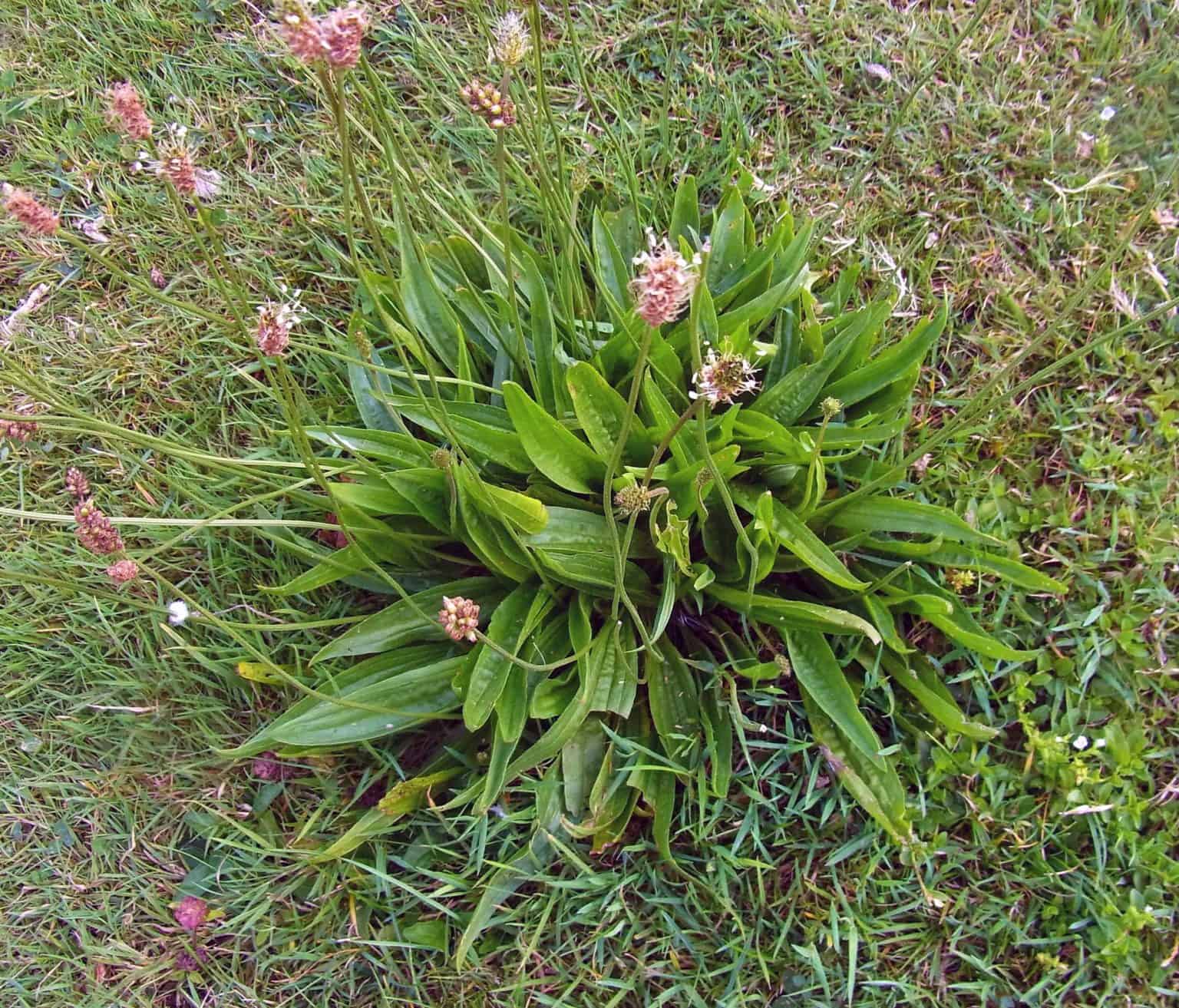
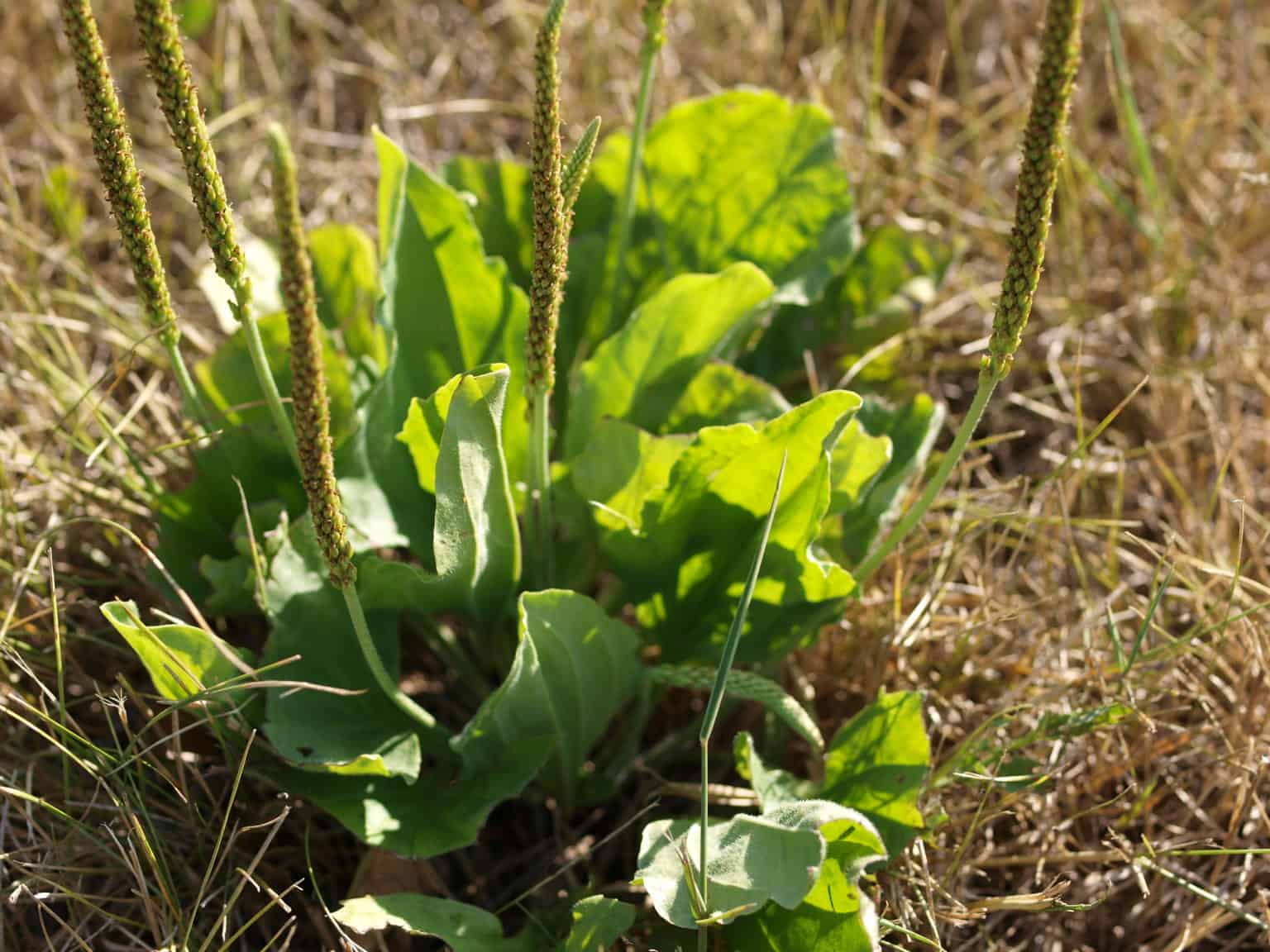
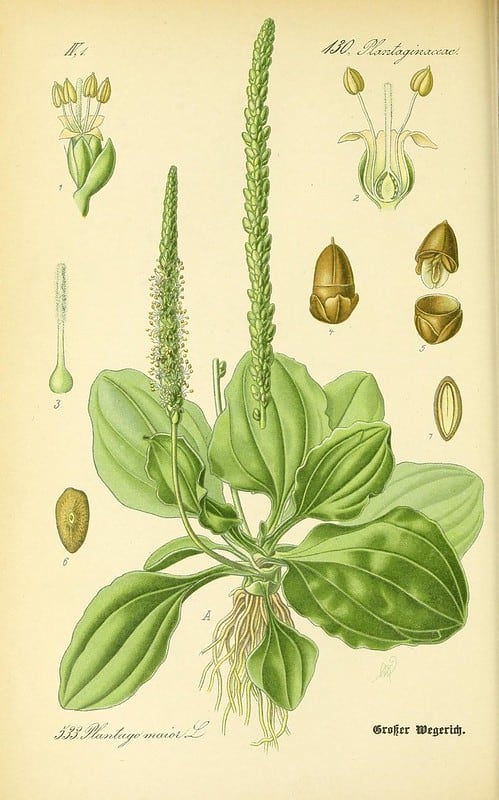
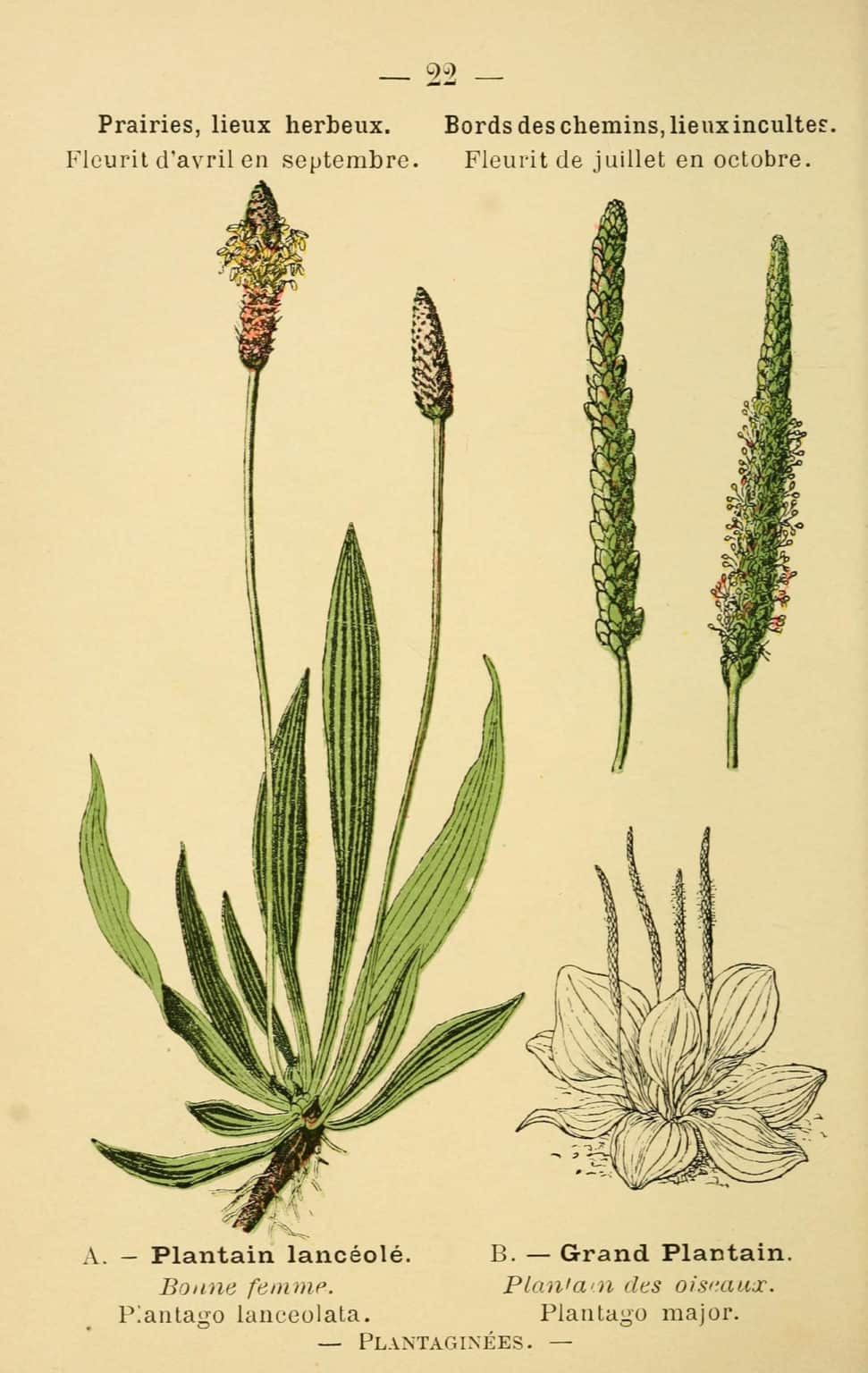
Broadleaf PlantainSo, what does a plantain look like? The two most common types of plantains you might find are: broadleaf plantain (Plantago major, image right) and narrow-leaf plantain (Plantago lanceolata, image above). Both types of plantains are herbaceous, flowering plants with leaves that grow in a rosette formation. Plantains are perennials plants with sturdy leaves that grow in the same areas year after year.
Where do plantains grow?

Pretty much everywhere that humans live there are plantains. It’s often classified as an invasive weed, although with time it could be more commonly known as a wild edible source of importance.
This plant is very resilient and found growing in areas with compacted soil such as sidewalks, bustling streets, and all-round cities. It’s easily spotted along riverbanks, in farmland, and grasslands, and seems to thrive in all areas that have a human disturbance.

What does broadleaf plantain (Plantago major) look like?

Parts of the broadleaf plantain (Plantago major).The most familiar variety is the broadleaf plantain, also known as greater plantain or common plantain. Even after our bitterly cold winters where it can drop to -40°F, the broadleaf plantain pops up again every spring. The broadleaf plantain is characterized by its rosette shape, with broad and thick spade-shaped leaves. Each leaf has between five and nine long veins. When they flower, they produce small clustered greenish-brownish flowers along a purple stamen. Broadleaf plantains grow to 15–30 cm (6–12 inches) in diameter. Flower stalks are taller and can grow as tall as 25 cm (9.84 inches). These low-growing plants are well adapted to human life and can easily withstand trampling and lawnmowers. By lying low to the ground, it protects itself from further damage.
One defining characteristic of broadleaf plantains is their fibrous nature. Try gently pulling a plantain leaf from its stem. You will see sinewy strings still attached. Because of this, plantain fibers were used to make twine and woven to create other practical household items.

What does narrow-leaf plantain (Plantago lanceolata) look like?

Parts of the narrowleaf plantain (Plantago lanceolata).Another common variety of plantain is the narrow-leaf plantain (Plantago lanceolata), also known as English plantain, or ribwort plantain.

As the name implies, narrow-leaf plantain leaves are narrower and longer than their broad-leafed cousin. At first glance, they look like long thick blades of grass. The narrow-leaf plantain has deep veins running lengthwise. When you look closer, you’ll see smaller veins running in all different directions.
It also has tall stalks with clustered, small green/brown flowers. Flower stems generally grow between 10–40 cm (3.9–15.7 inches).

An abundance of seeds

One of the reasons why plantains are so plentiful is that they produce a lot of seeds. Each plant can produce up to 14,000 seeds each year! The seeds may remain viable for up to 60 years. Seeds are dispersed by the wind, animals, and humans.
The seeds of plantains are also edible. To eat the seeds fresh from the plant, place a stalk between your teeth and gently scrape out the seeds.
Plantain seeds can also be ground up or dried for use in recipes for breads and salads. They have a slightly nutty, full-bodied flavor which lends itself nicely to certain recipes.
When young and without flowers, broadleaf plantains are sometimes confused with plants of the Lily family which are not edible. Once flowers appear, it’s easier to distinguish between the two.
If you’re having trouble identifying a plant, ask a local specialist.

Common natural home remedies and uses of plantain

One of the easiest and most common uses of plantain leaves is as a soothing agent for insect bites, bee stings and minor cuts. Make a saliva-based poultice by chewing up leaves in your mouth and applying to the wounded area. Cover with a bandage.
Have a cough or cold? Brew plantain leaf tea. Sweeten with a dollop of honey. Plantain acts as an expectorant, helping to clear mucus from the body when you’re sick.
If you need help with bowel movements, plantain seeds act as a laxative.
Get a boost of vitamins A, C, and E along with magnesium and calcium. Incorporate fresh plantain leaves into salads, or make a green smoothie. Plantain leaves can also be pan-fried and used in stir-fry recipes.

Foraging tips

If you’re planning on foraging some wild plantain, here are a few tips:

Make sure plantains are growing in an area free of herbicides and pesticides. The best place to start foraging is in your own backyard assuming it’s chemical-free. Avoid plantains that look shriveled or discolored—a sure sign they’ve been chemically treated. A good general rule is to stay several meters away from roadsides and commercial properties.
Harvest plantain leaves by simply pulling gently to remove from the plant. The leaves come off easily while the root remains in the earth for re-growth. While plantains are resilient and grow readily, it’s always a good idea to leave some for next time, or for others.
You might need to bring a pair of scissors (just in case), to separate the leaves from the plant. Young plants have fibrous, thick stems that can be difficult to pluck.
Rinse plantain leaves in a colander and pat dry. You can refrigerate fresh leaves for several days, but it’s best to use them while fresh. To preserve leaves, try drying them.

Conclusion

While it’s annoying to have plantains popping up all over your yard, they’re a bountiful source of nutrients with powerful medicinal properties. Instead of fighting nature by spraying herbicides on them, try harvesting these natural wonders. You might find yourself a bit healthier and happier.

Disclaimer: Foraging for wild food can be a rewarding and enjoyable activity, but it can also be dangerous. It is important to note that not all plants are safe to eat and misidentification of plants can lead to serious illness or even death. Additionally, wild food can be contaminated with pollutants or harmful substances, which can also pose health risks. Therefore, it is crucial to exercise caution and proper research before consuming any wild food. It is recommended to learn from experienced foragers or take a foraging class before attempting to forage on your own. Always properly identify the plant and verify with multiple reliable sources before consuming. If you have any doubts, it is best to err on the side of caution and avoid consuming the plant.