Posted on Leave a comment

Birds as Omens of Love

Birds as Omens of Love

Introduction

Discover the enchanting practice of divining romantic prospects through the observation of birds.

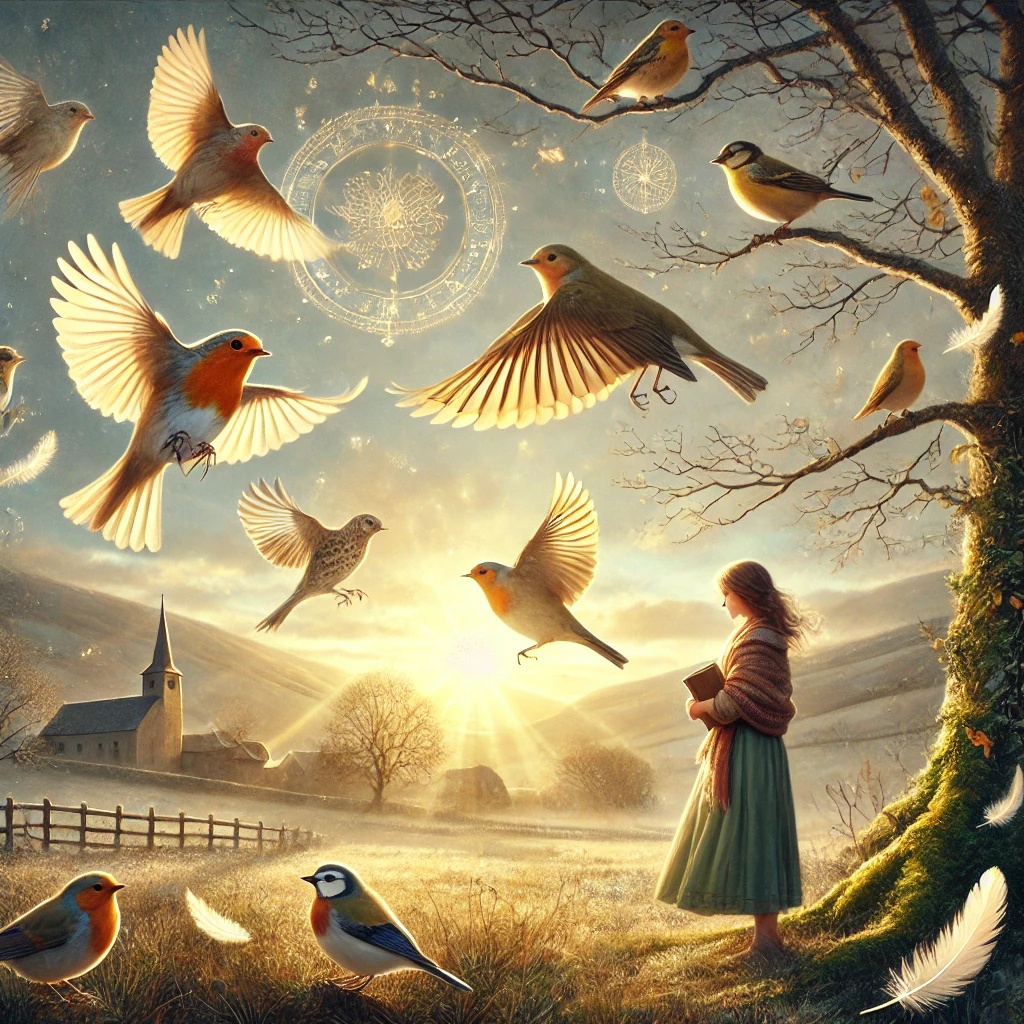
Have you ever wondered if the birds soaring above could whisper secrets about your romantic future? For centuries, people have looked to the skies for answers, finding meaning in the flight and behavior of birds. One of the most charming Candlemas traditions involves observing birds to divine romantic prospects for the year ahead. This practice, rooted in folklore and the human tendency to find meaning in nature, holds that the first bird spotted on Candlemas Day carries a prophetic message about one’s future partner. In this article, we’ll explore the history of this romantic divination tradition, delve into the symbolic meanings of different birds, and consider how this timeless practice can inspire modern love readings.

The History of Bird Divination and Candlemas Traditions

The tradition of bird divination on Candlemas Day is a fascinating blend of ancient beliefs, nature worship, and seasonal rhythms, reflecting humanity’s enduring connection to the natural world. Candlemas, celebrated on February 2, is a pivotal point in the seasonal calendar, marking the midpoint between the winter solstice and the spring equinox. As a day associated with light, renewal, and prophecy, it has long been a time for rituals and divination aimed at revealing what the future holds.

Candlemas and the Romantic Customs of Bird Watching

For unmarried women in historical Europe, Candlemas offered a unique opportunity to seek guidance about their romantic futures. At dawn on this sacred day, they would step outside and watch the skies, focusing intently on the first bird they saw. This bird was believed to carry a prophetic message about their future spouse, with its species, behavior, and appearance providing clues about their partner’s character, profession, or social standing.

The significance of Candlemas bird watching lies not only in its romantic connotations but also in its ties to the broader themes of renewal and hope. In societies where marriage often shaped social and economic opportunities, the practice reflected the importance of securing a successful and harmonious union. Women approached this ritual with both excitement and reverence, viewing the natural world as a bridge between human affairs and divine insight.

Birds as Messengers of the Divine

The roots of this tradition are deeply intertwined with humanity’s ancient reverence for birds as creatures of the heavens. Birds, with their ability to soar between earth and sky, were seen as messengers of the divine, embodying freedom, love, and spiritual connection. Their flight patterns, songs, and even their nesting behaviors were thought to convey guidance and warnings from the gods or the universe.

This belief is not unique to Candlemas or European traditions. In ancient Greece and Rome, the practice of augury—interpreting the flight patterns, behaviors, or calls of birds—was a highly respected form of divination. Roman augurs, or seers, carefully observed birds to discern the will of the gods, influencing decisions in war, politics, and personal matters. For instance:

  • The direction a bird flew could indicate good or bad fortune.
  • The type of bird observed, whether an eagle, raven, or dove, carried specific symbolic meanings.

Candlemas bird divination likely evolved from these ancient customs, merging classical traditions with local folklore and seasonal rituals to create a practice rooted in both communal and personal significance.

Seasonal and Symbolic Connections

Candlemas Day’s timing in the agricultural and spiritual calendar also reinforced its significance. As the midpoint between winter’s end and spring’s beginning, it was a day to reflect on the cycles of life, fertility, and growth. The observation of birds aligned perfectly with these themes, as birds were seen as heralds of seasonal change and symbols of renewal. Their presence and behavior were believed to provide insight into the year ahead, particularly in matters of love and partnership.

In this context, bird watching on Candlemas became not just a tool for personal divination but also a reflection of the broader seasonal rhythms. Just as the returning light signaled hope and new beginnings, the birds offered guidance on what to anticipate in the unfolding year.

The Cultural Importance of Marriage and Bird Divination

The Candlemas tradition also underscores the cultural importance of marriage in historical societies. A good marriage was not only a romantic aspiration but also a crucial factor in securing social stability, financial security, and familial alliances. The practice of interpreting bird omens served as a comforting way to navigate the uncertainties of the future, offering women a glimpse of their destiny through the natural world.

For example:

  • Spotting a robin, associated with sailors and adventure, hinted at a life of excitement and loyalty.
  • Seeing a sparrow, representing simplicity and humility, suggested a modest yet deeply fulfilling partnership.
  • Observing a goldfinch, tied to wealth and beauty, foretold a union of abundance and joy.

These symbolic interpretations of birds reflected the qualities that were valued in potential spouses and marriages, blending practical concerns with the mystical allure of nature’s guidance.

A Timeless Practice of Connection and Insight

While the tradition of Candlemas bird watching is rooted in history, its themes of connection to nature and seeking guidance remain timeless. The practice highlights how deeply intertwined human lives have been with the natural world, using its rhythms and symbols as a source of wisdom and inspiration. Bird divination, whether in the context of Candlemas or broader traditions, serves as a reminder of the rich tapestry of folklore and spirituality that continues to inform and inspire modern practices.

From the ancient augurs of Rome to the hopeful young women of Europe, the skies have always held messages for those willing to look. The tradition of bird divination on Candlemas Day stands as a beautiful testament to humanity’s enduring search for meaning in the natural world and its cycles.

Birds as Romantic Omens: Symbolic Meanings

On Candlemas Day, the specific bird a woman saw was believed to carry a distinct message about her romantic future, offering insights into the character, fortune, and circumstances of her future partner. This charming practice highlights the deep symbolism of birds in folklore, with each species embodying unique qualities and omens.

Common Candlemas Birds and Their Meanings

  • Robin
    • Prophecy: A robin foretold marriage to a sailor or someone who worked at sea.
    • Symbolism: The robin’s vibrant red breast and hearty song, even in the bleakest winter months, made it a symbol of steadfastness, resilience, and adventure. The robin represents a partner who is courageous, dependable, and willing to face life’s storms with unwavering commitment.
    • Reflection: A life symbolized by the robin’s omen suggested excitement, travel, and the steadfast companionship of someone whose boldness matched their loyalty. Such a partnership implied a dynamic and adventurous marriage, full of resilience and enduring love.
    • Cultural Connection: In Celtic folklore, robins were often associated with protection and guidance. Seeing a robin was thought to signify the presence of a spirit guide, lending an additional layer of divine blessing to this romantic omen.
  • Sparrow
    Prophecy: A sparrow sighting indicated a humble but contented marriage to a poor man.
    • Symbolism: Sparrows, small and unassuming, embody simplicity, community, and the value of love over material wealth. Their presence suggests that while financial abundance may be lacking, the partnership will be rich in emotional connection and mutual respect.
    • Reflection: This omen emphasized the beauty of life’s simple joys and the importance of a strong emotional bond. It highlighted a relationship built on shared values, loyalty, and an appreciation for the little things that make life meaningful.
    • Cultural Connection: In Christian tradition, sparrows symbolize divine care and the idea that even the smallest creatures are deeply loved by the divine. A sparrow sighting reinforced the notion that a humble life can still be filled with love and purpose.
  • Goldfinch
    • Prophecy: Seeing a goldfinch signified marriage to a wealthy man.
    • Symbolism: Goldfinches, with their striking yellow and black plumage, symbolize abundance, joy, and beauty. They are associated with prosperity and happiness, indicating a life of comfort and luxury in romantic partnerships.
    • Reflection: This omen suggested a union filled with financial stability and aesthetic pleasure. A goldfinch signified a partner who would bring wealth, generosity, and a life marked by opportunities to enjoy beauty and abundance together.
    • Cultural Connection: In Renaissance art, goldfinches were often depicted as symbols of divine providence and spiritual richness. This made the bird a particularly auspicious sign, combining material wealth with a deeper sense of harmony and well-being.
  • Dove
    • Prophecy: A dove foretold a peaceful and deeply loving marriage.
    • Symbolism: Doves are universal symbols of love, harmony, and devotion. Their gentle cooing and pair-bonding behaviors embody the ideals of a romantic and balanced partnership. A dove represents a partner who is caring, nurturing, and committed to creating a harmonious relationship.
    • Reflection: A life symbolized by the dove’s omen suggested an enduring and serene union built on mutual respect and deep emotional connection. Such a partnership implied a safe and nurturing love, free from conflict and full of unwavering support.
    • Cultural Connection: In Greco-Roman mythology, doves were sacred to Aphrodite and Venus, goddesses of love, making them divine symbols of romantic harmony. In Christian traditions, doves are also associated with the Holy Spirit and peace, adding layers of spiritual significance.
  • Bluebird
    • Prophecy: A bluebird signaled a joyful and optimistic marriage filled with happiness and positivity.
    • Symbolism: The bluebird, with its vibrant plumage and cheerful song, is a symbol of hope, happiness, and good fortune. It represents a partner who brings light and positivity into a relationship, fostering a joyful and uplifting environment.
    • Reflection: A bluebird’s omen suggested a marriage imbued with laughter, harmony, and an abundance of good times. It indicated a relationship where both partners inspire and uplift one another, creating a shared sense of purpose and joy.
    • Cultural Connection: Bluebirds have long been associated with happiness in folklore and literature, often referred to as the “bluebird of happiness.” This adds a sense of divine blessing to their presence as romantic omens.
  • Magpie
    • Prophecy: A magpie foretold a dynamic and unpredictable relationship, often marked by passion and intrigue.
    • Symbolism: Known for their intelligence and resourcefulness, magpies symbolize individuality and adaptability. However, their reputation for mischief also suggests that a partner represented by this bird may bring excitement, challenges, and surprises into the relationship.
    • Reflection: A magpie’s omen indicated a partnership that might be unconventional or marked by ups and downs but ultimately rewarding. It suggested a relationship filled with passion, growth, and the need for compromise.
    • Cultural Connection: In European folklore, magpies are associated with both good and bad luck. The number of magpies seen often determined the omen’s meaning, with one magpie hinting at sorrow and two signifying joy.
  • Swan
    • Prophecy: A swan foretold a marriage characterized by grace, beauty, and lifelong commitment.
    • Symbolism: Swans are symbols of fidelity and devotion, as they often mate for life. Their elegant movements and serene presence represent a partner who brings stability, romance, and a profound emotional connection.
    • Reflection: A swan’s omen suggested a deeply romantic and enduring union, where both partners are equally committed to growing together. This partnership implied emotional depth, loyalty, and shared dreams.
    • Cultural Connection: Swans have been associated with divine love in many cultures, including Greek mythology, where they are sacred to Apollo and often linked to transformation and eternal bonds.
  • Owl
    • Prophecy: An owl foretold a marriage to a wise and introspective partner, someone who values knowledge and personal growth.
    • Symbolism: Owls symbolize wisdom, intuition, and the ability to see beyond the surface. They represent a partner who is thoughtful, reflective, and capable of guiding the relationship with insight and understanding.
    • Reflection: An owl’s omen suggested a marriage rooted in intellectual connection and spiritual growth. It indicated a partner who values depth and encourages meaningful exploration of life’s mysteries.
    • Cultural Connection: In Greek mythology, the owl is associated with Athena, the goddess of wisdom. It was seen as a symbol of protection and insight, adding a sense of divine favor to its appearance as a romantic omen.
  • Wren
    • Prophecy: A wren signaled a marriage to someone resourceful and community-oriented, often a natural leader or provider.
    • Symbolism: Wrens are symbols of ingenuity, humility, and industriousness. Known for their complex songs and active nature, they represent a partner who is hardworking and dedicated to creating a harmonious home life.
    • Reflection: A wren’s omen suggested a marriage filled with mutual support and a shared dedication to building a secure and loving foundation. It implied a relationship where both partners thrive through cooperation and shared effort.
    • Cultural Connection: In Celtic traditions, the wren was considered the “king of birds,” symbolizing divine guidance and the blessings of prosperity and stability.
  • Raven
    • Prophecy: A raven foretold a relationship marked by mystery, transformation, and deep emotional bonds.
    • Symbolism: Ravens are symbols of intelligence, transformation, and the ability to navigate life’s shadows. They represent a partner who is introspective, passionate, and capable of profound emotional connections.
    • Reflection: A raven’s omen suggested a marriage that may involve overcoming challenges but offers the potential for deep transformation and growth. It indicated a relationship where both partners help one another evolve and heal.
    • Cultural Connection: Ravens are sacred in Norse mythology, associated with Odin, the god of wisdom and foresight. In many traditions, they symbolize a connection to higher realms and spiritual insight.
  • Starling
    • Prophecy: A starling foretold a marriage that thrives on communication, teamwork, and a strong sense of community.
    • Symbolism: Starlings, known for their intricate murmuration patterns and social behavior, symbolize harmony and collaboration. They represent a partner who values togetherness and is skilled at maintaining balance in relationships.
    • Reflection: A starling’s omen suggested a union built on mutual respect and open communication. This partnership implied the ability to navigate life’s complexities as a team, with a focus on shared goals and community.
    • Cultural Connection: In European folklore, starlings were often seen as harbingers of change, their presence signaling new opportunities and strengthened connections.
  • Cardinal
    • Prophecy: A cardinal foretold a passionate and vibrant marriage, often marked by strong emotional connection and mutual support.
    • Symbolism: Cardinals, with their bright red feathers and striking presence, symbolize vitality, passion, and devotion. They represent a partner who is confident, loving, and deeply committed to the relationship.
    • Reflection: A cardinal’s omen suggested a relationship filled with excitement, warmth, and emotional depth. It indicated a union where both partners bring out the best in each other and share a deep, enduring bond.
    • Cultural Connection: In many Native American traditions, cardinals are messengers of love and loyalty. Their presence often signifies the arrival of good news, especially in matters of the heart.
  • Peacock
    • Prophecy: A peacock foretold a marriage filled with beauty, luxury, and admiration.
    • Symbolism: The peacock, known for its dazzling feathers, symbolizes pride, elegance, and abundance. It represents a partner who is charismatic, confident, and capable of offering a life of comfort and splendor.
    • Reflection: A peacock’s omen suggested a relationship that thrives on admiration, shared success, and an appreciation for life’s finer things. It indicated a union where both partners celebrate each other’s unique qualities.
    • Cultural Connection: In Hindu mythology, the peacock is associated with Lakshmi, the goddess of wealth and prosperity, adding an auspicious layer to its appearance as a romantic omen.
  • Blackbird
    • Prophecy: A blackbird foretold a deep and soulful marriage, one rooted in mystery and intuition.
    • Symbolism: Blackbirds are often associated with the spiritual realm and the mysteries of life. They represent a partner who is introspective, creative, and deeply connected to their emotions.
    • Reflection: A blackbird’s omen suggested a relationship where emotional depth and spiritual growth are prioritized. It indicated a partnership that thrives on understanding and shared introspection.
    • Cultural Connection: In Celtic folklore, blackbirds were believed to be messengers from the Otherworld, guiding seekers toward wisdom and truth.
  • Finch
    • Prophecy: A finch foretold a cheerful and harmonious marriage, often filled with joy and lightheartedness.
    • Symbolism: Finches, with their lively songs and bright colors, symbolize happiness, community, and good fortune. They represent a partner who is optimistic, friendly, and full of life.
    • Reflection: A finch’s omen suggested a relationship filled with laughter, positivity, and a shared appreciation for life’s simple pleasures. It indicated a marriage where both partners uplift and energize one another.
    • Cultural Connection: In many cultures, finches are seen as harbingers of joy and prosperity, their presence marking new beginnings and harmonious unions.
  • Crow
    • Prophecy: A crow foretold a transformative and fated marriage, often involving significant changes or new beginnings.
    • Symbolism: Crows are symbols of intelligence, adaptability, and transformation. They represent a partner who brings wisdom, resourcefulness, and the courage to navigate life’s challenges together.
    • Reflection: A crow’s omen suggested a relationship that may involve overcoming obstacles but offers profound growth and shared strength. It indicated a union marked by transformation and renewal.
    • Cultural Connection: In many mythologies, crows are messengers of fate and change, often appearing during pivotal moments in life.
  • Hummingbird
    • Prophecy: A hummingbird foretold a marriage filled with sweetness, energy, and moments of pure delight.
    • Symbolism: Hummingbirds, known for their vibrant energy and ability to hover in place, symbolize joy, resilience, and love’s fleeting yet powerful moments. They represent a partner who brings vitality, kindness, and a zest for life.
    • Reflection: A hummingbird’s omen suggested a relationship that thrives on joy, spontaneity, and shared adventures. It indicated a partnership where both partners inspire each other to savor life’s beauty.
    • Cultural Connection: In Native American traditions, hummingbirds are considered symbols of love and endurance, reminding us to find joy in every moment.
  • Heron
    • Prophecy: A heron foretold a patient and enduring marriage, marked by stability and mutual support.
    • Symbolism: Herons, with their slow and deliberate movements, symbolize wisdom, patience, and self-reliance. They represent a partner who values long-term growth and steady progress in the relationship.
    • Reflection: A heron’s omen suggested a relationship where both partners work together to build a stable and fulfilling life. It indicated a union that prioritizes balance, trust, and shared goals.
    • Cultural Connection: In Chinese symbolism, herons are associated with longevity and peace, making them auspicious signs for enduring love.
  • Swallow
    • Prophecy: A swallow foretold a marriage marked by loyalty, happiness, and shared adventures.
    • Symbolism: Swallows, known for their migratory journeys and strong bonds, symbolize fidelity, hope, and safe returns. They represent a partner who is loyal, adventurous, and deeply committed to their loved ones.
    • Reflection: A swallow’s omen suggested a relationship that thrives on mutual trust, shared goals, and the joy of building a life together. It indicated a union filled with optimism and enduring love.
    • Cultural Connection: In European folklore, swallows were believed to bring good luck and happiness to homes they nested in, reinforcing their association with positive relationships.
  • Woodpecker
    • Prophecy: A woodpecker foretold a protective and nurturing marriage, with a strong emphasis on family and home life.
    • Symbolism: Woodpeckers, known for their determination and resourcefulness, symbolize protection, persistence, and building strong foundations. They represent a partner who is dedicated, hardworking, and deeply protective of their loved ones.
    • Reflection: A woodpecker’s omen suggested a relationship centered on creating a safe and loving environment. It indicated a partnership where both individuals work tirelessly to support and care for one another.
    • Cultural Connection: In Native American traditions, woodpeckers are associated with home and security, emphasizing their role as guardians of familial harmony.
  • Eagle
    • Prophecy: An eagle foretold a powerful and visionary marriage, often marked by ambition and shared achievements.
    • Symbolism: Eagles, with their majestic flight and keen vision, symbolize strength, leadership, and higher perspective. They represent a partner who is ambitious, courageous, and capable of soaring to great heights.
    • Reflection: An eagle’s omen suggested a relationship that thrives on shared aspirations and mutual respect. It indicated a union where both partners inspire each other to achieve their highest potential.
    • Cultural Connection: In many cultures, eagles are seen as symbols of divine power and protection, adding a sense of destiny to their appearance as romantic omens.

Symbolism Beyond the Individual Birds

Each bird represents qualities that historical societies valued in a partner, reflecting diverse ideals of romance, stability, and success. These interpretations also highlight the importance of different types of wealth—emotional, material, and spiritual—within relationships.

  • Adventure and Loyalty (Robin): Reflecting a life filled with excitement and steadfast love.
  • Simplicity and Connection (Sparrow): Representing the beauty of emotional intimacy and shared values.
  • Abundance and Joy (Goldfinch): Symbolizing financial stability and the ability to enjoy life’s luxuries.

The Broader Symbolism of Birds as Romantic Omens

The practice of interpreting birds on Candlemas Day underscores a broader cultural theme: the human desire to find guidance in nature. Birds, as creatures of the sky, were seen as messengers of the divine or the universe. Their flight patterns, colors, and behaviors reflected qualities that were believed to mirror life’s possibilities.

  • Freedom and Choice: Birds symbolize the freedom to chart one’s course in love, reflecting the importance of making meaningful choices in relationships.
  • Cycles and Renewal: The presence of birds during a seasonal turning point like Candlemas reflects the natural cycles of life, renewal, and new beginnings in romance.
  • Divine Connection: Observing birds was more than a whimsical pastime; it was a way to connect with higher powers and trust in the guidance of the universe.

A Legacy of Romantic Wisdom

These symbolic interpretations provide a glimpse into how historical societies viewed love and partnership. The robin’s adventurous spirit, the sparrow’s modest charm, and the goldfinch’s luxurious allure each reflect distinct qualities that were celebrated and desired in romantic unions. Together, these omens remind us that love comes in many forms, each with its own joys, challenges, and lessons.

Whether seeking excitement, emotional intimacy, or material stability, the birds of Candlemas offered a timeless way to reflect on the diverse possibilities of love, leaving a legacy that continues to enchant modern hearts.

Modern Applications of Bird Divination: Finding Guidance in Feathers

While the charming tradition of Candlemas bird watching may belong to the past, the essence of bird divination—seeking meaning in the natural world—remains deeply relevant today. Modern mystical practitioners and nature enthusiasts alike can adapt this practice to suit contemporary lifestyles, using birds as messengers of guidance, particularly in matters of love and relationships. Observing birds throughout the year, rather than waiting for specific seasonal rituals, makes this ancient art accessible and meaningful in daily life.

How to Practice Bird Divination Today

  1. Set Your Intention:
    Begin by focusing on a clear question or purpose for your divination. This intention will guide your observation and help you interpret the messages more effectively.
    Take a few moments to center yourself through breathing or meditation before heading outside. Grounding yourself in the present moment ensures a deeper connection with nature and the practice.
    • Example Intentions:
      • “What qualities should I seek in a partner?”
      • “How can I strengthen my current relationship?”
      • “What does my romantic future hold?”
  1. Observe the Birds:
    Pay close attention to the first bird you encounter. Note its species, physical appearance, behavior, and the direction of its flight. Each of these elements can provide clues about the message the bird carries.
    • Species: What bird have you seen? Each species carries its own unique symbolism.
    • Behavior: Is the bird soaring high, perched, or foraging? This can indicate action, stillness, or seeking energy in your life.
    • Flight Direction: Birds flying toward you might symbolize incoming opportunities or relationships, while those flying away could indicate endings or transitions.
  2. Interpret the Message:
    Reflect on the qualities associated with the bird and how they might apply to your question or intention. Consider the bird’s symbolic meanings, behaviors, and how it made you feel.
    • Example Interpretations:
      • A cardinal, with its bold red feathers and confident presence, may represent passion, vitality, and a partner who is self-assured.
      • A dove, associated with peace and devotion, might signify a harmonious and loving relationship.
      • A bluebird, often linked to happiness and positivity, could suggest an upcoming period of joy and lighthearted romance.

Journaling Tip: Record your observations and interpretations in a dedicated bird divination journal. Over time, patterns and recurring messages may emerge, deepening your understanding of the practice.

Incorporating Bird Divination into Rituals

To enhance the spiritual significance of bird divination, consider incorporating it into existing rituals or creating new ones that align with your personal practices.

  • Seasonal Practices:
    • Include bird watching as part of traditional seasonal celebrations such as Candlemas or Imbolc, which honor renewal and the cycles of nature.
    • Observe birds during key seasonal transitions, like the spring equinox or autumn solstice, to align your divination with the energies of the changing seasons.
  • Dream Journaling:
    • Pay attention to bird imagery in your dreams and reflect on its possible connection to your waking life.
    • Use your bird sightings as prompts for dream work, exploring how the bird’s symbolism might resonate with subconscious themes or unresolved questions.
  • Nature Walks:
    • Combine bird divination with mindful nature walks, using the practice as a way to cultivate gratitude and deepen your connection to the natural world.
    • Bring a notebook or sketchpad to record your observations, not just of birds but of the environment as a whole. This holistic approach can provide additional context for the messages you receive.
  • Altar Work:
    • Create a bird-themed altar, incorporating feathers, bird imagery, or representations of specific species that resonate with your intentions.
    • Meditate at your altar while reflecting on the messages you’ve received through bird divination.

The Beauty of Modern Bird Divination

Modern bird divination isn’t just about finding answers—it’s a practice of mindfulness, connection, and trust in the wisdom of nature. It invites practitioners to slow down, observe, and reflect on the subtle ways the universe communicates. Birds, with their ability to bridge the earthly and celestial realms, remind us to remain open to messages from the world around us.

This updated approach allows for flexibility, making it a practice that can be tailored to fit personal beliefs, preferences, and lifestyles. Whether you incorporate bird divination into structured rituals or use it as a spontaneous tool for insight during your daily routine, it serves as a reminder of the magic present in the natural world.

Takeaway Tip: The next time you encounter a bird, pause and reflect: What qualities does it represent? How might those qualities apply to your current situation or question? Trust your intuition and let the wings of the bird guide you toward greater clarity and connection.

Birds as Messengers of Love and the Divine

Throughout history and across cultures, birds have been revered as powerful symbols of love, freedom, and divine communication. Their ability to traverse both the earth and the sky has made them natural intermediaries between the physical and spiritual realms. Birds, with their graceful flight and enchanting songs, are often seen as messengers of the universe, carrying wisdom, guidance, and blessings to those who observe them. In matters of love, they inspire us to look beyond the mundane, seek clarity in our relationships, and embrace the beauty of deep connections.

Birds as Symbols of Freedom and Love

Birds have long been associated with the ideals of freedom and the boundless possibilities of love. Their ability to soar high above the earth evokes feelings of liberation and openness, reminding us that love, too, requires space, trust, and the courage to let go of fear.

  • Freedom in Love: Birds symbolize the need for personal freedom within relationships. They remind us that love thrives when both partners are free to express themselves authentically and grow as individuals while remaining deeply connected.
  • Enduring Bonds: Many species, such as swans, doves, and eagles, are known for forming long-lasting pair bonds. These birds symbolize loyalty, devotion, and the beauty of a committed partnership.

Example: The dove, often depicted as a symbol of love and peace, represents the harmony and balance that love can bring to our lives. Its gentle nature inspires us to approach relationships with kindness and understanding.

Birds as Spiritual Messengers

In spiritual traditions, birds are often viewed as divine messengers, carrying insights from higher realms. Their presence can signify the arrival of guidance, blessings, or affirmations related to love and life’s journey.

  • Connection to the Divine: Birds, as creatures of the sky, are seen as closer to the heavens, making them natural conduits for messages from the divine. Their flight symbolizes ascension, spiritual awakening, and the ability to rise above earthly concerns to gain a higher perspective.
  • Synchronicities in Sightings: When birds appear unexpectedly or in significant contexts, they are often interpreted as signs or omens. For example, seeing a pair of swans might signify harmony in an existing relationship, while the sudden appearance of a hummingbird could suggest the arrival of joyful, fleeting moments of love.

Reflection: Observing birds in moments of doubt or contemplation can serve as a reminder to trust the universe and remain open to the possibilities of love, even in uncertain times.

Lessons from Birds in Matters of Love

Birds, with their behaviors and interactions, offer valuable lessons about the nature of love and relationships.

  • Nesting and Home: Many birds are skilled nest builders, creating safe and nurturing environments for their families. This symbolizes the importance of building a strong foundation in relationships, where both partners feel secure and supported.
  • Migration and Commitment: Birds like swallows and geese migrate vast distances, often returning to the same partner or nesting site year after year. This reflects the resilience and dedication required to maintain long-term relationships, even through life’s challenges.

Song and Communication: Birds communicate through intricate songs and calls, teaching us the value of open and honest communication in fostering connection and understanding in love.

The Call to Rise Above the Mundane

In matters of love, birds remind us to rise above the mundane concerns and focus on the deeper, more meaningful aspects of our connections. They encourage us to:

  • Seek Clarity: Just as birds gain a higher vantage point when they take flight, we too can gain clarity by stepping back and viewing our relationships from a broader perspective.
  • Embrace Beauty: Birds, with their vibrant plumage and graceful movements, inspire us to find and celebrate the beauty in our relationships, both in the big moments and the small, everyday gestures.
  • Trust the Journey: Like migratory birds that follow unseen paths guided by instinct, we are reminded to trust the journey of love and have faith in its natural unfolding.

Cultural and Mythological Connections

Birds have held symbolic significance in various cultures and mythologies, often tied to themes of love and divinity:

  • Hinduism: The mythical bird Garuda is a symbol of strength and divine love, representing the connection between earthly devotion and spiritual transcendence.
  • Greek Mythology: Aphrodite, the goddess of love, was often associated with doves, which symbolized passion, beauty, and fidelity.
  • Native American Traditions: Eagles, revered as sacred creatures, symbolize spiritual love and a connection to higher truths. They remind us to honor the spiritual aspects of our relationships.

Birds as Guides for Love and Connection

Ultimately, birds serve as a bridge between the tangible and intangible, offering messages and inspiration for those seeking love or looking to strengthen their existing relationships. Their presence encourages us to approach love with openness, grace, and a sense of wonder.

The next time you spot a bird in flight or hear its song, pause and reflect: What message might it be carrying for you? Whether it’s a call to deepen your connection, trust in love’s timing, or celebrate the beauty of partnership, birds remind us that love, like their soaring journeys, is both a gift and an adventure.

Conclusion: Looking to the Skies for Love

The tradition of observing birds as omens of love is a timeless practice that blends the whimsical charm of folklore with profound spiritual insight. Birds, with their grace, freedom, and symbolic richness, serve as messengers between the physical and spiritual realms, carrying lessons about love, connection, and personal growth. Whether gazing at the skies on Candlemas Day or simply noticing the flutter of wings during your daily routine, this practice encourages reflection on the qualities and energies you seek in a partner and within yourself. From the steadfast robin to the joyful goldfinch, the birds of old offered guidance to seekers of love, and their messages remain just as relevant today. Each sighting becomes an invitation to rise above the mundane, embrace the beauty of connection, and trust in love’s journey. The next time you step outside, pause to watch the birds and reflect: What truths might they reveal about your path? Let their songs, flight, and presence inspire your heart and guide you toward the profound fulfillment that love brings.

Posted on Leave a comment

Ritual: Candlemas Dream Pillows

Candlemas Dream Pillows

Introduction

Inviting Prophetic Dreams Through Herbal Magic

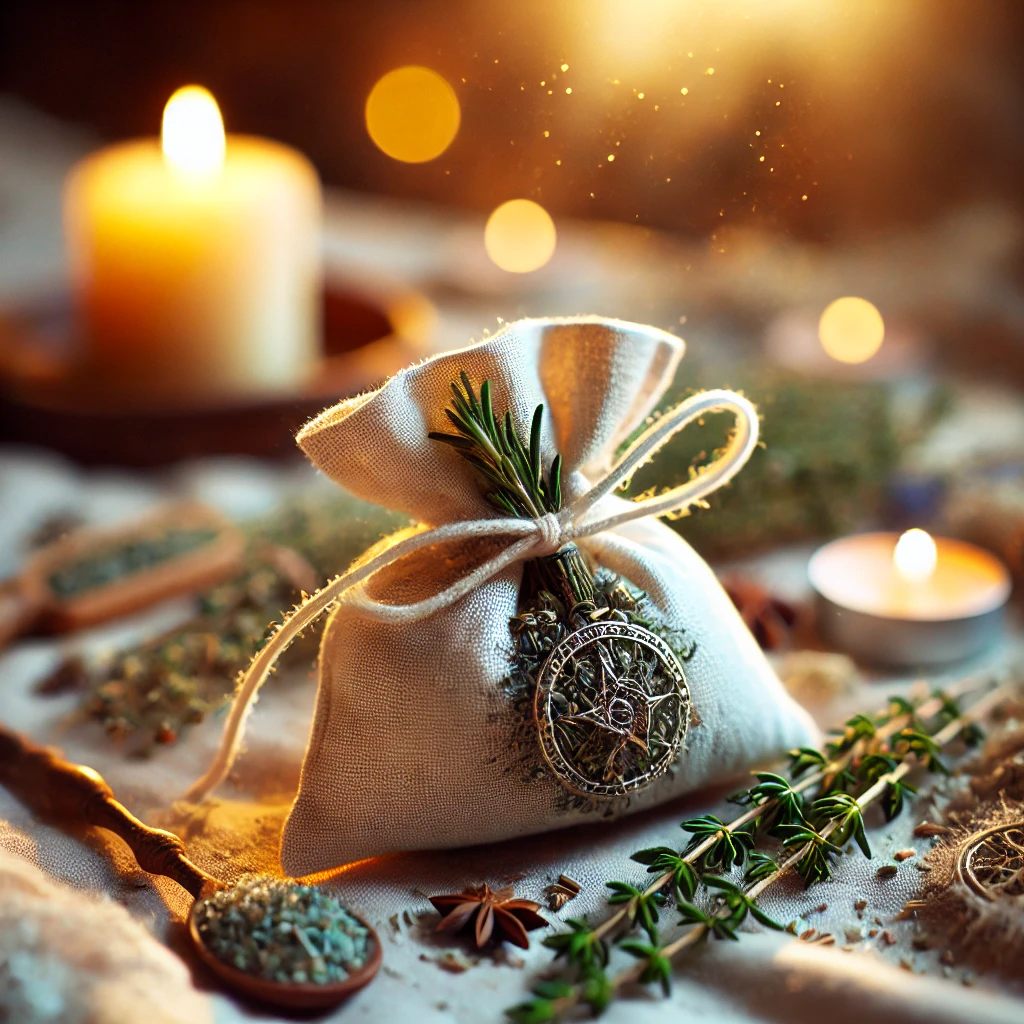
On Candlemas Eve, as the veil between the mundane and mystical thins, a tradition unfolds that speaks to the heart’s desires and future mysteries—Dream Pillows. This ancient practice, rooted in herbal magic, involves placing sprigs of rosemary or thyme under one’s pillow to inspire prophetic dreams. Whether seeking glimpses of a future lover or insights into the year ahead, this ritual embraces the magical properties of herbs and their ability to connect us with the ethereal realm through the world of dreams.

Ritual Basics

Before beginning any ritual, it is important to prepare yourself mentally and physically. You may want to take a cleansing bath, or shower, and meditate or perform some grounding exercises to center yourself. Gather any materials you will need, such as candles, incense, and offerings for the forest spirits.

You can read a more detailed Ritual Preparation guide here.

About Candlemas Dream Pillows

The tradition of incorporating herbs into rituals dates back centuries, with rosemary and thyme revered for their symbolic and magical properties. Rosemary, a herb of remembrance and clarity, sharpens the mind and invites prophetic insights. Thyme, associated with courage and protection, creates a safe space for dreams to flourish. Together, their combined essence opens pathways to the subconscious, allowing dreamers to explore messages from the unseen.

Candlemas, a celebration of light and purification, aligns perfectly with this practice. The ritual encourages introspection, spiritual connection, and a glimpse into what lies ahead. Performed on Candlemas Eve, the act of creating a Dream Pillow becomes a meditative gesture, infusing the night with intention and wonder.

Candlemas Dream Pillows

Craft an herbal Dream Pillow to invite prophetic dreams and connect with the mystical energy of Candlemas Eve.

  • Small cotton or muslin pouch
  • Mortar and pestle
  • 1 Sprig Fresh or dried rosemary
  • 1 Sprig Fresh or dried thyme
  • 1 Pinch Lavender flowers (optional – For calmness and enhancing dream recall.)
  • 1 Ribbon or string

Step 1: Preparing the Herbs

  1. Gently crush the rosemary and thyme sprigs in a mortar and pestle to release their aromatic oils. If using lavender, add it to the mixture.
  2. Take a moment to inhale the scents, visualizing the herbs infusing your space with their magical properties.

Step 2: Crafting the Pillow

  1. Place the crushed herbs into the cotton or muslin pouch.
  2. Tie the pouch securely with a ribbon or string, focusing on your intention as you seal it. You might say:
  3. “Herbs of clarity, courage, and sight,

    Guide my dreams on this Candlemas night.”

Step 3: Placing the Pillow

  1. Slip the pouch under your pillow before bedtime, ensuring it is comfortably placed.
  2. As you prepare for sleep, reflect on your intention. Whether seeking visions of a future lover or general prophetic insights, hold this focus in your mind.

Step 4: Dreamwork and Morning Reflection

  1. As you drift to sleep, trust the herbs to work their magic, opening pathways to meaningful dreams.
  2. Upon waking, take a few moments to recall your dreams. Keep a journal nearby to jot down any vivid imagery or messages that arise.
  • Customizable Blends: Feel free to add other herbs like mugwort (for vivid dreams) or chamomile (for restful sleep) to personalize your Dream Pillow.
  • Sustainability: Use biodegradable or reusable materials for your pouch, honoring the earth’s cycles.
  • Dream Recall: Enhance your dreamwork practice by keeping a journal and reflecting on patterns or symbols over time.
Imbolc
Rituals

Conclusion

Candlemas Dream Pillows are a beautiful way to blend herbal magic with the mysteries of the subconscious. By crafting and using these simple yet potent tools, you embrace the ancient wisdom of herbs while connecting with the spirit of the season. As you explore the realms of dreamwork on Candlemas Eve, may the visions that visit you bring clarity, inspiration, and a touch of magic to the year ahead.

Posted on Leave a comment

Ritual: Candle Lighting

Candle Lighting
Candle Lighting

Introduction

Embracing the Light of Renewal and Connection with Brigid

Imbolc, nestled between the winter solstice and the spring equinox, heralds the returning light and the stirrings of life beneath the earth’s surface. Central to this sacred celebration is the ritual of candle lighting, an act of profound symbolism that honors the sun’s growing warmth and the goddess Brigid, keeper of the sacred flame. Each flickering flame embodies hope, renewal, and the transformative power of fire, inviting us to connect with the divine energies of the season and reflect on the cyclical nature of life.

Ritual Basics

Before beginning any ritual, it is important to prepare yourself mentally and physically. You may want to take a cleansing bath, or shower, and meditate or perform some grounding exercises to center yourself. Gather any materials you will need, such as candles, incense, and offerings for the forest spirits.

You can read a more detailed Ritual Preparation guide here.

About Candle Lighting at Imbolc

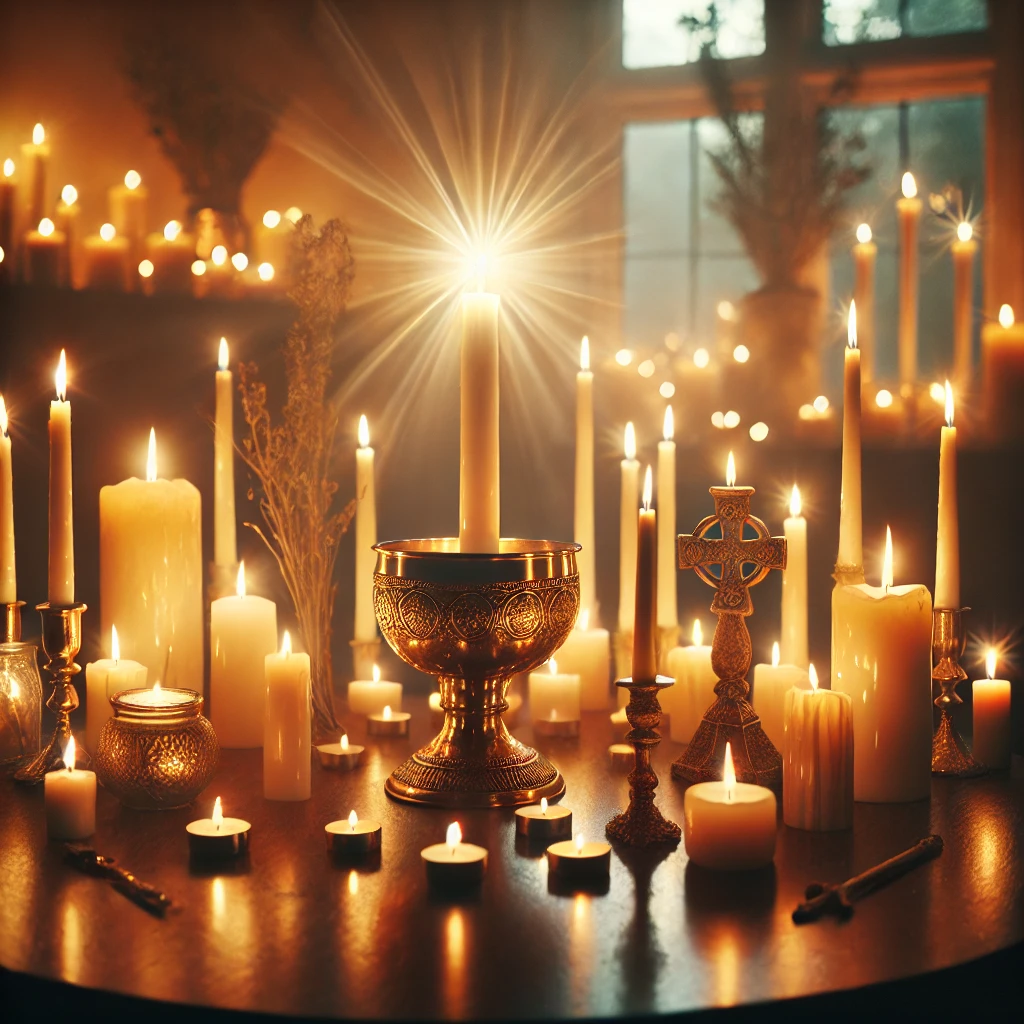
The act of lighting candles during Imbolc transcends its practical origins, becoming a spiritual practice steeped in reverence. The candles’ soft glow illuminates not only our physical spaces but also our inner worlds, casting light on our intentions and aspirations for the year ahead. Each flame serves as a tribute to Brigid, goddess of poetry, healing, and smithcraft, and a reminder of her nurturing and transformative powers.

Historically, Imbolc marked a time of preparation and cleansing, as communities readied themselves for the agricultural season. Candle lighting was a way to banish the lingering darkness of winter, invoke blessings, and reaffirm the promise of spring. Today, this ritual continues to invite warmth, introspection, and connection with Brigid’s radiant spirit.

Candle Lighting – Illuminating Imbolc’s Radiant Spirit

Light candles throughout your home to honor the returning light, connect with Brigid, and invite renewal.

  • Box of matches or a lighter
  • Candle snuffer
  • 1 Candle per room (White, gold, or yellow to symbolize light and renewal.)
  • 1 Central altar candle (optional – Dedicated to Brigid, larger than the others.)
  • 1 Small dish of water (optional – For purification.)

Step 1: Preparing the Space

  1. Begin by cleansing your space with smoke from dried herbs (like sage or rosemary) or by sprinkling purified water.
  2. Arrange candles in every room of your home, ensuring they are in safe, heat-resistant holders. Place the central altar candle on your sacred altar or a prominent space.

Step 2: Setting Intentions

  1. Stand before the altar or your chosen central space. Close your eyes and take a few deep breaths.
  2. Reflect on the returning light and what it symbolizes for you—renewal, hope, or a fresh start. Hold these intentions in your heart as you prepare to light the candles.

Step 3: Lighting the Candles

  1. Light the central altar candle first, saying:
  2. “Brigid, keeper of the sacred flame,

    Ignite within me the fire of hope and renewal.

    May your light guide me through the cycles of life.”

  3. Carry the flame from the central candle to light the other candles throughout your home. As you light each one, say:
  4. “With this flame, I welcome the returning light.

    May it bring warmth, renewal, and blessings to this space.”

Step 4: Meditative Reflection

  1. Once all the candles are lit, sit quietly in the glow of their light. Gaze into the flames, allowing your mind to quiet and your thoughts to flow naturally.
  2. Reflect on your intentions for the coming year. Consider what you wish to nurture and what you need to release.

Step 5: Closing the Ritual

  1. When you feel ready, extinguish the candles one by one, starting with the central altar candle. As you snuff out each flame, say:
  2. “Though this flame dims, its light endures within me.”
  3. If you used a dish of water, sprinkle it over the extinguished candles as a final blessing.
  • Safety First: Never leave lit candles unattended, and ensure they are placed away from flammable objects.
  • Personalization: Use candles in colors that resonate with your personal intentions or that align with Brigid’s energy.
  • Eco-Friendly Options: Choose beeswax or soy candles for an environmentally conscious ritual.
Imbolc, Light Magic
Rituals

Conclusion

Candle lighting during Imbolc is a ritual of connection, gratitude, and hope. Each flame honors Brigid’s presence and the ever-returning light, reminding us of the warmth and renewal that lies ahead. As you bask in the gentle glow of candlelight, may you find inspiration and a deep sense of peace, knowing that the cycles of nature mirror your own capacity for growth and transformation. This simple yet profound practice carries the radiant spirit of Imbolc into your home and heart, illuminating the path forward with Brigid’s divine light.

Posted on Leave a comment

Ritual: Weaving Brigid’s Cross

Brigid cross
Brigid cross

Introduction

Crafting Protection and Reverence for Imbolc

Imbolc, the festival heralding the first stirrings of spring, carries a deep connection to Brigid, the Celtic goddess of poetry, healing, and protection. Among the most cherished traditions of this sacred season is the weaving of Brigid’s Cross, a symbol imbued with the energy of protection, renewal, and the nurturing power of the hearth. With each piece of straw or rush carefully interlaced, this ritual becomes a tangible act of devotion, creating a talisman to safeguard the home and honor the goddess’s enduring presence.

Ritual Basics

Before beginning any ritual, it is important to prepare yourself mentally and physically. You may want to take a cleansing bath, or shower, and meditate or perform some grounding exercises to center yourself. Gather any materials you will need, such as candles, incense, and offerings for the forest spirits.

You can read a more detailed Ritual Preparation guide here.

About Brigid’s Cross

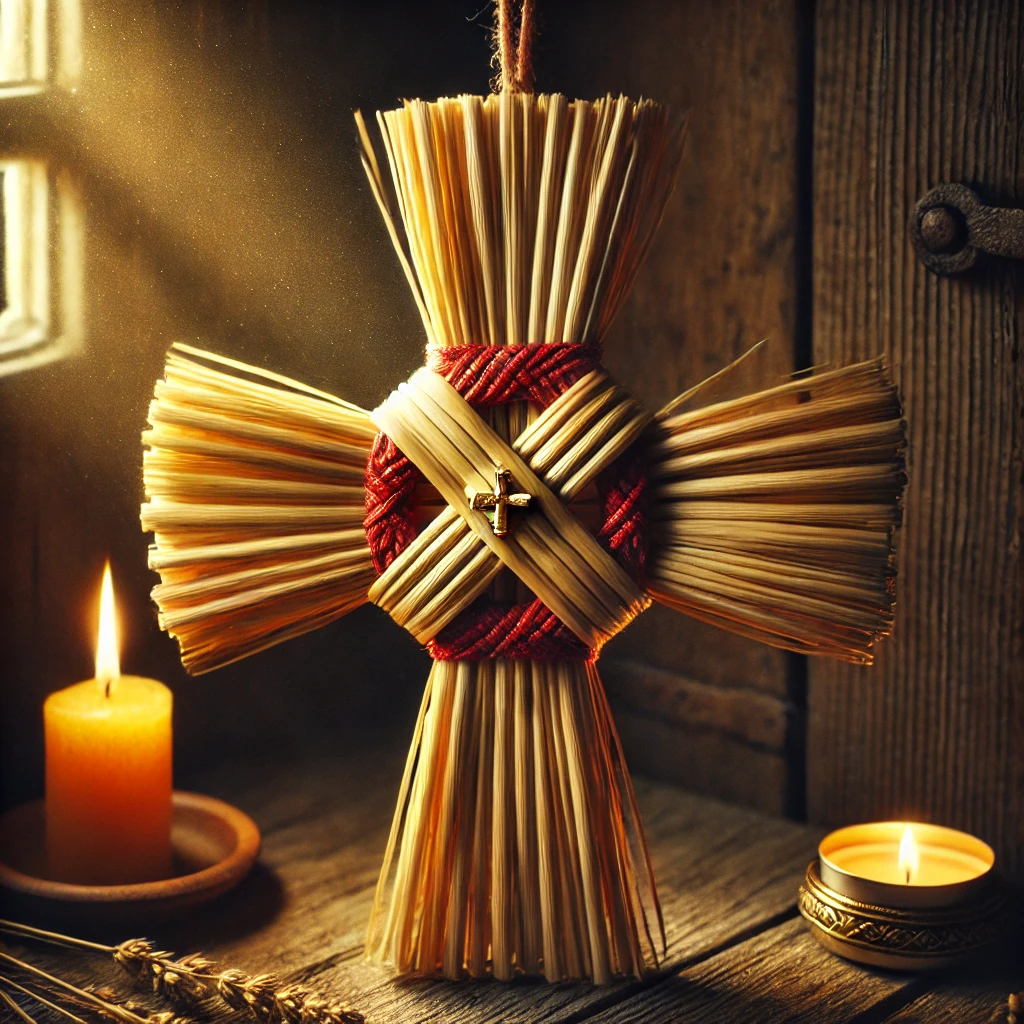
Brigid’s Cross represents the cycle of life, the protection of the hearth, and the blessings of abundance. Traditionally woven from straw or rushes, the design’s quadrilateral shape symbolizes balance, unity, and the interconnectedness of nature’s elements. The act of weaving this sacred emblem has roots in Celtic agrarian traditions, where it was believed to invoke Brigid’s blessings over the household and harvest. Placing the finished cross above a doorway or hearth creates a guardian for the home, warding off negativity and inviting prosperity and protection.

Participating in this ritual not only connects us with the rich legacy of Celtic spirituality but also aligns our intentions with the energies of Imbolc—hope, rebirth, and the return of light.

Weaving Brigid’s Cross

Create a traditional Brigid’s Cross using straw or rushes as a symbol of protection and reverence for the goddess Brigid.

  • Flat surface
  • Pair of scissors
  • Ribbon or string
  • 20 Pieces of straw or rushes (Fresh and pliable or soaked to make them flexible.)
  • 4 Small bundles of straw (optional – To add decorative elements.)

Step 1: Preparing the Materials

  1. Gather fresh straw, rushes, or other flexible plant materials. If they are dry, soak them in warm water for 30 minutes to make them pliable.
  2. Lay the materials flat on your work surface and sort them into bundles of similar length.

Step 2: Setting the Intention

  1. Create a quiet, sacred space. Light a candle in honor of Brigid, symbolizing her presence.
  2. Hold the materials in your hands and focus your intention on protection, renewal, and gratitude for Brigid’s blessings.

Step 3: Weaving the Cross

  1. Take the first piece of straw or rush and fold it in half, creating a loop. This becomes the center of the cross.
  2. Add a second piece by folding it in half around the first loop, perpendicular to the first piece.
  3. Continue adding pieces, alternating their directions to form the cross’s arms. Each layer builds upon the last, creating a tight, balanced weave.
  4. Repeat the process until the desired size is achieved. Ensure the weave is secure and even.

Step 4: Securing and Decorating

  1. Tie the ends of the straw or rushes with string or ribbon to prevent unraveling. Trim any excess material to create clean edges.
  2. Optional: Add small decorative bundles of straw to the ends of the arms for a more ornate design.

Step 5: Consecrating the Cross

  1. Hold the finished cross before the candle and say:
  2. “Brigid of the flame, goddess of hearth and home,

    Bless this cross with your protection.

    May it guard this space and those who dwell here,

    Bringing peace, abundance, and light.”

  3. Visualize the cross glowing with a warm, golden light, infused with Brigid’s energy.

Step 6: Placing the Cross

  1. Hang the cross above the main doorway, near the hearth, or in a central part of the home.
  2. As you place it, silently reaffirm its purpose as a guardian of the household.
  • Materials: If straw or rushes are unavailable, substitute with other flexible materials like paper strips, yarn, or grass.
  • Reusability: Replace last year’s cross with the newly woven one. The old cross can be burned, buried, or offered to a natural water source as an act of gratitude.
  • Adaptation: Weaving the cross can be a family activity, with each person contributing to the process and setting their own intentions.
Celtic Crafting Tradition, Imbolc
Rituals

Conclusion

Weaving Brigid’s Cross is more than a craft; it is a ritual steeped in devotion and intention. As you interlace each piece of straw or rush, you participate in a timeless act of protection, gratitude, and connection to the goddess Brigid. The finished cross stands as a beacon of light and guardianship, reflecting the essence of Imbolc and the blessings of the season. May your home be safeguarded and your spirit renewed by the sacred energy of this enduring tradition.

Posted on Leave a comment

Feast of Milk

Feast of Milk
Feast of Milk

Introduction

Nourishing the Spirit of Imbolc

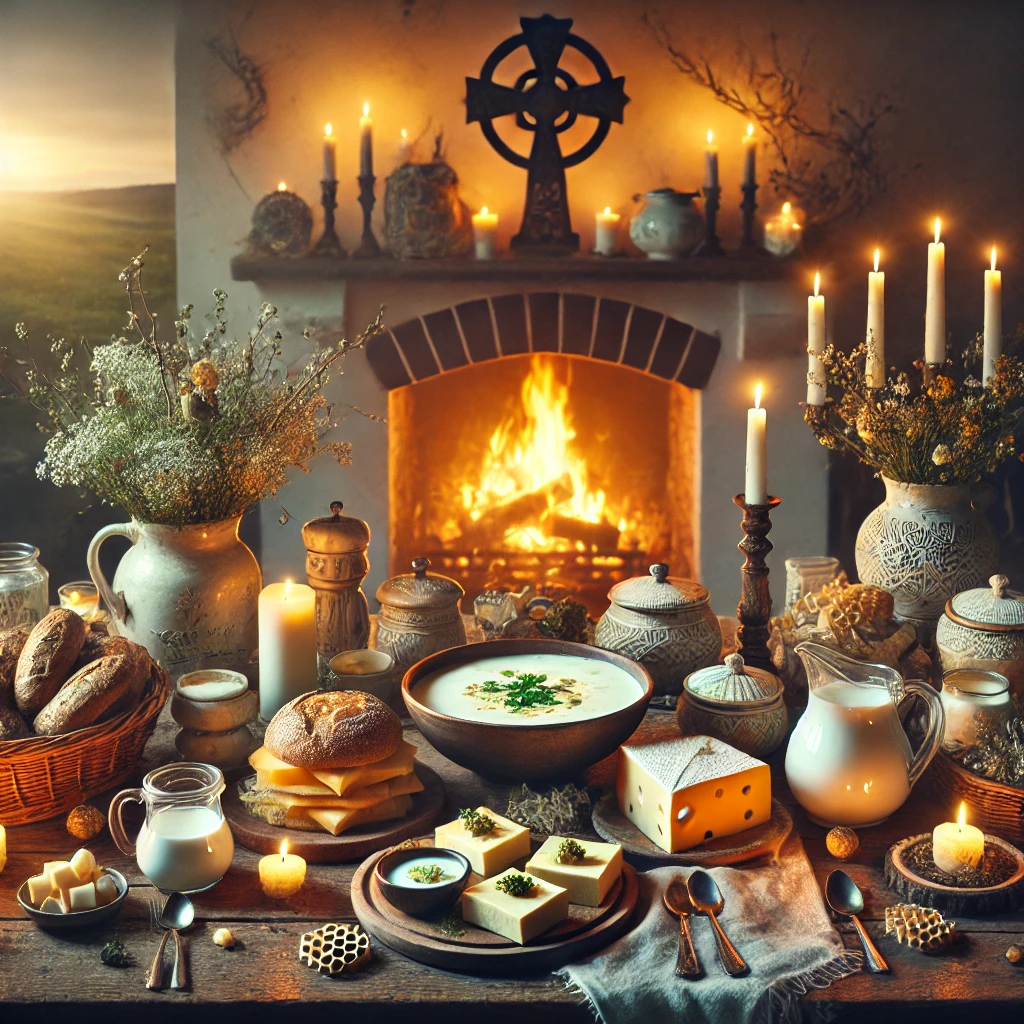
Imbolc, celebrated at the threshold of winter’s end and spring’s awakening, is a festival of light, renewal, and burgeoning life. Central to this sacred time is the Feast of Milk, a culinary and spiritual celebration that honors the lactating ewes whose nourishment heralds the arrival of lambs and the fertility of the land. Rooted in ancient agrarian traditions and the veneration of the goddess Brigid, the Feast of Milk transforms humble dairy ingredients into sacred offerings that connect us to the primal rhythms of nature and the promise of abundance.

The Significance of Milk at Imbolc

Milk, a universal symbol of sustenance and life, takes on profound meaning during Imbolc. The festival marks the first stirrings of spring, when the earth begins to awaken and the promise of new life emerges. The appearance of lambs and the lactation of ewes are seen as tangible signs of fertility, making dairy products a natural focus for Imbolc feasts.

In honoring milk, cheese, butter, and cream, participants pay homage to the life-giving energy that sustains both humans and the land. These foods, rich and nourishing, embody the goddess Brigid’s attributes as a deity of fertility, healing, and creative inspiration. Brigid, often depicted as a nurturing figure associated with hearth and home, presides over this sacred feast, her blessings flowing through each dish prepared and shared.

The Culinary Traditions of the Feast

The Feast of Milk is a time to celebrate not only the gifts of the season but also the art of transforming raw ingredients into something greater. From simple dairy staples to elaborate creations, every dish on the Imbolc table reflects the themes of nourishment, creativity, and renewal.

Key Ingredients and Symbolism

  • Milk: The essence of life and fertility, symbolizing purity and potential.
  • Butter: A product of transformation and hard work, representing abundance and richness.
  • Cheese: A symbol of preservation and skill, embodying the balance of creation and sustenance.
  • Cream: Luxurious and decadent, reflecting the promise of a fruitful spring.

Dairy as a Spiritual Offering

At Imbolc, preparing and consuming dairy-based dishes is more than just culinary enjoyment—it is an act of devotion and a way to align oneself with the cyclical rhythms of the earth. By crafting meals with intention, participants infuse their food with gratitude and respect for the interconnectedness of all life. Each bite becomes a sacred act, a moment to honor the land, the goddess, and the gifts of the season.

A Feast of 12 Courses: The Culinary Journey of Imbolc

The Feast of Milk often unfolds as a multi-course meal, with each dish symbolizing a different aspect of fertility, sustenance, and renewal. This structure provides an opportunity to create a deeply immersive and meaningful experience, with every course offering a new layer of connection to Imbolc’s themes.

  1. Amuse-Bouche: A small dairy-based bite, such as a cheese puff or a dollop of flavored cream, to awaken the senses and set the tone for the meal.
  2. Soup: A warm, comforting course like potato-leek soup, representing the nurturing qualities of the season.
  3. Appetizer: A savory tart, such as a quiche or cheese tart, showcasing the richness of dairy and its role in grounding and sustaining.
  4. Salad: A yogurt-based salad, a refreshing course to cleanse the palate, connecting to the healthful and healing properties of dairy.
  5. Seafood: Milk-poached fish or protein, a course that represents the seamless blend of earth’s gifts, honoring sustenance in its many forms.
  6. Main Dish: Dairy-infused pasta or grain dish, such as creamy risottos or pastas, bringing warmth and comfort, reflecting the hearth’s central role in winter survival.
  7. Palate Cleanser: Milk-braised vegetables, a humble yet luxurious offering that connects to the land’s fertility and the promise of renewal.
  8. Cheese: A cheese board featuring a selection of cheeses paired with seasonal fruits and nuts, symbolizing preservation and the balance of flavors in life.
  9. Dessert: Rich cream-based puddings, custards, or cheesecakes that evoke the decadence and abundance promised by the coming spring.
  10. Mignardise: A cheese and honey pairing, a nod to fertility and sweetness, symbolizing balance and prosperity.
  11. Fruit: Seasonal fruits served alongside or incorporated into desserts, representing renewal and the earth’s gifts.
  12. Digestif: A warm milk beverage, such as spiced milk or honey-laced cream, to conclude the feast with comfort and blessings.

Each course provides an opportunity to meditate on the gifts of the season and the sacred nature of nourishment.

A full 12 course Feast of Milk for Imbolc

[wprm-list id=”38050″]

The Spirit of the Feast: Connecting to Brigid and the Earth

The Feast of Milk is more than a culinary event—it is a spiritual journey that connects participants to the energy of Imbolc and the blessings of the goddess Brigid. As dishes are prepared and shared, they become offerings to Brigid, invoking her guidance and inspiration. The hearth, central to Brigid’s worship, becomes a focal point during the feast, representing the fire of life and transformation.

This celebration also emphasizes our interconnectedness with the earth. By honoring the ewes whose milk sustains the newborn lambs and symbolically nurtures the land, participants reaffirm their relationship with nature and their role as stewards of its cycles.

Closing Reflections: Savoring the Gifts of the Season

The Feast of Milk, in its rich flavors and symbolic depth, captures the essence of Imbolc—a time of transition, hope, and renewal. Through the act of preparing and sharing dairy-based dishes, we celebrate the fertility of the land, the nurturing power of Brigid, and the interconnected web of life that sustains us all. This feast is not merely a meal but a sacred ritual, a moment to pause, reflect, and align with the rhythms of the earth as it prepares for the flourishing days of spring.

As you partake in this culinary celebration, let each bite remind you of the abundance that lies ahead and the beauty of the cycles that guide and nourish us. Blessed be and may the spirit of Imbolc fill your table and your heart.

Posted on Leave a comment

Recipe: Spiced Honey Milk

Spiced Honey Milk
Spiced Honey Milk

Introduction

A Warm Embrace to Conclude the Feast of Milk

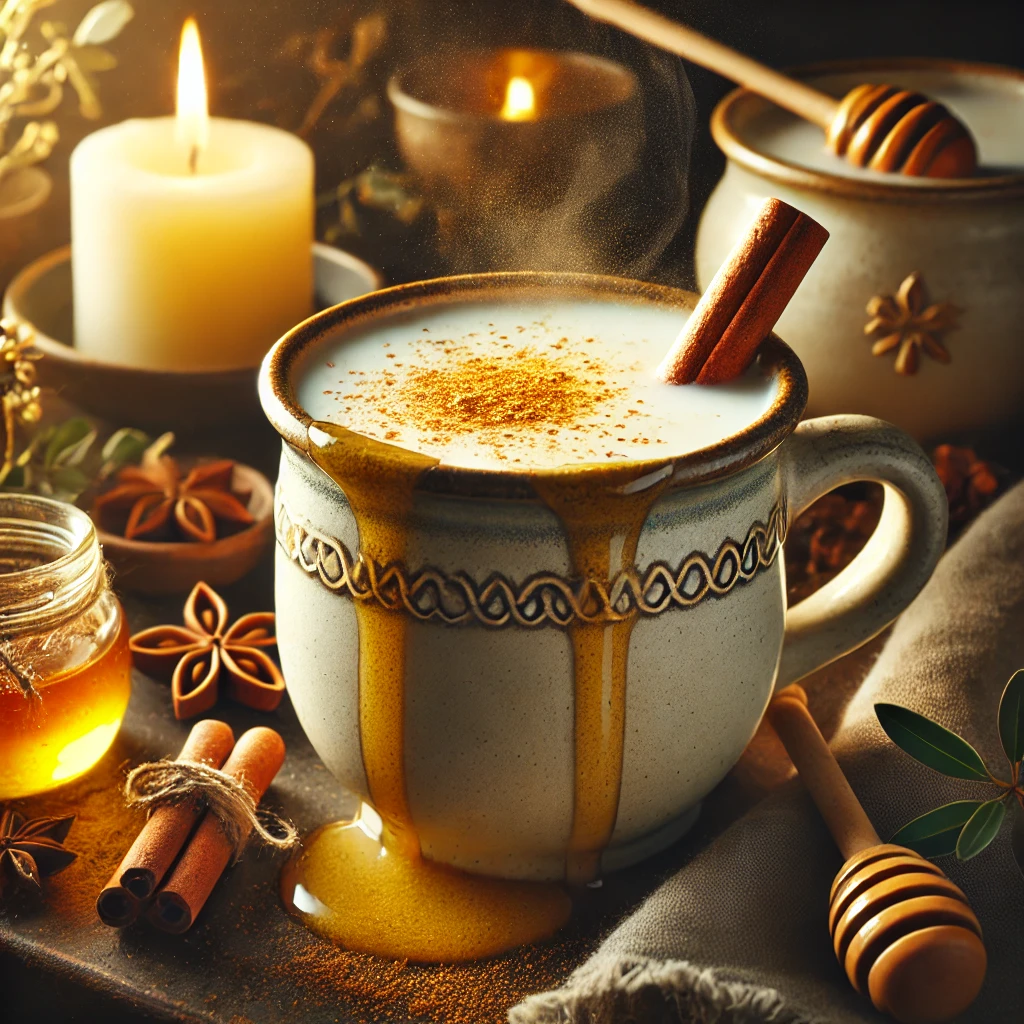
The Feast of Milk culminates in a warm, comforting conclusion with Spiced Honey Milk, a digestif that embodies the nurturing qualities of this sacred celebration. This beverage is a gentle reminder of fertility, sustenance, and renewal, wrapping guests in a soothing embrace as the feast comes to an end. Infused with warming spices and the sweetness of honey, this digestif offers both physical comfort and spiritual blessings.

Explore the full 12-Course Feast

The Magic of Spiced Honey Milk

Milk, as the centerpiece of Imbolc, holds profound symbolic value. It represents the nurturing essence of the Earth, the flow of life, and the promise of abundance. By enhancing milk with warming spices like cinnamon, nutmeg, and cardamom, this recipe transforms a humble ingredient into a magical elixir. Honey adds a touch of divine sweetness, symbolizing prosperity and unity.

Serving Spiced Honey Milk at the close of the feast is a ritual in itself, inviting participants to reflect on the blessings of the season, connect with their intentions, and carry the warmth of Imbolc into the days ahead.

Spell for Comfort and Renewal

Intent: To bring comfort, blessings, and renewal to all who partake.

  1. As you prepare the milk, stir clockwise with intention, visualizing warmth and positivity.
  2. Light a white candle, representing purity and new beginnings.
  3. Recite:

“Blessings flow as milk and honey,
Nurture hearts, bring light to many.
Warming soul and spirit whole,
Imbolc’s magic, sweet and full.”

  1. Serve the milk with gratitude, inviting everyone to partake in its comfort and blessings.

Magical Properties of Spiced Honey Milk

  • Milk: Symbolizes nurturing, fertility, and sustenance.
  • Honey: Represents sweetness, prosperity, and divine connection.
  • Cinnamon: Brings warmth, protection, and transformative energy.
  • Nutmeg: Adds grounding, comfort, and spiritual insight.
  • Cardamom: Enhances clarity, love, and spiritual awakening.
  • Vanilla Extract: Promotes harmony, comfort, and unity.

Spiced Honey Milk

A warm, spiced milk beverage sweetened with honey to conclude the feast with comfort and blessings.

  • Medium saucepan
  • Whisk
  • Mugs
  • 4 cups Whole milk
  • 2 tbsp Honey
  • ½ tsp Ground cinnamon
  • ¼ tsp Ground nutmeg
  • ¼ tsp Ground cardamom (optional)
  • 1 tsp Vanilla extract

Step 1: Warm the Milk

  1. In a medium saucepan, pour the milk and place it over low-medium heat.

Step 2: Add the Flavors

  1. Stir in the honey, cinnamon, nutmeg, and cardamom.
  2. Whisk the mixture gently to ensure the spices are evenly distributed.

Step 3: Heat and Infuse

  1. Allow the milk to heat until it is steaming but not boiling, about 7-10 minutes.
  2. Stir occasionally, ensuring the spices don’t settle at the bottom.

Step 4: Add Vanilla and Serve

  1. Remove the saucepan from heat and stir in the vanilla extract.
  2. Pour the spiced milk into mugs and serve warm.
  • For a dairy-free option, substitute the whole milk with oat milk or almond milk.
  • Garnish with a cinnamon stick or a sprinkle of nutmeg for added presentation.
Digestif
Imbolc
Feast, Recipe

Conclusion

Spiced Honey Milk serves as the perfect conclusion to the Feast of Milk, wrapping up the celebration with warmth, comfort, and blessings. Its rich flavors and soothing qualities make it a symbolic and heartfelt offering to Imbolc’s themes of renewal and sustenance. As you sip this magical elixir, may it bring you peace, harmony, and a renewed sense of connection to the season’s blessings.

Posted on Leave a comment

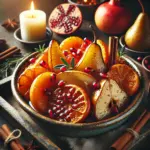
Recipe: Honey-Glazed Winter Fruit Medley

Honey-Glazed Winter Fruit Medley

Introduction

Celebrating Renewal with the Earth’s Sweet Gifts

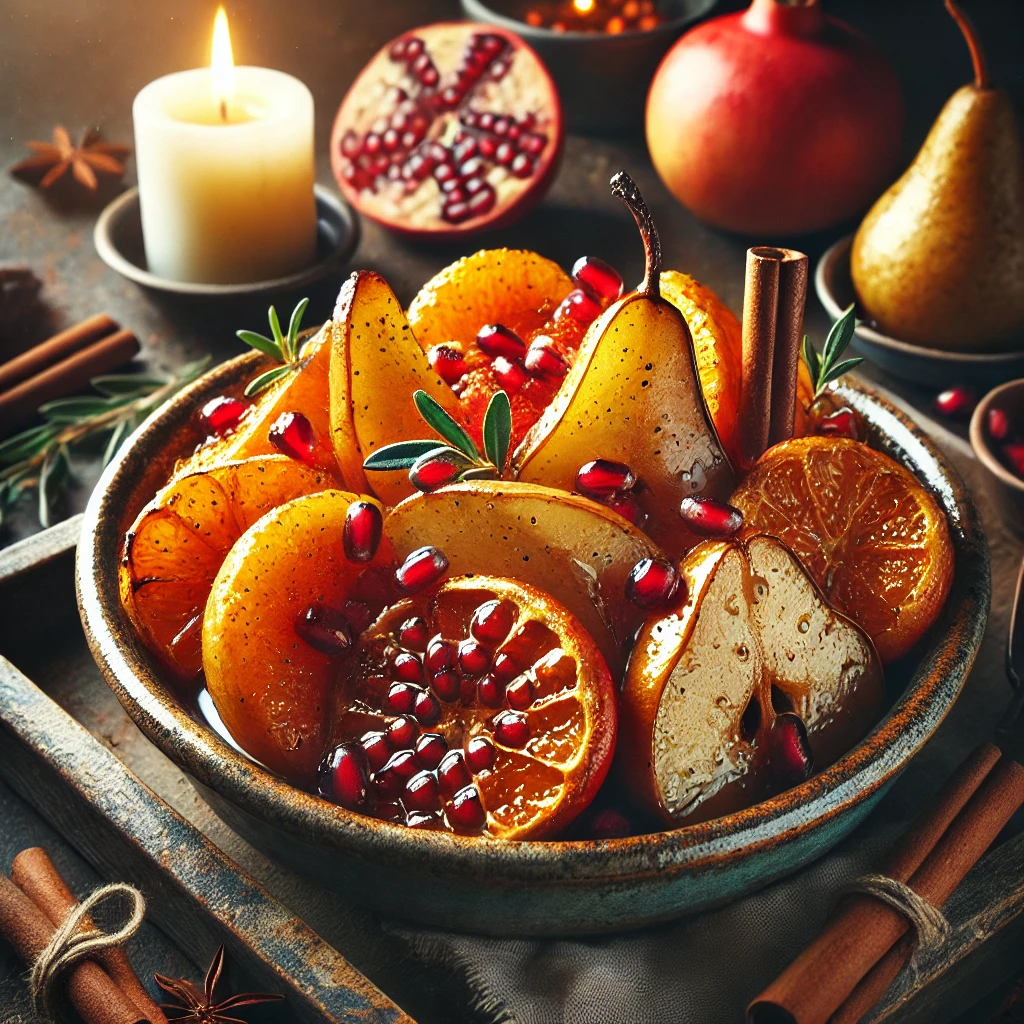
The Feast of Milk is a celebration of fertility, sustenance, and renewal, making fruits an essential part of the meal. A Honey-Glazed Winter Fruit Medley brings together the earth’s seasonal gifts, symbolizing the cycles of life and the promise of growth. This dish captures the natural sweetness of winter fruits and infuses them with the warmth of honey and spices, creating a comforting yet refreshing course that embodies Imbolc’s themes.

Explore the full 12-Course Feast

The Magic of Honey-Glazed Winter Fruit Medley

Fruits have long been associated with fertility and abundance, their natural cycles mirroring those of the earth. This dish connects us to Imbolc’s promise of renewal, as the dormant seeds of winter prepare to burst forth into life. By honoring seasonal fruits like pears, apples, and citrus, we pay homage to the earth’s ability to provide even in the colder months.

The addition of honey symbolizes the sweetness of life’s blessings, while warming spices such as cinnamon and cloves evoke the hearth’s protective energy. Preparing and sharing this medley becomes a sacred act, inviting harmony, renewal, and joy into the home.

Spell for Renewal and Abundance

Intent: To welcome renewal and abundance into your life and home.

  1. Arrange the fruits with care, focusing on balance and harmony.
  2. Light a white or golden candle as a symbol of renewal.
  3. As you drizzle the honey and sprinkle the spices, recite:

“Gifts of earth, sweet and bright,
Renewal’s promise in the light.
Abundance flows, life takes root,
Blessings grow in this sacred fruit.”

  1. Share the dish with loved ones, allowing the spell to infuse your meal with its intention.

Magical Properties of Honey-Glazed Winter Fruit Medley

  • Pears: Symbolize abundance, longevity, and love.
  • Apples: Represent knowledge, healing, and renewal.
  • Oranges: Bring vitality, clarity, and prosperity.
  • Pomegranate Seeds: Embody fertility, rebirth, and abundance.
  • Honey: Enhances sweetness, unity, and blessings.
  • Cinnamon: Adds warmth, protection, and transformative energy.
  • Cloves: Provide protection and clarity.

Honey-Glazed Winter Fruit Medley

A sweet and spiced medley of winter fruits, drizzled with honey and baked to perfection. Calories: 160 per serving

  • Baking dish
  • Small saucepan
  • Mixing bowl
  • 2 large pears (Cored and sliced.)
  • 2 large apples (Cored and sliced.)
  • 2 oranges (Peeled and segmented.)
  • ½ cup pomegranate seeds
  • 3 tbsp honey
  • 1 tsp ground cinnamon
  • ½ tsp ground cloves
  • 1 tbsp unsalted butter (optional (For added richness.))

Step 1: Prepare the Fruits

  1. Preheat your oven to 375°F (190°C).
  2. Wash, core, and slice the pears and apples into wedges.
  3. Peel and segment the oranges.

Step 2: Combine and Season

  1. In a mixing bowl, toss the pears, apples, and oranges with cinnamon and cloves.
  2. Transfer the fruits to a baking dish.

Step 3: Glaze and Bake

  1. Melt the honey with butter in a small saucepan, stirring until combined.
  2. Drizzle the honey mixture over the fruits, ensuring an even coat.
  3. Bake in the oven for 20-25 minutes, or until the fruits are tender and slightly caramelized.

Step 4: Garnish and Serve

  1. Remove the dish from the oven and let it cool for 5 minutes.
  2. Sprinkle pomegranate seeds over the baked fruits for a pop of color and flavor.
  3. Serve warm or at room temperature.
  • For added texture, serve with a dollop of Greek yogurt or a sprinkle of toasted nuts.
  • This dish can also be prepared ahead of time and gently reheated before serving.
Fruit
Imbolc
Feast, Recipe

Conclusion

The Honey-Glazed Winter Fruit Medley is a vibrant and meaningful addition to the Feast of Milk, embodying fertility, sustenance, and renewal. Its combination of sweet and spiced flavors creates a comforting yet refreshing experience, perfectly aligned with Imbolc’s themes. As you share this dish, may it bring the blessings of abundance and renewal to your table and inspire gratitude for the earth’s gifts.

Posted on Leave a comment

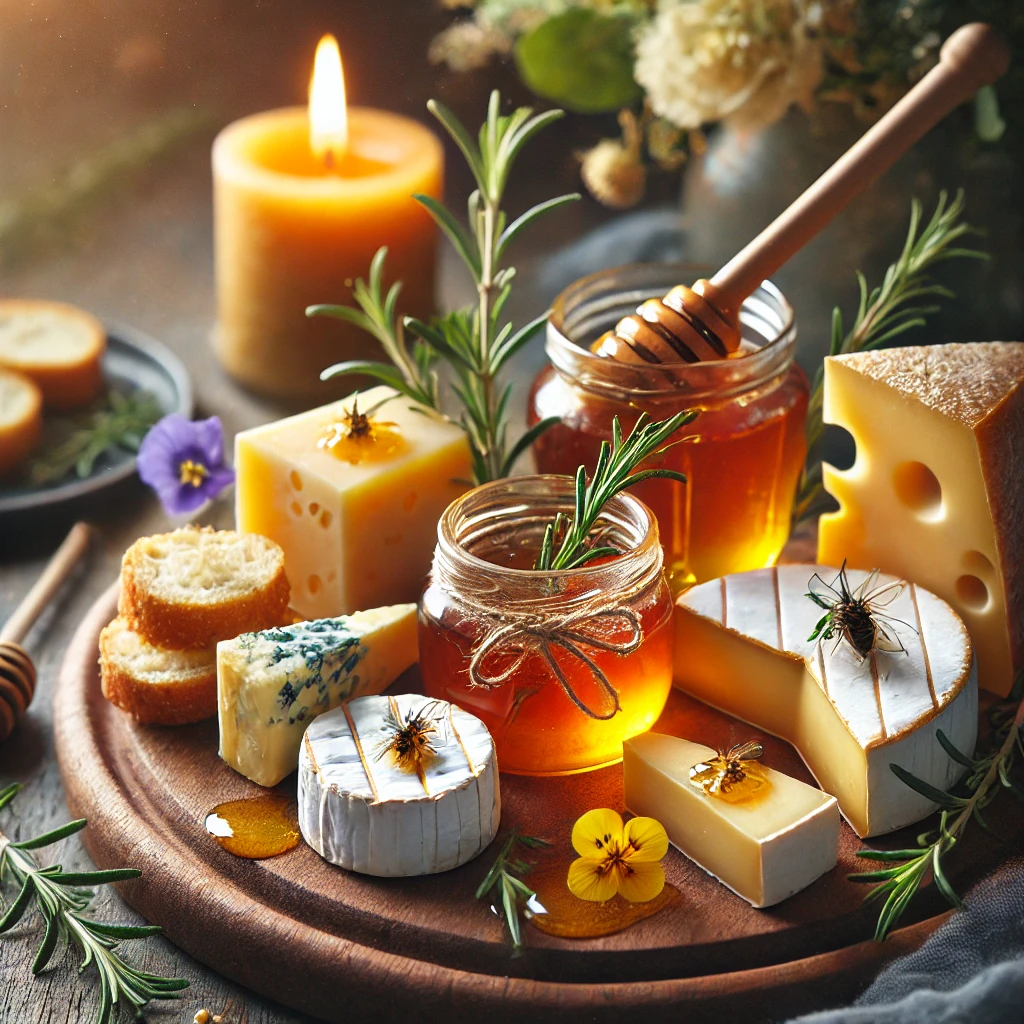
Recipe: Cheese and Honey Pairing

Cheese and Honey Pairing

Introduction

A Sweet and Savory Nod to Fertility and Prosperity

The Feast of Milk is a sacred celebration of fertility, sustenance, and the renewal of life. Closing the meal with a Cheese and Honey Pairing Mignardise brings balance and harmony to the table. This simple yet elegant pairing marries the richness of cheese with the sweetness of honey, symbolizing prosperity, abundance, and the interconnectedness of nature’s gifts.

Explore the full 12-Course Feast

The Magic of Cheese and Honey Pairing

Cheese and honey have long been seen as divine gifts, representing fertility, wealth, and the harmony of opposites. For Imbolc, this pairing serves as a beautiful metaphor for balance—cheese, born of milk, reflects the nurturing qualities of the Earth, while honey captures the sweet promise of abundance.

By intentionally choosing complementary cheese and honey varieties, this dish becomes a ritual in itself, honoring the cycles of life and the labor of both humans and nature. It is a sweet farewell to the feast, reminding us of the blessings that Imbolc ushers in and the light that grows stronger with each day.

Spell for Prosperity and Harmony

Intent: To invite abundance, balance, and sweetness into your life.

  1. Arrange the cheese and honey on a platter with care, focusing on balance and beauty.
  2. Light a golden or white candle as a symbol of renewal and growth.
  3. Recite:

“By Earth’s bounty and golden delight,
Prosperity flows, sweet and bright.
Balance and harmony, here we see,
Blessings of life, so mote it be.”

  1. Share this pairing with loved ones, letting each bite carry the energy of your intentions.

Magical Properties of Cheese and Honey Pairing

  • Cheese: Represents fertility, grounding, and the nurturing energy of the Earth.
  • Honey: Symbolizes sweetness, abundance, and the blessings of nature.
  • Fresh Herbs (thyme, rosemary, or basil): Add protection, harmony, and renewal to the pairing.
  • Edible Flowers (optional): Embody beauty, love, and the connection to nature.

Cheese and Honey Pairing Mignardise

A simple yet elegant pairing of cheeses and honeys to symbolize balance, fertility, and the promise of abundance.

  • Serving platter
  • Cheese knife
  • Honey dipper
  • 2 oz Brie cheese (For its creamy, nurturing texture.)
  • 2 oz Aged cheddar (For its sharp, grounding flavor.)
  • 2 oz Blue cheese (optional (For its bold, distinctive taste.))
  • 2 oz Goat cheese (optional (For its tangy, fresh quality.))
  • 2 tbsp Clover honey (Light and floral.)
  • 2 tbsp Orange blossom honey (optional (Bright and citrusy.))
  • 2 tbsp Wildflower honey (optional (Complex and earthy.))
  • 1 sprig Fresh rosemary or thyme (optional (For garnish and protection.))
  • A few Edible flowers (optional (For decoration and beauty.))

Step 1: Select and Prepare the Cheese

  1. Choose 2-4 types of cheese that complement each other in flavor and texture.
  2. Slice or cube the cheese into small, bite-sized portions for easy pairing.

Step 2: Arrange the Platter

  1. Place the cheeses on a serving platter, spacing them apart for aesthetic appeal.
  2. Spoon the honeys into small bowls or directly onto the platter near their respective cheeses.

Step 3: Add Garnishes

  1. Garnish the platter with fresh herbs and edible flowers for a touch of magic and beauty.

Step 4: Serve

  1. Present the platter as a communal dish for guests to enjoy, inviting them to experiment with different combinations of cheese and honey.
  • Pair the cheeses and honeys thoughtfully—mild cheeses pair well with light honeys, while bold cheeses benefit from more complex honey flavors.
  • Serve with small slices of crusty bread or crackers if desired.
Mignardise
Imbolc
Feast, Recipe

Conclusion

This Cheese and Honey Pairing Mignardise is the perfect way to conclude the Feast of Milk, honoring the fertility and balance of Imbolc. With its harmonious blend of flavors, it embodies the themes of renewal and abundance, offering a sweet reminder of the blessings to come. May this dish bring warmth, joy, and prosperity to your table as you celebrate the light’s return and the promise of spring.

Posted on Leave a comment

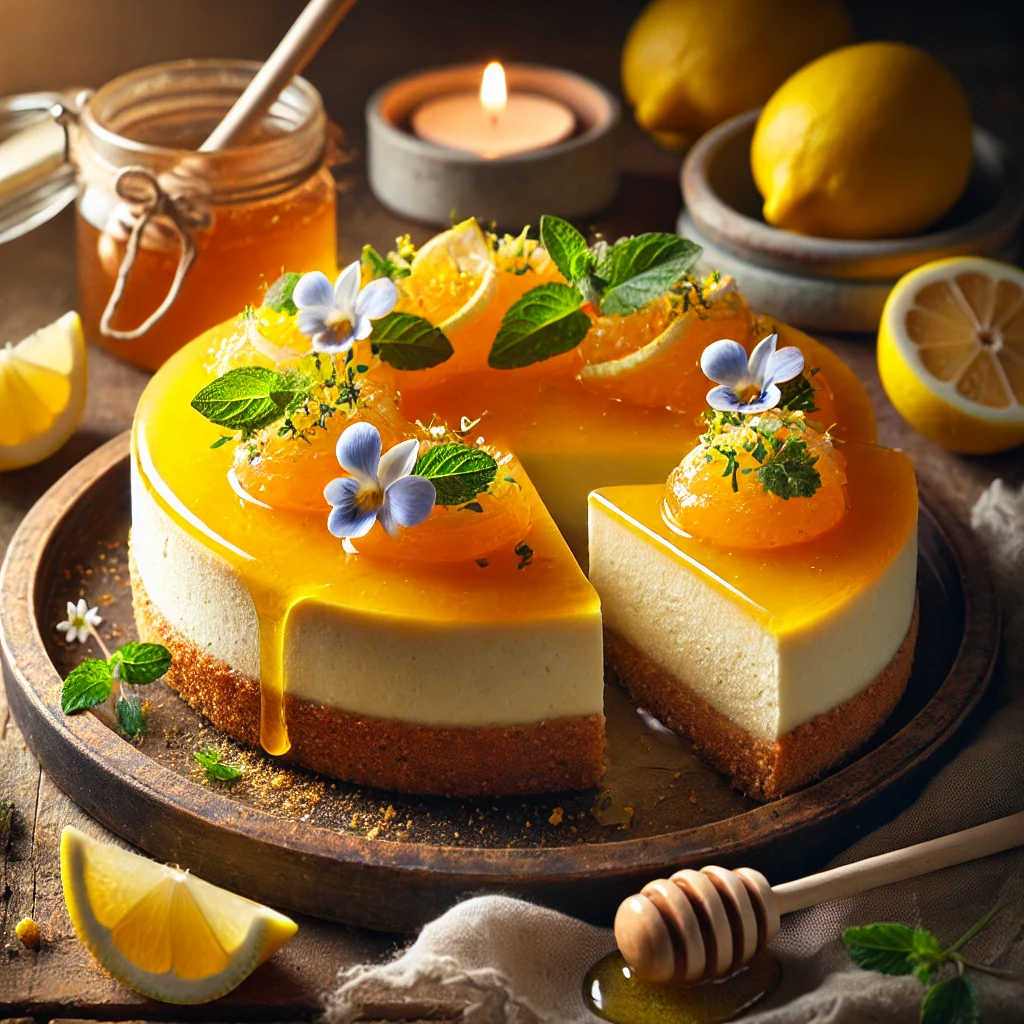
Recipe: Vanilla-Honey Cheesecake with Lemon Curd

Vanilla-Honey Cheesecake

Introduction

A Decadent Dessert for the Feast of Milk

The Feast of Milk is a time to embrace the warmth of the hearth and the promise of abundance as winter begins to wane. Desserts like Vanilla-Honey Cheesecake with Lemon Curd embody the richness and decadence of Imbolc, celebrating the fertility of the Earth and the nurturing sustenance of dairy. With its creamy texture and vibrant flavors, this dessert is a symbolic indulgence that promises the abundance of spring’s renewal.

Explore the full 12-Course Feast

The Magic of Vanilla-Honey Cheesecake with Lemon Curd

This cheesecake connects deeply to Imbolc’s themes of fertility and sustenance, offering a luxurious finish to the feast. Dairy is central to this sabbat, representing nourishment and life’s foundational energies. The addition of lemon curd brings brightness and vitality, symbolizing the light of the sun as it grows stronger each day.

Crafting this dessert is an act of intention, weaving the promise of renewal into every layer. As you create this dish, you honor the nurturing qualities of the season and set the stage for the growth and abundance of spring.

Spell for Abundance and Renewal

Intent: To manifest abundance and embrace the promise of renewal.

  1. As you mix and bake the cheesecake, light a candle to honor Brigid and the hearth’s nurturing energy.
  2. Stir the ingredients with intention, focusing on the growth and abundance you wish to invite into your life.
  3. Recite:

“By milk and honey, fertile and sweet,
Spring’s renewal we joyfully greet.
In light and warmth, abundance flows,
Through hearth and heart, as nature grows.”

  1. Serve the cheesecake with gratitude, sharing its magic with loved ones.

Magical Properties of Vanilla-Honey Cheesecake with Lemon Curd

  • Cream Cheese: Represents fertility, nourishment, and abundance.
  • Honey: Symbolizes sweetness, unity, and the blessings of nature.
  • Vanilla: Enhances love and harmony, bringing a comforting energy.
  • Lemon: Invites clarity, renewal, and the light of the growing sun.
  • Eggs: Represent fertility and creation.
  • Butter: Adds warmth and richness, symbolizing comfort and stability.

Vanilla-Honey Cheesecake with Lemon Curd

A rich, creamy cheesecake sweetened with honey and vanilla, topped with tangy lemon curd for a touch of brightness.

  • Springform pan
  • Mixing bowl
  • Small saucepan

For the Cheesecake

  • 2 cups graham cracker crumbs (for the crust)
  • ½ cup unsalted butter (melted)
  • 24 oz cream cheese (softened)
  • ½ cup honey
  • 1 tsp vanilla extract
  • 3 large eggs
  • ½ cup sour cream

For the Lemon Curd

  • ½ cup fresh lemon juice
  • 1 tbsp lemon zest
  • ½ cup sugar
  • 2 large eggs
  • 4 tbsp unsalted butter (cut into small pieces)

Step 1: Prepare the Crust

  1. Preheat the oven to 325°F (163°C).
  2. In a mixing bowl, combine graham cracker crumbs and melted butter.
  3. Press the mixture into the bottom of a springform pan to create an even crust. Bake for 10 minutes and set aside to cool.

Step 2: Make the Cheesecake Filling

  1. In a large bowl, beat the cream cheese until smooth.
  2. Add honey and vanilla extract, mixing until well combined.
  3. Beat in the eggs one at a time, followed by the sour cream. Mix until smooth.
  4. Pour the filling over the cooled crust.

Step 3: Bake the Cheesecake

  1. Place the springform pan in a larger baking dish filled with an inch of hot water to create a water bath.
  2. Bake for 50-60 minutes, or until the center is slightly jiggly but mostly set.
  3. Remove the cheesecake from the oven and let it cool completely before chilling in the refrigerator for at least 4 hours.

Step 4: Prepare the Lemon Curd

  1. In a small saucepan, whisk together lemon juice, zest, sugar, and eggs.
  2. Cook over low heat, stirring constantly, until the mixture thickens (about 5-7 minutes).
  3. Remove from heat and stir in the butter until melted and smooth.
  4. Allow the curd to cool before spreading it over the chilled cheesecake.

Step 5: Assemble and Serve

  1. Spread the lemon curd evenly over the cheesecake.
  2. Slice and serve with a garnish of fresh mint or edible flowers if desired.
  • Ensure all ingredients are at room temperature for the creamiest cheesecake texture.
  • Lemon curd can be made a day in advance and stored in the refrigerator.
Dessert
Imbolc
Feast, Recipe

Conclusion

Vanilla-Honey Cheesecake with Lemon Curd is a decadent and symbolic dessert for the Feast of Milk, offering a luxurious conclusion to this sacred celebration. With its rich dairy base and zesty lemon topping, this dish reflects the fertility, abundance, and renewal central to Imbolc’s themes. Share this cheesecake with loved ones as a delicious reminder of the hearth’s warmth and the promise of spring’s arrival.

Posted on Leave a comment

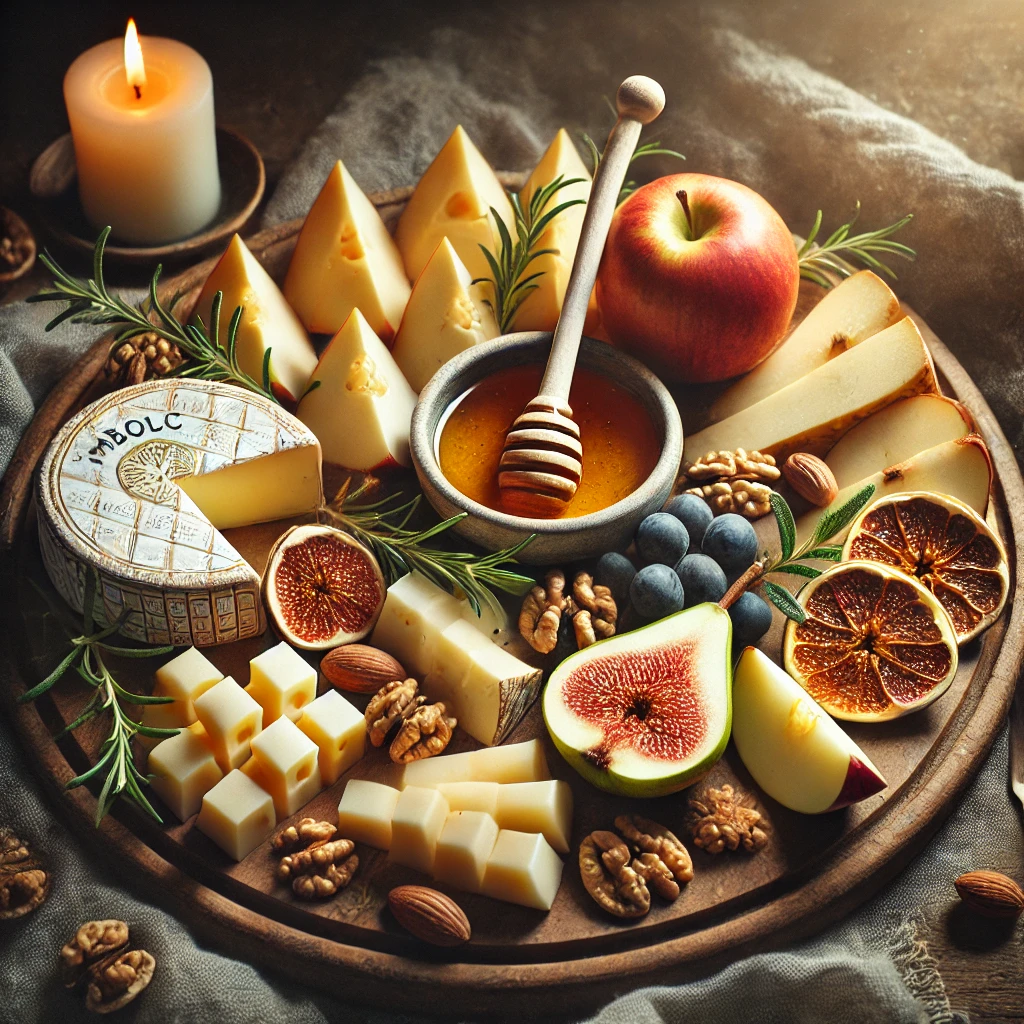
Recipe: Imbolc Cheese Board with Seasonal Fruits and Nuts

Imbolc Cheese Board
Imbolc Cheese Board

Introduction

A Hearthside Delight

The Feast of Milk is a time of reflection, renewal, and honoring the cycles of nature. A thoughtfully curated cheese board brings balance and preservation to the table, highlighting the harmonious interplay of flavors and textures that life offers. With a variety of cheeses, seasonal fruits, and nuts, this dish celebrates the fertility of the land, the warmth of the hearth, and the abundance of the season.

Explore the full 12-Course Feast

The Magic of the Imbolc Cheese Board

The Imbolc Cheese Board embodies the art of balance and preservation, two core themes of this sabbat. Cheeses, aged to perfection, symbolize the wisdom and patience required to nurture life. Seasonal fruits and nuts, preserved or freshly harvested, speak to the cycles of growth and rest, reminding us of nature’s intricate rhythms.

This cheese board serves as more than a culinary delight; it is a sacred offering to Brigid, honoring her roles as the goddess of hearth, fertility, and inspiration. Crafting this dish with intention transforms it into a magical centerpiece for your Feast of Milk.

Spell for Balance and Gratitude

Intent: To invoke balance, harmony, and gratitude in your life.

  1. As you assemble the cheese board, light a white candle to honor Brigid and the energy of renewal.
  2. Place each item on the board with intention, visualizing the balance and abundance you wish to invite.
  3. Recite:

“By the gifts of Earth, preserved with care,
Balance and bounty fill the air.
Brigid, guide us through light and rest,
With harmony and gratitude, we are blessed.”

  1. Share the cheese board with loved ones, fostering connection and joy.

Magical Properties of the Imbolc Cheese Board

  • Cheese: Represents preservation, wisdom, and sustenance.
  • Seasonal Fruits (apples, pears, figs, etc.): Symbolize abundance, vitality, and the sweetness of life.
  • Nuts (walnuts, almonds, hazelnuts): Embody grounding energy, fertility, and resilience.
  • Honey: Represents sweetness, unity, and the blessings of the divine.
  • Herbs (rosemary, thyme): Add protection, strength, and renewal to the dish.

Imbolc Cheese Board with Seasonal Fruits and Nuts

A curated selection of cheeses, fruits, and nuts to honor the balance of flavors and the cycles of life at Imbolc.

  • Cheese board or platter
  • Cheese knife
  • Small bowl (optional)
  • 3 types cheese (Choose a variety, such as aged cheddar, creamy brie, and tangy goat cheese.)
  • 2 apples (sliced (For sweetness and freshness.))
  • 2 pears (sliced (For a balance of sweet and crisp.))
  • ½ cup figs or dried apricots (optional (For added texture and sweetness.))
  • ½ cup walnuts (shelled (For grounding energy.))
  • ½ cup almonds (shelled (For resilience and fertility.))
  • 2 tbsp honey (optional (For drizzling.))
  • 2 sprigs rosemary (optional (For garnish and protection.))

Step 1: Prepare the Ingredients

  1. Slice the apples and pears into thin wedges.
  2. Arrange the cheeses on the board, cutting one into cubes and leaving others whole or in wedges for variety.

Step 2: Assemble the Cheese Board

  1. Place the fruits and nuts around the cheeses, balancing colors and textures.
  2. Add a small bowl of honey or preserves to the board for optional drizzling.
  3. Garnish with sprigs of rosemary or thyme for an aromatic touch.

Step 3: Serve

  1. Place the cheese board at the center of your table as a shared dish.
  2. Invite guests to enjoy the selection while reflecting on balance and gratitude.
  • Feel free to customize the selection of cheeses and fruits based on personal preferences or local availability.
  • To align with Imbolc’s themes, choose cheeses that represent various stages of preservation and aging.
Cheese
Imbolc
Feast, Recipe

Conclusion

The Imbolc Cheese Board with Seasonal Fruits and Nuts is a deliciously symbolic addition to your Feast of Milk. Its balance of flavors and textures invites harmony, while its nurturing ingredients honor the cycles of growth and preservation. Share this offering with your loved ones as a reminder of life’s abundance and the joy of connection. May this dish inspire warmth, gratitude, and renewal in your celebration.