Posted on Leave a comment

Ritual: Litha Bonfire Celebration

Bonfire Celebration
Bonfire Celebration

Introduction

Embracing the Summer Magic

As Litha approaches, the summer solstice beckons us to gather around the warmth and enchantment of a bonfire. This ancient and sacred ritual allows us to connect with the transformative energies of the season, honor the power of the sun, and celebrate the abundance of nature. Joining friends and loved ones, we embark on an evening of joy, storytelling, and releasing negative energies. Let us delve into the details of this captivating bonfire celebration for Litha.

Ritual Basics

Before beginning any ritual, it is important to prepare yourself mentally and physically. You may want to take a cleansing bath, or shower, and meditate or perform some grounding exercises to center yourself. Gather any materials you will need, such as candles, incense, and offerings for the forest spirits.

You can read a more detailed Ritual Preparation guide here.

Bonfire Celebration – Embracing the Summer Magic

As Litha approaches, the summer solstice beckons us to gather around the warmth and enchantment of a bonfire. This ancient and sacred ritual allows us to connect with the transformative energies of the season, honor the power of the sun, and celebrate the abundance of nature. Joining friends and loved ones, we embark on an evening of joy, storytelling, and releasing negative energies. Let us delve into the details of this captivating bonfire celebration for Litha.

Choosing the Perfect Location

  1. When planning a bonfire celebration for Litha, the selection of a suitable location is crucial for creating a safe and memorable experience. Here are some considerations to keep in mind as you choose the perfect setting for your bonfire:
  2. Safety First

    Prioritize safety when choosing a location. Look for an open space, preferably outdoors, where you can safely build and maintain a fire. Ensure there is ample distance from flammable objects such as buildings, trees, or dry vegetation. By selecting a safe location, you can minimize the risk of accidents and ensure the well-being of all participants.

  3. Outdoor Spaces

    Consider outdoor spaces that offer a natural and enchanting atmosphere. A spacious backyard provides a convenient option, allowing you to create an intimate gathering in the comfort of your own home. Alternatively, a nearby beach can provide a stunning backdrop, with the rhythmic sound of waves and the vastness of the horizon adding to the magical ambiance. Parks or public areas with dedicated fire pit areas can also offer an ideal setting for your bonfire celebration.

  4. Compliance with Local Regulations

    It is essential to comply with local regulations and obtain any necessary permits for open fires. Research the guidelines and regulations specific to your area to ensure a safe and responsible gathering. Some locations may have restrictions on fire size, location, or require prior authorization. By adhering to these regulations, you can enjoy your bonfire celebration with peace of mind.

  5. Accessibility and Convenience

    Consider the accessibility and convenience of the location for both you and your guests. Ensure that the chosen location is easily reachable, with ample parking or public transportation options if needed. Accessibility is particularly important if you have guests with mobility concerns or special needs. Choosing a location that is convenient for all participants will enhance their overall experience and encourage their active participation.

  6. Atmospheric Ambiance

    Pay attention to the ambiance of the location. Seek a place that resonates with the spirit of Litha and evokes a sense of natural beauty. A tranquil forest clearing, a lakeside retreat, or a meadow surrounded by wildflowers can all provide a picturesque backdrop for your bonfire celebration. Immerse yourself in the energy of the surroundings and let the elements of nature enhance the enchantment of the gathering.

  7. Remember, while selecting the perfect location is important, it is equally vital to respect the environment and leave the area as you found it. Leave-no-trace principles apply to outdoor gatherings, ensuring that the natural beauty and ecosystem remain unharmed.

    By carefully considering these factors, you can choose a safe, enchanting, and meaningful location for your Litha bonfire celebration. The right setting will set the stage for a transformative and magical experience, where the energy of the fire and the beauty of nature converge to create lasting memories for all who gather around it.

Creating the Sacred Fire

  1. One of the central elements of the Litha bonfire celebration is the creation of the sacred fire. Building the bonfire not only serves a practical purpose but also holds symbolic significance in harnessing the energies of the season. Here's a guide on how to create a sacred fire that embodies the spirit of Litha:

  2. Gather the Firewood

    Start by collecting dry wood, twigs, and kindling to fuel your bonfire. Look for materials that are seasoned and free from moisture, as they will ignite more easily. As you gather the firewood, take a moment to connect with nature and express gratitude for the resources it provides.

  3. Infuse with Seasonal Herbs

    To enhance the magical atmosphere and imbue the fire with the energies of Litha, consider adding traditional herbs to the base of the bonfire. Lavender, rosemary, and juniper are popular choices due to their association with purification and protection. These aromatic herbs not only add a delightful scent to the fire but also symbolize the cleansing and transformative aspects of the bonfire ritual.

  4. Intention and Visualization

    As you construct the fire and arrange the wood, infuse it with your intentions for the celebration. Visualize the flames representing the transformative energy of the sun, radiating warmth, vitality, and spiritual illumination. Envision the bonfire as a portal where intentions and wishes can be amplified and released into the universe.

  5. Ritualistic Lighting

    When the time comes to light the bonfire, approach it with reverence and intention. You may choose to use a sacred flame, such as a candle lit from another significant source, to initiate the fire. As the flames ignite, offer words of invocation or affirmation, calling upon the energies of Litha and the elements to bless the gathering.

  6. Embrace the Transformative Energy

    Once the fire is lit, allow yourself to be mesmerized by its dance and the warmth it emanates. Sit or stand in a circle around the bonfire, feeling its radiant energy enveloping you. Embrace the transformative power of the flames, knowing that they represent the essence of the summer solstice, the pinnacle of light and life.

  7. Special

    Throughout the bonfire celebration, you and your companions can engage in various activities such as storytelling, singing songs, or performing dances around the fire. Remember to approach the fire with respect and mindfulness, keeping a safe distance and being cautious of sparks or embers.

    As the bonfire burns, feel a deep connection to the energies of Litha and the sacredness of the moment. Allow the flames to purify and empower you, illuminating your path and fostering growth and transformation. Together, as the fire crackles and dances, you and your fellow participants can weave a tapestry of intention, gratitude, and joy that will resonate long after the bonfire has extinguished.

  8. Note

    It is crucial to prioritize fire safety during the bonfire celebration. Follow all local regulations, maintain a safe distance from the flames, and have the necessary fire safety equipment, such as a fire extinguisher or water source, readily available.

Circle of Intention

  1. Once the bonfire is ablaze and the flames dance in the night sky, it's time to form a circle of intention around the sacred fire. This circle not only serves as a physical gathering but also symbolizes unity, connection, and the creation of a sacred space for your Litha bonfire celebration. Here's a step-by-step guide on how to form a meaningful circle of intention:

  2. Smudging and Purification

    Before entering the circle, it is customary to smudge each participant with sacred herbs like sage or palo santo. This ritualistic act helps purify and cleanse the energies of individuals, allowing them to enter the sacred space with a sense of clarity and openness. As the smoke envelops each person, encourage them to release any stagnant or negative energies, making way for positive intentions and vibrant connections.

  3. Gathering in Reverence

    As you come together in a circle around the bonfire, hold a collective intention to honor and celebrate the energies of Litha. Embrace a sense of reverence for the sacredness of the moment and the natural elements surrounding you. Take a few deep breaths and allow yourselves to fully arrive in the present, grounding your energy and connecting with the Earth beneath your feet.

  4. Visualizing the Circle of Light

    With closed eyes, invite each participant to visualize a circle of light forming around the bonfire. This circle serves as a boundary, creating a sacred space that is infused with divine energy. Envision this circle expanding and growing in brilliance, symbolizing the unity and shared intention of the group. Feel the warmth and glow of the bonfire at the center, radiating its energy and casting a protective and nurturing light upon all who gather.

  5. Setting Individual Intentions

    Once the circle is established, invite each participant to silently reflect upon their personal intentions for the bonfire celebration. Encourage them to think about what they wish to release, manifest, or invoke during this powerful time of Litha. Remind them that their intentions should be aligned with their highest good and in harmony with the spirit of the summer solstice. This is a time to embrace growth, transformation, and the fullness of life.

  6. Sharing and Connecting

    To deepen the sense of connection and unity, consider engaging in a sharing circle within the larger circle of intention. Pass a talking stick or any symbolic object around the circle, allowing each person to share their intentions, aspirations, or reflections for Litha. Listening attentively to one another fosters a sense of community and provides an opportunity for support and encouragement.

  7. Special

    As the circle of intention is woven, feel the energy pulsating within and around the group. Embrace the warmth of the bonfire, the flickering flames reflecting the shared commitment to growth and transformation. Allow the energy of the circle to amplify your intentions and infuse them with the power of collective consciousness.

    Throughout the bonfire celebration, maintain awareness of the circle of intention. Honor the space and the energy created and be mindful of the connections forged within. As the night unfolds and the bonfire illuminates the darkness, may the circle of intention remain strong and vibrant, guiding you on your individual and collective journeys.

  8. Note

    It is essential to practice fire safety and respect personal boundaries within the circle. Ensure that everyone maintains a safe distance from the fire and remind participants to be mindful of their actions and words. The circle of intention should be a space of love, respect, and support for all those present.

Sharing Stories and Expressing Creativity

  1. Gathered around the mesmerizing flames of the Litha bonfire, the space becomes a container for shared experiences, creativity, and heartfelt expressions. This is a time to let the collective energy flow freely, as stories are told, songs are sung, and dances are performed. The crackling fire serves as a catalyst, igniting the sparks of creativity and allowing the group to connect on a deeper level. Here’s how you can embrace the spirit of storytelling and creativity during your Litha bonfire celebration:
  2. Storytelling

    Pass the Torch of Inspiration As the fire crackles and dances, take turns sharing stories that hold personal meaning. These stories can revolve around personal growth, triumphs, moments of inspiration, or even reflections on the past year. Encourage each participant to share a tale that celebrates their own journey and the lessons they've learned along the way. These narratives not only honor the light within each person but also serve as beacons of inspiration for others, igniting the flames of possibility and resilience.

  3. Songs and Chants

    Weaving Melodies into the Night The flickering flames and the rhythm of the bonfire provide a perfect backdrop for songs and chants. Let the melody of your voices intertwine with the crackling fire, as you sing songs that embody the spirit of Litha and the energy of the summer solstice. These songs can be traditional or original compositions, celebrating the abundance of the season, the power of the sun, and the magic of this special time. Allow the music to uplift spirits, create harmony, and deepen the connection between participants and the sacred fire.

  4. Dance

    Embodying the Fire's Energy With the fire's warmth and glow as your guide, let your body sway to the beat of the flames. Dancing around the bonfire allows for an embodied expression of joy, freedom, and vitality. Encourage participants to move intuitively, allowing the energy of the fire to inspire their movements. The dance can be spontaneous, fueled by collective energy, or planned and choreographed as a shared performance. Let the rhythm of the drums, the crackling of the fire, and the starlit sky become the backdrop of your graceful movements, as you celebrate life, connection, and the transforming power of the season.

  5. Artistic Expressions

    Kindling Creativity In addition to storytelling, singing, and dancing, provide space for other creative expressions that resonate with the group. Set up an art station with materials for painting, drawing, or crafting. Participants can create personal talismans, mandalas, or symbolic representations of their intentions and dreams. This creative outlet serves as a powerful way to channel and amplify the energy of the bonfire celebration, allowing for individual and collective expressions of creativity and intention.

  6. Special

    By sharing stories, singing songs, and embracing the spontaneous flow of creativity, the Litha bonfire celebration becomes a tapestry woven with the threads of personal experiences and collective wisdom. As the night progresses, may the flames grow brighter, reflecting the shared energy and the beauty of each person's unique journey. In this sacred space, let the stories, songs, and dances inspire, uplift, and connect all those gathered around the fire.

    Remember to create a supportive and inclusive environment, where everyone feels comfortable expressing themselves authentically. Embrace the diversity of expressions and honor each person's contribution, recognizing the power of storytelling and creativity in fostering connection and deepening the collective experience.

Releasing and Transformation

  1. Litha, the summer solstice, invites us to shed that which no longer serves us and make space for new beginnings. As the flames of the bonfire dance and crackle, we harness the transformative power of fire to release negative energies, burdens, and limiting beliefs. This profound act of releasing and transformation allows us to step into the fullness of our potential and embrace the abundant possibilities of the season. Here’s how you can incorporate the ritual of releasing and transformation into your Litha bonfire celebration:
  2. Setting Intentions: Acknowledging What No Longer Serves

    Gather in a circle around the bonfire and invite each participant to reflect on the negative energies, burdens, or limiting beliefs they wish to release. Provide paper and writing materials, allowing everyone to jot down these aspects that they are ready to let go of. Encourage introspection and self-reflection, fostering a sense of honesty and vulnerability within the group. This sacred act of acknowledging what no longer serves us sets the stage for transformation and growth.

  3. Sacred Offerings: Surrendering to the Flames

    With reverence and intention, each participant approaches the bonfire, one by one, holding their written representations of what they wish to release. As they cast these offerings into the fire, emphasize the significance of surrendering these burdens to the transformative energy of the flames. Encourage everyone to visualize the negative energies being consumed by the fire, watching as the flames dance and transform them into pure, purifying energy. This symbolic act signifies the release and liberation from what has been holding them back.

  4. Visualization and Affirmation: Embracing the Transmutation

    As the flames devour the written representations, guide participants to visualize the release and transformation taking place within themselves. Invite them to envision the negative energies dissolving, making way for positive and transformative energy to flow into their lives. Encourage them to repeat affirmations that reinforce their newfound liberation and affirm their readiness for growth and positive change. The collective visualization and affirmation create a powerful synergy, amplifying the energy of transformation within the group.

  5. Embracing the New Chapter: Embodying Freedom and Expansion

    After the releasing ritual, invite participants to take a moment of reflection and gratitude. Encourage them to contemplate the newfound freedom, lightness, and expanded possibilities that come with releasing what no longer serves them. Embrace the sense of liberation and empowerment that arises from this transformative act, as each participant steps into a new chapter of their journey.

  6. As the flames continue to burn brightly, allow the collective energy to merge with the fire's transformative alchemy. Embrace the powerful symbolism of the fire, which purifies, consumes, and transmutes, mirroring our own inner processes of release and transformation. In this sacred space, the bonfire becomes a beacon of renewal and an embodiment of the transformative energy of Litha.

    Remember to hold space for each participant's process, offering support and understanding. Encourage open and compassionate communication, allowing individuals to share their experiences if they feel comfortable doing so. Through the ritual of releasing and transformation, we honor the cycles of life, embrace growth, and create space for the abundant blessings that await us on our journey.

    May the flames of the bonfire carry away all that no longer serves, leaving behind an illuminated path to embrace the transformative power of the summer solstice. Embrace the release, embody the transformation, and step into the radiant possibilities of the season.

Gratitude and Abundance

  1. As the flames of the bonfire illuminate the night sky, it is a perfect time to express gratitude for the blessings in our lives and honor the abundant gifts of the season. During your Litha bonfire celebration, take a moment to reflect on the interconnectedness of all beings and the profound abundance that surrounds us. Here’s how you can incorporate gratitude and abundance into your ritual:
  2. Opening the Heart: Cultivating a Grateful Mindset

    Gather in a circle around the bonfire, creating a sacred space filled with warmth and camaraderie. Encourage each participant to take a few deep breaths, allowing their awareness to settle into the present moment. Begin by inviting everyone to share something they are grateful for, whether it's a personal achievement, a meaningful connection, or the simple joys of life. This act of sharing sets the tone for the celebration, fostering a grateful mindset within the group.

  3. Appreciating the Gifts of the Season: Honoring the Sun's Radiance

    Direct the focus of gratitude towards the gifts of the season and the life-sustaining power of the sun. Encourage participants to reflect on how the sun's radiant energy nurtures the growth and abundance in nature. Express appreciation for the vibrant colors of flowers, the bountiful harvests, and the warmth that sustains us all. Encourage each person to articulate their gratitude for the specific ways in which the season has enriched their lives.

  4. Words of Appreciation: Honoring Connections and Support

    Within the circle, allow each participant to express words of appreciation for the connections shared and the support of loved ones. Encourage them to speak from the heart, acknowledging the significance of the relationships and the ways in which they have been uplifted and supported. This is a time to recognize the bonds that have helped us grow and flourish, fostering a sense of gratitude and connection within the circle.

  5. Infusing the Celebration with Joy: Embodying Abundance

    As each expression of gratitude is shared, allow the collective energy to build, infusing the bonfire celebration with a sense of joy and abundance. Embrace the contagious nature of gratitude, allowing it to radiate from the heart and spread throughout the group. Encourage laughter, smiles, and an atmosphere of celebration as you bask in the warmth of the bonfire's glow. Feel the energy of gratitude amplifying the abundance of the season and nourishing the spirit.

  6. Giving Back: Offering to the Fire

    To further symbolize gratitude and abundance, invite each participant to offer a small token or symbol of gratitude to the fire. This could be a written note, a piece of dried herb, or a small item that represents their appreciation. As these offerings are placed into the fire, encourage everyone to visualize their gratitude transforming into an energy that ripples out into the world, blessing and enriching the lives of others.

  7. By cultivating a mindset of gratitude and acknowledging the abundance in our lives, we open ourselves to receive even more blessings. As the flames flicker and dance, we honor the interconnectedness of all beings and express appreciation for the gifts that surround us. Through gratitude, we deepen our connection with the essence of Litha, embracing the joyful abundance of the summer season.

    May your bonfire celebration be filled with gratitude, joy, and a profound sense of abundance. Let the flames of the fire carry your words of appreciation and blessings, igniting a sense of gratitude within the hearts of all who gather. Embrace the transformative power of gratitude and allow it to illuminate your path throughout the seasons to come.

Closing the Circle

  1. As the Litha bonfire celebration nears its end, it is important to honor the sacred space and the energy that has been cultivated throughout the gathering. Closing the circle allows us to acknowledge the transformative power of the fire and express gratitude for the connections and experiences shared. Here’s how you can bring the bonfire celebration to a meaningful conclusion:
  2. Expressing Closing Statements: Sharing Blessings and Wishes

    As the flames of the bonfire gently flicker, invite each participant to share a closing statement, blessing, or wish for the upcoming season. Encourage them to speak from their heart, expressing their intentions for growth, joy, and fulfillment in the months ahead. This is an opportunity to offer words of support and encouragement to one another, further fostering a sense of community and connection.

  3. Gratitude for Transformation: Honoring the Fire's Energy

    Take a moment to express gratitude for the transformative power of the bonfire and the energy it has provided throughout the celebration. Reflect on the symbolic significance of the fire as a catalyst for change and purification. Acknowledge how the flames have allowed you to release what no longer serves and embrace new possibilities. Offer words of thanks for the transformative journey undertaken within the circle.

  4. Bid Farewell to the Bonfire: Embracing the Lingering Energy

    As the time comes to bid farewell to the bonfire, take a moment to acknowledge the energy that will continue to burn brightly within each participant. Recognize that the fire's transformative power and the connections formed during the gathering will remain in your hearts and minds long after the flames have subsided. Express gratitude for the lasting impact of the bonfire celebration on your individual journeys.

  5. Closing Ritual: Ritualistic Gestures and Actions

    To complete the closing of the circle, consider incorporating a simple ritualistic gesture. This could be a collective action, such as holding hands and forming a circle around the dying embers, or individual actions such as blowing a kiss to the fire or gently waving a hand over the flames. These gestures symbolize the closing of the energetic circle and the release of the gathered energy back into the universe.

  6. Carry the Flame Within: Sustaining the Bonfire's Energy

    As the bonfire celebration draws to a close, remember that the energy and transformation experienced within the circle are not confined to that moment. Carry the flame within you as you continue your journey through the seasons. Allow the lessons learned, the connections forged, and the intentions set during the bonfire celebration to guide and inspire you throughout the upcoming months.

  7. By concluding the bonfire celebration with intention, gratitude, and a sense of closure, you honor the transformative energy that has been cultivated. As you bid farewell to the bonfire, embrace the lingering warmth and energy that will continue to resonate within your being. Carry the spirit of the bonfire celebration forward, knowing that the transformative power of the fire will remain with you, guiding your path and illuminating your journey through the seasons to come.

    May the closing of the circle be a sacred and meaningful moment, leaving you with a deep sense of gratitude and inspiration. As the bonfire's embers fade, may the transformative energy of Litha continue to burn brightly within your heart, guiding you towards a season filled with growth, joy, and abundance.

Safety Considerations

While the Litha bonfire celebration is a joyful and transformative ritual, it is crucial to prioritize safety throughout the gathering. By taking necessary precautions, you can create a secure environment for everyone involved. Here are some essential safety considerations to keep in mind:

Fire Extinguishing Materials

Before commencing the bonfire celebration, ensure you have fire extinguishing materials readily available. Place a bucket of water nearby or have a fire extinguisher on hand. These resources can help you swiftly and effectively control any unforeseen flames or emergencies. It is essential that all participants are aware of the location and proper use of these fire extinguishing materials.

Maintaining a Safe Distance

While the bonfire radiates warmth and energy, it is important to maintain a safe distance from the flames. Create a designated area around the bonfire where participants can gather without encroaching too closely. This ensures that everyone can enjoy the mesmerizing dance of the fire while keeping a safe distance to avoid accidental burns or injuries.

Educating Participants

Prioritize the education of all participants about fire safety protocols. Encourage them to be mindful of their surroundings, avoid loose or flowing clothing that could catch fire, and discourage any reckless behavior near the fire. Emphasize the importance of being alert and responsible to ensure the well-being of all attendees.

Adhering to Local Regulations

Respect and abide by any local regulations or restrictions related to bonfires or outdoor fires. Familiarize yourself with the laws and guidelines specific to your area. Be aware of any burn bans or fire-related restrictions due to weather conditions or environmental factors. Compliance with these regulations demonstrates your commitment to safety and responsible fire practices.

Monitoring Weather Conditions

Stay updated on weather conditions leading up to and during the bonfire celebration. Be mindful of strong winds, dry conditions, or other weather factors that could increase the risk of fire spreading uncontrollably. If adverse weather conditions arise, consider rescheduling the bonfire celebration to a safer time. Prioritizing safety should always take precedence over the ritual.

Remember, the safety of all participants is paramount during the bonfire celebration. By proactively addressing safety considerations, you create an environment where everyone can fully immerse themselves in the transformative energy of the ritual without compromising their well-being. By adhering to fire safety protocols, being prepared with fire extinguishing materials, respecting the fire’s power, and staying informed about local regulations and weather conditions, you can ensure a secure and memorable Litha bonfire celebration for all involved.

Litha, Summer
Rituals

Conclusion

As Litha approaches, let us come together in the spirit of celebration and connection. The bonfire celebration ritual provides a sacred space to honor the summer solstice, embrace the transformative power of fire, and nurture our relationships with both nature and each other. Through storytelling, releasing, and expressing gratitude, we weave a tapestry of love, light, and joy under the stars, creating memories that will linger long after the bonfire has burned out. So, gather your loved ones, build a fire, and let the magic of Litha unfold around you.

Posted on Leave a comment

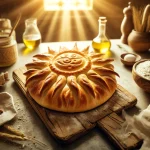
Recipe: Sun-Shaped Bread

Making Sun shaped Bread

Introduction

Embrace the Radiant Energy of Litha

As the sun reaches its peak and bathes the world in its warm embrace, Wiccans celebrate Litha, the summer solstice, with joyous festivities. This magical time marks the height of the sun’s power and the abundance of nature. To honor this sacred occasion, we invite you to embark on a culinary journey and create a delightful Sun-Shaped Bread. Infused with the energy of the sun, this bread serves as a delicious centerpiece that radiates warmth and vitality. Let us explore the magical properties of Litha and learn how to craft this symbolic and nourishing bread.

Embracing the Sun’s Radiance

Litha, also known as Midsummer, is a celebration of the sun’s radiant energy and the fertility of the Earth. Wiccans honor this day by acknowledging the divine masculine energy and the abundance of life that surrounds us. Litha represents a time of growth, fulfillment, and the peak of light. It is a potent period for manifestation, embracing personal power, and cultivating gratitude for the gifts of nature.

The Symbolism of Sun-Shaped Bread

In Wiccan traditions, bread symbolizes sustenance, abundance, and unity. Crafting a Sun-Shaped Bread for Litha connects us to solar energy and symbolizes the sun’s life-giving power. The circular shape represents the eternal cycle of life, while the golden hue mirrors the sun’s radiance. Baking and sharing this bread during Litha rituals and gatherings fosters a sense of community and acknowledges the sun’s vital role in sustaining life.

Spell for Sun-Shaped Bread

As the sun shines bright in the sky, I imbue this bread with radiant energy high. With each knead and each rise, May the sun’s power within it arise.

As I shape this dough with care, I infuse it with the sun’s warm glare. With every sunray pattern I make, May the sun’s blessings in it partake.

Into the oven, the bread does go, To bake and rise with the sun’s glow. As it turns golden, so bright and bold, May its magic be strong, its energy untold.

As I break bread with those I hold dear, May the sun’s energy draw near. May it nourish our bodies and souls, And align us with our highest goals.

With gratitude and love, I partake, Of this bread, a symbol of the sun’s wake. May its magic fill me with strength and grace, As I embrace the sun’s warm embrace.

So mote it be.

Magical Properties of Sun-Shaped Bread

As you indulge in the Sun-Shaped Bread, embrace its magical properties, and align yourself with the energies of Litha. The bread embodies the sun’s vitality and life-giving essence, infusing you with renewed strength and inner radiance. Each bite connects you to the abundance of the Earth, grounding you in gratitude for the gifts of nature. As you consume the bread, visualize the sun’s energy filling your being, nourishing your spirit, and empowering you to manifest your intentions and desires.

Sun-Shaped Bread

As the sun reaches its peak and bathes the world in its warm embrace, Wiccans celebrate Litha, the summer solstice, with joyous festivities. This magical time marks the height of the sun’s power and the abundance of nature. To honor this sacred occasion, we invite you to embark on a culinary journey and create a delightful Sun-Shaped Bread. Infused with the energy of the sun, this bread serves as a delicious centerpiece that radiates warmth and vitality. Let us explore the magical properties of Litha and learn how to craft this symbolic and nourishing bread.

  • 4 cups all-purpose flour
  • 2 teaspoons active dry yeast
  • 1 tablespoon sugar
  • 1 teaspoon salt
  • 1 cup warm water (around 110°F/43°C)
  • 3 tablespoons olive oil
  • 1 egg yolk (lightly beaten (for egg wash))
  • Poppy seeds or sesame seeds (for decoration)
  1. In a large mixing bowl, combine the flour, yeast, sugar, and salt. Mix well to distribute the ingredients evenly.
  2. Create a well in the center of the dry mixture and pour in warm water and olive oil. Stir until the dough comes together.
  3. Transfer the dough to a floured surface and knead for about 10 minutes until it becomes smooth and elastic.
  4. Shape the dough into a ball and place it in a greased bowl. Cover the bowl with a clean kitchen towel and let it rise in a warm, draft-free area for approximately 1 hour or until the dough doubles in size.
  5. Preheat the oven to 375°F (190°C). Line a baking sheet with parchment paper.
  6. Once the dough has risen, punch it down gently to release any trapped air.
  7. Transfer the dough to the prepared baking sheet and shape it into a circle. Use your fingers or a knife to create sunray patterns on the surface, radiating out from the center.
  8. Brush the surface of the bread with the beaten egg yolk, ensuring even coverage.
  9. Sprinkle poppy seeds or sesame seeds over the egg-washed surface, allowing them to adhere.
  10. Bake the bread in the preheated oven for 25-30 minutes or until it turns golden brown and sounds hollow when tapped on the bottom.
  11. Remove the bread from the oven and let it cool on a wire rack before slicing and serving.

Conclusion

Litha, the summer solstice, beckons us to honor the sun’s radiant energy and the abundance of the Earth. By creating a Sun-Shaped Bread, we embrace the symbolism of the sun and invite its vitalizing energy into our lives. This magical bread, with its golden hue and circular shape, represents the eternal cycle of life and serves as a centerpiece during Litha celebrations. As you savor each bite of the bread, may you be filled with the sun’s warmth, vitality, and abundance, and may your Litha festivities be blessed with joy, growth, and gratitude.

Breads
Litha, Summer
Recipe
Posted on Leave a comment

Recipe: Colorful Summer Salad

Colorful Fruit Salad

Introduction

Embrace the Vibrant Energies

Litha, also known as Midsummer or the summer solstice, is a celebration of the sun’s power and the abundance of nature. As the longest day of the year, it marks a time of growth, vitality, and joyous festivities. To honor this magical occasion, we invite you to indulge in a refreshing and vibrant Colorful Fruit Salad. Bursting with the colors and flavors of the season, this salad embodies the energy of Litha and connects us to the abundant gifts of nature. Let us explore the magic of Litha and learn how to craft this delightful and nourishing salad.

Embracing the Vibrant Energies

Litha represents the height of the sun’s power and the fertility of the Earth. It is a time to celebrate the abundant beauty and blessings that surround us. Wiccans honor this day by acknowledging the divine feminine energy, the growth of the crops, and the blossoming of nature. Litha encourages us to embrace the vibrant energies of the sun, manifest our desires, and nurture our connection with the natural world.

The Symbolism of Colorful Fruit Salad: In Wiccan traditions, colors hold significant symbolism. Each hue represents specific energy and qualities. Crafting a Colorful Fruit Salad for Litha allows us to infuse the salad with the vibrant energies associated with the different fruits and their corresponding colors. By consuming this salad, we align ourselves with the powerful forces of nature, promoting vitality, abundance, and spiritual well-being.

Spell for Abundant Growth and Vitality

Gather under the midsummer sun, where its rays bathe the earth in golden light. As you stand amidst nature’s bounty, holding your Colorful Fruit Salad, feel the vibrant energies of Litha coursing through you. With each fruit representing a different aspect of abundance and vitality, let their magical properties merge and amplify under the sun’s benevolent gaze.

Close your eyes and visualize the lush fields of summer, teeming with life and vitality. Feel the warmth of the sun infusing your being, igniting a spark of growth and abundance within your soul. With each breath, draw in the energy of the earth and sky, grounding and uplifting you in equal measure.

Now, with focused intention, speak the following spell

“Under the midsummer sun’s bright glow,

I call upon the energies that flow.

From earth and sky, abundance rise,

Growth and vitality, to my surprise.

With each bite of this vibrant feast,

I manifest my desires, let abundance increase.

As the fruits of nature bless my plate,

So too shall abundance in my fate.”

Visualize your intentions taking root in the fertile soil of possibility, growing, and blossoming with each passing moment. As you consume the Colorful Fruit Salad, feel its vibrant energies nourishing your body, mind, and spirit, infusing you with vitality and abundance.

With gratitude in your heart and a renewed sense of connection to the natural world, offer thanks to the elements, the sun, and the spirits of the land for their abundant blessings. May this spell bring forth growth, vitality, and joy in your life, aligning you with the abundant energies of Litha. Blessed be.

Magical Properties of Colorful Fruit Salad

Each fruit in the Colorful Fruit Salad possesses its own magical properties, amplifying the energies of Litha and connecting us to nature’s bounty. Strawberries represent love, joy, and vitality, invoking feelings of passion and celebration. Blueberries symbolize wisdom, intuition, and spiritual growth, aiding in clarity and deepening our connection to the divine. Raspberries embody protection, healing, and transformation, offering energetic support during times of change and renewal.

Pineapple signifies hospitality, abundance, and gratitude, attracting positive energies and fostering a sense of welcome and appreciation. Mandarin oranges evoke good luck, prosperity, and joy, bringing a burst of positive energy and amplifying the celebration of Litha. Green grapes represent fertility, abundance, and vitality, reminding us of the cycles of life and the bountiful gifts of the Earth.

Watermelon embodies refreshment, healing, and emotional balance, providing a cool and soothing energy that replenishes the spirit. The optional dressing, with lime juice representing purification, honey or maple syrup symbolizing sweetness and manifestation, and cinnamon invoking warmth and transformation, adds a touch of magic and enhances the flavors of the fruits.

Colorful Summer Salad – Embrace the Vibrant Energies

Litha, also known as Midsummer or the summer solstice, is a celebration of the sun’s power and the abundance of nature. As the longest day of the year, it marks a time of growth, vitality, and joyous festivities. To honor this magical occasion, we invite you to indulge in a refreshing and vibrant Colorful Fruit Salad. Bursting with the colors and flavors of the season, this salad embodies the energy of Litha and connects us to the abundant gifts of nature. Let us explore the magic of Litha and learn how to craft this delightful and nourishing salad.

  • 1 cup strawberries (hulled and sliced)
  • 1 cup blueberries
  • 1 cup raspberries
  • 1 cup pineapple chunks
  • 1 cup mandarin orange segments
  • 1 cup green grapes (halved)
  • 1 cup watermelon balls or cubes
  • Fresh mint leaves (for garnish)

Optional Dressing

  • Juice of 1 lime
  • 1 tablespoon honey or maple syrup
  • A pinch of cinnamon (optional)
  1. Wash all the fruits thoroughly. If necessary, pat them dry with a paper towel.
  2. In a large bowl, combine the strawberries, blueberries, raspberries, pineapple chunks, mandarin orange segments, green grapes, and watermelon balls or cubes.
  3. Gently toss the fruits together to ensure even distribution.
  4. If desired, prepare the optional dressing by whisking together the lime juice, honey or maple syrup, and cinnamon in a small bowl.
  5. Drizzle the dressing over the fruit salad and toss lightly to coat. Alternatively, you can serve the dressing on the side and let each person drizzle it over their portion.
  6. Garnish the salad with fresh mint leaves for added freshness and aesthetic appeal.
  7. Serve the Colorful Fruit Salad immediately or refrigerate for a short while to allow the flavors to meld.
Appetizer, Dessert, Salad
Litha, Summer
Recipe

Conclusion

As Litha unfolds and the sun reaches its zenith, savor the vibrant energies of the season with a Colorful Fruit Salad. This delicious and visually appealing dish represents the abundance, growth, and vitality of Litha. Each bite connects us to the magical properties of the fruits and their corresponding colors, inviting joy, vitality, and alignment with nature’s abundant blessings. May your Litha celebrations be filled with radiant energy, gratitude, and an appreciation for the vibrant gifts that surround us.

Posted on Leave a comment

Ritual: Litha Summer Feast

Litha Feast
Litha Feast

Introduction

Celebrating the Summer

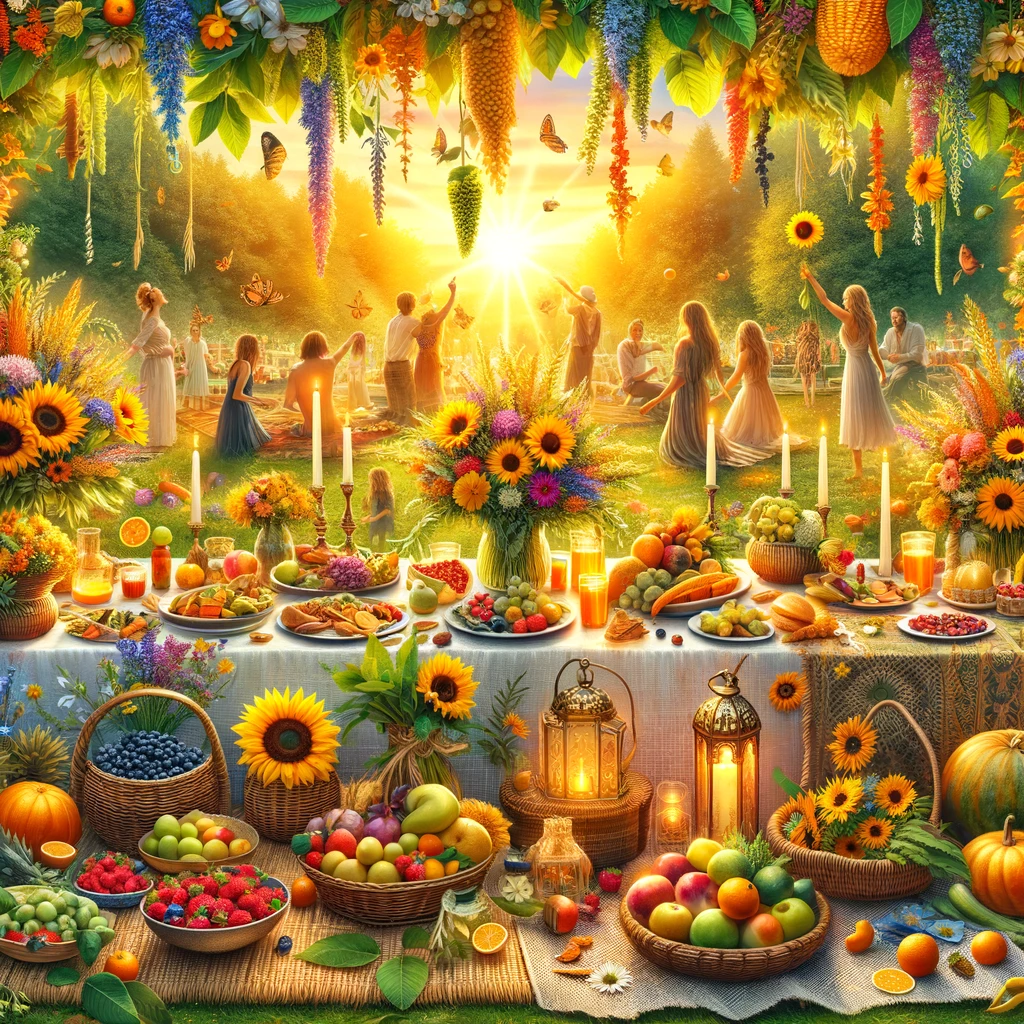
As the sun reaches its zenith and the days are filled with warmth and radiance, it is time to celebrate Litha, the joyous festival of midsummer. At the heart of this vibrant celebration is the Summer Feast, a delightful gathering that honors the abundance of the earth and the blessings of the season. So, gather your loved ones, prepare a delicious feast, and let the flavors and aromas of the season weave their magic.

The Essence of Litha on Your Plate

As the sun reaches its zenith and the vibrant energy of Litha fills the air, the Summer Feast becomes a sacred opportunity to immerse yourself in the flavors of the season. This joyous celebration invites you to savor the essence of Litha on your plate by embracing the abundance of fresh, seasonal produce. It is a time to revel in the colors, flavors, and textures that nature graciously provides.

Fruits, Vegetables and Herbs

Incorporating a medley of succulent fruits, crisp vegetables, and aromatic herbs into your recipes not only adds a burst of vibrant colors to your table but also captures the very essence of this enchanting time of year. Seek out nature’s treasures such as plump berries that burst with sweetness, juicy peaches that drip with nectar, and heirloom tomatoes that embody the taste of the sun itself. These ingredients are nature’s gifts, reminding us of the richness and generosity of the earth.

Sun-shaped Bread

To symbolize the power and warmth of the sun, consider baking a golden, sun-shaped bread. Infused with the wholesome goodness of grains and lovingly imbued with your intentions for the season, this loaf becomes a radiant centerpiece that exudes the energy of Litha. As you break bread with your loved ones, you forge deeper connections and celebrate the bonds that nourish your life.

Every bite becomes a celebration of the sun’s life-giving energy, infusing you with vitality and warmth. The flavors dance on your palate, evoking the essence of abundance and reminding you of the interconnectedness between the earth and your own being. As you savor each morsel, take a moment to acknowledge the divine union of nourishment and gratitude.

Let the Summer Feast become a sensory feast as you explore the intricate flavors, the tantalizing aromas, and the delightful textures that nature offers during this time. Allow yourself to be fully present, savoring the harmony of tastes that reflect the vibrant energy of Litha.

As you gather with your loved ones, adorned with the colors and scents of the season, share in the joy of this bountiful feast. Together, celebrate the blessings bestowed upon you by the earth, and honor the nourishment that sustains both body and soul. In the spirit of Litha, let the abundance on your plate reflect the abundant love, joy, and gratitude that fills your heart.

Through the essence of Litha on your plate, may you connect deeply with the cycles of nature, finding inspiration and nourishment in the gifts that surround you. May this celebration of flavors and abundance be a true reflection of the magic and enchantment of this sacred time, leaving you satiated in body and uplifted in spirit.

Colorful Fruit Salad: A Symbol of Abundance

No Summer Feast during Litha would be complete without the inclusion of a vibrant fruit salad, a delightful medley of flavors and hues that embodies the essence of this enchanting season. In crafting this colorful masterpiece, select a variety of seasonal fruits that showcase the brilliance of nature’s palette. Let the natural sweetness of watermelon, the succulence of cantaloupe, the juiciness of strawberries, and the tanginess of oranges take center stage, allowing their flavors to shine through.

Fruit Salad

As you prepare the fruit salad, pay homage to the resplendent colors of the sunset, reminiscent of the warm embrace of the sun during this time of year. Just as the sky transforms into a tapestry of vibrant hues, let the vibrant colors of the fruits ignite your senses and awaken your appreciation for the beauty that surrounds you.

Each juicy bite becomes a celebration of life, a moment to savor the abundance that nature so generously provides. With each spoonful, you partake in the vitality and nourishment that the bountiful earth offers. As you share this fruit salad with your loved ones, allow the refreshing qualities of the fruits to invigorate your body and uplift your spirits. Let the vibrant flavors and vibrant colors remind you of the joy and vitality that fills your being.

As you enjoy the colorful fruit salad, take a moment to express gratitude for the nourishment and joy that the bountiful earth provides. Reflect on the interconnectedness between nature’s abundance and your own well-being, recognizing the symbiotic relationship that sustains and nurtures both body and soul. Let this act of gratitude deepen your connection with the natural world and inspire a sense of reverence for the cycles of life.

With each juicy morsel and every burst of flavor, the colorful fruit salad becomes a symbolic offering of gratitude and appreciation. It is a celebration of the vitality and beauty that is inherent in nature’s bounty. As you indulge in the lusciousness of the fruits, let them awaken your senses and fill your heart with a profound sense of joy and gratitude.

In the spirit of Litha, as the sun shines brightly and nature flourishes, let this colorful fruit salad be a testament to the abundant blessings that surround us. May its vibrant hues and delectable flavors serve as a reminder of the richness and generosity of the earth. Share this refreshing delight with your loved ones, savoring each bite and relishing the nourishing and life-affirming qualities of the fruits.

As you partake in this vibrant feast, may it be a celebration of life, a reflection of the abundance that fills your existence, and a reminder of the joy and gratitude that arise from embracing nature’s gifts.

Feasting with Gratitude and Connection

The Summer Feast during Litha is not merely an occasion to indulge in delectable dishes; it is a sacred moment for gathering, sharing stories, and expressing heartfelt gratitude for the abundant blessings bestowed upon us by the season. As you gather around the table, take a moment to reflect upon the journey of growth and transformation that has brought you to this point, recognizing the interconnectedness between your own life’s journey and the cycles of nature.

With each morsel, express gratitude for the nourishment and sustenance that the earth so generously provides. Let your heart overflow with appreciation for the fruits of the land, the vibrant vegetables, and the savory herbs that grace your feast. Acknowledge the immense gift of sustenance and vitality that nature bestows upon us and honor the vital connection between humanity and the natural world.

As you partake in the Summer Feast, let it be a celebration of the circle of life, a reminder of the intricate web of existence in which we all play a part. Each bite becomes an opportunity to cherish and protect the earth’s resources, recognizing our responsibility as stewards of the environment. Let the flavors and textures of the feast deepen your reverence for the natural world and inspire a commitment to sustainable practices that nurture and preserve the Earth for future generations.

But the feast is not just about nourishing the body; it is also a time to nourish the soul. Engage in meaningful conversations, laughter, and joyful camaraderie with your loved ones. Share stories of growth, transformation, and the lessons learned along the way. Let the Summer Feast become a vessel for creating lasting memories and strengthening the bonds of kinship and community.

In this spirit of gratitude and connection, let the Summer Feast be a sacred space where love, laughter, and appreciation flourish. Embrace the joy of gathering, relishing the flavors, and relishing in the company of those who bring light to your life. Let the feast become a moment of celebration, where gratitude fills every corner of your being, and the warmth of connection envelops the entire table.

As you partake in this feast of abundance, may it ignite a deep sense of gratitude within your heart. May the Summer Feast become a symbol of unity, reminding us of the interconnectedness between ourselves, each other, and the natural world. And may the bonds forged, and memories created during this celebratory gathering be cherished and carry forth the spirit of gratitude and connection throughout the year.

Ritual Basics

Before beginning any ritual, it is important to prepare yourself mentally and physically. You may want to take a cleansing bath, or shower, and meditate or perform some grounding exercises to center yourself. Gather any materials you will need, such as candles, incense, and offerings for the forest spirits.

You can read a more detailed Ritual Preparation guide here.

The Ritual of a Litha Summer Feast

Litha, also known as the summer solstice, is a time of celebration and gratitude for the abundant blessings of the season. One beautiful way to honor this sacred time is through the ritual of a Summer Feast. This feast not only nourishes the body but also symbolizes the unity between nature’s bounty and our lives. We will guide you through the step-by-step instructions of a Litha Summer Feast, explore the significance of materials used, and delve into the magical uses of this ritual.

  • Decorating Colors (e.g. – oranges, yellows, greens)
  • Seasonal decorations (e.g. – flowers, fruits, foliage)
  • Seasonal fruits (e.g. – locally sourced fruits)
  • Vegetables (e.g. – fresh, seasonal vegetables)
  • Herbs (e.g. – locally sourced herbs)
  • Desserts (e.g. – light, flavorful desserts)
  • Table decorations (e.g. – leaves, flowers, woven mats)
  • Lighting (e.g. – candles, lanterns)

Setting the Ambience

  1. Create a warm and inviting atmosphere for your feast by adorning the space with vibrant summer colors, such as oranges, yellows, and greens.
  2. Use seasonal decorations, such as flowers, fruits, and foliage, to enhance the natural beauty and festive ambiance.

Selecting Seasonal Produce

  1. Choose a variety of fresh and seasonal fruits, vegetables, and herbs to incorporate into your feast.
  2. Opt for locally sourced ingredients to support local farmers and foster a deeper connection with the land.

Planning the Menu

  1. Design a menu that celebrates the flavors and abundance of summer.
  2. Include dishes that showcase the seasonal produce, such as colorful salads, grilled vegetables, refreshing fruit platters, and light, flavorful desserts.

Preparation with Intention

  1. As you prepare the food, infuse each ingredient with your intentions and gratitude for the nourishment it provides.
  2. Visualize the vibrant energy of the sun infusing the ingredients, enhancing their flavors, and healing properties.

Setting the Feast Table

  1. Arrange the food on a beautifully decorated table, using natural elements like leaves, flowers, or woven mats as decorations.
  2. Consider incorporating candles or lanterns to add a warm and magical glow to the space.

Expressing Gratitude

  1. Before commencing the feast, gather your loved ones around the table.
  2. Take a moment to express gratitude for the abundance of the season, the connections shared, and the nourishment provided by the Earth.

Sharing and Connecting

  1. Encourage everyone to partake in the feast, savoring each bite and engaging in meaningful conversations.
  2. Share stories, reflections, and moments of inspiration experienced during the season.

Magical Blessings

  1. Invite each participant to offer a blessing, prayer, or wish for the upcoming season.
  2. Encourage them to infuse their words with love, gratitude, and intentions for personal growth, joy, and abundance.
Litha
Rituals

Significance of Materials

Seasonal Produce

Seasonal produce is at the heart of a Litha Summer Feast, representing the abundance and vitality of the summer season. Each ingredient carries the potent energy of the sun, which has nurtured it to maturity. When we consume these foods, we are not just nourishing our bodies but also absorbing the sun’s life-giving energy, enhancing our well-being on multiple levels.

Fruits: Summer fruits like berries, melons, and stone fruits are rich in vitamins and antioxidants. They symbolize sweetness, joy, and the fulfillment of the Earth’s bounty. Their bright colors and juicy textures bring a sense of celebration and indulgence to the feast.

Vegetables: Fresh vegetables such as tomatoes, cucumbers, and peppers are symbols of growth and health. They provide essential nutrients and are a reminder of the Earth’s continuous cycle of giving. Incorporating them into the feast is a way of honoring the Earth’s fertile ground.

Herbs: Aromatic herbs like basil, mint, and rosemary not only enhance the flavor of the dishes but also carry specific energetic properties. For example, basil is known for its protective qualities, mint for its invigorating and refreshing nature, and rosemary for remembrance and clarity.

Grains: Grains such as corn and wheat, which reach their peak during the summer months, symbolize the fruition of the growing season and the promise of continued abundance. They are staples that ground us and connect us to the cycles of planting and harvest.

Decorations and Colors

The decorations and colors chosen for a Litha altar and feast setting are rich with symbolism, enhancing the ritual’s atmosphere and deepening our connection to the energy of the season.

Flowers: Summer flowers like sunflowers, daisies, and marigolds embody the sun’s vibrant energy. They bring brightness and cheer to the altar, representing the flourishing life all around us. The use of flowers connects us to the Earth’s natural beauty and the joy of summer.

Candles: Golden, yellow candles symbolize the sun’s light and warmth. Lighting candles on the altar and around the feast area creates a sacred space that honors the sun’s peak power. The flickering flames are a reminder of the sun’s enduring presence and the fire within each of us.

Tablecloths and Fabrics: Using cloths in colors such as bright yellows, oranges, and fiery reds evokes the heat and energy of the summer solstice. These fabrics set the tone for the feast, making the space feel festive and alive. They serve as the foundation for the altar and the dining area, grounding the ritual in the season’s energy.

Natural Elements: Incorporating natural elements like leaves, branches, and stones brings the outdoors in, creating a seamless connection between the feast and the natural world. These elements remind us of our place within the greater web of life and the importance of living in harmony with nature.

Symbolic Items: Items such as sun symbols, cauldrons, and chalices add layers of meaning to the altar. A cauldron represents transformation and the alchemical processes that occur during this potent time. A chalice symbolizes the divine feminine and the sacred union of opposites, essential themes during Litha.

By carefully selecting and arranging these materials, we not only create a visually appealing and energetically vibrant space but also invite the powerful energies of the summer solstice into our lives. Each item on the Litha altar and feast table serves as a conduit for connection, celebration, and transformation, making the ritual a profound experience that honors the season’s bounty and the interconnectedness of all life.

Magical Uses of a Litha Summer Feast

Nourishment and Abundance

The Litha Summer Feast is more than a mere gathering for a meal; it is a profound celebration of the Earth’s abundance and a time to foster gratitude for the sustenance it provides.

Seasonal Produce: By choosing fruits, vegetables, and herbs that are at their peak, we honor the Earth’s cycles and the energy it has bestowed upon us. Each bite becomes a ritual, a way to ingest the vitality and life force present in the food.

Energetic Connection: As we consume the food, we attune ourselves to the land’s energy. This connection is not just physical but spiritual, as food carries the sun’s warmth and the Earth’s nurturing qualities.

Gratitude: The feast is a time to express deep gratitude for the abundance of the season. This gratitude can be articulated through prayers, meditations, or simply a heartfelt acknowledgment of the Earth’s gifts. Such expressions enhance our appreciation for the natural world and our place within it.

Setting Intentions and Manifestation

The Summer Feast provides a sacred opportunity to set intentions for the coming months, aligning our personal goals with the powerful energy of the solstice.

Intentional Cooking: As you prepare each dish, infuse it with your intentions. Visualize your goals and desires being supported by the food’s energy. This might involve speaking affirmations over the ingredients or meditating on your intentions as you cook.

Ritual Dishes: Create specific dishes that represent your goals. For example, a dish with fresh greens might symbolize new growth and opportunities, while a sweet dessert could represent the sweetness and joy you seek in your life.

Symbolic Eating: When consuming the meal, focus on each bite as an act of manifestation. Imagine your intentions taking root and growing within you, nourished by the food’s energy. This ritual transforms the act of eating into a powerful tool for manifestation.

Communion and Connection

The act of sharing the Litha feast with loved ones is a powerful way to strengthen bonds, cultivate a sense of community, and deepen connections.

Shared Meals: Eating together fosters a sense of unity and togetherness. It provides an opportunity for joy, laughter, and the celebration of life’s blessings. Through communal eating, we create and reinforce bonds of friendship and family.

Storytelling: Encourage guests to share stories, reflections, and moments of inspiration experienced during the season. These narratives deepen the sense of connection and allow for a richer, more communal experience.

Collective Intentions: Invite everyone to share their intentions for the upcoming season. This collective setting of goals creates a supportive network, enhancing the likelihood of each person’s intentions coming to fruition.

Ritual of Gratitude

Gratitude is a central theme of the Litha Summer Feast, emphasizing our interconnectedness with the natural world.

Gratitude Rituals: Begin the feast with a ritual of gratitude. This could involve a moment of silence, a prayer, or a round of expressions of thanks from each participant. Acknowledge the Earth’s abundance and the blessings it has bestowed upon you.

Thankfulness for Each Element: As you partake in each dish, take a moment to express gratitude for the specific elements that went into it. Thank the Earth for the vegetables, the farmers for their labor, and the sun for its life-giving energy.

Gratitude Offerings: Consider leaving a portion of the feast as an offering to the Earth. This act of giving back symbolizes the reciprocity between humans and the natural world, fostering a sense of appreciation and respect for the cycles of nature.

By integrating these magical uses into your Litha Summer Feast, you transform a simple meal into a profound ritual of connection, intention, and gratitude. This practice not only honors the season’s abundance but also aligns your personal energies with the transformative power of the summer solstice. May your feast be a source of inspiration, joy, and deep spiritual fulfillment.

Conclusion

The Litha Summer Feast is a sacred ritual that celebrates the abundance, nourishment, and unity between nature and our lives. By following the step-by-step instructions and incorporating seasonal produce, you create a feast that honors the energy of the season and fosters a deeper connection with the Earth. The feast becomes a magical and transformative experience as you infuse each ingredient with intention, express gratitude, and share in the joy of communal celebration. As we gather around the table, indulging in delicious dishes prepared with seasonal ingredients, let us not forget the true purpose of this feast. It is a time for gratitude, reflection, and unity—an opportunity to honor the Earth’s generosity and our interconnectedness with all living beings. May this Litha Summer Feast bring you closer to the beauty of nature, ignite your senses, and inspire a season of abundance, love, and connection. Let it also serve as a reminder of our responsibility to protect and preserve the natural world. The bonds forged and memories created during this celebration will nourish our spirits throughout the year. As we come together in joy and appreciation, let us carry the spirit of the Summer Feast in our hearts, fostering a deep sense of gratitude, connection, and reverence for the beauty that surrounds us.

Posted on Leave a comment

Ritual: Creating a Sacred Litha Altar

Litha Altar
Litha Altar

Introduction

Harnessing the Summer Solstice

The summer solstice, known as Litha, is a time of abundant light, vibrant energy, and the celebration of nature’s bounty. Creating a dedicated Litha altar is a powerful ritual that allows us to honor the sun’s radiance and connect with the energy of this enchanting season. In this article, we will explore the art of crafting a Litha altar, including its purpose, what to include on it, where to place it, and important safety considerations to ensure a meaningful and safe experience.

What is a Litha Altar?

To honor and celebrate this significant turning point in the year, many individuals create a sacred space known as the Litha altar. This section delves into the essence and purpose of a Litha altar, highlighting its role as a physical representation of our connection with nature, the sun, and the abundance that characterizes the season. By thoughtfully arranging specific items on the altar, we harness the power of symbolism to create an enchanting and energetically charged space that amplifies our intentions and spiritual practice.

A Litha altar serves as a dedicated focal point for honoring and celebrating the summer solstice, the longest day and shortest night of the year. It invites us to embrace the radiant energy of the sun and the abundance of the season. By creating this sacred space, we actively participate in the cyclical rhythms of nature, attuning ourselves to the profound shifts occurring in the world around us.

The Litha altar acts as a tangible symbol of our deep connection with nature and the sun. Through its carefully chosen elements, it mirrors the beauty and vitality of the natural world. Vibrant flowers, lush greenery, and representations of the sun itself evoke a sense of reverence and harmony with the environment. The altar becomes a bridge between the human experience and the magnificent tapestry of life unfolding during the summer solstice.

Intentional arrangement of specific items on the Litha altar serves a purpose beyond mere aesthetics. Each item holds symbolic significance, creating a visually captivating and energetically charged space that amplifies our intentions and spiritual practice. The selection of herbs, crystals, candles, and other meaningful objects empowers us to focus our thoughts, infuse them with purpose, and deepen our connection with the energy of the solstice. It becomes a place for meditation, ritual, and intention-setting, supporting us in manifesting our desires and aligning ourselves with the transformative power of the season.

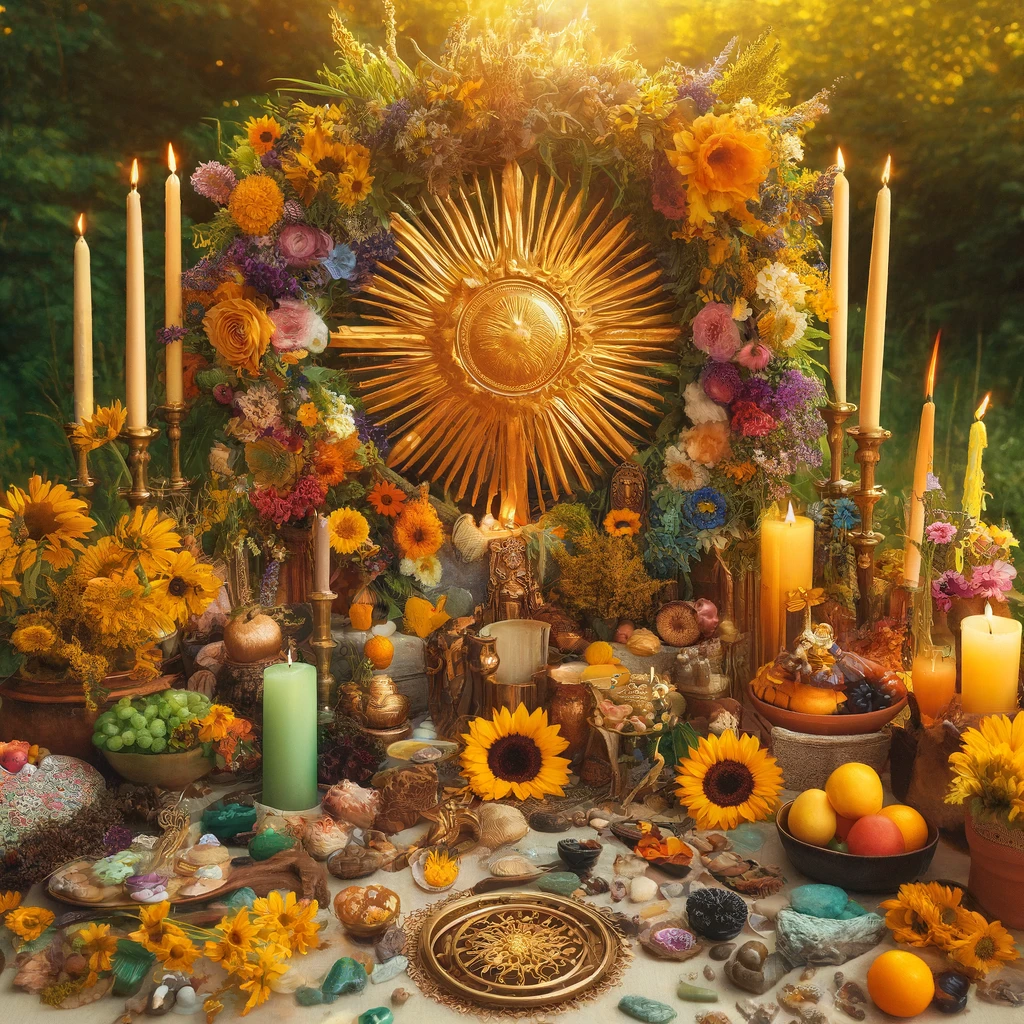
When crafting a Litha altar, careful consideration is given to the visual appeal and energetic resonance of the space. Vibrant colors, such as the golden hues of candles or the vivid petals of sunflowers, capture the essence of the sun’s radiance. Fresh herbs and seasonal fruits represent the bountiful harvest and abundance of the earth. By arranging these elements thoughtfully and with reverence, we create a visually captivating and energetically charged space that not only uplifts our spirits but also invites the energies of Litha to flow freely.

A Litha altar is far more than a mere decorative arrangement. It is a sacred space that honors the summer solstice, our connection with nature, and the abundance of the season. By thoughtfully selecting and arranging specific items, we create a visually captivating and energetically charged space that amplifies our intentions and spiritual practice. The Litha altar becomes a focal point for celebration, manifestation, and deepening our connection with the transformative energies of the solstice. May the creation and exploration of your Litha altar inspire a profound sense of connection and reverence for the radiant beauty of the summer season.

What to Put on a Litha Altar

Vibrant flowers, such as sunflowers, daisies, or marigolds, hold a special place on the Litha altar. They represent the beauty and vitality of summer, embodying the energy of the sun. These blossoms symbolize growth, joy, and abundance, infusing the altar with their vibrant colors and uplifting fragrance.

Incorporating representations of the sun and fire on the Litha altar is essential. Golden candles, sunburst designs, or a small solar disc serve as powerful symbols of the sun’s life-giving energy. They radiate warmth, light, and illumination, reminding us of the transformative power of the summer solstice.

Including natural elements on the Litha altar strengthens our connection with the earth and its abundance. Seashells, crystals, and gemstones represent the beauty and diversity found in nature. They serve as reminders of the earth’s nurturing qualities and the rich resources it offers during this fertile season. A small dish of salt or a bowl of soil can also be added to symbolize the grounding and fertile energies of the earth.

Incorporating summer fruits, such as berries and citrus, is a wonderful way to honor the abundance of the season. These fruits are vibrant, refreshing, and nourishing, representing the gifts of nature’s harvest. Placing them on the altar symbolizes the fruitful abundance of the earth and expresses gratitude for its sustenance.

Including sacred tools and symbols on the Litha altar enhances spiritual practice and intention-setting. A cauldron represents transformation and the alchemical processes occurring during this potent time of the year. A chalice symbolizes the divine feminine and the sacred union of opposites. A wand can be added to represent the power of manifestation and the ability to direct energy. These tools act as conduits for focusing intentions and working with the energies of the solstice.

Leaving offerings on the Litha altar is a way to show gratitude for the blessings of the season. Honey, mead, or freshly picked herbs can be placed as offerings, representing the sweetness, abundance, and healing properties of the earth’s gifts. These offerings serve as a reminder of the reciprocity between humans and the natural world, fostering a sense of gratitude and harmony.

By carefully selecting and arranging these items on the Litha altar, we infuse the space with symbolic significance. Each element represents aspects of the season, the sun’s energy, and our connection with nature. The altar becomes a visual and energetic representation of the sacred union between humanity and the natural world, inviting us to embrace the transformative energies of Litha and celebrate the abundance and vitality of the summer solstice.

Where to Have a Litha Altar

When it comes to placing your Litha altar, it is essential to select a location that resonates with your personal connection to nature and the solstice energy. Whether indoors or outdoors, the placement of your altar should reflect your intentions and provide a serene space for reflection and celebration. Here are some considerations for finding the perfect spot:

Indoors

If you prefer an indoor altar, consider dedicating a table or a corner in a well-lit room. Look for a space that feels peaceful and inviting, where you can create a sacred atmosphere. A sunny windowsill can be an ideal spot, as it allows the sun’s rays to filter through, symbolizing the essence of the solstice. Ensure the area is clean, decluttered, and free from distractions, allowing you to focus on your connection with the energies of Litha.

Outdoors

Embracing the natural surroundings during Litha can enhance your experience. Find a peaceful spot in your garden, backyard, or a nearby park to set up your outdoor Litha altar. Look for an area that offers a sense of tranquility and allows you to connect with the elements. You may choose to create a permanent altar if you have a dedicated outdoor space or opt for a temporary setup on a patio or balcony if you have limited outdoor access.

Considerations for Outdoor Placement

Whether you choose an indoor or outdoor location, the key is to find a space that feels harmonious and conducive to your spiritual practice. Remember to consider practicality, comfort, and the availability of space. Trust your intuition and select a location that aligns with your intentions for honoring and celebrating the summer solstice.

Stability

Ensure that the surface you choose for your altar is stable and secure. It should be able to withstand any wind or weather conditions. You can place a cloth or mat as a foundation for your altar items.

Privacy

Select a location that offers privacy and solitude, allowing you to fully immerse yourself in the rituals and meditation associated with Litha. This will provide a tranquil environment for your practice and foster a deeper connection with the energies of the season.

Connection with Nature

Look for a spot that allows you to feel connected to the natural elements. It could be under a shade tree, near a blooming flower bed, or by a gently flowing stream. Surrounding yourself with the beauty of nature enhances the sacredness of your altar and strengthens your connection with the seasonal energy.

By intentionally choosing a suitable location for your Litha altar, you create an environment that supports your connection with the energies of the season. It becomes a sacred space where you can immerse yourself in the beauty of nature and honor the vibrant energy of the summer solstice.

Creating a Sacred Litha Altar

Litha, the celebration of the summer solstice, is a time of vibrant energy, abundance, and the power of the sun. Creating a sacred Litha altar allows us to honor and harness this potent energy, connect with the natural world, and deepen our spiritual practice. We will guide you through the step-by-step process of creating a sacred Litha altar, explore the significance of materials used, and delve into the magical uses of the altar during this ritual.

Ritual Basics

Before beginning any ritual, it is important to prepare yourself mentally and physically. You may want to take a cleansing bath, or shower, and meditate or perform some grounding exercises to center yourself. Gather any materials you will need, such as candles, incense, and offerings for the forest spirits.

You can read a more detailed Ritual Preparation guide here.

Creating a Sacred Litha Altar

Litha, the celebration of the summer solstice, is a time of vibrant energy, abundance, and the power of the sun. Creating a sacred Litha altar allows us to honor and harness this potent energy, connect with the natural world, and deepen our spiritual practice. We will guide you through the step-by-step process of creating a sacred Litha altar, explore the significance of materials used, and delve into the magical uses of the altar during this ritual.

  • Vibrant Litha-colored cloth or fabric (such as yellows, oranges, and fiery reds)

Symbols of the Elements

  • Earth (i.g. – small dish of soil, a potted plant, or crystals like moss agate or green aventurine )
  • Air (i.g. – feathers, incense, or a small fan)
  • Fire (i.g. – candles or small representations of flames )
  • Water (i.g. – a small bowl of water, a seashell, or a small fountain )

Additional Symbols

  • Representations of the sun (a sun-shaped ornament, a small solar deity statue, or a gold-colored fabric)
  • The natural world (Seasonal herbs such as lavender, rosemary, or chamomile and/ or flowers, leaves, or branches)
  • (optional) Representation of the specific deity or spiritual guides (Pictures or Stattuettes)

Sacret Symbols & Tools

  • a cauldron or a small bowl
  • a wand
  • tarot or orecle cards

Choose a Sacred Space

  1. Select a dedicated space in your home or outdoors where you can create and maintain your Litha altar throughout the season.
  2. It could be a tabletop, a shelf, or a quiet corner in your garden.

Set the Foundation

  1. Begin by covering the surface of your altar with a vibrant cloth or fabric that resonates with the colors of Litha, such as yellows, oranges, and fiery reds.
  2. This foundation represents the fertile earth and the vibrant energy of the sun.

Honor the Elements

  1. Arrange items that represent the four elements on your altar.
  2. Earth: Place a small dish of soil, a potted plant, or crystals like moss agate or green aventurine to symbolize grounding and growth.
  3. Air: Add feathers, incense, or a small fan to represent the element of air and its qualities of communication and inspiration.
  4. Fire: Incorporate candles or small representations of flames to embody the transformative energy of fire.
  5. Water: Include a small bowl of water, a seashell, or a small fountain to symbolize the element of water and its connection to emotions and intuition.

Embrace the Solar Energy

  1. Place representations of the sun on your altar, such as a sun-shaped ornament, a small solar deity statue, or a gold-colored fabric.
  2. These items symbolize the power and warmth of the sun, inviting its energy into your sacred space.

Connect with Nature

  1. Bring elements from the natural world onto your altar to deepen your connection with nature during Litha.
  2. Add flowers, leaves, or branches from seasonal plants to honor the growth and abundance of the season.
  3. Incorporate herbs such as lavender, rosemary, or chamomile, which are traditionally associated with Litha and possess their own unique properties.

Invoke the Divine

  1. If you have specific deities or spiritual guides you wish to work with during Litha, include representations or images of them on your altar.
  2. You may choose solar deities like Apollo, Ra, or Brigid, or any other deities that resonate with the energy of the sun and the season.
  3. Place symbols or images of these deities in a prominent position on your altar, inviting their blessings and guidance.

Sacred Symbols and Tools

  1. Add symbols and tools that hold personal significance or represent your intentions for the season.
  2. Place a cauldron or a small bowl for burning herbs or offering intentions.
  3. Use a wand or a crystal wand to direct energy and set intentions.
  4. Include tarot or oracle cards for divination and guidance.
Litha
Rituals

Magical Uses of the Altar

Harnessing the energy of Litha, the summer solstice, through the creation of a sacred altar can significantly enhance your spiritual practice. This altar serves as a dedicated focal point for your intentions, rituals, and connection with the vibrant energies of the season. By setting intentions, offering prayers, performing rituals and divination, and fostering a deeper connection with the divine, the Litha altar becomes a powerful tool for manifesting your desires and aligning with the transformative forces of nature. Let’s delve into how to utilize your Litha altar for these magical purposes.

Altar as a Sacred Focal Point

The Litha altar serves as a powerful focal point for your intentions, rituals, and connection with the energy of Litha. It becomes a dedicated space for spiritual practice, embodying the vibrancy and abundance of the summer solstice. Here, you can meditate, perform rituals, and work with the seasonal energies to manifest your desires and deepen your connection with the divine.

Setting Intentions and Offering Prayers

Use the altar to set your intentions for the coming months. This might involve writing down your goals and dreams on pieces of paper and placing them on the altar. Offering prayers to the deities and natural spirits of Litha, such as the sun god or goddess, can help align your energy with the potent forces of the season.

Performing Rituals and Divination

The altar is an ideal space for performing Litha rituals, which might include lighting candles to honor the sun, making offerings of summer fruits, or crafting protective charms. It’s also a perfect setting for divination practices. Whether you use tarot cards, runes, or scrying, the altar’s energy can enhance your ability to gain insights and guidance.

Connecting with the Divine

Simply spending time at your Litha altar, in quiet reflection or active worship, can foster a deeper spiritual connection. This sacred space allows you to feel the presence of the divine more intimately and to immerse yourself in the seasonal energies of growth, light, and abundance.

Significance of Materials

The materials chosen for your Litha altar hold profound symbolic and energetic significance, enhancing the overall spiritual experience. The cloth or fabric that forms the base of your altar represents the fertile earth, grounding your space in the essence of nature. Vibrant colors like yellows, oranges, and fiery reds are ideal, as they evoke the sun’s warmth and vitality at its peak, setting a vibrant and powerful tone for your rituals. Adding crystals and gemstones further amplifies the altar’s energy, each stone bringing its unique properties to the mix. For instance, moss agate symbolizes growth and abundance, fostering a deep connection to nature and encouraging personal growth. Meanwhile, green aventurine attracts prosperity, luck, and harmonious relationships, enhancing your capacity to manifest joy and abundance. Together, these elements create a sacred and energetically charged space that aligns perfectly with the essence of Litha.

Cloth or Fabric

The cloth or fabric you choose for your Litha altar represents the foundation and fertile earth. Opt for colors that embody the energy of Litha, such as vibrant yellows, oranges, and fiery reds. These hues evoke the warmth and vitality of the sun at its peak and set the tone for your altar’s energy. A beautifully chosen cloth can also add a sense of sacredness and beauty to your rituals.

Crystals and Gemstones

Crystals and gemstones play a significant role in enhancing the energy of your Litha altar. They not only add beauty but also amplify specific intentions and qualities you wish to bring into your life.

Moss Agate: This crystal symbolizes growth, abundance, and a deep connection to nature. Place moss agate on your altar to encourage personal growth and to attract the bountiful energies of the earth. It’s particularly effective for enhancing fertility and nurturing new beginnings.

Green Aventurine: Known for enhancing prosperity, luck, and harmonious relationships, green aventurine is a powerful stone for manifesting abundance and joy. Incorporate it into your altar to attract good fortune and to foster a sense of harmony in your interactions and relationships.

Enhancing Your Magical Practices

Creating a Litha altar is not merely about aesthetics; it’s about infusing your space with powerful, intentional energy that aligns with the vibrant themes of the summer solstice. By incorporating herbs and flowers, you bring in the essence of protection, calm, and the sun’s vitality. Candles and fire elements are pivotal, symbolizing illumination and transformation. Adding sacred tools such as a chalice, wand, and athame enhances your rituals and meditations, helping you harness the potent energies of Litha. Each carefully chosen item transforms your altar into a sanctuary of vibrant energy and sacred intention, fostering spiritual growth and a deeper connection with nature. May your Litha altar inspire and empower you, serving as a transformative space to celebrate the abundant energies of this magical season.

Herbs and Flowers

Adding herbs and flowers to your altar can greatly enhance its magical potency. Use herbs such as rosemary for protection, lavender for calm and clarity, and sunflowers to honor the sun’s energy. Fresh flowers not only beautify the space but also infuse it with the vibrant life force of summer.

Candles and Fire Elements

Candles are a central element of Litha altars, symbolizing the sun’s light and warmth. Use them to illuminate your space, making sure to choose colors that resonate with the season. Fire elements, such as a small cauldron or a sun symbol, can also be added to represent the transformative power of fire.

Sacred Tools

Incorporate sacred tools that are meaningful to your practice, such as a chalice for water, a wand for directing energy, and an athame for cutting through obstacles. These tools can be used in various rituals and meditations, helping you to harness and direct the potent energies of Litha.

Creating an Energetic Sanctuary

Your Litha altar is more than just a decorative setup; it’s a sanctuary of vibrant energy and sacred intention. By thoughtfully selecting and arranging items that resonate with the themes of Litha, you create a space that supports your spiritual growth and connects you with the rhythms of nature. May your altar be a source of inspiration, empowerment, and transformation as you celebrate the summer solstice and harness the abundant energies of this magical season.

Creating a sacred Litha altar allows us to connect with the powerful energy of the sun and the abundance of the summer season. By following the step-by-step instructions and incorporating meaningful materials, we can create a sacred space that nurtures our spiritual practice. The altar serves as a focal point for intention setting, rituals, and connection with the divine. Embrace the solar energy, honor the elements, and connect with the cycles of nature as you create and work with your Litha altar. May your sacred space be filled with the vibrant energy of Litha, guiding you on a transformative and abundant spiritual journey.

The Purpose of a Litha Altar

A Litha altar serves as a sacred space to honor the summer solstice, a time of radiant sunlight and bountiful energy. This dedicated space is not only for celebration but also for expressing gratitude, fostering a deep connection with nature, and setting powerful intentions for personal and spiritual growth. By thoughtfully placing symbolic items on the altar, we create a focal point that magnifies our desires and aligns us with the transformative energies of the season. Through celebration, connection, and intention-setting, the Litha altar becomes a beacon of light, guiding us towards harmony with the natural world and the rhythms of the earth.

Celebration and Gratitude

It provides a dedicated space to celebrate the summer solstice, express gratitude for the abundance of the season, and honor the sun’s radiant energy.

Connection with Nature

The altar helps foster a deeper connection with nature and the cycles of the earth. It serves as a reminder of our interconnectedness with the natural world and encourages us to live in harmony with its rhythms.

Intention Setting

By placing items and symbols on the altar, we can infuse them with our intentions, dreams, and aspirations. The altar becomes a focal point for manifesting our desires and aligning ourselves with the transformative energy of the summer solstice.

Safety Considerations

Creating a Litha altar is a beautiful way to celebrate the summer solstice, but it’s essential to keep safety in mind to ensure a harmonious and secure environment. Whether your altar is indoors or outdoors, taking precautions can prevent accidents and maintain the sanctity of your sacred space. Key safety considerations include proper fire safety practices, securing outdoor altars against the elements, and ensuring that pets and young children cannot accidentally disrupt or harm the altar’s elements. By prioritizing safety, you can fully immerse yourself in the spiritual and celebratory aspects of Litha without worry.

Fire Safety

If using candles, ensure they are placed on a stable surface away from flammable items and are never left unattended. Consider using flameless LED candles as a safer alternative.

Outdoor Altars

If placing your altar outdoors, protect it from wind, rain, and direct sunlight. Secure lightweight items to prevent them from falling or being blown away.

Pet and Child Safety

If you have pets or young children, ensure that the altar is placed out of their reach to prevent accidents or damage to the sacred items.

Crafting a Litha altar is a beautiful and meaningful way to connect with the energy of the summer solstice and celebrate the abundance of the season. By carefully selecting and arranging symbolic items, expressing gratitude, and setting intentions, the altar becomes a powerful tool for spiritual practice and manifestation. Remember to choose a suitable location, exercise safety precautions, and infuse your altar with love and reverence. May your Litha altar serve as a sacred space for connection, celebration, and transformation during this radiant time of the year.

Conclusion

As we celebrate Litha and honor the summer solstice, the creation of a Litha altar stands as a testament to our connection with the vibrant energies of the season. This sacred space, thoughtfully adorned and reverently maintained, becomes a beacon of light, gratitude, and intention. Through the practice of crafting and tending to our Litha altars, we embrace the abundance, vitality, and transformative power of the sun, inviting its radiant energy into our lives and celebrating the boundless beauty of the natural world.

Posted on Leave a comment

Vestalia: Honoring the Sacred Hearth

Introduction

Vestalia: Honoring the Sacred Hearth

Vestalia is an ancient Roman festival dedicated to Vesta, the goddess of the hearth and home. This sacred celebration holds great significance in Roman culture, focusing on the importance of the hearth and the sacred flame that symbolizes the warmth, protection, and continuity of the household. In this article, we will explore the history, traditions, and modern practices associated with Vestalia, shedding light on the enduring legacy of this revered Roman festival.

Exploring the Ancient Roman Festival Honoring Vesta

Vestalia, an ancient Roman festival dedicated to Vesta, the goddess of the hearth and home, holds great significance in Roman mythology and religious practices. This sacred celebration reflects the reverence and importance placed on the hearth in Roman society. In this section, we will delve into the history and origin of Vestalia, tracing its roots to ancient Roman mythology and exploring its connection to the eternal flame that symbolized the collective hearth of Rome.

Vestalia and Vesta in Ancient Roman Mythology:

Vestalia finds its roots in the rich tapestry of ancient Roman mythology. Vesta, one of the most revered goddesses of the Roman pantheon, personified the hearth and its sacred flame. She was considered a guardian deity of the city and held a crucial role in maintaining the eternal flame that represented the collective hearth of Rome. Vesta’s association with the hearth and home made her an integral part of daily life and the spiritual well-being of the Roman people.

Establishment of Vestalia by King Numa Pompilius:

The festival of Vestalia is believed to have been established during the reign of King Numa Pompilius, a legendary figure who codified many of Rome’s religious practices. Under his rule, the significance of Vesta and the hearth grew, leading to the establishment of Vestalia as an annual festival. King Numa recognized the vital role that Vesta played in maintaining the spiritual and physical well-being of the city and sought to honor her through this sacred celebration.

The Eternal Flame and the Collective Hearth of Rome:

The eternal flame, symbolizing the collective hearth of Rome, held immense importance during Vestalia. It was believed to be a sacred source of divine protection, purity, and continuity for the city. The Vestal Virgins, the sacred priestesses dedicated to Vesta’s service, were responsible for tending this eternal flame, ensuring its constant presence. The flame represented not only the physical warmth and nourishment of the hearth but also the spiritual and communal bonds that united the Roman people.

Vestalia, rooted in ancient Roman mythology, pays homage to Vesta, the revered goddess of the hearth and home. This festival holds a significant place in Roman religious practices, highlighting the central role of the hearth and the eternal flame in Roman society. Vestalia’s origin can be traced back to the reign of King Numa Pompilius, who recognized the importance of Vesta and codified her worship through this annual celebration. By honoring the eternal flame and the collective hearth of Rome, Vestalia reaffirmed the sacred bond between the goddess, the city, and its people.

Celebrating Vestalia in Ancient Rome

Vestalia, an annual festival held in ancient Rome, paid tribute to Vesta, the goddess of the hearth and home. This celebration, spanning from June 7th to June 15th, was marked by a series of rituals and ceremonies conducted by the Vestal Virgins, who were devoted to Vesta’s service. In this section, we will explore the rich traditions and customs associated with celebrating Vestalia in ancient Rome, with a particular focus on the significant role played by the Vestal Virgins and their sacred procession to the Tiber River.

Rituals and Ceremonies of Vestalia:

Vestalia was a time of heightened reverence for Vesta and her sacred flame. At the Temple of Vesta, the Vestal Virgins performed rituals and ceremonies to honor the goddess and ensure the well-being of Rome. The highlight of Vestalia was the procession of the Vestal Virgins to the Tiber River, where they fetched water for purification purposes. This water, believed to hold sacred properties, was then used to cleanse the Temple of Vesta and sprinkle on the sacred hearth, symbolizing the renewal and sanctity of the eternal flame.

The Role of the Vestal Virgins:

The Vestal Virgins, a select group of priestesses, played a pivotal role in the celebration of Vestalia. Chosen as young girls, they dedicated themselves to the service of Vesta and were tasked with maintaining the eternal flame, safeguarding the sacred hearth, and upholding the religious rituals associated with Vesta’s worship. During Vestalia, the Vestal Virgins were at the forefront of the festivities, leading processions, performing rites, and ensuring the purity and continuity of Vesta’s divine presence.

Community Engagement and Devotion:

Vestalia was not only a sacred event but also a time of community engagement and devotion. The Roman people participated in the festivities by making offerings and prayers to Vesta, seeking her protection, blessings, and prosperity for the city. The rituals conducted by the Vestal Virgins were witnessed by a gathering of worshippers, who showed their respect and reverence for Vesta and the important role she played in their lives. Vestalia served as a unifying force, bringing the Roman community together in shared devotion and celebration.

Vestalia, celebrated over a span of eight days in ancient Rome, was a significant festival dedicated to Vesta, the goddess of the hearth and home. The Vestal Virgins played a crucial role in conducting rituals and ceremonies, with their procession to the Tiber River serving as a prominent highlight. The engagement of the Roman community and their collective devotion to Vesta during Vestalia underscored the importance of the hearth and the eternal flame as symbols of spiritual and communal well-being. Vestalia served as a powerful reminder of the sacred connection between the goddess, the sacred hearth, and the Roman people, reinforcing the bonds that upheld the city’s prosperity and harmony.

Modern Practices of Vestalia

Vestalia, the ancient Roman festival dedicated to Vesta, continues to inspire, and resonate with modern practitioners of Roman Reconstructionist or Neopagan paths. While the festival itself belongs to the pages of history, its traditions and practices find relevance in the present day. In this section, we will explore the modern practices of Vestalia and how individuals and communities honor Vesta’s sacred flame, emphasizing the significance of the hearth and domestic harmony in their lives.

Honoring the Sacred Hearth:

In today’s modern context, practitioners of Vestalia understand the symbolic importance of the hearth as the center of the home and family life. Many individuals choose to maintain a sacred flame or light candles in their homes, creating a tangible representation of Vesta’s eternal fire. This act not only serves as a spiritual focal point but also fosters a sense of warmth, protection, and unity within the household. By tending to the sacred flame, practitioners honor the legacy of Vesta and her role in ensuring domestic harmony and well-being.

Rituals and Offerings:

Modern celebrations of Vestalia often involve rituals and offerings that pay homage to Vesta. Practitioners may gather in sacred spaces, both indoors and outdoors, to perform rituals and ceremonies that invoke the presence of Vesta and express gratitude for her blessings. Offerings of food, drink, or symbolic items may be presented on an altar or hearth, symbolizing the exchange of energy and devotion. These rituals serve to establish a connection with the goddess and seek her guidance and protection in daily life.

Community Gatherings and Rituals:

Vestalia also provides an opportunity for individuals and communities to come together in celebration and unity. Modern practitioners may organize gatherings or festivals to commemorate Vestalia, inviting like-minded individuals to participate in shared rituals and activities. These events may include storytelling, music, dance, and the sharing of traditional Roman cuisine. Through these communal experiences, participants deepen their understanding of Vesta’s significance and forge connections with others who share a similar devotion to the goddess.

Emphasizing Domestic Harmony:

One of the enduring aspects of Vestalia is the emphasis on domestic harmony and the importance of the hearth in everyday life. Modern practitioners of Vestalia take this to heart and strive to create harmonious and nurturing environments within their homes. This may involve practicing acts of kindness, fostering open communication, and cultivating a sense of gratitude for the blessings of home and family. By incorporating these principles into their daily lives, practitioners honor Vesta’s legacy and the ideals she represents.

While Vestalia belongs to ancient Roman history, its traditions and practices have found a place in the modern world. Through the recognition of the sacred hearth, the maintenance of a sacred flame, the performance of rituals, and the emphasis on domestic harmony, practitioners of Vestalia continue to honor Vesta and her enduring significance. These modern practices allow individuals and communities to connect with the timeless wisdom of the goddess and bring the spirit of Vestalia into their homes and lives, fostering a sense of warmth, protection, and unity in the modern era.

The Importance of Vestalia

Vestalia served as a reminder of the central role the hearth played in Roman society, representing not only physical warmth and nourishment but also the spiritual and emotional well-being of the household. This festival emphasized the essential connection between the divine, the domestic, and the communal aspects of life. Vestalia reinforced the sacred bond between Vesta, the guardian of the hearth, and the people, reminding them of their responsibilities to maintain the sanctity of the home and promote harmony within their families and communities.

Conclusion:

Vestalia, the festival dedicated to Vesta, continues to hold profound significance, reminding us of the sacredness of the hearth and the vital role it plays in our lives. This ancient Roman festival invites us to honor the traditions of the past while reflecting on the importance of domestic harmony, warmth, and unity. Whether through the lighting of candles, the recognition of the hearth as a sacred space, or the cultivation of a sense of community, Vestalia encourages us to embrace the divine presence in our homes and celebrate the blessings of family and hearth.

Posted on Leave a comment

Recipe: Caprese Eggplant Hero

Caprese Eggplant Hero

Introduction

Caprese Eggplant Hero

In the realm of Wiccan traditions, the magic of culinary creations lies not only in sweet indulgences but also in savory delights. The Caprese Eggplant Hero, with its harmonious combination of flavors and textures, offers a tantalizing experience that connects us to the earth’s bounty and the transformative powers of nature.

The Caprese Eggplant Hero carries magical properties that reflect the energies and symbolism of the ingredients used. The eggplant represents transformation, grounding, and protection, embodying the earth’s abundance and the potential for growth and healing. Salt, as a purifying element, cleanses and removes negative energies, creating a sacred space for the sandwich’s magic to unfold. Olive oil symbolizes purity, abundance, and divine connection, infusing the dish with blessings and harmonious energies. Honey represents sweetness and transformation, inviting the energies of love, joy, and manifestation. The tomatoes embody vitality, passion, and prosperity, while fresh mozzarella brings the energies of unity, harmony, and nourishment. Arugula adds a touch of purification, grounding, and vitality, while basil leaves carry the essence of protection, abundance, and spiritual awakening.

Summer is the time to savor
The gifts of nature and its flavor
Eggplant, tomato, cheese and bread
A caprese hero to be fed
With basil leaves and balsamic glaze
A touch of magic in every phase
Grill, slice, layer and enjoy
This sandwich is more than a mere ploy
It’s a celebration of the earth
A tribute to its beauty and worth
So bite into this caprese hero
And feel the summer in your marrow

Caprese Eggplant Hero

This delectable sandwich not only satisfies the senses but also carries within it the potential to invoke balance, healing, and abundance. Here’s a recipe for a Caprese Eggplant Hero that will transport you to a realm where culinary artistry and magical intentions merge

  • 1 large eggplant (sliced into rounds)
  • Salt (for sprinkling)
  • Olive oil (for brushing)
  • Honey (for drizzling)
  • Ground pepper (to taste)
  • Balsamic glaze (for drizzling)
  • Italian bread (sliced)
  • Ripe tomatoes (sliced)
  • Fresh mozzarella (sliced)
  • Fresh arugula
  • Fresh basil leaves
  1. Preheat the oven to 400°F (200°C). Line a baking sheet with parchment paper.

  2. Lay the eggplant slices on the prepared baking sheet and sprinkle them with salt. Let them sit for about 15 minutes to draw out excess moisture.

  3. Rinse the eggplant slices and pat them dry with a paper towel.
  4. Brush both sides of the eggplant slices with olive oil and arrange them back on the baking sheet.
  5. Drizzle honey over the eggplant slices and season with ground pepper.
  6. Roast the eggplant in the preheated oven for about 20-25 minutes, or until tender and golden brown.
  7. While the eggplant is roasting, prepare the sandwich components. Slice the Italian bread and layer the tomato slices, mozzarella slices, arugula, and basil leaves.
  8. Once the eggplant is ready, remove it from the oven and let it cool slightly.
  9. Place the roasted eggplant slices on top of the layered ingredients in the sandwich.
  10. Drizzle balsamic glaze over the filling.
  11. Close the sandwich with the other slice of bread.
  12. Slice the Caprese Eggplant Hero into portions and serve.

As you enjoy each bite of the Caprese Eggplant Hero, allow yourself to be present in the moment, embracing the magical properties that it holds. Visualize the vibrant colors of the ingredients, feeling their energies merging and harmonizing within you. Taste the balance of flavors, sensing the transformative power of the roasted eggplant, the freshness of the tomatoes and basil, and the creamy texture of the mozzarella. With each bite, affirm your connection to the earth, your intention for balance and healing, and your openness to receive the abundant blessings that life offers.

Whether you savor the Caprese Eggplant Hero in a quiet moment of reflection or share it with loved ones in a communal gathering, let the Caprese Eggplant Hero be a reminder of the magic that lies within the simplicity of ingredients and the power of mindful preparation. As you engage in culinary creation, infuse each step with intention and gratitude, knowing that you are co-creating a harmonious and nourishing experience.

Lunch
Beltain, Litha, Summer

Wrap-Up

Beyond its delicious flavors, the Caprese Eggplant Hero holds magical properties that extend into our lives. The eggplant’s transformative energy invites us to embrace change and growth, allowing us to shed old patterns and emerge renewed. The salt purifies our energetic field, releasing negativity and creating space for positive energies to flow. Olive oil, with its abundance and divine connection, reminds us to be grateful for the blessings in our lives and to approach our desires with a sense of grace and humility. Honey, a symbol of sweetness and transformation, amplifies our intentions, inviting love, joy, and manifestation into our experiences.

Tomatoes, representing vitality and passion, ignite our inner fire, motivating us to pursue our dreams and embrace our passions wholeheartedly. The fresh mozzarella, a symbol of unity and nourishment, reminds us of the importance of harmonious relationships and self-care. Arugula’s purification properties cleanse our body, mind, and spirit, allowing us to align with our true essence. Finally, the basil leaves, with their protective and abundant energy, create a shield of positivity around us, attracting prosperity and opening doors of opportunity.

As you indulge in the Caprese Eggplant Hero, allow the magical properties of each ingredient to infuse your being. Visualize their energies merging and harmonizing within you, awakening your senses, and connecting you to the cycles of nature. With every bite, savor the flavors and textures, feeling the nourishment and transformation taking place on a deep level.

Whether enjoyed as a personal ritual or shared with loved ones, the Caprese Eggplant Hero invites us to embrace the magic of food, to honor the natural elements, and to recognize the interconnectedness of all things. It reminds us that through conscious preparation and mindful consumption, we can create a harmonious relationship with the Earth and manifest our desires with intention and gratitude.

The Caprese Eggplant Hero becomes a sacred offering, a gateway to nourishment, transformation, and abundance. As you embark on your culinary journey, remember to infuse your preparation with intention, gratitude, and love. Embrace the magic that lies within the simple act of creating and consuming food, and may the Caprese Eggplant Hero be a vessel of enchantment, connecting you to the rhythms of nature and the limitless possibilities that exist within you.

Posted on Leave a comment

Recipe – Bing Cherry-Amaretti Fool

Bing Cherry-Amaretti Fool

Introduction

Bing Cherry-Amaretti Fool

In the realm of Wiccan traditions, the magic of food extends beyond the physical realm, transcending taste and nourishment. It becomes a conduit for energy, intention, and connection to the natural world. Bing Cherry-Amaretti Fool, with its luscious flavors and enchanting combination of Bing cherries and amaretti cookies, is a delightful creation that embodies the magic of sweetness and the harmony of flavors.

This indulgent dessert not only tantalizes the taste buds but also carries with it the potential to awaken the senses and invite transformative energies into our lives. Here’s a recipe for Bing Cherry-Amaretti Fool that will transport you to a realm where culinary artistry and magical intentions merge:

Blessed be the summer sun That warms the earth and makes things grow
Blessed be the cherry tree That gives us fruit so sweet and red
Blessed be the amaretti That add a crunch and almond scent
Blessed be the cream and sugar That make this dessert rich and smooth
Blessed be the ones who share This magic treat with love and joy

So mote it be!

Bing Cherry-Amaretti Fool

This indulgent dessert not only tantalizes the taste buds but also carries with it the potential to awaken the senses and invite transformative energies into our lives. This recipe for Bing Cherry-Amaretti Fool will transport you to a realm where culinary artistry and magical intentions merge:

  • 2 cups fresh Bing cherries (pitted and halved)
  • 1/4 cup granulated sugar
  • 1 tablespoon lemon juice
  • 1/4 teaspoon almond extract
  • 1 cup heavy whipping cream
  • 1/4 cup powdered sugar
  • 1/4 cup crushed amaretti cookies
  • Fresh mint leaves for garnish
  1. In a saucepan, combine [wprm-ingredient text=”2 cups fresh Bing cherries” uid=”0″], [wprm-ingredient text=”1/4 cup granulated sugar” uid=”1″], [wprm-ingredient text=”1 tablespoon lemon juice” uid=”2″], and [wprm-ingredient text=”1/4 teaspoon almond extract” uid=”3″].

  2. Cook over medium heat, stirring occasionally, until the cherries release their juices, and the sugar has dissolved, about 5-7 minutes.

  3. Remove the cherry mixture from the heat and let it cool to room temperature.

  4. In a separate mixing bowl, whip [wprm-ingredient text=”1 cup heavy whipping cream” uid=”4″] and [wprm-ingredient text=”1/4 cup powdered sugar” uid=”5″] until soft peaks form.

  5. Gently fold the cooled cherry mixture into the whipped cream, creating a swirled effect.
  6. Spoon the cherry-amaretti fool into serving glasses or bowls, layering it with crushed amaretti cookies.
  7. Garnish with [wprm-ingredient text=”Fresh mint leaves for garnish” uid=”7″].

  8. Chill in the refrigerator for at least 1 hour before serving.

As you savor each spoonful of Bing Cherry-Amaretti Fool, allow yourself to immerse in the magical properties it carries. Visualize the deep red hue of the cherries, representing love, passion, and abundance. Taste the delightful combination of flavors, feeling the transformative energy of the amaretti cookies infusing your being. Let the silky texture of the whipped cream and the refreshing essence of the mint leaves transport you to a realm of pleasure, rejuvenation, and connection to the natural world.

Whether you enjoy the Bing Cherry-Amaretti Fool in a solitary ritual or share it with loved ones, take a moment to appreciate the magic that each ingredient brings to the dessert. Embrace the transformative power of this sweet creation, allowing it to awaken your senses, open your heart, and invite abundance and passion into your life. In this magical journey of culinary delight, let the Bing Cherry-Amaretti Fool be a reminder of the enchantment that lies within the simple pleasures and the profound connections we forge with the energies of the universe.

Dessert
Beltain, Litha, Summer

Wrap-Up

Bing Cherry-Amaretti Fool carries magical properties that embody the energies and symbolism of the ingredients used. Bing cherries represent abundance, love, and passion, evoking a sense of desire and sweetness. The amaretti cookies, with their delicate almond flavor, symbolize transformation, spiritual awakening, and connection to higher realms. The heavy cream signifies nourishment and indulgence, inviting the energies of pleasure and comfort. Finally, the fresh mint leaves bring a refreshing and cleansing quality, renewing the spirit, and inviting clarity.

Posted on Leave a comment

Recipe: Heirloom Tomato Tart

Tomato Tart
Tomato Tart

Introduction

Heirloom Tomato Tart

In the realm of Wiccan traditions, the magic of food is not only about nourishment but also about connecting with the energies of the natural world. Heirloom Tomato Tart, with its vibrant colors and earthy flavors, is a delectable creation that pays homage to the magic of the harvest and the essence of the earth itself. This delightful dish combines the flavors of pesto, feta cheese, heirloom tomatoes, and basil, infusing each bite with the energy of the elements and the bounty of the season. Here’s a recipe for Heirloom Tomato Tart that will transport you to a realm where magic and culinary artistry intertwine:

The Tomato Witch

Lila loved tomatoes. She loved their bright colors, their juicy flesh, their sweet and tangy flavor. She loved how they grew in her garden, from tiny seeds to plump fruits. She loved how they symbolized the magic of summer, the abundance of the earth, the generosity of the sun.

She was known as the tomato witch among her coven, and she didn’t mind. She was proud of her tomatoes, especially her heirloom varieties, which she had inherited from her grandmother, who had inherited them from her grandmother, and so on. She had tomatoes of all shapes and sizes, from cherry to beefsteak, from red to yellow to green to purple. She had tomatoes with names like Brandywine, Cherokee Purple, Green Zebra, and Sun Gold. She had tomatoes that tasted like candy, like wine, like lemon, like smoke.

She used her tomatoes in all kinds of dishes, from salads to sauces to soups. But her favorite dish was a simple heirloom tomato tart, which she made with a flaky crust, a layer of pesto, some crumbled feta cheese, and slices of her best tomatoes. She baked it until the cheese melted and the crust turned golden, and then she garnished it with fresh basil leaves. It was a dish that celebrated the essence of tomatoes, their beauty and their flavor.

She made this tart every year for the summer solstice, when her coven gathered at her house for a ritual and a feast. She welcomed them with hugs and smiles, and led them to her backyard, where she had set up a table under a canopy of vines and flowers. She had prepared a spread of dishes that featured her garden’s bounty: cucumber salad, corn on the cob, grilled zucchini, watermelon feta salad, and of course, her heirloom tomato tart.

Her coven members oohed and aahed as they saw the food, but they were especially drawn to the tart. They admired its colors and its aroma, and they couldn’t wait to taste it. Lila cut them each a slice and handed them out with napkins. She watched as they took their first bites, and saw their eyes widen and their mouths smile.

“Mmm, this is amazing,” said Rosemary, who was the leader of the coven.

“So delicious,” said Sage, who was the youngest member.

“Divine,” said Lavender, who was the most artistic one.

“Magical,” said Thyme, who was the most scholarly one.

Lila felt a warm glow in her heart as she heard their compliments. She took a bite of her own slice and savored it. She felt the energy of the tomatoes in her mouth and in her body. She felt connected to the earth and to the sun. She felt grateful for her gift and for her friends.

She raised her slice in a toast and said, “Happy solstice, everyone. Thank you for being here. Thank you for being my coven.”

They raised their slices back and echoed her words. They ate their tart with joy and gratitude. They felt the magic of tomatoes and summer.

We thank the Earth for giving birth to this food. We thank the Sun for nourishing it. We thank the Wind for carrying its seed. We thank the Rain for quenching its thirst. We thank the hands that helped to grow this food, To bring it to our tables To nourish our minds, bodies, and spirits. Blessed be this Heirloom Tomato Tart, a gift of the harvest and the earth. May it fill us with joy and gratitude.

-So mote it be.

Heirloom Tomato Tart

Celebrate the magic of the harvest and the earth with Heirloom Tomato Tart. This delicious dish blends pesto, feta, tomatoes, and basil for a mouthwatering treat. Try this recipe and enjoy the magic of food.

  • Tart Tin or Pie Dish
  • Rolling Pin
  • 1 pie crust (pre-made or homemade tart crust)
  • 1/4 cup basil pesto
  • 1/2 cup crumbled feta cheese
  • 2-3 medium-sized heirloom tomatoes (sliced)
  • Fresh basil leaves
  • Salt and pepper
  1. Preheat your oven to 375°F (190°C).
  2. Roll out [wprm-ingredient text=”1 pie crust” uid=”0″] and press it into a tart pan or a pie dish. Trim any excess dough.

  3. Spread [wprm-ingredient text=”1/4 cup basil pesto” uid=”1″] evenly over the bottom of the pie crust.

  4. Sprinkle the [wprm-ingredient text=”1/2 cup crumbled feta cheese” uid=”2″] on top of the pesto.

  5. Arrange [wprm-ingredient text=”2-3 medium-sized heirloom tomatoes,” uid=”3″] sliced, on the tart, slightly overlapping them.

  6. Season with [wprm-ingredient text=”Salt and pepper” uid=”5″] to taste.

  7. Bake the tart for about 30-35 minutes, or until the crust is golden brown and the tomatoes are soft.
  8. Remove it from the oven and let it cool for a few minutes.
  9. Garnish with [wprm-ingredient text=”Fresh basil leaves” uid=”4″] before serving.

The Heirloom Tomato Tart possesses magical properties that embody the energies and symbolism of the ingredients used. Pesto, made from fresh basil leaves, represents protection, purification, and harmony. Feta cheese, with its crumbly texture, signifies abundance and prosperity. Heirloom tomatoes, bursting with rich and vibrant flavors, symbolize transformation, growth, and the cycles of life. Finally, basil leaves, known for their aromatic essence, bring love, luck, and good fortune.

As you take a bite of this divine tart, allow yourself to become one with the energies it carries. Visualize the vibrant colors of the heirloom tomatoes, representing the beauty and abundance of nature. Taste the combination of pesto and feta cheese, symbolizing the harmonious union of protection and prosperity. Let the flavors dance on your tongue, filling you with a sense of connection to the Earth and the magic that surrounds us.

Side Dish
Beltain, Litha, Summer

Wrap-Up

Whether you indulge in the Heirloom Tomato Tart during a solitary ritual or share it with your coven, take a moment to appreciate the magic that each ingredient brings to the dish. As you savor the flavors and feel the nourishment, you align yourself with the cycles of nature and celebrate the bountiful gifts of the earth. Embrace the transformative power of the Heirloom Tomato Tart, allowing it to ignite your senses and deepen your connection with the natural world.

Posted on Leave a comment

Litha Explained

Summer Solstice
Summer Solstice

Introduction

The Summer Solstice: Celebrating the Height of Light

The summer solstice, also known as Midsummer or Litha, is a sacred and joyous time of the year when the sun reaches its highest point in the sky, resulting in the longest day and shortest night. This astronomical event holds deep significance in many cultures and spiritual traditions, symbolizing the peak of light, vitality, and abundance. In this article, we will explore the meaning of the term solstice, the origin of the word Litha, the history of the summer solstice, traditional customs, and rituals, as well as modern practices that honor this special time.

The Meaning of Solstice

The word “solstice” originates from the Latin words “sol” meaning “sun” and “sistere” meaning “to stand still.” It refers to the point in the Earth’s orbit around the sun when the sun reaches its highest or lowest point in the sky at noon, resulting in the longest or shortest day of the year. During the summer solstice, the sun appears to stand still for a moment before reversing its direction, marking the transition from longer days to shorter ones.

Midsummer, on the other hand, is a term used to describe the period around the summer solstice. It holds cultural and historical significance in many traditions and is celebrated as a time of abundance and fertility. Midsummer has been celebrated for centuries as a time of great power, when the forces of nature are at their peak. It is a time when the earth is alive with energy, and people rejoice in the beauty and vitality of the natural world.

The summer solstice and midsummer hold deep spiritual and symbolic meanings. They represent a time of illumination and growth, both externally and internally. The sun, at its zenith, symbolizes enlightenment, clarity, and the peak of life’s energy. It is a time to honor the power of the sun, to celebrate the abundance of nature, and to connect with the cycles of the Earth. Midsummer is seen as a time of transition, where we can reflect on our own inner light and the progress we have made on our personal journeys.

Whether you refer to it as the summer solstice or midsummer, this time of year is filled with significance and offers an opportunity for us to attune ourselves to the rhythms of nature, appreciate the beauty of the sun’s light, and connect with the vitality that surrounds us. It is a time to celebrate life, embrace the warmth of the sun, and find inspiration in the abundance of the natural world.

The Origin of the Word Litha

The word “Litha” is derived from Old English and is believed to have pagan origins. It specifically refers to the name given to the summer solstice celebration within the Wheel of the Year, a modern pagan tradition that honors the changing seasons. Litha has its roots in ancient Anglo-Saxon and Celtic cultures, where the solstice was seen as a significant moment of the year and marked the midpoint of summer.

The exact etymology of the word “Litha” is not entirely clear, as its origins have been lost to time. However, it is believed to have been influenced by Old Norse and Old English languages. In Old Norse, “Liða” meant “calm” or “gentle,” signifying the serene and warm nature of the summer season. In Old English, “litha” referred to the mild or gentle weather that characterized this time of year.

Litha, as a name for the summer solstice celebration, has been adopted by modern pagans and Wiccans to honor the midpoint of the year and the power of the sun during the longest day. It represents a time of abundance, growth, and vitality in nature. The word Litha evokes a sense of warmth, light, and the flourishing energy of the sun, encapsulating the essence of the summer solstice celebration.

As modern practitioners of earth-based spirituality and pagan traditions continue to celebrate the summer solstice, Litha serves as a term that embodies the ancient and mystical qualities of this significant celestial event. It is a word that holds the collective memories and meanings associated with the midsummer celebration, reminding us of the eternal connection between humanity and the natural world.

History of the Summer Solstice

The summer solstice has a rich history that spans cultures and civilizations throughout the ages. Known as Midsummer or Litha, this celestial event has been celebrated and revered by various societies across the globe. The solstice marks the longest day and shortest night of the year when the sun reaches its highest point in the sky and casts its rays directly over the Tropic of Cancer in the Northern Hemisphere.

Ancient Egypt and Rome

Ancient civilizations recognized the significance of the summer solstice and honored it with festivities and rituals. In ancient Egypt, the solstice coincided with the rising of the Nile River, which was crucial for agriculture and fertility. The Egyptians celebrated the solstice as a time of renewal and abundance, and it marked the beginning of the Egyptian New Year. Similarly, in ancient Rome, the festival of Vestalia was held during mid-June to honor the goddess Vesta, the protector of the hearth and home.

Celtic

In Celtic traditions, the summer solstice was called Midsummer, and it was a time of great celebration and reverence. The Celts believed that the power of the sun was at its peak during this time, and they celebrated with bonfires, feasting, and dancing. The solstice marked the transition from the waxing to the waning half of the year, symbolizing the turning of the wheel of the seasons and the cycle of life.

Litha, as a name for the summer solstice celebration, has its roots in ancient Anglo-Saxon and Celtic cultures. It is believed to have been a significant time for fertility rituals, as the energy of the sun was associated with abundance and growth in the natural world. The term Litha became popularized in modern pagan and Wiccan traditions, and it represents the celebration of the sun’s power and the abundance of nature during this pivotal moment of the year.

Throughout history, the summer solstice has been a time of honoring the sun, celebrating the bountiful harvests, and recognizing the cycles of life and nature. The customs and practices associated with the solstice may vary among different cultures and spiritual traditions, but the underlying theme of celebrating light, growth, and the warmth of the sun remains constant. Today, people from various backgrounds continue to gather at ancient sites, light bonfires, and partake in ceremonies to honor the summer solstice and its historical significance.

Traditional Customs and Rituals

Summer solstice and Litha are accompanied by a myriad of customs and rituals that have been observed for centuries. One of the most prominent traditions is the lighting of bonfires, which holds deep symbolism and significance. These bonfires represent the power and vitality of the sun and are believed to offer purification and protection. In ancient times, people would gather around the bonfires and participate in various rituals, such as leaping over the flames or driving their livestock through them. These acts were thought to bring fertility, prosperity, and ward off malevolent spirits.

Flowers and Herbs

Flowers and herbs also play a significant role in the summer solstice celebrations. Gathering and wearing these vibrant botanicals were common practices during this time. The vibrant colors and fragrant aromas of flowers symbolize the abundant energies of nature during the peak of summer. People would create floral wreaths and garlands to wear in their hair or decorate their homes and sacred spaces. Herbs, known for their healing properties and magical associations, were often collected, and used in rituals or hung in bundles to dry for future use.

Watching the Sun

Another traditional custom associated with the summer solstice is the practice of staying awake throughout the night, known as “watching the sun.” People would gather in sacred sites, such as stone circles or hilltops, to witness the sunrise and welcome the first rays of the new day. This act of vigilance and connection with nature was believed to bring blessings, spiritual insight, and a deep connection with the cycles of the Earth.

Water Rituals

Furthermore, water rituals have been observed during the summer solstice. This includes activities such as swimming in natural bodies of water, gathering dew from plants, or performing rituals near rivers and streams. Water, as a symbol of cleansing and rejuvenation, is an integral element in these practices. It is believed that by immersing oneself in water or collecting the dew, individuals can purify their spirits, promote healing, and attract abundance.

These customs and rituals associated with the summer solstice and Litha reflect the reverence and celebration of nature’s abundance, the power of the sun, and the vital energies of life. They provide a tangible connection to the cycles of the Earth and offer an opportunity for individuals to align themselves with the transformative energies of the season. Whether through bonfires, floral adornments, or engaging in water rituals, these traditional practices serve as a means of honoring the summer solstice and embracing the vibrant energies of nature.

Modern Practices

In modern times, the celebration of the summer solstice has evolved to incorporate a variety of practices that honor the significance of this celestial event. People from different backgrounds and spiritual beliefs engage in diverse activities to commemorate this special day and connect with the energy of the sun and nature.

Gatherings

Outdoor gatherings have become a popular way to celebrate the summer solstice. Friends, families, and communities come together in parks, gardens, or other natural settings to enjoy the warmth of the sun, share food and drinks, and engage in conversations and laughter. These gatherings often feature music and dance performances, creating a joyous and festive atmosphere that captures the spirit of the season.

Walks in Nature

Nature walks have also become a cherished activity during the summer solstice. Many individuals take the opportunity to explore the beauty of the natural world, whether it be through hiking in forests, strolling along the beach, or immersing themselves in the tranquil ambiance of a nearby park. This allows people to connect with the abundance of life and the rejuvenating energies of the season.

Meditation

Meditation practices have found their place in modern solstice celebrations as well. Many individuals choose to embrace the stillness and serenity of the summer solstice by finding a quiet space outdoors or in their homes. Through meditation, they seek to cultivate inner peace, reflect on personal growth, and align themselves with the transformative energies of the sun. This practice can bring about a sense of clarity, inspiration, and renewed purpose.

Nature Altars

Creating altars adorned with seasonal flowers and symbols of the sun is another modern practice that honors the summer solstice. These altars serve as a focal point for meditation, intention setting, and expressing gratitude. People may arrange flowers, light candles, and incorporate other meaningful objects that symbolize the vibrancy and power of the sun. It is a way to bring the energy of the solstice into their personal spaces and connect with the natural cycles.

Rituals during the summer solstice often reflect personal intentions and aspirations. Individuals may engage in rituals that involve setting goals and intentions for the remainder of the year or expressing gratitude for the blessings they have received thus far. These rituals provide an opportunity for self-reflection, personal growth, and a deeper connection with the cycles of nature.

In modern practices of the summer solstice, the emphasis is on embracing the warmth, light, and transformative energies of the sun. Whether through outdoor gatherings, nature walks, meditation, altar creations, or personal rituals, individuals have the freedom to celebrate the summer solstice in ways that resonate with their beliefs and intentions, while fostering a deeper connection with nature and the energies of the season.

Conclusion

The summer solstice and Litha are a time of vibrant energy and celebration, representing the height of light and the abundance of nature. As we gather to honor this significant moment in the annual cycle, we connect with the primal forces of the sun and the Earth, embracing the warmth and vitality that surrounds us. Whether through traditional customs or modern practices, the summer solstice invites us to appreciate the beauty of the natural world and to celebrate the power of light in our lives.