Posted on Leave a comment

Foraging: Conifer Needles

Conifer NeedlesReading Time: 21 minutes
Conifer Needles

Introduction

A Winter Treasure in the Forest

When the world grows cold, evergreen conifer needles offer a vibrant source of nutrients, flavors, and magical uses, making them one of the most accessible winter wild edibles.

In the chilly months when much of nature lies dormant, conifer needles bring life, resilience, and health to the winter landscape. Found on evergreen trees such as pines, spruces, firs, and hemlocks, these needles are a versatile resource for the winter forager, packed with nutrients, flavor, and unique magical properties. This guide explores everything you need to know about foraging conifer needles, from identification to their many uses, making them an essential wild edible to include in your winter foraging adventures.

What Are Conifer Needles?

Conifer needles are the slender, evergreen leaves of trees within the Pinaceae family, such as pines, firs, spruces, and hemlocks. These needles vary widely in appearance, flavor, and aroma, depending on the species, but they all serve as resilient, nutrient-rich foliage that endures through the harshest winter climates. Conifer needles are typically rich in vitamins C and A, antioxidants, and essential oils that impart a refreshing, citrusy or resinous flavor.

The needles are also prized for their adaptability, offering a readily accessible source of nutrition, medicine, and magic in the forest. Whether brewed into teas, incorporated into culinary dishes, or used in ritual practices, conifer needles have been cherished for their versatility and symbolic strength.

Variants

Most conifer species offer edible needles, though each brings unique characteristics:

  • Pine (Pinus spp.): Pine needles are long and slender, often growing in clusters of 2 to 5. They have a subtly sweet, slightly citrusy flavor, making them popular for teas and flavor infusions.
  • Spruce (Picea spp.): Spruce needles are short, square, and sharp, often giving the tree a “spiky” appearance. Their flavor is more intense, with a bright citrusy aroma, lending itself well to culinary dishes and medicinal teas.
  • Fir (Abies spp.): Fir needles are softer and more aromatic, growing individually along the branches. They offer a mild, refreshing flavor and a delicate aroma, suitable for teas, broths, and as a natural seasoning.
  • Hemlock (Tsuga spp.): Hemlock needles are short and flat, often darker green and soft to the touch. They have a gentle, earthy flavor with a mild resinous scent. Despite its name, this tree is unrelated to the toxic poison hemlock and is safe to consume.

Important Note: The yew tree (Taxus spp.) is also a conifer, but its needles are highly toxic and should never be consumed. Unlike other conifers, yew needles are shorter, flat, and tend to have a dark green color with red berries. Exercise caution when foraging to avoid this species.

Pine (Pinus spp.)
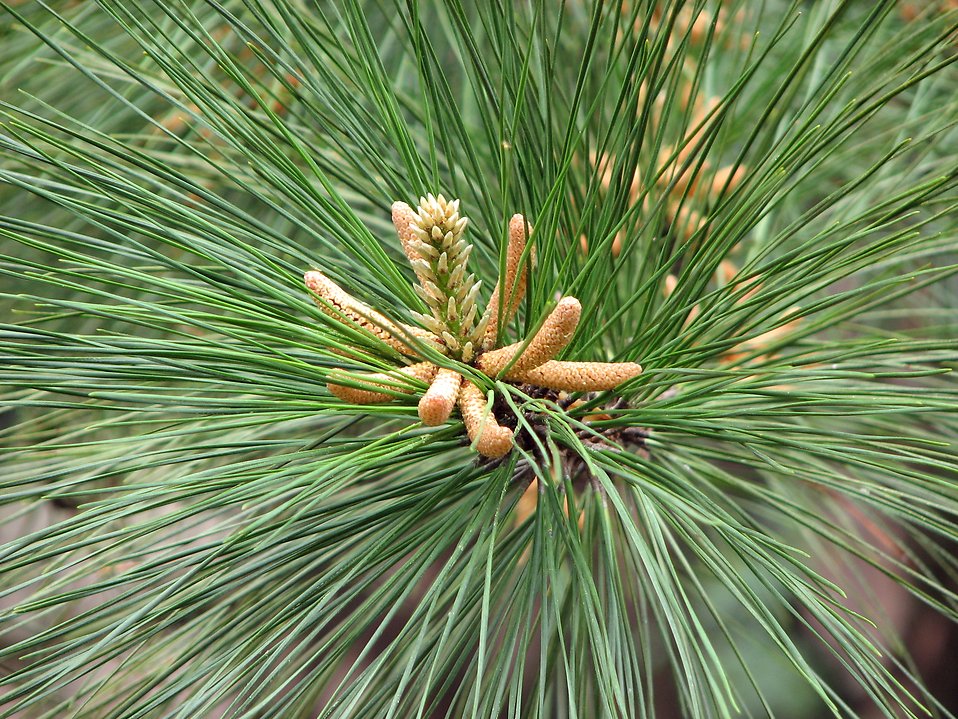
PINE detailed breakdown

Pine needles are among the most recognizable and versatile of the conifer needles, distinguished by their long, slender shape and clustered growth pattern. Typically, pine needles grow in bundles or clusters of 2 to 5 needles per fascicle, which can help in identifying specific pine species. The color of pine needles ranges from bright green to deep blue-green, and they maintain their soft texture even during the winter, which adds to their appeal as a foraged ingredient.

Flavor Profile and Uses
Pine needles are known for their subtly sweet, slightly citrusy flavor, with some varieties offering hints of resin and a refreshing, almost minty aftertaste. This unique flavor profile makes pine needles popular for teas and flavor infusions, as they can bring brightness to winter dishes and beverages. Pine needle tea, for instance, is prized for its mild, soothing taste, which pairs well with honey or lemon for added sweetness. The needles can also be finely chopped or ground to add a subtle, piney flavor to dishes, providing a unique taste reminiscent of citrus and fresh herbs.

Aromatic and Culinary Applications
Beyond tea, pine needles can be used to infuse syrups, honeys, vinegars, or oils, creating aromatic bases for cocktails, marinades, and dressings. These pine-infused ingredients work particularly well in winter cocktails or with hearty dishes like roasted meats, game, or root vegetables. Pine needles can also be used to flavor salt or sugar, adding an earthy, aromatic touch to rubs, desserts, or baked goods.

Popular Pine Species for Foraging
While most pine species offer edible needles, some are particularly favored for their flavor and nutritional properties:

  • Eastern White Pine (Pinus strobus): Known for its long, soft, and fragrant needles, Eastern White Pine is a popular choice for tea and culinary infusions. The needles are relatively mild in flavor, making them suitable for beginners.
  • Ponderosa Pine (Pinus ponderosa): With its robust, resinous aroma, Ponderosa Pine offers needles that have a more intense, piney flavor. Note that the needles of Ponderosa Pine should be used in moderation, as they contain small amounts of compounds that may not be suitable for pregnant women.
  • Sugar Pine (Pinus lambertiana): The longest needles among the pine species, Sugar Pine needles have a mild, sweet flavor, making them excellent for teas and syrups.

Health Benefits
Pine needles are rich in vitamin C and antioxidants, making them a nourishing addition to winter diets. The needles’ high vitamin C content supports the immune system, while their antioxidants help protect against oxidative stress. Pine needle tea is traditionally used as a remedy for colds and respiratory issues, as the essential oils in the needles act as mild decongestants.

Pine needles are a fantastic foraging find for both their culinary uses and health benefits, bringing flavor, nutrition, and natural resilience to your foraged winter pantry.

Craft and Aromatherapy Uses

Pine needles are not only valuable for culinary and medicinal purposes but also popular in crafting and aromatherapy. Their fresh, invigorating scent makes them ideal for creating natural potpourri, sachets, and wreaths that bring a pleasant forest aroma to indoor spaces. Pine needles can also be used in homemade soaps, candles, or essential oils, where their scent promotes relaxation, mental clarity, and respiratory ease. Pine’s refreshing fragrance is especially popular in winter, evoking a sense of warmth and connection to nature.

Pine needles are a versatile and beneficial foraging find, offering a wide array of culinary, medicinal, and aromatic applications. Whether you’re using them in tea, syrups, or infusions, or incorporating them into crafts and home remedies, pine needles bring unique flavors, scents, and health benefits to your winter foraging routine. Their enduring green color and resilient nature symbolize vitality and strength, making them a truly remarkable addition to any pantry or wellness practice.

Spruce (Picea spp.)
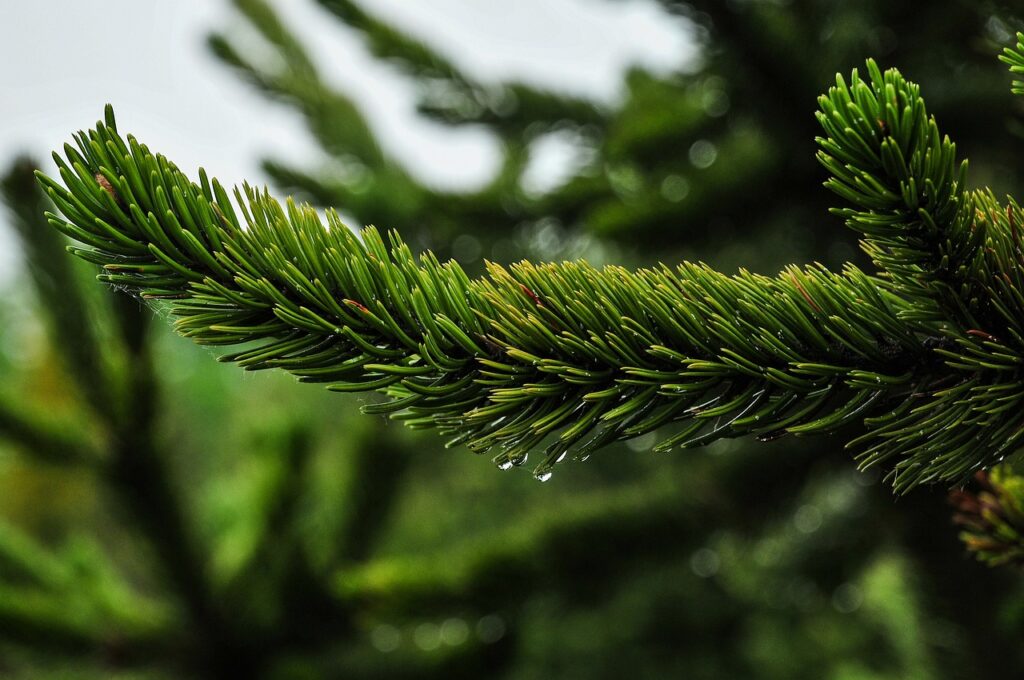
SPRUCE detailed breakdown

Spruce trees are a vibrant and hardy conifer species, easily recognized by their short, sharp needles that grow individually along the branches, giving the tree a spiky, almost prickly appearance. The needles are typically square in cross-section, which allows you to easily roll them between your fingers—an identifying feature that distinguishes spruce from other conifers like fir. Ranging from dark green to a blue-gray shade, spruce needles are often compact and tightly arranged along the branches, contributing to their dense, bushy look.

Flavor Profile and Culinary Uses
Spruce needles offer a more intense and complex flavor profile than other conifer needles, combining notes of bright citrus with subtle resinous undertones. Their strong, fresh aroma and mildly acidic taste lend themselves beautifully to a variety of culinary applications. Spruce needles are particularly popular in winter and holiday cooking, as their citrusy flavor can brighten up hearty dishes and rich, savory ingredients.

  • Spruce Needle Tea: Spruce needles make a delicious and potent tea, known for its tangy, lemony flavor. Brewing spruce needle tea brings out the needles’ bright citrus notes, making for a refreshing and warming drink during cold months. Adding honey or a touch of ginger can enhance the tea’s flavor and create a soothing, health-boosting beverage.
  • Flavor Infusions: Spruce needles can be used to infuse vinegars, syrups, and oils, imparting their intense, citrusy aroma to sauces, marinades, and dressings. Spruce-infused vinegar, for example, makes an excellent addition to salad dressings or a tangy component in braised dishes. Spruce syrup can add depth to cocktails, drizzle over desserts, or serve as a unique glaze for meats.
  • Seasoning and Garnish: Finely chopped spruce needles can be used sparingly as a seasoning for game meats, fish, and roasted vegetables. The needles’ bright, citrusy flavor pairs especially well with fatty dishes, cutting through richness and adding a refreshing contrast. Spruce needles can also be used as a garnish for winter cocktails, adding an aromatic touch to beverages like gin or whiskey-based drinks.

Popular Spruce Species for Foraging
While most spruce trees produce edible needles, some species are especially valued for their aromatic qualities and ease of identification:

  • Norway Spruce (Picea abies): This common species has a deep green color and short, slightly curved needles. The needles of Norway Spruce are highly aromatic and well-suited for teas and infusions, offering a sharp, lemony flavor.
  • Sitka Spruce (Picea sitchensis): Found primarily along the Pacific Coast, Sitka Spruce has a robust citrusy aroma with a hint of bitterness, making it ideal for infusions and flavoring salt. Its sharp, intense flavor pairs well with seafood and is a favorite among chefs.
  • Blue Spruce (Picea pungens): Known for its striking blue-gray needles, Blue Spruce provides a softer, citrus-forward flavor that’s perfect for culinary applications. Its needles are a bit less sharp, making them easier to work with in teas and syrups.

Medicinal Benefits
Spruce needles are rich in vitamin C, making them an excellent immune-boosting ingredient during winter. Traditionally, spruce needle tea has been used to alleviate symptoms of colds, coughs, and congestion. The essential oils in spruce needles have mild expectorant properties, helping to soothe respiratory issues and open up airways. Additionally, the antioxidant properties of spruce needles help combat inflammation and support skin health.

Craft and Decorative Uses
Beyond culinary and medicinal applications, spruce needles are also popular for crafts and decorations, particularly during the holiday season. Spruce branches can be woven into wreaths or used as garlands, bringing their fresh, citrusy aroma indoors. Foraging spruce needles for both culinary and decorative uses makes them an especially versatile find in the wild.

Spruce needles are an aromatic and flavorful addition to winter foraging, lending themselves well to teas, infusions, and savory dishes. Their sharp, citrus-forward flavor brings a refreshing element to cold-weather cooking, while their rich vitamin C content and medicinal properties make them a valuable natural remedy during the colder months.

Fir (Abies spp.)
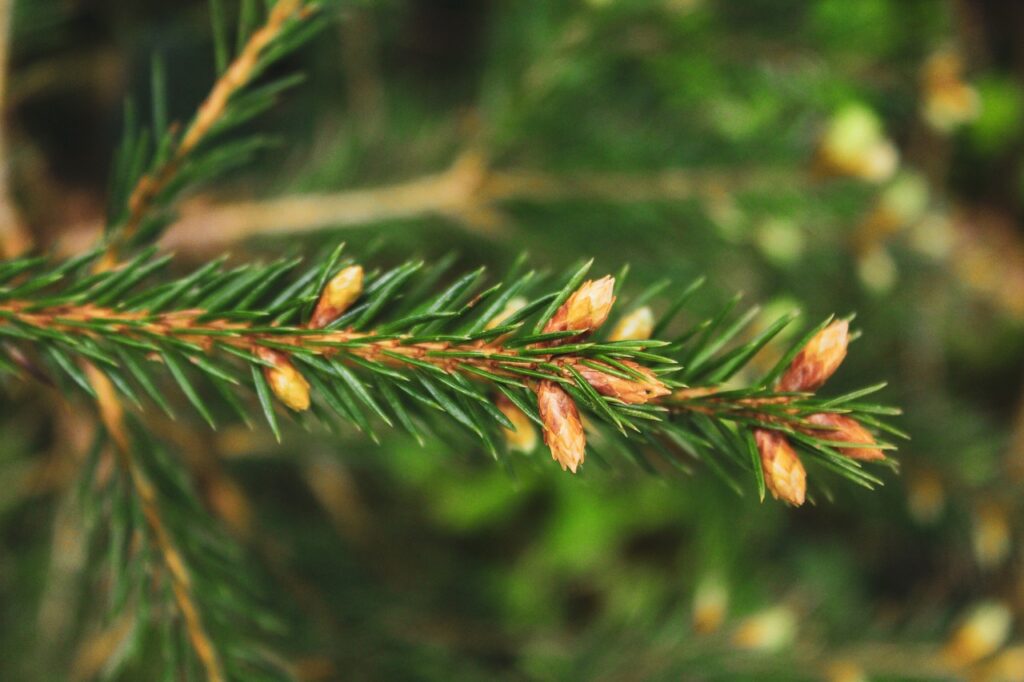
FIR detailed breakdown

Fir trees are known for their soft, fragrant needles and graceful appearance, making them a favorite in both forests and ornamental landscaping. Fir needles are typically flat, rounded at the tips, and grow individually along the branches in a spiral pattern, creating a lush, full look. Unlike the sharp needles of spruce or the long clusters of pine, fir needles are soft and flexible to the touch, which, along with their delicate aroma, makes them especially pleasant to handle and forage. Fir trees are also distinguished by their smooth, often silvery bark and upright cones that stand on the branches like small candles.

Flavor Profile and Culinary Uses
Fir needles have a mild, refreshing flavor that is often described as sweet and subtly citrusy, with delicate, woodsy undertones. Their soft texture and nuanced flavor make them ideal for teas, broths, and culinary infusions where a gentler coniferous note is desired. The needles of fir trees are versatile, enhancing both savory and sweet dishes with their delicate aroma and brightening flavor.

  • Fir Needle Tea: Fir needles are commonly used to make tea, which has a smooth, refreshing taste with a hint of sweetness. Fir needle tea is a gentler option compared to the intense flavor of spruce or pine, making it a great introduction to conifer teas. Brewed alone, fir needle tea is calming and fragrant, perfect for sipping on cold winter days. Adding honey or lemon can complement the fir’s natural flavors and create a soothing, aromatic beverage.
  • Broths and Soups: Fir needles can be added to broths and soups, where their mild flavor imparts a subtle, forest-fresh aroma to the dish. The needles can be tied in a bundle and steeped in the broth during cooking, then removed before serving. Fir-infused broths are particularly well-suited for chicken or vegetable-based soups, adding a touch of depth and earthiness to warm, hearty dishes.
  • Infusions and Syrups: Fir needles make wonderful infusions for syrups, vinegars, or honey. Fir syrup, for example, adds a unique, slightly citrusy sweetness that pairs well with desserts, cocktails, or even savory glazes for meats. Fir-infused vinegar is excellent for marinades or as a bright, herbal addition to dressings. These infusions capture the fir’s gentle aroma and work beautifully in seasonal cooking and holiday recipes.
  • Natural Seasoning: Finely chopped fir needles can be used sparingly as a seasoning, adding a light, citrusy note to fish, poultry, and roasted vegetables. The mild flavor of fir needles complements delicate proteins and brightens up root vegetables, making them a versatile addition to winter cooking.

Popular Fir Species for Foraging
Fir needles are edible across most species, but certain firs are particularly favored for their aromatic qualities and flavor:

  • Balsam Fir (Abies balsamea): Known for its strong, balsam fragrance, Balsam Fir is one of the most aromatic of the fir species. Its needles have a sweet, refreshing flavor and are often used for teas, as well as aromatherapy due to their potent scent.
  • Douglas Fir (Pseudotsuga menziesii): Although technically not a true fir, Douglas Fir has similar needle characteristics and a lovely, citrus-forward flavor. The needles are soft and bright green, and their flavor is often described as having hints of grapefruit, making Douglas Fir needles a favorite for teas and syrups.
  • White Fir (Abies concolor): White Fir has soft, blue-green needles with a mild, pleasant aroma. Its delicate flavor works well in culinary infusions and is less resinous than other firs, making it a gentle addition to teas and broths.

Medicinal Benefits
Fir needles contain vitamin C, antioxidants, and essential oils, which can offer various health benefits. The high vitamin C content in fir needles supports immune health, making fir needle tea an excellent winter remedy to boost immunity and ward off colds. The essential oils in fir needles have mild expectorant and anti-inflammatory properties, making fir needle tea or steam inhalation helpful for respiratory issues such as congestion and sore throats. In addition, the soothing aroma of fir needles has a calming effect, promoting relaxation and reducing stress.

Aromatherapy and Craft Uses
Fir needles are commonly used in aromatherapy for their calming and uplifting properties. Their refreshing scent can be incorporated into sachets, incense, or essential oils, filling spaces with a forest-fresh aroma that helps reduce stress and anxiety. Fir needles are also popular in holiday wreaths and garlands, providing a natural, festive scent that brings warmth and cheer to indoor spaces.

Fir’s soft, aromatic needles offer both culinary and therapeutic uses, bringing a refreshing quality to teas, broths, and seasonal infusions. The gentle, uplifting aroma of fir needles provides a sensory link to the winter forest, enhancing well-being and connecting us to nature’s enduring resilience. Fir needles are a perfect foraging find for those seeking a subtler, sweeter conifer flavor and a calming presence in both culinary and medicinal applications.

Hemlock (Tsuga spp.)
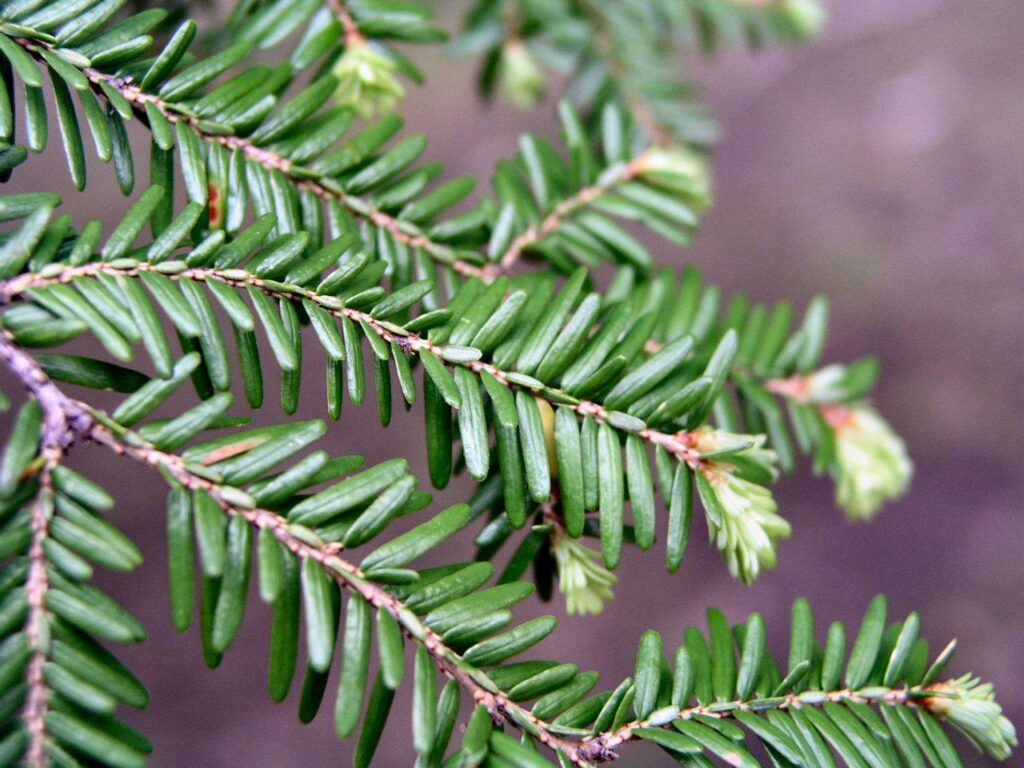
HEMLOCK detailed breakdown

Hemlock trees, often mistaken for their poisonous namesake due to the shared name, are actually a safe and valuable foraging option among conifers. Hemlock needles are small, flat, and soft to the touch, offering a mild and earthy flavor with a subtle resinous aroma. These needles grow in a two-row formation along the branches, creating a delicate and lush appearance. Hemlocks are frequently found in shaded, moist forested areas and are easily recognizable by their short, feathery needles and small, pendant-like cones.

Flavor Profile and Culinary Uses
Hemlock needles have a gentle, earthy taste with a mild hint of resin, making them ideal for those who prefer a more subdued conifer flavor. Unlike the more intense citrus notes found in spruce or the sweetness of fir, hemlock offers a balanced, mellow taste that is well-suited for culinary applications where a less pronounced flavor is desired.

  • Hemlock Needle Tea: Hemlock needle tea is light and refreshing, with a delicate earthiness that pairs well with a hint of honey or lemon. This tea is particularly soothing on chilly days, providing a gentle warmth without the stronger flavors of other coniferous teas. It’s also naturally high in vitamin C, making it a nourishing option during cold and flu season.
  • Broths and Soups: Hemlock needles can be used in broths and soups, where their earthy, slightly resinous flavor adds depth to the base without overpowering it. Tie the needles in a small bundle and steep them in the broth while cooking, then remove them before serving. Hemlock-infused broths pair wonderfully with root vegetables, mushrooms, and poultry, adding a subtle woodland note to hearty, comforting dishes.
  • Infusions and Syrups: Hemlock needles make excellent infusions in vinegars, syrups, or even honey, adding a soft, earthy aroma and a hint of resinous depth to these ingredients. Hemlock-infused vinegar is versatile in salad dressings, especially when paired with herbs or a hint of sweetness. Hemlock syrup, on the other hand, can be used in cocktails, drizzled over desserts, or as a glaze for roasted meats, lending a gentle, forested flavor.

Popular Hemlock Species for Foraging
While all true hemlock species (Tsuga spp.) are edible, certain species are more common and sought after for their soft needles and mild flavor:

  • Western Hemlock (Tsuga heterophylla): Native to the Pacific Northwest, Western Hemlock has shorter, dark green needles and a soft, feathery appearance. It’s highly aromatic, and the needles provide a gentle, earthy taste that is perfect for teas and culinary infusions.
  • Eastern Hemlock (Tsuga canadensis): Found in eastern North America, Eastern Hemlock has slightly longer needles with a bluish-green color. Its mild flavor and resinous scent are ideal for both broths and teas, and it has a high vitamin C content, making it a popular choice for winter foraging.

Medicinal Benefits
Hemlock needles contain beneficial compounds like vitamin C, antioxidants, and mild essential oils, making them a valuable resource for traditional and natural remedies.

  • Immune Support: Hemlock needles are rich in vitamin C, helping to support the immune system during the winter months. Drinking hemlock needle tea can help ward off colds and strengthen the body’s defenses.
  • Respiratory Health: The essential oils in hemlock needles have mild expectorant properties, which can be helpful in soothing respiratory issues. Drinking hemlock tea or inhaling steam infused with hemlock needles may relieve mild congestion and promote easier breathing.
  • Calming Properties: Hemlock is known for its subtle, calming aroma. When used in teas or as an aromatherapy infusion, hemlock needles help reduce stress and create a sense of calm, making it an ideal herb for relaxation and grounding practices.

Safety Considerations
Despite the safe nature of true hemlock (Tsuga spp.), it’s important to distinguish it from poison hemlock (Conium maculatum), a highly toxic plant with similar names but entirely different characteristics. Poison hemlock is not a tree; it is a flowering plant with tall, hollow stems and clusters of white flowers, commonly found in fields and roadsides. Ensuring proper identification is crucial when foraging for true hemlock.

Craft and Aromatherapy Uses
Hemlock needles are frequently used in wreaths, garlands, and sachets due to their soft texture and gentle aroma. In aromatherapy, the subtle, grounding scent of hemlock needles is known to promote relaxation, making it popular in sachets, incense, or potpourri. Adding dried hemlock needles to baths or creating a simple hemlock-infused oil can provide a soothing experience, helping to ease stress and bring a sense of balance.

Hemlock needles are a versatile and gentle option among foraged conifers, ideal for those seeking a softer, earthy flavor and calming energy. Whether in teas, culinary infusions, or therapeutic applications, hemlock offers a wonderful way to connect with the quiet strength and beauty of the winter forest.

How to Identify Conifer Needles and Their Variants

Identifying conifer needles is key to safe and effective foraging. Here are some tips to recognize each type:

  • Pine Needles: Typically grow in clusters of 2–5, with long, thin, slightly twisted needles. Pines have a scaly or flaky bark that ranges in color from reddish to gray.
  • Spruce Needles: Short, square-shaped, and sharp to the touch, they grow individually from the branches and have a bright green color. The bark of spruce trees is rough and scaly.
  • Fir Needles: Soft, flat, and growing individually along the branch, fir needles are slightly curved with a distinct “balsam” fragrance. The bark is smooth, often with small resin blisters.
  • Hemlock Needles: Small, flat, and growing in two rows along each side of the branch, hemlock needles are dark green with a silvery underside. The bark is grayish-brown and deeply ridged.

To Avoid Toxic Yew: Yew needles are darker green and grow in a flat formation along the branches. Yew also produces distinctive red berries, which are highly toxic. Avoid any conifer with red berries and flat, dark needles to ensure safety.

Habits of Conifer Trees

Conifer trees are among the most adaptable and resilient plants, displaying remarkable survival traits that allow them to flourish across diverse ecosystems and climates. Characterized by their hardy nature, conifers grow from cold boreal forests to arid mountain regions and even temperate urban settings, proving themselves to be remarkably versatile. Their ability to thrive in different conditions makes them an essential part of ecosystems worldwide, and their unique features make them valuable foragers’ resources, especially in winter.

Year-Round Resilience and Photosynthesis

One of the most notable characteristics of conifers is their evergreen nature. Unlike deciduous trees that shed their leaves in autumn, conifers retain their needles year-round. This allows them to continue photosynthesizing during the winter months when other trees lie dormant, storing energy that supports their growth and survival. The needles of conifers are adapted to withstand harsh winter conditions, with a waxy coating and minimal surface area that help reduce water loss and resist freezing temperatures. This trait is not only key to their survival but also makes them an enduring symbol of vitality and resilience, especially during the colder months.

Adaptation to Diverse Soil and Climate Conditions

Conifers are highly adaptable to a wide range of soils and climates. They are often found in well-drained soils, as their roots are particularly vulnerable to rot in overly moist conditions. Conifers thrive in sandy, rocky, or even slightly acidic soils, allowing them to establish themselves in challenging terrains like mountainsides, dry forests, and boreal regions. Some conifer species, such as spruce and fir, are particularly cold-tolerant and can survive in subarctic climates, while others, like certain pine species, are well-suited to hot, arid environments.

In urban landscapes, conifers are frequently planted as ornamental trees because of their hardiness, attractive appearance, and year-round greenery. Their ability to tolerate pollution and low soil fertility makes them suitable for city life, where they provide aesthetic beauty, shade, and even serve as windbreaks or privacy barriers.

Growth Patterns and Longevity

Conifers generally grow slower than many deciduous trees, but they often have impressive lifespans, with some species living for hundreds or even thousands of years. Their slow, steady growth and thick, resinous bark help them withstand environmental stressors like fire, pests, and disease. This resilience is particularly evident in certain species such as the bristlecone pine (Pinus longaeva), which can live for thousands of years, and the giant sequoia (Sequoiadendron giganteum), known for its massive size and remarkable age.

Self-Sufficiency and Reproductive Adaptations

Conifers have evolved several reproductive adaptations that enhance their survival. Most conifers reproduce through cones, which contain seeds protected by woody scales. Male and female cones are often found on the same tree, allowing them to pollinate themselves in favorable conditions. Some conifers, like lodgepole pine, have serotinous cones that only open in response to the heat of a forest fire, a clever adaptation that allows them to regenerate quickly after fire clears competing vegetation.

Ecological Role and Winter Foraging Benefits

Conifers play a vital role in their ecosystems, providing shelter and food for wildlife, stabilizing soil, and influencing water cycles. Their dense foliage offers shelter for animals during the winter, and their seeds and needles are a critical food source for various bird and mammal species.

For foragers, conifers are a valuable resource in the winter when many other plants are dormant. Their needles are rich in nutrients, particularly vitamin C, and can be harvested throughout the colder months to make teas, syrups, and culinary infusions. The accessibility of conifer needles during winter provides a steady source of nutrition and flavor, and their resilience serves as a reminder of nature’s enduring vitality even in the harshest conditions.

In summary, conifer trees embody resilience and adaptability, thriving in diverse environments and remaining evergreen throughout the year. Their ability to endure various climates and soil types, along with their role as a crucial food and shelter source in winter, make them an essential part of natural ecosystems and a valuable resource for foragers.

How to Properly Forage Conifer Needles

Foraging conifer needles is an accessible and sustainable way to gather a nutritious, versatile resource from the wild. However, foragers should always approach the process with care, respect for the tree, and an eye for safety to ensure that their harvest is beneficial for both them and the environment. Here’s a detailed guide on how to properly forage conifer needles, including tips on identification, harvesting techniques, ideal timing, and storage methods.

1. Identify Safely

The first and most crucial step in foraging conifer needles is proper identification. Conifer needles come in a range of shapes, textures, and arrangements, each unique to specific species like pine, spruce, fir, and hemlock. Carefully examine the needle characteristics:

  • Needle Arrangement and Shape: Pay attention to the way needles are arranged on the branches. For example, pine needles grow in clusters of 2-5 needles, while spruce and fir needles grow individually. Hemlock needles are arranged in a flat, two-row pattern along the branches.
  • Needle Texture and Smell: Gently crush a needle between your fingers to release its aroma. Pine often has a subtle citrus scent, while spruce is sharper and more resinous, and fir tends to be sweet and balsamic. Scent can be a helpful guide in distinguishing one conifer from another.
  • Check for Berries: One essential rule when foraging conifers is to avoid yew trees (Taxus spp.), as their needles and berries are highly toxic. Yew needles are short, dark green, and arranged in a flat formation, often accompanied by distinctive red berries. If you come across a conifer with these characteristics, avoid harvesting it entirely.

2. Harvesting Needles

Once you have identified the correct conifer species, it’s time to begin harvesting. Here are some best practices to ensure sustainable and respectful forage:

  • Use the Right Tools: Carry a pair of clean scissors or a small knife. These tools will allow you to trim the needles precisely and prevent damage to the tree.
  • Trim Small Branches or Clusters: When harvesting needles, select small branches or clusters rather than stripping large sections of the tree. This helps preserve the tree’s health and appearance. Trim a few clusters from different parts of the tree to minimize any visible impact on a single area.
  • Be Mindful of New Growth: Conifer trees produce new growth in the spring, which is softer, brighter, and more nutrient-rich. While these new tips are excellent for culinary use, avoid removing too many of them, as they are essential for the tree’s development. Opt to take more mature needles when possible, leaving the new growth to thrive.
  • Respectfully Harvest in Moderation: Take only what you need. Overharvesting can harm the tree, so practice restraint and harvest modestly. If you’re foraging in a public area, be considerate of other foragers and wildlife that may also rely on these resources.

3. Best Timing

While conifer needles can be foraged year-round, timing can influence the quality, freshness, and nutritional content of the needles:

  • Late Winter to Early Spring: This is often the best time to forage for conifer needles, as they tend to be especially nutrient-dense and aromatic during these colder months. In late winter, the needles retain a high level of vitamin C, which is valuable for health and immunity.
  • Spring Growth Tips: During spring, many conifers produce fresh, tender growth tips that are vibrant in color and have a milder flavor. These young tips are particularly popular for culinary uses, as they’re less resinous and easier to chew. However, take care to harvest sparingly to allow the tree to continue thriving.
  • Year-Round Availability: Conifer needles are evergreen, so they can be harvested throughout the year. In summer and autumn, the needles will be slightly tougher but can still be used in teas, infusions, and crafts. Foragers who seek a stronger flavor and aromatic intensity may prefer the mature needles available year-round.

4. Storage

Proper storage of conifer needles will help preserve their flavor, aroma, and nutritional properties:

  • Short-Term Fresh Storage: Freshly harvested conifer needles can be stored in the refrigerator for up to a week. To keep them fresh, place the needles in a plastic bag or airtight container with a slightly damp paper towel. This will help maintain their moisture level and prevent drying out.
  • Drying for Long-Term Storage: If you’re looking to store conifer needles for a longer period, drying is an excellent option. Spread the needles in a single layer on a clean, dry surface in a well-ventilated area, away from direct sunlight. Allow them to air-dry for several days until they are completely dry and brittle to the touch. Once dried, store the needles in an airtight container in a cool, dark place to preserve their aroma and potency. Properly dried conifer needles can last for up to a year.
  • Freezing: For maximum freshness, conifer needles can also be frozen. Place the needles in a freezer-safe bag or container, ensuring that as little air as possible is trapped inside. This method will preserve the needles’ flavor and nutritional properties for several months. Frozen needles are perfect for teas, syrups, or other culinary uses, as they retain much of their original essence when thawed.

By following these foraging techniques, you’ll be able to gather conifer needles responsibly, ensuring you enjoy their benefits while preserving the health of the trees.

Magical Uses of Conifer Needles

Conifer needles are prized for their protective and grounding energies, embodying the resilience and strength of the evergreen tree. They are often used in spells, charms, and rituals focused on endurance, purification, and spiritual strength.

  • Protection and Purification: Burn conifer needles as incense to cleanse a space of negative energy. The aromatic smoke is believed to ward off harmful spirits and bring positive vibrations.
  • Grounding and Resilience: Use conifer needles in ritual baths or sachets to promote stability, resilience, and grounding energy. They are especially powerful in spells aimed at overcoming obstacles or enduring hardship.
  • Nature Connections: Place conifer needles on your altar or in sacred spaces to connect with natural spirits and bring the vitality of evergreen energy into your spiritual practice.

Medicinal Uses of Conifer Needles

Conifer needles offer a range of medicinal benefits, making them a valuable resource for natural health:

  • Rich in Vitamin C: Conifer needles, particularly pine and spruce, are high in vitamin C, which supports the immune system and helps combat winter colds and flu.
  • Respiratory Health: The essential oils in conifer needles act as decongestants and expectorants, making needle tea useful for respiratory issues, such as colds, congestion, and coughs.
  • Antioxidants: The needles contain antioxidants that help reduce inflammation and protect cells from oxidative stress. These antioxidants also support skin health and can be beneficial in natural skincare preparations.

Caution: Pregnant women should consult a healthcare provider before consuming conifer needle tea, as the oils may be too potent.

Culinary Uses of Conifer Needles

Conifer needles bring a unique, citrusy, and resinous flavor to culinary applications:

  • Needle Tea: Brew fresh or dried needles in hot water for a refreshing, vitamin C-rich tea. Add honey or lemon to balance the flavor, and enjoy warm or cold.
  • Flavoring: Use ground or finely chopped needles as a seasoning for fish, game meats, and roasted vegetables. The flavor is particularly pleasant with hearty winter dishes.
  • Syrups and Infusions: Infuse needles in honey, vinegar, or syrups for use in cocktails, dressings, or drizzles. These conifer-infused ingredients add a fragrant, earthy note to culinary creations.

Safety Concerns

While most conifer needles are safe for consumption, there are a few safety concerns to be mindful of:

  • Avoid Yew (Taxus spp.): Yew needles are toxic and should never be ingested. Always confirm the conifer species before harvesting.
  • Pregnancy Precautions: Pregnant women should consult a healthcare provider before consuming conifer needle tea, as the essential oils can be very potent.
  • Sensitive Stomachs: Some people may experience mild digestive upset when consuming conifer needle tea. Start with small amounts to ensure compatibility.

To Avoid Toxic Yew
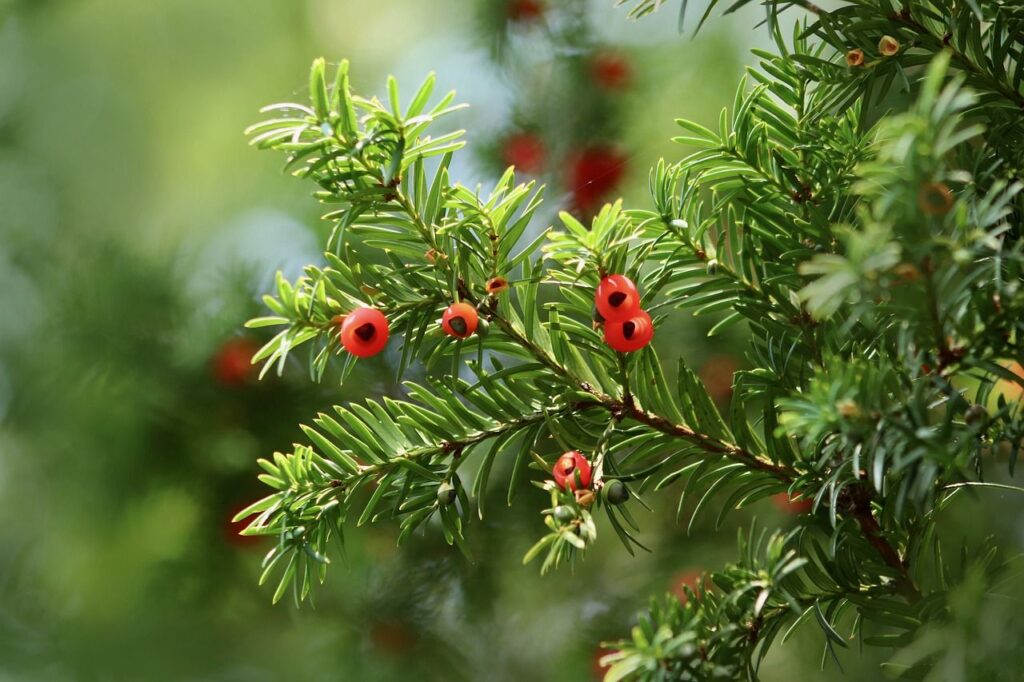
YEW detailed breakdown

Yew trees (Taxus spp.) are unique among conifers in that every part of the plant—needles, seeds, and bark—contains highly toxic compounds. These toxins can have severe effects if ingested, particularly the alkaloid taxine, which affects the heart and nervous system. For foragers, the presence of yew is an important caution, as mistaking yew needles for edible conifer needles could lead to serious health risks.

Identifying Yew Trees
To ensure safe foraging, be vigilant in identifying yew trees by their distinctive features:

  • Needle Appearance: Yew needles are typically short, flat, and darker green compared to other conifers. Unlike pine or spruce, which have long or pointed needles, yew needles grow in a flat, two-row formation along the branches. They are soft to the touch, not spiky, and usually have a slight sheen. This unique arrangement is key to distinguishing yew from other edible conifers.
  • Needle Arrangement: Yew needles are arranged oppositely along each side of the branch, forming a flattened look. This is in contrast to pines, which grow in clusters, or spruces and firs, where needles tend to grow individually and often around the entire branch.
  • Distinctive Red Berries: One of the most recognizable features of yew trees is their bright red, fleshy berries, called arils. These small, cup-shaped berries contain a single seed, which is extremely toxic. While the arils themselves are not toxic, the seed within each berry is highly poisonous if ingested. No other common edible conifers produce such berries, making this a clear red flag for foragers.

Avoiding Yew in the Field
When foraging for conifer needles, it’s best to avoid any conifer that has red berries or dark, flat needles growing in a two-row formation. This visual cue can help you steer clear of yew trees and avoid potential health hazards. If you’re unsure whether a conifer is yew, it’s safer to leave it unharvested and search for a more readily identifiable species, such as pine, spruce, or fir.

The Risks of Yew Toxicity
Ingesting yew needles, berries, or seeds can cause serious symptoms, including nausea, vomiting, abdominal pain, respiratory issues, and even fatal heart complications. Children and pets are particularly vulnerable to yew toxicity, as the berries can appear attractive to them. Even handling yew can cause irritation for sensitive individuals, so approach this plant with caution.

Understanding how to recognize and avoid yew trees is crucial for any forager. By being mindful of yew’s distinguishing dark green, flat needles and red berries, you can safely navigate the forest and enjoy the benefits of other edible conifers without risk.

Wrapping Up

Conifer needles are a resilient gift from nature, offering nutrition, flavor, and spiritual power even in the depths of winter. As one of the most accessible and abundant foraged foods, conifer needles invite foragers to explore their culinary, medicinal, and magical properties. By responsibly foraging and incorporating these evergreen needles into your practices, you connect with the endurance and vitality of nature, bringing warmth and wellness to the winter season. Whether crafting teas, syrups, or ritual items, conifer needles provide a versatile way to experience the rich bounty of the natural world all year round. Happy foraging!

Posted on Leave a comment

Foraging: Edible Amaranth

Amaranth plantsReading Time: 33 minutes
Amaranth plants

Introduction

A Comprehensive Guide to Foraging and Utilizing this Versatile Plant

Amaranth, a versatile and nutritious plant, has been a staple in diets across the world for centuries. Known for its vibrant hues and rich nutrient profile, Amaranth is more than just a leafy green—it is a treasure trove of culinary, medicinal, and magical potential. In this guide, we will explore everything you need to know about foraging Amaranth, including its variants, identification tips, habits, uses, and safety considerations.

What is Amaranth?

Amaranth, a botanical marvel within the Amaranthaceae family, represents a genus of plants that has captured the imagination and culinary preferences of cultures worldwide. Revered for its vibrant colors and rich history, Amaranth is much more than just a plant—it is a symbol of resilience, adaptability, and nourishment. Originating from the Americas, particularly Central and South America, Amaranth has been a staple in indigenous diets for thousands of years, celebrated not only for its aesthetic appeal but also for its incredible nutritional value.

The name “Amaranth” itself is derived from the Greek word “amarantos,” meaning “unfading,” which is fitting given the plant’s enduring presence across continents and centuries. The genus encompasses a wide variety of species, each known for its striking foliage, which can range in color from deep red to brilliant, purple, and lush green. These vibrant hues are not only visually captivating but also indicate the plant’s rich content of phytonutrients, antioxidants, and vitamins.

Amaranth is uniquely versatile, offering both edible leaves and seeds that have been integral to traditional diets and continue to be embraced in modern culinary practices. The young leaves of Amaranth are tender and flavorful, making them a popular choice for salads, sautés, and soups. As the plant matures, its leaves can still be enjoyed cooked, offering a slightly nutty and earthy taste.

In addition to its leaves, Amaranth is also cultivated for its tiny, nutrient-dense seeds. These seeds, which are often referred to as pseudocereals, are gluten-free and rich in protein, fiber, and essential minerals like calcium, magnesium, and iron. Unlike many other grains, Amaranth seeds contain a complete protein, providing all the essential amino acids the human body needs. This makes Amaranth a vital food source in regions where access to diverse protein sources may be limited.

The adaptability of Amaranth is another of its defining characteristics. It thrives in a wide range of climates and soil conditions, from the high altitudes of the Andes to the plains of Africa and Asia. This resilience has allowed Amaranth to spread globally, where it has been naturalized in many parts of the world, including North America, Europe, Africa, and Asia. In many cultures, Amaranth is not only a dietary staple but also a symbol of agricultural sustainability, offering a reliable crop that can withstand harsh growing conditions and provide nourishment even in times of scarcity.

Amaranth’s potential as both a leafy green and a grain crop makes it a unique and valuable addition to any garden or foraging expedition. Whether you are harvesting the tender leaves for a fresh salad, cooking the mature greens in a hearty stew, or collecting the seeds to grind into flour or pop like popcorn, Amaranth offers endless possibilities for culinary creativity and nutritional enrichment.

Amaranth is a plant of great cultural, nutritional, and ecological significance. Its striking appearance, coupled with its adaptability and health benefits, has made it a cherished crop throughout history and a continuing source of inspiration for those seeking to connect with nature through foraging, gardening, and cooking.

Variants of Amaranth

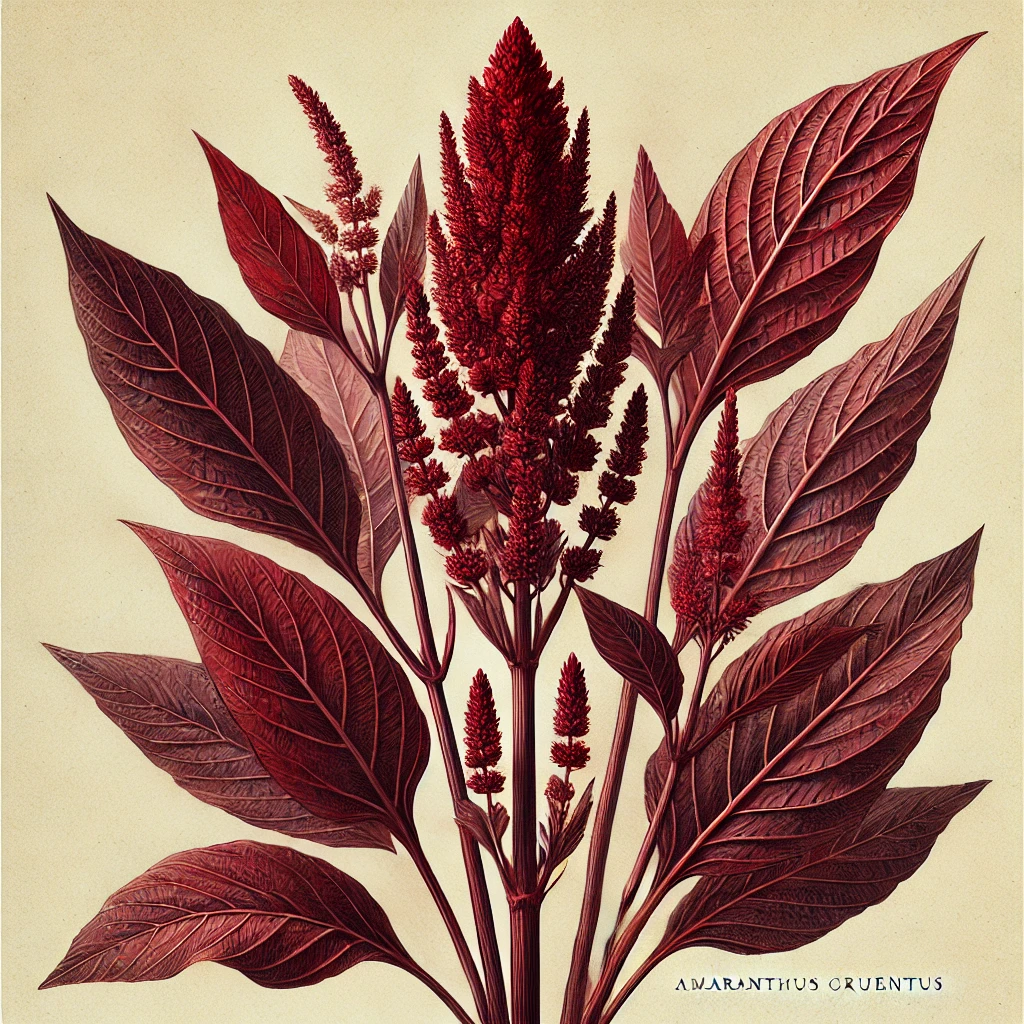
1. Amaranthus cruentus (Red Amaranth): Known for its striking red leaves and vibrant seed heads, Red Amaranth is commonly used in cooking and traditional medicine. It is valued for its aesthetic appeal and nutritional benefits.

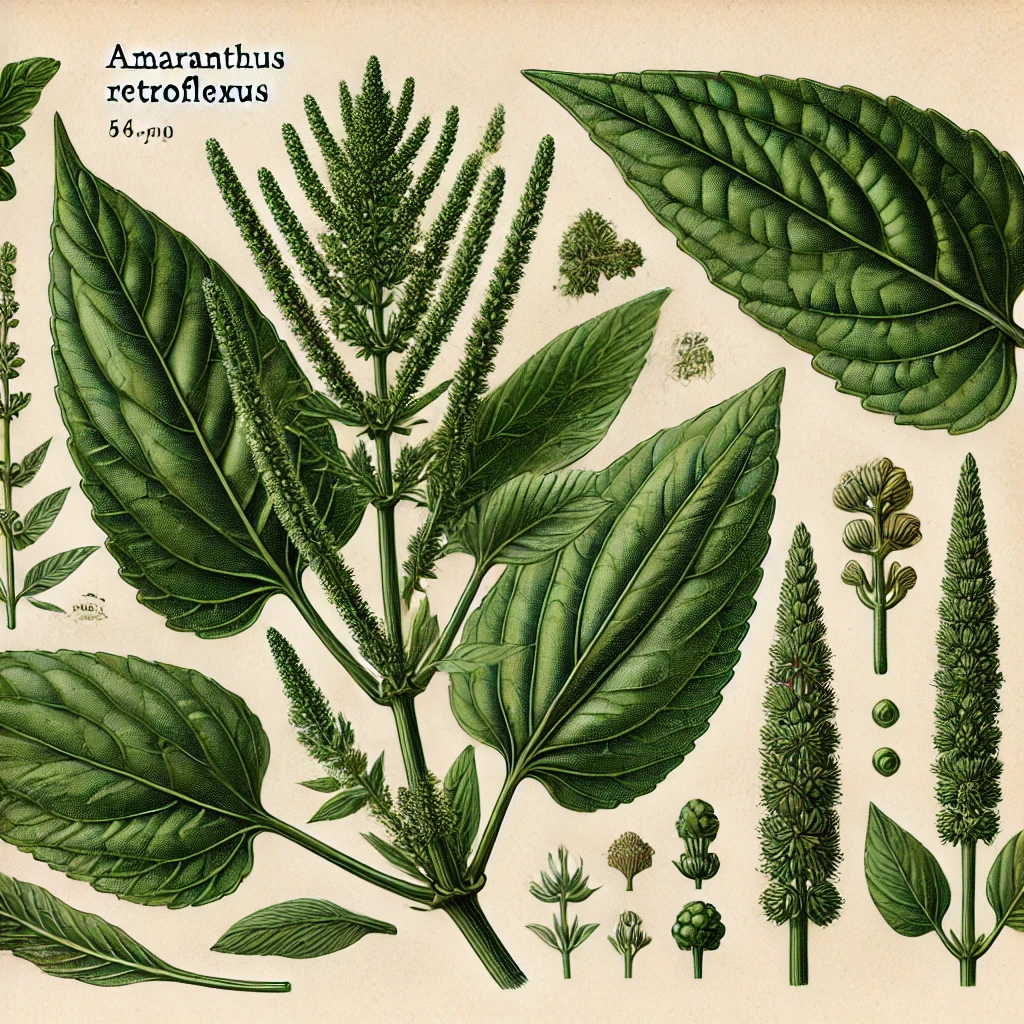
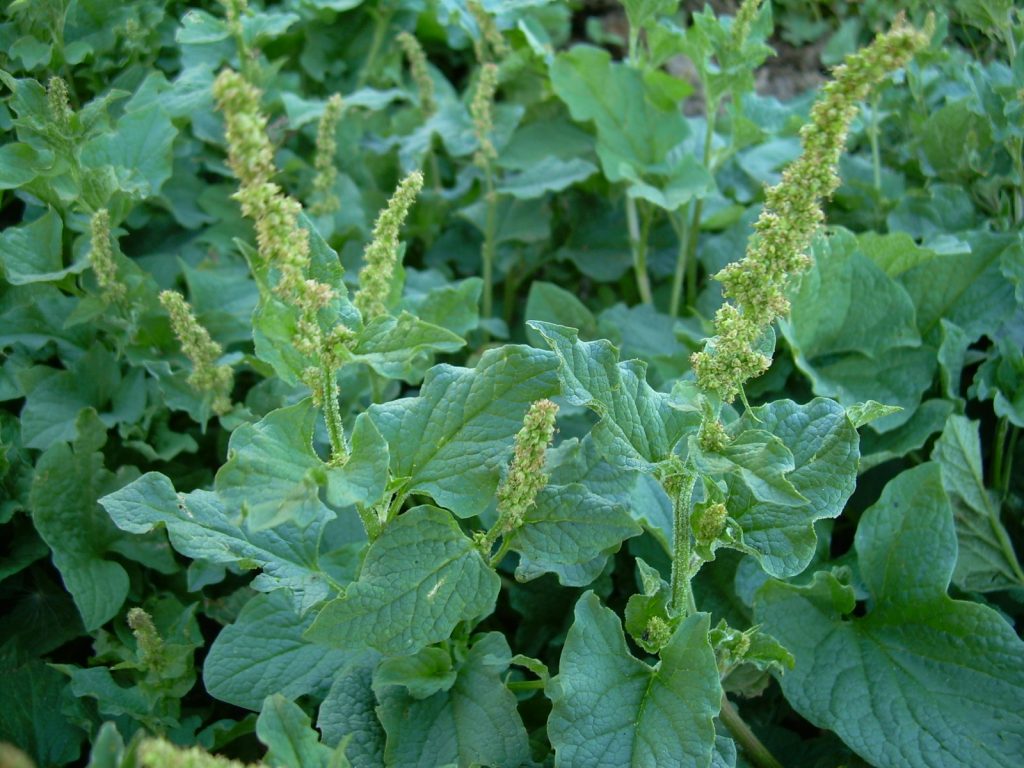
2. Amaranthus retroflexus (Redroot Pigweed): This variety features green to reddish stems and a broad range of leaf shapes. It is often found in gardens and disturbed areas and is known for its adaptability.

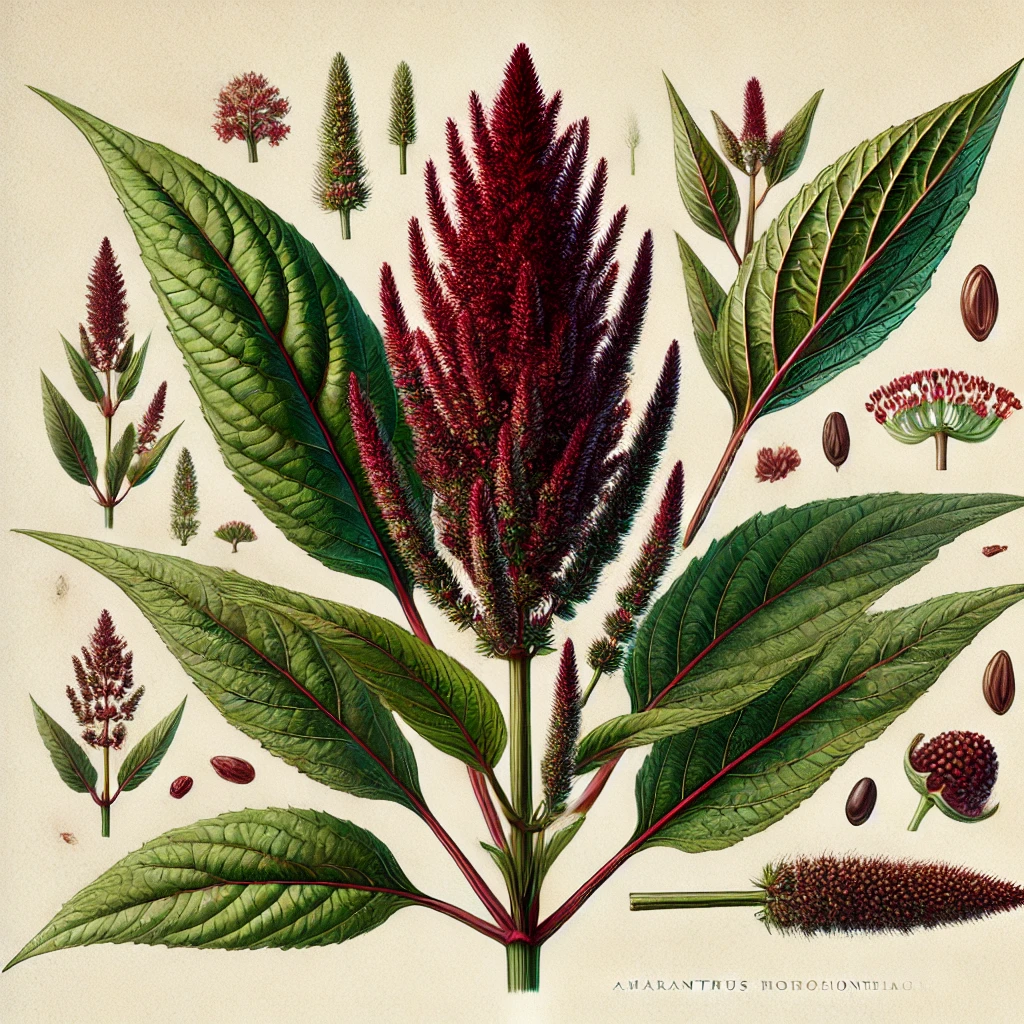
3. Amaranthus hypochondriacus (Prince’s Feather): Recognizable by its tall, upright growth and bright red or purple plumes, Prince’s Feather is grown both for its ornamental qualities and its edible seeds.

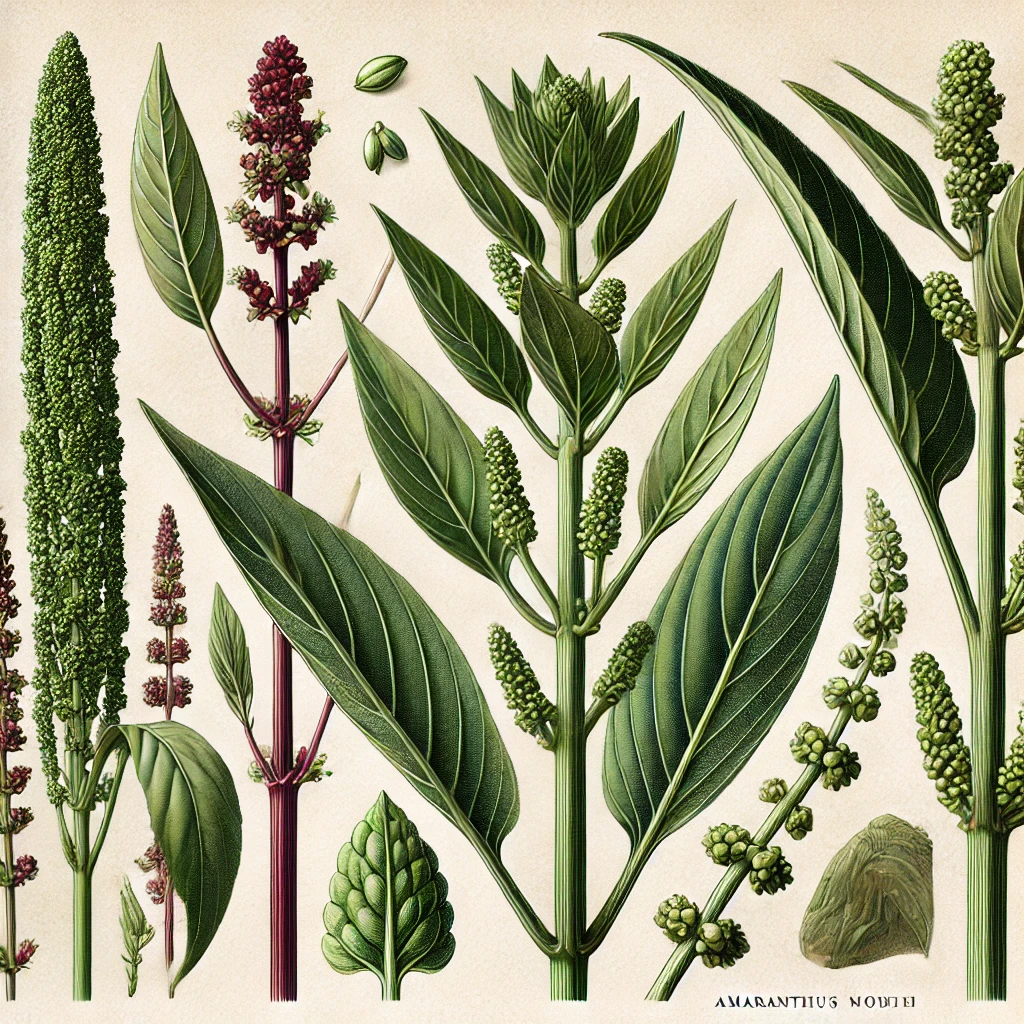
4. Amaranthus dubius (Slender Amaranth): Characterized by its slender stems and leaves, this variant is commonly used in tropical and subtropical regions.

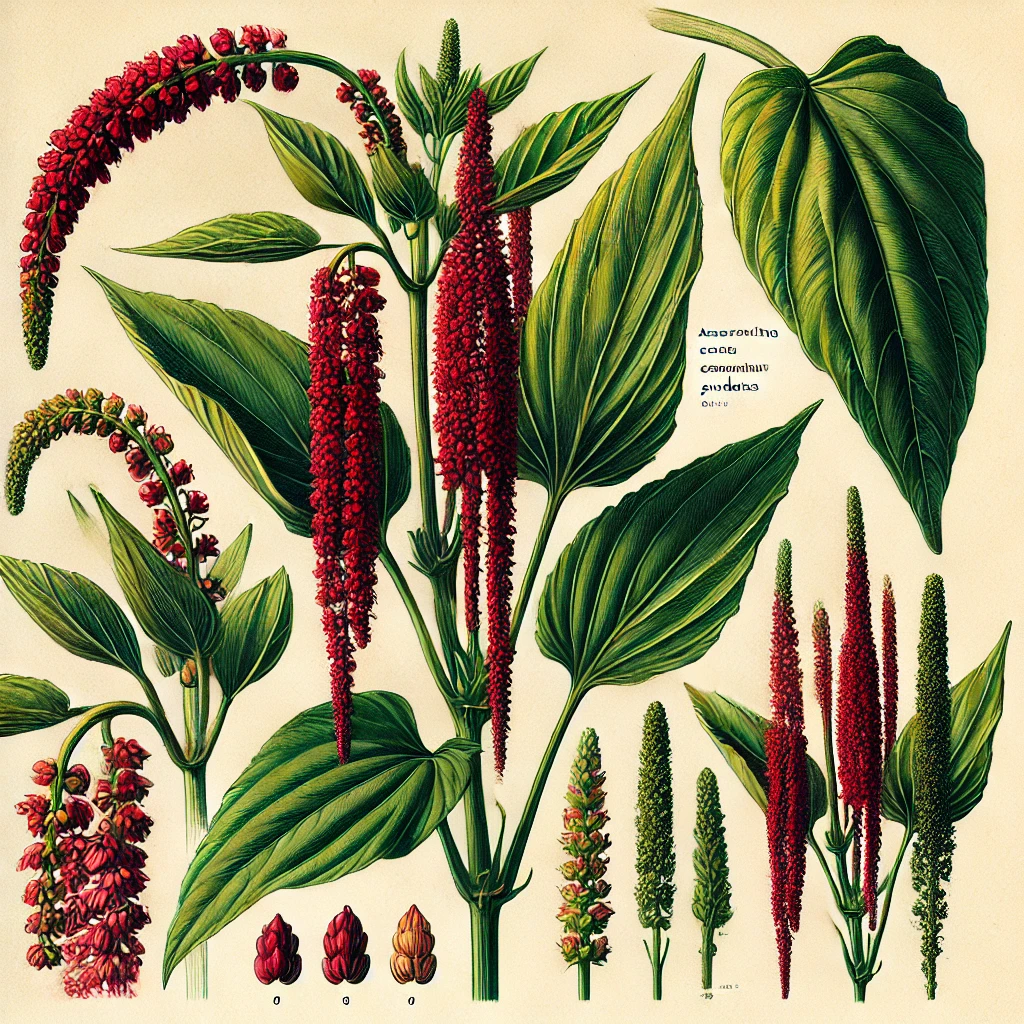
5. Amaranthus caudatus (Love-Lies-Bleeding): This variant is noted for its long, drooping clusters of red flowers and is used both decoratively and in cooking.

How to Identify Amaranthus cruentus (Red Amaranth)

Amaranthus cruentus, commonly known as Red Amaranth, is one of the most visually striking and nutritionally rich species within the Amaranth genus. Its vibrant colors and unique features make it easy to identify in the wild or in cultivated gardens. Below are the key identifying characteristics of Red Amaranth, including details on its leaf shape and color, stem color, flower structure, and seed heads.

Leaf Shape and Color

  • Shape: The leaves of Amaranthus cruentus are broad and lance-shaped with a slightly pointed tip. They have a smooth, glossy surface and may display subtle veining.
  • Color: As the name suggests, the leaves are typically a deep, rich red or burgundy color, although they can also exhibit shades of purple or green, depending on the growing conditions. Young leaves often have a more intense color, while mature leaves may develop a mix of red and green hues.

Stem Color

  • Color: The stems of Red Amaranth are another distinguishing feature, often highlighting a striking red or burgundy hue that complements the color of the leaves. The stems are usually sturdy and upright, providing strong support for the large foliage and flower structures.
  • Texture: The stem surface can be slightly rough to the touch and may have a ribbed texture. The red coloration of the stems can sometimes extend to the leaf petioles (the stalks that attach the leaves to the stem), enhancing the plant’s overall visual appeal.

Flower Structure

  • Inflorescence: Red Amaranth produces large, dense flower clusters, known as inflorescences, which can grow in upright spikes or sometimes droop slightly due to their weight. The inflorescences are made up of tiny, densely packed flowers.
  • Color: The flowers themselves are usually red to burgundy, matching the color of the leaves and stems, though they can sometimes appear more pinkish or purple. The vibrant flower spikes add to the plant’s ornamental value and make it easily identifiable during its blooming period.
  • Season: Red Amaranth typically flowers in mid to late summer, depending on the climate, and the inflorescences can persist well into the fall.

Seed Heads

  • Structure: After the flowers have bloomed, they give way to small, round seed heads. These seed heads are packed tightly within the inflorescences and can range in color from red to dark brown or black.
  • Seeds: The seeds of Red Amaranth are tiny, often appearing black or dark brown. They are glossy and can be easily harvested by shaking or rubbing the mature flower spikes. These seeds are highly nutritious and can be used in a variety of culinary applications.

Additional Tips for Identification

  • Growth Habit: Red Amaranth is typically a tall plant, often reaching heights of 4 to 6 feet, depending on growing conditions. Its upright growth habit and large, colorful leaves make it stand out in gardens and wild settings.
  • Location: This species of Amaranth is often found in gardens, cultivated fields, or wild areas with rich, well-drained soil. It prefers full sun but can also tolerate partial shade.

By focusing on these key identifying features—leaf shape and color, stem color, flower structure, and seed heads—you can confidently identify Amaranthus cruentus (Red Amaranth) in the wild or in cultivated settings. Its vibrant red hues and distinctive growth patterns make it a memorable plant that is both beautiful and nutritious.

How to Identify Amaranthus retroflexus (Redroot Pigweed)

Amaranthus retroflexus (Redroot Pigweed)

Amaranthus retroflexus, commonly known as Redroot Pigweed, is a widespread and hardy species within the Amaranth family. It is known for its resilience and adaptability, often thriving in disturbed soils such as agricultural fields, gardens, and roadsides. Identifying Redroot Pigweed requires careful observation of its distinct characteristics, including leaf shape and color, stem color, flower structure, and seed heads. Below are the key features to look for when identifying this common plant.

Leaf Shape and Color

  • Shape: The leaves of Redroot Pigweed are typically oval to lance-shaped, with a slightly wavy or smooth margin. They are broader near the base and taper to a rounded or slightly pointed tip.
  • Color: The leaves are medium to dark green, with a dull surface. The underside of the leaves may be lighter in color and can sometimes exhibit a slight reddish hue, particularly in younger leaves or under certain environmental conditions.

Stem Color

  • Color: The stems of Amaranthus retroflexus are usually green but can exhibit a reddish tinge, especially near the base of the plant. This reddish coloration is particularly prominent in young plants and gives the plant its common name, Redroot Pigweed.
  • Texture: The stem is often thick and sturdy, with a rough, ridged texture. The reddish coloration can extend along the length of the stem, especially in mature plants.

Flower Structure

  • Inflorescence: Redroot Pigweed produces dense, bristly flower clusters that form at the tips of the stems and in the leaf axils (where the leaves attach to the stem). These inflorescences are often elongated and have a spiky appearance.
  • Color: The flowers themselves are small and greenish, blending in with the surrounding foliage. They are not particularly showy but can be identified by their dense, clustered arrangement.
  • Season: Flowering typically occurs in late summer to early fall, depending on the region, and the flowers eventually give way to seed production as the season progresses.

Seed Heads

  • Structure: After flowering, Redroot Pigweed produces small, round seed heads that develop within the bristly inflorescences. These seed heads are densely packed and can be difficult to see without close inspection.
  • Seeds: The seeds of Redroot Pigweed are tiny, black, and shiny. They are enclosed within the bristly flower clusters and are released as the seed heads mature and dry out. These seeds are highly prolific, contributing to the plant’s reputation as a persistent weed in agricultural settings.

Additional Tips for Identification

  • Growth Habit: Redroot Pigweed is typically an erect plant, growing between 1 to 6 feet tall, depending on environmental conditions. It has a branching growth habit, with stems often emerging from a central point near the base.
  • Root System: The plant’s root system is notable for its reddish taproot, which can be a key identifying feature when pulling the plant from the ground. The taproot is thick and sturdy, anchoring the plant firmly in the soil.
  • Location: Amaranthus retroflexus is commonly found in disturbed soils, such as gardens, crop fields, and roadsides. It thrives in full sun and can tolerate a wide range of soil types, making it a prevalent species in many areas.

By focusing on these key identifying features—leaf shape and color, stem color, flower structure, and seed heads—you can accurately identify Amaranthus retroflexus (Redroot Pigweed) in various environments. Its characteristic reddish taproot, dense flower clusters, and widespread presence make it a recognizable and notable member of the Amaranth family.

How to Identify Amaranthus hypochondriacus (Prince’s Feather)

Amaranthus hypochondriacus, commonly known as Prince’s Feather, is a striking and ornamental member of the Amaranth family. Known for its tall stature and vibrant, feathery flower spikes, Prince’s Feather is both a decorative plant and a valuable source of edible seeds. Below are the key identifying features to help you accurately identify Amaranthus hypochondriacus in the garden or wild, including its leaf shape and color, stem color, flower structure, and seed heads.

Amaranthus hypochondriacus (Prince’s Feather)

Leaf Shape and Color

  • Shape: The leaves of Prince’s Feather are typically lance-shaped to oval, with a broad base that tapers to a pointed tip. The leaf margins are smooth, and the surface of the leaf is often slightly glossy, with prominent veins running through it.
  • Color: The leaves are green, although they can sometimes display a reddish or purplish tint, particularly in younger plants or under certain growing conditions. This subtle coloration can add to the plant’s ornamental appeal, especially when contrasted with the vibrant flower spikes.

Stem Color

  • Color: The stems of Amaranthus hypochondriacus are usually green but can also take on a reddish or purplish hue, particularly near the nodes (where the leaves attach to the stem). This coloration can extend along the entire stem, depending on the variety and environmental factors.
  • Texture: The stem is smooth and sturdy, supporting the plant’s tall and upright growth habit. The stem’s thickness and rigidity are key to supporting the large, feathery flower spikes that give Prince’s Feather its name.

Flower Structure

  • Inflorescence: One of the most distinctive features of Prince’s Feather is its large, feathery flower spikes, which can grow up to several feet in length. These inflorescences are dense and composed of numerous small flowers clustered together, giving them a plume-like appearance.
  • Color: The flower spikes are typically deep red, burgundy, or magenta, though some varieties may have lighter pink or even golden-yellow inflorescences. The vibrant color of the flowers makes Prince’s Feather a popular choice for ornamental gardens.
  • Season: Flowering typically occurs in mid to late summer, with the dramatic flower spikes lasting well into the fall. These flowers are not only beautiful but also attract pollinators, making the plant a valuable addition to any garden.

Seed Heads

  • Structure: As the flowers mature, they give way to small seed heads hidden within the dense inflorescences. These seed heads are usually formed within the flower spikes and can be difficult to see without close inspection.
  • Seeds: The seeds of Prince’s Feather are small, round, and typically dark brown to black. They are edible and have been used traditionally as a grain in various cultures. The seeds are easily harvested by shaking or rubbing the mature flower spikes, which release the tiny seeds.

Additional Tips for Identification

  • Growth Habit: Prince’s Feather is a tall and robust plant, often reaching heights of 4 to 8 feet. Its upright growth habit, combined with its large, feathery flower spikes, makes it a commanding presence in any garden or natural setting.
  • Location: This species is often found in cultivated gardens, ornamental landscapes, and sometimes in wild or semi-wild areas where it may have escaped cultivation. It prefers full sun and well-drained soil, thriving in warm climates but adaptable to a variety of conditions.

By focusing on these key identifying features—leaf shape and color, stem color, flower structure, and seed heads—you can confidently identify Amaranthus hypochondriacus (Prince’s Feather). Its tall stature, vibrant flower spikes, and rich coloration make it a distinctive and memorable plant that is as useful as it is beautiful. Whether growing in a garden or found in the wild, Prince’s Feather is sure to capture your attention with its striking appearance and versatile uses.

How to Identify Amaranthus dubius (Slender Amaranth)[JH4] 

Amaranthus dubius (Slender Amaranth)

Amaranthus dubius, commonly known as Slender Amaranth, is a versatile and widely distributed species within the Amaranth family. This plant is frequently found in tropical and subtropical regions and is known for its edible leaves and seeds. Identifying Amaranthus dubius involves paying close attention to its characteristic leaf shape and color, stem color, flower structure, and seed heads. Below are the key features to help you recognize Slender Amaranth in various environments.

Leaf Shape and Color

  • Shape: The leaves of Slender Amaranth are typically ovate to lance-shaped, with a broad base that tapers smoothly to a pointed tip. The leaves are relatively small compared to other Amaranth species, contributing to the plant’s slender appearance.
  • Color: The leaves are green, though they can range from light to dark green depending on the plant’s age and growing conditions. The leaf surface is smooth, and the veins are usually not as prominent as in other Amaranth species. Young leaves tend to be more tender and brighter in color.

Stem Color

  • Color: The stems of Amaranthus dubius are usually green but can also exhibit a reddish or purplish tint, especially at the base or where the leaves attach. This coloration may become more pronounced as the plant matures, though it is less vivid than in other Amaranth species like Red Amaranth or Prince’s Feather.
  • Texture: The stem is slender, smooth, and can sometimes appear slightly glossy. Despite its thinner structure, the stem is strong enough to support the plant’s growth, which is typically upright and branching.

Flower Structure

  • Inflorescence: Slender Amaranth produces small, clustered flower spikes that grow at the tips of the stems and in the leaf axils. These inflorescences are less dense and less showy compared to those of other Amaranth species, but they are still an important identifying feature.
  • Color: The flowers are usually greenish to pale, blending in with the surrounding foliage. They are small and not particularly eye-catching, but their clustered arrangement in elongated spikes is a key characteristic.
  • Season: Flowering occurs throughout the year in tropical climates, but in more temperate regions, it typically occurs in late spring to early fall.

Seed Heads

  • Structure: After the flowers have bloomed, they produce small seed heads within the inflorescences. These seed heads are modest in size and less conspicuous compared to those of larger Amaranth species.
  • Seeds: The seeds of Slender Amaranth are tiny, round, and typically black or dark brown. They are produced in abundance and are easily dispersed by wind or water, contributing to the plant’s widespread distribution.

Additional Tips for Identification

  • Growth Habit: Amaranthus dubius is a smaller and more delicate plant compared to other Amaranth species, typically growing between 1 to 4 feet tall. Its slender stems and smaller leaves give it a more delicate appearance, which contrasts with the more robust growth habits of its relatives.
  • Location: Slender Amaranth thrives in warm, tropical, and subtropical regions. It is commonly found in gardens, fields, roadsides, and other disturbed areas where the soil is rich and well-drained. It prefers full sun but can tolerate partial shade.

By focusing on these key identifying features—leaf shape and color, stem color, flower structure, and seed heads—you can accurately identify Amaranthus dubius (Slender Amaranth) in its natural habitat. Its slender appearance, modest inflorescences, and adaptability to various environments make it a unique and valuable member of the Amaranth family, especially in regions where it is cultivated for its edible leaves and seeds.

How to Identify Amaranthus caudatus (Love-Lies-Bleeding)

Amaranthus caudatus (Love-Lies-Bleeding)

Amaranthus caudatus, commonly known as Love-Lies-Bleeding, is one of the most visually striking members of the Amaranth family. Known for its long, drooping clusters of vibrant red or magenta flowers, this plant is both an ornamental wonder and a valuable source of edible seeds. To accurately identify Love-Lies-Bleeding, focus on its key characteristics, including leaf shape and color, stem color, flower structure, and seed heads.

Leaf Shape and Color

  • Shape: The leaves of Amaranthus caudatus are typically ovate to lance-shaped, with a broad base tapering to a pointed tip. They have a smooth margin and are often slightly curved or wavy along the edges.
  • Color: The leaves are bright to deep green, though they can sometimes have a reddish or purplish tint, especially in younger plants or in certain growing conditions. The leaf surface is smooth, and the veins are slightly raised, giving the leaves a textured appearance.

Stem Color

  • Color: The stems of Love-Lies-Bleeding are usually green but can range from green to reddish or purplish, particularly near the nodes where the leaves attach. The reddish stems are more common in mature plants and add to the plant’s ornamental appeal.
  • Texture: The stems are strong and sturdy, capable of supporting the plant’s tall growth and heavy, pendulous flower clusters. The texture is smooth, with a slightly ribbed appearance.

Flower Structure

  • Inflorescence: The most distinctive feature of Amaranthus caudatus is its dramatic flower structure. The plant produces long, drooping clusters of flowers, known as inflorescences, which can cascade several feet downwards. These inflorescences resemble ropes or tassels and are densely packed with tiny flowers.
  • Color: The flowers are typically deep red, magenta, or burgundy, though some varieties may produce pink or greenish flowers. The vibrant color of the inflorescences is a hallmark of Love-Lies-Bleeding and makes it a popular choice for ornamental gardens.
  • Season: Flowering usually occurs in mid to late summer, with the tassels often lasting well into the fall. The flowers are long-lasting and maintain their vibrant color even as they dry.

Seed Heads

  • Structure: As the flowers mature, they give way to small seed heads embedded within the dense flower clusters. These seed heads are well hidden within the tassels and can be difficult to spot without close inspection.
  • Seeds: The seeds of Love-Lies-Bleeding are tiny, round, and typically golden or black. They are highly nutritious and can be harvested by gently shaking or rubbing the mature flower clusters to release the seeds. These seeds have been used traditionally in various cultures as a grain.

Additional Tips for Identification

  • Growth Habit: Amaranthus caudatus is a tall, upright plant that can reach heights of 3 to 8 feet, depending on growing conditions. Its most striking feature is the long, drooping flower tassels that make it stand out in any garden or wild setting.
  • Location: Love-Lies-Bleeding is often cultivated in ornamental gardens due to its dramatic appearance, but it can also be found in wild or semi-wild areas where it may have escaped cultivation. It prefers full sun and well-drained soil, thriving in warm climates.

By focusing on these key identifying features—leaf shape and color, stem color, flower structure, and seed heads—you can confidently identify Amaranthus caudatus (Love-Lies-Bleeding). Its long, cascading flower tassels, vibrant colors, and tall stature make it one of the most recognizable and visually appealing members of the Amaranth family. Whether cultivated for its beauty or harvested for its seeds, Love-Lies-Bleeding is a plant that captures attention and admiration wherever it grows.

Habits of Amaranth

Amaranth is a dynamic and resilient annual plant, widely celebrated for its adaptability and vigorous growth. This versatile species, encompassing a variety of colorful and nutrient-rich plants, thrives in a range of environmental conditions, making it a favorite among gardeners, foragers, and farmers alike. Whether you are cultivating Amaranth in a well-tended garden or encountering it in the wild, understanding its growth habits and preferences can help you make the most of this remarkable plant.

Growth Characteristics

Amaranth is renowned for its rapid growth, often reaching impressive heights between 3 to 6 feet within a single growing season. Some species, like Amaranthus hypochondriacus (Prince’s Feather), can even surpass this height under optimal conditions, creating towering, vibrant displays. The plant’s upright and often branching structure supports large leaves and dense flower clusters, which are the hallmark of many Amaranth species.

The plant’s ability to thrive in a wide array of climates and soil conditions contributes to its persistence in both cultivated and wild areas. Amaranth’s hardy nature allows it to sprout vigorously in well-drained soils and sunny locations, quickly establishing itself and outcompeting less robust plants. This resilience is further enhanced by its prolific self-seeding behavior. Once established, Amaranth can reseed itself year after year, ensuring its continued presence in gardens, fields, and untamed landscapes.

Growing Conditions

Amaranth’s adaptability is one of its most remarkable traits, making it a versatile choice for a variety of growing environments. To maximize its growth and yield, however, certain conditions can be optimized:

  • Climate: Amaranth thrives in warm climates, where it can take full advantage of the long growing season. It is particularly well-suited to temperate and tropical regions but is also capable of adapting to cooler environments. While it prefers temperatures between 70°F to 85°F (21°C to 29°C), Amaranth can endure a broader range of temperatures as long as it is not subjected to prolonged cold or frost, which can inhibit its growth.
  • Soil: Amaranth grows best in well-drained, fertile soils with a slightly acidic to neutral pH, typically ranging from 6.0 to 7.5. While it can tolerate poorer soils, Amaranth truly flourishes in nutrient-rich conditions where organic matter is abundant. The plant’s deep root system allows it to access nutrients and moisture even in less-than-ideal soils, though heavy clay or overly compacted soils may impede its growth.
  • Light: Amaranth is a sun-loving plant that thrives in full sun, where it can photosynthesize efficiently and grow rapidly. It requires at least 6 to 8 hours of direct sunlight per day to reach its full potential. However, Amaranth is also capable of tolerating partial shade, especially in hotter climates where some relief from the midday sun can prevent leaf scorching. In shaded areas, however, the plant may grow taller and spindlier as it reaches for light, potentially reducing its overall yield.

Resilience and Persistence

Amaranth’s resilience is one of the key factors behind its widespread cultivation and naturalization in various regions around the world. This plant is not only tolerant of a range of growing conditions but is also highly resistant to many common pests and diseases. Its robust nature allows it to thrive where other crops might struggle, making it a reliable choice for both home gardeners and larger agricultural operations.

Moreover, Amaranth’s self-seeding habit ensures that once it is introduced to an area, it is likely to return year after year. The seeds, small and numerous, are easily dispersed by wind, water, or human activity, allowing the plant to colonize new areas quickly. This can be a boon for gardeners looking for a low-maintenance crop, but it also means that Amaranth can become invasive if not managed carefully.

Medicinal Uses of Amaranth

Amaranth, a plant cherished across the globe for its vibrant colors and culinary versatility, is equally valued for its impressive medicinal properties. Both the leaves and seeds of Amaranth are packed with nutrients that offer a range of health benefits, making this ancient grain a powerful ally in promoting overall wellness. Let us delve deeper into the specific medicinal uses of Amaranth and how it can contribute to a healthier lifestyle.

Nutrient-Rich Superfood

Amaranth is often hailed as a nutrient-dense superfood, providing a rich source of essential vitamins, minerals, and macronutrients.

  • Protein: Unlike most plant-based foods, Amaranth is a complete protein, meaning it contains all nine essential amino acids that the human body cannot produce on its own. This makes it an excellent dietary choice for vegetarians, vegans, and anyone looking to boost their protein intake from plant-based sources. The high protein content in Amaranth helps in muscle repair, immune function, and overall body maintenance.
  • Vitamins: Amaranth leaves and seeds are abundant in vitamins such as Vitamin A, C, and folate. Vitamin A is crucial for maintaining healthy vision, immune function, and skin integrity. Vitamin C acts as a powerful antioxidant, protecting the body against free radicals, supporting immune health, and aiding in the absorption of iron. Folate, an essential B-vitamin, plays a vital role in DNA synthesis and repair, making it particularly important for pregnant women to prevent neural tube defects in the developing fetus.
  • Minerals: Amaranth is a rich source of key minerals such as calcium, iron, and magnesium. Calcium is essential for strong bones and teeth, as well as for proper muscle function and nerve signaling. Iron is critical to produce hemoglobin, the protein in red blood cells that carries oxygen throughout the body. Magnesium supports a wide range of biochemical reactions in the body, including energy production, muscle and nerve function, and the regulation of blood pressure.

Incorporating Amaranth into your diet can help ensure that you meet your daily nutritional needs, supporting overall health and vitality.

Anti-Inflammatory Benefits

Amaranth has been recognized for its potential anti-inflammatory properties, which can play a significant role in managing and reducing chronic inflammation—a condition linked to numerous health issues such as heart disease, diabetes, and autoimmune disorders.

  • Bioactive Compounds: Amaranth contains various bioactive compounds, including peptides and phytochemicals, which have been studied for their ability to modulate the body’s inflammatory response. These compounds can help reduce the production of inflammatory markers, potentially lowering the risk of chronic inflammatory conditions.
  • Aiding in Recovery: For individuals experiencing inflammation-related conditions, such as arthritis or inflammatory bowel disease, incorporating Amaranth into their diet may offer supportive benefits. The anti-inflammatory properties of Amaranth can help alleviate symptoms such as pain, swelling, and discomfort, aiding in the overall management of these conditions.

Regular consumption of Amaranth, either as part of a balanced diet or in the form of supplements, can contribute to reducing inflammation and promoting long-term health.

Digestive Health and Gut Support

Amaranth’s high fiber content makes it an excellent food for supporting digestive health and maintaining a healthy gut microbiome.

  • Fiber Content: Both the leaves and seeds of Amaranth are rich in dietary fiber, which is essential for healthy digestion. Fiber adds bulk to the stool, facilitating regular bowel movements and preventing constipation. It also helps to regulate blood sugar levels by slowing down the absorption of glucose, which can be particularly beneficial for individuals with diabetes or those at risk of developing the condition.
  • Prebiotic Effects: The fiber in Amaranth also acts as a prebiotic, meaning it serves as food for the beneficial bacteria in the gut. A healthy gut microbiome is crucial for overall health, influencing everything from digestion and nutrient absorption to immune function and mental well-being. By promoting the growth of beneficial bacteria, Amaranth can help maintain a balanced gut environment and support overall digestive health.
  • Gut-Healing Properties: In traditional medicine, Amaranth has been used to soothe the digestive tract and alleviate symptoms of gastrointestinal distress. The plant’s mucilaginous properties, particularly in the seeds, can help protect the lining of the gut, making it a useful remedy for conditions like gastritis, acid reflux, and irritable bowel syndrome (IBS).

Incorporating Amaranth into your diet can promote regular digestion, improve gut health, and contribute to a balanced and healthy digestive system.

Culinary Uses of Amaranth

Amaranth, with its rich history as a staple food in many cultures, continues to shine in modern kitchens thanks to its incredible versatility and nutritional value. Both the leaves and seeds of Amaranth can be used in a wide array of dishes, making it a valuable addition to any culinary repertoire. Below, we explore the diverse culinary applications of Amaranth, from fresh salads to hearty stews, highlighting how this ancient plant can enhance your meals.

Leafy Greens

Amaranth leaves, particularly when young and tender, are a delicious and nutritious addition to many dishes. These vibrant greens have a mild, slightly nutty flavor that complements a variety of other ingredients.

  • Salads: Fresh, young Amaranth leaves can be used as a base for salads, providing a nutrient-dense alternative to traditional salad greens like lettuce or spinach. Their subtle flavor pairs well with a range of dressings, from light vinaigrettes to creamy options. You can combine them with other greens, fruits, nuts, and cheeses to create a well-rounded and flavorful salad. The leaves’ tender texture and slight nuttiness make them an excellent choice for raw preparations.
  • Sautéed Dishes: Amaranth leaves are also excellent when lightly sautéed with garlic, olive oil, and a pinch of salt. Sautéing the leaves enhances their flavor, bringing out a slight earthiness while retaining their nutritional benefits. They can be used as a side dish on their own or mixed with other vegetables, grains, or proteins. For a simple yet satisfying dish, sauté Amaranth leaves with onions and serve them over quinoa or rice, topped with a sprinkle of lemon juice for added brightness.

Seeds

Amaranth seeds are a powerhouse of nutrition and can be used in numerous ways, making them a versatile ingredient in both sweet and savory dishes.

  • Cooked Grains: Amaranth seeds can be cooked similarly to quinoa or rice. When cooked, the seeds develop a slightly sticky texture, making them a great base for grain bowls, salads, or as a side dish. To cook Amaranth seeds, simply simmer them in water or broth for about 20 minutes until they reach a tender consistency. You can season them with herbs, spices, or sauces to suit your taste. Cooked Amaranth seeds can also be used as a filling for stuffed vegetables like bell peppers or squash.
  • Baking: Ground Amaranth seeds can be used to create flour, which is ideal for gluten-free baking. Amaranth flour adds a slightly sweet, nutty flavor to baked goods like bread, muffins, and pancakes. You can substitute a portion of regular flour with Amaranth flour in your favorite recipes to boost the nutritional content and add a unique flavor profile. Additionally, whole Amaranth seeds can be mixed into batter or dough for added texture and crunch in cookies, granola bars, and other baked treats.
  • Popped Amaranth: Amaranth seeds can be popped like popcorn, creating a light and crispy snack. Popping Amaranth is easy—simply heat a dry skillet over medium-high heat, add a tablespoon of Amaranth seeds, and cover with a lid. Shake the pan gently until the seeds start to pop. Popped Amaranth can be eaten on its own as a snack or used as a topping for yogurt, salads, or cereal. It is also a great addition to homemade granola or energy bars, adding a delightful crunch and extra nutrition.
  • Porridge: Amaranth seeds can be cooked into creamy porridge, like oatmeal. To make Amaranth porridge, cook the seeds in water or milk until they break down and thicken into a smooth consistency. You can sweeten the porridge with honey, maple syrup, or fruit, and enhance it with spices like cinnamon or nutmeg. Amaranth porridge is a hearty and satisfying breakfast option, providing a complete protein source to start your day on the right foot.

Soups and Stews

Amaranth leaves are an excellent addition to soups and stews, where they impart both flavor and nutrition.

  • Flavor Enhancement: The slightly nutty and earthy flavor of Amaranth leaves adds depth to broths, making them an ideal ingredient in vegetable, chicken, or beef soups. They blend well with other vegetables and can be added to the pot during the last few minutes of cooking to retain their color and texture. Amaranth leaves are particularly popular in traditional soups in various cultures, such as Indian saag or African callaloo, where they contribute to the dish’s overall richness and heartiness.
  • Nutrient Boost: Amaranth leaves are packed with vitamins, minerals, and antioxidants, making them a nutrient-rich addition to any soup or stew. They are an excellent source of Vitamin A, Vitamin C, and iron, which are essential for maintaining good health. Adding a handful of Amaranth leaves to your favorite soup recipe is an effortless way to boost its nutritional content, especially during the colder months when your body needs extra nourishment.

Smoothies

For a quick and nutritious boost, Amaranth leaves can be blended into smoothies, providing an extra dose of vitamins and minerals without altering the flavor of the drink.

  • Nutritional Boost: Young Amaranth leaves are tender enough to be blended smoothly into beverages. When added to smoothies, they contribute a mild, slightly earthy flavor that pairs well with fruits like bananas, berries, and mangoes. The leaves also provide a healthy dose of fiber, helping to keep you full and satisfied. For a green smoothie packed with nutrients, combine Amaranth leaves with spinach, kale, a banana, almond milk, and a spoonful of nut butter.
  • Versatile Ingredient: Amaranth leaves are highly versatile and can be used in various smoothie combinations. They blend well with both sweet and savory ingredients, making them an easy addition to your morning routine. Whether you prefer a tropical fruit blend, a green detox smoothie, or a protein-packed post-workout drink, adding Amaranth leaves is a straightforward way to enhance your smoothie’s nutritional profile.

How to Properly Forage Amaranth

Foraging Amaranth is a rewarding experience that allows you to connect with nature while harvesting a plant rich in nutrients and culinary potential. However, it is important to approach foraging with care and respect for the environment to ensure that you collect Amaranth safely and sustainably. Here is a detailed guide on how to properly forage Amaranth, focusing on key foraging techniques to help you get the most out of your harvest while preserving the plant’s natural habitat.

1. Identify the Plant

Accurate identification is crucial when foraging for Amaranth. With several species within the Amaranth genus, each with its unique characteristics, it is important to familiarize yourself with the specific traits of the species you are targeting.

  • Leaf Shape: Amaranth leaves can vary in shape, from broad, lance-shaped leaves to narrower, more delicate ones. Depending on the species, leaves might be smooth or slightly wavy along the edges. For example, Amaranthus cruentus (Red Amaranth) typically has deep red, lance-shaped leaves, while Amaranthus retroflexus (Redroot Pigweed) has green, oval-shaped leaves with a slightly wavy margin.
  • Stem Color: The color of the stem is another key identifying feature. Amaranth stems can range from green to deep red or even purple, depending on the species and growing conditions. For instance, the vibrant red stems of Amaranthus cruentus make it easy to distinguish from other Amaranth species or similar-looking plants.
  • Flower Structure: Amaranth flowers are small and clustered into dense spikes or plumes. The color of the flowers can vary, with some species producing bright red or purple inflorescences, while others may have green or more muted flower colors. Identifying the specific flower structure, such as the long, drooping clusters of Amaranthus caudatus (Love-Lies-Bleeding) or the upright spikes of Amaranthus hypochondriacus (Prince’s Feather), is essential for accurate identification.

Before you start foraging, take the time to study images and descriptions of the Amaranth species you plan to harvest. Familiarize yourself with their distinguishing features to avoid confusing them with other plants that may not be edible or could even be harmful.

2. Harvesting

When harvesting Amaranth, it is important to consider what part of the plant you intend to use, whether for culinary or medicinal purposes. The method and timing of your harvest will depend on whether you are collecting the leaves or the seeds.

  • For Culinary Use (Leaves): If you are harvesting Amaranth leaves for cooking or fresh use, aim to collect the young, tender leaves. These leaves are milder in flavor and have a more pleasant texture compared to older, tougher leaves. Young leaves are ideal for salads, sautés, and smoothies. Use a pair of sharp scissors or garden shears to snip the leaves cleanly from the stem, taking care not to damage the main plant. This allows the plant to continue growing and producing more leaves throughout the season.
  • For Seeds: Harvesting Amaranth seeds requires patience, as you will need to wait until the plant has fully matured and the seed heads have dried on the plant. Mature seed heads will typically turn brown or golden and become dry to the touch. To harvest the seeds, use scissors or shears to cut the seed heads from the plant. Hold a container or cloth underneath to catch any seeds that may fall during the process. Once harvested, the seeds can be further dried if necessary, and then stored in an airtight container for future use.
  • Drying Seeds: After harvesting, allow the seed heads to dry completely in a well-ventilated area. This ensures that the seeds are fully mature and reduces the risk of mold or spoilage during storage. Once dried, gently rub or shake the seed heads to release the seeds, which can then be sifted to remove any chaff or debris.

3. Sustainability

Sustainability is a core principle of responsible foraging. By practicing sustainable harvesting techniques, you help ensure that Amaranth populations remain healthy and abundant for future foragers, as well as for the local ecosystem.

  • Harvest Only What You Need: One of the key tenets of sustainable foraging is to take only what you need. This applies to both leaves and seeds. Avoid over-harvesting any single plant or area, as this can stress the plants and reduce their ability to regenerate. If you are foraging for culinary use, take only enough leaves for your immediate needs, leaving plenty of foliage behind to support the plant’s continued growth.
  • Leave Enough for Regeneration: When harvesting seeds, be mindful to leave some seed heads on the plant. This allows the Amaranth to self-seed, ensuring that new plants will grow in the following season. This is especially important in wild or naturalized populations, where the plant’s ability to reproduce is essential for maintaining its presence in the ecosystem.
  • Consider the Ecosystem: Be aware of the impact your foraging activities may have on the surrounding environment. Avoid trampling on other plants and take care not to disturb wildlife or their habitats. If you are foraging in a shared or public space, be respectful of other foragers and ensure that there is enough left for others to enjoy.
  • Spread Your Harvest: Instead of harvesting all your Amaranth from one location, consider spreading your efforts across multiple plants or areas. This reduces the impact on any single population and helps maintain the ecological balance. It also increases the likelihood that Amaranth will continue to thrive in the area, providing ongoing opportunities for future foragers.

Storage of Amaranth

Proper storage of Amaranth is essential to maintaining its freshness, flavor, and nutritional value. Whether you are dealing with the delicate leaves or the hardy seeds, knowing how to store each component effectively will ensure that you can enjoy the benefits of Amaranth long after you have harvested it. Here is a detailed guide on how to store Amaranth leaves and seeds to preserve their quality and maximize their shelf life.

Storing Amaranth Leaves

Amaranth leaves, whether used fresh in salads or cooked in various dishes, are highly perishable and require careful handling to keep them fresh and flavorful.

  • Short-Term Storage:
    • Refrigeration: Fresh Amaranth leaves can be stored in the refrigerator for up to a week, depending on their initial freshness and the storage conditions. To store them properly, first, gently rinse the leaves in cold water to remove any dirt or debris. After rinsing, pat the leaves dry with a clean towel or use a salad spinner to remove excess moisture. Moisture is a key factor in the degradation of leafy greens, so ensuring the leaves are dry is crucial to extending their shelf life.
    • Storage Method: Once the leaves are dry, wrap them in a slightly damp paper towel to maintain the right level of moisture without causing them to wilt. Place the wrapped leaves in a plastic bag or an airtight container and store them in the crisper drawer of your refrigerator. This method helps maintain the leaves’ crispness and prevents them from becoming soggy or slimy. Be sure to check the leaves periodically and remove any that show signs of wilting or spoilage.
  • Long-Term Storage:
    • Blanching and Freezing: For longer storage, Amaranth leaves can be blanched and then frozen. Blanching is a process that involves briefly cooking the leaves in boiling water, which helps to preserve their color, texture, and nutritional value by inactivating enzymes that cause spoilage. To blanch Amaranth leaves, bring a pot of water to a rolling boil. Add the leaves to the boiling water and let them cook for about 1 to 2 minutes, just until they become vibrant green and slightly tender.
    • Freezing: Immediately after blanching, transfer the leaves to a bowl of ice water to stop the cooking process. This step is crucial for preserving the leaves’ texture and color. Once the leaves have cooled, drain them thoroughly and pat them dry with a clean towel. Spread the blanched leaves on a baking sheet in a single layer and place them in the freezer until they are fully frozen. Once frozen, transfer the leaves to a freezer-safe bag or airtight container, label them with the date, and store them in the freezer for up to 6 months. When you are ready to use the frozen leaves, simply thaw them in the refrigerator or add them directly to soups, stews, or sautés.

Storing Amaranth Seeds

Amaranth seeds, known for their longevity and nutritional density, are much more durable than the leaves and can be stored for extended periods with proper care.

  • Drying Seeds:
    • Harvesting: After harvesting, it is essential to ensure that Amaranth seeds are fully dry before storage. If the seeds were harvested while still slightly moist, they could develop mold or spoil during storage. Spread the seeds out on a clean, dry surface in a well-ventilated area, away from direct sunlight. Allow the seeds to air dry for several days, stirring them occasionally to ensure even drying. The seeds should feel hard and dry to the touch before they are ready for storage.
  • Storage Method:
    • Airtight Containers: Once the seeds are completely dry, transfer them to an airtight container. Glass jars with tight-fitting lids, vacuum-sealed bags, or food-grade plastic containers are ideal for this purpose. The key is to prevent exposure to air, moisture, and pests, all of which can degrade the quality of the seeds over time.
    • Cool, Dry Place: Store the airtight container in a cool, dry place, such as a pantry or cupboard, away from direct sunlight and sources of heat. The ideal storage temperature is between 50°F to 60°F (10°C to 15°C). Properly stored Amaranth seeds can last for up to a year or even longer without losing their nutritional value or flavor. If you have a large quantity of seeds, consider dividing them into smaller portions and storing them separately to reduce the risk of contamination or spoilage.
  • Freezing Seeds:
    • Long-Term Storage: For even longer storage, or if you live in a particularly humid climate, you can store Amaranth seeds in the freezer. Freezing halts any residual enzyme activity and prevents the seeds from going rancid. Simply place the seeds in a freezer-safe bag or container, label them with the date, and store them in the freezer. Frozen seeds can last for several years while maintaining their quality. When you are ready to use the seeds, allow them to thaw at room temperature or in the refrigerator before incorporating them into your recipes.

Safety Concerns When Foraging and Consuming Amaranth

While Amaranth is a highly nutritious and versatile plant, it is important to be aware of certain safety concerns associated with its consumption. Understanding these concerns will help you make informed decisions about how to incorporate Amaranth into your diet safely. Below, we delve deeper into two key issues: the presence of oxalates in Amaranth leaves and the potential for allergic reactions.

Oxalates in Amaranth Leaves

What Are Oxalates? Oxalates are naturally occurring compounds found in many plants, including Amaranth leaves. These compounds can bind with minerals, particularly calcium, to form insoluble crystals. In substantial amounts, oxalates can interfere with the body’s ability to absorb calcium, potentially leading to a condition known as hyperoxaluria. This condition is characterized by an excess of oxalate in the urine, which can increase the risk of developing kidney stones.

How Do Oxalates Affect Health? For most people, consuming foods with moderate levels of oxalates is not a concern, especially when part of a balanced diet. However, individuals with a history of kidney stones or those at risk of developing them may need to be cautious about their oxalate intake. High oxalate levels can lead to the formation of calcium oxalate stones, the most common type of kidney stone. Additionally, excessive oxalate consumption over time can contribute to other health issues, such as mineral deficiencies, by limiting the absorption of calcium and other essential nutrients.

How to Reduce Oxalate Levels in Amaranth Leaves Fortunately, there are ways to reduce the oxalate content in Amaranth leaves, making them safer to consume:

  • Cooking: Cooking Amaranth leaves is one of the most effective methods for reducing oxalate levels. Boiling or steaming the leaves can significantly decrease the oxalate content, as the oxalates are water-soluble and can leach out into the cooking water. After cooking, it is advisable to discard the water to ensure that the oxalates are removed. This method not only reduces oxalates but also preserves most of the nutrients in the leaves, allowing you to enjoy their benefits without the associated risks.
  • Pairing with Calcium-Rich Foods: Another strategy to mitigate the effects of oxalates is to pair Amaranth leaves with calcium-rich foods. When consumed together, the calcium in these foods can bind to the oxalates in the digestive tract, reducing the amount of oxalate that is absorbed into the bloodstream. This can help lower the risk of kidney stone formation and improve overall calcium absorption.

For individuals who are concerned about oxalate intake or have been advised to follow a low-oxalate diet, it is important to consume Amaranth leaves in moderation and to balance them with other low-oxalate foods.

Allergies and Sensitivities

Potential for Allergic Reactions While Amaranth is well-tolerated, some individuals may experience allergic reactions, particularly if they have sensitivities to plants in the Amaranthaceae family. This family includes not only Amaranth but also other common plants like quinoa, spinach, and beets. Allergic reactions can range from mild to severe and may include symptoms such as itching, swelling, hives, digestive discomfort, or in rare cases, anaphylaxis.

Cross-Reactivity In some cases, individuals who are allergic to one member of the Amaranthaceae family may also react to other members of the same family. This is known as cross-reactivity, where the immune system recognizes similar proteins in different plants and triggers an allergic response. For example, someone with a known allergy to quinoa might also experience a reaction to Amaranth, given their close botanical relationship.

Precautionary Measures If you suspect that you might be allergic to Amaranth or have known sensitivities to related plants, it is important to take the following precautions:

  • Start Small: If you are trying Amaranth for the first time, start with a small amount to gauge your body’s reaction. This is especially important if you have a history of food allergies or sensitivities. Monitor yourself for any signs of an allergic reaction, such as itching, swelling, or gastrointestinal discomfort. If any symptoms occur, discontinue use, and consult a healthcare professional.
  • Consultation with Healthcare Providers: If you have a known allergy to other Amaranthaceae plants, such as quinoa or spinach, it is advisable to consult with an allergist or healthcare provider before introducing Amaranth into your diet. They may recommend allergy testing to determine whether you are likely to react to Amaranth.
  • Emergency Preparedness: If you have a history of severe allergic reactions, such as anaphylaxis, always carry an epinephrine auto-injector (EpiPen) and ensure that those around you are aware of your condition and know how to respond in an emergency.

Magical Uses of Amaranth

Amaranth, with its vibrant colors and deep-rooted history, is not only a plant of great nutritional and medicinal value but also one imbued with rich magical and symbolic properties. Throughout history, Amaranth has been revered in various cultures for its association with eternity, immortality, protection, prosperity, and spiritual growth. Whether you are a seasoned practitioner of the magical arts or someone exploring the mystical side of nature, Amaranth offers a versatile and potent tool for enhancing your spiritual practices. Let us delve deeper into the magical uses of Amaranth and how you can incorporate it into your rituals and spells.

Eternity and Immortality

Symbolism of the Unfading Flower The name “Amaranth” is derived from the Greek word “amarantos,” meaning “unfading” or “undying,” which directly ties the plant to concepts of eternity and immortality. In Greek mythology, Amaranth was believed to be a sacred plant that never withered, symbolizing the idea of eternal life and the enduring spirit. This symbolism makes Amaranth a powerful ingredient in spells and rituals designed to invoke the energies of longevity, resilience, and unending vitality.

Rituals for Longevity Amaranth can be used in rituals and spells that focus on extending life, preserving youth, or maintaining health over time. For instance, you might create a longevity charm by placing dried Amaranth flowers in a small pouch along with other herbs associated with vitality, such as rosemary and lavender. Carry this charm with you or place it under your pillow to draw upon the plant’s enduring energy.

Eternal Love and Relationships In love magic, Amaranth can be used to symbolize eternal love and commitment. Incorporating Amaranth into love spells or rituals can help strengthen bonds and ensure that relationships endure the test of time. For example, you could weave Amaranth into a wreath or bouquet for a wedding or anniversary ceremony to represent the unending love between partners. Additionally, placing Amaranth on an altar during love rituals can enhance the intention of fostering a long-lasting and stable relationship.

Protection and Prosperity

Amaranth as a Protective Amulet Amaranth is often associated with protection, especially against negative energies and harm. The plant’s robust and resilient nature lends itself well to magical practices focused on safeguarding individuals or spaces from unwanted influences. You can create a protective amulet by placing dried Amaranth flowers or seeds in a small bag, along with other protective herbs like sage, black tourmaline, or garlic. Carry this amulet with you, hang it in your home, or place it in a protective charm bag to ward off negativity and keep you safe from harm.

Prosperity Spells In addition to its protective qualities, Amaranth is also linked to prosperity and abundance. Its ability to thrive in a variety of conditions and produce bountiful seeds symbolizes growth and the flourishing of wealth. To harness this energy, you can incorporate Amaranth into prosperity spells or rituals. For instance, sprinkle Amaranth seeds around your home or garden to attract wealth and financial stability. Alternatively, you can place a small bowl of Amaranth seeds on your altar during prosperity rituals, alongside coins, candles, and other symbols of abundance, to amplify your intentions for growth and success.

Growth and Abundance Rituals Given Amaranth’s association with growth, it is an ideal plant to include in rituals that aim to manifest new opportunities, whether in your career, personal life, or spiritual journey. You might use Amaranth in a ritual to bless a new business venture or project, encouraging it to grow and prosper. To do this, scatter Amaranth seeds around the site of your new venture or include them in a ritual bath to cleanse yourself of doubts and fears, inviting in the energy of prosperity and success.

Spiritual Growth and Enlightenment

Meditation and Reflection Amaranth’s connection to eternity and immortality also extends to the spiritual realm, making it a valuable ally in meditation and practices aimed at personal growth and enlightenment. The plant’s energy can help deepen your meditative state, allowing you to connect with higher consciousness and explore the eternal aspects of your spirit. To enhance your meditation practice, place Amaranth flowers or seeds on your meditation altar or hold them in your hands while you meditate. Their presence can help you access deeper levels of awareness and promote spiritual clarity.

Enhancing Spiritual Practices Incorporating Amaranth into your spiritual practices can foster a sense of balance, grounding, and connection to the divine. You might place Amaranth on your altar as an offering to deities or spirits, particularly those associated with life, death, and rebirth. Its presence can serve as a reminder of the cyclical nature of existence and the ongoing journey of spiritual growth.

Rituals for Personal Transformation Amaranth can also be used in rituals that focus on personal transformation and spiritual evolution. As a symbol of resilience and the unending cycle of life, Amaranth can help you navigate periods of change and growth, providing support as you shed old patterns and embrace new beginnings. For a personal transformation ritual, create a sacred space with candles, incense, and Amaranth flowers. Reflect on the areas of your life where you seek change and use the energy of Amaranth to guide you through the process of transformation.

Conclusion

In the world of wild edibles, few plants offer the diverse and profound benefits that Amaranth does. This remarkable herb, with its rich history and versatile applications, opens the door to a multitude of possibilities for those who seek to connect with nature and harness its gifts. From its vibrant species and practical foraging techniques to its potent medicinal and magical properties, Amaranth is a true treasure in the plant kingdom. Whether you are incorporating it into your diet to nourish your body, leveraging its healing properties to support your well-being, or exploring its spiritual significance to enhance your rituals and practices, Amaranth invites you to engage deeply with the natural world. It is a plant that not only enriches your meals but also your health, spirit, and connection to the earth. As you embark on your journey with Amaranth, may you find inspiration, nourishment, and a sense of wonder in every leaf, seed, and ritual. Happy foraging!

Posted on Leave a comment

Foraging: Epazote

EpazoteReading Time: 9 minutes
Epazote

Introduction

Unlocking the Mysteries of Epazote: A Journey into Culinary, Medicinal, and Mystical Uses

In the vast tapestry of wild edibles, a few herbs command the attention and reverence bestowed upon Epazote (Chenopodium ambrosioides). With its robust flavor and myriad of applications, this versatile herb has carved a permanent niche in the annals of culinary and herbal traditions worldwide. From the bustling markets of Mexico to the serene gardens of herbalists, Epazote has long been celebrated for its unique characteristics and profound influence on cuisine and wellness practices. In this comprehensive foraging article, we embark on a journey to unravel the mysteries of Epazote, delving deep into its diverse variants, distinct identification features, intriguing habits, and the rich tapestry of its medicinal, culinary, and even mystical uses. Join us as we explore the vibrant world of Epazote and unlock the secrets hidden within its aromatic leaves and storied history.

Understanding Epazote

Epazote, a botanical marvel revered for its culinary prowess and medicinal virtues, emerges as a verdant sentinel amidst the verdant landscapes of Central and South America, its ancestral homeland. Revered by indigenous cultures for centuries, this aromatic herb, known by many monikers including wormseed and Mexican tea, has transcended geographic boundaries to grace landscapes across the globe, including the fertile soils of North America. Nestled within the esteemed Chenopodium genus, Epazote boasts a distinct botanical profile characterized by its serrated, lance-shaped leaves that exude a captivatingly pungent aroma upon even the slightest touch. It is within the embrace of these fragrant leaves that a rich tapestry of culinary and medicinal traditions intertwines, weaving a narrative steeped in the cultural heritage of Mexican and Latin American cuisines. From the bustling markets of Oaxaca to the tranquil gardens of herbalists, Epazote has long been hailed as a culinary cornerstone, infusing dishes with its unmistakable essence, and captivating the senses with its nuanced flavors. Yet, beyond its gastronomic allure lies a trove of medicinal properties, cherished by healers and practitioners for its ability to soothe digestive woes and offer respite from ailments both minor and profound. As we delve deeper into the essence of Epazote, we unravel the threads of its storied past and embrace the boundless possibilities that lie within its fragrant embrace.

Variants of Epazote

While Chenopodium ambrosioides is the most encountered variant of Epazote, there are other species within the Chenopodium genus that may share similar characteristics and culinary uses. Variants of Epazote include:

  • Dysphania ambrosioides: This species is closely related to Chenopodium ambrosioides and is sometimes considered synonymous with it. It shares similar culinary and medicinal properties.
  • Dysphania botrys: Also known as Jerusalem oak, this variant is sometimes used as a substitute for Epazote in culinary applications but may have slightly different flavor profiles.

Exploring Dysphania ambrosioides

Dysphania ambrosioides

In the realm of wild herbs and botanical treasures, Dysphania ambrosioides emerges as a fascinating specimen closely akin to its renowned counterpart, Chenopodium ambrosioides. Familiar to some as wormseed or Mexican tea, Dysphania ambrosioides, while often considered synonymous with its Chenopodium relative, possesses its own unique charm and merits worthy of exploration. Join us on an enlightening journey as we delve into the depths of Dysphania ambrosioides, uncovering its culinary and medicinal properties, and learning how to identify and utilize this botanical gem.

Understanding Dysphania ambrosioides

Dysphania ambrosioides, a species entwined with the fabric of traditional cuisines and herbal medicine, shares a lineage with its more renowned cousin, Chenopodium ambrosioides. Native to Central and South America, this aromatic herb has journeyed across continents, naturalizing in various regions of the world. Possessing a striking resemblance to its Chenopodium counterpart, Dysphania ambrosioides boasts serrated leaves and a pungent aroma reminiscent of citrus and herbs. Its culinary and medicinal applications parallel those of Chenopodium ambrosioides, making it a versatile and sought-after herb in traditional practices.

Identifying Dysphania ambrosioides

Dysphania ambrosioides can be recognized by its lance-shaped leaves with serrated edges and its strong, citrus-like scent. It typically grows in disturbed soils, along roadsides, and in sunny or partially shaded areas with well-drained soil. While its appearance may closely resemble that of Chenopodium ambrosioides, a keen eye for detail and familiarity with its habitat can aid in accurate identification.

Culinary and Medicinal Uses

Much like its Chenopodium counterpart, Dysphania ambrosioides is prized for both its culinary and medicinal properties. In culinary applications, it adds a unique flavor to dishes, particularly in Latin American cuisines where it is used to season beans, stews, and soups. Medicinally, Dysphania ambrosioides is valued for its digestive benefits, with herbalists using it to alleviate gas, bloating, and indigestion. Additionally, it has been historically employed to expel intestinal parasites and regulate menstrual cycles.

Foraging Dysphania ambrosioides

Foraging Dysphania ambrosioides requires careful observation and respect for its natural habitat. Seek out disturbed soils, sunny patches, and areas with well-drained soil to find this aromatic herb. Harvest young leaves for culinary or medicinal use, being sure to leave enough plant material to sustain growth and regeneration.

Safety Considerations

While Dysphania ambrosioides is generally safe for consumption when used in moderation, it’s essential to be mindful of potential allergic reactions, particularly in individuals with sensitivities to plants in the Chenopodium genus. Pregnant and nursing women should also exercise caution and consult with a healthcare professional before incorporating Dysphania ambrosioides into their diet or wellness regimen.

Dysphania ambrosioides, though closely related to Chenopodium ambrosioides, possesses its own unique allure and utility in both culinary and medicinal realms. As foragers and stewards of the land, embracing the bounty of Dysphania ambrosioides invites us to deepen our connection with the natural world and explore the rich tapestry of flavors and healing properties it has to offer. Whether adding zest to culinary creations or offering solace to weary souls, Dysphania ambrosioides stands as a testament to the resilience and generosity of nature.

Discovering Dysphania botrys

Dysphania botrys

Amidst the tapestry of wild herbs and botanical wonders, Dysphania botrys emerges as a fascinating variant, revered for its unique qualities and culinary intrigue. Commonly known as Jerusalem oak, this herbaceous plant holds a special place in the realm of foraging, offering a tantalizing alternative to its more renowned counterpart, Epazote. Join us as we embark on a journey to unravel the mysteries of Dysphania botrys, exploring its culinary applications, medicinal properties, and the art of foraging this botanical gem.

Unveiling Dysphania botrys

Dysphania botrys, affectionately known as Jerusalem oak, is a species that commands attention with its slender stems and delicate foliage. Native to the Mediterranean region and parts of Asia, this herbaceous plant has found its way into culinary traditions across the globe. While it shares similarities with its cousin, Epazote, Dysphania botrys boasts its own distinct flavor profile, offering a nuanced alternative for culinary experimentation.

Identifying Dysphania botrys

Dysphania botrys can be identified by its finely divided, fern-like leaves and slender stems. It typically grows in sunny or partially shaded areas with well-drained soil, often appearing in disturbed habitats such as roadsides and fields. While its appearance may bear resemblance to other plants in the Dysphania genus, its unique fragrance and flavor set it apart, making it a prized find for foragers and culinary enthusiasts alike.

Culinary Applications

In culinary circles, Dysphania botrys serves as a versatile herb, adding depth and complexity to a variety of dishes. While it shares similarities with Epazote and is sometimes used as a substitute, Dysphania botrys boasts its own distinctive flavor profile. Its aromatic leaves lend a subtle, earthy essence to soups, stews, and bean dishes, enhancing their overall flavor and aroma. Whether simmered in a hearty chili or sprinkled atop a fresh salad, Dysphania botrys offers a culinary experience that is both familiar and unique.

Foraging Dysphania botrys

Foraging Dysphania botrys requires a keen eye and a respect for its natural habitat. Seek out sunny or partially shaded areas with well-drained soil, paying close attention to disturbed habitats where this herbaceous plant is likely to thrive. Harvest the leaves and tender stems for culinary use, being mindful to leave enough plant material to support future growth and regeneration.

Safety Considerations

While Dysphania botrys is generally safe for consumption when used in moderation, it’s essential to exercise caution and avoid ingesting large quantities of any wild plant. As with all foraging endeavors, be sure to properly identify Dysphania botrys and avoid harvesting from areas that may be contaminated with pesticides or other pollutants.

Dysphania botrys, also known as Jerusalem oak, stands as a testament to the rich diversity of wild herbs and botanical treasures waiting to be discovered. As foragers and stewards of the land, embracing the bounty of Dysphania botrys invites us to deepen our connection with the natural world and explore the intricate flavors and aromas it has to offer. Whether used as a culinary seasoning or savored for its medicinal properties, Dysphania botrys is a testament to the resilience and abundance of nature.

Identifying Epazote

Recognizing Epazote amidst the foliage of the wild requires attention to its unique characteristics:

  • Serrated, Lance-Shaped Leaves: Epazote leaves are narrow, lance-shaped, and deeply serrated along the edges, giving them a distinctive appearance.
  • Pungent Aroma: Crushed Epazote leaves emit a strong, pungent aroma reminiscent of citrus and herbs, making it easily identifiable by scent.
  • Habitat: Epazote often grows in disturbed soils, along roadsides, and in sunny or partially shaded areas with well-drained soil.

Habits of Epazote

Epazote, a fascinating annual herbaceous plant with a rich history and diverse set of attributes, exhibits distinctive habits that contribute to its widespread cultivation and foraging appeal. Flourishing in warm climates with ample sunlight, Epazote showcases a remarkable growth pattern, reaching towering heights of up to three feet during its growing season. Its robust stems sprawl outwards, forming a verdant canopy of foliage that serves as a beacon for foragers and gardeners alike.

As Epazote matures, it produces small, inconspicuous flowers that dot its sprawling foliage, offering subtle hints of its reproductive cycle. These delicate blooms eventually give way to seeds as the season progresses, a testament to Epazote’s resilience and determination to perpetuate its lineage. Notably, Epazote possesses a remarkable ability to self-seed with ease, dispersing its progeny throughout its surroundings and ensuring a continuous cycle of growth and renewal.

This inherent adaptability and self-sufficiency make Epazote a sought-after herb in both cultivated gardens and wild habitats. Its prolific nature allows it to thrive in a variety of environments, from sunny fields to urban landscapes, enriching the ecosystem and providing a valuable resource for humans and wildlife alike. Whether admired for its ornamental beauty, culinary prowess, or medicinal properties, Epazote stands as a testament to the resilience and adaptability of nature’s botanical wonders.

Medicinal Uses of Epazote

Epazote possesses a range of medicinal properties and has been used traditionally to:

  • Relieve Digestive Discomfort: Epazote is valued for its carminative properties, which help alleviate gas, bloating, and indigestion.
  • Antiparasitic Effects: Epazote has been used historically to expel intestinal parasites, earning it the nickname “wormseed” in some cultures.
  • Menstrual Regulation: Some traditional practices utilize Epazote to regulate menstrual cycles and alleviate symptoms of menstrual discomfort.

Culinary Uses of Epazote

Epazote is renowned for its distinctive flavor and is a staple ingredient in many Mexican and Latin American dishes. Its culinary uses include:

  • Bean Dishes: Epazote is often added to bean dishes, such as black beans and refried beans, to impart a unique flavor and aid in digestion.
  • Salsas and Moles: Epazote leaves can be chopped and added to salsas, moles, and other sauces to enhance their flavor and aroma.
  • Tamales: Epazote is a traditional ingredient in tamale fillings, adding depth of flavor and complementing the richness of the masa dough.

How to Properly Forage Epazote

Foraging Epazote requires careful attention to its distinctive characteristics and habitat. Here are some guidelines for responsible foraging:

  • Identification: Familiarize yourself with the appearance, aroma, and habitat of Epazote to ensure accurate identification.
  • Harvesting: Select young, tender leaves for the best flavor and aroma. Use scissors or garden shears to snip the leaves cleanly from the stem, leaving the plant intact to continue growing.
  • Location: Look for Epazote in sunny or partially shaded areas with well-drained soil, such as roadsides, fields, and garden edges.

Safety Concerns

While Epazote is generally safe for culinary and medicinal use when consumed in moderation, there are some safety considerations to keep in mind:

  • Pregnancy and Nursing: Pregnant and nursing women should avoid consuming Epazote in large quantities due to its potential effects on uterine contractions.
  • Allergic Reactions: Some individuals may experience allergic reactions to Epazote, particularly if they have sensitivities to other plants in the Chenopodium genus.

Magical Uses of Epazote

In addition to its culinary and medicinal properties, Epazote is believed to possess magical properties in certain traditions. Its uses may include:

  • Protection: Epazote is often used in rituals and spells for protection, particularly against negative energy and malevolent spirits.
  • Cleansing: Some practitioners use Epazote in purification rituals to cleanse spaces and objects of negative influences.
  • Spiritual Awareness: Epazote is believed to enhance spiritual awareness and psychic abilities, making it a valuable tool for meditation and divination practices.

Conclusion

Epazote, with its multifaceted nature and profound cultural significance, transcends mere botanical status to become a cherished ally in the realms of culinary exploration, herbal medicine, and spiritual enrichment. Its aromatic leaves, redolent with a distinctive fragrance, serve as a gateway to a world of sensory delights, awakening the palate and igniting culinary creativity with each fragrant encounter.

Beyond its culinary allure, Epazote nourishes the body with its wealth of medicinal properties, offering relief from digestive discomforts and serving as a potent ally in promoting overall wellness. Its rich cultural history, deeply intertwined with indigenous traditions and culinary heritage, adds layers of depth and meaning to each leaf and stem, enriching our understanding of the interconnectedness between nature and culture.

Yet, perhaps most enchanting of all is Epazote’s ability to stir the spirit, beckoning us to delve deeper into the mysteries of the natural world and explore the hidden realms of plant magic and folklore. As we forage for wild herbs, prepare traditional dishes infused with Epazote’s essence, or embark on journeys of self-discovery and spiritual growth, Epazote serves as a steadfast companion, guiding us along the winding paths of exploration and discovery.

In the verdant foliage of Epazote, we find not only sustenance for the body but also nourishment for the soul, a reminder of the boundless wonders that await us in the embrace of nature’s embrace. So, whether you’re harvesting Epazote from the wild, simmering it in a traditional dish, or meditating on its mystical properties, let its presence inspire you to embrace the magic that lies within and around you. With Epazote as your guide, the journey into the heart of the natural world becomes an enchanting odyssey filled with wonder, discovery, and endless possibilities. Happy foraging!

Posted on Leave a comment

Foraging: Lamb’s Quarter

Lambs QuarterReading Time: 9 minutes
Lambs Quarter

Introduction

A Comprehensive Guide to Foraging and Utilizing this Versatile Plant

Lamb’s Quarter, known scientifically as Chenopodium album, is a verdant gem among wild edibles, celebrated by foragers through the annals of time. Its colloquial monikers, “wild spinach” or “goosefoot,” hint at its culinary versatility and nutritional prowess. In this expansive compendium, we embark on a journey to unravel the mystique surrounding Lamb’s Quarter, delving into its diverse variants, nuanced identification cues, habitat preferences, and the multifaceted tapestry of its medicinal, culinary, and even mystical applications. Prepare to immerse yourself in a botanical odyssey that traverses the realms of flavor, healing, and enchantment as we unlock the secrets of this humble yet remarkable plant.

What is Lamb’s Quarter?

Lamb’s Quarter, a verdant marvel nestled within the genus Chenopodium, boasts a rich botanical heritage spanning continents and epochs. Originating in the fertile lands of Europe and Asia, this resilient plant has ventured far and wide, establishing its presence in diverse ecosystems across the globe, including the verdant landscapes of North America. Its botanical taxonomy places it among the esteemed company of the Chenopodium genus, a lineage renowned for its culinary and medicinal treasures.

At first glance, Lamb’s Quarter captivates with its distinctive foliage, a verdant tapestry adorned with diamond-shaped leaves that evoke the essence of nature’s craftsmanship. Each leaf bears a delicate powdery coating on its underside, akin to the ethereal hue of lamb’s wool, a subtle adornment that lends the plant its evocative name. This powdery texture serves as a protective mechanism, shielding the plant from excess moisture loss while imparting a velvety allure to its foliage. As sunlight filters through the canopy, casting dappled shadows upon the forest floor, the leaves of Lamb’s Quarter glisten with a muted sheen, an invitation to explore the hidden wonders of the natural world.

Variants of Lamb’s Quarter

While Chenopodium album is the most common variety of Lamb’s Quarter, there are a few related species and subspecies worth noting, including:

  • Chenopodium bonus-henricus: Also known as Good King Henry or Lincolnshire Spinach, this variant has larger, arrowhead-shaped leaves and is prized for its culinary uses.
  • Chenopodium giganteum: Known as Giant Lamb’s Quarter or Magenta Spreen, this variety has striking magenta-colored stems and is often cultivated as an ornamental and edible plant.

Exploring the Culinary Delights of Good King Henry

In the verdant realms of wild edibles, Chenopodium bonus-Henricus, affectionately known as Good King Henry or Lincolnshire Spinach, reigns supreme as a culinary treasure waiting to be discovered. With its larger, arrowhead-shaped leaves and a flavor profile that tantalizes the taste buds, this variant of the Chenopodium genus holds a special place in the hearts and kitchens of foragers and food enthusiasts alike. Join us on a journey through the enchanting world of Good King Henry as we uncover its culinary secrets and celebrate its gastronomic allure.

Chenopodium bonus-henricus

Discovering Good King Henry

Good King Henry, also referred to as Lincolnshire Spinach, is a leafy green plant renowned for its robust flavor and nutritional value. Belonging to the Chenopodium genus, this variant stands out with its distinctive arrowhead-shaped leaves, which can grow to impressive sizes compared to its more common counterparts. Native to Europe, particularly the United Kingdom, Good King Henry has also found favor in North America and other parts of the world where it has been introduced.

Identifying Good King Henry

Recognizing Good King Henry amidst the tapestry of the wild is a rewarding endeavor. Key identification features include:

  • Large Arrowhead-Shaped Leaves: Good King Henry leaves are larger and broader than those of other Chenopodium species, often resembling the shape of an arrowhead.
  • Stem and Growth Habit: Look for sturdy, upright stems adorned with clusters of leaves. Good King Henry typically grows in dense clumps, forming verdant patches in sunny or partially shaded areas.

Foraging Techniques

Foraging Good King Henry requires a keen eye and a gentle touch. Here’s how to gather this culinary gem responsibly:

  • Respect Nature: Forage mindfully, taking only what you need and leaving behind enough plants to ensure their continued growth and reproduction.
  • Harvesting: Select young, tender leaves for the best flavor and texture. Use scissors or garden shears to snip the leaves cleanly from the stem, allowing the plant to regenerate and thrive.
  • Location: Good King Henry favors nutrient-rich soil in sunny or partially shaded locations, often flourishing in hedgerows, woodland edges, and meadows.

Culinary Delights

Good King Henry’s culinary versatility knows no bounds. Here are a few ways to savor its delectable flavors:

  • Sautéed Good King Henry: Heat a skillet with olive oil, garlic, and a pinch of salt. Add chopped Good King Henry leaves and sauté until wilted. Serve as a side dish or add to omelets and frittatas.
  • Good King Henry Pesto: Blend blanched Good King Henry leaves with garlic, pine nuts, Parmesan cheese, and olive oil to create a vibrant pesto sauce. Toss with pasta or use as a spread on sandwiches and bruschetta.
  • Good King Henry Soup: Simmer Good King Henry leaves in a flavorful broth with potatoes, onions, and herbs for a comforting and nourishing soup.

Safety Precautions

While Good King Henry is generally safe to eat, it’s essential to forage responsibly and avoid harvesting from contaminated areas, such as those treated with pesticides or herbicides. Additionally, always properly identify plants before consumption to avoid any potential look-alikes or toxic species.

Wrapping up Good King Henry

Good King Henry shines as a beacon of nature’s generosity and culinary potential. Its hearty taste, rich nutritional profile, and diverse uses in the kitchen make it a favorite among foragers. This member of the Chenopodium family beckons adventurers to explore its flavors, experiment with new recipes, and deepen their bond with the natural world. Equip yourself for foraging, step into the wilderness, and let the unique charm of Good King Henry elevate your next culinary creation.

Unveiling the Majesty of Chenopodium giganteum

Chenopodium giganteum, affectionately known as Giant Lamb’s Quarter or Magenta Spreen, reigns supreme as a captivating botanical treasure waiting to be discovered. With its striking magenta-colored stems and a reputation for both ornamental beauty and culinary excellence, this variant of the Chenopodium genus captivates the senses and delights the palate. Join us on a foraging journey as we uncover the splendor of Giant Lamb’s Quarter and explore its many culinary and aesthetic delights.

Chenopodium giganteum

Embracing the Majesty of Giant Lamb’s Quarter

Chenopodium giganteum, with its majestic stature and vibrant hues, adds a touch of regal elegance to any landscape. Originally hailing from the Caucasus region of Eurasia, this remarkable plant has since made its mark on gardens and wild spaces around the world, captivating onlookers with its towering presence and stunning magenta-colored stems.

Identifying Giant Lamb’s Quarter

Distinguishing Giant Lamb’s Quarter amidst the verdant tapestry of the wild requires a keen eye and an appreciation for its unique characteristics:

  • Magenta-Colored Stems: Giant Lamb’s Quarter is distinguished by its striking magenta-colored stems, which stand out prominently against the backdrop of lush green foliage.
  • Large, Jagged Leaves: The leaves of Giant Lamb’s Quarter are broad, jagged-edged, and arranged alternately along the stems, creating a dramatic silhouette that commands attention.
  • Habitat: Look for Giant Lamb’s Quarter in sunny or partially shaded locations, often thriving in gardens, waste areas, and disturbed soils.

Foraging Techniques

Foraging Giant Lamb’s Quarter is a rewarding endeavor that requires mindfulness and respect for nature’s bounty. Here are some tips for responsible foraging:

  • Harvesting: Select young, tender leaves and stems for the best flavor and texture. Use scissors or gardening shears to snip the leaves and stems cleanly from the plant, allowing it to regenerate and continue thriving.
  • Location: Giant Lamb’s Quarter prefers well-drained soils and can often be found in gardens, parks, and other cultivated spaces where it may have been intentionally planted for its ornamental and edible qualities.

Culinary and Aesthetic Delights

Giant Lamb’s Quarter offers a feast for both the palate and the eyes, with its vibrant colors and delectable flavor. Here are a few ways to savor its culinary and aesthetic delights:

  • Giant Lamb’s Quarter Salad: Toss young Giant Lamb’s Quarter leaves with fresh garden vegetables, a squeeze of lemon juice, and a drizzle of olive oil for a refreshing and vibrant salad.
  • Magenta Spreen Stir-Fry: Sauté Giant Lamb’s Quarter stems with garlic, ginger, and soy sauce for a flavorful and colorful addition to stir-fries and Asian-inspired dishes.
  • Ornamental Beauty: In addition to its culinary uses, Giant Lamb’s Quarter adds a touch of elegance to gardens and landscapes with its striking magenta-colored stems and dramatic foliage.

Safety Precautions

While Giant Lamb’s Quarter is generally safe to eat, it’s essential to forage responsibly and avoid harvesting from contaminated areas. Additionally, always properly identify plants before consumption to avoid any potential look-alikes or toxic species.

Wrapping up Giant Lamb’s Quarter

In the world of wild edibles, Giant Lamb’s Quarter stands as a true marvel of nature, captivating foragers and gardeners alike with its stunning beauty and culinary versatility. Whether adorning garden beds with its regal presence or gracing the dinner table with its vibrant flavors, this remarkable plant invites us to embrace the majesty of the natural world and savor the bountiful gifts it has to offer. So, don your foraging gear, venture into the wild, and let the splendor of Giant Lamb’s Quarter inspire your next botanical adventure.

Identifying Lamb’s Quarter and its Variants

Key identification features of Lamb’s Quarter include:

  • Leaf Shape: Look for diamond-shaped leaves with a powdery coating on the underside, resembling frosted glass.
  • Stem: Lamb’s Quarter typically has reddish or purplish stems, especially when young.
  • Habitat: You’ll often find Lamb’s Quarter growing in disturbed soil, along roadsides, in gardens, and in waste areas.

Habits of Lamb’s Quarter

Lamb’s Quarter is an adaptable and hardy plant, thriving in a variety of environments, from fertile garden beds to neglected urban lots. It prefers rich, moist soil but can tolerate poor soil conditions. You’ll often find it growing vigorously in sunny or partially shaded areas, producing abundant foliage throughout the growing season.

Medicinal Uses of Lamb’s Quarter

Lamb’s Quarter is not just a culinary delight; it also offers various medicinal benefits, including:

  • Nutritional Powerhouse: Rich in vitamins A and C, calcium, and iron, Lamb’s Quarter is a nutritious addition to your diet.
  • Anti-Inflammatory Properties: Some traditional herbalists use Lamb’s Quarter to alleviate inflammation and soothe skin irritations.
  • Digestive Aid: The leaves of Lamb’s Quarter have been used to aid digestion and alleviate minor gastrointestinal discomfort.

Culinary Uses of Lamb’s Quarter

Lamb’s Quarter is a versatile and flavorful wild edible, with culinary uses that rival those of its cultivated counterparts. Here are a few ways to enjoy Lamb’s Quarter in your kitchen:

  • Salads: Add fresh Lamb’s Quarter leaves to salads for a nutritious and peppery kick.
  • Stir-fries: Sauté Lamb’s Quarter with garlic and olive oil for a simple yet delicious side dish.
  • Soups and stews: Use Lamb’s Quarter as a nutritious addition to soups, stews, and other cooked dishes.
  • Pesto: Blend Lamb’s Quarter leaves with garlic, nuts, cheese, and olive oil to make a wild twist on traditional pesto.

How to Properly Forage Lamb’s Quarter

Foraging Lamb’s Quarter is a rewarding experience, but it’s essential to do so responsibly and safely. Here are some tips for proper foraging:

  • Location: Look for Lamb’s Quarter in sunny or partially shaded areas, preferably in nutrient-rich soil.
  • Harvesting: Choose young, tender leaves for the best flavor and texture. Avoid plants growing near roadsides or in polluted areas.
  • Tools: Bring a pair of scissors or garden shears to harvest Lamb’s Quarter cleanly and efficiently.
  • Quantity: Harvest only what you need and leave enough plants behind to ensure their continued growth and reproduction.

Safety Concerns

While Lamb’s Quarter is generally safe to eat, there are a few safety concerns to keep in mind:

  • Toxic Look-alikes: Be cautious when foraging for Lamb’s Quarter, as it may resemble some poisonous plants, such as White Snakeroot (Ageratina altissima) or Fat Hen (Chenopodium album).
  • Pesticides and Herbicides: Avoid harvesting Lamb’s Quarter from areas that have been treated with pesticides or herbicides, as these chemicals may contaminate the plants and pose health risks.

Magical Uses of Lamb’s Quarter

In folklore and herbalism, Lamb’s Quarter is associated with protection, abundance, and vitality. Here are a few ways to incorporate Lamb’s Quarter into your magical practice:

  • Protection Spells: Carry a sachet of dried Lamb’s Quarter leaves for protection against negative energies or harmful influences.
  • Abundance Rituals: Burn Lamb’s Quarter leaves as incense during abundance rituals or prosperity spells to attract wealth and success.
  • Vitality Charms: Place a sprig of fresh Lamb’s Quarter on your altar to symbolize vitality and renewal, invoking the plant’s life-affirming energies.

Conclusion

Lamb’s Quarter is indeed a cherished gift bestowed upon us by the generosity of nature’s bounty. Beyond its humble appearance lies a treasure trove of nourishment, healing potential, and mystical properties waiting to be unearthed by those who venture into the wilderness. Whether you find yourself foraging for wild greens to grace your dinner table with their earthy flavors, crafting herbal remedies to soothe the body and soul, or weaving spells of protection and abundance under the moonlit sky, Lamb’s Quarter serves as a faithful ally and guide on your journey. As you immerse yourself in the sacred dance of foraging, brewing, and enchanting, may you feel the gentle embrace of Mother Earth’s embrace and the whispers of ancient wisdom that echo through the forest’s canopy. With each leaf plucked, each potion brewed, and each incantation whispered, may you deepen your connection to the natural world and awaken to the boundless wonders that lie within. So, with hearts full of gratitude and spirits ablaze with curiosity, let us venture forth into the untamed wilderness and embrace the magic that awaits. Happy foraging, dear seekers of the wild!

Posted on Leave a comment

Foraging: Unveiling the Wonders of Mallow

Mallow VarietiesReading Time: 10 minutes
Mallow Varieties

Introduction

A Comprehensive Guide to Foraging and Utilizing this Versatile Plant

Mallow, with its beautiful flowers and numerous practical uses, is a remarkable wild plant that has captured the attention of foragers, herbalists, and folklore enthusiasts for centuries. This article serves as an in-depth exploration of mallow, encompassing its variants, appearance, foraging locations, culinary and medicinal applications, magical properties, and important safety considerations.

Variants and Appearance

Mallow, with its various species, exhibits a range of delightful characteristics that make it easily identifiable during foraging endeavors. While common mallow (Malva sylvestris) holds the title of the most widespread and recognized variant, other species within the Malvaceae family share similar traits. Here are key insights into the variants and appearance of mallow:

Common Mallow (Malva sylvestris)

Common mallow, also known as high mallow, is the most prevalent and well-known species. It features rounded, palmate leaves with toothed edges that grow alternately along the stems. The leaves are often soft and velvety to the touch, giving them a distinctive texture. Common mallow produces attractive flowers with five petals that range in color from pale pink to deep purple. These flowers have noticeable veins and a central column of fused stamens. After flowering, common mallow forms disc-shaped fruits with numerous seeds.
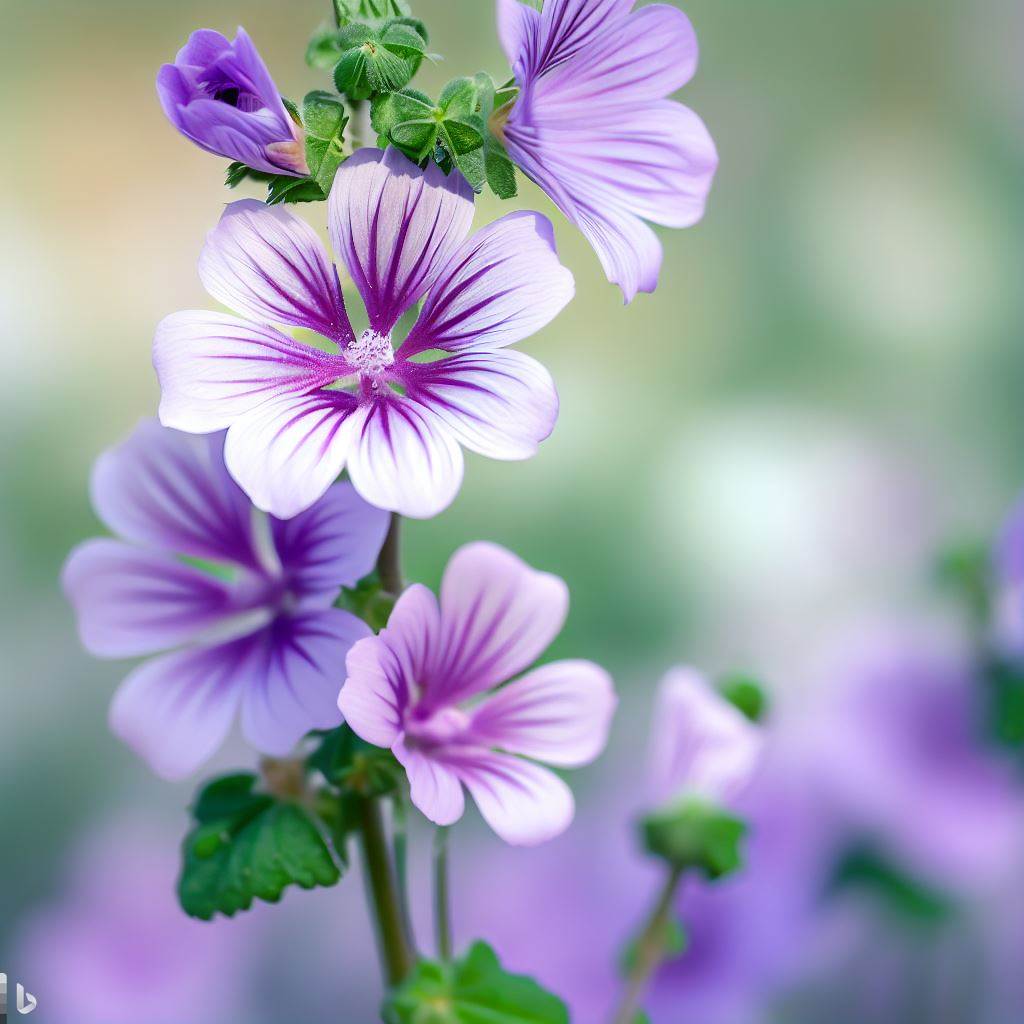
High Mallow (Malva sylvestris var. mauritiana)

High mallow is a variant of common mallow that often has more deeply lobed leaves and larger flowers. The plant’s overall appearance and growth habits are like those of common mallow. It shares the rounded, palmate leaves, velvety texture, and attractive flowers with its counterpart.
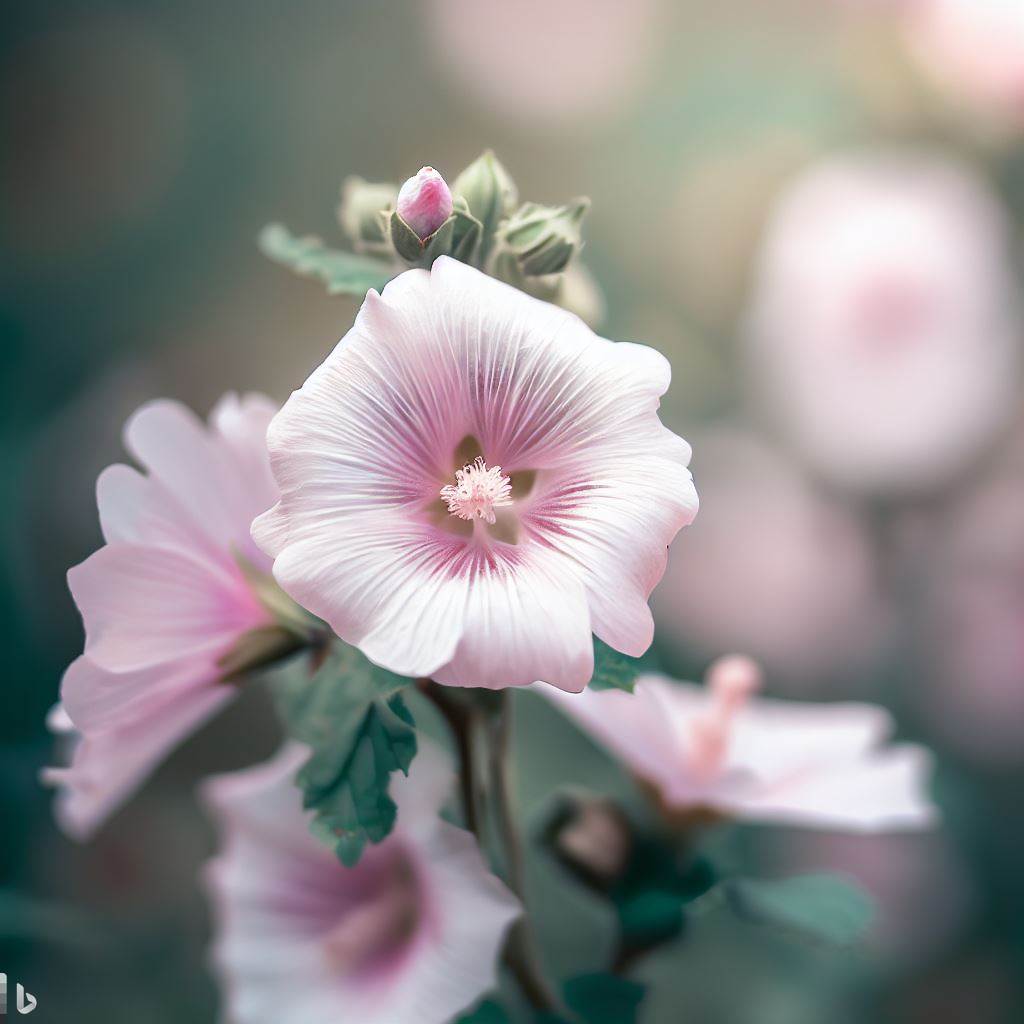
Marsh Mallow (Althaea officinalis)

Marsh mallow is another noteworthy species within the mallow family. It is a tall perennial herb known for its medicinal properties. Marsh mallow features heart-shaped leaves with toothed edges and a slightly fuzzy texture. The plant produces pale pink or white flowers with five petals. The root of marsh mallow has been historically used for its mucilaginous properties.
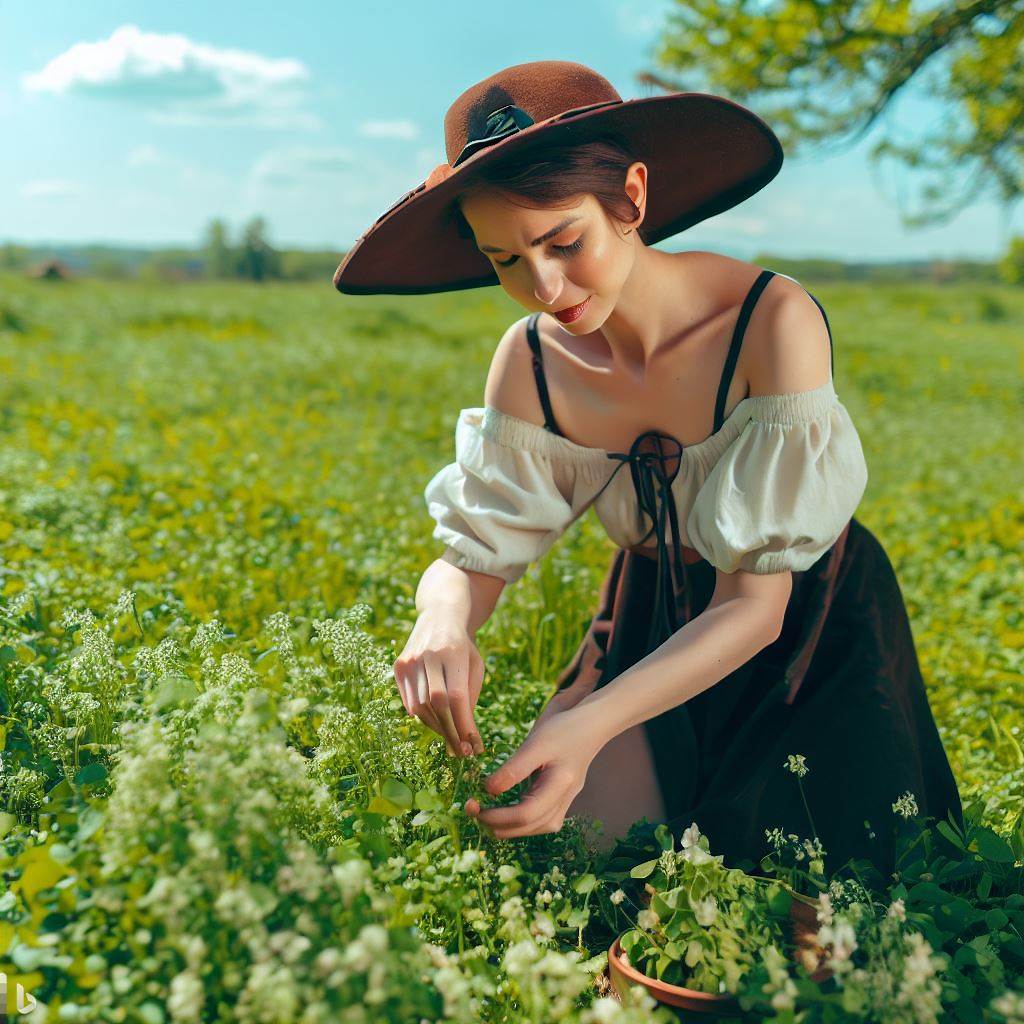

Despite the differences in species, all mallow variants share common characteristics. These include the rounded, palmate leaves with toothed edges, attractive flowers with multiple petals, and the presence of disc-shaped fruits. These distinctive features contribute to the ease of identifying mallow during foraging excursions, allowing for confident and accurate harvests of this versatile plant.

Identifying Mallow

Identifying mallow during your foraging adventures is a rewarding endeavor, thanks to its unique and distinguishable features. The following characteristics will help you confidently recognize and differentiate mallow from other plants:

Leaf Structure: Mallow exhibits rounded, palmate leaves that grow alternately along the stems. These leaves are characterized by toothed edges, giving them a scalloped appearance. One distinct quality of mallow leaves is their often velvety or softly hairy texture, providing a tactile sensation when touched. Leaf size may vary depending on the species, with some displaying larger leaves than others.

Attractive Flowers: Mallow boasts beautiful flowers composed of five distinct petals. The colors of mallow flowers span a range from pale pink to deep purple, creating a visually pleasing display. The petals themselves often have prominent veins running through them, enhancing their allure. At the center of the flower, you will find a column of fused stamens, an integral part of mallow’s reproductive structure.

Fruiting Stage: After successful pollination, mallow develops disc-shaped fruits that contain numerous seeds. These fruits have a distinct appearance and can be observed following the flowering stage. The disc-shaped fruits are a characteristic feature of mallow, contributing to its unique visual identity.

When searching for mallow, keep an eye out for these identifying features. The rounded, palmate leaves with toothed edges and velvety texture, attractive flowers with noticeable veins and fused stamens, and the presence of disc-shaped fruits will aid you in accurate mallow identification. By familiarizing yourself with these distinguishing characteristics, you can confidently embark on foraging expeditions and make the most of this versatile plant’s culinary and medicinal potential.

Habitat and Foraging Locations

Mallow’s adaptability allows it to thrive in diverse habitats, making it a common sight for foragers in various locations. Understanding its preferred environments will help guide you to find and harvest mallow successfully. Here are some insights into the habitat and foraging locations of mallow:

Wide Range of Habitats: Malva species, including common mallow, can be found in a wide range of habitats. Look for mallow plants along roadsides, meadows, waste areas, fields, and disturbed sites. It has a remarkable ability to colonize different habitats, making it a versatile plant to forage.

Soil and Sun Preferences: Mallow thrives in well-drained soil conditions, preferring soil that is not overly waterlogged. It can tolerate various soil types, including sandy, loamy, or clay soils. Look for mallow plants in areas with good drainage. Mallow also prefers locations that receive ample sunlight, although it can tolerate partial shade as well.

Disturbed Areas and Gardens: Common mallow is known for its adaptability to disturbed areas and gardens. It readily colonizes areas that have undergone human activity or disruption, such as construction sites or abandoned lots. This adaptability makes common mallow a frequent resident in gardens and cultivated areas, where it often appears as a weed.

When embarking on a mallow foraging expedition, explore roadsides, meadows, waste areas, and fields. Pay attention to areas with well-drained soil and adequate sunlight. Common mallow’s affinity for disturbed areas and gardens presents additional opportunities for finding this versatile plant. However, it is important to practice responsible foraging and obtain permission before harvesting from private or protected lands.

Remember to be mindful of local regulations and restrictions on foraging in specific areas. Avoid areas that may have been treated with herbicides or pesticides, as these chemicals can pose risks to your health and the environment. By respecting the natural habitats and following ethical foraging practices, you can enjoy the abundance of mallow while preserving its presence in the ecosystem.

Culinary and Medicinal Uses

Discover the culinary possibilities

Mallow’s culinary versatility has been appreciated for centuries, with its young leaves, tender shoots, and flowers lending themselves to a wide range of delicious dishes. Discover the culinary possibilities of mallow and explore its flavorsome potential:

  • Young Leaves and Tender Shoots: Mallow’s young leaves and tender shoots are edible and offer a mild, slightly tangy flavor with a pleasing texture. These tender parts of the plant can be harvested and used in various ways. Consider incorporating them into salads, where they add a fresh and unique element. Mallow leaves can also be cooked as a vegetable, similar to spinach or other leafy greens, and make a delightful addition to stir-fries, sautés, or steamed dishes. Their mild taste makes them a versatile ingredient, blending well with other flavors.
  • Soups and Stews: Mallow’s leaves and shoots can lend themselves perfectly to soups and stews, adding a nutritious and delicate touch. Simply chop the leaves or shoots and include them in your favorite soup or stew recipes. Mallow’s mild flavor allows it to harmonize with a variety of ingredients, enhancing the overall taste and texture of the dish.
  • Decorative Salad Addition: Mallow flowers make a charming and decorative addition to salads. Their vibrant colors and delicate petals can enhance the visual appeal of your salad creations. Gently sprinkle the flowers over your salad, combining them with other fresh ingredients for an aesthetically pleasing and flavorful dish.
  • Herbal Teas: Mallow flowers can also be used to create delightful herbal teas. Steep the flowers in hot water for a few minutes, allowing their delicate flavors to infuse into the tea. The resulting brew offers a subtle and soothing taste, making it a pleasant beverage option.
  • When foraging mallow for culinary purposes, ensure that you select young, healthy leaves and shoots. It is advisable to harvest from clean, uncontaminated areas, away from roadsides or places where chemicals may have been applied. Thoroughly wash the harvested mallow before use to remove any dirt or debris.

As always, it is essential to practice responsible foraging and obtain permission when harvesting from private or protected lands. Furthermore, consult reliable foraging guides or local experts to ensure proper plant identification and to familiarize yourself with any specific guidelines or regulations pertaining to foraging in your region.

By incorporating mallow into your culinary adventures, you can savor its unique flavors, experiment with new recipes, and appreciate the nourishing qualities of this versatile plant.

Explore the medicinal potential

Mallow has a rich history of traditional medicinal uses, thanks to its soothing and beneficial properties. The plant’s mucilaginous nature makes it particularly valued in herbal remedies. Explore the medicinal potential of mallow and discover how it can be used to support health and well-being:

  • Soothing and Demulcent Properties: Mallow is renowned for its soothing and demulcent qualities, which can provide relief for various ailments. The mucilage present in mallow leaves helps to form a protective layer that soothes irritated tissues. As a result, mallow is often used to alleviate sore throats, coughs, and respiratory discomfort. Infusing mallow leaves to create a soothing tea is a common way to harness its medicinal benefits.
  • Respiratory and Gastrointestinal Support: Mallow’s soothing properties extend to the respiratory and gastrointestinal systems. When used as a tea or incorporated into herbal preparations, mallow leaves can help ease respiratory conditions, such as bronchitis or coughs. It may also provide relief from digestive complaints, including heartburn, indigestion, and gastritis. Mallow is believed to have a calming effect on inflamed tissues, aiding in their healing and promoting overall gastrointestinal comfort.
  • Anti-inflammatory Effects: Mallow is recognized for its potential anti-inflammatory properties, which can be beneficial for a variety of conditions. Its soothing action helps to reduce inflammation and alleviate discomfort. Mallow preparations, including teas and poultices, may be used topically to provide relief for minor skin irritations, rashes, or insect bites. The anti-inflammatory effects of mallow make it a valuable herb for promoting skin health and soothing external ailments.
  • Diuretic and Detoxifying Effects: Mallow has diuretic properties, which means it can help promote urine production and assist with flushing toxins from the body. This makes mallow beneficial for supporting kidney and urinary tract health. As a natural diuretic, mallow may aid in reducing water retention and supporting overall detoxification processes.

It is important to note that while mallow has a long history of traditional use, scientific studies on its medicinal properties are limited. As with any herbal remedy, it is advisable to consult with a healthcare professional before incorporating mallow or any herbal supplement into your healthcare routine, especially if you have underlying health conditions or are taking medications.

Mallow’s soothing and beneficial properties, along with its potential anti-inflammatory and diuretic effects, make it a valuable herb for supporting respiratory, gastrointestinal, and overall well-being. However, individual responses to herbal remedies can vary, and it is always important to exercise caution and seek professional advice when using mallow for medicinal purposes.

Magical Properties

Mallow, steeped in magical lore and folk traditions, is believed to possess mystical properties that have fascinated people across cultures. Immerse yourself in the enchanting world of mallow’s magical associations and discover its potential in various mystical practices:

  • Protection, Love, and Abundance: Mallow is often associated with attracting protection, love, and abundance. In folklore, it is believed that carrying or wearing mallow can create a shield of spiritual and energetic protection, warding off negative influences and energies. Mallow is also thought to enhance feelings of love, attracting romantic connections, and strengthening existing relationships. Additionally, mallow is associated with abundance, with some traditions utilizing it in rituals or spells to invite prosperity and material blessings.
  • Enhancing Psychic Abilities: Mallow has long been regarded as a plant that enhances psychic abilities and intuition. It is believed to aid in developing and strengthening one’s spiritual connection and psychic awareness. Some practitioners incorporate mallow into rituals, meditations, or divination practices to deepen their intuitive insights and open channels of communication with the spiritual realm.
  • Love Sachets and Charms: Mallow flowers, with their delicate beauty, are highly regarded as love magic and spellwork. They are often included in love sachets or charms to attract love, foster romance, and strengthen relationships. Mallow flowers can be gathered and dried, then incorporated into sachets or talismans to carry with you or place in your living space, infusing it with the energy of love and passion.
  • Barrier Against Negative Energies: Mallow is believed to possess protective qualities that can create a barrier against negative energies and psychic attacks. Some traditions use mallow in rituals or spells to shield oneself from harmful influences, ward off evil spirits, or create a space of energetic purity. Mallow’s presence is thought to repel negativity and create a harmonious and spiritually balanced environment.

When working with mallow’s magical properties, it is important to approach these practices with reverence and respect. Connect with the plant’s energy through rituals, spells, or personal intentions aligned with your beliefs and traditions. Always remember that the true power lies within your intentions and the energy you bring to your magical practices.

It is essential to note that magical associations and practices may vary across cultures and individual beliefs. As with any magical or spiritual practice, it is advisable to exercise personal discernment, conduct thorough research, and follow ethical guidelines. Embrace the magical realm of mallow with mindfulness and a deep appreciation for the natural world and its profound energies.

Safety Considerations

Safety is paramount when foraging, and although mallow is generally considered safe, it is crucial to be aware of certain safety concerns. By taking proper precautions, you can enjoy the benefits of mallow while prioritizing your well-being. Here are some important safety considerations to keep in mind:

  • Proper Identification: Accurate identification is crucial when foraging for mallow, as some plants may resemble mallow but have different properties. It is recommended to consult reliable foraging guides or seek guidance from local experts who can assist in identifying mallow correctly. Pay close attention to the distinct features of mallow, such as its rounded, palmate leaves, toothed edges, velvety texture, and five-petaled flowers.
  • Avoid Contaminated Areas: When foraging mallow, it is important to avoid areas that may have been sprayed with pesticides, herbicides, or other chemicals. These substances can pose health risks if consumed or applied to the skin. Steer clear of areas near roadsides, industrial sites, or places with a likelihood of contamination. Aim to gather mallow from clean and uncontaminated environments.
  • Allergies and Medical Conditions: Individuals with known allergies or medical conditions should exercise caution when using mallow. Some people may have sensitivities to mallow or other plants in the Malvaceae family. If you have known allergies or medical conditions, it is advisable to consult with a healthcare professional before using mallow medicinally or incorporating it into your diet. They can provide personalized guidance based on your specific health circumstances.
  • Disclaimer Regarding Medical Safety: It is important to note that the information provided in this article is for educational purposes only and should not replace professional medical advice. While mallow has a long history of traditional use and perceived health benefits, scientific studies on its safety and efficacy are limited. Individual responses to mallow can vary, and it is always advisable to consult with a healthcare professional before using mallow for medicinal purposes, especially if you have underlying health conditions or are taking medications.

By adhering to these safety considerations, you can ensure a safe and enjoyable foraging experience with mallow. Proper identification, avoiding contaminated areas, and consulting healthcare professionals when necessary are essential practices to safeguard your well-being. Always prioritize your health and make informed decisions regarding the consumption or use of mallow for medicinal purposes.

Additionally, remember to respect local regulations and guidelines related to foraging. Obtain permission when foraging on private or protected lands, and practice ethical foraging by harvesting in a sustainable manner that allows the plant populations to thrive for future generations.

Conclusion

Mallow, with its recognizable features, diverse culinary uses, and potential medicinal benefits, offers a wealth of opportunities for foragers and enthusiasts of natural remedies. However, responsible foraging practices, accurate identification, and understanding of safety considerations are crucial. Whether exploring its magical properties, enjoying its culinary versatility, or harnessing its healing potential, mallow invites us to appreciate the wonders of the natural world while prioritizing our well-being.

Posted on Leave a comment

Foraging: Discovering the Wonders of Chickweed

Reading Time: 9 minutes

Introduction

A Comprehensive Guide to Foraging and Utilizing this Versatile Plant

Chickweed (Stellaria media) is a delightful and prolific wild edible plant that has been cherished for its culinary and medicinal properties for centuries. This article aims to provide a detailed exploration of chickweed, including its variants, appearance, foraging locations, culinary applications, health benefits, magical properties, and safety considerations.

Variants and Appearance:

Chickweed, a member of the Caryophyllaceae family, exhibits distinctive traits that make it easily recognizable in its various variants.

Common Chickweed:

The most common variant, Stellaria media, is often referred to as common chickweed and holds widespread recognition. It features delicate, succulent stems that sprawl along the ground, forming dense mats or carpets of greenery. The leaves of common chickweed are smooth and bright green, with an oval shape and a single prominent vein running down the center. This variant bears small, star-shaped white flowers, each consisting of five deeply cleft petals. After flowering, common chickweed produces small cylindrical seed capsules that contain numerous tiny seeds, allowing for its efficient propagation.

Mouse-ear Chickweed:

Another variant, known as mouse-ear chickweed (Cerastium fontanum), shares some similarities with common chickweed in terms of appearance. Mouse-ear chickweed also exhibits succulent stems, but its leaves possess a distinctive characteristic that resembles the ears of a mouse, giving the plant its name. These leaves are densely covered in fine hairs, which create a fuzzy texture when touched. Mouse-ear chickweed also produces white flowers, albeit with slightly broader petals compared to common chickweed.

Lesser Stitchwort:

A less commonly encountered variant, known as lesser stitchwort (Stellaria graminea), shares similar features with its chickweed counterparts. It possesses delicate stems, smooth leaves, and white star-shaped flowers. However, the leaves of lesser stitchwort are notably narrower and have a more grass-like appearance, resembling blades rather than the rounded shape of common chickweed.

Despite these variations, all the chickweed variants mentioned share common characteristics such as low-growing habit, succulent nature, and small, star-shaped white flowers. Their appearance and growth patterns make them readily identifiable during foraging excursions, allowing for confident and accurate harvests of this versatile plant.

Identifying Chickweed:

Identifying chickweed during your foraging adventures is crucial to ensure accurate and safe harvests. By paying attention to its distinct features, you can confidently differentiate chickweed from other similar-looking plants. Here are key characteristics to look for when identifying chickweed:

  • Leaves: Chickweed boasts opposite leaves that grow in pairs along its tender stems. The leaves are oval-shaped, smooth, and vibrant green in color. They possess a succulent texture and often feature a single prominent vein running down the center. These leaves are tender and palatable, making them ideal for culinary use.
  • Flowers: Chickweed produces delicate white flowers that are small but highly distinctive. The flowers consist of five deeply cleft petals arranged in the shape of a star. These charming blooms add beauty to the plant and serve as a helpful identification marker during its flowering stage.
  • Seed Capsules: Following the blooming phase, chickweed develops into small cylindrical seed capsules. These capsules contain numerous tiny seeds, allowing for the plant’s widespread propagation. The presence of these capsules further aids in confirming the identity of chickweed during its lifecycle.
  • Growth Habit: Chickweed is a low-growing plant that tends to form dense mats or carpets on the ground. It thrives in moist environments and can reach heights of 6 to 12 inches. Its sprawling nature allows it to cover large areas, creating a noticeable presence in its preferred habitats.

By familiarizing yourself with these identifying characteristics, you can confidently differentiate chickweed from other similar plants during your foraging endeavors. Remember to consider factors such as leaf arrangement, leaf shape, flower appearance, seed capsules, and growth habit to ensure accurate identification. Such knowledge empowers you to effectively locate and harvest this versatile plant for culinary and medicinal purposes.

Habitat and Foraging Locations:

Chickweed’s adaptability and resilience make it a versatile plant that can be found in a variety of habitats, providing ample opportunities for foraging. Understanding its preferred environments will enhance your chances of locating and harvesting this abundant plant. Here are some key insights into the habitat and foraging locations of chickweed:

  • Moist, Fertile Soil: Chickweed thrives in moist and fertile soil conditions. It favors areas with adequate moisture, but not overly waterlogged. Locations with good drainage and rich organic matter are ideal for its growth. It is commonly found in gardens, lawns, fields, and meadows where the soil retains moisture and nutrients.
  • Diverse Habitats: Chickweed is adaptable and can be found in various habitats. You may encounter it in woodland edges, along forest paths, and in disturbed areas such as roadside verges or abandoned lots. It prefers areas with ample sunlight but can tolerate partial shade as well.
  • Cool-Season Plant: Chickweed is a cool-season plant, emerging in early spring and continuing to flourish until late autumn. It is often one of the first green plants to emerge after winter, heralding the arrival of spring. Its ability to thrive during cooler temperatures makes it a valuable foraging resource during the shoulder seasons.
  • Global Distribution: Due to its adaptability and ability to grow in diverse conditions, chickweed can be found in many regions worldwide. Whether you’re in North America, Europe, Asia, or other temperate regions, chances are you’ll come across chickweed in your local foraging expeditions.

When exploring for chickweed, keep an eye out for its low-growing habit and dense mats or carpets that cover the ground. Moist and fertile areas, such as gardens, lawns, fields, and disturbed sites, are prime locations to discover this resilient plant. Be mindful of local regulations and avoid foraging in areas that may have been treated with pesticides or chemicals. With an understanding of its preferred habitats, you can embark on rewarding chickweed foraging adventures and take advantage of its culinary and medicinal benefits.

Culinary and Medicinal Uses:

Delectable Culinary uses:

Culinary enthusiasts and foragers alike appreciate chickweed for its nutritional value and versatility in the kitchen. With its mild and fresh flavor, this herb offers a range of culinary possibilities. Here are some delectable culinary uses of chickweed to explore:

  • Salads and Sandwiches: The tender young leaves and stems of chickweed make a delightful addition to salads and sandwiches. Their crisp texture and mild taste provide a refreshing element to your culinary creations. Simply rinse the chickweed thoroughly, remove any tough stems, and toss it into your favorite salad or sandwich for added nutrition and a touch of vibrant green.
  • Stir-fries and Sautéed Dishes: Chickweed’s succulent nature allows it to retain its shape and texture when cooked, making it a fantastic ingredient for stir-fries and sautéed dishes. Add chickweed towards the end of cooking to preserve its delicate flavor and bright appearance. Pair it with other vegetables, meats, or tofu for a nourishing and visually appealing meal.
  • Vegetable Side Dishes: Consider incorporating chickweed into vegetable side dishes to elevate their nutritional value and taste. Sauté chickweed with garlic, olive oil, and a pinch of salt for a simple and flavorful side dish. You can also steam or blanch chickweed briefly to retain its vibrant color and serve it alongside roasted or grilled main courses.
  • Soups and Stews: Chickweed can be a valuable addition to soups and stews, imparting its subtle flavor and enhancing the overall nutritional profile. Toss a handful of chickweed into vegetable, chicken, or lentil soups during the last few minutes of cooking. The gentle simmering will soften the leaves while preserving their delicate taste and appearance.
  • Herbal Infusions and Pestos: For a unique twist, experiment with using chickweed in herbal infusions and pestos. Combine fresh chickweed leaves with other aromatic herbs like basil, parsley, or mint to create flavorful herbal teas or infusions. Additionally, blend chickweed with garlic, nuts, olive oil, and Parmesan cheese to make a vibrant and nutritious pesto sauce that can be enjoyed with pasta, bread, or as a dip.

Chickweed’s mild and versatile flavor allows it to complement a wide array of ingredients and dishes. From fresh salads to cooked preparations, its nutritional richness and delicate taste make it a valuable culinary resource for those seeking to incorporate wild edibles into their meals. As always, ensure that you forage from clean and uncontaminated areas, and thoroughly wash the chickweed before use.

Common Medicinal uses:

Chickweed’s medicinal properties have been recognized for centuries, and it has been utilized as a valuable herbal remedy for various ailments. The soothing and cooling qualities of chickweed make it particularly beneficial in the realm of natural medicine. Here are some common medicinal uses of chickweed:

  • Topical Relief for Skin Irritations: Chickweed has long been employed as a topical remedy for skin irritations, including rashes, eczema, itching, and minor burns. The leaves of chickweed can be crushed and applied directly to affected areas as a poultice. The cooling and anti-inflammatory properties of chickweed are believed to help alleviate discomfort and promote healing.
  • Infusions and Oils for External Use: Chickweed can be infused into oils, creams, or salves to create soothing preparations for external use. Infusing chickweed into carrier oils like olive oil or coconut oil can yield a soothing and nourishing oil blend. These infused oils can be applied topically to alleviate skin conditions or provide relief to dry, itchy skin.
  • Anti-Inflammatory Properties: Chickweed is believed to possess anti-inflammatory properties, which may help reduce inflammation and swelling. This makes it potentially useful for conditions such as arthritis, joint pain, and inflamed skin conditions. Applying chickweed-infused preparations or poultices may help soothe these inflammatory issues.
  • Diuretic Effects: Chickweed is also recognized for its diuretic properties, which can help promote healthy urinary tract function and alleviate water retention. It may be beneficial in cases of mild edema or as a supportive measure for urinary tract health. As with any diuretic, it is important to maintain proper hydration while using chickweed.
  • Digestive Support: Some herbal traditions consider chickweed as a digestive aid. It is believed to have a gentle and soothing effect on the digestive system, potentially aiding in relieving symptoms such as indigestion, bloating, and mild gastrointestinal discomfort. Chickweed infusions or herbal teas may be consumed to support digestive health.

It is worth noting that while chickweed has a long history of traditional use, scientific studies exploring its medicinal properties are limited. As with any herbal remedy, it is advisable to consult with a healthcare professional before incorporating chickweed or any herbal supplement into your healthcare routine, especially if you have underlying health conditions or are taking medications.

Chickweed’s reputation as a soothing herb with potential anti-inflammatory, diuretic, and digestive properties contribute to its appeal as a natural remedy. However, individual experiences and responses to herbal remedies can vary, and it is important to exercise caution and seek professional advice when using chickweed for medicinal purposes.

Magical Properties:

In addition to its practical uses, chickweed holds a special place in the realm of magic and folklore. Throughout history, it has been revered for its perceived magical properties and is believed to bring forth positive energies and protective influences. Here are some of the magical associations and practices associated with chickweed:

  • Abundance and Prosperity: Chickweed has long been associated with attracting abundance and prosperity. In folk magic, it is believed that carrying or wearing chickweed can help manifest financial success, growth, and overall abundance in one’s life.
  • Love and Romance: Chickweed is often utilized in love spells and rituals. It is believed to have the power to kindle or enhance romantic feelings, making it a popular herb for love magic. Some traditions suggest placing chickweed beneath the pillow to inspire dreams of love or incorporating it into love potions and charms.
  • Protection and Warding: Chickweed is considered to possess protective properties in various magical traditions. Carrying a sachet filled with dried chickweed is believed to provide protection against negativity, evil spirits, and ill intentions. It is also thought to create a shield of positive energy around the bearer.
  • Healing and Well-Being: Chickweed’s reputation for soothing and cooling properties extends into the magical realm. It is associated with healing and promoting overall well-being, both physically and spiritually. Some believe that incorporating chickweed into rituals or spells can aid in emotional healing, stress relief, and balancing energies.
  • Spiritual Cleansing: Chickweed is sometimes used in rituals and practices focused on spiritual cleansing and purification. It is thought to assist in clearing away negative energies and promoting spiritual growth and harmony. Including chickweed in ritual baths, smudging, or herbal cleansing blends can enhance these spiritual practices.

It is important to note that the magical properties attributed to chickweed are rooted in folklore and personal beliefs. The power of these magical associations lies in the intentions and energy of the practitioner. As with any magical or spiritual practice, respect and mindfulness should be exercised when working with chickweed or any other herb for magical purposes.

Remember to approach magical practices with reverence, ethical considerations, and an understanding of the cultural and historical context behind them. Incorporating chickweed into your magical pursuits can add a touch of enchantment and symbolism to your rituals, spells, and personal practices.

Safety Considerations:

Safety should always be a top priority when foraging, and this applies to chickweed as well. While chickweed is generally safe for consumption, it is crucial to follow certain safety considerations to ensure a positive foraging experience. Here are some key safety guidelines to keep in mind:

  • Proper Identification: Accurate identification of chickweed is essential before harvesting and consuming it. Although chickweed has distinct characteristics, it can sometimes be confused with similar-looking plants. Consult reliable foraging guides, local experts, or experienced foragers to ensure accurate identification and avoid any potential misidentification.
  • Harvesting from Contamination-Free Areas: Chickweed should be harvested from areas free of contamination, such as pesticides, pollutants, and heavy metals. Avoid foraging near roadsides, industrial sites, or areas where there is a likelihood of contamination. Choose locations away from high traffic areas and chemical applications to ensure the purity of the plants you harvest.
  • Allergies and Medication Interactions: It is important to be aware of potential allergies or interactions with existing medications when consuming chickweed or any other wild plant. Some individuals may have sensitivities or allergies to certain plants, including chickweed. If you have known allergies or are taking medications, consult with a healthcare professional before incorporating chickweed into your diet or medicinal routine.
  • Disclaimer Regarding Medical Safety: It is important to note that the information provided in this article is for educational purposes only and should not replace professional medical advice. While chickweed has a long history of traditional use and perceived health benefits, scientific studies on its safety and efficacy are limited. Individual responses to chickweed can vary, and it is always advisable to consult with a healthcare professional before using chickweed for medicinal purposes, especially if you have underlying health conditions or are taking medications.

By adhering to these safety considerations, you can ensure a safe and enjoyable foraging experience with chickweed. Prioritize proper identification, harvest from clean areas, be mindful of allergies and medication interactions, and seek professional medical advice when necessary. Responsible foraging practices and informed decision-making are key to enjoying the benefits of chickweed while maintaining your well-being.

Conclusion:

Chickweed, with its tender leaves, delicate flowers, and numerous health benefits, offers an abundance of culinary and medicinal possibilities. Its availability in diverse habitats and versatility in the kitchen make it an excellent addition to foragers’ repertoires. However, responsible foraging, accurate identification, and cautious use are crucial to ensure a safe and enjoyable experience. So, embrace the wonders of chickweed, both in your kitchen and in your exploration of the natural world.