Posted on Leave a comment

Recipe: Cheese and Honey Pairing

Cheese and Honey Pairing

Introduction

A Sweet and Savory Nod to Fertility and Prosperity

The Feast of Milk is a sacred celebration of fertility, sustenance, and the renewal of life. Closing the meal with a Cheese and Honey Pairing Mignardise brings balance and harmony to the table. This simple yet elegant pairing marries the richness of cheese with the sweetness of honey, symbolizing prosperity, abundance, and the interconnectedness of nature’s gifts.

Explore the full 12-Course Feast

The Magic of Cheese and Honey Pairing

Cheese and honey have long been seen as divine gifts, representing fertility, wealth, and the harmony of opposites. For Imbolc, this pairing serves as a beautiful metaphor for balance—cheese, born of milk, reflects the nurturing qualities of the Earth, while honey captures the sweet promise of abundance.

By intentionally choosing complementary cheese and honey varieties, this dish becomes a ritual in itself, honoring the cycles of life and the labor of both humans and nature. It is a sweet farewell to the feast, reminding us of the blessings that Imbolc ushers in and the light that grows stronger with each day.

Spell for Prosperity and Harmony

Intent: To invite abundance, balance, and sweetness into your life.

  1. Arrange the cheese and honey on a platter with care, focusing on balance and beauty.
  2. Light a golden or white candle as a symbol of renewal and growth.
  3. Recite:

“By Earth’s bounty and golden delight,
Prosperity flows, sweet and bright.
Balance and harmony, here we see,
Blessings of life, so mote it be.”

  1. Share this pairing with loved ones, letting each bite carry the energy of your intentions.

Magical Properties of Cheese and Honey Pairing

  • Cheese: Represents fertility, grounding, and the nurturing energy of the Earth.
  • Honey: Symbolizes sweetness, abundance, and the blessings of nature.
  • Fresh Herbs (thyme, rosemary, or basil): Add protection, harmony, and renewal to the pairing.
  • Edible Flowers (optional): Embody beauty, love, and the connection to nature.

Cheese and Honey Pairing Mignardise
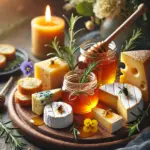
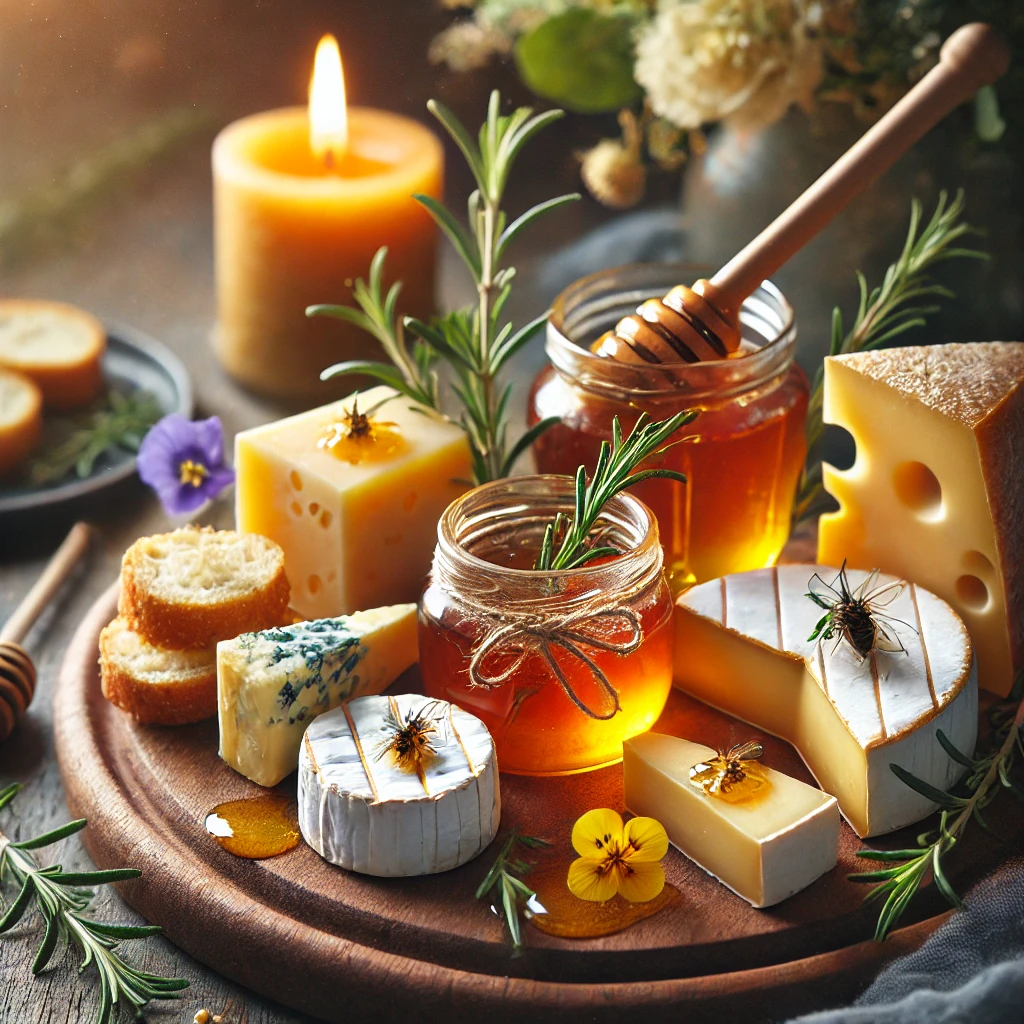
A simple yet elegant pairing of cheeses and honeys to symbolize balance, fertility, and the promise of abundance.

  • Serving platter
  • Cheese knife
  • Honey dipper
  • 2 oz Brie cheese (For its creamy, nurturing texture.)
  • 2 oz Aged cheddar (For its sharp, grounding flavor.)
  • 2 oz Blue cheese (optional (For its bold, distinctive taste.))
  • 2 oz Goat cheese (optional (For its tangy, fresh quality.))
  • 2 tbsp Clover honey (Light and floral.)
  • 2 tbsp Orange blossom honey (optional (Bright and citrusy.))
  • 2 tbsp Wildflower honey (optional (Complex and earthy.))
  • 1 sprig Fresh rosemary or thyme (optional (For garnish and protection.))
  • A few Edible flowers (optional (For decoration and beauty.))

Step 1: Select and Prepare the Cheese

  1. Choose 2-4 types of cheese that complement each other in flavor and texture.
  2. Slice or cube the cheese into small, bite-sized portions for easy pairing.

Step 2: Arrange the Platter

  1. Place the cheeses on a serving platter, spacing them apart for aesthetic appeal.
  2. Spoon the honeys into small bowls or directly onto the platter near their respective cheeses.

Step 3: Add Garnishes

  1. Garnish the platter with fresh herbs and edible flowers for a touch of magic and beauty.

Step 4: Serve

  1. Present the platter as a communal dish for guests to enjoy, inviting them to experiment with different combinations of cheese and honey.
  • Pair the cheeses and honeys thoughtfully—mild cheeses pair well with light honeys, while bold cheeses benefit from more complex honey flavors.
  • Serve with small slices of crusty bread or crackers if desired.
Mignardise
Imbolc
Feast, Recipe

Conclusion

This Cheese and Honey Pairing Mignardise is the perfect way to conclude the Feast of Milk, honoring the fertility and balance of Imbolc. With its harmonious blend of flavors, it embodies the themes of renewal and abundance, offering a sweet reminder of the blessings to come. May this dish bring warmth, joy, and prosperity to your table as you celebrate the light’s return and the promise of spring.
Posted on Leave a comment

Recipe: Maple Roasted Brussels Sprouts and Carrots

Maple Roasted Brussels Sprouts and Carrots

Introduction

A Sweet and Savory Side for Mother’s Night

On Mother’s Night, the opening of the Yule season, we honor the nurturing feminine energies that bring warmth and comfort during the darkest time of the year. As the feast begins, pairing your main dish with the perfect side is essential for creating a well-rounded meal. This Maple Roasted Brussels Sprouts and Carrots dish, with its blend of sweet, savory, and earthy flavors, complements a hearty pork roast and celebrates winter’s bounty. By using seasonal vegetables and warming spices, this dish brings balance, joy, and a touch of sweetness to your Mother’s Night celebration.

The Magic of Maple Roasted Brussels Sprouts and Carrots

Mother’s Night is a time to honor the nurturing energy of the Divine Mother and female ancestors, while embracing the hearth and home. Root vegetables and winter greens symbolize stability, growth, and protection during this reflective season. Carrots represent clarity and vision, helping to bring forth the light within the darkness. Brussels sprouts, a symbol of growth and fortitude, align with the strengthening energies needed to endure the long winter months.

The sweetness of maple syrup represents the unity and joy we celebrate during Yule, while the grounding nature of the olive oil and spices brings a sense of comfort and connection to the earth. Roasting these vegetables transforms their flavors, bringing out their natural sweetness and earthiness, making this dish both nourishing and symbolic of the winter solstice.

Spell for Unity and Warmth

As you prepare this dish, focus on creating a warm and loving environment for family and friends.

  1. Light a green or gold candle to represent unity, joy, and abundance.
  2. As you mix the vegetables and maple syrup, visualize love and warmth filling your home.
  3. While spreading the vegetables on the roasting pan, chant:

“Roots of earth, greens of might,
Unity and warmth on this Yule night.
Sweetness flows and hearts entwine,
Love and joy for all to shine.”

Serve the dish with gratitude, allowing its energy to spread warmth, joy, and unity to those who partake in the feast.

Magical Properties of Maple Roasted Brussels Sprouts and Carrots

Rosemary: An herb for remembrance, clarity, and protection. It enhances the warming qualities of the dish and brings a sacred touch to the feast.

Brussels Sprouts: Represent growth, strength, and protection, aiding in endurance and spiritual fortitude during the cold winter.

Carrots: Symbolize clarity, vision, and grounding. Their bright color helps illuminate the path forward during dark times.

Maple Syrup: Associated with sweetness, unity, and abundance, inviting warmth and love into the home.

Olive Oil: Brings peace, protection, and grounding, helping to harmonize the energies within the dish.

Maple Roasted Brussels Sprouts and Carrots

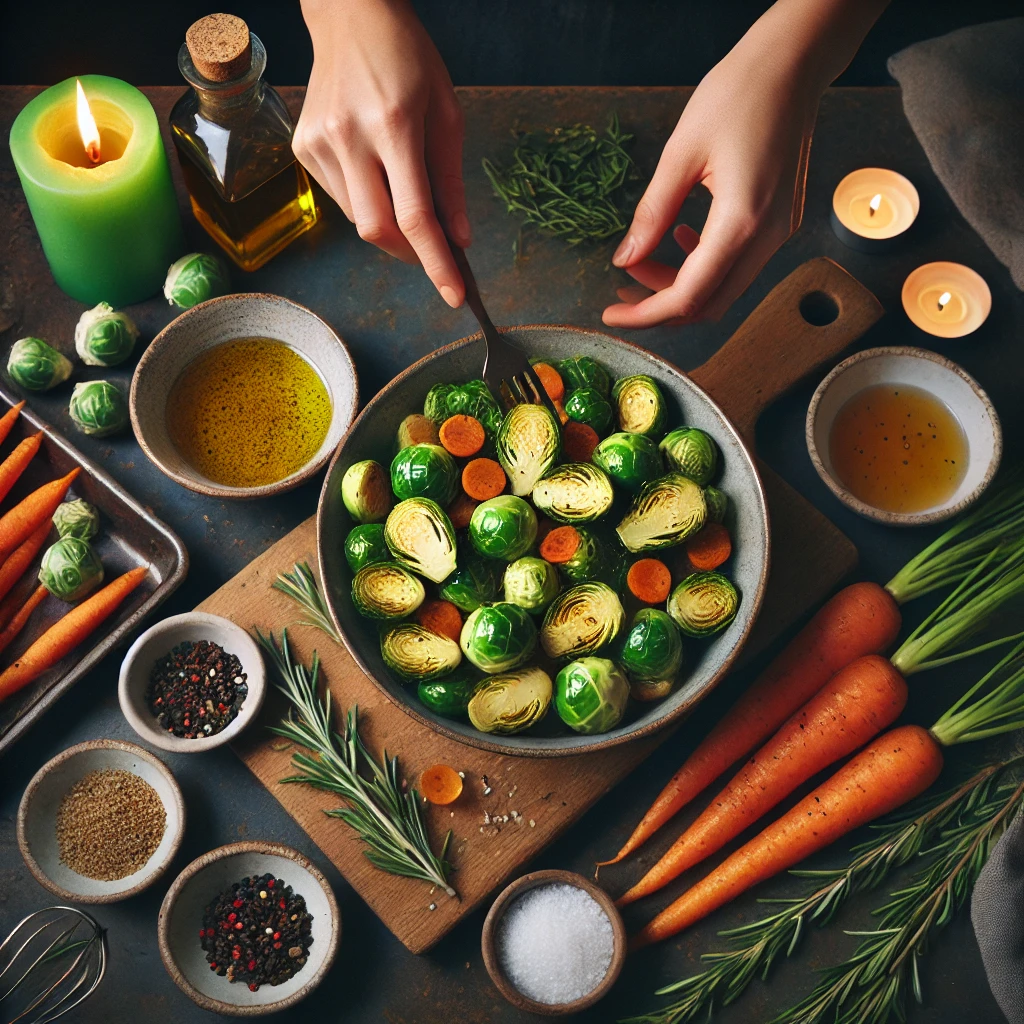
A warm and comforting side dish of roasted Brussels sprouts and carrots tossed in maple syrup and rosemary, perfect for a winter feast.

  • Baking sheet
  • Mixing bowl
  • Knife
  • Cutting board
  • 1 lb brussels sprouts – trimmed and halved (trimmed and halved)
  • 3 large carrots – peeled and sliced into thick coins (peeled and sliced into thick coins)
  • 2 tbsp olive oil
  • 2 tbsp maple syrup
  • 1 tbsp fresh rosemary ( chopped or 1 tsp dried)
  • Salt and pepper (to taste)

Prepare the Vegetables:

  1. Preheat oven to 400°F (200°C).

  2. In a mixing bowl, toss the Brussels sprouts and carrot slices with olive oil, maple syrup, rosemary, salt, and pepper until well coated.

Roast the Vegetables:

  1. Spread the seasoned vegetables in an even layer on a baking sheet.

  2. Roast for 30-35 minutes, stirring halfway through, until the vegetables are tender and caramelized.

Serve:

  1. Once roasted, remove the vegetables from the oven and let cool slightly.

  2. Transfer to a serving dish and enjoy warm as a sweet and savory accompaniment to your Mother’s Night pork dish.

This side dish can be prepared in advance and reheated just before serving. Feel free to add a sprinkle of nuts (like walnuts or pecans) before roasting for extra crunch and flavor. The natural sweetness of the maple syrup balances the earthy taste of Brussels sprouts and carrots, making this dish a perfect match for savory pork.

Appetizer
Mother’s Night, Yule
Recipe

Conclusion

Maple Roasted Brussels Sprouts and Carrots is a delightful and meaningful addition to your Mother’s Night feast, offering a perfect balance of sweet and savory flavors. As you share this dish with loved ones, may it bring warmth, unity, and a sense of nurturing comfort to your Yule celebrations, honoring the sacred feminine and the blessings of the season.

Posted on Leave a comment

Recipe: Honeyed Winter Roasted Vegetables

Making Honeyed Winter Roasted Vegetables

Introduction

A Culinary Symphony on the Seventh Day

On the seventh day of Yuletide, complement the savory notes of Yuletide Lamb Harmony Stew and the intricate beauty of Laufabrauð with a side dish that harmonizes flavors and elevates the feast – Honeyed Winter Roasted Vegetables. This culinary symphony not only tantalizes the taste buds but also encapsulates the essence of Yuletide with its comforting warmth and sweetness. In this article, we’ll explore the ingredients and steps to create Honeyed Winter Roasted Vegetables, delve into the magical properties associated with Yuletide, and craft a spell to infuse your December 26th celebration with a sense of unity and culinary delight.

Spell for Culinary Unity

Before serving Honeyed Winter Roasted Vegetables, gather your guests around the feast and share a moment of gratitude. As you enjoy the culinary symphony, recite a spell such as:

“In Yuletide’s bounty, vegetables sweet,

Honeyed joy, a culinary feat.

Thyme and rosemary, protection near,

Unity and joy, in flavors clear.”

May Honeyed Winter Roasted Vegetables infuse your December 26th celebration with a sense of unity, joy, and culinary delight. Enjoy the harmonious feast!

Magical Properties

Honey: Symbolizes Sweetness and Unity

Honey, a golden elixir, symbolizes sweetness and unity. As a key ingredient in Honeyed Winter Roasted Vegetables, it becomes a magical element that infuses the dish with a luscious sweetness. Its presence symbolizes the unity and togetherness celebrated during Yuletide, adding a touch of joy to each bite.

Thyme and Rosemary: Represent Protection and Clarity

Dried thyme and fresh rosemary represent protection and clarity. As they season the roasted vegetables, these herbs become magical elements that add a layer of protection and clear the energies within the dish. Their presence enhances the overall harmony of the culinary symphony.

Honeyed Winter Roasted Vegetables

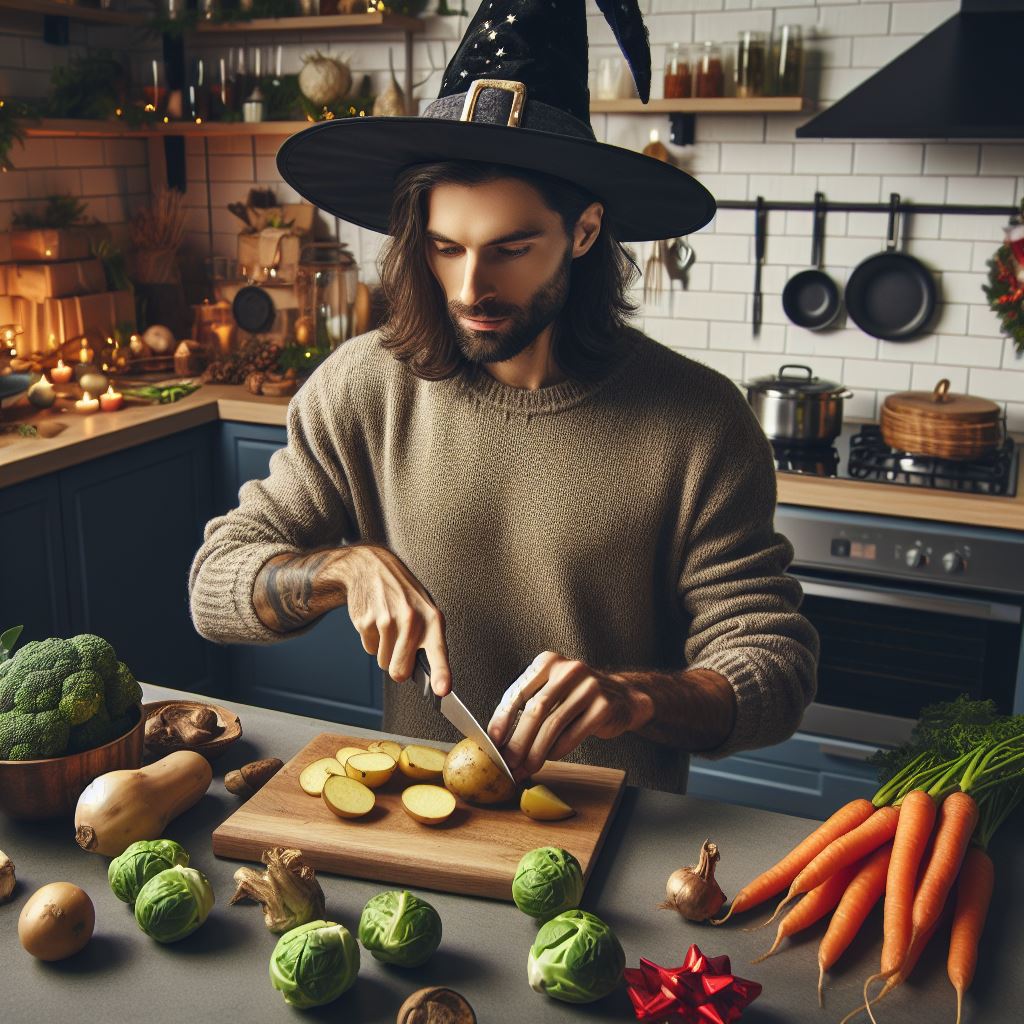
A Culinary Symphony on the Seventh Day – On the seventh day of Yuletide, complement the savory notes of Yuletide Lamb Harmony Stew and the intricate beauty of Laufabrauð with a side dish that harmonizes flavors and elevates the feast – Honeyed Winter Roasted Vegetables. This culinary symphony not only tantalizes the taste buds but also encapsulates the essence of Yuletide with its comforting warmth and sweetness.

  • 1 lb baby potatoes (halved)
  • 2 cups baby carrots
  • 2 cups Brussels sprouts (halved)
  • 1 cup butternut squash (diced)
  • 1 red onion (cut into wedges)
  • 3 tablespoons olive oil
  • 3 tablespoons honey
  • 1 teaspoon dried thyme
  • Salt and black pepper to taste
  • Fresh rosemary sprigs for garnish
  1. Preheat the oven to 400°F (200°C). Line a baking sheet with parchment paper.
  2. In a large bowl, combine halved baby potatoes, baby carrots, halved Brussels sprouts, diced butternut squash, and red onion wedges.
  3. In a small bowl, whisk together olive oil, honey, dried thyme, salt, and black pepper.
  4. Drizzle the honey mixture over the vegetables and toss until evenly coated.
  5. Spread the vegetables on the prepared baking sheet in a single layer.
  6. Roast in the preheated oven for 30-35 minutes or until the vegetables are golden brown and tender, stirring halfway through.
  7. Garnish with fresh rosemary sprigs before serving.
Side Dish
Winter, Yule
Recipe