Posted on Leave a comment

Litha

Litha MainReading Time: 4 minutes
Litha Main

Introduction

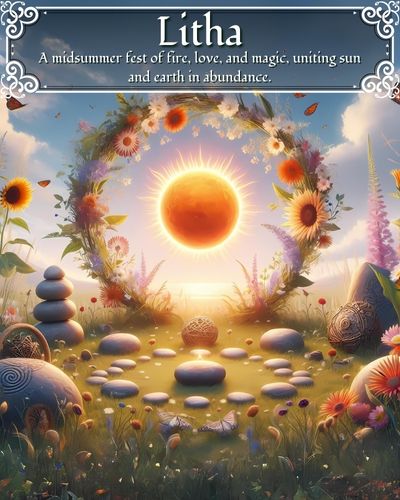
Litha (the Summer Solstice) marks the longest day of the year. During the summer solstice, it is the time of the first harvest and the celebration of this bounty.

In times gone by this Sabbat was celebrated with large bonfires, they were burned to promote purification, fertility, and love. To leap over the bonfire was to assure a good crop and to encourage these qualities in themselves. This Sabbat glorifies the Sun God and the Sun, fire plays a very prominent role in this festival. The element of Fire is the most easily seen and felt element of transformation.

Litha comes from the Anglo-Saxon phrase Aerra Litha, which means โ€œbefore Midsummer.โ€ At this time the Goddess is fully pregnant, and the Sun God is at the height of his power. Litha is the traditional time for gathering magical and medicinal plants to dry and store for winter use. In Wales, Midsummer is called Gathering Day. Midsummer Nightโ€™s Eve has traditionally been a day to perform love and healing magic. This is also a perfect time to communicate with fairies, forest sprites, and pixies.

June was said to be the luckiest month to be married in and is the time of the mead moon or honeymoon. One tradition was for newlyweds to drink mead daily for a month after their wedding, which is why the post-wedding holiday was named the honeymoon. Even though the days begin to grow shorter after the Summer Solstice, the time of greatest abundance is still to come. The promises of the Goddess and God are still to be fulfilled.

Most cultures of the Northern Hemisphere mark Midsummer in some ritualized manner and people past and present acknowledge the rising of the sun on this day. At Stonehenge, the heel stone marks the midsummer sunrise as seen from the centre of the stone circle.

This is a good time for protection magic, empowerment magic, male rituals, and becoming in tune with nature spirits. It is a time of bravery, strength, and overcoming.

Litha Activities

  • Put a ring of flowers around your cauldron.
  • Hang a bundle of fresh herbs out to dry.
  • Litha is a time for healing of all kinds, and protection rituals.
  • Make a Wicker Man and burn him in your bonfire.
  • Decorate your altar with Rose flowers.
  • Leave out milk and honey as an offering to the Fae folk.
  • Make a charm to hang around your neck with a seashell.
  • Have an outdoor breakfast picnic to welcome the Solstice.
  • Stay up and watch the sun come up on the longest day of the year, or watch the sun come down.
  • Take a picture of the sun at sunrise and sunset.
  • Try a fire divination, stare into the coals of your bonfire as it settles, or look for forms in the leaping flames.
  • Create a ritual to bring healing and love to Mother Earth.
  • Make protection amulets for friends and family, dispose of last yearโ€™s Litha bonfire.
  • Light a white candle and place it in front of a mirror. Say your own Litha prayer over it, and then let it burn out.
  • Burn the remnants of your Yule Tree in the bonfire to burn away bad luck.
  • Jump the balefire or cauldron.
  • Hang a bundle of fresh herbs out to dry and use them to spice up a Litha feast of cooked summer vegetables
  • * Offer a gift of lavender to the Gods in a bonfire.
  • Make staffs, dream pillows, or a witchesโ€™ ladder.
  • Go bird watching. Take a guidebook, so you will know what you are looking at. The birds may bless you with a feather

Deity’s Portfolio

  • Division: Minor Sabbat
  • Other Names: Summer Solstice, Midsummer, Alban Hefin, Sun Blessing, Gathering Day, Whit Sunday, Feill-Sheathain, Whitsuntide, Vestalia, Thing-tide, St. Johnโ€™s Day.
  • Southern Hemisphere Date: Dec 20-23
  • Northern Hemisphere Date: June 21
  • Associated Holiday: Feast of John the Baptist
  • Associated Deities: Mother Earth, Father Sun, and the fairy people
  • Associated Herbs: Rose, lavender, St Johnโ€™s Wort, chamomile
  • Associated Stones: Emerald, Jade, Amethyst, opal, quartz, lapis lazuli, malachite, tigerโ€™s eye, and diamonds.
  • Symbols of Litha: Fire, The Sun, Sunflowers love amulets Blades, Mistletoe, Seashells, Oak Trees, Balefires, Sun Wheels, and Fairies.
  • Foods of Litha: Garden fresh fruits and vegetables such as lemons and oranges.
  • Drinks of Litha: Wine, Lemonade, Meade, Ales, Herbal Teas, and fresh fruit juice of any kind
  • Incense of Litha: Frankincense, myrrh, sandalwood, lemon, pine, jasmine, rose, lotus, or wysteria.
  • Ritual Oils: Heliotrope, Cinnamon, Sandalwood, Lavender, Orange, All Mint Oils, Lemon, Saffron
  • Colors: of Litha: White, red, maize yellow or golden yellow, green, blue, and tan.
  • Taboos: Giving Away Fire, Sleeping Away from Home, Neglecting Animals.
  • Plants: Oak, Mistletoe, Frankincense, Lemon, Sandalwood, Heliotrope, Copal, Saffron, Galangal, Laurel, Ylang-Ylang
  • Element: Fire
  • Activities: All kinds of magic, Create protective amulets, dry herbs
  • Animals: Robin/Wren, Summer Birds, Horses, Cattle
  • Mythical Creatures: Satyrs, fairies, Firebird, Dragon, Thunderbird, Manticore
  • Celebration of: The Goddess is pregnant with the God.

Other Litha Resources

Recipes
Recipe: Key Lime Cream Pie

Key Lime Pie
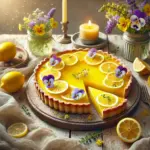
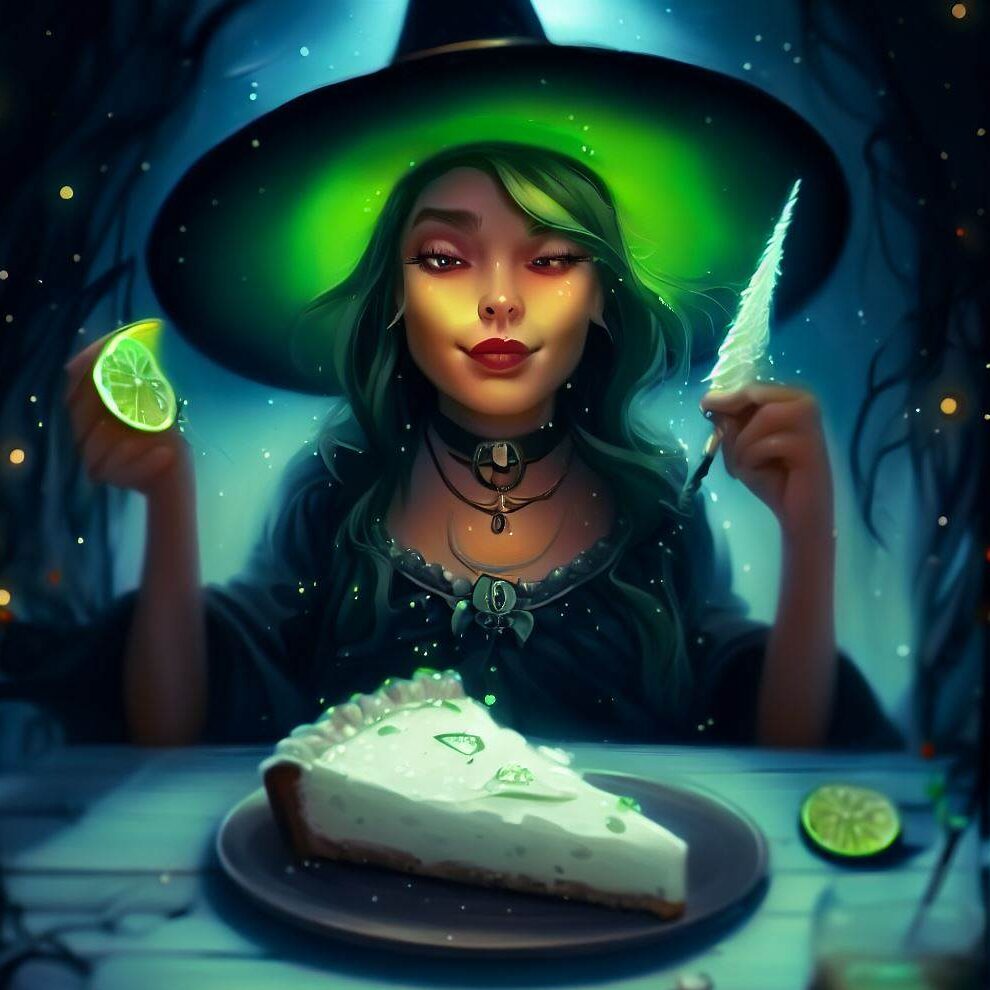
Reading Time: 3 minutesThis mouth-watering dessert is the perfect way to honor the magic of summer and connect with the energy of the elements. Here’s a recipe for key lime cream pie that will have you and your coven swooning with delight:

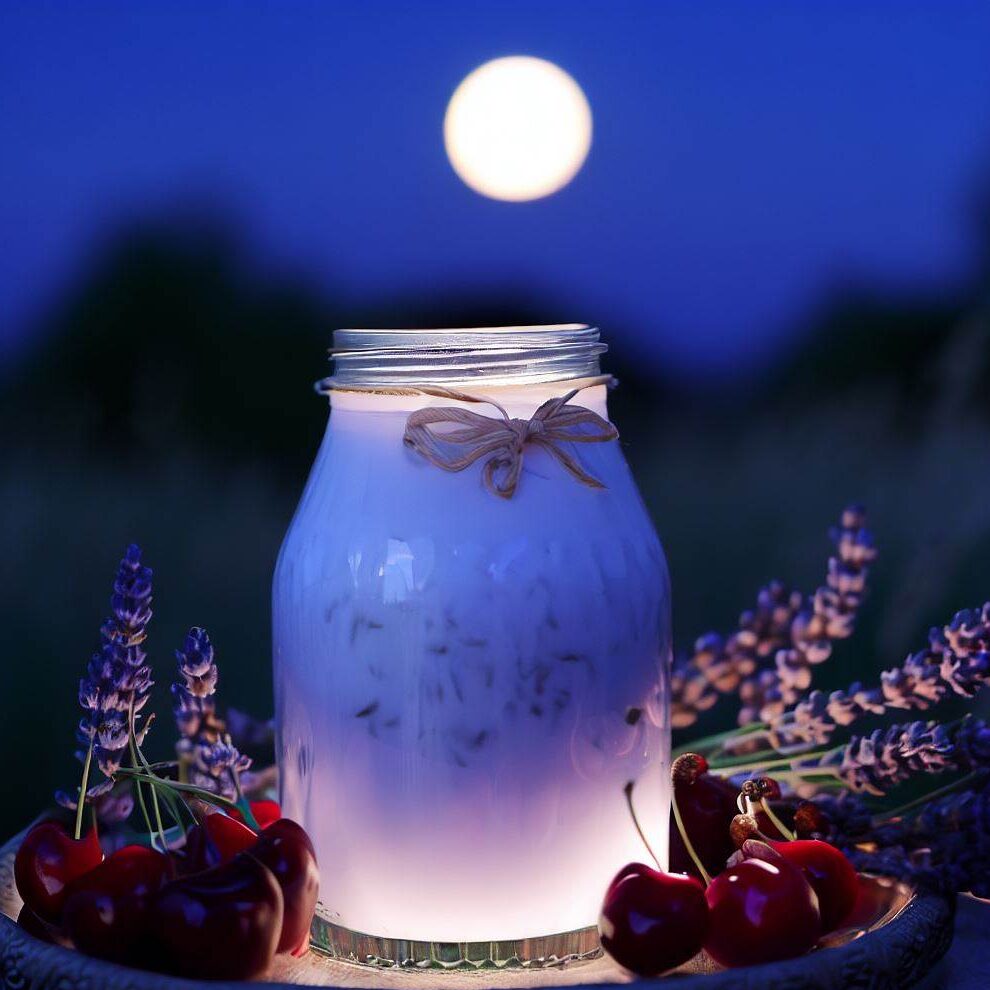
Recipe: Moon Milk: Summerโ€™s Brew

Moon Milk
Reading Time: 3 minutesTo honor the magic of the summer moon, we have a recipe for a delicious variant of Moon Milk featuring Lavender and Cherry .

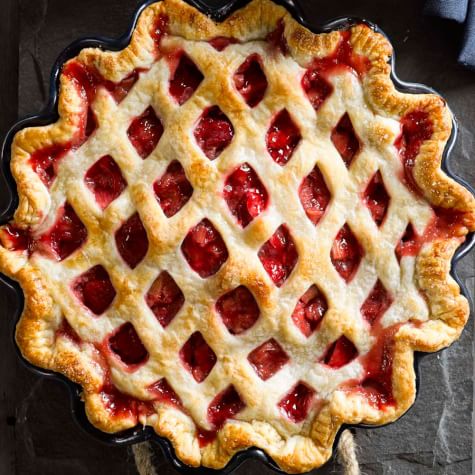
Recipe: Summer Strawberry Rhubarb Pies

Strawberry Rhubarb Pie
Reading Time: 3 minutesTo honor the magic of summer, we have a recipe for a delicious strawberry rhubarb pie that is sure to delight your taste buds and enchant your senses.

Deeper Knowledge

Upcoming Litha Posts

No New posts Scheduled, Check back as we get closer to Litha!

Posted on

Blog

Reading Time: 2 minutes

Introduction

Welcome to our blog, a place where you can find a variety of articles on all kinds of witchy subjects. Whether you are interested in learning more about foraging, recipes, deities, or any other topic that relates to witchcraft and paganism, you will find something that sparks your curiosity and inspires your practice.

Our blog is a space for sharing our thoughts, experiences, and knowledge on the magical arts and the natural world. We aim to provide you with informative, engaging, and creative content that covers different aspects and perspectives of witchcraft and paganism. We also hope to create a community of like-minded people who can exchange ideas, feedback, and support.

We are always interested in guest bloggers, who can contribute their own unique voice and expertise to our blog. If you have a passion for writing and a topic that you would like to share with us and our readers, please use the [contact us] form and let us know. We would love to hear from you and feature your work on our site.

Thank you for visiting our blog and for your interest and support. We hope you enjoy reading our articles and finding something that resonates with you and your practice. Happy reading and blessed be!
All Blog Categories

Recipes


Recipes

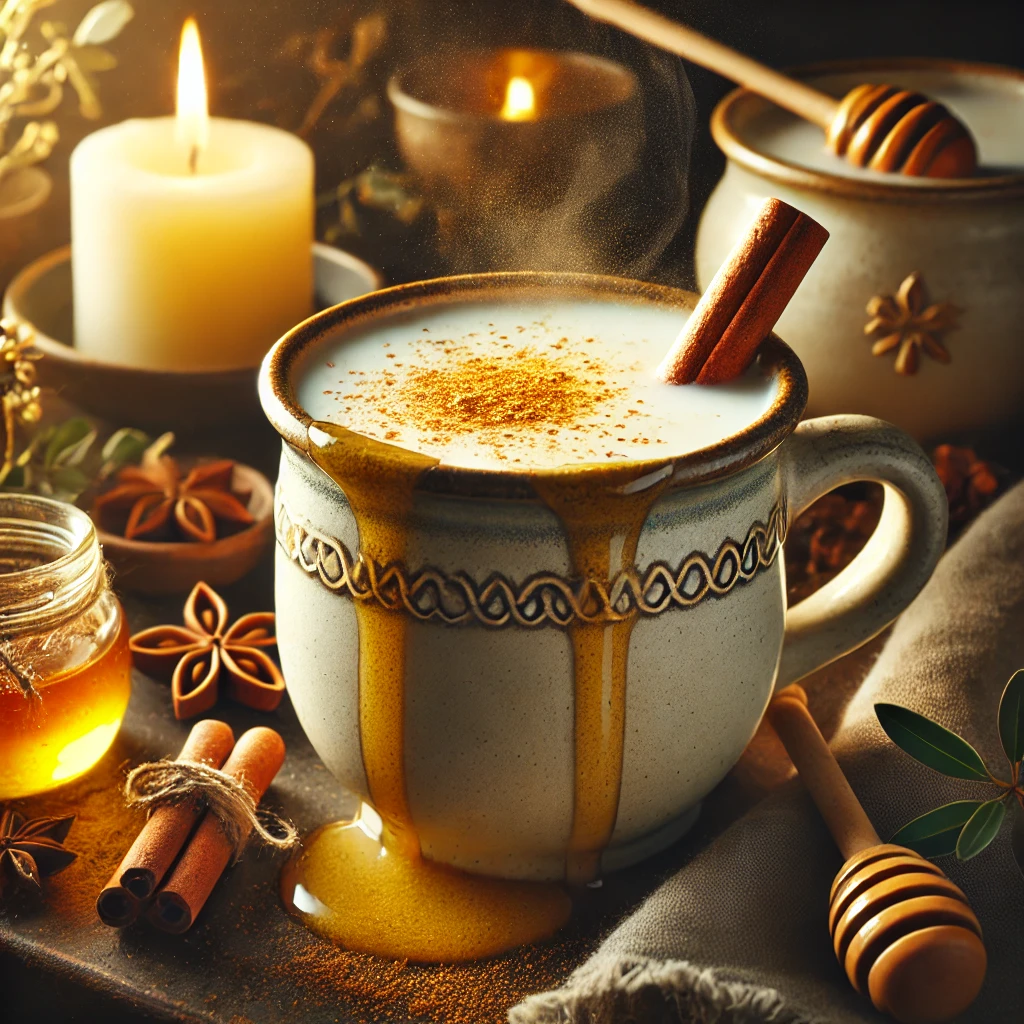
    Recipe: Spiced Honey Milk

    Spiced Honey Milk
    Reading Time: 3 minutesConclude your feast with a warm, comforting beverage infused with spices and honey, embodying the nurturing qualities of fertility, sustenance, and renewal.

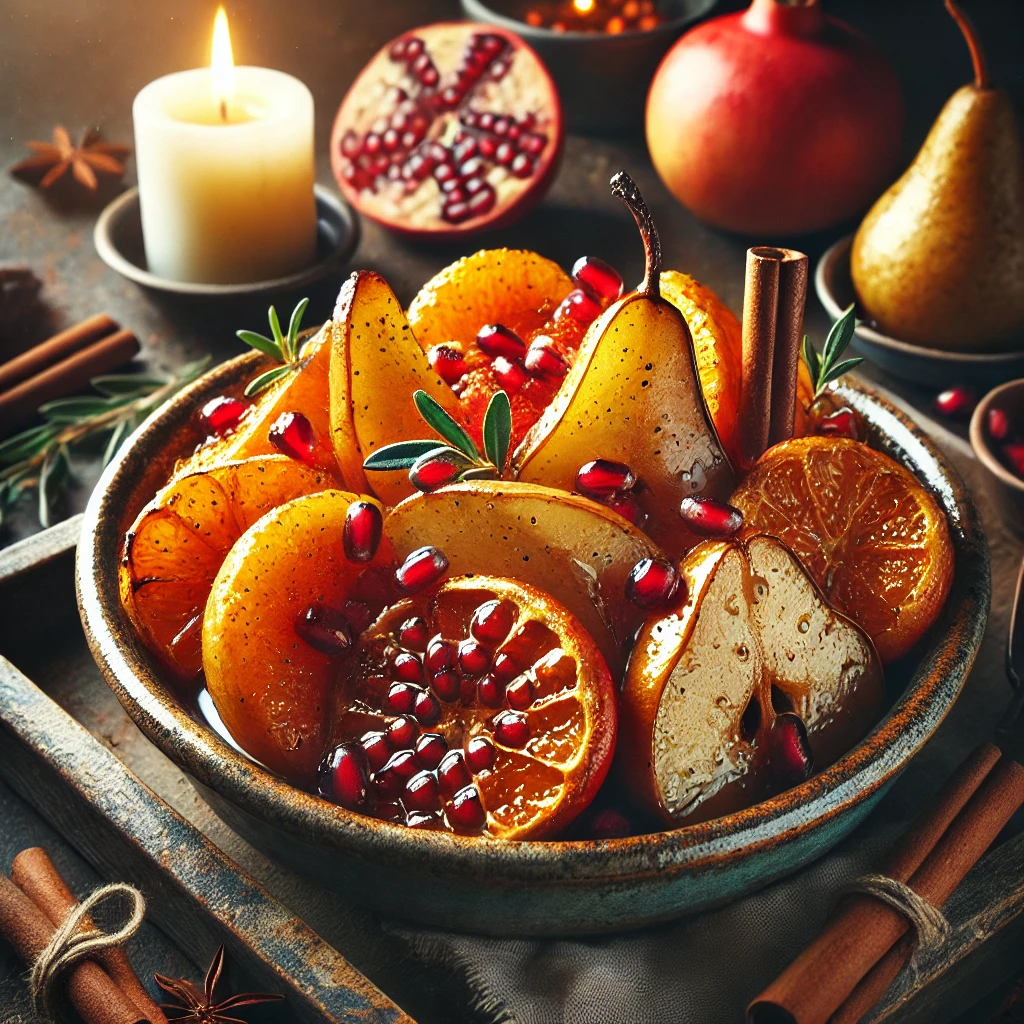
    Recipe: Honey-Glazed Winter Fruit Medley

    Honey-Glazed Winter Fruit Medley
    Reading Time: 3 minutesCelebrate renewal with a medley of winter fruits, infused with honey and spices, symbolizing the cycles of life and the promise of growth.

    Foraging


    Foraging Posts

      Foraging: Edible Amaranth

      Amaranth plants
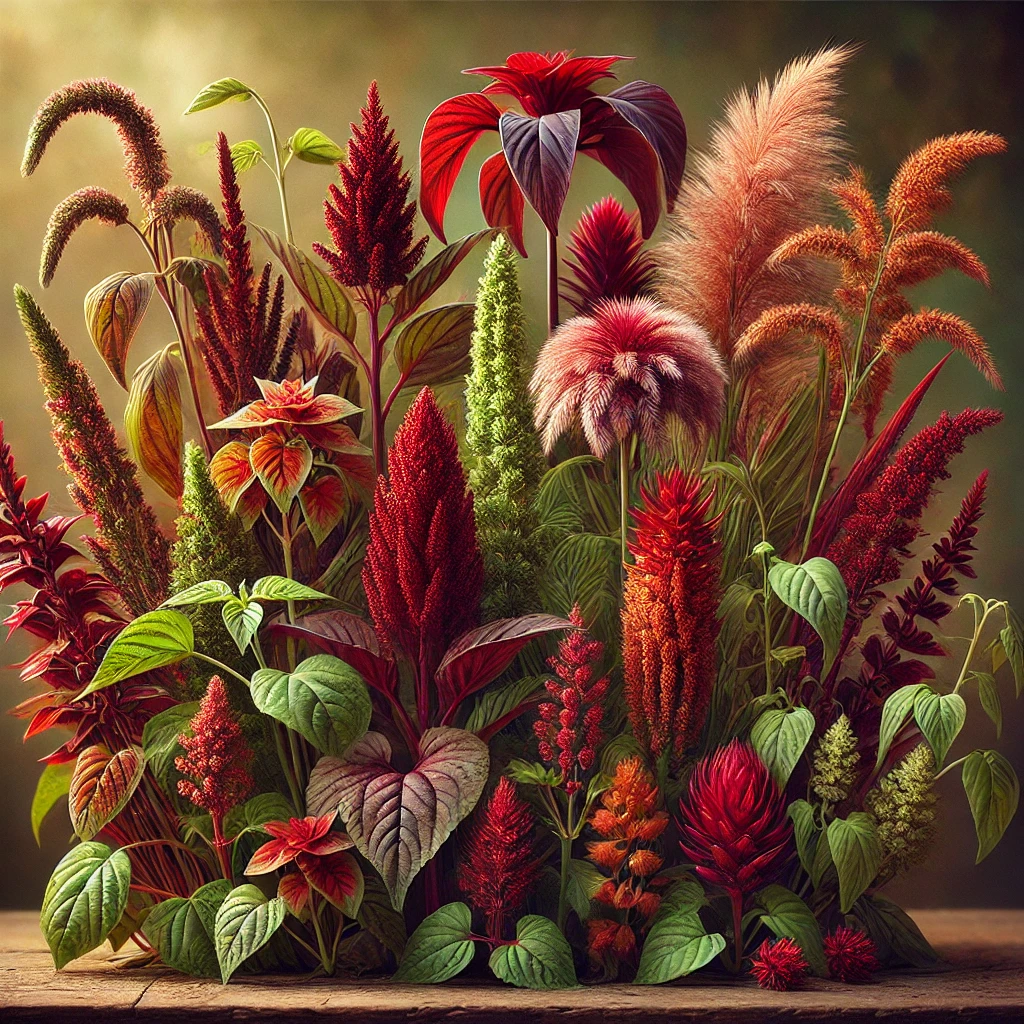
      Reading Time: 33 minutesThe versatile and nutritious Amaranth, a plant with culinary, medicinal, and magical potential. Learn about its variants, identification, uses, and safety tips.

      Foraging: Epazote

      Epazote
      Reading Time: 9 minutesUncover the secrets of Epazote, a versatile herb with rich culinary, medicinal, and mystical applications. Learn how to forage and use this wild edible.

      Deities


      Deities Posts

        Persephone

        Persephone
        Reading Time: 8 minutesA central figure in Greek mythology, embodying the cycle of life, death, and rebirth. Her story reveals the intricate connection between the changing seasons and the underworld, and the transformative power of facing adversity.

        Eostre

        Goddess Eostre
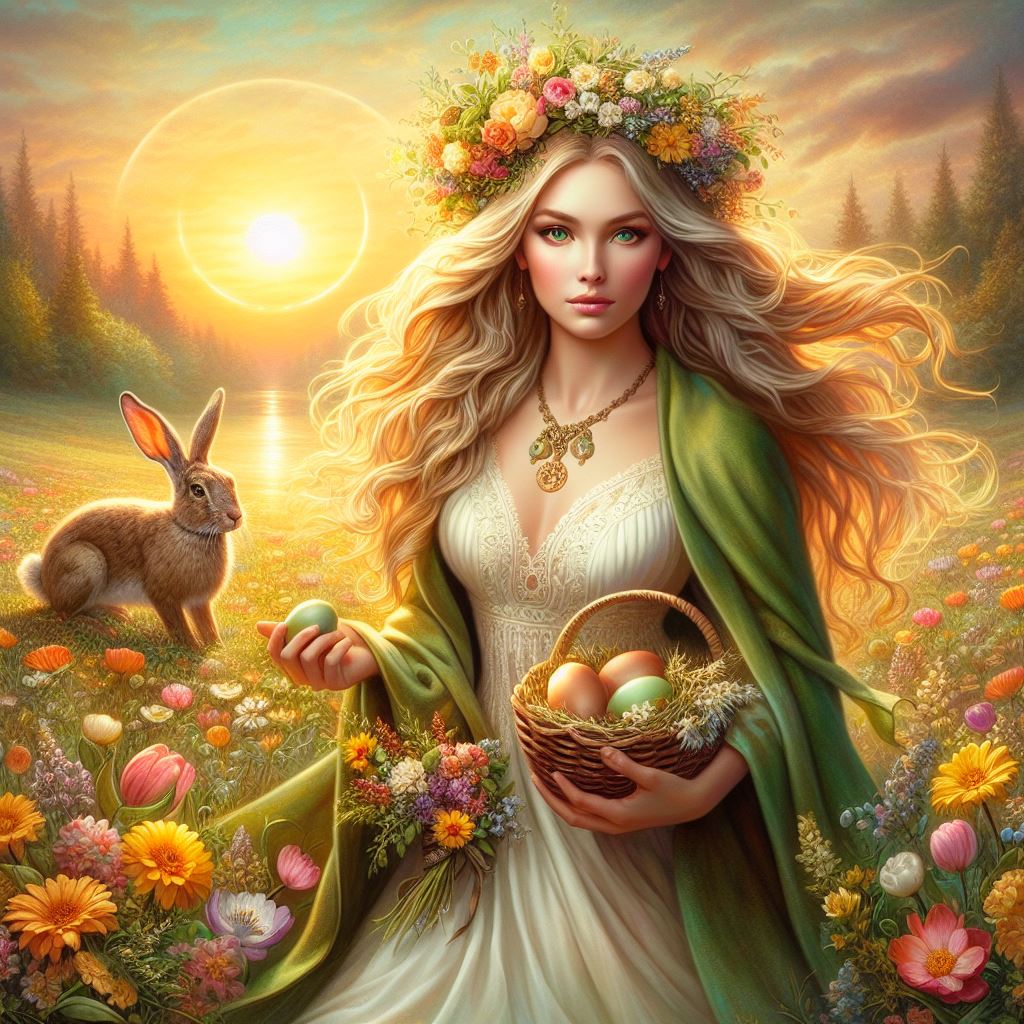
        Reading Time: 9 minutesExplore the captivating story of Eostre, the goddess who weaves the tapestry of springโ€™s renewal and the celebration of lifeโ€™s cyclical journey.

        Miscellaneous


        Misc Posts

          How To Protect Yourself Against Energy Vampires

          How To Protect Yourself Against Energy Vampires
          Reading Time: 5 minutesEnergy stealers are everywhere! This article covers how to tell if you are being affected by by one and what you can do about it.

          A Deeper Look Into the Four Elements

          A Deeper Look Into the Four Elements
          Reading Time: 5 minutesThe elements exhibit profound influence on essential character traits, behavior, emotions, thinking, and intuition. All the elements are equally important and in this post is a more in-depth description of each.

          All Blog Posts

          Brigid

          Brigid

          By
          ByTheo, WitchJan 10, 2025
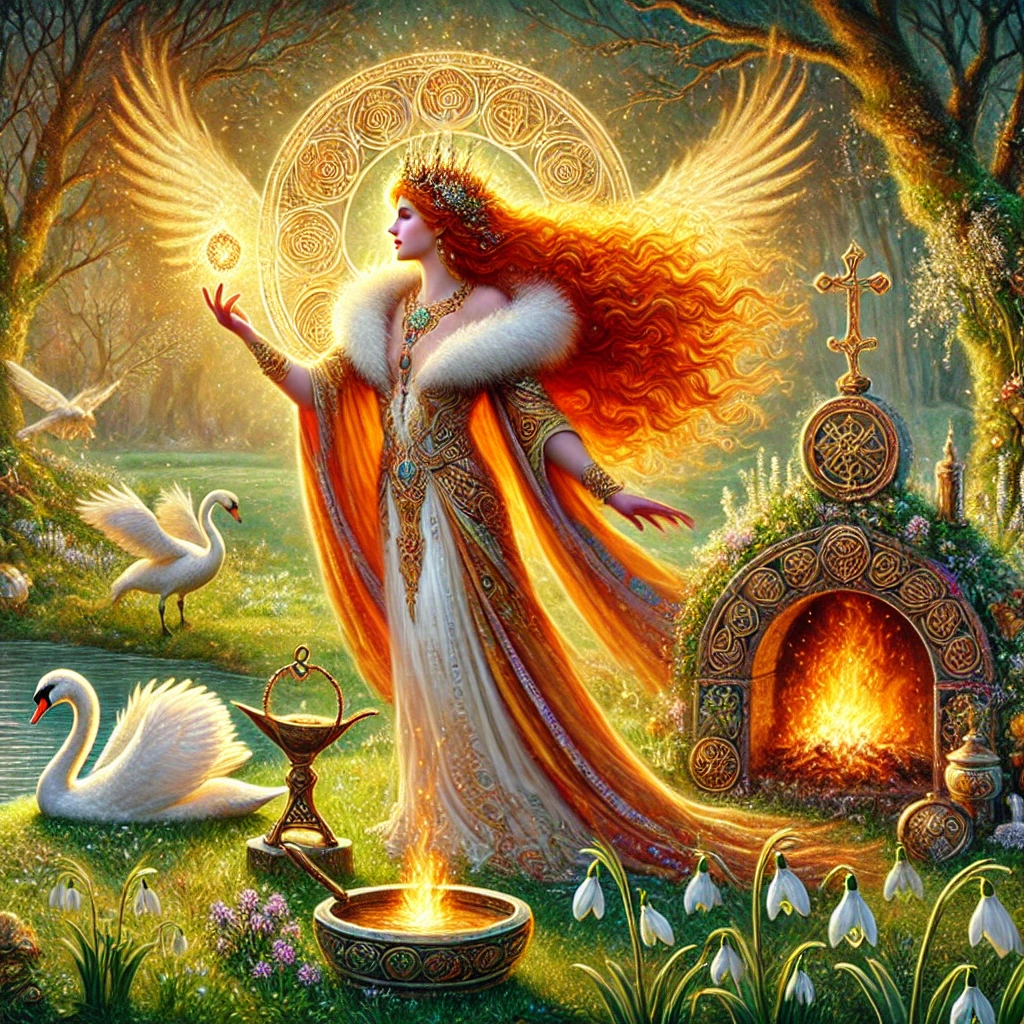
          Reading Time: 14 minutesUncover the dual legacy of Brigid, revered as both a goddess and saint, and her role in healing, creativity, and transformation across spiritual traditions.
          Pine Needle Winter Tonic

          Recipe: Pine Needle Winter Tonic

          By
          ByTheo, WitchDec 20, 2024
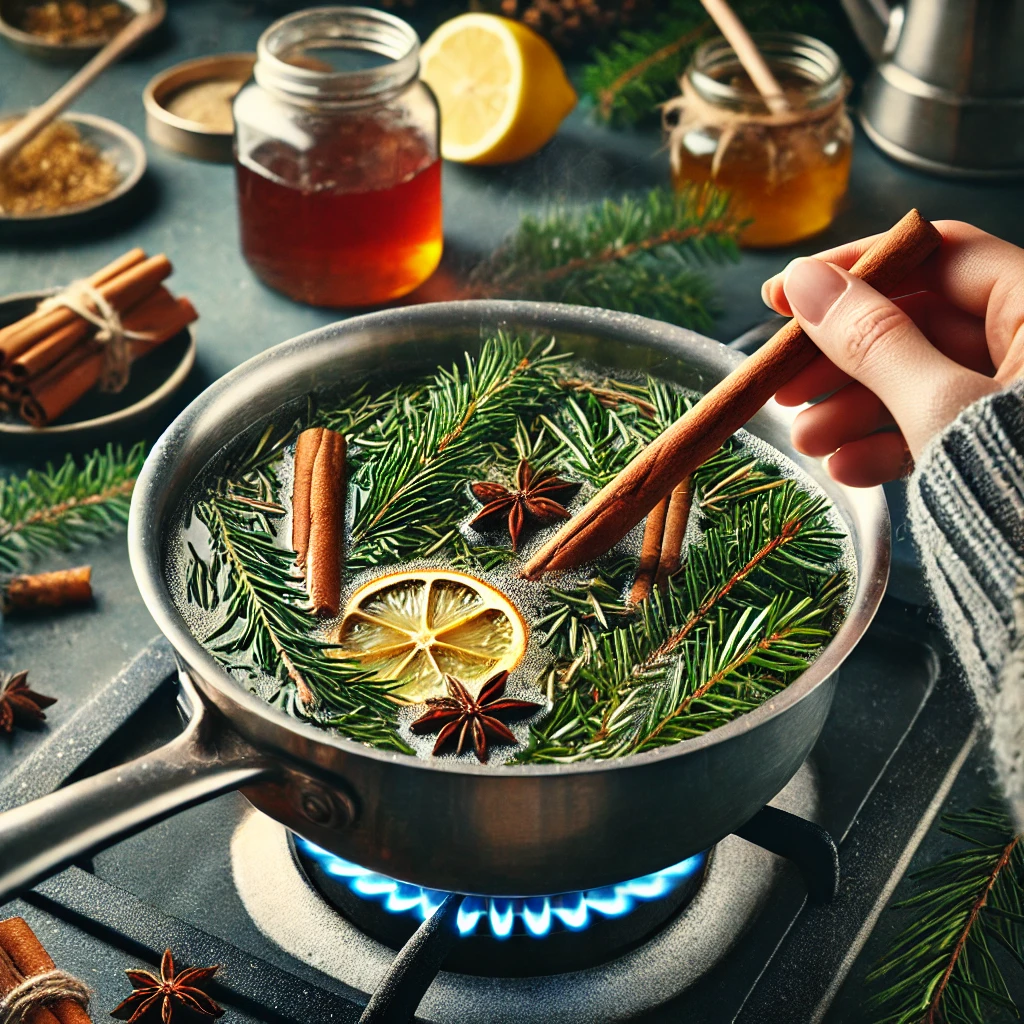
          Reading Time: 3 minutesSavor the crisp, citrusy flavor of Pine Needle Winter Tonic. This warming, immune-boosting drink is perfect for Yule celebrations and winter rituals.
          Lokiโ€™s Hot Chocolate Surprise

          Recipe: Lokiโ€™s Hot Chocolate Surprise

          By
          ByTheo, WitchDec 19, 2024
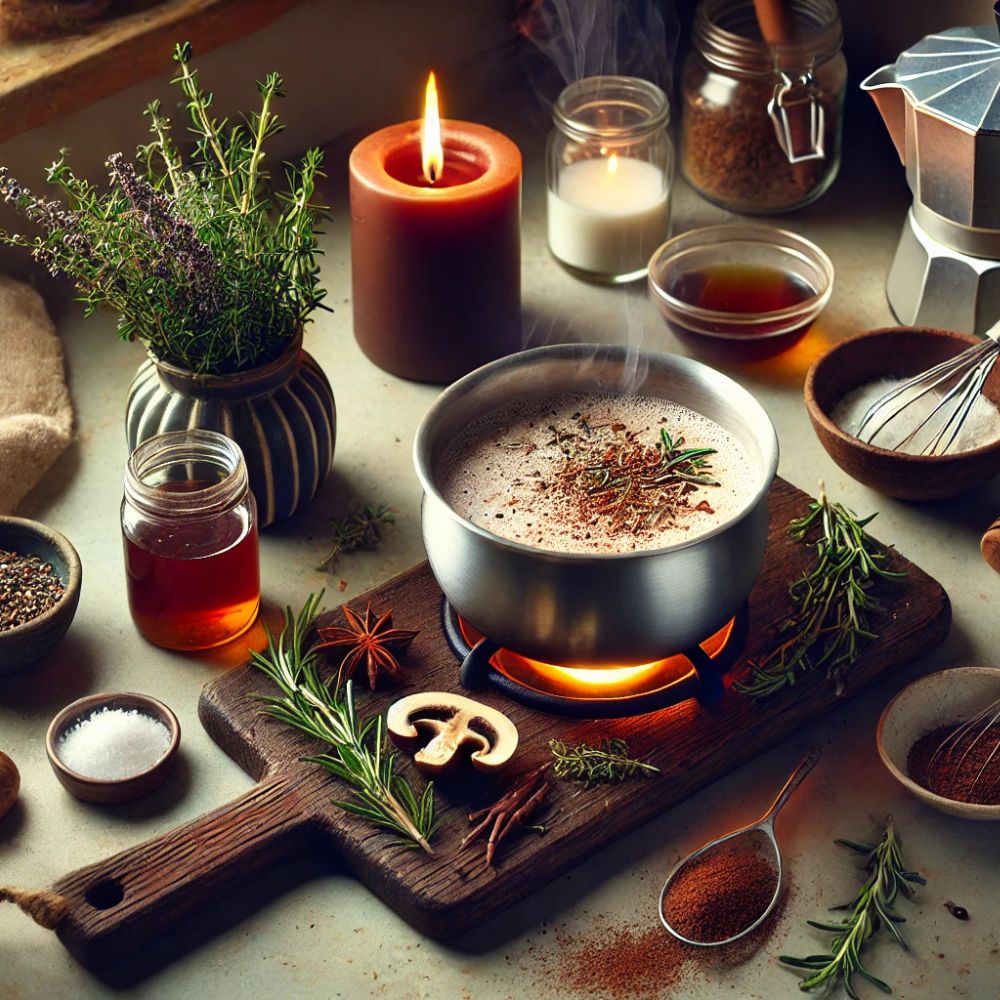
          Reading Time: 3 minutesExperience Lokiโ€™s Hot “Chocolate” Surprise, a savory broth-based digestif disguised as hot chocolate, embodying Lokiโ€™s chaos and Sigynโ€™s nurturing energy.
          Charlatan's Savory Fruit Salad

          Recipe: Charlatan’s “Savory” Fruit Salad

          By
          ByTheo, WitchDec 19, 2024
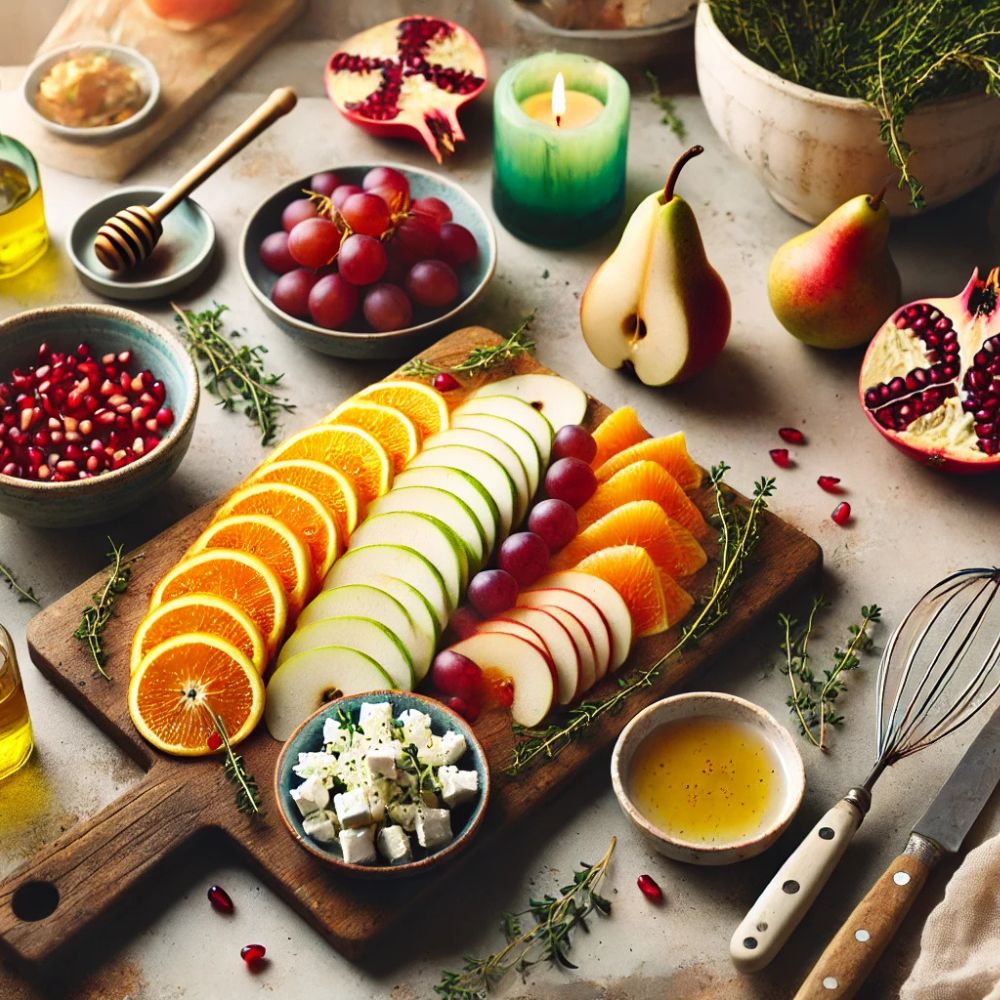
          Reading Time: 3 minutesEnjoy Charlatanโ€™s โ€œSavoryโ€ Fruit Salad, a playful blend of sweet fruits, savory herbs, and tangy vinaigrette, embodying Lokiโ€™s mischief and Sigynโ€™s loyalty.
          Trickster's Petite ร‰clairs

          Recipe: Trickster’s Petite ร‰clairs

          By
          ByTheo, WitchDec 19, 2024
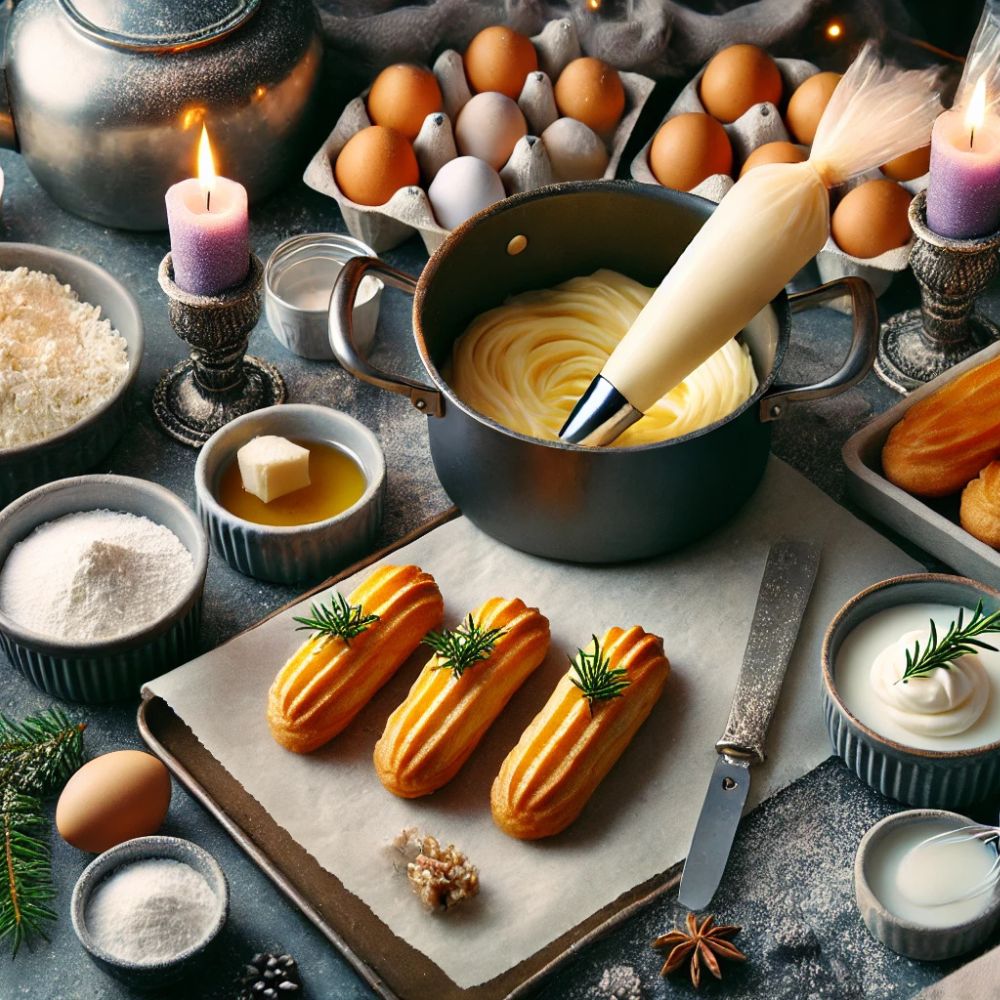
          Reading Time: 3 minutesEnjoy Trickster’s Petite ร‰clairs, playful bite-sized treats for Yuleโ€™s Silly Feast, combining savory rosemary and goat cheese with a deceptive sweet glaze.
          Mischievous Winter Carrot Cake

          Recipe: Mischievous Winter Carrot Cake Trifle

          By
          ByTheo, WitchDec 19, 2024
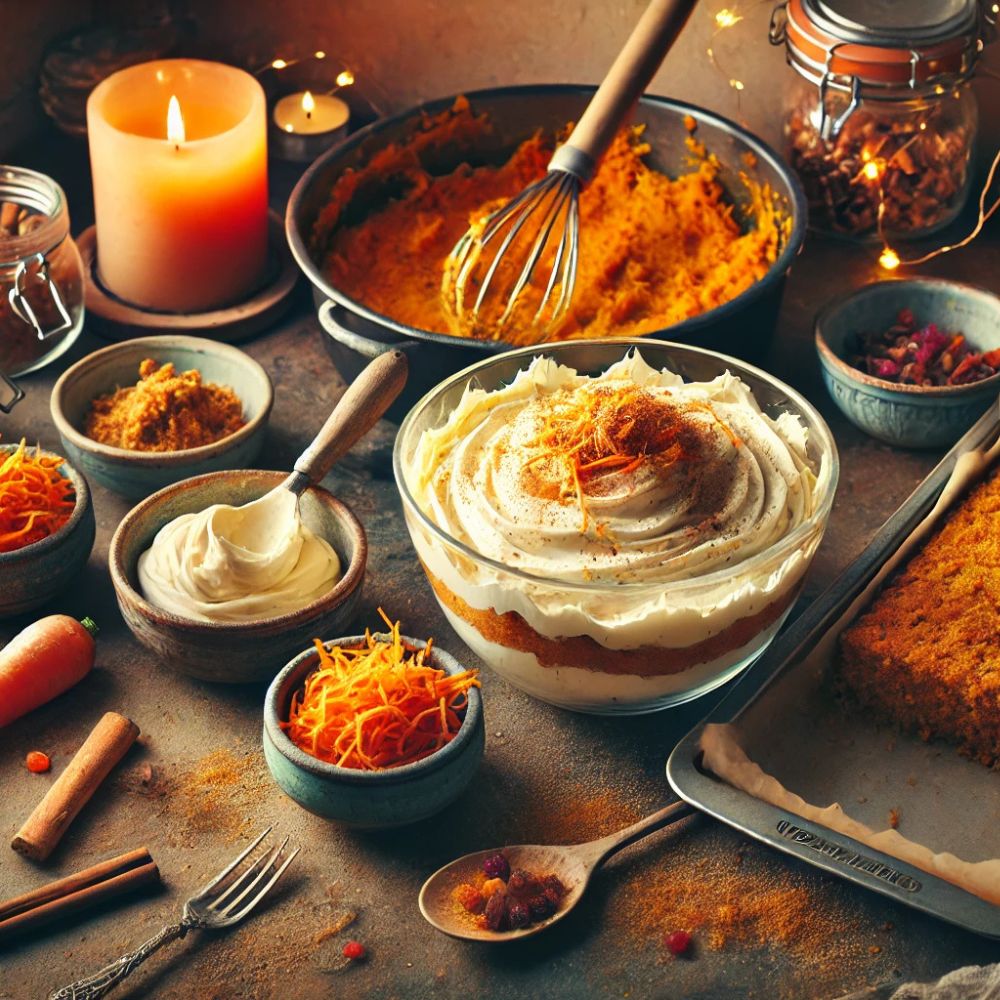
          Reading Time: 3 minutesSavor Mischievous Winter Carrot Cake Trifle, a playful dessert for Yuleโ€™s Silly Feast, combining spiced sweet potato and savory mascarpone for a surprising treat.
          Whimsical Cheese Truffles

          Recipe: Whimsical Cheese Truffles

          By
          ByTheo, WitchDec 19, 2024
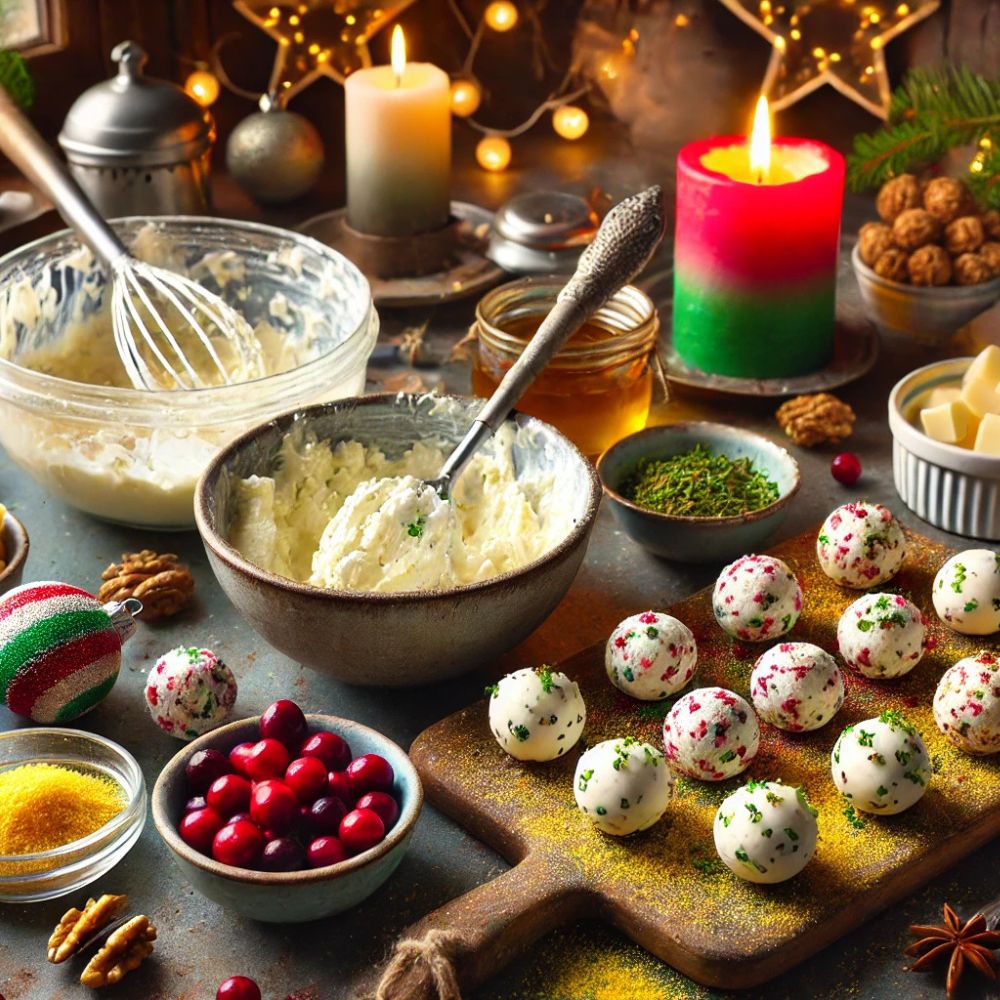
          Reading Time: 3 minutesDelight in Whimsical Cheese Truffles, a playful cheese dish for Yuleโ€™s Silly Feast, combining savory cheese balls with colorful, unexpected coatings.
          Frosted Citrus Snowballs

          Recipe: Frosted Citrus Snowballs

          By
          ByTheo, WitchDec 19, 2024
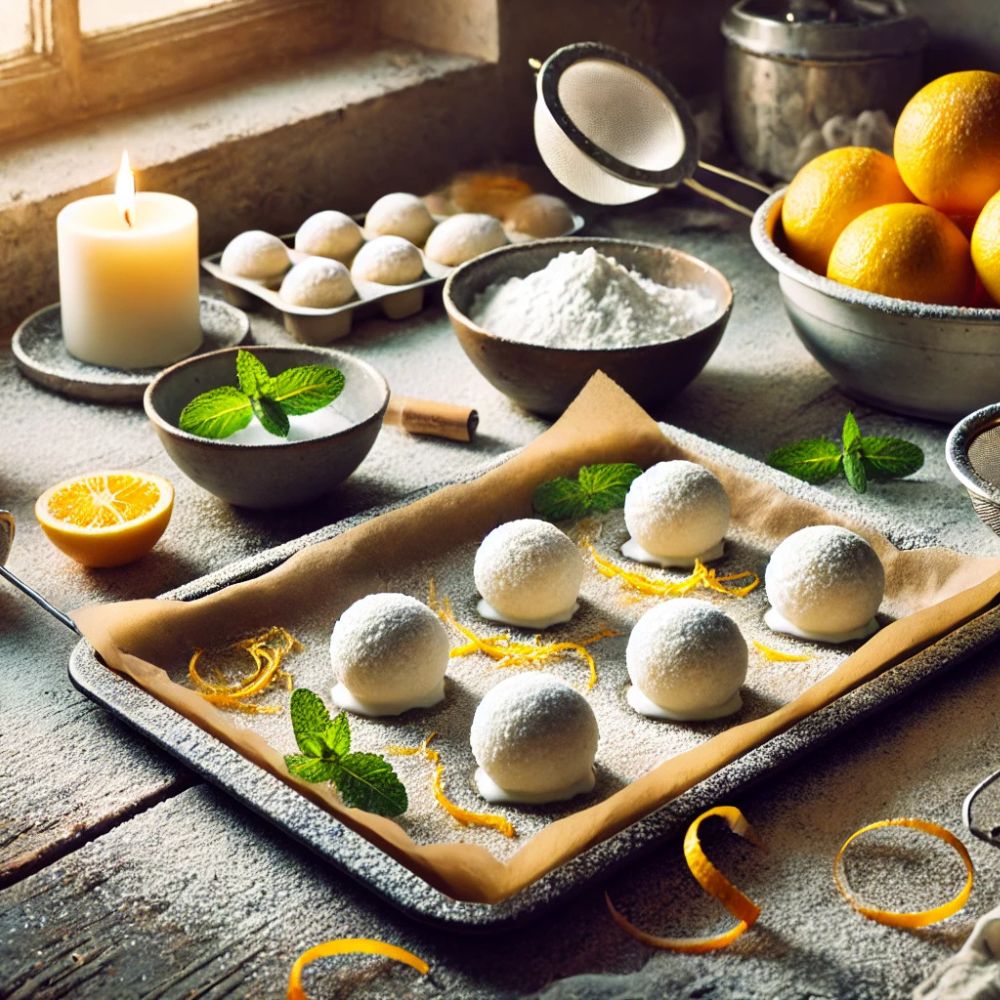
          Reading Time: 3 minutesDelight in Frosted Citrus Snowballs, a refreshing and playful palate cleanser for Yuleโ€™s Silly Feast, embodying Lokiโ€™s mischief and Sigynโ€™s grace.
          Deceptive Winter Shepherd's Pie

          Recipe: Deceptive Winter Shepherd’s Pie

          By
          ByTheo, WitchDec 19, 2024
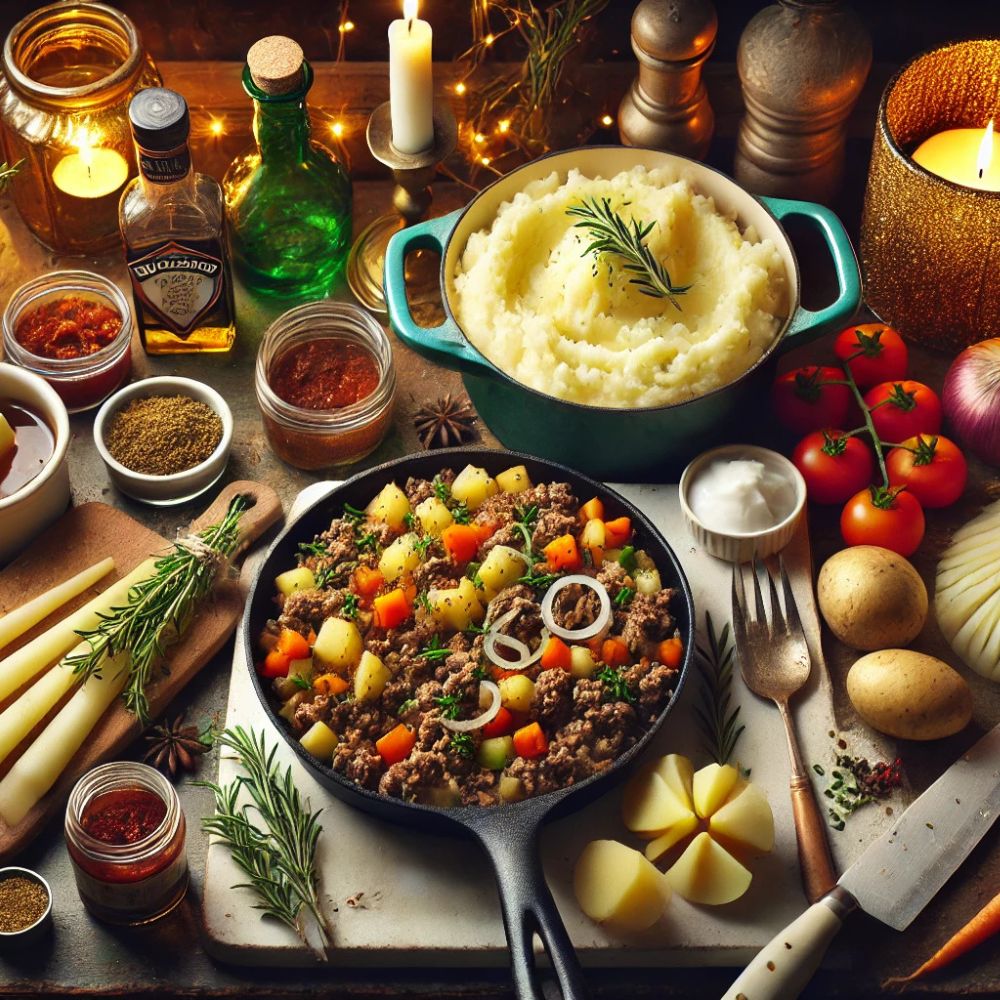
          Reading Time: 3 minutesEnjoy Deceptive Winter Shepherd’s Pie, a savory dish disguised as dessert, blending hearty lamb, root vegetables, and mashed potatoes for Yuleโ€™s Silly Feast.
          Posted on Leave a comment

          Ostara

          OstaraReading Time: 3 minutes
          Ostara

          Introduction

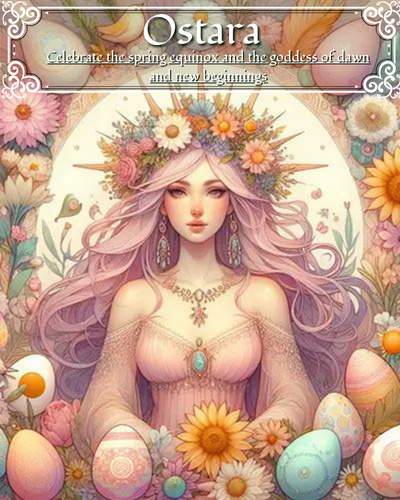
          Ostara is a Lesser Sabbat and marks the Spring Equinox when day and night balance. Called Ostara after the Saxon Goddess Eostre, this is a time of renewal, regeneration, and resurrection. Not much is known about this Eostre, except that she was the Goddess of fertility and was celebrated at the Spring Equinox, she was also connected with hares and eggs.

          Legend has it that the Goddess Eostre turned a colourful bird into a rabbit and the rabbit then laid coloured eggs, this is where the Easter bunny and egg hunts came from and the basis of the Christian festival Easter.

          The Anglo-Saxon lunar month of April was called Eastermonath. The equinox is a time both of fertility and new life, and of balance and harmony. Light and dark are here in balance, but the light is growing stronger. Now is the time to balance ourselves and the subtle energies within us, such as our chakras, the inner masculine and feminine qualities, the light and dark aspects, and so on.

          This is a time that witches cast spells for careers, relationships, and love. It is a time for planting new ideas and a time to free yourself from anything in the past that is holding you back.

          You can acknowledge and celebrate this Sabbat by going into nature, taking a walk, or spending time in your garden, also to recognise the changes in the Earth as she awakens each day.

          Ostara Activities

          • Have a traditional breakfast of buns, ham, and eggs.
          • Wear green clothing.
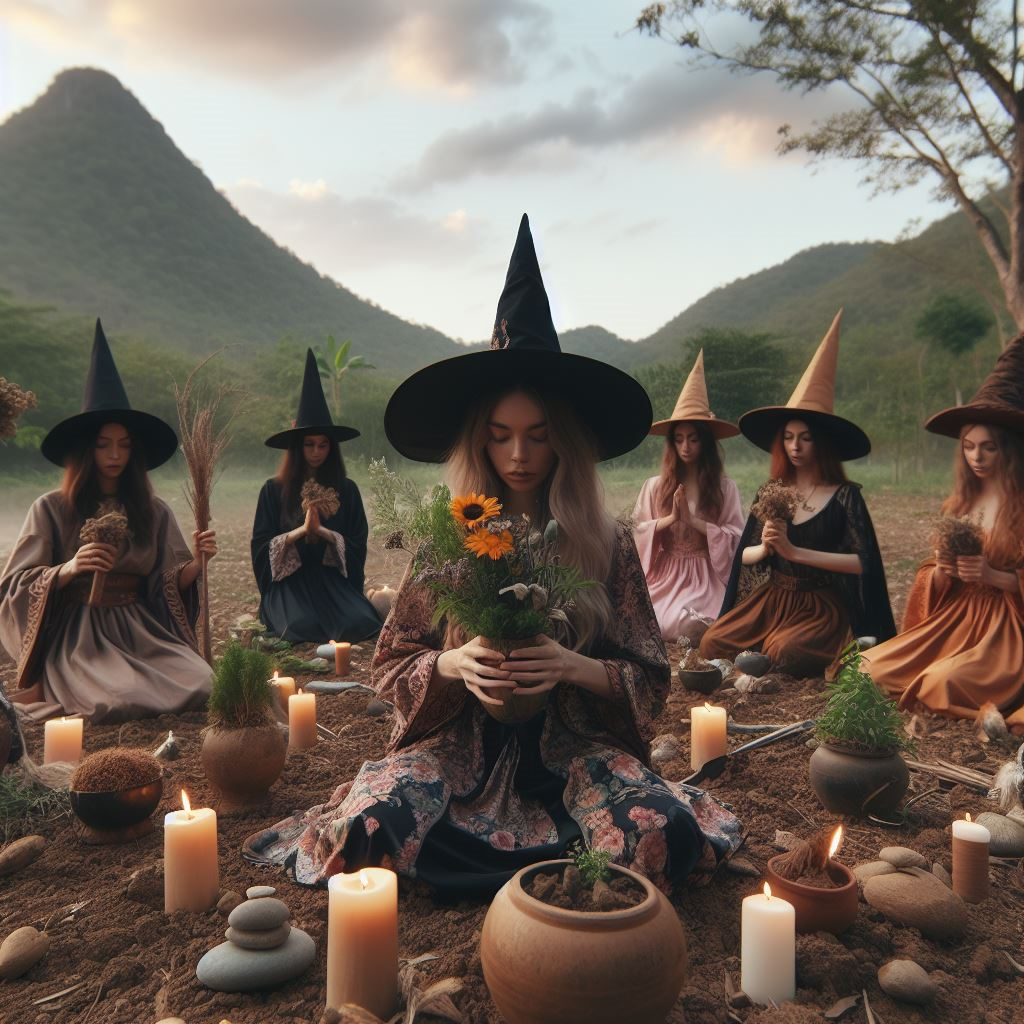
          • Bless seeds planted in the garden.
          • Place a lit green candle in a dish full of moist earth, let it burn down, and then bury the remainders (except the dish)
          • Plant some seeds in pots or in your garden.
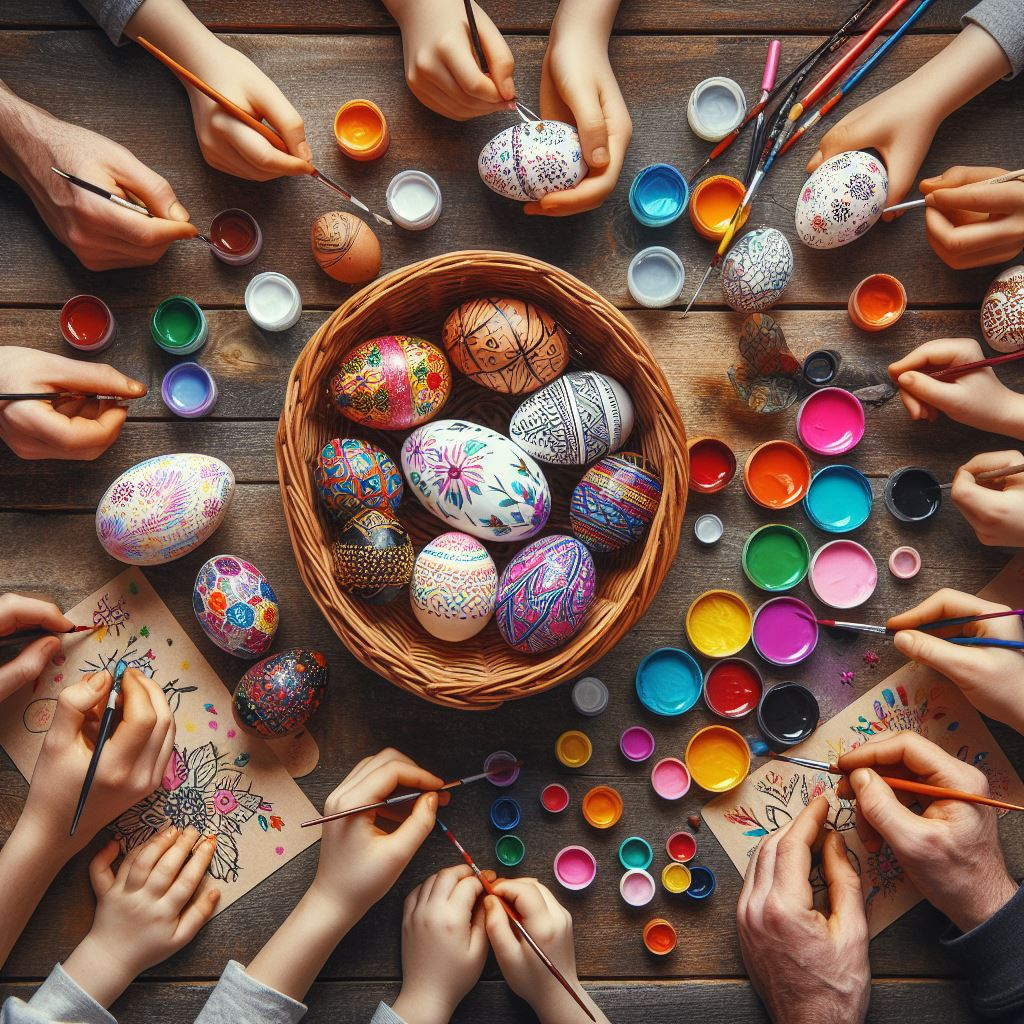
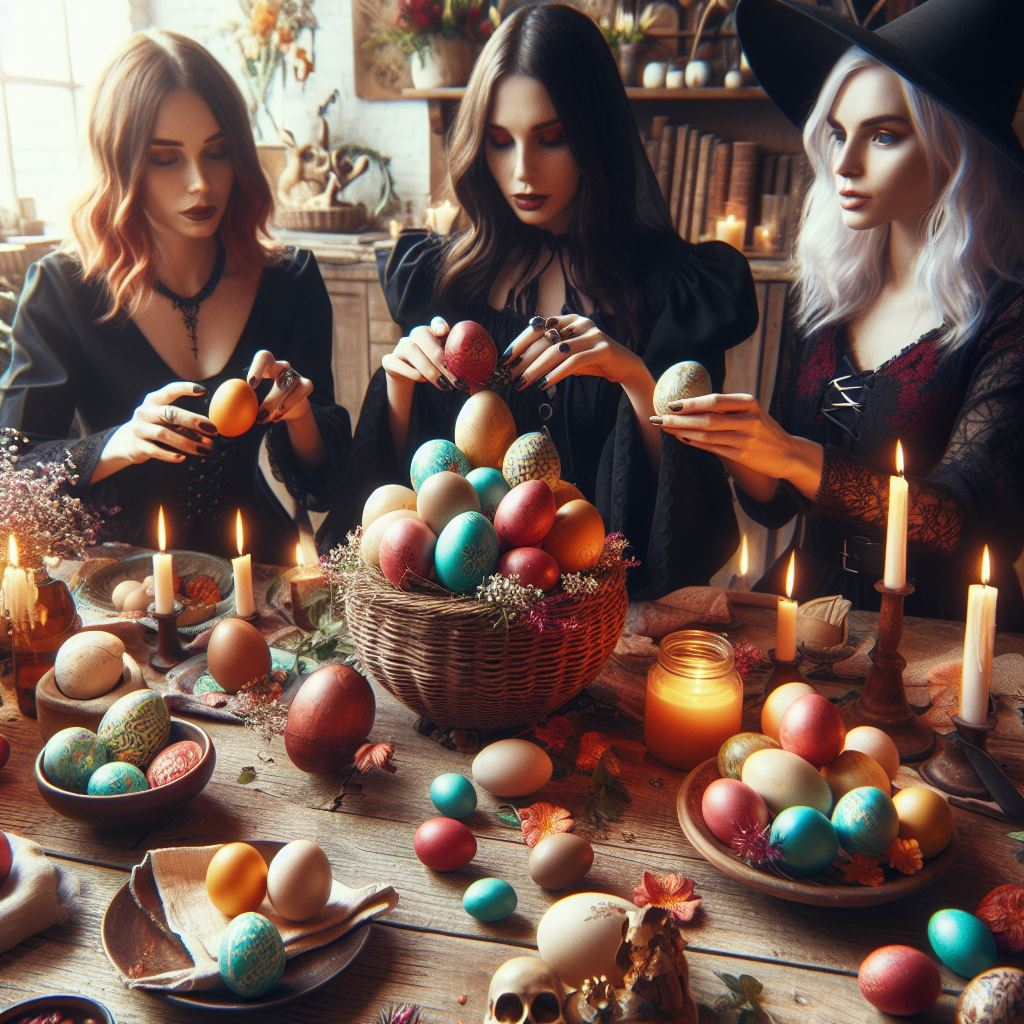
          • Dye or paint eggs with pagan symbols and God/Goddess signs.
          • Make hot cross buns to honour the union of the earth and the sun for Spring. Slash the โ€œXโ€ and bless the cakes.
          • Participate in an Easter egg hunt put on by your community.
          • Take a long walk and take in the beauty of nature reawakening all around you.
          • Meditate and/or Private Ritual.
          • Create bird feeders.
          • Make hot cross buns to honor the union of the earth and the sun for Spring. Slash the โ€œXโ€ and bless the cakes.
          • Make pysanky and krashanky, magical amulets of fertility, protection, and prosperity.
          • Eat an egg you have empowered with a quality you desire.
          • This is a good time to cast spells for, careers, relationships, and love.

          Deity’s Portfolio

          • Division: Minor Sabbat
          • Other Names: Spring Equinox, Eostre, Vernal Equinox, Alban Eiber, Bacchanalia, Lady Day
          • Southern Hemisphere Date: Sept 20-23
          • Northern Hemisphere Date: March 20
          • Associated Holiday: Easter
          • Associated Deities: Eostre, Spring Maiden, Spring Lord, Ishtar, Astarte
          • Associated Herbs: Jasmine, rose, violet.
          • Associated Stones: Jasper, Moss agate, green moonstone, orange calcite, rose quartz.
          • Symbols of Ostara: Eggs, Hare, the New Moon, butterflies, and cocoons.
          • Foods of Ostara: Leafy green vegetables, Dairy foods, Nuts such as Pumpkin, Sunflower, and Pine. Flower Dishes and Sprouts.
          • Drinks of Ostara: Lemonade, Egg-Nog, and drinks made from seasonal fruits and berries.
          • Incense of Ostara: Jasmine, Rose, Strawberry, Floral of any type.
          • Ritual Oils: Lotus, Magnolia, Ginger
          • Colors: of Ostara: lemon yellow, pale green, and pale pink.
          • Taboos: None
          • Plants: Crocus, Daffodil, Jasmine, Irish Moss, Snowdrop, Ginger
          • Element: Air
          • Activities: Dyeing Eggs, Looking for Spring Growth
          • Animals: Rabbits, Cougar, Sea Crow, Sea Eagle, Hedgehog, and Boar.
          • Mythical Creatures: Merfolk and any other Air or Water beings.
          • Celebration of: The God and Goddess begin their courtship.

          Ostara Resources

          Deeper Knowledge

          Embracing Ostara

          Horned God & Goddess
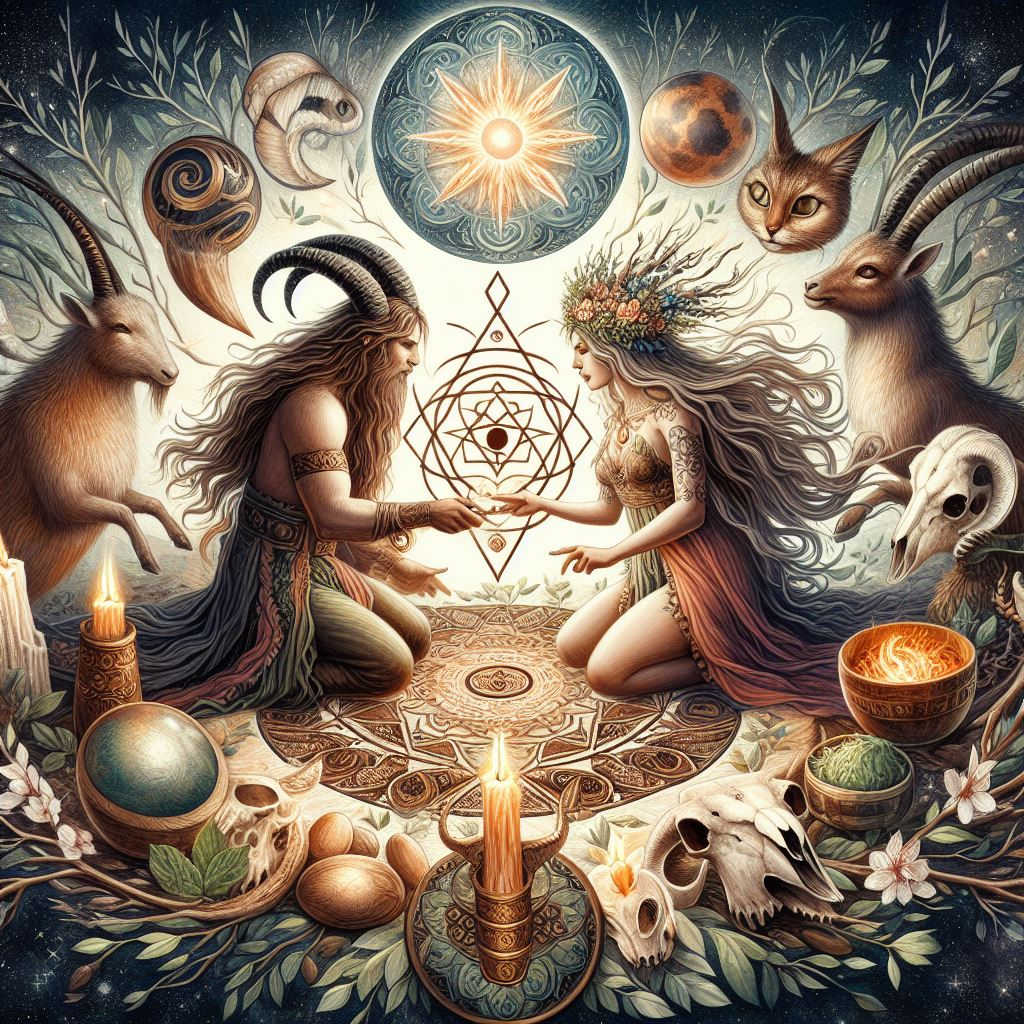
          Reading Time: 9 minutesDiscover the essence of Ostara, a time marking the return of light and life through the rebirth of the Horned God and his union with the Goddess.

          Ritual: How to Decorate Eggs for Ostara

          Making Ostara Eggs
          Reading Time: 8 minutesUnite in the tradition of Ostara egg decorating. Our guide offers a colorful journey through the symbolism and creativity of the season.

          Ostara Egg Decorating

          Ostara Egg Decorating
          Reading Time: 7 minutesDelve into the art of Ostara egg decorating, a tradition rich in creativity and symbolism, fostering connection and joy in the spring season.

          Celebrating Ostara by Planting Seeds

          Planting Seeds
          Reading Time: 12 minutesExplore the ancient tradition of planting seeds at Ostara, symbolizing growth and renewal. Join the sacred dance of life and natureโ€™s rebirth.

          Recipes

          Posted on Leave a comment

          Imbolc

          ImbolcReading Time: 3 minutes
          Imbolc

          Introduction

          Imbolc is the time to sort out any pressing matters, such as making peace with those youโ€™re in conflict with, returning borrowed items, and reconnecting with family and friends. Rituals include those for manifesting desires, casting away destructive or old patterns, opening yourself to positive enlightenment, consecrating tools and agricultural tools, and celebrating the strengthening and renewal of self. This is a potent and powerful time.

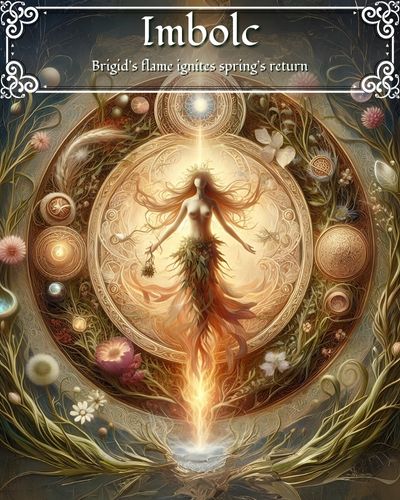
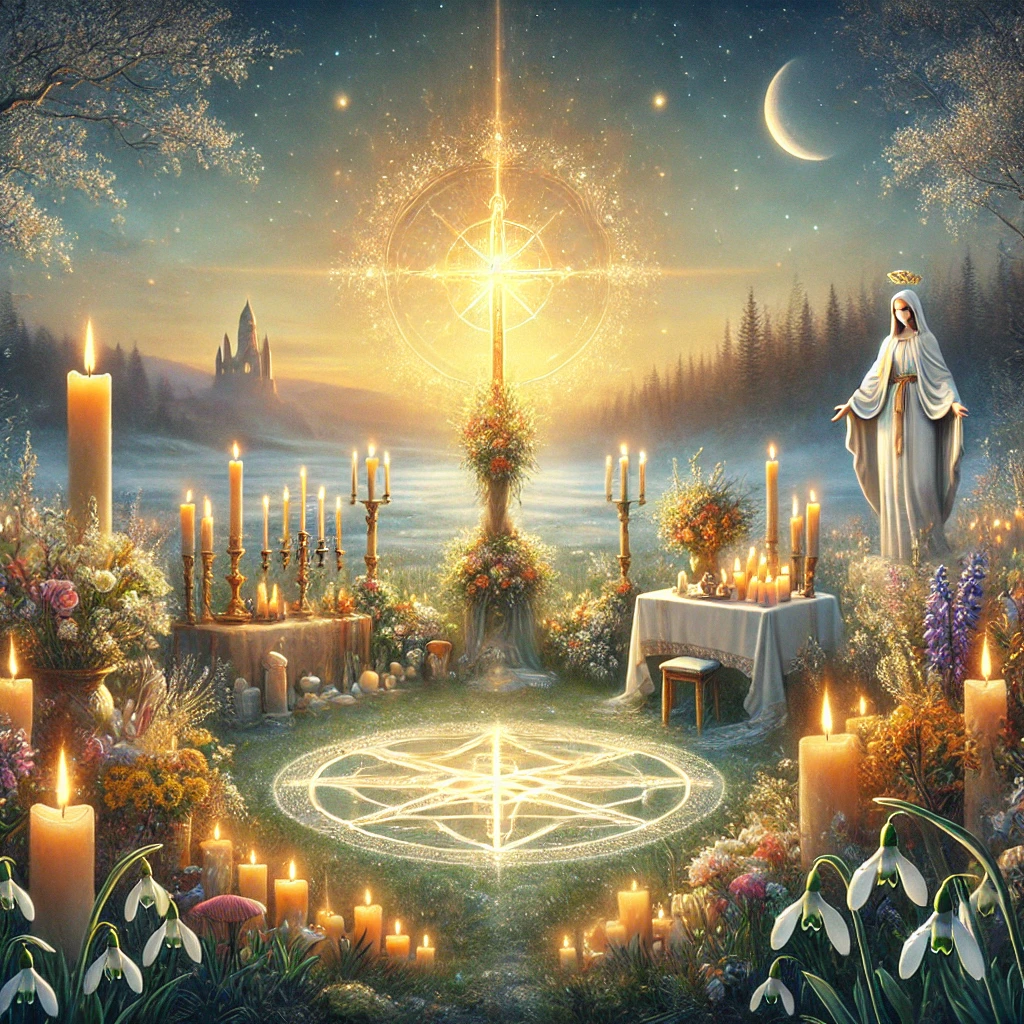
          The Imbolc Sabbat is the time we celebrate the passing of winter and the return of spring. The rebirth of the Sun is honoured on this day and the renewed fertility of the Earth. Imbolc means โ€œin the belly of the Motherโ€.

          Imbolc, also known as Candlemas, is a time for weather magic and divination, this is evident in the tradition of โ€œGroundhog Dayโ€.

          Imbolc Activities

          • Hang a scarf outside on the eve of Imbolg and Brigid will bless it with healing powers.
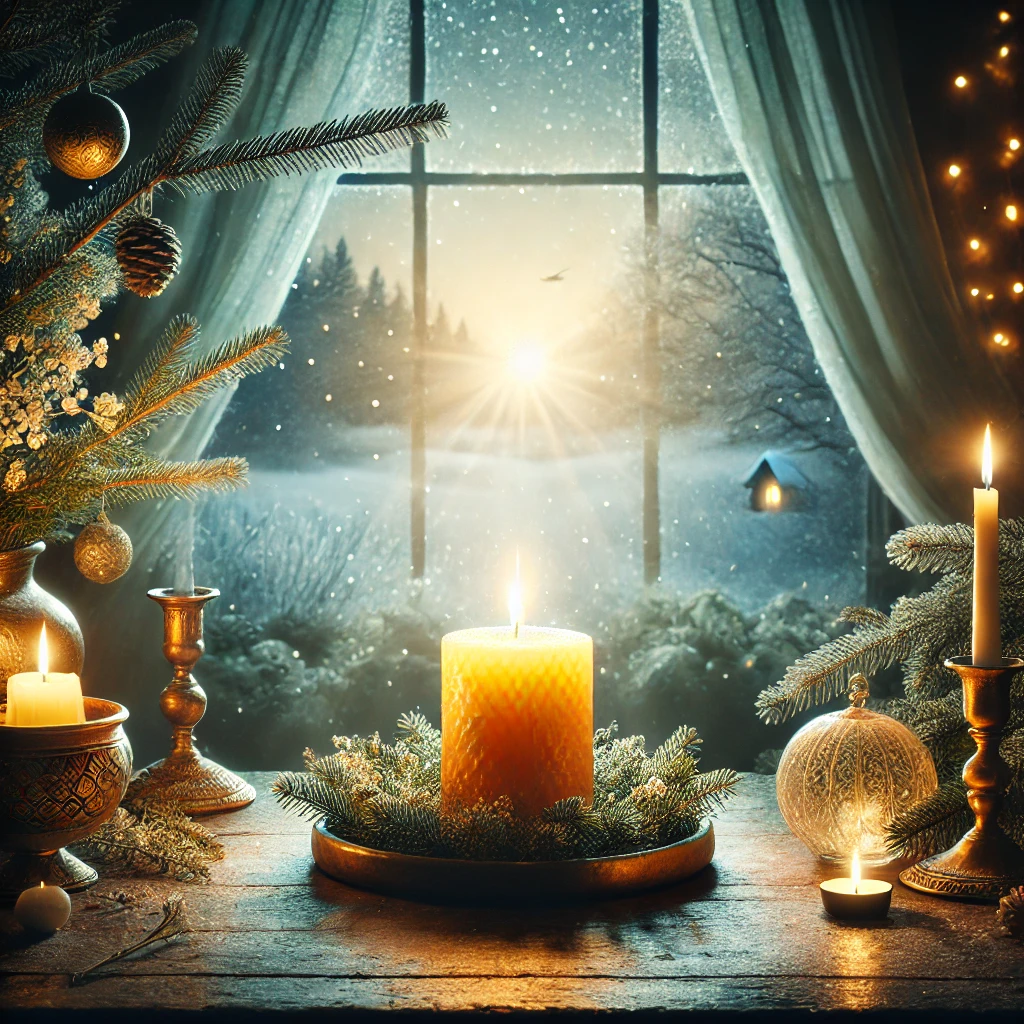
          • It is traditional upon Imbolc, at sunset or just after ritual, to light every lamp in the house โ€“ if only for a few moments. Or, light candles in each room in honour of the Sunโ€™s rebirth.
          • Place a lighted candle in each and every window of the house, beginning at sundown on Candlemas Eve (February 1), allowing them to continue burning until sunrise.
          • Burn the Yule greens to send winter on its way.
          • Hold a candle-making party and then bless all the candles youโ€™ll be using for the whole year.
          • Perform rituals of spiritual cleansing and purification.
          • Burn the Yule greens to send winter on its way.
          • Place three ears of corn on the door as a symbol of the Triple Goddess and leave until Ostara.
          • For a simple Imbolg observance, light a white candle and burn sandalwood.
          • On Imbolg Eve, it is customary to leave food and drink out for Brigid โ€” buttered bread, milk, grains, or seeds. Also, leave buttered bread in a bowl indoors for the fairies who travel with the Lady of the Greenwood. The next day, dispose of it outside as the โ€œessenceโ€ has been removed.
          • Let this be the traditional time that you make candles for the coming year, infusing them with colour, power, herbs, and scent depending on the magical purpose.
          • Imbolg is the traditional time to collect stones for new magic circles and general magical use.
          • Weave โ€œBrigitโ€™s crossesโ€ from straw or wheat to hang around the house for protection.
          • Make dream pillows for everyone in the family.
          • Clean and re-consecrate your magical cabinet of supplies and craft tools.
          • Place a candle in each window of your home on Imbolc eve and let it burn until the morning.
          • place food and saucers of fresh water for the birds.
          • Start an herb or seed garden.
          • Have a walk outdoors and search for signs of spring. Collect natural โ€œtreasuresโ€ such as stones, sticks, feathers, pine cones for use in the rituals, decorations, and crafts throughout the year.
          • Perform a cleansing ritual of the home, use your broom to sweep out all the negative energies, and de-clutter to release new energy..

          Deity’s Portfolio

          • Division: Major Sabbat
          • Other Names: Imbolq, Olmeic, Candlemas, Brigits Day, Bride Day, Disting-tid, Feast of Brigid, Festival of Light, Feast of the Virgin, Festival of Milk, Anagantios, Feast Day of St. Blaize.
          • Southern Hemisphere Date: July 31/August 1
          • Northern Hemisphere Date: February 1,2 & 3
          • Associated Holiday: Candlemass
          • Associated Deities: Bridgid, The Maiden, The Spring Goddess, The young Lord
          • Associated Herbs: Angelica, basil, bay leaves, myrrh
          • Associated stones: Amethyst, Quartz crystals, opal, moonstone, aventurine, sunstone, Onyx, and Turquoise.
          • Symbols of Imbolc: Brideoโ€™gas, Besoms, White Flowers, Candle Wheels, Brighidโ€™s Crosses, Priapic Wands (acorn-tipped), and Ploughs.
          • Foods of Imbolc: Pumpkin seeds, Sunflower seeds, Poppyseed Cakes, muffins, scones, and breads, all dairy products, Peppers, Onions, Garlic, Raisins, Spiced Wines and Herbal Teas.
          • Drinks of Imbolc: Milk, Spiced Wines, and Herbal Teas.
          • Incense of Imbolc: Basil, Bay, Wisteria, Cinnamon, Violet, Vanilla, Myrrh.
          • Ritual Oils: Jasmine, Apricot, Carnation, Sweet Pea, Neroli, Olive
          • Colors of Imbolc: White, Pink, Red, Yellow, Green, Brown.
          • Taboos: None
          • Plants: Willow, Rosemary, Clover, Dill, Evergreen.
          • Element: Earth
          • Activities: Candle lighting, Searching for Signs of Spring, Gathering Stones
          • Animals: Wolf, Snake, Swan, Vulture, Robin, Burrowing Animals, Sheep, Lamb, and Deer
          • Mythical Creatures: Firebird, Dragon, Berometz
          • Celebration of: The God is a young child growing in size and strength.

          Imbolc Resources

          Deeper Knowledge

          Candlemas

          Candlemas
          Reading Time: 17 minutesDiscover the rich history and traditions of Candlemas, a celebration of light, divination, and renewal that bridges Christian and pagan practices as we honor the shifting seasons.

          Brigid

          Brigid
          Reading Time: 14 minutesUncover the dual legacy of Brigid, revered as both a goddess and saint, and her role in healing, creativity, and transformation across spiritual traditions.

          Bridging Imbolc and Candlemas

          Imbolc and Candlemas
          Reading Time: 12 minutesExplore the shared themes of renewal and light in Imbolc and Candlemas, celebrating the promise of spring and the universal human connection to nature’s cycles.

          Recipes

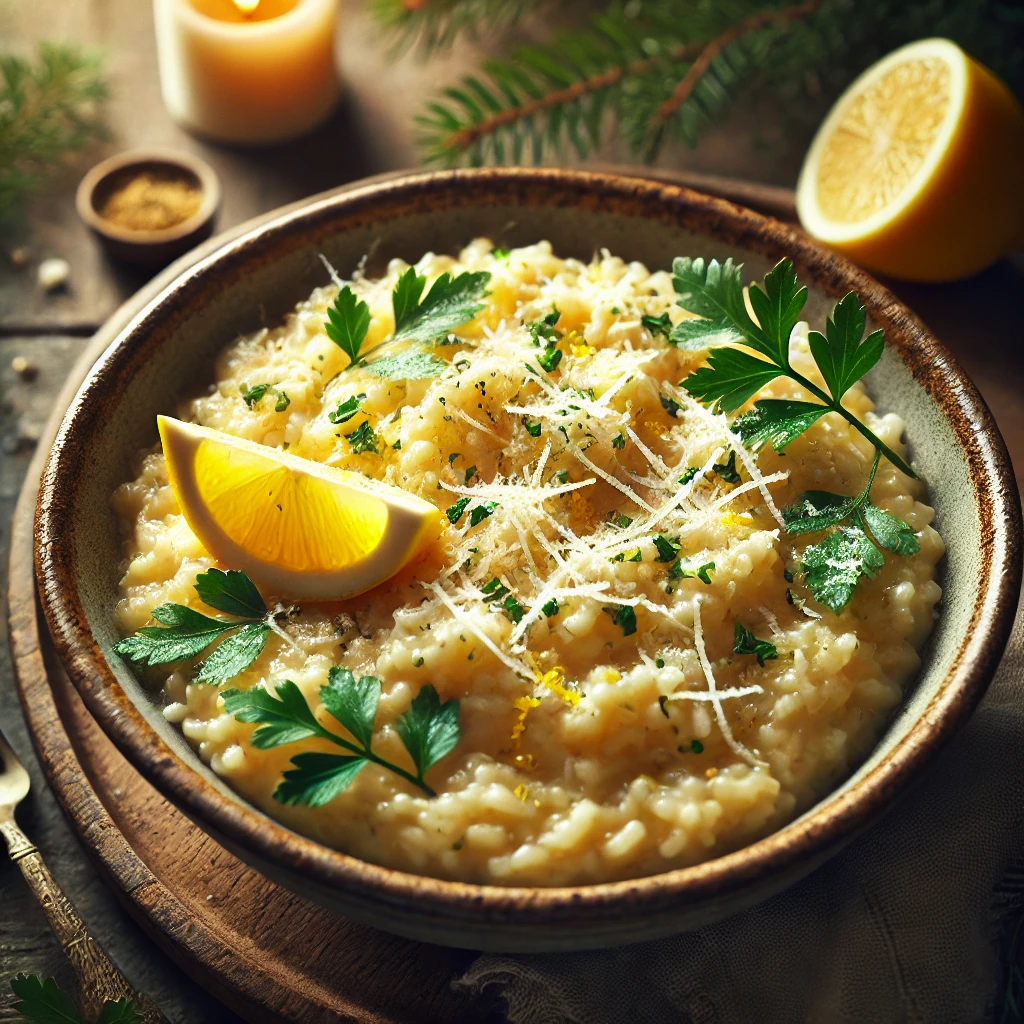
          Recipe: Creamy Lemon-Parmesan Risotto

          Creamy Lemon-Parmesan Risotto
          Reading Time: 3 minutesSavor a dairy-infused main dish that offers warmth, comfort, and sustenance with creamy risotto and a bright hint of lemon, symbolizing new beginnings.

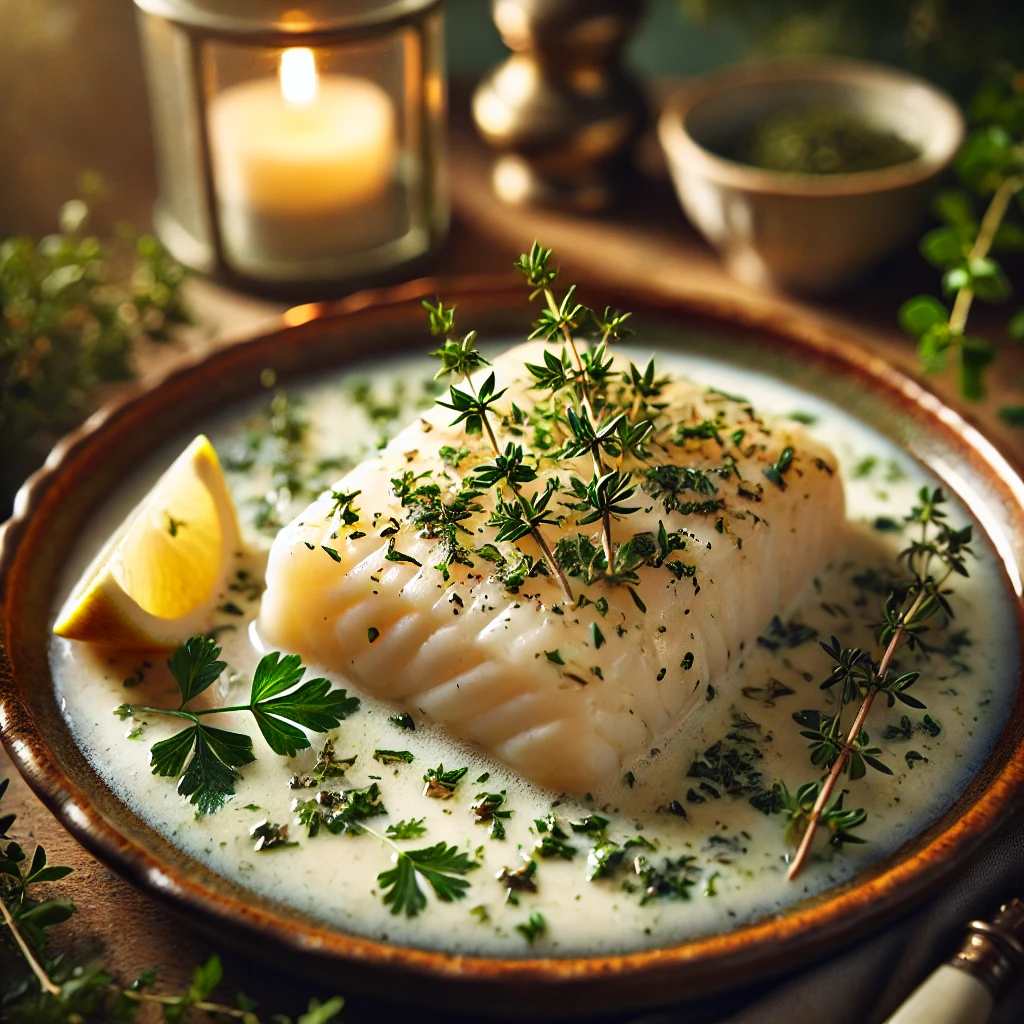
          Recipe: Milk-Poached Cod with Fresh Herbs

          Milk-Poached Cod with Fresh Herbs
          Reading Time: 3 minutesSavor a delicate and nourishing course that honors the harmonious relationship between land and sea with milk-poached fish and fresh herbs.

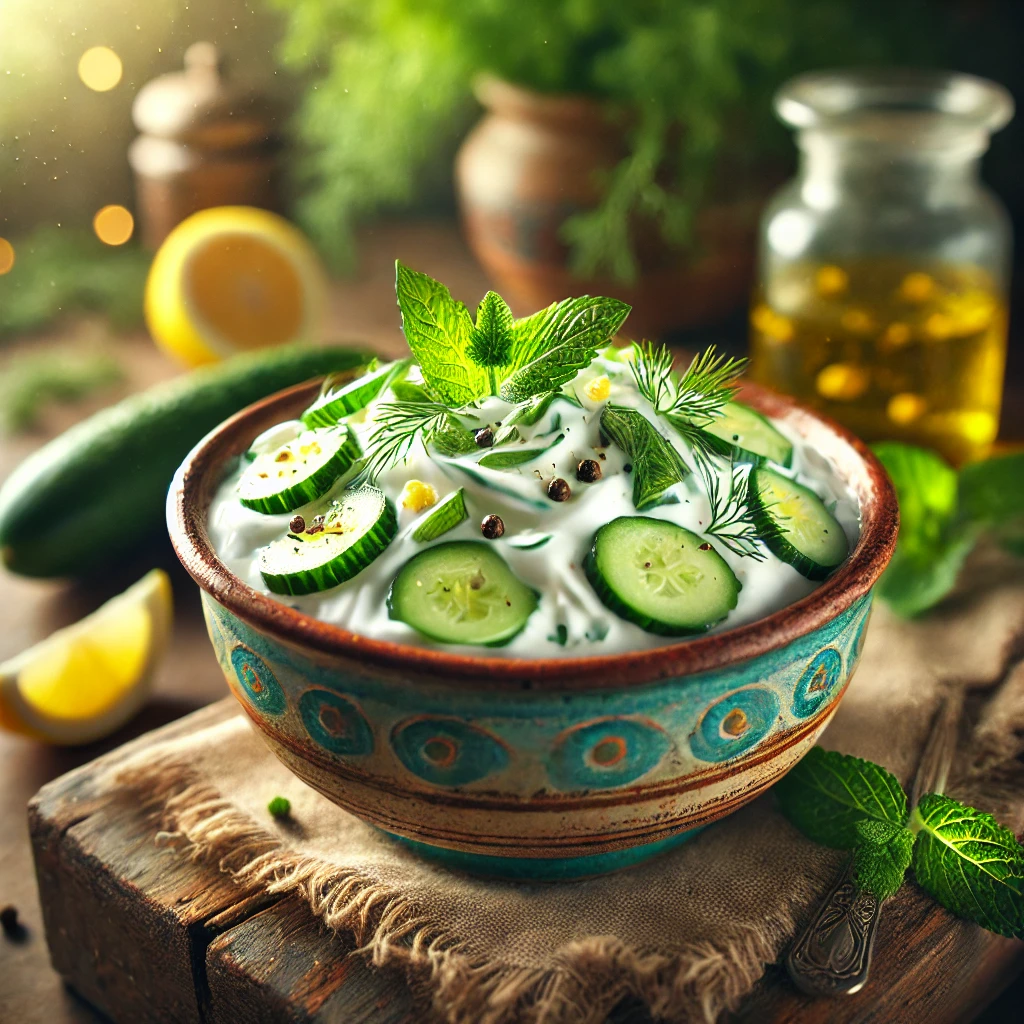
          Recipe: Yogurt and Cucumber Salad

          Yogurt and Cucumber Salad
          Reading Time: 3 minutesA light, refreshing course that cleanses the palate and connects to the life-giving qualities of Imbolc with a creamy, tangy, and vibrant salad.