Posted on Leave a comment

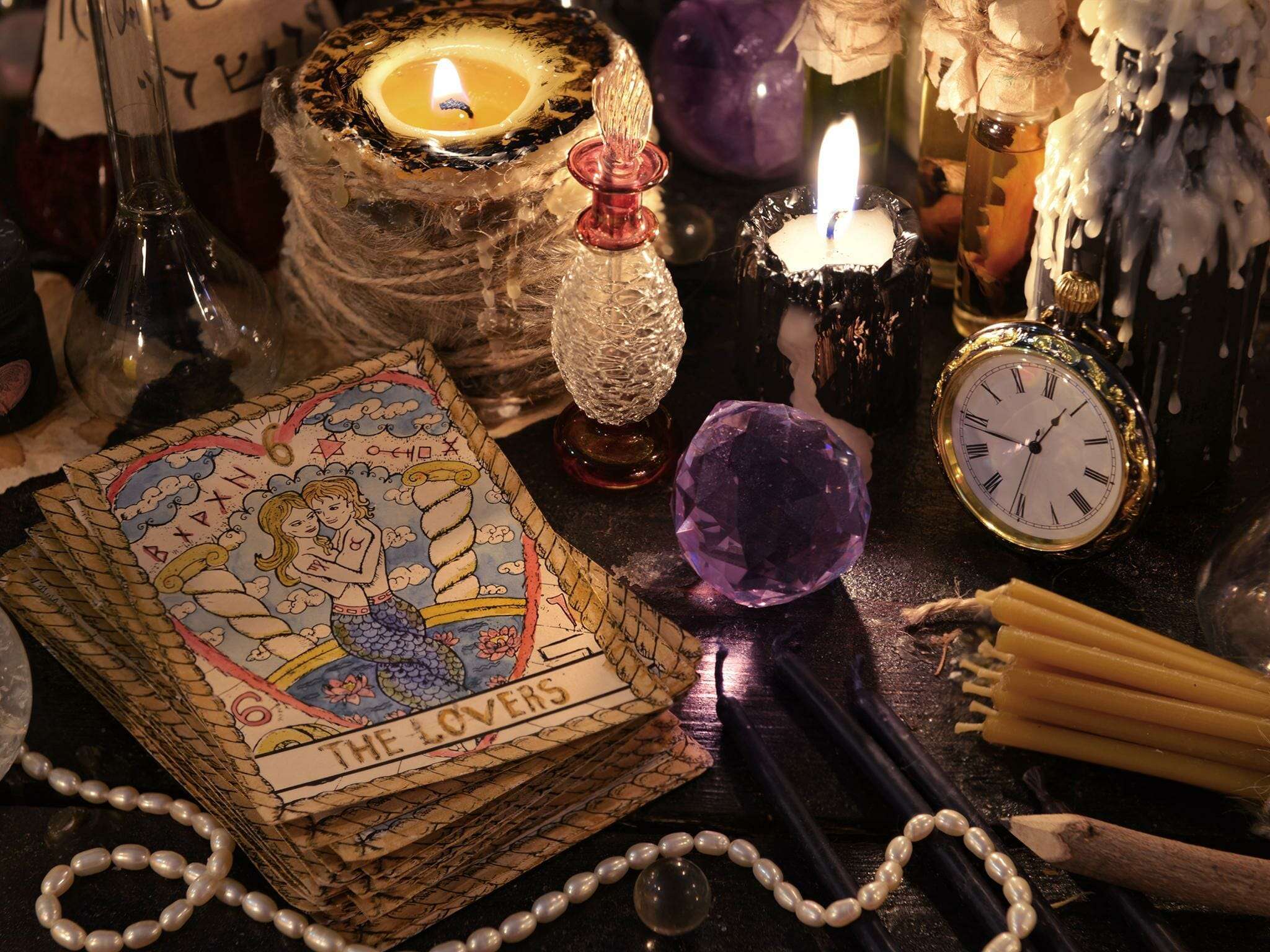
Four Crystals For Protection

Reading Time: 3 minutes

Introduction

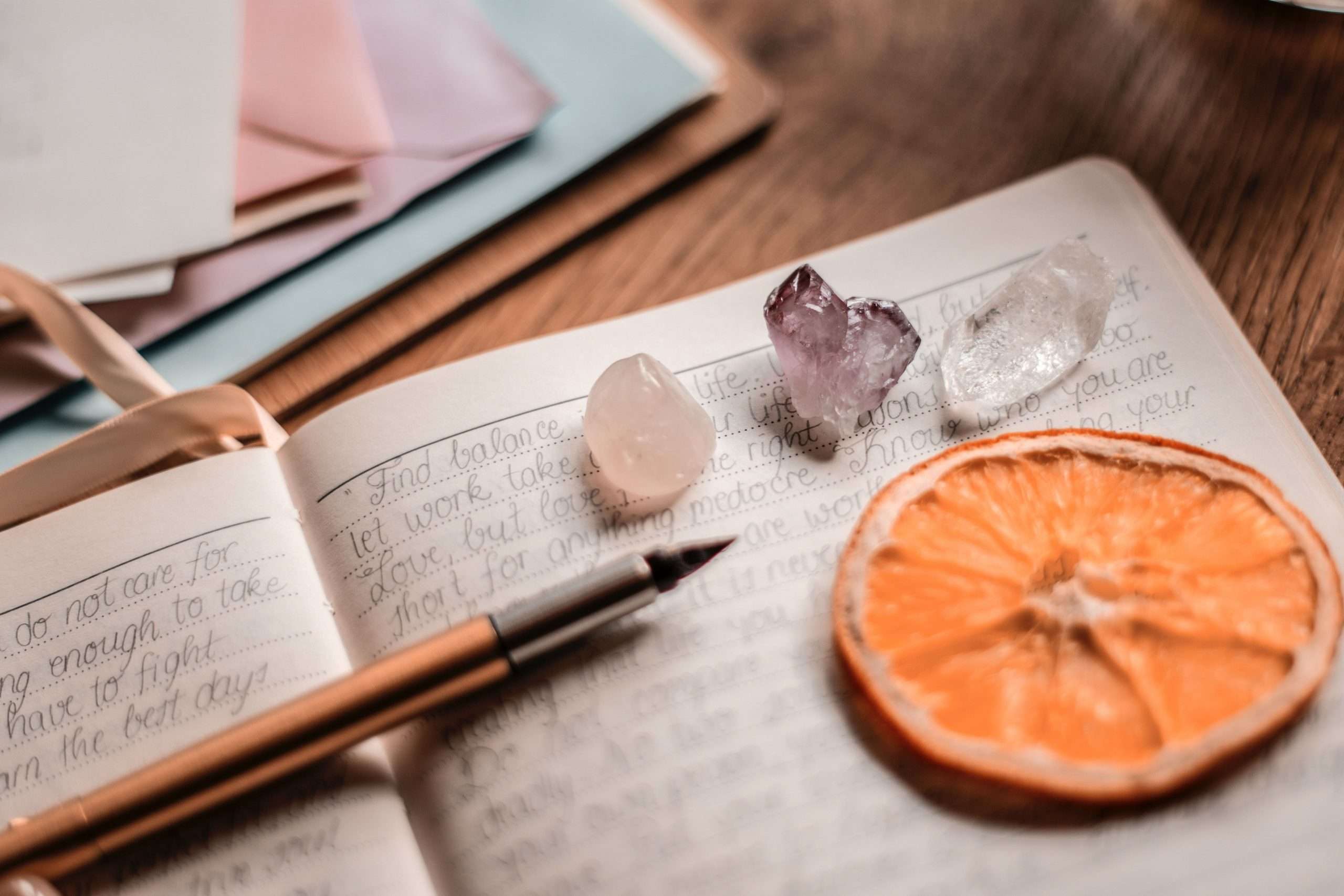
There are times in all our lives when we need protection. This may be a time you feel stuck in a toxic relationship, or it may be when you feel paralyzed and anxious from the 24-hour news cycle’s endless stream of gloom and doom. Perhaps you may just feel like you are being clouded by negative energy. Regardless, there can be factors both, internal and external, that we may need protection from. If you are dealing with self-negativity, self-sabotage, toxic relationships, or negativity from others, protections using crystals may help.

Crystals can not only be used to protect you from outside sources and negative energies, but they may also be able to help you harness the strength to protect yourself and the clarity to know when to walk away. Below is a list of 4 crystals to help protect you. You can harness these crystals’ energies by holding them in your hand during meditation or by wearing them on your person throughout the day. Regardless, I hope you find this information helpful and can use the power of crystals to find peace, love, and balance in your life.

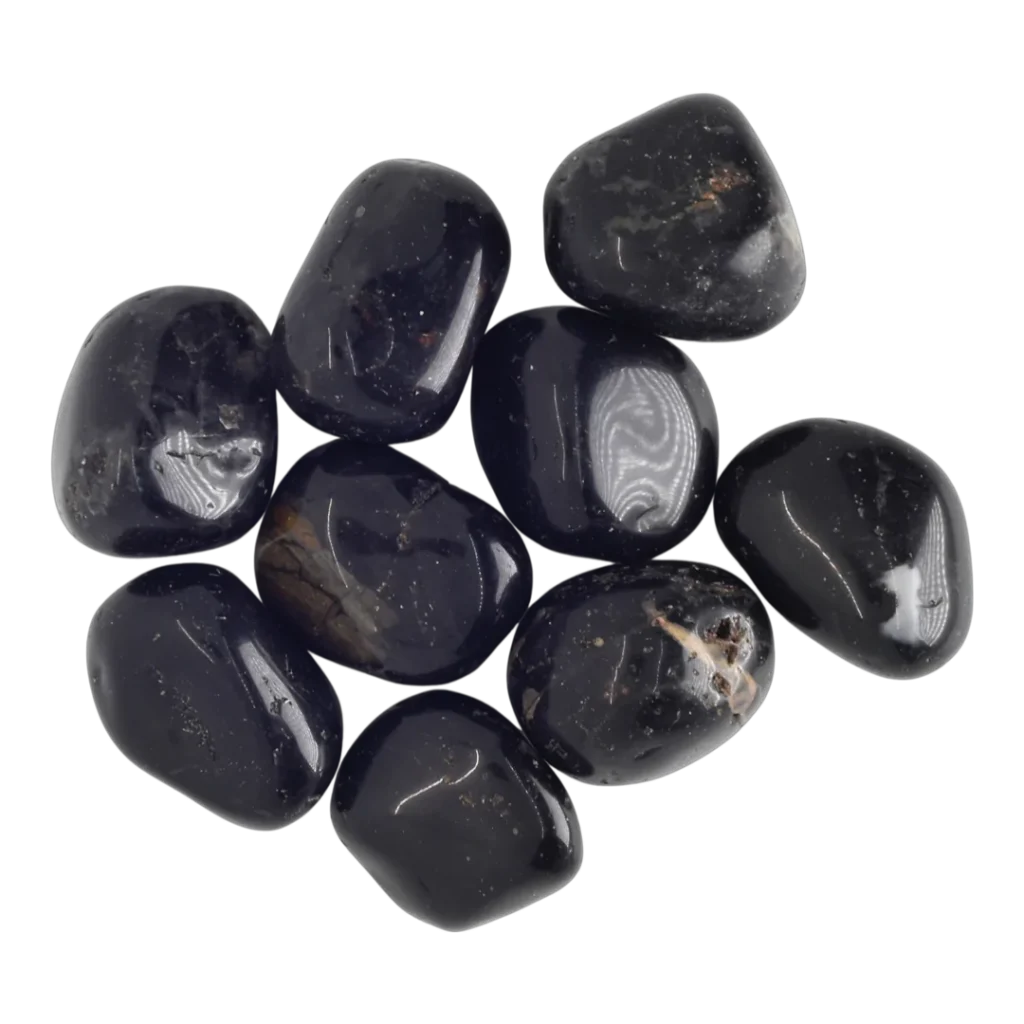
Black Onyx

This crystal can be used for manifesting strength and self-confidence, two of the tools you will use to stand up and protect yourself. With the energy of this powerful crystal, you will be able to stand up to whatever life throws at you. It is represented by the element of Earth, the Zodiac signs Gemini and Scorpio, and the Root Chakra.
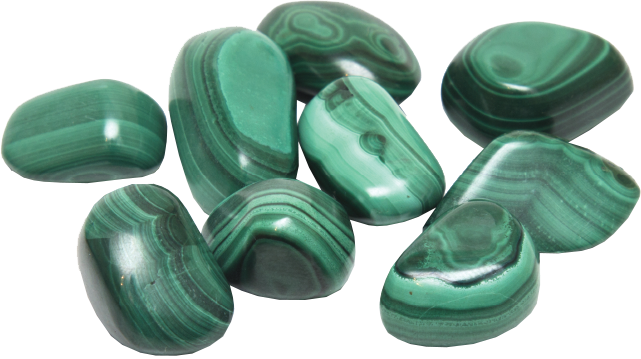
Malachite

This crystal is perfect for repelling negative energy. Whether this energy is external or internal this crystal can work to ward off all negativity. Malachite is represented by the element of water, the zodiac signs Taurus and Scorpio, and the Heart Chakra.
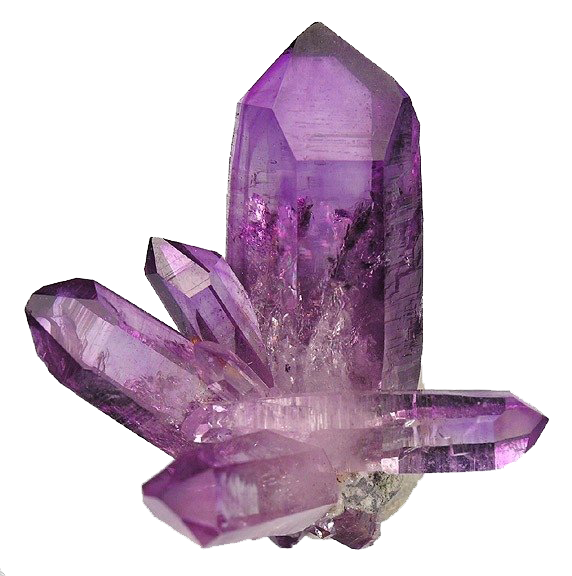
Amethyst

Amethyst is one of the best crystals for psychic protection. It has stabilizing and balancing properties and can be used to take care of both your emotional and spiritual well-being. Use this crystal to help clear irrational, negative, or anxious thoughts. It resonates with both the Third Eye and Crown Chakra. It can be especially powerful for those born under the signs of Virgo, Capricorn, Aquarius, and Pisces.
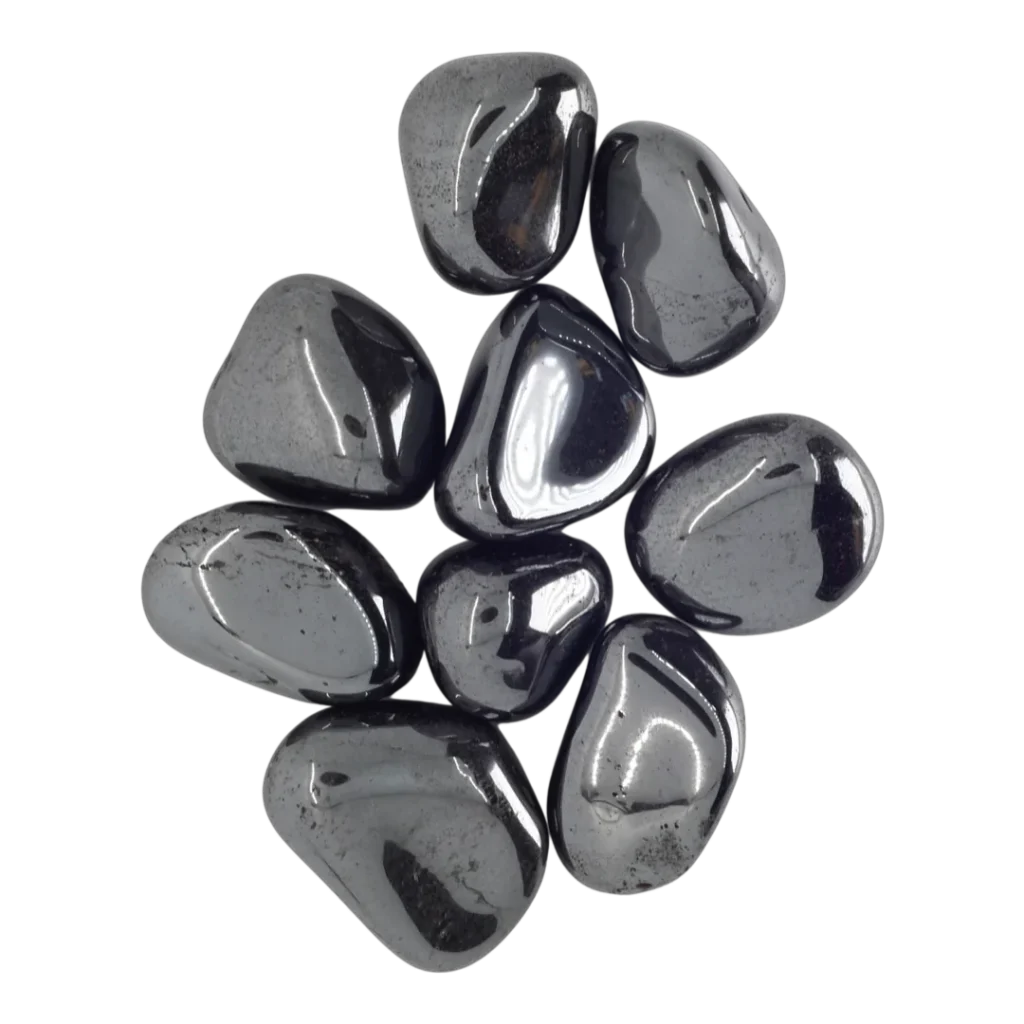
Hematite

This crystal is very helpful when used during a transitional or transformational period of life. Its grounding and balancing energies can be very helpful when it comes to cultivating a solid foundation during these sorts of challenging times. Hematite is represented by the element Earth, the zodiac signs of Aquarius and Leo, and by the Root Chakra.
Conclusion

In conclusion, crystals are powerful allies for protection and healing. They can help you ward off negative energies, enhance your intuition, and strengthen your aura. In this post, we explored four crystals that are especially useful for protection: black tourmaline, amethyst, labradorite, and clear quartz. Each crystal has its own properties and benefits, but they can also work together to create a harmonious and balanced energy field. You can use these crystals in various ways, such as wearing them as jewelry, placing them around your home or workplace, or meditating with them. By incorporating these crystals into your daily life, you can enjoy more peace, security, and confidence.

Posted on

Spellwork

Reading Time: 4 minutes

Introduction

Welcome to the Spellwork Section

Spells, incantations, rituals, etc… no matter what comes to mind when you think Spellwork, there is simply nothing more Wiccan in popular culture than magic. Say a few words, light a few candles, and boom you’re rich! The object of your desires wants you just as badly! You are cured of whatever ails you! Of course, true practitioners of the art know better.

In this section, we will explore the how’s and the why’s of Wiccan spellwork to help you achieve your goals in a safe and productive manner. We hope you find guidance for your journey within our posts.

Spellwork Sections

Blessings

In the Blessings category, you will find simple spells that can be recited at any time to bring positive energy and protection into your life. These blessings are often embroidered or printed on items displayed in the space to be blessed. Each blessing includes an original story themed to the blessing, connecting you to the deeper meaning behind the words.

Home Remedies

The Home Remedies category offers natural solutions to support your well-being throughout the seasons. Our posts cover a wide range of remedies, including teas, elixirs, aromatherapy, tinctures, tonics, herbal glycerites, broths, and steam treatments. Each remedy includes background information, step-by-step instructions, and the rich history behind it, helping you connect with the cycles of nature and embrace a holistic approach to wellness.

Rituals

In the Rituals category, you will find detailed guides for a variety of spellcraft rituals. These rituals are designed to help you connect with magical energies and manifest your intentions. Each ritual includes a printable version, making it easy for you to perform the ritual without the need for a digital device—perfect for our non-technopagan friends! Our rituals cover a broad spectrum of magical practices, from simple daily rituals to more elaborate ceremonies.

Spellcraft

The Spellcraft category is dedicated to exploring the art and science of spellcraft. Here, you will find a wealth of information on spells, spellwork, and magic in general. Our articles cover topics from the basics of spellcasting to advanced techniques, offering detailed explanations, step-by-step instructions, and practical tips. Additionally, you will find a variety of spells and invocations to incorporate into your rituals and daily practice.

We hope you find inspiration and guidance within these categories as you explore the world of Wiccan spellwork. Remember, the true power of magic lies within you, and with the right knowledge and intention, you can achieve anything. Blessed be!

Announcement

We are always interested in guest bloggers, if you would like to contribute please use the Contact Us form.

A Word of Caution

Incantations and spells for Wiccan Magic are complex and can sometimes be dangerous if you have a limited understanding of what you are doing. It is important to know the “why” and not just the “how” before you call upon these natural forces.

It is the difference between driving a car and flying a plane. You can drive a car without knowing much about how it works (I have literally no idea how my automatic transmission works, but I can still drive safely to the store) but you put yourself and others in danger if you try to pilot an aircraft without a thorough understanding of every part of the craft and the “why” behind it.

…spells are a little like recipes. You can try to follow along, but if you aren’t familiar with the ingredients, if you don’t understand the techniques, if you don’t have a basic understanding of the methods or practice very much, it will be hit or miss.

exemplore.com

Spellwork Categories

Blessings


Blessings

    Blessings – Hearth and Home

    Blessings – Hearth and Home
    Reading Time: 4 minutesWe hold Hearth and Home sacred because we believe that the home is a reflection of the self and a manifestation of the divine.

    Home Remedies


    Home Remedies

      Summer Home Remedies – Teas

      Summer Remedies - Teas
      Reading Time: 5 minutesIn this article we cover Teas, how to select the perfect summer herbs, methods for preparation, a few examples, and tips for enhancing your experience.
      Summer Home Remedies – Aroma Therapies

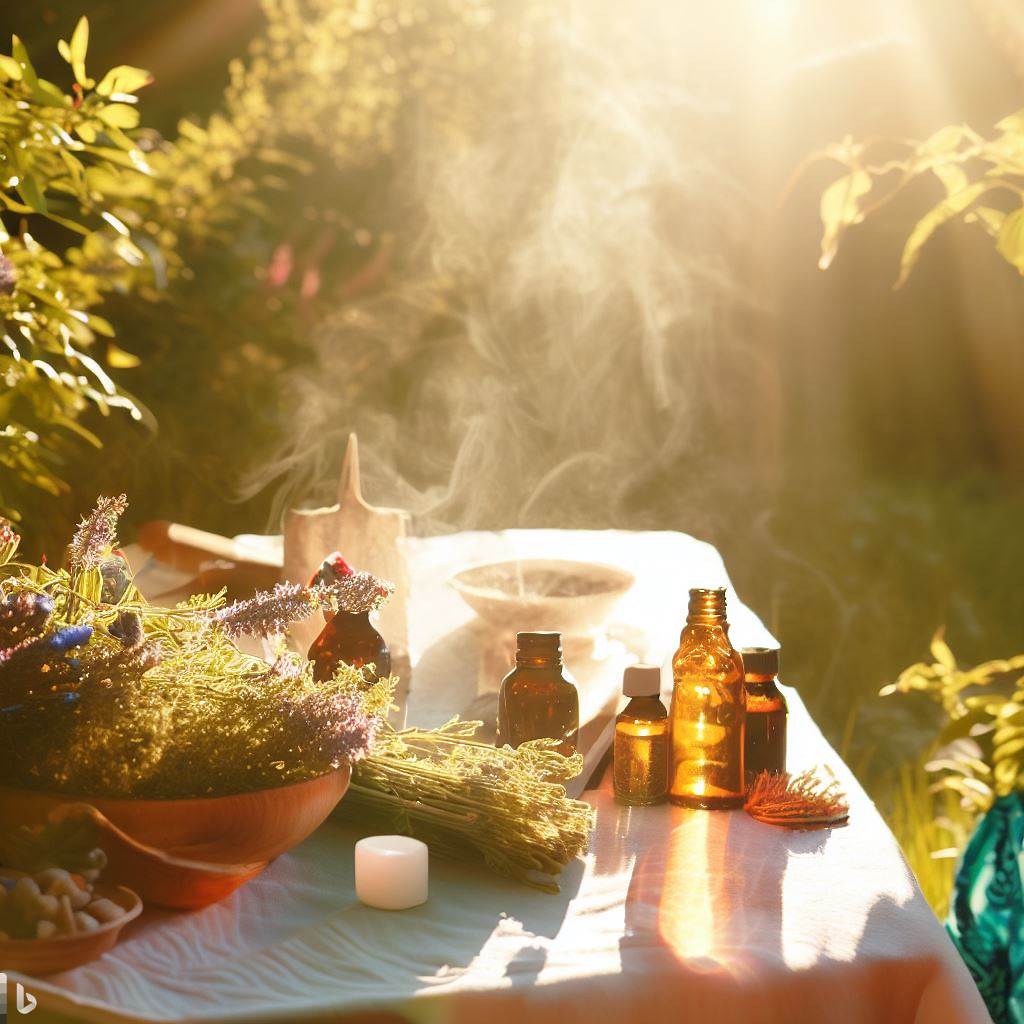
      Summer Home Remedy - Aroma Therapy
      Reading Time: 5 minutesIn this article we cover Summer Aroma Therapies; how to select the perfect summer herbs, ways to use them, and various blends for just the right magical effect.

      Rituals


      Rituals

      Ritual: Ostara Wreath Making

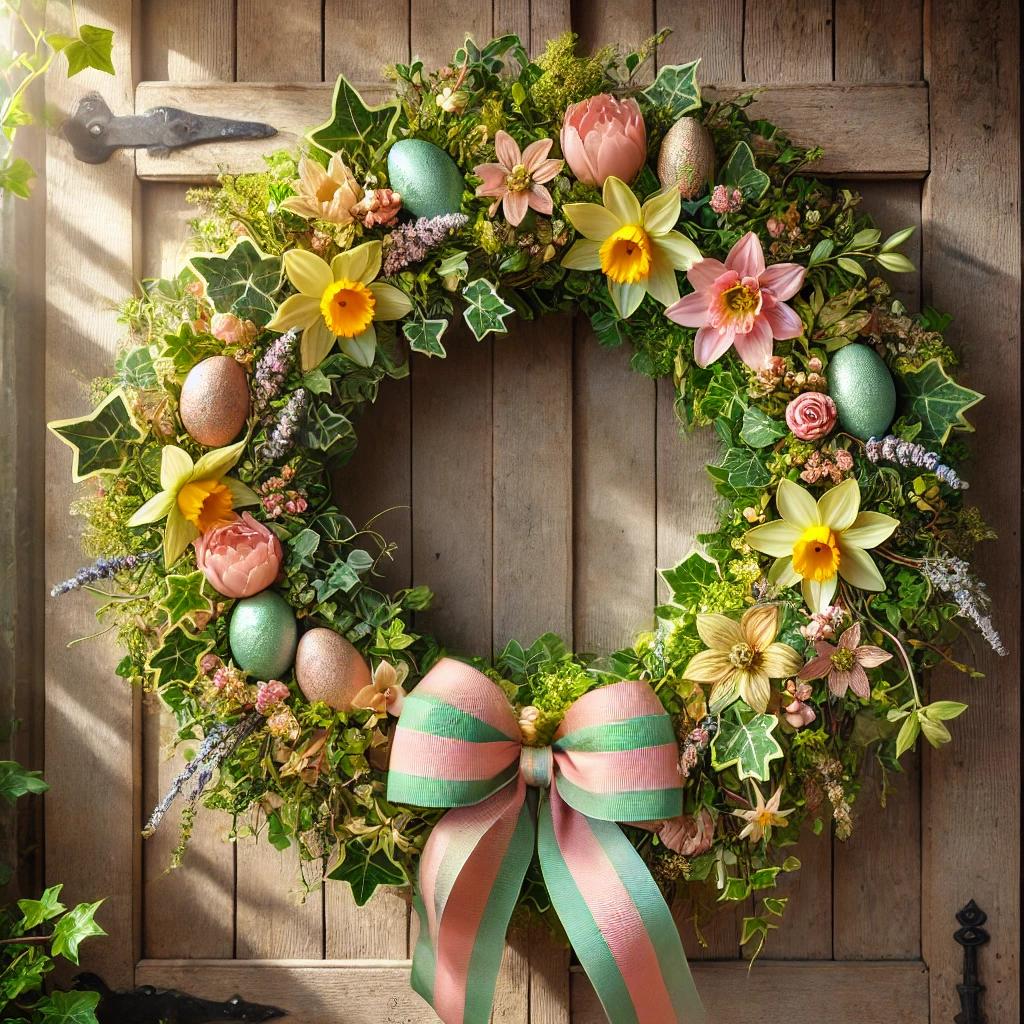
      Ostara wreath
      Reading Time: 3 minutesDiscover how crafting vibrant wreaths with flowers, vines, and ribbons honors the Spring Equinox by symbolizing fertility, balance, and renewal in a creative ritual.

      Ritual: Bird Feeders

      Bird Feeders
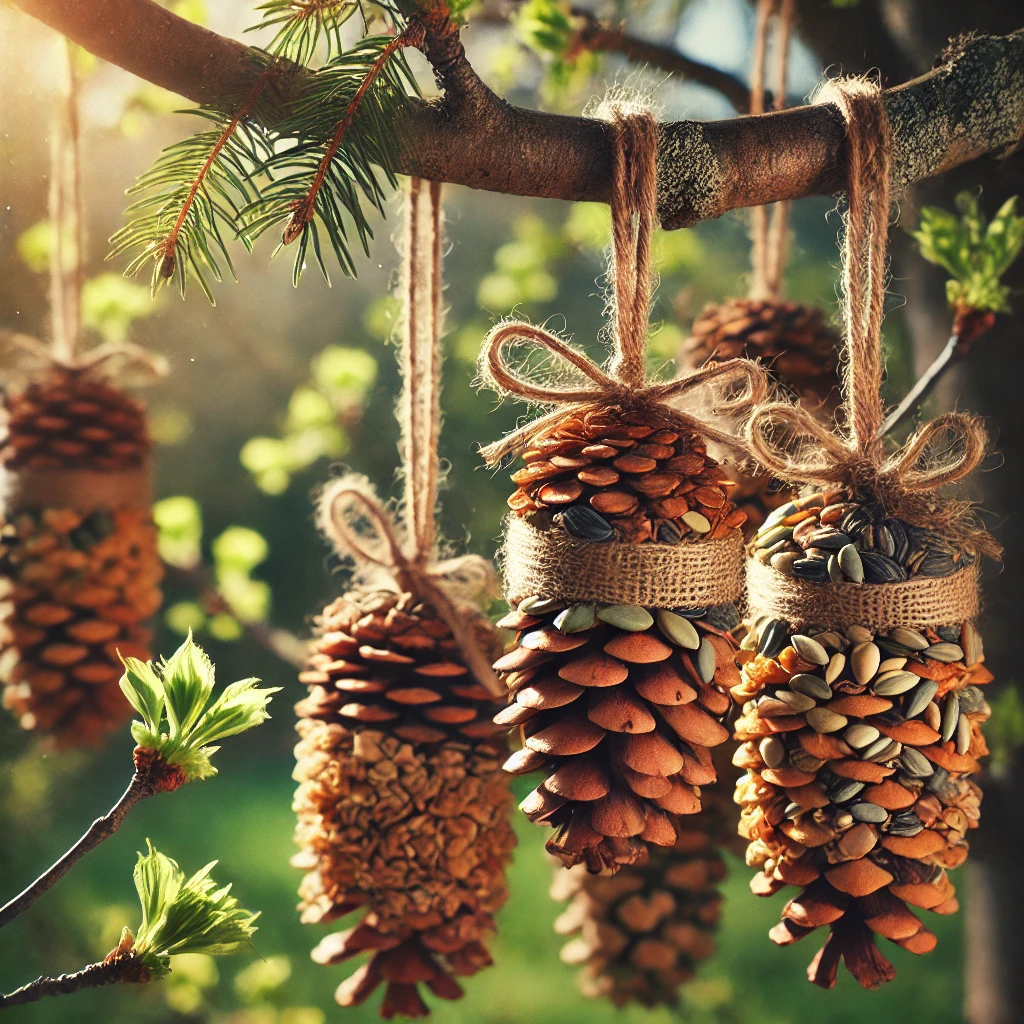
      Reading Time: 3 minutesLearn how crafting bird feeders honors Ostara by connecting with nature’s renewal, supporting wildlife, and embodying the spirit of giving during the Earth’s awakening.

      Spellcraft


      Spellcraft

      Curses, Unveiling Their Obscurities

      Curses
      Reading Time: 13 minutesDive into the depths of curses in witchcraft, uncovering their nature, intent, and duration. Learn to recognize and break their malevolent influence.
      Hexes: Shadows and Truths

      hexes-shadows and truths
      Reading Time: 12 minutesDelve into the depths of hexes, uncovering their essence, intention, and duration. Learn to navigate their influence with clarity, resilience, and integrity.

      All Spellwork Posts

      Winter Home Remedies - Tonics

      Winter Home Remedies – Tonics

      By
      ByTheo, WitchDec 19, 2024
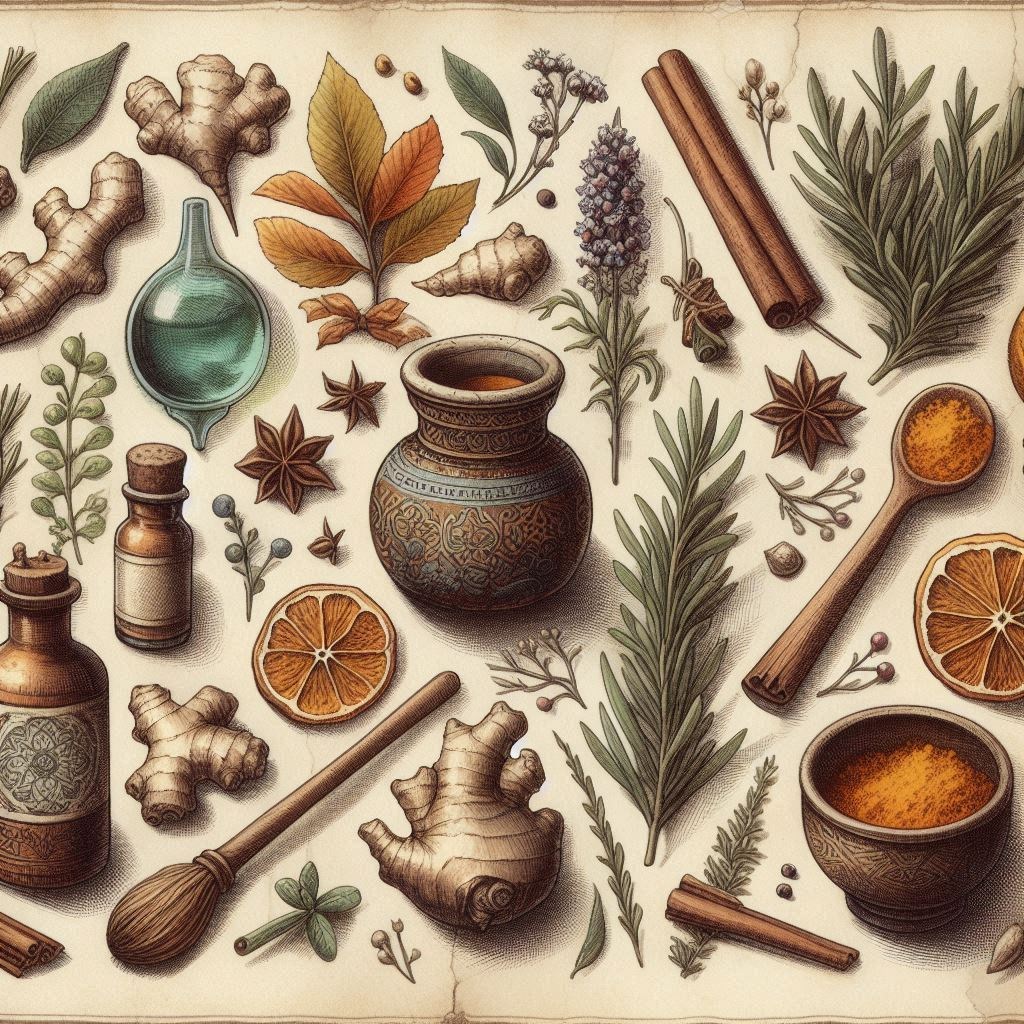
      Reading Time: 6 minutesDiscover revitalizing winter herb tonics using ginger, turmeric, cinnamon, and rosemary to support your immune function and overall wellness during the colder months.
      Yuletide Animal Masks

      Ritual: Yuletide Animal Masks

      By
      ByTheo, WitchDec 18, 2024
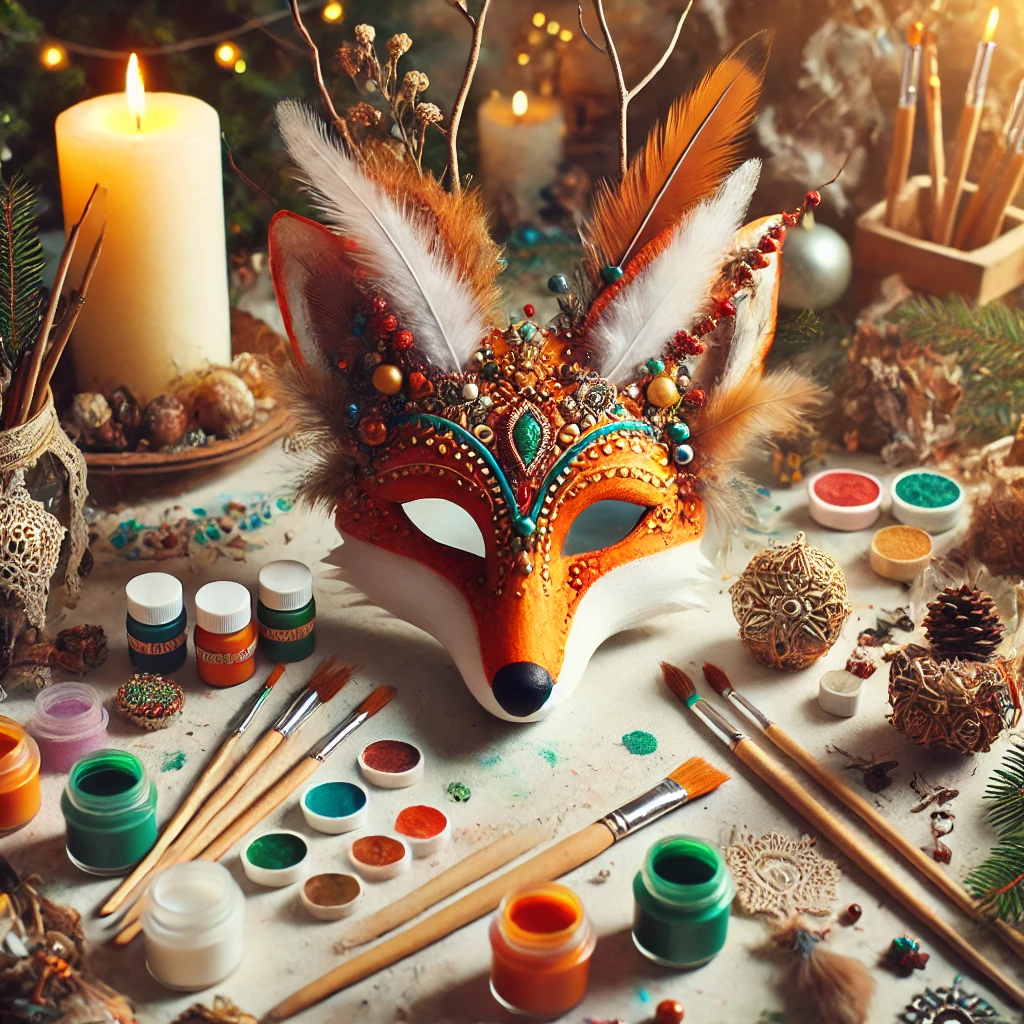
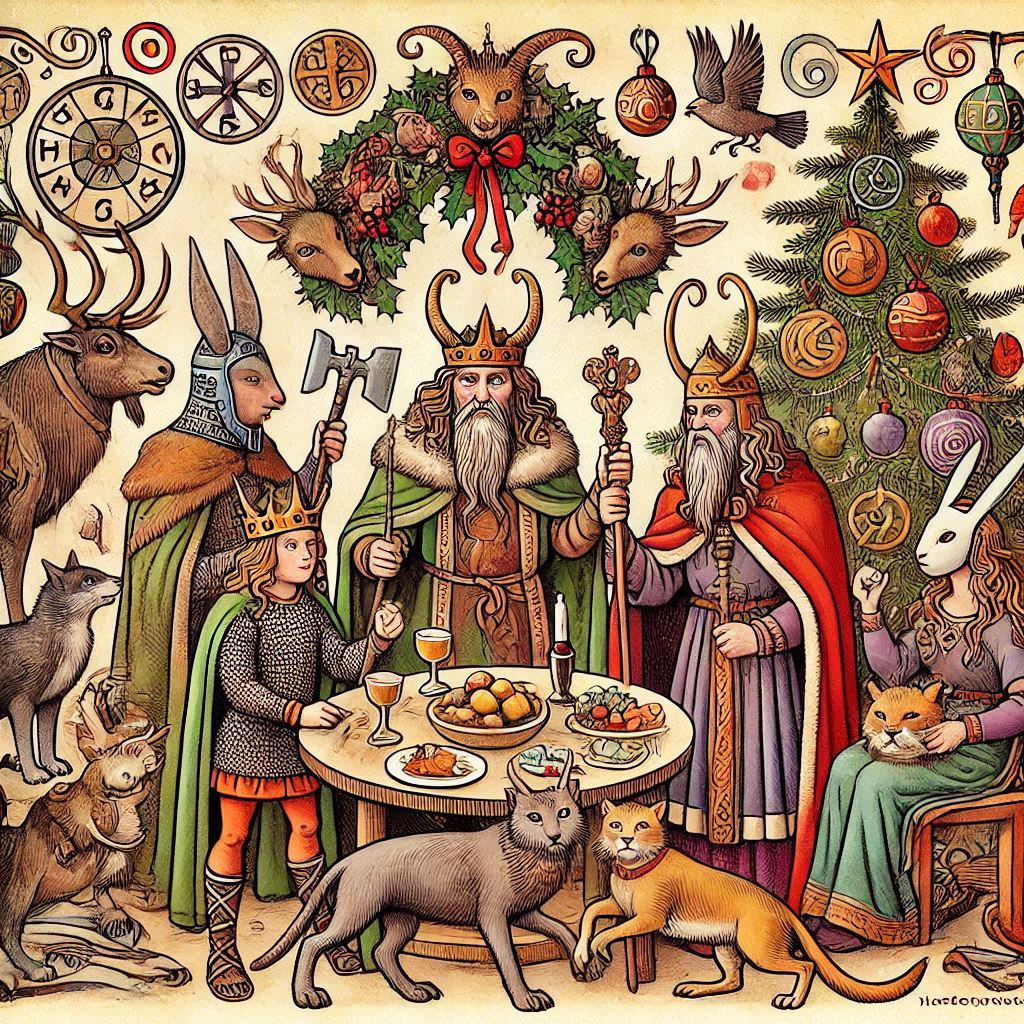
      Reading Time: 4 minutesCreate symbolic animal masks during Yuletide, embracing the traits and energies of sacred animals to set intentions and cultivate personal growth.
      The Yule Tree

      Ritual: The Yule Tree

      By
      ByTheo, WitchDec 18, 2024
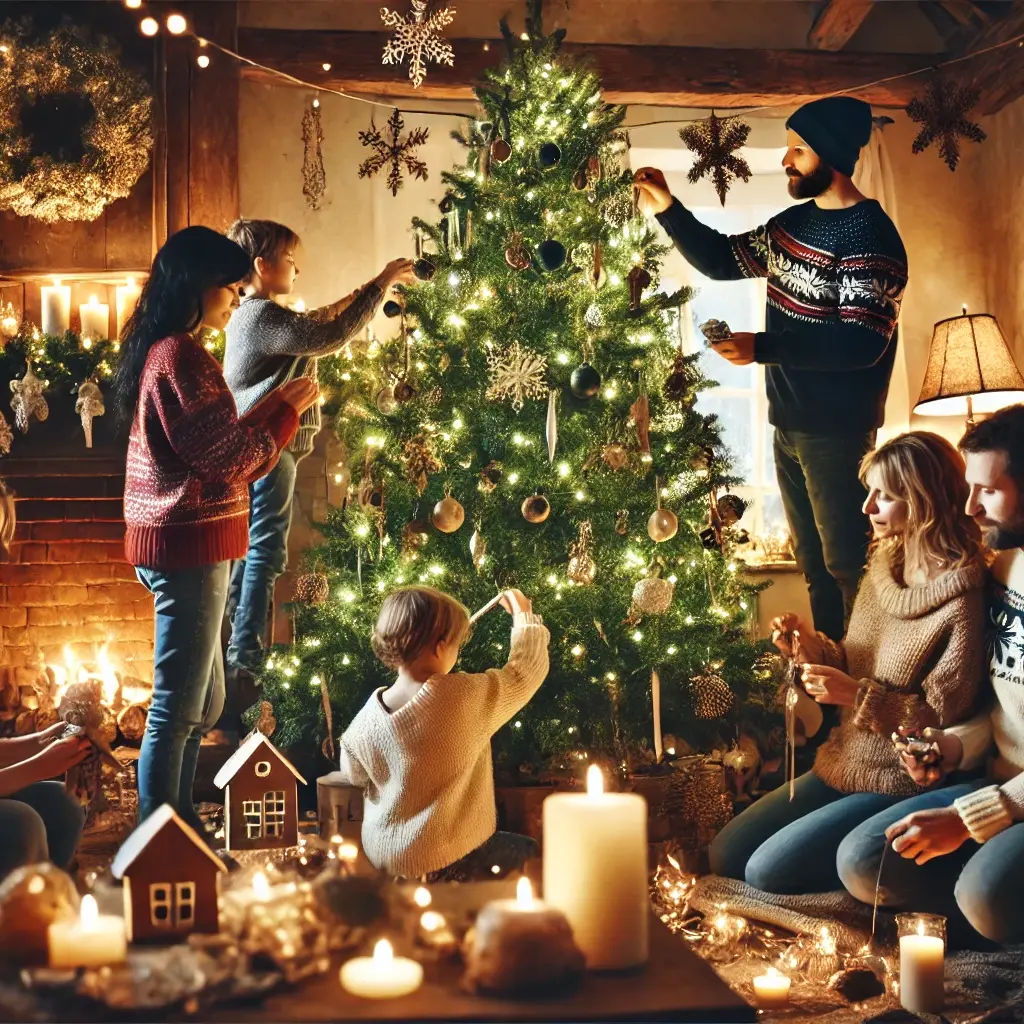
      Reading Time: 4 minutesDiscover the Yule Tree tradition, a living tapestry of beauty, symbolism, and gratitude, honoring the cycles of life, death, and rebirth during Yuletide.
      Ritual: Silly Feast and Revelry

      Ritual: Silly Feast and Revelry

      By
      ByTheo, WitchDec 18, 2024
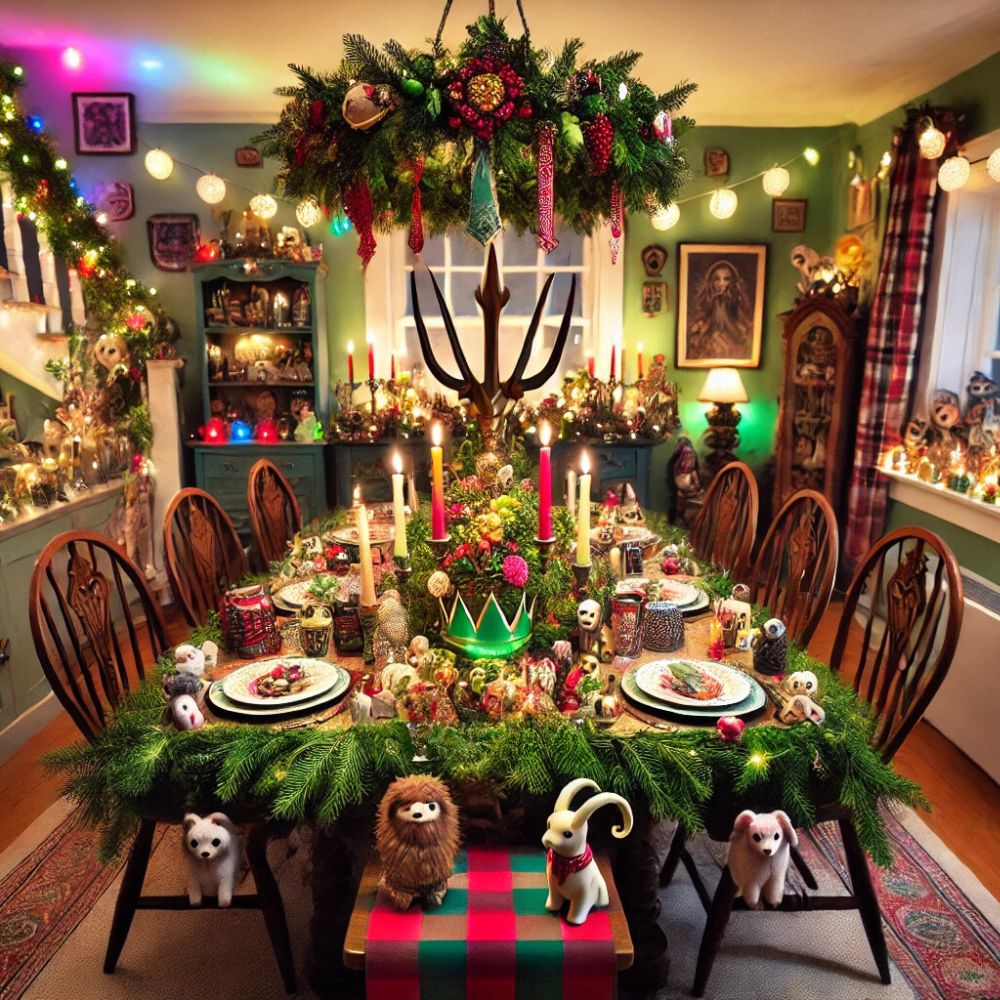
      Reading Time: 4 minutesCelebrate the spirit of playfulness on Yule’s fourth day with the Silly Feast, honoring Loki and Sigyn through laughter, role reversal, and community bonds.
      Sigyn’s Steadfast Devotion

      Ritual: Sigyn’s Steadfast Devotion

      By
      ByTheo, WitchDec 18, 2024
      Reading Time: 4 minutesHonor Sigyn, the Norse goddess of loyalty and devotion, with a ritual celebrating stability, perseverance, and the power of love during Yuletide.
      Loki’s Mischievous Alchemy

      Ritual: Loki’s Mischievous Alchemy

      By
      ByTheo, WitchDec 18, 2024
      Reading Time: 3 minutesEmbrace the transformative magic of Loki during Yuletide, inviting humor, adaptability, and profound change into your celebrations.
      Winter Home Remedies - Tinctures

      Winter Home Remedies – Tinctures

      By
      ByTheo, WitchDec 17, 2024
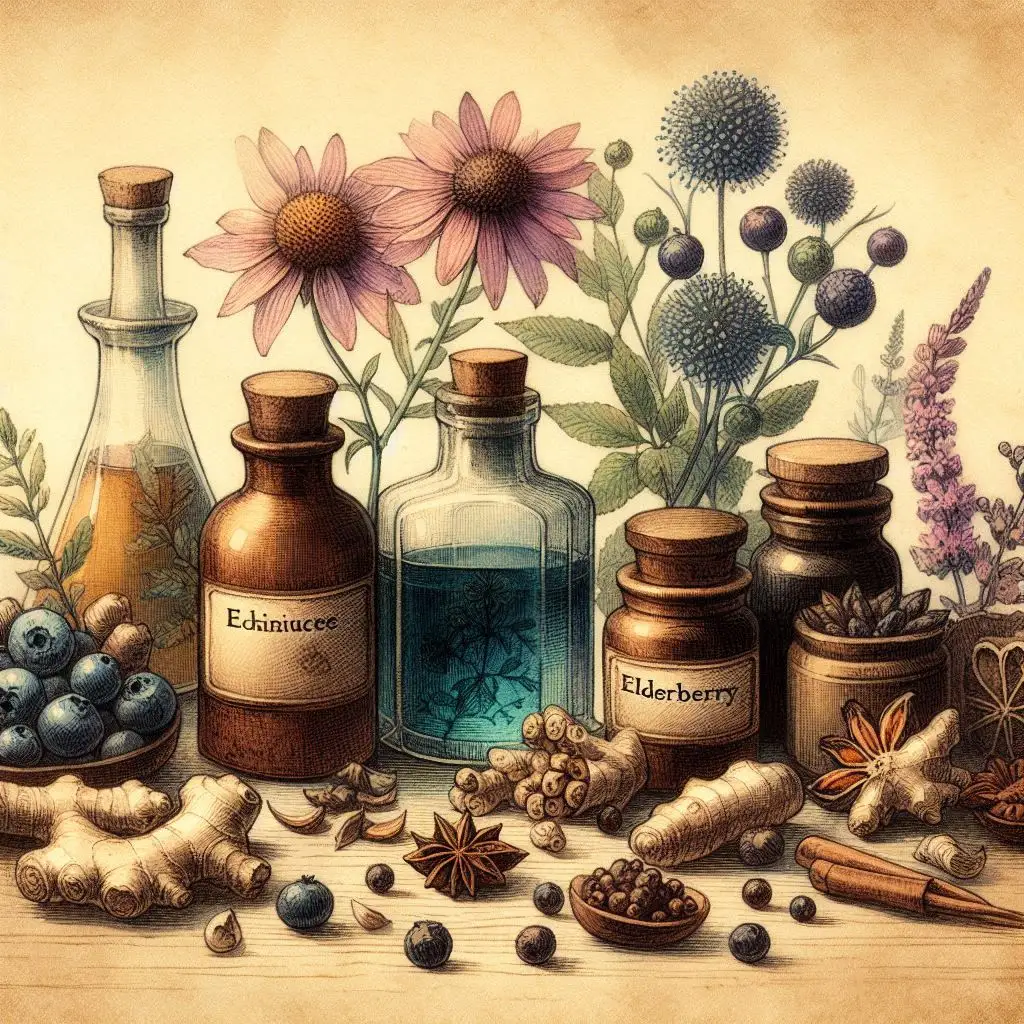
      Reading Time: 5 minutesDiscover potent winter tinctures using herbs like echinacea, ginger, elderberry, and astragalus to support your immune function and overall wellness during the colder months.
      Hygge

      Ritual: Hygge

      By
      ByTheo, WitchDec 14, 2024
      Reading Time: 3 minutesEmbrace Hygge this Father’s Night, transforming simple moments into celebrations of comfort and connection.
      Forging Oaths

      Ritual: Forging Oaths with Freyr & Gullinborsti

      By
      ByTheo, WitchDec 14, 2024
      Reading Time: 3 minutesForm a meaningful connection with Freyr and Gullinborsti through this Yule ritual.
      Posted on Leave a comment

      The Sabbats

      Reading Time: 3 minutes

      Introduction

      A journey around the Wheel of the Year

      The Sabbats celebrate the eternal circle of life – birth, death, and rebirth. These seasonal holidays have been followed for many thousands of years by ancient cultures such as Nordic, Celtic, and Greek. The Sabbats are attuned to the natural rhythms and cycles of nature and the passing seasons. Sabbat is a French word taken from the Hebrew Sabbath, meaning “to rest.” The Sabbats take place eight times in the year, they have spiritual significance. Most witches celebrate the Sabbats.­
      Current/Upcoming Sabbat

      Sabbats in Brief

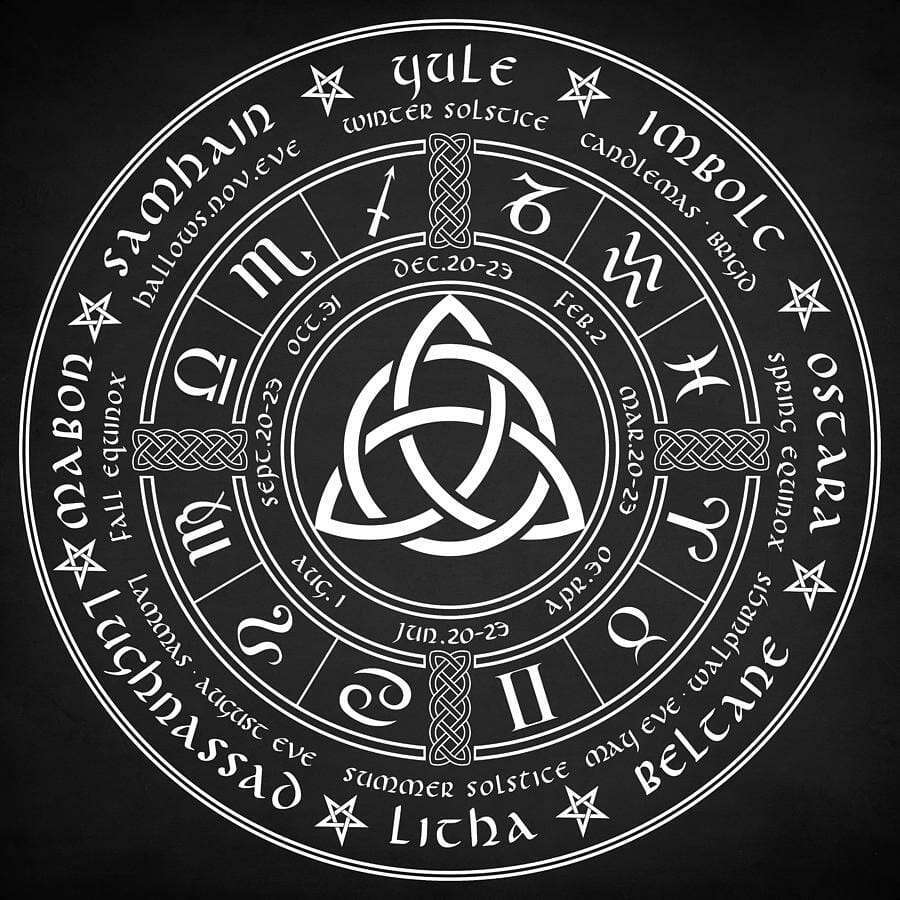
      The Major Sabbats include the four major agricultural festivals, Samhain, Imbolc, Beltane, and Lughnasadh. The minor Sabbats include the solar festivals of the equinoxes and solstices, Yule, Ostara, Litha, and Mabon.

      The midpoint of the four seasons is when the major Sabbats occur. The beginning of each season is when the minor Sabbats occur.

      Each spring the day, when the hours between sunrise and sunset are exactly equal to the hours between sunset and sunrise, is called “vernal equinox. “There is also a day each fall when the hours of darkness and the hours of daylight are exactly in harmony, this is the “autumnal equinox.”

      Halfway between each equinox, there are two points on the earth’s path which mark the Solstices. Daylight hours are at their longest during the Summer Solstice, the hours of darkness are at their shortest. During the Winter Solstice, we have the shortest day and longest night.

      All Sabbat ceremonies begin at sundown on the eve of the dates given and continue to sundown. Each Sabbat is spaced at approximately even intervals throughout the year.

      By celebrating the festivals, you attune yourself to the cycles of nature creating an inner calm and oneness with all things.

      The Wheel of the Year

      The Wheel of the Year is of Pagan heritage and is the calendar for the cycle of the seasons. The year is viewed as a wheel that keeps turning, and once it has completed a rotation, the wheel keeps going and turns again and again. Each of the spokes on this wheel represents one of the eight Sabbats.

      The Wheel of the Year begins at Samhain, which is better known as Hallowe’en or All Hallows Eve, which is the Celtic New Year, this is when the veil between the worlds of life and death are the finest.

      The Four Seasons are known as Solar Festivals because they mark a seasonal change caused by the Sun. The cross-quarter days are marked by Fire Festivals and are usually celebrated as significant agricultural festivals. The Solar Festivals and the Fire Festivals make up the Wheel Of The Year.

      Wiccans look at the year as the continuing and repeating story of the life, death, and rebirth of the God and the fertility of the Goddess.

      Wheel of the Year Cycle

      • At Yule, which occurs at the time of the winter solstice in December, the Lady gives birth to the Lord and then rests.
      • At Imbolc, in February, the Lord is seen as a young boy, and the Lady recovers from giving birth.
      • Ostara marks the first day of spring and the awakening of the Earth. The Lord is seen as a growing youth at this time.
      • At Beltane, the Lord has grown to manhood and he falls in love with the Lady, the two unite, producing the bounty of Nature. The Lady becomes pregnant by the Lord.
      • The Summer Solstice is the point in midsummer when everything in Nature is at its peak, there is abundance. During this time the Lord and the Lady are at the height of their powers.
      • Lughnasadh is the day in August of the first harvest. The first grains are cut, and the Lord begins to weaken.
      • At Mabon, the second harvest, the Lord is dying. The days grow shorter, and Earth readies for the slumber of winter.
      • At Samhain, in October, the Lord dies only to be reborn of the Lady again at Yule.

      All The Sabbats

      Lughnasadh

      Lughnasadh

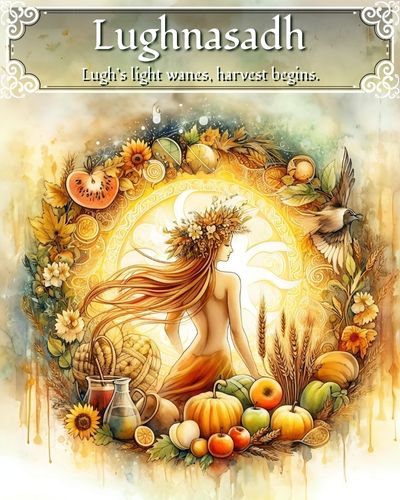
      Reading Time: 3 minutesLughnasadh (LOO-nus-uh), also called Lammas, is known as one of the Greater Sabbats, it marks the beginning of the fall harvest. This is the festival of Lugh, a Celtic God of Light, Fire, and God of crafts and skills.
      Mabon

      Mabon

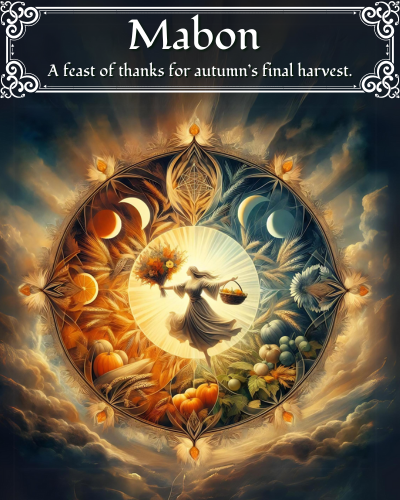
      Reading Time: 5 minutesMabon, one of the Lesser Sabbats, is the second harvest festival and is held on the autumn equinox to celebrate the last fruits of the year. Like the Spring Equinox, it is a time of balance between dark and light.
      Samhain

      Samhain

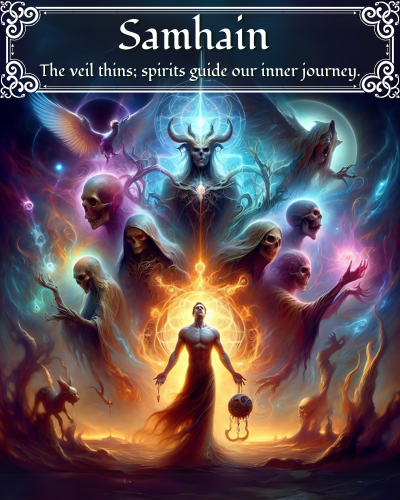
      Reading Time: 3 minutesSamhain is one of the Greater Sabbats, it is the witch’s biggest holiday and usually referred to as Halloween. It is New Year’s Day as it marks the death of the Lord. Samhain, is the death festival, and is the time when the veil between the worlds of the living and the dead at its finest.
      Yule

      Yule

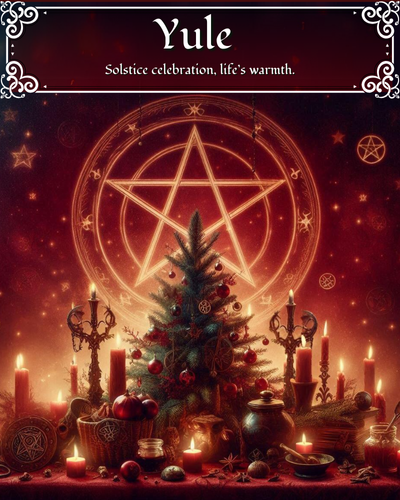
      Reading Time: 4 minutesExplore the magic of Yule, the Winter Solstice, celebrating the Sun’s rebirth and ancient traditions that bring warmth and light to the darkest days of the year.
      Posted on Leave a comment

      Yule

      YuleReading Time: 4 minutes
      Yule

      Introduction

      Yule is one of the Lesser Sabbats, it marks the Winter Solstice and is the time of the year when the God is reborn of the virgin goddess. The God is represented by the Sun which returns after the darkest night of the year, to again bring warmth and fertility to the land.

      During Yule, the daylight hours are the shortest in the year, and the nights are the longest. The Moon after Yule is said to be the most powerful of the whole year. Divine babies were born on this day – famously baby Jesus, Mithra, Oedipus, Hercules, Dionysus and many other holy beings.

      The origins of Yule date back to the Egyptians, they held the festival to celebrate the rebirth of Horus, the son of Isis and Osiris, Horus took the form of the Sun. Because greenery was seen as magical growth, and they wanted the Sun to stay longer, everything in sight was decorated in all the greenery. Others followed, and when the Romans came along, they named their festival Saturnalia, they brought in things such as candles, singing, lavish feasts and extravagant gift giving. As this spread through Europe, it became Yule.

      Many things that Christians use to celebrate Christmas have Pagan origins, such as the Christmas tree. Pagan families would bring a live tree into the home so the wood spirits would have a place to keep warm during the cold winter months. Bells were hung on the tree so you could tell when a spirit was present. The five-pointed star, the pentagram, symbol of the five elements, was placed at the top of the tree. The colours of the season, red and green, are also of Pagan origin, as is the custom of exchanging gifts. The Druids honored trees and collected and hung mistletoe. Group singing (caroling) was also a way of guiding the spirits towards the warmth of the homes. Yule is always considered a celebration of peace, love, spirituality and positive energy.

      The origin of the word Yule has several suggested origins from the Old English word, geõla, the Old Norse word jõl, a pagan festival celebrated at the winter solstice, or the Anglo-Saxon word for the festival of the Winter Solstice, ‘Iul’ meaning ‘wheel’.

      Use this code: “Handbook10” and save 10% Today!

      Yule Activities

      • Decorate a Christmas or Yule tree.
      • Exchange gifts with family and friends
      • Decorate with the colors Red, gold, and green in honour of the God.
      • Add mistletoe, this is both protective and representative of fertility.
      • Sing carols.
      • Donate food and clothing to others.
      • Private Meditation
      • Light Candles
      • Drink cider
      • Ring bells to greet the Solstice Morning.
      • String popcorn and hang them on an outdoor tree for the birds.
      • Hang little bells on the Yule Tree to call the spirits and fairies.
      • For prosperity, burn ash wood.
      • Make and burn a Yule Log.

      Deity’s Portfolio

      • Division:Minor Sabbat
      • Other Names: Winter Solstice, Midwinter, Sun Return, Alban Arthan, Pagan New Year, Saturnalia, Finn’s Day, Yuletide, Festival of Sol, Great Day of the Cauldron, Festival of Growth.
      • Southern Hemisphere Date: June 20-23
      • Northern Hemisphere Date: December 21
      • Associated Holiday: Christmas
      • Associated Deities: Mother Berta, Father Winter, Santa Clause, Kriss Kringle, St Nick, Kings of Holly and Oak, Aphrodite, Fortuna, Gaia, Hel, Holle, Ishtar, Isis, Apollo, Attis, Balder, Dionysus, the Green Man, Lugh, Odin, Ra
      • Associated Herbs: Chamomile, rosemary, ginger, sage, and cinnamon
      • Associated Stones: Bloodstones, Garnets, Quartz crystal, blue sunstone, emerald, ruby, sapphire, and diamonds
      • Symbols of Yule: Yule log or small Yule log with 3 candles, evergreen boughs or wreaths, holly, mistletoe hung in doorways, gold pillar candles, baskets of clove studded fruit, a simmering pot of wassail, poinsettias, Christmas cactus.
      • Foods of Yule: Biscuits, Caraway cakes, roasted apples, fruits, nutmeg, nuts, pork dishes, turkey, or lamb’s wool.
      • Drinks of Yule: Eggnog, ginger tea, spiced cider, wassail, or lamb’s wool (ale, sugar, nutmeg, roasted apples).
      • Incense of Yule: Pine, cedar, bayberry, cinnamon.
      • Ritual Oils: Rosemary, Myrrh, Nutmeg, Saffron, Cedar/Pine, Wintergreen, Ginger
      • Colors of Yule: Red, green, gold, white, silver, yellow, orange.
      • Taboos: Extinguishing Fire, Travelling
      • Plants: Holly, Mistletoe, Evergreens, Poinsettia, Bougainvillaea, Tropical Flowers, Bay, Pine, Ginger, Valerian, Myyrh.
      • Element: Earth
      • Activities: Decorating the Yule tree, Gift giving, storytelling
      • Animals: Stag, Squirrels, Wren/Robin, Bear, Boar, Squirrel, Sow, Tiger, Bear,
      • Mythical Creatures: Phoenix, Troll, Mermecolion
      • Celebration of: The Goddess giving birth to the God.

      Other Yule Resources

      Recipes

      Recipe: Trickster’s Petite Éclairs

      Trickster's Petite Éclairs
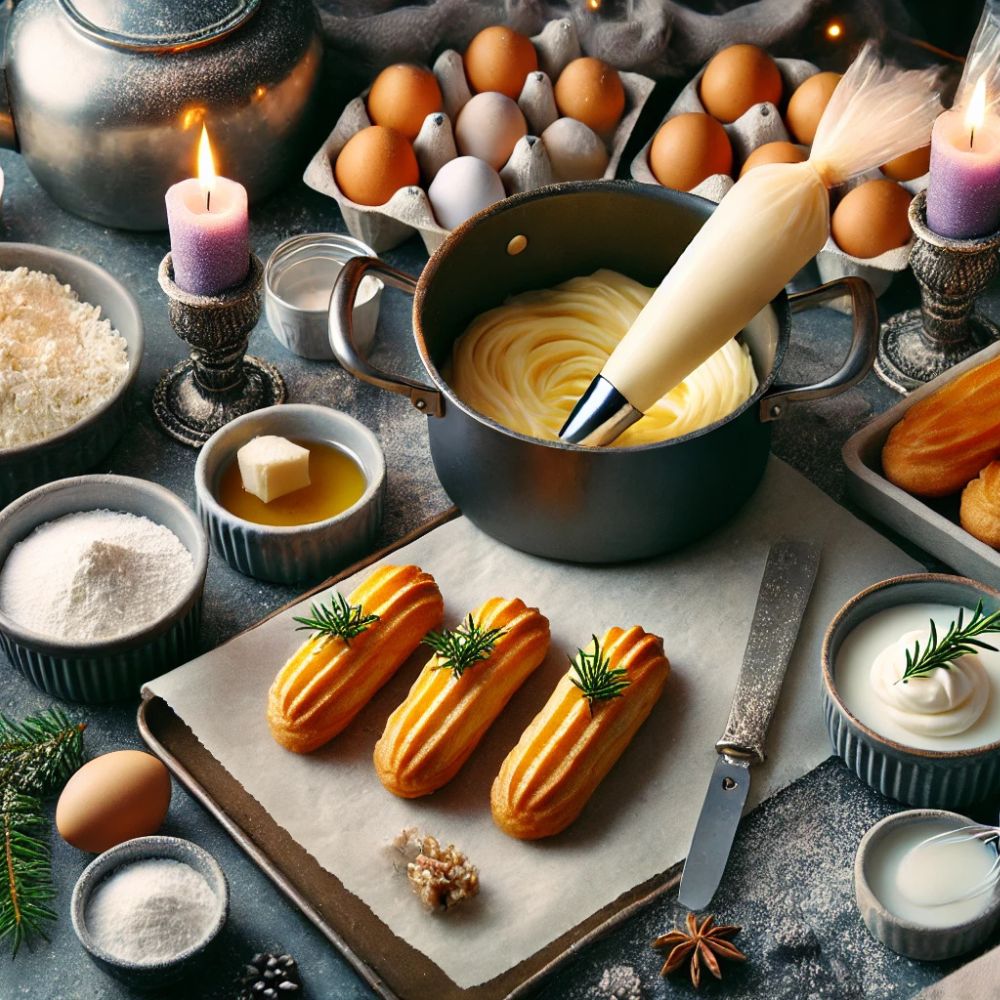
      Reading Time: 3 minutesEnjoy Trickster’s Petite Éclairs, playful bite-sized treats for Yule’s Silly Feast, combining savory rosemary and goat cheese with a deceptive sweet glaze.

      Recipe: Mischievous Winter Carrot Cake Trifle

      Mischievous Winter Carrot Cake
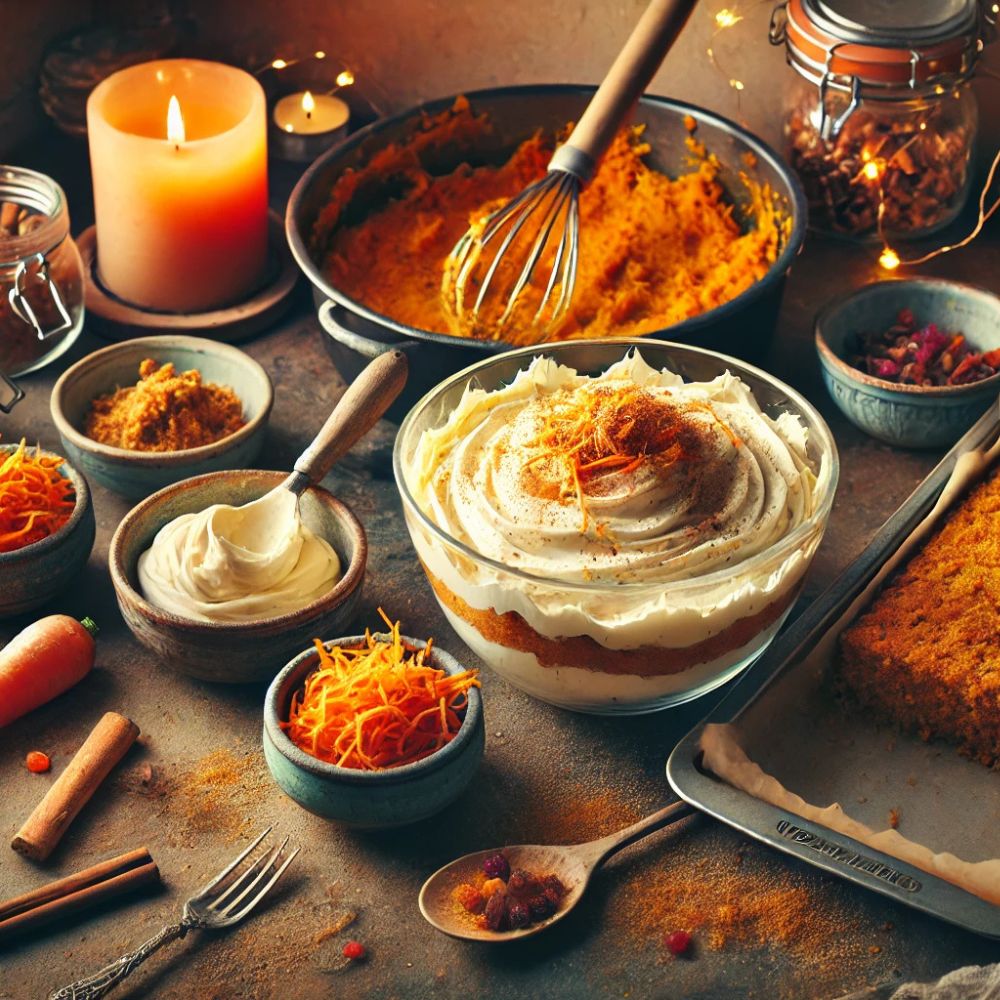
      Reading Time: 3 minutesSavor Mischievous Winter Carrot Cake Trifle, a playful dessert for Yule’s Silly Feast, combining spiced sweet potato and savory mascarpone for a surprising treat.

      Recipe: Whimsical Cheese Truffles

      Whimsical Cheese Truffles
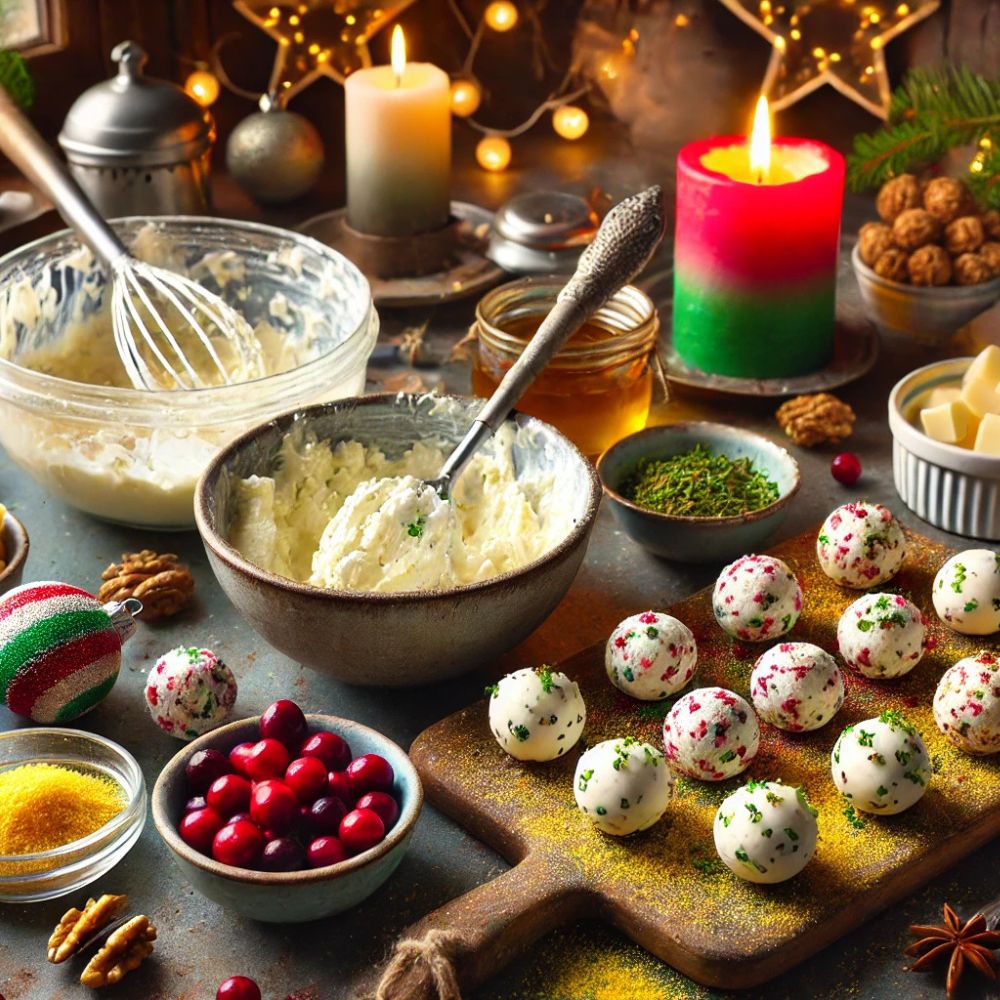
      Reading Time: 3 minutesDelight in Whimsical Cheese Truffles, a playful cheese dish for Yule’s Silly Feast, combining savory cheese balls with colorful, unexpected coatings.

      Deeper Knowledge

      Ritual: Silly Feast and Revelry

      Ritual: Silly Feast and Revelry
      Reading Time: 4 minutesCelebrate the spirit of playfulness on Yule’s fourth day with the Silly Feast, honoring Loki and Sigyn through laughter, role reversal, and community bonds.

      Ritual: Sigyn’s Steadfast Devotion

      Sigyn’s Steadfast Devotion
      Reading Time: 4 minutesHonor Sigyn, the Norse goddess of loyalty and devotion, with a ritual celebrating stability, perseverance, and the power of love during Yuletide.

      Ritual: Loki’s Mischievous Alchemy

      Loki’s Mischievous Alchemy
      Reading Time: 3 minutesEmbrace the transformative magic of Loki during Yuletide, inviting humor, adaptability, and profound change into your celebrations.

      The 4th Day of Yule – Loki, Sigyn, and the Silly Feast

      4th day of yule
      Reading Time: 9 minutesDiscover the meaning and fun of the Silly Feast, a merry gathering where we don animal disguises and exchange gifts.

      Upcoming Yule Posts

      No New posts Scheduled, Check back in Closer to Yule!

      Posted on Leave a comment

      Miscellaneous Posts

      MiscellaneousReading Time: < 1 minute
      Miscellaneous

      Introduction

      Welcome to the Miscellaneous Posts category, where you will find a variety of articles on all kinds of topics that don’t neatly fit into any other category. Whether you are looking for some tips, insights, opinions, or stories on witchcraft and paganism, you will find something that interests you and enriches your practice.

      Our Miscellaneous Posts category is a space for exploring and sharing our diverse and eclectic views and experiences on the magical arts and the natural world. We aim to provide you with original, engaging, and creative content that covers different aspects and perspectives of witchcraft and paganism. We also hope to create a community of like-minded people who can exchange ideas, feedback, and support.

      We are always interested in guest bloggers, who can contribute their own unique voice and expertise to our Miscellaneous Posts category. If you have a passion for writing and a topic that you would like to share with us and our readers, please use the [contact us] link and let us know. We would love to hear from you and feature your work on our site.

      Thank you for visiting our Miscellaneous Posts category and for your interest and support. We hope you enjoy reading our articles and finding something that resonates with you and your practice. Happy reading and blessed be!

      All Miscellaneous Posts

      Posted on Leave a comment

      Deities

      DeitiesReading Time: < 1 minute
      Deities

      Introduction

      Welcome to the Deities category, where you will find fascinating and inspiring information on the various gods and goddesses that are worshipped or invoked by witches and pagans. Deities are the manifestations of the divine spirit that pervades the universe, and they reflect the diverse aspects and attributes of this spirit. Deities can help us understand and connect with the divine, as well as empower and guide us in our magical and spiritual journeys.

      In this category, you will learn about the history, mythology, and symbolism of different deities from various cultures and traditions, such as Celtic, Greek, Egyptian, Norse, and more. You will also discover how to work with deities in your witchcraft, such as how to choose a patron deity, how to honor and communicate with them, how to incorporate them into your rituals and spells, and how to respect their individual personalities and preferences.

      We hope you enjoy exploring this category and learning more about the deities that resonate with you and your practice. Remember, deities are not only powerful and wise beings, but also compassionate and supportive allies. So be respectful, curious, and open-minded. Happy learning and blessed be!

      All Deities Posts

      Honoring the Green Man

      Honoring the Green Man – Libations

      By
      ByTheo, WitchNov 28, 2023
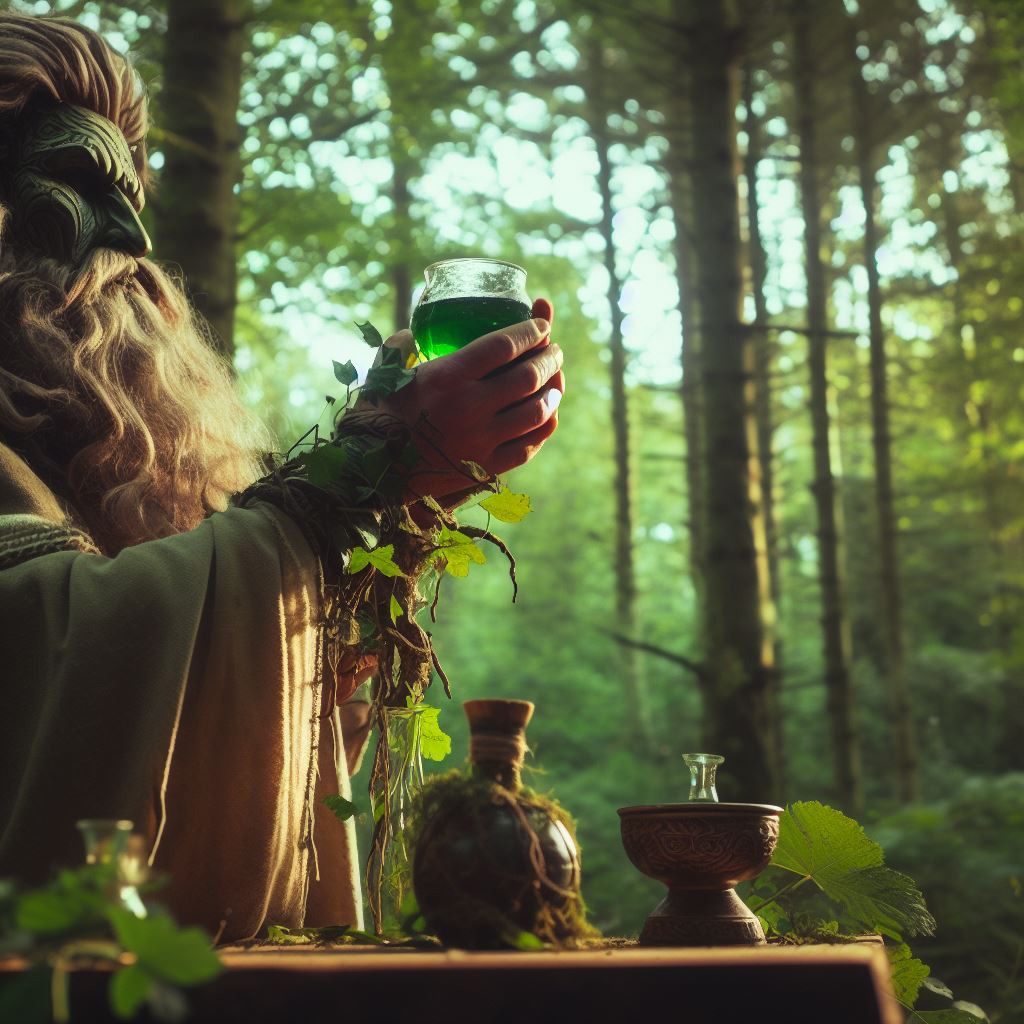
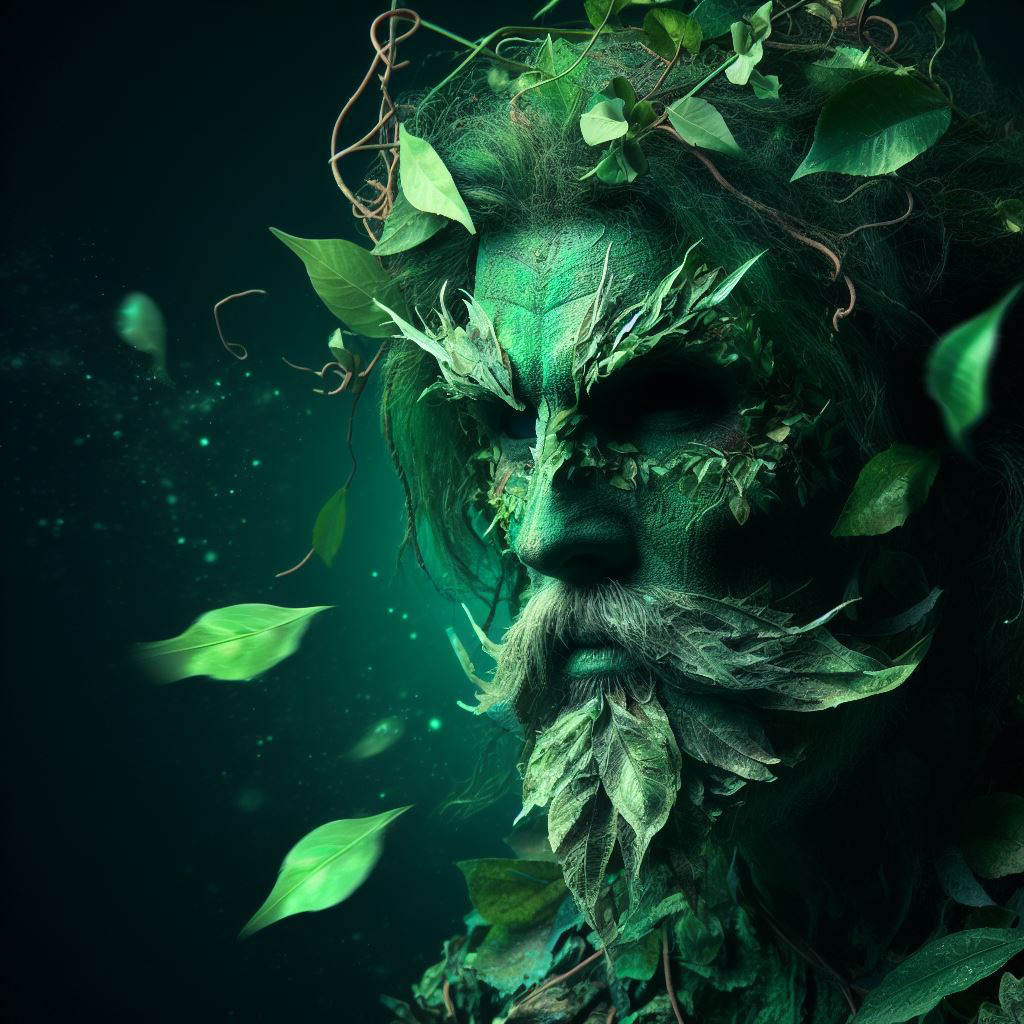
      Reading Time: 7 minutesLearn how to honor the Green Man, the god of the forest, by offering libations to the trees. This ancient practice can help you connect with the spirit of the wild and show your gratitude for nature’s gifts.
      Hecate

      Hecate – An Introduction

      By
      ByTheo, WitchNov 22, 2023
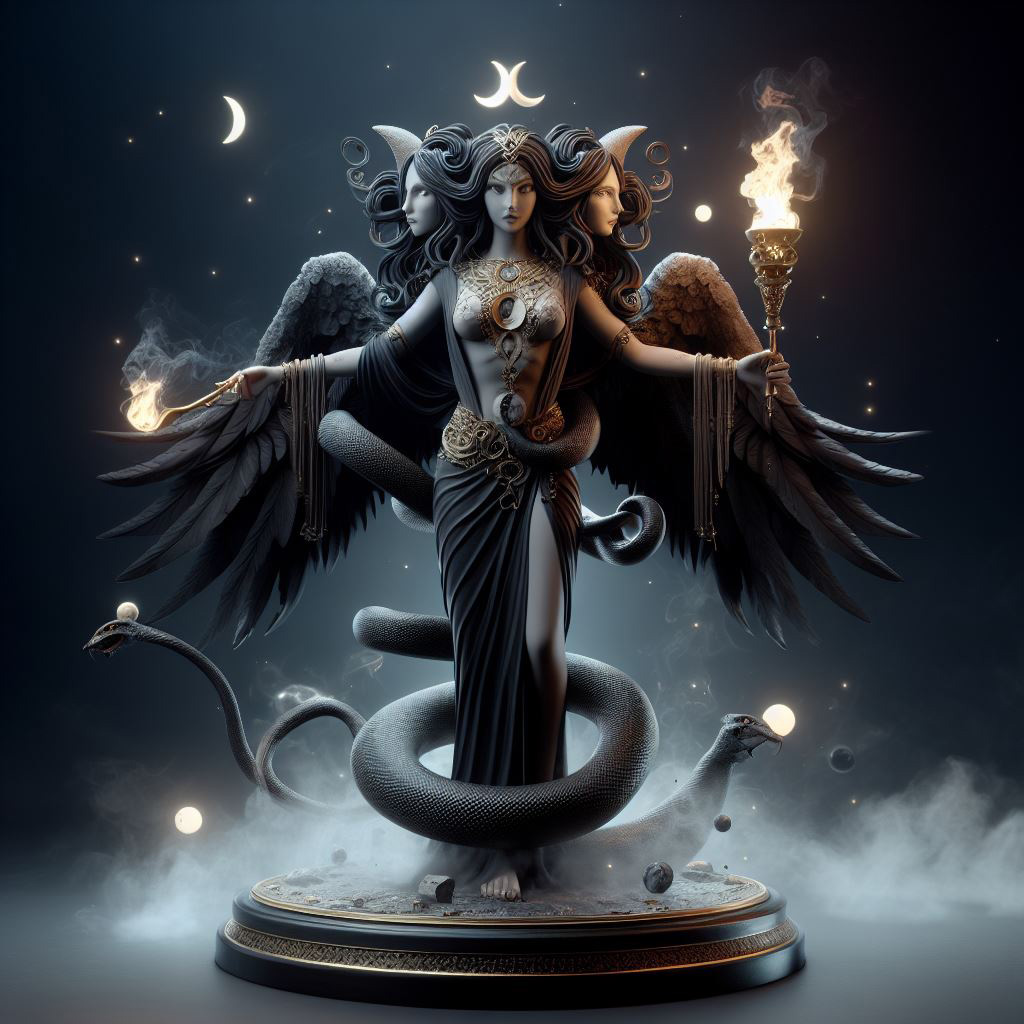
      Reading Time: 7 minutesExplore the mystery, magic, and cosmic influence of Hecate, the ancient Greek goddess. She symbolizes transformation, guidance, and moon phases in witchcraft and paganism.
      Exploring the Enigmatic Green Man

      Exploring the Enigmatic Green Man

      By
      ByTheo, WitchNov 11, 2023
      Reading Time: 6 minutesDiscover the secrets and symbolism of the Green Man, a pagan icon of nature and ancient wisdom. Learn about the origins and meanings of this mysterious figure.
      Posted on Leave a comment

      Foraging

      ForagingReading Time: 3 minutes
      Foraging

      Introduction

      Welcome to the Foraging category, where you will find useful and practical information on how to forage for magical plants that you can use in your witchcraft, both in rituals and in recipes. Foraging is the art and practice of finding food, tools, and medicinal herbs in their wild habitat, using your hands, eyes, and intuition. Foraging is not only a way to procure natural and healthy ingredients for free, but also a way to connect with the land, the spirits, and yourself.

      In this category, you will learn about the benefits, ethics, and safety of foraging for witchcraft. You will also discover the magical properties and uses of different plants and herbs that you can find in your local area, or in places you visit. Whether you are looking for a simple tea, a potent potion, or a powerful charm, you will find a plant that matches your intention and purpose.

      We hope you enjoy exploring this category and trying out the foraging tips and techniques. Remember, foraging is an act of respect, gratitude, and magic. So be mindful, careful, and adventurous. Happy foraging and blessed be!

      Words of Caution

      Foraging for plants is a rewarding and enjoyable activity that can provide you with food, medicine, and connection with nature. However, it also requires some caution and responsibility to ensure your safety and the well-being of the environment. Here are some general tips to follow when foraging for plants:

      • Be mindful of the soil. The soil is the foundation of life, and it can be easily damaged by careless foraging. Avoid digging up plants unless you have permission and a good reason to do so. Use a knife or scissors to cut only the parts you need, and leave the roots intact. Do not trample or compact the soil, and avoid foraging in wet or muddy areas. If you do dig up plants, fill in the holes and cover them with leaves or mulch.
      • Be mindful of the animals. The plants you are foraging may be a source of food or shelter for the animals that live in the area. Do not disturb or harm the wildlife, and respect their habitats. Do not forage near nests, dens, or burrows, and avoid picking plants that have signs of animal activity, such as bite marks, droppings, or webs. Do not feed or approach the animals, and keep your distance from any that may be dangerous or aggressive.
      • Be mindful of your location. Foraging can take you to remote or unfamiliar places, where you may encounter hazards or get lost. Always carry a map, compass, GPS, or phone with you, and let someone know where you are going and when you plan to return. Stay on marked trails or paths, and do not venture into private or restricted areas. Be aware of the weather and the terrain, and dress appropriately. Carry enough water, food, and first aid supplies for your trip, and know how to use them.
      • Be mindful of the plants. The most important rule of foraging is to know what you are picking, and to be absolutely sure that it is safe and edible. Some plants are poisonous, and some can look very similar to the edible ones. Use a reliable field guide, app, or expert to help you identify the plants, and do not rely on common names, pictures, or folklore. When in doubt, leave it out. Also, be aware of the potential interactions or side effects of the plants, especially if you have allergies, medical conditions, or take medications. Always test a small amount of a new plant before consuming more, and stop if you feel any adverse reactions.

      All Foraging Posts

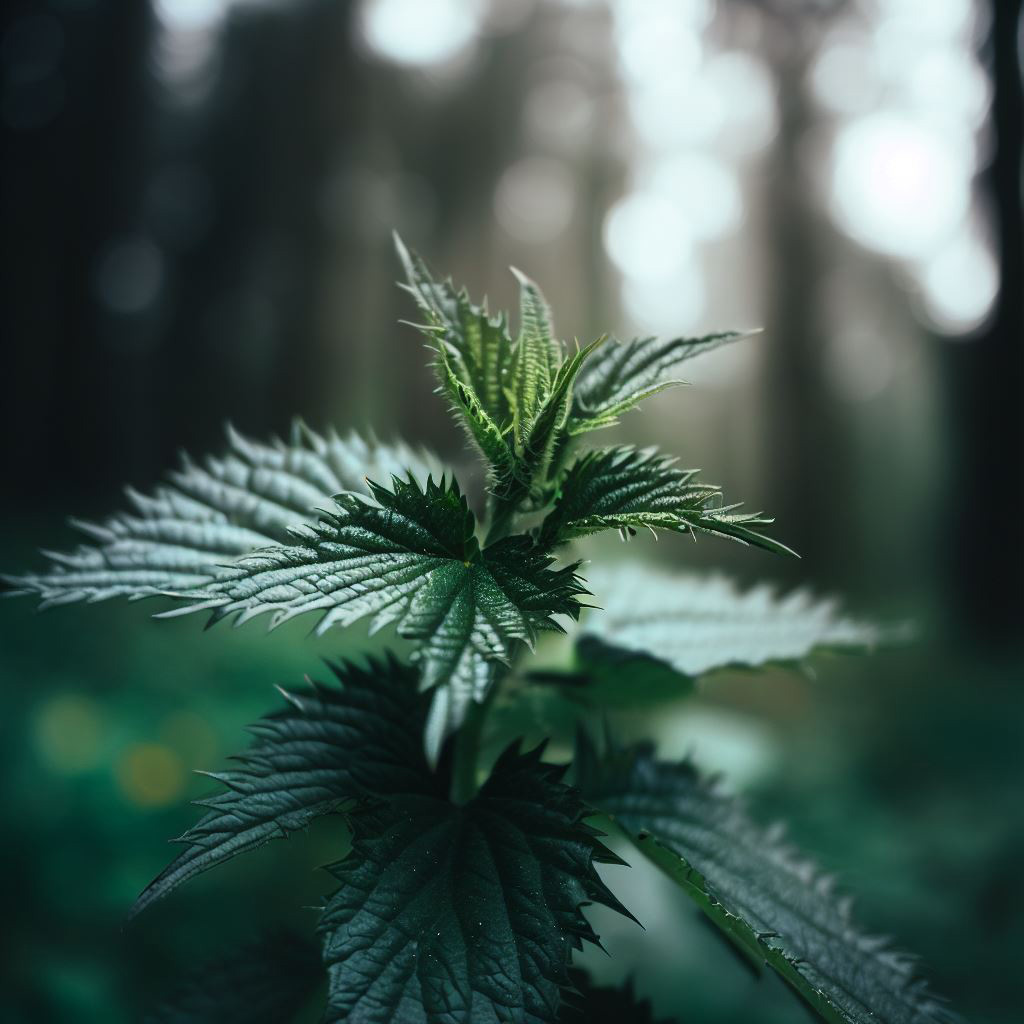
      Stinging Nettle

      Foraging: Stinging Nettle

      By
      ByTheo, WitchSep 16, 2023
      Reading Time: 10 minutesLearn how to forage and use stinging nettle, a versatile wild plant with culinary, medicinal, and magical benefits. A comprehensive guide.
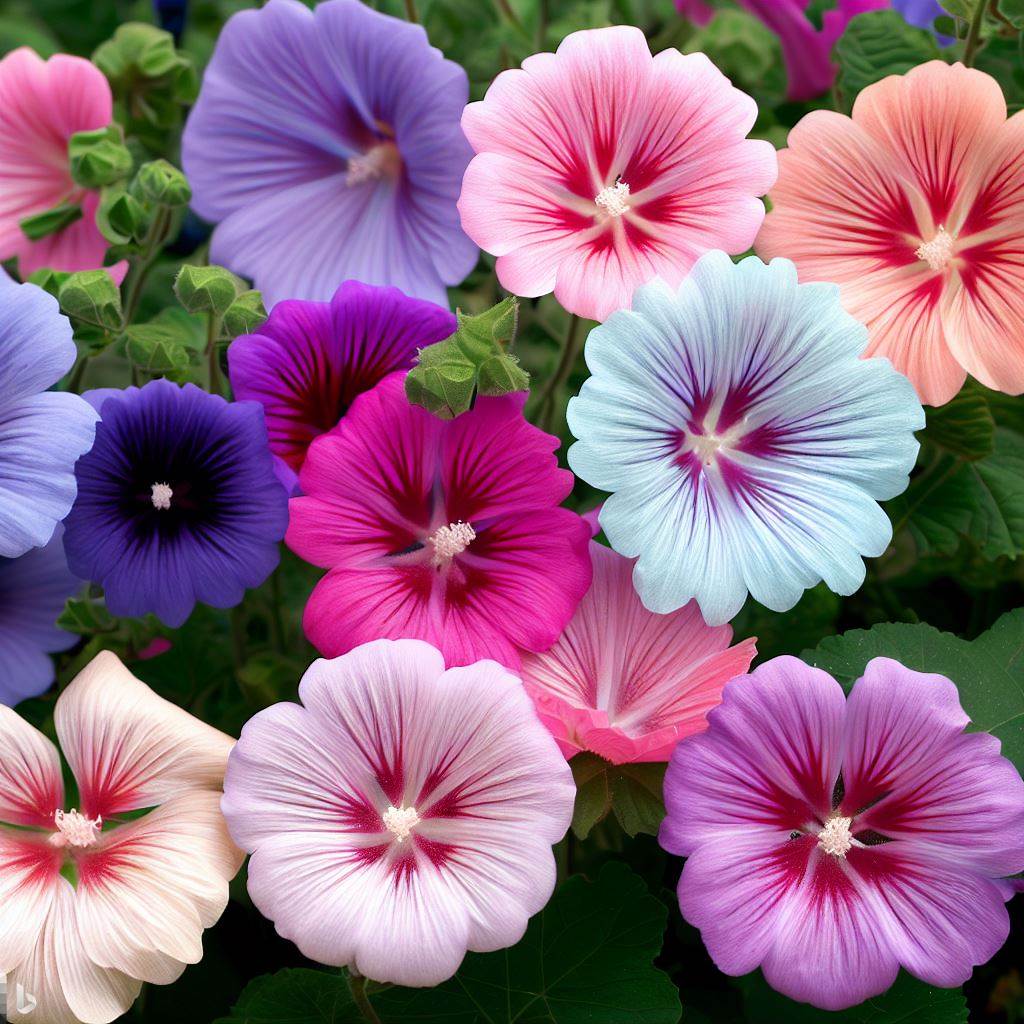
      Mallow Varieties

      Foraging: Unveiling the Wonders of Mallow

      By
      ByTheo, WitchAug 2, 2023
      Reading Time: 10 minutesDiscover the wonders of mallow, a wild plant with edible, medicinal, and magical uses. Learn how to identify, forage, and utilize this versatile herb.
      Foraging: Discovering the Wonders of Chickweed

      Foraging: Discovering the Wonders of Chickweed

      By
      ByTheo, WitchJul 18, 2023
      Reading Time: 9 minutesLearn everything you need to know about chickweed, a versatile wild edible plant with culinary and medicinal uses. Read on and get inspired!
      Foraging-Dandelions

      Foraging: Dandelions

      By
      ByTheo, WitchMay 15, 2023
      Reading Time: 6 minutesIn this article, we will explore the history of dandelions, characteristics of them, how to identify them, where they grow, home remedies using the plant, and some tips for foraging.
      Ribwort (Narrowleaf) Plantain

      Foraging: Plantains

      By
      ByTheo, WitchApr 22, 2023
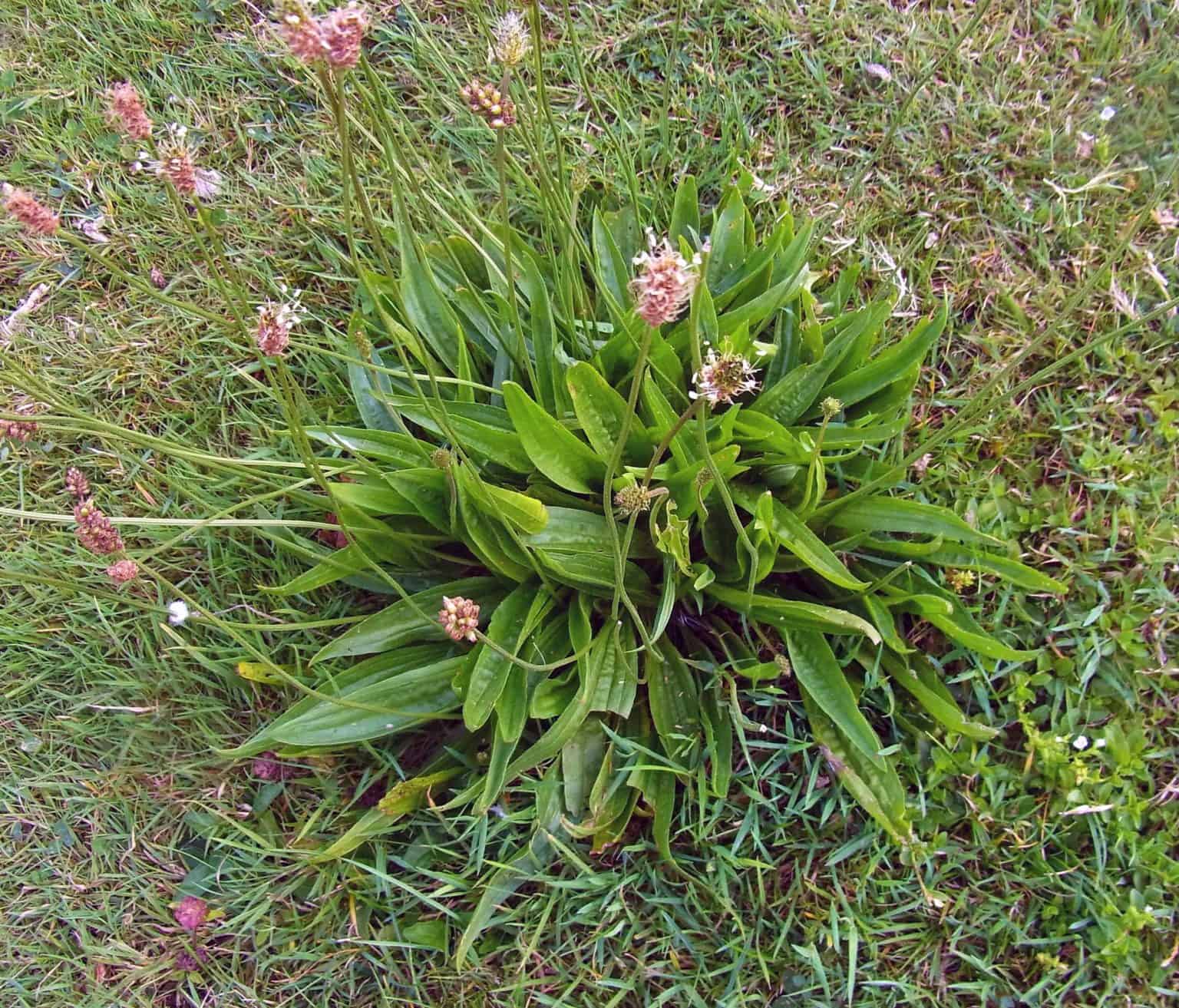
      Reading Time: 5 minutesIn this article, we will explore the benefits of foraging for plantains, how to identify them, where they grow, and common uses.
      Posted on Leave a comment

      Recipes

      RecipesReading Time: 2 minutes
      Recipes

      Introduction

      Welcome to the Recipes category, where you will find delicious and magical dishes for every occasion. Whether you are celebrating a sabbat, performing a ritual, or simply enjoying a meal with your loved ones, you will find a recipe that suits your needs and tastes.

      Cooking is not only a practical skill, but also a form of art and magic. As witches and pagans, we know that food is more than just nourishment for the body. It is also a way to connect with the divine, the earth, and ourselves. By choosing the right ingredients, preparing them with intention, and blessing them with gratitude, we can infuse our food with energy and meaning.

      In this category, you will learn about many dishes related to specific rituals and sabbats, You will also discover the magical properties of different foods and herbs, and how to use them to enhance your intentions and manifestations. Whether you are looking for a simple snack, a hearty main course, or a decadent dessert, you will find a recipe that matches your mood and purpose.

      We hope you enjoy exploring this category and trying out the recipes. Remember, cooking is an act of love, creativity, and magic. So have fun, experiment, and share your creations with others. Bon appétit and blessed be!


      Submissions

      Do you have a recipe that you would like to share with us and our readers? We would love to hear from you and feature your creations on our site. If you have a recipe that is related to witchcraft, paganism, or any sabbat or ritual, please send it to us via our [contact us] link and include the following information:

      • The name of your recipe
      • Any special tools or equipment needed
      • The ingredients and their quantities
      • The step by step instructions
      • Why this recipe is special to you and your practice
      • Any other details you would like us to share, such as photos, stories, or tips

      We look forward to receiving your submissions and showcasing your culinary skills and magical talents. Thank you for your interest and support. Blessed be!

      Word of Caution

      Check these recpes carefully for any allergies you may have and adjust them accordingly!

      All Recipes

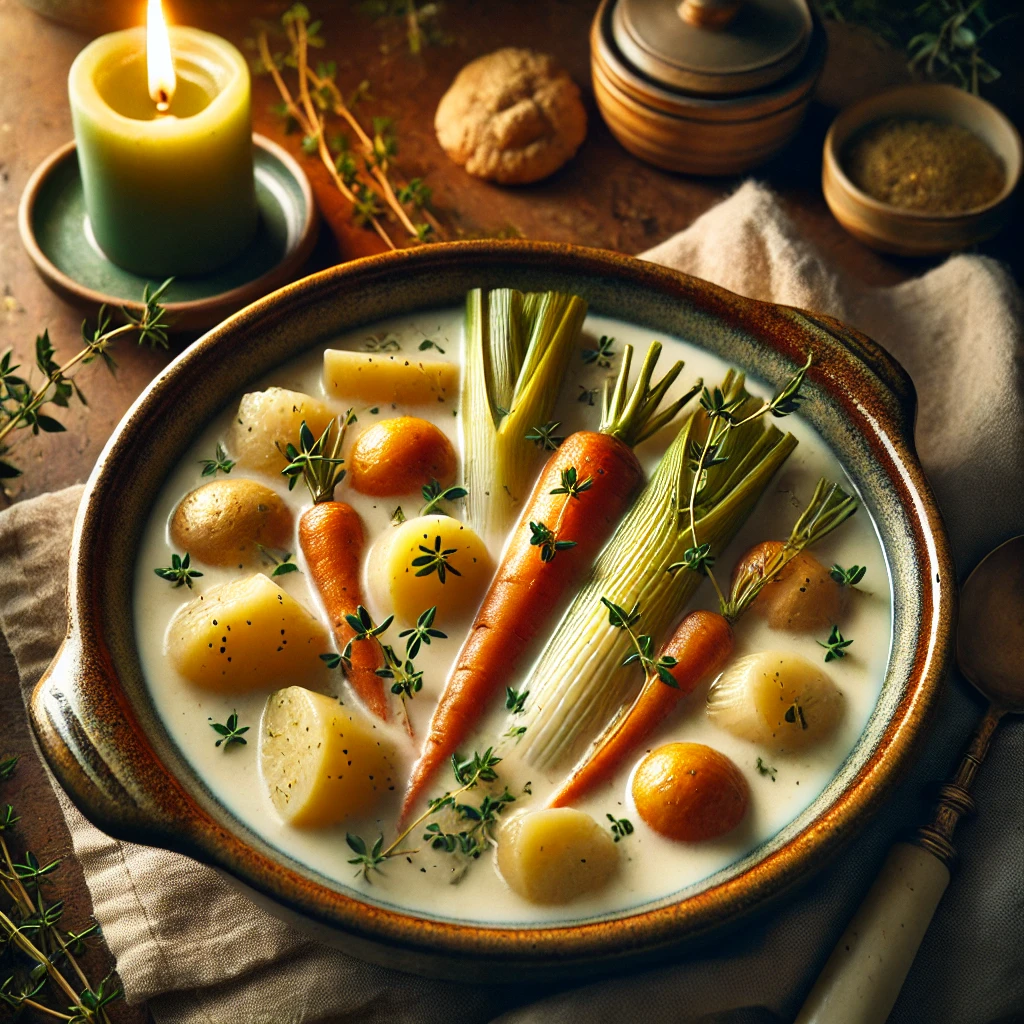
      Milk-Braised Winter Vegetables

      Recipe: Milk-Braised Winter Vegetables

      By
      ByTheo, WitchJan 25, 2025
      Reading Time: 3 minutesCleanse your palate with tender root vegetables enriched with milk, offering gentle flavors and creamy texture, symbolizing fertility and renewal.
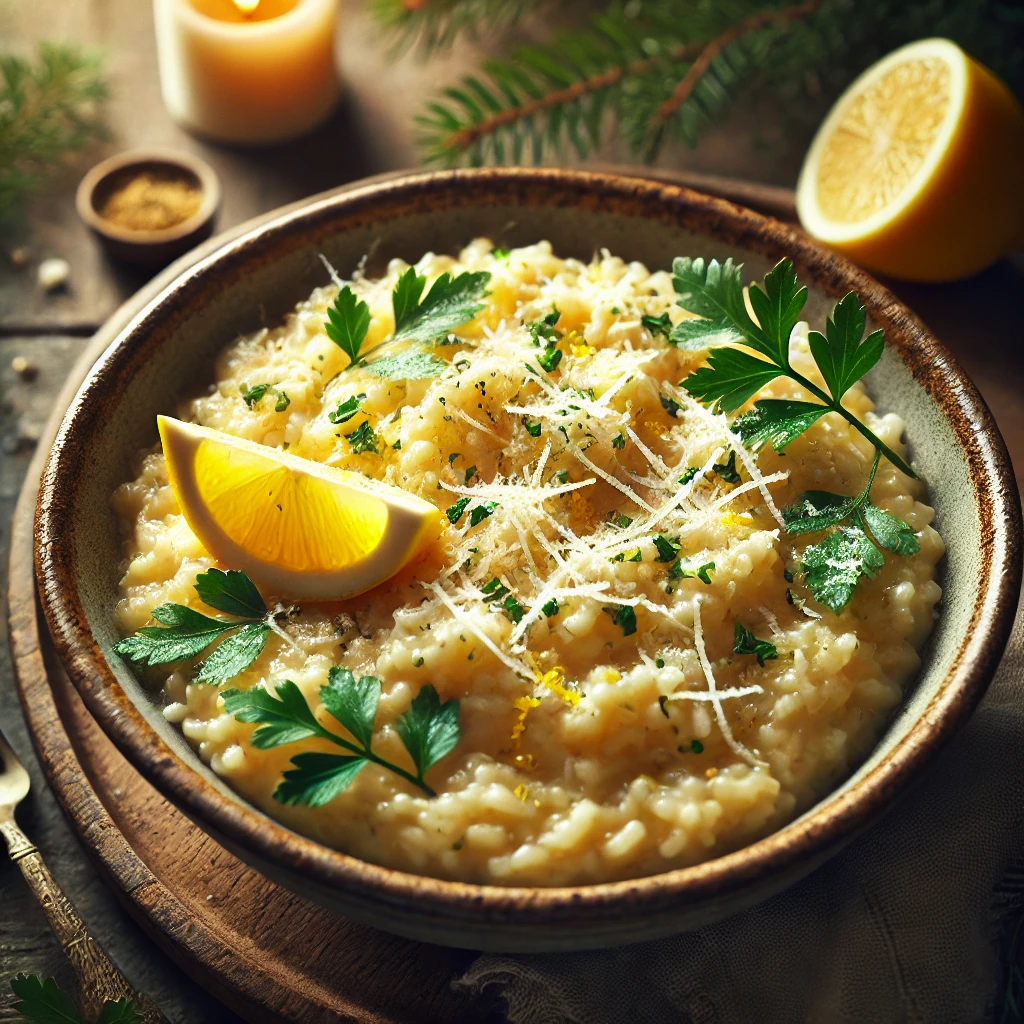
      Creamy Lemon-Parmesan Risotto

      Recipe: Creamy Lemon-Parmesan Risotto

      By
      ByTheo, WitchJan 25, 2025
      Reading Time: 3 minutesSavor a dairy-infused main dish that offers warmth, comfort, and sustenance with creamy risotto and a bright hint of lemon, symbolizing new beginnings.
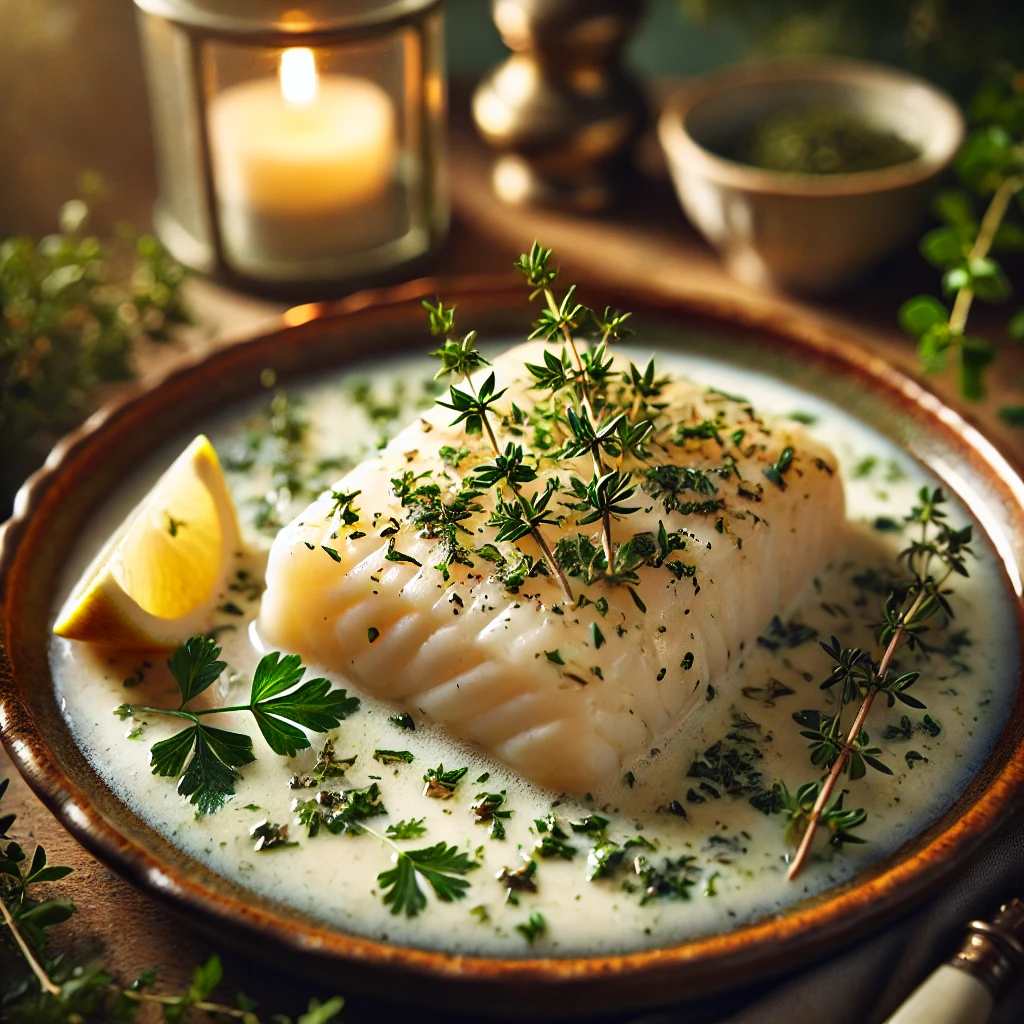
      Milk-Poached Cod with Fresh Herbs

      Recipe: Milk-Poached Cod with Fresh Herbs

      By
      ByTheo, WitchJan 25, 2025
      Reading Time: 3 minutesSavor a delicate and nourishing course that honors the harmonious relationship between land and sea with milk-poached fish and fresh herbs.
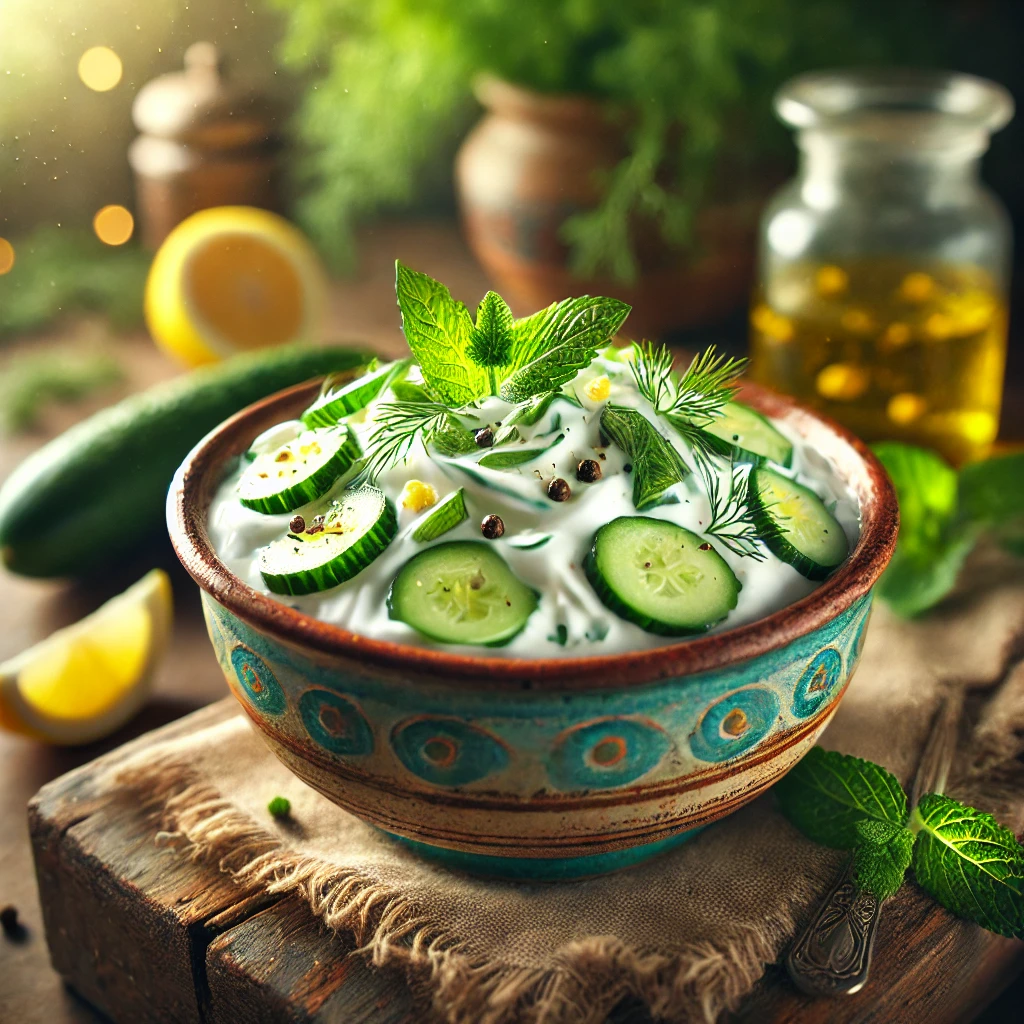
      Yogurt and Cucumber Salad

      Recipe: Yogurt and Cucumber Salad

      By
      ByTheo, WitchJan 25, 2025
      Reading Time: 3 minutesA light, refreshing course that cleanses the palate and connects to the life-giving qualities of Imbolc with a creamy, tangy, and vibrant salad.
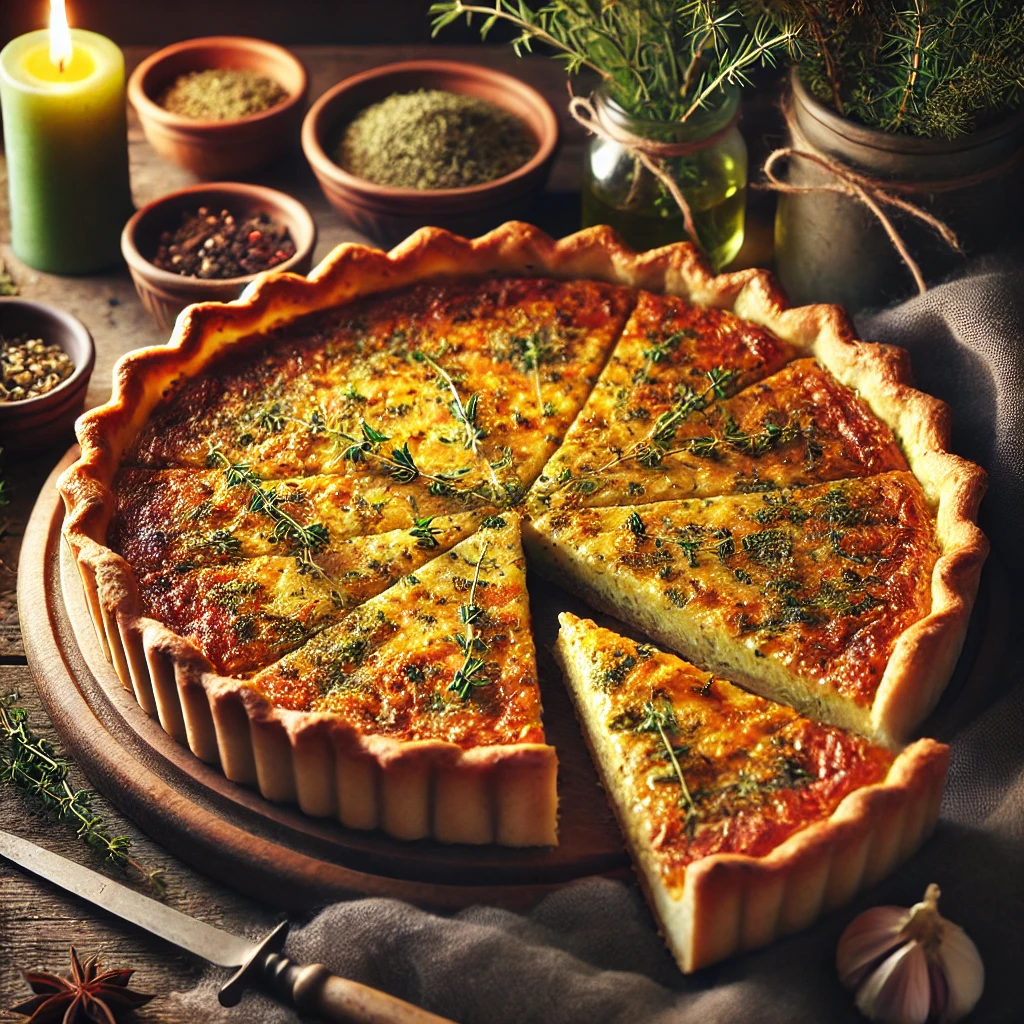
      Savory Cheese and Herb Tart

      Recipe: Savory Cheese and Herb Tart

      By
      ByTheo, WitchJan 25, 2025
      Reading Time: 3 minutesDive into the Feast of Milk with a rich, dairy-filled appetizer, celebrating fertility and renewal with a buttery crust, creamy filling, and aromatic herbs.
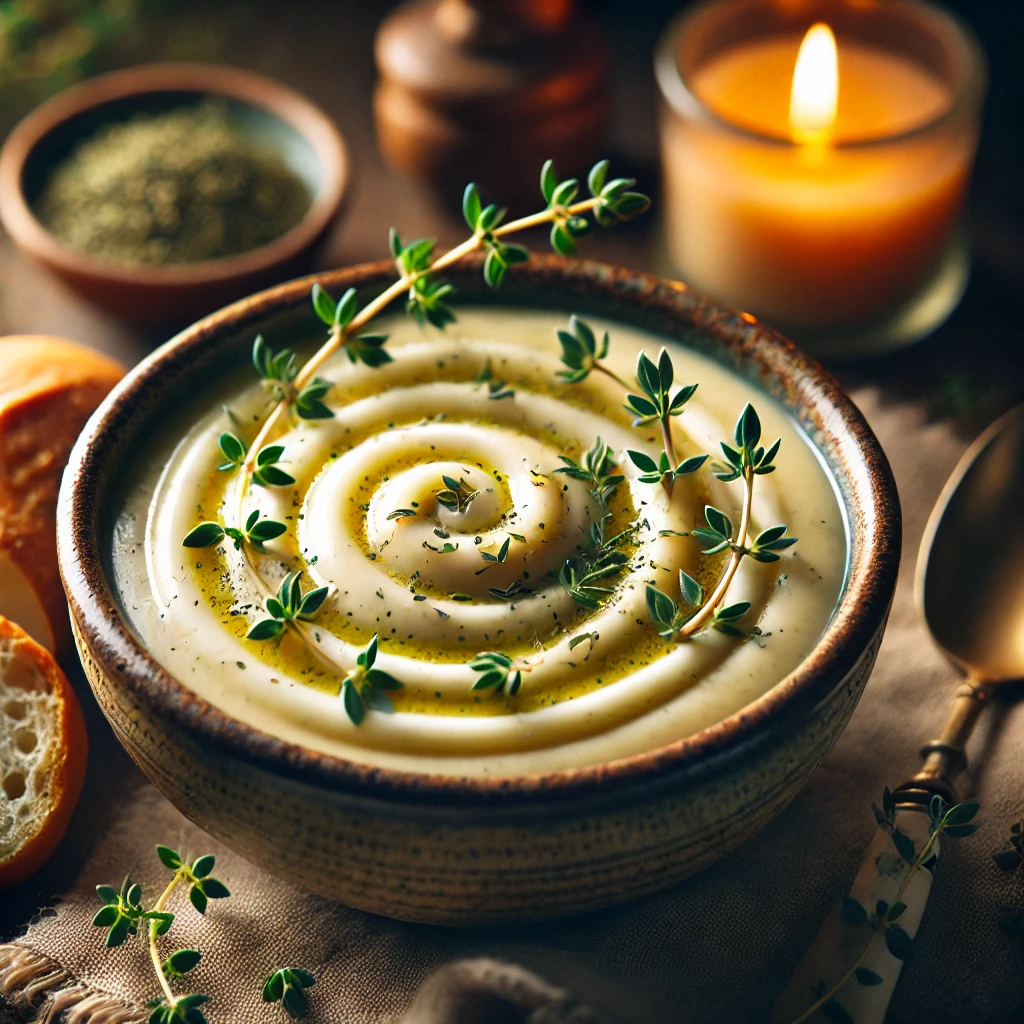
      Creamy Potato-Leek Soup

      Recipe: Creamy Potato-Leek Soup

      By
      ByTheo, WitchJan 25, 2025
      Reading Time: 3 minutesA comforting soup course that honors Brigid and symbolizes renewal and sustenance.
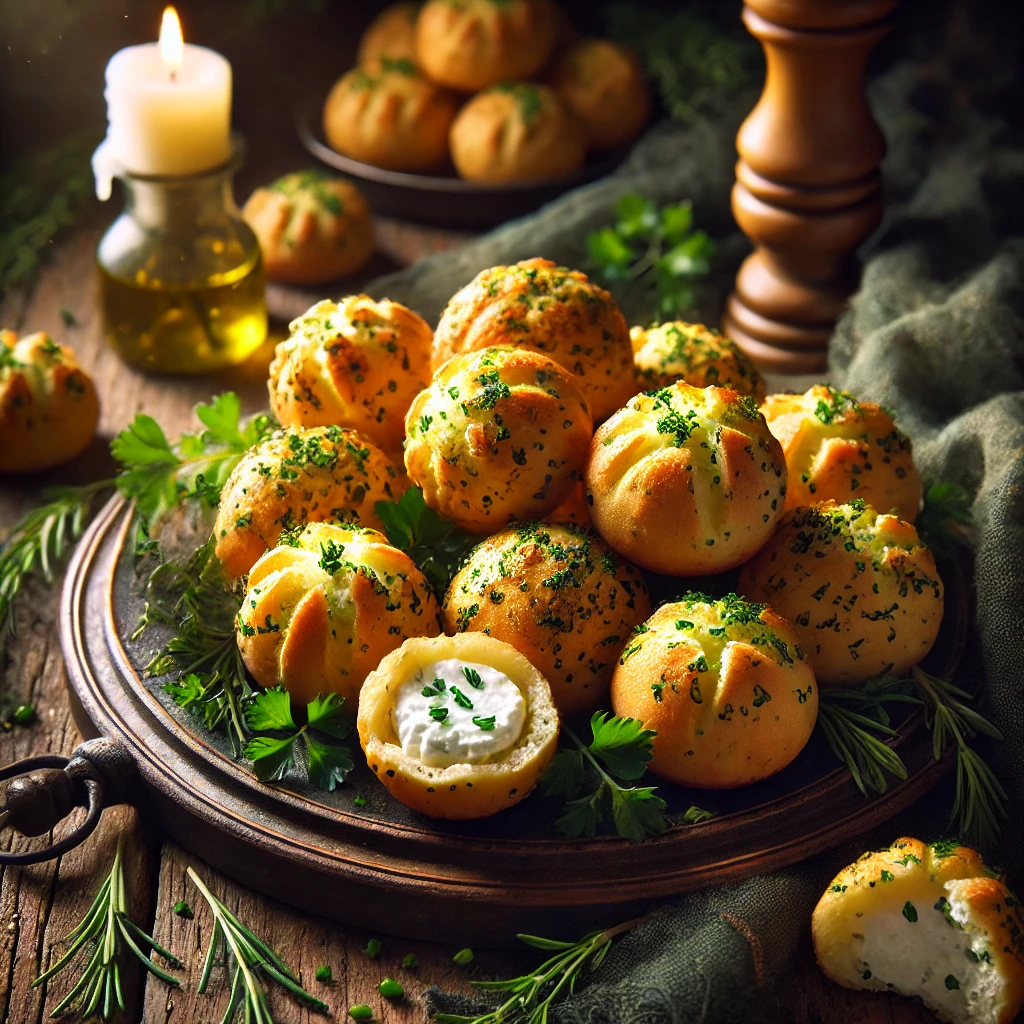
      Goat Cheese Puffs

      Recipe: Herbed Goat Cheese Puffs

      By
      ByTheo, WitchJan 25, 2025
      Reading Time: 3 minutesBegin your Imbolc feast with these delightful Herbed Goat Cheese Puffs.
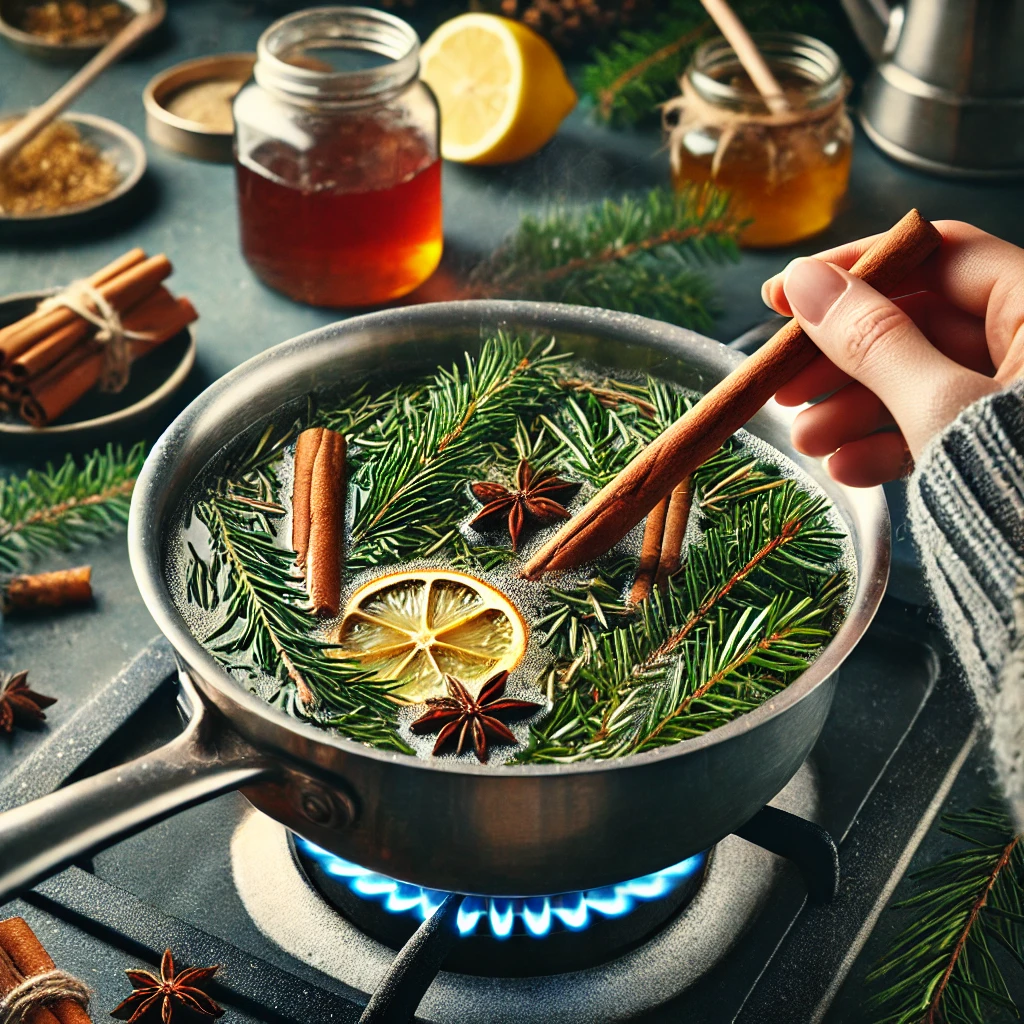
      Pine Needle Winter Tonic

      Recipe: Pine Needle Winter Tonic

      By
      ByTheo, WitchDec 20, 2024
      Reading Time: 3 minutesSavor the crisp, citrusy flavor of Pine Needle Winter Tonic. This warming, immune-boosting drink is perfect for Yule celebrations and winter rituals.
      Loki’s Hot Chocolate Surprise

      Recipe: Loki’s Hot Chocolate Surprise

      By
      ByTheo, WitchDec 19, 2024
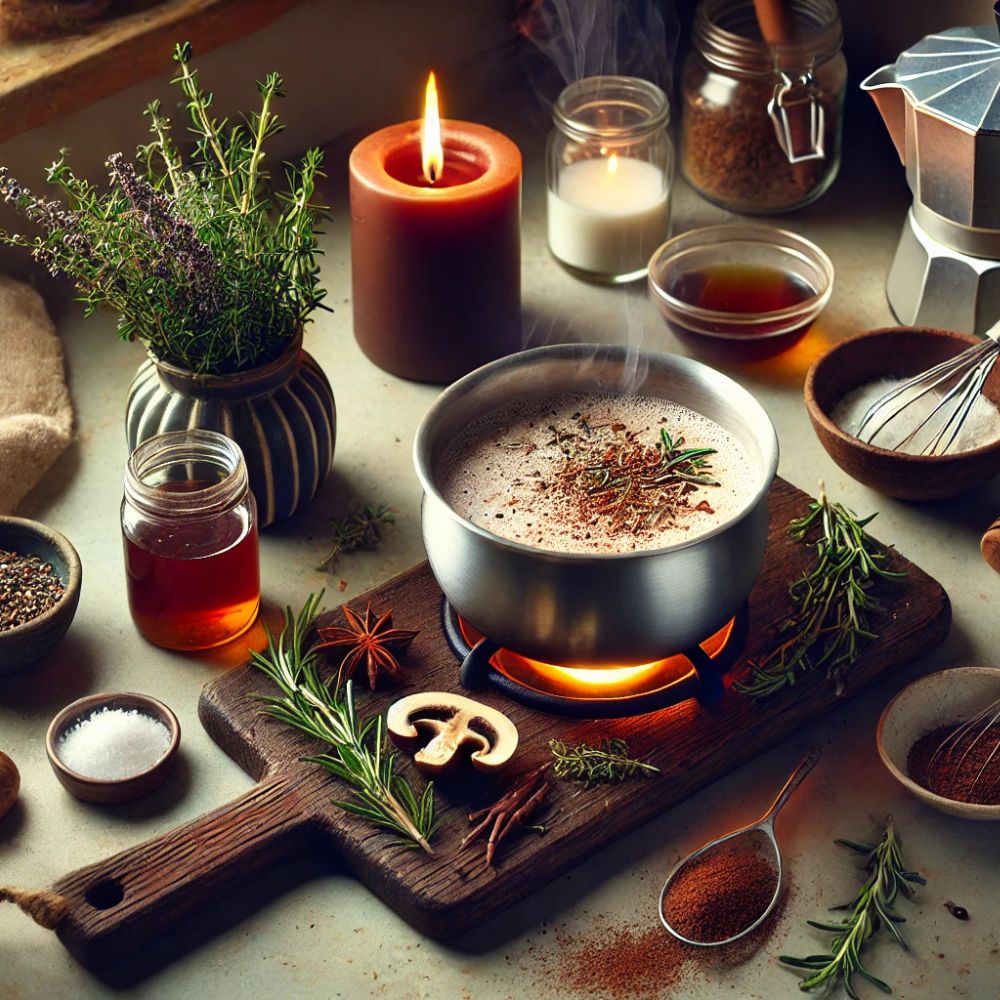
      Reading Time: 3 minutesExperience Loki’s Hot “Chocolate” Surprise, a savory broth-based digestif disguised as hot chocolate, embodying Loki’s chaos and Sigyn’s nurturing energy.
      Posted on Leave a comment

      Samhain

      SamhainReading Time: 3 minutes
      Samhain

      Introduction

      Samhain is one of the Greater Sabbats, it is the witch’s biggest holiday and usually referred to as Halloween. It is New Year’s Day as it marks the death of the Lord. Samhain, is the death festival, and is the time when the veil between the worlds of the living and the dead at its finest. This is a perfect night for communicating with the dead, and a powerful night of the year for divination and scrying.

      In ancient times it was believed that this was the time that our ancestors would return to visit us, offering help and advice. Celtic countries would also leave food offerings on altars and doorsteps, for the “wandering dead”. Often candles were lit and left in a window to help guide the spirits of ancestors and loved ones return home.

      The darkness increases during Samhain and the Goddess reigns in her powerful aspect of the Crone. The God passes into the underworld to become reborn of the Goddess again at Yule.

      Samhain is a time of transformation and inner work, it is also a time of remembrance, when those who have died are thought about and honoured.

      During this time Wiccans say farewell to the Pagan Lord, lore states that the Pagan god dies, and he travels through the veils into the otherworld, to be reborn at Yule.

      Samhain was traditionally a time of sacrifice; livestock were slaughtered to ensure food throughout the winter.

      This holiday marks the end of the old year and the beginning of the new.

      Use this code: “Handbook10” and save 10% Today!

      Samhain Activities

      • Decorate your altar with photographs of dead loved ones, pumpkin lanterns, oak leaves, apples, nuts, and sage.
      • Drink warm apple cider mixed with cinnamon to honour the dead.
      • Bury an apple in the garden as food for the spirits of those who have passed away.
      • Carve a Jack-o-Lantern.
      • Make candles for the coming year, add colour and scent depending on its purpose.
      • Enjoy a night of trick or treating.
      • Bob for Apples
      • Make resolutions as you do when it is New Year, write your resolutions on a small piece of parchment and burn in a candle flame.
      • Samhain it is a good time for divination, Tarot cards, scrying, and crystal ball reading.
      • Private Meditation
      • Enjoy sweets.
      • Create a new magic wand or witch’s broom.
      • Hold a private ritual and focus on the traditional themes for Samhain, such as Life, Death, and Rebirth.
      • Host a Halloween party
      • At dinner, set a place for your loved ones that have passed this year.

      Deity’s Portfolio

      • Division: Major Sabbat
      • Other Names: Witch’s New Year, Summer’s End, All Hallow’s Eve, Halloween, Day of the Dead, Festival of Spirits, Third Harvest, Celtic New Year, Festival of Pamona, Vigil of Saman.
      • Southern Hemisphere Date: April 30/May 1
      • Northern Hemisphere Date: October 31
      • Associated Holiday: Halloween
      • Associated Deities: Badb, Banba, Cailleach, Durga, Hecate, Hel, Inanna, Ishtar, Kali, Morrigan, Rhiannon, Persephone, Arawn, Belenus, Dagda, Hades, Loki, Odin, Pluto
      • Associated Herbs: Bay Leaf, lavender, mugwort, nutmeg, sage
      • Associated Stones: All Black Stones, Obsidian, black onyx, bloodstone, amethyst, opal
      • Symbols of Samhain: Gourds, Apples, Black Cats, Jack-O-Lanterns, Besoms, Balefire, Masks, The Cauldron, Waning Moon.
      • Foods of Samhain: Turnips, Apples, Gourds, Nuts, Mulled Wines, Beef, Pork, Poultry.
      • Drinks of Samhain: Ale, Cider, Wine, and Herbal Teas.
      • Incense of Samhain: Heliotrope, Mint, Nutmeg.
      • Ritual Oils: Frankincense, Basil, Yarrow, Lilac, Ylang-Ylang, Camphor, Clove
      • Colors of Samhain: Black, Orange, White, Silver, Gold.
      • Taboos: Travel After Dark, Eating Grapes or Berries
      • Plants: Mugwort, Gourds, Sage, Allspice, Catnip, Apple.
      • Element: Water
      • Activities: Divination, Past-Life Recall, Spirit Contact, Meditation, Drying Winter Herbs
      • Animals: All Creatures that feed on Carrion, the Raven especially, Bat, Boar, Cat, Cow, Dog
      • Mythical Creatures: Phooka, Goblin, Medusa, Beansidhe, Harpies, Fylgiar, Peryton, Erlkonig.
      • Celebration of: The Lord dies and awaits his rebirth at Yule.

      Other Samhain Resources

      Recipes

      Deeper Knowledge

      Myths & Lore: The Goddess and the Horned God

      The Goddess and the Horned God
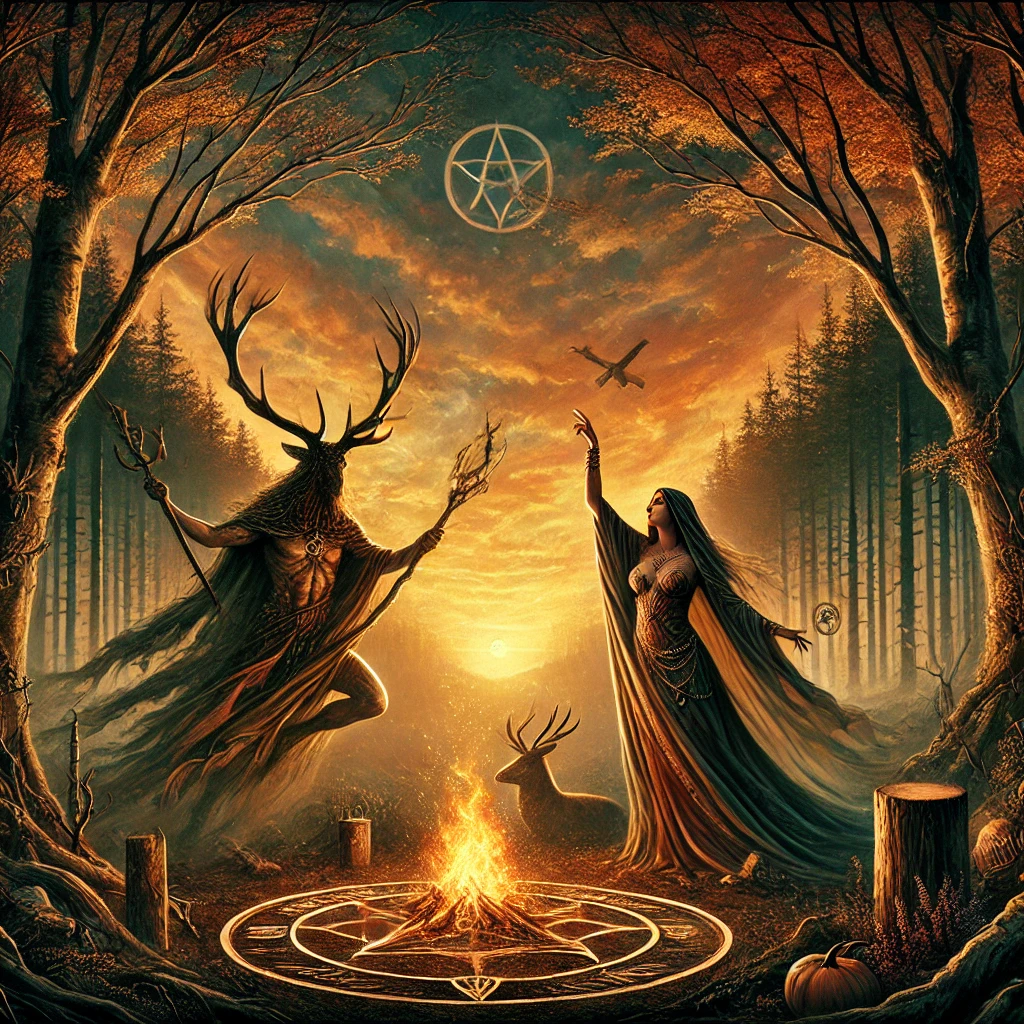
      Reading Time: 16 minutesDiscover the powerful myth of the Goddess and the Horned God, a sacred story of death, rebirth, and the eternal cycles of life central to Samhain traditions.

      Myths & Lore: Fionn Mac Cumhaill and the Salmon of Knowledge

      Fionn Mac Cumhaill
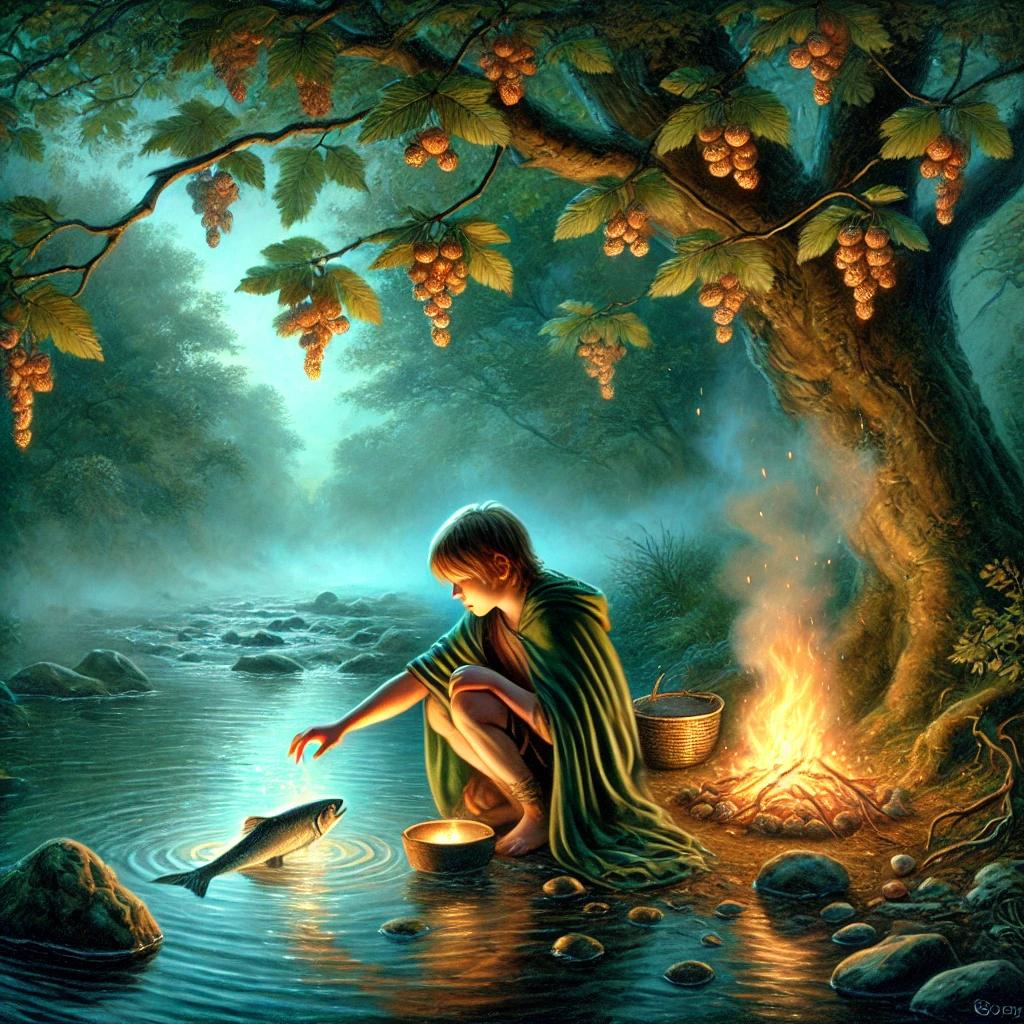
      Reading Time: 18 minutesExplore the tale of Fionn Mac Cumhaill and the Salmon of Knowledge. Discover how this myth encapsulates Samhain’s themes of wisdom, rebirth, and personal transformation.

      Ritual: Divination for Samhain

      Ritual Samhain Divination
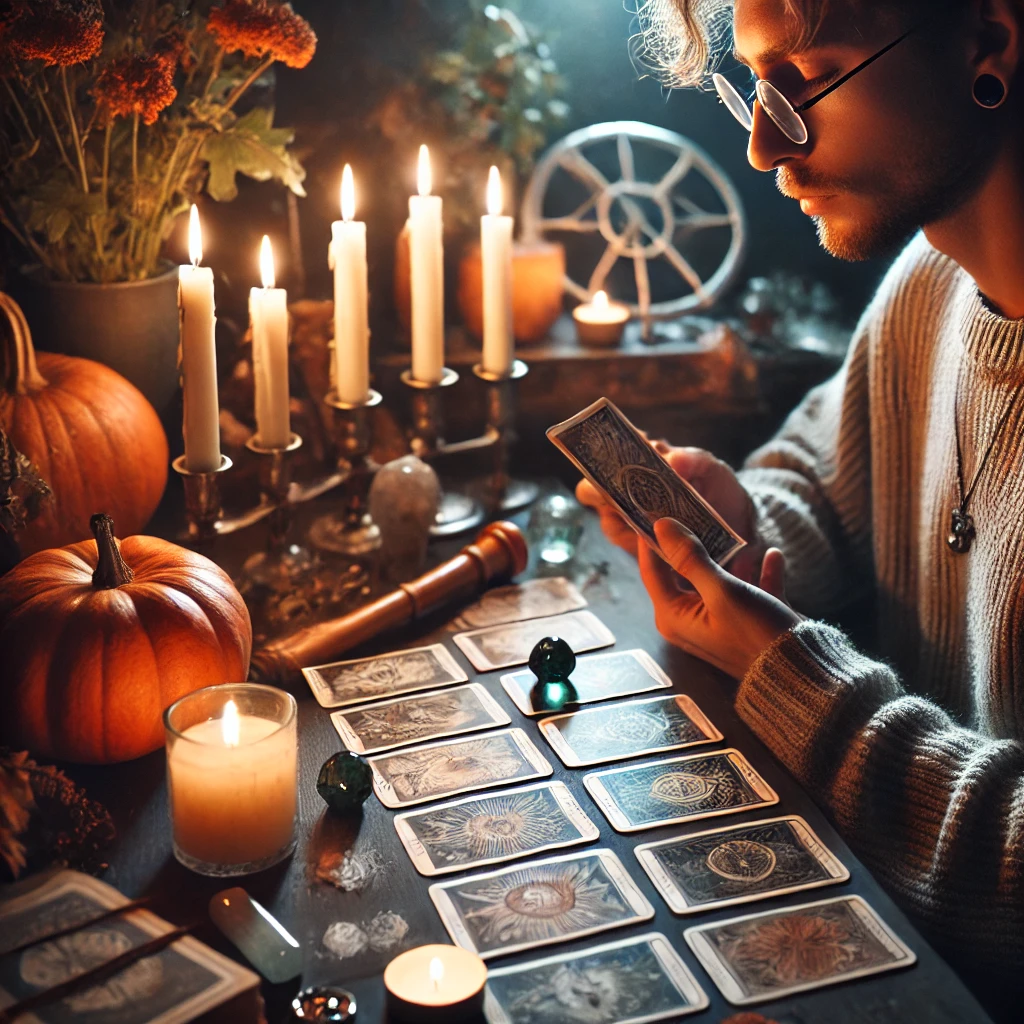
      Reading Time: 4 minutesConnect with ancestors and spirits through divination this Samhain. Discover the wisdom and guidance offered by tarot, runes, pendulums, and scrying.

      Ritual: Psychopomp Ritual for Samhain

      Samhain Psycho pomp
      Reading Time: 5 minutesAssist lost souls in crossing over with a psychopomp ritual this Samhain. Honor the cycles of life and death, and connect deeply with ancestral wisdom.

      Upcoming Samhain Posts

      No New posts Scheduled, Check back as we get closer to Samhain!

      Posted on Leave a comment

      Mabon

      MabonReading Time: 5 minutes
      Mabon

      Introduction

      Mabon, one of the Lesser Sabbats, is the second harvest festival and is held on the autumn equinox to celebrate the last fruits of the year. Like the Spring Equinox, it is a time of balance between dark and light. At this time we are moving from light to darkness, from warmth to cold, we are gathering the harvest of summer to prepare for the winter months.

      This is the second of the three harvest festivals; the ripe grain is being reaped from the fields. Vegetable season is ending and the fall fruits, such as apples, are ready to pick. This is a time to celebrate with feasts and thanksgiving.

      An equinox is an astronomical point, and due to the fact that the earth wobbles on its axis slightly, the date may vary by a few days, depending on the year. The autumnal equinox occurs when the sun crosses the equator on its journey southward, during this time we experience a day and a night that are of equal duration. Up until Mabon, the hours of daylight have been greater than the hours from dusk to dawn. But from now on, the reverse takes place.

      The Welsh Connection

      In 1970 Aidan Kelly, a folklorist and poet attached the name Mabon to the Fall Equinox.

      He acknowledges that his sources were all literary and not historical. The most influential author among them was Gerald Gardner, followed by the poet Robert Graves and then a list of lesser names including Margaret Murray and Doreen Valiente.

      Kelly based this on an interpretation of the story of the Child of Light, Mabon, and the son of the Great Mother, Modron. Mabon, the son of Modron, was stolen from his mother only three nights after his birth at the beginning of time. The Great Mother grieved for her son and the world became dark and cold. During her mourning plants withered and died, and the animals, fat from the summer fruits, slept in their caves to protect themselves from the coming winter.

      Mabon is eventually found, with the help of the wisdom and memory of the Oldest Animals – the Blackbird, the Stag, the Owl, the Eagle, and the Salmon. The battle to release the Child of Light is not an easy one and will take months to complete. Ever since Mabon was stolen, the seasons of cold and darkness prevail in sync with the grieving Mother Earth, feeling the loss of Her child. Because Modron’s child is imprisoned deep within the earth, the plants and animals of the earth slow down and move inward. Mabon is eventually found, although he will not be released until Yule when the days again begin to grow longer. At Yule, Mabon is reborn as the Child of Promise and the Son of Light.

      The Wiccan Tradition

      Even though Mabon was named after a Welsh deity, most Wiccans don’t hold the festival in his honor. Instead, there are many other Mabon deities you can raise a glass to this fall.

      During this time, we see the moon goddess lie down and begin her descent. As the harvest nears its end, she enters her final Crone stage. The aging goddess has wild yet hidden energy, which is also abundant in several other female deities. So if you want to honor one of them, you can call on Hecate, Lilith, or the Morrígan.

      The Druids call this celebration, Mea’n Fo’mhair, and honor the Green Man, the God of the Forest, by offering libations to trees. Offerings of ciders, wines, herbs, and fertilizer are appropriate at this time. Wiccans celebrate the aging Goddess as she passes from Mother to Crone, and her consort the God as he prepares for death and re-birth.

      No matter the name you call it, the Fall Equinox is a time of celebration and balance, it is a time to finish the old and to ready ourselves for a period of rest, relaxation, and reflection.

      Use this code: “Handbook10” and save 10% Today!

      Mabon Activities

      • Celebrate this festival with a feast shared with family or Coven members.
      • Private Meditation on the meanings of Mabon.
      • Take a walk outside and enjoy the cooling weather.
      • Eat a meal of fruits and vegetables of the season.
      • Arrange baskets of fresh fruit for friends or family.
      • Fill a bowl with fruits and leave it as an offering to the gods.
      • Make a protection charm of hazelnuts strung on red thread.
      • Hang dried ears of corn on the front door, doorposts, or outside light fixture.
      • Fill a basket with pinecones, colorful dried leaves, wheat, acorns, and fallen pine branches and leave it by your door.
      • Serve a Mabon meal, wine with some sort of soup with carrots, onions, potatoes, radishes, and/or corn.
      • Collect milkweed pods to decorate at Yuletide and attract the fairies.
      • Make wine.
      • It is a good time to walk the forests, gathering dried plants for use as altar decorations or herbal magic.
      • Go to an Autumn Festival.
      • Make a witch’s broom.
      • Make magic Apple Dolls.
      • Gather autumn leaves in bright colors.

      Deity’s Portfolio

      • Division: Minor Sabbat
      • Other Names: Madron, Autumn Equinox, Harvest Home, Pagan Thanksgiving, Fall Equinox, Second Harvest, Festival of Dionysus, Wine Harvest, Alban Elfed, Cornucopia.
      • Southern Hemisphere Date: March 20-23
      • Northern Hemisphere Date: September 21
      • Associated Holiday: Thanksgiving (Second Harvest)
      • Associated Deities: Mabon, Madron, Persephone, Demeter.
      • Associated Herbs: Marigold, Sunflowers, Hibiscus, Rose petals, Myrrh.
      • Associated Stones: Sapphire, lapis lazuli, Amber, Clear Quartz, Tigers Eye, Citrine, and yellow agates.
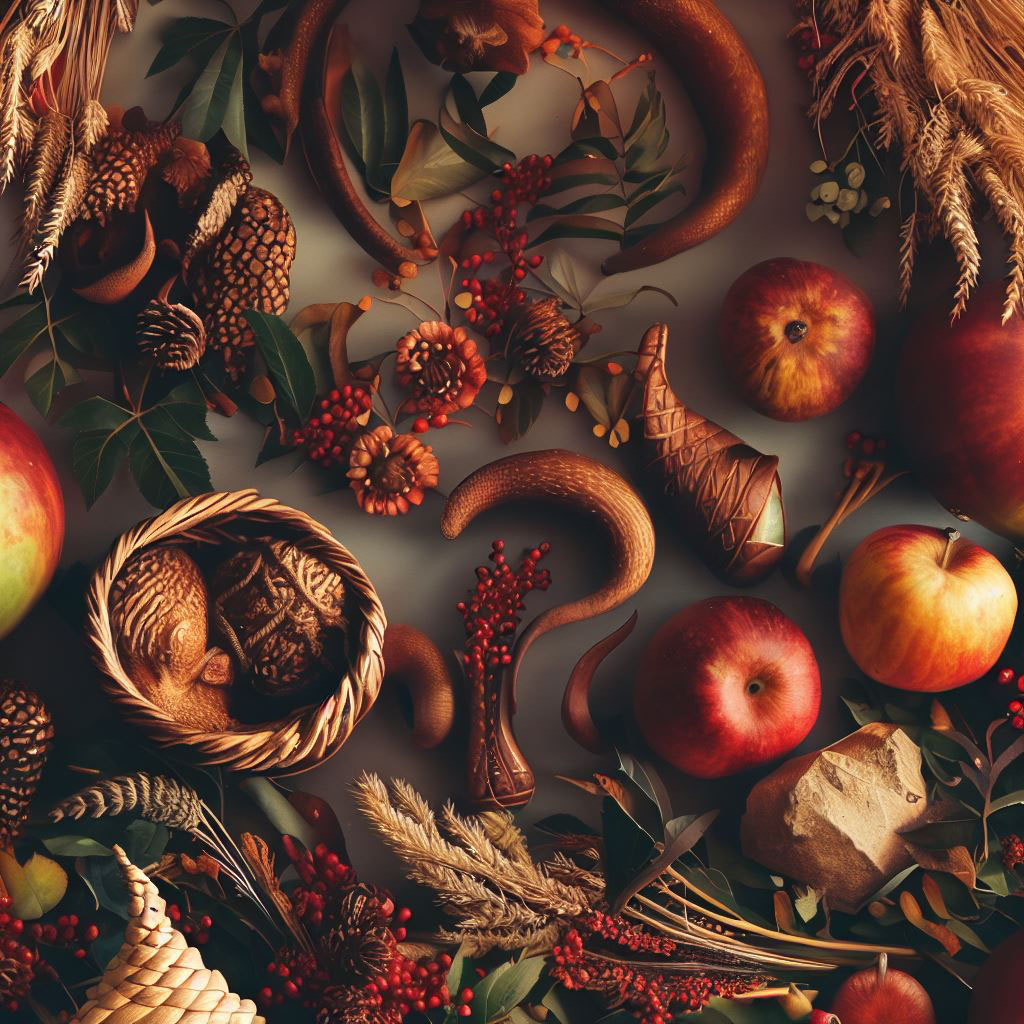
      • Symbols of Mabon: wine, gourds, pinecones, acorns, grains, corn, apples, pomegranates, vines such as ivy, dried seeds, and horns of plenty.
      • Foods of Mabon: Breads, nuts, apples, pomegranates, and vegetables such as potatoes, carrots, and onions.
      • Drinks of Mabon: Wine, Ale, and Cider
      • Incense of Mabon: Autumn Blend-benzoin, myrrh, and sage.
      • Ritual Oils: Apple Blossom, Hay/Straw, Black Pepper, Patchouly
      • Colors: of Mabon: Red, orange, russet, maroon, brown, and gold.
      • Taboos: Passing Burial Sites and not honoring the dead.
      • Plants: Vines, Ivy, Hazel, Cedar, Hops, Tabacco
      • Element: Water
      • Animals: Dogs, Wolves, Stags, Birds of Prey (especially the Blackbird, Owl, and Eagle), Salmon and Goat
      • Mythical Creatures: Gnomes, Sphinx, Minotaurs, and Cyclops
      • Celebration of: The God now sleeps within the womb of the Goddess.

      Other Mabon Resources

      Recipes

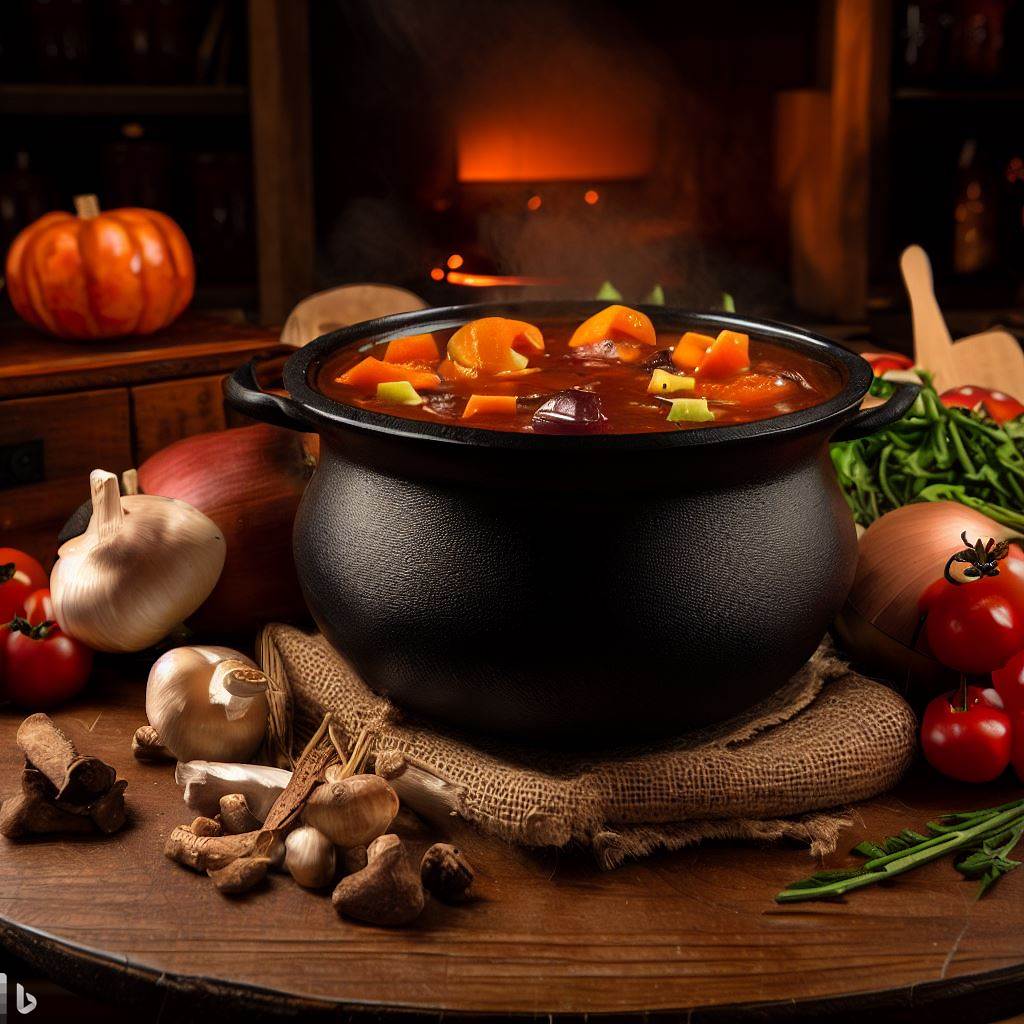
      Recipe: Harvest Hearth Stew

      Harvest Hearth Stew
      Reading Time: 4 minutesDiscover how to make a Harvest Hearth Stew, a comforting and nourishing dish that honors Mabon and the equinox. Learn about the magical properties of autumnal vegetables and herbs.

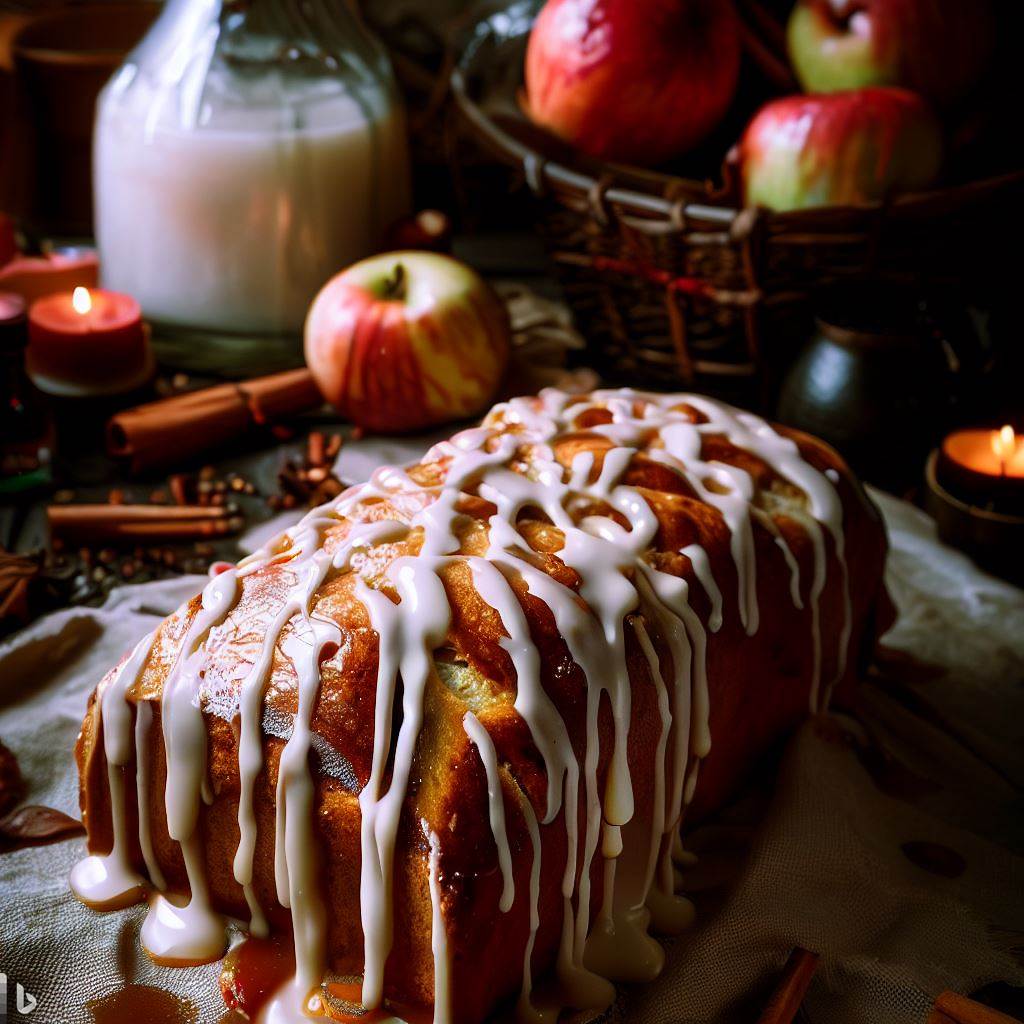
      Recipe: Apple Harvest Loaf

      Mabon Apple Loaf
      Reading Time: 4 minutesDiscover how to make a Magical Apple Harvest Loaf, a delicious and festive recipe that honors Mabon and the equinox. Learn about the magical properties of this delicious combination.

      Deeper Knowledge

      A Guide to the Autumn Equinox

      Autumn Equinox
      Reading Time: 8 minutesDiscover the significance of the Autumn Equinox, its historical and modern practices, and its importance in both traditional and contemporary cultures.

      Mea’n Fo’mhair: The Celtic Celebration of Autumn Equinox

      Mea'n Fo'mhair
      Reading Time: 6 minutesMea’n Fo’mhair is a Celtic festival that marks the Autumn Equinox and the balance of light and dark. Learn about its history, symbolism, and rituals in this blog post.

      Autumn Equinox: How Modern Practitioners Honor Nature, Balance, and Abundance with Mabon

      Mabon Observations
      Reading Time: 6 minutesMabon: A Guide to Modern Pagan and Wiccan Celebrations of the Autumn Equinox. Learn how to honor nature, balance light and dark, and express gratitude for abundance.

      Embracing the Druidic Traditions of the Autumn Equinox: Alban Elfed

      Alban Elfed
      Reading Time: 7 minutesAlban Elfed is a sacred Druid festival that celebrates the autumn equinox and the balance of light and dark. Learn about its history, symbolism, and rituals in this blog post.