Posted on Leave a comment

Recipe: Winter Kale and Roasted Beet Salad

Winter Kale and Roasted Beet Salad

Introduction

A Vibrant and Nutritious Tribute to Freyr’s Bounty

For Yule’s Fathers’ Night feast, this Winter Kale and Roasted Beet Salad is a celebration of the season’s bounty, featuring hearty winter greens, sweet roasted beets, tangy goat cheese, and a bright citrus vinaigrette. This salad combines earthy flavors with vibrant colors, symbolizing the abundance and interconnectedness that Freyr bestows upon the land and its people.

The Magic of Winter Kale and Roasted Beet Salad

Freyr, as a god of fertility and prosperity, is honored through dishes that showcase the earth’s gifts. Kale and beets, both hardy winter vegetables, represent resilience and abundance, thriving even in the coldest months. The addition of goat cheese brings richness, while citrus symbolizes the return of light and renewal. Together, these ingredients create a dish that reflects Freyr’s connection to the cycles of nature and the harmony between the celestial and the earthly.

This salad is not only nourishing for the body but also serves as a visual and flavorful reminder of the vibrant life that endures during the winter season, reminding us of the prosperity and protection Freyr offers.

Spell for Abundance and Renewal

As you prepare this salad, use this spell to invoke prosperity, balance, and gratitude for the blessings of Freyr.

  1. Light a green or yellow candle to symbolize growth, abundance, and renewal.
  2. As you wash and prepare the greens, visualize their vibrant energy bringing balance and vitality to your feast.
  3. While tossing the salad, softly chant:

“Winter greens, beets so bright,
Freyr’s blessings on Yule’s night.
In each leaf, a gift bestowed,
Prosperity and balance flow.”

  1. Serve with love, honoring the interconnectedness of life and the divine.

Magical Properties of Winter Kale and Roasted Beet Salad

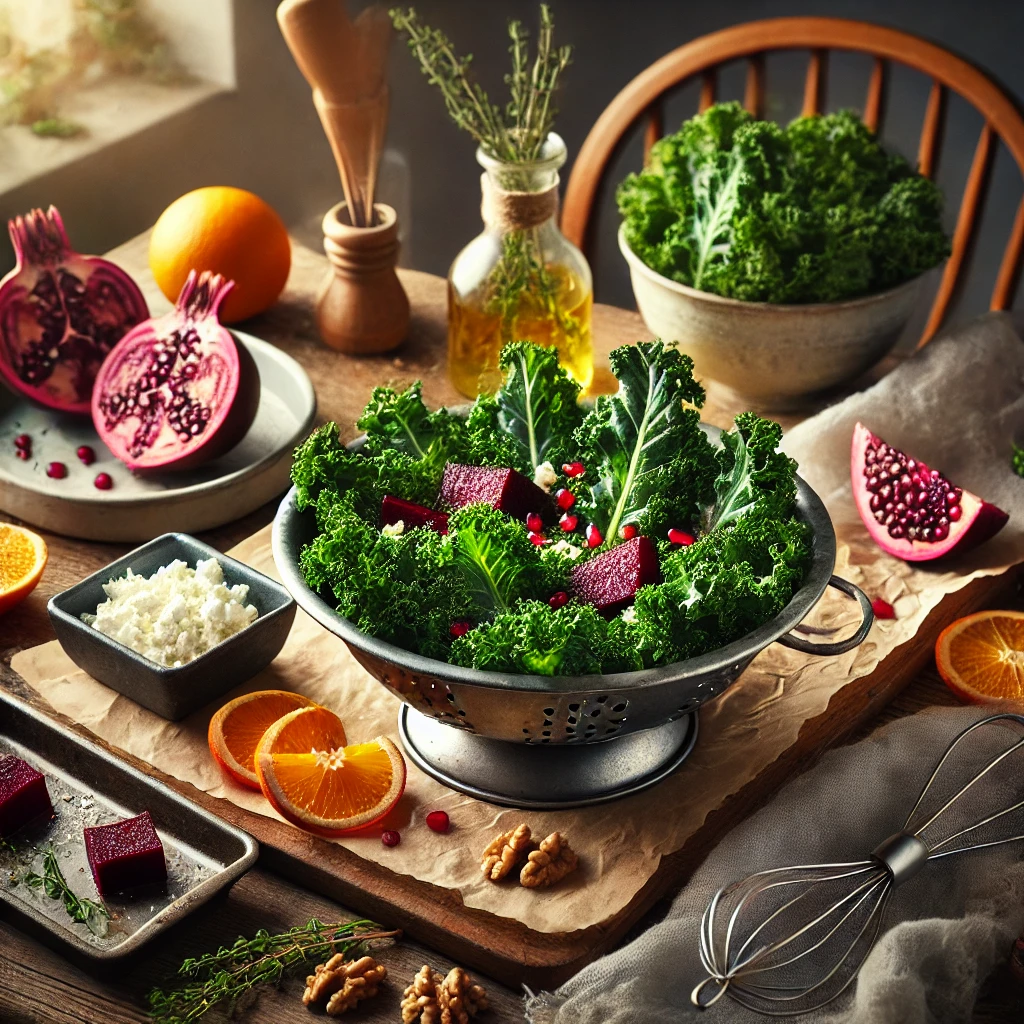
Pomegranate Seeds: Represent abundance, prosperity, and the cycle of life, adding a touch of seasonal symbolism.

Kale: Represents resilience, strength, and abundance, thriving even in winter’s cold.

Beets: Symbolize vitality, grounding, and connection to the earth’s cycles.

Goat Cheese: Brings richness, nourishment, and harmony, linking the dish to Freyr’s blessings.

Citrus (Orange or Lemon): Enhances clarity, renewal, and light, invoking the return of the sun.

Winter Kale and Roasted Beet Salad
A hearty winter salad featuring kale, roasted beets, goat cheese, and citrus vinaigrette, celebrating Freyr’s blessings of abundance and renewal.

  • Baking sheet
  • Salad bowl
  • Whisk
  • Parchment paper

For the Salad:

  • 4 cups kale leaves (washed and chopped, stems removed)
  • 3 medium beets (peeled and cubed)
  • ½ cup crumbled goat cheese
  • ¼ cup pomegranate seeds
  • ¼ cup toasted walnuts or pecans (optional)

For the Citrus Vinaigrette:

  • 3 tbsp olive oil
  • 2 tbsp fresh orange juice
  • 1 tbsp apple cider vinegar
  • 1 tsp honey
  • ½ tsp Dijon mustard
  • Salt and black pepper (to taste)

Roast the Beets:

  1. Preheat oven to 400°F (200°C). Line a baking sheet with parchment paper.
  2. Toss the beet cubes with 1 tablespoon olive oil, a pinch of salt, and pepper. Spread evenly on the prepared baking sheet.
  3. Roast for 25-30 minutes, or until tender and slightly caramelized. Let cool to room temperature.

Prepare the Vinaigrette:

  1. In a small bowl, whisk together the olive oil, orange juice, apple cider vinegar, honey, Dijon mustard, salt, and pepper. Adjust seasoning to taste.

Assemble the Salad:

  1. In a large salad bowl, add the kale leaves. Drizzle with a small amount of the vinaigrette and gently massage the kale for 1-2 minutes to soften the leaves.
  2. Add the roasted beets, goat cheese, pomegranate seeds, and walnuts (if using). Toss gently to combine.

Serve:

  1. Drizzle the remaining vinaigrette over the salad just before serving. Garnish with extra pomegranate seeds or nuts for a festive touch.

This salad can be prepared a few hours ahead but add the vinaigrette just before serving to keep the ingredients fresh. To save time, pre-cooked or store-bought roasted beets can be used. Pair this salad with warm bread or rolls for a complete experience.

Salad
Father’s night, Feast of Swine, Yule
Feast, Recipe

Conclusion

The Winter Kale and Roasted Beet Salad is a vibrant and symbolic addition to Yule’s Fathers’ Night feast. With its grounding and nourishing ingredients, this salad embodies the blessings of Freyr and the interconnectedness of life’s cycles. May its vibrant colors and flavors bring renewal, balance, and gratitude to your table, complementing the richness of the feast and celebrating the magic of the season.

Posted on Leave a comment

Recipe: Spiced Winter Squash and Goat Cheese Tartlets

Squash and Goat Cheese Tartlets

Introduction

A Flavorful Appetizer Honoring Freyr’s Abundance

For Yule’s Fathers’ Night feast, these Spiced Winter Squash and Goat Cheese Tartlets offer a warm, savory start to the meal. Featuring roasted winter squash, creamy goat cheese, and a hint of warming spices, these tartlets evoke the richness of the season. Their golden hues and earthy flavors celebrate the gifts of Freyr, making them a perfect addition to a feast that honors the interconnectedness of tradition, sustenance, and divine blessings.

The Magic of Spiced Winter Squash and Goat Cheese Tartlets

Fathers’ Night is a time to honor Freyr’s guardianship over fertility, prosperity, and the earth’s cycles. Winter squash, grown from the fertile soil, represents abundance and grounding, while goat cheese brings richness and connection to nature’s gifts. The spices in this dish, such as cinnamon and nutmeg, add warmth and evoke the protective energies of the season.

These tartlets, with their golden squash and creamy filling, symbolize the hearth’s warmth and the light Freyr brings to the darkest days of the year. Each bite is a tribute to the abundance and protection bestowed by Freyr, weaving together flavors that embody the season’s magic.

Spell for Prosperity and Gratitude

As you prepare these tartlets, use this spell to invoke gratitude, prosperity, and the blessings of Freyr.

  1. Light a gold or orange candle to symbolize the warmth and abundance of Freyr’s gifts.
  2. As you roast the squash and mix the filling, focus on the prosperity and gratitude you wish to bring into your feast.
  3. While assembling the tartlets, chant softly:

“Golden squash, spices bright,
Abundance grows on Yule’s night.
Freyr’s blessings in each small bite,
Gratitude and warmth take flight.”

  1. Serve with love, sharing the dish as a symbol of the season’s interconnected blessings.

Magical Properties of Spiced Winter Squash and Goat Cheese Tartlets

Pastry Shells: Symbolize unity and structure, holding together the diverse elements of the dish.

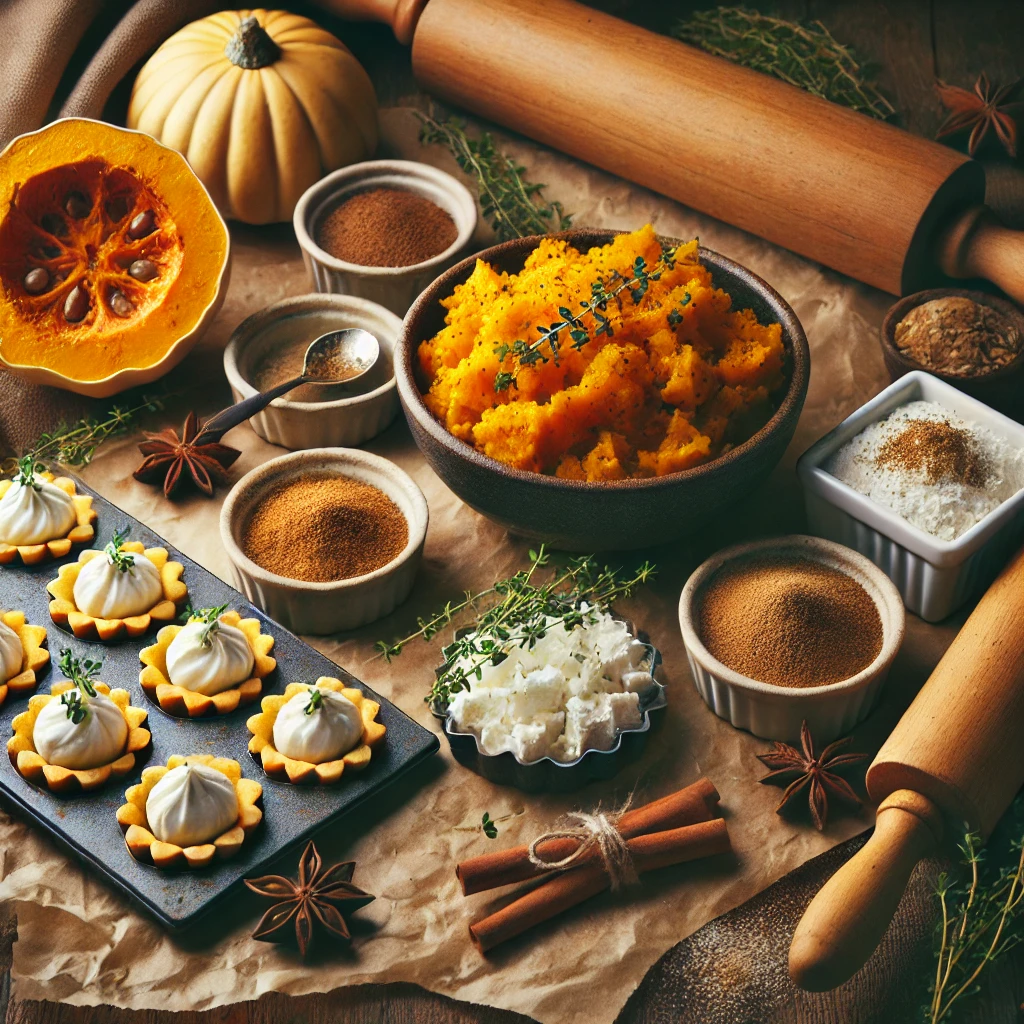
Winter Squash: Symbolizes abundance, grounding, and the fertility of the earth, honoring Freyr’s connection to prosperity.

Goat Cheese: Represents richness, nourishment, and connection to nature’s gifts.

Cinnamon & Nutmeg: Evoke warmth, protection, and abundance, infusing the dish with the energies of the season.

Thyme: Brings courage, healing, and prosperity, aligning the dish with Freyr’s blessings.

Spiced Winter Squash and Goat Cheese Tartlets

Golden tartlets filled with roasted winter squash, creamy goat cheese, and warm spices, celebrating the abundance and protection of Yule.

  • Baking sheet
  • Mixing bowl
  • Muffin tin or tartlet molds
  • Parchment paper

For the Tartlet Shells:

  • 1 package pre-made mini tart shells or puff pastry ( thawed if frozen)

For the Filling:

  • 1 ½ cups roasted winter squash (butternut or acorn squash recommended – mashed)
  • 4 oz goat cheese (softened)
  • 2 tbsp heavy cream
  • 1 tsp ground cinnamon
  • ¼ tsp ground nutmeg
  • 1 tsp fresh thyme leaves (or ½ tsp dried)
  • ½ tsp salt
  • ¼ tsp black pepper

For Garnish:

  • 1 tbsp honey (optional)
  • A few thyme sprigs or toasted pecans

Roast the Squash:

  1. Preheat oven to 375°F (190°C). Line a baking sheet with parchment paper.
  2. Cut the squash into halves, remove the seeds, and roast cut-side down on the prepared baking sheet for 25-30 minutes, or until tender.
  3. Scoop out the flesh and mash it until smooth.

Prepare the Filling:

  1. In a mixing bowl, combine the mashed squash, goat cheese, heavy cream, cinnamon, nutmeg, thyme, salt, and pepper. Mix until smooth and creamy.

Assemble the Tartlets:

  1. Place the tart shells or puff pastry rounds into the muffin tin or tartlet molds.
  2. Fill each shell with a generous spoonful of the squash mixture, smoothing the tops with the back of the spoon.

Bake the Tartlets:

  1. Bake in the preheated oven for 15-20 minutes, or until the filling is set and the tart shells are golden brown.
  2. Remove from the oven and let the tartlets cool slightly.

Garnish and Serve:

  1. Drizzle each tartlet with a small amount of honey, if desired, and garnish with a thyme sprig or toasted pecan for added texture and flavor.
  2. Serve warm or at room temperature as an elegant appetizer.

These tartlets can be prepared ahead of time and gently reheated before serving. They pair wonderfully with warming beverages like spiced cider or mulled wine, making them a versatile addition to your Yule feast.

Appetizer
Father’s night, Feast of Swine, Yule
Feast, Recipe

Conclusion

Spiced Winter Squash and Goat Cheese Tartlets are a flavorful and symbolic appetizer that honors the abundance and interconnectedness of Freyr’s blessings. Their rich, earthy flavors and warming spices make them a perfect complement to other Fathers’ Night dishes like Winter Cranberry Glazed Meatballs and Root Vegetable and Barley Soup. May these tartlets bring warmth, gratitude, and joy to your Yule feast, celebrating the divine connection between tradition, sustenance, and the celestial.

Posted on Leave a comment

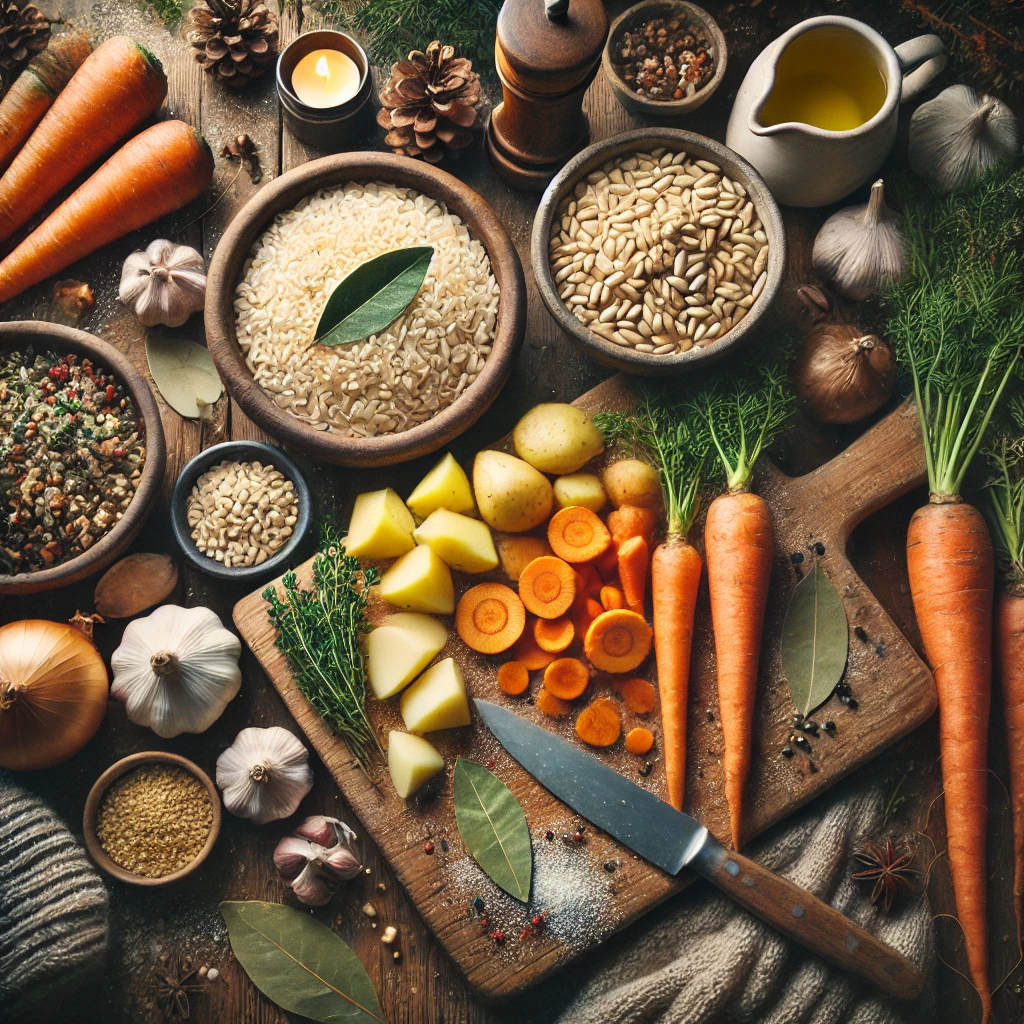
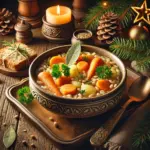
Recipe: Root Vegetable and Barley Soup

Root Vegetable and Barley Sou

Introduction

A Hearty Winter Soup Honoring Freyr’s Abundance

As the heart of the winter season envelops the land, this Root Vegetable and Barley Soup becomes a symbol of Freyr’s blessings of sustenance and prosperity. Crafted from earthy root vegetables, hearty barley, and aromatic herbs, this soup celebrates the gifts of the earth and the interconnectedness of all life. Its rustic flavors and warming essence perfectly complement dishes like Winter Cranberry Glazed Meatballs, creating a harmonious feast that honors both the celestial and earthly domains of Freyr.

The Magic of Root Vegetable and Barley Soup

Freyr, the Norse god of fertility, prosperity, and agriculture, is deeply tied to the cycles of the land and the abundance it provides. Root vegetables, grown beneath the earth, carry grounding and nourishing energy, while barley, a staple grain, symbolizes wealth and sustenance. This soup embodies the essence of Freyr’s blessings, bringing together ingredients that reflect the harmony between tradition and the divine.

The act of preparing this soup is itself a ritual—a meditation on the gifts of the earth and the cycles that sustain life. Served warm and fragrant, it invites protection, prosperity, and gratitude into your Fathers’ Night celebration.

Spell for Prosperity and Protection

As you prepare this soup, use this spell to invoke abundance, grounding, and protection for your feast.

  1. Light a green or brown candle to symbolize the fertility and nourishment of the earth.
  2. As you chop the root vegetables, focus on their grounding energy and the sustenance they bring to your table.
  3. While stirring the soup, chant softly:

“Roots of earth, barley gold,
Freyr’s blessings in warmth unfold.
Prosperity flows, protection stays,
In this feast, we honor Freyr’s ways.”

  1. Serve with love and gratitude, sharing the soup as a tribute to Freyr’s divine guardianship.

Magical Properties of Root Vegetable and Barley Soup

Bay Leaf: Enhances wisdom, protection, and clarity, adding a layer of spiritual significance.

Carrots: Represent clarity, abundance, and grounding, connecting the soup to the nourishing energy of the earth.

Parsnips: Symbolize strength and vitality, adding warmth and depth to the dish.

Potatoes: Offer grounding, stability, and protection, reflecting the enduring energy of winter.

Barley: Represents abundance, prosperity, and sustenance, aligning the soup with Freyr’s blessings.

Thyme: Brings courage, healing, and prosperity, infusing the soup with protective energy.

Root Vegetable and Barley Soup

A hearty and warming winter soup made with root vegetables, barley, and aromatic herbs, honoring Freyr’s blessings of abundance and grounding.

  • Large soup pot
  • Wooden spoon
  • Ladle
  • Cutting board and knife
  • 2 tbsp olive oil
  • 1 large onion (diced)
  • 2 carrots (peeled and sliced)
  • 2 parsnips (peeled and sliced)
  • 2 medium potatoes (peeled and diced)
  • 2 cloves garlic (minced)
  • 1 cup pearl barley (rinsed)
  • 6 cups vegetable or chicken broth
  • 1 bay leaf
  • 2 tsp fresh thyme (or 1 tsp dried)
  • 1 tsp salt (or to taste)
  • ½ tsp black pepper
  • Optional: fresh parsley (chopped, for garnish)

Sauté the Aromatics:

  1. Heat the olive oil in a large soup pot over medium heat.
  2. Add the diced onion and garlic, sautéing until softened and fragrant, about 3-4 minutes.

Add the Root Vegetables:

  1. Stir in the carrots, parsnips, and potatoes. Cook for 5 minutes, allowing the vegetables to begin softening.

Simmer the Soup:

  1. Add the barley, broth, bay leaf, thyme, salt, and pepper to the pot. Stir to combine.
  2. Bring the soup to a boil, then reduce the heat to low. Cover and simmer for 35-40 minutes, or until the barley and vegetables are tender.

Finish the Dish:

  1. Remove the bay leaf before serving. Taste and adjust seasoning with additional salt and pepper, if needed.
  2. Ladle the soup into bowls and garnish with fresh parsley for a touch of brightness.

Serve Warm:

  1. Serve as a comforting starter to your Fathers’ Night feast, celebrating the season’s abundance and Freyr’s blessings.

This soup can be made ahead of time and reheated gently before serving. Pair it with crusty bread or rolls for a complete winter meal. For added richness, stir in a splash of cream or a pat of butter before serving.

Soup
Father’s night, Feast of Swine, Yule
Feast, Recipe

Conclusion

Root Vegetable and Barley Soup is a deeply nourishing dish that embodies the grounding and protective energies of the winter season. With every spoonful, you honor the blessings of Freyr and the interconnectedness of nature, tradition, and sustenance. May this hearty soup bring warmth, abundance, and gratitude to your Fathers’ Night feast, connecting you to the enduring magic of the season.

Posted on Leave a comment

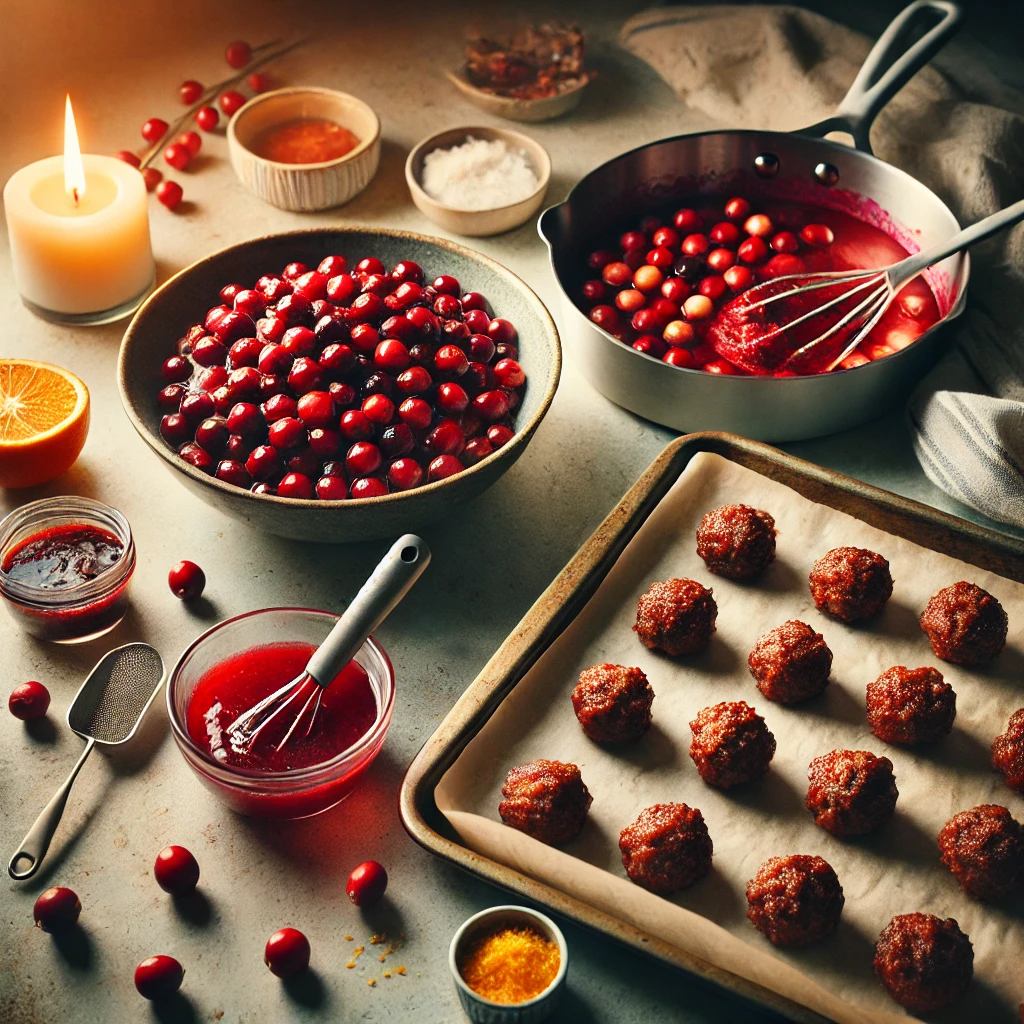
Recipe: Winter Cranberry Glazed Meatballs

Winter Cranberry Glazed Meatballs

Introduction

A Symbolic Amuse Bouche Honoring Freyr and Winter’s Bounty

For Yule’s Fathers’ Night feast, these Winter Cranberry Glazed Meatballs capture the essence of the season with their warm spices, sweet-and-tart cranberry glaze, and hearty flavors. As an homage to Freyr and his divine guardianship of abundance, prosperity, and connection to the earth, these meatballs embody the spirit of the feast. Served as a savory hors d’oeuvre, they act as the perfect introduction to a meal steeped in gratitude and tradition.

The Magic of Winter Cranberry Glazed Meatballs

Fathers’ Night, honoring Freyr and his celestial kin, is a celebration of abundance, protection, and the intricate balance of the natural and divine. Freyr, associated with fertility, prosperity, and the cycles of the land, is symbolized in these meatballs through their rich, hearty flavors and connection to winter ingredients. The cranberry glaze reflects the seasonal bounty, while the spices evoke warmth, harmony, and gratitude.

As the air fills with the enticing aroma of these meatballs, they remind us of the interconnectedness between tradition and sustenance. Each bite becomes a tribute to Freyr’s protection and the prosperity he bestows upon the land and its people, turning the feast into a divine communion.

ASpell for Abundance and Gratitude

As you prepare these meatballs, use this spell to invoke prosperity, protection, and gratitude for the blessings of the season.

  1. Light a green or gold candle to symbolize prosperity and abundance.
  2. As you mix the ingredients and roll the meatballs, visualize your intentions of gratitude and abundance infusing each one.
  3. While preparing the glaze, chant softly:

“Cranberries bright, spices bold,
Freyr’s blessings in flavors told.
Prosperity shared, gratitude shown,
Protection and bounty in this feast we’ve grown.”

  1. Serve with love, offering the dish as a token of thanks to Freyr and as a celebration of the season’s gifts.

Magical Properties of Winter Cranberry Glazed Meatballs

Cinnamon & Nutmeg: Bring warmth, abundance, and joy, enhancing the magic of the winter season.

Ground Pork or Beef: Symbolizes sustenance, strength, and prosperity, reflecting Freyr’s guardianship of fertility and abundance.

Cranberries: Represent renewal, protection, and celebration, aligning with the energy of winter and Yule.

Honey: Adds sweetness, unity, and manifestation, fostering harmony in the feast.

Thyme: Symbolizes courage, strength, and prosperity, connecting the dish to Freyr’s protective energy.

Winter Cranberry Glazed Meatballs

Hearty meatballs infused with winter spices and glazed with a sweet-and-tart cranberry sauce—a symbolic hors d’oeuvre for Fathers’ Night honoring Freyr.

  • Mixing bowl
  • Baking sheet
  • Saucepan
  • Parchment paper
  • Spoon or brush

For the Meatballs:

  • 1 lb ground pork or beef
  • ½ cup breadcrumbs
  • 1 – egg (beaten)
  • 2 cloves garlic (minced)
  • 1 tsp ground cinnamon
  • ¼ tsp ground nutmeg
  • ½ tsp dried thyme
  • 1 tsp salt
  • ½ tsp black pepper

For the Cranberry Glaze:

  • 1 cup fresh or frozen cranberries
  • ¼ cup honey
  • ¼ cup orange juice
  • 1 tbsp balsamic vinegar
  • 1 tsp grated orange zest
  • ¼ tsp ground cinnamon

Prepare the Meatballs:

  1. Preheat oven to 375°F (190°C). Line a baking sheet with parchment paper.

  2. In a mixing bowl, combine the ground pork or beef, breadcrumbs, beaten egg, garlic, cinnamon, nutmeg, thyme, salt, and pepper. Mix gently until just combined.

  3. Roll the mixture into 1-inch balls and place them evenly spaced on the prepared baking sheet.

Bake the Meatballs:

  1. Bake the meatballs in the preheated oven for 20-25 minutes, or until cooked through and lightly browned. Remove from the oven and set aside to rest.

Prepare the Cranberry Glaze:

  1. While the meatballs bake, combine the cranberries, honey, orange juice, balsamic vinegar, orange zest, and cinnamon in a saucepan.

  2. Cook over medium heat, stirring occasionally, until the cranberries burst and the sauce thickens, about 10 minutes.

  3. Use the back of a spoon to mash any remaining whole cranberries for a smoother glaze.

Glaze the Meatballs:

  1. Transfer the meatballs to a serving platter or shallow dish. Brush or spoon the cranberry glaze generously over the meatballs, ensuring each one is well coated.

Serve Warm:

  1. Garnish with fresh thyme sprigs or a sprinkle of orange zest for an added touch of freshness. Serve warm as a festive hors d’oeuvre.

Winter Cranberry Glazed Meatballs can be prepared ahead of time and reheated gently before serving, making them a convenient yet magical addition to your feast. Pair them with a glass of mulled wine or cider to enhance the seasonal flavors.

Amuse Bouche
Father’s night, Feast of Swine, Yule
Feast, Recipe

Conclusion

Winter Cranberry Glazed Meatballs are more than just a savory hors d’oeuvre—they are a symbolic tribute to Freyr and the abundance of Yule. Each bite carries the warmth and protection of the season, celebrating the interconnectedness of tradition, nature, and the divine. May these meatballs bring prosperity, gratitude, and joy to your Fathers’ Night feast, honoring the celestial and earthly blessings of the season.

Posted on Leave a comment

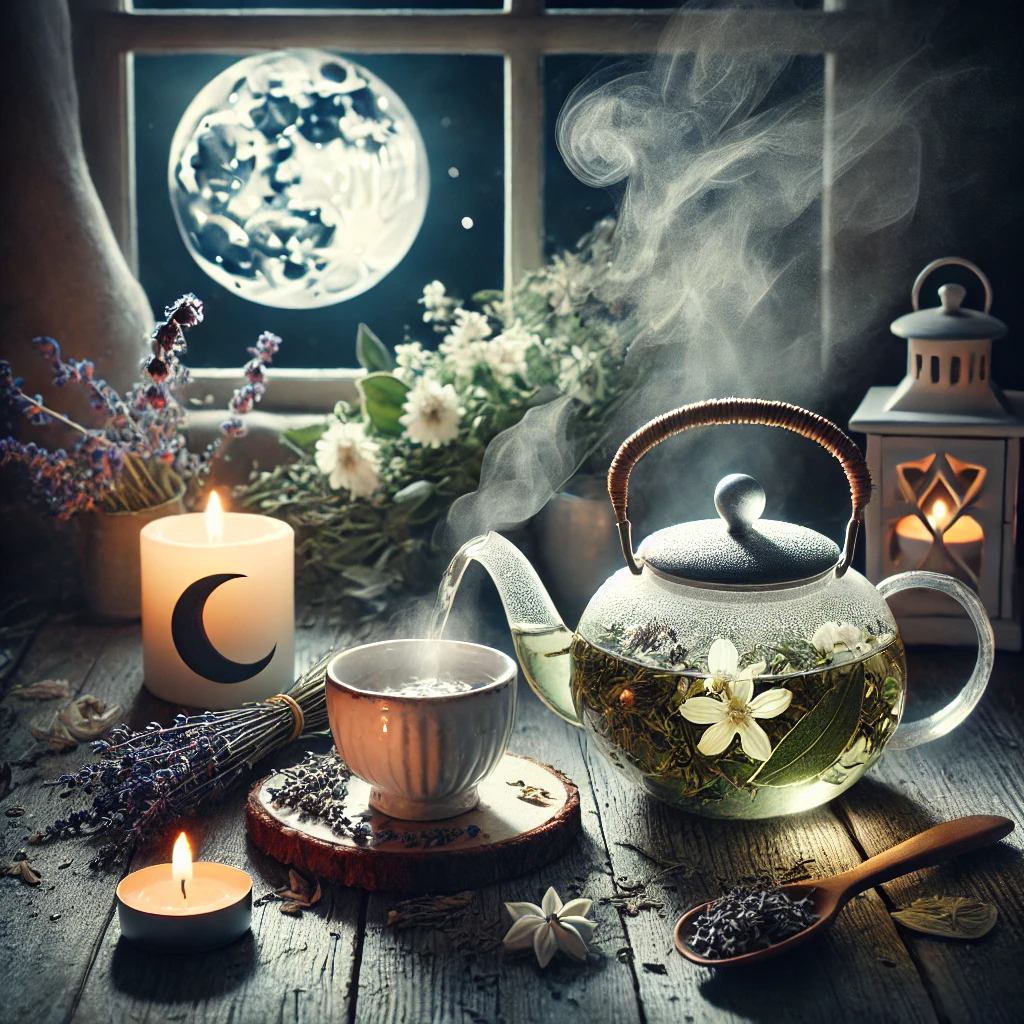
Recipe: Moonlit Elixirs – Tea for Mani

Moonlit Elixirs – Tea for Mani

Introduction

A Soothing Blend to Honor the Guardian of the Night

Under the silvery glow of the moon and the vast expanse of the starlit sky, Moonlit Elixirs invites you to craft a celestial tea to honor Mani, the luminous keeper of the night. This ritual tea combines jasmine, sage, and lavender, creating a calming infusion that reflects the mysteries and serenity of the moonlit hours. Each sip becomes an act of reverence, connecting us to Mani’s quiet wisdom and the tranquil energies of the night.

The Magic of Moonlit Elixirs

This tea transcends its role as a simple beverage, transforming into a sacred offering to Mani. Jasmine embodies love and divinity, filling the air with its floral aroma, while sage imparts clarity and ancient wisdom. Lavender balances the blend with its soothing properties, fostering serenity and harmony.

Traditionally prepared during Yule or under the full moon, this tea becomes a reflective ritual. It is a bridge to the celestial realm, inviting calm and gratitude while connecting with the cycles of the moon and the sacred energies of the night sky.

ASpell for Honoring Mani

Intent: To honor Mani and invite his wisdom and tranquility into your life.

Ingredients for the Spell:

  • 1 cup of prepared Moonlit Elixirs tea.
  • 1 lit candle (white or silver, symbolizing Mani).
  • A small offering dish.

Spell Instructions:

  1. Place the lit candle and offering dish on a windowsill or altar under the moonlight.
  2. Pour a small amount of the tea into the offering dish.
  3. Speak the invocation:

“Mani, guardian of the night,
Keeper of the moon’s soft light.
I offer this brew, calm and true,
A gift of thanks and dreams anew.”

  1. Sit quietly, sipping the tea, and meditate on Mani’s presence.

Magical Properties of Moonlit Elixirs

This tea combines herbs with magical energies that align with Mani’s serene and guiding presence:

Lavender: Evokes serenity and peace, fostering a calm state of mind.

Jasmine: Represents love and divinity, connecting to Mani’s celestial grace.

Sage: Symbolizes wisdom and clarity, enhancing reflective meditation.

Moonlit Elixirs – Tea for Mani

A calming herbal tea crafted to honor Mani, the lunar deity.

  • Kettle
  • Teapot or large heat-safe container
  • Strainer
  • Mug or teacup
  • 1 tsp Dried jasmine flowers (required – Calming and romantic, representing love and divinity.)
  • 1 tsp Dried sage leaves (required – For wisdom and clarity, evoking the mysteries of the night.)
  • 1 tsp Dried lavender flowers (required – To add serenity and relaxation.)
  • 2 cups Boiling water (required – The medium for the infusion.)
  • 1 tsp Honey or agave (optional – For sweetness, symbolizing the moon’s gentle glow.)

Preparing the Space

  1. Choose a quiet location where you can prepare and sip your tea under the moon or near a window with a view of the night sky.
  2. Arrange your tools and ingredients on a table, perhaps adding a lit candle or lunar-themed decorations for ambiance.

Brewing the Tea

  1. Boil 2 cups of water in the kettle.
  2. In the teapot or heat-safe container, combine the dried jasmine flowers, sage leaves, and lavender flowers.
  3. Pour the boiling water over the herbs, allowing their aromas to unfurl into the air.
  4. Cover the teapot and let the tea steep for 5–10 minutes, depending on your preferred strength.

Preparing the Offering and Serving

  1. Strain the tea into a mug or teacup, leaving the herbs behind.
  2. Add honey or agave if desired, stirring gently to blend the sweetness.
  3. Pour a small portion of the tea into a separate dish or cup as an offering to Mani. Place this offering on a windowsill or altar dedicated to the moon.

Reflecting and Sipping

  1. Sit comfortably with your tea, gazing at the moon or simply closing your eyes to focus on its energy.
  2. With each sip, meditate on Mani’s gentle guidance and the blessings of the night. Reflect on the balance between light and shadow and the cycles of life illuminated by the moon’s glow.
  3. Allow the tea to calm your mind and connect you with the celestial rhythms of the night.

Jasmine, sage, and lavender are calming herbs. Adjust quantities based on personal taste and tolerance. The offering can be returned to the earth after the ritual, symbolizing your connection to the cycles of nature. This tea is caffeine-free, making it a perfect nighttime companion for reflection and meditation.

Tea
Lunar Magic, Winter Solstice, Yule
Recipe

Conclusion

“Moonlit Elixirs – Tea for Mani” is a tranquil ritual in a cup, honoring the lunar deity and inviting serenity into your life. With each sip, you connect to Mani’s gentle guidance and the celestial rhythms of the night. This tea, crafted with intention and reverence, becomes a soothing companion during Yule’s long nights and a reminder of the moon’s timeless watch over the world.

Posted on Leave a comment

Ritual: Music Ritual for the Longest Night

Music Ritual for the Longest Night

Introduction

A Celebration of Sound to Honor the Solstice and Welcome the Sun

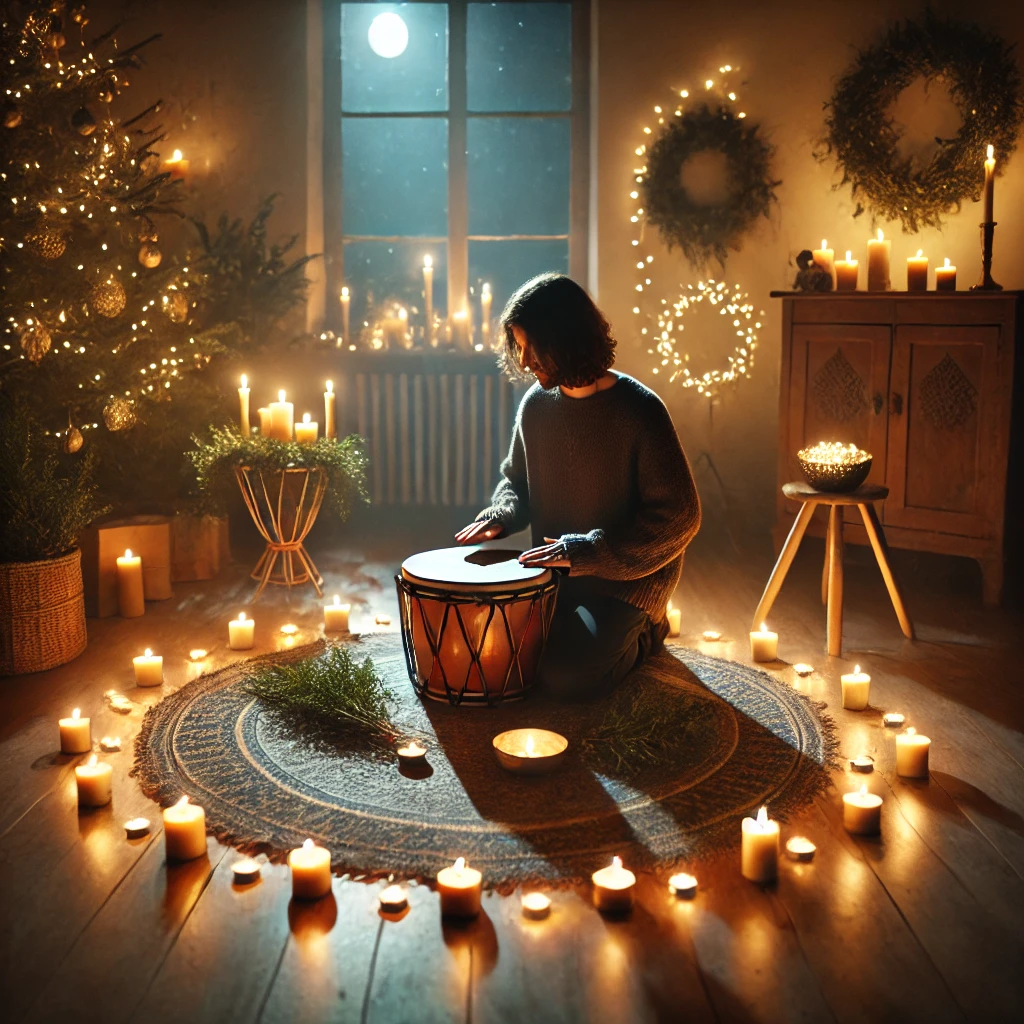
The Winter Solstice, marking the longest night of the year, offers a profound opportunity to connect with the cycles of nature through music. A Music Ritual for the Longest Night honors the stillness of the darkness and celebrates the promise of the sun’s return with melodies that echo the rhythm of the season. Through song, drumming, and instrumental harmony, this ritual creates a sacred space to reflect, release, and invite light into our lives.

Ritual Basics

Before beginning any ritual, it is important to prepare yourself mentally and physically. You may want to take a cleansing bath, or shower, and meditate or perform some grounding exercises to center yourself. Gather any materials you will need, such as candles, incense, and offerings for the forest spirits.

You can read a more detailed Ritual Preparation guide here.

About the Music Ritual for the Longest Night

Music has long been a powerful tool for spiritual connection, celebration, and transformation. Across cultures and traditions, songs and sounds have marked the turning points of the seasons, including Yule. This ritual harnesses the power of music to honor the solstice’s dual themes of darkness and light. Whether performed alone or with a group, the music ritual allows participants to weave intention and emotion into harmonious expressions of hope and renewal.

This ritual is best performed on Yule night, as the world holds its breath for the dawn, or at any moment during the winter season when connection and inspiration are needed.

Music Ritual for the Longest Night

A ritual of sound, song, and rhythm to honor the solstice and call back the light.

  • Drum or percussion instrument
  • Singing bowl or bell
  • Bluetooth speaker or playlist device
  • Journal and pen
  • 1 Bundle Candles (required – Representing the returning light, ideally in warm colors like gold, red, or white.)
  • 1 Piece Evergreen sprig (optional – Symbolizing resilience and the cyclical nature of life.)
  • 1 Offering of choice (optional – Such as incense, flowers, or a token of gratitude for the Earth.)

Creating the Musical Space

  1. Choose a quiet and comfortable location where you can safely play music or sing.
  2. Arrange your space with candles to represent the light’s return, placing them in a circle or along your altar. Light them as you set your intention.
  3. Add any meaningful seasonal decorations, such as evergreens, to align with the energy of Yule.

Invoking the Energy of Sound

  1. Begin with a singing bowl, bell, or any resonant sound to create a sense of sacredness. Let the vibrations ripple through the space, clearing away lingering energy.
  2. As the sound fades, take a moment to ground yourself, breathing deeply and focusing on the intention of your ritual.

The Rhythm of Darkness

  1. Start with slow, reflective rhythms or tones. Use a drum, hum softly, or play a meditative song.
  2. If in a group, encourage participants to join in, layering their sounds or voices to create a collective rhythm that honors the stillness of the longest night.
  3. Reflect on the lessons and gifts of the darkness, allowing the music to carry your thoughts and emotions.

Welcoming the Light Through Song

  1. Gradually shift the music’s tone to something uplifting and vibrant. If using your voice, sing a chant or carol that celebrates the returning sun, such as:

    “The light returns, the sun will rise,

    Warming the earth, filling the skies.”

  2. Clap, drum, or dance to accompany the music, symbolizing the joyful energy of rebirth and hope.
  3. If alone, focus on the physical sensations of creating music; if in a group, celebrate the harmony created together.

Closing with Gratitude

  1. Conclude the ritual with a final note, beat, or song that feels complete and meaningful.
  2. Express gratitude for the light, the darkness, and the transformative power of music.
  3. Blow out the candles slowly, visualizing the light carrying your intentions into the new cycle.
  • Personalize the ritual by incorporating songs or sounds that resonate deeply with you or your group.
  • If you lack instruments, clapping, stomping, or even tapping on surfaces can create meaningful rhythms.
  • This ritual can be extended by creating a collaborative song or recording the music created as a keepsake.
Sound Magic, Yule
Rituals

Conclusion

A Music Ritual for the Longest Night transforms Yule into an immersive experience of sound and spirit. By channeling the energies of the season through music, you embrace the cycles of darkness and light, weaving gratitude and hope into every note. As the solstice passes and the days grow longer, the melodies created during this sacred time will echo in your heart, reminding you of the enduring dance of renewal and the transformative power of the Winter Solstice.

Posted on Leave a comment

Ritual: Mani’s Nighttime Embrace: A Twilight Serenade

Mani's Nighttime Embrace

Introduction

Honoring the Moon’s Gentle Glow and Nocturnal Magic

As twilight falls and the day surrenders to the mysteries of the night, we turn our gaze to Mani, the lunar deity who graces the evening skies with a soft, silver glow. In this ritual, we embrace the serenity of the moonlit hours, weaving together offerings, scents, and intention to honor Mani’s celestial presence. “Mani’s Nighttime Embrace: A Twilight Serenade” invites us to align with the lunar energies, offering reverence and basking in the calm, mystical beauty of the night.

Ritual Basics

Before beginning any ritual, it is important to prepare yourself mentally and physically. You may want to take a cleansing bath, or shower, and meditate or perform some grounding exercises to center yourself. Gather any materials you will need, such as candles, incense, and offerings for the forest spirits.

You can read a more detailed Ritual Preparation guide here.

About the Ritual

Mani, the Norse god of the moon and the brother of Sunna, is a symbol of the night’s quiet majesty and the keeper of time’s gentle cycles. This ritual is best performed on moonlit nights during Yule or any time you seek to deepen your connection with lunar energies. By engaging in this twilight serenade, we honor Mani’s watchful journey across the sky and invite his calm, reflective energy into our lives.

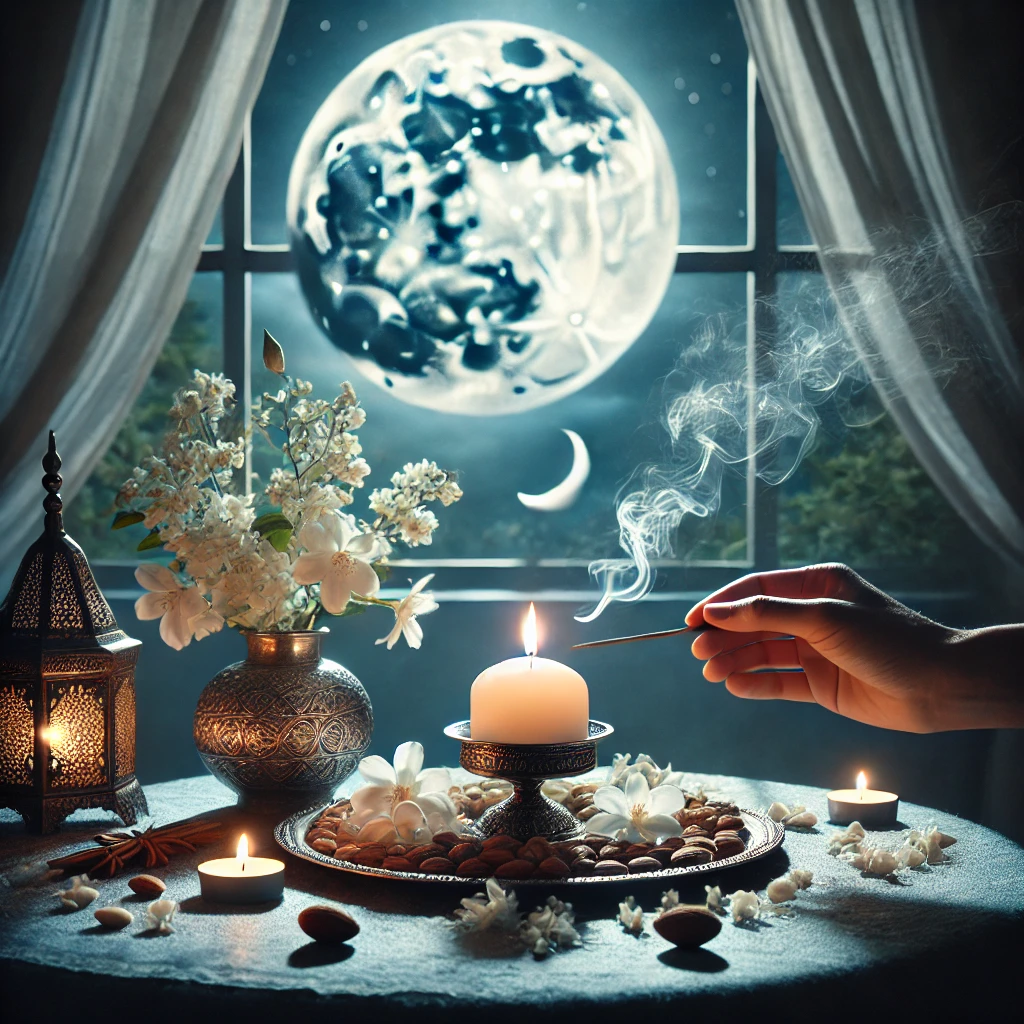
Through the offerings of fragrant jasmine, symbolic lotus, and nourishing almonds, we create a sensory experience that bridges the earthly and celestial realms. These elements are carefully chosen for their sacred properties, weaving together themes of love, enlightenment, and grounding, in alignment with Mani’s serene essence.

Mani’s Nighttime Embrace: A Twilight Serenade

A reflective lunar ritual to honor Mani’s gentle light and celestial guidance.

  • Candle
  • Incense holder
  • Altar cloth
  • 1 Bundle Jasmine incense or fresh jasmine flowers (required – Represents love and divinity.)
  • 1 Lotus flower or lotus incense (optional – Symbol of purity and enlightenment.)
  • 1 Bowl Almonds (required – Offers grounding and nourishment.)
  • 1 Glass Milk or white wine (optional – A libation to Mani, symbolizing purity and offering sustenance.)

Preparing the Sacred Space

  1. Select a quiet, moonlit space for the ritual. Outdoors under the open sky is ideal, but a window with a view of the moon also works.
  2. Lay the altar cloth on a small table or flat surface, arranging the candle, incense, flowers, and almonds.
  3. Ensure the space feels calm and inviting, free from distractions, and infused with peaceful energy.

Centering and Invocation

  1. Sit comfortably before your altar. Take a few deep breaths, allowing your body and mind to relax.
  2. Light the candle and incense, and say:

    “Mani, guardian of the twilight sky,

    Gentle light of the moon, I call to you.

    Your silver glow guides us through the night,

    Your presence brings peace and reflection.

    I honor your journey and offer my reverence."

Presenting the Offerings

  1. One by one, present each offering to Mani:
  2. – Jasmine or jasmine incense: “With this jasmine, I offer love and divinity.”

  3. – Lotus or lotus incense: “With this lotus, I honor purity and enlightenment.”

  4. – Almonds: “With these almonds, I ground this ritual in earthly connection.”

  5. – Milk or white wine (optional): “With this libation, I offer gratitude for your guiding light.”

  6. Arrange the offerings thoughtfully on the altar, envisioning their energies intertwining with Mani’s gentle light.

Reflection and Connection

  1. Spend a few moments gazing at the moon or the candle’s flame, allowing your thoughts to settle.
  2. Reflect on Mani’s symbolism—his role as a guide through darkness and a reminder of the cycles of life.
  3. Meditate on what the moon represents in your life—calm, intuition, or the embrace of change.

Closing the Ritual

  1. When you feel ready, offer words of gratitude:

    “Mani, silver light of the night,

    Thank you for your gentle guidance.

    May your wisdom illuminate my path,

    And may your peace reside in my heart."

  2. Extinguish the candle and incense with reverence, signaling the ritual’s end.
  • This ritual can be adapted to suit your personal practice or combined with other lunar observances.
  • If using food offerings, consider sharing them with others or returning them to the earth after the ritual.
  • Keep a journal nearby to note any reflections or insights that arise during your meditative connection with Mani.
Lunar Magic, Yule
Rituals

Conclusion

Mani’s Nighttime Embrace is a serene ritual of reflection and connection, honoring the moon’s quiet power and the divine cycles of light and darkness. Through offerings and meditative reverence, we align ourselves with Mani’s celestial energy, drawing his calm and intuitive essence into our lives. As the moon graces the night sky, may we find peace, inspiration, and guidance under Mani’s watchful gaze.

Posted on Leave a comment

Ritual: Crafting the Yule Log – Burning

Yule log ritual
Yule log ritual

Introduction

Honoring the Sun and Embracing the Magic of Yule

On the second day of Yule, a timeless ritual unfolds—the crafting of the Yule log, a symbolic blaze of renewal and protection. Rooted in ancient tradition, the Yule log connects us to the enduring fire of the Sun and the cycles of life, death, and rebirth. Traditionally made from oak, the Yule log becomes an altar for hopes and blessings, adorned with nature’s symbols and prepared to carry your intentions into the flame. As the log burns, its light strengthens the Sun’s return, casting away darkness and ushering in renewal for the coming year.

Ritual Basics

Before beginning any ritual, it is important to prepare yourself mentally and physically. You may want to take a cleansing bath, or shower, and meditate or perform some grounding exercises to center yourself. Gather any materials you will need, such as candles, incense, and offerings for the forest spirits.

You can read a more detailed Ritual Preparation guide here.

The Yule Log: A Symbol of Light and Renewal

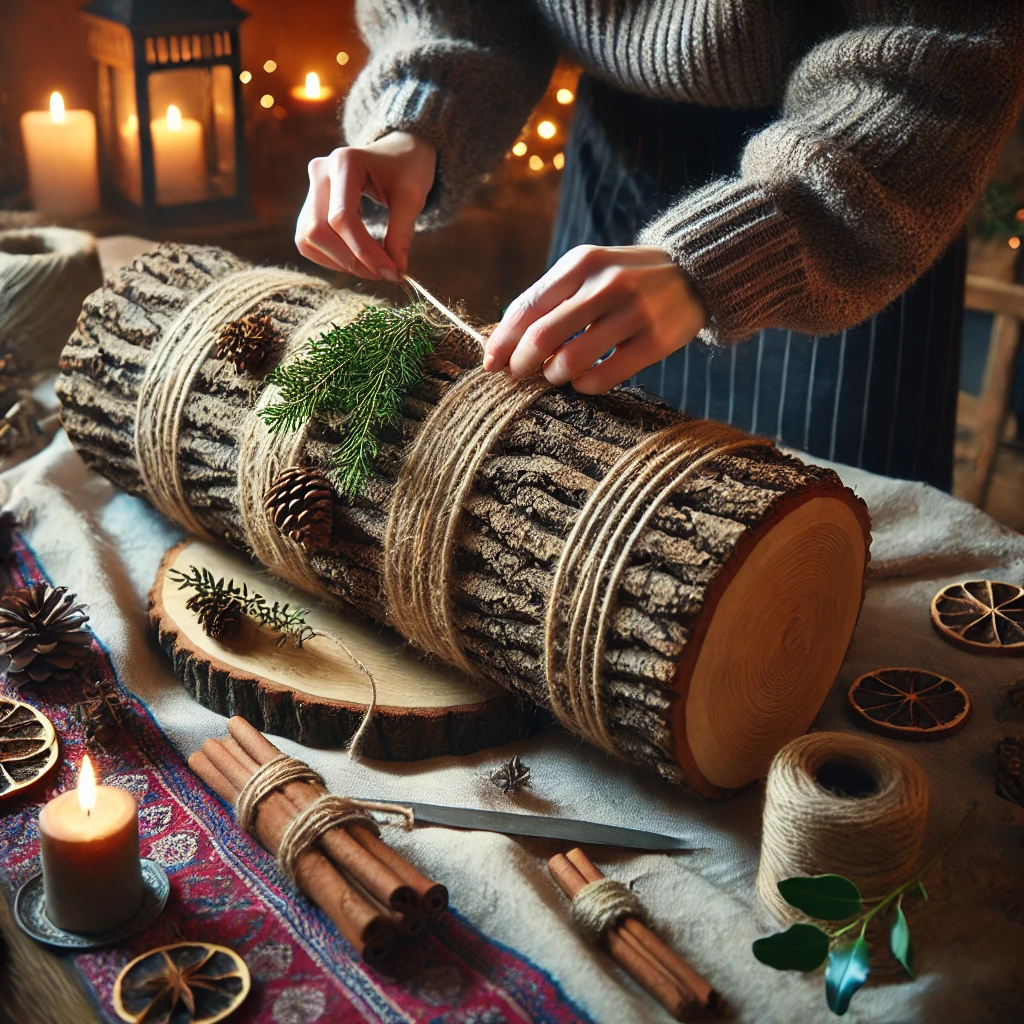
The tradition of the Yule log, deeply embedded in the history of Yule, celebrates the life-giving energy of the Sun. By adorning the log with sacred herbs, pinecones, and flowers, practitioners honor nature’s abundance and the promise of rebirth. The act of burning the Yule log is not just a celebration; it’s a ritual to fortify the Sun’s strength during the darkest days of the year. This simple, yet profound ritual invites the flame of the Yule log to carry away stagnant energies, clear your path, and ignite the magic of renewal within your heart and home.

Crafting the Yule Log – For Burning

A ritual for crafting and burning a Yule log, symbolizing the Sun’s return, rebirth, and the turning of the wheel.

  • Heat-safe surface or fire pit
  • 1 Log Oak or other suitable wood (required – Oak is preferred for its connection to strength, protection, and longevity.)
  • 3 Pinecones (optional – Symbolizes life and rebirth.)
  • 1 Bundle Pine branches (optional – Represents longevity and prosperity.)
  • 3 Dried flowers (optional – Choose flowers that represent love, gratitude, and hope (such as lavender, rosemary, or holly).)
  • 1 Sprig Mistletoe or Holly (optional – Represents protection and blessing.)
  • 1 Pinch Cinnamon or other seasonal spices (optional – For abundance and warmth.)
  • 1 Bundle Dried herbs (optional – Choose herbs such as rosemary, bay leaves, or sage for purification and protection.)
  • Twine or ribbon ((optional) – For binding symbolic items to the log.)

Step 1: Selecting and Preparing the Yule Log

  1. Choose your log—traditionally oak, but any sturdy wood can be used. The log should be large enough to burn for several hours if possible.
  2. If you are gathering the log yourself, ensure it is dry and free from rot or decay. If buying from a store or woodpile, cleanse it with intention (using smoke from incense or salt) to purify the energy.

Step 2: Decorating the Yule Log

  1. Gather your natural adornments—pinecones, branches, flowers, herbs, or other seasonal items.
  2. Begin adorning your log with these items. You can attach them using twine or ribbon, wrapping them around the log to secure. Each piece added carries symbolic meaning:
  3. – Pinecones: Represent rebirth and fertility.

  4. – Flowers: Symbolize beauty, love, and hope.

  5. – Herbs: Offer protection, purification, and abundance.

  6. – Mistletoe or Holly: Offers protection and good fortune.

  7. – Cinnamon: Adds warmth and blessings to your home.

  8. As you decorate, speak aloud your intentions for the new year—whether it’s personal growth, prosperity, protection, or simply honoring the Sun’s return.

Step 3: Creating Sacred Space

  1. Find your space—whether it be indoors at a hearth, or outdoors in a fire pit or similar setup.
  2. Arrange the log and your space with care, adding candles or lanterns around the area to set the tone.
  3. Take a moment to ground and center yourself. Call upon the Sun and the energies of Yule by lighting a candle to honor the Solstice.

Step 4: Invoking Blessings and Lighting the Yule Log

  1. Once your space is prepared, offer a blessing over the Yule log, saying something like:

    “I call upon the ancient fire,

    Light of the Sun, and the warmth I desire.

    In this log, I place my hope and my call,

    For renewal, for love, for the good of us all.

    May this flame bring light to the dark,

    And with it, a new year shall spark.”

  2. Light the Yule log (if indoors, be sure to burn in a safe, controlled environment). Watch as the flames dance, knowing that each spark represents the return of the Sun’s strength and the promise of renewal.

Step 5: Reflecting and Watching the Flame

  1. As the Yule log burns, sit quietly and reflect on the magic of Yule. Meditate on the warmth and light, feeling it fill your space and your spirit.
  2. If celebrating with others, invite them to share their blessings, intentions, or thoughts for the coming year.
  3. Let the fire burn for as long as possible. If it must be extinguished, do so with gratitude and reverence. Save a portion of the ash to scatter in your garden or keep for future blessings.

This Yule log ritual can be adapted to suit your space and needs. If you do not have a place for an outdoor fire, consider using a smaller log that can be placed in an indoor hearth or even a symbolic log for display with candles. The important part is the intention behind the ritual and the connection to the energies of the season. The Yule log symbolizes hope, rebirth, and the eternal cycle of life, death, and renewal, making it a perfect centerpiece for any Yule celebration.

Winter Solstice, Yule
Rituals

Conclusion

Crafting a Yule log is more than a simple act of creation; it is a sacred and symbolic gesture of inviting light into the darkest part of the year. Through the act of decorating and burning the Yule log, you connect to the ancient tradition of honoring the Sun and welcoming renewal into your life. As the flames flicker and illuminate your space, feel the magic of Yule enveloping you, carrying your blessings, intentions, and hopes forward into the new year. Let the warmth of the Yule log fill your heart and home, bringing light, love, and renewal for the season ahead.

Posted on Leave a comment

Ritual: Crafting a Yule Log with Candles

the Yule log candle
the Yule log candle

Introduction

A Symbol of Light, Hope, and Yule Magic

During Yule, the return of the Sun is celebrated with warmth, light, and rituals that honor the turning of the wheel of the year. One of the most beloved symbols of this season is the Yule log. In this ritual, instead of burning the Yule log, we will craft a decorative Yule log with tapered candles, creating a beautiful centerpiece that embodies the light of the season. This Yule log, adorned with natural elements and illuminated by candlelight, serves as a symbol of renewal, hope, and the magic of Yule.

Ritual Basics

Before beginning any ritual, it is important to prepare yourself mentally and physically. You may want to take a cleansing bath, or shower, and meditate or perform some grounding exercises to center yourself. Gather any materials you will need, such as candles, incense, and offerings for the forest spirits.

You can read a more detailed Ritual Preparation guide here.

The Decorative Yule Log: A Candlelit Celebration of Light

Rather than burning the Yule log, this version is decorated and used as a focal point of your Yule celebrations. Candles are placed in the log, representing the light of the Sun returning after the longest night. Each candle can be charged with an intention or blessing, infusing the log with personal meaning and purpose. As the candles burn, they symbolize the light driving away the darkness, carrying your wishes into the universe.

Crafting a Decorative Yule Log with Candles

A Yule log decorated with natural elements and used as a candle holder to symbolize the return of the Sun.

  • Drill with a bit large enough for tapered candles
  • Hand saw or sandpaper
  • Twine or ribbon
  • 1 Log (required – A log approximately 12-18 inches long, made from oak, pine, or another sturdy wood, with flat bottom so it doesn’t roll.)
  • 3-5 Tapered candles (required – Symbolize the light of the Sun; choose candles in colors like red, green, gold, or white.)
  • 1 Bundle Pine branches or greenery (optional – For decoration and to symbolize longevity and prosperity.)
  • 3 Pinecones (optional – Symbolize life and rebirth.)
  • 1 Sprig Holly or mistletoe (optional – Represents protection and blessing.)
  • Dried flowers or herbs (optional – Choose flowers or herbs such as lavender, rosemary, or cinnamon sticks for protection and abundance.)
  • 1 Bag Glue or small nails (optional – For securing decorations if needed.)

Step 1: Preparing the Log

  1. Select your log—oak, pine, or another wood traditionally associated with strength and protection is ideal. Make sure it is stable and will sit flat on a surface without rolling.
  2. Using a drill, create 3-5 evenly spaced holes along the top of the log, deep and wide enough to securely hold your tapered candles. Be careful not to drill too deep; the candles should sit securely but should not be flush with the log.

Step 2: Decorating the Yule Log

  1. Once your log is drilled, it’s time to decorate! Gather pine branches, holly, pinecones, and flowers.
  2. Attach the greenery and pinecones to the log using twine to secure them in place, or use glue or small nails if needed. The greenery symbolizes renewal, longevity, and prosperity during the winter months.
  3. Adorn the log with herbs and flowers that represent your intentions for the season—lavender for peace, rosemary for protection, or cinnamon sticks for warmth and abundance.
  4. Optional: Wrap twine or ribbon around the log for an added decorative touch, creating a sense of harmony and balance.

Step 3: Setting the Candles

  1. Choose your candles based on the intentions or energies you wish to welcome into your home during Yule.
  2. – Red for vitality and courage.

  3. – Green for abundance and prosperity.

  4. – Gold for success and light.

  5. – White for peace and protection.

  6. Insert the candles into the drilled holes. As you place each candle into the log, take a moment to reflect on the light it will bring into your life and home as the wheel of the year turns toward longer days.

Step 4: Charging the Yule Log with Intentions

  1. Once your Yule log is decorated and candles placed, take a moment to hold your hands over the log, focusing on your intentions for the season.
  2. Say aloud:

    "I bless this Yule log with light and life,

    To carry forth the Sun's return,

    May it warm our hearts, protect our home,

    And bring renewal in the year to come."

  3. Visualize the warmth of the Sun filling the log with glowing energy, infusing your space with blessings and protection.

Step 5: Lighting the Candles

  1. On Yule or the Winter Solstice, gather around the Yule log with your loved ones or in quiet meditation.
  2. Light the candles, one by one, focusing on the warmth and light each flame brings. As each candle is lit, speak your intentions or blessings for the coming year.
  3. Let the candles burn during your celebrations, filling the room with light and warmth.

Step 6: Reflecting and Honoring the Season

  1. As the candles burn, reflect on the magic of Yule and the returning Sun. This is a time to honor the cycles of nature and the promise of renewal.
  2. Share stories, intentions, or blessings with those around you, or simply enjoy the peaceful atmosphere the Yule log creates.

The decorative Yule log can be reused year after year as part of your Yule celebrations. After the candles have burned down, carefully remove the stubs, and refresh the decorations with new greenery, herbs, and flowers. Each year, this log will continue to be a symbol of light, hope, and the magic of the Winter Solstice.

Winter Solstice, Yule
Rituals

Conclusion

Crafting a Yule log with candles is a beautiful way to celebrate Yule, bringing the light and warmth of the Sun into your home as the darkest days of winter pass. The decorated Yule log, adorned with nature’s gifts and illuminated by candlelight, serves as a reminder of the cycles of life, death, and rebirth, and the magic of the season. Let this symbolic centerpiece be a source of joy and inspiration throughout the Yule season, offering hope, renewal, and the promise of new beginnings.

Posted on Leave a comment

Ritual: A Ritual of Light and Hope

A Ritual of Light and Hope

Introduction

Embracing the Sun’s Return and the Promise of Longer Days

As the Winter Solstice unfolds, the longest night of the year carries the promise of light’s return. This celestial event, marking the rebirth of the sun, invites us to pause, reflect, and celebrate the cyclical dance of darkness and light. Through this ritual of light and hope, we honor the lessons of the shadow and welcome the vitality of the returning sun.

Ritual Basics

Before beginning any ritual, it is important to prepare yourself mentally and physically. You may want to take a cleansing bath, or shower, and meditate or perform some grounding exercises to center yourself. Gather any materials you will need, such as candles, incense, and offerings for the forest spirits.

You can read a more detailed Ritual Preparation guide here.

About A Ritual of Light and Hope

Yule, the Winter Solstice, has been celebrated for centuries as a moment of renewal and transformation. The sun, reborn after its longest absence, symbolizes the gradual triumph of light over darkness. This ritual connects us to ancient traditions that honor the balance of the seasons, using symbols such as evergreens and candles to inspire resilience, hope, and warmth. Ideal for both solitary practice and communal celebration, this ritual embraces gratitude for the lessons of winter while setting intentions for the growing light.

A Ritual of Light and Hope

A ritual celebrating the rebirth of the sun and setting intentions for the returning light.

  • Space to practice safely with candles
  • Lighter or matches
  • Journal and pen
  • Vase or base for evergreen branches
  • 1 Bundle Evergreen branches (required – Represents resilience and eternal life.)
  • Multiple Candles (required – In gold, white, and red hues to symbolize light and vitality.)
  • 1 White candle (required – For the intention-setting ritual.)
  • Assortment – Foods (optional – For the feast of light (citrus fruits, golden vegetables, spiced dishes).)

Step 1: Preparing the Sacred Space

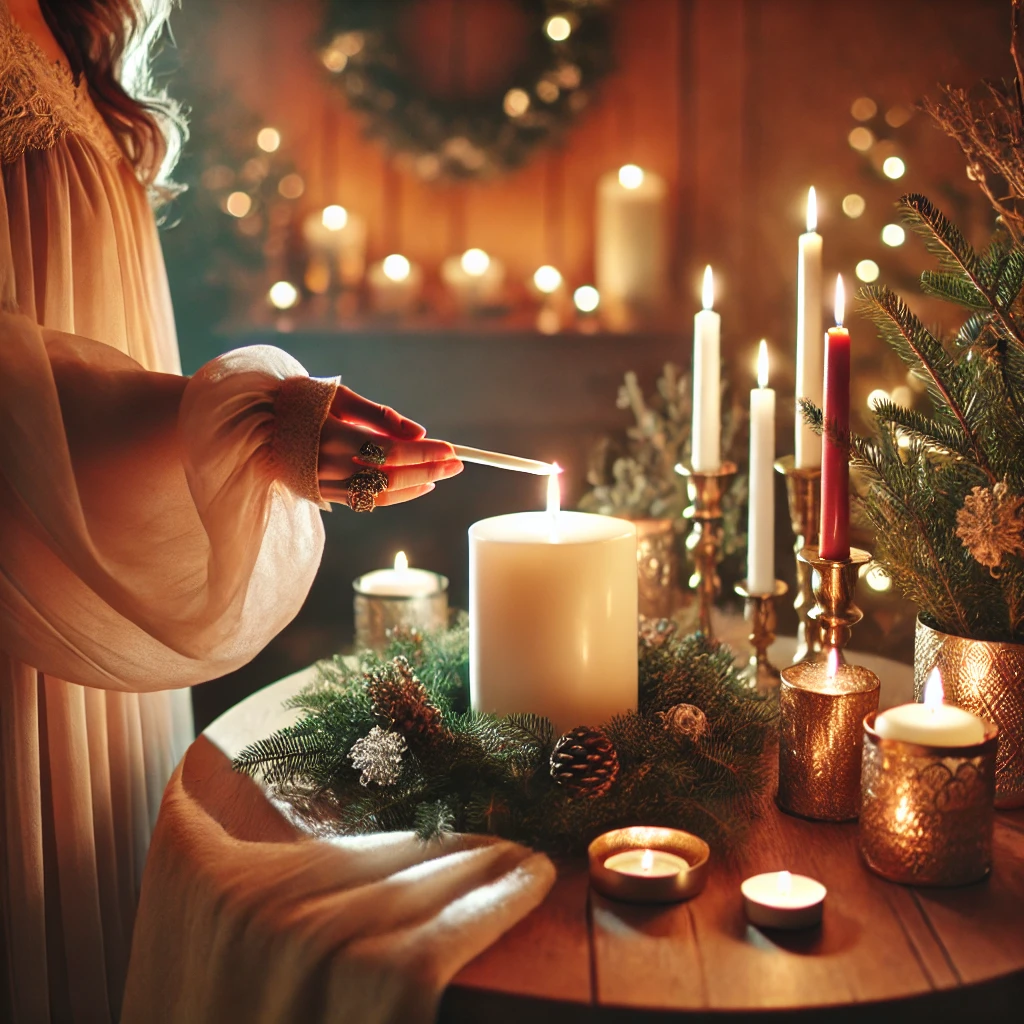
  1. Adorn your space with evergreen branches, placing them in vases or creating a wreath. Let their vibrant energy symbolize life’s endurance through winter.
  2. Arrange an array of candles around your space in hues of gold, white, and red to represent the returning light. Ensure the candles are safely placed and easy to access.

Step 2: Welcoming the Returning Sun

  1. Stand facing east, the direction of the sunrise. Extend your arms upward in a welcoming gesture, embracing the returning sun’s energy.
  2. Say aloud or silently:

    “I welcome the light, the warmth, and the vitality of the sun. With gratitude, I embrace the promise of brighter days and the dispelling of darkness.”

  3. Reflect on the darkness of winter, expressing gratitude for the lessons, rest, and introspection it has brought.

Step 3: Setting Intentions for the Coming Light

  1. Sit comfortably in your sacred space. With your journal or in quiet reflection, consider the aspects of your life you wish to illuminate and nurture in the coming months.
  2. Hold a white candle in your hands. Close your eyes and focus on your intentions, visualizing them as seeds of light ready to grow.
  3. Say aloud:

    “As the sun returns, so shall my intentions grow. I ignite this flame as a symbol of hope, renewal, and transformation.”

  4. Light the candle, visualizing your aspirations being infused with the sun’s radiant energy.

Step 4: Closing the Ritual

  1. Gently extinguish the white candle or let it burn safely as you conclude the ritual.
  2. Prepare a feast of light using foods that symbolize the sun’s warmth, such as citrus fruits, golden vegetables, and spiced dishes.
  3. Share this meal with loved ones or enjoy it in reflective solitude, celebrating the sun’s rebirth and the promise of brighter days.
  • If practicing with a group, consider assigning roles such as decorating, reading blessings, or preparing the feast to enhance communal connection.
  • Offer leftover food or natural decorations to the Earth as a gesture of gratitude.
Seasonal Solar Magic, Yule
Rituals

Conclusion

A Ritual of Light and Hope offers a moment of profound connection to the cycles of nature and the light within ourselves. As we honor the longest night and the sun’s rebirth, we embrace the promise of renewal and transformation. This Yule, may the flickering flames of your candles inspire hope and illuminate the path ahead, guiding you toward a season filled with warmth, abundance, and joy.