Introduction
Unleashing Magic
Containers are more than just objects that hold things. They are powerful tools that can enhance your spellcraft and help you achieve your magical goals. In this article, we will explore the history and tradition of container magic, the different types of containers and their effects, and how to choose and use containers for your spells.

In the world of magic and spellcraft, containers have long held a special place. They serve as vessels that harness and focus our intentions, creating a sacred space for the energy of our spells to manifest. Whether you are crafting a spell for yourself or someone else, utilizing containers can add a layer of depth and potency to your magical workings.
In my family, the tradition of spellcasting has always involved the use of containers. Passed down through generations, this practice has taught us the significance of size, material, and intent when selecting the perfect container for a spell. Each container holds a unique area of effect, allowing us to shape the spell’s energy and direct it where it is needed.
Size of the Container
The practice of spellcasting has been around for centuries and has been passed down through generations of families and practitioners. One important aspect of this tradition is the practice of selecting the right size container for a spell, depending on the desired effect. The size of the container can have a significant impact on the potency and area of effect of the spell.
Large Containers
Larger containers are often used for spells that are meant to affect a wide area, such as an entire home or property. These spells may be used for protection, cleansing, or to promote harmony and positivity throughout a space. Large containers, such as a cauldron or large glass jar, can hold a significant amount of energy and can be used to harness the energy of the elements.
Medium Containers
Medium containers are often used for spells that are meant to affect a smaller area, such as a room or specific area of a home. These spells may be used for cleansing, banishing negative energy, or promoting healing and positivity in a specific space. Medium containers can be made of a variety of materials, such as glass, metal, or ceramic, and may be decorated with symbols or sigils to enhance their potency.
Smaller Container
Smaller containers are often used for personal spaces or for placement on an altar. These spells may be used for personal protection, enhancing intuition, or for manifestation. Smaller containers, such as a small glass jar or metal box, require less energy to fill and can be used for spells that require a higher concentration of energy.
Affect of the Spell’s Energy
The size of the container can also affect the concentration of the spell’s energy. A larger container will require more energy to fill, and this can dilute the concentration of the spell. In contrast, a smaller container will require less energy, resulting in a more concentrated spell. Practitioners should consider the desired effect of the spell and the amount of energy required to achieve that effect when selecting the size of the container.
Consider the size of the container as an indicator of its area of influence. Larger containers, such as jars or boxes, can affect a broad space, like an entire home or property. These spells have the power to infuse an entire living environment with the desired energy or intention. Medium-sized containers, like bottles or vases, are ideal for spells that target specific areas, such as a room or workspace. They allow you to concentrate the magical energy within a confined space. For a more personal touch, small containers, like lockets or altarpieces, can be used to create spells that are focused on individual well-being or dedicated to a specific purpose on your personal altar.
Selecting the right size container for a spell is an important aspect of the spellcasting process. Practitioners should consider the desired effect of the spell, the amount of energy required, and the area of effect when selecting the size of the container. The size of the container can also affect the concentration of the spell’s energy, so practitioners should choose a size that allows for the desired level of concentration. By choosing the right size container, practitioners can enhance the potency and effectiveness of their spells.
Consider the Container
When it comes to spellcasting, choosing the right container is essential for the success of your spell. The container is the vessel that holds the energy and intention of the spell, and the material from which it is made can have a significant impact on its effectiveness. While the size of the container is important, it is equally important to consider the material from which it is made.
The material of the container holds significance as well. A clear container, such as glass or transparent plastic, offers a window into the spell’s workings, enabling you to visualize the energy at play. It allows you to witness the magical transformation as it unfolds. On the other hand, colored containers can draw upon the symbolism and meaning associated with different hues. For example, a green container can enhance spells related to growth, abundance, and fertility, while a red container can amplify passion, strength, and courage. Choosing a container made from a specific material, such as wood, metal, or stone, allows you to tap into the inherent properties and energies of that material, reinforcing the intentions of your spell.
Clarity
One important consideration is the clarity of the container. A clear glass container is often used in spells that require visualization, as it allows the practitioner to see the energy of the spell as it is being cast. This is particularly useful for spells that involve manifesting something, as the practitioner can visualize the desired outcome as they work on the spell.
Material
Another consideration is the specific material from which the container is made. Some spells require the use of a specific material, such as copper or silver, to harness the energy of those metals. For example, copper is often associated with healing and is used in spells that involve healing the body or mind. Silver is associated with intuition and is often used in spells that involve divination or psychic ability.
Type
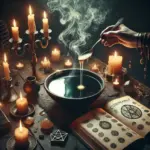
In addition to specific materials, certain types of containers may be used for specific purposes. For example, a cauldron is often used in Wiccan and pagan traditions for a variety of spells, including burning incense and mixing herbs. The shape and size of the cauldron can also have symbolic meaning, with a larger cauldron representing the womb and the potential for growth and creation.
Historical Significance
The choice of material can also have cultural or historical significance. For example, in traditional African spiritual practices, gourds are often used as containers for spells and rituals. Gourds are seen as a symbol of fertility and are believed to have the power to contain and amplify energy.
It is important to note that not all spells require a specific material or type of container. The choice of container and material should be based on the specific needs of the spell and the preferences of the practitioner. It is important to choose a container that resonates with you and feels right for the spell you are casting.
Cleansing Your Spell Containers: Purifying the Energetic Space
Once you have completed a spell or ritual in a container, it is essential to cleanse and purify the energetic space within the container before reusing it. Cleansing allows you to remove any residual energies or intentions from previous workings, ensuring a fresh and neutral starting point for your next magical endeavor. Here are some methods to cleanse your spell containers:
Smoke Cleansing: Pass your spell container through the purifying smoke of sacred herbs, such as sage, cedar, or palo santo. Light the herb bundle or loose herbs, allowing the smoke to engulf the container as you gently wave it through the smoke. Visualize the smoke purifying and cleansing the container, releasing any stagnant or unwanted energy.
Saltwater Bath: Prepare a bowl of water and add a pinch of sea salt or Himalayan salt. Submerge your spell container in the salt water, ensuring it is fully immersed. Visualize the saltwater purifying and cleansing the container, absorbing, and neutralizing any lingering energies. Leave the container in the saltwater bath for a few minutes, or as intuitively guided, and then rinse it thoroughly with clean water.
Moonlight Cleansing: Place your spell container in a windowsill or outdoor area where it can be exposed to the cleansing energy of the moonlight. Choose a clear night when the moon is visible, preferably during the full moon phase. Allow the container to bathe in the moon’s rays overnight, absorbing the purifying and revitalizing lunar energy.
Elemental Cleansing: Connect with the elemental energies of nature to cleanse your spell container. Hold the container in your hands and visualize it being cleansed by the elements. Pass it through the smoke of a candle flame to represent fire, gently fan it with a feather to represent air, sprinkle a few drops of purified water over it to represent water, and finally, place it on the earth or bury it briefly in soil to represent earth. Feel the harmonizing and purifying energies of the elements cleansing and renewing the container.
Sound Cleansing: Use sound vibrations to cleanse your spell container. You can ring a bell or chime near the container, strike a singing bowl, or use a sound cleansing tool such as a rattle. As the sound reverberates around the container, visualize any stagnant or unwanted energies being broken apart and dissipated, leaving the container cleansed and revitalized.
Remember to trust your intuition and choose the cleansing method that resonates most with you and your magical practice. After cleansing, you can further consecrate and empower your spell container with your intentions and desired energies before using it for future spells or rituals. Cleansing your spell containers regularly ensures that your magical workings start with a clean slate, allowing for greater clarity and effectiveness in manifesting your intentions.
Safety Concerns
When choosing a container for a spell, it is important to also consider any safety concerns. Some materials, such as certain types of plastic, may not be safe for use in spellcasting, as they can release toxic chemicals when exposed to heat or fire. Always do your research and choose a container that is safe for the type of spell you are casting.
Choosing the right container for a spell is an important part of the spellcasting process. While the size of the container is important, it is equally important to consider the material from which it is made. Clear glass containers may be used for visualization, while specific materials may be used to harness the energy of those metals. Certain types of containers may also have cultural or historical significance. Always choose a container that resonates with you and is safe for the type of spell you are casting.
Containers and Energy
When it comes to the practice of spellcasting, the size of the container used can have a significant impact on the potency and effectiveness of the spell. One important aspect to consider is the concentration of the spell’s energy, which is influenced by the size of the container.
Another consideration when choosing a container for a spell is the preference of effect area. For example, some spells may be designed to affect a specific area, such as a person’s health or a relationship. In these cases, the size of the container may not be as important as the intent behind the spell.
Larger Container = More Energy
A larger container will require more energy to fill, which can dilute the concentration of the spell. This is because the energy of the spell will be spread out over a larger area, resulting in a weaker effect. For example, if you are casting a spell for protection for an entire home, a large cauldron may be appropriate. However, if you fill the cauldron with too much water or other ingredients, the energy of the spell will be diluted and may not be as effective.
Smaller Container = More Concentrated
On the other hand, a smaller container will require less energy to fill, resulting in a more concentrated spell. This is because the energy of the spell is confined to a smaller area, which can enhance its potency. For example, if you are casting a spell for personal protection, a small glass jar or metal box may be appropriate. By using a smaller container, you can focus the energy of the spell on your personal space and increase its effectiveness.
Concentration of Energy
It is important to note that the concentration of the spell’s energy is not solely determined by the size of the container. Other factors, such as the type of ingredients used, the intention of the spell, and the skill of the practitioner, can also influence the concentration of the energy. However, the size of the container is an important consideration that should not be overlooked. The size of the container can also affect the area of effect of the spell. As previously mentioned, larger containers can affect a wider area, while smaller containers are best suited for personal spaces or altars.
The size of the container used in spellcasting is an important consideration that can have a significant impact on the concentration and effectiveness of the spell. Practitioners should choose a size that is appropriate for the desired effect and area of effect, while also considering the type of ingredients used and their intention for the spell. By choosing the right size container, practitioners can enhance the potency of their spells and achieve their desired outcome.
Spellcraft in Container
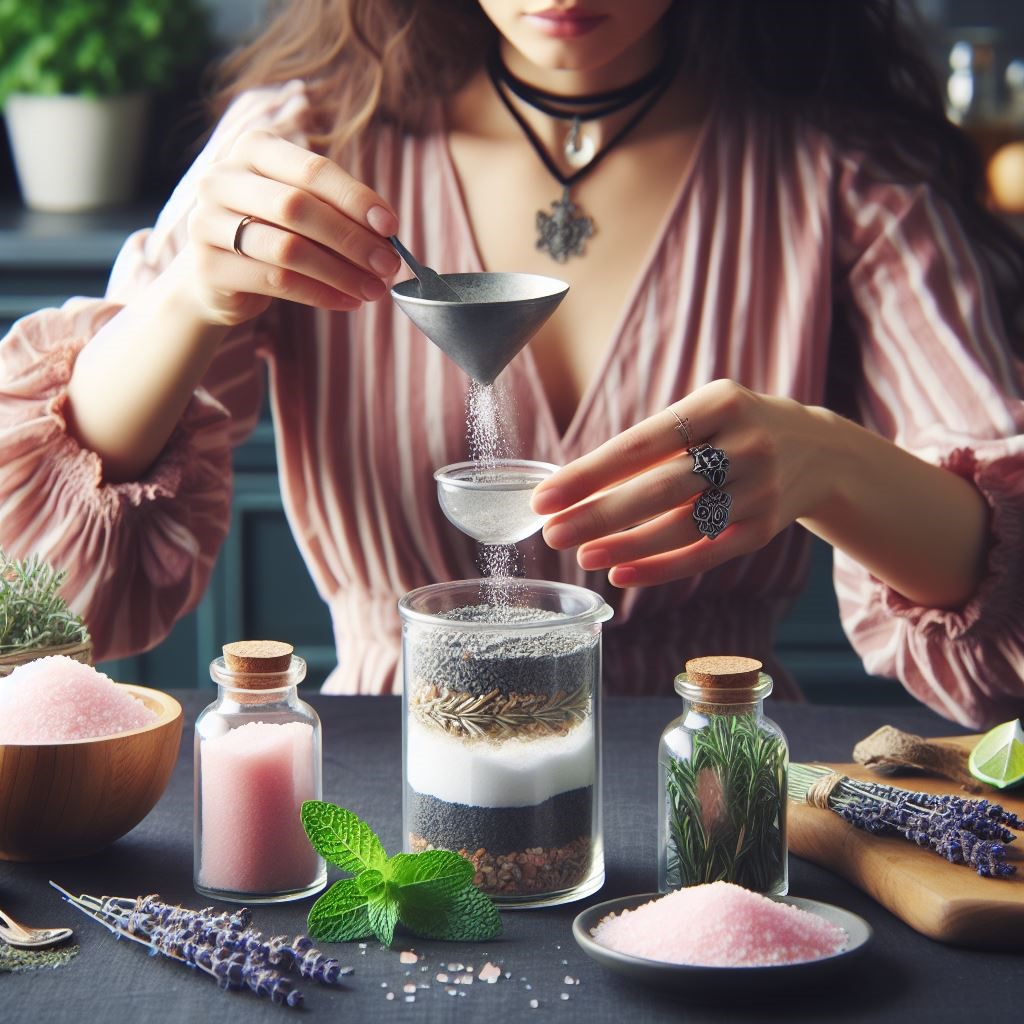
The use of containers in spellcasting is a common practice, and there are numerous ways to create a spell using a container. The method chosen often depends on personal preference and the type of spell being cast. One popular method involves filling the container with herbs, crystals, or other items that are associated with the intended effect of the spell.
Reflect on the size, material, and intent behind the spell. Each element plays a role in shaping the outcome and aligning it with your desired goal. Infuse the container with your intention, focusing your energy and concentration on its purpose. You may choose to decorate the container with symbols, sigils, or crystals that further amplify the spell’s energy.
Creating a Spell
The first step in creating a spell using this method is to choose the container. The size and material of the container may also be important considerations, as previously discussed. Once you have chosen the container, the next step is to select the items that will be placed inside. These items should be chosen based on their association with the intended effect of the spell.
For example, if you are creating a love spell, you may choose to fill the container with rose petals, rose quartz crystals, and other items associated with love and romance. Alternatively, if you are creating a spell for protection, you may choose to use items such as black tourmaline crystals, rue, and bay leaves. The specific items chosen will depend on the practitioner’s personal preferences and the intended effect of the spell.
Once the items have been selected, they can be placed inside the container. Some practitioners may choose to layer the items in a specific order, while others may prefer to mix them together. The container can then be sealed and placed in a location where it will not be disturbed.
Another method for creating a spell using a container involves filling the container with a liquid, such as water, oil, or vinegar. The liquid can be infused with herbs or other items, depending on the intended effect of the spell. For example, a protection spell may involve infusing water with rue, bay leaves, and other protective herbs.
Another method of creating a spell in a container involves writing down your intent or desire on a piece of paper and placing it inside the container. This can be particularly effective when creating spells for personal growth or manifestation.
Sealing the Container
The container can be sealed and used in a variety of ways, such as placing it on an altar, carrying it with you, or using it to anoint candles or other objects. Some practitioners may also choose to dispose of the container after the spell has been completed, while others may prefer to reuse it for other spells.
There are many ways to create a spell using a container. Whether you choose to fill the container with herbs, crystals, or other items, or infuse a liquid inside, the method chosen will depend on personal preference and the intended effect of the spell. By carefully selecting the container and items used, practitioners can enhance the potency of their spells and achieve their desired outcome.
Remember, the container is not merely a vessel but a sacred space where your intentions come to life. Treat it with reverence and respect, infusing it with your energy and intention before and during the spellcasting process. It is through this synergy of container, intent, and energy that spells in containers become powerful conduits for transformative magic.
Conclusion
The use of containers in spellcraft is an ancient and revered practice. Whether you are crafting spells for yourself or others, the selection of the right container is a crucial step in manifesting your magical intentions. Embrace the wisdom of size, material, and intent, and embark on a journey of crafting spells that are not only effective but also tailor-made to meet your specific needs. Step into the realm of container magic and unlock a world of limitless possibilities.