Posted on Leave a comment

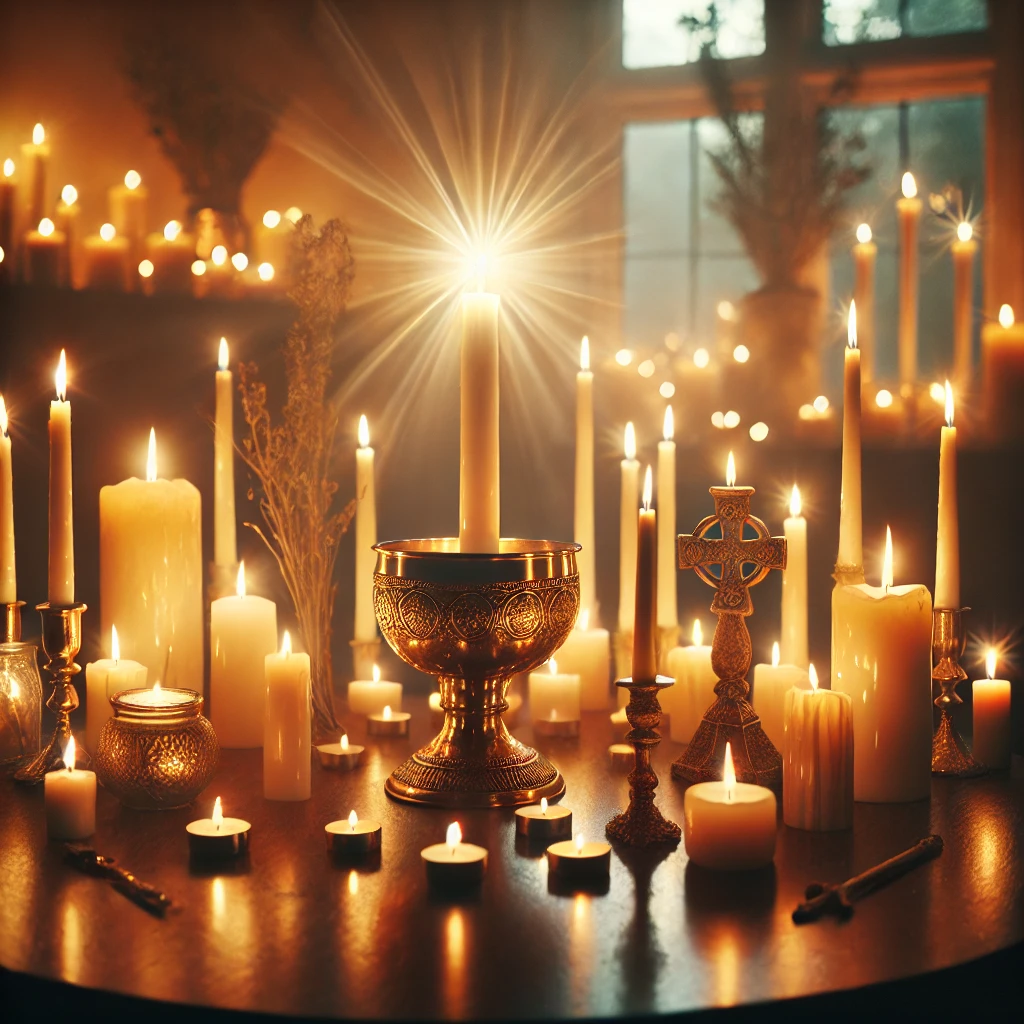
Ritual: Candle Lighting

Candle Lighting
Candle Lighting

Introduction

Embracing the Light of Renewal and Connection with Brigid

Imbolc, nestled between the winter solstice and the spring equinox, heralds the returning light and the stirrings of life beneath the earth’s surface. Central to this sacred celebration is the ritual of candle lighting, an act of profound symbolism that honors the sun’s growing warmth and the goddess Brigid, keeper of the sacred flame. Each flickering flame embodies hope, renewal, and the transformative power of fire, inviting us to connect with the divine energies of the season and reflect on the cyclical nature of life.

Ritual Basics

Before beginning any ritual, it is important to prepare yourself mentally and physically. You may want to take a cleansing bath, or shower, and meditate or perform some grounding exercises to center yourself. Gather any materials you will need, such as candles, incense, and offerings for the forest spirits.

You can read a more detailed Ritual Preparation guide here.

About Candle Lighting at Imbolc

The act of lighting candles during Imbolc transcends its practical origins, becoming a spiritual practice steeped in reverence. The candles’ soft glow illuminates not only our physical spaces but also our inner worlds, casting light on our intentions and aspirations for the year ahead. Each flame serves as a tribute to Brigid, goddess of poetry, healing, and smithcraft, and a reminder of her nurturing and transformative powers.

Historically, Imbolc marked a time of preparation and cleansing, as communities readied themselves for the agricultural season. Candle lighting was a way to banish the lingering darkness of winter, invoke blessings, and reaffirm the promise of spring. Today, this ritual continues to invite warmth, introspection, and connection with Brigid’s radiant spirit.

Candle Lighting – Illuminating Imbolc’s Radiant Spirit
Light candles throughout your home to honor the returning light, connect with Brigid, and invite renewal.

  • Box of matches or a lighter
  • Candle snuffer
  • 1 Candle per room (White, gold, or yellow to symbolize light and renewal.)
  • 1 Central altar candle (optional – Dedicated to Brigid, larger than the others.)
  • 1 Small dish of water (optional – For purification.)

Step 1: Preparing the Space

  1. Begin by cleansing your space with smoke from dried herbs (like sage or rosemary) or by sprinkling purified water.
  2. Arrange candles in every room of your home, ensuring they are in safe, heat-resistant holders. Place the central altar candle on your sacred altar or a prominent space.

Step 2: Setting Intentions

  1. Stand before the altar or your chosen central space. Close your eyes and take a few deep breaths.
  2. Reflect on the returning light and what it symbolizes for you—renewal, hope, or a fresh start. Hold these intentions in your heart as you prepare to light the candles.

Step 3: Lighting the Candles

  1. Light the central altar candle first, saying:
  2. “Brigid, keeper of the sacred flame,

    Ignite within me the fire of hope and renewal.

    May your light guide me through the cycles of life.”

  3. Carry the flame from the central candle to light the other candles throughout your home. As you light each one, say:
  4. “With this flame, I welcome the returning light.

    May it bring warmth, renewal, and blessings to this space.”

Step 4: Meditative Reflection

  1. Once all the candles are lit, sit quietly in the glow of their light. Gaze into the flames, allowing your mind to quiet and your thoughts to flow naturally.
  2. Reflect on your intentions for the coming year. Consider what you wish to nurture and what you need to release.

Step 5: Closing the Ritual

  1. When you feel ready, extinguish the candles one by one, starting with the central altar candle. As you snuff out each flame, say:
  2. “Though this flame dims, its light endures within me.”
  3. If you used a dish of water, sprinkle it over the extinguished candles as a final blessing.
  • Safety First: Never leave lit candles unattended, and ensure they are placed away from flammable objects.
  • Personalization: Use candles in colors that resonate with your personal intentions or that align with Brigid’s energy.
  • Eco-Friendly Options: Choose beeswax or soy candles for an environmentally conscious ritual.
Imbolc, Light Magic
Rituals

Conclusion

Candle lighting during Imbolc is a ritual of connection, gratitude, and hope. Each flame honors Brigid’s presence and the ever-returning light, reminding us of the warmth and renewal that lies ahead. As you bask in the gentle glow of candlelight, may you find inspiration and a deep sense of peace, knowing that the cycles of nature mirror your own capacity for growth and transformation. This simple yet profound practice carries the radiant spirit of Imbolc into your home and heart, illuminating the path forward with Brigid’s divine light.
Posted on Leave a comment

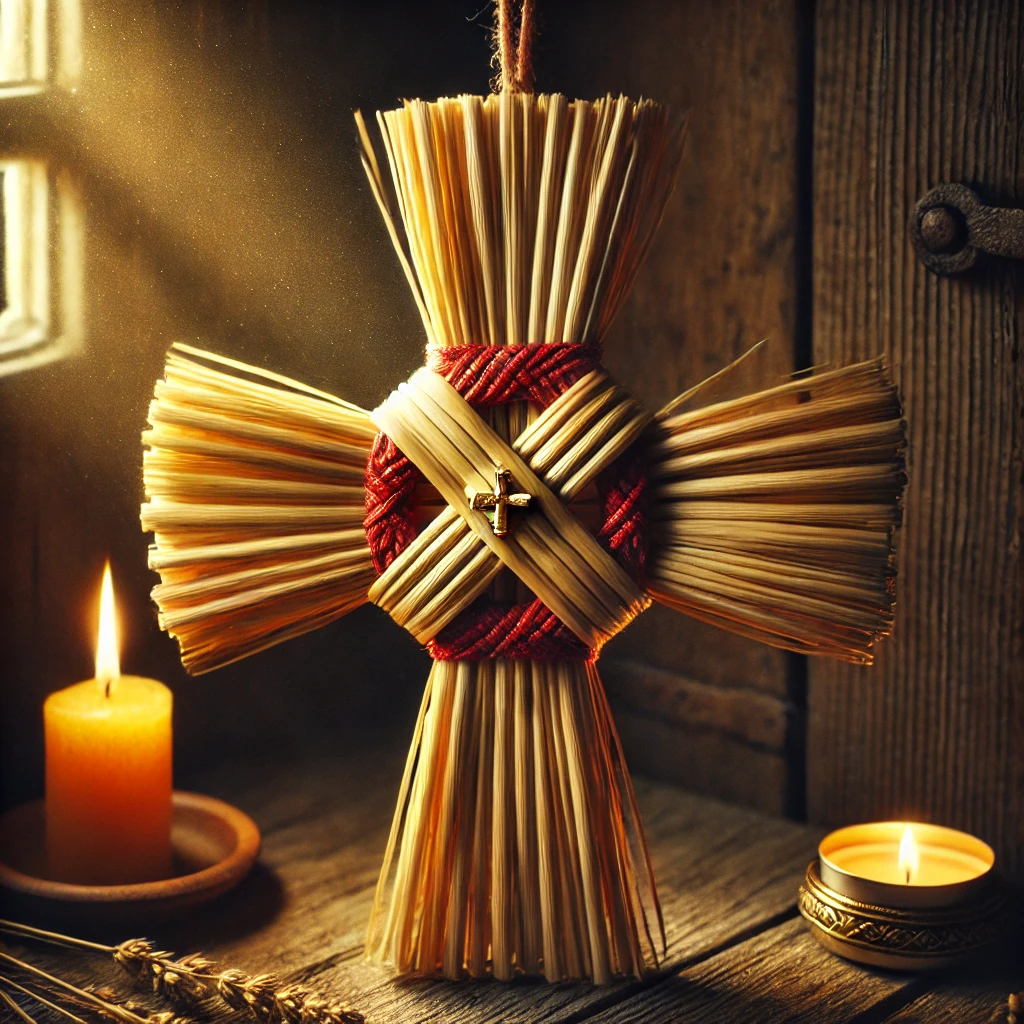
Ritual: Weaving Brigid’s Cross

Brigid cross
Brigid cross

Introduction

Crafting Protection and Reverence for Imbolc

Imbolc, the festival heralding the first stirrings of spring, carries a deep connection to Brigid, the Celtic goddess of poetry, healing, and protection. Among the most cherished traditions of this sacred season is the weaving of Brigid’s Cross, a symbol imbued with the energy of protection, renewal, and the nurturing power of the hearth. With each piece of straw or rush carefully interlaced, this ritual becomes a tangible act of devotion, creating a talisman to safeguard the home and honor the goddess’s enduring presence.

Ritual Basics

Before beginning any ritual, it is important to prepare yourself mentally and physically. You may want to take a cleansing bath, or shower, and meditate or perform some grounding exercises to center yourself. Gather any materials you will need, such as candles, incense, and offerings for the forest spirits.

You can read a more detailed Ritual Preparation guide here.

About Brigid’s Cross

Brigid’s Cross represents the cycle of life, the protection of the hearth, and the blessings of abundance. Traditionally woven from straw or rushes, the design’s quadrilateral shape symbolizes balance, unity, and the interconnectedness of nature’s elements. The act of weaving this sacred emblem has roots in Celtic agrarian traditions, where it was believed to invoke Brigid’s blessings over the household and harvest. Placing the finished cross above a doorway or hearth creates a guardian for the home, warding off negativity and inviting prosperity and protection.

Participating in this ritual not only connects us with the rich legacy of Celtic spirituality but also aligns our intentions with the energies of Imbolc—hope, rebirth, and the return of light.

Weaving Brigid’s Cross

Create a traditional Brigid’s Cross using straw or rushes as a symbol of protection and reverence for the goddess Brigid.

  • Flat surface
  • Pair of scissors
  • Ribbon or string
  • 20 Pieces of straw or rushes (Fresh and pliable or soaked to make them flexible.)
  • 4 Small bundles of straw (optional – To add decorative elements.)

Step 1: Preparing the Materials

  1. Gather fresh straw, rushes, or other flexible plant materials. If they are dry, soak them in warm water for 30 minutes to make them pliable.
  2. Lay the materials flat on your work surface and sort them into bundles of similar length.

Step 2: Setting the Intention

  1. Create a quiet, sacred space. Light a candle in honor of Brigid, symbolizing her presence.
  2. Hold the materials in your hands and focus your intention on protection, renewal, and gratitude for Brigid’s blessings.

Step 3: Weaving the Cross

  1. Take the first piece of straw or rush and fold it in half, creating a loop. This becomes the center of the cross.
  2. Add a second piece by folding it in half around the first loop, perpendicular to the first piece.
  3. Continue adding pieces, alternating their directions to form the cross’s arms. Each layer builds upon the last, creating a tight, balanced weave.
  4. Repeat the process until the desired size is achieved. Ensure the weave is secure and even.

Step 4: Securing and Decorating

  1. Tie the ends of the straw or rushes with string or ribbon to prevent unraveling. Trim any excess material to create clean edges.
  2. Optional: Add small decorative bundles of straw to the ends of the arms for a more ornate design.

Step 5: Consecrating the Cross

  1. Hold the finished cross before the candle and say:
  2. “Brigid of the flame, goddess of hearth and home,

    Bless this cross with your protection.

    May it guard this space and those who dwell here,

    Bringing peace, abundance, and light.”

  3. Visualize the cross glowing with a warm, golden light, infused with Brigid’s energy.

Step 6: Placing the Cross

  1. Hang the cross above the main doorway, near the hearth, or in a central part of the home.
  2. As you place it, silently reaffirm its purpose as a guardian of the household.
  • Materials: If straw or rushes are unavailable, substitute with other flexible materials like paper strips, yarn, or grass.
  • Reusability: Replace last year’s cross with the newly woven one. The old cross can be burned, buried, or offered to a natural water source as an act of gratitude.
  • Adaptation: Weaving the cross can be a family activity, with each person contributing to the process and setting their own intentions.
Celtic Crafting Tradition, Imbolc
Rituals

Conclusion

Weaving Brigid’s Cross is more than a craft; it is a ritual steeped in devotion and intention. As you interlace each piece of straw or rush, you participate in a timeless act of protection, gratitude, and connection to the goddess Brigid. The finished cross stands as a beacon of light and guardianship, reflecting the essence of Imbolc and the blessings of the season. May your home be safeguarded and your spirit renewed by the sacred energy of this enduring tradition.

Posted on Leave a comment

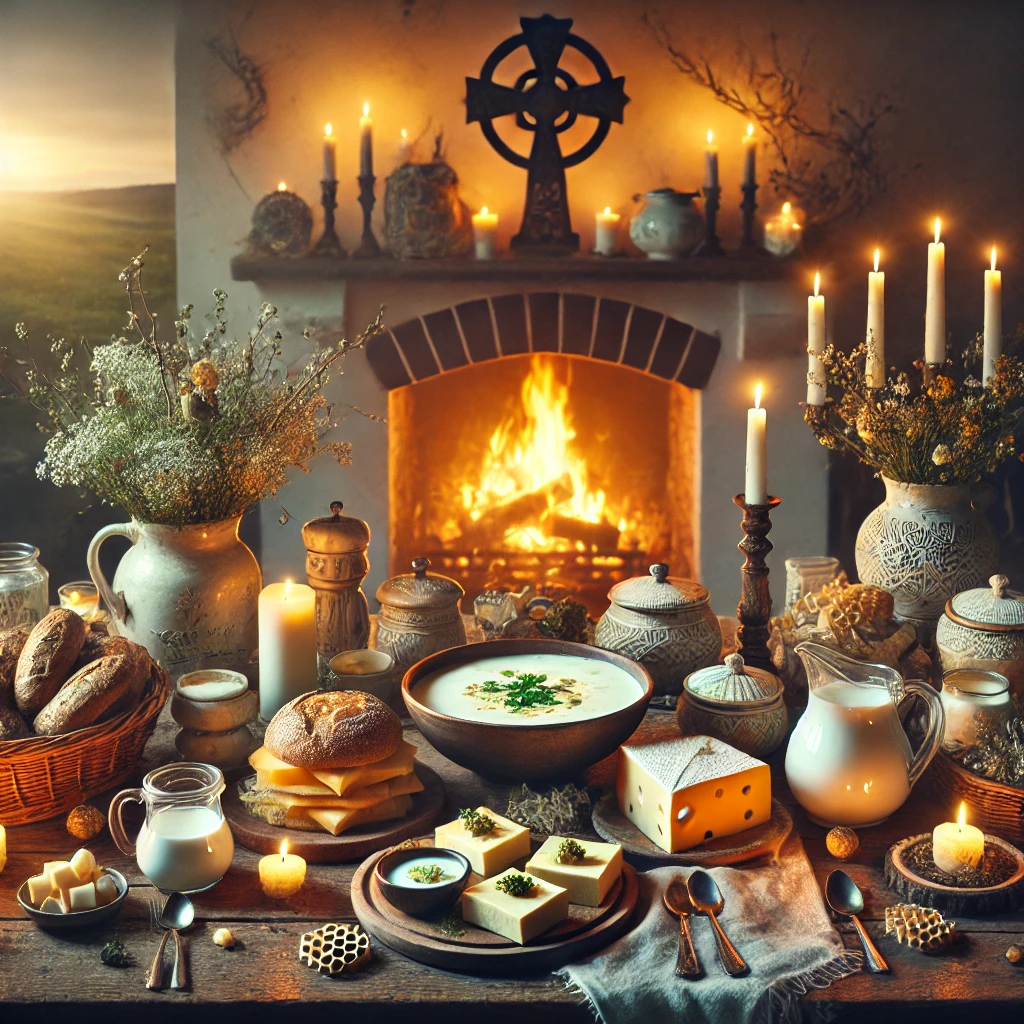
Feast of Milk

Feast of Milk
Feast of Milk

Introduction

Nourishing the Spirit of Imbolc

Imbolc, celebrated at the threshold of winter’s end and spring’s awakening, is a festival of light, renewal, and burgeoning life. Central to this sacred time is the Feast of Milk, a culinary and spiritual celebration that honors the lactating ewes whose nourishment heralds the arrival of lambs and the fertility of the land. Rooted in ancient agrarian traditions and the veneration of the goddess Brigid, the Feast of Milk transforms humble dairy ingredients into sacred offerings that connect us to the primal rhythms of nature and the promise of abundance.

The Significance of Milk at Imbolc

Milk, a universal symbol of sustenance and life, takes on profound meaning during Imbolc. The festival marks the first stirrings of spring, when the earth begins to awaken and the promise of new life emerges. The appearance of lambs and the lactation of ewes are seen as tangible signs of fertility, making dairy products a natural focus for Imbolc feasts.

In honoring milk, cheese, butter, and cream, participants pay homage to the life-giving energy that sustains both humans and the land. These foods, rich and nourishing, embody the goddess Brigid’s attributes as a deity of fertility, healing, and creative inspiration. Brigid, often depicted as a nurturing figure associated with hearth and home, presides over this sacred feast, her blessings flowing through each dish prepared and shared.

The Culinary Traditions of the Feast

The Feast of Milk is a time to celebrate not only the gifts of the season but also the art of transforming raw ingredients into something greater. From simple dairy staples to elaborate creations, every dish on the Imbolc table reflects the themes of nourishment, creativity, and renewal.

Key Ingredients and Symbolism

  • Milk: The essence of life and fertility, symbolizing purity and potential.
  • Butter: A product of transformation and hard work, representing abundance and richness.
  • Cheese: A symbol of preservation and skill, embodying the balance of creation and sustenance.
  • Cream: Luxurious and decadent, reflecting the promise of a fruitful spring.

Dairy as a Spiritual Offering

At Imbolc, preparing and consuming dairy-based dishes is more than just culinary enjoyment—it is an act of devotion and a way to align oneself with the cyclical rhythms of the earth. By crafting meals with intention, participants infuse their food with gratitude and respect for the interconnectedness of all life. Each bite becomes a sacred act, a moment to honor the land, the goddess, and the gifts of the season.

A Feast of 12 Courses: The Culinary Journey of Imbolc

The Feast of Milk often unfolds as a multi-course meal, with each dish symbolizing a different aspect of fertility, sustenance, and renewal. This structure provides an opportunity to create a deeply immersive and meaningful experience, with every course offering a new layer of connection to Imbolc’s themes.

  1. Amuse-Bouche: A small dairy-based bite, such as a cheese puff or a dollop of flavored cream, to awaken the senses and set the tone for the meal.
  2. Soup: A warm, comforting course like potato-leek soup, representing the nurturing qualities of the season.
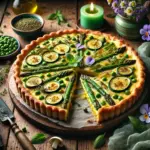
  3. Appetizer: A savory tart, such as a quiche or cheese tart, showcasing the richness of dairy and its role in grounding and sustaining.
  4. Salad: A yogurt-based salad, a refreshing course to cleanse the palate, connecting to the healthful and healing properties of dairy.
  5. Seafood: Milk-poached fish or protein, a course that represents the seamless blend of earth’s gifts, honoring sustenance in its many forms.
  6. Main Dish: Dairy-infused pasta or grain dish, such as creamy risottos or pastas, bringing warmth and comfort, reflecting the hearth’s central role in winter survival.
  7. Palate Cleanser: Milk-braised vegetables, a humble yet luxurious offering that connects to the land’s fertility and the promise of renewal.
  8. Cheese: A cheese board featuring a selection of cheeses paired with seasonal fruits and nuts, symbolizing preservation and the balance of flavors in life.
  9. Dessert: Rich cream-based puddings, custards, or cheesecakes that evoke the decadence and abundance promised by the coming spring.
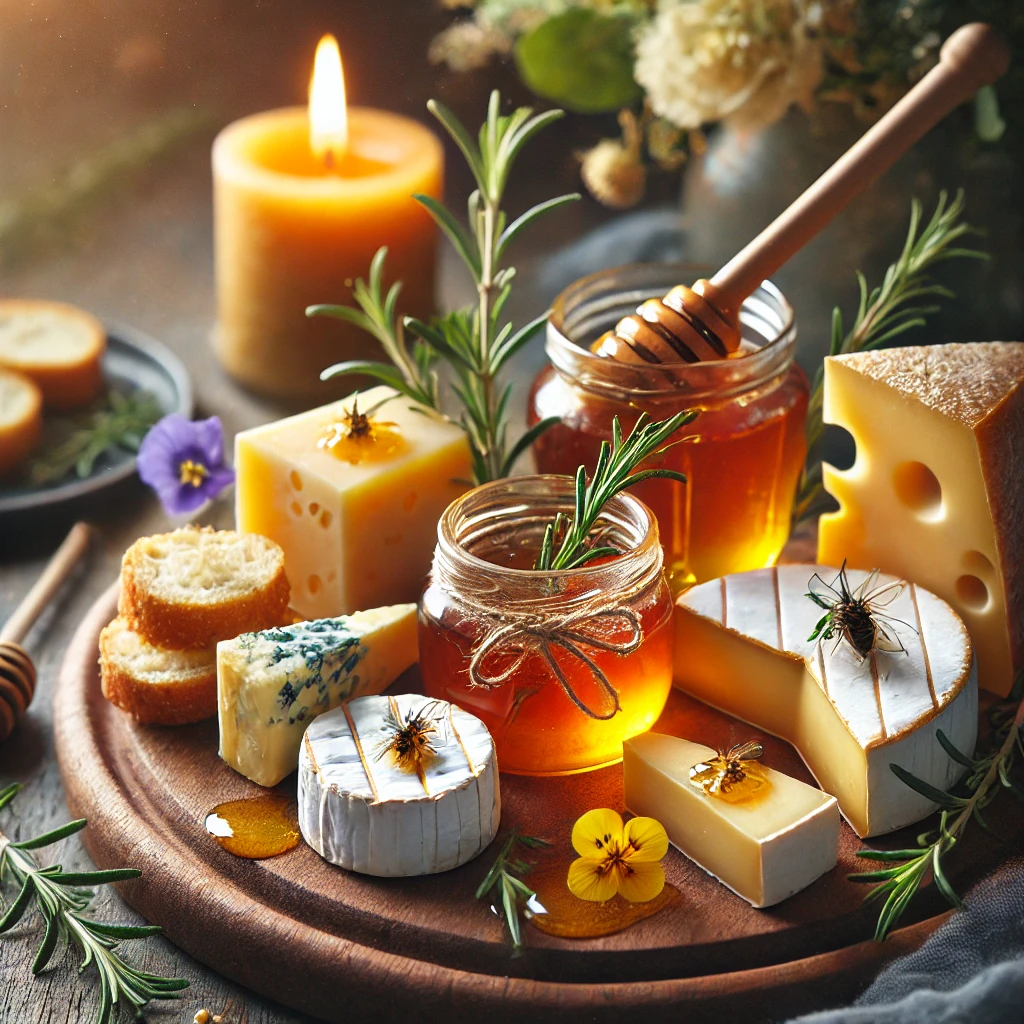
  10. Mignardise: A cheese and honey pairing, a nod to fertility and sweetness, symbolizing balance and prosperity.
  11. Fruit: Seasonal fruits served alongside or incorporated into desserts, representing renewal and the earth’s gifts.
  12. Digestif: A warm milk beverage, such as spiced milk or honey-laced cream, to conclude the feast with comfort and blessings.

Each course provides an opportunity to meditate on the gifts of the season and the sacred nature of nourishment.

A full 12 course Feast of Milk for Imbolc

[wprm-list id=”38050″]

The Spirit of the Feast: Connecting to Brigid and the Earth

The Feast of Milk is more than a culinary event—it is a spiritual journey that connects participants to the energy of Imbolc and the blessings of the goddess Brigid. As dishes are prepared and shared, they become offerings to Brigid, invoking her guidance and inspiration. The hearth, central to Brigid’s worship, becomes a focal point during the feast, representing the fire of life and transformation.

This celebration also emphasizes our interconnectedness with the earth. By honoring the ewes whose milk sustains the newborn lambs and symbolically nurtures the land, participants reaffirm their relationship with nature and their role as stewards of its cycles.

Closing Reflections: Savoring the Gifts of the Season

The Feast of Milk, in its rich flavors and symbolic depth, captures the essence of Imbolc—a time of transition, hope, and renewal. Through the act of preparing and sharing dairy-based dishes, we celebrate the fertility of the land, the nurturing power of Brigid, and the interconnected web of life that sustains us all. This feast is not merely a meal but a sacred ritual, a moment to pause, reflect, and align with the rhythms of the earth as it prepares for the flourishing days of spring.

As you partake in this culinary celebration, let each bite remind you of the abundance that lies ahead and the beauty of the cycles that guide and nourish us. Blessed be and may the spirit of Imbolc fill your table and your heart.

Posted on Leave a comment

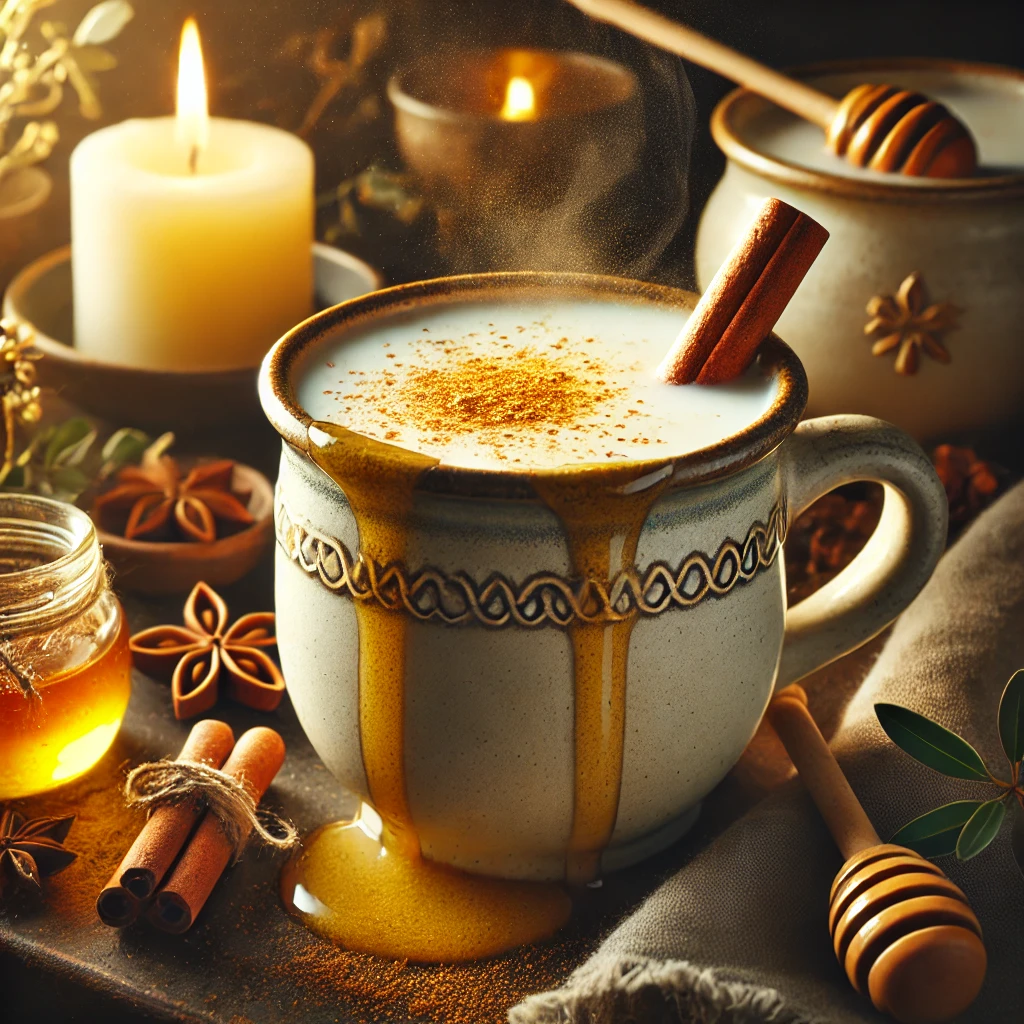
Recipe: Spiced Honey Milk

Spiced Honey Milk
Spiced Honey Milk

Introduction

A Warm Embrace to Conclude the Feast of Milk

The Feast of Milk culminates in a warm, comforting conclusion with Spiced Honey Milk, a digestif that embodies the nurturing qualities of this sacred celebration. This beverage is a gentle reminder of fertility, sustenance, and renewal, wrapping guests in a soothing embrace as the feast comes to an end. Infused with warming spices and the sweetness of honey, this digestif offers both physical comfort and spiritual blessings.

Explore the full 12-Course Feast

The Magic of Spiced Honey Milk

Milk, as the centerpiece of Imbolc, holds profound symbolic value. It represents the nurturing essence of the Earth, the flow of life, and the promise of abundance. By enhancing milk with warming spices like cinnamon, nutmeg, and cardamom, this recipe transforms a humble ingredient into a magical elixir. Honey adds a touch of divine sweetness, symbolizing prosperity and unity.

Serving Spiced Honey Milk at the close of the feast is a ritual in itself, inviting participants to reflect on the blessings of the season, connect with their intentions, and carry the warmth of Imbolc into the days ahead.

Spell for Comfort and Renewal

Intent: To bring comfort, blessings, and renewal to all who partake.

  1. As you prepare the milk, stir clockwise with intention, visualizing warmth and positivity.
  2. Light a white candle, representing purity and new beginnings.
  3. Recite:

“Blessings flow as milk and honey,
Nurture hearts, bring light to many.
Warming soul and spirit whole,
Imbolc’s magic, sweet and full.”

  1. Serve the milk with gratitude, inviting everyone to partake in its comfort and blessings.

Magical Properties of Spiced Honey Milk

  • Milk: Symbolizes nurturing, fertility, and sustenance.
  • Honey: Represents sweetness, prosperity, and divine connection.
  • Cinnamon: Brings warmth, protection, and transformative energy.
  • Nutmeg: Adds grounding, comfort, and spiritual insight.
  • Cardamom: Enhances clarity, love, and spiritual awakening.
  • Vanilla Extract: Promotes harmony, comfort, and unity.

Spiced Honey Milk

A warm, spiced milk beverage sweetened with honey to conclude the feast with comfort and blessings.

  • Medium saucepan
  • Whisk
  • Mugs
  • 4 cups Whole milk
  • 2 tbsp Honey
  • ½ tsp Ground cinnamon
  • ¼ tsp Ground nutmeg
  • ¼ tsp Ground cardamom (optional)
  • 1 tsp Vanilla extract

Step 1: Warm the Milk

  1. In a medium saucepan, pour the milk and place it over low-medium heat.

Step 2: Add the Flavors

  1. Stir in the honey, cinnamon, nutmeg, and cardamom.
  2. Whisk the mixture gently to ensure the spices are evenly distributed.

Step 3: Heat and Infuse

  1. Allow the milk to heat until it is steaming but not boiling, about 7-10 minutes.
  2. Stir occasionally, ensuring the spices don’t settle at the bottom.

Step 4: Add Vanilla and Serve

  1. Remove the saucepan from heat and stir in the vanilla extract.
  2. Pour the spiced milk into mugs and serve warm.
  • For a dairy-free option, substitute the whole milk with oat milk or almond milk.
  • Garnish with a cinnamon stick or a sprinkle of nutmeg for added presentation.
Digestif
Imbolc
Feast, Recipe

Conclusion

Spiced Honey Milk serves as the perfect conclusion to the Feast of Milk, wrapping up the celebration with warmth, comfort, and blessings. Its rich flavors and soothing qualities make it a symbolic and heartfelt offering to Imbolc’s themes of renewal and sustenance. As you sip this magical elixir, may it bring you peace, harmony, and a renewed sense of connection to the season’s blessings.

Posted on Leave a comment

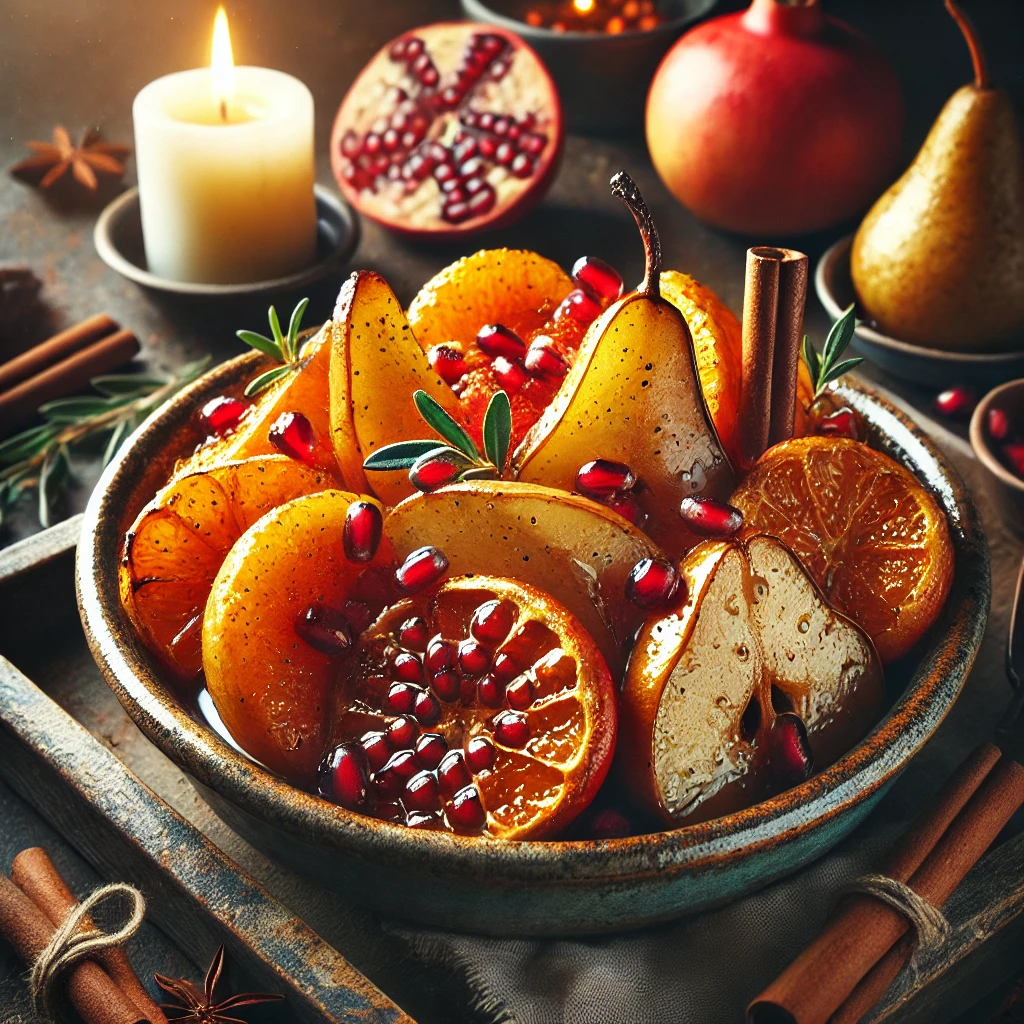
Recipe: Honey-Glazed Winter Fruit Medley

Honey-Glazed Winter Fruit Medley

Introduction

Celebrating Renewal with the Earth’s Sweet Gifts

The Feast of Milk is a celebration of fertility, sustenance, and renewal, making fruits an essential part of the meal. A Honey-Glazed Winter Fruit Medley brings together the earth’s seasonal gifts, symbolizing the cycles of life and the promise of growth. This dish captures the natural sweetness of winter fruits and infuses them with the warmth of honey and spices, creating a comforting yet refreshing course that embodies Imbolc’s themes.

Explore the full 12-Course Feast

The Magic of Honey-Glazed Winter Fruit Medley

Fruits have long been associated with fertility and abundance, their natural cycles mirroring those of the earth. This dish connects us to Imbolc’s promise of renewal, as the dormant seeds of winter prepare to burst forth into life. By honoring seasonal fruits like pears, apples, and citrus, we pay homage to the earth’s ability to provide even in the colder months.

The addition of honey symbolizes the sweetness of life’s blessings, while warming spices such as cinnamon and cloves evoke the hearth’s protective energy. Preparing and sharing this medley becomes a sacred act, inviting harmony, renewal, and joy into the home.

Spell for Renewal and Abundance

Intent: To welcome renewal and abundance into your life and home.

  1. Arrange the fruits with care, focusing on balance and harmony.
  2. Light a white or golden candle as a symbol of renewal.
  3. As you drizzle the honey and sprinkle the spices, recite:

“Gifts of earth, sweet and bright,
Renewal’s promise in the light.
Abundance flows, life takes root,
Blessings grow in this sacred fruit.”

  1. Share the dish with loved ones, allowing the spell to infuse your meal with its intention.

Magical Properties of Honey-Glazed Winter Fruit Medley

  • Pears: Symbolize abundance, longevity, and love.
  • Apples: Represent knowledge, healing, and renewal.
  • Oranges: Bring vitality, clarity, and prosperity.
  • Pomegranate Seeds: Embody fertility, rebirth, and abundance.
  • Honey: Enhances sweetness, unity, and blessings.
  • Cinnamon: Adds warmth, protection, and transformative energy.
  • Cloves: Provide protection and clarity.

Honey-Glazed Winter Fruit Medley

A sweet and spiced medley of winter fruits, drizzled with honey and baked to perfection. Calories: 160 per serving

  • Baking dish
  • Small saucepan
  • Mixing bowl
  • 2 large pears (Cored and sliced.)
  • 2 large apples (Cored and sliced.)
  • 2 oranges (Peeled and segmented.)
  • ½ cup pomegranate seeds
  • 3 tbsp honey
  • 1 tsp ground cinnamon
  • ½ tsp ground cloves
  • 1 tbsp unsalted butter (optional (For added richness.))

Step 1: Prepare the Fruits

  1. Preheat your oven to 375°F (190°C).
  2. Wash, core, and slice the pears and apples into wedges.
  3. Peel and segment the oranges.

Step 2: Combine and Season

  1. In a mixing bowl, toss the pears, apples, and oranges with cinnamon and cloves.
  2. Transfer the fruits to a baking dish.

Step 3: Glaze and Bake

  1. Melt the honey with butter in a small saucepan, stirring until combined.
  2. Drizzle the honey mixture over the fruits, ensuring an even coat.
  3. Bake in the oven for 20-25 minutes, or until the fruits are tender and slightly caramelized.

Step 4: Garnish and Serve

  1. Remove the dish from the oven and let it cool for 5 minutes.
  2. Sprinkle pomegranate seeds over the baked fruits for a pop of color and flavor.
  3. Serve warm or at room temperature.
  • For added texture, serve with a dollop of Greek yogurt or a sprinkle of toasted nuts.
  • This dish can also be prepared ahead of time and gently reheated before serving.
Fruit
Imbolc
Feast, Recipe

Conclusion

The Honey-Glazed Winter Fruit Medley is a vibrant and meaningful addition to the Feast of Milk, embodying fertility, sustenance, and renewal. Its combination of sweet and spiced flavors creates a comforting yet refreshing experience, perfectly aligned with Imbolc’s themes. As you share this dish, may it bring the blessings of abundance and renewal to your table and inspire gratitude for the earth’s gifts.

Posted on Leave a comment

Recipe: Cheese and Honey Pairing

Cheese and Honey Pairing

Introduction

A Sweet and Savory Nod to Fertility and Prosperity

The Feast of Milk is a sacred celebration of fertility, sustenance, and the renewal of life. Closing the meal with a Cheese and Honey Pairing Mignardise brings balance and harmony to the table. This simple yet elegant pairing marries the richness of cheese with the sweetness of honey, symbolizing prosperity, abundance, and the interconnectedness of nature’s gifts.

Explore the full 12-Course Feast

The Magic of Cheese and Honey Pairing

Cheese and honey have long been seen as divine gifts, representing fertility, wealth, and the harmony of opposites. For Imbolc, this pairing serves as a beautiful metaphor for balance—cheese, born of milk, reflects the nurturing qualities of the Earth, while honey captures the sweet promise of abundance.

By intentionally choosing complementary cheese and honey varieties, this dish becomes a ritual in itself, honoring the cycles of life and the labor of both humans and nature. It is a sweet farewell to the feast, reminding us of the blessings that Imbolc ushers in and the light that grows stronger with each day.

Spell for Prosperity and Harmony

Intent: To invite abundance, balance, and sweetness into your life.

  1. Arrange the cheese and honey on a platter with care, focusing on balance and beauty.
  2. Light a golden or white candle as a symbol of renewal and growth.
  3. Recite:

“By Earth’s bounty and golden delight,
Prosperity flows, sweet and bright.
Balance and harmony, here we see,
Blessings of life, so mote it be.”

  1. Share this pairing with loved ones, letting each bite carry the energy of your intentions.

Magical Properties of Cheese and Honey Pairing

  • Cheese: Represents fertility, grounding, and the nurturing energy of the Earth.
  • Honey: Symbolizes sweetness, abundance, and the blessings of nature.
  • Fresh Herbs (thyme, rosemary, or basil): Add protection, harmony, and renewal to the pairing.
  • Edible Flowers (optional): Embody beauty, love, and the connection to nature.

Cheese and Honey Pairing Mignardise

A simple yet elegant pairing of cheeses and honeys to symbolize balance, fertility, and the promise of abundance.

  • Serving platter
  • Cheese knife
  • Honey dipper
  • 2 oz Brie cheese (For its creamy, nurturing texture.)
  • 2 oz Aged cheddar (For its sharp, grounding flavor.)
  • 2 oz Blue cheese (optional (For its bold, distinctive taste.))
  • 2 oz Goat cheese (optional (For its tangy, fresh quality.))
  • 2 tbsp Clover honey (Light and floral.)
  • 2 tbsp Orange blossom honey (optional (Bright and citrusy.))
  • 2 tbsp Wildflower honey (optional (Complex and earthy.))
  • 1 sprig Fresh rosemary or thyme (optional (For garnish and protection.))
  • A few Edible flowers (optional (For decoration and beauty.))

Step 1: Select and Prepare the Cheese

  1. Choose 2-4 types of cheese that complement each other in flavor and texture.
  2. Slice or cube the cheese into small, bite-sized portions for easy pairing.

Step 2: Arrange the Platter

  1. Place the cheeses on a serving platter, spacing them apart for aesthetic appeal.
  2. Spoon the honeys into small bowls or directly onto the platter near their respective cheeses.

Step 3: Add Garnishes

  1. Garnish the platter with fresh herbs and edible flowers for a touch of magic and beauty.

Step 4: Serve

  1. Present the platter as a communal dish for guests to enjoy, inviting them to experiment with different combinations of cheese and honey.
  • Pair the cheeses and honeys thoughtfully—mild cheeses pair well with light honeys, while bold cheeses benefit from more complex honey flavors.
  • Serve with small slices of crusty bread or crackers if desired.
Mignardise
Imbolc
Feast, Recipe

Conclusion

This Cheese and Honey Pairing Mignardise is the perfect way to conclude the Feast of Milk, honoring the fertility and balance of Imbolc. With its harmonious blend of flavors, it embodies the themes of renewal and abundance, offering a sweet reminder of the blessings to come. May this dish bring warmth, joy, and prosperity to your table as you celebrate the light’s return and the promise of spring.

Posted on Leave a comment

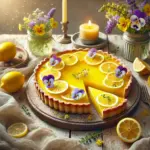
Recipe: Vanilla-Honey Cheesecake with Lemon Curd

Vanilla-Honey Cheesecake

Introduction

A Decadent Dessert for the Feast of Milk

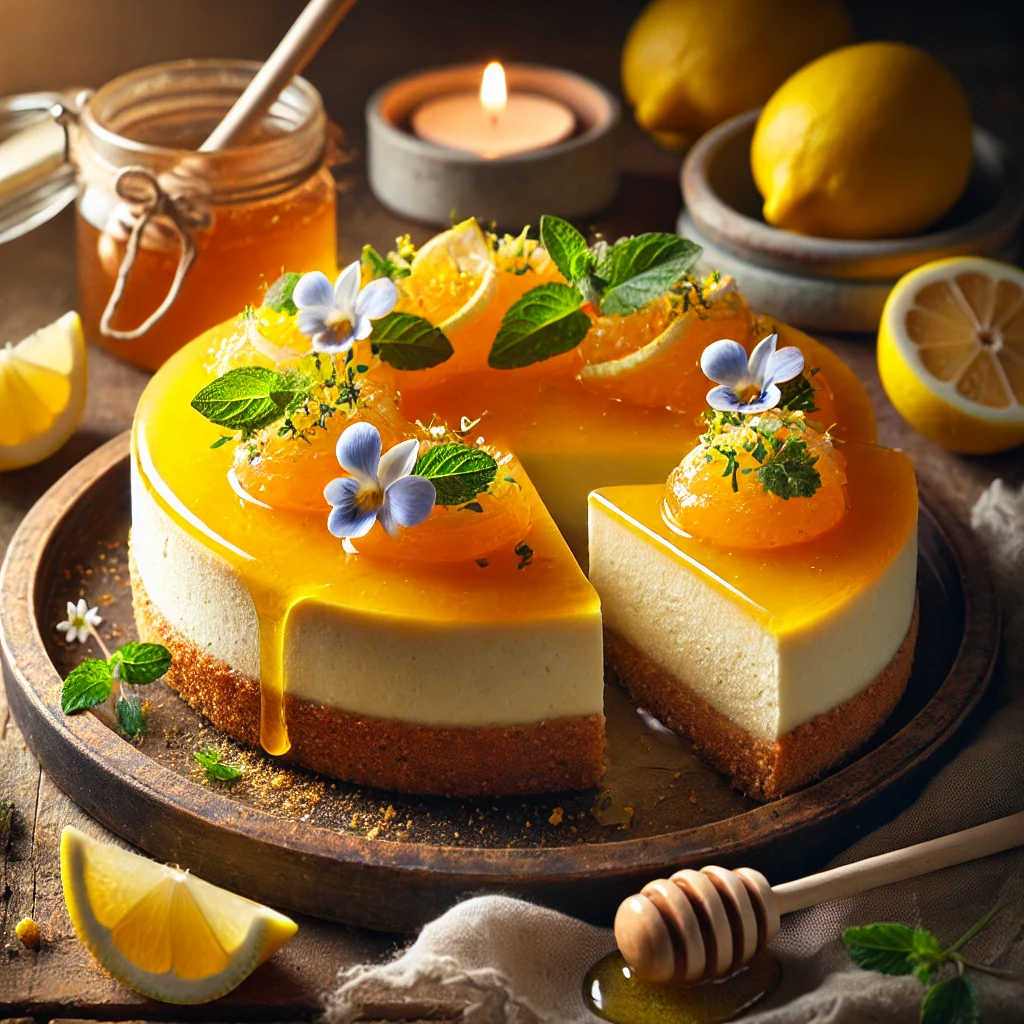
The Feast of Milk is a time to embrace the warmth of the hearth and the promise of abundance as winter begins to wane. Desserts like Vanilla-Honey Cheesecake with Lemon Curd embody the richness and decadence of Imbolc, celebrating the fertility of the Earth and the nurturing sustenance of dairy. With its creamy texture and vibrant flavors, this dessert is a symbolic indulgence that promises the abundance of spring’s renewal.

Explore the full 12-Course Feast

The Magic of Vanilla-Honey Cheesecake with Lemon Curd

This cheesecake connects deeply to Imbolc’s themes of fertility and sustenance, offering a luxurious finish to the feast. Dairy is central to this sabbat, representing nourishment and life’s foundational energies. The addition of lemon curd brings brightness and vitality, symbolizing the light of the sun as it grows stronger each day.

Crafting this dessert is an act of intention, weaving the promise of renewal into every layer. As you create this dish, you honor the nurturing qualities of the season and set the stage for the growth and abundance of spring.

Spell for Abundance and Renewal

Intent: To manifest abundance and embrace the promise of renewal.

  1. As you mix and bake the cheesecake, light a candle to honor Brigid and the hearth’s nurturing energy.
  2. Stir the ingredients with intention, focusing on the growth and abundance you wish to invite into your life.
  3. Recite:

“By milk and honey, fertile and sweet,
Spring’s renewal we joyfully greet.
In light and warmth, abundance flows,
Through hearth and heart, as nature grows.”

  1. Serve the cheesecake with gratitude, sharing its magic with loved ones.

Magical Properties of Vanilla-Honey Cheesecake with Lemon Curd

  • Cream Cheese: Represents fertility, nourishment, and abundance.
  • Honey: Symbolizes sweetness, unity, and the blessings of nature.
  • Vanilla: Enhances love and harmony, bringing a comforting energy.
  • Lemon: Invites clarity, renewal, and the light of the growing sun.
  • Eggs: Represent fertility and creation.
  • Butter: Adds warmth and richness, symbolizing comfort and stability.

Vanilla-Honey Cheesecake with Lemon Curd

A rich, creamy cheesecake sweetened with honey and vanilla, topped with tangy lemon curd for a touch of brightness.

  • Springform pan
  • Mixing bowl
  • Small saucepan

For the Cheesecake

  • 2 cups graham cracker crumbs (for the crust)
  • ½ cup unsalted butter (melted)
  • 24 oz cream cheese (softened)
  • ½ cup honey
  • 1 tsp vanilla extract
  • 3 large eggs
  • ½ cup sour cream

For the Lemon Curd

  • ½ cup fresh lemon juice
  • 1 tbsp lemon zest
  • ½ cup sugar
  • 2 large eggs
  • 4 tbsp unsalted butter (cut into small pieces)

Step 1: Prepare the Crust

  1. Preheat the oven to 325°F (163°C).
  2. In a mixing bowl, combine graham cracker crumbs and melted butter.
  3. Press the mixture into the bottom of a springform pan to create an even crust. Bake for 10 minutes and set aside to cool.

Step 2: Make the Cheesecake Filling

  1. In a large bowl, beat the cream cheese until smooth.
  2. Add honey and vanilla extract, mixing until well combined.
  3. Beat in the eggs one at a time, followed by the sour cream. Mix until smooth.
  4. Pour the filling over the cooled crust.

Step 3: Bake the Cheesecake

  1. Place the springform pan in a larger baking dish filled with an inch of hot water to create a water bath.
  2. Bake for 50-60 minutes, or until the center is slightly jiggly but mostly set.
  3. Remove the cheesecake from the oven and let it cool completely before chilling in the refrigerator for at least 4 hours.

Step 4: Prepare the Lemon Curd

  1. In a small saucepan, whisk together lemon juice, zest, sugar, and eggs.
  2. Cook over low heat, stirring constantly, until the mixture thickens (about 5-7 minutes).
  3. Remove from heat and stir in the butter until melted and smooth.
  4. Allow the curd to cool before spreading it over the chilled cheesecake.

Step 5: Assemble and Serve

  1. Spread the lemon curd evenly over the cheesecake.
  2. Slice and serve with a garnish of fresh mint or edible flowers if desired.
  • Ensure all ingredients are at room temperature for the creamiest cheesecake texture.
  • Lemon curd can be made a day in advance and stored in the refrigerator.
Dessert
Imbolc
Feast, Recipe

Conclusion

Vanilla-Honey Cheesecake with Lemon Curd is a decadent and symbolic dessert for the Feast of Milk, offering a luxurious conclusion to this sacred celebration. With its rich dairy base and zesty lemon topping, this dish reflects the fertility, abundance, and renewal central to Imbolc’s themes. Share this cheesecake with loved ones as a delicious reminder of the hearth’s warmth and the promise of spring’s arrival.

Posted on Leave a comment

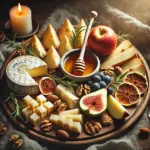
Recipe: Imbolc Cheese Board with Seasonal Fruits and Nuts

Imbolc Cheese Board
Imbolc Cheese Board

Introduction

A Hearthside Delight

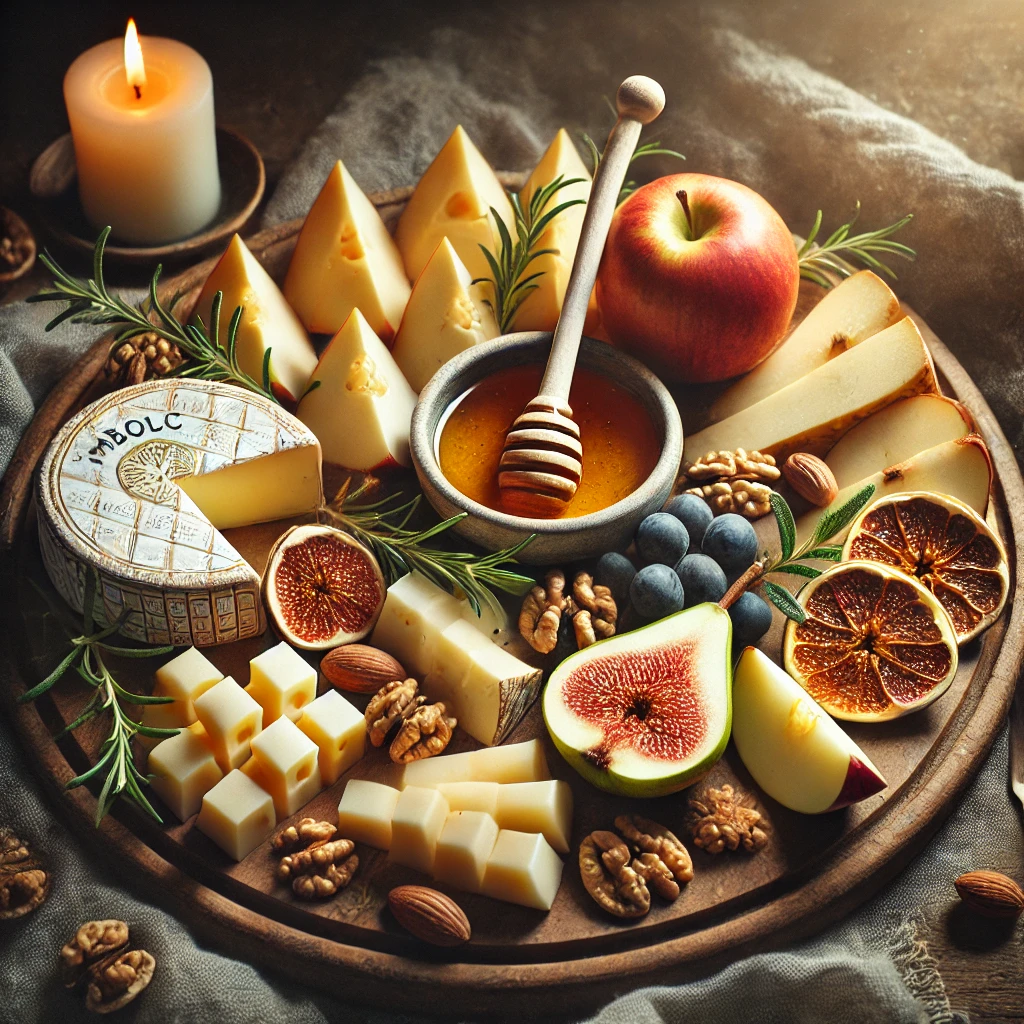
The Feast of Milk is a time of reflection, renewal, and honoring the cycles of nature. A thoughtfully curated cheese board brings balance and preservation to the table, highlighting the harmonious interplay of flavors and textures that life offers. With a variety of cheeses, seasonal fruits, and nuts, this dish celebrates the fertility of the land, the warmth of the hearth, and the abundance of the season.

Explore the full 12-Course Feast

The Magic of the Imbolc Cheese Board

The Imbolc Cheese Board embodies the art of balance and preservation, two core themes of this sabbat. Cheeses, aged to perfection, symbolize the wisdom and patience required to nurture life. Seasonal fruits and nuts, preserved or freshly harvested, speak to the cycles of growth and rest, reminding us of nature’s intricate rhythms.

This cheese board serves as more than a culinary delight; it is a sacred offering to Brigid, honoring her roles as the goddess of hearth, fertility, and inspiration. Crafting this dish with intention transforms it into a magical centerpiece for your Feast of Milk.

Spell for Balance and Gratitude

Intent: To invoke balance, harmony, and gratitude in your life.

  1. As you assemble the cheese board, light a white candle to honor Brigid and the energy of renewal.
  2. Place each item on the board with intention, visualizing the balance and abundance you wish to invite.
  3. Recite:

“By the gifts of Earth, preserved with care,
Balance and bounty fill the air.
Brigid, guide us through light and rest,
With harmony and gratitude, we are blessed.”

  1. Share the cheese board with loved ones, fostering connection and joy.

Magical Properties of the Imbolc Cheese Board

  • Cheese: Represents preservation, wisdom, and sustenance.
  • Seasonal Fruits (apples, pears, figs, etc.): Symbolize abundance, vitality, and the sweetness of life.
  • Nuts (walnuts, almonds, hazelnuts): Embody grounding energy, fertility, and resilience.
  • Honey: Represents sweetness, unity, and the blessings of the divine.
  • Herbs (rosemary, thyme): Add protection, strength, and renewal to the dish.

Imbolc Cheese Board with Seasonal Fruits and Nuts

A curated selection of cheeses, fruits, and nuts to honor the balance of flavors and the cycles of life at Imbolc.

  • Cheese board or platter
  • Cheese knife
  • Small bowl (optional)
  • 3 types cheese (Choose a variety, such as aged cheddar, creamy brie, and tangy goat cheese.)
  • 2 apples (sliced (For sweetness and freshness.))
  • 2 pears (sliced (For a balance of sweet and crisp.))
  • ½ cup figs or dried apricots (optional (For added texture and sweetness.))
  • ½ cup walnuts (shelled (For grounding energy.))
  • ½ cup almonds (shelled (For resilience and fertility.))
  • 2 tbsp honey (optional (For drizzling.))
  • 2 sprigs rosemary (optional (For garnish and protection.))

Step 1: Prepare the Ingredients

  1. Slice the apples and pears into thin wedges.
  2. Arrange the cheeses on the board, cutting one into cubes and leaving others whole or in wedges for variety.

Step 2: Assemble the Cheese Board

  1. Place the fruits and nuts around the cheeses, balancing colors and textures.
  2. Add a small bowl of honey or preserves to the board for optional drizzling.
  3. Garnish with sprigs of rosemary or thyme for an aromatic touch.

Step 3: Serve

  1. Place the cheese board at the center of your table as a shared dish.
  2. Invite guests to enjoy the selection while reflecting on balance and gratitude.
  • Feel free to customize the selection of cheeses and fruits based on personal preferences or local availability.
  • To align with Imbolc’s themes, choose cheeses that represent various stages of preservation and aging.
Cheese
Imbolc
Feast, Recipe

Conclusion

The Imbolc Cheese Board with Seasonal Fruits and Nuts is a deliciously symbolic addition to your Feast of Milk. Its balance of flavors and textures invites harmony, while its nurturing ingredients honor the cycles of growth and preservation. Share this offering with your loved ones as a reminder of life’s abundance and the joy of connection. May this dish inspire warmth, gratitude, and renewal in your celebration.

Posted on Leave a comment

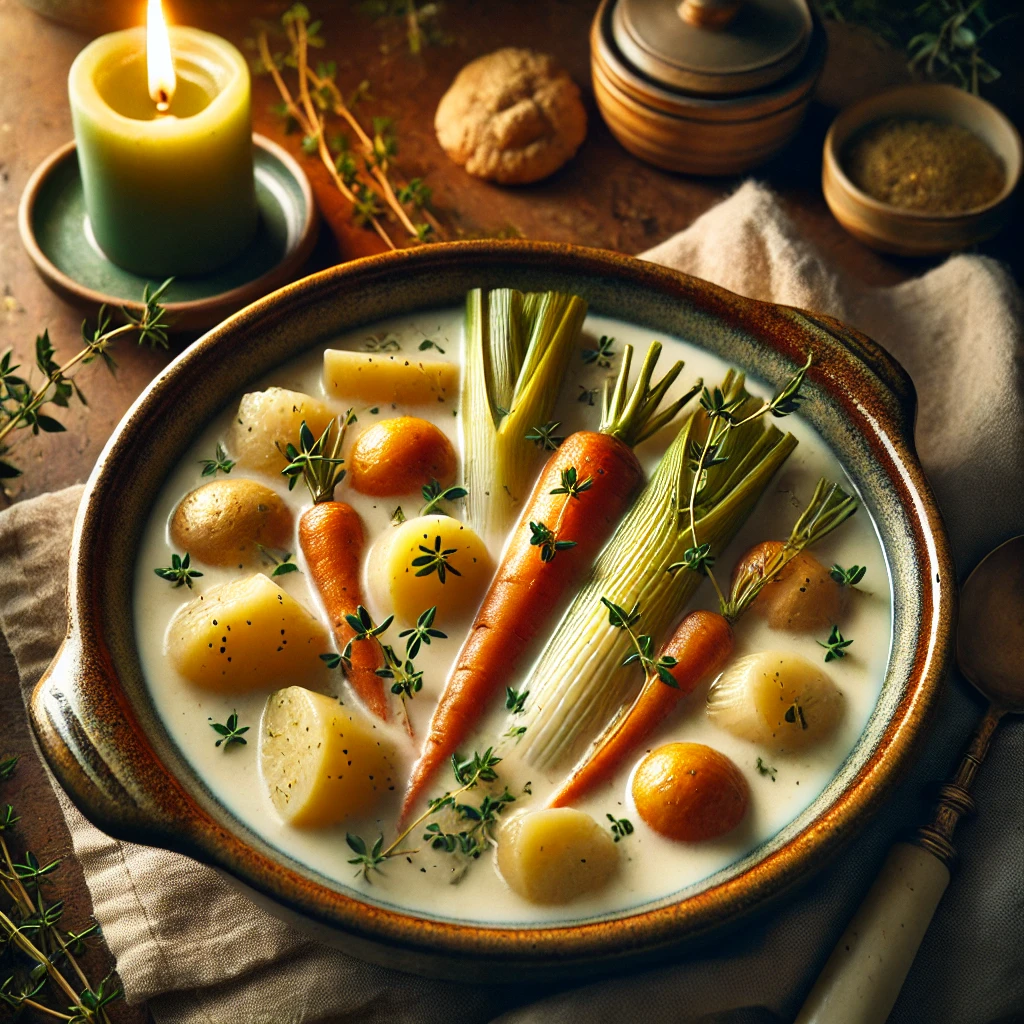
Recipe: Milk-Braised Winter Vegetables

Milk-Braised Winter Vegetables

Introduction

A Humble and Luxurious Palate Cleanser for the Feast of Milk

The Feast of Milk is a sacred celebration of fertility, renewal, and sustenance, offering a chance to reflect on the abundance of nature and the promise of spring. Milk-Braised Winter Vegetables bring a touch of humble luxury to the table, connecting us to the land’s fertility through tender root vegetables enriched with the nurturing essence of milk. This dish cleanses the palate with its gentle flavors and creamy texture, serving as a bridge between the courses of this meaningful feast.

Explore the full 12-Course Feast

The Magic of Milk-Braised Winter Vegetables

This dish captures the essence of Imbolc by honoring the balance between simplicity and abundance. Milk, symbolic of nurturing energy, coats the vegetables in warmth and sustenance, while the seasonal produce reflects the land’s generosity even in the depths of winter.

Each ingredient carries its own magical significance: root vegetables ground us in the Earth’s energy, herbs inspire renewal, and milk bridges the physical and spiritual realms. By serving milk-braised vegetables, we acknowledge the cycles of life and the interconnectedness of all beings, aligning ourselves with Brigid’s blessings of growth and sustenance.

Spell for Renewal and Grounding

Intent: To cleanse the spirit and invite renewal while grounding yourself in the Earth’s energy.

  1. Light a green candle to symbolize fertility and growth.
  2. As you prepare the dish, stir the milk and recite:

“Earth and milk, nourish and renew,
Blessings of Brigid, gentle and true.
Through humble roots and fertile ground,
Let renewal’s magic now abound.”

  1. Serve with gratitude, allowing the meal to cleanse and ground your energy.

Magical Properties of Milk-Braised Winter Vegetables

  • Milk: Represents nurturing energy, renewal, and fertility.
  • Parsnips: Symbolize cleansing and purification.
  • Carrots: Embody grounding and abundance, linking us to the Earth’s cycles.
  • Leeks: Represent protection and the uncovering of hidden truths.
  • Potatoes: Provide stability and grounding energy.
  • Thyme: Inspires courage, renewal, and strength.
  • Bay Leaf: Enhances protection and promotes wisdom.

Milk-Braised Winter Vegetables

Tender root vegetables gently braised in milk, embodying the humble luxury of Imbolc.

  • Large skillet
  • Wooden spoon
  • Lid
  • 1 tbsp olive oil
  • 1 tbsp unsalted butter
  • 2 medium parsnips (peeled and cut into 2-inch pieces)
  • 2 medium carrots (peeled and cut into 2-inch pieces)
  • 1 medium potato (peeled and cut into 1-inch cubes)
  • 1 leek (white and light green parts only, sliced into rounds)
  • 2 cups whole milk
  • 1 tsp salt (adjust to taste)
  • ½ tsp black pepper
  • 2 sprigs fresh thyme
  • 1 bay leaf

Step 1: Prepare the Vegetables

  1. Heat olive oil and butter in a large skillet over medium heat.
  2. Add the parsnips, carrots, and potato, sautéing until they begin to soften, about 5 minutes.

Step 2: Add the Leeks and Milk

  1. Stir in the sliced leeks, coating them in the oil and butter.
  2. Pour in the milk, ensuring the vegetables are mostly submerged. Season with salt and pepper.

Step 3: Braise the Vegetables

  1. Add the thyme sprigs and bay leaf to the skillet.
  2. Bring the milk to a gentle simmer, then reduce the heat to low. Cover the skillet and cook for 30 minutes, stirring occasionally, until the vegetables are tender.

Step 4: Serve

  1. Remove the thyme sprigs and bay leaf before serving.
  2. Transfer the vegetables to a serving dish and drizzle with the braising liquid.
  • For added flavor, sprinkle the finished dish with grated Parmesan or a pinch of nutmeg.
  • Pair this dish with a light bread to soak up the creamy braising liquid.
Palate Cleanser
Imbolc
Feast, Recipe

Conclusion

The Milk-Braised Winter Vegetables embody the simplicity and abundance of Imbolc, honoring the land’s fertility and the hearth’s nurturing warmth. As a humble yet luxurious palate cleanser, this dish cleanses the spirit and connects us to the cycles of renewal and growth. Share this offering with gratitude during the Feast of Milk, and let its grounding magic prepare you for the journey ahead.

Posted on Leave a comment

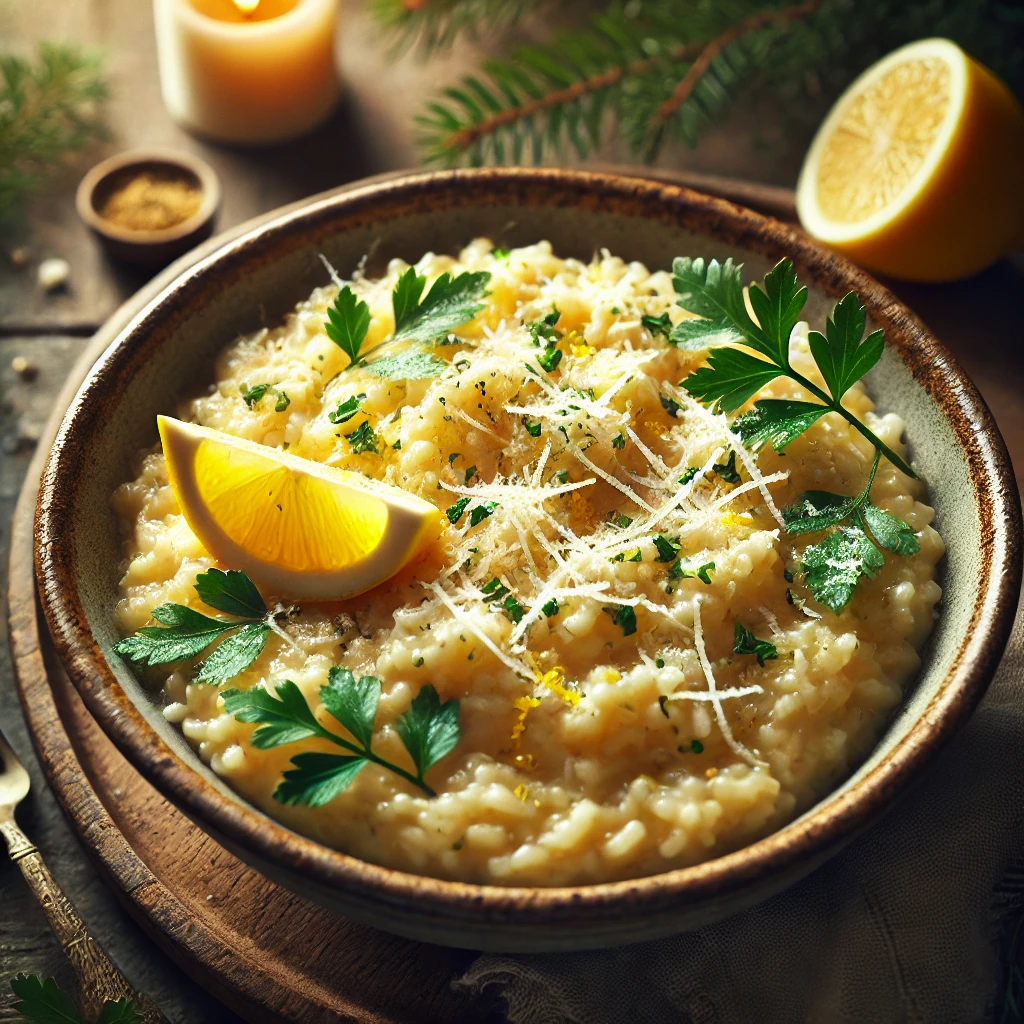
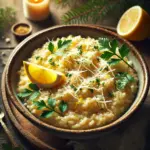
Recipe: Creamy Lemon-Parmesan Risotto

Creamy Lemon-Parmesan Risotto

Introduction

A Dairy-Infused Main Dish for the Feast of Milk

The Feast of Milk celebrates the hearth’s warmth, the Earth’s fertility, and the promise of renewal that Imbolc brings. Creamy Lemon-Parmesan Risotto serves as the heart of this sacred meal, offering warmth, comfort, and sustenance. The creamy texture of the risotto, enriched with dairy, reflects the nurturing energy of the hearth, while the bright hint of lemon symbolizes new beginnings and hope for the seasons ahead.

Explore the full 12-Course Feast

The Magic of Creamy Lemon-Parmesan Risotto

Dairy, central to the symbolism of Imbolc, is a potent representation of fertility, sustenance, and renewal. In this dish, the creaminess of butter, Parmesan, and milk provides a tangible connection to the hearth, the heart of winter survival.

The risotto’s rich texture mirrors the abundance and care provided by the hearth, while the zesty lemon cuts through the richness, symbolizing the balance of energies and the light emerging from winter’s darkness. As you stir the risotto, you engage in a meditative act, infusing the dish with intention and gratitude for life’s sustenance.

Spell for Hearth and Renewal

Intent: To invoke the hearth’s warmth and bring renewal into your life.

  1. Light a small white candle near your cooking space to honor the hearth and Brigid’s presence.
  2. As you stir the risotto, focus on your intention for warmth, abundance, and renewal. Recite:

“By Brigid’s hearth, where warmth does dwell,
I stir abundance, light to dispel.
With each motion, renewal flows,
As winter fades and springtime grows.”

  1. Serve the risotto with gratitude, sharing its nourishing energy with those around you.

Magical Properties of Creamy Lemon-Parmesan Risotto

  • Arborio Rice: Represents grounding and abundance, sustaining the body and spirit.
  • Milk and Butter: Symbolize fertility, nurturing energy, and warmth.
  • Parmesan Cheese: Represents wisdom and stability, adding depth to the dish.
  • Lemon Zest and Juice: Symbolize clarity, purification, and new beginnings.
  • White Wine: Represents transformation and celebration, elevating the dish’s energy.
  • Parsley: Invites abundance and vitality, enhancing the dish’s renewal energy.

Creamy Lemon-Parmesan Risotto

A rich and creamy risotto infused with Parmesan and brightened with fresh lemon, embodying the warmth and renewal of Imbolc.

  • Medium saucepan
  • Large skillet
  • Wooden spoon
  • 1 tbsp olive oil
  • 1 tbsp unsalted butter
  • 1 small onion (diced)
  • 2 cloves garlic (minced)
  • 1 cup Arborio rice
  • ½ cup dry white wine
  • 4 cups vegetable or chicken broth (warmed)
  • ½ cup whole milk (optional, for extra creaminess)
  • ¾ cup grated Parmesan cheese
  • 1 tbsp lemon zest
  • 2 tbsp lemon juice (freshly squeezed)
  • Salt and pepper (to taste)
  • 2 tbsp fresh parsley (chopped, for garnish)

Step 1: Warm the Broth

  1. In a medium saucepan, warm the broth over low heat and keep it simmering.

Step 2: Begin the Risotto Base

  1. Heat olive oil and butter in a large skillet over medium heat.
  2. Add the diced onion and garlic, sautéing until softened and fragrant, about 3-4 minutes.

Step 3: Toast the Rice

  1. Stir in the Arborio rice, coating it in the oil and butter.
  2. Cook for 2-3 minutes, allowing the rice to become lightly toasted.

Step 4: Deglaze with Wine

  1. Pour in the white wine, stirring constantly until it is mostly absorbed by the rice.

Step 5: Cook the Risotto

  1. Begin adding the warm broth, one ladleful at a time, stirring frequently.
  2. Allow the liquid to absorb before adding the next ladleful. Continue this process for 18-20 minutes, or until the rice is creamy and tender.

Step 6: Finish with Milk, Cheese, and Lemon

  1. Stir in the milk, Parmesan cheese, lemon zest, and lemon juice.
  2. Season with salt and pepper to taste, adjusting the balance of flavors as needed.

Step 7: Serve

  1. Garnish with chopped parsley and an extra sprinkle of Parmesan if desired.
  2. Serve warm and enjoy!
  • For a lighter version, omit the milk and reduce the Parmesan slightly.
  • Pair this dish with a light salad or roasted vegetables for a complete Imbolc feast.
Main Course
Imbolc
Feast, Recipe

Conclusion

The Creamy Lemon-Parmesan Risotto is a perfect embodiment of Imbolc’s themes of warmth, sustenance, and renewal. Its rich, dairy-infused flavors honor the hearth’s central role in survival, while the bright notes of lemon bring hope for the spring ahead. Share this dish with loved ones during the Feast of Milk, and may its comforting magic warm your spirit and strengthen your connection to the cycles of life.