Posted on Leave a comment

Foraging: Wild Garlic

Foraging Wild GarlicReading Time: 19 minutes
Foraging Wild Garlic

Introduction

A Springtime Delicacy

A fragrant and versatile wild herb, wild garlic is a springtime favorite for foragers, offering a bold garlic flavor that enhances a variety of dishes. Learn how to identify, harvest, and use this pungent and abundant plant responsibly.

What is Wild Garlic?

Wild Garlic (Allium ursinum), also known as ramps, ramsons, or bear’s garlic, is a bulbous perennial herb that flourishes in woodlands and damp meadows in early spring. It is a close relative of chives, onions, and domestic garlic, but with a milder and fresher flavor. Wild Garlic is prized for its vibrant green leaves, delicate white flowers, and unmistakable garlicky aroma, making it a sought-after ingredient for chefs and foragers alike.

Unlike cultivated garlic, which is grown for its bulbs, wild garlic is primarily harvested for its leaves. These leaves emerge in early spring, forming lush carpets of greenery before the trees above fully leaf out. The entire plant is edible, from the pungent leaves to the small, white star-shaped flowers and underground bulbs, though sustainable harvesting practices are essential to protect wild populations.

Variants of Wild Garlic

There are several closely related species of wild garlic, and some plants that resemble it. While all belong to the Allium genus, each has unique characteristics:

  • Allium tricoccum (North American ramps): Native to North America, this species is similar to Allium ursinum but grows in smaller clusters. It has a strong garlic-onion flavor and is often harvested for both its leaves and bulbs. Found primarily in the Appalachian and Great Lakes regions.
  • Allium vineale (Crow Garlic): A smaller, grass-like variety of wild garlic with hollow, chive-like leaves. The flavor is similar but more onion-like than Allium ursinum.
  • Allium canadense (Wild Onion): Found across North America, this plant is often confused with ramps but has narrower leaves and a more onion-like scent.
  • Allium schoenoprasum (Wild Chives): More delicate in structure, this variety produces slender, hollow leaves and small purple flowers, often used as a garnish in culinary dishes.

While all of these variants are edible, it is important to be able to distinguish Allium ursinum from poisonous look-alikes, such as Lily of the Valley (Convallaria majalis), which lacks the distinct garlic scent and has toxic properties.

How to Identify Wild Garlic and Its Variants

Wild Garlic is relatively easy to identify due to its distinct features and unmistakable smell. Key identification characteristics include:

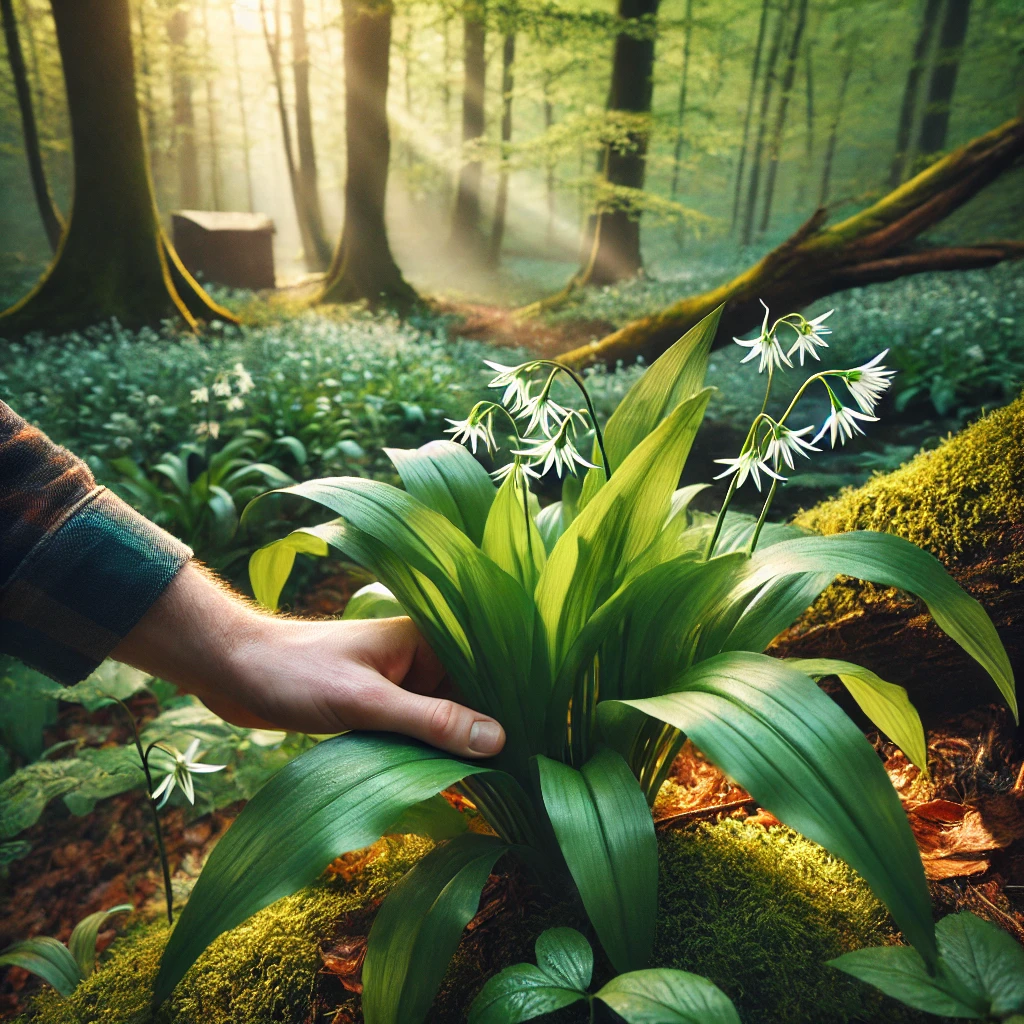
  • Leaves: Long, pointed, and oval-shaped with smooth edges. They grow in a basal rosette from the bulb and are soft, slightly glossy, and deep green in color. The leaves have a strong garlic scent when crushed.
  • Flowers: Small, star-shaped white flowers appear in clusters on slender stalks in late spring. Each flower has six petals and a delicate appearance.
  • Bulbs: Small and white, resembling miniature garlic cloves. Unlike cultivated garlic, wild garlic bulbs are smaller and form in loose clusters rather than tight heads.
  • Scent: The most distinctive feature of wild garlic is its strong garlic aroma. If a plant does not smell like garlic when the leaves are crushed, it is not wild garlic and could be a toxic look-alike.
  • Habitat: Prefers damp, shaded areas such as deciduous woodlands, riverbanks, and hedgerows. It thrives in well-drained, fertile soil and often grows in dense patches.

Habits of Wild Garlic

Wild Garlic is a perennial plant that follows a predictable seasonal cycle:

  • Early Spring (March-April): The first leaves begin to emerge, forming bright green carpets in wooded areas.
  • Mid-Spring (April-May): The plants reach full maturity, and small white flowers begin to bloom. This is the ideal time for foraging, as the leaves are at their most flavorful.
  • Late Spring to Early Summer (May-June): As the flowers fade, the leaves begin to wither, and the plant’s energy shifts to seed production. The bulbs remain dormant underground until the next growing season.
  • Summer to Winter: The plant remains dormant, surviving as underground bulbs until the following spring.

Wild Garlic spreads both by seed and vegetative growth, forming dense colonies in favorable habitats.

How to Properly Forage Wild Garlic

Foraging Wild Garlic is a sustainable and enjoyable activity, but care should be taken to ensure responsible harvesting:

  1. Identify Safely: Always confirm the identity of Wild Garlic by checking its leaf shape, flower structure, and most importantly, its garlic aroma. If unsure, do not pick the plant.
  2. Harvest Leaves, Not Bulbs: The best way to harvest Wild Garlic is to gather the leaves, leaving the bulbs intact so the plant can regrow the following year. Using scissors, trim a few leaves from each plant rather than pulling up entire plants.
  3. Pick Young Leaves: Younger leaves are more tender and flavorful, while older leaves can become tougher and slightly bitter.
  4. Harvest Flowers for Garnish: The white flowers are edible and make a beautiful, mild-flavored garnish for salads, breads, and soups.
  5. Avoid Overharvesting: Take only what you need and leave plenty of plants behind to ensure the population remains healthy for future seasons.
  6. Storage: Fresh Wild Garlic leaves can be stored in the refrigerator for up to a week. They can also be frozen or blended into oil-based pastes like pesto to preserve their flavor.

Magical Uses of Wild Garlic

Wild Garlic has a long history of use in folklore and magical practices:

  • Protection: In many cultures, garlic is associated with warding off negative energy, evil spirits, and illness. Wild Garlic can be used in protective charms, amulets, and home blessings.
  • Purification: Wild Garlic is often used in cleansing rituals to remove unwanted energies and bring renewal. The leaves can be burned as incense or added to purification baths.
  • Strength and Vitality: As a plant that emerges in early spring, Wild Garlic is connected to growth, renewal, and physical vitality. It can be incorporated into spellwork related to endurance, courage, and new beginnings.

Medicinal Uses of Wild Garlic

Wild Garlic has been valued for its medicinal properties for centuries. Some traditional uses include:

  • Heart Health: Wild Garlic contains compounds that help reduce blood pressure and cholesterol levels, supporting cardiovascular health.
  • Digestive Aid: The plant has mild antibacterial and antifungal properties, which can help promote gut health and combat digestive discomfort.
  • Immune Boosting: Rich in antioxidants, Wild Garlic supports the immune system and may help prevent colds and infections.
  • Anti-Inflammatory Properties: Like cultivated garlic, Wild Garlic has anti-inflammatory effects, making it beneficial for joint health and overall well-being.

Culinary Uses of Wild Garlic

Wild Garlic’s vibrant flavor and versatility make it a prized culinary ingredient. Some popular ways to use it include:

  • Pesto: Blend fresh Wild Garlic leaves with olive oil, nuts, and Parmesan cheese for a flavorful alternative to basil pesto.
  • Garlic Butter: Mix finely chopped Wild Garlic leaves into softened butter for a delicious spread for bread, vegetables, or grilled meats.
  • Soups and Stews: Add chopped Wild Garlic leaves to broths, soups, and stews for a fresh, garlicky kick.
  • Marinades: Wild Garlic makes an excellent addition to marinades for fish, poultry, and lamb.
  • Egg Dishes: Stir Wild Garlic into scrambled eggs, omelets, or frittatas for a flavorful twist.

Allium tricoccum (North American Ramps )
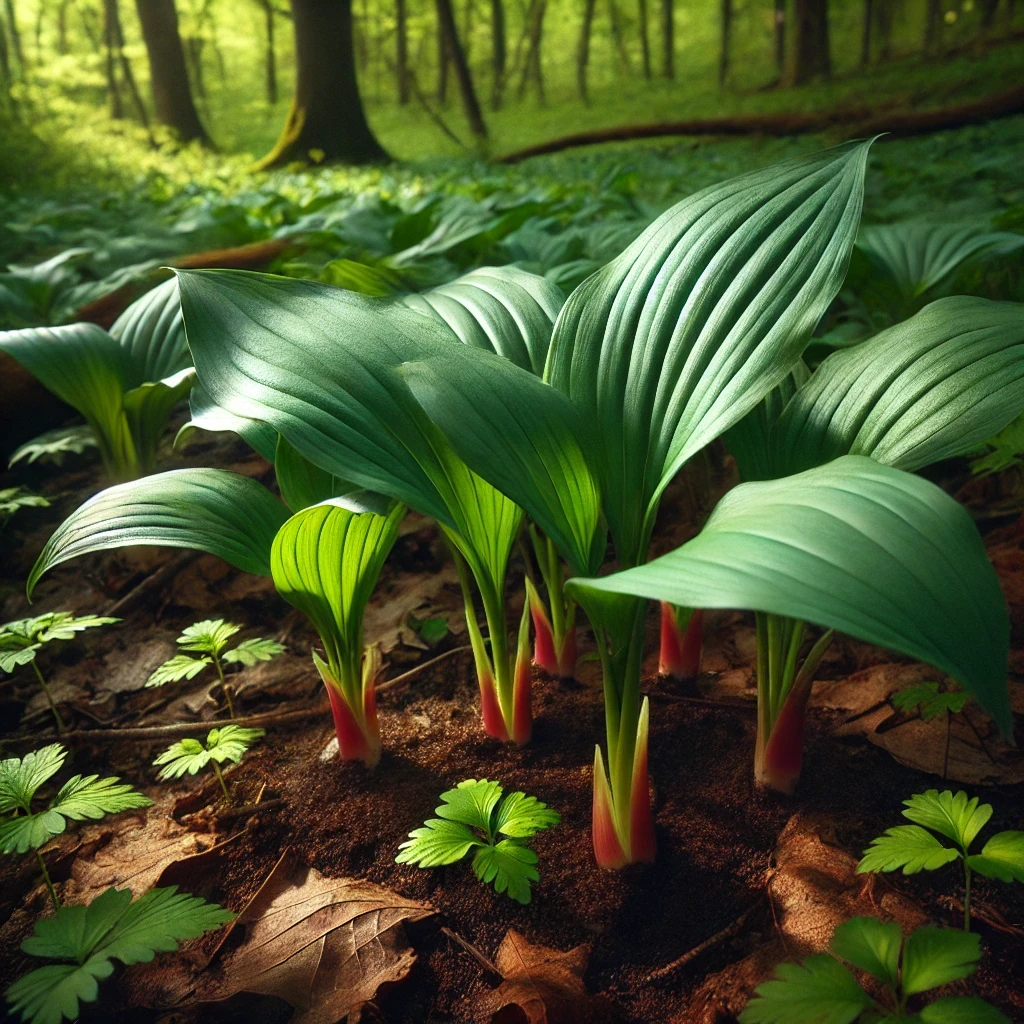
Allium tricoccum (North American Ramps)

North American ramps (Allium tricoccum), also known simply as ramps or wild leeks, are a highly sought-after wild edible native to eastern North America. These perennial plants belong to the same Allium family as garlic, onions, and leeks, offering a pungent and complex flavor profile that combines the best qualities of both garlic and onion. Ramps have become a culinary delicacy, particularly in gourmet and foraged cuisine, due to their limited seasonal availability and bold, savory taste.

Identification and Physical Characteristics

Ramps closely resemble their European counterpart, Allium ursinum, but have some distinct differences in their growth patterns, leaf structure, and size. Here’s how to identify them in the wild:

  • Leaves: Ramps produce smooth, broad, elliptical leaves that grow in clusters of two or three per bulb. The leaves are deep green on the top and often have a slightly reddish or purplish base where they emerge from the ground. Unlike cultivated leeks, their leaves are thin and delicate.
  • Bulbs: The underground bulbs are slender and resemble small scallions or green onions. They are white and slightly elongated, with a strong onion-garlic aroma.
  • Flowers: Later in the season, ramps produce small, white, star-like flowers on thin stalks after their leaves have withered. This is an important time to locate patches for future foraging without disturbing the plants.
  • Scent: The most distinguishing feature of ramps is their strong, pungent garlic-onion aroma. If a plant does not have this distinct scent when the leaves are crushed, it may be a toxic look-alike, such as Lily of the Valley (Convallaria majalis).

Where to Find North American Ramps

Ramps are native to the rich, damp forests of eastern North America, where they thrive in shaded, deciduous woodlands with moist, loamy soil. Their primary range includes:

  • The Appalachian Mountains – Ramps are especially abundant in the Appalachian region, where they are a cultural and culinary staple in the spring.
  • The Great Lakes Region – Ramps grow extensively in states like Michigan, Wisconsin, and parts of southern Canada, thriving in the cool, temperate climate.
  • The Northeastern United States – States such as New York, Pennsylvania, and Vermont have significant wild ramp populations in their forested areas.

Ramps are slow-growing and can take several years to mature, which makes responsible harvesting crucial to maintaining their populations.

Flavor Profile and Culinary Uses

Ramps are renowned for their robust, earthy flavor, which is a perfect balance between sweet spring onions and pungent garlic. This unique taste makes them a prized ingredient in high-end cuisine and home cooking alike. Some of the best ways to use ramps include:

  • Raw in Salads: Finely chopped ramp leaves add a burst of garlicky freshness to spring salads.
  • Sauteed or Grilled: Cooking ramps mellows their flavor slightly, making them an excellent addition to stir-fries, pasta, or grilled dishes.
  • Pesto and Sauces: Blending ramp leaves into pesto with nuts, Parmesan, and olive oil creates a bold and aromatic spread.
  • Pickled Ramps: The bulbs and stems can be pickled for long-term storage, adding a sharp and tangy flavor to sandwiches and charcuterie boards.
  • Soups and Broths: The depth of flavor in ramps makes them ideal for infusing broths, stews, and cream-based soups.
  • Egg Dishes: Scrambled eggs, frittatas, and quiches benefit from the rich, allium-forward flavor of ramps.

Because ramps are highly seasonal, foragers and chefs often preserve them by drying, freezing, or fermenting to enjoy their flavor throughout the year.

Sustainability and Ethical Foraging

Due to their increasing popularity and slow growth cycle, overharvesting has become a significant issue for North American ramps. Unlike some wild edibles that regenerate quickly, ramps take anywhere from 5 to 7 years to establish mature plants from seed. In some areas, heavy foraging has led to a decline in wild ramp populations. To forage responsibly:

  • Harvest Leaves Instead of Bulbs: Instead of uprooting the entire plant, trim one or two leaves per plant and leave the bulb intact. This ensures the plant can continue growing and reproducing.
  • Rotate Harvesting Areas: Avoid harvesting from the same location each year to allow ramp patches to recover.
  • Follow Local Regulations: Some regions have placed restrictions on ramp foraging due to conservation concerns. Always check local guidelines before collecting ramps.
  • Consider Growing Your Own: If you love ramps, growing them in your own garden is a sustainable alternative. They can be cultivated in shady areas with rich, moist soil similar to their natural habitat.

Medicinal and Traditional Uses

Indigenous communities and early settlers used ramps not only as food but also for their medicinal properties. Some traditional uses of ramps include:

  • Digestive Health: Ramps have natural antibacterial properties and were used to aid digestion and fight intestinal parasites.
  • Spring Tonic: In Appalachian traditions, ramps were considered a spring tonic, thought to cleanse the blood and invigorate the body after a long winter.
  • Respiratory Support: Ramps, like garlic, have been used to support respiratory health and alleviate colds or congestion.
  • Antioxidant-Rich: Their high vitamin C and sulfur content contribute to their reputation as an immune-boosting and detoxifying food.

Cultural Significance of Ramps

Ramps hold a special place in Appalachian and Indigenous food traditions. For generations, they have been celebrated as one of the first edible plants to emerge in the spring, marking the end of winter and the start of the growing season. Many communities host ramp festivals, where dishes featuring ramps—such as ramp and bacon hash, ramp cornbread, and ramp chowder—are shared and enjoyed.

Their culinary and cultural significance has made them a beloved seasonal ingredient, but with that popularity comes the responsibility to harvest them sustainably.

North American ramps (Allium tricoccum) are one of the most exciting wild edibles of spring, prized for their bold flavor and versatility in the kitchen. However, their slow growth and increasing demand mean that responsible foraging is essential to preserving this incredible wild plant for future generations. By harvesting sustainably, enjoying their culinary potential, and respecting their role in local ecosystems, foragers can continue to celebrate ramps as a treasured part of springtime’s natural bounty.

Allium vineale (Crow Garlic)
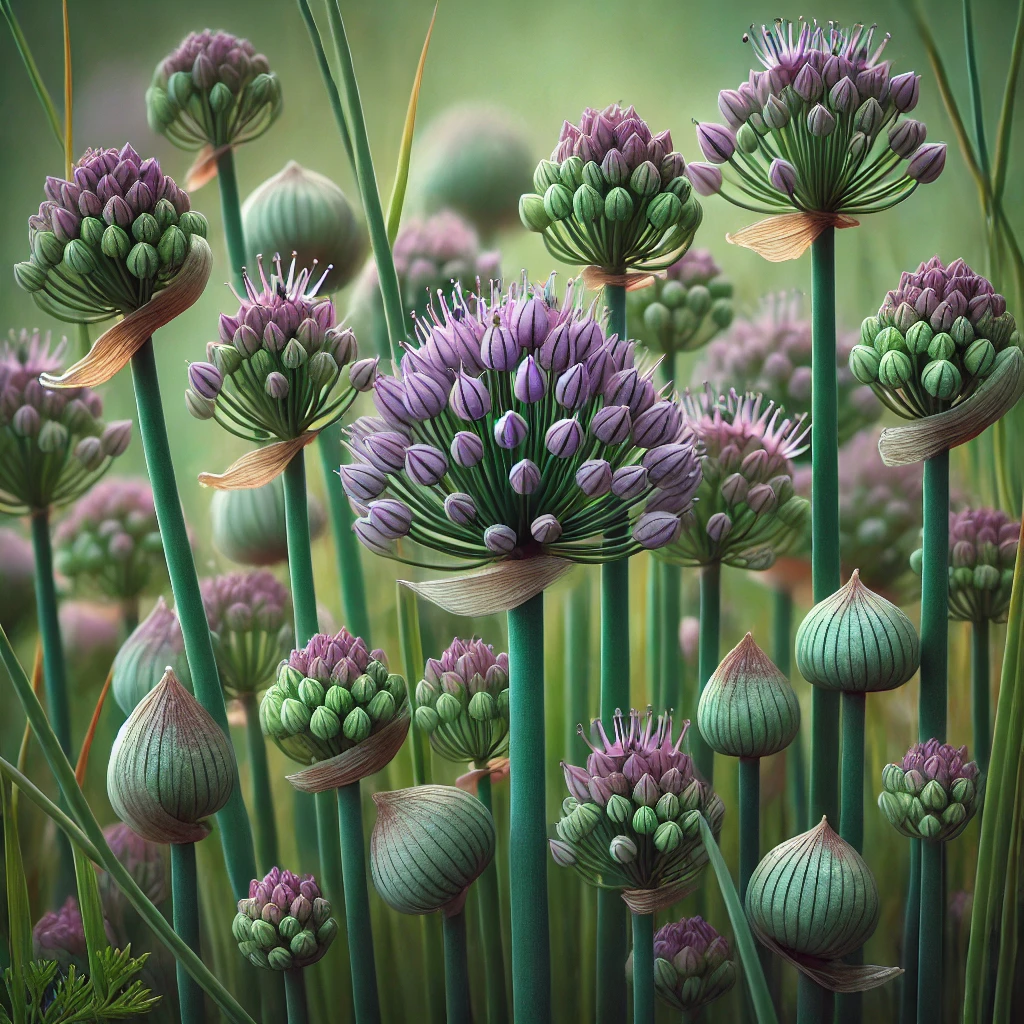
Allium vineale (Crow Garlic)

Crow Garlic (Allium vineale) is a wild member of the onion and garlic family that grows prolifically in many parts of North America and Europe. Often mistaken for wild chives due to its thin, grass-like leaves, Crow Garlic carries a distinctly pungent flavor that leans more toward onion than traditional wild garlic (Allium ursinum). It is a resilient and adaptable plant that thrives in various environments, making it an accessible and reliable foraging option throughout much of the year.

Identification and Physical Characteristics

Crow Garlic is smaller and more delicate in appearance compared to other wild garlic species. While it shares some similarities with chives and cultivated garlic, key characteristics set it apart:

  • Leaves: Crow Garlic has thin, hollow, tubular leaves that resemble chives. They grow upright in dense clusters and can reach a height of 12-24 inches. When crushed, the leaves emit a strong onion-garlic scent.
  • Bulbs: The underground bulbs of Crow Garlic are small and resemble tiny, elongated shallots. They form in clusters and are covered with a thin, papery skin. While edible, they are not as large or robust as those of cultivated garlic.
  • Flowers: During late spring and early summer, Crow Garlic produces small, spherical flower heads that range in color from pale pink to purple. These flowers are sometimes replaced by small aerial bulbils (mini bulbs), which can be used to propagate new plants.
  • Scent: Like other Allium species, Crow Garlic has a strong and unmistakable onion-garlic aroma, making it easy to distinguish from non-edible lookalikes such as poisonous grasses or toxic wildflowers.

Where to Find Crow Garlic

Crow Garlic is an opportunistic plant that thrives in a wide range of environments, often appearing in unexpected places. It is commonly found in:

  • Meadows and Grasslands: Crow Garlic prefers open areas where it can spread without competition from taller plants.
  • Roadsides and Waste Grounds: This hardy plant is frequently spotted along roadsides, in vacant lots, and in urban environments.
  • Woodland Edges: While it doesn’t grow as thickly in shaded areas as Allium ursinum, it can still be found along the edges of forests.
  • Coastal Areas: Crow Garlic is known to tolerate salty soils, making it common near coastal dunes and marshes.

Due to its aggressive growth habit, Crow Garlic is considered an invasive species in some areas, particularly in North America, where it has spread beyond its native range. Its resilience makes it an easy target for foragers, as harvesting it can help control its spread.

Flavor Profile and Culinary Uses

Crow Garlic has a pungent, onion-like flavor with a milder garlic undertone. It is often compared to wild chives, though it carries a stronger and more lingering taste. While not as potent as cultivated garlic, it adds a savory kick to many dishes.

Ways to Use Crow Garlic in Cooking:

  • Raw Garnish: The finely chopped leaves can be used like chives to sprinkle over salads, eggs, baked potatoes, and soups.
  • Sauteed or Stir-Fried: Crow Garlic leaves and bulbs develop a mellow, sweet flavor when lightly sautéed in butter or oil.
  • Herb Butter or Oil Infusion: Blending Crow Garlic into butter or olive oil creates a flavorful spread for bread, pasta, or roasted vegetables.
  • Fermented or Pickled Bulbs: The small bulbs can be pickled for a tangy, garlicky condiment similar to pickled onions.
  • Pestos and Sauces: Crow Garlic makes an excellent addition to homemade pesto, chimichurri, or aioli.

Medicinal and Traditional Uses

Like other Allium species, Crow Garlic has been valued for its medicinal benefits for centuries. Some traditional uses include:

  • Natural Antibiotic: The sulfur compounds in Crow Garlic have mild antibacterial and antifungal properties, making it useful for immune support.
  • Digestive Aid: Crow Garlic is believed to stimulate digestion and may help with bloating or sluggish digestion when consumed in small amounts.
  • Respiratory Health: Historically, herbalists have used Allium species to alleviate mild congestion and support respiratory health.
  • Heart Health: Like cultivated garlic, Crow Garlic may help support cardiovascular health by promoting circulation and regulating blood pressure.

Sustainability and Ethical Foraging

Because Crow Garlic is an abundant and sometimes invasive species, foraging it is a sustainable practice. However, as with all wild plants, care should be taken to harvest responsibly:

  • Avoid Overharvesting in Sensitive Areas: While Crow Garlic grows aggressively, it’s best to forage selectively and leave enough plants for regrowth.
  • Harvest Leaves Instead of Bulbs: If you want to promote sustainability, focus on harvesting the leaves rather than pulling up entire plants.
  • Forage Away from Roadsides: Since Crow Garlic commonly grows in urban areas, avoid picking plants near roads or industrial sites where pollution may be a concern.
  • Wash Before Eating: As Crow Garlic grows close to the ground, rinse the leaves and bulbs thoroughly to remove dirt and potential contaminants.

Crow Garlic (Allium vineale) is a versatile, flavorful, and easy-to-forage wild allium that offers a delightful blend of onion and garlic flavors. Its grass-like leaves, strong aroma, and adaptability make it an accessible foraging target for beginners and seasoned foragers alike. Whether used fresh in salads, cooked in savory dishes, or preserved in oils and pickles, Crow Garlic is a rewarding addition to any forager’s kitchen. By harvesting responsibly, you can enjoy its bold, aromatic qualities while supporting ecological balance in areas where it grows invasively.

Allium canadense (Wild Onion)
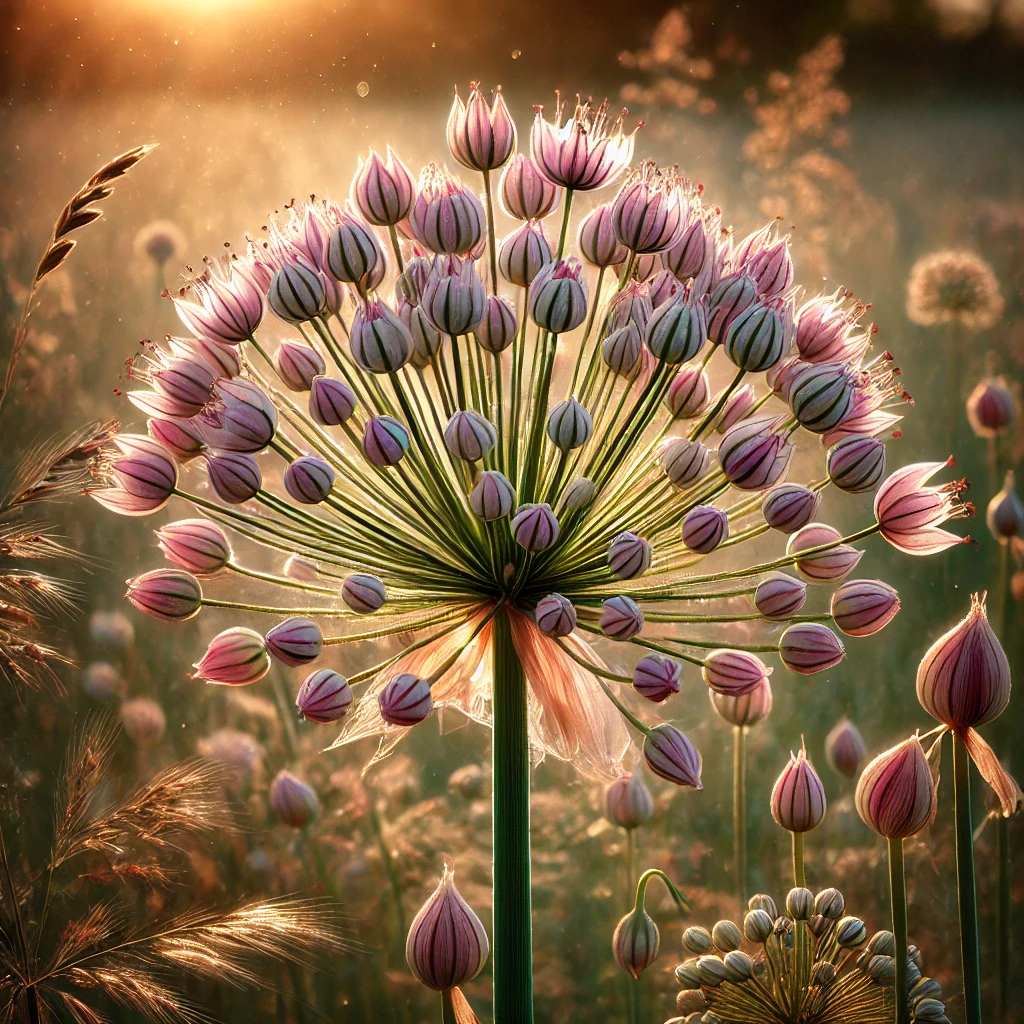
Wild Onion (Allium canadense)

Wild Onion (Allium canadense), also known as Meadow Garlic or Canada Onion, is a perennial wild member of the Allium family that is commonly found across North America. It is a highly adaptable plant that thrives in a wide variety of habitats, making it an accessible and rewarding find for foragers. While it is often mistaken for ramps (Allium tricoccum), Wild Onion has key differences in its leaf shape, scent, and growth patterns. It is a valuable culinary and medicinal plant, offering a milder, sweeter onion flavor that enhances a variety of dishes.

Identification and Physical Characteristics

Wild Onion shares similarities with other wild Allium species but has several distinct features that make it identifiable:

  • Leaves: Wild Onion has slender, hollow, and grass-like leaves, which are much narrower than the broad, flat leaves of ramps. They typically grow in loose clusters from the base of the plant and can reach 6-12 inches in height. When crushed, they release a distinct onion aroma, helping distinguish them from toxic lookalikes.
  • Bulbs: The underground bulbs are small, round, and white to pinkish in color. They resemble miniature cultivated onions and have a similar, though slightly milder, taste.
  • Flowers: In late spring to early summer, Wild Onion produces clusters of small, star-shaped flowers in shades of pink, white, or purple. These flowers grow on tall, thin stalks and can help identify the plant during its blooming period.
  • Scent: One of the most reliable identification markers is Wild Onion’s unmistakable onion scent. If a plant lacks this strong, pungent aroma when the leaves or bulbs are crushed, it is likely not an Allium species and could be a toxic lookalike.

Where to Find Wild Onion

Wild Onion is widely distributed across North America, from open fields and meadows to forest edges and riverbanks. It thrives in well-drained soils and prefers locations with full to partial sunlight. Common habitats include:

  • Prairies and Grasslands: Wild Onion often grows in sunny, open areas with minimal competition from taller plants.
  • Woodland Edges: While it prefers more light than ramps, Wild Onion can still be found along the borders of wooded areas.
  • Roadsides and Disturbed Areas: This resilient plant frequently appears in disturbed soils, making it easy to find in urban and suburban environments.
  • Moist Areas: Wild Onion can often be found growing near streams, ditches, and riverbanks where the soil remains damp but well-drained.

Flavor Profile and Culinary Uses

Wild Onion has a milder, sweeter flavor than cultivated onions, making it a great ingredient for a variety of dishes. It can be used in the same way as chives, scallions, or shallots, adding a gentle onion flavor without overpowering other ingredients.

Ways to Use Wild Onion in Cooking:

  • Raw in Salads: Chop the fresh leaves and bulbs to add a mild oniony kick to salads and sandwiches.
  • Soups and Broths: Wild Onion is an excellent aromatic base for soups, stews, and broths, adding depth to the dish.
  • Egg Dishes: Sprinkle chopped Wild Onion leaves over scrambled eggs, omelets, or frittatas for extra flavor.
  • Grilled or Roasted: Whole Wild Onion bulbs can be roasted or grilled for a caramelized, slightly smoky taste.
  • Pesto and Herb Blends: Blend Wild Onion leaves with other herbs to create a unique pesto or compound butter.
  • Pickled Bulbs: The bulbs can be pickled in vinegar and spices for a tangy condiment that pairs well with meats and cheeses.

Because Wild Onion is more delicate than cultivated onions, it is best added toward the end of cooking to preserve its fresh flavor.

Medicinal and Traditional Uses

Like other members of the Allium family, Wild Onion has been used for centuries in herbal medicine for its beneficial properties. Some traditional uses include:

  • Immune Support: Wild Onion is rich in antioxidants and sulfur compounds that help boost the immune system and fight infections.
  • Heart Health: The plant contains natural compounds that may help lower blood pressure and support cardiovascular health.
  • Digestive Aid: Traditionally, Wild Onion was used to support digestion and relieve bloating or mild stomach discomfort.
  • Respiratory Health: The antimicrobial properties of Wild Onion make it useful in soothing coughs and congestion.
  • Natural Insect Repellent: The strong aroma of Wild Onion has historically been used to repel insects when applied to the skin or placed around living areas.

While Wild Onion offers numerous health benefits, it should be consumed in moderation, especially for individuals with sensitivities to onions or garlic.

Sustainability and Ethical Foraging

Wild Onion is an abundant and hardy plant, but responsible foraging practices should still be followed to ensure its continued availability:

  • Harvest Leaves Instead of Bulbs: To promote sustainability, opt for harvesting the leaves rather than pulling up entire plants. The leaves regrow, allowing the plant to continue thriving.
  • Leave Some Plants Behind: Avoid overharvesting in a single area to allow the population to regenerate naturally.
  • Forage Away from Polluted Areas: Avoid gathering Wild Onion from roadsides, industrial sites, or areas treated with pesticides.
  • Check Local Regulations: Some regions have restrictions on foraging Wild Onion, particularly in protected areas. Always research local guidelines before harvesting.

Toxic Lookalikes to Avoid

While Wild Onion is relatively easy to identify by its strong onion scent, there are toxic plants that resemble it, including:

  • Death Camas (Zigadenus spp.): This highly toxic plant has grass-like leaves and can sometimes be confused with Allium canadense. However, Death Camas lacks the onion-garlic scent and produces different-looking flowers. Consuming any part of this plant can be fatal.
  • Star-of-Bethlehem (Ornithogalum umbellatum): This plant has similar white flowers but lacks the onion aroma and is toxic if ingested.
  • Lily of the Valley (Convallaria majalis): While its leaves are broader than Wild Onion’s, some inexperienced foragers may mistake it for an Allium species. It is extremely toxic if consumed.

To ensure safe foraging, always rely on the distinct onion-garlic scent as a primary identifying feature before harvesting Wild Onion.

Wild Onion (Allium canadense) is a versatile and widely available foraged plant that offers a mild yet flavorful onion taste. Its thin, hollow leaves and small bulbs make it easy to identify, while its rich history in culinary and medicinal use adds to its value as a wild edible. Whether enjoyed fresh in salads, cooked into savory dishes, or used in traditional herbal remedies, Wild Onion is a fantastic addition to any forager’s toolkit. By practicing ethical foraging and ensuring proper identification, you can safely enjoy the unique taste and benefits of this remarkable wild plant.

Allium schoenoprasum (Wild Chives)
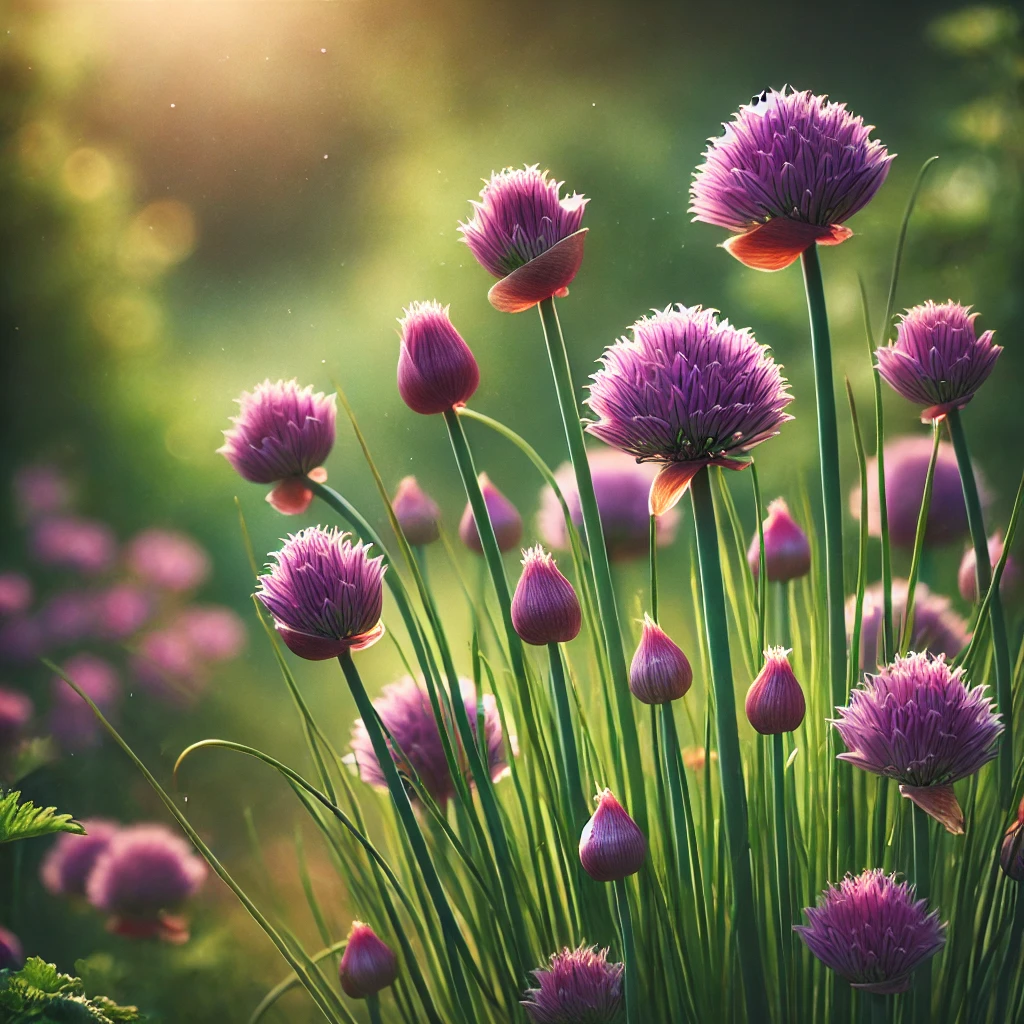
Wild Chives (Allium schoenoprasum)

Wild Chives (Allium schoenoprasum), also known as native chives or wild onion grass, are a perennial herb belonging to the onion family (Alliaceae). Unlike their more pungent relatives such as wild garlic or ramps, Wild Chives have a milder onion flavor, making them a favorite for use in delicate dishes where a hint of savory freshness is desired. They are highly prized for their versatility, both as a culinary ingredient and as an ornamental plant in gardens due to their striking purple flowers.

Identification and Physical Characteristics

Wild Chives are easy to recognize due to their slender, hollow leaves and distinct, globe-shaped flowers. Key features include:

  • Leaves: The leaves of Wild Chives are thin, tubular, and hollow, resembling small green straws. They grow in dense clumps, typically reaching a height of 12-20 inches. When crushed, they release a mild onion scent.
  • Bulbs: The underground bulbs are small, white, and elongated. While edible, they are not as commonly used as the leaves since harvesting the bulbs can damage the plant’s ability to regenerate.
  • Flowers: Wild Chives produce small, round clusters of delicate purple to lavender-colored flowers. These flowers bloom in late spring to early summer and are edible, often used as a garnish in salads and other dishes.
  • Scent: Unlike other members of the Allium family that have a strong garlic or onion aroma, Wild Chives have a lighter, more herbal fragrance that is reminiscent of cultivated chives.

Where to Find Wild Chives

Wild Chives thrive in a variety of environments, from meadows to riverbanks, and are commonly found in temperate regions across North America, Europe, and Asia. They prefer:

  • Open Grasslands and Meadows: Wild Chives flourish in areas with plenty of sunlight and well-drained soil.
  • Woodland Edges: Although they are not as shade-tolerant as ramps, Wild Chives can sometimes be found along the edges of wooded areas.
  • Stream Banks and Moist Soils: They favor damp but not waterlogged soils and often grow near rivers, lakes, or marshes.
  • Roadsides and Urban Areas: Due to their adaptability, Wild Chives can also be found growing in urban spaces such as parks, gardens, and abandoned lots.

Flavor Profile and Culinary Uses

Wild Chives have a mild, slightly sweet onion flavor that is less pungent than traditional onions, making them ideal for adding a delicate allium note to dishes without overpowering other ingredients.

Ways to Use Wild Chives in Cooking:

  • Raw Garnish: Finely chop Wild Chives and sprinkle them over soups, salads, baked potatoes, or scrambled eggs for a fresh, mild onion flavor.
  • Compound Butter: Blend chopped chives into butter with salt and lemon zest to create a flavorful spread for bread, seafood, or roasted vegetables.
  • Herb Oils and Vinegars: Infuse Wild Chives into olive oil or vinegar to create a fragrant, onion-flavored dressing for salads and marinades.
  • Omelets and Quiches: Their delicate flavor pairs beautifully with eggs, cheese, and creamy dishes.
  • Soups and Stews: Stir in chopped chives at the end of cooking to preserve their mild flavor and add freshness.
  • Chive Blossoms: The purple flowers can be used as a vibrant edible garnish for salads or steeped in vinegar to create a subtly onion-flavored infusion.

Wild Chives are best used fresh, as their delicate flavor diminishes when cooked for long periods. However, they can be preserved by drying or freezing.

Medicinal and Traditional Uses

Wild Chives have been valued for their medicinal properties in various cultures for centuries. While they are milder in potency compared to garlic or onions, they still provide numerous health benefits:

  • Rich in Vitamins and Antioxidants: Wild Chives are high in vitamin C, vitamin K, and essential minerals like calcium and potassium, supporting immune function and bone health.
  • Digestive Aid: Like other Allium species, Wild Chives may help improve digestion by stimulating digestive enzymes.
  • Anti-Inflammatory Properties: Their natural compounds may help reduce inflammation and support overall wellness.
  • Mild Antimicrobial Effects: Historically, Wild Chives were used as a natural remedy for minor infections and as a preventive measure against colds.

Due to their mild nature, Wild Chives are an excellent option for those who enjoy the benefits of Allium species but prefer a less intense flavor and scent.

Sustainability and Ethical Foraging

Wild Chives are relatively abundant and can be foraged sustainably with the following considerations:

  • Harvest Leaves, Not Bulbs: The best practice is to cut the leaves rather than uproot the entire plant, allowing it to continue growing.
  • Rotate Harvesting Areas: Avoid depleting a single patch by collecting small amounts from multiple locations.
  • Forage in Clean Areas: Avoid harvesting Wild Chives near roadsides, industrial sites, or places that may be exposed to chemical contamination.
  • Leave Some Plants to Flower: Allowing some plants to bloom and go to seed ensures the continued reproduction of Wild Chive populations.

Toxic Lookalikes to Avoid

Although Wild Chives are easy to identify due to their onion aroma, there are a few plants that resemble them but are not safe to eat:

  • Death Camas (Zigadenus spp.): A highly toxic plant with grass-like leaves that lacks the distinctive onion scent. Consuming even small amounts can be deadly.
  • Star-of-Bethlehem (Ornithogalum umbellatum): This plant has similar thin leaves but lacks the onion aroma and produces white flowers instead of purple ones. It is toxic to both humans and animals.
  • Lily of the Valley (Convallaria majalis): While it does not closely resemble Wild Chives, inexperienced foragers may mistake it for an Allium species. It is extremely toxic if ingested.

To ensure safety, always verify Wild Chives by crushing the leaves and checking for the characteristic onion scent before harvesting.

Wild Chives (Allium schoenoprasum) are a delicate, flavorful, and easy-to-forage member of the onion family. With their hollow, slender leaves and beautiful purple flowers, they offer both culinary versatility and mild medicinal benefits. Whether used fresh in salads, infused into butter or vinegar, or added as a garnish to soups and eggs, Wild Chives provide a subtle onion flavor that enhances many dishes.

Safety Concerns

  • Toxic Look-Alikes: Be cautious of toxic plants such as Lily of the Valley (Convallaria majalis), which has similar leaves but lacks the garlic scent.
  • Moderation: While Wild Garlic is safe to eat, excessive consumption can cause digestive discomfort in some individuals.
  • Foraging Responsibly: Avoid areas that may have been treated with pesticides or herbicides and always wash foraged greens thoroughly before use.

Wrapping Up

Wild Garlic (Allium ursinum) is one of the most exciting springtime herbs to forage, offering a potent garlic flavor, incredible culinary versatility, and numerous health benefits. Whether used fresh, cooked, or preserved, it is a rewarding plant for any forager. By harvesting responsibly and respecting nature, you can enjoy the bounty of Wild Garlic for years to come. Happy foraging!

Posted on Leave a comment

Ritual: Crafting Spring Crowns for Ostara

Spring CrownReading Time: 3 minutes
Spring Crown

Introduction

A Crafty Embrace of Spring’s Awakening

Ostara, the Spring Equinox, marks the perfect balance of day and night—a turning point where light overtakes darkness, and the world awakens with vibrant life. This sacred Sabbat invites us to honor the Earth’s renewal and celebrate the beauty of the season. One delightful and symbolic way to engage with Ostara’s energy is through the crafting of Spring Crowns. These floral creations represent the blossoming of life, the interconnectedness of nature, and the arrival of warmth and fertility.

Ritual Basics

Before beginning any ritual, it is important to prepare yourself mentally and physically. You may want to take a cleansing bath, or shower, and meditate or perform some grounding exercises to center yourself. Gather any materials you will need, such as candles, incense, and offerings for the forest spirits.

You can read a more detailed Ritual Preparation guide here.

About Spring Crowns

Spring Crowns are a timeless tradition rooted in pagan and nature-focused celebrations. Historically, crowns adorned with greenery, flowers, and other natural materials symbolized the wearer’s connection to the Earth, invoking blessings of abundance and vitality. Making crowns with family and friends during Ostara embodies the joy of creation, the renewal of the land, and the spirit of unity that this Sabbat inspires. Whether worn during a ritual or simply for fun, Spring Crowns connect us to the cycle of life and encourage us to embrace the beauty of transformation.

Spring Crown
Print Ritual
No ratings yet

Spring Crowns

A hands-on ritual to honor Ostara’s beauty and creativity
Prep Time15 minutes
Ritual Time45 minutes
Total Time1 hour
Ritual Type: Ostara, Spring Equinox
Type: Rituals
Author: Theo, Witch
Cost: Minimal (depends on whether materials are foraged or purchased)

Tools

  • Floral wire optional – for creating a sturdy base
  • Wire cutters or scissors
  • A hot glue gun optional – for securing delicate flowers

Supplies

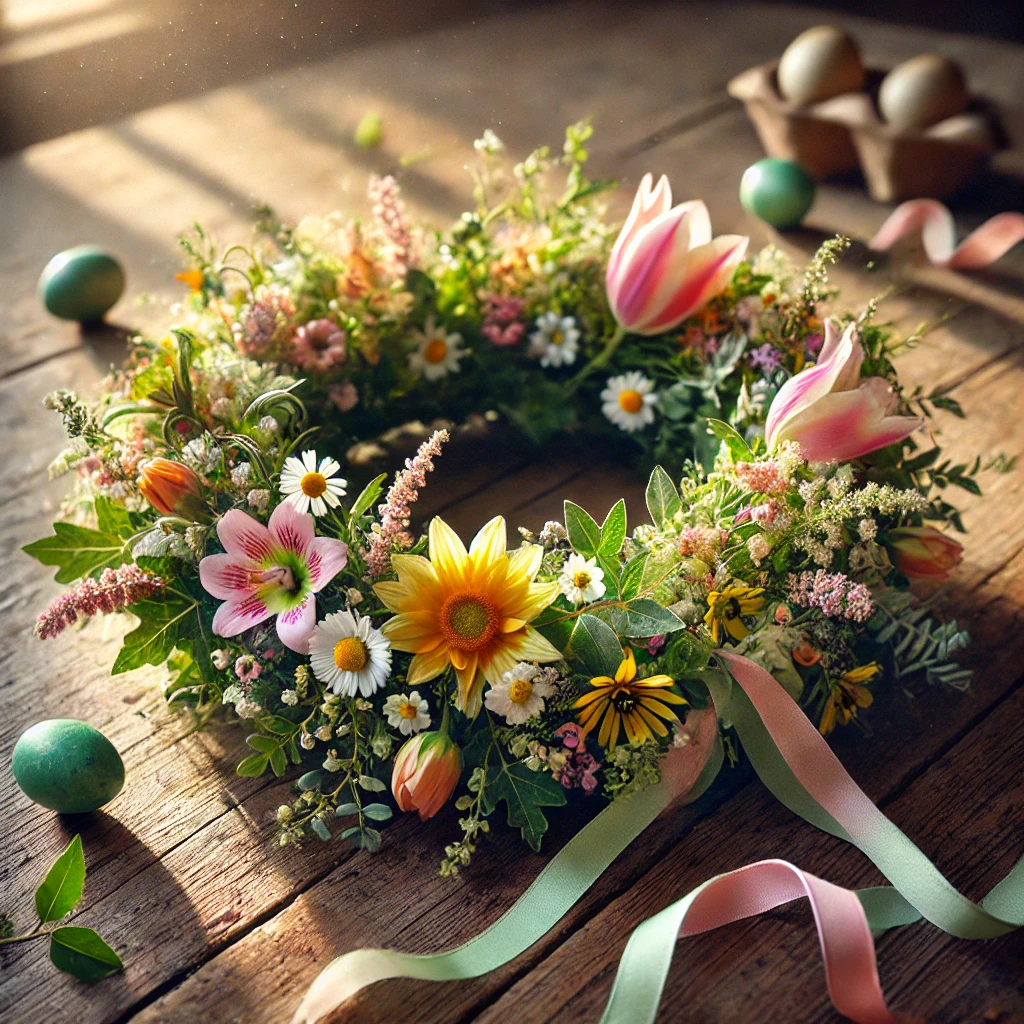
  • 6-10 flowers fresh or artificial – daisies, wildflowers, or tulips, spring flowers etc
  • 1 bundle greenery ivy, ferns, or long grass
  • 4–6 twigs flexible and thin
  • Decorative ribbons in pastel or spring colors

Instructions

Step 1: Prepare Your Materials

  • Gather your materials, either by foraging outdoors or selecting fresh, seasonal items from a local market.
  • Trim flowers, leaves, and twigs to a manageable size, ensuring the stems are clean and free of dirt.

Step 2: Create the Crown Base

  • Select flexible twigs or greenery to form the base of your crown.
  • Shape them into a circular frame that fits comfortably around the head. Overlap the ends and secure with floral wire or natural twine.

Step 3: Add Greenery and Flowers

  • Begin layering greenery onto the base, attaching it with floral wire, twine, or glue. Work in small sections to ensure an even, natural look.
  • Add flowers, spacing them evenly around the crown. Secure delicate blooms with small loops of wire or a dab of glue.

Step 4: Decorate with Ribbons

  • Tie decorative ribbons to the back of the crown, letting them trail down. Choose colors like green, yellow, and pink to symbolize growth, light, and fertility.
  • Adjust the crown for fit and balance, ensuring it feels secure and comfortable.

Step 5: Wear and Celebrate

  • Distribute the crowns to each family member and wear them during your Ostara festivities.
  • Incorporate the crowns into your ritual by offering thanks for the Earth’s renewal or reciting a blessing for the season.

Notes

Moon Milk Lavender and CherriesMoon milk is believed to have magical properties that promote relaxation, sleep, and spiritual connection. Lavender is a powerful herb that is often used in spells and rituals to promote tranquility, purification, and harmony. It is said to help calm the mind, soothe anxiety, and facilitate communication with the spiritual realm. Cherries, on the other hand, are associated with abundance, prosperity, and love. By combining these two ingredients in moon milk, we can create a potent brew that promotes restful sleep, deep relaxation, and a profound sense of spiritual connection.
As you sip on your moon milk and gaze up at the moon, take a moment to reflect on the magic and mystery of the universe. Whether you are working with the moon to manifest your desires, to connect with your intuition, or simply to enjoy a peaceful moment of reflection, remember that the power of the moon is always with you, waiting to be harnessed and celebrated.
*Calories Calculated with 2% Dairy Milk, Different bases will change the values.

© The Equinox Apothecary 2024 – Permission is granted to copy and reproduce this Ritual with attribution

Conclusion

Crafting Spring Crowns during Ostara is a joyous and meaningful way to connect with the Earth’s beauty and celebrate the season’s renewal. These handcrafted symbols of spring invite creativity, unity, and gratitude, infusing your Ostara rituals with the magic of nature’s awakening. As you wear your crown, let it serve as a reminder of the balance and abundance that Ostara brings, and may it inspire you to carry the season’s energy of growth and transformation into the months ahead.

Posted on Leave a comment

Ritual: Ostara Wreath Making

Ostara wreathReading Time: 3 minutes
Ostara wreath

Introduction

Crafting Symbols of Renewal for the Spring Equinox

Ostara, the celebration of the Spring Equinox, is a time of balance and renewal, marking the moment when day and night stand equal and the earth awakens in vibrant hues. To honor the season’s beauty and the promise of growth, embrace a creative and symbolic ritual: wreath making. These handcrafted adornments, woven with flowers, vines, and ribbons, become living tributes to the season’s themes of fertility, balance, and renewal. Whether displayed on your door, above your altar, or as a centerpiece, your Ostara wreath becomes a beacon of seasonal joy and magical intention.

Ritual Basics

Before beginning any ritual, it is important to prepare yourself mentally and physically. You may want to take a cleansing bath, or shower, and meditate or perform some grounding exercises to center yourself. Gather any materials you will need, such as candles, incense, and offerings for the forest spirits.

You can read a more detailed Ritual Preparation guide here.

About Ostara Wreath Making

The art of crafting wreaths for Ostara is steeped in symbolism. Circular in shape, wreaths represent the cycles of life, the endless flow of seasons, and the continuity of nature’s rhythms. The inclusion of fresh flowers and greenery reflects the blossoming earth, while ribbons and decorations add personal touches to the sacred act. This activity is perfect for family or solitary practice, inviting creativity and connection with the energies of spring.

Wreaths made during Ostara are not just decorative—they are magical tools that carry your intentions. Whether you weave in flowers symbolizing love, herbs for protection, or eggs as tokens of fertility, your wreath becomes a living spell, radiating the energy of renewal throughout your space.

Ostara wreath
Print Ritual
No ratings yet

Ostara Wreath Making

Craft a spring-themed wreath to honor the themes of renewal, balance, and growth during Ostara.
Prep Time30 minutes
Ritual Time1 hour
Total Time1 hour 30 minutes
Ritual Type: Ostara
Type: Rituals
Author: Theo, Witch
Cost: Minimal (dependent on the availability of materials; flowers can be fresh, dried, or artificial).

Tools

  • 1 Wire or vine wreath base
  • 1 Pair of scissors or garden shears
  • 1 Hot glue gun optional

Supplies

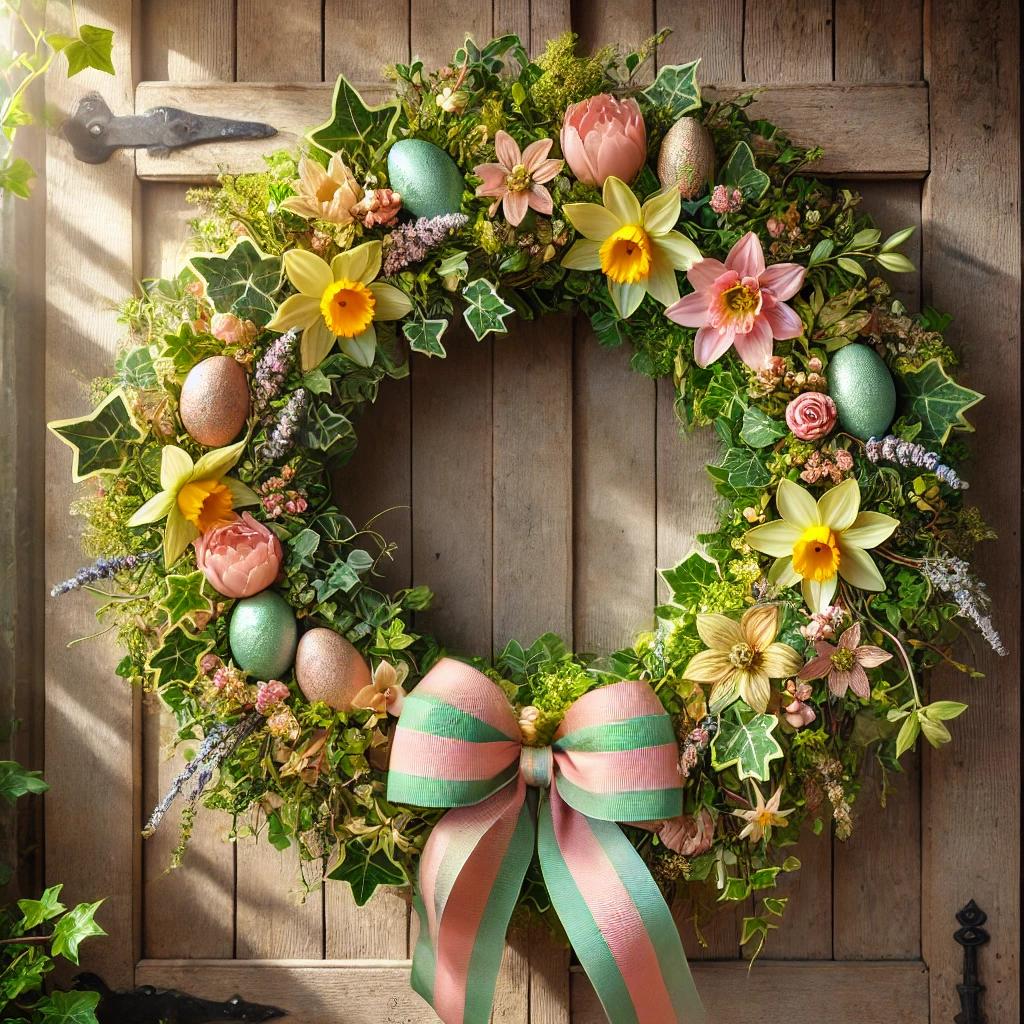
  • Flowers Choose seasonal blooms such as daffodils, tulips, or cherry blossoms.
  • Greenery Use fresh vines, ivy, or leafy stems.
  • Ribbons In pastel shades like pink, yellow, or green, symbolizing the season.
  • Eggs or small ornaments optional – Symbolizing fertility and new beginnings.
  • Herbs optional – Such as lavender for peace or rosemary for protection.

Instructions

Step 1: Preparing the Space

  • Choose a well-lit, comfortable area for crafting.
  • Cleanse the space with incense, a sage bundle, or a sprinkle of salt water to invite positive energy.
  • Lay out your materials and tools on a flat surface, ensuring everything is within easy reach.

Step 2: Setting Intentions

  • Before starting, take a moment to ground yourself. Close your eyes, take a few deep breaths, and focus on your intentions for the wreath.
  • Visualize the wreath as a symbol of renewal, balance, and the fresh energy of spring.

Step 3: Crafting the Wreath

  • Begin by securing greenery around the wreath base. Wrap vines or ivy around the frame, weaving them in and out.
  • Add flowers, trimming stems as needed, and attach them to the base using wire, glue, or by tucking them into the greenery.
  • Incorporate ribbons, weaving them through the wreath or tying bows for decorative flair.
  • If desired, attach small eggs, charms, or herbs to represent fertility, growth, or protection.

Step 4: Energizing the Wreath

  • Once complete, hold the wreath in your hands and focus your intentions. Visualize it radiating with the vibrant energy of Ostara.
  • Speak aloud or silently:
    “This wreath I weave with love and care,
    A symbol of renewal, bright and fair.
    As spring awakens, let this adorn,
    Bring balance and growth, this Ostara morn.”

Step 5: Displaying the Wreath

  • Hang the wreath on your front door as a welcoming beacon of Ostara’s energy.
  • Alternatively, place it on your altar, dining table, or in a window to bless your home with the spirit of spring.

Notes

Moon Milk Lavender and CherriesMoon milk is believed to have magical properties that promote relaxation, sleep, and spiritual connection. Lavender is a powerful herb that is often used in spells and rituals to promote tranquility, purification, and harmony. It is said to help calm the mind, soothe anxiety, and facilitate communication with the spiritual realm. Cherries, on the other hand, are associated with abundance, prosperity, and love. By combining these two ingredients in moon milk, we can create a potent brew that promotes restful sleep, deep relaxation, and a profound sense of spiritual connection.
As you sip on your moon milk and gaze up at the moon, take a moment to reflect on the magic and mystery of the universe. Whether you are working with the moon to manifest your desires, to connect with your intuition, or simply to enjoy a peaceful moment of reflection, remember that the power of the moon is always with you, waiting to be harnessed and celebrated.
*Calories Calculated with 2% Dairy Milk, Different bases will change the values.

© The Equinox Apothecary 2024 – Permission is granted to copy and reproduce this Ritual with attribution

Conclusion

Ostara wreath making is a delightful and meaningful way to channel the season’s energy and creativity. Each bloom, ribbon, and decoration woven into your wreath becomes a symbol of renewal and balance, connecting you to the vibrant spirit of the Spring Equinox. As you hang your wreath with intention, may it radiate joy, fertility, and the promise of brighter days ahead.

Posted on Leave a comment

Ritual: Bird Feeders

Bird FeedersReading Time: 3 minutes
Bird Feeders

Introduction

A Crafty Connection to Nature’s Renewal

Ostara, the Spring Equinox, celebrates balance, renewal, and the awakening of life. As the season shifts, nature begins to bloom, and wildlife emerges from winter’s quiet embrace. One meaningful way to honor the beauty of Ostara is by crafting bird feeders. This family-friendly activity nurtures the bond between humans and nature, supporting wildlife as the Earth renews itself. By offering sustenance to returning birds, you participate in the season’s abundance and embody the spirit of giving.

Ritual Basics

Before beginning any ritual, it is important to prepare yourself mentally and physically. You may want to take a cleansing bath, or shower, and meditate or perform some grounding exercises to center yourself. Gather any materials you will need, such as candles, incense, and offerings for the forest spirits.

You can read a more detailed Ritual Preparation guide here.

About Bird Feeders

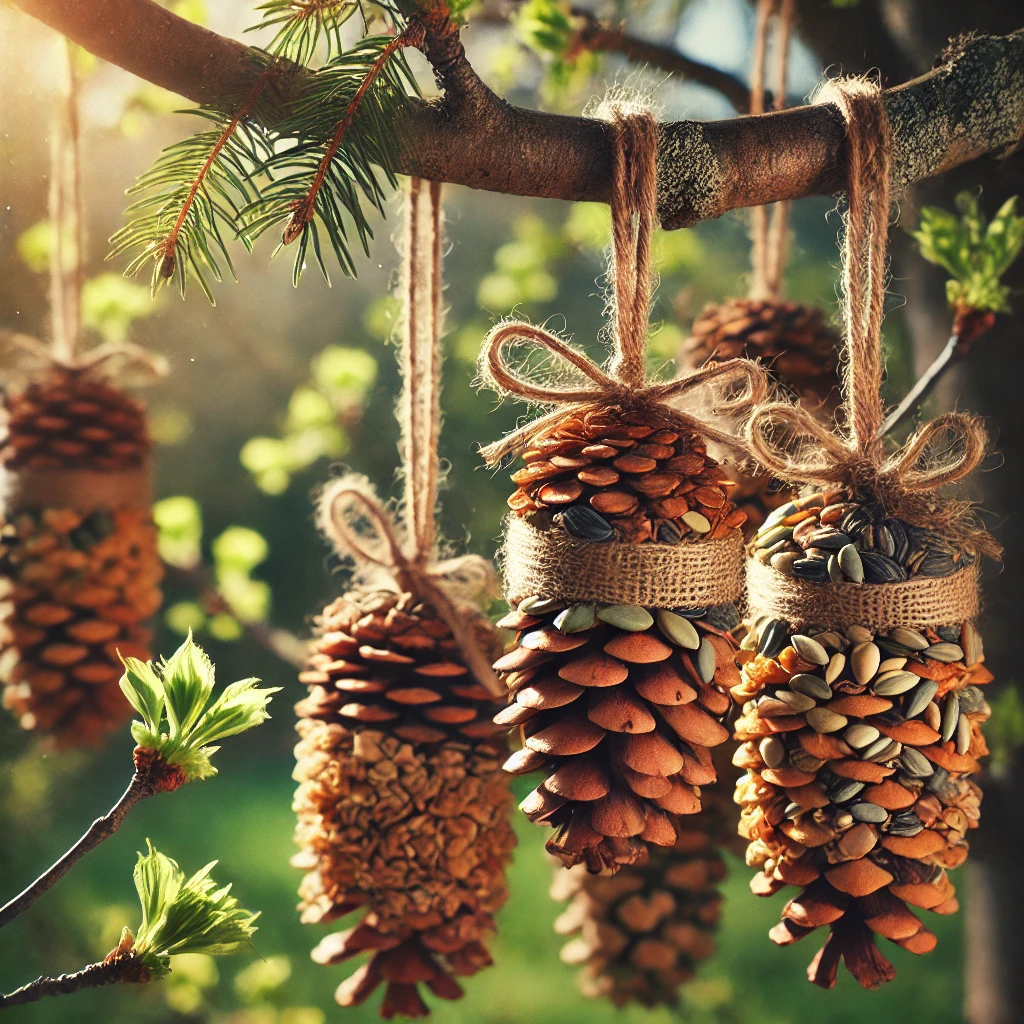
Bird feeders are more than a simple craft—they are an act of gratitude and harmony with the natural world. Traditionally, offerings to wildlife during Ostara symbolize the cycle of life and the interconnectedness of all beings. Crafting bird feeders using pinecones, peanut butter, and birdseed is an easy yet impactful way to celebrate this connection. Hanging these feeders in your yard invites birds to return, symbolizing the renewal and hope of spring. This ritual is both practical and magical, enhancing the energy of your Ostara celebrations.

Bird Feeders
Print Ritual
No ratings yet

Bird Feeders

A hands-on ritual to nurture wildlife and honor spring’s arrival
Prep Time10 minutes
Ritual Time30 minutes
Total Time40 minutes
Ritual Type: Ostara, Spring Equinox
Type: Rituals
Author: Theo, Witch
Cost: Minimal (depends on the availability of materials)

Tools

  • Mixing spoon
  • String or twine
  • Scissors

Supplies

  • Pinecones collected from nature or purchased
  • Peanut butter or an alternative nut butter for allergies
  • Birdseed choose a mix suitable for your local birds
  • Wax paper or a tray

Instructions

Step 1: Gather and Prepare Materials

  • Collect pinecones from nature, ensuring they are clean and free of dirt or insects. Alternatively, purchase pinecones from a craft store.
  • Lay out your materials on a table, covering the surface with wax paper or a tray to catch any spills.

Step 2: Attach String

  • Cut a piece of string or twine approximately 12–18 inches long.
  • Tie one end securely around the top of each pinecone, creating a loop for hanging.

Step 3: Apply Peanut Butter

  • Use a spoon or butter knife to spread peanut butter generously over the surface of the pinecone.
  • Ensure the peanut butter gets into the crevices to hold the birdseed effectively.

Step 4: Coat with Birdseed

  • Roll the peanut butter-coated pinecone in a shallow dish of birdseed.
  • Press gently to ensure the seeds stick to the peanut butter.

Step 5: Hang the Feeders

  • Choose spots in your yard where birds are likely to visit, such as tree branches or fences.
  • Hang the bird feeders securely, ensuring they are visible and easily accessible for birds.

Notes

Moon Milk Lavender and CherriesMoon milk is believed to have magical properties that promote relaxation, sleep, and spiritual connection. Lavender is a powerful herb that is often used in spells and rituals to promote tranquility, purification, and harmony. It is said to help calm the mind, soothe anxiety, and facilitate communication with the spiritual realm. Cherries, on the other hand, are associated with abundance, prosperity, and love. By combining these two ingredients in moon milk, we can create a potent brew that promotes restful sleep, deep relaxation, and a profound sense of spiritual connection.
As you sip on your moon milk and gaze up at the moon, take a moment to reflect on the magic and mystery of the universe. Whether you are working with the moon to manifest your desires, to connect with your intuition, or simply to enjoy a peaceful moment of reflection, remember that the power of the moon is always with you, waiting to be harnessed and celebrated.
*Calories Calculated with 2% Dairy Milk, Different bases will change the values.

© The Equinox Apothecary 2024 – Permission is granted to copy and reproduce this Ritual with attribution

Conclusion

Crafting bird feeders for Ostara is a simple yet powerful way to honor the season’s renewal and give back to the natural world. As you watch birds return to your yard, let their presence remind you of the beauty and interconnectedness of life. This ritual fosters a deeper appreciation for the cycles of nature, ensuring that your Ostara celebrations are not only joyful but also aligned with the spirit of the Earth’s awakening. Let these feeders stand as tokens of gratitude and symbols of spring’s abundant blessings.

Posted on Leave a comment

Baking and Cooking Together for Ostara

Baking and Cooking TogetherReading Time: 18 minutes
Baking and Cooking Together

Introduction

Celebrating the Season of Renewal

Ostara, the spring equinox, is a time of balance, renewal, and the celebration of nature’s awakening. What better way to honor this season of abundance and growth than by coming together in the kitchen to create delicious treats and meals inspired by the flavors of spring? Baking and cooking together, whether with family, friends, or on your own as a mindful ritual, allows us to connect with the essence of Ostara through nourishment, creativity, and gratitude for the bounty of the earth. Let’s explore how you can make this tradition a vibrant part of your celebration.

The Symbolism of Food During Ostara: Nourishing the Body and Spirit

Food takes on profound significance during Ostara, transcending its role as sustenance to become a symbol of the season’s essence. As the spring equinox marks the balance between light and darkness, the meals prepared and shared during this festival honor the themes of rebirth, fertility, abundance, and the interconnected cycles of life. The act of cooking and sharing food becomes a bridge between the physical and the spiritual, a sacred celebration of nature’s awakening and the promise of growth.

A Seasonal Celebration: Food as an Offering

During Ostara, meals prepared with fresh, seasonal ingredients reflect the earth’s bounty as it transitions from the dormancy of winter to the blossoming vitality of spring. Seasonal foods like tender greens, young root vegetables, herbs, and vibrant fruits serve as metaphors for new beginnings, growth, and life springing forth from the fertile soil. By crafting meals with these ingredients, practitioners honor the earth’s cycles and offer gratitude for the nourishment it provides.

Ostara recipes often incorporate symbolic foods associated with fertility and abundance. Eggs, a universal symbol of life and rebirth, feature prominently in many dishes. They represent the potential for growth, the balance of the equinox, and the fertility of both the land and the self. Rabbits, another common motif, evoke ideas of abundance, reproduction, and the energetic vitality of spring. Edible flowers, bursting with color and beauty, symbolize nature’s renewal and the blossoming of life, while leafy greens and fresh herbs embody vitality, healing, and the nourishing power of the earth.

Food as a Spiritual and Communal Act

Cooking and sharing food during Ostara is not merely a mundane activity; it is deeply spiritual and communal. The preparation of meals becomes a ritual in itself, a time to connect with the energies of the season and to infuse the food with intentions of growth, prosperity, and gratitude. By handling and preparing the ingredients with care, practitioners imbue the dishes with positive energy, transforming them into offerings to the earth, the divine, and the gathered community.

When loved ones gather to cook, the kitchen transforms into a sacred space. Conversations flow, laughter fills the air, and the simple act of preparing a meal becomes an expression of togetherness and harmony. Sharing the finished dishes at the table mirrors the balance and unity celebrated during the equinox. Each bite becomes a tangible way to give thanks for nature’s abundance and to affirm a commitment to nurture both the land and personal connections in the year ahead.

Eggs, Fertility, and the Cycle of Life

Eggs hold a special place in Ostara celebrations, as their rounded, perfect form and hidden interior represent the mystery of life. Whether boiled, painted, or incorporated into dishes, eggs carry the symbolism of fertility, creation, and infinite possibility. The tradition of decorating eggs, an ancient practice that predates its association with modern Easter, adds an artistic and ceremonial dimension to their symbolism. Each color or design painted onto an egg can represent intentions for the coming season, such as prosperity, joy, or health.

Egg-based dishes like quiches, omelets, and custards are common during Ostara, as they showcase the egg’s versatility and its role as a life-giving ingredient. Incorporating eggs into meals can also symbolize the balance of the equinox, with their yolks representing the sun’s light and their whites embodying purity and renewal.

Seasonal Vegetables and Herbs: A Taste of Renewal

Spring’s arrival brings a burst of fresh, tender vegetables and fragrant herbs, many of which are laden with symbolism. Asparagus, peas, carrots, and radishes are some of the first vegetables to emerge from the soil after winter, symbolizing nature’s resilience and the renewal of life. Preparing dishes that feature these ingredients connects us to the natural rhythms of the earth and reminds us of the rewards of patience and care.

Herbs such as mint, parsley, and chives bring a vibrant freshness to Ostara meals and symbolize healing, growth, and the promise of warmer days ahead. Incorporating herbs into teas, salads, or garnishes not only enhances the flavor of the dishes but also invites their magical and medicinal properties into the celebration.

Flowers on the Table and the Plate

Flowers are another iconic symbol of Ostara, representing beauty, growth, and the fertility of the earth. While they are often used to decorate the altar and home during this time, edible flowers can also find their way into Ostara meals, adding a splash of color and a touch of magic to the feast. Blossoms like violets, pansies, and nasturtiums can be used to garnish salads, adorn desserts, or float in beverages, creating dishes that are as beautiful as they are meaningful.

The inclusion of flowers in food serves as a reminder of the earth’s creativity and the interconnectedness of all living things. It’s an invitation to pause and marvel at the intricate beauty of the natural world as it begins its annual dance of renewal.

Bread and Grains: Sustenance and Cycles

Baking bread during Ostara is a time-honored tradition that symbolizes sustenance, community, and the cycles of life. Braided bread, in particular, carries layers of symbolism, with its intertwined strands representing the interconnectedness of past, present, and future or the union of light and dark at the equinox.

The act of baking bread is deeply meditative, connecting practitioners to the primal elements of the earth—grain, water, and fire. Incorporating seeds like sunflower or poppy seeds into bread recipes adds an additional layer of fertility symbolism, as seeds hold the potential for life within them.

Food as a Manifestation of Gratitude

At its core, the symbolism of food during Ostara is about gratitude—gratitude for the earth’s abundance, for the light that returns to lengthen the days, and for the opportunities to grow and flourish in the season ahead. Each dish prepared and shared is a manifestation of this gratitude, a tangible way to honor the cycles of life and to align with the rhythms of nature.

When we gather around the table to share an Ostara feast, we do more than nourish our bodies; we nourish our spirits and our relationships. The symbolism of food reminds us that life is a cycle of giving and receiving, and that by celebrating and sharing the earth’s gifts, we strengthen our connection to the natural world and to one another.

A Season of Abundance and Renewal

The foods of Ostara tell the story of a season brimming with potential and the promise of renewal. From eggs to fresh greens to flowers and grains, each ingredient carries a piece of the earth’s energy, inviting us to celebrate life’s cycles and the abundance that surrounds us. Cooking and sharing meals during Ostara isn’t just about creating delicious dishes—it’s about weaving the magic of spring into every bite, nurturing both body and soul as we embrace the season of growth and balance.

Baking Ostara Bread: Braided Symbols of Life’s Cycles

Baking braided bread for Ostara is a sacred and creative ritual that celebrates the season’s central themes of renewal, interconnectedness, and abundance. This cherished tradition goes beyond mere baking—each twist and braid becomes a symbol of life’s cyclical nature, reflecting the balance of the equinox and the eternal turning of the Wheel of the Year. Through this practice, participants connect with the energies of spring, infusing their intentions into the bread as they work with the ingredients.

Symbolism in the Braiding Process

The act of braiding the dough is rich with symbolic meaning. Each strand intertwines with the others, creating a visual representation of the interconnected cycles of life—birth, growth, death, and rebirth. A simple three-strand braid can symbolize the past, present, and future, reminding us of how the lessons of the past inform the present and shape the future. Alternatively, a circular braid, woven into the shape of a wreath, can represent eternity and the cyclical nature of existence, echoing the seasonal cycles of planting, growth, harvest, and rest.

The repetitive and meditative motion of braiding allows for quiet reflection. As fingers work the dough into patterns, participants can focus their thoughts on their personal intentions for the season. Whether it’s gratitude for the returning light, a wish for growth, or a desire for balance, the braiding becomes a way to weave these hopes into a tangible form.

Connection to the Earth’s Abundance

Each ingredient in the bread serves as a reminder of the earth’s generosity. The flour comes from grains grown in the soil, nourished by sunlight and rain. Eggs, milk, and honey (if used) represent fertility, abundance, and the sweetness of life. Even herbs or dried fruits added to the bread reflect nature’s vibrant diversity and the gifts of the land. As the dough is shaped, there’s an opportunity to reflect on the interconnected web of life and give thanks for the resources that make such abundance possible.

The bread itself becomes a physical manifestation of the season’s energy. It’s a celebration of the earth’s ability to transform tiny seeds into sustenance, a testament to the fertility of the land as it awakens from winter’s slumber. Baking the bread during Ostara is not just about creating a meal; it’s an act of reverence for nature’s cycles and a way to bring the earth’s blessings into the home.

Mindful Preparation and Blessing

The preparation of Ostara bread isn’t hurried or rushed; it’s approached with intention and care. Kneading the dough is an act of grounding, connecting with the physical world and the present moment. This process is a time to pause, center oneself, and consider the intentions being placed into the bread. Whether working alone or with loved ones, the act of preparing the bread fosters mindfulness and a deeper appreciation for the season.

Before placing the bread in the oven, many practitioners take a moment to bless it. This blessing can be a silent thought, a spoken prayer, or a simple gesture of gratitude. Thank the earth for its abundance, the elements for their roles in creating the ingredients, and the returning light for its promise of growth. If baking as a group, each person can take turns offering their individual blessings or intentions, weaving a collective energy into the loaf.

Sharing the Bread

Once baked, the bread becomes more than just food—it’s a sacred centerpiece for your Ostara celebration. Sharing the bread with loved ones creates a communal experience that reflects the balance and harmony of the equinox. Each piece offered and received symbolizes unity, connection, and the shared hope for growth and renewal in the season ahead.

For those who practice solitary rituals, the bread can serve as a personal offering. Place it on your altar as a tribute to the season, to your deities, or to the earth itself. You might also use it in a small ritual of gratitude or abundance, breaking off a piece as a symbolic act of connection with the cycles of nature.

The Ritual of Baking Together

When baking Ostara bread with family or friends, the kitchen transforms into a sacred space. Laughter and conversation fill the air, and the shared act of creating something tangible strengthens bonds. Each participant can braid their own section of dough, infusing their unique energy and intentions into the collective loaf. This collaboration mirrors the balance of the equinox, where different elements come together in harmony.

Sharing stories, reciting blessings, or singing while you work adds an additional layer of meaning to the ritual. The process becomes more than just preparing food—it becomes a celebration of togetherness, creativity, and the promise of spring. It’s a way to honor the season as a community and to connect deeply with the themes of abundance and renewal.

A Symbol of Hope and Renewal

When you bake Ostara bread, you’re participating in a tradition that connects you to the cycles of the earth and to countless others who have celebrated the season before you. The braided patterns serve as a reminder of the threads that bind us to one another and to nature itself. As the bread rises in the oven, it symbolizes the potential for growth and the promise of brighter days ahead.

By the time the warm, golden loaf emerges, it carries not only the flavors of the season but also the intentions, blessings, and love poured into it. It stands as a testament to the resilience of life, the power of renewal, and the joy of shared celebrations. Whether served at a feast, offered in a ritual, or enjoyed quietly with tea, Ostara bread becomes a tangible and sacred representation of the season’s magic.

Creating Spring-Themed Treats: A Celebration of Symbols

Baking and decorating spring-themed treats is a joyful and creative way to honor the vibrant energy of Ostara. These sweet creations, adorned with seasonal symbols like eggs, rabbits, and flowers, embody the essence of the equinox, reflecting themes of fertility, renewal, and abundance. Whether enjoyed in solitude, shared with loved ones, or offered as gifts, these treats are a tangible expression of spring’s promise.

Decorating as a Celebration of the Season

Spring is a season of color and life, and decorating baked goods like sugar cookies or cupcakes offers the perfect canvas for celebrating its brightness. Pastel-colored icings evoke the soft hues of budding flowers and fresh greenery, while edible flowers and sprinkles bring a whimsical touch to each creation. Decorating becomes more than just a culinary exercise; it becomes an artful tribute to the beauty and optimism of spring.

The act of decorating also offers an opportunity for mindfulness. As you apply icing, arrange edible flowers, or sprinkle decorations, take a moment to connect with the symbolism of your designs. Each stroke of color and each carefully placed element can carry intention—whether it’s a wish for growth, a blessing of abundance, or gratitude for the season’s gifts.

Celebrating Ostara Symbols

Spring-themed treats are an invitation to incorporate Ostara’s rich symbolism into your celebration. Decorating cookies or cupcakes with shapes and motifs like eggs, rabbits, and flowers brings deeper meaning to these sweet creations, making them both festive and sacred.

  • Eggs: As universal symbols of fertility and new beginnings, eggs represent the potential for growth and the start of something new. They remind us of life’s cyclical nature and the opportunities for renewal that come with each season. Adorn your treats with egg-shaped designs or decorations in soft pastel tones to highlight these themes.
  • Rabbits: Often associated with abundance and the rapid cycle of life, rabbits symbolize the flourishing energy of spring. They are a playful and enduring symbol of Ostara. Using rabbit-shaped cookie cutters or bunny decorations on cupcakes adds a lighthearted touch while honoring this traditional icon of renewal.
  • Flowers: Representing beauty, growth, and the blossoming of life, flowers are a central motif of Ostara. Decorate your baked goods with edible flowers, such as pansies, violets, or marigolds, to infuse them with the season’s vitality. Icing in floral patterns or shapes can also invoke the cheerful essence of springtime blooms.

Sharing Treats as an Act of Connection

One of the most meaningful aspects of creating spring-themed treats is sharing them. Ostara is a time of connection—both with the earth and with others. By making extra treats to share with neighbors, friends, or even wildlife, you honor the spirit of abundance and community that defines the season.

  • Neighbors and Friends: Pack small boxes or trays of your decorated cookies or cupcakes to deliver to loved ones. Include a note or blessing for the season, spreading the joy of Ostara beyond your own household.
  • Edible Wildlife Offerings: Consider creating wildlife-safe treats, such as seed-coated biscuits or unsweetened oat-based cookies, as an offering to the animals around you. These simple acts of giving back to nature reflect gratitude for the earth’s abundance and foster harmony with the world around us.

A Meaningful Tradition for All

The process of baking and decorating spring-themed treats can become a cherished Ostara tradition. Whether done alone as a meditative act, with family as a shared activity, or with a group of friends in celebration, it encourages creativity and connection. Beyond the kitchen, the treats themselves become symbols of the season’s joy, embodying the light, hope, and vitality that Ostara brings.

By engaging with the symbols of spring and infusing your creations with intention, you turn a simple activity into a meaningful ritual. Each decorated cupcake or cookie becomes a celebration of the season, a reflection of its beauty, and a token of its blessings, carrying the energy of Ostara to those who enjoy them.

Preparing Seasonal Meals: Honoring the Bounty of Spring

As Ostara celebrates the balance between night and day, it also marks the turning of the wheel toward growth, abundance, and renewal. This season’s bounty of fresh, vibrant ingredients becomes the foundation for meals that nourish both body and spirit. Preparing and sharing meals made with spring’s offerings is more than just a culinary activity; it is a way of connecting with the earth’s rhythms, fostering gratitude for nature’s gifts, and celebrating the cyclical nature of life.

Seasonal Ingredients: Nature’s Gift of Renewal

Spring ushers in an array of ingredients that reflect the vitality and awakening of the earth. Leafy greens like spinach, arugula, and kale symbolize growth and rejuvenation. Asparagus, with its fresh shoots, represents the earth breaking free from dormancy, while vibrant carrots, radishes, and peas echo the colors and energy of the season. Fresh herbs—mint, rosemary, thyme, and parsley—add aromatic freshness to dishes, embodying the vibrancy of new beginnings.

Selecting these ingredients for your Ostara meals aligns with the themes of fertility, renewal, and the promise of abundance. Choosing locally sourced or homegrown produce deepens this connection, grounding your celebration in the cycles of your immediate environment.

Creating a Seasonal Menu

Crafting a menu that highlights spring’s gifts is a creative and symbolic way to honor Ostara. Each dish can reflect a facet of the season, from the delicate balance of nature to the vibrant energy of renewal. Consider dishes that emphasize the freshness and symbolism of spring:

  • Spring Salad: Celebrate the earth’s renewal with a vibrant salad featuring tender greens, radishes, carrots, and edible flowers. A light vinaigrette ties the ingredients together, mirroring the harmony of spring’s elements.
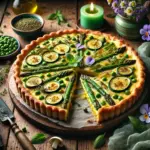
  • Asparagus Quiche: Combining fresh asparagus with eggs and cheese in a flaky crust creates a dish that celebrates fertility, growth, and the nurturing energy of Ostara. The vibrant green of asparagus also reflects the season’s color palette.
  • Root Vegetable Soup: As winter loosens its hold, a warm soup made with carrots, parsnips, and herbs bridges the transition from the cold season to the warmth of spring. This comforting dish honors the earth’s ability to sustain life even during its dormant phases.
  • Herb-Infused Flatbread: Simple yet flavorful, flatbreads topped with fresh herbs like rosemary, thyme, or mint connect you to the season’s essence. Their earthy flavors remind us of the gifts of the soil, while the act of breaking bread together fosters a sense of community.

Rituals of Cooking and Connection

The act of cooking these seasonal dishes can become a ritual in itself, an offering to both the earth and your loved ones. Working together to prepare the meal fosters connection, not only to the ingredients but also to one another. This shared activity becomes an opportunity to reflect on the season’s themes and to set intentions for growth and abundance in the months to come.

As you wash, chop, and prepare ingredients, take a moment to express gratitude for the earth’s gifts. Infuse your actions with intention, whether you’re peeling carrots with a wish for vitality or kneading dough with thoughts of balance and harmony. The preparation process becomes a tangible way to honor the interconnected cycles of life.

Sharing the Meal: A Sacred Act

Gathering around the table to enjoy the meal is the culmination of the Ostara feast. This shared moment offers an opportunity to connect with those you care about, express gratitude for the earth’s abundance, and celebrate the turning of the seasons. Before eating, consider holding a brief moment of reflection or blessing, thanking the earth for its gifts and honoring the themes of Ostara.

As you savor the meal, engage in meaningful conversation about the season’s symbolism. Share your hopes and intentions for the coming months, weaving a sense of purpose and renewal into the meal. The act of sharing food in this mindful way transforms a simple meal into a sacred experience, embodying the spirit of Ostara.

The Nourishment of Ostara

Preparing and sharing seasonal meals during Ostara is an act of harmony and gratitude. It celebrates the earth’s abundance, honors the cycles of growth and renewal, and brings people together in a shared appreciation of life’s blessings. By cooking with intention, enjoying the fruits of your labor, and connecting with loved ones, you align yourself with the vibrant energy of the season, creating a celebration that is as nourishing to the soul as it is to the body.

Making Herbal Tea: A Toast to Gratitude and Connection

The simple act of brewing and sharing herbal tea during Ostara holds profound meaning, transforming it into a ritual that celebrates the energy of renewal, gratitude, and connection. Herbal teas connect us to the nurturing power of nature, as each herb carries its own symbolism, history, and energy. This mindful practice provides an opportunity to pause, reflect, and unite in the spirit of the season.

Spring Tea Blends: Connecting with Nature’s Vitality

The herbs chosen for your Ostara tea reflect the season’s themes of growth, fertility, and rejuvenation. Spring-inspired herbs such as mint, chamomile, lemon balm, dandelion, lavender, or nettle embody the freshness and vitality of the equinox. Each herb carries its own symbolism—mint for clarity and renewal, chamomile for calm and healing, lemon balm for joy and balance, and dandelion for resilience and cleansing.

Crafting your own tea blend becomes an act of intention and creativity. Whether you’re combining herbs based on their flavors or their spiritual properties, you’re engaging directly with the earth’s bounty. This blend becomes more than just a beverage; it becomes a personal reflection of the season’s energies and the qualities you wish to welcome into your life.

Ritual Brewing: Mindful Preparation with Purpose

Brewing tea for Ostara can evolve into a meaningful ritual that deepens your connection to the season and the people around you. Begin by selecting your herbs, inviting everyone involved to take part in choosing combinations that resonate with their personal intentions. Touching and smelling the herbs, recognizing their textures and aromas, fosters a sense of connection to nature’s gifts.

As you steep the herbs in hot water, treat the process as a sacred act. Take a moment to reflect on what you’re grateful for and what you hope to manifest in the coming season. This quiet contemplation imbues the tea with your intentions, transforming it into a vessel for personal growth and gratitude.

For an added layer of connection, consider offering a blessing or words of thanks to the earth, the elements, or the deities of the season as the tea steeps. Focus on the transformative power of water and fire, which together bring the essence of the herbs to life, mirroring Ostara’s themes of balance and renewal.

A Shared Moment: Sipping the Season’s Energy

The sharing of tea becomes a communal celebration, a space for gratitude and connection. As you gather with friends, family, or members of your spiritual community, let the tea serve as both a physical and symbolic offering—a bridge between the earth’s gifts and your collective intentions for the season.

As the tea is poured, take time to engage in meaningful conversation. Reflect on your hopes for the spring, share stories of personal growth, or discuss the season’s themes of balance and renewal. Each sip of tea becomes an act of mindfulness, a grounding reminder of the energy and abundance that Ostara brings.

For added symbolism, you may wish to drink your tea outdoors, surrounded by the awakening beauty of nature. Sitting under budding trees, near blooming flowers, or on freshly greening grass, the act of sipping tea becomes a quiet acknowledgment of your connection to the earth and its cycles.

The Deeper Meaning: Tea as a Sacred Offering

Herbal tea, though simple, carries layers of meaning during Ostara. The preparation and sharing of tea mirror the earth’s rhythms and cycles. As the herbs release their essence into the water, they reflect the energy of transformation and renewal that defines the equinox. Drinking tea in a mindful and intentional way creates a ritual of appreciation, offering thanks to the earth for its abundance and to one another for the shared connection.

Tea can also serve as an offering to the deities or spirits of the season. Set aside a small portion for your altar or place it in a meaningful spot outdoors. This act of giving back aligns with Ostara’s energy of balance and reciprocity, deepening your connection to the spiritual and natural worlds.

Fostering Gratitude and Connection

The simple act of brewing and sharing herbal tea becomes an accessible yet deeply symbolic way to celebrate Ostara. It encourages mindfulness, gratitude, and connection with nature and loved ones. Whether enjoyed as part of a family gathering, a spiritual circle, or a quiet personal ritual, tea-making offers a moment to align with the season’s themes and reflect on the abundance and renewal that spring brings.

Through this meaningful tradition, the essence of Ostara is brought to life—an embrace of the earth’s gifts, a celebration of connection, and a toast to the beauty of renewal.

Bringing Sacred Energy into Your Ostara Kitchen

Cooking and baking during Ostara go beyond the creation of meals—they become acts of celebration, mindfulness, and connection to the season’s themes of renewal and balance. Each action, ingredient, and decoration becomes imbued with symbolic meaning, aligning your culinary efforts with the vibrant energy of spring.

Infuse Your Work with Intention

The process of preparing food for Ostara offers a unique opportunity to weave positive energy and meaningful intentions into everything you create. As you chop, stir, and bake, allow your thoughts to focus on the themes of the season: growth, abundance, balance, and renewal. Visualize the transformation of raw ingredients into nourishing dishes as a metaphor for your own personal growth and the renewal of the earth around you.

Each movement—kneading dough, stirring a pot, or arranging ingredients—can be performed mindfully, turning ordinary actions into sacred rituals. Whisper blessings or affirmations as you work, such as, “May this food nourish our bodies and bring abundance into our lives.” This intentional energy not only enhances your connection to the season but is also “woven” into the food itself, creating a meal that is both physically and spiritually fulfilling.

Use Seasonal Decorations

Creating a festive atmosphere in your kitchen or dining space helps bring the spirit of Ostara alive. Adorn your table or countertops with fresh spring flowers like daffodils, tulips, or crocuses, which symbolize new beginnings and growth. Incorporate vibrant green herbs like parsley, mint, or thyme, which not only enhance the visual appeal of your space but also align with the fresh energy of the season.

To reflect the symbols of Ostara, include decorative eggs, representing fertility and renewal, and rabbits, signifying abundance and vitality. Soft pastels like yellow, lavender, pink, and light green can be used in table linens, candles, or place settings to further enhance the festive, springlike atmosphere. Your decor transforms your cooking and dining areas into a sacred space for celebrating the equinox, blending visual beauty with the season’s themes.

Set Up an Altar Nearby

Bringing a small altar into your kitchen or dining area is a powerful way to incorporate spiritual energy into your Ostara celebrations. Choose a nearby counter or small table and decorate it with symbols that honor the season. Fresh blooms, painted eggs, small figures of rabbits or birds, and seasonal produce like carrots or leafy greens can serve as offerings and decorations. Include candles to represent the growing light and balance of day and night, and perhaps a small bowl of seeds or grain to symbolize potential and abundance.

Your altar doesn’t have to be elaborate; even a few thoughtfully chosen items can create a sacred focal point. Before cooking or feasting, take a moment to pause at the altar, expressing gratitude for the season’s abundance and asking for blessings on the food you prepare. The presence of this sacred space elevates the act of cooking and eating into a spiritual experience.

Embrace Sustainability

Ostara celebrates the earth’s renewal, making it an ideal time to reflect on your relationship with nature and embrace sustainable practices in the kitchen. Choose locally-sourced, in-season ingredients to reduce your ecological footprint and connect with the rhythms of the earth. Shopping at local farmers’ markets not only supports your community but also ensures that the produce you use reflects the natural abundance of your region.

As you prepare your meals, be mindful of minimizing food waste. Compost vegetable scraps, eggshells, and other biodegradable materials to return nutrients to the earth and close the cycle of renewal. This act not only honors the earth but also reinforces the themes of balance and reciprocity inherent in Ostara.

Consider using reusable or eco-friendly utensils, cloth napkins, and dishware to reduce waste during your celebrations. Even small changes, like choosing glass over plastic or repurposing leftovers creatively, contribute to a more sustainable lifestyle and align your actions with the values Ostara represents.

Cooking as a Sacred Ritual

By infusing your culinary efforts with intention, surrounding yourself with seasonal beauty, honoring the earth through sustainability, and incorporating an altar into your space, the act of preparing food for Ostara becomes much more than a chore—it becomes a sacred ritual. Every aspect, from selecting ingredients to decorating your table, becomes a celebration of the earth’s renewal, the light’s return, and the potential for growth and abundance in the months ahead.

When the meal is served, gather with loved ones to savor not just the food but the energy and care that went into its creation. Take a moment to express gratitude for the earth’s gifts, for one another, and for the opportunities that spring promises. In this shared moment of connection, the deeper essence of Ostara is realized: balance, abundance, and the joyful renewal of life.

Conclusion: A Celebration of Togetherness

Baking and cooking together for Ostara is more than just creating a meal—it’s about fostering connection, gratitude, and a deeper relationship with the earth and its cycles. By sharing these activities with loved ones or engaging in them as personal rituals, you bring the energy of spring into your home and your heart. As you enjoy the fruits of your labor, take a moment to celebrate the abundance around you and the promise of growth and renewal that Ostara brings. May your kitchen be filled with warmth, laughter, and the magic of the season!

Posted on Leave a comment

Ritual: Painting Rocks for Ostara

Painted RocksReading Time: 3 minutes
Painted Rocks

Introduction

A Creative Celebration of Spring’s Vibrant Energy

Ostara, the Spring Equinox, celebrates balance, renewal, and the blossoming of life. It is a time to honor the Earth’s reawakening and channel creativity into meaningful expressions of gratitude and joy. One engaging and family-friendly way to connect with Ostara’s energy is by painting rocks with vibrant symbols of the season. This simple yet impactful craft infuses your home, garden, or altar with the essence of spring and serves as a tangible reminder of the beauty of nature’s cycles.

Ritual Basics

Before beginning any ritual, it is important to prepare yourself mentally and physically. You may want to take a cleansing bath, or shower, and meditate or perform some grounding exercises to center yourself. Gather any materials you will need, such as candles, incense, and offerings for the forest spirits.

You can read a more detailed Ritual Preparation guide here.

About Painted Rocks

The tradition of decorating stones is an ancient practice, symbolizing a connection to the Earth and its enduring strength. Painted rocks are a modern adaptation, combining creativity with spirituality. By adorning stones with symbols like the sun, flowers, rabbits, or butterflies, we honor the themes of growth, fertility, and renewal associated with Ostara. Whether placed in a garden, used on an altar, or gifted to loved ones, these painted rocks radiate the joyful energy of the season and serve as lasting mementos of your celebration.

Painted Rocks
Print Ritual
No ratings yet

Painting Rocks for Ostara

A hands-on ritual to channel Ostara’s creative spirit
Prep Time15 minutes
Ritual Time1 hour
Charging1 hour
Total Time2 hours 15 minutes
Ritual Type: Ostara, Spring Equinox
Type: Rituals
Author: Theo, Witch
Cost: Minimal (depends on the cost of paint and brushes)

Tools

  • Paintbrushes in various sizes
  • Palette or small containers
  • Paper towels

Supplies

  • Several smooth stones 5-10 collected or purchased
  • Acrylic paints in vibrant spring colors like yellow, pink, green, and blue
  • Clear sealant spray optional – for weatherproofing outdoor decorations
  • Water cup for rinsing brushes

Instructions

Step 1: Gather and Prepare Materials

  • Collect smooth stones from a local park, riverbed, or your garden. Ensure they are clean and dry before painting.
  • Lay out your materials on a table, covering the surface with newspaper or a protective cloth.

Step 2: Choose Your Symbols

  • Reflect on the themes of Ostara—balance, fertility, and renewal.
  • Decide on designs such as the sun, flowers, rabbits, butterflies, or other spring motifs.

Step 3: Paint the Rocks

  • Begin with a base coat if desired, using a light color to make your designs pop. Let it dry before adding details.
  • Use smaller brushes to paint your chosen symbols. Be creative and let intuition guide your designs.
  • Allow the paint to dry completely before handling the rocks further.

Step 4: Seal the Designs (Optional)

  • If you plan to use the rocks outdoors, apply a clear sealant spray to protect the paint from weathering.
  • Let the sealant dry in a well-ventilated area before placing the rocks.

Step 5: Place or Gift the Rocks

  • Use the painted rocks to decorate your garden, aligning them around plants or pathways to infuse your space with seasonal magic.
  • Add them to your altar as vibrant offerings to honor Ostara’s themes of renewal and growth.
  • Gift painted rocks to loved ones, sharing the blessings and beauty of the season.

Notes

Moon Milk Lavender and CherriesMoon milk is believed to have magical properties that promote relaxation, sleep, and spiritual connection. Lavender is a powerful herb that is often used in spells and rituals to promote tranquility, purification, and harmony. It is said to help calm the mind, soothe anxiety, and facilitate communication with the spiritual realm. Cherries, on the other hand, are associated with abundance, prosperity, and love. By combining these two ingredients in moon milk, we can create a potent brew that promotes restful sleep, deep relaxation, and a profound sense of spiritual connection.
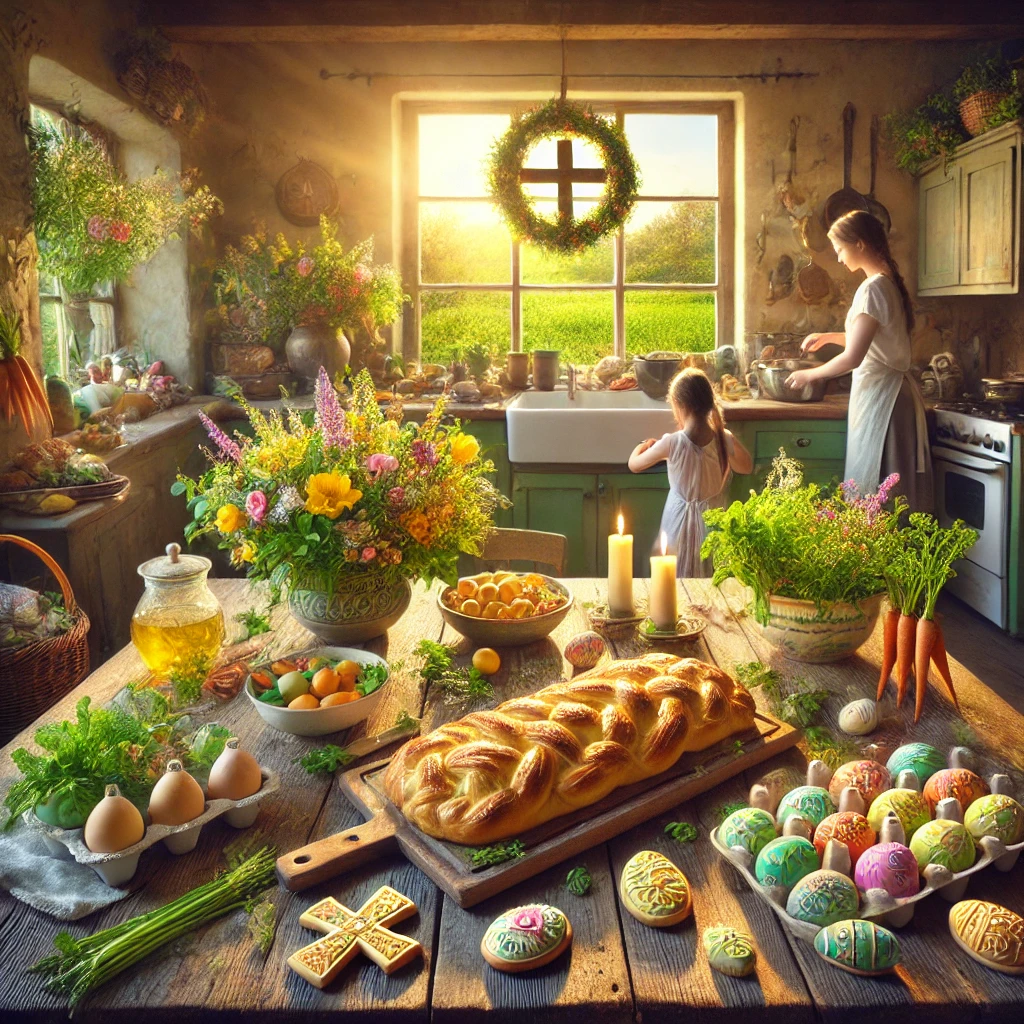
As you sip on your moon milk and gaze up at the moon, take a moment to reflect on the magic and mystery of the universe. Whether you are working with the moon to manifest your desires, to connect with your intuition, or simply to enjoy a peaceful moment of reflection, remember that the power of the moon is always with you, waiting to be harnessed and celebrated.
*Calories Calculated with 2% Dairy Milk, Different bases will change the values.

© The Equinox Apothecary 2024 – Permission is granted to copy and reproduce this Ritual with attribution

Conclusion

Painting rocks for Ostara is a joyful and creative ritual that brings the essence of spring into your home and garden. These colorful symbols celebrate the Earth’s renewal and invite balance, growth, and vibrancy into your life. Whether displayed as part of a ritual, used as decoration, or shared as gifts, these painted stones embody the spirit of Ostara’s beauty and abundance. Let this craft inspire a deeper connection with nature and the enduring cycles of life.

Posted on Leave a comment

Ostara Egg Hunt

Ostara egg huntReading Time: 21 minutes
Ostara egg hunt

Introduction

A Magical Celebration of Renewal and Discovery

The Ostara egg hunt is a cherished tradition that combines the joy of springtime with the symbolic energy of new life, fertility, and abundance. While often associated with Easter in modern times, the egg has been a sacred symbol of renewal and rebirth for centuries, making it a perfect fit for Ostara celebrations. Adding a magical twist to this timeless activity can turn it into a deeply meaningful and fun-filled event for the whole family.

The Symbolism of the Egg in Ostara Traditions

The egg has long been a potent symbol of life, renewal, and fertility, making it a central figure in Ostara traditions. As the earth awakens from the slumber of winter, the egg embodies the energy of creation and the infinite potential of new beginnings. In its delicate shell lies the promise of life waiting to emerge, a microcosm of the world’s seasonal transformation from dormancy to vitality.

The Egg as a Vessel of Potential

In Ostara celebrations, the egg mirrors the earth itself—waking from its quiet, snow-covered stillness to a time of planting, growth, and rebirth. Just as seeds lie dormant before sprouting into life, the egg symbolizes the fertile energy of spring, ready to burst forth into creation. This potential for transformation resonates deeply with the season’s themes of renewal and the cyclical nature of life.

Every crack of an egg or every step in a playful egg hunt represents the breaking open of possibilities, whether it’s the germination of crops, the blossoming of flowers, or the birth of new ideas and endeavors. In these ways, the egg becomes more than just a symbol—it becomes a sacred reminder of life’s interconnected cycles and boundless potential.

A Universal Symbol Across Cultures

The symbolic power of the egg transcends cultures and traditions, showing its resonance in multiple belief systems throughout history. Ancient Egyptians, for instance, regarded the egg as a symbol of the universe, while in Persian traditions, eggs were exchanged as a celebration of Nowruz, the spring equinox and New Year. Across Celtic and Germanic cultures, eggs were associated with fertility rites and the rhythms of nature.

For Ostara practitioners, these ancient associations are layered with the spiritual awareness of the egg as a representation of the balance between light and dark during the spring equinox. It reflects the moment when day and night are of equal length, signaling harmony, growth, and the tipping point into the brighter half of the year.

Engaging with the Egg in Ostara Practices

Incorporating eggs into Ostara rituals and traditions is a way to honor these themes of life and renewal while actively participating in the energy of the season. Whether through egg hunts, decorative crafts, or culinary creations, the act of working with eggs becomes a ritual in itself, imbued with intention and meaning.

Eggs also serve as a bridge between the physical and symbolic realms. For example:

  • Decorated Eggs: Painting eggs with Ostara motifs like spirals, flowers, and suns turns them into vibrant symbols of growth and renewal. The act of decorating eggs fosters creativity and mindfulness, allowing participants to channel their intentions into each design.
  • Egg Hunts: Searching for eggs hidden among budding greenery connects people with nature, mirroring the earth’s quiet preparation for growth. The joy of discovery reflects the hope and renewal inherent in the season.
  • Egg Offerings: Eggs can also be used as sacred offerings to honor deities or spirits associated with spring, fertility, and abundance, such as Eostre or Brigid. Buried in the earth, they symbolically return to the source of life, nourishing the soil and completing the cycle.

A Hands-On Celebration of Spring

The egg, with its rich symbolism and tangible connection to the earth, offers a playful and tactile way to celebrate the equinox. It provides a perfect opportunity for participants of all ages to engage with the themes of Ostara in a meaningful and joyful manner. Whether through a child delighting in the discovery of a hidden egg or an adult reflecting on the intentions symbolized in a decorated shell, the egg reminds us that renewal is both a personal and universal experience.

The Egg’s Role in Manifesting Growth

Ostara encourages practitioners to not only observe the external changes of the season but to internalize them as well. Just as the egg holds the potential for life, so too does spring hold the potential for personal and spiritual growth. When working with eggs during Ostara, consider reflecting on what “seeds” you want to plant in your life. What do you hope to nurture and grow during this season of abundance?

In this way, the egg becomes a physical representation of your intentions. By incorporating it into your Ostara celebrations, you are aligning yourself with the rhythms of nature, acknowledging the fertile ground of potential within you, and embracing the beauty of life’s cycles.

The egg, rich in its symbolism and steeped in ancient tradition, is one of the most powerful icons of Ostara. It represents life’s boundless potential, the interconnected cycles of nature, and the renewal that spring brings. By honoring the egg in your celebrations—whether through creativity, ritual, or play—you invite the energy of growth, fertility, and balance into your life, embodying the vibrant spirit of the season.

Blessed Eggs: Infusing the Hunt with Meaning

Infusing Ostara’s egg hunt with blessings and intention elevates the activity beyond a simple game, turning it into a meaningful ritual that reflects the themes of growth, positivity, and renewal. Blessed eggs bring spiritual depth to this festive tradition, making it not only a joyful experience but also a chance to honor the energies of Ostara.

Preparing the Blessed Eggs

The creation of blessed eggs is a meditative and intentional process that invites thoughtfulness and creativity. Start by gathering plastic eggs and small slips of paper for your blessings, affirmations, or wishes. Each note can carry a heartfelt message tailored to the season or the person who might receive it. Some examples of blessings include:

  • “May your endeavors this season flourish like the blossoms of spring.”
  • “Let joy and laughter guide you into brighter days.”
  • “New opportunities are sprouting for you—trust the process.”
  • “Abundance and success are on their way to you.”

Focusing on themes of renewal, gratitude, abundance, and hope aligns your intentions with the essence of Ostara. Along with the written blessings, you can include small treasures in the eggs. These might be:

  • Crystals: Choose stones associated with the season, such as:
    • Clear quartz for clarity and amplification of intentions.
    • Green aventurine for prosperity and luck.
    • Amethyst for protection and spiritual growth.
    • Citrine for joy and vitality.
  • Symbols of Renewal: Miniature charms or tokens, such as small flower pendants, rabbits, or sun motifs, can also be tucked inside.
  • Treats: Add seasonal goodies like chocolates, jellybeans, or candies, which symbolize the sweetness of life.
  • Seeds: Include packets of flower or herb seeds as a gesture of planting intentions and fostering growth.

This preparatory step offers an opportunity to focus on your intentions for the season and imbue the eggs with meaningful energy.

The Ritual of the Egg Hunt

As the egg hunt begins, encourage participants to approach the activity with mindfulness and curiosity. Instead of simply searching for hidden treasures, frame the hunt as an opportunity to uncover blessings and messages of inspiration. When an egg is found, the act of opening it becomes a small ritual in itself, unveiling the surprises and affirmations it holds.

Encourage participants to:

  • Read Blessings Aloud: Once an egg is opened, take a moment to read the blessing aloud, sharing the positive energy with everyone present. This can spark meaningful conversations about personal goals, hopes, and dreams for the coming season.
  • Reflect in Silence: For a quieter approach, participants might choose to hold the blessing close to their heart and silently reflect on its meaning. Encourage them to consider how the message resonates with their current journey or aspirations.
  • Set Intentions: Ask each person to think about how they can apply the blessing or affirmation in their lives. For example, a message about growth might inspire someone to try something new, while a blessing of abundance might prompt gratitude for the blessings they already have.

This reflective practice invites everyone to connect deeply with the season’s themes of renewal and growth, fostering a sense of gratitude and mindfulness.

Enhancing the Experience

To further weave Ostara’s energy into the egg hunt, consider incorporating these additional elements:

  • Sacred Space Preparation: If hosting the hunt outdoors, take a moment beforehand to acknowledge and bless the land where the eggs will be hidden. A simple offering of water, flowers, or herbs can honor the earth’s role in this seasonal transition.
  • Personalized Blessings: For smaller groups, tailor the blessings to reflect the unique strengths or aspirations of each participant, making the messages even more meaningful.
  • Group Reflection: After all the eggs have been found, gather as a group to share the blessings and reflect on their personal significance. This can create a sense of community and shared purpose.
  • Connect with Nature: Hide the eggs in places that encourage a connection with the natural world—near budding flowers, under trees, or along garden paths. This allows participants to immerse themselves in spring’s awakening beauty while they search.

Why Blessed Eggs Matter

The act of creating and sharing blessed eggs during Ostara serves multiple purposes. It:

  1. Reinforces Positive Energy: The blessings encourage a mindset of hope, joy, and gratitude, aligning with the season’s vibrant energy.
  2. Fosters Connection: Whether shared with family, friends, or community members, the activity brings people together to celebrate renewal and growth.
  3. Honors Ostara’s Spirit: The practice reflects Ostara’s essence of fertility, balance, and abundance, grounding participants in the themes of the equinox.
  4. Encourages Mindfulness: Both the preparation and the egg hunt itself invite participants to slow down, reflect, and appreciate the beauty of the season and the intentions behind their actions.

Carrying the Blessings Forward

The joy and wisdom uncovered during the egg hunt don’t have to end when the activity is over. Encourage participants to keep their blessings or trinkets as reminders of the season’s themes. They might place them on their personal altar, tuck them into a journal, or carry them in a pocket or bag as a source of inspiration throughout the spring.

For Ostara celebrants, blessed eggs are more than just treasures to be found—they are touchstones of hope, renewal, and the cyclical beauty of life. By infusing your egg hunt with intention and meaning, you honor not only the playful joy of the season but also the deeper spiritual connections that Ostara inspires.

Golden Egg Challenge: Adding a Special Touch

The golden egg challenge adds a sense of mystery, excitement, and deeper significance to your Ostara egg hunt. It becomes a cherished centerpiece of the activity, transforming the hunt from a playful event into a magical experience filled with anticipation and symbolism. By creating a special golden egg, you weave themes of gratitude, abundance, and the joy of discovery into the celebration, making it a memorable highlight of your Ostara traditions.

The Symbolism of the Golden Egg

The golden egg represents the extraordinary blessings of life—those moments of serendipity and wonder that bring joy and fulfillment. In the context of Ostara, it embodies the abundance of spring and the unexpected gifts that the season brings. Its golden color symbolizes prosperity, illumination, and divine blessings, making it a perfect metaphor for the radiant energy of renewal and growth.

Crafting the Golden Egg

Creating the golden egg is a chance to imbue it with meaning and intention. Choose a larger egg or decorate it in a way that makes it stand out from the others. Consider these creative ideas:

  • Decorative Touches: Paint the egg gold or cover it in gold foil for a shimmering effect. Add embellishments like glitter, sequins, or spring-themed patterns such as flowers, rabbits, or sun designs.
  • Symbolic Inscriptions: Write meaningful words or symbols on the egg, such as runes, affirmations, or Ostara-related imagery, to give it an added layer of significance.
  • Bless the Egg: Before hiding the egg, hold it in your hands and focus on infusing it with positive energy and intentions for abundance, joy, and renewal. Say a quiet blessing or prayer over it to connect it with the energy of the season.

What to Include in the Golden Egg

The golden egg should contain a special prize that reflects the spirit of Ostara and brings joy to the person who finds it. The contents can be tailored to the group or family participating in the hunt, ensuring it holds meaning for everyone involved. Some ideas for what to include are:

  • A Family Experience: Place a handwritten certificate or note promising a shared experience, such as:
    • A family outing to a nearby park, forest, or botanical garden.
    • A picnic in nature to celebrate the arrival of spring.
    • A day spent planting seeds or starting a family garden.
  • Handmade Keepsakes: Include something crafted with love, such as:
    • A charm or talisman symbolizing spring, renewal, or abundance.
    • A small, handcrafted token like a painted stone, beaded bracelet, or woven bookmark.
    • A pressed flower or small vial of flower petals, representing the beauty of the season.
  • Acts of Connection: Write a promise for a meaningful activity, like:
    • A family baking session to prepare spring-themed treats.
    • An evening of storytelling, poetry, or music inspired by the themes of Ostara.
    • A special meal cooked together, with dishes highlighting seasonal ingredients.
  • Other Treasures: You can also include items such as:
    • A small amount of money as a symbol of prosperity and abundance.
    • Seeds for flowers, herbs, or vegetables to encourage planting and growth.
    • A crystal like citrine, green aventurine, or rose quartz, imbued with positive intentions.

The Role of the Golden Egg in the Hunt

The golden egg adds an extra layer of excitement to the egg hunt, encouraging participants to search a little harder and savor the anticipation of finding something extraordinary. Here are ways to incorporate it into your Ostara tradition:

  • Announce the Challenge: Let participants know beforehand that there’s a golden egg hidden among the others, but keep the contents a mystery. This builds anticipation and excitement, especially for children and those who enjoy a touch of playful competition.
  • Clues and Riddles: For a fun twist, hide the golden egg in a particularly tricky spot and provide clues or riddles to guide participants toward its location. This adds an element of problem-solving and makes the discovery even more rewarding.
  • A Symbol of Gratitude: Once the golden egg is found, gather everyone together and take a moment to reflect on its symbolism. Encourage the finder to share what the prize means to them or how they plan to use it. This can spark a meaningful conversation about gratitude, blessings, and the joy of unexpected surprises.

Why the Golden Egg Matters

The golden egg challenge transforms the egg hunt into more than just a game. It becomes a celebration of life’s hidden treasures and the excitement of discovering unexpected gifts. By including the golden egg, you remind participants of the joy in life’s small surprises and the importance of recognizing and honoring the blessings around us.

In the context of Ostara, the golden egg represents the magical potential of the season—a time when the earth awakens, possibilities bloom, and the seeds of intention planted during the darker months begin to sprout. It’s a beautiful way to embody the themes of renewal, abundance, and the interconnectedness of life.

Creating Lasting Memories

The golden egg challenge is not only an engaging activity but also an opportunity to create meaningful memories with loved ones. As participants reflect on their experiences, the golden egg will serve as a tangible reminder of the joy, gratitude, and connection shared during Ostara.

Whether filled with small treasures, meaningful promises, or heartfelt blessings, the golden egg brings a spark of wonder to your Ostara celebration, reminding everyone that life’s most beautiful moments often come as unexpected gifts.

Nature Egg Hunt: Connecting with the Earth

An outdoor Ostara egg hunt is a beautiful way to immerse yourself and your loved ones in the awakening energy of spring. By hosting your hunt amidst the vibrant life of the season, you align the activity with the spirit of Ostara—celebrating rebirth, renewal, and our connection to the earth. Whether in your backyard, a local park, or a quiet forested area, a nature-themed egg hunt creates a magical opportunity to engage with the natural world while embracing the symbols of the season.

Choosing the Perfect Setting

Select a location that embodies the essence of spring’s awakening. Look for spaces where participants can explore blooming flowers, budding trees, and sprouting greenery. A backyard bursting with life, a meadow sprinkled with wildflowers, or a park alive with the sound of birdsong are all excellent choices. A forested area can also add an element of adventure, with hidden nooks and natural features to explore.

  • Natural Camouflage: Hide the eggs among elements of nature—nestled in the grass, tucked behind budding flowers, resting in the crook of a tree branch, or nestled into a mossy patch. This approach not only ties the activity to the natural world but also makes the search more engaging and interactive.
  • Seasonal Touch: Incorporate spring elements into the hiding spots. For example, place an egg next to a blooming daffodil or hide one in a patch of newly unfurling ferns. These details encourage participants to engage more deeply with their surroundings.

Encouraging Connection with Nature

While the excitement of finding eggs will naturally be a focal point, the activity can also serve as a mindful practice of observing and appreciating the season’s beauty. Use the egg hunt as an opportunity to encourage participants to slow down and truly connect with their surroundings.

  • Signs of Spring: As the hunt unfolds, invite participants to notice the signs of nature’s renewal. Encourage them to observe the color of budding flowers, feel the fresh spring breeze, or listen to the songs of birds returning after winter. These small moments of mindfulness help foster a deeper appreciation for the earth and its cycles.
  • Mindful Engagement: Add an element of reflection by inviting participants to pause when they find an egg and take in their surroundings. Suggest they offer a silent thank-you to the earth or share aloud something they’re grateful for as they hold the egg.

Incorporating a Nature-Themed Twist

Add an extra layer of meaning to your egg hunt by including nature-inspired surprises within some of the eggs. This reinforces the spirit of Ostara while encouraging participants to give back to the earth in celebration of its abundance.

  • Seed-Filled Eggs: Place packets of seeds for flowers, herbs, or vegetables inside some of the eggs. Participants can take these seeds home to plant, symbolizing the new beginnings and growth Ostara represents. Alternatively, encourage them to plant the seeds during the celebration as a way of leaving something beautiful behind in the space.
  • Nature Notes: Include small messages or facts about spring, wildlife, or local plants in a few eggs. These can be simple reminders of the season’s magic, such as “The daffodil is a symbol of rebirth and hope” or “Bees are beginning to emerge—watch for them pollinating flowers!”
  • Eco-Friendly Offerings: To align with sustainable practices, consider using biodegradable or reusable eggs and filling them with environmentally friendly treasures, such as wooden tokens, pressed flowers, or natural crystals.

Fostering a Spirit of Community

Use the egg hunt as an opportunity to foster a sense of unity among participants, as well as between the group and the natural world. Create moments that go beyond the hunt itself, helping participants feel more connected to one another and to the earth.

  • Group Discovery: Encourage participants to work together to ensure every egg is found. By collaborating rather than competing, the hunt fosters a sense of shared joy and collective celebration.
  • Nature Gifts: Suggest that participants collect small, respectful tokens from the natural world during the hunt, such as fallen leaves, feathers, or stones. These items can later be placed on an Ostara altar or kept as mementos of the day’s connection with nature.
  • Giving Back to the Earth: After the hunt, gather everyone together for a small ritual or moment of gratitude. This could involve planting the seeds from the egg hunt, offering a blessing to the space, or simply reflecting on the beauty and abundance of the natural world.

Why It Matters

A nature-based egg hunt doesn’t just provide a playful way to celebrate Ostara—it deepens participants’ connection to the earth and its cycles. By bringing the activity outdoors and engaging with the signs of spring, you honor the themes of renewal, balance, and growth that are central to this sacred time of year. For children, it’s an opportunity to learn about the magic of nature, and for adults, it’s a chance to reconnect with the earth and the simplicity of seasonal joy.

As the day ends, the treasures uncovered during the hunt—both tangible and intangible—will linger as reminders of the season’s magic and the ways we’re all interconnected with the earth and its rhythms. In this way, the nature egg hunt becomes more than a game—it’s a celebration of life, growth, and the beauty of spring.

Crafting the Hunt: Making It Magical

Transforming an Ostara egg hunt into a truly magical experience involves weaving intention, symbolism, and creativity into every aspect of the activity. By incorporating meaningful elements, the hunt can become not just a fun game but a deeply spiritual and celebratory event that honors the themes of Ostara: renewal, growth, and connection. Here’s how you can craft a hunt filled with enchantment and purpose.

1. Color Symbolism: Weaving Meaning into Every Hue

Incorporating color symbolism into your egg hunt adds a layer of intention and helps align the activity with the energy of the season. Each color used can represent a specific Ostara theme, imbuing the eggs with symbolic power. For example:

  • Green: The quintessential color of growth, renewal, and vitality, green eggs represent the awakening of the earth and the energy of new beginnings.
  • Yellow: Symbolizing the returning light of the sun, yellow eggs radiate optimism, joy, and warmth, reminding participants of the lengthening days and the promise of summer.
  • Pink and Purple: These colors embody love, harmony, and transformation. Pink eggs can symbolize self-love and emotional renewal, while purple eggs signify spiritual growth and intuition.
  • Blue: Associated with clarity, peace, and calm, blue eggs encourage reflection and serenity, echoing the balance and harmony of the equinox.

You can also invite participants to intuitively choose their favorite colors during the hunt and reflect on what those colors might mean for them personally in the coming season.

2. Eco-Friendly Materials: Honoring the Earth

In keeping with the spirit of Ostara, prioritize sustainability by using eco-friendly materials for your eggs. Not only does this honor the earth’s bounty, but it also reinforces the themes of care and reciprocity that define this season of growth.

  • Naturally Dyed Real Eggs: Use real eggs dyed with natural, plant-based ingredients to avoid waste. Create vibrant hues with materials like onion skins (golden brown), beet juice (pink), turmeric (yellow), or spinach (green). Each egg becomes a unique, beautiful symbol of the season.
  • Biodegradable Fillers: If you’d like to include treats or surprises, consider using real eggshells that have been carefully emptied, cleaned, and refilled. Another option is to craft eggs from biodegradable paper or other natural materials that leave no lasting impact on the environment.
  • As-Is Eggs: For a simpler and earth-conscious approach, hide naturally dyed eggs without filling them. Their beauty and the joy of the hunt itself can serve as the reward.

This eco-friendly approach not only reduces plastic waste but also helps participants connect more closely with nature, reinforcing the sacred bond between humans and the earth.

3. Custom Egg Designs: Infusing Symbols of Ostara

Decorating eggs with Ostara symbols is a fantastic way to enhance their magical significance and make the hunt feel more intentional. This also doubles as a crafting activity, bringing participants together in a creative way before the hunt begins.

  • Spirals: Symbolizing cycles, growth, and evolution, spirals are one of the most iconic symbols of Ostara. Adding them to eggs can represent the endless cycles of nature and the journey of personal transformation.
  • Rabbits: A classic Ostara motif, rabbits symbolize fertility, abundance, and the thriving energy of spring. Paint or draw small rabbits on your eggs to embody these themes.
  • Flowers: Representing beauty, renewal, and the blossoming of life, flowers are a lovely addition to egg designs. Consider painting daisies, tulips, or other spring blooms onto the eggs.
  • Runes or Sigils: For a more mystical touch, draw runes or create your own sigils representing themes such as abundance, balance, or personal growth. Teach participants about the meanings behind these symbols for added depth.
  • Personal Touches: Encourage each participant to design an egg with their unique intentions or wishes for the season. These personalized eggs can later be hidden as part of the hunt or displayed as seasonal decorations.

The process of decorating the eggs becomes a meditative and creative ritual, helping participants focus on the energies they wish to welcome into their lives during the coming season.

4. Group Reflection: Closing the Circle

Once the hunt is complete, bring everyone together for a moment of connection and gratitude. This communal reflection ties the activity back to the deeper themes of Ostara and emphasizes the importance of harmony and unity.

  • Sharing Blessings: If you’ve included blessings, affirmations, or wishes in the eggs, invite participants to share what they found. Reflecting on these messages aloud can foster a sense of collective hope and intention for the season ahead.
  • Gratitude Practice: Encourage participants to express what they are grateful for as spring begins. This simple practice aligns with the themes of abundance and renewal, grounding everyone in the present moment.
  • Favorite Moments: Ask participants to share their favorite part of the hunt or what they noticed about nature during the activity. This helps reinforce mindfulness and appreciation for the beauty of the season.
  • Setting Intentions: Use this moment to set shared or individual intentions for the coming months. Whether it’s planting a garden, spending more time in nature, or pursuing personal growth, these intentions can help carry the energy of Ostara forward into daily life.

Gathering together after the hunt creates a sense of closure and connection, leaving participants feeling uplifted and inspired by the magic of the day.

Why Crafting a Magical Hunt Matters

The beauty of crafting an intentional and magical Ostara egg hunt lies in its ability to balance playfulness with spirituality. Through color symbolism, eco-friendly materials, meaningful designs, and moments of reflection, this simple activity transforms into a powerful ritual that honors the season’s themes of growth, renewal, and connection. By adding personal touches and encouraging mindfulness, the egg hunt becomes more than just a celebration of spring—it becomes a way to deepen your bond with nature, your community, and the cycles of life that Ostara represents.

Sharing the Abundance: Fostering Community and Connection

At its core, Ostara is a celebration of abundance, growth, and the interconnected cycles of life. The tradition of an egg hunt, while playful and fun, holds deeper symbolism when tied to the themes of sharing and generosity. By weaving these values into your Ostara egg hunt, you can transform a simple activity into a profound expression of community and gratitude, encouraging participants to connect not only with one another but also with the wider world around them.

Encouraging Generosity Among Participants

One way to incorporate the spirit of sharing is to emphasize the importance of community during the egg hunt itself.

  • Shared Blessings: Once the eggs are found, invite participants to share the blessings, affirmations, or wishes they discover inside with one another. For example, someone who finds a blessing for “prosperity” might express their hopes for abundance for the entire group. This turns the hunt into an opportunity to collectively manifest joy and positivity, reinforcing the idea that abundance grows when it is shared.
  • Gift Exchange: If some eggs contain small gifts or trinkets, encourage participants to trade or gift their treasures to someone else. Perhaps one person finds a charm or token they feel another might appreciate more—this act of generosity adds a layer of intentional kindness to the activity and embodies the spirit of the season.
  • Eggs for All: For larger gatherings, consider hiding enough eggs so that everyone receives a fair number. When the hunt is complete, participants can pool the eggs together to ensure no one is left out. This cooperative approach reminds everyone that true abundance is not measured by individual gain but by collective well-being.

Extending the Joy Beyond the Group

The energy of Ostara is all about growth and renewal, and one of the most powerful ways to honor this energy is to share it with others outside your immediate household or group.

  • Gifting to Neighbors and Friends: After the egg hunt, consider preparing small baskets or bundles of eggs to gift to neighbors, friends, or extended family. These gifts can include decorated eggs, small treats, or notes of springtime blessings and encouragement. This simple gesture spreads the joy and warmth of Ostara, creating ripples of positivity that extend throughout your community.
  • Offering to Wildlife: Ostara reminds us of our connection to the natural world, and the egg hunt can include ways to give back to the earth and its creatures. Set aside a portion of the eggs or prepare separate offerings for wildlife. For example:
    • Fill hollow eggshells with birdseed and leave them outdoors for birds and squirrels to enjoy.
    • Leave small bundles of natural materials, such as moss, feathers, or twigs, for birds to use in their nests.
    • Use unsalted sunflower seeds, dried fruits, or nuts to create simple and safe treats for local wildlife.

These offerings not only honor the season but also serve as a reminder of the interconnectedness between humans and the natural world.

Building Community Through Ostara Traditions

Ostara is a time to cultivate bonds—not just with nature but also with the people around us. Through the act of sharing the abundance of your egg hunt, you strengthen connections and create moments of togetherness that reflect the balance and harmony of the equinox.

  • Incorporating Gratitude: After the hunt, gather everyone together to reflect on the joy of sharing. This could be a simple moment of gratitude, where each participant thanks the group or the earth for the blessings they’ve received. By fostering mindfulness, this reinforces the spiritual themes of Ostara and helps participants appreciate the true meaning of abundance.
  • Community Egg Hunts: If possible, expand your egg hunt to include your neighborhood or larger community. Organize a group Ostara celebration where everyone can contribute eggs, decorations, or offerings. This collaborative effort fosters a sense of unity and brings the community together to celebrate spring in a meaningful way.

The Symbolism of Shared Abundance

Sharing abundance during Ostara goes beyond distributing physical items—it reflects a mindset of generosity, gratitude, and connection. The egg, as a symbol of potential and renewal, reminds us that growth and prosperity are not solitary endeavors but are nurtured through relationships, shared experiences, and mutual care.

By encouraging participants to give freely—whether it’s a blessing, a treat, or an act of kindness—you amplify the energy of abundance, transforming it into something that extends far beyond the individual. This practice not only enriches your Ostara celebration but also sows the seeds for stronger connections, deeper gratitude, and a sense of harmony with the world around you.

Through acts of sharing, the Ostara egg hunt becomes a tradition that celebrates both the gifts we receive and the joy of giving them away, embodying the true spirit of spring’s renewal and the abundance of life itself.

A Tradition for All Ages: Adapting the Egg Hunt to Every Life Stage

Ostara egg hunts, while often associated with children’s joyous excitement, are deeply rooted in timeless symbolism that resonates with people of all ages. The egg’s connection to new beginnings, growth, and potential makes this tradition incredibly versatile, offering opportunities for both playful exploration and deeper reflection. Whether for children, adults, or mixed-age groups, an egg hunt can be tailored to create meaningful and enjoyable experiences for everyone.

Adapting for Adults: Deepening the Meaning

For adults, the Ostara egg hunt can transcend playful treasure-seeking and become a reflective or intention-setting ritual. By infusing the activity with symbolic elements and mindfulness, the egg hunt becomes a tool for personal growth, connection, and spiritual exploration.

  • Symbolic Items: Instead of candy or toys, hide meaningful items in the eggs. These could include:
    • Small crystals representing goals or intentions (e.g., amethyst for clarity, citrine for abundance, or rose quartz for love).
    • Tokens or charms symbolizing personal growth or spiritual milestones.
    • Affirmations or inspirational quotes to guide participants through the coming season.
    • Tiny notes with reflective questions, such as, “What new seeds do you want to plant in your life this spring?” or “What can you let go of to make room for growth?”
  • Journaling Reflections: After the hunt, encourage participants to take time to journal about the blessings or symbols they uncovered. Questions to explore might include:
    • What do the items or messages you found symbolize for you?
    • How can you incorporate the themes of growth, balance, and renewal into your daily life?
    • What intentions do you want to set for the coming season?
  • Meditation on the Egg’s Symbolism: Following the egg hunt, gather for a short guided meditation. Encourage participants to reflect on the egg as a symbol of potential, renewal, and the cycles of life. This meditative practice can foster a deeper connection to the themes of Ostara and provide a moment of stillness to honor the season’s energy.

Creating a Mixed-Age Experience

Incorporating both adults and children in an egg hunt can foster connection, joy, and learning across generations. By blending playful elements with more meaningful or reflective practices, the hunt becomes a shared celebration that resonates with everyone involved.

  • Layered Experiences: Design the egg hunt with different types of participants in mind. For example:
    • Children’s eggs might contain small toys, candies, or simple affirmations that are age-appropriate.
    • Adults’ eggs could hold deeper symbolic items, reflective prompts, or tokens tied to personal growth.
  • Group Sharing: Once the eggs are found, invite everyone to come together and share their discoveries. Children can talk about their treasures, while adults can reflect on the symbolic meanings of the items they uncovered. This creates a space for storytelling and connection, bridging generational divides.
  • Team Challenges: Pair children and adults together as teams for the hunt. This encourages collaboration, mentorship, and shared excitement, as adults help guide the younger participants while still enjoying the process themselves.

Elevating the Experience for Adults

For an entirely adult-oriented Ostara egg hunt, you can focus on adding layers of meaning, symbolism, and even a touch of sophistication. Consider these ideas to elevate the experience:

  • Golden Egg Challenges for Personal Growth: Include “golden eggs” with challenges or prompts that encourage self-reflection, such as:
    • “Write down three ways you can embrace change this spring.”
    • “Spend five minutes outdoors today in silence, connecting with nature.”
    • “What intention will you set for the next moon cycle?”
  • Evening Egg Hunts: Host the hunt in the evening with lanterns or fairy lights illuminating the area. Use glowing or reflective eggs to add a magical atmosphere. This creates a sense of wonder and intimacy, perfect for adults celebrating Ostara with mindfulness and reverence.
  • Incorporate Rituals: Begin or end the hunt with a group ritual. For example:
    • Light candles or a small fire to honor the returning light of spring.
    • Share a moment of gratitude, where each participant speaks about what they’re thankful for in the changing season.
    • Conclude with a toast or a shared feast, celebrating the abundance and renewal Ostara represents.

Themes for All Ages: Connection and Growth

Regardless of age, the Ostara egg hunt is an opportunity to connect—with nature, with one another, and with the deeper themes of the season. The adaptability of this tradition ensures that it can remain joyful and meaningful for everyone involved, blending fun with purpose and reflection.

By tailoring the hunt to suit the participants’ ages and interests, you create a celebration that honors the individual while fostering a sense of shared community. In doing so, you breathe new life into this timeless tradition, ensuring that its significance and joy endure for generations to come.

Conclusion: A Celebration of Life and Potential

An Ostara egg hunt is more than just a playful activity—it’s a celebration of life’s potential, the earth’s renewal, and the joy of discovery. By infusing the hunt with blessings, intention, and connection to nature, you honor the deeper meaning of Ostara while creating a memorable tradition for family and friends. As you gather eggs and uncover their treasures, may you also uncover the beauty, balance, and abundance that this vibrant season brings.

Posted on Leave a comment

Mirror Gazing

Mirror GazingReading Time: 12 minutes
Mirror Gazing

Introduction

Explore the timeless art of scrying through reflective surfaces to unveil hidden truths and glimpses of the future.

Have you ever wondered what secrets lie hidden within the shimmering depths of a mirror? For centuries, mirror gazing has been a tool for divination, revealing answers to life’s mysteries. Mirror gazing, also known as catoptromancy, is a form of scrying that uses reflective surfaces to connect with the subconscious and divine realms. Ancient traditions, such as the Candlemas Eve ritual of seeing one’s true love in the mirror, highlight its potential to unveil truths and offer glimpses into the unknown. This article will delve into the history, uses, and modern applications of mirror gazing, providing insights into how you can incorporate this powerful divination practice into your spiritual journey.

The History of Mirror Gazing: Reflections Through Time

The practice of mirror gazing, also known as catoptromancy, has its roots in ancient civilizations where humanity’s fascination with reflective surfaces intertwined with spirituality and superstition. Mirrors and other reflective surfaces have long been seen as portals to the divine, the subconscious, and the unseen, making them a natural medium for divination.

Ancient Civilizations: The Foundations of Mirror Scrying

In ancient Greece, the art of scrying often involved bowls of water or polished metal surfaces that reflected light, serving as tools for contacting higher realms or gaining insight into the future. This precursor to modern mirror gazing reflected a belief in the mystical properties of reflection. Reflective water was used by oracles in sacred rituals to reveal messages from the gods, with the stillness of the surface symbolizing clarity and divine insight.

The Romans also held reflective surfaces in high regard, using them in spiritual practices. The philosopher Plotinus, a key figure in Neoplatonism, regarded mirrors as symbols of the soul’s ability to reflect deeper truths. This idea resonated with the Roman belief that mirrors and reflective objects could act as bridges between the mortal and divine worlds, offering wisdom and revealing hidden knowledge.

The Middle Ages and Renaissance: Mysticism and Black Mirrors

As the medieval period gave way to the Renaissance, mirror gazing became increasingly associated with mystics and seers. The development of polished obsidian mirrors elevated the practice, as the dark, non-reflective surface of black mirrors allowed practitioners to focus inward rather than being distracted by external reflections.

Black mirrors were thought to act as doorways to other realms, and they became popular tools for divination and spiritual communication. One of the most notable figures to employ mirror gazing was John Dee, a 16th-century English mathematician, astrologer, and occultist. Dee’s obsidian mirror, which he used to communicate with angelic beings through his scryer, Edward Kelley, remains a legendary artifact of occult history. These angelic messages, recorded in Dee’s journals, were said to shape his esoteric practices and influence Renaissance mysticism.

18th and 19th Century: Folk Traditions and Romantic Mysticism

As mirror gazing evolved, it took on a more personal and romantic dimension in folk traditions, particularly in 18th- and 19th-century Europe. One popular ritual was the Candlemas Eve practice, where unmarried women would gaze into a mirror by candlelight at midnight. It was said that if they performed this ritual correctly, they would see the face of their future spouse over their shoulder. This blend of divination and romance highlighted the mystical allure of mirrors, linking them to themes of love, destiny, and intuition.

These traditions also carried superstitions about mirrors, such as their ability to trap souls or reveal truths otherwise hidden. Breaking a mirror was believed to bring bad luck, as it was thought to shatter not just the object but the connection to one’s spirit or destiny.

Symbolism and the Dual Nature of Mirrors

The act of mirror gazing has always been associated with duality—literal reflection and metaphorical self-discovery. Mirrors are both physical objects and symbolic tools, representing the boundary between the conscious and subconscious, the seen and unseen. Gazing into a mirror requires the seeker to confront not only external visions but also their inner self, delving into the depths of the psyche.

The reflective surface of a mirror serves as a canvas for intuitive visions and messages, offering glimpses into the future or the hidden aspects of the present. This enduring symbolism has kept mirror gazing relevant across centuries, bridging ancient spiritual practices and modern mystical explorations.

A Legacy of Connection

From the sacred waters of ancient Greece to the polished obsidian mirrors of Renaissance mystics, mirror gazing has remained a powerful tool for accessing hidden knowledge. Its rich history underscores humanity’s enduring quest to connect with the divine and uncover deeper truths. Today, this timeless practice continues to invite seekers to look beyond the surface, exploring not just what lies ahead but also the mysteries within.

The Uses and Importance of Mirror Gazing: A Portal to Insight and Connection

Mirror gazing is not merely a method of fortune-telling; it is a profound tool for exploring the depths of the self, forging spiritual connections, and accessing intuitive wisdom. Its versatility makes it a practice that can cater to seekers of all levels, whether they are searching for clarity in their lives, seeking guidance from the spiritual realm, or delving into the mysteries of their subconscious.

Ways to Use Mirror Gazing

  1. Self-Reflection:
    Mirror gazing is a powerful practice for introspection and self-discovery. By gazing into the reflective surface of a mirror, you create a space to quiet your conscious mind and engage with your subconscious. This allows you to uncover hidden thoughts, emotions, and patterns that may be influencing your actions and decisions. Over time, this practice can foster greater self-awareness, helping you better understand your desires, fears, and true purpose.
    • Example Practice: Sit in a dimly lit room with a mirror at eye level. Relax your gaze and allow your thoughts to flow freely. You may notice emotions or memories rising to the surface, offering insights into areas of your life that need attention or healing.
  2. Contacting the Spiritual Realm:
    Reflective surfaces, including mirrors, have long been considered portals to other dimensions. Many practitioners use mirror gazing as a means of connecting with spirits, guides, or ancestors. The process involves creating a sacred space, setting an intention, and gazing into the mirror to receive messages, visions, or symbolic impressions.
    • Common Applications: Seekers may use this method to gain guidance during challenging times, communicate with loved ones who have passed, or deepen their relationship with spirit guides. For example, an image or figure may appear in the mirror, offering wisdom or reassurance.
  3. Gaining Clarity and Direction:
    Mirror gazing is also an effective way to gain clarity on specific issues or decisions. By focusing on a question or intention, the seeker can enter a meditative state and observe any images, symbols, or impressions that appear in the mirror. These messages often serve as guidance, helping the practitioner make informed and intuitive decisions.
    • Practical Example: Before a mirror gazing session, write down your question or intention, such as “What should I focus on in the coming months?” or “What steps can I take to overcome this challenge?” Gaze into the mirror and note any visuals, feelings, or thoughts that arise during the session.

Why Mirror Gazing is Important

Mirror gazing’s significance lies in its ability to bridge the gap between the physical and spiritual worlds. It quiets the analytical mind, creating a meditative state where subtle energies and impressions can be perceived. Through this practice, seekers can:

  • Access insights from their higher self or subconscious.
  • Tap into intuitive messages that guide personal growth.
  • Forge a deeper connection with spiritual forces, whether they be guides, ancestors, or the universal energy.

Additionally, the act of mirror gazing fosters a sense of calm and focus, making it a valuable practice for reducing stress, enhancing mindfulness, and cultivating inner peace.

Key Intentions for Mirror Gazing

To make the most of a mirror gazing session, it’s helpful to set a clear intention. Some common intentions include:

  • Discovering Your True Self or Purpose: Use mirror gazing to explore your inner world and uncover what drives you. What are your core desires? What aspects of yourself are ready to shine?
  • Seeking Guidance on a Specific Issue: When faced with uncertainty, mirror gazing can help provide clarity and direction. Reflect on your question as you gaze, and be open to the insights that emerge.
  • Exploring Connections with Ancestors or Spiritual Guides: Mirrors are often seen as portals to other dimensions, making them ideal for contacting spiritual forces. With the right focus and intention, you may receive symbolic messages, visions, or simply a comforting sense of connection.

Expanding the Practice

For those looking to deepen their experience, mirror gazing can be combined with other spiritual practices:

  • Incorporate Rituals: Light candles, burn incense, or use crystals to enhance the energy of your session.
  • Use Moon Phases: Practice mirror gazing during a full moon for heightened intuition or a new moon to set intentions for growth and renewal.
  • Keep a Journal: Document your impressions after each session. Over time, you may notice patterns or recurring themes that provide valuable insights into your life and spiritual journey.

Mirror gazing is a versatile and enriching practice that offers something for everyone, whether you’re seeking answers, forging connections, or simply exploring the depths of your own psyche. With its ability to merge the physical and the spiritual, mirror gazing reminds us of the profound insights that lie just beneath the surface—waiting to be discovered.

Modern Applications of Mirror Gazing: Bridging Tradition and Innovation

Though mirror gazing has ancient roots, it has seamlessly adapted to the modern mystical world, becoming a relevant and transformative practice for contemporary seekers. In an era where reflection—both literal and metaphorical—is more important than ever, mirror gazing provides a meaningful way to connect with intuition, explore the subconscious, and deepen spiritual practices.

Mirror Gazing as a Tool for Meditation and Mindfulness

In today’s fast-paced world, mirror gazing offers a meditative escape, allowing practitioners to pause, reflect, and delve into their inner world. The act of gazing into a mirror creates a focal point that enhances mindfulness and encourages a deep state of relaxation.

  • Enhanced Focus: Unlike traditional meditation practices that often rely on closing the eyes, mirror gazing keeps the focus outward while still drawing the seeker inward. This dual engagement helps quiet the chatter of the mind, making it easier to connect with the subconscious.
  • Practical Tip: Sit in a quiet, dimly lit room with a mirror positioned at eye level. Relax your gaze and allow your thoughts to drift. Patterns, shapes, or even symbolic visions may emerge, guiding you toward greater self-awareness or clarity.

Exploring the Subconscious Through Mirror Gazing

Modern psychology acknowledges the profound role of the subconscious in shaping thoughts, behaviors, and emotions. Mirror gazing offers a unique way to access this hidden part of the mind, serving as a bridge between conscious awareness and deeper layers of the psyche.

  • Patterns and Symbols: When gazing into a mirror, dim lighting or a softened gaze can make subtle patterns, shapes, or movements appear. These visuals often hold symbolic meanings, reflecting hidden thoughts or unresolved emotions.
  • Emotional Exploration: Mirror gazing can reveal emotional states or inner conflicts that may not be immediately apparent. The practice encourages a safe and nonjudgmental exploration of these feelings, promoting healing and personal growth.
  • Practical Application: Use mirror gazing to address questions such as, “What’s holding me back?” or “What does my inner self need right now?” Be open to the imagery or emotions that arise, as they often point to deeper truths.

Incorporating Mirrors into Rituals

Mirror gazing can amplify the energy of rituals, making it a versatile tool for spiritual exploration. Whether you’re working with moon phases, setting intentions, or connecting with spirit guides, mirrors act as potent amplifiers of energy and focus.

  • Moon-Phase Magic: Many practitioners use mirrors in conjunction with lunar cycles. During a full moon, mirror gazing can heighten intuition and clarity. During a new moon, it can help set powerful intentions for new beginnings.
  • Spirit Connection: Mirrors are often considered portals to other dimensions, making them ideal tools for contacting ancestors, spirit guides, or divine energies. Practitioners may use a black mirror or a silvered glass surface during these rituals to enhance their connection.
  • Amplifying Intentions: When setting an intention, gaze into the mirror while repeating your goal or question. This reflective act strengthens the bond between the seeker and the desired outcome.

Modern Tools for Mirror Gazing

While traditional mirrors remain popular, modern practitioners have embraced alternative reflective surfaces that suit today’s lifestyles.

  • Polished Crystals: Crystals like obsidian, black tourmaline, or even quartz with a reflective finish serve as beautiful and potent alternatives to traditional mirrors.
  • Darkened Phone Screens: In the digital age, even a phone screen in a darkened room can become a scrying surface, offering accessibility and convenience for those exploring modern scrying methods.
  • Water Bowls: Returning to ancient techniques, water in a dark bowl can also be used for mirror gazing, providing a calming, elemental experience.

Reflecting on Everyday Mirrors

Mirrors are ubiquitous in daily life, but they can serve a greater purpose beyond their practical function. With intentional use, they can transform into powerful tools for insight and guidance.

  • Personal Reflection: Next time you catch your reflection, take a moment to ask yourself what you see—not just on the surface but within. What emotions or energies do you notice?
  • Creating a Ritual Space: Designate a specific mirror in your home for scrying or meditation. Treat it as a sacred object, cleansing it regularly with smoke or moonlight to maintain its energetic purity.
  • Practical Exercise: Sit before your chosen mirror, light a candle, and spend 5–10 minutes gazing softly into the surface. Let the experience guide your thoughts and emotions, and record any insights that arise in a journal.

The Enduring Relevance of Mirror Gazing

In a modern context, mirror gazing remains a deeply relevant practice for fostering mindfulness, exploring the subconscious, and enhancing spiritual rituals. Whether using traditional mirrors, polished crystals, or even modern devices, the essence of this ancient art remains the same: to offer seekers a window into the unseen, a pathway to deeper understanding, and a means to harmonize with their inner and outer worlds.

By reimagining how reflective surfaces fit into your life, mirror gazing can become a transformative practice, blending ancient wisdom with contemporary exploration. The next time you sit before a mirror, ask yourself: What deeper truths are waiting to be discovered? With intention and an open mind, the possibilities are endless.

Mastering the Art of Mirror Gazing

Mirror gazing is an intuitive and deeply personal practice, offering unique experiences to both beginners and seasoned practitioners. Its simplicity makes it accessible, while its layers of depth provide endless opportunities for growth and discovery. Below, we delve into the finer details and nuances of mirror gazing, offering guidance to enhance your practice and unlock its full potential.

1. Choose the Right Mirror: Finding Your Perfect Tool

The type of mirror you use can greatly influence your experience. While any reflective surface can serve as a medium, different mirrors offer unique qualities that cater to various intentions.

  • Black Obsidian Mirrors: Favored by many due to their ability to absorb light and energy, these mirrors create a void-like surface that enhances focus and minimizes distractions. Their connection to grounding and protection makes them ideal for deep spiritual work, such as connecting with guides or ancestors.
  • Traditional Silver Mirrors: These mirrors reflect light clearly, making them excellent for exploring self-reflection and seeking clarity on specific questions. They are versatile and widely available, making them a great starting point for beginners.
  • Alternative Surfaces: Polished crystals, water bowls, or even a darkened phone screen can act as effective scrying surfaces for those who wish to experiment with unconventional tools.

Tip: Whichever mirror you choose, treat it with care and respect. Cleanse it regularly with smoke, salt, or moonlight to maintain its energetic purity.

2. Prepare Your Space: Setting the Stage for Success

Creating the right atmosphere is essential for a focused and immersive mirror gazing session. A carefully prepared space can enhance your ability to connect with subtle energies and focus on your intention.

  • Lighting: Use dim lighting, such as candles or a soft lamp, to create a calming and meditative environment. The flickering light of a candle can add a mystical element and may even influence the images or impressions you see in the mirror.
  • Incense or Aromatherapy: Incorporate scents that enhance focus and intuition, such as lavender, frankincense, or mugwort. The aromatic presence can help you relax and deepen your connection to the practice.
  • Sacred Objects: Surround yourself with crystals, tarot cards, or other meaningful items to amplify the energy of the space and align it with your purpose.

Tip: Ensure your space is free from distractions, including noise and interruptions. The quieter and more serene the environment, the easier it will be to immerse yourself in the experience.

3. Set Your Intention: The Key to Meaningful Results

Clear intentions are the foundation of effective mirror gazing. Before beginning, take a moment to focus on what you hope to gain from the session.

  • Questions for Guidance: Examples include, “What guidance do I need right now?” or “What steps can I take to achieve my goals?”
  • Personal Reflection: You might choose to explore an emotion, a dream, or an area of personal growth.
  • Spiritual Connection: Seek communication with a guide, ancestor, or higher self by framing your intention around building that connection.

Tip: Write your intention down on a piece of paper and place it nearby during the session to keep your focus clear and grounded.

4. Gaze Softly: Entering the Flow State

The act of mirror gazing requires patience and a relaxed approach. It is not about forcing images or answers to appear but about creating space for insights to emerge naturally.

  • Relax Your Gaze: Instead of staring directly at your reflection, soften your focus and allow your vision to blur slightly. This state of “unfocused focus” can help you tune into subtle impressions.
  • Observe Without Judgment: Shapes, patterns, or images may begin to form in the mirror. These could be literal, symbolic, or abstract. Resist the urge to analyze them immediately and simply allow them to unfold.
  • Let the Process Unfold: Sessions can last anywhere from 5 to 30 minutes, depending on your comfort level. Trust that the mirror will reveal what you need, even if it doesn’t happen right away.

Tip: If your mind starts to wander, gently bring your focus back to your intention or the mirror’s surface.

5. Journal Your Experience: Capturing the Messages

Reflection after the session is just as important as the practice itself. Writing down your impressions, feelings, and observations helps solidify the messages you received and allows you to track patterns over time.

  • Record Everything: Even if the visions or feelings seem vague or insignificant, write them down. Often, meaning becomes clearer with time and context.
  • Look for Patterns: Over multiple sessions, you may notice recurring symbols, themes, or emotions that hold deeper significance.
  • Interpret Slowly: Avoid rushing to interpret your session immediately. Give yourself time to sit with the experience and let its meaning unfold naturally.

Tip: Create a dedicated mirror gazing journal to document your journey, complete with dates, intentions, and outcomes for each session.

Additional Nuances for Enhancing Your Practice

  1. Timing Matters:
    Certain times of day or night can enhance the effectiveness of your practice. Many practitioners find that the energy is most potent during twilight, midnight, or during a full moon. Experiment to discover what timing resonates most with you.
  2. Embrace Symbolism:
    Symbols, shapes, or patterns you see in the mirror often carry deeper meanings. Research their potential significance or reflect on how they connect to your current life circumstances.
  3. Trust the Process:
    Results may not come immediately, and that’s okay. Mirror gazing is as much about the journey as it is about the insights gained. Over time, you’ll build a stronger connection to your intuition and the mirror as a medium.
  4. Experiment with Techniques:
    If a certain approach doesn’t resonate, try modifying your practice. For instance, use colored candles, combine mirror gazing with other divination tools like tarot cards, or incorporate guided meditation.

Mirror gazing is a deeply rewarding practice that allows you to explore the mysteries of the subconscious, connect with spiritual realms, and gain insights into life’s challenges and opportunities. By approaching it with mindfulness, intention, and curiosity, you can unlock its full potential and make it a meaningful part of your spiritual journey.

Conclusion: Seeing Beyond the Surface

Mirror gazing is a timeless art that bridges the ancient and modern worlds, offering a unique way to connect with the unseen. From the romantic traditions of Candlemas Eve to its use in spiritual rituals today, this practice invites us to look beyond the surface and discover the depths of our intuition and spirituality. Whether seeking clarity, contacting spiritual guides, or exploring the subconscious, mirror gazing transforms a simple reflective surface into a powerful tool for divination. The next time you pass a mirror, pause and ask yourself: What truths lie hidden in its depths? Set an intention, soften your gaze, and allow the mysteries to unfold. The answers you seek might just be waiting in the reflection.

Posted on Leave a comment

Birds as Omens of Love

Birds as Omens of LoveReading Time: 19 minutes
Birds as Omens of Love

Introduction

Discover the enchanting practice of divining romantic prospects through the observation of birds.

Have you ever wondered if the birds soaring above could whisper secrets about your romantic future? For centuries, people have looked to the skies for answers, finding meaning in the flight and behavior of birds. One of the most charming Candlemas traditions involves observing birds to divine romantic prospects for the year ahead. This practice, rooted in folklore and the human tendency to find meaning in nature, holds that the first bird spotted on Candlemas Day carries a prophetic message about one’s future partner. In this article, we’ll explore the history of this romantic divination tradition, delve into the symbolic meanings of different birds, and consider how this timeless practice can inspire modern love readings.

The History of Bird Divination and Candlemas Traditions

The tradition of bird divination on Candlemas Day is a fascinating blend of ancient beliefs, nature worship, and seasonal rhythms, reflecting humanity’s enduring connection to the natural world. Candlemas, celebrated on February 2, is a pivotal point in the seasonal calendar, marking the midpoint between the winter solstice and the spring equinox. As a day associated with light, renewal, and prophecy, it has long been a time for rituals and divination aimed at revealing what the future holds.

Candlemas and the Romantic Customs of Bird Watching

For unmarried women in historical Europe, Candlemas offered a unique opportunity to seek guidance about their romantic futures. At dawn on this sacred day, they would step outside and watch the skies, focusing intently on the first bird they saw. This bird was believed to carry a prophetic message about their future spouse, with its species, behavior, and appearance providing clues about their partner’s character, profession, or social standing.

The significance of Candlemas bird watching lies not only in its romantic connotations but also in its ties to the broader themes of renewal and hope. In societies where marriage often shaped social and economic opportunities, the practice reflected the importance of securing a successful and harmonious union. Women approached this ritual with both excitement and reverence, viewing the natural world as a bridge between human affairs and divine insight.

Birds as Messengers of the Divine

The roots of this tradition are deeply intertwined with humanity’s ancient reverence for birds as creatures of the heavens. Birds, with their ability to soar between earth and sky, were seen as messengers of the divine, embodying freedom, love, and spiritual connection. Their flight patterns, songs, and even their nesting behaviors were thought to convey guidance and warnings from the gods or the universe.

This belief is not unique to Candlemas or European traditions. In ancient Greece and Rome, the practice of augury—interpreting the flight patterns, behaviors, or calls of birds—was a highly respected form of divination. Roman augurs, or seers, carefully observed birds to discern the will of the gods, influencing decisions in war, politics, and personal matters. For instance:

  • The direction a bird flew could indicate good or bad fortune.
  • The type of bird observed, whether an eagle, raven, or dove, carried specific symbolic meanings.

Candlemas bird divination likely evolved from these ancient customs, merging classical traditions with local folklore and seasonal rituals to create a practice rooted in both communal and personal significance.

Seasonal and Symbolic Connections

Candlemas Day’s timing in the agricultural and spiritual calendar also reinforced its significance. As the midpoint between winter’s end and spring’s beginning, it was a day to reflect on the cycles of life, fertility, and growth. The observation of birds aligned perfectly with these themes, as birds were seen as heralds of seasonal change and symbols of renewal. Their presence and behavior were believed to provide insight into the year ahead, particularly in matters of love and partnership.

In this context, bird watching on Candlemas became not just a tool for personal divination but also a reflection of the broader seasonal rhythms. Just as the returning light signaled hope and new beginnings, the birds offered guidance on what to anticipate in the unfolding year.

The Cultural Importance of Marriage and Bird Divination

The Candlemas tradition also underscores the cultural importance of marriage in historical societies. A good marriage was not only a romantic aspiration but also a crucial factor in securing social stability, financial security, and familial alliances. The practice of interpreting bird omens served as a comforting way to navigate the uncertainties of the future, offering women a glimpse of their destiny through the natural world.

For example:

  • Spotting a robin, associated with sailors and adventure, hinted at a life of excitement and loyalty.
  • Seeing a sparrow, representing simplicity and humility, suggested a modest yet deeply fulfilling partnership.
  • Observing a goldfinch, tied to wealth and beauty, foretold a union of abundance and joy.

These symbolic interpretations of birds reflected the qualities that were valued in potential spouses and marriages, blending practical concerns with the mystical allure of nature’s guidance.

A Timeless Practice of Connection and Insight

While the tradition of Candlemas bird watching is rooted in history, its themes of connection to nature and seeking guidance remain timeless. The practice highlights how deeply intertwined human lives have been with the natural world, using its rhythms and symbols as a source of wisdom and inspiration. Bird divination, whether in the context of Candlemas or broader traditions, serves as a reminder of the rich tapestry of folklore and spirituality that continues to inform and inspire modern practices.

From the ancient augurs of Rome to the hopeful young women of Europe, the skies have always held messages for those willing to look. The tradition of bird divination on Candlemas Day stands as a beautiful testament to humanity’s enduring search for meaning in the natural world and its cycles.

Birds as Romantic Omens: Symbolic Meanings

On Candlemas Day, the specific bird a woman saw was believed to carry a distinct message about her romantic future, offering insights into the character, fortune, and circumstances of her future partner. This charming practice highlights the deep symbolism of birds in folklore, with each species embodying unique qualities and omens.

Common Candlemas Birds and Their Meanings

  • Robin
    • Prophecy: A robin foretold marriage to a sailor or someone who worked at sea.
    • Symbolism: The robin’s vibrant red breast and hearty song, even in the bleakest winter months, made it a symbol of steadfastness, resilience, and adventure. The robin represents a partner who is courageous, dependable, and willing to face life’s storms with unwavering commitment.
    • Reflection: A life symbolized by the robin’s omen suggested excitement, travel, and the steadfast companionship of someone whose boldness matched their loyalty. Such a partnership implied a dynamic and adventurous marriage, full of resilience and enduring love.
    • Cultural Connection: In Celtic folklore, robins were often associated with protection and guidance. Seeing a robin was thought to signify the presence of a spirit guide, lending an additional layer of divine blessing to this romantic omen.
  • Sparrow
    Prophecy: A sparrow sighting indicated a humble but contented marriage to a poor man.
    • Symbolism: Sparrows, small and unassuming, embody simplicity, community, and the value of love over material wealth. Their presence suggests that while financial abundance may be lacking, the partnership will be rich in emotional connection and mutual respect.
    • Reflection: This omen emphasized the beauty of life’s simple joys and the importance of a strong emotional bond. It highlighted a relationship built on shared values, loyalty, and an appreciation for the little things that make life meaningful.
    • Cultural Connection: In Christian tradition, sparrows symbolize divine care and the idea that even the smallest creatures are deeply loved by the divine. A sparrow sighting reinforced the notion that a humble life can still be filled with love and purpose.
  • Goldfinch
    • Prophecy: Seeing a goldfinch signified marriage to a wealthy man.
    • Symbolism: Goldfinches, with their striking yellow and black plumage, symbolize abundance, joy, and beauty. They are associated with prosperity and happiness, indicating a life of comfort and luxury in romantic partnerships.
    • Reflection: This omen suggested a union filled with financial stability and aesthetic pleasure. A goldfinch signified a partner who would bring wealth, generosity, and a life marked by opportunities to enjoy beauty and abundance together.
    • Cultural Connection: In Renaissance art, goldfinches were often depicted as symbols of divine providence and spiritual richness. This made the bird a particularly auspicious sign, combining material wealth with a deeper sense of harmony and well-being.
  • Dove
    • Prophecy: A dove foretold a peaceful and deeply loving marriage.
    • Symbolism: Doves are universal symbols of love, harmony, and devotion. Their gentle cooing and pair-bonding behaviors embody the ideals of a romantic and balanced partnership. A dove represents a partner who is caring, nurturing, and committed to creating a harmonious relationship.
    • Reflection: A life symbolized by the dove’s omen suggested an enduring and serene union built on mutual respect and deep emotional connection. Such a partnership implied a safe and nurturing love, free from conflict and full of unwavering support.
    • Cultural Connection: In Greco-Roman mythology, doves were sacred to Aphrodite and Venus, goddesses of love, making them divine symbols of romantic harmony. In Christian traditions, doves are also associated with the Holy Spirit and peace, adding layers of spiritual significance.
  • Bluebird
    • Prophecy: A bluebird signaled a joyful and optimistic marriage filled with happiness and positivity.
    • Symbolism: The bluebird, with its vibrant plumage and cheerful song, is a symbol of hope, happiness, and good fortune. It represents a partner who brings light and positivity into a relationship, fostering a joyful and uplifting environment.
    • Reflection: A bluebird’s omen suggested a marriage imbued with laughter, harmony, and an abundance of good times. It indicated a relationship where both partners inspire and uplift one another, creating a shared sense of purpose and joy.
    • Cultural Connection: Bluebirds have long been associated with happiness in folklore and literature, often referred to as the “bluebird of happiness.” This adds a sense of divine blessing to their presence as romantic omens.
  • Magpie
    • Prophecy: A magpie foretold a dynamic and unpredictable relationship, often marked by passion and intrigue.
    • Symbolism: Known for their intelligence and resourcefulness, magpies symbolize individuality and adaptability. However, their reputation for mischief also suggests that a partner represented by this bird may bring excitement, challenges, and surprises into the relationship.
    • Reflection: A magpie’s omen indicated a partnership that might be unconventional or marked by ups and downs but ultimately rewarding. It suggested a relationship filled with passion, growth, and the need for compromise.
    • Cultural Connection: In European folklore, magpies are associated with both good and bad luck. The number of magpies seen often determined the omen’s meaning, with one magpie hinting at sorrow and two signifying joy.
  • Swan
    • Prophecy: A swan foretold a marriage characterized by grace, beauty, and lifelong commitment.
    • Symbolism: Swans are symbols of fidelity and devotion, as they often mate for life. Their elegant movements and serene presence represent a partner who brings stability, romance, and a profound emotional connection.
    • Reflection: A swan’s omen suggested a deeply romantic and enduring union, where both partners are equally committed to growing together. This partnership implied emotional depth, loyalty, and shared dreams.
    • Cultural Connection: Swans have been associated with divine love in many cultures, including Greek mythology, where they are sacred to Apollo and often linked to transformation and eternal bonds.
  • Owl
    • Prophecy: An owl foretold a marriage to a wise and introspective partner, someone who values knowledge and personal growth.
    • Symbolism: Owls symbolize wisdom, intuition, and the ability to see beyond the surface. They represent a partner who is thoughtful, reflective, and capable of guiding the relationship with insight and understanding.
    • Reflection: An owl’s omen suggested a marriage rooted in intellectual connection and spiritual growth. It indicated a partner who values depth and encourages meaningful exploration of life’s mysteries.
    • Cultural Connection: In Greek mythology, the owl is associated with Athena, the goddess of wisdom. It was seen as a symbol of protection and insight, adding a sense of divine favor to its appearance as a romantic omen.
  • Wren
    • Prophecy: A wren signaled a marriage to someone resourceful and community-oriented, often a natural leader or provider.
    • Symbolism: Wrens are symbols of ingenuity, humility, and industriousness. Known for their complex songs and active nature, they represent a partner who is hardworking and dedicated to creating a harmonious home life.
    • Reflection: A wren’s omen suggested a marriage filled with mutual support and a shared dedication to building a secure and loving foundation. It implied a relationship where both partners thrive through cooperation and shared effort.
    • Cultural Connection: In Celtic traditions, the wren was considered the “king of birds,” symbolizing divine guidance and the blessings of prosperity and stability.
  • Raven
    • Prophecy: A raven foretold a relationship marked by mystery, transformation, and deep emotional bonds.
    • Symbolism: Ravens are symbols of intelligence, transformation, and the ability to navigate life’s shadows. They represent a partner who is introspective, passionate, and capable of profound emotional connections.
    • Reflection: A raven’s omen suggested a marriage that may involve overcoming challenges but offers the potential for deep transformation and growth. It indicated a relationship where both partners help one another evolve and heal.
    • Cultural Connection: Ravens are sacred in Norse mythology, associated with Odin, the god of wisdom and foresight. In many traditions, they symbolize a connection to higher realms and spiritual insight.
  • Starling
    • Prophecy: A starling foretold a marriage that thrives on communication, teamwork, and a strong sense of community.
    • Symbolism: Starlings, known for their intricate murmuration patterns and social behavior, symbolize harmony and collaboration. They represent a partner who values togetherness and is skilled at maintaining balance in relationships.
    • Reflection: A starling’s omen suggested a union built on mutual respect and open communication. This partnership implied the ability to navigate life’s complexities as a team, with a focus on shared goals and community.
    • Cultural Connection: In European folklore, starlings were often seen as harbingers of change, their presence signaling new opportunities and strengthened connections.
  • Cardinal
    • Prophecy: A cardinal foretold a passionate and vibrant marriage, often marked by strong emotional connection and mutual support.
    • Symbolism: Cardinals, with their bright red feathers and striking presence, symbolize vitality, passion, and devotion. They represent a partner who is confident, loving, and deeply committed to the relationship.
    • Reflection: A cardinal’s omen suggested a relationship filled with excitement, warmth, and emotional depth. It indicated a union where both partners bring out the best in each other and share a deep, enduring bond.
    • Cultural Connection: In many Native American traditions, cardinals are messengers of love and loyalty. Their presence often signifies the arrival of good news, especially in matters of the heart.
  • Peacock
    • Prophecy: A peacock foretold a marriage filled with beauty, luxury, and admiration.
    • Symbolism: The peacock, known for its dazzling feathers, symbolizes pride, elegance, and abundance. It represents a partner who is charismatic, confident, and capable of offering a life of comfort and splendor.
    • Reflection: A peacock’s omen suggested a relationship that thrives on admiration, shared success, and an appreciation for life’s finer things. It indicated a union where both partners celebrate each other’s unique qualities.
    • Cultural Connection: In Hindu mythology, the peacock is associated with Lakshmi, the goddess of wealth and prosperity, adding an auspicious layer to its appearance as a romantic omen.
  • Blackbird
    • Prophecy: A blackbird foretold a deep and soulful marriage, one rooted in mystery and intuition.
    • Symbolism: Blackbirds are often associated with the spiritual realm and the mysteries of life. They represent a partner who is introspective, creative, and deeply connected to their emotions.
    • Reflection: A blackbird’s omen suggested a relationship where emotional depth and spiritual growth are prioritized. It indicated a partnership that thrives on understanding and shared introspection.
    • Cultural Connection: In Celtic folklore, blackbirds were believed to be messengers from the Otherworld, guiding seekers toward wisdom and truth.
  • Finch
    • Prophecy: A finch foretold a cheerful and harmonious marriage, often filled with joy and lightheartedness.
    • Symbolism: Finches, with their lively songs and bright colors, symbolize happiness, community, and good fortune. They represent a partner who is optimistic, friendly, and full of life.
    • Reflection: A finch’s omen suggested a relationship filled with laughter, positivity, and a shared appreciation for life’s simple pleasures. It indicated a marriage where both partners uplift and energize one another.
    • Cultural Connection: In many cultures, finches are seen as harbingers of joy and prosperity, their presence marking new beginnings and harmonious unions.
  • Crow
    • Prophecy: A crow foretold a transformative and fated marriage, often involving significant changes or new beginnings.
    • Symbolism: Crows are symbols of intelligence, adaptability, and transformation. They represent a partner who brings wisdom, resourcefulness, and the courage to navigate life’s challenges together.
    • Reflection: A crow’s omen suggested a relationship that may involve overcoming obstacles but offers profound growth and shared strength. It indicated a union marked by transformation and renewal.
    • Cultural Connection: In many mythologies, crows are messengers of fate and change, often appearing during pivotal moments in life.
  • Hummingbird
    • Prophecy: A hummingbird foretold a marriage filled with sweetness, energy, and moments of pure delight.
    • Symbolism: Hummingbirds, known for their vibrant energy and ability to hover in place, symbolize joy, resilience, and love’s fleeting yet powerful moments. They represent a partner who brings vitality, kindness, and a zest for life.
    • Reflection: A hummingbird’s omen suggested a relationship that thrives on joy, spontaneity, and shared adventures. It indicated a partnership where both partners inspire each other to savor life’s beauty.
    • Cultural Connection: In Native American traditions, hummingbirds are considered symbols of love and endurance, reminding us to find joy in every moment.
  • Heron
    • Prophecy: A heron foretold a patient and enduring marriage, marked by stability and mutual support.
    • Symbolism: Herons, with their slow and deliberate movements, symbolize wisdom, patience, and self-reliance. They represent a partner who values long-term growth and steady progress in the relationship.
    • Reflection: A heron’s omen suggested a relationship where both partners work together to build a stable and fulfilling life. It indicated a union that prioritizes balance, trust, and shared goals.
    • Cultural Connection: In Chinese symbolism, herons are associated with longevity and peace, making them auspicious signs for enduring love.
  • Swallow
    • Prophecy: A swallow foretold a marriage marked by loyalty, happiness, and shared adventures.
    • Symbolism: Swallows, known for their migratory journeys and strong bonds, symbolize fidelity, hope, and safe returns. They represent a partner who is loyal, adventurous, and deeply committed to their loved ones.
    • Reflection: A swallow’s omen suggested a relationship that thrives on mutual trust, shared goals, and the joy of building a life together. It indicated a union filled with optimism and enduring love.
    • Cultural Connection: In European folklore, swallows were believed to bring good luck and happiness to homes they nested in, reinforcing their association with positive relationships.
  • Woodpecker
    • Prophecy: A woodpecker foretold a protective and nurturing marriage, with a strong emphasis on family and home life.
    • Symbolism: Woodpeckers, known for their determination and resourcefulness, symbolize protection, persistence, and building strong foundations. They represent a partner who is dedicated, hardworking, and deeply protective of their loved ones.
    • Reflection: A woodpecker’s omen suggested a relationship centered on creating a safe and loving environment. It indicated a partnership where both individuals work tirelessly to support and care for one another.
    • Cultural Connection: In Native American traditions, woodpeckers are associated with home and security, emphasizing their role as guardians of familial harmony.
  • Eagle
    • Prophecy: An eagle foretold a powerful and visionary marriage, often marked by ambition and shared achievements.
    • Symbolism: Eagles, with their majestic flight and keen vision, symbolize strength, leadership, and higher perspective. They represent a partner who is ambitious, courageous, and capable of soaring to great heights.
    • Reflection: An eagle’s omen suggested a relationship that thrives on shared aspirations and mutual respect. It indicated a union where both partners inspire each other to achieve their highest potential.
    • Cultural Connection: In many cultures, eagles are seen as symbols of divine power and protection, adding a sense of destiny to their appearance as romantic omens.

Symbolism Beyond the Individual Birds

Each bird represents qualities that historical societies valued in a partner, reflecting diverse ideals of romance, stability, and success. These interpretations also highlight the importance of different types of wealth—emotional, material, and spiritual—within relationships.

  • Adventure and Loyalty (Robin): Reflecting a life filled with excitement and steadfast love.
  • Simplicity and Connection (Sparrow): Representing the beauty of emotional intimacy and shared values.
  • Abundance and Joy (Goldfinch): Symbolizing financial stability and the ability to enjoy life’s luxuries.

The Broader Symbolism of Birds as Romantic Omens

The practice of interpreting birds on Candlemas Day underscores a broader cultural theme: the human desire to find guidance in nature. Birds, as creatures of the sky, were seen as messengers of the divine or the universe. Their flight patterns, colors, and behaviors reflected qualities that were believed to mirror life’s possibilities.

  • Freedom and Choice: Birds symbolize the freedom to chart one’s course in love, reflecting the importance of making meaningful choices in relationships.
  • Cycles and Renewal: The presence of birds during a seasonal turning point like Candlemas reflects the natural cycles of life, renewal, and new beginnings in romance.
  • Divine Connection: Observing birds was more than a whimsical pastime; it was a way to connect with higher powers and trust in the guidance of the universe.

A Legacy of Romantic Wisdom

These symbolic interpretations provide a glimpse into how historical societies viewed love and partnership. The robin’s adventurous spirit, the sparrow’s modest charm, and the goldfinch’s luxurious allure each reflect distinct qualities that were celebrated and desired in romantic unions. Together, these omens remind us that love comes in many forms, each with its own joys, challenges, and lessons.

Whether seeking excitement, emotional intimacy, or material stability, the birds of Candlemas offered a timeless way to reflect on the diverse possibilities of love, leaving a legacy that continues to enchant modern hearts.

Modern Applications of Bird Divination: Finding Guidance in Feathers

While the charming tradition of Candlemas bird watching may belong to the past, the essence of bird divination—seeking meaning in the natural world—remains deeply relevant today. Modern mystical practitioners and nature enthusiasts alike can adapt this practice to suit contemporary lifestyles, using birds as messengers of guidance, particularly in matters of love and relationships. Observing birds throughout the year, rather than waiting for specific seasonal rituals, makes this ancient art accessible and meaningful in daily life.

How to Practice Bird Divination Today

  1. Set Your Intention:
    Begin by focusing on a clear question or purpose for your divination. This intention will guide your observation and help you interpret the messages more effectively.
    Take a few moments to center yourself through breathing or meditation before heading outside. Grounding yourself in the present moment ensures a deeper connection with nature and the practice.
    • Example Intentions:
      • “What qualities should I seek in a partner?”
      • “How can I strengthen my current relationship?”
      • “What does my romantic future hold?”
  1. Observe the Birds:
    Pay close attention to the first bird you encounter. Note its species, physical appearance, behavior, and the direction of its flight. Each of these elements can provide clues about the message the bird carries.
    • Species: What bird have you seen? Each species carries its own unique symbolism.
    • Behavior: Is the bird soaring high, perched, or foraging? This can indicate action, stillness, or seeking energy in your life.
    • Flight Direction: Birds flying toward you might symbolize incoming opportunities or relationships, while those flying away could indicate endings or transitions.
  2. Interpret the Message:
    Reflect on the qualities associated with the bird and how they might apply to your question or intention. Consider the bird’s symbolic meanings, behaviors, and how it made you feel.
    • Example Interpretations:
      • A cardinal, with its bold red feathers and confident presence, may represent passion, vitality, and a partner who is self-assured.
      • A dove, associated with peace and devotion, might signify a harmonious and loving relationship.
      • A bluebird, often linked to happiness and positivity, could suggest an upcoming period of joy and lighthearted romance.

Journaling Tip: Record your observations and interpretations in a dedicated bird divination journal. Over time, patterns and recurring messages may emerge, deepening your understanding of the practice.

Incorporating Bird Divination into Rituals

To enhance the spiritual significance of bird divination, consider incorporating it into existing rituals or creating new ones that align with your personal practices.

  • Seasonal Practices:
    • Include bird watching as part of traditional seasonal celebrations such as Candlemas or Imbolc, which honor renewal and the cycles of nature.
    • Observe birds during key seasonal transitions, like the spring equinox or autumn solstice, to align your divination with the energies of the changing seasons.
  • Dream Journaling:
    • Pay attention to bird imagery in your dreams and reflect on its possible connection to your waking life.
    • Use your bird sightings as prompts for dream work, exploring how the bird’s symbolism might resonate with subconscious themes or unresolved questions.
  • Nature Walks:
    • Combine bird divination with mindful nature walks, using the practice as a way to cultivate gratitude and deepen your connection to the natural world.
    • Bring a notebook or sketchpad to record your observations, not just of birds but of the environment as a whole. This holistic approach can provide additional context for the messages you receive.
  • Altar Work:
    • Create a bird-themed altar, incorporating feathers, bird imagery, or representations of specific species that resonate with your intentions.
    • Meditate at your altar while reflecting on the messages you’ve received through bird divination.

The Beauty of Modern Bird Divination

Modern bird divination isn’t just about finding answers—it’s a practice of mindfulness, connection, and trust in the wisdom of nature. It invites practitioners to slow down, observe, and reflect on the subtle ways the universe communicates. Birds, with their ability to bridge the earthly and celestial realms, remind us to remain open to messages from the world around us.

This updated approach allows for flexibility, making it a practice that can be tailored to fit personal beliefs, preferences, and lifestyles. Whether you incorporate bird divination into structured rituals or use it as a spontaneous tool for insight during your daily routine, it serves as a reminder of the magic present in the natural world.

Takeaway Tip: The next time you encounter a bird, pause and reflect: What qualities does it represent? How might those qualities apply to your current situation or question? Trust your intuition and let the wings of the bird guide you toward greater clarity and connection.

Birds as Messengers of Love and the Divine

Throughout history and across cultures, birds have been revered as powerful symbols of love, freedom, and divine communication. Their ability to traverse both the earth and the sky has made them natural intermediaries between the physical and spiritual realms. Birds, with their graceful flight and enchanting songs, are often seen as messengers of the universe, carrying wisdom, guidance, and blessings to those who observe them. In matters of love, they inspire us to look beyond the mundane, seek clarity in our relationships, and embrace the beauty of deep connections.

Birds as Symbols of Freedom and Love

Birds have long been associated with the ideals of freedom and the boundless possibilities of love. Their ability to soar high above the earth evokes feelings of liberation and openness, reminding us that love, too, requires space, trust, and the courage to let go of fear.

  • Freedom in Love: Birds symbolize the need for personal freedom within relationships. They remind us that love thrives when both partners are free to express themselves authentically and grow as individuals while remaining deeply connected.
  • Enduring Bonds: Many species, such as swans, doves, and eagles, are known for forming long-lasting pair bonds. These birds symbolize loyalty, devotion, and the beauty of a committed partnership.

Example: The dove, often depicted as a symbol of love and peace, represents the harmony and balance that love can bring to our lives. Its gentle nature inspires us to approach relationships with kindness and understanding.

Birds as Spiritual Messengers

In spiritual traditions, birds are often viewed as divine messengers, carrying insights from higher realms. Their presence can signify the arrival of guidance, blessings, or affirmations related to love and life’s journey.

  • Connection to the Divine: Birds, as creatures of the sky, are seen as closer to the heavens, making them natural conduits for messages from the divine. Their flight symbolizes ascension, spiritual awakening, and the ability to rise above earthly concerns to gain a higher perspective.
  • Synchronicities in Sightings: When birds appear unexpectedly or in significant contexts, they are often interpreted as signs or omens. For example, seeing a pair of swans might signify harmony in an existing relationship, while the sudden appearance of a hummingbird could suggest the arrival of joyful, fleeting moments of love.

Reflection: Observing birds in moments of doubt or contemplation can serve as a reminder to trust the universe and remain open to the possibilities of love, even in uncertain times.

Lessons from Birds in Matters of Love

Birds, with their behaviors and interactions, offer valuable lessons about the nature of love and relationships.

  • Nesting and Home: Many birds are skilled nest builders, creating safe and nurturing environments for their families. This symbolizes the importance of building a strong foundation in relationships, where both partners feel secure and supported.
  • Migration and Commitment: Birds like swallows and geese migrate vast distances, often returning to the same partner or nesting site year after year. This reflects the resilience and dedication required to maintain long-term relationships, even through life’s challenges.

Song and Communication: Birds communicate through intricate songs and calls, teaching us the value of open and honest communication in fostering connection and understanding in love.

The Call to Rise Above the Mundane

In matters of love, birds remind us to rise above the mundane concerns and focus on the deeper, more meaningful aspects of our connections. They encourage us to:

  • Seek Clarity: Just as birds gain a higher vantage point when they take flight, we too can gain clarity by stepping back and viewing our relationships from a broader perspective.
  • Embrace Beauty: Birds, with their vibrant plumage and graceful movements, inspire us to find and celebrate the beauty in our relationships, both in the big moments and the small, everyday gestures.
  • Trust the Journey: Like migratory birds that follow unseen paths guided by instinct, we are reminded to trust the journey of love and have faith in its natural unfolding.

Cultural and Mythological Connections

Birds have held symbolic significance in various cultures and mythologies, often tied to themes of love and divinity:

  • Hinduism: The mythical bird Garuda is a symbol of strength and divine love, representing the connection between earthly devotion and spiritual transcendence.
  • Greek Mythology: Aphrodite, the goddess of love, was often associated with doves, which symbolized passion, beauty, and fidelity.
  • Native American Traditions: Eagles, revered as sacred creatures, symbolize spiritual love and a connection to higher truths. They remind us to honor the spiritual aspects of our relationships.

Birds as Guides for Love and Connection

Ultimately, birds serve as a bridge between the tangible and intangible, offering messages and inspiration for those seeking love or looking to strengthen their existing relationships. Their presence encourages us to approach love with openness, grace, and a sense of wonder.

The next time you spot a bird in flight or hear its song, pause and reflect: What message might it be carrying for you? Whether it’s a call to deepen your connection, trust in love’s timing, or celebrate the beauty of partnership, birds remind us that love, like their soaring journeys, is both a gift and an adventure.

Conclusion: Looking to the Skies for Love

The tradition of observing birds as omens of love is a timeless practice that blends the whimsical charm of folklore with profound spiritual insight. Birds, with their grace, freedom, and symbolic richness, serve as messengers between the physical and spiritual realms, carrying lessons about love, connection, and personal growth. Whether gazing at the skies on Candlemas Day or simply noticing the flutter of wings during your daily routine, this practice encourages reflection on the qualities and energies you seek in a partner and within yourself. From the steadfast robin to the joyful goldfinch, the birds of old offered guidance to seekers of love, and their messages remain just as relevant today. Each sighting becomes an invitation to rise above the mundane, embrace the beauty of connection, and trust in love’s journey. The next time you step outside, pause to watch the birds and reflect: What truths might they reveal about your path? Let their songs, flight, and presence inspire your heart and guide you toward the profound fulfillment that love brings.

Posted on Leave a comment

Ritual: Candlemas Dream Pillows

Candlemas Dream PillowsReading Time: 3 minutes
Candlemas Dream Pillows

Introduction

Inviting Prophetic Dreams Through Herbal Magic

On Candlemas Eve, as the veil between the mundane and mystical thins, a tradition unfolds that speaks to the heart’s desires and future mysteries—Dream Pillows. This ancient practice, rooted in herbal magic, involves placing sprigs of rosemary or thyme under one’s pillow to inspire prophetic dreams. Whether seeking glimpses of a future lover or insights into the year ahead, this ritual embraces the magical properties of herbs and their ability to connect us with the ethereal realm through the world of dreams.

Ritual Basics

Before beginning any ritual, it is important to prepare yourself mentally and physically. You may want to take a cleansing bath, or shower, and meditate or perform some grounding exercises to center yourself. Gather any materials you will need, such as candles, incense, and offerings for the forest spirits.

You can read a more detailed Ritual Preparation guide here.

About Candlemas Dream Pillows

The tradition of incorporating herbs into rituals dates back centuries, with rosemary and thyme revered for their symbolic and magical properties. Rosemary, a herb of remembrance and clarity, sharpens the mind and invites prophetic insights. Thyme, associated with courage and protection, creates a safe space for dreams to flourish. Together, their combined essence opens pathways to the subconscious, allowing dreamers to explore messages from the unseen.

Candlemas, a celebration of light and purification, aligns perfectly with this practice. The ritual encourages introspection, spiritual connection, and a glimpse into what lies ahead. Performed on Candlemas Eve, the act of creating a Dream Pillow becomes a meditative gesture, infusing the night with intention and wonder.

Candlemas Dream Pillows
Print Ritual
No ratings yet

Candlemas Dream Pillows

Craft an herbal Dream Pillow to invite prophetic dreams and connect with the mystical energy of Candlemas Eve.
Prep Time15 minutes
Ritual Time10 minutes
Total Time25 minutes
Ritual Type: Imbolc
Type: Rituals
Makes: 1 pillow
Author: Theo, Witch
Cost: Minimal (depends on availability of herbs and materials).

Tools

  • 1 Small cotton or muslin pouch To hold the herbs; can be handmade or store-bought.
  • 1 Mortar and pestle optional – To gently crush herbs and release their aromas.

Supplies

  • 1 Sprig Fresh or dried rosemary
  • 1 Sprig Fresh or dried thyme
  • 1 Pinch Lavender flowers optional – For calmness and enhancing dream recall.
  • 1 Ribbon or string

Instructions

Step 1: Preparing the Herbs

  • Gently crush the rosemary and thyme sprigs in a mortar and pestle to release their aromatic oils. If using lavender, add it to the mixture.
  • Take a moment to inhale the scents, visualizing the herbs infusing your space with their magical properties.

Step 2: Crafting the Pillow

  • Place the crushed herbs into the cotton or muslin pouch.
  • Tie the pouch securely with a ribbon or string, focusing on your intention as you seal it. You might say:
  • “Herbs of clarity, courage, and sight,
    Guide my dreams on this Candlemas night.”

Step 3: Placing the Pillow

  • Slip the pouch under your pillow before bedtime, ensuring it is comfortably placed.
  • As you prepare for sleep, reflect on your intention. Whether seeking visions of a future lover or general prophetic insights, hold this focus in your mind.

Step 4: Dreamwork and Morning Reflection

  • As you drift to sleep, trust the herbs to work their magic, opening pathways to meaningful dreams.
  • Upon waking, take a few moments to recall your dreams. Keep a journal nearby to jot down any vivid imagery or messages that arise.

Notes

Moon Milk Lavender and CherriesMoon milk is believed to have magical properties that promote relaxation, sleep, and spiritual connection. Lavender is a powerful herb that is often used in spells and rituals to promote tranquility, purification, and harmony. It is said to help calm the mind, soothe anxiety, and facilitate communication with the spiritual realm. Cherries, on the other hand, are associated with abundance, prosperity, and love. By combining these two ingredients in moon milk, we can create a potent brew that promotes restful sleep, deep relaxation, and a profound sense of spiritual connection.
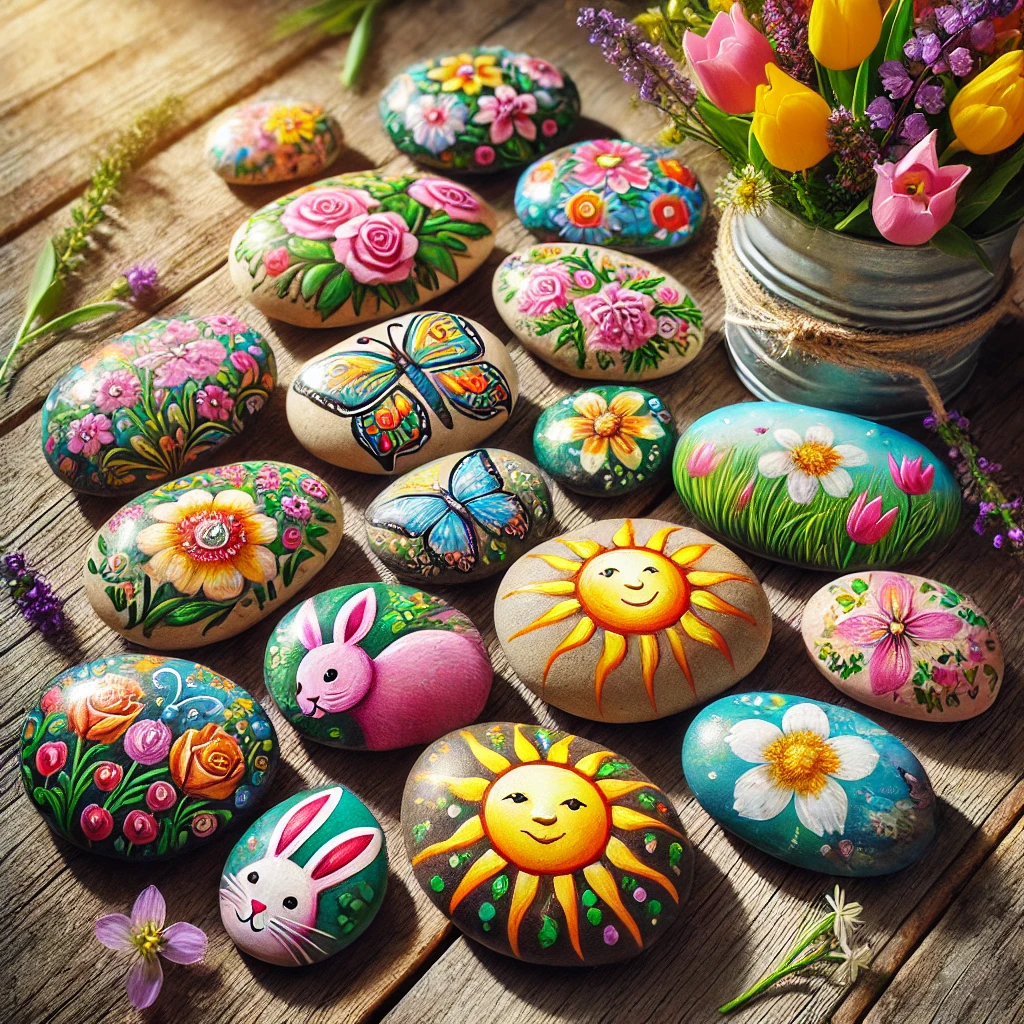
As you sip on your moon milk and gaze up at the moon, take a moment to reflect on the magic and mystery of the universe. Whether you are working with the moon to manifest your desires, to connect with your intuition, or simply to enjoy a peaceful moment of reflection, remember that the power of the moon is always with you, waiting to be harnessed and celebrated.
*Calories Calculated with 2% Dairy Milk, Different bases will change the values.

© The Equinox Apothecary 2024 – Permission is granted to copy and reproduce this Ritual with attribution

Conclusion

Candlemas Dream Pillows are a beautiful way to blend herbal magic with the mysteries of the subconscious. By crafting and using these simple yet potent tools, you embrace the ancient wisdom of herbs while connecting with the spirit of the season. As you explore the realms of dreamwork on Candlemas Eve, may the visions that visit you bring clarity, inspiration, and a touch of magic to the year ahead.