Posted on Leave a comment

Ritual: Ostara Wreath Making

Ostara wreathReading Time: 3 minutes
Ostara wreath

Introduction

Crafting Symbols of Renewal for the Spring Equinox

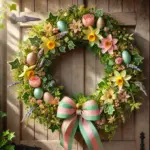
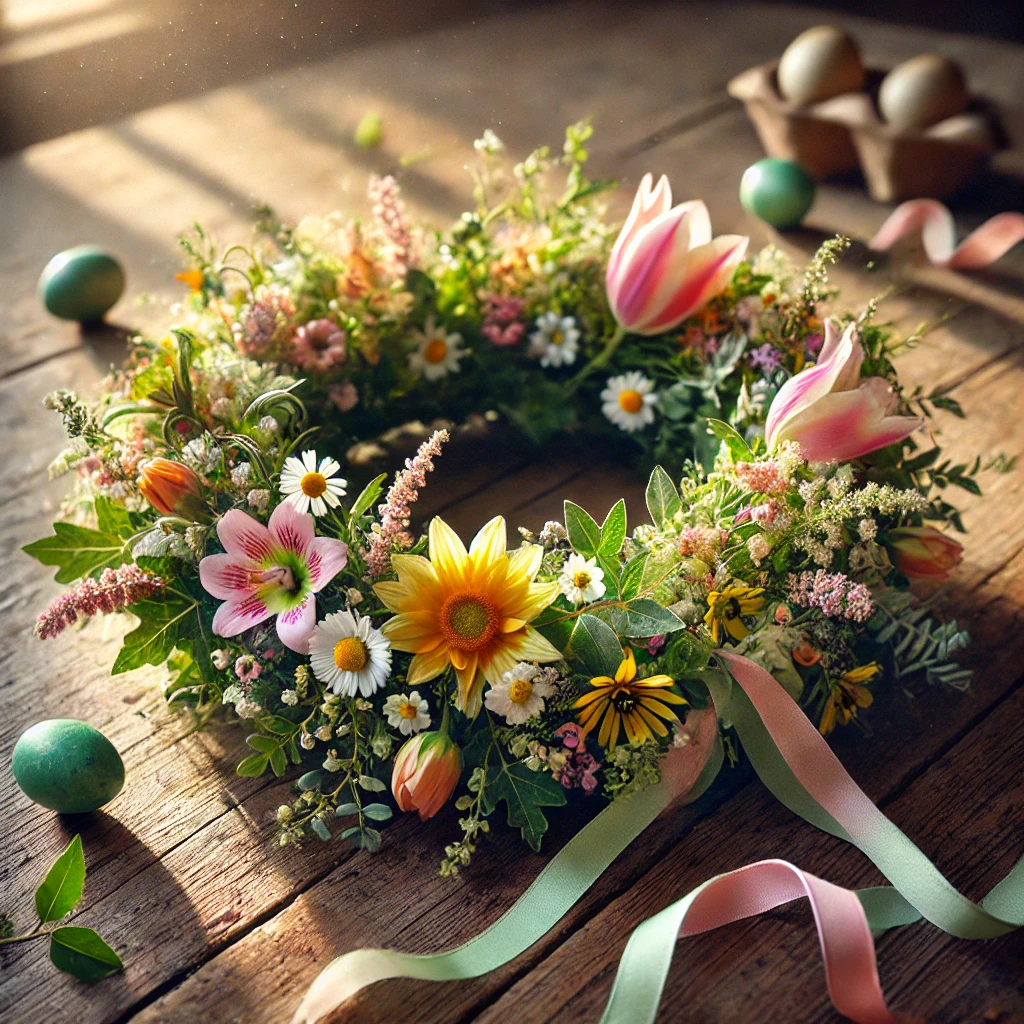
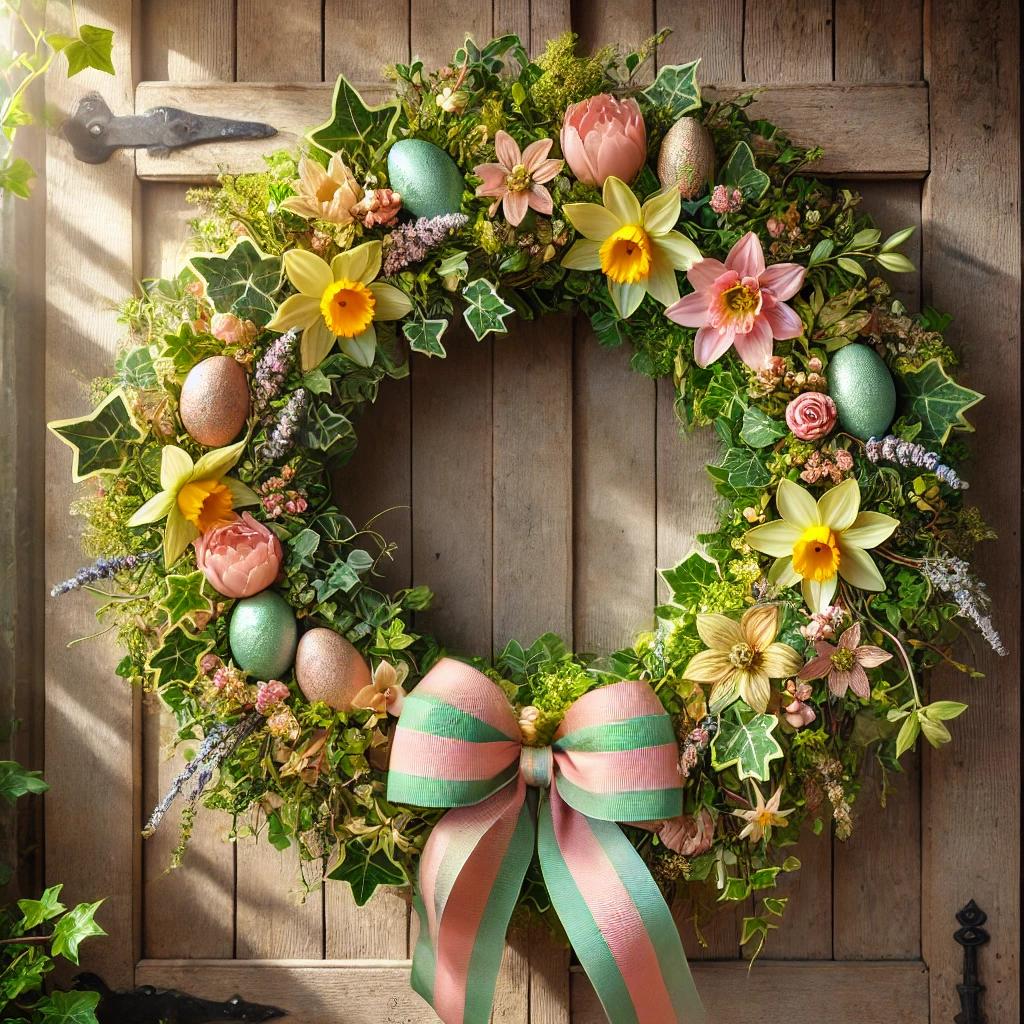
Ostara, the celebration of the Spring Equinox, is a time of balance and renewal, marking the moment when day and night stand equal and the earth awakens in vibrant hues. To honor the season’s beauty and the promise of growth, embrace a creative and symbolic ritual: wreath making. These handcrafted adornments, woven with flowers, vines, and ribbons, become living tributes to the seasonโ€™s themes of fertility, balance, and renewal. Whether displayed on your door, above your altar, or as a centerpiece, your Ostara wreath becomes a beacon of seasonal joy and magical intention.

Ritual Basics

Before beginning any ritual, it is important to prepare yourself mentally and physically. You may want to take a cleansing bath, or shower, and meditate or perform some grounding exercises to center yourself. Gather any materials you will need, such as candles, incense, and offerings for the forest spirits.

You can read a more detailed Ritual Preparation guide here.

About Ostara Wreath Making

The art of crafting wreaths for Ostara is steeped in symbolism. Circular in shape, wreaths represent the cycles of life, the endless flow of seasons, and the continuity of nature’s rhythms. The inclusion of fresh flowers and greenery reflects the blossoming earth, while ribbons and decorations add personal touches to the sacred act. This activity is perfect for family or solitary practice, inviting creativity and connection with the energies of spring.

Wreaths made during Ostara are not just decorativeโ€”they are magical tools that carry your intentions. Whether you weave in flowers symbolizing love, herbs for protection, or eggs as tokens of fertility, your wreath becomes a living spell, radiating the energy of renewal throughout your space.

Ostara wreath
Print Ritual
No ratings yet

Ostara Wreath Making

Craft a spring-themed wreath to honor the themes of renewal, balance, and growth during Ostara.
Prep Time30 minutes
Ritual Time1 hour
Total Time1 hour 30 minutes
Ritual Type: Ostara
Type: Rituals
Author: Theo, Witch
Cost: Minimal (dependent on the availability of materials; flowers can be fresh, dried, or artificial).

Tools

  • 1 Wire or vine wreath base
  • 1 Pair of scissors or garden shears
  • 1 Hot glue gun optional

Supplies

  • Flowers Choose seasonal blooms such as daffodils, tulips, or cherry blossoms.
  • Greenery Use fresh vines, ivy, or leafy stems.
  • Ribbons In pastel shades like pink, yellow, or green, symbolizing the season.
  • Eggs or small ornaments optional – Symbolizing fertility and new beginnings.
  • Herbs optional – Such as lavender for peace or rosemary for protection.

Instructions

Step 1: Preparing the Space

  • Choose a well-lit, comfortable area for crafting.
  • Cleanse the space with incense, a sage bundle, or a sprinkle of salt water to invite positive energy.
  • Lay out your materials and tools on a flat surface, ensuring everything is within easy reach.

Step 2: Setting Intentions

  • Before starting, take a moment to ground yourself. Close your eyes, take a few deep breaths, and focus on your intentions for the wreath.
  • Visualize the wreath as a symbol of renewal, balance, and the fresh energy of spring.

Step 3: Crafting the Wreath

  • Begin by securing greenery around the wreath base. Wrap vines or ivy around the frame, weaving them in and out.
  • Add flowers, trimming stems as needed, and attach them to the base using wire, glue, or by tucking them into the greenery.
  • Incorporate ribbons, weaving them through the wreath or tying bows for decorative flair.
  • If desired, attach small eggs, charms, or herbs to represent fertility, growth, or protection.

Step 4: Energizing the Wreath

  • Once complete, hold the wreath in your hands and focus your intentions. Visualize it radiating with the vibrant energy of Ostara.
  • Speak aloud or silently:
    โ€œThis wreath I weave with love and care,
    A symbol of renewal, bright and fair.
    As spring awakens, let this adorn,
    Bring balance and growth, this Ostara morn.โ€

Step 5: Displaying the Wreath

  • Hang the wreath on your front door as a welcoming beacon of Ostaraโ€™s energy.
  • Alternatively, place it on your altar, dining table, or in a window to bless your home with the spirit of spring.

Notes

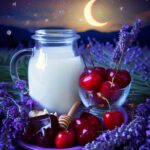
Moon Milk Lavender and CherriesMoon milk is believed to have magical properties that promote relaxation, sleep, and spiritual connection. Lavender is a powerful herb that is often used in spells and rituals to promote tranquility, purification, and harmony. It is said to help calm the mind, soothe anxiety, and facilitate communication with the spiritual realm. Cherries, on the other hand, are associated with abundance, prosperity, and love. By combining these two ingredients in moon milk, we can create a potent brew that promotes restful sleep, deep relaxation, and a profound sense of spiritual connection.
As you sip on your moon milk and gaze up at the moon, take a moment to reflect on the magic and mystery of the universe. Whether you are working with the moon to manifest your desires, to connect with your intuition, or simply to enjoy a peaceful moment of reflection, remember that the power of the moon is always with you, waiting to be harnessed and celebrated.
*Calories Calculated with 2% Dairy Milk, Different bases will change the values.

© The Equinox Apothecary 2024 – Permission is granted to copy and reproduce this Ritual with attribution

Conclusion

Ostara wreath making is a delightful and meaningful way to channel the seasonโ€™s energy and creativity. Each bloom, ribbon, and decoration woven into your wreath becomes a symbol of renewal and balance, connecting you to the vibrant spirit of the Spring Equinox. As you hang your wreath with intention, may it radiate joy, fertility, and the promise of brighter days ahead.

Posted on Leave a comment

Ritual: Bird Feeders

Bird FeedersReading Time: 3 minutes
Bird Feeders

Introduction

A Crafty Connection to Natureโ€™s Renewal

Ostara, the Spring Equinox, celebrates balance, renewal, and the awakening of life. As the season shifts, nature begins to bloom, and wildlife emerges from winterโ€™s quiet embrace. One meaningful way to honor the beauty of Ostara is by crafting bird feeders. This family-friendly activity nurtures the bond between humans and nature, supporting wildlife as the Earth renews itself. By offering sustenance to returning birds, you participate in the seasonโ€™s abundance and embody the spirit of giving.

Ritual Basics

Before beginning any ritual, it is important to prepare yourself mentally and physically. You may want to take a cleansing bath, or shower, and meditate or perform some grounding exercises to center yourself. Gather any materials you will need, such as candles, incense, and offerings for the forest spirits.

You can read a more detailed Ritual Preparation guide here.

About Bird Feeders

Bird feeders are more than a simple craftโ€”they are an act of gratitude and harmony with the natural world. Traditionally, offerings to wildlife during Ostara symbolize the cycle of life and the interconnectedness of all beings. Crafting bird feeders using pinecones, peanut butter, and birdseed is an easy yet impactful way to celebrate this connection. Hanging these feeders in your yard invites birds to return, symbolizing the renewal and hope of spring. This ritual is both practical and magical, enhancing the energy of your Ostara celebrations.

Bird Feeders
Print Ritual
No ratings yet

Bird Feeders

A hands-on ritual to nurture wildlife and honor springโ€™s arrival
Prep Time10 minutes
Ritual Time30 minutes
Total Time40 minutes
Ritual Type: Ostara, Spring Equinox
Type: Rituals
Author: Theo, Witch
Cost: Minimal (depends on the availability of materials)

Tools

  • Mixing spoon
  • String or twine
  • Scissors

Supplies

  • Pinecones collected from nature or purchased
  • Peanut butter or an alternative nut butter for allergies
  • Birdseed choose a mix suitable for your local birds
  • Wax paper or a tray

Instructions

Step 1: Gather and Prepare Materials

  • Collect pinecones from nature, ensuring they are clean and free of dirt or insects. Alternatively, purchase pinecones from a craft store.
  • Lay out your materials on a table, covering the surface with wax paper or a tray to catch any spills.

Step 2: Attach String

  • Cut a piece of string or twine approximately 12โ€“18 inches long.
  • Tie one end securely around the top of each pinecone, creating a loop for hanging.

Step 3: Apply Peanut Butter

  • Use a spoon or butter knife to spread peanut butter generously over the surface of the pinecone.
  • Ensure the peanut butter gets into the crevices to hold the birdseed effectively.

Step 4: Coat with Birdseed

  • Roll the peanut butter-coated pinecone in a shallow dish of birdseed.
  • Press gently to ensure the seeds stick to the peanut butter.

Step 5: Hang the Feeders

  • Choose spots in your yard where birds are likely to visit, such as tree branches or fences.
  • Hang the bird feeders securely, ensuring they are visible and easily accessible for birds.

Notes

Moon Milk Lavender and CherriesMoon milk is believed to have magical properties that promote relaxation, sleep, and spiritual connection. Lavender is a powerful herb that is often used in spells and rituals to promote tranquility, purification, and harmony. It is said to help calm the mind, soothe anxiety, and facilitate communication with the spiritual realm. Cherries, on the other hand, are associated with abundance, prosperity, and love. By combining these two ingredients in moon milk, we can create a potent brew that promotes restful sleep, deep relaxation, and a profound sense of spiritual connection.
As you sip on your moon milk and gaze up at the moon, take a moment to reflect on the magic and mystery of the universe. Whether you are working with the moon to manifest your desires, to connect with your intuition, or simply to enjoy a peaceful moment of reflection, remember that the power of the moon is always with you, waiting to be harnessed and celebrated.
*Calories Calculated with 2% Dairy Milk, Different bases will change the values.

© The Equinox Apothecary 2024 – Permission is granted to copy and reproduce this Ritual with attribution

Conclusion

Crafting bird feeders for Ostara is a simple yet powerful way to honor the seasonโ€™s renewal and give back to the natural world. As you watch birds return to your yard, let their presence remind you of the beauty and interconnectedness of life. This ritual fosters a deeper appreciation for the cycles of nature, ensuring that your Ostara celebrations are not only joyful but also aligned with the spirit of the Earthโ€™s awakening. Let these feeders stand as tokens of gratitude and symbols of springโ€™s abundant blessings.

Posted on Leave a comment

Ritual: Candle Lighting

Candle LightingReading Time: 3 minutes
Candle Lighting

Introduction

Embracing the Light of Renewal and Connection with Brigid

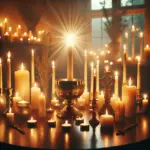
Imbolc, nestled between the winter solstice and the spring equinox, heralds the returning light and the stirrings of life beneath the earth’s surface. Central to this sacred celebration is the ritual of candle lighting, an act of profound symbolism that honors the sun’s growing warmth and the goddess Brigid, keeper of the sacred flame. Each flickering flame embodies hope, renewal, and the transformative power of fire, inviting us to connect with the divine energies of the season and reflect on the cyclical nature of life.

Ritual Basics

Before beginning any ritual, it is important to prepare yourself mentally and physically. You may want to take a cleansing bath, or shower, and meditate or perform some grounding exercises to center yourself. Gather any materials you will need, such as candles, incense, and offerings for the forest spirits.

You can read a more detailed Ritual Preparation guide here.

About Candle Lighting at Imbolc

The act of lighting candles during Imbolc transcends its practical origins, becoming a spiritual practice steeped in reverence. The candles’ soft glow illuminates not only our physical spaces but also our inner worlds, casting light on our intentions and aspirations for the year ahead. Each flame serves as a tribute to Brigid, goddess of poetry, healing, and smithcraft, and a reminder of her nurturing and transformative powers.

Historically, Imbolc marked a time of preparation and cleansing, as communities readied themselves for the agricultural season. Candle lighting was a way to banish the lingering darkness of winter, invoke blessings, and reaffirm the promise of spring. Today, this ritual continues to invite warmth, introspection, and connection with Brigidโ€™s radiant spirit.

Candle Lighting
Print Ritual
No ratings yet

Candle Lighting โ€“ Illuminating Imbolc’s Radiant Spirit

Light candles throughout your home to honor the returning light, connect with Brigid, and invite renewal.
Prep Time15 minutes
Ritual Time30 minutes
Total Time45 minutes
Ritual Type: Imbolc, Light Magic
Type: Rituals
Author: Theo, Witch
Cost: Minimal (candles and matches or a lighter).

Tools

  • 1 Box of matches or a lighter For lighting the candles.
  • 1 Candle snuffer optional – For safely extinguishing the candles after the ritual.

Supplies

  • 1 Candle per room White, gold, or yellow to symbolize light and renewal.
  • 1 Central altar candle optional – Dedicated to Brigid, larger than the others.
  • 1 Small dish of water optional – For purification.

Instructions

Step 1: Preparing the Space

  • Begin by cleansing your space with smoke from dried herbs (like sage or rosemary) or by sprinkling purified water.
  • Arrange candles in every room of your home, ensuring they are in safe, heat-resistant holders. Place the central altar candle on your sacred altar or a prominent space.

Step 2: Setting Intentions

  • Stand before the altar or your chosen central space. Close your eyes and take a few deep breaths.
  • Reflect on the returning light and what it symbolizes for youโ€”renewal, hope, or a fresh start. Hold these intentions in your heart as you prepare to light the candles.

Step 3: Lighting the Candles

  • Light the central altar candle first, saying:
  • โ€œBrigid, keeper of the sacred flame,
    Ignite within me the fire of hope and renewal.
    May your light guide me through the cycles of life.โ€
  • Carry the flame from the central candle to light the other candles throughout your home. As you light each one, say:
  • โ€œWith this flame, I welcome the returning light.
    May it bring warmth, renewal, and blessings to this space.โ€

Step 4: Meditative Reflection

  • Once all the candles are lit, sit quietly in the glow of their light. Gaze into the flames, allowing your mind to quiet and your thoughts to flow naturally.
  • Reflect on your intentions for the coming year. Consider what you wish to nurture and what you need to release.

Step 5: Closing the Ritual

  • When you feel ready, extinguish the candles one by one, starting with the central altar candle. As you snuff out each flame, say:
  • โ€œThough this flame dims, its light endures within me.โ€
  • If you used a dish of water, sprinkle it over the extinguished candles as a final blessing.

Notes

Moon Milk Lavender and CherriesMoon milk is believed to have magical properties that promote relaxation, sleep, and spiritual connection. Lavender is a powerful herb that is often used in spells and rituals to promote tranquility, purification, and harmony. It is said to help calm the mind, soothe anxiety, and facilitate communication with the spiritual realm. Cherries, on the other hand, are associated with abundance, prosperity, and love. By combining these two ingredients in moon milk, we can create a potent brew that promotes restful sleep, deep relaxation, and a profound sense of spiritual connection.
As you sip on your moon milk and gaze up at the moon, take a moment to reflect on the magic and mystery of the universe. Whether you are working with the moon to manifest your desires, to connect with your intuition, or simply to enjoy a peaceful moment of reflection, remember that the power of the moon is always with you, waiting to be harnessed and celebrated.
*Calories Calculated with 2% Dairy Milk, Different bases will change the values.

© The Equinox Apothecary 2024 – Permission is granted to copy and reproduce this Ritual with attribution

Conclusion

Candle lighting during Imbolc is a ritual of connection, gratitude, and hope. Each flame honors Brigidโ€™s presence and the ever-returning light, reminding us of the warmth and renewal that lies ahead. As you bask in the gentle glow of candlelight, may you find inspiration and a deep sense of peace, knowing that the cycles of nature mirror your own capacity for growth and transformation. This simple yet profound practice carries the radiant spirit of Imbolc into your home and heart, illuminating the path forward with Brigidโ€™s divine light.

Posted on Leave a comment

The Magic of a 12-Course Meal

The magical 12-course mealReading Time: 5 minutes
The magical 12-course meal

Introduction

A Witchโ€™s Guide to a Sacred Feast

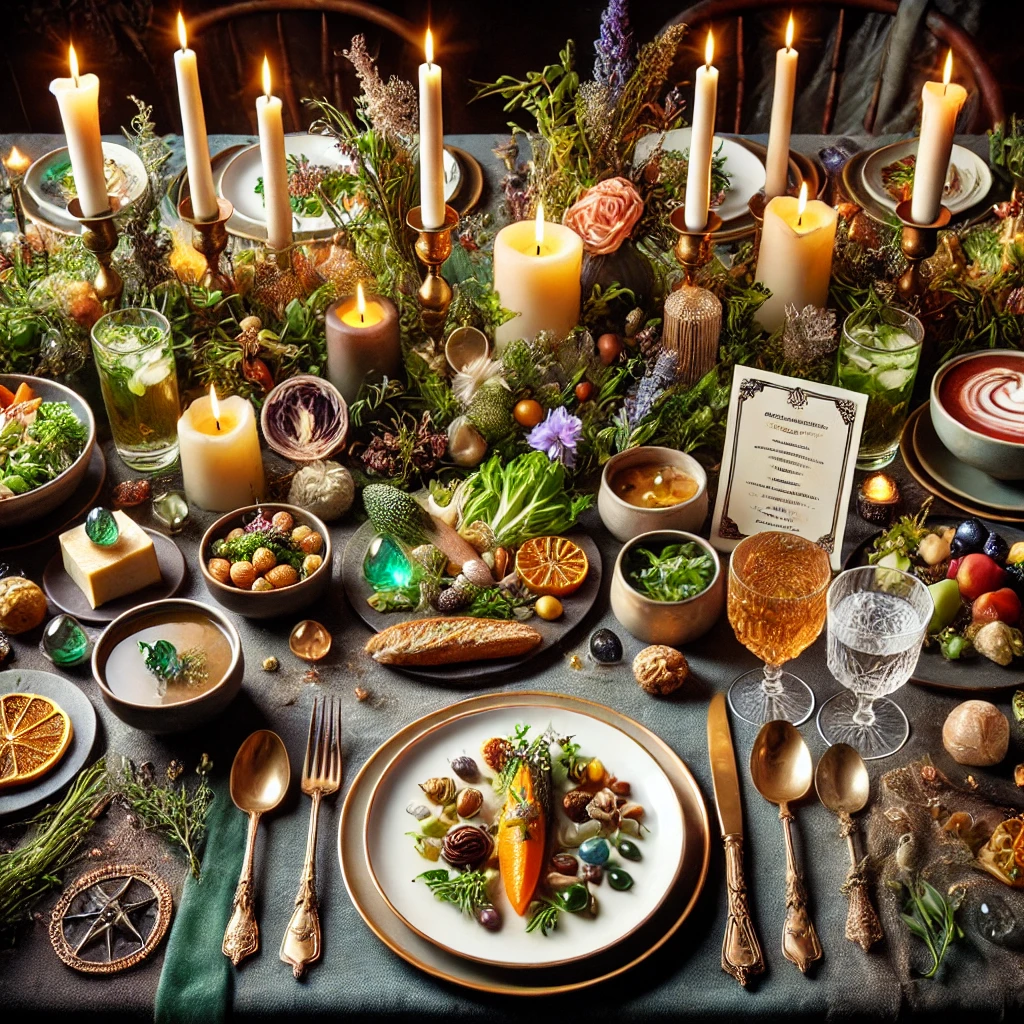
When we think of meals in witchcraft and pagan practices, we often consider the spiritual energy and intent behind the preparation, consumption, and even sharing of food. A 12-course meal, traditionally a decadent and lengthy affair, offers more than just culinary delight; it provides an opportunity to align each course with magical intent and purpose, turning the meal into a ceremonial experience.

This article will take you through the 12 courses, each with its traditional culinary purpose and a touch of magic. Youโ€™ll learn how to incorporate elements of the craft, seasonal energies, and witchy symbolism into every stage of the feast.

The Structure of a 12-Course Meal

A 12-course meal follows a progression of dishes, designed to stimulate different senses, palates, and energies. Each course is an opportunity to introduce a magical intention, herb, or flavor profile that resonates with a different aspect of life or energy. Hereโ€™s how you can transform each course into a magical experience.

1. Amuse-Bouche (The Opening Spell)

Purpose: A tiny, bite-sized starter, the amuse-bouche awakens the palate and sets the tone for the meal to come.
Magic: Use this first course to open up your guestsโ€™ senses and start setting the intentions for the feast. Consider a small morsel infused with herbs for heightened awareness, like rosemary for mental clarity or basil for good luck. This is the first spell you cast on the mealโ€”an opening invocation to the experience.

2. Soup (Cleansing and Protection)

Purpose: Soups are gentle and warm, often broths or purees that continue to prepare the body for the courses ahead.
Magic: Soups are ideal for introducing cleansing and protective energies. Choose ingredients like garlic and onion to ward off negativity, or fennel for purification. Stirring the soup clockwise will add energy and positivity, while counterclockwise stirs can banish and cleanse unwanted energies from the space and participants.

3. Appetizer (Invocation of Elements)

Purpose: A small, flavorful dish that is more substantial than the amuse-bouche and primes the stomach for heavier courses.
Magic: This is a great opportunity to incorporate elemental magic. An appetizer that balances all four elements (earth, water, fire, and air) can help ground your guests and prepare them to receive the rest of the courses with balance. Think of a vegetable tart (earth), drizzled with a sauce (water), a touch of spice or heat (fire), and something light and crisp like puff pastry or whipped cream (air).

4. Salad (Green Magic and Abundance)

Purpose: A refreshing dish that often cleanses the palate with fresh vegetables and light dressings.
Magic: Salads represent earth magic and abundance. Every leaf of lettuce or herb symbolizes prosperity and the grounding energy of nature. Add edible flowers like violets (love and luck) or nasturtiums (creativity and passion) to enhance the energies of the ingredients. Use vinaigrettes or citrus dressings to add a touch of movement and flow, invoking emotions and intentions that will carry forward throughout the meal.

5. Fish Course (Connection to Water and Intuition)

Purpose: A lighter protein course, often focusing on delicate flavors and subtle seasonings.
Magic: Fish naturally connects to the element of water, and this course can be used to open intuition, emotion, and spiritual receptivity. Choose flavors and ingredients that correspond to the moon or water elements, like lemon (clarity), dill (focus), or sea salt (purification). For a vegetarian option, a seaweed salad or dishes containing coastal ingredients like sea beans are equally potent.

6. Main Course (Manifestation and Power)

Purpose: The heaviest and most substantial dish, usually meat or a hearty vegetarian option, which serves as the focal point of the meal.
Magic: The main course symbolizes manifestation and physical power. Here, you can focus on grounding energies and manifestation through hearty ingredients like root vegetables (potatoes, carrots) for stability, or proteins like beef or mushrooms for strength. Season with herbs like thyme (courage), sage (wisdom), or black pepper (banishing negativity).

7. Palate Cleanser (Spiritual Rebirth)

Purpose: A small serving designed to refresh the taste buds, preparing for richer, sweeter courses.
Magic: The palate cleanser is an opportunity for rebirth and renewal. A sorbet infused with herbs like mint (fresh starts) or lemon balm (calm and joy) can help shift energies and prepare for the sweetness to come. Think of it as a symbolic clearing of space, making way for something new and vibrant.

8. Cheese Course (Balance and Duality)

Purpose: Cheese courses offer a variety of flavors and textures, often paired with nuts, fruits, or crackers.
Magic: Cheese represents both indulgence and balanceโ€”especially when paired with complementary flavors like sweet fruits or tangy nuts. Incorporate dried figs (fertility and love), honey (attraction), and walnuts (mental clarity) to provide not only a balance of flavors but also a representation of duality in magic. Think of the harmony of oppositesโ€”sweet and savory, soft and crunchy.

9. Dessert (Pleasure and Gratitude)

Purpose: The sweet conclusion to the main part of the meal, typically a rich, sweet, and indulgent dish.
Magic: Dessert is all about joy, pleasure, and gratitude. Make this course a celebration of life’s sweetness by using vanilla (love), chocolate (sensuality), or cinnamon (protection and prosperity). Let this course be a physical manifestation of the pleasures of life and the intent to savor every moment. Use decorations like edible gold leaf to symbolize wealth and abundance.

10. Mignardises (Blessings and Sweet Farewells)

Purpose: Tiny sweet treats, like truffles, macarons, or candied nuts, served to end the meal on a sweet note.
Magic: Mignardises are often shared communally, making them an ideal way to bless and send off your guests. Anoint these little bites with blessing oil or dust them with powdered sugar mixed with a pinch of dried herbs like lavender (calm and protection) or rose petals (love and beauty) for added intention.

11. Fruit Course (Renewal and Health)

Purpose: A simple, fresh course of seasonal fruits, offering a light finish to the meal and preparing the body for digestion.
Magic: Fruit is a powerful symbol of renewal, life, and health. Using seasonal and local fruits ties the meal into the natural cycles, reinforcing renewal and grounding. Apples (knowledge and healing), grapes (fertility and prosperity), and pomegranate seeds (abundance and fertility) can all be used to close the meal with a blessing of health and continuation.

12. Digestif (Closure and Grounding)

Purpose: A small after-dinner drink, like liqueurs, brandy, or herbal tea, to aid digestion and conclude the feast.
Magic: The digestif serves as a closing to the ceremony, grounding the energies raised throughout the meal. An herbal liqueur or tea with fennel (healing), chamomile (calm), or peppermint (renewal) will not only aid digestion but also gently guide the energies toward a peaceful conclusion. Toast to the intentions set throughout the feast and give thanks for the experience shared.

Conclusion: Crafting a Magical Meal

Each course of a 12-course meal offers a magical touchpoint, from the setting of intentions at the amuse-bouche to the closing digestif that seals the energies. By weaving magical correspondences into the ingredients, preparation, and consumption of each course, the meal becomes more than just sustenanceโ€”it becomes a ritual, a celebration, and a spell in its own right.

Embrace the energies, flavors, and intentions of each course to create a truly magical dining experience that feeds not only the body but also the spirit and soul. Whether you are hosting a grand sabbat feast or an intimate gathering, let each course be a celebration of the magic in food and the power of communal ritual. Blessed be, and bon appรฉtit!

Posted on Leave a comment

Myths & Lore: The Goddess and the Horned God

The Goddess and the Horned GodReading Time: 16 minutes
The Goddess and the Horned God

Introduction

The Eternal Dance of Death and Rebirth

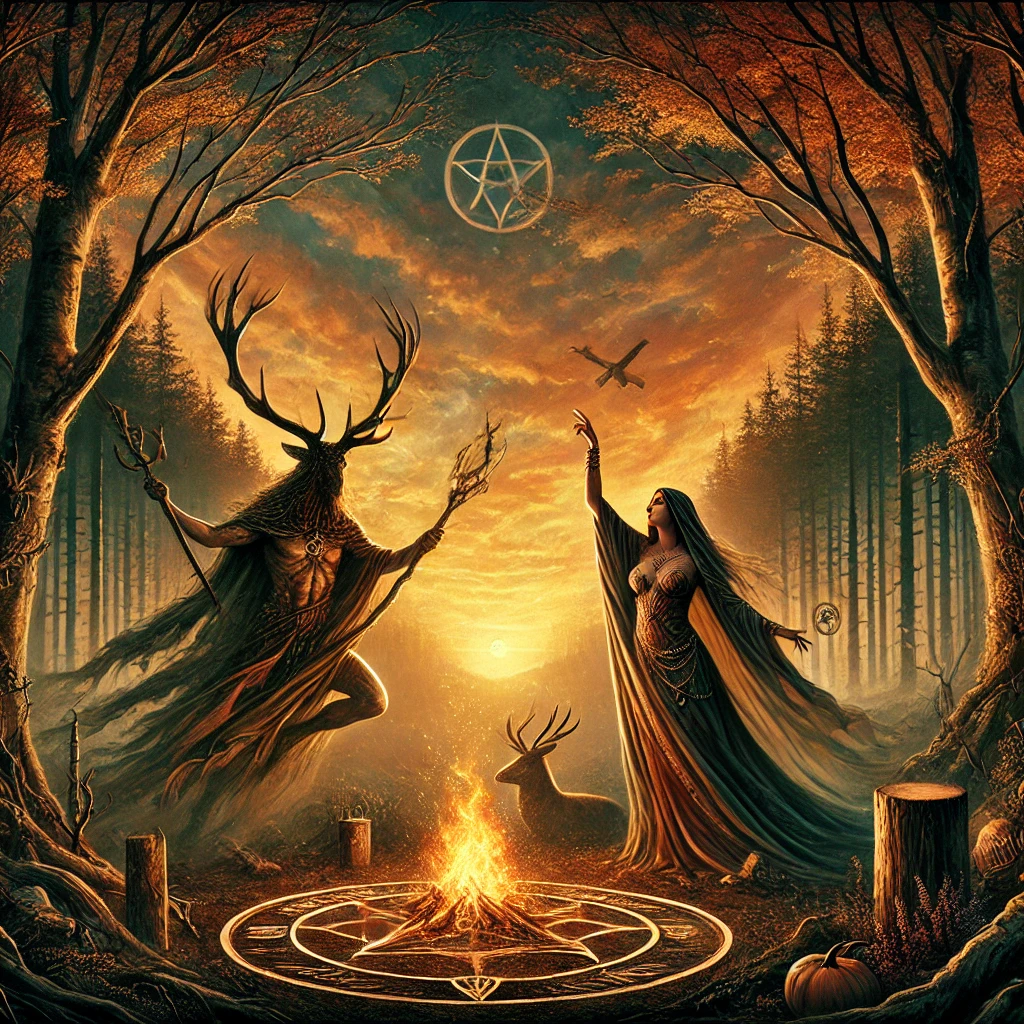
In Wiccan and neo-Pagan traditions, the festival of Samhain holds profound significance, marking the end of the harvest season and the beginning of winter’s dark descent. It is a time when the veil between the worlds of the living and the dead is at its thinnest, making it an ideal occasion to honor the cycles of life, death, and rebirth. Central to these traditions is the myth of the Goddess and the Horned Godโ€”a sacred story that reflects the natural rhythms of the earth and the eternal dance between death and renewal. During Samhain, this myth serves as a powerful reminder that death is not the end but a necessary part of existence, making way for rebirth and new beginnings.

The Death of the Horned God

As the festival of Samhain approaches, the cycle of the year draws to a close, and the Horned Godโ€”the embodiment of natureโ€™s life force and wild vitalityโ€”prepares for his sacred sacrifice. The Horned God holds a central role in Wiccan and neo-Pagan traditions, where he represents the ever-changing seasons, the wildness of nature, and the energy that drives growth and fertility in the natural world. Throughout the year, in his role as the Green Man and the God of the Harvest, the Horned God has presided over the abundance of the earth, nurturing the fields, forests, and all living beings with his strength and energy. Under his care, the land has flourished, yielding crops, supporting the creatures of the wild, and sustaining the rhythm of life through the spring and summer.

Yet, as the wheel of the year turns toward Samhain, a shift begins. The vibrancy of the natural world fades as the season of harvest draws to a close. The leaves fall from the trees, the crops are gathered, and the animals retreat, storing food and conserving energy to survive the barren winter ahead. The warmth of summer gives way to the cold, and the Horned God, having fulfilled his role as the life-giver, prepares to die. His time as the provider has come to an end, and now he must relinquish his life, allowing the earth to enter its resting phase.

In Wiccan tradition, the death of the Horned God is not a tragedy or a loss to be mourned; rather, it is an act of profound purpose and sacrifice. The Horned Godโ€™s death is a necessary part of the cycle of life, death, and rebirth. Just as the crops must be harvested and the fields cleared to prepare for the next growing season, so too must the Horned God offer himself, giving his life force back to the earth so that life can flourish once again in the future. His death is not a final end, but part of the eternal cycle that sustains the natural world. As the God of the Wild and the Harvest, he understands that sacrifice is required to maintain balance, and he willingly offers himself, knowing that from his death will come the promise of renewal.

The Horned Godโ€™s death occurs at Samhain, the most liminal time of the year, when the veil between the worlds of the living and the dead is at its thinnest. His descent into the underworld marks the transition into the dark half of the year, when the earth lies dormant, and life slows to a near standstill. Yet, his death also holds the seed of his rebirth. Much like the sun, which sets each night only to rise again in the morning, the Horned God will not remain in the underworld forever. His spirit will rest, gathering strength, and at Yuleโ€”the Winter Solsticeโ€”he will rise once more. The Winter Solstice marks the rebirth of the sun, when the longest night gives way to the return of light. On this sacred night, the Horned God will be reborn, and his energy will return to the earth, preparing it for the eventual renewal of spring.

The symbolism of the Horned Godโ€™s death is central to Samhain rituals, where his sacrifice is honored and celebrated. Often, this is represented through the lighting of fires or candlesโ€”flames that symbolize both the extinguishing of life and the spark of new beginnings. As the fires burn, they remind practitioners that death is not an end but a necessary part of the cycle of existence. Through the act of lighting a fire, participants reflect on the transformative power of endings and the importance of sacrifice in making way for the new. The Horned Godโ€™s death becomes a metaphor for the changes we all face in our livesโ€”the letting go of what is no longer needed, the acceptance of transition, and the trust that from these endings, something new and vital will emerge.

Samhain is a time to confront the personal sacrifices we have made throughout the year. Practitioners may use this time to reflect on the challenges, losses, or transitions they have experienced, acknowledging the necessity of releasing what no longer serves them. This might include letting go of old habits, emotional burdens, or aspects of their lives that have run their course. The Horned Godโ€™s death becomes a powerful symbol of this process, reminding us that while endings can be difficult, they are also the gateway to renewal and transformation.

In many Samhain rituals, practitioners will symbolically honor the Horned Godโ€™s sacrifice by offering personal items or written reflections into the fire. These offerings represent what they are willing to release, allowing the flames to carry away the old and make space for the new. Just as the Horned God gives his life to ensure the continued vitality of the earth, participants offer up their own sacrifices, trusting that the cycle of life will bring them new growth and opportunities in time.

This deep connection between the Horned Godโ€™s death and the turning of the seasons reflects a profound spiritual truth that resonates throughout Wiccan and Pagan traditions: life, death, and rebirth are not separate events but interwoven stages of an eternal cycle. The Horned Godโ€™s journey through death and rebirth serves as a reminder that nothing is ever truly lost. As the earth enters its period of dormancy, we are called to honor the rhythms of nature, trusting that even in the darkest moments, the light of renewal is always on the horizon.

The Goddess as the Crone

As the Horned God descends into the underworld at Samhain, the Goddess shifts into her most ancient and powerful aspectโ€”that of the Crone. In Wiccan tradition, the Goddess is the eternal force that embodies all stages of life: she is the Maiden, symbolizing youth and new beginnings; the Mother, representing fertility, growth, and nurturing; and the Crone, the wise and knowing figure who presides over death, endings, and transformation. At Samhain, the Goddess fully embraces her Crone aspect, embodying the deep wisdom that comes with age and the acceptance of lifeโ€™s natural cycles.

In her role as the Crone, the Goddess is not diminished or weakened by the passage of time; rather, she is at the height of her spiritual and mystical power. She carries within her the accumulated knowledge of all her past experiences as Maiden and Mother, and she understands the sacred dance of life, death, and rebirth. Samhain is the time when her wisdom is most needed, as it marks the turning point between the seasons of growth and the long, dark descent into winter. As the Crone, the Goddess offers her profound understanding of the cycles of nature, and she helps to guide her followers through the inevitable transitions they must face in their own lives.

At Samhain, the Crone mourns the passing of the Horned God, recognizing the depth of his sacrifice as he relinquishes his life force to the earth. Yet her mourning is not one of grief or despair; rather, it is a quiet, reverent acknowledgment of the necessary role that death plays in the continuation of life. She mourns with wisdom, knowing that the Horned Godโ€™s death is part of the sacred cycle that ensures the earth will be reborn in time. Through her connection to the natural world, the Crone sees the broader pictureโ€”she knows that death is not the end, but a transition, an essential part of the eternal dance of life. This acceptance of death as part of life is a central theme of Samhain, and the Croneโ€™s wisdom helps practitioners navigate their own understanding of loss, change, and renewal.

As the goddess of both life and death, the Crone oversees this sacred transition, guiding souls through the underworld and preparing the earth for the eventual rebirth that will occur at Yule, when the sun returns and the Horned God is reborn. She is the guardian of those who pass into the next life, holding the mysteries of the afterlife within her, and she helps facilitate the transformation that follows death. This dual roleโ€”overseeing both death and rebirthโ€”gives the Crone her power and makes her an essential figure during Samhain. She is the keeper of ancient wisdom, the one who understands that without death, there can be no new life, and that endings always carry the seed of a new beginning.

The Croneโ€™s wisdom is not just theoretical; it is deeply practical and applicable to the lives of those who honor her. She teaches that life is a series of cycles, each with its own rhythm, and that resisting change is to resist the very flow of existence. The Croneโ€™s lessons are about embracing transformation, even when it is difficult or painful. She reminds us that deathโ€”whether it be the literal death of a loved one, the end of a relationship, or the closure of a chapter in our livesโ€”is not something to be feared, but something to be faced with courage and acceptance. Her guidance is invaluable as we confront our own personal transformations, helping us to release what no longer serves us and prepare for the rebirth that will inevitably come.

In Samhain rituals, the Goddess as the Crone is honored for her role as the bringer of wisdom and the guardian of the dead. Practitioners may invoke her presence to help them navigate their own personal transitions, asking for her strength as they confront the challenges of letting go. These rituals often involve offerings made to the Croneโ€”small gifts such as food, herbs, or written reflectionsโ€”placed on altars or left in nature to honor her wisdom and her connection to the cycles of life. Some may also offer prayers or meditations, seeking her guidance in embracing the changes they are facing and finding the wisdom to move forward with grace.

The Croneโ€™s energy during Samhain is particularly powerful for those who are undergoing periods of transformation or who are mourning a loss. She offers the strength to face the darkness, knowing that within that darkness lies the potential for new growth. Her presence reassures practitioners that while endings are inevitable, they are not to be feared, for they are always followed by renewal. She encourages us to trust in the cycle of life and to embrace the changes we must undergo in order to grow.

In Wiccan tradition, the Crone is not merely a symbol of old age or death; she is the embodiment of the deeper wisdom that can only come through experience. She teaches that all things must come to an end, but that each ending is part of a larger, continuous cycle. Her power lies in her ability to hold space for both life and death, for both joy and sorrow, and to help us navigate the spaces in between. As the keeper of secrets and the guide through the mysteries of life and death, the Crone reminds us that nothing in this world is permanent, but that through embracing change, we can find strength, wisdom, and peace.

Through her role at Samhain, the Crone teaches us the most fundamental lessons of life: that death is not to be feared, that endings are natural, and that from the darkness of winter, the light of renewal will always emerge. The Goddess, in her Crone aspect, stands as a reminder that we too are part of this eternal cycle, and that by accepting our place within it, we can find the wisdom to navigate the challenges of life with grace and understanding. Her presence during Samhain encourages us to honor the past, release what no longer serves us, and trust in the promise of rebirth, just as she oversees the passage of the Horned God and the turning of the wheel of the year.

The Eternal Dance of Death and Rebirth

In Wiccan and neo-Pagan traditions, the relationship between the Goddess and the Horned God encapsulates the cyclical nature of existenceโ€”the eternal dance of life, death, and rebirth. They are not separate forces but complementary aspects of the same universal process, bound together in an unbreakable unity. Together, they embody the rhythms that govern not only the natural world but also the spiritual journey of every individual. This dance is at the heart of Samhain, when the Horned God dies, only to be reborn at Yule, and the Goddess, in her aspect as the Crone, ensures that this cycle is upheld, guiding the transition with wisdom and reverence.

The Horned God’s death at Samhain is not a final goodbye but rather a passage into the underworld, where his spirit rests and regenerates, gathering strength for his inevitable rebirth at Yule, the Winter Solstice. His journey mirrors the seasonal changes that we witness each yearโ€”the earthโ€™s retreat into stillness during winter, only to emerge full of life with the arrival of spring. The Goddess, embodying both life and death, watches over this process, ensuring that the balance between these forces is maintained. As the crone, she knows that death is an essential part of the cycle, a phase that nourishes the ground for new life to take root and flourish.

This eternal dance between the Goddess and the Horned God is reflected everywhere in nature. The seasons follow a predictable yet awe-inspiring cycle of growth, decay, and renewal. The vibrant bloom of summer gives way to autumn’s quiet surrender, as trees shed their leaves and the landscape retreats into itself. The earth, once bursting with life, now rests beneath the cold of winter, seemingly barren. Yet, within this stillness, life is simply waiting, gathering strength in the same way that the Horned Godโ€™s spirit regenerates in the underworld. Just as the Horned God will rise again at Yule, so too will the sun return after the longest night of the year, slowly warming the land and awakening new growth. This rhythm reminds us that death is not the end, but a transitionโ€”a necessary passage that gives way to new beginnings.

In Wiccan belief, this truth is reflected in every corner of the natural world. The decaying leaves of autumn, which return to the soil, nourish the earth, creating fertile ground for the rebirth of life in the spring. The hibernating animals, who retreat into sleep during the harsh winter months, emerge renewed and energized when the warmer days return. Even the ebb and flow of the tides, the phases of the moon, and the growth cycles of plants follow this same pattern of death and renewal. Natureโ€™s inherent cycles are constant reminders that death is not to be feared but embraced as a part of lifeโ€™s larger journey.

Samhain, as the festival marking the end of the harvest and the beginning of winter, is the sacred time when this eternal dance is most apparent. It is a moment to honor the death of the Horned God and reflect on the cycles of nature and our own lives. In Samhain rituals, this dance between death and rebirth is often enacted through symbolic acts of release and renewal. Practitioners may write down old habits, relationships, or patterns that no longer serve them and symbolically release them through fire, water, or other ritual acts. This mirrors the Horned God’s sacrifice, allowing the practitioner to let go of what is no longer needed, clearing the way for personal transformation and new growth. These rituals are not merely acts of mourning or loss but are filled with the promise of renewal, just as the Horned God’s death nourishes the earth for the next cycle of life.

In these rituals, the energy of the Horned Godโ€™s death is not mournful; it is celebratory, filled with understanding that his passing is necessary for life to continue. The fire that symbolizes his death is also the spark of his eventual return. Practitioners embrace this cycle, recognizing that their own lives reflect the same rhythm. Just as nature must shed what is no longer usefulโ€”be it leaves, old growth, or dying energyโ€”so too must we release the things that weigh us down. Whether it is a limiting belief, an outdated way of living, or even a relationship that has run its course, these personal sacrifices are made in the understanding that they pave the way for renewal, growth, and greater clarity in the future.

The Goddess, in her Crone aspect, is an integral part of these rituals. She oversees this period of transformation, guiding the Horned Godโ€™s passage into the underworld and tending to the cycles of life and death. Her wisdom reminds us that even in the darkest times, when all seems lost, the potential for new life is always present. She holds the knowledge that from every ending comes a new beginning, and she offers her guidance to those who seek to embrace the changes in their own lives. Practitioners often call upon her to provide the strength and wisdom needed to let go of the past and prepare for the rebirth that is to come.

In this way, the rituals of Samhain are both deeply personal and cosmic. They reflect the individualโ€™s journey through transformationโ€”the release of old patterns, the mourning of losses, and the acceptance of changeโ€”but they also mirror the larger, universal cycles of existence. The Horned God and the Goddess show us that life, death, and rebirth are not isolated events but part of a continuous process that sustains the natural world. Through their sacred dance, we are reminded that change is inevitable, that death is not the end, and that every moment of darkness carries within it the seed of new beginnings.

Ultimately, the eternal dance of the Goddess and the Horned God offers a powerful spiritual lesson: that the cycles of life and death are not something to be feared, but to be embraced with reverence and understanding. Their story teaches us that, just as the seasons turn, so too must we let go of the old in order to make room for the new. The Horned Godโ€™s death and eventual rebirth at Yule are reflections of the constant renewal that takes place within and around us, and the Goddess, in her infinite wisdom, ensures that this cycle continues unbroken. Through their eternal dance, we learn to trust in the rhythms of life, death, and rebirth, knowing that each ending is simply the beginning of something new.

Embracing the Cycle

The myth of the Goddess and the Horned God offers a profound spiritual lesson that challenges modern society’s often fearful view of death. In many contemporary cultures, death is perceived as the ultimate endโ€”something to be delayed, feared, or avoided. It is shrouded in mystery and grief, with little recognition of the larger cycle it belongs to. However, in Wiccan and neo-Pagan traditions, death is not an ending but a necessary part of lifeโ€™s continual flow. The death of the Horned God at Samhain serves as a reminder that endings, while inevitable, are not final. They are merely transitions, essential steps within the greater process of rebirth and renewal.

The Horned God’s sacrifice, in which he willingly gives his life for the good of the earth and the continued vitality of the natural world, embodies this spiritual truth. His death is not an act of despair, but of deep purpose and understanding. He knows that by giving himself to the earth, he is nourishing the land, ensuring the return of life in the future. The Goddess, in her Crone aspect, mourns him with reverence, but she does so with the wisdom that this is how the cycle must unfold. The Horned God’s death is not the end of his storyโ€”he will rise again at Yule, reborn with the returning light of the sun, just as spring will eventually come to the cold, dark earth. His journey reflects the eternal truth that life and death are intimately connected, two parts of the same natural cycle.

This understanding of death as a gateway to rebirth is central to Wiccan belief and practice. Samhain, as the festival that marks the end of the harvest season and the beginning of winter, provides a time to confront this truth directly. It is a time for honoring those who have passed and reflecting on the sacrifices that have been madeโ€”both in the natural world and in our own lives. Just as the Horned God gives his life for the earth, we too experience cycles of letting go, of death in its many forms. Whether itโ€™s the loss of loved ones, the end of relationships, or the closing of personal chapters, Samhain invites us to embrace these endings, knowing that they are part of the process that leads to new beginnings.

In Wiccan rituals, death is honored not as something to be feared, but as something to be understood and accepted. The act of releasing what no longer servesโ€”be it emotional baggage, unhealthy habits, or outdated ways of thinkingโ€”mirrors the Horned God’s sacrifice. These acts of release prepare the way for personal transformation, just as his death prepares the earth for its eventual rebirth. Practitioners often use divination, meditation, and ritual to gain insight into the transitions they are facing, seeking guidance from the Goddess and the spirits of the dead. They align themselves with the natural cycles of life, death, and rebirth, trusting in the wisdom of the universe to carry them through periods of darkness and uncertainty.

Divination practices during Samhain, such as scrying, tarot readings, or rune casting, are often used to gain clarity about the path ahead. Just as the veil between the worlds is thin, making it easier to connect with ancestors and spirit guides, this time also allows for deep introspection. Practitioners look to the symbols and messages they receive during Samhain for guidance on how to navigate their own transformations. What do they need to release? What lessons have they learned from the past year, and how can they use that wisdom to move forward? By confronting the truths that arise during Samhain, they prepare for the rebirth that awaits them as the Wheel of the Year turns toward Yule and beyond.

In this way, the Goddess and the Horned God serve as guides through the cycles of life. The Goddess, ever eternal, oversees the transitions between birth, death, and rebirth. She is there in her aspect as the Maiden when new life begins, in her aspect as the Mother when life is nurtured and grown, and in her aspect as the Crone when it is time to let go. At Samhain, the Crone offers her wisdom and protection, helping those who celebrate to navigate their own transformations with grace and understanding. She reminds us that while death is a necessary part of life, it is not the end of the story. The Horned God, even in death, is a symbol of hope, for his rebirth at Yule promises that new life is always on the horizon.

As the Wheel of the Year turns once more, Samhain invites us to reflect on these cycles and what they mean for our own lives. The myth of the Goddess and the Horned God reminds us that life and death are not oppositesโ€”they are two sides of the same coin, inseparable from one another. The same energy that drives the vitality of life also governs the process of death and renewal. Every ending carries within it the seed of a new beginning, and every death is part of the cycle that brings about rebirth.

This eternal dance between life, death, and rebirth is not limited to the natural world; it is a metaphor for our own experiences as well. We too go through periods of growth, decay, and renewal, shedding old identities and ways of being so that new ones can take their place. Samhain is the perfect time to honor these personal transitions, to reflect on the cycles we have moved through and prepare for the ones that lie ahead. It is a time to release what no longer serves, to mourn what has passed, and to trust that, like the Horned God, we will rise again with renewed strength and clarity.

Ultimately, the myth of the Goddess and the Horned God offers a timeless message: that death is not an ending, but a transition. It is part of the greater cycle of life, a necessary step in the process of rebirth. By embracing this cycle, we free ourselves from the fear of loss and change. Instead, we learn to see death as a gateway, a passage through which new life emerges. As we honor the Goddess and the Horned God at Samhain, we align ourselves with the natural rhythms of the earth, trusting in the eternal cycle of life, death, and rebirth that governs all existence.

Conclusion: The Eternal Wisdom of the Goddess and the Horned God

The myth of the Goddess and the Horned God offers a powerful reflection on the cycles of life, death, and rebirth that govern not only the natural world but our personal journeys as well. In Wiccan and neo-Pagan traditions, Samhain stands as a sacred moment to confront these cycles, honoring the Horned God’s willing sacrifice and the Goddessโ€™s eternal wisdom. Their story reminds us that death is not to be fearedโ€”it is a passage, a necessary end that gives rise to new beginnings. As the Horned God dies at Samhain and the Goddess takes on her Crone aspect, we are invited to release what no longer serves us, to let go of the old, and to trust in the rebirth that awaits at Yule.

In this eternal dance, the Goddess and the Horned God reveal that lifeโ€™s transitions are not solitary events but part of a greater cosmic rhythm. The darkness of winter is not an end but a time of rest and regeneration, preparing the way for springโ€™s renewal. As the Wheel of the Year turns, we are reminded that endings are never truly final, for within every death lies the seed of rebirth. This profound truth offers not only comfort but empowerment, helping us embrace change with grace, knowing that the Goddess will always guide us through, and the Horned God will rise again.

Through their sacred myth, we are reminded that life and death, creation and destruction, are not opposing forces but are interwoven aspects of the same divine cycle. By honoring their story at Samhain, we align ourselves with the ancient rhythms of the universe, trusting in the balance of life and the promise of renewal that follows every dark night. In the end, the Goddess and the Horned God teach us that the cycle of existence is eternal, and within that cycle, we can always find hope, transformation, and rebirth.
Posted on Leave a comment

Rituals

RitualsReading Time: < 1 minute
Rituals

Introduction

Welcome to the Rituals Category

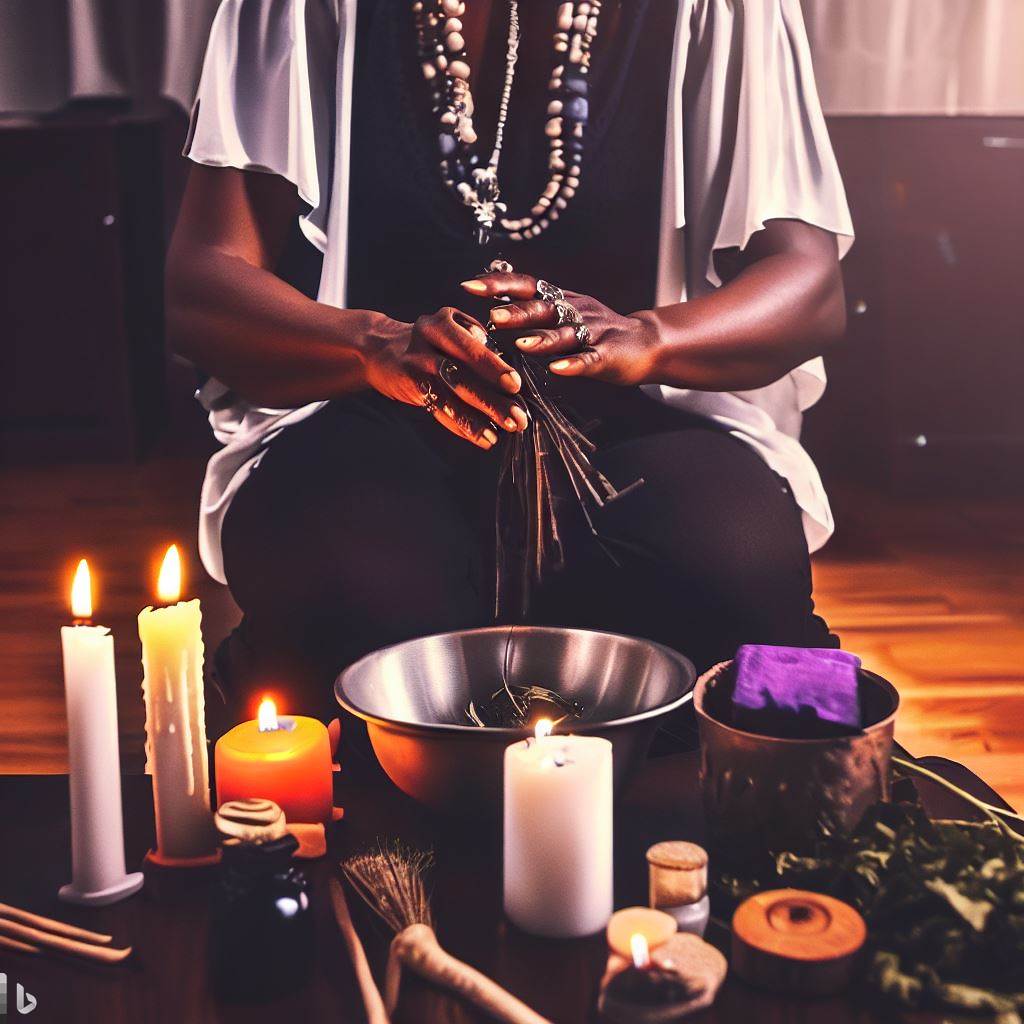
In the Rituals category, you will find detailed guides for a wide variety of spellcraft rituals. These rituals are designed to help you connect with the magical energies around you and manifest your intentions. Each ritual includes a printable version, making it easy for you to perform the ritual without the need for a digital deviceโ€”perfect for our non-technopagan friends!

Our rituals cover a broad spectrum of magical practices, from simple daily rituals to more elaborate ceremonies. Whether youโ€™re looking to enhance your personal power, attract love, protect your home, or honor the deities, youโ€™ll find a ritual that resonates with your needs and desires.

Each post in this category provides comprehensive instructions, along with some background information, and the historical context of the ritual. We believe that understanding the origins and significance of these practices enriches your experience and deepens your connection to the magic.

We hope you find these rituals inspiring and empowering. Remember, the true power of a ritual lies in your intention and belief. May these rituals guide you on your magical journey and help you create the life you envision. Blessed be!

Preparing for a Ritual

Ritual Preparation
Reading Time: 2 minutesThis article is but one method on how to prepare for a ritual, and itโ€™s a basic guideline for you to follow.

All Rituals

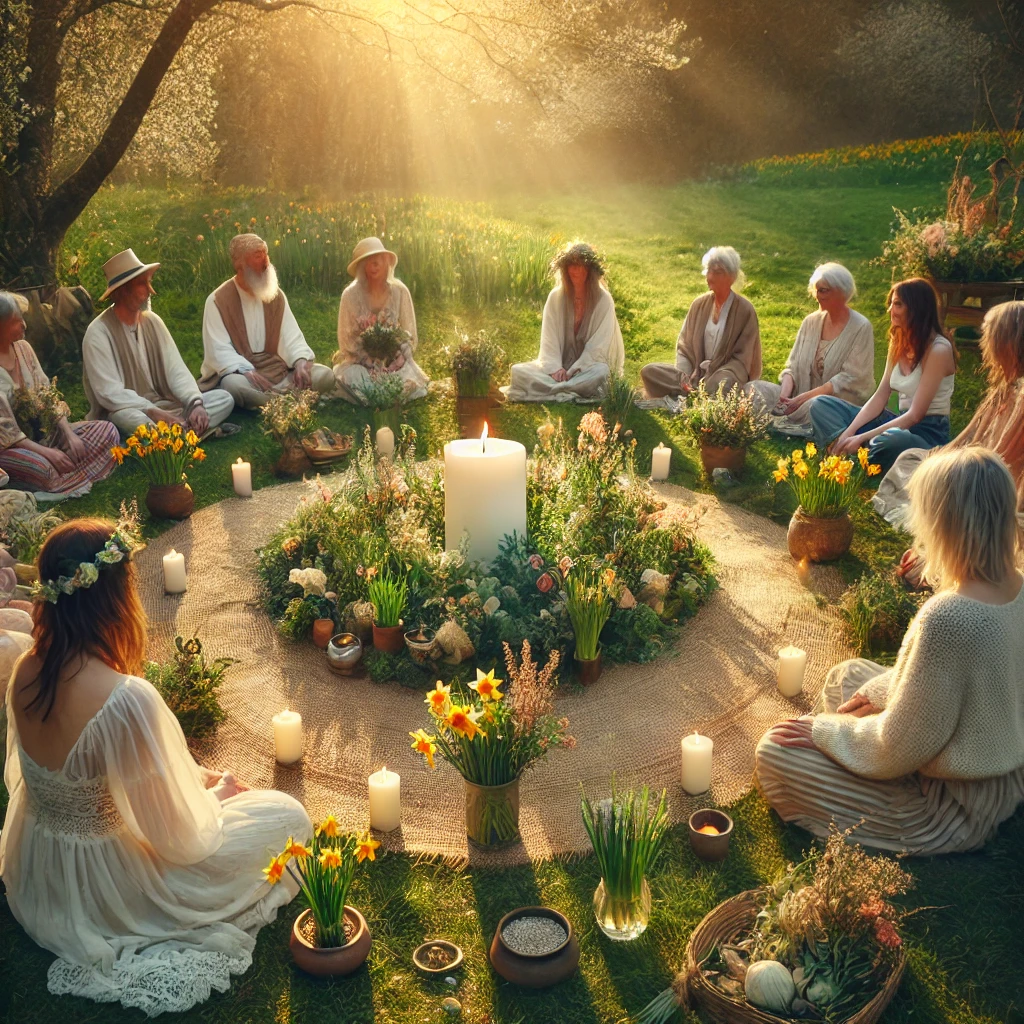
Spring Gratitude Circle

Ritual: Spring Gratitude Circle

By
ByTheo, WitchMar 17, 2025
Reading Time: 3 minutesGather with loved ones to reflect on past blessings and welcome the light of spring. This ritual fosters connection and celebrates nature’s harmony during the season’s renewal.
Spring Crown

Ritual: Crafting Spring Crowns for Ostara

By
ByTheo, WitchMar 8, 2025
Reading Time: 3 minutesDiscover how crafting floral crowns honors Ostara by symbolizing the Earth’s renewal, celebrating balance, fertility, and embracing the vibrant energy of spring.
Ostara wreath

Ritual: Ostara Wreath Making

By
ByTheo, WitchMar 5, 2025
Reading Time: 3 minutesDiscover how crafting vibrant wreaths with flowers, vines, and ribbons honors the Spring Equinox by symbolizing fertility, balance, and renewal in a creative ritual.
Bird Feeders

Ritual: Bird Feeders

By
ByTheo, WitchMar 3, 2025
Reading Time: 3 minutesLearn how crafting bird feeders honors Ostara by connecting with nature’s renewal, supporting wildlife, and embodying the spirit of giving during the Earth’s awakening.
Painted Rocks

Ritual: Painting Rocks for Ostara

By
ByTheo, WitchFeb 20, 2025
Reading Time: 3 minutesLearn how painting rocks with seasonal symbols celebrates Ostaraโ€™s renewal, infusing your home and garden with spring’s energy and serving as joyful reminders of nature’s cyclical beauty.
Candlemas Dream Pillows

Ritual: Candlemas Dream Pillows

By
ByTheo, WitchJan 27, 2025
Reading Time: 3 minutesCraft dream pillows with rosemary or thyme for Candlemas Eve to invite prophetic dreams. Embrace the mystical tradition and connect with the ethereal realm.
Candle Lighting

Ritual: Candle Lighting

By
ByTheo, WitchJan 27, 2025
Reading Time: 3 minutesLight candles for Imbolc to honor Brigid and the returning sun. Each flame symbolizes hope, renewal, and the transformative power of fire in this sacred ritual.
Brigid cross

Ritual: Weaving Brigid’s Cross

By
ByTheo, WitchJan 27, 2025
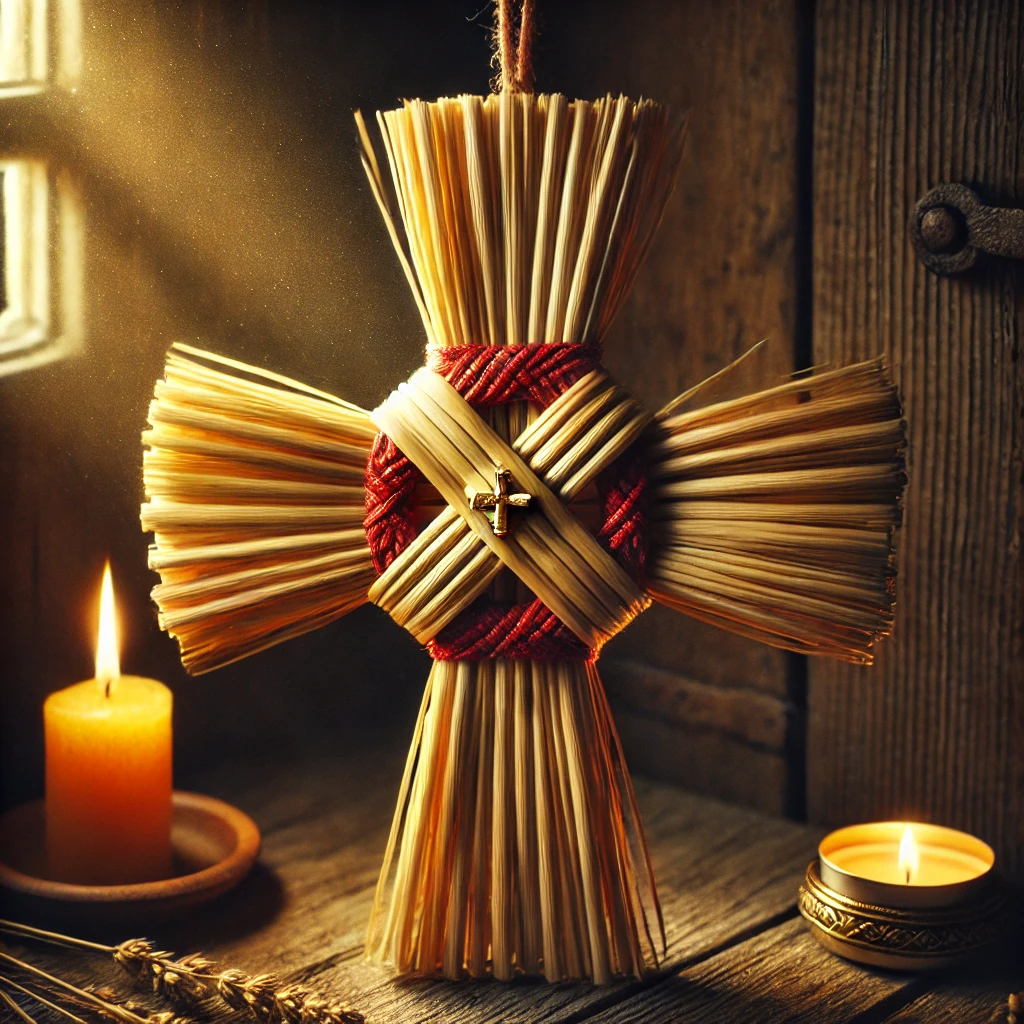
Reading Time: 3 minutesWeave Brigid’s Cross to invoke protection and renewal for Imbolc. Each straw intertwines as a timeless talisman honoring the goddess Brigidโ€™s enduring presence.
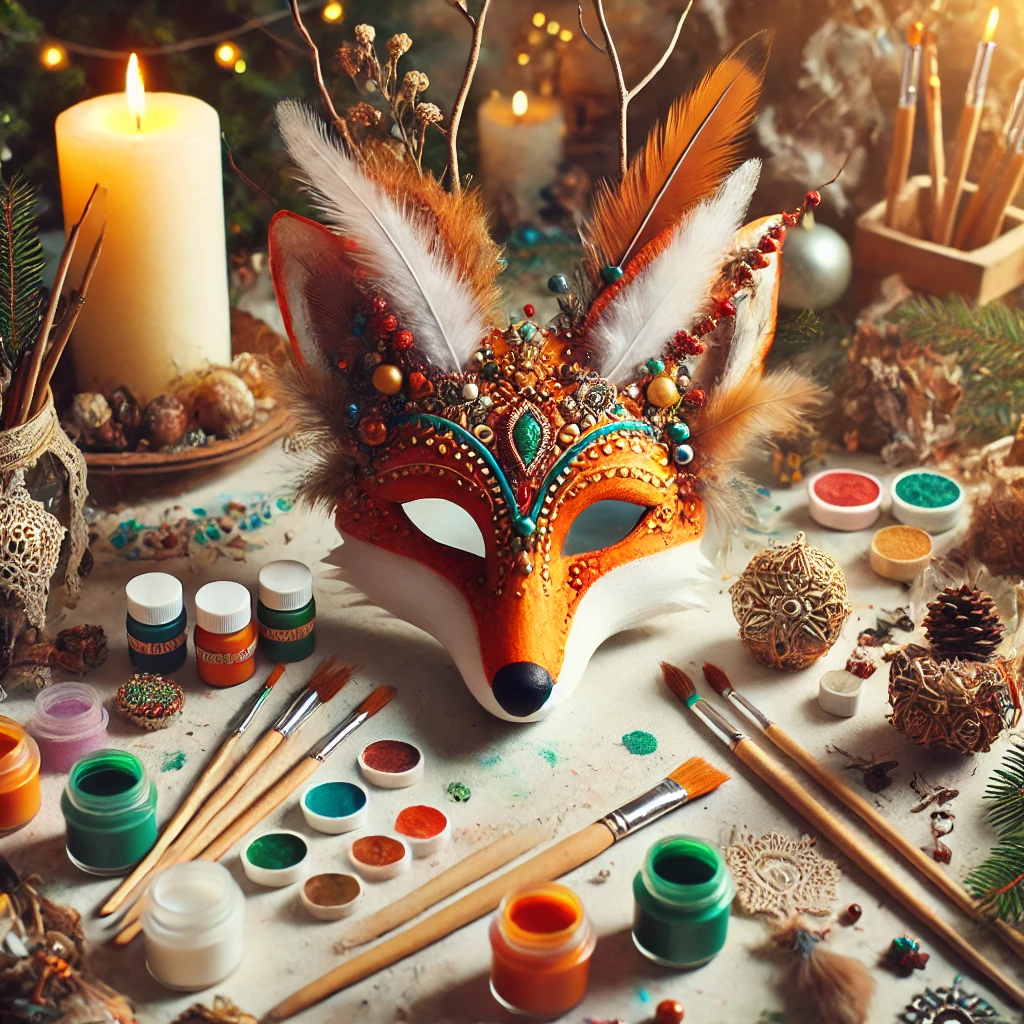
Yuletide Animal Masks

Ritual: Yuletide Animal Masks

By
ByTheo, WitchDec 18, 2024
Reading Time: 4 minutesCreate symbolic animal masks during Yuletide, embracing the traits and energies of sacred animals to set intentions and cultivate personal growth.
Posted on Leave a comment

Ritual: Creating a Sacred Litha Altar

Litha AltarReading Time: 14 minutes
Litha Altar

Introduction

Harnessing the Summer Solstice

The summer solstice, known as Litha, is a time of abundant light, vibrant energy, and the celebration of nature’s bounty. Creating a dedicated Litha altar is a powerful ritual that allows us to honor the sun’s radiance and connect with the energy of this enchanting season. In this article, we will explore the art of crafting a Litha altar, including its purpose, what to include on it, where to place it, and important safety considerations to ensure a meaningful and safe experience.

What is a Litha Altar?

To honor and celebrate this significant turning point in the year, many individuals create a sacred space known as the Litha altar. This section delves into the essence and purpose of a Litha altar, highlighting its role as a physical representation of our connection with nature, the sun, and the abundance that characterizes the season. By thoughtfully arranging specific items on the altar, we harness the power of symbolism to create an enchanting and energetically charged space that amplifies our intentions and spiritual practice.

A Litha altar serves as a dedicated focal point for honoring and celebrating the summer solstice, the longest day and shortest night of the year. It invites us to embrace the radiant energy of the sun and the abundance of the season. By creating this sacred space, we actively participate in the cyclical rhythms of nature, attuning ourselves to the profound shifts occurring in the world around us.

The Litha altar acts as a tangible symbol of our deep connection with nature and the sun. Through its carefully chosen elements, it mirrors the beauty and vitality of the natural world. Vibrant flowers, lush greenery, and representations of the sun itself evoke a sense of reverence and harmony with the environment. The altar becomes a bridge between the human experience and the magnificent tapestry of life unfolding during the summer solstice.

Intentional arrangement of specific items on the Litha altar serves a purpose beyond mere aesthetics. Each item holds symbolic significance, creating a visually captivating and energetically charged space that amplifies our intentions and spiritual practice. The selection of herbs, crystals, candles, and other meaningful objects empowers us to focus our thoughts, infuse them with purpose, and deepen our connection with the energy of the solstice. It becomes a place for meditation, ritual, and intention-setting, supporting us in manifesting our desires and aligning ourselves with the transformative power of the season.

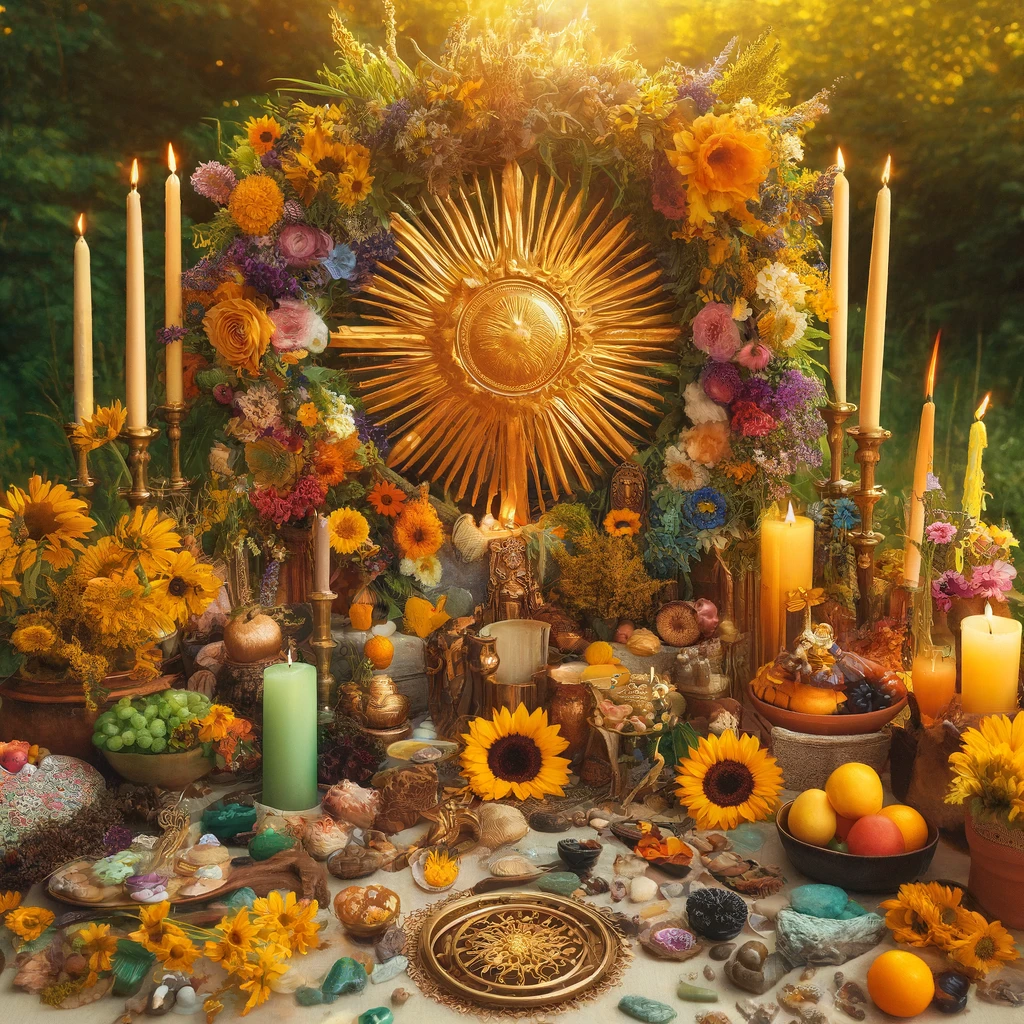
When crafting a Litha altar, careful consideration is given to the visual appeal and energetic resonance of the space. Vibrant colors, such as the golden hues of candles or the vivid petals of sunflowers, capture the essence of the sun’s radiance. Fresh herbs and seasonal fruits represent the bountiful harvest and abundance of the earth. By arranging these elements thoughtfully and with reverence, we create a visually captivating and energetically charged space that not only uplifts our spirits but also invites the energies of Litha to flow freely.

A Litha altar is far more than a mere decorative arrangement. It is a sacred space that honors the summer solstice, our connection with nature, and the abundance of the season. By thoughtfully selecting and arranging specific items, we create a visually captivating and energetically charged space that amplifies our intentions and spiritual practice. The Litha altar becomes a focal point for celebration, manifestation, and deepening our connection with the transformative energies of the solstice. May the creation and exploration of your Litha altar inspire a profound sense of connection and reverence for the radiant beauty of the summer season.

What to Put on a Litha Altar

Vibrant flowers, such as sunflowers, daisies, or marigolds, hold a special place on the Litha altar. They represent the beauty and vitality of summer, embodying the energy of the sun. These blossoms symbolize growth, joy, and abundance, infusing the altar with their vibrant colors and uplifting fragrance.

Incorporating representations of the sun and fire on the Litha altar is essential. Golden candles, sunburst designs, or a small solar disc serve as powerful symbols of the sun’s life-giving energy. They radiate warmth, light, and illumination, reminding us of the transformative power of the summer solstice.

Including natural elements on the Litha altar strengthens our connection with the earth and its abundance. Seashells, crystals, and gemstones represent the beauty and diversity found in nature. They serve as reminders of the earth’s nurturing qualities and the rich resources it offers during this fertile season. A small dish of salt or a bowl of soil can also be added to symbolize the grounding and fertile energies of the earth.

Incorporating summer fruits, such as berries and citrus, is a wonderful way to honor the abundance of the season. These fruits are vibrant, refreshing, and nourishing, representing the gifts of nature’s harvest. Placing them on the altar symbolizes the fruitful abundance of the earth and expresses gratitude for its sustenance.

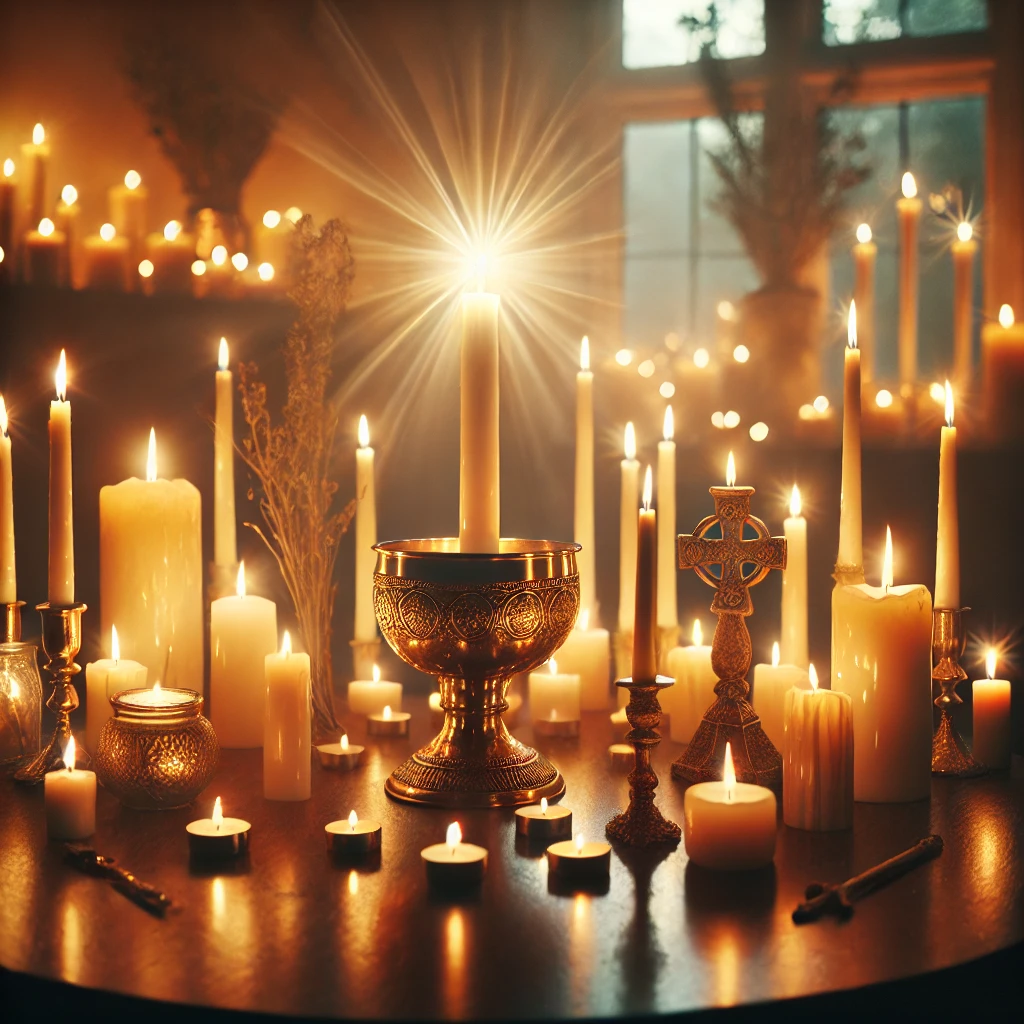
Including sacred tools and symbols on the Litha altar enhances spiritual practice and intention-setting. A cauldron represents transformation and the alchemical processes occurring during this potent time of the year. A chalice symbolizes the divine feminine and the sacred union of opposites. A wand can be added to represent the power of manifestation and the ability to direct energy. These tools act as conduits for focusing intentions and working with the energies of the solstice.

Leaving offerings on the Litha altar is a way to show gratitude for the blessings of the season. Honey, mead, or freshly picked herbs can be placed as offerings, representing the sweetness, abundance, and healing properties of the earth’s gifts. These offerings serve as a reminder of the reciprocity between humans and the natural world, fostering a sense of gratitude and harmony.

By carefully selecting and arranging these items on the Litha altar, we infuse the space with symbolic significance. Each element represents aspects of the season, the sun’s energy, and our connection with nature. The altar becomes a visual and energetic representation of the sacred union between humanity and the natural world, inviting us to embrace the transformative energies of Litha and celebrate the abundance and vitality of the summer solstice.

Where to Have a Litha Altar

When it comes to placing your Litha altar, it is essential to select a location that resonates with your personal connection to nature and the solstice energy. Whether indoors or outdoors, the placement of your altar should reflect your intentions and provide a serene space for reflection and celebration. Here are some considerations for finding the perfect spot:

Indoors

If you prefer an indoor altar, consider dedicating a table or a corner in a well-lit room. Look for a space that feels peaceful and inviting, where you can create a sacred atmosphere. A sunny windowsill can be an ideal spot, as it allows the sun’s rays to filter through, symbolizing the essence of the solstice. Ensure the area is clean, decluttered, and free from distractions, allowing you to focus on your connection with the energies of Litha.

Outdoors

Embracing the natural surroundings during Litha can enhance your experience. Find a peaceful spot in your garden, backyard, or a nearby park to set up your outdoor Litha altar. Look for an area that offers a sense of tranquility and allows you to connect with the elements. You may choose to create a permanent altar if you have a dedicated outdoor space or opt for a temporary setup on a patio or balcony if you have limited outdoor access.

Considerations for Outdoor Placement

Whether you choose an indoor or outdoor location, the key is to find a space that feels harmonious and conducive to your spiritual practice. Remember to consider practicality, comfort, and the availability of space. Trust your intuition and select a location that aligns with your intentions for honoring and celebrating the summer solstice.

Stability

Ensure that the surface you choose for your altar is stable and secure. It should be able to withstand any wind or weather conditions. You can place a cloth or mat as a foundation for your altar items.

Privacy

Select a location that offers privacy and solitude, allowing you to fully immerse yourself in the rituals and meditation associated with Litha. This will provide a tranquil environment for your practice and foster a deeper connection with the energies of the season.

Connection with Nature

Look for a spot that allows you to feel connected to the natural elements. It could be under a shade tree, near a blooming flower bed, or by a gently flowing stream. Surrounding yourself with the beauty of nature enhances the sacredness of your altar and strengthens your connection with the seasonal energy.

By intentionally choosing a suitable location for your Litha altar, you create an environment that supports your connection with the energies of the season. It becomes a sacred space where you can immerse yourself in the beauty of nature and honor the vibrant energy of the summer solstice.

Creating a Sacred Litha Altar

Litha, the celebration of the summer solstice, is a time of vibrant energy, abundance, and the power of the sun. Creating a sacred Litha altar allows us to honor and harness this potent energy, connect with the natural world, and deepen our spiritual practice. We will guide you through the step-by-step process of creating a sacred Litha altar, explore the significance of materials used, and delve into the magical uses of the altar during this ritual.

Ritual Basics

Before beginning any ritual, it is important to prepare yourself mentally and physically. You may want to take a cleansing bath, or shower, and meditate or perform some grounding exercises to center yourself. Gather any materials you will need, such as candles, incense, and offerings for the forest spirits.

You can read a more detailed Ritual Preparation guide here.

Making Litha Altar
Print Ritual
No ratings yet

Ritual: Creating a Sacred Litha Altar

Litha, the celebration of the summer solstice, is a time of vibrant energy, abundance, and the power of the sun. Creating a sacred Litha altar allows us to honor and harness this potent energy, connect with the natural world, and deepen our spiritual practice. We will guide you through the step-by-step process of creating a sacred Litha altar, explore the significance of materials used, and delve into the magical uses of the altar during this ritual.
Prep Time15 minutes
Ritual Time30 minutes
Total Time45 minutes
Ritual Type: Litha
Type: Rituals
Author: Theo, Witch

Supplies

  • Vibrant Litha-colored cloth or fabric such as yellows, oranges, and fiery reds
Symbols of the Elements
  • Earth i.g. – small dish of soil, a potted plant, or crystals like moss agate or green aventurine
  • Air i.g. – feathers, incense, or a small fan
  • Fire i.g. – candles or small representations of flames
  • Water i.g. – a small bowl of water, a seashell, or a small fountain
Additional Symbols
  • Representations of the sun a sun-shaped ornament, a small solar deity statue, or a gold-colored fabric
  • The natural world Seasonal herbs such as lavender, rosemary, or chamomile and/ or flowers, leaves, or branches
  • (optional) Representation of the specific deity or spiritual guides Pictures or Stattuettes
Sacret Symbols & Tools
  • a cauldron or a small bowl
  • a wand
  • tarot or orecle cards

Instructions

Choose a Sacred Space

  • Select a dedicated space in your home or outdoors where you can create and maintain your Litha altar throughout the season.
  • It could be a tabletop, a shelf, or a quiet corner in your garden.

Set the Foundation

  • Begin by covering the surface of your altar with a vibrant cloth or fabric that resonates with the colors of Litha, such as yellows, oranges, and fiery reds.
  • This foundation represents the fertile earth and the vibrant energy of the sun.

Honor the Elements

  • Arrange items that represent the four elements on your altar.
  • Earth: Place a small dish of soil, a potted plant, or crystals like moss agate or green aventurine to symbolize grounding and growth.
  • Air: Add feathers, incense, or a small fan to represent the element of air and its qualities of communication and inspiration.
  • Fire: Incorporate candles or small representations of flames to embody the transformative energy of fire.
  • Water: Include a small bowl of water, a seashell, or a small fountain to symbolize the element of water and its connection to emotions and intuition.

Embrace the Solar Energy

  • Place representations of the sun on your altar, such as a sun-shaped ornament, a small solar deity statue, or a gold-colored fabric.
  • These items symbolize the power and warmth of the sun, inviting its energy into your sacred space.

Connect with Nature

  • Bring elements from the natural world onto your altar to deepen your connection with nature during Litha.
  • Add flowers, leaves, or branches from seasonal plants to honor the growth and abundance of the season.
  • Incorporate herbs such as lavender, rosemary, or chamomile, which are traditionally associated with Litha and possess their own unique properties.

Invoke the Divine

  • If you have specific deities or spiritual guides you wish to work with during Litha, include representations or images of them on your altar.
  • You may choose solar deities like Apollo, Ra, or Brigid, or any other deities that resonate with the energy of the sun and the season.
  • Place symbols or images of these deities in a prominent position on your altar, inviting their blessings and guidance.

Sacred Symbols and Tools

  • Add symbols and tools that hold personal significance or represent your intentions for the season.
  • Place a cauldron or a small bowl for burning herbs or offering intentions.
  • Use a wand or a crystal wand to direct energy and set intentions.
  • Include tarot or oracle cards for divination and guidance.

Notes

Moon Milk Lavender and CherriesMoon milk is believed to have magical properties that promote relaxation, sleep, and spiritual connection. Lavender is a powerful herb that is often used in spells and rituals to promote tranquility, purification, and harmony. It is said to help calm the mind, soothe anxiety, and facilitate communication with the spiritual realm. Cherries, on the other hand, are associated with abundance, prosperity, and love. By combining these two ingredients in moon milk, we can create a potent brew that promotes restful sleep, deep relaxation, and a profound sense of spiritual connection.
As you sip on your moon milk and gaze up at the moon, take a moment to reflect on the magic and mystery of the universe. Whether you are working with the moon to manifest your desires, to connect with your intuition, or simply to enjoy a peaceful moment of reflection, remember that the power of the moon is always with you, waiting to be harnessed and celebrated.
*Calories Calculated with 2% Dairy Milk, Different bases will change the values.
© The Equinox Apothecary 2024 – Permission is granted to copy and reproduce this Ritual with attribution

Magical Uses of the Altar

Harnessing the energy of Litha, the summer solstice, through the creation of a sacred altar can significantly enhance your spiritual practice. This altar serves as a dedicated focal point for your intentions, rituals, and connection with the vibrant energies of the season. By setting intentions, offering prayers, performing rituals and divination, and fostering a deeper connection with the divine, the Litha altar becomes a powerful tool for manifesting your desires and aligning with the transformative forces of nature. Letโ€™s delve into how to utilize your Litha altar for these magical purposes.

Altar as a Sacred Focal Point

The Litha altar serves as a powerful focal point for your intentions, rituals, and connection with the energy of Litha. It becomes a dedicated space for spiritual practice, embodying the vibrancy and abundance of the summer solstice. Here, you can meditate, perform rituals, and work with the seasonal energies to manifest your desires and deepen your connection with the divine.

Setting Intentions and Offering Prayers

Use the altar to set your intentions for the coming months. This might involve writing down your goals and dreams on pieces of paper and placing them on the altar. Offering prayers to the deities and natural spirits of Litha, such as the sun god or goddess, can help align your energy with the potent forces of the season.

Performing Rituals and Divination

The altar is an ideal space for performing Litha rituals, which might include lighting candles to honor the sun, making offerings of summer fruits, or crafting protective charms. Itโ€™s also a perfect setting for divination practices. Whether you use tarot cards, runes, or scrying, the altar’s energy can enhance your ability to gain insights and guidance.

Connecting with the Divine

Simply spending time at your Litha altar, in quiet reflection or active worship, can foster a deeper spiritual connection. This sacred space allows you to feel the presence of the divine more intimately and to immerse yourself in the seasonal energies of growth, light, and abundance.

Significance of Materials

The materials chosen for your Litha altar hold profound symbolic and energetic significance, enhancing the overall spiritual experience. The cloth or fabric that forms the base of your altar represents the fertile earth, grounding your space in the essence of nature. Vibrant colors like yellows, oranges, and fiery reds are ideal, as they evoke the sun’s warmth and vitality at its peak, setting a vibrant and powerful tone for your rituals. Adding crystals and gemstones further amplifies the altar’s energy, each stone bringing its unique properties to the mix. For instance, moss agate symbolizes growth and abundance, fostering a deep connection to nature and encouraging personal growth. Meanwhile, green aventurine attracts prosperity, luck, and harmonious relationships, enhancing your capacity to manifest joy and abundance. Together, these elements create a sacred and energetically charged space that aligns perfectly with the essence of Litha.

Cloth or Fabric

The cloth or fabric you choose for your Litha altar represents the foundation and fertile earth. Opt for colors that embody the energy of Litha, such as vibrant yellows, oranges, and fiery reds. These hues evoke the warmth and vitality of the sun at its peak and set the tone for your altarโ€™s energy. A beautifully chosen cloth can also add a sense of sacredness and beauty to your rituals.

Crystals and Gemstones

Crystals and gemstones play a significant role in enhancing the energy of your Litha altar. They not only add beauty but also amplify specific intentions and qualities you wish to bring into your life.

Moss Agate: This crystal symbolizes growth, abundance, and a deep connection to nature. Place moss agate on your altar to encourage personal growth and to attract the bountiful energies of the earth. Itโ€™s particularly effective for enhancing fertility and nurturing new beginnings.

Green Aventurine: Known for enhancing prosperity, luck, and harmonious relationships, green aventurine is a powerful stone for manifesting abundance and joy. Incorporate it into your altar to attract good fortune and to foster a sense of harmony in your interactions and relationships.

Enhancing Your Magical Practices

Creating a Litha altar is not merely about aesthetics; it’s about infusing your space with powerful, intentional energy that aligns with the vibrant themes of the summer solstice. By incorporating herbs and flowers, you bring in the essence of protection, calm, and the sun’s vitality. Candles and fire elements are pivotal, symbolizing illumination and transformation. Adding sacred tools such as a chalice, wand, and athame enhances your rituals and meditations, helping you harness the potent energies of Litha. Each carefully chosen item transforms your altar into a sanctuary of vibrant energy and sacred intention, fostering spiritual growth and a deeper connection with nature. May your Litha altar inspire and empower you, serving as a transformative space to celebrate the abundant energies of this magical season.

Herbs and Flowers

Adding herbs and flowers to your altar can greatly enhance its magical potency. Use herbs such as rosemary for protection, lavender for calm and clarity, and sunflowers to honor the sunโ€™s energy. Fresh flowers not only beautify the space but also infuse it with the vibrant life force of summer.

Candles and Fire Elements

Candles are a central element of Litha altars, symbolizing the sunโ€™s light and warmth. Use them to illuminate your space, making sure to choose colors that resonate with the season. Fire elements, such as a small cauldron or a sun symbol, can also be added to represent the transformative power of fire.

Sacred Tools

Incorporate sacred tools that are meaningful to your practice, such as a chalice for water, a wand for directing energy, and an athame for cutting through obstacles. These tools can be used in various rituals and meditations, helping you to harness and direct the potent energies of Litha.

Creating an Energetic Sanctuary

Your Litha altar is more than just a decorative setup; itโ€™s a sanctuary of vibrant energy and sacred intention. By thoughtfully selecting and arranging items that resonate with the themes of Litha, you create a space that supports your spiritual growth and connects you with the rhythms of nature. May your altar be a source of inspiration, empowerment, and transformation as you celebrate the summer solstice and harness the abundant energies of this magical season.

Creating a sacred Litha altar allows us to connect with the powerful energy of the sun and the abundance of the summer season. By following the step-by-step instructions and incorporating meaningful materials, we can create a sacred space that nurtures our spiritual practice. The altar serves as a focal point for intention setting, rituals, and connection with the divine. Embrace the solar energy, honor the elements, and connect with the cycles of nature as you create and work with your Litha altar. May your sacred space be filled with the vibrant energy of Litha, guiding you on a transformative and abundant spiritual journey.

The Purpose of a Litha Altar

A Litha altar serves as a sacred space to honor the summer solstice, a time of radiant sunlight and bountiful energy. This dedicated space is not only for celebration but also for expressing gratitude, fostering a deep connection with nature, and setting powerful intentions for personal and spiritual growth. By thoughtfully placing symbolic items on the altar, we create a focal point that magnifies our desires and aligns us with the transformative energies of the season. Through celebration, connection, and intention-setting, the Litha altar becomes a beacon of light, guiding us towards harmony with the natural world and the rhythms of the earth.

Celebration and Gratitude

It provides a dedicated space to celebrate the summer solstice, express gratitude for the abundance of the season, and honor the sun’s radiant energy.

Connection with Nature

The altar helps foster a deeper connection with nature and the cycles of the earth. It serves as a reminder of our interconnectedness with the natural world and encourages us to live in harmony with its rhythms.

Intention Setting

By placing items and symbols on the altar, we can infuse them with our intentions, dreams, and aspirations. The altar becomes a focal point for manifesting our desires and aligning ourselves with the transformative energy of the summer solstice.

Safety Considerations

Creating a Litha altar is a beautiful way to celebrate the summer solstice, but it’s essential to keep safety in mind to ensure a harmonious and secure environment. Whether your altar is indoors or outdoors, taking precautions can prevent accidents and maintain the sanctity of your sacred space. Key safety considerations include proper fire safety practices, securing outdoor altars against the elements, and ensuring that pets and young children cannot accidentally disrupt or harm the altar’s elements. By prioritizing safety, you can fully immerse yourself in the spiritual and celebratory aspects of Litha without worry.

Fire Safety

If using candles, ensure they are placed on a stable surface away from flammable items and are never left unattended. Consider using flameless LED candles as a safer alternative.

Outdoor Altars

If placing your altar outdoors, protect it from wind, rain, and direct sunlight. Secure lightweight items to prevent them from falling or being blown away.

Pet and Child Safety

If you have pets or young children, ensure that the altar is placed out of their reach to prevent accidents or damage to the sacred items.

Crafting a Litha altar is a beautiful and meaningful way to connect with the energy of the summer solstice and celebrate the abundance of the season. By carefully selecting and arranging symbolic items, expressing gratitude, and setting intentions, the altar becomes a powerful tool for spiritual practice and manifestation. Remember to choose a suitable location, exercise safety precautions, and infuse your altar with love and reverence. May your Litha altar serve as a sacred space for connection, celebration, and transformation during this radiant time of the year.

Conclusion

As we celebrate Litha and honor the summer solstice, the creation of a Litha altar stands as a testament to our connection with the vibrant energies of the season. This sacred space, thoughtfully adorned and reverently maintained, becomes a beacon of light, gratitude, and intention. Through the practice of crafting and tending to our Litha altars, we embrace the abundance, vitality, and transformative power of the sun, inviting its radiant energy into our lives and celebrating the boundless beauty of the natural world.