Posted on Leave a comment

Foraging: Cleavers

Cleavers_Galium aparineReading Time: 14 minutes
Cleavers_Galium aparine

Introduction

Nature’s Sticky Secret: Uncovering Cleavers’ Healing Magic

A versatile, scrambling plant with medicinal, culinary, and even coffee-making potential, Cleavers is an easy-to-forage herb that offers an abundance of benefits. Learn how to identify, harvest, and use this remarkable wild edible.

What Are Cleavers?

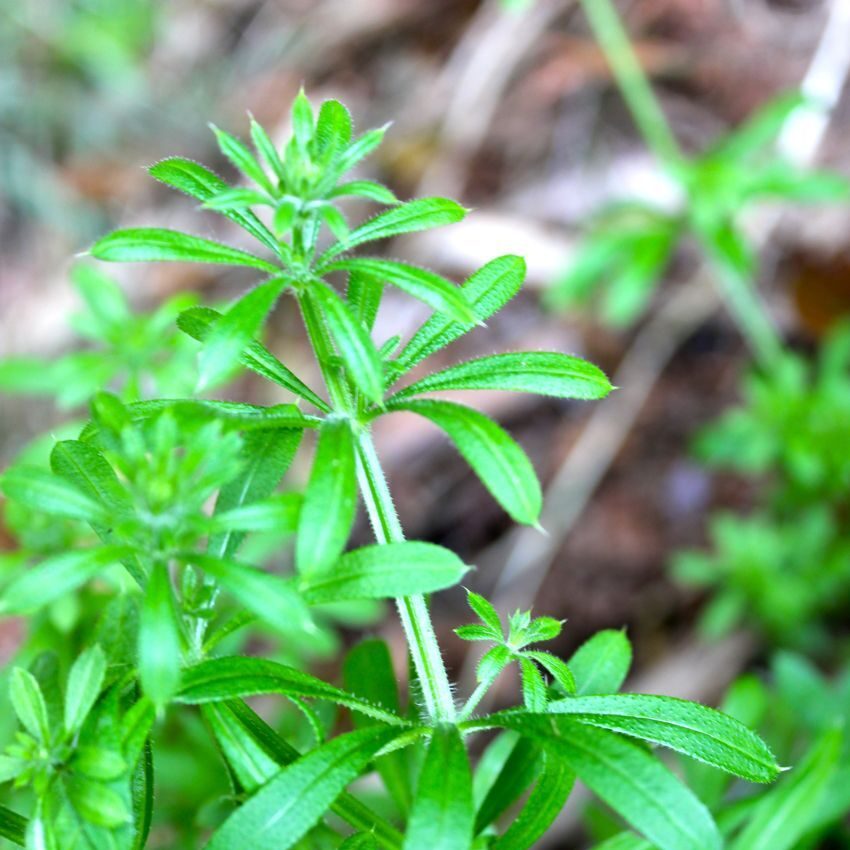
Cleavers (Galium aparine), also known as Goosegrass, Stickyweed, or Bedstraw, is a straggly, climbing plant known for its distinctive clinging nature. The plant gets its name from the tiny, hooked hairs covering its stems and leaves, which allow it to attach to clothing, fur, and surrounding vegetation as it grows.

This member of the coffee family (Rubiaceae) has been used for centuries as a cleansing herb, prized for its ability to support kidney function, detoxify the body, and soothe irritated skin. Beyond its medicinal applications, Cleavers is also a nutritious wild green that can be enjoyed in soups, stews, and teas. The plant’s seeds, when dried and roasted, can even be used as a coffee substitute.

Cleavers is widely distributed across North America, Europe, and Asia, thriving in a variety of environments. It is an excellent wild plant for foragers due to its abundance, ease of identification, and range of uses.

Variants of Cleavers

While Galium aparine is the most commonly foraged species, other members of the Galium genus share similar characteristics and properties. Some notable variants include:

  • Northern Bedstraw (Galium boreale): Found in North America, this species has non-clinging leaves and produces small white flowers in clusters. It has similar medicinal uses but lacks the sticky quality of Cleavers.
  • Sweet Woodruff (Galium odoratum): A fragrant, low-growing relative that is used to flavor drinks, especially in European May wine traditions. Unlike Cleavers, Sweet Woodruff has a pleasant vanilla-like aroma.
  • Field Madder (Sherardia arvensis): A close relative that is often confused with Cleavers but has tiny pink flowers instead of white. It is not as commonly used medicinally.

While some variants have their own unique properties, Galium aparine remains the most widely used for both foraging and herbal applications.

How to Identify Cleavers

Cleavers is an easily recognizable plant due to its characteristic clinging growth habit. Key identification features include:

  • Stems: Thin, weak, and square-shaped with tiny backward-facing bristles. The stems are often hollow and tend to sprawl or climb over other vegetation.
  • Leaves: Arranged in whorls of 4-8 around the stem, Cleavers leaves are narrow, lance-shaped, and covered in tiny hooked hairs that make them feel rough to the touch.
  • Flowers: Small, white, and star-like, appearing in clusters along the stems in late spring and early summer.
  • Seeds: Tiny, round, and covered in hooked bristles, which help them cling to animals and spread.
  • Scent: Fresh Cleavers has a mild grassy scent when crushed, with a slightly bitter, earthy aroma.
  • Growth Habit: This plant scrambles across the ground or climbs using its tiny hooks to latch onto nearby plants, fences, or other structures.

Cleavers grows prolifically in hedgerows, meadows, forest edges, and disturbed ground, making it a common and easy-to-find wild edible.

Habits of Cleavers

Cleavers is a resilient and opportunistic plant that thrives in temperate climates. It prefers moist, nutrient-rich soils and is commonly found in:

  • Woodland edges
  • Hedgerows and fence lines
  • Stream banks and moist meadows
  • Disturbed soils and roadsides
  • Shaded garden beds and backyards

Cleavers is an annual plant, meaning it completes its life cycle in one growing season. It emerges in early spring, producing sprawling stems and lush green foliage. The plant flowers from late spring to early summer, with small white blooms giving way to seed pods that cling to passing animals and clothing. By midsummer, Cleavers begins to die back, leaving behind seeds that ensure its return the following year.

How to Properly Forage Cleavers

Foraging Cleavers is simple due to its widespread distribution and ease of identification. Follow these steps for a successful and sustainable harvest:

  1. Identify Safely: Ensure the plant has its signature clinging stems, whorled leaves, and small white flowers. If in doubt, check for the sticky texture by gently brushing your hand along the plant.
  2. Harvest Young Shoots: The best time to harvest Cleavers is in early spring when the shoots are tender and vibrant green. Older plants can become tough and fibrous.
  3. Use Scissors or Hands: Cleavers can be easily pulled up by hand, but using scissors to snip the upper portions of the plant allows for regrowth.
  4. Avoid Contaminated Areas: Do not harvest Cleavers near roadsides, industrial sites, or places treated with pesticides or herbicides.
  5. Storage: Store fresh Cleavers in a sealed bag in the refrigerator for up to a week. They can also be dried and stored in an airtight container for later use in teas and tinctures.

Magical Uses of Cleavers

Cleavers has long been associated with purification, binding, and renewal in magical practices:

  • Purification and Cleansing: Often used in purification spells, Cleavers is believed to remove negativity and clear spiritual blockages.
  • Binding and Connection: Because of its clinging nature, Cleavers symbolizes binding energy and can be used in spells related to love, friendship, and loyalty.
  • Healing and Renewal: Its historical use as a cleansing herb translates into magical applications for personal growth and healing rituals.
  • Dream Work: Some traditions believe that placing Cleavers under a pillow can promote insightful dreams and deeper spiritual connections.

Medicinal Uses of Cleavers

Cleavers has been used in traditional medicine for centuries, particularly as a cleansing and detoxifying herb. Some key medicinal benefits include:

  • Kidney and Urinary Health: Cleavers is a natural diuretic, helping to flush toxins from the body and support kidney function. It has been used to alleviate urinary tract infections and kidney stones.
  • Lymphatic Support: Herbalists use Cleavers to stimulate the lymphatic system, promoting detoxification and reducing swollen glands.
  • Skin Health: Cleavers is excellent for treating skin conditions such as eczema, psoriasis, and rashes. A wash or poultice made from the leaves can soothe irritation.
  • Anti-Inflammatory Properties: Traditionally used to reduce inflammation and support the immune system.
  • Digestive Aid: Cleavers has mild laxative properties and can help with sluggish digestion.

It is often consumed as an infusion, tincture, or fresh juice to harness its medicinal effects.

Culinary Uses of Cleavers

Although not as widely used as other wild greens, Cleavers can be incorporated into various dishes:

  • Soups and Stews: The young leaves and stems can be finely chopped and added to broths and vegetable soups.
  • Cooked Greens: Tender shoots can be steamed, boiled, or sautéed and served like spinach.
  • Cleavers Coffee: The seeds can be dried, roasted, and ground as a caffeine-free coffee alternative.
  • Herbal Teas and Infusions: Fresh or dried Cleavers can be steeped in hot water to make a refreshing, detoxifying tea.
  • Smoothies: Blend fresh Cleavers into green smoothies for an added nutritional boost.

Due to their sticky texture, raw Cleavers are not commonly eaten in salads, but they can be blended into a pesto or pureed soups.

Northern Bedstraw (Galium boreale

A Fragrant and Gentle Cousin to Cleavers
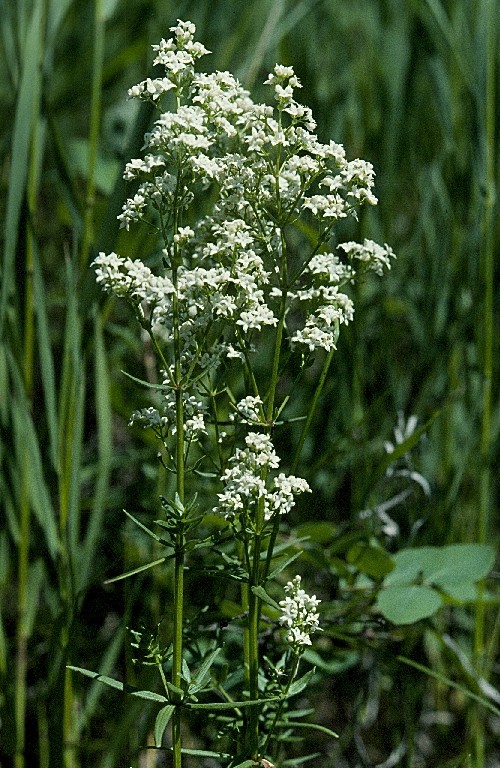
Northern Bedstraw_Galium boreale

Northern Bedstraw (Galium boreale) is a graceful perennial herb native to North America, often found in cool temperate regions stretching from Canada into the northern United States. As a member of the Galium genus—like Cleavers (Galium aparine)—Northern Bedstraw shares many botanical and medicinal traits with its stickier relative but is distinguished by a more refined structure, a lack of clinging hairs, and a soft, pleasant scent that has earned it a place in both traditional medicine and folklore.

Identification and Physical Characteristics

Unlike Cleavers, Northern Bedstraw does not cling to clothing or fur, making it easier to handle and more appealing in certain uses, especially those involving dried plant material. Key features of Galium boreale include:

  • Leaves: The leaves are slender, smooth, and arranged in symmetrical whorls of four along the square stem. They are dark green, glossy, and lack the tiny hook-like hairs that make Cleavers sticky. This smoothness is one of the easiest ways to distinguish Northern Bedstraw in the field.
  • Stems: Square in cross-section and generally upright, the stems of Northern Bedstraw are more rigid than Cleavers and do not sprawl or climb. They tend to grow in tidy clumps, forming loose colonies in open meadows and lightly shaded woods.
  • Flowers: In midsummer, Northern Bedstraw blooms with tight clusters of tiny, star-shaped white flowers at the tops of the stems. These flowers are highly fragrant, giving the plant a sweet, honeyed aroma that is especially noticeable in the warmth of the sun.
  • Height and Habit: The plant typically reaches 12 to 24 inches in height and grows upright, unlike the more vine-like Cleavers. It spreads via rhizomes, forming dense but non-invasive colonies in appropriate habitats.

Where It Grows

Northern Bedstraw thrives in a wide range of temperate ecosystems, preferring:

  • Open woodlands and forest edges
  • Prairies and tallgrass meadows
  • Moist, well-drained soils
  • Hillsides, riverbanks, and transitional zones between wet and dry habitats

It is particularly common in the northern United States, the Great Lakes region, and across much of Canada. Due to its adaptability and low maintenance, it is sometimes cultivated in native plant gardens for its ecological value and gentle charm.

Medicinal Uses

Although not as well-known as Cleavers in modern herbal medicine, Northern Bedstraw carries a long history of traditional use among Indigenous peoples and early settlers, especially in the realm of cleansing and detoxification:

  • Lymphatic Support: Like Cleavers, Northern Bedstraw has mild diuretic and lymphatic-cleansing properties. It was traditionally used to support the urinary system and help reduce swelling of the lymph nodes.
  • Skin Conditions: Infusions made from the aerial parts were applied topically or consumed to help clear minor skin ailments such as eczema, acne, and rashes.
  • Mild Sedative Effects: The pleasant aroma and calming energy of the plant have given it a reputation for helping with restlessness and tension. Herbalists sometimes use it in tea blends intended for emotional balance and gentle relaxation.
  • Kidney and Bladder Health: Northern Bedstraw has been used to soothe irritation in the urinary tract and support healthy kidney function, although it is considered milder in effect compared to Galium aparine.

Culinary and Practical Uses

While not commonly used in modern cuisine, Northern Bedstraw does have a few interesting applications:

  • Tea Infusions: The flowering tops can be dried and steeped to create a subtly sweet herbal tea with gentle tonic effects. The tea is often used for general wellness and to support detox during seasonal transitions.
  • Bed Stuffing and Herbal Pillows: True to its name, Bedstraw was once used to stuff mattresses and pillows. The dried plant maintains its fragrance for some time and was believed to ward off pests while providing a soothing aroma conducive to sleep.
  • Craft and Potpourri: Due to its fragrant flowers and tidy growth habit, Northern Bedstraw is sometimes used in natural wreaths, herbal bundles, or potpourri for its aromatic qualities and attractive form.

Magical and Folkloric Associations

Northern Bedstraw holds a quiet but meaningful place in folklore:

  • Love and Protection: Its association with rest, sweetness, and gentle energy lends it well to charm bags or spells for love, home protection, or peaceful sleep.
  • Dream Magic: The fragrant blossoms are sometimes used in herbal dream pillows to encourage restful sleep and pleasant dreams.
  • Fairy Plant Lore: In some traditions, bedstraw plants—particularly those that bloom in midsummer—are said to attract the attention of forest spirits and fairies, making them a charming addition to ritual or celebration during the summer solstice.

Northern Bedstraw (Galium boreale) may not have the sticky notoriety of Cleavers, but its grace, gentle fragrance, and subtle medicinal powers make it a wonderful plant to know and appreciate. Its upright habit, smooth leaves, and starry white blooms set it apart as both a visual delight and a gentle ally in herbal wellness. Whether dried for tea, tucked into a dream pillow, or admired in a summer meadow, Northern Bedstraw invites us to explore the quieter side of the Galium family with reverence and curiosity.

Sweet Woodruff (Galium odoratum

 A Fragrant Herb of Folklore, Flavor, and Forest Floors

Sweet Woodruff (Galium odoratum), also known as Wild Baby’s Breath, is a charming, low-growing herb in the Galium genus that has long held a beloved place in European herbal traditions. Known for its delicate whorls of emerald-green leaves, dainty white blossoms, and sweet, hay-like fragrance, Sweet Woodruff is both a visual and olfactory delight. Unlike its cousin Galium aparine (Cleavers), which clings with sticky hooks, Galium odoratum is velvety smooth and soft to the touch—a true woodland gem that enchants the senses.
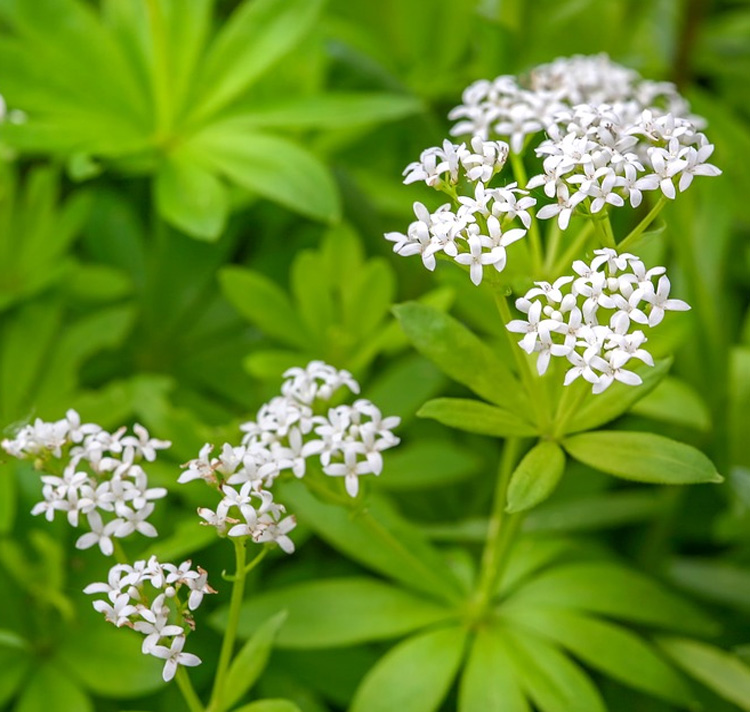
Sweet Woodruff_Galium odoratum

Identification and Characteristics

Sweet Woodruff is relatively easy to identify, especially when in bloom. It forms dense, carpet-like mats in shaded, moist woodland environments and is often grown as a ground cover in gardens due to its lovely scent and low maintenance needs. Key identifying features include:

  • Leaves: Its narrow, lance-shaped leaves grow in symmetrical whorls of six to eight around the stem. The foliage is soft and smooth, lacking the clinging hairs found on Cleavers. When dried, the leaves develop an even more intense fragrance reminiscent of fresh-cut hay or vanilla.
  • Flowers: In late spring to early summer, Sweet Woodruff produces clusters of tiny, star-shaped white flowers. These blooms are small but numerous, and they give the plant a frothy, ethereal appearance when in full bloom.
  • Growth Habit: Sweet Woodruff is a low-growing, spreading perennial, typically reaching heights of 6–12 inches. It spreads by creeping rhizomes and can quickly form lush, green carpets under trees or in shaded garden beds.
  • Scent: The plant’s signature scent comes from a compound called coumarin, which is released more strongly when the plant is dried. Coumarin gives Sweet Woodruff its unmistakable sweet, vanilla-like aroma—pleasant, soothing, and sometimes used in aromatherapy.

Habitat and Range

Sweet Woodruff is native to Europe, parts of Asia, and northern Africa, but has naturalized in some parts of North America. It thrives in:

  • Deciduous woodlands and shaded forests
  • Moist, rich, well-drained soil
  • Shady garden environments where it spreads easily as ground cover

Because of its preference for shade and dampness, Sweet Woodruff often grows near moss, ferns, and other woodland flora. It’s a common sight beneath beech, oak, and maple trees in its native habitats.

Culinary Uses and May Wine Traditions

One of Sweet Woodruff’s most famous historical uses is as a flavoring in May wine, a traditional German beverage consumed during Walpurgis Night and May Day celebrations. The plant is steeped in white wine—traditionally a young Rhine wine—along with strawberries and citrus slices, to create a light, floral, celebratory drink meant to welcome spring.

Other Culinary Applications Include:

  • Infused Syrups: Sweet Woodruff can be infused into simple syrup and added to lemonade, cocktails, or desserts for a subtle, floral sweetness.
  • Flavored Jellies and Puddings: The plant has occasionally been used to flavor dairy-based desserts, jellies, and sweet creams, especially in historical European recipes.
  • Herbal Teas (in moderation): When dried, the leaves may be steeped into teas that carry a mild, vanilla-mint flavor. However, because of its coumarin content, it should be used sparingly.

Note: While coumarin is natural and aromatic, high doses are considered toxic to the liver in concentrated or medicinal quantities. In culinary use, especially as an occasional flavoring in drinks or desserts, Sweet Woodruff is generally safe—but always consume in moderation and avoid medicinal use unless guided by an experienced herbalist.

Medicinal and Folk Uses

Traditionally, Sweet Woodruff has been used in folk medicine as a mild sedative and tonic. Though not as commonly used in modern herbal practices, its historic applications included:

  • Nerve Tonic and Mild Sedative: Sweet Woodruff was often used to ease nervous tension, anxiety, and insomnia. A tea from dried leaves was said to promote calm and restful sleep.
  • Liver and Gallbladder Support: Some herbalists used it in tonics for liver detoxification and gallbladder support, although this use is now discouraged due to the coumarin content.
  • Wound Healing and Inflammation: The plant was once applied topically to wounds, bruises, and irritated skin to reduce inflammation and speed healing.

Aromatic and Household Uses

Because of its coumarin content, Sweet Woodruff retains its fragrance long after drying, making it perfect for household uses:

  • Potpourri and Sachets: Dried Sweet Woodruff can be added to potpourri mixes or tucked into linen drawers to impart a pleasant, lingering scent.
  • Natural Moth Repellent: Like lavender, the scent of Sweet Woodruff was historically believed to repel moths and insects, making it a popular addition to stored clothing and bedding.
  • Herbal Pillows: Added to dream or healing pillows, Sweet Woodruff was thought to encourage sweet dreams and promote restful sleep.

Magical and Folkloric Significance

Sweet Woodruff has a strong place in European folklore, especially in connection with spring rites, love, and peace:

  • Celebrations of Renewal: Associated with Beltane and May Day, Sweet Woodruff symbolizes joy, fertility, and the blossoming of new life.
  • Love and Friendship Magic: Worn as a garland or added to charms, it was believed to foster harmony and deepen bonds of affection.
  • Dream and Sleep Magic: Because of its calming energy and association with dreams, it is often used in spells or sachets for restful sleep and peaceful energies in the home.
  • Protection and Blessing: In some traditions, Sweet Woodruff was placed in doorways or windows to protect the home and invite blessings.

Galium odoratum, or Sweet Woodruff, is a delicate woodland plant with a wide array of uses—from springtime libations and fragrant teas to gentle healing and magical charm. Though it must be used mindfully due to its coumarin content, this soft-leaved herb continues to enchant foragers, herbalists, and gardeners alike with its scent, symbolism, and beauty. Whether brewed into May wine, tucked into a sachet, or left to flower beneath the trees, Sweet Woodruff brings the gentle joy of spring wherever it grows.

Field Madder (Sherardia arvensis) 

A Dainty Cousin Often Mistaken for Cleavers
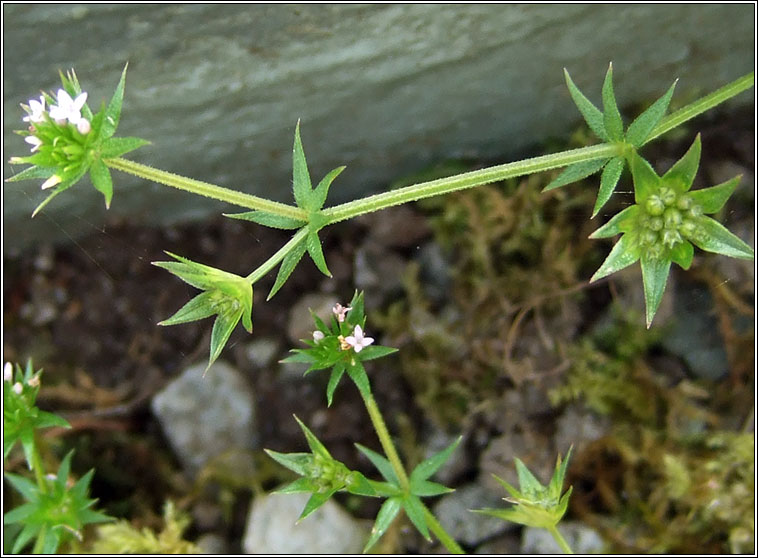
Field Madder_Sherardia arvensis

Field Madder (Sherardia arvensis) is a delicate annual herbaceous plant that belongs to the Rubiaceae family, the same family as Cleavers (Galium aparine), Sweet Woodruff (Galium odoratum), and Bedstraw species. Though not technically in the Galium genus, it is closely related and shares a number of visual similarities—enough that it is often mistaken for young Cleavers by novice foragers. However, this plant can be distinguished by its soft, sprawling nature and its charming pinkish-lavender flowers.

While Field Madder is not commonly used for food or medicine, it is worth knowing for identification purposes and for its subtle beauty. Its presence can serve as a reminder of the diversity within the bedstraw family and the importance of careful foraging.

Identification and Physical Characteristics

Field Madder is a low-growing, spreading plant that thrives in disturbed soils, making it a frequent sight in gardens, fields, roadsides, and fallow plots. It is considerably smaller and less robust than Cleavers, but its similar leaf arrangement and growth habit often lead to confusion.

Key features include:

  • Leaves: Arranged in whorls of 4 to 6 around the square stems, Field Madder’s leaves are narrow and pointed, similar to Cleavers but much shorter and softer. The plant lacks the tiny hooked hairs found on Cleavers, so it does not cling to clothing or other plants. Its leaf margins are smooth, and the leaves have a somewhat glossier, neater appearance.
  • Stems: Thin, weak, and square in cross-section, the stems of Field Madder are smooth and slightly ridged, growing along the ground or gently sprawling among other plants. They do not have the rough or bristly texture that Cleavers is known for.
  • Flowers: One of the easiest ways to distinguish Field Madder is by its tiny, four-lobed flowers, which are pink to pale lavender in color. These blossoms are only a few millimeters across but often appear in clusters at the tips of the stems or nestled in leaf whorls. Cleavers, by contrast, bears small white flowers with a more star-like shape.
  • Size: Field Madder is much more delicate than Cleavers, typically growing only 4–8 inches tall, forming a fine mat or ground-hugging tangle rather than a clinging or climbing structure.
  • Scent: Unlike Cleavers and other Galium species, Field Madder has little to no scent when crushed.

Habitat and Distribution

Field Madder is native to Europe, western Asia, and parts of North Africa but has become widespread across North America and other temperate regions. It thrives in:

  • Open, sunny spaces with well-drained soil
  • Cultivated fields and gardens
  • Road verges and compacted soils
  • Waste grounds, parks, and urban greenspaces

Its tendency to appear in disturbed or cultivated ground means it often coexists with early spring greens and other wild edibles—another reason for the common mix-up with Cleavers.

Medicinal and Practical Uses

Unlike its more celebrated cousins in the Galium genus, Field Madder has very limited use in herbal medicine. Historical mentions are sparse, and it has not earned a prominent place in traditional healing practices. That said, some folk uses and minor applications have been recorded:

  • Mild Astringent: Like many members of the Rubiaceae family, Field Madder may possess mild astringent properties, but it is far less potent than Cleavers or Sweet Woodruff.
  • Dye Plant: The roots of Field Madder contain trace amounts of red pigment similar to the related Rubia tinctorum (true madder), which has historically been used as a source of red dye. However, Field Madder is too small and weak to be of significant use in this regard.

Given its limited potency and lack of modern scientific study, Field Madder is not generally harvested for food or medicine and is best appreciated for its ecological presence and role in biodiversity.

Foraging Considerations

Field Madder should not be foraged for consumption, but it is vital for foragers to learn how to distinguish it from similar species, particularly Cleavers:

  • Look for the Flowers: The small pink or lavender flowers are the most reliable visual cue that you’re looking at Field Madder, not Cleavers.
  • Check for Clinging Hairs: If the plant doesn’t stick to your fingers or clothes, it’s likely not Cleavers.
  • Examine the Leaf Texture: Cleavers’ leaves are rough and bristly, while Field Madder’s are smooth and soft.

Because of its resemblance to Cleavers, Field Madder often serves as a natural “double-check” for foragers—helping sharpen identification skills and avoid misidentification of more potent herbs.

Sherardia arvensis, or Field Madder, may not offer the same range of uses as its cousins in the bedstraw family, but it’s still an important plant to recognize. Its dainty flowers and soft leaves distinguish it from Cleavers, and while it lacks strong medicinal or culinary value, it holds a quiet charm in meadows, gardens, and weedy corners of the world. For foragers, learning to identify Field Madder deepens plant knowledge, reinforces safe foraging practices, and highlights the subtle diversity that exists even within a single plant family.

Safety Concerns

Cleavers is generally safe for consumption but should be used with caution in certain situations:

  • Pregnancy and Breastfeeding: Consult a healthcare provider before consuming Cleavers in medicinal amounts.
  • Allergies: Those sensitive to plants in the coffee or bedstraw family should test for allergic reactions before consuming.
  • Diuretic Effects: Because Cleavers supports kidney function, those with kidney disease or on diuretic medications should use it cautiously.

Wrapping Up

Cleavers (Galium aparine) is an underrated wild edible with a wide range of medicinal, culinary, and even magical applications. Its sticky nature makes it easy to recognize, and its cleansing properties make it a valuable plant for detoxification and healing. Whether steeped into a cleansing tea, used as a natural remedy, or transformed into a coffee substitute, Cleavers is a fantastic addition to any forager’s toolkit. Happy foraging!



Posted on Leave a comment

Ritual: Candlemas Dream Pillows

Candlemas Dream PillowsReading Time: 3 minutes
Candlemas Dream Pillows

Introduction

Inviting Prophetic Dreams Through Herbal Magic

On Candlemas Eve, as the veil between the mundane and mystical thins, a tradition unfolds that speaks to the heart’s desires and future mysteries—Dream Pillows. This ancient practice, rooted in herbal magic, involves placing sprigs of rosemary or thyme under one’s pillow to inspire prophetic dreams. Whether seeking glimpses of a future lover or insights into the year ahead, this ritual embraces the magical properties of herbs and their ability to connect us with the ethereal realm through the world of dreams.

Ritual Basics

Before beginning any ritual, it is important to prepare yourself mentally and physically. You may want to take a cleansing bath, or shower, and meditate or perform some grounding exercises to center yourself. Gather any materials you will need, such as candles, incense, and offerings for the forest spirits.

You can read a more detailed Ritual Preparation guide here.

About Candlemas Dream Pillows

The tradition of incorporating herbs into rituals dates back centuries, with rosemary and thyme revered for their symbolic and magical properties. Rosemary, a herb of remembrance and clarity, sharpens the mind and invites prophetic insights. Thyme, associated with courage and protection, creates a safe space for dreams to flourish. Together, their combined essence opens pathways to the subconscious, allowing dreamers to explore messages from the unseen.

Candlemas, a celebration of light and purification, aligns perfectly with this practice. The ritual encourages introspection, spiritual connection, and a glimpse into what lies ahead. Performed on Candlemas Eve, the act of creating a Dream Pillow becomes a meditative gesture, infusing the night with intention and wonder.

Candlemas Dream Pillows
Print Ritual
No ratings yet

Candlemas Dream Pillows

Craft an herbal Dream Pillow to invite prophetic dreams and connect with the mystical energy of Candlemas Eve.
Prep Time15 minutes
Ritual Time10 minutes
Total Time25 minutes
Ritual Type: Imbolc
Type: Rituals
Makes: 1 pillow
Author: Theo, Witch
Cost: Minimal (depends on availability of herbs and materials).

Tools

  • 1 Small cotton or muslin pouch To hold the herbs; can be handmade or store-bought.
  • 1 Mortar and pestle optional – To gently crush herbs and release their aromas.

Supplies

  • 1 Sprig Fresh or dried rosemary
  • 1 Sprig Fresh or dried thyme
  • 1 Pinch Lavender flowers optional – For calmness and enhancing dream recall.
  • 1 Ribbon or string

Instructions

Step 1: Preparing the Herbs

  • Gently crush the rosemary and thyme sprigs in a mortar and pestle to release their aromatic oils. If using lavender, add it to the mixture.
  • Take a moment to inhale the scents, visualizing the herbs infusing your space with their magical properties.

Step 2: Crafting the Pillow

  • Place the crushed herbs into the cotton or muslin pouch.
  • Tie the pouch securely with a ribbon or string, focusing on your intention as you seal it. You might say:
  • “Herbs of clarity, courage, and sight,
    Guide my dreams on this Candlemas night.”

Step 3: Placing the Pillow

  • Slip the pouch under your pillow before bedtime, ensuring it is comfortably placed.
  • As you prepare for sleep, reflect on your intention. Whether seeking visions of a future lover or general prophetic insights, hold this focus in your mind.

Step 4: Dreamwork and Morning Reflection

  • As you drift to sleep, trust the herbs to work their magic, opening pathways to meaningful dreams.
  • Upon waking, take a few moments to recall your dreams. Keep a journal nearby to jot down any vivid imagery or messages that arise.

Notes

Moon Milk Lavender and CherriesMoon milk is believed to have magical properties that promote relaxation, sleep, and spiritual connection. Lavender is a powerful herb that is often used in spells and rituals to promote tranquility, purification, and harmony. It is said to help calm the mind, soothe anxiety, and facilitate communication with the spiritual realm. Cherries, on the other hand, are associated with abundance, prosperity, and love. By combining these two ingredients in moon milk, we can create a potent brew that promotes restful sleep, deep relaxation, and a profound sense of spiritual connection.

As you sip on your moon milk and gaze up at the moon, take a moment to reflect on the magic and mystery of the universe. Whether you are working with the moon to manifest your desires, to connect with your intuition, or simply to enjoy a peaceful moment of reflection, remember that the power of the moon is always with you, waiting to be harnessed and celebrated.
*Calories Calculated with 2% Dairy Milk, Different bases will change the values.

© The Equinox Apothecary 2024 – Permission is granted to copy and reproduce this Ritual with attribution

Conclusion

Candlemas Dream Pillows are a beautiful way to blend herbal magic with the mysteries of the subconscious. By crafting and using these simple yet potent tools, you embrace the ancient wisdom of herbs while connecting with the spirit of the season. As you explore the realms of dreamwork on Candlemas Eve, may the visions that visit you bring clarity, inspiration, and a touch of magic to the year ahead.

Posted on Leave a comment

Autumn Home Remedies – Elixirs

Autumn ElixersReading Time: 6 minutes
Autumn Elixers

Introduction

Autumn Home Remedies – Elixirs

As the air turns crisp and nature’s colors transform into warm hues, autumn gifts us with an abundance of herbs, plants, and flowers that can be transformed into revitalizing elixirs. These homemade concoctions not only capture the essence of the season but also provide a range of health benefits. By harnessing the power of autumn foraging, we can create nourishing elixirs that support our well-being and invigorate our senses.

In this series, we’ll go over steam treatments, elixirs (This Article), teas, tinctures, broths, herbal glycerites, aroma therapy, and tonics. There are a lot of home remedies and nearly endless possibilities of methods. The eight selected for this series are some of the most common practices. All these covered home remedies are perfect for Autumn Season applications.

In this article, we will explore the art of crafting elixirs using the bountiful offerings of autumn, allowing us to embrace the healing power of nature and enhance our vitality during this transformative season.

Elixirs

As the crisp days of autumn unfold, nature offers a bountiful harvest of herbs and botanicals that can be transformed into soothing elixirs. These homemade potions not only warm your body but also provide a rich burst of flavors and therapeutic benefits. By harnessing the power of autumn herbs, we can create delightful elixirs that support immunity, enhance overall wellness, and infuse our bodies with the essence of the season. In this article, we will explore the art of crafting herbal elixirs using autumn herbs, unveiling the diverse range of ingredients and methods that allow you to create custom blends that nourish and invigorate your body and soul.

The History of Elixers

Elixirs are liquid preparations that contain substances with medicinal, magical, or spiritual properties. The word elixir comes from the Arabic al-iksir, meaning “the philosopher’s stone” or “the quintessence”. Elixirs originated in ancient alchemy, a practice that aimed to discover the secrets of nature and create the elixir of life and the philosopher’s stone. Different cultures and traditions have developed their own versions of elixirs, using various ingredients and methods. In medieval Europe, elixirs were often used by healers, herbalists, and witches, who combined the knowledge of alchemy with the lore of plants and animals. One of the most popular and versatile elixirs in medieval Europe was the aqua vitae, or “water of life”. This was a distilled alcoholic beverage that was infused with herbs, spices, and other substances.

Elixirs have a long and rich history in pagan and witchcraft traditions, as they reflect the connection between the natural and the supernatural, the physical and the spiritual, and the human and the divine. Elixirs are the quintessence of nature, the philosopher’s stone of alchemy, and the water of life of magic.

Autumn Foraging for Nourishing Ingredients

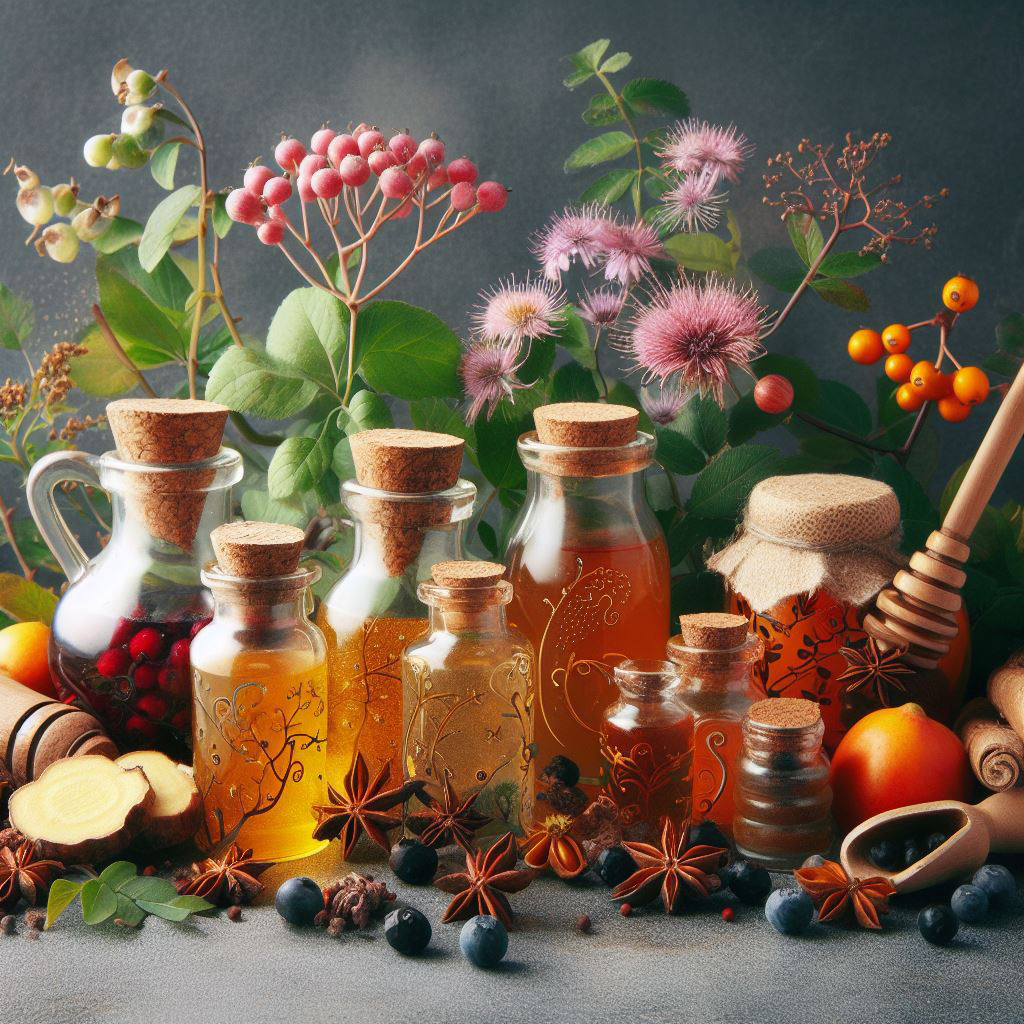
Autumn brings forth a wealth of herbs, plants, and flowers that can be gathered for creating healthful elixirs. Consider incorporating the following ingredients into your autumn brews:

Elderberries: These antioxidant-rich berries can be foraged or purchased dried, offering immune-boosting properties, and aiding in the prevention and relief of seasonal ailments.

Hawthorn Berries: Known for their cardiovascular benefits, hawthorn berries are traditionally used to support heart health and circulation.

Ginger: This warming root adds a spicy kick to elixirs and provides digestive support, immune enhancement, and anti-inflammatory properties.

Rosehips: The fruit of the rose plant, rosehips are packed with vitamin C and antioxidants, supporting immune function and overall well-being.

Methods for Crafting Autumn Elixirs

Autumn Elixers
Print Recipe Share on Facebook Pin Recipe
No ratings yet

Recipe: Autumn Elixers

Creating autumn elixirs is a simple and rewarding process. Here's a basic method to get you started:
Prep Time15 minutes
Cook Time30 minutes
Total Time45 minutes
Season: Fall
Author: Theo, Witch

Ingredients

  • Autumn herbs plants, or flowers of your choice Like Elderberries, Hawthorne Berries, Ginger, and Rosehips
  • Filtered water
  • Optional sweeteners like honey or maple syrup

Instructions

  • Begin by gathering your chosen autumn ingredients, ensuring they are clean and free from debris. If using fresh herbs or flowers, gently wash and pat them dry.
  • In a saucepan, combine the herbs, plants, or flowers with filtered water. Use a ratio of approximately 1 cup of herbs to 4 cups of water, adjusting as needed for desired strength.
  • Bring the mixture to a gentle simmer over medium-low heat, allowing the flavors and medicinal properties to infuse into the water. Simmer for 20-30 minutes, keeping the pot covered.
  • After simmering, remove the saucepan from heat and let the mixture cool slightly.
  • Strain the liquid into a clean container, separating the herbs or flowers from the infused liquid.
  • If desired, add a touch of natural sweetener like honey or maple syrup to enhance the taste of the elixir. Stir well to ensure it is fully incorporated.
  • Your autumn elixir is now ready to be enjoyed! Sip it slowly, savoring the flavors and allowing the nourishing properties to invigorate your body and spirit.

Notes

Moon Milk Lavender and CherriesMoon milk is believed to have magical properties that promote relaxation, sleep, and spiritual connection. Lavender is a powerful herb that is often used in spells and rituals to promote tranquility, purification, and harmony. It is said to help calm the mind, soothe anxiety, and facilitate communication with the spiritual realm. Cherries, on the other hand, are associated with abundance, prosperity, and love. By combining these two ingredients in moon milk, we can create a potent brew that promotes restful sleep, deep relaxation, and a profound sense of spiritual connection.

As you sip on your moon milk and gaze up at the moon, take a moment to reflect on the magic and mystery of the universe. Whether you are working with the moon to manifest your desires, to connect with your intuition, or simply to enjoy a peaceful moment of reflection, remember that the power of the moon is always with you, waiting to be harnessed and celebrated.
*Calories Calculated with 2% Dairy Milk, Different bases will change the values.

Autumn Elixers

Proudly brought to you by

The Equinox Apothecary

© The Equinox Apothecary 2024 – Permission is granted to copy and reproduce this Recipe with attribution

Incorporating Autumn Elixirs into Daily Life

Autumn elixirs can be enjoyed in various ways to support your overall well-being:

Sip Warm or Cold: Autumn elixirs can be enjoyed warm for a comforting and soothing experience, or chilled for a refreshing beverage on crisp autumn days.

Daily Wellness Ritual: Make autumn elixirs a part of your daily wellness routine by sipping them in the morning or throughout the day to nourish your body and uplift your spirits.

Culinary Enhancements: Use autumn elixirs as flavorful additions to your favorite autumn-inspired recipes, such as salad dressings, smoothies, or baked goods, infusing them with seasonal goodness.

Herbal Infusions: Transform your elixirs into herbal infusions by steeping them with additional herbs or teas for added flavor and medicinal benefits.

The Forest Witch’s Autumn Elixirs

A Short Story

She lived in a small cottage in the heart of the forest, surrounded by ancient trees and wild creatures. She was known as the forest witch, but she was not wicked or cruel. She was a healer, a herbalist, and a friend to all living things. She had a gift for making elixirs, liquid potions that could cure diseases, heal wounds, and restore vitality. She used the herbs, plants, and flowers that grew in the forest, and infused them with her own magic and wisdom.

Every autumn, she would gather the bounty of the season and prepare her elixirs for the coming winter. She would collect elderberries, hawthorn berries, rosehips, and ginger, and boil them in a large cauldron over a fire. She would add honey, vinegar, and spices, and stir the mixture with a wooden spoon. She would chant softly, invoking the spirits of the forest and the ancestors, and bless the elixir with her intention. She would pour the elixir into glass bottles, seal them with wax, and label them with runes. She would store them in a cool and dark place, and use them as needed.

She would also make other elixirs, using different ingredients and methods. She would make a soothing elixir with chamomile, lavender, and lemon balm, and steep them in hot water. She would make a stimulating elixir with mint, rosemary, and sage, and distill them in alcohol. She would make a protective elixir with nettle, thistle, and garlic, and ferment them in vinegar. She would make a nourishing elixir with oats, barley, and nuts, and blend them with milk. She would make a cleansing elixir with birch, dandelion, and apple, and press them into juice. She would make a warming elixir with cinnamon, clove, and orange, and simmer them in wine. She would make a healing elixir with yarrow, plantain, and comfrey, and infuse them in oil.

She would share her elixirs with the people and animals of the forest, who would come to her for help and advice. She would offer them a cup of elixir, and listen to their troubles and joys. She would give them a bottle of elixir, and tell them how to use it and when. She would accept their gifts of gratitude, such as fruits, nuts, eggs, cheese, wool, or wood. She would also exchange her elixirs with other witches, who would bring their own potions and spells. She would learn from them, and teach them, and form bonds of friendship and trust.

She loved her life in the forest, and felt happy and fulfilled. She felt connected to the cycles of nature, and the rhythms of the seasons. She felt the power of the elixirs, and the magic of the forest. She felt the joy of the elixirs, and the love of the forest. She was the forest witch, and she was at peace.

Conclusion

Autumn elixirs provide a delicious and healthful way to embrace the beauty and vitality of the season. By foraging for nourishing ingredients and crafting homemade elixirs, we can tap into the healing power of nature and enhance our vitality. Whether you’re seeking immune support, heart health, calmness, or digestive wellness, the ingredients available during autumn provide an array of possibilities. Embrace the transformative nature of autumn, experiment with different blends, and enjoy the nourishing elixirs that nature offers. Let each sip be a celebration of the abundance and healing properties of the season, invigorating your body and nourishing your soul. Cheers to a season filled with autumn elixirs that nurture your body, mind, and spirit!

Posted on Leave a comment

Foraging: Wood Sorrel

Wood SorrelReading Time: 22 minutes
Wood Sorrel

Introduction

A Botanical Adventure

Embark on a botanical adventure as we delve into the realm of Wood Sorrel, a delightful plant that not only graces the forest floor with its verdant presence but also offers a myriad of culinary, medicinal, and magical possibilities. From identification to foraging techniques, let us explore the enchanting world of Wood Sorrel.

What is Wood Sorrel?

Wood Sorrel Basics: Wood Sorrel, scientifically known as Oxalis, is a genus of flowering plants that encompasses various species, each with its own unique characteristics. These plants are renowned for their distinctive trifoliate leaves, resembling clover, and dainty, five-petaled flowers that add a touch of elegance to wooded areas and meadows.

Variants of Wood Sorrel

Common Variants: While several species fall under the umbrella of Wood Sorrel, two are commonly encountered:

Oxalis acetosella (Common Wood Sorrel): A Woodland Charmer

In the enchanting realm of Wood Sorrel, Oxalis acetosella, commonly known as Common Wood Sorrel, emerges as a woodland charmer celebrated for its distinctive features and widespread presence. Let us delve into the unique characteristics that distinguish Common Wood Sorrel in the verdant tapestry of the forest floor.

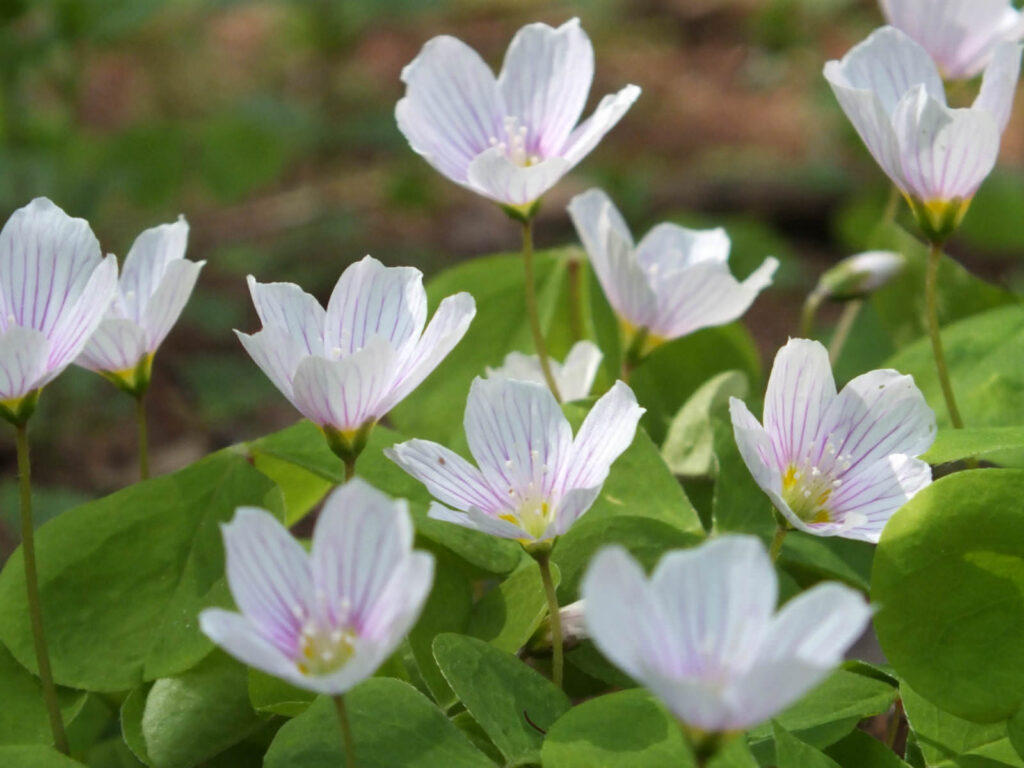
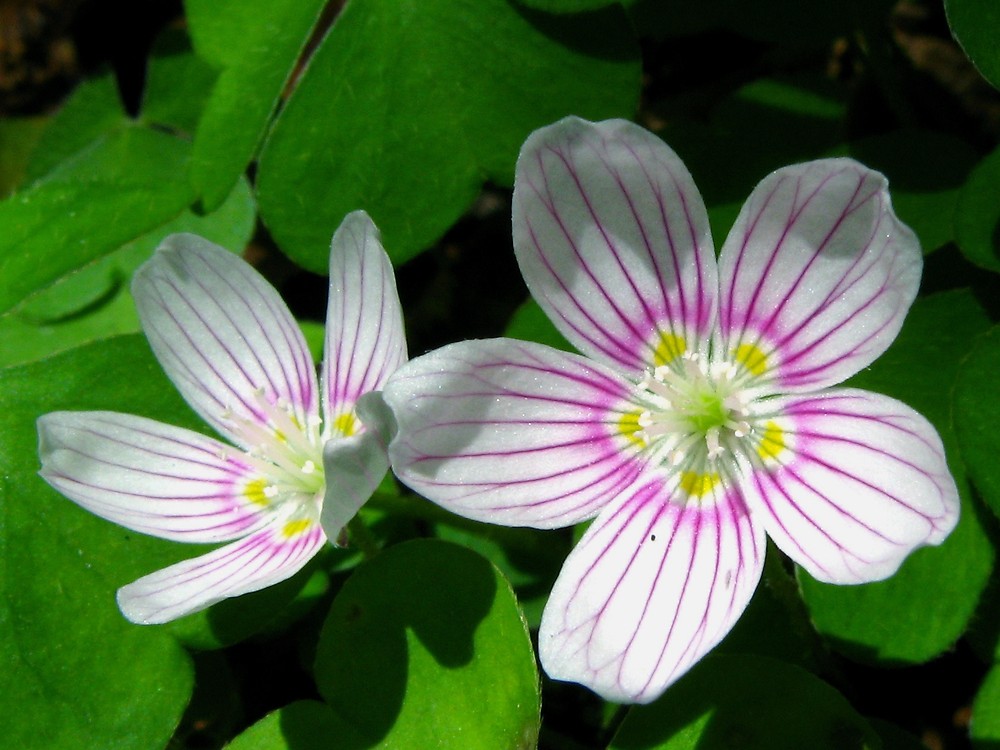
Oxalis acetosella_Common Wood Sorrel

In the enchanting realm of Wood Sorrel, Oxalis acetosella, commonly known as Common Wood Sorrel, emerges as a woodland charmer celebrated for its distinctive features and widespread presence. Let us delve into the unique characteristics that distinguish Common Wood Sorrel in the verdant tapestry of the forest floor.

Recognizing Common Wood Sorrel

Leaflet Love: Common Wood Sorrel is characterized by its trifoliate leaves, each resembling a charming heart or kidney shape. The heart-shaped leaflets give this variety an endearing quality, making it easily distinguishable from its woodland companions.

Delicate Blooms: Adding to its allure are the delicate white or pale pink flowers that grace Common Wood Sorrel. These dainty blooms, borne on slender stems, create a whimsical display, adding a touch of elegance to the woodland landscape.

Widespread Presence

Woodland Wanderer: Common Wood Sorrel is not confined to secretive corners of the forest; rather, it is a widespread and well-loved variety that can be found in a variety of wooded habitats. From shaded woodlands to sun-dappled clearings, this woodland wanderer thrives in diverse environments, creating carpets of greenery beneath the towering canopy.

Seasonal Symphony: During its active growing season, which typically spans late winter to early summer, Common Wood Sorrel transforms the forest floor into a seasonal symphony of heart-shaped leaves and delicate blossoms. Its presence becomes a testament to the cyclical rhythms of nature, marking the arrival of spring with botanical grace.

Why it is Well-Loved.

Charm and Adaptability: Common Wood Sorrel’s charm lies not only in its visual appeal but also in its adaptability. The heart-shaped leaves and delicate blooms create a sense of wonder, inviting admirers to appreciate the simple yet enchanting beauty that nature provides.

Culinary and Medicinal Potential: Beyond its aesthetic qualities, Common Wood Sorrel holds culinary and medicinal potential. Its leaves, with their tangy flavor, can be a delightful addition to salads or infusions. Additionally, some herbal traditions attribute mild anti-inflammatory properties to Wood Sorrel, contributing to its historical use in herbal remedies.

In the dappled sunlight of the woodland, Common Wood Sorrel stands as a beloved companion, weaving its magic into the fabric of the natural world. As you encounter this woodland charmer in your foraging adventures, take a moment to appreciate its heart-shaped leaves and delicate blooms, and perhaps let its presence inspire a deeper connection with the enchanting mysteries of the forest.

Oxalis stricta (Yellow Wood Sorrel): A Sunlit Symphony

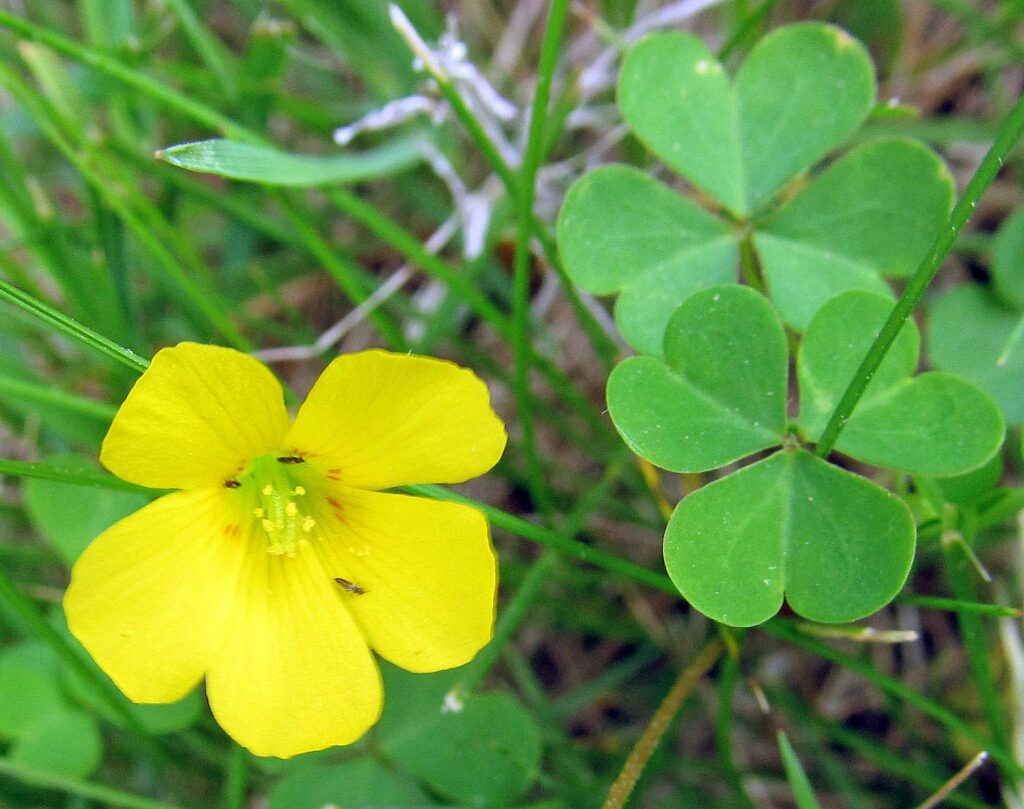
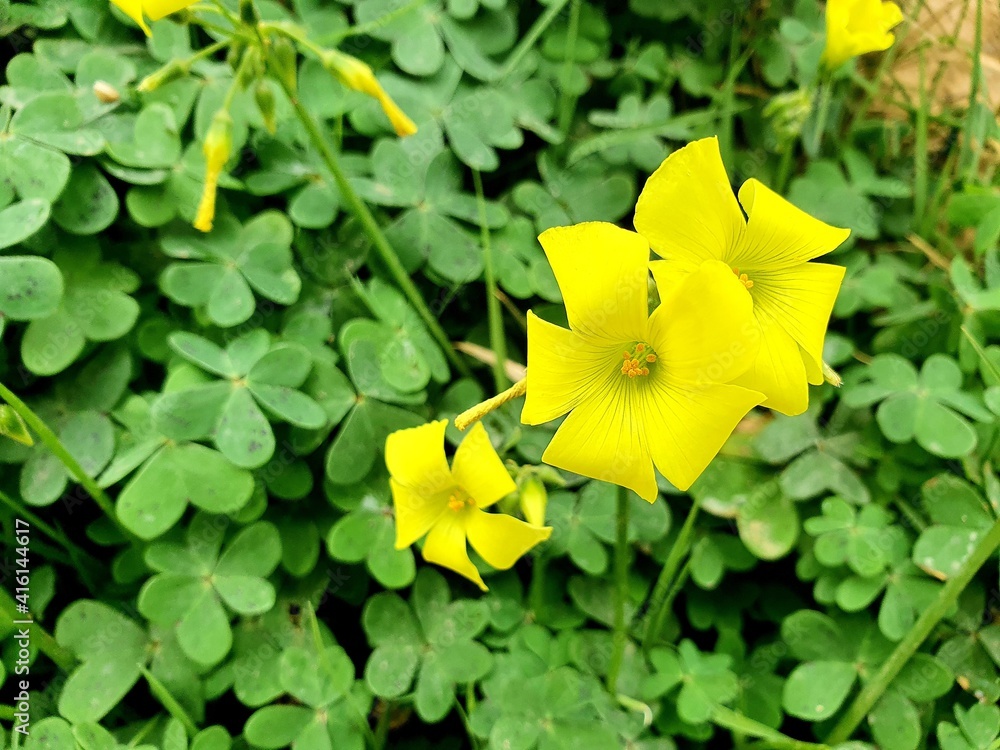
Oxalis stricta_Yellow Wood Sorrel

In the botanical orchestra of Wood Sorrel, Oxalis stricta, commonly referred to as Yellow Wood Sorrel, takes center stage with its vibrant hues and distinctive clover-like leaves. Let us explore the radiant qualities that define Yellow Wood Sorrel and make it a prevalent and captivating variant in various regions.

Characteristics of Yellow Wood Sorrel

Sunny Petals: One of the defining features of Yellow Wood Sorrel is its bright yellow flowers, which stand out like rays of sunshine against the green backdrop of the forest floor. These cheery blossoms, reminiscent of miniature suns, contribute to the visual appeal that makes Yellow Wood Sorrel a standout in woodland landscapes.

Clover-Like Leaves: The leaves of Yellow Wood Sorrel bear a striking resemblance to clover, showcasing three leaflets arranged in a trifoliate pattern. This clover-like foliage adds to the plant’s charm and aids in its identification, especially when it mingles with other woodland flora.

Widespread Presence

Versatile Habitats: Yellow Wood Sorrel showcases its adaptability by thriving in a variety of habitats. From open meadows to the edges of woodlands, this variant asserts its presence with a sunny disposition. Its ability to flourish in both sunlit and partially shaded areas contributes to its prevalence in diverse regions.

Global Resilience: Yellow Wood Sorrel is not bound by geographical constraints; rather, it is a resilient species that can be found in various parts of the world. Its global presence adds to its allure, making it a familiar and cherished sight for those who appreciate the simple beauty of woodland flora.

Why it Stands Out

Colorful Elegance: The bright yellow blossoms of Yellow Wood Sorrel bring a touch of colorful elegance to natural settings. As the flowers unfurl, they create a sunlit symphony, transforming the landscape into a vibrant tapestry of green and gold.

Culinary and Folk Uses: Beyond its aesthetic appeal, Yellow Wood Sorrel shares culinary potential with its close botanical relatives. Its leaves, like those of Common Wood Sorrel, possess a tangy flavor that adds zest to salads and other culinary creations. Additionally, some folk traditions attribute mild medicinal properties to Yellow Wood Sorrel, contributing to its historical use in herbal practices.

In the dance of light and shadow beneath the forest canopy, Yellow Wood Sorrel’s radiant blooms and clover-like leaves stand as a testament to the resilience and beauty of woodland flora. As you encounter this sunlit variant in your explorations, take a moment to appreciate its vibrant hues and the role it plays in the intricate tapestry of the natural world.

Oxalis Montana (Mountain Wood Sorrel): Navigating Alpine Realms

Oxalis montana_Mountain Wood Sorrel

In the ethereal world of Wood Sorrel, Oxalis Montana, affectionately known as Mountain Wood Sorrel, stands as a testament to nature’s adaptability and resilience. This particular species, with its unique characteristics, has found its niche in alpine and subalpine environments, creating a botanical masterpiece in the lofty heights of mountainous regions.

Adaptation to Alpine Environments

Blossoming in High Altitudes: Mountain Wood Sorrel, as the name implies, has seamlessly adapted to the challenges presented by alpine and subalpine landscapes. Flourishing in high-altitude environments, this species showcases a remarkable ability to thrive where conditions can be harsh and unpredictable.

Distinctive Features: While maintaining the classic trifoliate leaves typical of Wood Sorrel, Mountain Wood Sorrel may exhibit adaptations to its alpine habitat. These adaptations could manifest in the size, shape, or thickness of the leaves, allowing the plant to withstand the rigors of mountainous terrain.

Habitats of Mountain Wood Sorrel

Scattered Alpine Meadows: Within mountainous regions, Mountain Wood Sorrel graces alpine meadows with its presence. Its delicate foliage and charming blooms create pockets of botanical beauty amidst rocky outcrops and high-altitude landscapes. These scattered meadows become a canvas for nature’s artistry, painted with the subtle hues of Mountain Wood Sorrel’s blossoms.

Subalpine Forest Edges: In addition to open meadows, Mountain Wood Sorrel may also be found along the edges of subalpine forests, contributing to the rich biodiversity of these transitional zones. Its ability to adapt to varying degrees of sunlight and soil conditions allows it to carve a niche in diverse subalpine habitats.

Seasonal Symphony in the Mountains

Blooming in Harmony with Nature: The blooming season of Mountain Wood Sorrel aligns with the brief yet vibrant growing period in alpine environments. As snow retreats and the mountain landscape awakens, these Wood Sorrel blossoms add a touch of elegance and color to the rugged terrain, creating a seasonal symphony that echoes through the heights.

Ecological Significance: In these mountainous regions, Mountain Wood Sorrel plays a crucial role in ecology, contributing to the intricate web of life in alpine ecosystems. Its adaptation to the unique challenges of high-altitude environments showcases nature’s ability to create harmony even in the harshest conditions.

Conservation Considerations

Balancing Fragility and Resilience: While Mountain Wood Sorrel demonstrates resilience, it is essential to approach its habitats with care. Alpine ecosystems are often fragile, and human activities can have lasting impacts. Responsible foraging and conservation efforts become paramount to ensure the delicate balance between human interaction and the preservation of these pristine mountain environments.

Encountering Mountain Wood Sorrel in its alpine realm is an invitation to witness the tenacity of life in challenging landscapes. As you navigate the lofty heights, observe the adaptations that make this Wood Sorrel species unique, and let its presence become a symbol of the delicate beauty thriving against all odds in the heart of the mountains.

Oxalis debilis (Large Yellow Wood Sorrel): Blooms of Radiant Grandeur

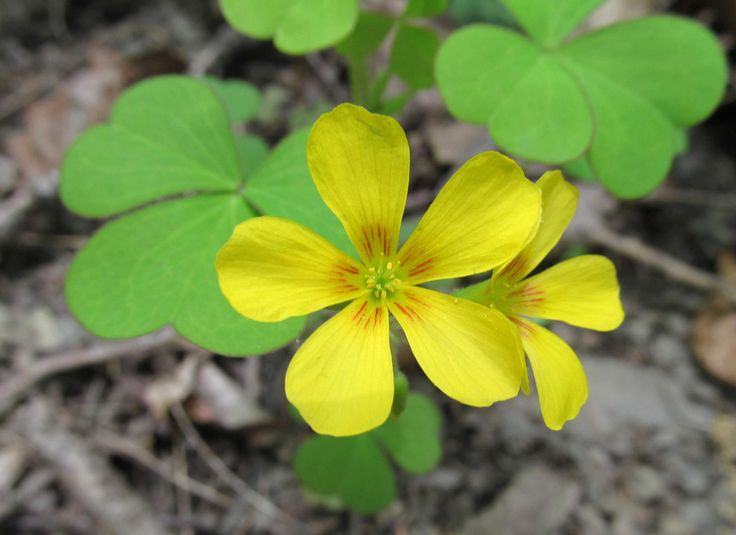
Oxalis debilis_Large Yellow Wood Sorrel

In the diverse family of Wood Sorrels, Oxalis debilis, affectionately referred to as Large Yellow Wood Sorrel, stands out with its strikingly larger yellow blossoms, adding a touch of grandeur to the Wood Sorrel repertoire. This species has not only captivated the attention of garden enthusiasts but has also found a home as an ornamental plant, enhancing the aesthetic charm of gardens worldwide.

Distinguishing Features of Large Yellow Wood Sorrel

Floral Elegance: The most distinctive feature of Large Yellow Wood Sorrel lies in its impressive, larger-than-life yellow flowers. These blossoms, with their radiant hue, create a visual spectacle that distinguishes this species from its woodland counterparts.

Leaf Structure: While maintaining the trifoliate leaf structure characteristic of Wood Sorrels, Large Yellow Wood Sorrel showcases leaves that provide an elegant backdrop to its resplendent blossoms. The combination of lush foliage and vibrant flowers enhances its appeal in garden settings.

Cultivation as an Ornamental Plant

Garden Grandeur: Large Yellow Wood Sorrel has found favor among gardeners and landscape enthusiasts for its ornamental qualities. The impressive size and vivid color of its blooms make it a sought-after addition to gardens, contributing to the overall aesthetics of floral displays.

Versatile Landscaping: Whether nestled among other flowering plants or adorning garden borders, Large Yellow Wood Sorrel adds versatility to landscaping endeavors. Its adaptability to different garden designs, coupled with its eye-catching flowers, makes it a valuable asset for those seeking to create visually appealing outdoor spaces.

Global Presence in Gardens

International Appeal: Large Yellow Wood Sorrel has transcended geographical boundaries and can be found in gardens across the globe. Its universal appeal lies in its ability to thrive in diverse climates, providing gardeners with a reliable and beautiful addition to their floral landscapes.

Amidst Flower Beds and Pathways: Within gardens, Large Yellow Wood Sorrel often finds its place amidst flower beds, along pathways, or as part of larger garden designs. Its radiant blooms contribute to the overall vibrancy of the garden, creating a harmonious blend of color and texture.

Considerations for Cultivation

Optimal Growing Conditions: For those considering the cultivation of Large Yellow Wood Sorrel, providing well-drained soil and adequate sunlight are key factors for its success. The plant’s adaptability makes it suitable for various garden settings, from sunny spots to partially shaded areas.

Responsible Gardening Practices: While cultivating Large Yellow Wood Sorrel can enhance the visual appeal of gardens, it is essential to practice responsible gardening. This includes mindful watering, avoiding invasive tendencies, and respecting the ecological balance within garden ecosystems.

In gardens worldwide, Large Yellow Wood Sorrel unfolds its petals with grace, offering a visual symphony of color and form. Whether admired for its ornamental qualities or appreciated as part of a broader gardening vision, this species contributes to the kaleidoscope of botanical beauty cultivated by passionate gardeners around the world.

.


Oxalis pes-caprae (Bermuda Buttercup): A Radiant Intruder

Oxalis pes-caprae_Bermuda Buttercup

In the botanical tapestry of Oxalis species, Oxalis pes-caprae, commonly known as Bermuda Buttercup, asserts itself with a burst of bright yellow flowers. While its floral display captivates onlookers, this species has garnered a reputation for being invasive in certain regions, showcasing the complex interplay between botanical beauty and ecological concerns.

A Symphony of Yellow Blooms

Vibrant Floral Display: Bermuda Buttercup makes a bold statement with its abundant and radiant yellow flowers. The blossoms, resembling miniature cups of sunshine, create a visual spectacle that stands out against the greenery, adding a touch of cheerfulness to the landscape.

Prolific Growth: This species is characterized by its prolific growth, often forming expansive carpets of yellow blooms. The sheer abundance of flowers contributes to its visual impact, transforming landscapes into seas of yellow during their blooming season.

Considered Invasive in Some Regions

Ecological Challenges: While the visual allure of Bermuda Buttercup is undeniable, its success in spreading and colonizing new areas has led to concerns about its invasive nature. In certain regions, the plant can outcompete native vegetation, posing a challenge to local ecosystems and biodiversity.

Aggressive Colonization: Bermuda Buttercup is known for its ability to spread rapidly, taking advantage of favorable conditions to establish itself in diverse habitats. Its aggressive colonization tendencies have raised ecological alarms in regions where it has become invasive.

Managing Invasive Species

Environmental Impact: The invasive nature of Bermuda Buttercup highlights the importance of understanding the environmental impact of introduced plant species. Invasive plants can disrupt native ecosystems, affecting soil composition, water availability, and the balance of local flora and fauna.

Control Measures: Efforts to manage invasive species often involve implementing control measures to curb their spread. These may include manual removal, herbicidal treatments, or the introduction of natural predators to help restore ecological balance.

Appreciating Beauty with Caution

Balancing Aesthetics and Ecology: The presence of Bermuda Buttercup in certain regions prompts a nuanced perspective on botanical aesthetics. While the species showcases a dazzling floral display, responsible observers consider the potential ecological consequences and the need for sustainable landscaping practices.

Local Regulations: In areas where Bermuda Buttercup is considered invasive, local authorities may implement regulations to control its spread. Awareness and adherence to these guidelines play a crucial role in mitigating the impact of invasive species on native ecosystems.

In the dichotomy of its radiant beauty and invasive tendencies, Bermuda Buttercup serves as a reminder of the intricate relationships between introduced plant species and the delicate balance of ecosystems. As admirers of nature’s wonders, it becomes imperative to appreciate botanical splendor with an ecological consciousness, recognizing the impact that certain species can have on the delicate web of life.

Oxalis triangularis (Purple Shamrock): A Jewel in the Oxalis Crown

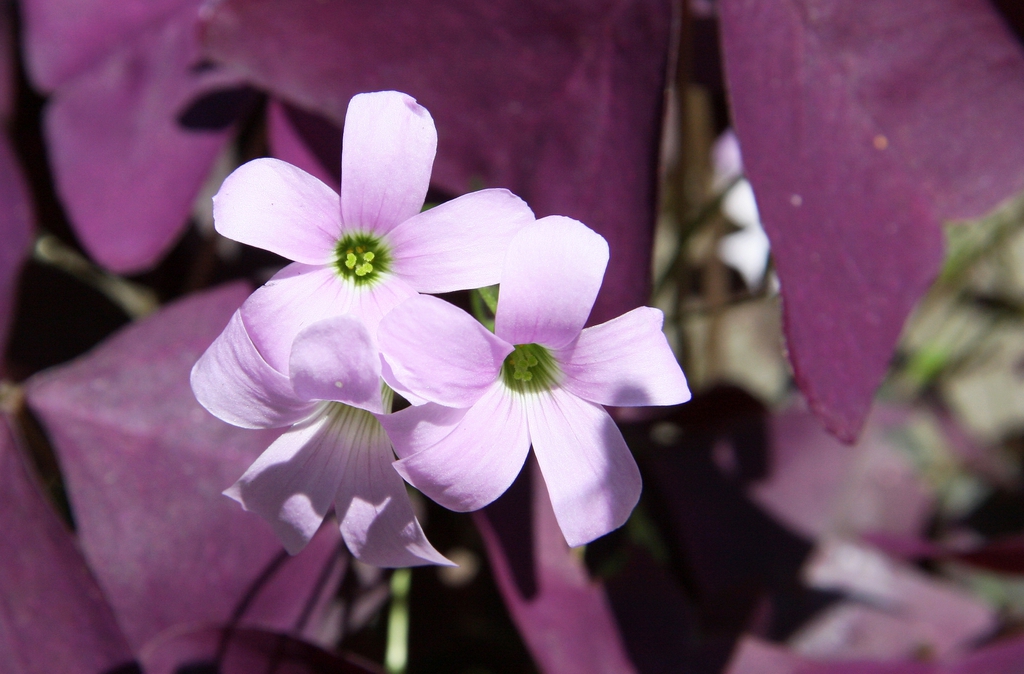
Oxalis triangularis_Purple Shamrock or False Shamrock

In the vast Oxalis genus, Oxalis triangularis, commonly known as Purple Shamrock or False Shamrock, emerges as a distinctive member that deviates from the traditional Wood Sorrel archetype. Although not commonly associated with the woodland realm, this species captivates with its unique attributes, showcasing striking purple leaves and often finding a place of honor as a cherished houseplant.

Diverging from Wood Sorrel Traditions

Botanical Distinction: Purple Shamrock sets itself apart by deviating from the trifoliate leaf structure characteristic of Wood Sorrels. Instead, it unfolds leaves with a unique triangular shape, adding a geometric elegance to its appearance. This departure from the traditional clover-like form establishes Purple Shamrock as a distinct and intriguing member of the Oxalis genus.

Colorful Foliage: The most conspicuous feature of Purple Shamrock lies in its leaves, which boast a rich purple hue. The vibrant coloration, combined with the distinctive shape, creates a visual spectacle that captivates plant enthusiasts and adds a touch of regality to indoor spaces.

A Popular Houseplant

Adorned Windowsills and Shelves: While it may not share the woodland habitats of its Wood Sorrel relatives, Purple Shamrock has found a welcoming home indoors. Its adaptability to container living and its aesthetic appeal make it a popular choice for houseplant enthusiasts, adorning windowsills, shelves, and indoor gardens.

Cultural Significance: The Purple Shamrock’s allure extends beyond its visual appeal. In some cultures, it is considered a symbol of good luck, adding a layer of cultural significance to its popularity as a houseplant. Its unique appearance and positive symbolism contribute to its widespread cultivation in indoor settings.

Cultivation and Care

Thriving Indoors: Purple Shamrock is well-suited to indoor environments, thriving in well-drained soil and moderate sunlight. Its adaptability to varying light conditions makes it an accessible choice for plant enthusiasts seeking a touch of botanical elegance within their homes.

Dormancy Periods: One intriguing aspect of Purple Shamrock’s lifecycle is its dormancy periods. During these phases, the plant may shed its leaves, entering a restful state. Understanding and accommodating these natural cycles contribute to successful cultivation and the plant’s overall well-being.

A Botanical Jewel in Home Decor

Year-Round Beauty: One of the distinctive advantages of Purple Shamrock as a houseplant is its ability to maintain its ornamental appeal year-round. Even when not in bloom, the vibrant purple foliage continues to grace indoor spaces with its unique charm, creating a lasting impact on home decor.

Enhancing Indoor Aesthetics: As a botanical jewel in home decor, Purple Shamrock not only adds visual interest but also contributes to the ambiance of indoor spaces. Its presence becomes a conversation starter and an expression of appreciation for the diverse and captivating world of plant life.

In the realm of Oxalis, Purple Shamrock emerges as a captivating outlier, enchanting indoor spaces with its unique foliage and cultural significance. While it may not share the woodland habitat of its Wood Sorrel relatives, its popularity as a houseplant underscores the universal appeal of nature’s botanical wonders.Top of Form

Unveiling the Botanical Identity of Wood Sorrel and its Variants

Identifying Wood Sorrel and its various species within the Oxalis genus is an enchanting exploration into the delicate nuances of leaf structure, floral embellishments, and overall stature. To unveil the unique and captivating essence of each variant within the Wood Sorrel family, let us delve into the key identification features that define these woodland companions.

Leaf Shape: A Closer Look at Nature’s Trifoliate Artistry

Wood Sorrel’s hallmark lies in its trifoliate leaves, a charming composition reminiscent of a clover. However, each variant unfolds its own artistic twist within this trifoliate framework:

Common Wood Sorrel (Oxalis acetosella): Recognizable by heart-shaped leaflets, Common Wood Sorrel introduces endearing elegance to the woodland floor.

Yellow Wood Sorrel (Oxalis stricta): Exhibiting clover-like leaves with a trifoliate arrangement, Yellow Wood Sorrel adds charm with its verdant, shamrock-inspired foliage.

Mountain Wood Sorrel (Oxalis Montana): Thriving in alpine environments, the leaves of Mountain Wood Sorrel may display unique adaptations, reflecting resilience to mountainous conditions.

Large Yellow Wood Sorrel (Oxalis debilis): Known for larger yellow flowers, this species boasts leaves that complement its blossoms and contribute to its ornamental appeal.

Bermuda Buttercup (Oxalis pes-caprae): Although considered invasive, its trifoliate leaves form part of its identification, contributing to its overall visual impact.

Purple Shamrock (Oxalis triangularis): While not traditionally part of Wood Sorrel’s woodland cohort, Purple Shamrock introduces a captivating twist with triangular, often purple-hued leaves.

Flower Color: A Palette of Nature’s Expression

The floral display of Wood Sorrel is a captivating spectacle, with each species contributing its own hue to the woodland canvas:

Common Wood Sorrel: Adorned with delicate white or pale pink flowers, it creates a subtle yet enchanting contrast against lush green surroundings.

Yellow Wood Sorrel: Bursting forth with vibrant yellow blossoms, it turns the woodland floor into a sunlit tapestry, exuding cheerfulness, and warmth.

Mountain Wood Sorrel: The flowers may adopt various shades, often in harmony with the alpine environment, contributing to the overall biodiversity of mountain landscapes.

Large Yellow Wood Sorrel: Known for larger yellow flowers that complement its vibrant foliage.

Bermuda Buttercup: Highlighting abundant yellow blooms that define its invasive yet visually striking nature.

Purple Shamrock: Introducing a splash of regal purple in its blooms, enhancing its allure and standing out from the typical Wood Sorrel color palette.

Height: Nature’s Tapestry Unfolds Close to the Ground

Wood Sorrel, true to its woodland disposition, is characterized by its low-growing stature, creating an intimate connection with the forest floor:

Common Height Range: Most Wood Sorrel varieties hover between 6 to 12 inches in height, maintaining a humble yet impactful presence amidst other woodland flora.

Observing these nuanced features not only aids in accurate identification but also deepens your appreciation for the intricate variations within the Wood Sorrel family. As you embark on woodland explorations, pay homage to the trifoliate leaves, the blossoms’ vibrant hues, and the modest stature that collectively define the identity of Wood Sorrel and its captivating variants.

Medicinal Uses of Wood Sorrel Variants

Wood Sorrel, with its diverse array of species including Oxalis acetosella (Common Wood Sorrel), Oxalis stricta (Yellow Wood Sorrel), Oxalis Montana (Mountain Wood Sorrel), Oxalis debilis (Large Yellow Wood Sorrel), Oxalis pes-caprae (Bermuda Buttercup), and Oxalis triangularis (Purple Shamrock or False Shamrock), not only graces the woodland floor but also holds a treasure trove of medicinal potential, boasting nutritional richness and traditional applications.

Nutritional Content: A Woodland Bounty

Wood Sorrel, in its various forms, is a charming woodland companion that also serves as a source of valuable nutrients, contributing to overall health and well-being. Among its nutritional offerings, Wood Sorrel provides significant amounts of vitamin C and contains oxalic acid.

Medicinal Applications: Harnessing Nature’s Remedies

Traditionally, Wood Sorrel has been embraced for its potential medicinal benefits, with each variant bringing its unique qualities to the realm of herbal remedies.

Anti-Inflammatory Properties: Wood Sorrel, including variants like Common Wood Sorrel and Yellow Wood Sorrel, is believed to possess mild anti-inflammatory effects. This makes it a natural remedy for addressing minor irritations and inflammations, offering a gentle and holistic approach to soothing discomfort.

Rich in Vitamin C: Across the spectrum of Wood Sorrel variants, their shared characteristic is being rich in vitamin C. This essential nutrient is known for its immune-boosting properties. Incorporating Wood Sorrel into your diet, whether as a tea or in culinary creations, provides a natural source of vitamin C to support overall immune health.

Adaptogenic Potential: Mountain Wood Sorrel, with its unique adaptations to alpine environments, may contribute additional adaptogenic benefits. Traditionally, adaptogens are valued for their ability to help the body adapt to stressors, promoting resilience and balance.

Wood Sorrel and its variants, with their rich nutritional profile and traditional medicinal applications, invite you to explore the bountiful offerings of nature’s pharmacy. Whether enjoyed as a delightful addition to your culinary repertoire or harnessed for its potential health benefits, Wood Sorrel stands as a testament to the harmonious relationship between the botanical world and human well-being.

Culinary Delights with Wood Sorrel Variants

Wood Sorrel, featuring a delightful array of species including Oxalis acetosella (Common Wood Sorrel), Oxalis stricta (Yellow Wood Sorrel), Oxalis Montana (Mountain Wood Sorrel), Oxalis debilis (Large Yellow Wood Sorrel), Oxalis pes-caprae (Bermuda Buttercup), and Oxalis triangularis (Purple Shamrock or False Shamrock), is not just a woodland spectacle but a culinary gem that adds a burst of tangy, lemony flavor to dishes, transforming them into culinary masterpieces.

Distinctive Flavor Profile: A Citrusy Zest

The hallmark of Wood Sorrel’s culinary appeal lies in its unique flavor profile, imparting a tangy and lemony zest. This distinctive taste elevates the sensory experience of dishes, offering a refreshing twist that captures the essence of the woodland environment.

Versatile Culinary Applications: Unleashing Creativity in the Kitchen

Embrace the culinary possibilities that Wood Sorrel and its variants bring to the table. Let the woodland bounty inspire your culinary creations with these versatile applications:

Salads: A Zesty Kick to Greens

Common Wood Sorrel and Yellow Wood Sorrel:

  • Add Wood Sorrel leaves to salads for a zesty kick.
  • The vibrant, citrusy notes of Wood Sorrel complement the freshness of greens, creating a harmonious blend of flavors.

Garnishes: Vibrant Edible Elegance

Large Yellow Wood Sorrel and Purple Shamrock:

  • Sprinkle Wood Sorrel atop dishes as a vibrant, edible garnish.
  • The colorful foliage of Large Yellow Wood Sorrel and the regal purple hues of Purple Shamrock enhance the visual appeal of your culinary creations.

Infusions: A Unique Flavor Infusion

Mountain Wood Sorrel and Bermuda Buttercup:

  • Incorporate Wood Sorrel into teas or infuse it in vinegar for a unique flavor profile.
  • The adaptogenic potential of Mountain Wood Sorrel and the vibrant blooms of Bermuda Buttercup add depth to infusions, creating a sensory journey with each sip.

Wood Sorrel and its variants beckon you to elevate your culinary repertoire, infusing your dishes with the essence of woodlands and the zest of citrusy delights. Whether used as a zesty addition to salads, a vibrant garnish, or a unique flavor infusion, Wood Sorrel invites you to embark on a culinary journey where creativity knows no bounds.

Harvesting Wood Sorrel Variants: A Forager’s Guide to Woodland Bounty

Foraging Wood Sorrel, with its diverse species including Oxalis acetosella (Common Wood Sorrel), Oxalis stricta (Yellow Wood Sorrel), Oxalis Montana (Mountain Wood Sorrel), Oxalis debilis (Large Yellow Wood Sorrel), Oxalis pes-caprae (Bermuda Buttercup), and Oxalis triangularis (Purple Shamrock or False Shamrock), is a delightful journey into the heart of woodland abundance. To ensure a sustainable and respectful foraging experience, here are essential guidelines to follow:

Responsible Harvesting: Preserve Woodland Harmony

Common and Yellow Wood Sorrel: When venturing into the woodland realm to forage Common Wood Sorrel (Oxalis acetosella) and Yellow Wood Sorrel (Oxalis stricta), embrace the ethos of responsible harvesting. Take only what you need, delicately plucking these woodland gems while ensuring the sustainability of Wood Sorrel populations. By doing so, you become a steward of the delicate balance within woodland ecosystems, allowing these charming plants to flourish and contribute to the vibrant tapestry of nature.

Selecting Young Leaves: Tender Delicacies Await

Mountain Wood Sorrel and Large Yellow Wood Sorrel: As you embark on the quest for Mountain Wood Sorrel (Oxalis Montana) and Large Yellow Wood Sorrel (Oxalis debilis), let the pursuit of tender delicacies guide your hand. opt for the young leaves, tender and full of flavor. These delicate emerald treasures not only offer a refined texture but also enhance the culinary experience with their concentrated and nuanced flavors. The forest floor becomes a palate of possibilities as you carefully select the verdant jewels that promise to elevate your culinary creations.

Avoid Contaminated Areas: Nature’s Purity

Bermuda Buttercup and Purple Shamrock: When foraging the vibrant Bermuda Buttercup (Oxalis pes-caprae) and the regal Purple Shamrock (Oxalis triangularis), tread with the utmost care. Steer clear of areas treated with pesticides or herbicides, ensuring that the essence of Wood Sorrel variants remains untainted by harmful chemicals. In choosing pristine environments, you safeguard the purity of these woodland wonders, preserving their natural essence and culinary potential.

Harvesting Tips for Wood Sorrel Enthusiasts

Identification Mastery: Recognize the Unique Features: Before your hands touch the woodland treasures, engage in a quest for identification mastery. Recognize the unique features of each Wood Sorrel variant, distinguishing between the heart-shaped leaves of Common Wood Sorrel, the vibrant blooms of Bermuda Buttercup, and the regal purple hues of Purple Shamrock. This mastery ensures not only accurate foraging but also a respectful dance with nature’s diversity.

Cultivate a Connection: Engage with Nature: As you delicately harvest Wood Sorrel, cultivate a profound connection with the woodland environment. Engage with nature on a spiritual level, letting the rustle of leaves and the whisper of the wind guide your foraging journey. Be mindful of your surroundings, appreciating the beauty of the natural world and acknowledging the symbiotic relationship between foragers and forests.

Embrace the Seasons: Timing Matters: Nature dances through seasons, and each Wood Sorrel variant follows its own rhythm. Understand the growing seasons of different species, from the emergence of the first leaves to the burst of vibrant blossoms. Time your foraging adventures to align with the peak seasons, ensuring that the Wood Sorrel you harvest embodies the best quality, flavor, and magical essence.

In the delicate art of foraging Wood Sorrel, let these techniques be your guide—a symphony of respect, connection, and appreciation for the bounty that nature graciously offers.

Foraging Wood Sorrel variants is not just a culinary adventure but a harmonious dance with nature. By adopting responsible harvesting techniques, selecting young leaves for optimal flavor, and avoiding contaminated areas, you contribute to the preservation of these woodland treasures. Let your foraging journey be a celebration of nature’s abundance and a testament to the delicate interplay between foragers and the enchanting world of Wood Sorrel.

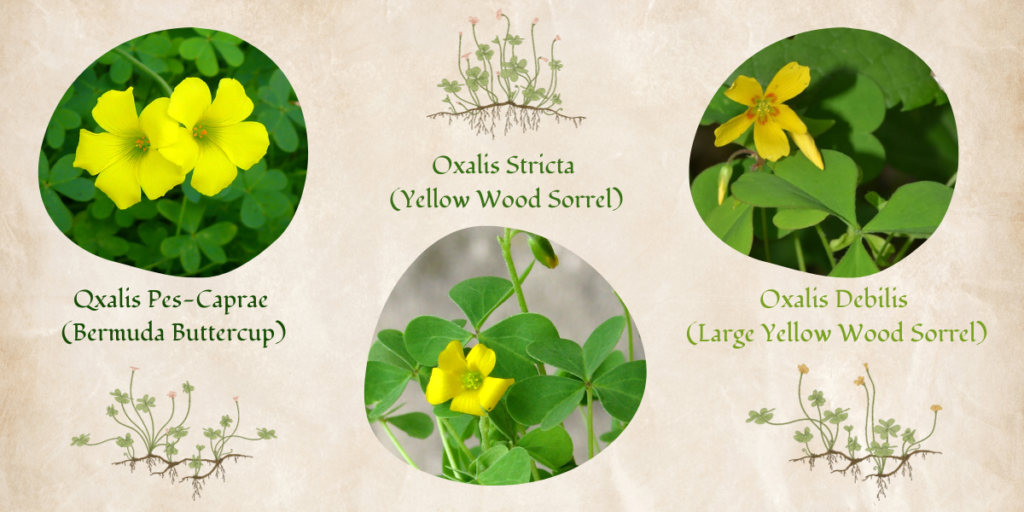
A Comparative Portrait of Oxalis stricta, Oxalis debilis, and Oxalis pes-caprae

Delving into the Wood Sorrel trio—Oxalis stricta (Yellow Wood Sorrel), Oxalis debilis (Large Yellow Wood Sorrel), and Oxalis pes-caprae (Bermuda Buttercup)—unveils a tapestry of botanical diversity. While sharing the enchanting trifoliate leaves characteristic of Wood Sorrels, each variant brings its own unique features to the woodland symphony.

Wood Sorrel Trio

Delving into the Wood Sorrel trio—Oxalis stricta (Yellow Wood Sorrel), Oxalis debilis (Large Yellow Wood Sorrel), and Oxalis pes-caprae (Bermuda Buttercup)—unveils a tapestry of botanical diversity. While sharing the enchanting trifoliate leaves characteristic of Wood Sorrels, each variant brings its own unique features to the woodland symphony.

Leaves: The Artistry of Trifoliate Elegance

Oxalis stricta (Yellow Wood Sorrel):

  • Exhibits clover-like leaves with three heart-shaped leaflets.
  • The leaflets are typically bright green and may have a yellowish tint.

Oxalis debilis (Large Yellow Wood Sorrel):

  • Features larger leaves compared to Yellow Wood Sorrel.
  • The trifoliate arrangement highlights expansive heart-shaped leaflets.

Oxalis pes-caprae (Bermuda Buttercup):

  • Presents heart-shaped leaflets that are larger than those of Yellow Wood Sorrel.
  • The leaves may have a glossy appearance, contributing to the overall vibrancy.

Stems: Colors and Textures in Harmony

Oxalis stricta (Yellow Wood Sorrel):

  • The stems are slender, often tinged with red, contributing to the plant’s overall delicate appearance.

Oxalis debilis (Large Yellow Wood Sorrel):

  • Features relatively slender stems, echoing the elegance of Yellow Wood Sorrel.

Oxalis pes-caprae (Bermuda Buttercup):

  • Exhibits sturdy stems with a robust yet graceful presence.

Flowers: Nature’s Blossoming Palette

Oxalis stricta (Yellow Wood Sorrel):

  • Boasts small, yellow flowers with five petals, adding a sunny touch to the woodland floor.

Oxalis debilis (Large Yellow Wood Sorrel):

  • Presents larger yellow flowers that complement the overall size of the plant.

Oxalis pes-caprae (Bermuda Buttercup):

  • Highlights bright yellow blossoms, creating a vibrant tapestry when in bloom.

Scent: A Fragrant Overture

Oxalis stricta (Yellow Wood Sorrel):

  • Emits a subtle, lemony scent when the leaves are crushed, contributing to the sensory experience.

Oxalis debilis (Large Yellow Wood Sorrel):

  • Carries a similar lemony fragrance, enhancing the olfactory allure of the woodland.

Oxalis pes-caprae (Bermuda Buttercup):

  • Offers a mild scent, contributing to the overall sensory appeal.

Habitat and Distribution: Thriving in Distinct Environments

Oxalis stricta (Yellow Wood Sorrel):

  • Commonly found in a variety of environments, from lawns to woodlands.

Oxalis debilis (Large Yellow Wood Sorrel):

  • Thrives in diverse habitats, including gardens and open spaces.

Oxalis pes-caprae (Bermuda Buttercup):

  • Often seen in coastal areas and disturbed habitats, displaying its adaptability.

Distinctive Features: A Symphony of Unique Traits

Oxalis stricta (Yellow Wood Sorrel):

  • Delicate appearance with slender stems.
    • Bright yellow flowers contribute to its visual charm.

Oxalis debilis (Large Yellow Wood Sorrel):

  • Larger leaves and flowers distinguish it from its Yellow Wood Sorrel counterpart.
    • Expansive heart-shaped leaflets create an impressive foliage display.

Oxalis pes-caprae (Bermuda Buttercup):

  • Robust stems and glossy leaves set it apart in terms of stature.
    • Bright yellow blossoms add a burst of color to coastal landscapes.

In the woodland ensemble, Oxalis stricta, Oxalis debilis, and Oxalis pes-caprae harmonize with their trifoliate elegance while displaying distinctive features that make each a botanical virtuoso. From the delicate demeanor of Yellow Wood Sorrel to the larger-than-life presence of Large Yellow Wood Sorrel and the coastal charm of Bermuda Buttercup, this Wood Sorrel trio adds a symphony of diversity to the enchanting woodland realm.

Safety Concerns: Navigating the Oxalic Symphony of Wood Sorrel Variants

Wood Sorrel, a captivating woodland companion encompassing species like Oxalis acetosella (Common Wood Sorrel), Oxalis stricta (Yellow Wood Sorrel), Oxalis Montana (Mountain Wood Sorrel), Oxalis debilis (Large Yellow Wood Sorrel), Oxalis pes-caprae (Bermuda Buttercup), and Oxalis triangularis (Purple Shamrock or False Shamrock), brings not only culinary delights but also considerations for safe consumption.

Oxalic Acid Content: A Melodic Cautionary Note

In the botanical symphony of Wood Sorrel, the presence of oxalic acid adds a note of caution. Oxalic acid, when present in high concentrations, can be harmful. However, the amount found in Wood Sorrel is generally considered safe for consumption in moderation. The leaves of Wood Sorrel, with their tangy, lemony flavor, contribute a culinary melody that, when savored responsibly, becomes a harmonious addition to your gastronomic repertoire.

Caution for Certain Individuals: A Personalized Cadence

As with any natural treasure, there are nuances to consider. Individuals with a history of kidney stones or those susceptible to oxalate-related issues should approach Wood Sorrel with a personalized cadence. While the oxalic acid content in Wood Sorrel is generally safe for most, moderation becomes the key refrain for those with specific health considerations.

Navigating the Oxalic Symphony: Guidelines for Safe Enjoyment

To dance gracefully with the oxalic symphony of Wood Sorrel and its variants, consider the following guidelines:

Moderation as the Melody: Enjoy Wood Sorrel in moderation, savoring its culinary and potential magical benefits without overindulgence.

Personal Health Harmony: Individuals with kidney stones or oxalate-related concerns should consult with healthcare professionals to ensure Wood Sorrel aligns with their health harmony.

Diverse Culinary Notes: Explore diverse culinary notes by incorporating Wood Sorrel into a range of dishes, ensuring a varied and balanced approach to its consumption.

In the symphony of Wood Sorrel, safety concerns are like carefully orchestrated notes, reminding us to embrace the botanical treasure responsibly. By harmonizing the tangy notes of Wood Sorrel with moderation and personal health considerations, you can savor the enchantment of this woodland gem without missing a beat. Let the safety guidelines be your guiding score, ensuring that your journey with Wood Sorrel is both delightful and health-conscious.

Magical Harmony with Wood Sorrel Variants: A Symphony of Energies

Wood Sorrel, with its diverse species including Oxalis acetosella (Common Wood Sorrel), Oxalis stricta (Yellow Wood Sorrel), Oxalis Montana (Mountain Wood Sorrel), Oxalis debilis (Large Yellow Wood Sorrel), Oxalis pes-caprae (Bermuda Buttercup), and Oxalis triangularis (Purple Shamrock or False Shamrock), weaves a tapestry of magical significance. Explore the energies and associations that dance through the woodland realms, inviting joy, happiness, renewal, and growth into your magical practice.

Energies and Associations: A Dance of Joy and Renewal

Common and Yellow Wood Sorrel: Wood Sorrel’s magical significance resonates with energies of joy and happiness, mirroring the vibrant and cheerful presence of Common Wood Sorrel and the sunny disposition of Yellow Wood Sorrel. Incorporate these variants into your magical workings to infuse your practice with the uplifting energy of joy.

Mountain Wood Sorrel and Large Yellow Wood Sorrel: As Mountain Wood Sorrel braves alpine environments and Large Yellow Wood Sorrel graces gardens, their springtime emergence symbolizes renewal and growth. Connect with these woodland companions in your magical practices, embracing their symbolism for rituals centered around renewal, growth, and the positive energy of flourishing landscapes.

Bermuda Buttercup and Purple Shamrock: The invigorating energy of Bermuda Buttercup and the regal allure of Purple Shamrock add layers to Wood Sorrel’s magical repertoire. Embrace the joyous vibes of Bermuda Buttercup and the mystical hues of Purple Shamrock as you delve into magical practices that resonate with the enchanting energies they bring to your spiritual space.

Magical Practices: Weaving Woodland Enchantment

Altar Decor: Place sprigs of Wood Sorrel on your altar to invoke earthy energies and connect with the spirit of the woodland. The heart-shaped leaves of Common Wood Sorrel, the vibrant blooms of Bermuda Buttercup, and the regal purple hues of Purple Shamrock become talismans, bridging the magical and natural realms.

Rituals for Renewal: Incorporate Wood Sorrel into rituals symbolizing renewal, growth, and positive energy. As you weave the woodland enchantment into your rituals, let the symbolic emergence of these variants guide you on a spiritual journey, embracing the cyclical nature of magical practices and the ever-renewing energies of the earth.

As you delve into the magical significance of Wood Sorrel and its captivating variants, let the energies of joy, happiness, renewal, and growth become a harmonious symphony in your magical repertoire. Embrace the woodland enchantment, allowing the vibrant energies of these botanical companions to infuse your practice with the magic of nature’s dance.

Conclusion

In the heart of the forest, where the woodland floor meets the dappled sunlight, Wood Sorrel, with its trifoliate leaves and delicate flowers, unveils a world of enchantment. As you embark on the journey of responsible foraging, exploring its culinary delights, and infusing your magical practices with the energies it offers, Wood Sorrel becomes not just a botanical find but a cherished companion on your nature-inspired odyssey. Whether it graces your salads, adding a zesty twist, or adorns your altar, inviting earthy energies, Wood Sorrel beckons you to connect with the natural world. In its presence, discover the magic that unfolds beneath the forest canopy, a symphony of flavors and energies that harmonize with the essence of Wood Sorrel, a hidden gem waiting to be enjoyed in the embrace of your botanical journey.