 Reading Time: 6 minutes
Introduction
Embrace the Magic of Winter with Soothing Aroma Therapy Remedies
Winter can be a challenging time for our health, as the cold weather and dry air can cause a variety of ailments, from coughs and colds to dry skin and chapped lips. While there are many over-the-counter remedies available, they can be costly and may contain harsh chemicals. Luckily, there are plenty of natural home remedies that can be made using items and materials that are readily available during the winter months. In this article, we will explore some effective and easy-to-make home remedies that use ingredients and materials from wintertime, so you can stay healthy and comfortable all winter long without breaking the bank.
There are a lot of home remedies and nearly endless possibilities of methods, in this article we’ll go over aroma therapy.

Aroma Therapy
Aroma therapies, also known as aromatherapy, can be a delightful and effective home remedy during the winter season. By harnessing the power of winter herbs and their aromatic properties, we can create soothing and invigorating scents that promote relaxation, uplift the mood, and provide relief from common winter ailments. In this article, we will explore the art of using aroma therapies with winter herbs, along with methods to incorporate these fragrant remedies into your daily winter wellness routine.
History of Aroma Therapy in Witchcraft, Paganism, and Wiccan Traditions
Aromatherapy has deep roots in the practices of witchcraft, paganism, and Wiccan traditions. The use of aromatic herbs and essential oils has been an integral part of these spiritual practices for centuries, serving both medicinal and ritualistic purposes.
Ancient Practices
- Egyptians: One of the earliest known uses of aromatherapy can be traced back to ancient Egypt, where fragrant oils such as frankincense and myrrh were used in religious ceremonies and for embalming the dead.
- Greeks and Romans: The Greeks and Romans also utilized aromatic herbs and oils for their healing properties and in their religious rituals. They believed that the scents of certain plants could connect them with the divine.
Witchcraft and Paganism
- Herbalism: Herbalism has always been a cornerstone of witchcraft and pagan practices. Herbs were believed to possess magical properties that could be harnessed for healing, protection, and spiritual growth.
- Rituals and Spells: Aromatic herbs and oils were often used in rituals and spells to enhance their effectiveness. For example, burning sage was believed to cleanse a space of negative energy, while lavender was used for its calming and protective properties.
Wiccan Traditions
- Nature-Based Religion: Wicca, a modern-day nature-based pagan religion, places a strong emphasis on the use of natural elements, including herbs and essential oils, in its practices.
- Seasonal Celebrations: Wiccans celebrate the cycles of the moon and the changing seasons, often incorporating aromatic herbs and oils into their rituals to honor the natural world and its cycles.
- Goddess Worship: Many Wiccans worship a female goddess and a male god, and they use aromatic herbs and oils to create sacred spaces and to invoke the presence of these deities.
By understanding the historical and spiritual significance of aromatherapy in these traditions, we can appreciate the depth and richness it brings to our modern practices. Incorporating these ancient wisdoms into our winter home remedies not only enhances their effectiveness but also connects us to a long lineage of natural healing and spiritual practices.
Benefits of Aroma Therapies during Winter
Aroma therapies offer numerous benefits that make them a valuable addition to your winter home remedies.
Here are some advantages:
- Emotional Support: Aromas have a profound impact on our emotions. Certain scents can help reduce stress, anxiety, and seasonal blues, enhancing our overall well-being during the winter months.
- Respiratory Relief: Many winter herbs possess decongestant, expectorant, and antiviral properties. Inhaling their aromas can help alleviate respiratory discomfort, congestion, and support the health of the respiratory system.
- Immune Support: Some winter herbs used in aroma therapies have immune-boosting properties. Inhaling their fragrances can stimulate the immune system and help protect against winter illnesses.
- Relaxation and Sleep Aid: Certain scents promote relaxation and better sleep. Incorporating them into your aroma therapies can help you unwind, improve sleep quality, and combat winter-related restlessness.
Winter Herbs for Aroma Therapies
A variety of winter herbs can be used to create delightful and therapeutic aromas. Here are some popular winter herbs to consider incorporating into your aroma therapies:
- Eucalyptus: Eucalyptus has a refreshing and invigorating aroma that helps clear the sinuses and promote respiratory health. It’s especially useful for combating winter congestion and coughs.
- Peppermint: Peppermint has a cooling and uplifting scent that can help alleviate headaches, improve focus, and provide a burst of energy during the winter season.
- Lavender: Lavender is renowned for its calming and relaxing properties. Its gentle floral scent can promote better sleep, reduce anxiety, and create a soothing environment during the winter months.
- Pine: The scent of pine brings the freshness of the outdoors inside during the winter. It can help uplift the mood, relieve fatigue, and create a cozy and festive atmosphere.
Methods for Using Winter Herbs in Aroma Therapies
There are various methods to incorporate winter herbs into aroma therapies. Here are some popular techniques to try:
- Diffusers: Electric or candle-powered diffusers are commonly used to disperse the aroma of essential oils or herb-infused oils into the air. Add a few drops of essential oil or a blend of winter herb-infused oil to the diffuser and enjoy the fragrant mist in your living space.
- Steam Inhalation: Steam inhalation is a simple and effective method to benefit from the aromatic properties of winter herbs. Add a few drops of essential oil or a handful of fresh/dried herbs to a bowl of steaming hot water. Place a towel over your head, close your eyes, and inhale the steam deeply for several minutes to relieve congestion and respiratory discomfort.
- Aromatic Baths: Create a soothing and aromatic bath experience by adding a few drops of essential oil or a handful of dried herbs directly to your bathwater. The warm water will release the fragrances, providing a relaxing and rejuvenating experience.
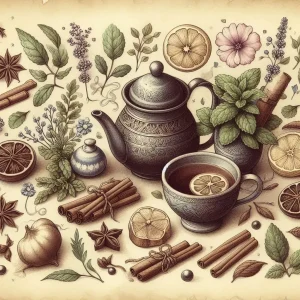
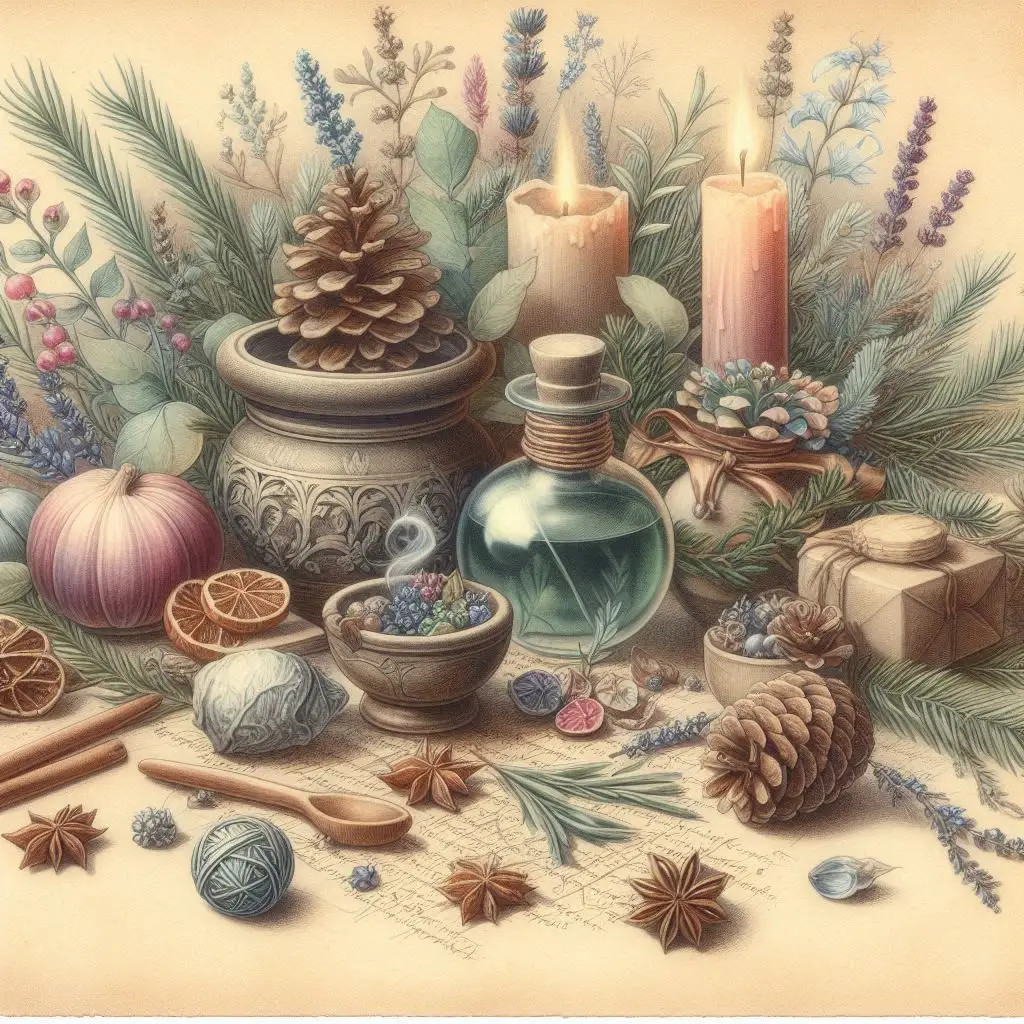
- Homemade Potpourri: Create your own homemade potpourri by combining dried winter herbs, citrus peels, and spices. Place the mixture in a decorative bowl and let the fragrant blend permeate your living space.
- Scented Candles: Choose scented candles infused with essential oils or winter herb extracts. Light the candles to fill your home with soothing and aromatic scents, creating a cozy and inviting atmosphere during the winter season.
- Herbal Sachets: Create herbal sachets by placing dried winter herbs in small fabric pouches. You can place these sachets in your drawers, closets, or near your bed to enjoy the subtle and refreshing aroma.
- Homemade Room Sprays: Make your own room spray by combining distilled water, a few drops of essential oils, and winter herb extracts in a spray bottle. Shake well and spritz the mixture around your living space to freshen the air and uplift your mood.
- Massage and Body Oils: Mix a carrier oil such as sweet almond oil or jojoba oil with a few drops of essential oils or winter herb-infused oils. Use this blend for massage or apply it to your body after a bath or shower to nourish your skin and enjoy the aromatic benefits.
- Inhalers: Create your own inhalers by saturating a cotton wick or a small piece of cloth with essential oils or winter herb extracts. Place it inside a small inhaler tube or a resealable bag. Carry it with you and inhale the scents whenever needed for an instant boost of energy or relaxation.
Safety Considerations
While aroma therapies are generally safe, it’s important to follow safety guidelines. Essential oils should be properly diluted before use, and it’s advisable to perform a patch test to check for any adverse reactions. If you have any underlying health conditions or are pregnant or nursing, consult with a qualified aromatherapist or healthcare professional before using aroma therapies.
Aroma therapies using winter herbs can be a delightful and effective way to enhance your winter well-being. By incorporating the aromatic properties of winter herbs into your daily routine, you can enjoy the benefits of relaxation, respiratory relief, immune support, and mood enhancement. Experiment with different scents, methods, and combinations to find what works best for you. Embrace the comforting and uplifting power of winter herbs through aroma therapies and create a cozy and nurturing environment during the colder months.
Conclusion
Aroma therapy, with its rich history in witchcraft, paganism, and Wiccan traditions, offers a unique and natural way to enhance your winter wellness. By incorporating the aromatic properties of winter herbs like eucalyptus, peppermint, lavender, and pine, you can create a soothing and uplifting environment that supports emotional well-being, respiratory health, and immune function. Whether through diffusers, steam inhalation, aromatic baths, or homemade potpourri, these fragrant remedies provide a delightful and effective approach to staying healthy and comfortable during the colder months. Embrace the ancient wisdom and modern benefits of aroma therapy to nurture your body and spirit throughout the winter season.
Cheers to your winter wellness!