Posted on Leave a comment

Winter Home Remedies – Tonics

Winter Home Remedies - Tonics

Introduction

Revitalize Your Winter Wellness with Healing Herb Tonics

Winter can be a challenging time for our health, as the cold weather and dry air can cause a variety of ailments, from coughs and colds to dry skin and chapped lips. While there are many over-the-counter remedies available, they can be costly and may contain harsh chemicals. Luckily, there are plenty of natural home remedies that can be made using items and materials that are readily available during the winter months. In this article, we will explore some effective and easy-to-make home remedies that use ingredients and materials from wintertime, so you can stay healthy and comfortable all winter long without breaking the bank.

There are a lot of home remedies and nearly endless possibilities of methods, in this article we’ll go over tonics.

Tonic

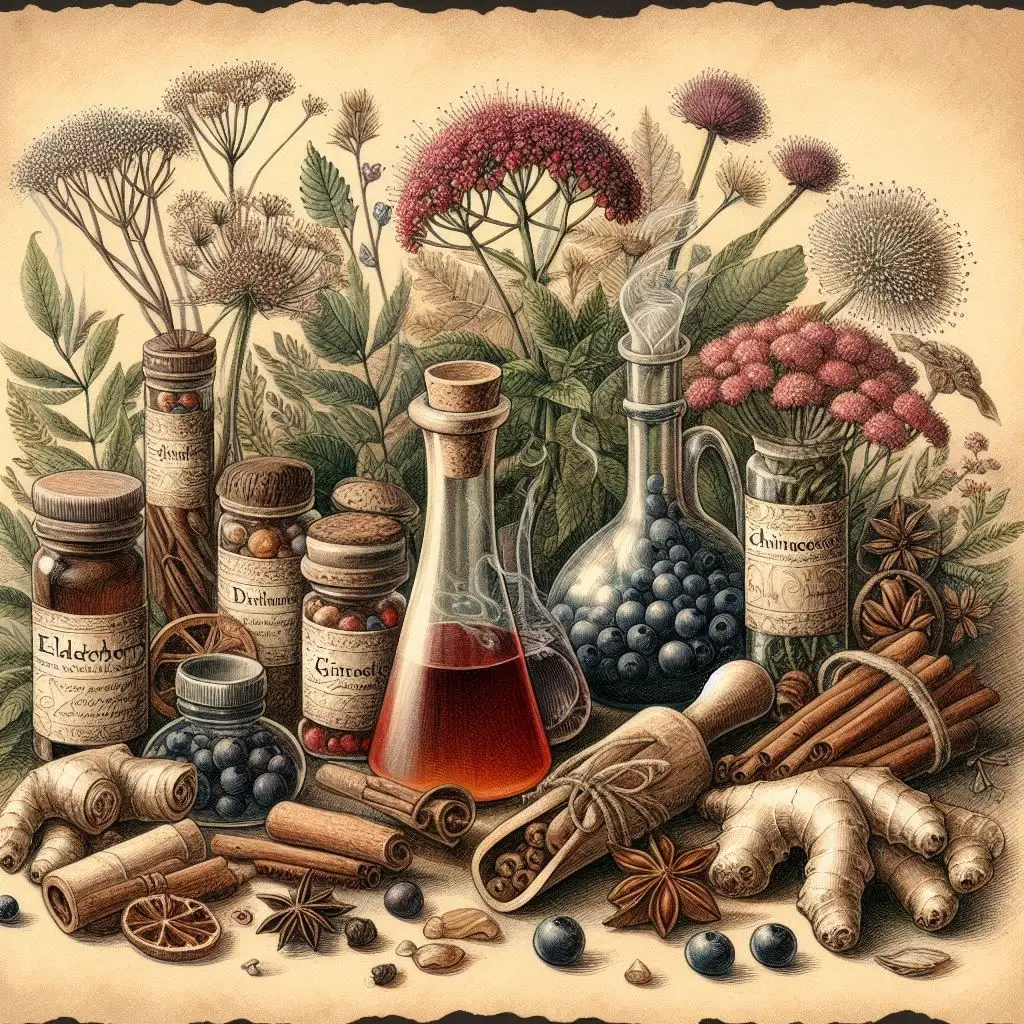
Winter is a season that calls for extra care and support for our bodies and immune systems. One effective way to fortify ourselves during this time is by incorporating homemade tonics into our winter wellness routine. These nourishing beverages, infused with winter herbs, offer a natural and holistic approach to support our overall health, boost immunity, and provide warmth and comfort. In this article, we will explore the art of creating homemade tonics using winter herbs, along with the methods and benefits of incorporating these herbal elixirs into our daily lives.

Historical Significance of Tonics in Witchcraft, Paganism, and Wiccan Traditions

Tonics have been a vital part of witchcraft, paganism, and Wiccan traditions, revered for their ability to heal, nourish, and enhance spiritual practices. These traditions recognize the power of herbs and the ritual of tonic-making as a means to connect with nature and harness the energies of the herbs used.

Ancient Practices

In ancient pagan cultures, tonics were often used in rituals and ceremonies to promote healing and spiritual well-being. The act of creating and using tonics was seen as a way to connect with the natural world and harness the energies of the herbs used.

Witchcraft and Tonics

Witches have long used tonics as part of their magical practices. Herbal tonics are often prepared with specific intentions, such as healing, protection, or divination. Herbs like ginger, turmeric, and rosemary are commonly used for their healing properties. The ritual of making tonics is often accompanied by chants, spells, or meditations to enhance the magical properties of the herbs.

Wiccan Traditions

In Wiccan traditions, tonics are often used in seasonal celebrations and rituals. For example, during the winter solstice (Yule), Wiccans may create tonics with herbs like cinnamon, clove, and orange peel to symbolize warmth and renewal. These tonics are used in rituals to honor the rebirth of the sun and to promote healing and protection during the winter months.

Symbolism and Ritual Use

Tonics in witchcraft, paganism, and Wiccan traditions are more than just herbal beverages; they are tools for spiritual growth and transformation. The process of selecting, preparing, and using tonics is seen as a form of alchemy, where the combination of herbs and intention creates a powerful potion. This practice aligns with the belief that the energy and intention put into the tonic can influence its effects.

By understanding the historical and spiritual significance of tonics within these traditions, we can appreciate their role not only as a winter remedy but also as a means of connecting with ancient practices and enhancing our spiritual journey.

Benefits of Winter Herb Tonics

Winter herb tonics offer a multitude of health benefits.

Here are some key advantages:

  • Immune Support: Winter herbs such as echinacea, elderberry, and astragalus are renowned for their immune-boosting properties. These tonics can help strengthen our immune system, making us more resilient to winter illnesses.
  • Respiratory Health: Many winter herbs possess expectorant and antiviral properties that can support respiratory health. Tonics made with herbs like thyme, oregano, and licorice root can help alleviate coughs, congestion, and soothe respiratory discomfort.
  • Nourishment and Vitality: Winter herbs are often packed with vitamins, minerals, and antioxidants that can provide vital nourishment during the colder months. Tonics infused with herbs like nettle, rosehip, and ginger can provide a natural energy boost and help combat fatigue.
  • Warmth and Comfort: Winter herb tonics can warm the body from within, providing a comforting sensation during chilly days. The soothing flavors and aromas can also promote relaxation and a sense of well-being.

Popular Winter Herbs for Tonics

When creating winter herb tonics, consider incorporating some of the following herbs:

  • Ginger: Known for its warming properties, ginger adds a spicy and invigorating flavor to tonics. It can help improve digestion, boost circulation, and provide relief from cold symptoms.
  • Turmeric: With its vibrant yellow color, turmeric is a potent anti-inflammatory herb. It can support joint health, enhance immune function, and provide a natural glow to the skin.
  • Cinnamon: Cinnamon adds a sweet and comforting taste to tonics. It has antimicrobial properties and can help regulate blood sugar levels and support digestion.
  • Rosemary: This aromatic herb not only adds a delightful flavor but also provides antioxidant and anti-inflammatory benefits. Rosemary can help improve memory, boost mood, and support respiratory health.

Methods for Making Winter Herb Tonics

Creating homemade winter herb tonics is a simple and rewarding process. Here’s a general method to prepare these nourishing beverages:

  1. Choose Your Herbs: Select a combination of winter herbs that align with your health goals and personal taste preferences. Experiment with different herbal combinations to discover your favorites.
  2. Prepare the Herbs: If using dried herbs, crush or grind them slightly to release their flavors and improve extraction. For fresh herbs, rinse them and chop them into smaller pieces.
  3. Simmering Method: Place the herbs in a saucepan with filtered water and bring to a gentle simmer. Allow the mixture to simmer for about 15-20 minutes, allowing the herbs to infuse into the water.
  4. Infusion Method: Alternatively, you can create an infusion by pouring hot water over the herbs in a teapot or jar and allowing them too steep for 15-20 minutes. Strain the liquid afterward.
  5. Sweeteners and Enhancements: If desired, you can add natural sweeteners like honey, maple syrup, or stevia to the tonic. Enhancements such as lemon juice, orange zest, or herbal extracts like echinacea or elderberry can also be added for extra flavor and immune-boosting benefits. Adjust the sweetness and flavor according to your preference.
  6. Straining and Serving: Once the tonic has infused and any additions have been stirred in, strain the liquid to remove the herb particles or residue. Pour the tonic into a cup or mug and savor it while it’s warm. You can enjoy it as is or garnish it with a sprig of fresh herbs for a touch of visual appeal.
  7. Storage and Consumption: If you have leftover tonic, let it cool before transferring it to a glass jar or bottle with a tight lid. Store it in the refrigerator and consume it within a few days to ensure freshness and potency. Shake well before each use.
  8. Incorporating into Your Routine: Drink your winter herb tonic as part of your daily winter wellness routine. You can have it in the morning to start your day on a nourishing note or enjoy it in the evening for relaxation and comfort. Sip it slowly and mindfully, allowing the herbal goodness to permeate your senses.

Safety Considerations

While homemade winter herb tonics are generally safe, it’s important to consider a few safety precautions:

  • Allergies and Sensitivities: Be mindful of any known allergies or sensitivities you may have to specific herbs. If you have any concerns, consult a healthcare professional or herbalist before incorporating new herbs into your diet.
  • Medications and Health Conditions: If you have any underlying health conditions or are taking medications, it’s important to consult with a healthcare professional to ensure there are no potential interactions between the herbs and your medications.
  • Quality of Herbs: Use high-quality organic or wildcrafted herbs for optimal flavor and therapeutic benefits. Ensure that the herbs are free from pesticides or contaminants.
  • Moderation: While herbal tonics are generally safe, it’s best to consume them in moderation. Stick to recommended dosages and listen to your body’s response.

Winter herb tonics offer a wonderful way to incorporate the healing power of nature into our daily lives during the colder months. By infusing nourishing winter herbs into these beverages, we can support our immune system, enhance vitality, and experience the warmth and comfort they provide. Remember to choose herbs that align with your health goals, follow proper preparation methods, and consider any personal considerations or interactions. Embrace the therapeutic benefits of winter herb tonics and savor the natural goodness they offer throughout the winter season.

Conclusion

Winter herb tonics offer a natural and empowering approach to support our well-being during the colder months. By incorporating herbs like ginger, turmeric, cinnamon, and rosemary into our daily routine, we can boost our immune system, enhance respiratory health, and provide nourishment and warmth to our bodies. These tonics not only offer physical benefits but also bring comfort and relaxation during chilly days. Embrace the therapeutic power of winter herb tonics and enjoy the natural goodness they provide throughout the winter season.

Cheers to your winter wellness!
Posted on Leave a comment

Winter Home Remedies – Tinctures

Winter Home Remedies - Tinctures

Introduction

Harness the Potency of Winter with Healing Tinctures

Winter can be a challenging time for our health, as the cold weather and dry air can cause a variety of ailments, from coughs and colds to dry skin and chapped lips. While there are many over-the-counter remedies available, they can be costly and may contain harsh chemicals. Luckily, there are plenty of natural home remedies that can be made using items and materials that are readily available during the winter months. In this article, we will explore some effective and easy-to-make home remedies that use ingredients and materials from wintertime, so you can stay healthy and comfortable all winter long without breaking the bank.

There are a lot of home remedies and nearly endless possibilities of methods, in this article we’ll go over tinctures.

Tinctures

Tinctures have long been valued as a potent and effective way to extract and preserve the medicinal properties of herbs. During the winter months, when our immune systems are often challenged, tinctures can be a valuable home remedy. By utilizing winter herbs in tincture form, we can harness their healing benefits to boost our immunity, alleviate winter ailments, and support overall wellness. In this article, we will delve into the art of creating winter tinctures using a variety of winter herbs, along with the methods to make and utilize these powerful herbal preparations at home.

Historical Significance of Tinctures in Witchcraft, Paganism, and Wiccan Traditions

Tinctures have been an integral part of witchcraft, paganism, and Wiccan traditions, valued for their ability to concentrate and preserve the medicinal properties of herbs. These practices recognize the power of herbs and the ritual of tincture-making as a means to heal, connect with nature, and enhance spiritual practices.

Ancient Practices

In ancient pagan cultures, tinctures were often used in rituals and ceremonies to promote healing and spiritual well-being. The act of creating and using tinctures was seen as a way to connect with the natural world and harness the energies of the herbs used1.

Witchcraft and Tinctures

Witches have long used tinctures as part of their magical practices. Herbal tinctures are often prepared with specific intentions, such as healing, protection, or divination. Herbs like echinacea, ginger, and elderberry are commonly used for their immune-boosting and healing properties. The ritual of making tinctures is often accompanied by chants, spells, or meditations to enhance the magical properties of the herbs.

Wiccan Traditions

In Wiccan traditions, tinctures are often used in seasonal celebrations and rituals. For example, during the winter solstice (Yule), Wiccans may create tinctures with herbs like cinnamon, clove, and orange peel to symbolize warmth and renewal. These tinctures are used in rituals to honor the rebirth of the sun and to promote healing and protection during the winter months.

Symbolism and Ritual Use

Tinctures in witchcraft, paganism, and Wiccan traditions are more than just herbal extracts; they are tools for spiritual growth and transformation. The process of selecting, preparing, and using tinctures is seen as a form of alchemy, where the combination of herbs and intention creates a powerful potion. This practice aligns with the belief that the energy and intention put into the tincture can influence its effects.

By understanding the historical and spiritual significance of tinctures within these traditions, we can appreciate their role not only as a winter remedy but also as a means of connecting with ancient practices and enhancing our spiritual journey.

Benefits of Winter Tinctures

Winter tinctures offer a range of advantages, making them an excellent addition to your home remedy arsenal during the colder months.

Here are some key benefits:

  • Immune Support: Winter herbs like echinacea, elderberry, and astragalus are renowned for their immune-boosting properties. By extracting their medicinal compounds into tincture form, we can fortify our immune systems and better defend against winter illnesses.
  • Respiratory Relief: Many winter herbs possess expectorant, antiviral, and antimicrobial properties that can aid in relieving respiratory issues. Tinctures made from herbs like thyme, mullein, and elecampane can help soothe coughs, clear congestion, and support respiratory health.
  • Adaptogenic Support: Winter can be a stressful time for our bodies. Adaptogenic herbs such as ashwagandha, holy basil, and Siberian ginseng can help our bodies adapt to stress, boost energy levels, and enhance overall well-being when used in tincture form.

Winter Herbs for Tinctures

Several winter herbs lend themselves well to tincture preparations. Here are some popular winter herbs to consider incorporating into your tinctures:

  • Echinacea: Echinacea is a powerful immune-stimulating herb that can help fend off winter illnesses. Its tincture can be particularly effective when taken at the onset of symptoms.
  • Ginger: Ginger is renowned for its warming and anti-inflammatory properties. A ginger tincture can aid digestion, alleviate nausea, and provide a boost during the colder months.
  • Elderberry: Elderberry tincture is highly regarded for its immune-enhancing and antiviral properties. It can be a valuable addition to your winter wellness routine.
  • Astragalus: Astragalus is an adaptogenic herb known for its immune-strengthening properties. A tincture made from astragalus root can provide overall support during the winter season.

Methods for Making Winter Tinctures

Creating tinctures involves extracting the beneficial compounds from herbs using alcohol or vinegar. Here’s a general method for making winter tinctures:

  1. Choose Your Herb: Select the winter herb(s) of your choice, ensuring they are clean and free from contaminants. You can use a single herb or create herbal combinations for specific purposes.
  2. Prepare the Herb: If using dried herbs, crush or grind them to increase the surface area for extraction. If using fresh herbs, chop or bruise them slightly.
  3. Select a Base: Choose a suitable menstruum, such as high-proof alcohol (like vodka or brandy) or apple cider vinegar. Alcohol is the most common choice due to its superior extraction properties.
  4. Create the Tincture: Place the prepared herb(s) in a glass jar and cover it completely with your chosen menstruum. Ensure that the herb is fully submerged. Close the jar tightly.
  5. Extraction and Maceration: Store the jar in a cool, dark place and allow it to macerate for several weeks. Shake the jar daily to aid the extraction process.
  6. Strain and Bottle: After the maceration period, strain the tincture using a fine mesh strainer or cheesecloth to remove all plant material. Squeeze out any remaining liquid from the herbs. The resulting liquid is your winter tincture.
  7. Bottle and Label: Transfer the tincture into amber glass dropper bottles to protect it from light. Label each bottle with the herb(s) used, the menstruum, the date of preparation, and dosage instructions.
  8. Storage and Usage: Store your tinctures in a cool, dark place. When needed, simply use the dropper to administer the recommended dosage. Tinctures can be taken directly under the tongue, diluted in a small amount of water, or added to teas or other beverages.

It’s important to note that while tinctures are generally safe, it’s advisable to consult with a qualified herbalist or healthcare practitioner, especially if you have any pre-existing health conditions or are taking medications.

Winter tinctures made from winter herbs can be powerful allies during the colder months. By extracting the medicinal properties of these herbs in tincture form, we can harness their immune-boosting, respiratory-relieving, and adaptogenic benefits. Incorporating tinctures into your winter wellness routine can provide natural support and promote overall well-being. Remember to use quality ingredients, follow proper preparation techniques, and seek professional advice when needed. Stay healthy and resilient throughout the winter season with the help of these herbal remedies.

Conclusion

Winter tinctures, with their rich history in witchcraft, paganism, and Wiccan traditions, offer a potent and effective remedy during the colder months. By incorporating winter herbs like echinacea, ginger, elderberry, and astragalus, you can create powerful tinctures that support immune function, provide respiratory relief, and offer adaptogenic support. Whether used directly or added to teas and beverages, these tinctures provide a natural and effective approach to staying healthy and resilient during the winter season. Embrace the ancient wisdom and modern benefits of winter tinctures to nurture your body and spirit throughout the colder months.

Cheers to your winter wellness!

Posted on Leave a comment

Winter Home Remedies – Teas

Winter Home Remedies - Teas

Introduction

Warm Your Soul with Healing Winter Teas

Winter can be a challenging time for our health, as the cold weather and dry air can cause a variety of ailments, from coughs and colds to dry skin and chapped lips. While there are many over-the-counter remedies available, they can be costly and may contain harsh chemicals. Luckily, there are plenty of natural home remedies that can be made using items and materials that are readily available during the winter months. In this article, we will explore some effective and easy-to-make home remedies that use ingredients and materials from wintertime, so you can stay healthy and comfortable all winter long without breaking the bank.

There are a lot of home remedies and nearly endless possibilities of methods, in this article we’ll go over teas.

Teas

Tea has long been cherished as a soothing and comforting beverage, and during the winter months, it becomes even more essential. As the cold weather sets in and the immune system is put to the test, a warm cup of tea can provide both physical and mental respite. By incorporating winter herbs into our tea blends, we can harness their medicinal properties to boost our immunity, soothe winter ailments, and promote overall well-being. In this article, we will explore the art of crafting winter teas using a variety of winter herbs, along with the methods to prepare these therapeutic beverages at home.

Historical Significance of Teas in Witchcraft, Paganism, and Wiccan Traditions

Teas have played a significant role in witchcraft, paganism, and Wiccan traditions, where they are valued for their medicinal and magical properties. These practices recognize the power of herbs and the ritual of tea-making as a means to heal, connect with nature, and enhance spiritual practices.

Ancient Practices

In ancient pagan cultures, teas were often used in rituals and ceremonies to promote healing and spiritual well-being. The act of brewing and drinking tea was seen as a way to connect with the natural world and harness the energies of the herbs used.

Witchcraft and Teas

Witches have long used teas as part of their magical practices. Herbal teas are often brewed with specific intentions, such as healing, protection, or divination. Herbs like chamomile, peppermint, and ginger are commonly used for their soothing and healing properties. The ritual of making tea is often accompanied by chants, spells, or meditations to enhance the magical properties of the herbs.

Wiccan Traditions

In Wiccan traditions, teas are often used in seasonal celebrations and rituals. For example, during the winter solstice (Yule), Wiccans may brew teas with herbs like cinnamon, clove, and orange peel to symbolize warmth and renewal. These teas are used in rituals to honor the rebirth of the sun and to promote healing and protection during the winter months.

Symbolism and Ritual Use

Teas in witchcraft, paganism, and Wiccan traditions are more than just beverages; they are tools for spiritual growth and transformation. The process of selecting, brewing, and drinking tea is seen as a form of alchemy, where the combination of herbs and intention creates a powerful potion. This practice aligns with the belief that the energy and intention put into the tea can influence its effects.

By understanding the historical and spiritual significance of teas within these traditions, we can appreciate their role not only as a winter remedy but also as a means of connecting with ancient practices and enhancing our spiritual journey.

Benefits of Winter Teas

Winter teas offer a host of benefits that can support our health during the colder months. They provide warmth, hydration, and comfort while also delivering the healing properties of winter herbs.

Some key advantages of winter teas include:

  • Immune Boost: Winter herbs such as echinacea, elderberry, and rosehip are known for their immune-boosting properties. Drinking teas infused with these herbs can help strengthen the immune system and ward off common winter illnesses.
  • Respiratory Relief: Many winter herbs possess expectorant and decongestant properties, making them effective in soothing respiratory issues. For instance, herbs like thyme, eucalyptus, and mint can help alleviate coughs, congestion, and sinus problems.
  • Antioxidant Power: Winter herbs like cinnamon, ginger, and cloves are rich in antioxidants, which combat free radicals and reduce oxidative stress in the body. Including these herbs in your winter teas can contribute to overall well-being and protection against seasonal ailments.

Winter Herbs for Tea Blends

Several winter herbs can be used to create delightful and beneficial tea blends. Here are some popular winter herbs to consider incorporating into your teas:

  • Peppermint: Known for its refreshing flavor, peppermint is an excellent choice for winter teas. It can help soothe digestion, relieve headaches, and clear congestion.
  • Chamomile: Chamomile is renowned for its calming properties, making it perfect for soothing stress and promoting relaxation during the winter season.
  • Cinnamon: A staple spice of the season, cinnamon not only adds warmth and flavor to teas but also offers anti-inflammatory and antimicrobial benefits.
  • Lemon Balm: Lemon balm is a lemon-scented herb that can help uplift the spirits and ease stress. It also aids in digestion and promotes relaxation.

Methods for Making Winter Teas

There are various methods to prepare winter teas, depending on the herbs and flavors you desire. Here are a few popular approaches:

  • Infusions: The most common method involves steeping herbs in hot water. Simply bring water to a boil, pour it over your chosen herbs, and allow them to steep for 5-10 minutes. Strain the tea and enjoy.
  • Decoctions: Decoctions are suitable for tougher plant materials like roots, barks, or seeds. Simmer the herbs in water on low heat for 15-20 minutes, then strain and serve.
  • Herbal Blends: Experiment with combining different herbs to create flavorful and therapeutic blends. Mix and match herbs like peppermint, chamomile, cinnamon, and lemon balm to create unique winter tea combinations.
  • Sweeteners and Enhancements: To enhance the taste and benefits of your winter teas, consider adding natural sweeteners like honey or a squeeze of lemon juice. You can also experiment with spices like ginger or nutmeg for added warmth and flavor.

Winter teas offer a delightful and nourishing way to support our well-being during the colder months. By incorporating winter herbs into our tea blends, we can harness their healing properties and create flavorful concoctions that boost immunity, soothe winter ailments, and provide comfort. Whether

Conclusion

Winter teas offer a delightful and nourishing way to support our well-being during the colder months. By incorporating winter herbs like peppermint, chamomile, cinnamon, and lemon balm into our tea blends, we can harness their healing properties to boost immunity, soothe winter ailments, and provide comfort. Whether through infusions, decoctions, or herbal blends, these teas provide warmth, hydration, and a sense of well-being. Embrace the art of crafting winter teas to nurture your body and spirit throughout the season.

Cheers to your winter wellness!
Posted on Leave a comment

Winter Home Remedies – Steam Treatments

Winter Home Remedies - Steam Treatments

Introduction

Breathe Easy and Stay Warm with Healing Steam Treatments

Winter can be a challenging time for our health, as the cold weather and dry air can cause a variety of ailments, from coughs and colds to dry skin and chapped lips. While there are many over-the-counter remedies available, they can be costly and may contain harsh chemicals. Luckily, there are plenty of natural home remedies that can be made using items and materials that are readily available during the winter months. In this article, we will explore some effective and easy-to-make home remedies that use ingredients and materials from wintertime, so you can stay healthy and comfortable all winter long without breaking the bank.

There are a lot of home remedies and nearly endless possibilities of methods, in this article we’ll cover steam treatments.

Steam Treatments

Steam treatment is an age-old remedy that has been used for centuries to treat various ailments. In winter, when the air is dry and cold, steam treatment can be especially beneficial for relieving respiratory issues, such as congestion and coughs. Additionally, by adding winter herbs to the steam treatment, the treatment can provide additional health benefits that can help ward off winter ailments. In this article, we will discuss the benefits of steam treatment during the winter and some popular winter herbs that can be used in the treatment.

Historical Significance of Steam Treatments in Witchcraft, Paganism, and Wiccan Traditions

Steam treatments have a long history within witchcraft, paganism, and Wiccan traditions, where they have been valued for their healing and spiritual properties. These practices have recognized the power of steam and herbs to cleanse, purify, and heal both the body and spirit.

Ancient Practices

In ancient pagan cultures, steam treatments were often used in rituals and ceremonies to cleanse and purify the body and spirit. The steam was believed to open the pores, allowing the body to release toxins and negative energies. This practice was often accompanied by the use of herbs, which were added to the steam to enhance its healing properties1.

Witchcraft and Steam Treatments

Witches have utilized steam treatments as part of their magical practices for centuries. The creation of herbal steam was often accompanied by chants, incantations, and the visualization of desired outcomes. Herbs such as eucalyptus, peppermint, thyme, and rosemary, which are commonly used in winter steam treatments, were also revered for their protective, purifying, and healing properties. By incorporating these herbs into steam treatments, witches believed they could harness their energies to ward off illness, enhance psychic abilities, and promote overall well-being2.

Wiccan Traditions

In Wiccan traditions, steam treatments are often prepared during seasonal celebrations and rituals. The winter solstice, known as Yule, is a time when Wiccans honor the rebirth of the sun and the return of light. During this time, steam treatments made with winter herbs are used to symbolize the cleansing and renewal provided by the sun’s return. These treatments are also used in rituals to invoke the energies of the season, promote healing, and strengthen the connection to nature3.

Symbolism and Ritual Use

Steam treatments in witchcraft, paganism, and Wiccan traditions are more than just medicinal remedies. They are imbued with symbolism and are used as tools for spiritual growth and transformation. The act of preparing and using a steam treatment is seen as a form of alchemy, where the combination of ingredients and the intention behind their use create a powerful potion. This practice aligns with the belief that the energy put into their creation can influence their effects4.

By understanding the historical and spiritual significance of steam treatments within these traditions, we can appreciate their role not only as a winter remedy but also as a means of connecting with ancient practices and enhancing our spiritual journey.

Benefits of Steam Treatment during the Winter

Steam treatment is an effective way to relieve congestion, coughs, and other respiratory problems that are common during the winter months. By inhaling warm steam, the mucous membranes in the respiratory tract are moistened, which helps to reduce inflammation and relieve congestion. The steam also helps to open the airways, making it easier to breathe. Additionally, steam treatment can help to soothe a sore throat, reduce sinus pressure, and alleviate other cold and flu symptoms.

Winter Herbs for Steam Treatment

Adding winter herbs to steam treatment can provide additional health benefits that can help fight off winter ailments. Here are some popular winter herbs that can be used in the treatment:

  • Eucalyptus: Eucalyptus is a popular herb that is commonly used in steam treatments to relieve respiratory problems. It contains compounds that can help to reduce inflammation, relieve congestion, and soothe a sore throat.
  • Peppermint: Peppermint is another popular herb that is commonly used in steam treatments. It contains menthol, which has a cooling effect that can help to soothe sore throats and reduce coughing.
  • Thyme: Thyme is an herb that has been used for centuries to treat respiratory problems. It contains compounds that can help to reduce inflammation, relieve congestion, and soothe a sore throat.
  • Rosemary: Rosemary is an herb that is commonly used in steam treatments. It contains compounds that can help to reduce inflammation, relieve congestion, and soothe a sore throat.

Methods of Steam Treatment

There are several methods of steam treatment that can be used to relieve respiratory problems. Here are some popular methods:

  • Steam Inhalation: This is the most popular method of steam treatment. It involves boiling water in a pot, adding winter herbs, and then inhaling the steam for several minutes. To do this, place a towel over your head and lean over the pot, making sure to keep your face at a safe distance from the hot water. Inhale deeply for several minutes, taking breaks as needed.
  • Steam Shower: A steam shower is another effective way to relieve respiratory problems. To do this, run a hot shower and close the bathroom door. Wait for the bathroom to fill with steam, then enter the shower and inhale deeply for several minutes.
  • Steam Room: A steam room is another option for steam treatment. Steam rooms can be found at many gyms and spas. To use a steam room, simply sit in the room and inhale deeply for several minutes.

Steam treatment is an effective way to relieve respiratory problems that are common during the winter months. By adding winter herbs to the treatment, you can provide additional health benefits that can help ward off winter ailments. When using steam treatment, be sure to take appropriate safety precautions, such as keeping your face at a safe distance from the hot water. Additionally, if you have any pre-existing health conditions, be sure to consult with your doctor before using steam treatment.

Conclusion

Steam treatments, with their rich history in witchcraft, paganism, and Wiccan traditions, offer a potent and effective remedy during the colder months. By incorporating winter herbs like eucalyptus, peppermint, thyme, and rosemary, you can create powerful steam treatments that support respiratory health, provide congestion relief, and offer overall well-being. Whether used through steam inhalation, steam showers, or steam rooms, these treatments provide a natural and effective approach to staying healthy and resilient during the winter season. Embrace the ancient wisdom and modern benefits of steam treatments to nurture your body and spirit throughout the colder months.

Cheers to your winter wellness!

Posted on Leave a comment

Winter Home Remedies – Herbal Glycerites

Winter Home Remedies - Herbal Glycerites

Introduction

Sweeten Your Winter Wellness with Herbal Glycerites

Winter can be a challenging time for our health, as the cold weather and dry air can cause a variety of ailments, from coughs and colds to dry skin and chapped lips. While there are many over-the-counter remedies available, they can be costly and may contain harsh chemicals. Luckily, there are plenty of natural home remedies that can be made using items and materials that are readily available during the winter months. In this article, we will explore some effective and easy-to-make home remedies that use ingredients and materials from wintertime, so you can stay healthy and comfortable all winter long without breaking the bank.

There are a lot of home remedies and nearly endless possibilities of methods, In this article we’ll go over herbal glycerites.

Herbal Glycerites

Herbal glycerites are a wonderful and versatile home remedy that can be particularly beneficial during the winter months. Glycerites, or herbal extracts made with glycerin, offer a sweet and palatable way to harness the healing properties of winter herbs. By creating glycerites using winter herbs, we can unlock their medicinal benefits and create powerful elixirs to support our health and well-being. In this article, we will explore the art of crafting herbal glycerites using a variety of winter herbs, along with the methods to prepare these therapeutic remedies in the comfort of your own home.

Historical Significance of Herbal Glycerites in Witchcraft, Paganism, and Wiccan Traditions

Herbal glycerites have a rich history within witchcraft, paganism, and Wiccan traditions, where they have been valued for their medicinal and magical properties. These traditions have long recognized the power of plants and herbs, and glycerites have been used as a means to harness and preserve these properties.

Ancient Practices

In ancient pagan cultures, herbal glycerites were often prepared during rituals and ceremonies to honor deities and spirits. The process of creating glycerites was seen as a way to capture the essence of the herbs and infuse them with magical intent. These glycerites were used for healing, protection, and spiritual empowerment.

Witchcraft and Herbal Glycerites

Witches have utilized herbal glycerites as part of their magical practices for centuries. The creation of glycerites was often accompanied by chants, incantations, and the visualization of desired outcomes. Herbs such as elderberry, marshmallow root, elecampane, and lemon balm, which are commonly used in winter glycerites, were also revered for their protective, purifying, and healing properties. By incorporating these herbs into glycerites, witches believed they could harness their energies to ward off illness, enhance psychic abilities, and promote overall well-being.

Wiccan Traditions

In Wiccan traditions, herbal glycerites are often prepared during seasonal celebrations and rituals. The winter solstice, known as Yule, is a time when Wiccans honor the rebirth of the sun and the return of light. During this time, glycerites made with winter herbs are consumed to symbolize the nourishment and warmth provided by the sun’s return. These glycerites are also used in rituals to invoke the energies of the season, promote healing, and strengthen the connection to nature.

Symbolism and Ritual Use

Herbal glycerites in witchcraft, paganism, and Wiccan traditions are more than just medicinal remedies. They are imbued with symbolism and are used as tools for spiritual growth and transformation. The act of preparing and consuming a glycerite is seen as a form of alchemy, where the combination of ingredients and the intention behind their use create a powerful potion. This practice aligns with the belief that food and drink can be sacred and that the energy put into their creation can influence their effects.

By understanding the historical and spiritual significance of herbal glycerites within these traditions, we can appreciate their role not only as a winter remedy but also as a means of connecting with ancient practices and enhancing our spiritual journey.

Benefits of Herbal Glycerites

Herbal glycerites offer several advantages that make them an attractive option for winter home remedies.

Here are some key benefits:

  • Sweet and Palatable: Glycerin has a sweet taste, making herbal glycerites more palatable, especially for those who find the taste of alcohol-based tinctures too strong.
  • Gentle on the System: Glycerin is gentle on the digestive system and can be suitable for individuals who prefer to avoid alcohol or have sensitivities to it.
  • Longer Shelf Life: Glycerites have a longer shelf life compared to water-based herbal preparations. Properly stored glycerites can last up to several years, making them convenient for long-term use.
  • Versatile Applications: Glycerites can be taken orally or used topically. They can be added to beverages, teas, or used in various homemade preparations such as syrups, elixirs, or skincare products.

Winter Herbs for Herbal Glycerites

A variety of winter herbs can be used to create herbal glycerites. Here are some popular winter herbs to consider incorporating:

  • Elderberry: Elderberry is renowned for its immune-boosting properties and its ability to support respiratory health. An elderberry glycerite can be a valuable addition to your winter wellness routine.
  • Marshmallow Root: Marshmallow root is known for its soothing and demulcent properties, making it beneficial for soothing sore throats and respiratory discomfort during the winter months.
  • Elecampane: Elecampane is a respiratory tonic and expectorant herb that can help alleviate coughs and congestion. It can be used to create a glycerite for respiratory support.
  • Lemon Balm: Lemon balm is a calming herb that can help reduce stress and promote relaxation, which can be particularly beneficial during the winter season.

Methods for Making Herbal Glycerites

Creating herbal glycerites is a straightforward process that requires a few simple steps. Here’s a general method for making herbal glycerites:

  1. Choose Your Herb: Select the winter herb(s) of your choice, ensuring they are clean and free from contaminants. You can use a single herb or create herbal combinations for specific purposes.
  2. Herb Preparation: If using dried herbs, crush or grind them to increase the surface area for extraction. If using fresh herbs, chop or bruise them slightly.
  3. Glycerin and Water Ratio: The typical ratio for making glycerites is 1 part herb to 4 parts glycerin. You can also add a small amount of distilled water (up to 20% of the total volume) to aid in extraction.
  4. Extraction Process: Place the prepared herb(s) in a glass jar and cover them completely with glycerin and water mixture. Ensure that the herbs are fully submerged. Close the jar tightly.
  5. Maceration Period: Store the jar in a cool, dark place and allow it to macerate for about 4 to 6 weeks. Shake the jar daily to aid the extraction process.
  6. Strain and Bottle: After the maceration period, strain the glycerite using a fine mesh strainer or cheesecloth to remove all plant material. Squeeze out any remaining liquid from the herbs. The resulting liquid is your herbal glycerite.
  7. Bottle and Label: Transfer the glycerite into dark glass dropper bottles to protect it from light. Label each bottle with the herb(s) used, the date of preparation, and dosage instructions.
  8. Storage and Usage: Store your herbal glycerites in a cool, dark place. Glycerites have a long shelf life, but it’s advisable to use them within two to three years for optimal potency. When needed, simply use the dropper to administer the recommended dosage. Herbal glycerites can be taken orally or applied topically, depending on the herb and the desired effect.

It’s important to note that while herbal glycerites are generally safe, it’s advisable to consult with a qualified herbalist or healthcare practitioner, especially if you have any pre-existing health conditions or are taking medications. They can provide guidance on appropriate herbs, dosages, and potential interactions.

Herbal glycerites made with winter herbs offer a delightful and effective way to incorporate herbal remedies into your winter wellness routine. By extracting the medicinal properties of these herbs in glycerin, we can create sweet and palatable elixirs that support our health during the colder months. Whether for immune support, respiratory health, soothing sore throats, or promoting relaxation, herbal glycerites can be a valuable addition to your home remedy toolkit. Remember to use quality ingredients, follow proper preparation techniques, and seek professional advice when needed. Embrace the healing power of herbal glycerites and nurture your well-being throughout the winter season.

Conclusion

Herbal glycerites made with winter herbs offer a delightful and effective way to incorporate herbal remedies into your winter wellness routine. By extracting the medicinal properties of these herbs in glycerin, we can create sweet and palatable elixirs that support our health during the colder months. Whether for immune support, respiratory health, soothing sore throats, or promoting relaxation, herbal glycerites can be a valuable addition to your home remedy toolkit. Remember to use quality ingredients, follow proper preparation techniques, and seek professional advice when needed. Embrace the healing power of herbal glycerites and nurture your well-being throughout the winter season.

Cheers to your winter wellness!
Posted on Leave a comment

Winter Home Remedies – Elixirs

Winter Home Remedies - Elixirs

Introduction

Harness the Power of Winter with Potent Elixirs

Winter can be a challenging time for our health, as the cold weather and dry air can cause a variety of ailments, from coughs and colds to dry skin and chapped lips. While there are many over-the-counter remedies available, they can be costly and may contain harsh chemicals. Luckily, there are plenty of natural home remedies that can be made using items and materials that are readily available during the winter months. In this article, we will explore some effective and easy-to-make home remedies that use ingredients and materials from wintertime, so you can stay healthy and comfortable all winter long without breaking the bank.

There are a lot of home remedies and nearly endless possibilities of methods, in this article we’ll go over elixirs.

Elixirs

Elixirs have been used for centuries to promote health and wellness, and they are particularly beneficial during the winter months. Winter can be a challenging time for our bodies, as the cold weather and dry air can lead to a weakened immune system and an increased risk of illness. By using winter herbs in elixirs, we can help to boost our immune system and fight off winter ailments. In this article, we will discuss the benefits of elixirs during the winter and some popular winter herbs that can be used in the elixirs.

Historical Significance of Elixirs in Witchcraft, Paganism, and Wiccan Traditions

Elixirs have a storied history within witchcraft, paganism, and Wiccan traditions, where they have been revered not only for their health benefits but also for their magical and spiritual properties. The use of elixirs dates back to ancient times, where they were crafted with intention and imbued with the energies of various herbs and ingredients.

Ancient Practices

In ancient pagan cultures, elixirs were often prepared during rituals and ceremonies to honor deities and spirits. These elixirs were considered sacred and were believed to carry the essence of the herbs and ingredients used. The act of creating an elixir was seen as a way to harness the magical properties of the ingredients, creating a potent potion that could be consumed for healing, protection, and spiritual empowerment.

Witchcraft and Elixirs

Witches have long utilized elixirs as part of their magical practices. The process of making an elixir was often accompanied by chants, incantations, and the visualization of desired outcomes. Herbs such as elderberry, echinacea, ginger, and cinnamon, which are commonly used in winter elixirs, were also revered for their protective, purifying, and healing properties. By incorporating these herbs into elixirs, witches believed they could harness their energies to ward off illness, enhance psychic abilities, and promote overall well-being.

Wiccan Traditions

In Wiccan traditions, elixirs are often prepared during the winter months as part of seasonal celebrations and rituals. The winter solstice, known as Yule, is a time when Wiccans honor the rebirth of the sun and the return of light. During this time, elixirs made with winter herbs are consumed to symbolize the nourishment and warmth provided by the sun’s return. These elixirs are also used in rituals to invoke the energies of the season, promote healing, and strengthen the connection to nature.

Symbolism and Ritual Use

Elixirs in witchcraft, paganism, and Wiccan traditions are more than just a source of physical nourishment. They are imbued with symbolism and are used as tools for spiritual growth and transformation. The act of preparing and consuming an elixir is seen as a form of alchemy, where the combination of ingredients and the intention behind their use create a powerful potion. This practice aligns with the belief that food and drink can be sacred and that the energy put into their creation can influence their effects.

By understanding the historical and spiritual significance of elixirs within these traditions, we can appreciate their role not only as a winter remedy but also as a means of connecting with ancient practices and enhancing our spiritual journey.

Benefits of Elixirs during the Winter

Elixirs are a popular home remedy that can provide numerous health benefits, particularly during the winter months. Elixirs are often made with a combination of herbs, spices, and other natural ingredients, which can help to boost the immune system and promote overall health and wellness. Additionally, elixirs can help to soothe sore throats, reduce congestion, and alleviate other cold and flu symptoms.

Winter Herbs for Elixirs

There are many winter herbs that can be used in elixirs to provide additional health benefits during the winter months. Here are some popular winter herbs that can be used in the elixirs:

  • Elderberry: Elderberry is a popular herb that is commonly used in elixirs during the winter months. It is rich in antioxidants and has anti-inflammatory properties, which can help to boost the immune system and fight off illness.
  • Echinacea: Echinacea is another popular herb that is commonly used in elixirs during the winter months. It has been shown to help stimulate the immune system and reduce the severity and duration of cold and flu symptoms.
  • Ginger: Ginger is a popular spice that is often used in elixirs during the winter months. It contains compounds that can help to reduce inflammation, soothe sore throats, and alleviate nausea.
  • Cinnamon: Cinnamon is another popular spice that is often used in elixirs during the winter months. It contains antioxidants and has anti-inflammatory properties, which can help to boost the immune system and reduce inflammation.

Methods of Making Elixirs

There are several methods of making elixirs, depending on the desired ingredients and health benefits. Here are some popular methods:

  • Hot Water Infusion: This is the most popular method of making elixirs. It involves boiling water in a pot, adding winter herbs and spices, and letting the mixture steep for several minutes. To make a hot water infusion, simply boil water in a pot, add the desired herbs and spices, and let the mixture steep for several minutes before straining and drinking.
  • Cold Water Infusion: A cold water infusion is another option for making elixirs. To do this, simply add the desired herbs and spices to cold water and let the mixture steep for several hours. Once the infusion is ready, strain and drink.
  • Tinctures: A tincture is a concentrated herbal extract that can be used in elixirs. To make a tincture, herbs are steeped in alcohol or vinegar for several weeks. Once the tincture is ready, it can be added to water or other liquids to make elixirs. (See Full Tincture Article for more)

Elixirs are a natural and effective way to promote health and wellness during the winter months. By using winter herbs in elixirs, we can help to boost our immune system and fight off winter ailments. When making elixirs, be sure to use high-quality ingredients and follow appropriate safety precautions. Additionally, if you have any pre-existing health conditions, be sure to consult with your doctor before using elixirs.

Conclusion

Elixirs, with their rich history in witchcraft, paganism, and Wiccan traditions, offer a unique and natural way to enhance your winter wellness. By incorporating winter herbs like elderberry, echinacea, ginger, and cinnamon, you can create potent and nourishing elixirs that support immune function, soothe sore throats, and alleviate cold and flu symptoms. Whether through hot water infusions, cold water infusions, or tinctures, these elixirs provide a delightful and effective approach to staying healthy and comfortable during the colder months. Embrace the ancient wisdom and modern benefits of elixirs to nurture your body and spirit throughout the winter season.

Cheers to your winter wellness!
Posted on Leave a comment

Winter Home Remedies – Broths

Winter Home Remedies Broths

Introduction

Nourish Your Body and Spirit with Healing Winter Broths

Winter can be a challenging time for our health, as the cold weather and dry air can cause a variety of ailments, from coughs and colds to dry skin and chapped lips. While there are many over-the-counter remedies available, they can be costly and may contain harsh chemicals. Luckily, there are plenty of natural home remedies that can be made using items and materials that are readily available during the winter months. In this article, we will explore some effective and easy-to-make home remedies that use ingredients and materials from wintertime, so you can stay healthy and comfortable all winter long without breaking the bank.

There are a lot of home remedies and nearly endless possibilities of methods, in this article we’ll go over broths.

Broths

Broths have long been cherished as a nourishing and comforting remedy, especially during the winter months when warmth and immune support are essential. By incorporating winter herbs into homemade broths, we can enhance their nutritional value and medicinal properties, creating a powerful elixir to boost our health and well-being. In this article, we will explore the art of crafting winter broths using a variety of winter herbs, along with the methods to prepare these revitalizing and therapeutic concoctions in the comfort of your own home.

Historical Significance of Broths in Witchcraft, Paganism, and Wiccan Traditions

Broths have a rich history within witchcraft, paganism, and Wiccan traditions, serving not only as a source of nourishment but also as a medium for spiritual and magical practices. The use of broths can be traced back to ancient times when they were crafted with intention and infused with herbs believed to possess magical properties.

Ancient Practices

In ancient pagan cultures, broths were often prepared during rituals and ceremonies to honor deities and spirits. These broths were considered sacred and were believed to carry the essence of the herbs and ingredients used. The act of simmering herbs in a broth was seen as a way to release their magical properties, creating a potent elixir that could be consumed for healing and spiritual empowerment.

Witchcraft and Broths

Witches have long utilized broths as part of their magical repertoire. The process of making a broth was often accompanied by chants, incantations, and the visualization of desired outcomes. Herbs such as rosemary, sage, thyme, and oregano, which are commonly used in winter broths, were also revered for their protective, purifying, and healing properties. By incorporating these herbs into broths, witches believed they could harness their energies to ward off illness, enhance psychic abilities, and promote overall well-being.

Wiccan Traditions

In Wiccan traditions, broths are often prepared during the winter months as part of seasonal celebrations and rituals. The winter solstice, known as Yule, is a time when Wiccans honor the rebirth of the sun and the return of light. During this time, broths made with winter herbs are consumed to symbolize the nourishment and warmth provided by the sun’s return. These broths are also used in rituals to invoke the energies of the season, promote healing, and strengthen the connection to nature.

Symbolism and Ritual Use

Broths in witchcraft, paganism, and Wiccan traditions are more than just a source of physical nourishment. They are imbued with symbolism and are used as tools for spiritual growth and transformation. The act of preparing and consuming a broth is seen as a form of alchemy, where the combination of ingredients and the intention behind their use create a powerful potion. This practice aligns with the belief that food and drink can be sacred and that the energy put into their creation can influence their effects.

By understanding the historical and spiritual significance of broths within these traditions, we can appreciate their role not only as a winter remedy but also as a means of connecting with ancient practices and enhancing our spiritual journey.

Benefits of Winter Broths

Winter broths offer a range of benefits that make them an ideal home remedy during the colder months.

Here are some key advantages:

  • Immune-Boosting Properties: By simmering winter herbs in broths, we can extract their immune-boosting compounds, which can help strengthen our immune system and support our body’s defense against winter illnesses.
  • Nutrient-Rich: Broths provide a concentrated source of nutrients, such as vitamins, minerals, and amino acids. Including winter herbs in broths can enhance their nutritional profile, ensuring we receive essential nourishment during the season.
  • Hydration and Warmth: During winter, it’s crucial to stay hydrated and keep warm. Sipping on warm broth not only provides necessary hydration but also helps to regulate body temperature and provide comfort.

Winter Herbs for Broths

Several winter herbs can be incorporated into broths to add flavor, aroma, and therapeutic benefits. Here are some popular winter herbs to consider using:

  • Rosemary: Rosemary is a fragrant herb with antioxidant and anti-inflammatory properties. It adds a delightful flavor to broths and provides immune support.
  • Sage: Sage is known for its antimicrobial properties and can help soothe sore throats and respiratory issues. It adds a savory note to broths.
  • Thyme: Thyme has antibacterial properties and can help alleviate coughs and congestion. Its aromatic flavor complements various broths.
  • Oregano: Oregano is rich in antioxidants and has antimicrobial properties. Adding it to broths can help support immune health and enhance the taste.

Methods for Making Winter Broths

There are different methods for preparing winter broths, allowing you to tailor the process to your preferences. Here’s a basic method to create flavorful and nutritious winter broths:

  1. Select Your Ingredients: Start with a high-quality base such as chicken, beef, or vegetable broth. Gather your choice of winter herbs and additional ingredients like vegetables, spices, and proteins (if desired).
  2. Prepare the Broth: Place the broth in a large pot and bring it to a gentle simmer over medium-low heat.
  3. Add Winter Herbs: Add the winter herbs of your choice to the simmering broth. You can tie them in a bundle or place them loosely in the pot. This allows their flavors and medicinal properties to infuse into the broth.
  4. Enhance with Ingredients: If desired, add vegetables, spices, and proteins to enhance the flavor and nutritional value of the broth. Consider ingredients like onions, garlic, carrots, celery, mushrooms, ginger, and turmeric.
  5. Simmer and Extract Flavors: Allow the broth to simmer gently for at least 1-2 hours, or even longer for richer flavors. This process allows the herbs and ingredients to release their flavors and nutrients into the broth.
  6. Strain and Serve: Once the broth is infused with the desired flavors, strain it through a fine-mesh sieve or cheesecloth to remove any solids. The resulting broth is ready to be served and enjoyed.
  7. Storage: Leftover broth can be stored in airtight containers in the refrigerator for up to 4-5 days or frozen for future use. Freezing broth in smaller portions allows for convenient use whenever needed.
  8. Serving and Enjoying: Winter broths can be enjoyed on their own as a comforting and nourishing drink or used as a base for soups, stews, and other culinary creations. Add fresh herbs or a squeeze of lemon juice to enhance the flavor further.
  9. Customizing Your Broth: Feel free to experiment with different combinations of winter herbs and ingredients to create broths tailored to your taste and specific health needs. Adjust the seasoning and intensity of flavors to suit your preferences.

Precautions

While winter broths are generally safe for consumption, it’s important to ensure that you are using fresh, high-quality ingredients and practicing proper hygiene during preparation. If you have specific dietary restrictions or health concerns, it’s advisable to consult with a healthcare professional or nutritionist before making any significant changes to your diet.

Winter broths infused with winter herbs are a wonderful home remedy to fortify your health and well-being during the colder months. By harnessing the medicinal properties and flavors of these herbs, you can create nourishing broths that provide immune support, warmth, and comfort. Experiment with different combinations, adapt the recipes to suit your preferences, and savor the benefits of these revitalizing winter elixirs. Stay warm, healthy, and nourished throughout the winter season with the power of homemade broths enriched with winter herbs.

Conclusion

Winter broths, with their rich history in witchcraft, paganism, and Wiccan traditions, offer a nourishing and comforting remedy during the colder months. By incorporating winter herbs like rosemary, sage, thyme, and oregano, you can create flavorful and therapeutic broths that support immune function, provide essential nutrients, and offer warmth and hydration. Whether enjoyed on their own or used as a base for soups and stews, these broths provide a delightful and effective approach to staying healthy and comfortable during the winter season. Embrace the ancient wisdom and modern benefits of winter broths to nurture your body and spirit throughout the colder months.

Cheers to your winter wellness!

Posted on Leave a comment

Winter Home Remedies – Aroma Therapy

Winter - Armoa Therapy

Introduction

Embrace the Magic of Winter with Soothing Aroma Therapy Remedies

Winter can be a challenging time for our health, as the cold weather and dry air can cause a variety of ailments, from coughs and colds to dry skin and chapped lips. While there are many over-the-counter remedies available, they can be costly and may contain harsh chemicals. Luckily, there are plenty of natural home remedies that can be made using items and materials that are readily available during the winter months. In this article, we will explore some effective and easy-to-make home remedies that use ingredients and materials from wintertime, so you can stay healthy and comfortable all winter long without breaking the bank.

There are a lot of home remedies and nearly endless possibilities of methods, in this article we’ll go over aroma therapy.

Aroma Therapy

Aroma therapies, also known as aromatherapy, can be a delightful and effective home remedy during the winter season. By harnessing the power of winter herbs and their aromatic properties, we can create soothing and invigorating scents that promote relaxation, uplift the mood, and provide relief from common winter ailments. In this article, we will explore the art of using aroma therapies with winter herbs, along with methods to incorporate these fragrant remedies into your daily winter wellness routine.

History of Aroma Therapy in Witchcraft, Paganism, and Wiccan Traditions

Aromatherapy has deep roots in the practices of witchcraft, paganism, and Wiccan traditions. The use of aromatic herbs and essential oils has been an integral part of these spiritual practices for centuries, serving both medicinal and ritualistic purposes.

Ancient Practices

  • Egyptians: One of the earliest known uses of aromatherapy can be traced back to ancient Egypt, where fragrant oils such as frankincense and myrrh were used in religious ceremonies and for embalming the dead.
  • Greeks and Romans: The Greeks and Romans also utilized aromatic herbs and oils for their healing properties and in their religious rituals. They believed that the scents of certain plants could connect them with the divine.

Witchcraft and Paganism

  • Herbalism: Herbalism has always been a cornerstone of witchcraft and pagan practices. Herbs were believed to possess magical properties that could be harnessed for healing, protection, and spiritual growth.
  • Rituals and Spells: Aromatic herbs and oils were often used in rituals and spells to enhance their effectiveness. For example, burning sage was believed to cleanse a space of negative energy, while lavender was used for its calming and protective properties.

Wiccan Traditions

  • Nature-Based Religion: Wicca, a modern-day nature-based pagan religion, places a strong emphasis on the use of natural elements, including herbs and essential oils, in its practices.
  • Seasonal Celebrations: Wiccans celebrate the cycles of the moon and the changing seasons, often incorporating aromatic herbs and oils into their rituals to honor the natural world and its cycles.
  • Goddess Worship: Many Wiccans worship a female goddess and a male god, and they use aromatic herbs and oils to create sacred spaces and to invoke the presence of these deities.

By understanding the historical and spiritual significance of aromatherapy in these traditions, we can appreciate the depth and richness it brings to our modern practices. Incorporating these ancient wisdoms into our winter home remedies not only enhances their effectiveness but also connects us to a long lineage of natural healing and spiritual practices.

Benefits of Aroma Therapies during Winter

Aroma therapies offer numerous benefits that make them a valuable addition to your winter home remedies.

Here are some advantages:

  • Emotional Support: Aromas have a profound impact on our emotions. Certain scents can help reduce stress, anxiety, and seasonal blues, enhancing our overall well-being during the winter months.
  • Respiratory Relief: Many winter herbs possess decongestant, expectorant, and antiviral properties. Inhaling their aromas can help alleviate respiratory discomfort, congestion, and support the health of the respiratory system.
  • Immune Support: Some winter herbs used in aroma therapies have immune-boosting properties. Inhaling their fragrances can stimulate the immune system and help protect against winter illnesses.
  • Relaxation and Sleep Aid: Certain scents promote relaxation and better sleep. Incorporating them into your aroma therapies can help you unwind, improve sleep quality, and combat winter-related restlessness.

Winter Herbs for Aroma Therapies

A variety of winter herbs can be used to create delightful and therapeutic aromas. Here are some popular winter herbs to consider incorporating into your aroma therapies:

  • Eucalyptus: Eucalyptus has a refreshing and invigorating aroma that helps clear the sinuses and promote respiratory health. It’s especially useful for combating winter congestion and coughs.
  • Peppermint: Peppermint has a cooling and uplifting scent that can help alleviate headaches, improve focus, and provide a burst of energy during the winter season.
  • Lavender: Lavender is renowned for its calming and relaxing properties. Its gentle floral scent can promote better sleep, reduce anxiety, and create a soothing environment during the winter months.
  • Pine: The scent of pine brings the freshness of the outdoors inside during the winter. It can help uplift the mood, relieve fatigue, and create a cozy and festive atmosphere.

Methods for Using Winter Herbs in Aroma Therapies

There are various methods to incorporate winter herbs into aroma therapies. Here are some popular techniques to try:

  • Diffusers: Electric or candle-powered diffusers are commonly used to disperse the aroma of essential oils or herb-infused oils into the air. Add a few drops of essential oil or a blend of winter herb-infused oil to the diffuser and enjoy the fragrant mist in your living space.
  • Steam Inhalation: Steam inhalation is a simple and effective method to benefit from the aromatic properties of winter herbs. Add a few drops of essential oil or a handful of fresh/dried herbs to a bowl of steaming hot water. Place a towel over your head, close your eyes, and inhale the steam deeply for several minutes to relieve congestion and respiratory discomfort.
  • Aromatic Baths: Create a soothing and aromatic bath experience by adding a few drops of essential oil or a handful of dried herbs directly to your bathwater. The warm water will release the fragrances, providing a relaxing and rejuvenating experience.
  • Homemade Potpourri: Create your own homemade potpourri by combining dried winter herbs, citrus peels, and spices. Place the mixture in a decorative bowl and let the fragrant blend permeate your living space.
  • Scented Candles: Choose scented candles infused with essential oils or winter herb extracts. Light the candles to fill your home with soothing and aromatic scents, creating a cozy and inviting atmosphere during the winter season.
  • Herbal Sachets: Create herbal sachets by placing dried winter herbs in small fabric pouches. You can place these sachets in your drawers, closets, or near your bed to enjoy the subtle and refreshing aroma.
  • Homemade Room Sprays: Make your own room spray by combining distilled water, a few drops of essential oils, and winter herb extracts in a spray bottle. Shake well and spritz the mixture around your living space to freshen the air and uplift your mood.
  • Massage and Body Oils: Mix a carrier oil such as sweet almond oil or jojoba oil with a few drops of essential oils or winter herb-infused oils. Use this blend for massage or apply it to your body after a bath or shower to nourish your skin and enjoy the aromatic benefits.
  • Inhalers: Create your own inhalers by saturating a cotton wick or a small piece of cloth with essential oils or winter herb extracts. Place it inside a small inhaler tube or a resealable bag. Carry it with you and inhale the scents whenever needed for an instant boost of energy or relaxation.

Safety Considerations

While aroma therapies are generally safe, it’s important to follow safety guidelines. Essential oils should be properly diluted before use, and it’s advisable to perform a patch test to check for any adverse reactions. If you have any underlying health conditions or are pregnant or nursing, consult with a qualified aromatherapist or healthcare professional before using aroma therapies.

Aroma therapies using winter herbs can be a delightful and effective way to enhance your winter well-being. By incorporating the aromatic properties of winter herbs into your daily routine, you can enjoy the benefits of relaxation, respiratory relief, immune support, and mood enhancement. Experiment with different scents, methods, and combinations to find what works best for you. Embrace the comforting and uplifting power of winter herbs through aroma therapies and create a cozy and nurturing environment during the colder months.

Conclusion

Aroma therapy, with its rich history in witchcraft, paganism, and Wiccan traditions, offers a unique and natural way to enhance your winter wellness. By incorporating the aromatic properties of winter herbs like eucalyptus, peppermint, lavender, and pine, you can create a soothing and uplifting environment that supports emotional well-being, respiratory health, and immune function. Whether through diffusers, steam inhalation, aromatic baths, or homemade potpourri, these fragrant remedies provide a delightful and effective approach to staying healthy and comfortable during the colder months. Embrace the ancient wisdom and modern benefits of aroma therapy to nurture your body and spirit throughout the winter season.

Cheers to your winter wellness!
Posted on Leave a comment

Exploring the Enigmatic Green Man

Exploring the Enigmatic Green Man

Introduction

Exploring the Enigmatic Green Man

A Symbol of Nature’s Resilience and Renewal

In the intricate tapestry of pagan and nature-based spirituality, there exists a realm of symbolism where few icons strike a chord as profound as the enigmatic Green Man. This mysterious figure, whose origins can be traced back through the annals of history, has succeeded in weaving its tendrils of fascination deep into the very essence of the spiritual practices of witches, Wiccans, and pagans alike. With each passing generation, the Green Man’s allure has not waned; instead, it has grown stronger, beckoning seekers of ancient wisdom and guardians of the natural world.

In the following passages, we shall embark on an illuminating journey, delving into the shadows and light to uncover the veiled mysteries and profound significance encapsulated within this timeless and revered icon. Join us as we peel back the layers of time and foliage to reveal the heart of the Green Man’s enigma.

Origins of the Green Man

The Green Man, with its profound symbolism and enduring presence, stands as a symbol that transcends the boundaries of both cultures and time itself. Its roots delve deep into the annals of history, stretching across an intricate tapestry of ancient civilizations, from the Celts to the Romans, and beyond. In the rich tapestry of Celtic mythology, the Green Man finds a hallowed place, often interwoven with the lore of Cernunnos, the horned god of the forest and fertility. Within the Celtic pantheon, Cernunnos embodies the untamed spirit of the woodlands, resonating with the vitality and generative forces of the natural world.

He we journey further back in time, we encounter the echoes of the Green Man in Roman culture, where he finds a connection with the deity Pan. In Roman times, Pan was revered as a wild and mischievous god of nature, roaming the wilderness with his piping music. It is in the playful yet primal essence of Pan that we see the Green Man’s enduring presence, for both figures encapsulate the untamed aspects of the natural world. This timeless connection to both Celtic and Roman mythologies underscore the universality of the Green Man, demonstrating its ability to bridge cultures and epochs, a testament to its enduring significance in the realm of the occult and spirituality.

Symbolism and Imagery

The Green Man, when visualized, assumes a distinctive form that has become iconic in the realms of pagan and nature-based spirituality. This iconic representation often portrays a face, predominantly male, emerging mysteriously from an intricate tangle of foliage. His visage is intricately adorned with a lush tapestry of leaves, vines, and sometimes even the bountiful fruits of the Earth. This imagery serves as a potent symbol, resonating with profound meaning and encapsulating a timeless connection between humanity and the natural world.

Within this symbolic representation, the Green Man becomes a living testament to the deep, symbiotic relationship between humankind and the environment. His visage, entwined with the verdant bounty of the forest, carries a message of unity and interdependence, reminding us that we are an integral part of the greater ecosystem. He stands as the guardian of the woods, the embodiment of nature’s enduring resilience in the face of adversity.

The Green Man serves as a poignant symbol of the cycle of life, death, and rebirth that permeates the natural world. As the seasons unfurl their respective tapestries, he transforms in tandem. In spring, he manifests as the youthful and vibrant representation of new life and beginnings. In summer, he reaches his zenith, radiating strength and vitality amidst the lush foliage. As autumn approaches, he assumes the role of a wise elder, his leaves perhaps withering and falling, mirroring the cycle of aging and eventual decline. Finally, in winter, he enters a state of dormancy, mirroring the quietude and rest that nature experiences during this period.

The Green Man’s portrayal, bedecked in leaves, vines, and fruits, encapsulates a profound message about our interconnectedness with the natural world, the enduring spirit of nature’s resilience, and the eternal cycle of life, death, and rebirth that defines our existence on this planet. This symbolic figure invites us to reflect on our place within the grand tapestry of life, encouraging us to cultivate a deeper reverence for the world that surrounds us.

Seasonal Significance

One of the most intriguing aspects of the Green Man is his association with the changing seasons. In pagan and Wiccan traditions, he is often linked to the Green Man’s face, and its various stages reflect the seasons of the year:

  • Spring: The Young Green Man – In spring, the Green Man emerges as a youthful figure, representing the awakening of nature after the long winter. This phase is a celebration of growth, fertility, and new beginnings.
  • Summer: The King of the Forest – As summer arrives, the Green Man matures into a regal and powerful figure. He embodies the fullness of life, with lush foliage and vitality at its peak.
  • Autumn: The Wise Old Man – With the arrival of autumn, the Green Man takes on the role of a wise elder. His leaves may begin to wither and fall, symbolizing the cycle of life and death.
  • Winter: The Dormant Spirit – In winter, the Green Man enters a period of dormancy, much like the natural world around us. His face may disappear entirely amidst the bare branches, only to reemerge in the spring.

The Green Man in Witchcraft and Pagan Practices

Within the vibrant tapestry of witchcraft and pagan practices, the Green Man occupies a sacred and cherished space, playing a pivotal role in rituals and ceremonies that resonate with the rhythms of nature. His presence is invoked not merely as a symbol, but as a living embodiment of the Earth’s vitality and wisdom. In the heart of these practices, the Green Man becomes a conduit through which practitioners seek a profound connection with the natural world and its enduring cycles of life, death, and rebirth.

One of the most potent ways in which the Green Man is woven into the spiritual fabric of witchcraft and paganism is through the art of invocation. When practitioners call upon the Green Man, they are beckoning the spirit of the forest to infuse their rituals with vitality and vitality. It is believed that his presence can bring about a deepening of one’s connection with the Earth, fostering a sense of harmony and balance with the natural forces that govern our world.

But the Green Man offers more than just a connection to the Earth’s vitality; he is also revered as a source of wisdom. Within the cycles of nature, there lie profound lessons about growth, transformation, and the inevitability of change. Practitioners turn to the Green Man to seek insights from these ancient rhythms, using his symbolism as a mirror to reflect upon their own life journeys. In doing so, they gain a deeper understanding of the cyclical nature of existence and find guidance in navigating life’s challenges and transformations.

Incorporating the Green Man into one’s spiritual practice goes beyond mere invocation; it extends to the creation of sacred spaces. Many practitioners include representations of the Green Man in their altar setups, where he stands as a sentinel of the forest, overseeing their spiritual work. His presence in these sacred spaces serves as a constant reminder of the interconnectedness between humanity and the natural world.

Moreover, the Green Man features prominently in meditative practices. During these moments of reflection, individuals turn their attention to this iconic figure, delving into his symbolism to find inner peace and rejuvenation. Through meditation, they tap into the Green Man’s vitality, channeling it to restore their own sense of balance and harmony.

Lastly, the Green Man is an integral part of seasonal celebrations within pagan and witchcraft traditions. As the seasons change, so does the Green Man’s role in these festivities. Whether it is the joyous celebration of new life in spring, the zenith of vitality in summer, the introspection of autumn, or the quiet contemplation of winter, the Green Man is a constant companion, guiding practitioners through the ever-turning wheel of the year.

The Green Man is not merely an abstract symbol but a living presence within the hearts and practices of witches and pagans. He is the bridge that connects them to the vitality and wisdom of the Earth, a guardian of the forest, and a source of inspiration for their spiritual journeys. As they continue to honor and invoke the Green Man, they forge a deeper and more profound bond with the natural world and the ancient rhythms that underlie all of existence.

Conclusion

In the intricate tapestry of witchcraft, paganism, and nature-based spirituality, the Green Man stands not only as a symbol but as a timeless and revered guide. His significance is profound, a living testament to the enduring bond between humanity and the natural world. As the seasons unfurl their eternal dance of life and death, the Green Man emerges as a steadfast reminder of our deep-rooted connection to the Earth and the enduring spirit of renewal that flows through all of existence.

Whether you have walked the path of a seasoned practitioner for years or are a curious seeker just beginning your journey, the Green Man extends an invitation—a call to embrace the mysteries of the forest and the ever-turning wheel of life. He beckons us to stand as stewards of the Earth, to honor the wisdom found in the cycles of nature, and to rekindle the ancient bond that links our spirits to the resplendent tapestry of creation. In the embrace of the Green Man’s symbolism, we find not only a symbol but a profound teacher, guiding us toward a deeper understanding of ourselves, the natural world, and the eternal mysteries that await our exploration.

Posted on Leave a comment

Culhwch – A Hero of Ancient Wales

Culwch
Culwch

Introduction

Culhwch – A Hero of Ancient Wales

Mabon, the autumn equinox, is a time of balance, gratitude, and harvest. It is also a time to honor the ancient heroes and legends that have shaped our culture and spirituality. One of these heroes is Culhwch, a cousin of King Arthur and the protagonist of one of the oldest Arthurian tales, Culhwch and Olwen1. In this article, we will explore the life and adventures of Culhwch, and how his quest to win the hand of Olwen led him to rescue Mabon ap Modron, the divine son of the Mother Goddess. We will also examine how Culhwch’s story relates to our own journey as witches and practitioners of the occult, and what lessons we can learn from his courage, perseverance, and connection to the mystical realms.

In the intricate tapestry of Welsh mythology, Culhwch stands as a revered figure, embodying the essence of heroism, courage, and unwavering determination. His story, deeply interwoven with mysticism and tragedy, is a testament to the enduring human spirit and the trials that forge a hero’s path.

A Beacon of Heroism

Within the pantheon of Welsh mythology, Culhwch emerges as a beacon of heroism, a figure whose name resonates through the ages as a paragon of valor. His very existence embodies the qualities that define a hero – the unwavering resolve to face adversity, the unyielding courage to venture into the unknown, and the indomitable spirit to stand against the forces of fate itself.

Culhwch’s tale is a saga of courage in the face of insurmountable odds. Time and again, he confronted challenges that would have daunted even the boldest of souls. From his earliest days, marked by the tragedy of his mother’s passing, to the epic quest to rescue Mabon ap Modron from captivity, Culhwch displayed a courage that transcended mortal limitations. His unwavering determination to triumph over adversity serves as an enduring inspiration to all who hear his name.

Yet, Culhwch’s heroism is not simply born of physical strength or martial prowess; it is infused with mysticism and tempered by tragedy. His birth, an event where the boundary between life and death wavered, set the stage for a life intricately woven with the supernatural. The mystical forces that touched him at birth continued to shape his destiny, guiding him toward encounters with divine captives and otherworldly challenges that would test his mettle.

The trials and tribulations that punctuated Culhwch’s life were not mere happenstance but rather the crucibles in which his heroic character was forged. Each challenge, each ordeal, served to strengthen his resolve and hone his spirit. It is in the crucible of adversity that heroes are truly molded, and Culhwch’s life story exemplifies this eternal truth.

Ultimately, Culhwch’s story serves as a profound testament to the enduring human spirit. It reminds us that within each of us lies the potential for heroism, waiting to be awakened by the trials and tribulations of life. Culhwch, with his courage, mysticism-tinged journey, and unyielding determination, invites us to explore the depths of our own capabilities and discover the hero within, ready to face whatever challenges may come our way.

Ancestral Roots and Noble Bloodline

Culhwch’s lineage is of noble stock, the son of King Cilydd and Goleuddydd, a woman whose fate was tragically sealed within the confines of a tower. This union, while royal in nature, would set the stage for Culhwch’s destiny as a hero. Born into a world where the supernatural and the mortal often intertwined, Culhwch’s life was destined for a unique blend of myth and reality.

Culhwch’s lineage is a tapestry woven with threads of nobility, tracing its roots to a lineage of kings and queens. His father, King Cilydd, ruled over a realm steeped in the lore of ancient Wales, where the very land seemed to pulse with the heartbeat of history. This royal connection, however, was only the beginning of Culhwch’s extraordinary journey.

At the heart of Culhwch’s ancestry lies the tragic tale of his mother, Goleuddydd. Her life, like a melancholic ballad, was marked by a fate sealed within the confines of a tower. The details of her imprisonment remain shrouded in mystery, but the impact of her plight on Culhwch’s destiny cannot be overstated. Her story, a haunting melody of sorrow, would resonate throughout his life, infusing it with a sense of purpose that transcended the ordinary.

Culhwch’s birth into this royal bloodline was not merely a matter of lineage; it was the first chord in a symphony of heroism. His very existence was destined to be entwined with epic quests and legendary deeds. The blood of kings and queens flowed through his veins, and with it came the weighty responsibility to shape the destiny of his realm.

Culhwch’s life unfurled within a world where the supernatural and the mortal were inseparable, where myths and legends danced at the edge of reality. In this mystical land, where every hill and river held a story, Culhwch’s journey was uniquely positioned to traverse the boundaries of myth and reality. His very birth, marked by the ethereal connection between life and death, foreshadowed the extraordinary encounters and mystical adventures that would punctuate his heroic narrative.

Culhwch’s story is a testament to the convergence of myth and reality in the annals of Welsh mythology. His noble lineage, his mother’s tragic fate, and the mysticism that surrounded his birth all conspired to craft a destiny that blurred the lines between the mundane and the magical. As you delve deeper into the realms of witchcraft and the occult, remember Culhwch’s unique blend of myth and reality. It serves as a reminder that within the mystical tapestry of your own journey, the extraordinary may emerge from the most ordinary of origins.

A Birth Marred by Tragedy and Mysticism

The circumstances of Culhwch’s birth are shrouded in both tragedy and mysticism, marking the beginning of his extraordinary journey. As his mother Goleuddydd gave birth to him, the veil between life and death thinned. She tragically passed away during childbirth, leaving behind a legacy that would forever be intertwined with the mystical forces that shaped his life. This event, a potent blend of sorrow and otherworldly connection, foreshadowed the hero’s future encounters with the supernatural.

The circumstances surrounding Culhwch’s birth form a profound and poignant chapter in his heroic tale, one where the lines between the mundane and the mystical become exquisitely blurred. This momentous event, steeped in both tragedy and mysticism, marked the inception of his extraordinary journey, a journey destined to be woven with threads of the supernatural.

As Culhwch’s mother, Goleuddydd, labored to bring him into the world, a profound and mystical event occurred – the veil between the realms of life and death grew thin. It’s as though the very fabric of existence quivered with the anticipation of an extraordinary destiny. This ephemeral moment, when the boundaries between the seen and the unseen wavered, would forever define Culhwch’s connection to the mystical forces that would shape his life.

Yet, this moment of mystical significance was shrouded in sorrow, for it was in the throes of childbirth that Goleuddydd met her untimely end. Her tragic passing left a void in Culhwch’s life that could never be filled. The juxtaposition of this profound loss with the otherworldly occurrences at his birth was a poignant reminder that the hero’s path is often marked by both light and shadow, joy and sorrow.

Goleuddydd’s legacy, though tragically cut short, would forever be intertwined with the mystical forces that had enveloped Culhwch’s birth. Her presence lingered in the very air he breathed, a spectral guardian guiding him through the trials that lay ahead. Her memory, like a flickering candle in the darkness, illuminated the path of his destiny, reminding him of the depth of sacrifice and the enduring power of maternal love.

This pivotal event, the nexus of sorrow and otherworldly connection, was not a singular occurrence in Culhwch’s life but rather a foreshadowing of the supernatural encounters that would punctuate his heroic journey. It whispered to him of the realms beyond mortal comprehension, beckoning him to explore the mysteries of the unknown and to confront the divine and the arcane.

Trials and Tribulations

Culhwch’s life was anything but ordinary. It unfolded as a series of trials and tribulations, each serving as a crucible for his character. These challenges, reminiscent of the mythological heroes of old, forged his unwavering determination and indomitable spirit. It is through these ordeals that Culhwch was honed into the hero he was destined to become.

Culhwch’s life was a remarkable tapestry, woven with threads of trials and tribulations that set him apart from the ordinary. It was a life that mirrored the heroic sagas of ancient myths, where each challenge served as a crucible for his character, forging an unwavering determination and an indomitable spirit that would define his destiny.

The trials that punctuated Culhwch’s journey were not mere hurdles to overcome but profound crucibles that tested the mettle of his soul. Just as a blacksmith shapes molten metal into a formidable blade through the fires of the forge, so did these challenges shape Culhwch into the hero he was destined to become. His encounters with adversity were not random, but purposeful, meant to mold him into a vessel capable of bearing the weight of epic quests and divine encounters.

In his trials, echoes of the mythological heroes of old reverberated. Like Hercules facing the Twelve Labors or Perseus confronting the Gorgon, Culhwch grappled with supernatural forces and insurmountable odds. These mythic undertones in his story elevated him from the realm of mortals to the pantheon of legendary heroes, as he demonstrated a valor and fortitude that transcended the ordinary.

What set Culhwch apart was his unwavering determination. In the face of daunting challenges, he did not falter. His resolve was like an unbreakable oak tree, weathering the storms of adversity. It was this determination that fueled his quest to rescue Mabon ap Modron, a divine captive, and it was this same determination that allowed him to stand steadfast against the tide of fate.

Culhwch’s spirit was indomitable. He possessed an inner fire that blazed with an intensity matched only by the blazing sun. Even in the darkest of moments, when the odds seemed insurmountable, he pressed forward, driven by a sense of purpose that could not be extinguished. His indomitable spirit was a beacon of hope, a reminder that heroes are not born but forged in the crucible of life’s challenges.

Fated Encounter with Mabon ap Modron

The pivotal moment in Culhwch’s journey arrives with his fated encounter with Mabon ap Modron, a divine captive whose rescue becomes the central quest of the myth. Culhwch’s courage and determination are showcased in his unwavering commitment to free Mabon, despite the formidable challenges that lie ahead. This mission not only symbolizes his heroism but also underscores the interconnectedness of his destiny with the changing seasons, a theme that resonates deeply in Celtic mythology.

The pivotal moment in Culhwch’s epic journey unfolds with the fated encounter with Mabon ap Modron, a divine captive whose rescue becomes the very heart of the myth’s narrative. This juncture in Culhwch’s life showcases not only his unyielding courage and determination but also the profound interconnectedness of his destiny with the ever-shifting seasons, a theme that resonates at the core of Celtic mythology.

Mabon ap Modron, the name itself resonates with ancient power, representing a divine lineage that links him directly to the goddess Modron. Yet, Mabon is no god of invincibility; instead, he is a captive, a symbol of vulnerability amidst the supernatural. His captivity hints at the transitory nature of life, as even the divine can be bound by circumstance.

Culhwch’s response to this divine captive’s plight is nothing short of heroic. His unwavering commitment to the mission of freeing Mabon reflects not only his bravery but also his understanding of the interconnectedness of all things. He recognizes that Mabon’s liberation is not just a noble quest but a vital thread in the intricate tapestry of existence, where the fate of one being is irrevocably linked to the destiny of another.

The challenges Culhwch faces in his quest to free Mabon are formidable, bordering on the impossible. Yet, he does not waver. He marches forward with the determination of a hero who knows that the path to greatness is often paved with trials that seem insurmountable. His journey embodies the very essence of heroism – the willingness to confront the unknown and overcome the impossible.

This mission to rescue Mabon is not merely an isolated heroic act; it is symbolic of Culhwch’s heroism and the broader themes of Celtic mythology. Just as Mabon’s captivity represents the dimming of divine light, the hero’s quest symbolizes the fight against the encroaching darkness of adversity. Culhwch’s dedication to this rescue mission mirrors humanity’s innate desire to navigate the changing seasons of life with courage and purpose.

The intertwined destinies of Culhwch and Mabon emphasize the interconnectedness of all life with the changing seasons. Just as the natural world transitions from abundance to decline and renewal, so too do individuals navigate their own cycles of triumph and tribulation. Culhwch’s journey serves as a reminder that, like the seasons, our destinies are inextricably linked, and our heroic acts can influence the balance of the cosmic dance.

The Legacy of Culhwch

Culhwch’s legacy as a hero of ancient Wales endures as a symbol of human resilience, courage, and the enduring spirit that faces adversity head-on. His life, marked by tragedy and mysticism, serves as a reminder that heroes are often forged in the crucible of trials and tribulations. As you delve deeper into the realms of witchcraft and the occult, draw inspiration from Culhwch’s unwavering determination and his ability to navigate the supernatural, for his story is a testament to the enduring power of the human spirit.

Culhwch’s legacy, as a hero of ancient Wales, remains an enduring symbol of human resilience, unwavering courage, and the indomitable spirit that confronts adversity head-on. His life, characterized by a unique blend of tragedy and mysticism, serves as a poignant reminder that heroes are often forged in the crucible of trials and tribulations. As you journey deeper into the realms of witchcraft and the occult, Culhwch’s story continues to inspire, offering profound lessons in the art of facing challenges and navigating the supernatural, ultimately testifying to the timeless power of the human spirit.

Culhwch’s legacy serves as a testament to the incredible resilience of the human soul. His life was far from a linear path to glory; it was filled with twists and turns, moments of joy and sorrow. Yet, in the face of every obstacle, he demonstrated an unyielding determination to persevere. He reminds us that no matter the circumstances, the human spirit has the capacity to rise above and conquer even the most daunting challenges.

Courage, like a guiding star in the darkest of nights, shines brilliantly in the story of Culhwch. His willingness to confront the unknown, to challenge the very forces of fate, exemplifies a bravery that knows no bounds. His journey encourages us to tap into our own reservoirs of courage as we navigate the intricate landscapes of the mystical and the unknown.

Culhwch’s life, entwined with mysticism, underscores the idea that the supernatural is not separate from human experience but an integral part of it. He ventured into realms where the ordinary and the extraordinary converged, reminding us that the mystical can be a source of strength and insight on our own journeys. In the study of witchcraft and the occult, Culhwch’s story encourages us to embrace the mystical aspects of our practices and explore the realms beyond the mundane.

Above all, Culhwch’s story stands as a testament to the enduring power of the human spirit. It illustrates that, in the crucible of life’s challenges, heroes are not born but forged. Just as Culhwch was shaped by adversity into a legendary figure, so too can we cultivate our own heroism as we confront the mysteries and wonders of the supernatural.

A Collective Journey of Inspiration:

As you continue your pursuit of knowledge and mastery in the realms of witchcraft and the occult, let Culhwch’s legacy be a source of profound inspiration. His life story transcends time and culture, offering a tapestry of wisdom that weaves through the mystical arts. Culhwch’s journey reminds us that through resilience, courage, and an openness to the mystical, we can navigate the most profound of experiences. His unwavering determination to face challenges head-on serves as a guiding beacon in our own quests for deeper understanding and mastery of the mystical arts. Moreover, Culhwch’s quest to rescue Mabon ap Modron serves as a symbol of the interconnectedness between humanity, the divine, and the ever-changing seasons. It’s a reminder that our actions ripple through the web of existence, and our heroism can bring light to the darkest of seasons, both in our own lives and in the mystical realms we explore. His life stands as a testament to the transformative power of trials and tribulations. As you embark on your own journey within the realms of witchcraft and the occult, draw inspiration from Culhwch’s journey. Remember that challenges, though daunting, are the very crucibles that can shape your character and lead you to heights you might never have imagined. Culhwch’s birth, a mystical occurrence shrouded in tragedy and wonder, serves as a prelude to the epic adventures that awaited him. It underscores the potential for extraordinary experiences within the union of the earthly and the mystical, forging a hero’s destiny that echoes across time and invites you to explore the depths of your own capabilities. Embrace his legacy, for it is a timeless reminder that the enduring power of the human spirit can illuminate even the most mystical corners of our existence.