Posted on Leave a comment

Foraging: Cleavers

Cleavers_Galium aparineReading Time: 14 minutes
Cleavers_Galium aparine

Introduction

Nature’s Sticky Secret: Uncovering Cleavers’ Healing Magic

A versatile, scrambling plant with medicinal, culinary, and even coffee-making potential, Cleavers is an easy-to-forage herb that offers an abundance of benefits. Learn how to identify, harvest, and use this remarkable wild edible.

What Are Cleavers?

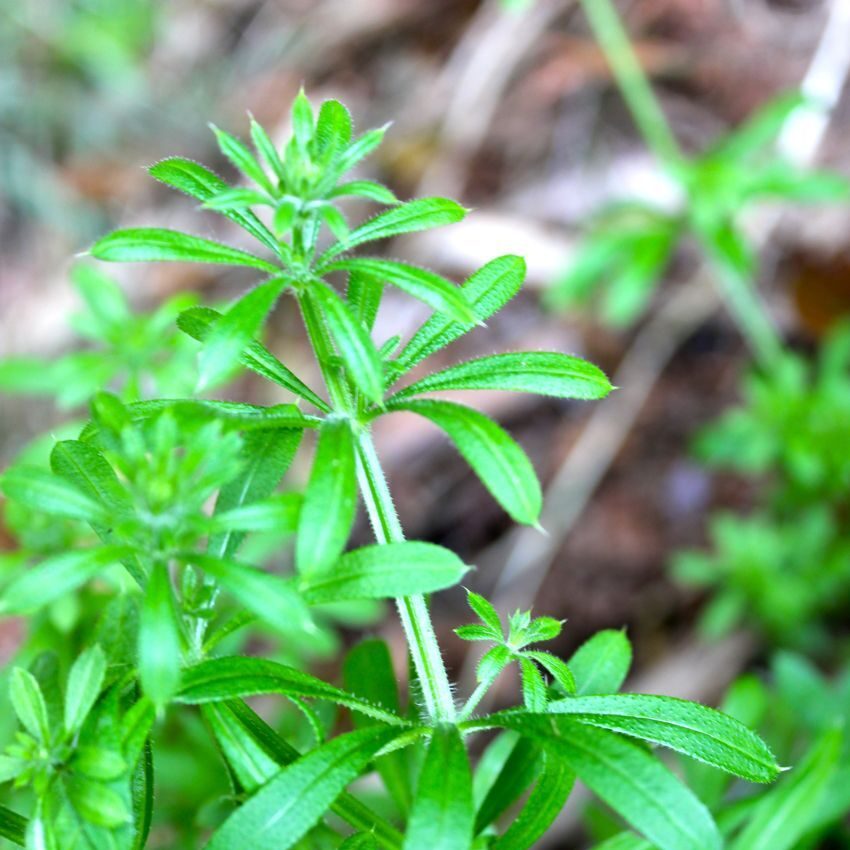
Cleavers (Galium aparine), also known as Goosegrass, Stickyweed, or Bedstraw, is a straggly, climbing plant known for its distinctive clinging nature. The plant gets its name from the tiny, hooked hairs covering its stems and leaves, which allow it to attach to clothing, fur, and surrounding vegetation as it grows.

This member of the coffee family (Rubiaceae) has been used for centuries as a cleansing herb, prized for its ability to support kidney function, detoxify the body, and soothe irritated skin. Beyond its medicinal applications, Cleavers is also a nutritious wild green that can be enjoyed in soups, stews, and teas. The plant’s seeds, when dried and roasted, can even be used as a coffee substitute.

Cleavers is widely distributed across North America, Europe, and Asia, thriving in a variety of environments. It is an excellent wild plant for foragers due to its abundance, ease of identification, and range of uses.

Variants of Cleavers

While Galium aparine is the most commonly foraged species, other members of the Galium genus share similar characteristics and properties. Some notable variants include:

  • Northern Bedstraw (Galium boreale): Found in North America, this species has non-clinging leaves and produces small white flowers in clusters. It has similar medicinal uses but lacks the sticky quality of Cleavers.
  • Sweet Woodruff (Galium odoratum): A fragrant, low-growing relative that is used to flavor drinks, especially in European May wine traditions. Unlike Cleavers, Sweet Woodruff has a pleasant vanilla-like aroma.
  • Field Madder (Sherardia arvensis): A close relative that is often confused with Cleavers but has tiny pink flowers instead of white. It is not as commonly used medicinally.

While some variants have their own unique properties, Galium aparine remains the most widely used for both foraging and herbal applications.

How to Identify Cleavers

Cleavers is an easily recognizable plant due to its characteristic clinging growth habit. Key identification features include:

  • Stems: Thin, weak, and square-shaped with tiny backward-facing bristles. The stems are often hollow and tend to sprawl or climb over other vegetation.
  • Leaves: Arranged in whorls of 4-8 around the stem, Cleavers leaves are narrow, lance-shaped, and covered in tiny hooked hairs that make them feel rough to the touch.
  • Flowers: Small, white, and star-like, appearing in clusters along the stems in late spring and early summer.
  • Seeds: Tiny, round, and covered in hooked bristles, which help them cling to animals and spread.
  • Scent: Fresh Cleavers has a mild grassy scent when crushed, with a slightly bitter, earthy aroma.
  • Growth Habit: This plant scrambles across the ground or climbs using its tiny hooks to latch onto nearby plants, fences, or other structures.

Cleavers grows prolifically in hedgerows, meadows, forest edges, and disturbed ground, making it a common and easy-to-find wild edible.

Habits of Cleavers

Cleavers is a resilient and opportunistic plant that thrives in temperate climates. It prefers moist, nutrient-rich soils and is commonly found in:

  • Woodland edges
  • Hedgerows and fence lines
  • Stream banks and moist meadows
  • Disturbed soils and roadsides
  • Shaded garden beds and backyards

Cleavers is an annual plant, meaning it completes its life cycle in one growing season. It emerges in early spring, producing sprawling stems and lush green foliage. The plant flowers from late spring to early summer, with small white blooms giving way to seed pods that cling to passing animals and clothing. By midsummer, Cleavers begins to die back, leaving behind seeds that ensure its return the following year.

How to Properly Forage Cleavers

Foraging Cleavers is simple due to its widespread distribution and ease of identification. Follow these steps for a successful and sustainable harvest:

  1. Identify Safely: Ensure the plant has its signature clinging stems, whorled leaves, and small white flowers. If in doubt, check for the sticky texture by gently brushing your hand along the plant.
  2. Harvest Young Shoots: The best time to harvest Cleavers is in early spring when the shoots are tender and vibrant green. Older plants can become tough and fibrous.
  3. Use Scissors or Hands: Cleavers can be easily pulled up by hand, but using scissors to snip the upper portions of the plant allows for regrowth.
  4. Avoid Contaminated Areas: Do not harvest Cleavers near roadsides, industrial sites, or places treated with pesticides or herbicides.
  5. Storage: Store fresh Cleavers in a sealed bag in the refrigerator for up to a week. They can also be dried and stored in an airtight container for later use in teas and tinctures.

Magical Uses of Cleavers

Cleavers has long been associated with purification, binding, and renewal in magical practices:

  • Purification and Cleansing: Often used in purification spells, Cleavers is believed to remove negativity and clear spiritual blockages.
  • Binding and Connection: Because of its clinging nature, Cleavers symbolizes binding energy and can be used in spells related to love, friendship, and loyalty.
  • Healing and Renewal: Its historical use as a cleansing herb translates into magical applications for personal growth and healing rituals.
  • Dream Work: Some traditions believe that placing Cleavers under a pillow can promote insightful dreams and deeper spiritual connections.

Medicinal Uses of Cleavers

Cleavers has been used in traditional medicine for centuries, particularly as a cleansing and detoxifying herb. Some key medicinal benefits include:

  • Kidney and Urinary Health: Cleavers is a natural diuretic, helping to flush toxins from the body and support kidney function. It has been used to alleviate urinary tract infections and kidney stones.
  • Lymphatic Support: Herbalists use Cleavers to stimulate the lymphatic system, promoting detoxification and reducing swollen glands.
  • Skin Health: Cleavers is excellent for treating skin conditions such as eczema, psoriasis, and rashes. A wash or poultice made from the leaves can soothe irritation.
  • Anti-Inflammatory Properties: Traditionally used to reduce inflammation and support the immune system.
  • Digestive Aid: Cleavers has mild laxative properties and can help with sluggish digestion.

It is often consumed as an infusion, tincture, or fresh juice to harness its medicinal effects.

Culinary Uses of Cleavers

Although not as widely used as other wild greens, Cleavers can be incorporated into various dishes:

  • Soups and Stews: The young leaves and stems can be finely chopped and added to broths and vegetable soups.
  • Cooked Greens: Tender shoots can be steamed, boiled, or sautéed and served like spinach.
  • Cleavers Coffee: The seeds can be dried, roasted, and ground as a caffeine-free coffee alternative.
  • Herbal Teas and Infusions: Fresh or dried Cleavers can be steeped in hot water to make a refreshing, detoxifying tea.
  • Smoothies: Blend fresh Cleavers into green smoothies for an added nutritional boost.

Due to their sticky texture, raw Cleavers are not commonly eaten in salads, but they can be blended into a pesto or pureed soups.

Northern Bedstraw (Galium boreale

A Fragrant and Gentle Cousin to Cleavers
Northern Bedstraw_Galium boreale

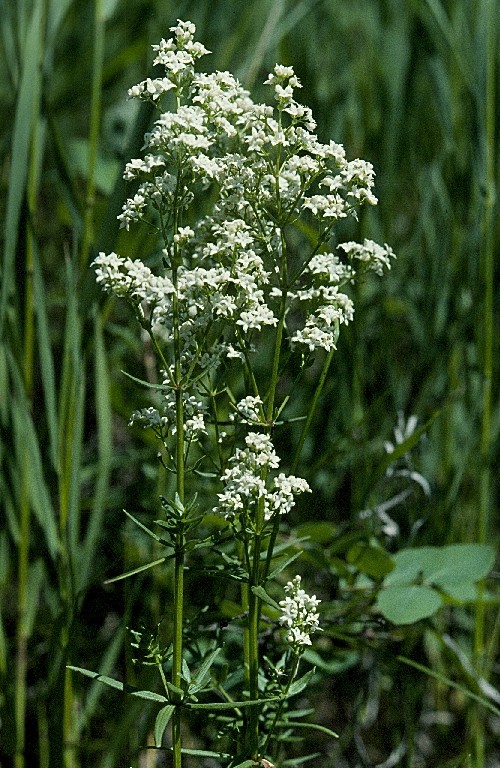
Northern Bedstraw (Galium boreale) is a graceful perennial herb native to North America, often found in cool temperate regions stretching from Canada into the northern United States. As a member of the Galium genus—like Cleavers (Galium aparine)—Northern Bedstraw shares many botanical and medicinal traits with its stickier relative but is distinguished by a more refined structure, a lack of clinging hairs, and a soft, pleasant scent that has earned it a place in both traditional medicine and folklore.

Identification and Physical Characteristics

Unlike Cleavers, Northern Bedstraw does not cling to clothing or fur, making it easier to handle and more appealing in certain uses, especially those involving dried plant material. Key features of Galium boreale include:

  • Leaves: The leaves are slender, smooth, and arranged in symmetrical whorls of four along the square stem. They are dark green, glossy, and lack the tiny hook-like hairs that make Cleavers sticky. This smoothness is one of the easiest ways to distinguish Northern Bedstraw in the field.
  • Stems: Square in cross-section and generally upright, the stems of Northern Bedstraw are more rigid than Cleavers and do not sprawl or climb. They tend to grow in tidy clumps, forming loose colonies in open meadows and lightly shaded woods.
  • Flowers: In midsummer, Northern Bedstraw blooms with tight clusters of tiny, star-shaped white flowers at the tops of the stems. These flowers are highly fragrant, giving the plant a sweet, honeyed aroma that is especially noticeable in the warmth of the sun.
  • Height and Habit: The plant typically reaches 12 to 24 inches in height and grows upright, unlike the more vine-like Cleavers. It spreads via rhizomes, forming dense but non-invasive colonies in appropriate habitats.

Where It Grows

Northern Bedstraw thrives in a wide range of temperate ecosystems, preferring:

  • Open woodlands and forest edges
  • Prairies and tallgrass meadows
  • Moist, well-drained soils
  • Hillsides, riverbanks, and transitional zones between wet and dry habitats

It is particularly common in the northern United States, the Great Lakes region, and across much of Canada. Due to its adaptability and low maintenance, it is sometimes cultivated in native plant gardens for its ecological value and gentle charm.

Medicinal Uses

Although not as well-known as Cleavers in modern herbal medicine, Northern Bedstraw carries a long history of traditional use among Indigenous peoples and early settlers, especially in the realm of cleansing and detoxification:

  • Lymphatic Support: Like Cleavers, Northern Bedstraw has mild diuretic and lymphatic-cleansing properties. It was traditionally used to support the urinary system and help reduce swelling of the lymph nodes.
  • Skin Conditions: Infusions made from the aerial parts were applied topically or consumed to help clear minor skin ailments such as eczema, acne, and rashes.
  • Mild Sedative Effects: The pleasant aroma and calming energy of the plant have given it a reputation for helping with restlessness and tension. Herbalists sometimes use it in tea blends intended for emotional balance and gentle relaxation.
  • Kidney and Bladder Health: Northern Bedstraw has been used to soothe irritation in the urinary tract and support healthy kidney function, although it is considered milder in effect compared to Galium aparine.

Culinary and Practical Uses

While not commonly used in modern cuisine, Northern Bedstraw does have a few interesting applications:

  • Tea Infusions: The flowering tops can be dried and steeped to create a subtly sweet herbal tea with gentle tonic effects. The tea is often used for general wellness and to support detox during seasonal transitions.
  • Bed Stuffing and Herbal Pillows: True to its name, Bedstraw was once used to stuff mattresses and pillows. The dried plant maintains its fragrance for some time and was believed to ward off pests while providing a soothing aroma conducive to sleep.
  • Craft and Potpourri: Due to its fragrant flowers and tidy growth habit, Northern Bedstraw is sometimes used in natural wreaths, herbal bundles, or potpourri for its aromatic qualities and attractive form.

Magical and Folkloric Associations

Northern Bedstraw holds a quiet but meaningful place in folklore:

  • Love and Protection: Its association with rest, sweetness, and gentle energy lends it well to charm bags or spells for love, home protection, or peaceful sleep.
  • Dream Magic: The fragrant blossoms are sometimes used in herbal dream pillows to encourage restful sleep and pleasant dreams.
  • Fairy Plant Lore: In some traditions, bedstraw plants—particularly those that bloom in midsummer—are said to attract the attention of forest spirits and fairies, making them a charming addition to ritual or celebration during the summer solstice.

Northern Bedstraw (Galium boreale) may not have the sticky notoriety of Cleavers, but its grace, gentle fragrance, and subtle medicinal powers make it a wonderful plant to know and appreciate. Its upright habit, smooth leaves, and starry white blooms set it apart as both a visual delight and a gentle ally in herbal wellness. Whether dried for tea, tucked into a dream pillow, or admired in a summer meadow, Northern Bedstraw invites us to explore the quieter side of the Galium family with reverence and curiosity.

Sweet Woodruff (Galium odoratum

 A Fragrant Herb of Folklore, Flavor, and Forest Floors

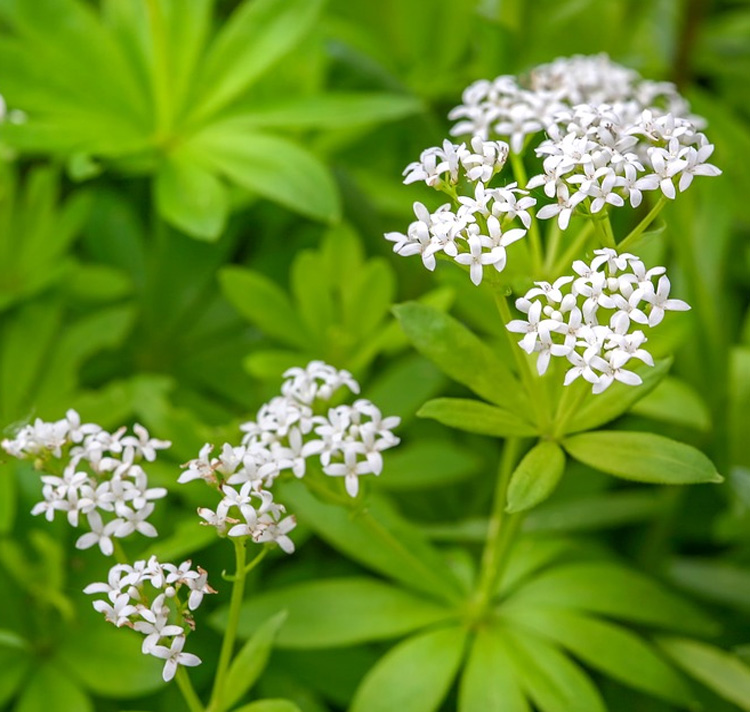
Sweet Woodruff (Galium odoratum), also known as Wild Baby’s Breath, is a charming, low-growing herb in the Galium genus that has long held a beloved place in European herbal traditions. Known for its delicate whorls of emerald-green leaves, dainty white blossoms, and sweet, hay-like fragrance, Sweet Woodruff is both a visual and olfactory delight. Unlike its cousin Galium aparine (Cleavers), which clings with sticky hooks, Galium odoratum is velvety smooth and soft to the touch—a true woodland gem that enchants the senses.
Sweet Woodruff_Galium odoratum

Identification and Characteristics

Sweet Woodruff is relatively easy to identify, especially when in bloom. It forms dense, carpet-like mats in shaded, moist woodland environments and is often grown as a ground cover in gardens due to its lovely scent and low maintenance needs. Key identifying features include:

  • Leaves: Its narrow, lance-shaped leaves grow in symmetrical whorls of six to eight around the stem. The foliage is soft and smooth, lacking the clinging hairs found on Cleavers. When dried, the leaves develop an even more intense fragrance reminiscent of fresh-cut hay or vanilla.
  • Flowers: In late spring to early summer, Sweet Woodruff produces clusters of tiny, star-shaped white flowers. These blooms are small but numerous, and they give the plant a frothy, ethereal appearance when in full bloom.
  • Growth Habit: Sweet Woodruff is a low-growing, spreading perennial, typically reaching heights of 6–12 inches. It spreads by creeping rhizomes and can quickly form lush, green carpets under trees or in shaded garden beds.
  • Scent: The plant’s signature scent comes from a compound called coumarin, which is released more strongly when the plant is dried. Coumarin gives Sweet Woodruff its unmistakable sweet, vanilla-like aroma—pleasant, soothing, and sometimes used in aromatherapy.

Habitat and Range

Sweet Woodruff is native to Europe, parts of Asia, and northern Africa, but has naturalized in some parts of North America. It thrives in:

  • Deciduous woodlands and shaded forests
  • Moist, rich, well-drained soil
  • Shady garden environments where it spreads easily as ground cover

Because of its preference for shade and dampness, Sweet Woodruff often grows near moss, ferns, and other woodland flora. It’s a common sight beneath beech, oak, and maple trees in its native habitats.

Culinary Uses and May Wine Traditions

One of Sweet Woodruff’s most famous historical uses is as a flavoring in May wine, a traditional German beverage consumed during Walpurgis Night and May Day celebrations. The plant is steeped in white wine—traditionally a young Rhine wine—along with strawberries and citrus slices, to create a light, floral, celebratory drink meant to welcome spring.

Other Culinary Applications Include:

  • Infused Syrups: Sweet Woodruff can be infused into simple syrup and added to lemonade, cocktails, or desserts for a subtle, floral sweetness.
  • Flavored Jellies and Puddings: The plant has occasionally been used to flavor dairy-based desserts, jellies, and sweet creams, especially in historical European recipes.
  • Herbal Teas (in moderation): When dried, the leaves may be steeped into teas that carry a mild, vanilla-mint flavor. However, because of its coumarin content, it should be used sparingly.

Note: While coumarin is natural and aromatic, high doses are considered toxic to the liver in concentrated or medicinal quantities. In culinary use, especially as an occasional flavoring in drinks or desserts, Sweet Woodruff is generally safe—but always consume in moderation and avoid medicinal use unless guided by an experienced herbalist.

Medicinal and Folk Uses

Traditionally, Sweet Woodruff has been used in folk medicine as a mild sedative and tonic. Though not as commonly used in modern herbal practices, its historic applications included:

  • Nerve Tonic and Mild Sedative: Sweet Woodruff was often used to ease nervous tension, anxiety, and insomnia. A tea from dried leaves was said to promote calm and restful sleep.
  • Liver and Gallbladder Support: Some herbalists used it in tonics for liver detoxification and gallbladder support, although this use is now discouraged due to the coumarin content.
  • Wound Healing and Inflammation: The plant was once applied topically to wounds, bruises, and irritated skin to reduce inflammation and speed healing.

Aromatic and Household Uses

Because of its coumarin content, Sweet Woodruff retains its fragrance long after drying, making it perfect for household uses:

  • Potpourri and Sachets: Dried Sweet Woodruff can be added to potpourri mixes or tucked into linen drawers to impart a pleasant, lingering scent.
  • Natural Moth Repellent: Like lavender, the scent of Sweet Woodruff was historically believed to repel moths and insects, making it a popular addition to stored clothing and bedding.
  • Herbal Pillows: Added to dream or healing pillows, Sweet Woodruff was thought to encourage sweet dreams and promote restful sleep.

Magical and Folkloric Significance

Sweet Woodruff has a strong place in European folklore, especially in connection with spring rites, love, and peace:

  • Celebrations of Renewal: Associated with Beltane and May Day, Sweet Woodruff symbolizes joy, fertility, and the blossoming of new life.
  • Love and Friendship Magic: Worn as a garland or added to charms, it was believed to foster harmony and deepen bonds of affection.
  • Dream and Sleep Magic: Because of its calming energy and association with dreams, it is often used in spells or sachets for restful sleep and peaceful energies in the home.
  • Protection and Blessing: In some traditions, Sweet Woodruff was placed in doorways or windows to protect the home and invite blessings.

Galium odoratum, or Sweet Woodruff, is a delicate woodland plant with a wide array of uses—from springtime libations and fragrant teas to gentle healing and magical charm. Though it must be used mindfully due to its coumarin content, this soft-leaved herb continues to enchant foragers, herbalists, and gardeners alike with its scent, symbolism, and beauty. Whether brewed into May wine, tucked into a sachet, or left to flower beneath the trees, Sweet Woodruff brings the gentle joy of spring wherever it grows.

Field Madder (Sherardia arvensis) 

A Dainty Cousin Often Mistaken for Cleavers
Field Madder_Sherardia arvensis

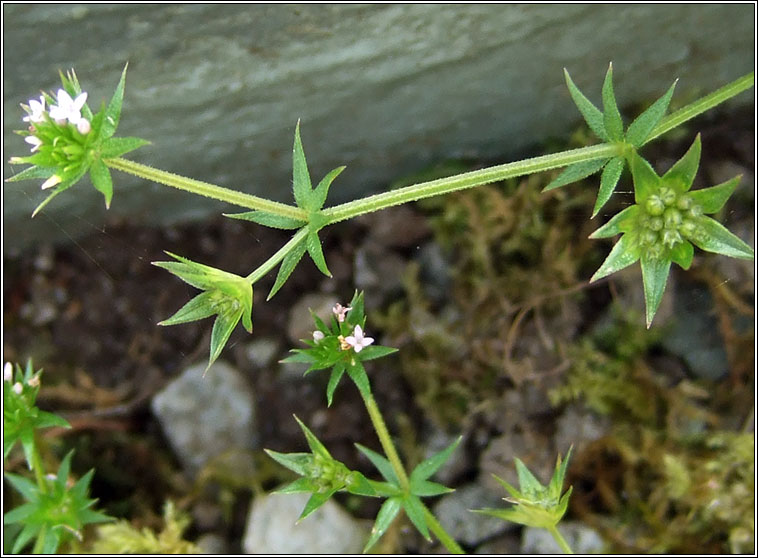
Field Madder (Sherardia arvensis) is a delicate annual herbaceous plant that belongs to the Rubiaceae family, the same family as Cleavers (Galium aparine), Sweet Woodruff (Galium odoratum), and Bedstraw species. Though not technically in the Galium genus, it is closely related and shares a number of visual similarities—enough that it is often mistaken for young Cleavers by novice foragers. However, this plant can be distinguished by its soft, sprawling nature and its charming pinkish-lavender flowers.

While Field Madder is not commonly used for food or medicine, it is worth knowing for identification purposes and for its subtle beauty. Its presence can serve as a reminder of the diversity within the bedstraw family and the importance of careful foraging.

Identification and Physical Characteristics

Field Madder is a low-growing, spreading plant that thrives in disturbed soils, making it a frequent sight in gardens, fields, roadsides, and fallow plots. It is considerably smaller and less robust than Cleavers, but its similar leaf arrangement and growth habit often lead to confusion.

Key features include:

  • Leaves: Arranged in whorls of 4 to 6 around the square stems, Field Madder’s leaves are narrow and pointed, similar to Cleavers but much shorter and softer. The plant lacks the tiny hooked hairs found on Cleavers, so it does not cling to clothing or other plants. Its leaf margins are smooth, and the leaves have a somewhat glossier, neater appearance.
  • Stems: Thin, weak, and square in cross-section, the stems of Field Madder are smooth and slightly ridged, growing along the ground or gently sprawling among other plants. They do not have the rough or bristly texture that Cleavers is known for.
  • Flowers: One of the easiest ways to distinguish Field Madder is by its tiny, four-lobed flowers, which are pink to pale lavender in color. These blossoms are only a few millimeters across but often appear in clusters at the tips of the stems or nestled in leaf whorls. Cleavers, by contrast, bears small white flowers with a more star-like shape.
  • Size: Field Madder is much more delicate than Cleavers, typically growing only 4–8 inches tall, forming a fine mat or ground-hugging tangle rather than a clinging or climbing structure.
  • Scent: Unlike Cleavers and other Galium species, Field Madder has little to no scent when crushed.

Habitat and Distribution

Field Madder is native to Europe, western Asia, and parts of North Africa but has become widespread across North America and other temperate regions. It thrives in:

  • Open, sunny spaces with well-drained soil
  • Cultivated fields and gardens
  • Road verges and compacted soils
  • Waste grounds, parks, and urban greenspaces

Its tendency to appear in disturbed or cultivated ground means it often coexists with early spring greens and other wild edibles—another reason for the common mix-up with Cleavers.

Medicinal and Practical Uses

Unlike its more celebrated cousins in the Galium genus, Field Madder has very limited use in herbal medicine. Historical mentions are sparse, and it has not earned a prominent place in traditional healing practices. That said, some folk uses and minor applications have been recorded:

  • Mild Astringent: Like many members of the Rubiaceae family, Field Madder may possess mild astringent properties, but it is far less potent than Cleavers or Sweet Woodruff.
  • Dye Plant: The roots of Field Madder contain trace amounts of red pigment similar to the related Rubia tinctorum (true madder), which has historically been used as a source of red dye. However, Field Madder is too small and weak to be of significant use in this regard.

Given its limited potency and lack of modern scientific study, Field Madder is not generally harvested for food or medicine and is best appreciated for its ecological presence and role in biodiversity.

Foraging Considerations

Field Madder should not be foraged for consumption, but it is vital for foragers to learn how to distinguish it from similar species, particularly Cleavers:

  • Look for the Flowers: The small pink or lavender flowers are the most reliable visual cue that you’re looking at Field Madder, not Cleavers.
  • Check for Clinging Hairs: If the plant doesn’t stick to your fingers or clothes, it’s likely not Cleavers.
  • Examine the Leaf Texture: Cleavers’ leaves are rough and bristly, while Field Madder’s are smooth and soft.

Because of its resemblance to Cleavers, Field Madder often serves as a natural “double-check” for foragers—helping sharpen identification skills and avoid misidentification of more potent herbs.

Sherardia arvensis, or Field Madder, may not offer the same range of uses as its cousins in the bedstraw family, but it’s still an important plant to recognize. Its dainty flowers and soft leaves distinguish it from Cleavers, and while it lacks strong medicinal or culinary value, it holds a quiet charm in meadows, gardens, and weedy corners of the world. For foragers, learning to identify Field Madder deepens plant knowledge, reinforces safe foraging practices, and highlights the subtle diversity that exists even within a single plant family.

Safety Concerns

Cleavers is generally safe for consumption but should be used with caution in certain situations:

  • Pregnancy and Breastfeeding: Consult a healthcare provider before consuming Cleavers in medicinal amounts.
  • Allergies: Those sensitive to plants in the coffee or bedstraw family should test for allergic reactions before consuming.
  • Diuretic Effects: Because Cleavers supports kidney function, those with kidney disease or on diuretic medications should use it cautiously.

Wrapping Up

Cleavers (Galium aparine) is an underrated wild edible with a wide range of medicinal, culinary, and even magical applications. Its sticky nature makes it easy to recognize, and its cleansing properties make it a valuable plant for detoxification and healing. Whether steeped into a cleansing tea, used as a natural remedy, or transformed into a coffee substitute, Cleavers is a fantastic addition to any forager’s toolkit. Happy foraging!


Posted on Leave a comment

Foraging: Wild Garlic

Foraging Wild GarlicReading Time: 19 minutes
Foraging Wild Garlic

Introduction

A Springtime Delicacy

A fragrant and versatile wild herb, wild garlic is a springtime favorite for foragers, offering a bold garlic flavor that enhances a variety of dishes. Learn how to identify, harvest, and use this pungent and abundant plant responsibly.

What is Wild Garlic?

Wild Garlic (Allium ursinum), also known as ramps, ramsons, or bear’s garlic, is a bulbous perennial herb that flourishes in woodlands and damp meadows in early spring. It is a close relative of chives, onions, and domestic garlic, but with a milder and fresher flavor. Wild Garlic is prized for its vibrant green leaves, delicate white flowers, and unmistakable garlicky aroma, making it a sought-after ingredient for chefs and foragers alike.

Unlike cultivated garlic, which is grown for its bulbs, wild garlic is primarily harvested for its leaves. These leaves emerge in early spring, forming lush carpets of greenery before the trees above fully leaf out. The entire plant is edible, from the pungent leaves to the small, white star-shaped flowers and underground bulbs, though sustainable harvesting practices are essential to protect wild populations.

Variants of Wild Garlic

There are several closely related species of wild garlic, and some plants that resemble it. While all belong to the Allium genus, each has unique characteristics:

  • Allium tricoccum (North American ramps): Native to North America, this species is similar to Allium ursinum but grows in smaller clusters. It has a strong garlic-onion flavor and is often harvested for both its leaves and bulbs. Found primarily in the Appalachian and Great Lakes regions.
  • Allium vineale (Crow Garlic): A smaller, grass-like variety of wild garlic with hollow, chive-like leaves. The flavor is similar but more onion-like than Allium ursinum.
  • Allium canadense (Wild Onion): Found across North America, this plant is often confused with ramps but has narrower leaves and a more onion-like scent.
  • Allium schoenoprasum (Wild Chives): More delicate in structure, this variety produces slender, hollow leaves and small purple flowers, often used as a garnish in culinary dishes.

While all of these variants are edible, it is important to be able to distinguish Allium ursinum from poisonous look-alikes, such as Lily of the Valley (Convallaria majalis), which lacks the distinct garlic scent and has toxic properties.

How to Identify Wild Garlic and Its Variants

Wild Garlic is relatively easy to identify due to its distinct features and unmistakable smell. Key identification characteristics include:

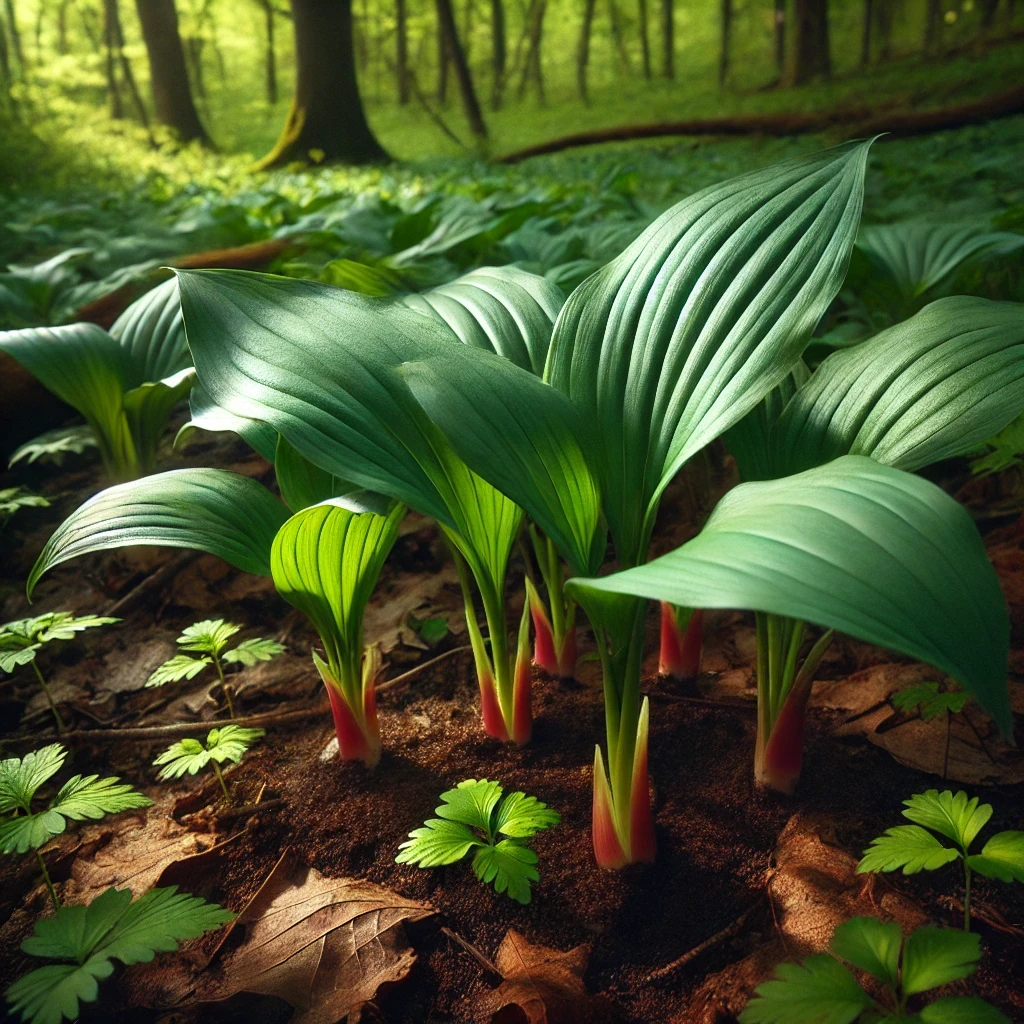
  • Leaves: Long, pointed, and oval-shaped with smooth edges. They grow in a basal rosette from the bulb and are soft, slightly glossy, and deep green in color. The leaves have a strong garlic scent when crushed.
  • Flowers: Small, star-shaped white flowers appear in clusters on slender stalks in late spring. Each flower has six petals and a delicate appearance.
  • Bulbs: Small and white, resembling miniature garlic cloves. Unlike cultivated garlic, wild garlic bulbs are smaller and form in loose clusters rather than tight heads.
  • Scent: The most distinctive feature of wild garlic is its strong garlic aroma. If a plant does not smell like garlic when the leaves are crushed, it is not wild garlic and could be a toxic look-alike.
  • Habitat: Prefers damp, shaded areas such as deciduous woodlands, riverbanks, and hedgerows. It thrives in well-drained, fertile soil and often grows in dense patches.

Habits of Wild Garlic

Wild Garlic is a perennial plant that follows a predictable seasonal cycle:

  • Early Spring (March-April): The first leaves begin to emerge, forming bright green carpets in wooded areas.
  • Mid-Spring (April-May): The plants reach full maturity, and small white flowers begin to bloom. This is the ideal time for foraging, as the leaves are at their most flavorful.
  • Late Spring to Early Summer (May-June): As the flowers fade, the leaves begin to wither, and the plant’s energy shifts to seed production. The bulbs remain dormant underground until the next growing season.
  • Summer to Winter: The plant remains dormant, surviving as underground bulbs until the following spring.

Wild Garlic spreads both by seed and vegetative growth, forming dense colonies in favorable habitats.

How to Properly Forage Wild Garlic

Foraging Wild Garlic is a sustainable and enjoyable activity, but care should be taken to ensure responsible harvesting:

  1. Identify Safely: Always confirm the identity of Wild Garlic by checking its leaf shape, flower structure, and most importantly, its garlic aroma. If unsure, do not pick the plant.
  2. Harvest Leaves, Not Bulbs: The best way to harvest Wild Garlic is to gather the leaves, leaving the bulbs intact so the plant can regrow the following year. Using scissors, trim a few leaves from each plant rather than pulling up entire plants.
  3. Pick Young Leaves: Younger leaves are more tender and flavorful, while older leaves can become tougher and slightly bitter.
  4. Harvest Flowers for Garnish: The white flowers are edible and make a beautiful, mild-flavored garnish for salads, breads, and soups.
  5. Avoid Overharvesting: Take only what you need and leave plenty of plants behind to ensure the population remains healthy for future seasons.
  6. Storage: Fresh Wild Garlic leaves can be stored in the refrigerator for up to a week. They can also be frozen or blended into oil-based pastes like pesto to preserve their flavor.

Magical Uses of Wild Garlic

Wild Garlic has a long history of use in folklore and magical practices:

  • Protection: In many cultures, garlic is associated with warding off negative energy, evil spirits, and illness. Wild Garlic can be used in protective charms, amulets, and home blessings.
  • Purification: Wild Garlic is often used in cleansing rituals to remove unwanted energies and bring renewal. The leaves can be burned as incense or added to purification baths.
  • Strength and Vitality: As a plant that emerges in early spring, Wild Garlic is connected to growth, renewal, and physical vitality. It can be incorporated into spellwork related to endurance, courage, and new beginnings.

Medicinal Uses of Wild Garlic

Wild Garlic has been valued for its medicinal properties for centuries. Some traditional uses include:

  • Heart Health: Wild Garlic contains compounds that help reduce blood pressure and cholesterol levels, supporting cardiovascular health.
  • Digestive Aid: The plant has mild antibacterial and antifungal properties, which can help promote gut health and combat digestive discomfort.
  • Immune Boosting: Rich in antioxidants, Wild Garlic supports the immune system and may help prevent colds and infections.
  • Anti-Inflammatory Properties: Like cultivated garlic, Wild Garlic has anti-inflammatory effects, making it beneficial for joint health and overall well-being.

Culinary Uses of Wild Garlic

Wild Garlic’s vibrant flavor and versatility make it a prized culinary ingredient. Some popular ways to use it include:

  • Pesto: Blend fresh Wild Garlic leaves with olive oil, nuts, and Parmesan cheese for a flavorful alternative to basil pesto.
  • Garlic Butter: Mix finely chopped Wild Garlic leaves into softened butter for a delicious spread for bread, vegetables, or grilled meats.
  • Soups and Stews: Add chopped Wild Garlic leaves to broths, soups, and stews for a fresh, garlicky kick.
  • Marinades: Wild Garlic makes an excellent addition to marinades for fish, poultry, and lamb.
  • Egg Dishes: Stir Wild Garlic into scrambled eggs, omelets, or frittatas for a flavorful twist.

Allium tricoccum (North American Ramps )

Allium tricoccum (North American Ramps)

North American ramps (Allium tricoccum), also known simply as ramps or wild leeks, are a highly sought-after wild edible native to eastern North America. These perennial plants belong to the same Allium family as garlic, onions, and leeks, offering a pungent and complex flavor profile that combines the best qualities of both garlic and onion. Ramps have become a culinary delicacy, particularly in gourmet and foraged cuisine, due to their limited seasonal availability and bold, savory taste.

Identification and Physical Characteristics

Ramps closely resemble their European counterpart, Allium ursinum, but have some distinct differences in their growth patterns, leaf structure, and size. Here’s how to identify them in the wild:

  • Leaves: Ramps produce smooth, broad, elliptical leaves that grow in clusters of two or three per bulb. The leaves are deep green on the top and often have a slightly reddish or purplish base where they emerge from the ground. Unlike cultivated leeks, their leaves are thin and delicate.
  • Bulbs: The underground bulbs are slender and resemble small scallions or green onions. They are white and slightly elongated, with a strong onion-garlic aroma.
  • Flowers: Later in the season, ramps produce small, white, star-like flowers on thin stalks after their leaves have withered. This is an important time to locate patches for future foraging without disturbing the plants.
  • Scent: The most distinguishing feature of ramps is their strong, pungent garlic-onion aroma. If a plant does not have this distinct scent when the leaves are crushed, it may be a toxic look-alike, such as Lily of the Valley (Convallaria majalis).

Where to Find North American Ramps

Ramps are native to the rich, damp forests of eastern North America, where they thrive in shaded, deciduous woodlands with moist, loamy soil. Their primary range includes:

  • The Appalachian Mountains – Ramps are especially abundant in the Appalachian region, where they are a cultural and culinary staple in the spring.
  • The Great Lakes Region – Ramps grow extensively in states like Michigan, Wisconsin, and parts of southern Canada, thriving in the cool, temperate climate.
  • The Northeastern United States – States such as New York, Pennsylvania, and Vermont have significant wild ramp populations in their forested areas.

Ramps are slow-growing and can take several years to mature, which makes responsible harvesting crucial to maintaining their populations.

Flavor Profile and Culinary Uses

Ramps are renowned for their robust, earthy flavor, which is a perfect balance between sweet spring onions and pungent garlic. This unique taste makes them a prized ingredient in high-end cuisine and home cooking alike. Some of the best ways to use ramps include:

  • Raw in Salads: Finely chopped ramp leaves add a burst of garlicky freshness to spring salads.
  • Sauteed or Grilled: Cooking ramps mellows their flavor slightly, making them an excellent addition to stir-fries, pasta, or grilled dishes.
  • Pesto and Sauces: Blending ramp leaves into pesto with nuts, Parmesan, and olive oil creates a bold and aromatic spread.
  • Pickled Ramps: The bulbs and stems can be pickled for long-term storage, adding a sharp and tangy flavor to sandwiches and charcuterie boards.
  • Soups and Broths: The depth of flavor in ramps makes them ideal for infusing broths, stews, and cream-based soups.
  • Egg Dishes: Scrambled eggs, frittatas, and quiches benefit from the rich, allium-forward flavor of ramps.

Because ramps are highly seasonal, foragers and chefs often preserve them by drying, freezing, or fermenting to enjoy their flavor throughout the year.

Sustainability and Ethical Foraging

Due to their increasing popularity and slow growth cycle, overharvesting has become a significant issue for North American ramps. Unlike some wild edibles that regenerate quickly, ramps take anywhere from 5 to 7 years to establish mature plants from seed. In some areas, heavy foraging has led to a decline in wild ramp populations. To forage responsibly:

  • Harvest Leaves Instead of Bulbs: Instead of uprooting the entire plant, trim one or two leaves per plant and leave the bulb intact. This ensures the plant can continue growing and reproducing.
  • Rotate Harvesting Areas: Avoid harvesting from the same location each year to allow ramp patches to recover.
  • Follow Local Regulations: Some regions have placed restrictions on ramp foraging due to conservation concerns. Always check local guidelines before collecting ramps.
  • Consider Growing Your Own: If you love ramps, growing them in your own garden is a sustainable alternative. They can be cultivated in shady areas with rich, moist soil similar to their natural habitat.

Medicinal and Traditional Uses

Indigenous communities and early settlers used ramps not only as food but also for their medicinal properties. Some traditional uses of ramps include:

  • Digestive Health: Ramps have natural antibacterial properties and were used to aid digestion and fight intestinal parasites.
  • Spring Tonic: In Appalachian traditions, ramps were considered a spring tonic, thought to cleanse the blood and invigorate the body after a long winter.
  • Respiratory Support: Ramps, like garlic, have been used to support respiratory health and alleviate colds or congestion.
  • Antioxidant-Rich: Their high vitamin C and sulfur content contribute to their reputation as an immune-boosting and detoxifying food.

Cultural Significance of Ramps

Ramps hold a special place in Appalachian and Indigenous food traditions. For generations, they have been celebrated as one of the first edible plants to emerge in the spring, marking the end of winter and the start of the growing season. Many communities host ramp festivals, where dishes featuring ramps—such as ramp and bacon hash, ramp cornbread, and ramp chowder—are shared and enjoyed.

Their culinary and cultural significance has made them a beloved seasonal ingredient, but with that popularity comes the responsibility to harvest them sustainably.

North American ramps (Allium tricoccum) are one of the most exciting wild edibles of spring, prized for their bold flavor and versatility in the kitchen. However, their slow growth and increasing demand mean that responsible foraging is essential to preserving this incredible wild plant for future generations. By harvesting sustainably, enjoying their culinary potential, and respecting their role in local ecosystems, foragers can continue to celebrate ramps as a treasured part of springtime’s natural bounty.

Allium vineale (Crow Garlic)

Allium vineale (Crow Garlic)

Crow Garlic (Allium vineale) is a wild member of the onion and garlic family that grows prolifically in many parts of North America and Europe. Often mistaken for wild chives due to its thin, grass-like leaves, Crow Garlic carries a distinctly pungent flavor that leans more toward onion than traditional wild garlic (Allium ursinum). It is a resilient and adaptable plant that thrives in various environments, making it an accessible and reliable foraging option throughout much of the year.

Identification and Physical Characteristics

Crow Garlic is smaller and more delicate in appearance compared to other wild garlic species. While it shares some similarities with chives and cultivated garlic, key characteristics set it apart:

  • Leaves: Crow Garlic has thin, hollow, tubular leaves that resemble chives. They grow upright in dense clusters and can reach a height of 12-24 inches. When crushed, the leaves emit a strong onion-garlic scent.
  • Bulbs: The underground bulbs of Crow Garlic are small and resemble tiny, elongated shallots. They form in clusters and are covered with a thin, papery skin. While edible, they are not as large or robust as those of cultivated garlic.
  • Flowers: During late spring and early summer, Crow Garlic produces small, spherical flower heads that range in color from pale pink to purple. These flowers are sometimes replaced by small aerial bulbils (mini bulbs), which can be used to propagate new plants.
  • Scent: Like other Allium species, Crow Garlic has a strong and unmistakable onion-garlic aroma, making it easy to distinguish from non-edible lookalikes such as poisonous grasses or toxic wildflowers.

Where to Find Crow Garlic

Crow Garlic is an opportunistic plant that thrives in a wide range of environments, often appearing in unexpected places. It is commonly found in:

  • Meadows and Grasslands: Crow Garlic prefers open areas where it can spread without competition from taller plants.
  • Roadsides and Waste Grounds: This hardy plant is frequently spotted along roadsides, in vacant lots, and in urban environments.
  • Woodland Edges: While it doesn’t grow as thickly in shaded areas as Allium ursinum, it can still be found along the edges of forests.
  • Coastal Areas: Crow Garlic is known to tolerate salty soils, making it common near coastal dunes and marshes.

Due to its aggressive growth habit, Crow Garlic is considered an invasive species in some areas, particularly in North America, where it has spread beyond its native range. Its resilience makes it an easy target for foragers, as harvesting it can help control its spread.

Flavor Profile and Culinary Uses

Crow Garlic has a pungent, onion-like flavor with a milder garlic undertone. It is often compared to wild chives, though it carries a stronger and more lingering taste. While not as potent as cultivated garlic, it adds a savory kick to many dishes.

Ways to Use Crow Garlic in Cooking:

  • Raw Garnish: The finely chopped leaves can be used like chives to sprinkle over salads, eggs, baked potatoes, and soups.
  • Sauteed or Stir-Fried: Crow Garlic leaves and bulbs develop a mellow, sweet flavor when lightly sautéed in butter or oil.
  • Herb Butter or Oil Infusion: Blending Crow Garlic into butter or olive oil creates a flavorful spread for bread, pasta, or roasted vegetables.
  • Fermented or Pickled Bulbs: The small bulbs can be pickled for a tangy, garlicky condiment similar to pickled onions.
  • Pestos and Sauces: Crow Garlic makes an excellent addition to homemade pesto, chimichurri, or aioli.

Medicinal and Traditional Uses

Like other Allium species, Crow Garlic has been valued for its medicinal benefits for centuries. Some traditional uses include:

  • Natural Antibiotic: The sulfur compounds in Crow Garlic have mild antibacterial and antifungal properties, making it useful for immune support.
  • Digestive Aid: Crow Garlic is believed to stimulate digestion and may help with bloating or sluggish digestion when consumed in small amounts.
  • Respiratory Health: Historically, herbalists have used Allium species to alleviate mild congestion and support respiratory health.
  • Heart Health: Like cultivated garlic, Crow Garlic may help support cardiovascular health by promoting circulation and regulating blood pressure.

Sustainability and Ethical Foraging

Because Crow Garlic is an abundant and sometimes invasive species, foraging it is a sustainable practice. However, as with all wild plants, care should be taken to harvest responsibly:

  • Avoid Overharvesting in Sensitive Areas: While Crow Garlic grows aggressively, it’s best to forage selectively and leave enough plants for regrowth.
  • Harvest Leaves Instead of Bulbs: If you want to promote sustainability, focus on harvesting the leaves rather than pulling up entire plants.
  • Forage Away from Roadsides: Since Crow Garlic commonly grows in urban areas, avoid picking plants near roads or industrial sites where pollution may be a concern.
  • Wash Before Eating: As Crow Garlic grows close to the ground, rinse the leaves and bulbs thoroughly to remove dirt and potential contaminants.

Crow Garlic (Allium vineale) is a versatile, flavorful, and easy-to-forage wild allium that offers a delightful blend of onion and garlic flavors. Its grass-like leaves, strong aroma, and adaptability make it an accessible foraging target for beginners and seasoned foragers alike. Whether used fresh in salads, cooked in savory dishes, or preserved in oils and pickles, Crow Garlic is a rewarding addition to any forager’s kitchen. By harvesting responsibly, you can enjoy its bold, aromatic qualities while supporting ecological balance in areas where it grows invasively.

Allium canadense (Wild Onion)

Wild Onion (Allium canadense)

Wild Onion (Allium canadense), also known as Meadow Garlic or Canada Onion, is a perennial wild member of the Allium family that is commonly found across North America. It is a highly adaptable plant that thrives in a wide variety of habitats, making it an accessible and rewarding find for foragers. While it is often mistaken for ramps (Allium tricoccum), Wild Onion has key differences in its leaf shape, scent, and growth patterns. It is a valuable culinary and medicinal plant, offering a milder, sweeter onion flavor that enhances a variety of dishes.

Identification and Physical Characteristics

Wild Onion shares similarities with other wild Allium species but has several distinct features that make it identifiable:

  • Leaves: Wild Onion has slender, hollow, and grass-like leaves, which are much narrower than the broad, flat leaves of ramps. They typically grow in loose clusters from the base of the plant and can reach 6-12 inches in height. When crushed, they release a distinct onion aroma, helping distinguish them from toxic lookalikes.
  • Bulbs: The underground bulbs are small, round, and white to pinkish in color. They resemble miniature cultivated onions and have a similar, though slightly milder, taste.
  • Flowers: In late spring to early summer, Wild Onion produces clusters of small, star-shaped flowers in shades of pink, white, or purple. These flowers grow on tall, thin stalks and can help identify the plant during its blooming period.
  • Scent: One of the most reliable identification markers is Wild Onion’s unmistakable onion scent. If a plant lacks this strong, pungent aroma when the leaves or bulbs are crushed, it is likely not an Allium species and could be a toxic lookalike.

Where to Find Wild Onion

Wild Onion is widely distributed across North America, from open fields and meadows to forest edges and riverbanks. It thrives in well-drained soils and prefers locations with full to partial sunlight. Common habitats include:

  • Prairies and Grasslands: Wild Onion often grows in sunny, open areas with minimal competition from taller plants.
  • Woodland Edges: While it prefers more light than ramps, Wild Onion can still be found along the borders of wooded areas.
  • Roadsides and Disturbed Areas: This resilient plant frequently appears in disturbed soils, making it easy to find in urban and suburban environments.
  • Moist Areas: Wild Onion can often be found growing near streams, ditches, and riverbanks where the soil remains damp but well-drained.

Flavor Profile and Culinary Uses

Wild Onion has a milder, sweeter flavor than cultivated onions, making it a great ingredient for a variety of dishes. It can be used in the same way as chives, scallions, or shallots, adding a gentle onion flavor without overpowering other ingredients.

Ways to Use Wild Onion in Cooking:

  • Raw in Salads: Chop the fresh leaves and bulbs to add a mild oniony kick to salads and sandwiches.
  • Soups and Broths: Wild Onion is an excellent aromatic base for soups, stews, and broths, adding depth to the dish.
  • Egg Dishes: Sprinkle chopped Wild Onion leaves over scrambled eggs, omelets, or frittatas for extra flavor.
  • Grilled or Roasted: Whole Wild Onion bulbs can be roasted or grilled for a caramelized, slightly smoky taste.
  • Pesto and Herb Blends: Blend Wild Onion leaves with other herbs to create a unique pesto or compound butter.
  • Pickled Bulbs: The bulbs can be pickled in vinegar and spices for a tangy condiment that pairs well with meats and cheeses.

Because Wild Onion is more delicate than cultivated onions, it is best added toward the end of cooking to preserve its fresh flavor.

Medicinal and Traditional Uses

Like other members of the Allium family, Wild Onion has been used for centuries in herbal medicine for its beneficial properties. Some traditional uses include:

  • Immune Support: Wild Onion is rich in antioxidants and sulfur compounds that help boost the immune system and fight infections.
  • Heart Health: The plant contains natural compounds that may help lower blood pressure and support cardiovascular health.
  • Digestive Aid: Traditionally, Wild Onion was used to support digestion and relieve bloating or mild stomach discomfort.
  • Respiratory Health: The antimicrobial properties of Wild Onion make it useful in soothing coughs and congestion.
  • Natural Insect Repellent: The strong aroma of Wild Onion has historically been used to repel insects when applied to the skin or placed around living areas.

While Wild Onion offers numerous health benefits, it should be consumed in moderation, especially for individuals with sensitivities to onions or garlic.

Sustainability and Ethical Foraging

Wild Onion is an abundant and hardy plant, but responsible foraging practices should still be followed to ensure its continued availability:

  • Harvest Leaves Instead of Bulbs: To promote sustainability, opt for harvesting the leaves rather than pulling up entire plants. The leaves regrow, allowing the plant to continue thriving.
  • Leave Some Plants Behind: Avoid overharvesting in a single area to allow the population to regenerate naturally.
  • Forage Away from Polluted Areas: Avoid gathering Wild Onion from roadsides, industrial sites, or areas treated with pesticides.
  • Check Local Regulations: Some regions have restrictions on foraging Wild Onion, particularly in protected areas. Always research local guidelines before harvesting.

Toxic Lookalikes to Avoid

While Wild Onion is relatively easy to identify by its strong onion scent, there are toxic plants that resemble it, including:

  • Death Camas (Zigadenus spp.): This highly toxic plant has grass-like leaves and can sometimes be confused with Allium canadense. However, Death Camas lacks the onion-garlic scent and produces different-looking flowers. Consuming any part of this plant can be fatal.
  • Star-of-Bethlehem (Ornithogalum umbellatum): This plant has similar white flowers but lacks the onion aroma and is toxic if ingested.
  • Lily of the Valley (Convallaria majalis): While its leaves are broader than Wild Onion’s, some inexperienced foragers may mistake it for an Allium species. It is extremely toxic if consumed.

To ensure safe foraging, always rely on the distinct onion-garlic scent as a primary identifying feature before harvesting Wild Onion.

Wild Onion (Allium canadense) is a versatile and widely available foraged plant that offers a mild yet flavorful onion taste. Its thin, hollow leaves and small bulbs make it easy to identify, while its rich history in culinary and medicinal use adds to its value as a wild edible. Whether enjoyed fresh in salads, cooked into savory dishes, or used in traditional herbal remedies, Wild Onion is a fantastic addition to any forager’s toolkit. By practicing ethical foraging and ensuring proper identification, you can safely enjoy the unique taste and benefits of this remarkable wild plant.

Allium schoenoprasum (Wild Chives)

Wild Chives (Allium schoenoprasum)

Wild Chives (Allium schoenoprasum), also known as native chives or wild onion grass, are a perennial herb belonging to the onion family (Alliaceae). Unlike their more pungent relatives such as wild garlic or ramps, Wild Chives have a milder onion flavor, making them a favorite for use in delicate dishes where a hint of savory freshness is desired. They are highly prized for their versatility, both as a culinary ingredient and as an ornamental plant in gardens due to their striking purple flowers.

Identification and Physical Characteristics

Wild Chives are easy to recognize due to their slender, hollow leaves and distinct, globe-shaped flowers. Key features include:

  • Leaves: The leaves of Wild Chives are thin, tubular, and hollow, resembling small green straws. They grow in dense clumps, typically reaching a height of 12-20 inches. When crushed, they release a mild onion scent.
  • Bulbs: The underground bulbs are small, white, and elongated. While edible, they are not as commonly used as the leaves since harvesting the bulbs can damage the plant’s ability to regenerate.
  • Flowers: Wild Chives produce small, round clusters of delicate purple to lavender-colored flowers. These flowers bloom in late spring to early summer and are edible, often used as a garnish in salads and other dishes.
  • Scent: Unlike other members of the Allium family that have a strong garlic or onion aroma, Wild Chives have a lighter, more herbal fragrance that is reminiscent of cultivated chives.

Where to Find Wild Chives

Wild Chives thrive in a variety of environments, from meadows to riverbanks, and are commonly found in temperate regions across North America, Europe, and Asia. They prefer:

  • Open Grasslands and Meadows: Wild Chives flourish in areas with plenty of sunlight and well-drained soil.
  • Woodland Edges: Although they are not as shade-tolerant as ramps, Wild Chives can sometimes be found along the edges of wooded areas.
  • Stream Banks and Moist Soils: They favor damp but not waterlogged soils and often grow near rivers, lakes, or marshes.
  • Roadsides and Urban Areas: Due to their adaptability, Wild Chives can also be found growing in urban spaces such as parks, gardens, and abandoned lots.

Flavor Profile and Culinary Uses

Wild Chives have a mild, slightly sweet onion flavor that is less pungent than traditional onions, making them ideal for adding a delicate allium note to dishes without overpowering other ingredients.

Ways to Use Wild Chives in Cooking:

  • Raw Garnish: Finely chop Wild Chives and sprinkle them over soups, salads, baked potatoes, or scrambled eggs for a fresh, mild onion flavor.
  • Compound Butter: Blend chopped chives into butter with salt and lemon zest to create a flavorful spread for bread, seafood, or roasted vegetables.
  • Herb Oils and Vinegars: Infuse Wild Chives into olive oil or vinegar to create a fragrant, onion-flavored dressing for salads and marinades.
  • Omelets and Quiches: Their delicate flavor pairs beautifully with eggs, cheese, and creamy dishes.
  • Soups and Stews: Stir in chopped chives at the end of cooking to preserve their mild flavor and add freshness.
  • Chive Blossoms: The purple flowers can be used as a vibrant edible garnish for salads or steeped in vinegar to create a subtly onion-flavored infusion.

Wild Chives are best used fresh, as their delicate flavor diminishes when cooked for long periods. However, they can be preserved by drying or freezing.

Medicinal and Traditional Uses

Wild Chives have been valued for their medicinal properties in various cultures for centuries. While they are milder in potency compared to garlic or onions, they still provide numerous health benefits:

  • Rich in Vitamins and Antioxidants: Wild Chives are high in vitamin C, vitamin K, and essential minerals like calcium and potassium, supporting immune function and bone health.
  • Digestive Aid: Like other Allium species, Wild Chives may help improve digestion by stimulating digestive enzymes.
  • Anti-Inflammatory Properties: Their natural compounds may help reduce inflammation and support overall wellness.
  • Mild Antimicrobial Effects: Historically, Wild Chives were used as a natural remedy for minor infections and as a preventive measure against colds.

Due to their mild nature, Wild Chives are an excellent option for those who enjoy the benefits of Allium species but prefer a less intense flavor and scent.

Sustainability and Ethical Foraging

Wild Chives are relatively abundant and can be foraged sustainably with the following considerations:

  • Harvest Leaves, Not Bulbs: The best practice is to cut the leaves rather than uproot the entire plant, allowing it to continue growing.
  • Rotate Harvesting Areas: Avoid depleting a single patch by collecting small amounts from multiple locations.
  • Forage in Clean Areas: Avoid harvesting Wild Chives near roadsides, industrial sites, or places that may be exposed to chemical contamination.
  • Leave Some Plants to Flower: Allowing some plants to bloom and go to seed ensures the continued reproduction of Wild Chive populations.

Toxic Lookalikes to Avoid

Although Wild Chives are easy to identify due to their onion aroma, there are a few plants that resemble them but are not safe to eat:

  • Death Camas (Zigadenus spp.): A highly toxic plant with grass-like leaves that lacks the distinctive onion scent. Consuming even small amounts can be deadly.
  • Star-of-Bethlehem (Ornithogalum umbellatum): This plant has similar thin leaves but lacks the onion aroma and produces white flowers instead of purple ones. It is toxic to both humans and animals.
  • Lily of the Valley (Convallaria majalis): While it does not closely resemble Wild Chives, inexperienced foragers may mistake it for an Allium species. It is extremely toxic if ingested.

To ensure safety, always verify Wild Chives by crushing the leaves and checking for the characteristic onion scent before harvesting.

Wild Chives (Allium schoenoprasum) are a delicate, flavorful, and easy-to-forage member of the onion family. With their hollow, slender leaves and beautiful purple flowers, they offer both culinary versatility and mild medicinal benefits. Whether used fresh in salads, infused into butter or vinegar, or added as a garnish to soups and eggs, Wild Chives provide a subtle onion flavor that enhances many dishes.

Safety Concerns

  • Toxic Look-Alikes: Be cautious of toxic plants such as Lily of the Valley (Convallaria majalis), which has similar leaves but lacks the garlic scent.
  • Moderation: While Wild Garlic is safe to eat, excessive consumption can cause digestive discomfort in some individuals.
  • Foraging Responsibly: Avoid areas that may have been treated with pesticides or herbicides and always wash foraged greens thoroughly before use.

Wrapping Up

Wild Garlic (Allium ursinum) is one of the most exciting springtime herbs to forage, offering a potent garlic flavor, incredible culinary versatility, and numerous health benefits. Whether used fresh, cooked, or preserved, it is a rewarding plant for any forager. By harvesting responsibly and respecting nature, you can enjoy the bounty of Wild Garlic for years to come. Happy foraging!


Posted on Leave a comment

Winter Home Remedies – Tonics

Winter Home Remedies - TonicsReading Time: 6 minutes
Winter Home Remedies - Tonics

Introduction

Revitalize Your Winter Wellness with Healing Herb Tonics

Winter can be a challenging time for our health, as the cold weather and dry air can cause a variety of ailments, from coughs and colds to dry skin and chapped lips. While there are many over-the-counter remedies available, they can be costly and may contain harsh chemicals. Luckily, there are plenty of natural home remedies that can be made using items and materials that are readily available during the winter months. In this article, we will explore some effective and easy-to-make home remedies that use ingredients and materials from wintertime, so you can stay healthy and comfortable all winter long without breaking the bank.

There are a lot of home remedies and nearly endless possibilities of methods, in this article we’ll go over tonics.

Tonic

Winter is a season that calls for extra care and support for our bodies and immune systems. One effective way to fortify ourselves during this time is by incorporating homemade tonics into our winter wellness routine. These nourishing beverages, infused with winter herbs, offer a natural and holistic approach to support our overall health, boost immunity, and provide warmth and comfort. In this article, we will explore the art of creating homemade tonics using winter herbs, along with the methods and benefits of incorporating these herbal elixirs into our daily lives.

Historical Significance of Tonics in Witchcraft, Paganism, and Wiccan Traditions

Tonics have been a vital part of witchcraft, paganism, and Wiccan traditions, revered for their ability to heal, nourish, and enhance spiritual practices. These traditions recognize the power of herbs and the ritual of tonic-making as a means to connect with nature and harness the energies of the herbs used.

Ancient Practices

In ancient pagan cultures, tonics were often used in rituals and ceremonies to promote healing and spiritual well-being. The act of creating and using tonics was seen as a way to connect with the natural world and harness the energies of the herbs used.

Witchcraft and Tonics

Witches have long used tonics as part of their magical practices. Herbal tonics are often prepared with specific intentions, such as healing, protection, or divination. Herbs like ginger, turmeric, and rosemary are commonly used for their healing properties. The ritual of making tonics is often accompanied by chants, spells, or meditations to enhance the magical properties of the herbs.

Wiccan Traditions

In Wiccan traditions, tonics are often used in seasonal celebrations and rituals. For example, during the winter solstice (Yule), Wiccans may create tonics with herbs like cinnamon, clove, and orange peel to symbolize warmth and renewal. These tonics are used in rituals to honor the rebirth of the sun and to promote healing and protection during the winter months.

Symbolism and Ritual Use

Tonics in witchcraft, paganism, and Wiccan traditions are more than just herbal beverages; they are tools for spiritual growth and transformation. The process of selecting, preparing, and using tonics is seen as a form of alchemy, where the combination of herbs and intention creates a powerful potion. This practice aligns with the belief that the energy and intention put into the tonic can influence its effects.

By understanding the historical and spiritual significance of tonics within these traditions, we can appreciate their role not only as a winter remedy but also as a means of connecting with ancient practices and enhancing our spiritual journey.

Benefits of Winter Herb Tonics

Winter herb tonics offer a multitude of health benefits.

Here are some key advantages:

  • Immune Support: Winter herbs such as echinacea, elderberry, and astragalus are renowned for their immune-boosting properties. These tonics can help strengthen our immune system, making us more resilient to winter illnesses.
  • Respiratory Health: Many winter herbs possess expectorant and antiviral properties that can support respiratory health. Tonics made with herbs like thyme, oregano, and licorice root can help alleviate coughs, congestion, and soothe respiratory discomfort.
  • Nourishment and Vitality: Winter herbs are often packed with vitamins, minerals, and antioxidants that can provide vital nourishment during the colder months. Tonics infused with herbs like nettle, rosehip, and ginger can provide a natural energy boost and help combat fatigue.
  • Warmth and Comfort: Winter herb tonics can warm the body from within, providing a comforting sensation during chilly days. The soothing flavors and aromas can also promote relaxation and a sense of well-being.

Popular Winter Herbs for Tonics

When creating winter herb tonics, consider incorporating some of the following herbs:

  • Ginger: Known for its warming properties, ginger adds a spicy and invigorating flavor to tonics. It can help improve digestion, boost circulation, and provide relief from cold symptoms.
  • Turmeric: With its vibrant yellow color, turmeric is a potent anti-inflammatory herb. It can support joint health, enhance immune function, and provide a natural glow to the skin.
  • Cinnamon: Cinnamon adds a sweet and comforting taste to tonics. It has antimicrobial properties and can help regulate blood sugar levels and support digestion.
  • Rosemary: This aromatic herb not only adds a delightful flavor but also provides antioxidant and anti-inflammatory benefits. Rosemary can help improve memory, boost mood, and support respiratory health.

Methods for Making Winter Herb Tonics

Creating homemade winter herb tonics is a simple and rewarding process. Here’s a general method to prepare these nourishing beverages:

  1. Choose Your Herbs: Select a combination of winter herbs that align with your health goals and personal taste preferences. Experiment with different herbal combinations to discover your favorites.
  2. Prepare the Herbs: If using dried herbs, crush or grind them slightly to release their flavors and improve extraction. For fresh herbs, rinse them and chop them into smaller pieces.
  3. Simmering Method: Place the herbs in a saucepan with filtered water and bring to a gentle simmer. Allow the mixture to simmer for about 15-20 minutes, allowing the herbs to infuse into the water.
  4. Infusion Method: Alternatively, you can create an infusion by pouring hot water over the herbs in a teapot or jar and allowing them too steep for 15-20 minutes. Strain the liquid afterward.
  5. Sweeteners and Enhancements: If desired, you can add natural sweeteners like honey, maple syrup, or stevia to the tonic. Enhancements such as lemon juice, orange zest, or herbal extracts like echinacea or elderberry can also be added for extra flavor and immune-boosting benefits. Adjust the sweetness and flavor according to your preference.
  6. Straining and Serving: Once the tonic has infused and any additions have been stirred in, strain the liquid to remove the herb particles or residue. Pour the tonic into a cup or mug and savor it while it’s warm. You can enjoy it as is or garnish it with a sprig of fresh herbs for a touch of visual appeal.
  7. Storage and Consumption: If you have leftover tonic, let it cool before transferring it to a glass jar or bottle with a tight lid. Store it in the refrigerator and consume it within a few days to ensure freshness and potency. Shake well before each use.
  8. Incorporating into Your Routine: Drink your winter herb tonic as part of your daily winter wellness routine. You can have it in the morning to start your day on a nourishing note or enjoy it in the evening for relaxation and comfort. Sip it slowly and mindfully, allowing the herbal goodness to permeate your senses.

Safety Considerations

While homemade winter herb tonics are generally safe, it’s important to consider a few safety precautions:

  • Allergies and Sensitivities: Be mindful of any known allergies or sensitivities you may have to specific herbs. If you have any concerns, consult a healthcare professional or herbalist before incorporating new herbs into your diet.
  • Medications and Health Conditions: If you have any underlying health conditions or are taking medications, it’s important to consult with a healthcare professional to ensure there are no potential interactions between the herbs and your medications.
  • Quality of Herbs: Use high-quality organic or wildcrafted herbs for optimal flavor and therapeutic benefits. Ensure that the herbs are free from pesticides or contaminants.
  • Moderation: While herbal tonics are generally safe, it’s best to consume them in moderation. Stick to recommended dosages and listen to your body’s response.

Winter herb tonics offer a wonderful way to incorporate the healing power of nature into our daily lives during the colder months. By infusing nourishing winter herbs into these beverages, we can support our immune system, enhance vitality, and experience the warmth and comfort they provide. Remember to choose herbs that align with your health goals, follow proper preparation methods, and consider any personal considerations or interactions. Embrace the therapeutic benefits of winter herb tonics and savor the natural goodness they offer throughout the winter season.

Conclusion

Winter herb tonics offer a natural and empowering approach to support our well-being during the colder months. By incorporating herbs like ginger, turmeric, cinnamon, and rosemary into our daily routine, we can boost our immune system, enhance respiratory health, and provide nourishment and warmth to our bodies. These tonics not only offer physical benefits but also bring comfort and relaxation during chilly days. Embrace the therapeutic power of winter herb tonics and enjoy the natural goodness they provide throughout the winter season.

Cheers to your winter wellness!

Posted on Leave a comment

Winter Home Remedies – Tinctures

Winter Home Remedies - TincturesReading Time: 5 minutes
Winter Home Remedies - Tinctures

Introduction

Harness the Potency of Winter with Healing Tinctures

Winter can be a challenging time for our health, as the cold weather and dry air can cause a variety of ailments, from coughs and colds to dry skin and chapped lips. While there are many over-the-counter remedies available, they can be costly and may contain harsh chemicals. Luckily, there are plenty of natural home remedies that can be made using items and materials that are readily available during the winter months. In this article, we will explore some effective and easy-to-make home remedies that use ingredients and materials from wintertime, so you can stay healthy and comfortable all winter long without breaking the bank.

There are a lot of home remedies and nearly endless possibilities of methods, in this article we’ll go over tinctures.

Tinctures

Tinctures have long been valued as a potent and effective way to extract and preserve the medicinal properties of herbs. During the winter months, when our immune systems are often challenged, tinctures can be a valuable home remedy. By utilizing winter herbs in tincture form, we can harness their healing benefits to boost our immunity, alleviate winter ailments, and support overall wellness. In this article, we will delve into the art of creating winter tinctures using a variety of winter herbs, along with the methods to make and utilize these powerful herbal preparations at home.

Historical Significance of Tinctures in Witchcraft, Paganism, and Wiccan Traditions

Tinctures have been an integral part of witchcraft, paganism, and Wiccan traditions, valued for their ability to concentrate and preserve the medicinal properties of herbs. These practices recognize the power of herbs and the ritual of tincture-making as a means to heal, connect with nature, and enhance spiritual practices.

Ancient Practices

In ancient pagan cultures, tinctures were often used in rituals and ceremonies to promote healing and spiritual well-being. The act of creating and using tinctures was seen as a way to connect with the natural world and harness the energies of the herbs used1.

Witchcraft and Tinctures

Witches have long used tinctures as part of their magical practices. Herbal tinctures are often prepared with specific intentions, such as healing, protection, or divination. Herbs like echinacea, ginger, and elderberry are commonly used for their immune-boosting and healing properties. The ritual of making tinctures is often accompanied by chants, spells, or meditations to enhance the magical properties of the herbs.

Wiccan Traditions

In Wiccan traditions, tinctures are often used in seasonal celebrations and rituals. For example, during the winter solstice (Yule), Wiccans may create tinctures with herbs like cinnamon, clove, and orange peel to symbolize warmth and renewal. These tinctures are used in rituals to honor the rebirth of the sun and to promote healing and protection during the winter months.

Symbolism and Ritual Use

Tinctures in witchcraft, paganism, and Wiccan traditions are more than just herbal extracts; they are tools for spiritual growth and transformation. The process of selecting, preparing, and using tinctures is seen as a form of alchemy, where the combination of herbs and intention creates a powerful potion. This practice aligns with the belief that the energy and intention put into the tincture can influence its effects.

By understanding the historical and spiritual significance of tinctures within these traditions, we can appreciate their role not only as a winter remedy but also as a means of connecting with ancient practices and enhancing our spiritual journey.

Benefits of Winter Tinctures

Winter tinctures offer a range of advantages, making them an excellent addition to your home remedy arsenal during the colder months.

Here are some key benefits:

  • Immune Support: Winter herbs like echinacea, elderberry, and astragalus are renowned for their immune-boosting properties. By extracting their medicinal compounds into tincture form, we can fortify our immune systems and better defend against winter illnesses.
  • Respiratory Relief: Many winter herbs possess expectorant, antiviral, and antimicrobial properties that can aid in relieving respiratory issues. Tinctures made from herbs like thyme, mullein, and elecampane can help soothe coughs, clear congestion, and support respiratory health.
  • Adaptogenic Support: Winter can be a stressful time for our bodies. Adaptogenic herbs such as ashwagandha, holy basil, and Siberian ginseng can help our bodies adapt to stress, boost energy levels, and enhance overall well-being when used in tincture form.

Winter Herbs for Tinctures

Several winter herbs lend themselves well to tincture preparations. Here are some popular winter herbs to consider incorporating into your tinctures:

  • Echinacea: Echinacea is a powerful immune-stimulating herb that can help fend off winter illnesses. Its tincture can be particularly effective when taken at the onset of symptoms.
  • Ginger: Ginger is renowned for its warming and anti-inflammatory properties. A ginger tincture can aid digestion, alleviate nausea, and provide a boost during the colder months.
  • Elderberry: Elderberry tincture is highly regarded for its immune-enhancing and antiviral properties. It can be a valuable addition to your winter wellness routine.
  • Astragalus: Astragalus is an adaptogenic herb known for its immune-strengthening properties. A tincture made from astragalus root can provide overall support during the winter season.

Methods for Making Winter Tinctures

Creating tinctures involves extracting the beneficial compounds from herbs using alcohol or vinegar. Here’s a general method for making winter tinctures:

  1. Choose Your Herb: Select the winter herb(s) of your choice, ensuring they are clean and free from contaminants. You can use a single herb or create herbal combinations for specific purposes.
  2. Prepare the Herb: If using dried herbs, crush or grind them to increase the surface area for extraction. If using fresh herbs, chop or bruise them slightly.
  3. Select a Base: Choose a suitable menstruum, such as high-proof alcohol (like vodka or brandy) or apple cider vinegar. Alcohol is the most common choice due to its superior extraction properties.
  4. Create the Tincture: Place the prepared herb(s) in a glass jar and cover it completely with your chosen menstruum. Ensure that the herb is fully submerged. Close the jar tightly.
  5. Extraction and Maceration: Store the jar in a cool, dark place and allow it to macerate for several weeks. Shake the jar daily to aid the extraction process.
  6. Strain and Bottle: After the maceration period, strain the tincture using a fine mesh strainer or cheesecloth to remove all plant material. Squeeze out any remaining liquid from the herbs. The resulting liquid is your winter tincture.
  7. Bottle and Label: Transfer the tincture into amber glass dropper bottles to protect it from light. Label each bottle with the herb(s) used, the menstruum, the date of preparation, and dosage instructions.
  8. Storage and Usage: Store your tinctures in a cool, dark place. When needed, simply use the dropper to administer the recommended dosage. Tinctures can be taken directly under the tongue, diluted in a small amount of water, or added to teas or other beverages.

It’s important to note that while tinctures are generally safe, it’s advisable to consult with a qualified herbalist or healthcare practitioner, especially if you have any pre-existing health conditions or are taking medications.

Winter tinctures made from winter herbs can be powerful allies during the colder months. By extracting the medicinal properties of these herbs in tincture form, we can harness their immune-boosting, respiratory-relieving, and adaptogenic benefits. Incorporating tinctures into your winter wellness routine can provide natural support and promote overall well-being. Remember to use quality ingredients, follow proper preparation techniques, and seek professional advice when needed. Stay healthy and resilient throughout the winter season with the help of these herbal remedies.

Conclusion

Winter tinctures, with their rich history in witchcraft, paganism, and Wiccan traditions, offer a potent and effective remedy during the colder months. By incorporating winter herbs like echinacea, ginger, elderberry, and astragalus, you can create powerful tinctures that support immune function, provide respiratory relief, and offer adaptogenic support. Whether used directly or added to teas and beverages, these tinctures provide a natural and effective approach to staying healthy and resilient during the winter season. Embrace the ancient wisdom and modern benefits of winter tinctures to nurture your body and spirit throughout the colder months.

Cheers to your winter wellness!

Posted on Leave a comment

Winter Home Remedies – Teas

Winter Home Remedies - TeasReading Time: 4 minutes
Winter Home Remedies - Teas

Introduction

Warm Your Soul with Healing Winter Teas

Winter can be a challenging time for our health, as the cold weather and dry air can cause a variety of ailments, from coughs and colds to dry skin and chapped lips. While there are many over-the-counter remedies available, they can be costly and may contain harsh chemicals. Luckily, there are plenty of natural home remedies that can be made using items and materials that are readily available during the winter months. In this article, we will explore some effective and easy-to-make home remedies that use ingredients and materials from wintertime, so you can stay healthy and comfortable all winter long without breaking the bank.

There are a lot of home remedies and nearly endless possibilities of methods, in this article we’ll go over teas.

Teas

Tea has long been cherished as a soothing and comforting beverage, and during the winter months, it becomes even more essential. As the cold weather sets in and the immune system is put to the test, a warm cup of tea can provide both physical and mental respite. By incorporating winter herbs into our tea blends, we can harness their medicinal properties to boost our immunity, soothe winter ailments, and promote overall well-being. In this article, we will explore the art of crafting winter teas using a variety of winter herbs, along with the methods to prepare these therapeutic beverages at home.

Historical Significance of Teas in Witchcraft, Paganism, and Wiccan Traditions

Teas have played a significant role in witchcraft, paganism, and Wiccan traditions, where they are valued for their medicinal and magical properties. These practices recognize the power of herbs and the ritual of tea-making as a means to heal, connect with nature, and enhance spiritual practices.

Ancient Practices

In ancient pagan cultures, teas were often used in rituals and ceremonies to promote healing and spiritual well-being. The act of brewing and drinking tea was seen as a way to connect with the natural world and harness the energies of the herbs used.

Witchcraft and Teas

Witches have long used teas as part of their magical practices. Herbal teas are often brewed with specific intentions, such as healing, protection, or divination. Herbs like chamomile, peppermint, and ginger are commonly used for their soothing and healing properties. The ritual of making tea is often accompanied by chants, spells, or meditations to enhance the magical properties of the herbs.

Wiccan Traditions

In Wiccan traditions, teas are often used in seasonal celebrations and rituals. For example, during the winter solstice (Yule), Wiccans may brew teas with herbs like cinnamon, clove, and orange peel to symbolize warmth and renewal. These teas are used in rituals to honor the rebirth of the sun and to promote healing and protection during the winter months.

Symbolism and Ritual Use

Teas in witchcraft, paganism, and Wiccan traditions are more than just beverages; they are tools for spiritual growth and transformation. The process of selecting, brewing, and drinking tea is seen as a form of alchemy, where the combination of herbs and intention creates a powerful potion. This practice aligns with the belief that the energy and intention put into the tea can influence its effects.

By understanding the historical and spiritual significance of teas within these traditions, we can appreciate their role not only as a winter remedy but also as a means of connecting with ancient practices and enhancing our spiritual journey.

Benefits of Winter Teas

Winter teas offer a host of benefits that can support our health during the colder months. They provide warmth, hydration, and comfort while also delivering the healing properties of winter herbs.

Some key advantages of winter teas include:

  • Immune Boost: Winter herbs such as echinacea, elderberry, and rosehip are known for their immune-boosting properties. Drinking teas infused with these herbs can help strengthen the immune system and ward off common winter illnesses.
  • Respiratory Relief: Many winter herbs possess expectorant and decongestant properties, making them effective in soothing respiratory issues. For instance, herbs like thyme, eucalyptus, and mint can help alleviate coughs, congestion, and sinus problems.
  • Antioxidant Power: Winter herbs like cinnamon, ginger, and cloves are rich in antioxidants, which combat free radicals and reduce oxidative stress in the body. Including these herbs in your winter teas can contribute to overall well-being and protection against seasonal ailments.

Winter Herbs for Tea Blends

Several winter herbs can be used to create delightful and beneficial tea blends. Here are some popular winter herbs to consider incorporating into your teas:

  • Peppermint: Known for its refreshing flavor, peppermint is an excellent choice for winter teas. It can help soothe digestion, relieve headaches, and clear congestion.
  • Chamomile: Chamomile is renowned for its calming properties, making it perfect for soothing stress and promoting relaxation during the winter season.
  • Cinnamon: A staple spice of the season, cinnamon not only adds warmth and flavor to teas but also offers anti-inflammatory and antimicrobial benefits.
  • Lemon Balm: Lemon balm is a lemon-scented herb that can help uplift the spirits and ease stress. It also aids in digestion and promotes relaxation.

Methods for Making Winter Teas

There are various methods to prepare winter teas, depending on the herbs and flavors you desire. Here are a few popular approaches:

  • Infusions: The most common method involves steeping herbs in hot water. Simply bring water to a boil, pour it over your chosen herbs, and allow them to steep for 5-10 minutes. Strain the tea and enjoy.
  • Decoctions: Decoctions are suitable for tougher plant materials like roots, barks, or seeds. Simmer the herbs in water on low heat for 15-20 minutes, then strain and serve.
  • Herbal Blends: Experiment with combining different herbs to create flavorful and therapeutic blends. Mix and match herbs like peppermint, chamomile, cinnamon, and lemon balm to create unique winter tea combinations.
  • Sweeteners and Enhancements: To enhance the taste and benefits of your winter teas, consider adding natural sweeteners like honey or a squeeze of lemon juice. You can also experiment with spices like ginger or nutmeg for added warmth and flavor.

Winter teas offer a delightful and nourishing way to support our well-being during the colder months. By incorporating winter herbs into our tea blends, we can harness their healing properties and create flavorful concoctions that boost immunity, soothe winter ailments, and provide comfort. Whether

Conclusion

Winter teas offer a delightful and nourishing way to support our well-being during the colder months. By incorporating winter herbs like peppermint, chamomile, cinnamon, and lemon balm into our tea blends, we can harness their healing properties to boost immunity, soothe winter ailments, and provide comfort. Whether through infusions, decoctions, or herbal blends, these teas provide warmth, hydration, and a sense of well-being. Embrace the art of crafting winter teas to nurture your body and spirit throughout the season.

Cheers to your winter wellness!

Posted on Leave a comment

Winter Home Remedies – Steam Treatments

Winter Home Remedies - Steam TreatmentsReading Time: 5 minutes
Winter Home Remedies - Steam Treatments

Introduction

Breathe Easy and Stay Warm with Healing Steam Treatments

Winter can be a challenging time for our health, as the cold weather and dry air can cause a variety of ailments, from coughs and colds to dry skin and chapped lips. While there are many over-the-counter remedies available, they can be costly and may contain harsh chemicals. Luckily, there are plenty of natural home remedies that can be made using items and materials that are readily available during the winter months. In this article, we will explore some effective and easy-to-make home remedies that use ingredients and materials from wintertime, so you can stay healthy and comfortable all winter long without breaking the bank.

There are a lot of home remedies and nearly endless possibilities of methods, in this article we’ll cover steam treatments.

Steam Treatments

Steam treatment is an age-old remedy that has been used for centuries to treat various ailments. In winter, when the air is dry and cold, steam treatment can be especially beneficial for relieving respiratory issues, such as congestion and coughs. Additionally, by adding winter herbs to the steam treatment, the treatment can provide additional health benefits that can help ward off winter ailments. In this article, we will discuss the benefits of steam treatment during the winter and some popular winter herbs that can be used in the treatment.

Historical Significance of Steam Treatments in Witchcraft, Paganism, and Wiccan Traditions

Steam treatments have a long history within witchcraft, paganism, and Wiccan traditions, where they have been valued for their healing and spiritual properties. These practices have recognized the power of steam and herbs to cleanse, purify, and heal both the body and spirit.

Ancient Practices

In ancient pagan cultures, steam treatments were often used in rituals and ceremonies to cleanse and purify the body and spirit. The steam was believed to open the pores, allowing the body to release toxins and negative energies. This practice was often accompanied by the use of herbs, which were added to the steam to enhance its healing properties1.

Witchcraft and Steam Treatments

Witches have utilized steam treatments as part of their magical practices for centuries. The creation of herbal steam was often accompanied by chants, incantations, and the visualization of desired outcomes. Herbs such as eucalyptus, peppermint, thyme, and rosemary, which are commonly used in winter steam treatments, were also revered for their protective, purifying, and healing properties. By incorporating these herbs into steam treatments, witches believed they could harness their energies to ward off illness, enhance psychic abilities, and promote overall well-being2.

Wiccan Traditions

In Wiccan traditions, steam treatments are often prepared during seasonal celebrations and rituals. The winter solstice, known as Yule, is a time when Wiccans honor the rebirth of the sun and the return of light. During this time, steam treatments made with winter herbs are used to symbolize the cleansing and renewal provided by the sun’s return. These treatments are also used in rituals to invoke the energies of the season, promote healing, and strengthen the connection to nature3.

Symbolism and Ritual Use

Steam treatments in witchcraft, paganism, and Wiccan traditions are more than just medicinal remedies. They are imbued with symbolism and are used as tools for spiritual growth and transformation. The act of preparing and using a steam treatment is seen as a form of alchemy, where the combination of ingredients and the intention behind their use create a powerful potion. This practice aligns with the belief that the energy put into their creation can influence their effects4.

By understanding the historical and spiritual significance of steam treatments within these traditions, we can appreciate their role not only as a winter remedy but also as a means of connecting with ancient practices and enhancing our spiritual journey.

Benefits of Steam Treatment during the Winter

Steam treatment is an effective way to relieve congestion, coughs, and other respiratory problems that are common during the winter months. By inhaling warm steam, the mucous membranes in the respiratory tract are moistened, which helps to reduce inflammation and relieve congestion. The steam also helps to open the airways, making it easier to breathe. Additionally, steam treatment can help to soothe a sore throat, reduce sinus pressure, and alleviate other cold and flu symptoms.

Winter Herbs for Steam Treatment

Adding winter herbs to steam treatment can provide additional health benefits that can help fight off winter ailments. Here are some popular winter herbs that can be used in the treatment:

  • Eucalyptus: Eucalyptus is a popular herb that is commonly used in steam treatments to relieve respiratory problems. It contains compounds that can help to reduce inflammation, relieve congestion, and soothe a sore throat.
  • Peppermint: Peppermint is another popular herb that is commonly used in steam treatments. It contains menthol, which has a cooling effect that can help to soothe sore throats and reduce coughing.
  • Thyme: Thyme is an herb that has been used for centuries to treat respiratory problems. It contains compounds that can help to reduce inflammation, relieve congestion, and soothe a sore throat.
  • Rosemary: Rosemary is an herb that is commonly used in steam treatments. It contains compounds that can help to reduce inflammation, relieve congestion, and soothe a sore throat.

Methods of Steam Treatment

There are several methods of steam treatment that can be used to relieve respiratory problems. Here are some popular methods:

  • Steam Inhalation: This is the most popular method of steam treatment. It involves boiling water in a pot, adding winter herbs, and then inhaling the steam for several minutes. To do this, place a towel over your head and lean over the pot, making sure to keep your face at a safe distance from the hot water. Inhale deeply for several minutes, taking breaks as needed.
  • Steam Shower: A steam shower is another effective way to relieve respiratory problems. To do this, run a hot shower and close the bathroom door. Wait for the bathroom to fill with steam, then enter the shower and inhale deeply for several minutes.
  • Steam Room: A steam room is another option for steam treatment. Steam rooms can be found at many gyms and spas. To use a steam room, simply sit in the room and inhale deeply for several minutes.

Steam treatment is an effective way to relieve respiratory problems that are common during the winter months. By adding winter herbs to the treatment, you can provide additional health benefits that can help ward off winter ailments. When using steam treatment, be sure to take appropriate safety precautions, such as keeping your face at a safe distance from the hot water. Additionally, if you have any pre-existing health conditions, be sure to consult with your doctor before using steam treatment.

Conclusion

Steam treatments, with their rich history in witchcraft, paganism, and Wiccan traditions, offer a potent and effective remedy during the colder months. By incorporating winter herbs like eucalyptus, peppermint, thyme, and rosemary, you can create powerful steam treatments that support respiratory health, provide congestion relief, and offer overall well-being. Whether used through steam inhalation, steam showers, or steam rooms, these treatments provide a natural and effective approach to staying healthy and resilient during the winter season. Embrace the ancient wisdom and modern benefits of steam treatments to nurture your body and spirit throughout the colder months.

Cheers to your winter wellness!

Posted on Leave a comment

Winter Home Remedies – Herbal Glycerites

Winter Home Remedies - Herbal GlyceritesReading Time: 6 minutes
Winter Home Remedies - Herbal Glycerites

Introduction

Sweeten Your Winter Wellness with Herbal Glycerites

Winter can be a challenging time for our health, as the cold weather and dry air can cause a variety of ailments, from coughs and colds to dry skin and chapped lips. While there are many over-the-counter remedies available, they can be costly and may contain harsh chemicals. Luckily, there are plenty of natural home remedies that can be made using items and materials that are readily available during the winter months. In this article, we will explore some effective and easy-to-make home remedies that use ingredients and materials from wintertime, so you can stay healthy and comfortable all winter long without breaking the bank.

There are a lot of home remedies and nearly endless possibilities of methods, In this article we’ll go over herbal glycerites.

Herbal Glycerites

Herbal glycerites are a wonderful and versatile home remedy that can be particularly beneficial during the winter months. Glycerites, or herbal extracts made with glycerin, offer a sweet and palatable way to harness the healing properties of winter herbs. By creating glycerites using winter herbs, we can unlock their medicinal benefits and create powerful elixirs to support our health and well-being. In this article, we will explore the art of crafting herbal glycerites using a variety of winter herbs, along with the methods to prepare these therapeutic remedies in the comfort of your own home.

Historical Significance of Herbal Glycerites in Witchcraft, Paganism, and Wiccan Traditions

Herbal glycerites have a rich history within witchcraft, paganism, and Wiccan traditions, where they have been valued for their medicinal and magical properties. These traditions have long recognized the power of plants and herbs, and glycerites have been used as a means to harness and preserve these properties.

Ancient Practices

In ancient pagan cultures, herbal glycerites were often prepared during rituals and ceremonies to honor deities and spirits. The process of creating glycerites was seen as a way to capture the essence of the herbs and infuse them with magical intent. These glycerites were used for healing, protection, and spiritual empowerment.

Witchcraft and Herbal Glycerites

Witches have utilized herbal glycerites as part of their magical practices for centuries. The creation of glycerites was often accompanied by chants, incantations, and the visualization of desired outcomes. Herbs such as elderberry, marshmallow root, elecampane, and lemon balm, which are commonly used in winter glycerites, were also revered for their protective, purifying, and healing properties. By incorporating these herbs into glycerites, witches believed they could harness their energies to ward off illness, enhance psychic abilities, and promote overall well-being.

Wiccan Traditions

In Wiccan traditions, herbal glycerites are often prepared during seasonal celebrations and rituals. The winter solstice, known as Yule, is a time when Wiccans honor the rebirth of the sun and the return of light. During this time, glycerites made with winter herbs are consumed to symbolize the nourishment and warmth provided by the sun’s return. These glycerites are also used in rituals to invoke the energies of the season, promote healing, and strengthen the connection to nature.

Symbolism and Ritual Use

Herbal glycerites in witchcraft, paganism, and Wiccan traditions are more than just medicinal remedies. They are imbued with symbolism and are used as tools for spiritual growth and transformation. The act of preparing and consuming a glycerite is seen as a form of alchemy, where the combination of ingredients and the intention behind their use create a powerful potion. This practice aligns with the belief that food and drink can be sacred and that the energy put into their creation can influence their effects.

By understanding the historical and spiritual significance of herbal glycerites within these traditions, we can appreciate their role not only as a winter remedy but also as a means of connecting with ancient practices and enhancing our spiritual journey.

Benefits of Herbal Glycerites

Herbal glycerites offer several advantages that make them an attractive option for winter home remedies.

Here are some key benefits:

  • Sweet and Palatable: Glycerin has a sweet taste, making herbal glycerites more palatable, especially for those who find the taste of alcohol-based tinctures too strong.
  • Gentle on the System: Glycerin is gentle on the digestive system and can be suitable for individuals who prefer to avoid alcohol or have sensitivities to it.
  • Longer Shelf Life: Glycerites have a longer shelf life compared to water-based herbal preparations. Properly stored glycerites can last up to several years, making them convenient for long-term use.
  • Versatile Applications: Glycerites can be taken orally or used topically. They can be added to beverages, teas, or used in various homemade preparations such as syrups, elixirs, or skincare products.

Winter Herbs for Herbal Glycerites

A variety of winter herbs can be used to create herbal glycerites. Here are some popular winter herbs to consider incorporating:

  • Elderberry: Elderberry is renowned for its immune-boosting properties and its ability to support respiratory health. An elderberry glycerite can be a valuable addition to your winter wellness routine.
  • Marshmallow Root: Marshmallow root is known for its soothing and demulcent properties, making it beneficial for soothing sore throats and respiratory discomfort during the winter months.
  • Elecampane: Elecampane is a respiratory tonic and expectorant herb that can help alleviate coughs and congestion. It can be used to create a glycerite for respiratory support.
  • Lemon Balm: Lemon balm is a calming herb that can help reduce stress and promote relaxation, which can be particularly beneficial during the winter season.

Methods for Making Herbal Glycerites

Creating herbal glycerites is a straightforward process that requires a few simple steps. Here’s a general method for making herbal glycerites:

  1. Choose Your Herb: Select the winter herb(s) of your choice, ensuring they are clean and free from contaminants. You can use a single herb or create herbal combinations for specific purposes.
  2. Herb Preparation: If using dried herbs, crush or grind them to increase the surface area for extraction. If using fresh herbs, chop or bruise them slightly.
  3. Glycerin and Water Ratio: The typical ratio for making glycerites is 1 part herb to 4 parts glycerin. You can also add a small amount of distilled water (up to 20% of the total volume) to aid in extraction.
  4. Extraction Process: Place the prepared herb(s) in a glass jar and cover them completely with glycerin and water mixture. Ensure that the herbs are fully submerged. Close the jar tightly.
  5. Maceration Period: Store the jar in a cool, dark place and allow it to macerate for about 4 to 6 weeks. Shake the jar daily to aid the extraction process.
  6. Strain and Bottle: After the maceration period, strain the glycerite using a fine mesh strainer or cheesecloth to remove all plant material. Squeeze out any remaining liquid from the herbs. The resulting liquid is your herbal glycerite.
  7. Bottle and Label: Transfer the glycerite into dark glass dropper bottles to protect it from light. Label each bottle with the herb(s) used, the date of preparation, and dosage instructions.
  8. Storage and Usage: Store your herbal glycerites in a cool, dark place. Glycerites have a long shelf life, but it’s advisable to use them within two to three years for optimal potency. When needed, simply use the dropper to administer the recommended dosage. Herbal glycerites can be taken orally or applied topically, depending on the herb and the desired effect.

It’s important to note that while herbal glycerites are generally safe, it’s advisable to consult with a qualified herbalist or healthcare practitioner, especially if you have any pre-existing health conditions or are taking medications. They can provide guidance on appropriate herbs, dosages, and potential interactions.

Herbal glycerites made with winter herbs offer a delightful and effective way to incorporate herbal remedies into your winter wellness routine. By extracting the medicinal properties of these herbs in glycerin, we can create sweet and palatable elixirs that support our health during the colder months. Whether for immune support, respiratory health, soothing sore throats, or promoting relaxation, herbal glycerites can be a valuable addition to your home remedy toolkit. Remember to use quality ingredients, follow proper preparation techniques, and seek professional advice when needed. Embrace the healing power of herbal glycerites and nurture your well-being throughout the winter season.

Conclusion

Herbal glycerites made with winter herbs offer a delightful and effective way to incorporate herbal remedies into your winter wellness routine. By extracting the medicinal properties of these herbs in glycerin, we can create sweet and palatable elixirs that support our health during the colder months. Whether for immune support, respiratory health, soothing sore throats, or promoting relaxation, herbal glycerites can be a valuable addition to your home remedy toolkit. Remember to use quality ingredients, follow proper preparation techniques, and seek professional advice when needed. Embrace the healing power of herbal glycerites and nurture your well-being throughout the winter season.

Cheers to your winter wellness!

Posted on Leave a comment

Winter Home Remedies – Elixirs

Winter Home Remedies - ElixirsReading Time: 5 minutes
Winter Home Remedies - Elixirs

Introduction

Harness the Power of Winter with Potent Elixirs

Winter can be a challenging time for our health, as the cold weather and dry air can cause a variety of ailments, from coughs and colds to dry skin and chapped lips. While there are many over-the-counter remedies available, they can be costly and may contain harsh chemicals. Luckily, there are plenty of natural home remedies that can be made using items and materials that are readily available during the winter months. In this article, we will explore some effective and easy-to-make home remedies that use ingredients and materials from wintertime, so you can stay healthy and comfortable all winter long without breaking the bank.

There are a lot of home remedies and nearly endless possibilities of methods, in this article we’ll go over elixirs.

Elixirs

Elixirs have been used for centuries to promote health and wellness, and they are particularly beneficial during the winter months. Winter can be a challenging time for our bodies, as the cold weather and dry air can lead to a weakened immune system and an increased risk of illness. By using winter herbs in elixirs, we can help to boost our immune system and fight off winter ailments. In this article, we will discuss the benefits of elixirs during the winter and some popular winter herbs that can be used in the elixirs.

Historical Significance of Elixirs in Witchcraft, Paganism, and Wiccan Traditions

Elixirs have a storied history within witchcraft, paganism, and Wiccan traditions, where they have been revered not only for their health benefits but also for their magical and spiritual properties. The use of elixirs dates back to ancient times, where they were crafted with intention and imbued with the energies of various herbs and ingredients.

Ancient Practices

In ancient pagan cultures, elixirs were often prepared during rituals and ceremonies to honor deities and spirits. These elixirs were considered sacred and were believed to carry the essence of the herbs and ingredients used. The act of creating an elixir was seen as a way to harness the magical properties of the ingredients, creating a potent potion that could be consumed for healing, protection, and spiritual empowerment.

Witchcraft and Elixirs

Witches have long utilized elixirs as part of their magical practices. The process of making an elixir was often accompanied by chants, incantations, and the visualization of desired outcomes. Herbs such as elderberry, echinacea, ginger, and cinnamon, which are commonly used in winter elixirs, were also revered for their protective, purifying, and healing properties. By incorporating these herbs into elixirs, witches believed they could harness their energies to ward off illness, enhance psychic abilities, and promote overall well-being.

Wiccan Traditions

In Wiccan traditions, elixirs are often prepared during the winter months as part of seasonal celebrations and rituals. The winter solstice, known as Yule, is a time when Wiccans honor the rebirth of the sun and the return of light. During this time, elixirs made with winter herbs are consumed to symbolize the nourishment and warmth provided by the sun’s return. These elixirs are also used in rituals to invoke the energies of the season, promote healing, and strengthen the connection to nature.

Symbolism and Ritual Use

Elixirs in witchcraft, paganism, and Wiccan traditions are more than just a source of physical nourishment. They are imbued with symbolism and are used as tools for spiritual growth and transformation. The act of preparing and consuming an elixir is seen as a form of alchemy, where the combination of ingredients and the intention behind their use create a powerful potion. This practice aligns with the belief that food and drink can be sacred and that the energy put into their creation can influence their effects.

By understanding the historical and spiritual significance of elixirs within these traditions, we can appreciate their role not only as a winter remedy but also as a means of connecting with ancient practices and enhancing our spiritual journey.

Benefits of Elixirs during the Winter

Elixirs are a popular home remedy that can provide numerous health benefits, particularly during the winter months. Elixirs are often made with a combination of herbs, spices, and other natural ingredients, which can help to boost the immune system and promote overall health and wellness. Additionally, elixirs can help to soothe sore throats, reduce congestion, and alleviate other cold and flu symptoms.

Winter Herbs for Elixirs

There are many winter herbs that can be used in elixirs to provide additional health benefits during the winter months. Here are some popular winter herbs that can be used in the elixirs:

  • Elderberry: Elderberry is a popular herb that is commonly used in elixirs during the winter months. It is rich in antioxidants and has anti-inflammatory properties, which can help to boost the immune system and fight off illness.
  • Echinacea: Echinacea is another popular herb that is commonly used in elixirs during the winter months. It has been shown to help stimulate the immune system and reduce the severity and duration of cold and flu symptoms.
  • Ginger: Ginger is a popular spice that is often used in elixirs during the winter months. It contains compounds that can help to reduce inflammation, soothe sore throats, and alleviate nausea.
  • Cinnamon: Cinnamon is another popular spice that is often used in elixirs during the winter months. It contains antioxidants and has anti-inflammatory properties, which can help to boost the immune system and reduce inflammation.

Methods of Making Elixirs

There are several methods of making elixirs, depending on the desired ingredients and health benefits. Here are some popular methods:

  • Hot Water Infusion: This is the most popular method of making elixirs. It involves boiling water in a pot, adding winter herbs and spices, and letting the mixture steep for several minutes. To make a hot water infusion, simply boil water in a pot, add the desired herbs and spices, and let the mixture steep for several minutes before straining and drinking.
  • Cold Water Infusion: A cold water infusion is another option for making elixirs. To do this, simply add the desired herbs and spices to cold water and let the mixture steep for several hours. Once the infusion is ready, strain and drink.
  • Tinctures: A tincture is a concentrated herbal extract that can be used in elixirs. To make a tincture, herbs are steeped in alcohol or vinegar for several weeks. Once the tincture is ready, it can be added to water or other liquids to make elixirs. (See Full Tincture Article for more)

Elixirs are a natural and effective way to promote health and wellness during the winter months. By using winter herbs in elixirs, we can help to boost our immune system and fight off winter ailments. When making elixirs, be sure to use high-quality ingredients and follow appropriate safety precautions. Additionally, if you have any pre-existing health conditions, be sure to consult with your doctor before using elixirs.

Conclusion

Elixirs, with their rich history in witchcraft, paganism, and Wiccan traditions, offer a unique and natural way to enhance your winter wellness. By incorporating winter herbs like elderberry, echinacea, ginger, and cinnamon, you can create potent and nourishing elixirs that support immune function, soothe sore throats, and alleviate cold and flu symptoms. Whether through hot water infusions, cold water infusions, or tinctures, these elixirs provide a delightful and effective approach to staying healthy and comfortable during the colder months. Embrace the ancient wisdom and modern benefits of elixirs to nurture your body and spirit throughout the winter season.

Cheers to your winter wellness!

Posted on Leave a comment

Winter Home Remedies – Broths

Winter Home Remedies BrothsReading Time: 6 minutes
Winter Home Remedies Broths

Introduction

Nourish Your Body and Spirit with Healing Winter Broths

Winter can be a challenging time for our health, as the cold weather and dry air can cause a variety of ailments, from coughs and colds to dry skin and chapped lips. While there are many over-the-counter remedies available, they can be costly and may contain harsh chemicals. Luckily, there are plenty of natural home remedies that can be made using items and materials that are readily available during the winter months. In this article, we will explore some effective and easy-to-make home remedies that use ingredients and materials from wintertime, so you can stay healthy and comfortable all winter long without breaking the bank.

There are a lot of home remedies and nearly endless possibilities of methods, in this article we’ll go over broths.

Broths

Broths have long been cherished as a nourishing and comforting remedy, especially during the winter months when warmth and immune support are essential. By incorporating winter herbs into homemade broths, we can enhance their nutritional value and medicinal properties, creating a powerful elixir to boost our health and well-being. In this article, we will explore the art of crafting winter broths using a variety of winter herbs, along with the methods to prepare these revitalizing and therapeutic concoctions in the comfort of your own home.

Historical Significance of Broths in Witchcraft, Paganism, and Wiccan Traditions

Broths have a rich history within witchcraft, paganism, and Wiccan traditions, serving not only as a source of nourishment but also as a medium for spiritual and magical practices. The use of broths can be traced back to ancient times when they were crafted with intention and infused with herbs believed to possess magical properties.

Ancient Practices

In ancient pagan cultures, broths were often prepared during rituals and ceremonies to honor deities and spirits. These broths were considered sacred and were believed to carry the essence of the herbs and ingredients used. The act of simmering herbs in a broth was seen as a way to release their magical properties, creating a potent elixir that could be consumed for healing and spiritual empowerment.

Witchcraft and Broths

Witches have long utilized broths as part of their magical repertoire. The process of making a broth was often accompanied by chants, incantations, and the visualization of desired outcomes. Herbs such as rosemary, sage, thyme, and oregano, which are commonly used in winter broths, were also revered for their protective, purifying, and healing properties. By incorporating these herbs into broths, witches believed they could harness their energies to ward off illness, enhance psychic abilities, and promote overall well-being.

Wiccan Traditions

In Wiccan traditions, broths are often prepared during the winter months as part of seasonal celebrations and rituals. The winter solstice, known as Yule, is a time when Wiccans honor the rebirth of the sun and the return of light. During this time, broths made with winter herbs are consumed to symbolize the nourishment and warmth provided by the sun’s return. These broths are also used in rituals to invoke the energies of the season, promote healing, and strengthen the connection to nature.

Symbolism and Ritual Use

Broths in witchcraft, paganism, and Wiccan traditions are more than just a source of physical nourishment. They are imbued with symbolism and are used as tools for spiritual growth and transformation. The act of preparing and consuming a broth is seen as a form of alchemy, where the combination of ingredients and the intention behind their use create a powerful potion. This practice aligns with the belief that food and drink can be sacred and that the energy put into their creation can influence their effects.

By understanding the historical and spiritual significance of broths within these traditions, we can appreciate their role not only as a winter remedy but also as a means of connecting with ancient practices and enhancing our spiritual journey.

Benefits of Winter Broths

Winter broths offer a range of benefits that make them an ideal home remedy during the colder months.

Here are some key advantages:

  • Immune-Boosting Properties: By simmering winter herbs in broths, we can extract their immune-boosting compounds, which can help strengthen our immune system and support our body’s defense against winter illnesses.
  • Nutrient-Rich: Broths provide a concentrated source of nutrients, such as vitamins, minerals, and amino acids. Including winter herbs in broths can enhance their nutritional profile, ensuring we receive essential nourishment during the season.
  • Hydration and Warmth: During winter, it’s crucial to stay hydrated and keep warm. Sipping on warm broth not only provides necessary hydration but also helps to regulate body temperature and provide comfort.

Winter Herbs for Broths

Several winter herbs can be incorporated into broths to add flavor, aroma, and therapeutic benefits. Here are some popular winter herbs to consider using:

  • Rosemary: Rosemary is a fragrant herb with antioxidant and anti-inflammatory properties. It adds a delightful flavor to broths and provides immune support.
  • Sage: Sage is known for its antimicrobial properties and can help soothe sore throats and respiratory issues. It adds a savory note to broths.
  • Thyme: Thyme has antibacterial properties and can help alleviate coughs and congestion. Its aromatic flavor complements various broths.
  • Oregano: Oregano is rich in antioxidants and has antimicrobial properties. Adding it to broths can help support immune health and enhance the taste.

Methods for Making Winter Broths

There are different methods for preparing winter broths, allowing you to tailor the process to your preferences. Here’s a basic method to create flavorful and nutritious winter broths:

  1. Select Your Ingredients: Start with a high-quality base such as chicken, beef, or vegetable broth. Gather your choice of winter herbs and additional ingredients like vegetables, spices, and proteins (if desired).
  2. Prepare the Broth: Place the broth in a large pot and bring it to a gentle simmer over medium-low heat.
  3. Add Winter Herbs: Add the winter herbs of your choice to the simmering broth. You can tie them in a bundle or place them loosely in the pot. This allows their flavors and medicinal properties to infuse into the broth.
  4. Enhance with Ingredients: If desired, add vegetables, spices, and proteins to enhance the flavor and nutritional value of the broth. Consider ingredients like onions, garlic, carrots, celery, mushrooms, ginger, and turmeric.
  5. Simmer and Extract Flavors: Allow the broth to simmer gently for at least 1-2 hours, or even longer for richer flavors. This process allows the herbs and ingredients to release their flavors and nutrients into the broth.
  6. Strain and Serve: Once the broth is infused with the desired flavors, strain it through a fine-mesh sieve or cheesecloth to remove any solids. The resulting broth is ready to be served and enjoyed.
  7. Storage: Leftover broth can be stored in airtight containers in the refrigerator for up to 4-5 days or frozen for future use. Freezing broth in smaller portions allows for convenient use whenever needed.
  8. Serving and Enjoying: Winter broths can be enjoyed on their own as a comforting and nourishing drink or used as a base for soups, stews, and other culinary creations. Add fresh herbs or a squeeze of lemon juice to enhance the flavor further.
  9. Customizing Your Broth: Feel free to experiment with different combinations of winter herbs and ingredients to create broths tailored to your taste and specific health needs. Adjust the seasoning and intensity of flavors to suit your preferences.

Precautions

While winter broths are generally safe for consumption, it’s important to ensure that you are using fresh, high-quality ingredients and practicing proper hygiene during preparation. If you have specific dietary restrictions or health concerns, it’s advisable to consult with a healthcare professional or nutritionist before making any significant changes to your diet.

Winter broths infused with winter herbs are a wonderful home remedy to fortify your health and well-being during the colder months. By harnessing the medicinal properties and flavors of these herbs, you can create nourishing broths that provide immune support, warmth, and comfort. Experiment with different combinations, adapt the recipes to suit your preferences, and savor the benefits of these revitalizing winter elixirs. Stay warm, healthy, and nourished throughout the winter season with the power of homemade broths enriched with winter herbs.

Conclusion

Winter broths, with their rich history in witchcraft, paganism, and Wiccan traditions, offer a nourishing and comforting remedy during the colder months. By incorporating winter herbs like rosemary, sage, thyme, and oregano, you can create flavorful and therapeutic broths that support immune function, provide essential nutrients, and offer warmth and hydration. Whether enjoyed on their own or used as a base for soups and stews, these broths provide a delightful and effective approach to staying healthy and comfortable during the winter season. Embrace the ancient wisdom and modern benefits of winter broths to nurture your body and spirit throughout the colder months.

Cheers to your winter wellness!

Posted on Leave a comment

Winter Home Remedies – Aroma Therapy

Winter - Armoa TherapyReading Time: 6 minutes
Winter - Armoa Therapy

Introduction

Embrace the Magic of Winter with Soothing Aroma Therapy Remedies

Winter can be a challenging time for our health, as the cold weather and dry air can cause a variety of ailments, from coughs and colds to dry skin and chapped lips. While there are many over-the-counter remedies available, they can be costly and may contain harsh chemicals. Luckily, there are plenty of natural home remedies that can be made using items and materials that are readily available during the winter months. In this article, we will explore some effective and easy-to-make home remedies that use ingredients and materials from wintertime, so you can stay healthy and comfortable all winter long without breaking the bank.

There are a lot of home remedies and nearly endless possibilities of methods, in this article we’ll go over aroma therapy.

Aroma Therapy

Aroma therapies, also known as aromatherapy, can be a delightful and effective home remedy during the winter season. By harnessing the power of winter herbs and their aromatic properties, we can create soothing and invigorating scents that promote relaxation, uplift the mood, and provide relief from common winter ailments. In this article, we will explore the art of using aroma therapies with winter herbs, along with methods to incorporate these fragrant remedies into your daily winter wellness routine.

History of Aroma Therapy in Witchcraft, Paganism, and Wiccan Traditions

Aromatherapy has deep roots in the practices of witchcraft, paganism, and Wiccan traditions. The use of aromatic herbs and essential oils has been an integral part of these spiritual practices for centuries, serving both medicinal and ritualistic purposes.

Ancient Practices

  • Egyptians: One of the earliest known uses of aromatherapy can be traced back to ancient Egypt, where fragrant oils such as frankincense and myrrh were used in religious ceremonies and for embalming the dead.
  • Greeks and Romans: The Greeks and Romans also utilized aromatic herbs and oils for their healing properties and in their religious rituals. They believed that the scents of certain plants could connect them with the divine.

Witchcraft and Paganism

  • Herbalism: Herbalism has always been a cornerstone of witchcraft and pagan practices. Herbs were believed to possess magical properties that could be harnessed for healing, protection, and spiritual growth.
  • Rituals and Spells: Aromatic herbs and oils were often used in rituals and spells to enhance their effectiveness. For example, burning sage was believed to cleanse a space of negative energy, while lavender was used for its calming and protective properties.

Wiccan Traditions

  • Nature-Based Religion: Wicca, a modern-day nature-based pagan religion, places a strong emphasis on the use of natural elements, including herbs and essential oils, in its practices.
  • Seasonal Celebrations: Wiccans celebrate the cycles of the moon and the changing seasons, often incorporating aromatic herbs and oils into their rituals to honor the natural world and its cycles.
  • Goddess Worship: Many Wiccans worship a female goddess and a male god, and they use aromatic herbs and oils to create sacred spaces and to invoke the presence of these deities.

By understanding the historical and spiritual significance of aromatherapy in these traditions, we can appreciate the depth and richness it brings to our modern practices. Incorporating these ancient wisdoms into our winter home remedies not only enhances their effectiveness but also connects us to a long lineage of natural healing and spiritual practices.

Benefits of Aroma Therapies during Winter

Aroma therapies offer numerous benefits that make them a valuable addition to your winter home remedies.

Here are some advantages:

  • Emotional Support: Aromas have a profound impact on our emotions. Certain scents can help reduce stress, anxiety, and seasonal blues, enhancing our overall well-being during the winter months.
  • Respiratory Relief: Many winter herbs possess decongestant, expectorant, and antiviral properties. Inhaling their aromas can help alleviate respiratory discomfort, congestion, and support the health of the respiratory system.
  • Immune Support: Some winter herbs used in aroma therapies have immune-boosting properties. Inhaling their fragrances can stimulate the immune system and help protect against winter illnesses.
  • Relaxation and Sleep Aid: Certain scents promote relaxation and better sleep. Incorporating them into your aroma therapies can help you unwind, improve sleep quality, and combat winter-related restlessness.

Winter Herbs for Aroma Therapies

A variety of winter herbs can be used to create delightful and therapeutic aromas. Here are some popular winter herbs to consider incorporating into your aroma therapies:

  • Eucalyptus: Eucalyptus has a refreshing and invigorating aroma that helps clear the sinuses and promote respiratory health. It’s especially useful for combating winter congestion and coughs.
  • Peppermint: Peppermint has a cooling and uplifting scent that can help alleviate headaches, improve focus, and provide a burst of energy during the winter season.
  • Lavender: Lavender is renowned for its calming and relaxing properties. Its gentle floral scent can promote better sleep, reduce anxiety, and create a soothing environment during the winter months.
  • Pine: The scent of pine brings the freshness of the outdoors inside during the winter. It can help uplift the mood, relieve fatigue, and create a cozy and festive atmosphere.

Methods for Using Winter Herbs in Aroma Therapies

There are various methods to incorporate winter herbs into aroma therapies. Here are some popular techniques to try:

  • Diffusers: Electric or candle-powered diffusers are commonly used to disperse the aroma of essential oils or herb-infused oils into the air. Add a few drops of essential oil or a blend of winter herb-infused oil to the diffuser and enjoy the fragrant mist in your living space.
  • Steam Inhalation: Steam inhalation is a simple and effective method to benefit from the aromatic properties of winter herbs. Add a few drops of essential oil or a handful of fresh/dried herbs to a bowl of steaming hot water. Place a towel over your head, close your eyes, and inhale the steam deeply for several minutes to relieve congestion and respiratory discomfort.
  • Aromatic Baths: Create a soothing and aromatic bath experience by adding a few drops of essential oil or a handful of dried herbs directly to your bathwater. The warm water will release the fragrances, providing a relaxing and rejuvenating experience.
  • Homemade Potpourri: Create your own homemade potpourri by combining dried winter herbs, citrus peels, and spices. Place the mixture in a decorative bowl and let the fragrant blend permeate your living space.
  • Scented Candles: Choose scented candles infused with essential oils or winter herb extracts. Light the candles to fill your home with soothing and aromatic scents, creating a cozy and inviting atmosphere during the winter season.
  • Herbal Sachets: Create herbal sachets by placing dried winter herbs in small fabric pouches. You can place these sachets in your drawers, closets, or near your bed to enjoy the subtle and refreshing aroma.
  • Homemade Room Sprays: Make your own room spray by combining distilled water, a few drops of essential oils, and winter herb extracts in a spray bottle. Shake well and spritz the mixture around your living space to freshen the air and uplift your mood.
  • Massage and Body Oils: Mix a carrier oil such as sweet almond oil or jojoba oil with a few drops of essential oils or winter herb-infused oils. Use this blend for massage or apply it to your body after a bath or shower to nourish your skin and enjoy the aromatic benefits.
  • Inhalers: Create your own inhalers by saturating a cotton wick or a small piece of cloth with essential oils or winter herb extracts. Place it inside a small inhaler tube or a resealable bag. Carry it with you and inhale the scents whenever needed for an instant boost of energy or relaxation.

Safety Considerations

While aroma therapies are generally safe, it’s important to follow safety guidelines. Essential oils should be properly diluted before use, and it’s advisable to perform a patch test to check for any adverse reactions. If you have any underlying health conditions or are pregnant or nursing, consult with a qualified aromatherapist or healthcare professional before using aroma therapies.

Aroma therapies using winter herbs can be a delightful and effective way to enhance your winter well-being. By incorporating the aromatic properties of winter herbs into your daily routine, you can enjoy the benefits of relaxation, respiratory relief, immune support, and mood enhancement. Experiment with different scents, methods, and combinations to find what works best for you. Embrace the comforting and uplifting power of winter herbs through aroma therapies and create a cozy and nurturing environment during the colder months.

Conclusion

Aroma therapy, with its rich history in witchcraft, paganism, and Wiccan traditions, offers a unique and natural way to enhance your winter wellness. By incorporating the aromatic properties of winter herbs like eucalyptus, peppermint, lavender, and pine, you can create a soothing and uplifting environment that supports emotional well-being, respiratory health, and immune function. Whether through diffusers, steam inhalation, aromatic baths, or homemade potpourri, these fragrant remedies provide a delightful and effective approach to staying healthy and comfortable during the colder months. Embrace the ancient wisdom and modern benefits of aroma therapy to nurture your body and spirit throughout the winter season.

Cheers to your winter wellness!