Posted on Leave a comment

Spell: Mabon Release & Renewal

Mabon Release and Renew Spell

Introduction

Weaving Magic into the Equinox

As the vibrant colors of autumn transform the landscape and the crispness of the air heralds the arrival of fall, the energies of Mabon call us to immerse ourselves in the enchanting rituals and spellwork that resonate with the season’s themes. Mabon, the autumn equinox, is a time of balance, gratitude, and transformation—a moment when we can harness the potent energies of the equinox to bring about positive change in our lives. This article guides you through a powerful spell that captures the essence of Mabon’s magic, inviting you to embrace the equinox with intention and wonder.

Spell: Mabon Release and Renewal

In this sacred time, as the daylight hours and nighttime darkness are held in perfect balance, Mabon presents the ideal moment to engage in spellwork that focuses on releasing what no longer serves you and inviting renewal into your life. The Release and Renewal Spell is a powerful ritual designed to help you let go of negative energies, habits, or situations and replace them with positive, transformative forces.

  • heat-safe container
  • 1 piece paper (or parchment)
  • 1 piece string or ribbon
  • 1 candle (white or black )

Preparation

  1. Begin by finding a quiet, sacred space where you feel safe and at peace.
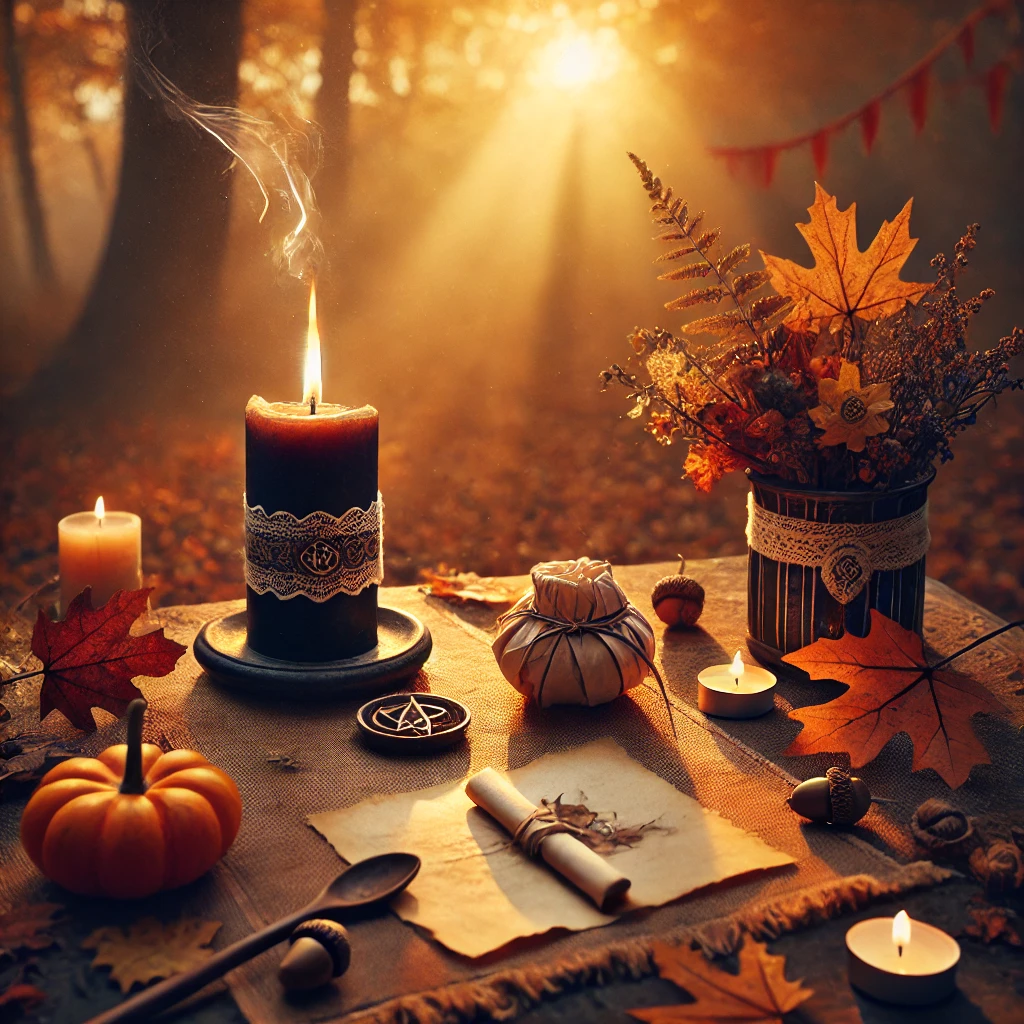
  2. Light your white or black candle, allowing its flickering flame to symbolize the release of negativity and the embrace of positive change. Let the gentle glow of the candlelight illuminate your intentions.

Writing Your Intentions

  1. Take your piece of paper and your favorite pen—this paper will serve as your canvas for transformation.
  2. On the paper, write down the negative energies, habits, or situations that have been weighing on your spirit. Be honest and specific, allowing your emotions to pour onto the paper as if you’re crafting a powerful potion in your cauldron.

Burning the Paper

  1. Hold the paper in your hands, focusing on the negative energies you wish to release. Visualize these energies transferring onto the paper, much like ink soaking into parchment.
  2. When you feel ready, ignite the edge of the paper using the candle’s flame, and place it in a heat-safe container as it burns. Watch as the fire consumes your words, turning them into ashes. As the paper is reduced to ashes, imagine the negative energies dissolving and dissipating from your life, like the dispersal of dark clouds after a storm.

Inviting Transformation

  1. With the past released, turn your attention to the future. On a new piece of paper, write down the qualities, habits, or changes you wish to welcome into your life. Picture these intentions taking root within you, growing strong and resilient like seeds in fertile soil.

Creating the Talisman

  1. Carefully fold the paper containing your intentions, binding it with a piece of string or ribbon. This talisman serves as a tangible reminder of your journey toward positive change, a charm that carries your intentions with you wherever you go.

Sealing the Spell

  1. Hold your talisman close, close your eyes, and take a deep breath. Visualize yourself standing at the threshold of transformation, ready to embrace the change you’ve set in motion.
  2. As you breathe out, extinguish the candle’s flame, sealing your spell with the knowledge that you have set the wheels of transformation in motion. Feel the energy of renewal coursing through you, like a warm breeze on an autumn day.
Mabon
Spells

Conclusion

Mabon’s magic is an invitation to connect with the energies of the season and use them as catalysts for positive change. Whether you are releasing negativity through the Release and Renewal Spell or crafting other rituals to celebrate the harvest and balance, these practices align with Mabon’s themes of transformation and growth. By embracing these rituals, you infuse the equinox with your own intentions, creating a powerful synergy between your magic and the energies of the season. As you journey through Mabon, may your path be illuminated with the golden light of autumn, guiding you toward renewal, abundance, and inner harmony.

Posted on Leave a comment

Pagan and Wiccan Mabon Observations

Autumn Equinox
Autumn Equinox

Introduction

Embracing Mabon, the Autumn Equinox

As the wheel of the year turns and the sun’s journey across the sky begins to wane, the world transforms into a realm of enchanting beauty, heralding the arrival of the Autumn Equinox. In this ephemeral season, where the days grow shorter and the air becomes crisper, nature paints a tapestry of vibrant hues upon the landscape, a symphony of reds, oranges, and golds that dances in the gentle breeze. This breathtaking spectacle serves as a profound harbinger, signaling the transition from the warmth of summer to the contemplative embrace of autumn. It is during this time that many Pagans and Wiccans joyfully gather to celebrate Mabon, a sacred and time-honored tradition rooted deep in the annals of human history.

Mabon

Mabon, a name that resonates with ancient echoes, is a celebration that pays homage to the wisdom of the past while embracing the evolving tapestry of the present. This sacred time embodies the essence of gratitude, a poignant moment when hearts and spirits unite in thankfulness for the abundant blessings bestowed upon us throughout the year. As the autumnal equinox approaches, it marks a moment of perfect equilibrium, where the radiant light of day balances in harmonious counterpoint with the gentle cloak of night. This balance between light and dark, an intricate dance that plays out in both the cosmos and the deepest corners of our souls, is a central theme of Mabon.

In the heart of this mystical season, Mabon beckons us to connect with the ever-changing tapestry of the natural world. It is a call to embrace the shifting seasons, to feel the heartbeat of the Earth as it transitions from the fecundity of summer to the introspective embrace of autumn’s cool embrace. It is a reminder that, like the cycles of the moon, our lives too are woven into the fabric of these eternal rhythms. In this article, we embark on a journey to explore the profound significance of Mabon and to uncover the diverse and captivating rituals that the Pagan and Wiccan communities have lovingly preserved and practiced during this enchanting time of year.

The Equinox and Mabon: A Cosmic Dance

The Autumn Equinox, a celestial spectacle that typically graces the Northern Hemisphere between September 21st and 23rd, stands as a celestial marvel that captures the essence of equilibrium. During this momentous event, night and day harmoniously share the stage, each basking in its allotted time upon the Earth’s grand theater. This celestial pause, where the eternal cosmic dance momentarily stills, mirrors a profound equilibrium—a balance between light and darkness that extends far beyond the realms of our planet. It’s a balance not only witnessed in the heavens but also an embodiment of the inner equilibrium sought by countless spiritual seekers.

Mabon, a name that resonates with the echoes of Welsh folklore, adds a layer of myth and wonder to the equinox. Bearing the name of the Welsh god of the harvest, Mabon’s association with this sacred time paints a vivid picture of abundance and gratitude. As the steward of the harvest, Mabon’s very essence is intertwined with the themes of fertility and plenty. According to myth, he draws his life force from the Earth Mother, Modron, an intimate bond that designates Mabon as a symbol of rebirth and the cyclical nature of existence.

Mabon’s birth from the Earth Mother, Modron, is itself a testament to the eternal rhythm of life’s renewal. Just as the seeds that are sown in the fertile soil of spring flourish into the bountiful harvests of autumn, so does Mabon’s emergence embody the idea of rebirth. He symbolizes the cyclical nature of life, where endings are but preludes to new beginnings. This interconnectedness between the god of the harvest and the seasonal transitions reinforces the idea that Mabon is more than a deity; he is a living embodiment of the eternal dance of nature. In celebrating Mabon, we not only honor the turning of the seasons but also acknowledge our place within this ever-flowing river of life and the profound lessons it imparts.

Modern Mabon Celebrations

While Mabon’s roots are firmly planted in history, modern Pagans and Wiccans have undertaken a remarkable journey of adaptation and expansion upon these ancient traditions, resulting in the creation of a vibrant and diverse tapestry of contemporary celebrations. In this evolving landscape of spirituality and reverence for the natural world, Mabon has not only survived the passage of time but has thrived, evolving into a celebration that resonates with the complexities of our modern lives while retaining its profound connection to the ancient rhythms of the Earth.

The Resilience of Mabon Traditions

Modern Mabon celebrations are a testament to the resilience and adaptability of these spiritual traditions. They represent a harmonious blend of the old and the new, weaving threads of ancient wisdom into the fabric of our contemporary existence. At their core, these celebrations remain anchored in the fundamental themes of gratitude, balance, and connection to nature that have defined Mabon for generations.

Inclusivity in Modern Mabon Celebrations

One of the most notable aspects of modern Mabon celebrations is their inclusivity. In a world that increasingly values diversity and unity, Mabon has opened its arms to individuals from all walks of life. Modern Pagans and Wiccans have embraced the opportunity to welcome diverse perspectives and belief systems, enriching the tapestry of Mabon celebrations with a wide range of practices and rituals. This inclusivity has allowed Mabon to transcend cultural and geographic boundaries, creating a global community of like-minded individuals who gather to honor the changing of the seasons.

The Role of Technology in Mabon

Technology has also played a role in modern Mabon celebrations. The advent of the internet and social media has allowed practitioners to connect with one another on a scale previously unimaginable. Online forums, virtual gatherings, and digital resources have made it easier than ever for people to share their Mabon experiences, exchange ideas, and learn from one another. This digital interconnectedness has strengthened the sense of community among modern Pagans and Wiccans, fostering a sense of unity that extends far beyond physical boundaries.

Innovative Rituals and Symbolism

Innovative approaches to ritual and symbolism have also emerged in modern Mabon celebrations. While traditional practices, such as offering libations to the land, remain integral, contemporary practitioners have introduced new elements that resonate with the challenges and aspirations of the present day. These may include eco-conscious practices, such as planting trees or participating in environmental cleanup efforts, as a way of honoring the Earth and demonstrating a commitment to its well-being.

Key Aspects of Modern Mabon Observances

Gratitude for Abundance

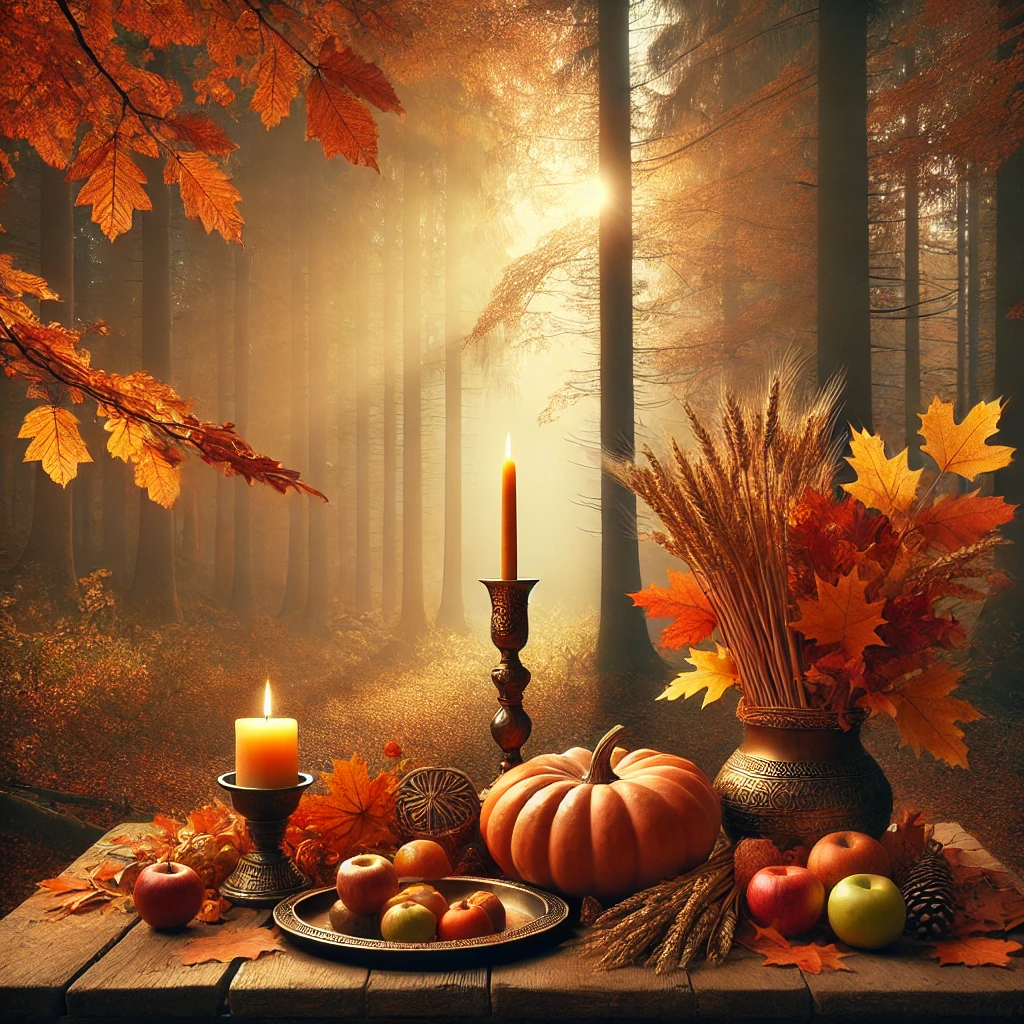
One of the central themes of Mabon is expressing gratitude for the bounties of the year’s harvest. This often involves communal feasts where friends and family come together to share the abundance of the season. It’s a time to savor the flavors of freshly harvested foods, like apples, pumpkins, and grains. Historically, harvest festivals have been celebrated across cultures, such as the British Harvest Home and the American Thanksgiving. These gatherings not only celebrate the harvest but also foster a sense of community and shared prosperity.

Balance and Equilibrium

Mabon reminds practitioners of the delicate balance between light and dark, both in nature and in our lives. It’s a time for introspection, a moment to acknowledge the dualities within us and in the world. This balance is often symbolized by the equal lengths of day and night during the equinox. In ancient times, the equinox was a significant event, marking the transition between seasons. The concept of balance can also be seen in the yin-yang philosophy of Chinese culture, which emphasizes harmony between opposing forces.

Harvest Rituals

Many Mabon rituals involve honoring the Earth’s bounty through offerings and ceremonies. Participants might create altars adorned with seasonal fruits, vegetables, and grains. These altars serve as focal points for meditation and offerings to deities associated with harvest and abundance. For example, in ancient Greek mythology, Demeter, the goddess of the harvest, was honored with offerings of grain and fruit. Similarly, Native American tribes held ceremonies to give thanks for the harvest and ensure future fertility.

Connecting with Nature

Mabon is an opportunity to immerse oneself in the natural world. Some Pagans and Wiccans choose to go on nature walks, collect fallen leaves, or perform rituals outdoors to strengthen their connection with the Earth. This practice echoes the ancient tradition of nature worship, where people revered natural elements like trees, rivers, and mountains. Modern practitioners might also engage in activities like gardening or bird-watching to deepen their bond with nature.

Lighting Candles

As the nights grow longer, the lighting of candles becomes a significant ritual. Candles symbolize the inner light that can guide us through the approaching darkness of winter. The flickering flames also pay homage to the waning sun. Historically, fire has been a powerful symbol in many cultures, representing life, warmth, and protection. During Mabon, lighting candles can also be a way to honor the sun gods and goddesses, such as the Celtic god Lugh.

Meditation and Contemplation

Mabon is a time for introspection and meditation. Many practitioners take moments of stillness to reflect on the past year, set intentions for the coming season, and embrace personal transformation. This practice is similar to the ancient tradition of retreating to sacred spaces for contemplation and renewal. In modern times, meditation can take many forms, from silent reflection to guided visualizations. The goal is to achieve a sense of inner peace and clarity as we transition into the darker months of the year.

Conclusion

Mabon, the Autumn Equinox, is a profound moment in the Pagan and Wiccan calendar, a time to celebrate the harvest, find balance, and connect with the changing seasons. While rooted in ancient traditions, Mabon has evolved to incorporate a rich tapestry of modern practices. It’s a time for gratitude, reflection, and renewal—a reminder of the eternal dance of light and darkness that weaves through the cosmos and within our souls. Whether through communal feasts, meditative rituals, or simply by enjoying the beauty of nature, Mabon offers a chance to harmonize with the rhythms of the Earth and find magic in the turning of the seasons.

Posted on Leave a comment

Ritual: Mabon – Balanced Meditation

Meditation
Meditation

Introduction

Embrace the autumnal equinox

In the tranquil embrace of the autumnal equinox, a mystical celebration known as Mabon emerges, inviting us to explore the delicate balance between light and darkness, both in the world around us and within our own souls. Among the many enchanting rituals that grace this sacred season, Balanced Meditation stands as a beacon of serenity and self-discovery. This ancient practice guides us to a place of profound equilibrium, where the shifting hues of fall foliage mirror the interplay between the active and introspective energies of our lives. Join us on a journey into the heart of Mabon’s Balanced Meditation, where we shall explore the art of harmonizing with the season’s energies, finding stillness amid transformation, and embracing the lessons of balance that this enchanted time bestows.

Ritual Basics

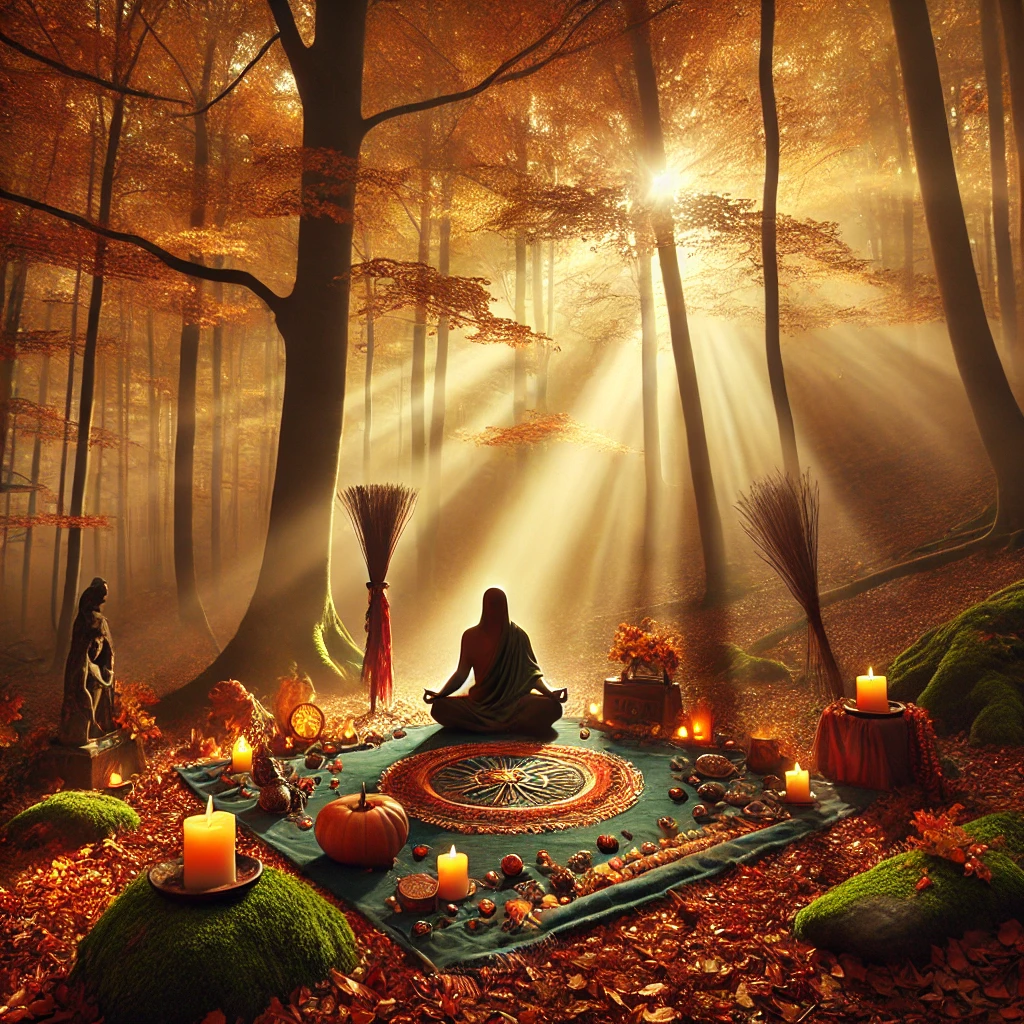
Before beginning any ritual, it is important to prepare yourself mentally and physically. You may want to take a cleansing bath, or shower, and meditate or perform some grounding exercises to center yourself. Gather any materials you will need, such as candles, incense, and offerings for the forest spirits.

You can read a more detailed Ritual Preparation guide here.

Equilibrium: A Ritual for the Balance Meditation

In the waning days of summer, as the sun dips lower on the horizon and the vibrant green of the world takes on the warm, golden hues of autumn, we find ourselves at the threshold of Mabon, the autumn equinox. This season is marked by a profound transformation, as nature herself dons her cloak of change. It’s a time when the leaves begin their graceful descent to the earth, and the air takes on a crisper edge, carrying with it the whispers of coming winter.

During this transformation, we are presented with a profound lesson — the art of embracing change as a pathway to equilibrium. The Balanced Meditation, a sacred ritual of Mabon, beckons us to contemplate this very lesson. It guides us to find solace amid change, much as the trees surrender their leaves, trusting that new growth will come in their own time. This ritual reminds us that life is an eternal dance of balance, a delicate interplay between light and dark, growth and release, and it is through acceptance and understanding of this balance that we find our own equilibrium.

Mabon – Balanced Meditation

As we embark on the journey of the Balanced Meditation, we immerse ourselves in the beauty of the season, where every falling leaf is a reminder that change is not to be feared but embraced. The ritual encourages us to sit in quiet reflection, much like the trees themselves, as we release our worries, tensions, and attachments to that which no longer serves us. This act of letting go becomes a sacred dance, a harmonious step in the rhythm of the season, as we surrender to the transformative energies of Mabon.

  • A blanket and/or cushion(s).
  • A foci (this can be a crystal, a fall symbol, etc)

Preparation

  1. Find a cozy nook in your haven, it can be indoors or out. It must be a safe place for you to be.
  2. Use your blanket and/or cushion(s) to make the ritual space comfortable for you.
  3. Nestle yourself into a comfortable position, either seated or lying down, as if preparing for a restful slumber. Let the tranquility of your chosen space envelop you.
  4. Comfortably hold your foci, letting it bring you to peace.
  5. Gently close your eyes, letting the quietude and peace settle around you like a soft mist. Inhale deeply, drawing in the hushed serenity of the surrounding woods and waters, and exhale any residual thoughts that may linger.

Visualizing the Equinox

  1. As your inner canvas unfurls, paint a picture of yourself standing amidst nature’s embraces. Imagine the landscape shifting, revealing a lush forest glade, a vibrant meadow, or a serene beach along the Pacific coastline.
  2. Watch as the foliage morphs, transitioning from one season’s attire to another. Allow the play of sunlight and shadows to paint a symphony of patterns around you, much like the intricate dance of your witchcraft practice.

Focusing on Balance

  1. Shift your gaze to the balance teetering between the light and the darkness in your visualized sanctuary. Inhale, imbuing yourself with the radiant energy of the sun, its warmth filling you from within.
  2. Exhale, envisioning any concerns, burdens, or worries as mere shadows that disperse and dissolve into the earth beneath you, absorbed by the ground.

Reflecting Within

  1. Redirect your focus inward, like a seeker delving into the mysteries of the self. Contemplate the intricate scales of your life—how work finds its counterpoint in rest, joy waltzes with sorrow, and growth finds its partner in release.
  2. As you inhale and exhale in rhythm, become a conduit for equilibrium, inviting its essence to flow through you.

Embracing Equilibrium

  1. Visualize equilibrium as a gentle stream of radiant light. Imagine it coursing through your veins, each pulse resonating with the harmonious balance you seek.
  2. Feel this luminous current enveloping every corner of your being, like the embrace of an old friend who understands the nuances of your journey.

Affirming Balance

  1. Utter a mantra, seasoning your experience with affirmation: “I am in harmony with the cycles of life. I embrace both light and darkness, finding equilibrium within.”
  2. Let this declaration infuse your being with the essence of balance.

Returning to the Present

  1. Allow your awareness to trickle back into the present moment, like water finding its way back to the ocean. Inhale the freshness of the air, as if savoring the scent of newly foraged herbs.
  2. With a tender smile, exhale, and as you gently open your eyes, bask in the gentle light of your surroundings, knowing that you’ve brewed an elixir of inner harmony.
  3. Carry this sense of balance and mindfulness with you, just as you would carry a vial of your finest potion, allowing it to be a guiding star through the currents of your day.

In the acceptance of change, we find the essence of equilibrium. This ritual teaches us that true balance is not stagnant; it is a dynamic state, an ever-flowing stream of energy that courses through our lives. It is the recognition that light and darkness, joy and sorrow, growth and release are not opposing forces but interconnected aspects of the same cycle.

As we conclude the Balanced Meditation, we emerge with a profound sense of peace, knowing that change is not a disruption of our equilibrium but an integral part of it. It is through acceptance and the embrace of transformation that we find true balance, just as the autumn forest finds its equilibrium in the changing seasons.

Symbols of Autumn

Here are some physical autumn symbols that you can hold and use in your witchcraft practice:

  • Acorns: Acorns are a powerful symbol of potential and growth. Hold them in your hand during rituals or use them as part of your altar setup to represent the promise of future abundance and transformation.
  • Autumn Leaves: Collect colorful autumn leaves and hold them to connect with the changing of seasons. Use them in spells related to change, letting go, or personal transformation.
  • Pumpkins: Pumpkins are iconic symbols of autumn. Holding a small pumpkin or a pumpkin-shaped object can symbolize the harvest, protection, and abundance. Carve a protective symbol into a pumpkin and hold it during protection rituals. 
  • Candles: Holding candles in autumnal colors like orange, red, or brown can help you attune to the season’s energies. Light the candle and focus on its flame during meditation or spellwork to invoke the corresponding qualities of the color. 
  • Feathers: As birds migrate during the fall, feathers can symbolize freedom and the connection between the earthly and spiritual realms. Hold feathers to connect with your spirit guides or incorporate them into rituals for communication with the spirit world.
  • Cornucopia: The cornucopia, or horn of plenty, is a symbol of abundance and harvest. Hold a small cornucopia or use one in your altar setup to attract prosperity and bountiful blessings.
  • Apples: Apples represent wisdom, healing, and immortality. Holding an apple during meditation or rituals can help you tap into these qualities. You can also use apples as offerings to deities or spirits.
  • Pinecones: Pinecones are associated with evergreen trees and the resilience of nature. Hold a pinecone to connect with the earth’s enduring energy and use it in rituals for grounding and stability.
  • Miniature Brooms: Miniature brooms or besoms symbolize purification and sweeping away negativity. Hold one during rituals focused on cleansing and purifying your space or your life.
  • Harvest Tools: Hold small representations of harvest tools like a sickle, scythe, or a miniature basket filled with symbolic fruits and vegetables to connect with the theme of abundance and the reaping of rewards.
  • Gemstones: Carry gemstones associated with autumn, such as carnelian, citrine, or amber, in your pocket or hold them during meditation and rituals to amplify their energy and align with the season’s intentions.
  • Autumn Herbs: Bundle together or hold autumn herbs like sage, rosemary, or thyme to infuse your rituals with their earthy and purifying energies.

Remember that the power of these symbols is deeply personal, and your connection to them is what makes them meaningful in your practice. Holding and meditating upon these symbols during autumn can help you tap into the seasonal energies and bring your intentions to life in your witchcraft practice.

Mabon
Rituals

Conclusion

In the profound teachings of the Balanced Meditation, we unearth a timeless wisdom that transcends the boundaries of seasons and rituals. It is a revelation that true equilibrium is not a static state but a dynamic force that surges through the currents of our existence, much like the ever-flowing stream of time. As we draw this sacred practice to a close, we carry with us the profound understanding that light and darkness, joy and sorrow, growth and release are not adversaries in our journey, but rather intimate companions in the dance of life.

Just as the autumn forest gracefully adapts to the changing seasons, we too can embrace the transformative energies that life offers. We emerge from Balanced Meditation with a serene sense of peace, armed with the knowledge that change is not a disruption of our equilibrium but a pivotal element of it. In our acceptance of change, we find the very essence of balance—the harmonious coexistence of all facets of existence. As we journey forth into the world, we carry with us the wisdom of the autumn equinox, recognizing that equilibrium is not an end goal but a perpetual voyage, and in the embrace of transformation, we discover the true heart of balance.

Posted on Leave a comment

A Guide to the Autumn Equinox

Autumn Equinox
Autumn Equinox

Introduction

Embracing the Equinox

The Autumn Equinox, known by various names such as Mabon, the September Equinox, or the Fall Equinox, is a significant celestial event that marks the transition from summer to fall in the Northern Hemisphere. This equinox occurs when the sun crosses the celestial equator, resulting in nearly equal periods of daylight and darkness. In this article, we will explore the Autumn Equinox, its historical and modern practices, and its importance in both traditional and contemporary cultures.

Understanding the Equinox: Nature’s Balance Beam

The Autumn Equinox typically falls on or around September 21st in the Northern Hemisphere, though the exact date can vary slightly from year to year. It’s a pivotal moment in the astronomical calendar when day and night are in perfect harmony, each lasting approximately the same duration. This equilibrium symbolizes the delicate balance between light and darkness, a theme that resonates deeply in various cultures and traditions.

A Global Perspective on the Autumn Equinox

The Autumn Equinox is a celestial event that holds universal significance, resonating not only in the Northern Hemisphere but also in the Southern Hemisphere, albeit with a reversal of seasons. This equinox typically occurs on or around September 21st in the Northern Hemisphere and around March 21st in the Southern Hemisphere. However, it’s essential to note that the exact date can vary slightly from year to year due to the intricacies of Earth’s orbit.

In the Northern Hemisphere, the Autumn Equinox is a pivotal moment in the astronomical calendar. It marks the juncture when day and night are in perfect equilibrium, each lasting approximately the same duration. This exquisite balance of light and darkness is a testament to the intricate dance between the Earth and the Sun. As the Northern Hemisphere bids farewell to the warmth of summer and welcomes the cool embrace of autumn, this equilibrium symbolizes the delicate transition from one season to another. It is a theme that resonates deeply in various cultures and traditions, reflecting the universal recognition of the significance of balance in our lives and the world around us.

Conversely, in the Southern Hemisphere, the Autumn Equinox ushers in the arrival of spring. As the days grow longer, the world awakens from its winter slumber, and the Earth begins to teem with new life. The Southern Hemisphere’s Autumn Equinox mirrors its counterpart in the Northern Hemisphere, offering a moment of balance and transition between the seasons.

In both hemispheres, the Autumn Equinox serves as a reminder of the cyclical nature of our planet’s journey around the Sun. It underscores the interconnectedness of all life and the ever-shifting rhythms of the natural world. Whether it’s the Northern Hemisphere’s preparation for the harvest or the Southern Hemisphere’s embrace of new beginnings, the Autumn Equinox invites us to contemplate the delicate equilibrium that sustains our planet and to celebrate the beauty of this cosmic choreography that we are all a part of.

The Global Tapestry of Autumn Equinox Celebrations

The Autumn Equinox, a celestial event marking the transition from summer to fall, has left an indelible mark on cultures across the globe for centuries. While the specific customs and traditions vary widely, the common thread that unites these diverse celebrations is a deep reverence for the changing seasons and the symbolism of balance and abundance. Here, we embark on a journey around the world to explore how different cultures have embraced the Autumn Equinox throughout history.

  • China: The Mid-Autumn Festival: In China, the Mid-Autumn Festival, also known as the Moon Festival, is a time for families to come together, much like the American Thanksgiving. Celebrated on the 15th day of the eighth month of the lunar calendar, which usually falls close to the Autumn Equinox, it is a time to give thanks for the harvest and to appreciate the beauty of the full moon. Families gather to share mooncakes, a special pastry filled with sweet or savory fillings, under the glow of the moon.
  • Japan: Tsukimi Festival: Japan has its own version of a moon-viewing festival called Tsukimi, which occurs in September or early October, around the time of the Autumn Equinox. During Tsukimi, people celebrate the beauty of the full moon, traditionally by setting up altars adorned with offerings like rice dumplings and pampas grass. It’s a time for reflection and appreciation of the changing season.
  • Korea: Chuseok: Chuseok, the Korean Thanksgiving Day, coincides with the Autumn Equinox and is one of the most significant holidays in Korea. Families gather to honor their ancestors, share a bountiful feast featuring traditional dishes like songpyeon (rice cakes), and engage in various cultural activities. Chuseok embodies themes of gratitude and unity, much like other harvest festivals around the world.
  • India: Navaratri and Durga Puja: In India, the Autumn Equinox is marked by a multitude of celebrations. Navaratri, a nine-night festival dedicated to the goddess Durga, typically falls around this time. It’s a time of fasting, dancing, and worship, celebrating the triumph of good over evil. Durga Puja, a major Hindu festival, is celebrated with grand processions and the installation of elaborately crafted idols of the goddess.
  • Native American Harvest Festivals: Various Native American tribes across North America have celebrated harvest festivals around the Autumn Equinox for generations. These festivals often involve communal feasting, music, dance, and ceremonies to express gratitude for the earth’s bounty. The Cherokee Nation, for example, celebrates the Great New Moon Ceremony during this time to give thanks for the harvest and pray for a bountiful winter.
  • European Traditions: Michaelmas and Harvest Home: In Europe, the Autumn Equinox is marked by a range of traditions. Michaelmas, celebrated on September 29th, honors the Archangel Michael, and serves as a time to give thanks for the harvest and ask for protection throughout the coming winter. In England, the Harvest Home festival involves decorating churches with harvested fruits and vegetables, and the celebrations often include communal feasts and music.

A Global Tapestry of Gratitude

The Autumn Equinox has woven a rich tapestry of celebrations around the world, each culture adding its unique colors and threads to the fabric of human tradition. While the specifics of these celebrations may differ, they all share a fundamental reverence for the Earth’s bounty and the significance of balance, unity, and gratitude. In this shared appreciation for the changing seasons, we find a reminder of our interconnectedness with nature and with each other, regardless of geographical or cultural boundaries.

Traditional Practices and Significance of the Autumn Equinox

The Autumn Equinox, celebrated around the world under various names and traditions, holds a rich tapestry of traditional practices and deep significance. This celestial event, marked by nearly equal hours of daylight and darkness, symbolizes themes of balance, harvest, and transition. Here, we delve into some of the traditional practices and the profound significance associated with the Autumn Equinox:

  • Harvest Festivals: Across cultures, the Autumn Equinox is synonymous with the harvest season’s culmination. It’s a time when communities come together to reap the rewards of their hard work in the fields. Traditional practices often involve communal feasting, dancing, and the sharing of the year’s bounty. In the United States, Thanksgiving is a prominent example of a harvest festival celebrated around the Autumn Equinox.
  • Mythological Symbolism: Many ancient mythologies incorporate the concept of balance and transition associated with the equinox. For instance, in Greek mythology, the story of Persephone’s descent into the underworld and her return to her mother, Demeter, mirrors the changing seasons. Her return from the underworld in the spring signifies the renewal of life, while her descent into darkness during the fall equates to the earth’s waning vitality.
  • Equinox Alignments: Numerous ancient sites, such as Stonehenge in England and Chichen Itza in Mexico, were constructed with alignments that highlight the equinoxes. At these sites, the rising or setting sun aligns with specific architectural features during the equinoxes, underscoring the importance of these celestial events in ancient cultures’ calendars.
  • Nature-Based Practices: Indigenous cultures often marked the Autumn Equinox with nature-based rituals. These practices could involve observing the changing behaviors of animals and plants, acknowledging the migration of birds, or engaging in ceremonies that honored the earth’s rhythms.
  • Chinese Moon Festival: In China, the Autumn Equinox is celebrated with the Mid-Autumn Festival, also known as the Moon Festival. Families gather to appreciate the full moon’s beauty, share mooncakes, and express gratitude for the harvest. The round shape of mooncakes symbolizes completeness and unity.
  • Japanese Tsukimi Festival: Japan celebrates the Tsukimi Festival, a moon-viewing festival that coincides with the Autumn Equinox. People create altars adorned with offerings like rice dumplings and pampas grass to honor the full moon’s beauty and express gratitude for the harvest.
  • Korean Chuseok: Chuseok, the Korean Thanksgiving Day, aligns with the Autumn Equinox. It’s a time for ancestral worship, communal feasting, and cultural activities that celebrate the harvest’s abundance.
  • Spiritual and Reflective Practices: Many individuals and spiritual groups mark the Autumn Equinox with rituals and ceremonies that encourage reflection, gratitude, and intention setting. These practices often involve meditation, prayer, and connecting with the natural world.

The Autumn Equinox’s significance lies in its role as a bridge between the seasons. It represents a moment of balance in the ever-turning wheel of the year. It’s a time to express gratitude for the earth’s abundance, acknowledge the impermanence of life, and prepare for the colder months ahead. The equinox teaches us the value of balance and reminds us of our connection to the rhythms of nature.

In summary, the Autumn Equinox is a time when traditional practices and cultural significance converge to celebrate the harvest, reflect on the changing seasons, and honor the delicate equilibrium between light and darkness. Whether through communal feasts, mythological stories, or nature-based ceremonies, the Autumn Equinox continues to be a time-honored and cherished event worldwide.

Modern Interpretations and Celebrations of the Autumn Equinox

While the Autumn Equinox has deep-rooted traditional practices, it has also adapted and evolved to suit modern lifestyles and belief systems. In contemporary celebrations, people from diverse backgrounds find innovative ways to connect with the themes of balance, harvest, and transition associated with this celestial event. Here, we explore some of the modern interpretations and celebrations of the Autumn Equinox:

  • Pagan and Wiccan Observations: For many Pagans and Wiccans, the Autumn Equinox is known as Mabon. This celebration remains deeply rooted in ancient traditions but has evolved to include a variety of practices. Modern Pagans often use this time to express gratitude for the year’s blessings, acknowledge the balance between light and dark, and perform rituals that align with the changing seasons. These rituals may involve meditation, lighting candles, and connecting with nature.
  • Secular Celebrations: In secular contexts, the Autumn Equinox is celebrated as a time to embrace the beauty of the changing seasons. Many people take advantage of the pleasant weather to engage in outdoor activities like hiking, picnicking, or simply enjoying the fall foliage. It’s a time for nature walks, appreciating the colors of autumn, and taking a break from the hustle and bustle of daily life.
  • Environmental Awareness: Some modern celebrations of the Autumn Equinox focus on environmental stewardship and sustainability. People participate in activities like tree planting, park clean-ups, and discussions about climate change. These initiatives highlight the importance of preserving the Earth’s balance and resources, aligning with the equinox’s theme of harmony.
  • Artistic Expression: Many individuals channel their creativity during the Autumn Equinox by crafting seasonal decorations, painting, writing, or creating symbolic artworks that capture the essence of the season. This creative expression serves as a way to connect with the equinox’s themes and share them with others.
  • Personal Reflection: In a fast-paced world, the Autumn Equinox offers a moment for personal reflection and intention setting. People engage in meditation, journaling, or simply take a moment to consider their goals and desires for the upcoming season. It’s a time to let go of what no longer serves us and prepare for the winter months ahead.
  • Harvest Festivals: While traditional harvest festivals still exist, many have adapted to modern sensibilities. These festivals often incorporate elements of local culture, music, and cuisine, making them enjoyable events for all members of the community. Farmers’ markets and food festivals that celebrate locally sourced produce are examples of contemporary harvest celebrations.
  • Educational Initiatives: Schools and educational institutions often use the Autumn Equinox as an opportunity to teach students about astronomy, the changing seasons, and the importance of nature conservation. These initiatives foster a deeper understanding of the Earth’s rhythms and encourage environmental responsibility.
  • Family Traditions: Many families create their own unique traditions for the Autumn Equinox. These may include outdoor adventures, crafting seasonal decorations, cooking special meals, or simply spending quality time together. These personal rituals help families bond and create lasting memories.

While the traditional practices associated with the Autumn Equinox remain relevant and cherished, modern celebrations have expanded to accommodate contemporary lifestyles and beliefs. Whether through spiritual rituals, outdoor adventures, environmental initiatives, or personal reflection, people from all walks of life continue to find meaningful ways to connect with the equinox’s themes of balance, harvest, and transition.

The Autumn Equinox: A Time of Balance and Transition

The Autumn Equinox, or Mabon, is a time of profound reflection and celebration, bridging the gap between ancient traditions and modern interpretations. As we honor the delicate balance of light and darkness, we acknowledge the interconnectedness of life and our place within the cycles of nature. Whether through traditional practices rooted in various cultures or through contemporary rituals and personal reflections, the Autumn Equinox invites us to embrace the changing seasons with gratitude and mindfulness. It is a moment to celebrate the harvest, foster a deeper connection with the earth, and prepare for the introspective journey that the approaching winter months bring. In this convergence of old and new, we find a rich tapestry of meaning that continues to resonate across time, reminding us to live in harmony with the rhythms of the natural world.