Posted on Leave a comment

Ritual: Crafting a Prosperity Charm for Mabon

Prosperity Charm
Prosperity Charm

Introduction

Welcoming Abundance and Balance

Mabon, the Autumn Equinox, is a time of balance, reflection, and gratitude as day and night stand in perfect equilibrium. As we gather the harvest and prepare for the coming winter, it is also a powerful moment to invite abundance and prosperity into our lives. Crafting a Prosperity Charm during Mabon is a meaningful way to harness the energies of the season and set intentions for financial stability, growth, and well-being. This ritual guides you through creating a Prosperity Charm that aligns with the themes of Mabon and invites the blessings of abundance into your home and life.

Ritual Basics

Before beginning any ritual, it is important to prepare yourself mentally and physically. You may want to take a cleansing bath, or shower, and meditate or perform some grounding exercises to center yourself. Gather any materials you will need, such as candles, incense, and offerings for the forest spirits.

You can read a more detailed Ritual Preparation guide here.

Ritual: Crafting a Prosperity Charm for Mabon

Mabon, the Autumn Equinox, is a time of balance, reflection, and gratitude. As we gather the harvest and prepare for winter, this ritual guides you in crafting a Prosperity Charm to invite abundance and financial stability into your life. Align with the season’s energies and set intentions for growth and well-being through this meaningful practice.

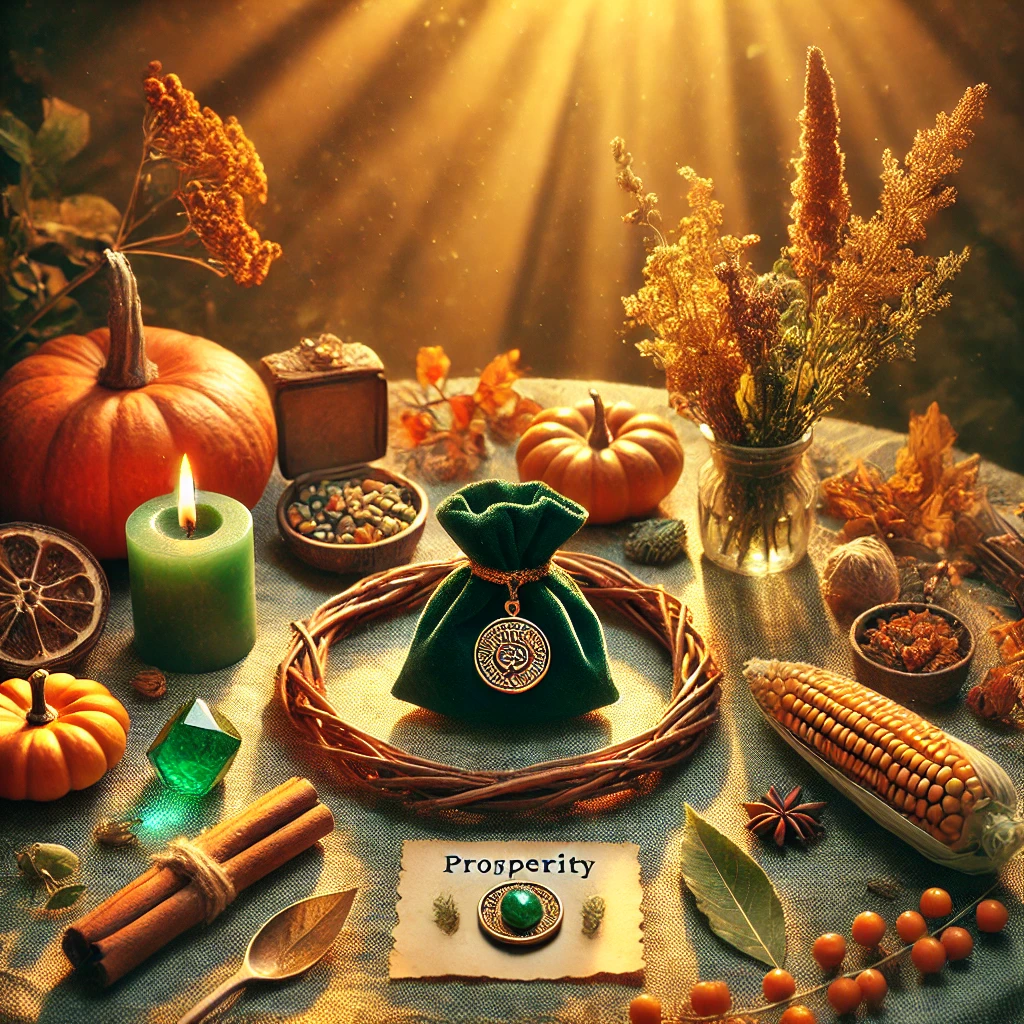
  • A small green or gold pouch
  • A pen and small piece of parchment paper
  • A candle
  • Green aventurine or citrine crystal (for abundance and success)
  • Cinnamon stick (for financial gain and protection)
  • Bay leaf (for wishes and prosperity)
  • Dried basil or mint (for money attraction and luck)
  • A piece of gold or green ribbon (for tying the charm)
  • A coin or token that holds personal significance (for financial stability)
  • Incense (such as sandalwood or frankincense or sage for cleansing)
  • A candle (preferably green or gold)

Preparation

  1. Cleansing Your Space and Tools: Begin by cleansing your ritual space and tools. Light the incense or sage and allow the smoke to purify the area where you will be crafting your Prosperity Charm. Pass each item you will be using through the smoke, setting the intention to clear any lingering negative or stagnant energy.

  2. Setting Your Intention: Take a moment to ground yourself and focus on your intention. Reflect on what prosperity means to you, whether it is financial wealth, career success, personal growth, or abundance in love and happiness. Visualize these desires as clearly as possible and feel the energy of gratitude for the prosperity you are calling into your life.

  3. Writing Your Intention: On a small piece of parchment paper, write down your intention or wish for prosperity. Be specific and positive in your wording, focusing on what you wish to attract rather than what you want to avoid. For example, "I attract financial abundance and stability into my life, allowing me to prosper and thrive."

Crafting the Prosperity Charm

Assembling the Charm:

  1. Place the green aventurine or citrine crystal into the pouch, saying, “This crystal carries the energy of abundance and success, guiding wealth and prosperity into my life.”
  2. Add the cinnamon stick, saying, “Cinnamon brings protection and financial gain, ensuring my prosperity grows and is safeguarded.”
  3. Place the bay leaf into the pouch, saying, “This bay leaf carries my wish for prosperity, sending it out into the universe to be fulfilled.”
  4. Add the dried basil or mint, saying, “This herb attracts money and luck, drawing prosperity to me in all forms.”
  5. Place the coin or token into the pouch, saying, “This token represents financial stability and abundance, grounding wealth in my life.”

Empowering the Charm:

  1. Carefully fold your parchment paper with the written intention and place it into the pouch. Hold the pouch in your hands and close your eyes, visualizing your intention becoming reality. Feel the energy of abundance flowing into the charm, imbuing it with power and purpose.
  2. Tie the pouch closed with the gold or green ribbon, saying, “With this ribbon, I seal my intention for prosperity and abundance. May it flow into my life with ease and grace.”

Activating the Charm

  1. Candle Lighting: Light the green or gold candle, focusing on the flame as a symbol of your intention being ignited and brought to life. Pass the Prosperity Charm over the flame (taking care not to burn it), saying, "As this flame burns, so too does my intention for prosperity grow and manifest."

  2. Final Blessing: Hold the charm close to your heart and offer a final blessing: "With the energy of Mabon and the balance of the equinox, I call upon the forces of abundance, prosperity, and success. May this charm bring wealth, growth, and happiness into my life. So mote it be."

  3. Placing the Charm: Place the Prosperity Charm in a location where it will continuously work for you—such as in your purse, near your workspace, or in a place of prominence in your home.

Closing the Ritual

  1. Expressing Gratitude: Take a moment to express gratitude to the energies, deities, or spirits you may have invoked during the ritual. Thank them for their guidance and for blessing your charm with their presence.

  2. Releasing the Circle (if Cast): If you cast a circle, now is the time to release it. Thank the elements and gently open the circle, allowing the energy to return to the Earth.

  3. Grounding Yourself: Ground any remaining energy by placing your hands on the Earth or by eating a small piece of bread or fruit.

Mabon
Rituals

Conclusion

By crafting a Prosperity Charm during Mabon, you align yourself with the powerful energies of balance, harvest, and abundance that the season brings. This charm is not only a tool for attracting wealth and prosperity but also a reminder of your connection to the natural cycles and the boundless potential within you. As you carry or display your charm, may it serve as a beacon of the prosperity you seek, guiding you towards a future filled with abundance and success. Blessed Be.

Posted on Leave a comment

Spell: Mabon Release & Renewal

Mabon Release and Renew Spell

Introduction

Weaving Magic into the Equinox

As the vibrant colors of autumn transform the landscape and the crispness of the air heralds the arrival of fall, the energies of Mabon call us to immerse ourselves in the enchanting rituals and spellwork that resonate with the season’s themes. Mabon, the autumn equinox, is a time of balance, gratitude, and transformation—a moment when we can harness the potent energies of the equinox to bring about positive change in our lives. This article guides you through a powerful spell that captures the essence of Mabon’s magic, inviting you to embrace the equinox with intention and wonder.

Spell: Mabon Release and Renewal

In this sacred time, as the daylight hours and nighttime darkness are held in perfect balance, Mabon presents the ideal moment to engage in spellwork that focuses on releasing what no longer serves you and inviting renewal into your life. The Release and Renewal Spell is a powerful ritual designed to help you let go of negative energies, habits, or situations and replace them with positive, transformative forces.

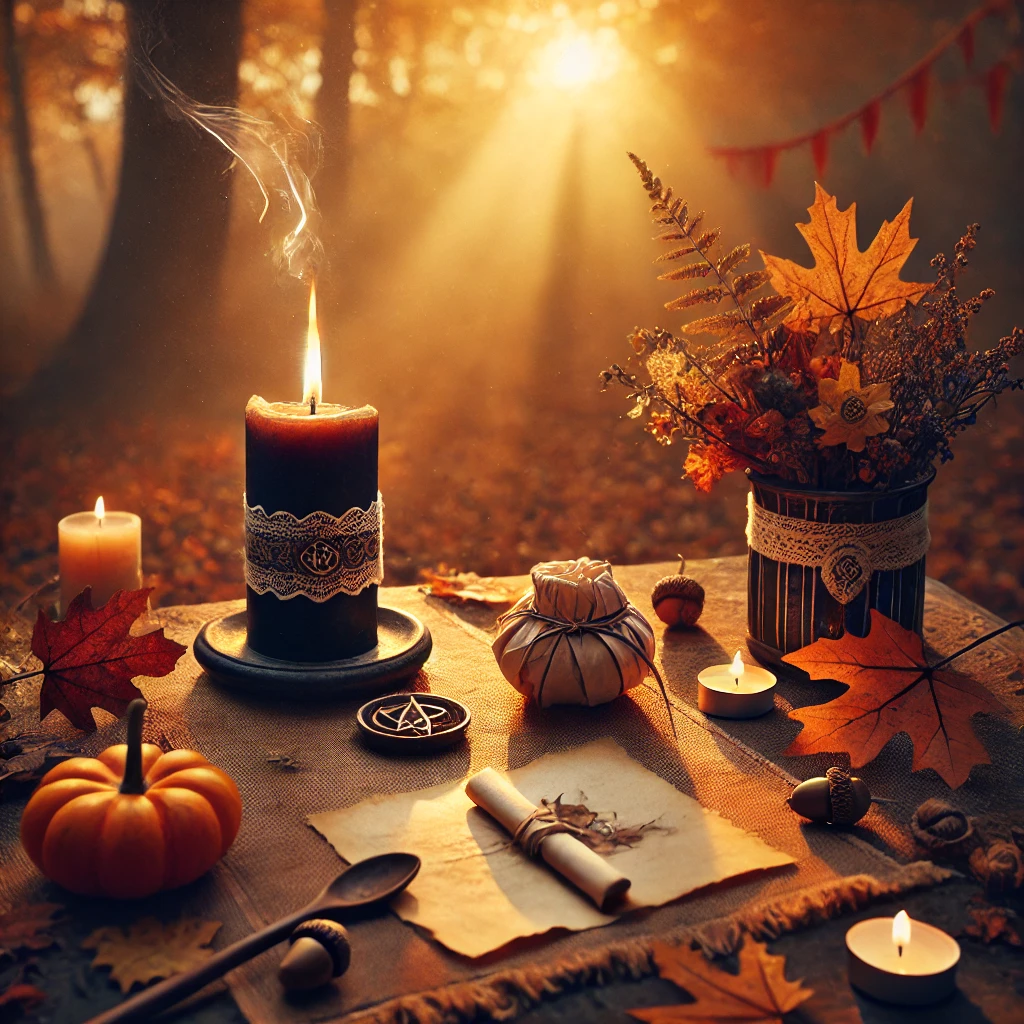
  • heat-safe container
  • 1 piece paper (or parchment)
  • 1 piece string or ribbon
  • 1 candle (white or black )

Preparation

  1. Begin by finding a quiet, sacred space where you feel safe and at peace.
  2. Light your white or black candle, allowing its flickering flame to symbolize the release of negativity and the embrace of positive change. Let the gentle glow of the candlelight illuminate your intentions.

Writing Your Intentions

  1. Take your piece of paper and your favorite pen—this paper will serve as your canvas for transformation.
  2. On the paper, write down the negative energies, habits, or situations that have been weighing on your spirit. Be honest and specific, allowing your emotions to pour onto the paper as if you’re crafting a powerful potion in your cauldron.

Burning the Paper

  1. Hold the paper in your hands, focusing on the negative energies you wish to release. Visualize these energies transferring onto the paper, much like ink soaking into parchment.
  2. When you feel ready, ignite the edge of the paper using the candle’s flame, and place it in a heat-safe container as it burns. Watch as the fire consumes your words, turning them into ashes. As the paper is reduced to ashes, imagine the negative energies dissolving and dissipating from your life, like the dispersal of dark clouds after a storm.

Inviting Transformation

  1. With the past released, turn your attention to the future. On a new piece of paper, write down the qualities, habits, or changes you wish to welcome into your life. Picture these intentions taking root within you, growing strong and resilient like seeds in fertile soil.

Creating the Talisman

  1. Carefully fold the paper containing your intentions, binding it with a piece of string or ribbon. This talisman serves as a tangible reminder of your journey toward positive change, a charm that carries your intentions with you wherever you go.

Sealing the Spell

  1. Hold your talisman close, close your eyes, and take a deep breath. Visualize yourself standing at the threshold of transformation, ready to embrace the change you’ve set in motion.
  2. As you breathe out, extinguish the candle’s flame, sealing your spell with the knowledge that you have set the wheels of transformation in motion. Feel the energy of renewal coursing through you, like a warm breeze on an autumn day.
Mabon
Spells

Conclusion

Mabon’s magic is an invitation to connect with the energies of the season and use them as catalysts for positive change. Whether you are releasing negativity through the Release and Renewal Spell or crafting other rituals to celebrate the harvest and balance, these practices align with Mabon’s themes of transformation and growth. By embracing these rituals, you infuse the equinox with your own intentions, creating a powerful synergy between your magic and the energies of the season. As you journey through Mabon, may your path be illuminated with the golden light of autumn, guiding you toward renewal, abundance, and inner harmony.

Posted on Leave a comment

Pagan and Wiccan Mabon Observations

Autumn Equinox
Autumn Equinox

Introduction

Embracing Mabon, the Autumn Equinox

As the wheel of the year turns and the sun’s journey across the sky begins to wane, the world transforms into a realm of enchanting beauty, heralding the arrival of the Autumn Equinox. In this ephemeral season, where the days grow shorter and the air becomes crisper, nature paints a tapestry of vibrant hues upon the landscape, a symphony of reds, oranges, and golds that dances in the gentle breeze. This breathtaking spectacle serves as a profound harbinger, signaling the transition from the warmth of summer to the contemplative embrace of autumn. It is during this time that many Pagans and Wiccans joyfully gather to celebrate Mabon, a sacred and time-honored tradition rooted deep in the annals of human history.

Mabon

Mabon, a name that resonates with ancient echoes, is a celebration that pays homage to the wisdom of the past while embracing the evolving tapestry of the present. This sacred time embodies the essence of gratitude, a poignant moment when hearts and spirits unite in thankfulness for the abundant blessings bestowed upon us throughout the year. As the autumnal equinox approaches, it marks a moment of perfect equilibrium, where the radiant light of day balances in harmonious counterpoint with the gentle cloak of night. This balance between light and dark, an intricate dance that plays out in both the cosmos and the deepest corners of our souls, is a central theme of Mabon.

In the heart of this mystical season, Mabon beckons us to connect with the ever-changing tapestry of the natural world. It is a call to embrace the shifting seasons, to feel the heartbeat of the Earth as it transitions from the fecundity of summer to the introspective embrace of autumn’s cool embrace. It is a reminder that, like the cycles of the moon, our lives too are woven into the fabric of these eternal rhythms. In this article, we embark on a journey to explore the profound significance of Mabon and to uncover the diverse and captivating rituals that the Pagan and Wiccan communities have lovingly preserved and practiced during this enchanting time of year.

The Equinox and Mabon: A Cosmic Dance

The Autumn Equinox, a celestial spectacle that typically graces the Northern Hemisphere between September 21st and 23rd, stands as a celestial marvel that captures the essence of equilibrium. During this momentous event, night and day harmoniously share the stage, each basking in its allotted time upon the Earth’s grand theater. This celestial pause, where the eternal cosmic dance momentarily stills, mirrors a profound equilibrium—a balance between light and darkness that extends far beyond the realms of our planet. It’s a balance not only witnessed in the heavens but also an embodiment of the inner equilibrium sought by countless spiritual seekers.

Mabon, a name that resonates with the echoes of Welsh folklore, adds a layer of myth and wonder to the equinox. Bearing the name of the Welsh god of the harvest, Mabon’s association with this sacred time paints a vivid picture of abundance and gratitude. As the steward of the harvest, Mabon’s very essence is intertwined with the themes of fertility and plenty. According to myth, he draws his life force from the Earth Mother, Modron, an intimate bond that designates Mabon as a symbol of rebirth and the cyclical nature of existence.

Mabon’s birth from the Earth Mother, Modron, is itself a testament to the eternal rhythm of life’s renewal. Just as the seeds that are sown in the fertile soil of spring flourish into the bountiful harvests of autumn, so does Mabon’s emergence embody the idea of rebirth. He symbolizes the cyclical nature of life, where endings are but preludes to new beginnings. This interconnectedness between the god of the harvest and the seasonal transitions reinforces the idea that Mabon is more than a deity; he is a living embodiment of the eternal dance of nature. In celebrating Mabon, we not only honor the turning of the seasons but also acknowledge our place within this ever-flowing river of life and the profound lessons it imparts.

Modern Mabon Celebrations

While Mabon’s roots are firmly planted in history, modern Pagans and Wiccans have undertaken a remarkable journey of adaptation and expansion upon these ancient traditions, resulting in the creation of a vibrant and diverse tapestry of contemporary celebrations. In this evolving landscape of spirituality and reverence for the natural world, Mabon has not only survived the passage of time but has thrived, evolving into a celebration that resonates with the complexities of our modern lives while retaining its profound connection to the ancient rhythms of the Earth.

The Resilience of Mabon Traditions

Modern Mabon celebrations are a testament to the resilience and adaptability of these spiritual traditions. They represent a harmonious blend of the old and the new, weaving threads of ancient wisdom into the fabric of our contemporary existence. At their core, these celebrations remain anchored in the fundamental themes of gratitude, balance, and connection to nature that have defined Mabon for generations.

Inclusivity in Modern Mabon Celebrations

One of the most notable aspects of modern Mabon celebrations is their inclusivity. In a world that increasingly values diversity and unity, Mabon has opened its arms to individuals from all walks of life. Modern Pagans and Wiccans have embraced the opportunity to welcome diverse perspectives and belief systems, enriching the tapestry of Mabon celebrations with a wide range of practices and rituals. This inclusivity has allowed Mabon to transcend cultural and geographic boundaries, creating a global community of like-minded individuals who gather to honor the changing of the seasons.

The Role of Technology in Mabon

Technology has also played a role in modern Mabon celebrations. The advent of the internet and social media has allowed practitioners to connect with one another on a scale previously unimaginable. Online forums, virtual gatherings, and digital resources have made it easier than ever for people to share their Mabon experiences, exchange ideas, and learn from one another. This digital interconnectedness has strengthened the sense of community among modern Pagans and Wiccans, fostering a sense of unity that extends far beyond physical boundaries.

Innovative Rituals and Symbolism

Innovative approaches to ritual and symbolism have also emerged in modern Mabon celebrations. While traditional practices, such as offering libations to the land, remain integral, contemporary practitioners have introduced new elements that resonate with the challenges and aspirations of the present day. These may include eco-conscious practices, such as planting trees or participating in environmental cleanup efforts, as a way of honoring the Earth and demonstrating a commitment to its well-being.

Key Aspects of Modern Mabon Observances

Gratitude for Abundance

One of the central themes of Mabon is expressing gratitude for the bounties of the year’s harvest. This often involves communal feasts where friends and family come together to share the abundance of the season. It’s a time to savor the flavors of freshly harvested foods, like apples, pumpkins, and grains. Historically, harvest festivals have been celebrated across cultures, such as the British Harvest Home and the American Thanksgiving. These gatherings not only celebrate the harvest but also foster a sense of community and shared prosperity.

Balance and Equilibrium

Mabon reminds practitioners of the delicate balance between light and dark, both in nature and in our lives. It’s a time for introspection, a moment to acknowledge the dualities within us and in the world. This balance is often symbolized by the equal lengths of day and night during the equinox. In ancient times, the equinox was a significant event, marking the transition between seasons. The concept of balance can also be seen in the yin-yang philosophy of Chinese culture, which emphasizes harmony between opposing forces.

Harvest Rituals

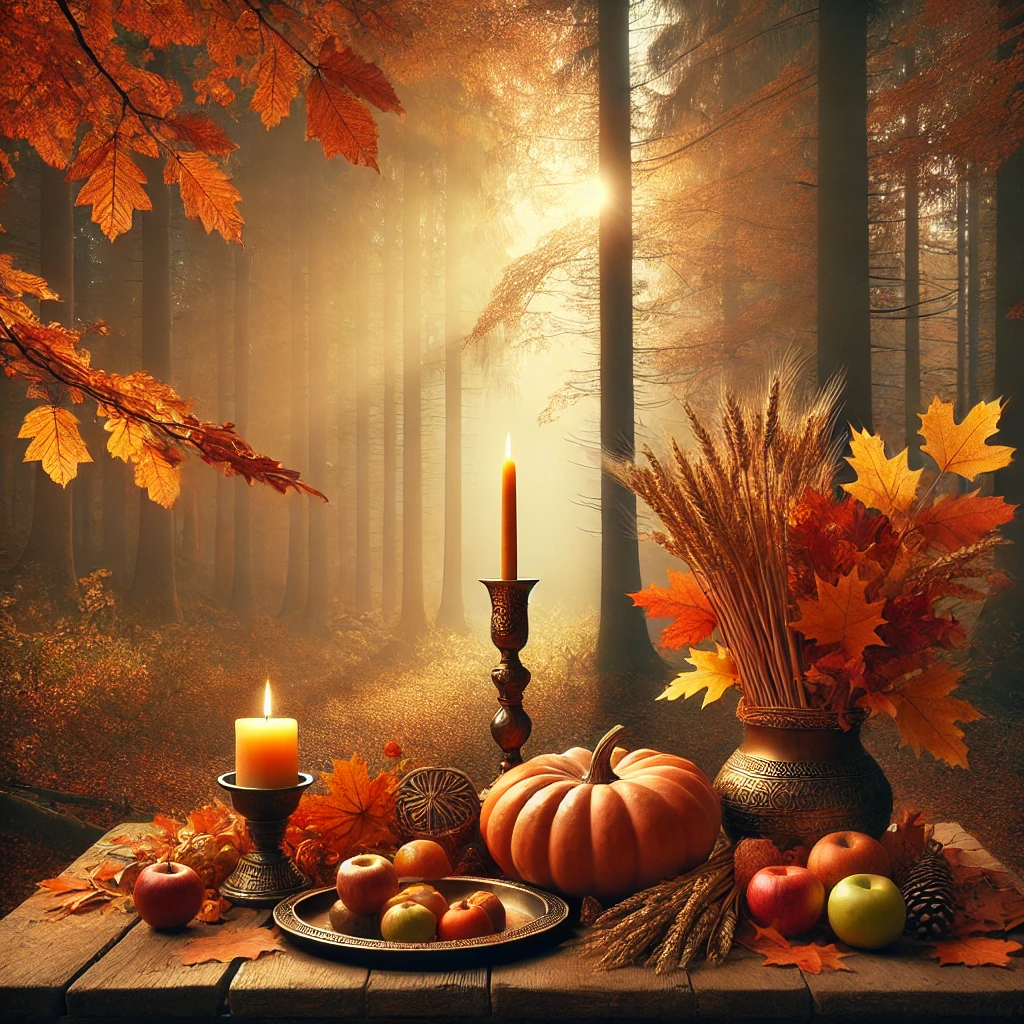
Many Mabon rituals involve honoring the Earth’s bounty through offerings and ceremonies. Participants might create altars adorned with seasonal fruits, vegetables, and grains. These altars serve as focal points for meditation and offerings to deities associated with harvest and abundance. For example, in ancient Greek mythology, Demeter, the goddess of the harvest, was honored with offerings of grain and fruit. Similarly, Native American tribes held ceremonies to give thanks for the harvest and ensure future fertility.

Connecting with Nature

Mabon is an opportunity to immerse oneself in the natural world. Some Pagans and Wiccans choose to go on nature walks, collect fallen leaves, or perform rituals outdoors to strengthen their connection with the Earth. This practice echoes the ancient tradition of nature worship, where people revered natural elements like trees, rivers, and mountains. Modern practitioners might also engage in activities like gardening or bird-watching to deepen their bond with nature.

Lighting Candles

As the nights grow longer, the lighting of candles becomes a significant ritual. Candles symbolize the inner light that can guide us through the approaching darkness of winter. The flickering flames also pay homage to the waning sun. Historically, fire has been a powerful symbol in many cultures, representing life, warmth, and protection. During Mabon, lighting candles can also be a way to honor the sun gods and goddesses, such as the Celtic god Lugh.

Meditation and Contemplation

Mabon is a time for introspection and meditation. Many practitioners take moments of stillness to reflect on the past year, set intentions for the coming season, and embrace personal transformation. This practice is similar to the ancient tradition of retreating to sacred spaces for contemplation and renewal. In modern times, meditation can take many forms, from silent reflection to guided visualizations. The goal is to achieve a sense of inner peace and clarity as we transition into the darker months of the year.

Conclusion

Mabon, the Autumn Equinox, is a profound moment in the Pagan and Wiccan calendar, a time to celebrate the harvest, find balance, and connect with the changing seasons. While rooted in ancient traditions, Mabon has evolved to incorporate a rich tapestry of modern practices. It’s a time for gratitude, reflection, and renewal—a reminder of the eternal dance of light and darkness that weaves through the cosmos and within our souls. Whether through communal feasts, meditative rituals, or simply by enjoying the beauty of nature, Mabon offers a chance to harmonize with the rhythms of the Earth and find magic in the turning of the seasons.

Posted on Leave a comment

Ritual: Mabon – Balanced Meditation

Meditation
Meditation

Introduction

Embrace the autumnal equinox

In the tranquil embrace of the autumnal equinox, a mystical celebration known as Mabon emerges, inviting us to explore the delicate balance between light and darkness, both in the world around us and within our own souls. Among the many enchanting rituals that grace this sacred season, Balanced Meditation stands as a beacon of serenity and self-discovery. This ancient practice guides us to a place of profound equilibrium, where the shifting hues of fall foliage mirror the interplay between the active and introspective energies of our lives. Join us on a journey into the heart of Mabon’s Balanced Meditation, where we shall explore the art of harmonizing with the season’s energies, finding stillness amid transformation, and embracing the lessons of balance that this enchanted time bestows.

Ritual Basics

Before beginning any ritual, it is important to prepare yourself mentally and physically. You may want to take a cleansing bath, or shower, and meditate or perform some grounding exercises to center yourself. Gather any materials you will need, such as candles, incense, and offerings for the forest spirits.

You can read a more detailed Ritual Preparation guide here.

Equilibrium: A Ritual for the Balance Meditation

In the waning days of summer, as the sun dips lower on the horizon and the vibrant green of the world takes on the warm, golden hues of autumn, we find ourselves at the threshold of Mabon, the autumn equinox. This season is marked by a profound transformation, as nature herself dons her cloak of change. It’s a time when the leaves begin their graceful descent to the earth, and the air takes on a crisper edge, carrying with it the whispers of coming winter.

During this transformation, we are presented with a profound lesson — the art of embracing change as a pathway to equilibrium. The Balanced Meditation, a sacred ritual of Mabon, beckons us to contemplate this very lesson. It guides us to find solace amid change, much as the trees surrender their leaves, trusting that new growth will come in their own time. This ritual reminds us that life is an eternal dance of balance, a delicate interplay between light and dark, growth and release, and it is through acceptance and understanding of this balance that we find our own equilibrium.

Mabon – Balanced Meditation

As we embark on the journey of the Balanced Meditation, we immerse ourselves in the beauty of the season, where every falling leaf is a reminder that change is not to be feared but embraced. The ritual encourages us to sit in quiet reflection, much like the trees themselves, as we release our worries, tensions, and attachments to that which no longer serves us. This act of letting go becomes a sacred dance, a harmonious step in the rhythm of the season, as we surrender to the transformative energies of Mabon.

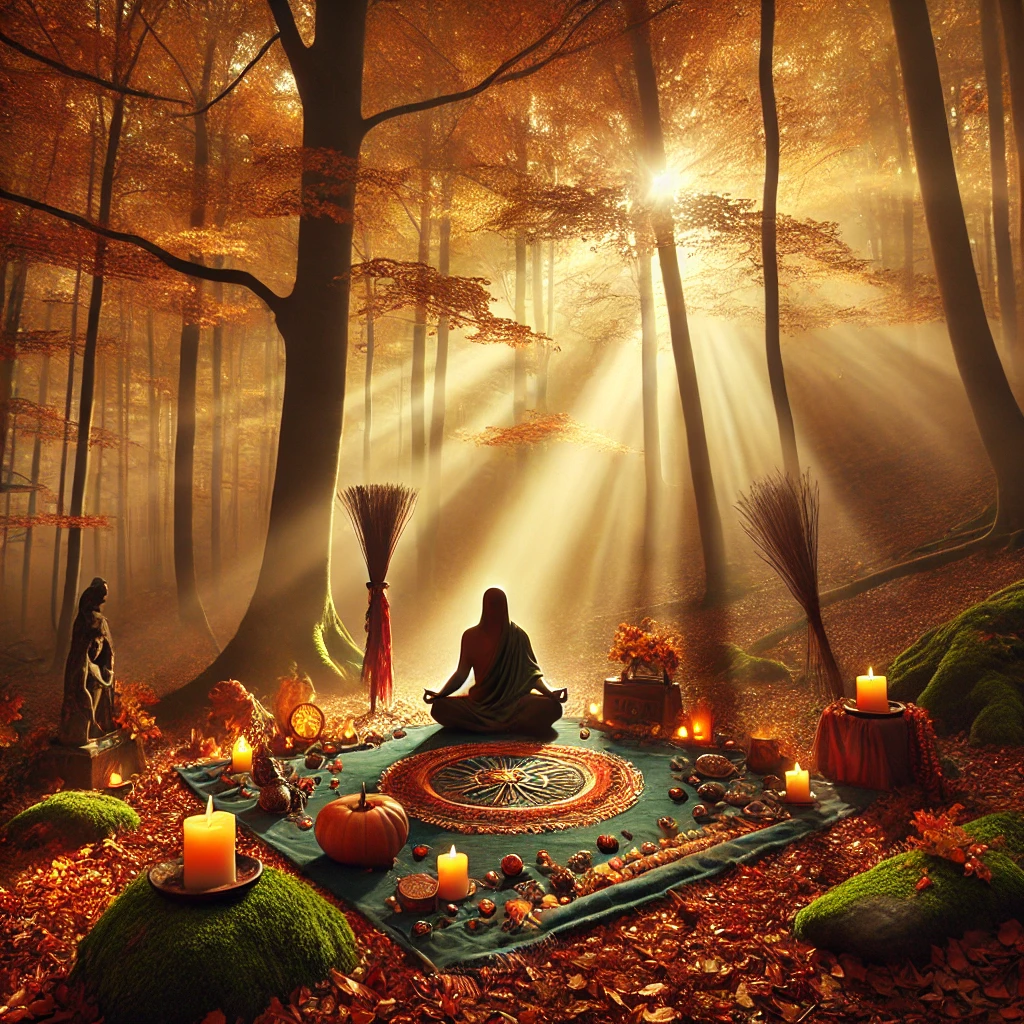
  • A blanket and/or cushion(s).
  • A foci (this can be a crystal, a fall symbol, etc)

Preparation

  1. Find a cozy nook in your haven, it can be indoors or out. It must be a safe place for you to be.
  2. Use your blanket and/or cushion(s) to make the ritual space comfortable for you.
  3. Nestle yourself into a comfortable position, either seated or lying down, as if preparing for a restful slumber. Let the tranquility of your chosen space envelop you.
  4. Comfortably hold your foci, letting it bring you to peace.
  5. Gently close your eyes, letting the quietude and peace settle around you like a soft mist. Inhale deeply, drawing in the hushed serenity of the surrounding woods and waters, and exhale any residual thoughts that may linger.

Visualizing the Equinox

  1. As your inner canvas unfurls, paint a picture of yourself standing amidst nature’s embraces. Imagine the landscape shifting, revealing a lush forest glade, a vibrant meadow, or a serene beach along the Pacific coastline.
  2. Watch as the foliage morphs, transitioning from one season’s attire to another. Allow the play of sunlight and shadows to paint a symphony of patterns around you, much like the intricate dance of your witchcraft practice.

Focusing on Balance

  1. Shift your gaze to the balance teetering between the light and the darkness in your visualized sanctuary. Inhale, imbuing yourself with the radiant energy of the sun, its warmth filling you from within.
  2. Exhale, envisioning any concerns, burdens, or worries as mere shadows that disperse and dissolve into the earth beneath you, absorbed by the ground.

Reflecting Within

  1. Redirect your focus inward, like a seeker delving into the mysteries of the self. Contemplate the intricate scales of your life—how work finds its counterpoint in rest, joy waltzes with sorrow, and growth finds its partner in release.
  2. As you inhale and exhale in rhythm, become a conduit for equilibrium, inviting its essence to flow through you.

Embracing Equilibrium

  1. Visualize equilibrium as a gentle stream of radiant light. Imagine it coursing through your veins, each pulse resonating with the harmonious balance you seek.
  2. Feel this luminous current enveloping every corner of your being, like the embrace of an old friend who understands the nuances of your journey.

Affirming Balance

  1. Utter a mantra, seasoning your experience with affirmation: “I am in harmony with the cycles of life. I embrace both light and darkness, finding equilibrium within.”
  2. Let this declaration infuse your being with the essence of balance.

Returning to the Present

  1. Allow your awareness to trickle back into the present moment, like water finding its way back to the ocean. Inhale the freshness of the air, as if savoring the scent of newly foraged herbs.
  2. With a tender smile, exhale, and as you gently open your eyes, bask in the gentle light of your surroundings, knowing that you’ve brewed an elixir of inner harmony.
  3. Carry this sense of balance and mindfulness with you, just as you would carry a vial of your finest potion, allowing it to be a guiding star through the currents of your day.

In the acceptance of change, we find the essence of equilibrium. This ritual teaches us that true balance is not stagnant; it is a dynamic state, an ever-flowing stream of energy that courses through our lives. It is the recognition that light and darkness, joy and sorrow, growth and release are not opposing forces but interconnected aspects of the same cycle.

As we conclude the Balanced Meditation, we emerge with a profound sense of peace, knowing that change is not a disruption of our equilibrium but an integral part of it. It is through acceptance and the embrace of transformation that we find true balance, just as the autumn forest finds its equilibrium in the changing seasons.

Symbols of Autumn

Here are some physical autumn symbols that you can hold and use in your witchcraft practice:

  • Acorns: Acorns are a powerful symbol of potential and growth. Hold them in your hand during rituals or use them as part of your altar setup to represent the promise of future abundance and transformation.
  • Autumn Leaves: Collect colorful autumn leaves and hold them to connect with the changing of seasons. Use them in spells related to change, letting go, or personal transformation.
  • Pumpkins: Pumpkins are iconic symbols of autumn. Holding a small pumpkin or a pumpkin-shaped object can symbolize the harvest, protection, and abundance. Carve a protective symbol into a pumpkin and hold it during protection rituals. 
  • Candles: Holding candles in autumnal colors like orange, red, or brown can help you attune to the season’s energies. Light the candle and focus on its flame during meditation or spellwork to invoke the corresponding qualities of the color. 
  • Feathers: As birds migrate during the fall, feathers can symbolize freedom and the connection between the earthly and spiritual realms. Hold feathers to connect with your spirit guides or incorporate them into rituals for communication with the spirit world.
  • Cornucopia: The cornucopia, or horn of plenty, is a symbol of abundance and harvest. Hold a small cornucopia or use one in your altar setup to attract prosperity and bountiful blessings.
  • Apples: Apples represent wisdom, healing, and immortality. Holding an apple during meditation or rituals can help you tap into these qualities. You can also use apples as offerings to deities or spirits.
  • Pinecones: Pinecones are associated with evergreen trees and the resilience of nature. Hold a pinecone to connect with the earth’s enduring energy and use it in rituals for grounding and stability.
  • Miniature Brooms: Miniature brooms or besoms symbolize purification and sweeping away negativity. Hold one during rituals focused on cleansing and purifying your space or your life.
  • Harvest Tools: Hold small representations of harvest tools like a sickle, scythe, or a miniature basket filled with symbolic fruits and vegetables to connect with the theme of abundance and the reaping of rewards.
  • Gemstones: Carry gemstones associated with autumn, such as carnelian, citrine, or amber, in your pocket or hold them during meditation and rituals to amplify their energy and align with the season’s intentions.
  • Autumn Herbs: Bundle together or hold autumn herbs like sage, rosemary, or thyme to infuse your rituals with their earthy and purifying energies.

Remember that the power of these symbols is deeply personal, and your connection to them is what makes them meaningful in your practice. Holding and meditating upon these symbols during autumn can help you tap into the seasonal energies and bring your intentions to life in your witchcraft practice.

Mabon
Rituals

Conclusion

In the profound teachings of the Balanced Meditation, we unearth a timeless wisdom that transcends the boundaries of seasons and rituals. It is a revelation that true equilibrium is not a static state but a dynamic force that surges through the currents of our existence, much like the ever-flowing stream of time. As we draw this sacred practice to a close, we carry with us the profound understanding that light and darkness, joy and sorrow, growth and release are not adversaries in our journey, but rather intimate companions in the dance of life.

Just as the autumn forest gracefully adapts to the changing seasons, we too can embrace the transformative energies that life offers. We emerge from Balanced Meditation with a serene sense of peace, armed with the knowledge that change is not a disruption of our equilibrium but a pivotal element of it. In our acceptance of change, we find the very essence of balance—the harmonious coexistence of all facets of existence. As we journey forth into the world, we carry with us the wisdom of the autumn equinox, recognizing that equilibrium is not an end goal but a perpetual voyage, and in the embrace of transformation, we discover the true heart of balance.

Posted on Leave a comment

A Guide to the Autumn Equinox

Autumn Equinox
Autumn Equinox

Introduction

Embracing the Equinox

The Autumn Equinox, known by various names such as Mabon, the September Equinox, or the Fall Equinox, is a significant celestial event that marks the transition from summer to fall in the Northern Hemisphere. This equinox occurs when the sun crosses the celestial equator, resulting in nearly equal periods of daylight and darkness. In this article, we will explore the Autumn Equinox, its historical and modern practices, and its importance in both traditional and contemporary cultures.

Understanding the Equinox: Nature’s Balance Beam

The Autumn Equinox typically falls on or around September 21st in the Northern Hemisphere, though the exact date can vary slightly from year to year. It’s a pivotal moment in the astronomical calendar when day and night are in perfect harmony, each lasting approximately the same duration. This equilibrium symbolizes the delicate balance between light and darkness, a theme that resonates deeply in various cultures and traditions.

A Global Perspective on the Autumn Equinox

The Autumn Equinox is a celestial event that holds universal significance, resonating not only in the Northern Hemisphere but also in the Southern Hemisphere, albeit with a reversal of seasons. This equinox typically occurs on or around September 21st in the Northern Hemisphere and around March 21st in the Southern Hemisphere. However, it’s essential to note that the exact date can vary slightly from year to year due to the intricacies of Earth’s orbit.

In the Northern Hemisphere, the Autumn Equinox is a pivotal moment in the astronomical calendar. It marks the juncture when day and night are in perfect equilibrium, each lasting approximately the same duration. This exquisite balance of light and darkness is a testament to the intricate dance between the Earth and the Sun. As the Northern Hemisphere bids farewell to the warmth of summer and welcomes the cool embrace of autumn, this equilibrium symbolizes the delicate transition from one season to another. It is a theme that resonates deeply in various cultures and traditions, reflecting the universal recognition of the significance of balance in our lives and the world around us.

Conversely, in the Southern Hemisphere, the Autumn Equinox ushers in the arrival of spring. As the days grow longer, the world awakens from its winter slumber, and the Earth begins to teem with new life. The Southern Hemisphere’s Autumn Equinox mirrors its counterpart in the Northern Hemisphere, offering a moment of balance and transition between the seasons.

In both hemispheres, the Autumn Equinox serves as a reminder of the cyclical nature of our planet’s journey around the Sun. It underscores the interconnectedness of all life and the ever-shifting rhythms of the natural world. Whether it’s the Northern Hemisphere’s preparation for the harvest or the Southern Hemisphere’s embrace of new beginnings, the Autumn Equinox invites us to contemplate the delicate equilibrium that sustains our planet and to celebrate the beauty of this cosmic choreography that we are all a part of.

The Global Tapestry of Autumn Equinox Celebrations

The Autumn Equinox, a celestial event marking the transition from summer to fall, has left an indelible mark on cultures across the globe for centuries. While the specific customs and traditions vary widely, the common thread that unites these diverse celebrations is a deep reverence for the changing seasons and the symbolism of balance and abundance. Here, we embark on a journey around the world to explore how different cultures have embraced the Autumn Equinox throughout history.

  • China: The Mid-Autumn Festival: In China, the Mid-Autumn Festival, also known as the Moon Festival, is a time for families to come together, much like the American Thanksgiving. Celebrated on the 15th day of the eighth month of the lunar calendar, which usually falls close to the Autumn Equinox, it is a time to give thanks for the harvest and to appreciate the beauty of the full moon. Families gather to share mooncakes, a special pastry filled with sweet or savory fillings, under the glow of the moon.
  • Japan: Tsukimi Festival: Japan has its own version of a moon-viewing festival called Tsukimi, which occurs in September or early October, around the time of the Autumn Equinox. During Tsukimi, people celebrate the beauty of the full moon, traditionally by setting up altars adorned with offerings like rice dumplings and pampas grass. It’s a time for reflection and appreciation of the changing season.
  • Korea: Chuseok: Chuseok, the Korean Thanksgiving Day, coincides with the Autumn Equinox and is one of the most significant holidays in Korea. Families gather to honor their ancestors, share a bountiful feast featuring traditional dishes like songpyeon (rice cakes), and engage in various cultural activities. Chuseok embodies themes of gratitude and unity, much like other harvest festivals around the world.
  • India: Navaratri and Durga Puja: In India, the Autumn Equinox is marked by a multitude of celebrations. Navaratri, a nine-night festival dedicated to the goddess Durga, typically falls around this time. It’s a time of fasting, dancing, and worship, celebrating the triumph of good over evil. Durga Puja, a major Hindu festival, is celebrated with grand processions and the installation of elaborately crafted idols of the goddess.
  • Native American Harvest Festivals: Various Native American tribes across North America have celebrated harvest festivals around the Autumn Equinox for generations. These festivals often involve communal feasting, music, dance, and ceremonies to express gratitude for the earth’s bounty. The Cherokee Nation, for example, celebrates the Great New Moon Ceremony during this time to give thanks for the harvest and pray for a bountiful winter.
  • European Traditions: Michaelmas and Harvest Home: In Europe, the Autumn Equinox is marked by a range of traditions. Michaelmas, celebrated on September 29th, honors the Archangel Michael, and serves as a time to give thanks for the harvest and ask for protection throughout the coming winter. In England, the Harvest Home festival involves decorating churches with harvested fruits and vegetables, and the celebrations often include communal feasts and music.

A Global Tapestry of Gratitude

The Autumn Equinox has woven a rich tapestry of celebrations around the world, each culture adding its unique colors and threads to the fabric of human tradition. While the specifics of these celebrations may differ, they all share a fundamental reverence for the Earth’s bounty and the significance of balance, unity, and gratitude. In this shared appreciation for the changing seasons, we find a reminder of our interconnectedness with nature and with each other, regardless of geographical or cultural boundaries.

Traditional Practices and Significance of the Autumn Equinox

The Autumn Equinox, celebrated around the world under various names and traditions, holds a rich tapestry of traditional practices and deep significance. This celestial event, marked by nearly equal hours of daylight and darkness, symbolizes themes of balance, harvest, and transition. Here, we delve into some of the traditional practices and the profound significance associated with the Autumn Equinox:

  • Harvest Festivals: Across cultures, the Autumn Equinox is synonymous with the harvest season’s culmination. It’s a time when communities come together to reap the rewards of their hard work in the fields. Traditional practices often involve communal feasting, dancing, and the sharing of the year’s bounty. In the United States, Thanksgiving is a prominent example of a harvest festival celebrated around the Autumn Equinox.
  • Mythological Symbolism: Many ancient mythologies incorporate the concept of balance and transition associated with the equinox. For instance, in Greek mythology, the story of Persephone’s descent into the underworld and her return to her mother, Demeter, mirrors the changing seasons. Her return from the underworld in the spring signifies the renewal of life, while her descent into darkness during the fall equates to the earth’s waning vitality.
  • Equinox Alignments: Numerous ancient sites, such as Stonehenge in England and Chichen Itza in Mexico, were constructed with alignments that highlight the equinoxes. At these sites, the rising or setting sun aligns with specific architectural features during the equinoxes, underscoring the importance of these celestial events in ancient cultures’ calendars.
  • Nature-Based Practices: Indigenous cultures often marked the Autumn Equinox with nature-based rituals. These practices could involve observing the changing behaviors of animals and plants, acknowledging the migration of birds, or engaging in ceremonies that honored the earth’s rhythms.
  • Chinese Moon Festival: In China, the Autumn Equinox is celebrated with the Mid-Autumn Festival, also known as the Moon Festival. Families gather to appreciate the full moon’s beauty, share mooncakes, and express gratitude for the harvest. The round shape of mooncakes symbolizes completeness and unity.
  • Japanese Tsukimi Festival: Japan celebrates the Tsukimi Festival, a moon-viewing festival that coincides with the Autumn Equinox. People create altars adorned with offerings like rice dumplings and pampas grass to honor the full moon’s beauty and express gratitude for the harvest.
  • Korean Chuseok: Chuseok, the Korean Thanksgiving Day, aligns with the Autumn Equinox. It’s a time for ancestral worship, communal feasting, and cultural activities that celebrate the harvest’s abundance.
  • Spiritual and Reflective Practices: Many individuals and spiritual groups mark the Autumn Equinox with rituals and ceremonies that encourage reflection, gratitude, and intention setting. These practices often involve meditation, prayer, and connecting with the natural world.

The Autumn Equinox’s significance lies in its role as a bridge between the seasons. It represents a moment of balance in the ever-turning wheel of the year. It’s a time to express gratitude for the earth’s abundance, acknowledge the impermanence of life, and prepare for the colder months ahead. The equinox teaches us the value of balance and reminds us of our connection to the rhythms of nature.

In summary, the Autumn Equinox is a time when traditional practices and cultural significance converge to celebrate the harvest, reflect on the changing seasons, and honor the delicate equilibrium between light and darkness. Whether through communal feasts, mythological stories, or nature-based ceremonies, the Autumn Equinox continues to be a time-honored and cherished event worldwide.

Modern Interpretations and Celebrations of the Autumn Equinox

While the Autumn Equinox has deep-rooted traditional practices, it has also adapted and evolved to suit modern lifestyles and belief systems. In contemporary celebrations, people from diverse backgrounds find innovative ways to connect with the themes of balance, harvest, and transition associated with this celestial event. Here, we explore some of the modern interpretations and celebrations of the Autumn Equinox:

  • Pagan and Wiccan Observations: For many Pagans and Wiccans, the Autumn Equinox is known as Mabon. This celebration remains deeply rooted in ancient traditions but has evolved to include a variety of practices. Modern Pagans often use this time to express gratitude for the year’s blessings, acknowledge the balance between light and dark, and perform rituals that align with the changing seasons. These rituals may involve meditation, lighting candles, and connecting with nature.
  • Secular Celebrations: In secular contexts, the Autumn Equinox is celebrated as a time to embrace the beauty of the changing seasons. Many people take advantage of the pleasant weather to engage in outdoor activities like hiking, picnicking, or simply enjoying the fall foliage. It’s a time for nature walks, appreciating the colors of autumn, and taking a break from the hustle and bustle of daily life.
  • Environmental Awareness: Some modern celebrations of the Autumn Equinox focus on environmental stewardship and sustainability. People participate in activities like tree planting, park clean-ups, and discussions about climate change. These initiatives highlight the importance of preserving the Earth’s balance and resources, aligning with the equinox’s theme of harmony.
  • Artistic Expression: Many individuals channel their creativity during the Autumn Equinox by crafting seasonal decorations, painting, writing, or creating symbolic artworks that capture the essence of the season. This creative expression serves as a way to connect with the equinox’s themes and share them with others.
  • Personal Reflection: In a fast-paced world, the Autumn Equinox offers a moment for personal reflection and intention setting. People engage in meditation, journaling, or simply take a moment to consider their goals and desires for the upcoming season. It’s a time to let go of what no longer serves us and prepare for the winter months ahead.
  • Harvest Festivals: While traditional harvest festivals still exist, many have adapted to modern sensibilities. These festivals often incorporate elements of local culture, music, and cuisine, making them enjoyable events for all members of the community. Farmers’ markets and food festivals that celebrate locally sourced produce are examples of contemporary harvest celebrations.
  • Educational Initiatives: Schools and educational institutions often use the Autumn Equinox as an opportunity to teach students about astronomy, the changing seasons, and the importance of nature conservation. These initiatives foster a deeper understanding of the Earth’s rhythms and encourage environmental responsibility.
  • Family Traditions: Many families create their own unique traditions for the Autumn Equinox. These may include outdoor adventures, crafting seasonal decorations, cooking special meals, or simply spending quality time together. These personal rituals help families bond and create lasting memories.

While the traditional practices associated with the Autumn Equinox remain relevant and cherished, modern celebrations have expanded to accommodate contemporary lifestyles and beliefs. Whether through spiritual rituals, outdoor adventures, environmental initiatives, or personal reflection, people from all walks of life continue to find meaningful ways to connect with the equinox’s themes of balance, harvest, and transition.

The Autumn Equinox: A Time of Balance and Transition

The Autumn Equinox, or Mabon, is a time of profound reflection and celebration, bridging the gap between ancient traditions and modern interpretations. As we honor the delicate balance of light and darkness, we acknowledge the interconnectedness of life and our place within the cycles of nature. Whether through traditional practices rooted in various cultures or through contemporary rituals and personal reflections, the Autumn Equinox invites us to embrace the changing seasons with gratitude and mindfulness. It is a moment to celebrate the harvest, foster a deeper connection with the earth, and prepare for the introspective journey that the approaching winter months bring. In this convergence of old and new, we find a rich tapestry of meaning that continues to resonate across time, reminding us to live in harmony with the rhythms of the natural world.

Posted on Leave a comment

Beltane Explained

Beltane
Beltane

Introduction

Igniting the Fires of Joy and Renewal

Beltane, also known as May Day, is a pagan holiday that celebrates the beginning of summer and the fertility of the earth. It is typically observed on May 1st, though some traditions celebrate the full moon that falls closest to this date. It’s a time of great celebration, and there are many traditions associated with this festival. Beltane has a rich history and is still celebrated today in various ways by many different pagans and neopagan groups.

History of Beltane:

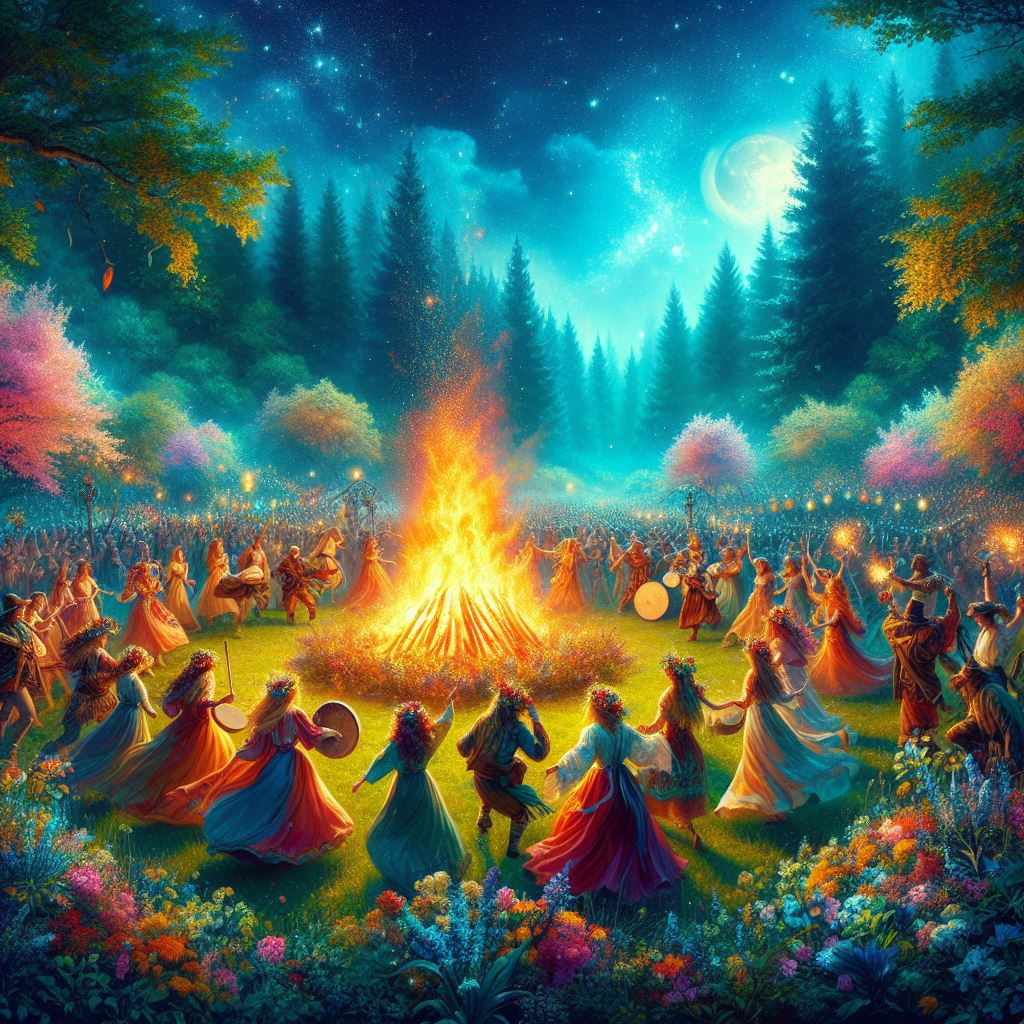
Beltane is a festival that dates to ancient Celtic culture when it was celebrated as the start of summer and the time when the herds were driven out to their summer pastures. This important holiday was also associated with fertility and the coming of new life, and it was celebrated with great joy and merriment. Beltane was a time for feasting, dancing, and ritualized bonfires, as people celebrated the growth and abundance of the natural world.

The name Beltane comes from the Gaelic “Bealtaine,” which means “bright fire” or “lucky fire.” This refers to the bonfires that were traditionally lit on this occasion. In ancient times, Beltane was a time of purification and renewal, when people would light fires to burn away the old and welcome in the new. The festival was also associated with the god Bel, who was associated with the sun and the power of growth and fertility.

The Celts believed that Beltane was a time when the veil between the worlds was thin, and that the spirits of the Otherworld could more easily communicate with the living. As such, Beltane was a time of great magic and ritual, and it was believed that spells cast on this day would be particularly powerful. The festival was also seen as a time of union between the god and goddess, and it was a time for couples to celebrate their love and fertility.

May Day:

Beltane, also known as May Day, is a celebration that marks the arrival of summer. The name “May Day” refers to the specific day on which Beltane is traditionally observed, which is the first day of May. The term “May Day” has its roots in medieval Europe and is often associated with various customs and traditions that honor the changing of seasons and the awakening of nature.

While Beltane and May Day are often used interchangeably to refer to the same festive occasion, there are slight differences in their cultural origins and specific practices. Beltane has ancient Celtic roots and is deeply connected to the Gaelic traditions of Ireland, Scotland, and other Celtic regions. It is a significant festival that celebrates the turning of the seasons and the renewal of life.

On the other hand, May Day is a more widespread term that encompasses a broader range of customs and celebrations observed throughout Europe and beyond. It has its origins in pre-Christian pagan traditions and has been influenced by various cultural and religious practices over time. May Day is often associated with the welcoming of spring and the honoring of fertility and abundance.

While both Beltane and May Day share a common theme of celebrating the arrival of summer, Beltane tends to emphasize the Celtic and pagan traditions, focusing on the sacred union of the masculine and feminine forces, fertility rituals, and the lighting of bonfires. May Day, on the other hand, may encompass a wider range of customs such as maypole dancing, flower crowning, and the giving of May baskets.

In summary, Beltane and May Day are two terms used to describe the same festive occasion, celebrating the onset of summer and the awakening of nature. Beltane has stronger associations with Celtic and pagan traditions, while May Day is a broader term that includes a variety of customs observed across different cultures. Regardless of the terminology, both Beltane and May Day offer an opportunity to rejoice in the beauty of nature, honor the cycles of life, and embrace the vibrant energies of the season.

Present Day:

Today, Beltane is still celebrated by many Pagans and Wiccans around the world. While some aspects of the holiday have changed over time, such as the shift away from driving herds to summer pastures, many of the core themes and practices remain the same. Beltane is still a time for celebrating the earth’s fertility and the coming of new life. It is also seen as a time of transition and transformation, a time to leave behind the old and welcome in the new. Beltane is still seen as a time for celebrating the abundance and fertility of the natural world, and for honoring the power of the sun and the earth.

Some of the traditional practices associated with Beltane include dancing around the Maypole, which is decorated with ribbons and flowers. The Maypole represents the phallus of the god and the fertility of the earth. Many people also light bonfires or candles to celebrate the return of the sun and the coming of summer. Some Pagans also perform rituals to honor the god and goddess, and to ask for their blessings of fertility and abundance.

Traditions:

Embracing the spirit of Beltane means immersing ourselves in a tapestry of ancient traditions that celebrate the arrival of summer and the vibrant energy of life. These time-honored customs have been passed down through generations, weaving together a rich tapestry of joy, fertility, and renewal. From the dancing of the Maypole to the lighting of bonfires, Beltane traditions ignite our spirits and connect us to the rhythms of nature. In this section, we delve into the enchanting traditions of Beltane, exploring bonfires, Maypoles, flower craft, feasts, and courtship.

Bonfires: Illuminating Beltane’s Magic and Protection

One of the most captivating and revered traditions of Beltane is the lighting of bonfires. These blazing beacons hold profound symbolism and play a vital role in the celebration of this ancient festival. As Beltane marks the arrival of summer and the resurgence of light, the bonfires serve as powerful focal points, illuminating the path ahead and infusing the festivities with warmth and enchantment.

The significance of the bonfire tradition in Beltane stretches back through the ages. These fires are not merely sources of light and heat but also bearers of profound meaning. They symbolize the return of the sun’s radiant energy, embodying the transformative power of warmth and light that nourishes the Earth and encourages the growth of crops and life itself.

Beyond their symbolic representation, bonfires hold practical purposes as well. In the olden times, these fires were believed to possess potent purifying and protective qualities. The crackling flames and billowing smoke were thought to hold the magic to dispel negativity and ward off malevolent spirits. The cleansing properties of the bonfires served as a safeguard for the community, ensuring a prosperous and harmonious transition into the summer season.

To partake in the tradition of bonfires during Beltane, find a suitable outdoor space where the flames can dance freely under the open sky. Choose a location that allows for safe and controlled burning, adhering to any local regulations or guidelines. Gather dry and flammable materials such as wood, twigs, or branches, and arrange them in a pyramid or teepee shape to encourage airflow and maintain a steady burn.

As the sun dips below the horizon, ignite the bonfire with a sacred flame, channeling your intentions and invoking the spirit of Beltane. Allow the fire to grow and flourish, casting its warm glow and casting away the shadows of the past. As you gather around the bonfire with loved ones, feel the transformative energy radiating from the flames and embrace the sense of unity and connection it evokes.

Magically, the bonfire holds immense power. As you bask in its light, visualize any negativity or obstacles being consumed by the flames. Allow the transformative energy of the fire to purify your spirit and invite in positive blessings. You may also choose to perform rituals or ceremonies around the bonfire, such as writing intentions or wishes on pieces of paper and casting them into the fire, or dancing joyously around the flames to honor the season’s vitality.

The tradition of bonfires during Beltane is a sacred and awe-inspiring practice, embodying the spirit of transformation, protection, and renewal. Through the dance of flickering flames, we embrace the return of the sun’s energy, symbolize the shedding of the old and the embrace of the new, and invoke the collective power of the community as we embark on the journey of the vibrant summer season.

Maypole and Maypole Dancing: Weaving the Tapestry of Unity and Fertility

One of the most enchanting and visually captivating traditions of Beltane is the Maypole dance. Central to this tradition is the Maypole, a tall and beautifully decorated pole that stands as a symbol of fertility, unity, and the interconnectedness of all beings. As the Maypole is erected in a prominent location, it becomes a focal point for the community to come together and celebrate the vibrant energies of Beltane.

The Maypole dance holds deep significance and embodies the essence of Beltane’s spirit. As people gather around the Maypole, they engage in a joyous dance, weaving colorful ribbons in and out of the pole. The intertwining of these ribbons symbolizes the harmonious union of masculine and feminine energies, the dance of life and creation. It represents the vital interplay between the forces of nature and the divine, reminding us of the eternal dance of balance and harmony.

The Maypole dance holds profound importance, fostering a sense of community and unity. It is a celebration of togetherness, where people join hands and move in synchronized patterns, creating a vibrant tapestry of movement and color. Through this communal dance, individuals become interconnected, symbolizing the interdependence of all life. It is a powerful reminder that we are all part of a larger web, and our actions and energies are woven together in a collective celebration of fertility and life.

To partake in the Maypole dance, find a suitable location where the Maypole can be securely anchored. The pole itself is traditionally adorned with colorful ribbons, flowers, and other festive decorations. As the dance commences, participants each hold onto a ribbon, and as they move in a circular pattern around the Maypole, they alternately pass over and under each other, creating intricate patterns with the ribbons.

The dance can be accompanied by traditional music, singing, and laughter, further enhancing the joyful and festive atmosphere. As the dance progresses, the ribbons become more tightly intertwined around the Maypole, creating a visual representation of unity and connection. The dance culminates in a glorious display of the beautifully woven ribbons, symbolizing the abundance and fertility that Beltane brings forth.

Magically, the Maypole dance is imbued with transformative energy. As participants move and intertwine the ribbons, they infuse their intentions, wishes, and blessings into the dance. The vibrant and joyful energy generated during the dance is believed to enhance fertility, creativity, and the manifestation of desires. It is a moment to celebrate the potency of life force and the power of communal intention.

The tradition of Maypole and Maypole dancing during Beltane is a cherished and celebratory practice that honors the interconnectedness of all beings, the dance of creation, and the vibrant energies of fertility. Through the communal dance, we tap into the harmonious union of masculine and feminine, weaving together a tapestry of unity, joy, and abundance. May the Maypole be a beacon of celebration and a reminder of the interconnectedness that lies at the heart of Beltane’s spirit.

Flower Craft: Embracing Nature’s Beauty and Abundance

Flowers have long held a special place in the traditions of Beltane, serving as vibrant symbols of beauty, fertility, and the flourishing of life. They play a significant role in the celebration of this joyful festival, adorning the Maypole, crowning the heads of participants, and weaving through garlands and wreaths. The presence of flowers during Beltane is a visual reminder of the abundant blessings bestowed upon us by the Earth and a testament to the cycle of life and renewal.

The use of flowers in Beltane rituals and celebrations holds great importance. They represent the essence of fertility, serving as a vibrant expression of the Earth’s ability to bring forth new life. The blooming petals and vibrant colors of flowers embody the beauty and abundance that emerges during the spring and summer seasons. They remind us of the interconnectedness between humans and nature, and the mutual support we share in the cycle of life.

To engage in the tradition of Flower Craft during Beltane, one can explore a myriad of creative and magical activities. Creating flower crowns or garlands is a popular practice, allowing individuals to adorn themselves with the vibrant hues and fragrant scents of blossoms. Gather a variety of fresh flowers, choosing those that resonate with you and hold symbolic meaning. With gentle hands, weave the stems together, intertwining the blooms to form a crown or a garland that reflects your intentions and desires for the Beltane season.

Another way to incorporate Flower Craft into your Beltane celebrations is through the creation of floral arrangements and displays. Select an assortment of seasonal flowers, paying attention to their colors, shapes, and fragrance. Arrange them in vases, baskets, or other containers, placing them as centerpieces on your altar, around your sacred space, or within your home. As you arrange the flowers, infuse them with your intentions, expressing gratitude for the abundance of nature and welcoming the energies of growth and renewal into your space.

Magically, flowers hold a multitude of benefits and can enhance the energetic vibrations of your Beltane celebrations. They possess a gentle and nurturing energy that promotes harmony, love, and connection with the natural world. Incorporating flowers into your rituals and practices during Beltane can help cultivate an atmosphere of joy, beauty, and transformation. Their fragrance and colors can uplift the spirit and inspire a sense of wonder and gratitude.

The tradition of Flower Craft during Beltane is a beautiful way to honor the fertility and abundance of the Earth. Through the creative use of flowers, we celebrate the growth and blossoming of nature, expressing our gratitude for the gifts of the season. Engaging with flowers during Beltane allows us to forge a deeper connection with the natural world and tap into the transformative energies of renewal and vitality. May the blooms of Beltane be a testament to the infinite beauty and potential that lies within the cycles of nature.

Feasts and Gatherings: Nourishing the Body and Spirit at Beltane

Food holds a special place in the traditions of Beltane, as it is a time of celebration and abundance. The feasting and gathering that take place during this festival are integral to the joyful spirit of Beltane. It is a moment to come together with loved ones and community, to share in the bountiful harvest of the season, and to express gratitude for the gifts of the Earth.

Feasting during Beltane is not merely a physical act of nourishment; it holds deep symbolic significance. The foods prepared and shared during this time are infused with the energy of fertility, growth, and new beginnings. Each dish represents the Earth’s abundant offerings, carrying the essence of the season and the blessings of the land.

To partake in the tradition of feasts and gatherings during Beltane, consider organizing a community gathering or a potluck-style feast. Invite friends, family, and like-minded individuals to join in the celebration of the season. Encourage each person to bring a dish that reflects the abundance and flavors of the season. Traditional Beltane foods such as oatcakes, honey cakes, and mead can be incorporated into the feast, as they carry symbolic meanings associated with fertility, sweetness, and new life.

As you prepare and share the feast, infuse your intentions and gratitude into the food. Consider offering a blessing or prayer, expressing gratitude for the Earth’s generosity and the nourishment it provides. Share stories, laughter, and joyous moments as you savor the flavors and the company of those around you. By coming together in this way, you honor the interconnectedness of all beings and create a sense of unity and community.

Magically, the act of feasting during Beltane is infused with transformative energy. As you consume the foods prepared with intention and gratitude, you assimilate the energetic qualities they carry. The feast becomes a sacred ritual, where the energy of fertility, growth, and abundance is transferred to you. It is an opportunity to connect with the energies of the Earth and to align yourself with the cycles of nature, allowing for personal transformation and renewal.

The tradition of feasts and gatherings during Beltane is a cherished practice that nourishes both the body and the spirit. It is a moment to celebrate the blessings of the Earth, to connect with loved ones and community, and to express gratitude for the abundance that surrounds us. By partaking in the feast, we acknowledge our interconnectedness with the natural world and embrace the vitality and joy of the season. May the shared meals of Beltane be a reminder of the sustenance and blessings that flow from the Earth, and may they deepen our connection to the cycles of life and the vibrant energies of the season.

Love and Courtship: Embracing Romance and Union at Beltane

Beltane is often regarded as a time of love, romance, and courtship. It is believed that the vibrant energies of the season and the fertility of the Earth create an atmosphere conducive to deep connections and the blossoming of relationships. The tradition of love and courtship during Beltane celebrates the beauty of human connections and the sacred union of two souls.

The importance of love and courtship during Beltane lies in the recognition of the transformative power of relationships and the joyous celebration of human connection. It is a time to honor and cherish the bonds we share with our beloved partners, to express our affection, and to celebrate the divine union of masculine and feminine energies. Beltane provides a sacred space to reaffirm our commitment to love, to celebrate the union of hearts, and to express gratitude for the transformative and nurturing qualities of deep connections.

To engage in the tradition of love and courtship during Beltane, consider embracing rituals and ceremonies that symbolize your love and commitment. Handfasting, a type of Pagan wedding ritual, is a cherished practice during Beltane. It involves the binding of hands with ribbons or cords, symbolizing the union of two souls in love and commitment. This ritual can be performed publicly or privately, with vows exchanged and promises made to honor and nurture the relationship.

Another way to honor love and courtship during Beltane is to engage in activities that deepen the connection with your partner. Spend quality time together in nature, go on walks, or have a picnic in a beautiful outdoor setting. Take the opportunity to express your feelings through words, gestures, or acts of kindness that strengthen the bond between you. Engaging in acts of love and courtship during Beltane not only strengthens your connection but also invites the energies of love and harmony into your relationship.

Magically, the tradition of love and courtship during Beltane is infused with transformative and nurturing energies. The sacredness of love and commitment is heightened during this time, as the Earth blooms with life and vitality. By engaging in rituals and practices that honor love, you invite the blessings of harmonious partnerships, deep connections, and transformative growth. Beltane provides a powerful energetic backdrop to manifest and amplify the love and joy in your life.

The tradition of love and courtship during Beltane is a beautiful reminder of the profound impact that love and deep connections have on our lives. It is a time to celebrate the power of love, to honor our beloved partners, and to express gratitude for the transformative nature of relationships. May the practices of love and courtship during Beltane bring joy, connection, and a deepening of love within your life. May they strengthen the bonds between souls and foster a sense of unity and harmony in relationships.

Beltane is a vibrant and joyful festival that encompasses a rich tapestry of traditions. From the lighting of bonfires and the weaving of Maypole ribbons to the crafting of flower crowns and the sharing of feasts, each tradition holds its own significance and symbolism. These practices connect us to the cycles of nature, honor the Earth’s abundance, and celebrate the beauty of human connections, love, and courtship. As we engage in these traditions, we tap into the transformative energies of Beltane, fostering a deeper connection to ourselves, our communities, and the natural world. Through the observance of these customs, we embrace the vitality of the season, express gratitude for the gifts of the Earth, and invite joy, love, and harmony into our lives. May the traditions of Beltane continue to inspire and uplift us, reminding us of the interconnectedness of all beings and the power of celebration, unity, and renewal.

Modern Practices:

In modern times, Beltane is often celebrated as a family-friendly festival. Many people host picnics or outdoor gatherings, and children may participate in activities such as making flower crowns or creating May baskets to give to friends and loved ones. Beltane is also a time for handfasting ceremonies, which are pagan wedding rituals that celebrate the union of two people in love.

Family Friendly Activities:

Beltane can be a great holiday to celebrate with children. Family-friendly activities may include making flower crowns or May baskets to give to neighbors, decorating eggs or other spring-themed crafts, or having a picnic or outdoor gathering. It can also be a time to teach children about the earth’s cycles and the importance of honoring and respecting the natural world.

For families with children, Beltane can be a fun and creative time for them to participate in activities such as making flower crowns or creating May baskets to give to friends and loved ones. These activities can help children connect with the natural world and learn about the importance of honoring the changing seasons.

Many Beltane celebrations also involve the creation of floral wreaths or garlands. These can be worn on the head or hung in homes or sacred spaces to honor the coming of spring and the abundance of new growth. In addition, Beltane is a time for feasting and sharing food with loved ones. Many Beltane celebrations involve potluck meals, picnics, or barbecues.

Beltane is also a time for connecting with the natural world and honoring the spirits of nature. Many people take this opportunity to go on a nature walk, plant a garden, or simply spend time outside in meditation or contemplation. Beltane is a reminder of our interconnectedness with all living things and the importance of caring for the earth.

Another modern practice of Beltane is to engage in acts of kindness and community service. Some people may choose to volunteer at local gardens or parks, or to organize a neighborhood clean-up effort. These acts of service can help to bring people together and create a sense of shared purpose and community. Additionally, Beltane can be a time to reflect on personal growth and renewal, and to set intentions for the coming months of the year. This may involve participating in personal rituals or meditations to connect with one’s inner self and the energies of the season.

Many modern pagans have developed their own Beltane rituals and practices. These may include creating altars or shrines to honor the season, performing nature walks or hikes to connect with the earth’s energy, or making offerings to deities associated with fertility and growth.

Adult Activities:

Beltane is a holiday that celebrates fertility and new beginnings, and for adults who want to explore this theme in more intimate ways, there are several activities to choose from. One popular activity is attending Beltane festivals or gatherings, where individuals can connect with like-minded individuals and participate in group rituals or ceremonies. These events often feature live music, dancing, and fire performances, adding to the festive atmosphere.

Another option for adults is to have a private ritual or ceremony with a partner or small group of friends. This may involve creating a sacred space, lighting candles or a fire, and engaging in intimate acts of love and connection. For those who practice sex magic, Beltane is a particularly auspicious time to channel the power of sexual energy to manifest their desires or intentions.

Exploring one’s own sexuality and desires is also a common practice during Beltane. Some may choose to take part in sensual activities, such as sensual massage or sensual dancing, to celebrate the sensual pleasures of life. Additionally, some may use the holiday as an opportunity to explore and express their own sexual identities and desires.

It is important to note that while Beltane is a celebration of fertility and sexuality, it is also a time for respecting boundaries and consent. Any activities involving sexual energy should be approached with mindfulness and respect for all involved. It is also important to recognize that Beltane celebrations can be inclusive of all genders and sexual orientations.

Finally, Beltane can also be a time for personal reflection and spiritual growth. Some people choose to use this time to set intentions for the coming months, to practice divination, or to connect with their spiritual guides and ancestors.

The modern practices of Beltane offer us an opportunity to connect with the ancient traditions in a way that is meaningful and relevant to our lives today. By engaging in outdoor activities, harvest crafts, nature-based rituals, and community sharing, we deepen our connection to the cycles of nature, honor the Earth’s abundance, and celebrate the spirit of Beltane. These practices invite us to cultivate gratitude, creativity, and a sense of unity with the natural world and our communities. As we embrace the modern expressions of Beltane, we tap into the transformative energies of the season, fostering personal growth, joy, and a deepening of our spiritual connection. May these practices inspire us to live in harmony with nature, celebrate the cycles of life, and cultivate a sense of awe and reverence for the beauty that surrounds us.

Conclusion:

Beltane is a powerful and transformative festival that celebrates the vitality of life, the abundance of the Earth, and the interconnectedness of all beings. Rooted in ancient traditions and customs, Beltane offers us an opportunity to reconnect with the cycles of nature, express gratitude for the gifts of the Earth, and celebrate the beauty of love, growth, and unity. Whether we engage in traditional rituals, modern practices, or a combination of both, Beltane invites us to embrace the joy, creativity, and renewal that this sacred time embodies. As we kindle the fires of our spirits and weave the ribbons of connection, let us embrace the transformative energies of Beltane and cultivate a deep sense of gratitude, reverence, and celebration for the wonders of life. May Beltane inspire us to live in harmony with nature, nurture our relationships, and awaken the vibrant energies within us.

Posted on Leave a comment

Ostara Egg Decorating

Ostara Egg Decorating

Introduction

Embracing Creativity and Symbolism

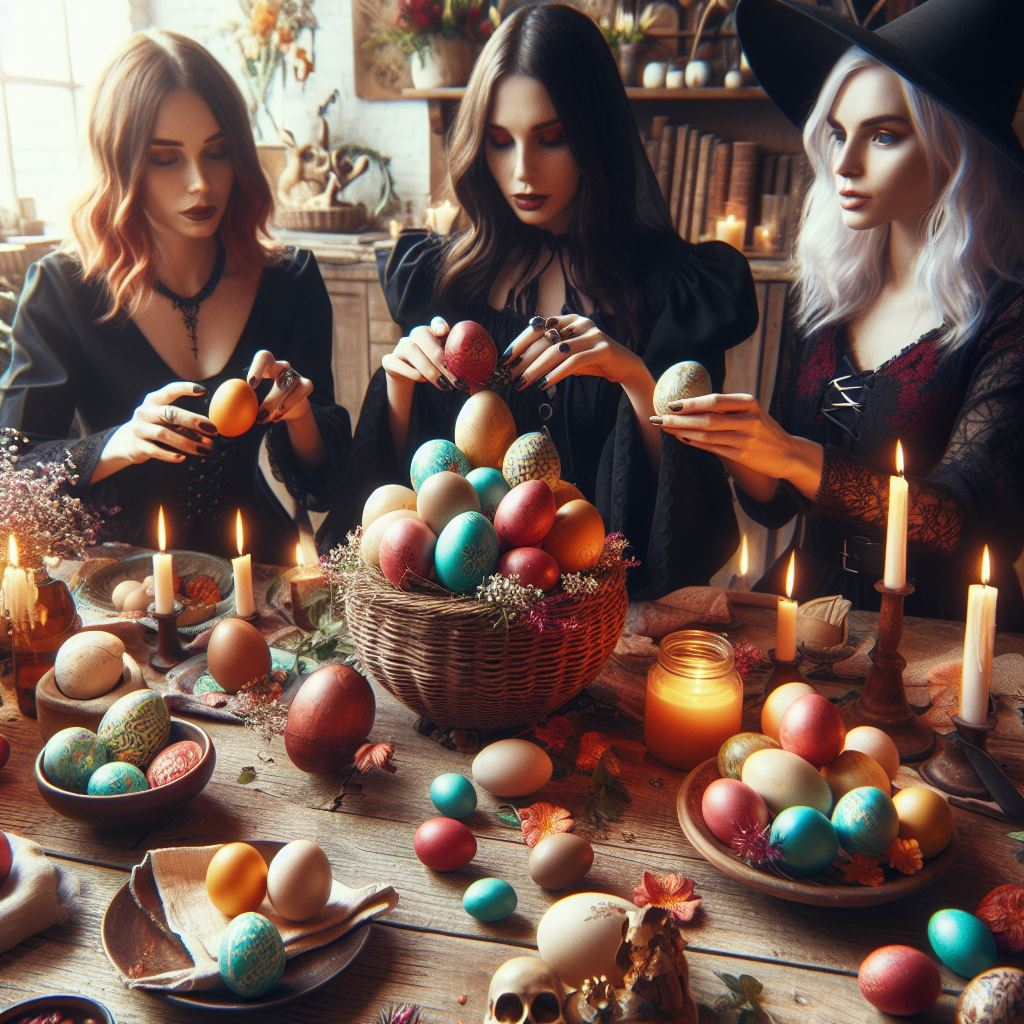
As the earth awakens from its winter slumber and bursts forth with new life, we find ourselves immersed in the vibrant energy of Ostara, the spring equinox. This auspicious time marks a celebration of renewal, growth, and the promise of new beginnings. Among the myriad of customs and traditions associated with this joyous occasion, one activity stands out as both a delightful pastime and a meaningful symbol of the season: egg decorating. Gathering around the table with paints, markers, and stickers, individuals of all ages come together to transform ordinary eggs into works of art, infusing them with creativity, symbolism, and a sense of communal joy. In this article, we delve into the rich tradition of egg decorating during Ostara, exploring its deep-rooted symbolism, its role in fostering creativity and connection, and the timeless joy it brings to families and communities alike.

A Time-Honored Tradition

Egg decorating is far more than just a creative pastime; it is a venerable tradition that has traversed time and space, leaving its indelible mark on cultures and civilizations throughout history. Dating back to ancient times, this practice holds deep significance and symbolism, embodying themes of fertility, rebirth, and the eternal cycle of life. From the ancient civilizations of Mesopotamia and Egypt to the vibrant cultures of Greece and Rome, eggs were revered as powerful symbols of renewal and transformation.

In the ancient world, eggs were seen as potent symbols of fertility and new life. Their smooth, oval shape and potential to contain new life within their shells made them a natural representation of the creative forces of the universe. As the seasons shifted and the earth emerged from the darkness of winter, eggs became powerful metaphors for the burgeoning life force that pulsated throughout the natural world. The arrival of spring, with its promise of renewal and growth, was heralded by the emergence of eggs, symbolic of the new beginnings that awaited both the earth and its inhabitants.

Moreover, eggs were deeply intertwined with the concept of rebirth and regeneration. In many ancient cultures, eggs were used in rituals and ceremonies to mark significant life events, such as births, weddings, and harvest festivals. They were believed to possess magical properties, capable of bestowing blessings, protection, and prosperity upon those who adorned them with care and reverence. Through the act of decorating eggs, individuals sought to align themselves with the cyclical rhythms of nature, tapping into the transformative energies that permeated the universe.

As the earth awakens from its winter slumber and bursts forth with new life, the egg serves as a powerful metaphor for the potential and possibilities that lie dormant within us, waiting to be hatched and realized. Just as the egg contains the promise of life within its shell, so too do we hold within us the seeds of our own growth and transformation. Egg decorating, with its roots firmly planted in ancient symbolism and tradition, offers us a tangible reminder of the cyclical nature of existence and the eternal journey of renewal and rebirth.

Symbolism of Fertility and Rebirth

At its essence, egg decorating is a sacred practice steeped in symbolism, particularly poignant during Ostara, the venerated celebration of spring and renewal. The egg, with its seemingly unassuming exterior concealing the potential for new life within, serves as a profound emblem of promise and fertility. As the earth awakens from its wintry slumber and begins to teem with burgeoning life, the egg becomes a potent symbol of the fertile energy pulsating through the natural world.

When we embark upon the task of adorning eggs with intricate patterns and vibrant colors, we engage in a ritual that honors the cyclical nature of existence. Each stroke of paint, each embellishment carefully applied to the egg’s surface, becomes a testament to the creative force that permeates the universe. Just as the seasons ebb and flow in an eternal dance of life, death, and rebirth, so too does the act of decorating eggs mirror this sacred rhythm.

Moreover, the act of embellishing eggs during Ostara serves as a powerful affirmation of our own journey of growth and transformation. As we pour our creative energy into each egg, we are reminded of the potential for renewal and regeneration that lies dormant within us. Like the egg awaiting the moment of hatching, we too stand on the threshold of new beginnings, poised to embark upon a journey of self-discovery and evolution.

In adorning the eggs with intricate patterns and vibrant colors, we pay homage to the creative force that propels us forward on our journey of growth and transformation. Each brushstroke, each hue applied to the egg’s surface, becomes a prayer for renewal and a celebration of the fertile energy that courses through the earth. Through the sacred act of egg decorating, we honor the cyclical nature of life, death, and rebirth, and affirm our place within the ever-unfolding tapestry of existence.

Joy and Creativity

Egg decorating transcends age boundaries, captivating both children and adults with its promise of boundless joy and creative expression. Armed with paints, markers, and stickers, individuals of all ages embark on a journey of imagination, transforming ordinary eggs into miniature works of art that dazzle the senses and ignite the imagination. The simple act of decorating eggs becomes a gateway to a world of endless possibilities, where the only limit is one’s own imagination.

For children, egg decorating is a particularly enchanting experience, offering an opportunity to unleash their creativity and express themselves in a tangible and tactile way. With eager hands and curious minds, they dive into the process of decorating eggs with unabashed enthusiasm, eager to see their visions come to life. Whether they’re splashing vibrant colors onto the egg’s surface or carefully placing stickers in intricate patterns, each brushstroke and embellishment is infused with a sense of wonder and possibility.

Similarly, for adults, egg decorating offers a welcome respite from the hustle and bustle of daily life, allowing them to reconnect with their inner child and rediscover the joy of creative expression. Armed with paints and markers, they revel in the opportunity to let their imaginations run wild, experimenting with different color combinations and designs to create truly unique masterpieces. The process of decorating eggs becomes a form of therapy, providing a moment of respite from the stresses of the outside world and allowing them to immerse themselves fully in the present moment.

As families and friends gather around the table to decorate eggs together, laughter fills the air, creating a warm and inviting atmosphere that is filled with love and camaraderie. Each stroke of paint, each embellishment carefully placed on the egg’s surface becomes a shared experience, fostering bonds that will be cherished for years to come. These moments of togetherness become treasured memories that serve as a testament to the enduring power of creativity and connection.

Egg decorating is far more than just a creative activity; it is a source of boundless joy and creativity that transcends age boundaries. Whether young or old, individuals come together to unleash their imaginations and transform simple eggs into miniature masterpieces that dazzle the senses and ignite the imagination. Through the process of decorating eggs, families and friends forge bonds that are as enduring as the memories they create, celebrating the joy of creativity and connection in all its forms.

Sharing Stories and Traditions

Beyond the mere act of adorning eggs with vibrant colors and intricate designs, egg decorating serves as a profound catalyst for storytelling and the sharing of cherished traditions. As families gather around the table to engage in this age-old practice, parents and elders seize the opportunity to impart wisdom, share tales of ancient lore, and pass down the rich tapestry of traditions that have been woven through the ages.

At the heart of this tradition lies the art of storytelling, a timeless practice that has been passed down from generation to generation. Parents and elders regale children with tales of Ostara, the celebration of spring and renewal, weaving together myths, legends, and personal anecdotes that illuminate the significance of this sacred time. Through these stories, the true magic of Ostara comes alive, connecting individuals to their ancestral roots and the timeless wisdom of the earth.

In the flickering light of candles and the warmth of familial bonds, stories unfold like delicate petals unfurling in the gentle breeze. Children listen with rapt attention as tales of Ostara’s significance are spun before them, their imaginations ignited by visions of goddesses and gods, nymphs, and sprites dancing through sun-dappled groves. Each story becomes a thread in the rich tapestry of tradition, binding generations together in a shared legacy of wisdom and wonder.

But the stories told during egg decorating sessions are more than mere entertainment; they are powerful vehicles for imparting knowledge and wisdom about the natural world. Parents and elders use these tales to teach children about the cycles of nature, the importance of renewal, and the interconnectedness of all living things. Through these stories, children learn to appreciate the rhythms of the earth and to recognize their place within the larger web of life.

Moreover, the act of decorating eggs becomes imbued with deeper meaning as each brushstroke and design is infused with symbolism and significance. Parents and elders guide children in understanding the symbolism behind each embellishment, teaching them to recognize the hidden messages and deeper truths encoded within the egg’s shell. In this way, egg decorating becomes not only a creative expression but also a profound spiritual practice, connecting individuals to the sacred mysteries of the universe.

Egg decorating serves as far more than just a creative pastime; it is a powerful catalyst for storytelling and the sharing of cherished traditions. As families gather around the table to decorate eggs together, they weave together tales of Ostara and its significance, passing down the timeless wisdom of the earth from generation to generation. Through these stories, the true magic of Ostara comes alive, connecting individuals to their ancestral roots and the deeper rhythms of the natural world.

Conclusion

Egg decorating stands as a cherished tradition that resonates deeply during Ostara, the time-honored celebration of spring and renewal. Around the table adorned with paints, markers, and stickers, we immerse ourselves in the spirit of the season, channeling the fertility and rebirth that define this magical time. With each stroke of color and every intricate design, we pay homage to the cycles of nature, infusing each egg with creativity, symbolism, and boundless joy. Through this timeless practice, we not only honor our ancestral traditions but also celebrate the present moment, embracing the promise of a vibrant future filled with growth, transformation, and endless possibilities. As we gather with loved ones to decorate eggs, we forge connections that transcend time and space, weaving together the threads of our shared history and welcoming the dawn of a new season with open arms and hearts full of gratitude.