Posted on Leave a comment

Winter Home Remedies – Tinctures

Winter Home Remedies - Tinctures

Introduction

Harness the Potency of Winter with Healing Tinctures

Winter can be a challenging time for our health, as the cold weather and dry air can cause a variety of ailments, from coughs and colds to dry skin and chapped lips. While there are many over-the-counter remedies available, they can be costly and may contain harsh chemicals. Luckily, there are plenty of natural home remedies that can be made using items and materials that are readily available during the winter months. In this article, we will explore some effective and easy-to-make home remedies that use ingredients and materials from wintertime, so you can stay healthy and comfortable all winter long without breaking the bank.

There are a lot of home remedies and nearly endless possibilities of methods, in this article we’ll go over tinctures.

Tinctures

Tinctures have long been valued as a potent and effective way to extract and preserve the medicinal properties of herbs. During the winter months, when our immune systems are often challenged, tinctures can be a valuable home remedy. By utilizing winter herbs in tincture form, we can harness their healing benefits to boost our immunity, alleviate winter ailments, and support overall wellness. In this article, we will delve into the art of creating winter tinctures using a variety of winter herbs, along with the methods to make and utilize these powerful herbal preparations at home.

Historical Significance of Tinctures in Witchcraft, Paganism, and Wiccan Traditions

Tinctures have been an integral part of witchcraft, paganism, and Wiccan traditions, valued for their ability to concentrate and preserve the medicinal properties of herbs. These practices recognize the power of herbs and the ritual of tincture-making as a means to heal, connect with nature, and enhance spiritual practices.

Ancient Practices

In ancient pagan cultures, tinctures were often used in rituals and ceremonies to promote healing and spiritual well-being. The act of creating and using tinctures was seen as a way to connect with the natural world and harness the energies of the herbs used1.

Witchcraft and Tinctures

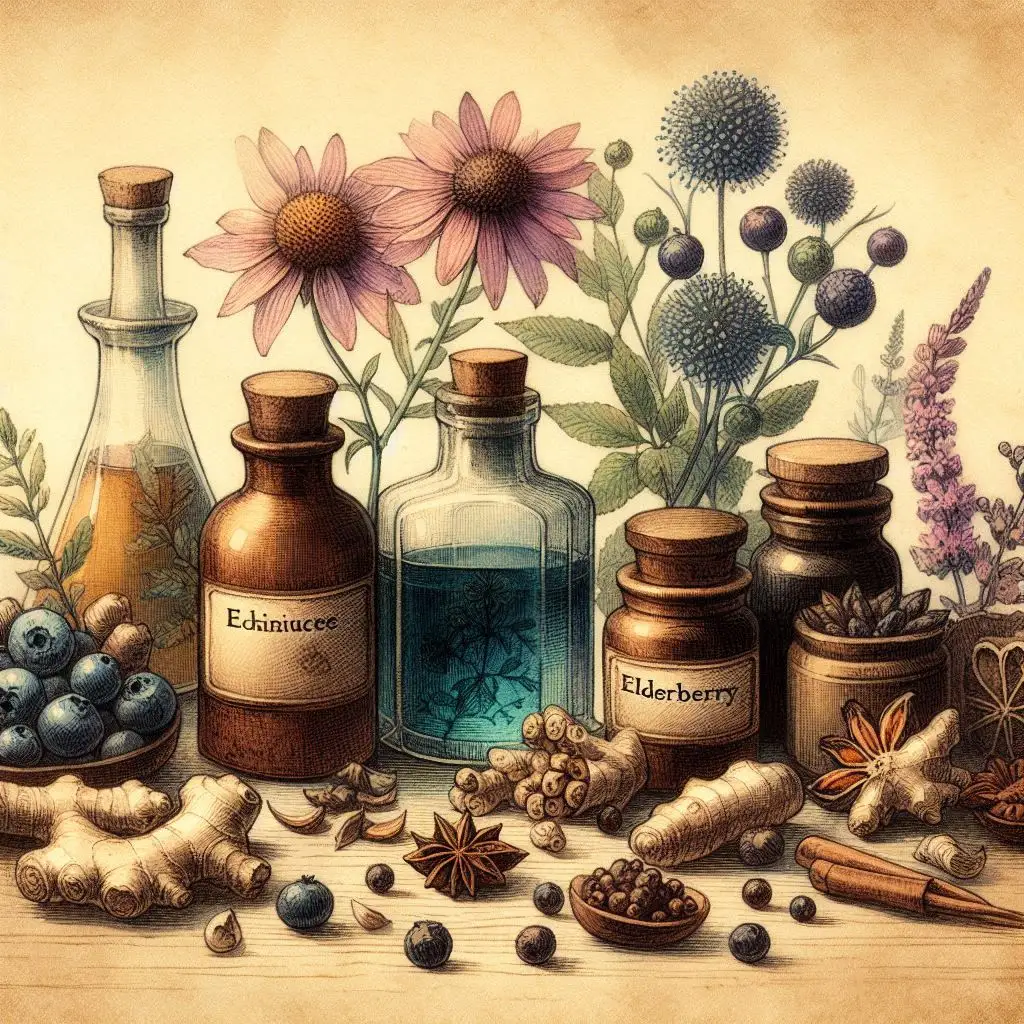
Witches have long used tinctures as part of their magical practices. Herbal tinctures are often prepared with specific intentions, such as healing, protection, or divination. Herbs like echinacea, ginger, and elderberry are commonly used for their immune-boosting and healing properties. The ritual of making tinctures is often accompanied by chants, spells, or meditations to enhance the magical properties of the herbs.

Wiccan Traditions

In Wiccan traditions, tinctures are often used in seasonal celebrations and rituals. For example, during the winter solstice (Yule), Wiccans may create tinctures with herbs like cinnamon, clove, and orange peel to symbolize warmth and renewal. These tinctures are used in rituals to honor the rebirth of the sun and to promote healing and protection during the winter months.

Symbolism and Ritual Use

Tinctures in witchcraft, paganism, and Wiccan traditions are more than just herbal extracts; they are tools for spiritual growth and transformation. The process of selecting, preparing, and using tinctures is seen as a form of alchemy, where the combination of herbs and intention creates a powerful potion. This practice aligns with the belief that the energy and intention put into the tincture can influence its effects.

By understanding the historical and spiritual significance of tinctures within these traditions, we can appreciate their role not only as a winter remedy but also as a means of connecting with ancient practices and enhancing our spiritual journey.

Benefits of Winter Tinctures

Winter tinctures offer a range of advantages, making them an excellent addition to your home remedy arsenal during the colder months.

Here are some key benefits:

  • Immune Support: Winter herbs like echinacea, elderberry, and astragalus are renowned for their immune-boosting properties. By extracting their medicinal compounds into tincture form, we can fortify our immune systems and better defend against winter illnesses.
  • Respiratory Relief: Many winter herbs possess expectorant, antiviral, and antimicrobial properties that can aid in relieving respiratory issues. Tinctures made from herbs like thyme, mullein, and elecampane can help soothe coughs, clear congestion, and support respiratory health.
  • Adaptogenic Support: Winter can be a stressful time for our bodies. Adaptogenic herbs such as ashwagandha, holy basil, and Siberian ginseng can help our bodies adapt to stress, boost energy levels, and enhance overall well-being when used in tincture form.

Winter Herbs for Tinctures

Several winter herbs lend themselves well to tincture preparations. Here are some popular winter herbs to consider incorporating into your tinctures:

  • Echinacea: Echinacea is a powerful immune-stimulating herb that can help fend off winter illnesses. Its tincture can be particularly effective when taken at the onset of symptoms.
  • Ginger: Ginger is renowned for its warming and anti-inflammatory properties. A ginger tincture can aid digestion, alleviate nausea, and provide a boost during the colder months.
  • Elderberry: Elderberry tincture is highly regarded for its immune-enhancing and antiviral properties. It can be a valuable addition to your winter wellness routine.
  • Astragalus: Astragalus is an adaptogenic herb known for its immune-strengthening properties. A tincture made from astragalus root can provide overall support during the winter season.

Methods for Making Winter Tinctures

Creating tinctures involves extracting the beneficial compounds from herbs using alcohol or vinegar. Here’s a general method for making winter tinctures:

  1. Choose Your Herb: Select the winter herb(s) of your choice, ensuring they are clean and free from contaminants. You can use a single herb or create herbal combinations for specific purposes.
  2. Prepare the Herb: If using dried herbs, crush or grind them to increase the surface area for extraction. If using fresh herbs, chop or bruise them slightly.
  3. Select a Base: Choose a suitable menstruum, such as high-proof alcohol (like vodka or brandy) or apple cider vinegar. Alcohol is the most common choice due to its superior extraction properties.
  4. Create the Tincture: Place the prepared herb(s) in a glass jar and cover it completely with your chosen menstruum. Ensure that the herb is fully submerged. Close the jar tightly.
  5. Extraction and Maceration: Store the jar in a cool, dark place and allow it to macerate for several weeks. Shake the jar daily to aid the extraction process.
  6. Strain and Bottle: After the maceration period, strain the tincture using a fine mesh strainer or cheesecloth to remove all plant material. Squeeze out any remaining liquid from the herbs. The resulting liquid is your winter tincture.
  7. Bottle and Label: Transfer the tincture into amber glass dropper bottles to protect it from light. Label each bottle with the herb(s) used, the menstruum, the date of preparation, and dosage instructions.
  8. Storage and Usage: Store your tinctures in a cool, dark place. When needed, simply use the dropper to administer the recommended dosage. Tinctures can be taken directly under the tongue, diluted in a small amount of water, or added to teas or other beverages.

It’s important to note that while tinctures are generally safe, it’s advisable to consult with a qualified herbalist or healthcare practitioner, especially if you have any pre-existing health conditions or are taking medications.

Winter tinctures made from winter herbs can be powerful allies during the colder months. By extracting the medicinal properties of these herbs in tincture form, we can harness their immune-boosting, respiratory-relieving, and adaptogenic benefits. Incorporating tinctures into your winter wellness routine can provide natural support and promote overall well-being. Remember to use quality ingredients, follow proper preparation techniques, and seek professional advice when needed. Stay healthy and resilient throughout the winter season with the help of these herbal remedies.

Conclusion

Winter tinctures, with their rich history in witchcraft, paganism, and Wiccan traditions, offer a potent and effective remedy during the colder months. By incorporating winter herbs like echinacea, ginger, elderberry, and astragalus, you can create powerful tinctures that support immune function, provide respiratory relief, and offer adaptogenic support. Whether used directly or added to teas and beverages, these tinctures provide a natural and effective approach to staying healthy and resilient during the winter season. Embrace the ancient wisdom and modern benefits of winter tinctures to nurture your body and spirit throughout the colder months.

Cheers to your winter wellness!
Posted on Leave a comment

Winter Home Remedies – Herbal Glycerites

Winter Home Remedies - Herbal Glycerites

Introduction

Sweeten Your Winter Wellness with Herbal Glycerites

Winter can be a challenging time for our health, as the cold weather and dry air can cause a variety of ailments, from coughs and colds to dry skin and chapped lips. While there are many over-the-counter remedies available, they can be costly and may contain harsh chemicals. Luckily, there are plenty of natural home remedies that can be made using items and materials that are readily available during the winter months. In this article, we will explore some effective and easy-to-make home remedies that use ingredients and materials from wintertime, so you can stay healthy and comfortable all winter long without breaking the bank.

There are a lot of home remedies and nearly endless possibilities of methods, In this article we’ll go over herbal glycerites.

Herbal Glycerites

Herbal glycerites are a wonderful and versatile home remedy that can be particularly beneficial during the winter months. Glycerites, or herbal extracts made with glycerin, offer a sweet and palatable way to harness the healing properties of winter herbs. By creating glycerites using winter herbs, we can unlock their medicinal benefits and create powerful elixirs to support our health and well-being. In this article, we will explore the art of crafting herbal glycerites using a variety of winter herbs, along with the methods to prepare these therapeutic remedies in the comfort of your own home.

Historical Significance of Herbal Glycerites in Witchcraft, Paganism, and Wiccan Traditions

Herbal glycerites have a rich history within witchcraft, paganism, and Wiccan traditions, where they have been valued for their medicinal and magical properties. These traditions have long recognized the power of plants and herbs, and glycerites have been used as a means to harness and preserve these properties.

Ancient Practices

In ancient pagan cultures, herbal glycerites were often prepared during rituals and ceremonies to honor deities and spirits. The process of creating glycerites was seen as a way to capture the essence of the herbs and infuse them with magical intent. These glycerites were used for healing, protection, and spiritual empowerment.

Witchcraft and Herbal Glycerites

Witches have utilized herbal glycerites as part of their magical practices for centuries. The creation of glycerites was often accompanied by chants, incantations, and the visualization of desired outcomes. Herbs such as elderberry, marshmallow root, elecampane, and lemon balm, which are commonly used in winter glycerites, were also revered for their protective, purifying, and healing properties. By incorporating these herbs into glycerites, witches believed they could harness their energies to ward off illness, enhance psychic abilities, and promote overall well-being.

Wiccan Traditions

In Wiccan traditions, herbal glycerites are often prepared during seasonal celebrations and rituals. The winter solstice, known as Yule, is a time when Wiccans honor the rebirth of the sun and the return of light. During this time, glycerites made with winter herbs are consumed to symbolize the nourishment and warmth provided by the sun’s return. These glycerites are also used in rituals to invoke the energies of the season, promote healing, and strengthen the connection to nature.

Symbolism and Ritual Use

Herbal glycerites in witchcraft, paganism, and Wiccan traditions are more than just medicinal remedies. They are imbued with symbolism and are used as tools for spiritual growth and transformation. The act of preparing and consuming a glycerite is seen as a form of alchemy, where the combination of ingredients and the intention behind their use create a powerful potion. This practice aligns with the belief that food and drink can be sacred and that the energy put into their creation can influence their effects.

By understanding the historical and spiritual significance of herbal glycerites within these traditions, we can appreciate their role not only as a winter remedy but also as a means of connecting with ancient practices and enhancing our spiritual journey.

Benefits of Herbal Glycerites

Herbal glycerites offer several advantages that make them an attractive option for winter home remedies.

Here are some key benefits:

  • Sweet and Palatable: Glycerin has a sweet taste, making herbal glycerites more palatable, especially for those who find the taste of alcohol-based tinctures too strong.
  • Gentle on the System: Glycerin is gentle on the digestive system and can be suitable for individuals who prefer to avoid alcohol or have sensitivities to it.
  • Longer Shelf Life: Glycerites have a longer shelf life compared to water-based herbal preparations. Properly stored glycerites can last up to several years, making them convenient for long-term use.
  • Versatile Applications: Glycerites can be taken orally or used topically. They can be added to beverages, teas, or used in various homemade preparations such as syrups, elixirs, or skincare products.

Winter Herbs for Herbal Glycerites

A variety of winter herbs can be used to create herbal glycerites. Here are some popular winter herbs to consider incorporating:

  • Elderberry: Elderberry is renowned for its immune-boosting properties and its ability to support respiratory health. An elderberry glycerite can be a valuable addition to your winter wellness routine.
  • Marshmallow Root: Marshmallow root is known for its soothing and demulcent properties, making it beneficial for soothing sore throats and respiratory discomfort during the winter months.
  • Elecampane: Elecampane is a respiratory tonic and expectorant herb that can help alleviate coughs and congestion. It can be used to create a glycerite for respiratory support.
  • Lemon Balm: Lemon balm is a calming herb that can help reduce stress and promote relaxation, which can be particularly beneficial during the winter season.

Methods for Making Herbal Glycerites

Creating herbal glycerites is a straightforward process that requires a few simple steps. Here’s a general method for making herbal glycerites:

  1. Choose Your Herb: Select the winter herb(s) of your choice, ensuring they are clean and free from contaminants. You can use a single herb or create herbal combinations for specific purposes.
  2. Herb Preparation: If using dried herbs, crush or grind them to increase the surface area for extraction. If using fresh herbs, chop or bruise them slightly.
  3. Glycerin and Water Ratio: The typical ratio for making glycerites is 1 part herb to 4 parts glycerin. You can also add a small amount of distilled water (up to 20% of the total volume) to aid in extraction.
  4. Extraction Process: Place the prepared herb(s) in a glass jar and cover them completely with glycerin and water mixture. Ensure that the herbs are fully submerged. Close the jar tightly.
  5. Maceration Period: Store the jar in a cool, dark place and allow it to macerate for about 4 to 6 weeks. Shake the jar daily to aid the extraction process.
  6. Strain and Bottle: After the maceration period, strain the glycerite using a fine mesh strainer or cheesecloth to remove all plant material. Squeeze out any remaining liquid from the herbs. The resulting liquid is your herbal glycerite.
  7. Bottle and Label: Transfer the glycerite into dark glass dropper bottles to protect it from light. Label each bottle with the herb(s) used, the date of preparation, and dosage instructions.
  8. Storage and Usage: Store your herbal glycerites in a cool, dark place. Glycerites have a long shelf life, but it’s advisable to use them within two to three years for optimal potency. When needed, simply use the dropper to administer the recommended dosage. Herbal glycerites can be taken orally or applied topically, depending on the herb and the desired effect.

It’s important to note that while herbal glycerites are generally safe, it’s advisable to consult with a qualified herbalist or healthcare practitioner, especially if you have any pre-existing health conditions or are taking medications. They can provide guidance on appropriate herbs, dosages, and potential interactions.

Herbal glycerites made with winter herbs offer a delightful and effective way to incorporate herbal remedies into your winter wellness routine. By extracting the medicinal properties of these herbs in glycerin, we can create sweet and palatable elixirs that support our health during the colder months. Whether for immune support, respiratory health, soothing sore throats, or promoting relaxation, herbal glycerites can be a valuable addition to your home remedy toolkit. Remember to use quality ingredients, follow proper preparation techniques, and seek professional advice when needed. Embrace the healing power of herbal glycerites and nurture your well-being throughout the winter season.

Conclusion

Herbal glycerites made with winter herbs offer a delightful and effective way to incorporate herbal remedies into your winter wellness routine. By extracting the medicinal properties of these herbs in glycerin, we can create sweet and palatable elixirs that support our health during the colder months. Whether for immune support, respiratory health, soothing sore throats, or promoting relaxation, herbal glycerites can be a valuable addition to your home remedy toolkit. Remember to use quality ingredients, follow proper preparation techniques, and seek professional advice when needed. Embrace the healing power of herbal glycerites and nurture your well-being throughout the winter season.

Cheers to your winter wellness!