Introduction
A Springtime Delicacy
A fragrant and versatile wild herb, wild garlic is a springtime favorite for foragers, offering a bold garlic flavor that enhances a variety of dishes. Learn how to identify, harvest, and use this pungent and abundant plant responsibly.

What is Wild Garlic?
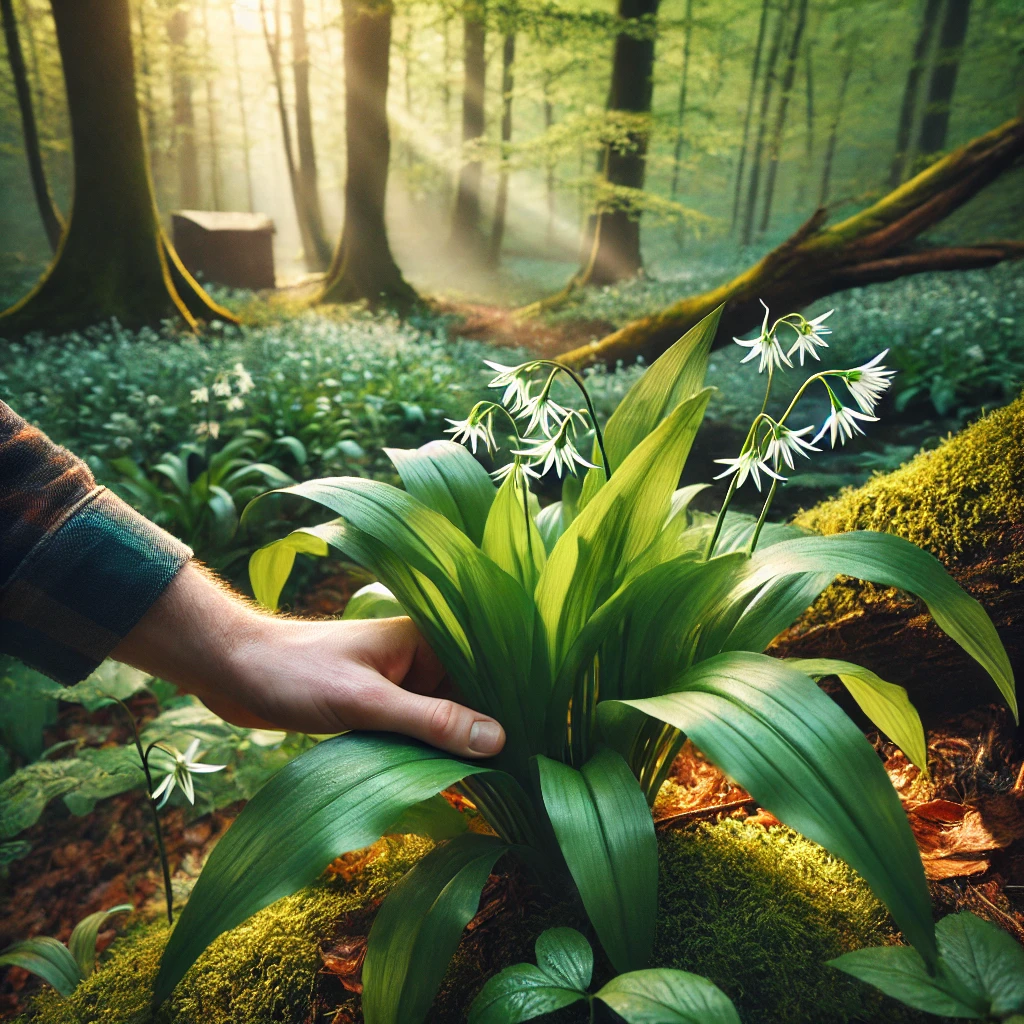
Wild Garlic (Allium ursinum), also known as ramps, ramsons, or bear’s garlic, is a bulbous perennial herb that flourishes in woodlands and damp meadows in early spring. It is a close relative of chives, onions, and domestic garlic, but with a milder and fresher flavor. Wild Garlic is prized for its vibrant green leaves, delicate white flowers, and unmistakable garlicky aroma, making it a sought-after ingredient for chefs and foragers alike.
Unlike cultivated garlic, which is grown for its bulbs, wild garlic is primarily harvested for its leaves. These leaves emerge in early spring, forming lush carpets of greenery before the trees above fully leaf out. The entire plant is edible, from the pungent leaves to the small, white star-shaped flowers and underground bulbs, though sustainable harvesting practices are essential to protect wild populations.
Variants of Wild Garlic
There are several closely related species of wild garlic, and some plants that resemble it. While all belong to the Allium genus, each has unique characteristics:
- Allium tricoccum (North American ramps): Native to North America, this species is similar to Allium ursinum but grows in smaller clusters. It has a strong garlic-onion flavor and is often harvested for both its leaves and bulbs. Found primarily in the Appalachian and Great Lakes regions.
- Allium vineale (Crow Garlic): A smaller, grass-like variety of wild garlic with hollow, chive-like leaves. The flavor is similar but more onion-like than Allium ursinum.
- Allium canadense (Wild Onion): Found across North America, this plant is often confused with ramps but has narrower leaves and a more onion-like scent.
- Allium schoenoprasum (Wild Chives): More delicate in structure, this variety produces slender, hollow leaves and small purple flowers, often used as a garnish in culinary dishes.
While all of these variants are edible, it is important to be able to distinguish Allium ursinum from poisonous look-alikes, such as Lily of the Valley (Convallaria majalis), which lacks the distinct garlic scent and has toxic properties.
How to Identify Wild Garlic and Its Variants
Wild Garlic is relatively easy to identify due to its distinct features and unmistakable smell. Key identification characteristics include:
- Leaves: Long, pointed, and oval-shaped with smooth edges. They grow in a basal rosette from the bulb and are soft, slightly glossy, and deep green in color. The leaves have a strong garlic scent when crushed.
- Flowers: Small, star-shaped white flowers appear in clusters on slender stalks in late spring. Each flower has six petals and a delicate appearance.
- Bulbs: Small and white, resembling miniature garlic cloves. Unlike cultivated garlic, wild garlic bulbs are smaller and form in loose clusters rather than tight heads.
- Scent: The most distinctive feature of wild garlic is its strong garlic aroma. If a plant does not smell like garlic when the leaves are crushed, it is not wild garlic and could be a toxic look-alike.
- Habitat: Prefers damp, shaded areas such as deciduous woodlands, riverbanks, and hedgerows. It thrives in well-drained, fertile soil and often grows in dense patches.
Habits of Wild Garlic
Wild Garlic is a perennial plant that follows a predictable seasonal cycle:
- Early Spring (March-April): The first leaves begin to emerge, forming bright green carpets in wooded areas.
- Mid-Spring (April-May): The plants reach full maturity, and small white flowers begin to bloom. This is the ideal time for foraging, as the leaves are at their most flavorful.
- Late Spring to Early Summer (May-June): As the flowers fade, the leaves begin to wither, and the plant’s energy shifts to seed production. The bulbs remain dormant underground until the next growing season.
- Summer to Winter: The plant remains dormant, surviving as underground bulbs until the following spring.
Wild Garlic spreads both by seed and vegetative growth, forming dense colonies in favorable habitats.
How to Properly Forage Wild Garlic
Foraging Wild Garlic is a sustainable and enjoyable activity, but care should be taken to ensure responsible harvesting:
- Identify Safely: Always confirm the identity of Wild Garlic by checking its leaf shape, flower structure, and most importantly, its garlic aroma. If unsure, do not pick the plant.
- Harvest Leaves, Not Bulbs: The best way to harvest Wild Garlic is to gather the leaves, leaving the bulbs intact so the plant can regrow the following year. Using scissors, trim a few leaves from each plant rather than pulling up entire plants.
- Pick Young Leaves: Younger leaves are more tender and flavorful, while older leaves can become tougher and slightly bitter.
- Harvest Flowers for Garnish: The white flowers are edible and make a beautiful, mild-flavored garnish for salads, breads, and soups.
- Avoid Overharvesting: Take only what you need and leave plenty of plants behind to ensure the population remains healthy for future seasons.
- Storage: Fresh Wild Garlic leaves can be stored in the refrigerator for up to a week. They can also be frozen or blended into oil-based pastes like pesto to preserve their flavor.
Magical Uses of Wild Garlic
Wild Garlic has a long history of use in folklore and magical practices:
- Protection: In many cultures, garlic is associated with warding off negative energy, evil spirits, and illness. Wild Garlic can be used in protective charms, amulets, and home blessings.
- Purification: Wild Garlic is often used in cleansing rituals to remove unwanted energies and bring renewal. The leaves can be burned as incense or added to purification baths.
- Strength and Vitality: As a plant that emerges in early spring, Wild Garlic is connected to growth, renewal, and physical vitality. It can be incorporated into spellwork related to endurance, courage, and new beginnings.
Medicinal Uses of Wild Garlic
Wild Garlic has been valued for its medicinal properties for centuries. Some traditional uses include:
- Heart Health: Wild Garlic contains compounds that help reduce blood pressure and cholesterol levels, supporting cardiovascular health.
- Digestive Aid: The plant has mild antibacterial and antifungal properties, which can help promote gut health and combat digestive discomfort.
- Immune Boosting: Rich in antioxidants, Wild Garlic supports the immune system and may help prevent colds and infections.
- Anti-Inflammatory Properties: Like cultivated garlic, Wild Garlic has anti-inflammatory effects, making it beneficial for joint health and overall well-being.
Culinary Uses of Wild Garlic
Wild Garlic’s vibrant flavor and versatility make it a prized culinary ingredient. Some popular ways to use it include:
- Pesto: Blend fresh Wild Garlic leaves with olive oil, nuts, and Parmesan cheese for a flavorful alternative to basil pesto.
- Garlic Butter: Mix finely chopped Wild Garlic leaves into softened butter for a delicious spread for bread, vegetables, or grilled meats.
- Soups and Stews: Add chopped Wild Garlic leaves to broths, soups, and stews for a fresh, garlicky kick.
- Marinades: Wild Garlic makes an excellent addition to marinades for fish, poultry, and lamb.
- Egg Dishes: Stir Wild Garlic into scrambled eggs, omelets, or frittatas for a flavorful twist.
Allium tricoccum (North American Ramps )
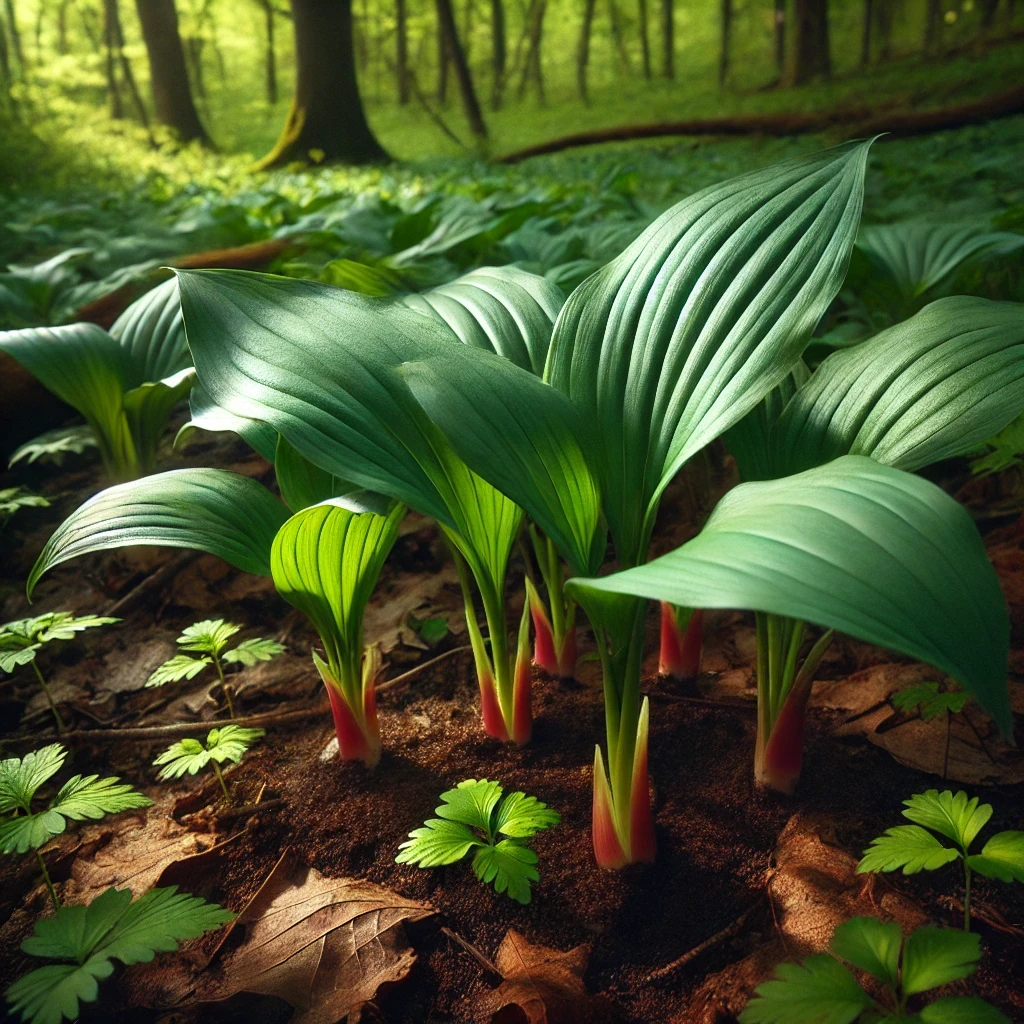
North American ramps (Allium tricoccum), also known simply as ramps or wild leeks, are a highly sought-after wild edible native to eastern North America. These perennial plants belong to the same Allium family as garlic, onions, and leeks, offering a pungent and complex flavor profile that combines the best qualities of both garlic and onion. Ramps have become a culinary delicacy, particularly in gourmet and foraged cuisine, due to their limited seasonal availability and bold, savory taste.
Identification and Physical Characteristics
Ramps closely resemble their European counterpart, Allium ursinum, but have some distinct differences in their growth patterns, leaf structure, and size. Here’s how to identify them in the wild:
- Leaves: Ramps produce smooth, broad, elliptical leaves that grow in clusters of two or three per bulb. The leaves are deep green on the top and often have a slightly reddish or purplish base where they emerge from the ground. Unlike cultivated leeks, their leaves are thin and delicate.
- Bulbs: The underground bulbs are slender and resemble small scallions or green onions. They are white and slightly elongated, with a strong onion-garlic aroma.
- Flowers: Later in the season, ramps produce small, white, star-like flowers on thin stalks after their leaves have withered. This is an important time to locate patches for future foraging without disturbing the plants.
- Scent: The most distinguishing feature of ramps is their strong, pungent garlic-onion aroma. If a plant does not have this distinct scent when the leaves are crushed, it may be a toxic look-alike, such as Lily of the Valley (Convallaria majalis).
Where to Find North American Ramps
Ramps are native to the rich, damp forests of eastern North America, where they thrive in shaded, deciduous woodlands with moist, loamy soil. Their primary range includes:
- The Appalachian Mountains – Ramps are especially abundant in the Appalachian region, where they are a cultural and culinary staple in the spring.
- The Great Lakes Region – Ramps grow extensively in states like Michigan, Wisconsin, and parts of southern Canada, thriving in the cool, temperate climate.
- The Northeastern United States – States such as New York, Pennsylvania, and Vermont have significant wild ramp populations in their forested areas.
Ramps are slow-growing and can take several years to mature, which makes responsible harvesting crucial to maintaining their populations.
Flavor Profile and Culinary Uses
Ramps are renowned for their robust, earthy flavor, which is a perfect balance between sweet spring onions and pungent garlic. This unique taste makes them a prized ingredient in high-end cuisine and home cooking alike. Some of the best ways to use ramps include:
- Raw in Salads: Finely chopped ramp leaves add a burst of garlicky freshness to spring salads.
- Sauteed or Grilled: Cooking ramps mellows their flavor slightly, making them an excellent addition to stir-fries, pasta, or grilled dishes.
- Pesto and Sauces: Blending ramp leaves into pesto with nuts, Parmesan, and olive oil creates a bold and aromatic spread.
- Pickled Ramps: The bulbs and stems can be pickled for long-term storage, adding a sharp and tangy flavor to sandwiches and charcuterie boards.
- Soups and Broths: The depth of flavor in ramps makes them ideal for infusing broths, stews, and cream-based soups.
- Egg Dishes: Scrambled eggs, frittatas, and quiches benefit from the rich, allium-forward flavor of ramps.
Because ramps are highly seasonal, foragers and chefs often preserve them by drying, freezing, or fermenting to enjoy their flavor throughout the year.
Sustainability and Ethical Foraging
Due to their increasing popularity and slow growth cycle, overharvesting has become a significant issue for North American ramps. Unlike some wild edibles that regenerate quickly, ramps take anywhere from 5 to 7 years to establish mature plants from seed. In some areas, heavy foraging has led to a decline in wild ramp populations. To forage responsibly:
- Harvest Leaves Instead of Bulbs: Instead of uprooting the entire plant, trim one or two leaves per plant and leave the bulb intact. This ensures the plant can continue growing and reproducing.
- Rotate Harvesting Areas: Avoid harvesting from the same location each year to allow ramp patches to recover.
- Follow Local Regulations: Some regions have placed restrictions on ramp foraging due to conservation concerns. Always check local guidelines before collecting ramps.
- Consider Growing Your Own: If you love ramps, growing them in your own garden is a sustainable alternative. They can be cultivated in shady areas with rich, moist soil similar to their natural habitat.
Medicinal and Traditional Uses
Indigenous communities and early settlers used ramps not only as food but also for their medicinal properties. Some traditional uses of ramps include:
- Digestive Health: Ramps have natural antibacterial properties and were used to aid digestion and fight intestinal parasites.
- Spring Tonic: In Appalachian traditions, ramps were considered a spring tonic, thought to cleanse the blood and invigorate the body after a long winter.
- Respiratory Support: Ramps, like garlic, have been used to support respiratory health and alleviate colds or congestion.
- Antioxidant-Rich: Their high vitamin C and sulfur content contribute to their reputation as an immune-boosting and detoxifying food.
Cultural Significance of Ramps
Ramps hold a special place in Appalachian and Indigenous food traditions. For generations, they have been celebrated as one of the first edible plants to emerge in the spring, marking the end of winter and the start of the growing season. Many communities host ramp festivals, where dishes featuring ramps—such as ramp and bacon hash, ramp cornbread, and ramp chowder—are shared and enjoyed.
Their culinary and cultural significance has made them a beloved seasonal ingredient, but with that popularity comes the responsibility to harvest them sustainably.
North American ramps (Allium tricoccum) are one of the most exciting wild edibles of spring, prized for their bold flavor and versatility in the kitchen. However, their slow growth and increasing demand mean that responsible foraging is essential to preserving this incredible wild plant for future generations. By harvesting sustainably, enjoying their culinary potential, and respecting their role in local ecosystems, foragers can continue to celebrate ramps as a treasured part of springtime’s natural bounty.
Allium vineale (Crow Garlic)

Crow Garlic (Allium vineale) is a wild member of the onion and garlic family that grows prolifically in many parts of North America and Europe. Often mistaken for wild chives due to its thin, grass-like leaves, Crow Garlic carries a distinctly pungent flavor that leans more toward onion than traditional wild garlic (Allium ursinum). It is a resilient and adaptable plant that thrives in various environments, making it an accessible and reliable foraging option throughout much of the year.
Identification and Physical Characteristics
Crow Garlic is smaller and more delicate in appearance compared to other wild garlic species. While it shares some similarities with chives and cultivated garlic, key characteristics set it apart:
- Leaves: Crow Garlic has thin, hollow, tubular leaves that resemble chives. They grow upright in dense clusters and can reach a height of 12-24 inches. When crushed, the leaves emit a strong onion-garlic scent.
- Bulbs: The underground bulbs of Crow Garlic are small and resemble tiny, elongated shallots. They form in clusters and are covered with a thin, papery skin. While edible, they are not as large or robust as those of cultivated garlic.
- Flowers: During late spring and early summer, Crow Garlic produces small, spherical flower heads that range in color from pale pink to purple. These flowers are sometimes replaced by small aerial bulbils (mini bulbs), which can be used to propagate new plants.
- Scent: Like other Allium species, Crow Garlic has a strong and unmistakable onion-garlic aroma, making it easy to distinguish from non-edible lookalikes such as poisonous grasses or toxic wildflowers.
Where to Find Crow Garlic
Crow Garlic is an opportunistic plant that thrives in a wide range of environments, often appearing in unexpected places. It is commonly found in:
- Meadows and Grasslands: Crow Garlic prefers open areas where it can spread without competition from taller plants.
- Roadsides and Waste Grounds: This hardy plant is frequently spotted along roadsides, in vacant lots, and in urban environments.
- Woodland Edges: While it doesn’t grow as thickly in shaded areas as Allium ursinum, it can still be found along the edges of forests.
- Coastal Areas: Crow Garlic is known to tolerate salty soils, making it common near coastal dunes and marshes.
Due to its aggressive growth habit, Crow Garlic is considered an invasive species in some areas, particularly in North America, where it has spread beyond its native range. Its resilience makes it an easy target for foragers, as harvesting it can help control its spread.
Flavor Profile and Culinary Uses
Crow Garlic has a pungent, onion-like flavor with a milder garlic undertone. It is often compared to wild chives, though it carries a stronger and more lingering taste. While not as potent as cultivated garlic, it adds a savory kick to many dishes.
Ways to Use Crow Garlic in Cooking:
- Raw Garnish: The finely chopped leaves can be used like chives to sprinkle over salads, eggs, baked potatoes, and soups.
- Sauteed or Stir-Fried: Crow Garlic leaves and bulbs develop a mellow, sweet flavor when lightly sautéed in butter or oil.
- Herb Butter or Oil Infusion: Blending Crow Garlic into butter or olive oil creates a flavorful spread for bread, pasta, or roasted vegetables.
- Fermented or Pickled Bulbs: The small bulbs can be pickled for a tangy, garlicky condiment similar to pickled onions.
- Pestos and Sauces: Crow Garlic makes an excellent addition to homemade pesto, chimichurri, or aioli.
Medicinal and Traditional Uses
Like other Allium species, Crow Garlic has been valued for its medicinal benefits for centuries. Some traditional uses include:
- Natural Antibiotic: The sulfur compounds in Crow Garlic have mild antibacterial and antifungal properties, making it useful for immune support.
- Digestive Aid: Crow Garlic is believed to stimulate digestion and may help with bloating or sluggish digestion when consumed in small amounts.
- Respiratory Health: Historically, herbalists have used Allium species to alleviate mild congestion and support respiratory health.
- Heart Health: Like cultivated garlic, Crow Garlic may help support cardiovascular health by promoting circulation and regulating blood pressure.
Sustainability and Ethical Foraging
Because Crow Garlic is an abundant and sometimes invasive species, foraging it is a sustainable practice. However, as with all wild plants, care should be taken to harvest responsibly:
- Avoid Overharvesting in Sensitive Areas: While Crow Garlic grows aggressively, it’s best to forage selectively and leave enough plants for regrowth.
- Harvest Leaves Instead of Bulbs: If you want to promote sustainability, focus on harvesting the leaves rather than pulling up entire plants.
- Forage Away from Roadsides: Since Crow Garlic commonly grows in urban areas, avoid picking plants near roads or industrial sites where pollution may be a concern.
- Wash Before Eating: As Crow Garlic grows close to the ground, rinse the leaves and bulbs thoroughly to remove dirt and potential contaminants.
Crow Garlic (Allium vineale) is a versatile, flavorful, and easy-to-forage wild allium that offers a delightful blend of onion and garlic flavors. Its grass-like leaves, strong aroma, and adaptability make it an accessible foraging target for beginners and seasoned foragers alike. Whether used fresh in salads, cooked in savory dishes, or preserved in oils and pickles, Crow Garlic is a rewarding addition to any forager’s kitchen. By harvesting responsibly, you can enjoy its bold, aromatic qualities while supporting ecological balance in areas where it grows invasively.
Allium canadense (Wild Onion)

Wild Onion (Allium canadense), also known as Meadow Garlic or Canada Onion, is a perennial wild member of the Allium family that is commonly found across North America. It is a highly adaptable plant that thrives in a wide variety of habitats, making it an accessible and rewarding find for foragers. While it is often mistaken for ramps (Allium tricoccum), Wild Onion has key differences in its leaf shape, scent, and growth patterns. It is a valuable culinary and medicinal plant, offering a milder, sweeter onion flavor that enhances a variety of dishes.
Identification and Physical Characteristics
Wild Onion shares similarities with other wild Allium species but has several distinct features that make it identifiable:
- Leaves: Wild Onion has slender, hollow, and grass-like leaves, which are much narrower than the broad, flat leaves of ramps. They typically grow in loose clusters from the base of the plant and can reach 6-12 inches in height. When crushed, they release a distinct onion aroma, helping distinguish them from toxic lookalikes.
- Bulbs: The underground bulbs are small, round, and white to pinkish in color. They resemble miniature cultivated onions and have a similar, though slightly milder, taste.
- Flowers: In late spring to early summer, Wild Onion produces clusters of small, star-shaped flowers in shades of pink, white, or purple. These flowers grow on tall, thin stalks and can help identify the plant during its blooming period.
- Scent: One of the most reliable identification markers is Wild Onion’s unmistakable onion scent. If a plant lacks this strong, pungent aroma when the leaves or bulbs are crushed, it is likely not an Allium species and could be a toxic lookalike.
Where to Find Wild Onion
Wild Onion is widely distributed across North America, from open fields and meadows to forest edges and riverbanks. It thrives in well-drained soils and prefers locations with full to partial sunlight. Common habitats include:
- Prairies and Grasslands: Wild Onion often grows in sunny, open areas with minimal competition from taller plants.
- Woodland Edges: While it prefers more light than ramps, Wild Onion can still be found along the borders of wooded areas.
- Roadsides and Disturbed Areas: This resilient plant frequently appears in disturbed soils, making it easy to find in urban and suburban environments.
- Moist Areas: Wild Onion can often be found growing near streams, ditches, and riverbanks where the soil remains damp but well-drained.
Flavor Profile and Culinary Uses
Wild Onion has a milder, sweeter flavor than cultivated onions, making it a great ingredient for a variety of dishes. It can be used in the same way as chives, scallions, or shallots, adding a gentle onion flavor without overpowering other ingredients.
Ways to Use Wild Onion in Cooking:
- Raw in Salads: Chop the fresh leaves and bulbs to add a mild oniony kick to salads and sandwiches.
- Soups and Broths: Wild Onion is an excellent aromatic base for soups, stews, and broths, adding depth to the dish.
- Egg Dishes: Sprinkle chopped Wild Onion leaves over scrambled eggs, omelets, or frittatas for extra flavor.
- Grilled or Roasted: Whole Wild Onion bulbs can be roasted or grilled for a caramelized, slightly smoky taste.
- Pesto and Herb Blends: Blend Wild Onion leaves with other herbs to create a unique pesto or compound butter.
- Pickled Bulbs: The bulbs can be pickled in vinegar and spices for a tangy condiment that pairs well with meats and cheeses.
Because Wild Onion is more delicate than cultivated onions, it is best added toward the end of cooking to preserve its fresh flavor.
Medicinal and Traditional Uses
Like other members of the Allium family, Wild Onion has been used for centuries in herbal medicine for its beneficial properties. Some traditional uses include:
- Immune Support: Wild Onion is rich in antioxidants and sulfur compounds that help boost the immune system and fight infections.
- Heart Health: The plant contains natural compounds that may help lower blood pressure and support cardiovascular health.
- Digestive Aid: Traditionally, Wild Onion was used to support digestion and relieve bloating or mild stomach discomfort.
- Respiratory Health: The antimicrobial properties of Wild Onion make it useful in soothing coughs and congestion.
- Natural Insect Repellent: The strong aroma of Wild Onion has historically been used to repel insects when applied to the skin or placed around living areas.
While Wild Onion offers numerous health benefits, it should be consumed in moderation, especially for individuals with sensitivities to onions or garlic.
Sustainability and Ethical Foraging
Wild Onion is an abundant and hardy plant, but responsible foraging practices should still be followed to ensure its continued availability:
- Harvest Leaves Instead of Bulbs: To promote sustainability, opt for harvesting the leaves rather than pulling up entire plants. The leaves regrow, allowing the plant to continue thriving.
- Leave Some Plants Behind: Avoid overharvesting in a single area to allow the population to regenerate naturally.
- Forage Away from Polluted Areas: Avoid gathering Wild Onion from roadsides, industrial sites, or areas treated with pesticides.
- Check Local Regulations: Some regions have restrictions on foraging Wild Onion, particularly in protected areas. Always research local guidelines before harvesting.
Toxic Lookalikes to Avoid
While Wild Onion is relatively easy to identify by its strong onion scent, there are toxic plants that resemble it, including:
- Death Camas (Zigadenus spp.): This highly toxic plant has grass-like leaves and can sometimes be confused with Allium canadense. However, Death Camas lacks the onion-garlic scent and produces different-looking flowers. Consuming any part of this plant can be fatal.
- Star-of-Bethlehem (Ornithogalum umbellatum): This plant has similar white flowers but lacks the onion aroma and is toxic if ingested.
- Lily of the Valley (Convallaria majalis): While its leaves are broader than Wild Onion’s, some inexperienced foragers may mistake it for an Allium species. It is extremely toxic if consumed.
To ensure safe foraging, always rely on the distinct onion-garlic scent as a primary identifying feature before harvesting Wild Onion.
Wild Onion (Allium canadense) is a versatile and widely available foraged plant that offers a mild yet flavorful onion taste. Its thin, hollow leaves and small bulbs make it easy to identify, while its rich history in culinary and medicinal use adds to its value as a wild edible. Whether enjoyed fresh in salads, cooked into savory dishes, or used in traditional herbal remedies, Wild Onion is a fantastic addition to any forager’s toolkit. By practicing ethical foraging and ensuring proper identification, you can safely enjoy the unique taste and benefits of this remarkable wild plant.
Allium schoenoprasum (Wild Chives)

Wild Chives (Allium schoenoprasum), also known as native chives or wild onion grass, are a perennial herb belonging to the onion family (Alliaceae). Unlike their more pungent relatives such as wild garlic or ramps, Wild Chives have a milder onion flavor, making them a favorite for use in delicate dishes where a hint of savory freshness is desired. They are highly prized for their versatility, both as a culinary ingredient and as an ornamental plant in gardens due to their striking purple flowers.
Identification and Physical Characteristics
Wild Chives are easy to recognize due to their slender, hollow leaves and distinct, globe-shaped flowers. Key features include:
- Leaves: The leaves of Wild Chives are thin, tubular, and hollow, resembling small green straws. They grow in dense clumps, typically reaching a height of 12-20 inches. When crushed, they release a mild onion scent.
- Bulbs: The underground bulbs are small, white, and elongated. While edible, they are not as commonly used as the leaves since harvesting the bulbs can damage the plant’s ability to regenerate.
- Flowers: Wild Chives produce small, round clusters of delicate purple to lavender-colored flowers. These flowers bloom in late spring to early summer and are edible, often used as a garnish in salads and other dishes.
- Scent: Unlike other members of the Allium family that have a strong garlic or onion aroma, Wild Chives have a lighter, more herbal fragrance that is reminiscent of cultivated chives.
Where to Find Wild Chives
Wild Chives thrive in a variety of environments, from meadows to riverbanks, and are commonly found in temperate regions across North America, Europe, and Asia. They prefer:
- Open Grasslands and Meadows: Wild Chives flourish in areas with plenty of sunlight and well-drained soil.
- Woodland Edges: Although they are not as shade-tolerant as ramps, Wild Chives can sometimes be found along the edges of wooded areas.
- Stream Banks and Moist Soils: They favor damp but not waterlogged soils and often grow near rivers, lakes, or marshes.
- Roadsides and Urban Areas: Due to their adaptability, Wild Chives can also be found growing in urban spaces such as parks, gardens, and abandoned lots.
Flavor Profile and Culinary Uses
Wild Chives have a mild, slightly sweet onion flavor that is less pungent than traditional onions, making them ideal for adding a delicate allium note to dishes without overpowering other ingredients.
Ways to Use Wild Chives in Cooking:
- Raw Garnish: Finely chop Wild Chives and sprinkle them over soups, salads, baked potatoes, or scrambled eggs for a fresh, mild onion flavor.
- Compound Butter: Blend chopped chives into butter with salt and lemon zest to create a flavorful spread for bread, seafood, or roasted vegetables.
- Herb Oils and Vinegars: Infuse Wild Chives into olive oil or vinegar to create a fragrant, onion-flavored dressing for salads and marinades.
- Omelets and Quiches: Their delicate flavor pairs beautifully with eggs, cheese, and creamy dishes.
- Soups and Stews: Stir in chopped chives at the end of cooking to preserve their mild flavor and add freshness.
- Chive Blossoms: The purple flowers can be used as a vibrant edible garnish for salads or steeped in vinegar to create a subtly onion-flavored infusion.
Wild Chives are best used fresh, as their delicate flavor diminishes when cooked for long periods. However, they can be preserved by drying or freezing.
Medicinal and Traditional Uses
Wild Chives have been valued for their medicinal properties in various cultures for centuries. While they are milder in potency compared to garlic or onions, they still provide numerous health benefits:
- Rich in Vitamins and Antioxidants: Wild Chives are high in vitamin C, vitamin K, and essential minerals like calcium and potassium, supporting immune function and bone health.
- Digestive Aid: Like other Allium species, Wild Chives may help improve digestion by stimulating digestive enzymes.
- Anti-Inflammatory Properties: Their natural compounds may help reduce inflammation and support overall wellness.
- Mild Antimicrobial Effects: Historically, Wild Chives were used as a natural remedy for minor infections and as a preventive measure against colds.
Due to their mild nature, Wild Chives are an excellent option for those who enjoy the benefits of Allium species but prefer a less intense flavor and scent.
Sustainability and Ethical Foraging
Wild Chives are relatively abundant and can be foraged sustainably with the following considerations:
- Harvest Leaves, Not Bulbs: The best practice is to cut the leaves rather than uproot the entire plant, allowing it to continue growing.
- Rotate Harvesting Areas: Avoid depleting a single patch by collecting small amounts from multiple locations.
- Forage in Clean Areas: Avoid harvesting Wild Chives near roadsides, industrial sites, or places that may be exposed to chemical contamination.
- Leave Some Plants to Flower: Allowing some plants to bloom and go to seed ensures the continued reproduction of Wild Chive populations.
Toxic Lookalikes to Avoid
Although Wild Chives are easy to identify due to their onion aroma, there are a few plants that resemble them but are not safe to eat:
- Death Camas (Zigadenus spp.): A highly toxic plant with grass-like leaves that lacks the distinctive onion scent. Consuming even small amounts can be deadly.
- Star-of-Bethlehem (Ornithogalum umbellatum): This plant has similar thin leaves but lacks the onion aroma and produces white flowers instead of purple ones. It is toxic to both humans and animals.
- Lily of the Valley (Convallaria majalis): While it does not closely resemble Wild Chives, inexperienced foragers may mistake it for an Allium species. It is extremely toxic if ingested.
To ensure safety, always verify Wild Chives by crushing the leaves and checking for the characteristic onion scent before harvesting.
Wild Chives (Allium schoenoprasum) are a delicate, flavorful, and easy-to-forage member of the onion family. With their hollow, slender leaves and beautiful purple flowers, they offer both culinary versatility and mild medicinal benefits. Whether used fresh in salads, infused into butter or vinegar, or added as a garnish to soups and eggs, Wild Chives provide a subtle onion flavor that enhances many dishes.
Safety Concerns
- Toxic Look-Alikes: Be cautious of toxic plants such as Lily of the Valley (Convallaria majalis), which has similar leaves but lacks the garlic scent.
- Moderation: While Wild Garlic is safe to eat, excessive consumption can cause digestive discomfort in some individuals.
- Foraging Responsibly: Avoid areas that may have been treated with pesticides or herbicides and always wash foraged greens thoroughly before use.
Wrapping Up
Wild Garlic (Allium ursinum) is one of the most exciting springtime herbs to forage, offering a potent garlic flavor, incredible culinary versatility, and numerous health benefits. Whether used fresh, cooked, or preserved, it is a rewarding plant for any forager. By harvesting responsibly and respecting nature, you can enjoy the bounty of Wild Garlic for years to come. Happy foraging!