Posted on Leave a comment

Lammas: Celebrating the First Harvest

Lammas DetailReading Time: 5 minutes
Lammas Detail

Introduction

Lammas: Celebrating the First Harvest

Lammas is a vibrant and ancient festival that marks the beginning of the harvest season. With deep roots in pagan and agricultural traditions, Lammas is celebrated on August 1st or around the midpoint between the summer solstice and autumn equinox in the Northern Hemisphere. This article explores the significance of Lammas, its history, traditions, how to practice it, and essential safety considerations for a meaningful and safe celebration.

What is Lammas?

Lammas is a vibrant and meaningful festival that holds great significance in the cycle of the seasons. Derived from the Old English term “hlafmaesse” meaning “loaf mass,” Lammas is a festival dedicated to expressing gratitude for the first harvest of the year. It serves as a celebration of abundance, marking the culmination of summer and the transition into the bountiful harvest season.

The Abundance of Lammas:

Celebrating Agricultural Rhythms and the Cycle of Life

Lammas holds deep connections to the agricultural rhythms and the cyclical nature of life. It is a time when the efforts of planting and tending to crops are rewarded with the ripening of grains, fruits, and vegetables. The festival highlights the importance of sustenance and the interdependence between humans and the natural world. Lammas is a moment to honor the Earth’s abundance and the cycle of life, death, and rebirth that sustains us all.

Embracing Transition:

Lammas as a Symbol of Change and Appreciation

As summer draws to a close, Lammas signifies a pivotal point in the year. It serves as a reminder that the energy of growth and fruition will soon shift towards the waning phase, preparing for the coming autumn and winter. Lammas invites us to reflect on the transient nature of life and the cycles of nature, encouraging a sense of appreciation for the present moment and the blessings bestowed upon us.

The Gathering of the First Harvest:

A Community Celebration of Abundance

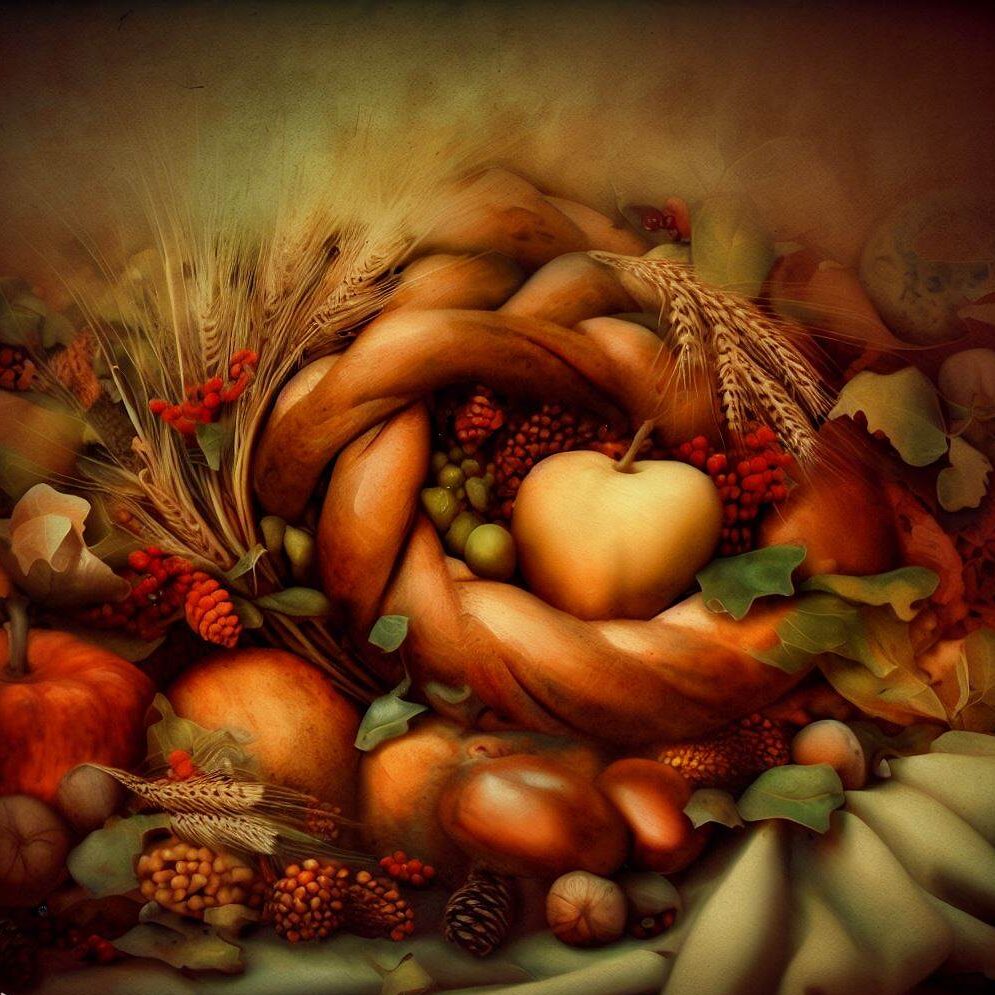
During Lammas, the gathering and sharing of the first harvest hold great significance. It is a time to come together as a community, expressing gratitude for the abundance of the land and the collective efforts that ensure our sustenance. The festival is marked by feasting, where freshly baked bread, seasonal fruits, vegetables, and dishes made from the first harvest are enjoyed in the company of loved ones.

Honoring Nature’s Gifts:

Lammas as a Call to Stewardship and Gratitude

Lammas also emphasizes the importance of recognizing and celebrating the gifts of nature. It invites us to honor the interplay between humans and the natural world, reminding us of our role as stewards of the Earth. By engaging in rituals, traditions, and practices associated with Lammas, we can deepen our connection to the cycles of the land, express gratitude, and foster a sense of unity with the greater web of life.

In essence, Lammas is a festival that embodies gratitude, abundance, and the cyclical nature of existence. It encourages us to pause, reflect, and celebrate the first fruits of our labor while acknowledging our interdependence with the Earth and the nourishment it provides. Lammas serves as a reminder to appreciate the present moment, express gratitude for the bounties of life, and embrace the transformative power of the harvest season.

History and Origin of Lammas:

Lammas carries a rich history that can be traced back to ancient Celtic, Norse, and Anglo-Saxon traditions. The festival’s origins are deeply intertwined with the reverence for agricultural deities and the gratitude expressed for the bountiful harvest.

Lugh, the Solar Deity:

The Celtic Connection to Lammas

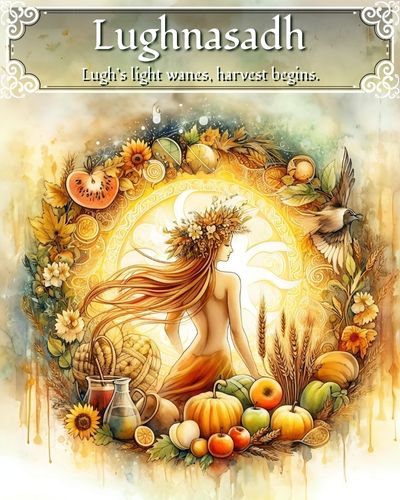
In Celtic mythology, Lammas is closely associated with the god Lugh, a prominent figure known for his skills, craftsmanship, and the harvest. Lugh was considered a solar deity, embodying the power and vitality of the sun that nourishes the crops. The festival of Lughnasadh was established as a tribute to Lugh, expressing gratitude for the abundance of the land and the blessings of the harvest.

Freyr, the Fertility God:

Norse Influence on Lammas Celebrations

Norse mythology also holds a connection to the essence of Lammas. The Norse god Freyr, associated with fertility, prosperity, and the harvest, played a significant role in the celebration of this festival. Freyr was honored as the giver of abundant crops and was venerated during Lammas to ensure future harvests and prosperity for the community.

Hlæfdige, the Lady of the Loaf:

Anglo-Saxon Perspectives on Lammas

Within Anglo-Saxon traditions, Lammas was linked to the goddess Hlæfdige, also known as the “Lady of the Loaf.” Hlæfdige symbolized the nurturing and sustaining qualities of the land, particularly in relation to the grain harvest. The festival of Lammas honored Hlæfdige and acknowledged the importance of bread and sustenance in the community.

Honoring Deities of Abundance:

The Divine Connection to Lammas Celebrations

Throughout these various cultural traditions, Lammas emerged as a time of offering gratitude to the deities associated with agriculture and the harvest. It was a sacred moment to recognize the interplay between humans and the natural world, acknowledging the divine forces that ensured the success of the crops and the abundance of the land.

Today, the history and origins of Lammas continue to inspire individuals and communities to honor the ancient wisdom and cultural heritage associated with this festival. By understanding the roots of Lammas and the deep reverence for agricultural deities, we can approach the celebration with a sense of connection to the past and a renewed appreciation for the cycles of nature and the harvest that sustains us.

Traditions and Customs of Lammas:

Harvest Celebrations:

Lammas is a time for joyous festivities, feasting, and community gatherings. Communities would come together to reap the first fruits, grains, and vegetables of the season.

  • Baking Bread:
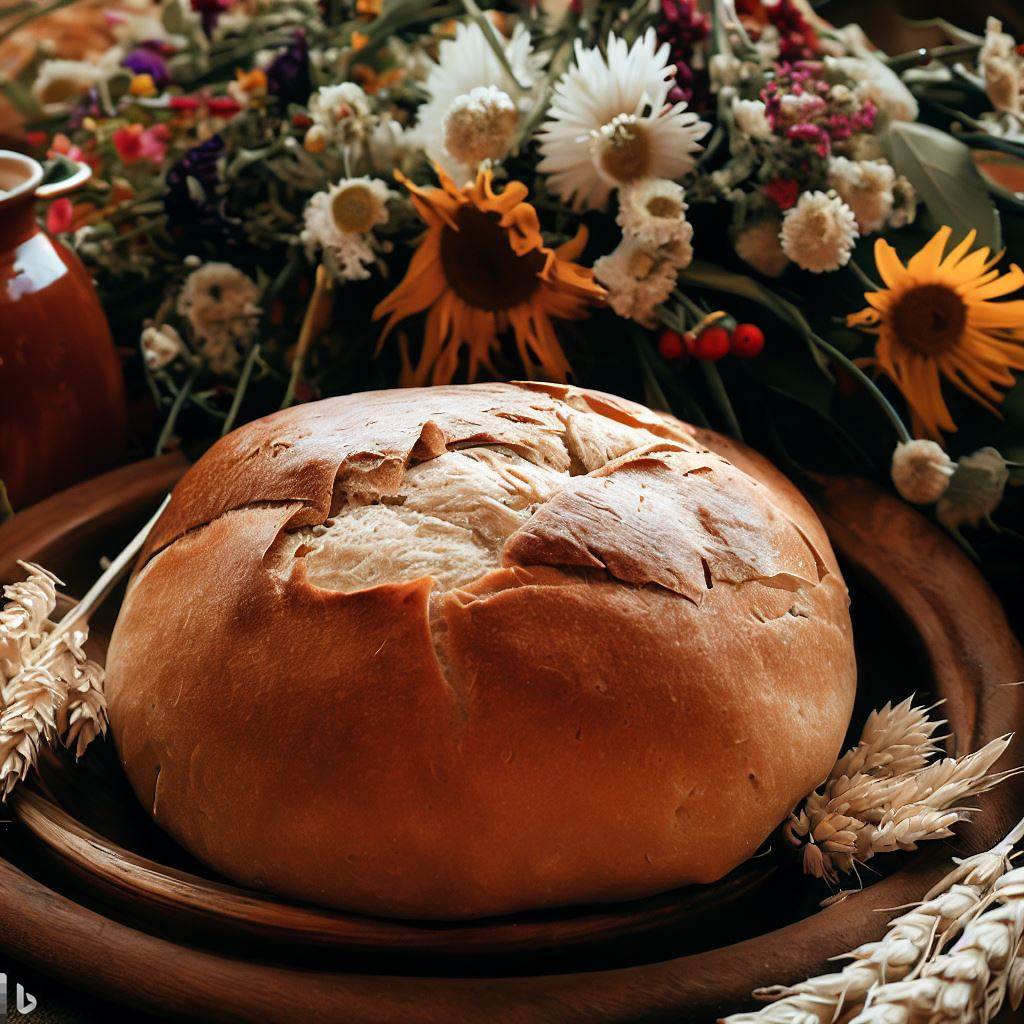
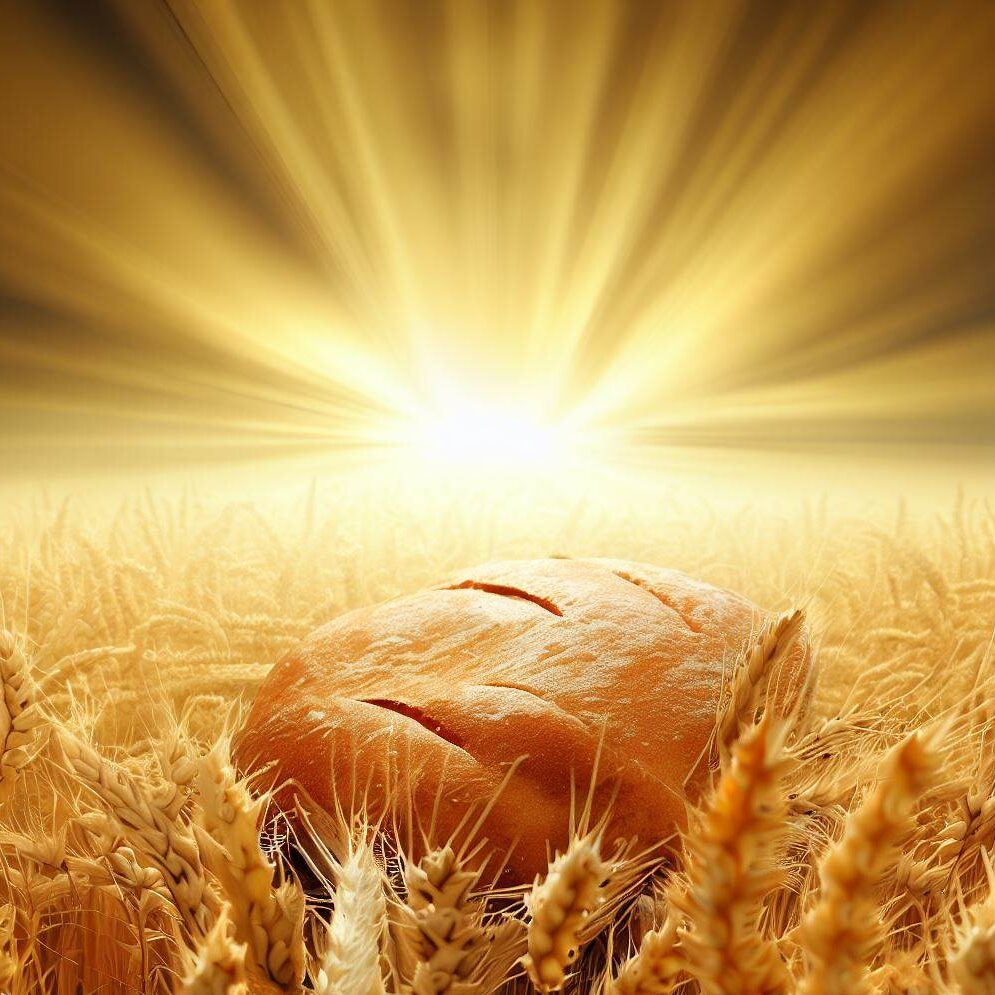
    Baking and sharing freshly made bread is a central tradition of Lammas, symbolizing the importance of the harvest and sustenance. Special loaves, often shaped like a sheaf of wheat or a sun, are prepared and enjoyed.
  • Corn Dolly:
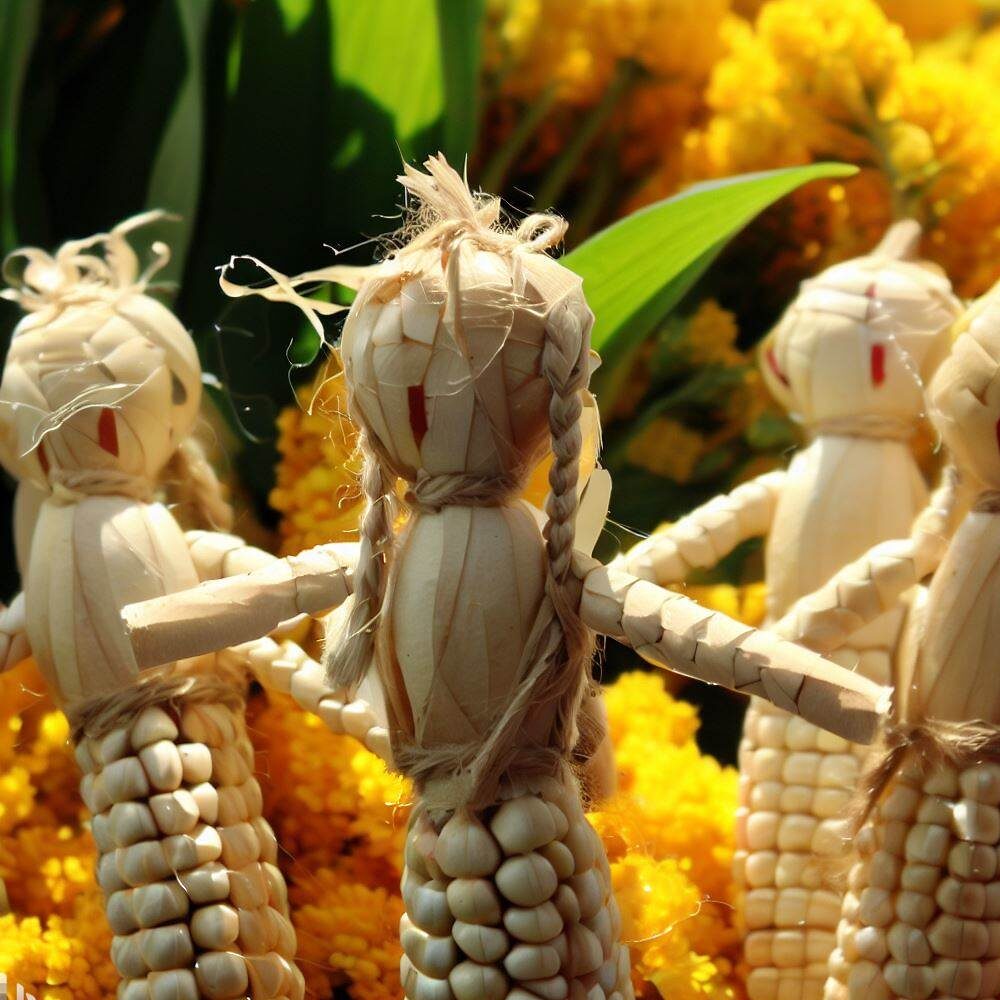
    Creating corn dollies or wheat weavings is a cherished tradition during Lammas. These decorative figures are made from braided straw or stalks, representing the spirit of the grain and fertility.
  • Outdoor Activities:
    Many celebrate Lammas by spending time outdoors, embracing nature, and engaging in activities such as nature walks, picnics, and games.
  • Rituals and Ceremonies:
    Lammas rituals often include expressions of gratitude, blessings of the harvested crops, and offerings to deities or spirits associated with agriculture and abundance.

How to Practice Lammas:

  • Setting Up an Altar:
    Create a sacred space by setting up an altar adorned with symbols of the harvest, such as freshly harvested fruits, vegetables, grains, flowers, and candles.
  • Harvest Ritual:
    Design a personal or group ritual that expresses gratitude for the harvest and celebrates the cycle of life. Incorporate elements such as blessings, prayers, meditation, and offerings.
  • Baking Bread:
    Participate in the tradition of baking bread, infusing it with intention and gratitude. Share the bread with loved ones or offer it as a gift.
  • Community Celebrations:
    Attend or organize community celebrations, where you can connect with others and partake in collective rituals, feasting, and joyful activities.

Safety Considerations:

  • Fire Safety:
    If incorporating candles or bonfires in your Lammas celebrations, ensure proper fire safety measures, and always follow local regulations.
  • Food Safety:
    Practice safe food handling and preparation when baking or sharing food. Pay attention to hygiene, allergens, and proper storage.
  • Outdoor Activities:
    If engaging in outdoor activities, be mindful of the weather, stay hydrated, and consider appropriate sun protection.
  • Respect for Nature:
    When foraging or harvesting from nature, do so responsibly, respecting the environment and local regulations.

Conclusion:

Lammas is a time-honored festival that celebrates the first harvest and the abundance of the Earth. By understanding its significance, embracing traditions, and practicing it with care and respect, you can connect with nature, express gratitude, and foster a sense of community. As you embark on your Lammas celebrations, remember to prioritize safety, and create meaningful experiences that honor the cycles of life, growth, and the gifts of the harvest.
Posted on Leave a comment

Ritual: Crafting Corn Dollies for Lughnasadh

Lughnasadh Corn DolliesReading Time: 3 minutes
Lughnasadh Corn Dollies

Introduction

A Sacred Tradition

Lughnasadh, also known as Lammas, marks the beginning of the harvest season and is a time of celebration and gratitude for the abundance of the Earth. One beautiful and meaningful craft associated with Lughnasadh is the creation of corn dollies. These straw or corn husk dolls are traditionally crafted to honor the spirit of the grain and ensure a bountiful harvest.

In this article, we will guide you through the step-by-step process of crafting corn dollies, explore the significance of materials used, and discuss the magical uses of these sacred creations.

Ritual Basics

Before beginning any ritual, it is important to prepare yourself mentally and physically. You may want to take a cleansing bath, or shower, and meditate or perform some grounding exercises to center yourself. Gather any materials you will need, such as candles, incense, and offerings for the forest spirits.

You can read a more detailed Ritual Preparation guide here.

Significance of Materials:

The choice of materials used in crafting corn dollies holds symbolic meaning. Corn husks or straw represent the spirit of the grain and the harvest. They embody the essence of fertility, abundance, and the cycle of life. The pliability of corn husks allows us to shape and mold the doll, symbolizing our connection to the creative energies of the Earth.

Magical Uses of Corn Dollies:

Once crafted, corn dollies hold powerful magical significance. Here are some ways to work with your corn dolly:

  • Harvest Blessings: Place your corn dolly on the altar or in a prominent position in your home to invoke blessings and abundance for the harvest season. Offer gratitude and ask for the continued abundance of the Earth.
  • Ritual Offerings: During Lughnasadh celebrations or rituals, you can dedicate your corn dolly to a specific deity or spirit associated with the harvest. Offer the doll as a token of appreciation and to seek their blessings.
  • Protection and Prosperity: Hang your corn dolly near doorways or windows to attract positive energies, ward off negative influences, and invite prosperity into your home.
  • Fertility and Growth: Bury your corn dolly in the soil of your garden to promote fertility, growth, and a fruitful harvest. As it decomposes, it nourishes the Earth and symbolically returns the life force back to the land.
  • Symbolic Release: As the harvest season comes to an end, you can ritually dismantle or burn your corn dolly as a symbolic act of releasing and letting go of any energies, patterns, or limitations that no longer serve you. This represents the cycle of life, death, and rebirth.
Lughnasadh Corn Dollies
Print Ritual
No ratings yet

Ritual: Crafting Corn Dollies for Lughnasadh

One beautiful and meaningful craft associated with Lughnasadh is the creation of corn dollies. These straw or corn husk dolls are traditionally crafted to honor the spirit of the grain and ensure a bountiful harvest.
Prep Time15 minutes
Ritual Time30 minutes
Total Time45 minutes
Ritual Type: Lughnasadh (Lammas)
Type: Rituals
Author: Theo, Witch

Supplies

  • Dried corn husks or straw
  • Scissors
  • Twine or string
  • Embellishments (Optional) such as ribbons, feathers, or small decorative items

Instructions

  • Prepare the Corn Husks or Straw – If using dried corn husks, soak them in warm water for about 15 minutes to make them pliable. If using straw, ensure it is clean and dry.
  • Create the Basic Shape – Take a few corn husks or straw pieces and bunch them together tightly at one end, forming a ball shape. This will serve as the head of the corn dolly. Use twine or string to secure the bundle tightly.
  • Form the Body and Arms – Take additional corn husks or straw pieces and wrap them around the head, forming the body of the doll. Secure with twine or string. To create arms, fold smaller pieces of corn husks or straw and attach them to the body using twine or by tucking them into the wrapped husks or straw.
  • Decorate the Corn Dolly (optional) – You can embellish your corn dolly with ribbons, feathers, or other decorative items. These additions can represent personal intentions, blessings, or symbols of the harvest season. Attach them securely to the doll using twine or glue.
  • Finalize the Details – Trim any excess husks or straw to achieve the desired shape and length for the doll's body and arms. Take care to maintain the integrity of the doll's structure.

Notes

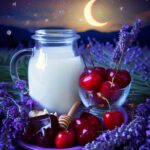
Moon Milk Lavender and CherriesMoon milk is believed to have magical properties that promote relaxation, sleep, and spiritual connection. Lavender is a powerful herb that is often used in spells and rituals to promote tranquility, purification, and harmony. It is said to help calm the mind, soothe anxiety, and facilitate communication with the spiritual realm. Cherries, on the other hand, are associated with abundance, prosperity, and love. By combining these two ingredients in moon milk, we can create a potent brew that promotes restful sleep, deep relaxation, and a profound sense of spiritual connection.
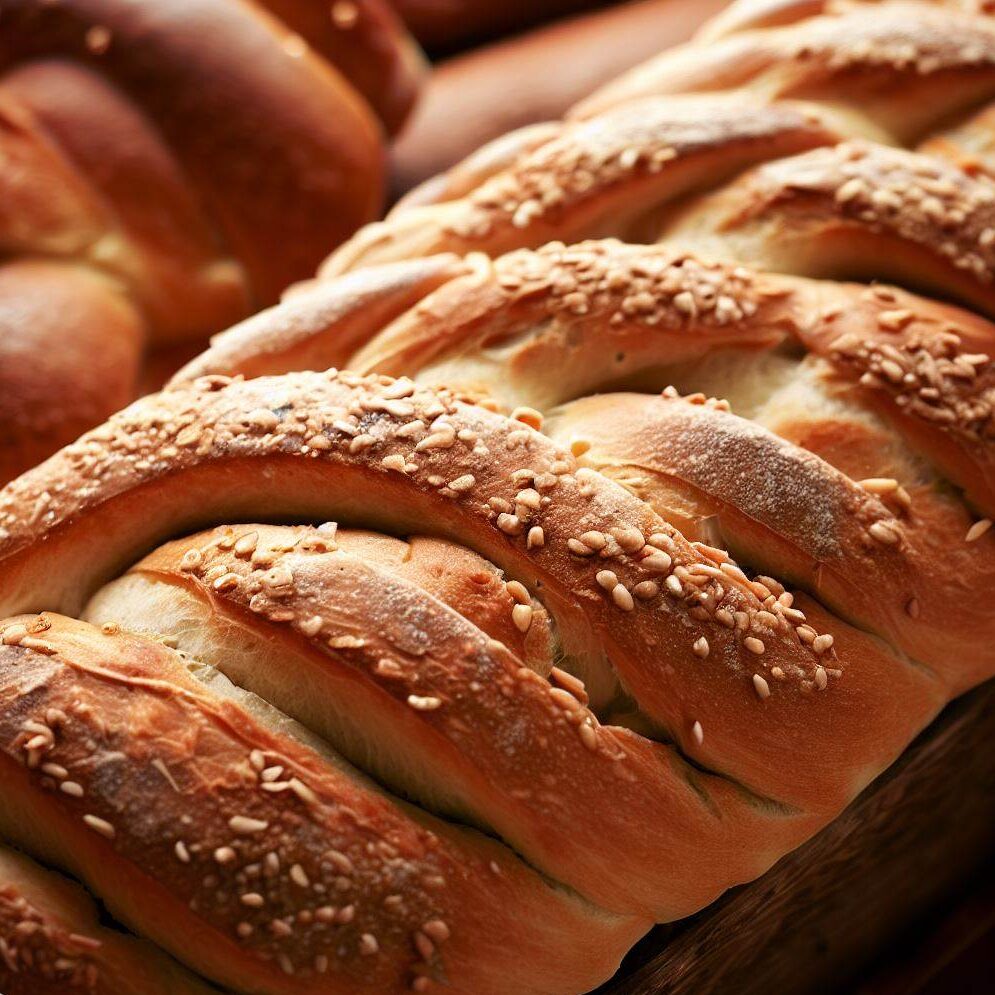
As you sip on your moon milk and gaze up at the moon, take a moment to reflect on the magic and mystery of the universe. Whether you are working with the moon to manifest your desires, to connect with your intuition, or simply to enjoy a peaceful moment of reflection, remember that the power of the moon is always with you, waiting to be harnessed and celebrated.
*Calories Calculated with 2% Dairy Milk, Different bases will change the values.

© The Equinox Apothecary 2024 – Permission is granted to copy and reproduce this Ritual with attribution

Conclusion:

Crafting corn dollies for Lughnasadh is a beautiful way to connect with the energy of the harvest season, express gratitude, and honor the abundance of the Earth. Through the step-by-step process outlined above, you can create a unique and meaningful corn dolly to serve as a sacred talisman in your spiritual practices. Remember to infuse your creation with intention, love, and gratitude, and embrace the magical possibilities that corn dollies hold. May these creations bring blessings, abundance, and joy into your life as you celebrate the bountiful harvest of Lughnasadh.

Posted on Leave a comment

Recipe: Lammas Bread

Lammas BreadReading Time: 3 minutes
Lammas Bread

Introduction

Lammas (Lughnasadh) Bread

Are you looking for a delicious and meaningful way to celebrate the sabbat of Lughnasadh? If so, you might want to try making some Lammas bread. This simple and tasty recipe is a great way to honor the god Lugh and the harvest season. In this post, we will show you how to make Lammas bread and explain its significance in Pagan tradition.

As the heat of summer begins to wane and the first signs of autumn approach, Pagans around the world celebrate the sabbat of Lughnasadh or Lammas. This festival, which is observed on or around August 1st in the Northern Hemisphere, is a time to honor the god Lugh and to celebrate the bounty of the harvest.

In Celtic mythology, Lugh was known as the god of the sun, light, and harvest. He was also associated with skill and craftsmanship, particularly in the areas of music and poetry. According to legend, Lugh held a great feast each year in honor of the harvest, which was attended by all the gods and goddesses.

Today, modern Pagans celebrate Lughnasadh as a time to give thanks for the fruits of the earth and to recognize the hard work that goes into producing them. It is a time to reflect on the cycle of life, death, and rebirth, and to appreciate the abundance that comes from the cycle.

One traditional way to celebrate Lughnasadh is to make a dish known as Lammas bread. This bread, which is also sometimes called “harvest bread” or “corn bread,” is a symbol of the harvest and is often blessed as part of the ritual.

We thank the earth for the golden grain
We thank the sun for the shining rain
We thank the fire for the warmth and light
We thank the spirit for the gift of sight

We bless this bread with love and grace
We bless each other in this sacred space
We share this bread with joy and peace
We share our blessings with all who seek

Blessed be this Lammas day
Blessed be our work and play

Lammas Bread
Print Recipe Share on Facebook Pin Recipe
No ratings yet

Recipe: Recipe: Lammas Bread

A delicious and meaningful way to celebrate the sabbat of Lughnasadh, this simple and tasty recipe is a great way to honor the god Lugh and the harvest season.
Prep Time15 minutes
Cook Time40 minutes
Total Time55 minutes
Course: Breads
Type: Recipe
Servings: 8 slices
Calories: 250kcal
Author: Theo, Witch

Ingredients

  • 2 cups flour
  • 2 teaspoons baking powder
  • 1 teaspoon salt
  • 1/2 cup cornmeal
  • 1/2 cup rolled oats
  • 1/4 cup honey
  • 1 egg
  • 1/4 cup vegetable oil
  • 1 cup milk

Instructions

  • Preheat your oven to 375°F (190°C).
  • In a large mixing bowl, combine 2 cups flour, 2 teaspoons baking powder, and 1 teaspoon salt.
  • Add 1/2 cup cornmeal and 1/2 cup rolled oats to the mixture and stir well.
  • In a separate bowl, beat 1 egg and add 1/4 cup honey, 1/4 cup vegetable oil, and 1 cup milk. Mix well.
  • Add the wet ingredients to the dry ingredients and stir until the mixture is just combined.
  • Pour the batter into a greased loaf pan.
  • Bake for 35-40 minutes or until the bread is golden brown and a toothpick inserted in the center comes out clean.
  • Let the bread cool for a few minutes before slicing and serving.

Notes

Moon Milk Lavender and CherriesMoon milk is believed to have magical properties that promote relaxation, sleep, and spiritual connection. Lavender is a powerful herb that is often used in spells and rituals to promote tranquility, purification, and harmony. It is said to help calm the mind, soothe anxiety, and facilitate communication with the spiritual realm. Cherries, on the other hand, are associated with abundance, prosperity, and love. By combining these two ingredients in moon milk, we can create a potent brew that promotes restful sleep, deep relaxation, and a profound sense of spiritual connection.
As you sip on your moon milk and gaze up at the moon, take a moment to reflect on the magic and mystery of the universe. Whether you are working with the moon to manifest your desires, to connect with your intuition, or simply to enjoy a peaceful moment of reflection, remember that the power of the moon is always with you, waiting to be harnessed and celebrated.
*Calories Calculated with 2% Dairy Milk, Different bases will change the values.

Recipe: Lammas Bread

Proudly brought to you by

The Equinox Apothecary

© The Equinox Apothecary 2024 – Permission is granted to copy and reproduce this Recipe with attribution

Conclusion

Whether you choose to celebrate Lughnasadh as a tribute to the god Lugh or as a recognition of the harvest, this festival is a time to give thanks for the gifts of the earth and to appreciate the hard work that goes into producing them. As the colors of autumn begin to emerge, take a moment to reflect on the abundance around you and to appreciate the beauty of the season.

Posted on Leave a comment

Hlæfdige: The Lady of the Loaf and Lammas Celebration

HlæfdigeReading Time: 11 minutes
Hlæfdige

Introduction

Unveiling the Ancient Anglo-Saxon Goddess: Hlæfdige and the Harvest

Hlæfdige, the Lady of the Loaf, is a lesser-known figure in folklore and mythology who holds a significant place in the celebration of Lammas, also known as Lughnasadh. Lammas, which falls on August 1st, marks the beginning of the harvest season and is a time of gratitude and celebration for the bountiful gifts of the earth. In this article, we will explore the fascinating origins of Hlæfdige and her relation to the traditions and rituals of Lammas.

Hlæfdige: Embodying the Nourishing Power of Grain

In the realm of ancient Anglo-Saxon beliefs, Hlæfdige emerges as a revered figure, embodying the essence of the nourishing power of grain. Translated as the “Lady of the Loaf” or the “Bread Lady,” she is deeply associated with the harvest season and the abundant sustenance that stems from the earth’s fertile embrace. Hlæfdige encapsulates the spirit of abundance, acting as a beacon of prosperity and the life-sustaining force inherent in grain.

Depicted as a matronly figure, Hlæfdige exudes an air of maternal care and nourishment. Adorned with golden wheat sheaves, her regal presence celebrates the vibrant and fruitful harvest that is made possible through the earth’s fertility. The wreath of wildflowers crowning her head further symbolizes the blossoming abundance and the interconnectedness between nature’s bounties and the cycle of life.

Hlæfdige’s association with grain goes beyond its physical form. She represents the transformative power of this vital crop, where seeds are sown and nurtured by the earth, eventually culminating in the golden abundance that sustains communities. As the “Lady of the Loaf,” she personifies the alchemical process of turning harvested grain into nourishing sustenance, fueling, and nurturing the lives of those who partake in its gifts.

Furthermore, Hlæfdige’s embodiment of the nourishing power of grain extends to the spiritual and symbolic realms. Grain, a staple food, has long been revered as a source of sustenance and survival. Its cultivation and harvest require the collective efforts of communities, symbolizing the interdependence between humans and the earth. Hlæfdige serves as a reminder of the sacred bond between humanity and the natural world, underscoring the importance of valuing and respecting the earth’s gifts.

During the celebration of Lammas, Hlæfdige’s presence is invoked to honor and express gratitude for the blessings of the harvest season. Through rituals and offerings, individuals pay homage to her, recognizing the life-giving force embodied in grain and the interconnectedness between human nourishment and the earth’s fertility. Hlæfdige’s role as the guardian of the grain and the provider of sustenance encourages a deeper appreciation for the abundance that surrounds us and reinforces the need to cherish and protect the delicate balance of nature’s cycles.

As we celebrate Lammas and embrace the teachings of Hlæfdige, we are reminded of the profound nourishment that stems from the earth’s fertile generosity. We recognize the transformative power of grain and the interconnectedness between human sustenance and the abundance of the natural world. Hlæfdige, the embodiment of the nourishing power of grain, invites us to embrace gratitude, reverence, and a harmonious relationship with the land, fostering a deepened connection with the cycles of life and the bountiful blessings that sustain us.

The Guardian of the Harvest

Hlæfdige’s Role in Lammas Celebrations

As Lammas, the festival of the first harvest, unfolds, Hlæfdige takes center stage, her presence invoked to honor and express gratitude for the abundant blessings bestowed upon the land. In this joyous celebration, she assumes the vital role of the guardian and provider of grain—the very essence that forms the foundation of the staple food: bread. Hlæfdige, known as the Lady of the Loaf, symbolizes the transformative power of grain as it is milled, kneaded, and ultimately baked into nourishing sustenance for the community. It is through her grace and abundance that the people find sustenance and rejoice in the fruits of the harvest.

Hlæfdige’s significance during Lammas is rooted in her association with the sacred grain, which serves as a vital source of sustenance and nourishment. As the guardian of the harvest, she oversees the well-being of the crops, ensuring a plentiful yield and a bountiful harvest. In this role, she embodies the spirit of fertility and abundance, guiding the agricultural endeavors that sustain the community’s livelihood.

The transformative power of grain lies at the heart of Hlæfdige’s representation as the Lady of the Loaf. The journey from seed to loaf is a testament to the cyclical nature of life and the transformative process of nourishment. Grain, once harvested, undergoes a series of laborious steps: it is milled into flour, then lovingly kneaded, and shaped into dough before being baked into bread. Hlæfdige personifies this alchemical process, embodying the transformative energy that turns the humble grain into a vital source of sustenance.

As Lammas celebrations unfold, rituals and customs centered around Hlæfdige bring communities together in the age-old tradition of breadmaking. The sacred grain associated with Hlæfdige is harvested, ground into flour, and transformed into various bread and pastry offerings. These offerings are crafted with love and intention, reflecting the gratitude for the abundance of the harvest and the desire to share in the communal celebration. Hlæfdige’s benevolent presence infuses the baking process with her grace and blessings, ensuring that the bread becomes a symbol of nourishment, unity, and abundance.

In Lammas ceremonies, loaves of bread take on sacred significance. They are shaped and adorned with intricate designs representing the sun, sheaves of wheat, and other symbols of fertility and prosperity. These beautifully crafted loaves serve as offerings to Hlæfdige, a testament to the community’s gratitude and reverence for the grain’s transformative power. Sharing the bread with loved ones and the community further strengthens the bond of kinship and fosters a sense of unity and abundance.

Hlæfdige’s role in Lammas celebrations is not confined to the physical act of breadmaking. She embodies the spirit of generosity, sustenance, and interconnectedness. Beyond the nourishment provided by the bread, she represents the underlying interdependence between humans and the natural world. Her presence reminds us to honor the gifts of the earth, to cultivate a respectful relationship with the land, and to recognize the efforts of all those involved in the agricultural process.

As Lammas unfolds each year, Hlæfdige’s role as the Guardian of the Harvest remains steadfast. She serves as a guiding force, reminding us to honor and express gratitude for the blessings of the harvest and the transformative power of grain. Through her presence, we are invited to celebrate the abundance, unity, and interconnectedness that arise from the sacred relationship between humanity and the bountiful earth.

Breadmaking Rituals

Honoring Hlæfdige’s Sacred Grain

Hlæfdige Lady of Loaf's Sacred Bread

Recipe: Hlæfdige Lady of Loaf’s Sacred Bread

Reading Time: 3 minutesLearn how to make a Lammas staple, Hlæfdige Lady of Loaf’s Sacred Bread, a magical recipe that nourishes your body and soul with ancient traditions and mysticism.

At Lammas, the celebration of the first harvest, an ancient tradition is reignited as families and communities unite in the timeless ritual of breadmaking, paying homage to Hlæfdige and her sacred grain. This cherished custom forms the heart of Lammas festivities, as wheat—the grain associated with Hlæfdige—is harvested, milled into flour, and skillfully transformed into an array of bread and pastry offerings. Infused with love and intention, these creations embody a profound sense of gratitude for the abundant harvest and a profound desire to partake in the communal celebration.

Breadmaking rituals associated with Hlæfdige during Lammas offer a deeply meaningful experience, invoking the transformative power of grain and honoring the spirit of the Lady of the Loaf. As families and communities gather, they embark on a sacred journey that begins with the harvesting of wheat, symbolizing the culmination of a season’s toil and the promise of sustenance.

The harvested wheat, carefully gathered and prepared, undergoes the ancient process of milling, where it is transformed into flour. This pivotal step symbolizes the extraction of life-giving nourishment from the grain, representing Hlæfdige’s divine influence in bringing forth abundance and sustenance for the community.

With flour in hand, the art of breadmaking unfolds. Hands skillfully knead the dough, imbuing it with love, care, and intention. The rhythmic motion echoes the age-old connection between humans and the land, as the transformative process captures the essence of Hlæfdige’s presence. Each stretch, each fold, and each rise of the dough becomes a testament to the interconnectedness between the sacred grain and the communal celebration of Lammas.

As the bread and pastries take shape, they become tangible expressions of gratitude and reverence. Decorated with intricate designs symbolizing fertility, prosperity, and the cycles of nature, these offerings reflect the shared appreciation for the abundance bestowed upon the community. The act of creating these breads with love and intention deepens the connection to Hlæfdige, recognizing her as the provider of sustenance and the embodiment of the grain’s transformative power.

During Lammas celebrations, these beautifully crafted loaves and pastries find their place on altars, serving as offerings to Hlæfdige. They become conduits of gratitude, inviting her presence and blessings into the festivities. The act of sharing the bread with loved ones and the wider community further amplifies the spirit of unity and abundance, fostering a deep sense of kinship and connection.

Through the breadmaking rituals, Lammas becomes a time of reverence, gratitude, and celebration. It serves as a reminder of the sacred bond between humanity and the nourishing power of grain, personified by Hlæfdige. These rituals not only honor the abundance of the harvest but also reinforce the interconnectedness between individuals, communities, and the land that sustains them.

As modern interpretations of Lammas continue to evolve, the tradition of breadmaking remains a timeless practice. It provides an opportunity to reconnect with Hlæfdige’s sacred grain, to express gratitude for the bountiful harvest, and to partake in a communal celebration that transcends time and cultural boundaries. Through these breadmaking rituals, Hlæfdige’s presence is honored, and her transformative power is celebrated, reminding us of the enduring connection between nourishment, gratitude, and the vibrant spirit of Lammas.

Symbolism in Shaping and Decorating

Offering Bread to Hlæfdige

A central aspect of Lammas celebrations lies in the artful shaping and intricate decoration of bread, an act steeped in symbolism that honors Hlæfdige and seeks her blessings for a bountiful harvest and a prosperous future. As families and communities come together to commemorate this sacred occasion, the breadmaking process transforms into a meaningful expression of gratitude and reverence.

During Lammas, loaves of bread take on symbolic forms, each design carefully crafted to reflect the essence of the season. Among the most prevalent symbols are representations of the sun, a potent emblem of warmth, light, and life-giving energy. By shaping bread into sun-like forms, worshippers pay homage to the divine force that nurtures and ripens the crops, infusing them with vitality and abundance.

In addition to the sun, sheaves of wheat, an ancient symbol of prosperity and fertility, hold a special place in the bread-shaping rituals. Wheat, the sacred grain associated with Hlæfdige, takes center stage in these offerings, embodying the life-sustaining essence of the harvest. As the wheat gracefully sways in the fields, it serves as a testament to the cycles of life, the interconnectedness of all living beings, and the bountiful blessings bestowed upon the land.

The bread, transformed into shapes of sun and wheat, is then lovingly placed on altars or presented as offerings to Hlæfdige. This act signifies the deep gratitude and reverence felt towards the goddess, acknowledging her role as the guardian and provider of the grain that forms the foundation of nourishment. As the loaves are laid before her, they become vessels of appreciation, inviting her divine presence into the festivities, and bestowing her blessings upon the community.

The act of sharing the bread with loved ones and the wider community adds yet another layer of symbolism to the Lammas celebrations. As each person partakes in the bread, they become connected not only to the nourishing sustenance but also to the spirit of unity and abundance that Hlæfdige embodies. This act of communal sharing strengthens the bond of kinship, fostering a sense of togetherness and gratitude for the blessings bestowed upon all.

In shaping and decorating bread for Hlæfdige during Lammas, worshippers engage in a sacred art that transcends mere aesthetics. The symbolism woven into the bread’s form and decoration serves as a language of reverence, expressing a profound connection to the cycles of nature and the generous spirit of the harvest. As modern celebrations continue to evolve, these meaningful traditions endure, reminding us of the enduring bond between humanity, the land, and the nourishing power of Hlæfdige’s sacred grain.

Nourishment and Interconnectedness

Hlæfdige’s Deeper Meaning

While the rituals and offerings associated with Hlæfdige during Lammas are captivating, the essence of this ancient Anglo-Saxon goddess extends far beyond the physical act of breadmaking. Hlæfdige represents a profound understanding of the nourishment and sustenance that flows not only from the grain but also from the intricate web of interconnectedness between humans and the natural world.

At the heart of Hlæfdige’s teachings lies a deep appreciation for the earth’s gifts and the delicate balance that sustains life. She calls upon us to recognize the intrinsic value of the land, to cherish its abundance, and to tread upon it with respect and reverence. In doing so, we acknowledge the profound interdependence between humans and the natural world, understanding that our own well-being is intricately linked to the health and vitality of the earth.

Through Hlæfdige’s teachings, we are reminded of the efforts and dedication of those involved in the agricultural process. The farmers, laborers, and all who toil on the land become part of a sacred dance, working in harmony with the cycles of nature to bring forth the harvest. Hlæfdige urges us to acknowledge their contributions and recognize the significance of their labor in providing the nourishment that sustains us all.

Moreover, Hlæfdige encourages us to extend our gratitude beyond the physical sustenance provided by the grain. She teaches us to nourish our souls through acts of kindness, compassion, and connection. By valuing the earth’s gifts and embracing the interconnectedness of all living beings, we cultivate a deeper sense of empathy and appreciation for the world around us.

In our modern world, where the pace of life often disconnects us from the rhythms of nature, Hlæfdige’s teachings are more relevant than ever. She calls upon us to pause, to listen to the whispers of the earth, and to find solace in the nourishment provided by the land. Through Hlæfdige’s wisdom, we are reminded to live in harmony with nature, embracing sustainable practices that preserve and protect the gifts of the earth for future generations.

As Lammas celebrations continue to evolve, Hlæfdige’s deeper meaning resonates with those seeking a profound connection with the natural world. Her teachings serve as a guide, urging us to look beyond the surface and recognize the interconnectedness of all life. By honoring Hlæfdige’s message, we nourish not only our bodies but also our spirits, fostering a deep sense of gratitude, respect, and harmony with the earth and its abundant blessings.

Hlæfdige in Modern Times

Reconnecting with Nature’s Abundance

In our fast-paced and modern world, the significance of Hlæfdige during Lammas remains as relevant as ever. As individuals strive to reconnect with nature’s cycles and express gratitude for the abundance in their lives, the presence of the Lady of the Loaf serves as a powerful reminder of our deep connection to the earth and the importance of honoring its gifts.

Today, where technology often distracts us from the natural world, Lammas and the invocation of Hlæfdige’s spirit offers an opportunity for introspection and realignment with the rhythms of nature. As we gather to celebrate this sacred occasion, we are invited to pause and reflect on the abundance that surrounds us—the bountiful harvests, the nourishing sustenance, and the interconnectedness of all living beings.

Hlæfdige’s teachings inspire us to honor the fruits of the earth, not only in the physical sense but also in our actions and choices. Through conscious living, sustainable practices, and mindful consumption, we can express our gratitude for the abundance we receive and acknowledge our role as stewards of the natural world. By embracing the spirit of generosity and sharing, we contribute to the collective well-being of humanity and foster a sense of unity and interdependence.

Moreover, Hlæfdige’s presence encourages us to recognize the interwoven tapestry of life, where every being and element has its place and purpose. She reminds us that we are part of a greater whole, intricately connected to the cycles of nature. By acknowledging and embracing this interdependence, we gain a deeper appreciation for the fragility and resilience of the earth, motivating us to protect and preserve its vitality for future generations.

In our pursuit of reconnection, we may find solace in nature’s embrace. Whether it is taking a walk in a lush forest, tending to a garden, or simply pausing to admire the beauty of a sunrise, these moments of communion with the natural world can nourish our souls and reignite a sense of wonder and gratitude.

Modern interpretations of Lammas and Hlæfdige’s significance provide an opportunity for individuals to embark on a journey of self-discovery and transformation. By embracing the wisdom of the Lady of the Loaf, we open ourselves to a deeper understanding of our place within the intricate tapestry of existence. We learn to live in harmony with nature’s rhythms, to celebrate its abundance with gratitude, and to cultivate a profound sense of interconnectedness that transcends time and culture.

As we continue to navigate the complexities of the modern world, Hlæfdige’s message acts as a guiding light, reminding us of the beauty and power of nature’s abundance. By embracing her teachings, we reclaim our innate connection to the earth, fostering a renewed sense of purpose, and finding fulfillment in living harmoniously with the cycles of life. May Hlæfdige’s spirit inspire us to nurture the interdependence between humans and the natural world, creating a future where gratitude, respect, and abundance flourish.

Hlæfdige and Lammas – Celebrating Abundance and Interdependence

As we come together to celebrate Lammas and honor the divine presence of Hlæfdige, let us carry forward the profound teachings she imparts. Let us remember the timeless wisdom she embodies—the wisdom of nourishment, abundance, and the sacred interdependence between the land and its people. May her presence continue to inspire us to cherish and protect the precious resources of the earth, to cultivate a spirit of gratitude and sharing, and to foster a harmonious relationship with the ever-turning cycles of life. As we embark on this journey of connection and reverence, may Hlæfdige’s guiding light illuminate our path, guiding us to a future where we live in harmony with nature, honoring the bountiful blessings that surround us.

Posted on Leave a comment

Freyr: The Fertility God of Lammas

Freyr LammasReading Time: 10 minutes
Freyr Lammas

Introduction

Freyr: The Fertility God of Lammas

Lammas is a significant festival celebrated in many cultures around the world. It marks the beginning of the harvest season, a time when the fields are ripe with golden grains and the fruits of the earth are ready for gathering. Among the deities associated with Lammas, one stands out as a symbol of fertility, abundance, and prosperity: Freyr, the Norse god of agriculture and harvest

Freyr: The Norse God of Fertility and Prosperity

Freyr, the Norse god of fertility and prosperity, holds a significant place in the realm of Norse mythology. Born as the son of the sea god Njord and the giantess Skadi, Freyr assumes a central role in overseeing the abundant aspects of nature, ensuring the flourishing growth of crops, the fertility of livestock, and the overall prosperity of the land. His divine presence radiates warmth and abundance, casting a benevolent light upon the realms he governs.

Radiant Beauty and Sacrifice

Freyr’s Divine Presence

Depicted as a handsome and radiant figure, Freyr captivates with his divine beauty and charm. His radiant aura symbolizes the vitality and vibrancy that accompany fertility and prosperity. With his magical sword in hand, which he acquired through a selfless sacrifice of one of his own teeth, Freyr exemplifies the willingness to give up something precious for the sake of the harvest. This act serves as a testament to his dedication and commitment to ensuring the well-being and abundance of the earth.

Overseeing Prosperity

Freyr, the God of Fertility

As the god of fertility, Freyr’s responsibilities encompass a wide range of bountiful aspects of nature. From the growth of crops to the fertility of livestock, Freyr oversees the cycles of life that sustain communities and foster prosperity. Farmers and cultivators turn to Freyr, invoking his blessings to ensure favorable weather, fruitful harvests, and the health and well-being of their livestock. His presence during the agricultural seasons brings reassurance and hope, as his divine influence brings forth abundance and prosperity to those who honor him.

Embodying Abundance

Freyr’s Influence in All Aspects of Life

Freyr’s role as the deity of fertility goes beyond the physical realm of crops and livestock. He embodies the concept of prosperity in its entirety, extending his blessings to all aspects of life. The essence of Freyr’s divine energy resonates with individuals seeking abundance and prosperity in their personal and professional endeavors. Whether one seeks success in agriculture, business ventures, or personal growth, Freyr’s influence serves as an inspiration to embrace the qualities of fertility, prosperity, and abundance.

In Norse mythology, Freyr holds a revered place as the bringer of fertility and prosperity. His radiance and generosity bring forth the bountiful blessings of the land, ensuring the well-being and sustenance of communities. Through his presence, he imparts the significance of nurturing and sustaining the earth, cherishing the cycles of life, and embracing the abundance that surrounds us. Freyr’s legacy as the god of fertility and prosperity endures, reminding us of the interconnectedness between humans and the natural world and the importance of honoring and celebrating the blessings bestowed upon us.

Freyr’s Influence at Lammas

Blessing the Harvest

Freyr’s influence reaches its peak during the celebration of Lammas, a festival of great significance in Norse tradition. Lammas, observed on August 1st, marks the moment when the first grains are ready to be harvested, signaling the beginning of the fruitful season. As the god of fertility and prosperity, Freyr’s presence during this festival is especially pronounced, as he is invoked to bless the crops and ensure a successful harvest.

Expressing Gratitude and Seeking Favor

The Significance of Offerings at Lammas

Lammas serves as a time of gratitude and celebration, where communities gather to express their appreciation for the abundance of the land. In honor of Freyr, prayers and offerings are presented, seeking his favor and protection for the agricultural endeavors that sustain their livelihoods. These offerings may include freshly harvested grains, fruits, and flowers, symbolizing the fruits of their labor and the interconnectedness between humans and the natural world.

Unity and Reverence

Rituals and Customs to Invoke Freyr’s Blessings

The rituals and customs observed during Lammas are intended to invoke Freyr’s blessings and ensure a prosperous harvest. Communities come together in joyful unity, sharing feasts, songs, and dances as they express their reverence for the bountiful gifts of the earth. Through these rituals, the people recognize the vital role that Freyr plays in their agricultural pursuits and acknowledge the importance of maintaining a harmonious relationship with the land.

Seeking Guidance and Protection

Prayers for a Prosperous Harvest

During Lammas, individuals and communities also seek Freyr’s guidance and protection for the challenges that lie ahead. They offer heartfelt prayers, expressing their hopes for favorable weather conditions, fertile soil, and a bountiful yield. Through these acts of devotion, they demonstrate their trust in Freyr’s benevolence and his ability to nurture the land and ensure its continued fertility.

Infusing Lammas with Anticipation and Gratitude

Freyr’s Influence and the Cycles of Life

As the festival of Lammas unfolds, the presence of Freyr infuses the atmosphere with a sense of anticipation and gratitude. His influence during this time serves as a reminder of the cyclical nature of life, where the harvest represents not only the tangible fruits of the earth but also the abundant blessings that sustain and nurture the community. Through the invocation of Freyr’s blessings, the people express their commitment to the cycles of nature and their deep connection to the land that provides for their well-being.

Lammas stands as a testament to the enduring reverence for Freyr and the importance of honoring the divine forces that govern the fertility of the earth. It serves as a reminder of the interdependence between humans and the natural world, inspiring individuals to cherish and protect the precious resources that support their existence.

Lammas Rituals and Offerings to Freyr

Symbolizing Fertility and Connection to the Land

Rituals and customs associated with Freyr hold a significant place during the celebration of Lammas. As this festival unfolds, people engage in various practices to honor and invoke the blessings of Freyr, the Norse god of fertility and abundance. One such custom involves the creation of decorative cornucopias or corn dollies, which serve as symbolic representations of the fruitful harvest.

Symbolic Creations

The Intricate Craftsmanship of Cornucopias and Corn Dollies

These intricate cornucopias or corn dollies are meticulously crafted using grain stalks and other natural materials. The process of their creation holds deep symbolism, emphasizing the interconnectedness between Freyr, the land, and the cycles of life. By weaving together, the very essence of the harvest, these offerings embody the blessings and abundance that Freyr brings forth.

The Reverential Procession

Carrying Corn Dollies Through the Fields

In some traditions, these corn dollies are paraded through the fields, carried by individuals who are filled with gratitude for the fertile earth. This procession serves as a ceremonial act, where the corn dollies are shown to the fields, symbolically bestowing blessings upon the crops and invoking Freyr’s favor. It is a moment of reverence and acknowledgment, as the community recognizes the vital role that Freyr plays in the sustenance and prosperity of their agricultural endeavors.

Inviting Blessings

Placing Corn Dollies on Altars and in Homes

Following the procession, the corn dollies find their place on the altar or are hung in homes. Placing them in these sacred spaces is believed to invite the presence of Freyr and his blessings into the household. The corn dollies become focal points of devotion and serve as a constant reminder of the interconnected relationship between humans, the land, and the benevolent forces of nature.

Gratitude and Reciprocity

Tangible Expressions of Devotion during Lammas

Throughout Lammas, these rituals, and offerings to Freyr serve as tangible expressions of gratitude and reverence. They serve as acts of reciprocity, acknowledging the role that Freyr plays in ensuring a bountiful harvest and a prosperous livelihood. By engaging in these customs, individuals and communities deepen their connection with the divine and reaffirm their commitment to harmoniously coexist with the cycles of nature.

Lammas rituals and offerings to Freyr stand as a testament to the enduring reverence for this deity and the timeless importance placed on the fertility and abundance of the land. These sacred practices provide a profound opportunity for individuals to come together, express gratitude, and seek the blessings of Freyr, ensuring a successful harvest and the continuation of prosperity for the community.

Freyr’s Association with Livestock and the Symbolism of the Boar

Freyr, the god of fertility, holds a significant association with not only the growth of crops but also the prosperity of livestock. Farmers and animal husbandry practitioners turn to Freyr for his aid in ensuring the well-being and abundance of their animals. In Norse mythology, Freyr’s connection to livestock is exemplified through his special bond with the boar, a powerful symbol of abundance and virility.

The Symbolic Importance of the Boar

Representing Vitality and Abundance in Freyr’s Worship

The boar, an animal revered for its strength and fertility, holds great symbolic importance in the worship of Freyr. It represents the vitality and abundance that Freyr brings to all aspects of life, including the welfare of livestock. The boar’s energetic spirit and virility embody the essence of Freyr’s divine power, emphasizing his role as a provider of prosperity and abundance.

Harvest Home

Honoring Freyr with Sacrificial Boars for Prosperity and Blessings

During the festival of Harvest Home, which predates Lammas, boars were offered as sacrificial animals to honor Freyr and invoke his blessings for a fruitful year ahead. These offerings were a solemn tribute to Freyr’s connection with livestock and an expression of gratitude for his role in ensuring their health and prosperity. By sacrificing the boars, farmers sought to establish a harmonious relationship with Freyr and secure his benevolent influence over their animals.

The Deeper Significance of Offering Boars

Acknowledging Interdependence and Divine Guidance

The act of offering boars to Freyr during Harvest Home held a deeper significance beyond the physical sacrifice itself. It was a symbolic gesture that acknowledged the interdependence between humans, animals, and the divine. By offering the boars, farmers demonstrated their understanding of the cyclical nature of life and their reliance on Freyr’s divine guidance for a prosperous future.

Symbolism of Boar Sacrifice

Establishing Harmony and Commitment to Fertility and Abundance

The boar’s symbolism as a sacrificial offering to Freyr reflects the ancient belief that through this act, the gods’ favor would be gained, and blessings would flow abundantly upon the livestock and agricultural endeavors. The offering of boars to Freyr represented the commitment and devotion of the community to maintaining a harmonious balance with the natural world and honoring the divine forces that govern fertility and abundance.

Modern Relevance

Freyr’s Association with Livestock for Prosperity and Well-being

In modern interpretations, Freyr’s association with livestock and the boar resonates with those seeking prosperity and well-being for their animals and agricultural ventures. Individuals who work with livestock and engage in animal husbandry may invoke Freyr’s blessings, seeking his guidance and protection for the health, fertility, and overall prosperity of their herds.

Freyr’s connection with livestock and the symbolism of the boar highlight the depth and breadth of his role as a fertility deity. Through his association with livestock, he extends his benevolent influence on all aspects of agricultural life, ensuring the prosperity and abundance of both crops and animals. As individuals and communities honor Freyr and seek his favor, they recognize the vital role he plays in nurturing and sustaining the well-being of livestock and the agricultural community.

Freyr’s Significance in Modern Interpretations

Invoking Abundance and Prosperity

In modern times, Freyr’s significance extends beyond the realms of ancient mythology and finds relevance in the lives of individuals seeking abundance and prosperity. As a fertility god, Freyr embodies the essence of growth, vitality, and success, making him a powerful symbol for those pursuing their aspirations and endeavors.

Freyr’s Influence in Agriculture

Blessing Crops and Nurturing the Land

One area where Freyr’s influence is particularly felt is in agriculture. Farmers and cultivators, aware of the cyclical nature of the harvest and the importance of fertility in their fields, invoke Freyr’s energy to bless their crops. They seek his guidance in achieving favorable weather conditions, fruitful yields, and overall success in their agricultural pursuits. Freyr serves as an inspiration, encouraging farmers to nurture the land, work in harmony with nature, and embrace the qualities of fertility and abundance.

Freyr’s Role in Business Ventures

Fueling Growth and Prosperity

Beyond agriculture, Freyr’s presence resonates in the realm of business ventures. Entrepreneurs and individuals engaged in commercial endeavors invoke Freyr’s energy to bring forth growth and prosperity in their enterprises. They draw inspiration from his divine qualities, tapping into his radiance and abundance to fuel their own ambitions. Freyr’s influence encourages individuals to take bold steps, make sacrifices, and cultivate a mindset of abundance, ultimately striving for success in their chosen fields.

Freyr’s Guidance in Personal Endeavors

Manifesting Abundance and Fertility

Moreover, Freyr’s significance is not limited to professional pursuits. In personal endeavors, individuals turn to Freyr for inspiration and guidance. They invoke his energy to bring fertility and abundance into their lives, whether in relationships, creative pursuits, or personal growth. Freyr represents the power of manifestation and the belief in the abundance of opportunities and resources available to them. By connecting with Freyr’s energy, individuals tap into their own inner potential, fostering growth, success, and fertility in all areas of their lives.

The essence of Freyr as a fertility god continues to resonate in modern interpretations because it addresses a universal human desire for abundance and prosperity. Whether it is in agriculture, business ventures, or personal endeavors, individuals recognize the significance of Freyr’s energy in bringing forth growth, success, and fertility. By invoking his presence and embracing his qualities, individuals seek to manifest their dreams and aspirations, aligning themselves with the forces of abundance and prosperity that Freyr represents.

A Celebration of Interconnectedness and Gratitude for Freyr’s Blessings

Lammas is a joyous celebration that holds deep significance in the honoring of Freyr and the recognition of our interconnectedness with the natural world. This sacred festival, observed on August 1st, marks a pivotal moment in the agricultural calendar when the first grains are ready to be harvested. It serves as a time of reflection, expressing profound gratitude for the abundance bestowed upon us by the earth and acknowledging the deities, particularly Freyr, who play a vital role in ensuring fertility and prosperity.

Embracing Interconnectedness and Nurturing the Earth at Lammas

At Lammas, as we gather to celebrate this auspicious occasion, we are reminded of the intricate web of interconnectedness that binds us to the natural world. We understand that our own well-being is intimately tied to the health and vitality of the land, the cycles of life, and the benevolent forces that govern them. Lammas serves as a gentle nudge to nurture and sustain the earth, cherishing the delicate balance of nature’s rhythms and embracing the bountiful blessings that surround us.

Gratitude and Honor

Celebrating Freyr’s Influence on Lammas

Central to the essence of Lammas is the expression of gratitude for the gifts of the earth. As we invoke the presence of Freyr, the god of fertility, we honor his divine influence in our lives and acknowledge his pivotal role in ensuring the prosperity of the land and its inhabitants. It is a time to offer heartfelt appreciation for the abundant harvests, the fruitful yields, and the sustenance that grace our tables, all made possible through Freyr’s benevolence and blessings.

Deepening Connection and Seeking Guidance

Lammas Rituals to Invoke Freyr

In celebrating Lammas, we engage in rituals and ceremonies that deepen our connection to Freyr and the cycles of nature. We weave together the threads of ancient customs and contemporary practices, recognizing the significance of these acts in fostering a harmonious relationship with the land. Through communal feasts, songs, dances, and prayers, we collectively express our reverence for the abundance that sustains us, while seeking Freyr’s continued guidance and favor.

A Call to Stewardship and Sustainable Practices

Beyond the festivities, Lammas inspires us to embody the spirit of stewardship and responsibility toward the earth. It encourages us to engage in sustainable practices, to cultivate the land with care and respect, and to cherish the diversity of life that flourishes around us. Lammas is a gentle reminder that our actions, both small and significant, have the power to influence the cycles of fertility and abundance, perpetuating the sacred bond between humans and the natural world.

As we immerse ourselves in the radiant energy of Lammas, we are invited to reflect on the blessings bestowed upon us and the role we play in sustaining the earth’s prosperity. In celebrating Freyr and the interconnectedness between humanity and nature, we deepen our appreciation for the cycles of life, nurture our relationship with the land, and embody the spirit of gratitude that resonates throughout this sacred festival.

Conclusion:

Freyr, the Norse god of fertility and prosperity, holds a significant place in the hearts and minds of those who recognize the interconnectedness between humans and the natural world. As we celebrate festivals like Lammas, we are reminded of Freyr’s benevolent presence and his role in ensuring the abundance that sustains us. Through rituals, gratitude, and a commitment to responsible stewardship, we honor Freyr’s blessings and embrace the cycles of life that nurture and nourish our existence. May Freyr’s radiant energy continue to inspire us to live in harmony with the earth, cultivating a future brimming with prosperity, abundance, and gratitude

Posted on Leave a comment

Ritual: Harvest Wreaths for Lughnasadh

Harvest WreathReading Time: 4 minutes
Harvest Wreath

Introduction

Embodying the Spirit of Abundance

Lughnasadh is a time to celebrate the first fruits of the harvest and to honor the cycle of life and death. One of the most ancient and meaningful ways to mark this sabbat is by making or displaying a harvest wreath. A harvest wreath is not only a beautiful decoration, but also a powerful symbol of the abundance and gratitude of the season. In this post, we will explore the history and significance of harvest wreaths in Wiccan traditions, and show you how to make your own Lughnasadh harvest wreath with simple and natural materials. Join us as we delve into the magic and mystery of Lammas, and craft a harvest wreath that will bring joy and blessings to your home.

Ritual Basics

Before beginning any ritual, it is important to prepare yourself mentally and physically. You may want to take a cleansing bath, or shower, and meditate or perform some grounding exercises to center yourself. Gather any materials you will need, such as candles, incense, and offerings for the forest spirits.

You can read a more detailed Ritual Preparation guide here.

Tradition

As a Wiccan, you know the importance of celebrating the sabbats, or seasonal festivals, that mark the turning of the Wheel of the Year. Each sabbat honors the sacred relationship between the Goddess and the God, and reflects the changes in nature and in ourselves.

One of the most significant sabbats is Lammas, also known as Lughnasadh, which falls on August 1st or 2nd in the Northern Hemisphere and February 1st or 2nd in the Southern Hemisphere. This is the first of three harvest festivals, and it signifies the beginning of the grain harvest. It is a time to express gratitude for the gifts of the earth, and to acknowledge the sacrifices that are necessary for life to continue.

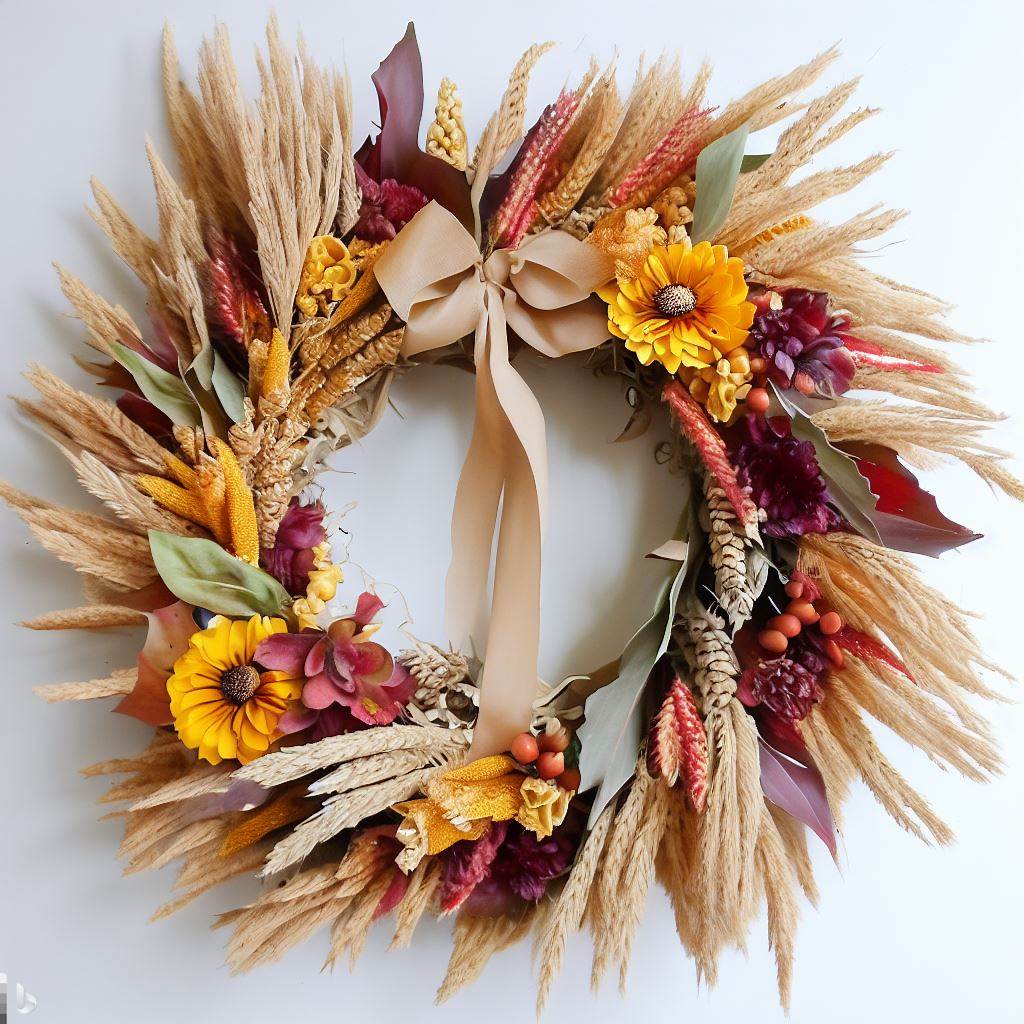
One of the most ancient and powerful ways to celebrate Lammas is by making or displaying a harvest wreath. A harvest wreath is a circular decoration made of plants, flowers, fruits, grains, nuts, and other natural materials. It symbolizes the cycle of life, death, and rebirth, as well as the abundance and gratitude of the harvest season.

You can hang your wreath on your door, window, wall, or altar as a way of welcoming the blessings of Lammas and honoring the spirits of nature. You can also use your wreath for rituals, spells, offerings, or meditations related to Lammas or the season. A harvest wreath is a beautiful way to connect with Wiccan traditions and nature’s bounty.

Magical Uses of Harvest Wreaths

Once crafted, harvest wreaths can be utilized in various magical practices. Here are a few ways to work with your wreath:

  • Ritual Centerpiece: Place your harvest wreath as a centerpiece on your altar or sacred space during Lughnasadh rituals. It serves as a focal point, connecting you to the energy of the harvest and the cycles of nature.
  • Blessings and Gratitude: Use your wreath to symbolize gratitude for the abundance in your life. Offer prayers, blessings, or affirmations of thanksgiving as you interact with the wreath.
  • Doorway Protection: Hang your harvest wreath on your front door or above the threshold of your home. It acts as a protective talisman, inviting positive energies while warding off negativity and bringing blessings into your living space.
  • Seasonal Decor: Display your harvest wreath as seasonal decor, embracing the beauty and spirit of the harvest season. It adds a touch of natural elegance to your home and serves as a reminder of the abundance that surrounds you.
Harvest Wreath
Print Ritual
No ratings yet

Ritual: Crafting Harvest Wreaths for Lughnasadh

Lughnasadh, also known as Lammas, is a sacred festival that celebrates the first harvest of the year. One beautiful way to honor this time of abundance and express gratitude for the bountiful Earth is by crafting a harvest wreath.
Ritual Time1 hour
Total Time1 hour
Ritual Type: Lughnasadh (Lammas)
Type: Rituals
Makes: 1 Wreath
Author: Theo, Witch

Supplies

  • Wreath base such as grapevine, willow, or straw wreath
  • Floral wire or hot glue gun
  • Assorted dried flowers wheat stalks, corn husks, and other natural elements
  • Ribbons twine, or other decorative accents (optional)

Instructions

  • Gather Materials
    To create a harvest wreath, you will need the following materials: Wreath base, Floral wire or hot glue gun, Assorted dried flowers, and Ribbons
  • Prepare the Wreath Base
    If using a fresh wreath base, allow it to dry completely before proceeding. This ensures that the wreath remains sturdy and holds its shape. If using a pre-dried base, ensure it is clean and free from any debris.
  • Attach the Natural Elements
    Begin by selecting and arranging your dried flowers, wheat stalks, and corn husks. Secure each element to the wreath base using floral wire or hot glue. Layer the elements in a way that creates a visually pleasing and balanced design. Be mindful of the symbolism and energy each element represents.
  • Add Decorative Accents (optional)
    To further personalize your harvest wreath, consider incorporating ribbons, twine, or other decorative accents. These can be tied or attached to the wreath base, adding a touch of color and texture. Choose colors that resonate with the harvest season, such as warm earth tones or vibrant shades reminiscent of autumn foliage.
  • Finalize and Secure
    Inspect your wreath and make any necessary adjustments to ensure all elements are securely attached. Trim any excess stems or wires to create a clean and polished appearance. Take a moment to admire your creation, infusing it with your intentions for the upcoming harvest season.

Notes

Moon Milk Lavender and CherriesMoon milk is believed to have magical properties that promote relaxation, sleep, and spiritual connection. Lavender is a powerful herb that is often used in spells and rituals to promote tranquility, purification, and harmony. It is said to help calm the mind, soothe anxiety, and facilitate communication with the spiritual realm. Cherries, on the other hand, are associated with abundance, prosperity, and love. By combining these two ingredients in moon milk, we can create a potent brew that promotes restful sleep, deep relaxation, and a profound sense of spiritual connection.
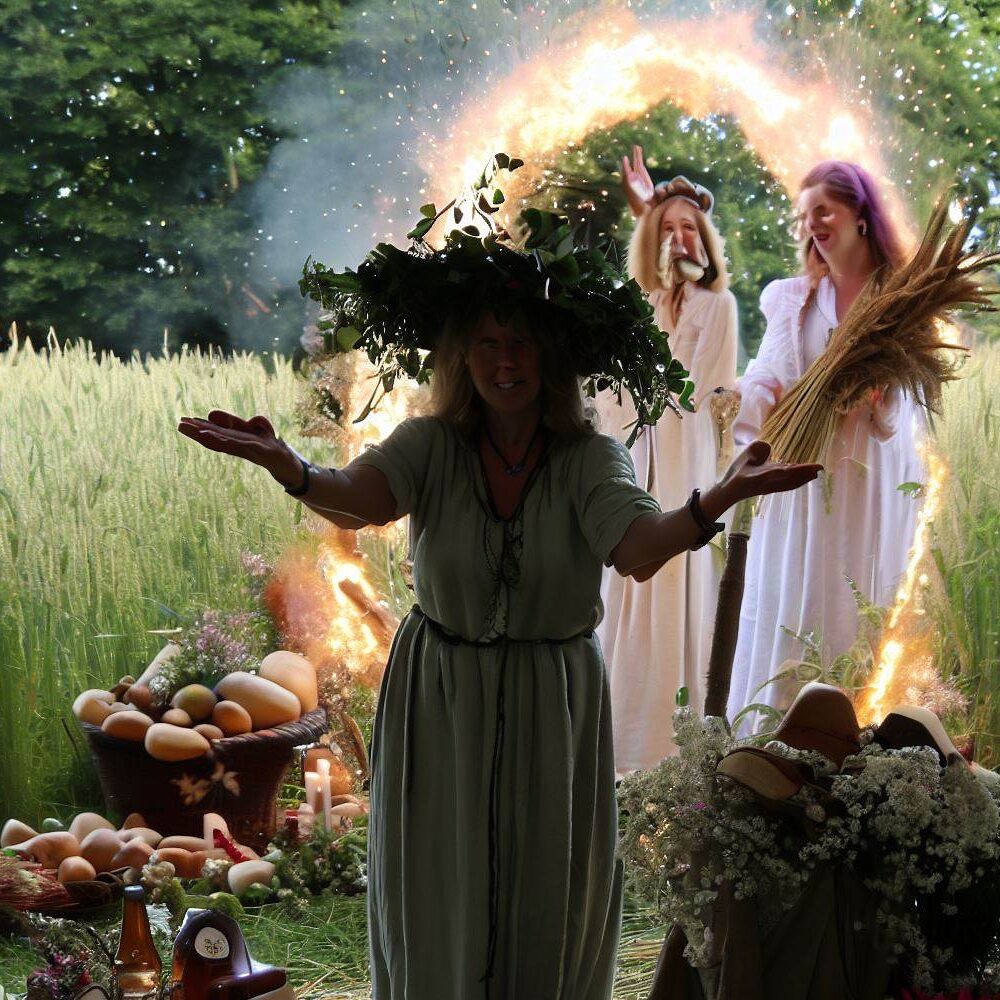
As you sip on your moon milk and gaze up at the moon, take a moment to reflect on the magic and mystery of the universe. Whether you are working with the moon to manifest your desires, to connect with your intuition, or simply to enjoy a peaceful moment of reflection, remember that the power of the moon is always with you, waiting to be harnessed and celebrated.
*Calories Calculated with 2% Dairy Milk, Different bases will change the values.

© The Equinox Apothecary 2024 – Permission is granted to copy and reproduce this Ritual with attribution

Conclusion

Crafting a harvest wreath for Lughnasadh is a meaningful and creative way to honor the first harvest of the year. By following the step-by-step instructions and infusing your wreath with intention, you can create a symbol of abundance, fertility, and gratitude. Whether used in rituals, as protection, or as seasonal decor, these harvest wreaths serve as powerful reminders of the cycles of nature and the blessings that the harvest season brings. Embrace the magic of Lughnasadh and celebrate the abundance of the Earth through the art of crafting harvest wreaths.

Posted on Leave a comment

Recipe: Hlæfdige Lady of Loaf’s Sacred Bread

Hlæfdige Lady of Loaf's Sacred BreadReading Time: 3 minutes
Hlæfdige Lady of Loaf's Sacred Bread

Introduction

A Recipe for Nourishment and Magic

In the realm of magical cooking, few recipes carry the same sacred significance as Hlæfdige Lady of Loaf’s Sacred Bread. Passed down through generations, this divine creation intertwines the practicality of sustenance with the enchantment of ritual.

Magical Properties of Hlæfdige Lady of Loaf’s Sacred Bread

Beyond its nourishing qualities, Hlæfdige Lady of Loaf’s Sacred Bread holds potent magical properties. As you prepare and consume this bread, you connect with the ancient traditions of bread-making and the wisdom of the Lady of Loaf. Each ingredient carries significance:

  • Flour: Represents sustenance, abundance, and grounding energy. It symbolizes the Earth’s nourishing qualities and our connection to the physical realm.
  • Sugar: Signifies sweetness, harmony, and attraction. It draws positive energy and fosters an environment of love and joy.
  • Salt: Purifies, protects, and enhances magical properties. It dispels negativity and brings balance and stability to your intentions.
  • Olive Oil: Represents wisdom, healing, and divine connection. It embodies the sacred and carries the blessings of the goddess.
  • Yeast: Symbolizes transformation, growth, and vitality. It signifies the cycles of life and the power of creation and manifestation.
  • Warm Water: Cleansing and purifying, it represents emotional healing and renewal. It amplifies the intention infused into the bread.
  • Baking: The act of baking the bread infuses it with the transformative energies of fire, bringing warmth, purification, and divine blessings.
Hlæfdige Lady of Loaf's Sacred Bread
Print Recipe Share on Facebook Pin Recipe
No ratings yet

Recipe: Recipe: Hlæfdige Lady of Loaf’s Sacred Bread

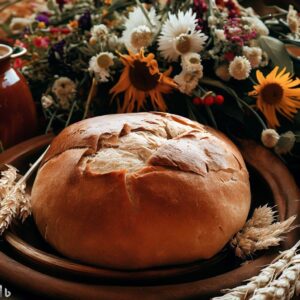
As you embark on the journey to craft this magical bread, you’ll not only nourish your body but also connect with ancient traditions and unlock the mystical properties woven within. Let us delve into the realms of culinary magic and discover the recipe for Hlæfdige Lady of Loaf’s Sacred Bread.
Prep Time20 minutes
Cook Time30 minutes
Rising and Resting Time1 hour 20 minutes
Total Time2 hours 10 minutes
Course: Breads
Type: Recipe
Servings: 12 Slices
Calories: 54kcal
Author: Theo, Witch

Ingredients

  • 4 cups all-purpose flour
  • 2 tablespoons sugar
  • 2 teaspoons salt
  • 2 tablespoons olive oil
  • teaspoons active dry yeast
  • cups warm water around 110°F/43°C
  • Additional flour for dusting

Instructions

  • In a large mixing bowl, combine 4 cups all-purpose flour, 2 tablespoons sugar, and 2 teaspoons salt. Mix well to ensure even distribution of the dry ingredients.
  • Create a well in the center of the dry mixture and pour in 2 tablespoons olive oil.
  • In a separate small bowl, dissolve 2¼ teaspoons active dry yeast in 1¾ cups warm water and let it sit for a few minutes until it becomes frothy.
  • Pour the yeast mixture into the well of the dry ingredients.
  • Stir the mixture with a wooden spoon until a shaggy dough forms.
  • Transfer the dough onto a lightly floured surface and knead it for about 8-10 minutes until it becomes smooth and elastic.
  • Shape the dough into a ball and place it in a greased bowl. Cover the bowl with a clean kitchen towel and let it rise in a warm, draft-free area for approximately 1 hour or until the dough doubles in size.
  • Preheat the oven to 425°F (220°C). Place a baking stone or an overturned baking sheet inside to preheat as well.
  • Once the dough has risen, gently punch it down to release any trapped air.
  • Transfer the dough onto a floured surface and shape it into a round loaf.
  • Place the loaf onto a piece of parchment paper and let it rest for 15-20 minutes to allow it to rise slightly.
  • Carefully transfer the parchment paper with the loaf onto the preheated baking stone or baking sheet.
  • Bake for approximately 25-30 minutes or until the bread turns golden brown and sounds hollow when tapped on the bottom.
  • Remove the Sacred Bread from the oven and let it cool on a wire rack before slicing and serving.

Notes

Moon Milk Lavender and CherriesMoon milk is believed to have magical properties that promote relaxation, sleep, and spiritual connection. Lavender is a powerful herb that is often used in spells and rituals to promote tranquility, purification, and harmony. It is said to help calm the mind, soothe anxiety, and facilitate communication with the spiritual realm. Cherries, on the other hand, are associated with abundance, prosperity, and love. By combining these two ingredients in moon milk, we can create a potent brew that promotes restful sleep, deep relaxation, and a profound sense of spiritual connection.
As you sip on your moon milk and gaze up at the moon, take a moment to reflect on the magic and mystery of the universe. Whether you are working with the moon to manifest your desires, to connect with your intuition, or simply to enjoy a peaceful moment of reflection, remember that the power of the moon is always with you, waiting to be harnessed and celebrated.
*Calories Calculated with 2% Dairy Milk, Different bases will change the values.

Recipe: Hlæfdige Lady of Loaf’s Sacred Bread

Proudly brought to you by

The Equinox Apothecary

© The Equinox Apothecary 2024 – Permission is granted to copy and reproduce this Recipe with attribution

Conclusion

Hlæfdige Lady of Loaf’s Sacred Bread is a cherished recipe that merges culinary artistry and magical intention. Craft this bread with reverence, infusing it with your intentions, and connecting it with the ancient traditions of bread-making. As you savor the flavors and textures, embrace the nourishment and magical properties of this sacred creation. May it bless your table, your body, and your spirit, serving as a reminder of the interconnectedness of sustenance, tradition, and the mystical energies that surround us.

Posted on Leave a comment

Lughnasadh

LughnasadhReading Time: 3 minutes
Lughnasadh

Introduction

Lughnasadh (LOO-nus-uh), also called Lammas, is known as one of the Greater Sabbats, it marks the beginning of the fall harvest. This is the festival of Lugh, a Celtic God of Light, Fire, and God of crafts and skills. As fall approaches and the hours of sunlight begin to shrink, the God begins to lose his strength. At this time the Goddess is already pregnant with the God, who will be reborn again at Yule.

In Lughnasadh, we celebrate the fruits of the Sun Gods and Mother Earth’s bounty. Their labours are everywhere, in the vegetables, plums, onions, garlic, and especially herbs which now will be at their most potent and which will be used in our magical practices.

Lughnasadh is also known as the Feast of Bread because baking is traditional on this day. The name Lammas comes from an old English festival, the loaf mass, which was held on this date. Wiccans often hold feasts in honour of the holiday because everything is so plentiful at this time of the year.

It is a time not only to think about the fruits of the Sun God and Mother Earth but also about our own personal harvest. A time when we think about what has happened in our lives and let go of anger, injustice, hates, and past regrets, enabling us to move forward to plant our own new seeds.

Lughnasadh Activities

  • Bake a loaf of bread.
  • Place an ash leaf under your pillow for prophetic dreams.
  • Decorate sheaves of grain with flowers or ribbons.
  • Leave offerings of bread to the Fairy Folk.
  • Leave offerings of bread or wine for the pregnant goddess, and the Sun God.
  • Share a feast with family or coven members.
  • Eat a meal of fruits and vegetables of the season.
  • Private Meditation on the meanings of the season.
  • If you have a spring or well in your area, bless it and decorate it with flowers.
  • Float flowers at a local creek or pond
  • Plant the seeds from the fruits consumed during the feast.
  • Celebrate the first harvest by eating a meal with foods of the season, such as grain and corn.
  • Bless your garden, vegetables, fruits, and grains.
  • Gather the tools of your trade and bless them in order to bring a richer harvest next year.
  • Sacrifice bad habits and unwanted things from your life by throwing symbols of them into the Sabbat fire.
  • Harvest fruits from your garden
  • Play a game such as rhibo (a Welsh game) which is traditionally played at Lammas. Three pairs of people face each other and hold hands. A person is then laid across the hands and tossed into the air in much the same way grain is winnowed. For little ones use a blanket with two adults holding the corners. Be sure to be careful not to “toss” anyone too high!!!
  • Begin gathering and drying herbs, flowers, grains, or seeds for spellworking in the next year.

Deity’s Portfolio

  • Division: Major Sabbat
  • Other Names: Lammas, Lughnasad, Lugnassad, Lunasa, Lughnasa, Festival of Green Corn, First Harvest, Ceresalia, August Eve, Elembiuos, Feast of Cardenas
  • Southern Hemisphere Date: Feb 2
  • Northern Hemisphere Date: August 1
  • Associated Holiday: First Harvest
  • Associated Deities: Ceres, Demeter, the Corn Mother, Lugh, the Green Man
  • Associated Herbs: All herbs and grains
  • Associated Stones: Carnelian, Yellow Diamonds, Aventurine, Peridot, Citrine, and Sardonyx, golden topaz, opal, citrine, and ametrine.
  • Symbols of Lughnasadh: Sickles and scythes, Weapons, Armors, Corn dolls, Grapes, and Wine
  • Foods of Lughnasadh: Corn, Potatoes, homemade bread, nuts, rice, apples, berry pies, barley cakes, roasted lamb, Grains, acorns, oats, crab apples, squash, turnips, and Berries.
  • Drinks of Lughnasadh: Elderberry Wine, Mead, Ale, Meadowsweet Tea, and Cider
  • Incense of Lughnasadh: Aloes, Rose, Sandalwood.
  • Ritual Oils: Eucalyptus, Corn, Safflower
  • Colors: of Lughnasadh: Red, orange, gold, and yellow. Also green, citrine, and gray.
  • Taboos: Not Sharing Food
  • Plants: Corn, Rice, Wheat, Ginseng, Rye
  • Element: Fire
  • Activities: Share a feast with family or coven members, plant seeds, and bake bread
  • Animals: Roosters, Calves, and Pigs (sows in particular)
  • Mythical Creatures: Griffins, Basilisks, Centaurs, and Phoenix
  • Celebration of: A Festival of not only life and bounty but of harvest and death, the complete cycle of life. A Feast dedicated to Earth Mother. Give thanks for what you have.

Recipes

Recipe: Lammas Bread

Lammas Bread
Reading Time: 3 minutesCelebrate Lughnasadh with this easy and delicious recipe for Lammas bread. Learn the meaning and history of this traditional Pagan dish.

Recipe: Hlæfdige Lady of Loaf’s Sacred Bread

Hlæfdige Lady of Loaf's Sacred Bread
Reading Time: 3 minutesLearn how to make a Lammas staple, Hlæfdige Lady of Loaf’s Sacred Bread, a magical recipe that nourishes your body and soul with ancient traditions and mysticism.

Deeper Knowledge

Lughnasadh: Celebrating the First Harvest

Lughnsadh Detail
Reading Time: 15 minutesDiscover the meaning and magic of Lughnasadh, the first harvest festival in the Wheel of the Year. Learn about its origins, traditions, and how to celebrate it safely and respectfully.

Lammas: Celebrating the First Harvest

Lammas Detail
Reading Time: 5 minutesCelebrate Lammas, the ancient festival of the first harvest, with this guide on its history, traditions, and safety tips. Learn how to honor the bounty of nature and the cycle of life.

Ritual: Crafting Corn Dollies for Lughnasadh

Lughnasadh Corn Dollies
Reading Time: 3 minutesLearn how to make corn dollies for Lughnasadh, a harvest festival, and find out the significance and magic of these straw or corn husk dolls.

Lugh

Lugh
Reading Time: 7 minutesLearn about Lugh, the Celtic god of light, craftsmanship, and skill, and his mythology, roles, and legacy in this article.

Hlæfdige: The Lady of the Loaf and Lammas Celebration

Hlæfdige
Reading Time: 11 minutesDiscover Hlæfdige, the Lady of the Loaf, and her role in Lammas, the festival of the first harvest. Learn about her origins and traditions.