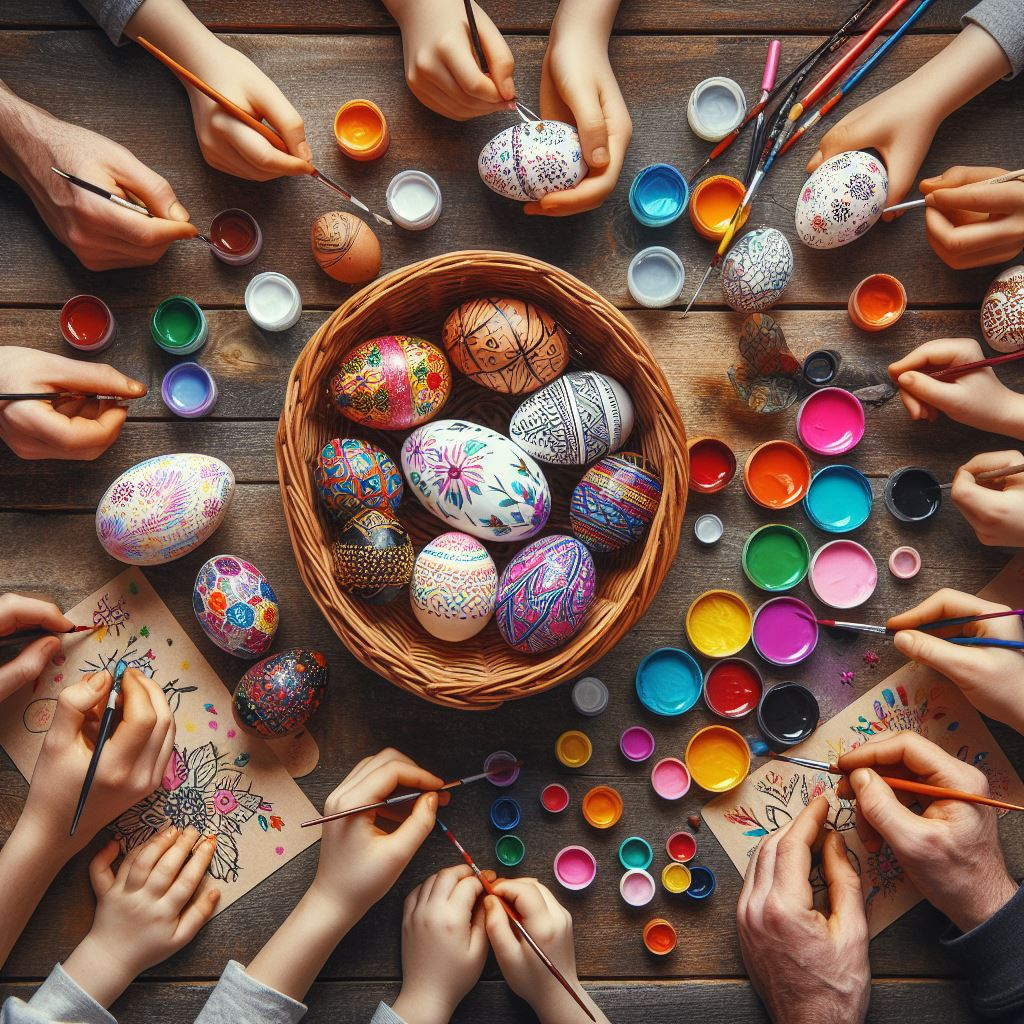
Posted on Leave a comment

Ritual: How to Decorate Eggs for Ostara

Making Ostara Eggs
Making Ostara Eggs

Introduction

Infusing Symbolism and Creativity

Egg decorating stands as a timeless tradition, deeply intertwined with the fabric of seasonal celebrations, none more so than Ostara, the vibrant festival heralding the arrival of spring and renewal. Across cultures and epochs, this joyful activity has united communities in a colorful display of creativity and symbolism. As we embark on this journey of artistic expression, we not only adorn eggs with vibrant hues and intricate patterns but also imbue them with the essence of the season. Join us as we delve into the art of egg decorating for Ostara, exploring the significance of colors and the myriad symbols that infuse this cherished tradition with meaning and magic.

Ritual Basics

Before beginning any ritual, it is important to prepare yourself mentally and physically. You may want to take a cleansing bath, or shower, and meditate or perform some grounding exercises to center yourself. Gather any materials you will need, such as candles, incense, and offerings for the forest spirits.

You can read a more detailed Ritual Preparation guide here.

How to Decorate Eggs for Ostara
Egg decorating stands as a timeless tradition, deeply intertwined with the fabric of seasonal celebrations, none more so than Ostara, the vibrant festival heralding the arrival of spring and renewal. Across cultures and epochs, this joyful activity has united communities in a colorful display of creativity and symbolism. As we embark on this journey of artistic expression, we not only adorn eggs with vibrant hues and intricate patterns but also imbue them with the essence of the season. Join us as we delve into the art of egg decorating for Ostara, exploring the significance of colors and the myriad symbols that infuse this cherished tradition with meaning and magic.

  • Paintbrushes
  • Markers
  • Stickers
  • Egg carton or stand
  • Protective covering for your work surface
  • Hard-boiled eggs or favored decorating eggs
  • Non-toxic paints or food coloring
  1. Prepare Your Eggs Start by boiling your eggs until they are hard-boiled and allow them to cool completely before decorating. You can prepare as many eggs as you like, depending on the size of your gathering and your decorating ambitions. Alternatively, gather up faux eggs, wooden or plastic.
  2. Set Up Your Workspace Cover your work surface with a protective covering to prevent any messes. Lay out your paints, markers, stickers, and other decorating materials within easy reach.
  3. Choose Your Colors Colors play a significant role in egg decorating, with each hue carrying its own symbolism. (See Below for list of colors.)
  4. Add Meaningful Symbols In addition to colors, you can incorporate meaningful symbols into your egg designs to honor Ostara and the themes of spring and renewal. (See Below for list of symbols.)
  5. Get Creative Let your imagination soar as you decorate your eggs with colors and symbols that resonate with you. Experiment with different designs, patterns, and techniques to create truly unique and beautiful creations.
  6. Display and Enjoy Once your eggs are decorated to your satisfaction, carefully place them in an egg carton or stand to dry. Display them proudly as a centerpiece on your Ostara altar or table or give them as gifts to friends and loved ones to spread the joy of the season.

Consider incorporating the following colors into your designs:

Yellow: Symbolizes the vibrant energy of the sun, evoking feelings of warmth, vitality, and optimism. It represents the dawning of new beginnings, growth, and the promise of a fresh start.

Green: Reflects the lushness of spring foliage and the renewal of nature. It symbolizes fertility, abundance, and the vitality of life bursting forth after the dormancy of winter. Green also embodies harmony, balance, and a deep connection to the earth.

Blue: Represents the clear skies of spring, symbolizing clarity, truth, and spiritual insight. It evokes feelings of serenity, peace, and tranquility, inviting us to align with the harmonious rhythms of nature and the universe.

Pink: Symbolizes love, compassion, and the gentle nurturing energy of the season. It embodies feelings of tenderness, affection, and emotional renewal, reminding us to cultivate kindness and connection in our relationships.

Purple: Signifies spiritual awakening, wisdom, and transformation. It represents the divine connection between the physical and spiritual realms, inviting us to delve deeper into our inner wisdom and explore the mysteries of the soul.

White: Represents purity, innocence, and the blank canvas of new possibilities. It embodies the pristine beauty of freshly fallen snow and the purity of untouched landscapes, signaling a clean slate and the potential for growth, enlightenment, and spiritual rebirth.

Orange: Symbolizes creativity, enthusiasm, and the zest for life. It represents the warmth of the sun as it bathes the earth in its golden glow, infusing everything with energy and vitality. Orange also evokes feelings of joy, optimism, and adventure, inspiring us to embrace new opportunities and pursue our passions.

Red: Reflects the fiery energy of the sun and the vitality of life force energy. It symbolizes passion, courage, and strength, igniting the flames of creativity and determination within us. Red also represents love and desire, reminding us to follow our hearts and pursue our deepest desires with passion and conviction.

Gold: Signifies abundance, prosperity, and spiritual enlightenment. It represents the radiant energy of the sun and the preciousness of life’s treasures. Gold also symbolizes achievement, success, and the fulfillment of our highest aspirations, reminding us of the infinite possibilities that lie within us.

Silver: Represents intuition, reflection, and the lunar energies of the Goddess. It symbolizes the serenity of moonlit nights and the mystical realms of the subconscious mind. Silver also embodies grace, elegance, and the power of intuition, guiding us on our spiritual journey and illuminating the path ahead.

Brown: Symbolizes stability, grounding, and the nurturing energy of the earth. It represents the fertile soil that nourishes new growth and sustains life. Brown also evokes feelings of security, reliability, and connection to the natural world, reminding us to stay rooted in our values and beliefs as we navigate life’s journey.

Turquoise: Reflects the tranquil hues of springtime skies and the soothing energies of flowing water. It symbolizes communication, creativity, and emotional healing. Turquoise also represents balance, harmony, and the integration of mind, body, and spirit, guiding us toward inner peace and serenity.

Some possible symbols to consider include:

Bees: Represent diligence, community, and the importance of hard work. Bees symbolize cooperation, teamwork, and the sweet rewards of collective effort. They remind us to stay focused on our goals and to appreciate the interconnectedness of all living beings.

Ladybugs: Signify luck, protection, and the blessings of abundance. Ladybugs are considered harbingers of good fortune and are believed to bring blessings wherever they go. They remind us to count our blessings and to cultivate an attitude of gratitude for the abundance in our lives.

Blossoms: Symbolize renewal, vitality, and the beauty of fleeting moments. Blossoms represent the ephemeral nature of life and the importance of cherishing each moment. They remind us to embrace the beauty of impermanence and to savor the joys of springtime while they last.

Rainbows: Reflect the beauty of diversity, hope, and the promise of brighter days ahead. Rainbows symbolize transformation, healing, and the integration of light and shadow. They remind us that even during darkness, there is always the potential for beauty and joy to emerge.

Seeds: Represent potential, growth, and the promise of new beginnings. Seeds symbolize the fertile ground from which new life emerges and the infinite possibilities that lie within each tiny seed. They remind us to nurture our dreams and to plant the seeds of intention for the future.

Nests: Signify home, safety, and the nurturing energy of the maternal instinct. Nests represent the place where new life begins and the importance of creating a supportive environment for growth. They remind us to cherish our homes and to cultivate a sense of security and belonging.

Raindrops: Symbolize cleansing, renewal, and the purifying energy of spring showers. Raindrops represent the nourishing waters that replenish the earth and awaken dormant seeds. They remind us to release what no longer serves us and to embrace the cleansing power of renewal.

Caterpillars: Represent transformation, patience, and the journey of personal growth. Caterpillars symbolize the process of metamorphosis and the gradual unfolding of one’s potential. They remind us that change takes time, and that true transformation requires patience and perseverance.

Dragonflies: Signify adaptability, agility, and the ability to navigate change with grace. Dragonflies are known for their swift movements and their ability to dart effortlessly through the air. They remind us to embrace change as an opportunity for growth and to trust in our own ability to adapt to new circumstances.

Rainclouds: Symbolize emotional release, purification, and the cleansing of stagnant energy. Rainclouds represent the storms of life that bring renewal and growth in their wake. They remind us that it’s okay to let go of what no longer serves us and to allow ourselves to be cleansed by the healing waters of change.

Frogs: Represent fertility, abundance, and the life-giving power of water. Frogs are associated with rain and the replenishment of the earth’s water sources. They remind us to honor the cycles of nature and to trust in the abundance that flows to us when we align with the natural rhythms of the earth.

Dragon Eggs: Signify protection, strength, and the awakening of inner fire. Dragon eggs are symbols of power and resilience, representing the potential for transformation and growth. They remind us to tap into our inner strength and to harness the fiery energy that lies within us.

Mushrooms: Symbolize resilience, regeneration, and the ability to thrive in challenging environments. Mushrooms are often found growing in dark, damp places, yet they emerge as symbols of life and vitality. They remind us to find beauty and opportunity even in the most unlikely of places.

Spirals: Represent interconnectedness, evolution, and the cyclical nature of life. Spirals are ancient symbols found in nature, from seashells to galaxies, representing the journey of the soul and the eternal cycle of birth, death, and rebirth. They remind us that life is a journey of growth and transformation, leading us ever onward in our quest for understanding and enlightenment.

Hearts: Symbolize love, compassion, and the interconnectedness of all beings. Hearts represent the universal bond that connects us to one another and to the earth. They remind us to cultivate love and kindness in our hearts and to nurture our relationships with care.

Crescent Moons: Signify intuition, feminine energy, and the cycles of the moon. Crescent moons are symbols of the divine feminine and the ever-changing nature of life. They remind us to honor our intuition and to embrace the ebb and flow of our emotions.

Stars: Represent guidance, inspiration, and the infinite possibilities of the universe. Stars are symbols of hope and guidance, shining brightly in the darkness to light our way forward. They remind us to trust in our own inner light and to follow our dreams with courage and determination.

Triangles: Signify balance, harmony, and the union of body, mind, and spirit. Triangles are symbols of strength and stability, representing the interconnectedness of all things. They remind us to strive for balance in our lives and to honor the sacred connection between ourselves and the world around us.

Sunbursts: Represent vitality, energy, and the life-giving power of the sun. Sunbursts are symbols of warmth and light, radiating energy and vitality into the world. They remind us to embrace the energy of the sun and to celebrate the abundance and growth that it brings.

Seeds: Symbolize potential, growth, and the cycle of life. Seeds are the source of new life, containing the potential for growth and transformation. They remind us to plant seeds of intention and to nurture our dreams with care and dedication.

Ostara
Rituals

Conclusion

Decorating eggs for Ostara is not just a tradition; it’s a heartfelt expression of our connection to the Earth’s cycles and the renewal of life that spring brings. As you delve into this creative endeavor, remember that each stroke of color and every symbol you choose carries significance, weaving a tapestry of meaning that celebrates the essence of the season. Whether you’re honoring ancient traditions or infusing your own unique flair into designs, let the process reflect your connection to the natural world and the joy of welcoming new beginnings. So, gather your supplies, unleash your imagination, and embark on this journey of creativity and celebration. May your Ostara be filled with vibrant colors, abundant blessings, and the magic of renewal!
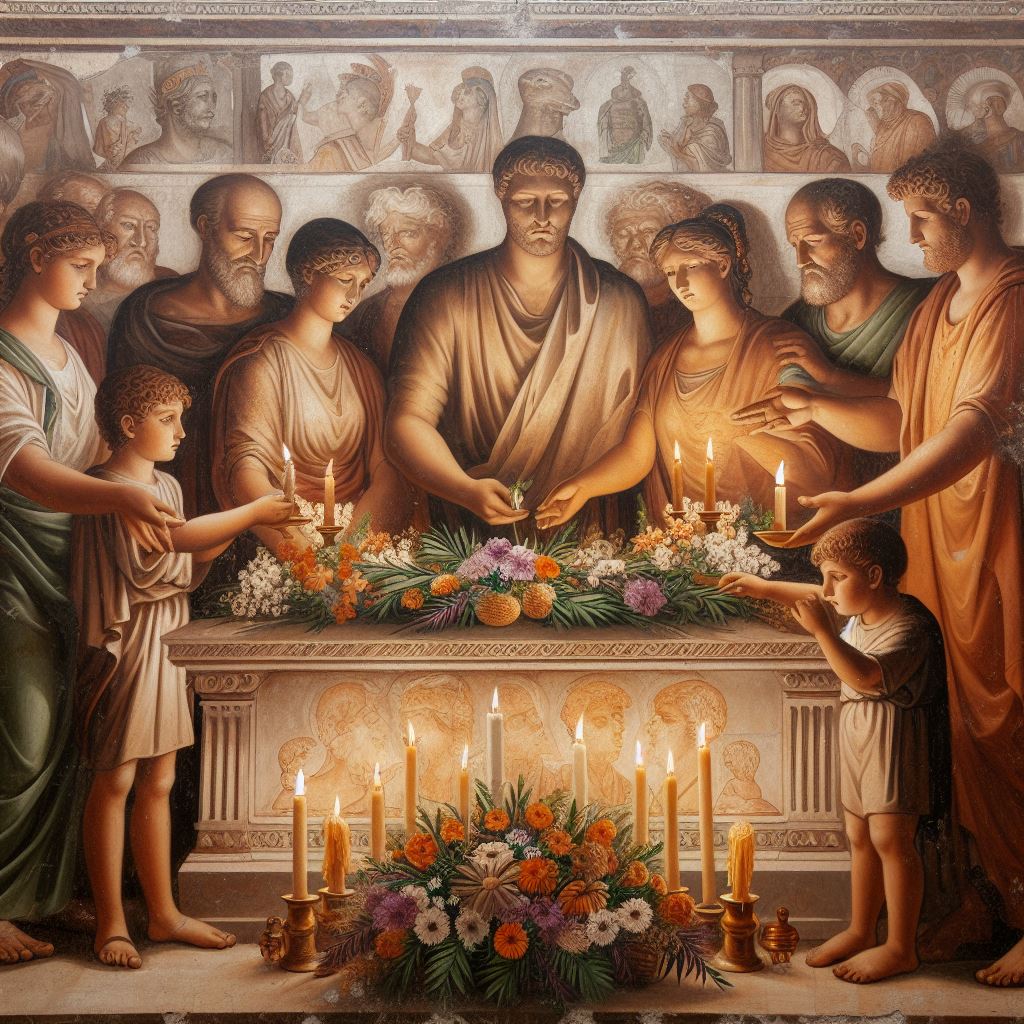
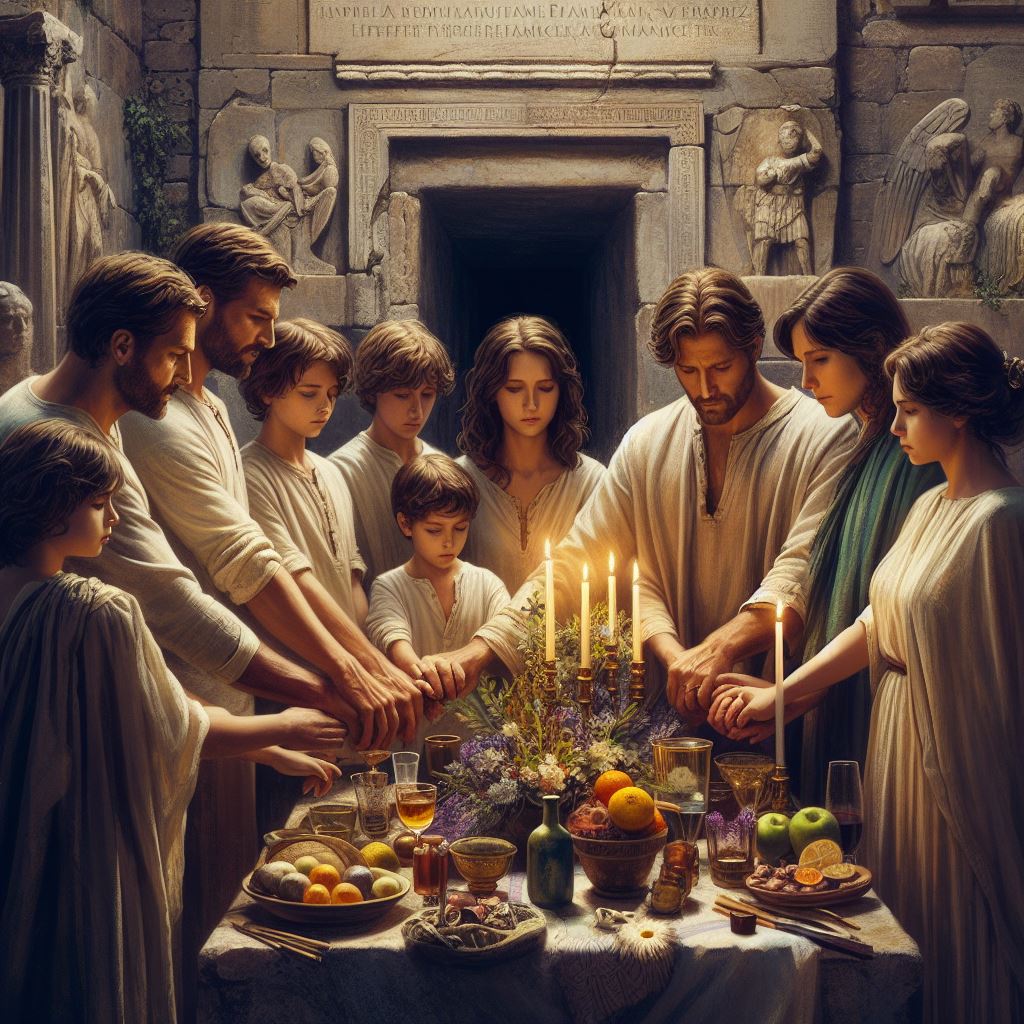
Posted on Leave a comment

Parentalia

Parentalia Main
Parentalia Main

Introduction

Honoring Ancestors in Ancient Rome

In the heart of ancient Rome, from February 13 to 21, a solemn and private festival known as Parentalia unfolded—a time when Romans turned their attention to their ancestral roots, honoring the departed with rituals that would ensure their well-being in the afterlife. This intimate celebration, distinct from the public extravagance of many Roman festivals, played a vital role in Roman religion and society, offering families an opportunity to come together, reconnect with their lineage, and pay homage to those who had gone before them.

Reconnecting with Ancestral Roots

In the intimate observance of Parentalia, Romans seized a distinctive opportunity to reestablish profound connections with the very essence of their familial history. Rooted in the firm belief that the spirits of departed kin held sway over the destinies of the living, Parentalia became a sacred interval dedicated to ensuring the continued well-being of ancestors in the afterlife. This profound conviction propelled families toward the sacred resting grounds of their forebears, where heartfelt ceremonies unfolded amidst the hallowed tombs.

Against the backdrop of ancient stone and the echoes of familial whispers in the breeze, families engaged in a poignant act of devotion, presenting offerings laden with symbolism. Food, carefully chosen to reflect earthly abundance, stood as a token of sustenance for the departed souls. Flowers, with their ephemeral beauty, symbolized the fleeting nature of life and the eternal cycle of renewal. The wafting fragrance of incense, a conduit between the terrestrial and spiritual realms, carried the collective prayers and sentiments of love.

In this sacred communion between the living and the departed, Parentalia’s rituals served as an eloquent expression of filial love and reverence. Families, guided by a deep sense of duty and connection, sought to honor the invaluable contributions of those who had paved the way for their existence. The act of bearing offerings became more than a symbolic gesture; it was a tangible manifestation of gratitude, a recognition of the profound debt owed to the generations that had preceded them.

As Romans approached the tombs, a sacred dialogue unfolded—a tender conversation that transcended the boundaries between worlds. The offerings, carefully arranged with familial intent, became tokens of remembrance and gratitude. Each morsel of food, each delicate petal, and the aromatic tendrils of incense were expressions of an unbroken bond with the departed. Parentalia, in essence, became a bridge spanning time and mortality, allowing the living to reach across the veil and touch the essence of their ancestors.

In the act of reconnecting with their ancestral roots, Romans partook in a sacred dance of remembrance—a timeless ritual that echoed with the footsteps of generations past. Through the tangible offerings, the spirits of the departed were not only remembered but actively invited to partake in the continuing journey of their familial legacy. Parentalia, therefore, was not just a festival; it was a poignant affirmation of the enduring connection between the living and the departed, a testament to the unbroken thread that wove through the tapestry of Roman familial history.

Private Rituals and Family Focus

Parentalia stood apart from the grandeur of public Roman festivals, unfolding as an intimately private affair that delved into the sacred heart of individual families and their ancestral narratives. In a departure from the ostentatious spectacles often associated with Roman celebrations, Parentalia took residence within the familial domain, its sanctity preserved within the confines of ancestral tombs and the cherished memories of those who had come before.

The inaugural day of Parentalia, February 13, emerged as a sacred ode to the Manes—the ethereal spirits of departed kin. Families, bound by a collective sense of reverence, turned their attention to the ethereal realm, dedicating this initial day to honoring the essence that transcended the mortal coil. As the festival unfolded, subsequent days became an intricate tapestry, each dedicated to specific family members and the sacred lineage they represented.

This distinctive focus on individual families allowed Parentalia to assume a deeply personal and customized character. Unlike the expansive public gatherings of other Roman festivals, where the collective took precedence, Parentalia’s essence resided in the details of familial stories and the unique legacies etched into the annals of ancestry. This intimate approach provided families with the flexibility to tailor their observances, ensuring that the rituals and offerings resonated with the singular narratives of their forebears.

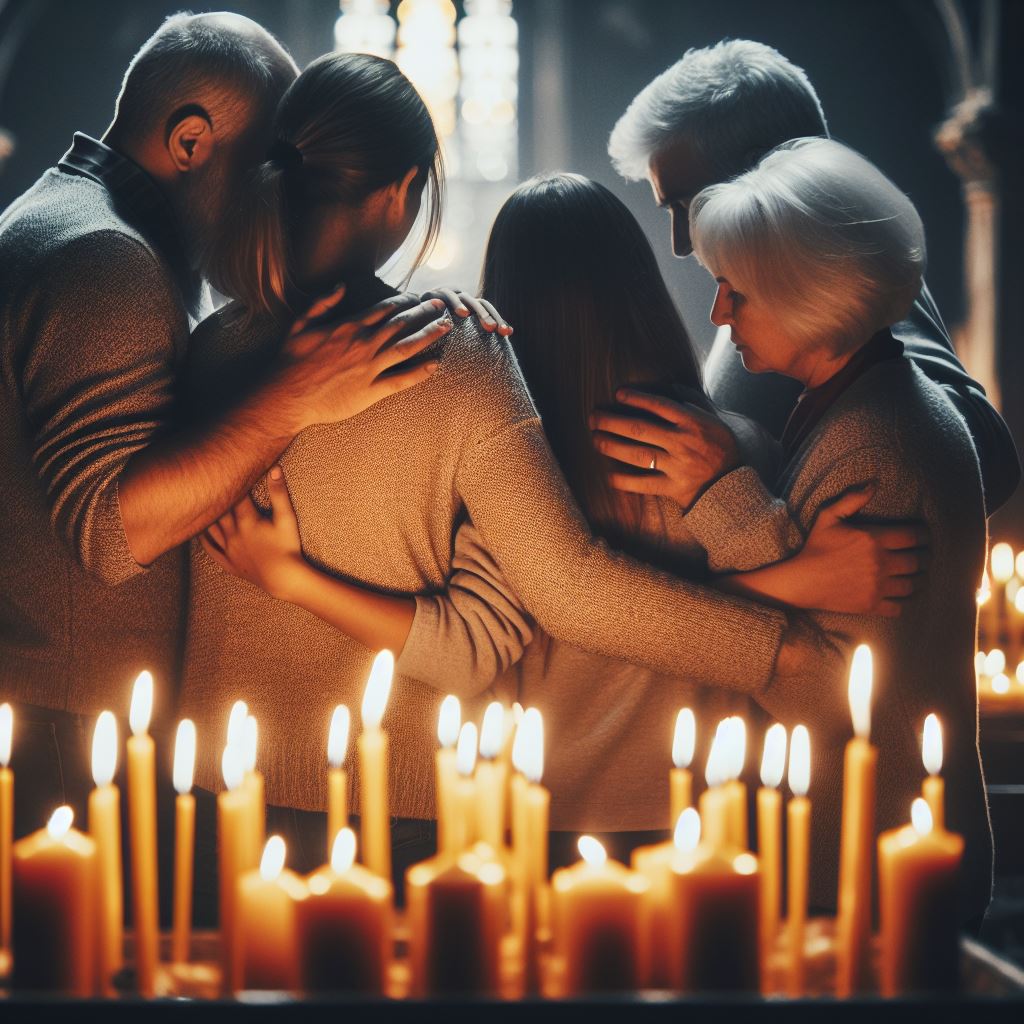
In the quietude of ancestral tombs, families engaged in private rituals that unfolded like whispered secrets passed down through generations. The air, thick with the weight of familial history, bore witness to the sacred dialogues between the living and the departed. Each family, enveloped in the warm glow of flickering candles and the fragrance of incense, embarked on a journey through time, rediscovering the tales of resilience, love, and triumph that defined their familial tapestry.

Parentalia’s distinction as a private observance underscored the profound value placed on familial bonds and the intimate communion with the spirits of the departed. In these sacred moments, families were afforded the space to embrace the complexities of their individual histories, fostering a deep sense of connection that transcended the temporal boundaries of mortality. Parentalia, in its quiet and private focus, became a timeless tribute to the cherished stories that resonated within the chambers of familial hearts—a whispered acknowledgment of the unbroken thread that wove through the rich tapestry of Roman familial traditions.

Sacred Offerings: A central ritual of Parentalia involved the offering of mola salsa—a mixture of salted flour and salt, crafted from the first grains of the harvest. The head of the household, often the father, would sprinkle this sacred mixture on the tombs of ancestors, accompanied by prayers for their well-being in the afterlife. This act symbolized a connection with the Earth’s bounty and a wish for abundance in the spirit realm.

Guiding Lights for Departed Souls

Within the sacred precincts of Parentalia, lamps and candles emerged as poignant symbols, their flickering flames weaving an ethereal tapestry that bridged the realms of the living and the departed. These sources of light assumed a profound significance, transcending mere illumination to become beacons guiding the spirits of ancestors back to their eternal resting places.

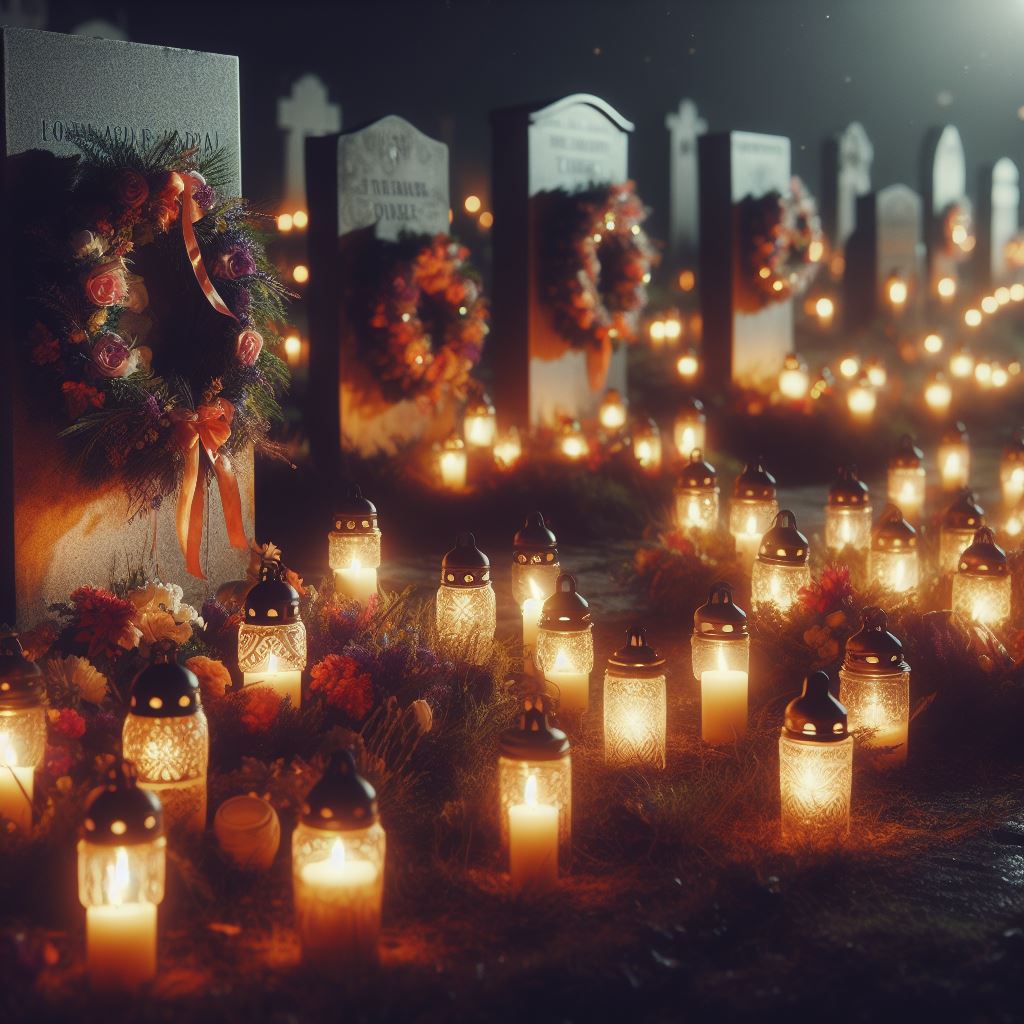
As the ritual of Parentalia unfolded, families, enveloped in the shadows cast by ancient tombs, engaged in the timeless act of illuminating the night. Lamps, their flames dancing with the whispers of the past, and candles, their steady glow casting a warm embrace, were kindled with deliberate intent. Placed reverently at the tombs of ancestors, these luminous offerings transformed the sepulchral landscape into a sacred tableau.

The decision to let the lamps and candles burn throughout the night was a deliberate one—an act of devotion that transcended the temporal boundaries of dusk and dawn. The flickering flames, resilient in the face of the nocturnal veil, served as a steadfast vigil, a beacon in the darkness that beckoned the spirits of the departed back to their earthly resting places. In the gentle dance of the flames, families found a connection that surpassed the tangible, an affirmation of the enduring bond with those who had crossed the threshold into the afterlife.

Symbolically, these radiant sentinels of light became guiding beacons, steering the ancestral spirits through the ethereal realms and ensuring their safe return to the sacred grounds. The act of lighting lamps and candles symbolized not only the acknowledgment of the departed but also a deliberate effort to facilitate their journey between worlds. In the delicate interplay of shadow and light, Parentalia unveiled a visual poem—a testament to the enduring connection between the realms of the living and the dead.

The significance of lamps and candles in Parentalia transcended the pragmatic realm of illumination; it spoke to the spiritual and symbolic dimensions of the festival. The luminous dance at the tombs mirrored the enduring flame of familial connection, a flame that flickered with the shared memories, stories, and love of generations. In these flickering lights, Parentalia found a timeless ritual—a silent, illuminating dialogue that affirmed the unbroken thread linking the present to the echoes of the past, casting its glow on the path that connected the living and the departed.

The Feralia: A Public Tribute to the Forgotten

In the poignant culmination of Parentalia, the festival reached its zenith with the arrival of the Feralia—the last day dedicated to a collective tribute to the departed, a poignant juncture where the voices of the forgotten echoed through the annals of remembrance. The Feralia emerged as a public ceremony, a solemn testament to the enduring commitment of Romans to honor not only their own ancestral lines but also the legacies of those who might otherwise slip into the folds of oblivion.

On this final day of Parentalia, the air hung heavy with collective reverence as Romans gathered to partake in a shared ceremony. The Feralia was not confined to the private realms of familial tombs but spilled into the public arena, transforming the city into a sacred space of communal remembrance. This shift from individual to collective remembrance underscored the Roman commitment to inclusivity, ensuring that even those who lacked living descendants to perpetuate their memory were not consigned to the shadows of neglect.

The act of making offerings to the spirits of the departed, who faced the risk of fading into the tapestry of forgotten souls, became a poignant gesture of acknowledgment. Romans, irrespective of familial ties, came together to pay homage to the unremembered, a collective effort to ensure that no spirit, no matter how seemingly detached from the living, would be left without solace. In the ritualistic gestures and shared prayers of the Feralia, the Romans sought to bridge the gap between the realms of the living and the departed, extending their communal embrace to all souls, whether bound by blood or unclaimed by familial ties.

The Feralia served as a societal reminder that the bonds of human connection extended beyond the confines of lineage. It embodied a collective responsibility to honor the departed, acting as custodians of memory for those who lacked the earthly tether of descendants. The ceremony resonated with a universal truth—that every life, regardless of its narrative intricacies, deserved acknowledgment and remembrance.

In the poignant echoes of the Feralia, the forgotten found a collective voice, and their stories were woven into the rich fabric of Roman societal memory. The public nature of the ceremony ensured that the unremembered souls were not consigned to the shadows but were embraced by the shared light of communal remembrance. The Feralia, in its inclusive spirit, encapsulated the essence of Parentalia—a festival that not only celebrated the individual stories of families but also safeguarded the narratives of those who might have otherwise faded away in the corridors of time.

Parentalia’s Influence on Modern Traditions

Parentalia, with its ancient roots steeped in reverence for the departed, has left an indelible mark on modern holiday traditions, notably contributing to the evolution of Halloween—a celebration that echoes with themes and rituals reminiscent of the Roman festival. The practice of visiting ancestral tombs, leaving offerings of food, flowers, and incense, and illuminating the night with the warm glow of candles and lanterns during Parentalia found its way into the contemporary tapestry of Halloween customs.

The act of paying homage to ancestors and seeking a connection with the spirit world, integral to Parentalia, laid the groundwork for the modern fascination with the supernatural and the mystical. In the modern Halloween celebrations, the echoes of Parentalia resound as individuals visit cemeteries, adorned with vibrant autumnal hues, to connect with their familial roots. The practice of leaving offerings, albeit transformed into the more playful tradition of trick-or-treating, reflects the enduring human desire to establish a link between the living and the departed.

The lighting of candles and lanterns, a poignant gesture during Parentalia to guide the spirits of the departed back to their resting places, has seamlessly integrated into the atmospheric aesthetics of Halloween. The flickering flames not only illuminate the night but also symbolize the enduring connection between the realms of the living and the dead. As jack-o’-lanterns cast playful shadows on doorsteps, the ancient ritual of guiding souls finds a contemporary expression that draws from the mystical aura of Parentalia.

The parallels between Parentalia and Halloween extend beyond mere surface-level observances; they delve into the profound theme of interconnectedness between the living and the departed. Both festivals serve as poignant reminders that the stories of the past continue to weave into the fabric of the present. Whether it’s the private and solemn observances of Parentalia or the lively and exuberant celebrations of Halloween, the underlying thread of honoring the departed and acknowledging the enduring influence of the spirit world persists through the ages.

In essence, Parentalia’s subtle influence on modern traditions like Halloween exemplifies the timeless nature of human rituals and the enduring quest for connection with the mysteries beyond the veil. The themes and practices that originated in ancient Rome have transcended the confines of time, enriching the cultural tapestry of contemporary celebrations with the echoes of an age-old festival dedicated to honoring the dead.

A Solemn Legacy

 Parentalia, despite its private nature, played a vital role in the tapestry of Roman religious and societal practices. It provided a space for families to unite, honor their ancestors, and reflect on the continuity of life and death. As the Romans paid homage to those who had gone before them, Parentalia left an indelible mark on the cultural and spiritual landscape, its influence reverberating through time to shape modern holiday traditions dedicated to remembering the departed.

The Parentalia was a solemn and private affair, with no public festivals or religious ceremonies.

Summary of Parentalia Activities

Each day of the Parentalia had its unique practices, traditions, and activities.

  • Day 1: February 13th – Opening Day
    The first day of Parentalia marked the beginning of the festival. On this day, families would gather at the tombs of their ancestors to perform rites and offer sacrifices. The offerings were typically simple, consisting of flowers, wine, and incense.
  • Day 2: February 14th – The Fornacalia
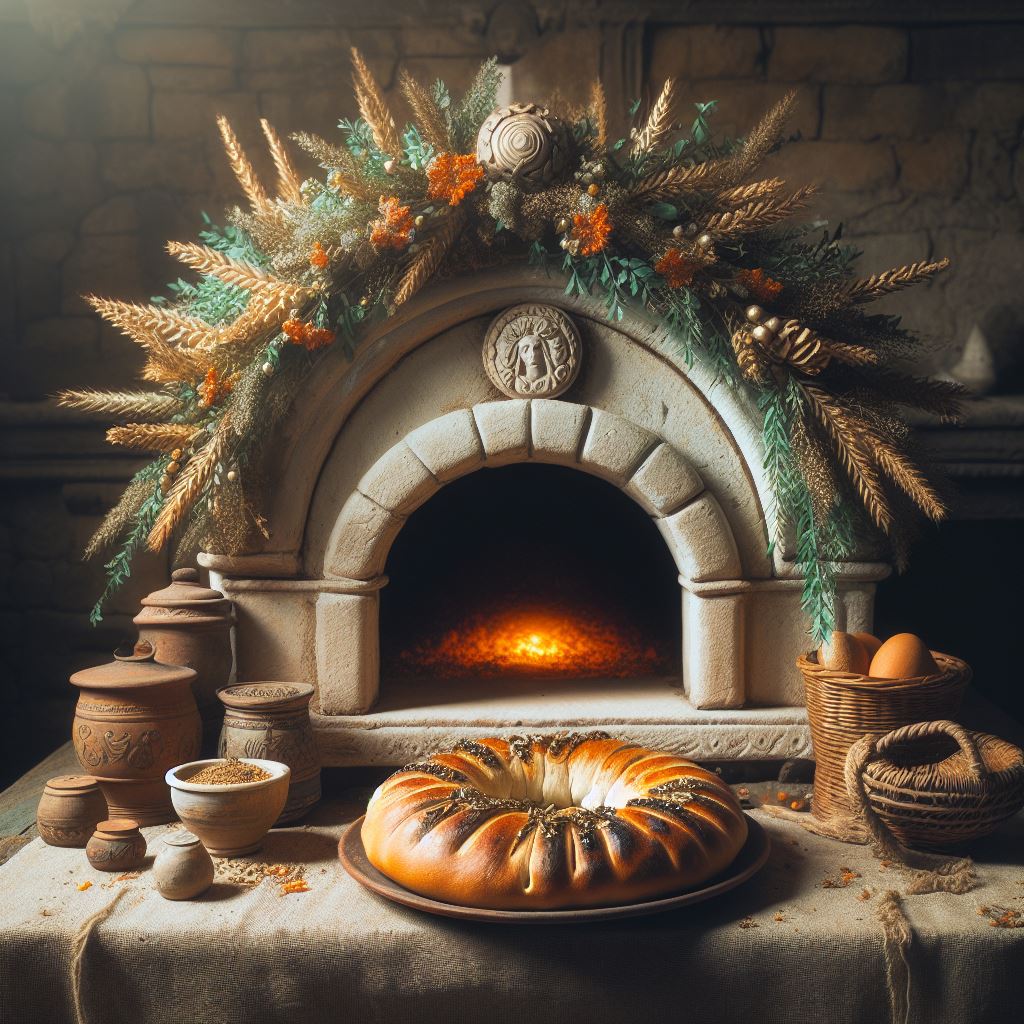
    The Fornacalia was a separate festival celebrated in conjunction with Parentalia. It was a public holiday that celebrated the goddess Fornax, the patroness of ovens and bread-baking. On this day, people would clean and sweep their ovens, and then offer a loaf of bread to the goddess.
  • Day 3: February 15th – Caristia
    The third day of Parentalia was known as Caristia, or the “Day of Affection.” On this day, families would come together to celebrate their love and affection for one another. They would share a meal of bread, cheese, and wine, and exchange small gifts.
  • Day 4: February 16th – Quietus
    The fourth day of Parentalia was known as Quietus. On this day, families would take a break from their festivities and spend time in quiet reflection. It was a day of solemn remembrance, as they honored their ancestors and reflected on their own mortality.
  • Day 5: February 17th – Feralia
    The fifth day of Parentalia was the most important day of the festival. It was known as Feralia, or the “Day of the Dead.” On this day, families would gather at the tombs of their ancestors to offer more elaborate sacrifices. They would also place wreaths of flowers and garlands on the tombs, and light candles in their memory.
  • Day 6: February 18th – Carmentalia
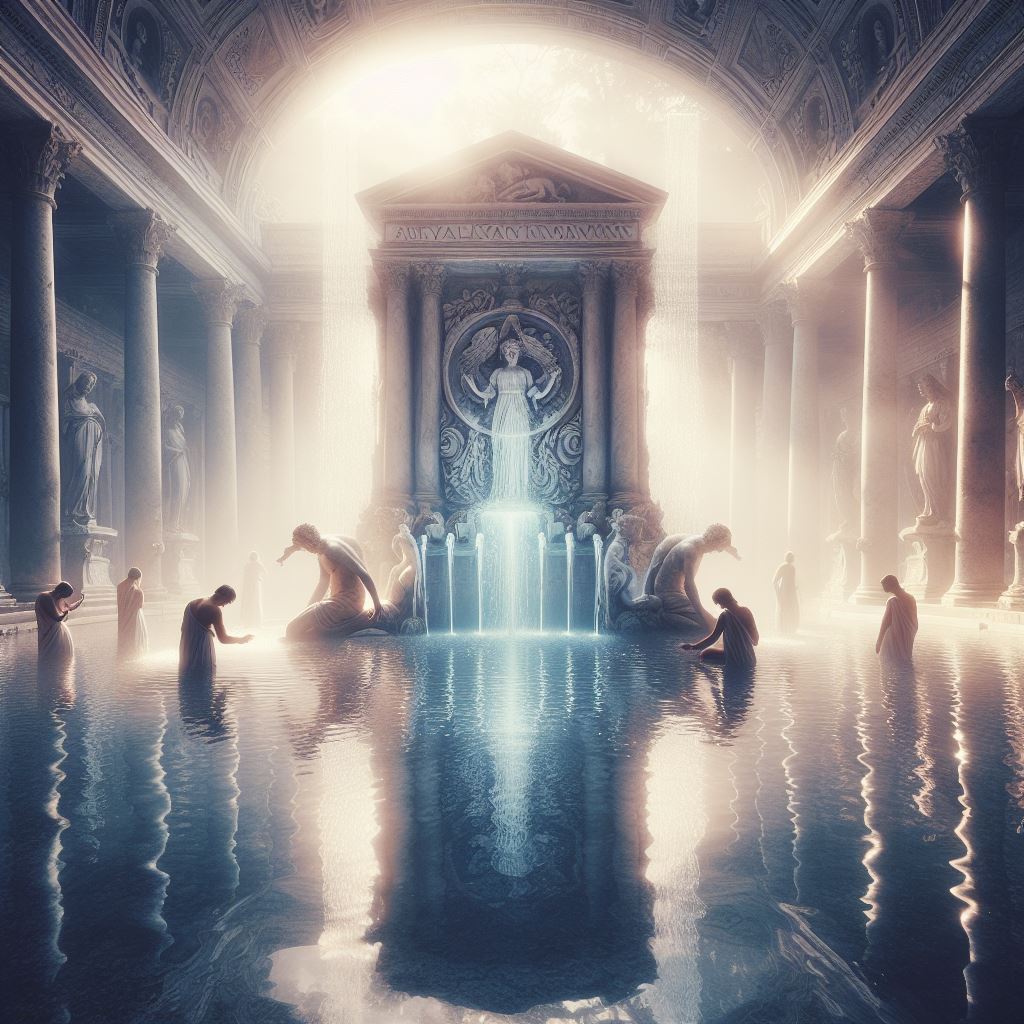
    The sixth day of Parentalia was known as Carmentalia, a festival that celebrated the goddess Carmenta, the patroness of childbirth and prophecy. It was also a day of purification and cleansing, as people would bathe in the sacred waters of the Carmenta fountain.
  • Day 7: February 19th – Agonia
    The seventh day of Parentalia was known as Agonia, or the “Day of Anguish.” It was a day of mourning, as families would remember loved ones who had died suddenly or violently. They would offer special sacrifices to help soothe their restless spirits.
  • Day 8: February 20th – Terminalia
    The eighth day of Parentalia was known as Terminalia, a festival that honored the god Terminus, the patron of boundaries and borders. Families would mark the boundaries of their property with stones and offerings to appease the god.
  • Day 9: February 21st – Feralia Publica
    The final day of Parentalia was known as Feralia Publica, a public holiday that celebrated the dead. It was a day of mourning and remembrance, as people would visit the graves of their loved ones and offer sacrifices in their memory.
Day 1 February 13th Opening Day

Day 1: February 13th

Commencing the Sacred Rites of Parentalia

As the ides of February unfolded, ushering in the ancient Roman festival of Parentalia, the opening day, February 13th, stood as a sacred threshold connecting the realms of the living and the departed. Families, with hearts heavy with reverence and love, embarked on a pilgrimage to the resting places of their ancestors, initiating a series of rites and offerings that would unfold over the ensuing days.

In the quietude of the cemetery, an atmosphere pregnant with solemnity, families converged upon the tombs, each step echoing with a sense of purpose. The air, infused with the fragrance of flowers and the subtle notes of incense, carried the promise of familial connection and spiritual communion. This opening day was a poignant prelude to a festival dedicated to honoring those who had gone before, a day when the veil between the living and the dead seemed to thin.

The offerings presented on this inaugural day were gestures of love and remembrance, simple yet profound. Flowers, with their delicate petals, symbolized the ephemeral beauty of life and the enduring spirit of those who had passed on. Wine, poured in libation, carried the essence of shared memories and the familial bond that transcended the boundaries of life and death. The wafting tendrils of incense, rising like prayers, bridged the material and spiritual, creating a sacred ambiance for the communion of souls.

As families gathered around the tombs, the patriarch, often the father or the head of the household, assumed the role of the ritual conductor. Clad in robes imbued with ceremonial significance, he orchestrated the proceedings with a blend of solemnity and devotion. The opening day’s rituals were a rhythmic dance of gestures, a symphony of offerings that echoed through the ages.

The atmosphere, charged with emotion and the weight of ancestral legacy, became a conduit for stories told through the ages. Each flower placed, each drop of wine poured, and each wisp of incense ignited was a whispered prayer, a declaration of love, and a reaffirmation of the unbroken thread that connected the present generation with the bygone.

As the sun dipped below the horizon, casting an ethereal glow upon the cemetery, families lingered at the tombs, exchanging silent moments of reflection and connection. The opening day of Parentalia set the tone for the days to come—a tapestry woven with familial ties, shared memories, and the eternal rhythm of life and death.

In the hallowed stillness of the cemetery, where the whispers of the departed intertwined with the present, February 13th became more than a date on the calendar. It became a sacred portal, a bridge across time, inviting families to traverse the realms and commune with their ancestors. The opening day of Parentalia was a tender embrace between the visible and the unseen, a day when the echoes of the past resonated in the hearts of the living, and the spirits of the departed felt palpably close.

Day 2 February 14th The Fornacalia

Day 2: February 14th

Embracing the Fornacalia in Harmony with Parentalia

As the sacred tapestry of Parentalia continued to unfurl, the second day, February 14th, brought forth a unique celebration within the larger festival—the Fornacalia. A harmonious convergence of private reverence and public festivity, this day added an extra layer of cultural richness to the intricate rituals of honoring the ancestors.

The Fornacalia was a public holiday interwoven with the fabric of Parentalia, dedicated to venerating the goddess Fornax, the guardian of ovens and the artisanal craft of bread-baking. In the bustling streets of Rome, a palpable energy of communal spirit infused the air as people prepared to pay homage to this benevolent deity, whose influence reached into the very heart of Roman households.

The morning of February 14th saw the city awakening to a collective effort, resonating with the echoes of brooms sweeping and ovens being meticulously cleaned. This act of communal cleansing symbolized not only the physical purification of the spaces where daily sustenance was crafted but also carried a deeper, symbolic resonance—an affirmation of the collective commitment to purity and preparation.

As the ovens gleamed in the midday sun, their interiors purified and ready for the culinary endeavors that lay ahead, the people turned their attention to the heart of the celebration—the offering of bread to the goddess Fornax. In a procession marked by shared purpose, loaves of bread, crafted with care and reverence, were carried to sanctuaries dedicated to the goddess.

The loaves, embodiments of sustenance and the communal spirit, became offerings symbolizing the fruits of labor, the blessings of the harvest, and the essential role of bread in sustaining life. The act of offering these loaves was not merely a ritual; it was a communal expression of gratitude, a recognition of the interconnectedness between the divine and the daily rituals of sustenance.

As the aroma of freshly baked bread wafted through the air, mingling with the ambient incense from the preceding days of Parentalia, a sense of unity permeated the city. The Fornacalia, nestled within the broader tapestry of Parentalia, served as a reminder that the sacred and the mundane were intricately entwined.

In the evening, as the city embraced the soft glow of twilight, families returned to their homes, the warmth of freshly baked bread in their hands and hearts. The Fornacalia became a day of shared labor, shared offerings, and shared blessings—a harmonious interlude within the more private observances of Parentalia. February 14th, a day dedicated to both the goddess Fornax and the ongoing remembrance of ancestors, showcased the multifaceted nature of Roman celebrations. It exemplified the Roman spirit—where the sacred and the communal intersected, weaving a rich tapestry of tradition that echoed through the cobblestone streets and resonated within the sanctuaries of both hearth and deity.

Day 3 February 15th Caristia

Day 3: February 15th

Embracing Love and Togetherness on Caristia

As the tender threads of Parentalia continued to weave through the days of remembrance, the third day, February 15th, dawned with a distinct aura of warmth and affection—Caristia, the “Day of Affection.” This day stood as a poignant pause in the solemn observances, inviting families to gather in celebration of the bonds that bound them together.

Caristia was a unique interlude within the broader tapestry of Parentalia, a moment where the focus shifted from ancestral remembrance to the living, breathing relationships that formed the foundation of Roman families. In the heart of this day, love and togetherness became the offerings, shared in the sacred space of familial gatherings.

As the morning sun cast its golden glow upon the city of Rome, families emerged from their homes with hearts filled with gratitude and love. The air was infused with the scents of freshly baked bread and the sweet notes of incense lingering from the preceding days, creating a harmonious backdrop for the day’s festivities.

The central ritual of Caristia unfolded around a shared meal—a simple yet profound expression of familial unity. Families came together around tables adorned with bread, cheese, and wine, symbols of sustenance and shared abundance. The act of breaking bread together took on a deeper significance, representing the interconnectedness of lives within the familial tapestry.

The feast was not merely a physical nourishment but a celebration of the bonds that transcended the boundaries of time and generations. Each morsel of bread, each sip of wine, carried with it the essence of familial love—a love that stretched back to the ancestors being honored and reached forward to the generations yet unborn.

Gift-giving became another cherished tradition of Caristia. Small tokens of affection were exchanged among family members, serving as tangible reminders of the bonds that bound them together. These gifts, whether modest or elaborate, spoke a universal language—the language of love, gratitude, and the enduring strength of familial ties.

As the day unfolded, laughter echoed through the homes, and conversations danced in the air like the flickering flames of candles and incense. Caristia became a celebration of the living, an affirmation that amidst the solemnity of remembrance, there existed a vibrant tapestry of relationships to be nurtured and cherished.

As the sun dipped below the horizon, casting a warm glow upon the city, families bid farewell to Caristia with hearts brimming with love and gratitude. The echoes of shared laughter and the taste of communal meals lingered, weaving themselves into the very fabric of Parentalia—a festival that celebrated not only the departed but also the enduring vitality of love within the embrace of family.

Day 4 February 16th Quietus

Day 4: February 16th

Quietus: A Day of Reverent Reflection

As the whispers of ancestral tales continued to echo through the Roman streets during the solemn days of Parentalia, the arrival of February 16th ushered in Quietus—a day of hushed contemplation and introspection. This marked a poignant pause in the festivities, where families set aside the lively celebrations of Caristia to engage in quiet reflection, acknowledging the transient nature of life and the eternal bond with those who had gone before.

Quietus, aptly named for its call to stillness and tranquility, invited Romans to step back from the bustle of daily life and immerse themselves in moments of contemplative silence. The day was dedicated to solemn remembrance, an opportunity for families to honor their ancestors with a profound sense of reverence.

The morning air carried a gentle stillness as families made their way to the tombs of their forebears. The usual lively chatter gave way to reflective whispers, and the vibrant colors of Caristia’s festivities softened into more muted tones. The offerings placed at the tombs were simple yet profound—tokens of respect, such as flowers and incense, symbolizing the enduring connection between the living and the departed.

Quietus served as a reminder of the cyclical nature of life and death, prompting Romans to confront the inevitability of mortality. The day was not marked by elaborate rituals or communal gatherings but by individual moments of reflection. Each family member, in their own way, contemplated the fragility of existence and the legacy they would leave for future generations.

In the quiet corners of ancestral resting places, the flickering flames of candles and the subtle scent of incense became conduits for contemplation. As the sun traversed the sky, casting a gentle glow on the city, families engaged in private prayers and silent conversations with their departed loved ones. It was a day to acknowledge the transient beauty of life and to express gratitude for the legacies woven into the tapestry of familial history.

The theme of Quietus extended beyond the tombs to permeate the homes of Romans. It was a day when the usual hustle and bustle yielded to a more subdued atmosphere. The city itself seemed to embrace a collective breath, inviting its inhabitants to turn inward and reflect on the profound interplay between life and death.

As the evening descended, the streets of Rome remained hushed, carrying the collective reflections of a city in communion with its past. Quietus, with its understated solemnity, served as a poignant reminder that within the silence lay the echoes of countless stories, each contributing to the rich narrative of Roman families and their enduring connections with the departed.

Day 5 February 17th Feralia

Day 5: February 17th

Feralia: A Solemn Tribute to Ancestral Spirits

As the whispers of ancestral tales lingered in the Roman air, February 17th arrived, heralding the most significant day of Parentalia—the sacred and reverent Feralia, also known as the “Day of the Dead.” On this pivotal day, Roman families, with hearts intertwined with both sorrow and respect, converged at the tombs of their ancestors to offer elaborate sacrifices, adornments, and illuminated tributes.

Feralia unfolded as a tapestry of poignant rituals and heartfelt expressions of remembrance. The usually bustling streets assumed a more contemplative demeanor as families prepared for the profound observances ahead. The air carried a sense of collective reverence, as if the entire city paused to acknowledge the timeless connection between the living and the departed.

As the sun graced the sky with its golden hues, families gathered at the resting places of their forebears. The tombs, adorned with wreaths of vibrant flowers and garlands, became vibrant symbols of the enduring love and respect for those who had journeyed into the realm beyond. Candles, carefully lit, flickered like stars in the daylight—a tangible manifestation of the eternal flame of remembrance.

The offerings presented on Feralia transcended the simplicity of previous days. Elaborate sacrifices, ranging from the finest foods to symbolic tokens of familial bonds, were laid upon the tombs. The act of giving was not merely a gesture; it was a profound expression of gratitude and a continuation of the unbroken thread that connected the living to the spirits of the departed.

In the quietude of the sacred spaces, prayers resonated, whispered with a profound sense of introspection. Each family member took a moment to reflect on the legacy left by their ancestors, acknowledging the invaluable contributions that reverberated through time. Feralia became a bridge between the tangible present and the intangible realm of memories, where the spirits of the dead were invited to partake in the familial bonds that transcended the boundary between worlds.

As the day unfolded, the city was draped in a somber yet serene atmosphere. Feralia’s significance extended beyond individual families to encompass the collective remembrance of all the departed souls. The city’s tombs, adorned with myriad wreaths and illuminated by countless candles, stood as a testament to the interconnected web of stories that wove together the tapestry of Roman life.

Feralia’s rituals were not confined to the tombs alone; they resonated within the homes of Romans as well. Families gathered for communal meals, sharing stories that spanned generations and recounting the tales of those who had walked the same streets and breathed the same air. It was a day to acknowledge the intricate web of familial ties that endured, transcending the boundaries of time and space.

As the sun dipped below the horizon, casting a gentle glow upon the city, the candles at the tombs continued to burn—a silent testament to the enduring flame of remembrance. Feralia, with its solemnity and deep significance, concluded the festival of Parentalia, leaving behind a city touched by the ethereal presence of the departed and a legacy of familial bonds that transcended the veil between the living and the dead.

Day 6 February 18th Carmentalia

Day 6: February 18th

Carmentalia: Embracing Purification and Prophecy

As the echoes of ancestral tributes lingered in the Roman air, February 18th dawned with a distinct vibrancy—the arrival of Carmentalia, a day devoted to celebrating the divine essence of the goddess Carmenta. Patroness of childbirth and prophecy, Carmenta held a revered place in the Roman pantheon, and her festival within the tapestry of Parentalia brought a unique blend of purification rituals and glimpses into the threads of fate.

Carmentalia was a multifaceted celebration, weaving together themes of cleansing, prophecy, and the sacred journey of bringing new life into the world. Romans prepared for this day with a sense of anticipation, recognizing that the goddess Carmenta held sway over aspects of life’s most profound transitions.

A central aspect of Carmentalia was the ritual of purification. In a symbolic gesture of cleansing both body and spirit, Romans sought the sacred waters of the Carmenta fountain. Bathing in these rejuvenating waters was believed to wash away impurities, ensuring a fresh start and a renewed connection with the divine forces that guided the course of life.

The Carmenta fountain, a focal point of communal gathering, echoed with laughter and whispers as Romans engaged in the purifying ritual. The cool waters offered a tangible manifestation of the goddess’s benevolence, and those who partook in the cleansing ceremony carried forth a sense of spiritual clarity and renewal.

Prophecy, intertwined with Carmenta’s essence, also played a significant role in the day’s observances. Romans believed that the goddess had the power to unveil glimpses of the future, and on Carmentalia, individuals sought her guidance through various divination practices. Oracles and seers were consulted, and the delicate dance of interpreting signs and omens became a communal endeavor.

Carmentalia unfolded as a day of reflection on the cyclical nature of life—embracing both its beginnings and its unknown trajectories. Families gathered to honor Carmenta, offering prayers for the well-being of expectant mothers and seeking insights into the unfolding chapters of their own narratives.

The festival’s connection to childbirth was especially poignant, as Romans recognized the pivotal role of Carmenta in the journey from conception to delivery. Expectant mothers participated in special rituals, invoking the goddess’s protection and guidance for a safe and auspicious birth.

As the day transitioned into evening, the city resonated with a sense of spiritual rejuvenation. The purified and inspired Romans carried the energy of Carmentalia forward, mindful of the interconnectedness of life’s profound moments—the cleansing waters, the prophecies unveiled, and the goddess’s benevolent gaze shaping the chapters yet to unfold.

Carmentalia, nestled within the heart of Parentalia, added a dynamic layer to the festival’s rich tapestry. Romans, having traversed days of remembrance and solemnity, embraced the vibrant energy of purification and prophecy. The waters of the Carmenta fountain, infused with divine essence, became not only a source of physical cleansing but also a metaphorical wellspring of inspiration, guiding the city through the ever-evolving tapestry of life.

Day 7 February 19th Agonia

Day 7: February 19th

Agonia: Navigating the Depths of Sorrow

In the hushed corridors of remembrance, February 19th unfolded as Agonia—the poignant “Day of Anguish” within the sacred weave of Parentalia. As the festival progressed, Romans found themselves navigating the depths of sorrow, dedicating this day to the memory of loved ones whose lives were cut short by sudden or violent ends.

Agonia brought with it an atmosphere of solemn reflection, a collective pause in the festivities to acknowledge the pain and grief that lingered in the hearts of those who had endured the loss of cherished souls. Families gathered in a spirit of unity, sharing stories of lives extinguished too soon and finding solace in the collective mourning that the day embodied.

The rituals of Agonia were marked by a unique set of offerings and observances tailored to assuage the anguish that often accompanied untimely departures. Families, with heavy hearts yet determined spirits, approached the tombs of those who had met sudden or violent ends, seeking to provide comfort to their restless spirits.

Special sacrifices were made on Agonia, chosen with care to address the unique circumstances of each departed soul. The flickering flames of candles and the fragrant tendrils of incense mingled in the air, serving as conduits for the heartfelt prayers and expressions of love sent to those who had experienced abrupt farewells.

The significance of Agonia extended beyond the material offerings. Romans believed that the act of remembrance and the sincere expression of grief held the power to soothe the souls of the departed. It was a day of acknowledging the pain, embracing the shared burden of loss, and seeking a semblance of peace for those whose journeys had been abruptly interrupted.

The rituals performed on Agonia were not only a testament to the enduring love Romans held for their departed kin but also a poignant acknowledgment of the fragility of life. In the quiet moments of reflection, families grappled with the profound questions that arise in the face of sudden or violent deaths, finding strength in the communal sharing of grief.

As the sun dipped below the horizon, casting shadows upon the tombs, the collective sorrow of Agonia reverberated through the city. Romans, bound together by the common thread of loss, stood united in their determination to navigate the depths of anguish and emerge with hearts tempered by remembrance.

Agonia, nestled within the heart of Parentalia, served as a somber yet essential chapter in the festival’s narrative. In honoring the lives that ended abruptly, Romans acknowledged the delicate balance between the joyous celebrations of ancestry and the inevitable shadows that punctuate the human experience. The rituals of Agonia, though steeped in sorrow, illuminated the resilience of the human spirit as it confronted the complexities of life, death, and the enduring echoes of love that transcend the boundaries of mortal existence.

Day 8 February 20th Terminalia

Day 8: February 20th

Terminalia: Honoring Terminus, Guardian of Boundaries

In the intricate tapestry of Parentalia, February 20th unfolded as Terminalia—the revered festival dedicated to the god Terminus, the steadfast guardian of boundaries and borders. As Romans continued their journey through the sacred days of remembrance, Terminalia emerged as a day of homage to the deity entrusted with preserving the sanctity of physical and metaphysical limits.

The rituals of Terminalia were marked by a unique blend of reverence and practicality, as families engaged in acts aimed at safeguarding the demarcations of their properties. Terminus, the divine custodian, was invoked to bless and protect the boundaries that delineated the realms of familial and communal existence.

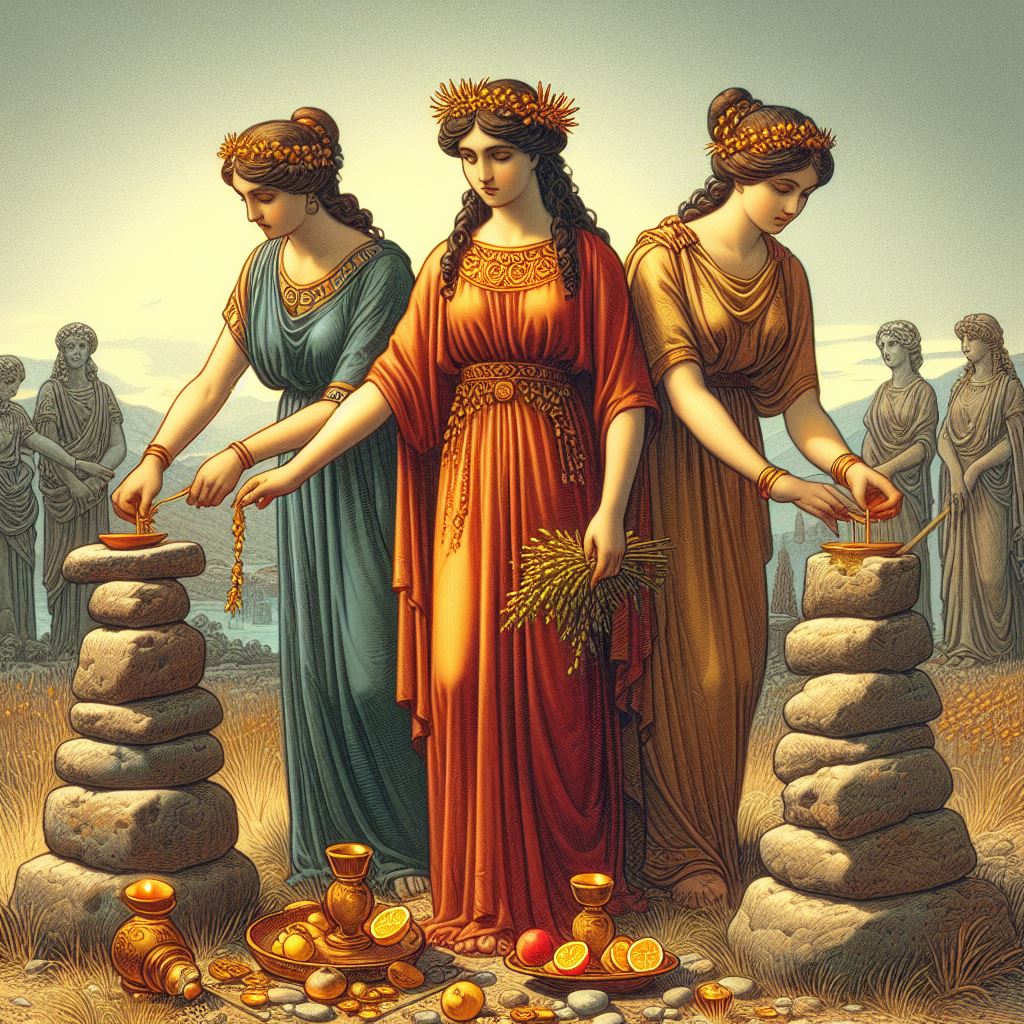
On this auspicious day, Romans ventured to the edges of their properties, carrying with them offerings that symbolized both gratitude and a plea for divine favor. Stones, carefully selected for their significance, were placed along the perimeters, becoming tangible markers of the sacred pact between the earthly and the divine.

The act of marking boundaries with stones was more than a practical ritual—it was a symbolic gesture embodying the recognition of sacred space. As the stones stood sentinel at the edges of familial domains, they became more than mere physical markers; they became conduits through which the divine energies of Terminus could flow, imparting stability and protection to the household.

Offerings of grains, fruits, and symbolic representations of the family’s prosperity adorned the boundary stones. Romans believed that the act of appeasing Terminus ensured not only the security of their property but also the harmonious coexistence of neighbors and the community at large. It was a day of fostering unity through shared acknowledgment of the importance of respecting the limits that defined the spaces individuals called their own.

In the broader context of Parentalia, Terminalia brought a pragmatic yet spiritually significant dimension to the festival. While the preceding days were dedicated to honoring the deceased and reconnecting with ancestral roots, Terminalia turned the focus to the living and the spaces they inhabited. It underscored the interconnectedness of the divine and the mundane, emphasizing that the boundaries of one’s property were not just physical but held a spiritual resonance.

As the sun cast its golden glow upon the marked boundaries, Romans found reassurance in the rituals of Terminalia. The blessings sought from Terminus were not confined to the tangible realm; they extended to the intangible boundaries that governed relationships, communities, and the delicate balance between the seen and the unseen.

Terminalia, in its celebration of Terminus, became a testament to the Romans’ profound understanding of the symbiotic relationship between humanity and the divine. The rituals performed on this day resonated with the timeless wisdom that recognizing and respecting boundaries—both material and spiritual—was essential for the flourishing of individuals, families, and the broader tapestry of communal life.

Day 9 February 21st Feralia Publica

Day 9: February 21st

Feralia Publica: A Collective Tribute to the Departed

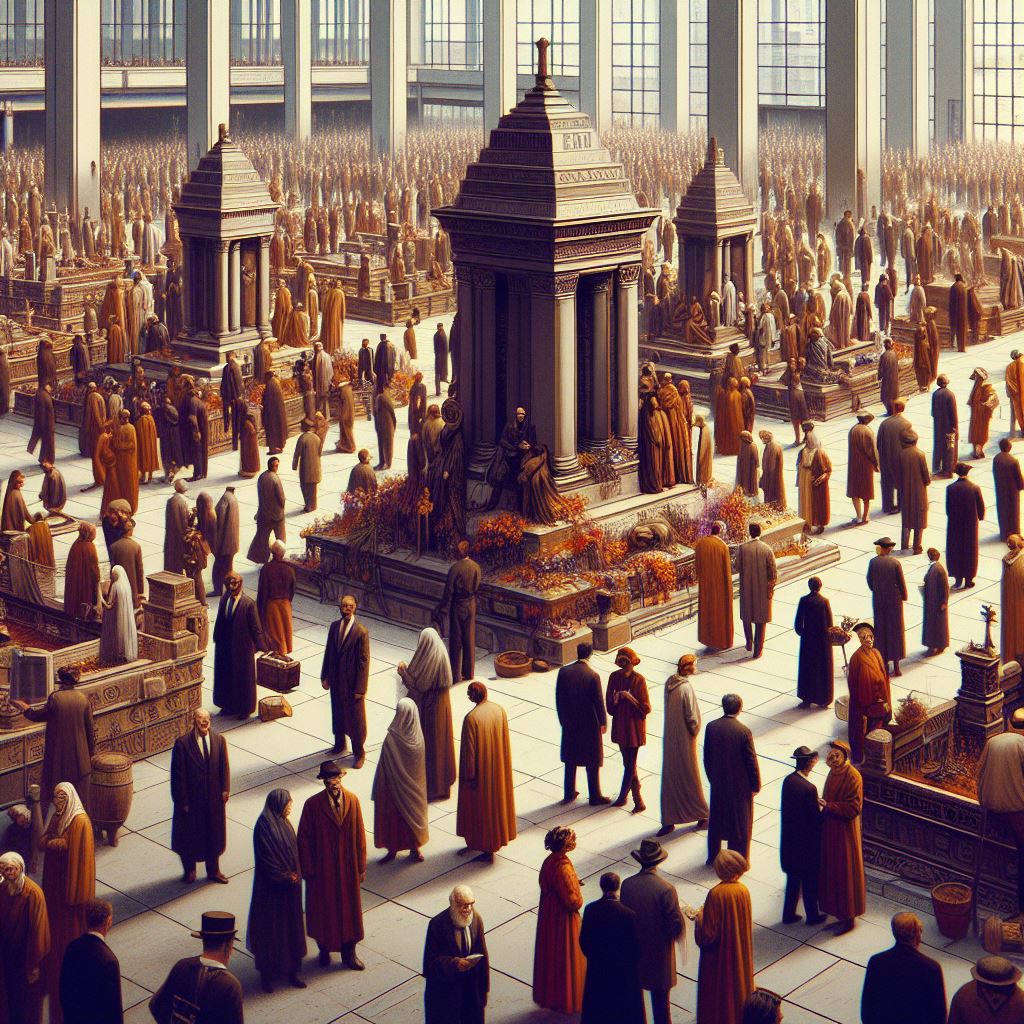
As the curtain fell on the sacred observance of Parentalia, the Romans embraced the final day, February 21st, with solemnity and reverence. This day, known as Feralia Publica, transcended the private confines of familial remembrance and blossomed into a public holiday dedicated to honoring the collective spirits of the departed.

Feralia Publica marked a poignant moment in the festival, inviting Romans from all walks of life to join in a communal act of mourning and remembrance. The air was thick with a sense of shared grief as people gathered to pay homage to not just their individual ancestors but to all the departed souls who had traversed the veil between the realms of the living and the dead.

The rituals of Feralia Publica mirrored those of the preceding days but on a grander scale. Families, friends, and even strangers united in their journey to visit gravesites, adorned with offerings that spoke of both personal and shared grief. The fragrant aroma of incense wafted through the air, mingling with the heartfelt prayers that sought solace for the departed and peace for the living.

Graves were adorned with wreaths of flowers and garlands, transforming the sacred spaces into vibrant tapestries of collective remembrance. Candles flickered, casting a gentle glow upon the tombstones, as if to illuminate the path for the spirits to find their way back to the realm of the departed.

Offerings of food and libations were placed with care, symbolizing the sustenance needed for the spiritual journey. Romans believed that these collective acts of tribute not only ensured the well-being of individual souls but contributed to the broader cosmic harmony that connected the living and the dead.

Feralia Publica served as a communal balm for the collective soul of Rome, as the city itself became a living memorial to the departed. The echoes of grief and love reverberated through the streets, creating an atmosphere where the boundaries between individuals faded, and a shared understanding of mortality prevailed.

In the public spaces designated for the communal remembrance, the diversity of tributes mirrored the diverse tapestry of Roman society. The rich and the poor, the powerful and the humble—all stood side by side in their shared acknowledgment of the inevitability of life’s end and the enduring legacy of those who had gone before.

As the sun dipped below the horizon on Feralia Publica, the collective prayers and offerings rose like incense, reaching toward the heavens. Romans left the sacred grounds with a sense of connection to something larger than themselves—a shared destiny that transcended the boundaries of the earthly realm.

Feralia Publica, with its amalgamation of individual grief into a collective tapestry of remembrance, became a powerful testament to the unity inherent in the human experience. The festival’s conclusion was not a farewell to the departed but a poignant acknowledgment that, as long as the living remembered, the spirits of the dead would continue to weave their influence into the fabric of Roman life.

Posted on Leave a comment

Winter Solstice

Winter Solstice
Winter Solstice

Introduction

Unlocking the Mysteries of the Winter Solstice

In the hushed whispers of December’s crisp winds, a celestial ballet takes center stage — the Winter Solstice, an astronomical masterpiece unveiling around December 21st. Beyond the clinical precision of its scientific definition lies a rich tapestry woven with the threads of antiquity, folklore, and an intimate connection to the pulsating rhythms of our Earth. As the night extends its shadowy embrace, the Winter Solstice emerges not just as a celestial event but as a profound intersection of science and spirituality, where ancient tales and cosmic phenomena entwine in a dance that transcends the boundaries of time. Join us on a journey into the heart of this celestial symphony, where the sky becomes a canvas painted with the echoes of centuries past, and the Earth aligns itself with the majestic rhythms of the cosmos.

Understanding the Solstice: Embracing the Cosmic Pause

The etymology of the term “solstice” unveils a linguistic ballet that gracefully describes a celestial spectacle. It emerges from the Latin roots “sol,” the radiant star that lights our days, and “sistere,” an invitation to stand still. Together, they craft a narrative of the Sun’s celestial ballet, a momentary pause in its grand journey.

As the Sun reaches the Tropic of Capricorn, this cosmic choreography unfolds. At the Winter Solstice, a mesmerizing interplay of celestial forces occurs, rendering the Sun’s noontime elevation seemingly motionless. The Sun, in its southernmost journey across the sky, hesitates, creating a pause that resonates across the fabric of the Earth’s seasons.

This cosmic stillness marks the official commencement of winter. In this ephemeral moment, the Earth lingers at the threshold of darkness, and daylight surrenders its temporal dominion to the extended reign of night. It is a delicate cosmic balance, a transition woven into the very fabric of nature’s rhythm.

This phenomenon, spanning cultures and epochs, carries profound symbolism. It is more than a mere shift in seasons; it is a promise—a celestial covenant of the Sun’s rebirth. As the Sun pauses in its southern sojourn, it whispers assurances of renewal and the eventual triumph of light over the encroaching darkness.

In this transient moment of stasis, the Winter Solstice becomes a cosmic junction, inviting contemplation and reflection. Across cultures, from ancient civilizations to contemporary societies, this celestial event is honored as a pivotal point in the dance of the cosmos. It symbolizes not only the changing seasons but also the cyclical nature of life, where even in the quiet stillness, the promise of a vibrant, sunlit future is silently held.

Journey through Shadows: Embracing the Celestial Ballet

As we stand at the threshold of the Winter Solstice, we embark on a profound journey through shadows—a celestial ballet that mirrors the ebb and flow of life’s eternal cycle. This pivotal point in the solar calendar marks a moment of celestial reckoning, where the sunlit tapestry of our days, gradually diminishing since the radiant glow of the summer solstice, begins to weave a new narrative.

Picture the cosmic stage: the sun, having completed its southern sojourn, lingers at the Tropic of Capricorn. The world, draped in shadows and the hushed whispers of the impending winter, awaits the celestial performance. In this grand spectacle, the dance of darkness and light unfolds with exquisite precision.

As we journey through the shadows of the Winter Solstice, the lengthening nights become a canvas on which nature paints its introspective masterpiece. It’s a dance where darkness yields not to an abyss but to the promise of a gentle, gradual return of the light. The world, cloaked in the quiet serenity of winter, prepares for the silent alchemy of renewal.

This celestial ballet is not merely a cosmic phenomenon but a profound reflection of life’s cyclical nature. It echoes the universal truth that every descent into darkness is a prelude to a triumphant ascent into light. The Winter Solstice becomes a celestial reminder that, even in the coldest and darkest of moments, the promise of renewal is quietly held in the cosmic embrace.

In the hush of winter’s shadowy contemplation, we find solace. It’s a time to reflect on our personal journeys, acknowledging the challenges and embracing the transformative power of resilience. The lengthening days post-solstice become a metaphorical roadmap, guiding us toward the renewal of spirit and the eventual blossoming of the world into spring.

As we traverse the cosmic dance floor, moving from the quietude of shadows to the burgeoning radiance of a sunlit future, the Winter Solstice invites us to partake in the grandeur of existence. It is a celestial proclamation that, even in the heart of winter’s embrace, the seeds of spring lie dormant, ready to awaken and usher in a new chapter in the eternal cosmic journey.

Global Celebrations and Traditions: A Tapestry of Winter’s Embrace

Venturing into the rich tapestry of global celebrations, the Winter Solstice emerges as a universal beacon, illuminating diverse cultures with its significance. Across continents and centuries, humanity has woven an intricate tale of reverence for nature, renewal, and the delicate interplay of light and shadow.

Stonehenge’s Solstice Symphony: An Ode to Earth’s Rhythms

In the heart of England, the Salisbury Plain cradles an ancient marvel — the enigmatic stones of Stonehenge. Steeped in mystery and cloaked in the mists of time, this sacred site transforms into a stage for a Druidic symphony during the Winter Solstice. As the world awaits the sun’s first light, a spectacle of profound symbolism unfolds.

As darkness clings to the night, the assembled crowd, wrapped in anticipation, witnesses a celestial alignment that transcends generations. The first rays of the newborn sun extend a golden embrace to Stonehenge’s weathered stones, casting shadows that dance in harmony with the ancient monoliths. The air is charged with a palpable energy, and amidst the whispers of history, a profound connection to the earth’s rhythms is forged.

Druidic traditions, with roots reaching back through the corridors of time, come alive in this sacred space. Each stone, weathered by centuries, becomes a sentinel bearing witness to the cyclical dance of the cosmos. The Winter Solstice is more than an astronomical event here; it is a living testament to the wisdom that the cycles of nature are the very threads weaving the fabric of our existence.

In this moment of alignment, the boundaries between past and present blur. The Druids, the ancient priestly class of the Celts, revered this celestial juncture as a sacred communion with the earth. Stonehenge, their sacred canvas, becomes a bridge across time, echoing with the footsteps of those who, in ages past, gathered to celebrate the changing seasons.

The stones, weathered yet enduring, stand as silent witnesses to countless solstices. They are not mere rocks; they are conduits of energy, resonating with the echoes of rituals performed by those who sought to understand and honor the mysteries of the cosmos. Each Winter Solstice, as the sun heralds a new cycle, Stonehenge becomes a living testament to the enduring connection between humanity and the celestial ballet above.

As the solstice sunbathes the stones in its gentle glow, a collective breath is drawn. The spectacle is more than a visual feast; it is a reminder that, in the dance of light and shadow, we find echoes of our own journey through the seasons of life. Stonehenge stands not just as an ancient monument but as a living, breathing testament to the profound harmony that exists when humanity acknowledges its place within the grand tapestry of the cosmos.

Dongzhi’s Dance of Yin and Yang: A Celestial Reunion

Embarking on an eastward journey, China unfolds its vibrant tapestry of tradition during the Dongzhi Winter Solstice Festival. As the world tilts towards the longest night, families gather not only for the warmth of shared company but to partake in a celestial dance of cosmic forces — the delicate interplay between yin and yang, darkness and light.

In the cosmic theater, Dongzhi stands as a spectacle of profound symbolism. It marks the zenith of yin forces, the moment when darkness claims its throne, shrouding the world in the quietude of winter. Yet, in this very embrace of darkness, there lies the promise of renewal, for the Winter Solstice is the tipping point where yin gracefully yields to yang — the positive, masculine energy that heralds the gradual return of light.

Families, wrapped in the warmth of tradition, gather to pay homage to this cosmic ballet. At the heart of the celebration are dumplings, not merely culinary delights but metaphors for the dance of celestial energies. Shaped like the crescent moon, these savory parcels become edible emblems of the universe’s cyclical rhythm. With each bite, families embrace the returning light, a tangible connection to the cosmic forces that govern the dance between day and night.

The significance of Dongzhi transcends the culinary, weaving into its fabric layers of cultural heritage and metaphysical understanding. It is a time for reflection, for acknowledging the ebb and flow of life’s energies, and for finding harmony within the cosmic symphony. Dongzhi, with its roots reaching deep into Chinese philosophy, invites a contemplative pause amid the hustle of modern life, urging individuals to attune themselves to the subtleties of the changing seasons.

As the dumplings steam and the fragrance of tradition wafts through homes, Dongzhi becomes more than a festival; it becomes a celestial reunion. Families, generations intertwined, savor not just the culinary craftsmanship but the essence of yin and yang, of darkness and the promise of returning light. In the tapestry of Dongzhi, China paints a portrait of cosmic harmony, inviting all to partake in the dance of celestial forces and find solace in the embrace of tradition.


Feast of Juul: A Hearth of Ancient Fires

In the heart of Scandinavia, where winter’s chill bites with particular fervor, the Feast of Juul emerges as a timeless celebration, echoing through the annals of history with the crackling warmth of fires that symbolize the Sun’s life-giving properties. It is a festival that not only kindles flames in the hearths but also ignites the spirit of community and the enduring connection between humanity and the cosmos.

At the heart of this Nordic jubilation is the venerable Yule log, a tangible link to ancient rites and a bearer of profound significance. Lit in honor of the mighty Scandinavian god Thor, whose thunderous chariot traversed the celestial expanse, the Yule log becomes more than a source of warmth; it transforms into a conduit between mortal realms and the divine. In the flickering dance of flames, the Norse people saw a reflection of Thor’s mighty power, a celestial symphony echoing through the winter night.

The Yule log, carefully chosen and ceremoniously ignited, becomes a focal point for communities to gather around. As its flames reach towards the heavens, the crackling embers carry with them the hopes, dreams, and aspirations of those who partake in this ancient ritual. It symbolizes not just the warmth of hearth and home but the enduring spirit of resilience against the winter’s cold embrace.

Yet, it is not merely in the act of burning that the Yule log finds its significance. Its unburned remnants, carefully preserved, are regarded as more than mere firewood. They are tokens of good fortune, holding the promise of protection against misfortune. This belief, etched in the cultural fabric of the Norse people, has echoed through centuries, and left an indelible mark on contemporary Yuletide traditions.

In modern times, as hearths are kindled and homes adorned with festive decorations, the spirit of the Feast of Juul lives on. The Yule log, whether in physical form or as a symbol, continues to bridge the gap between ancient traditions and present-day celebrations. It stands as a testament to the enduring power of rituals that connect us to our past, illuminate our present, and light the way for generations yet to come.

Saturnalia’s Grandeur: A Tapestry of Joy Across Time

In the mosaic of ancient Rome’s grandeur, the festival of Saturnalia emerged as a radiant gem, illuminating the darkest days of winter with the effulgence of merriment and revelry. This celestial juncture, marked by the Winter Solstice, became a time when the ordinary rules of life were cast aside, and the extraordinary took center stage.

At the heart of Saturnalia was the suspension of discipline and the joyful reversal of societal norms. The rigid structures of Roman life yielded to a carnival of freedom, where grudges were forgiven, and the echoes of war faded into the background. In this topsy-turvy realm, a spirit of communal joy reigned supreme, transcending the mundane concerns of everyday life.

The festival found its zenith on December 17 and extended its jubilant embrace for seven days, creating a temporal sanctuary where the usual order of things was turned on its head. Slaves became masters, and masters served their subordinates—a temporary liberation from the societal hierarchies that defined Roman life.

The echoes of Saturnalia, with its jubilant abandon and emphasis on communal harmony, resonate through the corridors of time and find a curious reflection in contemporary celebrations surrounding Christmas and the New Year. The suspension of hostilities, the forgiveness of grievances, and the collective embrace of joy during the festive season echo the essence of Saturnalia, reminding us that the ancient traditions of Rome continue to shape and enrich our modern festivities.

In the twinkling lights of holiday decorations and the warmth of shared gatherings, we catch glimpses of the Roman revelry that once graced the streets and homes of the ancient empire. Saturnalia, with its timeless message of unity, merriment, and the celebration of life’s joys, stands as a testament to the enduring influence of ancient customs on the tapestry of our contemporary celebrations.

As we traverse the globe, it becomes evident that the Winter Solstice is not merely an astronomical event but a global phenomenon that transcends cultural boundaries. It’s a testament to humanity’s shared connection to the cosmos, a reminder that, beneath the diversity of rituals and customs, we are united in our acknowledgment of nature’s cyclical dance—a dance where shadows yield to light, and the world, in its winter slumber, prepares for the promise of spring.

Light and Dark, Great Night and Warm Day

In the enchanted embrace of the Winter Solstice, the dance between light and darkness takes on profound symbolic significance for witches, Wiccans, and pagans alike. As the sun’s radiance wanes, and the night extends its tender grip, a tapestry of ancient symbolism unfolds, weaving together threads of spiritual introspection, renewal, and the unwavering hope for the returning sun.

For practitioners of the Craft, the lengthening night is not a descent into foreboding shadows but a sacred journey into the depths of the soul. It mirrors the introspective nature of the winter season, urging witches to turn inward, exploring the hidden recesses of their being. In the cloak of darkness, secrets are whispered, and the silent stirrings of the inner self are unveiled.

Yet, within this embrace of shadows lies the promise of renewal. The Winter Solstice marks the moment when the pendulum swings, when the darkness surrenders to the waxing light. It’s a time of spiritual metamorphosis, akin to the hibernation of nature. As the Earth slumbers beneath the frost-kissed mantle, so too does the practitioner find solace in a cocoon of self-discovery.

Across diverse pagan traditions, the returning sun is hailed as a symbol of hope and rebirth. The Oak King, dormant during the reign of the Holly King, awakens with the promise of burgeoning light. This cyclical battle between the kings mirrors the eternal dance of life and death, encouraging practitioners to reflect on the cyclical nature of their own existence.

Candles, those flickering beacons of illumination, become sacred tools during this celestial juncture. Lit in rituals and ceremonies, they represent the triumphant return of the sun’s vitality. The flame, resilient in the face of encroaching darkness, embodies the indomitable spirit that seeks illumination even in the bleakest of times.

As the Winter Solstice graces the sacred wheel, witches, Wiccans, and pagans find themselves cradled in the arms of ancient symbolism. The darkness becomes a canvas for profound spiritual revelations, and the burgeoning light becomes a beacon of hope, guiding the way through the enchanted tapestry of the winter night.

Crafting Magic in the Stillness of the Longest Night

In the mystical embrace of the Winter Solstice, practitioners of magic find themselves attuned to the subtle energies of this celestial dance. The solstice offers a unique opportunity to engage in magic that aligns with the themes of introspection, rebirth, and the interplay of light and shadow. Here’s a guide to the best magic to practice during this enchanting time:

Winter Altars: As the world slumbers beneath the frost-kissed blanket, your altar becomes a sacred space for reflecting the season’s energies. Adorn it with symbols of the Winter Solstice—evergreen branches, pinecones, and candles. Incorporate images of the returning sun, and perhaps a representation of the Oak King or other deities associated with the season.

Candle Magic: Candles, with their flickering flames, hold profound significance during the Winter Solstice. Engage in candle magic to symbolize the triumph of light over darkness. Use white candles for purity and renewal, gold for the returning sun’s vitality, and blue for spiritual introspection. As you light each candle, visualize the warmth and illumination infusing your magical workings.

Divination: The extended night of the Winter Solstice provides an ideal canvas for divination. Whether through tarot cards, scrying mirrors, or runes, seek insights into the coming season. The veil between worlds is thin, enhancing your intuitive connection to unseen realms.

Herbal Magic: Explore the magic of winter herbs and plants. Incorporate juniper, pine, or cedar into your rituals for their purifying properties. Brew teas with herbs like chamomile and lavender to foster a sense of calm and introspection. These herbal allies can enhance your magical intentions during the solstice.

Sun Deities: Honor deities associated with the sun, such as Apollo, Ra, or Sol. Offer gratitude for the returning light and seek their blessings for personal renewal and growth. Consider crafting invocations or prayers to these deities, acknowledging their influence on the cosmic dance unfolding during the Winter Solstice.

Oak King Rituals: In pagan traditions, the Oak King symbolizes the burgeoning light during the waxing half of the year. Craft rituals to honor the Oak King, expressing gratitude for his awakening presence. Consider creating a representation of the Oak King on your altar or engaging in a ceremonial battle between the Oak and Holly Kings.

As you immerse yourself in the magic of the Winter Solstice, let your intentions be guided by the energy of the season. Embrace the stillness of the longest night, for within it lies the fertile ground for magical transformation and the promise of the returning sun’s radiant embrace.

Conclusion

As the Northern Hemisphere embraces the longest night of the year, the Winter Solstice invites us to step into the realm of ancient rituals and timeless traditions. It’s a moment when nature itself seems to hold its breath, and the promise of lengthening days is whispered through the shadows. From the Druids honoring the Alban Arthan to the Scandinavians kindling the Yule log, and the Romans reveling in Saturnalia, the Winter Solstice transcends time and cultural boundaries. It’s a universal pause—a cosmic interlude—where humanity, throughout history, has found solace in the darkness, celebrating the triumph of light. As you witness your lengthening noontime shadow during this season, remember that it echoes an age-old dance between Earth and Sun. The Winter Solstice is not merely an astronomical event but a profound tapestry of human connection with the cosmos, a celebration of renewal amidst the quietude of winter’s embrace.