Posted on Leave a comment

Ritual: Painting Rocks for Ostara

Painted RocksReading Time: 3 minutes
Painted Rocks

Introduction

A Creative Celebration of Spring’s Vibrant Energy

Ostara, the Spring Equinox, celebrates balance, renewal, and the blossoming of life. It is a time to honor the Earth’s reawakening and channel creativity into meaningful expressions of gratitude and joy. One engaging and family-friendly way to connect with Ostara’s energy is by painting rocks with vibrant symbols of the season. This simple yet impactful craft infuses your home, garden, or altar with the essence of spring and serves as a tangible reminder of the beauty of nature’s cycles.

Ritual Basics

Before beginning any ritual, it is important to prepare yourself mentally and physically. You may want to take a cleansing bath, or shower, and meditate or perform some grounding exercises to center yourself. Gather any materials you will need, such as candles, incense, and offerings for the forest spirits.

You can read a more detailed Ritual Preparation guide here.

About Painted Rocks

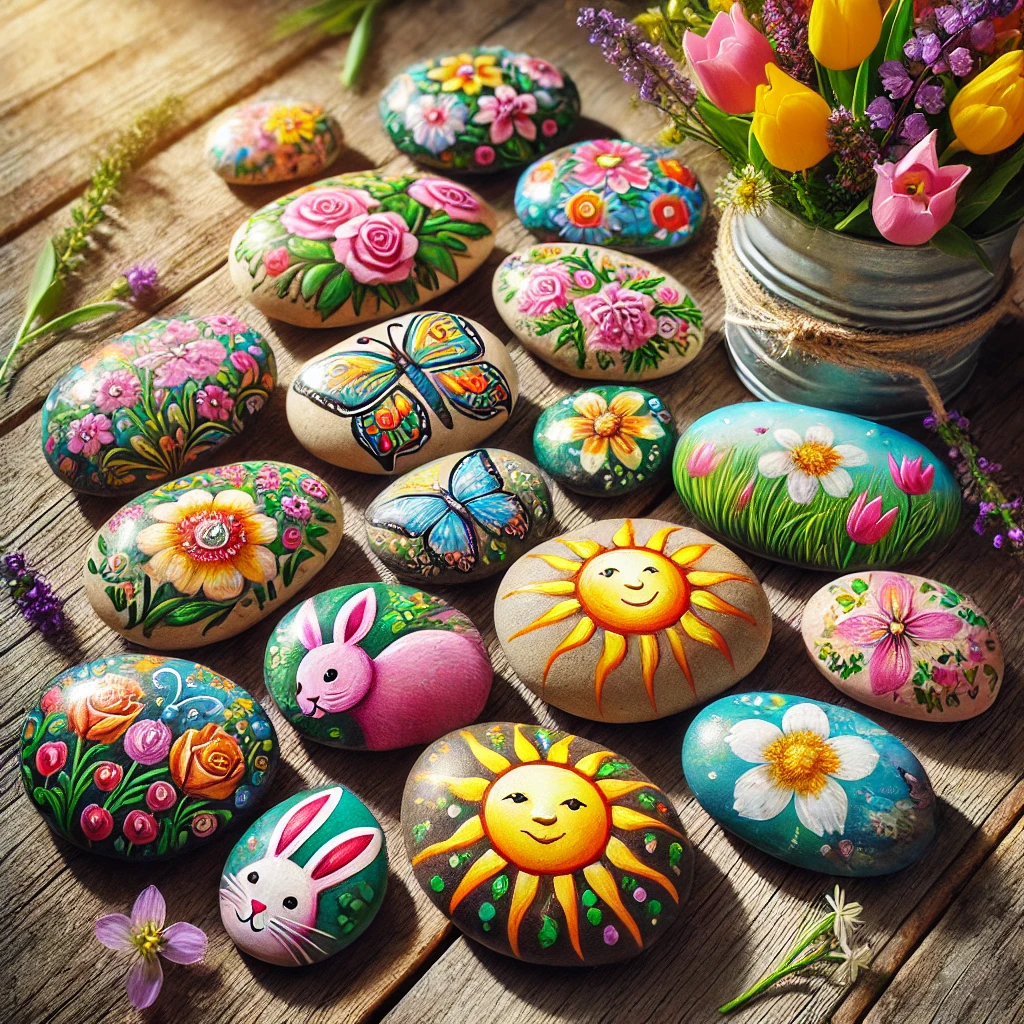
The tradition of decorating stones is an ancient practice, symbolizing a connection to the Earth and its enduring strength. Painted rocks are a modern adaptation, combining creativity with spirituality. By adorning stones with symbols like the sun, flowers, rabbits, or butterflies, we honor the themes of growth, fertility, and renewal associated with Ostara. Whether placed in a garden, used on an altar, or gifted to loved ones, these painted rocks radiate the joyful energy of the season and serve as lasting mementos of your celebration.

Painted Rocks
Print Ritual
No ratings yet

Painting Rocks for Ostara

A hands-on ritual to channel Ostara’s creative spirit
Prep Time15 minutes
Ritual Time1 hour
Charging1 hour
Total Time2 hours 15 minutes
Ritual Type: Ostara, Spring Equinox
Type: Rituals
Author: Theo, Witch
Cost: Minimal (depends on the cost of paint and brushes)

Tools

  • Paintbrushes in various sizes
  • Palette or small containers
  • Paper towels

Supplies

  • Several smooth stones 5-10 collected or purchased
  • Acrylic paints in vibrant spring colors like yellow, pink, green, and blue
  • Clear sealant spray optional – for weatherproofing outdoor decorations
  • Water cup for rinsing brushes

Instructions

Step 1: Gather and Prepare Materials

  • Collect smooth stones from a local park, riverbed, or your garden. Ensure they are clean and dry before painting.
  • Lay out your materials on a table, covering the surface with newspaper or a protective cloth.

Step 2: Choose Your Symbols

  • Reflect on the themes of Ostara—balance, fertility, and renewal.
  • Decide on designs such as the sun, flowers, rabbits, butterflies, or other spring motifs.

Step 3: Paint the Rocks

  • Begin with a base coat if desired, using a light color to make your designs pop. Let it dry before adding details.
  • Use smaller brushes to paint your chosen symbols. Be creative and let intuition guide your designs.
  • Allow the paint to dry completely before handling the rocks further.

Step 4: Seal the Designs (Optional)

  • If you plan to use the rocks outdoors, apply a clear sealant spray to protect the paint from weathering.
  • Let the sealant dry in a well-ventilated area before placing the rocks.

Step 5: Place or Gift the Rocks

  • Use the painted rocks to decorate your garden, aligning them around plants or pathways to infuse your space with seasonal magic.
  • Add them to your altar as vibrant offerings to honor Ostara’s themes of renewal and growth.
  • Gift painted rocks to loved ones, sharing the blessings and beauty of the season.

Notes

Moon Milk Lavender and CherriesMoon milk is believed to have magical properties that promote relaxation, sleep, and spiritual connection. Lavender is a powerful herb that is often used in spells and rituals to promote tranquility, purification, and harmony. It is said to help calm the mind, soothe anxiety, and facilitate communication with the spiritual realm. Cherries, on the other hand, are associated with abundance, prosperity, and love. By combining these two ingredients in moon milk, we can create a potent brew that promotes restful sleep, deep relaxation, and a profound sense of spiritual connection.
As you sip on your moon milk and gaze up at the moon, take a moment to reflect on the magic and mystery of the universe. Whether you are working with the moon to manifest your desires, to connect with your intuition, or simply to enjoy a peaceful moment of reflection, remember that the power of the moon is always with you, waiting to be harnessed and celebrated.
*Calories Calculated with 2% Dairy Milk, Different bases will change the values.

© The Equinox Apothecary 2024 – Permission is granted to copy and reproduce this Ritual with attribution

Conclusion

Painting rocks for Ostara is a joyful and creative ritual that brings the essence of spring into your home and garden. These colorful symbols celebrate the Earth’s renewal and invite balance, growth, and vibrancy into your life. Whether displayed as part of a ritual, used as decoration, or shared as gifts, these painted stones embody the spirit of Ostara’s beauty and abundance. Let this craft inspire a deeper connection with nature and the enduring cycles of life.

Posted on Leave a comment

Bridging Imbolc and Candlemas

Imbolc and CandlemasReading Time: 12 minutes
Imbolc and Candlemas

Introduction

Celebrating the Light and Promise of Spring

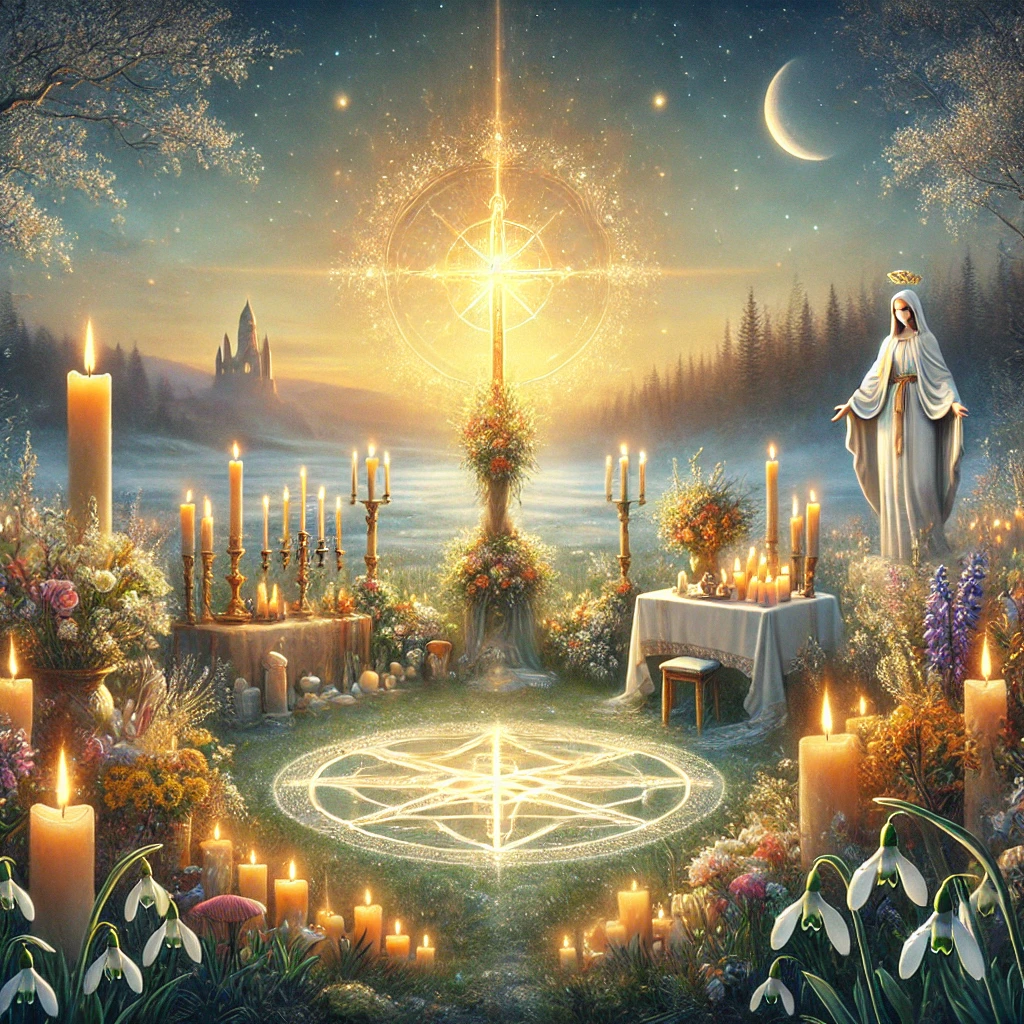
At the heart of the year’s turning, as the days grow longer and the winter’s grip begins to loosen, two sacred celebrations emerge to honor the promise of light and new beginnings: Imbolc and Candlemas. Though rooted in distinct cultural and religious traditions, these holidays share a profound connection in their themes of renewal, light, and the anticipation of spring. Exploring their similarities and contrasts reveals the universal human yearning to celebrate the return of warmth, hope, and the cycles of life.

Imbolc: Honoring Brigid and the Spark of Life

Imbolc is a Gaelic festival celebrated at the midpoint between the winter solstice and the spring equinox, typically on February 1st or 2nd. It is a sacred time marking the gradual shift from the darkness of winter to the growing light of spring. The name “Imbolc” derives from the Irish word “imbolg”, meaning “in the belly,” a reference to the pregnancy of ewes, symbolizing fertility and the promise of new life. This imagery reflects the earth itself stirring beneath the snow, preparing for the vibrant growth of the coming season.

Traditionally celebrated in Ireland, Scotland, and the Isle of Man, Imbolc was a time to honor the goddess Brigid, a beloved deity of fertility, healing, poetry, and smithcraft. Brigid’s influence extended over both domestic and natural realms, embodying the creative spark needed for renewal and transformation. As winter waned and daylight grew stronger, communities invoked Brigid’s blessings to ensure abundance, vitality, and protection for the land, animals, and households.

Brigid: The Goddess of Renewal and Vitality

Brigid, often considered a triple goddess, represents the union of poetry, creation, and transformation. She is both a deity of the hearth and the forge, symbolizing the spark of life that ignites growth and the fire of creativity that inspires change. Her dominion over fertility connects her deeply to the cycles of the earth, where she is seen as a nurturing force ensuring the land awakens after its long winter rest.

As a goddess of poetry, Brigid inspires words of beauty, song, and expression, embodying the voice of nature as it begins to stir. Her connection to healing extends beyond physical ailments to emotional and spiritual renewal, making Imbolc a time for internal cleansing and restoring vitality. Her role as a smith underscores the transformative power of fire to create, shape, and forge new beginnings, aligning perfectly with the themes of renewal at Imbolc.

Traditional Practices and Key Rituals

Imbolc rituals and celebrations are rich in symbolism, reflecting themes of light, renewal, and preparation. They draw on ancient traditions that honor the earth’s awakening, the blessings of Brigid, and the balance between the dormancy of winter and the vitality of spring.

Lighting Candles and Hearth Fires

The lighting of candles and hearth fires during Imbolc holds profound significance. These flames symbolize the returning warmth and light of the sun, driving away the darkness of winter and illuminating the path toward spring. The hearth, often considered the heart of the home, was rekindled as an act of devotion to Brigid, inviting her presence to bless the household. In modern Imbolc celebrations, candlelit rituals are often performed to honor the goddess and symbolize personal or spiritual illumination.

Offerings to Brigid

Offerings to Brigid were central to traditional Imbolc celebrations. Milk, bread, butter, and mead were placed on altars, windowsills, or by the hearth to honor her nurturing and creative aspects. Milk, in particular, held special importance, symbolizing nourishment, fertility, and the abundance of spring. Some practitioners crafted Brigid’s crosses, woven from rushes or straw, as offerings to protect homes and livestock for the year ahead. These crosses were often hung above doorways or hearths as a symbol of Brigid’s blessings.

Spring Cleaning

Imbolc is a time of cleansing and renewal, both physically and spiritually. Spring cleaning was performed to sweep out the old, clearing away the stagnant energy of winter and preparing for the fresh beginnings of spring. This act was both practical and symbolic, creating a clean slate to welcome Brigid and her blessings into the home. Today, modern practitioners might extend this practice to clearing mental or emotional clutter, setting intentions for the year ahead.

Divination Rituals

As a time of transition, Imbolc was also seen as a moment to seek insight and guidance for the future. Divination practices such as scrying, casting runes, or interpreting natural signs were performed to align with the rhythms of nature and discern what lay ahead. Brigid’s role as a goddess of wisdom and foresight made her a powerful guide during this time.

Preparation of Fields and Gardens

Imbolc reflects the anticipation of planting season, as the earth begins to wake from its winter slumber. Farmers prepared their fields for sowing, and seeds were blessed to ensure a fruitful harvest. This practice symbolizes new beginnings, with seeds representing both literal crops and the intentions and aspirations planted in one’s life. Even for those who do not farm, preparing gardens or setting goals aligns with this theme of readiness for growth.

Modern Imbolc Celebrations

In contemporary practice, Imbolc has become a time for introspection, gratitude, and hope for the future. It invites practitioners to reflect on the cycles of nature and the transitions in their own lives. Common modern-day rituals include:

  • Creating altars dedicated to Brigid with candles, flowers, and representations of spring.
  • Making and displaying Brigid’s crosses as symbols of protection and renewal.
  • Baking and sharing seasonal foods, such as breads, dairy-based dishes, or spiced cakes, to honor the goddess.
  • Lighting candles or fires to honor the returning sun and set intentions for growth.
  • Spending time in nature, observing the subtle stirrings of spring, such as the emergence of snowdrops or the songs of returning birds.

A Celebration of Nature’s Quiet Transition

Imbolc is a festival of hope and anticipation, a moment when the stillness of winter begins to yield to the promise of spring. It is a time to honor Brigid’s gifts, from the creative spark of inspiration to the gentle nurturing of life’s cycles. Whether through rituals of light, offerings, or the act of clearing away the old, Imbolc encourages us to align with nature’s quiet transitions and nurture the seeds—both literal and metaphorical—that will grow in the months ahead. In honoring Imbolc, we celebrate the beauty of renewal and our connection to the eternal rhythms of the earth.

Candlemas: A Christian Celebration of Light and Purification

Candlemas, observed annually on February 2nd, is a significant Christian holiday that commemorates two key biblical events: the presentation of Jesus at the Temple and the purification of the Virgin Mary following childbirth, as recounted in the Gospel of Luke (2:22-40). Falling exactly 40 days after Christmas, this holiday reflects the Jewish tradition of purification and dedication, a practice where mothers underwent a ritual cleansing and firstborn sons were presented to God in the temple. Candlemas, rich in symbolism, serves as both a religious observance and a celebration of light’s return to the world.

At its heart, Candlemas emphasizes Christ as the “light of the world”—a spiritual beacon guiding humanity toward salvation. The holiday’s focus on light resonates with both spiritual themes of hope and redemption and the natural cycle of increasing daylight as winter begins to wane. Candlemas is also steeped in themes of renewal, gratitude, and preparation, making it a moment of reflection and celebration as the faithful look toward the promises of brighter days ahead.

The Biblical Roots of Candlemas

Candlemas derives its spiritual significance from two key events recorded in the New Testament:

  1. The Presentation of Jesus at the Temple: In keeping with Jewish law, Mary and Joseph brought the infant Jesus to the temple in Jerusalem to consecrate him to God as the firstborn son. This act symbolized Jesus’s divine role and connection to God’s covenant with humanity. During this presentation, the devout man Simeon recognized Jesus as the Messiah and proclaimed him as a “light for revelation to the Gentiles and for glory to your people Israel” (Luke 2:32). Simeon’s prophecy serves as the foundation for the Candlemas theme of light—a guiding force and symbol of salvation.
  2. The Purification of Mary: Following Jewish customs outlined in Leviticus 12, women who gave birth were considered ritually impure for 40 days after delivering a male child. At the end of this period, they were to present themselves at the temple to undergo a purification rite, signifying a return to religious and communal life. Candlemas marks this event in Mary’s life, emphasizing themes of cleansing, renewal, and the fulfillment of sacred traditions.

Candlemas Rituals and Traditions

Over centuries, Christian communities developed rituals and practices to honor Candlemas, blending biblical significance with cultural and seasonal observances. These traditions center on the themes of light, renewal, and purification, offering a chance to celebrate both the spiritual and natural transitions taking place at this time of year.

Blessing and Procession of Candles

The most distinctive feature of Candlemas is the blessing of candles, which symbolize Christ’s light illuminating the darkness of the world. During church services, priests bless candles brought by parishioners, which are then carried in processions to invoke spiritual protection and the guiding light of faith. These blessed candles are often kept in homes throughout the year and lit during moments of prayer, storms, or significant events, serving as a reminder of Christ’s enduring presence and hope.

The candlelight procession, a centerpiece of Candlemas, is a visual and communal act of devotion. As the faithful walk together, holding their glowing candles, they symbolize their shared journey toward spiritual renewal and their commitment to carrying Christ’s light into the world.

Lighting Candles at Home

Beyond church ceremonies, families incorporate the lighting of candles into their home observances of Candlemas. These flames not only reflect the divine light of Christ but also evoke the comforting warmth of faith and community. In the stillness of winter, lighting candles becomes an intimate ritual, a moment to reflect on hope, guidance, and renewal as the season begins to shift toward spring.

Weather Predictions and Folklore

Candlemas is also entwined with seasonal folklore, emphasizing its role as a bridge between winter and spring. One well-known belief holds that the weather on Candlemas Day predicts the remaining length of winter. The saying goes:
“If Candlemas Day be fair and bright,
Winter will have another flight.
If Candlemas Day brings cloud and rain,
Winter won’t come again.”

This tradition gave rise to Groundhog Day in the United States, where the behavior of a groundhog is said to forecast the arrival of spring. The weather-watching practice underscores Candlemas’s dual significance as both a religious and seasonal celebration, bridging the physical world with the divine.

Themes of Purification and Renewal

Candlemas is a time for personal and spiritual reflection, inspired by the themes of purification and renewal. Just as Mary underwent a ritual cleansing, believers are encouraged to evaluate their own spiritual lives, casting off negativity and embracing hope, clarity, and divine guidance. This symbolic “purification” aligns with the broader seasonal practice of preparing for spring, echoing the need to cleanse, simplify, and make space for new beginnings.

The Symbolism of Candlemas Light

The central theme of Candlemas is light, which holds profound spiritual and symbolic meaning. Light is a universal representation of hope, salvation, and divine presence, and at Candlemas, this light is both metaphorical and literal. In Christian belief, Christ is the light of the world, offering guidance and redemption to a weary and uncertain humanity. The flickering glow of candles represents this unwavering beacon, illuminating the path through life’s challenges.

Beyond its spiritual connotations, light also reflects the natural cycle of the seasons. Candlemas arrives as winter’s grip begins to loosen and the days grow longer. The increased sunlight mirrors the return of warmth and vitality, fostering hope for growth and renewal in the coming months. In this way, Candlemas serves as a celebration of both spiritual illumination and the physical return of the sun’s brightness.

Modern Observances of Candlemas

In contemporary practice, Candlemas continues to hold meaning for both religious and secular communities. While traditional church rituals remain central for many Christians, the holiday’s themes of light, purification, and renewal resonate beyond religious boundaries. Families and individuals celebrate Candlemas in ways that reflect their personal beliefs and cultural heritage.

For some, Candlemas is a time to reflect on their spiritual journey, lighting candles and offering prayers of gratitude and hope. Others embrace its seasonal significance, using the holiday as an opportunity to reconnect with the rhythms of nature and prepare for the arrival of spring. In either case, Candlemas serves as a moment of pause and reflection, offering a chance to embrace transitions with faith, intention, and optimism.

Candlemas as a Bridge Between the Seasons

Candlemas occupies a unique place in the calendar, standing as a bridge between the seasons—both physically and spiritually. It connects the depths of winter with the promise of spring, blending ancient traditions of light and renewal with Christian narratives of salvation and hope. Whether celebrated with blessed candles, shared meals, or quiet moments of reflection, Candlemas invites us to carry the light of faith and warmth into the world, embracing the cycles of life with reverence and gratitude. As the days grow brighter and the earth awakens, Candlemas reminds us of the power of light to dispel darkness, and the enduring promise of renewal in all its forms.

Shared Themes: Light, Renewal, and the Cycles of Life

Despite their different origins—Imbolc rooted in the ancient pagan traditions of the Gaelic world and Candlemas emerging from early Christianity—these two holidays reflect shared human themes that transcend specific religions or cultures. Imbolc and Candlemas both serve as celebrations of light, renewal, and the cycles of life, bridging the physical and spiritual realms during this transitional time of year. They invite participants to reflect on their connection with the natural world, the divine, and the promise of brighter days ahead.

The Return of Light: Hope After Darkness

At the heart of both Imbolc and Candlemas lies the return of light after the long darkness of winter. Imbolc honors the first signs of nature’s awakening, with longer days and the promise of spring’s arrival. The flickering flames of candles, hearth fires, and Brigid’s sacred flame symbolize this burgeoning light and the warmth it brings to a weary winter landscape. Similarly, Candlemas celebrates the light of Christ as a spiritual beacon, guiding the faithful toward hope, redemption, and renewal. The tradition of blessing candles at Candlemas is an act of embracing this light, both physically and spiritually.

Light, in these contexts, transcends its physical presence and becomes a metaphor for guidance, clarity, and the divine promise. For the ancient Celts, Brigid’s flame symbolized creative energy and the spark of life, illuminating the path toward new beginnings. In Christianity, the light of Christ offers a similar promise of salvation and hope, dispelling the darkness of sin and despair. Whether through the gentle glow of candles on an altar or the warmth of a hearth fire, both holidays remind us of the transformative power of light and its ability to dispel fear and uncertainty.

New Beginnings and Fertility: A Season of Renewal

Imbolc and Candlemas also share a focus on new beginnings, embodying the promise of growth, renewal, and the turning of the seasons. Imbolc, derived from the Irish word “imbolg” (meaning “in the belly”), celebrates fertility, both in the land and in life itself. It marks the early stirrings of spring, as pregnant ewes symbolize the promise of future abundance and seeds prepare to germinate beneath the cold earth. This sense of fertility is both literal and symbolic, representing the cultivation of new ideas, goals, and dreams.

Candlemas, while focused on spiritual renewal, echoes these themes of fresh starts and growth. The purification of the Virgin Mary and the presentation of Jesus at the temple signify the completion of a sacred cycle and the beginning of a new chapter. Candlemas invites participants to reflect on their own spiritual “cleansing,” letting go of burdens or negativity to create space for hope, peace, and divine guidance.

Both holidays are inherently tied to the natural cycles of life. Imbolc’s connection to the earth’s fertility mirrors Candlemas’s emphasis on spiritual renewal, linking the physical and spiritual processes of rebirth. Together, they remind us that endings are not finite—they are the seeds of beginnings, and winter’s stillness is a precursor to spring’s vitality.

Rituals with Fire and Candles: Symbols of Life and Divinity

The element of fire plays a central role in both Imbolc and Candlemas, uniting the holidays through the shared symbolism of illumination, warmth, and life. Fire is a powerful symbol in human culture, representing not only physical warmth but also spiritual enlightenment and creative energy. For the Celts, lighting candles and hearth fires during Imbolc honored Brigid’s life-sustaining powers and welcomed the sun’s gradual return to prominence. Fire rituals carried deep cultural significance, serving as both protective acts and ways to align with Brigid’s nurturing energy.

In Candlemas, the practice of blessing and lighting candles is steeped in Christian symbolism. The glowing flames represent Christ’s light, which illuminates the path for humanity and brings salvation. Candlelit processions in churches and homes create a visual representation of the divine radiance that dispels darkness and fosters faith.

Despite the differences in their focus, both holidays highlight the universal human need for symbols of hope during the darkest days of the year. Fire and candles act as tangible reminders of the power of light to overcome shadows, guiding people through transitions and preparing them for the rebirth and vitality of spring.

Modern Celebrations: Honoring Both Traditions

In today’s diverse and interconnected world, many people celebrate Imbolc and Candlemas in ways that draw from both traditions, blending their earth-centered practices and spiritual significance. Modern observances often emphasize shared themes of light, renewal, and gratitude, creating a space for reflection, community, and preparation for the coming season.

The lighting of candles remains a common thread, symbolizing both the growing sunlight in nature and the spiritual illumination that inspires personal and communal growth. In homes and on altars, candlelight bridges the divide between pagan reverence for the sun’s return and Christian celebrations of Christ’s divine radiance. Many practitioners of both traditions also incorporate spring cleaning, a symbolic act of clearing out the old to make room for new energy, both in physical spaces and in personal lives.

Offerings of food and flowers are another shared practice, rooted in the recognition of abundance and gratitude. From fresh-baked bread to vibrant seasonal blooms, these offerings honor the divine, the earth, and the cycles that sustain life. Such acts foster a deep connection to both nature and the spiritual forces that guide and inspire renewal.

Time spent in nature—whether through mindful walks, gardening, or observing seasonal changes—also resonates with the themes of both holidays. Engaging with the quiet transition of the earth toward spring mirrors the personal and spiritual transitions celebrated at this time.

Finally, sharing meals with loved ones reflects the communal spirit of both Imbolc and Candlemas. Gathering around the warmth of food and fire fosters gratitude, connection, and joy, reinforcing the shared themes of light, renewal, and the cyclical nature of life.

Cycles of Life: A Universal Celebration

Imbolc and Candlemas, though rooted in different traditions, offer an opportunity to reflect on the universal cycles of life, light, and renewal. They remind us that, as the wheel of the year turns, we are part of an ever-unfolding dance of endings and beginnings. Whether honoring Brigid’s creative energy or Christ’s guiding light, these holidays invite us to pause, express gratitude, and prepare for the possibilities that lie ahead. In their shared themes, they provide a reminder of our connection to the natural world, to one another, and to the divine forces that guide us through life’s seasons.

A Harmonious Celebration of Hope

Imbolc and Candlemas remind us that, regardless of our cultural or spiritual backgrounds, we are all connected by the rhythms of nature and the cycles of light and dark. As we celebrate these holidays, we honor the hopeful energy of the coming spring and the transformative power of light—whether in the form of Brigid’s flame or Christ’s divine radiance.

By bridging these two traditions, we create a beautiful, shared tapestry that invites us to embrace renewal, nurture creativity, and welcome the blessings of the seasons. This sacred time offers an opportunity to look forward with joy and gratitude, carrying the warmth of the returning light into our homes, hearts, and lives.
Posted on Leave a comment

Crafting May Baskets

May BasketReading Time: 5 minutes
May Basket

Introduction

Sharing the Joy of Spring’s Arrival

Beltane, a celebration of spring’s vibrant energy and renewal, invites families to embrace the season’s beauty through joyful activities. One such delightful tradition is the creation of May baskets. These charming baskets, brimming with flowers or treats, serve as tokens of appreciation and celebration, symbolizing the abundance and vitality of the season. Crafting May baskets with loved ones not only sparks creativity but also instills values of kindness, generosity, and the joy of giving.

Materials Needed

To embark on this enchanting Beltane activity, gather the following materials:

  • Small baskets or paper cups
  • Colorful ribbons
  • Tissue paper
  • Assortment of fresh flowers or candies
  • Scissors
  • Glue or tape

Decorating the Baskets

As you begin to prepare the baskets for decoration, consider the size and shape of each vessel. If you’ve opted for paper cups, take a pair of scissors and carefully trim around the top edge to create a basket-like opening. Ensure the opening is large enough to hold a generous handful of flowers or treats, allowing for easy access.

Now comes the fun part – decorating the baskets! This is where children can let their creativity soar. Lay out an assortment of crafting supplies on a large table or workspace, inviting them to explore and experiment with different materials. Ribbons in various colors and patterns, tissue paper in spring hues, and an array of stickers, glitter, and markers are fantastic options to spark their imagination.

Encourage the use of vibrant colors and playful patterns to bring the baskets to life. Children can adorn the exteriors with swirls of ribbons, layering them in crisscross patterns or tying them into bows for a whimsical touch. Tissue paper can be cut into strips or shapes and glued onto the baskets to create colorful collages or textured designs.

As they decorate, prompt children to incorporate spring-themed motifs that evoke the spirit of Beltane’s renewal. Flowers, symbolizing growth, and new beginnings, can be drawn, painted, or glued onto the baskets in cheerful clusters. Butterflies, with their delicate wings and graceful flight, are another enchanting addition, representing transformation and the beauty of nature’s cycles.

Encourage children to express themselves freely, reminding them that there’s no right or wrong way to decorate their May baskets. Each creation is a unique reflection of their creativity and the joy of welcoming spring’s arrival. As they immerse themselves in the crafting process, they’ll not only create beautiful baskets but also cultivate a deeper appreciation for the season’s abundance and the spirit of generosity that defines Beltane.

Filling the Baskets

With the baskets now beautifully adorned with colorful decorations, it’s time to fill them with delightful springtime treasures. If you’re embracing the floral essence of Beltane, gather an assortment of fresh flowers from your garden or a local florist. Encourage children to explore the garden, selecting blooms that catch their eye. Choose a variety of flowers in different colors, shapes, and sizes to create a captivating arrangement that captures the essence of spring’s abundance.

As you gather the flowers, take a moment to appreciate their beauty and significance. Discuss the symbolism of each bloom, emphasizing qualities such as love, renewal, and growth. Encourage children to select flowers based on their personal preferences and the messages they wish to convey to the recipients of the May baskets.

Alternatively, if you prefer to fill the baskets with edible treats, consider an array of colorful candies or snacks that capture the spirit of Beltane. Choose treats that are vibrant in color and sweet in flavor, reflecting the joy and vitality of the season. Candies shaped like flowers or animals can add an extra touch of whimsy and playfulness to the baskets.

As you fill each basket with flowers or treats, infuse them with intentions of love, abundance, and blessings for the recipient. Encourage children to imbue their creations with positive energy and heartfelt wishes, fostering a sense of connection and generosity. Whether filled with flowers or sweets, each May basket becomes a token of appreciation and goodwill, embodying the spirit of Beltane’s celebration of abundance and renewal.

Promoting Kindness and Generosity

The act of creating and gifting May baskets isn’t just a fun craft activity; it’s also a meaningful opportunity to cultivate kindness and generosity within the family. As you gather materials and decorate the baskets, encourage children to reflect on the importance of giving and sharing with others. Discuss the significance of Beltane’s themes of abundance and renewal, emphasizing the joy that comes from spreading happiness and goodwill.

Encourage children to consider the impact of their actions on others and how even small gestures of kindness can make a big difference in someone’s day. Remind them that the simple act of giving a May basket can brighten someone’s day and create a sense of connection and community.

As each basket is prepared with love and care, it becomes more than just a gift; it becomes a heartfelt gesture of appreciation and connection with the community. Encourage children to personalize each basket with thoughtful touches and to consider the recipient’s interests and preferences when selecting flowers or treats.

By promoting kindness and generosity through the creation and gifting of May baskets, you’re not only fostering empathy and compassion within your family but also spreading the spirit of Beltane’s celebration of abundance and renewal to those around you.

Sharing the Joy

Once the May baskets are crafted and filled with care, it’s time to embark on a May Day adventure and share the joy of Beltane with friends, neighbors, and loved ones. Gather your family together and set out on a journey through your neighborhood, delivering the baskets to doorsteps with laughter and smiles.

Encourage children to express their excitement and share the stories behind each basket as they knock on doors and leave their surprises. Let them experience the joy of giving firsthand, spreading the magic of spring wherever they go. As they hand out the baskets, they’ll be filled with a sense of pride and happiness, knowing they’re bringing smiles to the faces of those they care about.

As the recipients receive these thoughtful gifts, they too are invited to embrace the spirit of Beltane and the beauty of community and connection. Whether it’s a neighbor they’ve known for years or someone they’re meeting for the first time, the act of giving and receiving May baskets fosters a sense of warmth and goodwill that transcends words. It’s a reminder that even in the hustle and bustle of modern life, there’s always time to spread a little joy and kindness to those around us.

Conclusion

Crafting May baskets for Beltane is not merely a tradition; it’s a deeply rooted expression of the interconnectedness between humanity and the natural world. It’s a testament to the cyclical nature of life, where each spring heralds a new beginning and an opportunity for growth and renewal. As families gather to create these symbolic gifts, they are not only celebrating the arrival of spring but also reinforcing the bonds that unite them. The act of crafting and sharing May baskets cultivates a spirit of generosity and kindness, instilling values of compassion and empathy in both the givers and receivers. These baskets, filled with the bounty of the season and crafted with love, serve as tangible reminders of the beauty of giving and the profound joy that comes from sharing the blessings of spring with those we cherish. May this cherished tradition continue to bring warmth and connection to families and communities for generations to come, as we honor the eternal dance of nature and celebrate the abundance of life.

Posted on Leave a comment

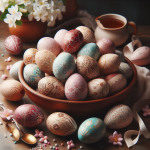
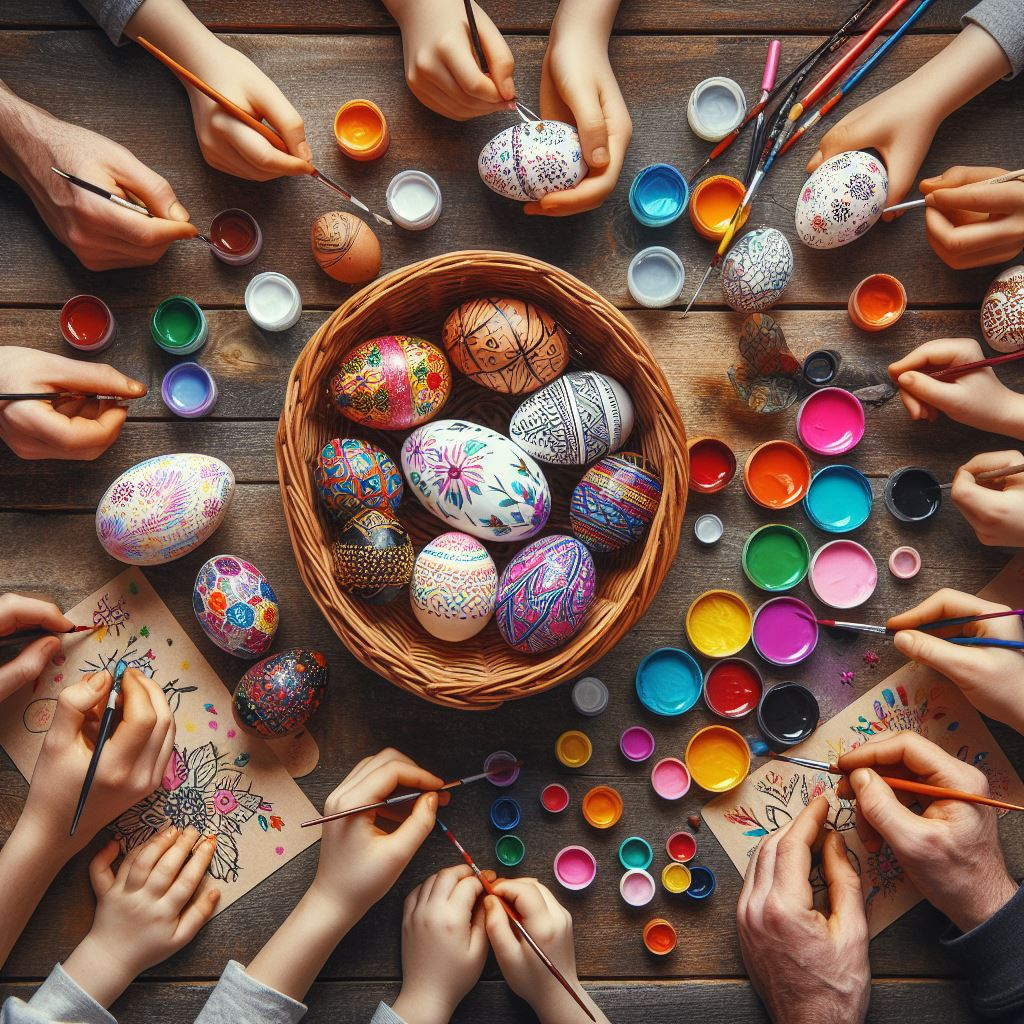
Ritual: How to Decorate Eggs for Ostara

Making Ostara EggsReading Time: 8 minutes
Making Ostara Eggs

Introduction

Infusing Symbolism and Creativity

Egg decorating stands as a timeless tradition, deeply intertwined with the fabric of seasonal celebrations, none more so than Ostara, the vibrant festival heralding the arrival of spring and renewal. Across cultures and epochs, this joyful activity has united communities in a colorful display of creativity and symbolism. As we embark on this journey of artistic expression, we not only adorn eggs with vibrant hues and intricate patterns but also imbue them with the essence of the season. Join us as we delve into the art of egg decorating for Ostara, exploring the significance of colors and the myriad symbols that infuse this cherished tradition with meaning and magic.

Ritual Basics

Before beginning any ritual, it is important to prepare yourself mentally and physically. You may want to take a cleansing bath, or shower, and meditate or perform some grounding exercises to center yourself. Gather any materials you will need, such as candles, incense, and offerings for the forest spirits.

You can read a more detailed Ritual Preparation guide here.

Ostara Eggs
Print Ritual
No ratings yet

Ritual: Decorate Eggs for Ostara

Egg decorating stands as a timeless tradition, deeply intertwined with the fabric of seasonal celebrations, none more so than Ostara, the vibrant festival heralding the arrival of spring and renewal. Across cultures and epochs, this joyful activity has united communities in a colorful display of creativity and symbolism. As we embark on this journey of artistic expression, we not only adorn eggs with vibrant hues and intricate patterns but also imbue them with the essence of the season. Join us as we delve into the art of egg decorating for Ostara, exploring the significance of colors and the myriad symbols that infuse this cherished tradition with meaning and magic.
Prep Time15 minutes
Ritual Time30 minutes
Total Time45 minutes
Ritual Type: Ostara
Type: Rituals
Author: Theo, Witch

Tools

  • Paintbrushes
  • Markers
  • Stickers
  • Egg carton or stand
  • Protective covering for your work surface

Supplies

  • Hard-boiled eggs or favored decorating eggs
  • Non-toxic paints or food coloring

Instructions

  • Prepare Your Eggs Start by boiling your eggs until they are hard-boiled and allow them to cool completely before decorating. You can prepare as many eggs as you like, depending on the size of your gathering and your decorating ambitions. Alternatively, gather up faux eggs, wooden or plastic.
  • Set Up Your Workspace Cover your work surface with a protective covering to prevent any messes. Lay out your paints, markers, stickers, and other decorating materials within easy reach.
  • Choose Your Colors Colors play a significant role in egg decorating, with each hue carrying its own symbolism. (See Below for list of colors.)
  • Add Meaningful Symbols In addition to colors, you can incorporate meaningful symbols into your egg designs to honor Ostara and the themes of spring and renewal. (See Below for list of symbols.)
  • Get Creative Let your imagination soar as you decorate your eggs with colors and symbols that resonate with you. Experiment with different designs, patterns, and techniques to create truly unique and beautiful creations.
  • Display and Enjoy Once your eggs are decorated to your satisfaction, carefully place them in an egg carton or stand to dry. Display them proudly as a centerpiece on your Ostara altar or table or give them as gifts to friends and loved ones to spread the joy of the season.

Notes

Moon Milk Lavender and CherriesMoon milk is believed to have magical properties that promote relaxation, sleep, and spiritual connection. Lavender is a powerful herb that is often used in spells and rituals to promote tranquility, purification, and harmony. It is said to help calm the mind, soothe anxiety, and facilitate communication with the spiritual realm. Cherries, on the other hand, are associated with abundance, prosperity, and love. By combining these two ingredients in moon milk, we can create a potent brew that promotes restful sleep, deep relaxation, and a profound sense of spiritual connection.
As you sip on your moon milk and gaze up at the moon, take a moment to reflect on the magic and mystery of the universe. Whether you are working with the moon to manifest your desires, to connect with your intuition, or simply to enjoy a peaceful moment of reflection, remember that the power of the moon is always with you, waiting to be harnessed and celebrated.
*Calories Calculated with 2% Dairy Milk, Different bases will change the values.

© The Equinox Apothecary 2024 – Permission is granted to copy and reproduce this Ritual with attribution

Conclusion

Decorating eggs for Ostara is not just a tradition; it’s a heartfelt expression of our connection to the Earth’s cycles and the renewal of life that spring brings. As you delve into this creative endeavor, remember that each stroke of color and every symbol you choose carries significance, weaving a tapestry of meaning that celebrates the essence of the season. Whether you’re honoring ancient traditions or infusing your own unique flair into designs, let the process reflect your connection to the natural world and the joy of welcoming new beginnings. So, gather your supplies, unleash your imagination, and embark on this journey of creativity and celebration. May your Ostara be filled with vibrant colors, abundant blessings, and the magic of renewal!

Posted on Leave a comment

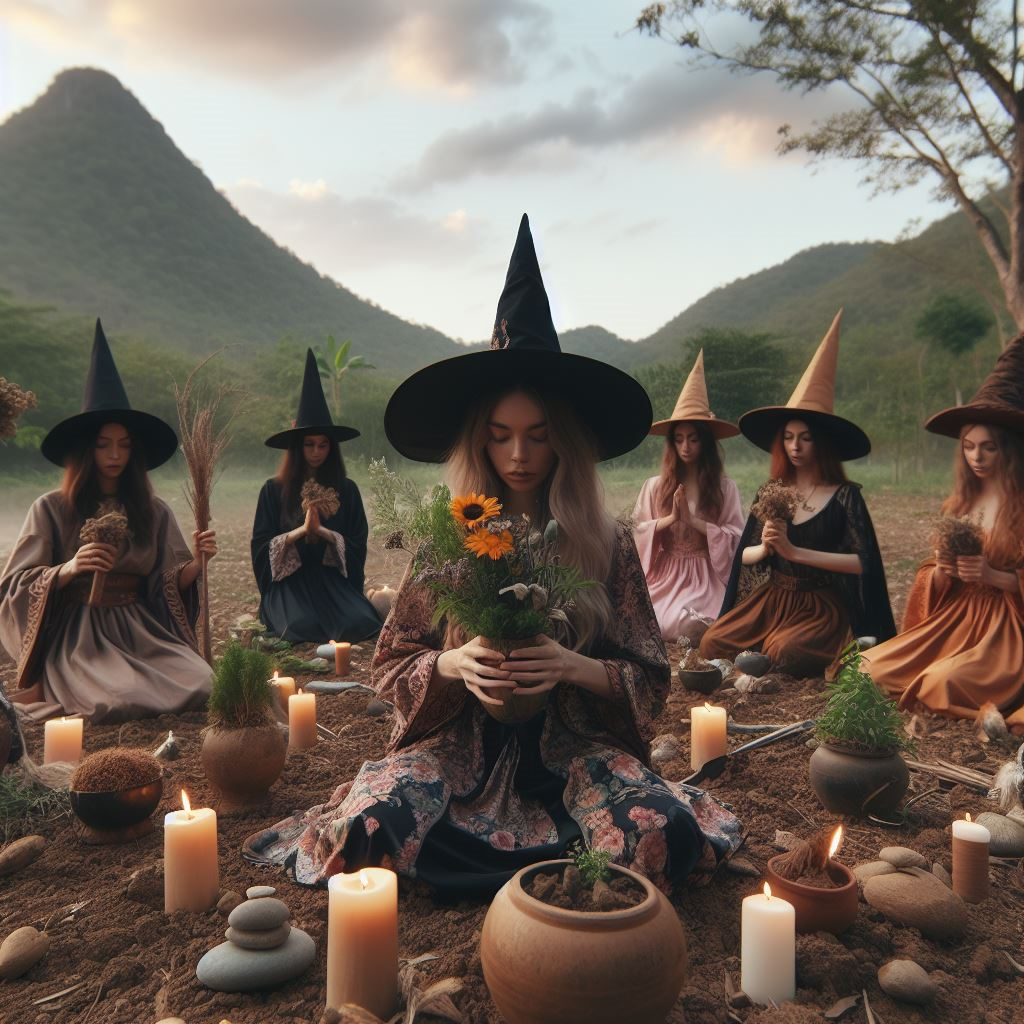
Celebrating Ostara by Planting Seeds

Planting SeedsReading Time: 12 minutes
Planting Seeds

Introduction

Nurturing New Beginings

As the days lengthen and the earth begins to awaken from its winter slumber, the arrival of Ostara heralds a time of profound significance in the natural world. This ancient festival, celebrated by many cultures around the globe, marks the vernal equinox and the transition from the darkness of winter to the light of spring. It is a season of renewal, growth, and fertility, as the earth bursts forth with new life and the promise of abundance. One of the most sacred rituals associated with Ostara is the act of planting seeds, a tangible expression of our connection to the cycles of nature and the eternal dance of life. In this article, we will explore the timeless tradition of planting seeds during Ostara and the profound symbolism it holds for nurturing the cycle of growth and renewal in both the natural world and our own lives.

Nurturing the Cycle of Growth and Renewal

As the Earth gradually sheds its winter coat and basks in the gentle caress of the returning sun, the arrival of Ostara heralds a season of profound transformation and renewal. This ancient festival, rooted in the rhythms of the natural world, invites us to partake in the awakening of the Earth and to reconnect with the cyclical patterns of growth and rebirth that define this time of year. At the heart of Ostara lies a celebration of life’s eternal cycle, where death gives way to new beginnings and darkness yields to the burgeoning light.

Amidst this backdrop of burgeoning vitality, one of the most poignant and symbolic activities that embody the essence of Ostara is the act of planting seeds. Whether you find yourself tending to a sprawling backyard garden or nurturing delicate shoots in the coziness of your home, the simple act of sowing seeds serves as a poignant reminder of the inherent magic and resilience of nature. As we gently press each tiny seed into the waiting embrace of the soil, we become co-creators in the unfolding drama of springtime, our hands serving as conduits for the divine energy of growth and transformation.

Indeed, there is something profoundly intimate and sacred about the act of planting seeds during Ostara. It is a tangible expression of our connection to the Earth and a poignant reminder of our place within the intricate web of life. As we tenderly water our seeds and watch with bated breath as they begin to unfurl their delicate tendrils towards the warming sun, we are reminded of the miraculous power of renewal that lies dormant within each tiny kernel of life.

Moreover, the act of planting seeds serves as a powerful metaphor for the personal growth and transformation that we too undergo during this season of renewal. Just as the seeds we plant take root and unfurl their tender shoots towards the sky, so too do we have the opportunity to shed the constraints of the past and embrace the boundless potential of the future. In this way, planting seeds becomes not only a celebration of nature’s eternal cycle but also a deeply personal and transformative journey towards self-discovery and renewal.

In essence, the act of planting seeds during Ostara serves as a poignant reminder of the profound interconnectedness of all life and our innate capacity to embrace the transformative power of growth and renewal. Whether we find ourselves tending to a bustling garden or nurturing a single potted plant on our windowsill, the simple act of sowing seeds becomes a sacred ritual through which we can honor the beauty, resilience, and inherent magic of the natural world. So let us embrace this season of renewal with open hearts and hands, as we plant the seeds of hope, love, and transformation that will blossom and flourish in the days and weeks to come.

Connecting with Nature’s Cycle

Planting seeds during Ostara is not merely an act of gardening; it is a sacred communion with the rhythms of the natural world, a dance of co-creation between humanity and the Earth itself. As we tenderly cradle each seed in our palms and gently nestle it into the waiting soil, we become active participants in the timeless cycle of growth and renewal that unfolds with each turn of the seasons. With each scoop of earth and each drop of water, we sow the seeds of hope and possibility, aligning ourselves with the ancient rhythms that have guided life’s unfolding since time immemorial.

In this sacred act of planting, we are reminded of the profound interconnectedness of all living things and our role as stewards of the Earth’s precious resources. As we nurture our seeds with water and sunlight, we bear witness to the miracle of life as it unfurls before our eyes. The Earth, in her infinite wisdom, responds to our care and attention, coaxing forth new life from the depths of the soil and inviting us to participate in the ongoing dance of creation and renewal.

Just as the Earth bursts forth with new life in the spring, so too do our seeds sprout and grow, reaching eagerly towards the warmth of the sun. In the tender green shoots that emerge from the soil, we see reflections of our own journey of growth and transformation. Like the seeds we plant, we too carry within us the potential for renewal and rebirth, waiting patiently for the nurturing touch of sunlight and water to awaken our dormant potential.

As we tend to our seeds with care and attention, we are reminded of the cyclical nature of existence, the eternal dance of birth, growth, death, and rebirth that defines the natural world. In this sacred act of planting, we honor the interconnected web of life that sustains us all, reaffirming our commitment to stewardship and reverence for the Earth and all her inhabitants.

Planting seeds during Ostara is a sacred act of co-creation, a tangible expression of our connection to the rhythms of the natural world. As we participate in the cycle of growth and renewal, we are reminded of the infinite potential that lies dormant within each seed, waiting to be awakened by the nurturing touch of human hands and the gentle embrace of the Earth herself.

Educational and Empowering

For children, the act of planting seeds transcends mere gardening; it becomes a transformative and deeply educational journey that instills invaluable lessons about life, nature, and responsibility. As they eagerly scatter seeds into the waiting soil and tenderly water them, children are not just participants in a gardening activity; they are active agents in the miracle of life itself. With each passing day, they witness the remarkable transformation as their seeds germinate, sending forth delicate green shoots that reach eagerly towards the warming sun.

This firsthand experience of witnessing the magic of growth and renewal fosters a profound sense of awe and wonder in children. They marvel at the resilience of nature and the intricate dance of life that unfolds before their eyes. Through this hands-on activity, children gain a deeper understanding of the interconnectedness of all living things and develop a newfound appreciation for the natural world.

Moreover, planting seeds provides children with a tangible connection to the food they eat and the journey it takes from seed to plate. As they watch their plants grow and mature, children learn about the importance of healthy eating and the vital role that plants play in nourishing our bodies and sustaining our planet. This awareness fosters a sense of responsibility for caring for the Earth and its precious resources, instilling in children a lifelong commitment to environmental stewardship.

Furthermore, the act of nurturing plants teaches children important life skills such as patience, perseverance, and empathy. They learn the value of tending to living-things with care and compassion, and the rewards of patience and dedication as they witness the fruits of their labor blossom before their eyes. These invaluable lessons extend far beyond the garden, shaping the way children approach challenges and relationships in their daily lives.

In essence, planting seeds is not just a gardening activity; it is a transformative educational experience that fosters a deeper connection to nature, instills valuable life skills, and cultivates a sense of responsibility for the Earth and its inhabitants. As children watch their seeds sprout and grow, they are not just cultivating plants; they are nurturing the seeds of curiosity, compassion, and stewardship that will blossom and flourish in the years to come.

Fostering Connection and Community

Planting seeds transcends mere gardening; it becomes a sacred ritual of togetherness and unity, an opportunity for families to forge deeper connections with one another and with the Earth itself. Whether gathered in a sprawling backyard garden, on a cozy balcony, or around pots on a sunlit windowsill, the act of gardening becomes a sacred space where love, laughter, and memories flourish alongside the tender green shoots of new life.

As families come together to plant seeds, they embark on a journey of shared discovery and exploration. Side by side, they dig their hands into the rich earth, feeling the cool soil beneath their fingertips and the promise of new beginnings that lies dormant within each tiny seed. With each scoop of earth and each drop of water, they participate in the timeless dance of growth and renewal, forging bonds that transcend the boundaries of time and space.

In the shared act of gardening, families find solace and joy in each other’s company, basking in the warmth of the sun and the gentle caress of the breeze. As they tend to their plants with care and attention, they learn valuable lessons about patience, perseverance, and the interconnectedness of all living things. Through triumphs and setbacks alike, they support one another with unwavering love and encouragement, celebrating each new leaf and bud as a testament to the power of unity and cooperation.

Moreover, the act of gardening becomes a catalyst for meaningful conversations and shared experiences. As families work together to nurture their plants, they share stories, dreams, and aspirations, weaving a tapestry of shared memories that will be treasured for generations to come. From planting the first seeds to harvesting the fruits of their labor, each step of the journey becomes a cherished moment of connection and togetherness, reaffirming the bonds that unite them as a family.

Planting seeds is not just an act of gardening; it is a sacred rite of passage that strengthens the bonds of family and deepens our connection to the Earth. As families come together to plant, nurture, and grow, they embark on a journey of shared discovery and transformation, creating lasting memories and forging connections that will endure long after the last seed has been sown.

Honoring the Spirit of Ostara

In many cultures and spiritual traditions, Ostara is revered as a time of profound significance, symbolizing the emergence of spring and the renewal of life after the long winter slumber. It is a season steeped in symbolism, with themes of fertility, growth, and new beginnings woven into its very fabric. By engaging in the act of planting seeds during Ostara, we not only honor the spirit of this sacred time but also align ourselves with the natural rhythms of the Earth, tapping into the boundless energy of renewal that courses through the soil and the air.

As we carefully sow our seeds into the waiting earth, we become active participants in the ancient dance of creation and renewal that defines the spring season. Each seed planted is a symbol of hope and potential, a tiny beacon of light that heralds the arrival of warmer days and brighter skies. With each stroke of the soil and each drop of water, we imbue our seeds with the energy of intention, calling forth the magic of growth and transformation that lies dormant within them.

As our seeds take root and begin to grow, we bear witness to the miracle of life unfolding before our eyes. In the tender green shoots that emerge from the soil, we see reflections of our own journey of growth and evolution. We are reminded that just as the Earth awakens from its winter slumber, so too do we have the power to awaken to new possibilities and potentialities in our own lives.

Moreover, planting seeds during Ostara is a deeply symbolic act of reverence and gratitude for the Earth and all its bountiful gifts. It is a way of honoring the cycles of nature and acknowledging our interconnectedness with all living things. As we nurture our seeds with care and attention, we celebrate the abundant blessings that springtime brings, from the vibrant colors of the flowers to the sweet melodies of the birdsong.

Planting seeds during Ostara is a sacred act of co-creation, a tangible expression of our connection to the Earth and the cyclical nature of existence. It is a way of honoring the spirit of renewal that permeates the season and celebrating the promise of a new life that awaits us all. Through this simple yet profound ritual, we are reminded of the infinite possibilities that lie within us and the boundless potential of the world around us.

Planting Seeds

As Ostara approaches and the earth awakens from its winter slumber, many individuals are drawn to the ancient practice of planting seeds as a symbolic gesture of renewal and growth. This time-honored tradition allows us to connect with the rhythms of nature and harness the magical energies of the season to manifest our intentions for the coming months. In this how-to article, we will explore the steps for planting seeds for Ostara, including selecting the right seeds, understanding their meanings and magical properties, and nurturing them to fruition.

Step 1: Choose Your Seeds

The first step in planting seeds for Ostara is to choose the right seeds for your intentions and magical workings. Consider selecting seeds that align with the themes of the season, such as fertility, growth, and renewal. Some popular choices include:

  • Flower Seeds: Flowers are symbols of beauty, joy, and new beginnings. Choose seeds for flowers that bloom in spring, such as daffodils, tulips, and crocuses.
  • Herb Seeds: Herbs are not only useful for culinary and medicinal purposes but also carry potent magical properties. Consider planting seeds for herbs like lavender (for peace and relaxation), basil (for prosperity and abundance), and chamomile (for healing and purification).
  • Vegetable Seeds: Planting vegetable seeds is a practical way to connect with the earth and promote sustainability. Choose seeds for vegetables that thrive in the springtime, such as lettuce, spinach, and radishes.
  • Fruit Seeds: If you have space for fruit-bearing plants, consider planting seeds for fruits like strawberries, blueberries, and raspberries. These seeds symbolize abundance, sweetness, and nourishment.

Step 2: Understand the Meanings and Magical Properties

Before planting your seeds, take some time to research the meanings and magical properties associated with each type of seed. Understanding the symbolism behind the seeds you plant can enhance the intention-setting process and imbue your garden with powerful energy. Here are some examples:

  • Daffodil Seeds: Daffodils symbolize rebirth, new beginnings, and the arrival of spring. Planting daffodil seeds can help you let go of the past and embrace the fresh start that Ostara represents.
  • Lavender Seeds: Lavender is associated with peace, tranquility, and relaxation. Planting lavender seeds can create a serene and harmonious atmosphere in your garden, perfect for meditation and spiritual practices.
  • Lettuce Seeds: Lettuce is a symbol of abundance and prosperity. Planting lettuce seeds can attract wealth and abundance into your life, both in the garden and beyond.
  • Strawberry Seeds: Strawberries are a symbol of love, passion, and sweetness. Planting strawberry seeds can enhance romance and foster deeper connections in relationships.

Step 3: Plant Your Seeds with Intention

Once you have chosen your seeds and learned about their meanings and magical properties, it’s time to plant them with intention. Find a suitable location for your garden, whether it’s a backyard plot, a balcony container, or a sunny windowsill. Prepare the soil by loosening it with a garden fork or trowel and adding compost or organic fertilizer to provide nutrients for your seeds.

As you plant each seed, visualize your intentions clearly in your mind and imbue the seeds with your energy and intention. You may wish to say a prayer or recite an incantation as you plant, calling upon the energies of Ostara and the natural world to bless your garden and help your seeds grow strong and healthy.

Step 4: Care for Your Seeds

After planting your seeds, it’s essential to care for them properly to ensure their success. Water your seeds regularly, keeping the soil moist but not waterlogged. Place your garden in a sunny location where your seeds will receive plenty of sunlight throughout the day. As your seeds begin to sprout and grow, continue to nurture them with love and care, pruning away any dead or damaged foliage and providing support for tall or sprawling plants.

Step 5: Harvest and Enjoy the Fruits of Your Labor

Finally, as your seeds grow and mature, celebrate the fruits of your labor and the blessings of Ostara. Take time to enjoy the beauty and abundance of your garden, whether through admiring the colorful blooms of your flowers, harvesting fresh herbs and vegetables for cooking, or indulging in the sweet taste of homegrown fruits. As you reap the rewards of your gardening efforts, remember to express gratitude to the Earth and the energies of Ostara for their guidance and support along the way.

By planting seeds for Ostara with intention and mindfulness, you can harness the powerful energies of the season to manifest your desires and cultivate a deeper connection with the natural world. May your garden flourish and thrive, and may the blessings of Ostara bring renewal, growth, and abundance into your life.

Conclusion

Planting seeds during Ostara is not merely a seasonal activity; it is a sacred ritual that anchors us in the rhythm of the Earth’s heartbeat and the eternal cycle of life. As we gently sow our seeds into the waiting soil, we are reminded of the profound interconnectedness of all living things and our role as stewards of the Earth’s precious resources. This hands-on experience fosters a deep sense of connection with nature, allowing us to witness firsthand the miracle of growth and renewal that unfolds with each turn of the seasons.

Whether tending to a backyard garden or nurturing indoor plants, the act of planting seeds provides invaluable educational opportunities for children and adults alike. Through observation and experimentation, we gain a deeper understanding of the natural world and our place within it. As children eagerly watch their seeds sprout into green shoots and mature into plants, they learn valuable lessons about patience, perseverance, and the interconnectedness of all living things.

Moreover, planting seeds is a communal activity that strengthens bonds within families and communities. As we come together to work the soil, water our plants, and share stories and laughter, we forge connections that transcend the boundaries of age, culture, and background. In the shared act of gardening, we find solace and joy in each other’s company, creating memories that will be cherished for years to come.

As we celebrate the arrival of spring and the promise of new beginnings, let us embrace the magic of planting seeds as a sacred ritual of renewal and growth. May each seed we sow be a testament to our commitment to stewardship and reverence for the Earth and may the vibrant green shoots that emerge from the soil remind us of the infinite possibilities that lie within each of us. Through the simple act of planting seeds, we reaffirm our connection to the natural world and our role as custodians of its beauty and bounty.