Pine needles, with their crisp, citrusy aroma and subtle earthy undertones, are a gift of the winter forest. This Pine Needle Winter Tonic is a warming, immune-boosting drink that combines the vibrant flavor of pine needles with honey, lemon, and a touch of cinnamon. Perfect as a restorative beverage on cold winter days or as part of a Yule celebration, this tonic connects you to the resilience and magic of the evergreen trees that thrive in winter’s stillness.
The Magic of Pine Needle Winter Tonic
In Wiccan and Pagan traditions, pine needles symbolize resilience, protection, and purification. Their evergreen nature represents life and endurance through the darkest times of the year, making them a powerful symbol for Yule and winter rituals. Pine needles are also rich in Vitamin C, making this tonic not only a magical beverage but a physically restorative one.
Combining the grounding energy of pine with the uplifting brightness of lemon and the sweetness of honey, this tonic embodies the balance of earth and light that Yule celebrates. The addition of cinnamon adds a warming touch, encouraging comfort and vitality as you sip. Whether shared with loved ones during a Yule feast or savored alone by the fire, this drink is a celebration of nature’s gifts and winter’s quiet strength.
Spell for Resilience and Vitality
As you prepare this tonic, use this spell to invite resilience, vitality, and protection into your winter days.
Light a green or gold candle to symbolize vitality and the enduring energy of evergreen trees.
While steeping the pine needles, focus on their grounding and purifying energy filling the tonic.
As you stir in the honey, chant softly:
“Pine of strength, needles bright, Ground my spirit this winter night. Sweet and warm, vitality flow, Resilience and light in me will grow.”
Sip the tonic mindfully, visualizing its protective and revitalizing energy filling you with warmth and strength.
Magical Properties of Pine Needle Winter Tonic
Cinnamon: Offers warmth, protection, and abundance, adding a comforting and magical touch.
Pine Needles: Represent resilience, purification, and protection, infusing the tonic with grounding and healing energy.
Honey: Symbolizes sweetness, unity, and manifestation, balancing the flavors and energies of the drink.
Lemon: Brings clarity, renewal, and brightness, lifting the spirit and cleansing the body.
1 Fine-mesh strainer For straining the pine needles
1 Wooden spoon For stirring
1 Ladle For serving
Ingredients
4cupswater
½cupfresh pine needles washed and roughly chopped. use an edible variety like white pine
2tbsphoneyor to taste
1 –cinnamon stick
Juice of 1 lemon
Optional: lemon slices and extra cinnamon sticks for garnish
Instructions
Simmer the Pine Needles:
In a medium saucepan, bring 4 cups of water to a gentle boil.
Add the chopped pine needles and cinnamon stick to the water. Reduce the heat to low and simmer for 5-10 minutes, allowing the flavors to infuse.
Strain the Tonic:
Remove the saucepan from heat and let the mixture steep for an additional 5 minutes.
Strain the tonic through a fine-mesh strainer into a clean pot or teapot, discarding the solids.
Add the Finishing Touches:
Stir in the honey and lemon juice, adjusting the sweetness to your preference.
Serve Warm:
Ladle the tonic into mugs and garnish with a lemon slice or an extra cinnamon stick, if desired.
Serve warm, enjoying the fresh, aromatic flavors and grounding energy of the tonic.
Notes
Moon milk is believed to have magical properties that promote relaxation, sleep, and spiritual connection. Lavender is a powerful herb that is often used in spells and rituals to promote tranquility, purification, and harmony. It is said to help calm the mind, soothe anxiety, and facilitate communication with the spiritual realm. Cherries, on the other hand, are associated with abundance, prosperity, and love. By combining these two ingredients in moon milk, we can create a potent brew that promotes restful sleep, deep relaxation, and a profound sense of spiritual connection.As you sip on your moon milk and gaze up at the moon, take a moment to reflect on the magic and mystery of the universe. Whether you are working with the moon to manifest your desires, to connect with your intuition, or simply to enjoy a peaceful moment of reflection, remember that the power of the moon is always with you, waiting to be harnessed and celebrated.*Calories Calculated with 2% Dairy Milk, Different bases will change the values.
The Pine Needle Winter Tonic is a magical and restorative drink that brings the essence of the winter forest into your cup. Its grounding and purifying energy make it perfect for Yule celebrations, winter rituals, or quiet moments of reflection. May each sip fill you with resilience, vitality, and the enduring magic of the season, offering warmth and light during winter’s embrace.
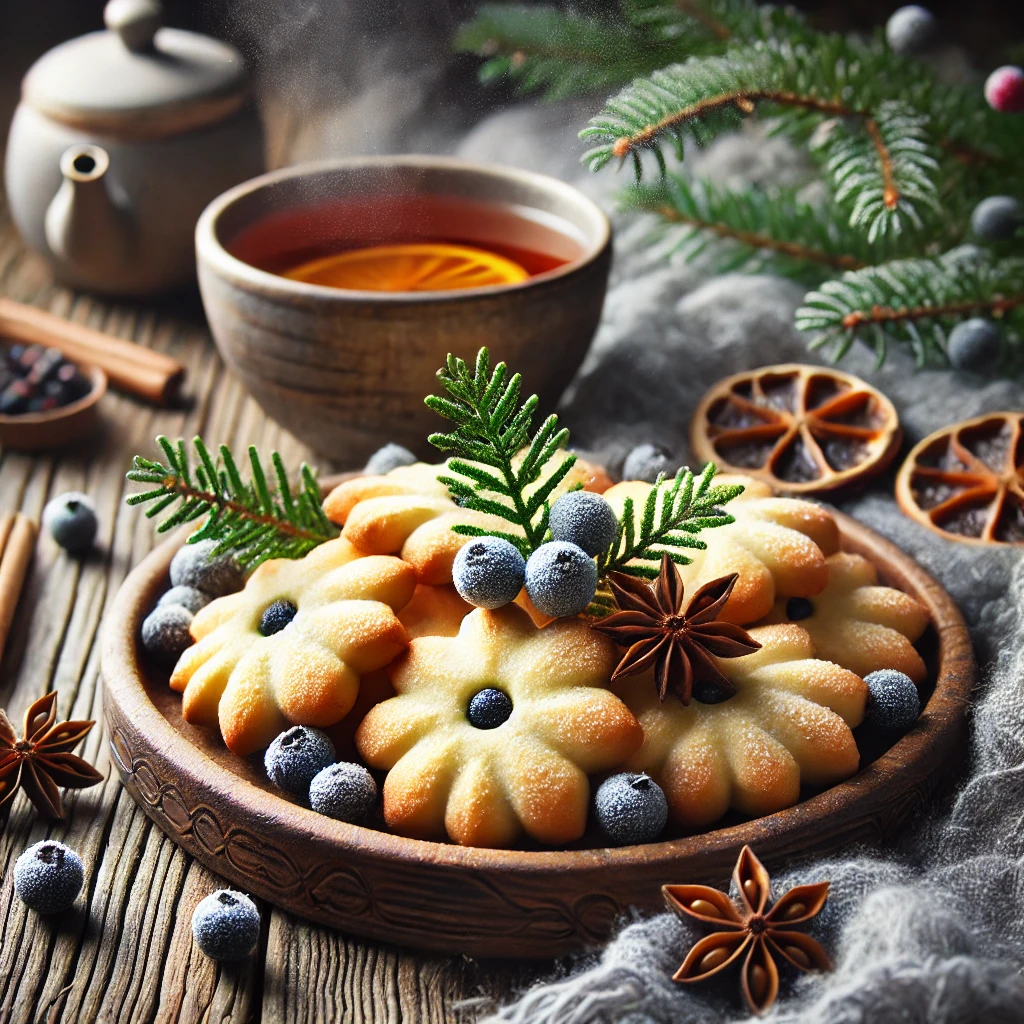
Juniper berries, with their distinctive piney aroma and subtle sweetness, are a treasure of the winter season. Juniper Berry Shortbread Cookies bring these woodland jewels into a buttery, crumbly dessert that is both unique and delicious. These cookies combine the bright, resinous flavor of juniper berries with the rich comfort of shortbread, creating a treat that feels like a walk through a snowy forest. Perfect for Yule celebrations, winter gatherings, or quiet moments of reflection, these cookies are a delightful way to honor the magic of the season.
The Magic of Juniper Berry Shortbread Cookies
Juniper berries are revered for their protective and purifying properties. In Pagan and Wiccan traditions, juniper is associated with warding off negativity, enhancing clarity, and fostering spiritual protection. Incorporating these berries into a winter treat connects you to the forest’s grounding energy and the cleansing breath of the cold, crisp air.
Paired with buttery shortbread, the juniper berries bring a touch of the wild to your dessert table, symbolizing resilience, renewal, and the magic of the winter woods. These cookies are perfect for Yule feasts or as an offering to honor the protective energies of the season.
A Spell for Protection and Clarity
As you prepare these cookies, use this spell to invite protection, clarity, and grounding into your winter celebrations.
Light a white or blue candle to represent clarity and protection.
As you grind the juniper berries, visualize them infusing the cookies with their purifying energy.
While mixing and shaping the dough, softly chant:
“Juniper bright, protect and clear, Winter’s magic, draw us near. In each crumb, strength we find, Grounding earth and peace of mind.”
Serve the cookies with love, sharing their protective and grounding energy with all who partake.
Magical Properties of Juniper Berry Shortbread Cookies
Vanilla: Enhances love, unity, and harmony, balancing the flavors and energies of the dish.
Juniper Berries: Symbolize protection, purification, and grounding, connecting the cookies to the magic of the winter forest.
Butter: Represents comfort, unity, and abundance, bringing warmth and grounding energy to the dish.
Sugar: Invites sweetness, joy, and attraction, adding lightness and celebration to the cookies.
1 Mortar and pestle or spice grinder For crushing juniper berries
1 Rolling Pin For rolling the dough
1 Baking sheet For baking the cookies
Parchment paper For lining the baking sheet
Ingredients
1cupunsalted buttersoftened
½cuppowdered sugar
1tspvanilla extract
2cupsall-purpose flour
1tbspjuniper berriescrushed or ground
¼tspsalt
Instructions
Prepare the Dough:
In a mixing bowl, cream the softened butter and powdered sugar until light and fluffy.
Stir in the vanilla extract and crushed juniper berries, blending until evenly distributed.
Gradually add the flour and salt, mixing until a soft dough forms.
Chill the Dough:
Shape the dough into a disk, wrap it in plastic wrap, and refrigerate for at least 1 hour. Chilling the dough enhances the flavor and makes it easier to handle.
Preheat and Roll the Dough:
Preheat oven to 325°F (165°C). Line a baking sheet with parchment paper.
On a lightly floured surface, roll the chilled dough to about ¼ inch thickness. Cut into shapes using a cookie cutter or slice into squares.
Bake the Cookies:
Place the cookies on the prepared baking sheet, leaving a small space between each one.
Bake for 18-20 minutes, or until the edges are lightly golden. Avoid overbaking to preserve the buttery texture.
Cool and Serve:
Let the cookies cool on the baking sheet for 5 minutes before transferring to a wire rack to cool completely.
Serve at room temperature, enjoying the subtle, earthy flavor of juniper berries in each bite.
Notes
Moon milk is believed to have magical properties that promote relaxation, sleep, and spiritual connection. Lavender is a powerful herb that is often used in spells and rituals to promote tranquility, purification, and harmony. It is said to help calm the mind, soothe anxiety, and facilitate communication with the spiritual realm. Cherries, on the other hand, are associated with abundance, prosperity, and love. By combining these two ingredients in moon milk, we can create a potent brew that promotes restful sleep, deep relaxation, and a profound sense of spiritual connection.As you sip on your moon milk and gaze up at the moon, take a moment to reflect on the magic and mystery of the universe. Whether you are working with the moon to manifest your desires, to connect with your intuition, or simply to enjoy a peaceful moment of reflection, remember that the power of the moon is always with you, waiting to be harnessed and celebrated.*Calories Calculated with 2% Dairy Milk, Different bases will change the values.
Juniper Berry Shortbread Cookies are a unique and magical treat that brings the essence of the winter forest into your home. With their buttery texture and resinous flavor, these cookies celebrate the protective and grounding energies of juniper, making them perfect for Yule celebrations or winter rituals. May each bite connect you to the magic of the season, bringing protection, clarity, and the comforting spirit of winter to your table.
Unveil the Magic of Juniper Berries: From Culinary Delights to Wild Foraging
With their aromatic, resinous scent and vibrant blue hues, juniper “berries” bring a distinctive flavor and versatility to winter foraging. From infusing gin to crafting wild yeast starters, these berries offer a wide range of culinary and medicinal uses.
A Unique Winter Spice and More
Though commonly referred to as “berries,” juniper berries are fleshy pinecones, with a spicy, resinous flavor that is uniquely their own. Known for their strong aroma and distinctive taste, they’re a valuable wild ingredient for both culinary and medicinal uses. Juniper berries are perhaps best known as the primary flavoring agent in gin, lending the spirit its unmistakable character. They also make excellent additions to winter cooking, herbal teas, and even as a wild yeast source for fermentation projects. Let’s explore the ins and outs of foraging juniper berries, from identifying and harvesting them to discovering their rich array of uses.
What Are Juniper Berries?
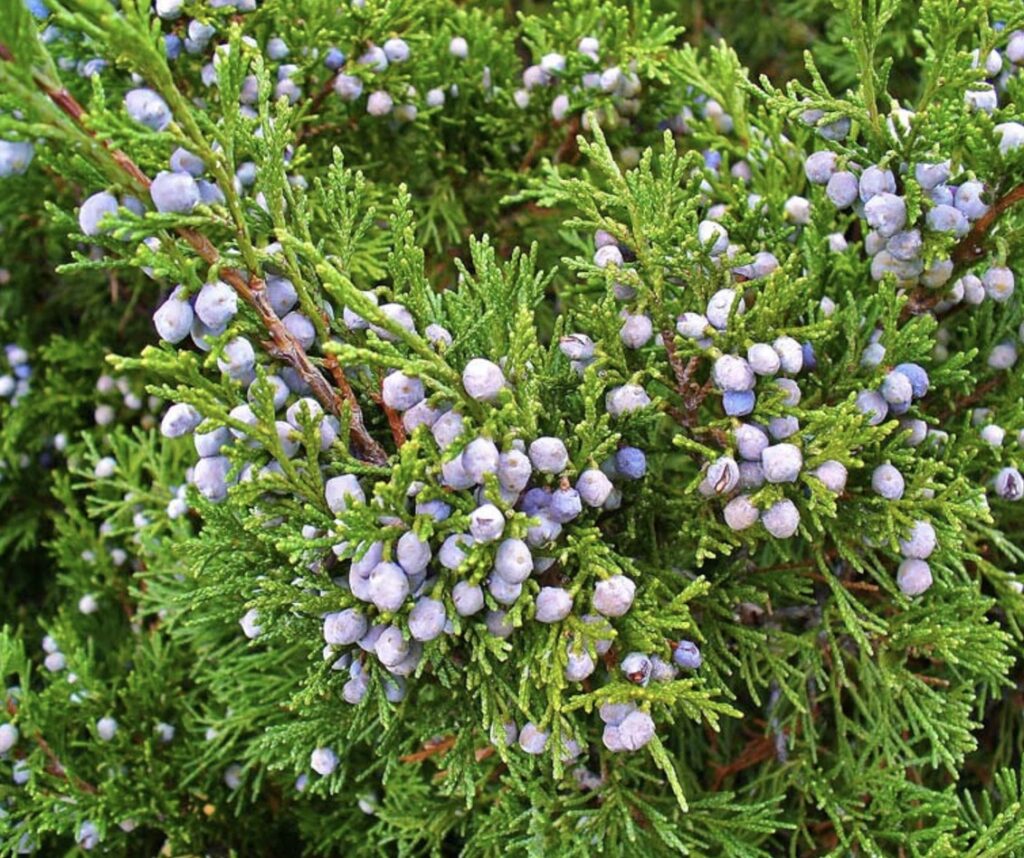
Juniper berries grow on juniper shrubs or small trees, part of the cypress family (Cupressaceae). While they look similar to other berries, these small, dark blue to purple “berries” are actually modified cones, with fleshy scales that have fused together to form a berry-like appearance. Juniper berries develop over the course of two to three years, starting as green, unripe cones before maturing to a deep blue or purplish color.
They have a distinctive scent and flavor profile—spicy, piney, and slightly peppery, with a subtle hint of citrus. These unique flavors are what make juniper berries a popular spice in culinary traditions and a fundamental ingredient in gin production. Beyond their culinary appeal, juniper berries have been traditionally used for their medicinal properties, making them a valuable plant in herbal remedies and natural medicine.
Variants of Juniper Berries
Several species of juniper are found across the world, though only certain types are recommended for culinary and medicinal use:
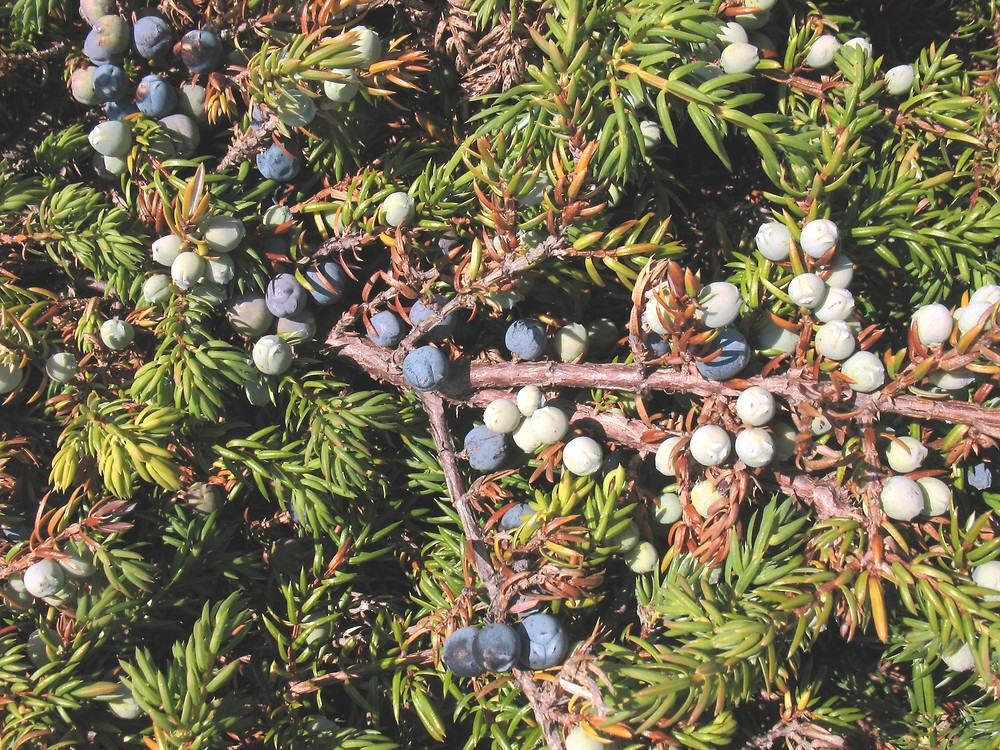
Common Juniper (Juniperus communis): This is the most widely used and foraged species for culinary purposes. It produces medium-sized, blue berries and has a strong, resinous flavor. Common Juniper is also the primary species used in gin production.
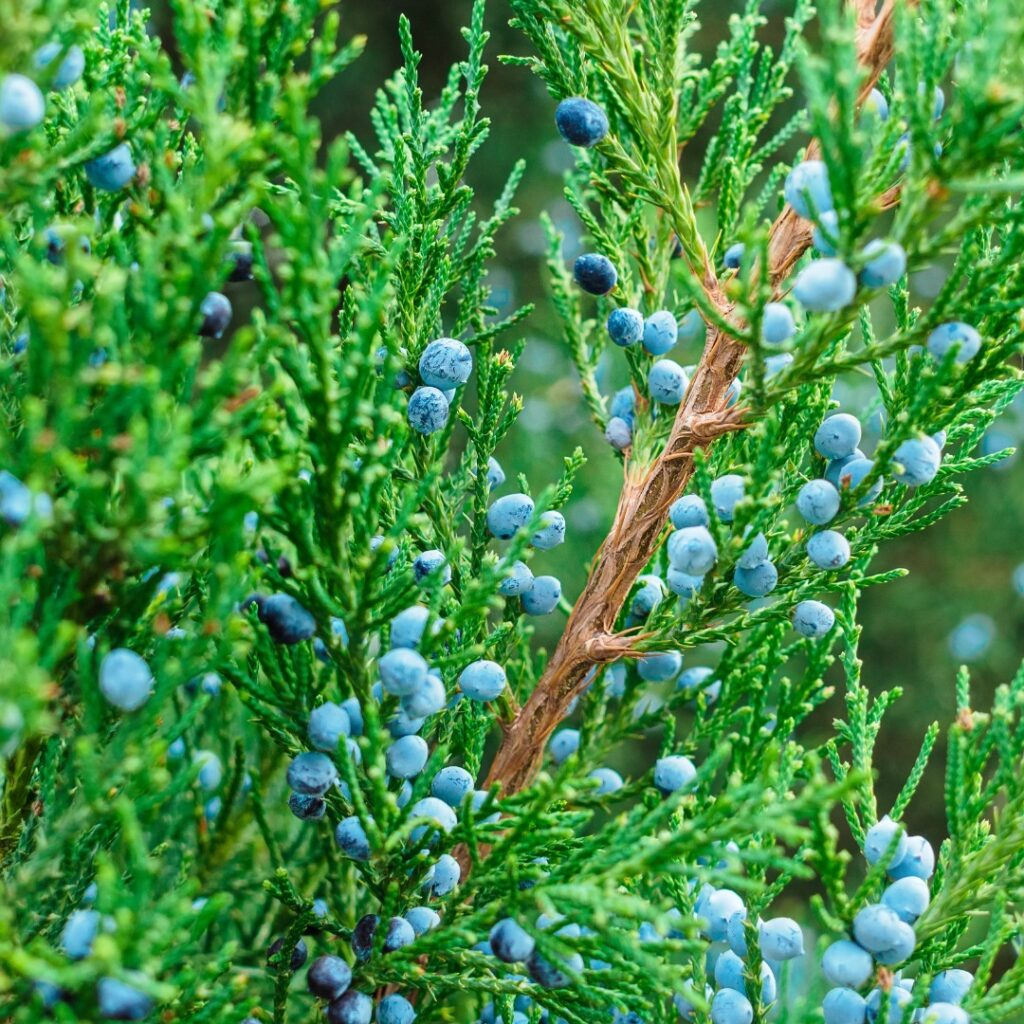
Eastern Red Cedar (Juniperus virginiana): Found throughout eastern North America, Eastern Red Cedar produces smaller, reddish-blue berries with a more intense, peppery flavor. Though it’s safe to use in moderation, it’s not as commonly used in cooking due to its stronger, more medicinal taste.
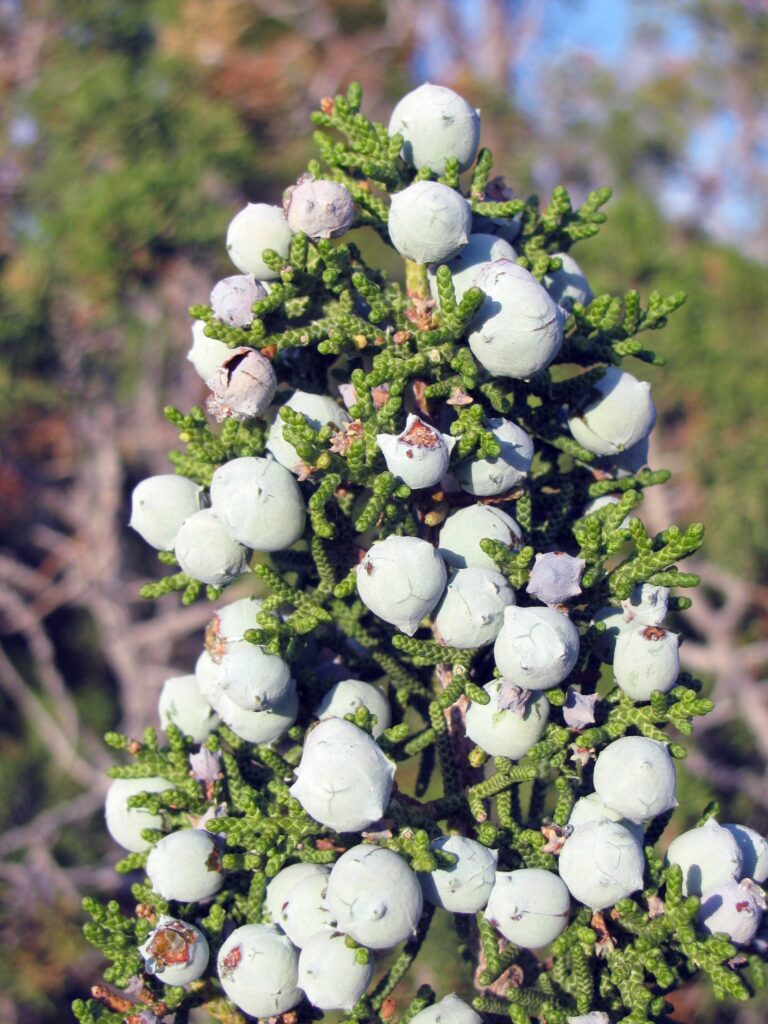
California Juniper (Juniperus californica): Native to the southwestern United States, California Juniper produces larger, lighter-colored berries with a milder flavor. It is often used by indigenous communities for food and medicinal purposes.
Note: While most juniper species are safe for consumption in small amounts, others, like Juniperus sabina (Savin Juniper), are toxic and should not be consumed. Always confirm the species before foraging juniper berries.
Common Juniper (Juniperus communis)
The Common Juniper (Juniperus communis) is the most widely recognized and foraged species within the juniper family, prized for its distinctive flavor, versatility, and accessibility. This hardy shrub or small tree grows across North America, Europe, and parts of Asia, thriving in a variety of environments, from rocky outcrops and hillsides to open woodlands. Common Juniper is easy to identify, with its needle-like leaves, vibrant blue berries, and robust, aromatic scent, making it a favorite among foragers and culinary enthusiasts alike.
Appearance and Identification
Common Juniper is a low-growing, often bushy plant that reaches heights between 3 to 5 feet, though some varieties can grow taller. Its needles are sharp, slender, and arranged in whorls of three along the branches. The needles are typically bright green with a slight silver stripe running down their center, adding a unique visual cue for identification.
The “berries” of Common Juniper, which are actually modified cones, are round and range from blue to deep purple when mature. These berries take about two to three years to fully ripen, resulting in a plant that often has both green (unripe) and blue (ripe) berries simultaneously. When crushed, the berries release a distinctive resinous aroma with hints of pine, pepper, and citrus, making them easily distinguishable from other wild berries.
Flavor Profile
Common Juniper berries have a robust, piney flavor with strong resinous and peppery undertones. This intense taste is balanced by a slight bitterness and a hint of citrus, adding a complex depth to dishes. The berries’ unique profile lends itself well to a variety of culinary uses, particularly in hearty, savory recipes where their bold flavor can stand out.
Culinary Uses
As the most popular juniper species for culinary applications, Common Juniper has been used for centuries to add a wild, woodsy note to foods and beverages. Some of its primary culinary uses include:
Gin Production: Common Juniper is the primary flavoring agent in gin, where its distinctive piney taste forms the core character of the spirit. In gin-making, the berries are often paired with other botanicals like coriander, angelica root, and citrus peel to create a balanced and aromatic flavor profile. For home foragers, crushing Common Juniper berries and steeping them in vodka allows for an easy DIY gin infusion that showcases the berries’ resinous character.
Meat and Game Flavoring: Juniper berries are commonly used in marinades and rubs for game meats such as venison, boar, and duck, as well as beef and lamb. The berries’ sharp, peppery flavor cuts through the richness of these meats, balancing their intensity. Crushing a few berries and adding them to stews, roasts, or braises infuses the dish with an earthy, forest-like aroma.
Savory Spice Blends: Common Juniper can be dried and ground into a powder, which is then used to create spice rubs and seasonings. The berries pair well with other spices such as rosemary, black pepper, thyme, and garlic, enhancing their savory qualities. Juniper berry powder can be sprinkled on roasted vegetables, incorporated into sauces, or mixed with salt for a unique seasoning.
Winter Cocktails and Syrups: Besides gin, Common Juniper can be used to infuse syrups and bitters for winter cocktails. Juniper syrup, made by simmering crushed berries with sugar and water, adds a festive note to cocktails, hot drinks, and even desserts. This syrup can be used as a sweetener in gin cocktails, drizzled over pastries, or added to spiced teas for an extra layer of flavor.
Medicinal Uses
Common Juniper has long been valued in traditional medicine for its antiseptic, digestive, and diuretic properties. Juniper berry tea is sometimes used to soothe digestion and relieve bloating, while the essential oils in the berries can help support respiratory health when inhaled as steam. The immune-boosting properties of the berries are particularly beneficial in winter, helping ward off seasonal colds.
Note: Due to the potency of juniper berries, they should be used sparingly, particularly in medicinal contexts. Pregnant women and individuals with kidney issues should consult a healthcare professional before using juniper.
Cultural and Historical Significance
Historically, Common Juniper has been held in high regard not only for its culinary and medicinal uses but also for its cultural significance. The plant was often considered a protective herb in European folklore, believed to ward off negative energies and cleanse spaces. In some traditions, burning juniper branches was thought to purify homes, and the berries were carried as charms for protection and good fortune.
Foraging Tips
Common Juniper is best foraged in the fall when the berries have reached full maturity and their flavor is most concentrated. Look for dark blue or purple berries, which indicate ripeness. Be sure to pick sustainably, only taking a small portion of berries from each plant to ensure a lasting population for wildlife and future foragers.
Common Juniper (Juniperus communis) is a versatile, aromatic foraged ingredient with a rich history and a wide range of uses. From gin production and game flavoring to medicinal teas and protection charms, Common Juniper embodies both utility and tradition, making it a prized find in winter foraging. Its bold, piney flavor and unique aromatic qualities bring a wild touch to winter recipes and homemade infusions, connecting foragers with the evergreen beauty and resilience of nature.
Eastern Red Cedar (Juniperus virginiana)
Eastern Red Cedar, or Juniperus virginiana, is a robust, versatile conifer found across eastern North America. Despite its name, this tree is a type of juniper rather than a true cedar and is well-known for its distinctive reddish wood, aromatic foliage, and medicinally potent berries. Eastern Red Cedar has been used historically by Indigenous communities and settlers alike for its various practical, medicinal, and spiritual properties.
Appearance and Identification
Eastern Red Cedar trees are relatively easy to recognize. They typically grow to a height of 30-50 feet, though they can reach up to 90 feet in favorable conditions. The tree has a narrow, columnar form with dense, overlapping branches, and its bark is fibrous, peeling off in thin, reddish-brown strips. The foliage is a rich green, often taking on a bluish or grayish tint, especially in winter, and consists of scale-like leaves that lie close to the branches, giving the tree a soft, textured appearance.
The “berries” of Eastern Red Cedar are small and have a reddish-blue hue, sometimes appearing almost purple when fully ripe. These berries are smaller than those of Common Juniper, and they often have a frosty or dusty coating. Inside each berry is a single seed, surrounded by resin-rich, aromatic flesh. When crushed, these berries emit a strong, peppery, and slightly medicinal aroma that reflects their intense flavor profile.
Flavor Profile
Eastern Red Cedar berries have a notably more intense and peppery flavor than those of Common Juniper. They are highly aromatic, with a sharp, almost medicinal taste and an underlying warmth that can be likened to pepper with a resinous kick. This powerful flavor makes them suitable for use in very small quantities, as their taste can easily dominate other ingredients.
Due to their intensity, Eastern Red Cedar berries are typically not used as frequently in culinary applications as other juniper species. However, their unique profile can add a distinct, spicy warmth when used carefully, especially in recipes that call for a bold, woodsy accent.
Culinary Uses
Though Eastern Red Cedar berries are safe to consume in moderation, their stronger flavor requires a cautious approach in cooking. When used sparingly, these berries can lend an interesting, peppery depth to dishes:
Seasoning for Meat and Game: Similar to Common Juniper, Eastern Red Cedar berries can be used to season game meats such as venison, duck, and wild boar. Their pungent, peppery flavor helps cut through the richness of these meats, enhancing their natural taste. Due to the berries’ intensity, only a few crushed berries are needed, and they work best in long, slow-cooked dishes like stews or braises, where their flavors can mellow.
Infusions for Medicinal Tonics: The berries of Eastern Red Cedar are commonly infused to create medicinal tonics rather than culinary infusions. Traditionally, they have been steeped in hot water to create a warming tea that can support respiratory health and aid digestion. However, their strong flavor requires a light touch, and they are often combined with other herbs or a sweetener to temper their sharpness.
Sparingly in Spice Blends: When used sparingly, Eastern Red Cedar berries can be incorporated into spice blends, particularly those designed for robust winter dishes. They can be crushed and mixed with other warming spices like black pepper, cloves, and allspice to create a powerful seasoning blend for meats and root vegetables.
Caution: Given their potent flavor and medicinal properties, Eastern Red Cedar berries should be used sparingly, and are not recommended for everyday culinary use. Due to their powerful compounds, they may not be suitable for people with kidney conditions or for pregnant women.
Medicinal Uses
Historically, Eastern Red Cedar berries and other parts of the plant have been valued for their medicinal benefits, particularly in traditional Indigenous medicine:
Respiratory Support: The berries are often used to relieve respiratory congestion and ease coughs. When prepared as a tea or steam inhalation, their aromatic oils help open up the airways, clear mucus, and support respiratory health.
Digestive Aid and Diuretic: The berries have mild diuretic properties and have traditionally been used as a remedy for digestive complaints such as bloating and mild stomach discomfort. A small amount of berry infusion can stimulate digestion and promote detoxification.
Antiseptic Properties: Eastern Red Cedar was historically used as a natural antiseptic, with both the berries and leaves employed in poultices and washes to cleanse wounds. Today, the berries are sometimes included in herbal tinctures to support immune health.
Cultural and Spiritual Significance
Eastern Red Cedar holds deep cultural and spiritual significance in many Indigenous traditions. The tree’s branches, berries, and wood have been used in various rituals and ceremonies to purify spaces, ward off negative energies, and invite protection. The aromatic smoke from burning Eastern Red Cedar branches is believed to cleanse and protect, and the berries themselves may be carried as protective charms.
Foraging Tips
Foraging Eastern Red Cedar berries requires careful identification to ensure you are not confusing them with the berries of other juniper species or non-edible conifers. Here are some tips for sustainable and safe foraging:
Timing: For the best flavor and potency, forage Eastern Red Cedar berries in late autumn to early winter when they are fully ripe and display their rich reddish-blue color.
Harvest Moderately: Eastern Red Cedar trees can be slow-growing, so be mindful to only harvest a small portion of berries from each tree, leaving plenty for wildlife and to ensure the tree’s continued health.
Storage: The berries can be dried for future use by spreading them in a single layer on a clean, dry surface in a cool, dark place. Once fully dried, store them in an airtight container, where they will keep for up to a year.
Eastern Red Cedar (Juniperus virginiana) is a unique juniper species with a bold, peppery flavor and potent medicinal qualities. Though not as commonly used in everyday cooking due to its intensity, it offers a range of applications in seasoning, traditional medicine, and even spiritual practices. For those willing to experiment with its powerful profile, Eastern Red Cedar provides a distinctive, warming accent to winter dishes and herbal preparations, grounding the forager in the rich traditions and resilience of this aromatic tree.
California Juniper (Juniperus californica)
California Juniper (Juniperus californica) is a native species to the arid regions of the southwestern United States, especially in California, Nevada, Arizona, and parts of Baja California. This species is well-adapted to dry, rocky environments and thrives in high desert areas, foothills, and chaparral landscapes. Known for its resilience and utility, California Juniper has been used by Indigenous communities for centuries as a valuable source of food, medicine, and materials. The tree’s berries are unique in both appearance and flavor, making them a distinctive option among junipers for foragers and culinary enthusiasts.
Appearance and Identification
California Juniper trees typically grow to a modest height of 10 to 20 feet, although some can reach up to 30 feet under favorable conditions. The tree has a dense, rounded shape with gnarled, twisting branches that give it a striking, rugged appearance. The bark is fibrous and reddish-brown, often peeling in thin strips, and its foliage consists of scaly, bluish-green leaves that lie close to the branches. California Juniper is notably drought-resistant, with deep roots that allow it to survive in some of the most arid climates in North America.
The berries of California Juniper are larger than those of many other juniper species, ranging from about 1/4 to 1/2 inch in diameter. These berries are typically lighter in color, often appearing pale blue, gray, or even whitish due to a waxy coating that gives them a frosted look. The lighter color and larger size of the berries are key identifying features, helping foragers distinguish California Juniper from other juniper species.
Flavor Profile
California Juniper berries have a milder, less resinous flavor compared to other junipers like Common Juniper or Eastern Red Cedar. They still possess the characteristic piney and slightly peppery taste of juniper berries but with a softer, more earthy quality that is less intense. This gentler flavor makes California Juniper a versatile ingredient in cooking, as it can add depth to dishes without overpowering other flavors.
The milder taste also makes California Juniper berries more palatable when consumed directly or in simple preparations, which is one reason why Indigenous communities have historically used these berries as a staple food source in various preparations.
Culinary Uses
California Juniper berries are suitable for a range of culinary applications, thanks to their mild and earthy flavor. Here are some common ways they are used in food:
Traditional Indigenous Preparations: Indigenous communities in the southwestern United States have long valued California Juniper berries as a reliable food source, especially during times of scarcity. The berries are sometimes ground into a flour-like substance and mixed with other ingredients to create nutrient-dense cakes or porridge. This flour can also be added to soups or stews as a thickener and flavor enhancer.
Flavoring for Meat Dishes: Like other juniper berries, California Juniper works well as a seasoning for meat, particularly game meats like rabbit, venison, or quail. The berries can be lightly crushed and added to marinades, rubs, or slow-cooked dishes to impart a subtle piney, peppery flavor. Because of their milder taste, California Juniper berries can be used in larger quantities without overwhelming the dish.
Infusions and Beverages: California Juniper berries can be infused in water, vinegar, or alcohol to create lightly flavored beverages. When steeped in water or tea, they lend a gentle, earthy flavor with a hint of pine. These infusions can be enjoyed on their own or used as a base for other beverages, like cocktails. In gin production, California Juniper is sometimes used to achieve a softer juniper note, especially when a more delicate flavor profile is desired.
Medicinal Uses
California Juniper has been traditionally used in Indigenous medicine for its various health benefits. The berries, bark, and foliage all hold medicinal properties that make this tree a valuable natural remedy:
Digestive Aid: Juniper berries are commonly used to support digestion, and California Juniper is no exception. Consuming a small amount of juniper berry tea or infusion can help stimulate the digestive system, reduce bloating, and alleviate mild stomach discomfort.
Respiratory Health: The aromatic oils in California Juniper have been traditionally used to relieve respiratory issues. The berries and foliage are sometimes burned or used in steam inhalation to help clear congestion and soothe the airways. This method is particularly useful during cold and flu season, offering natural relief from coughs and nasal congestion.
Anti-Inflammatory Properties: California Juniper berries contain compounds with mild anti-inflammatory effects, making them useful in natural remedies for joint pain or muscle aches. The berries can be consumed as a tea, or the essential oil from the foliage can be used in salves and ointments for topical application.
Caution: As with all juniper berries, California Juniper should be consumed in moderation. The berries contain compounds that may not be suitable for people with kidney issues or for pregnant women. Always consult a healthcare provider if you have any concerns about consuming juniper.
Cultural and Spiritual Significance
In addition to its practical uses, California Juniper holds cultural and spiritual importance among many Indigenous groups. The tree is often considered sacred, symbolizing resilience, strength, and protection in harsh environments. The berries and branches are used in various ceremonies and rituals, particularly for cleansing and protection. The smoke from burning juniper branches is thought to purify spaces and ward off negative energy, while juniper berries are sometimes carried as talismans for personal protection.
Foraging Tips
California Juniper berries are generally ripe and ready for harvest in late autumn to early winter when they turn pale blue or gray. Here are some tips for ethical and sustainable foraging:
Harvesting Berries: Gently pluck the ripe, frosted berries from the branches, being mindful not to over-harvest from a single tree. California Juniper is slow-growing and valuable to wildlife, so only take what you need.
Storage: Fresh California Juniper berries can be used right away or dried for future use. To dry them, spread the berries out in a single layer in a well-ventilated area away from direct sunlight. Once fully dried, store them in an airtight container in a cool, dark place, where they can last up to a year.
Identify Safely: Always ensure you’ve correctly identified California Juniper before harvesting, as some juniper species are toxic. California Juniper’s pale, frosted berries and distinctive bluish-green foliage are key identifiers.
California Juniper (Juniperus californica) is a unique and valuable species, offering a milder, earthy flavor that makes it versatile for culinary, medicinal, and cultural applications. From seasoning meats to soothing respiratory ailments and playing a role in traditional ceremonies, California Juniper connects foragers with the spirit of the arid Southwest and the wisdom of Indigenous traditions. Its gentle yet distinct profile is perfect for foragers looking to explore the world of juniper without the strong intensity of other varieties, bringing both flavor and heritage into your winter foraging practices.
How to Identify Juniper Berries and Their Variants
Accurate identification is essential when foraging juniper berries, as not all species are suitable for consumption. Here are some key characteristics to look for:
Needles and Branches: Juniper trees have needle-like or scale-like leaves that grow in whorls around the branches. The needles may be spiky or soft, depending on the species, and are usually dark green or gray-green in color.
Berry Color and Size: Mature juniper berries are typically dark blue, purple, or even blackish in color, with a slightly frosted appearance. They are small, generally between 1/4 to 1/2 inch in diameter, and often grow in clusters along the branches.
Growth Patterns: Most juniper berries take two to three years to fully mature, meaning you may see both green (unripe) and blue (ripe) berries on the same plant. Only harvest the mature, blue berries for culinary and medicinal use, as the green ones are not yet fully developed.
Aromatic Quality: Juniper berries have a strong, piney aroma when crushed. This distinctive scent can help you differentiate them from other berries or cones.
Habits of Juniper Shrubs and Trees
Juniper shrubs and trees are among the most adaptable and resilient plants in the wild, thriving in a variety of environments and often in areas where other plants struggle to survive. Known for their hardy, drought-resistant nature, junipers are well-suited to extreme conditions, including rocky hillsides, arid deserts, open woodlands, and coastal areas. They have evolved to tolerate poor soils and full sun, making them ideal for rugged, well-drained environments where other vegetation may be sparse.
Adaptability to Harsh Environments
Junipers are incredibly versatile in terms of the climates and terrains they can endure. They can be found in the northern boreal forests, where temperatures plummet and snowfall is heavy, as well as in hot, arid deserts, where rainfall is scarce. This adaptability has enabled juniper species to spread across the globe, from North America and Europe to parts of Asia and Africa. Their extensive root systems allow them to access deep water sources, helping them survive prolonged droughts and dry seasons, while their evergreen nature allows them to photosynthesize year-round, even in winter.
Growth and Longevity
Junipers are typically slow-growing and can live for decades, with some species known to live for several hundred years. The Rocky Mountain Juniper, for example, has been documented to reach ages well over 1,000 years. This slow growth rate often results in twisted, gnarled branches that give older junipers a unique, ancient appearance. Junipers typically grow as shrubs or small trees, reaching heights between 10 to 30 feet, though some species can grow taller under optimal conditions. Their long lifespan and resilience make them valuable stabilizers in ecosystems, preventing soil erosion on slopes and providing shelter for other plants and animals.
Seasonal and Evergreen Characteristics
Most juniper species are evergreen, retaining their needle-like or scale-like foliage throughout the year. This characteristic is essential for winter foragers, as junipers remain accessible even in colder months when many other plants have shed their leaves or gone dormant. The evergreen nature of juniper also helps the plant continue photosynthesis during winter, providing a constant source of energy and resilience, which is reflected in the plant’s dense, aromatic foliage and vibrant berries.
Wildlife and Ecological Importance
Juniper shrubs and trees are vital to their ecosystems, offering food, shelter, and habitat for a range of wildlife. Many bird species rely on juniper berries as a winter food source, particularly when other berries and seeds are scarce. Mammals, such as deer, rabbits, and bears, also consume juniper berries when available, and smaller animals may use juniper shrubs for protection from predators. In addition to supporting animal life, junipers contribute to soil stabilization, especially on slopes and rocky hillsides, where their root systems help prevent erosion.
Adaptations to Low-Water Conditions
Junipers have evolved specific adaptations to cope with drought and low-water conditions. Their leaves, which are needle-like or scale-like, have a reduced surface area and are covered with a waxy coating that helps minimize water loss through transpiration. This trait is particularly useful in desert and high-altitude environments where water is limited. The ability of junipers to store water in their woody tissues and tap into deep underground water reserves allows them to survive extended dry periods and remain green and productive year-round.
Widespread Distribution and Accessibility
Due to their adaptability and resilience, juniper shrubs and trees are widely distributed and accessible to foragers in many parts of the world. In North America, species like the Common Juniper (Juniperus communis) and Eastern Red Cedar (Juniperus virginiana) are prevalent from coast to coast, while California Juniper (Juniperus californica) is common in the southwestern deserts. European juniper species, such as Juniperus communis, have a long-standing cultural significance, and they can be found throughout Europe and Asia, often in mountainous and heathland areas.
For foragers, juniper trees provide an abundant and sustainable winter resource, with berries that ripen in late autumn and remain on the tree into winter, accessible even during the cold months. By understanding the habits and resilient nature of juniper trees, foragers can connect with a plant that has adapted to some of the earth’s most challenging landscapes, offering both nourishment and a powerful symbol of endurance.
How to Properly Forage Juniper Berries
Foraging juniper berries is a rewarding experience, as these unique berries bring a distinctive flavor and aroma to culinary and medicinal uses. However, due to the variability among juniper species and their potent compounds, responsible and informed foraging is essential. Here’s a step-by-step guide to safely and sustainably foraging juniper berries.
1. Identify the Species
Proper identification is the first and most critical step when foraging juniper berries. Some juniper species, such as Common Juniper (Juniperus communis) and California Juniper (Juniperus californica), are safe and flavorful for culinary use. However, certain species, like Savin Juniper (Juniperus sabina), contain toxic compounds that can be harmful if ingested. Here are a few tips for identifying safe juniper species:
Check the Leaf Structure and Berry Color: Common Juniper, for example, has needle-like leaves, while some other junipers have scale-like leaves. Safe juniper berries are generally blue to dark purple when ripe, whereas other species may have slightly different coloring or smaller, hard berries.
Use Field Guides or Apps for Accurate ID: Consider carrying a foraging field guide or using a plant identification app to verify the species, especially if you are new to foraging. The slight differences between juniper species can be hard to discern, so having a reliable guide is valuable.
Consult Local Experts: When in doubt, consult with local foragers, herbalists, or conservationists who are familiar with the native juniper species in your area. They can help confirm the species and offer additional guidance.
2. Harvesting Berries
When harvesting juniper berries, it’s important to handle them gently to preserve the plant’s health and maintain sustainable foraging practices. Here are some best practices for harvesting:
Use Gloves or Small Scissors: Juniper berries can be slightly resinous and sticky, and some people may experience mild skin irritation when handling the berries. Wearing gloves can help protect your hands. Alternatively, use a small pair of scissors to snip the berries from the branches without damaging the plant.
Gently Pluck Ripe Berries: Ripe berries should come off the branches with a gentle pull. Avoid forcing any berries that are difficult to remove, as they may not be fully mature. You may find that berries are more accessible when harvesting in late autumn or early winter.
Harvest Selectively and Moderately: For sustainable foraging, avoid overharvesting from a single plant. Juniper berries are a food source for wildlife, and the plant itself benefits from retaining a portion of its berries. Aim to take only a small amount from each plant, and if possible, gather from several different plants to minimize impact on any single juniper.
3. Only Harvest Mature Berries
Juniper berries have a unique growth cycle, taking two to three years to fully ripen, which means you may find both green (unripe) and blue (ripe) berries on the same plant. Selecting only mature berries is essential for quality and taste:
Identify Ripe Berries by Color and Texture: Fully mature juniper berries are typically dark blue to purple and may have a frosty or waxy coating. They are also slightly softer to the touch compared to unripe berries, which are green, hard, and bitter.
Avoid Green Berries: Green juniper berries are not only unripe but also much more resinous and bitter, which can overpower the flavor in culinary applications. Additionally, some unripe berries may contain compounds that are not ideal for consumption.
Choose Berries Carefully: To ensure that you’re gathering the highest quality berries, pick selectively, focusing on the darkest and most developed berries. This selection process also ensures the younger, green berries can mature for future harvests.
4. Storage
Storing juniper berries properly can preserve their flavor and potency, making them available for culinary and medicinal use throughout the year. Here are some tips for effective storage:
Drying the Berries: Spread the berries out in a single layer on a clean, dry surface or a screen in a well-ventilated area, away from direct sunlight. Allow the berries to dry for several days until they become shriveled and firm to the touch. Drying helps to concentrate the flavor and extends their shelf life.
Storing in Airtight Containers: Once fully dried, place the berries in an airtight container, such as a glass jar or a sealed bag. Store the container in a cool, dark place, like a pantry or cupboard. Properly dried and stored juniper berries will keep for up to a year without losing their aromatic qualities.
Freezing for Long-Term Storage: If you plan to use the berries over an extended period or want to maintain a fresher flavor, consider freezing them. Place dried berries in a freezer-safe bag or container, where they will keep their potency for up to two years. Frozen berries can be used directly in teas, infusions, or spice blends.
By following these steps for foraging juniper berries, you can gather this unique wild ingredient responsibly, ensuring both safety and sustainability in your practice. Proper harvesting and storage techniques allow you to enjoy the rich, aromatic flavors of juniper berries in culinary and medicinal applications, bringing the spirit of the wild into your pantry year-round.
Culinary Uses of Juniper Berries
Juniper berries bring a distinctive, piney flavor to foods and beverages, making them a popular spice for winter cooking and a key ingredient in gin production.
Flavoring for Meat and Game: Juniper berries are often used to flavor meats, particularly game meats like venison, as well as pork and lamb. The berries can be crushed and added to marinades or stews to lend a resinous, slightly peppery flavor that complements rich meats.
Infused Gin: Juniper berries are the primary flavoring agent in gin, lending the spirit its signature taste. You can make your own infused gin by adding a handful of crushed juniper berries to vodka and letting it steep for a few weeks. This homemade gin can be used in winter cocktails or enjoyed on its own.
Wild Yeast Starter for Fermentation: Juniper berries are rich in natural yeasts and can be used to create a wild yeast starter for bread-making or fermenting beverages. Simply crush a few berries and soak them in water to activate the yeast before adding it to your recipe.
Seasoning and Spice Blends: Dried juniper berries can be ground into a powder and mixed with other spices to create flavorful rubs and seasonings. They pair well with ingredients like rosemary, thyme, garlic, and black pepper, adding complexity to spice blends.
Medicinal Uses of Juniper Berries
Juniper berries have a long history in traditional medicine, particularly for their antiseptic, diuretic, and anti-inflammatory properties. They are often used in teas, tinctures, and salves.
Digestive Aid: Juniper berry tea can help stimulate digestion, reduce bloating, and relieve mild stomach discomfort. The berries’ natural oils and bitterness support digestive function.
Respiratory Support: The aromatic oils in juniper berries make them a valuable remedy for colds and respiratory issues. Drinking juniper tea or inhaling steam infused with juniper can help ease congestion and clear the airways.
Natural Diuretic: Juniper berries are a mild diuretic, promoting kidney health and helping to flush out toxins from the body. They are sometimes used in herbal blends to support urinary health.
Caution: Due to their potent compounds, juniper berries should be consumed in moderation, particularly by pregnant women or individuals with kidney issues. Consult a healthcare professional if you have any concerns before consuming juniper.
Magical Uses of Juniper Berries
In folklore and magic, juniper berries are often associated with protection, purification, and strength. Their aromatic, evergreen nature lends them an enduring symbolism and power:
Protection Spells: Juniper berries are often used in protective charms or incense. Burned or carried in sachets, they are believed to ward off negativity and protect against harm.
Purification and Cleansing: Juniper berries can be burned as incense or added to cleansing baths to purify spaces, objects, or oneself. The berries’ strong scent is thought to clear away stagnant or negative energy.
Prosperity and Abundance: In some traditions, junipers are associated with abundance and can be used in spells or rituals to attract good fortune and prosperity.
Safety Concerns
While most juniper species are safe in small amounts, some contain toxic compounds that should be avoided. Only forage from species known to be edible, like Common Juniper (Juniperus communis). Pregnant women, individuals with kidney issues, and those sensitive to strong herbal compounds should consume juniper in moderation or consult a healthcare provider beforehand.
Caution: Juniperus sabina (Savin Juniper)
Juniperus sabina, commonly known as Savin Juniper, is a species of juniper that contains potent toxic compounds and should never be consumed. This species is native to mountainous and rocky regions of Europe and parts of Asia, though it is sometimes found in North American ornamental gardens due to its hardy, low-growing nature and ability to withstand harsh conditions. Unlike other juniper species that are safe and even beneficial in moderation, Savin Juniper contains toxic chemicals that can be dangerous if ingested or handled improperly.
Toxic Compounds in Savin Juniper
Savin Juniper contains several toxic compounds, the most notable being sabinyl acetate and sabinene, both of which are found in high concentrations in the plant’s leaves, berries, and essential oils. These compounds are known for their irritant properties and can cause severe reactions when ingested, inhaled, or even absorbed through the skin in large amounts. When consumed, these chemicals can disrupt the gastrointestinal, nervous, and renal systems, making Savin Juniper especially harmful.
Symptoms of Savin Juniper Poisoning
If ingested, even a small amount of Savin Juniper can lead to serious symptoms, including:
Gastrointestinal Distress: Nausea, vomiting, severe abdominal pain, and diarrhea are common symptoms of Savin Juniper poisoning.
Kidney and Liver Damage: The toxic compounds in Savin Juniper are particularly harmful to the kidneys and liver, potentially leading to acute damage and organ stress.
Respiratory Issues: Ingesting or inhaling fumes from burning Savin Juniper can irritate the respiratory system, leading to coughing, shortness of breath, and in severe cases, respiratory distress.
Skin Irritation: The essential oils in Savin Juniper are strong skin irritants and can cause redness, itching, and rashes upon contact, particularly if the oils are undiluted.
Special Precautions for Vulnerable Individuals
Pregnant women should take extra caution to avoid any exposure to Savin Juniper, as it has historically been used in herbal medicine as an abortifacient. Exposure to the plant or its oils can be especially harmful during pregnancy, potentially causing uterine contractions and risking pregnancy complications. Additionally, people with existing kidney, liver, or respiratory issues should avoid contact with this plant to prevent aggravating their conditions.
Identifying Savin Juniper in the Wild
Proper identification is essential to avoid accidental foraging of Savin Juniper. Here are a few key characteristics to distinguish it from safe juniper species:
Growth Form: Savin Juniper is typically a low-growing shrub that spreads outward, forming dense ground cover. It rarely grows tall, unlike other juniper trees and shrubs that can reach significant heights.
Foliage and Berries: The foliage of Savin Juniper is scaly and dark green, often arranged closely to the stem. The berries are usually smaller, harder, and less fleshy than those of Common Juniper, often appearing dark blue or black when ripe.
Aromatic Differences: When crushed, the leaves of Savin Juniper emit a pungent, almost unpleasant odor that is distinct from the pleasant, resinous scent of safe juniper species. This odor is often described as medicinal or camphor-like, which can serve as a warning sign.
Avoiding Savin Juniper in Foraging
If you are foraging in an area where Savin Juniper is known to grow, exercise caution to avoid any plants that fit its description. Avoid harvesting any juniper that has unfamiliar characteristics or lacks the classic aroma of edible juniper species like Common Juniper. When in doubt, it’s best to leave questionable plants unharvested.
Savin Juniper (Juniperus sabina) is a beautiful but highly toxic juniper species that should never be consumed or handled carelessly. By being aware of its toxic properties and practicing proper identification, foragers can safely enjoy the benefits of safe juniper species while steering clear of this hazardous plant.
Wrapping Up
Juniper berries are a unique and rewarding foraged find, offering a variety of uses from culinary infusions to medicinal teas and protective charms. Their bold flavor and symbolic strength make them an ideal addition to winter foraging, bringing warmth, wellness, and a touch of wild magic to the cold months. By foraging responsibly and appreciating the distinctive qualities of juniper, you can connect with nature’s resilience and explore the many ways these “berries” can enrich your life. Happy foraging!
A Comprehensive Guide to Foraging and Utilizing this Versatile Plant
Amaranth, a versatile and nutritious plant, has been a staple in diets across the world for centuries. Known for its vibrant hues and rich nutrient profile, Amaranth is more than just a leafy green—it is a treasure trove of culinary, medicinal, and magical potential. In this guide, we will explore everything you need to know about foraging Amaranth, including its variants, identification tips, habits, uses, and safety considerations.
What is Amaranth?
Amaranth, a botanical marvel within the Amaranthaceae family, represents a genus of plants that has captured the imagination and culinary preferences of cultures worldwide. Revered for its vibrant colors and rich history, Amaranth is much more than just a plant—it is a symbol of resilience, adaptability, and nourishment. Originating from the Americas, particularly Central and South America, Amaranth has been a staple in indigenous diets for thousands of years, celebrated not only for its aesthetic appeal but also for its incredible nutritional value.
The name “Amaranth” itself is derived from the Greek word “amarantos,” meaning “unfading,” which is fitting given the plant’s enduring presence across continents and centuries. The genus encompasses a wide variety of species, each known for its striking foliage, which can range in color from deep red to brilliant, purple, and lush green. These vibrant hues are not only visually captivating but also indicate the plant’s rich content of phytonutrients, antioxidants, and vitamins.
Amaranth is uniquely versatile, offering both edible leaves and seeds that have been integral to traditional diets and continue to be embraced in modern culinary practices. The young leaves of Amaranth are tender and flavorful, making them a popular choice for salads, sautés, and soups. As the plant matures, its leaves can still be enjoyed cooked, offering a slightly nutty and earthy taste.
In addition to its leaves, Amaranth is also cultivated for its tiny, nutrient-dense seeds. These seeds, which are often referred to as pseudocereals, are gluten-free and rich in protein, fiber, and essential minerals like calcium, magnesium, and iron. Unlike many other grains, Amaranth seeds contain a complete protein, providing all the essential amino acids the human body needs. This makes Amaranth a vital food source in regions where access to diverse protein sources may be limited.
The adaptability of Amaranth is another of its defining characteristics. It thrives in a wide range of climates and soil conditions, from the high altitudes of the Andes to the plains of Africa and Asia. This resilience has allowed Amaranth to spread globally, where it has been naturalized in many parts of the world, including North America, Europe, Africa, and Asia. In many cultures, Amaranth is not only a dietary staple but also a symbol of agricultural sustainability, offering a reliable crop that can withstand harsh growing conditions and provide nourishment even in times of scarcity.
Amaranth’s potential as both a leafy green and a grain crop makes it a unique and valuable addition to any garden or foraging expedition. Whether you are harvesting the tender leaves for a fresh salad, cooking the mature greens in a hearty stew, or collecting the seeds to grind into flour or pop like popcorn, Amaranth offers endless possibilities for culinary creativity and nutritional enrichment.
Amaranth is a plant of great cultural, nutritional, and ecological significance. Its striking appearance, coupled with its adaptability and health benefits, has made it a cherished crop throughout history and a continuing source of inspiration for those seeking to connect with nature through foraging, gardening, and cooking.
Variants of Amaranth
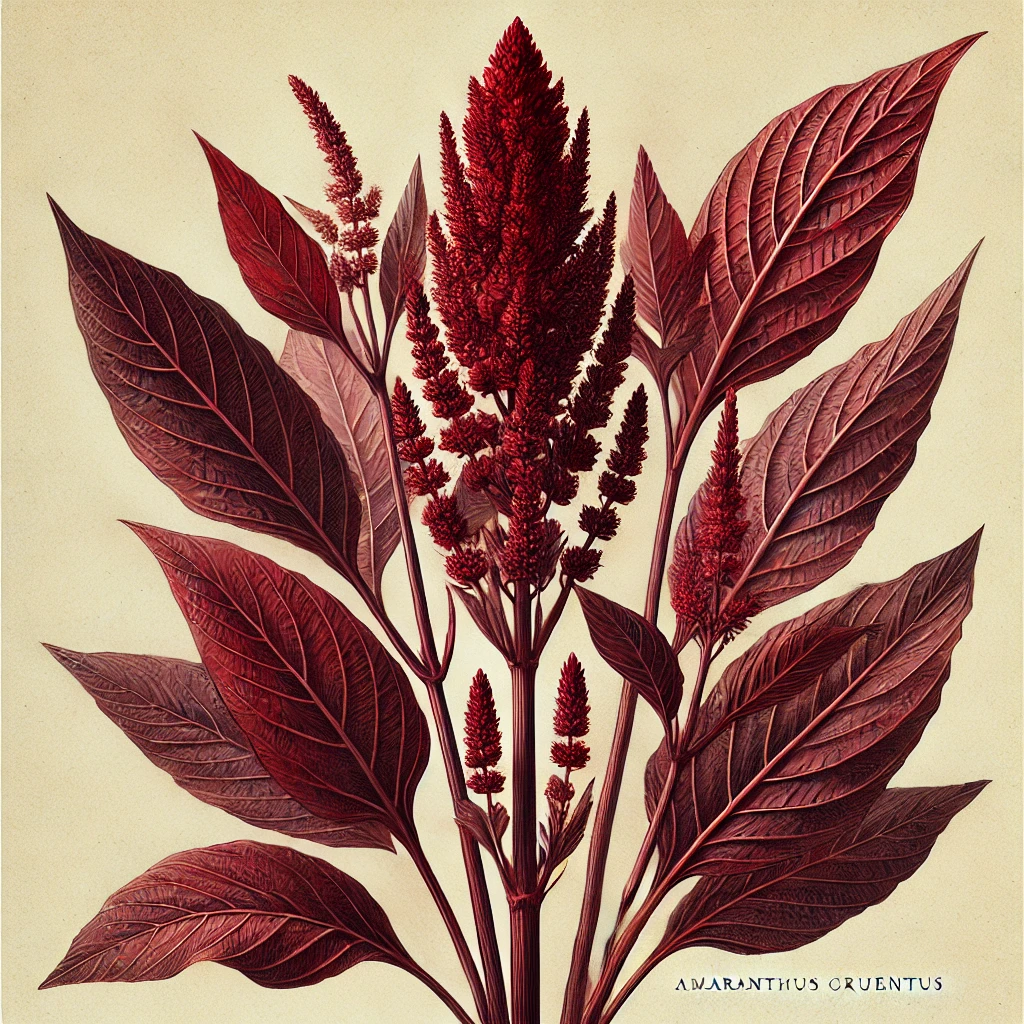
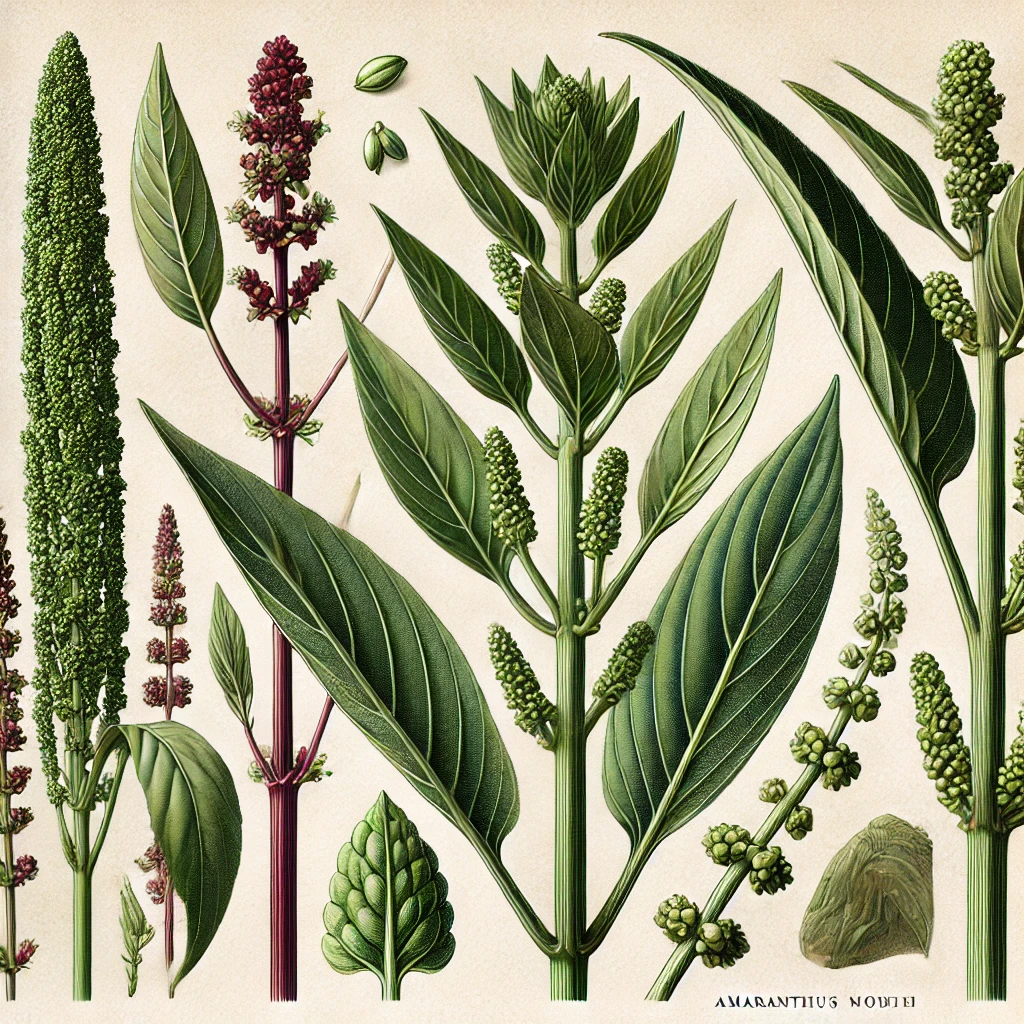
1. Amaranthus cruentus (Red Amaranth): Known for its striking red leaves and vibrant seed heads, Red Amaranth is commonly used in cooking and traditional medicine. It is valued for its aesthetic appeal and nutritional benefits.
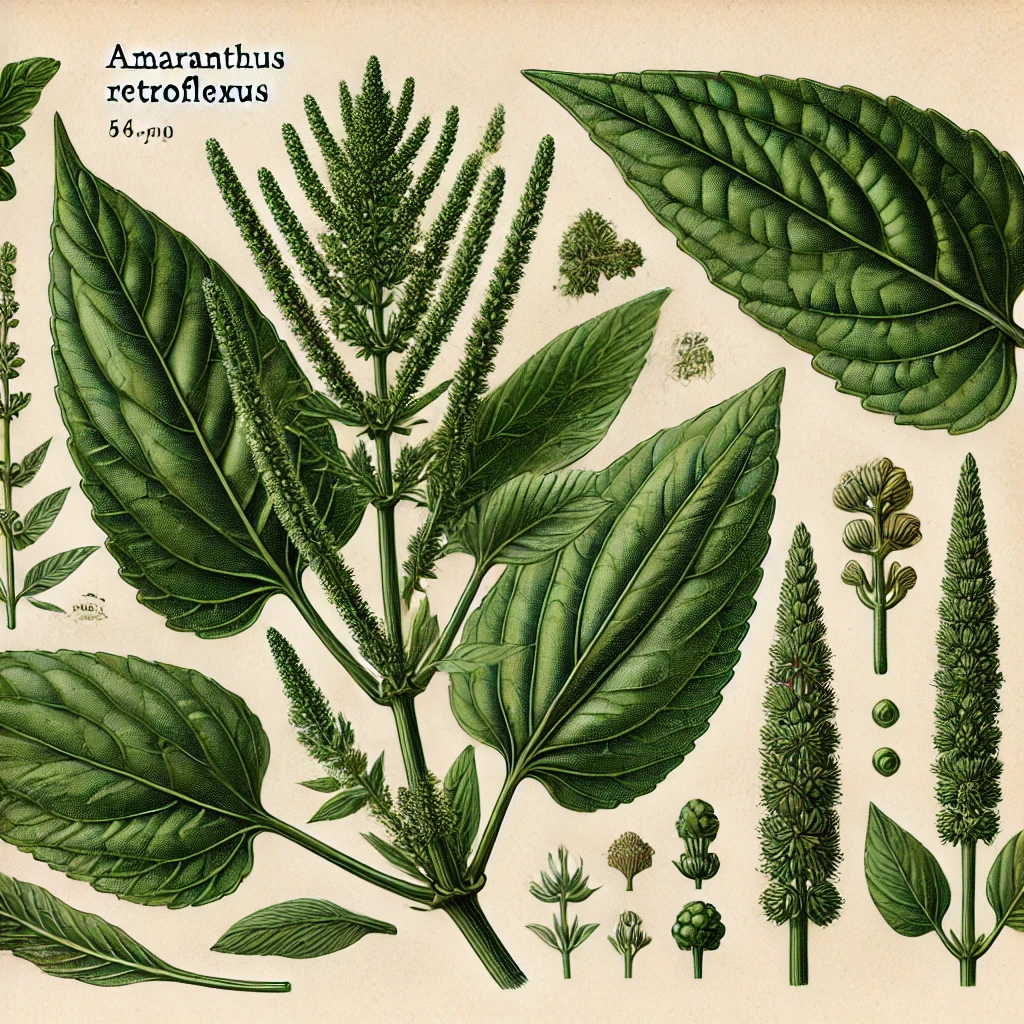
2. Amaranthus retroflexus (Redroot Pigweed): This variety features green to reddish stems and a broad range of leaf shapes. It is often found in gardens and disturbed areas and is known for its adaptability.
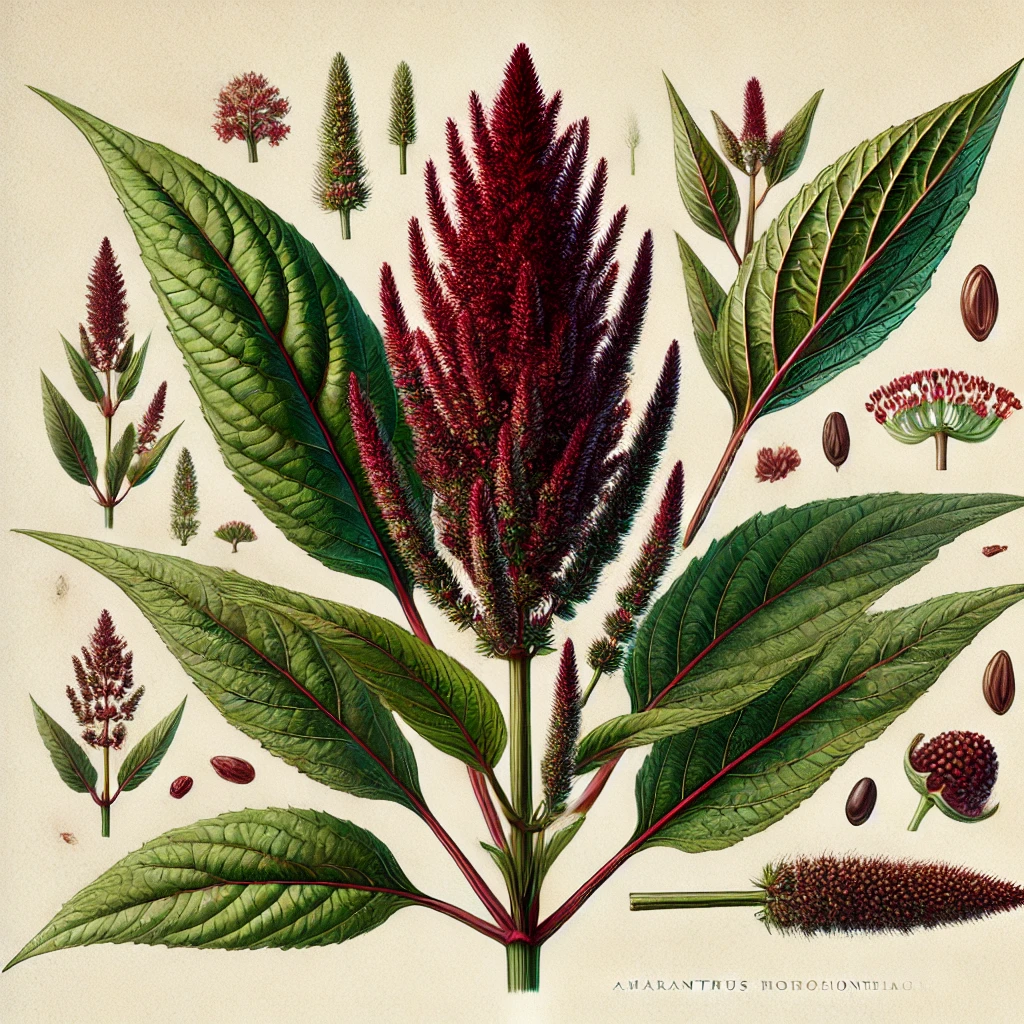
3. Amaranthus hypochondriacus (Prince’s Feather): Recognizable by its tall, upright growth and bright red or purple plumes, Prince’s Feather is grown both for its ornamental qualities and its edible seeds.
4. Amaranthus dubius (Slender Amaranth): Characterized by its slender stems and leaves, this variant is commonly used in tropical and subtropical regions.
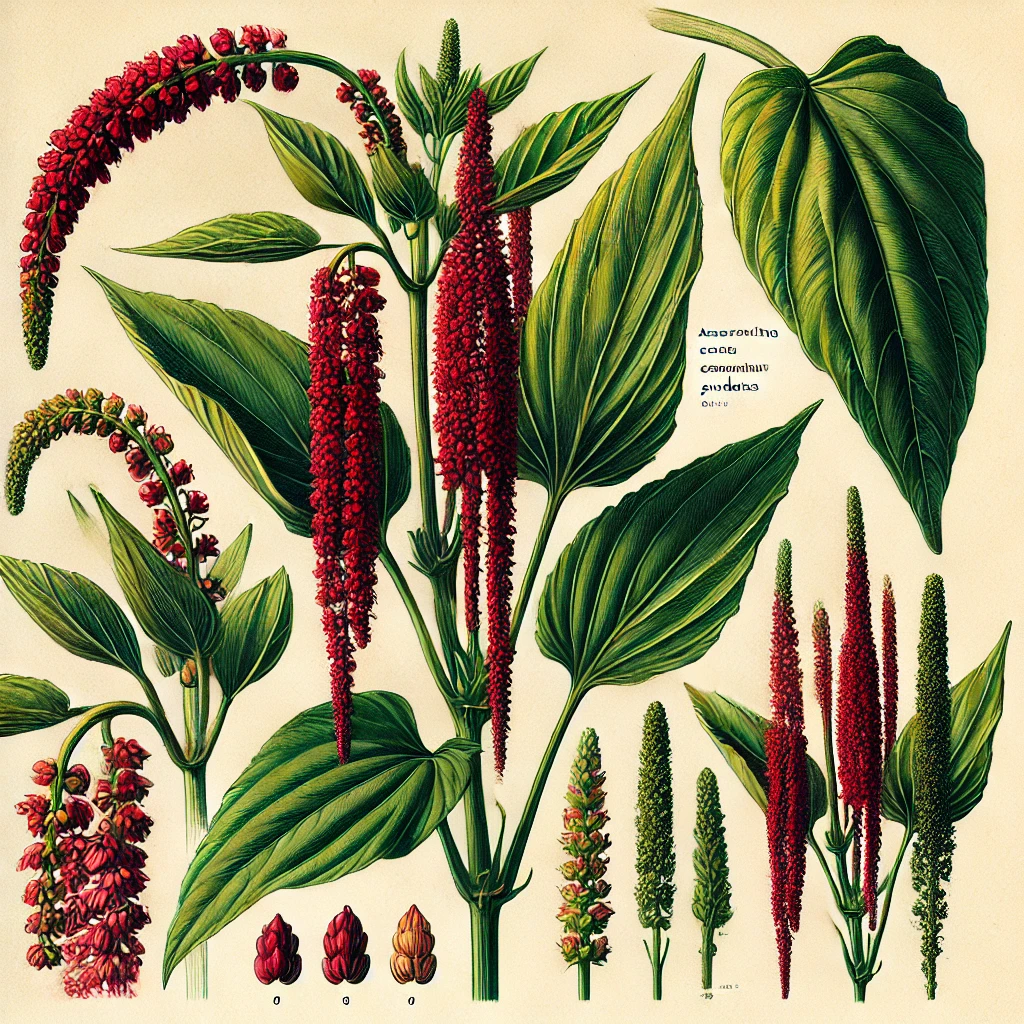
5. Amaranthus caudatus (Love-Lies-Bleeding): This variant is noted for its long, drooping clusters of red flowers and is used both decoratively and in cooking.
How to Identify Amaranthus cruentus (Red Amaranth)
Amaranthus cruentus, commonly known as Red Amaranth, is one of the most visually striking and nutritionally rich species within the Amaranth genus. Its vibrant colors and unique features make it easy to identify in the wild or in cultivated gardens. Below are the key identifying characteristics of Red Amaranth, including details on its leaf shape and color, stem color, flower structure, and seed heads.
Leaf Shape and Color
Shape: The leaves of Amaranthus cruentus are broad and lance-shaped with a slightly pointed tip. They have a smooth, glossy surface and may display subtle veining.
Color: As the name suggests, the leaves are typically a deep, rich red or burgundy color, although they can also exhibit shades of purple or green, depending on the growing conditions. Young leaves often have a more intense color, while mature leaves may develop a mix of red and green hues.
Stem Color
Color: The stems of Red Amaranth are another distinguishing feature, often highlighting a striking red or burgundy hue that complements the color of the leaves. The stems are usually sturdy and upright, providing strong support for the large foliage and flower structures.
Texture: The stem surface can be slightly rough to the touch and may have a ribbed texture. The red coloration of the stems can sometimes extend to the leaf petioles (the stalks that attach the leaves to the stem), enhancing the plant’s overall visual appeal.
Flower Structure
Inflorescence: Red Amaranth produces large, dense flower clusters, known as inflorescences, which can grow in upright spikes or sometimes droop slightly due to their weight. The inflorescences are made up of tiny, densely packed flowers.
Color: The flowers themselves are usually red to burgundy, matching the color of the leaves and stems, though they can sometimes appear more pinkish or purple. The vibrant flower spikes add to the plant’s ornamental value and make it easily identifiable during its blooming period.
Season: Red Amaranth typically flowers in mid to late summer, depending on the climate, and the inflorescences can persist well into the fall.
Seed Heads
Structure: After the flowers have bloomed, they give way to small, round seed heads. These seed heads are packed tightly within the inflorescences and can range in color from red to dark brown or black.
Seeds: The seeds of Red Amaranth are tiny, often appearing black or dark brown. They are glossy and can be easily harvested by shaking or rubbing the mature flower spikes. These seeds are highly nutritious and can be used in a variety of culinary applications.
Additional Tips for Identification
Growth Habit: Red Amaranth is typically a tall plant, often reaching heights of 4 to 6 feet, depending on growing conditions. Its upright growth habit and large, colorful leaves make it stand out in gardens and wild settings.
Location: This species of Amaranth is often found in gardens, cultivated fields, or wild areas with rich, well-drained soil. It prefers full sun but can also tolerate partial shade.
By focusing on these key identifying features—leaf shape and color, stem color, flower structure, and seed heads—you can confidently identify Amaranthus cruentus (Red Amaranth) in the wild or in cultivated settings. Its vibrant red hues and distinctive growth patterns make it a memorable plant that is both beautiful and nutritious.
How to Identify Amaranthus retroflexus (Redroot Pigweed)
Amaranthus retroflexus, commonly known as Redroot Pigweed, is a widespread and hardy species within the Amaranth family. It is known for its resilience and adaptability, often thriving in disturbed soils such as agricultural fields, gardens, and roadsides. Identifying Redroot Pigweed requires careful observation of its distinct characteristics, including leaf shape and color, stem color, flower structure, and seed heads. Below are the key features to look for when identifying this common plant.
Leaf Shape and Color
Shape: The leaves of Redroot Pigweed are typically oval to lance-shaped, with a slightly wavy or smooth margin. They are broader near the base and taper to a rounded or slightly pointed tip.
Color: The leaves are medium to dark green, with a dull surface. The underside of the leaves may be lighter in color and can sometimes exhibit a slight reddish hue, particularly in younger leaves or under certain environmental conditions.
Stem Color
Color: The stems of Amaranthus retroflexus are usually green but can exhibit a reddish tinge, especially near the base of the plant. This reddish coloration is particularly prominent in young plants and gives the plant its common name, Redroot Pigweed.
Texture: The stem is often thick and sturdy, with a rough, ridged texture. The reddish coloration can extend along the length of the stem, especially in mature plants.
Flower Structure
Inflorescence: Redroot Pigweed produces dense, bristly flower clusters that form at the tips of the stems and in the leaf axils (where the leaves attach to the stem). These inflorescences are often elongated and have a spiky appearance.
Color: The flowers themselves are small and greenish, blending in with the surrounding foliage. They are not particularly showy but can be identified by their dense, clustered arrangement.
Season: Flowering typically occurs in late summer to early fall, depending on the region, and the flowers eventually give way to seed production as the season progresses.
Seed Heads
Structure: After flowering, Redroot Pigweed produces small, round seed heads that develop within the bristly inflorescences. These seed heads are densely packed and can be difficult to see without close inspection.
Seeds: The seeds of Redroot Pigweed are tiny, black, and shiny. They are enclosed within the bristly flower clusters and are released as the seed heads mature and dry out. These seeds are highly prolific, contributing to the plant’s reputation as a persistent weed in agricultural settings.
Additional Tips for Identification
Growth Habit: Redroot Pigweed is typically an erect plant, growing between 1 to 6 feet tall, depending on environmental conditions. It has a branching growth habit, with stems often emerging from a central point near the base.
Root System: The plant’s root system is notable for its reddish taproot, which can be a key identifying feature when pulling the plant from the ground. The taproot is thick and sturdy, anchoring the plant firmly in the soil.
Location: Amaranthus retroflexus is commonly found in disturbed soils, such as gardens, crop fields, and roadsides. It thrives in full sun and can tolerate a wide range of soil types, making it a prevalent species in many areas.
By focusing on these key identifying features—leaf shape and color, stem color, flower structure, and seed heads—you can accurately identify Amaranthus retroflexus (Redroot Pigweed) in various environments. Its characteristic reddish taproot, dense flower clusters, and widespread presence make it a recognizable and notable member of the Amaranth family.
How to Identify Amaranthus hypochondriacus (Prince’s Feather)
Amaranthus hypochondriacus, commonly known as Prince’s Feather, is a striking and ornamental member of the Amaranth family. Known for its tall stature and vibrant, feathery flower spikes, Prince’s Feather is both a decorative plant and a valuable source of edible seeds. Below are the key identifying features to help you accurately identify Amaranthus hypochondriacus in the garden or wild, including its leaf shape and color, stem color, flower structure, and seed heads.
Leaf Shape and Color
Shape: The leaves of Prince’s Feather are typically lance-shaped to oval, with a broad base that tapers to a pointed tip. The leaf margins are smooth, and the surface of the leaf is often slightly glossy, with prominent veins running through it.
Color: The leaves are green, although they can sometimes display a reddish or purplish tint, particularly in younger plants or under certain growing conditions. This subtle coloration can add to the plant’s ornamental appeal, especially when contrasted with the vibrant flower spikes.
Stem Color
Color: The stems of Amaranthus hypochondriacus are usually green but can also take on a reddish or purplish hue, particularly near the nodes (where the leaves attach to the stem). This coloration can extend along the entire stem, depending on the variety and environmental factors.
Texture: The stem is smooth and sturdy, supporting the plant’s tall and upright growth habit. The stem’s thickness and rigidity are key to supporting the large, feathery flower spikes that give Prince’s Feather its name.
Flower Structure
Inflorescence: One of the most distinctive features of Prince’s Feather is its large, feathery flower spikes, which can grow up to several feet in length. These inflorescences are dense and composed of numerous small flowers clustered together, giving them a plume-like appearance.
Color: The flower spikes are typically deep red, burgundy, or magenta, though some varieties may have lighter pink or even golden-yellow inflorescences. The vibrant color of the flowers makes Prince’s Feather a popular choice for ornamental gardens.
Season: Flowering typically occurs in mid to late summer, with the dramatic flower spikes lasting well into the fall. These flowers are not only beautiful but also attract pollinators, making the plant a valuable addition to any garden.
Seed Heads
Structure: As the flowers mature, they give way to small seed heads hidden within the dense inflorescences. These seed heads are usually formed within the flower spikes and can be difficult to see without close inspection.
Seeds: The seeds of Prince’s Feather are small, round, and typically dark brown to black. They are edible and have been used traditionally as a grain in various cultures. The seeds are easily harvested by shaking or rubbing the mature flower spikes, which release the tiny seeds.
Additional Tips for Identification
Growth Habit: Prince’s Feather is a tall and robust plant, often reaching heights of 4 to 8 feet. Its upright growth habit, combined with its large, feathery flower spikes, makes it a commanding presence in any garden or natural setting.
Location: This species is often found in cultivated gardens, ornamental landscapes, and sometimes in wild or semi-wild areas where it may have escaped cultivation. It prefers full sun and well-drained soil, thriving in warm climates but adaptable to a variety of conditions.
By focusing on these key identifying features—leaf shape and color, stem color, flower structure, and seed heads—you can confidently identify Amaranthus hypochondriacus (Prince’s Feather). Its tall stature, vibrant flower spikes, and rich coloration make it a distinctive and memorable plant that is as useful as it is beautiful. Whether growing in a garden or found in the wild, Prince’s Feather is sure to capture your attention with its striking appearance and versatile uses.
Amaranthus dubius, commonly known as Slender Amaranth, is a versatile and widely distributed species within the Amaranth family. This plant is frequently found in tropical and subtropical regions and is known for its edible leaves and seeds. Identifying Amaranthus dubius involves paying close attention to its characteristic leaf shape and color, stem color, flower structure, and seed heads. Below are the key features to help you recognize Slender Amaranth in various environments.
Leaf Shape and Color
Shape: The leaves of Slender Amaranth are typically ovate to lance-shaped, with a broad base that tapers smoothly to a pointed tip. The leaves are relatively small compared to other Amaranth species, contributing to the plant’s slender appearance.
Color: The leaves are green, though they can range from light to dark green depending on the plant’s age and growing conditions. The leaf surface is smooth, and the veins are usually not as prominent as in other Amaranth species. Young leaves tend to be more tender and brighter in color.
Stem Color
Color: The stems of Amaranthus dubius are usually green but can also exhibit a reddish or purplish tint, especially at the base or where the leaves attach. This coloration may become more pronounced as the plant matures, though it is less vivid than in other Amaranth species like Red Amaranth or Prince’s Feather.
Texture: The stem is slender, smooth, and can sometimes appear slightly glossy. Despite its thinner structure, the stem is strong enough to support the plant’s growth, which is typically upright and branching.
Flower Structure
Inflorescence: Slender Amaranth produces small, clustered flower spikes that grow at the tips of the stems and in the leaf axils. These inflorescences are less dense and less showy compared to those of other Amaranth species, but they are still an important identifying feature.
Color: The flowers are usually greenish to pale, blending in with the surrounding foliage. They are small and not particularly eye-catching, but their clustered arrangement in elongated spikes is a key characteristic.
Season: Flowering occurs throughout the year in tropical climates, but in more temperate regions, it typically occurs in late spring to early fall.
Seed Heads
Structure: After the flowers have bloomed, they produce small seed heads within the inflorescences. These seed heads are modest in size and less conspicuous compared to those of larger Amaranth species.
Seeds: The seeds of Slender Amaranth are tiny, round, and typically black or dark brown. They are produced in abundance and are easily dispersed by wind or water, contributing to the plant’s widespread distribution.
Additional Tips for Identification
Growth Habit: Amaranthus dubius is a smaller and more delicate plant compared to other Amaranth species, typically growing between 1 to 4 feet tall. Its slender stems and smaller leaves give it a more delicate appearance, which contrasts with the more robust growth habits of its relatives.
Location: Slender Amaranth thrives in warm, tropical, and subtropical regions. It is commonly found in gardens, fields, roadsides, and other disturbed areas where the soil is rich and well-drained. It prefers full sun but can tolerate partial shade.
By focusing on these key identifying features—leaf shape and color, stem color, flower structure, and seed heads—you can accurately identify Amaranthus dubius (Slender Amaranth) in its natural habitat. Its slender appearance, modest inflorescences, and adaptability to various environments make it a unique and valuable member of the Amaranth family, especially in regions where it is cultivated for its edible leaves and seeds.
How to Identify Amaranthus caudatus (Love-Lies-Bleeding)
Amaranthus caudatus, commonly known as Love-Lies-Bleeding, is one of the most visually striking members of the Amaranth family. Known for its long, drooping clusters of vibrant red or magenta flowers, this plant is both an ornamental wonder and a valuable source of edible seeds. To accurately identify Love-Lies-Bleeding, focus on its key characteristics, including leaf shape and color, stem color, flower structure, and seed heads.
Leaf Shape and Color
Shape: The leaves of Amaranthus caudatus are typically ovate to lance-shaped, with a broad base tapering to a pointed tip. They have a smooth margin and are often slightly curved or wavy along the edges.
Color: The leaves are bright to deep green, though they can sometimes have a reddish or purplish tint, especially in younger plants or in certain growing conditions. The leaf surface is smooth, and the veins are slightly raised, giving the leaves a textured appearance.
Stem Color
Color: The stems of Love-Lies-Bleeding are usually green but can range from green to reddish or purplish, particularly near the nodes where the leaves attach. The reddish stems are more common in mature plants and add to the plant’s ornamental appeal.
Texture: The stems are strong and sturdy, capable of supporting the plant’s tall growth and heavy, pendulous flower clusters. The texture is smooth, with a slightly ribbed appearance.
Flower Structure
Inflorescence: The most distinctive feature of Amaranthus caudatus is its dramatic flower structure. The plant produces long, drooping clusters of flowers, known as inflorescences, which can cascade several feet downwards. These inflorescences resemble ropes or tassels and are densely packed with tiny flowers.
Color: The flowers are typically deep red, magenta, or burgundy, though some varieties may produce pink or greenish flowers. The vibrant color of the inflorescences is a hallmark of Love-Lies-Bleeding and makes it a popular choice for ornamental gardens.
Season: Flowering usually occurs in mid to late summer, with the tassels often lasting well into the fall. The flowers are long-lasting and maintain their vibrant color even as they dry.
Seed Heads
Structure: As the flowers mature, they give way to small seed heads embedded within the dense flower clusters. These seed heads are well hidden within the tassels and can be difficult to spot without close inspection.
Seeds: The seeds of Love-Lies-Bleeding are tiny, round, and typically golden or black. They are highly nutritious and can be harvested by gently shaking or rubbing the mature flower clusters to release the seeds. These seeds have been used traditionally in various cultures as a grain.
Additional Tips for Identification
Growth Habit: Amaranthus caudatus is a tall, upright plant that can reach heights of 3 to 8 feet, depending on growing conditions. Its most striking feature is the long, drooping flower tassels that make it stand out in any garden or wild setting.
Location: Love-Lies-Bleeding is often cultivated in ornamental gardens due to its dramatic appearance, but it can also be found in wild or semi-wild areas where it may have escaped cultivation. It prefers full sun and well-drained soil, thriving in warm climates.
By focusing on these key identifying features—leaf shape and color, stem color, flower structure, and seed heads—you can confidently identify Amaranthus caudatus (Love-Lies-Bleeding). Its long, cascading flower tassels, vibrant colors, and tall stature make it one of the most recognizable and visually appealing members of the Amaranth family. Whether cultivated for its beauty or harvested for its seeds, Love-Lies-Bleeding is a plant that captures attention and admiration wherever it grows.
Habits of Amaranth
Amaranth is a dynamic and resilient annual plant, widely celebrated for its adaptability and vigorous growth. This versatile species, encompassing a variety of colorful and nutrient-rich plants, thrives in a range of environmental conditions, making it a favorite among gardeners, foragers, and farmers alike. Whether you are cultivating Amaranth in a well-tended garden or encountering it in the wild, understanding its growth habits and preferences can help you make the most of this remarkable plant.
Growth Characteristics
Amaranth is renowned for its rapid growth, often reaching impressive heights between 3 to 6 feet within a single growing season. Some species, like Amaranthus hypochondriacus (Prince’s Feather), can even surpass this height under optimal conditions, creating towering, vibrant displays. The plant’s upright and often branching structure supports large leaves and dense flower clusters, which are the hallmark of many Amaranth species.
The plant’s ability to thrive in a wide array of climates and soil conditions contributes to its persistence in both cultivated and wild areas. Amaranth’s hardy nature allows it to sprout vigorously in well-drained soils and sunny locations, quickly establishing itself and outcompeting less robust plants. This resilience is further enhanced by its prolific self-seeding behavior. Once established, Amaranth can reseed itself year after year, ensuring its continued presence in gardens, fields, and untamed landscapes.
Growing Conditions
Amaranth’s adaptability is one of its most remarkable traits, making it a versatile choice for a variety of growing environments. To maximize its growth and yield, however, certain conditions can be optimized:
Climate: Amaranth thrives in warm climates, where it can take full advantage of the long growing season. It is particularly well-suited to temperate and tropical regions but is also capable of adapting to cooler environments. While it prefers temperatures between 70°F to 85°F (21°C to 29°C), Amaranth can endure a broader range of temperatures as long as it is not subjected to prolonged cold or frost, which can inhibit its growth.
Soil: Amaranth grows best in well-drained, fertile soils with a slightly acidic to neutral pH, typically ranging from 6.0 to 7.5. While it can tolerate poorer soils, Amaranth truly flourishes in nutrient-rich conditions where organic matter is abundant. The plant’s deep root system allows it to access nutrients and moisture even in less-than-ideal soils, though heavy clay or overly compacted soils may impede its growth.
Light: Amaranth is a sun-loving plant that thrives in full sun, where it can photosynthesize efficiently and grow rapidly. It requires at least 6 to 8 hours of direct sunlight per day to reach its full potential. However, Amaranth is also capable of tolerating partial shade, especially in hotter climates where some relief from the midday sun can prevent leaf scorching. In shaded areas, however, the plant may grow taller and spindlier as it reaches for light, potentially reducing its overall yield.
Resilience and Persistence
Amaranth’s resilience is one of the key factors behind its widespread cultivation and naturalization in various regions around the world. This plant is not only tolerant of a range of growing conditions but is also highly resistant to many common pests and diseases. Its robust nature allows it to thrive where other crops might struggle, making it a reliable choice for both home gardeners and larger agricultural operations.
Moreover, Amaranth’s self-seeding habit ensures that once it is introduced to an area, it is likely to return year after year. The seeds, small and numerous, are easily dispersed by wind, water, or human activity, allowing the plant to colonize new areas quickly. This can be a boon for gardeners looking for a low-maintenance crop, but it also means that Amaranth can become invasive if not managed carefully.
Medicinal Uses of Amaranth
Amaranth, a plant cherished across the globe for its vibrant colors and culinary versatility, is equally valued for its impressive medicinal properties. Both the leaves and seeds of Amaranth are packed with nutrients that offer a range of health benefits, making this ancient grain a powerful ally in promoting overall wellness. Let us delve deeper into the specific medicinal uses of Amaranth and how it can contribute to a healthier lifestyle.
Nutrient-Rich Superfood
Amaranth is often hailed as a nutrient-dense superfood, providing a rich source of essential vitamins, minerals, and macronutrients.
Protein: Unlike most plant-based foods, Amaranth is a complete protein, meaning it contains all nine essential amino acids that the human body cannot produce on its own. This makes it an excellent dietary choice for vegetarians, vegans, and anyone looking to boost their protein intake from plant-based sources. The high protein content in Amaranth helps in muscle repair, immune function, and overall body maintenance.
Vitamins: Amaranth leaves and seeds are abundant in vitamins such as Vitamin A, C, and folate. Vitamin A is crucial for maintaining healthy vision, immune function, and skin integrity. Vitamin C acts as a powerful antioxidant, protecting the body against free radicals, supporting immune health, and aiding in the absorption of iron. Folate, an essential B-vitamin, plays a vital role in DNA synthesis and repair, making it particularly important for pregnant women to prevent neural tube defects in the developing fetus.
Minerals: Amaranth is a rich source of key minerals such as calcium, iron, and magnesium. Calcium is essential for strong bones and teeth, as well as for proper muscle function and nerve signaling. Iron is critical to produce hemoglobin, the protein in red blood cells that carries oxygen throughout the body. Magnesium supports a wide range of biochemical reactions in the body, including energy production, muscle and nerve function, and the regulation of blood pressure.
Incorporating Amaranth into your diet can help ensure that you meet your daily nutritional needs, supporting overall health and vitality.
Anti-Inflammatory Benefits
Amaranth has been recognized for its potential anti-inflammatory properties, which can play a significant role in managing and reducing chronic inflammation—a condition linked to numerous health issues such as heart disease, diabetes, and autoimmune disorders.
Bioactive Compounds: Amaranth contains various bioactive compounds, including peptides and phytochemicals, which have been studied for their ability to modulate the body’s inflammatory response. These compounds can help reduce the production of inflammatory markers, potentially lowering the risk of chronic inflammatory conditions.
Aiding in Recovery: For individuals experiencing inflammation-related conditions, such as arthritis or inflammatory bowel disease, incorporating Amaranth into their diet may offer supportive benefits. The anti-inflammatory properties of Amaranth can help alleviate symptoms such as pain, swelling, and discomfort, aiding in the overall management of these conditions.
Regular consumption of Amaranth, either as part of a balanced diet or in the form of supplements, can contribute to reducing inflammation and promoting long-term health.
Digestive Health and Gut Support
Amaranth’s high fiber content makes it an excellent food for supporting digestive health and maintaining a healthy gut microbiome.
Fiber Content: Both the leaves and seeds of Amaranth are rich in dietary fiber, which is essential for healthy digestion. Fiber adds bulk to the stool, facilitating regular bowel movements and preventing constipation. It also helps to regulate blood sugar levels by slowing down the absorption of glucose, which can be particularly beneficial for individuals with diabetes or those at risk of developing the condition.
Prebiotic Effects: The fiber in Amaranth also acts as a prebiotic, meaning it serves as food for the beneficial bacteria in the gut. A healthy gut microbiome is crucial for overall health, influencing everything from digestion and nutrient absorption to immune function and mental well-being. By promoting the growth of beneficial bacteria, Amaranth can help maintain a balanced gut environment and support overall digestive health.
Gut-Healing Properties: In traditional medicine, Amaranth has been used to soothe the digestive tract and alleviate symptoms of gastrointestinal distress. The plant’s mucilaginous properties, particularly in the seeds, can help protect the lining of the gut, making it a useful remedy for conditions like gastritis, acid reflux, and irritable bowel syndrome (IBS).
Incorporating Amaranth into your diet can promote regular digestion, improve gut health, and contribute to a balanced and healthy digestive system.
Culinary Uses of Amaranth
Amaranth, with its rich history as a staple food in many cultures, continues to shine in modern kitchens thanks to its incredible versatility and nutritional value. Both the leaves and seeds of Amaranth can be used in a wide array of dishes, making it a valuable addition to any culinary repertoire. Below, we explore the diverse culinary applications of Amaranth, from fresh salads to hearty stews, highlighting how this ancient plant can enhance your meals.
Leafy Greens
Amaranth leaves, particularly when young and tender, are a delicious and nutritious addition to many dishes. These vibrant greens have a mild, slightly nutty flavor that complements a variety of other ingredients.
Salads: Fresh, young Amaranth leaves can be used as a base for salads, providing a nutrient-dense alternative to traditional salad greens like lettuce or spinach. Their subtle flavor pairs well with a range of dressings, from light vinaigrettes to creamy options. You can combine them with other greens, fruits, nuts, and cheeses to create a well-rounded and flavorful salad. The leaves’ tender texture and slight nuttiness make them an excellent choice for raw preparations.
Sautéed Dishes: Amaranth leaves are also excellent when lightly sautéed with garlic, olive oil, and a pinch of salt. Sautéing the leaves enhances their flavor, bringing out a slight earthiness while retaining their nutritional benefits. They can be used as a side dish on their own or mixed with other vegetables, grains, or proteins. For a simple yet satisfying dish, sauté Amaranth leaves with onions and serve them over quinoa or rice, topped with a sprinkle of lemon juice for added brightness.
Seeds
Amaranth seeds are a powerhouse of nutrition and can be used in numerous ways, making them a versatile ingredient in both sweet and savory dishes.
Cooked Grains: Amaranth seeds can be cooked similarly to quinoa or rice. When cooked, the seeds develop a slightly sticky texture, making them a great base for grain bowls, salads, or as a side dish. To cook Amaranth seeds, simply simmer them in water or broth for about 20 minutes until they reach a tender consistency. You can season them with herbs, spices, or sauces to suit your taste. Cooked Amaranth seeds can also be used as a filling for stuffed vegetables like bell peppers or squash.
Baking: Ground Amaranth seeds can be used to create flour, which is ideal for gluten-free baking. Amaranth flour adds a slightly sweet, nutty flavor to baked goods like bread, muffins, and pancakes. You can substitute a portion of regular flour with Amaranth flour in your favorite recipes to boost the nutritional content and add a unique flavor profile. Additionally, whole Amaranth seeds can be mixed into batter or dough for added texture and crunch in cookies, granola bars, and other baked treats.
Popped Amaranth: Amaranth seeds can be popped like popcorn, creating a light and crispy snack. Popping Amaranth is easy—simply heat a dry skillet over medium-high heat, add a tablespoon of Amaranth seeds, and cover with a lid. Shake the pan gently until the seeds start to pop. Popped Amaranth can be eaten on its own as a snack or used as a topping for yogurt, salads, or cereal. It is also a great addition to homemade granola or energy bars, adding a delightful crunch and extra nutrition.
Porridge: Amaranth seeds can be cooked into creamy porridge, like oatmeal. To make Amaranth porridge, cook the seeds in water or milk until they break down and thicken into a smooth consistency. You can sweeten the porridge with honey, maple syrup, or fruit, and enhance it with spices like cinnamon or nutmeg. Amaranth porridge is a hearty and satisfying breakfast option, providing a complete protein source to start your day on the right foot.
Soups and Stews
Amaranth leaves are an excellent addition to soups and stews, where they impart both flavor and nutrition.
Flavor Enhancement: The slightly nutty and earthy flavor of Amaranth leaves adds depth to broths, making them an ideal ingredient in vegetable, chicken, or beef soups. They blend well with other vegetables and can be added to the pot during the last few minutes of cooking to retain their color and texture. Amaranth leaves are particularly popular in traditional soups in various cultures, such as Indian saag or African callaloo, where they contribute to the dish’s overall richness and heartiness.
Nutrient Boost: Amaranth leaves are packed with vitamins, minerals, and antioxidants, making them a nutrient-rich addition to any soup or stew. They are an excellent source of Vitamin A, Vitamin C, and iron, which are essential for maintaining good health. Adding a handful of Amaranth leaves to your favorite soup recipe is an effortless way to boost its nutritional content, especially during the colder months when your body needs extra nourishment.
Smoothies
For a quick and nutritious boost, Amaranth leaves can be blended into smoothies, providing an extra dose of vitamins and minerals without altering the flavor of the drink.
Nutritional Boost: Young Amaranth leaves are tender enough to be blended smoothly into beverages. When added to smoothies, they contribute a mild, slightly earthy flavor that pairs well with fruits like bananas, berries, and mangoes. The leaves also provide a healthy dose of fiber, helping to keep you full and satisfied. For a green smoothie packed with nutrients, combine Amaranth leaves with spinach, kale, a banana, almond milk, and a spoonful of nut butter.
Versatile Ingredient: Amaranth leaves are highly versatile and can be used in various smoothie combinations. They blend well with both sweet and savory ingredients, making them an easy addition to your morning routine. Whether you prefer a tropical fruit blend, a green detox smoothie, or a protein-packed post-workout drink, adding Amaranth leaves is a straightforward way to enhance your smoothie’s nutritional profile.
How to Properly Forage Amaranth
Foraging Amaranth is a rewarding experience that allows you to connect with nature while harvesting a plant rich in nutrients and culinary potential. However, it is important to approach foraging with care and respect for the environment to ensure that you collect Amaranth safely and sustainably. Here is a detailed guide on how to properly forage Amaranth, focusing on key foraging techniques to help you get the most out of your harvest while preserving the plant’s natural habitat.
1. Identify the Plant
Accurate identification is crucial when foraging for Amaranth. With several species within the Amaranth genus, each with its unique characteristics, it is important to familiarize yourself with the specific traits of the species you are targeting.
Leaf Shape: Amaranth leaves can vary in shape, from broad, lance-shaped leaves to narrower, more delicate ones. Depending on the species, leaves might be smooth or slightly wavy along the edges. For example, Amaranthus cruentus (Red Amaranth) typically has deep red, lance-shaped leaves, while Amaranthus retroflexus (Redroot Pigweed) has green, oval-shaped leaves with a slightly wavy margin.
Stem Color: The color of the stem is another key identifying feature. Amaranth stems can range from green to deep red or even purple, depending on the species and growing conditions. For instance, the vibrant red stems of Amaranthus cruentus make it easy to distinguish from other Amaranth species or similar-looking plants.
Flower Structure: Amaranth flowers are small and clustered into dense spikes or plumes. The color of the flowers can vary, with some species producing bright red or purple inflorescences, while others may have green or more muted flower colors. Identifying the specific flower structure, such as the long, drooping clusters of Amaranthus caudatus (Love-Lies-Bleeding) or the upright spikes of Amaranthus hypochondriacus (Prince’s Feather), is essential for accurate identification.
Before you start foraging, take the time to study images and descriptions of the Amaranth species you plan to harvest. Familiarize yourself with their distinguishing features to avoid confusing them with other plants that may not be edible or could even be harmful.
2. Harvesting
When harvesting Amaranth, it is important to consider what part of the plant you intend to use, whether for culinary or medicinal purposes. The method and timing of your harvest will depend on whether you are collecting the leaves or the seeds.
For Culinary Use (Leaves): If you are harvesting Amaranth leaves for cooking or fresh use, aim to collect the young, tender leaves. These leaves are milder in flavor and have a more pleasant texture compared to older, tougher leaves. Young leaves are ideal for salads, sautés, and smoothies. Use a pair of sharp scissors or garden shears to snip the leaves cleanly from the stem, taking care not to damage the main plant. This allows the plant to continue growing and producing more leaves throughout the season.
For Seeds: Harvesting Amaranth seeds requires patience, as you will need to wait until the plant has fully matured and the seed heads have dried on the plant. Mature seed heads will typically turn brown or golden and become dry to the touch. To harvest the seeds, use scissors or shears to cut the seed heads from the plant. Hold a container or cloth underneath to catch any seeds that may fall during the process. Once harvested, the seeds can be further dried if necessary, and then stored in an airtight container for future use.
Drying Seeds: After harvesting, allow the seed heads to dry completely in a well-ventilated area. This ensures that the seeds are fully mature and reduces the risk of mold or spoilage during storage. Once dried, gently rub or shake the seed heads to release the seeds, which can then be sifted to remove any chaff or debris.
3. Sustainability
Sustainability is a core principle of responsible foraging. By practicing sustainable harvesting techniques, you help ensure that Amaranth populations remain healthy and abundant for future foragers, as well as for the local ecosystem.
Harvest Only What You Need: One of the key tenets of sustainable foraging is to take only what you need. This applies to both leaves and seeds. Avoid over-harvesting any single plant or area, as this can stress the plants and reduce their ability to regenerate. If you are foraging for culinary use, take only enough leaves for your immediate needs, leaving plenty of foliage behind to support the plant’s continued growth.
Leave Enough for Regeneration: When harvesting seeds, be mindful to leave some seed heads on the plant. This allows the Amaranth to self-seed, ensuring that new plants will grow in the following season. This is especially important in wild or naturalized populations, where the plant’s ability to reproduce is essential for maintaining its presence in the ecosystem.
Consider the Ecosystem: Be aware of the impact your foraging activities may have on the surrounding environment. Avoid trampling on other plants and take care not to disturb wildlife or their habitats. If you are foraging in a shared or public space, be respectful of other foragers and ensure that there is enough left for others to enjoy.
Spread Your Harvest: Instead of harvesting all your Amaranth from one location, consider spreading your efforts across multiple plants or areas. This reduces the impact on any single population and helps maintain the ecological balance. It also increases the likelihood that Amaranth will continue to thrive in the area, providing ongoing opportunities for future foragers.
Storage of Amaranth
Proper storage of Amaranth is essential to maintaining its freshness, flavor, and nutritional value. Whether you are dealing with the delicate leaves or the hardy seeds, knowing how to store each component effectively will ensure that you can enjoy the benefits of Amaranth long after you have harvested it. Here is a detailed guide on how to store Amaranth leaves and seeds to preserve their quality and maximize their shelf life.
Storing Amaranth Leaves
Amaranth leaves, whether used fresh in salads or cooked in various dishes, are highly perishable and require careful handling to keep them fresh and flavorful.
Short-Term Storage:
Refrigeration: Fresh Amaranth leaves can be stored in the refrigerator for up to a week, depending on their initial freshness and the storage conditions. To store them properly, first, gently rinse the leaves in cold water to remove any dirt or debris. After rinsing, pat the leaves dry with a clean towel or use a salad spinner to remove excess moisture. Moisture is a key factor in the degradation of leafy greens, so ensuring the leaves are dry is crucial to extending their shelf life.
Storage Method: Once the leaves are dry, wrap them in a slightly damp paper towel to maintain the right level of moisture without causing them to wilt. Place the wrapped leaves in a plastic bag or an airtight container and store them in the crisper drawer of your refrigerator. This method helps maintain the leaves’ crispness and prevents them from becoming soggy or slimy. Be sure to check the leaves periodically and remove any that show signs of wilting or spoilage.
Long-Term Storage:
Blanching and Freezing: For longer storage, Amaranth leaves can be blanched and then frozen. Blanching is a process that involves briefly cooking the leaves in boiling water, which helps to preserve their color, texture, and nutritional value by inactivating enzymes that cause spoilage. To blanch Amaranth leaves, bring a pot of water to a rolling boil. Add the leaves to the boiling water and let them cook for about 1 to 2 minutes, just until they become vibrant green and slightly tender.
Freezing: Immediately after blanching, transfer the leaves to a bowl of ice water to stop the cooking process. This step is crucial for preserving the leaves’ texture and color. Once the leaves have cooled, drain them thoroughly and pat them dry with a clean towel. Spread the blanched leaves on a baking sheet in a single layer and place them in the freezer until they are fully frozen. Once frozen, transfer the leaves to a freezer-safe bag or airtight container, label them with the date, and store them in the freezer for up to 6 months. When you are ready to use the frozen leaves, simply thaw them in the refrigerator or add them directly to soups, stews, or sautés.
Storing Amaranth Seeds
Amaranth seeds, known for their longevity and nutritional density, are much more durable than the leaves and can be stored for extended periods with proper care.
Drying Seeds:
Harvesting: After harvesting, it is essential to ensure that Amaranth seeds are fully dry before storage. If the seeds were harvested while still slightly moist, they could develop mold or spoil during storage. Spread the seeds out on a clean, dry surface in a well-ventilated area, away from direct sunlight. Allow the seeds to air dry for several days, stirring them occasionally to ensure even drying. The seeds should feel hard and dry to the touch before they are ready for storage.
Storage Method:
Airtight Containers: Once the seeds are completely dry, transfer them to an airtight container. Glass jars with tight-fitting lids, vacuum-sealed bags, or food-grade plastic containers are ideal for this purpose. The key is to prevent exposure to air, moisture, and pests, all of which can degrade the quality of the seeds over time.
Cool, Dry Place: Store the airtight container in a cool, dry place, such as a pantry or cupboard, away from direct sunlight and sources of heat. The ideal storage temperature is between 50°F to 60°F (10°C to 15°C). Properly stored Amaranth seeds can last for up to a year or even longer without losing their nutritional value or flavor. If you have a large quantity of seeds, consider dividing them into smaller portions and storing them separately to reduce the risk of contamination or spoilage.
Freezing Seeds:
Long-Term Storage: For even longer storage, or if you live in a particularly humid climate, you can store Amaranth seeds in the freezer. Freezing halts any residual enzyme activity and prevents the seeds from going rancid. Simply place the seeds in a freezer-safe bag or container, label them with the date, and store them in the freezer. Frozen seeds can last for several years while maintaining their quality. When you are ready to use the seeds, allow them to thaw at room temperature or in the refrigerator before incorporating them into your recipes.
Safety Concerns When Foraging and Consuming Amaranth
While Amaranth is a highly nutritious and versatile plant, it is important to be aware of certain safety concerns associated with its consumption. Understanding these concerns will help you make informed decisions about how to incorporate Amaranth into your diet safely. Below, we delve deeper into two key issues: the presence of oxalates in Amaranth leaves and the potential for allergic reactions.
Oxalates in Amaranth Leaves
What Are Oxalates? Oxalates are naturally occurring compounds found in many plants, including Amaranth leaves. These compounds can bind with minerals, particularly calcium, to form insoluble crystals. In substantial amounts, oxalates can interfere with the body’s ability to absorb calcium, potentially leading to a condition known as hyperoxaluria. This condition is characterized by an excess of oxalate in the urine, which can increase the risk of developing kidney stones.
How Do Oxalates Affect Health? For most people, consuming foods with moderate levels of oxalates is not a concern, especially when part of a balanced diet. However, individuals with a history of kidney stones or those at risk of developing them may need to be cautious about their oxalate intake. High oxalate levels can lead to the formation of calcium oxalate stones, the most common type of kidney stone. Additionally, excessive oxalate consumption over time can contribute to other health issues, such as mineral deficiencies, by limiting the absorption of calcium and other essential nutrients.
How to Reduce Oxalate Levels in Amaranth Leaves Fortunately, there are ways to reduce the oxalate content in Amaranth leaves, making them safer to consume:
Cooking: Cooking Amaranth leaves is one of the most effective methods for reducing oxalate levels. Boiling or steaming the leaves can significantly decrease the oxalate content, as the oxalates are water-soluble and can leach out into the cooking water. After cooking, it is advisable to discard the water to ensure that the oxalates are removed. This method not only reduces oxalates but also preserves most of the nutrients in the leaves, allowing you to enjoy their benefits without the associated risks.
Pairing with Calcium-Rich Foods: Another strategy to mitigate the effects of oxalates is to pair Amaranth leaves with calcium-rich foods. When consumed together, the calcium in these foods can bind to the oxalates in the digestive tract, reducing the amount of oxalate that is absorbed into the bloodstream. This can help lower the risk of kidney stone formation and improve overall calcium absorption.
For individuals who are concerned about oxalate intake or have been advised to follow a low-oxalate diet, it is important to consume Amaranth leaves in moderation and to balance them with other low-oxalate foods.
Allergies and Sensitivities
Potential for Allergic Reactions While Amaranth is well-tolerated, some individuals may experience allergic reactions, particularly if they have sensitivities to plants in the Amaranthaceae family. This family includes not only Amaranth but also other common plants like quinoa, spinach, and beets. Allergic reactions can range from mild to severe and may include symptoms such as itching, swelling, hives, digestive discomfort, or in rare cases, anaphylaxis.
Cross-Reactivity In some cases, individuals who are allergic to one member of the Amaranthaceae family may also react to other members of the same family. This is known as cross-reactivity, where the immune system recognizes similar proteins in different plants and triggers an allergic response. For example, someone with a known allergy to quinoa might also experience a reaction to Amaranth, given their close botanical relationship.
Precautionary Measures If you suspect that you might be allergic to Amaranth or have known sensitivities to related plants, it is important to take the following precautions:
Start Small: If you are trying Amaranth for the first time, start with a small amount to gauge your body’s reaction. This is especially important if you have a history of food allergies or sensitivities. Monitor yourself for any signs of an allergic reaction, such as itching, swelling, or gastrointestinal discomfort. If any symptoms occur, discontinue use, and consult a healthcare professional.
Consultation with Healthcare Providers: If you have a known allergy to other Amaranthaceae plants, such as quinoa or spinach, it is advisable to consult with an allergist or healthcare provider before introducing Amaranth into your diet. They may recommend allergy testing to determine whether you are likely to react to Amaranth.
Emergency Preparedness: If you have a history of severe allergic reactions, such as anaphylaxis, always carry an epinephrine auto-injector (EpiPen) and ensure that those around you are aware of your condition and know how to respond in an emergency.
Magical Uses of Amaranth
Amaranth, with its vibrant colors and deep-rooted history, is not only a plant of great nutritional and medicinal value but also one imbued with rich magical and symbolic properties. Throughout history, Amaranth has been revered in various cultures for its association with eternity, immortality, protection, prosperity, and spiritual growth. Whether you are a seasoned practitioner of the magical arts or someone exploring the mystical side of nature, Amaranth offers a versatile and potent tool for enhancing your spiritual practices. Let us delve deeper into the magical uses of Amaranth and how you can incorporate it into your rituals and spells.
Eternity and Immortality
Symbolism of the Unfading Flower The name “Amaranth” is derived from the Greek word “amarantos,” meaning “unfading” or “undying,” which directly ties the plant to concepts of eternity and immortality. In Greek mythology, Amaranth was believed to be a sacred plant that never withered, symbolizing the idea of eternal life and the enduring spirit. This symbolism makes Amaranth a powerful ingredient in spells and rituals designed to invoke the energies of longevity, resilience, and unending vitality.
Rituals for Longevity Amaranth can be used in rituals and spells that focus on extending life, preserving youth, or maintaining health over time. For instance, you might create a longevity charm by placing dried Amaranth flowers in a small pouch along with other herbs associated with vitality, such as rosemary and lavender. Carry this charm with you or place it under your pillow to draw upon the plant’s enduring energy.
Eternal Love and Relationships In love magic, Amaranth can be used to symbolize eternal love and commitment. Incorporating Amaranth into love spells or rituals can help strengthen bonds and ensure that relationships endure the test of time. For example, you could weave Amaranth into a wreath or bouquet for a wedding or anniversary ceremony to represent the unending love between partners. Additionally, placing Amaranth on an altar during love rituals can enhance the intention of fostering a long-lasting and stable relationship.
Protection and Prosperity
Amaranth as a Protective Amulet Amaranth is often associated with protection, especially against negative energies and harm. The plant’s robust and resilient nature lends itself well to magical practices focused on safeguarding individuals or spaces from unwanted influences. You can create a protective amulet by placing dried Amaranth flowers or seeds in a small bag, along with other protective herbs like sage, black tourmaline, or garlic. Carry this amulet with you, hang it in your home, or place it in a protective charm bag to ward off negativity and keep you safe from harm.
Prosperity Spells In addition to its protective qualities, Amaranth is also linked to prosperity and abundance. Its ability to thrive in a variety of conditions and produce bountiful seeds symbolizes growth and the flourishing of wealth. To harness this energy, you can incorporate Amaranth into prosperity spells or rituals. For instance, sprinkle Amaranth seeds around your home or garden to attract wealth and financial stability. Alternatively, you can place a small bowl of Amaranth seeds on your altar during prosperity rituals, alongside coins, candles, and other symbols of abundance, to amplify your intentions for growth and success.
Growth and Abundance Rituals Given Amaranth’s association with growth, it is an ideal plant to include in rituals that aim to manifest new opportunities, whether in your career, personal life, or spiritual journey. You might use Amaranth in a ritual to bless a new business venture or project, encouraging it to grow and prosper. To do this, scatter Amaranth seeds around the site of your new venture or include them in a ritual bath to cleanse yourself of doubts and fears, inviting in the energy of prosperity and success.
Spiritual Growth and Enlightenment
Meditation and Reflection Amaranth’s connection to eternity and immortality also extends to the spiritual realm, making it a valuable ally in meditation and practices aimed at personal growth and enlightenment. The plant’s energy can help deepen your meditative state, allowing you to connect with higher consciousness and explore the eternal aspects of your spirit. To enhance your meditation practice, place Amaranth flowers or seeds on your meditation altar or hold them in your hands while you meditate. Their presence can help you access deeper levels of awareness and promote spiritual clarity.
Enhancing Spiritual Practices Incorporating Amaranth into your spiritual practices can foster a sense of balance, grounding, and connection to the divine. You might place Amaranth on your altar as an offering to deities or spirits, particularly those associated with life, death, and rebirth. Its presence can serve as a reminder of the cyclical nature of existence and the ongoing journey of spiritual growth.
Rituals for Personal Transformation Amaranth can also be used in rituals that focus on personal transformation and spiritual evolution. As a symbol of resilience and the unending cycle of life, Amaranth can help you navigate periods of change and growth, providing support as you shed old patterns and embrace new beginnings. For a personal transformation ritual, create a sacred space with candles, incense, and Amaranth flowers. Reflect on the areas of your life where you seek change and use the energy of Amaranth to guide you through the process of transformation.
Conclusion
In the world of wild edibles, few plants offer the diverse and profound benefits that Amaranth does. This remarkable herb, with its rich history and versatile applications, opens the door to a multitude of possibilities for those who seek to connect with nature and harness its gifts. From its vibrant species and practical foraging techniques to its potent medicinal and magical properties, Amaranth is a true treasure in the plant kingdom. Whether you are incorporating it into your diet to nourish your body, leveraging its healing properties to support your well-being, or exploring its spiritual significance to enhance your rituals and practices, Amaranth invites you to engage deeply with the natural world. It is a plant that not only enriches your meals but also your health, spirit, and connection to the earth. As you embark on your journey with Amaranth, may you find inspiration, nourishment, and a sense of wonder in every leaf, seed, and ritual. Happy foraging!
Subscribe
Do you want to be notified when a new article is published? Just drop your email below and you'll be kept in the loop!
Support Us
If you liked this post and would like to support us please visit our Shoppe HERE or you can show your appreciation directly by Sending us a Blessing using the button below:
Reading Time: 3minutesLughnasadh (LOO-nus-uh), also called Lammas, is known as one of the Greater Sabbats, it marks the beginning of the fall harvest. This is the festival of Lugh, a Celtic God of Light, Fire, and God of crafts and skills.
Reading Time: 4minutesLitha (the Summer Solstice) marks the longest day of the year. During the summer solstice, it is the time of the first harvest and the celebration of this bounty.
In times gone by this Sabbat was celebrated with large bonfires, they were burned to promote purification, fertility, and love.
 Reading Time: 3 minutes


 Moon milk is believed to have magical properties that promote relaxation, sleep, and spiritual connection. Lavender is a powerful herb that is often used in spells and rituals to promote tranquility, purification, and harmony. It is said to help calm the mind, soothe anxiety, and facilitate communication with the spiritual realm. Cherries, on the other hand, are associated with abundance, prosperity, and love. By combining these two ingredients in moon milk, we can create a potent brew that promotes restful sleep, deep relaxation, and a profound sense of spiritual connection.
As you sip on your moon milk and gaze up at the moon, take a moment to reflect on the magic and mystery of the universe. Whether you are working with the moon to manifest your desires, to connect with your intuition, or simply to enjoy a peaceful moment of reflection, remember that the power of the moon is always with you, waiting to be harnessed and celebrated.
*Calories Calculated with 2% Dairy Milk, Different bases will change the values.
Moon milk is believed to have magical properties that promote relaxation, sleep, and spiritual connection. Lavender is a powerful herb that is often used in spells and rituals to promote tranquility, purification, and harmony. It is said to help calm the mind, soothe anxiety, and facilitate communication with the spiritual realm. Cherries, on the other hand, are associated with abundance, prosperity, and love. By combining these two ingredients in moon milk, we can create a potent brew that promotes restful sleep, deep relaxation, and a profound sense of spiritual connection.
As you sip on your moon milk and gaze up at the moon, take a moment to reflect on the magic and mystery of the universe. Whether you are working with the moon to manifest your desires, to connect with your intuition, or simply to enjoy a peaceful moment of reflection, remember that the power of the moon is always with you, waiting to be harnessed and celebrated.
*Calories Calculated with 2% Dairy Milk, Different bases will change the values.