Ostara, the Spring Equinox, celebrates balance, renewal, and the blossoming of life. It is a time to honor the Earth’s reawakening and channel creativity into meaningful expressions of gratitude and joy. One engaging and family-friendly way to connect with Ostara’s energy is by painting rocks with vibrant symbols of the season. This simple yet impactful craft infuses your home, garden, or altar with the essence of spring and serves as a tangible reminder of the beauty of nature’s cycles.
Ritual Basics
Before beginning any ritual, it is important to prepare yourself mentally and physically. You may want to take a cleansing bath, or shower, and meditate or perform some grounding exercises to center yourself. Gather any materials you will need, such as candles, incense, and offerings for the forest spirits.
The tradition of decorating stones is an ancient practice, symbolizing a connection to the Earth and its enduring strength. Painted rocks are a modern adaptation, combining creativity with spirituality. By adorning stones with symbols like the sun, flowers, rabbits, or butterflies, we honor the themes of growth, fertility, and renewal associated with Ostara. Whether placed in a garden, used on an altar, or gifted to loved ones, these painted rocks radiate the joyful energy of the season and serve as lasting mementos of your celebration.
Painting Rocks for Ostara
A hands-on ritual to channel Ostara’s creative spirit
Paintbrushes
Palette or small containers
Paper towels
Several smooth stones (5-10 collected or purchased)
Acrylic paints (in vibrant spring colors like yellow, pink, green, and blue)
Clear sealant spray (optional – for weatherproofing outdoor decorations)
Water cup (for rinsing brushes)
Step 1: Gather and Prepare Materials
Collect smooth stones from a local park, riverbed, or your garden. Ensure they are clean and dry before painting.
Lay out your materials on a table, covering the surface with newspaper or a protective cloth.
Step 2: Choose Your Symbols
Reflect on the themes of Ostara—balance, fertility, and renewal.
Decide on designs such as the sun, flowers, rabbits, butterflies, or other spring motifs.
Step 3: Paint the Rocks
Begin with a base coat if desired, using a light color to make your designs pop. Let it dry before adding details.
Use smaller brushes to paint your chosen symbols. Be creative and let intuition guide your designs.
Allow the paint to dry completely before handling the rocks further.
Step 4: Seal the Designs (Optional)
If you plan to use the rocks outdoors, apply a clear sealant spray to protect the paint from weathering.
Let the sealant dry in a well-ventilated area before placing the rocks.
Step 5: Place or Gift the Rocks
Use the painted rocks to decorate your garden, aligning them around plants or pathways to infuse your space with seasonal magic.
Add them to your altar as vibrant offerings to honor Ostara’s themes of renewal and growth.
Gift painted rocks to loved ones, sharing the blessings and beauty of the season.
Encourage family members to personalize their rocks with symbols or colors that resonate with them.
When collecting stones from nature, ensure it’s done sustainably and respectfully, taking only what is needed.
If you don’t have access to natural stones, craft stores often sell smooth stones for painting.
Ostara, Spring Equinox
Rituals
Conclusion
Painting rocks for Ostara is a joyful and creative ritual that brings the essence of spring into your home and garden. These colorful symbols celebrate the Earth’s renewal and invite balance, growth, and vibrancy into your life. Whether displayed as part of a ritual, used as decoration, or shared as gifts, these painted stones embody the spirit of Ostara’s beauty and abundance. Let this craft inspire a deeper connection with nature and the enduring cycles of life.
The Ostara egg hunt is a cherished tradition that combines the joy of springtime with the symbolic energy of new life, fertility, and abundance. While often associated with Easter in modern times, the egg has been a sacred symbol of renewal and rebirth for centuries, making it a perfect fit for Ostara celebrations. Adding a magical twist to this timeless activity can turn it into a deeply meaningful and fun-filled event for the whole family.
The Symbolism of the Egg in Ostara Traditions
The egg has long been a potent symbol of life, renewal, and fertility, making it a central figure in Ostara traditions. As the earth awakens from the slumber of winter, the egg embodies the energy of creation and the infinite potential of new beginnings. In its delicate shell lies the promise of life waiting to emerge, a microcosm of the world’s seasonal transformation from dormancy to vitality.
The Egg as a Vessel of Potential
In Ostara celebrations, the egg mirrors the earth itself—waking from its quiet, snow-covered stillness to a time of planting, growth, and rebirth. Just as seeds lie dormant before sprouting into life, the egg symbolizes the fertile energy of spring, ready to burst forth into creation. This potential for transformation resonates deeply with the season’s themes of renewal and the cyclical nature of life.
Every crack of an egg or every step in a playful egg hunt represents the breaking open of possibilities, whether it’s the germination of crops, the blossoming of flowers, or the birth of new ideas and endeavors. In these ways, the egg becomes more than just a symbol—it becomes a sacred reminder of life’s interconnected cycles and boundless potential.
A Universal Symbol Across Cultures
The symbolic power of the egg transcends cultures and traditions, showing its resonance in multiple belief systems throughout history. Ancient Egyptians, for instance, regarded the egg as a symbol of the universe, while in Persian traditions, eggs were exchanged as a celebration of Nowruz, the spring equinox and New Year. Across Celtic and Germanic cultures, eggs were associated with fertility rites and the rhythms of nature.
For Ostara practitioners, these ancient associations are layered with the spiritual awareness of the egg as a representation of the balance between light and dark during the spring equinox. It reflects the moment when day and night are of equal length, signaling harmony, growth, and the tipping point into the brighter half of the year.
Engaging with the Egg in Ostara Practices
Incorporating eggs into Ostara rituals and traditions is a way to honor these themes of life and renewal while actively participating in the energy of the season. Whether through egg hunts, decorative crafts, or culinary creations, the act of working with eggs becomes a ritual in itself, imbued with intention and meaning.
Eggs also serve as a bridge between the physical and symbolic realms. For example:
Decorated Eggs: Painting eggs with Ostara motifs like spirals, flowers, and suns turns them into vibrant symbols of growth and renewal. The act of decorating eggs fosters creativity and mindfulness, allowing participants to channel their intentions into each design.
Egg Hunts: Searching for eggs hidden among budding greenery connects people with nature, mirroring the earth’s quiet preparation for growth. The joy of discovery reflects the hope and renewal inherent in the season.
Egg Offerings: Eggs can also be used as sacred offerings to honor deities or spirits associated with spring, fertility, and abundance, such as Eostre or Brigid. Buried in the earth, they symbolically return to the source of life, nourishing the soil and completing the cycle.
A Hands-On Celebration of Spring
The egg, with its rich symbolism and tangible connection to the earth, offers a playful and tactile way to celebrate the equinox. It provides a perfect opportunity for participants of all ages to engage with the themes of Ostara in a meaningful and joyful manner. Whether through a child delighting in the discovery of a hidden egg or an adult reflecting on the intentions symbolized in a decorated shell, the egg reminds us that renewal is both a personal and universal experience.
The Egg’s Role in Manifesting Growth
Ostara encourages practitioners to not only observe the external changes of the season but to internalize them as well. Just as the egg holds the potential for life, so too does spring hold the potential for personal and spiritual growth. When working with eggs during Ostara, consider reflecting on what “seeds” you want to plant in your life. What do you hope to nurture and grow during this season of abundance?
In this way, the egg becomes a physical representation of your intentions. By incorporating it into your Ostara celebrations, you are aligning yourself with the rhythms of nature, acknowledging the fertile ground of potential within you, and embracing the beauty of life’s cycles.
The egg, rich in its symbolism and steeped in ancient tradition, is one of the most powerful icons of Ostara. It represents life’s boundless potential, the interconnected cycles of nature, and the renewal that spring brings. By honoring the egg in your celebrations—whether through creativity, ritual, or play—you invite the energy of growth, fertility, and balance into your life, embodying the vibrant spirit of the season.
Blessed Eggs: Infusing the Hunt with Meaning
Infusing Ostara’s egg hunt with blessings and intention elevates the activity beyond a simple game, turning it into a meaningful ritual that reflects the themes of growth, positivity, and renewal. Blessed eggs bring spiritual depth to this festive tradition, making it not only a joyful experience but also a chance to honor the energies of Ostara.
Preparing the Blessed Eggs
The creation of blessed eggs is a meditative and intentional process that invites thoughtfulness and creativity. Start by gathering plastic eggs and small slips of paper for your blessings, affirmations, or wishes. Each note can carry a heartfelt message tailored to the season or the person who might receive it. Some examples of blessings include:
“May your endeavors this season flourish like the blossoms of spring.”
“Let joy and laughter guide you into brighter days.”
“New opportunities are sprouting for you—trust the process.”
“Abundance and success are on their way to you.”
Focusing on themes of renewal, gratitude, abundance, and hope aligns your intentions with the essence of Ostara. Along with the written blessings, you can include small treasures in the eggs. These might be:
Crystals: Choose stones associated with the season, such as:
Clear quartz for clarity and amplification of intentions.
Green aventurine for prosperity and luck.
Amethyst for protection and spiritual growth.
Citrine for joy and vitality.
Symbols of Renewal: Miniature charms or tokens, such as small flower pendants, rabbits, or sun motifs, can also be tucked inside.
Treats: Add seasonal goodies like chocolates, jellybeans, or candies, which symbolize the sweetness of life.
Seeds: Include packets of flower or herb seeds as a gesture of planting intentions and fostering growth.
This preparatory step offers an opportunity to focus on your intentions for the season and imbue the eggs with meaningful energy.
The Ritual of the Egg Hunt
As the egg hunt begins, encourage participants to approach the activity with mindfulness and curiosity. Instead of simply searching for hidden treasures, frame the hunt as an opportunity to uncover blessings and messages of inspiration. When an egg is found, the act of opening it becomes a small ritual in itself, unveiling the surprises and affirmations it holds.
Encourage participants to:
Read Blessings Aloud: Once an egg is opened, take a moment to read the blessing aloud, sharing the positive energy with everyone present. This can spark meaningful conversations about personal goals, hopes, and dreams for the coming season.
Reflect in Silence: For a quieter approach, participants might choose to hold the blessing close to their heart and silently reflect on its meaning. Encourage them to consider how the message resonates with their current journey or aspirations.
Set Intentions: Ask each person to think about how they can apply the blessing or affirmation in their lives. For example, a message about growth might inspire someone to try something new, while a blessing of abundance might prompt gratitude for the blessings they already have.
This reflective practice invites everyone to connect deeply with the season’s themes of renewal and growth, fostering a sense of gratitude and mindfulness.
Enhancing the Experience
To further weave Ostara’s energy into the egg hunt, consider incorporating these additional elements:
Sacred Space Preparation: If hosting the hunt outdoors, take a moment beforehand to acknowledge and bless the land where the eggs will be hidden. A simple offering of water, flowers, or herbs can honor the earth’s role in this seasonal transition.
Personalized Blessings: For smaller groups, tailor the blessings to reflect the unique strengths or aspirations of each participant, making the messages even more meaningful.
Group Reflection: After all the eggs have been found, gather as a group to share the blessings and reflect on their personal significance. This can create a sense of community and shared purpose.
Connect with Nature: Hide the eggs in places that encourage a connection with the natural world—near budding flowers, under trees, or along garden paths. This allows participants to immerse themselves in spring’s awakening beauty while they search.
Why Blessed Eggs Matter
The act of creating and sharing blessed eggs during Ostara serves multiple purposes. It:
Reinforces Positive Energy: The blessings encourage a mindset of hope, joy, and gratitude, aligning with the season’s vibrant energy.
Fosters Connection: Whether shared with family, friends, or community members, the activity brings people together to celebrate renewal and growth.
Honors Ostara’s Spirit: The practice reflects Ostara’s essence of fertility, balance, and abundance, grounding participants in the themes of the equinox.
Encourages Mindfulness: Both the preparation and the egg hunt itself invite participants to slow down, reflect, and appreciate the beauty of the season and the intentions behind their actions.
Carrying the Blessings Forward
The joy and wisdom uncovered during the egg hunt don’t have to end when the activity is over. Encourage participants to keep their blessings or trinkets as reminders of the season’s themes. They might place them on their personal altar, tuck them into a journal, or carry them in a pocket or bag as a source of inspiration throughout the spring.
For Ostara celebrants, blessed eggs are more than just treasures to be found—they are touchstones of hope, renewal, and the cyclical beauty of life. By infusing your egg hunt with intention and meaning, you honor not only the playful joy of the season but also the deeper spiritual connections that Ostara inspires.
Golden Egg Challenge: Adding a Special Touch
The golden egg challenge adds a sense of mystery, excitement, and deeper significance to your Ostara egg hunt. It becomes a cherished centerpiece of the activity, transforming the hunt from a playful event into a magical experience filled with anticipation and symbolism. By creating a special golden egg, you weave themes of gratitude, abundance, and the joy of discovery into the celebration, making it a memorable highlight of your Ostara traditions.
The Symbolism of the Golden Egg
The golden egg represents the extraordinary blessings of life—those moments of serendipity and wonder that bring joy and fulfillment. In the context of Ostara, it embodies the abundance of spring and the unexpected gifts that the season brings. Its golden color symbolizes prosperity, illumination, and divine blessings, making it a perfect metaphor for the radiant energy of renewal and growth.
Crafting the Golden Egg
Creating the golden egg is a chance to imbue it with meaning and intention. Choose a larger egg or decorate it in a way that makes it stand out from the others. Consider these creative ideas:
Decorative Touches: Paint the egg gold or cover it in gold foil for a shimmering effect. Add embellishments like glitter, sequins, or spring-themed patterns such as flowers, rabbits, or sun designs.
Symbolic Inscriptions: Write meaningful words or symbols on the egg, such as runes, affirmations, or Ostara-related imagery, to give it an added layer of significance.
Bless the Egg: Before hiding the egg, hold it in your hands and focus on infusing it with positive energy and intentions for abundance, joy, and renewal. Say a quiet blessing or prayer over it to connect it with the energy of the season.
What to Include in the Golden Egg
The golden egg should contain a special prize that reflects the spirit of Ostara and brings joy to the person who finds it. The contents can be tailored to the group or family participating in the hunt, ensuring it holds meaning for everyone involved. Some ideas for what to include are:
A Family Experience: Place a handwritten certificate or note promising a shared experience, such as:
A family outing to a nearby park, forest, or botanical garden.
A picnic in nature to celebrate the arrival of spring.
A day spent planting seeds or starting a family garden.
Handmade Keepsakes: Include something crafted with love, such as:
A charm or talisman symbolizing spring, renewal, or abundance.
A small, handcrafted token like a painted stone, beaded bracelet, or woven bookmark.
A pressed flower or small vial of flower petals, representing the beauty of the season.
Acts of Connection: Write a promise for a meaningful activity, like:
A family baking session to prepare spring-themed treats.
An evening of storytelling, poetry, or music inspired by the themes of Ostara.
A special meal cooked together, with dishes highlighting seasonal ingredients.
Other Treasures: You can also include items such as:
A small amount of money as a symbol of prosperity and abundance.
Seeds for flowers, herbs, or vegetables to encourage planting and growth.
A crystal like citrine, green aventurine, or rose quartz, imbued with positive intentions.
The Role of the Golden Egg in the Hunt
The golden egg adds an extra layer of excitement to the egg hunt, encouraging participants to search a little harder and savor the anticipation of finding something extraordinary. Here are ways to incorporate it into your Ostara tradition:
Announce the Challenge: Let participants know beforehand that there’s a golden egg hidden among the others, but keep the contents a mystery. This builds anticipation and excitement, especially for children and those who enjoy a touch of playful competition.
Clues and Riddles: For a fun twist, hide the golden egg in a particularly tricky spot and provide clues or riddles to guide participants toward its location. This adds an element of problem-solving and makes the discovery even more rewarding.
A Symbol of Gratitude: Once the golden egg is found, gather everyone together and take a moment to reflect on its symbolism. Encourage the finder to share what the prize means to them or how they plan to use it. This can spark a meaningful conversation about gratitude, blessings, and the joy of unexpected surprises.
Why the Golden Egg Matters
The golden egg challenge transforms the egg hunt into more than just a game. It becomes a celebration of life’s hidden treasures and the excitement of discovering unexpected gifts. By including the golden egg, you remind participants of the joy in life’s small surprises and the importance of recognizing and honoring the blessings around us.
In the context of Ostara, the golden egg represents the magical potential of the season—a time when the earth awakens, possibilities bloom, and the seeds of intention planted during the darker months begin to sprout. It’s a beautiful way to embody the themes of renewal, abundance, and the interconnectedness of life.
Creating Lasting Memories
The golden egg challenge is not only an engaging activity but also an opportunity to create meaningful memories with loved ones. As participants reflect on their experiences, the golden egg will serve as a tangible reminder of the joy, gratitude, and connection shared during Ostara.
Whether filled with small treasures, meaningful promises, or heartfelt blessings, the golden egg brings a spark of wonder to your Ostara celebration, reminding everyone that life’s most beautiful moments often come as unexpected gifts.
Nature Egg Hunt: Connecting with the Earth
An outdoor Ostara egg hunt is a beautiful way to immerse yourself and your loved ones in the awakening energy of spring. By hosting your hunt amidst the vibrant life of the season, you align the activity with the spirit of Ostara—celebrating rebirth, renewal, and our connection to the earth. Whether in your backyard, a local park, or a quiet forested area, a nature-themed egg hunt creates a magical opportunity to engage with the natural world while embracing the symbols of the season.
Choosing the Perfect Setting
Select a location that embodies the essence of spring’s awakening. Look for spaces where participants can explore blooming flowers, budding trees, and sprouting greenery. A backyard bursting with life, a meadow sprinkled with wildflowers, or a park alive with the sound of birdsong are all excellent choices. A forested area can also add an element of adventure, with hidden nooks and natural features to explore.
Natural Camouflage: Hide the eggs among elements of nature—nestled in the grass, tucked behind budding flowers, resting in the crook of a tree branch, or nestled into a mossy patch. This approach not only ties the activity to the natural world but also makes the search more engaging and interactive.
Seasonal Touch: Incorporate spring elements into the hiding spots. For example, place an egg next to a blooming daffodil or hide one in a patch of newly unfurling ferns. These details encourage participants to engage more deeply with their surroundings.
Encouraging Connection with Nature
While the excitement of finding eggs will naturally be a focal point, the activity can also serve as a mindful practice of observing and appreciating the season’s beauty. Use the egg hunt as an opportunity to encourage participants to slow down and truly connect with their surroundings.
Signs of Spring: As the hunt unfolds, invite participants to notice the signs of nature’s renewal. Encourage them to observe the color of budding flowers, feel the fresh spring breeze, or listen to the songs of birds returning after winter. These small moments of mindfulness help foster a deeper appreciation for the earth and its cycles.
Mindful Engagement: Add an element of reflection by inviting participants to pause when they find an egg and take in their surroundings. Suggest they offer a silent thank-you to the earth or share aloud something they’re grateful for as they hold the egg.
Incorporating a Nature-Themed Twist
Add an extra layer of meaning to your egg hunt by including nature-inspired surprises within some of the eggs. This reinforces the spirit of Ostara while encouraging participants to give back to the earth in celebration of its abundance.
Seed-Filled Eggs: Place packets of seeds for flowers, herbs, or vegetables inside some of the eggs. Participants can take these seeds home to plant, symbolizing the new beginnings and growth Ostara represents. Alternatively, encourage them to plant the seeds during the celebration as a way of leaving something beautiful behind in the space.
Nature Notes: Include small messages or facts about spring, wildlife, or local plants in a few eggs. These can be simple reminders of the season’s magic, such as “The daffodil is a symbol of rebirth and hope” or “Bees are beginning to emerge—watch for them pollinating flowers!”
Eco-Friendly Offerings: To align with sustainable practices, consider using biodegradable or reusable eggs and filling them with environmentally friendly treasures, such as wooden tokens, pressed flowers, or natural crystals.
Fostering a Spirit of Community
Use the egg hunt as an opportunity to foster a sense of unity among participants, as well as between the group and the natural world. Create moments that go beyond the hunt itself, helping participants feel more connected to one another and to the earth.
Group Discovery: Encourage participants to work together to ensure every egg is found. By collaborating rather than competing, the hunt fosters a sense of shared joy and collective celebration.
Nature Gifts: Suggest that participants collect small, respectful tokens from the natural world during the hunt, such as fallen leaves, feathers, or stones. These items can later be placed on an Ostara altar or kept as mementos of the day’s connection with nature.
Giving Back to the Earth: After the hunt, gather everyone together for a small ritual or moment of gratitude. This could involve planting the seeds from the egg hunt, offering a blessing to the space, or simply reflecting on the beauty and abundance of the natural world.
Why It Matters
A nature-based egg hunt doesn’t just provide a playful way to celebrate Ostara—it deepens participants’ connection to the earth and its cycles. By bringing the activity outdoors and engaging with the signs of spring, you honor the themes of renewal, balance, and growth that are central to this sacred time of year. For children, it’s an opportunity to learn about the magic of nature, and for adults, it’s a chance to reconnect with the earth and the simplicity of seasonal joy.
As the day ends, the treasures uncovered during the hunt—both tangible and intangible—will linger as reminders of the season’s magic and the ways we’re all interconnected with the earth and its rhythms. In this way, the nature egg hunt becomes more than a game—it’s a celebration of life, growth, and the beauty of spring.
Crafting the Hunt: Making It Magical
Transforming an Ostara egg hunt into a truly magical experience involves weaving intention, symbolism, and creativity into every aspect of the activity. By incorporating meaningful elements, the hunt can become not just a fun game but a deeply spiritual and celebratory event that honors the themes of Ostara: renewal, growth, and connection. Here’s how you can craft a hunt filled with enchantment and purpose.
1. Color Symbolism: Weaving Meaning into Every Hue
Incorporating color symbolism into your egg hunt adds a layer of intention and helps align the activity with the energy of the season. Each color used can represent a specific Ostara theme, imbuing the eggs with symbolic power. For example:
Green: The quintessential color of growth, renewal, and vitality, green eggs represent the awakening of the earth and the energy of new beginnings.
Yellow: Symbolizing the returning light of the sun, yellow eggs radiate optimism, joy, and warmth, reminding participants of the lengthening days and the promise of summer.
Pink and Purple: These colors embody love, harmony, and transformation. Pink eggs can symbolize self-love and emotional renewal, while purple eggs signify spiritual growth and intuition.
Blue: Associated with clarity, peace, and calm, blue eggs encourage reflection and serenity, echoing the balance and harmony of the equinox.
You can also invite participants to intuitively choose their favorite colors during the hunt and reflect on what those colors might mean for them personally in the coming season.
2. Eco-Friendly Materials: Honoring the Earth
In keeping with the spirit of Ostara, prioritize sustainability by using eco-friendly materials for your eggs. Not only does this honor the earth’s bounty, but it also reinforces the themes of care and reciprocity that define this season of growth.
Naturally Dyed Real Eggs: Use real eggs dyed with natural, plant-based ingredients to avoid waste. Create vibrant hues with materials like onion skins (golden brown), beet juice (pink), turmeric (yellow), or spinach (green). Each egg becomes a unique, beautiful symbol of the season.
Biodegradable Fillers: If you’d like to include treats or surprises, consider using real eggshells that have been carefully emptied, cleaned, and refilled. Another option is to craft eggs from biodegradable paper or other natural materials that leave no lasting impact on the environment.
As-Is Eggs: For a simpler and earth-conscious approach, hide naturally dyed eggs without filling them. Their beauty and the joy of the hunt itself can serve as the reward.
This eco-friendly approach not only reduces plastic waste but also helps participants connect more closely with nature, reinforcing the sacred bond between humans and the earth.
3. Custom Egg Designs: Infusing Symbols of Ostara
Decorating eggs with Ostara symbols is a fantastic way to enhance their magical significance and make the hunt feel more intentional. This also doubles as a crafting activity, bringing participants together in a creative way before the hunt begins.
Spirals: Symbolizing cycles, growth, and evolution, spirals are one of the most iconic symbols of Ostara. Adding them to eggs can represent the endless cycles of nature and the journey of personal transformation.
Rabbits: A classic Ostara motif, rabbits symbolize fertility, abundance, and the thriving energy of spring. Paint or draw small rabbits on your eggs to embody these themes.
Flowers: Representing beauty, renewal, and the blossoming of life, flowers are a lovely addition to egg designs. Consider painting daisies, tulips, or other spring blooms onto the eggs.
Runes or Sigils: For a more mystical touch, draw runes or create your own sigils representing themes such as abundance, balance, or personal growth. Teach participants about the meanings behind these symbols for added depth.
Personal Touches: Encourage each participant to design an egg with their unique intentions or wishes for the season. These personalized eggs can later be hidden as part of the hunt or displayed as seasonal decorations.
The process of decorating the eggs becomes a meditative and creative ritual, helping participants focus on the energies they wish to welcome into their lives during the coming season.
4. Group Reflection: Closing the Circle
Once the hunt is complete, bring everyone together for a moment of connection and gratitude. This communal reflection ties the activity back to the deeper themes of Ostara and emphasizes the importance of harmony and unity.
Sharing Blessings: If you’ve included blessings, affirmations, or wishes in the eggs, invite participants to share what they found. Reflecting on these messages aloud can foster a sense of collective hope and intention for the season ahead.
Gratitude Practice: Encourage participants to express what they are grateful for as spring begins. This simple practice aligns with the themes of abundance and renewal, grounding everyone in the present moment.
Favorite Moments: Ask participants to share their favorite part of the hunt or what they noticed about nature during the activity. This helps reinforce mindfulness and appreciation for the beauty of the season.
Setting Intentions: Use this moment to set shared or individual intentions for the coming months. Whether it’s planting a garden, spending more time in nature, or pursuing personal growth, these intentions can help carry the energy of Ostara forward into daily life.
Gathering together after the hunt creates a sense of closure and connection, leaving participants feeling uplifted and inspired by the magic of the day.
Why Crafting a Magical Hunt Matters
The beauty of crafting an intentional and magical Ostara egg hunt lies in its ability to balance playfulness with spirituality. Through color symbolism, eco-friendly materials, meaningful designs, and moments of reflection, this simple activity transforms into a powerful ritual that honors the season’s themes of growth, renewal, and connection. By adding personal touches and encouraging mindfulness, the egg hunt becomes more than just a celebration of spring—it becomes a way to deepen your bond with nature, your community, and the cycles of life that Ostara represents.
Sharing the Abundance: Fostering Community and Connection
At its core, Ostara is a celebration of abundance, growth, and the interconnected cycles of life. The tradition of an egg hunt, while playful and fun, holds deeper symbolism when tied to the themes of sharing and generosity. By weaving these values into your Ostara egg hunt, you can transform a simple activity into a profound expression of community and gratitude, encouraging participants to connect not only with one another but also with the wider world around them.
Encouraging Generosity Among Participants
One way to incorporate the spirit of sharing is to emphasize the importance of community during the egg hunt itself.
Shared Blessings: Once the eggs are found, invite participants to share the blessings, affirmations, or wishes they discover inside with one another. For example, someone who finds a blessing for “prosperity” might express their hopes for abundance for the entire group. This turns the hunt into an opportunity to collectively manifest joy and positivity, reinforcing the idea that abundance grows when it is shared.
Gift Exchange: If some eggs contain small gifts or trinkets, encourage participants to trade or gift their treasures to someone else. Perhaps one person finds a charm or token they feel another might appreciate more—this act of generosity adds a layer of intentional kindness to the activity and embodies the spirit of the season.
Eggs for All: For larger gatherings, consider hiding enough eggs so that everyone receives a fair number. When the hunt is complete, participants can pool the eggs together to ensure no one is left out. This cooperative approach reminds everyone that true abundance is not measured by individual gain but by collective well-being.
Extending the Joy Beyond the Group
The energy of Ostara is all about growth and renewal, and one of the most powerful ways to honor this energy is to share it with others outside your immediate household or group.
Gifting to Neighbors and Friends: After the egg hunt, consider preparing small baskets or bundles of eggs to gift to neighbors, friends, or extended family. These gifts can include decorated eggs, small treats, or notes of springtime blessings and encouragement. This simple gesture spreads the joy and warmth of Ostara, creating ripples of positivity that extend throughout your community.
Offering to Wildlife: Ostara reminds us of our connection to the natural world, and the egg hunt can include ways to give back to the earth and its creatures. Set aside a portion of the eggs or prepare separate offerings for wildlife. For example:
Fill hollow eggshells with birdseed and leave them outdoors for birds and squirrels to enjoy.
Leave small bundles of natural materials, such as moss, feathers, or twigs, for birds to use in their nests.
Use unsalted sunflower seeds, dried fruits, or nuts to create simple and safe treats for local wildlife.
These offerings not only honor the season but also serve as a reminder of the interconnectedness between humans and the natural world.
Building Community Through Ostara Traditions
Ostara is a time to cultivate bonds—not just with nature but also with the people around us. Through the act of sharing the abundance of your egg hunt, you strengthen connections and create moments of togetherness that reflect the balance and harmony of the equinox.
Incorporating Gratitude: After the hunt, gather everyone together to reflect on the joy of sharing. This could be a simple moment of gratitude, where each participant thanks the group or the earth for the blessings they’ve received. By fostering mindfulness, this reinforces the spiritual themes of Ostara and helps participants appreciate the true meaning of abundance.
Community Egg Hunts: If possible, expand your egg hunt to include your neighborhood or larger community. Organize a group Ostara celebration where everyone can contribute eggs, decorations, or offerings. This collaborative effort fosters a sense of unity and brings the community together to celebrate spring in a meaningful way.
The Symbolism of Shared Abundance
Sharing abundance during Ostara goes beyond distributing physical items—it reflects a mindset of generosity, gratitude, and connection. The egg, as a symbol of potential and renewal, reminds us that growth and prosperity are not solitary endeavors but are nurtured through relationships, shared experiences, and mutual care.
By encouraging participants to give freely—whether it’s a blessing, a treat, or an act of kindness—you amplify the energy of abundance, transforming it into something that extends far beyond the individual. This practice not only enriches your Ostara celebration but also sows the seeds for stronger connections, deeper gratitude, and a sense of harmony with the world around you.
Through acts of sharing, the Ostara egg hunt becomes a tradition that celebrates both the gifts we receive and the joy of giving them away, embodying the true spirit of spring’s renewal and the abundance of life itself.
A Tradition for All Ages: Adapting the Egg Hunt to Every Life Stage
Ostara egg hunts, while often associated with children’s joyous excitement, are deeply rooted in timeless symbolism that resonates with people of all ages. The egg’s connection to new beginnings, growth, and potential makes this tradition incredibly versatile, offering opportunities for both playful exploration and deeper reflection. Whether for children, adults, or mixed-age groups, an egg hunt can be tailored to create meaningful and enjoyable experiences for everyone.
Adapting for Adults: Deepening the Meaning
For adults, the Ostara egg hunt can transcend playful treasure-seeking and become a reflective or intention-setting ritual. By infusing the activity with symbolic elements and mindfulness, the egg hunt becomes a tool for personal growth, connection, and spiritual exploration.
Symbolic Items: Instead of candy or toys, hide meaningful items in the eggs. These could include:
Small crystals representing goals or intentions (e.g., amethyst for clarity, citrine for abundance, or rose quartz for love).
Tokens or charms symbolizing personal growth or spiritual milestones.
Affirmations or inspirational quotes to guide participants through the coming season.
Tiny notes with reflective questions, such as, “What new seeds do you want to plant in your life this spring?” or “What can you let go of to make room for growth?”
Journaling Reflections: After the hunt, encourage participants to take time to journal about the blessings or symbols they uncovered. Questions to explore might include:
What do the items or messages you found symbolize for you?
How can you incorporate the themes of growth, balance, and renewal into your daily life?
What intentions do you want to set for the coming season?
Meditation on the Egg’s Symbolism: Following the egg hunt, gather for a short guided meditation. Encourage participants to reflect on the egg as a symbol of potential, renewal, and the cycles of life. This meditative practice can foster a deeper connection to the themes of Ostara and provide a moment of stillness to honor the season’s energy.
Creating a Mixed-Age Experience
Incorporating both adults and children in an egg hunt can foster connection, joy, and learning across generations. By blending playful elements with more meaningful or reflective practices, the hunt becomes a shared celebration that resonates with everyone involved.
Layered Experiences: Design the egg hunt with different types of participants in mind. For example:
Children’s eggs might contain small toys, candies, or simple affirmations that are age-appropriate.
Adults’ eggs could hold deeper symbolic items, reflective prompts, or tokens tied to personal growth.
Group Sharing: Once the eggs are found, invite everyone to come together and share their discoveries. Children can talk about their treasures, while adults can reflect on the symbolic meanings of the items they uncovered. This creates a space for storytelling and connection, bridging generational divides.
Team Challenges: Pair children and adults together as teams for the hunt. This encourages collaboration, mentorship, and shared excitement, as adults help guide the younger participants while still enjoying the process themselves.
Elevating the Experience for Adults
For an entirely adult-oriented Ostara egg hunt, you can focus on adding layers of meaning, symbolism, and even a touch of sophistication. Consider these ideas to elevate the experience:
Golden Egg Challenges for Personal Growth: Include “golden eggs” with challenges or prompts that encourage self-reflection, such as:
“Write down three ways you can embrace change this spring.”
“Spend five minutes outdoors today in silence, connecting with nature.”
“What intention will you set for the next moon cycle?”
Evening Egg Hunts: Host the hunt in the evening with lanterns or fairy lights illuminating the area. Use glowing or reflective eggs to add a magical atmosphere. This creates a sense of wonder and intimacy, perfect for adults celebrating Ostara with mindfulness and reverence.
Incorporate Rituals: Begin or end the hunt with a group ritual. For example:
Light candles or a small fire to honor the returning light of spring.
Share a moment of gratitude, where each participant speaks about what they’re thankful for in the changing season.
Conclude with a toast or a shared feast, celebrating the abundance and renewal Ostara represents.
Themes for All Ages: Connection and Growth
Regardless of age, the Ostara egg hunt is an opportunity to connect—with nature, with one another, and with the deeper themes of the season. The adaptability of this tradition ensures that it can remain joyful and meaningful for everyone involved, blending fun with purpose and reflection.
By tailoring the hunt to suit the participants’ ages and interests, you create a celebration that honors the individual while fostering a sense of shared community. In doing so, you breathe new life into this timeless tradition, ensuring that its significance and joy endure for generations to come.
Conclusion: A Celebration of Life and Potential
An Ostara egg hunt is more than just a playful activity—it’s a celebration of life’s potential, the earth’s renewal, and the joy of discovery. By infusing the hunt with blessings, intention, and connection to nature, you honor the deeper meaning of Ostara while creating a memorable tradition for family and friends. As you gather eggs and uncover their treasures, may you also uncover the beauty, balance, and abundance that this vibrant season brings.
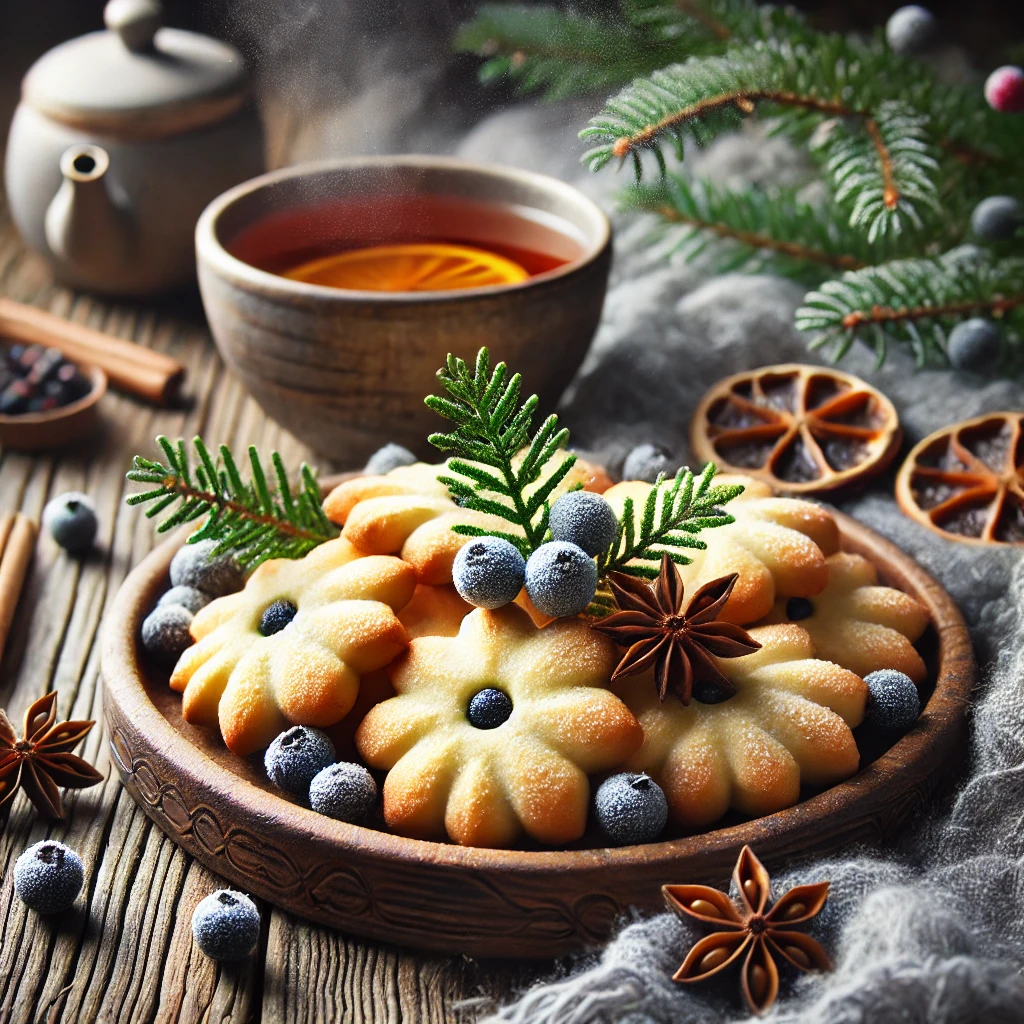
Juniper berries, with their distinctive piney aroma and subtle sweetness, are a treasure of the winter season. Juniper Berry Shortbread Cookies bring these woodland jewels into a buttery, crumbly dessert that is both unique and delicious. These cookies combine the bright, resinous flavor of juniper berries with the rich comfort of shortbread, creating a treat that feels like a walk through a snowy forest. Perfect for Yule celebrations, winter gatherings, or quiet moments of reflection, these cookies are a delightful way to honor the magic of the season.
The Magic of Juniper Berry Shortbread Cookies
Juniper berries are revered for their protective and purifying properties. In Pagan and Wiccan traditions, juniper is associated with warding off negativity, enhancing clarity, and fostering spiritual protection. Incorporating these berries into a winter treat connects you to the forest’s grounding energy and the cleansing breath of the cold, crisp air.
Paired with buttery shortbread, the juniper berries bring a touch of the wild to your dessert table, symbolizing resilience, renewal, and the magic of the winter woods. These cookies are perfect for Yule feasts or as an offering to honor the protective energies of the season.
A Spell for Protection and Clarity
As you prepare these cookies, use this spell to invite protection, clarity, and grounding into your winter celebrations.
Light a white or blue candle to represent clarity and protection.
As you grind the juniper berries, visualize them infusing the cookies with their purifying energy.
While mixing and shaping the dough, softly chant:
“Juniper bright, protect and clear, Winter’s magic, draw us near. In each crumb, strength we find, Grounding earth and peace of mind.”
Serve the cookies with love, sharing their protective and grounding energy with all who partake.
Magical Properties of Juniper Berry Shortbread Cookies
Vanilla: Enhances love, unity, and harmony, balancing the flavors and energies of the dish.
Juniper Berries: Symbolize protection, purification, and grounding, connecting the cookies to the magic of the winter forest.
Butter: Represents comfort, unity, and abundance, bringing warmth and grounding energy to the dish.
Sugar: Invites sweetness, joy, and attraction, adding lightness and celebration to the cookies.
Juniper Berry Shortbread Cookies
Buttery shortbread cookies infused with the bright, resinous flavor of juniper berries, creating a magical and unique winter treat.
Mixing bowl
Mortar and pestle or spice grinder
Rolling Pin
Baking sheet
Parchment paper
1 cup unsalted butter (softened)
½ cup powdered sugar
1 tsp vanilla extract
2 cups all-purpose flour
1 tbsp juniper berries (crushed or ground)
¼ tsp salt
Prepare the Dough:
In a mixing bowl, cream the softened butter and powdered sugar until light and fluffy.
Stir in the vanilla extract and crushed juniper berries, blending until evenly distributed.
Gradually add the flour and salt, mixing until a soft dough forms.
Chill the Dough:
Shape the dough into a disk, wrap it in plastic wrap, and refrigerate for at least 1 hour. Chilling the dough enhances the flavor and makes it easier to handle.
Preheat and Roll the Dough:
Preheat oven to 325°F (165°C). Line a baking sheet with parchment paper.
On a lightly floured surface, roll the chilled dough to about ¼ inch thickness. Cut into shapes using a cookie cutter or slice into squares.
Bake the Cookies:
Place the cookies on the prepared baking sheet, leaving a small space between each one.
Bake for 18-20 minutes, or until the edges are lightly golden. Avoid overbaking to preserve the buttery texture.
Cool and Serve:
Let the cookies cool on the baking sheet for 5 minutes before transferring to a wire rack to cool completely.
Serve at room temperature, enjoying the subtle, earthy flavor of juniper berries in each bite.
Juniper Berry Shortbread Cookies are best enjoyed fresh but can be stored in an airtight container for up to one week. Be sure to use culinary-grade juniper berries (often sold as a spice) and avoid varieties not intended for consumption. These cookies pair wonderfully with herbal teas or mulled wine, making them a cozy addition to any winter gathering.
Dessert
Winter, Yule
Recipe
Conclusion
Juniper Berry Shortbread Cookies are a unique and magical treat that brings the essence of the winter forest into your home. With their buttery texture and resinous flavor, these cookies celebrate the protective and grounding energies of juniper, making them perfect for Yule celebrations or winter rituals. May each bite connect you to the magic of the season, bringing protection, clarity, and the comforting spirit of winter to your table.
Unveil the Magic of Juniper Berries: From Culinary Delights to Wild Foraging
With their aromatic, resinous scent and vibrant blue hues, juniper “berries” bring a distinctive flavor and versatility to winter foraging. From infusing gin to crafting wild yeast starters, these berries offer a wide range of culinary and medicinal uses.
A Unique Winter Spice and More
Though commonly referred to as “berries,” juniper berries are fleshy pinecones, with a spicy, resinous flavor that is uniquely their own. Known for their strong aroma and distinctive taste, they’re a valuable wild ingredient for both culinary and medicinal uses. Juniper berries are perhaps best known as the primary flavoring agent in gin, lending the spirit its unmistakable character. They also make excellent additions to winter cooking, herbal teas, and even as a wild yeast source for fermentation projects. Let’s explore the ins and outs of foraging juniper berries, from identifying and harvesting them to discovering their rich array of uses.
What Are Juniper Berries?
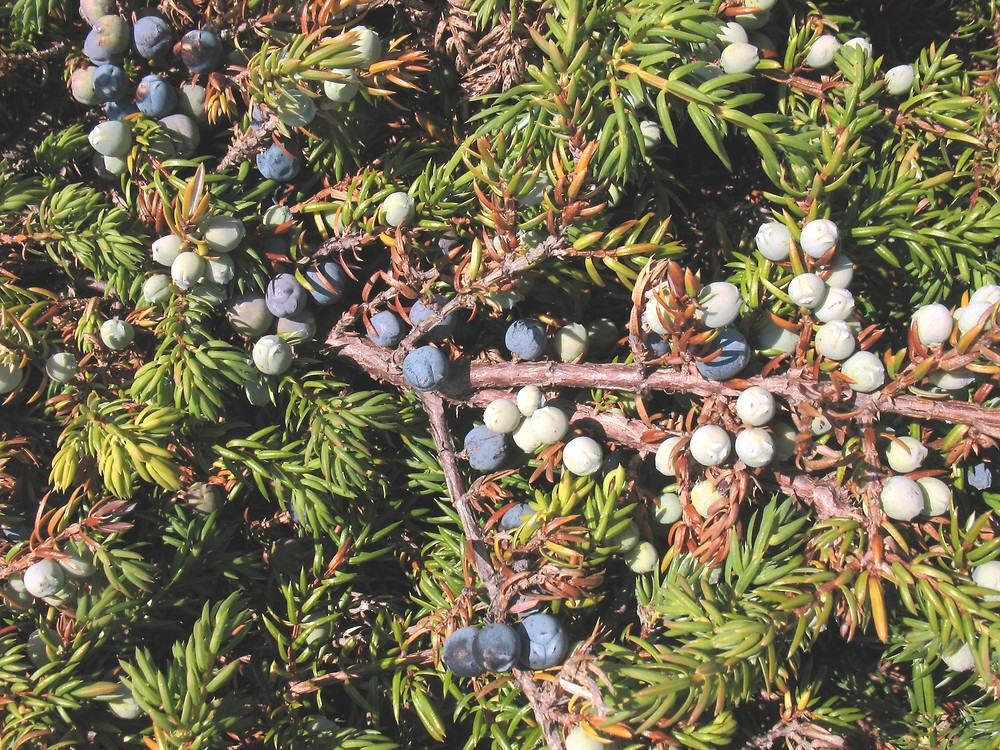
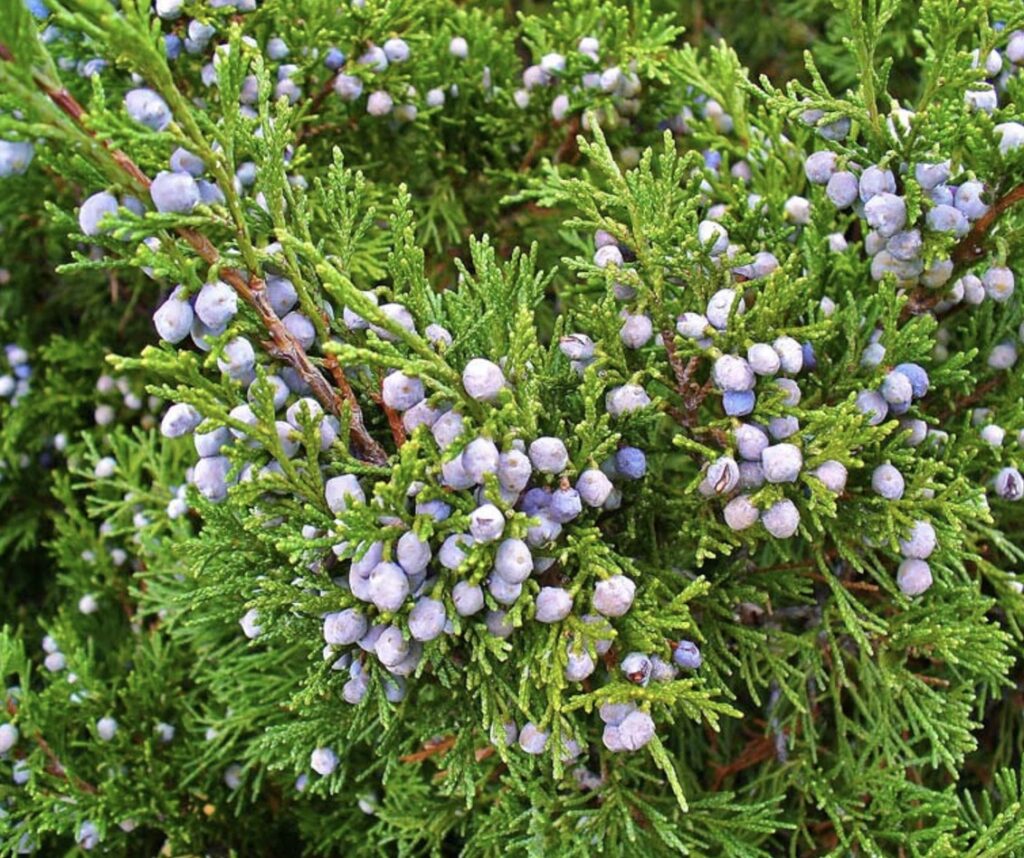
Juniper berries grow on juniper shrubs or small trees, part of the cypress family (Cupressaceae). While they look similar to other berries, these small, dark blue to purple “berries” are actually modified cones, with fleshy scales that have fused together to form a berry-like appearance. Juniper berries develop over the course of two to three years, starting as green, unripe cones before maturing to a deep blue or purplish color.
They have a distinctive scent and flavor profile—spicy, piney, and slightly peppery, with a subtle hint of citrus. These unique flavors are what make juniper berries a popular spice in culinary traditions and a fundamental ingredient in gin production. Beyond their culinary appeal, juniper berries have been traditionally used for their medicinal properties, making them a valuable plant in herbal remedies and natural medicine.
Variants of Juniper Berries
Several species of juniper are found across the world, though only certain types are recommended for culinary and medicinal use:
Common Juniper (Juniperus communis): This is the most widely used and foraged species for culinary purposes. It produces medium-sized, blue berries and has a strong, resinous flavor. Common Juniper is also the primary species used in gin production.
Eastern Red Cedar (Juniperus virginiana): Found throughout eastern North America, Eastern Red Cedar produces smaller, reddish-blue berries with a more intense, peppery flavor. Though it’s safe to use in moderation, it’s not as commonly used in cooking due to its stronger, more medicinal taste.
California Juniper (Juniperus californica): Native to the southwestern United States, California Juniper produces larger, lighter-colored berries with a milder flavor. It is often used by indigenous communities for food and medicinal purposes.
Note: While most juniper species are safe for consumption in small amounts, others, like Juniperus sabina (Savin Juniper), are toxic and should not be consumed. Always confirm the species before foraging juniper berries.
Common Juniper (Juniperus communis)
The Common Juniper (Juniperus communis) is the most widely recognized and foraged species within the juniper family, prized for its distinctive flavor, versatility, and accessibility. This hardy shrub or small tree grows across North America, Europe, and parts of Asia, thriving in a variety of environments, from rocky outcrops and hillsides to open woodlands. Common Juniper is easy to identify, with its needle-like leaves, vibrant blue berries, and robust, aromatic scent, making it a favorite among foragers and culinary enthusiasts alike.
Appearance and Identification
Common Juniper is a low-growing, often bushy plant that reaches heights between 3 to 5 feet, though some varieties can grow taller. Its needles are sharp, slender, and arranged in whorls of three along the branches. The needles are typically bright green with a slight silver stripe running down their center, adding a unique visual cue for identification.
The “berries” of Common Juniper, which are actually modified cones, are round and range from blue to deep purple when mature. These berries take about two to three years to fully ripen, resulting in a plant that often has both green (unripe) and blue (ripe) berries simultaneously. When crushed, the berries release a distinctive resinous aroma with hints of pine, pepper, and citrus, making them easily distinguishable from other wild berries.
Flavor Profile
Common Juniper berries have a robust, piney flavor with strong resinous and peppery undertones. This intense taste is balanced by a slight bitterness and a hint of citrus, adding a complex depth to dishes. The berries’ unique profile lends itself well to a variety of culinary uses, particularly in hearty, savory recipes where their bold flavor can stand out.
Culinary Uses
As the most popular juniper species for culinary applications, Common Juniper has been used for centuries to add a wild, woodsy note to foods and beverages. Some of its primary culinary uses include:
Gin Production: Common Juniper is the primary flavoring agent in gin, where its distinctive piney taste forms the core character of the spirit. In gin-making, the berries are often paired with other botanicals like coriander, angelica root, and citrus peel to create a balanced and aromatic flavor profile. For home foragers, crushing Common Juniper berries and steeping them in vodka allows for an easy DIY gin infusion that showcases the berries’ resinous character.
Meat and Game Flavoring: Juniper berries are commonly used in marinades and rubs for game meats such as venison, boar, and duck, as well as beef and lamb. The berries’ sharp, peppery flavor cuts through the richness of these meats, balancing their intensity. Crushing a few berries and adding them to stews, roasts, or braises infuses the dish with an earthy, forest-like aroma.
Savory Spice Blends: Common Juniper can be dried and ground into a powder, which is then used to create spice rubs and seasonings. The berries pair well with other spices such as rosemary, black pepper, thyme, and garlic, enhancing their savory qualities. Juniper berry powder can be sprinkled on roasted vegetables, incorporated into sauces, or mixed with salt for a unique seasoning.
Winter Cocktails and Syrups: Besides gin, Common Juniper can be used to infuse syrups and bitters for winter cocktails. Juniper syrup, made by simmering crushed berries with sugar and water, adds a festive note to cocktails, hot drinks, and even desserts. This syrup can be used as a sweetener in gin cocktails, drizzled over pastries, or added to spiced teas for an extra layer of flavor.
Medicinal Uses
Common Juniper has long been valued in traditional medicine for its antiseptic, digestive, and diuretic properties. Juniper berry tea is sometimes used to soothe digestion and relieve bloating, while the essential oils in the berries can help support respiratory health when inhaled as steam. The immune-boosting properties of the berries are particularly beneficial in winter, helping ward off seasonal colds.
Note: Due to the potency of juniper berries, they should be used sparingly, particularly in medicinal contexts. Pregnant women and individuals with kidney issues should consult a healthcare professional before using juniper.
Cultural and Historical Significance
Historically, Common Juniper has been held in high regard not only for its culinary and medicinal uses but also for its cultural significance. The plant was often considered a protective herb in European folklore, believed to ward off negative energies and cleanse spaces. In some traditions, burning juniper branches was thought to purify homes, and the berries were carried as charms for protection and good fortune.
Foraging Tips
Common Juniper is best foraged in the fall when the berries have reached full maturity and their flavor is most concentrated. Look for dark blue or purple berries, which indicate ripeness. Be sure to pick sustainably, only taking a small portion of berries from each plant to ensure a lasting population for wildlife and future foragers.
Common Juniper (Juniperus communis) is a versatile, aromatic foraged ingredient with a rich history and a wide range of uses. From gin production and game flavoring to medicinal teas and protection charms, Common Juniper embodies both utility and tradition, making it a prized find in winter foraging. Its bold, piney flavor and unique aromatic qualities bring a wild touch to winter recipes and homemade infusions, connecting foragers with the evergreen beauty and resilience of nature.
Eastern Red Cedar (Juniperus virginiana)
Eastern Red Cedar, or Juniperus virginiana, is a robust, versatile conifer found across eastern North America. Despite its name, this tree is a type of juniper rather than a true cedar and is well-known for its distinctive reddish wood, aromatic foliage, and medicinally potent berries. Eastern Red Cedar has been used historically by Indigenous communities and settlers alike for its various practical, medicinal, and spiritual properties.
Appearance and Identification
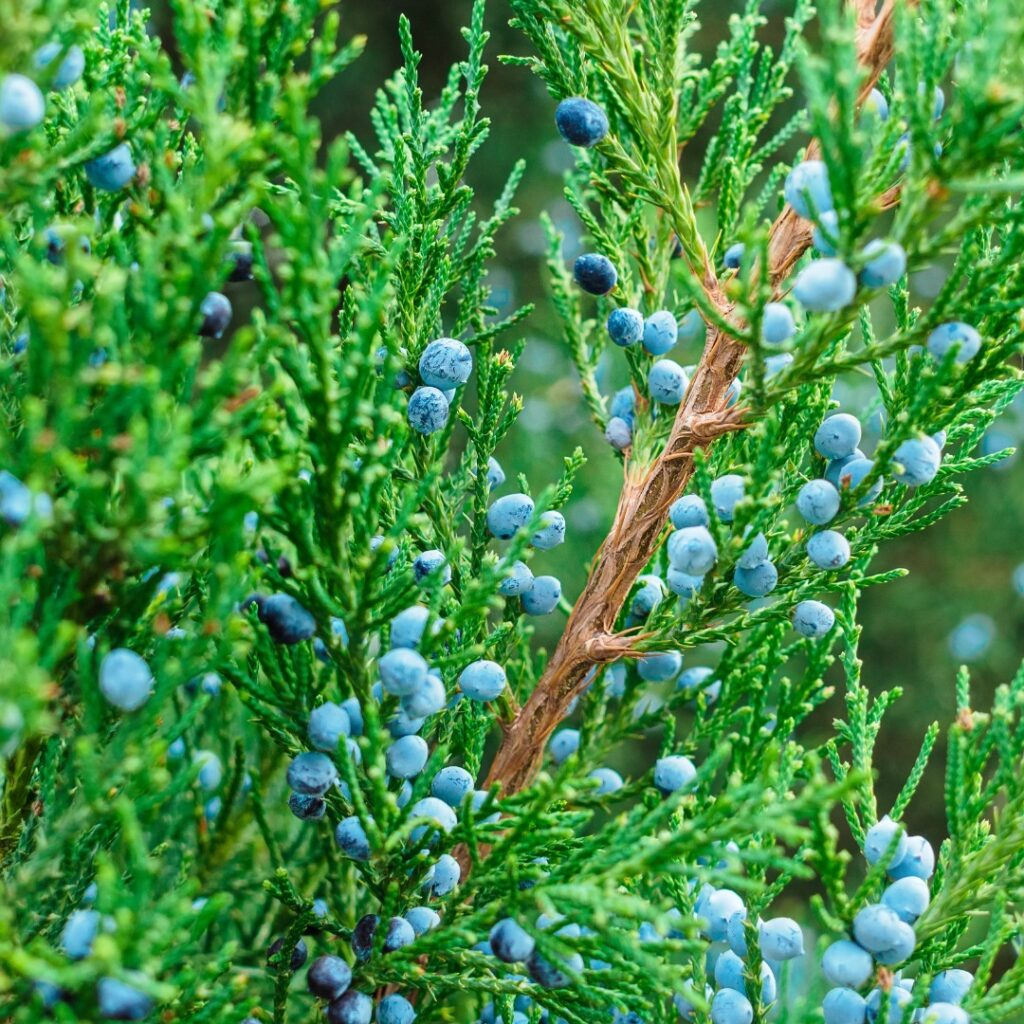
Eastern Red Cedar trees are relatively easy to recognize. They typically grow to a height of 30-50 feet, though they can reach up to 90 feet in favorable conditions. The tree has a narrow, columnar form with dense, overlapping branches, and its bark is fibrous, peeling off in thin, reddish-brown strips. The foliage is a rich green, often taking on a bluish or grayish tint, especially in winter, and consists of scale-like leaves that lie close to the branches, giving the tree a soft, textured appearance.
The “berries” of Eastern Red Cedar are small and have a reddish-blue hue, sometimes appearing almost purple when fully ripe. These berries are smaller than those of Common Juniper, and they often have a frosty or dusty coating. Inside each berry is a single seed, surrounded by resin-rich, aromatic flesh. When crushed, these berries emit a strong, peppery, and slightly medicinal aroma that reflects their intense flavor profile.
Flavor Profile
Eastern Red Cedar berries have a notably more intense and peppery flavor than those of Common Juniper. They are highly aromatic, with a sharp, almost medicinal taste and an underlying warmth that can be likened to pepper with a resinous kick. This powerful flavor makes them suitable for use in very small quantities, as their taste can easily dominate other ingredients.
Due to their intensity, Eastern Red Cedar berries are typically not used as frequently in culinary applications as other juniper species. However, their unique profile can add a distinct, spicy warmth when used carefully, especially in recipes that call for a bold, woodsy accent.
Culinary Uses
Though Eastern Red Cedar berries are safe to consume in moderation, their stronger flavor requires a cautious approach in cooking. When used sparingly, these berries can lend an interesting, peppery depth to dishes:
Seasoning for Meat and Game: Similar to Common Juniper, Eastern Red Cedar berries can be used to season game meats such as venison, duck, and wild boar. Their pungent, peppery flavor helps cut through the richness of these meats, enhancing their natural taste. Due to the berries’ intensity, only a few crushed berries are needed, and they work best in long, slow-cooked dishes like stews or braises, where their flavors can mellow.
Infusions for Medicinal Tonics: The berries of Eastern Red Cedar are commonly infused to create medicinal tonics rather than culinary infusions. Traditionally, they have been steeped in hot water to create a warming tea that can support respiratory health and aid digestion. However, their strong flavor requires a light touch, and they are often combined with other herbs or a sweetener to temper their sharpness.
Sparingly in Spice Blends: When used sparingly, Eastern Red Cedar berries can be incorporated into spice blends, particularly those designed for robust winter dishes. They can be crushed and mixed with other warming spices like black pepper, cloves, and allspice to create a powerful seasoning blend for meats and root vegetables.
Caution: Given their potent flavor and medicinal properties, Eastern Red Cedar berries should be used sparingly, and are not recommended for everyday culinary use. Due to their powerful compounds, they may not be suitable for people with kidney conditions or for pregnant women.
Medicinal Uses
Historically, Eastern Red Cedar berries and other parts of the plant have been valued for their medicinal benefits, particularly in traditional Indigenous medicine:
Respiratory Support: The berries are often used to relieve respiratory congestion and ease coughs. When prepared as a tea or steam inhalation, their aromatic oils help open up the airways, clear mucus, and support respiratory health.
Digestive Aid and Diuretic: The berries have mild diuretic properties and have traditionally been used as a remedy for digestive complaints such as bloating and mild stomach discomfort. A small amount of berry infusion can stimulate digestion and promote detoxification.
Antiseptic Properties: Eastern Red Cedar was historically used as a natural antiseptic, with both the berries and leaves employed in poultices and washes to cleanse wounds. Today, the berries are sometimes included in herbal tinctures to support immune health.
Cultural and Spiritual Significance
Eastern Red Cedar holds deep cultural and spiritual significance in many Indigenous traditions. The tree’s branches, berries, and wood have been used in various rituals and ceremonies to purify spaces, ward off negative energies, and invite protection. The aromatic smoke from burning Eastern Red Cedar branches is believed to cleanse and protect, and the berries themselves may be carried as protective charms.
Foraging Tips
Foraging Eastern Red Cedar berries requires careful identification to ensure you are not confusing them with the berries of other juniper species or non-edible conifers. Here are some tips for sustainable and safe foraging:
Timing: For the best flavor and potency, forage Eastern Red Cedar berries in late autumn to early winter when they are fully ripe and display their rich reddish-blue color.
Harvest Moderately: Eastern Red Cedar trees can be slow-growing, so be mindful to only harvest a small portion of berries from each tree, leaving plenty for wildlife and to ensure the tree’s continued health.
Storage: The berries can be dried for future use by spreading them in a single layer on a clean, dry surface in a cool, dark place. Once fully dried, store them in an airtight container, where they will keep for up to a year.
Eastern Red Cedar (Juniperus virginiana) is a unique juniper species with a bold, peppery flavor and potent medicinal qualities. Though not as commonly used in everyday cooking due to its intensity, it offers a range of applications in seasoning, traditional medicine, and even spiritual practices. For those willing to experiment with its powerful profile, Eastern Red Cedar provides a distinctive, warming accent to winter dishes and herbal preparations, grounding the forager in the rich traditions and resilience of this aromatic tree.
California Juniper (Juniperus californica)
California Juniper (Juniperus californica) is a native species to the arid regions of the southwestern United States, especially in California, Nevada, Arizona, and parts of Baja California. This species is well-adapted to dry, rocky environments and thrives in high desert areas, foothills, and chaparral landscapes. Known for its resilience and utility, California Juniper has been used by Indigenous communities for centuries as a valuable source of food, medicine, and materials. The tree’s berries are unique in both appearance and flavor, making them a distinctive option among junipers for foragers and culinary enthusiasts.
Appearance and Identification
California Juniper trees typically grow to a modest height of 10 to 20 feet, although some can reach up to 30 feet under favorable conditions. The tree has a dense, rounded shape with gnarled, twisting branches that give it a striking, rugged appearance. The bark is fibrous and reddish-brown, often peeling in thin strips, and its foliage consists of scaly, bluish-green leaves that lie close to the branches. California Juniper is notably drought-resistant, with deep roots that allow it to survive in some of the most arid climates in North America.
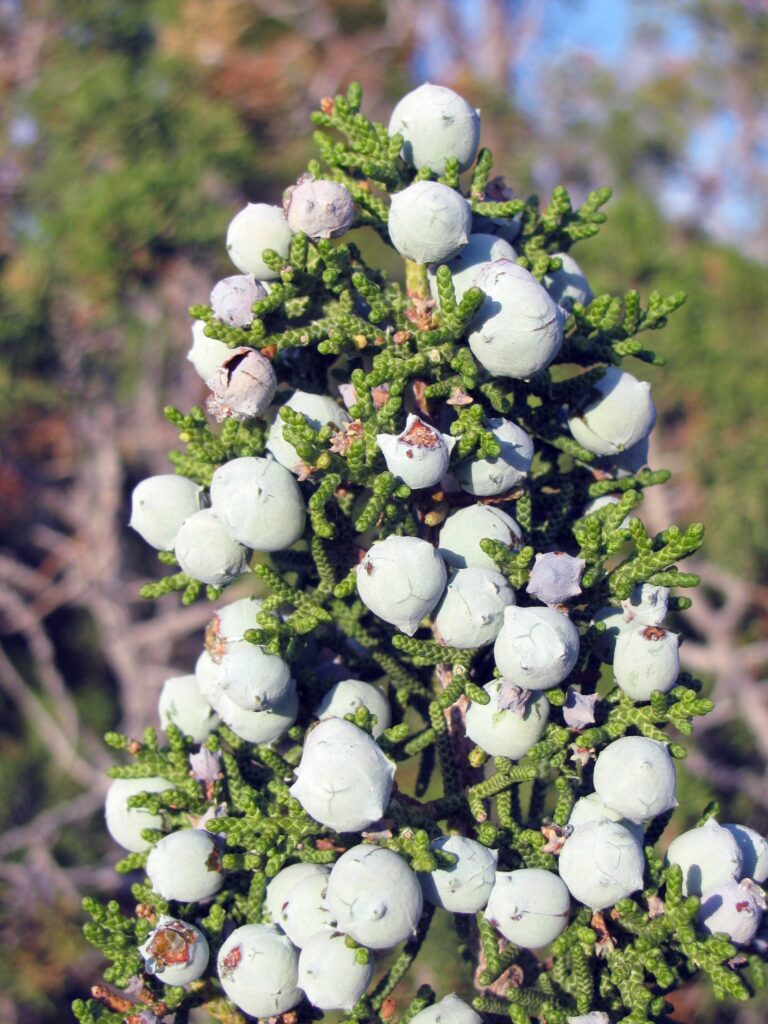
The berries of California Juniper are larger than those of many other juniper species, ranging from about 1/4 to 1/2 inch in diameter. These berries are typically lighter in color, often appearing pale blue, gray, or even whitish due to a waxy coating that gives them a frosted look. The lighter color and larger size of the berries are key identifying features, helping foragers distinguish California Juniper from other juniper species.
Flavor Profile
California Juniper berries have a milder, less resinous flavor compared to other junipers like Common Juniper or Eastern Red Cedar. They still possess the characteristic piney and slightly peppery taste of juniper berries but with a softer, more earthy quality that is less intense. This gentler flavor makes California Juniper a versatile ingredient in cooking, as it can add depth to dishes without overpowering other flavors.
The milder taste also makes California Juniper berries more palatable when consumed directly or in simple preparations, which is one reason why Indigenous communities have historically used these berries as a staple food source in various preparations.
Culinary Uses
California Juniper berries are suitable for a range of culinary applications, thanks to their mild and earthy flavor. Here are some common ways they are used in food:
Traditional Indigenous Preparations: Indigenous communities in the southwestern United States have long valued California Juniper berries as a reliable food source, especially during times of scarcity. The berries are sometimes ground into a flour-like substance and mixed with other ingredients to create nutrient-dense cakes or porridge. This flour can also be added to soups or stews as a thickener and flavor enhancer.
Flavoring for Meat Dishes: Like other juniper berries, California Juniper works well as a seasoning for meat, particularly game meats like rabbit, venison, or quail. The berries can be lightly crushed and added to marinades, rubs, or slow-cooked dishes to impart a subtle piney, peppery flavor. Because of their milder taste, California Juniper berries can be used in larger quantities without overwhelming the dish.
Infusions and Beverages: California Juniper berries can be infused in water, vinegar, or alcohol to create lightly flavored beverages. When steeped in water or tea, they lend a gentle, earthy flavor with a hint of pine. These infusions can be enjoyed on their own or used as a base for other beverages, like cocktails. In gin production, California Juniper is sometimes used to achieve a softer juniper note, especially when a more delicate flavor profile is desired.
Medicinal Uses
California Juniper has been traditionally used in Indigenous medicine for its various health benefits. The berries, bark, and foliage all hold medicinal properties that make this tree a valuable natural remedy:
Digestive Aid: Juniper berries are commonly used to support digestion, and California Juniper is no exception. Consuming a small amount of juniper berry tea or infusion can help stimulate the digestive system, reduce bloating, and alleviate mild stomach discomfort.
Respiratory Health: The aromatic oils in California Juniper have been traditionally used to relieve respiratory issues. The berries and foliage are sometimes burned or used in steam inhalation to help clear congestion and soothe the airways. This method is particularly useful during cold and flu season, offering natural relief from coughs and nasal congestion.
Anti-Inflammatory Properties: California Juniper berries contain compounds with mild anti-inflammatory effects, making them useful in natural remedies for joint pain or muscle aches. The berries can be consumed as a tea, or the essential oil from the foliage can be used in salves and ointments for topical application.
Caution: As with all juniper berries, California Juniper should be consumed in moderation. The berries contain compounds that may not be suitable for people with kidney issues or for pregnant women. Always consult a healthcare provider if you have any concerns about consuming juniper.
Cultural and Spiritual Significance
In addition to its practical uses, California Juniper holds cultural and spiritual importance among many Indigenous groups. The tree is often considered sacred, symbolizing resilience, strength, and protection in harsh environments. The berries and branches are used in various ceremonies and rituals, particularly for cleansing and protection. The smoke from burning juniper branches is thought to purify spaces and ward off negative energy, while juniper berries are sometimes carried as talismans for personal protection.
Foraging Tips
California Juniper berries are generally ripe and ready for harvest in late autumn to early winter when they turn pale blue or gray. Here are some tips for ethical and sustainable foraging:
Harvesting Berries: Gently pluck the ripe, frosted berries from the branches, being mindful not to over-harvest from a single tree. California Juniper is slow-growing and valuable to wildlife, so only take what you need.
Storage: Fresh California Juniper berries can be used right away or dried for future use. To dry them, spread the berries out in a single layer in a well-ventilated area away from direct sunlight. Once fully dried, store them in an airtight container in a cool, dark place, where they can last up to a year.
Identify Safely: Always ensure you’ve correctly identified California Juniper before harvesting, as some juniper species are toxic. California Juniper’s pale, frosted berries and distinctive bluish-green foliage are key identifiers.
California Juniper (Juniperus californica) is a unique and valuable species, offering a milder, earthy flavor that makes it versatile for culinary, medicinal, and cultural applications. From seasoning meats to soothing respiratory ailments and playing a role in traditional ceremonies, California Juniper connects foragers with the spirit of the arid Southwest and the wisdom of Indigenous traditions. Its gentle yet distinct profile is perfect for foragers looking to explore the world of juniper without the strong intensity of other varieties, bringing both flavor and heritage into your winter foraging practices.
How to Identify Juniper Berries and Their Variants
Accurate identification is essential when foraging juniper berries, as not all species are suitable for consumption. Here are some key characteristics to look for:
Needles and Branches: Juniper trees have needle-like or scale-like leaves that grow in whorls around the branches. The needles may be spiky or soft, depending on the species, and are usually dark green or gray-green in color.
Berry Color and Size: Mature juniper berries are typically dark blue, purple, or even blackish in color, with a slightly frosted appearance. They are small, generally between 1/4 to 1/2 inch in diameter, and often grow in clusters along the branches.
Growth Patterns: Most juniper berries take two to three years to fully mature, meaning you may see both green (unripe) and blue (ripe) berries on the same plant. Only harvest the mature, blue berries for culinary and medicinal use, as the green ones are not yet fully developed.
Aromatic Quality: Juniper berries have a strong, piney aroma when crushed. This distinctive scent can help you differentiate them from other berries or cones.
Habits of Juniper Shrubs and Trees
Juniper shrubs and trees are among the most adaptable and resilient plants in the wild, thriving in a variety of environments and often in areas where other plants struggle to survive. Known for their hardy, drought-resistant nature, junipers are well-suited to extreme conditions, including rocky hillsides, arid deserts, open woodlands, and coastal areas. They have evolved to tolerate poor soils and full sun, making them ideal for rugged, well-drained environments where other vegetation may be sparse.
Adaptability to Harsh Environments
Junipers are incredibly versatile in terms of the climates and terrains they can endure. They can be found in the northern boreal forests, where temperatures plummet and snowfall is heavy, as well as in hot, arid deserts, where rainfall is scarce. This adaptability has enabled juniper species to spread across the globe, from North America and Europe to parts of Asia and Africa. Their extensive root systems allow them to access deep water sources, helping them survive prolonged droughts and dry seasons, while their evergreen nature allows them to photosynthesize year-round, even in winter.
Growth and Longevity
Junipers are typically slow-growing and can live for decades, with some species known to live for several hundred years. The Rocky Mountain Juniper, for example, has been documented to reach ages well over 1,000 years. This slow growth rate often results in twisted, gnarled branches that give older junipers a unique, ancient appearance. Junipers typically grow as shrubs or small trees, reaching heights between 10 to 30 feet, though some species can grow taller under optimal conditions. Their long lifespan and resilience make them valuable stabilizers in ecosystems, preventing soil erosion on slopes and providing shelter for other plants and animals.
Seasonal and Evergreen Characteristics
Most juniper species are evergreen, retaining their needle-like or scale-like foliage throughout the year. This characteristic is essential for winter foragers, as junipers remain accessible even in colder months when many other plants have shed their leaves or gone dormant. The evergreen nature of juniper also helps the plant continue photosynthesis during winter, providing a constant source of energy and resilience, which is reflected in the plant’s dense, aromatic foliage and vibrant berries.
Wildlife and Ecological Importance
Juniper shrubs and trees are vital to their ecosystems, offering food, shelter, and habitat for a range of wildlife. Many bird species rely on juniper berries as a winter food source, particularly when other berries and seeds are scarce. Mammals, such as deer, rabbits, and bears, also consume juniper berries when available, and smaller animals may use juniper shrubs for protection from predators. In addition to supporting animal life, junipers contribute to soil stabilization, especially on slopes and rocky hillsides, where their root systems help prevent erosion.
Adaptations to Low-Water Conditions
Junipers have evolved specific adaptations to cope with drought and low-water conditions. Their leaves, which are needle-like or scale-like, have a reduced surface area and are covered with a waxy coating that helps minimize water loss through transpiration. This trait is particularly useful in desert and high-altitude environments where water is limited. The ability of junipers to store water in their woody tissues and tap into deep underground water reserves allows them to survive extended dry periods and remain green and productive year-round.
Widespread Distribution and Accessibility
Due to their adaptability and resilience, juniper shrubs and trees are widely distributed and accessible to foragers in many parts of the world. In North America, species like the Common Juniper (Juniperus communis) and Eastern Red Cedar (Juniperus virginiana) are prevalent from coast to coast, while California Juniper (Juniperus californica) is common in the southwestern deserts. European juniper species, such as Juniperus communis, have a long-standing cultural significance, and they can be found throughout Europe and Asia, often in mountainous and heathland areas.
For foragers, juniper trees provide an abundant and sustainable winter resource, with berries that ripen in late autumn and remain on the tree into winter, accessible even during the cold months. By understanding the habits and resilient nature of juniper trees, foragers can connect with a plant that has adapted to some of the earth’s most challenging landscapes, offering both nourishment and a powerful symbol of endurance.
How to Properly Forage Juniper Berries
Foraging juniper berries is a rewarding experience, as these unique berries bring a distinctive flavor and aroma to culinary and medicinal uses. However, due to the variability among juniper species and their potent compounds, responsible and informed foraging is essential. Here’s a step-by-step guide to safely and sustainably foraging juniper berries.
1. Identify the Species
Proper identification is the first and most critical step when foraging juniper berries. Some juniper species, such as Common Juniper (Juniperus communis) and California Juniper (Juniperus californica), are safe and flavorful for culinary use. However, certain species, like Savin Juniper (Juniperus sabina), contain toxic compounds that can be harmful if ingested. Here are a few tips for identifying safe juniper species:
Check the Leaf Structure and Berry Color: Common Juniper, for example, has needle-like leaves, while some other junipers have scale-like leaves. Safe juniper berries are generally blue to dark purple when ripe, whereas other species may have slightly different coloring or smaller, hard berries.
Use Field Guides or Apps for Accurate ID: Consider carrying a foraging field guide or using a plant identification app to verify the species, especially if you are new to foraging. The slight differences between juniper species can be hard to discern, so having a reliable guide is valuable.
Consult Local Experts: When in doubt, consult with local foragers, herbalists, or conservationists who are familiar with the native juniper species in your area. They can help confirm the species and offer additional guidance.
2. Harvesting Berries
When harvesting juniper berries, it’s important to handle them gently to preserve the plant’s health and maintain sustainable foraging practices. Here are some best practices for harvesting:
Use Gloves or Small Scissors: Juniper berries can be slightly resinous and sticky, and some people may experience mild skin irritation when handling the berries. Wearing gloves can help protect your hands. Alternatively, use a small pair of scissors to snip the berries from the branches without damaging the plant.
Gently Pluck Ripe Berries: Ripe berries should come off the branches with a gentle pull. Avoid forcing any berries that are difficult to remove, as they may not be fully mature. You may find that berries are more accessible when harvesting in late autumn or early winter.
Harvest Selectively and Moderately: For sustainable foraging, avoid overharvesting from a single plant. Juniper berries are a food source for wildlife, and the plant itself benefits from retaining a portion of its berries. Aim to take only a small amount from each plant, and if possible, gather from several different plants to minimize impact on any single juniper.
3. Only Harvest Mature Berries
Juniper berries have a unique growth cycle, taking two to three years to fully ripen, which means you may find both green (unripe) and blue (ripe) berries on the same plant. Selecting only mature berries is essential for quality and taste:
Identify Ripe Berries by Color and Texture: Fully mature juniper berries are typically dark blue to purple and may have a frosty or waxy coating. They are also slightly softer to the touch compared to unripe berries, which are green, hard, and bitter.
Avoid Green Berries: Green juniper berries are not only unripe but also much more resinous and bitter, which can overpower the flavor in culinary applications. Additionally, some unripe berries may contain compounds that are not ideal for consumption.
Choose Berries Carefully: To ensure that you’re gathering the highest quality berries, pick selectively, focusing on the darkest and most developed berries. This selection process also ensures the younger, green berries can mature for future harvests.
4. Storage
Storing juniper berries properly can preserve their flavor and potency, making them available for culinary and medicinal use throughout the year. Here are some tips for effective storage:
Drying the Berries: Spread the berries out in a single layer on a clean, dry surface or a screen in a well-ventilated area, away from direct sunlight. Allow the berries to dry for several days until they become shriveled and firm to the touch. Drying helps to concentrate the flavor and extends their shelf life.
Storing in Airtight Containers: Once fully dried, place the berries in an airtight container, such as a glass jar or a sealed bag. Store the container in a cool, dark place, like a pantry or cupboard. Properly dried and stored juniper berries will keep for up to a year without losing their aromatic qualities.
Freezing for Long-Term Storage: If you plan to use the berries over an extended period or want to maintain a fresher flavor, consider freezing them. Place dried berries in a freezer-safe bag or container, where they will keep their potency for up to two years. Frozen berries can be used directly in teas, infusions, or spice blends.
By following these steps for foraging juniper berries, you can gather this unique wild ingredient responsibly, ensuring both safety and sustainability in your practice. Proper harvesting and storage techniques allow you to enjoy the rich, aromatic flavors of juniper berries in culinary and medicinal applications, bringing the spirit of the wild into your pantry year-round.
Culinary Uses of Juniper Berries
Juniper berries bring a distinctive, piney flavor to foods and beverages, making them a popular spice for winter cooking and a key ingredient in gin production.
Flavoring for Meat and Game: Juniper berries are often used to flavor meats, particularly game meats like venison, as well as pork and lamb. The berries can be crushed and added to marinades or stews to lend a resinous, slightly peppery flavor that complements rich meats.
Infused Gin: Juniper berries are the primary flavoring agent in gin, lending the spirit its signature taste. You can make your own infused gin by adding a handful of crushed juniper berries to vodka and letting it steep for a few weeks. This homemade gin can be used in winter cocktails or enjoyed on its own.
Wild Yeast Starter for Fermentation: Juniper berries are rich in natural yeasts and can be used to create a wild yeast starter for bread-making or fermenting beverages. Simply crush a few berries and soak them in water to activate the yeast before adding it to your recipe.
Seasoning and Spice Blends: Dried juniper berries can be ground into a powder and mixed with other spices to create flavorful rubs and seasonings. They pair well with ingredients like rosemary, thyme, garlic, and black pepper, adding complexity to spice blends.
Medicinal Uses of Juniper Berries
Juniper berries have a long history in traditional medicine, particularly for their antiseptic, diuretic, and anti-inflammatory properties. They are often used in teas, tinctures, and salves.
Digestive Aid: Juniper berry tea can help stimulate digestion, reduce bloating, and relieve mild stomach discomfort. The berries’ natural oils and bitterness support digestive function.
Respiratory Support: The aromatic oils in juniper berries make them a valuable remedy for colds and respiratory issues. Drinking juniper tea or inhaling steam infused with juniper can help ease congestion and clear the airways.
Natural Diuretic: Juniper berries are a mild diuretic, promoting kidney health and helping to flush out toxins from the body. They are sometimes used in herbal blends to support urinary health.
Caution: Due to their potent compounds, juniper berries should be consumed in moderation, particularly by pregnant women or individuals with kidney issues. Consult a healthcare professional if you have any concerns before consuming juniper.
Magical Uses of Juniper Berries
In folklore and magic, juniper berries are often associated with protection, purification, and strength. Their aromatic, evergreen nature lends them an enduring symbolism and power:
Protection Spells: Juniper berries are often used in protective charms or incense. Burned or carried in sachets, they are believed to ward off negativity and protect against harm.
Purification and Cleansing: Juniper berries can be burned as incense or added to cleansing baths to purify spaces, objects, or oneself. The berries’ strong scent is thought to clear away stagnant or negative energy.
Prosperity and Abundance: In some traditions, junipers are associated with abundance and can be used in spells or rituals to attract good fortune and prosperity.
Safety Concerns
While most juniper species are safe in small amounts, some contain toxic compounds that should be avoided. Only forage from species known to be edible, like Common Juniper (Juniperus communis). Pregnant women, individuals with kidney issues, and those sensitive to strong herbal compounds should consume juniper in moderation or consult a healthcare provider beforehand.
Caution: Juniperus sabina (Savin Juniper)
Juniperus sabina, commonly known as Savin Juniper, is a species of juniper that contains potent toxic compounds and should never be consumed. This species is native to mountainous and rocky regions of Europe and parts of Asia, though it is sometimes found in North American ornamental gardens due to its hardy, low-growing nature and ability to withstand harsh conditions. Unlike other juniper species that are safe and even beneficial in moderation, Savin Juniper contains toxic chemicals that can be dangerous if ingested or handled improperly.
Toxic Compounds in Savin Juniper
Savin Juniper contains several toxic compounds, the most notable being sabinyl acetate and sabinene, both of which are found in high concentrations in the plant’s leaves, berries, and essential oils. These compounds are known for their irritant properties and can cause severe reactions when ingested, inhaled, or even absorbed through the skin in large amounts. When consumed, these chemicals can disrupt the gastrointestinal, nervous, and renal systems, making Savin Juniper especially harmful.
Symptoms of Savin Juniper Poisoning
If ingested, even a small amount of Savin Juniper can lead to serious symptoms, including:
Gastrointestinal Distress: Nausea, vomiting, severe abdominal pain, and diarrhea are common symptoms of Savin Juniper poisoning.
Kidney and Liver Damage: The toxic compounds in Savin Juniper are particularly harmful to the kidneys and liver, potentially leading to acute damage and organ stress.
Respiratory Issues: Ingesting or inhaling fumes from burning Savin Juniper can irritate the respiratory system, leading to coughing, shortness of breath, and in severe cases, respiratory distress.
Skin Irritation: The essential oils in Savin Juniper are strong skin irritants and can cause redness, itching, and rashes upon contact, particularly if the oils are undiluted.
Special Precautions for Vulnerable Individuals
Pregnant women should take extra caution to avoid any exposure to Savin Juniper, as it has historically been used in herbal medicine as an abortifacient. Exposure to the plant or its oils can be especially harmful during pregnancy, potentially causing uterine contractions and risking pregnancy complications. Additionally, people with existing kidney, liver, or respiratory issues should avoid contact with this plant to prevent aggravating their conditions.
Identifying Savin Juniper in the Wild
Proper identification is essential to avoid accidental foraging of Savin Juniper. Here are a few key characteristics to distinguish it from safe juniper species:
Growth Form: Savin Juniper is typically a low-growing shrub that spreads outward, forming dense ground cover. It rarely grows tall, unlike other juniper trees and shrubs that can reach significant heights.
Foliage and Berries: The foliage of Savin Juniper is scaly and dark green, often arranged closely to the stem. The berries are usually smaller, harder, and less fleshy than those of Common Juniper, often appearing dark blue or black when ripe.
Aromatic Differences: When crushed, the leaves of Savin Juniper emit a pungent, almost unpleasant odor that is distinct from the pleasant, resinous scent of safe juniper species. This odor is often described as medicinal or camphor-like, which can serve as a warning sign.
Avoiding Savin Juniper in Foraging
If you are foraging in an area where Savin Juniper is known to grow, exercise caution to avoid any plants that fit its description. Avoid harvesting any juniper that has unfamiliar characteristics or lacks the classic aroma of edible juniper species like Common Juniper. When in doubt, it’s best to leave questionable plants unharvested.
Savin Juniper (Juniperus sabina) is a beautiful but highly toxic juniper species that should never be consumed or handled carelessly. By being aware of its toxic properties and practicing proper identification, foragers can safely enjoy the benefits of safe juniper species while steering clear of this hazardous plant.
Wrapping Up
Juniper berries are a unique and rewarding foraged find, offering a variety of uses from culinary infusions to medicinal teas and protective charms. Their bold flavor and symbolic strength make them an ideal addition to winter foraging, bringing warmth, wellness, and a touch of wild magic to the cold months. By foraging responsibly and appreciating the distinctive qualities of juniper, you can connect with nature’s resilience and explore the many ways these “berries” can enrich your life. Happy foraging!
When the world grows cold, evergreen conifer needles offer a vibrant source of nutrients, flavors, and magical uses, making them one of the most accessible winter wild edibles.
In the chilly months when much of nature lies dormant, conifer needles bring life, resilience, and health to the winter landscape. Found on evergreen trees such as pines, spruces, firs, and hemlocks, these needles are a versatile resource for the winter forager, packed with nutrients, flavor, and unique magical properties. This guide explores everything you need to know about foraging conifer needles, from identification to their many uses, making them an essential wild edible to include in your winter foraging adventures.
What Are Conifer Needles?
Conifer needles are the slender, evergreen leaves of trees within the Pinaceae family, such as pines, firs, spruces, and hemlocks. These needles vary widely in appearance, flavor, and aroma, depending on the species, but they all serve as resilient, nutrient-rich foliage that endures through the harshest winter climates. Conifer needles are typically rich in vitamins C and A, antioxidants, and essential oils that impart a refreshing, citrusy or resinous flavor.
The needles are also prized for their adaptability, offering a readily accessible source of nutrition, medicine, and magic in the forest. Whether brewed into teas, incorporated into culinary dishes, or used in ritual practices, conifer needles have been cherished for their versatility and symbolic strength.
Variants
Most conifer species offer edible needles, though each brings unique characteristics:
Pine (Pinus spp.): Pine needles are long and slender, often growing in clusters of 2 to 5. They have a subtly sweet, slightly citrusy flavor, making them popular for teas and flavor infusions.
Spruce (Picea spp.): Spruce needles are short, square, and sharp, often giving the tree a “spiky” appearance. Their flavor is more intense, with a bright citrusy aroma, lending itself well to culinary dishes and medicinal teas.
Fir (Abies spp.): Fir needles are softer and more aromatic, growing individually along the branches. They offer a mild, refreshing flavor and a delicate aroma, suitable for teas, broths, and as a natural seasoning.
Hemlock (Tsuga spp.): Hemlock needles are short and flat, often darker green and soft to the touch. They have a gentle, earthy flavor with a mild resinous scent. Despite its name, this tree is unrelated to the toxic poison hemlock and is safe to consume.
Important Note: The yew tree (Taxus spp.) is also a conifer, but its needles are highly toxic and should never be consumed. Unlike other conifers, yew needles are shorter, flat, and tend to have a dark green color with red berries. Exercise caution when foraging to avoid this species.
Pine (Pinus spp.)
Pine needles are among the most recognizable and versatile of the conifer needles, distinguished by their long, slender shape and clustered growth pattern. Typically, pine needles grow in bundles or clusters of 2 to 5 needles per fascicle, which can help in identifying specific pine species. The color of pine needles ranges from bright green to deep blue-green, and they maintain their soft texture even during the winter, which adds to their appeal as a foraged ingredient.
Flavor Profile and Uses Pine needles are known for their subtly sweet, slightly citrusy flavor, with some varieties offering hints of resin and a refreshing, almost minty aftertaste. This unique flavor profile makes pine needles popular for teas and flavor infusions, as they can bring brightness to winter dishes and beverages. Pine needle tea, for instance, is prized for its mild, soothing taste, which pairs well with honey or lemon for added sweetness. The needles can also be finely chopped or ground to add a subtle, piney flavor to dishes, providing a unique taste reminiscent of citrus and fresh herbs.
Aromatic and Culinary Applications Beyond tea, pine needles can be used to infuse syrups, honeys, vinegars, or oils, creating aromatic bases for cocktails, marinades, and dressings. These pine-infused ingredients work particularly well in winter cocktails or with hearty dishes like roasted meats, game, or root vegetables. Pine needles can also be used to flavor salt or sugar, adding an earthy, aromatic touch to rubs, desserts, or baked goods.
Popular Pine Species for Foraging While most pine species offer edible needles, some are particularly favored for their flavor and nutritional properties:
Eastern White Pine (Pinus strobus): Known for its long, soft, and fragrant needles, Eastern White Pine is a popular choice for tea and culinary infusions. The needles are relatively mild in flavor, making them suitable for beginners.
Ponderosa Pine (Pinus ponderosa): With its robust, resinous aroma, Ponderosa Pine offers needles that have a more intense, piney flavor. Note that the needles of Ponderosa Pine should be used in moderation, as they contain small amounts of compounds that may not be suitable for pregnant women.
Sugar Pine (Pinus lambertiana): The longest needles among the pine species, Sugar Pine needles have a mild, sweet flavor, making them excellent for teas and syrups.
Health Benefits Pine needles are rich in vitamin C and antioxidants, making them a nourishing addition to winter diets. The needles’ high vitamin C content supports the immune system, while their antioxidants help protect against oxidative stress. Pine needle tea is traditionally used as a remedy for colds and respiratory issues, as the essential oils in the needles act as mild decongestants.
Pine needles are a fantastic foraging find for both their culinary uses and health benefits, bringing flavor, nutrition, and natural resilience to your foraged winter pantry.
Craft and Aromatherapy Uses
Pine needles are not only valuable for culinary and medicinal purposes but also popular in crafting and aromatherapy. Their fresh, invigorating scent makes them ideal for creating natural potpourri, sachets, and wreaths that bring a pleasant forest aroma to indoor spaces. Pine needles can also be used in homemade soaps, candles, or essential oils, where their scent promotes relaxation, mental clarity, and respiratory ease. Pine’s refreshing fragrance is especially popular in winter, evoking a sense of warmth and connection to nature.
Pine needles are a versatile and beneficial foraging find, offering a wide array of culinary, medicinal, and aromatic applications. Whether you’re using them in tea, syrups, or infusions, or incorporating them into crafts and home remedies, pine needles bring unique flavors, scents, and health benefits to your winter foraging routine. Their enduring green color and resilient nature symbolize vitality and strength, making them a truly remarkable addition to any pantry or wellness practice.
Spruce (Picea spp.)
Spruce trees are a vibrant and hardy conifer species, easily recognized by their short, sharp needles that grow individually along the branches, giving the tree a spiky, almost prickly appearance. The needles are typically square in cross-section, which allows you to easily roll them between your fingers—an identifying feature that distinguishes spruce from other conifers like fir. Ranging from dark green to a blue-gray shade, spruce needles are often compact and tightly arranged along the branches, contributing to their dense, bushy look.
Flavor Profile and Culinary Uses Spruce needles offer a more intense and complex flavor profile than other conifer needles, combining notes of bright citrus with subtle resinous undertones. Their strong, fresh aroma and mildly acidic taste lend themselves beautifully to a variety of culinary applications. Spruce needles are particularly popular in winter and holiday cooking, as their citrusy flavor can brighten up hearty dishes and rich, savory ingredients.
Spruce Needle Tea: Spruce needles make a delicious and potent tea, known for its tangy, lemony flavor. Brewing spruce needle tea brings out the needles’ bright citrus notes, making for a refreshing and warming drink during cold months. Adding honey or a touch of ginger can enhance the tea’s flavor and create a soothing, health-boosting beverage.
Flavor Infusions: Spruce needles can be used to infuse vinegars, syrups, and oils, imparting their intense, citrusy aroma to sauces, marinades, and dressings. Spruce-infused vinegar, for example, makes an excellent addition to salad dressings or a tangy component in braised dishes. Spruce syrup can add depth to cocktails, drizzle over desserts, or serve as a unique glaze for meats.
Seasoning and Garnish: Finely chopped spruce needles can be used sparingly as a seasoning for game meats, fish, and roasted vegetables. The needles’ bright, citrusy flavor pairs especially well with fatty dishes, cutting through richness and adding a refreshing contrast. Spruce needles can also be used as a garnish for winter cocktails, adding an aromatic touch to beverages like gin or whiskey-based drinks.
Popular Spruce Species for Foraging While most spruce trees produce edible needles, some species are especially valued for their aromatic qualities and ease of identification:
Norway Spruce (Picea abies): This common species has a deep green color and short, slightly curved needles. The needles of Norway Spruce are highly aromatic and well-suited for teas and infusions, offering a sharp, lemony flavor.
Sitka Spruce (Picea sitchensis): Found primarily along the Pacific Coast, Sitka Spruce has a robust citrusy aroma with a hint of bitterness, making it ideal for infusions and flavoring salt. Its sharp, intense flavor pairs well with seafood and is a favorite among chefs.
Blue Spruce (Picea pungens): Known for its striking blue-gray needles, Blue Spruce provides a softer, citrus-forward flavor that’s perfect for culinary applications. Its needles are a bit less sharp, making them easier to work with in teas and syrups.
Medicinal Benefits Spruce needles are rich in vitamin C, making them an excellent immune-boosting ingredient during winter. Traditionally, spruce needle tea has been used to alleviate symptoms of colds, coughs, and congestion. The essential oils in spruce needles have mild expectorant properties, helping to soothe respiratory issues and open up airways. Additionally, the antioxidant properties of spruce needles help combat inflammation and support skin health.
Craft and Decorative Uses Beyond culinary and medicinal applications, spruce needles are also popular for crafts and decorations, particularly during the holiday season. Spruce branches can be woven into wreaths or used as garlands, bringing their fresh, citrusy aroma indoors. Foraging spruce needles for both culinary and decorative uses makes them an especially versatile find in the wild.
Spruce needles are an aromatic and flavorful addition to winter foraging, lending themselves well to teas, infusions, and savory dishes. Their sharp, citrus-forward flavor brings a refreshing element to cold-weather cooking, while their rich vitamin C content and medicinal properties make them a valuable natural remedy during the colder months.
Fir (Abies spp.)
Fir trees are known for their soft, fragrant needles and graceful appearance, making them a favorite in both forests and ornamental landscaping. Fir needles are typically flat, rounded at the tips, and grow individually along the branches in a spiral pattern, creating a lush, full look. Unlike the sharp needles of spruce or the long clusters of pine, fir needles are soft and flexible to the touch, which, along with their delicate aroma, makes them especially pleasant to handle and forage. Fir trees are also distinguished by their smooth, often silvery bark and upright cones that stand on the branches like small candles.
Flavor Profile and Culinary Uses Fir needles have a mild, refreshing flavor that is often described as sweet and subtly citrusy, with delicate, woodsy undertones. Their soft texture and nuanced flavor make them ideal for teas, broths, and culinary infusions where a gentler coniferous note is desired. The needles of fir trees are versatile, enhancing both savory and sweet dishes with their delicate aroma and brightening flavor.
Fir Needle Tea: Fir needles are commonly used to make tea, which has a smooth, refreshing taste with a hint of sweetness. Fir needle tea is a gentler option compared to the intense flavor of spruce or pine, making it a great introduction to conifer teas. Brewed alone, fir needle tea is calming and fragrant, perfect for sipping on cold winter days. Adding honey or lemon can complement the fir’s natural flavors and create a soothing, aromatic beverage.
Broths and Soups: Fir needles can be added to broths and soups, where their mild flavor imparts a subtle, forest-fresh aroma to the dish. The needles can be tied in a bundle and steeped in the broth during cooking, then removed before serving. Fir-infused broths are particularly well-suited for chicken or vegetable-based soups, adding a touch of depth and earthiness to warm, hearty dishes.
Infusions and Syrups: Fir needles make wonderful infusions for syrups, vinegars, or honey. Fir syrup, for example, adds a unique, slightly citrusy sweetness that pairs well with desserts, cocktails, or even savory glazes for meats. Fir-infused vinegar is excellent for marinades or as a bright, herbal addition to dressings. These infusions capture the fir’s gentle aroma and work beautifully in seasonal cooking and holiday recipes.
Natural Seasoning: Finely chopped fir needles can be used sparingly as a seasoning, adding a light, citrusy note to fish, poultry, and roasted vegetables. The mild flavor of fir needles complements delicate proteins and brightens up root vegetables, making them a versatile addition to winter cooking.
Popular Fir Species for Foraging Fir needles are edible across most species, but certain firs are particularly favored for their aromatic qualities and flavor:
Balsam Fir (Abies balsamea): Known for its strong, balsam fragrance, Balsam Fir is one of the most aromatic of the fir species. Its needles have a sweet, refreshing flavor and are often used for teas, as well as aromatherapy due to their potent scent.
Douglas Fir (Pseudotsuga menziesii): Although technically not a true fir, Douglas Fir has similar needle characteristics and a lovely, citrus-forward flavor. The needles are soft and bright green, and their flavor is often described as having hints of grapefruit, making Douglas Fir needles a favorite for teas and syrups.
White Fir (Abies concolor): White Fir has soft, blue-green needles with a mild, pleasant aroma. Its delicate flavor works well in culinary infusions and is less resinous than other firs, making it a gentle addition to teas and broths.
Medicinal Benefits Fir needles contain vitamin C, antioxidants, and essential oils, which can offer various health benefits. The high vitamin C content in fir needles supports immune health, making fir needle tea an excellent winter remedy to boost immunity and ward off colds. The essential oils in fir needles have mild expectorant and anti-inflammatory properties, making fir needle tea or steam inhalation helpful for respiratory issues such as congestion and sore throats. In addition, the soothing aroma of fir needles has a calming effect, promoting relaxation and reducing stress.
Aromatherapy and Craft Uses Fir needles are commonly used in aromatherapy for their calming and uplifting properties. Their refreshing scent can be incorporated into sachets, incense, or essential oils, filling spaces with a forest-fresh aroma that helps reduce stress and anxiety. Fir needles are also popular in holiday wreaths and garlands, providing a natural, festive scent that brings warmth and cheer to indoor spaces.
Fir’s soft, aromatic needles offer both culinary and therapeutic uses, bringing a refreshing quality to teas, broths, and seasonal infusions. The gentle, uplifting aroma of fir needles provides a sensory link to the winter forest, enhancing well-being and connecting us to nature’s enduring resilience. Fir needles are a perfect foraging find for those seeking a subtler, sweeter conifer flavor and a calming presence in both culinary and medicinal applications.
Hemlock (Tsuga spp.)
Hemlock trees, often mistaken for their poisonous namesake due to the shared name, are actually a safe and valuable foraging option among conifers. Hemlock needles are small, flat, and soft to the touch, offering a mild and earthy flavor with a subtle resinous aroma. These needles grow in a two-row formation along the branches, creating a delicate and lush appearance. Hemlocks are frequently found in shaded, moist forested areas and are easily recognizable by their short, feathery needles and small, pendant-like cones.
Flavor Profile and Culinary Uses Hemlock needles have a gentle, earthy taste with a mild hint of resin, making them ideal for those who prefer a more subdued conifer flavor. Unlike the more intense citrus notes found in spruce or the sweetness of fir, hemlock offers a balanced, mellow taste that is well-suited for culinary applications where a less pronounced flavor is desired.
Hemlock Needle Tea: Hemlock needle tea is light and refreshing, with a delicate earthiness that pairs well with a hint of honey or lemon. This tea is particularly soothing on chilly days, providing a gentle warmth without the stronger flavors of other coniferous teas. It’s also naturally high in vitamin C, making it a nourishing option during cold and flu season.
Broths and Soups: Hemlock needles can be used in broths and soups, where their earthy, slightly resinous flavor adds depth to the base without overpowering it. Tie the needles in a small bundle and steep them in the broth while cooking, then remove them before serving. Hemlock-infused broths pair wonderfully with root vegetables, mushrooms, and poultry, adding a subtle woodland note to hearty, comforting dishes.
Infusions and Syrups: Hemlock needles make excellent infusions in vinegars, syrups, or even honey, adding a soft, earthy aroma and a hint of resinous depth to these ingredients. Hemlock-infused vinegar is versatile in salad dressings, especially when paired with herbs or a hint of sweetness. Hemlock syrup, on the other hand, can be used in cocktails, drizzled over desserts, or as a glaze for roasted meats, lending a gentle, forested flavor.
Popular Hemlock Species for Foraging While all true hemlock species (Tsuga spp.) are edible, certain species are more common and sought after for their soft needles and mild flavor:
Western Hemlock (Tsuga heterophylla): Native to the Pacific Northwest, Western Hemlock has shorter, dark green needles and a soft, feathery appearance. It’s highly aromatic, and the needles provide a gentle, earthy taste that is perfect for teas and culinary infusions.
Eastern Hemlock (Tsuga canadensis): Found in eastern North America, Eastern Hemlock has slightly longer needles with a bluish-green color. Its mild flavor and resinous scent are ideal for both broths and teas, and it has a high vitamin C content, making it a popular choice for winter foraging.
Medicinal Benefits Hemlock needles contain beneficial compounds like vitamin C, antioxidants, and mild essential oils, making them a valuable resource for traditional and natural remedies.
Immune Support: Hemlock needles are rich in vitamin C, helping to support the immune system during the winter months. Drinking hemlock needle tea can help ward off colds and strengthen the body’s defenses.
Respiratory Health: The essential oils in hemlock needles have mild expectorant properties, which can be helpful in soothing respiratory issues. Drinking hemlock tea or inhaling steam infused with hemlock needles may relieve mild congestion and promote easier breathing.
Calming Properties: Hemlock is known for its subtle, calming aroma. When used in teas or as an aromatherapy infusion, hemlock needles help reduce stress and create a sense of calm, making it an ideal herb for relaxation and grounding practices.
Safety Considerations Despite the safe nature of true hemlock (Tsuga spp.), it’s important to distinguish it from poison hemlock (Conium maculatum), a highly toxic plant with similar names but entirely different characteristics. Poison hemlock is not a tree; it is a flowering plant with tall, hollow stems and clusters of white flowers, commonly found in fields and roadsides. Ensuring proper identification is crucial when foraging for true hemlock.
Craft and Aromatherapy Uses Hemlock needles are frequently used in wreaths, garlands, and sachets due to their soft texture and gentle aroma. In aromatherapy, the subtle, grounding scent of hemlock needles is known to promote relaxation, making it popular in sachets, incense, or potpourri. Adding dried hemlock needles to baths or creating a simple hemlock-infused oil can provide a soothing experience, helping to ease stress and bring a sense of balance.
Hemlock needles are a versatile and gentle option among foraged conifers, ideal for those seeking a softer, earthy flavor and calming energy. Whether in teas, culinary infusions, or therapeutic applications, hemlock offers a wonderful way to connect with the quiet strength and beauty of the winter forest.
How to Identify Conifer Needles and Their Variants
Identifying conifer needles is key to safe and effective foraging. Here are some tips to recognize each type:
Pine Needles: Typically grow in clusters of 2–5, with long, thin, slightly twisted needles. Pines have a scaly or flaky bark that ranges in color from reddish to gray.
Spruce Needles: Short, square-shaped, and sharp to the touch, they grow individually from the branches and have a bright green color. The bark of spruce trees is rough and scaly.
Fir Needles: Soft, flat, and growing individually along the branch, fir needles are slightly curved with a distinct “balsam” fragrance. The bark is smooth, often with small resin blisters.
Hemlock Needles: Small, flat, and growing in two rows along each side of the branch, hemlock needles are dark green with a silvery underside. The bark is grayish-brown and deeply ridged.
To Avoid Toxic Yew: Yew needles are darker green and grow in a flat formation along the branches. Yew also produces distinctive red berries, which are highly toxic. Avoid any conifer with red berries and flat, dark needles to ensure safety.
Habits of Conifer Trees
Conifer trees are among the most adaptable and resilient plants, displaying remarkable survival traits that allow them to flourish across diverse ecosystems and climates. Characterized by their hardy nature, conifers grow from cold boreal forests to arid mountain regions and even temperate urban settings, proving themselves to be remarkably versatile. Their ability to thrive in different conditions makes them an essential part of ecosystems worldwide, and their unique features make them valuable foragers’ resources, especially in winter.
Year-Round Resilience and Photosynthesis
One of the most notable characteristics of conifers is their evergreen nature. Unlike deciduous trees that shed their leaves in autumn, conifers retain their needles year-round. This allows them to continue photosynthesizing during the winter months when other trees lie dormant, storing energy that supports their growth and survival. The needles of conifers are adapted to withstand harsh winter conditions, with a waxy coating and minimal surface area that help reduce water loss and resist freezing temperatures. This trait is not only key to their survival but also makes them an enduring symbol of vitality and resilience, especially during the colder months.
Adaptation to Diverse Soil and Climate Conditions
Conifers are highly adaptable to a wide range of soils and climates. They are often found in well-drained soils, as their roots are particularly vulnerable to rot in overly moist conditions. Conifers thrive in sandy, rocky, or even slightly acidic soils, allowing them to establish themselves in challenging terrains like mountainsides, dry forests, and boreal regions. Some conifer species, such as spruce and fir, are particularly cold-tolerant and can survive in subarctic climates, while others, like certain pine species, are well-suited to hot, arid environments.
In urban landscapes, conifers are frequently planted as ornamental trees because of their hardiness, attractive appearance, and year-round greenery. Their ability to tolerate pollution and low soil fertility makes them suitable for city life, where they provide aesthetic beauty, shade, and even serve as windbreaks or privacy barriers.
Growth Patterns and Longevity
Conifers generally grow slower than many deciduous trees, but they often have impressive lifespans, with some species living for hundreds or even thousands of years. Their slow, steady growth and thick, resinous bark help them withstand environmental stressors like fire, pests, and disease. This resilience is particularly evident in certain species such as the bristlecone pine (Pinus longaeva), which can live for thousands of years, and the giant sequoia (Sequoiadendron giganteum), known for its massive size and remarkable age.
Self-Sufficiency and Reproductive Adaptations
Conifers have evolved several reproductive adaptations that enhance their survival. Most conifers reproduce through cones, which contain seeds protected by woody scales. Male and female cones are often found on the same tree, allowing them to pollinate themselves in favorable conditions. Some conifers, like lodgepole pine, have serotinous cones that only open in response to the heat of a forest fire, a clever adaptation that allows them to regenerate quickly after fire clears competing vegetation.
Ecological Role and Winter Foraging Benefits
Conifers play a vital role in their ecosystems, providing shelter and food for wildlife, stabilizing soil, and influencing water cycles. Their dense foliage offers shelter for animals during the winter, and their seeds and needles are a critical food source for various bird and mammal species.
For foragers, conifers are a valuable resource in the winter when many other plants are dormant. Their needles are rich in nutrients, particularly vitamin C, and can be harvested throughout the colder months to make teas, syrups, and culinary infusions. The accessibility of conifer needles during winter provides a steady source of nutrition and flavor, and their resilience serves as a reminder of nature’s enduring vitality even in the harshest conditions.
In summary, conifer trees embody resilience and adaptability, thriving in diverse environments and remaining evergreen throughout the year. Their ability to endure various climates and soil types, along with their role as a crucial food and shelter source in winter, make them an essential part of natural ecosystems and a valuable resource for foragers.
How to Properly Forage Conifer Needles
Foraging conifer needles is an accessible and sustainable way to gather a nutritious, versatile resource from the wild. However, foragers should always approach the process with care, respect for the tree, and an eye for safety to ensure that their harvest is beneficial for both them and the environment. Here’s a detailed guide on how to properly forage conifer needles, including tips on identification, harvesting techniques, ideal timing, and storage methods.
1. Identify Safely
The first and most crucial step in foraging conifer needles is proper identification. Conifer needles come in a range of shapes, textures, and arrangements, each unique to specific species like pine, spruce, fir, and hemlock. Carefully examine the needle characteristics:
Needle Arrangement and Shape: Pay attention to the way needles are arranged on the branches. For example, pine needles grow in clusters of 2-5 needles, while spruce and fir needles grow individually. Hemlock needles are arranged in a flat, two-row pattern along the branches.
Needle Texture and Smell: Gently crush a needle between your fingers to release its aroma. Pine often has a subtle citrus scent, while spruce is sharper and more resinous, and fir tends to be sweet and balsamic. Scent can be a helpful guide in distinguishing one conifer from another.
Check for Berries: One essential rule when foraging conifers is to avoid yew trees (Taxus spp.), as their needles and berries are highly toxic. Yew needles are short, dark green, and arranged in a flat formation, often accompanied by distinctive red berries. If you come across a conifer with these characteristics, avoid harvesting it entirely.
2. Harvesting Needles
Once you have identified the correct conifer species, it’s time to begin harvesting. Here are some best practices to ensure sustainable and respectful forage:
Use the Right Tools: Carry a pair of clean scissors or a small knife. These tools will allow you to trim the needles precisely and prevent damage to the tree.
Trim Small Branches or Clusters: When harvesting needles, select small branches or clusters rather than stripping large sections of the tree. This helps preserve the tree’s health and appearance. Trim a few clusters from different parts of the tree to minimize any visible impact on a single area.
Be Mindful of New Growth: Conifer trees produce new growth in the spring, which is softer, brighter, and more nutrient-rich. While these new tips are excellent for culinary use, avoid removing too many of them, as they are essential for the tree’s development. Opt to take more mature needles when possible, leaving the new growth to thrive.
Respectfully Harvest in Moderation: Take only what you need. Overharvesting can harm the tree, so practice restraint and harvest modestly. If you’re foraging in a public area, be considerate of other foragers and wildlife that may also rely on these resources.
3. Best Timing
While conifer needles can be foraged year-round, timing can influence the quality, freshness, and nutritional content of the needles:
Late Winter to Early Spring: This is often the best time to forage for conifer needles, as they tend to be especially nutrient-dense and aromatic during these colder months. In late winter, the needles retain a high level of vitamin C, which is valuable for health and immunity.
Spring Growth Tips: During spring, many conifers produce fresh, tender growth tips that are vibrant in color and have a milder flavor. These young tips are particularly popular for culinary uses, as they’re less resinous and easier to chew. However, take care to harvest sparingly to allow the tree to continue thriving.
Year-Round Availability: Conifer needles are evergreen, so they can be harvested throughout the year. In summer and autumn, the needles will be slightly tougher but can still be used in teas, infusions, and crafts. Foragers who seek a stronger flavor and aromatic intensity may prefer the mature needles available year-round.
4. Storage
Proper storage of conifer needles will help preserve their flavor, aroma, and nutritional properties:
Short-Term Fresh Storage: Freshly harvested conifer needles can be stored in the refrigerator for up to a week. To keep them fresh, place the needles in a plastic bag or airtight container with a slightly damp paper towel. This will help maintain their moisture level and prevent drying out.
Drying for Long-Term Storage: If you’re looking to store conifer needles for a longer period, drying is an excellent option. Spread the needles in a single layer on a clean, dry surface in a well-ventilated area, away from direct sunlight. Allow them to air-dry for several days until they are completely dry and brittle to the touch. Once dried, store the needles in an airtight container in a cool, dark place to preserve their aroma and potency. Properly dried conifer needles can last for up to a year.
Freezing: For maximum freshness, conifer needles can also be frozen. Place the needles in a freezer-safe bag or container, ensuring that as little air as possible is trapped inside. This method will preserve the needles’ flavor and nutritional properties for several months. Frozen needles are perfect for teas, syrups, or other culinary uses, as they retain much of their original essence when thawed.
By following these foraging techniques, you’ll be able to gather conifer needles responsibly, ensuring you enjoy their benefits while preserving the health of the trees.
Magical Uses of Conifer Needles
Conifer needles are prized for their protective and grounding energies, embodying the resilience and strength of the evergreen tree. They are often used in spells, charms, and rituals focused on endurance, purification, and spiritual strength.
Protection and Purification: Burn conifer needles as incense to cleanse a space of negative energy. The aromatic smoke is believed to ward off harmful spirits and bring positive vibrations.
Grounding and Resilience: Use conifer needles in ritual baths or sachets to promote stability, resilience, and grounding energy. They are especially powerful in spells aimed at overcoming obstacles or enduring hardship.
Nature Connections: Place conifer needles on your altar or in sacred spaces to connect with natural spirits and bring the vitality of evergreen energy into your spiritual practice.
Medicinal Uses of Conifer Needles
Conifer needles offer a range of medicinal benefits, making them a valuable resource for natural health:
Rich in Vitamin C: Conifer needles, particularly pine and spruce, are high in vitamin C, which supports the immune system and helps combat winter colds and flu.
Respiratory Health: The essential oils in conifer needles act as decongestants and expectorants, making needle tea useful for respiratory issues, such as colds, congestion, and coughs.
Antioxidants: The needles contain antioxidants that help reduce inflammation and protect cells from oxidative stress. These antioxidants also support skin health and can be beneficial in natural skincare preparations.
Caution: Pregnant women should consult a healthcare provider before consuming conifer needle tea, as the oils may be too potent.
Culinary Uses of Conifer Needles
Conifer needles bring a unique, citrusy, and resinous flavor to culinary applications:
Needle Tea: Brew fresh or dried needles in hot water for a refreshing, vitamin C-rich tea. Add honey or lemon to balance the flavor, and enjoy warm or cold.
Flavoring: Use ground or finely chopped needles as a seasoning for fish, game meats, and roasted vegetables. The flavor is particularly pleasant with hearty winter dishes.
Syrups and Infusions: Infuse needles in honey, vinegar, or syrups for use in cocktails, dressings, or drizzles. These conifer-infused ingredients add a fragrant, earthy note to culinary creations.
Safety Concerns
While most conifer needles are safe for consumption, there are a few safety concerns to be mindful of:
Avoid Yew (Taxus spp.): Yew needles are toxic and should never be ingested. Always confirm the conifer species before harvesting.
Pregnancy Precautions: Pregnant women should consult a healthcare provider before consuming conifer needle tea, as the essential oils can be very potent.
Sensitive Stomachs: Some people may experience mild digestive upset when consuming conifer needle tea. Start with small amounts to ensure compatibility.
To Avoid Toxic Yew
Yew trees (Taxus spp.) are unique among conifers in that every part of the plant—needles, seeds, and bark—contains highly toxic compounds. These toxins can have severe effects if ingested, particularly the alkaloid taxine, which affects the heart and nervous system. For foragers, the presence of yew is an important caution, as mistaking yew needles for edible conifer needles could lead to serious health risks.
Identifying Yew Trees To ensure safe foraging, be vigilant in identifying yew trees by their distinctive features:
Needle Appearance: Yew needles are typically short, flat, and darker green compared to other conifers. Unlike pine or spruce, which have long or pointed needles, yew needles grow in a flat, two-row formation along the branches. They are soft to the touch, not spiky, and usually have a slight sheen. This unique arrangement is key to distinguishing yew from other edible conifers.
Needle Arrangement: Yew needles are arranged oppositely along each side of the branch, forming a flattened look. This is in contrast to pines, which grow in clusters, or spruces and firs, where needles tend to grow individually and often around the entire branch.
Distinctive Red Berries: One of the most recognizable features of yew trees is their bright red, fleshy berries, called arils. These small, cup-shaped berries contain a single seed, which is extremely toxic. While the arils themselves are not toxic, the seed within each berry is highly poisonous if ingested. No other common edible conifers produce such berries, making this a clear red flag for foragers.
Avoiding Yew in the Field When foraging for conifer needles, it’s best to avoid any conifer that has red berries or dark, flat needles growing in a two-row formation. This visual cue can help you steer clear of yew trees and avoid potential health hazards. If you’re unsure whether a conifer is yew, it’s safer to leave it unharvested and search for a more readily identifiable species, such as pine, spruce, or fir.
The Risks of Yew Toxicity Ingesting yew needles, berries, or seeds can cause serious symptoms, including nausea, vomiting, abdominal pain, respiratory issues, and even fatal heart complications. Children and pets are particularly vulnerable to yew toxicity, as the berries can appear attractive to them. Even handling yew can cause irritation for sensitive individuals, so approach this plant with caution.
Understanding how to recognize and avoid yew trees is crucial for any forager. By being mindful of yew’s distinguishing dark green, flat needles and red berries, you can safely navigate the forest and enjoy the benefits of other edible conifers without risk.
Wrapping Up
Conifer needles are a resilient gift from nature, offering nutrition, flavor, and spiritual power even in the depths of winter. As one of the most accessible and abundant foraged foods, conifer needles invite foragers to explore their culinary, medicinal, and magical properties. By responsibly foraging and incorporating these evergreen needles into your practices, you connect with the endurance and vitality of nature, bringing warmth and wellness to the winter season. Whether crafting teas, syrups, or ritual items, conifer needles provide a versatile way to experience the rich bounty of the natural world all year round. Happy foraging!
As the sun reaches its zenith and the days are filled with warmth and radiance, it is time to celebrate Litha, the joyous festival of midsummer. At the heart of this vibrant celebration is the Summer Feast, a delightful gathering that honors the abundance of the earth and the blessings of the season. So, gather your loved ones, prepare a delicious feast, and let the flavors and aromas of the season weave their magic.
The Essence of Litha on Your Plate
As the sun reaches its zenith and the vibrant energy of Litha fills the air, the Summer Feast becomes a sacred opportunity to immerse yourself in the flavors of the season. This joyous celebration invites you to savor the essence of Litha on your plate by embracing the abundance of fresh, seasonal produce. It is a time to revel in the colors, flavors, and textures that nature graciously provides.
Fruits, Vegetables and Herbs
Incorporating a medley of succulent fruits, crisp vegetables, and aromatic herbs into your recipes not only adds a burst of vibrant colors to your table but also captures the very essence of this enchanting time of year. Seek out nature’s treasures such as plump berries that burst with sweetness, juicy peaches that drip with nectar, and heirloom tomatoes that embody the taste of the sun itself. These ingredients are nature’s gifts, reminding us of the richness and generosity of the earth.
Sun-shaped Bread
To symbolize the power and warmth of the sun, consider baking a golden, sun-shaped bread. Infused with the wholesome goodness of grains and lovingly imbued with your intentions for the season, this loaf becomes a radiant centerpiece that exudes the energy of Litha. As you break bread with your loved ones, you forge deeper connections and celebrate the bonds that nourish your life.
Every bite becomes a celebration of the sun’s life-giving energy, infusing you with vitality and warmth. The flavors dance on your palate, evoking the essence of abundance and reminding you of the interconnectedness between the earth and your own being. As you savor each morsel, take a moment to acknowledge the divine union of nourishment and gratitude.
Let the Summer Feast become a sensory feast as you explore the intricate flavors, the tantalizing aromas, and the delightful textures that nature offers during this time. Allow yourself to be fully present, savoring the harmony of tastes that reflect the vibrant energy of Litha.
As you gather with your loved ones, adorned with the colors and scents of the season, share in the joy of this bountiful feast. Together, celebrate the blessings bestowed upon you by the earth, and honor the nourishment that sustains both body and soul. In the spirit of Litha, let the abundance on your plate reflect the abundant love, joy, and gratitude that fills your heart.
Through the essence of Litha on your plate, may you connect deeply with the cycles of nature, finding inspiration and nourishment in the gifts that surround you. May this celebration of flavors and abundance be a true reflection of the magic and enchantment of this sacred time, leaving you satiated in body and uplifted in spirit.
Colorful Fruit Salad: A Symbol of Abundance
No Summer Feast during Litha would be complete without the inclusion of a vibrant fruit salad, a delightful medley of flavors and hues that embodies the essence of this enchanting season. In crafting this colorful masterpiece, select a variety of seasonal fruits that showcase the brilliance of nature’s palette. Let the natural sweetness of watermelon, the succulence of cantaloupe, the juiciness of strawberries, and the tanginess of oranges take center stage, allowing their flavors to shine through.
Fruit Salad
As you prepare the fruit salad, pay homage to the resplendent colors of the sunset, reminiscent of the warm embrace of the sun during this time of year. Just as the sky transforms into a tapestry of vibrant hues, let the vibrant colors of the fruits ignite your senses and awaken your appreciation for the beauty that surrounds you.
Each juicy bite becomes a celebration of life, a moment to savor the abundance that nature so generously provides. With each spoonful, you partake in the vitality and nourishment that the bountiful earth offers. As you share this fruit salad with your loved ones, allow the refreshing qualities of the fruits to invigorate your body and uplift your spirits. Let the vibrant flavors and vibrant colors remind you of the joy and vitality that fills your being.
As you enjoy the colorful fruit salad, take a moment to express gratitude for the nourishment and joy that the bountiful earth provides. Reflect on the interconnectedness between nature’s abundance and your own well-being, recognizing the symbiotic relationship that sustains and nurtures both body and soul. Let this act of gratitude deepen your connection with the natural world and inspire a sense of reverence for the cycles of life.
With each juicy morsel and every burst of flavor, the colorful fruit salad becomes a symbolic offering of gratitude and appreciation. It is a celebration of the vitality and beauty that is inherent in nature’s bounty. As you indulge in the lusciousness of the fruits, let them awaken your senses and fill your heart with a profound sense of joy and gratitude.
In the spirit of Litha, as the sun shines brightly and nature flourishes, let this colorful fruit salad be a testament to the abundant blessings that surround us. May its vibrant hues and delectable flavors serve as a reminder of the richness and generosity of the earth. Share this refreshing delight with your loved ones, savoring each bite and relishing the nourishing and life-affirming qualities of the fruits.
As you partake in this vibrant feast, may it be a celebration of life, a reflection of the abundance that fills your existence, and a reminder of the joy and gratitude that arise from embracing nature’s gifts.
Feasting with Gratitude and Connection
The Summer Feast during Litha is not merely an occasion to indulge in delectable dishes; it is a sacred moment for gathering, sharing stories, and expressing heartfelt gratitude for the abundant blessings bestowed upon us by the season. As you gather around the table, take a moment to reflect upon the journey of growth and transformation that has brought you to this point, recognizing the interconnectedness between your own life’s journey and the cycles of nature.
With each morsel, express gratitude for the nourishment and sustenance that the earth so generously provides. Let your heart overflow with appreciation for the fruits of the land, the vibrant vegetables, and the savory herbs that grace your feast. Acknowledge the immense gift of sustenance and vitality that nature bestows upon us and honor the vital connection between humanity and the natural world.
As you partake in the Summer Feast, let it be a celebration of the circle of life, a reminder of the intricate web of existence in which we all play a part. Each bite becomes an opportunity to cherish and protect the earth’s resources, recognizing our responsibility as stewards of the environment. Let the flavors and textures of the feast deepen your reverence for the natural world and inspire a commitment to sustainable practices that nurture and preserve the Earth for future generations.
But the feast is not just about nourishing the body; it is also a time to nourish the soul. Engage in meaningful conversations, laughter, and joyful camaraderie with your loved ones. Share stories of growth, transformation, and the lessons learned along the way. Let the Summer Feast become a vessel for creating lasting memories and strengthening the bonds of kinship and community.
In this spirit of gratitude and connection, let the Summer Feast be a sacred space where love, laughter, and appreciation flourish. Embrace the joy of gathering, relishing the flavors, and relishing in the company of those who bring light to your life. Let the feast become a moment of celebration, where gratitude fills every corner of your being, and the warmth of connection envelops the entire table.
As you partake in this feast of abundance, may it ignite a deep sense of gratitude within your heart. May the Summer Feast become a symbol of unity, reminding us of the interconnectedness between ourselves, each other, and the natural world. And may the bonds forged, and memories created during this celebratory gathering be cherished and carry forth the spirit of gratitude and connection throughout the year.
Ritual Basics
Before beginning any ritual, it is important to prepare yourself mentally and physically. You may want to take a cleansing bath, or shower, and meditate or perform some grounding exercises to center yourself. Gather any materials you will need, such as candles, incense, and offerings for the forest spirits.
Litha, also known as the summer solstice, is a time of celebration and gratitude for the abundant blessings of the season. One beautiful way to honor this sacred time is through the ritual of a Summer Feast. This feast not only nourishes the body but also symbolizes the unity between nature’s bounty and our lives. We will guide you through the step-by-step instructions of a Litha Summer Feast, explore the significance of materials used, and delve into the magical uses of this ritual.
Create a warm and inviting atmosphere for your feast by adorning the space with vibrant summer colors, such as oranges, yellows, and greens.
Use seasonal decorations, such as flowers, fruits, and foliage, to enhance the natural beauty and festive ambiance.
Selecting Seasonal Produce
Choose a variety of fresh and seasonal fruits, vegetables, and herbs to incorporate into your feast.
Opt for locally sourced ingredients to support local farmers and foster a deeper connection with the land.
Planning the Menu
Design a menu that celebrates the flavors and abundance of summer.
Include dishes that showcase the seasonal produce, such as colorful salads, grilled vegetables, refreshing fruit platters, and light, flavorful desserts.
Preparation with Intention
As you prepare the food, infuse each ingredient with your intentions and gratitude for the nourishment it provides.
Visualize the vibrant energy of the sun infusing the ingredients, enhancing their flavors, and healing properties.
Setting the Feast Table
Arrange the food on a beautifully decorated table, using natural elements like leaves, flowers, or woven mats as decorations.
Consider incorporating candles or lanterns to add a warm and magical glow to the space.
Expressing Gratitude
Before commencing the feast, gather your loved ones around the table.
Take a moment to express gratitude for the abundance of the season, the connections shared, and the nourishment provided by the Earth.
Sharing and Connecting
Encourage everyone to partake in the feast, savoring each bite and engaging in meaningful conversations.
Share stories, reflections, and moments of inspiration experienced during the season.
Magical Blessings
Invite each participant to offer a blessing, prayer, or wish for the upcoming season.
Encourage them to infuse their words with love, gratitude, and intentions for personal growth, joy, and abundance.
Litha
Rituals
Significance of Materials
Seasonal Produce
Seasonal produce is at the heart of a Litha Summer Feast, representing the abundance and vitality of the summer season. Each ingredient carries the potent energy of the sun, which has nurtured it to maturity. When we consume these foods, we are not just nourishing our bodies but also absorbing the sun’s life-giving energy, enhancing our well-being on multiple levels.
Fruits: Summer fruits like berries, melons, and stone fruits are rich in vitamins and antioxidants. They symbolize sweetness, joy, and the fulfillment of the Earth’s bounty. Their bright colors and juicy textures bring a sense of celebration and indulgence to the feast.
Vegetables: Fresh vegetables such as tomatoes, cucumbers, and peppers are symbols of growth and health. They provide essential nutrients and are a reminder of the Earth’s continuous cycle of giving. Incorporating them into the feast is a way of honoring the Earth’s fertile ground.
Herbs: Aromatic herbs like basil, mint, and rosemary not only enhance the flavor of the dishes but also carry specific energetic properties. For example, basil is known for its protective qualities, mint for its invigorating and refreshing nature, and rosemary for remembrance and clarity.
Grains: Grains such as corn and wheat, which reach their peak during the summer months, symbolize the fruition of the growing season and the promise of continued abundance. They are staples that ground us and connect us to the cycles of planting and harvest.
Decorations and Colors
The decorations and colors chosen for a Litha altar and feast setting are rich with symbolism, enhancing the ritual’s atmosphere and deepening our connection to the energy of the season.
Flowers: Summer flowers like sunflowers, daisies, and marigolds embody the sun’s vibrant energy. They bring brightness and cheer to the altar, representing the flourishing life all around us. The use of flowers connects us to the Earth’s natural beauty and the joy of summer.
Candles: Golden, yellow candles symbolize the sun’s light and warmth. Lighting candles on the altar and around the feast area creates a sacred space that honors the sun’s peak power. The flickering flames are a reminder of the sun’s enduring presence and the fire within each of us.
Tablecloths and Fabrics: Using cloths in colors such as bright yellows, oranges, and fiery reds evokes the heat and energy of the summer solstice. These fabrics set the tone for the feast, making the space feel festive and alive. They serve as the foundation for the altar and the dining area, grounding the ritual in the season’s energy.
Natural Elements: Incorporating natural elements like leaves, branches, and stones brings the outdoors in, creating a seamless connection between the feast and the natural world. These elements remind us of our place within the greater web of life and the importance of living in harmony with nature.
Symbolic Items: Items such as sun symbols, cauldrons, and chalices add layers of meaning to the altar. A cauldron represents transformation and the alchemical processes that occur during this potent time. A chalice symbolizes the divine feminine and the sacred union of opposites, essential themes during Litha.
By carefully selecting and arranging these materials, we not only create a visually appealing and energetically vibrant space but also invite the powerful energies of the summer solstice into our lives. Each item on the Litha altar and feast table serves as a conduit for connection, celebration, and transformation, making the ritual a profound experience that honors the season’s bounty and the interconnectedness of all life.
Magical Uses of a Litha Summer Feast
Nourishment and Abundance
The Litha Summer Feast is more than a mere gathering for a meal; it is a profound celebration of the Earth’s abundance and a time to foster gratitude for the sustenance it provides.
Seasonal Produce: By choosing fruits, vegetables, and herbs that are at their peak, we honor the Earth’s cycles and the energy it has bestowed upon us. Each bite becomes a ritual, a way to ingest the vitality and life force present in the food.
Energetic Connection: As we consume the food, we attune ourselves to the land’s energy. This connection is not just physical but spiritual, as food carries the sun’s warmth and the Earth’s nurturing qualities.
Gratitude: The feast is a time to express deep gratitude for the abundance of the season. This gratitude can be articulated through prayers, meditations, or simply a heartfelt acknowledgment of the Earth’s gifts. Such expressions enhance our appreciation for the natural world and our place within it.
Setting Intentions and Manifestation
The Summer Feast provides a sacred opportunity to set intentions for the coming months, aligning our personal goals with the powerful energy of the solstice.
Intentional Cooking: As you prepare each dish, infuse it with your intentions. Visualize your goals and desires being supported by the food’s energy. This might involve speaking affirmations over the ingredients or meditating on your intentions as you cook.
Ritual Dishes: Create specific dishes that represent your goals. For example, a dish with fresh greens might symbolize new growth and opportunities, while a sweet dessert could represent the sweetness and joy you seek in your life.
Symbolic Eating: When consuming the meal, focus on each bite as an act of manifestation. Imagine your intentions taking root and growing within you, nourished by the food’s energy. This ritual transforms the act of eating into a powerful tool for manifestation.
Communion and Connection
The act of sharing the Litha feast with loved ones is a powerful way to strengthen bonds, cultivate a sense of community, and deepen connections.
Shared Meals: Eating together fosters a sense of unity and togetherness. It provides an opportunity for joy, laughter, and the celebration of life’s blessings. Through communal eating, we create and reinforce bonds of friendship and family.
Storytelling: Encourage guests to share stories, reflections, and moments of inspiration experienced during the season. These narratives deepen the sense of connection and allow for a richer, more communal experience.
Collective Intentions: Invite everyone to share their intentions for the upcoming season. This collective setting of goals creates a supportive network, enhancing the likelihood of each person’s intentions coming to fruition.
Ritual of Gratitude
Gratitude is a central theme of the Litha Summer Feast, emphasizing our interconnectedness with the natural world.
Gratitude Rituals: Begin the feast with a ritual of gratitude. This could involve a moment of silence, a prayer, or a round of expressions of thanks from each participant. Acknowledge the Earth’s abundance and the blessings it has bestowed upon you.
Thankfulness for Each Element: As you partake in each dish, take a moment to express gratitude for the specific elements that went into it. Thank the Earth for the vegetables, the farmers for their labor, and the sun for its life-giving energy.
Gratitude Offerings: Consider leaving a portion of the feast as an offering to the Earth. This act of giving back symbolizes the reciprocity between humans and the natural world, fostering a sense of appreciation and respect for the cycles of nature.
By integrating these magical uses into your Litha Summer Feast, you transform a simple meal into a profound ritual of connection, intention, and gratitude. This practice not only honors the season’s abundance but also aligns your personal energies with the transformative power of the summer solstice. May your feast be a source of inspiration, joy, and deep spiritual fulfillment.
Conclusion
The Litha Summer Feast is a sacred ritual that celebrates the abundance, nourishment, and unity between nature and our lives. By following the step-by-step instructions and incorporating seasonal produce, you create a feast that honors the energy of the season and fosters a deeper connection with the Earth. The feast becomes a magical and transformative experience as you infuse each ingredient with intention, express gratitude, and share in the joy of communal celebration. As we gather around the table, indulging in delicious dishes prepared with seasonal ingredients, let us not forget the true purpose of this feast. It is a time for gratitude, reflection, and unity—an opportunity to honor the Earth’s generosity and our interconnectedness with all living beings. May this Litha Summer Feast bring you closer to the beauty of nature, ignite your senses, and inspire a season of abundance, love, and connection. Let it also serve as a reminder of our responsibility to protect and preserve the natural world. The bonds forged and memories created during this celebration will nourish our spirits throughout the year. As we come together in joy and appreciation, let us carry the spirit of the Summer Feast in our hearts, fostering a deep sense of gratitude, connection, and reverence for the beauty that surrounds us.
Beltane, a celebration of spring’s vibrant energy and renewal, invites families to embrace the season’s beauty through joyful activities. One such delightful tradition is the creation of May baskets. These charming baskets, brimming with flowers or treats, serve as tokens of appreciation and celebration, symbolizing the abundance and vitality of the season. Crafting May baskets with loved ones not only sparks creativity but also instills values of kindness, generosity, and the joy of giving.
Materials Needed
To embark on this enchanting Beltane activity, gather the following materials:
Small baskets or paper cups
Colorful ribbons
Tissue paper
Assortment of fresh flowers or candies
Scissors
Glue or tape
Decorating the Baskets
As you begin to prepare the baskets for decoration, consider the size and shape of each vessel. If you’ve opted for paper cups, take a pair of scissors and carefully trim around the top edge to create a basket-like opening. Ensure the opening is large enough to hold a generous handful of flowers or treats, allowing for easy access.
Now comes the fun part – decorating the baskets! This is where children can let their creativity soar. Lay out an assortment of crafting supplies on a large table or workspace, inviting them to explore and experiment with different materials. Ribbons in various colors and patterns, tissue paper in spring hues, and an array of stickers, glitter, and markers are fantastic options to spark their imagination.
Encourage the use of vibrant colors and playful patterns to bring the baskets to life. Children can adorn the exteriors with swirls of ribbons, layering them in crisscross patterns or tying them into bows for a whimsical touch. Tissue paper can be cut into strips or shapes and glued onto the baskets to create colorful collages or textured designs.
As they decorate, prompt children to incorporate spring-themed motifs that evoke the spirit of Beltane’s renewal. Flowers, symbolizing growth, and new beginnings, can be drawn, painted, or glued onto the baskets in cheerful clusters. Butterflies, with their delicate wings and graceful flight, are another enchanting addition, representing transformation and the beauty of nature’s cycles.
Encourage children to express themselves freely, reminding them that there’s no right or wrong way to decorate their May baskets. Each creation is a unique reflection of their creativity and the joy of welcoming spring’s arrival. As they immerse themselves in the crafting process, they’ll not only create beautiful baskets but also cultivate a deeper appreciation for the season’s abundance and the spirit of generosity that defines Beltane.
Filling the Baskets
With the baskets now beautifully adorned with colorful decorations, it’s time to fill them with delightful springtime treasures. If you’re embracing the floral essence of Beltane, gather an assortment of fresh flowers from your garden or a local florist. Encourage children to explore the garden, selecting blooms that catch their eye. Choose a variety of flowers in different colors, shapes, and sizes to create a captivating arrangement that captures the essence of spring’s abundance.
As you gather the flowers, take a moment to appreciate their beauty and significance. Discuss the symbolism of each bloom, emphasizing qualities such as love, renewal, and growth. Encourage children to select flowers based on their personal preferences and the messages they wish to convey to the recipients of the May baskets.
Alternatively, if you prefer to fill the baskets with edible treats, consider an array of colorful candies or snacks that capture the spirit of Beltane. Choose treats that are vibrant in color and sweet in flavor, reflecting the joy and vitality of the season. Candies shaped like flowers or animals can add an extra touch of whimsy and playfulness to the baskets.
As you fill each basket with flowers or treats, infuse them with intentions of love, abundance, and blessings for the recipient. Encourage children to imbue their creations with positive energy and heartfelt wishes, fostering a sense of connection and generosity. Whether filled with flowers or sweets, each May basket becomes a token of appreciation and goodwill, embodying the spirit of Beltane’s celebration of abundance and renewal.
Promoting Kindness and Generosity
The act of creating and gifting May baskets isn’t just a fun craft activity; it’s also a meaningful opportunity to cultivate kindness and generosity within the family. As you gather materials and decorate the baskets, encourage children to reflect on the importance of giving and sharing with others. Discuss the significance of Beltane’s themes of abundance and renewal, emphasizing the joy that comes from spreading happiness and goodwill.
Encourage children to consider the impact of their actions on others and how even small gestures of kindness can make a big difference in someone’s day. Remind them that the simple act of giving a May basket can brighten someone’s day and create a sense of connection and community.
As each basket is prepared with love and care, it becomes more than just a gift; it becomes a heartfelt gesture of appreciation and connection with the community. Encourage children to personalize each basket with thoughtful touches and to consider the recipient’s interests and preferences when selecting flowers or treats.
By promoting kindness and generosity through the creation and gifting of May baskets, you’re not only fostering empathy and compassion within your family but also spreading the spirit of Beltane’s celebration of abundance and renewal to those around you.
Sharing the Joy
Once the May baskets are crafted and filled with care, it’s time to embark on a May Day adventure and share the joy of Beltane with friends, neighbors, and loved ones. Gather your family together and set out on a journey through your neighborhood, delivering the baskets to doorsteps with laughter and smiles.
Encourage children to express their excitement and share the stories behind each basket as they knock on doors and leave their surprises. Let them experience the joy of giving firsthand, spreading the magic of spring wherever they go. As they hand out the baskets, they’ll be filled with a sense of pride and happiness, knowing they’re bringing smiles to the faces of those they care about.
As the recipients receive these thoughtful gifts, they too are invited to embrace the spirit of Beltane and the beauty of community and connection. Whether it’s a neighbor they’ve known for years or someone they’re meeting for the first time, the act of giving and receiving May baskets fosters a sense of warmth and goodwill that transcends words. It’s a reminder that even in the hustle and bustle of modern life, there’s always time to spread a little joy and kindness to those around us.
Conclusion
Crafting May baskets for Beltane is not merely a tradition; it’s a deeply rooted expression of the interconnectedness between humanity and the natural world. It’s a testament to the cyclical nature of life, where each spring heralds a new beginning and an opportunity for growth and renewal. As families gather to create these symbolic gifts, they are not only celebrating the arrival of spring but also reinforcing the bonds that unite them. The act of crafting and sharing May baskets cultivates a spirit of generosity and kindness, instilling values of compassion and empathy in both the givers and receivers. These baskets, filled with the bounty of the season and crafted with love, serve as tangible reminders of the beauty of giving and the profound joy that comes from sharing the blessings of spring with those we cherish. May this cherished tradition continue to bring warmth and connection to families and communities for generations to come, as we honor the eternal dance of nature and celebrate the abundance of life.
As the days lengthen and the earth begins to awaken from its winter slumber, the arrival of Ostara heralds a time of profound significance in the natural world. This ancient festival, celebrated by many cultures around the globe, marks the vernal equinox and the transition from the darkness of winter to the light of spring. It is a season of renewal, growth, and fertility, as the earth bursts forth with new life and the promise of abundance. One of the most sacred rituals associated with Ostara is the act of planting seeds, a tangible expression of our connection to the cycles of nature and the eternal dance of life. In this article, we will explore the timeless tradition of planting seeds during Ostara and the profound symbolism it holds for nurturing the cycle of growth and renewal in both the natural world and our own lives.
Nurturing the Cycle of Growth and Renewal
As the Earth gradually sheds its winter coat and basks in the gentle caress of the returning sun, the arrival of Ostara heralds a season of profound transformation and renewal. This ancient festival, rooted in the rhythms of the natural world, invites us to partake in the awakening of the Earth and to reconnect with the cyclical patterns of growth and rebirth that define this time of year. At the heart of Ostara lies a celebration of life’s eternal cycle, where death gives way to new beginnings and darkness yields to the burgeoning light.
Amidst this backdrop of burgeoning vitality, one of the most poignant and symbolic activities that embody the essence of Ostara is the act of planting seeds. Whether you find yourself tending to a sprawling backyard garden or nurturing delicate shoots in the coziness of your home, the simple act of sowing seeds serves as a poignant reminder of the inherent magic and resilience of nature. As we gently press each tiny seed into the waiting embrace of the soil, we become co-creators in the unfolding drama of springtime, our hands serving as conduits for the divine energy of growth and transformation.
Indeed, there is something profoundly intimate and sacred about the act of planting seeds during Ostara. It is a tangible expression of our connection to the Earth and a poignant reminder of our place within the intricate web of life. As we tenderly water our seeds and watch with bated breath as they begin to unfurl their delicate tendrils towards the warming sun, we are reminded of the miraculous power of renewal that lies dormant within each tiny kernel of life.
Moreover, the act of planting seeds serves as a powerful metaphor for the personal growth and transformation that we too undergo during this season of renewal. Just as the seeds we plant take root and unfurl their tender shoots towards the sky, so too do we have the opportunity to shed the constraints of the past and embrace the boundless potential of the future. In this way, planting seeds becomes not only a celebration of nature’s eternal cycle but also a deeply personal and transformative journey towards self-discovery and renewal.
In essence, the act of planting seeds during Ostara serves as a poignant reminder of the profound interconnectedness of all life and our innate capacity to embrace the transformative power of growth and renewal. Whether we find ourselves tending to a bustling garden or nurturing a single potted plant on our windowsill, the simple act of sowing seeds becomes a sacred ritual through which we can honor the beauty, resilience, and inherent magic of the natural world. So let us embrace this season of renewal with open hearts and hands, as we plant the seeds of hope, love, and transformation that will blossom and flourish in the days and weeks to come.
Connecting with Nature’s Cycle
Planting seeds during Ostara is not merely an act of gardening; it is a sacred communion with the rhythms of the natural world, a dance of co-creation between humanity and the Earth itself. As we tenderly cradle each seed in our palms and gently nestle it into the waiting soil, we become active participants in the timeless cycle of growth and renewal that unfolds with each turn of the seasons. With each scoop of earth and each drop of water, we sow the seeds of hope and possibility, aligning ourselves with the ancient rhythms that have guided life’s unfolding since time immemorial.
In this sacred act of planting, we are reminded of the profound interconnectedness of all living things and our role as stewards of the Earth’s precious resources. As we nurture our seeds with water and sunlight, we bear witness to the miracle of life as it unfurls before our eyes. The Earth, in her infinite wisdom, responds to our care and attention, coaxing forth new life from the depths of the soil and inviting us to participate in the ongoing dance of creation and renewal.
Just as the Earth bursts forth with new life in the spring, so too do our seeds sprout and grow, reaching eagerly towards the warmth of the sun. In the tender green shoots that emerge from the soil, we see reflections of our own journey of growth and transformation. Like the seeds we plant, we too carry within us the potential for renewal and rebirth, waiting patiently for the nurturing touch of sunlight and water to awaken our dormant potential.
As we tend to our seeds with care and attention, we are reminded of the cyclical nature of existence, the eternal dance of birth, growth, death, and rebirth that defines the natural world. In this sacred act of planting, we honor the interconnected web of life that sustains us all, reaffirming our commitment to stewardship and reverence for the Earth and all her inhabitants.
Planting seeds during Ostara is a sacred act of co-creation, a tangible expression of our connection to the rhythms of the natural world. As we participate in the cycle of growth and renewal, we are reminded of the infinite potential that lies dormant within each seed, waiting to be awakened by the nurturing touch of human hands and the gentle embrace of the Earth herself.
Educational and Empowering
For children, the act of planting seeds transcends mere gardening; it becomes a transformative and deeply educational journey that instills invaluable lessons about life, nature, and responsibility. As they eagerly scatter seeds into the waiting soil and tenderly water them, children are not just participants in a gardening activity; they are active agents in the miracle of life itself. With each passing day, they witness the remarkable transformation as their seeds germinate, sending forth delicate green shoots that reach eagerly towards the warming sun.
This firsthand experience of witnessing the magic of growth and renewal fosters a profound sense of awe and wonder in children. They marvel at the resilience of nature and the intricate dance of life that unfolds before their eyes. Through this hands-on activity, children gain a deeper understanding of the interconnectedness of all living things and develop a newfound appreciation for the natural world.
Moreover, planting seeds provides children with a tangible connection to the food they eat and the journey it takes from seed to plate. As they watch their plants grow and mature, children learn about the importance of healthy eating and the vital role that plants play in nourishing our bodies and sustaining our planet. This awareness fosters a sense of responsibility for caring for the Earth and its precious resources, instilling in children a lifelong commitment to environmental stewardship.
Furthermore, the act of nurturing plants teaches children important life skills such as patience, perseverance, and empathy. They learn the value of tending to living-things with care and compassion, and the rewards of patience and dedication as they witness the fruits of their labor blossom before their eyes. These invaluable lessons extend far beyond the garden, shaping the way children approach challenges and relationships in their daily lives.
In essence, planting seeds is not just a gardening activity; it is a transformative educational experience that fosters a deeper connection to nature, instills valuable life skills, and cultivates a sense of responsibility for the Earth and its inhabitants. As children watch their seeds sprout and grow, they are not just cultivating plants; they are nurturing the seeds of curiosity, compassion, and stewardship that will blossom and flourish in the years to come.
Fostering Connection and Community
Planting seeds transcends mere gardening; it becomes a sacred ritual of togetherness and unity, an opportunity for families to forge deeper connections with one another and with the Earth itself. Whether gathered in a sprawling backyard garden, on a cozy balcony, or around pots on a sunlit windowsill, the act of gardening becomes a sacred space where love, laughter, and memories flourish alongside the tender green shoots of new life.
As families come together to plant seeds, they embark on a journey of shared discovery and exploration. Side by side, they dig their hands into the rich earth, feeling the cool soil beneath their fingertips and the promise of new beginnings that lies dormant within each tiny seed. With each scoop of earth and each drop of water, they participate in the timeless dance of growth and renewal, forging bonds that transcend the boundaries of time and space.
In the shared act of gardening, families find solace and joy in each other’s company, basking in the warmth of the sun and the gentle caress of the breeze. As they tend to their plants with care and attention, they learn valuable lessons about patience, perseverance, and the interconnectedness of all living things. Through triumphs and setbacks alike, they support one another with unwavering love and encouragement, celebrating each new leaf and bud as a testament to the power of unity and cooperation.
Moreover, the act of gardening becomes a catalyst for meaningful conversations and shared experiences. As families work together to nurture their plants, they share stories, dreams, and aspirations, weaving a tapestry of shared memories that will be treasured for generations to come. From planting the first seeds to harvesting the fruits of their labor, each step of the journey becomes a cherished moment of connection and togetherness, reaffirming the bonds that unite them as a family.
Planting seeds is not just an act of gardening; it is a sacred rite of passage that strengthens the bonds of family and deepens our connection to the Earth. As families come together to plant, nurture, and grow, they embark on a journey of shared discovery and transformation, creating lasting memories and forging connections that will endure long after the last seed has been sown.
Honoring the Spirit of Ostara
In many cultures and spiritual traditions, Ostara is revered as a time of profound significance, symbolizing the emergence of spring and the renewal of life after the long winter slumber. It is a season steeped in symbolism, with themes of fertility, growth, and new beginnings woven into its very fabric. By engaging in the act of planting seeds during Ostara, we not only honor the spirit of this sacred time but also align ourselves with the natural rhythms of the Earth, tapping into the boundless energy of renewal that courses through the soil and the air.
As we carefully sow our seeds into the waiting earth, we become active participants in the ancient dance of creation and renewal that defines the spring season. Each seed planted is a symbol of hope and potential, a tiny beacon of light that heralds the arrival of warmer days and brighter skies. With each stroke of the soil and each drop of water, we imbue our seeds with the energy of intention, calling forth the magic of growth and transformation that lies dormant within them.
As our seeds take root and begin to grow, we bear witness to the miracle of life unfolding before our eyes. In the tender green shoots that emerge from the soil, we see reflections of our own journey of growth and evolution. We are reminded that just as the Earth awakens from its winter slumber, so too do we have the power to awaken to new possibilities and potentialities in our own lives.
Moreover, planting seeds during Ostara is a deeply symbolic act of reverence and gratitude for the Earth and all its bountiful gifts. It is a way of honoring the cycles of nature and acknowledging our interconnectedness with all living things. As we nurture our seeds with care and attention, we celebrate the abundant blessings that springtime brings, from the vibrant colors of the flowers to the sweet melodies of the birdsong.
Planting seeds during Ostara is a sacred act of co-creation, a tangible expression of our connection to the Earth and the cyclical nature of existence. It is a way of honoring the spirit of renewal that permeates the season and celebrating the promise of a new life that awaits us all. Through this simple yet profound ritual, we are reminded of the infinite possibilities that lie within us and the boundless potential of the world around us.
Planting Seeds
As Ostara approaches and the earth awakens from its winter slumber, many individuals are drawn to the ancient practice of planting seeds as a symbolic gesture of renewal and growth. This time-honored tradition allows us to connect with the rhythms of nature and harness the magical energies of the season to manifest our intentions for the coming months. In this how-to article, we will explore the steps for planting seeds for Ostara, including selecting the right seeds, understanding their meanings and magical properties, and nurturing them to fruition.
Step 1: Choose Your Seeds
The first step in planting seeds for Ostara is to choose the right seeds for your intentions and magical workings. Consider selecting seeds that align with the themes of the season, such as fertility, growth, and renewal. Some popular choices include:
Flower Seeds: Flowers are symbols of beauty, joy, and new beginnings. Choose seeds for flowers that bloom in spring, such as daffodils, tulips, and crocuses.
Herb Seeds: Herbs are not only useful for culinary and medicinal purposes but also carry potent magical properties. Consider planting seeds for herbs like lavender (for peace and relaxation), basil (for prosperity and abundance), and chamomile (for healing and purification).
Vegetable Seeds: Planting vegetable seeds is a practical way to connect with the earth and promote sustainability. Choose seeds for vegetables that thrive in the springtime, such as lettuce, spinach, and radishes.
Fruit Seeds: If you have space for fruit-bearing plants, consider planting seeds for fruits like strawberries, blueberries, and raspberries. These seeds symbolize abundance, sweetness, and nourishment.
Step 2: Understand the Meanings and Magical Properties
Before planting your seeds, take some time to research the meanings and magical properties associated with each type of seed. Understanding the symbolism behind the seeds you plant can enhance the intention-setting process and imbue your garden with powerful energy. Here are some examples:
Daffodil Seeds: Daffodils symbolize rebirth, new beginnings, and the arrival of spring. Planting daffodil seeds can help you let go of the past and embrace the fresh start that Ostara represents.
Lavender Seeds: Lavender is associated with peace, tranquility, and relaxation. Planting lavender seeds can create a serene and harmonious atmosphere in your garden, perfect for meditation and spiritual practices.
Lettuce Seeds: Lettuce is a symbol of abundance and prosperity. Planting lettuce seeds can attract wealth and abundance into your life, both in the garden and beyond.
Strawberry Seeds: Strawberries are a symbol of love, passion, and sweetness. Planting strawberry seeds can enhance romance and foster deeper connections in relationships.
Step 3: Plant Your Seeds with Intention
Once you have chosen your seeds and learned about their meanings and magical properties, it’s time to plant them with intention. Find a suitable location for your garden, whether it’s a backyard plot, a balcony container, or a sunny windowsill. Prepare the soil by loosening it with a garden fork or trowel and adding compost or organic fertilizer to provide nutrients for your seeds.
As you plant each seed, visualize your intentions clearly in your mind and imbue the seeds with your energy and intention. You may wish to say a prayer or recite an incantation as you plant, calling upon the energies of Ostara and the natural world to bless your garden and help your seeds grow strong and healthy.
Step 4: Care for Your Seeds
After planting your seeds, it’s essential to care for them properly to ensure their success. Water your seeds regularly, keeping the soil moist but not waterlogged. Place your garden in a sunny location where your seeds will receive plenty of sunlight throughout the day. As your seeds begin to sprout and grow, continue to nurture them with love and care, pruning away any dead or damaged foliage and providing support for tall or sprawling plants.
Step 5: Harvest and Enjoy the Fruits of Your Labor
Finally, as your seeds grow and mature, celebrate the fruits of your labor and the blessings of Ostara. Take time to enjoy the beauty and abundance of your garden, whether through admiring the colorful blooms of your flowers, harvesting fresh herbs and vegetables for cooking, or indulging in the sweet taste of homegrown fruits. As you reap the rewards of your gardening efforts, remember to express gratitude to the Earth and the energies of Ostara for their guidance and support along the way.
By planting seeds for Ostara with intention and mindfulness, you can harness the powerful energies of the season to manifest your desires and cultivate a deeper connection with the natural world. May your garden flourish and thrive, and may the blessings of Ostara bring renewal, growth, and abundance into your life.
Conclusion
Planting seeds during Ostara is not merely a seasonal activity; it is a sacred ritual that anchors us in the rhythm of the Earth’s heartbeat and the eternal cycle of life. As we gently sow our seeds into the waiting soil, we are reminded of the profound interconnectedness of all living things and our role as stewards of the Earth’s precious resources. This hands-on experience fosters a deep sense of connection with nature, allowing us to witness firsthand the miracle of growth and renewal that unfolds with each turn of the seasons.
Whether tending to a backyard garden or nurturing indoor plants, the act of planting seeds provides invaluable educational opportunities for children and adults alike. Through observation and experimentation, we gain a deeper understanding of the natural world and our place within it. As children eagerly watch their seeds sprout into green shoots and mature into plants, they learn valuable lessons about patience, perseverance, and the interconnectedness of all living things.
Moreover, planting seeds is a communal activity that strengthens bonds within families and communities. As we come together to work the soil, water our plants, and share stories and laughter, we forge connections that transcend the boundaries of age, culture, and background. In the shared act of gardening, we find solace and joy in each other’s company, creating memories that will be cherished for years to come.
As we celebrate the arrival of spring and the promise of new beginnings, let us embrace the magic of planting seeds as a sacred ritual of renewal and growth. May each seed we sow be a testament to our commitment to stewardship and reverence for the Earth and may the vibrant green shoots that emerge from the soil remind us of the infinite possibilities that lie within each of us. Through the simple act of planting seeds, we reaffirm our connection to the natural world and our role as custodians of its beauty and bounty.
[aioseo_breadcrumbs]
Coming Soon
[display-posts post_status="future" posts_per_page="4" include_date="true" image_size="medium" wrapper="div" wrapper_class="display-upcoming-posts image-left" order="ASC" include_link="false" no_posts_message="No New posts Scheduled, Check back in a few days!"]