Posted on Leave a comment

Winter Home Remedies – Tonics

Winter Home Remedies - Tonics

Introduction

Revitalize Your Winter Wellness with Healing Herb Tonics

Winter can be a challenging time for our health, as the cold weather and dry air can cause a variety of ailments, from coughs and colds to dry skin and chapped lips. While there are many over-the-counter remedies available, they can be costly and may contain harsh chemicals. Luckily, there are plenty of natural home remedies that can be made using items and materials that are readily available during the winter months. In this article, we will explore some effective and easy-to-make home remedies that use ingredients and materials from wintertime, so you can stay healthy and comfortable all winter long without breaking the bank.

There are a lot of home remedies and nearly endless possibilities of methods, in this article we’ll go over tonics.

Tonic

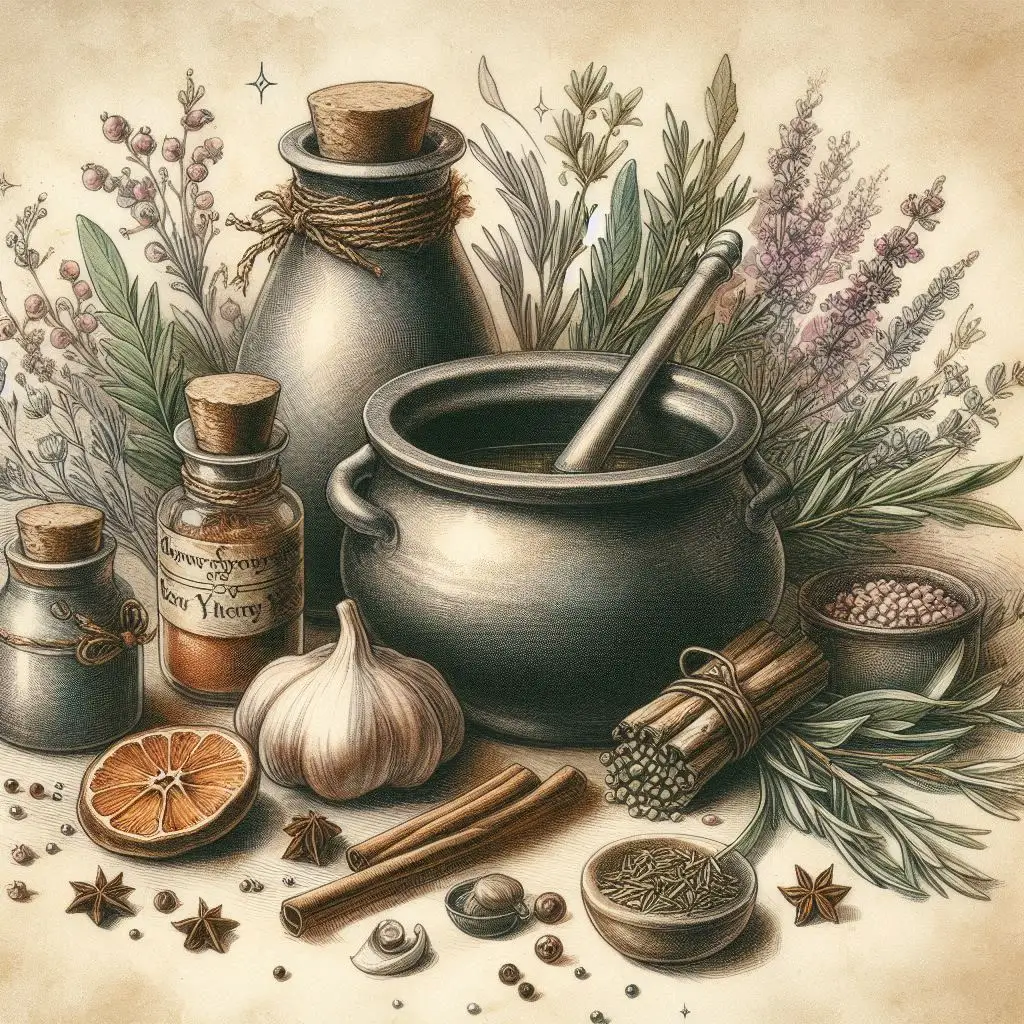
Winter is a season that calls for extra care and support for our bodies and immune systems. One effective way to fortify ourselves during this time is by incorporating homemade tonics into our winter wellness routine. These nourishing beverages, infused with winter herbs, offer a natural and holistic approach to support our overall health, boost immunity, and provide warmth and comfort. In this article, we will explore the art of creating homemade tonics using winter herbs, along with the methods and benefits of incorporating these herbal elixirs into our daily lives.

Historical Significance of Tonics in Witchcraft, Paganism, and Wiccan Traditions

Tonics have been a vital part of witchcraft, paganism, and Wiccan traditions, revered for their ability to heal, nourish, and enhance spiritual practices. These traditions recognize the power of herbs and the ritual of tonic-making as a means to connect with nature and harness the energies of the herbs used.

Ancient Practices

In ancient pagan cultures, tonics were often used in rituals and ceremonies to promote healing and spiritual well-being. The act of creating and using tonics was seen as a way to connect with the natural world and harness the energies of the herbs used.

Witchcraft and Tonics

Witches have long used tonics as part of their magical practices. Herbal tonics are often prepared with specific intentions, such as healing, protection, or divination. Herbs like ginger, turmeric, and rosemary are commonly used for their healing properties. The ritual of making tonics is often accompanied by chants, spells, or meditations to enhance the magical properties of the herbs.

Wiccan Traditions

In Wiccan traditions, tonics are often used in seasonal celebrations and rituals. For example, during the winter solstice (Yule), Wiccans may create tonics with herbs like cinnamon, clove, and orange peel to symbolize warmth and renewal. These tonics are used in rituals to honor the rebirth of the sun and to promote healing and protection during the winter months.

Symbolism and Ritual Use

Tonics in witchcraft, paganism, and Wiccan traditions are more than just herbal beverages; they are tools for spiritual growth and transformation. The process of selecting, preparing, and using tonics is seen as a form of alchemy, where the combination of herbs and intention creates a powerful potion. This practice aligns with the belief that the energy and intention put into the tonic can influence its effects.

By understanding the historical and spiritual significance of tonics within these traditions, we can appreciate their role not only as a winter remedy but also as a means of connecting with ancient practices and enhancing our spiritual journey.

Benefits of Winter Herb Tonics

Winter herb tonics offer a multitude of health benefits.

Here are some key advantages:

  • Immune Support: Winter herbs such as echinacea, elderberry, and astragalus are renowned for their immune-boosting properties. These tonics can help strengthen our immune system, making us more resilient to winter illnesses.
  • Respiratory Health: Many winter herbs possess expectorant and antiviral properties that can support respiratory health. Tonics made with herbs like thyme, oregano, and licorice root can help alleviate coughs, congestion, and soothe respiratory discomfort.
  • Nourishment and Vitality: Winter herbs are often packed with vitamins, minerals, and antioxidants that can provide vital nourishment during the colder months. Tonics infused with herbs like nettle, rosehip, and ginger can provide a natural energy boost and help combat fatigue.
  • Warmth and Comfort: Winter herb tonics can warm the body from within, providing a comforting sensation during chilly days. The soothing flavors and aromas can also promote relaxation and a sense of well-being.

Popular Winter Herbs for Tonics

When creating winter herb tonics, consider incorporating some of the following herbs:

  • Ginger: Known for its warming properties, ginger adds a spicy and invigorating flavor to tonics. It can help improve digestion, boost circulation, and provide relief from cold symptoms.
  • Turmeric: With its vibrant yellow color, turmeric is a potent anti-inflammatory herb. It can support joint health, enhance immune function, and provide a natural glow to the skin.
  • Cinnamon: Cinnamon adds a sweet and comforting taste to tonics. It has antimicrobial properties and can help regulate blood sugar levels and support digestion.
  • Rosemary: This aromatic herb not only adds a delightful flavor but also provides antioxidant and anti-inflammatory benefits. Rosemary can help improve memory, boost mood, and support respiratory health.

Methods for Making Winter Herb Tonics

Creating homemade winter herb tonics is a simple and rewarding process. Here’s a general method to prepare these nourishing beverages:

  1. Choose Your Herbs: Select a combination of winter herbs that align with your health goals and personal taste preferences. Experiment with different herbal combinations to discover your favorites.
  2. Prepare the Herbs: If using dried herbs, crush or grind them slightly to release their flavors and improve extraction. For fresh herbs, rinse them and chop them into smaller pieces.
  3. Simmering Method: Place the herbs in a saucepan with filtered water and bring to a gentle simmer. Allow the mixture to simmer for about 15-20 minutes, allowing the herbs to infuse into the water.
  4. Infusion Method: Alternatively, you can create an infusion by pouring hot water over the herbs in a teapot or jar and allowing them too steep for 15-20 minutes. Strain the liquid afterward.
  5. Sweeteners and Enhancements: If desired, you can add natural sweeteners like honey, maple syrup, or stevia to the tonic. Enhancements such as lemon juice, orange zest, or herbal extracts like echinacea or elderberry can also be added for extra flavor and immune-boosting benefits. Adjust the sweetness and flavor according to your preference.
  6. Straining and Serving: Once the tonic has infused and any additions have been stirred in, strain the liquid to remove the herb particles or residue. Pour the tonic into a cup or mug and savor it while it’s warm. You can enjoy it as is or garnish it with a sprig of fresh herbs for a touch of visual appeal.
  7. Storage and Consumption: If you have leftover tonic, let it cool before transferring it to a glass jar or bottle with a tight lid. Store it in the refrigerator and consume it within a few days to ensure freshness and potency. Shake well before each use.
  8. Incorporating into Your Routine: Drink your winter herb tonic as part of your daily winter wellness routine. You can have it in the morning to start your day on a nourishing note or enjoy it in the evening for relaxation and comfort. Sip it slowly and mindfully, allowing the herbal goodness to permeate your senses.

Safety Considerations

While homemade winter herb tonics are generally safe, it’s important to consider a few safety precautions:

  • Allergies and Sensitivities: Be mindful of any known allergies or sensitivities you may have to specific herbs. If you have any concerns, consult a healthcare professional or herbalist before incorporating new herbs into your diet.
  • Medications and Health Conditions: If you have any underlying health conditions or are taking medications, it’s important to consult with a healthcare professional to ensure there are no potential interactions between the herbs and your medications.
  • Quality of Herbs: Use high-quality organic or wildcrafted herbs for optimal flavor and therapeutic benefits. Ensure that the herbs are free from pesticides or contaminants.
  • Moderation: While herbal tonics are generally safe, it’s best to consume them in moderation. Stick to recommended dosages and listen to your body’s response.

Winter herb tonics offer a wonderful way to incorporate the healing power of nature into our daily lives during the colder months. By infusing nourishing winter herbs into these beverages, we can support our immune system, enhance vitality, and experience the warmth and comfort they provide. Remember to choose herbs that align with your health goals, follow proper preparation methods, and consider any personal considerations or interactions. Embrace the therapeutic benefits of winter herb tonics and savor the natural goodness they offer throughout the winter season.

Conclusion

Winter herb tonics offer a natural and empowering approach to support our well-being during the colder months. By incorporating herbs like ginger, turmeric, cinnamon, and rosemary into our daily routine, we can boost our immune system, enhance respiratory health, and provide nourishment and warmth to our bodies. These tonics not only offer physical benefits but also bring comfort and relaxation during chilly days. Embrace the therapeutic power of winter herb tonics and enjoy the natural goodness they provide throughout the winter season.

Cheers to your winter wellness!

Posted on Leave a comment

Recipe: Juniper Berry Braised Pork Shoulder

Juniper Berry Braised Pork Shoulder

Introduction

A Savory Winter Dish Infused with Woodland Magic

Juniper berries, with their bold, resinous flavor and grounding qualities, are a perfect addition to a rich, winter braise. Juniper Berry Braised Pork Shoulder combines the savory depth of slow-cooked pork with the aromatic, piney notes of juniper, creating a warming, comforting dish that captures the essence of winter. This dish is ideal for your Yule or Winter Solstice feasts, offering both nourishment and a connection to the earth’s resilience through its deep, earthy flavors.

The Magic of Juniper Berry Braised Pork Shoulder

Juniper berries have long been cherished in magical traditions for their protective, purifying, and grounding qualities. In Wicca and Paganism, juniper is known to ward off negative energies and promote clarity and resilience. By incorporating juniper berries into this braised pork dish, we invite these energies to the table, grounding ourselves in the wisdom of the winter season and the endurance of nature.

The slow braise of the pork shoulder, with the infusion of juniper berries, garlic, and aromatic herbs, mirrors the patience and perseverance of winter. The rich, earthy flavors bring comfort and warmth during the coldest months, while the juniper berries add an enchanting layer of flavor that symbolizes nature’s protective magic and the stillness of the season.

Spell for Protection and Grounding

While preparing this dish, use this spell to invite grounding, protection, and resilience into your Yule celebration.

  1. Light a black or green candle to represent protection, grounding, and the enduring energy of winter.
  2. As you prepare the pork shoulder and infuse the dish with juniper berries, visualize yourself grounded and protected by the energies of nature.
  3. While braising the pork, chant softly:

“Juniper bold, pork so tender,
Ground us deep, hearts grow stronger.
Protection strong, resilience bright,
Winter’s wisdom in every bite.”

Serve the dish with love and gratitude, sharing its grounding and protective energies with your loved ones.

Magical Properties of Juniper Berry Braised Pork Shoulder

Thyme and Rosemary: Known for their protection and healing properties, these herbs enhance the braise and connect the dish to the earth.

Juniper Berries: Known for their protective, purifying, and grounding qualities, they bring clarity, resilience, and strength to the dish.

Pork Shoulder: Symbolizes abundance, prosperity, and nourishment, providing sustenance and comfort during the winter months.

Garlic: Represents protection and cleansing, adding warmth and depth to the dish.

Onions: Provide grounding energy and represent stability and strength in magical practices.

Juniper Berry Braised Pork Shoulder

Slow-braised pork shoulder infused with the deep, earthy flavors of juniper berries, garlic, and herbs—a perfect winter dish for nourishment and protection.

  • Dutch oven or large oven-safe pot
  • Knife
  • Cutting board
  • Spoon
  • Meat thermometer (optional)
  • 4-5 lbs bone-in pork shoulder
  • 1 ½ tbsp juniper berries (crushed)
  • 1 medium onion (roughly chopped)
  • 4 cloves garlic (smashed)
  • 2 sprigs fresh rosemary
  • 2 sprigs fresh thyme
  • 2 tbsp olive oil
  • 1 cup dry white wine
  • 2 cups chicken or vegetable broth
  • 1 tbsp balsamic vinegar
  • 1 tsp salt
  • ½ tsp black pepper

Prepare the Pork:

  1. Preheat oven to 300°F (150°C).
  2. Season the pork shoulder with salt and pepper. Use a spoon to crush the juniper berries and sprinkle them evenly over the pork, pressing gently to coat.

Sear the Pork:

  1. Heat olive oil in a Dutch oven over medium-high heat. Once hot, add the pork shoulder and sear on all sides until golden brown, about 4-5 minutes per side. Remove the pork from the pot and set aside.

Sauté the Aromatics:

  1. In the same pot, add the chopped onion and garlic. Sauté for 3-4 minutes, or until softened and fragrant.
  2. Add the white wine to deglaze the pot, scraping up any browned bits from the bottom of the pot with a spoon.

Braise the Pork:

  1. Return the pork shoulder to the pot, placing it on top of the onions and garlic.
  2. Add the rosemary, thyme, and broth, ensuring the liquid covers about half of the pork. Stir in the balsamic vinegar. Bring to a simmer.

Cook in the Oven:

  1. Cover the Dutch oven with a lid or foil and place it in the preheated oven.
  2. Braise the pork for 3-4 hours, or until it’s tender and easily pulls apart with a fork. Check the internal temperature (it should reach at least 190°F for tender, fall-apart meat).

Rest and Serve:

  1. Remove the pork from the oven and let it rest for 10 minutes before shredding or slicing.
  2. Serve the braised pork with the aromatic sauce and vegetables of your choice, ensuring you scoop up the flavorful bits from the braise.

This dish can be served with mashed potatoes, roasted root vegetables, or a light salad to balance out the richness of the braised pork. For extra flavor, consider using juniper berries to season your side vegetables or drizzle a bit of the braising liquid over the mashed potatoes.

Main Course
Winter, Yule
Recipe

Conclusion

Juniper Berry Braised Pork Shoulder is the perfect dish to embody the magic of winter—grounding, protective, and nourishing. Infused with the essence of juniper, garlic, and earthy herbs, this pork shoulder offers both flavor and spiritual resonance, connecting you to the resilience and strength of the winter season. Whether you’re celebrating Yule or simply enjoying the heartwarming comfort of winter’s flavors, this dish will bring abundance, protection, and warmth to your table.

Posted on Leave a comment

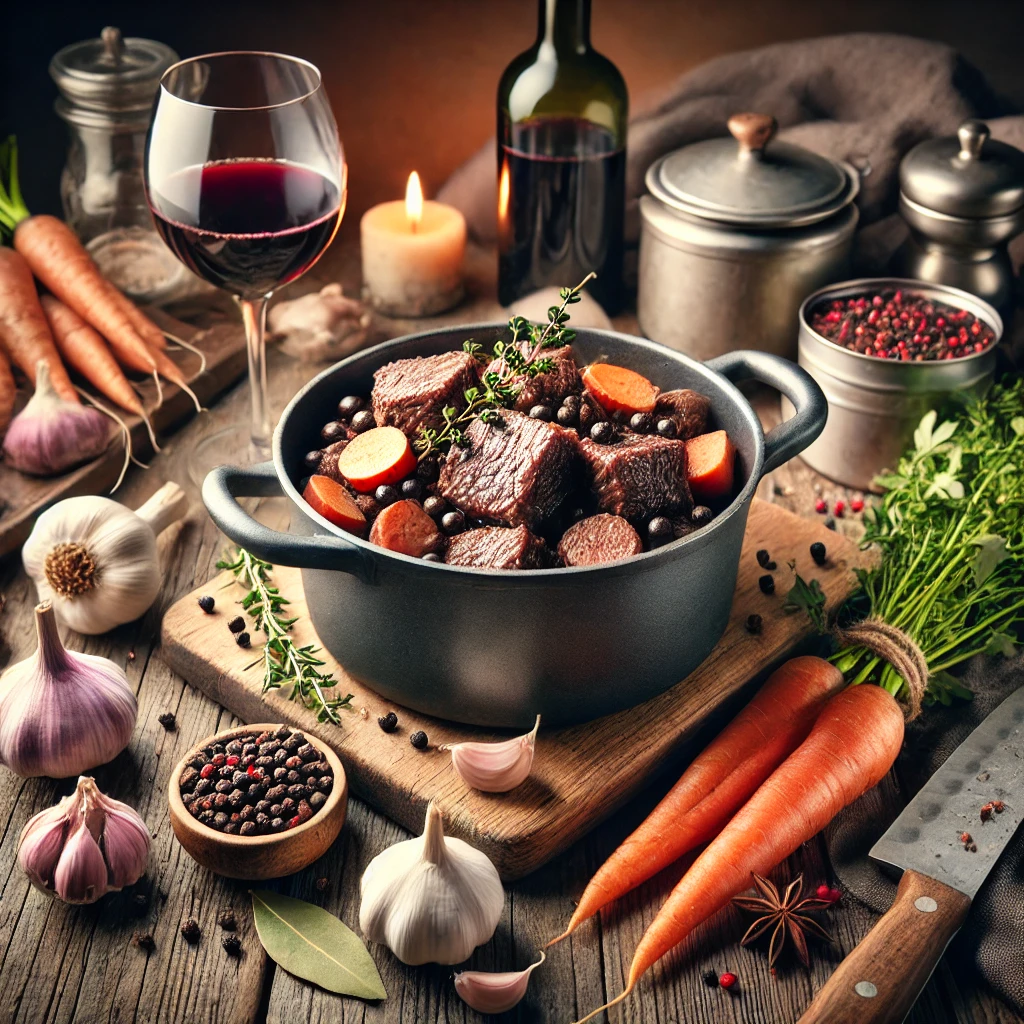
Recipe: Juniper Berry Braised Beef

Juniper Berry Braised Beef

Introduction

A Winter Feast with Woodland Magic

Juniper berries, with their piney, resinous flavor, bring the essence of the winter forest to this hearty Juniper Berry Braised Beef. Slow-cooked to tender perfection, this dish is infused with the warmth of winter spices, the brightness of citrus, and the grounding energy of juniper berries. Perfect for Yule celebrations or a cozy winter meal, this braised beef is a magical centerpiece that fills your home with comfort and connection to the earth.

The Magic of Juniper Berry Braised Beef

Juniper berries have been used in culinary traditions for centuries, celebrated for their ability to enhance flavors with a unique balance of earthy and citrusy notes. In Wiccan and Pagan practices, juniper is associated with protection, purification, and grounding, making it an ideal ingredient for winter feasts. Paired with tender beef and seasonal ingredients like carrots and parsnips, this dish captures the essence of Yule—resilience, warmth, and the return of light.

As the beef slowly cooks, the juniper berries infuse the dish with their protective energy, while the herbs and spices weave in layers of flavor and magic. This is not just a meal; it’s a celebration of the earth’s bounty and the comforting warmth of winter gatherings.

Spell for Grounding and Protection

As you prepare this dish, use this spell to infuse it with grounding energy, protection, and warmth for your winter feast.

  1. Light a green or brown candle to represent the grounding energy of the earth and the protection of the forest.
  2. As you crush the juniper berries, visualize their energy spreading throughout the dish, bringing clarity and warmth to all who share it.
  3. While stirring the pot, softly chant:

“Juniper bright, earth’s embrace,
Grounding warmth fills this place.
Spice and love, protection true,
Winter’s magic, I cook for you.”

  1. Serve with love, sharing the warmth and protection of the dish with your family and friends.g and meditate on the balance and harmony you wish to cultivate in your life.

Magical Properties of Juniper Berry Braised Beef

Garlic: Offers protection and purification, enhancing the dish’s magical and culinary properties.

Juniper Berries: Represent protection, purification, and grounding, connecting the dish to the magic of the winter forest.

Beef: Symbolizes strength, sustenance, and abundance, providing nourishment for body and spirit.

Carrots & Parsnips: Offer grounding and connection to the earth, representing resilience and growth.

Red Wine: Enhances celebration, vitality, and the flow of energy, infusing the dish with richness and warmth.

Bay Leaves: Symbolize protection, wisdom, and victory, adding depth and clarity to the dish.

Juniper Berry Braised Beef

A hearty winter dish of tender beef braised with juniper berries, red wine, and seasonal vegetables, infused with the magic of the forest.

  • Dutch oven or heavy-bottomed pot
  • Mixing bowl
  • Knife
  • Wooden spoon
  • 2 ½ lbs beef chuck roast (cut into large chunks)
  • 1 tbsp juniper berries (crushed)
  • 2 tbsp olive oil
  • 1 onion (diced)
  • 3 garlic cloves (minced)
  • 2 cups red wine
  • 2 cups beef stock
  • 2 carrots (peeled and sliced)
  • 2 parsnips (peeled and sliced)
  • 1 orange – zest only (zest only)
  • 2 bay leaves
  • 2 tsp fresh thyme leaves (or 1 tsp dried)
  • Salt and pepper (to taste)

Prepare the Beef:

  1. Season the beef chunks with salt, pepper, and crushed juniper berries, ensuring the flavors coat the meat evenly.
  2. Heat the olive oil in a Dutch oven over medium-high heat. Sear the beef in batches until browned on all sides, then remove and set aside.

Sauté the Aromatics:

  1. Reduce the heat to medium and add the diced onion and minced garlic to the pot. Sauté until softened and fragrant, about 5 minutes.

Deglaze and Combine:

  1. Pour in the red wine, scraping up any browned bits from the bottom of the pot.
  2. Add the beef stock, bay leaves, thyme, and orange zest. Stir to combine.

Braise the Beef:

  1. Return the seared beef to the pot, along with the carrots and parsnips. Ensure the liquid covers the beef and vegetables.
  2. Cover the pot with a lid and reduce the heat to low. Simmer gently for 2 ½ – 3 hours, stirring occasionally, until the beef is tender and the flavors are well blended.

Serve:

  1. Remove the bay leaves before serving.
  2. Serve the braised beef warm, garnished with additional thyme if desired. Pair with crusty bread, mashed potatoes, or a side of roasted vegetables.

Juniper Berry Braised Beef is best when made ahead, allowing the flavors to meld overnight. Reheat gently on the stove before serving. For a thicker sauce, remove the beef and vegetables after cooking and simmer the liquid until reduced to your desired consistency. This dish pairs beautifully with mulled wine or a hearty winter ale, adding to the festive spirit of your winter gathering.

Main Course
Winter, Yule
Recipe

Conclusion

Juniper Berry Braised Beef is a warm and hearty dish that captures the magic of the winter forest in every bite. The piney notes of juniper berries blend seamlessly with the richness of red wine and the earthiness of root vegetables, creating a meal that nourishes both body and spirit. May this dish bring protection, grounding, and the comforting warmth of Yule to your winter celebrations, connecting you to the magic and resilience of the season.

Posted on Leave a comment

Recipe: Pine-Infused Winter Risotto

Pine-Infused Winter Risotto

Introduction

A Warming Winter Dish Infused with Forest Magic

Pine needles, with their fresh, earthy aroma and subtle citrusy flavor, bring a touch of woodland magic to this Pine-Infused Winter Risotto. This dish combines creamy arborio rice with the delicate essence of pine, complemented by seasonal ingredients like mushrooms, Parmesan cheese, and a hint of lemon. This risotto is perfect for winter gatherings, whether as a centerpiece or a side dish, offering a comforting and enchanting connection to the natural world during the season of stillness and renewal.

The Magic of Pine-Infused Winter Risotto

Pine needles symbolize resilience, protection, and purification, making them a powerful ingredient for winter magic. In Wiccan and Pagan traditions, pine is revered for its evergreen qualities, representing life and endurance through the colder months. Infusing their essence into risotto connects us to the grounding energy of the forest and invites a sense of tranquility and renewal.

The creamy texture of risotto mirrors the nurturing warmth of a winter hearth, while the pine essence adds an aromatic layer that evokes the spirit of the forest. This dish is a reminder of nature’s beauty and endurance, offering both nourishment and a touch of enchantment to your winter table.of gratitude, abundance, and transformation, making it a fitting centerpiece for your Mabon feast.

Spell for Resilience and Connection

While preparing this risotto, use this spell to ground yourself, foster resilience, and deepen your connection to nature.

  1. Light a green candle to symbolize the strength and vitality of evergreen trees.
  2. As you prepare the pine-infused broth, visualize its aroma filling your home with grounding and protective energy.
  3. While stirring the risotto, chant softly:

“Forest green, needles bright,
Ground my spirit on this winter night.
Nourish my soul, connection anew,
Pine’s wisdom flows in every brew.”

Serve with love and gratitude, inviting the protective and calming energy of pine into your meal.

Magical Properties of Pine-Infused Winter Risotto

Lemon: Brings clarity, renewal, and a bright contrast to the earthy flavors. clarity and harmony.

Pine Needles: Represent resilience, purification, and protection, bringing the grounding energy of the forest into the dish.

Arborio Rice: Symbolizes abundance and nourishment, providing a rich and creamy base.

Mushrooms: Offer grounding, transformation, and growth, connecting the dish to the earth’s cycles.

Parmesan Cheese: Represents comfort and unity, adding richness and depth.

Pine-Infused Winter Risotto

A creamy and aromatic risotto infused with the fresh, earthy essence of pine needles, mushrooms, and Parmesan, perfect for a winter celebration.

  • Medium saucepan
  • Large skillet or saucepan
  • Wooden spoon
  • Fine-mesh strainer

For the Pine-Infused Broth:

  • 4 cups vegetable or chicken broth
  • ½ cup fresh pine needles (washed thoroughly – from an edible variety like white pine)

For the Risotto:

  • 1 tbsp olive oil
  • 1 tbsp unsalted butter
  • 1 small onion ( finely chopped)
  • 2 cloves garlic (minced)
  • 1 cup arborio rice
  • ½ cup dry white wine
  • 1 cup mushrooms (sliced: shiitake or cremini work well)
  • ½ cup grated Parmesan cheese
  • Zest and juice of 1 lemon
  • Salt and pepper ( to taste)
  • Optional: fresh parsley (chopped, for garnish)

Prepare the Pine-Infused Broth:

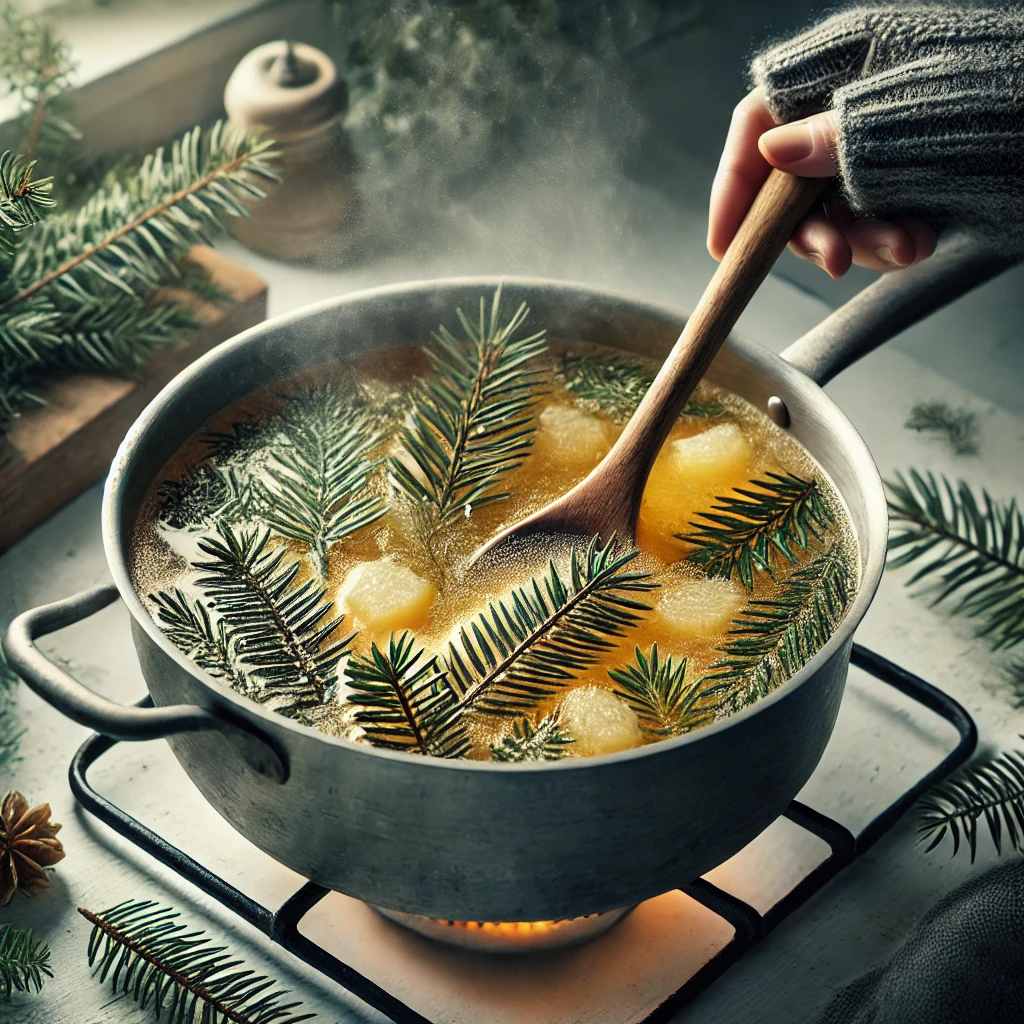
  1. In a medium saucepan, combine the broth and fresh pine needles.
  2. Heat over medium-low heat, allowing the pine to infuse the broth for 10-15 minutes.
  3. Strain the broth through a fine-mesh strainer to remove the needles, keeping the infused liquid warm.

Sauté the Aromatics:

  1. In a large skillet or saucepan, heat the olive oil and butter over medium heat.
  2. Add the chopped onion and garlic, sautéing until softened and fragrant, about 3-4 minutes.
  3. Stir in the mushrooms and cook until tender, about 5 minutes.

Toast the Rice:

  1. Add the arborio rice to the skillet, stirring to coat the grains in the oil and butter.
  2. Cook for 2-3 minutes, or until the edges of the rice are translucent.

Deglaze with Wine:

  1. Pour in the white wine and stir until it is mostly absorbed.

Cook the Risotto:

  1. Begin adding the warm pine-infused broth, one ladleful at a time, stirring frequently.
  2. Allow each addition of broth to be absorbed before adding the next, cooking the rice until tender and creamy, about 20-25 minutes.

Finish the Dish:

  1. Stir in the Parmesan cheese, lemon zest, and lemon juice.
  2. Season with salt and pepper to taste. Remove from heat and let the risotto rest for 5 minutes.

Serve:

  1. Garnish with chopped parsley and additional Parmesan if desired. Serve warm, savoring the grounding and aromatic flavors of the dish.

Pine-Infused Winter Risotto pairs beautifully with roasted vegetables or a simple green salad for a complete meal. Be sure to use only edible pine varieties (such as white pine) and wash them thoroughly before use. The infused broth can be made ahead of time and stored in the refrigerator for up to two days.

Main Course, Side Dish
Winter
Recipe

Conclusion

Pine-Infused Winter Risotto is a comforting and magical dish that brings the essence of the winter forest into your home. With its creamy texture, earthy flavors, and subtle pine aroma, this risotto nourishes the body and spirit, connecting you to the resilience and wisdom of the natural world. May this dish bring warmth, grounding, and a touch of enchantment to your winter celebrations.

Posted on Leave a comment

Winter Home Remedies – Broths

Winter Home Remedies Broths

Introduction

Nourish Your Body and Spirit with Healing Winter Broths

Winter can be a challenging time for our health, as the cold weather and dry air can cause a variety of ailments, from coughs and colds to dry skin and chapped lips. While there are many over-the-counter remedies available, they can be costly and may contain harsh chemicals. Luckily, there are plenty of natural home remedies that can be made using items and materials that are readily available during the winter months. In this article, we will explore some effective and easy-to-make home remedies that use ingredients and materials from wintertime, so you can stay healthy and comfortable all winter long without breaking the bank.

There are a lot of home remedies and nearly endless possibilities of methods, in this article we’ll go over broths.

Broths

Broths have long been cherished as a nourishing and comforting remedy, especially during the winter months when warmth and immune support are essential. By incorporating winter herbs into homemade broths, we can enhance their nutritional value and medicinal properties, creating a powerful elixir to boost our health and well-being. In this article, we will explore the art of crafting winter broths using a variety of winter herbs, along with the methods to prepare these revitalizing and therapeutic concoctions in the comfort of your own home.

Historical Significance of Broths in Witchcraft, Paganism, and Wiccan Traditions

Broths have a rich history within witchcraft, paganism, and Wiccan traditions, serving not only as a source of nourishment but also as a medium for spiritual and magical practices. The use of broths can be traced back to ancient times when they were crafted with intention and infused with herbs believed to possess magical properties.

Ancient Practices

In ancient pagan cultures, broths were often prepared during rituals and ceremonies to honor deities and spirits. These broths were considered sacred and were believed to carry the essence of the herbs and ingredients used. The act of simmering herbs in a broth was seen as a way to release their magical properties, creating a potent elixir that could be consumed for healing and spiritual empowerment.

Witchcraft and Broths

Witches have long utilized broths as part of their magical repertoire. The process of making a broth was often accompanied by chants, incantations, and the visualization of desired outcomes. Herbs such as rosemary, sage, thyme, and oregano, which are commonly used in winter broths, were also revered for their protective, purifying, and healing properties. By incorporating these herbs into broths, witches believed they could harness their energies to ward off illness, enhance psychic abilities, and promote overall well-being.

Wiccan Traditions

In Wiccan traditions, broths are often prepared during the winter months as part of seasonal celebrations and rituals. The winter solstice, known as Yule, is a time when Wiccans honor the rebirth of the sun and the return of light. During this time, broths made with winter herbs are consumed to symbolize the nourishment and warmth provided by the sun’s return. These broths are also used in rituals to invoke the energies of the season, promote healing, and strengthen the connection to nature.

Symbolism and Ritual Use

Broths in witchcraft, paganism, and Wiccan traditions are more than just a source of physical nourishment. They are imbued with symbolism and are used as tools for spiritual growth and transformation. The act of preparing and consuming a broth is seen as a form of alchemy, where the combination of ingredients and the intention behind their use create a powerful potion. This practice aligns with the belief that food and drink can be sacred and that the energy put into their creation can influence their effects.

By understanding the historical and spiritual significance of broths within these traditions, we can appreciate their role not only as a winter remedy but also as a means of connecting with ancient practices and enhancing our spiritual journey.

Benefits of Winter Broths

Winter broths offer a range of benefits that make them an ideal home remedy during the colder months.

Here are some key advantages:

  • Immune-Boosting Properties: By simmering winter herbs in broths, we can extract their immune-boosting compounds, which can help strengthen our immune system and support our body’s defense against winter illnesses.
  • Nutrient-Rich: Broths provide a concentrated source of nutrients, such as vitamins, minerals, and amino acids. Including winter herbs in broths can enhance their nutritional profile, ensuring we receive essential nourishment during the season.
  • Hydration and Warmth: During winter, it’s crucial to stay hydrated and keep warm. Sipping on warm broth not only provides necessary hydration but also helps to regulate body temperature and provide comfort.

Winter Herbs for Broths

Several winter herbs can be incorporated into broths to add flavor, aroma, and therapeutic benefits. Here are some popular winter herbs to consider using:

  • Rosemary: Rosemary is a fragrant herb with antioxidant and anti-inflammatory properties. It adds a delightful flavor to broths and provides immune support.
  • Sage: Sage is known for its antimicrobial properties and can help soothe sore throats and respiratory issues. It adds a savory note to broths.
  • Thyme: Thyme has antibacterial properties and can help alleviate coughs and congestion. Its aromatic flavor complements various broths.
  • Oregano: Oregano is rich in antioxidants and has antimicrobial properties. Adding it to broths can help support immune health and enhance the taste.

Methods for Making Winter Broths

There are different methods for preparing winter broths, allowing you to tailor the process to your preferences. Here’s a basic method to create flavorful and nutritious winter broths:

  1. Select Your Ingredients: Start with a high-quality base such as chicken, beef, or vegetable broth. Gather your choice of winter herbs and additional ingredients like vegetables, spices, and proteins (if desired).
  2. Prepare the Broth: Place the broth in a large pot and bring it to a gentle simmer over medium-low heat.
  3. Add Winter Herbs: Add the winter herbs of your choice to the simmering broth. You can tie them in a bundle or place them loosely in the pot. This allows their flavors and medicinal properties to infuse into the broth.
  4. Enhance with Ingredients: If desired, add vegetables, spices, and proteins to enhance the flavor and nutritional value of the broth. Consider ingredients like onions, garlic, carrots, celery, mushrooms, ginger, and turmeric.
  5. Simmer and Extract Flavors: Allow the broth to simmer gently for at least 1-2 hours, or even longer for richer flavors. This process allows the herbs and ingredients to release their flavors and nutrients into the broth.
  6. Strain and Serve: Once the broth is infused with the desired flavors, strain it through a fine-mesh sieve or cheesecloth to remove any solids. The resulting broth is ready to be served and enjoyed.
  7. Storage: Leftover broth can be stored in airtight containers in the refrigerator for up to 4-5 days or frozen for future use. Freezing broth in smaller portions allows for convenient use whenever needed.
  8. Serving and Enjoying: Winter broths can be enjoyed on their own as a comforting and nourishing drink or used as a base for soups, stews, and other culinary creations. Add fresh herbs or a squeeze of lemon juice to enhance the flavor further.
  9. Customizing Your Broth: Feel free to experiment with different combinations of winter herbs and ingredients to create broths tailored to your taste and specific health needs. Adjust the seasoning and intensity of flavors to suit your preferences.

Precautions

While winter broths are generally safe for consumption, it’s important to ensure that you are using fresh, high-quality ingredients and practicing proper hygiene during preparation. If you have specific dietary restrictions or health concerns, it’s advisable to consult with a healthcare professional or nutritionist before making any significant changes to your diet.

Winter broths infused with winter herbs are a wonderful home remedy to fortify your health and well-being during the colder months. By harnessing the medicinal properties and flavors of these herbs, you can create nourishing broths that provide immune support, warmth, and comfort. Experiment with different combinations, adapt the recipes to suit your preferences, and savor the benefits of these revitalizing winter elixirs. Stay warm, healthy, and nourished throughout the winter season with the power of homemade broths enriched with winter herbs.

Conclusion

Winter broths, with their rich history in witchcraft, paganism, and Wiccan traditions, offer a nourishing and comforting remedy during the colder months. By incorporating winter herbs like rosemary, sage, thyme, and oregano, you can create flavorful and therapeutic broths that support immune function, provide essential nutrients, and offer warmth and hydration. Whether enjoyed on their own or used as a base for soups and stews, these broths provide a delightful and effective approach to staying healthy and comfortable during the winter season. Embrace the ancient wisdom and modern benefits of winter broths to nurture your body and spirit throughout the colder months.

Cheers to your winter wellness!