Posted on Leave a comment

Osteomancy: The Ancient Art of Bone Divination

Osteomancy
Osteomancy

Introduction

Osteomancy: The Ancient Art of Bone Divination

Osteomancy, also known as bone divination, is an ancient practice that involves seeking spiritual insight and guidance through the interpretation of bones. This form of divination has been practiced for centuries by various cultures around the world, including ancient civilizations such as the Greeks, Romans, and indigenous tribes. The bones used in osteomancy are believed to carry the essence and energy of the animals they came from, serving as powerful conduits for divination.

History of Osteomancy:

Osteomancy, an ancient form of divination, traces its roots back to prehistoric times when early humans turned to the natural world for guidance and understanding. This mystical practice involves the interpretation of bones to gain insights into important decisions, connect with the divine, and glimpse into the future. As civilizations flourished and cultures developed across the globe, bone divination evolved, taking on unique rituals, symbolism, and practices. Exploring the rich history and origin of osteomancy unveils the deep connection between humanity and the ancient wisdom contained within the bones.

Early Origins of Osteomancy:

The origins of osteomancy can be found in the primal instincts of our ancestors who sought answers from the natural world. In their quest for knowledge and guidance, early humans observed the behavior of animals and recognized the significance of bones. These remnants of life held a mysterious power, reflecting the interplay between life and death, the physical and spiritual realms. This primal connection formed the foundation for bone divination to seek insights and understand the will of the gods.

Bone Divination Across Cultures:

Throughout history, bone divination emerged independently in different cultures around the world. Ancient civilizations, such as the Greeks, Romans, Chinese, African tribes, and Native Americans, all developed their unique methods and rituals for bone divination. These practices were deeply intertwined with cultural beliefs, cosmology, and religious traditions. The interpretation of bones varied, with some cultures using animal bones, while others utilized human remains or even seashells. Each culture infused its own symbolism, rites, and practices into the art of osteomancy, creating diverse approaches to bone divination.

The Significance of Bone Divination:

Bone divination served multiple purposes in ancient societies. It was a means to make important decisions, seek guidance in times of uncertainty, and understand the hidden forces shaping human existence. Bones were regarded as sacred conduits, carrying the energy and wisdom of the creatures they once belonged to. Diviners developed a deep understanding of the symbolic language embedded in bones, using their interpretation to access divine knowledge, commune with ancestors, and navigate the complex tapestry of life.

Rituals and Methods:

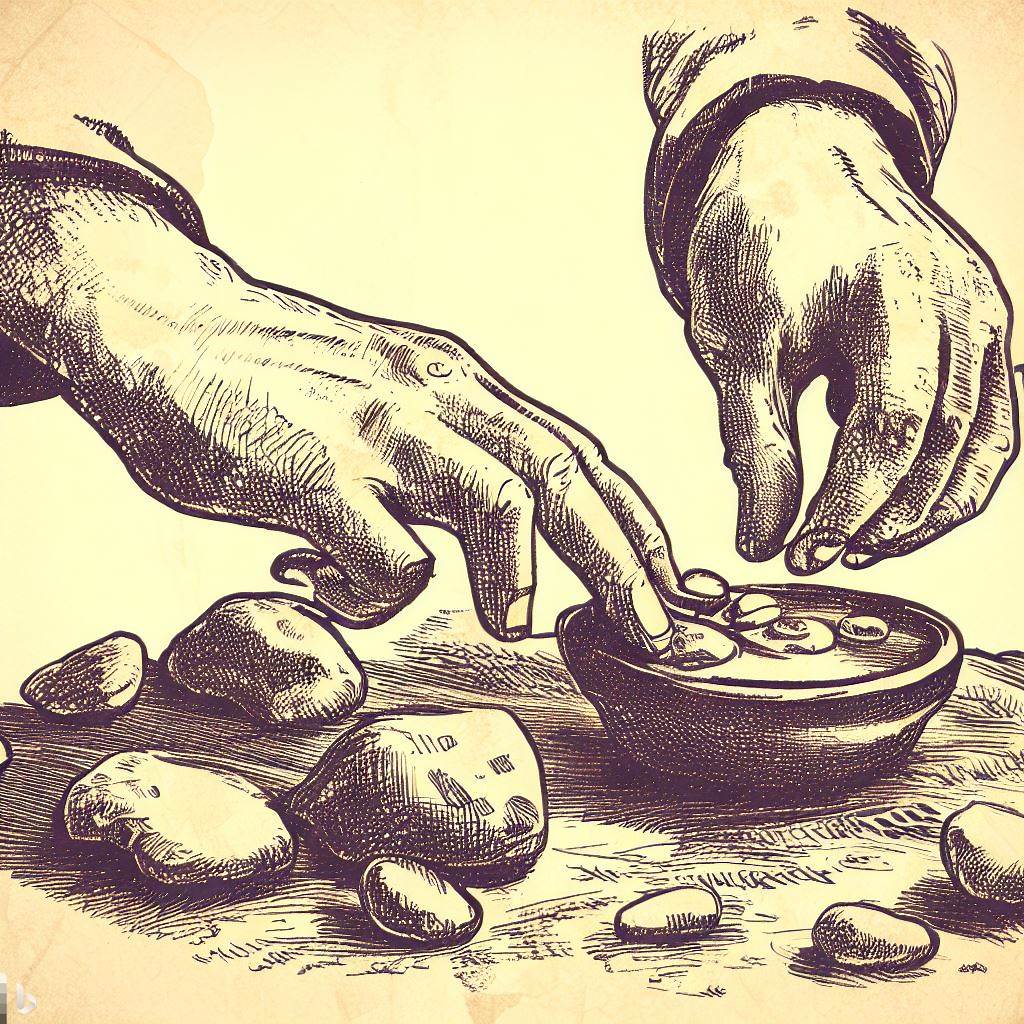
Different cultures employed various rituals and methods for bone divination. Some diviners would cast bones onto a sacred cloth or surface, noting the patterns and positions they formed. Others would arrange bones in specific patterns or grids and interpret their meaning based on their alignment and relationships. Rituals often involved purification, prayer, and the invocation of deities or ancestral spirits to facilitate a connection with the divine realm. The process of bone divination required not only skill in interpretation but also a deep reverence for the bones and the spiritual forces they represented.

The history and origin of osteomancy reveals a profound human longing for understanding and guidance. From the earliest civilizations to modern-day practitioners, bone divination has provided a window into the mysteries of existence. The diverse rituals and practices associated with osteomancy demonstrate the universal human desire to connect with the divine and gain insights into the future. As we explore the ancient art of bone divination, we tap into the wisdom of our ancestors and honor the sacred relationship between humanity and the natural world.

What is Bone Divination?

Bone divination, a captivating form of scrying, delves into the secrets of the past and present, offering seekers glimpses into the mysteries of life. This ancient practice revolves around the interpretation of bones as vessels of spiritual energy and divine messages. As remnants of living creatures, bones are believed to carry the wisdom of the ages and provide profound insights into the questions that perplex us. Through a deep connection with these sacred relics, practitioners of bone divination unlock a channel to the spiritual realm, opening the door to guidance, revelation, and profound understanding.

The Essence of Bone Divination:

Bone divination is a mystical art that involves the interpretation of bones to seek answers and gain insights into various aspects of life. This scrying method taps into the belief that bones retain a spiritual essence long after the creature’s physical form has departed. Practitioners perceive bones as vessels that bridge the gap between the physical and spiritual realms, carrying the energy of life and connecting the diviner to the divine. By attuning themselves to the inherent wisdom of bones, practitioners can discern hidden truths, receive guidance, and unravel the intricacies of human experience.

Developing a Connection:

The practice of bone divination requires a deep and personal connection with the bones. This connection extends beyond their physical form and delves into the energetic essence they embody. Diviners establish a bond through rituals, meditation, and reverence, forging a spiritual link that allows them to access the profound knowledge held within the bones. By attuning their intuition and honing their senses, practitioners enter a state of heightened awareness, opening themselves to the messages and vibrations emanating from the bones.

Messages from the Spiritual Realm:

When practicing bone divination, seekers pose questions or seek guidance on specific matters. The interpretation of bones involves careful observation of their position, alignment, and patterns formed during casting or arrangement. Each bone holds a unique symbolism and meaning, providing clues, messages, and insights that are then deciphered by the diviner. Through this intimate dialogue with the bones, practitioners tap into the wisdom of the spiritual realm, accessing guidance, warnings, and revelations that can illuminate their path forward.

A Tapestry of Symbolism:

Bones used in divination carry their own symbolism, depending on the creature they originated from. Animal bones, such as those of birds, mammals, or reptiles, each possess their distinct energetic qualities and associated meanings. The shape, size, condition, and even markings on the bones contribute to the tapestry of symbolism that the diviner must navigate. Additionally, other elements may be incorporated into the bone divination practice, such as stones, crystals, or other natural materials, further enriching the symbolic language and enhancing the energetic vibrations.

Bone divination unveils a realm of mysticism, where seekers engage in a profound dialogue with the remnants of life. Through the interpretation of bones, seekers can access the ancient wisdom and guidance that resides within these sacred relics. Bone divination provides a means to explore the spiritual dimensions of existence, unlocking the mysteries of the past and illuminating the path ahead. As we delve into this ancient practice, we honor the sacredness of life, connect with the divine, and embrace the profound insights that bone divination has to offer.

Types of Bones and their Magical Significance:

Osteomancy, the ancient art of bone divination, draws upon the inherent energies and symbolism of various types of bones. Each bone carries its own unique qualities and magical significance, adding depth and nuance to the divination process. By understanding the characteristics and symbolism associated with different types of bones, practitioners can unlock deeper layers of insight and connection to the spiritual realms.

Animal Bones and Their Symbolism:

Animal bones are commonly used in osteomancy, offering a rich tapestry of symbolism and energy. The choice of animal bones depends on personal preference, cultural background, and the specific intention of the divination session. For instance, bird bones, such as those from ravens or crows, are associated with messages from higher realms, intuition, and spiritual freedom. They serve as messengers between worlds, bridging the gap between the earthly and divine realms. In contrast, larger animal bones like those from cows or deer represent strength, grounding, and primal energy. They embody the raw power of nature and can provide insights into physical and material aspects of life.

Elemental Bones:

In addition to animal bones, elemental bones can be incorporated into osteomancy, representing the elements of nature and their associated energies. These may include bones from creatures of the earth, air, water, and fire. Earth bones, such as those from turtles or land-dwelling animals, symbolize stability, abundance, and grounding. Air bones, such as bird bones, evoke freedom, intuition, and spiritual messages. Water bones, which may come from creatures of the sea or water-dwelling animals, carry the energy of emotions, intuition, and the ebb and flow of life. Fire bones, which could be bones from animals associated with fire, represent passion, transformation, and the divine spark within.

Symbolism and Personal Connection:

When working with different types of bones, it is essential to consider the symbolism associated with each bone and its resonance with personal intuition and cultural beliefs. The practitioner may choose to develop a personal relationship with the bones, meditating with them, studying their symbolism, and seeking guidance from ancestral wisdom. Over time, this connection deepens, allowing the practitioner to attune to the specific energies and messages conveyed by different bones.

The choice of bones in osteomancy is a deeply personal and intuitive process. Each type of bone carries its own magical significance, symbolism, and energetic qualities. Whether using animal bones or elemental bones, practitioners of osteomancy tap into the profound wisdom held within these sacred relics. By understanding the unique energies and meanings associated with different types of bones, practitioners can enhance their divination practice, accessing deeper insights, and forging a stronger connection to the spiritual realms. As we explore the magical significance of various bones, we honor the interconnectedness of all life and embrace the wisdom that bone divination has to offer.

Making and Using a Bone Set:

Making and using a bone set in divination is an intimate and creative endeavor that allows practitioners to infuse their unique energy and intentions into the sacred tool. The process involves carefully selecting and arranging a collection of bones, imbuing them with personal symbolism and spiritual significance. Creating a bone set invites a deep connection to the materials and the divination practice, enhancing the practitioner’s intuitive abilities and the flow of divine guidance.

Gathering and Preparing the Bones:

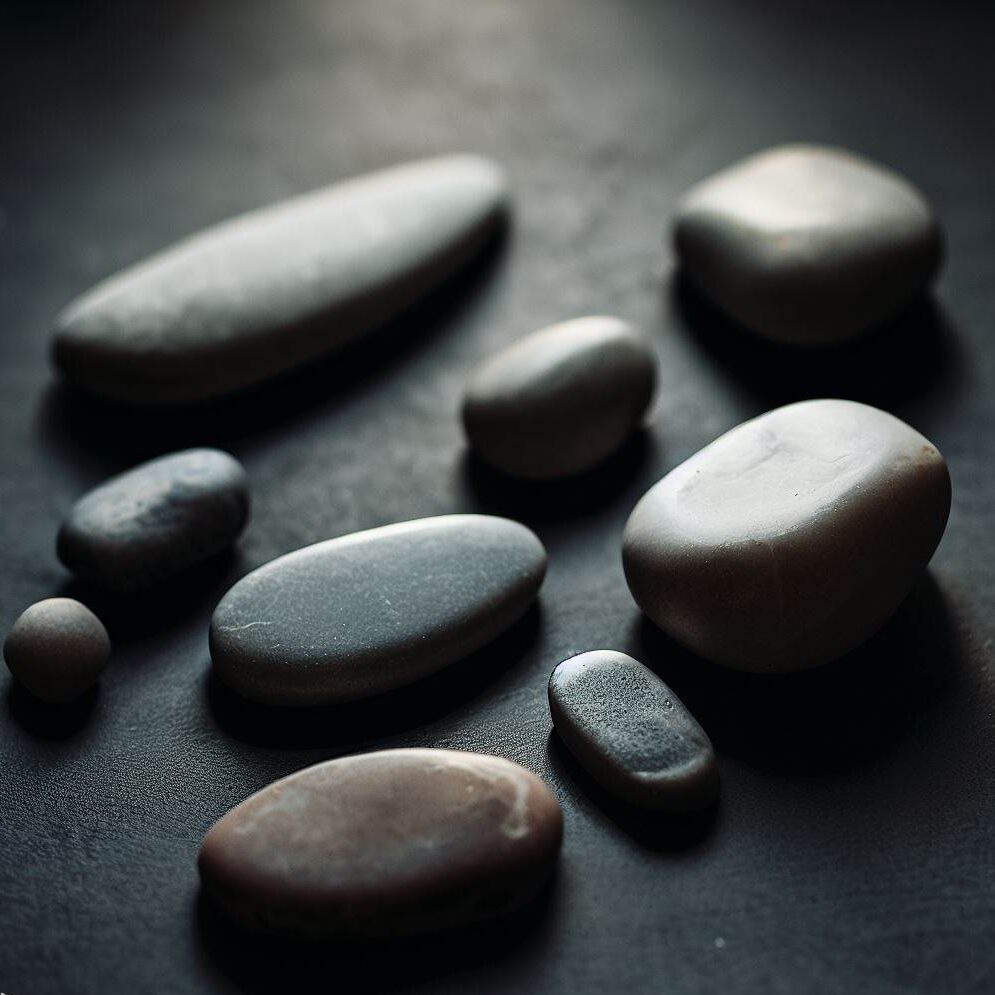
The first step in making a bone set is gathering the bones themselves. This can be done through ethical means, such as finding naturally shed bones or obtaining them from trusted sources. Alternatively, bones from reputable suppliers can be purchased. It is important to treat the bones with respect and gratitude for the creatures they once belonged to. Once gathered, the bones should be cleansed and consecrated to remove any residual energy and establish a sacred connection.

Personalizing the Bone Set:

Personalization is a crucial aspect of creating a bone set. Each bone can be marked or painted with symbols, runes, or sigils that hold personal significance for the practitioner. These markings add layers of intention and meaning to the divination process, acting as a language between the practitioner and the divine forces. The symbols can represent qualities, elements, or archetypal energies that resonate with the practitioner’s spiritual path. Through this personalization, the bone set becomes a unique and powerful tool for communication with the spiritual realm.

Using the Bone Set:

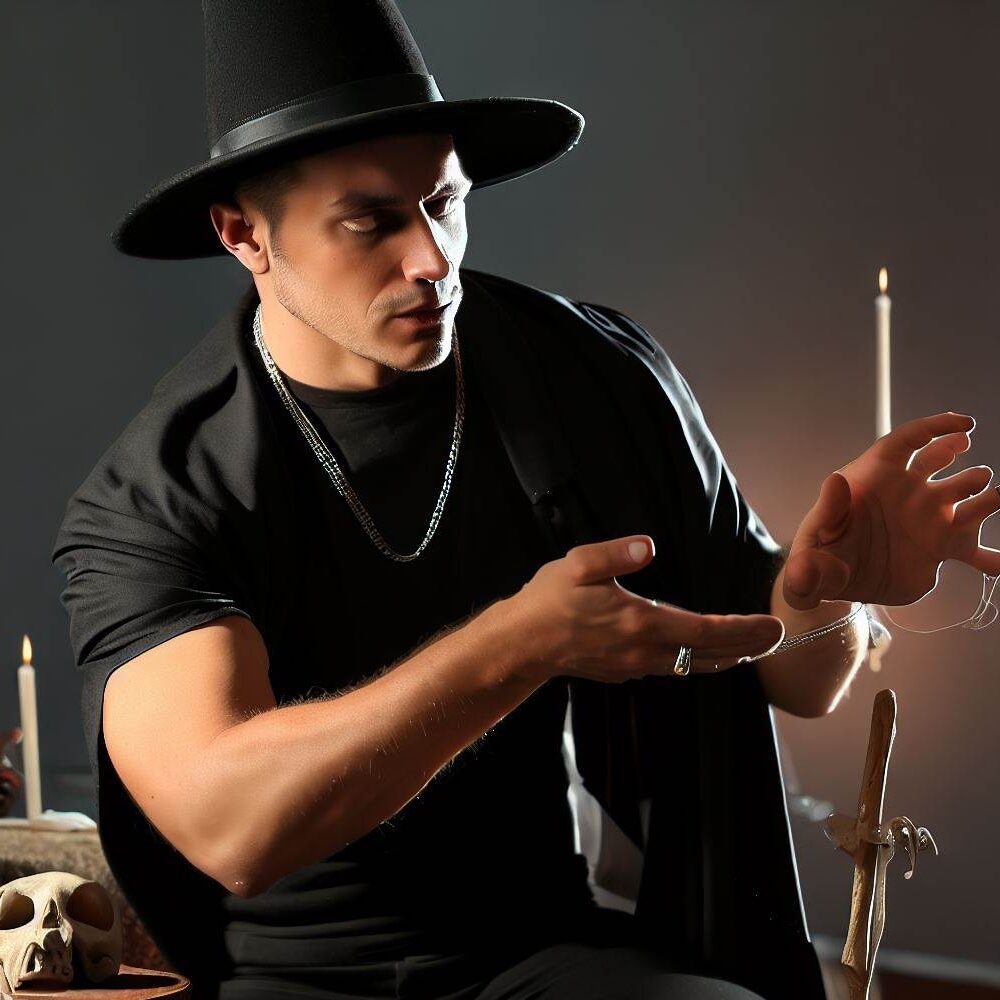
To use the bone set, practitioners develop their own casting technique. This may involve tossing the bones onto a special cloth or surface, arranging them in a pattern, or intuitively selecting specific bones from the set. The position, orientation, and relationships between the bones offer insights and messages that are then interpreted by the practitioner. Intuition, knowledge of symbolism, and the practitioner’s connection with the divine all play a role in interpreting the messages received.

Making and using a bone set is an intricate and personal process that allows practitioners to infuse their energy and intentions into a divination tool. The gathering, preparation, and personalization of the bones create a unique connection between the practitioner and the spiritual realm. With each bone carrying its own symbolism and the markings representing personal meaning, the bone set becomes a powerful conduit for divination and spiritual guidance. As practitioners embark on this creative journey, they enter a realm of heightened intuition, deep connection, and profound insights. The bone set becomes a trusted companion, guiding the practitioner through the mysteries of life, offering clarity, and facilitating a profound connection with the divine.

Adding Natural Materials to the Bone Set and their Magical Significance:

In the practice of osteomancy, the inclusion of natural materials alongside the bones adds depth, vibrancy, and expanded symbolism to the divination process. Feathers, crystals, shells, and herbs are among the many elements that can be incorporated into the bone set, each carrying its own unique energetic qualities and magical significance. These natural materials serve to amplify the connection with the divine, infuse the practice with elemental energies, and deepen the practitioner’s intuitive experience.

Feathers:

Feathers are often associated with birds, messengers of the spirit realm. Adding feathers to the bone set symbolizes a direct link to the spiritual realm and facilitates communication with higher realms of consciousness. Each feather holds its own unique energy, representing specific bird species and their associated qualities. For example, an owl feather may enhance wisdom and intuitive guidance, while an eagle feather may bring strength and clarity. Feathers in the bone set act as potent messengers, conveying spiritual insights and messages from the unseen world.

Crystals:

Crystals are renowned for their powerful energetic properties and their ability to amplify intentions. Adding crystals to the bone set infuses it with heightened vibrations and enhances the connection between the practitioner, the bones, and the spiritual realm. Different crystals possess unique properties that can enhance specific aspects of the divination process. Clear quartz, for example, amplifies the energy of the bones and promotes clarity, while amethyst enhances intuition and spiritual connection. The selection of crystals for the bone set should be guided by personal intuition and the desired energetic qualities.

Shells:

Shells are closely associated with the element of water, intuition, and the depths of the subconscious mind. Incorporating shells into the bone set represents a connection to the watery realms and the realm of emotions. Shells enhance the practitioner’s intuitive abilities and deepen the understanding of the messages received. Each type of shell carries its own unique energy and symbolism. For instance, a seashell may evoke the energy of the ocean and the ebb and flow of life, while a conch shell may represent inner wisdom and spiritual guidance. Shells in the bone set bring fluidity, intuition, and a connection to the unseen realms.

Herbs:

Adding herbs to the bone set establishes a connection to the natural world and its healing properties. Each herb possesses its own unique energetic qualities and associations. For example, lavender may promote relaxation and clarity, while sage can purify and cleanse energies. Herbs in the bone set can be used to smudge the bones, creating a sacred and purified space for divination. They can also be used to infuse the bone set with specific intentions or to align with the natural cycles of the seasons, adding a layer of seasonal wisdom and magical significance to the practice.

By incorporating natural materials such as feathers, crystals, shells, and herbs into the bone set, practitioners deepen their connection to the natural and spiritual realms, infusing the divination practice with heightened energies and symbolism. Each material brings its own unique qualities, enhancing intuition, amplifying intentions, and facilitating communication with unseen forces. The selection and arrangement of these natural materials should be done with intention, intuition, and respect for their magical significance. As practitioners utilize these enhanced bone sets, they embark on a divination journey that intertwines the wisdom of the bones with the expansive energies of the natural world, resulting in a more profound and transformative divination experience.

How to Cast the Bone Set and Interpret Their Messages:

Casting the bone set is a pivotal moment in osteomancy, as it sets the stage for unraveling the mysteries and insights hidden within the bones. The act of throwing or scattering the bones onto a cloth or surface creates a unique pattern, and it is within this pattern that the diviner discerns the messages and revelations. The interpretation process involves an intuitive connection with the bones, where the practitioner deciphers the symbolic language presented by the arrangement of the bones. By understanding the positions, orientations, proximity, and relationships between the bones, the diviner delves into the depths of wisdom held within the bone set.

Casting the Bones:

To cast the bone set, find a suitable cloth or surface that is consecrated and reserved for divination purposes. This designated space acts as a sacred canvas on which the bones will be cast. Take a moment to ground yourself and connect with the energy of the bones. Holding the bones in your hands, allow your intuition to guide you in how to best scatter them onto the cloth or surface. You may choose to toss them gently or let them fall naturally, trusting that the bones will arrange themselves in a way that carries significant meaning.

Interpreting the Bone Arrangement:

The interpretation of the bone arrangement is a deeply intuitive process that requires an open mind and a receptive state of being. As you survey the pattern created by the bones, pay attention to the positions and orientations of individual bones, as well as the overall composition. Some key factors to consider during interpretation include:

Position: Notice the position of each bone within the arrangement. Is it upright, reversed, or overlapping with another bone? Each position carries its own unique symbolism and message.

Orientation: Observe the direction in which the bones are facing. Are they pointing towards each other, away from each other, or in a specific direction? The orientations provide insights into relationships, energies, and potential outcomes.

Proximity: Consider the proximity of the bones to one another. Are they close together or spread apart? Proximity can indicate connections, conflicts, or the importance of certain elements in divination.

Relationship: Reflect on the relationships between the bones. Do they form groups, clusters, or specific patterns? Explore the connections and associations that emerge from these relationships.

Trust your intuition and personal connection with the bones as you interpret their collective message. Draw upon your knowledge of the symbolic meanings associated with each bone, as well as your understanding of the broader context of the divination inquiry. Allow the bones to speak to you, revealing their insights and guidance in a language that transcends the physical realm.

Casting and interpreting the bone set is a sacred dance between the practitioner and the divine forces at play. Through the act of casting, a unique pattern emerges, speaking the language of symbolism and wisdom. As the practitioner embraces their intuition and hones their connection with the bones, they become attuned to the messages conveyed through positions, orientations, proximity, and relationships. The interpretation process unfolds with an open heart and a receptive mind, unlocking the profound insights and guidance offered by the bones. In this sacred communion, the bone set serves as a conduit for divine wisdom, enabling seekers to navigate the complexities of life, uncover hidden truths, and embark on a transformative journey of self-discovery and spiritual growth.

Safety When Practicing Osteomancy:

Engaging in osteomancy, the ancient art of bone divination, is a profound and sacred endeavor. As practitioners delve into the mystical realm, it is essential to prioritize safety and establish a protected space. By adopting a mindful approach, cultivating reverence, and embracing ethical standards, practitioners can create an environment conducive to spiritual growth and self-discovery. This section explores the crucial safety considerations when practicing osteomancy, providing insights on how to foster a harmonious and responsible divination practice.

Creating a Sacred Space:

Before embarking on any divination session, it is vital to establish a sacred space. This can be accomplished through grounding and centering techniques, such as deep breathing exercises, meditation, or visualizations. By grounding oneself, practitioners establish a connection with the present moment and anchor their energy. Setting clear intentions is equally important, as it allows the practitioner to align their focus and invite divine guidance.

Spiritual Protection:

Invoking spiritual protection is an essential aspect of practicing osteomancy. Different traditions and belief systems offer various methods for protection, such as calling upon spirit guides, ancestors, or guardian spirits. Some practitioners may choose to create a protective circle or use symbolic objects, such as crystals or amulets, to enhance the energetic shield. It is important to find a protection ritual that resonates with one’s beliefs and to perform it before every divination session.

Approach with Reverence:

Approaching osteomancy with reverence and respect is integral to maintaining the integrity of the practice. Recognize that divination is a tool for guidance and self-reflection rather than a means to control or predict the future. Cultivate a mindset of humility, acknowledging that the insights gained from the bone set are gifts from the divine. Treat the bones with care and handle them with a sense of reverence, recognizing their sacred nature.

Self-Care and Ethical Standards:

Practitioners should prioritize self-care throughout their osteomancy practice. This includes maintaining emotional and physical well-being, setting boundaries, and practicing self-reflection. Regular self-care practices, such as meditation, journaling, or engaging in activities that nourish the spirit, can help maintain balance and clarity. It is equally important to uphold ethical standards in divination, ensuring that the practice is conducted with integrity, honesty, and respect for the well-being of others.

Seeking Proper Training or Guidance:

For those new to osteomancy, seeking proper training or guidance can provide valuable insights and ensure a safe and effective practice. Joining workshops, attending courses, or connecting with experienced practitioners or mentors can offer guidance on best practices, interpretation techniques, and ethical considerations. Engaging in a supportive community can deepen one’s understanding of osteomancy and provide opportunities for growth and development.

Safety is paramount when practicing osteomancy, ensuring a harmonious and empowering experience. By creating a sacred space, invoking spiritual protection, approaching the practice with reverence, and prioritizing self-care and ethical standards, practitioners can embark on their divination journey with confidence and integrity. Osteomancy offers a gateway to the mystical realm, providing guidance, self-reflection, and spiritual growth. With mindfulness and responsible practice, seekers can navigate the path of osteomancy with grace, honoring the sacred wisdom held within the bones and embracing the transformative power of divination.

Conclusion:

Osteomancy, the sacred art of bone divination, invites us to embrace the mysteries of the spiritual realm and embark on a profound journey of self-discovery. By delving into the history, symbolism, and practices of osteomancy, practitioners open themselves to transformative insights and spiritual growth. Through the interpretation of bones and the incorporation of natural materials, the ancient wisdom embedded within the bones becomes accessible, guiding us on our path of divine connection. Nevertheless, we must approach osteomancy with utmost respect, intention, and a commitment to safety, recognizing that the true power resides within ourselves, and the bones serve as conduits for our innate intuition and connection to the divine. As we honor the ancient wisdom of osteomancy, we unlock a gateway to profound revelations, empowering us to navigate the intricacies of life with grace and embrace the limitless possibilities of our spiritual journey.

Posted on Leave a comment

Recipe: Magical Simple Hummus

Magical Hummas
Magical Hummas

Introduction

A Magical Delight for Body and Spirit

Hummus, a beloved Middle Eastern dish, has gained popularity worldwide for its creamy texture, rich flavor, and versatility. Beyond its culinary appeal, hummus also carries magical properties derived from its key ingredients. In this article, we will explore the art of making a classic hummus recipe and delve into the magical properties of its components. Prepare to embark on a flavorful journey that nourishes not only your body but also your spirit.

Hummus, a gift bestowed upon us by the bountiful earth and the radiant sun. Let us marvel at its nourishing qualities, which have the power to enhance not only our bodies but also our spirits, souls, minds, hearts, and wills. The profound impact of hummus on our lives and dreams should not be underestimated, as it possesses the ability to propel us towards transformation and growth. With each bite of this divine creation, let us pay homage to the sacred presence that resides within us and in the magnificent universe that surrounds us. May this humble hummus be a conduit for healing, replenishing, and nurturing, granting us the blessings of abundance, purity, stability, and boundless potential. Blessed Be.

Blessed be this hummus, a gift of the earth and the sun
May it nourish our bodies and spirits with its abundance
May it cleanse our souls and minds with its purity
May it ground our hearts and wills with its stability
May it transform our lives and dreams with its potential
As we partake of this hummus, may we honor the divine within and without
So mote it be.

Magical Simple Hummus

A classic hummus recipe and delve into the magical properties of its components. Prepare to embark on a flavorful journey that nourishes not only your body but also your spirit.

  • 2 cups cooked chickpeas (drained and rinsed)
  • 1/3 cup tahini sesame paste (sesame paste)
  • 3 tablespoons freshly squeezed lemon juice
  • 2 cloves garlic (minced)
  • 2 tablespoons extra-virgin olive oil (plus extra for drizzling)
  • 1 teaspoon ground cumin
  • Salt to taste
  • Water (as needed for desired consistency)
  • paprika chopped parsley, or a drizzle of olive oil (Optional garnishes)
  1. In a food processor or blender, combine [wprm-ingredient text=”2 cups cooked chickpeas” uid=”0″], [wprm-ingredient text=”1/3 cup tahini sesame paste” uid=”1″], [wprm-ingredient text=”3 tablespoons freshly squeezed lemon juice” uid=”2″], [wprm-ingredient text=”2 cloves garlic” uid=”3″] (minced), [wprm-ingredient text=”2 tablespoons extra-virgin olive oil” uid=”4″], [wprm-ingredient text=”1 teaspoon ground cumin” uid=”5″], and a pinch of salt.

  2. Blend the ingredients on high speed until smooth and creamy. If needed, add [wprm-ingredient text=”Water” uid=”7″] gradually, a tablespoon at a time, to achieve your desired consistency.

  3. Taste the hummus and adjust the seasoning by adding more salt or lemon juice according to your preference.

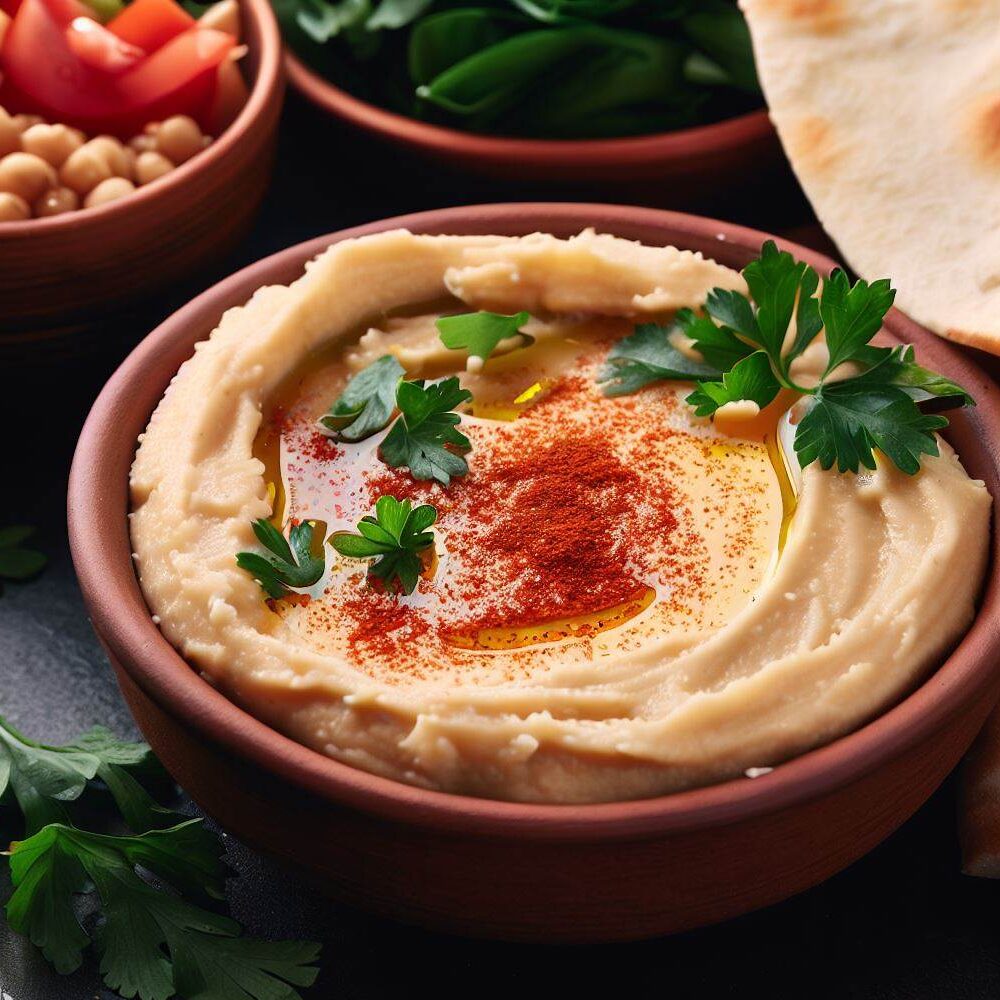
  4. Transfer the hummus to a serving bowl, drizzle with a little extra olive oil, and sprinkle with optional garnishes such as paprika or chopped parsley.
  5. Serve the hummus with warm pita bread, fresh vegetables, or use it as a delectable spread for sandwiches or wraps.

Hummus on the Next Level

To take your hummus to the next level and create an amazing flavor experience, there are various mix-ins you can incorporate to infuse it with extra depth and complexity. One popular option is to add roasted red peppers, which impart a smoky sweetness and vibrant color to the hummus. Another delicious addition is roasted garlic, which brings a rich and mellow flavor that complements the creaminess of the chickpeas. For a touch of heat, try mixing in a pinch of cayenne pepper or a drizzle of sriracha sauce. Adding a generous squeeze of fresh lemon juice brightens the flavors and adds a refreshing tang. Fresh herbs like parsley, cilantro, or basil can also be chopped finely and mixed in for a burst of freshness and aroma. Finally, toasted pine nuts, sun-dried tomatoes, or a sprinkle of sumac can provide delightful texture and unique flavor profiles. The key is to experiment with different mix-ins and find your perfect combination, transforming humble hummus into an irresistible and truly amazing dip.

Appetizer, Side Dish, Snack

Magical Properties of Key Ingredients:

  • Chickpeas: Chickpeas carry energies of abundance, protection, and grounding. They provide a strong foundation and nourishment for the body and spirit.
  • Tahini: Tahini, made from sesame seeds, is associated with fertility, wisdom, and transformation. It adds depth and richness to the hummus, symbolizing the unlocking of hidden potential.
  • Lemon Juice: Lemon juice brings purification, clarity, and vibrancy to the hummus. It enhances the flavors while cleansing and revitalizing the energies.
  • Garlic: Garlic is renowned for its protective and healing properties. It wards off negativity and promotes vitality and well-being.
  • Olive Oil: Olive oil embodies peace, abundance, and prosperity. It infuses the hummus with its smoothness and connects us with the energies of the earth.

Magical Benefits of the Dish:

Indulging in hummus brings forth a range of magical benefits:

  • Nourishment and Vitality: Hummus nourishes the body, providing essential nutrients and promoting vitality, strength, and overall well-being.
  • Spiritual Cleansing: The cleansing properties of lemon juice and garlic cleanse the spirit, removing stagnant energies and promoting clarity and renewal.
  • Grounding and Protection: The grounding energies of chickpeas and the protective qualities of garlic and olive oil create a shield of stability and safeguard against negative influences.
  • Transformation and Potential: The transformative nature of tahini stimulates personal growth, unlocking hidden potential, and inviting positive transformations into one’s life.

Conclusion:

Hummus, with its creamy texture and delightful flavors, not only satisfies our taste buds but also offers magical properties that nourish and uplift both body and spirit. By incorporating the energies of chickpeas, tahini, lemon juice, garlic, and olive oil, this classic dish becomes a symbol of abundance, transformation, protection, and vitality. As you savor each bite of hummus, allow its magical benefits to infuse your being, promoting growth, harmony, and well-being. Embrace this culinary treasure as a delightful addition to your magical repertoire and relish the enchantment it brings to your life.

Posted on Leave a comment

The Mystical World of Auras

Auras
Auras

Introduction

Seeing, Feeling, and Interpreting the Energy Fields

Auras have fascinated spiritual seekers, healers, and metaphysical enthusiasts for centuries. These elusive energy fields surrounding living beings are believed to offer insights into our emotional, mental, and spiritual states. In this detailed article, we will explore what auras are, their spectrum of colors and interpretations, ways to see and feel auras, the movement of auras, and how to use this information. We will also touch upon important safety considerations for those venturing into the exploration of auras.

What is an Aura?

An aura is a fascinating phenomenon that encompasses the electromagnetic energy field surrounding all living beings, including humans, animals, and plants. It is considered an extension of our consciousness, intimately intertwined with our physical, emotional, mental, and spiritual aspects. Composed of subtle vibrations, the aura acts as a mirror that reflects our overall well-being on multiple levels.

At its core, the aura is an energetic manifestation of our existence, existing beyond the limitations of the physical body. It is intricately linked to the subtle energy systems that flow within and around us, such as the chakras and meridians. These energy systems play a vital role in maintaining balance and vitality in our lives.

The aura itself is an electromagnetic field, meaning it consists of electric and magnetic energies. These energies interact and intertwine, creating a multidimensional tapestry of colors, patterns, and frequencies. Everyone’s aura is unique, reflecting their essence and the energetic blueprint of their being.

The aura is not confined to a specific boundary but extends beyond the physical body. It can vary in size, influenced by factors such as emotional states, health, and spiritual development. Some auras may span a few inches, while others may encompass several feet in diameter. The fluctuations in the aura’s size can signify shifts in energy and overall vitality.

Within the aura, subtle vibrations harmonize and interplay. These vibrations reflect the interconnectedness between our physical, emotional, mental, and spiritual aspects. Auras can reveal imbalances, strengths, and areas of growth within these different facets of our being.

The colors present in the aura hold significant meaning and provide insight into our state of being. Each hue resonates with a particular energy frequency, representing various emotions, personality traits, and spiritual qualities. For instance, vibrant red may indicate passionate energy, while calming shades of blue can symbolize tranquility and spiritual depth. The combination and arrangement of colors in the aura form a unique energetic fingerprint, capturing the essence of who we are.

The aura is not static but dynamic and ever-changing. It responds to our thoughts, emotions, experiences, and overall well-being. Significant events, spiritual practices, and personal growth can influence the aura’s vibrancy, leading to shifts and transformations in its appearance.

As we delve into understanding and exploring the aura, we gain profound insights into our holistic nature. By cultivating awareness of the aura’s composition, colors, and energetic fluctuations, we unlock a deeper understanding of ourselves. The aura serves as a compass, guiding us on our journey of self-discovery, healing, and spiritual evolution.

In conclusion, the aura is an electromagnetic energy field that encapsulates our entire being. It is an expression of our consciousness and encompasses the subtle vibrations that reflect our physical, emotional, mental, and spiritual aspects. Understanding the aura grants us a unique lens to perceive and interpret our multidimensional nature, offering opportunities for growth, healing, and self-realization.

Can You See/Sense Auras?

While some individuals possess a natural ability to see and sense auras, it is believed that anyone can develop this skill through practice and increased awareness. Sensing and perceiving auras involves activating our intuitive faculties and expanding our perception beyond the physical realm. If you’re curious about whether you can see or sense auras, here are some guidelines to help you test and strengthen your abilities.

Testing Your Ability to Sense Auras:

  • Self-Observation: Begin by observing yourself. Pay attention to the subtle sensations, emotions, or energetic shifts that you experience in different situations. Notice if you have a heightened sense of perception or intuitive awareness when interacting with others or being in certain environments.
  • Practice with Objects: Start by focusing on inanimate objects such as plants, crystals, or even photographs. Sit in a quiet space, relax, and allow yourself to become present. Soften your gaze and gently direct your attention towards the object. Notice if you sense any energetic presence or experience subtle shifts in your perception.
  • Experiment with People: Engage in exercises with a willing partner or a small group of friends. Have them stand or sit in front of a plain background, and using a relaxed gaze, observe the space surrounding them. Pay attention to any impressions, sensations, or feelings that arise. Compare your observations with the person’s self-description or ask for feedback to validate your perceptions.

Strengthening Your Ability to See and Sense Auras:

  • Cultivate Mindfulness: Developing your ability to see and sense auras requires cultivating mindfulness and present-moment awareness. Engage in practices such as meditation, deep breathing exercises, or body scans to enhance your overall state of presence and receptivity.
  • Clear and Balance Your Energy: Keeping your own energy field clear and balanced is essential for perceiving auras. Engage in self-care practices that support your energetic well-being, such as grounding exercises, energy cleansing techniques (e.g., smudging, bathing in saltwater), or working with healing modalities like Reiki.
  • Intuitive Development: Nurture your intuition by engaging in activities that strengthen your intuitive faculties. These can include journaling, dream work, or practicing divination tools like tarot or oracle cards. Trusting and acting upon your intuitive guidance enhances your ability to sense and interpret energetic fields.
  • Seek Guidance and Validation: Connect with experienced practitioners who have a deep understanding of auras and energy work. Seek their guidance, attend workshops or classes, or engage in aura reading sessions to gain insights and validation. Learning from those who have honed their skills can provide valuable guidance and support your own development.
  • Patience and Practice: Developing the ability to see and sense auras requires patience and consistent practice. Engage in regular exercises, dedicate time to observation, and maintain a curious and open mindset. Celebrate even the smallest progress and trust that with perseverance, your abilities will continue to grow.

Remember, the ability to see and sense auras is a unique journey for each individual. Embrace your own unique experiences and perceptions, and don’t compare yourself to others. Trust in your innate capacity to perceive subtle energies and enjoy the exploration of the fascinating world of auras.

How to See and Feel Auras:

To embark on the journey of seeing and feeling auras, follow these practices inspired by relaxation and focus, soft gaze, peripheral vision, sensory awareness, and the importance of practice and patience:

  • Relaxation and Focus: Begin by finding a quiet and comfortable space where you won’t be disturbed. Sit or lie down in a relaxed position and take a few moments to focus on your breath. Inhale deeply, allowing your abdomen to expand, and exhale fully, releasing any tension or stress. Clearing your mind of distractions through meditation or deep breathing will enhance your ability to perceive subtle energies.
  • Soft Gaze: Instead of fixing your gaze directly on the person, object, or plant you wish to observe, adopt a soft gaze. Softening your focus allows you to shift your attention to the space surrounding the subject. By doing so, you may notice a gentle expansion of your field of vision, making it easier to detect the energetic field or aura.
  • Peripheral Vision: Utilize your peripheral vision as you engage in aura observation. While focusing on a specific point near the person or object, maintain a wider awareness of the surrounding space. Peripheral vision is more attuned to perceiving subtle energies, and this technique can assist in detecting auras. It helps bypass the tendency to focus solely on the physical form and allows you to notice the energetic presence more readily.
  • Sensory Awareness: Pay attention to subtle sensations and shifts in energy as you focus on the subject. Allow your intuitive impressions and feelings to guide you. You may experience tingling, warmth, coolness, or a sense of pressure in different parts of your body. Trust these sensory cues, as they can provide valuable insights into the energetic field you are observing.
  • Practice and Patience: Developing the ability to see and feel auras requires consistent practice and patience. Treat aura observation as a skill that improves with time and effort. Engage in regular sessions where you dedicate focused time to observe and sense auras. Even if you don’t perceive anything immediately, remember that each session contributes to your overall progress. Be patient with yourself and avoid placing unnecessary pressure or expectations on the outcome.
  • Journaling and Reflection: Maintaining a journal can be a valuable tool to document your experiences, observations, and insights during aura practices. After each session, take a few moments to reflect on your perceptions, any sensations, or impressions you noticed, and how they made you feel. This reflection will deepen your understanding, enhance your self-awareness, and allow you to track your progress over time.
  • Seek Support and Validation: Engaging with others who share an interest in auras can provide guidance, support, and validation for your experiences. Joining spiritual or metaphysical communities, attending workshops or classes, or connecting with experienced practitioners can offer valuable insights and a sense of community. Sharing your journey and learning from others who have developed their abilities can inspire and accelerate your progress.

In conclusion, seeing and feeling auras requires relaxation, focus, soft gaze, peripheral vision, sensory awareness, and consistent practice. By incorporating these techniques into your routine, you can begin to perceive and connect with the subtle energetic fields that surround living beings. Remember to approach your journey with patience, trust in your intuitive impressions, and maintain a sense of curiosity and open-mindedness. Enjoy the process of expanding your perception and deepening your connection to the vibrant tapestry of energy that surrounds us all.

The Spectrum of Colors and Their Meanings:

Auras are frequently described in terms of colors, and each hue within the aura carries its own unique significance. The colors within an aura provide valuable insights into a person’s emotional state, personality traits, and spiritual aspects. Here are some common aura colors and their interpretations:

  • Red: Red within an aura signifies passion, vitality, and strong emotions. It represents a person’s intense energy, enthusiasm, and desire for action. A vibrant red hue often indicates a passionate individual with a zest for life and a strong will.
  • Orange: Orange in an aura is associated with creativity, enthusiasm, and joy. It represents a person’s vibrant and playful nature, indicating a zest for life and a sense of adventure. Individuals with a predominant orange aura are often creative, spontaneous, and expressive.
  • Yellow: Yellow within an aura symbolizes intellect, optimism, and a vibrant personality. It reflects mental clarity, positivity, and an analytical mindset. Those with a yellow aura are often intelligent, cheerful, and possess a natural curiosity and thirst for knowledge.
  • Green: Green in an aura signifies healing, growth, and balance. It represents a person’s connection to nature, compassion, and harmony. A strong presence of green often indicates a nurturing and empathetic individual with a deep love for the environment and a natural ability to support and heal others.
  • Blue: The color blue within an aura is associated with calmness, spirituality, and effective communication. It represents a person’s serenity, spiritual awareness, and ability to express themselves with clarity. Individuals with a blue aura are often spiritually inclined, intuitive, and have a calm and soothing presence.
  • Indigo: Indigo in an aura represents intuition, deep insight, and spiritual awareness. It reflects a person’s ability to tap into their inner wisdom, heightened perception, and connection to the higher realms. Those with an indigo aura are often gifted with psychic abilities, possess profound spiritual knowledge, and exhibit a strong sense of purpose.
  • Violet: Violet within an aura symbolizes wisdom, spiritual connection, and heightened consciousness. It represents a person’s spiritual growth, enlightenment, and connection to divine energies. Individuals with a predominant violet aura are often spiritually advanced, possess profound wisdom, and radiate a sense of inner peace and tranquility.

It’s important to note that these interpretations are general guidelines, and the colors within an aura can vary in intensity, combination, and placement. Additionally, the presence of multiple colors within an aura further adds depth and complexity to its interpretation. Trust your intuition and consider the overall energy and combination of colors to gain a more comprehensive understanding of the person’s aura and its meanings.

Understanding the spectrum of colors within an aura allows us to gain deeper insights into ourselves and others, fostering self-awareness, empathy, and spiritual growth. By paying attention to these colors, we can enhance our understanding of the energetic tapestry that surrounds us and deepen our connections with the vibrant spectrum of human experiences.

Interpreting Auras:

Interpreting auras is a captivating and intuitive process that involves considering multiple factors, including color, intensity, size, and location. It’s crucial to recognize that interpretations can be subjective and may vary from person to person. Trusting your intuition and observing patterns over time will assist in developing a deeper understanding of aura interpretations.

  • Color: Colors play a significant role in aura interpretation. Each hue within an aura holds its own energetic significance. Referencing the common meanings associated with different colors, as mentioned earlier, can provide a starting point for understanding auras. However, it’s important to note that individual experiences and cultural associations may influence personal interpretations. Trusting your intuitive sense and observing how colors resonate with the person’s overall energy and presence will help refine your understanding.
  • Intensity: The intensity or brightness of colors within an aura provides additional insights. A strong, vibrant color may indicate an amplified expression of the associated traits or emotions. Conversely, a muted or dull color might suggest a temporary suppression or depletion of those energies. Observing the intensity can reveal the strength and vitality of different aspects of a person’s being.
  • Size: The size of an aura can vary, reflecting the energetic presence and expansion around an individual. A larger aura generally indicates a more expansive, outgoing, or energetically open personality. It suggests that the person is actively engaged with their environment and possesses a higher level of vitality. Conversely, a smaller aura might suggest introversion, reserve, or a need for energetic restoration. Consider the context, the person’s temperament, and any variations in aura size observed over time.
  • Location: The location of colors within the aura can offer valuable insights into specific aspects of a person’s life and being. For instance, if a particular color is concentrated around the head region, it may indicate a strong intellectual or spiritual focus. Colors near the heart might suggest emotional qualities or a compassionate nature. Pay attention to any patterns or concentration of colors in specific areas to understand how they correspond to the person’s experiences and characteristics.
  • Trusting Intuition and Observing Patterns: Interpreting auras is a deeply intuitive process, and it is essential to trust your instincts and personal impressions. While general interpretations and associations with colors can provide a foundation, your intuition will guide you in understanding the unique nuances and complexities of each aura. Observe patterns and correlations between colors, intensity, size, and location over multiple interactions to develop a deeper understanding of the person’s energetic makeup.

It’s important to approach aura interpretation with an open mind and an understanding that it is a dynamic and evolving practice. Each person’s aura is unique, and interpretations can vary based on individual experiences, cultural influences, and personal perspectives. Embrace the journey of exploring and understanding auras, allowing your intuition to be your guide, and observing the patterns that unfold over time. Through continuous practice, observation, and trust in your intuitive faculties, you will develop a profound understanding of aura interpretations and unlock the insights they offer for self-discovery and connection with others.

The Way Auras Can Appear:

Auras are not confined to a single appearance but can manifest in various ways, offering unique insights into a person’s energetic field. Understanding the different manifestations of auras enhances our ability to perceive and interpret these subtle energy fields. Here are some common ways in which auras can appear:

  • Subtle Mist-Like Field: One of the common manifestations of an aura is a subtle, mist-like field surrounding the body. This misty appearance often extends a few inches to a few feet beyond the physical form. It may appear as a delicate, ethereal layer that emanates from the person. The mist-like aura is often described as having a soft, translucent quality, with colors and energy subtly blending.
  • Bands or Layers of Energy: Auras can also manifest as bands or layers of energy extending outward from the body. These bands or layers represent different aspects of the person’s energy and can vary in thickness and intensity. The bands may appear as distinct rings or ribbons encircling the body, each carrying its own unique color or vibration. Observing these layers can provide insights into the multifaceted nature of an individual’s being.
  • Varying Degrees of Intensity and Brightness: Auras can exhibit varying degrees of intensity and brightness. Some auras may radiate with a vibrant and luminous glow, indicating a strong and vibrant energy field. Others may appear more subdued or muted, suggesting a temporary depletion or a calmer state of being. The intensity and brightness of an aura can provide clues about a person’s vitality, emotional state, and overall energy levels.
  • Distinct Shapes or Patterns: Within the aura, distinct shapes or patterns may emerge. These can include geometric forms, such as circles, squares, or triangles, or more intricate patterns like spirals or waves. Some individuals may have specific symbols or images appearing within their aura, representing significant aspects of their life or spiritual journey. Paying attention to these shapes or patterns can offer deeper insights into a person’s energetic composition and experiences.

It’s important to note that auras are highly subjective and can vary from person to person. The way an aura appears may be influenced by the observer’s sensitivity, perception, and the level of energetic attunement. Each person’s aura is unique and may be presented in a way that resonates with their individual energy and experiences.

As you explore and observe auras, maintain an open and curious mindset. Allow yourself to be receptive to the diverse ways in which auras can manifest. Trust your intuition and observations, recognizing that interpretations may vary and that the true understanding of an aura goes beyond its physical appearance. Embrace the beauty and intricacies of these energetic fields as you deepen your connection to the vibrant tapestry of human energy and consciousness.

The Movement of Auras and Its Significance:

Auras are not static entities but dynamic fields of energy, constantly in motion. The movements observed within an aura can provide valuable insights into the energetic state and experiences of an individual. Understanding the significance of aura movement enhances our ability to interpret and connect with the ever-changing nature of these energetic fields. Here are some common movements observed in auras and their interpretations:

  • Expansion and Contraction: The movement of expansion and contraction within an aura reflects the openness or defensiveness of a person’s energy. An expanding aura signifies a state of openness, receptivity, and an outgoing nature. It suggests a willingness to engage with the world and an embracing of new experiences. In contrast, a contracting aura indicates a more self-protective or introverted state. It may reflect a need for personal space, boundaries, or a withdrawal from external stimuli.
  • Vibrations or Shimmering: Vibrations or shimmering movements within an aura indicate heightened states of emotion or spiritual energy. It signifies an increase in the intensity and frequency of energy flow within the aura. These movements may be observed as subtle ripples or waves that traverse through the energy field. Vibrations or shimmering suggest the presence of strong emotions, spiritual awakenings, or moments of deep insight and connection.
  • Spiraling or Swirling: Spiraling or swirling movements within an aura suggest active transformation or the release of energy. These movements can be observed as spiraling patterns or energetic currents moving in a circular or swirling motion within the aura. It signifies a dynamic process of change, growth, or the shedding of old patterns. Spiral or swirling movements indicate a person’s readiness for personal transformation, renewal, or the release of stagnant energies.

The Direction of Movement:

The direction of movement within an aura also holds significance. Movement from the head to the toes is often associated with grounding. It suggests the flow of energy from the higher chakras down to the lower chakras, promoting stability, rootedness, and a connection to the physical realm. Grounding movement assists in balancing and anchoring a person’s energy, fostering a sense of stability and security.

Conversely, movement from the toes to the head is uplifting. It signifies the upward flow of energy from the lower chakras to the higher chakras. This movement promotes spiritual growth, expansion of consciousness, and a connection to higher realms. Uplifting movement facilitates the alignment of one’s energy with higher frequencies, inspiring a sense of upliftment, inspiration, and spiritual connection.

Interpreting Aura Movement:

Interpreting aura movement requires attentiveness and intuitive awareness. It is important to observe the context, overall energy, and patterns of movement over time. Trust your intuition and allow the movements to guide your interpretation, understanding that individual experiences may vary. Remember that movement within an aura reflects the dynamic nature of energy and consciousness. Embrace the fluidity and ever-changing essence of auras as you deepen your understanding and connection to the vibrant tapestry of energetic existence.

How to Use Aura Information:

Understanding auras and their significance can unlock a wealth of insights that contribute to personal growth, healing, and enhanced interpersonal relationships. By harnessing the information present in auras, we can make positive changes in ourselves and deepen our connections with others. Here are some ways to utilize aura information:

  • Self-Reflection and Healing: Awareness of our own aura allows us to gain deeper insights into our energetic state and overall well-being. By regularly observing and interpreting our aura, we can identify imbalances, areas of growth, and patterns that require attention. This awareness opens the door for personal reflection, self-healing, and transformation. It enables us to take proactive steps to restore harmony and balance in our physical, emotional, mental, and spiritual aspects.
  • Energy Alignment and Clearing: Aura information serves as a compass for aligning our energy with our highest potential. By understanding the colors, movements, and intensity within our aura, we can discern where energy blockages or disharmony may reside. This insight empowers us to engage in energy-clearing practices such as meditation, energy healing modalities, or mindfulness techniques that promote the free flow of energy and support our overall well-being.
  • Relationship Dynamics: Interpreting the auras of others can provide valuable cues about their emotional well-being and help us navigate interpersonal relationships. Observing changes in someone’s aura color, intensity, or movement can give us insight into their current state and experiences. This understanding fosters empathy, compassion, and a deeper level of connection. It allows us to offer support, understanding, and tailored communication approaches based on the energy we perceive within their aura.
  • Enhancing Communication: Aura information can enrich our communication with others. By being attuned to the energetic cues within someone’s aura, we can pick up on unspoken emotions, underlying energy patterns, or shifts in their energetic field. This awareness enables us to respond with greater sensitivity, understanding, and empathy, fostering effective and meaningful communication.
  • Facilitating Healing and Support: Interpreting the auras of others also empowers us to provide healing and support. By recognizing imbalances or areas of disharmony within someone’s aura, we can offer guidance, healing modalities, or resources that may assist in their well-being. Understanding the energetic aspects of their being allows us to tailor our support to their specific needs, promoting their healing and growth.

Remember, utilizing aura information is a dynamic and intuitive process. It requires ongoing practice, trust in your intuitive senses, and open-mindedness. As you engage with aura information, respect the boundaries and consent of others. Use this knowledge as a tool for personal growth, healing, and fostering positive connections with those around you. The understanding and utilization of aura information has the potential to enhance our overall well-being, deepen our relationships, and contribute to a more harmonious and connected existence.

Safety Considerations:

While exploring auras can be a fascinating and insightful practice, it is crucial to approach it with respect, integrity, and consideration for personal boundaries. Here are some important safety considerations to keep in mind when engaging with auras:

  • Consent: Obtaining consent is of utmost importance when working with auras. Always seek permission before attempting to read or interpret someone’s aura. Respect their autonomy and personal boundaries. Not everyone may be comfortable with having their aura observed or discussed, so ensure that you have explicit permission before proceeding. Honor their choice if they decline or express discomfort.
  • Sensitivity and Confidentiality: Aura reading is a subjective experience, and interpretations can vary. When offering insights or interpretations of someone’s aura, do so with sensitivity and care. Remember that the information shared is personal and may be deeply meaningful to the individual. Respect their privacy and maintain confidentiality by refraining from sharing their aura details without their explicit consent.
  • Non-Intrusiveness: Respect the energetic boundaries of others. Be mindful of the space and energy you bring into aura observation. Avoid intrusive or invasive actions, both physically and energetically. It is important to maintain a sense of respect, empathy, and ethical conduct throughout the process.
  • Personal Well-being: Prioritize your own well-being and energetic hygiene when engaging with auras. Grounding, cleansing, and protecting your own energy field before and after aura-related practices can help maintain a balanced and healthy state. Establish personal boundaries and listen to your intuition regarding the amount of energy and time you invest in aura exploration.
  • Ethical Considerations: Approach aura work with integrity and ethical considerations. Recognize that aura information is deeply personal and should be used responsibly and respectfully. Do not exploit or manipulate others based on the information gained from their aura. Use your insights and interpretations to foster healing, understanding, and support rather than to exert control or dominance.
  • Continuous Learning: Maintain a mindset of continuous learning and growth in your understanding of auras. Seek out reputable sources, mentors, or practitioners who can provide guidance and expand your knowledge. Engaging in ethical discussions and staying informed about the evolving field of aura study can contribute to a safer and more responsible practice.

By adhering to these safety considerations, we can engage in aura exploration with empathy, respect, and integrity. The practice of understanding auras can be a transformative and enlightening journey when approached ethically and responsibly. Remember, the well-being and consent of individuals should always be prioritized, fostering an environment of trust, respect, and growth.

Conclusion:

Auras offer us a profound glimpse into the intricate tapestry of subtle energies that surrounds and interconnects all living beings. Developing the ability to perceive and interpret auras opens a gateway to self-discovery, empathy, and spiritual growth. By honing our skills to see and feel auras, we embark on a journey of profound insights and connections with ourselves and others. Through careful observation, sensitive interpretation, and compassionate understanding, the exploration of auras becomes a transformative tool for personal growth, healing, and an ever-deepening connection with the expansive and vibrant energetic fabric that weaves together the universe. Embrace the world of auras, and let the journey unfold, igniting a deeper understanding of ourselves, the world around us, and the boundless realm of energy that exists within and beyond our perception.

Posted on Leave a comment

Vestalia: Honoring the Sacred Hearth

Introduction

Vestalia: Honoring the Sacred Hearth

Vestalia is an ancient Roman festival dedicated to Vesta, the goddess of the hearth and home. This sacred celebration holds great significance in Roman culture, focusing on the importance of the hearth and the sacred flame that symbolizes the warmth, protection, and continuity of the household. In this article, we will explore the history, traditions, and modern practices associated with Vestalia, shedding light on the enduring legacy of this revered Roman festival.

Exploring the Ancient Roman Festival Honoring Vesta

Vestalia, an ancient Roman festival dedicated to Vesta, the goddess of the hearth and home, holds great significance in Roman mythology and religious practices. This sacred celebration reflects the reverence and importance placed on the hearth in Roman society. In this section, we will delve into the history and origin of Vestalia, tracing its roots to ancient Roman mythology and exploring its connection to the eternal flame that symbolized the collective hearth of Rome.

Vestalia and Vesta in Ancient Roman Mythology:

Vestalia finds its roots in the rich tapestry of ancient Roman mythology. Vesta, one of the most revered goddesses of the Roman pantheon, personified the hearth and its sacred flame. She was considered a guardian deity of the city and held a crucial role in maintaining the eternal flame that represented the collective hearth of Rome. Vesta’s association with the hearth and home made her an integral part of daily life and the spiritual well-being of the Roman people.

Establishment of Vestalia by King Numa Pompilius:

The festival of Vestalia is believed to have been established during the reign of King Numa Pompilius, a legendary figure who codified many of Rome’s religious practices. Under his rule, the significance of Vesta and the hearth grew, leading to the establishment of Vestalia as an annual festival. King Numa recognized the vital role that Vesta played in maintaining the spiritual and physical well-being of the city and sought to honor her through this sacred celebration.

The Eternal Flame and the Collective Hearth of Rome:

The eternal flame, symbolizing the collective hearth of Rome, held immense importance during Vestalia. It was believed to be a sacred source of divine protection, purity, and continuity for the city. The Vestal Virgins, the sacred priestesses dedicated to Vesta’s service, were responsible for tending this eternal flame, ensuring its constant presence. The flame represented not only the physical warmth and nourishment of the hearth but also the spiritual and communal bonds that united the Roman people.

Vestalia, rooted in ancient Roman mythology, pays homage to Vesta, the revered goddess of the hearth and home. This festival holds a significant place in Roman religious practices, highlighting the central role of the hearth and the eternal flame in Roman society. Vestalia’s origin can be traced back to the reign of King Numa Pompilius, who recognized the importance of Vesta and codified her worship through this annual celebration. By honoring the eternal flame and the collective hearth of Rome, Vestalia reaffirmed the sacred bond between the goddess, the city, and its people.

Celebrating Vestalia in Ancient Rome

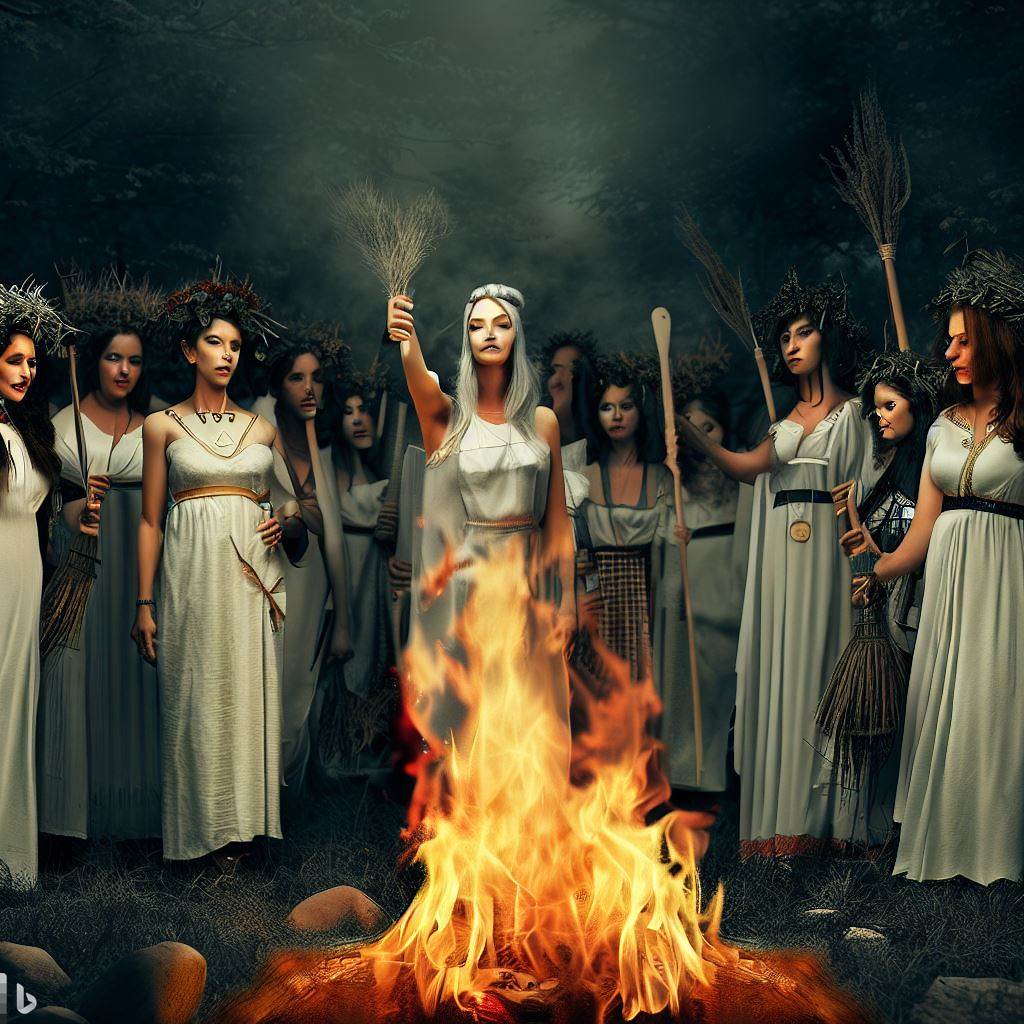
Vestalia, an annual festival held in ancient Rome, paid tribute to Vesta, the goddess of the hearth and home. This celebration, spanning from June 7th to June 15th, was marked by a series of rituals and ceremonies conducted by the Vestal Virgins, who were devoted to Vesta’s service. In this section, we will explore the rich traditions and customs associated with celebrating Vestalia in ancient Rome, with a particular focus on the significant role played by the Vestal Virgins and their sacred procession to the Tiber River.

Rituals and Ceremonies of Vestalia:

Vestalia was a time of heightened reverence for Vesta and her sacred flame. At the Temple of Vesta, the Vestal Virgins performed rituals and ceremonies to honor the goddess and ensure the well-being of Rome. The highlight of Vestalia was the procession of the Vestal Virgins to the Tiber River, where they fetched water for purification purposes. This water, believed to hold sacred properties, was then used to cleanse the Temple of Vesta and sprinkle on the sacred hearth, symbolizing the renewal and sanctity of the eternal flame.

The Role of the Vestal Virgins:

The Vestal Virgins, a select group of priestesses, played a pivotal role in the celebration of Vestalia. Chosen as young girls, they dedicated themselves to the service of Vesta and were tasked with maintaining the eternal flame, safeguarding the sacred hearth, and upholding the religious rituals associated with Vesta’s worship. During Vestalia, the Vestal Virgins were at the forefront of the festivities, leading processions, performing rites, and ensuring the purity and continuity of Vesta’s divine presence.

Community Engagement and Devotion:

Vestalia was not only a sacred event but also a time of community engagement and devotion. The Roman people participated in the festivities by making offerings and prayers to Vesta, seeking her protection, blessings, and prosperity for the city. The rituals conducted by the Vestal Virgins were witnessed by a gathering of worshippers, who showed their respect and reverence for Vesta and the important role she played in their lives. Vestalia served as a unifying force, bringing the Roman community together in shared devotion and celebration.

Vestalia, celebrated over a span of eight days in ancient Rome, was a significant festival dedicated to Vesta, the goddess of the hearth and home. The Vestal Virgins played a crucial role in conducting rituals and ceremonies, with their procession to the Tiber River serving as a prominent highlight. The engagement of the Roman community and their collective devotion to Vesta during Vestalia underscored the importance of the hearth and the eternal flame as symbols of spiritual and communal well-being. Vestalia served as a powerful reminder of the sacred connection between the goddess, the sacred hearth, and the Roman people, reinforcing the bonds that upheld the city’s prosperity and harmony.

Modern Practices of Vestalia

Vestalia, the ancient Roman festival dedicated to Vesta, continues to inspire, and resonate with modern practitioners of Roman Reconstructionist or Neopagan paths. While the festival itself belongs to the pages of history, its traditions and practices find relevance in the present day. In this section, we will explore the modern practices of Vestalia and how individuals and communities honor Vesta’s sacred flame, emphasizing the significance of the hearth and domestic harmony in their lives.

Honoring the Sacred Hearth:

In today’s modern context, practitioners of Vestalia understand the symbolic importance of the hearth as the center of the home and family life. Many individuals choose to maintain a sacred flame or light candles in their homes, creating a tangible representation of Vesta’s eternal fire. This act not only serves as a spiritual focal point but also fosters a sense of warmth, protection, and unity within the household. By tending to the sacred flame, practitioners honor the legacy of Vesta and her role in ensuring domestic harmony and well-being.

Rituals and Offerings:

Modern celebrations of Vestalia often involve rituals and offerings that pay homage to Vesta. Practitioners may gather in sacred spaces, both indoors and outdoors, to perform rituals and ceremonies that invoke the presence of Vesta and express gratitude for her blessings. Offerings of food, drink, or symbolic items may be presented on an altar or hearth, symbolizing the exchange of energy and devotion. These rituals serve to establish a connection with the goddess and seek her guidance and protection in daily life.

Community Gatherings and Rituals:

Vestalia also provides an opportunity for individuals and communities to come together in celebration and unity. Modern practitioners may organize gatherings or festivals to commemorate Vestalia, inviting like-minded individuals to participate in shared rituals and activities. These events may include storytelling, music, dance, and the sharing of traditional Roman cuisine. Through these communal experiences, participants deepen their understanding of Vesta’s significance and forge connections with others who share a similar devotion to the goddess.

Emphasizing Domestic Harmony:

One of the enduring aspects of Vestalia is the emphasis on domestic harmony and the importance of the hearth in everyday life. Modern practitioners of Vestalia take this to heart and strive to create harmonious and nurturing environments within their homes. This may involve practicing acts of kindness, fostering open communication, and cultivating a sense of gratitude for the blessings of home and family. By incorporating these principles into their daily lives, practitioners honor Vesta’s legacy and the ideals she represents.

While Vestalia belongs to ancient Roman history, its traditions and practices have found a place in the modern world. Through the recognition of the sacred hearth, the maintenance of a sacred flame, the performance of rituals, and the emphasis on domestic harmony, practitioners of Vestalia continue to honor Vesta and her enduring significance. These modern practices allow individuals and communities to connect with the timeless wisdom of the goddess and bring the spirit of Vestalia into their homes and lives, fostering a sense of warmth, protection, and unity in the modern era.

The Importance of Vestalia

Vestalia served as a reminder of the central role the hearth played in Roman society, representing not only physical warmth and nourishment but also the spiritual and emotional well-being of the household. This festival emphasized the essential connection between the divine, the domestic, and the communal aspects of life. Vestalia reinforced the sacred bond between Vesta, the guardian of the hearth, and the people, reminding them of their responsibilities to maintain the sanctity of the home and promote harmony within their families and communities.

Conclusion:

Vestalia, the festival dedicated to Vesta, continues to hold profound significance, reminding us of the sacredness of the hearth and the vital role it plays in our lives. This ancient Roman festival invites us to honor the traditions of the past while reflecting on the importance of domestic harmony, warmth, and unity. Whether through the lighting of candles, the recognition of the hearth as a sacred space, or the cultivation of a sense of community, Vestalia encourages us to embrace the divine presence in our homes and celebrate the blessings of family and hearth.

Posted on Leave a comment

Unveiling the Flames: Flame-Scrying

Flame Scrying
Flame Scrying

Introduction

A Journey into the Art of Pyromancy

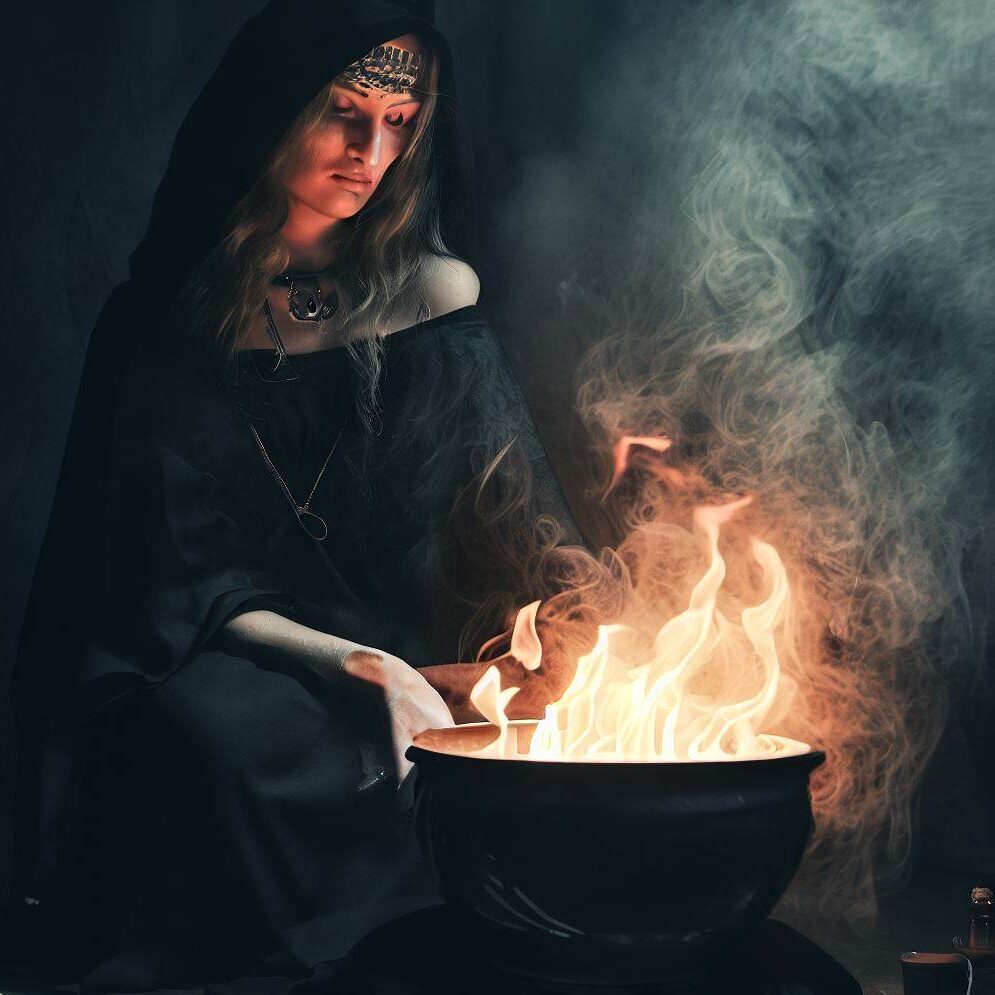
Pyromancy, the ancient art of flame scrying, has captivated the human imagination for centuries. The dance and flicker of flames have long been regarded as a powerful medium for divination and spiritual insight. In this comprehensive article, we will delve into the rich history and origins of pyromancy, explore its various styles and techniques, understand the significance of different flames and their magical properties, discover how to practice flame scrying, unravel the art of interpreting the messages received, and emphasize the importance of safety in this mystical practice.

Ancient Flames

Pyromancy in Early Civilizations

Pyromancy, an ancient practice rooted in the mystical beliefs of early civilizations, held fire as a symbol of deep symbolism and reverence. The transformative and illuminating energy of fire was recognized by cultures such as the Egyptians, Greeks, Romans, and Celtic tribes. Through focused observation and harnessing the power of flames, these civilizations believed that one could access hidden truths, communicate with spirits, and receive visions from the realms of intuition and divination. Pyromancy was an integral part of the practices of seers, shamans, and spiritual leaders, providing invaluable insights into the past, present, and future.

The Flame of the Divine

Fire in Ancient Egypt, Greece, Rome, and Celtic Traditions In ancient Egypt, fire held a prominent position as it was associated with the sun god Ra. Fire was viewed as a medium for spiritual communication, a conduit between the mortal realm and the divine. The Egyptians believed that by focusing on the flames, they could gain access to the wisdom of the gods and receive guidance for their lives.

Greek and Roman cultures also attributed significant spiritual meaning to fire. The flickering flames were seen as carriers of messages from the gods themselves. As a result, oracles and diviners emerged, interpreting the divine revelations found within the dancing flames. These practices became essential for seeking guidance, making decisions, and understanding the mystical forces at play in the world.

The Celtic tribes held fire in high regard, both for practical and spiritual purposes. They believed that fire possessed transformative qualities and served as a bridge between the physical and spiritual realms. Fire was used for divination, and the Celts sought insights into various aspects of life, including the future, relationships, and battles.

Pyromancy as a Path to Insight

Gaining Knowledge through Fire Pyromancy played a vital role in the spiritual traditions of ancient civilizations, allowing individuals to gain deep insights into the mysteries of life. By focusing their attention on the flames, practitioners sought hidden truths and ancient wisdom. Through the power of fire, they aimed to connect with the realms of intuition and divination, understanding the past, navigating the present, and foreseeing possible futures.

The art of pyromancy was often practiced by seers, shamans, and spiritual leaders who possessed the ability to interpret the messages communicated through the flames. These individuals were highly revered for their ability to harness the transformative and illuminating energy of fire and provide guidance and counsel to their communities.

Honoring the Ancient Flames

The history and origins of pyromancy reveal its deep-rooted significance in the ancient world. Across cultures and civilizations, fire was revered for its symbolic power and connection to the divine. By focusing on the flames, ancient practitioners sought knowledge, wisdom, and guidance in their lives. Today, we can honor and appreciate this ancient art by recognizing the transformative energy of fire and exploring the profound insights it can offer. Through the study and practice of pyromancy, we embrace the wisdom of our ancestors and embark on a journey of self-discovery and spiritual growth.

Exploring the Different Styles and Techniques of Pyromancy

Pyromancy, the ancient art of divination through fire, encompasses a wide range of styles and techniques. Practitioners have developed unique approaches to connect with the transformative energy of flames and delve into the realms of intuition and spiritual insight. Whether it’s observing natural flames or utilizing controlled environments, each style offers a distinct path to harness the power of fire and unlock hidden knowledge. In this section, we will explore some of the different styles and techniques of pyromancy, highlighting their methods and intentions.

Observing Natural Flames

Candles, Bonfires, and Fireplaces

One of the most common styles of pyromancy involves the observation of natural flames. Candles, with their gentle flickering flames, provide a serene and focused environment for divination. By gazing into the flame of a candle, practitioners enter a meditative state, allowing the dance of the fire to reveal insights, symbols, and visions. Similarly, bonfires and fireplaces, with their larger and more robust flames, offer a captivating and powerful experience for those seeking deeper connections with the mystical realms. These natural flames serve as gateways to heightened awareness and are often chosen for their mesmerizing qualities.

Fire Scrying Bowls

Controlled Environments

For those who prefer a more controlled setting, fire-scrying bowls offer a dedicated space for pyromantic practice. These specially crafted bowls are designed to hold and contain flames, providing a focused environment for divination. Fire scrying bowls allow practitioners to gaze into the controlled fire, observing the patterns, movements, and colors of the flames. This technique requires concentration and attunement to the energy of the fire, as the practitioner seeks messages and symbols within the depths of the burning embers. Fire-scrying bowls offer a structured approach to pyromancy, providing a controlled and contained space for divination.

Ritualistic Pyromancy

Intentional Fire Ceremonies

In addition to observational techniques, pyromancy can be practiced through intentional fire ceremonies. These rituals combine the power of fire with specific intentions, creating a sacred and transformative space for divination. Ritualistic pyromancy often involves the use of specific materials, such as herbs, resins, or sacred objects, which are carefully chosen to enhance the energetic properties of the flames. Practitioners invoke the element of fire, setting intentions, and seeking guidance or clarity on specific aspects of their lives. Through the combination of fire and ritual, practitioners establish a deep connection with the divine, allowing the flames to reveal profound insights and messages.

Exploring the Different Types of Fire and Their Magical Meanings in Pyromancy

In the ancient and mystical art of pyromancy, different types of fire and flame hold significant magical properties and symbolic meanings. Each flame has its own essence, energy, and purpose, adding layers of depth and intention to the practice of divination. Understanding the unique qualities of these flames allows practitioners to tap into their inherent magic and unlock profound insights. In this section, we will explore the different types of fire and flame used in pyromancy, unveiling their magical meanings and the significance they bring to the practice.

Candle Flame

Illumination and Spiritual Guidance The gentle flickering flame of a candle holds immense symbolism in pyromancy. It represents illumination, transformation, and the eternal flame of the spirit. The candle flame is often associated with clarity, inspiration, and spiritual guidance. As practitioners focus on the dancing flame, it serves as a beacon of light, offering insights into hidden truths and guiding one’s path toward higher understanding. The candle flame’s steady and unwavering presence inspires introspection and connection with the divine, providing a source of illumination in the darkness.

Bonfire or Hearth Fire

Power, Passion, and Transformation The roaring flames of a bonfire or hearth fire hold a different magical essence. These larger and more robust flames evoke a sense of power, passion, and transformation. Bonfires have long been associated with communal gatherings, where people come together to celebrate, share stories, and seek protection. In pyromancy, bonfires symbolize the ability to burn away obstacles, ignite inner strength, and facilitate transformative experiences. The intense heat and crackling sound of the fire creates an atmosphere of vitality and energy, inviting practitioners to embrace their passions and harness the flame’s potent transformative properties.

Blue Flame

Spiritual Communication and Intuition The elusive blue flame, often seen in gas or alcohol-fueled fires, carries a unique magical significance. Blue flames are associated with heightened spirituality, psychic abilities, and communication with the spiritual realms. They represent the connection between the physical and the ethereal, inviting practitioners to tap into their intuitive powers. Blue flames encourage deep introspection, facilitating the exploration of inner wisdom and the unraveling of hidden truths. They serve as gateways to expanded consciousness, allowing access to profound spiritual insights and divine messages.

Green Flame

Growth, Healing, and Abundance A green flame, although rare and often seen in the presence of certain chemical compounds, holds its own enchanting magic. Green flames symbolize growth, healing, and abundance. They represent the flourishing energy of nature and the potential for renewal and transformation. In pyromancy, the green flame invites practitioners to focus on personal growth, seek healing, and attract abundance in all areas of life. It is a flame of hope, balance, and harmonious manifestation, reminding practitioners of the natural cycles of life and the infinite possibilities for growth and abundance.

Harnessing the Flame

The Practice of Pyromancy

Pyromancy, the ancient art of divination through flames, offers a profound means of connecting with the mystical energies of fire. By harnessing the transformative and illuminating power of flames, practitioners can delve into hidden truths, receive insights, and embark on a journey of self-discovery. In this section, we will explore the practice of flame scrying, a central technique in pyromancy, and uncover the steps to engage in this captivating form of divination.

Creating a Sacred Space

Before delving into flame scrying, it is crucial to establish a safe and sacred space. Find a quiet area free from distractions where you can focus your attention fully. Dim the lights and choose a flame that resonates with your intention, whether it’s a candle, bonfire, or controlled fire. Take a moment to ground yourself, center your energy, and set your intention for the divination session. You may wish to call upon spiritual guides or deities to provide guidance and protection throughout the practice.

Entering a State of Receptive Awareness

Position yourself comfortably in front of the chosen flame. Relax your gaze and allow your vision to soften as you fixate on the dance and flicker of the flames. Begin deep, rhythmic breathing to relax your body and quiet your mind. By entering a state of deep relaxation and receptive awareness, you open yourself to the subtle messages and symbols that the flames may reveal.

Observing the Flames

As you gaze into the flames, you will notice patterns, shapes, and images emerging from their mesmerizing dance. Be patient and allow the visions to unfold naturally, without exerting control or forcing their appearance. Trust your intuition and remain open to the messages that the flames carry. Each flicker and movement of the fire holds significance and can serve as a gateway to hidden realms of wisdom.

The Many Faces of Flame Scrying

Pyromancy encompasses various techniques for scrying through flames, each with its own unique approach. One method involves focusing on the dance and flicker of a candle flame, where the steady glow and soft flickering motion create an ideal atmosphere for entering a trance-like state. Other practitioners utilize bonfires or hearth fires as portals to the spiritual realms, where the larger flames evoke a sense of power and transformative energy. The specific technique chosen is a matter of personal preference and resonance with individual intentions.

The Flame’s Language

Interpreting the Messages

In the mystical realm of pyromancy, flame scrying is a practice that holds the potential to unveil hidden messages and profound insights. As you gaze into the dancing flames, a rich tapestry of symbols and meanings emerges, awaiting interpretation. In this section, we will explore the art of interpreting messages revealed through flame scrying, combining intuition, symbolism, and personal associations to unravel the profound wisdom hidden within the flickering fire.

Observing the Flames

To begin the interpretation process in flame scrying, keen observation is crucial. As you fixate on the flames, pay attention to their shape, color, and movement. Each aspect holds significance and can provide valuable clues about the messages being conveyed. Let your gaze penetrate beyond the surface, delving into the depths of the flames to uncover the hidden truths that lie within.

Harnessing Intuition and Symbolism

Interpreting the language of flames is a delicate interplay between intuition and symbolism. Trusting your inner guidance is paramount in deciphering the meanings behind the symbols that emerge from the flickering dance. The flames act as a mirror to your subconscious and the spiritual realms, reflecting images and patterns that are uniquely tailored to your personal journey. Allow your intuition to guide you, as it is your innate connection to the divine wisdom encoded within the flames.

Recording Experiences

Journaling your experiences is a valuable practice when it comes to interpreting flame-scrying messages. By documenting your observations, you create a tangible record of your personal language of flame symbolism. Over time, patterns may emerge, and specific symbols may become recurrent, deepening your understanding of their significance. Reflecting upon past scrying sessions through your journal helps develop your proficiency in deciphering the messages that the flames convey.

Personal Associations

It is essential to remember that interpretations in flame scrying are highly personal. The meanings and associations you assign to symbols are influenced by your unique experiences, beliefs, and cultural background. Trust the resonance that symbols evoke within you, even if they deviate from conventional interpretations. Your interpretation is the key to unlocking the hidden truths held within the flames.

Embracing the Multidimensional Experience

When interpreting flame-scrying messages, embrace the multidimensional nature of the experience. Pay attention not only to the visual aspects of the flames but also to the emotions, sensations, and energies they evoke within you. The subtle shifts in your internal landscape provide valuable clues that enhance your understanding of the messages being communicated.

Flame scrying is an ancient art that invites us to step into the realm of symbols and explore the hidden messages of the flames. By honing our observation skills, trusting our intuition, and embracing personal associations, we can decode the language of flames and gain profound insights into our spiritual path. Remember that interpretation is an ever-evolving process, and the more you engage with flame scrying, the deeper your understanding of its symbolic language will become. As you embark on your journey of flame scrying, let the dance of the flames guide you toward illumination and self-discovery.

Safety Precautions

Nurturing the Flame

The enchanting practice of flame scrying holds immense potential for divination and self-discovery. However, it is crucial to approach pyromancy with mindfulness and a strong emphasis on safety. In this section, we will explore the importance of maintaining both magical and fire safety when engaging in flame scrying, ensuring a secure and sacred experience.

Creating a Safe Environment

When practicing flame scrying, it is imperative to establish a safe and controlled environment. Choose a well-ventilated space, free from clutter and flammable objects. Ensure that your workspace provides ample room for movement and that there are no hazards that may compromise your safety. Keep a fire extinguisher nearby, easily accessible in case of emergencies. Prioritize the safety of yourself and your surroundings to maintain a harmonious connection with the flames.

Fire Safety Measures

Respecting the power of fire is paramount in pyromancy. Always exercise proper fire safety measures during your practice. Place candles or other sources of flame on stable surfaces to prevent accidental tipping. Always keep a close watch on the flames, never leaving them unattended. It is advisable to place a non-flammable mat or plate underneath your scrying vessel to prevent any accidental spills or heat damage to surfaces. Additionally, keep flammable materials well away from the flames to prevent any unintended consequences.

Preparedness and Vigilance

Before commencing your flame scrying session, ensure that you are adequately prepared for any potential risks. Familiarize yourself with the location of fire safety equipment and keep a fire extinguisher or an appropriate water source nearby. Educate yourself on the correct usage of a fire extinguisher, should the need arise. Being vigilant and proactive in fire safety measures will help you maintain a secure environment for your practice.

Seeking Guidance and Mentorship

If you are new to flame scrying or seeking to deepen your knowledge, it is beneficial to seek guidance from experienced practitioners or spiritual mentors. They can offer valuable insights and share their wisdom on safe and responsible practices. Engaging in conversations with like-minded individuals fosters a community where knowledge is shared, questions are answered, and experiences are validated. By embracing guidance and mentorship, you can enhance your understanding and cultivate a safe and enriching practice.

In Conclusion

Embracing the Flame’s Wisdom

Pyromancy offers a profound and mystical path to tap into the realms of intuition and divination. Whether you choose to gaze into the flickering flame of a candle, the crackling embers of a bonfire, or the dancing flames in a fireplace, the art of flame scrying beckons us to explore the depths of our consciousness and unlock hidden truths. As you embark on this journey, remember to approach flame scrying with respect, mindfulness, and a commitment to safety. Create a sacred space, embrace the power of fire, interpret the messages with intuition, and prioritize fire safety measures. Through this ancient practice, you can uncover profound insights, forge a deeper connection with the divine, and embark on a transformative path of self-discovery. Embrace the enchanting dance of the flames and let their wisdom illuminate your soul.

Posted on Leave a comment

Recipe: Caprese Eggplant Hero

Caprese Eggplant Hero

Introduction

Caprese Eggplant Hero

In the realm of Wiccan traditions, the magic of culinary creations lies not only in sweet indulgences but also in savory delights. The Caprese Eggplant Hero, with its harmonious combination of flavors and textures, offers a tantalizing experience that connects us to the earth’s bounty and the transformative powers of nature.

The Caprese Eggplant Hero carries magical properties that reflect the energies and symbolism of the ingredients used. The eggplant represents transformation, grounding, and protection, embodying the earth’s abundance and the potential for growth and healing. Salt, as a purifying element, cleanses and removes negative energies, creating a sacred space for the sandwich’s magic to unfold. Olive oil symbolizes purity, abundance, and divine connection, infusing the dish with blessings and harmonious energies. Honey represents sweetness and transformation, inviting the energies of love, joy, and manifestation. The tomatoes embody vitality, passion, and prosperity, while fresh mozzarella brings the energies of unity, harmony, and nourishment. Arugula adds a touch of purification, grounding, and vitality, while basil leaves carry the essence of protection, abundance, and spiritual awakening.

Summer is the time to savor
The gifts of nature and its flavor
Eggplant, tomato, cheese and bread
A caprese hero to be fed
With basil leaves and balsamic glaze
A touch of magic in every phase
Grill, slice, layer and enjoy
This sandwich is more than a mere ploy
It’s a celebration of the earth
A tribute to its beauty and worth
So bite into this caprese hero
And feel the summer in your marrow

Caprese Eggplant Hero

This delectable sandwich not only satisfies the senses but also carries within it the potential to invoke balance, healing, and abundance. Here’s a recipe for a Caprese Eggplant Hero that will transport you to a realm where culinary artistry and magical intentions merge

  • 1 large eggplant (sliced into rounds)
  • Salt (for sprinkling)
  • Olive oil (for brushing)
  • Honey (for drizzling)
  • Ground pepper (to taste)
  • Balsamic glaze (for drizzling)
  • Italian bread (sliced)
  • Ripe tomatoes (sliced)
  • Fresh mozzarella (sliced)
  • Fresh arugula
  • Fresh basil leaves
  1. Preheat the oven to 400°F (200°C). Line a baking sheet with parchment paper.

  2. Lay the eggplant slices on the prepared baking sheet and sprinkle them with salt. Let them sit for about 15 minutes to draw out excess moisture.

  3. Rinse the eggplant slices and pat them dry with a paper towel.
  4. Brush both sides of the eggplant slices with olive oil and arrange them back on the baking sheet.
  5. Drizzle honey over the eggplant slices and season with ground pepper.
  6. Roast the eggplant in the preheated oven for about 20-25 minutes, or until tender and golden brown.
  7. While the eggplant is roasting, prepare the sandwich components. Slice the Italian bread and layer the tomato slices, mozzarella slices, arugula, and basil leaves.
  8. Once the eggplant is ready, remove it from the oven and let it cool slightly.
  9. Place the roasted eggplant slices on top of the layered ingredients in the sandwich.
  10. Drizzle balsamic glaze over the filling.
  11. Close the sandwich with the other slice of bread.
  12. Slice the Caprese Eggplant Hero into portions and serve.

As you enjoy each bite of the Caprese Eggplant Hero, allow yourself to be present in the moment, embracing the magical properties that it holds. Visualize the vibrant colors of the ingredients, feeling their energies merging and harmonizing within you. Taste the balance of flavors, sensing the transformative power of the roasted eggplant, the freshness of the tomatoes and basil, and the creamy texture of the mozzarella. With each bite, affirm your connection to the earth, your intention for balance and healing, and your openness to receive the abundant blessings that life offers.

Whether you savor the Caprese Eggplant Hero in a quiet moment of reflection or share it with loved ones in a communal gathering, let the Caprese Eggplant Hero be a reminder of the magic that lies within the simplicity of ingredients and the power of mindful preparation. As you engage in culinary creation, infuse each step with intention and gratitude, knowing that you are co-creating a harmonious and nourishing experience.

Lunch
Beltain, Litha, Summer

Wrap-Up

Beyond its delicious flavors, the Caprese Eggplant Hero holds magical properties that extend into our lives. The eggplant’s transformative energy invites us to embrace change and growth, allowing us to shed old patterns and emerge renewed. The salt purifies our energetic field, releasing negativity and creating space for positive energies to flow. Olive oil, with its abundance and divine connection, reminds us to be grateful for the blessings in our lives and to approach our desires with a sense of grace and humility. Honey, a symbol of sweetness and transformation, amplifies our intentions, inviting love, joy, and manifestation into our experiences.

Tomatoes, representing vitality and passion, ignite our inner fire, motivating us to pursue our dreams and embrace our passions wholeheartedly. The fresh mozzarella, a symbol of unity and nourishment, reminds us of the importance of harmonious relationships and self-care. Arugula’s purification properties cleanse our body, mind, and spirit, allowing us to align with our true essence. Finally, the basil leaves, with their protective and abundant energy, create a shield of positivity around us, attracting prosperity and opening doors of opportunity.

As you indulge in the Caprese Eggplant Hero, allow the magical properties of each ingredient to infuse your being. Visualize their energies merging and harmonizing within you, awakening your senses, and connecting you to the cycles of nature. With every bite, savor the flavors and textures, feeling the nourishment and transformation taking place on a deep level.

Whether enjoyed as a personal ritual or shared with loved ones, the Caprese Eggplant Hero invites us to embrace the magic of food, to honor the natural elements, and to recognize the interconnectedness of all things. It reminds us that through conscious preparation and mindful consumption, we can create a harmonious relationship with the Earth and manifest our desires with intention and gratitude.

The Caprese Eggplant Hero becomes a sacred offering, a gateway to nourishment, transformation, and abundance. As you embark on your culinary journey, remember to infuse your preparation with intention, gratitude, and love. Embrace the magic that lies within the simple act of creating and consuming food, and may the Caprese Eggplant Hero be a vessel of enchantment, connecting you to the rhythms of nature and the limitless possibilities that exist within you.

Posted on Leave a comment

Summer Home Remedies – Broths

Broth
Broth

Introduction

Summer Home Remedies – Broths

As the sun shines brightly and warm breezes fill the air, summer brings forth a wealth of natural resources that can be harnessed to support our well-being. From vibrant fruits and vegetables to aromatic herbs and abundant sunshine, this season offers a treasure trove of items and materials that can be utilized for home remedies. In this article, we will explore the world of summer home remedies, where the bounty of the season is transformed into nourishing elixirs, soothing treatments, and revitalizing practices. Discover the healing potential of items and materials available during the summer, as we delve into the realm of natural remedies that can enhance your health, boost your vitality, and help you fully embrace the power of this radiant season.

In this series, we’ll go over steam treatment, elixirs, teas, tinctures, broths, herbal glycerites, aroma therapy, and tonics. There are a lot of home remedies and nearly endless possibilities of methods. The eight selected for this series are some of the most common practices. All these covered home remedies are perfect for Summer Season applications.

In this article, we will explore the art of crafting summer broths using fresh herbs, highlighting their flavors, and unlocking their natural goodness to support our well-being during the sunny season.

Broths

When we think of broths, we often associate them with comforting and warming dishes during the colder months. However, broths can also be a delightful and nutritious addition to our summer meals. By incorporating seasonal summer herbs into homemade broths, we can create refreshing and revitalizing concoctions that not only provide hydration but also offer an array of health benefits.

Selecting Summer Herbs for Flavorful Broths:

Summer is the season when an abundance of aromatic herbs thrives, providing us with an array of flavors to infuse into our broths. Consider incorporating the following herbs into your summer broth recipes:

  1. Basil: Known for its sweet and peppery aroma, basil adds a fresh and vibrant touch to broths. It pairs well with both vegetable and meat-based broths.
  2. Mint: Refreshing and cooling, mint offers a delightful twist to summer broths. Its bright flavor complements light and refreshing dishes, such as cucumber or watermelon soups.
  3. Lemongrass: With its citrusy and herbal notes, lemongrass lends a unique and invigorating flavor to broths. It is particularly popular in Asian-inspired recipes.
  4. Cilantro: Loved for its distinctive taste, cilantro adds a fresh and slightly tangy element to broths. It pairs well with Mexican or Thai-inspired flavors.

Summer Broth-Making Methods:

Creating homemade broths during the summer allows us to infuse them with the flavors of the season. Here are two methods for crafting flavorful summer broths:

Vegetable Broth:

Ingredients:

  • Assorted summer vegetables (such as carrots, celery, onions, zucchini, and bell peppers)
  • Fresh summer herbs of your choice (basil, mint, cilantro, etc.)
  • Garlic cloves
  • Bay leaves
  • Filtered water
  • Salt and pepper to taste

Process:

  1. Wash and roughly chop the vegetables, including the herb stems, ensuring they are clean and free from any dirt or debris.
  2. In a large stockpot, add the vegetables, fresh herbs, garlic cloves, bay leaves, and enough filtered water to cover the ingredients.
  3. Bring the mixture to a boil over medium-high heat, then reduce the heat to low and simmer for 45 minutes to an hour, allowing the flavors to meld.
  4. Remove the pot from the heat and let it cool slightly.
  5. Strain the broth using a fine mesh sieve or cheesecloth, discarding the solids.
  6. Season the broth with salt and pepper to taste.

Herb-Infused Chicken or Seafood Broth:

Ingredients:

  • Chicken or seafood (such as fish or shrimp) bones and/or carcasses
  • Fresh summer herbs of your choice (lemongrass, basil, etc.)
  • Garlic cloves
  • Onion, roughly chopped
  • Filtered water
  • Salt and pepper to taste

Process:

  1. In a large stockpot, add the chicken or seafood bones and/or carcasses, fresh herbs, garlic cloves, onion, and enough filtered water to cover the ingredients.
  2. Bring the mixture to a boil over medium-high heat, then reduce the heat to low and simmer for several hours, allowing the flavors to develop.
  3. Skim off any foam or impurities that rise to the surface during the simmering process.
  4. Remove the pot from the heat and let it cool slightly.
  5. Strain the broth using a fine mesh sieve or cheesecloth, discarding the solids.
  6. Season the broth with salt and pepper to taste.

Utilizing Summer Broths for Refreshing Meals:

Homemade summer broths offer a versatile base for a variety of refreshing and nourishing meals. Here are a few ideas to incorporate these broths into your summer culinary repertoire:

  • Chilled Soups: Transform your broth into a chilled soup by adding vibrant summer vegetables like cucumbers, tomatoes, and bell peppers. Blend the vegetables with the broth, chill it in the refrigerator, and garnish with fresh herbs for a light and revitalizing meal.
  • Grains and Noodles: Cook grains like quinoa or rice in the broth to infuse them with its flavors. You can also use the broth as a flavorful cooking liquid for noodles, such as rice noodles or soba noodles, and create refreshing summer noodle bowls.
  • Poached Seafood: Simmer seafood like fish or shrimp in the broth for a delicate and flavorful poaching liquid. The herbs will infuse the seafood with their aromatic essence, creating a light and satisfying dish.
  • Flavorful Marinades: Use the summer broth as a base for marinades to impart a subtle herbaceous taste to grilled meats, tofu, or vegetables. Allow the ingredients to marinate for a few hours before grilling for a burst of summer flavors.

Storing and Freezing Broths:

If you have leftover summer broth, it’s essential to store it properly to preserve its freshness. Here are a few tips:

  • Refrigeration: Let the broth cool completely before transferring it to airtight containers. Store it in the refrigerator for up to 3-4 days, using it for quick and easy meal preparations.
  • Freezing: To extend the shelf life of your summer broth, pour it into freezer-safe containers or ice cube trays. Once frozen, transfer the broth cubes or containers to freezer bags. Frozen broth can be stored for up to 3 months, allowing you to enjoy the flavors of summer even during the colder months.

Summer broths crafted with fresh herbs are a delightful way to embrace the season’s flavors while nourishing our bodies. By using seasonal herbs and following simple preparation methods, you can create broths that are not only delicious but also offer an array of health benefits. Experiment with different herb combinations and explore the versatility of these broths in chilled soups, grain dishes, seafood poaching, and marinades. Embrace the essence of summer in your culinary creations and savor the nourishing and refreshing goodness of homemade summer broths.

Overall:

Summer home remedies offer a natural and empowering way to embrace the beauty and vitality of the season while supporting our overall well-being. From soothing steam treatments and invigorating elixirs to refreshing teas, tinctures, and nourishing broths, the abundance of summer herbs provides us with a treasure trove of healing options. By harnessing the power of these remedies, we can find relief from common summer ailments, boost our immunity, and foster a deeper connection with nature. Embrace the wisdom of traditional remedies, experiment with different herbs and methods, and discover the transformative effects of summer home remedies. Let this season be a time of vibrant health, rejuvenation, and a celebration of the natural wonders that surround us. Cheers to a summer filled with wellness and vitality!

Posted on Leave a comment

The Benefits and Uses of Moon-Blessed Water in Witchcraft

Moon Water - Uses
Moon Water - Uses

Introduction

The Benefits and Uses of Moon-Blessed Water in Witchcraft

Water is one of the most essential and sacred elements in nature. It is the source of life, the symbol of emotion, and the medium of transformation. Water is also a powerful tool in the practice of magic, especially when it is blessed by the moon. The moon is the celestial body that governs the tides, the cycles, and the intuition. It is the embodiment of feminine energy, mystery, and magic. When water is exposed to the light of the moon, it becomes infused with its energy and power. This is what we call moon-blessed water.

In this article, we will explore the benefits and uses of moon-blessed water in witchcraft, and how you can make and use it for your own magical purposes.

Moon-blessed water is a powerful tool in the practice of magic.

The energy and power of the moon infuses the water with its unique properties, making it a versatile and potent tool for many different magical purposes. Here are just a few examples of the magic uses of moon-blessed water:

  • Cleansing: Moon-blessed water can be used to cleanse and purify spaces, objects, and even people. It can be sprinkled around a room or used to cleanse a ritual tool before use.
  • Healing: The energy of the full moon is often associated with healing and renewal. Moon-blessed water can be used in healing spells or rituals to aid in physical or emotional healing.
  • Divination: Moon-blessed water can be used as a scrying tool, allowing one to gaze into its reflective surface to gain insight and clarity.
  • Protection: Moon-blessed water can be used to create protective amulets or talismans, or it can be sprinkled around a space to create a protective barrier.
  • Enhancing magic: Moon-blessed water can be used to enhance the power and effectiveness of other magical tools and spells. It can be added to herbal mixtures, incense, or other magical preparations to increase their potency.
  • Ritual use: Moon-blessed water can be used in a variety of different rituals, from Wiccan ceremonies to more general spiritual practices. It can be used to consecrate an altar, to anoint oneself or others, or as an offering to the gods.

Overall, moon-blessed water is a versatile and powerful tool in the practice of magic. Its unique properties make it useful for a wide variety of purposes, and it can be easily incorporated into many different types of spells and rituals. Whether used for cleansing, healing, divination, or protection, moon-blessed water is a valuable addition to any magical practice.

Uses for Moon-Blessed Water

Cleansing

Moon-blessed water can be used to cleanse and purify spaces, objects, and even people.

Cleansing is an essential part of many spiritual practices, including Wicca and other forms of magic. The act of cleansing helps to remove negative energy and prepare a space or object for spiritual work. Moon-blessed water is a powerful tool that can be used to cleanse and purify spaces, objects, and even people.

To use moon-blessed water for cleansing, one can simply place a bowl of water outside on the night of the full moon, allowing it to absorb the energy of the moon’s rays. The water can then be used to sprinkle around a room or space to remove negative energy and promote a sense of clarity and calm.

Moon-blessed water can also be used to cleanse and purify ritual tools before use. For example, before performing a Wiccan ritual, one can dip a wand, athame, or other tools into the moon-blessed water, visualizing the negative energy being removed and the tool being purified and empowered by the energy of the moon.

Moon-blessed water can also be used to cleanse and purify people. It can be added to a bath or used to sprinkle over oneself during a shower to remove negative energy and promote a sense of well-being.

In addition to its cleansing properties, moon-blessed water can also be used for protection. It can be sprinkled around a space or object to create a protective barrier or used to anoint oneself or others for added protection.

Overall, moon-blessed water is a valuable tool for anyone practicing magic or spirituality. Its cleansing and purifying properties make it a powerful tool for removing negative energy and promoting a sense of clarity and well-being. By incorporating moon-blessed water into your spiritual practice, you can create a more powerful and effective connection to the natural world and the energy of the moon.

Healing – Full Moon

The energy of the full moon is often associated with healing and renewal.

The full moon has long been associated with healing and renewal in many cultures and spiritual traditions. It is believed that the energy of the full moon can help to amplify the healing properties of various remedies and promote physical and emotional well-being. Moon-blessed water is one tool that can be used in healing spells and rituals to aid in the healing process.

To create moon-blessed water for healing purposes, one can place a bowl of water outside on the night of the full moon, allowing it to absorb the energy of the moon’s rays. The water can then be used in various ways to aid in physical or emotional healing.

One common use for moon-blessed water in healing spells is to add it to a bath. The water can be infused with herbs or essential oils that are known for their healing properties, such as lavender or eucalyptus. The person taking the bath can visualize the energy of the moon and the healing properties of the herbs or oils being absorbed by their body, promoting physical and emotional healing.

Moon-blessed water can also be used to create a healing elixir. The water can be mixed with honey, lemon, and other natural ingredients that are known for their healing properties to create a powerful and soothing drink. The elixir can be consumed or used to anoint the body, promoting healing and renewal.

In addition to these uses, moon-blessed water can also be used in healing rituals. The water can be sprinkled around a space to promote healing energy and create a peaceful and calming environment. It can also be used to anoint the body, promoting healing and well-being.

Overall, moon-blessed water is a valuable tool for anyone seeking physical or emotional healing. Its connection to the energy of the full moon and its ability to amplify the healing properties of other remedies make it a powerful addition to any healing practice. By incorporating moon-blessed water into your healing rituals and spells, you can create a deeper connection to the natural world and harness the power of the moon to promote healing and renewal.

Healing – New Moon

The energy of the new moon is also associated with healing and renewal.

The new moon is a time of darkness and stillness, but it is also a time of new beginnings and renewal. The energy of the new moon is often associated with healing, and moon-blessed water can be a powerful tool in aiding physical and emotional healing.

To make moon-blessed water for healing purposes, one can place a bowl of water outside on the night of the new moon, allowing it to absorb the energy of the moon’s rays. The water can then be used in healing spells or rituals, or simply consumed as a healing elixir.

In Wiccan practice, moon-blessed water can be used in conjunction with herbs or crystals to amplify its healing properties. For example, a healing spell may involve placing a crystal such as clear quartz or amethyst into the bowl of moon-blessed water, allowing the crystal to infuse the water with its healing energy.

Moon-blessed water can be used to cleanse and purify the body, promoting physical healing and well-being. It can also be used in emotional healing rituals, such as a releasing ceremony to let go of negative emotions or a forgiveness ritual to heal past wounds.

In addition to its use in spells and rituals, moon-blessed water can also be consumed as a healing elixir. Drinking moon-blessed water can help to promote physical healing and well-being, as well as emotional healing and renewal.

Overall, moon-blessed water is a powerful tool in aiding in physical and emotional healing. By incorporating moon-blessed water into your spiritual practice, you can tap into the healing energy of the new moon and promote a sense of renewal and well-being in your life.

Divination

Moon-blessed water can be used as a scrying tool.

Divination is an ancient practice that has been used throughout history to gain insight and clarity into the unknown. Scrying is a form of divination that involves gazing into a reflective surface, such as a crystal ball or a pool of water, to gain information about the past, present, or future. Moon-blessed water can be a powerful tool in scrying, allowing one to tap into the energy of the moon and gain insight and clarity.

To use moon-blessed water for scrying, one can fill a bowl with water that has been blessed by the moon’s energy. The bowl should be placed in a darkened room, with only a single candle or source of light to illuminate the water. The practitioner can then gaze into the water, allowing their mind to become still and receptive to any images or symbols that may appear.

Moon-blessed water can be particularly useful for scrying during the full moon, as the moon’s energy is at its strongest during this time. The practitioner can use this energy to gain insight into questions or issues that may be troubling them or to gain a deeper understanding of themselves and their spiritual path.

Moon-blessed water can also be used in conjunction with other divination tools, such as tarot cards or runes. The practitioner can place their divination tool on top of the bowl of moon-blessed water, allowing the energy of the water to infuse the tool with its energy and enhance the divination process.

Overall, moon-blessed water is a powerful tool for those interested in divination and scrying. By incorporating moon-blessed water into your spiritual practice, you can tap into the energy of the moon and gain insight and clarity into the unknown.

Protection

Moon-blessed water can be used to create protective amulets or talismans, or it can be sprinkled around a space to create a protective barrier.

Protection is an important aspect of many spiritual and magical practices. Moon-blessed water can be a powerful tool for creating protective amulets or talismans, or for creating a protective barrier around a space.

To create a protective amulet or talisman, one can fill a small container with moon-blessed water and add protective herbs or crystals. The container can be carried on one’s person or placed in a specific location to provide ongoing protection. The energy of the moon and the added protective elements will work together to create a powerful amulet or talisman that can help keep the practitioner safe and secure.

Moon-blessed water can also be used to create a protective barrier around a space. The practitioner can fill a spray bottle with moon-blessed water and spray it around the perimeter of the space, focusing on areas that may be vulnerable or in need of extra protection. Alternatively, the practitioner can sprinkle moon-blessed water around the space, either by hand or using a small broom or brush. The energy of the moon and the water will work together to create a protective barrier that can help keep negative energy and influences at bay.

In addition to creating protective amulets or talismans and creating protective barriers around spaces, moon-blessed water can also be used to cleanse and purify objects or spaces before performing protective rituals or spells. The practitioner can sprinkle moon-blessed water around the space or over the object, allowing the water to cleanse and purify the area before proceeding with the protection ritual or spell.

Overall, moon-blessed water can be a powerful tool for those seeking protection in their spiritual or magical practices. By incorporating moon-blessed water into your practice, you can tap into the energy of the moon and use it to create powerful protective amulets or talismans, create protective barriers around spaces, and cleanse and purify objects or spaces before performing protective rituals or spells.

Enhancing magic

Moon-blessed water can be used to enhance the power and effectiveness of other magical tools and spells.

For many practitioners, the use of magical tools and preparations is an important aspect of their practice. Moon-blessed water can be a powerful tool for enhancing the power and effectiveness of other magical tools and spells.

To enhance the potency of herbal mixtures or incense, the practitioner can add moon-blessed water to the mixture. This can be done by mixing the water directly into the herbs or incense, or by spraying or sprinkling the water onto the mixture. The energy of the moon and the water will work together to enhance the potency of the mixture, making it more effective in its intended purpose.

Moon-blessed water can also be added to other magical preparations, such as oils or candles, to increase their power. The practitioner can anoint candles or add moon-blessed water to oils, allowing the energy of the moon to infuse the preparation with added potency.

In addition to enhancing the potency of other magical tools and preparations, moon-blessed water can also be used to enhance the power of spells. The practitioner can use moon-blessed water to cleanse and purify their space and tools before performing a spell, allowing the energy of the moon to create a clear and focused space for the spell to take place. The water can also be used as a form of consecration, adding power and intention to the spell.

Overall, moon-blessed water can be a powerful tool for enhancing the potency of other magical tools and spells. By incorporating moon-blessed water into your practice, you can tap into the energy of the moon and use it to create powerful and effective magical tools and preparations.

Ritual use

Moon-blessed water can be used in a variety of different rituals, from Wiccan ceremonies to more general spiritual practices.

Ritual use of moon-blessed water is a common practice among many spiritual traditions. The energy of the moon is believed to be especially potent during certain lunar phases, and incorporating moon-blessed water into your rituals can enhance the power and effectiveness of your practice.

One common use of moon-blessed water in ritual is to consecrate an altar or sacred space. The practitioner can sprinkle or spray the water around the altar or use it to anoint the objects on the altar. The energy of the moon and the water will work together to create a purified and consecrated space, ready for use in ritual.

Moon-blessed water can also be used to anoint oneself or others. The practitioner can dip their fingers into the water and anoint their third eye, heart, or other areas of the body with intention. This can be done to enhance personal power and focus or to connect with the energy of the moon and the divine.

Another use of moon-blessed water in rituals is as an offering to the gods or spirits. The practitioner can offer a small amount of the blessed water as a sign of respect and gratitude, or as a request for guidance or assistance. The energy of the moon and the water can help to amplify the intentions and energy behind the offering.

Moon-blessed water can also be used in other types of rituals, such as Full Moon or New Moon ceremonies in Wiccan tradition. During these ceremonies, the practitioner may use the water to create a circle or other symbolic shapes or to anoint themselves or other participants. The water can help to amplify the energy of the ritual and create a deeper connection to lunar energy.

Conclusion

We hope this article has given you some insight into the benefits and uses of moon-blessed water in witchcraft. Moon-blessed water is a simple and effective way to harness the energy and power of the moon, the celestial body that governs the tides, the cycles, and the intuition. By using moon-blessed water in your rituals, you can enhance your magic, cleanse your space, heal yourself and others, divine the future, protect yourself and your loved ones, and connect with the divine. Moon-blessed water is a versatile and potent tool that can be used for many different purposes, depending on your intention and desire.

How will you use moon-blessed water in your practice? Let us know in the comments below!

Posted on Leave a comment

Lithomancy: Delving into the Divination of Stones

lithomancy
lithomancy

Introduction

Lithomancy: Delving into the Divination of Stones

Lithomancy, a fascinating form of divination, harnesses the ancient energy and wisdom of stones to provide insights and guidance into our lives. Rooted in history, this practice has been used by cultures across the world for centuries.

In this article, we will explore the history and origin of lithomancy, delve into what lithomancy is and how it is practiced, understand the process of casting and interpreting the stones’ messages, discover how to create your own lithomancy set, and highlight the importance of safety when engaging in this mystical practice.

History and Origin of Lithomancy:

lithomancy historyLithomancy, with its deep historical roots, carries a fascinating legacy that spans across different civilizations and cultures. The practice of using stones for divination, known as lithomancy, can be traced back to ancient times. From Ancient Egypt to China and Native American tribes, various societies recognized the inherent power and spiritual significance of stones, employing them as powerful tools to communicate with the divine and gain insights into the future. The practice of lithomancy has evolved and adapted over the centuries, incorporating diverse cultural beliefs and practices, and shaping the art we know today.

In Ancient Egypt, lithomancy played a significant role in religious and mystical practices. The Egyptians believed that stones held divine energy and wisdom, and they used them to connect with the gods and receive guidance. Priests and priestesses would cast or arrange stones in specific patterns and interpret their positions and meanings to decipher messages from the spiritual realm. The stones were believed to embody specific qualities and characteristics, aligning with the forces of nature and the deities.

Similarly, in China, lithomancy, or Shi Shi Xiang Shu, was highly regarded as a form of divination. The Chinese believed that stones possessed natural energies and carried the essence of the earth. They used stones to predict the future, determine auspicious locations for construction, and guide decision-making processes. Different stones were associated with specific elements, seasons, and celestial influences, enabling practitioners to gain insights into various aspects of life.

Native American tribes also incorporated lithomancy into their spiritual practices. They recognized the sacredness of stones and their connection to the natural world. Native Americans believed that stones held wisdom and could be used to communicate with the spirits, ancestors, and animal guides. They would cast or arrange stones, interpreting the patterns and symbols that emerged to gain guidance, healing, and understanding.

Throughout history, lithomancy has persisted as a powerful divinatory practice, adapting to different cultural contexts and beliefs. The diverse interpretations and methods used by different civilizations highlight the universality of the human desire to seek guidance and connect with the divine through the medium of stones.

Today, the history and origin of lithomancy serve as a reminder of the profound and timeless wisdom contained within the stones. As modern practitioners explore the art of lithomancy, they are not only engaging in a divinatory practice but also connecting with a rich tapestry of ancient traditions and cultural heritage. By delving into the historical roots of lithomancy, practitioners can deepen their understanding of this art form and develop a greater appreciation for the transformative power of stones in their divinatory journey.

As you embark on your own exploration of lithomancy, may you honor and respect the historical legacy of this ancient practice, and may the stones guide you on a path of wisdom, insight, and spiritual connection.

Understanding Lithomancy:

Lithomancy, a captivating form of divination, offers a unique and insightful way to understand the world and one’s own journey. Rooted in the belief that stones possess energetic vibrations and symbolic significance, lithomancy enables practitioners to access deeper levels of consciousness and seek guidance from the stones themselves. Each stone holds its own unique qualities, and through the practice of lithomancy, individuals can unlock their intuitive abilities to interpret the messages conveyed by the stones’ positions and patterns.

Central to lithomancy is the recognition that stones have a language of their own—a language that speaks to the intuition and inner wisdom of the practitioner. By establishing a personal connection with the stones, individuals can attune themselves to the energetic vibrations and meanings of each stone. This connection allows for a profound exchange of insights, as the stones become conduits for divine wisdom and guidance.

When engaging in a lithomancy reading, practitioners typically select a set of stones and arrange them in a specific pattern or scatter them before them. The position, alignment, and relationships between the stones are then analyzed and interpreted. This process requires an open mind and a deep trust in one’s intuitive abilities, allowing the stones to reveal their messages in a way that resonates with the practitioner’s unique understanding.

Lithomancy offers a comprehensive framework for exploring various aspects of life, including personal growth, relationships, career, and spiritual development. The stones, with their inherent qualities and symbolism, reflect the complexities and nuances of these areas, providing valuable insights and perspectives. By engaging in lithomancy, individuals can gain clarity, make informed decisions, and navigate life’s challenges with a deeper understanding.

It is important to approach lithomancy with an open heart and a sense of reverence. This practice is a collaborative journey between the practitioner and the stones, one that requires mutual respect and trust. Creating a sacred space and setting clear intentions before a lithomancy session can enhance the connection and facilitate a more meaningful exchange.

Lithomancy serves as a powerful tool for self-reflection, guidance, and spiritual exploration. By understanding the language of stones and cultivating a connection with their energies, practitioners can delve into the profound wisdom and insights that lie within. Lithomancy offers a unique way to access higher consciousness and divine guidance, empowering individuals to make choices that align with their true path and purpose. May the practice of lithomancy illuminate your journey, offering clarity, wisdom, and a deeper connection to the unseen forces that shape our lives.

Practicing Lithomancy:

Practicing lithomancy is an art that requires focus, intention, and a deep connection with the stones and the spiritual realm. By following a series of essential steps, practitioners can engage in a meaningful and insightful lithomancy session, tapping into the wisdom and guidance offered by the stones.

lithomancy practiceThe first step in practicing lithomancy is to create a sacred space. This involves setting the intention for the divination session and preparing a tranquil environment conducive to deep focus and spiritual connection. This can be achieved by cleansing the space, lighting candles, burning incense, or engaging in grounding and centering techniques. Establishing a sacred space helps to create a container of heightened energy and reverence, enhancing the practitioner’s connection with the stones and the divine.

Once the sacred space is prepared, the practitioner moves on to consecrating and charging the stones. This process involves infusing the stones with the practitioner’s energy and aligning them with the spiritual realm. This can be done through various methods, such as holding the stones and visualizing them being filled with pure light and intention, or by using rituals and prayers specific to the practitioner’s spiritual beliefs. Consecrating and charging the stones elevates their energetic vibration and prepares them for the divination process.

With the stones consecrated, the practitioner is ready to cast them onto a cloth or surface. The stones are scattered or arranged in a pattern unique to each session. The placement, orientation, and relationships between the stones hold significant meaning and symbolism, and it is the practitioner’s intuitive ability that allows them to interpret this language of the stones. This interpretation is highly personal and relies on the practitioner’s connection with the stones and their ability to tap into the cosmic energies at play.

As the practitioner contemplates the arrangement of the stones, messages and insights begin to unfold. The practitioner may consider the colors, shapes, sizes, and proximity of the stones, as well as any patterns or groupings that emerge. It is crucial to trust one’s intuition and allow the messages to flow naturally, without force or preconceived notions. The stones reveal their wisdom in a way that is unique to each practitioner, reflecting their individual understanding and connection with the spiritual realm.

Throughout the practice of lithomancy, it is important to maintain a respectful and reverent attitude. Practitioners should approach the stones and the divination process with humility, acknowledging that they are a vessel for divine guidance rather than seeking to control or manipulate the outcome. Regular self-care and personal reflection are also essential to ensure that practitioners remain grounded, centered, and emotionally balanced.

Practicing lithomancy is a profound and enlightening experience that allows individuals to tap into the divine wisdom and guidance offered by the stones. By creating a sacred space, consecrating the stones, and interpreting their arrangement with intuition and reverence, practitioners can gain valuable insights into their lives and the world around them. May the practice of lithomancy serve as a source of inspiration, clarity, and connection as you embark on your personal journey of self-discovery and spiritual growth.

Casting and Interpreting the Stones’ Message:

Casting and interpreting the stones in lithomancy is a pivotal step in the divination process. It is through the arrangement of the stones and the practitioner’s intuitive connection that the messages, insights, and guidance begin to unfold. While there are various methods of casting the stones, the practitioner’s intuition and understanding of stone symbolism play a significant role in interpreting the stones’ message.

One common method of casting the stones is a simple scatter. In this approach, the practitioner holds the stones in their hand and gently tosses or scatters them onto a cloth or surface. The stones land in a seemingly random arrangement, forming a pattern that becomes the focal point of interpretation. The practitioner observes the position, orientation, and relationships between the stones, taking note of any groupings, alignments, or patterns that emerge.

Another approach to casting involves using specific patterns or layouts. These patterns can be predetermined or created intuitively by the practitioner. Examples include circular layouts, geometric shapes, or arrangements that represent specific aspects of life or situations. Each stone’s position within the pattern carries significance, providing additional layers of meaning and context to the interpretation.

Interpreting the stones’ message requires a deep understanding of stone symbolism and the ability to read the subtle nuances of the arrangement. Each stone carries its own energetic vibration, symbolism, and meaning. For instance, a clear quartz crystal may represent clarity, amplification, and spiritual guidance, while a rose quartz stone can symbolize love, compassion, and emotional healing. The combination of stones in the arrangement creates a narrative that offers insights into the present circumstances, potential outcomes, and guidance for moving forward.

The practitioner’s intuition plays a vital role in interpreting the stones’ message. Intuition acts as a bridge between the conscious mind and the subconscious or spiritual realms. By tapping into their intuitive abilities, practitioners can discern the underlying messages conveyed by the stones’ positions, relationships, and symbolism. It is important to trust one’s inner guidance and allow the messages to unfold naturally, avoiding the temptation to force or manipulate the interpretation.

As the practitioner contemplates the stone arrangement, they may consider various factors. These include the colors, shapes, sizes, textures, and relative positions of the stones. The practitioner may also pay attention to any intuitive impressions or insights that arise during the interpretation process. By incorporating their knowledge of stone symbolism and trusting their intuitive abilities, practitioners can provide a comprehensive and meaningful interpretation of the stones’ message.

Casting and interpreting the stones’ message is a central aspect of lithomancy. Whether through a simple scatter or specific patterns, the practitioner’s intuition, knowledge of stone symbolism, and ability to read the subtle nuances of the arrangement are essential in providing a comprehensive interpretation. Through this process, practitioners gain valuable insights, guidance, and potential outcomes that can inform and empower their journey of self-discovery and spiritual growth. May the stones’ message resonate deeply with you as you explore the profound wisdom they hold.

Making Your Own Lithomancy Set:

Making your own lithomancy set is a beautiful way to infuse your personal energy and intention into the practice, deepening your connection with the stones and allowing for a more personalized divination experience. By selecting stones that resonate with you and hold significance to your intentions and aspirations, you can create a unique set that aligns with your spiritual journey.

Here are some steps to guide you in making your own lithomancy set:

  1. Stone Selection: Begin by choosing stones that speak to you on an energetic level. Consider their properties, symbolism, and the intuitive connection you feel with them. You may already have stones in your collection or explore new ones based on their associations with different aspects of life, such as love, healing, protection, or abundance. Trust your intuition and choose stones that resonate with your personal journey.
  2. Cleansing and Clearing: Once you have gathered your chosen stones, it is important to cleanse and clear them of any previous energies they may carry. This can be done by rinsing them under running water, burying them in earth, smudging them with sacred herbs such as sage or palo santo, or placing them in sunlight or moonlight for purification. Intentionally release any unwanted energies from the stones, allowing them to become clear and receptive to new energy.
  3. Charging and Consecration: After cleansing, it is time to charge and consecrate the stones with your own energy and intention. You can hold each stone in your hand, visualize it being filled with divine light or the energy of your intention, and infuse it with your personal power. You may choose to say affirmations, prayers, or blessings to imbue the stones with your desired purpose and align them with the spiritual realm. This step strengthens the connection between you and the stones, enhancing their effectiveness in divination.
  4. Arrangement and Storage: Once the stones have been cleansed, charged, and consecrated, you can arrange them in a cloth bag, a sacred container, or a specially designated box. This arrangement should be intentional and reflect your personal connection with the stones. Some practitioners prefer to arrange them in a specific order or keep them in separate compartments, while others embrace a more intuitive arrangement. Find a storage method that resonates with you and keeps the stones safe and energetically attuned until their next use.

Remember, the process of creating your lithomancy set is a sacred and personal journey. Allow your intuition to guide you in selecting stones, cleansing and charging them, and arranging them in a way that feels aligned with your intentions. As you make and use your own lithomancy set, you are creating a unique tool that carries your energy and intention, enhancing the depth and meaning of your divination practice. Embrace the process with reverence, and may your self-made lithomancy set serve as a powerful conduit for insight, guidance, and spiritual connection.

Safety Considerations:

Safety is paramount when engaging in any divination practice, including lithomancy. It is essential to approach lithomancy with reverence, respect, and a clear intention. Establishing a sacred space, grounding oneself before and after a session, and invoking spiritual protection are vital steps. Practitioners should practice self-care, maintain regular self-care, and adhere to ethical standards while practicing lithomancy. It is crucial to remember that divination is a tool for guidance and self-reflection, rather than a means to control or predict the future. Respect the boundaries of the stones and the spiritual energies they represent. Seek proper training, guidance, or mentorship if desired, to deepen your understanding and practice of lithomancy.

Conclusion:

Lithomancy is a powerful and captivating form of divination that taps into the ancient wisdom and energetic properties of stones. With its rich history and cultural significance, this practice offers individuals a means to gain insight, clarity, and spiritual connection. By understanding the history and origin of lithomancy, grasping the techniques of casting and interpreting the stones’ messages, and incorporating personal creativity into the creation of a unique lithomancy set, practitioners can embark on a transformative journey of self-discovery and spiritual growth. However, it is crucial to approach lithomancy with respect, intention, and safety considerations, understanding that the true power lies within ourselves, and the stones serve as catalysts for our own intuition and connection to the divine.

May your journey into the realm of lithomancy be one of profound exploration and self-enlightenment, as you uncover the hidden wisdom and messages that lie within the stones.

Happy divination!

Posted on Leave a comment

Crystal Ball Scrying

Crystal Ball Scrying

Introduction

Crystal Ball Scrying

Unlocking the Secrets of Spheromancy

Crystal ball scrying, also known as spheromancy or crystallomancy, is a mystical practice that has captivated the imaginations of spiritual seekers throughout history. Delving into the depths of a crystal ball, practitioners seek to tap into higher realms, commune with spirits, and gain profound insights into the past, present, and future. In this article, we will explore the rich history, the art of crystal ball scrying, techniques, interpretation of messages, and the importance of safety in this sacred practice.

History and Origins

A Glimpse into the Past

Crystal ball scrying, a mystical practice steeped in ancient traditions, has captivated the human imagination for centuries. Tracing its roots back to ancient civilizations, this form of divination has been cherished and respected across different cultures and eras. In ancient Egypt, Greece, and Celtic traditions, crystal ball scrying held a sacred place as a powerful means to connect with the spiritual realm and seek divine guidance. In this article, we will embark on a journey to explore the rich history and origins of crystal ball scrying, shedding light on its esteemed role in ancient societies.

In ancient civilizations, practitioners recognized the inherent energy and symbolic power that crystals possess. They believed that crystals acted as conduits between the earthly and spiritual realms, capable of harnessing and amplifying spiritual energies. Crystal ball scrying, with its focus on a sphere-shaped crystal, was regarded as an invaluable tool to peer into the mysteries of the cosmos.

In ancient Egypt, crystal ball scrying played a prominent role in the practices of priests and priestesses. The Egyptians believed that the crystal ball, often made of quartz or obsidian, allowed them to commune with the gods and receive messages from the divine. These skilled practitioners used crystal ball scrying to predict the outcome of important events, guide their decisions, and gain insights into the spiritual and physical realms.

Likewise, in ancient Greece, the art of crystal ball scrying was held in high esteem. The Oracle of Delphi, a revered figure in Greek mythology, was known to gaze into a crystal ball, among other methods, to channel prophetic visions and provide guidance to those seeking answers. The crystal ball served as a portal through which the Oracle connected with the gods, allowing her to glimpse into the future and unravel the mysteries of the universe.

The Celtic traditions, deeply rooted in nature and spirituality, also embraced the practice of crystal ball scrying. Druids, the wise spiritual leaders of the Celts, utilized crystal balls as part of their divinatory rituals. These esteemed individuals believed that the crystal ball held the wisdom of the ages and provided a direct line of communication with the spiritual realms. Crystal ball scrying was not only a means of seeking guidance but also a way to tap into the natural energies of the Earth and connect with the spirits of the land.

Throughout history, crystal ball scrying has continued to evolve and adapt, incorporating elements of various cultures and belief systems. Modern practitioners of this ancient art continue to utilize crystal balls as potent tools for divination, self-reflection, and spiritual growth. By gazing into the crystal ball, they seek to tap into their intuitive faculties, unlock hidden knowledge, and establish a connection with the unseen realms.

The history and origin of crystal ball scrying can be traced back to the ancient civilizations that recognized the profound energy and symbolism held within crystals. From ancient Egypt and Greece to the Celtic traditions, crystal ball scrying served as a revered method of divination, allowing individuals to connect with the spiritual realm and seek guidance from higher powers. Today, the practice continues to thrive, bridging the gap between the tangible and intangible, and offering seekers a glimpse into the mysteries of the universe.

The Crystal Ball

Gateway to Higher Realms

Crystal ball gazing, also known as crystal ball scrying, is an ancient and revered art that offers a gateway to the realms of the unseen. At its core, crystal ball gazing involves the act of gazing into a sphere-shaped crystal, typically made of clear quartz, although other types of crystals can also be used. This powerful tool serves as a focal point, captivating the attention and drawing the practitioner into a realm where intuition and divine wisdom intertwine.

The crystal ball, with its reflective and transparent nature, acts as a portal through which the practitioner can access higher realms and receive messages from the spiritual and psychic domains. As the practitioner gazes into the crystal ball, they enter a state of deep relaxation and heightened awareness. Through the process of gazing, their consciousness expands, allowing them to tap into their innate intuitive faculties and unlock hidden insights.

During crystal ball gazing, the practitioner cultivates a sense of inner stillness and focus. They let go of the distractions of the external world and turn their attention inward. The crystal ball becomes a window to their own psyche and the vast collective consciousness. It is a tool through which they can observe and explore the subtle energies, symbols, and visions that arise from their deepened state of awareness.

The process of crystal ball gazing is highly individual and personal, as each practitioner develops their unique connection and method. Some practitioners may prefer to hold the crystal ball in their hands, allowing its energy to flow through their fingertips, while others may place the crystal ball on a stand or cushion. The practitioner may choose to surround themselves with a serene and sacred space, creating an environment conducive to deepening their psychic receptivity.

As the practitioner gazes into the crystal ball, they enter a state of receptivity and open themselves to the messages and impressions that arise. It is essential to approach crystal ball gazing with an open mind, free from expectations or preconceived notions. The images, symbols, or sensations that appear during the gazing process are not always literal or immediate in their meaning. Instead, they may be layered with symbolism, metaphor, or abstract representations that require interpretation and intuitive insight.

Crystal ball gazing is an intuitive and intuitive practice, relying on the practitioner’s ability to trust their inner guidance and make connections between the subtle cues presented by the crystal ball. It is through this intuitive interpretation that the practitioner can discern the messages, insights, and guidance that the crystal ball offers. It may take time, practice, and experience to refine one’s skills in deciphering the symbolic language of the crystal ball, but with patience and dedication, a deeper understanding will unfold.

Crystal ball gazing is a profound and mystical art that allows practitioners to transcend the boundaries of ordinary perception and tap into the realms of the unseen. Through focused gazing into a crystal ball, the practitioner enters a state of heightened awareness, expanding their consciousness and connecting with their intuitive faculties. This ancient practice offers a doorway to wisdom, guidance, and self-discovery, inviting seekers to delve into the depths of their own psyche and the mysteries of the universe.

The Process

How to Perform Crystal Ball Scrying

Crystal ball gazing, also known as crystal ball scrying, is a powerful tool for intuitive exploration and self-discovery. It offers a gateway to the unseen realms, allowing practitioners to tap into their psychic abilities and receive profound insights. To embark on a crystal ball gazing session, follow these steps to create a sacred space and enhance your connection with the crystal ball:

Prepare the Space

 Begin by creating a serene and sacred space for your crystal ball gazing practice. Dim the lights or light candles to create a soothing ambiance. You may choose to play soft, ambient music to facilitate relaxation. Clear the space of any distractions or clutter to maintain a focused and tranquil environment.

Cleanse the Crystal Ball

Before each session, cleanse the crystal ball to clear any residual energies. You can use various methods such as smudging with sage, passing it through incense smoke, or placing it in sunlight or moonlight. As you cleanse the crystal ball, visualize any stagnant or unwanted energies dissipating, leaving the crystal purified and ready to receive.

Set Your Intention

Clarify your intention for the crystal ball gazing session. What do you seek guidance or insight on? State your intention clearly in your mind or out loud, infusing it with heartfelt sincerity. Your intention will serve as a focal point throughout the session, guiding the energy and focus of your practice.

Find a Comfortable Position

Sit or recline in a comfortable position, ensuring that your back is supported, and your body is relaxed. Hold the crystal ball in your hands, feeling its weight and connecting with its energy. Allow your breath to deepen, gradually bringing yourself into a state of calm and centeredness.

Position the Crystal Ball

Place the crystal ball on a stand or cushion, positioning it at eye level. Ensure that it is within easy reach and comfortably visible. Take a moment to gaze at the crystal ball, appreciating its beauty and the potential it holds for insight and wisdom.

Soften Your Gaze

Gently gaze into the crystal ball, focusing your attention on its surface. Soften your gaze, allowing your vision to slightly blur. Relax your mind and let go of any expectations or preconceived notions. Release any thoughts or distractions, allowing yourself to enter a state of receptive awareness.

Be Patient and Receptive

As you continue to gaze into the crystal ball, be patient and open to whatever arises. Images, symbols, impressions, or sensations may come to you. Trust your intuition and allow these messages to unfold naturally in your mind’s eye. Avoid forcing or analyzing the information; instead, simply observe and receive.

Interpret the Messages

After your gazing session, take time to reflect on the images, symbols, or impressions that arose. Consider their potential meanings and relevance to your intention. It is important to trust your intuitive insights and personal associations with the symbols presented. Keep a journal nearby to record your experiences, interpretations, and any subsequent reflections or synchronicities.

Practice and Patience

Crystal ball gazing is a skill that develops with practice and patience. The more you engage in the practice, the deeper your connection and understanding will become. Allow yourself the time and space to explore and refine your abilities. Each session is an opportunity for growth and expanded consciousness.

Remember, crystal ball gazing is a personal and intuitive practice. There are no rigid rules or right or wrong interpretations. Your connection with the crystal ball is unique, and the messages you receive are meant for you alone. Trust your intuition, cultivate a sense of receptivity, and let the crystal ball be your guide into the realms of profound wisdom and self-discovery.

Interpreting the Messages

Understanding the Symbols

Interpreting the messages received during crystal ball scrying requires a blend of intuition and personal symbolism. Each vision or symbol holds a unique meaning, and it is essential to trust your own instincts and understanding. Keep a journal to record your experiences and insights, noting any recurring symbols or themes. Over time, you will develop a personal lexicon of symbolism specific to your scrying practice.

Safety Precautions

Nurturing a Protected Space

While crystal ball scrying is a beautiful and enlightening practice, it is important to prioritize safety and energetic well-being. Here are some essential considerations to ensure a safe scrying experience:

Protection Rituals

Begin each scrying session by setting up energetic protection. This can be done through visualization, calling upon spiritual guides or guardians, or utilizing protective crystals such as black tourmaline or amethyst.

Grounding and Centering

Before and after a scrying session, engage in grounding and centering practices to anchor yourself in the present moment and maintain a balanced energetic state.

Self-Care and Boundaries

Pay attention to your energy levels and emotional well-being. If you feel drained or overwhelmed, take breaks, practice self-care, and establish clear boundaries with the spirit realm.

Ethical Considerations

Approach scrying with integrity and respect. Use your gift responsibly, honor the privacy of others, and refrain from seeking to control or manipulate outcomes.

Conclusion

Embracing the Mystical Art of Crystal Ball Scrying

Crystal ball scrying is a timeless practice that invites us to delve into the realms of intuition, wisdom, and spiritual connection. By peering into the depths of a crystal ball, we open ourselves to the vast reservoir of knowledge and guidance that exists beyond the physical realm. Through patience, practice, and an open heart, crystal ball scrying can become a profound tool for self-discovery, insight, and spiritual growth. Remember to approach this sacred art with reverence, embrace the symbolism that emerges, and cultivate a safe and protected space for your scrying endeavors.