Posted on Leave a comment

Autumn Home Remedies – Elixirs

Autumn Elixers
Autumn Elixers

Introduction

Autumn Home Remedies – Elixirs

As the air turns crisp and nature’s colors transform into warm hues, autumn gifts us with an abundance of herbs, plants, and flowers that can be transformed into revitalizing elixirs. These homemade concoctions not only capture the essence of the season but also provide a range of health benefits. By harnessing the power of autumn foraging, we can create nourishing elixirs that support our well-being and invigorate our senses.

In this series, we’ll go over steam treatments, elixirs (This Article), teas, tinctures, broths, herbal glycerites, aroma therapy, and tonics. There are a lot of home remedies and nearly endless possibilities of methods. The eight selected for this series are some of the most common practices. All these covered home remedies are perfect for Autumn Season applications.

In this article, we will explore the art of crafting elixirs using the bountiful offerings of autumn, allowing us to embrace the healing power of nature and enhance our vitality during this transformative season.

Elixirs

As the crisp days of autumn unfold, nature offers a bountiful harvest of herbs and botanicals that can be transformed into soothing elixirs. These homemade potions not only warm your body but also provide a rich burst of flavors and therapeutic benefits. By harnessing the power of autumn herbs, we can create delightful elixirs that support immunity, enhance overall wellness, and infuse our bodies with the essence of the season. In this article, we will explore the art of crafting herbal elixirs using autumn herbs, unveiling the diverse range of ingredients and methods that allow you to create custom blends that nourish and invigorate your body and soul.

The History of Elixers

Elixirs are liquid preparations that contain substances with medicinal, magical, or spiritual properties. The word elixir comes from the Arabic al-iksir, meaning “the philosopher’s stone” or “the quintessence”. Elixirs originated in ancient alchemy, a practice that aimed to discover the secrets of nature and create the elixir of life and the philosopher’s stone. Different cultures and traditions have developed their own versions of elixirs, using various ingredients and methods. In medieval Europe, elixirs were often used by healers, herbalists, and witches, who combined the knowledge of alchemy with the lore of plants and animals. One of the most popular and versatile elixirs in medieval Europe was the aqua vitae, or “water of life”. This was a distilled alcoholic beverage that was infused with herbs, spices, and other substances.

Elixirs have a long and rich history in pagan and witchcraft traditions, as they reflect the connection between the natural and the supernatural, the physical and the spiritual, and the human and the divine. Elixirs are the quintessence of nature, the philosopher’s stone of alchemy, and the water of life of magic.

Autumn Foraging for Nourishing Ingredients

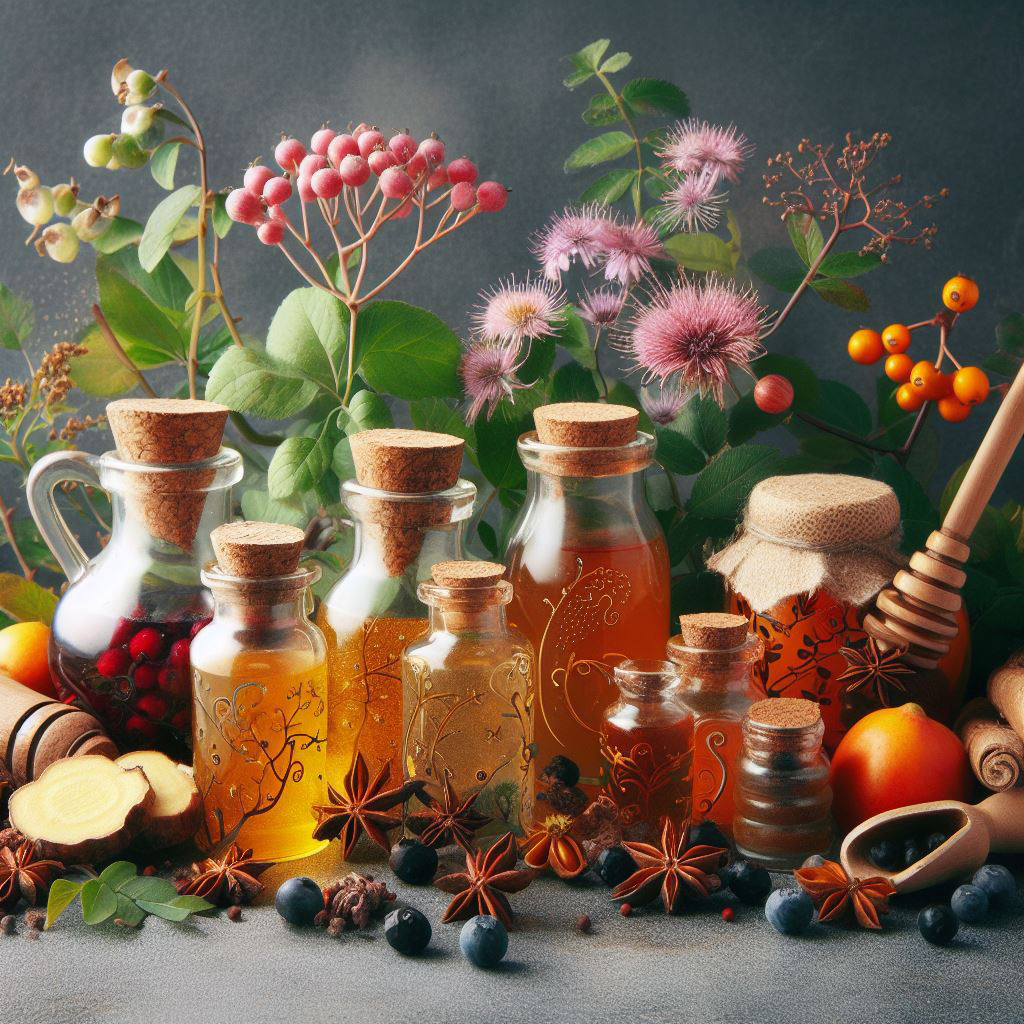
Autumn brings forth a wealth of herbs, plants, and flowers that can be gathered for creating healthful elixirs. Consider incorporating the following ingredients into your autumn brews:

Elderberries: These antioxidant-rich berries can be foraged or purchased dried, offering immune-boosting properties, and aiding in the prevention and relief of seasonal ailments.

Hawthorn Berries: Known for their cardiovascular benefits, hawthorn berries are traditionally used to support heart health and circulation.

Ginger: This warming root adds a spicy kick to elixirs and provides digestive support, immune enhancement, and anti-inflammatory properties.

Rosehips: The fruit of the rose plant, rosehips are packed with vitamin C and antioxidants, supporting immune function and overall well-being.

Methods for Crafting Autumn Elixirs

Autumn Elixers
Creating autumn elixirs is a simple and rewarding process. Here's a basic method to get you started:

  • Autumn herbs plants, or flowers of your choice (Like Elderberries, Hawthorne Berries, Ginger, and Rosehips)
  • Filtered water
  • Optional sweeteners like honey or maple syrup
  1. Begin by gathering your chosen autumn ingredients, ensuring they are clean and free from debris. If using fresh herbs or flowers, gently wash and pat them dry.
  2. In a saucepan, combine the herbs, plants, or flowers with filtered water. Use a ratio of approximately 1 cup of herbs to 4 cups of water, adjusting as needed for desired strength.
  3. Bring the mixture to a gentle simmer over medium-low heat, allowing the flavors and medicinal properties to infuse into the water. Simmer for 20-30 minutes, keeping the pot covered.
  4. After simmering, remove the saucepan from heat and let the mixture cool slightly.
  5. Strain the liquid into a clean container, separating the herbs or flowers from the infused liquid.
  6. If desired, add a touch of natural sweetener like honey or maple syrup to enhance the taste of the elixir. Stir well to ensure it is fully incorporated.
  7. Your autumn elixir is now ready to be enjoyed! Sip it slowly, savoring the flavors and allowing the nourishing properties to invigorate your body and spirit.


Customizing Autumn Elixirs for Specific Needs


Tailor your autumn elixirs to address specific health concerns or to enhance overall well-being. Consider the following additions:

  • Immune-Boosting Blend: Combine elderberries, rosehips, and ginger for a potent elixir that supports immune health and helps ward off seasonal ailments.
  • Heart-Care Elixir: Mix hawthorn berries with warming spices like cinnamon and cloves to create an elixir that nourishes cardiovascular health and promotes circulation.
  • Calming and Grounding Brew: Blend calming herbs such as chamomile, lavender, and lemon balm for an elixir that soothes the nerves, reduces stress, and promotes relaxation during the autumn season.
  • Digestive Support Potion: Combine ginger, fennel seeds, and peppermint for an elixir that aids digestion, relieves bloating, and eases discomfort after hearty autumn meals.
Fall

Incorporating Autumn Elixirs into Daily Life

Autumn elixirs can be enjoyed in various ways to support your overall well-being:

Sip Warm or Cold: Autumn elixirs can be enjoyed warm for a comforting and soothing experience, or chilled for a refreshing beverage on crisp autumn days.

Daily Wellness Ritual: Make autumn elixirs a part of your daily wellness routine by sipping them in the morning or throughout the day to nourish your body and uplift your spirits.

Culinary Enhancements: Use autumn elixirs as flavorful additions to your favorite autumn-inspired recipes, such as salad dressings, smoothies, or baked goods, infusing them with seasonal goodness.

Herbal Infusions: Transform your elixirs into herbal infusions by steeping them with additional herbs or teas for added flavor and medicinal benefits.

The Forest Witch’s Autumn Elixirs

A Short Story

She lived in a small cottage in the heart of the forest, surrounded by ancient trees and wild creatures. She was known as the forest witch, but she was not wicked or cruel. She was a healer, a herbalist, and a friend to all living things. She had a gift for making elixirs, liquid potions that could cure diseases, heal wounds, and restore vitality. She used the herbs, plants, and flowers that grew in the forest, and infused them with her own magic and wisdom.

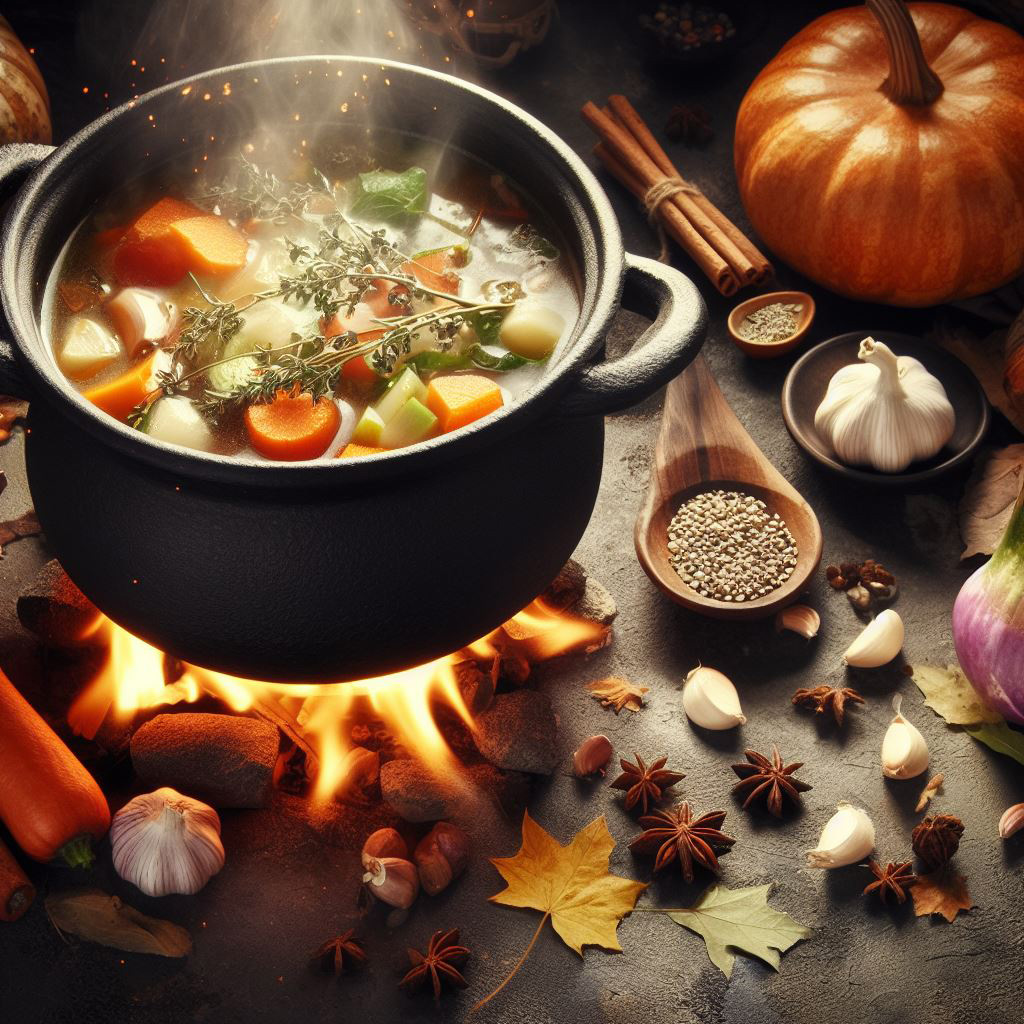
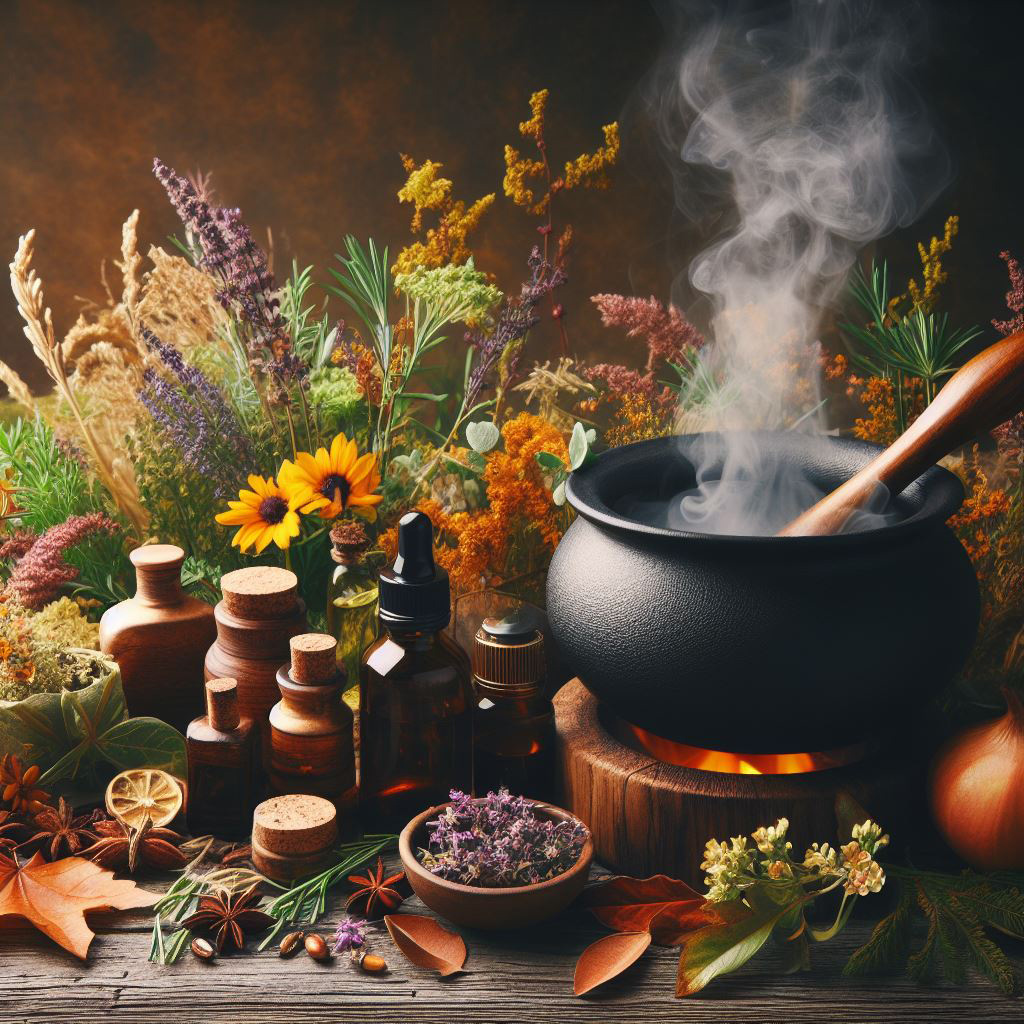
Every autumn, she would gather the bounty of the season and prepare her elixirs for the coming winter. She would collect elderberries, hawthorn berries, rosehips, and ginger, and boil them in a large cauldron over a fire. She would add honey, vinegar, and spices, and stir the mixture with a wooden spoon. She would chant softly, invoking the spirits of the forest and the ancestors, and bless the elixir with her intention. She would pour the elixir into glass bottles, seal them with wax, and label them with runes. She would store them in a cool and dark place, and use them as needed.

She would also make other elixirs, using different ingredients and methods. She would make a soothing elixir with chamomile, lavender, and lemon balm, and steep them in hot water. She would make a stimulating elixir with mint, rosemary, and sage, and distill them in alcohol. She would make a protective elixir with nettle, thistle, and garlic, and ferment them in vinegar. She would make a nourishing elixir with oats, barley, and nuts, and blend them with milk. She would make a cleansing elixir with birch, dandelion, and apple, and press them into juice. She would make a warming elixir with cinnamon, clove, and orange, and simmer them in wine. She would make a healing elixir with yarrow, plantain, and comfrey, and infuse them in oil.

She would share her elixirs with the people and animals of the forest, who would come to her for help and advice. She would offer them a cup of elixir, and listen to their troubles and joys. She would give them a bottle of elixir, and tell them how to use it and when. She would accept their gifts of gratitude, such as fruits, nuts, eggs, cheese, wool, or wood. She would also exchange her elixirs with other witches, who would bring their own potions and spells. She would learn from them, and teach them, and form bonds of friendship and trust.

She loved her life in the forest, and felt happy and fulfilled. She felt connected to the cycles of nature, and the rhythms of the seasons. She felt the power of the elixirs, and the magic of the forest. She felt the joy of the elixirs, and the love of the forest. She was the forest witch, and she was at peace.

Conclusion

Autumn elixirs provide a delicious and healthful way to embrace the beauty and vitality of the season. By foraging for nourishing ingredients and crafting homemade elixirs, we can tap into the healing power of nature and enhance our vitality. Whether you’re seeking immune support, heart health, calmness, or digestive wellness, the ingredients available during autumn provide an array of possibilities. Embrace the transformative nature of autumn, experiment with different blends, and enjoy the nourishing elixirs that nature offers. Let each sip be a celebration of the abundance and healing properties of the season, invigorating your body and nourishing your soul. Cheers to a season filled with autumn elixirs that nurture your body, mind, and spirit!
Posted on Leave a comment

Autumn Home Remedies – Teas

Autumn Teas
Autumn Teas

Introduction

Autumn Home Remedies – Teas

As autumn paints the world in warm hues and the air turns crisp, there’s no better time to cozy up with a comforting cup of herbal tea. By harnessing the power of autumn foraging—utilizing herbs, plants, and flowers—we can create nourishing and therapeutic teas that not only warm our bodies but also support our well-being.

In this series, we’ll go over steam treatment, elixirs, teas, tinctures, broths, herbal glycerites, aroma therapy, and tonics. There are a lot of home remedies and nearly endless possibilities of methods. The eight selected for this series are some of the most common practices. All these covered home remedies are perfect for Autumn-Season applications.

In this article, we will explore the art of crafting herbal teas during autumn, highlighting the abundance of ingredients available in nature and providing practical methods to incorporate them into our daily routines. Get ready to indulge in the soothing flavors and healing benefits of autumn herbal teas.

Teas

As the crisp days of autumn unfold, we find ourselves craving cozy and warming beverages to embrace the chill. What better way to soothe your body and promote wellness than with homemade herbal teas infused with the rich flavors of autumn herbs? From spicy ginger to earthy sage and sweet apple, these teas offer a delightful and nourishing way to celebrate the season. In this article, we will explore the art of crafting homemade herbal teas using autumn herbs, along with methods to extract their flavors and therapeutic benefits. Get ready to discover a world of soothing flavors and wellness-enhancing properties that will comfort your senses and keep you healthy all autumn long.

Autumn Foraging for Flavorful Ingredients

Autumn offers an array of herbs, plants, and flowers that can be foraged and transformed into flavorful herbal teas. Consider incorporating the following ingredients into your autumn tea blends:

Mint: With its refreshing and invigorating qualities, mint is perfect for autumn teas. Spearmint, peppermint, or even chocolate mint varieties add a delightful twist to your blends.

Lemon Verbena: Known for its bright and citrusy flavor, lemon verbena brings a touch of vibrancy to autumn teas. It also offers digestive and relaxation benefits.

Elderflower: These delicate white flowers offer a subtle floral flavor that pairs well with other herbs. Elderflower tea is believed to support the immune system and promote respiratory health.

Cinnamon: A quintessential autumn spice, cinnamon imparts warmth and a sweet-spicy flavor to teas. It is also known for its antioxidant properties and ability to balance blood sugar levels.

Our shoppe has several wonderful Teas such as Ballet Ablaze which is bursting with Autumn delights!

Ballet Ablaze – Enchanted Loose Leaf Teas (equinox-apothecary.shop) Exclusivly @ www.Equinox-Apothecary.shop

Method for Creating Autumn Herbal Teas

Crafting autumn herbal teas is a simple and rewarding process. Follow these steps to create your own homemade blends:

Ingredients:

Fresh or dried herbs, plants, or flowers of your choice

Filtered water

Optional sweeteners like honey or maple syrup

Process:

Gather your chosen autumn botanicals and rinse them gently to remove any dirt or impurities. If using fresh herbs, gently bruise the leaves to release their aromatic oils.

Boil a pot of filtered water. Use approximately 1 tablespoon of dried herbs or 2 tablespoons of fresh herbs per 8 ounces of water.

Place the herbs in a heat-safe teapot or infuser and pour the boiling water over them.

Cover the teapot and let the tea steep for about 5-10 minutes, or until the desired strength is achieved.

Strain the tea into cups or mugs, and if desired, add a touch of natural sweetener like honey or maple syrup to enhance the taste.

Stir well to ensure the sweetener is fully incorporated and savor the comforting flavors and healing benefits of your homemade autumn herbal tea.

Customizing Autumn Tea Blends

You can experiment with different combinations of herbs and botanicals to create unique autumn tea blends. Here are a few suggestions:

Spiced Chai Blend: Combine cinnamon, cardamom, cloves, and ginger for a warming and aromatic chai-inspired tea. Add a dash of black tea or rooibos for a caffeine kick, if desired.

Soothing Digestive Blend: Mix mint, chamomile, and lemon verbena for a tea that calms the stomach, aids digestion, and promotes relaxation after a hearty autumn meal.

Immunity-Boosting Blend: Blend elderflower, echinacea, and rosehips for a tea that supports the immune system, wards off seasonal ailments, and provides a vitamin C boost.

Embracing Autumn Tea Rituals

Incorporate autumn teas into your daily routine to fully enjoy their comforting and therapeutic benefits:

Morning Routine: Start your day with a cup of herbal tea to invigorate your senses, awaken your mind, and set a peaceful tone for the day ahead.

Afternoon Delight: Take a break in the afternoon and indulge in a soothing cup of tea to relax and rejuvenate. Use this time for self-reflection or simply to enjoy a moment of tranquility.

Evening Wind-Down: Unwind in the evening with a calming herbal tea blend to promote relaxation, prepare for a restful sleep, and soothe the senses before bed.

Herbal Infusions: Get creative with your autumn teas by infusing them with other flavors. Consider adding slices of fresh apple or a sprig of rosemary to enhance the taste and aroma.

The Witches’ Tea Party

A Short Story

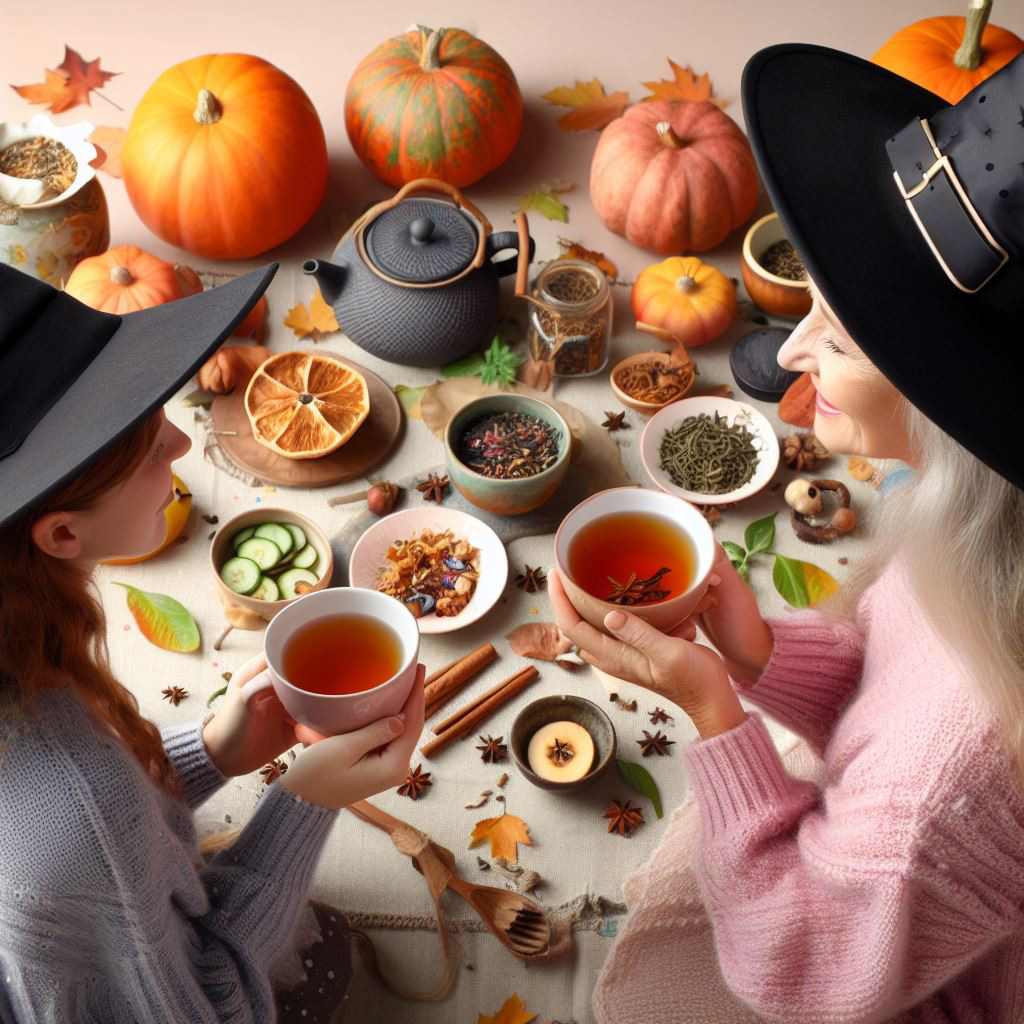
It was a cool and clear night in the month of October, when a group of witches gathered in a cozy cabin in the woods. They had come from far and wide, to celebrate the eve of Samhain, the ancient festival of the dead. They brought with them their cauldrons, their grimoires, and their familiars, and prepared to perform their rites and spells.

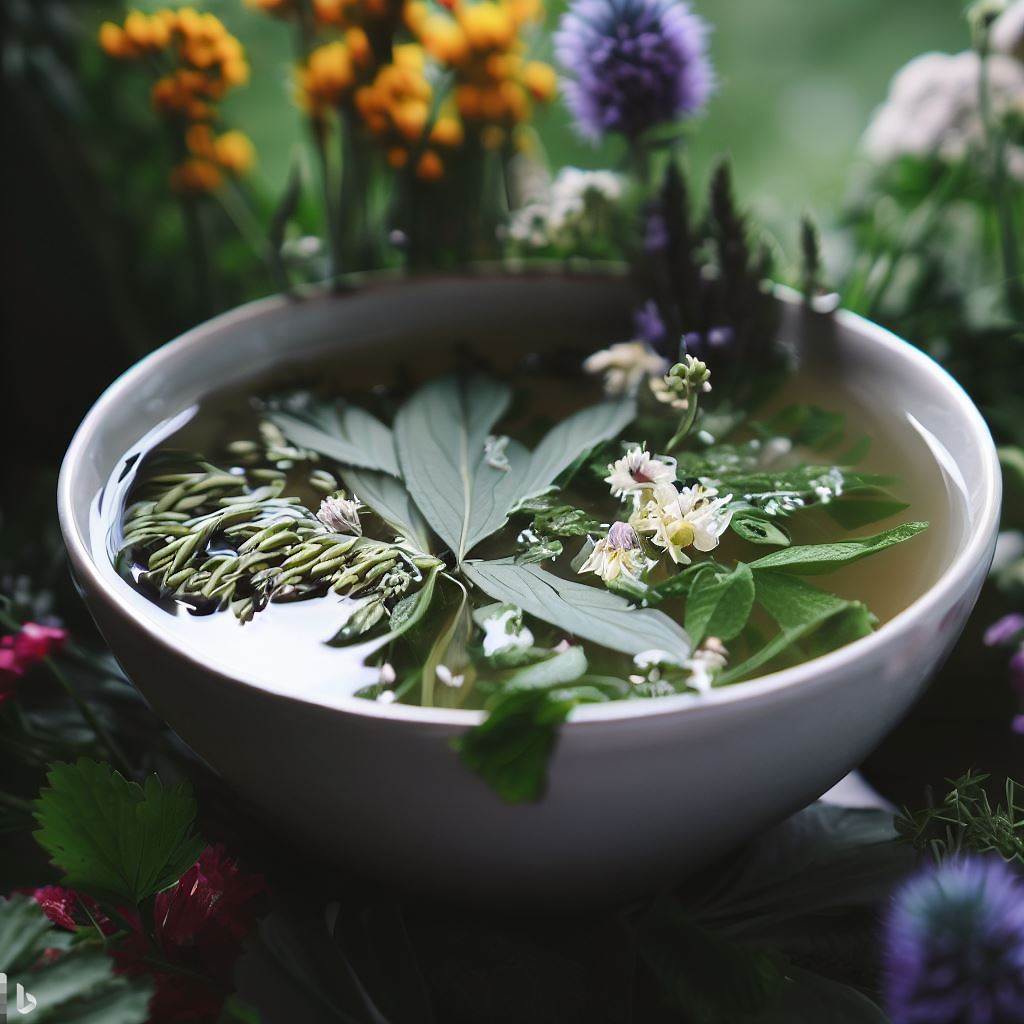
But before their solemn and sacred ceremonies, they enjoyed a cup of tea, to warm their bodies and spirits. They brewed their tea with the herbs and plants they had collected from the forest, each one adding a different flavor and property to the concoction. They poured the steaming liquid into their cups, and sat around the fireplace, sipping and chatting.

They talked of many things, of the past and the present, of the living and the dead, of the natural and the supernatural. They shared their wisdom and their experience, their dreams and their visions, their secrets and their mysteries. They laughed and they sighed, they whispered and they sang, they blessed and they prayed. They were friends and they were kin, they were sisters and they were mentors, they were students and they were teachers.

They were Witches all.

As they drank their tea, they felt its effects on their bodies and souls. Some felt a calmness and a peace, some felt a joy and a gratitude, some felt a love and a compassion, some felt a wonder and a curiosity, some felt a strength and a courage, some felt a hope and a faith. The tea enhanced their connection and their harmony, their balance and their alignment, their intuition and their insight.

They noticed the time passing, and the stars shining outside. They noticed the fire crackling, and the wind howling. They noticed the shadows dancing, and the spirits whispering. They noticed the beauty and the mystery, the magic and the mystery, the mystery and the magic.

They noticed, and they smiled.

For the tea they had brewed was not a simple and harmless beverage, but a potent and precious potion. A potion that had been blessed with and by a loving and generous hand. A potion that contained a secret and sacred ingredient, that had been added by a friend and a sister. A potion that was meant to heal and nourish, to inspire and empower.

The potion was a gift.

And as they drank their gift, they felt its effects on their bodies and souls. Some felt a warmth and a comfort, some felt a light and a clarity, some felt a spark and a creativity, some felt a flow and a harmony, some felt a grace and a wisdom, some felt a bliss and a transcendence. The gift elevated their being and their essence, their purpose and their destiny, their spirit and their soul.

They smiled and they thanked, they hugged and they kissed, they praised and they honored, they celebrated and they rejoiced. They rose one by one, like flowers in the spring, like birds in the sky, like flames in the fire. They rose, and they joined hands.

They were Witches all.

Conclusion

Autumn herbal teas allow us to embrace the beauty and flavors of the season while reaping the therapeutic benefits of nature’s bounty. By foraging for herbs, plants, and flowers and crafting homemade blends, we can create comforting and nourishing teas that warm our bodies and comfort our souls. Explore the aromatic delights of mint, the zest of lemon verbena, the subtle sweetness of elderflower, and the warmth of cinnamon as you embark on a journey of autumn tea exploration. Savor the soothing flavors, indulge in moments of tranquility, and allow the healing power of nature to nourish your body and uplift your spirit. With each sip of your homemade autumn herbal tea, embrace the comfort, wellness, and connection to the natural world that these teas bring.


Posted on Leave a comment

Autumn Home Remedies – Aroma Therapies

Autumn Aroma Therapy

Introduction

Autumn Home Remedies – Aroma Therapies

As the air turns crisp and leaves transition into vibrant hues, autumn presents a perfect opportunity to explore the soothing and healing world of aromatherapy. This ancient practice utilizes the aromatic essences of herbs, plants, and flowers to promote relaxation, balance, and overall well-being. By harnessing the scents of autumn foraging, we can create homemade remedies that not only embrace the season’s beauty but also offer therapeutic benefits.

In this series, we’ll go over steam treatment, elixirs, teas, tinctures, broths, herbal glycerites, aroma therapy, and tonics. There are a lot of home remedies and nearly endless possibilities of methods. The eight selected for this series are some of the most common practices. All these covered home remedies are perfect for Autumn-Season applications.

In this article, we will delve into the art of autumn aromatherapy, showcasing the bounty of herbs, plants, and flowers available during this season and providing practical methods to incorporate them into our daily lives for a truly holistic experience.

Aroma Therapy

As the air cools and nature transforms during the autumn months, it’s the perfect time to embrace the healing power of aromatherapy. Aromatherapy, the practice of using essential oils derived from plants for therapeutic purposes, offers a natural and cozy way to enhance well-being. In this article, we will explore the art of autumn aromatherapy and discover how to harness the aromatic essence of autumn herbs to create soothing blends and promote relaxation, immunity, and a deeper connection with nature.

Autumn Foraging for Aromatic Delights

Autumn offers a treasure trove of herbs, plants, and flowers with captivating scents. Foraging is the act of searching for and collecting wild food resources from nature. It is an ancient and primal skill that connects us to our roots and our environment. Foraging can also be a form of witchcraft, as it allows us to tap into the energy and spirit of the plants and animals we encounter. By foraging for autumn herbs, plants, and flowers, we can create our own aromatherapy blends that reflect the essence and magic of the season.

Foraging for aromatherapy ingredients requires some knowledge and preparation. We need to know how to identify the plants we want to use, where to find them, when to harvest them, and how to store them. We also need to be respectful and responsible towards nature, and follow some ethical guidelines. For example, we should only take what we need, leave some for the wildlife and other foragers, avoid endangered or protected species, and ask for permission from the land and the plants.

Foraging for aromatherapy ingredients also requires some creativity and intuition. We can experiment with different combinations and proportions of plants, and see how they affect our mood and well-being. We can also listen to our inner guidance and follow our instincts, and see what plants call to us and what messages they have for us. We can also infuse our intention and gratitude into the plants, and thank them for their gifts and blessings.

Foraging for aromatherapy ingredients is a rewarding and enjoyable activity that can enrich our lives and our practice. It can help us to relax, heal, and connect with nature and ourselves. It can also help us to celebrate the beauty and bounty of autumn, and honor the cycle of life and death.

When foraging for aromatic ingredients during this season, consider incorporating the following:

  • Lavender: Harvest lavender blooms before the first frost to capture their calming and soothing properties. Use dried lavender flowers for a gentle and comforting aroma.
  • Sage: Seek out varieties of sage, such as common sage or white sage, known for their earthy and cleansing scents. These can be used to purify the air and promote clarity of the mind.
  • Rosemary: This aromatic herb is an autumn favorite with its invigorating and herbaceous scent. Harvest fresh sprigs and dry them for later use in aromatic blends.
  • Pine: Embrace the scent of the evergreen trees that thrive during autumn. Collect fallen pine needles or cones for their grounding and rejuvenating fragrance.

Autumn Aromatherapy Methods

Autumn scents are the aromas that evoke the essence and mood of the fall season. They are usually warm, spicy, earthy, and woody, and can include notes of cinnamon, clove, ginger, nutmeg, vanilla, apple, pumpkin, pine, cedar, and sage. Incorporating autumn scents into aromatherapy and magical practice can have many benefits, such as:

  • Relaxing and calming the mind and body, and reducing stress and anxiety. Autumn scents can help us to unwind and enjoy the cozy and comforting atmosphere of the season, and create a sense of peace and harmony.
  • Boosting the immune system and fighting off infections. Autumn scents can help us to ward off the cold and flu viruses that are more prevalent during the fall, and enhance our natural defenses and resilience.
  • Enhancing the mood and energy levels, and stimulating the creativity and intuition. Autumn scents can help us to embrace the changes and challenges of the season, and inspire us to explore new ideas and possibilities.
  • Attracting abundance and prosperity, and manifesting our goals and desires. Autumn scents can help us to celebrate the harvest and the bounty of the season, and align us with the flow and abundance of the universe.
  • Honoring the ancestors and the spirits, and connecting with the divine. Autumn scents can help us to remember and honor our loved ones who have passed on, and communicate with the spirit realm. They can also help us to connect with the divine source and our higher self.

There are several ways to incorporate the scents of autumn into your aromatherapy practice.

Consider the following methods:

Essential Oil Diffusion: Use an essential oil diffuser to disperse the aromatic molecules into the air. Choose essential oils derived from autumn herbs such as lavender, sage, rosemary, or pine to create a calming and grounding ambiance in your living space.

Inhalation: Add a few drops of essential oil to a tissue or handkerchief and inhale deeply. This method is ideal for quick relief from stress, anxiety, or to enhance focus and mental clarity.

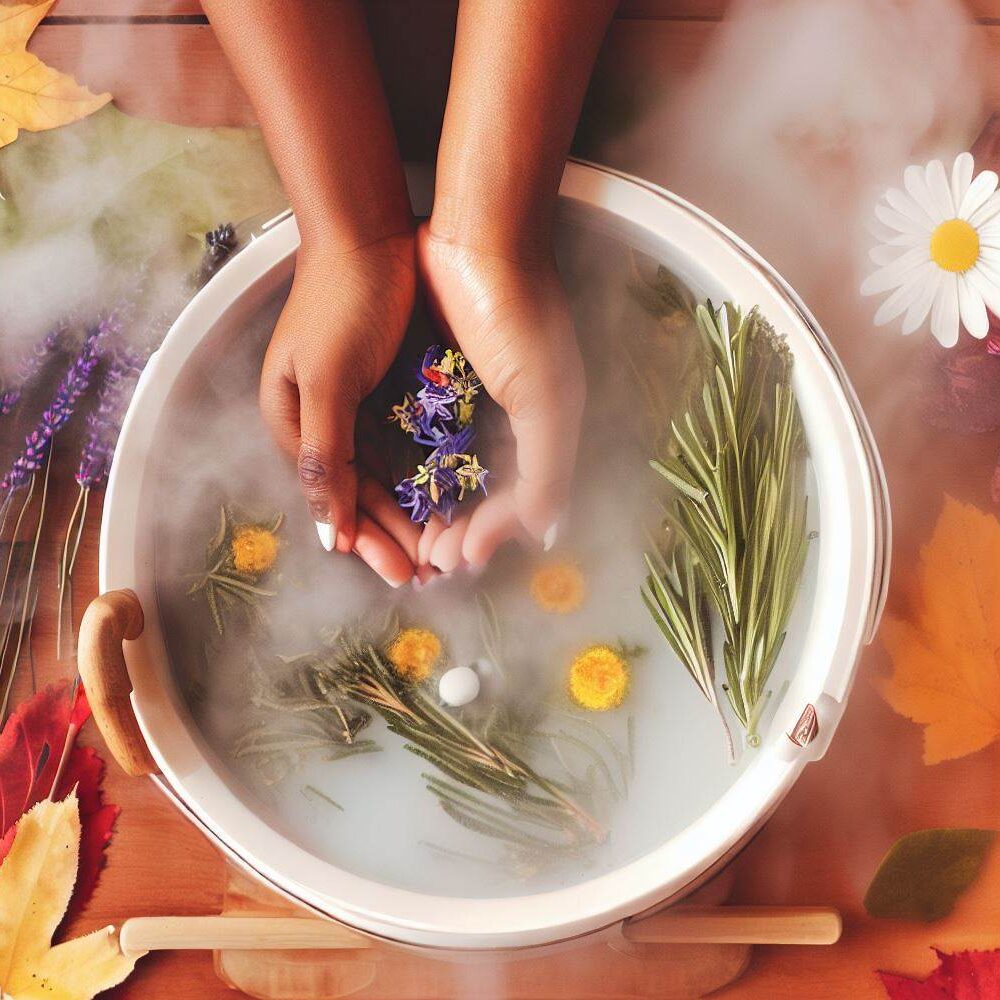
Steam Inhalation: Boil water, remove it from heat, and add a few drops of essential oil to create a steam bath. Cover your head with a towel, close your eyes, and breathe in the aromatic steam to soothe respiratory discomfort or congestion.

Autumn-inspired Bathing: Add a few drops of essential oils or dried herbs to a warm bath for a truly aromatic and rejuvenating experience. The scents of lavender, sage, rosemary, or pine can promote relaxation and a sense of well-being.

Autumn Aromatherapy Blends

Create your own autumn-inspired aromatic blends using the scents of the season. Here are a few examples to get you started:

Comforting Autumn Spice Blend:

  • 4 drops sweet orange essential oil
  • 3 drops cinnamon essential oil
  • 2 drops clove essential oil
  • 1 drop nutmeg essential oil

Grounding Forest Walk Blend:

  • 3 drops pine essential oil
  • 3 drops cedarwood essential oil
  • 2 drops vetiver essential oil
  • 1 drop frankincense essential oil

Calming Herbal Medley Blend:

  • 4 drops lavender essential oil
  • 3 drops sage essential oil
  • 2 drops rosemary essential oil
  • 1 drop clary sage essential oil

The Magic of Autumn Aromatherapy

A Poem

As the leaves turn red and gold And the air grows crisp and cold I light a candle and prepare To breathe in the magic of the air

I fill my cauldron with water and herbs And let them simmer and infuse I add some drops of essential oils And choose the scents that I will use

I pick the ones that suit my mood And the ones that match the season I pick the ones that heal and soothe And the ones that have a reason

I pick cinnamon for warmth and spice And ginger for energy and zest I pick clove for protection and strength And nutmeg for comfort and rest

I pick apple for abundance and joy And pine for cleansing and renewal I pick sage for wisdom and clarity And rosehip for beauty and jewel

I stir the cauldron and watch the steam Rise and swirl in the air I inhale the aroma and feel the magic Fill my body and soul with care

I feel the calmness and the peace And the joy and the gratitude I feel the love and the compassion And the wonder and the curiosity

I feel the connection and the harmony And the balance and the alignment I feel the intuition and the insight And the purpose and the destiny

I feel the magic of autumn aromatherapy And the magic of nature and myself I feel the magic of the season And the magic of life and death

Safety Precautions

 While aromatherapy is generally safe, it’s important to exercise caution and follow these guidelines:

Use essential oils as directed and adhere to recommended dilution ratios. Some oils may cause skin irritation or sensitivities, so perform a patch test before applying them topically.

Consult with a qualified aromatherapist or healthcare professional, particularly if you have underlying health conditions, are pregnant, or are taking medications.

Keep essential oils out of reach of children and pets.

Store essential oils in dark glass bottles in a cool, dry place to preserve their potency and aroma.

Conclusion

Autumn aromatherapy allows us to immerse ourselves in the captivating scents of nature during this enchanting season. By foraging for aromatic herbs, plants, and flowers and incorporating them into our daily routines, we can harness their therapeutic benefits and create a harmonious environment for holistic well-being. Whether through essential oil diffusion, inhalation, steam inhalation, or aromatic baths, the scents of lavender, sage, rosemary, and pine can bring comfort, grounding, and relaxation into our lives.

Embrace the beauty of autumn and the abundance of fragrant treasures it offers. Delve into the world of autumn aromatherapy, explore different methods and blends, and discover the transformative effects of these natural remedies. Allow the scents of the season to soothe your senses, calm your mind, and reconnect you with the rhythm of nature. With autumn aromatherapy, you can embark on a journey of well-being, embracing the therapeutic power of the natural world during this magical time of year.

Posted on Leave a comment

Autumn Home Remedies – Herbal Glycerites

Autumn Herbal Glycerites

Introduction

Autumn Home Remedies – Herbal Glycerites

Autumn is a time of transformation, as nature’s colors shift and the air turns crisp. It is also the perfect season to explore the art of herbal glycerites—a gentle and effective way to extract the healing properties of herbs, plants, and flowers. Herbal glycerites are liquid extracts that utilize glycerin as a medium to capture the essence of botanical ingredients. By utilizing the abundance of autumn foraging, we can create homemade herbal glycerites that promote well-being, nourish the body, and support our holistic health.

In this series, we’ll go over steam treatment, elixirs, teas, tinctures, broths, herbal glycerites, aroma therapy, and tonics. There are a lot of home remedies and nearly endless possibilities of methods. The eight selected for this series are some of the most common practices. All these covered home remedies are perfect for Autumn-Season applications.

In this article, we will delve into the process of crafting herbal glycerites using autumn herbs, plants, and flowers, allowing us to tap into the healing power of nature during this transformative season.

Herbal Glycerites

Herbal glycerites are one of my favorite ways to work with the magic of plants. They are like tinctures, but instead of using alcohol, they use glycerin to extract the essence of the herbs. Glycerin is a sweet and sticky liquid that comes from plants or animals. It’s great for making glycerites because it doesn’t have any alcohol, which some people don’t like or can’t have. Glycerites are also yummy and last a long time.

Herbal glycerites have been around for a long time. They were first mentioned in a book called King’s American Dispensatory (1898), which was a guide for making all kinds of herbal remedies. The book said that glycerites were “solutions of medicinal substances in glycerin” that you could use for healing yourself or others. Some herbalists also used glycerin to keep the fresh juices of herbs from going bad. Glycerin can pull out both the water and the oil parts of the plants, so it can capture their full power. Nowadays, herbal glycerites are also used in natural beauty products, because they make your skin soft, smooth, and healthy.

As nature transforms in the chill of autumn, it’s the perfect time to harness the healing power of herbs through the creation of herbal glycerites.

A Brief History of Glycerites

Herbal glycerites are liquid extracts that use vegetable glycerin as a solvent instead of alcohol. They are sweet, non-alcoholic, and shelf-stable, and can be used as alternatives to tinctures or syrups. They can be taken internally or applied externally, depending on the purpose and the plant. They can be used to treat various ailments, enhance well-being, and add flavor and sweetness to food and drinks.

Herbal glycerites have a relatively recent history compared to other forms of herbal medicine. Vegetable glycerin was not widely available until the 19th century, when it was first produced as a by-product of soap making. Before that, most herbal extracts were made with alcohol, vinegar, honey, or oil. However, some people preferred non-alcoholic or less acidic solvents, especially for children, pregnant women, or people with sensitive stomachs. Some also preferred sweeter or milder-tasting solvents, especially for culinary or cosmetic purposes.

Some of the earliest references to herbal glycerites can be found in the writings of American herbalists and botanists in the late 19th and early 20th centuries. For example, John Uri Lloyd, a pharmacist and professor of chemistry, published a book in 1892 called The Chemistry of Medicines, in which he described the preparation and properties of glycerites of various herbs, such as lobelia, ginger, and chamomile. Similarly, Maude Grieve, a teacher and founder of the Whins Medicinal and Commercial Herb School in England, published a book in 1931 called A Modern Herbal, in which she mentioned the use of glycerites of herbs such as licorice, marshmallow, and slippery elm.

Herbal glycerites have also been used by practitioners of witchcraft and pagan traditions, who value the use of natural and plant-based remedies for healing and magic. Some witches and pagans prefer glycerites over tinctures because they believe that alcohol can interfere with the vibration and energy of the herbs, or because they follow a sober or abstinent lifestyle. Some also prefer glycerites because they can be easily made at home, using fresh or dried herbs, vegetable glycerin, and water. Some of the common herbs used in witchcraft and pagan glycerites are lavender, rose, sage, mint, and lemon balm, which have various magical and spiritual properties, such as cleansing, protection, love, peace, and communication.

Herbal glycerites are a versatile and convenient way to use the healing and magical power of herbs. They can be used for various purposes, such as medicine, food, beauty, or ritual. They can also be customized and personalized, according to the preference and intention of the user. They are a relatively modern innovation, but they have roots in the ancient and primal practice of herbalism, which connects us to the earth and the plants that grow on it.

Autumn Foraging for Botanical Delights

Foraging is the act of searching for and collecting wild food resources from nature. It is an ancient and primal skill that connects us to our roots and our environment. Foraging can also be a form of witchcraft, as it allows us to tap into the energy and spirit of the plants and animals we encounter. By foraging for autumn herbs, plants, and flowers, we can create our own herbal glycerites that capture the essence and magic of the season.

Herbal glycerites are liquid extracts that use vegetable glycerin as a solvent instead of alcohol. They are sweet, non-alcoholic, and shelf-stable, and can be used as alternatives to tinctures or syrups. They can be taken internally or applied externally, depending on the purpose and the plant. They can be used to treat various ailments, enhance well-being, and add flavor and sweetness to food and drinks.

Foraging for herbal glycerite ingredients requires some knowledge and preparation. We need to know how to identify the plants we want to use, where to find them, when to harvest them, and how to store them. We also need to be respectful and responsible towards nature, and follow some ethical guidelines. For example, we should only take what we need, leave some for the wildlife and other foragers, avoid endangered or protected species, and ask for permission from the land and the plants.

Foraging for herbal glycerite ingredients also requires some creativity and intuition. We can experiment with different combinations and proportions of plants, and see how they affect our health and well-being. We can also listen to our inner guidance and follow our instincts, and see what plants call to us and what messages they have for us. We can also infuse our intention and gratitude into the plants, and thank them for their gifts and blessings.

Foraging for herbal glycerite ingredients is a rewarding and enjoyable activity that can enrich our lives and our practice. It can help us to heal, nourish, and empower ourselves and others. It can also help us to celebrate the beauty and bounty of autumn, and honor the cycle of life and death.

Autumn presents us with a treasure trove of herbs, plants, and flowers that can be foraged and incorporated into herbal glycerites. Consider gathering the following ingredients for your autumn brews:

  • Calendula: Known for its soothing and healing properties, calendula flowers are a staple in herbal remedies. Harvest the vibrant orange or yellow petals for their anti-inflammatory and skin-nourishing benefits.
  • Echinacea: This immune-boosting herb is commonly found in the autumn months. Harvest the roots, leaves, or flowers of echinacea for their potent antimicrobial and immune-stimulating properties.
  • Marshmallow Root: With its soothing and demulcent qualities, marshmallow root is excellent for respiratory health and soothing irritated mucous membranes. Harvest the root in autumn for its medicinal benefits.
  • Lemon Balm: This aromatic herb has a calming and uplifting effect on the nervous system. Harvest the leaves of lemon balm for their gentle sedative and mood-enhancing properties.

Creating Autumn Herbal Glycerites

Crafting herbal glycerites is a simple and rewarding process that allows us to preserve the medicinal properties of autumn herbs. Follow these steps to create your own homemade herbal glycerites:

Ingredients

  • Fresh or dried autumn herbs, plants, or flowers
  • Food-grade vegetable glycerin
  • Filtered water
  • Optional: vodka (to act as a preservative)

Process

  • Begin by thoroughly cleaning and drying the herbs, plants, or flowers you have foraged. Remove any damaged or discolored parts.
  • Fill a clean glass jar about halfway with your chosen botanical ingredients.
  • Pour a mixture of 3 parts glycerin and 1 part filtered water into the jar, ensuring the botanicals are fully submerged.
  • Use a clean spoon or chopstick to gently press down the botanicals, removing any air bubbles and ensuring they are fully covered by the glycerin mixture.
  • If desired, add a small amount of vodka to act as a preservative, especially if using fresh herbs.
  • Seal the jar tightly and place it in a cool, dark place away from direct sunlight.
  • Allow the mixture to infuse for 4-6 weeks, shaking the jar gently every few days to promote the extraction process.
  • After the infusion period, strain the glycerite using a fine mesh sieve or cheesecloth, collecting the liquid extract in a clean glass jar.
  • Label the jar with the name of the glycerite, the date of creation, and the ingredients used.

Utilizing Autumn Herbal Glycerites

Autumn herbal glycerites offer a versatile and convenient way to incorporate the healing properties of herbs into our daily lives. Here are some suggestions on how to utilize them effectively:

Oral Use: Take a few drops of the glycerite directly under the tongue for quick absorption and assimilation into the body. This method is ideal for supporting immune health, soothing digestion, or promoting relaxation.

Topical Application: Apply glycerite externally to soothe skin irritations, minor cuts, or burns. Glycerites can also be added to homemade skincare products, such as creams or lotions, to nourish and protect the skin.

Culinary Enhancements: Incorporate herbal glycerites into your autumn-inspired culinary creations. Add a few drops to beverages, desserts, or salad dressings for an extra burst of flavor and therapeutic benefits.

Customized Blends: Combine different herbal glycerites to create personalized blends that cater to specific health needs. For example, mix echinacea glycerite with elderberry glycerite for immune support during the colder months.

Storing and Shelf Life

To ensure the longevity and efficacy of your herbal glycerites, keep the following points in mind:

Store glycerites in amber glass bottles or jars to protect them from light degradation. Keep them in a cool, dry place away from direct sunlight.

Properly labeled glycerites can have a shelf life of 1-2 years or more if stored correctly. However, it’s essential to monitor the appearance, smell, and consistency of the glycerite regularly. If any signs of spoilage or degradation occur, discard the glycerite.

Note that glycerites have a sweeter taste compared to alcohol-based tinctures, making them more appealing for those with sensitivities or children.

Conclusion

Autumn herbal glycerites provide us with a wonderful opportunity to harness the healing power of nature during this transformative season. By foraging for herbs, plants, and flowers and creating our own homemade glycerites, we can infuse our daily routines with the therapeutic benefits of autumn’s bounty. Whether used orally, topically, or in culinary creations, these glycerites offer a convenient and effective way to support our well-being and connect with the healing properties of the natural world.

Embrace the beauty of autumn, venture into the realm of herbal glycerites, and experiment with the diverse range of ingredients available during this season. Explore the soothing qualities of calendula, the immune-boosting potential of echinacea, the soothing properties of marshmallow root, and the calming effects of lemon balm. Craft personalized blends, create culinary delights, and nourish your body and spirit with the essence of autumn.

Remember to always use caution and consult with a qualified herbalist or healthcare professional, especially if you have specific health conditions or are taking medications. Enjoy the journey of creating and utilizing autumn herbal glycerites and let the healing power of nature enhance your well-being during this transformative season. Embrace the wisdom of the earth, celebrate the bountiful offerings of autumn, and savor the benefits of these homemade remedies for holistic health and vitality.

Posted on Leave a comment

Autumn Home Remedies – Tonics

Autumn Tonics
Autumn Tonics

Introduction

Autumn Home Remedies – Tonics

As the seasons transition and nature showcases its vibrant colors, autumn brings an abundance of herbs, plants, and flowers that can be transformed into revitalizing tonics. Tonics are potent herbal preparations that aim to restore and invigorate the body, promoting overall wellness and vitality. By utilizing the offerings of autumn foraging, we can create homemade tonics that harness the healing power of nature during this transformative season.

In this series, we’ll go over steam treatment, elixirs, teas, tinctures, broths, herbal glycerites, aroma therapy, and tonics. There are a lot of home remedies and nearly endless possibilities of methods. The eight selected for this series are some of the most common practices. All these covered home remedies are perfect for Autumn Season applications.

In this article, we will explore the art of crafting tonics using autumn herbs, plants, and flowers, providing practical methods to incorporate them into our self-care routines. Prepare to embrace the rejuvenating energy of autumn and discover the power of herbal tonics.

Tonics

As the days grow shorter and the air becomes crisp, autumn offers us a bounty of earthy and warming herbs to nourish our bodies. One effective way to harness the healing power of autumn herbs is through the creation of soothing tonics. These herbal elixirs are designed to promote overall wellness, enhance immunity, and support the body’s natural functions. In this article, we will explore the art of crafting tonics using autumn herbs, highlighting their medicinal benefits and providing step-by-step instructions on how to prepare these comforting remedies in the comfort of your own home.

History

Tonics are liquid herbal preparations that are taken internally to support the health and vitality of the body. They are usually made with water, alcohol, vinegar, or glycerin as the base, and infused with various herbs that have nourishing, stimulating, or balancing properties. Tonics have a long history of use in home remedies and folk medicine, as well as in wicca and other forms of witchcraft.

The origin of tonics can be traced back to ancient times, when people used plants to treat various diseases and enhance their well-being. One of the most famous tonics in history is quinine, a bitter substance extracted from the bark of the cinchona tree. Quinine was discovered by the indigenous people of South America as a remedy for malaria and other fevers. It was later introduced to Europe by Spanish explorers and missionaries in the 17th century1. Quinine was also mixed with carbonated water to create tonic water, a popular drink that was patented by Erasmus Bond in 18582.

The herbal traditions of wicca and witchcraft are filled with magical uses of herbs. We use herbs for both healing and magical purposes, often following recipes that have been passed down for generations. Tonics can help us connect with the natural energies of the earth and the seasons, as well as with our deities and spirit guides.

Autumn Foraging for Energizing Ingredients

Autumn is a season of transition, when the leaves change color and fall, the harvest is gathered, and the days grow shorter and colder. It is also a time when many witches prepare tonics to strengthen their health, vitality, and connection to the natural and spiritual realms. Tonics are herbal concoctions that are brewed, steeped, or infused to extract the essence and benefits of various plants. They can be taken internally or applied externally, depending on the purpose and ingredients.

Autumn offers a rich assortment of herbs, plants, and flowers that can be foraged and incorporated into tonics to revitalize our body and spirit. Consider incorporating these ingredients into your autumn tonic preparations:

  • Ginseng: Known for its adaptogenic properties, ginseng root helps enhance vitality, improve stamina, and support the body’s resilience during periods of stress or fatigue. Ginseng is a rare and valuable herb that grows in the wild in deciduous forests of North America and Asia. It prefers moist, well-drained soil and partial shade. Ginseng can be identified by its compound leaves with five leaflets, its red berries, and its forked root. Ginseng is usually harvested in the fall, when the root is fully developed and the berries are ripe. However, harvesting wild ginseng is regulated or prohibited in many areas, so you should check the local laws and obtain a permit before you go foraging. You should also respect the sustainability of the plant and only harvest mature roots (at least five years old) and leave some seeds for future growth.
  • Nettle: This nutrient-dense herb is rich in vitamins, minerals, and antioxidants. Nettle leaf tonic can help nourish the body, support immune function, and promote healthy hair and skin. Nettle is a common and nutritious herb that grows in many parts of the world. It thrives in rich, moist soil and sunny or partly shaded areas. Nettle can be identified by its opposite, serrated leaves, its tiny green flowers, and its stinging hairs. Nettle can be harvested throughout the year, but the best time is in spring or early fall, when the leaves are young and tender. You should wear gloves and long sleeves to avoid getting stung, and use scissors or a knife to cut the stems.
  • Ashwagandha: With its rejuvenating and calming properties, ashwagandha root is an excellent addition to autumn tonics. It helps reduce stress, support adrenal health, and promote overall well-being. Ashwagandha is a perennial shrub that grows in dry and sunny regions of India and South Asia. It belongs to the same family as tomatoes and peppers, and has green, fuzzy leaves, small, yellow flowers, and red berries. Ashwagandha can be identified by its distinctive smell, which is similar to horse sweat. Ashwagandha is usually harvested in the fall, when the root is fully grown and the berries are ripe. You should dig up the whole plant and cut off the root, which is the part used for medicinal purposes. You should also wash and dry the root before using it.
  • Holy Basil: Also known as Tulsi, holy basil is an adaptogenic herb that supports the body’s stress response. It is revered for its ability to calm the mind, uplift the spirit, and enhance mental clarity. Holy basil is an annual or perennial herb that grows in tropical and subtropical regions of the world. It is related to the common basil, but has a stronger aroma and flavor. Holy basil can be identified by its oval, toothed leaves, its purple stems, and its spikes of white or purple flowers. Holy basil can be harvested throughout the year, but the best time is in summer or early fall, when the plant is in full bloom. You should cut the stems and leaves with scissors or a knife, and avoid damaging the roots.
  • Mugwort: This herb is associated with the moon, dreams, divination, and psychic abilities. It can help witches to communicate with their ancestors, access their intuition, and enhance their visions. This herb is a common weed that grows in disturbed areas, such as roadsides, fields, gardens, and waste places. It has a distinctive aroma that is similar to sage or wormwood. It has green, fuzzy leaves that are lobed and toothed, and small, yellowish flowers that grow in clusters. Mugwort can be harvested throughout the year, but the best time is in late summer or early fall, before it flowers.
  • Cinnamon: This spice is associated with the sun, fire, protection, prosperity, and love. It can help witches to ward off negativity, attract abundance, and increase their passion. This spice is derived from the inner bark of several species of trees in the genus Cinnamomum, which are native to Asia. Cinnamon is not easy to forage in the wild, unless you live in a tropical or subtropical region where these trees grow. However, you can grow your own cinnamon tree in a pot or a greenhouse, and harvest the bark when the tree is about two years old. You can peel off the bark, dry it, and grind it into powder, or use it as whole sticks.
  • Bay leaves: These leaves are associated with Apollo, wisdom, success, and manifestation. They can help witches to achieve their goals, improve their skills, and create their reality. These leaves are from the bay laurel tree (Laurus nobilis), which is native to the Mediterranean region. Bay laurel is an evergreen tree that can grow up to 60 feet tall, but can also be pruned into a shrub or a hedge. It has glossy, dark green leaves that are oval and pointed, and small, yellow flowers that produce black berries. Bay leaves can be harvested at any time of the year, but the best time is in spring or summer, when the leaves are young and tender. You can use fresh or dried leaves for various purposes.
  • Rose hips: These fruits are associated with Venus, beauty, healing, and happiness. They can help witches to nourish their skin, boost their immunity, and uplift their mood. These fruits are from the rose plant (Rosa spp.), which is a woody, perennial flowering shrub in the rose family. There are over 300 species of rose, and most of them produce edible rose hips. Rose hips begin to form after the pollination of flowers in the spring, and ripen in late summer or fall, turning from green to orange or red. The best time to harvest rose hips is after the first frost, when they become soft and sweet.
  • Horehound: This herb is associated with protection, healing, and exorcism. It can help witches to ward off evil spirits, cure coughs and colds, and cleanse their space. This herb is from the horehound plant (Marrubium vulgare), which is a perennial plant in the mint family. Horehound is native to Europe, Asia, and Africa, but is now naturalized in many parts of the world. Horehound has square, hairy stems, wrinkled, gray-green leaves, and small, white flowers that grow in whorls. Horehound can be harvested throughout the year, but the best time is in summer, when the plant is in full bloom. You can use the leaves, stems, and flowers for various purposes.
  • Dandelion: This herb is associated with Jupiter, air, wishes, and divination. It can help witches to manifest their desires, enhance their psychic abilities, and connect with the spirit world. This herb is from the dandelion plant (Taraxacum officinale), which is a perennial plant in the aster family. Dandelion is native to Eurasia, but is now widespread and considered a weed in many parts of the world. Dandelion has a taproot, a rosette of toothed, green leaves, and bright yellow flowers that turn into fluffy seed heads. Dandelion can be harvested throughout the year, but the best time is in spring or early summer, when the leaves are young and tender, and the flowers are fresh.
  • Elecampane: This herb is associated with Mercury, earth, protection, and love. It can help witches to ward off negativity, attract a lover, and heal respiratory ailments. This herb is from the elecampane plant (Inula helenium), which is a perennial plant in the aster family. Elecampane is native to Europe and Asia, but is now cultivated and naturalized in many parts of the world. Elecampane has a thick, woody root, large, hairy leaves, and yellow flowers that resemble sunflowers. Elecampane can be harvested in late summer or fall, when the root is fully developed and the flowers are fading.
  • Hibiscus: This herb is associated with Venus, water, love, and lust. It can help witches to attract romance, enhance their sexuality, and stimulate their creativity. This herb is from the hibiscus plant (Hibiscus sabdariffa), which is an annual or perennial plant in the mallow family. Hibiscus is native to Africa, but is now cultivated and naturalized in many tropical and subtropical regions of the world. Hibiscus has green, lobed leaves, and large, showy flowers that range in color from red to pink, white, or yellow. Hibiscus can be harvested throughout the year, but the best time is in summer or fall, when the flowers are fully open.

These are just some of the many autumn tonic ingredients that witches can use to enhance their magic and well-being. By using these ingredients, witches can align themselves with the energy of the season and prepare for the coming winter.

Crafting Autumn Tonics

Autumn Tonics

Creating tonics allows us to unlock the therapeutic potential of autumn botanicals. Follow these steps to create your own homemade autumn tonics:

  • Fresh or dried herbs, plants, or flowers of your choice (Ginseng, Nettle, Ashwagandha, or Holy Basil)
  • Filtered water
  • Optional sweeteners like honey or maple syrup
  1. Gather your chosen autumn botanicals and rinse them gently to remove any dirt or impurities. If using fresh herbs, gently bruise the leaves to release their aromatic oils.
  2. In a saucepan, combine the botanicals with filtered water. Use a ratio of approximately 1 tablespoon of dried herbs or 2 tablespoons of fresh herbs per 8 ounces of water.
  3. Bring the mixture to a gentle simmer over medium-low heat. Cover the saucepan and let it simmer for 20-30 minutes to allow the flavors and beneficial compounds to infuse into the water.
  4. After simmering, remove the saucepan from heat and let the mixture cool slightly.
  5. Strain the liquid into a clean container, separating the herbs or flowers from the infused liquid.
  6. If desired, add a touch of natural sweetener like honey or maple syrup to enhance the taste of the tonic. Stir well to ensure it is fully incorporated.
  7. Your autumn tonic is now ready to be enjoyed! Sip it slowly, savoring the flavors and allowing the revitalizing properties to invigorate your body and spirit.

Customizing Autumn Tonics for Specific Needs

Tailor your autumn tonics to address specific health concerns or to enhance overall well-being. Consider the following additions:

  • Immune-Boosting Tonic: Combine ginseng, elderberries, and echinacea for a tonic that strengthens the immune system and helps ward off seasonal ailments.
  • Stress-Relief Tonic: Blend ashwagandha, holy basil, and lemon balm for a tonic that promotes relaxation, reduces stress, and supports adrenal health during the busy autumn season.
  • Nourishing Vitality Tonic: Mix nettle, dandelion root, and ginger for a tonic that nourishes the body, supports detoxification, and boosts energy levels.
Fall

Incorporating Autumn Tonics into Daily Life

Autumn tonics are herbal elixirs that can help you embrace the magic and beauty of the season. Here are some ways to enjoy autumn tonics and support your overall well-being:

  • Make autumn tonics a part of your daily self-care routine. Sip them in the morning or throughout the day to nourish your body, restore energy, and uplift your spirit. Autumn tonics can also help you connect with the natural rhythms of the season, balance your emotions, and enhance your intuition.
  • Use autumn tonics as flavorful additions to your favorite autumn-inspired recipes, such as soups, stews, or salad dressings. Infuse them with the vitality and therapeutic benefits of the season. Autumn tonics can also help you celebrate the harvest, honor the ancestors, and share your abundance with others.
  • Transform your tonics into herbal infusions by steeping them with additional herbs or teas for added flavor and medicinal benefits. You can also add honey, lemon, ginger, or other ingredients to customize your tonics according to your preferences and needs. Autumn infusions can also help you create a cozy and relaxing atmosphere, warm your body and soul, and prepare for the coming winter.

Conclusion

Autumn tonics provide a refreshing and invigorating way to embrace the energy and vitality of the season. By foraging for herbs, plants, and flowers and crafting homemade tonics, we can tap into the healing power of nature and enhance our well-being during this transformative time. Explore the revitalizing properties of ginseng, nettle, ashwagandha, and holy basil as you create your own custom blends. Embrace the restorative energy of autumn and allow these tonics to nourish your body, uplift your spirit, and support your overall health.

Incorporate autumn tonics into your daily routine to experience their revitalizing effects. Sip them slowly, savoring the flavors and allowing their therapeutic properties to infuse your being. Customize your tonics to address specific health concerns or to enhance your overall well-being. Embrace the wisdom of the earth, celebrate the abundance of the season, and let the healing power of autumn tonics invigorate your body and spirit.

Remember to consult with a qualified herbalist or healthcare professional if you have specific health conditions or concerns. Enjoy the process of crafting your own autumn tonics and let their revitalizing essence become a part of your daily wellness journey. Embrace the transformative power of nature’s harvest and delight in the rejuvenating effects of these homemade remedies. Cheers to vibrant health and well-being during the autumn season!

Posted on Leave a comment

Autumn Home Remedies – Tinctures

Autumn Tinctures
Autumn Tinctures

Introduction

Autumn Home Remedies – Tinctures

Autumn is a season of abundance, as nature’s bounty reveals a treasure trove of herbs, plants, and flowers that can be transformed into potent tinctures. Tinctures are concentrated liquid extracts that extract the medicinal properties of botanicals using alcohol or a solvent. By utilizing the rich offerings of autumn foraging, we can create homemade tinctures that promote well-being and support our health during this transformative season.

In this series, we’ll go over steam treatment, elixirs, teas, tinctures, broths, herbal glycerites, aroma therapy, and tonics. There are a lot of home remedies and nearly endless possibilities of methods. The eight selected for this series are some of the most common practices. All these covered home remedies are perfect for Autumn-Season applications.

In this article, we will delve into the art of crafting tinctures using autumn herbs, plants, and flowers, providing practical methods to incorporate them into our self-care routines. Prepare to immerse yourself in the healing properties of nature’s harvest and discover the power of autumn tinctures.

Tinctures

Autumn is a time when nature’s beauty is at its peak, and the bounty of herbs and plants invites us to explore their healing potential. One potent and versatile way to capture the essence of autumn herbs is through the art of tincture-making. Tinctures are concentrated herbal extracts known for their effectiveness in delivering the medicinal properties of herbs. By utilizing the plentiful herbs available during the autumn months, we can create powerful and effective homemade tinctures that promote wellness and support our health. In this article, we will delve into the world of tincture-making, exploring the methods and benefits of crafting herbal tinctures with autumn herbs, and unlocking nature’s therapeutic potency for our well-being.

Tinctures vs Tonics

Tinctures and tonics are both herbal preparations that can be used for various purposes, such as healing, magic, or ritual. However, they have some differences in their methods, ingredients, and effects.

Tinctures are concentrated herbal extracts that are made by soaking plant parts (such as leaves, flowers, roots, or berries) in alcohol or vinegar for several weeks. The alcohol or vinegar draws out the active compounds and preserves them in a liquid form. Tinctures are usually taken internally, by dropping a few drops under the tongue or adding them to water or juice.

Tonics are potent herbal infusions that are made by boiling or steeping plant parts (such as leaves, flowers, roots, or berries) in water for several hours. The water extracts the nutrients and benefits of the herbs and creates a flavorful brew. Tonics are usually taken internally, by drinking them as a tea or adding them to other beverages.

Tinctures have some advantages over tonics, such as:

  • They are more concentrated and effective, as they contain a higher amount of active compounds per dose.
  • They have a longer shelf life, as they are preserved by the alcohol or vinegar and do not spoil easily.
  • They are more convenient and portable, as they can be stored in small bottles and carried around easily.
  • They are more versatile and customizable, as they can be made with different herbs, combinations, and ratios to suit different needs and preferences.

Tinctures can be used for various purposes, such as:

  • Healing: Tinctures can help treat various physical and mental ailments, such as pain, inflammation, infection, anxiety, depression, insomnia, and more12. For example, lavender tincture can help calm the nerves and promote relaxation, while echinacea tincture can help boost the immune system and fight off infections.
  • Magic: Tinctures can help enhance various magical abilities, such as intuition, divination, protection, manifestation, and more. For example, mugwort tincture can help increase psychic awareness and facilitate lucid dreaming, while cinnamon tincture can help attract prosperity and love.
  • Ritual: Tinctures can help create a sacred space and mood for performing rituals, such as meditation, prayer, spellcasting, and more. For example, sage tincture can help cleanse and purify the energy and environment, while rose tincture can help invoke the presence and blessings of the goddess.

Tinctures are powerful and effective herbal allies that can help us in various ways. By learning how to make and use them, we can tap into the wisdom and gifts of nature and enhance our well-being and magic.

Autumn Foraging for Medicinal Ingredients

Autumn offers a diverse range of herbs, plants, and flowers that can be foraged and transformed into powerful tinctures. Consider incorporating the following ingredients into your autumn tincture preparations:

St. John’s Wort: Known for its mood-balancing and antidepressant properties, St. John’s Wort is often foraged during autumn. Its bright yellow flowers are a key component of tinctures designed to support emotional well-being.  St. John’s Wort is a perennial plant that grows in sunny and dry areas, such as roadsides, fields, and waste places. It has yellow flowers with black dots on the petals, and leaves with tiny holes that are visible when held to the light. St. John’s Wort can be harvested in late summer or early fall, when the flowers are fully open and the plant is in full bloom. You can use scissors or a knife to cut the flowering tops, and avoid damaging the roots.

Milk Thistle: This herb is recognized for its liver-detoxifying and protective properties. Harvest the seeds of milk thistle to create a tincture that promotes liver health and supports digestion. Milk Thistle is a biennial or annual plant that grows in disturbed and cultivated areas, such as pastures, fields, and gardens. It has spiny stems and leaves, and purple flowers that produce brown seeds. Milk Thistle can be harvested in late summer or fall, when the seeds are ripe and the flowers are dry.

Dandelion Root: Dandelion root is a valuable autumn foraging ingredient due to its liver-cleansing and diuretic properties. Utilize the roots to create a tincture that supports detoxification and overall wellness. Dandelion Root is a perennial plant that grows in a variety of habitats, such as lawns, meadows, and fields. It has a taproot, a rosette of toothed leaves, and yellow flowers that turn into fluffy seed heads. Dandelion Root can be harvested in late summer or fall, when the root is fully developed and the plant is dormant.

Echinacea: This well-known herb is often associated with immune support. Harvest the roots, leaves, or flowers of echinacea to create a tincture that bolsters the immune system and promotes overall health. Echinacea is a perennial plant that grows in prairies, woodlands, and open areas. It has green, hairy leaves, and pink or purple flowers that resemble coneflowers. Echinacea can be harvested in late summer or fall, when the roots, leaves, or flowers are fully grown and the plant is in bloom.

Method for Crafting Autumn Tinctures

Creating tinctures allows for the extraction and preservation of the medicinal properties of autumn botanicals. Follow these steps to create your own homemade autumn tinctures:

Ingredients:

Fresh or dried herbs, plants, or flowers of your choice

High-proof alcohol (such as vodka or brandy)

Glass jars with tight-fitting lids

Cheesecloth or a fine mesh sieve

Process:

Begin by harvesting or sourcing your chosen autumn botanicals. Clean them gently to remove any dirt or impurities. If using fresh herbs, allow them to wilt slightly to reduce moisture content.

Chop or grind the botanicals into small pieces to maximize surface area and enhance extraction.

Fill a glass jar with the botanicals, leaving some space at the top. Fill the jar to approximately 3/4 full.

Pour the high-proof alcohol over the botanicals, making sure they are fully submerged. Use a ratio of roughly 1 part botanicals to 2 parts alcohol.

Seal the jar tightly with the lid and store it in a cool, dark place away from direct sunlight.

Allow the mixture too steep for at least 4 to 6 weeks, shaking the jar gently every few days to promote the extraction process.

After the infusion period, strain the tincture using cheesecloth or a fine mesh sieve, collecting the liquid extract in a clean glass container.

Label the container with the name of the tincture, the date of creation, and the ingredients used.

Utilizing Autumn Tinctures for Well-being

Autumn tinctures offer a versatile and convenient way to incorporate the healing properties of herbs into our daily lives. Here are some suggestions on how to utilize them effectively:

Internal Use: Take a few drops of the tincture orally, either directly under the tongue or diluted in a small amount of water. This allows for easy absorption and assimilation into the body. Follow recommended dosages and consult with a qualified herbalist or healthcare professional if needed.

Topical Application: Apply tinctures externally by diluting them in carrier oils, such as jojoba or coconut oil. This allows for targeted application to support skin health, ease muscle tension, or promote wound healing.

Custom Blends: Combine different tinctures to create personalized blends that cater to specific health needs. For example, mix St. John’s Wort tincture with lemon balm tincture for a mood-balancing blend.

Storing and Shelf Life

Proper storage is key to maintaining the potency and effectiveness of your autumn tinctures. Consider the following tips:

Store tinctures in dark-colored glass bottles or jars to protect them from light degradation.

Keep them in a cool, dry place away from direct sunlight and extreme temperature fluctuations.

Properly labeled tinctures can have a shelf life of several years or more if stored correctly. However, it’s essential to monitor the appearance, smell, and consistency of the tincture regularly. If any signs of spoilage or degradation occur, discard the tincture.

Conclusion

Autumn tinctures allow us to harness the healing power of nature’s harvest, transforming herbs, plants, and flowers into potent liquid extracts. By foraging for medicinal ingredients and crafting homemade tinctures, we can support our well-being and promote holistic health during this transformative season. Embrace the therapeutic benefits of St. John’s Wort, milk thistle, dandelion root, echinacea, and other autumn botanicals as you embark on the journey of creating your own tinctures. Whether taken internally or applied topically, these tinctures offer a convenient and effective way to incorporate the healing properties of herbs into your daily routine.

Take the time to connect with nature, forage for the botanicals that resonate with you, and craft tinctures that support your well-being. Explore the rich colors, fragrances, and healing potentials of autumn as you immerse yourself in the art of tincture-making. Embrace the wisdom of the earth, celebrate the abundance of the season, and savor the benefits of these homemade remedies for holistic health and vitality.

Remember to exercise caution when working with alcohol and botanicals and consult with a qualified herbalist or healthcare professional if you have specific health conditions or concerns. Enjoy the process of creating your own autumn tinctures and let the healing power of nature infuse your life with well-being and vitality. Cheers to the transformative and nourishing journey of autumn tinctures!

Posted on Leave a comment

Autumn Home Remedies – Broths

Autumn Broths
Autumn Broths

Introduction

Autumn Home Remedies – Broths

As the temperatures begin to drop and nature’s colors transition to warm hues, autumn provides us with a cornucopia of foraged treasures to incorporate into our homemade broths. These nourishing elixirs not only help to warm our bodies but also offer a wealth of health benefits. By utilizing the abundance of autumn foraging, including herbs, plants, and flowers, we can infuse our broths with rich flavors and therapeutic properties.

In this series, we’ll go over steam treatment, elixirs, teas, tinctures, broths, herbal glycerites, aroma therapy, and tonics. There are a lot of home remedies and nearly endless possibilities of methods. The eight selected for this series are some of the most common practices. All these covered home remedies are perfect for autumn-season applications.

In this article, we will explore the art of creating flavorful and nourishing broths using the bounty of autumn, allowing you to harness the healing power of nature while embracing the seasonal delights.

Broths

Broths are not only a staple of cozy and hearty dishes during the fall, but they can also be a source of magic and wellness for our bodies and souls. By adding seasonal autumn herbs to our homemade broths, we can create enchanting and nourishing potions that not only warm us up but also boost our immunity and vitality.

Autumn Foraging for Flavorful Additions

Autumn offers a plethora of aromatic herbs, plants, and flowers that can elevate the flavor and nutritional profile of your broths. Consider incorporating the following ingredients into your autumn broths:

  • Thyme: This versatile herb adds a warm and earthy flavor to broths while offering antimicrobial and immune-boosting properties.
  • Rosemary: Known for its distinct pine-like fragrance, rosemary brings a delightful savory note to broths while providing antioxidant and anti-inflammatory benefits.
  • Sage: With its earthy and slightly peppery taste, sage lends depth and complexity to broths while promoting digestion and soothing the throat.
  • Nettle: This nutrient-rich herb can be foraged in the autumn months and adds a delicate, slightly grassy flavor to broths. Nettle is packed with vitamins and minerals, making it an excellent addition for overall health and vitality.

Method for Creating Autumn Broths

Autumn Broth

Crafting autumn broths is a simple and rewarding process that allows you to infuse the essence of nature’s harvest. Here’s a basic method to get you started:

  • Assorted autumn vegetables (such as carrots, onions, celery, and mushrooms)
  • Fresh or dried herbs from autumn foraging (thyme, rosemary, sage, nettle, etc.)
  • Garlic cloves
  • Bay leaves
  • Filtered water
  • Salt and pepper to taste
  1. Prepare the vegetables by washing and roughly chopping them into manageable pieces. Leave the skin on for added flavor and nutrients.
  2. In a large stockpot, combine the vegetables, fresh or dried herbs, garlic cloves, and bay leaves.
  3. Add enough filtered water to cover the ingredients and bring the mixture to a boil over medium-high heat.
  4. Once boiling, reduce the heat to low and simmer the broth for at least one hour, allowing the flavors to meld together.
  5. Throughout the simmering process, periodically skim off any foam or impurities that rise to the surface.
  6. After the desired simmering time, remove the pot from heat and let the broth cool slightly.
  7. Strain the broth using a fine mesh sieve or cheesecloth, discarding the solids.
  8. Season the broth with salt and pepper to taste, ensuring the flavors are well-balanced.
Fall

Enhancing Autumn Broths with Foraged Ingredients

Take your autumn broths to the next level by incorporating additional foraged ingredients. Consider the following suggestions:

Mushrooms: Forage wild mushrooms, such as chanterelles or porcini, to infuse your broths with an earthy and umami-rich flavor.

Wild Greens: Look for wild greens like dandelion leaves or chicory, which add a touch of bitterness and a wealth of nutrients to your broths.

Edible Flowers: Edible flowers such as calendula or nasturtium not only add visual appeal but also lend delicate flavors and antioxidant properties to your broths.

Roots and Tubers: Forage roots like burdock or wild carrots to introduce unique flavors and additional health benefits to your broths.

Utilizing Autumn Broths in Nourishing Meals

Autumn broths provide a versatile foundation for a wide range of nourishing meals. Here are a few ideas to inspire your culinary creations:

Hearty Vegetable Soup: Use your autumn broth as a base for a hearty vegetable soup by adding an array of seasonal vegetables, legumes, and grains. The flavors of the broth will infuse the ingredients, creating a comforting and nutritious meal.

Mushroom Risotto: Replace the water or stock in your risotto recipe with autumn mushroom broth for an intensely flavorful and aromatic dish. Add sautéed wild mushrooms for an extra burst of earthiness.

Herbal Grain Bowls: Cook grains like quinoa, barley, or farro in your autumn broth and serve them as a base for nourishing grain bowls. Top with roasted seasonal vegetables, fresh herbs, and a drizzle of olive oil for a wholesome and satisfying meal.

Sipping Broths: Enjoy a warm and soothing cup of broth on its own as a comforting beverage or as a light and nutrient-rich snack. Sipping broths can be sipped throughout the day for a boost of hydration and nourishment.

Conclusion

Autumn broths infused with the flavors of foraged herbs, plants, and flowers provide a nourishing and therapeutic way to embrace the bounties of the season. By incorporating ingredients such as thyme, rosemary, sage, and nettle, we infuse our broths with aromatic richness and a myriad of health benefits. Whether enjoyed as a standalone beverage or incorporated into hearty soups and grain bowls, these homemade broths offer warmth, comfort, and a taste of nature’s bounty. So, venture into the autumnal bounty, forage for aromatic herbs and ingredients, and let your creativity shine as you create flavorful and nourishing broths. Embrace the seasonal delights, savor the comforting aromas, and relish in the nourishment these autumn broths provide. Let each sip or spoonful bring you closer to the essence of nature’s harvest and the wellness it bestows. Enjoy the warmth, nourishment, and healing that autumn broths bring to your table, and let them be a reminder of the abundance and beauty of the season. Cheers to a season filled with flavorful and nourishing homemade broths that nurture both body and soul!

Posted on Leave a comment

Autumn Home Remedies – Steam Treatments

Autumn Steam Treatments

Introduction

Autumn Home Remedies – Steam Treatments

As autumn brings cooler temperatures and a shift in nature’s colors, it’s the perfect time to indulge in the comforting and therapeutic practice of steam treatments. By harnessing the power of steam infused with the essence of autumn foraging—herbs, plants, and flowers—we can create rejuvenating and healing experiences for our bodies and minds.

In this series, we’ll go over steam treatments (This Article), elixirs, teas, tinctures, broths, herbal glycerites, aroma therapy, and tonics. There are a lot of home remedies and nearly endless possibilities of methods. The eight selected for this series are some of the most common practices. All these covered home remedies are perfect for Autumn applications.

In this article, we will explore the art of steam treatments during autumn, showcasing the bounty of herbs and botanicals available during this season and providing practical methods to incorporate them into our self-care routines. Get ready to immerse yourself in the soothing embrace of steam and nature’s therapeutic essence.

Steam treatment

Foraging for Autumn Botanicals

Autumn offers an abundance of herbs, plants, and flowers that can enhance your steam treatments. Consider incorporating the following ingredients into your autumn steam rituals:

  • Chamomile: Known for its calming and soothing properties, chamomile flowers can help relieve stress, promote relaxation, and soothe the skin.
  • Eucalyptus: With its invigorating aroma and respiratory benefits, eucalyptus leaves can help clear congestion, improve breathing, and provide a refreshing experience.
  • Rosemary: This aromatic herb is known for its stimulating and invigorating properties. Its fragrance can help uplift the spirits and promote mental clarity during your steam treatment.
  • Lavender: With its calming and aromatic qualities, lavender flowers are ideal for creating a relaxing and spa-like ambiance during your steam session.

Method for Autumn Steam Treatment

Follow these steps to create an invigorating and rejuvenating autumn steam treatment:

Ingredients:

  • Fresh or dried herbs, plants, or flowers of your choice (See Above)
  • Filtered water

Process:

  • Gather your chosen autumn botanicals and place them in a heat-safe bowl or basin.
  • Boil a pot of filtered water and carefully pour it over the botanicals until they are fully covered.
  • Create a tent-like structure by draping a towel over your head, allowing it to cover both your head and the bowl. This will help trap the steam and direct it toward your face.
  • Position your face at a comfortable distance above the bowl, ensuring that the steam is not too hot to avoid burns.
  • Close your eyes, relax, and breathe deeply, allowing the aromatic steam to envelop your face and deeply penetrate your pores.
  • Continue the steam treatment for about 5-10 minutes, or until you feel refreshed and rejuvenated.

Customizing Your Autumn Steam Treatment

You can customize your steam treatment by combining different herbs and botanicals based on your specific needs:

Relaxation Blend: Combine chamomile and lavender for a steam treatment that promotes relaxation, relieves stress, and calms the mind.

Respiratory Support Blend: Blend eucalyptus and rosemary to create a steam treatment that helps open up the airways, clears congestion, and enhances breathing.

Skin Rejuvenation Blend: Mix chamomile and rosemary for a steam treatment that soothes and revitalizes the skin, leaving it refreshed and glowing.

Safety Precautions

When practicing steam treatments, it’s important to keep the following safety precautions in mind:

  • Be cautious while working with hot water to avoid burns. Allow the water to cool slightly before beginning the steam treatment.
  • Always maintain a comfortable distance from the steaming water to prevent any risk of burns to your face or skin.
  • If you have any respiratory conditions or sensitivities, consult with a healthcare professional before attempting steam treatments.
  • Take care when handling and disposing of hot water and botanicals to avoid accidents.

Conclusion

Autumn steam treatments offer a rejuvenating and therapeutic experience, allowing us to indulge in the healing power of nature during this transformative season. By incorporating herbs, plants, and flowers available during autumn foraging, such as chamomile, eucalyptus, rosemary, and lavender, we can create steam treatments that promote relaxation, respiratory support, and skin rejuvenation. Take the time to immerse yourself in the fragrant embrace of steam, allowing its therapeutic essence to nourish your body and mind. Embrace the soothing benefits of autumn steam treatments as part of your self-care routine and cherish the moments of tranquility and rejuvenation they provide. Let the essence of autumn envelop you as you embark on a journey of well-being through the calming power of steam.

Posted on Leave a comment

Summer Home Remedies – Broths

Broth
Broth

Introduction

Summer Home Remedies – Broths

As the sun shines brightly and warm breezes fill the air, summer brings forth a wealth of natural resources that can be harnessed to support our well-being. From vibrant fruits and vegetables to aromatic herbs and abundant sunshine, this season offers a treasure trove of items and materials that can be utilized for home remedies. In this article, we will explore the world of summer home remedies, where the bounty of the season is transformed into nourishing elixirs, soothing treatments, and revitalizing practices. Discover the healing potential of items and materials available during the summer, as we delve into the realm of natural remedies that can enhance your health, boost your vitality, and help you fully embrace the power of this radiant season.

In this series, we’ll go over steam treatment, elixirs, teas, tinctures, broths, herbal glycerites, aroma therapy, and tonics. There are a lot of home remedies and nearly endless possibilities of methods. The eight selected for this series are some of the most common practices. All these covered home remedies are perfect for Summer Season applications.

In this article, we will explore the art of crafting summer broths using fresh herbs, highlighting their flavors, and unlocking their natural goodness to support our well-being during the sunny season.

Broths

When we think of broths, we often associate them with comforting and warming dishes during the colder months. However, broths can also be a delightful and nutritious addition to our summer meals. By incorporating seasonal summer herbs into homemade broths, we can create refreshing and revitalizing concoctions that not only provide hydration but also offer an array of health benefits.

Selecting Summer Herbs for Flavorful Broths:

Summer is the season when an abundance of aromatic herbs thrives, providing us with an array of flavors to infuse into our broths. Consider incorporating the following herbs into your summer broth recipes:

  1. Basil: Known for its sweet and peppery aroma, basil adds a fresh and vibrant touch to broths. It pairs well with both vegetable and meat-based broths.
  2. Mint: Refreshing and cooling, mint offers a delightful twist to summer broths. Its bright flavor complements light and refreshing dishes, such as cucumber or watermelon soups.
  3. Lemongrass: With its citrusy and herbal notes, lemongrass lends a unique and invigorating flavor to broths. It is particularly popular in Asian-inspired recipes.
  4. Cilantro: Loved for its distinctive taste, cilantro adds a fresh and slightly tangy element to broths. It pairs well with Mexican or Thai-inspired flavors.

Summer Broth-Making Methods:

Creating homemade broths during the summer allows us to infuse them with the flavors of the season. Here are two methods for crafting flavorful summer broths:

Vegetable Broth:

Ingredients:

  • Assorted summer vegetables (such as carrots, celery, onions, zucchini, and bell peppers)
  • Fresh summer herbs of your choice (basil, mint, cilantro, etc.)
  • Garlic cloves
  • Bay leaves
  • Filtered water
  • Salt and pepper to taste

Process:

  1. Wash and roughly chop the vegetables, including the herb stems, ensuring they are clean and free from any dirt or debris.
  2. In a large stockpot, add the vegetables, fresh herbs, garlic cloves, bay leaves, and enough filtered water to cover the ingredients.
  3. Bring the mixture to a boil over medium-high heat, then reduce the heat to low and simmer for 45 minutes to an hour, allowing the flavors to meld.
  4. Remove the pot from the heat and let it cool slightly.
  5. Strain the broth using a fine mesh sieve or cheesecloth, discarding the solids.
  6. Season the broth with salt and pepper to taste.

Herb-Infused Chicken or Seafood Broth:

Ingredients:

  • Chicken or seafood (such as fish or shrimp) bones and/or carcasses
  • Fresh summer herbs of your choice (lemongrass, basil, etc.)
  • Garlic cloves
  • Onion, roughly chopped
  • Filtered water
  • Salt and pepper to taste

Process:

  1. In a large stockpot, add the chicken or seafood bones and/or carcasses, fresh herbs, garlic cloves, onion, and enough filtered water to cover the ingredients.
  2. Bring the mixture to a boil over medium-high heat, then reduce the heat to low and simmer for several hours, allowing the flavors to develop.
  3. Skim off any foam or impurities that rise to the surface during the simmering process.
  4. Remove the pot from the heat and let it cool slightly.
  5. Strain the broth using a fine mesh sieve or cheesecloth, discarding the solids.
  6. Season the broth with salt and pepper to taste.

Utilizing Summer Broths for Refreshing Meals:

Homemade summer broths offer a versatile base for a variety of refreshing and nourishing meals. Here are a few ideas to incorporate these broths into your summer culinary repertoire:

  • Chilled Soups: Transform your broth into a chilled soup by adding vibrant summer vegetables like cucumbers, tomatoes, and bell peppers. Blend the vegetables with the broth, chill it in the refrigerator, and garnish with fresh herbs for a light and revitalizing meal.
  • Grains and Noodles: Cook grains like quinoa or rice in the broth to infuse them with its flavors. You can also use the broth as a flavorful cooking liquid for noodles, such as rice noodles or soba noodles, and create refreshing summer noodle bowls.
  • Poached Seafood: Simmer seafood like fish or shrimp in the broth for a delicate and flavorful poaching liquid. The herbs will infuse the seafood with their aromatic essence, creating a light and satisfying dish.
  • Flavorful Marinades: Use the summer broth as a base for marinades to impart a subtle herbaceous taste to grilled meats, tofu, or vegetables. Allow the ingredients to marinate for a few hours before grilling for a burst of summer flavors.

Storing and Freezing Broths:

If you have leftover summer broth, it’s essential to store it properly to preserve its freshness. Here are a few tips:

  • Refrigeration: Let the broth cool completely before transferring it to airtight containers. Store it in the refrigerator for up to 3-4 days, using it for quick and easy meal preparations.
  • Freezing: To extend the shelf life of your summer broth, pour it into freezer-safe containers or ice cube trays. Once frozen, transfer the broth cubes or containers to freezer bags. Frozen broth can be stored for up to 3 months, allowing you to enjoy the flavors of summer even during the colder months.

Summer broths crafted with fresh herbs are a delightful way to embrace the season’s flavors while nourishing our bodies. By using seasonal herbs and following simple preparation methods, you can create broths that are not only delicious but also offer an array of health benefits. Experiment with different herb combinations and explore the versatility of these broths in chilled soups, grain dishes, seafood poaching, and marinades. Embrace the essence of summer in your culinary creations and savor the nourishing and refreshing goodness of homemade summer broths.

Overall:

Summer home remedies offer a natural and empowering way to embrace the beauty and vitality of the season while supporting our overall well-being. From soothing steam treatments and invigorating elixirs to refreshing teas, tinctures, and nourishing broths, the abundance of summer herbs provides us with a treasure trove of healing options. By harnessing the power of these remedies, we can find relief from common summer ailments, boost our immunity, and foster a deeper connection with nature. Embrace the wisdom of traditional remedies, experiment with different herbs and methods, and discover the transformative effects of summer home remedies. Let this season be a time of vibrant health, rejuvenation, and a celebration of the natural wonders that surround us. Cheers to a summer filled with wellness and vitality!

Posted on Leave a comment

Summer Home Remedies – Tinctures

Tinctures
Tinctures

Introduction

Summer Home Remedies – Tinctures

As the sun shines brightly and warm breezes fill the air, summer brings forth a wealth of natural resources that can be harnessed to support our well-being. From vibrant fruits and vegetables to aromatic herbs and abundant sunshine, this season offers a treasure trove of items and materials that can be utilized for home remedies. In this article, we will explore the world of summer home remedies, where the bounty of the season is transformed into nourishing elixirs, soothing treatments, and revitalizing practices. Discover the healing potential of items and materials available during the summer, as we delve into the realm of natural remedies that can enhance your health, boost your vitality, and help you fully embrace the power of this radiant season.

In this series, we’ll go over steam treatment, elixirs, teas, tinctures, broths, herbal glycerites, aroma therapy, and tonics. There are a lot of home remedies and nearly endless possibilities of methods. The eight selected for this series are some of the most common practices. All these covered home remedies are perfect for Summer Season applications.

In this article, we will delve into the world of tincture-making, exploring the methods and benefits of crafting herbal tinctures with summer herbs, and unlocking nature’s therapeutic potency for our well-being.

Tinctures

Summer is a time when nature’s vitality is at its peak, and the abundance of herbs and plants beckons us to explore their healing potential. One potent and versatile way to capture the essence of summer herbs is through the art of tincture-making. Tinctures are concentrated herbal extracts known for their effectiveness in delivering the medicinal properties of herbs. By utilizing the bountiful herbs available during the summer months, we can create powerful and effective homemade tinctures that promote wellness and support our health. In this article, we will delve into the world of tincture-making, exploring the methods and benefits of crafting herbal tinctures with summer herbs, and unlocking nature’s therapeutic potency for our well-being.

Selecting Summer Herbs for Tinctures:

During the summer, a variety of herbs thrive and offer a wealth of medicinal properties. Consider incorporating the following herbs into your tinctures:

  1. Calendula: Known for its anti-inflammatory and skin-soothing properties, calendula is an excellent choice for tinctures that support healthy skin.
  2. St. John’s Wort: This herb is renowned for its mood-enhancing and nervous system-supporting properties. It is often used in tinctures to promote emotional well-being.
  3. Lemon Balm: With its calming and uplifting qualities, lemon balm makes a wonderful addition to tinctures that aid in relaxation and digestion.
  4. Echinacea: This immune-boosting herb is commonly used in tincture form to support the body’s natural defenses and overall wellness.

Tincture-Making Methods:

Making a TinctureCrafting herbal tinctures involves extracting the active compounds from the herbs using alcohol or vinegar as a solvent. Tincture-making with summer herbs is a great way to capture nature’s healing and wellness. You can make powerful and flexible herbal extracts by choosing the right herbs and methods. Explore the art and magic of tincture-making with summer herbs and enjoy their natural remedies. Experience the pure benefits of summer’s bounty with these homemade tinctures.



Here are two common methods for creating homemade tinctures:

Alcohol Extraction Method:

Ingredients:

  • Fresh or dried summer herbs of your choice
  • High-proof alcohol (such as vodka or brandy)
  • Glass jar with a tight-fitting lid
  • Cheesecloth or fine mesh strainer
  • Amber glass bottles for storage

Process:

Clean the glass jar with hot, soapy water, ensuring it is thoroughly sterilized.

  1. Finely chop or grind the fresh or dried herbs and place them in the glass jar. Fill the jar about one-third to one-half full.
  2. Pour the alcohol over the herbs, ensuring they are fully submerged. The alcohol should cover the herbs by at least an inch.
  3. Seal the jar tightly and shake it gently to ensure the herbs are well-saturated with the alcohol.
  4. Store the jar in a cool, dark place for 4 to 6 weeks, shaking it occasionally to promote the extraction process.
  5. After the desired steeping period, strain the tincture using a cheesecloth or fine mesh strainer to remove the plant material.
  6. Transfer the tincture into amber glass bottles for storage. Label the bottles with the herb’s name, date, and alcohol strength used.

Vinegar Extraction Method:

Ingredients:

  • Fresh summer herbs of your choice
  • Raw, unfiltered apple cider vinegar
  • Glass jar with a tight-fitting lid
  • Cheesecloth or fine mesh strainer
  • Amber glass bottles for storage

Process:

  1. Follow the same steps as the alcohol extraction method, but instead of using alcohol, use raw, unfiltered apple cider vinegar as the solvent.
  2. Allow the mixture to steep for 2 to 4 weeks, shaking it occasionally.
  3. Strain the tincture using a cheesecloth or fine mesh strainer.
  4. Transfer the tincture into amber glass bottles and label them accordingly.

Benefits and Usage of Summer Herb Tinctures:

Homemade tinctures crafted with summer herbs offer a range of benefits and can be used in various ways to support your well-being:

  1. Internal Use: Take a few drops of the tincture orally, either directly under the tongue or diluted in water or herbal tea. Summer herb tinctures can support immune health, aid digestion, promote relaxation, and provide a range of other therapeutic effects.
  2. Topical Application: Some tinctures can be applied externally to address specific skin conditions or provide relief from minor injuries or irritations. Dilute the tincture with water or carrier oil before use.
  3. Culinary Enhancement: Add a few drops of herbal tinctures to your favorite culinary creations, such as salad dressings, sauces, or desserts, to infuse them with the flavors and beneficial properties of summer herbs.

Safety Considerations:

While herbal tinctures are generally safe, it’s important to keep the following considerations in mind:

  1. Quality Ingredients: Use fresh, organic herbs whenever possible to ensure the best quality and potency of your tinctures. Avoid using herbs that have been treated with pesticides or other chemicals.
  2. Proper Dilution: If using tinctures externally or in culinary applications, make sure to dilute them appropriately to avoid skin irritation or overwhelming flavors.
  3. Allergies and Sensitivities: Be aware of any known allergies or sensitivities to specific herbs. If you have any concerns or are pregnant, nursing, or taking medications, consult with a healthcare professional before using herbal tinctures.
  4. Storage: Store your tinctures in dark, cool places to preserve their potency. Amber glass bottles help protect the tinctures from light degradation.

Homemade tinctures created with vibrant summer herbs offer an exceptional way to harness nature’s healing powers and promote wellness. By following the simple methods of tincture-making and selecting the appropriate herbs, you can create potent and versatile herbal extracts that support your health and enhance your well-being. Whether you choose to use them internally, topically, or in your culinary endeavors, these tinctures bring the essence of summer into your daily life. Embrace the magic of summer herbs and the art of tincture-making and unlock the natural remedies that nature has graciously provided. Enjoy the journey of creating and utilizing these homemade herbal tinctures to experience the benefits of summer’s bounty in its purest form.

Overall:

Summer home remedies offer a natural and empowering way to embrace the beauty and vitality of the season while supporting our overall well-being. From soothing steam treatments and invigorating elixirs to refreshing teas, tinctures, and nourishing broths, the abundance of summer herbs provides us with a treasure trove of healing options. By harnessing the power of these remedies, we can find relief from common summer ailments, boost our immunity, and foster a deeper connection with nature. Embrace the wisdom of traditional remedies, experiment with different herbs and methods, and discover the transformative effects of summer home remedies. Let this season be a time of vibrant health, rejuvenation, and a celebration of the natural wonders that surround us. Cheers to a summer filled with wellness and vitality!