Posted on Leave a comment

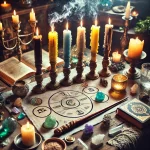
Ritual: Casting a Circle

Casting a circleReading Time: 4 minutes
Casting a circle

Introduction

Creating a Sacred Space for Ritual and Magic

Casting a circle is a cornerstone practice in many pagan and Wiccan traditions. It creates a sacred space that serves as a boundary between the mundane world and the spiritual realm, providing protection and amplifying the energy raised during rituals and spellwork. This article will guide you through the steps to cast a circle, offering insights into the significance and techniques involved.

Ritual Basics

Before beginning any ritual, it is important to prepare yourself mentally and physically. You may want to take a cleansing bath, or shower, and meditate or perform some grounding exercises to center yourself. Gather any materials you will need, such as candles, incense, and offerings for the forest spirits.

You can read a more detailed Ritual Preparation guide here.

Why Cast a Circle?

Casting a circle is more than just a ritualistic step; it is a spiritual practice that enhances your connection to the divine, grounds your energy, and creates a focused environment for your magical workings. Here are some reasons why casting a circle is essential:

  • Protection: A circle acts as a barrier against negative energies and unwanted influences, ensuring that the space within remains pure and sacred.
  • Energy Amplification: By containing the energy raised during a ritual, a circle intensifies and directs it towards your intention or spell.
  • Sacred Space Creation: The circle delineates a space that is spiritually significant, allowing you to connect deeply with the elements, deities, and your inner self.
  • Focus and Intention: Casting a circle helps to center your mind, body, and spirit, aligning them with the purpose of your ritual.
Ritual Casting a Circle
Print Ritual
No ratings yet

Ritual: Casting a Circle

Casting a circle is a cornerstone practice in many pagan and Wiccan traditions. It creates a sacred space that serves as a boundary between the mundane world and the spiritual realm, providing protection and amplifying the energy raised during rituals and spellwork. This article will guide you through the steps to cast a circle, offering insights into the significance and techniques involved.
Prep Time20 minutes
Charging1 hour
Total Time20 minutes
Ritual Type: General Magic
Type: Rituals
Author: Theo, Witch

Tools

  • Wand or athame (ritual knife)
  • Candles representing the elements (Earth, Air, Fire, Water)
  • Incense
  • Salt
  • Water
  • Any additional ritual items (e.g., crystals, altar decorations)

Instructions

Preparation

  • Choose a quiet, undisturbed area, either indoors or outdoors.
  • Cleanse the area physically and spiritually (e.g., sweep the floor, smudge with sage).
  • Set your intentions for the circle casting and the ritual to follow.

Steps to Cast a Circle

  • Purify the Space
  • Physically clean the area and spiritually cleanse it using incense or a smudging stick. Walk around the perimeter, allowing the smoke to purify the space.
  • Ground and Center
  • Stand or sit comfortably in the center of your chosen space. Close your eyes, take deep breaths, and visualize roots extending from your feet into the Earth, grounding you.
  • Create Sacred Space
  • Starting in the North (or East, depending on your tradition), walk clockwise (sunwise) around the perimeter, visualizing a circle of light forming as you go. Use your wand or athame to trace the boundary.
  • Call the Quarters
  • Face each cardinal direction, invoking the elements and their guardians.
  • North (Earth): “Guardians of the North, powers of Earth, I call upon you to protect and bless this circle.”
  • East (Air): “Guardians of the East, powers of Air, I call upon you to protect and bless this circle.”
  • South (Fire): “Guardians of the South, powers of Fire, I call upon you to protect and bless this circle.”
  • West (Water): “Guardians of the West, powers of Water, I call upon you to protect and bless this circle.”
  • Raise Energy
  • Stand in the center of the circle and raise your arms. Visualize energy building within and around you. You can chant, drum, or dance to raise this energy, filling the circle with light and power.
  • Set the Boundary
  • Finalize the circle by mentally or physically completing the boundary. Imagine a shimmering dome of light enclosing the space. Declare the circle cast, saying, “This circle is cast, a sacred space between the worlds.”

Working Within the Circle

  • Once the circle is cast, you can proceed with your ritual or spellwork. Whether you are performing a seasonal celebration, invoking deities, or casting a spell, the circle serves as a container for your focused intention and energy.

Closing the Circle

  • When your ritual is complete, it’s important to close the circle properly:
  • Thank the Quarters
  • Face each direction and thank the elemental guardians for their presence and assistance. For example, “Guardians of the North, powers of Earth, thank you for your protection and blessings. Depart in peace.”
  • Release the Circle
  • Walk counterclockwise (widdershins) around the circle, visualizing the energy dissipating. Use your wand or athame to “cut” the circle, releasing the energy back to the universe.
  • Ground Yourself
  • Take a moment to ground any excess energy. Eat or drink something nourishing, connect with the Earth, or simply sit quietly and breathe deeply.

Notes

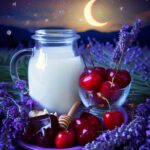
Moon Milk Lavender and CherriesMoon milk is believed to have magical properties that promote relaxation, sleep, and spiritual connection. Lavender is a powerful herb that is often used in spells and rituals to promote tranquility, purification, and harmony. It is said to help calm the mind, soothe anxiety, and facilitate communication with the spiritual realm. Cherries, on the other hand, are associated with abundance, prosperity, and love. By combining these two ingredients in moon milk, we can create a potent brew that promotes restful sleep, deep relaxation, and a profound sense of spiritual connection.
As you sip on your moon milk and gaze up at the moon, take a moment to reflect on the magic and mystery of the universe. Whether you are working with the moon to manifest your desires, to connect with your intuition, or simply to enjoy a peaceful moment of reflection, remember that the power of the moon is always with you, waiting to be harnessed and celebrated.
*Calories Calculated with 2% Dairy Milk, Different bases will change the values.

© The Equinox Apothecary 2024 – Permission is granted to copy and reproduce this Ritual with attribution

Conclusion

Casting a circle is a deeply personal and powerful practice that enhances your spiritual and magical work. By creating a sacred space, you connect more profoundly with the elements, deities, and your inner self, fostering a sense of protection, focus, and intention. Whether you are new to this practice or an experienced practitioner, casting a circle is a valuable skill that enriches your rituals and deepens your connection to the spiritual realm.

May your circles be strong, your energy focused, and your rituals blessed. Blessed Be!

Posted on 1 Comment

Spellcraft

SpellcraftReading Time: 1 minute
Spellcraft

Introduction

Welcome to the Spellcraft Category

In the Spellcraft category, you will find a wealth of information on spells, spellwork, and magic in general. This category is dedicated to exploring the art and science of spellcraft, providing you with the knowledge and tools to enhance your magical practice.

Our articles cover a wide range of topics, from the basics of spellcasting to advanced techniques and everything in between. Whether you’re a beginner looking to learn the fundamentals or an experienced practitioner seeking new insights, you’ll find valuable resources here.

Each post in this category delves into the intricacies of spellwork, offering detailed explanations, step-by-step instructions, and practical tips. We also explore the history and cultural significance of various spells, helping you understand the roots of these magical practices. Additionally, you will find a variety of spells and invocations to incorporate into your rituals and daily practice.

We believe that spellcraft is a deeply personal and empowering journey. By learning and practicing these techniques, you can harness the energies around you to manifest your desires and create positive change in your life. Our goal is to support you on this journey by providing accurate, insightful, and inspiring content.

We hope you enjoy exploring the Spellcraft category and find the information you need to deepen your magical practice. Remember, the power of magic lies within you, and with the right knowledge and intention, you can achieve anything. Blessed be!

All Spellcraft Posts

Reading the Signs

Reading the Signs: Understanding Omens in Witchcraft

By
ByTheo, WitchApr 18, 2025
Reading Time: 12 minutesThis exploration reveals nature’s subtle signals and symbolic whispers, offering profound insights that illuminate our spiritual journey and guide intuitive reflection.
Mabon Release and Renew Spell

Spell: Mabon Release & Renewal

By
ByTheo, WitchSep 10, 2024
Reading Time: 3 minutesHarness the energies of Mabon with the Release & Renewal Spell. Embrace the autumn equinox for positive change, balance, and transformation in your life.
Curses

Curses, Unveiling Their Obscurities

By
ByTheo, WitchAug 16, 2024
Reading Time: 13 minutesDive into the depths of curses in witchcraft, uncovering their nature, intent, and duration. Learn to recognize and break their malevolent influence.
hexes-shadows and truths

Hexes: Shadows and Truths

By
ByTheo, WitchJun 28, 2024
Reading Time: 12 minutesDelve into the depths of hexes, uncovering their essence, intention, and duration. Learn to navigate their influence with clarity, resilience, and integrity.
Mysteries of Jinxes

Mysteries of Jinxes

By
ByTheo, WitchMay 15, 2024
Reading Time: 12 minutesDelve into the subtle world of jinxes, understanding their magical nuances and mastering the art of ethical witchcraft for positive influence.
Crafting the Lemon Protection Charm

Spell: Easy-Peasy Lemon Squeezy Protection Charm

By
ByTheo, WitchMay 14, 2024
Reading Time: 10 minutesCraft a simple-yet powerful lemon protection charm. Our guide offers a potent spell for shielding against negativity.
Spellwork Containers

Crafting Spells in Containers

By
ByTheo, WitchDec 13, 2023
Reading Time: 11 minutesLearn how to craft spells in containers and discover the secrets of size, material, and intent. Enhance your spellcraft with container magic.
Moon Water - Uses

The Benefits and Uses of Moon-Blessed Water in Witchcraft

By
ByTheo, WitchJul 4, 2023
Reading Time: 10 minutesMoon-Blessed Water: A Powerful Tool for Witchcraft. Discover the benefits and uses of this magical water for cleansing, healing, divination, and more.
Safety

Embracing the Art: Safety Considerations When Practicing Magic

By
ByTheo, WitchJun 28, 2023
Reading Time: 17 minutesLearn how to practice magic safely and responsibly with these tips and considerations. Embrace the art of magic and transform your life.
Posted on Leave a comment

Spell: Easy-Peasy Lemon Squeezy Protection Charm

Crafting the Lemon Protection CharmReading Time: 10 minutes
Crafting the Lemon Protection Charm

Introduction

Powerful magic in a tiny package

Protection spells, deeply rooted in the ancient traditions of witchcraft, stand as a cornerstone of magical defense, offering practitioners a bastion of safety against the myriad forms of negativity that may encroach upon their lives. These spells are not merely rituals; they are a profound expression of the desire for sanctuary and well-being, a tangible manifestation of the will to preserve harmony within one’s personal sphere.

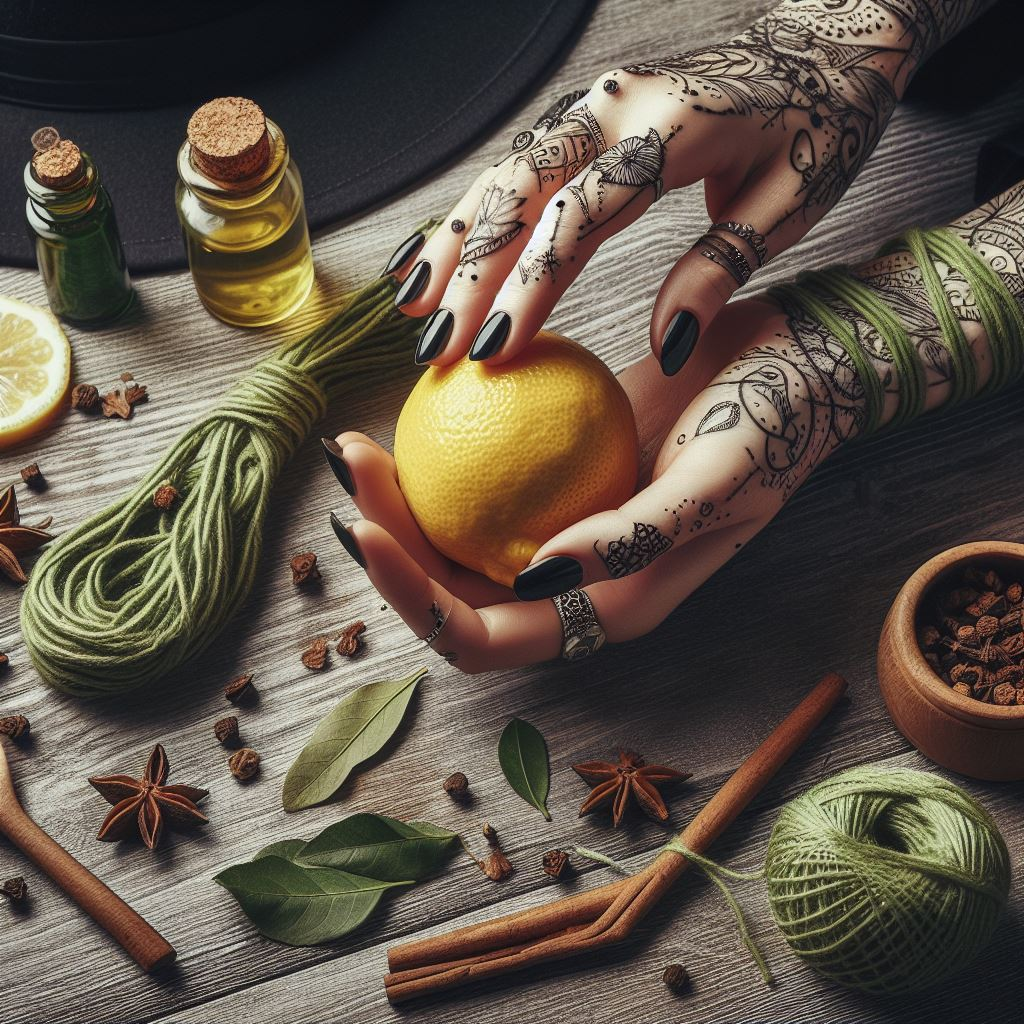
In this comprehensive guide, we delve into the art of crafting a simple yet formidable protection spell, one that harnesses the natural energies of the earth and the focused intent of the practitioner. We will guide you through the creation of a protective charm, a sentinel of sorts, utilizing the humble lemon, a symbol of purification and love; cloves, with their fiery energy and association with banishing negativity; and green string, an emblem of growth and the binding force of life.

Ritual Basics

Before beginning any ritual, it is important to prepare yourself mentally and physically. You may want to take a cleansing bath, or shower, and meditate or perform some grounding exercises to center yourself. Gather any materials you will need, such as candles, incense, and offerings for the forest spirits.

You can read a more detailed Ritual Preparation guide here.

The Charm

This charm, when meticulously assembled with intention, precision, and a clear focus on the desired outcome, transcends its physical components to become a potent guardian. It acts as a vigilant protector of your personal space, a keeper of peace that wards off unwelcome energies and influences. By following the steps outlined in this guide, you will imbue this charm with the power to shield and secure, creating a harmonious bubble around your abode or any space you deem in need of magical protection.

As we embark on this journey together, we invite you to embrace the serenity that comes with knowing you are actively contributing to your own spiritual defense. The act of creating this charm is as much a ritual of empowerment as it is a protective measure, a sacred rite that affirms your sovereignty over your energetic environment. Let us begin this enchanting endeavor, and may your path be ever shielded by the potent magic you wield.

Lemon Protection Charm
Print Spell
No ratings yet

Spell: Crafting an Easy-Peasy Lemon Squeezy Protection Charm

Protection spells are a fundamental aspect of witchcraft, offering a shield against negative energies and fostering a sense of security. In this guide, we’ll explore a simple yet potent spell using a lemon, cloves, and green string to create a protective charm. This charm, when crafted with intention and focus, can serve as a powerful guardian for your personal space.
Prep Time5 minutes
Total Time5 minutes
Spell Type: Charms, Protection
Type: Spells
Author: Theo, Witch
Cost: About $5

Supplies

  • One fresh lemon
  • Whole Cloves
  • Green string or ribbon
  • White Candle
  • A small piece of paper and pen optional

Instructions

Setting Intentions

  • Begin by finding a quiet and undisturbed space where you can focus your energy.
  • Light the white candle to symbolize purity and clarity.
  • Take a few deep breaths to center yourself and set your intention for protection.

Preparing the Lemon

  • Take the fresh lemon and visualize it as a pure source of cleansing energy.
  • As you gently poke each clove into the lemon, imagine them acting as protective wards, creating a barrier against negativity.
  • As you do this, recite a simple chant or affirmation, expressing your desire for protection.
  • “Protect me and that of mine.”

Charging with Intention

  • Hold the lemon in your hands and focus on imbuing it with your intention for protection.
  • Visualize a vibrant green light surrounding the lemon, forming a protective shield. Feel the energy of the cloves and lemon merging to create a potent barrier against harm.

(Optional) Adding Personalized Element

  • Write your name or a short protective mantra on a small piece of paper.
  • Fold the paper and place it near the center of the lemon.
  • This personal touch enhances the charm’s connection to your energy and strengthens its protective qualities.

Binding with Green String

  • Take the green string or ribbon and begin wrapping it around the lemon, covering the cloves.
  • With each loop, envision the string forming a protective cocoon around the lemon.
  • As you tie the final knot, seal the energy with a spoken affirmation.
  • “By this cord, protection I afford.”

Empowering the Charm

  • Hold the completed charm in your hands, feeling the energy emanating from it.
  • Speak your intentions aloud, declaring the purpose of the charm and its role in safeguarding your space. Visualize the protective barrier expanding and surrounding you with a comforting shield.

Placement

  • Find a suitable place for your protection charm, whether it’s on your altar, near your bed, or in a specific room that needs safeguarding. The charm will work continuously to ward off negativity and provide a sense of security.
Regular Maintenance

  • Periodically recharge the charm by placing it in sunlight or moonlight. As you do so, reaffirm your intentions for protection, ensuring the charm remains a potent guardian.

Notes

Moon Milk Lavender and CherriesMoon milk is believed to have magical properties that promote relaxation, sleep, and spiritual connection. Lavender is a powerful herb that is often used in spells and rituals to promote tranquility, purification, and harmony. It is said to help calm the mind, soothe anxiety, and facilitate communication with the spiritual realm. Cherries, on the other hand, are associated with abundance, prosperity, and love. By combining these two ingredients in moon milk, we can create a potent brew that promotes restful sleep, deep relaxation, and a profound sense of spiritual connection.
As you sip on your moon milk and gaze up at the moon, take a moment to reflect on the magic and mystery of the universe. Whether you are working with the moon to manifest your desires, to connect with your intuition, or simply to enjoy a peaceful moment of reflection, remember that the power of the moon is always with you, waiting to be harnessed and celebrated.
*Calories Calculated with 2% Dairy Milk, Different bases will change the values.

© The Equinox Apothecary 2024 – Permission is granted to copy and reproduce this Recipe with attribution

Deeper Dive into the Spell

Magical Properties of Lemons

Lemons, with their vibrant yellow hue and zesty aroma, carry a multitude of magical properties that make them a versatile ingredient in spellwork. Associated with the element of water, lemons are known for their cleansing and purifying energies. They have the power to dispel negativity and bring clarity to a situation. In protection spells, lemons act as a natural barrier, absorbing and neutralizing harmful energies. Additionally, the sourness of lemons can symbolize the ability to repel unwanted influences, much like the way their taste makes one pucker and recoil. Lemons are also linked to lunar energies, making them ideal for rituals conducted during the phases of the moon.

Magical Properties of Whole Cloves

Cloves, with their warm and aromatic essence, possess a rich history of magical significance. Traditionally associated with the element of fire, cloves are known for their protective properties. They have the ability to ward off negative entities and energies, creating a shield of spiritual defense. In the context of the protection charm, the act of piercing the lemon with cloves symbolizes the creation of a potent barrier against harm. Cloves are also believed to enhance one’s personal power and strengthen the intention behind a spell. Their warming nature adds an element of vitality, infusing the charm with a dynamic energy that repels malevolent forces.

Magical Properties of Green String

Green, a color associated with the earth element, growth, and abundance, lends its magical properties to the green string or ribbon used in the protection charm. Green string is often employed in spells related to healing, fertility, and prosperity. In the context of protection, green represents the nurturing aspect of the earth, fostering a safe and secure environment. The act of binding the lemon with green string symbolizes the creation of a protective cocoon, sealing in positive energies and blocking out negativity. Green string also serves as a conduit for grounding energies, connecting the charm to the stabilizing forces of the earth. Its presence enhances the overall balance and harmony of the spell, ensuring a well-rounded and effective protection charm.

Sustainable Magic: The Evolution of the Lemon in Spellwork

The magical journey of the lemon in protection spellwork doesn’t end with the creation of the charm; rather, it transforms over time, offering opportunities for recycling and repurposing in subsequent spells. As the lemon naturally dehydrates, its magical essence intensifies, making it a versatile tool for practitioners seeking to harness its energies in various forms.

Dehydration and Transformation

As the lemon within the protection charm embarks on its mystical journey, the passage of time works its transformative magic. The once succulent citrus fruit gradually undergoes a mesmerizing metamorphosis, evolving from its plump and juicy form into a dehydrated vessel of potent magical energy. This process symbolizes the intensification of the lemon’s innate power, as the waning moisture concentrates and amplifies its protective vibrations.

As the lemon loses its aqueous essence, a condensed reservoir of magical potency is left in its wake. The dehydrated lemon becomes a focal point of concentrated energies, embodying the culmination of the spell’s intentions and the cumulative forces of protection it has absorbed over time. The subtle shift in its physical state mirrors the heightened vibrational frequency it now emanates, making it an even more formidable tool in the practitioner’s magical arsenal.

When the opportune moment arrives, practitioners can delicately unwrap the dehydrated lemon from its green string cocoon. This unveiling marks the beginning of a new chapter in the lemon’s magical life cycle. Now transformed into a dried and compacted powerhouse of energy, the lemon is ready to take on fresh roles in the practitioner’s craft.

The careful removal of the dehydrated lemon invites possibilities for recycling and repurposing within the practitioner’s spellwork repertoire. Its newfound state allows for versatility, as it can be ground into a fine powder using a mortar and pestle. The resulting lemon powder serves as a potent ingredient that can be seamlessly integrated into various magical endeavors. Whether used in sachets, sprinkled around sacred spaces, or incorporated into other charms, the powdered essence of the lemon extends its protective influence into new realms of magic.

This transition from the hydrated charm to the dehydrated, powdered form reflects the cyclical nature of magical energy. The lemon, once a focal point of protection, now takes on a renewed role in the practitioner’s craft, embodying the essence of sustained magic and the potential for endless transformation. Thus, the dehydrated lemon becomes a testament to the dynamic and ever-evolving nature of the magical arts.

Recycling Through Grounding

As the dehydrated lemon emerges from its enchanting metamorphosis, it transforms into a versatile magical substance, offering practitioners a plethora of possibilities for further spellwork. The next step in unlocking the lemon’s potential involves the delicate and intentional process of grinding it into a fine powder, a ritualistic act that deepens its magical resonance.

Employing a mortar and pestle, the practitioner carefully grinds the dehydrated lemon, channeling their focused intent into every turn of the pestle. This alchemical transformation yields a finely textured lemon powder, rich with the concentrated energies accrued during its tenure as a protective charm. The act of grinding serves as a symbolic continuation of the lemon’s magical journey, breaking down barriers and releasing the potent essence contained within.

Once the lemon has been reduced to powder, a world of magical applications opens. The lemon powder, now a condensed embodiment of protection, can be seamlessly integrated into various magical constructs. For instance, it becomes a key component in the crafting of protective sachets, where it mingles with other herbs and stones, enhancing their collective energies with its formidable shield. The powder can also be carefully blended into the materials used for creating charms, infusing them with the lemon’s residual protective vibrations.

In addition to sachets and charms, the finely ground lemon powder can be sprinkled strategically in spaces that crave continuous protection. This ritualistic scattering becomes a form of energetic fortification, creating a magical boundary that wards off negativity and unwanted influences. Whether sprinkled along thresholds, incorporated into sacred circles, or strategically placed in areas of vulnerability, the lemon powder acts as a sentinel, diligently safeguarding the practitioner and their surroundings.

The beauty of incorporating lemon powder lies in its adaptability; it seamlessly integrates into a variety of magical practices, amplifying and complementing other elements. As it disperses, the lemon’s accumulated energies harmonize with the intentions of the spell, creating a symphony of protective vibrations that reverberate through the practitioner’s magical space.

In essence, the ground lemon becomes a testament to the cyclical and sustainable nature of magical materials, providing a continual source of potent energy for the practitioner’s craft. From its origins as a protective charm to its refined state as a versatile powder, the lemon’s magical journey exemplifies the transformative power inherent in the craft, inviting practitioners to explore new dimensions of spellwork and enchantment.

Burning for Renewal

In an alternative manifestation of the lemon’s magical evolution, practitioners have the intriguing option of engaging with the transformative power of fire. Once the lemon has completed its dehydration journey, it becomes a candidate for a ritualistic burning, an act that not only releases its stored magical energy but also invokes the elemental force of fire to catalyze a profound metamorphosis.

The process begins with the practitioner placing the dehydrated lemon in a fireproof vessel, ready to embrace the dancing flames. As the fire consumes the lemon, it acts as a conduit, transmuting the accumulated magical energies into an ethereal essence that permeates the atmosphere. The rising smoke, carrying with it the concentrated protective vibrations of the lemon, becomes a tangible manifestation of the spell’s potency.

This enchanting smoke, infused with the lemon’s magical essence, serves as a versatile tool in the practitioner’s repertoire. It possesses purifying qualities that make it an ideal agent for cleansing sacred spaces, consecrating ritual tools, and preparing environments for magical workings. The practitioner can guide the smoke through spaces in need of energetic purification, utilizing the lemon-infused essence to dispel negativity and create a harmonious atmosphere.

The act of burning the dehydrated lemon holds profound symbolism within magical practice. The fire element, a potent force of transformation, mirrors the continuous cycle of magical energy. As the lemon undergoes combustion, it undergoes a symbolic renewal, shedding its physical form and transcending into an intangible but potent force. This ritualistic act aligns with themes of transformation, renewal, and the perpetual cyclical nature of magical energy.

Furthermore, the smoke produced by burning the lemon can be used as a meaningful offering during rituals. The practitioner can present it as a gesture of gratitude or reverence to deities, spirits, or energies they work with. The fragrant and protective qualities of the lemon-infused smoke create an offering that resonates with the intention of the spell, fostering a deeper connection with the mystical forces invoked.

In essence, the burning of the dehydrated lemon adds a dynamic dimension to the lemon’s magical life cycle. From a protective charm to a vessel of purifying smoke, the lemon’s journey exemplifies the practitioner’s ability to harness the elemental forces and orchestrate a continuous dance of transformation within their craft. As the lemon’s essence mingles with the ethereal flames, it leaves an indelible mark on the practitioner’s magical journey, a testament to the profound synergy between fire, transformation, and the enduring cycle of magical energies.

Signs of Rotted Lemons: Protection in Action

An interesting aspect of the lemon’s magical journey is its response to external influences. If the lemon within the charm begins to rot, it can be interpreted as a powerful indicator. In magical lore, a rotting lemon is believed to signal that someone may be actively working against the protective energies you’ve set in place. The lemon, acting as a vigilant guardian, absorbs and counters these negative energies, sacrificing itself to shield you from harm. This transformation is a testament to the efficacy of the spell and serves as a warning, prompting practitioners to reinforce their protective measures.

In the realm of sustainable magic, the evolving nature of the lemon within the protection charm adds a layer of depth to its magical properties. From a vibrant citrus fruit to a dehydrated essence, and finally to a guardian against external threats, the journey of the lemon in spellwork showcases the dynamic and transformative nature of magical energies. As practitioners continue to explore the possibilities of recycling and repurposing magical materials, the lemon stands as a shining example of sustainability in the craft.

Conclusion

In the realm of witchcraft, protection spells are a sacred practice, a means to fortify ourselves against the unseen forces that we navigate daily. The charm we’ve discussed, crafted with a lemon for cleansing, cloves for banishing, and green string for binding, is more than a mere object; it’s a symbol of our commitment to safeguarding our spiritual well-being. As you tie each knot and pierce each clove, envision the robust barrier you’re creating, a shield woven from the very essence of nature and your own resilient spirit. May this charm serve as a steadfast guardian, a constant reminder of your power to repel negativity and embrace peace.

Posted on Leave a comment

Autumn Home Remedies – Elixirs

Autumn ElixersReading Time: 6 minutes
Autumn Elixers

Introduction

Autumn Home Remedies – Elixirs

As the air turns crisp and nature’s colors transform into warm hues, autumn gifts us with an abundance of herbs, plants, and flowers that can be transformed into revitalizing elixirs. These homemade concoctions not only capture the essence of the season but also provide a range of health benefits. By harnessing the power of autumn foraging, we can create nourishing elixirs that support our well-being and invigorate our senses.

In this series, we’ll go over steam treatments, elixirs (This Article), teas, tinctures, broths, herbal glycerites, aroma therapy, and tonics. There are a lot of home remedies and nearly endless possibilities of methods. The eight selected for this series are some of the most common practices. All these covered home remedies are perfect for Autumn Season applications.

In this article, we will explore the art of crafting elixirs using the bountiful offerings of autumn, allowing us to embrace the healing power of nature and enhance our vitality during this transformative season.

Elixirs

As the crisp days of autumn unfold, nature offers a bountiful harvest of herbs and botanicals that can be transformed into soothing elixirs. These homemade potions not only warm your body but also provide a rich burst of flavors and therapeutic benefits. By harnessing the power of autumn herbs, we can create delightful elixirs that support immunity, enhance overall wellness, and infuse our bodies with the essence of the season. In this article, we will explore the art of crafting herbal elixirs using autumn herbs, unveiling the diverse range of ingredients and methods that allow you to create custom blends that nourish and invigorate your body and soul.

The History of Elixers

Elixirs are liquid preparations that contain substances with medicinal, magical, or spiritual properties. The word elixir comes from the Arabic al-iksir, meaning “the philosopher’s stone” or “the quintessence”. Elixirs originated in ancient alchemy, a practice that aimed to discover the secrets of nature and create the elixir of life and the philosopher’s stone. Different cultures and traditions have developed their own versions of elixirs, using various ingredients and methods. In medieval Europe, elixirs were often used by healers, herbalists, and witches, who combined the knowledge of alchemy with the lore of plants and animals. One of the most popular and versatile elixirs in medieval Europe was the aqua vitae, or “water of life”. This was a distilled alcoholic beverage that was infused with herbs, spices, and other substances.

Elixirs have a long and rich history in pagan and witchcraft traditions, as they reflect the connection between the natural and the supernatural, the physical and the spiritual, and the human and the divine. Elixirs are the quintessence of nature, the philosopher’s stone of alchemy, and the water of life of magic.

Autumn Foraging for Nourishing Ingredients

Autumn brings forth a wealth of herbs, plants, and flowers that can be gathered for creating healthful elixirs. Consider incorporating the following ingredients into your autumn brews:

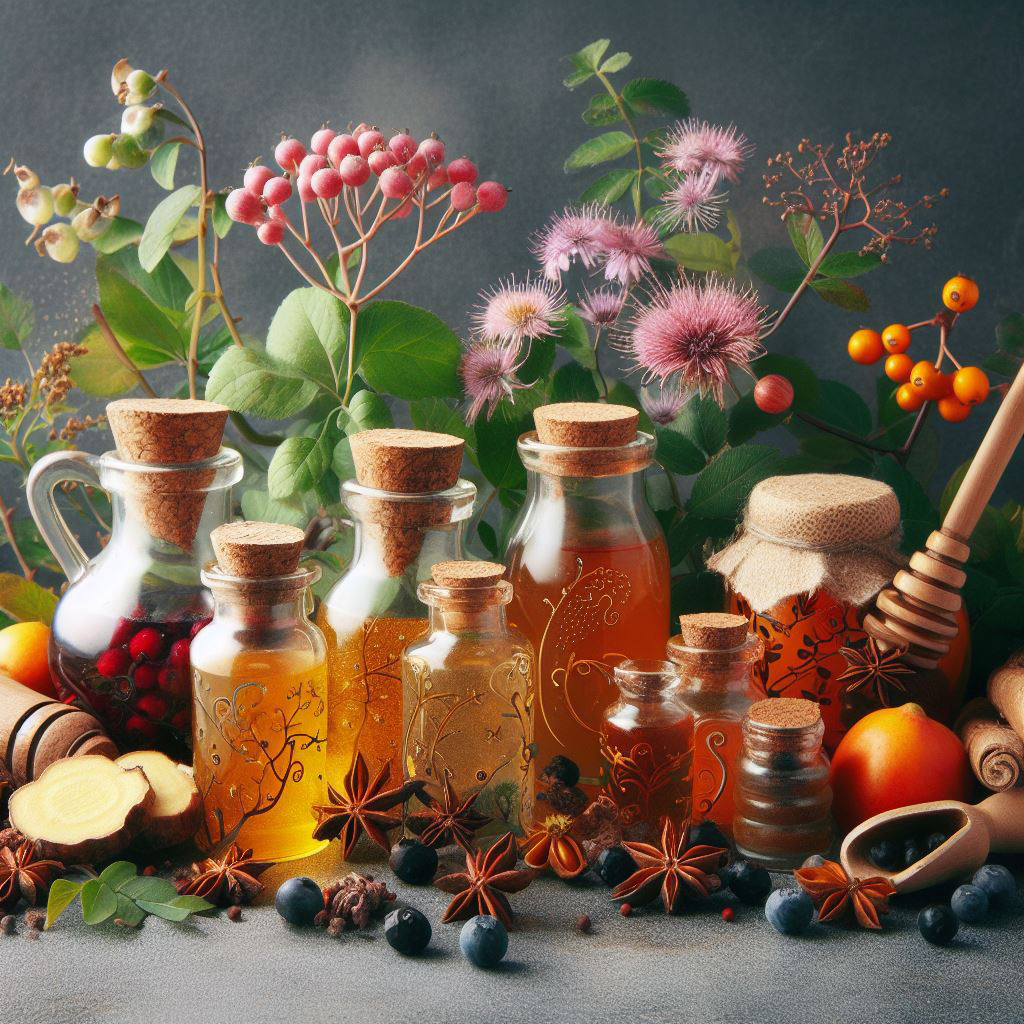
Elderberries: These antioxidant-rich berries can be foraged or purchased dried, offering immune-boosting properties, and aiding in the prevention and relief of seasonal ailments.

Hawthorn Berries: Known for their cardiovascular benefits, hawthorn berries are traditionally used to support heart health and circulation.

Ginger: This warming root adds a spicy kick to elixirs and provides digestive support, immune enhancement, and anti-inflammatory properties.

Rosehips: The fruit of the rose plant, rosehips are packed with vitamin C and antioxidants, supporting immune function and overall well-being.

Methods for Crafting Autumn Elixirs

Autumn Elixers
Print Recipe Share on Facebook Pin Recipe
No ratings yet

Recipe: Autumn Elixers

Creating autumn elixirs is a simple and rewarding process. Here's a basic method to get you started:
Prep Time15 minutes
Cook Time30 minutes
Total Time45 minutes
Season: Fall
Author: Theo, Witch

Ingredients

  • Autumn herbs plants, or flowers of your choice Like Elderberries, Hawthorne Berries, Ginger, and Rosehips
  • Filtered water
  • Optional sweeteners like honey or maple syrup

Instructions

  • Begin by gathering your chosen autumn ingredients, ensuring they are clean and free from debris. If using fresh herbs or flowers, gently wash and pat them dry.
  • In a saucepan, combine the herbs, plants, or flowers with filtered water. Use a ratio of approximately 1 cup of herbs to 4 cups of water, adjusting as needed for desired strength.
  • Bring the mixture to a gentle simmer over medium-low heat, allowing the flavors and medicinal properties to infuse into the water. Simmer for 20-30 minutes, keeping the pot covered.
  • After simmering, remove the saucepan from heat and let the mixture cool slightly.
  • Strain the liquid into a clean container, separating the herbs or flowers from the infused liquid.
  • If desired, add a touch of natural sweetener like honey or maple syrup to enhance the taste of the elixir. Stir well to ensure it is fully incorporated.
  • Your autumn elixir is now ready to be enjoyed! Sip it slowly, savoring the flavors and allowing the nourishing properties to invigorate your body and spirit.

Notes

Moon Milk Lavender and CherriesMoon milk is believed to have magical properties that promote relaxation, sleep, and spiritual connection. Lavender is a powerful herb that is often used in spells and rituals to promote tranquility, purification, and harmony. It is said to help calm the mind, soothe anxiety, and facilitate communication with the spiritual realm. Cherries, on the other hand, are associated with abundance, prosperity, and love. By combining these two ingredients in moon milk, we can create a potent brew that promotes restful sleep, deep relaxation, and a profound sense of spiritual connection.
As you sip on your moon milk and gaze up at the moon, take a moment to reflect on the magic and mystery of the universe. Whether you are working with the moon to manifest your desires, to connect with your intuition, or simply to enjoy a peaceful moment of reflection, remember that the power of the moon is always with you, waiting to be harnessed and celebrated.
*Calories Calculated with 2% Dairy Milk, Different bases will change the values.

Autumn Elixers

Proudly brought to you by

The Equinox Apothecary

© The Equinox Apothecary 2024 – Permission is granted to copy and reproduce this Recipe with attribution

Incorporating Autumn Elixirs into Daily Life

Autumn elixirs can be enjoyed in various ways to support your overall well-being:

Sip Warm or Cold: Autumn elixirs can be enjoyed warm for a comforting and soothing experience, or chilled for a refreshing beverage on crisp autumn days.

Daily Wellness Ritual: Make autumn elixirs a part of your daily wellness routine by sipping them in the morning or throughout the day to nourish your body and uplift your spirits.

Culinary Enhancements: Use autumn elixirs as flavorful additions to your favorite autumn-inspired recipes, such as salad dressings, smoothies, or baked goods, infusing them with seasonal goodness.

Herbal Infusions: Transform your elixirs into herbal infusions by steeping them with additional herbs or teas for added flavor and medicinal benefits.

The Forest Witch’s Autumn Elixirs

A Short Story

She lived in a small cottage in the heart of the forest, surrounded by ancient trees and wild creatures. She was known as the forest witch, but she was not wicked or cruel. She was a healer, a herbalist, and a friend to all living things. She had a gift for making elixirs, liquid potions that could cure diseases, heal wounds, and restore vitality. She used the herbs, plants, and flowers that grew in the forest, and infused them with her own magic and wisdom.

Every autumn, she would gather the bounty of the season and prepare her elixirs for the coming winter. She would collect elderberries, hawthorn berries, rosehips, and ginger, and boil them in a large cauldron over a fire. She would add honey, vinegar, and spices, and stir the mixture with a wooden spoon. She would chant softly, invoking the spirits of the forest and the ancestors, and bless the elixir with her intention. She would pour the elixir into glass bottles, seal them with wax, and label them with runes. She would store them in a cool and dark place, and use them as needed.

She would also make other elixirs, using different ingredients and methods. She would make a soothing elixir with chamomile, lavender, and lemon balm, and steep them in hot water. She would make a stimulating elixir with mint, rosemary, and sage, and distill them in alcohol. She would make a protective elixir with nettle, thistle, and garlic, and ferment them in vinegar. She would make a nourishing elixir with oats, barley, and nuts, and blend them with milk. She would make a cleansing elixir with birch, dandelion, and apple, and press them into juice. She would make a warming elixir with cinnamon, clove, and orange, and simmer them in wine. She would make a healing elixir with yarrow, plantain, and comfrey, and infuse them in oil.

She would share her elixirs with the people and animals of the forest, who would come to her for help and advice. She would offer them a cup of elixir, and listen to their troubles and joys. She would give them a bottle of elixir, and tell them how to use it and when. She would accept their gifts of gratitude, such as fruits, nuts, eggs, cheese, wool, or wood. She would also exchange her elixirs with other witches, who would bring their own potions and spells. She would learn from them, and teach them, and form bonds of friendship and trust.

She loved her life in the forest, and felt happy and fulfilled. She felt connected to the cycles of nature, and the rhythms of the seasons. She felt the power of the elixirs, and the magic of the forest. She felt the joy of the elixirs, and the love of the forest. She was the forest witch, and she was at peace.

Conclusion

Autumn elixirs provide a delicious and healthful way to embrace the beauty and vitality of the season. By foraging for nourishing ingredients and crafting homemade elixirs, we can tap into the healing power of nature and enhance our vitality. Whether you’re seeking immune support, heart health, calmness, or digestive wellness, the ingredients available during autumn provide an array of possibilities. Embrace the transformative nature of autumn, experiment with different blends, and enjoy the nourishing elixirs that nature offers. Let each sip be a celebration of the abundance and healing properties of the season, invigorating your body and nourishing your soul. Cheers to a season filled with autumn elixirs that nurture your body, mind, and spirit!

Posted on Leave a comment

Autumn Home Remedies – Teas

Autumn TeasReading Time: 6 minutes
Autumn Teas

Introduction

Autumn Home Remedies – Teas

As autumn paints the world in warm hues and the air turns crisp, there’s no better time to cozy up with a comforting cup of herbal tea. By harnessing the power of autumn foraging—utilizing herbs, plants, and flowers—we can create nourishing and therapeutic teas that not only warm our bodies but also support our well-being.

In this series, we’ll go over steam treatment, elixirs, teas, tinctures, broths, herbal glycerites, aroma therapy, and tonics. There are a lot of home remedies and nearly endless possibilities of methods. The eight selected for this series are some of the most common practices. All these covered home remedies are perfect for Autumn-Season applications.

In this article, we will explore the art of crafting herbal teas during autumn, highlighting the abundance of ingredients available in nature and providing practical methods to incorporate them into our daily routines. Get ready to indulge in the soothing flavors and healing benefits of autumn herbal teas.

Teas

As the crisp days of autumn unfold, we find ourselves craving cozy and warming beverages to embrace the chill. What better way to soothe your body and promote wellness than with homemade herbal teas infused with the rich flavors of autumn herbs? From spicy ginger to earthy sage and sweet apple, these teas offer a delightful and nourishing way to celebrate the season. In this article, we will explore the art of crafting homemade herbal teas using autumn herbs, along with methods to extract their flavors and therapeutic benefits. Get ready to discover a world of soothing flavors and wellness-enhancing properties that will comfort your senses and keep you healthy all autumn long.

Autumn Foraging for Flavorful Ingredients

Autumn offers an array of herbs, plants, and flowers that can be foraged and transformed into flavorful herbal teas. Consider incorporating the following ingredients into your autumn tea blends:

Mint: With its refreshing and invigorating qualities, mint is perfect for autumn teas. Spearmint, peppermint, or even chocolate mint varieties add a delightful twist to your blends.

Lemon Verbena: Known for its bright and citrusy flavor, lemon verbena brings a touch of vibrancy to autumn teas. It also offers digestive and relaxation benefits.

Elderflower: These delicate white flowers offer a subtle floral flavor that pairs well with other herbs. Elderflower tea is believed to support the immune system and promote respiratory health.

Cinnamon: A quintessential autumn spice, cinnamon imparts warmth and a sweet-spicy flavor to teas. It is also known for its antioxidant properties and ability to balance blood sugar levels.

Our shoppe has several wonderful Teas such as Ballet Ablaze which is bursting with Autumn delights!

Ballet Ablaze – Enchanted Loose Leaf Teas (equinox-apothecary.shop) Exclusivly @ www.Equinox-Apothecary.shop

Method for Creating Autumn Herbal Teas

Crafting autumn herbal teas is a simple and rewarding process. Follow these steps to create your own homemade blends:

Ingredients:

Fresh or dried herbs, plants, or flowers of your choice

Filtered water

Optional sweeteners like honey or maple syrup

Process:

Gather your chosen autumn botanicals and rinse them gently to remove any dirt or impurities. If using fresh herbs, gently bruise the leaves to release their aromatic oils.

Boil a pot of filtered water. Use approximately 1 tablespoon of dried herbs or 2 tablespoons of fresh herbs per 8 ounces of water.

Place the herbs in a heat-safe teapot or infuser and pour the boiling water over them.

Cover the teapot and let the tea steep for about 5-10 minutes, or until the desired strength is achieved.

Strain the tea into cups or mugs, and if desired, add a touch of natural sweetener like honey or maple syrup to enhance the taste.

Stir well to ensure the sweetener is fully incorporated and savor the comforting flavors and healing benefits of your homemade autumn herbal tea.

Customizing Autumn Tea Blends

You can experiment with different combinations of herbs and botanicals to create unique autumn tea blends. Here are a few suggestions:

Spiced Chai Blend: Combine cinnamon, cardamom, cloves, and ginger for a warming and aromatic chai-inspired tea. Add a dash of black tea or rooibos for a caffeine kick, if desired.

Soothing Digestive Blend: Mix mint, chamomile, and lemon verbena for a tea that calms the stomach, aids digestion, and promotes relaxation after a hearty autumn meal.

Immunity-Boosting Blend: Blend elderflower, echinacea, and rosehips for a tea that supports the immune system, wards off seasonal ailments, and provides a vitamin C boost.

Embracing Autumn Tea Rituals

Incorporate autumn teas into your daily routine to fully enjoy their comforting and therapeutic benefits:

Morning Routine: Start your day with a cup of herbal tea to invigorate your senses, awaken your mind, and set a peaceful tone for the day ahead.

Afternoon Delight: Take a break in the afternoon and indulge in a soothing cup of tea to relax and rejuvenate. Use this time for self-reflection or simply to enjoy a moment of tranquility.

Evening Wind-Down: Unwind in the evening with a calming herbal tea blend to promote relaxation, prepare for a restful sleep, and soothe the senses before bed.

Herbal Infusions: Get creative with your autumn teas by infusing them with other flavors. Consider adding slices of fresh apple or a sprig of rosemary to enhance the taste and aroma.

The Witches’ Tea Party

A Short Story

It was a cool and clear night in the month of October, when a group of witches gathered in a cozy cabin in the woods. They had come from far and wide, to celebrate the eve of Samhain, the ancient festival of the dead. They brought with them their cauldrons, their grimoires, and their familiars, and prepared to perform their rites and spells.

But before their solemn and sacred ceremonies, they enjoyed a cup of tea, to warm their bodies and spirits. They brewed their tea with the herbs and plants they had collected from the forest, each one adding a different flavor and property to the concoction. They poured the steaming liquid into their cups, and sat around the fireplace, sipping and chatting.

They talked of many things, of the past and the present, of the living and the dead, of the natural and the supernatural. They shared their wisdom and their experience, their dreams and their visions, their secrets and their mysteries. They laughed and they sighed, they whispered and they sang, they blessed and they prayed. They were friends and they were kin, they were sisters and they were mentors, they were students and they were teachers.

They were Witches all.

As they drank their tea, they felt its effects on their bodies and souls. Some felt a calmness and a peace, some felt a joy and a gratitude, some felt a love and a compassion, some felt a wonder and a curiosity, some felt a strength and a courage, some felt a hope and a faith. The tea enhanced their connection and their harmony, their balance and their alignment, their intuition and their insight.

They noticed the time passing, and the stars shining outside. They noticed the fire crackling, and the wind howling. They noticed the shadows dancing, and the spirits whispering. They noticed the beauty and the mystery, the magic and the mystery, the mystery and the magic.

They noticed, and they smiled.

For the tea they had brewed was not a simple and harmless beverage, but a potent and precious potion. A potion that had been blessed with and by a loving and generous hand. A potion that contained a secret and sacred ingredient, that had been added by a friend and a sister. A potion that was meant to heal and nourish, to inspire and empower.

The potion was a gift.

And as they drank their gift, they felt its effects on their bodies and souls. Some felt a warmth and a comfort, some felt a light and a clarity, some felt a spark and a creativity, some felt a flow and a harmony, some felt a grace and a wisdom, some felt a bliss and a transcendence. The gift elevated their being and their essence, their purpose and their destiny, their spirit and their soul.

They smiled and they thanked, they hugged and they kissed, they praised and they honored, they celebrated and they rejoiced. They rose one by one, like flowers in the spring, like birds in the sky, like flames in the fire. They rose, and they joined hands.

They were Witches all.

Conclusion

Autumn herbal teas allow us to embrace the beauty and flavors of the season while reaping the therapeutic benefits of nature’s bounty. By foraging for herbs, plants, and flowers and crafting homemade blends, we can create comforting and nourishing teas that warm our bodies and comfort our souls. Explore the aromatic delights of mint, the zest of lemon verbena, the subtle sweetness of elderflower, and the warmth of cinnamon as you embark on a journey of autumn tea exploration. Savor the soothing flavors, indulge in moments of tranquility, and allow the healing power of nature to nourish your body and uplift your spirit. With each sip of your homemade autumn herbal tea, embrace the comfort, wellness, and connection to the natural world that these teas bring.


Posted on Leave a comment

Autumn Home Remedies – Aroma Therapies

Autumn Aroma TherapyReading Time: 6 minutes
Autumn Aroma Therapy

Introduction

Autumn Home Remedies – Aroma Therapies

As the air turns crisp and leaves transition into vibrant hues, autumn presents a perfect opportunity to explore the soothing and healing world of aromatherapy. This ancient practice utilizes the aromatic essences of herbs, plants, and flowers to promote relaxation, balance, and overall well-being. By harnessing the scents of autumn foraging, we can create homemade remedies that not only embrace the season’s beauty but also offer therapeutic benefits.

In this series, we’ll go over steam treatment, elixirs, teas, tinctures, broths, herbal glycerites, aroma therapy, and tonics. There are a lot of home remedies and nearly endless possibilities of methods. The eight selected for this series are some of the most common practices. All these covered home remedies are perfect for Autumn-Season applications.

In this article, we will delve into the art of autumn aromatherapy, showcasing the bounty of herbs, plants, and flowers available during this season and providing practical methods to incorporate them into our daily lives for a truly holistic experience.

Aroma Therapy

As the air cools and nature transforms during the autumn months, it’s the perfect time to embrace the healing power of aromatherapy. Aromatherapy, the practice of using essential oils derived from plants for therapeutic purposes, offers a natural and cozy way to enhance well-being. In this article, we will explore the art of autumn aromatherapy and discover how to harness the aromatic essence of autumn herbs to create soothing blends and promote relaxation, immunity, and a deeper connection with nature.

Autumn Foraging for Aromatic Delights

Autumn offers a treasure trove of herbs, plants, and flowers with captivating scents. Foraging is the act of searching for and collecting wild food resources from nature. It is an ancient and primal skill that connects us to our roots and our environment. Foraging can also be a form of witchcraft, as it allows us to tap into the energy and spirit of the plants and animals we encounter. By foraging for autumn herbs, plants, and flowers, we can create our own aromatherapy blends that reflect the essence and magic of the season.

Foraging for aromatherapy ingredients requires some knowledge and preparation. We need to know how to identify the plants we want to use, where to find them, when to harvest them, and how to store them. We also need to be respectful and responsible towards nature, and follow some ethical guidelines. For example, we should only take what we need, leave some for the wildlife and other foragers, avoid endangered or protected species, and ask for permission from the land and the plants.

Foraging for aromatherapy ingredients also requires some creativity and intuition. We can experiment with different combinations and proportions of plants, and see how they affect our mood and well-being. We can also listen to our inner guidance and follow our instincts, and see what plants call to us and what messages they have for us. We can also infuse our intention and gratitude into the plants, and thank them for their gifts and blessings.

Foraging for aromatherapy ingredients is a rewarding and enjoyable activity that can enrich our lives and our practice. It can help us to relax, heal, and connect with nature and ourselves. It can also help us to celebrate the beauty and bounty of autumn, and honor the cycle of life and death.

When foraging for aromatic ingredients during this season, consider incorporating the following:

  • Lavender: Harvest lavender blooms before the first frost to capture their calming and soothing properties. Use dried lavender flowers for a gentle and comforting aroma.
  • Sage: Seek out varieties of sage, such as common sage or white sage, known for their earthy and cleansing scents. These can be used to purify the air and promote clarity of the mind.
  • Rosemary: This aromatic herb is an autumn favorite with its invigorating and herbaceous scent. Harvest fresh sprigs and dry them for later use in aromatic blends.
  • Pine: Embrace the scent of the evergreen trees that thrive during autumn. Collect fallen pine needles or cones for their grounding and rejuvenating fragrance.

Autumn Aromatherapy Methods

Autumn scents are the aromas that evoke the essence and mood of the fall season. They are usually warm, spicy, earthy, and woody, and can include notes of cinnamon, clove, ginger, nutmeg, vanilla, apple, pumpkin, pine, cedar, and sage. Incorporating autumn scents into aromatherapy and magical practice can have many benefits, such as:

  • Relaxing and calming the mind and body, and reducing stress and anxiety. Autumn scents can help us to unwind and enjoy the cozy and comforting atmosphere of the season, and create a sense of peace and harmony.
  • Boosting the immune system and fighting off infections. Autumn scents can help us to ward off the cold and flu viruses that are more prevalent during the fall, and enhance our natural defenses and resilience.
  • Enhancing the mood and energy levels, and stimulating the creativity and intuition. Autumn scents can help us to embrace the changes and challenges of the season, and inspire us to explore new ideas and possibilities.
  • Attracting abundance and prosperity, and manifesting our goals and desires. Autumn scents can help us to celebrate the harvest and the bounty of the season, and align us with the flow and abundance of the universe.
  • Honoring the ancestors and the spirits, and connecting with the divine. Autumn scents can help us to remember and honor our loved ones who have passed on, and communicate with the spirit realm. They can also help us to connect with the divine source and our higher self.

There are several ways to incorporate the scents of autumn into your aromatherapy practice.

Consider the following methods:

Essential Oil Diffusion: Use an essential oil diffuser to disperse the aromatic molecules into the air. Choose essential oils derived from autumn herbs such as lavender, sage, rosemary, or pine to create a calming and grounding ambiance in your living space.

Inhalation: Add a few drops of essential oil to a tissue or handkerchief and inhale deeply. This method is ideal for quick relief from stress, anxiety, or to enhance focus and mental clarity.

Steam Inhalation: Boil water, remove it from heat, and add a few drops of essential oil to create a steam bath. Cover your head with a towel, close your eyes, and breathe in the aromatic steam to soothe respiratory discomfort or congestion.

Autumn-inspired Bathing: Add a few drops of essential oils or dried herbs to a warm bath for a truly aromatic and rejuvenating experience. The scents of lavender, sage, rosemary, or pine can promote relaxation and a sense of well-being.

Autumn Aromatherapy Blends

Create your own autumn-inspired aromatic blends using the scents of the season. Here are a few examples to get you started:

Comforting Autumn Spice Blend:

  • 4 drops sweet orange essential oil
  • 3 drops cinnamon essential oil
  • 2 drops clove essential oil
  • 1 drop nutmeg essential oil

Grounding Forest Walk Blend:

  • 3 drops pine essential oil
  • 3 drops cedarwood essential oil
  • 2 drops vetiver essential oil
  • 1 drop frankincense essential oil

Calming Herbal Medley Blend:

  • 4 drops lavender essential oil
  • 3 drops sage essential oil
  • 2 drops rosemary essential oil
  • 1 drop clary sage essential oil

The Magic of Autumn Aromatherapy

A Poem

As the leaves turn red and gold And the air grows crisp and cold I light a candle and prepare To breathe in the magic of the air

I fill my cauldron with water and herbs And let them simmer and infuse I add some drops of essential oils And choose the scents that I will use

I pick the ones that suit my mood And the ones that match the season I pick the ones that heal and soothe And the ones that have a reason

I pick cinnamon for warmth and spice And ginger for energy and zest I pick clove for protection and strength And nutmeg for comfort and rest

I pick apple for abundance and joy And pine for cleansing and renewal I pick sage for wisdom and clarity And rosehip for beauty and jewel

I stir the cauldron and watch the steam Rise and swirl in the air I inhale the aroma and feel the magic Fill my body and soul with care

I feel the calmness and the peace And the joy and the gratitude I feel the love and the compassion And the wonder and the curiosity

I feel the connection and the harmony And the balance and the alignment I feel the intuition and the insight And the purpose and the destiny

I feel the magic of autumn aromatherapy And the magic of nature and myself I feel the magic of the season And the magic of life and death

Safety Precautions

 While aromatherapy is generally safe, it’s important to exercise caution and follow these guidelines:

Use essential oils as directed and adhere to recommended dilution ratios. Some oils may cause skin irritation or sensitivities, so perform a patch test before applying them topically.

Consult with a qualified aromatherapist or healthcare professional, particularly if you have underlying health conditions, are pregnant, or are taking medications.

Keep essential oils out of reach of children and pets.

Store essential oils in dark glass bottles in a cool, dry place to preserve their potency and aroma.

Conclusion

Autumn aromatherapy allows us to immerse ourselves in the captivating scents of nature during this enchanting season. By foraging for aromatic herbs, plants, and flowers and incorporating them into our daily routines, we can harness their therapeutic benefits and create a harmonious environment for holistic well-being. Whether through essential oil diffusion, inhalation, steam inhalation, or aromatic baths, the scents of lavender, sage, rosemary, and pine can bring comfort, grounding, and relaxation into our lives.

Embrace the beauty of autumn and the abundance of fragrant treasures it offers. Delve into the world of autumn aromatherapy, explore different methods and blends, and discover the transformative effects of these natural remedies. Allow the scents of the season to soothe your senses, calm your mind, and reconnect you with the rhythm of nature. With autumn aromatherapy, you can embark on a journey of well-being, embracing the therapeutic power of the natural world during this magical time of year.

Posted on Leave a comment

Autumn Home Remedies – Herbal Glycerites

Autumn Herbal GlyceritesReading Time: 8 minutes
Autumn Herbal Glycerites

Introduction

Autumn Home Remedies – Herbal Glycerites

Autumn is a time of transformation, as nature’s colors shift and the air turns crisp. It is also the perfect season to explore the art of herbal glycerites—a gentle and effective way to extract the healing properties of herbs, plants, and flowers. Herbal glycerites are liquid extracts that utilize glycerin as a medium to capture the essence of botanical ingredients. By utilizing the abundance of autumn foraging, we can create homemade herbal glycerites that promote well-being, nourish the body, and support our holistic health.

In this series, we’ll go over steam treatment, elixirs, teas, tinctures, broths, herbal glycerites, aroma therapy, and tonics. There are a lot of home remedies and nearly endless possibilities of methods. The eight selected for this series are some of the most common practices. All these covered home remedies are perfect for Autumn-Season applications.

In this article, we will delve into the process of crafting herbal glycerites using autumn herbs, plants, and flowers, allowing us to tap into the healing power of nature during this transformative season.

Herbal Glycerites

Herbal glycerites are one of my favorite ways to work with the magic of plants. They are like tinctures, but instead of using alcohol, they use glycerin to extract the essence of the herbs. Glycerin is a sweet and sticky liquid that comes from plants or animals. It’s great for making glycerites because it doesn’t have any alcohol, which some people don’t like or can’t have. Glycerites are also yummy and last a long time.

Herbal glycerites have been around for a long time. They were first mentioned in a book called King’s American Dispensatory (1898), which was a guide for making all kinds of herbal remedies. The book said that glycerites were “solutions of medicinal substances in glycerin” that you could use for healing yourself or others. Some herbalists also used glycerin to keep the fresh juices of herbs from going bad. Glycerin can pull out both the water and the oil parts of the plants, so it can capture their full power. Nowadays, herbal glycerites are also used in natural beauty products, because they make your skin soft, smooth, and healthy.

As nature transforms in the chill of autumn, it’s the perfect time to harness the healing power of herbs through the creation of herbal glycerites.

A Brief History of Glycerites

Herbal glycerites are liquid extracts that use vegetable glycerin as a solvent instead of alcohol. They are sweet, non-alcoholic, and shelf-stable, and can be used as alternatives to tinctures or syrups. They can be taken internally or applied externally, depending on the purpose and the plant. They can be used to treat various ailments, enhance well-being, and add flavor and sweetness to food and drinks.

Herbal glycerites have a relatively recent history compared to other forms of herbal medicine. Vegetable glycerin was not widely available until the 19th century, when it was first produced as a by-product of soap making. Before that, most herbal extracts were made with alcohol, vinegar, honey, or oil. However, some people preferred non-alcoholic or less acidic solvents, especially for children, pregnant women, or people with sensitive stomachs. Some also preferred sweeter or milder-tasting solvents, especially for culinary or cosmetic purposes.

Some of the earliest references to herbal glycerites can be found in the writings of American herbalists and botanists in the late 19th and early 20th centuries. For example, John Uri Lloyd, a pharmacist and professor of chemistry, published a book in 1892 called The Chemistry of Medicines, in which he described the preparation and properties of glycerites of various herbs, such as lobelia, ginger, and chamomile. Similarly, Maude Grieve, a teacher and founder of the Whins Medicinal and Commercial Herb School in England, published a book in 1931 called A Modern Herbal, in which she mentioned the use of glycerites of herbs such as licorice, marshmallow, and slippery elm.

Herbal glycerites have also been used by practitioners of witchcraft and pagan traditions, who value the use of natural and plant-based remedies for healing and magic. Some witches and pagans prefer glycerites over tinctures because they believe that alcohol can interfere with the vibration and energy of the herbs, or because they follow a sober or abstinent lifestyle. Some also prefer glycerites because they can be easily made at home, using fresh or dried herbs, vegetable glycerin, and water. Some of the common herbs used in witchcraft and pagan glycerites are lavender, rose, sage, mint, and lemon balm, which have various magical and spiritual properties, such as cleansing, protection, love, peace, and communication.

Herbal glycerites are a versatile and convenient way to use the healing and magical power of herbs. They can be used for various purposes, such as medicine, food, beauty, or ritual. They can also be customized and personalized, according to the preference and intention of the user. They are a relatively modern innovation, but they have roots in the ancient and primal practice of herbalism, which connects us to the earth and the plants that grow on it.

Autumn Foraging for Botanical Delights

Foraging is the act of searching for and collecting wild food resources from nature. It is an ancient and primal skill that connects us to our roots and our environment. Foraging can also be a form of witchcraft, as it allows us to tap into the energy and spirit of the plants and animals we encounter. By foraging for autumn herbs, plants, and flowers, we can create our own herbal glycerites that capture the essence and magic of the season.

Herbal glycerites are liquid extracts that use vegetable glycerin as a solvent instead of alcohol. They are sweet, non-alcoholic, and shelf-stable, and can be used as alternatives to tinctures or syrups. They can be taken internally or applied externally, depending on the purpose and the plant. They can be used to treat various ailments, enhance well-being, and add flavor and sweetness to food and drinks.

Foraging for herbal glycerite ingredients requires some knowledge and preparation. We need to know how to identify the plants we want to use, where to find them, when to harvest them, and how to store them. We also need to be respectful and responsible towards nature, and follow some ethical guidelines. For example, we should only take what we need, leave some for the wildlife and other foragers, avoid endangered or protected species, and ask for permission from the land and the plants.

Foraging for herbal glycerite ingredients also requires some creativity and intuition. We can experiment with different combinations and proportions of plants, and see how they affect our health and well-being. We can also listen to our inner guidance and follow our instincts, and see what plants call to us and what messages they have for us. We can also infuse our intention and gratitude into the plants, and thank them for their gifts and blessings.

Foraging for herbal glycerite ingredients is a rewarding and enjoyable activity that can enrich our lives and our practice. It can help us to heal, nourish, and empower ourselves and others. It can also help us to celebrate the beauty and bounty of autumn, and honor the cycle of life and death.

Autumn presents us with a treasure trove of herbs, plants, and flowers that can be foraged and incorporated into herbal glycerites. Consider gathering the following ingredients for your autumn brews:

  • Calendula: Known for its soothing and healing properties, calendula flowers are a staple in herbal remedies. Harvest the vibrant orange or yellow petals for their anti-inflammatory and skin-nourishing benefits.
  • Echinacea: This immune-boosting herb is commonly found in the autumn months. Harvest the roots, leaves, or flowers of echinacea for their potent antimicrobial and immune-stimulating properties.
  • Marshmallow Root: With its soothing and demulcent qualities, marshmallow root is excellent for respiratory health and soothing irritated mucous membranes. Harvest the root in autumn for its medicinal benefits.
  • Lemon Balm: This aromatic herb has a calming and uplifting effect on the nervous system. Harvest the leaves of lemon balm for their gentle sedative and mood-enhancing properties.

Creating Autumn Herbal Glycerites

Crafting herbal glycerites is a simple and rewarding process that allows us to preserve the medicinal properties of autumn herbs. Follow these steps to create your own homemade herbal glycerites:

Ingredients

  • Fresh or dried autumn herbs, plants, or flowers
  • Food-grade vegetable glycerin
  • Filtered water
  • Optional: vodka (to act as a preservative)

Process

  • Begin by thoroughly cleaning and drying the herbs, plants, or flowers you have foraged. Remove any damaged or discolored parts.
  • Fill a clean glass jar about halfway with your chosen botanical ingredients.
  • Pour a mixture of 3 parts glycerin and 1 part filtered water into the jar, ensuring the botanicals are fully submerged.
  • Use a clean spoon or chopstick to gently press down the botanicals, removing any air bubbles and ensuring they are fully covered by the glycerin mixture.
  • If desired, add a small amount of vodka to act as a preservative, especially if using fresh herbs.
  • Seal the jar tightly and place it in a cool, dark place away from direct sunlight.
  • Allow the mixture to infuse for 4-6 weeks, shaking the jar gently every few days to promote the extraction process.
  • After the infusion period, strain the glycerite using a fine mesh sieve or cheesecloth, collecting the liquid extract in a clean glass jar.
  • Label the jar with the name of the glycerite, the date of creation, and the ingredients used.

Utilizing Autumn Herbal Glycerites

Autumn herbal glycerites offer a versatile and convenient way to incorporate the healing properties of herbs into our daily lives. Here are some suggestions on how to utilize them effectively:

Oral Use: Take a few drops of the glycerite directly under the tongue for quick absorption and assimilation into the body. This method is ideal for supporting immune health, soothing digestion, or promoting relaxation.

Topical Application: Apply glycerite externally to soothe skin irritations, minor cuts, or burns. Glycerites can also be added to homemade skincare products, such as creams or lotions, to nourish and protect the skin.

Culinary Enhancements: Incorporate herbal glycerites into your autumn-inspired culinary creations. Add a few drops to beverages, desserts, or salad dressings for an extra burst of flavor and therapeutic benefits.

Customized Blends: Combine different herbal glycerites to create personalized blends that cater to specific health needs. For example, mix echinacea glycerite with elderberry glycerite for immune support during the colder months.

Storing and Shelf Life

To ensure the longevity and efficacy of your herbal glycerites, keep the following points in mind:

Store glycerites in amber glass bottles or jars to protect them from light degradation. Keep them in a cool, dry place away from direct sunlight.

Properly labeled glycerites can have a shelf life of 1-2 years or more if stored correctly. However, it’s essential to monitor the appearance, smell, and consistency of the glycerite regularly. If any signs of spoilage or degradation occur, discard the glycerite.

Note that glycerites have a sweeter taste compared to alcohol-based tinctures, making them more appealing for those with sensitivities or children.

Conclusion

Autumn herbal glycerites provide us with a wonderful opportunity to harness the healing power of nature during this transformative season. By foraging for herbs, plants, and flowers and creating our own homemade glycerites, we can infuse our daily routines with the therapeutic benefits of autumn’s bounty. Whether used orally, topically, or in culinary creations, these glycerites offer a convenient and effective way to support our well-being and connect with the healing properties of the natural world.

Embrace the beauty of autumn, venture into the realm of herbal glycerites, and experiment with the diverse range of ingredients available during this season. Explore the soothing qualities of calendula, the immune-boosting potential of echinacea, the soothing properties of marshmallow root, and the calming effects of lemon balm. Craft personalized blends, create culinary delights, and nourish your body and spirit with the essence of autumn.

Remember to always use caution and consult with a qualified herbalist or healthcare professional, especially if you have specific health conditions or are taking medications. Enjoy the journey of creating and utilizing autumn herbal glycerites and let the healing power of nature enhance your well-being during this transformative season. Embrace the wisdom of the earth, celebrate the bountiful offerings of autumn, and savor the benefits of these homemade remedies for holistic health and vitality.

Posted on Leave a comment

Autumn Home Remedies – Tonics

Autumn TonicsReading Time: 10 minutes
Autumn Tonics

Introduction

Autumn Home Remedies – Tonics

As the seasons transition and nature showcases its vibrant colors, autumn brings an abundance of herbs, plants, and flowers that can be transformed into revitalizing tonics. Tonics are potent herbal preparations that aim to restore and invigorate the body, promoting overall wellness and vitality. By utilizing the offerings of autumn foraging, we can create homemade tonics that harness the healing power of nature during this transformative season.

In this series, we’ll go over steam treatment, elixirs, teas, tinctures, broths, herbal glycerites, aroma therapy, and tonics. There are a lot of home remedies and nearly endless possibilities of methods. The eight selected for this series are some of the most common practices. All these covered home remedies are perfect for Autumn Season applications.

In this article, we will explore the art of crafting tonics using autumn herbs, plants, and flowers, providing practical methods to incorporate them into our self-care routines. Prepare to embrace the rejuvenating energy of autumn and discover the power of herbal tonics.

Tonics

As the days grow shorter and the air becomes crisp, autumn offers us a bounty of earthy and warming herbs to nourish our bodies. One effective way to harness the healing power of autumn herbs is through the creation of soothing tonics. These herbal elixirs are designed to promote overall wellness, enhance immunity, and support the body’s natural functions. In this article, we will explore the art of crafting tonics using autumn herbs, highlighting their medicinal benefits and providing step-by-step instructions on how to prepare these comforting remedies in the comfort of your own home.

History

Tonics are liquid herbal preparations that are taken internally to support the health and vitality of the body. They are usually made with water, alcohol, vinegar, or glycerin as the base, and infused with various herbs that have nourishing, stimulating, or balancing properties. Tonics have a long history of use in home remedies and folk medicine, as well as in wicca and other forms of witchcraft.

The origin of tonics can be traced back to ancient times, when people used plants to treat various diseases and enhance their well-being. One of the most famous tonics in history is quinine, a bitter substance extracted from the bark of the cinchona tree. Quinine was discovered by the indigenous people of South America as a remedy for malaria and other fevers. It was later introduced to Europe by Spanish explorers and missionaries in the 17th century1. Quinine was also mixed with carbonated water to create tonic water, a popular drink that was patented by Erasmus Bond in 18582.

The herbal traditions of wicca and witchcraft are filled with magical uses of herbs. We use herbs for both healing and magical purposes, often following recipes that have been passed down for generations. Tonics can help us connect with the natural energies of the earth and the seasons, as well as with our deities and spirit guides.

Autumn Foraging for Energizing Ingredients

Autumn is a season of transition, when the leaves change color and fall, the harvest is gathered, and the days grow shorter and colder. It is also a time when many witches prepare tonics to strengthen their health, vitality, and connection to the natural and spiritual realms. Tonics are herbal concoctions that are brewed, steeped, or infused to extract the essence and benefits of various plants. They can be taken internally or applied externally, depending on the purpose and ingredients.

Autumn offers a rich assortment of herbs, plants, and flowers that can be foraged and incorporated into tonics to revitalize our body and spirit. Consider incorporating these ingredients into your autumn tonic preparations:

  • Ginseng: Known for its adaptogenic properties, ginseng root helps enhance vitality, improve stamina, and support the body’s resilience during periods of stress or fatigue. Ginseng is a rare and valuable herb that grows in the wild in deciduous forests of North America and Asia. It prefers moist, well-drained soil and partial shade. Ginseng can be identified by its compound leaves with five leaflets, its red berries, and its forked root. Ginseng is usually harvested in the fall, when the root is fully developed and the berries are ripe. However, harvesting wild ginseng is regulated or prohibited in many areas, so you should check the local laws and obtain a permit before you go foraging. You should also respect the sustainability of the plant and only harvest mature roots (at least five years old) and leave some seeds for future growth.
  • Nettle: This nutrient-dense herb is rich in vitamins, minerals, and antioxidants. Nettle leaf tonic can help nourish the body, support immune function, and promote healthy hair and skin. Nettle is a common and nutritious herb that grows in many parts of the world. It thrives in rich, moist soil and sunny or partly shaded areas. Nettle can be identified by its opposite, serrated leaves, its tiny green flowers, and its stinging hairs. Nettle can be harvested throughout the year, but the best time is in spring or early fall, when the leaves are young and tender. You should wear gloves and long sleeves to avoid getting stung, and use scissors or a knife to cut the stems.
  • Ashwagandha: With its rejuvenating and calming properties, ashwagandha root is an excellent addition to autumn tonics. It helps reduce stress, support adrenal health, and promote overall well-being. Ashwagandha is a perennial shrub that grows in dry and sunny regions of India and South Asia. It belongs to the same family as tomatoes and peppers, and has green, fuzzy leaves, small, yellow flowers, and red berries. Ashwagandha can be identified by its distinctive smell, which is similar to horse sweat. Ashwagandha is usually harvested in the fall, when the root is fully grown and the berries are ripe. You should dig up the whole plant and cut off the root, which is the part used for medicinal purposes. You should also wash and dry the root before using it.
  • Holy Basil: Also known as Tulsi, holy basil is an adaptogenic herb that supports the body’s stress response. It is revered for its ability to calm the mind, uplift the spirit, and enhance mental clarity. Holy basil is an annual or perennial herb that grows in tropical and subtropical regions of the world. It is related to the common basil, but has a stronger aroma and flavor. Holy basil can be identified by its oval, toothed leaves, its purple stems, and its spikes of white or purple flowers. Holy basil can be harvested throughout the year, but the best time is in summer or early fall, when the plant is in full bloom. You should cut the stems and leaves with scissors or a knife, and avoid damaging the roots.
  • Mugwort: This herb is associated with the moon, dreams, divination, and psychic abilities. It can help witches to communicate with their ancestors, access their intuition, and enhance their visions. This herb is a common weed that grows in disturbed areas, such as roadsides, fields, gardens, and waste places. It has a distinctive aroma that is similar to sage or wormwood. It has green, fuzzy leaves that are lobed and toothed, and small, yellowish flowers that grow in clusters. Mugwort can be harvested throughout the year, but the best time is in late summer or early fall, before it flowers.
  • Cinnamon: This spice is associated with the sun, fire, protection, prosperity, and love. It can help witches to ward off negativity, attract abundance, and increase their passion. This spice is derived from the inner bark of several species of trees in the genus Cinnamomum, which are native to Asia. Cinnamon is not easy to forage in the wild, unless you live in a tropical or subtropical region where these trees grow. However, you can grow your own cinnamon tree in a pot or a greenhouse, and harvest the bark when the tree is about two years old. You can peel off the bark, dry it, and grind it into powder, or use it as whole sticks.
  • Bay leaves: These leaves are associated with Apollo, wisdom, success, and manifestation. They can help witches to achieve their goals, improve their skills, and create their reality. These leaves are from the bay laurel tree (Laurus nobilis), which is native to the Mediterranean region. Bay laurel is an evergreen tree that can grow up to 60 feet tall, but can also be pruned into a shrub or a hedge. It has glossy, dark green leaves that are oval and pointed, and small, yellow flowers that produce black berries. Bay leaves can be harvested at any time of the year, but the best time is in spring or summer, when the leaves are young and tender. You can use fresh or dried leaves for various purposes.
  • Rose hips: These fruits are associated with Venus, beauty, healing, and happiness. They can help witches to nourish their skin, boost their immunity, and uplift their mood. These fruits are from the rose plant (Rosa spp.), which is a woody, perennial flowering shrub in the rose family. There are over 300 species of rose, and most of them produce edible rose hips. Rose hips begin to form after the pollination of flowers in the spring, and ripen in late summer or fall, turning from green to orange or red. The best time to harvest rose hips is after the first frost, when they become soft and sweet.
  • Horehound: This herb is associated with protection, healing, and exorcism. It can help witches to ward off evil spirits, cure coughs and colds, and cleanse their space. This herb is from the horehound plant (Marrubium vulgare), which is a perennial plant in the mint family. Horehound is native to Europe, Asia, and Africa, but is now naturalized in many parts of the world. Horehound has square, hairy stems, wrinkled, gray-green leaves, and small, white flowers that grow in whorls. Horehound can be harvested throughout the year, but the best time is in summer, when the plant is in full bloom. You can use the leaves, stems, and flowers for various purposes.
  • Dandelion: This herb is associated with Jupiter, air, wishes, and divination. It can help witches to manifest their desires, enhance their psychic abilities, and connect with the spirit world. This herb is from the dandelion plant (Taraxacum officinale), which is a perennial plant in the aster family. Dandelion is native to Eurasia, but is now widespread and considered a weed in many parts of the world. Dandelion has a taproot, a rosette of toothed, green leaves, and bright yellow flowers that turn into fluffy seed heads. Dandelion can be harvested throughout the year, but the best time is in spring or early summer, when the leaves are young and tender, and the flowers are fresh.
  • Elecampane: This herb is associated with Mercury, earth, protection, and love. It can help witches to ward off negativity, attract a lover, and heal respiratory ailments. This herb is from the elecampane plant (Inula helenium), which is a perennial plant in the aster family. Elecampane is native to Europe and Asia, but is now cultivated and naturalized in many parts of the world. Elecampane has a thick, woody root, large, hairy leaves, and yellow flowers that resemble sunflowers. Elecampane can be harvested in late summer or fall, when the root is fully developed and the flowers are fading.
  • Hibiscus: This herb is associated with Venus, water, love, and lust. It can help witches to attract romance, enhance their sexuality, and stimulate their creativity. This herb is from the hibiscus plant (Hibiscus sabdariffa), which is an annual or perennial plant in the mallow family. Hibiscus is native to Africa, but is now cultivated and naturalized in many tropical and subtropical regions of the world. Hibiscus has green, lobed leaves, and large, showy flowers that range in color from red to pink, white, or yellow. Hibiscus can be harvested throughout the year, but the best time is in summer or fall, when the flowers are fully open.

These are just some of the many autumn tonic ingredients that witches can use to enhance their magic and well-being. By using these ingredients, witches can align themselves with the energy of the season and prepare for the coming winter.

Crafting Autumn Tonics

Autumn Tonics
Print Recipe Share on Facebook Pin Recipe
No ratings yet

Recipe: Autumn Tonics

Creating tonics allows us to unlock the therapeutic potential of autumn botanicals. Follow these steps to create your own homemade autumn tonics:
Season: Fall
Author: Theo, Witch

Ingredients

  • Fresh or dried herbs, plants, or flowers of your choice Ginseng, Nettle, Ashwagandha, or Holy Basil
  • Filtered water
  • Optional sweeteners like honey or maple syrup

Instructions

  • Gather your chosen autumn botanicals and rinse them gently to remove any dirt or impurities. If using fresh herbs, gently bruise the leaves to release their aromatic oils.
  • In a saucepan, combine the botanicals with filtered water. Use a ratio of approximately 1 tablespoon of dried herbs or 2 tablespoons of fresh herbs per 8 ounces of water.
  • Bring the mixture to a gentle simmer over medium-low heat. Cover the saucepan and let it simmer for 20-30 minutes to allow the flavors and beneficial compounds to infuse into the water.
  • After simmering, remove the saucepan from heat and let the mixture cool slightly.
  • Strain the liquid into a clean container, separating the herbs or flowers from the infused liquid.
  • If desired, add a touch of natural sweetener like honey or maple syrup to enhance the taste of the tonic. Stir well to ensure it is fully incorporated.
  • Your autumn tonic is now ready to be enjoyed! Sip it slowly, savoring the flavors and allowing the revitalizing properties to invigorate your body and spirit.

Notes

Moon Milk Lavender and CherriesMoon milk is believed to have magical properties that promote relaxation, sleep, and spiritual connection. Lavender is a powerful herb that is often used in spells and rituals to promote tranquility, purification, and harmony. It is said to help calm the mind, soothe anxiety, and facilitate communication with the spiritual realm. Cherries, on the other hand, are associated with abundance, prosperity, and love. By combining these two ingredients in moon milk, we can create a potent brew that promotes restful sleep, deep relaxation, and a profound sense of spiritual connection.
As you sip on your moon milk and gaze up at the moon, take a moment to reflect on the magic and mystery of the universe. Whether you are working with the moon to manifest your desires, to connect with your intuition, or simply to enjoy a peaceful moment of reflection, remember that the power of the moon is always with you, waiting to be harnessed and celebrated.
*Calories Calculated with 2% Dairy Milk, Different bases will change the values.

Autumn Tonics

Proudly brought to you by

The Equinox Apothecary

© The Equinox Apothecary 2024 – Permission is granted to copy and reproduce this Recipe with attribution

Incorporating Autumn Tonics into Daily Life

Autumn tonics are herbal elixirs that can help you embrace the magic and beauty of the season. Here are some ways to enjoy autumn tonics and support your overall well-being:

  • Make autumn tonics a part of your daily self-care routine. Sip them in the morning or throughout the day to nourish your body, restore energy, and uplift your spirit. Autumn tonics can also help you connect with the natural rhythms of the season, balance your emotions, and enhance your intuition.
  • Use autumn tonics as flavorful additions to your favorite autumn-inspired recipes, such as soups, stews, or salad dressings. Infuse them with the vitality and therapeutic benefits of the season. Autumn tonics can also help you celebrate the harvest, honor the ancestors, and share your abundance with others.
  • Transform your tonics into herbal infusions by steeping them with additional herbs or teas for added flavor and medicinal benefits. You can also add honey, lemon, ginger, or other ingredients to customize your tonics according to your preferences and needs. Autumn infusions can also help you create a cozy and relaxing atmosphere, warm your body and soul, and prepare for the coming winter.

Conclusion

Autumn tonics provide a refreshing and invigorating way to embrace the energy and vitality of the season. By foraging for herbs, plants, and flowers and crafting homemade tonics, we can tap into the healing power of nature and enhance our well-being during this transformative time. Explore the revitalizing properties of ginseng, nettle, ashwagandha, and holy basil as you create your own custom blends. Embrace the restorative energy of autumn and allow these tonics to nourish your body, uplift your spirit, and support your overall health.

Incorporate autumn tonics into your daily routine to experience their revitalizing effects. Sip them slowly, savoring the flavors and allowing their therapeutic properties to infuse your being. Customize your tonics to address specific health concerns or to enhance your overall well-being. Embrace the wisdom of the earth, celebrate the abundance of the season, and let the healing power of autumn tonics invigorate your body and spirit.

Remember to consult with a qualified herbalist or healthcare professional if you have specific health conditions or concerns. Enjoy the process of crafting your own autumn tonics and let their revitalizing essence become a part of your daily wellness journey. Embrace the transformative power of nature’s harvest and delight in the rejuvenating effects of these homemade remedies. Cheers to vibrant health and well-being during the autumn season!

Posted on Leave a comment

Autumn Home Remedies – Tinctures

Autumn TincturesReading Time: 7 minutes
Autumn Tinctures

Introduction

Autumn Home Remedies – Tinctures

Autumn is a season of abundance, as nature’s bounty reveals a treasure trove of herbs, plants, and flowers that can be transformed into potent tinctures. Tinctures are concentrated liquid extracts that extract the medicinal properties of botanicals using alcohol or a solvent. By utilizing the rich offerings of autumn foraging, we can create homemade tinctures that promote well-being and support our health during this transformative season.

In this series, we’ll go over steam treatment, elixirs, teas, tinctures, broths, herbal glycerites, aroma therapy, and tonics. There are a lot of home remedies and nearly endless possibilities of methods. The eight selected for this series are some of the most common practices. All these covered home remedies are perfect for Autumn-Season applications.

In this article, we will delve into the art of crafting tinctures using autumn herbs, plants, and flowers, providing practical methods to incorporate them into our self-care routines. Prepare to immerse yourself in the healing properties of nature’s harvest and discover the power of autumn tinctures.

Tinctures

Autumn is a time when nature’s beauty is at its peak, and the bounty of herbs and plants invites us to explore their healing potential. One potent and versatile way to capture the essence of autumn herbs is through the art of tincture-making. Tinctures are concentrated herbal extracts known for their effectiveness in delivering the medicinal properties of herbs. By utilizing the plentiful herbs available during the autumn months, we can create powerful and effective homemade tinctures that promote wellness and support our health. In this article, we will delve into the world of tincture-making, exploring the methods and benefits of crafting herbal tinctures with autumn herbs, and unlocking nature’s therapeutic potency for our well-being.

Tinctures vs Tonics

Tinctures and tonics are both herbal preparations that can be used for various purposes, such as healing, magic, or ritual. However, they have some differences in their methods, ingredients, and effects.

Tinctures are concentrated herbal extracts that are made by soaking plant parts (such as leaves, flowers, roots, or berries) in alcohol or vinegar for several weeks. The alcohol or vinegar draws out the active compounds and preserves them in a liquid form. Tinctures are usually taken internally, by dropping a few drops under the tongue or adding them to water or juice.

Tonics are potent herbal infusions that are made by boiling or steeping plant parts (such as leaves, flowers, roots, or berries) in water for several hours. The water extracts the nutrients and benefits of the herbs and creates a flavorful brew. Tonics are usually taken internally, by drinking them as a tea or adding them to other beverages.

Tinctures have some advantages over tonics, such as:

  • They are more concentrated and effective, as they contain a higher amount of active compounds per dose.
  • They have a longer shelf life, as they are preserved by the alcohol or vinegar and do not spoil easily.
  • They are more convenient and portable, as they can be stored in small bottles and carried around easily.
  • They are more versatile and customizable, as they can be made with different herbs, combinations, and ratios to suit different needs and preferences.

Tinctures can be used for various purposes, such as:

  • Healing: Tinctures can help treat various physical and mental ailments, such as pain, inflammation, infection, anxiety, depression, insomnia, and more12. For example, lavender tincture can help calm the nerves and promote relaxation, while echinacea tincture can help boost the immune system and fight off infections.
  • Magic: Tinctures can help enhance various magical abilities, such as intuition, divination, protection, manifestation, and more. For example, mugwort tincture can help increase psychic awareness and facilitate lucid dreaming, while cinnamon tincture can help attract prosperity and love.
  • Ritual: Tinctures can help create a sacred space and mood for performing rituals, such as meditation, prayer, spellcasting, and more. For example, sage tincture can help cleanse and purify the energy and environment, while rose tincture can help invoke the presence and blessings of the goddess.

Tinctures are powerful and effective herbal allies that can help us in various ways. By learning how to make and use them, we can tap into the wisdom and gifts of nature and enhance our well-being and magic.

Autumn Foraging for Medicinal Ingredients

Autumn offers a diverse range of herbs, plants, and flowers that can be foraged and transformed into powerful tinctures. Consider incorporating the following ingredients into your autumn tincture preparations:

St. John’s Wort: Known for its mood-balancing and antidepressant properties, St. John’s Wort is often foraged during autumn. Its bright yellow flowers are a key component of tinctures designed to support emotional well-being.  St. John’s Wort is a perennial plant that grows in sunny and dry areas, such as roadsides, fields, and waste places. It has yellow flowers with black dots on the petals, and leaves with tiny holes that are visible when held to the light. St. John’s Wort can be harvested in late summer or early fall, when the flowers are fully open and the plant is in full bloom. You can use scissors or a knife to cut the flowering tops, and avoid damaging the roots.

Milk Thistle: This herb is recognized for its liver-detoxifying and protective properties. Harvest the seeds of milk thistle to create a tincture that promotes liver health and supports digestion. Milk Thistle is a biennial or annual plant that grows in disturbed and cultivated areas, such as pastures, fields, and gardens. It has spiny stems and leaves, and purple flowers that produce brown seeds. Milk Thistle can be harvested in late summer or fall, when the seeds are ripe and the flowers are dry.

Dandelion Root: Dandelion root is a valuable autumn foraging ingredient due to its liver-cleansing and diuretic properties. Utilize the roots to create a tincture that supports detoxification and overall wellness. Dandelion Root is a perennial plant that grows in a variety of habitats, such as lawns, meadows, and fields. It has a taproot, a rosette of toothed leaves, and yellow flowers that turn into fluffy seed heads. Dandelion Root can be harvested in late summer or fall, when the root is fully developed and the plant is dormant.

Echinacea: This well-known herb is often associated with immune support. Harvest the roots, leaves, or flowers of echinacea to create a tincture that bolsters the immune system and promotes overall health. Echinacea is a perennial plant that grows in prairies, woodlands, and open areas. It has green, hairy leaves, and pink or purple flowers that resemble coneflowers. Echinacea can be harvested in late summer or fall, when the roots, leaves, or flowers are fully grown and the plant is in bloom.

Method for Crafting Autumn Tinctures

Creating tinctures allows for the extraction and preservation of the medicinal properties of autumn botanicals. Follow these steps to create your own homemade autumn tinctures:

Ingredients:

Fresh or dried herbs, plants, or flowers of your choice

High-proof alcohol (such as vodka or brandy)

Glass jars with tight-fitting lids

Cheesecloth or a fine mesh sieve

Process:

Begin by harvesting or sourcing your chosen autumn botanicals. Clean them gently to remove any dirt or impurities. If using fresh herbs, allow them to wilt slightly to reduce moisture content.

Chop or grind the botanicals into small pieces to maximize surface area and enhance extraction.

Fill a glass jar with the botanicals, leaving some space at the top. Fill the jar to approximately 3/4 full.

Pour the high-proof alcohol over the botanicals, making sure they are fully submerged. Use a ratio of roughly 1 part botanicals to 2 parts alcohol.

Seal the jar tightly with the lid and store it in a cool, dark place away from direct sunlight.

Allow the mixture too steep for at least 4 to 6 weeks, shaking the jar gently every few days to promote the extraction process.

After the infusion period, strain the tincture using cheesecloth or a fine mesh sieve, collecting the liquid extract in a clean glass container.

Label the container with the name of the tincture, the date of creation, and the ingredients used.

Utilizing Autumn Tinctures for Well-being

Autumn tinctures offer a versatile and convenient way to incorporate the healing properties of herbs into our daily lives. Here are some suggestions on how to utilize them effectively:

Internal Use: Take a few drops of the tincture orally, either directly under the tongue or diluted in a small amount of water. This allows for easy absorption and assimilation into the body. Follow recommended dosages and consult with a qualified herbalist or healthcare professional if needed.

Topical Application: Apply tinctures externally by diluting them in carrier oils, such as jojoba or coconut oil. This allows for targeted application to support skin health, ease muscle tension, or promote wound healing.

Custom Blends: Combine different tinctures to create personalized blends that cater to specific health needs. For example, mix St. John’s Wort tincture with lemon balm tincture for a mood-balancing blend.

Storing and Shelf Life

Proper storage is key to maintaining the potency and effectiveness of your autumn tinctures. Consider the following tips:

Store tinctures in dark-colored glass bottles or jars to protect them from light degradation.

Keep them in a cool, dry place away from direct sunlight and extreme temperature fluctuations.

Properly labeled tinctures can have a shelf life of several years or more if stored correctly. However, it’s essential to monitor the appearance, smell, and consistency of the tincture regularly. If any signs of spoilage or degradation occur, discard the tincture.

Conclusion

Autumn tinctures allow us to harness the healing power of nature’s harvest, transforming herbs, plants, and flowers into potent liquid extracts. By foraging for medicinal ingredients and crafting homemade tinctures, we can support our well-being and promote holistic health during this transformative season. Embrace the therapeutic benefits of St. John’s Wort, milk thistle, dandelion root, echinacea, and other autumn botanicals as you embark on the journey of creating your own tinctures. Whether taken internally or applied topically, these tinctures offer a convenient and effective way to incorporate the healing properties of herbs into your daily routine.

Take the time to connect with nature, forage for the botanicals that resonate with you, and craft tinctures that support your well-being. Explore the rich colors, fragrances, and healing potentials of autumn as you immerse yourself in the art of tincture-making. Embrace the wisdom of the earth, celebrate the abundance of the season, and savor the benefits of these homemade remedies for holistic health and vitality.

Remember to exercise caution when working with alcohol and botanicals and consult with a qualified herbalist or healthcare professional if you have specific health conditions or concerns. Enjoy the process of creating your own autumn tinctures and let the healing power of nature infuse your life with well-being and vitality. Cheers to the transformative and nourishing journey of autumn tinctures!

Posted on Leave a comment

Autumn Home Remedies – Broths

Autumn BrothsReading Time: 4 minutes
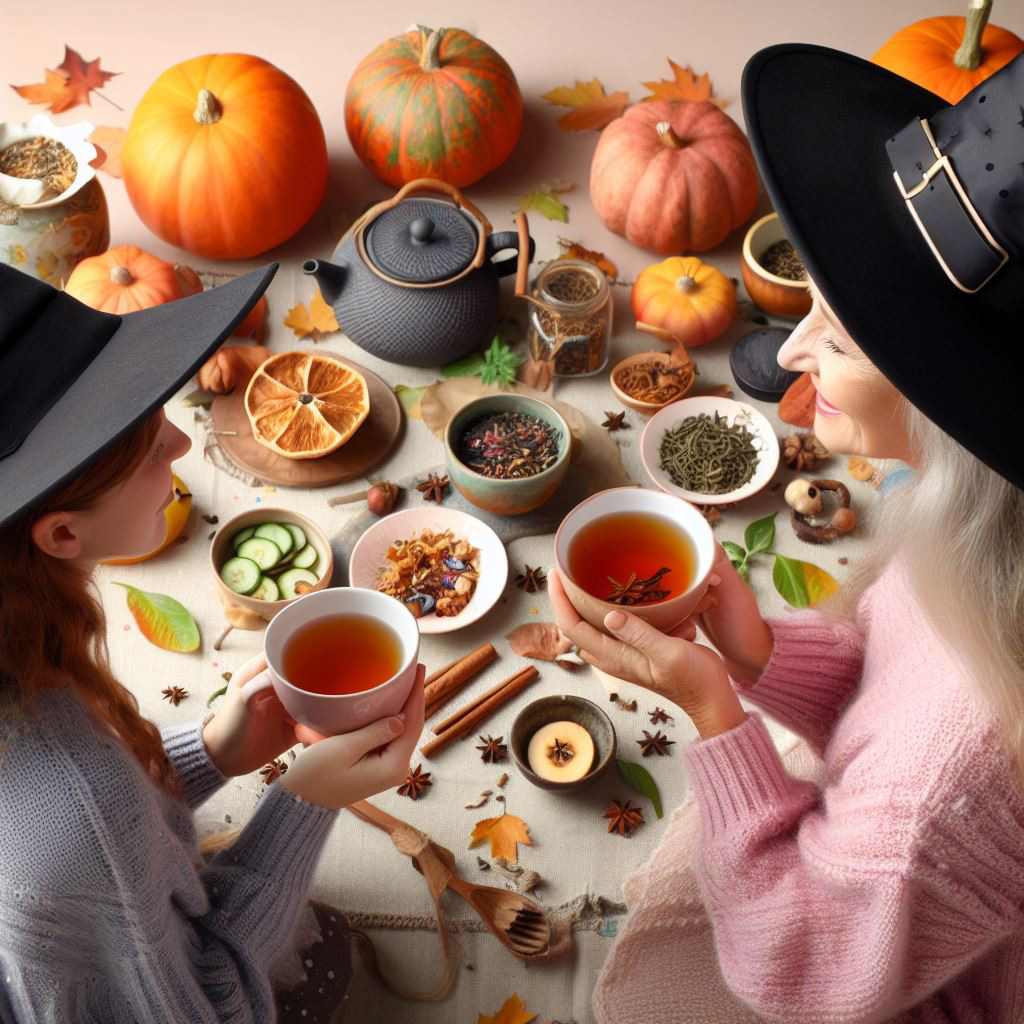
Autumn Broths

Introduction

Autumn Home Remedies – Broths

As the temperatures begin to drop and nature’s colors transition to warm hues, autumn provides us with a cornucopia of foraged treasures to incorporate into our homemade broths. These nourishing elixirs not only help to warm our bodies but also offer a wealth of health benefits. By utilizing the abundance of autumn foraging, including herbs, plants, and flowers, we can infuse our broths with rich flavors and therapeutic properties.

In this series, we’ll go over steam treatment, elixirs, teas, tinctures, broths, herbal glycerites, aroma therapy, and tonics. There are a lot of home remedies and nearly endless possibilities of methods. The eight selected for this series are some of the most common practices. All these covered home remedies are perfect for autumn-season applications.

In this article, we will explore the art of creating flavorful and nourishing broths using the bounty of autumn, allowing you to harness the healing power of nature while embracing the seasonal delights.

Broths

Broths are not only a staple of cozy and hearty dishes during the fall, but they can also be a source of magic and wellness for our bodies and souls. By adding seasonal autumn herbs to our homemade broths, we can create enchanting and nourishing potions that not only warm us up but also boost our immunity and vitality.

Autumn Foraging for Flavorful Additions

Autumn offers a plethora of aromatic herbs, plants, and flowers that can elevate the flavor and nutritional profile of your broths. Consider incorporating the following ingredients into your autumn broths:

  • Thyme: This versatile herb adds a warm and earthy flavor to broths while offering antimicrobial and immune-boosting properties.
  • Rosemary: Known for its distinct pine-like fragrance, rosemary brings a delightful savory note to broths while providing antioxidant and anti-inflammatory benefits.
  • Sage: With its earthy and slightly peppery taste, sage lends depth and complexity to broths while promoting digestion and soothing the throat.
  • Nettle: This nutrient-rich herb can be foraged in the autumn months and adds a delicate, slightly grassy flavor to broths. Nettle is packed with vitamins and minerals, making it an excellent addition for overall health and vitality.

Method for Creating Autumn Broths

Autumn Broths
Print Recipe Share on Facebook Pin Recipe
No ratings yet

Recipe: Autumn Broth

Crafting autumn broths is a simple and rewarding process that allows you to infuse the essence of nature’s harvest. Here’s a basic method to get you started:
Prep Time20 minutes

Cook Time1 hour
Total Time1 hour 20 minutes
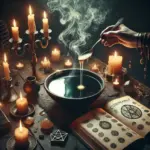
Season: Fall
Author: Theo, Witch

Ingredients

  • Assorted autumn vegetables such as carrots, onions, celery, and mushrooms
  • Fresh or dried herbs from autumn foraging thyme, rosemary, sage, nettle, etc.
  • Garlic cloves
  • Bay leaves
  • Filtered water
  • Salt and pepper to taste

Instructions

  • Prepare the vegetables by washing and roughly chopping them into manageable pieces. Leave the skin on for added flavor and nutrients.
  • In a large stockpot, combine the vegetables, fresh or dried herbs, garlic cloves, and bay leaves.
  • Add enough filtered water to cover the ingredients and bring the mixture to a boil over medium-high heat.
  • Once boiling, reduce the heat to low and simmer the broth for at least one hour, allowing the flavors to meld together.
  • Throughout the simmering process, periodically skim off any foam or impurities that rise to the surface.
  • After the desired simmering time, remove the pot from heat and let the broth cool slightly.
  • Strain the broth using a fine mesh sieve or cheesecloth, discarding the solids.
  • Season the broth with salt and pepper to taste, ensuring the flavors are well-balanced.

Notes

Moon Milk Lavender and CherriesMoon milk is believed to have magical properties that promote relaxation, sleep, and spiritual connection. Lavender is a powerful herb that is often used in spells and rituals to promote tranquility, purification, and harmony. It is said to help calm the mind, soothe anxiety, and facilitate communication with the spiritual realm. Cherries, on the other hand, are associated with abundance, prosperity, and love. By combining these two ingredients in moon milk, we can create a potent brew that promotes restful sleep, deep relaxation, and a profound sense of spiritual connection.
As you sip on your moon milk and gaze up at the moon, take a moment to reflect on the magic and mystery of the universe. Whether you are working with the moon to manifest your desires, to connect with your intuition, or simply to enjoy a peaceful moment of reflection, remember that the power of the moon is always with you, waiting to be harnessed and celebrated.
*Calories Calculated with 2% Dairy Milk, Different bases will change the values.

Autumn Broth

Proudly brought to you by

The Equinox Apothecary

© The Equinox Apothecary 2024 – Permission is granted to copy and reproduce this Recipe with attribution

Enhancing Autumn Broths with Foraged Ingredients

Take your autumn broths to the next level by incorporating additional foraged ingredients. Consider the following suggestions:

Mushrooms: Forage wild mushrooms, such as chanterelles or porcini, to infuse your broths with an earthy and umami-rich flavor.

Wild Greens: Look for wild greens like dandelion leaves or chicory, which add a touch of bitterness and a wealth of nutrients to your broths.

Edible Flowers: Edible flowers such as calendula or nasturtium not only add visual appeal but also lend delicate flavors and antioxidant properties to your broths.

Roots and Tubers: Forage roots like burdock or wild carrots to introduce unique flavors and additional health benefits to your broths.

Utilizing Autumn Broths in Nourishing Meals

Autumn broths provide a versatile foundation for a wide range of nourishing meals. Here are a few ideas to inspire your culinary creations:

Hearty Vegetable Soup: Use your autumn broth as a base for a hearty vegetable soup by adding an array of seasonal vegetables, legumes, and grains. The flavors of the broth will infuse the ingredients, creating a comforting and nutritious meal.

Mushroom Risotto: Replace the water or stock in your risotto recipe with autumn mushroom broth for an intensely flavorful and aromatic dish. Add sautéed wild mushrooms for an extra burst of earthiness.

Herbal Grain Bowls: Cook grains like quinoa, barley, or farro in your autumn broth and serve them as a base for nourishing grain bowls. Top with roasted seasonal vegetables, fresh herbs, and a drizzle of olive oil for a wholesome and satisfying meal.

Sipping Broths: Enjoy a warm and soothing cup of broth on its own as a comforting beverage or as a light and nutrient-rich snack. Sipping broths can be sipped throughout the day for a boost of hydration and nourishment.

Conclusion

Autumn broths infused with the flavors of foraged herbs, plants, and flowers provide a nourishing and therapeutic way to embrace the bounties of the season. By incorporating ingredients such as thyme, rosemary, sage, and nettle, we infuse our broths with aromatic richness and a myriad of health benefits. Whether enjoyed as a standalone beverage or incorporated into hearty soups and grain bowls, these homemade broths offer warmth, comfort, and a taste of nature’s bounty. So, venture into the autumnal bounty, forage for aromatic herbs and ingredients, and let your creativity shine as you create flavorful and nourishing broths. Embrace the seasonal delights, savor the comforting aromas, and relish in the nourishment these autumn broths provide. Let each sip or spoonful bring you closer to the essence of nature’s harvest and the wellness it bestows. Enjoy the warmth, nourishment, and healing that autumn broths bring to your table, and let them be a reminder of the abundance and beauty of the season. Cheers to a season filled with flavorful and nourishing homemade broths that nurture both body and soul!