Posted on Leave a comment

Ritual: Creating a Sacred Litha Altar

Litha AltarReading Time: 14 minutes
Litha Altar

Introduction

Harnessing the Summer Solstice

The summer solstice, known as Litha, is a time of abundant light, vibrant energy, and the celebration of nature’s bounty. Creating a dedicated Litha altar is a powerful ritual that allows us to honor the sun’s radiance and connect with the energy of this enchanting season. In this article, we will explore the art of crafting a Litha altar, including its purpose, what to include on it, where to place it, and important safety considerations to ensure a meaningful and safe experience.

What is a Litha Altar?

To honor and celebrate this significant turning point in the year, many individuals create a sacred space known as the Litha altar. This section delves into the essence and purpose of a Litha altar, highlighting its role as a physical representation of our connection with nature, the sun, and the abundance that characterizes the season. By thoughtfully arranging specific items on the altar, we harness the power of symbolism to create an enchanting and energetically charged space that amplifies our intentions and spiritual practice.

A Litha altar serves as a dedicated focal point for honoring and celebrating the summer solstice, the longest day and shortest night of the year. It invites us to embrace the radiant energy of the sun and the abundance of the season. By creating this sacred space, we actively participate in the cyclical rhythms of nature, attuning ourselves to the profound shifts occurring in the world around us.

The Litha altar acts as a tangible symbol of our deep connection with nature and the sun. Through its carefully chosen elements, it mirrors the beauty and vitality of the natural world. Vibrant flowers, lush greenery, and representations of the sun itself evoke a sense of reverence and harmony with the environment. The altar becomes a bridge between the human experience and the magnificent tapestry of life unfolding during the summer solstice.

Intentional arrangement of specific items on the Litha altar serves a purpose beyond mere aesthetics. Each item holds symbolic significance, creating a visually captivating and energetically charged space that amplifies our intentions and spiritual practice. The selection of herbs, crystals, candles, and other meaningful objects empowers us to focus our thoughts, infuse them with purpose, and deepen our connection with the energy of the solstice. It becomes a place for meditation, ritual, and intention-setting, supporting us in manifesting our desires and aligning ourselves with the transformative power of the season.

When crafting a Litha altar, careful consideration is given to the visual appeal and energetic resonance of the space. Vibrant colors, such as the golden hues of candles or the vivid petals of sunflowers, capture the essence of the sun’s radiance. Fresh herbs and seasonal fruits represent the bountiful harvest and abundance of the earth. By arranging these elements thoughtfully and with reverence, we create a visually captivating and energetically charged space that not only uplifts our spirits but also invites the energies of Litha to flow freely.

A Litha altar is far more than a mere decorative arrangement. It is a sacred space that honors the summer solstice, our connection with nature, and the abundance of the season. By thoughtfully selecting and arranging specific items, we create a visually captivating and energetically charged space that amplifies our intentions and spiritual practice. The Litha altar becomes a focal point for celebration, manifestation, and deepening our connection with the transformative energies of the solstice. May the creation and exploration of your Litha altar inspire a profound sense of connection and reverence for the radiant beauty of the summer season.

What to Put on a Litha Altar

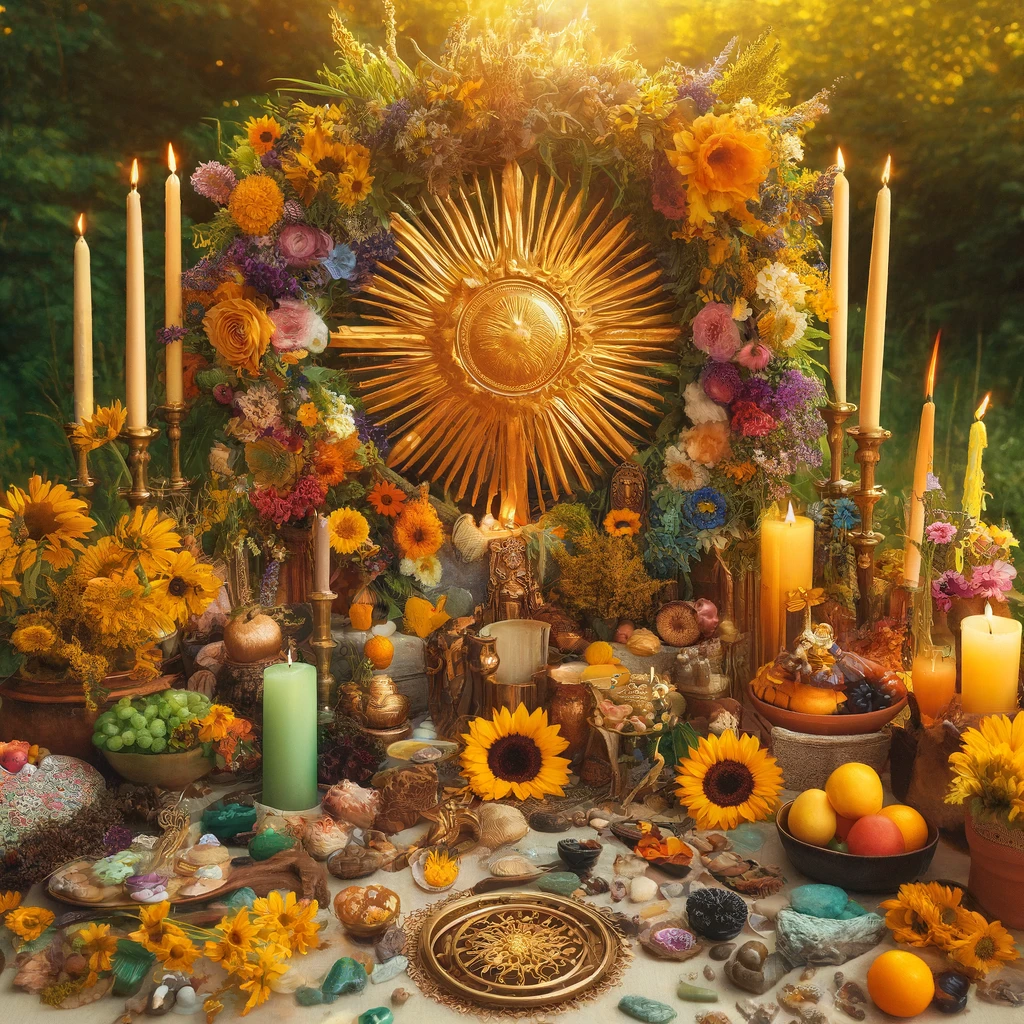
Vibrant flowers, such as sunflowers, daisies, or marigolds, hold a special place on the Litha altar. They represent the beauty and vitality of summer, embodying the energy of the sun. These blossoms symbolize growth, joy, and abundance, infusing the altar with their vibrant colors and uplifting fragrance.

Incorporating representations of the sun and fire on the Litha altar is essential. Golden candles, sunburst designs, or a small solar disc serve as powerful symbols of the sun’s life-giving energy. They radiate warmth, light, and illumination, reminding us of the transformative power of the summer solstice.

Including natural elements on the Litha altar strengthens our connection with the earth and its abundance. Seashells, crystals, and gemstones represent the beauty and diversity found in nature. They serve as reminders of the earth’s nurturing qualities and the rich resources it offers during this fertile season. A small dish of salt or a bowl of soil can also be added to symbolize the grounding and fertile energies of the earth.

Incorporating summer fruits, such as berries and citrus, is a wonderful way to honor the abundance of the season. These fruits are vibrant, refreshing, and nourishing, representing the gifts of nature’s harvest. Placing them on the altar symbolizes the fruitful abundance of the earth and expresses gratitude for its sustenance.

Including sacred tools and symbols on the Litha altar enhances spiritual practice and intention-setting. A cauldron represents transformation and the alchemical processes occurring during this potent time of the year. A chalice symbolizes the divine feminine and the sacred union of opposites. A wand can be added to represent the power of manifestation and the ability to direct energy. These tools act as conduits for focusing intentions and working with the energies of the solstice.

Leaving offerings on the Litha altar is a way to show gratitude for the blessings of the season. Honey, mead, or freshly picked herbs can be placed as offerings, representing the sweetness, abundance, and healing properties of the earth’s gifts. These offerings serve as a reminder of the reciprocity between humans and the natural world, fostering a sense of gratitude and harmony.

By carefully selecting and arranging these items on the Litha altar, we infuse the space with symbolic significance. Each element represents aspects of the season, the sun’s energy, and our connection with nature. The altar becomes a visual and energetic representation of the sacred union between humanity and the natural world, inviting us to embrace the transformative energies of Litha and celebrate the abundance and vitality of the summer solstice.

Where to Have a Litha Altar

When it comes to placing your Litha altar, it is essential to select a location that resonates with your personal connection to nature and the solstice energy. Whether indoors or outdoors, the placement of your altar should reflect your intentions and provide a serene space for reflection and celebration. Here are some considerations for finding the perfect spot:

Indoors

If you prefer an indoor altar, consider dedicating a table or a corner in a well-lit room. Look for a space that feels peaceful and inviting, where you can create a sacred atmosphere. A sunny windowsill can be an ideal spot, as it allows the sun’s rays to filter through, symbolizing the essence of the solstice. Ensure the area is clean, decluttered, and free from distractions, allowing you to focus on your connection with the energies of Litha.

Outdoors

Embracing the natural surroundings during Litha can enhance your experience. Find a peaceful spot in your garden, backyard, or a nearby park to set up your outdoor Litha altar. Look for an area that offers a sense of tranquility and allows you to connect with the elements. You may choose to create a permanent altar if you have a dedicated outdoor space or opt for a temporary setup on a patio or balcony if you have limited outdoor access.

Considerations for Outdoor Placement

Whether you choose an indoor or outdoor location, the key is to find a space that feels harmonious and conducive to your spiritual practice. Remember to consider practicality, comfort, and the availability of space. Trust your intuition and select a location that aligns with your intentions for honoring and celebrating the summer solstice.

Stability

Ensure that the surface you choose for your altar is stable and secure. It should be able to withstand any wind or weather conditions. You can place a cloth or mat as a foundation for your altar items.

Privacy

Select a location that offers privacy and solitude, allowing you to fully immerse yourself in the rituals and meditation associated with Litha. This will provide a tranquil environment for your practice and foster a deeper connection with the energies of the season.

Connection with Nature

Look for a spot that allows you to feel connected to the natural elements. It could be under a shade tree, near a blooming flower bed, or by a gently flowing stream. Surrounding yourself with the beauty of nature enhances the sacredness of your altar and strengthens your connection with the seasonal energy.

By intentionally choosing a suitable location for your Litha altar, you create an environment that supports your connection with the energies of the season. It becomes a sacred space where you can immerse yourself in the beauty of nature and honor the vibrant energy of the summer solstice.

Creating a Sacred Litha Altar

Litha, the celebration of the summer solstice, is a time of vibrant energy, abundance, and the power of the sun. Creating a sacred Litha altar allows us to honor and harness this potent energy, connect with the natural world, and deepen our spiritual practice. We will guide you through the step-by-step process of creating a sacred Litha altar, explore the significance of materials used, and delve into the magical uses of the altar during this ritual.

Ritual Basics

Before beginning any ritual, it is important to prepare yourself mentally and physically. You may want to take a cleansing bath, or shower, and meditate or perform some grounding exercises to center yourself. Gather any materials you will need, such as candles, incense, and offerings for the forest spirits.

You can read a more detailed Ritual Preparation guide here.
Making Litha Altar
Print Ritual
No ratings yet

Ritual: Creating a Sacred Litha Altar

Litha, the celebration of the summer solstice, is a time of vibrant energy, abundance, and the power of the sun. Creating a sacred Litha altar allows us to honor and harness this potent energy, connect with the natural world, and deepen our spiritual practice. We will guide you through the step-by-step process of creating a sacred Litha altar, explore the significance of materials used, and delve into the magical uses of the altar during this ritual.
Prep Time15 minutes
Ritual Time30 minutes
Total Time45 minutes
Ritual Type: Litha
Type: Rituals
Author: Theo, Witch

Supplies

  • Vibrant Litha-colored cloth or fabric such as yellows, oranges, and fiery reds
Symbols of the Elements
  • Earth i.g. – small dish of soil, a potted plant, or crystals like moss agate or green aventurine
  • Air i.g. – feathers, incense, or a small fan
  • Fire i.g. – candles or small representations of flames
  • Water i.g. – a small bowl of water, a seashell, or a small fountain
Additional Symbols
  • Representations of the sun a sun-shaped ornament, a small solar deity statue, or a gold-colored fabric
  • The natural world Seasonal herbs such as lavender, rosemary, or chamomile and/ or flowers, leaves, or branches
  • (optional) Representation of the specific deity or spiritual guides Pictures or Stattuettes
Sacret Symbols & Tools
  • a cauldron or a small bowl
  • a wand
  • tarot or orecle cards

Instructions

Choose a Sacred Space

  • Select a dedicated space in your home or outdoors where you can create and maintain your Litha altar throughout the season.
  • It could be a tabletop, a shelf, or a quiet corner in your garden.

Set the Foundation

  • Begin by covering the surface of your altar with a vibrant cloth or fabric that resonates with the colors of Litha, such as yellows, oranges, and fiery reds.
  • This foundation represents the fertile earth and the vibrant energy of the sun.

Honor the Elements

  • Arrange items that represent the four elements on your altar.
  • Earth: Place a small dish of soil, a potted plant, or crystals like moss agate or green aventurine to symbolize grounding and growth.
  • Air: Add feathers, incense, or a small fan to represent the element of air and its qualities of communication and inspiration.
  • Fire: Incorporate candles or small representations of flames to embody the transformative energy of fire.
  • Water: Include a small bowl of water, a seashell, or a small fountain to symbolize the element of water and its connection to emotions and intuition.

Embrace the Solar Energy

  • Place representations of the sun on your altar, such as a sun-shaped ornament, a small solar deity statue, or a gold-colored fabric.
  • These items symbolize the power and warmth of the sun, inviting its energy into your sacred space.

Connect with Nature

  • Bring elements from the natural world onto your altar to deepen your connection with nature during Litha.
  • Add flowers, leaves, or branches from seasonal plants to honor the growth and abundance of the season.
  • Incorporate herbs such as lavender, rosemary, or chamomile, which are traditionally associated with Litha and possess their own unique properties.

Invoke the Divine

  • If you have specific deities or spiritual guides you wish to work with during Litha, include representations or images of them on your altar.
  • You may choose solar deities like Apollo, Ra, or Brigid, or any other deities that resonate with the energy of the sun and the season.
  • Place symbols or images of these deities in a prominent position on your altar, inviting their blessings and guidance.

Sacred Symbols and Tools

  • Add symbols and tools that hold personal significance or represent your intentions for the season.
  • Place a cauldron or a small bowl for burning herbs or offering intentions.
  • Use a wand or a crystal wand to direct energy and set intentions.
  • Include tarot or oracle cards for divination and guidance.

Notes

Moon Milk Lavender and CherriesMoon milk is believed to have magical properties that promote relaxation, sleep, and spiritual connection. Lavender is a powerful herb that is often used in spells and rituals to promote tranquility, purification, and harmony. It is said to help calm the mind, soothe anxiety, and facilitate communication with the spiritual realm. Cherries, on the other hand, are associated with abundance, prosperity, and love. By combining these two ingredients in moon milk, we can create a potent brew that promotes restful sleep, deep relaxation, and a profound sense of spiritual connection.
As you sip on your moon milk and gaze up at the moon, take a moment to reflect on the magic and mystery of the universe. Whether you are working with the moon to manifest your desires, to connect with your intuition, or simply to enjoy a peaceful moment of reflection, remember that the power of the moon is always with you, waiting to be harnessed and celebrated.
*Calories Calculated with 2% Dairy Milk, Different bases will change the values.

© The Equinox Apothecary 2024 – Permission is granted to copy and reproduce this Ritual with attribution

Magical Uses of the Altar

Harnessing the energy of Litha, the summer solstice, through the creation of a sacred altar can significantly enhance your spiritual practice. This altar serves as a dedicated focal point for your intentions, rituals, and connection with the vibrant energies of the season. By setting intentions, offering prayers, performing rituals and divination, and fostering a deeper connection with the divine, the Litha altar becomes a powerful tool for manifesting your desires and aligning with the transformative forces of nature. Let’s delve into how to utilize your Litha altar for these magical purposes.

Altar as a Sacred Focal Point

The Litha altar serves as a powerful focal point for your intentions, rituals, and connection with the energy of Litha. It becomes a dedicated space for spiritual practice, embodying the vibrancy and abundance of the summer solstice. Here, you can meditate, perform rituals, and work with the seasonal energies to manifest your desires and deepen your connection with the divine.

Setting Intentions and Offering Prayers

Use the altar to set your intentions for the coming months. This might involve writing down your goals and dreams on pieces of paper and placing them on the altar. Offering prayers to the deities and natural spirits of Litha, such as the sun god or goddess, can help align your energy with the potent forces of the season.

Performing Rituals and Divination

The altar is an ideal space for performing Litha rituals, which might include lighting candles to honor the sun, making offerings of summer fruits, or crafting protective charms. It’s also a perfect setting for divination practices. Whether you use tarot cards, runes, or scrying, the altar’s energy can enhance your ability to gain insights and guidance.

Connecting with the Divine

Simply spending time at your Litha altar, in quiet reflection or active worship, can foster a deeper spiritual connection. This sacred space allows you to feel the presence of the divine more intimately and to immerse yourself in the seasonal energies of growth, light, and abundance.

Significance of Materials

The materials chosen for your Litha altar hold profound symbolic and energetic significance, enhancing the overall spiritual experience. The cloth or fabric that forms the base of your altar represents the fertile earth, grounding your space in the essence of nature. Vibrant colors like yellows, oranges, and fiery reds are ideal, as they evoke the sun’s warmth and vitality at its peak, setting a vibrant and powerful tone for your rituals. Adding crystals and gemstones further amplifies the altar’s energy, each stone bringing its unique properties to the mix. For instance, moss agate symbolizes growth and abundance, fostering a deep connection to nature and encouraging personal growth. Meanwhile, green aventurine attracts prosperity, luck, and harmonious relationships, enhancing your capacity to manifest joy and abundance. Together, these elements create a sacred and energetically charged space that aligns perfectly with the essence of Litha.

Cloth or Fabric

The cloth or fabric you choose for your Litha altar represents the foundation and fertile earth. Opt for colors that embody the energy of Litha, such as vibrant yellows, oranges, and fiery reds. These hues evoke the warmth and vitality of the sun at its peak and set the tone for your altar’s energy. A beautifully chosen cloth can also add a sense of sacredness and beauty to your rituals.

Crystals and Gemstones

Crystals and gemstones play a significant role in enhancing the energy of your Litha altar. They not only add beauty but also amplify specific intentions and qualities you wish to bring into your life.

Moss Agate: This crystal symbolizes growth, abundance, and a deep connection to nature. Place moss agate on your altar to encourage personal growth and to attract the bountiful energies of the earth. It’s particularly effective for enhancing fertility and nurturing new beginnings.

Green Aventurine: Known for enhancing prosperity, luck, and harmonious relationships, green aventurine is a powerful stone for manifesting abundance and joy. Incorporate it into your altar to attract good fortune and to foster a sense of harmony in your interactions and relationships.

Enhancing Your Magical Practices

Creating a Litha altar is not merely about aesthetics; it’s about infusing your space with powerful, intentional energy that aligns with the vibrant themes of the summer solstice. By incorporating herbs and flowers, you bring in the essence of protection, calm, and the sun’s vitality. Candles and fire elements are pivotal, symbolizing illumination and transformation. Adding sacred tools such as a chalice, wand, and athame enhances your rituals and meditations, helping you harness the potent energies of Litha. Each carefully chosen item transforms your altar into a sanctuary of vibrant energy and sacred intention, fostering spiritual growth and a deeper connection with nature. May your Litha altar inspire and empower you, serving as a transformative space to celebrate the abundant energies of this magical season.

Herbs and Flowers

Adding herbs and flowers to your altar can greatly enhance its magical potency. Use herbs such as rosemary for protection, lavender for calm and clarity, and sunflowers to honor the sun’s energy. Fresh flowers not only beautify the space but also infuse it with the vibrant life force of summer.

Candles and Fire Elements

Candles are a central element of Litha altars, symbolizing the sun’s light and warmth. Use them to illuminate your space, making sure to choose colors that resonate with the season. Fire elements, such as a small cauldron or a sun symbol, can also be added to represent the transformative power of fire.

Sacred Tools

Incorporate sacred tools that are meaningful to your practice, such as a chalice for water, a wand for directing energy, and an athame for cutting through obstacles. These tools can be used in various rituals and meditations, helping you to harness and direct the potent energies of Litha.

Creating an Energetic Sanctuary

Your Litha altar is more than just a decorative setup; it’s a sanctuary of vibrant energy and sacred intention. By thoughtfully selecting and arranging items that resonate with the themes of Litha, you create a space that supports your spiritual growth and connects you with the rhythms of nature. May your altar be a source of inspiration, empowerment, and transformation as you celebrate the summer solstice and harness the abundant energies of this magical season.

Creating a sacred Litha altar allows us to connect with the powerful energy of the sun and the abundance of the summer season. By following the step-by-step instructions and incorporating meaningful materials, we can create a sacred space that nurtures our spiritual practice. The altar serves as a focal point for intention setting, rituals, and connection with the divine. Embrace the solar energy, honor the elements, and connect with the cycles of nature as you create and work with your Litha altar. May your sacred space be filled with the vibrant energy of Litha, guiding you on a transformative and abundant spiritual journey.

The Purpose of a Litha Altar

A Litha altar serves as a sacred space to honor the summer solstice, a time of radiant sunlight and bountiful energy. This dedicated space is not only for celebration but also for expressing gratitude, fostering a deep connection with nature, and setting powerful intentions for personal and spiritual growth. By thoughtfully placing symbolic items on the altar, we create a focal point that magnifies our desires and aligns us with the transformative energies of the season. Through celebration, connection, and intention-setting, the Litha altar becomes a beacon of light, guiding us towards harmony with the natural world and the rhythms of the earth.

Celebration and Gratitude

It provides a dedicated space to celebrate the summer solstice, express gratitude for the abundance of the season, and honor the sun’s radiant energy.

Connection with Nature

The altar helps foster a deeper connection with nature and the cycles of the earth. It serves as a reminder of our interconnectedness with the natural world and encourages us to live in harmony with its rhythms.

Intention Setting

By placing items and symbols on the altar, we can infuse them with our intentions, dreams, and aspirations. The altar becomes a focal point for manifesting our desires and aligning ourselves with the transformative energy of the summer solstice.

Safety Considerations

Creating a Litha altar is a beautiful way to celebrate the summer solstice, but it’s essential to keep safety in mind to ensure a harmonious and secure environment. Whether your altar is indoors or outdoors, taking precautions can prevent accidents and maintain the sanctity of your sacred space. Key safety considerations include proper fire safety practices, securing outdoor altars against the elements, and ensuring that pets and young children cannot accidentally disrupt or harm the altar’s elements. By prioritizing safety, you can fully immerse yourself in the spiritual and celebratory aspects of Litha without worry.

Fire Safety

If using candles, ensure they are placed on a stable surface away from flammable items and are never left unattended. Consider using flameless LED candles as a safer alternative.

Outdoor Altars

If placing your altar outdoors, protect it from wind, rain, and direct sunlight. Secure lightweight items to prevent them from falling or being blown away.

Pet and Child Safety

If you have pets or young children, ensure that the altar is placed out of their reach to prevent accidents or damage to the sacred items.

Crafting a Litha altar is a beautiful and meaningful way to connect with the energy of the summer solstice and celebrate the abundance of the season. By carefully selecting and arranging symbolic items, expressing gratitude, and setting intentions, the altar becomes a powerful tool for spiritual practice and manifestation. Remember to choose a suitable location, exercise safety precautions, and infuse your altar with love and reverence. May your Litha altar serve as a sacred space for connection, celebration, and transformation during this radiant time of the year.

Conclusion

As we celebrate Litha and honor the summer solstice, the creation of a Litha altar stands as a testament to our connection with the vibrant energies of the season. This sacred space, thoughtfully adorned and reverently maintained, becomes a beacon of light, gratitude, and intention. Through the practice of crafting and tending to our Litha altars, we embrace the abundance, vitality, and transformative power of the sun, inviting its radiant energy into our lives and celebrating the boundless beauty of the natural world.
Posted on Leave a comment

Beltane Explained

BeltaneReading Time: 16 minutes
Beltane

Introduction

Igniting the Fires of Joy and Renewal

Beltane, also known as May Day, is a pagan holiday that celebrates the beginning of summer and the fertility of the earth. It is typically observed on May 1st, though some traditions celebrate the full moon that falls closest to this date. It’s a time of great celebration, and there are many traditions associated with this festival. Beltane has a rich history and is still celebrated today in various ways by many different pagans and neopagan groups.

History of Beltane:

Beltane is a festival that dates to ancient Celtic culture when it was celebrated as the start of summer and the time when the herds were driven out to their summer pastures. This important holiday was also associated with fertility and the coming of new life, and it was celebrated with great joy and merriment. Beltane was a time for feasting, dancing, and ritualized bonfires, as people celebrated the growth and abundance of the natural world.

The name Beltane comes from the Gaelic “Bealtaine,” which means “bright fire” or “lucky fire.” This refers to the bonfires that were traditionally lit on this occasion. In ancient times, Beltane was a time of purification and renewal, when people would light fires to burn away the old and welcome in the new. The festival was also associated with the god Bel, who was associated with the sun and the power of growth and fertility.

The Celts believed that Beltane was a time when the veil between the worlds was thin, and that the spirits of the Otherworld could more easily communicate with the living. As such, Beltane was a time of great magic and ritual, and it was believed that spells cast on this day would be particularly powerful. The festival was also seen as a time of union between the god and goddess, and it was a time for couples to celebrate their love and fertility.

May Day:

Beltane, also known as May Day, is a celebration that marks the arrival of summer. The name “May Day” refers to the specific day on which Beltane is traditionally observed, which is the first day of May. The term “May Day” has its roots in medieval Europe and is often associated with various customs and traditions that honor the changing of seasons and the awakening of nature.

While Beltane and May Day are often used interchangeably to refer to the same festive occasion, there are slight differences in their cultural origins and specific practices. Beltane has ancient Celtic roots and is deeply connected to the Gaelic traditions of Ireland, Scotland, and other Celtic regions. It is a significant festival that celebrates the turning of the seasons and the renewal of life.

On the other hand, May Day is a more widespread term that encompasses a broader range of customs and celebrations observed throughout Europe and beyond. It has its origins in pre-Christian pagan traditions and has been influenced by various cultural and religious practices over time. May Day is often associated with the welcoming of spring and the honoring of fertility and abundance.

While both Beltane and May Day share a common theme of celebrating the arrival of summer, Beltane tends to emphasize the Celtic and pagan traditions, focusing on the sacred union of the masculine and feminine forces, fertility rituals, and the lighting of bonfires. May Day, on the other hand, may encompass a wider range of customs such as maypole dancing, flower crowning, and the giving of May baskets.

In summary, Beltane and May Day are two terms used to describe the same festive occasion, celebrating the onset of summer and the awakening of nature. Beltane has stronger associations with Celtic and pagan traditions, while May Day is a broader term that includes a variety of customs observed across different cultures. Regardless of the terminology, both Beltane and May Day offer an opportunity to rejoice in the beauty of nature, honor the cycles of life, and embrace the vibrant energies of the season.

Present Day:

Today, Beltane is still celebrated by many Pagans and Wiccans around the world. While some aspects of the holiday have changed over time, such as the shift away from driving herds to summer pastures, many of the core themes and practices remain the same. Beltane is still a time for celebrating the earth’s fertility and the coming of new life. It is also seen as a time of transition and transformation, a time to leave behind the old and welcome in the new. Beltane is still seen as a time for celebrating the abundance and fertility of the natural world, and for honoring the power of the sun and the earth.

Some of the traditional practices associated with Beltane include dancing around the Maypole, which is decorated with ribbons and flowers. The Maypole represents the phallus of the god and the fertility of the earth. Many people also light bonfires or candles to celebrate the return of the sun and the coming of summer. Some Pagans also perform rituals to honor the god and goddess, and to ask for their blessings of fertility and abundance.

Traditions:

Embracing the spirit of Beltane means immersing ourselves in a tapestry of ancient traditions that celebrate the arrival of summer and the vibrant energy of life. These time-honored customs have been passed down through generations, weaving together a rich tapestry of joy, fertility, and renewal. From the dancing of the Maypole to the lighting of bonfires, Beltane traditions ignite our spirits and connect us to the rhythms of nature. In this section, we delve into the enchanting traditions of Beltane, exploring bonfires, Maypoles, flower craft, feasts, and courtship.

Bonfires: Illuminating Beltane’s Magic and Protection

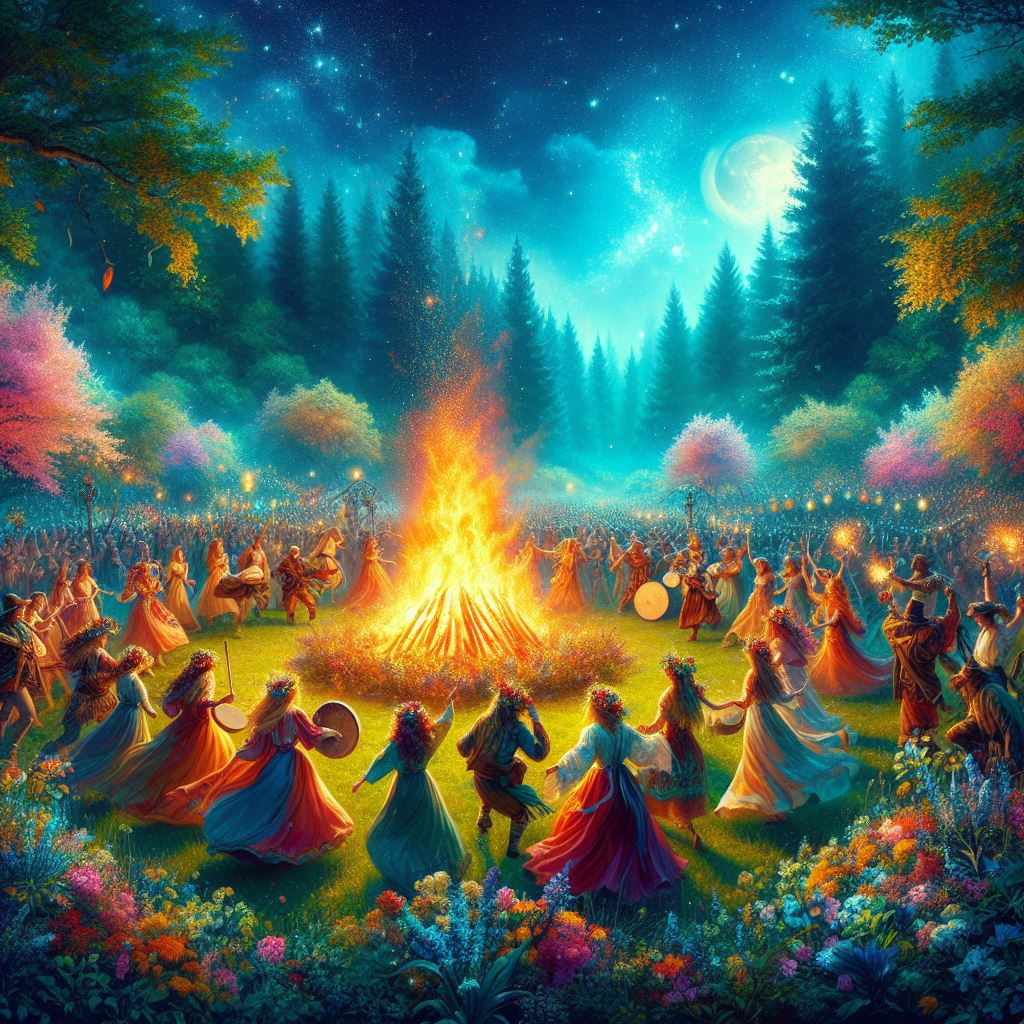
One of the most captivating and revered traditions of Beltane is the lighting of bonfires. These blazing beacons hold profound symbolism and play a vital role in the celebration of this ancient festival. As Beltane marks the arrival of summer and the resurgence of light, the bonfires serve as powerful focal points, illuminating the path ahead and infusing the festivities with warmth and enchantment.

The significance of the bonfire tradition in Beltane stretches back through the ages. These fires are not merely sources of light and heat but also bearers of profound meaning. They symbolize the return of the sun’s radiant energy, embodying the transformative power of warmth and light that nourishes the Earth and encourages the growth of crops and life itself.

Beyond their symbolic representation, bonfires hold practical purposes as well. In the olden times, these fires were believed to possess potent purifying and protective qualities. The crackling flames and billowing smoke were thought to hold the magic to dispel negativity and ward off malevolent spirits. The cleansing properties of the bonfires served as a safeguard for the community, ensuring a prosperous and harmonious transition into the summer season.

To partake in the tradition of bonfires during Beltane, find a suitable outdoor space where the flames can dance freely under the open sky. Choose a location that allows for safe and controlled burning, adhering to any local regulations or guidelines. Gather dry and flammable materials such as wood, twigs, or branches, and arrange them in a pyramid or teepee shape to encourage airflow and maintain a steady burn.

As the sun dips below the horizon, ignite the bonfire with a sacred flame, channeling your intentions and invoking the spirit of Beltane. Allow the fire to grow and flourish, casting its warm glow and casting away the shadows of the past. As you gather around the bonfire with loved ones, feel the transformative energy radiating from the flames and embrace the sense of unity and connection it evokes.

Magically, the bonfire holds immense power. As you bask in its light, visualize any negativity or obstacles being consumed by the flames. Allow the transformative energy of the fire to purify your spirit and invite in positive blessings. You may also choose to perform rituals or ceremonies around the bonfire, such as writing intentions or wishes on pieces of paper and casting them into the fire, or dancing joyously around the flames to honor the season’s vitality.

The tradition of bonfires during Beltane is a sacred and awe-inspiring practice, embodying the spirit of transformation, protection, and renewal. Through the dance of flickering flames, we embrace the return of the sun’s energy, symbolize the shedding of the old and the embrace of the new, and invoke the collective power of the community as we embark on the journey of the vibrant summer season.

Maypole and Maypole Dancing: Weaving the Tapestry of Unity and Fertility

One of the most enchanting and visually captivating traditions of Beltane is the Maypole dance. Central to this tradition is the Maypole, a tall and beautifully decorated pole that stands as a symbol of fertility, unity, and the interconnectedness of all beings. As the Maypole is erected in a prominent location, it becomes a focal point for the community to come together and celebrate the vibrant energies of Beltane.

The Maypole dance holds deep significance and embodies the essence of Beltane’s spirit. As people gather around the Maypole, they engage in a joyous dance, weaving colorful ribbons in and out of the pole. The intertwining of these ribbons symbolizes the harmonious union of masculine and feminine energies, the dance of life and creation. It represents the vital interplay between the forces of nature and the divine, reminding us of the eternal dance of balance and harmony.

The Maypole dance holds profound importance, fostering a sense of community and unity. It is a celebration of togetherness, where people join hands and move in synchronized patterns, creating a vibrant tapestry of movement and color. Through this communal dance, individuals become interconnected, symbolizing the interdependence of all life. It is a powerful reminder that we are all part of a larger web, and our actions and energies are woven together in a collective celebration of fertility and life.

To partake in the Maypole dance, find a suitable location where the Maypole can be securely anchored. The pole itself is traditionally adorned with colorful ribbons, flowers, and other festive decorations. As the dance commences, participants each hold onto a ribbon, and as they move in a circular pattern around the Maypole, they alternately pass over and under each other, creating intricate patterns with the ribbons.

The dance can be accompanied by traditional music, singing, and laughter, further enhancing the joyful and festive atmosphere. As the dance progresses, the ribbons become more tightly intertwined around the Maypole, creating a visual representation of unity and connection. The dance culminates in a glorious display of the beautifully woven ribbons, symbolizing the abundance and fertility that Beltane brings forth.

Magically, the Maypole dance is imbued with transformative energy. As participants move and intertwine the ribbons, they infuse their intentions, wishes, and blessings into the dance. The vibrant and joyful energy generated during the dance is believed to enhance fertility, creativity, and the manifestation of desires. It is a moment to celebrate the potency of life force and the power of communal intention.

The tradition of Maypole and Maypole dancing during Beltane is a cherished and celebratory practice that honors the interconnectedness of all beings, the dance of creation, and the vibrant energies of fertility. Through the communal dance, we tap into the harmonious union of masculine and feminine, weaving together a tapestry of unity, joy, and abundance. May the Maypole be a beacon of celebration and a reminder of the interconnectedness that lies at the heart of Beltane’s spirit.

Flower Craft: Embracing Nature’s Beauty and Abundance

Flowers have long held a special place in the traditions of Beltane, serving as vibrant symbols of beauty, fertility, and the flourishing of life. They play a significant role in the celebration of this joyful festival, adorning the Maypole, crowning the heads of participants, and weaving through garlands and wreaths. The presence of flowers during Beltane is a visual reminder of the abundant blessings bestowed upon us by the Earth and a testament to the cycle of life and renewal.

The use of flowers in Beltane rituals and celebrations holds great importance. They represent the essence of fertility, serving as a vibrant expression of the Earth’s ability to bring forth new life. The blooming petals and vibrant colors of flowers embody the beauty and abundance that emerges during the spring and summer seasons. They remind us of the interconnectedness between humans and nature, and the mutual support we share in the cycle of life.

To engage in the tradition of Flower Craft during Beltane, one can explore a myriad of creative and magical activities. Creating flower crowns or garlands is a popular practice, allowing individuals to adorn themselves with the vibrant hues and fragrant scents of blossoms. Gather a variety of fresh flowers, choosing those that resonate with you and hold symbolic meaning. With gentle hands, weave the stems together, intertwining the blooms to form a crown or a garland that reflects your intentions and desires for the Beltane season.

Another way to incorporate Flower Craft into your Beltane celebrations is through the creation of floral arrangements and displays. Select an assortment of seasonal flowers, paying attention to their colors, shapes, and fragrance. Arrange them in vases, baskets, or other containers, placing them as centerpieces on your altar, around your sacred space, or within your home. As you arrange the flowers, infuse them with your intentions, expressing gratitude for the abundance of nature and welcoming the energies of growth and renewal into your space.

Magically, flowers hold a multitude of benefits and can enhance the energetic vibrations of your Beltane celebrations. They possess a gentle and nurturing energy that promotes harmony, love, and connection with the natural world. Incorporating flowers into your rituals and practices during Beltane can help cultivate an atmosphere of joy, beauty, and transformation. Their fragrance and colors can uplift the spirit and inspire a sense of wonder and gratitude.

The tradition of Flower Craft during Beltane is a beautiful way to honor the fertility and abundance of the Earth. Through the creative use of flowers, we celebrate the growth and blossoming of nature, expressing our gratitude for the gifts of the season. Engaging with flowers during Beltane allows us to forge a deeper connection with the natural world and tap into the transformative energies of renewal and vitality. May the blooms of Beltane be a testament to the infinite beauty and potential that lies within the cycles of nature.

Feasts and Gatherings: Nourishing the Body and Spirit at Beltane

Food holds a special place in the traditions of Beltane, as it is a time of celebration and abundance. The feasting and gathering that take place during this festival are integral to the joyful spirit of Beltane. It is a moment to come together with loved ones and community, to share in the bountiful harvest of the season, and to express gratitude for the gifts of the Earth.

Feasting during Beltane is not merely a physical act of nourishment; it holds deep symbolic significance. The foods prepared and shared during this time are infused with the energy of fertility, growth, and new beginnings. Each dish represents the Earth’s abundant offerings, carrying the essence of the season and the blessings of the land.

To partake in the tradition of feasts and gatherings during Beltane, consider organizing a community gathering or a potluck-style feast. Invite friends, family, and like-minded individuals to join in the celebration of the season. Encourage each person to bring a dish that reflects the abundance and flavors of the season. Traditional Beltane foods such as oatcakes, honey cakes, and mead can be incorporated into the feast, as they carry symbolic meanings associated with fertility, sweetness, and new life.

As you prepare and share the feast, infuse your intentions and gratitude into the food. Consider offering a blessing or prayer, expressing gratitude for the Earth’s generosity and the nourishment it provides. Share stories, laughter, and joyous moments as you savor the flavors and the company of those around you. By coming together in this way, you honor the interconnectedness of all beings and create a sense of unity and community.

Magically, the act of feasting during Beltane is infused with transformative energy. As you consume the foods prepared with intention and gratitude, you assimilate the energetic qualities they carry. The feast becomes a sacred ritual, where the energy of fertility, growth, and abundance is transferred to you. It is an opportunity to connect with the energies of the Earth and to align yourself with the cycles of nature, allowing for personal transformation and renewal.

The tradition of feasts and gatherings during Beltane is a cherished practice that nourishes both the body and the spirit. It is a moment to celebrate the blessings of the Earth, to connect with loved ones and community, and to express gratitude for the abundance that surrounds us. By partaking in the feast, we acknowledge our interconnectedness with the natural world and embrace the vitality and joy of the season. May the shared meals of Beltane be a reminder of the sustenance and blessings that flow from the Earth, and may they deepen our connection to the cycles of life and the vibrant energies of the season.

Love and Courtship: Embracing Romance and Union at Beltane

Beltane is often regarded as a time of love, romance, and courtship. It is believed that the vibrant energies of the season and the fertility of the Earth create an atmosphere conducive to deep connections and the blossoming of relationships. The tradition of love and courtship during Beltane celebrates the beauty of human connections and the sacred union of two souls.

The importance of love and courtship during Beltane lies in the recognition of the transformative power of relationships and the joyous celebration of human connection. It is a time to honor and cherish the bonds we share with our beloved partners, to express our affection, and to celebrate the divine union of masculine and feminine energies. Beltane provides a sacred space to reaffirm our commitment to love, to celebrate the union of hearts, and to express gratitude for the transformative and nurturing qualities of deep connections.

To engage in the tradition of love and courtship during Beltane, consider embracing rituals and ceremonies that symbolize your love and commitment. Handfasting, a type of Pagan wedding ritual, is a cherished practice during Beltane. It involves the binding of hands with ribbons or cords, symbolizing the union of two souls in love and commitment. This ritual can be performed publicly or privately, with vows exchanged and promises made to honor and nurture the relationship.

Another way to honor love and courtship during Beltane is to engage in activities that deepen the connection with your partner. Spend quality time together in nature, go on walks, or have a picnic in a beautiful outdoor setting. Take the opportunity to express your feelings through words, gestures, or acts of kindness that strengthen the bond between you. Engaging in acts of love and courtship during Beltane not only strengthens your connection but also invites the energies of love and harmony into your relationship.

Magically, the tradition of love and courtship during Beltane is infused with transformative and nurturing energies. The sacredness of love and commitment is heightened during this time, as the Earth blooms with life and vitality. By engaging in rituals and practices that honor love, you invite the blessings of harmonious partnerships, deep connections, and transformative growth. Beltane provides a powerful energetic backdrop to manifest and amplify the love and joy in your life.

The tradition of love and courtship during Beltane is a beautiful reminder of the profound impact that love and deep connections have on our lives. It is a time to celebrate the power of love, to honor our beloved partners, and to express gratitude for the transformative nature of relationships. May the practices of love and courtship during Beltane bring joy, connection, and a deepening of love within your life. May they strengthen the bonds between souls and foster a sense of unity and harmony in relationships.

Beltane is a vibrant and joyful festival that encompasses a rich tapestry of traditions. From the lighting of bonfires and the weaving of Maypole ribbons to the crafting of flower crowns and the sharing of feasts, each tradition holds its own significance and symbolism. These practices connect us to the cycles of nature, honor the Earth’s abundance, and celebrate the beauty of human connections, love, and courtship. As we engage in these traditions, we tap into the transformative energies of Beltane, fostering a deeper connection to ourselves, our communities, and the natural world. Through the observance of these customs, we embrace the vitality of the season, express gratitude for the gifts of the Earth, and invite joy, love, and harmony into our lives. May the traditions of Beltane continue to inspire and uplift us, reminding us of the interconnectedness of all beings and the power of celebration, unity, and renewal.

Modern Practices:

In modern times, Beltane is often celebrated as a family-friendly festival. Many people host picnics or outdoor gatherings, and children may participate in activities such as making flower crowns or creating May baskets to give to friends and loved ones. Beltane is also a time for handfasting ceremonies, which are pagan wedding rituals that celebrate the union of two people in love.

Family Friendly Activities:

Beltane can be a great holiday to celebrate with children. Family-friendly activities may include making flower crowns or May baskets to give to neighbors, decorating eggs or other spring-themed crafts, or having a picnic or outdoor gathering. It can also be a time to teach children about the earth’s cycles and the importance of honoring and respecting the natural world.

For families with children, Beltane can be a fun and creative time for them to participate in activities such as making flower crowns or creating May baskets to give to friends and loved ones. These activities can help children connect with the natural world and learn about the importance of honoring the changing seasons.

Many Beltane celebrations also involve the creation of floral wreaths or garlands. These can be worn on the head or hung in homes or sacred spaces to honor the coming of spring and the abundance of new growth. In addition, Beltane is a time for feasting and sharing food with loved ones. Many Beltane celebrations involve potluck meals, picnics, or barbecues.

Beltane is also a time for connecting with the natural world and honoring the spirits of nature. Many people take this opportunity to go on a nature walk, plant a garden, or simply spend time outside in meditation or contemplation. Beltane is a reminder of our interconnectedness with all living things and the importance of caring for the earth.

Another modern practice of Beltane is to engage in acts of kindness and community service. Some people may choose to volunteer at local gardens or parks, or to organize a neighborhood clean-up effort. These acts of service can help to bring people together and create a sense of shared purpose and community. Additionally, Beltane can be a time to reflect on personal growth and renewal, and to set intentions for the coming months of the year. This may involve participating in personal rituals or meditations to connect with one’s inner self and the energies of the season.

Many modern pagans have developed their own Beltane rituals and practices. These may include creating altars or shrines to honor the season, performing nature walks or hikes to connect with the earth’s energy, or making offerings to deities associated with fertility and growth.

Adult Activities:

Beltane is a holiday that celebrates fertility and new beginnings, and for adults who want to explore this theme in more intimate ways, there are several activities to choose from. One popular activity is attending Beltane festivals or gatherings, where individuals can connect with like-minded individuals and participate in group rituals or ceremonies. These events often feature live music, dancing, and fire performances, adding to the festive atmosphere.

Another option for adults is to have a private ritual or ceremony with a partner or small group of friends. This may involve creating a sacred space, lighting candles or a fire, and engaging in intimate acts of love and connection. For those who practice sex magic, Beltane is a particularly auspicious time to channel the power of sexual energy to manifest their desires or intentions.

Exploring one’s own sexuality and desires is also a common practice during Beltane. Some may choose to take part in sensual activities, such as sensual massage or sensual dancing, to celebrate the sensual pleasures of life. Additionally, some may use the holiday as an opportunity to explore and express their own sexual identities and desires.

It is important to note that while Beltane is a celebration of fertility and sexuality, it is also a time for respecting boundaries and consent. Any activities involving sexual energy should be approached with mindfulness and respect for all involved. It is also important to recognize that Beltane celebrations can be inclusive of all genders and sexual orientations.

Finally, Beltane can also be a time for personal reflection and spiritual growth. Some people choose to use this time to set intentions for the coming months, to practice divination, or to connect with their spiritual guides and ancestors.

The modern practices of Beltane offer us an opportunity to connect with the ancient traditions in a way that is meaningful and relevant to our lives today. By engaging in outdoor activities, harvest crafts, nature-based rituals, and community sharing, we deepen our connection to the cycles of nature, honor the Earth’s abundance, and celebrate the spirit of Beltane. These practices invite us to cultivate gratitude, creativity, and a sense of unity with the natural world and our communities. As we embrace the modern expressions of Beltane, we tap into the transformative energies of the season, fostering personal growth, joy, and a deepening of our spiritual connection. May these practices inspire us to live in harmony with nature, celebrate the cycles of life, and cultivate a sense of awe and reverence for the beauty that surrounds us.

Conclusion:

Beltane is a powerful and transformative festival that celebrates the vitality of life, the abundance of the Earth, and the interconnectedness of all beings. Rooted in ancient traditions and customs, Beltane offers us an opportunity to reconnect with the cycles of nature, express gratitude for the gifts of the Earth, and celebrate the beauty of love, growth, and unity. Whether we engage in traditional rituals, modern practices, or a combination of both, Beltane invites us to embrace the joy, creativity, and renewal that this sacred time embodies. As we kindle the fires of our spirits and weave the ribbons of connection, let us embrace the transformative energies of Beltane and cultivate a deep sense of gratitude, reverence, and celebration for the wonders of life. May Beltane inspire us to live in harmony with nature, nurture our relationships, and awaken the vibrant energies within us.

Posted on Leave a comment

Litha Explained

Summer SolsticeReading Time: 8 minutes
Summer Solstice

Introduction

The Summer Solstice: Celebrating the Height of Light

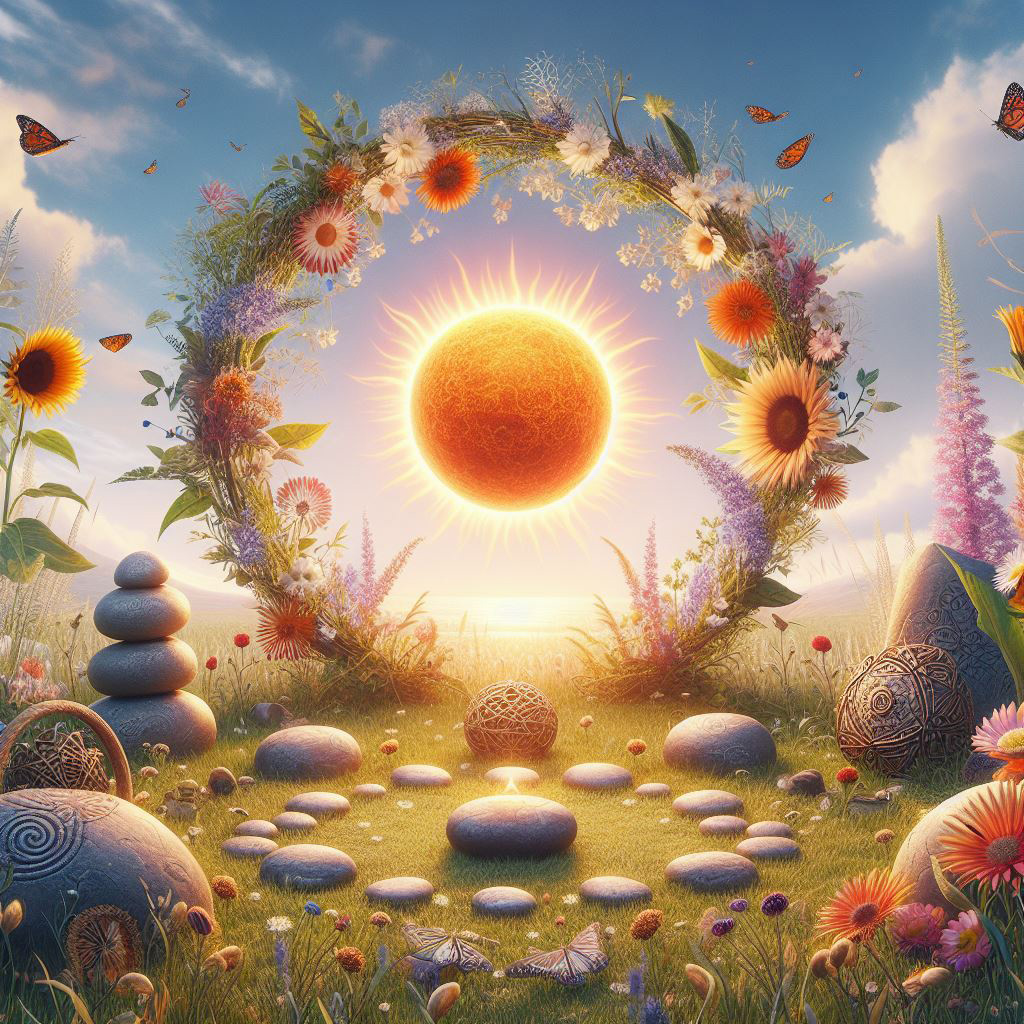
The summer solstice, also known as Midsummer or Litha, is a sacred and joyous time of the year when the sun reaches its highest point in the sky, resulting in the longest day and shortest night. This astronomical event holds deep significance in many cultures and spiritual traditions, symbolizing the peak of light, vitality, and abundance. In this article, we will explore the meaning of the term solstice, the origin of the word Litha, the history of the summer solstice, traditional customs, and rituals, as well as modern practices that honor this special time.

The Meaning of Solstice

The word “solstice” originates from the Latin words “sol” meaning “sun” and “sistere” meaning “to stand still.” It refers to the point in the Earth’s orbit around the sun when the sun reaches its highest or lowest point in the sky at noon, resulting in the longest or shortest day of the year. During the summer solstice, the sun appears to stand still for a moment before reversing its direction, marking the transition from longer days to shorter ones.

Midsummer, on the other hand, is a term used to describe the period around the summer solstice. It holds cultural and historical significance in many traditions and is celebrated as a time of abundance and fertility. Midsummer has been celebrated for centuries as a time of great power, when the forces of nature are at their peak. It is a time when the earth is alive with energy, and people rejoice in the beauty and vitality of the natural world.

The summer solstice and midsummer hold deep spiritual and symbolic meanings. They represent a time of illumination and growth, both externally and internally. The sun, at its zenith, symbolizes enlightenment, clarity, and the peak of life’s energy. It is a time to honor the power of the sun, to celebrate the abundance of nature, and to connect with the cycles of the Earth. Midsummer is seen as a time of transition, where we can reflect on our own inner light and the progress we have made on our personal journeys.

Whether you refer to it as the summer solstice or midsummer, this time of year is filled with significance and offers an opportunity for us to attune ourselves to the rhythms of nature, appreciate the beauty of the sun’s light, and connect with the vitality that surrounds us. It is a time to celebrate life, embrace the warmth of the sun, and find inspiration in the abundance of the natural world.

The Origin of the Word Litha

The word “Litha” is derived from Old English and is believed to have pagan origins. It specifically refers to the name given to the summer solstice celebration within the Wheel of the Year, a modern pagan tradition that honors the changing seasons. Litha has its roots in ancient Anglo-Saxon and Celtic cultures, where the solstice was seen as a significant moment of the year and marked the midpoint of summer.

The exact etymology of the word “Litha” is not entirely clear, as its origins have been lost to time. However, it is believed to have been influenced by Old Norse and Old English languages. In Old Norse, “Liða” meant “calm” or “gentle,” signifying the serene and warm nature of the summer season. In Old English, “litha” referred to the mild or gentle weather that characterized this time of year.

Litha, as a name for the summer solstice celebration, has been adopted by modern pagans and Wiccans to honor the midpoint of the year and the power of the sun during the longest day. It represents a time of abundance, growth, and vitality in nature. The word Litha evokes a sense of warmth, light, and the flourishing energy of the sun, encapsulating the essence of the summer solstice celebration.

As modern practitioners of earth-based spirituality and pagan traditions continue to celebrate the summer solstice, Litha serves as a term that embodies the ancient and mystical qualities of this significant celestial event. It is a word that holds the collective memories and meanings associated with the midsummer celebration, reminding us of the eternal connection between humanity and the natural world.

History of the Summer Solstice

The summer solstice has a rich history that spans cultures and civilizations throughout the ages. Known as Midsummer or Litha, this celestial event has been celebrated and revered by various societies across the globe. The solstice marks the longest day and shortest night of the year when the sun reaches its highest point in the sky and casts its rays directly over the Tropic of Cancer in the Northern Hemisphere.

Ancient Egypt and Rome

Ancient civilizations recognized the significance of the summer solstice and honored it with festivities and rituals. In ancient Egypt, the solstice coincided with the rising of the Nile River, which was crucial for agriculture and fertility. The Egyptians celebrated the solstice as a time of renewal and abundance, and it marked the beginning of the Egyptian New Year. Similarly, in ancient Rome, the festival of Vestalia was held during mid-June to honor the goddess Vesta, the protector of the hearth and home.

Celtic

In Celtic traditions, the summer solstice was called Midsummer, and it was a time of great celebration and reverence. The Celts believed that the power of the sun was at its peak during this time, and they celebrated with bonfires, feasting, and dancing. The solstice marked the transition from the waxing to the waning half of the year, symbolizing the turning of the wheel of the seasons and the cycle of life.

Litha, as a name for the summer solstice celebration, has its roots in ancient Anglo-Saxon and Celtic cultures. It is believed to have been a significant time for fertility rituals, as the energy of the sun was associated with abundance and growth in the natural world. The term Litha became popularized in modern pagan and Wiccan traditions, and it represents the celebration of the sun’s power and the abundance of nature during this pivotal moment of the year.

Throughout history, the summer solstice has been a time of honoring the sun, celebrating the bountiful harvests, and recognizing the cycles of life and nature. The customs and practices associated with the solstice may vary among different cultures and spiritual traditions, but the underlying theme of celebrating light, growth, and the warmth of the sun remains constant. Today, people from various backgrounds continue to gather at ancient sites, light bonfires, and partake in ceremonies to honor the summer solstice and its historical significance.

Traditional Customs and Rituals

Summer solstice and Litha are accompanied by a myriad of customs and rituals that have been observed for centuries. One of the most prominent traditions is the lighting of bonfires, which holds deep symbolism and significance. These bonfires represent the power and vitality of the sun and are believed to offer purification and protection. In ancient times, people would gather around the bonfires and participate in various rituals, such as leaping over the flames or driving their livestock through them. These acts were thought to bring fertility, prosperity, and ward off malevolent spirits.

Flowers and Herbs

Flowers and herbs also play a significant role in the summer solstice celebrations. Gathering and wearing these vibrant botanicals were common practices during this time. The vibrant colors and fragrant aromas of flowers symbolize the abundant energies of nature during the peak of summer. People would create floral wreaths and garlands to wear in their hair or decorate their homes and sacred spaces. Herbs, known for their healing properties and magical associations, were often collected, and used in rituals or hung in bundles to dry for future use.

Watching the Sun

Another traditional custom associated with the summer solstice is the practice of staying awake throughout the night, known as “watching the sun.” People would gather in sacred sites, such as stone circles or hilltops, to witness the sunrise and welcome the first rays of the new day. This act of vigilance and connection with nature was believed to bring blessings, spiritual insight, and a deep connection with the cycles of the Earth.

Water Rituals

Furthermore, water rituals have been observed during the summer solstice. This includes activities such as swimming in natural bodies of water, gathering dew from plants, or performing rituals near rivers and streams. Water, as a symbol of cleansing and rejuvenation, is an integral element in these practices. It is believed that by immersing oneself in water or collecting the dew, individuals can purify their spirits, promote healing, and attract abundance.

These customs and rituals associated with the summer solstice and Litha reflect the reverence and celebration of nature’s abundance, the power of the sun, and the vital energies of life. They provide a tangible connection to the cycles of the Earth and offer an opportunity for individuals to align themselves with the transformative energies of the season. Whether through bonfires, floral adornments, or engaging in water rituals, these traditional practices serve as a means of honoring the summer solstice and embracing the vibrant energies of nature.

Modern Practices

In modern times, the celebration of the summer solstice has evolved to incorporate a variety of practices that honor the significance of this celestial event. People from different backgrounds and spiritual beliefs engage in diverse activities to commemorate this special day and connect with the energy of the sun and nature.

Gatherings

Outdoor gatherings have become a popular way to celebrate the summer solstice. Friends, families, and communities come together in parks, gardens, or other natural settings to enjoy the warmth of the sun, share food and drinks, and engage in conversations and laughter. These gatherings often feature music and dance performances, creating a joyous and festive atmosphere that captures the spirit of the season.

Walks in Nature

Nature walks have also become a cherished activity during the summer solstice. Many individuals take the opportunity to explore the beauty of the natural world, whether it be through hiking in forests, strolling along the beach, or immersing themselves in the tranquil ambiance of a nearby park. This allows people to connect with the abundance of life and the rejuvenating energies of the season.

Meditation

Meditation practices have found their place in modern solstice celebrations as well. Many individuals choose to embrace the stillness and serenity of the summer solstice by finding a quiet space outdoors or in their homes. Through meditation, they seek to cultivate inner peace, reflect on personal growth, and align themselves with the transformative energies of the sun. This practice can bring about a sense of clarity, inspiration, and renewed purpose.

Nature Altars

Creating altars adorned with seasonal flowers and symbols of the sun is another modern practice that honors the summer solstice. These altars serve as a focal point for meditation, intention setting, and expressing gratitude. People may arrange flowers, light candles, and incorporate other meaningful objects that symbolize the vibrancy and power of the sun. It is a way to bring the energy of the solstice into their personal spaces and connect with the natural cycles.

Rituals during the summer solstice often reflect personal intentions and aspirations. Individuals may engage in rituals that involve setting goals and intentions for the remainder of the year or expressing gratitude for the blessings they have received thus far. These rituals provide an opportunity for self-reflection, personal growth, and a deeper connection with the cycles of nature.

In modern practices of the summer solstice, the emphasis is on embracing the warmth, light, and transformative energies of the sun. Whether through outdoor gatherings, nature walks, meditation, altar creations, or personal rituals, individuals have the freedom to celebrate the summer solstice in ways that resonate with their beliefs and intentions, while fostering a deeper connection with nature and the energies of the season.

Conclusion

The summer solstice and Litha are a time of vibrant energy and celebration, representing the height of light and the abundance of nature. As we gather to honor this significant moment in the annual cycle, we connect with the primal forces of the sun and the Earth, embracing the warmth and vitality that surrounds us. Whether through traditional customs or modern practices, the summer solstice invites us to appreciate the beauty of the natural world and to celebrate the power of light in our lives.