Posted on Leave a comment

The Day After Samhain

The Day After SamhainReading Time: 23 minutes
The Day After Samhain

Introduction

Embracing the Witch’s New Year

The day after Samhain, November 1st, is a time of profound spiritual significance for Pagans, Wiccans, and those who follow the Wheel of the Year. Known as the “Witch’s New Year,” this day serves as a bridge between the end of one cycle and the beginning of another, marking a time of reflection, renewal, and setting intentions for the path ahead. While Samhain is the grand finale of the Pagan year, a celebration that honors the thinning veil between the worlds and connects the living with the ancestors, November 1st is the first step into a new year of possibility, growth, and transformation.

In this article, we explore how November 1st is recognized within modern witchcraft and Pagan practices, its deep symbolism as the start of the new spiritual year, and how to honor this sacred time with rituals, reflections, and ceremonies.

The Witch’s New Year: Stepping into a Fresh Cycle

In many modern Pagan traditions, particularly Wicca, Samhain is seen as the final sabbat on the Wheel of the Year, marking the end of an annual cycle of growth, harvest, and spiritual work. Celebrated on October 31st, Samhain is a time for honoring the dead, reflecting on the harvest, and celebrating the final gathering of the year’s crops. However, with the passing of Samhain, the focus shifts from honoring the old to welcoming the new. November 1st is thus seen as the first day of the new cycle, a spiritual rebirth and renewal that is often called the “Witch’s New Year.”

This transition from one cycle to the next mirrors the earth’s own journey. As the northern hemisphere prepares to enter the cold and dark months of winter, the cycles of nature remind practitioners of the need for rest, introspection, and rejuvenation. The earth’s energy is beginning to withdraw into itself, just as leaves fall to nourish the soil and animals prepare for hibernation. Similarly, the Witch’s New Year provides a unique opportunity for people to turn inward, shed old patterns or beliefs that no longer serve their highest good, and plant the seeds for a fresh start that will eventually sprout in the coming spring.

The concept of a “new year” beginning at this point in the seasonal cycle is deeply rooted in the symbolism of Samhain. As the final harvest sabbat, Samhain celebrates the end of the season of light and growth. The day after, November 1st, transitions into the time of darkness and rest—a crucial phase for both the earth and the spirit. It is believed that during this time, the veil between the worlds of the living and the dead remains thin, but the focus begins to shift from active communing with spirits to inner reflection and setting new intentions. This shift in focus is not just about welcoming new possibilities, but also about taking the lessons learned from the past year and allowing them to inform and shape the path ahead.

November 1st is considered a day to “sweep the slate clean.” Practitioners take this time to metaphorically sweep away the debris of the past, letting go of emotional baggage, unhealthy habits, or anything that has proven to be a burden. This is also a time to pay attention to unresolved issues that have emerged throughout the year. Whether through quiet contemplation, journaling, or performing specific release rituals, practitioners aim to process these experiences, seeking closure and wisdom from what has transpired. Once these experiences are integrated and released, they make space for new beginnings, creating fertile soil for future growth.

Just as the earth lies fallow and dormant during the winter to prepare for the rebirth of spring, November 1st is a period of dormancy for the soul—a time to rest, recharge, and quietly nurture the dreams and goals that will eventually come to life. It is a spiritual resting period, one that offers the perfect opportunity for transformation and renewal. Practitioners often set intentions for the coming year on this day, infusing them with hope, excitement, and determination. These intentions are not only personal goals but spiritual commitments, such as self-improvement, deepening relationships with the divine, exploring new spiritual practices, or strengthening the connection to nature.

During the Witch’s New Year, there is a profound sense of “being in between”—neither here nor there, not fully tied to the past nor completely rooted in the future. This liminal quality is what makes November 1st so powerful, as it is a time when all possibilities are open, and anything is possible. The energies of this day are ripe for setting intentions that can blossom over time, especially as they align with the turning of the seasons. The liminality also makes it a particularly potent time for magick, divination, and personal rituals aimed at transformation.

Setting goals on the Witch’s New Year may involve creating vision boards, writing affirmations, and performing meditative journeys that envision a future of abundance, growth, and spiritual enlightenment. Some practitioners may write down their intentions for the new year and place them on their altars, where they remain as a constant reminder of the commitment made to personal and spiritual development. Others may take their intentions to nature, either burying them in the earth as a symbol of planting seeds or casting them into a body of water to flow freely and manifest.

Another aspect of stepping into this fresh cycle is recognizing the cyclical nature of time. November 1st is a time of rebirth, but it is also deeply connected to the death cycle represented by Samhain. The old must die for the new to be born, and this is true in the spiritual world as much as it is in the physical one. This cycle of death and rebirth is honored through rituals that acknowledge the past and its teachings, and it is this acknowledgment that makes the new beginnings of the Witch’s New Year possible. Just as the sun will eventually return to its height at the summer solstice, so will the seeds planted in the dark months emerge into the light, bearing fruit in their season.

In this way, November 1st is not just a day of new beginnings—it is a day of profound connection to the cycles of nature, the rhythms of the earth, and the continual turning of the Wheel of the Year. By honoring the past, releasing what no longer serves, and intentionally setting goals for the future, practitioners step into the fresh cycle with a sense of purpose, hope, and empowerment. This time of transition is sacred and transformative, offering each individual the chance to align their lives with the flow of natural energies and begin anew.

Honoring November 1st: Traditions and Symbolism

The day after Samhain is a day of balance and contemplation. It is a time to pause, integrate the wisdom of the past, and welcome the coming year with open arms. Here are some of the ways that Pagans and Wiccans honor this sacred transition:

Reflection and Self-Assessment

The day after Samhain is an ideal time to reflect on the past year’s journey. What challenges did you face? What victories did you achieve? Take time to acknowledge how much you have grown and how you have navigated life’s challenges. Many practitioners choose to journal their thoughts, reviewing both accomplishments and areas of struggle to gain clarity and set the foundation for growth in the new year. This self-reflection can help identify what lessons have been learned and what goals and intentions can be set for the coming cycle.

Ritual of Release and Renewal

Since November 1st is a day of new beginnings, it is an excellent time for a ritual of release and renewal. This ritual may involve writing down anything that you wish to let go of—negative habits, limiting beliefs, unresolved conflicts—on a piece of paper and then burning it as an act of release. Some may choose to perform this ritual outdoors, connecting with the elements of fire, air, earth, and water to purify their intentions and symbolize letting go of the past. The ashes of the paper may be scattered in nature as a way of returning them to the earth for transformation.

Setting Intentions for the New Year

Just as many cultures create New Year’s resolutions, the Witch’s New Year is a powerful time to set intentions, make wishes, and create vision boards for what you wish to manifest in the upcoming cycle. You can use a fresh journal dedicated to your goals for the new year, or you can write your intentions on parchment and place them on your altar. Spend time meditating on these intentions, visualizing them coming to fruition throughout the year, and invoking the energies that will support your journey.

Candle Lighting for New Beginnings

Lighting candles is a traditional way to honor both the darkness and the light within. On November 1st, many Pagans light white or gold candles to symbolize the birth of the new year and to invoke the energy of hope, growth, and renewal. Some may choose to meditate or perform rituals by the candlelight, focusing on the flame as a representation of their own inner light guiding them forward.

Rebirth and the Season of Darkness

November 1st marks the beginning of the darker half of the year—a season that invites practitioners to journey inward, to explore the depths of their souls, and to lay the groundwork for profound spiritual transformation. With the end of Samhain and the arrival of the Witch’s New Year, the world enters a time when days become shorter, nights grow longer, and the energy of the earth retreats into the stillness of winter. This shift in light and darkness is far more than a physical change; it is deeply symbolic of the inner journey that awaits and the sacred opportunities for growth and renewal that come with embracing the season of darkness.

In many Pagan and Wiccan traditions, the dark half of the year is viewed as a time for introspection and contemplation. Just as nature prepares for a period of rest and renewal, human life mirrors this rhythm. The darkness is not seen as something to fear or avoid; rather, it is honored as a powerful ally in the process of self-discovery and healing. It is within the darkness that the deepest mysteries lie, and by embracing the shadows within and without, practitioners find space to nurture, transform, and rediscover their inner light.

The season of darkness can be likened to the dormant period that seeds undergo when they are nestled deep within the earth. The seeds planted on November 1st, whether they are intentions for the future, spiritual goals, or personal aspirations, are buried within the fertile soil of the practitioner’s consciousness. Much like the unseen roots that begin to spread and grow underground during the winter, these spiritual seeds gestate, developing strength and potential until the time comes for them to break through the surface and reach toward the returning light of spring. This period of dormancy is essential; it allows time for reflection, development, and a deeper understanding of oneself, ultimately leading to a powerful rebirth when the light returns.

During this season, the natural world becomes a source of inspiration and guidance for the spiritual work that unfolds. The long nights and cool air encourage a slowing down, a turning inward, and a deepening of one’s relationship with the self and with the divine. Practitioners often align their activities with the energy of the season, focusing on practices that support self-care, personal transformation, and spiritual exploration. By embracing the stillness and quiet that come with the dark half of the year, they find the space to listen to their inner voice, process emotions, and seek wisdom from the cycles of life and death.

Some of the practices that become central during this time include:

  • Meditation and Contemplation: The season of darkness provides the perfect backdrop for meditative practices that foster inner peace and clarity. With the external world growing quieter, practitioners find it easier to enter deep states of meditation, allowing them to explore their thoughts, desires, and emotions. Whether through silent meditation, guided visualizations, or walking meditations in nature, this practice supports a deeper connection to the self and to the spiritual energies present during the darker months.
  • Shadow Work: Shadow work is a practice that involves exploring the hidden or “shadow” aspects of the self—those parts of the personality that are often repressed, denied, or misunderstood. Engaging in shadow work during the dark half of the year can be particularly powerful, as it aligns with the natural theme of introspection and transformation. By courageously delving into the shadow self, practitioners can confront unresolved issues, heal emotional wounds, and ultimately integrate all aspects of their being into a more balanced whole.
  • Dream Journaling and Exploration: As the nights grow longer, dreams become an important tool for spiritual growth and self-awareness. Many practitioners keep a dream journal during this time, recording their dreams each morning and reflecting on the symbols, themes, and emotions that arise. Because the veil between the worlds remains thin throughout this period, dreams can serve as a conduit for messages from the spirit world, offering guidance, wisdom, and insights that support personal and spiritual growth.
  • Divination and Scrying: The dark half of the year is ideal for divination and other methods of seeking spiritual insight. Whether through tarot cards, runes, pendulums, or scrying with mirrors, water, or crystals, practitioners use these tools to gain clarity on their path, seek direction for the new year, and connect with the wisdom of ancestors and spirit guides. The enhanced spiritual energy during this time can make divination particularly potent, revealing hidden truths and aiding in the process of setting intentions for the future.
  • Connecting with the Spirit World: While the energy of Samhain is most closely associated with communing with spirits, the connection to the spirit world continues throughout the dark half of the year. Practitioners may continue to honor their ancestors by keeping ancestor altars, lighting candles, or offering food and drink to those who have passed on. It is also a time to connect with spirit guides, deities associated with darkness or transformation, and any other spiritual beings that hold significance in one’s practice. This deepened connection to the spirit realm provides comfort, guidance, and support during the season of reflection.
  • Rituals for Releasing and Renewing: Just as the earth releases its leaves in autumn, November 1st and the weeks that follow are a time for letting go of what no longer serves one’s highest good. Practitioners may perform rituals that involve releasing old patterns, toxic habits, or outdated beliefs into a fire, burying them in the earth, or casting them into running water. These rituals are often paired with affirmations, intentions, or blessings for renewal and transformation, ensuring that space is created for the new to emerge.

The season of darkness is a time for honoring the cycles of life, death, and rebirth that flow through both nature and the human experience. It is a reminder that the quiet, restful period of winter is not a period of stagnation but one of preparation and gestation for future growth. Just as seeds cannot bloom until they are first buried and nourished underground, the soul must also find time to rest, release, and transform in order to emerge renewed. Embracing the darkness allows for an authentic experience of self-discovery, offering opportunities to build resilience, deepen one’s spiritual practice, and align with the ever-turning Wheel of the Year.

In recognizing the beauty and necessity of the dark half of the year, practitioners learn to find comfort in the shadows, understanding that it is from the stillness of winter that the vibrant life of spring will eventually be born. November 1st and the following season become a powerful period of transformation—a time to sow spiritual seeds, cultivate inner wisdom, and prepare for the bright, blossoming days ahead.

Connecting with the Ancestors and the Spirit World

While the night of Samhain is traditionally dedicated to communing with the spirits of ancestors and those who have passed beyond the veil, November 1st carries this energy forward, offering a day to continue honoring the departed and to thoughtfully integrate the messages and wisdom received. This day is seen as a continuation and deepening of the connection formed during Samhain, allowing practitioners to maintain their focus on the spirit world while shifting from active celebration to a more reflective and contemplative engagement. For many Pagans, the work of connecting with ancestors doesn’t simply end on Samhain night—it becomes an ongoing practice that sets the tone for the entire Witch’s New Year.

Creating an Ancestor Altar

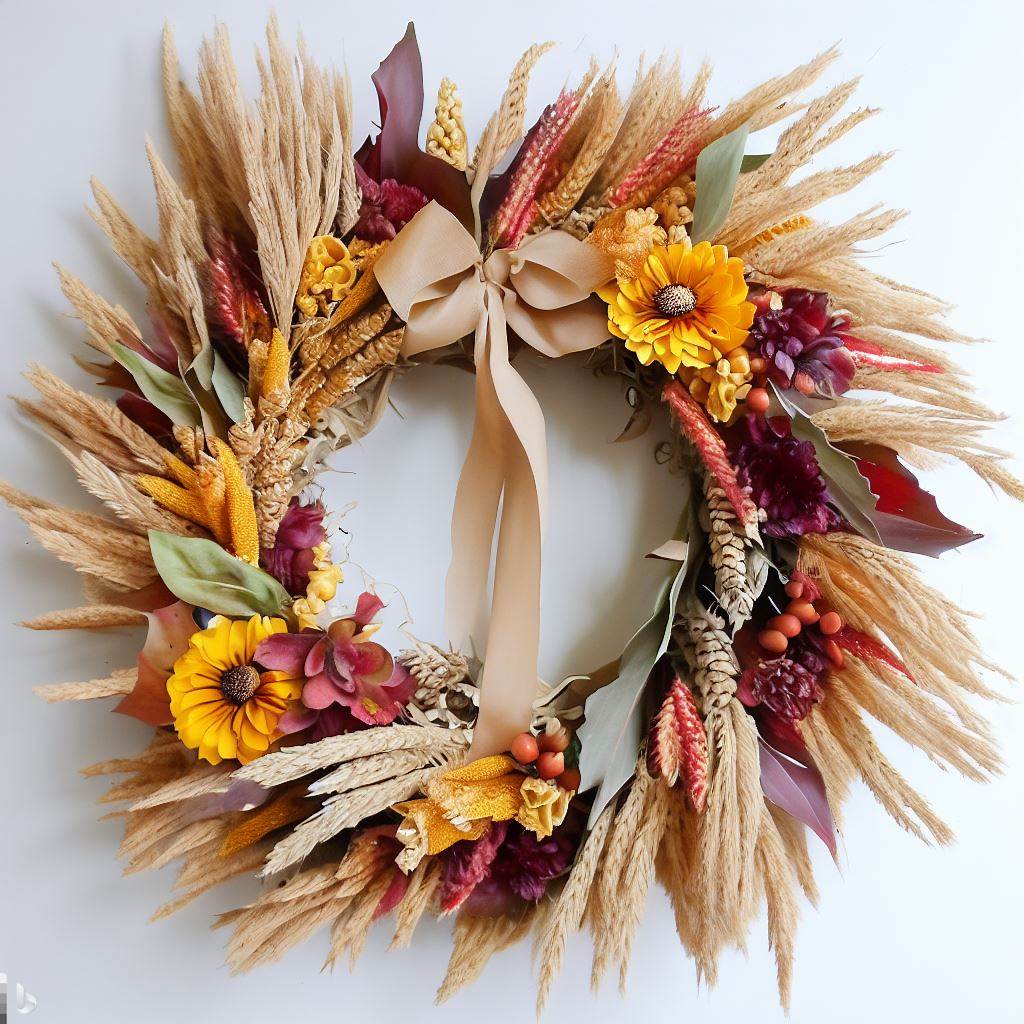
One of the most common practices on November 1st is the creation of a dedicated ancestor altar. This sacred space serves as a focal point for honoring those who have gone before, providing a tangible way to maintain a relationship with them. The altar can be as simple or as elaborate as desired, and it is often adorned with photos of loved ones, heirlooms, mementos, and other items that represent the lives and spirits of those being honored. Seasonal decorations like autumn leaves, pumpkins, dried flowers, and candles may also be added to represent the connection between the living and the dead, as well as the changing cycles of the earth.

Offerings play an important role on this altar. Food and drink are traditional, especially those items that were loved by the ancestors in life—whether it’s a slice of bread, a glass of wine, or a special dish that holds familial significance. Some practitioners choose to pour a small libation of wine or milk, leave a piece of fruit or bread, or even offer herbs like rosemary or lavender for remembrance and peace. It is not uncommon to leave a small candle burning on the altar throughout the day as a symbol of the everlasting light that connects the living to those who have passed.

Creating an ancestor altar provides a daily reminder of the ancestors’ presence and the continued relationship between the worlds. It offers a place of connection, not only for prayers and offerings but also for conversations, storytelling, and meditation. Through this altar, practitioners are able to honor their ancestors in a tangible way, fostering an ongoing relationship that extends beyond the time of Samhain and into the days, weeks, and months that follow.

Reflective Ancestor Work

While Samhain night is often seen as a festive celebration that actively welcomes spirits to join in the revelry, November 1st allows for a more reflective approach to ancestor work. This day is a time to sit in quiet contemplation, honoring the guidance and support received from the ancestors and acknowledging the lessons learned from them. It is an opportunity to offer gratitude for their enduring love and wisdom and to seek their continued blessings as the new year unfolds.

Ancestor work on November 1st may involve personal reflection on the qualities, strengths, and wisdom that have been passed down through familial lines. Practitioners may consider what aspects of their ancestry they wish to carry forward—whether it be resilience, creativity, compassion, or a certain skill or craft. This reflective practice allows one to consciously choose the positive traits they wish to embody while recognizing any patterns or cycles that need healing or transformation.

Some may also choose to write letters to their ancestors, expressing their thoughts, gratitude, and desires for the new year. These letters can be read aloud as part of a personal ritual, left on the ancestor altar as an offering, or burned as a way to symbolically send the messages to the spirit world. This practice creates a deeper sense of connection and allows for an open channel of communication that can continue to be nurtured throughout the coming months.

Prayer and Meditation for Ancestor Blessings

Another way to honor the ancestors on November 1st is through prayer and meditation. In these quiet moments, practitioners can send blessings to their ancestors, offer prayers for their peace and happiness in the spirit realm, and ask for their guidance as the new year begins. Some may choose to sit in meditation before the ancestor altar, visualizing the faces of their loved ones and opening their hearts to any messages or impressions that arise. Others may simply close their eyes and listen, allowing their intuition to guide them in feeling the presence and support of their ancestors.

Meditation on this day can also serve as a time to reflect on the cycle of life, death, and rebirth that Samhain represents. By connecting with the rhythms of the earth and the journey of the soul, practitioners are able to deepen their understanding of their own spiritual path and find a sense of peace in the natural transitions of life.

Divination and Seeking Guidance

The connection with ancestors and the spirit world is often enhanced on November 1st, as the veil between the worlds is still thin, making it an ideal time for divination. Many practitioners use tools like tarot cards, oracle cards, runes, pendulums, or scrying methods (such as crystal balls, water, or mirrors) to seek further guidance from their ancestors or to gain insight into the path that lies ahead in the new year.

Divination at this time may focus on receiving messages of wisdom and support from those who have passed, exploring what spiritual work is needed for personal growth, or seeking clarity on any intentions set during the Witch’s New Year. Some people specifically ask their ancestors to bless their divination practice, inviting their guidance to flow through the chosen tool to provide meaningful insights.

For those who wish to engage in group work, divination can also be done in the company of others who share in the same spiritual path. By drawing cards or casting runes together, the community can support each other in interpreting the messages and collectively honor the wisdom of the ancestors as it comes through.

Honoring the Spirits Beyond the Ancestors

While the focus of November 1st is often on honoring one’s direct lineage, this day also provides an opportunity to honor those spirits who are not related by blood but who have been important guides, mentors, or spiritual teachers in one’s life. This could include honoring cultural or historical figures who have inspired personal growth, spirits of the land or local area, or any spiritual beings that hold significance within one’s practice.

Offerings and rituals can be adapted to honor these non-ancestral spirits, asking for their continued support and guidance as the new year unfolds. By expanding the honoring beyond just one’s familial line, practitioners can recognize the interconnectedness of all beings and celebrate the many ways that spiritual support manifests in their lives.

Integration and Moving Forward

November 1st is ultimately a day of integrating the lessons of Samhain and carrying the wisdom of the ancestors forward into the new year. By maintaining this connection beyond the festival night, practitioners are able to continue working with the energies of transformation, reflection, and renewal. As they light candles, offer prayers, and engage in ancestor work, they cultivate a deeper sense of belonging—both to their familial lineage and to the larger web of life that connects the living, the dead, and all that lies between.

It is through these sacred acts of remembrance and honoring that practitioners create a bridge between the past and the future, recognizing that the journey of life is not only about moving forward but also about remembering where one has come from and embracing the wisdom that flows through every generation.

Celebrating the Turning of the Wheel: Festivals and Traditions

With the dawn of November 1st, the energy shifts from the festive and outward celebration of Samhain night to a more inward and reflective atmosphere. In many traditions, this day is marked by the first celebrations of the “Witch’s New Year,” focusing on gratitude, contemplation, and quiet celebration of the turning of the Wheel of the Year. This transition is often honored through feasts, rituals, and personal traditions that embody the themes of introspection, gratitude, and the gentle welcoming of the new cycle.

A Feast of Gratitude and Contemplation

One of the most common ways to celebrate November 1st is with a small feast. Unlike the lively revelry and gatherings of Samhain, this feast tends to be more subdued and meditative, a meal of thanks for the bounty of the earth and the harvest that has sustained life throughout the year. It’s a time to consciously savor the final fruits of the season and enjoy dishes made from apples, nuts, root vegetables, grains, and freshly baked bread. These foods serve as both nourishment and a symbol of the earth’s generosity, offering a tangible connection to the cyclical nature of growth, harvest, and dormancy.

This feast can be held alone, providing a quiet time for personal reflection, or shared with family and friends in a more intimate setting than the festivities of the previous night. During the meal, each participant might offer a word of thanks, reflect on their experiences of the past year, and speak aloud their intentions or hopes for the new one. Toasts to ancestors, spirit guides, or deities associated with Samhain are common, offering continued reverence for those who came before and whose wisdom and protection are sought as the new cycle begins.

In some traditions, a “dumb supper” is held—a silent meal shared in honor of the dead. This practice encourages mindfulness and reflection, allowing participants to focus on their connection to the spirit world and their relationship with their ancestors. A place may be set at the table for a departed loved one, symbolically inviting them to join in the feast. Alternatively, food and drink may be set aside as an offering, either left on the table or placed on an ancestor altar to honor and nourish the spirits.

Honoring the Final Harvest and the Earth’s Cycles

The foods served during this quiet feast are not only chosen for their seasonal significance but also for their symbolic meanings within the context of the harvest and the turning of the year. Apples are a classic fruit of the season and are often used to represent life, immortality, and the connection between the earthly and spiritual realms. Nuts symbolize the seeds of potential that lie dormant through the winter, ready to sprout when the earth awakens in spring. Root vegetables, such as carrots, beets, and potatoes, are representations of grounding energy and the earth’s ability to sustain life through the darker months.

Bread, a staple of the feast, holds great significance as a symbol of transformation. It represents the journey of grain from seed to loaf, reflecting the cycles of growth, death, and renewal that are honored during Samhain. The act of breaking and sharing bread becomes a sacred ritual in itself, a gesture of community and unity that acknowledges the connections between all beings and the cycles that bind them.

For those who practice a solitary path, the feast may be simplified to a single symbolic dish or a small offering of food and drink shared in honor of the ancestors and spirits. The focus is on mindful appreciation of the earth’s abundance and the opportunity to express gratitude for the blessings of the harvest, the lessons learned throughout the year, and the potential of the new cycle.

All Saints’ Day, All Hallows’ Day, and All Souls’ Day

The significance of November 1st also extends beyond Pagan traditions and into the observances of other cultures, most notably as All Saints’ Day or All Hallows’ Day in the Christian calendar. All Saints’ Day, which follows All Hallows’ Eve (now widely known as Halloween), is a day set aside to honor all saints, known and unknown, who have attained spiritual sanctity. This triad of celebrations, which includes All Souls’ Day on November 2nd, forms a time of remembrance and prayer for the dead, aligning with the Pagan themes of ancestor reverence and the acknowledgment of those who have passed into the spirit world.

In many cultures, All Saints’ Day and All Souls’ Day involve visiting the graves of loved ones, cleaning and decorating them with flowers, and leaving offerings of food, candles, or prayers. These practices reflect a deep reverence for the dead and a desire to maintain a relationship with those who have transitioned to the afterlife. Candles are often lit to guide the souls of the deceased, and family gatherings around gravesites become opportunities to share stories, memories, and reflections on the lives of the departed.

In Mexico and other parts of Latin America, these observances are part of the Día de los Muertos (Day of the Dead) celebrations, which span November 1st and 2nd. Altars (ofrendas) are created in homes and public spaces, filled with marigolds, candles, photos, food, and personal items that represent the lives of the ancestors. It is a joyful time of reunion with the dead, marked by music, feasting, and colorful displays that celebrate the lives and memories of loved ones.

A Time for Personal and Community Rituals

Whether rooted in Pagan, Christian, or other cultural traditions, November 1st is an auspicious time for rituals that honor the past and set intentions for the future. Beyond feasting and prayer, many practitioners engage in personal rituals that align with their spiritual beliefs and cultural customs. These might include:

  • Lighting Candles: Candles are lit to honor the ancestors, to remember those who have passed, and to bring light into the darker half of the year. Each flame is a symbol of memory, connection, and the continuation of the soul’s journey.
  • Creating an Ancestor Journal: Some choose to begin an ancestor journal on November 1st, dedicating a book to recording family stories, messages received in dreams or meditation, and reflections on the guidance provided by those who have passed. This journal becomes a sacred tool for deepening the relationship with the spirit world and documenting spiritual growth throughout the year.
  • Walking in Nature: A mindful walk through nature on this day can help align with the cycles of the earth and bring a sense of grounding. Gathering natural objects like leaves, acorns, pinecones, or stones can be incorporated into rituals, altar spaces, or simply kept as reminders of the connection to the earth’s energy.
  • Crafting Protective Talismans: As the season shifts toward the longer nights of winter, some practitioners craft protective charms or talismans for their homes or themselves. These may be made with herbs, crystals, or symbolic items and charged with intentions for protection, health, and well-being throughout the colder months.
  • Offering Thanks to the Spirits of the Land: As a way to honor the earth and its cycles, offerings may be left outdoors as a gesture of thanks to the spirits of the land. This could include burying food, pouring a libation, or leaving biodegradable tokens of appreciation for the local wildlife or natural elements.

November 1st thus serves as a time of continued connection to the spirit world, a day for grounding oneself in gratitude, and an opportunity to acknowledge the cycle of endings and new beginnings that Samhain represents. It is both a day of quiet reflection and a celebration of the ongoing journey of life, death, and renewal that we all share. By observing this day with reverence and intention, practitioners honor the turning of the Wheel of the Year, stepping forward into the darkness with trust in the light that will come again.

Quiet Reflection and Solitude

For many practitioners, the Witch’s New Year is a deeply personal and introspective time, best honored through quiet reflection and solitude. November 1st offers a sacred pause—a moment to step away from the external world and immerse oneself in a space of stillness, contemplation, and spiritual connection. This day, nestled within the transition from the vibrant celebrations of Samhain, holds the soft silence that allows for a deeper connection to both the self and the rhythms of nature.

Creating Sacred Space for Solitude

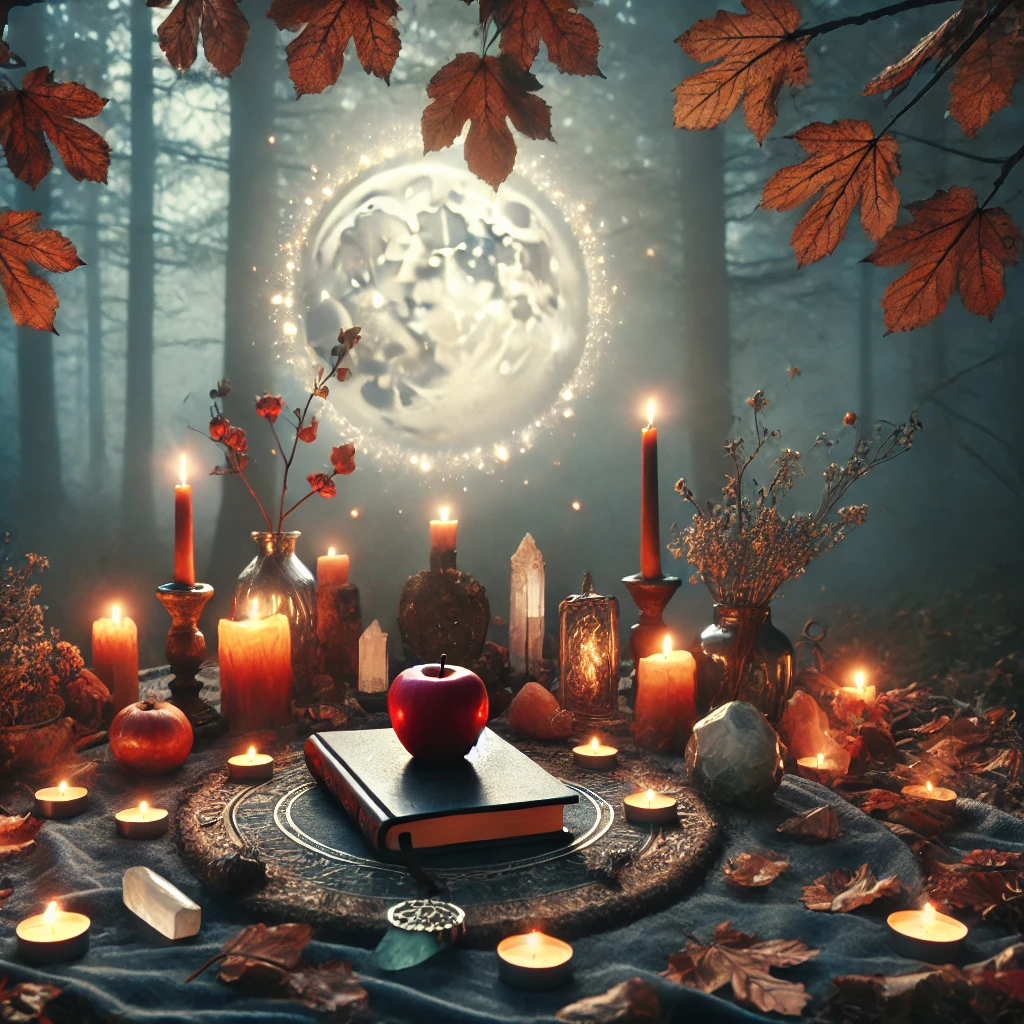
The act of setting aside intentional time for solitude on November 1st is a powerful practice. It is an opportunity to create a sanctuary—whether that be a corner of your home, a garden space, or a secluded spot in the woods—where you can quietly reflect and connect with your inner world. Begin by lighting a candle, burning incense, or surrounding yourself with items that bring you comfort and ground you in your spiritual practice. These may be seasonal items, such as autumn leaves, crystals, or images of ancestors, that help evoke the energies of the season and the intention of renewal.

A simple practice of sitting in stillness, with closed eyes or a soft gaze, can invite a deeper awareness of the energies around and within you. In this stillness, it becomes easier to listen to the whispers of the inner self, to hear what needs to be released, and to gain clarity on what seeds to plant for the year ahead.

Solitary Rituals of Reflection

The reflective energy of November 1st is enhanced by rituals that encourage self-awareness and inner transformation. Practitioners may choose to engage in meditation, journaling, or guided visualization exercises to explore their spiritual journey over the past year. Meditation can be a time to quiet the mind, observe the flow of thoughts and emotions, and connect to the deeper themes of life and death that are present during this time. As you sit in meditation, you might focus on the idea of letting go of what no longer serves you, allowing these thoughts and energies to dissolve like leaves drifting away on the wind.

Journaling is a beautiful way to express and record your reflections. Writing down your experiences, lessons learned, challenges faced, and achievements celebrated over the past year can provide insight into your growth and highlight areas for continued development. Setting aside time to journal on November 1st can be a ritual of its own, allowing you to release what needs to be released, celebrate your progress, and begin envisioning what you wish to cultivate in the coming year.

Another practice is guided visualization or self-led meditation that aligns with the themes of Samhain and the Witch’s New Year. You may imagine yourself walking through a dark forest, finding a clearing where the veil between worlds is thin, and having an opportunity to connect with your spirit guides, ancestors, or higher self. Such visualizations can bring a sense of peace and guidance, offering messages that inspire your spiritual path and help you navigate the season ahead.

Connection with Nature as a Spiritual Ally

Nature provides one of the most profound backdrops for quiet reflection and solitude, and spending time outdoors on November 1st can amplify the energies of the Witch’s New Year. The bare branches of trees, the scent of damp earth, and the cooling air all carry the whisper of transformation and remind us of the cycles of life that unfold without human intervention. Walking in nature—whether through a forest, along a beach, or simply in a quiet park—creates a space to breathe deeply and align with the world around you.

During a nature walk, you might collect items that symbolize the season, such as fallen leaves, acorns, or stones, as tokens to bring back to your altar or sacred space. These natural elements can serve as tangible reminders of your connection to the earth and the quiet wisdom of the seasons. Pay attention to the sounds of the wind, the calls of birds, or the rustling of leaves beneath your feet. Each sound and sensation can ground you more fully into the present moment and attune you to the rhythms of nature, offering a sense of belonging and alignment with the world.

Solitude as a Path to Inner Wisdom

Solitude is not simply about being alone; it is about creating a space to encounter your deepest self without distractions. This encounter can be both challenging and transformative, as it requires an honest look at what lies within—the joys, the sorrows, the hopes, and the fears. November 1st provides the perfect moment to engage with this deeper aspect of self, to listen to the voice of intuition, and to discover the truths that guide your path.

Some practitioners may choose to perform “shadow work” during this time—a practice that involves exploring the hidden or suppressed aspects of the self. Shadow work allows for the integration of all parts of oneself, bringing wholeness and healing. It may involve examining fears, resentments, or unresolved emotions that have lingered throughout the year. As you acknowledge and embrace these shadows, they transform from sources of pain into sources of wisdom and strength, lighting the way forward into the new year.

Solitary rituals of self-reflection also provide an opportunity for inner renewal. By consciously releasing old habits, thought patterns, or emotions that have held you back, you make room for new growth. You may wish to perform a simple ritual of releasing, where you write down what you wish to let go of on a piece of paper and then safely burn it in a candle flame, allowing the ashes to carry away the old energies.

Crafting Personal Intentions for the New Year

The quiet energy of November 1st makes it an ideal time to set intentions for the new cycle of the year. After reflecting on what you wish to release, focus on what you wish to manifest in the months ahead. Write down your intentions, dreams, and goals, and place them on your altar or in a special place where you can revisit them throughout the year. As you do so, visualize these intentions taking root, much like seeds planted in the dark soil, ready to germinate and grow as the light returns.

These intentions can encompass any area of life—spiritual growth, relationships, career, health, or creativity. The act of setting these intentions within the sacred space of the Witch’s New Year adds a layer of magic and empowerment to them, as you align your personal goals with the natural cycles of transformation and renewal.

Finding Stillness and Sacredness in Solitude

Solitude on November 1st is about finding the sacredness in stillness, in allowing yourself to be fully present with your thoughts, feelings, and connection to the earth. The act of sitting in silence, communing with nature, or simply being with your own breath can open up a space for profound inner transformation. It is a time to cherish the quiet moments, to find peace in the present, and to embrace the journey that lies ahead.

The Witch’s New Year invites you to honor the cycle of endings and beginnings, to let go of what has been and to step courageously into what will be. By taking this time for quiet reflection and solitude, you create a foundation of mindfulness and intention that will carry you through the darker months and beyond. As you embrace the silence, the darkness, and the solitude of this day, you allow yourself to become a vessel for transformation, ready to receive the blessings and growth that await in the new cycle.

Conclusion: Embracing the Magic of the Witch’s New Year

The day after Samhain, November 1st, is a sacred time to honor the journey you’ve walked, celebrate the lessons learned, and set intentions for the path ahead. As the Witch’s New Year, it marks a powerful transition into the season of darkness, inviting you to dive deep within and align with the rhythms of the earth and the spirit world. Whether through rituals, reflection, honoring ancestors, or simply lighting a candle to welcome the new year, this day offers an opportunity to embrace the magic of new beginnings, inviting transformation, renewal, and gratitude into your life. May the energy of the Witch’s New Year guide you with wisdom and light as you step into a new chapter of growth and spiritual discovery. Blessed be!

Posted on Leave a comment

Ritual: Pumpkin Carving for Wild Animals

Pumpkin Carving for Wild AnimalsReading Time: 5 minutes
Pumpkin Carving for Wild Animals

Introduction

A Samhain Honoring Ritual of Offering and Gratitude

Samhain marks the end of the harvest season and the beginning of the darker half of the year. It is a time when the veil between the physical and spiritual worlds is said to be at its thinnest, offering a sacred moment to honor ancestors, spirits, and the natural world. As we celebrate this turning of the wheel, we can also express gratitude to the earth and its creatures through rituals of offering. One beautiful way to do this is by carving a pumpkin, not for decoration, but as an offering to the wildlife in your area. This Samhain honoring ritual helps us give back to the natural world by providing sustenance to wild animals during the colder months ahead.

Ritual Basics

Before beginning any ritual, it is important to prepare yourself mentally and physically. You may want to take a cleansing bath, or shower, and meditate or perform some grounding exercises to center yourself. Gather any materials you will need, such as candles, incense, and offerings for the forest spirits.

You can read a more detailed Ritual Preparation guide here.

About Pumpkin Carving for Wild Animals

The ritual of carving pumpkins during Samhain traditionally symbolizes protection and honoring the spirits. By carving a pumpkin to feed wild animals, we offer our gratitude to the earth’s creatures, acknowledging the interconnectedness of life. This ritual brings a mindful and sustainable approach to pumpkin carving, transforming it from simple seasonal décor to an act of kindness and reverence for nature. The pumpkin, a symbol of the harvest, becomes not only a gift to the wildlife around us but also a living altar of gratitude and respect.

Offering pumpkins as food is an ancient practice that can be seen as a reflection of the balance between giving and receiving. As we receive the earth’s bounty, we also give back, ensuring that other creatures benefit from the harvest. Carving a pumpkin for wild animals is best done during Samhain or the days leading up to it, as the pumpkins will be ready for the animals to enjoy before the freezing weather fully sets in. This ritual is perfect for solitary practitioners, families, or groups who wish to honor nature and provide a meaningful offering during this sacred time.

Carving Pumpkin Carving for Wild Animals
Print Ritual
No ratings yet

Ritual: Carving a Pumpkin for Wild Animals

A Samhain ritual of gratitude and offering, where a carved pumpkin becomes a nourishing gift for wildlife.
Prep Time20 minutes
Ritual Time45 minutes
Total Time1 hour 5 minutes
Ritual Type: Samhain
Type: Rituals
Author: Theo, Witch
Cost: Minimal

Tools

  • 1 Carving knife (required) A tool to carve the pumpkin safely
  • 1 Large spoon (optional) To scoop out seeds and pulp
  • 1 Outdoor-friendly bowl (optional) For collecting seeds and leftovers for animals or composting
  • 1 Small candle or tealight (optional) For placing inside the carved pumpkin to honor the spirits

Supplies

  • 1 Large Pumpkin (required The larger the better to provide more food for wildlife
  • 1 Handful Seeds or nuts optional To add inside the pumpkin as extra treats for the animals
  • 1 Bundle Natural decorations optional Leaves, twigs, or other natural items to place around the pumpkin for aesthetic or ritualistic purposes

Instructions

Step 1: Choosing and Preparing the Pumpkin

  • Begin by selecting a large, fresh pumpkin. This will act as both the main offering to the animals and the vessel for the ritual.
  • Clean the pumpkin, if necessary, then gather your carving tools. Sit quietly for a moment, offering a silent intention of gratitude for the harvest and the abundance of nature. Acknowledge the pumpkin as a gift from the earth.
  • Place the pumpkin in an outdoor space where it will remain undisturbed by humans but accessible to animals. A garden, clearing, or edge of a forest works well.

Step 2: Carving the Pumpkin

  • Begin carving the pumpkin, creating simple, open designs like large holes or shapes that allow wildlife easy access to the pumpkin’s interior.
  • As you carve, speak or think of your intentions: to give back to the earth, honor the wild creatures, and express gratitude for the cycle of life and death during Samhain.
  • Gently scoop out the seeds and pulp, placing them aside in a bowl. If you like, you can scatter them around the area as an additional food offering for birds or small animals. Alternatively, reserve the seeds for composting or roasting for yourself, maintaining the cycle of balance and sustainability.

Step 3: Filling and Blessing the Pumpkin

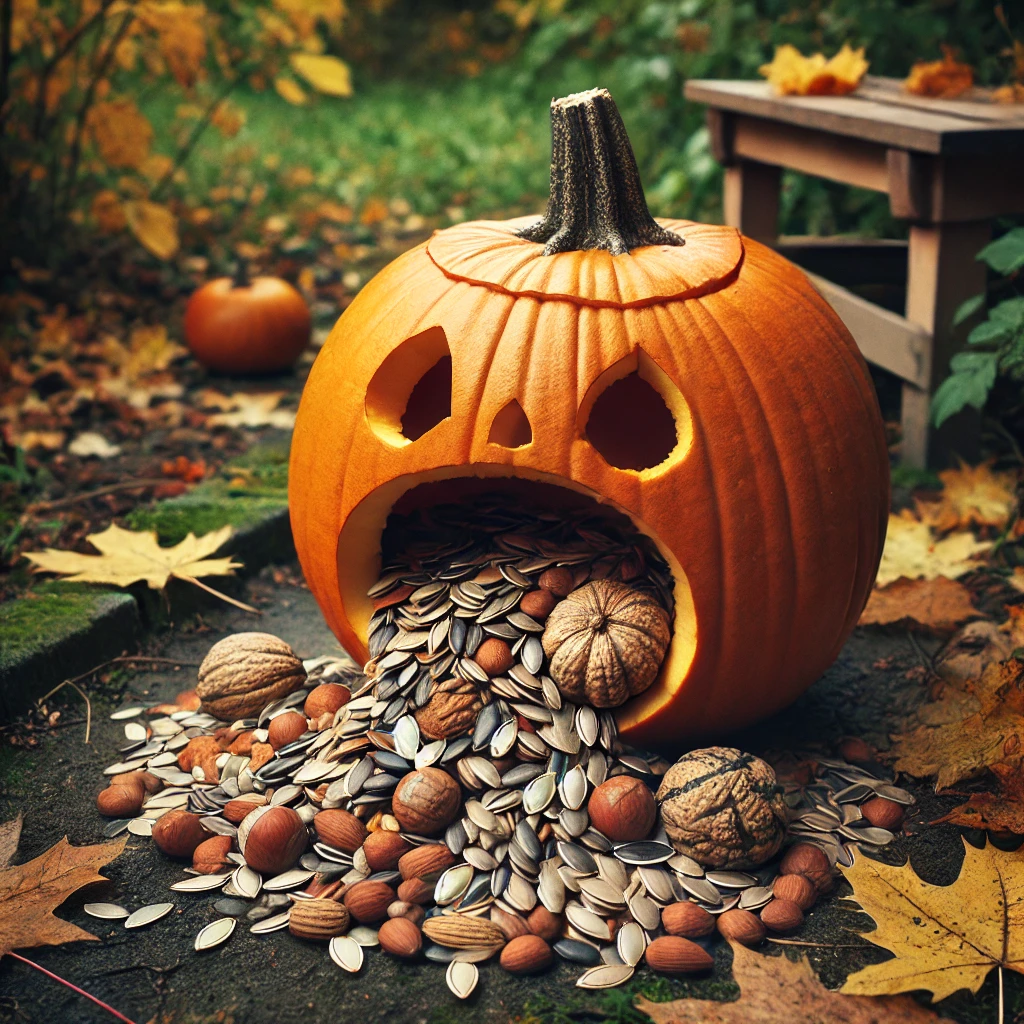
  • Once your pumpkin is carved, fill it with a small handful of nuts, seeds, or other foods that are safe for wild animals, if you wish. These may include sunflower seeds, unsalted peanuts, or dried fruit, depending on what local wildlife will enjoy.
  • Place a small tealight or candle inside the pumpkin, lighting it as a symbol of warmth, protection, and connection to the spirits. Speak a blessing for the animals who will find nourishment from the offering, such as:
  • "As the wheel turns, I offer this gift to the creatures of the earth,
    In gratitude for the abundance shared with all beings.
    May they find sustenance and shelter in this time of darkness,
    As we honor the balance of life and death,
    Blessed be the wild ones, and blessed be the harvest."
  • After lighting the candle (optional), take a moment of quiet reflection, connecting to the energies of Samhain, the earth, and the wildlife around you. Feel the presence of the spirits, ancestors, and nature’s creatures as you honor their roles in the cycle of life.
  • If you used a candle, blow it out and remove it before moving the pumpkin to a new space.

Step 4: Offering and Placement

  • Once your blessing is complete, place the carved pumpkin in an area where animals can easily access it. Choose a spot that is protected from too much human activity, such as near the edge of a garden, by a wooded path, or at the base of a tree.
  • Leave the pumpkin as an offering to nature. Over time, animals will come to eat the pumpkin’s flesh and seeds, returning your gift with their presence.
  • If you are in an area with scavengers or nocturnal animals, check on the pumpkin the next day to see which creatures have enjoyed your offering.

Step 5: Closing the Ritual

  • When you have finished the ritual, take a final moment to ground yourself and thank the earth for its gifts.
  • Leave your offering behind, knowing that you have honored both the season and the creatures who share the land with you.

Notes

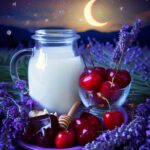
Moon Milk Lavender and CherriesMoon milk is believed to have magical properties that promote relaxation, sleep, and spiritual connection. Lavender is a powerful herb that is often used in spells and rituals to promote tranquility, purification, and harmony. It is said to help calm the mind, soothe anxiety, and facilitate communication with the spiritual realm. Cherries, on the other hand, are associated with abundance, prosperity, and love. By combining these two ingredients in moon milk, we can create a potent brew that promotes restful sleep, deep relaxation, and a profound sense of spiritual connection.
As you sip on your moon milk and gaze up at the moon, take a moment to reflect on the magic and mystery of the universe. Whether you are working with the moon to manifest your desires, to connect with your intuition, or simply to enjoy a peaceful moment of reflection, remember that the power of the moon is always with you, waiting to be harnessed and celebrated.
*Calories Calculated with 2% Dairy Milk, Different bases will change the values.

© The Equinox Apothecary 2024 – Permission is granted to copy and reproduce this Ritual with attribution

Conclusion

Carving a pumpkin for wild animals as part of a Samhain honoring ritual allows you to connect deeply with nature and the spirit of the season. By giving back to the earth’s creatures, you acknowledge the cyclical nature of life, death, and rebirth. This simple yet profound act of kindness and reverence serves as both a magical offering and a practical gift to the wildlife that inhabits the natural world. As you offer nourishment to the animals, you become part of the sacred dance of Samhain, honoring the balance between the seen and unseen worlds. Through this ritual, may you cultivate gratitude, connection, and a deeper sense of harmony with the wild.

Posted on Leave a comment

Myths & Lore: The Goddess and the Horned God

The Goddess and the Horned GodReading Time: 16 minutes
The Goddess and the Horned God

Introduction

The Eternal Dance of Death and Rebirth

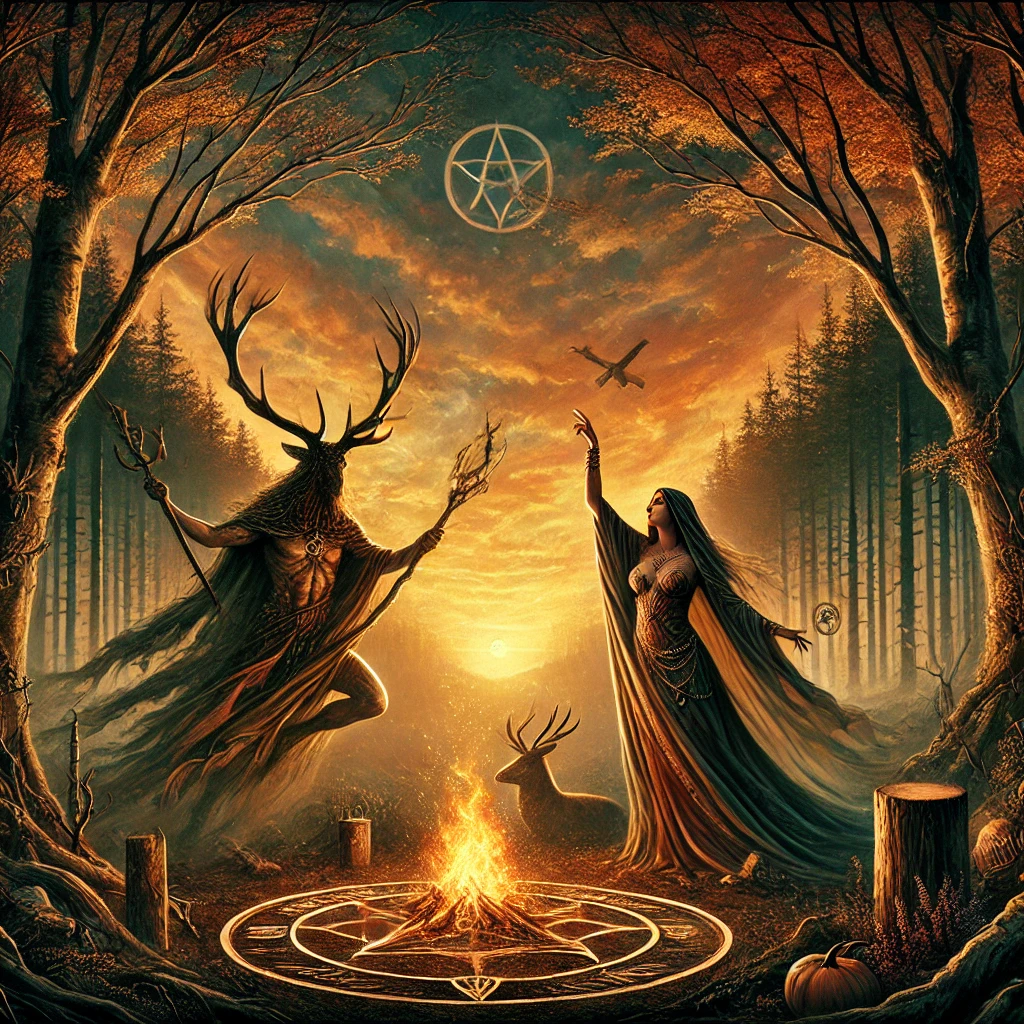
In Wiccan and neo-Pagan traditions, the festival of Samhain holds profound significance, marking the end of the harvest season and the beginning of winter’s dark descent. It is a time when the veil between the worlds of the living and the dead is at its thinnest, making it an ideal occasion to honor the cycles of life, death, and rebirth. Central to these traditions is the myth of the Goddess and the Horned God—a sacred story that reflects the natural rhythms of the earth and the eternal dance between death and renewal. During Samhain, this myth serves as a powerful reminder that death is not the end but a necessary part of existence, making way for rebirth and new beginnings.

The Death of the Horned God

As the festival of Samhain approaches, the cycle of the year draws to a close, and the Horned God—the embodiment of nature’s life force and wild vitality—prepares for his sacred sacrifice. The Horned God holds a central role in Wiccan and neo-Pagan traditions, where he represents the ever-changing seasons, the wildness of nature, and the energy that drives growth and fertility in the natural world. Throughout the year, in his role as the Green Man and the God of the Harvest, the Horned God has presided over the abundance of the earth, nurturing the fields, forests, and all living beings with his strength and energy. Under his care, the land has flourished, yielding crops, supporting the creatures of the wild, and sustaining the rhythm of life through the spring and summer.

Yet, as the wheel of the year turns toward Samhain, a shift begins. The vibrancy of the natural world fades as the season of harvest draws to a close. The leaves fall from the trees, the crops are gathered, and the animals retreat, storing food and conserving energy to survive the barren winter ahead. The warmth of summer gives way to the cold, and the Horned God, having fulfilled his role as the life-giver, prepares to die. His time as the provider has come to an end, and now he must relinquish his life, allowing the earth to enter its resting phase.

In Wiccan tradition, the death of the Horned God is not a tragedy or a loss to be mourned; rather, it is an act of profound purpose and sacrifice. The Horned God’s death is a necessary part of the cycle of life, death, and rebirth. Just as the crops must be harvested and the fields cleared to prepare for the next growing season, so too must the Horned God offer himself, giving his life force back to the earth so that life can flourish once again in the future. His death is not a final end, but part of the eternal cycle that sustains the natural world. As the God of the Wild and the Harvest, he understands that sacrifice is required to maintain balance, and he willingly offers himself, knowing that from his death will come the promise of renewal.

The Horned God’s death occurs at Samhain, the most liminal time of the year, when the veil between the worlds of the living and the dead is at its thinnest. His descent into the underworld marks the transition into the dark half of the year, when the earth lies dormant, and life slows to a near standstill. Yet, his death also holds the seed of his rebirth. Much like the sun, which sets each night only to rise again in the morning, the Horned God will not remain in the underworld forever. His spirit will rest, gathering strength, and at Yule—the Winter Solstice—he will rise once more. The Winter Solstice marks the rebirth of the sun, when the longest night gives way to the return of light. On this sacred night, the Horned God will be reborn, and his energy will return to the earth, preparing it for the eventual renewal of spring.

The symbolism of the Horned God’s death is central to Samhain rituals, where his sacrifice is honored and celebrated. Often, this is represented through the lighting of fires or candles—flames that symbolize both the extinguishing of life and the spark of new beginnings. As the fires burn, they remind practitioners that death is not an end but a necessary part of the cycle of existence. Through the act of lighting a fire, participants reflect on the transformative power of endings and the importance of sacrifice in making way for the new. The Horned God’s death becomes a metaphor for the changes we all face in our lives—the letting go of what is no longer needed, the acceptance of transition, and the trust that from these endings, something new and vital will emerge.

Samhain is a time to confront the personal sacrifices we have made throughout the year. Practitioners may use this time to reflect on the challenges, losses, or transitions they have experienced, acknowledging the necessity of releasing what no longer serves them. This might include letting go of old habits, emotional burdens, or aspects of their lives that have run their course. The Horned God’s death becomes a powerful symbol of this process, reminding us that while endings can be difficult, they are also the gateway to renewal and transformation.

In many Samhain rituals, practitioners will symbolically honor the Horned God’s sacrifice by offering personal items or written reflections into the fire. These offerings represent what they are willing to release, allowing the flames to carry away the old and make space for the new. Just as the Horned God gives his life to ensure the continued vitality of the earth, participants offer up their own sacrifices, trusting that the cycle of life will bring them new growth and opportunities in time.

This deep connection between the Horned God’s death and the turning of the seasons reflects a profound spiritual truth that resonates throughout Wiccan and Pagan traditions: life, death, and rebirth are not separate events but interwoven stages of an eternal cycle. The Horned God’s journey through death and rebirth serves as a reminder that nothing is ever truly lost. As the earth enters its period of dormancy, we are called to honor the rhythms of nature, trusting that even in the darkest moments, the light of renewal is always on the horizon.

The Goddess as the Crone

As the Horned God descends into the underworld at Samhain, the Goddess shifts into her most ancient and powerful aspect—that of the Crone. In Wiccan tradition, the Goddess is the eternal force that embodies all stages of life: she is the Maiden, symbolizing youth and new beginnings; the Mother, representing fertility, growth, and nurturing; and the Crone, the wise and knowing figure who presides over death, endings, and transformation. At Samhain, the Goddess fully embraces her Crone aspect, embodying the deep wisdom that comes with age and the acceptance of life’s natural cycles.

In her role as the Crone, the Goddess is not diminished or weakened by the passage of time; rather, she is at the height of her spiritual and mystical power. She carries within her the accumulated knowledge of all her past experiences as Maiden and Mother, and she understands the sacred dance of life, death, and rebirth. Samhain is the time when her wisdom is most needed, as it marks the turning point between the seasons of growth and the long, dark descent into winter. As the Crone, the Goddess offers her profound understanding of the cycles of nature, and she helps to guide her followers through the inevitable transitions they must face in their own lives.

At Samhain, the Crone mourns the passing of the Horned God, recognizing the depth of his sacrifice as he relinquishes his life force to the earth. Yet her mourning is not one of grief or despair; rather, it is a quiet, reverent acknowledgment of the necessary role that death plays in the continuation of life. She mourns with wisdom, knowing that the Horned God’s death is part of the sacred cycle that ensures the earth will be reborn in time. Through her connection to the natural world, the Crone sees the broader picture—she knows that death is not the end, but a transition, an essential part of the eternal dance of life. This acceptance of death as part of life is a central theme of Samhain, and the Crone’s wisdom helps practitioners navigate their own understanding of loss, change, and renewal.

As the goddess of both life and death, the Crone oversees this sacred transition, guiding souls through the underworld and preparing the earth for the eventual rebirth that will occur at Yule, when the sun returns and the Horned God is reborn. She is the guardian of those who pass into the next life, holding the mysteries of the afterlife within her, and she helps facilitate the transformation that follows death. This dual role—overseeing both death and rebirth—gives the Crone her power and makes her an essential figure during Samhain. She is the keeper of ancient wisdom, the one who understands that without death, there can be no new life, and that endings always carry the seed of a new beginning.

The Crone’s wisdom is not just theoretical; it is deeply practical and applicable to the lives of those who honor her. She teaches that life is a series of cycles, each with its own rhythm, and that resisting change is to resist the very flow of existence. The Crone’s lessons are about embracing transformation, even when it is difficult or painful. She reminds us that death—whether it be the literal death of a loved one, the end of a relationship, or the closure of a chapter in our lives—is not something to be feared, but something to be faced with courage and acceptance. Her guidance is invaluable as we confront our own personal transformations, helping us to release what no longer serves us and prepare for the rebirth that will inevitably come.

In Samhain rituals, the Goddess as the Crone is honored for her role as the bringer of wisdom and the guardian of the dead. Practitioners may invoke her presence to help them navigate their own personal transitions, asking for her strength as they confront the challenges of letting go. These rituals often involve offerings made to the Crone—small gifts such as food, herbs, or written reflections—placed on altars or left in nature to honor her wisdom and her connection to the cycles of life. Some may also offer prayers or meditations, seeking her guidance in embracing the changes they are facing and finding the wisdom to move forward with grace.

The Crone’s energy during Samhain is particularly powerful for those who are undergoing periods of transformation or who are mourning a loss. She offers the strength to face the darkness, knowing that within that darkness lies the potential for new growth. Her presence reassures practitioners that while endings are inevitable, they are not to be feared, for they are always followed by renewal. She encourages us to trust in the cycle of life and to embrace the changes we must undergo in order to grow.

In Wiccan tradition, the Crone is not merely a symbol of old age or death; she is the embodiment of the deeper wisdom that can only come through experience. She teaches that all things must come to an end, but that each ending is part of a larger, continuous cycle. Her power lies in her ability to hold space for both life and death, for both joy and sorrow, and to help us navigate the spaces in between. As the keeper of secrets and the guide through the mysteries of life and death, the Crone reminds us that nothing in this world is permanent, but that through embracing change, we can find strength, wisdom, and peace.

Through her role at Samhain, the Crone teaches us the most fundamental lessons of life: that death is not to be feared, that endings are natural, and that from the darkness of winter, the light of renewal will always emerge. The Goddess, in her Crone aspect, stands as a reminder that we too are part of this eternal cycle, and that by accepting our place within it, we can find the wisdom to navigate the challenges of life with grace and understanding. Her presence during Samhain encourages us to honor the past, release what no longer serves us, and trust in the promise of rebirth, just as she oversees the passage of the Horned God and the turning of the wheel of the year.

The Eternal Dance of Death and Rebirth

In Wiccan and neo-Pagan traditions, the relationship between the Goddess and the Horned God encapsulates the cyclical nature of existence—the eternal dance of life, death, and rebirth. They are not separate forces but complementary aspects of the same universal process, bound together in an unbreakable unity. Together, they embody the rhythms that govern not only the natural world but also the spiritual journey of every individual. This dance is at the heart of Samhain, when the Horned God dies, only to be reborn at Yule, and the Goddess, in her aspect as the Crone, ensures that this cycle is upheld, guiding the transition with wisdom and reverence.

The Horned God’s death at Samhain is not a final goodbye but rather a passage into the underworld, where his spirit rests and regenerates, gathering strength for his inevitable rebirth at Yule, the Winter Solstice. His journey mirrors the seasonal changes that we witness each year—the earth’s retreat into stillness during winter, only to emerge full of life with the arrival of spring. The Goddess, embodying both life and death, watches over this process, ensuring that the balance between these forces is maintained. As the crone, she knows that death is an essential part of the cycle, a phase that nourishes the ground for new life to take root and flourish.

This eternal dance between the Goddess and the Horned God is reflected everywhere in nature. The seasons follow a predictable yet awe-inspiring cycle of growth, decay, and renewal. The vibrant bloom of summer gives way to autumn’s quiet surrender, as trees shed their leaves and the landscape retreats into itself. The earth, once bursting with life, now rests beneath the cold of winter, seemingly barren. Yet, within this stillness, life is simply waiting, gathering strength in the same way that the Horned God’s spirit regenerates in the underworld. Just as the Horned God will rise again at Yule, so too will the sun return after the longest night of the year, slowly warming the land and awakening new growth. This rhythm reminds us that death is not the end, but a transition—a necessary passage that gives way to new beginnings.

In Wiccan belief, this truth is reflected in every corner of the natural world. The decaying leaves of autumn, which return to the soil, nourish the earth, creating fertile ground for the rebirth of life in the spring. The hibernating animals, who retreat into sleep during the harsh winter months, emerge renewed and energized when the warmer days return. Even the ebb and flow of the tides, the phases of the moon, and the growth cycles of plants follow this same pattern of death and renewal. Nature’s inherent cycles are constant reminders that death is not to be feared but embraced as a part of life’s larger journey.

Samhain, as the festival marking the end of the harvest and the beginning of winter, is the sacred time when this eternal dance is most apparent. It is a moment to honor the death of the Horned God and reflect on the cycles of nature and our own lives. In Samhain rituals, this dance between death and rebirth is often enacted through symbolic acts of release and renewal. Practitioners may write down old habits, relationships, or patterns that no longer serve them and symbolically release them through fire, water, or other ritual acts. This mirrors the Horned God’s sacrifice, allowing the practitioner to let go of what is no longer needed, clearing the way for personal transformation and new growth. These rituals are not merely acts of mourning or loss but are filled with the promise of renewal, just as the Horned God’s death nourishes the earth for the next cycle of life.

In these rituals, the energy of the Horned God’s death is not mournful; it is celebratory, filled with understanding that his passing is necessary for life to continue. The fire that symbolizes his death is also the spark of his eventual return. Practitioners embrace this cycle, recognizing that their own lives reflect the same rhythm. Just as nature must shed what is no longer useful—be it leaves, old growth, or dying energy—so too must we release the things that weigh us down. Whether it is a limiting belief, an outdated way of living, or even a relationship that has run its course, these personal sacrifices are made in the understanding that they pave the way for renewal, growth, and greater clarity in the future.

The Goddess, in her Crone aspect, is an integral part of these rituals. She oversees this period of transformation, guiding the Horned God’s passage into the underworld and tending to the cycles of life and death. Her wisdom reminds us that even in the darkest times, when all seems lost, the potential for new life is always present. She holds the knowledge that from every ending comes a new beginning, and she offers her guidance to those who seek to embrace the changes in their own lives. Practitioners often call upon her to provide the strength and wisdom needed to let go of the past and prepare for the rebirth that is to come.

In this way, the rituals of Samhain are both deeply personal and cosmic. They reflect the individual’s journey through transformation—the release of old patterns, the mourning of losses, and the acceptance of change—but they also mirror the larger, universal cycles of existence. The Horned God and the Goddess show us that life, death, and rebirth are not isolated events but part of a continuous process that sustains the natural world. Through their sacred dance, we are reminded that change is inevitable, that death is not the end, and that every moment of darkness carries within it the seed of new beginnings.

Ultimately, the eternal dance of the Goddess and the Horned God offers a powerful spiritual lesson: that the cycles of life and death are not something to be feared, but to be embraced with reverence and understanding. Their story teaches us that, just as the seasons turn, so too must we let go of the old in order to make room for the new. The Horned God’s death and eventual rebirth at Yule are reflections of the constant renewal that takes place within and around us, and the Goddess, in her infinite wisdom, ensures that this cycle continues unbroken. Through their eternal dance, we learn to trust in the rhythms of life, death, and rebirth, knowing that each ending is simply the beginning of something new.

Embracing the Cycle

The myth of the Goddess and the Horned God offers a profound spiritual lesson that challenges modern society’s often fearful view of death. In many contemporary cultures, death is perceived as the ultimate end—something to be delayed, feared, or avoided. It is shrouded in mystery and grief, with little recognition of the larger cycle it belongs to. However, in Wiccan and neo-Pagan traditions, death is not an ending but a necessary part of life’s continual flow. The death of the Horned God at Samhain serves as a reminder that endings, while inevitable, are not final. They are merely transitions, essential steps within the greater process of rebirth and renewal.

The Horned God’s sacrifice, in which he willingly gives his life for the good of the earth and the continued vitality of the natural world, embodies this spiritual truth. His death is not an act of despair, but of deep purpose and understanding. He knows that by giving himself to the earth, he is nourishing the land, ensuring the return of life in the future. The Goddess, in her Crone aspect, mourns him with reverence, but she does so with the wisdom that this is how the cycle must unfold. The Horned God’s death is not the end of his story—he will rise again at Yule, reborn with the returning light of the sun, just as spring will eventually come to the cold, dark earth. His journey reflects the eternal truth that life and death are intimately connected, two parts of the same natural cycle.

This understanding of death as a gateway to rebirth is central to Wiccan belief and practice. Samhain, as the festival that marks the end of the harvest season and the beginning of winter, provides a time to confront this truth directly. It is a time for honoring those who have passed and reflecting on the sacrifices that have been made—both in the natural world and in our own lives. Just as the Horned God gives his life for the earth, we too experience cycles of letting go, of death in its many forms. Whether it’s the loss of loved ones, the end of relationships, or the closing of personal chapters, Samhain invites us to embrace these endings, knowing that they are part of the process that leads to new beginnings.

In Wiccan rituals, death is honored not as something to be feared, but as something to be understood and accepted. The act of releasing what no longer serves—be it emotional baggage, unhealthy habits, or outdated ways of thinking—mirrors the Horned God’s sacrifice. These acts of release prepare the way for personal transformation, just as his death prepares the earth for its eventual rebirth. Practitioners often use divination, meditation, and ritual to gain insight into the transitions they are facing, seeking guidance from the Goddess and the spirits of the dead. They align themselves with the natural cycles of life, death, and rebirth, trusting in the wisdom of the universe to carry them through periods of darkness and uncertainty.

Divination practices during Samhain, such as scrying, tarot readings, or rune casting, are often used to gain clarity about the path ahead. Just as the veil between the worlds is thin, making it easier to connect with ancestors and spirit guides, this time also allows for deep introspection. Practitioners look to the symbols and messages they receive during Samhain for guidance on how to navigate their own transformations. What do they need to release? What lessons have they learned from the past year, and how can they use that wisdom to move forward? By confronting the truths that arise during Samhain, they prepare for the rebirth that awaits them as the Wheel of the Year turns toward Yule and beyond.

In this way, the Goddess and the Horned God serve as guides through the cycles of life. The Goddess, ever eternal, oversees the transitions between birth, death, and rebirth. She is there in her aspect as the Maiden when new life begins, in her aspect as the Mother when life is nurtured and grown, and in her aspect as the Crone when it is time to let go. At Samhain, the Crone offers her wisdom and protection, helping those who celebrate to navigate their own transformations with grace and understanding. She reminds us that while death is a necessary part of life, it is not the end of the story. The Horned God, even in death, is a symbol of hope, for his rebirth at Yule promises that new life is always on the horizon.

As the Wheel of the Year turns once more, Samhain invites us to reflect on these cycles and what they mean for our own lives. The myth of the Goddess and the Horned God reminds us that life and death are not opposites—they are two sides of the same coin, inseparable from one another. The same energy that drives the vitality of life also governs the process of death and renewal. Every ending carries within it the seed of a new beginning, and every death is part of the cycle that brings about rebirth.

This eternal dance between life, death, and rebirth is not limited to the natural world; it is a metaphor for our own experiences as well. We too go through periods of growth, decay, and renewal, shedding old identities and ways of being so that new ones can take their place. Samhain is the perfect time to honor these personal transitions, to reflect on the cycles we have moved through and prepare for the ones that lie ahead. It is a time to release what no longer serves, to mourn what has passed, and to trust that, like the Horned God, we will rise again with renewed strength and clarity.

Ultimately, the myth of the Goddess and the Horned God offers a timeless message: that death is not an ending, but a transition. It is part of the greater cycle of life, a necessary step in the process of rebirth. By embracing this cycle, we free ourselves from the fear of loss and change. Instead, we learn to see death as a gateway, a passage through which new life emerges. As we honor the Goddess and the Horned God at Samhain, we align ourselves with the natural rhythms of the earth, trusting in the eternal cycle of life, death, and rebirth that governs all existence.

Conclusion: The Eternal Wisdom of the Goddess and the Horned God

The myth of the Goddess and the Horned God offers a powerful reflection on the cycles of life, death, and rebirth that govern not only the natural world but our personal journeys as well. In Wiccan and neo-Pagan traditions, Samhain stands as a sacred moment to confront these cycles, honoring the Horned God’s willing sacrifice and the Goddess’s eternal wisdom. Their story reminds us that death is not to be feared—it is a passage, a necessary end that gives rise to new beginnings. As the Horned God dies at Samhain and the Goddess takes on her Crone aspect, we are invited to release what no longer serves us, to let go of the old, and to trust in the rebirth that awaits at Yule.

In this eternal dance, the Goddess and the Horned God reveal that life’s transitions are not solitary events but part of a greater cosmic rhythm. The darkness of winter is not an end but a time of rest and regeneration, preparing the way for spring’s renewal. As the Wheel of the Year turns, we are reminded that endings are never truly final, for within every death lies the seed of rebirth. This profound truth offers not only comfort but empowerment, helping us embrace change with grace, knowing that the Goddess will always guide us through, and the Horned God will rise again.

Through their sacred myth, we are reminded that life and death, creation and destruction, are not opposing forces but are interwoven aspects of the same divine cycle. By honoring their story at Samhain, we align ourselves with the ancient rhythms of the universe, trusting in the balance of life and the promise of renewal that follows every dark night. In the end, the Goddess and the Horned God teach us that the cycle of existence is eternal, and within that cycle, we can always find hope, transformation, and rebirth.

Posted on Leave a comment

Recipe: Beltane Blossom Salad

Beltane Blossom SaladReading Time: 3 minutes
Beltane Blossom Salad

Introduction

A symphony of colors and flavors.

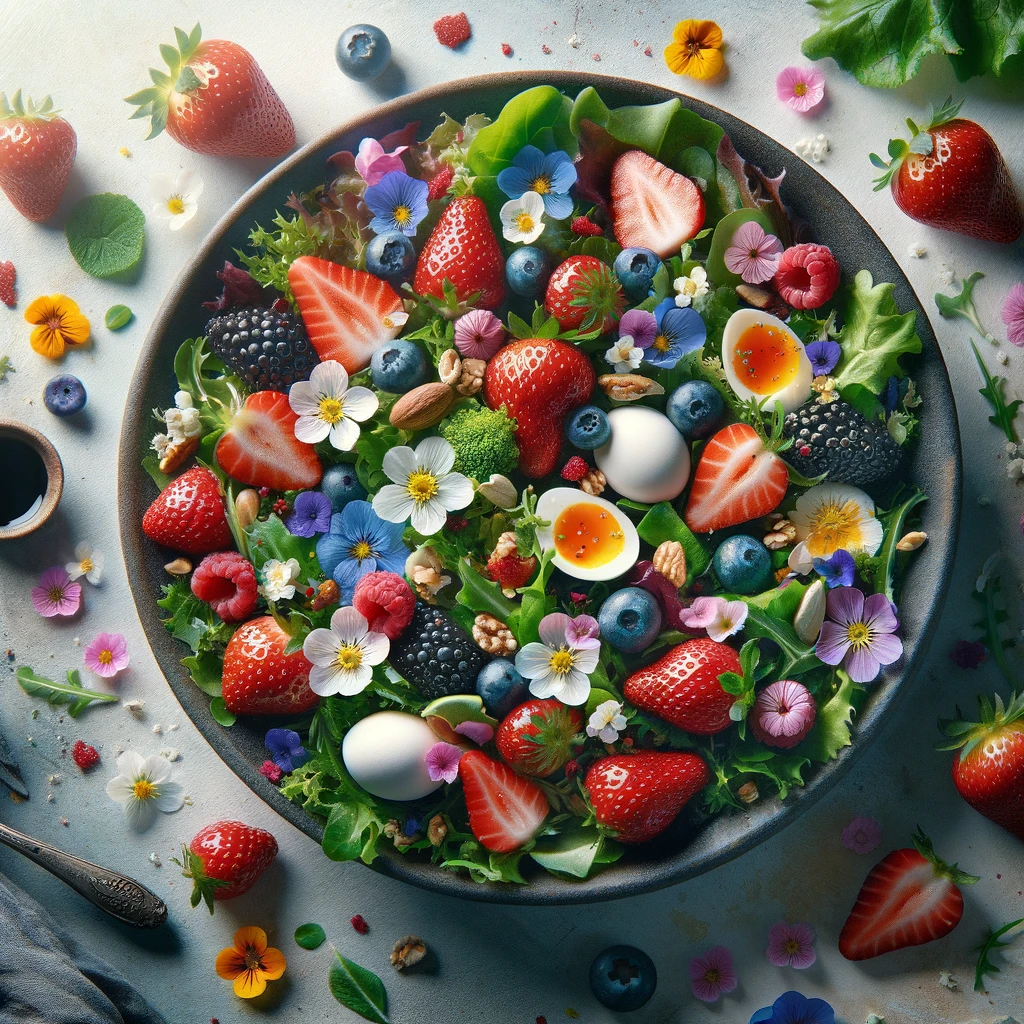
As the wheel of the year turns and we welcome the vibrant energies of Beltane, we embrace the arrival of spring in all its splendor. Beltane is a time of celebration, fertility, and the awakening of nature’s vitality. In this recipe for Beltane Blossom Salad, we honor the season’s bounty by crafting a dish that bursts with color, flavor, and the essence of new beginnings. With fresh, crisp ingredients and a touch of magic, this salad embodies the spirit of Beltane and invites you to revel in the joy of renewal and growth.

Spell for Growth and Renewal

As you prepare to enjoy this Beltane Blossom Salad, take a moment to connect with the energies of the season. Visualize yourself surrounded by the vibrant colors and scents of spring, feeling the warmth of the sun on your skin and the gentle breeze in your hair. Say the following spell aloud or in your heart:

“By the power of Beltane’s bloom,

I embrace the magic of growth and renewal.

May this salad nourish my body and soul,

And fill me with the vitality of the season’s flow.

As the earth awakens and life begins anew,

I welcome the blessings of growth and true.”

May this Beltane Blossom Salad bring you joy, abundance, and the blessings of the season. Blessed be!

Magical Properties

  • Strawberries: Associated with love and fertility, strawberries are believed to enhance passion and vitality. Their vibrant red color symbolizes the energy of the sun and the fire of Beltane.
  • Edible Flowers: Flowers such as pansies, violets, and rose petals carry the magic of beauty, transformation, and connection to the divine. They add a touch of enchantment to the salad, infusing it with the essence of the season’s bloom.
  • Nuts: Representing abundance and nourishment, nuts are often used in spells for prosperity and growth. Their earthy flavor and crunchy texture ground the salad and evoke the energy of the fertile earth.
Beltane Blossom Salad
Print Recipe Share on Facebook Pin Recipe
No ratings yet

Recipe: Recipe: Beltane Blossom Salad

As the wheel of the year turns and we welcome the vibrant energies of Beltane, we embrace the arrival of spring in all its splendor. Beltane is a time of celebration, fertility, and the awakening of nature’s vitality. In this recipe for Beltane Blossom Salad, we honor the season’s bounty by crafting a dish that bursts with color, flavor, and the essence of new beginnings. With fresh, crisp ingredients and a touch of magic, this salad embodies the spirit of Beltane and invites you to revel in the joy of renewal and growth.
Prep Time15 minutes
Total Time15 minutes
Course: Salad
Season: Beltane
Type: Recipe
Servings: 4
Calories: 350kcal
Author: Theo, Witch

Ingredients

  • 4 cups mixed salad greens such as arugula, spinach, and spring mix
  • 1 cup strawberries hulled and sliced
  • 1/2 cup blueberries
  • 1/2 cup raspberries
  • 1/4 cup edible flowers such as pansies, violets, or rose petals
  • 1/4 cup crumbled feta cheese
  • 1/4 cup chopped walnuts or almonds
  • Balsamic vinaigrette dressing

Instructions

  • Prepare the Salad Greens: Wash and dry the mixed salad greens, then place them in a large salad bowl.
  • Add the Fruit: Scatter the sliced strawberries, blueberries, and raspberries over the salad greens.
  • Garnish with Flowers: Carefully scatter the edible flowers over the salad, allowing their vibrant colors to add a touch of beauty and magic.
  • Sprinkle with Cheese and Nuts: Sprinkle the crumbled feta cheese and chopped walnuts or almonds evenly over the salad.
  • Drizzle with Dressing: Just before serving, drizzle the balsamic vinaigrette dressing over the salad, tossing gently to coat all the ingredients.
  • Serve and Enjoy: Transfer the Beltane Blossom Salad to individual plates or bowls and serve immediately as a delightful celebration of the season’s abundance.

Notes

Moon Milk Lavender and CherriesMoon milk is believed to have magical properties that promote relaxation, sleep, and spiritual connection. Lavender is a powerful herb that is often used in spells and rituals to promote tranquility, purification, and harmony. It is said to help calm the mind, soothe anxiety, and facilitate communication with the spiritual realm. Cherries, on the other hand, are associated with abundance, prosperity, and love. By combining these two ingredients in moon milk, we can create a potent brew that promotes restful sleep, deep relaxation, and a profound sense of spiritual connection.
As you sip on your moon milk and gaze up at the moon, take a moment to reflect on the magic and mystery of the universe. Whether you are working with the moon to manifest your desires, to connect with your intuition, or simply to enjoy a peaceful moment of reflection, remember that the power of the moon is always with you, waiting to be harnessed and celebrated.
*Calories Calculated with 2% Dairy Milk, Different bases will change the values.

Recipe: Beltane Blossom Salad

Proudly brought to you by

The Equinox Apothecary

© The Equinox Apothecary 2024 – Permission is granted to copy and reproduce this Recipe with attribution

Posted on Leave a comment

Ritual: Harvest Wreaths for Lughnasadh

Harvest WreathReading Time: 4 minutes
Harvest Wreath

Introduction

Embodying the Spirit of Abundance

Lughnasadh is a time to celebrate the first fruits of the harvest and to honor the cycle of life and death. One of the most ancient and meaningful ways to mark this sabbat is by making or displaying a harvest wreath. A harvest wreath is not only a beautiful decoration, but also a powerful symbol of the abundance and gratitude of the season. In this post, we will explore the history and significance of harvest wreaths in Wiccan traditions, and show you how to make your own Lughnasadh harvest wreath with simple and natural materials. Join us as we delve into the magic and mystery of Lammas, and craft a harvest wreath that will bring joy and blessings to your home.

Ritual Basics

Before beginning any ritual, it is important to prepare yourself mentally and physically. You may want to take a cleansing bath, or shower, and meditate or perform some grounding exercises to center yourself. Gather any materials you will need, such as candles, incense, and offerings for the forest spirits.

You can read a more detailed Ritual Preparation guide here.

Tradition

As a Wiccan, you know the importance of celebrating the sabbats, or seasonal festivals, that mark the turning of the Wheel of the Year. Each sabbat honors the sacred relationship between the Goddess and the God, and reflects the changes in nature and in ourselves.

One of the most significant sabbats is Lammas, also known as Lughnasadh, which falls on August 1st or 2nd in the Northern Hemisphere and February 1st or 2nd in the Southern Hemisphere. This is the first of three harvest festivals, and it signifies the beginning of the grain harvest. It is a time to express gratitude for the gifts of the earth, and to acknowledge the sacrifices that are necessary for life to continue.

One of the most ancient and powerful ways to celebrate Lammas is by making or displaying a harvest wreath. A harvest wreath is a circular decoration made of plants, flowers, fruits, grains, nuts, and other natural materials. It symbolizes the cycle of life, death, and rebirth, as well as the abundance and gratitude of the harvest season.

You can hang your wreath on your door, window, wall, or altar as a way of welcoming the blessings of Lammas and honoring the spirits of nature. You can also use your wreath for rituals, spells, offerings, or meditations related to Lammas or the season. A harvest wreath is a beautiful way to connect with Wiccan traditions and nature’s bounty.

Magical Uses of Harvest Wreaths

Once crafted, harvest wreaths can be utilized in various magical practices. Here are a few ways to work with your wreath:

  • Ritual Centerpiece: Place your harvest wreath as a centerpiece on your altar or sacred space during Lughnasadh rituals. It serves as a focal point, connecting you to the energy of the harvest and the cycles of nature.
  • Blessings and Gratitude: Use your wreath to symbolize gratitude for the abundance in your life. Offer prayers, blessings, or affirmations of thanksgiving as you interact with the wreath.
  • Doorway Protection: Hang your harvest wreath on your front door or above the threshold of your home. It acts as a protective talisman, inviting positive energies while warding off negativity and bringing blessings into your living space.
  • Seasonal Decor: Display your harvest wreath as seasonal decor, embracing the beauty and spirit of the harvest season. It adds a touch of natural elegance to your home and serves as a reminder of the abundance that surrounds you.
Harvest Wreath
Print Ritual
No ratings yet

Ritual: Crafting Harvest Wreaths for Lughnasadh

Lughnasadh, also known as Lammas, is a sacred festival that celebrates the first harvest of the year. One beautiful way to honor this time of abundance and express gratitude for the bountiful Earth is by crafting a harvest wreath.
Ritual Time1 hour
Total Time1 hour
Ritual Type: Lughnasadh (Lammas)
Type: Rituals
Makes: 1 Wreath
Author: Theo, Witch

Supplies

  • Wreath base such as grapevine, willow, or straw wreath
  • Floral wire or hot glue gun
  • Assorted dried flowers wheat stalks, corn husks, and other natural elements
  • Ribbons twine, or other decorative accents (optional)

Instructions

  • Gather Materials
    To create a harvest wreath, you will need the following materials: Wreath base, Floral wire or hot glue gun, Assorted dried flowers, and Ribbons
  • Prepare the Wreath Base
    If using a fresh wreath base, allow it to dry completely before proceeding. This ensures that the wreath remains sturdy and holds its shape. If using a pre-dried base, ensure it is clean and free from any debris.
  • Attach the Natural Elements
    Begin by selecting and arranging your dried flowers, wheat stalks, and corn husks. Secure each element to the wreath base using floral wire or hot glue. Layer the elements in a way that creates a visually pleasing and balanced design. Be mindful of the symbolism and energy each element represents.
  • Add Decorative Accents (optional)
    To further personalize your harvest wreath, consider incorporating ribbons, twine, or other decorative accents. These can be tied or attached to the wreath base, adding a touch of color and texture. Choose colors that resonate with the harvest season, such as warm earth tones or vibrant shades reminiscent of autumn foliage.
  • Finalize and Secure
    Inspect your wreath and make any necessary adjustments to ensure all elements are securely attached. Trim any excess stems or wires to create a clean and polished appearance. Take a moment to admire your creation, infusing it with your intentions for the upcoming harvest season.

Notes

Moon Milk Lavender and CherriesMoon milk is believed to have magical properties that promote relaxation, sleep, and spiritual connection. Lavender is a powerful herb that is often used in spells and rituals to promote tranquility, purification, and harmony. It is said to help calm the mind, soothe anxiety, and facilitate communication with the spiritual realm. Cherries, on the other hand, are associated with abundance, prosperity, and love. By combining these two ingredients in moon milk, we can create a potent brew that promotes restful sleep, deep relaxation, and a profound sense of spiritual connection.
As you sip on your moon milk and gaze up at the moon, take a moment to reflect on the magic and mystery of the universe. Whether you are working with the moon to manifest your desires, to connect with your intuition, or simply to enjoy a peaceful moment of reflection, remember that the power of the moon is always with you, waiting to be harnessed and celebrated.
*Calories Calculated with 2% Dairy Milk, Different bases will change the values.

© The Equinox Apothecary 2024 – Permission is granted to copy and reproduce this Ritual with attribution

Conclusion

Crafting a harvest wreath for Lughnasadh is a meaningful and creative way to honor the first harvest of the year. By following the step-by-step instructions and infusing your wreath with intention, you can create a symbol of abundance, fertility, and gratitude. Whether used in rituals, as protection, or as seasonal decor, these harvest wreaths serve as powerful reminders of the cycles of nature and the blessings that the harvest season brings. Embrace the magic of Lughnasadh and celebrate the abundance of the Earth through the art of crafting harvest wreaths.

Posted on Leave a comment

Litha Explained

Summer SolsticeReading Time: 8 minutes
Summer Solstice

Introduction

The Summer Solstice: Celebrating the Height of Light

The summer solstice, also known as Midsummer or Litha, is a sacred and joyous time of the year when the sun reaches its highest point in the sky, resulting in the longest day and shortest night. This astronomical event holds deep significance in many cultures and spiritual traditions, symbolizing the peak of light, vitality, and abundance. In this article, we will explore the meaning of the term solstice, the origin of the word Litha, the history of the summer solstice, traditional customs, and rituals, as well as modern practices that honor this special time.

The Meaning of Solstice

The word “solstice” originates from the Latin words “sol” meaning “sun” and “sistere” meaning “to stand still.” It refers to the point in the Earth’s orbit around the sun when the sun reaches its highest or lowest point in the sky at noon, resulting in the longest or shortest day of the year. During the summer solstice, the sun appears to stand still for a moment before reversing its direction, marking the transition from longer days to shorter ones.

Midsummer, on the other hand, is a term used to describe the period around the summer solstice. It holds cultural and historical significance in many traditions and is celebrated as a time of abundance and fertility. Midsummer has been celebrated for centuries as a time of great power, when the forces of nature are at their peak. It is a time when the earth is alive with energy, and people rejoice in the beauty and vitality of the natural world.

The summer solstice and midsummer hold deep spiritual and symbolic meanings. They represent a time of illumination and growth, both externally and internally. The sun, at its zenith, symbolizes enlightenment, clarity, and the peak of life’s energy. It is a time to honor the power of the sun, to celebrate the abundance of nature, and to connect with the cycles of the Earth. Midsummer is seen as a time of transition, where we can reflect on our own inner light and the progress we have made on our personal journeys.

Whether you refer to it as the summer solstice or midsummer, this time of year is filled with significance and offers an opportunity for us to attune ourselves to the rhythms of nature, appreciate the beauty of the sun’s light, and connect with the vitality that surrounds us. It is a time to celebrate life, embrace the warmth of the sun, and find inspiration in the abundance of the natural world.

The Origin of the Word Litha

The word “Litha” is derived from Old English and is believed to have pagan origins. It specifically refers to the name given to the summer solstice celebration within the Wheel of the Year, a modern pagan tradition that honors the changing seasons. Litha has its roots in ancient Anglo-Saxon and Celtic cultures, where the solstice was seen as a significant moment of the year and marked the midpoint of summer.

The exact etymology of the word “Litha” is not entirely clear, as its origins have been lost to time. However, it is believed to have been influenced by Old Norse and Old English languages. In Old Norse, “Liða” meant “calm” or “gentle,” signifying the serene and warm nature of the summer season. In Old English, “litha” referred to the mild or gentle weather that characterized this time of year.

Litha, as a name for the summer solstice celebration, has been adopted by modern pagans and Wiccans to honor the midpoint of the year and the power of the sun during the longest day. It represents a time of abundance, growth, and vitality in nature. The word Litha evokes a sense of warmth, light, and the flourishing energy of the sun, encapsulating the essence of the summer solstice celebration.

As modern practitioners of earth-based spirituality and pagan traditions continue to celebrate the summer solstice, Litha serves as a term that embodies the ancient and mystical qualities of this significant celestial event. It is a word that holds the collective memories and meanings associated with the midsummer celebration, reminding us of the eternal connection between humanity and the natural world.

History of the Summer Solstice

The summer solstice has a rich history that spans cultures and civilizations throughout the ages. Known as Midsummer or Litha, this celestial event has been celebrated and revered by various societies across the globe. The solstice marks the longest day and shortest night of the year when the sun reaches its highest point in the sky and casts its rays directly over the Tropic of Cancer in the Northern Hemisphere.

Ancient Egypt and Rome

Ancient civilizations recognized the significance of the summer solstice and honored it with festivities and rituals. In ancient Egypt, the solstice coincided with the rising of the Nile River, which was crucial for agriculture and fertility. The Egyptians celebrated the solstice as a time of renewal and abundance, and it marked the beginning of the Egyptian New Year. Similarly, in ancient Rome, the festival of Vestalia was held during mid-June to honor the goddess Vesta, the protector of the hearth and home.

Celtic

In Celtic traditions, the summer solstice was called Midsummer, and it was a time of great celebration and reverence. The Celts believed that the power of the sun was at its peak during this time, and they celebrated with bonfires, feasting, and dancing. The solstice marked the transition from the waxing to the waning half of the year, symbolizing the turning of the wheel of the seasons and the cycle of life.

Litha, as a name for the summer solstice celebration, has its roots in ancient Anglo-Saxon and Celtic cultures. It is believed to have been a significant time for fertility rituals, as the energy of the sun was associated with abundance and growth in the natural world. The term Litha became popularized in modern pagan and Wiccan traditions, and it represents the celebration of the sun’s power and the abundance of nature during this pivotal moment of the year.

Throughout history, the summer solstice has been a time of honoring the sun, celebrating the bountiful harvests, and recognizing the cycles of life and nature. The customs and practices associated with the solstice may vary among different cultures and spiritual traditions, but the underlying theme of celebrating light, growth, and the warmth of the sun remains constant. Today, people from various backgrounds continue to gather at ancient sites, light bonfires, and partake in ceremonies to honor the summer solstice and its historical significance.

Traditional Customs and Rituals

Summer solstice and Litha are accompanied by a myriad of customs and rituals that have been observed for centuries. One of the most prominent traditions is the lighting of bonfires, which holds deep symbolism and significance. These bonfires represent the power and vitality of the sun and are believed to offer purification and protection. In ancient times, people would gather around the bonfires and participate in various rituals, such as leaping over the flames or driving their livestock through them. These acts were thought to bring fertility, prosperity, and ward off malevolent spirits.

Flowers and Herbs

Flowers and herbs also play a significant role in the summer solstice celebrations. Gathering and wearing these vibrant botanicals were common practices during this time. The vibrant colors and fragrant aromas of flowers symbolize the abundant energies of nature during the peak of summer. People would create floral wreaths and garlands to wear in their hair or decorate their homes and sacred spaces. Herbs, known for their healing properties and magical associations, were often collected, and used in rituals or hung in bundles to dry for future use.

Watching the Sun

Another traditional custom associated with the summer solstice is the practice of staying awake throughout the night, known as “watching the sun.” People would gather in sacred sites, such as stone circles or hilltops, to witness the sunrise and welcome the first rays of the new day. This act of vigilance and connection with nature was believed to bring blessings, spiritual insight, and a deep connection with the cycles of the Earth.

Water Rituals

Furthermore, water rituals have been observed during the summer solstice. This includes activities such as swimming in natural bodies of water, gathering dew from plants, or performing rituals near rivers and streams. Water, as a symbol of cleansing and rejuvenation, is an integral element in these practices. It is believed that by immersing oneself in water or collecting the dew, individuals can purify their spirits, promote healing, and attract abundance.

These customs and rituals associated with the summer solstice and Litha reflect the reverence and celebration of nature’s abundance, the power of the sun, and the vital energies of life. They provide a tangible connection to the cycles of the Earth and offer an opportunity for individuals to align themselves with the transformative energies of the season. Whether through bonfires, floral adornments, or engaging in water rituals, these traditional practices serve as a means of honoring the summer solstice and embracing the vibrant energies of nature.

Modern Practices

In modern times, the celebration of the summer solstice has evolved to incorporate a variety of practices that honor the significance of this celestial event. People from different backgrounds and spiritual beliefs engage in diverse activities to commemorate this special day and connect with the energy of the sun and nature.

Gatherings

Outdoor gatherings have become a popular way to celebrate the summer solstice. Friends, families, and communities come together in parks, gardens, or other natural settings to enjoy the warmth of the sun, share food and drinks, and engage in conversations and laughter. These gatherings often feature music and dance performances, creating a joyous and festive atmosphere that captures the spirit of the season.

Walks in Nature

Nature walks have also become a cherished activity during the summer solstice. Many individuals take the opportunity to explore the beauty of the natural world, whether it be through hiking in forests, strolling along the beach, or immersing themselves in the tranquil ambiance of a nearby park. This allows people to connect with the abundance of life and the rejuvenating energies of the season.

Meditation

Meditation practices have found their place in modern solstice celebrations as well. Many individuals choose to embrace the stillness and serenity of the summer solstice by finding a quiet space outdoors or in their homes. Through meditation, they seek to cultivate inner peace, reflect on personal growth, and align themselves with the transformative energies of the sun. This practice can bring about a sense of clarity, inspiration, and renewed purpose.

Nature Altars

Creating altars adorned with seasonal flowers and symbols of the sun is another modern practice that honors the summer solstice. These altars serve as a focal point for meditation, intention setting, and expressing gratitude. People may arrange flowers, light candles, and incorporate other meaningful objects that symbolize the vibrancy and power of the sun. It is a way to bring the energy of the solstice into their personal spaces and connect with the natural cycles.

Rituals during the summer solstice often reflect personal intentions and aspirations. Individuals may engage in rituals that involve setting goals and intentions for the remainder of the year or expressing gratitude for the blessings they have received thus far. These rituals provide an opportunity for self-reflection, personal growth, and a deeper connection with the cycles of nature.

In modern practices of the summer solstice, the emphasis is on embracing the warmth, light, and transformative energies of the sun. Whether through outdoor gatherings, nature walks, meditation, altar creations, or personal rituals, individuals have the freedom to celebrate the summer solstice in ways that resonate with their beliefs and intentions, while fostering a deeper connection with nature and the energies of the season.

Conclusion

The summer solstice and Litha are a time of vibrant energy and celebration, representing the height of light and the abundance of nature. As we gather to honor this significant moment in the annual cycle, we connect with the primal forces of the sun and the Earth, embracing the warmth and vitality that surrounds us. Whether through traditional customs or modern practices, the summer solstice invites us to appreciate the beauty of the natural world and to celebrate the power of light in our lives.