Introduction
A Sacred Tapestry of Devotion and Transformation
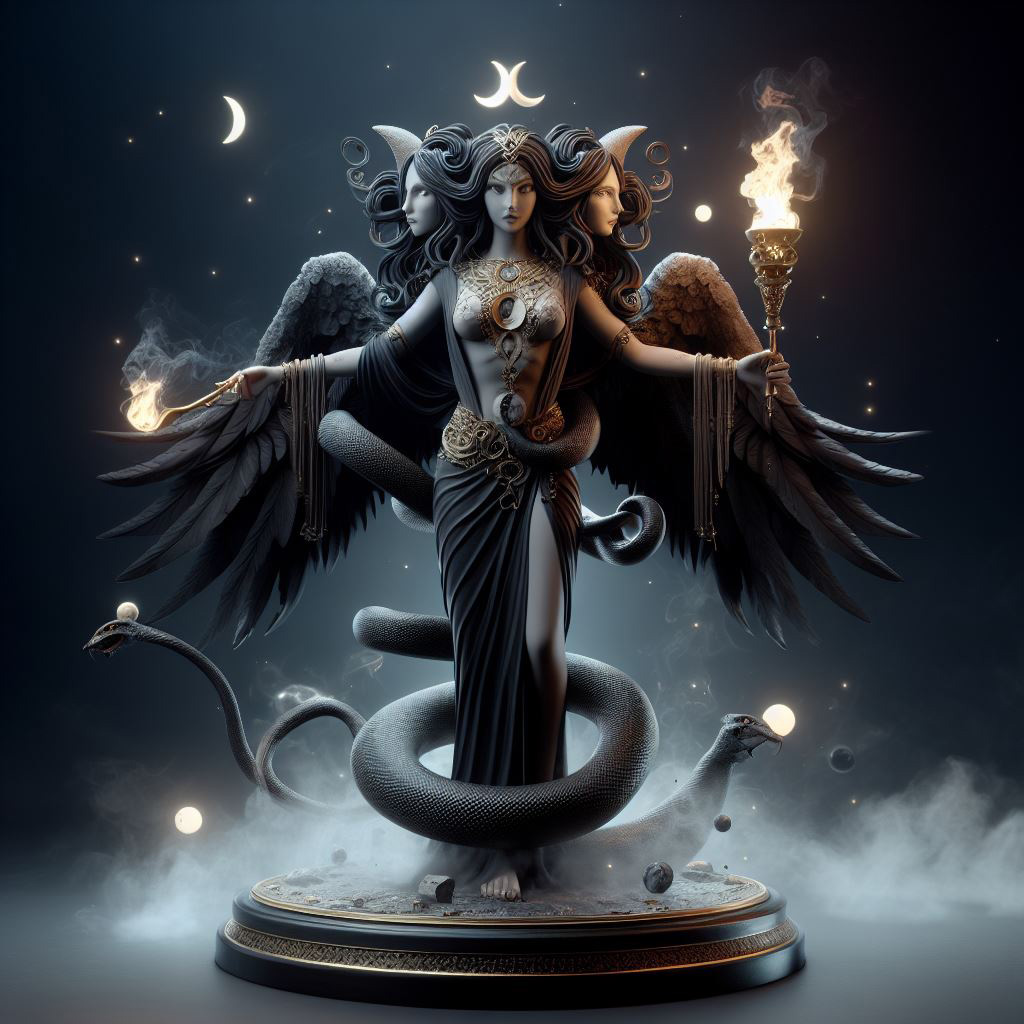
In the mystical realms of modern witchcraft and pagan traditions, the eve of August 13th marks a momentous occasion, a festival that resonates with the cosmic energies of Hecate, the ancient goddess of the moon, magic, and the unseen. Hecate’s Night, celebrated with fervor and reverence, unfolds as a tapestry of rituals, offerings, and the kindling of torches or candles at crossroads—an embodiment of Hecate’s sacred domains. This special night becomes a communal celebration, a collective expression of gratitude, seeking Hecate’s blessings, and acknowledging her timeless influence over the realms of magic and the unseen.

Crafting the Ritual Tapestry
A Preparation of Devotion
As the eve of August 13th draws near, practitioners eagerly step into a phase of meticulous preparation, a sacred dance of anticipation that heralds the arrival of Hecate’s Night. This momentous occasion invites devotees to immerse themselves in the art of crafting intricate rituals that mirror the multifaceted nature of the goddess. The air becomes charged with an otherworldly energy, and devotees embark on a journey of spiritual preparation, weaving a tapestry of devotion to Hecate that resonates with the ancient rhythms of magic.
In the days leading up to Hecate’s Night, practitioners engage in a delicate dance of symbolism, carefully selecting elements that capture the essence of Hecate’s multifaceted attributes. The preparation involves a deep dive into the rich tapestry of Hecate’s mythology and symbolism, extracting threads of wisdom, magic, and transformation to infuse into the forthcoming rituals.
Offerings, meticulously chosen to symbolize devotion and respect, play a pivotal role in the preparatory phase. Devotees select items that resonate with Hecate’s sacred domains, such as keys, herbs, or symbolic representations of the triple goddess. Each offering becomes a token of connection, a physical manifestation of the devotee’s reverence and commitment to the goddess.
Ritual tools, whether athames, candles, or symbolic objects, undergo a process of empowerment during the preparatory phase. Devotees take the time to inscribe these tools with symbols, runes, or words that carry the intention of the rituals to come. This act becomes a sacred infusion of energy, aligning the tools with the devotee’s purpose and inviting Hecate’s presence to amplify their magical efficacy.
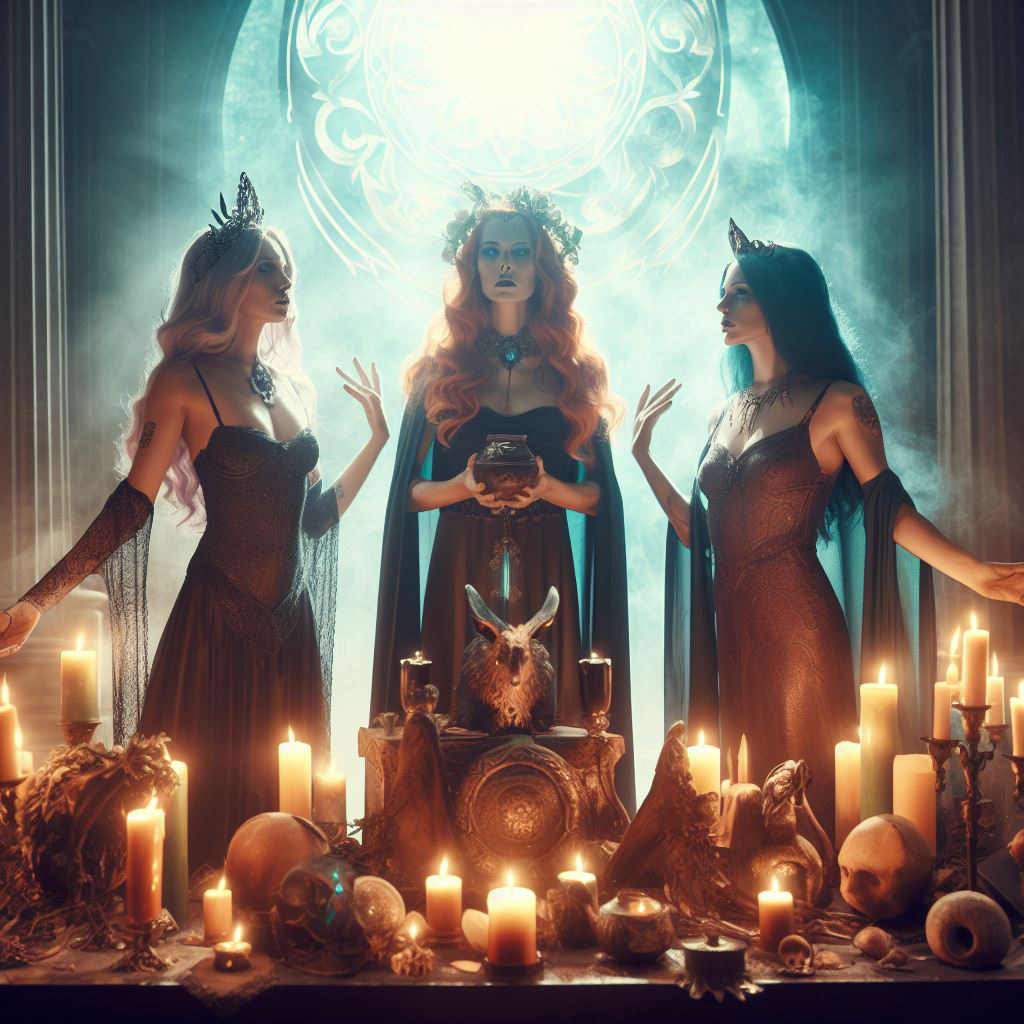
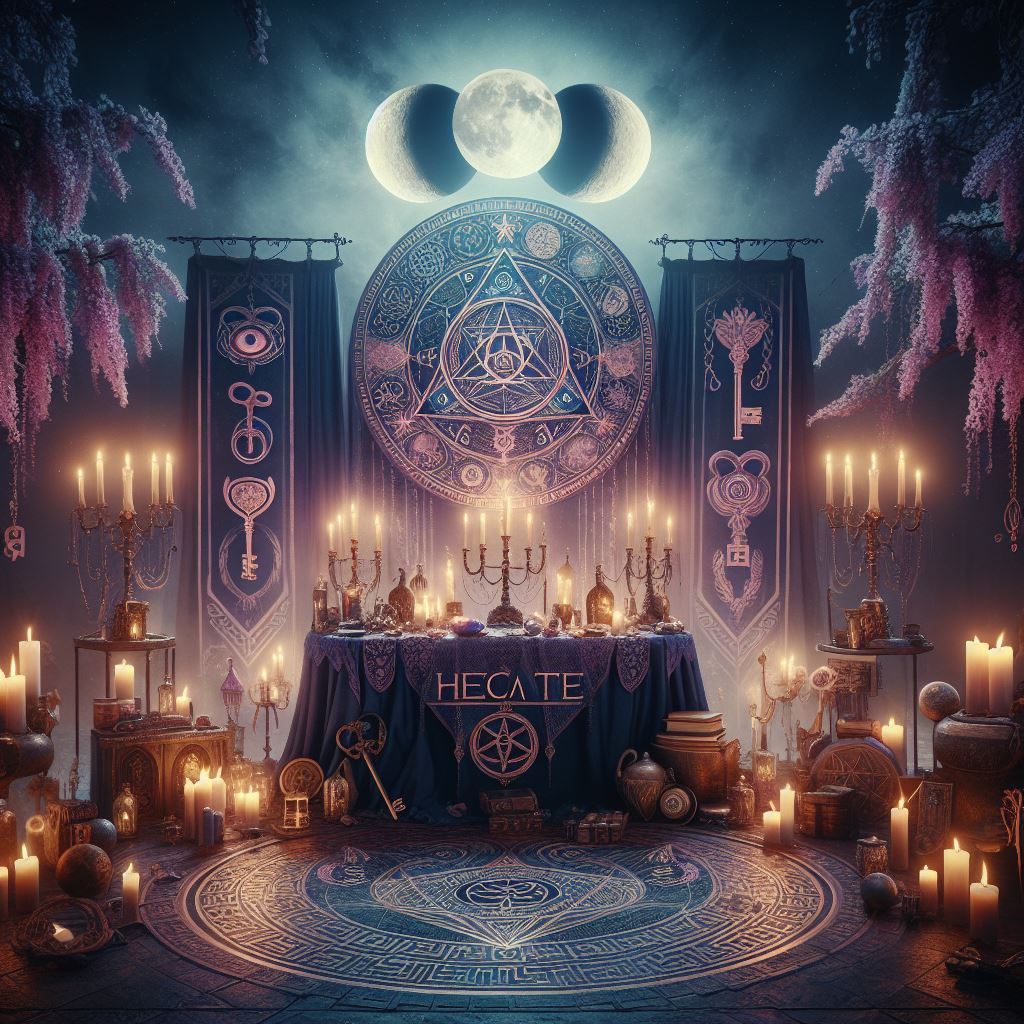
Devotees turn their attention to the creation of sacred spaces where the rituals will unfold. Altars are adorned with symbols of Hecate—crossroads, keys, lunar imagery—and offerings are carefully arranged. The act of setting up these sacred spaces becomes a ritual, a meditative process that attunes the physical and spiritual realms, inviting Hecate’s presence to permeate the ritual space.
As devotees immerse themselves in the preparatory phase, there is a conscious effort to commune with the ancients, tapping into the timeless wisdom of Hecate. This may involve meditation, divination, or simply quiet contemplation, allowing practitioners to attune themselves to the subtle currents of Hecate’s energy and seek guidance for the rituals ahead.
The meticulous preparation for Hecate’s Night culminates in a crescendo of anticipation. The air is thick with the fragrance of offerings, the energy of intention, and the subtle hum of magical currents. Devotees, now fully immersed in the sacred art of crafting intricate rituals, stand at the threshold of a night where the veils between worlds thin, inviting Hecate to join in the symphony of devotion and magic.
The preparation for Hecate’s Night becomes a profound and transformative journey. Devotees, guided by the wisdom of the ancients and fueled by a deep well of devotion, stand ready to weave a tapestry of magic that honors the goddess in all her multifaceted glory. As the eve of August 13th unfolds, practitioners’ step into the sacred dance, embracing the mystical energy of Hecate’s Night with open hearts and a profound sense of connection to the goddess and the ancient traditions that have echoed through time.
Offerings as Symbols of Devotion and Respect
A Gesture of Sacred Exchange
In the intricate preparations for Hecate’s Night, the selection of offerings emerges as a profound and symbolic aspect, where devotees engage in a deliberate dance of meaning and intention. This ritualistic act transcends the material realm, transforming into a sacred exchange that seeks to create a harmonious connection between the mortal and the divine, invoking Hecate’s transformative energy in the process.
Devotees embark on a thoughtful journey to select offerings that encapsulate the essence of their devotion and respect for Hecate. Each item chosen becomes a symbol, a representation of the devotee’s understanding of the goddess’s multifaceted nature. Keys, which symbolize access to the mysteries and the unlocking of hidden knowledge, may find a place on the altar. Herbs associated with Hecate, such as mugwort or mandrake, might be chosen for their magical properties and connections to the spirit world.
Before being presented to the goddess, each offering undergoes a process of intentional charging. Devotees infuse the items with their personal intentions, desires, and the energy of their devotion. This act transforms the offerings from mere physical representations into vessels of spiritual significance. A key, for example, may carry the intention of unlocking personal growth or accessing spiritual insights, while herbs may be charged to invoke protection or enhance divination.
The act of offering transcends the physical act of presenting an item; it becomes a symbolic bridge between the mortal realm and Hecate’s divine essence. Devotees understand that their offerings are not merely material tokens but conduits through which a sacred exchange occurs. The symbolism embedded in each offering becomes a language, a form of communication that resonates with the energies of the goddess.
As devotees place their offerings on the altar, the gesture transforms into a sacred exchange—an intricate dance of giving and receiving that transcends the boundaries of the material and spiritual worlds. The act of offering becomes a gesture of respect, humility, and recognition of Hecate’s presence. In this exchange, devotees seek not only to give physical items but to open themselves to receiving the blessings, guidance, and transformative energy that Hecate offers in return.
The offerings, charged with intention and presented with reverence, serve as vessels for invoking Hecate’s transformative energy. Devotees understand that the symbolic exchange is a form of ritualistic alchemy, where the mundane is transformed into the magical. The offerings act as keys that unlock the gates to the unseen, inviting the goddess’s presence to permeate the ritual space and infuse it with her wisdom, protection, and guidance.
The meticulous selection and charging of offerings for Hecate’s Night transcend the realm of material gifts; they become a sacred language of devotion, a symbolic bridge that connects the devotee with the divine. This act of offering is woven into the fabric of the ritual, creating a harmonious exchange that resonates with the transformative energies of Hecate, enriching the spiritual journey of those who seek her embrace.
Crossroads Illumination
Symbolic Beacons at the Thresholds
A pivotal and profound act that defines the essence of Hecate’s Night is the ceremonial lighting of torches or candles at crossroads. This ritualistic practice transcends the physical act of kindling flames; it becomes a symbolic and spiritual gesture that transforms these liminal spaces into portals for profound connection with the goddess Hecate. The flickering flames, dancing at the crossroads, symbolize more than mere illumination—they become symbolic beacons, drawing Hecate’s attention, and beckoning her to join the revelry of shared devotion among her dedicated followers.
Crossroads, both in the physical and metaphysical sense, hold significant symbolism in various cultures and mystical traditions. They represent points of choice, decision, and the convergence of divergent paths. In the realm of Hecate’s Night, these crossroads transcend the mundane—they become thresholds where the boundaries between the physical and spiritual realms blur, creating spaces where the goddess’s influence is believed to be particularly potent.
As torches are lit at these symbolic intersections, practitioners acknowledge the crossroads as more than mere meeting points of roads. They become liminal spaces, where the veils between worlds become thin, and mystical encounters are possible. The illumination from the torches serves not only to dispel physical darkness but also to pierce through the spiritual veil, creating pathways for communion with the goddess. The crossroads, once ordinary intersections, transform into gateways, inviting Hecate to traverse between worlds and bless the gathering with her presence.
The flickering flames of torches and candles become symbolic beacons that draw the attention of Hecate, the goddess of crossroads and liminality. In the dance of fire, practitioners believe they are sending signals to the divine, inviting Hecate to join the sacred ritual. The flames not only illuminate the physical space but also act as ethereal signals, guiding the goddess’s attention to the crossroads where her devotees stand in anticipation.
The lighting of torches at crossroads is not a solitary act; it is a communal ritual that binds practitioners together in shared devotion. As the flames flicker in unison, they symbolize the collective energy of the gathering, a harmonious symphony of devotees reaching out to Hecate. The ritual becomes a shared endeavor, where the mystical energy at the crossroads is amplified by the collective intent, drawing the goddess into the heart of the ritual and into the shared experiences of her devotees.
The lighting of torches at crossroads during Hecate’s Night is a profound act that transcends the physical realm. It symbolizes the convergence of choice, spirituality, and shared devotion. The flickering flames, dancing at the intersections, serve as beacons guiding Hecate’s attention, inviting the goddess to join in the revelry and infuse the gathering with her transformative energy. As the torchlight illuminates the crossroads, it becomes a beacon of shared devotion, drawing the goddess into the mystical space where choices, both mundane and magical, are made and embraced with the guidance of Hecate’s enduring presence.
The Profound Significance of Crossroads Illumination
Guiding Through Thresholds
The ceremonial act of crossroads illumination during Hecate’s Night carries profound significance, transcending the mere physical act of lighting torches or candles. This ritual becomes a symbolic and spiritual gesture that encapsulates the essence of Hecate’s influence, symbolizing the crossing of thresholds—both literal and spiritual—where practitioners invite the goddess to guide them through the intricate intersections of life’s journey. The flickering flames at these mystical crossroads evolve into more than mere sources of light; they become conduits for spiritual communion, invoking the transformative power of Hecate to illuminate the paths of those who seek her guidance.
Crossing thresholds is an archetypal symbol found in myths, folklore, and spiritual traditions across the world. It signifies transitions, transformations, and the navigation of pivotal points in one’s journey. In the context of Hecate’s Night, the crossing of thresholds takes on a multifaceted meaning. Practitioners acknowledge both the literal crossroads where they stand, as well as the metaphorical intersections in their lives where choices and decisions shape their destinies.
The act of crossroads illumination becomes a deliberate invocation, a call to Hecate to stand as a guide at the crossroads of practitioners’ lives. As the flames flicker in unison, practitioners seek the presence of Hecate to provide clarity, wisdom, and guidance in navigating the complexities of their earthly and spiritual journeys. The literal act of lighting the crossroads symbolizes the desire to illuminate the obscured paths and make informed decisions under the watchful gaze of the goddess.
The flickering flames at the mystical crossroads act as conduits for spiritual communion. They signify the ethereal bridges connecting the mortal realm with the divine. Practitioners believe that the dance of flames represents the goddess’s response, a subtle acknowledgment of the invitation extended by her devotees. The illuminated crossroads become a meeting point between the material and spiritual, a sacred space where the goddess’s transformative energies can flow freely.
The transformative power of Hecate is invoked through the illumination of crossroads. The goddess, associated with magic, wisdom, and liminality, is believed to infuse the paths of those who seek her guidance with clarity and purpose. The torchlight becomes a metaphorical key, unlocking the mysteries of one’s journey and revealing the hidden truths that may be obscured in the shadows. Through the act of crossroads illumination, practitioners open themselves to the transformative energies of Hecate, allowing her light to guide them through life’s intricate web of choices and transitions.
The act of crossroads illumination during Hecate’s Night holds profound spiritual significance. It represents a deliberate invitation for the goddess to guide practitioners through the thresholds of their lives. The flickering flames become more than a visual spectacle; they become symbolic beacons, illuminating the spiritual paths with the transformative power of Hecate. As practitioners stand at the mystical crossroads, they embrace the goddess’s guidance, acknowledging her as a timeless guide through life’s intersections and gratefully welcoming her transformative light into their earthly and spiritual journeys.
Communal Celebration
A Harmonious Symphony of Devotion
Hecate’s Night stands as a distinctive celebration that transcends the typically solitary nature of many magical practices. Instead, it evolves into a vibrant communal festival, where devotees gather to weave a harmonious symphony of devotion. This shared celebration transforms the atmosphere into a sacred space, where practitioners come together, creating a powerful vortex of magic that resonates with the very essence of the goddess Hecate.
Unlike individual magical practices, Hecate’s Night becomes a collective endeavor, a communal alchemy where the energies of many intertwine to create a potent tapestry of magic. Devotees, drawn by a shared reverence for Hecate, converge to collectively express gratitude, seek blessings, and invoke the transformative energy of the goddess. The air becomes charged with the vibrancy of shared devotion, fostering a sense of unity that elevates the ritual into a profound communal experience.
Within the festival, devotees participate in shared rituals and offerings that amplify the magic of Hecate’s Night. Altars are adorned with symbols representing the goddess’s multifaceted nature, and offerings are carefully arranged, each devotee contributing to the collective energy. The shared symphony of devotion echoes through the air, creating a harmonious resonance that invokes the goddess to join in the collective celebration.
As practitioners collectively express their gratitude and seek Hecate’s blessings, the very air becomes charged with the energy of shared reverence. The convergence of individual intentions and the collective desire to honor the goddess creates a magical vortex—an energetic whirlpool that amplifies the potency of the rituals. This vortex serves as a conduit, drawing Hecate’s attention and inviting her transformative energy to infuse the festival with its profound magic.
Hecate’s Night not only serves as a moment to connect with the goddess but also fosters a sense of camaraderie and unity among practitioners. The shared experience of the festival builds a spiritual community where devotees feel a deep connection with one another. Through the shared celebration, bonds are strengthened, and a supportive network of like-minded individuals emerges, reinforcing the sense of collective purpose and shared devotion.
Hecate’s Night transforms into a communal tapestry where individual threads of devotion interlace to create a vibrant and interconnected whole. The festival becomes a shared space, where practitioners collectively express gratitude, seek blessings, and invoke the goddess’s transformative energy. As the harmonious symphony of devotion echoes through the air, devotees embrace the essence of Hecate, building a spiritual community that extends beyond the festival, creating lasting connections forged in the crucible of shared magic and reverence.
Acknowledging Hecate’s Timeless Influence
A Connection Beyond Time and Space
As the flickering torchlight and candle glow illuminate the crossroads during Hecate’s Night, practitioners collectively acknowledge the goddess’s timeless influence over the realms of magic and the unseen. The crossroads, bathed in the warm embrace of the goddess’s energy, becomes a symbolic meeting point where the ancient and the modern converge. In this liminal space, practitioners recognize Hecate as a guardian of mystic realms, and her palpable presence infuses the shared rituals with a profound sense of magic.
The torches and candles at the crossroads serve as more than sources of light; they become symbols of enlightenment and guidance. The dance of light and shadows mirrors the intricate dance of Hecate herself, weaving through the veils that separate the seen and the unseen. Practitioners, standing at this intersection of paths, acknowledge the symbolic illumination as a manifestation of Hecate’s enduring influence, guiding them through the mysteries of magic and the choices presented in both the mundane and mystical realms.
Hecate’s timeless influence becomes palpable as devotees engage in shared rituals, creating a collective outpouring of gratitude and reverence. The goddess’s essence is woven into the fabric of the celebration, and her presence is felt in the whispers of incantations, the rhythmic beats of drums, and the aroma of offerings wafting through the air. The shared experience becomes a communion with the ancient spirit of Hecate, bridging the gap between the devotees’ modern practices and the ageless wisdom of the goddess.
Hecate’s Night becomes a moment where time bends and folds upon itself. The ancient influence of the goddess intertwines seamlessly with the modern celebration, creating a bridge between the past and the present. In the glow of torchlight, practitioners sense a temporal shift, feeling the echoes of ancient rituals resonating through the crossroads. The celebration becomes a sacred continuum, where the timeless essence of Hecate permeates every ritual act, transcending the constraints of linear time.
Amid shared devotion, the practitioners stand at the crossroads, not only physically but also metaphorically, connecting with the timeless spirit of Hecate. The ancient goddess becomes a guiding force, offering wisdom and insight to those who seek her presence. The bridge between the past and the present becomes a conduit for the goddess’s influence to flow through, creating a tapestry of connection that spans across ages, reminding practitioners that they are part of an unbroken chain of devotion to Hecate’s enduring mysteries.
As torches and candles cast their glow at the crossroads during Hecate’s Night, practitioners recognize and honor the goddess’s timeless influence. The celebration becomes a moment where time bends, allowing Hecate’s ancient presence to intertwine with the modern practices, creating a bridge between the past and the present that fosters a profound connection with the enduring spirit of the goddess.
Hecate’s Night Ritual

Embracing the Wisdom of the Crossroads
- A black candle
- A key (symbolic or real)
- A bowl of dark soil or earth
- Mugwort or vervain for purification
- Offerings: garlic (honey, or pomegranate seeds)
- A piece of parchment and a pen
Preparation
- Begin by selecting a quiet and dimly lit space, preferably outdoors. This ritual is most potent when performed during the dark phase of the moon or on a moonless night.
- Set up your altar with the black candle at its center. Surround it with the bowl of dark soil, the key, and the purification herbs.
- Light the black candle, symbolizing the presence of Hecate, the goddess of the crossroads and keeper of the mysteries.
The Ritual
Cleansing and Purification – Take a few moments to ground yourself. Inhale deeply, absorbing the energy of the night around you. Light the mugwort or vervain, allowing the smoke to purify the space and yourself. Stand at the altar, visualize any negativity or obstacles dissolving in the smoke. Feel the energy of the space becoming clear and charged.
- Invocation – Speak aloud an invocation to Hecate, acknowledging her as the guide of the crossroads and the keeper of ancient wisdom. You can create your own or use traditional invocations, expressing your reverence and inviting her presence.
- Offerings – Place offerings of garlic, honey, or pomegranate seeds at the base of the black candle. These are symbols of protection, sweetness, and the mysteries of life. Express your intentions and desires for guidance, transformation, or protection to Hecate. Speak from the heart, knowing that she understands the language of sincerity.
- Crossroads Meditation – Hold the key in your hands, symbolizing your access to the mysteries. Close your eyes and meditate on the concept of the crossroads—where paths converge, and choices are made. Feel the energy of possibilities surrounding you.
- Divination – Using the parchment and pen, pose a question or seek guidance from Hecate. Enter a meditative state and allow your intuition to guide your writing. You may use a divination method like tarot or runes for additional insights.
- Closing – Thank Hecate for her presence and guidance. Blow out the black candle, signifying the end of the ritual. Keep the key in a sacred space, as a symbol of your connection to the mysteries of the crossroads. This Hecate’s Night ritual is a personal and potent way to connect with the
Conclusion
In essence, Hecate’s Night is a sacred and transformative festival, where devotees craft a tapestry of devotion, invoke the goddess’s presence through offerings and crossroads illumination, and join in a communal celebration that transcends the boundaries of time and space. It is a moment where the ancient and the modern converge, and the cosmic energies of Hecate infuse the ritual space with magic, wisdom, and the transformative power that has echoed through the ages.