Posted on Leave a comment

Hecate’s Night

Hecates Night
Hecates Night

Introduction

A Sacred Tapestry of Devotion and Transformation

In the mystical realms of modern witchcraft and pagan traditions, the eve of August 13th marks a momentous occasion, a festival that resonates with the cosmic energies of Hecate, the ancient goddess of the moon, magic, and the unseen. Hecate’s Night, celebrated with fervor and reverence, unfolds as a tapestry of rituals, offerings, and the kindling of torches or candles at crossroads—an embodiment of Hecate’s sacred domains. This special night becomes a communal celebration, a collective expression of gratitude, seeking Hecate’s blessings, and acknowledging her timeless influence over the realms of magic and the unseen.

Crafting the Ritual Tapestry

A Preparation of Devotion

As the eve of August 13th draws near, practitioners eagerly step into a phase of meticulous preparation, a sacred dance of anticipation that heralds the arrival of Hecate’s Night. This momentous occasion invites devotees to immerse themselves in the art of crafting intricate rituals that mirror the multifaceted nature of the goddess. The air becomes charged with an otherworldly energy, and devotees embark on a journey of spiritual preparation, weaving a tapestry of devotion to Hecate that resonates with the ancient rhythms of magic.

In the days leading up to Hecate’s Night, practitioners engage in a delicate dance of symbolism, carefully selecting elements that capture the essence of Hecate’s multifaceted attributes. The preparation involves a deep dive into the rich tapestry of Hecate’s mythology and symbolism, extracting threads of wisdom, magic, and transformation to infuse into the forthcoming rituals.

Offerings, meticulously chosen to symbolize devotion and respect, play a pivotal role in the preparatory phase. Devotees select items that resonate with Hecate’s sacred domains, such as keys, herbs, or symbolic representations of the triple goddess. Each offering becomes a token of connection, a physical manifestation of the devotee’s reverence and commitment to the goddess.

Ritual tools, whether athames, candles, or symbolic objects, undergo a process of empowerment during the preparatory phase. Devotees take the time to inscribe these tools with symbols, runes, or words that carry the intention of the rituals to come. This act becomes a sacred infusion of energy, aligning the tools with the devotee’s purpose and inviting Hecate’s presence to amplify their magical efficacy.

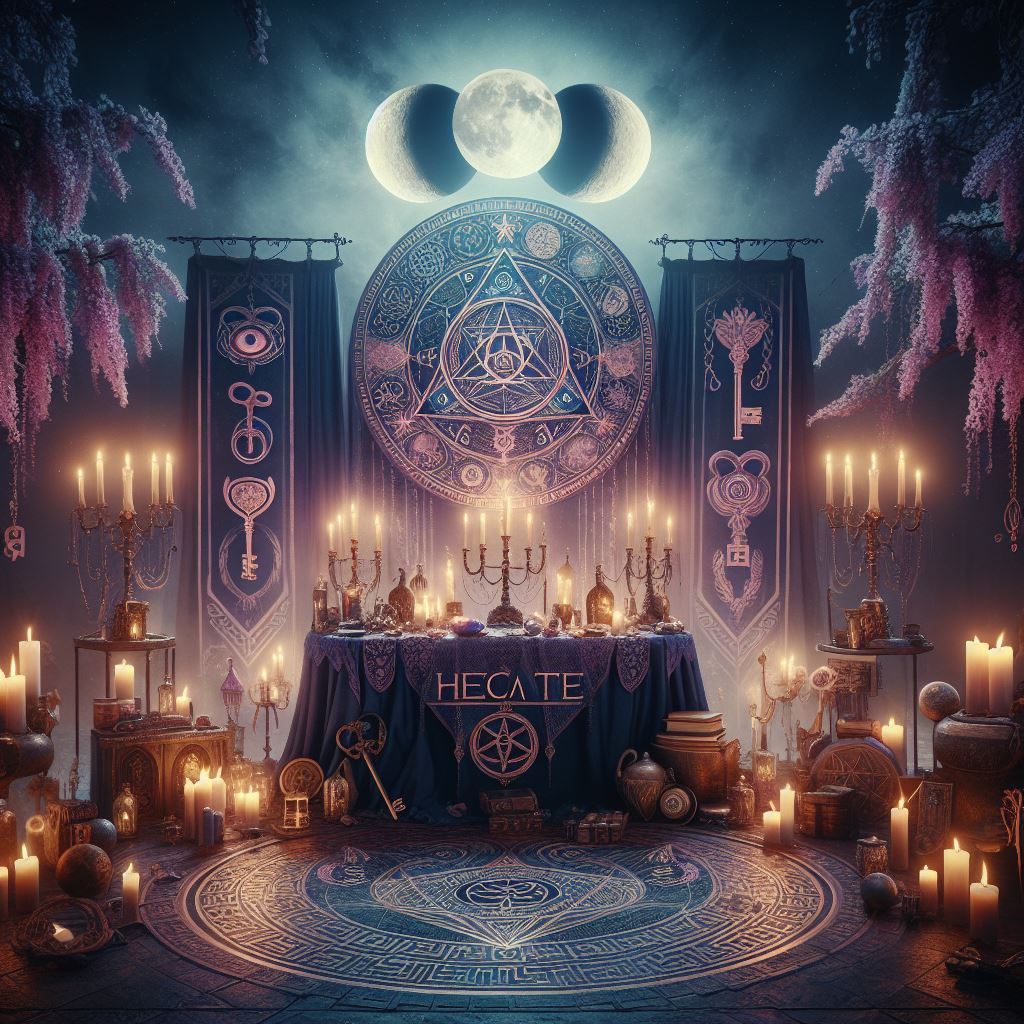
Devotees turn their attention to the creation of sacred spaces where the rituals will unfold. Altars are adorned with symbols of Hecate—crossroads, keys, lunar imagery—and offerings are carefully arranged. The act of setting up these sacred spaces becomes a ritual, a meditative process that attunes the physical and spiritual realms, inviting Hecate’s presence to permeate the ritual space.

As devotees immerse themselves in the preparatory phase, there is a conscious effort to commune with the ancients, tapping into the timeless wisdom of Hecate. This may involve meditation, divination, or simply quiet contemplation, allowing practitioners to attune themselves to the subtle currents of Hecate’s energy and seek guidance for the rituals ahead.

The meticulous preparation for Hecate’s Night culminates in a crescendo of anticipation. The air is thick with the fragrance of offerings, the energy of intention, and the subtle hum of magical currents. Devotees, now fully immersed in the sacred art of crafting intricate rituals, stand at the threshold of a night where the veils between worlds thin, inviting Hecate to join in the symphony of devotion and magic.

The preparation for Hecate’s Night becomes a profound and transformative journey. Devotees, guided by the wisdom of the ancients and fueled by a deep well of devotion, stand ready to weave a tapestry of magic that honors the goddess in all her multifaceted glory. As the eve of August 13th unfolds, practitioners’ step into the sacred dance, embracing the mystical energy of Hecate’s Night with open hearts and a profound sense of connection to the goddess and the ancient traditions that have echoed through time.

Offerings as Symbols of Devotion and Respect

A Gesture of Sacred Exchange

In the intricate preparations for Hecate’s Night, the selection of offerings emerges as a profound and symbolic aspect, where devotees engage in a deliberate dance of meaning and intention. This ritualistic act transcends the material realm, transforming into a sacred exchange that seeks to create a harmonious connection between the mortal and the divine, invoking Hecate’s transformative energy in the process.

Devotees embark on a thoughtful journey to select offerings that encapsulate the essence of their devotion and respect for Hecate. Each item chosen becomes a symbol, a representation of the devotee’s understanding of the goddess’s multifaceted nature. Keys, which symbolize access to the mysteries and the unlocking of hidden knowledge, may find a place on the altar. Herbs associated with Hecate, such as mugwort or mandrake, might be chosen for their magical properties and connections to the spirit world.

Before being presented to the goddess, each offering undergoes a process of intentional charging. Devotees infuse the items with their personal intentions, desires, and the energy of their devotion. This act transforms the offerings from mere physical representations into vessels of spiritual significance. A key, for example, may carry the intention of unlocking personal growth or accessing spiritual insights, while herbs may be charged to invoke protection or enhance divination.

The act of offering transcends the physical act of presenting an item; it becomes a symbolic bridge between the mortal realm and Hecate’s divine essence. Devotees understand that their offerings are not merely material tokens but conduits through which a sacred exchange occurs. The symbolism embedded in each offering becomes a language, a form of communication that resonates with the energies of the goddess.

As devotees place their offerings on the altar, the gesture transforms into a sacred exchange—an intricate dance of giving and receiving that transcends the boundaries of the material and spiritual worlds. The act of offering becomes a gesture of respect, humility, and recognition of Hecate’s presence. In this exchange, devotees seek not only to give physical items but to open themselves to receiving the blessings, guidance, and transformative energy that Hecate offers in return.

The offerings, charged with intention and presented with reverence, serve as vessels for invoking Hecate’s transformative energy. Devotees understand that the symbolic exchange is a form of ritualistic alchemy, where the mundane is transformed into the magical. The offerings act as keys that unlock the gates to the unseen, inviting the goddess’s presence to permeate the ritual space and infuse it with her wisdom, protection, and guidance.

The meticulous selection and charging of offerings for Hecate’s Night transcend the realm of material gifts; they become a sacred language of devotion, a symbolic bridge that connects the devotee with the divine. This act of offering is woven into the fabric of the ritual, creating a harmonious exchange that resonates with the transformative energies of Hecate, enriching the spiritual journey of those who seek her embrace.

Crossroads Illumination

Symbolic Beacons at the Thresholds

A pivotal and profound act that defines the essence of Hecate’s Night is the ceremonial lighting of torches or candles at crossroads. This ritualistic practice transcends the physical act of kindling flames; it becomes a symbolic and spiritual gesture that transforms these liminal spaces into portals for profound connection with the goddess Hecate. The flickering flames, dancing at the crossroads, symbolize more than mere illumination—they become symbolic beacons, drawing Hecate’s attention, and beckoning her to join the revelry of shared devotion among her dedicated followers.

Crossroads, both in the physical and metaphysical sense, hold significant symbolism in various cultures and mystical traditions. They represent points of choice, decision, and the convergence of divergent paths. In the realm of Hecate’s Night, these crossroads transcend the mundane—they become thresholds where the boundaries between the physical and spiritual realms blur, creating spaces where the goddess’s influence is believed to be particularly potent.

As torches are lit at these symbolic intersections, practitioners acknowledge the crossroads as more than mere meeting points of roads. They become liminal spaces, where the veils between worlds become thin, and mystical encounters are possible. The illumination from the torches serves not only to dispel physical darkness but also to pierce through the spiritual veil, creating pathways for communion with the goddess. The crossroads, once ordinary intersections, transform into gateways, inviting Hecate to traverse between worlds and bless the gathering with her presence.

The flickering flames of torches and candles become symbolic beacons that draw the attention of Hecate, the goddess of crossroads and liminality. In the dance of fire, practitioners believe they are sending signals to the divine, inviting Hecate to join the sacred ritual. The flames not only illuminate the physical space but also act as ethereal signals, guiding the goddess’s attention to the crossroads where her devotees stand in anticipation.

The lighting of torches at crossroads is not a solitary act; it is a communal ritual that binds practitioners together in shared devotion. As the flames flicker in unison, they symbolize the collective energy of the gathering, a harmonious symphony of devotees reaching out to Hecate. The ritual becomes a shared endeavor, where the mystical energy at the crossroads is amplified by the collective intent, drawing the goddess into the heart of the ritual and into the shared experiences of her devotees.

The lighting of torches at crossroads during Hecate’s Night is a profound act that transcends the physical realm. It symbolizes the convergence of choice, spirituality, and shared devotion. The flickering flames, dancing at the intersections, serve as beacons guiding Hecate’s attention, inviting the goddess to join in the revelry and infuse the gathering with her transformative energy. As the torchlight illuminates the crossroads, it becomes a beacon of shared devotion, drawing the goddess into the mystical space where choices, both mundane and magical, are made and embraced with the guidance of Hecate’s enduring presence.

The Profound Significance of Crossroads Illumination

Guiding Through Thresholds

The ceremonial act of crossroads illumination during Hecate’s Night carries profound significance, transcending the mere physical act of lighting torches or candles. This ritual becomes a symbolic and spiritual gesture that encapsulates the essence of Hecate’s influence, symbolizing the crossing of thresholds—both literal and spiritual—where practitioners invite the goddess to guide them through the intricate intersections of life’s journey. The flickering flames at these mystical crossroads evolve into more than mere sources of light; they become conduits for spiritual communion, invoking the transformative power of Hecate to illuminate the paths of those who seek her guidance.

Crossing thresholds is an archetypal symbol found in myths, folklore, and spiritual traditions across the world. It signifies transitions, transformations, and the navigation of pivotal points in one’s journey. In the context of Hecate’s Night, the crossing of thresholds takes on a multifaceted meaning. Practitioners acknowledge both the literal crossroads where they stand, as well as the metaphorical intersections in their lives where choices and decisions shape their destinies.

The act of crossroads illumination becomes a deliberate invocation, a call to Hecate to stand as a guide at the crossroads of practitioners’ lives. As the flames flicker in unison, practitioners seek the presence of Hecate to provide clarity, wisdom, and guidance in navigating the complexities of their earthly and spiritual journeys. The literal act of lighting the crossroads symbolizes the desire to illuminate the obscured paths and make informed decisions under the watchful gaze of the goddess.

The flickering flames at the mystical crossroads act as conduits for spiritual communion. They signify the ethereal bridges connecting the mortal realm with the divine. Practitioners believe that the dance of flames represents the goddess’s response, a subtle acknowledgment of the invitation extended by her devotees. The illuminated crossroads become a meeting point between the material and spiritual, a sacred space where the goddess’s transformative energies can flow freely.

The transformative power of Hecate is invoked through the illumination of crossroads. The goddess, associated with magic, wisdom, and liminality, is believed to infuse the paths of those who seek her guidance with clarity and purpose. The torchlight becomes a metaphorical key, unlocking the mysteries of one’s journey and revealing the hidden truths that may be obscured in the shadows. Through the act of crossroads illumination, practitioners open themselves to the transformative energies of Hecate, allowing her light to guide them through life’s intricate web of choices and transitions.

The act of crossroads illumination during Hecate’s Night holds profound spiritual significance. It represents a deliberate invitation for the goddess to guide practitioners through the thresholds of their lives. The flickering flames become more than a visual spectacle; they become symbolic beacons, illuminating the spiritual paths with the transformative power of Hecate. As practitioners stand at the mystical crossroads, they embrace the goddess’s guidance, acknowledging her as a timeless guide through life’s intersections and gratefully welcoming her transformative light into their earthly and spiritual journeys.

Communal Celebration

A Harmonious Symphony of Devotion

Hecate’s Night stands as a distinctive celebration that transcends the typically solitary nature of many magical practices. Instead, it evolves into a vibrant communal festival, where devotees gather to weave a harmonious symphony of devotion. This shared celebration transforms the atmosphere into a sacred space, where practitioners come together, creating a powerful vortex of magic that resonates with the very essence of the goddess Hecate.

Unlike individual magical practices, Hecate’s Night becomes a collective endeavor, a communal alchemy where the energies of many intertwine to create a potent tapestry of magic. Devotees, drawn by a shared reverence for Hecate, converge to collectively express gratitude, seek blessings, and invoke the transformative energy of the goddess. The air becomes charged with the vibrancy of shared devotion, fostering a sense of unity that elevates the ritual into a profound communal experience.

Within the festival, devotees participate in shared rituals and offerings that amplify the magic of Hecate’s Night. Altars are adorned with symbols representing the goddess’s multifaceted nature, and offerings are carefully arranged, each devotee contributing to the collective energy. The shared symphony of devotion echoes through the air, creating a harmonious resonance that invokes the goddess to join in the collective celebration.

As practitioners collectively express their gratitude and seek Hecate’s blessings, the very air becomes charged with the energy of shared reverence. The convergence of individual intentions and the collective desire to honor the goddess creates a magical vortex—an energetic whirlpool that amplifies the potency of the rituals. This vortex serves as a conduit, drawing Hecate’s attention and inviting her transformative energy to infuse the festival with its profound magic.

Hecate’s Night not only serves as a moment to connect with the goddess but also fosters a sense of camaraderie and unity among practitioners. The shared experience of the festival builds a spiritual community where devotees feel a deep connection with one another. Through the shared celebration, bonds are strengthened, and a supportive network of like-minded individuals emerges, reinforcing the sense of collective purpose and shared devotion.

Hecate’s Night transforms into a communal tapestry where individual threads of devotion interlace to create a vibrant and interconnected whole. The festival becomes a shared space, where practitioners collectively express gratitude, seek blessings, and invoke the goddess’s transformative energy. As the harmonious symphony of devotion echoes through the air, devotees embrace the essence of Hecate, building a spiritual community that extends beyond the festival, creating lasting connections forged in the crucible of shared magic and reverence.

Acknowledging Hecate’s Timeless Influence

A Connection Beyond Time and Space

As the flickering torchlight and candle glow illuminate the crossroads during Hecate’s Night, practitioners collectively acknowledge the goddess’s timeless influence over the realms of magic and the unseen. The crossroads, bathed in the warm embrace of the goddess’s energy, becomes a symbolic meeting point where the ancient and the modern converge. In this liminal space, practitioners recognize Hecate as a guardian of mystic realms, and her palpable presence infuses the shared rituals with a profound sense of magic.

The torches and candles at the crossroads serve as more than sources of light; they become symbols of enlightenment and guidance. The dance of light and shadows mirrors the intricate dance of Hecate herself, weaving through the veils that separate the seen and the unseen. Practitioners, standing at this intersection of paths, acknowledge the symbolic illumination as a manifestation of Hecate’s enduring influence, guiding them through the mysteries of magic and the choices presented in both the mundane and mystical realms.

Hecate’s timeless influence becomes palpable as devotees engage in shared rituals, creating a collective outpouring of gratitude and reverence. The goddess’s essence is woven into the fabric of the celebration, and her presence is felt in the whispers of incantations, the rhythmic beats of drums, and the aroma of offerings wafting through the air. The shared experience becomes a communion with the ancient spirit of Hecate, bridging the gap between the devotees’ modern practices and the ageless wisdom of the goddess.

Hecate’s Night becomes a moment where time bends and folds upon itself. The ancient influence of the goddess intertwines seamlessly with the modern celebration, creating a bridge between the past and the present. In the glow of torchlight, practitioners sense a temporal shift, feeling the echoes of ancient rituals resonating through the crossroads. The celebration becomes a sacred continuum, where the timeless essence of Hecate permeates every ritual act, transcending the constraints of linear time.

Amid shared devotion, the practitioners stand at the crossroads, not only physically but also metaphorically, connecting with the timeless spirit of Hecate. The ancient goddess becomes a guiding force, offering wisdom and insight to those who seek her presence. The bridge between the past and the present becomes a conduit for the goddess’s influence to flow through, creating a tapestry of connection that spans across ages, reminding practitioners that they are part of an unbroken chain of devotion to Hecate’s enduring mysteries.

As torches and candles cast their glow at the crossroads during Hecate’s Night, practitioners recognize and honor the goddess’s timeless influence. The celebration becomes a moment where time bends, allowing Hecate’s ancient presence to intertwine with the modern practices, creating a bridge between the past and the present that fosters a profound connection with the enduring spirit of the goddess.

Hecate’s Night Ritual

Embracing the Wisdom of the Crossroads

  • A black candle
  • A key (symbolic or real)
  • A bowl of dark soil or earth
  • Mugwort or vervain for purification
  • Offerings: garlic (honey, or pomegranate seeds)
  • A piece of parchment and a pen

Preparation

  1. Begin by selecting a quiet and dimly lit space, preferably outdoors. This ritual is most potent when performed during the dark phase of the moon or on a moonless night.
  2. Set up your altar with the black candle at its center. Surround it with the bowl of dark soil, the key, and the purification herbs.
  3. Light the black candle, symbolizing the presence of Hecate, the goddess of the crossroads and keeper of the mysteries.

The Ritual

  1. Cleansing and Purification – Take a few moments to ground yourself. Inhale deeply, absorbing the energy of the night around you. Light the mugwort or vervain, allowing the smoke to purify the space and yourself. Stand at the altar, visualize any negativity or obstacles dissolving in the smoke. Feel the energy of the space becoming clear and charged.

  2. Invocation – Speak aloud an invocation to Hecate, acknowledging her as the guide of the crossroads and the keeper of ancient wisdom. You can create your own or use traditional invocations, expressing your reverence and inviting her presence.
  3. Offerings – Place offerings of garlic, honey, or pomegranate seeds at the base of the black candle. These are symbols of protection, sweetness, and the mysteries of life. Express your intentions and desires for guidance, transformation, or protection to Hecate. Speak from the heart, knowing that she understands the language of sincerity.
  4. Crossroads Meditation – Hold the key in your hands, symbolizing your access to the mysteries. Close your eyes and meditate on the concept of the crossroads—where paths converge, and choices are made. Feel the energy of possibilities surrounding you.
  5. Divination – Using the parchment and pen, pose a question or seek guidance from Hecate. Enter a meditative state and allow your intuition to guide your writing. You may use a divination method like tarot or runes for additional insights.
  6. Closing – Thank Hecate for her presence and guidance. Blow out the black candle, signifying the end of the ritual. Keep the key in a sacred space, as a symbol of your connection to the mysteries of the crossroads. This Hecate’s Night ritual is a personal and potent way to connect with the
Hecate
General Magic
Rituals

Conclusion

In essence, Hecate’s Night is a sacred and transformative festival, where devotees craft a tapestry of devotion, invoke the goddess’s presence through offerings and crossroads illumination, and join in a communal celebration that transcends the boundaries of time and space. It is a moment where the ancient and the modern converge, and the cosmic energies of Hecate infuse the ritual space with magic, wisdom, and the transformative power that has echoed through the ages.
Posted on Leave a comment

The Vernal Equinox

The Vernal Equinox
The Vernal Equinox

Introduction

A Dance of Light and Life, Ostara

As the earth emerges from its serene winter slumber, Ostara, a festival cherished during the vernal equinox around March 20th, orchestrates the enchanting ballet of light and life. In this sacred Pagan celebration, imbued with the essence of balance and fertility, we stand at the juncture where day and night intertwine in a harmonious dance, sharing an embrace of perfect equilibrium. It is a moment when the tangible promise of spring materializes, breathing life into the dormant landscape and infusing the air with the sweet anticipation of nature’s reawakening.

What is Ostara?

Ostara, a radiant celebration named after the Germanic goddess Eostre, unfurls its petals as a symbol of the triumphant ascendancy of light over darkness. Nestled around the vernal equinox, this enchanting festival heralds the lengthening of days and the gradual awakening of nature from its wintry repose. It’s a poignant juncture where the earth, infused with renewed vitality, readies itself to burst forth in vibrant hues of green and blossoms. Ostara invites us to partake in a joyous communion with this resurgent energy, acknowledging the eternal dance of light and darkness in the grand tapestry of existence.

History and Origins

Ostara’s historical tapestry is woven with threads of ancient traditions, entwined with the rich narratives of cultural celebrations marking the arrival of the spring equinox. At the heart of this festival is Eostre, the Anglo-Saxon goddess of dawn and fertility, her name whispered through the ages as a testament to the cyclical dance of life and nature.

The origins of Ostara trace back to pre-Christian times, where diverse cultures embraced the equinox as a moment of profound significance. Eostre, often associated with the rising sun and the fecundity of the earth, became a focal point for springtime festivities. Her name, infused with the promise of dawn and the resurgence of life, lent a poetic elegance to this celebration.

Symbols like eggs and hares, deeply embedded in Ostara’s iconography, carry echoes of ancient beliefs in rebirth and abundance. Eggs, potent with the potential of life within, symbolize the embryonic stage of the natural world’s renewal. Hares, renowned for their prolific reproductive capacities, embody the vitality and fertility intrinsic to this season of awakening. As Ostara unfolds, it beckons us to explore these ancient roots, where the earth’s rebirth and the goddess Eostre intertwine in a dance as old as time itself.

Embodied Spirits of Renewal: Deities Associated with Ostara

At the heart of Ostara’s spiritual tableau stands Eostre, a goddess whose very essence encapsulates the vibrant rebirth of the earth. Eostre, with her resplendent aura of dawn and fertility, becomes the focal point of reverence during this seasonal celebration. As the days lengthen and the earth awakens, she emerges as a symbol of the triumphant return of life, casting a benevolent gaze upon the burgeoning blooms and the promise of abundance.

Persephone, from the realms of Greek mythology, joins the chorus of deities honored during Ostara. Her myth, intricately linked with the changing seasons, sees her journeying between the underworld and the world above. As she returns to the surface, nature responds in kind, blossoming in a symphony of colors and life. Persephone embodies the cyclical nature of existence, and her presence during Ostara is a poignant reminder of life’s eternal dance.

In the verdant tapestry of nature, the Green Man finds his place of honor during Ostara. A symbol of untamed vitality, the Green Man represents the flourishing life force that courses through the earth. His visage, often depicted as a face adorned with foliage, speaks to the interconnectedness of all living things. As buds unfurl and the landscape transforms, the Green Man stands as a testament to the perpetual cycle of growth and renewal that defines the essence of Ostara. These deities, woven into the fabric of this celebration, beckon us to witness the divine choreography of spring’s awakening.

Traditions: A Tapestry of Symbolism

In the enchanting celebration of Ostara, traditions unfold like a vibrant tapestry, interwoven with profound symbolism that resonates with the essence of spring. Each custom, adorned with layers of meaning, paints a picture of renewal, fertility, and the rhythmic dance between light and darkness. As we delve into the tapestry of Ostara traditions, we discover the significance behind eggs, hares, and floral decorations, witnessing the timeless symbols that bridge the ancient past to the present, embodying the spirit of nature’s awakening.

  • Eggs Fertility and Rebirth – Eggs, universally recognized symbols of fertility and rebirth, assume a prominent role in Ostara traditions. The act of decorating eggs transcends cultures, each pattern and color telling a unique story. The tradition of egg rolling, where participants roll decorated eggs down a hill, symbolizes the energetic rolling away of winter’s dormancy, welcoming the vibrant days of spring.
  • Hares/Rabbits Prolific Breeding and Lunar Connection – Hares and rabbits, renowned for their prolific breeding, become powerful symbols of fertility during Ostara. Their connection to the moon adds another layer of symbolism, intertwining with lunar cycles and reflecting the cyclical nature of seasons. As these creatures bound into the landscape, they embody the joyful exuberance of life’s renewal.
  • Floral Decorations Welcoming the Blossoming Season – Altars and homes come alive with the vibrant hues and fragrances of spring flowers during Ostara. Floral decorations, from daffodils to cherry blossoms, symbolize the beauty and vitality of the burgeoning season. The delicate petals and fresh aromas serve as reminders of nature’s awakening and the promise of life unfolding once again.

Modern Practices: A Blend of Old and New

In the kaleidoscope of modern Paganism, the celebration of Ostara manifests as a harmonious blend of ancient wisdom and contemporary spirituality. As the vernal equinox graces the Earth, modern practitioners engage in rituals that reflect a profound connection to the cyclical rhythms of nature. Lighting candles becomes a symbolic act, representing the delicate balance between light and darkness, as meditative reflections on equilibrium infuse the celebration with spiritual depth. Setting intentions for personal growth and renewal becomes a cherished tradition, echoing the ageless themes of Ostara. Moreover, many modern Pagans choose to honor their roots by incorporating traditional symbols like eggs and hares into their festivities, bridging the timeless past with the ever-evolving present. In this fusion of old and new practices, the celebration of Ostara becomes a living tapestry, weaving together threads of ancient reverence and contemporary spirituality.

Family Activities: Embracing Nature’s Renewal

Ostara presents a wonderful opportunity for families to come together and celebrate the awakening of the Earth after the slumber of winter. Engaging in various activities that connect them with the vibrant energy of the season, families create cherished memories and strengthen bonds.

  • Egg Decorating Gather around the table with paints, markers, and stickers to transform ordinary eggs into works of art. This time-honored tradition not only sparks creativity but also symbolizes fertility and rebirth. Children delight in designing intricate patterns and vibrant colors, while parents share stories of the significance behind this ancient practice.
  • Planting Seeds As the Earth awakens from its wintry hibernation, planting seeds becomes a meaningful activity for the whole family. Whether sowing seeds in a backyard garden or nurturing indoor plants, this hands-on experience fosters a connection with nature’s cycle of growth and renewal. Children eagerly watch as tiny seeds sprout into green shoots, learning valuable lessons about life and nurturing.
  • Nature Walks Amidst the blossoming landscape, take a leisurely stroll with your loved ones and immerse yourselves in the beauty of the season. Explore local parks, nature reserves, or nearby trails, and observe the vibrant colors and fragrant blooms that herald the arrival of spring. Encourage children to collect fallen flowers, leaves, and other natural treasures, fostering a deeper appreciation for the wonders of the natural world.

Incorporating these family activities into your Ostara celebrations not only strengthens familial bonds but also instills a profound reverence for the cycles of nature and the interconnectedness of all living things.

The Symbolism of Eggs in Ostara Celebrations

As the earth begins to awaken from its wintry slumber, the arrival of Ostara heralds a time of renewal, fertility, and the vibrant promise of spring. At the heart of this ancient celebration lies a cherished tradition that transcends cultures and spans centuries: the symbolism of eggs. Universally recognized as symbols of fertility and rebirth, eggs take center stage during Ostara festivities, each delicately decorated shell telling its own unique story.

A Tradition Across Cultures

The practice of adorning eggs with vibrant colors and intricate patterns is a tradition that spans across cultures and civilizations. From ancient civilizations to modern-day societies, the egg has held profound symbolic significance. In ancient Egypt, eggs were buried in graves as symbols of rebirth and the afterlife. In Persia, decorated eggs were exchanged as gifts to celebrate the arrival of spring during the festival of Nowruz. Similarly, in Eastern European cultures, intricately painted eggs known as pysanky were crafted to symbolize protection, fertility, and the sun.

Renewal of Life and Nature

The symbolism of eggs in Ostara celebrations is deeply rooted in the renewal of life and the awakening of nature. As winter gives way to spring, the earth bursts forth with new life, and the egg serves as a powerful emblem of this transformation. The act of decorating eggs with vibrant colors and intricate patterns symbolizes the emergence of life from dormancy, the bursting forth of new possibilities, and the celebration of the cyclical nature of existence.

Egg Rolling: A Joyful Tradition

One of the most beloved customs associated with Ostara is the tradition of egg rolling. This joyful activity sees participants gathering atop hillsides to roll decorated eggs downhill. As the eggs cascade down the slopes, they symbolize the energetic rolling away of winter’s dormancy and the ushering in of the vibrant days of spring. This playful ritual embodies the spirit of Ostara, celebrating the renewal of life and the promise of new beginnings.

Heralding the Arrival of Spring

As the decorated eggs tumble down the hillsides, they herald the arrival of spring and the promise of new beginnings. The vibrant colors and intricate patterns adorning each egg serve as a testament to the beauty and diversity of life. In this moment of joy and celebration, participants are reminded of the cyclical nature of existence and the eternal cycle of renewal that defines the changing seasons.

The symbolism of eggs in Ostara celebrations serves as a powerful reminder of the eternal cycle of life, death, and rebirth. As we decorate eggs, roll them down hillsides, and celebrate the arrival of spring, we honor the profound interconnectedness of all living things and the enduring promise of renewal that accompanies the changing seasons.

The Symbolism of Hares/Rabbits in Ostara Celebrations

During Ostara, the celebration of the vernal equinox, nature awakens from its winter slumber, bursting forth with new life and vitality. Among the symbols that herald the arrival of spring, hares and rabbits occupy a prominent place, embodying the essence of fertility, abundance, and the cyclical nature of existence.

Prolific Breeding: Symbols of Fertility

Hares and rabbits are renowned for their prolific breeding habits, making them powerful symbols of fertility and renewal. In many cultures, these creatures have long been associated with the fecundity of the earth and the abundance of life. Their presence during Ostara celebrations serves as a potent reminder of the vitality and resilience of nature as it emerges from the dormancy of winter.

Lunar Connection: Intertwining with Lunar Cycles

In addition to their association with fertility, hares and rabbits also hold a significant connection to the moon. Throughout history, these creatures have been linked to lunar cycles, with their breeding patterns often mirroring the phases of the moon. This lunar connection adds another layer of symbolism to their presence during Ostara, underscoring the cyclical nature of seasons and the eternal dance of light and darkness.

Embodying Joyful Renewal

As hares and rabbits bound into the landscape during Ostara, they embody the joyful exuberance of life’s renewal. Their playful antics and boundless energy serve as a vibrant expression of the season’s vitality, inspiring awe, and wonder in those who witness their frolics. In their presence, we are reminded of the enduring cycles of nature and the eternal promise of renewal that accompanies the changing seasons.

Hares and rabbits play a vital role in Ostara celebrations, symbolizing the fertility, abundance, and cyclical nature of existence. As these creatures bound across the landscape, they remind us of the inexorable rhythms of nature and the eternal cycle of life, death, and rebirth. In their presence, we find solace and inspiration, knowing that with each passing season, life’s everlasting renewal is assured.

The Significance of Floral Decorations in Ostara Celebrations

As Ostara, the festival of the vernal equinox, unfolds, altars and homes alike are adorned with the vibrant colors and delicate fragrances of spring flowers. This tradition of floral decorations serves as a poignant expression of the beauty and vitality inherent in the burgeoning season, symbolizing the renewal of life and the promise of new beginnings.

A Tapestry of Spring Hues

Floral decorations during Ostara encompass a wide array of blossoms, each imbued with its own unique symbolism and significance. Daffodils, with their cheerful yellow blooms, herald the arrival of spring and the awakening of nature from its winter slumber. Cherry blossoms, revered for their ephemeral beauty, evoke a sense of transience and renewal, reminding us to cherish the fleeting moments of life’s blossoming.

Embracing Nature’s Awakening

The presence of spring flowers in Ostara celebrations serves as a tangible reminder of nature’s awakening and the cyclical rhythms of the seasons. As delicate petals unfurl and fresh aromas fill the air, we are invited to embrace the beauty and vitality of the burgeoning season, rejoicing in the boundless creativity of the natural world.

A Symbol of Hope and Renewal

Floral decorations not only beautify our surroundings but also carry profound symbolic significance. They symbolize hope, renewal, and the eternal cycle of life, death, and rebirth. In their presence, we find solace and inspiration, knowing that with each passing season, nature offers us the opportunity for growth, transformation, and spiritual renewal.

Floral decorations play a vital role in Ostara celebrations, symbolizing the beauty, vitality, and renewal inherent in the burgeoning season. As we adorn our altars and homes with spring flowers, we pay homage to the creative power of nature and the eternal cycle of life’s blossoming. In their delicate petals and fragrant aromas, we find solace and inspiration, rejoicing in the promise of new beginnings and the enduring beauty of the natural world.

Conclusion: A Rebirth of Spirit

In the symphony of nature’s awakening, Ostara emerges as a poignant reminder of the cyclical nature of life and the eternal dance of renewal. As we bask in the equinox energies, may we find harmony and balance within ourselves, resonating with the vibrant pulse of the season. With each blossom and each songbird’s trill, let us witness the profound transformation unfolding both in the world around us and within our own spirits. As Ostara envelops us in its embrace, may we embrace the potential for growth, joy, and vitality, blooming anew with each passing day.

Posted on Leave a comment

Mabon: A Celebration of Balance and Harvest

Mabon Explained
Mabon Explained

Introduction

Autumnal Equinox

As the wheel of the year turns, ushering in the bountiful autumn season, Pagans and nature enthusiasts alike come together to celebrate Mabon, a festival of balance, gratitude, and the second harvest. This ancient and meaningful observance holds a special place in the Pagan calendar, marking the autumnal equinox and embodying the harmonious dance between light and darkness, life, and death. The autumnal equinox is around September 21st in the northern hemisphere and around March 21st in the southern hemisphere. In this comprehensive article, we delve into the origins, traditions, modern practices, and significance of Mabon.

Origins and Historical Significance of Mabon

Mabon, often referred to as the Autumn Equinox, is a meaningful and ancient festival that holds its roots in various cultural and mythological traditions. This celebration marks a pivotal moment in the changing seasons and has been observed by different cultures throughout history, each attributing unique significance to this time of year.

The origins of Mabon can be traced back to the Celtic and Druidic traditions of the British Isles. The festival derives its name from the Welsh god Mabon ap Modron, a figure associated with youth, light, and the harvest. In Celtic mythology, Mabon is often connected to the tale of Culhwch and his quest to rescue Mabon ap Modron from captivity. This narrative symbolizes the transition from the abundance of summer to the waning of the light as autumn approaches. The story emphasizes the importance of unity and cooperation, themes that align with the changing dynamics of the seasons.

Mabon’s significance is not limited to Celtic mythology; it is also rooted in the astronomical phenomenon of the equinox. During the equinox, day and night are of nearly equal duration, highlighting the delicate balance between light and darkness. This balance is reflected in the shifting energies of nature and the acknowledgment of the interplay between opposing forces. In various cultures, this equilibrium has been associated with themes of harmony, gratitude, and reflection.

The historical importance of Mabon as a harvest festival cannot be overstated. In agrarian societies, the autumn equinox marked the culmination of the growing season, as crops were gathered from the fields. The harvest represented a time of abundance and plenty, and communities would come together to celebrate the fruits of their labor. Feasting, sharing of food, and offering thanks for the bountiful yield were central components of these celebrations.

Modern Interpretations

While Mabon has ancient origins, it continues to hold relevance in modern times. Many contemporary Pagans and Wiccans observe Mabon as a time of gratitude for the blessings of the year and a moment to reflect on the cyclical nature of life. Rituals may involve acknowledging the changing seasons, expressing thanks for the harvest, and connecting with the rhythms of nature. The origins and historical significance of Mabon encompass a rich tapestry of cultural, mythological, and astronomical influences. This festival, with its roots in Celtic and Druidic traditions, continues to be celebrated and honored in diverse ways, uniting people in their appreciation for the changing seasons, the balance between light and darkness, and the abundant gifts of the earth.

Traditions and Customs

Mabon is a time of giving thanks to the fruits of the land and the abundance of nature. Many of its traditions and customs are centered around gratitude and the recognition of the interconnectedness between humans and the natural world.

The Harvest Feast

Central to the festivities of Mabon is the time-honored tradition of the Harvest Feast. This cherished practice brings together friends, families, and communities to revel in the abundance of the season and give thanks for the earth’s generous offerings. As the leaves change color and the air turns crisp, the Harvest Feast becomes a symbolic gathering that embodies the essence of gratitude and unity.

During the Harvest Feast, tables are adorned with an array of culinary delights that reflect the bountiful harvest. Traditional foods take center stage, showcasing the richness of the season’s produce. Grains such as wheat, barley, and corn find their way into hearty dishes that pay homage to the hard work of farmers and the fertility of the land. Root vegetables, including carrots, potatoes, and squash, grace the feast with their earthy flavors, symbolizing the connection to the soil and the nurturing qualities of the earth. Apples, with their symbolism of wisdom and the cycle of life, often make an appearance, both as ingredients in dishes and as decorative elements. Nuts and berries, gathered from the wild or cultivated with care, provide a burst of flavor and a reminder of the natural abundance that surrounds us. These foods not only satiate the body but also serve as a reminder of the interconnectedness between humans and the earth.

The act of sharing a communal meal during Mabon is steeped in symbolism that goes beyond the mere enjoyment of food. It serves as a reminder of the importance of coming together, fostering a sense of unity, and strengthening the bonds of community. The act of breaking bread with loved ones and neighbors’ nurtures relationships and encourages a collective appreciation for the harvest’s rewards.

Moreover, the Harvest Feast is an opportunity for introspection and gratitude. As individuals gather around the table, they take a moment to reflect on the cycles of nature, the fruits of their labor, and the blessings that have been bestowed upon them. It is a time to express thanks for sustenance, warmth, and the beauty of the changing world around them.

Embarking on Enchanted Nature Walks

One of the most cherished traditions of Mabon is the practice of taking enchanting nature walks that immerse individuals in the captivating beauty of the changing season. As the air turns crisper and the leaves transform into a kaleidoscope of warm hues, these leisurely strolls become a deeply meaningful and magical experience. Guided by the whispers of the wind and the rustling of fallen leaves, nature walks during Mabon offer a profound connection to the natural world and its rhythmic cycles.

Amidst the vibrant tapestry of autumn, nature walks become a front-row seat to the breathtaking dance of change. Each step through forests, parks, or gardens unveils the exquisite transformation occurring all around. The lush greens of summer give way to the fiery reds, oranges, and golds of fall, painting the landscape in a symphony of colors. It’s a mesmerizing spectacle, a reminder that just as the seasons shift, so do the seasons of our lives.

Nature walks during Mabon are a feast for the senses, offering a multi-sensory experience that nurtures the spirit. The sound of crunching leaves beneath your feet creates a soothing rhythm, while the aroma of earth and decaying foliage mingles with the brisk air. The touch of cool breezes on your skin and the sight of dew-kissed spiderwebs glistening in the morning light evoke a sense of wonder and connectedness. As you walk, you may encounter woodland creatures preparing for the coming winter, a reminder of the delicate balance between survival and the cycle of life.

While nature walks provide an opportunity to appreciate the external beauty of the changing season, they also invite introspection and inner renewal. The tranquility of nature allows for quiet contemplation, a time to reflect on the passage of time, the lessons of the past, and the intentions for the future. The rustling leaves serve as a gentle reminder to release what no longer serves us, just as the trees let go of their foliage. With each step, the meditative rhythm of walking becomes a moving meditation, aligning the mind, body, and spirit.

As you meander along forest paths or through meadows, consider gathering some of nature’s treasures to bring a piece of the outdoors into your sacred space. Fallen leaves, acorns, pinecones, and twigs can be transformed into beautiful altar decorations or incorporated into crafts that honor the season’s spirit. By collecting these gifts, you establish a tangible connection to the land and the energies that flow through it.

Nature walks during Mabon become a form of harvest in themselves—a gathering of memories etched into the heart. The sights, sounds, and sensations encountered on these walks become a cherished tapestry woven into the fabric of one’s personal journey. As the years go by, revisiting the memories of these walks can evoke a sense of nostalgia and gratitude for the moments of connection, reflection, and inspiration they’ve provided.

In essence, embarking on nature walks during Mabon is a ritual of communion with the natural world and a celebration of the season’s splendor. These walks offer a space for both external observation and internal reflection, a harmonious blend of witnessing the world’s transformation and connecting with the transformative energies within. As you take each step, remember that you are part of nature’s intricate dance, and through these walks, you honor the rhythm of life itself.

Crafting Sacred Altars: A Tapestry of Mabon Magic

In the heart of Mabon’s celebrations lies a cherished tradition that weaves together spirituality, symbolism, and the profound connection between humans and the natural world. It is the art of crafting sacred altars adorned with symbols of the season, an exquisite tapestry that serves as a focal point for reflection, meditation, and the offering of heartfelt gratitude.

When practitioners set out to create a Mabon altar, they embark on a journey of transformation. The altar becomes a portal that bridges the mundane and the mystical, inviting the energies of the season to converge in a sacred space. Adorned with symbols that mirror the shifting landscape—autumn leaves in shades of gold and crimson, pumpkins glowing with warmth, gourds embodying the Earth’s generosity, and apples imbued with the wisdom of cycles—the altar becomes a canvas upon which nature’s magic is painted.

Every element of the Mabon altar carries a unique significance, intertwining the physical and the spiritual. The earthiness of pumpkins and gourds grounds the space, symbolizing the nurturing embrace of the land. Autumn leaves, reminiscent of fleeting moments, teach us the art of letting go. Apples, with their tales of knowledge and rebirth, invite contemplation and connection. As each item finds its place on the altar, intentions are woven into the arrangement—intentions of gratitude for the season’s abundance, for the lessons learned, and for the potential that lies ahead.

The Mabon altar becomes a sanctuary for reflection, a tranquil oasis where the chaos of everyday life dissipates, leaving space for introspection. Lit candles cast a warm and gentle glow, inviting you to delve deep within, to unearth the treasures of your heart and spirit. Amidst the symbols of the season, you find yourself surrounded by the colors, scents, and textures of autumn, a sensory journey that grounds you in the present moment.

The Mabon altar serves as a powerful tool for meditation and gratitude. As you sit before it, allow your thoughts to flow like the changing winds. Contemplate the cycles of life, the interconnectedness of all living things, and the delicate balance that holds the universe in harmony. Express gratitude for the bounties of the Earth, for the lessons of the past year, and for the opportunity to embrace transformation.

In the spirit of reciprocity, the Mabon altar becomes a place of offerings—a gesture of gratitude and acknowledgment of the give-and-take relationship between humanity and the natural world. Fruits of the season, carefully chosen and lovingly arranged, are presented as gifts to the Earth, a tangible expression of appreciation for the abundance bestowed upon us.

While rooted in ancient practices, the Mabon altar also reflects the modern practitioner’s journey. Crystals, herbs, and other magical tools may find their place amidst the natural elements, bridging the realms of the earthly and the ethereal. Photographs of loved ones, representing the threads of connection that weave through our lives, may be added to the tableau, enhancing the altar’s depth of meaning.

At its core, crafting a Mabon altar is an act of reverence, a celebration of the season’s beauty, and a testament to the profound magic that lies within the everyday. It is a reminder that the sacred is woven throughout the fabric of existence, waiting to be recognized and honored. As you stand before your Mabon altar, you stand at the crossroads of the mundane and the mystical, ready to embark on a journey of self-discovery, connection, and transformation.

Harmonizing with Nature

The Ritual of Libations and Offerings during Mabon

At the heart of Mabon’s tapestry of traditions lies a sacred act that bridges the realms of humanity and nature—a timeless practice of making offerings to the Earth and the spirit of nature. This intimate ritual of reciprocity, rooted in gratitude and reverence, allows practitioners to harmonize with the natural world, forging a profound connection that echoes through the ages.

As the leaves turn to burnished gold and the air grows cool, the act of making offerings becomes a delicate dance, a choreography of gratitude and reciprocity. It is a tangible expression of our acknowledgment for the bounties bestowed upon us—the fruits of the land, the changing seasons, and the enduring cycles of life. Just as nature’s gifts are freely given, so too do we offer tokens of our appreciation, weaving a thread of connection between the seen and the unseen.

One of the most evocative ways to honor the Earth and its spirits is through the pouring of libations. This ceremonial act involves pouring a liquid offering, often water, wine, or other libations, onto the ground as an offering of respect and gratitude. As the libations touch the Earth, they symbolize the nurturing flow of energy between the giver and the recipient—a reminder that just as the land sustains us, so do our intentions sustain the earth in return.

Mabon’s offerings extend beyond the Earth to embrace the winged inhabitants of the sky. Leaving out seeds for birds is a gesture of unity, a way to nourish the creatures that share our world. As you scatter seeds upon the land, you forge a bond with the avian realm, a connection that speaks of interdependence and the delicate balance of ecosystems. The flutter of wings and the songs of gratitude echo in the air, carrying your intentions to the heavens.

In the act of burying offerings in the soil, practitioners participate in a profound exchange with the very heart of the Earth. Seeds, herbs, or other tokens are gently placed within the embrace of the soil, an act that not only symbolizes the cycle of life but also embodies the ancient concept of “As above, so below.” The offering becomes a bridge between the realms, a conduit through which intentions are channeled into the depths of the earth, enriching both the physical and the spiritual.

As we partake in the ritual of libations and offerings, we embrace the eternal circle of reciprocity—a dance in which intentions and energy flow seamlessly between humanity and the natural world. This sacred practice invites us to pause, to acknowledge the intricate web of existence that sustains us, and to express our gratitude in a tangible and profound manner. It is a reminder that as we honor the Earth and its spirits, we honor the intricate tapestry of life itself.

In the realm of Mabon’s traditions, the act of making offerings stands as a testament to the harmony that can be achieved when humans and nature unite in shared purpose. Through libations and offerings, we become threads woven into the fabric of the universe—a living testament to the beauty of connection, appreciation, and the eternal cycle of giving and receiving.

Harmony and Self-Discovery: Embracing Balance and Reflection during Mabon

As the autumnal equinox arrives, Mabon unfurls its mystical tapestry, inviting us to embark on a journey of inner exploration and harmony—a journey that centers on the profound themes of balance and reflection. Within the embrace of this sacred season, practitioners are beckoned to gaze both inward and outward, to ponder the delicate equilibrium between light and dark that resides not only in the world around us but also within the depths of our own souls.

Mabon, marked by the celestial balance between day and night, acts as a luminous mirror that reflects the eternal dance of opposites. In this radiant moment, light and darkness harmonize, reminding us that life’s essence lies in the unity of polarities. Just as nature balances the hours of light and shadow, we are called to contemplate the symphony of dualities that exists within us—the interplay of joy and sorrow, growth and stagnation, creation, and release.

Mabon’s arrival heralds a potent opportunity for self-reflection—a sacred mirror through which we may peer into the depths of our own being. The shifting energies of the season prompt us to assess our inner landscapes, to illuminate the corners of our hearts where shadows may linger. It is a time of candid introspection, a gentle unveiling of truths and revelations that have been waiting to be acknowledged.

With each falling leaf, Mabon whispers a lesson of release—a reminder that just as trees surrender their foliage, we too must let go of what no longer serves us. This act of release becomes a powerful ritual of liberation, an offering of gratitude for the lessons learned and the experiences that have shaped us. As we shed the old and make room for the new, we create an empty vessel—a canvas upon which the intentions of the coming season can be painted.

In the embrace of Mabon’s equilibrium, a space is carved for setting intentions—a sacred act of planting the seeds of transformation. Just as nature prepares for the stillness of winter, we prepare to embark on our own inner journey of growth. With clarity of heart and mind, we shape our aspirations for the coming months, infusing them with the energy of the equinox. These intentions become the guiding stars that illuminate our path through the seasons, leading us toward the fulfillment of our desires and the realization of our dreams.

Mabon’s invitation to embrace balance and reflection is a dance—an intricate choreography that guides us toward harmony within and without. As we engage in this timeless tradition, we become co-creators of equilibrium, weaving the threads of light and dark into a tapestry of wholeness. Through self-assessment, the release of what no longer serves, and the setting of intentions, we find ourselves aligned with the rhythm of the universe—a rhythm that beats in the heart of every living thing.

In this sacred season, Mabon beckons us to explore the tapestry of our own existence, to honor the dance of light and darkness that shapes our journey, and to step boldly into the realm of balance and reflection. As we heed its call, we become witnesses to the profound magic that emerges when we embrace the beauty of our own complexity and allow our souls to unfurl like autumn leaves, releasing their brilliance into the world.

Modern Practices and Celebrations

In modern times, Mabon is celebrated in various ways that honor its historical roots while accommodating contemporary lifestyles. These practices often emphasize mindfulness, community, and ecological consciousness:

Eco-Friendly Celebrations

As Mabon’s enchanting energies weave through the world, a modern tapestry of celebration emerges—one that intertwines ancient wisdom with contemporary consciousness. Embracing the essence of balance and gratitude, modern practitioners are drawn to eco-friendly practices that echo the heartbeat of the Earth. Among these cherished celebrations, the act of weaving sustainability into Mabon becomes a testament to our commitment as stewards of the planet.

In the spirit of Mabon’s themes of harvest and renewal, many eco-conscious celebrants seize the opportunity to plant seeds of change by incorporating tree planting into their festivities. Gathering to plant saplings or young trees becomes a ritual of love for the Earth—a testament to the understanding that our actions today bear fruit for generations to come. As the trees take root and grow, they serve as living symbols of our dedication to nurturing and protecting the planet’s fragile beauty.

Parks, like sacred groves of old, are spaces where the Earth’s pulse beats strongest. It is fitting, then, that modern Mabon celebrations embrace the practice of park clean-ups. Armed with gloves and reusable bags, participants restore the natural sanctuaries that offer solace and inspiration. Amidst fallen leaves and the rustle of grass, the act of collecting litter becomes a sacred offering—a gift of care to the land that sustains us and a reminder that every action, no matter how small, reverberates through the interconnected web of existence.

Eco-friendly Mabon celebrations reach beyond singular actions to encompass holistic approaches that honor the Earth and our place within it. Mindful yoga sessions amidst nature’s splendor, meditation circles that embrace the tranquil whispers of the wind, and conscious crafting using sustainable materials become expressions of unity—a way to heal both the Earth and us. By aligning our personal growth with the Earth’s well-being, we become catalysts for a collective transformation.

Mabon’s celebration of bounty finds its modern reflection in community garden projects. Gathering to till the soil, plant seeds, and tending to the needs of growing plants becomes an act of unity, a bridge that connects individuals with one another and the Earth. These shared endeavors foster a sense of responsibility for the environment and offer a space for education, where knowledge of sustainable gardening practices is passed down to future generations.

Crafting during Mabon becomes an opportunity to infuse creativity with consciousness. Eco-friendly materials—recycled paper, natural dyes, and sustainably sourced fabrics—find their way into creations that celebrate the season’s magic. Through art and craft, practitioners channel the spirit of the Earth, reminding themselves and others of the importance of mindful consumption and creation.

In weaving eco-friendly practices into Mabon celebrations, modern practitioners extend the festival’s legacy of gratitude and unity to encompass the well-being of the planet itself. As hands dig into the soil and hearts reach out in care, a symphony of voices rises—a chorus of dedication to the Earth, a chorus that echoes across time and space. In these harmonious celebrations, Mabon’s modern tapestry is woven with threads of sustainability, revealing a vision of a world where every action is a celebration of the interconnectedness of all life.

Crafting the Magic of Mabon

In the heart of Mabon’s embrace, a symphony of creativity unfolds—a modern celebration that weaves the threads of artistry into the tapestry of tradition. Engaging in creative projects during this season becomes a ritual of self-expression, a way to honor the changing rhythms of the Earth and the intricate dance of light and shadow. As hands mold, paint, and shape, the spirit of the season is not only captured but also brought to life in vibrant hues and intricate designs.

Among the cherished modern Mabon traditions, crafting wreaths stands as a homage to nature’s exquisite beauty. Gathering autumn leaves, dried flowers, and twigs becomes a pilgrimage of sorts—a journey to collect the Earth’s treasures. As these elements are carefully woven together, a wreath is born, a circular emblem that mirrors the cyclical nature of life. Displayed upon doors or altars, these wreaths become symbols of the season’s embrace—a visual poem that honors the transitions of life and the Earth’s rhythmic heartbeat.

Autumn leaves, adorned in a breathtaking array of hues, inspire modern celebrants to become artists of nature’s canvas. Engaging in the act of painting leaves infuses the ritual of Mabon with a touch of enchantment. As each stroke of paint dances upon the leaf’s surface, the colors of fall come to life, encapsulating the essence of change and transformation. These painted leaves become talismans of the season—a tangible reminder that beauty can be found even in moments of letting go.

The cornucopia, or “horn of plenty,” is a time-honored symbol of Mabon’s abundant blessings. In modern times, crafting cornucopias becomes an homage to the Earth’s generosity and an exploration of one’s own creativity. As hands shape the form of the cornucopia, it becomes a vessel that cradles the harvest’s bounty—fallen leaves, miniature fruits, and other treasures of the season. This handcrafted masterpiece, displayed with pride, radiates the spirit of gratitude, and invites all who behold it to partake in the feast of the senses.

Mandalas—intricate geometric designs—offer a canvas for artistic expression and contemplation. Modern Mabon celebrations see the rise of nature-inspired mandalas that echo the patterns found in leaves, petals, and celestial bodies. By arranging natural materials in symmetrical formations, practitioners create works of art that mirror the Earth’s sacred geometry. The act of crafting these mandalas becomes a meditation, a way to honor the equilibrium of Mabon while celebrating the intricate details of the natural world.

In an era of eco-consciousness, modern Mabon celebrations often embrace paper crafts and creations that are mindful of the Earth’s well-being. Reusable materials, recycled paper, and sustainably sourced items take center stage as practitioners channel their artistic energy. From handmade journals for reflections to eco-friendly decorations that adorn altars, these creations become a tangible expression of reverence for the Earth’s resources.

In the enchanting realm of modern Mabon celebrations, crafting and artistry become portals to self-expression and connection. Through wreaths, painted leaves, cornucopias, and nature-inspired mandalas, individuals honor the beauty of change, the blessings of abundance, and the unity of all life. As hands shape and hearts pour into their creations, practitioners weave their own stories into the fabric of the season, adding vibrant threads to the rich tapestry of Mabon’s magic.

Harvesting Unity: Community Celebrations during Modern Mabon

In the tapestry of modern Mabon celebrations, a vibrant thread of unity and community emerges—an ode to the interconnectedness of all life. As the autumnal equinox approaches, practitioners come together in a symphony of shared intentions, fostering a deep sense of connection through the celebration of community harvest events. These collective gatherings, often centered around farmers’ markets and local food drives, not only echo the themes of gratitude and abundance but also become a testament to the power of coming together as a force for positive change.

The farmers’ market, once a cornerstone of agrarian societies, finds new life in modern Mabon celebrations. As individuals gather to peruse the stalls laden with fresh produce, handmade crafts, and artisanal goods, a living tapestry of life unfolds. This shared space becomes a microcosm of the Earth’s abundance, a tangible reminder that each harvest is a collaboration between human hands and the nurturing soil. In the vibrant hum of conversation and the exchange of goods, the essence of Mabon—the celebration of life’s bounty—is palpable.

Participating in local food drives during Mabon offers a poignant reminder that the Earth’s blessings should be shared with all. As practitioners come forward with donations, whether in the form of fresh produce or non-perishable items, they weave a safety net of sustenance for those in need. The act of giving transcends mere physical offerings, becoming a demonstration of compassion, empathy, and unity. Each donation becomes a promise—to stand together as a community, ensuring that none goes hungry.

In a world often divided by differences, Mabon’s community harvest events become bridges that span gaps and dissolve barriers. Farmers, artisans, and neighbors of all walks of life converge, finding common ground in the celebration of abundance. Through shared stories, laughter, and the exchange of goods, individuals discover that the threads that connect them are far stronger than the ones that separate them. The act of coming together, even for a moment, nurtures a sense of unity that ripples through hearts and communities.

Community harvest events offer fertile ground for the cultivation of gratitude and solidarity. Whether through participating in a local food drive, volunteering at a farmers’ market, or simply engaging in conversations with neighbors, individuals embody the spirit of Mabon—expressing thanks for the gifts of the Earth and standing together in times of plenty. These rituals become anchors in the ever-shifting tides of life, reminders of the importance of giving back and fostering a sense of collective responsibility.

As the sun dips lower on the horizon and the air grows cooler, community harvest events during Mabon become a tapestry of shared blessings and shared purpose. They mirror the essence of the season—a time when the Earth offers its abundance and humanity comes together to celebrate and nourish one another. In these gatherings, individuals rediscover the beauty of unity, the joy of giving, and the profound interconnectedness that lies at the heart of the human experience.

In the modern tapestry of Mabon, community harvest events shine as radiant jewels, reflecting the themes of unity, gratitude, and abundance. Farmers’ markets and local food drives serve as catalysts for connection, reminding us that we are all part of a larger whole—a grand symphony of life where every note, every gesture, contributes to the harmony of existence. Through these shared celebrations, Mabon’s legacy of communal harmony and giving continues to flourish, nourishing hearts and communities alike.Top of Form

Nurturing Compassion

Amidst the golden hues of Mabon, a practice that resonates deeply with the spirit of the season takes center stage—a practice that embodies the essence of sharing and community. In the modern celebration of Mabon, charitable giving becomes a powerful way to channel gratitude into action. Donating surplus produce, non-perishable items, or one’s precious time to local food banks becomes a heartfelt gesture that aligns with the core principles of this autumnal festival.

As Mabon arrives and the harvest’s bounty overflows, practitioners find themselves at a crossroads of abundance and empathy. The practice of charitable giving offers an opportunity to extend the blessings of the season to those who may be in need. Donating surplus produce from home gardens, whether it’s plump tomatoes or vibrant squashes, becomes an act of sharing the Earth’s generosity with open hearts. Each donation becomes a thread in the tapestry of community support, weaving together individuals from all walks of life.

Mabon’s celebration of the harvest extends beyond fresh produce to embrace the spirit of non-perishable giving. Filling boxes and bags with canned goods, rice, pasta, and other staples becomes a way to provide sustenance and comfort to those facing challenging circumstances. These practical offerings embody the essence of Mabon—expressing gratitude for the nourishment received and acknowledging the interconnectedness that unites us all.

In the modern celebration of Mabon, time becomes a precious offering, a gift that carries immeasurable value. Volunteering at local food banks, community kitchens, or shelters becomes a tangible expression of empathy and compassion. As practitioners roll up their sleeves and dedicate their time to serving others, they become beacons of the season’s teachings—reminding us that the act of giving is a journey of the heart, an endeavor that enriches the giver as much as the receiver.

Charitable giving during Mabon aligns harmoniously with the legacy of the festival—a celebration of unity, gratitude, and the interconnectedness of life. It is a reminder that the abundance we enjoy is meant to be shared, and that the act of giving back nurtures the very essence of our humanity. Each donation, whether a basket of vegetables, a can of soup, or an hour of time, embodies the spirit of Mabon—a spirit that transcends time and space, echoing through the ages.

As practitioners engage in charitable giving during Mabon, a ripple of change spreads outward—a ripple that touches lives, hearts, and communities. The act of sharing surplus abundance, non-perishable blessings, and the precious gift of time nurtures a sense of interconnectedness that transcends individual differences. It becomes a reminder that in our shared journey through life, the act of giving and receiving are intricately woven together, creating a tapestry of compassion and unity.

In the modern practice of Mabon’s charitable giving, individuals become living embodiments of the festival’s teachings. Through the act of sharing surplus produce, donating non-perishable items, and volunteering time, practitioners extend the spirit of gratitude into the realm of action, igniting a chain reaction of kindness that radiates far beyond the autumnal equinox. As the Earth offers its abundance, so too do modern celebrants offer their hearts, nurturing a legacy of compassion and unity that honors the very essence of Mabon.

Rituals of Balance and Transformation

In the modern celebration of Mabon, the practice of ritual becomes a sacred thread that weaves together the essence of the season’s teachings. As the wheel of the year turns toward the autumnal equinox, practitioners embrace personal and group rituals that honor the delicate dance between light and dark, express deep gratitude for life’s blessings, and set intentions that pave the way for the coming season. Through the lighting of candles, meditative journeys, and the performance of heartfelt ceremonies, the spirit of Mabon is brought to life in a tapestry of transformation and harmony.

Mabon’s arrival heralds the equinox—a moment of celestial balance where day and night hold equal sway. Modern rituals often center around this theme of equilibrium, inviting practitioners to reflect on the balance within their own lives. Whether through visualization, meditation, or the lighting of symbolic candles, individuals honor the dance of opposites—the dance of light and dark, of joy and sorrow, of growth and release. In this sacred space, the equilibrium of the equinox is mirrored within the chambers of the heart.

Light holds a profound significance in Mabon rituals. Practitioners often incorporate the lighting of candles into their observances, symbolizing the illumination of inner wisdom and the guidance of the spirit. As flames flicker and dance, the soul’s journey is mirrored in the gentle interplay of light and shadow. The act of kindling candles becomes a meditation, a way to ignite the flame of intention within and to honor the wisdom that resides within every heart.

Mabon’s invitation to reflection and self-assessment finds a perfect companion in the practice of meditation. Whether done individually or as part of a group, meditation becomes a journey into the inner landscape—a way to explore the transitions and transformations of the self. Guided visualizations that mirror the changing of the seasons, from the lushness of summer to the tranquility of fall, create a space for introspection and insight. As minds quiet and hearts open, practitioners discover the whispers of their own inner wisdom.

The beauty of modern Mabon rituals lies in their simplicity. Whether performed alone or in the company of like-minded souls, simple ceremonies become vessels of intention and transformation. Through the pouring of libations, the scattering of leaves, or the creation of small altars adorned with symbols of the season, individuals bridge the mundane and the sacred. In these moments, everyday becomes imbued with the magic of intention, and the sacred becomes a part of daily life.

As the curtain of Mabon rises, gratitude and intention intertwine, creating a sacred alchemy that shapes the upcoming season. Modern rituals often culminate in the expression of gratitude for the blessings received—a ritual of offering thanks to the Earth and the cosmos. This act of gratitude, woven together with the setting of intentions, becomes a powerful formula for transformation. Intentions are sown like seeds, carrying the energy of the season’s balance and potential, ready to bloom and bear fruit in the days to come.

In the modern celebration of Mabon, rituals become a canvas upon which practitioners paint the essence of the season’s magic. Through balancing light and dark, kindling candles, embarking on meditative journeys, and performing simple ceremonies, individuals honor the interconnectedness of life and set the stage for personal and collective transformation. With every ritual, a ripple of harmony and intention is woven into the tapestry of existence, creating a symphony of beauty that echoes through time.

Embracing the Wisdom of Reflection

In the modern celebration of Mabon, the season’s profound significance as a time of transition and reflection becomes a guiding star—a reminder that within the cycles of life lie lessons and opportunities for growth. As the leaves cascade in a gentle dance of release and the days shorten, Mabon beckons practitioners to embrace the wisdom of reflection, finding beauty and renewal even amidst the waning light. Through modern practices that delve into self-assessment, releasing the old, and envisioning the new, the essence of Mabon is illuminated in the tapestry of the soul.

Mabon’s arrival heralds a season of self-assessment—a time to delve into the inner landscapes of the heart and mind. Practitioners embark on journeys of introspection, exploring the tapestries of their experiences, thoughts, and emotions. Guided by the changing landscape of nature, individuals align their inner rhythms with the seasons, recognizing that just as the Earth transitions, so too does the soul. Through journaling, meditation, and contemplation, the practice of self-assessment becomes a mirror through which the true self is unveiled.

As leaves flutter to the ground, modern Mabon practices releasing the old mirror nature’s graceful surrender. Practitioners embrace the act of letting go—whether it’s releasing old habits, regrets, or attachments that no longer serve them. Through simple ceremonies or written rituals, the act of release becomes an intentional gesture, creating space within the heart and spirit for the new to take root. In the act of surrender, the soul learns that endings are not mere farewells, but gateways to transformation.

In the tapestry of modern Mabon celebrations, the practice of planting seeds of intent takes center stage. As leaves scatter and the Earth readies for rest, practitioners prepare for the dawn of a new cycle. With the vision of the future in mind, individuals set intentions that align with their deepest desires and aspirations. Through focused intention-setting rituals, these seeds of intent are sown in the fertile soil of the soul, nurtured by the wisdom of the season. In each seed lies the promise of renewal—a whisper of the cycle of life’s eternal rhythm.

Mabon’s teachings encourage practitioners to find beauty in the waning light, to uncover wisdom in moments of transition. Through modern practices, individuals learn to navigate the ebb and flow of life’s tides, finding solace and strength in the changing seasons. Guided by rituals that mirror the Earth’s transitions, practitioners discover that even in moments of release and darkness, there is a reservoir of wisdom waiting to be unearthed. This wisdom becomes a guiding lantern, illuminating the path of transformation.

As Mabon’s veil is lifted, practitioners are reminded that the cycle of life holds within it the promise of renewal. Through reflection, releasing the old, and planting seeds of intent, the essence of the season is woven into the tapestry of the soul. The modern celebration of Mabon becomes a symphony of reflection and rebirth, where the wisdom of the changing seasons becomes a guiding compass, steering practitioners towards the shores of transformation and renewal. In each cycle, a lesson is learned, a blessing is received, and the soul continues its eternal dance with the rhythms of existence.

This autumnal celebration serves as a reminder to appreciate the cycles of nature and the interconnectedness of all life. It encourages us to express gratitude for the sustenance provided by the Earth and to recognize the delicate balance that exists within and around us. As we gather with loved ones, share nourishing meals, and embark on introspective journeys, Mabon offers an opportunity to connect with the rhythms of the natural world and to embrace the transformative energies of the season.

The Magic of Mabon’s Symbols and Symbols

Beyond the festive gatherings and seasonal delights, Mabon is rich with symbolism that deepens its significance. Explore the profound meaning behind some of the key symbols associated with this celebration:

  • Autumn Leaves – The changing colors of leaves during fall carry a message of transformation and letting go. Just as trees shed their leaves, Mabon encourages us to release what no longer serves us, making space for personal growth and renewal.
  • Pumpkins and Gourds – These iconic symbols of Mabon represent abundance, sustenance, and protection. Dive into the folklore surrounding these fruits, and how their presence at this time of year is tied to folklore and ancient beliefs.
  • Cornucopia – Also known as the “horn of plenty,” the cornucopia is a powerful representation of the harvest’s generosity. Delve into the origins of this symbol and how it ties into the celebration’s themes of gratitude and plenty.
  • Balance of Light and Darkness – Explore the metaphysical and spiritual significance of the equinox’s balance between day and night. Delve into how this balance influences not only the natural world but also our inner landscapes.
  • Mabon Altar Magic – Provide readers with practical guidance on setting up a Mabon-themed altar. Explain how the arrangement of elements such as autumn leaves, crystals, candles, and seasonal fruits can enhance their connection to the energies of the festival.

Mythological Tales

Unveiling the Universality of Mabon’s Significance

Beneath the tapestry of modern Mabon celebrations lies a rich trove of lesser-known mythological tales and legends—a mosaic of stories from various cultures that echo the themes of balance, harvest, and transition. These narratives, often tucked away in the annals of time, offer glimpses into the universality of Mabon’s significance, reminding us that across continents and epochs, humanity has found profound wisdom in the rhythms of the Earth.

In Greek mythology, the tale of Demeter and Persephone embodies the essence of Mabon—a narrative that unfolds with the seasons’ turn. Demeter, goddess of the harvest, mourns the loss of her daughter Persephone to the underworld. As Persephone returns to the surface, the Earth blooms with the vibrancy of life, celebrating her reunion with her mother. This myth mirrors the cyclical nature of Mabon, where the loss of light in the autumn yields to the promise of renewal in spring, highlighting the eternal dance between light and darkness.

In Slavic folklore, the Harvest King and Queen emerge as symbols of unity and fertility—a reflection of Mabon’s themes. As the harvest is gathered, a celebration ensues, with the Harvest King embodying the spirit of the grain and the Queen embodying the bounty of the Earth. Their union represents the interconnectedness of all life, a reminder that the balance between masculine and feminine energies yields the richness of abundance. This tale underscores the significance of Mabon’s celebration of balance and harmony.

The Korean celebration of Chuseok, a harvest festival akin to Mabon, offers another lens through which to view the season’s significance. This festival is rooted in the legend of Dangun, the founder of Gojoseon (an ancient Korean kingdom). As families gather to honor their ancestors and partake in feasting, gratitude and unity take center stage. Chuseok’s narrative underscores the importance of acknowledging the past, paying respects to ancestors, and fostering bonds between generations—a reflection of the interconnectedness that Mabon celebrates.

The tale of Mabon ap Modron, the Welsh god associated with the harvest, mirrors the essence of Mabon’s celebration. In Celtic mythology, Mabon is rescued by Culhwch and his companions, highlighting the importance of unity and cooperation in times of transition. As the harvest is gathered and the days shorten, this tale becomes a reminder that even in moments of transition, the interconnectedness of all life endures, fostering a sense of unity among people and nature.

Across continents and cultures, mythological tales unveil the universal threads of wisdom that underscore the significance of Mabon. From the Greek story of Demeter and Persephone to the Slavic Harvest King and Queen, and from the Korean Chuseok celebrations to the Celtic tale of Mabon ap Modron, the narratives echo the rhythms of the Earth and the dance of light and darkness. These stories remind us that Mabon’s teachings are not bound by time or place; rather, they form a tapestry of meaning that spans the globe, connecting humanity to the timeless wisdom of the changing seasons.

Harmony in Diversity

Mabon Celebrations Around the Globe

While Mabon’s origins trace back to Celtic and Druidic traditions, its essence resonates far beyond those boundaries. As the autumnal equinox approaches, similar celebrations of the changing seasons and the harvest’s bounty unfold in various corners of the world, each weaving its own cultural tapestry of rituals, practices, and customs. These global celebrations exemplify the interconnectedness of humanity and nature, reminding us that the rhythms of the Earth transcend geographical borders.

In Korea, the celebration of Chuseok mirrors Mabon’s themes of thanksgiving and unity. Families gather to pay respects to their ancestors, offering food and gratitude for the bountiful harvest. Vibrant feasts are prepared, showcasing traditional dishes that celebrate the season’s yield. Koreans also engage in folk games and dances, strengthening bonds and fostering a sense of unity among generations. Chuseok’s resonance with Mabon lies in its embrace of gratitude, familial connections, and the celebration of the harvest’s abundance.

Japan’s Tsukimi, or Moon-Viewing Festival, is a celebration that aligns with the changing of the seasons. Held during the full moon in September, Tsukimi invites families to gather and appreciate the beauty of the moon while feasting on seasonal foods. Moon-shaped dumplings and other offerings are made to honor the harvest, echoing Mabon’s practice of offering gratitude for the Earth’s bounty. The festival’s reflection of nature’s cycles and its emphasis on mindfulness resonate with Mabon’s themes of balance and interconnectedness.

Germany’s Erntedankfest, or Harvest Thanksgiving, draws parallels to Mabon’s celebration of the harvest’s abundance. Held in early October, communities come together to give thanks for the year’s harvest and to share in feasting and festivities. Decorated churches and processions filled with colorful harvest produce reflect the vibrancy of the season. Erntedankfest’s focus on gratitude and the interconnectedness of community, and the Earth mirrors the heart of Mabon’s teachings.

In South India, the festival of Pongal mirrors the spirit of Mabon through its celebration of the harvest and the sun’s abundance. Lasting for four days in mid-January, Pongal involves the preparation of a special dish made from newly harvested rice and other ingredients. The dish is prepared outdoors, under the sun’s rays, as an offering of gratitude. Pongal’s reverence for nature’s blessings, its emphasis on renewal, and its festive atmosphere reflect the universal themes celebrated during Mabon.

As diverse as these celebrations may appear, they share a common thread—the celebration of nature’s cycles, the harvest’s bounty, and the interconnectedness of life. Mabon’s teachings find resonance in Chuseok’s family unity, Tsukimi’s moonlit reflections, Erntedankfest’s community bonds, and Pongal’s renewal. Across cultures, continents, and climates, humanity pauses to honor the Earth’s generosity, weaving a tapestry of unity that speaks to the timeless wisdom of the changing seasons. Mabon’s celebration transcends boundaries, inviting us all to join in the harmonious dance of gratitude and interconnectedness.

Wrapping Up

Mabon is a time of celebration and gratitude, as well as a time of reflection and balance. It is a festival that honors the cycles of nature and the mysteries of life and death. By observing Mabon, we can connect with the ancient wisdom of our ancestors, who revered the earth and its seasons. We can also align ourselves with the energies of the equinox, which invite us to find harmony within ourselves and with others. Whether we choose to celebrate Mabon by performing rituals, crafting altars, making offerings, or simply enjoying the beauty of nature, we can experience the magic and wonder of this sacred Sabbat. Mabon reminds us that we are part of a larger cosmic dance, and that we have much to be thankful for.