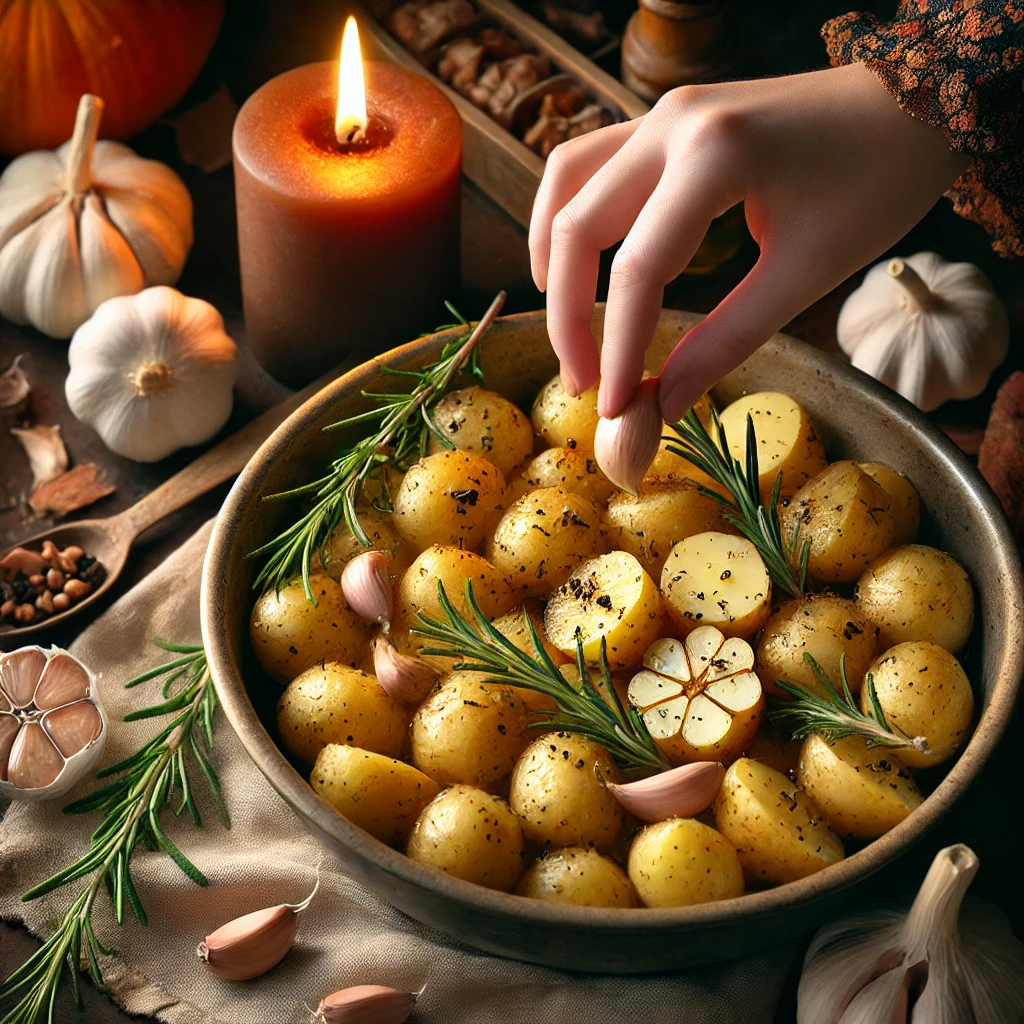
Samhain, the final harvest and the night when the veil between worlds is thin, is a time for reflection, remembrance, and honoring those who have passed. The Dumb Supper, a traditional silent feast, invites the living and the dead to dine together in harmony. Roasted Garlic and Rosemary Potatoes are a perfect side dish for this solemn occasion. Grounded in earthy flavors, this recipe symbolizes nourishment, protection, and connection to the ancestral roots. With the robust flavors of garlic and rosemary, this dish brings a comforting warmth to the feast table while invoking the energy of the harvest season.
The Magic of Roasted Garlic and Rosemary Potatoes
Potatoes, long revered as a grounding food, are often associated with stability, protection, and connection to the earth. During Samhain, when the boundary between worlds is at its most permeable, root vegetables like potatoes help us feel grounded while we connect with the spirits of the past. The garlic in this dish represents protection and banishment of negative energies, ensuring the meal and ritual are safeguarded. Rosemary, a powerful herb for remembrance and clarity, is an offering to the spirits, inviting them to the feast and encouraging wisdom to pass between realms.
This dish serves as a symbol of the grounding energy required for spiritual work and reflection during Samhain. The warmth and heartiness of roasted potatoes, combined with the protective properties of garlic and rosemary, make this side dish perfect for the Dumb Supper feast.
Spell for Grounding and Protection
As you prepare this dish, use this simple spell to protect and ground yourself while connecting to the energy of your ancestors.
Light a brown or white candle to symbolize grounding and protection.
As you chop the potatoes and garlic, visualize any negativity being peeled away from your life, leaving only strength and stability.
While tossing the potatoes with the rosemary and garlic, chant:
“Roots of Earth, so strong and deep, In silence, ancestors we keep. Garlic for protection, rosemary for peace, As we gather, may troubles cease.”
Serve the dish with reverence, focusing on the warmth and protection it provides for you and those sharing the meal.filling and meditate on the balance and harmony you wish to cultivate in your life.
Magical Properties of Roasted Garlic and Rosemary Potatoes
This dish incorporates ingredients imbued with magical significance for Samhain:
Olive Oil: Symbolizes peace and longevity, offering a smooth, protective layer that enhances the other ingredients’ energies
Potatoes: Symbolize grounding, stability, and protection. They connect us to the Earth and offer a sense of security during spiritual reflection.
Garlic: Represents protection, purification, and the banishment of negative energies. It is commonly used in rituals to safeguard the space and participants.
Rosemary: Invokes memory, clarity, and remembrance. Rosemary is often used to honor ancestors and to ensure clear communication between the living and the dead.
Recipe: Roasted Garlic and Rosemary Potatoes
Crispy roasted potatoes infused with garlic and rosemary, perfect for grounding energy and protection during the Samhain Dumb Supper.
Baking sheet
Large mixing bowl
Knife For chopping
Cutting board
1 ½ lbs baby potatoes (or red or gold potatoes, halved or quartered)
1 tbsp fresh parsley (chopped (optional for garnish))
Prepare the Potatoes:
Preheat the oven to 400°F (200°C).
Wash the potatoes and cut them into halves or quarters, depending on their size, ensuring even pieces for consistent cooking.
Season the Potatoes:
In a large mixing bowl, toss the potatoes with olive oil, minced garlic, chopped rosemary, salt, and pepper. Ensure all the potatoes are evenly coated with oil and seasoning.
Roast the Potatoes:
Spread the seasoned potatoes in a single layer on a baking sheet.
Roast in the preheated oven for 35-40 minutes, stirring halfway through to ensure they cook evenly. The potatoes should be golden brown and crispy on the outside while tender on the inside.
Serve:
Once roasted, remove the potatoes from the oven and allow them to cool for a few minutes.
Garnish with fresh parsley if desired and serve warm as a grounding side dish for your Dumb Supper.
Roasted Garlic and Rosemary Potatoes can be paired with other seasonal vegetables or served as a complement to the main dish during your Samhain feast. For added flavor, consider sprinkling a touch of grated Parmesan or a drizzle of balsamic vinegar before serving. This dish is best enjoyed in silence during the Dumb Supper, allowing its grounding energy to guide your reflection.
Side Dish
Autumn, Dumb Supper, Samhain
Recipe
Conclusion
Roasted Garlic and Rosemary Potatoes offer more than just nourishment—they provide grounding and protective energy, making them an ideal side dish for the Samhain Dumb Supper. As you prepare and eat this dish in silence, feel the warmth and stability of the earth beneath your feet, connecting you to your roots and your ancestors. May this recipe bring protection, clarity, and grounding energy to your Samhain rituals and celebrations.
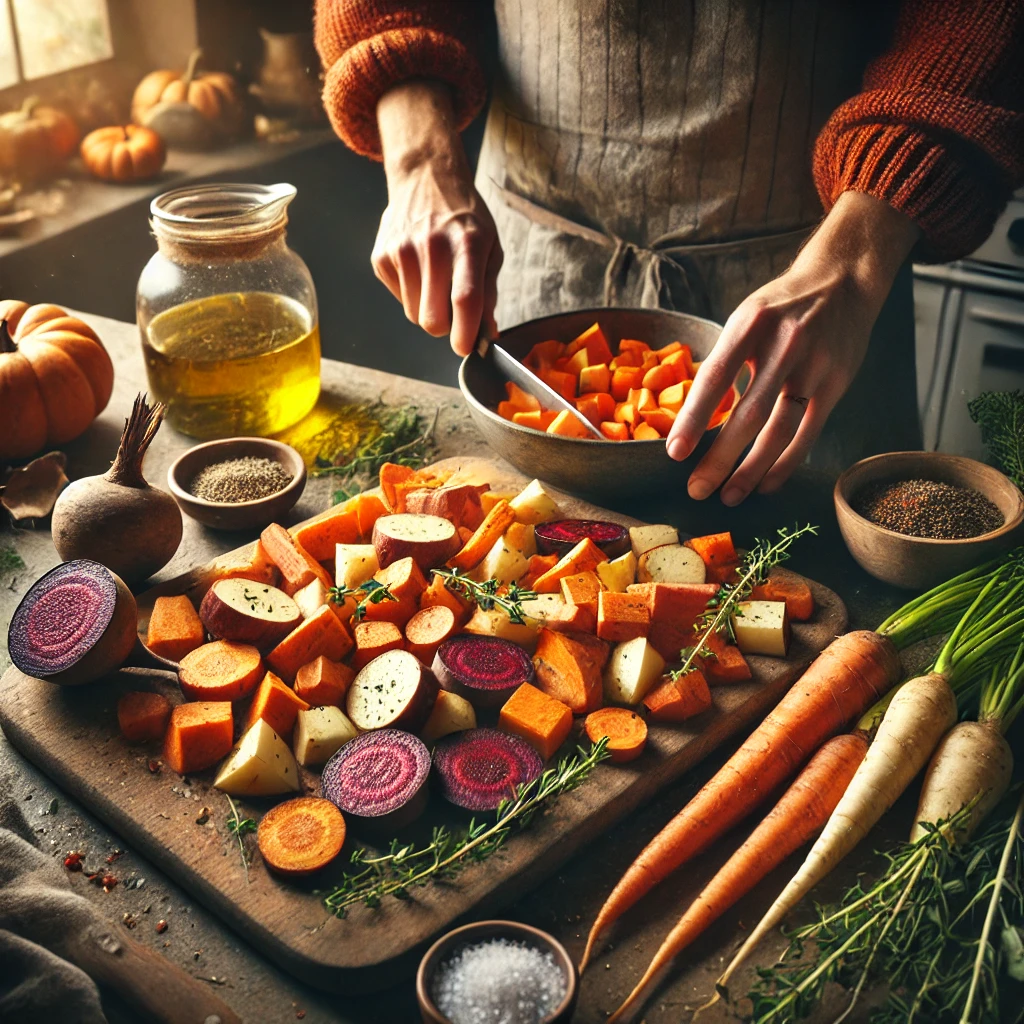
As the days grow shorter and the air turns crisp, Mabon, the Autumn Equinox, invites us to celebrate the harvest and the balance of light and dark. Roasted Root Vegetable Medley is an ideal side dish for this sabbat, highlighting the earthy flavors and vibrant colors of autumn’s bounty. This medley of carrots, sweet potatoes, parsnips, and beets is roasted to perfection, offering a hearty and flavorful complement to your Mabon feast. Explore the magical properties of these root vegetables and discover how they enhance your celebration of this seasonal transition.
A Bit About: Roasted Root Vegetable Medley
During Mabon, we honor the balance between light and darkness and give thanks for the abundance of the harvest. Roasted Root Vegetable Medley captures the essence of this sabbat with its rich, earthy flavors and its celebration of the roots that sustain us. Each vegetable in this dish is selected for its symbolic and practical significance, making it a fitting addition to your Mabon table. The roasting process enhances their natural sweetness and provides a warming, comforting side dish that aligns with the energies of the season.
Spell for Roasted Root Vegetable Medley
To bring balance and abundance into your life, perform this spell as you prepare and enjoy this dish.
Light a brown or orange candle to represent the grounding energy of the Earth and the bounty of the harvest.
As you chop and season the vegetables, visualize the balance of light and dark in your life and express gratitude for the abundance you have.
While arranging the vegetables on the baking sheet, chant:
“Roots of Earth, so rich and deep, Balance and abundance, I seek. Harvest’s gifts on this Mabon night, Fill my life with warmth and light.”
When serving the roasted vegetables, meditate on the harmony and prosperity you wish to cultivate in the coming season.
Magical Properties
This dish features some ingredients with significant magical properties:
Beets: Signify strength, courage, and transformation. Their deep color and earthy flavor add depth to the dish and enhance its magical qualities.
Carrots: Symbolize clarity, vision, and vitality. They enhance the dish with their vibrant orange color and promote insight and health.
Sweet Potatoes: Represent abundance, prosperity, and transformation. Their natural sweetness reflects the richness of the harvest and supports personal growth.
Parsnips: Embody grounding, protection, and purification. They offer a hearty texture and help establish stability and safety.
Roasted Root Vegetable Medley
Short Description: A hearty and flavorful side dish featuring a mix of roasted carrots, sweet potatoes, parsnips, and beets, perfect for celebrating Mabon and the autumn harvest.
Baking sheet
Large mixing bowl
Knife
Cutting board
Spatula
2 large carrots (peeled and cut into bite-sized pieces)
2 medium sweet potatoes (peeled and cut into bite-sized pieces)
2 parsnips (peeled and cut into bite-sized pieces)
2 medium beets (peeled and cut into bite-sized pieces)
3 tablespoons olive oil
1 teaspoon dried thyme
1 teaspoon dried rosemary
1 teaspoon paprika
Salt and pepper to taste
Fresh parsley for garnish (optional)
Prepare the Vegetables:
Preheat the oven to 425°F (220°C).
Peel and chop the carrots, sweet potatoes, parsnips, and beets into bite-sized pieces.
Place the chopped vegetables in a large mixing bowl.
Season the Vegetables:
Drizzle the olive oil over the vegetables and toss to coat evenly.
Add the dried thyme, dried rosemary, paprika, salt, and pepper. Toss again to ensure the vegetables are well-seasoned.
Roast the Vegetables:
Spread the seasoned vegetables in a single layer on a baking sheet.
Roast in the preheated oven for 30-35 minutes, or until the vegetables are tender and golden brown, stirring halfway through to ensure even roasting.
Serve:
Allow the roasted vegetables to cool for a few minutes before serving.
Garnish with fresh parsley if desired.
Enjoy warm as a comforting side dish.
Roasted Root Vegetable Medley can be customized with your favorite root vegetables or additional herbs and spices. Ensure that the vegetables are cut into uniform pieces to achieve even roasting. Serve with your main dish and enjoy the earthy flavors of autumn.
Side Dish
Autumn, Mabon
Recipe
Conclusion
Roasted Root Vegetable Medley is a perfect side dish for Mabon, celebrating the richness of the harvest and the balance of the season. This dish brings together the deep, earthy flavors of autumn’s bounty and offers a meaningful way to honor the energies of the Autumn Equinox. As you savor each bite, may the roasted vegetables bring warmth, balance, and gratitude into your life, enhancing your Mabon celebration with the abundance of the harvest.
A Comprehensive Guide to Foraging and Utilizing this Versatile Plant
Lamb’s Quarter, known scientifically as Chenopodium album, is a verdant gem among wild edibles, celebrated by foragers through the annals of time. Its colloquial monikers, “wild spinach” or “goosefoot,” hint at its culinary versatility and nutritional prowess. In this expansive compendium, we embark on a journey to unravel the mystique surrounding Lamb’s Quarter, delving into its diverse variants, nuanced identification cues, habitat preferences, and the multifaceted tapestry of its medicinal, culinary, and even mystical applications. Prepare to immerse yourself in a botanical odyssey that traverses the realms of flavor, healing, and enchantment as we unlock the secrets of this humble yet remarkable plant.
What is Lamb’s Quarter?
Lamb’s Quarter, a verdant marvel nestled within the genus Chenopodium, boasts a rich botanical heritage spanning continents and epochs. Originating in the fertile lands of Europe and Asia, this resilient plant has ventured far and wide, establishing its presence in diverse ecosystems across the globe, including the verdant landscapes of North America. Its botanical taxonomy places it among the esteemed company of the Chenopodium genus, a lineage renowned for its culinary and medicinal treasures.
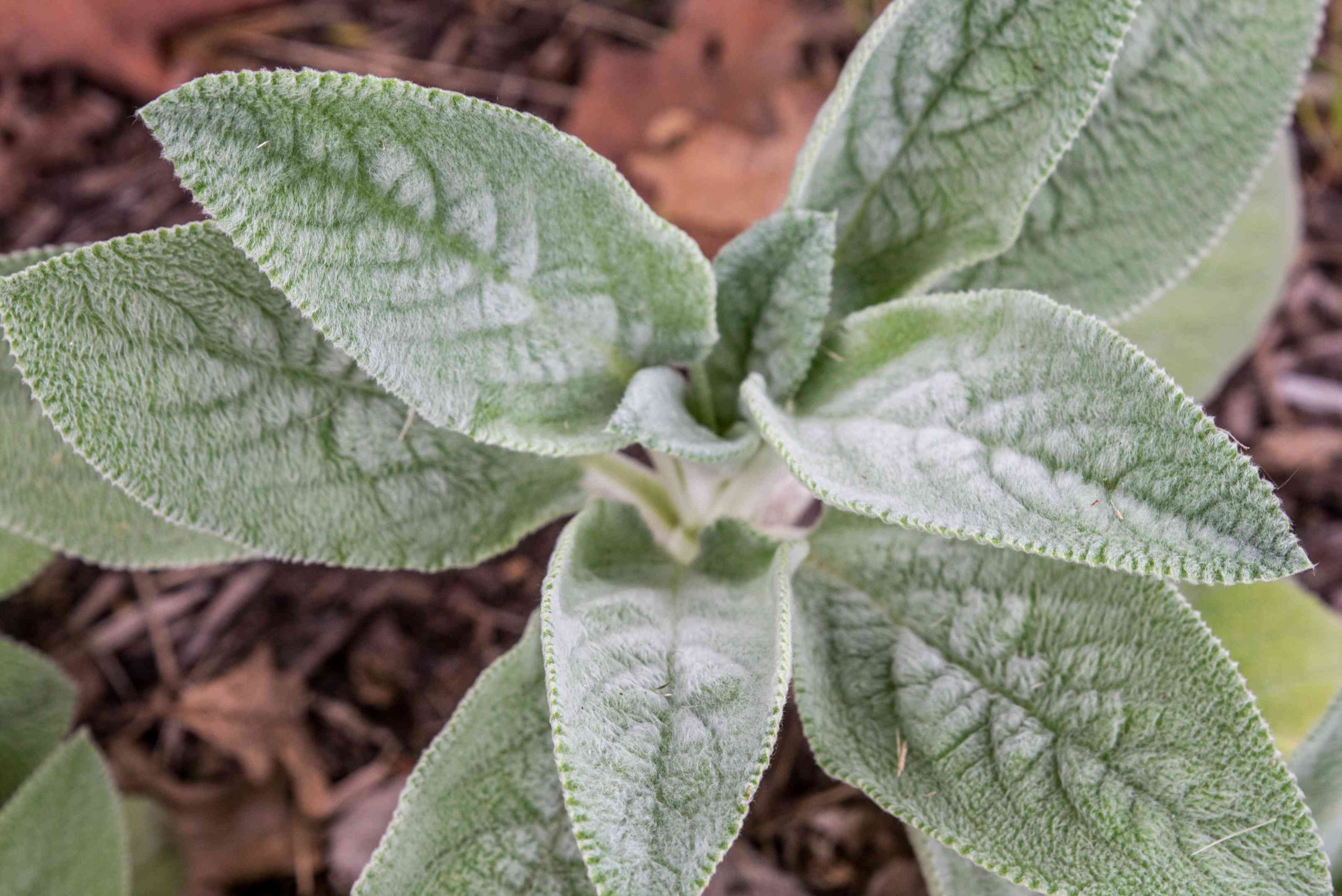
At first glance, Lamb’s Quarter captivates with its distinctive foliage, a verdant tapestry adorned with diamond-shaped leaves that evoke the essence of nature’s craftsmanship. Each leaf bears a delicate powdery coating on its underside, akin to the ethereal hue of lamb’s wool, a subtle adornment that lends the plant its evocative name. This powdery texture serves as a protective mechanism, shielding the plant from excess moisture loss while imparting a velvety allure to its foliage. As sunlight filters through the canopy, casting dappled shadows upon the forest floor, the leaves of Lamb’s Quarter glisten with a muted sheen, an invitation to explore the hidden wonders of the natural world.
Variants of Lamb’s Quarter
While Chenopodium album is the most common variety of Lamb’s Quarter, there are a few related species and subspecies worth noting, including:
Chenopodium bonus-henricus: Also known as Good King Henry or Lincolnshire Spinach, this variant has larger, arrowhead-shaped leaves and is prized for its culinary uses.
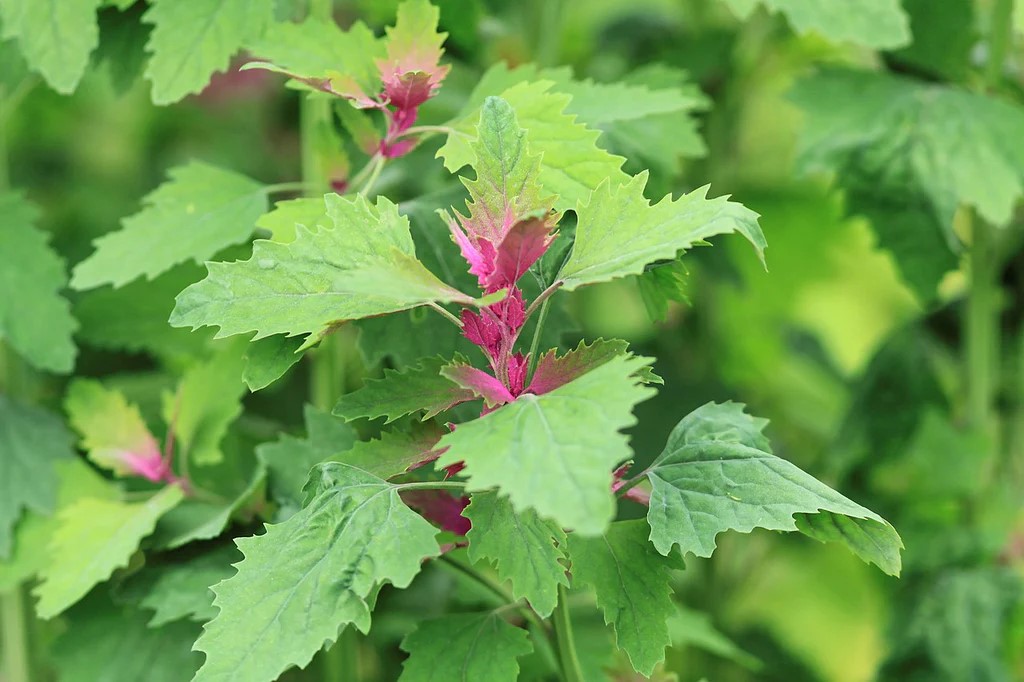
Chenopodium giganteum: Known as Giant Lamb’s Quarter or Magenta Spreen, this variety has striking magenta-colored stems and is often cultivated as an ornamental and edible plant.
Exploring the Culinary Delights of Good King Henry
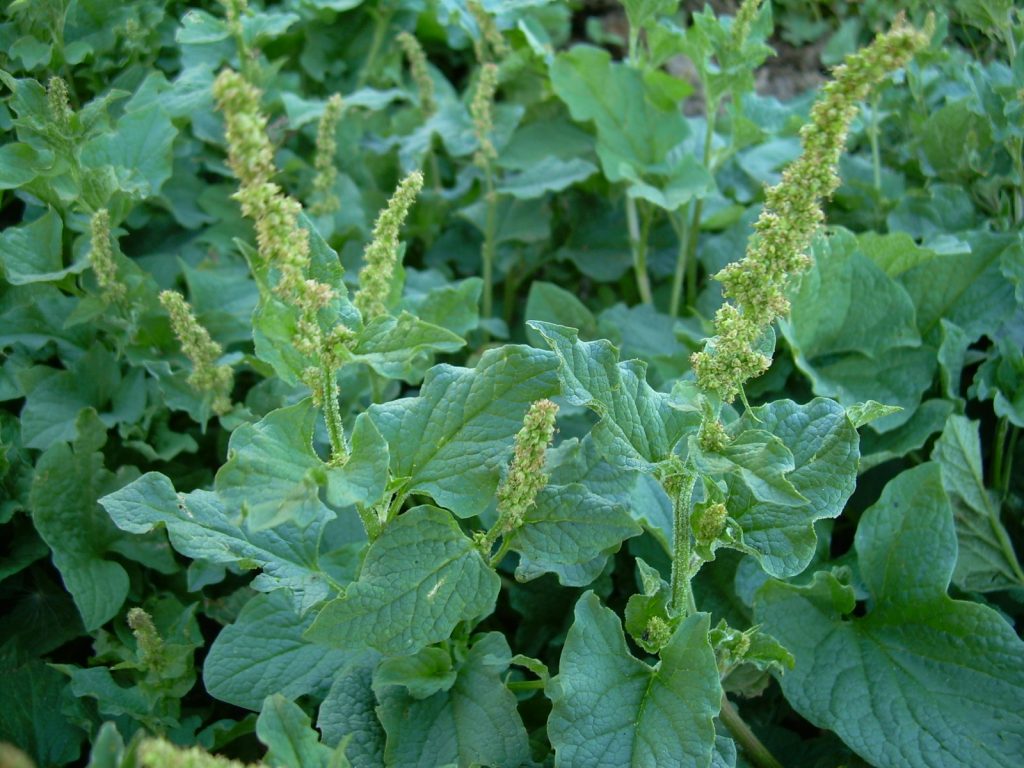
In the verdant realms of wild edibles, Chenopodium bonus-Henricus, affectionately known as Good King Henry or Lincolnshire Spinach, reigns supreme as a culinary treasure waiting to be discovered. With its larger, arrowhead-shaped leaves and a flavor profile that tantalizes the taste buds, this variant of the Chenopodium genus holds a special place in the hearts and kitchens of foragers and food enthusiasts alike. Join us on a journey through the enchanting world of Good King Henry as we uncover its culinary secrets and celebrate its gastronomic allure.
Discovering Good King Henry
Good King Henry, also referred to as Lincolnshire Spinach, is a leafy green plant renowned for its robust flavor and nutritional value. Belonging to the Chenopodium genus, this variant stands out with its distinctive arrowhead-shaped leaves, which can grow to impressive sizes compared to its more common counterparts. Native to Europe, particularly the United Kingdom, Good King Henry has also found favor in North America and other parts of the world where it has been introduced.
Identifying Good King Henry
Recognizing Good King Henry amidst the tapestry of the wild is a rewarding endeavor. Key identification features include:
Large Arrowhead-Shaped Leaves: Good King Henry leaves are larger and broader than those of other Chenopodium species, often resembling the shape of an arrowhead.
Stem and Growth Habit: Look for sturdy, upright stems adorned with clusters of leaves. Good King Henry typically grows in dense clumps, forming verdant patches in sunny or partially shaded areas.
Foraging Techniques
Foraging Good King Henry requires a keen eye and a gentle touch. Here’s how to gather this culinary gem responsibly:
Respect Nature: Forage mindfully, taking only what you need and leaving behind enough plants to ensure their continued growth and reproduction.
Harvesting: Select young, tender leaves for the best flavor and texture. Use scissors or garden shears to snip the leaves cleanly from the stem, allowing the plant to regenerate and thrive.
Location: Good King Henry favors nutrient-rich soil in sunny or partially shaded locations, often flourishing in hedgerows, woodland edges, and meadows.
Culinary Delights
Good King Henry’s culinary versatility knows no bounds. Here are a few ways to savor its delectable flavors:
Sautéed Good King Henry: Heat a skillet with olive oil, garlic, and a pinch of salt. Add chopped Good King Henry leaves and sauté until wilted. Serve as a side dish or add to omelets and frittatas.
Good King Henry Pesto: Blend blanched Good King Henry leaves with garlic, pine nuts, Parmesan cheese, and olive oil to create a vibrant pesto sauce. Toss with pasta or use as a spread on sandwiches and bruschetta.
Good King Henry Soup: Simmer Good King Henry leaves in a flavorful broth with potatoes, onions, and herbs for a comforting and nourishing soup.
Safety Precautions
While Good King Henry is generally safe to eat, it’s essential to forage responsibly and avoid harvesting from contaminated areas, such as those treated with pesticides or herbicides. Additionally, always properly identify plants before consumption to avoid any potential look-alikes or toxic species.
Wrapping up Good King Henry
Good King Henry shines as a beacon of nature’s generosity and culinary potential. Its hearty taste, rich nutritional profile, and diverse uses in the kitchen make it a favorite among foragers. This member of the Chenopodium family beckons adventurers to explore its flavors, experiment with new recipes, and deepen their bond with the natural world. Equip yourself for foraging, step into the wilderness, and let the unique charm of Good King Henry elevate your next culinary creation.
Unveiling the Majesty of Chenopodium giganteum
Chenopodium giganteum, affectionately known as Giant Lamb’s Quarter or Magenta Spreen, reigns supreme as a captivating botanical treasure waiting to be discovered. With its striking magenta-colored stems and a reputation for both ornamental beauty and culinary excellence, this variant of the Chenopodium genus captivates the senses and delights the palate. Join us on a foraging journey as we uncover the splendor of Giant Lamb’s Quarter and explore its many culinary and aesthetic delights.
Embracing the Majesty of Giant Lamb’s Quarter
Chenopodium giganteum, with its majestic stature and vibrant hues, adds a touch of regal elegance to any landscape. Originally hailing from the Caucasus region of Eurasia, this remarkable plant has since made its mark on gardens and wild spaces around the world, captivating onlookers with its towering presence and stunning magenta-colored stems.
Identifying Giant Lamb’s Quarter
Distinguishing Giant Lamb’s Quarter amidst the verdant tapestry of the wild requires a keen eye and an appreciation for its unique characteristics:
Magenta-Colored Stems: Giant Lamb’s Quarter is distinguished by its striking magenta-colored stems, which stand out prominently against the backdrop of lush green foliage.
Large, Jagged Leaves: The leaves of Giant Lamb’s Quarter are broad, jagged-edged, and arranged alternately along the stems, creating a dramatic silhouette that commands attention.
Habitat: Look for Giant Lamb’s Quarter in sunny or partially shaded locations, often thriving in gardens, waste areas, and disturbed soils.
Foraging Techniques
Foraging Giant Lamb’s Quarter is a rewarding endeavor that requires mindfulness and respect for nature’s bounty. Here are some tips for responsible foraging:
Harvesting: Select young, tender leaves and stems for the best flavor and texture. Use scissors or gardening shears to snip the leaves and stems cleanly from the plant, allowing it to regenerate and continue thriving.
Location: Giant Lamb’s Quarter prefers well-drained soils and can often be found in gardens, parks, and other cultivated spaces where it may have been intentionally planted for its ornamental and edible qualities.
Culinary and Aesthetic Delights
Giant Lamb’s Quarter offers a feast for both the palate and the eyes, with its vibrant colors and delectable flavor. Here are a few ways to savor its culinary and aesthetic delights:
Giant Lamb’s Quarter Salad: Toss young Giant Lamb’s Quarter leaves with fresh garden vegetables, a squeeze of lemon juice, and a drizzle of olive oil for a refreshing and vibrant salad.
Magenta Spreen Stir-Fry: Sauté Giant Lamb’s Quarter stems with garlic, ginger, and soy sauce for a flavorful and colorful addition to stir-fries and Asian-inspired dishes.
Ornamental Beauty: In addition to its culinary uses, Giant Lamb’s Quarter adds a touch of elegance to gardens and landscapes with its striking magenta-colored stems and dramatic foliage.
Safety Precautions
While Giant Lamb’s Quarter is generally safe to eat, it’s essential to forage responsibly and avoid harvesting from contaminated areas. Additionally, always properly identify plants before consumption to avoid any potential look-alikes or toxic species.
Wrapping up Giant Lamb’s Quarter
In the world of wild edibles, Giant Lamb’s Quarter stands as a true marvel of nature, captivating foragers and gardeners alike with its stunning beauty and culinary versatility. Whether adorning garden beds with its regal presence or gracing the dinner table with its vibrant flavors, this remarkable plant invites us to embrace the majesty of the natural world and savor the bountiful gifts it has to offer. So, don your foraging gear, venture into the wild, and let the splendor of Giant Lamb’s Quarter inspire your next botanical adventure.
Identifying Lamb’s Quarter and its Variants
Key identification features of Lamb’s Quarter include:
Leaf Shape: Look for diamond-shaped leaves with a powdery coating on the underside, resembling frosted glass.
Stem: Lamb’s Quarter typically has reddish or purplish stems, especially when young.
Habitat: You’ll often find Lamb’s Quarter growing in disturbed soil, along roadsides, in gardens, and in waste areas.
Habits of Lamb’s Quarter
Lamb’s Quarter is an adaptable and hardy plant, thriving in a variety of environments, from fertile garden beds to neglected urban lots. It prefers rich, moist soil but can tolerate poor soil conditions. You’ll often find it growing vigorously in sunny or partially shaded areas, producing abundant foliage throughout the growing season.
Medicinal Uses of Lamb’s Quarter
Lamb’s Quarter is not just a culinary delight; it also offers various medicinal benefits, including:
Nutritional Powerhouse: Rich in vitamins A and C, calcium, and iron, Lamb’s Quarter is a nutritious addition to your diet.
Anti-Inflammatory Properties: Some traditional herbalists use Lamb’s Quarter to alleviate inflammation and soothe skin irritations.
Digestive Aid: The leaves of Lamb’s Quarter have been used to aid digestion and alleviate minor gastrointestinal discomfort.
Culinary Uses of Lamb’s Quarter
Lamb’s Quarter is a versatile and flavorful wild edible, with culinary uses that rival those of its cultivated counterparts. Here are a few ways to enjoy Lamb’s Quarter in your kitchen:
Salads: Add fresh Lamb’s Quarter leaves to salads for a nutritious and peppery kick.
Stir-fries: Sauté Lamb’s Quarter with garlic and olive oil for a simple yet delicious side dish.
Soups and stews: Use Lamb’s Quarter as a nutritious addition to soups, stews, and other cooked dishes.
Pesto: Blend Lamb’s Quarter leaves with garlic, nuts, cheese, and olive oil to make a wild twist on traditional pesto.
How to Properly Forage Lamb’s Quarter
Foraging Lamb’s Quarter is a rewarding experience, but it’s essential to do so responsibly and safely. Here are some tips for proper foraging:
Location: Look for Lamb’s Quarter in sunny or partially shaded areas, preferably in nutrient-rich soil.
Harvesting: Choose young, tender leaves for the best flavor and texture. Avoid plants growing near roadsides or in polluted areas.
Tools: Bring a pair of scissors or garden shears to harvest Lamb’s Quarter cleanly and efficiently.
Quantity: Harvest only what you need and leave enough plants behind to ensure their continued growth and reproduction.
Safety Concerns
While Lamb’s Quarter is generally safe to eat, there are a few safety concerns to keep in mind:
Toxic Look-alikes: Be cautious when foraging for Lamb’s Quarter, as it may resemble some poisonous plants, such as White Snakeroot (Ageratina altissima) or Fat Hen (Chenopodium album).
Pesticides and Herbicides: Avoid harvesting Lamb’s Quarter from areas that have been treated with pesticides or herbicides, as these chemicals may contaminate the plants and pose health risks.
Magical Uses of Lamb’s Quarter
In folklore and herbalism, Lamb’s Quarter is associated with protection, abundance, and vitality. Here are a few ways to incorporate Lamb’s Quarter into your magical practice:
Protection Spells: Carry a sachet of dried Lamb’s Quarter leaves for protection against negative energies or harmful influences.
Abundance Rituals: Burn Lamb’s Quarter leaves as incense during abundance rituals or prosperity spells to attract wealth and success.
Vitality Charms: Place a sprig of fresh Lamb’s Quarter on your altar to symbolize vitality and renewal, invoking the plant’s life-affirming energies.
Conclusion
Lamb’s Quarter is indeed a cherished gift bestowed upon us by the generosity of nature’s bounty. Beyond its humble appearance lies a treasure trove of nourishment, healing potential, and mystical properties waiting to be unearthed by those who venture into the wilderness. Whether you find yourself foraging for wild greens to grace your dinner table with their earthy flavors, crafting herbal remedies to soothe the body and soul, or weaving spells of protection and abundance under the moonlit sky, Lamb’s Quarter serves as a faithful ally and guide on your journey. As you immerse yourself in the sacred dance of foraging, brewing, and enchanting, may you feel the gentle embrace of Mother Earth’s embrace and the whispers of ancient wisdom that echo through the forest’s canopy. With each leaf plucked, each potion brewed, and each incantation whispered, may you deepen your connection to the natural world and awaken to the boundless wonders that lie within. So, with hearts full of gratitude and spirits ablaze with curiosity, let us venture forth into the untamed wilderness and embrace the magic that awaits. Happy foraging, dear seekers of the wild!
[aioseo_breadcrumbs]
Coming Soon
[display-posts post_status="future" posts_per_page="4" include_date="true" image_size="medium" wrapper="div" wrapper_class="display-upcoming-posts image-left" order="ASC" include_link="false" no_posts_message="No New posts Scheduled, Check back in a few days!"]