Posted on Leave a comment

Autumn Home Remedies – Teas

Autumn Teas
Autumn Teas

Introduction

Autumn Home Remedies – Teas

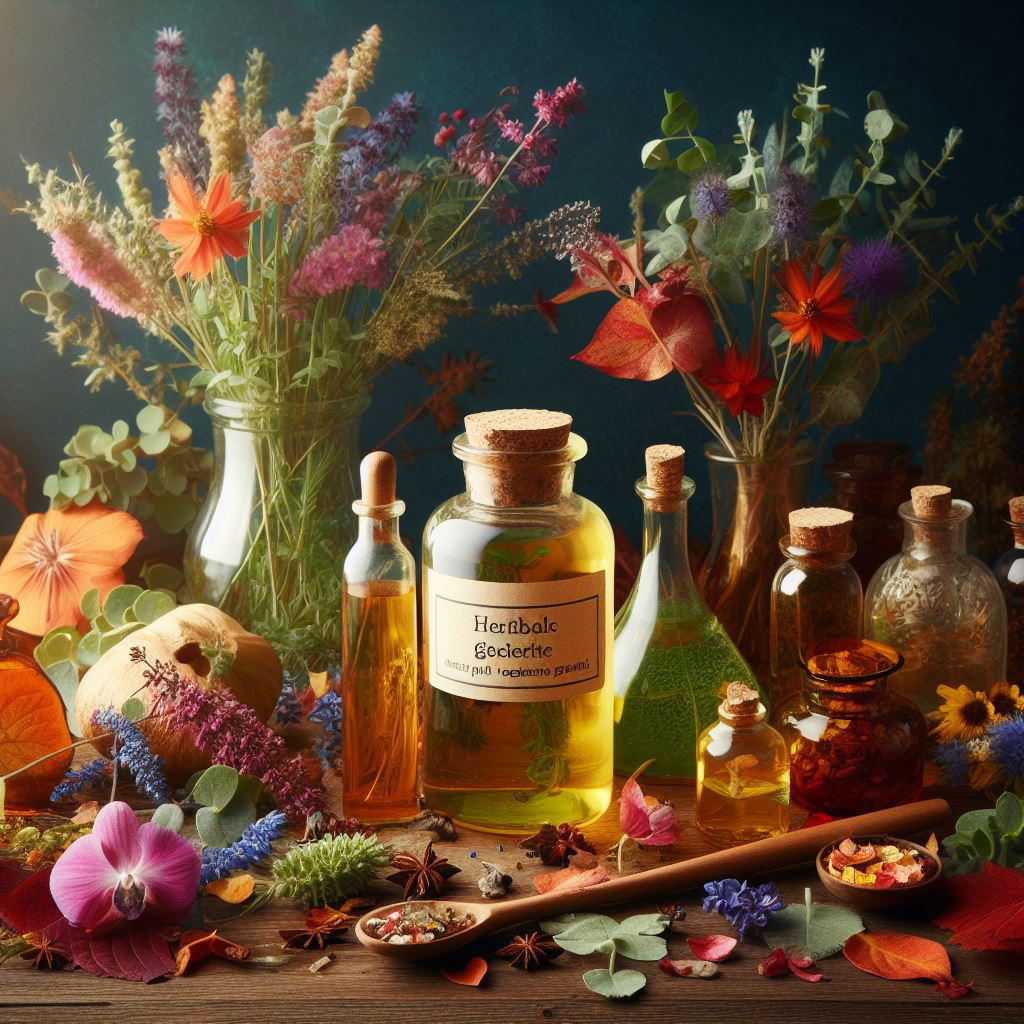
As autumn paints the world in warm hues and the air turns crisp, there’s no better time to cozy up with a comforting cup of herbal tea. By harnessing the power of autumn foraging—utilizing herbs, plants, and flowers—we can create nourishing and therapeutic teas that not only warm our bodies but also support our well-being.

In this series, we’ll go over steam treatment, elixirs, teas, tinctures, broths, herbal glycerites, aroma therapy, and tonics. There are a lot of home remedies and nearly endless possibilities of methods. The eight selected for this series are some of the most common practices. All these covered home remedies are perfect for Autumn-Season applications.

In this article, we will explore the art of crafting herbal teas during autumn, highlighting the abundance of ingredients available in nature and providing practical methods to incorporate them into our daily routines. Get ready to indulge in the soothing flavors and healing benefits of autumn herbal teas.

Teas

As the crisp days of autumn unfold, we find ourselves craving cozy and warming beverages to embrace the chill. What better way to soothe your body and promote wellness than with homemade herbal teas infused with the rich flavors of autumn herbs? From spicy ginger to earthy sage and sweet apple, these teas offer a delightful and nourishing way to celebrate the season. In this article, we will explore the art of crafting homemade herbal teas using autumn herbs, along with methods to extract their flavors and therapeutic benefits. Get ready to discover a world of soothing flavors and wellness-enhancing properties that will comfort your senses and keep you healthy all autumn long.

Autumn Foraging for Flavorful Ingredients

Autumn offers an array of herbs, plants, and flowers that can be foraged and transformed into flavorful herbal teas. Consider incorporating the following ingredients into your autumn tea blends:

Mint: With its refreshing and invigorating qualities, mint is perfect for autumn teas. Spearmint, peppermint, or even chocolate mint varieties add a delightful twist to your blends.

Lemon Verbena: Known for its bright and citrusy flavor, lemon verbena brings a touch of vibrancy to autumn teas. It also offers digestive and relaxation benefits.

Elderflower: These delicate white flowers offer a subtle floral flavor that pairs well with other herbs. Elderflower tea is believed to support the immune system and promote respiratory health.

Cinnamon: A quintessential autumn spice, cinnamon imparts warmth and a sweet-spicy flavor to teas. It is also known for its antioxidant properties and ability to balance blood sugar levels.

Our shoppe has several wonderful Teas such as Ballet Ablaze which is bursting with Autumn delights!

Ballet Ablaze – Enchanted Loose Leaf Teas (equinox-apothecary.shop) Exclusivly @ www.Equinox-Apothecary.shop

Method for Creating Autumn Herbal Teas

Crafting autumn herbal teas is a simple and rewarding process. Follow these steps to create your own homemade blends:

Ingredients:

Fresh or dried herbs, plants, or flowers of your choice

Filtered water

Optional sweeteners like honey or maple syrup

Process:

Gather your chosen autumn botanicals and rinse them gently to remove any dirt or impurities. If using fresh herbs, gently bruise the leaves to release their aromatic oils.

Boil a pot of filtered water. Use approximately 1 tablespoon of dried herbs or 2 tablespoons of fresh herbs per 8 ounces of water.

Place the herbs in a heat-safe teapot or infuser and pour the boiling water over them.

Cover the teapot and let the tea steep for about 5-10 minutes, or until the desired strength is achieved.

Strain the tea into cups or mugs, and if desired, add a touch of natural sweetener like honey or maple syrup to enhance the taste.

Stir well to ensure the sweetener is fully incorporated and savor the comforting flavors and healing benefits of your homemade autumn herbal tea.

Customizing Autumn Tea Blends

You can experiment with different combinations of herbs and botanicals to create unique autumn tea blends. Here are a few suggestions:

Spiced Chai Blend: Combine cinnamon, cardamom, cloves, and ginger for a warming and aromatic chai-inspired tea. Add a dash of black tea or rooibos for a caffeine kick, if desired.

Soothing Digestive Blend: Mix mint, chamomile, and lemon verbena for a tea that calms the stomach, aids digestion, and promotes relaxation after a hearty autumn meal.

Immunity-Boosting Blend: Blend elderflower, echinacea, and rosehips for a tea that supports the immune system, wards off seasonal ailments, and provides a vitamin C boost.

Embracing Autumn Tea Rituals

Incorporate autumn teas into your daily routine to fully enjoy their comforting and therapeutic benefits:

Morning Routine: Start your day with a cup of herbal tea to invigorate your senses, awaken your mind, and set a peaceful tone for the day ahead.

Afternoon Delight: Take a break in the afternoon and indulge in a soothing cup of tea to relax and rejuvenate. Use this time for self-reflection or simply to enjoy a moment of tranquility.

Evening Wind-Down: Unwind in the evening with a calming herbal tea blend to promote relaxation, prepare for a restful sleep, and soothe the senses before bed.

Herbal Infusions: Get creative with your autumn teas by infusing them with other flavors. Consider adding slices of fresh apple or a sprig of rosemary to enhance the taste and aroma.

The Witches’ Tea Party

A Short Story

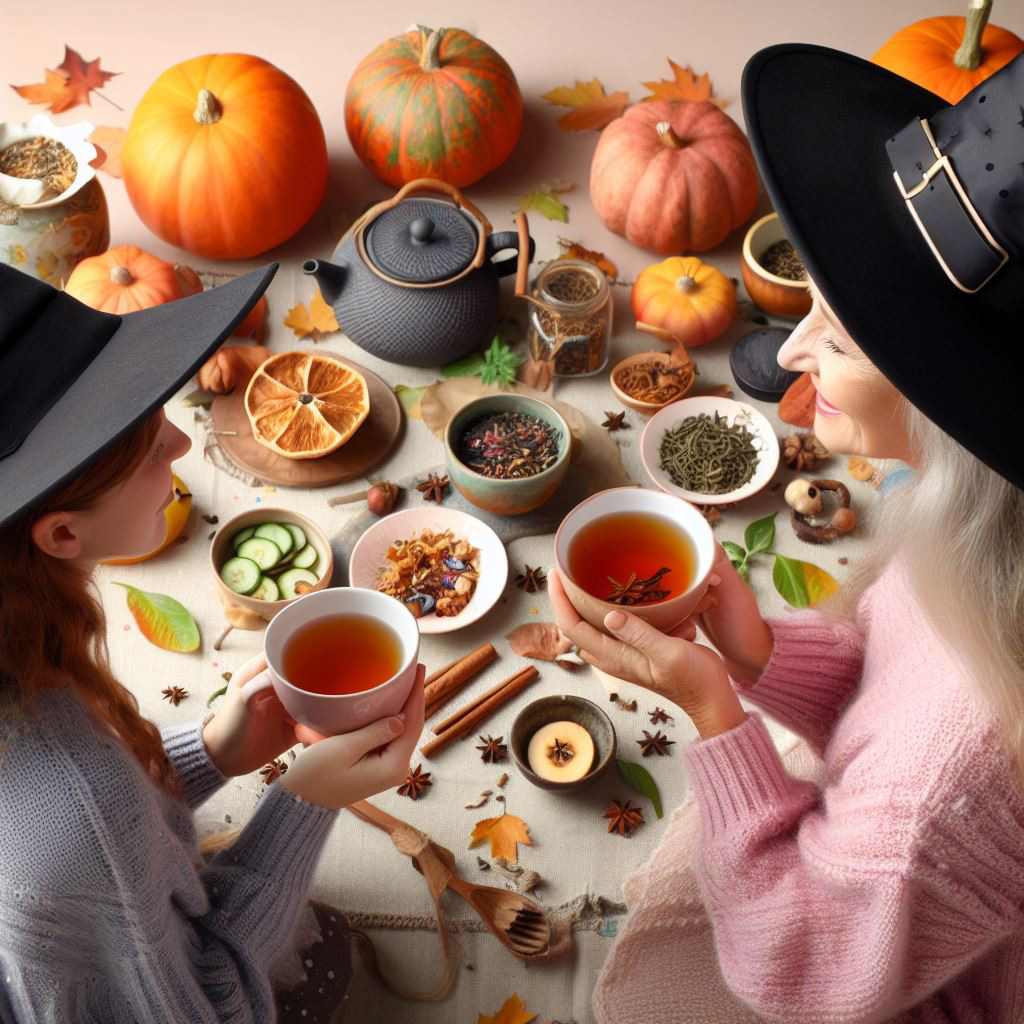
It was a cool and clear night in the month of October, when a group of witches gathered in a cozy cabin in the woods. They had come from far and wide, to celebrate the eve of Samhain, the ancient festival of the dead. They brought with them their cauldrons, their grimoires, and their familiars, and prepared to perform their rites and spells.

But before their solemn and sacred ceremonies, they enjoyed a cup of tea, to warm their bodies and spirits. They brewed their tea with the herbs and plants they had collected from the forest, each one adding a different flavor and property to the concoction. They poured the steaming liquid into their cups, and sat around the fireplace, sipping and chatting.

They talked of many things, of the past and the present, of the living and the dead, of the natural and the supernatural. They shared their wisdom and their experience, their dreams and their visions, their secrets and their mysteries. They laughed and they sighed, they whispered and they sang, they blessed and they prayed. They were friends and they were kin, they were sisters and they were mentors, they were students and they were teachers.

They were Witches all.

As they drank their tea, they felt its effects on their bodies and souls. Some felt a calmness and a peace, some felt a joy and a gratitude, some felt a love and a compassion, some felt a wonder and a curiosity, some felt a strength and a courage, some felt a hope and a faith. The tea enhanced their connection and their harmony, their balance and their alignment, their intuition and their insight.

They noticed the time passing, and the stars shining outside. They noticed the fire crackling, and the wind howling. They noticed the shadows dancing, and the spirits whispering. They noticed the beauty and the mystery, the magic and the mystery, the mystery and the magic.

They noticed, and they smiled.

For the tea they had brewed was not a simple and harmless beverage, but a potent and precious potion. A potion that had been blessed with and by a loving and generous hand. A potion that contained a secret and sacred ingredient, that had been added by a friend and a sister. A potion that was meant to heal and nourish, to inspire and empower.

The potion was a gift.

And as they drank their gift, they felt its effects on their bodies and souls. Some felt a warmth and a comfort, some felt a light and a clarity, some felt a spark and a creativity, some felt a flow and a harmony, some felt a grace and a wisdom, some felt a bliss and a transcendence. The gift elevated their being and their essence, their purpose and their destiny, their spirit and their soul.

They smiled and they thanked, they hugged and they kissed, they praised and they honored, they celebrated and they rejoiced. They rose one by one, like flowers in the spring, like birds in the sky, like flames in the fire. They rose, and they joined hands.

They were Witches all.

Conclusion

Autumn herbal teas allow us to embrace the beauty and flavors of the season while reaping the therapeutic benefits of nature’s bounty. By foraging for herbs, plants, and flowers and crafting homemade blends, we can create comforting and nourishing teas that warm our bodies and comfort our souls. Explore the aromatic delights of mint, the zest of lemon verbena, the subtle sweetness of elderflower, and the warmth of cinnamon as you embark on a journey of autumn tea exploration. Savor the soothing flavors, indulge in moments of tranquility, and allow the healing power of nature to nourish your body and uplift your spirit. With each sip of your homemade autumn herbal tea, embrace the comfort, wellness, and connection to the natural world that these teas bring.
Posted on Leave a comment

Autumn Home Remedies – Herbal Glycerites

Autumn Herbal Glycerites

Introduction

Autumn Home Remedies – Herbal Glycerites

Autumn is a time of transformation, as nature’s colors shift and the air turns crisp. It is also the perfect season to explore the art of herbal glycerites—a gentle and effective way to extract the healing properties of herbs, plants, and flowers. Herbal glycerites are liquid extracts that utilize glycerin as a medium to capture the essence of botanical ingredients. By utilizing the abundance of autumn foraging, we can create homemade herbal glycerites that promote well-being, nourish the body, and support our holistic health.

In this series, we’ll go over steam treatment, elixirs, teas, tinctures, broths, herbal glycerites, aroma therapy, and tonics. There are a lot of home remedies and nearly endless possibilities of methods. The eight selected for this series are some of the most common practices. All these covered home remedies are perfect for Autumn-Season applications.

In this article, we will delve into the process of crafting herbal glycerites using autumn herbs, plants, and flowers, allowing us to tap into the healing power of nature during this transformative season.

Herbal Glycerites

Herbal glycerites are one of my favorite ways to work with the magic of plants. They are like tinctures, but instead of using alcohol, they use glycerin to extract the essence of the herbs. Glycerin is a sweet and sticky liquid that comes from plants or animals. It’s great for making glycerites because it doesn’t have any alcohol, which some people don’t like or can’t have. Glycerites are also yummy and last a long time.

Herbal glycerites have been around for a long time. They were first mentioned in a book called King’s American Dispensatory (1898), which was a guide for making all kinds of herbal remedies. The book said that glycerites were “solutions of medicinal substances in glycerin” that you could use for healing yourself or others. Some herbalists also used glycerin to keep the fresh juices of herbs from going bad. Glycerin can pull out both the water and the oil parts of the plants, so it can capture their full power. Nowadays, herbal glycerites are also used in natural beauty products, because they make your skin soft, smooth, and healthy.

As nature transforms in the chill of autumn, it’s the perfect time to harness the healing power of herbs through the creation of herbal glycerites.

A Brief History of Glycerites

Herbal glycerites are liquid extracts that use vegetable glycerin as a solvent instead of alcohol. They are sweet, non-alcoholic, and shelf-stable, and can be used as alternatives to tinctures or syrups. They can be taken internally or applied externally, depending on the purpose and the plant. They can be used to treat various ailments, enhance well-being, and add flavor and sweetness to food and drinks.

Herbal glycerites have a relatively recent history compared to other forms of herbal medicine. Vegetable glycerin was not widely available until the 19th century, when it was first produced as a by-product of soap making. Before that, most herbal extracts were made with alcohol, vinegar, honey, or oil. However, some people preferred non-alcoholic or less acidic solvents, especially for children, pregnant women, or people with sensitive stomachs. Some also preferred sweeter or milder-tasting solvents, especially for culinary or cosmetic purposes.

Some of the earliest references to herbal glycerites can be found in the writings of American herbalists and botanists in the late 19th and early 20th centuries. For example, John Uri Lloyd, a pharmacist and professor of chemistry, published a book in 1892 called The Chemistry of Medicines, in which he described the preparation and properties of glycerites of various herbs, such as lobelia, ginger, and chamomile. Similarly, Maude Grieve, a teacher and founder of the Whins Medicinal and Commercial Herb School in England, published a book in 1931 called A Modern Herbal, in which she mentioned the use of glycerites of herbs such as licorice, marshmallow, and slippery elm.

Herbal glycerites have also been used by practitioners of witchcraft and pagan traditions, who value the use of natural and plant-based remedies for healing and magic. Some witches and pagans prefer glycerites over tinctures because they believe that alcohol can interfere with the vibration and energy of the herbs, or because they follow a sober or abstinent lifestyle. Some also prefer glycerites because they can be easily made at home, using fresh or dried herbs, vegetable glycerin, and water. Some of the common herbs used in witchcraft and pagan glycerites are lavender, rose, sage, mint, and lemon balm, which have various magical and spiritual properties, such as cleansing, protection, love, peace, and communication.

Herbal glycerites are a versatile and convenient way to use the healing and magical power of herbs. They can be used for various purposes, such as medicine, food, beauty, or ritual. They can also be customized and personalized, according to the preference and intention of the user. They are a relatively modern innovation, but they have roots in the ancient and primal practice of herbalism, which connects us to the earth and the plants that grow on it.

Autumn Foraging for Botanical Delights

Foraging is the act of searching for and collecting wild food resources from nature. It is an ancient and primal skill that connects us to our roots and our environment. Foraging can also be a form of witchcraft, as it allows us to tap into the energy and spirit of the plants and animals we encounter. By foraging for autumn herbs, plants, and flowers, we can create our own herbal glycerites that capture the essence and magic of the season.

Herbal glycerites are liquid extracts that use vegetable glycerin as a solvent instead of alcohol. They are sweet, non-alcoholic, and shelf-stable, and can be used as alternatives to tinctures or syrups. They can be taken internally or applied externally, depending on the purpose and the plant. They can be used to treat various ailments, enhance well-being, and add flavor and sweetness to food and drinks.

Foraging for herbal glycerite ingredients requires some knowledge and preparation. We need to know how to identify the plants we want to use, where to find them, when to harvest them, and how to store them. We also need to be respectful and responsible towards nature, and follow some ethical guidelines. For example, we should only take what we need, leave some for the wildlife and other foragers, avoid endangered or protected species, and ask for permission from the land and the plants.

Foraging for herbal glycerite ingredients also requires some creativity and intuition. We can experiment with different combinations and proportions of plants, and see how they affect our health and well-being. We can also listen to our inner guidance and follow our instincts, and see what plants call to us and what messages they have for us. We can also infuse our intention and gratitude into the plants, and thank them for their gifts and blessings.

Foraging for herbal glycerite ingredients is a rewarding and enjoyable activity that can enrich our lives and our practice. It can help us to heal, nourish, and empower ourselves and others. It can also help us to celebrate the beauty and bounty of autumn, and honor the cycle of life and death.

Autumn presents us with a treasure trove of herbs, plants, and flowers that can be foraged and incorporated into herbal glycerites. Consider gathering the following ingredients for your autumn brews:

  • Calendula: Known for its soothing and healing properties, calendula flowers are a staple in herbal remedies. Harvest the vibrant orange or yellow petals for their anti-inflammatory and skin-nourishing benefits.
  • Echinacea: This immune-boosting herb is commonly found in the autumn months. Harvest the roots, leaves, or flowers of echinacea for their potent antimicrobial and immune-stimulating properties.
  • Marshmallow Root: With its soothing and demulcent qualities, marshmallow root is excellent for respiratory health and soothing irritated mucous membranes. Harvest the root in autumn for its medicinal benefits.
  • Lemon Balm: This aromatic herb has a calming and uplifting effect on the nervous system. Harvest the leaves of lemon balm for their gentle sedative and mood-enhancing properties.

Creating Autumn Herbal Glycerites

Crafting herbal glycerites is a simple and rewarding process that allows us to preserve the medicinal properties of autumn herbs. Follow these steps to create your own homemade herbal glycerites:

Ingredients

  • Fresh or dried autumn herbs, plants, or flowers
  • Food-grade vegetable glycerin
  • Filtered water
  • Optional: vodka (to act as a preservative)

Process

  • Begin by thoroughly cleaning and drying the herbs, plants, or flowers you have foraged. Remove any damaged or discolored parts.
  • Fill a clean glass jar about halfway with your chosen botanical ingredients.
  • Pour a mixture of 3 parts glycerin and 1 part filtered water into the jar, ensuring the botanicals are fully submerged.
  • Use a clean spoon or chopstick to gently press down the botanicals, removing any air bubbles and ensuring they are fully covered by the glycerin mixture.
  • If desired, add a small amount of vodka to act as a preservative, especially if using fresh herbs.
  • Seal the jar tightly and place it in a cool, dark place away from direct sunlight.
  • Allow the mixture to infuse for 4-6 weeks, shaking the jar gently every few days to promote the extraction process.
  • After the infusion period, strain the glycerite using a fine mesh sieve or cheesecloth, collecting the liquid extract in a clean glass jar.
  • Label the jar with the name of the glycerite, the date of creation, and the ingredients used.

Utilizing Autumn Herbal Glycerites

Autumn herbal glycerites offer a versatile and convenient way to incorporate the healing properties of herbs into our daily lives. Here are some suggestions on how to utilize them effectively:

Oral Use: Take a few drops of the glycerite directly under the tongue for quick absorption and assimilation into the body. This method is ideal for supporting immune health, soothing digestion, or promoting relaxation.

Topical Application: Apply glycerite externally to soothe skin irritations, minor cuts, or burns. Glycerites can also be added to homemade skincare products, such as creams or lotions, to nourish and protect the skin.

Culinary Enhancements: Incorporate herbal glycerites into your autumn-inspired culinary creations. Add a few drops to beverages, desserts, or salad dressings for an extra burst of flavor and therapeutic benefits.

Customized Blends: Combine different herbal glycerites to create personalized blends that cater to specific health needs. For example, mix echinacea glycerite with elderberry glycerite for immune support during the colder months.

Storing and Shelf Life

To ensure the longevity and efficacy of your herbal glycerites, keep the following points in mind:

Store glycerites in amber glass bottles or jars to protect them from light degradation. Keep them in a cool, dry place away from direct sunlight.

Properly labeled glycerites can have a shelf life of 1-2 years or more if stored correctly. However, it’s essential to monitor the appearance, smell, and consistency of the glycerite regularly. If any signs of spoilage or degradation occur, discard the glycerite.

Note that glycerites have a sweeter taste compared to alcohol-based tinctures, making them more appealing for those with sensitivities or children.

Conclusion

Autumn herbal glycerites provide us with a wonderful opportunity to harness the healing power of nature during this transformative season. By foraging for herbs, plants, and flowers and creating our own homemade glycerites, we can infuse our daily routines with the therapeutic benefits of autumn’s bounty. Whether used orally, topically, or in culinary creations, these glycerites offer a convenient and effective way to support our well-being and connect with the healing properties of the natural world.

Embrace the beauty of autumn, venture into the realm of herbal glycerites, and experiment with the diverse range of ingredients available during this season. Explore the soothing qualities of calendula, the immune-boosting potential of echinacea, the soothing properties of marshmallow root, and the calming effects of lemon balm. Craft personalized blends, create culinary delights, and nourish your body and spirit with the essence of autumn.

Remember to always use caution and consult with a qualified herbalist or healthcare professional, especially if you have specific health conditions or are taking medications. Enjoy the journey of creating and utilizing autumn herbal glycerites and let the healing power of nature enhance your well-being during this transformative season. Embrace the wisdom of the earth, celebrate the bountiful offerings of autumn, and savor the benefits of these homemade remedies for holistic health and vitality.

Posted on Leave a comment

Foraging Purslane: A Comprehensive Guide

Foraging Purslane
Foraging Purslane

Introduction

A Comprehensive Guide to Foraging and Utilizing this Versatile Plant

Purslane, scientifically known as Portulaca oleracea, is a remarkable and often overlooked plant that thrives in the Pacific Northwest, including Oregon. As a practicing witch with a deep connection to nature, you’ll find that Purslane not only serves as a valuable addition to your culinary repertoire but also holds immense magical potential.

In this comprehensive guide, we’ll delve into the multifaceted world of Purslane, covering its characteristics, identification, uses (both mundane and magical), and safe foraging practices.

What is Purslane?

Purslane, an extraordinary botanical marvel, graces the natural world as a low-growing succulent plant with a captivating history. Originally hailing from the ancient lands of India, this remarkable herbaceous wonder has transcended borders and now flourishes in diverse ecosystems worldwide. Its very botanical name, Portulaca oleracea, seems to whisper secrets of its culinary potential, making it an alluring treasure trove for those with a keen eye for edible botanical wonders.

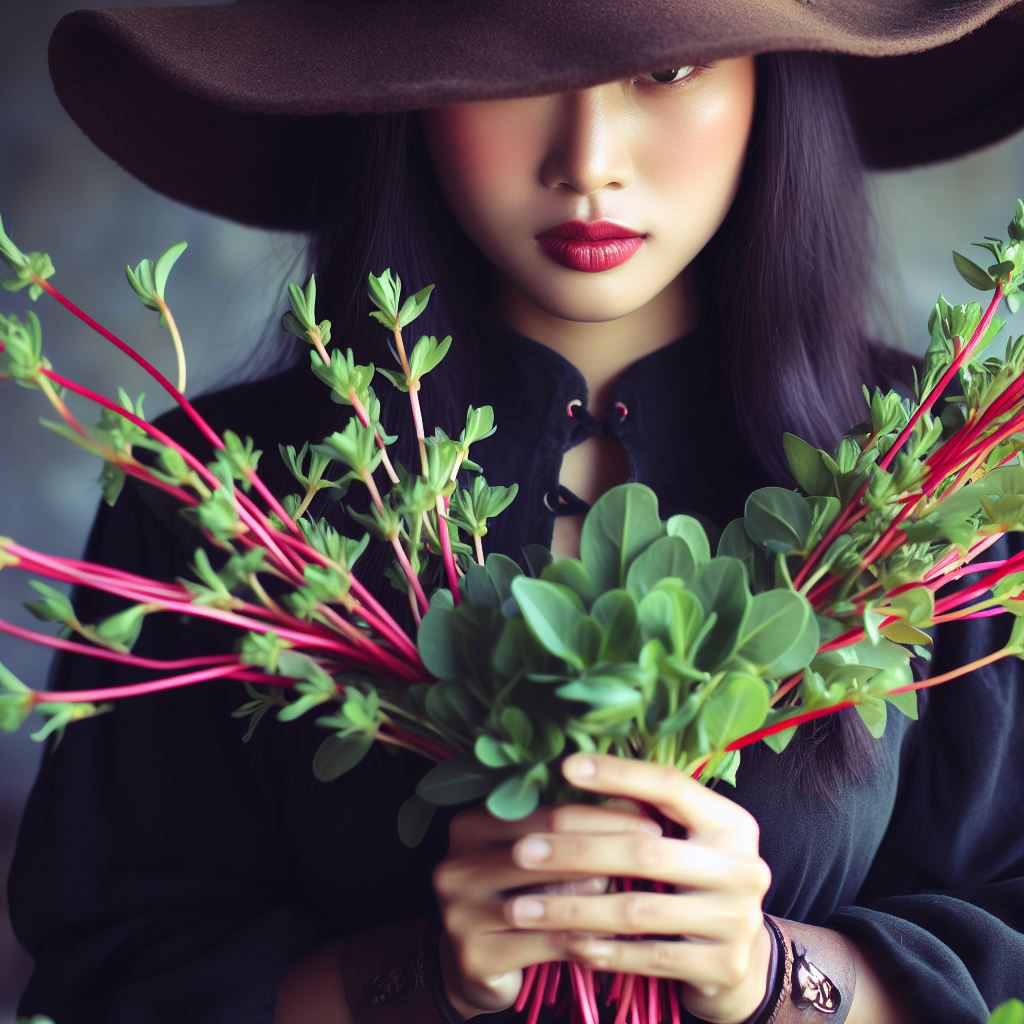
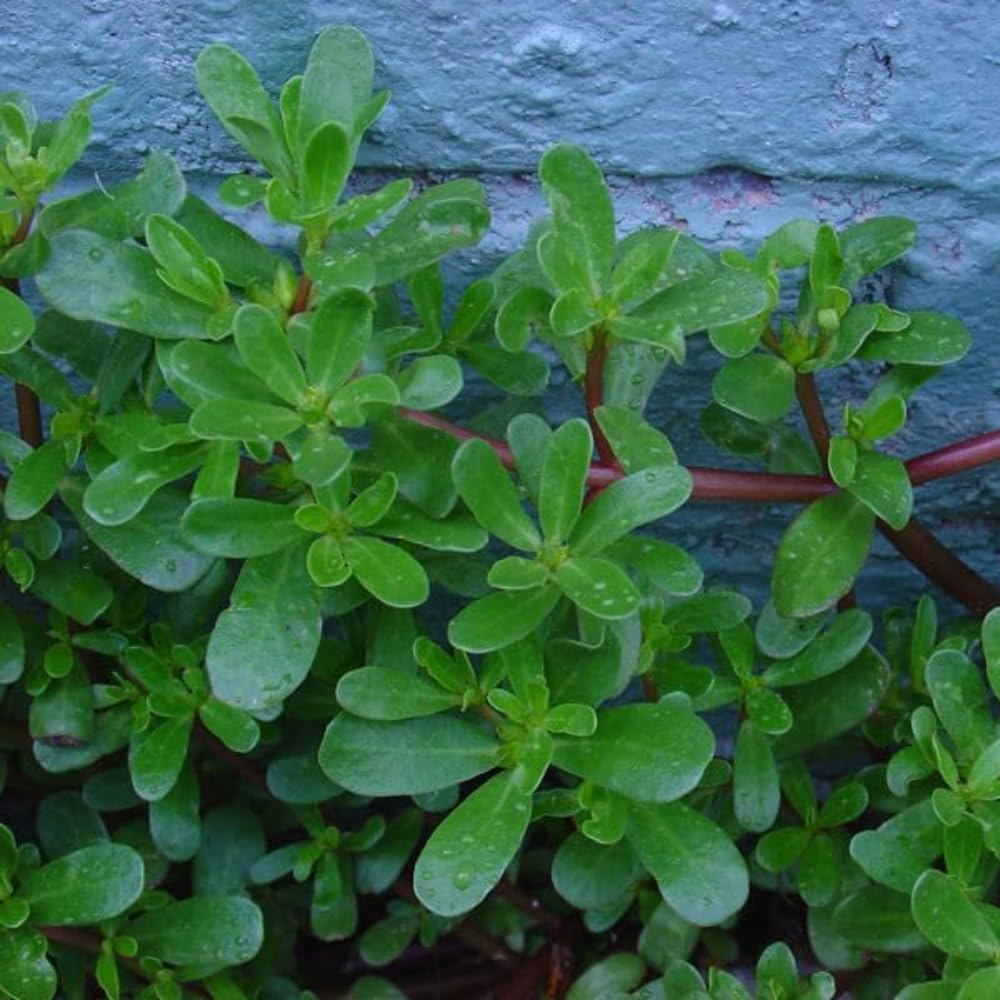
The leaves of Purslane are a testament to its resilience and adaptability. Oval and adorned with a vibrant green hue, they serve as a beacon of vitality amid the natural world. Yet, if one were to examine these leaves closely, they might notice a subtle, almost enchanting, reddish tint gracing their base. This gentle blush of color is a reminder of Purslane’s connection to the earth, a whisper from the plant itself about its ability to thrive in both the mundane and mystical realms.

Common purslane: This is the most widespread variety of purslane. It has succulent green leaves, thick red stems, and yellow flowers. It grows as a weed in many places and can be eaten raw or cooked. It is rich in omega-3 fatty acids, antioxidants, vitamins, and minerals.

The stems of Purslane are nothing short of magnificent. Thick and succulent, they possess a robustness that sets them apart from the delicate stems of many other plants. Their reddish hue adds a touch of rustic elegance to this botanical gem. When you encounter Purslane in the wild, its stems, akin to a life force coursing through its veins, stand as a defining feature. It is these very stems that carry the essence of this resilient plant, beckoning to those who seek to understand its secrets.

As you embark on your journey with Purslane, take a moment to marvel at its botanical intricacies. Its humble appearance conceals a world of culinary and magical possibilities, waiting to be discovered by those who are willing to venture into the realm of this extraordinary plant.

A Tapestry of Purslane Variants

While the common Purslane (Portulaca oleracea) is undoubtedly a prominent presence in the world of foraging, it’s just the beginning of a captivating tapestry of Purslane variants. Exploring these diverse cousins of the well-known succulent reveals a rich mosaic of colors, flavors, and habitats.

Let’s embark on a journey to discover these botanical treasures.

The Radiance of Golden Purslane (Portulaca sativa)

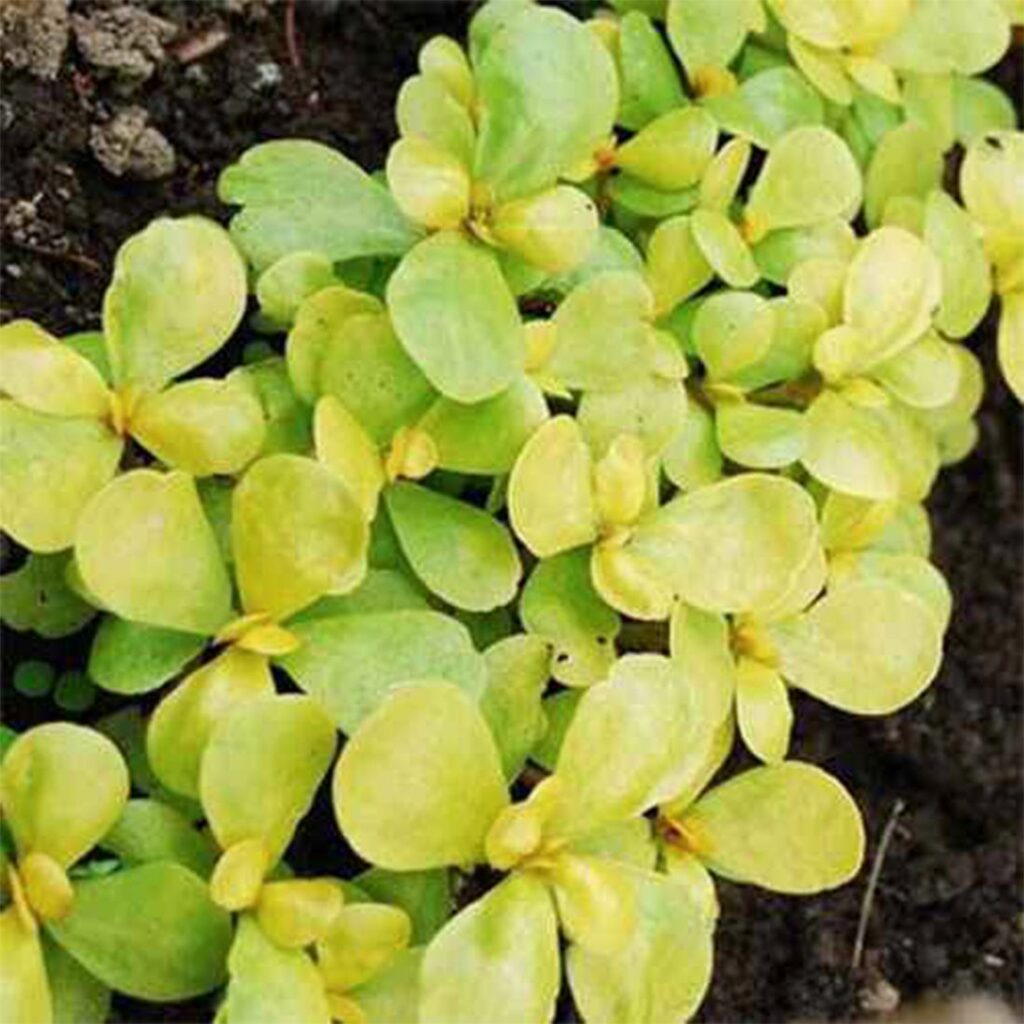
In the realm of Purslane variants, Portulaca sativa, known affectionately as golden Purslane, emerges as a radiant gem that beckons foragers and nature enthusiasts alike. True to its name, this variant unveils a botanical spectacle that captivates the eye and the palate in equal measure. As you delve into the enchanting world of golden Purslane, you’ll discover its unique attributes, inviting you to embrace its golden glow both in your foraging adventures and culinary creations.

Golden Purslane’s defining feature is its leaves, which shimmer with a golden or yellowish hue, as if capturing the very essence of sunlight. Each leaf is a masterpiece of nature’s artistry, casting a warm, inviting glow amidst the verdant tapestry of the wild. This botanical radiance not only adds visual allure to your foraging expeditions but also signals the presence of a variant with distinct culinary potential and magical resonance.

Golden Purslane

Golden Purslane’s defining feature is its leaves, which shimmer with a golden or yellowish hue, as if capturing the very essence of sunlight. Each leaf is a masterpiece of nature’s artistry, casting a warm, inviting glow amidst the verdant tapestry of the wild. This botanical radiance not only adds visual allure to your foraging expeditions but also signals the presence of a variant with distinct culinary potential and magical resonance.

While the common Purslane offers a tangy, lemony flavor, golden Purslane composes a different symphony on the taste buds. Its leaves possess a delicate sweetness that dances across the palate, a harmonious contrast to the earthy undertones of its succulent nature. This sweet infusion makes golden Purslane a delightful addition to salads, where its vibrant color and nuanced flavor elevate simple dishes into culinary masterpieces. Its sunny disposition brightens both the plate and the spirit.

Beyond its culinary appeal, golden Purslane invites you to explore its magical potential. The radiant hue of its leaves aligns harmoniously with spells and rituals associated with abundance, prosperity, and the blessings of the sun. By incorporating golden Purslane into your magical practice, you harness the power of this botanical luminary to enhance your craft and connect with the energies of light and growth.

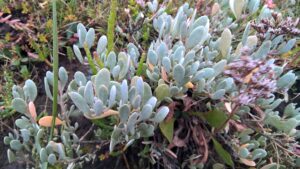
The Maritime Magic of Sea Purslane (Halimione portulacoides)

For those who find themselves irresistibly drawn to the mystical allure of coastlines and the rhythmic cadence of brackish shores, sea Purslane (Halimione portulacoides) beckons like a siren song. This variant, found where the land and sea embrace in a delicate dance, is a testament to nature’s resilience and adaptability. In the world of Purslane variants, sea Purslane stands as a coastal guardian, and its story unfolds with every crashing wave and whispering breeze.

Sea Purslane, with its unwavering affinity for the ebb and flow of ocean tides, thrives in the salt-laden embrace of coastal environments. Here, where the elements are both nurturing and formidable, this variant reveals its remarkable ability to adapt and flourish in the face of adversity. It is a living testament to the tenacity of nature, demonstrating that even in the harshest conditions, life finds a way to persevere.

One of the most distinctive features of sea Purslane is the thickness and robustness of its leaves. Unlike its terrestrial counterparts, which bear delicate succulent foliage, sea Purslane’s leaves have evolved to withstand the challenges of its coastal home. They are thicker, heartier, and more resolute, serving as a shield against the salt-laden winds and shifting sands. These leaves, like ancient shields of folklore, guard the plant’s vitality and essence, imparting a unique character to sea Purslane.

As a witch and forager with a deep connection to nature, when you venture along the coastline, keep a keen eye out for the resolute presence of sea Purslane. Its vibrant green leaves, robust and succulent, offer both culinary and magical opportunities. Gather its leaves with reverence, for they carry the essence of the sea and the enduring spirit of the coastal landscape.

In your culinary pursuits, let sea Purslane transport you to the heart of the ocean. Its unique flavor, influenced by the salt-kissed air, adds a maritime dimension to your dishes, connecting you with the elemental forces of water and earth. And in your magical practice, embrace the maritime essence of sea Purslane. Use it to invoke the energies of the sea, harnessing its power for spells and rituals related to transformation, emotional healing, and the mysteries of the deep.

Identifying Purslane with Confidence

Identifying Purslane amidst the vibrant tapestry of nature’s offerings is a skill that every forager and nature enthusiast can easily master. With its distinctive features and unmistakable aroma, recognizing Purslane becomes a straightforward endeavor, whether you’re wandering through the wilderness or tending to your garden. Here are the key steps to identifying Purslane with confidence:

  1. Growth Habit: Purslane is a low-growing, ground-hugging plant that sprawls close to the earth’s surface. It often forms a dense mat of greenery, making it easily distinguishable from taller plants. When you encounter a carpet of low, spreading vegetation, your quest for Purslane is likely underway.
  2. Leaf Characteristics: The leaves of Purslane are a defining feature. Examine them closely; they are typically paddle-shaped, like tiny canoes, and alternate along the stem. These leaves have a fleshy, succulent texture, which is one of Purslane’s unmistakable hallmarks. Their vibrant green color, occasionally tinged with a reddish hue at the base, adds to their allure.
  3. Stem Appearance: The stems of Purslane are another key element in its identification. They are thick, reddish, and succulent, a stark contrast to the slender and woody stems of many other plants. Running your fingers along these distinctive stems can provide additional confirmation of your find.
  4. The Scent Test: If ever in doubt, remember that Purslane possesses a secret that is readily revealed with a simple touch. Gently crush a leaf between your fingers, and the plant will graciously reward your curiosity. Purslane emits a slightly tangy, lemony scent, a fragrant affirmation of its identity. This citrusy aroma is a unique gift from nature, solidifying your recognition of this remarkable plant.

In the pursuit of foraging Purslane for culinary delights or harnessing its magical properties, mastering its identification is your first step towards a rewarding connection with this botanical treasure. Armed with these guidelines, you’ll confidently spot Purslane in the wild, enriching your journey as a forager, witch, and nature lover. So, when you set forth to explore the bountiful landscapes of the Pacific Northwest, let the straightforward beauty of Purslane guide your path.

The Tenacious Adaptability of Purslane

Purslane, with its remarkable ability to thrive in diverse conditions, stands as a testament to nature’s resilience and adaptability. Whether you find yourself amid meticulously tended gardens, meandering through manicured lawns, or even strolling along city sidewalks, Purslane is an adaptable survivor that finds a home in unexpected places. Its preferences and tenacity make it a true botanical marvel.

Purslane’s adaptability knows no bounds. It gracefully embraces a wide range of environments, making it a botanical chameleon that flourishes where others struggle. From the neatly arranged rows of garden beds to the unyielding cracks in urban sidewalks, Purslane finds opportunities to take root and thrive. This ability to thrive in both cultivated and neglected spaces showcases its innate tenacity and willingness to grow wherever it can.

One of Purslane’s greatest affections is reserved for the sun. It is a plant that revels in the full, warm embrace of sunlight. In its quest for life-giving energy, Purslane is often found basking in the glow of the sun’s rays. This preference for sun-drenched environments not only contributes to its rapid growth but also results in its vibrant green coloration, making it a standout presence amidst the surrounding foliage.

While Purslane demonstrates an uncanny ability to adapt to various landscapes, it does have one discerning preference – well-drained soil. Purslane flourishes in soil that allows excess water to pass through, preventing waterlogged conditions that could inhibit its growth. In areas where drainage is optimal, Purslane thrives, further solidifying its reputation as a survivor.

In the verdant landscapes of the Pacific Northwest, Purslane is a common sight during the warmer months of summer and early fall. Its presence becomes a hallmark of the season, a symbol of nature’s bounty in this lush region. You’ll find Purslane abundant in gardens, along pathways, and in the wild, as if it has been welcomed by the land itself.

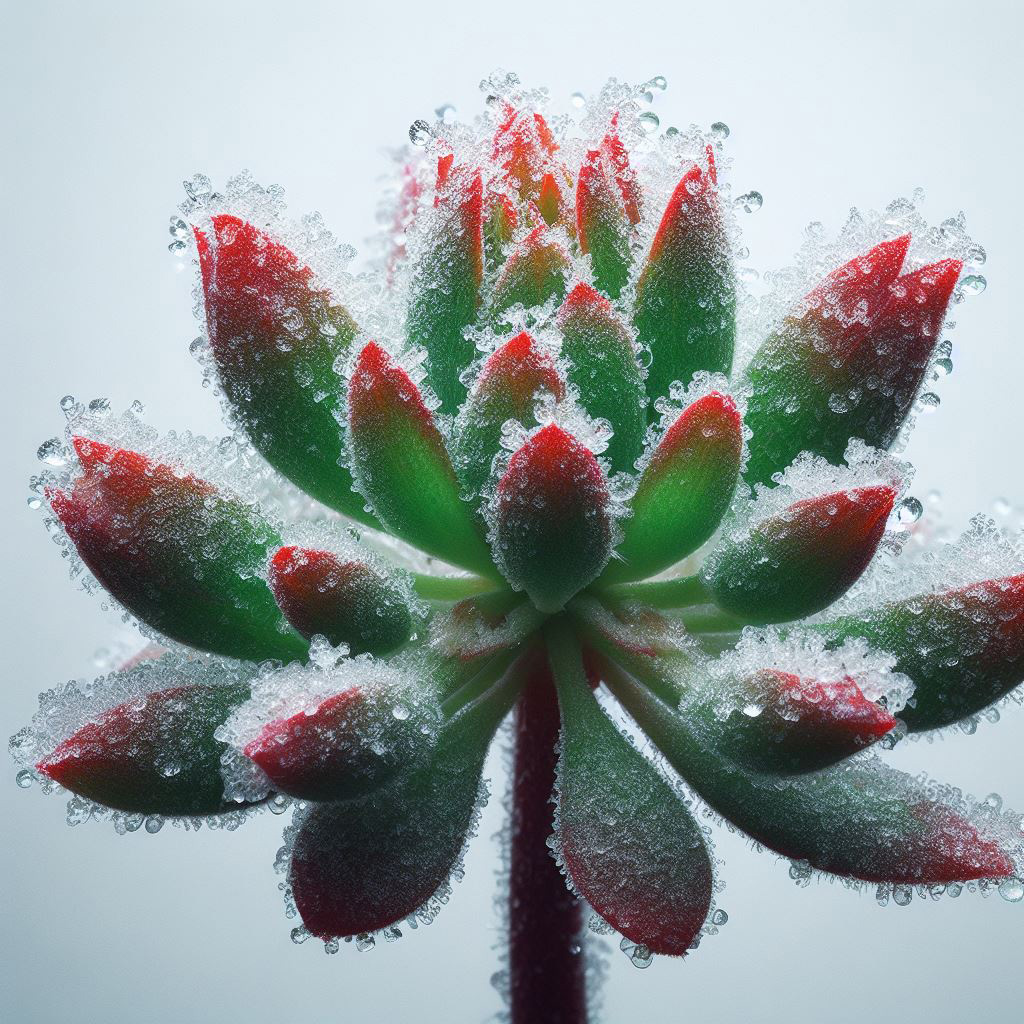
Winter Purslane

With its small and succulent leaves, this plant is a cold-hardy and nutritious addition to your diet. You can enjoy it raw in salads or cook it into various dishes, giving you a lot of flexibility in the kitchen.

Harnessing Purslane’s Medicinal Potency

Beyond its culinary and magical attributes, Purslane unveils a treasure trove of medical uses that have been cherished for generations. As a nutritional powerhouse, this humble plant, rich in vitamins A, C, and E, along with omega-3 fatty acids, offers a spectrum of health benefits that extend far beyond its vibrant appearance. Let’s explore the various ways in which Purslane has traditionally been employed for its medicinal virtues:

Purslane’s healing touch extends to the realm of skincare. Its leaves, when crushed and applied topically, have the remarkable ability to soothe skin irritations. Whether you’re dealing with the discomfort of a minor rash, insect bite, or sunburn, Purslane’s natural anti-inflammatory properties come to the rescue. The application of Purslane paste, or oil can bring relief to these troublesome skin issues, providing a gentle, plant-based remedy that aligns seamlessly with nature’s healing touch.

Minor digestive complaints, such as bloating, indigestion, and discomfort, have been met with Purslane’s calming influence for centuries. Its consumption, whether in salads, teas, or infusions, has been known to alleviate gastrointestinal distress. The plant’s soothing properties can help ease digestive discomfort, promoting a sense of well-being and balance from within. Purslane serves as a gentle ally for those seeking natural remedies for common digestive woes.

One of Purslane’s most celebrated attributes is its omega-3 content, a nutrient renowned for its positive impact on heart health. The omega-3 fatty acids found in Purslane contribute to a healthy cardiovascular system by helping to lower blood pressure and reduce the risk of heart disease. By incorporating Purslane into your diet, you not only savor its unique flavor but also nurture your heart with its beneficial properties. It’s a simple yet potent way to support your long-term well-being.

Purslane’s medicinal uses echo its adaptability and resilience in the natural world. As a witch who finds solace and inspiration in nature’s bounty, the incorporation of Purslane into your holistic approach to health can be both empowering and spiritually enriching. The plant’s ability to heal and nurture aligns with your quest for balance and harmony, connecting you with the age-old wisdom of herbal remedies.

Incorporating Purslane into your wellness rituals and embracing its medicinal gifts is a testament to your reverence for the natural world and its many offerings. With Purslane by your side, you embark on a journey of healing that bridges the realms of nature and magic, further enriching your path as a witch who honors both the seen and unseen forces of the world.

Culinary Magic with Purslane: A Verdant Delight

Purslane, with its crunchy texture and delightfully lemony flavor, emerges as a culinary gem that can transform ordinary dishes into extraordinary creations. As a witch who finds enchantment in the kitchen, you’ll discover that Purslane offers not only a burst of freshness but also a connection to the natural world. Here, we explore the various ways you can harness its culinary magic and safely prepare this botanical wonder.

A Symphony of Flavors Purslane’s distinctive attributes shine brightly in the culinary realm. Its tender, succulent leaves, which carry a slightly lemony tang, add a refreshing twist to your culinary creations. Here’s how you can infuse your dishes with Purslane’s unique charm:

  • Salads: Purslane’s crunchy texture and zesty flavor make it a star in salads. Simply wash and chop the leaves, then toss them into your favorite green salad. The vibrant green of Purslane leaves adds a burst of color, while its lemony notes provide a refreshing contrast.
  • Sandwiches: Elevate your sandwiches by layering them with Purslane leaves. Their succulent crunchiness pairs wonderfully with various fillings, creating a harmonious blend of textures and tastes.
  • Stir-fries: Add a dash of vibrancy to stir-fried dishes by incorporating Purslane towards the end of cooking. Its quick wilting nature ensures that it retains its unique texture and lemony essence.
  • Pickling: Take your culinary skills to the next level by pickling Purslane stems. Create a pickling solution with vinegar, water, and your preferred spices, and immerse the stems. Allow them to soak until they become tangy and flavorful. These pickled Purslane stems can be a delightful addition to your meals or enjoyed as a condiment.
  • Soups and Stews: Purslane’s culinary versatility extends to soups and stews. Add fresh Purslane leaves as a vibrant garnish or stir them into your simmering concoctions shortly before serving. The heat of your dish will soften the leaves, infusing it with their lemony essence.

Safe Preparation Practices When incorporating Purslane into your culinary endeavors, it’s essential to follow safe preparation practices:

  • Wash Thoroughly: Begin by rinsing Purslane leaves and stems thoroughly under cold running water to remove any dirt or debris.
  • Trim and Chop: Trim any tough stems or damaged leaves and chop the Purslane to your desired size for your recipe.
  • Store Carefully: If you’re not using it immediately, store Purslane in a plastic bag in the refrigerator. It can stay fresh for up to a week when properly stored.
  • Avoid Contaminated Areas: Only forage Purslane from clean, pesticide-free areas to ensure its safety for consumption.

As you navigate your culinary journey with Purslane, remember that it not only nourishes your body but also connects you to the Earth’s bounty. In your magical practices, consider the deep connection between the plants you harvest and the energy you infuse into your creations. Purslane becomes a symbol of your reverence for nature’s gifts, weaving its magic into both your kitchen and your spiritual pursuits.

Harvesting Purslane: A Thoughtful Approach

Foraging Purslane is not just an exercise in gathering food; it’s a connection to the natural world and an opportunity to embrace the plant’s bounty while respecting the environment. Here’s a step-by-step guide on how to forage Purslane responsibly, ensuring that your harvest is not only delicious but also sustainable:

1. Respect Nature The first and foremost principle of foraging is to respect the environment. Approach this activity with reverence for the ecosystem you’re entering. Follow these guidelines:

  • Take only what you need: Harvest in moderation to ensure the population of Purslane remains healthy and thriving.
  • Avoid polluted areas: Never forage Purslane from areas that may be contaminated with pesticides, herbicides, or other pollutants. Seek out clean, natural locations for your harvest.

2. Timing is Everything Purslane has its own rhythm, and timing is crucial for a successful and sustainable foraging experience. The optimal season for harvesting Purslane spans from late spring to early fall. During this period, the plant is at its peak of growth and flavor. Look for lush patches of Purslane during these months to maximize your harvest.

3. Gather Your Tools Before embarking on your foraging adventure, ensure you have the right tools on hand:

  • Scissors or Gardening Shears: To harvest Purslane, you’ll want a pair of sharp scissors or gardening shears. These tools allow you to snip the stems cleanly without damaging the plant.

4. Harvest with Care When you’ve located a thriving Purslane patch, it’s time to start gathering. Follow these steps for a responsible harvest:

  • Select Young, Tender Leaves and Stems: Opt for young Purslane leaves and tender stems. These parts of the plant are not only more flavorful but also ensure the main plant can continue to grow and thrive.
  • Leave the Main Plant Intact: Be mindful of the main Purslane plant. Avoid over-harvesting from a single plant to allow it to continue producing. By leaving the central plant undisturbed, you contribute to the sustainability of Purslane in the area.

5. Rinse and Store Thoughtfully Your foraged Purslane should be as clean as possible when you bring it home. Follow these final steps:

  • Thoroughly Wash Your Harvest: Rinse the Purslane leaves and stems under cold running water to remove any dirt, insects, or debris.
  • Store Properly: After washing, pat the Purslane dry and store it in the refrigerator. Place it in a plastic bag with a paper towel to absorb excess moisture. Stored this way, Purslane can remain fresh for up to a week, ready to enhance your culinary creations.

By following these steps and respecting the plant and the environment in which it grows, you not only enjoy the culinary and magical benefits of Purslane but also become a steward of nature, ensuring that this wonderful plant continues to thrive for future foragers and generations to come.

Safety Considerations with Purslane

Purslane, with its myriad of culinary and medicinal benefits, is indeed a remarkable plant to forage, but safety should always be a paramount concern. Here are some essential safety considerations to keep in mind while working with Purslane:

Selecting Clean Locations One of the fundamental principles of foraging is to ensure that you are harvesting from clean and uncontaminated locations. Purslane has a remarkable ability to absorb substances from its environment, which means it can accumulate pesticides, herbicides, and other pollutants if grown in such areas. As a responsible forager, steer clear of locations that may have been treated with chemicals. Choose pristine, natural settings for your Purslane harvest, where the plant can thrive without exposure to harmful substances.

Allergies and Caution While Purslane is generally safe for consumption, it’s essential to exercise caution if you have known allergies to succulent plants. Some individuals may experience mild allergic reactions, such as skin irritation or digestive discomfort, when trying Purslane for the first time. To minimize the risk, start with a small portion to gauge your body’s response. If you have a history of allergies to similar plants, consult with a healthcare professional before incorporating Purslane into your diet.

By adhering to these safety guidelines, you can enjoy the benefits of Purslane without compromising your well-being. Remember that foraging should be a harmonious collaboration with nature, ensuring that both you and the environment remain healthy and vibrant.

Purslane: A Magical Ally

In the enchanting realm of magic and witchcraft, Purslane emerges as a potent ally, revered for its protective and grounding qualities. This humble plant, with its succulent leaves and earthy disposition, offers a wealth of opportunities for those seeking to infuse their magical practice with its energies. Here’s how you can harness the mystical essence of Purslane in your craft:

1. Amulets and Talismans Carrying a sprig of Purslane as an amulet or talisman is a time-honored tradition in the world of magic. Purslane is renowned for its ability to ward off negative energy and invite abundance into one’s life. As you carry this tiny botanical guardian with you, you create a protective shield that surrounds you, repelling negativity and inviting the blessings of prosperity.

2. Altar Decor Purslane’s natural connection to the earth element makes it a fitting addition to your magical altar. Placing Purslane on your altar not only enhances its visual appeal but also strengthens your connection to the elemental forces of the earth. This connection can be particularly useful when performing rituals and spellwork that require grounding and stability.

3. Ritual Baths Infusing your bathwater with Purslane elevates your ritual baths to a higher plane of spiritual cleansing and purification. As you soak in the soothing waters, the essence of Purslane washes over you, cleansing your aura and spirit of negative influences. This practice not only rejuvenates your energy but also prepares you for a deeper connection with the mystical realms.

4. Spellwork Purslane’s versatile magical properties make it a valuable ingredient in spellwork. Incorporate Purslane into your spells to enhance their effectiveness:

  • Protection Spells: Use Purslane to bolster your protective spells, creating an impenetrable barrier against harm and negativity.
  • Prosperity Spells: The plant’s association with abundance makes it an ideal component in spells aimed at attracting wealth and prosperity.
  • Earth Magic: Purslane’s deep connection to the earth element empowers spells related to grounding, stability, and connecting with the energies of the earth.

Incorporating Purslane into your magical practice weaves the essence of the natural world into your spells and rituals. As you work with this humble plant, you not only tap into its protective and grounding energies but also deepen your connection to the profound mysteries of the earth. Purslane becomes a companion on your magical journey, guiding you toward balance, protection, and abundance in your craft.

Conclusion

In the lush landscapes of the Pacific Northwest, Purslane emerges as a hidden gem, a verdant treasure trove that beckons to be explored. Beyond its unassuming appearance lies a world of possibilities, where culinary delights, medicinal wonders, and magical energies converge. Harvest this botanical wonder with care, taking only what you need and always avoiding areas tainted by pesticides or pollutants. By following these principles, you ensure the sustainability of Purslane for generations to come. Purslane not only nourishes the body with its nutritional bounty but also feeds the soul through its magical potential. Carry a sprig as a protective talisman, adorn your altar to connect with the earth’s energy, or infuse your baths with its cleansing power. Let Purslane become a companion on your journey as a witch and writer, guiding you to deeper connections with the natural world and the mystical forces that surround us. With every harvest, connection, and spell, may Purslane’s magic enhance your journey in ways both tangible and mystical.

Happy foraging, and may your magical path be evergreen and vibrant, like the Purslane itself.