Introduction
Autumn Home Remedies – Herbal Glycerites
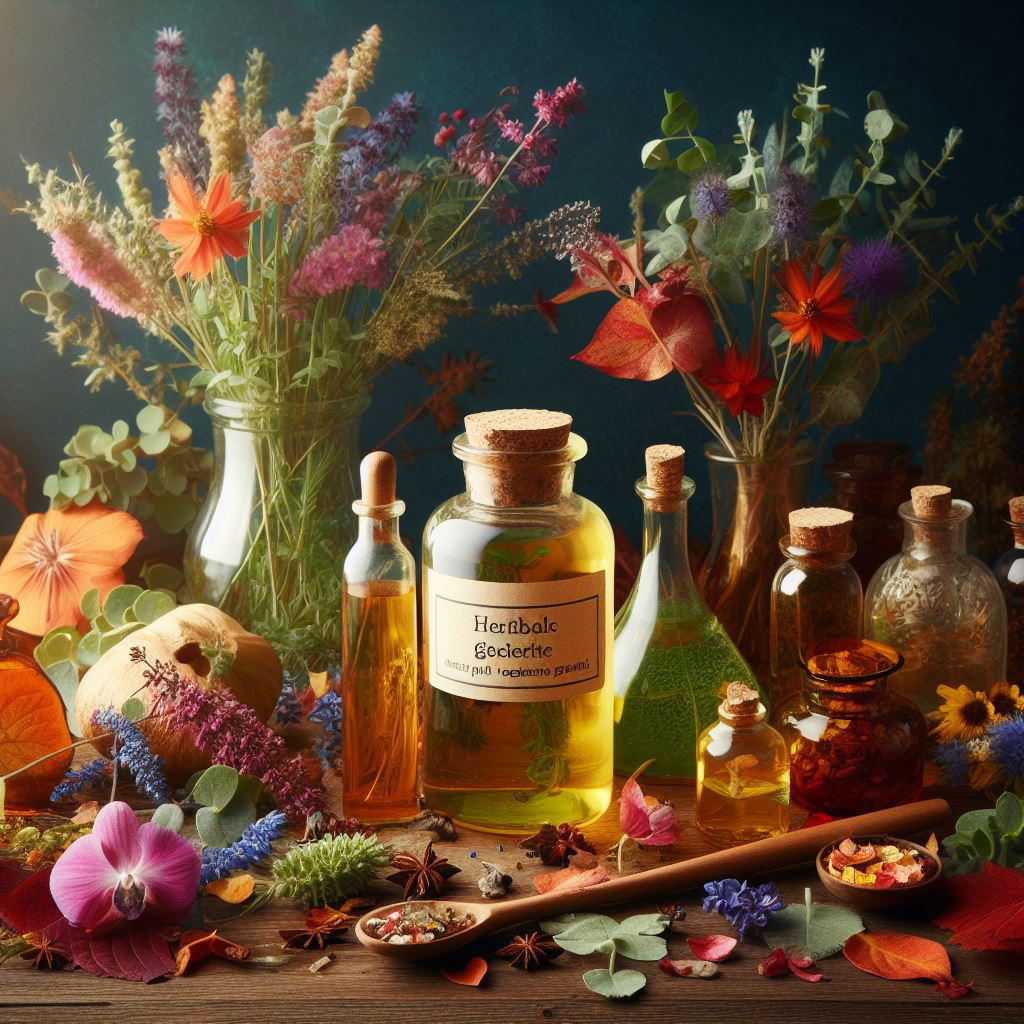
Autumn is a time of transformation, as nature’s colors shift and the air turns crisp. It is also the perfect season to explore the art of herbal glycerites—a gentle and effective way to extract the healing properties of herbs, plants, and flowers. Herbal glycerites are liquid extracts that utilize glycerin as a medium to capture the essence of botanical ingredients. By utilizing the abundance of autumn foraging, we can create homemade herbal glycerites that promote well-being, nourish the body, and support our holistic health.
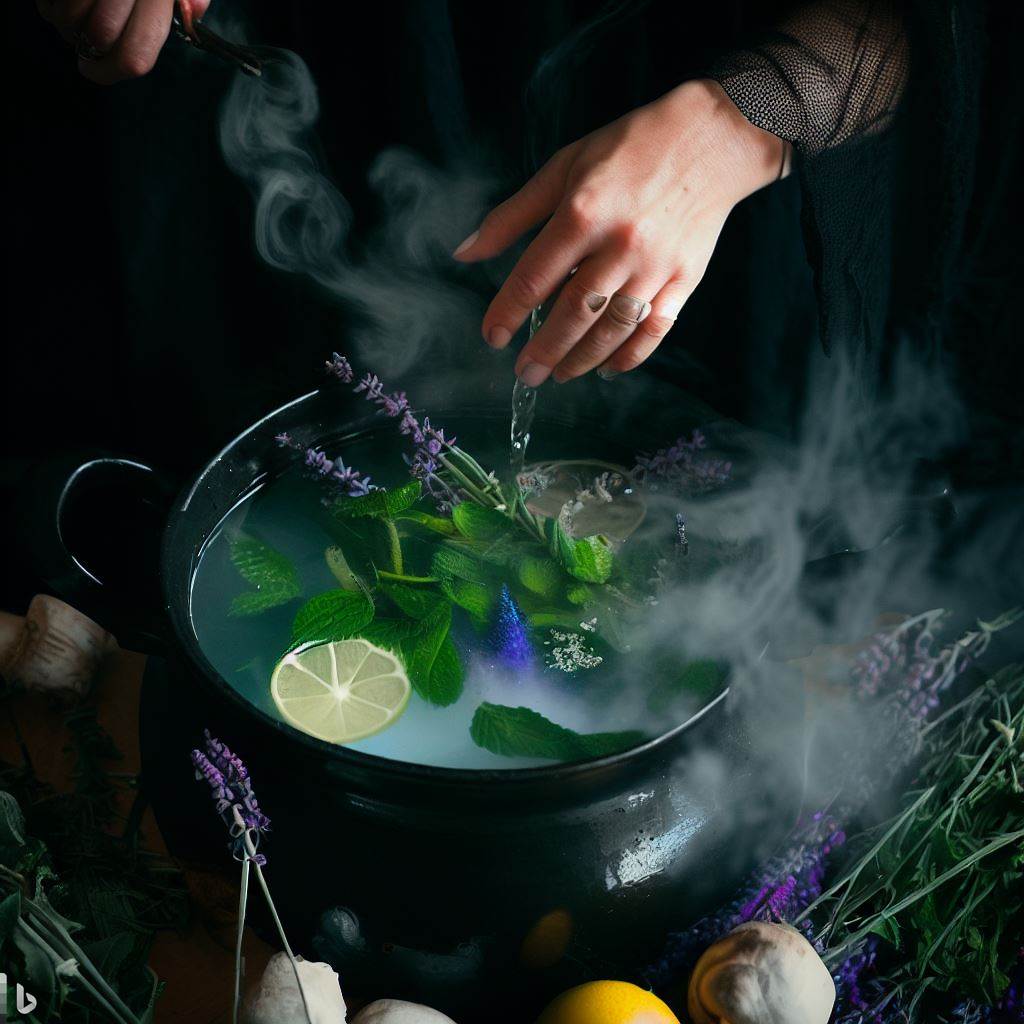
In this series, we’ll go over steam treatment, elixirs, teas, tinctures, broths, herbal glycerites, aroma therapy, and tonics. There are a lot of home remedies and nearly endless possibilities of methods. The eight selected for this series are some of the most common practices. All these covered home remedies are perfect for Autumn-Season applications.
In this article, we will delve into the process of crafting herbal glycerites using autumn herbs, plants, and flowers, allowing us to tap into the healing power of nature during this transformative season.

Herbal Glycerites
Herbal glycerites are one of my favorite ways to work with the magic of plants. They are like tinctures, but instead of using alcohol, they use glycerin to extract the essence of the herbs. Glycerin is a sweet and sticky liquid that comes from plants or animals. It’s great for making glycerites because it doesn’t have any alcohol, which some people don’t like or can’t have. Glycerites are also yummy and last a long time.
Herbal glycerites have been around for a long time. They were first mentioned in a book called King’s American Dispensatory (1898), which was a guide for making all kinds of herbal remedies. The book said that glycerites were “solutions of medicinal substances in glycerin” that you could use for healing yourself or others. Some herbalists also used glycerin to keep the fresh juices of herbs from going bad. Glycerin can pull out both the water and the oil parts of the plants, so it can capture their full power. Nowadays, herbal glycerites are also used in natural beauty products, because they make your skin soft, smooth, and healthy.
As nature transforms in the chill of autumn, it’s the perfect time to harness the healing power of herbs through the creation of herbal glycerites.
A Brief History of Glycerites
Herbal glycerites are liquid extracts that use vegetable glycerin as a solvent instead of alcohol. They are sweet, non-alcoholic, and shelf-stable, and can be used as alternatives to tinctures or syrups. They can be taken internally or applied externally, depending on the purpose and the plant. They can be used to treat various ailments, enhance well-being, and add flavor and sweetness to food and drinks.
Herbal glycerites have a relatively recent history compared to other forms of herbal medicine. Vegetable glycerin was not widely available until the 19th century, when it was first produced as a by-product of soap making. Before that, most herbal extracts were made with alcohol, vinegar, honey, or oil. However, some people preferred non-alcoholic or less acidic solvents, especially for children, pregnant women, or people with sensitive stomachs. Some also preferred sweeter or milder-tasting solvents, especially for culinary or cosmetic purposes.
Some of the earliest references to herbal glycerites can be found in the writings of American herbalists and botanists in the late 19th and early 20th centuries. For example, John Uri Lloyd, a pharmacist and professor of chemistry, published a book in 1892 called The Chemistry of Medicines, in which he described the preparation and properties of glycerites of various herbs, such as lobelia, ginger, and chamomile. Similarly, Maude Grieve, a teacher and founder of the Whins Medicinal and Commercial Herb School in England, published a book in 1931 called A Modern Herbal, in which she mentioned the use of glycerites of herbs such as licorice, marshmallow, and slippery elm.
Herbal glycerites have also been used by practitioners of witchcraft and pagan traditions, who value the use of natural and plant-based remedies for healing and magic. Some witches and pagans prefer glycerites over tinctures because they believe that alcohol can interfere with the vibration and energy of the herbs, or because they follow a sober or abstinent lifestyle. Some also prefer glycerites because they can be easily made at home, using fresh or dried herbs, vegetable glycerin, and water. Some of the common herbs used in witchcraft and pagan glycerites are lavender, rose, sage, mint, and lemon balm, which have various magical and spiritual properties, such as cleansing, protection, love, peace, and communication.
Herbal glycerites are a versatile and convenient way to use the healing and magical power of herbs. They can be used for various purposes, such as medicine, food, beauty, or ritual. They can also be customized and personalized, according to the preference and intention of the user. They are a relatively modern innovation, but they have roots in the ancient and primal practice of herbalism, which connects us to the earth and the plants that grow on it.
Autumn Foraging for Botanical Delights
Foraging is the act of searching for and collecting wild food resources from nature. It is an ancient and primal skill that connects us to our roots and our environment. Foraging can also be a form of witchcraft, as it allows us to tap into the energy and spirit of the plants and animals we encounter. By foraging for autumn herbs, plants, and flowers, we can create our own herbal glycerites that capture the essence and magic of the season.
Herbal glycerites are liquid extracts that use vegetable glycerin as a solvent instead of alcohol. They are sweet, non-alcoholic, and shelf-stable, and can be used as alternatives to tinctures or syrups. They can be taken internally or applied externally, depending on the purpose and the plant. They can be used to treat various ailments, enhance well-being, and add flavor and sweetness to food and drinks.
Foraging for herbal glycerite ingredients requires some knowledge and preparation. We need to know how to identify the plants we want to use, where to find them, when to harvest them, and how to store them. We also need to be respectful and responsible towards nature, and follow some ethical guidelines. For example, we should only take what we need, leave some for the wildlife and other foragers, avoid endangered or protected species, and ask for permission from the land and the plants.
Foraging for herbal glycerite ingredients also requires some creativity and intuition. We can experiment with different combinations and proportions of plants, and see how they affect our health and well-being. We can also listen to our inner guidance and follow our instincts, and see what plants call to us and what messages they have for us. We can also infuse our intention and gratitude into the plants, and thank them for their gifts and blessings.
Foraging for herbal glycerite ingredients is a rewarding and enjoyable activity that can enrich our lives and our practice. It can help us to heal, nourish, and empower ourselves and others. It can also help us to celebrate the beauty and bounty of autumn, and honor the cycle of life and death.
Autumn presents us with a treasure trove of herbs, plants, and flowers that can be foraged and incorporated into herbal glycerites. Consider gathering the following ingredients for your autumn brews:
- Calendula: Known for its soothing and healing properties, calendula flowers are a staple in herbal remedies. Harvest the vibrant orange or yellow petals for their anti-inflammatory and skin-nourishing benefits.
- Echinacea: This immune-boosting herb is commonly found in the autumn months. Harvest the roots, leaves, or flowers of echinacea for their potent antimicrobial and immune-stimulating properties.
- Marshmallow Root: With its soothing and demulcent qualities, marshmallow root is excellent for respiratory health and soothing irritated mucous membranes. Harvest the root in autumn for its medicinal benefits.
- Lemon Balm: This aromatic herb has a calming and uplifting effect on the nervous system. Harvest the leaves of lemon balm for their gentle sedative and mood-enhancing properties.
Creating Autumn Herbal Glycerites
Crafting herbal glycerites is a simple and rewarding process that allows us to preserve the medicinal properties of autumn herbs. Follow these steps to create your own homemade herbal glycerites:
Ingredients
- Fresh or dried autumn herbs, plants, or flowers
- Food-grade vegetable glycerin
- Filtered water
- Optional: vodka (to act as a preservative)
Process
- Begin by thoroughly cleaning and drying the herbs, plants, or flowers you have foraged. Remove any damaged or discolored parts.
- Fill a clean glass jar about halfway with your chosen botanical ingredients.
- Pour a mixture of 3 parts glycerin and 1 part filtered water into the jar, ensuring the botanicals are fully submerged.
- Use a clean spoon or chopstick to gently press down the botanicals, removing any air bubbles and ensuring they are fully covered by the glycerin mixture.
- If desired, add a small amount of vodka to act as a preservative, especially if using fresh herbs.
- Seal the jar tightly and place it in a cool, dark place away from direct sunlight.
- Allow the mixture to infuse for 4-6 weeks, shaking the jar gently every few days to promote the extraction process.
- After the infusion period, strain the glycerite using a fine mesh sieve or cheesecloth, collecting the liquid extract in a clean glass jar.
- Label the jar with the name of the glycerite, the date of creation, and the ingredients used.
Utilizing Autumn Herbal Glycerites
Autumn herbal glycerites offer a versatile and convenient way to incorporate the healing properties of herbs into our daily lives. Here are some suggestions on how to utilize them effectively:
Oral Use: Take a few drops of the glycerite directly under the tongue for quick absorption and assimilation into the body. This method is ideal for supporting immune health, soothing digestion, or promoting relaxation.
Topical Application: Apply glycerite externally to soothe skin irritations, minor cuts, or burns. Glycerites can also be added to homemade skincare products, such as creams or lotions, to nourish and protect the skin.
Culinary Enhancements: Incorporate herbal glycerites into your autumn-inspired culinary creations. Add a few drops to beverages, desserts, or salad dressings for an extra burst of flavor and therapeutic benefits.
Customized Blends: Combine different herbal glycerites to create personalized blends that cater to specific health needs. For example, mix echinacea glycerite with elderberry glycerite for immune support during the colder months.
Storing and Shelf Life
To ensure the longevity and efficacy of your herbal glycerites, keep the following points in mind:
Store glycerites in amber glass bottles or jars to protect them from light degradation. Keep them in a cool, dry place away from direct sunlight.
Properly labeled glycerites can have a shelf life of 1-2 years or more if stored correctly. However, it’s essential to monitor the appearance, smell, and consistency of the glycerite regularly. If any signs of spoilage or degradation occur, discard the glycerite.
Note that glycerites have a sweeter taste compared to alcohol-based tinctures, making them more appealing for those with sensitivities or children.
Conclusion
Autumn herbal glycerites provide us with a wonderful opportunity to harness the healing power of nature during this transformative season. By foraging for herbs, plants, and flowers and creating our own homemade glycerites, we can infuse our daily routines with the therapeutic benefits of autumn’s bounty. Whether used orally, topically, or in culinary creations, these glycerites offer a convenient and effective way to support our well-being and connect with the healing properties of the natural world.
Embrace the beauty of autumn, venture into the realm of herbal glycerites, and experiment with the diverse range of ingredients available during this season. Explore the soothing qualities of calendula, the immune-boosting potential of echinacea, the soothing properties of marshmallow root, and the calming effects of lemon balm. Craft personalized blends, create culinary delights, and nourish your body and spirit with the essence of autumn.
Remember to always use caution and consult with a qualified herbalist or healthcare professional, especially if you have specific health conditions or are taking medications. Enjoy the journey of creating and utilizing autumn herbal glycerites and let the healing power of nature enhance your well-being during this transformative season. Embrace the wisdom of the earth, celebrate the bountiful offerings of autumn, and savor the benefits of these homemade remedies for holistic health and vitality.