Posted on Leave a comment

Autumn Home Remedies – Tonics

Autumn Tonics
Autumn Tonics

Introduction

Autumn Home Remedies – Tonics

As the seasons transition and nature showcases its vibrant colors, autumn brings an abundance of herbs, plants, and flowers that can be transformed into revitalizing tonics. Tonics are potent herbal preparations that aim to restore and invigorate the body, promoting overall wellness and vitality. By utilizing the offerings of autumn foraging, we can create homemade tonics that harness the healing power of nature during this transformative season.

In this series, we’ll go over steam treatment, elixirs, teas, tinctures, broths, herbal glycerites, aroma therapy, and tonics. There are a lot of home remedies and nearly endless possibilities of methods. The eight selected for this series are some of the most common practices. All these covered home remedies are perfect for Autumn Season applications.

In this article, we will explore the art of crafting tonics using autumn herbs, plants, and flowers, providing practical methods to incorporate them into our self-care routines. Prepare to embrace the rejuvenating energy of autumn and discover the power of herbal tonics.

Tonics

As the days grow shorter and the air becomes crisp, autumn offers us a bounty of earthy and warming herbs to nourish our bodies. One effective way to harness the healing power of autumn herbs is through the creation of soothing tonics. These herbal elixirs are designed to promote overall wellness, enhance immunity, and support the body’s natural functions. In this article, we will explore the art of crafting tonics using autumn herbs, highlighting their medicinal benefits and providing step-by-step instructions on how to prepare these comforting remedies in the comfort of your own home.

History

Tonics are liquid herbal preparations that are taken internally to support the health and vitality of the body. They are usually made with water, alcohol, vinegar, or glycerin as the base, and infused with various herbs that have nourishing, stimulating, or balancing properties. Tonics have a long history of use in home remedies and folk medicine, as well as in wicca and other forms of witchcraft.

The origin of tonics can be traced back to ancient times, when people used plants to treat various diseases and enhance their well-being. One of the most famous tonics in history is quinine, a bitter substance extracted from the bark of the cinchona tree. Quinine was discovered by the indigenous people of South America as a remedy for malaria and other fevers. It was later introduced to Europe by Spanish explorers and missionaries in the 17th century1. Quinine was also mixed with carbonated water to create tonic water, a popular drink that was patented by Erasmus Bond in 18582.

The herbal traditions of wicca and witchcraft are filled with magical uses of herbs. We use herbs for both healing and magical purposes, often following recipes that have been passed down for generations. Tonics can help us connect with the natural energies of the earth and the seasons, as well as with our deities and spirit guides.

Autumn Foraging for Energizing Ingredients

Autumn is a season of transition, when the leaves change color and fall, the harvest is gathered, and the days grow shorter and colder. It is also a time when many witches prepare tonics to strengthen their health, vitality, and connection to the natural and spiritual realms. Tonics are herbal concoctions that are brewed, steeped, or infused to extract the essence and benefits of various plants. They can be taken internally or applied externally, depending on the purpose and ingredients.

Autumn offers a rich assortment of herbs, plants, and flowers that can be foraged and incorporated into tonics to revitalize our body and spirit. Consider incorporating these ingredients into your autumn tonic preparations:

  • Ginseng: Known for its adaptogenic properties, ginseng root helps enhance vitality, improve stamina, and support the body’s resilience during periods of stress or fatigue. Ginseng is a rare and valuable herb that grows in the wild in deciduous forests of North America and Asia. It prefers moist, well-drained soil and partial shade. Ginseng can be identified by its compound leaves with five leaflets, its red berries, and its forked root. Ginseng is usually harvested in the fall, when the root is fully developed and the berries are ripe. However, harvesting wild ginseng is regulated or prohibited in many areas, so you should check the local laws and obtain a permit before you go foraging. You should also respect the sustainability of the plant and only harvest mature roots (at least five years old) and leave some seeds for future growth.
  • Nettle: This nutrient-dense herb is rich in vitamins, minerals, and antioxidants. Nettle leaf tonic can help nourish the body, support immune function, and promote healthy hair and skin. Nettle is a common and nutritious herb that grows in many parts of the world. It thrives in rich, moist soil and sunny or partly shaded areas. Nettle can be identified by its opposite, serrated leaves, its tiny green flowers, and its stinging hairs. Nettle can be harvested throughout the year, but the best time is in spring or early fall, when the leaves are young and tender. You should wear gloves and long sleeves to avoid getting stung, and use scissors or a knife to cut the stems.
  • Ashwagandha: With its rejuvenating and calming properties, ashwagandha root is an excellent addition to autumn tonics. It helps reduce stress, support adrenal health, and promote overall well-being. Ashwagandha is a perennial shrub that grows in dry and sunny regions of India and South Asia. It belongs to the same family as tomatoes and peppers, and has green, fuzzy leaves, small, yellow flowers, and red berries. Ashwagandha can be identified by its distinctive smell, which is similar to horse sweat. Ashwagandha is usually harvested in the fall, when the root is fully grown and the berries are ripe. You should dig up the whole plant and cut off the root, which is the part used for medicinal purposes. You should also wash and dry the root before using it.
  • Holy Basil: Also known as Tulsi, holy basil is an adaptogenic herb that supports the body’s stress response. It is revered for its ability to calm the mind, uplift the spirit, and enhance mental clarity. Holy basil is an annual or perennial herb that grows in tropical and subtropical regions of the world. It is related to the common basil, but has a stronger aroma and flavor. Holy basil can be identified by its oval, toothed leaves, its purple stems, and its spikes of white or purple flowers. Holy basil can be harvested throughout the year, but the best time is in summer or early fall, when the plant is in full bloom. You should cut the stems and leaves with scissors or a knife, and avoid damaging the roots.
  • Mugwort: This herb is associated with the moon, dreams, divination, and psychic abilities. It can help witches to communicate with their ancestors, access their intuition, and enhance their visions. This herb is a common weed that grows in disturbed areas, such as roadsides, fields, gardens, and waste places. It has a distinctive aroma that is similar to sage or wormwood. It has green, fuzzy leaves that are lobed and toothed, and small, yellowish flowers that grow in clusters. Mugwort can be harvested throughout the year, but the best time is in late summer or early fall, before it flowers.
  • Cinnamon: This spice is associated with the sun, fire, protection, prosperity, and love. It can help witches to ward off negativity, attract abundance, and increase their passion. This spice is derived from the inner bark of several species of trees in the genus Cinnamomum, which are native to Asia. Cinnamon is not easy to forage in the wild, unless you live in a tropical or subtropical region where these trees grow. However, you can grow your own cinnamon tree in a pot or a greenhouse, and harvest the bark when the tree is about two years old. You can peel off the bark, dry it, and grind it into powder, or use it as whole sticks.
  • Bay leaves: These leaves are associated with Apollo, wisdom, success, and manifestation. They can help witches to achieve their goals, improve their skills, and create their reality. These leaves are from the bay laurel tree (Laurus nobilis), which is native to the Mediterranean region. Bay laurel is an evergreen tree that can grow up to 60 feet tall, but can also be pruned into a shrub or a hedge. It has glossy, dark green leaves that are oval and pointed, and small, yellow flowers that produce black berries. Bay leaves can be harvested at any time of the year, but the best time is in spring or summer, when the leaves are young and tender. You can use fresh or dried leaves for various purposes.
  • Rose hips: These fruits are associated with Venus, beauty, healing, and happiness. They can help witches to nourish their skin, boost their immunity, and uplift their mood. These fruits are from the rose plant (Rosa spp.), which is a woody, perennial flowering shrub in the rose family. There are over 300 species of rose, and most of them produce edible rose hips. Rose hips begin to form after the pollination of flowers in the spring, and ripen in late summer or fall, turning from green to orange or red. The best time to harvest rose hips is after the first frost, when they become soft and sweet.
  • Horehound: This herb is associated with protection, healing, and exorcism. It can help witches to ward off evil spirits, cure coughs and colds, and cleanse their space. This herb is from the horehound plant (Marrubium vulgare), which is a perennial plant in the mint family. Horehound is native to Europe, Asia, and Africa, but is now naturalized in many parts of the world. Horehound has square, hairy stems, wrinkled, gray-green leaves, and small, white flowers that grow in whorls. Horehound can be harvested throughout the year, but the best time is in summer, when the plant is in full bloom. You can use the leaves, stems, and flowers for various purposes.
  • Dandelion: This herb is associated with Jupiter, air, wishes, and divination. It can help witches to manifest their desires, enhance their psychic abilities, and connect with the spirit world. This herb is from the dandelion plant (Taraxacum officinale), which is a perennial plant in the aster family. Dandelion is native to Eurasia, but is now widespread and considered a weed in many parts of the world. Dandelion has a taproot, a rosette of toothed, green leaves, and bright yellow flowers that turn into fluffy seed heads. Dandelion can be harvested throughout the year, but the best time is in spring or early summer, when the leaves are young and tender, and the flowers are fresh.
  • Elecampane: This herb is associated with Mercury, earth, protection, and love. It can help witches to ward off negativity, attract a lover, and heal respiratory ailments. This herb is from the elecampane plant (Inula helenium), which is a perennial plant in the aster family. Elecampane is native to Europe and Asia, but is now cultivated and naturalized in many parts of the world. Elecampane has a thick, woody root, large, hairy leaves, and yellow flowers that resemble sunflowers. Elecampane can be harvested in late summer or fall, when the root is fully developed and the flowers are fading.
  • Hibiscus: This herb is associated with Venus, water, love, and lust. It can help witches to attract romance, enhance their sexuality, and stimulate their creativity. This herb is from the hibiscus plant (Hibiscus sabdariffa), which is an annual or perennial plant in the mallow family. Hibiscus is native to Africa, but is now cultivated and naturalized in many tropical and subtropical regions of the world. Hibiscus has green, lobed leaves, and large, showy flowers that range in color from red to pink, white, or yellow. Hibiscus can be harvested throughout the year, but the best time is in summer or fall, when the flowers are fully open.

These are just some of the many autumn tonic ingredients that witches can use to enhance their magic and well-being. By using these ingredients, witches can align themselves with the energy of the season and prepare for the coming winter.

Crafting Autumn Tonics

Autumn Tonics

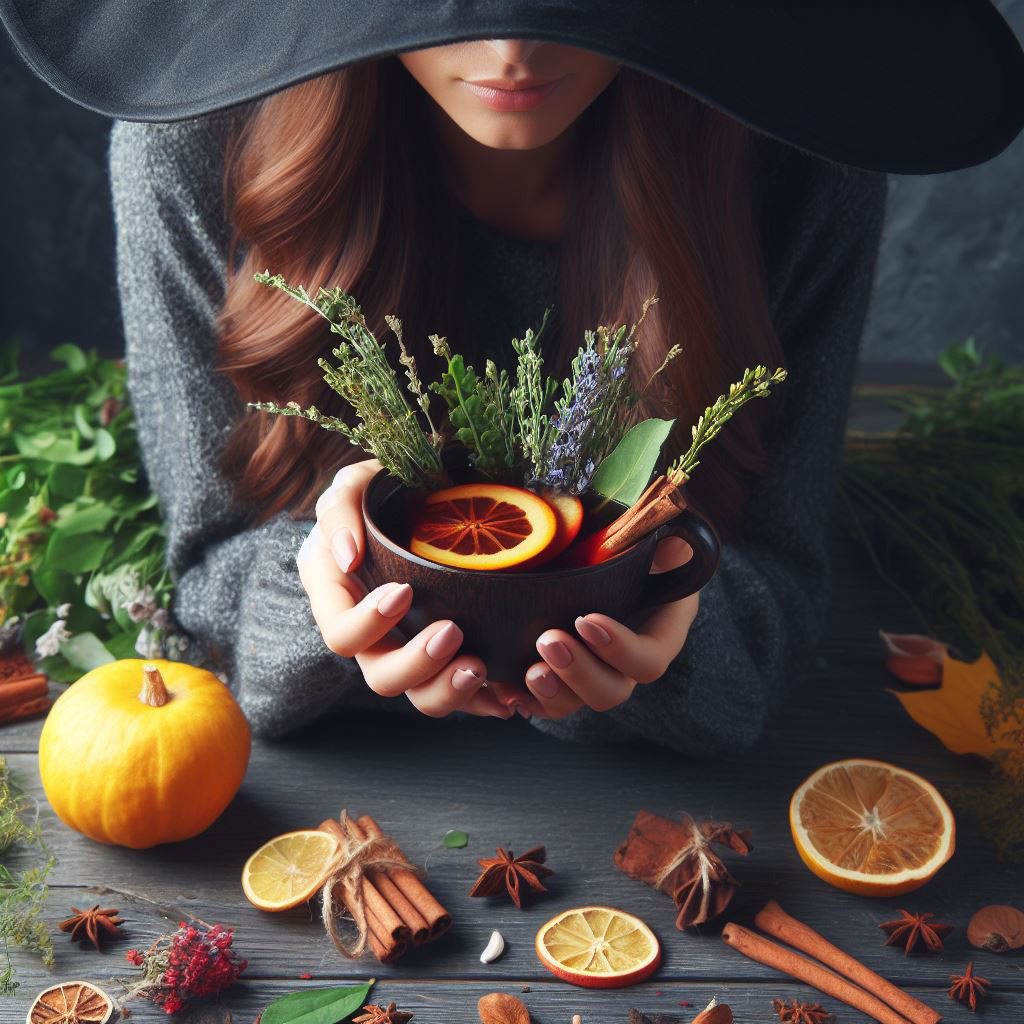
Creating tonics allows us to unlock the therapeutic potential of autumn botanicals. Follow these steps to create your own homemade autumn tonics:

  • Fresh or dried herbs, plants, or flowers of your choice (Ginseng, Nettle, Ashwagandha, or Holy Basil)
  • Filtered water
  • Optional sweeteners like honey or maple syrup
  1. Gather your chosen autumn botanicals and rinse them gently to remove any dirt or impurities. If using fresh herbs, gently bruise the leaves to release their aromatic oils.
  2. In a saucepan, combine the botanicals with filtered water. Use a ratio of approximately 1 tablespoon of dried herbs or 2 tablespoons of fresh herbs per 8 ounces of water.
  3. Bring the mixture to a gentle simmer over medium-low heat. Cover the saucepan and let it simmer for 20-30 minutes to allow the flavors and beneficial compounds to infuse into the water.
  4. After simmering, remove the saucepan from heat and let the mixture cool slightly.
  5. Strain the liquid into a clean container, separating the herbs or flowers from the infused liquid.
  6. If desired, add a touch of natural sweetener like honey or maple syrup to enhance the taste of the tonic. Stir well to ensure it is fully incorporated.
  7. Your autumn tonic is now ready to be enjoyed! Sip it slowly, savoring the flavors and allowing the revitalizing properties to invigorate your body and spirit.

Customizing Autumn Tonics for Specific Needs

Tailor your autumn tonics to address specific health concerns or to enhance overall well-being. Consider the following additions:

  • Immune-Boosting Tonic: Combine ginseng, elderberries, and echinacea for a tonic that strengthens the immune system and helps ward off seasonal ailments.
  • Stress-Relief Tonic: Blend ashwagandha, holy basil, and lemon balm for a tonic that promotes relaxation, reduces stress, and supports adrenal health during the busy autumn season.
  • Nourishing Vitality Tonic: Mix nettle, dandelion root, and ginger for a tonic that nourishes the body, supports detoxification, and boosts energy levels.
Fall

Incorporating Autumn Tonics into Daily Life

Autumn tonics are herbal elixirs that can help you embrace the magic and beauty of the season. Here are some ways to enjoy autumn tonics and support your overall well-being:

  • Make autumn tonics a part of your daily self-care routine. Sip them in the morning or throughout the day to nourish your body, restore energy, and uplift your spirit. Autumn tonics can also help you connect with the natural rhythms of the season, balance your emotions, and enhance your intuition.
  • Use autumn tonics as flavorful additions to your favorite autumn-inspired recipes, such as soups, stews, or salad dressings. Infuse them with the vitality and therapeutic benefits of the season. Autumn tonics can also help you celebrate the harvest, honor the ancestors, and share your abundance with others.
  • Transform your tonics into herbal infusions by steeping them with additional herbs or teas for added flavor and medicinal benefits. You can also add honey, lemon, ginger, or other ingredients to customize your tonics according to your preferences and needs. Autumn infusions can also help you create a cozy and relaxing atmosphere, warm your body and soul, and prepare for the coming winter.

Conclusion

Autumn tonics provide a refreshing and invigorating way to embrace the energy and vitality of the season. By foraging for herbs, plants, and flowers and crafting homemade tonics, we can tap into the healing power of nature and enhance our well-being during this transformative time. Explore the revitalizing properties of ginseng, nettle, ashwagandha, and holy basil as you create your own custom blends. Embrace the restorative energy of autumn and allow these tonics to nourish your body, uplift your spirit, and support your overall health.

Incorporate autumn tonics into your daily routine to experience their revitalizing effects. Sip them slowly, savoring the flavors and allowing their therapeutic properties to infuse your being. Customize your tonics to address specific health concerns or to enhance your overall well-being. Embrace the wisdom of the earth, celebrate the abundance of the season, and let the healing power of autumn tonics invigorate your body and spirit.

Remember to consult with a qualified herbalist or healthcare professional if you have specific health conditions or concerns. Enjoy the process of crafting your own autumn tonics and let their revitalizing essence become a part of your daily wellness journey. Embrace the transformative power of nature’s harvest and delight in the rejuvenating effects of these homemade remedies. Cheers to vibrant health and well-being during the autumn season!
Posted on Leave a comment

Autumn Home Remedies – Tinctures

Autumn Tinctures
Autumn Tinctures

Introduction

Autumn Home Remedies – Tinctures

Autumn is a season of abundance, as nature’s bounty reveals a treasure trove of herbs, plants, and flowers that can be transformed into potent tinctures. Tinctures are concentrated liquid extracts that extract the medicinal properties of botanicals using alcohol or a solvent. By utilizing the rich offerings of autumn foraging, we can create homemade tinctures that promote well-being and support our health during this transformative season.

In this series, we’ll go over steam treatment, elixirs, teas, tinctures, broths, herbal glycerites, aroma therapy, and tonics. There are a lot of home remedies and nearly endless possibilities of methods. The eight selected for this series are some of the most common practices. All these covered home remedies are perfect for Autumn-Season applications.

In this article, we will delve into the art of crafting tinctures using autumn herbs, plants, and flowers, providing practical methods to incorporate them into our self-care routines. Prepare to immerse yourself in the healing properties of nature’s harvest and discover the power of autumn tinctures.

Tinctures

Autumn is a time when nature’s beauty is at its peak, and the bounty of herbs and plants invites us to explore their healing potential. One potent and versatile way to capture the essence of autumn herbs is through the art of tincture-making. Tinctures are concentrated herbal extracts known for their effectiveness in delivering the medicinal properties of herbs. By utilizing the plentiful herbs available during the autumn months, we can create powerful and effective homemade tinctures that promote wellness and support our health. In this article, we will delve into the world of tincture-making, exploring the methods and benefits of crafting herbal tinctures with autumn herbs, and unlocking nature’s therapeutic potency for our well-being.

Tinctures vs Tonics

Tinctures and tonics are both herbal preparations that can be used for various purposes, such as healing, magic, or ritual. However, they have some differences in their methods, ingredients, and effects.

Tinctures are concentrated herbal extracts that are made by soaking plant parts (such as leaves, flowers, roots, or berries) in alcohol or vinegar for several weeks. The alcohol or vinegar draws out the active compounds and preserves them in a liquid form. Tinctures are usually taken internally, by dropping a few drops under the tongue or adding them to water or juice.

Tonics are potent herbal infusions that are made by boiling or steeping plant parts (such as leaves, flowers, roots, or berries) in water for several hours. The water extracts the nutrients and benefits of the herbs and creates a flavorful brew. Tonics are usually taken internally, by drinking them as a tea or adding them to other beverages.

Tinctures have some advantages over tonics, such as:

  • They are more concentrated and effective, as they contain a higher amount of active compounds per dose.
  • They have a longer shelf life, as they are preserved by the alcohol or vinegar and do not spoil easily.
  • They are more convenient and portable, as they can be stored in small bottles and carried around easily.
  • They are more versatile and customizable, as they can be made with different herbs, combinations, and ratios to suit different needs and preferences.

Tinctures can be used for various purposes, such as:

  • Healing: Tinctures can help treat various physical and mental ailments, such as pain, inflammation, infection, anxiety, depression, insomnia, and more12. For example, lavender tincture can help calm the nerves and promote relaxation, while echinacea tincture can help boost the immune system and fight off infections.
  • Magic: Tinctures can help enhance various magical abilities, such as intuition, divination, protection, manifestation, and more. For example, mugwort tincture can help increase psychic awareness and facilitate lucid dreaming, while cinnamon tincture can help attract prosperity and love.
  • Ritual: Tinctures can help create a sacred space and mood for performing rituals, such as meditation, prayer, spellcasting, and more. For example, sage tincture can help cleanse and purify the energy and environment, while rose tincture can help invoke the presence and blessings of the goddess.

Tinctures are powerful and effective herbal allies that can help us in various ways. By learning how to make and use them, we can tap into the wisdom and gifts of nature and enhance our well-being and magic.

Autumn Foraging for Medicinal Ingredients

Autumn offers a diverse range of herbs, plants, and flowers that can be foraged and transformed into powerful tinctures. Consider incorporating the following ingredients into your autumn tincture preparations:

St. John’s Wort: Known for its mood-balancing and antidepressant properties, St. John’s Wort is often foraged during autumn. Its bright yellow flowers are a key component of tinctures designed to support emotional well-being.  St. John’s Wort is a perennial plant that grows in sunny and dry areas, such as roadsides, fields, and waste places. It has yellow flowers with black dots on the petals, and leaves with tiny holes that are visible when held to the light. St. John’s Wort can be harvested in late summer or early fall, when the flowers are fully open and the plant is in full bloom. You can use scissors or a knife to cut the flowering tops, and avoid damaging the roots.

Milk Thistle: This herb is recognized for its liver-detoxifying and protective properties. Harvest the seeds of milk thistle to create a tincture that promotes liver health and supports digestion. Milk Thistle is a biennial or annual plant that grows in disturbed and cultivated areas, such as pastures, fields, and gardens. It has spiny stems and leaves, and purple flowers that produce brown seeds. Milk Thistle can be harvested in late summer or fall, when the seeds are ripe and the flowers are dry.

Dandelion Root: Dandelion root is a valuable autumn foraging ingredient due to its liver-cleansing and diuretic properties. Utilize the roots to create a tincture that supports detoxification and overall wellness. Dandelion Root is a perennial plant that grows in a variety of habitats, such as lawns, meadows, and fields. It has a taproot, a rosette of toothed leaves, and yellow flowers that turn into fluffy seed heads. Dandelion Root can be harvested in late summer or fall, when the root is fully developed and the plant is dormant.

Echinacea: This well-known herb is often associated with immune support. Harvest the roots, leaves, or flowers of echinacea to create a tincture that bolsters the immune system and promotes overall health. Echinacea is a perennial plant that grows in prairies, woodlands, and open areas. It has green, hairy leaves, and pink or purple flowers that resemble coneflowers. Echinacea can be harvested in late summer or fall, when the roots, leaves, or flowers are fully grown and the plant is in bloom.

Method for Crafting Autumn Tinctures

Creating tinctures allows for the extraction and preservation of the medicinal properties of autumn botanicals. Follow these steps to create your own homemade autumn tinctures:

Ingredients:

Fresh or dried herbs, plants, or flowers of your choice

High-proof alcohol (such as vodka or brandy)

Glass jars with tight-fitting lids

Cheesecloth or a fine mesh sieve

Process:

Begin by harvesting or sourcing your chosen autumn botanicals. Clean them gently to remove any dirt or impurities. If using fresh herbs, allow them to wilt slightly to reduce moisture content.

Chop or grind the botanicals into small pieces to maximize surface area and enhance extraction.

Fill a glass jar with the botanicals, leaving some space at the top. Fill the jar to approximately 3/4 full.

Pour the high-proof alcohol over the botanicals, making sure they are fully submerged. Use a ratio of roughly 1 part botanicals to 2 parts alcohol.

Seal the jar tightly with the lid and store it in a cool, dark place away from direct sunlight.

Allow the mixture too steep for at least 4 to 6 weeks, shaking the jar gently every few days to promote the extraction process.

After the infusion period, strain the tincture using cheesecloth or a fine mesh sieve, collecting the liquid extract in a clean glass container.

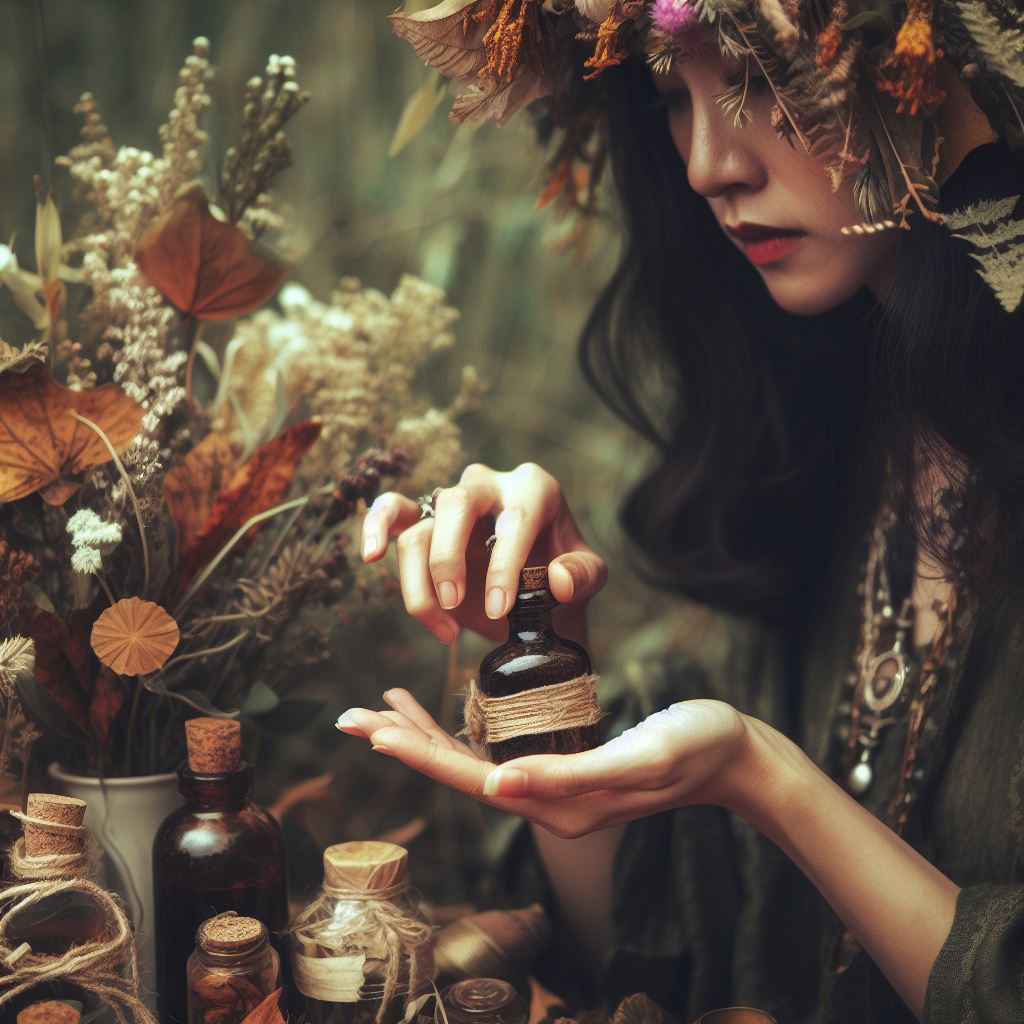
Label the container with the name of the tincture, the date of creation, and the ingredients used.

Utilizing Autumn Tinctures for Well-being

Autumn tinctures offer a versatile and convenient way to incorporate the healing properties of herbs into our daily lives. Here are some suggestions on how to utilize them effectively:

Internal Use: Take a few drops of the tincture orally, either directly under the tongue or diluted in a small amount of water. This allows for easy absorption and assimilation into the body. Follow recommended dosages and consult with a qualified herbalist or healthcare professional if needed.

Topical Application: Apply tinctures externally by diluting them in carrier oils, such as jojoba or coconut oil. This allows for targeted application to support skin health, ease muscle tension, or promote wound healing.

Custom Blends: Combine different tinctures to create personalized blends that cater to specific health needs. For example, mix St. John’s Wort tincture with lemon balm tincture for a mood-balancing blend.

Storing and Shelf Life

Proper storage is key to maintaining the potency and effectiveness of your autumn tinctures. Consider the following tips:

Store tinctures in dark-colored glass bottles or jars to protect them from light degradation.

Keep them in a cool, dry place away from direct sunlight and extreme temperature fluctuations.

Properly labeled tinctures can have a shelf life of several years or more if stored correctly. However, it’s essential to monitor the appearance, smell, and consistency of the tincture regularly. If any signs of spoilage or degradation occur, discard the tincture.

Conclusion

Autumn tinctures allow us to harness the healing power of nature’s harvest, transforming herbs, plants, and flowers into potent liquid extracts. By foraging for medicinal ingredients and crafting homemade tinctures, we can support our well-being and promote holistic health during this transformative season. Embrace the therapeutic benefits of St. John’s Wort, milk thistle, dandelion root, echinacea, and other autumn botanicals as you embark on the journey of creating your own tinctures. Whether taken internally or applied topically, these tinctures offer a convenient and effective way to incorporate the healing properties of herbs into your daily routine.

Take the time to connect with nature, forage for the botanicals that resonate with you, and craft tinctures that support your well-being. Explore the rich colors, fragrances, and healing potentials of autumn as you immerse yourself in the art of tincture-making. Embrace the wisdom of the earth, celebrate the abundance of the season, and savor the benefits of these homemade remedies for holistic health and vitality.

Remember to exercise caution when working with alcohol and botanicals and consult with a qualified herbalist or healthcare professional if you have specific health conditions or concerns. Enjoy the process of creating your own autumn tinctures and let the healing power of nature infuse your life with well-being and vitality. Cheers to the transformative and nourishing journey of autumn tinctures!

Posted on Leave a comment

Autumn Home Remedies – Broths

Autumn Broths
Autumn Broths

Introduction

Autumn Home Remedies – Broths

As the temperatures begin to drop and nature’s colors transition to warm hues, autumn provides us with a cornucopia of foraged treasures to incorporate into our homemade broths. These nourishing elixirs not only help to warm our bodies but also offer a wealth of health benefits. By utilizing the abundance of autumn foraging, including herbs, plants, and flowers, we can infuse our broths with rich flavors and therapeutic properties.

In this series, we’ll go over steam treatment, elixirs, teas, tinctures, broths, herbal glycerites, aroma therapy, and tonics. There are a lot of home remedies and nearly endless possibilities of methods. The eight selected for this series are some of the most common practices. All these covered home remedies are perfect for autumn-season applications.

In this article, we will explore the art of creating flavorful and nourishing broths using the bounty of autumn, allowing you to harness the healing power of nature while embracing the seasonal delights.

Broths

Broths are not only a staple of cozy and hearty dishes during the fall, but they can also be a source of magic and wellness for our bodies and souls. By adding seasonal autumn herbs to our homemade broths, we can create enchanting and nourishing potions that not only warm us up but also boost our immunity and vitality.

Autumn Foraging for Flavorful Additions

Autumn offers a plethora of aromatic herbs, plants, and flowers that can elevate the flavor and nutritional profile of your broths. Consider incorporating the following ingredients into your autumn broths:

  • Thyme: This versatile herb adds a warm and earthy flavor to broths while offering antimicrobial and immune-boosting properties.
  • Rosemary: Known for its distinct pine-like fragrance, rosemary brings a delightful savory note to broths while providing antioxidant and anti-inflammatory benefits.
  • Sage: With its earthy and slightly peppery taste, sage lends depth and complexity to broths while promoting digestion and soothing the throat.
  • Nettle: This nutrient-rich herb can be foraged in the autumn months and adds a delicate, slightly grassy flavor to broths. Nettle is packed with vitamins and minerals, making it an excellent addition for overall health and vitality.

Method for Creating Autumn Broths

Autumn Broth

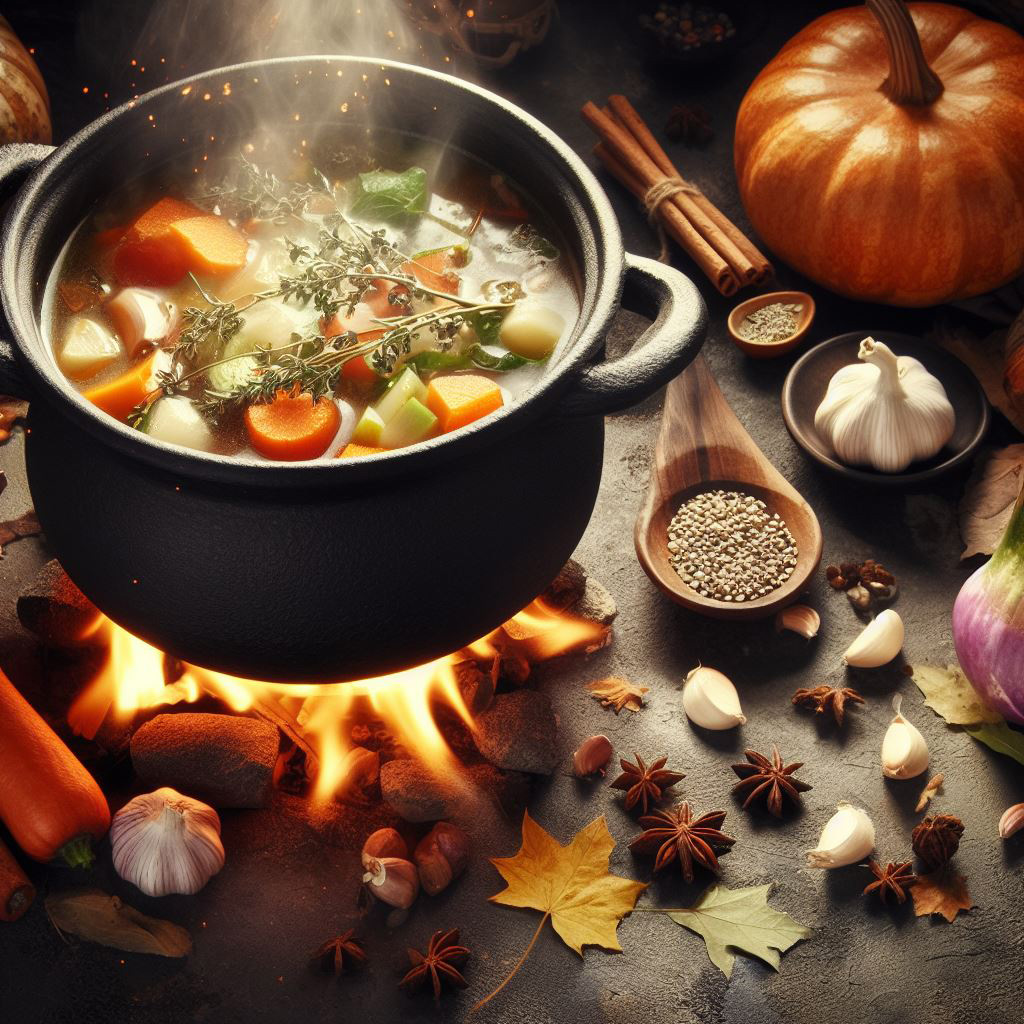
Crafting autumn broths is a simple and rewarding process that allows you to infuse the essence of nature’s harvest. Here’s a basic method to get you started:

  • Assorted autumn vegetables (such as carrots, onions, celery, and mushrooms)
  • Fresh or dried herbs from autumn foraging (thyme, rosemary, sage, nettle, etc.)
  • Garlic cloves
  • Bay leaves
  • Filtered water
  • Salt and pepper to taste
  1. Prepare the vegetables by washing and roughly chopping them into manageable pieces. Leave the skin on for added flavor and nutrients.
  2. In a large stockpot, combine the vegetables, fresh or dried herbs, garlic cloves, and bay leaves.
  3. Add enough filtered water to cover the ingredients and bring the mixture to a boil over medium-high heat.
  4. Once boiling, reduce the heat to low and simmer the broth for at least one hour, allowing the flavors to meld together.
  5. Throughout the simmering process, periodically skim off any foam or impurities that rise to the surface.
  6. After the desired simmering time, remove the pot from heat and let the broth cool slightly.
  7. Strain the broth using a fine mesh sieve or cheesecloth, discarding the solids.
  8. Season the broth with salt and pepper to taste, ensuring the flavors are well-balanced.
Fall

Enhancing Autumn Broths with Foraged Ingredients

Take your autumn broths to the next level by incorporating additional foraged ingredients. Consider the following suggestions:

Mushrooms: Forage wild mushrooms, such as chanterelles or porcini, to infuse your broths with an earthy and umami-rich flavor.

Wild Greens: Look for wild greens like dandelion leaves or chicory, which add a touch of bitterness and a wealth of nutrients to your broths.

Edible Flowers: Edible flowers such as calendula or nasturtium not only add visual appeal but also lend delicate flavors and antioxidant properties to your broths.

Roots and Tubers: Forage roots like burdock or wild carrots to introduce unique flavors and additional health benefits to your broths.

Utilizing Autumn Broths in Nourishing Meals

Autumn broths provide a versatile foundation for a wide range of nourishing meals. Here are a few ideas to inspire your culinary creations:

Hearty Vegetable Soup: Use your autumn broth as a base for a hearty vegetable soup by adding an array of seasonal vegetables, legumes, and grains. The flavors of the broth will infuse the ingredients, creating a comforting and nutritious meal.

Mushroom Risotto: Replace the water or stock in your risotto recipe with autumn mushroom broth for an intensely flavorful and aromatic dish. Add sautéed wild mushrooms for an extra burst of earthiness.

Herbal Grain Bowls: Cook grains like quinoa, barley, or farro in your autumn broth and serve them as a base for nourishing grain bowls. Top with roasted seasonal vegetables, fresh herbs, and a drizzle of olive oil for a wholesome and satisfying meal.

Sipping Broths: Enjoy a warm and soothing cup of broth on its own as a comforting beverage or as a light and nutrient-rich snack. Sipping broths can be sipped throughout the day for a boost of hydration and nourishment.

Conclusion

Autumn broths infused with the flavors of foraged herbs, plants, and flowers provide a nourishing and therapeutic way to embrace the bounties of the season. By incorporating ingredients such as thyme, rosemary, sage, and nettle, we infuse our broths with aromatic richness and a myriad of health benefits. Whether enjoyed as a standalone beverage or incorporated into hearty soups and grain bowls, these homemade broths offer warmth, comfort, and a taste of nature’s bounty. So, venture into the autumnal bounty, forage for aromatic herbs and ingredients, and let your creativity shine as you create flavorful and nourishing broths. Embrace the seasonal delights, savor the comforting aromas, and relish in the nourishment these autumn broths provide. Let each sip or spoonful bring you closer to the essence of nature’s harvest and the wellness it bestows. Enjoy the warmth, nourishment, and healing that autumn broths bring to your table, and let them be a reminder of the abundance and beauty of the season. Cheers to a season filled with flavorful and nourishing homemade broths that nurture both body and soul!

Posted on Leave a comment

Autumn Home Remedies – Steam Treatments

Autumn Steam Treatments

Introduction

Autumn Home Remedies – Steam Treatments

As autumn brings cooler temperatures and a shift in nature’s colors, it’s the perfect time to indulge in the comforting and therapeutic practice of steam treatments. By harnessing the power of steam infused with the essence of autumn foraging—herbs, plants, and flowers—we can create rejuvenating and healing experiences for our bodies and minds.

In this series, we’ll go over steam treatments (This Article), elixirs, teas, tinctures, broths, herbal glycerites, aroma therapy, and tonics. There are a lot of home remedies and nearly endless possibilities of methods. The eight selected for this series are some of the most common practices. All these covered home remedies are perfect for Autumn applications.

In this article, we will explore the art of steam treatments during autumn, showcasing the bounty of herbs and botanicals available during this season and providing practical methods to incorporate them into our self-care routines. Get ready to immerse yourself in the soothing embrace of steam and nature’s therapeutic essence.

Steam treatment

Foraging for Autumn Botanicals

Autumn offers an abundance of herbs, plants, and flowers that can enhance your steam treatments. Consider incorporating the following ingredients into your autumn steam rituals:

  • Chamomile: Known for its calming and soothing properties, chamomile flowers can help relieve stress, promote relaxation, and soothe the skin.
  • Eucalyptus: With its invigorating aroma and respiratory benefits, eucalyptus leaves can help clear congestion, improve breathing, and provide a refreshing experience.
  • Rosemary: This aromatic herb is known for its stimulating and invigorating properties. Its fragrance can help uplift the spirits and promote mental clarity during your steam treatment.
  • Lavender: With its calming and aromatic qualities, lavender flowers are ideal for creating a relaxing and spa-like ambiance during your steam session.

Method for Autumn Steam Treatment

Follow these steps to create an invigorating and rejuvenating autumn steam treatment:

Ingredients:

  • Fresh or dried herbs, plants, or flowers of your choice (See Above)
  • Filtered water

Process:

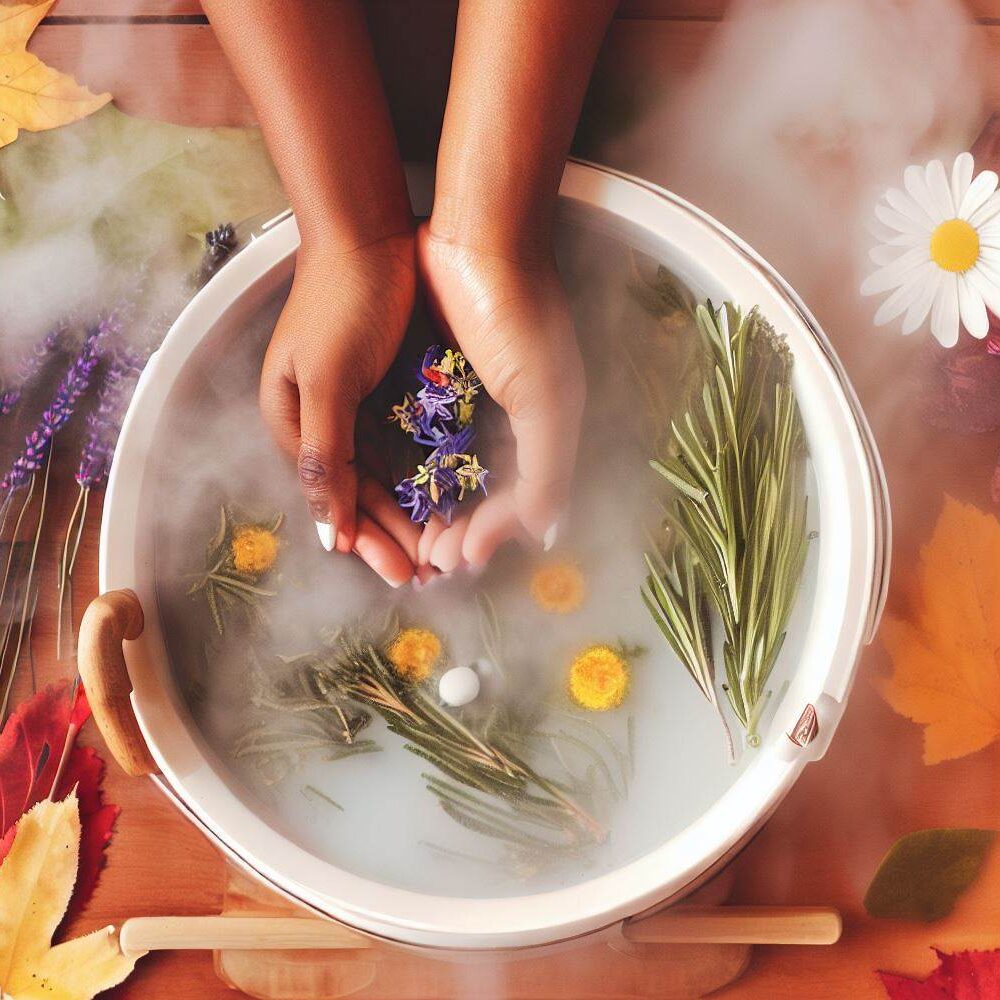
  • Gather your chosen autumn botanicals and place them in a heat-safe bowl or basin.
  • Boil a pot of filtered water and carefully pour it over the botanicals until they are fully covered.
  • Create a tent-like structure by draping a towel over your head, allowing it to cover both your head and the bowl. This will help trap the steam and direct it toward your face.
  • Position your face at a comfortable distance above the bowl, ensuring that the steam is not too hot to avoid burns.
  • Close your eyes, relax, and breathe deeply, allowing the aromatic steam to envelop your face and deeply penetrate your pores.
  • Continue the steam treatment for about 5-10 minutes, or until you feel refreshed and rejuvenated.

Customizing Your Autumn Steam Treatment

You can customize your steam treatment by combining different herbs and botanicals based on your specific needs:

Relaxation Blend: Combine chamomile and lavender for a steam treatment that promotes relaxation, relieves stress, and calms the mind.

Respiratory Support Blend: Blend eucalyptus and rosemary to create a steam treatment that helps open up the airways, clears congestion, and enhances breathing.

Skin Rejuvenation Blend: Mix chamomile and rosemary for a steam treatment that soothes and revitalizes the skin, leaving it refreshed and glowing.

Safety Precautions

When practicing steam treatments, it’s important to keep the following safety precautions in mind:

  • Be cautious while working with hot water to avoid burns. Allow the water to cool slightly before beginning the steam treatment.
  • Always maintain a comfortable distance from the steaming water to prevent any risk of burns to your face or skin.
  • If you have any respiratory conditions or sensitivities, consult with a healthcare professional before attempting steam treatments.
  • Take care when handling and disposing of hot water and botanicals to avoid accidents.

Conclusion

Autumn steam treatments offer a rejuvenating and therapeutic experience, allowing us to indulge in the healing power of nature during this transformative season. By incorporating herbs, plants, and flowers available during autumn foraging, such as chamomile, eucalyptus, rosemary, and lavender, we can create steam treatments that promote relaxation, respiratory support, and skin rejuvenation. Take the time to immerse yourself in the fragrant embrace of steam, allowing its therapeutic essence to nourish your body and mind. Embrace the soothing benefits of autumn steam treatments as part of your self-care routine and cherish the moments of tranquility and rejuvenation they provide. Let the essence of autumn envelop you as you embark on a journey of well-being through the calming power of steam.