Introduction
Autumn Home Remedies – Tinctures
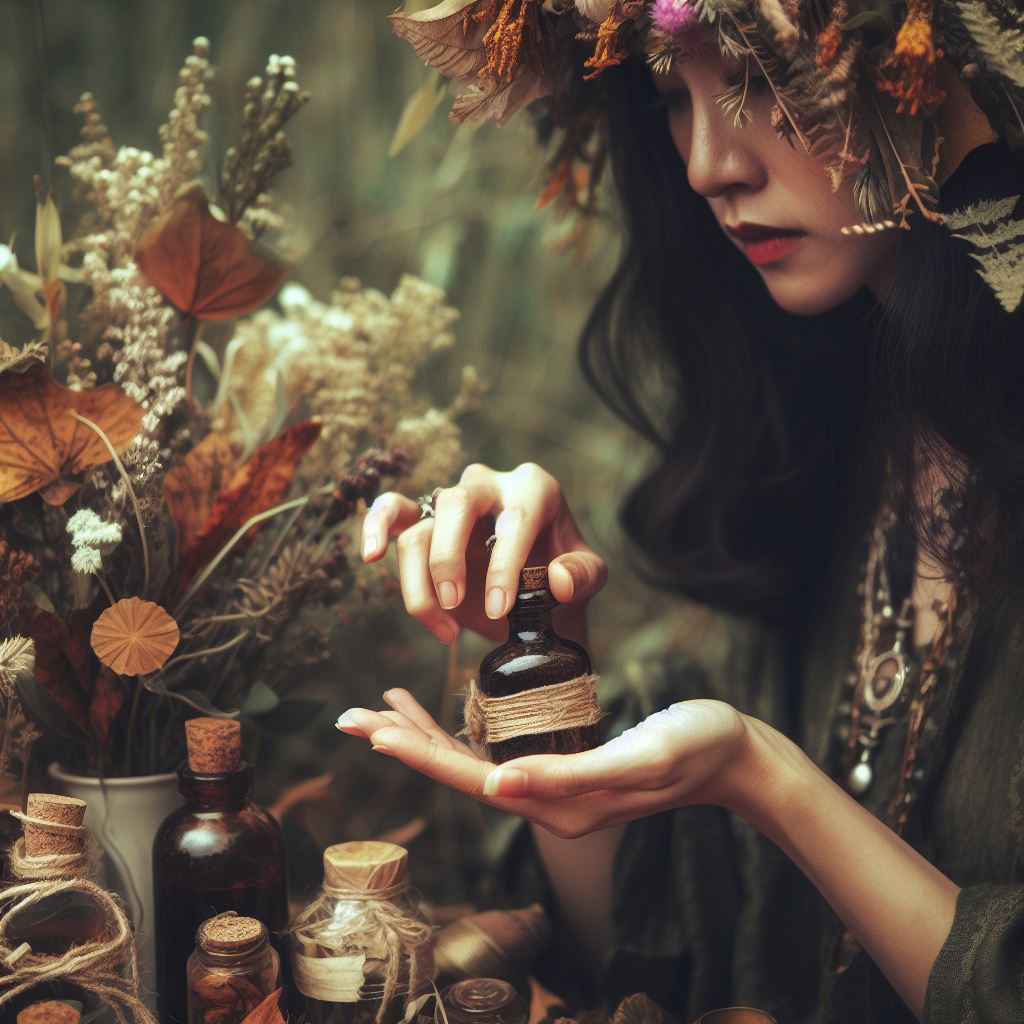
Autumn is a season of abundance, as nature’s bounty reveals a treasure trove of herbs, plants, and flowers that can be transformed into potent tinctures. Tinctures are concentrated liquid extracts that extract the medicinal properties of botanicals using alcohol or a solvent. By utilizing the rich offerings of autumn foraging, we can create homemade tinctures that promote well-being and support our health during this transformative season.
In this series, we’ll go over steam treatment, elixirs, teas, tinctures, broths, herbal glycerites, aroma therapy, and tonics. There are a lot of home remedies and nearly endless possibilities of methods. The eight selected for this series are some of the most common practices. All these covered home remedies are perfect for Autumn-Season applications.
In this article, we will delve into the art of crafting tinctures using autumn herbs, plants, and flowers, providing practical methods to incorporate them into our self-care routines. Prepare to immerse yourself in the healing properties of nature’s harvest and discover the power of autumn tinctures.

Tinctures
Autumn is a time when nature’s beauty is at its peak, and the bounty of herbs and plants invites us to explore their healing potential. One potent and versatile way to capture the essence of autumn herbs is through the art of tincture-making. Tinctures are concentrated herbal extracts known for their effectiveness in delivering the medicinal properties of herbs. By utilizing the plentiful herbs available during the autumn months, we can create powerful and effective homemade tinctures that promote wellness and support our health. In this article, we will delve into the world of tincture-making, exploring the methods and benefits of crafting herbal tinctures with autumn herbs, and unlocking nature’s therapeutic potency for our well-being.
Tinctures vs Tonics
Tinctures and tonics are both herbal preparations that can be used for various purposes, such as healing, magic, or ritual. However, they have some differences in their methods, ingredients, and effects.
Tinctures are concentrated herbal extracts that are made by soaking plant parts (such as leaves, flowers, roots, or berries) in alcohol or vinegar for several weeks. The alcohol or vinegar draws out the active compounds and preserves them in a liquid form. Tinctures are usually taken internally, by dropping a few drops under the tongue or adding them to water or juice.
Tonics are potent herbal infusions that are made by boiling or steeping plant parts (such as leaves, flowers, roots, or berries) in water for several hours. The water extracts the nutrients and benefits of the herbs and creates a flavorful brew. Tonics are usually taken internally, by drinking them as a tea or adding them to other beverages.
Tinctures have some advantages over tonics, such as:
- They are more concentrated and effective, as they contain a higher amount of active compounds per dose.
- They have a longer shelf life, as they are preserved by the alcohol or vinegar and do not spoil easily.
- They are more convenient and portable, as they can be stored in small bottles and carried around easily.
- They are more versatile and customizable, as they can be made with different herbs, combinations, and ratios to suit different needs and preferences.
Tinctures can be used for various purposes, such as:
- Healing: Tinctures can help treat various physical and mental ailments, such as pain, inflammation, infection, anxiety, depression, insomnia, and more12. For example, lavender tincture can help calm the nerves and promote relaxation, while echinacea tincture can help boost the immune system and fight off infections.
- Magic: Tinctures can help enhance various magical abilities, such as intuition, divination, protection, manifestation, and more. For example, mugwort tincture can help increase psychic awareness and facilitate lucid dreaming, while cinnamon tincture can help attract prosperity and love.
- Ritual: Tinctures can help create a sacred space and mood for performing rituals, such as meditation, prayer, spellcasting, and more. For example, sage tincture can help cleanse and purify the energy and environment, while rose tincture can help invoke the presence and blessings of the goddess.
Tinctures are powerful and effective herbal allies that can help us in various ways. By learning how to make and use them, we can tap into the wisdom and gifts of nature and enhance our well-being and magic.
Autumn Foraging for Medicinal Ingredients
Autumn offers a diverse range of herbs, plants, and flowers that can be foraged and transformed into powerful tinctures. Consider incorporating the following ingredients into your autumn tincture preparations:
St. John’s Wort: Known for its mood-balancing and antidepressant properties, St. John’s Wort is often foraged during autumn. Its bright yellow flowers are a key component of tinctures designed to support emotional well-being. St. John’s Wort is a perennial plant that grows in sunny and dry areas, such as roadsides, fields, and waste places. It has yellow flowers with black dots on the petals, and leaves with tiny holes that are visible when held to the light. St. John’s Wort can be harvested in late summer or early fall, when the flowers are fully open and the plant is in full bloom. You can use scissors or a knife to cut the flowering tops, and avoid damaging the roots.
Milk Thistle: This herb is recognized for its liver-detoxifying and protective properties. Harvest the seeds of milk thistle to create a tincture that promotes liver health and supports digestion. Milk Thistle is a biennial or annual plant that grows in disturbed and cultivated areas, such as pastures, fields, and gardens. It has spiny stems and leaves, and purple flowers that produce brown seeds. Milk Thistle can be harvested in late summer or fall, when the seeds are ripe and the flowers are dry.
Dandelion Root: Dandelion root is a valuable autumn foraging ingredient due to its liver-cleansing and diuretic properties. Utilize the roots to create a tincture that supports detoxification and overall wellness. Dandelion Root is a perennial plant that grows in a variety of habitats, such as lawns, meadows, and fields. It has a taproot, a rosette of toothed leaves, and yellow flowers that turn into fluffy seed heads. Dandelion Root can be harvested in late summer or fall, when the root is fully developed and the plant is dormant.
Echinacea: This well-known herb is often associated with immune support. Harvest the roots, leaves, or flowers of echinacea to create a tincture that bolsters the immune system and promotes overall health. Echinacea is a perennial plant that grows in prairies, woodlands, and open areas. It has green, hairy leaves, and pink or purple flowers that resemble coneflowers. Echinacea can be harvested in late summer or fall, when the roots, leaves, or flowers are fully grown and the plant is in bloom.
Method for Crafting Autumn Tinctures
Creating tinctures allows for the extraction and preservation of the medicinal properties of autumn botanicals. Follow these steps to create your own homemade autumn tinctures:
Ingredients:
Fresh or dried herbs, plants, or flowers of your choice
High-proof alcohol (such as vodka or brandy)
Glass jars with tight-fitting lids
Cheesecloth or a fine mesh sieve
Process:
Begin by harvesting or sourcing your chosen autumn botanicals. Clean them gently to remove any dirt or impurities. If using fresh herbs, allow them to wilt slightly to reduce moisture content.
Chop or grind the botanicals into small pieces to maximize surface area and enhance extraction.
Fill a glass jar with the botanicals, leaving some space at the top. Fill the jar to approximately 3/4 full.
Pour the high-proof alcohol over the botanicals, making sure they are fully submerged. Use a ratio of roughly 1 part botanicals to 2 parts alcohol.
Seal the jar tightly with the lid and store it in a cool, dark place away from direct sunlight.
Allow the mixture too steep for at least 4 to 6 weeks, shaking the jar gently every few days to promote the extraction process.
After the infusion period, strain the tincture using cheesecloth or a fine mesh sieve, collecting the liquid extract in a clean glass container.
Label the container with the name of the tincture, the date of creation, and the ingredients used.
Utilizing Autumn Tinctures for Well-being
Autumn tinctures offer a versatile and convenient way to incorporate the healing properties of herbs into our daily lives. Here are some suggestions on how to utilize them effectively:
Internal Use: Take a few drops of the tincture orally, either directly under the tongue or diluted in a small amount of water. This allows for easy absorption and assimilation into the body. Follow recommended dosages and consult with a qualified herbalist or healthcare professional if needed.
Topical Application: Apply tinctures externally by diluting them in carrier oils, such as jojoba or coconut oil. This allows for targeted application to support skin health, ease muscle tension, or promote wound healing.
Custom Blends: Combine different tinctures to create personalized blends that cater to specific health needs. For example, mix St. John’s Wort tincture with lemon balm tincture for a mood-balancing blend.
Storing and Shelf Life
Proper storage is key to maintaining the potency and effectiveness of your autumn tinctures. Consider the following tips:
Store tinctures in dark-colored glass bottles or jars to protect them from light degradation.
Keep them in a cool, dry place away from direct sunlight and extreme temperature fluctuations.
Properly labeled tinctures can have a shelf life of several years or more if stored correctly. However, it’s essential to monitor the appearance, smell, and consistency of the tincture regularly. If any signs of spoilage or degradation occur, discard the tincture.
Conclusion
Autumn tinctures allow us to harness the healing power of nature’s harvest, transforming herbs, plants, and flowers into potent liquid extracts. By foraging for medicinal ingredients and crafting homemade tinctures, we can support our well-being and promote holistic health during this transformative season. Embrace the therapeutic benefits of St. John’s Wort, milk thistle, dandelion root, echinacea, and other autumn botanicals as you embark on the journey of creating your own tinctures. Whether taken internally or applied topically, these tinctures offer a convenient and effective way to incorporate the healing properties of herbs into your daily routine.
Take the time to connect with nature, forage for the botanicals that resonate with you, and craft tinctures that support your well-being. Explore the rich colors, fragrances, and healing potentials of autumn as you immerse yourself in the art of tincture-making. Embrace the wisdom of the earth, celebrate the abundance of the season, and savor the benefits of these homemade remedies for holistic health and vitality.
Remember to exercise caution when working with alcohol and botanicals and consult with a qualified herbalist or healthcare professional if you have specific health conditions or concerns. Enjoy the process of creating your own autumn tinctures and let the healing power of nature infuse your life with well-being and vitality. Cheers to the transformative and nourishing journey of autumn tinctures!
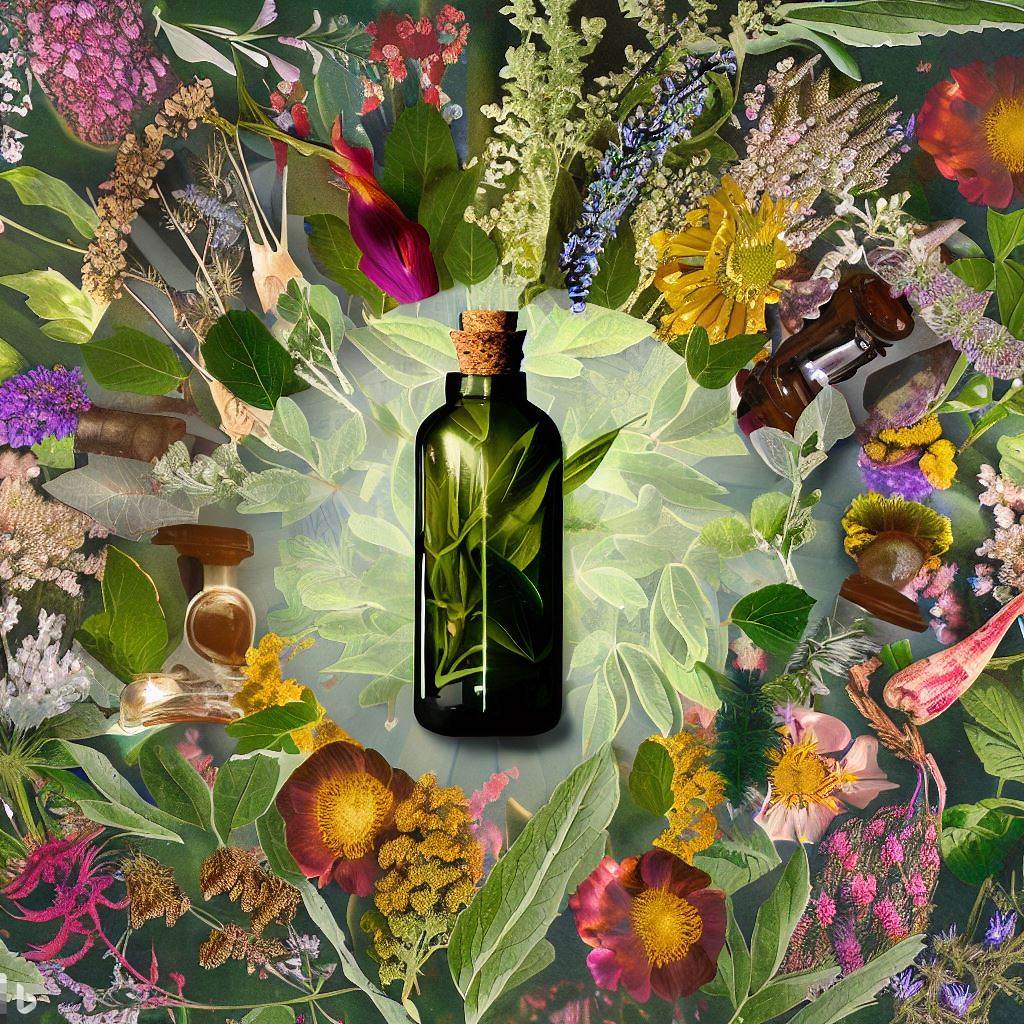
 Crafting herbal tinctures involves extracting the active compounds from the herbs using alcohol or vinegar as a solvent. Tincture-making with summer herbs is a great way to capture nature’s healing and wellness. You can make powerful and flexible herbal extracts by choosing the right herbs and methods. Explore the art and magic of tincture-making with summer herbs and enjoy their natural remedies. Experience the pure benefits of summer’s bounty with these homemade tinctures.