Posted on Leave a comment

Ritual: Alfar Altar

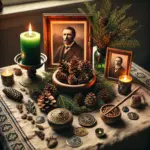
Alfar altar
Alfar altar

Introduction

Creating a Sacred Connection to Male Ancestors and Nature Spirits

The Yule season, a time steeped in reflection and reverence, offers a unique opportunity to honor the Alfar—the male ancestors and potent nature spirits who guide and protect us. Through the creation of an Alfar altar, we bridge the realms of the living and the departed, inviting ancestral wisdom and the essence of nature into our sacred space. This ritual becomes a focal point for remembrance, gratitude, and connection, aligning us with the deep-rooted energies of our heritage and the natural world.

Ritual Basics

Before beginning any ritual, it is important to prepare yourself mentally and physically. You may want to take a cleansing bath, or shower, and meditate or perform some grounding exercises to center yourself. Gather any materials you will need, such as candles, incense, and offerings for the forest spirits.

You can read a more detailed Ritual Preparation guide here.

About the Alfar Altar

The Alfar, revered in Norse tradition, are male spirits connected to lineage and nature. They embody strength, wisdom, and the enduring ties between the past and present. Establishing an altar dedicated to the Alfar during Yule is a profound act of respect and acknowledgment, symbolizing a bridge between worlds. This ritual celebrates their presence in our lives while inviting their guidance and blessings for the coming year.

Whether you seek to honor a beloved male ancestor, draw strength from their legacy, or commune with the natural world’s energies, the Alfar altar becomes a sacred gateway for connection and introspection.

Alfar Altar: Bridging Realms of Ancestral Wisdom

A ritual to honor male ancestors and nature spirits by creating a dedicated altar space.

  • Altar cloth
  • Candle holder
  • Incense holder or diffuser
  • 1 Picture or token (Photographs or items representing male ancestors or influential male figures.)
  • 3 Pieces Natural elements (Pinecones, leaves, branches, or other symbols of nature.)
  • 1 Bundle Incense or essential oil ( Frankincense, myrrh, or juniper to enhance the sacred atmosphere.)
  • 1 Candle (White or green for remembrance and connection.)
  • 1 Offering bowl (For holding water, herbs, grains, or other offerings.)
  • 1 Piece Crystal or gemstone (Moonstone, labradorite, or clear quartz for ancestral energies.)

Choosing the Sacred Space

  1. Select a quiet, undisturbed area for your altar. This could be a small table, shelf, or any surface where you can commune with the Alfar.
  2. Cleanse the space with sage, consecrated water, or incense to remove any lingering energies and prepare it for sacred use.

Preparing the Altar

  1. Cover the altar surface with the chosen cloth, symbolizing a foundation of connection.
  2. Arrange photographs, heirlooms, or tokens of male ancestors centrally on the altar to honor their presence.

Adding Symbols of Nature

  1. Place pinecones, leaves, or branches on the altar, representing the Alfar’s connection to the natural world.
  2. Position these items intuitively, allowing the altar to reflect your relationship with the spirits and nature.

Lighting the Candle

  1. Light the white or green candle as a symbol of remembrance and guidance. Let its flame remind you of the eternal connection between worlds.
  2. Speak words of intention, such as:

    “I honor the Alfar, guardians of wisdom and protectors of my lineage.

    May this light bridge our realms, uniting us in strength and guidance.”

Offering to the Alfar

  1. Fill the offering bowl with water, grains, or herbs, and place it on the altar.
  2. Present the offering as an expression of gratitude, saying:

    “I offer these gifts to the Alfar, with reverence and love.

    May this sacred space honor your wisdom and presence.”

Invoking Connection

  1. Sit quietly before the altar. Focus on the candle’s flame, allowing its light to guide your thoughts to the Alfar.
  2. Meditate on their influence, wisdom, and the natural cycles they embody. Listen for intuitive messages or impressions.
  • Personalize your altar with items or symbols that resonate deeply with your connection to male ancestors or nature spirits.
  • Refresh offerings periodically and cleanse the altar space to maintain its sacred energy.
  • Use the altar as a focal point for meditations, ancestral offerings, or seasonal celebrations.
Ancestral Magic, Father’s night, Yule
Rituals

Conclusion

The creation of an Alfar altar is more than a physical act; it is a spiritual gesture that acknowledges the enduring bond between the realms of the living and the departed. Through this sacred space, you honor male ancestors and nature spirits, drawing their wisdom and strength into your life. As you nurture this connection, the altar becomes a living testament to the cycles of life, the power of nature, and the unbroken threads of ancestral legacy. Embrace this ritual as a cornerstone of your Yule celebration, allowing it to illuminate your path with the light of remembrance and reverence.

Posted on Leave a comment

Dec 22nd – The 3rd Day of Yule

Fathers Night
Fathers Night

Introduction

Father’s Night Revelry

Honoring Guardianship, Ancestral Wisdom, and Winter Comfort

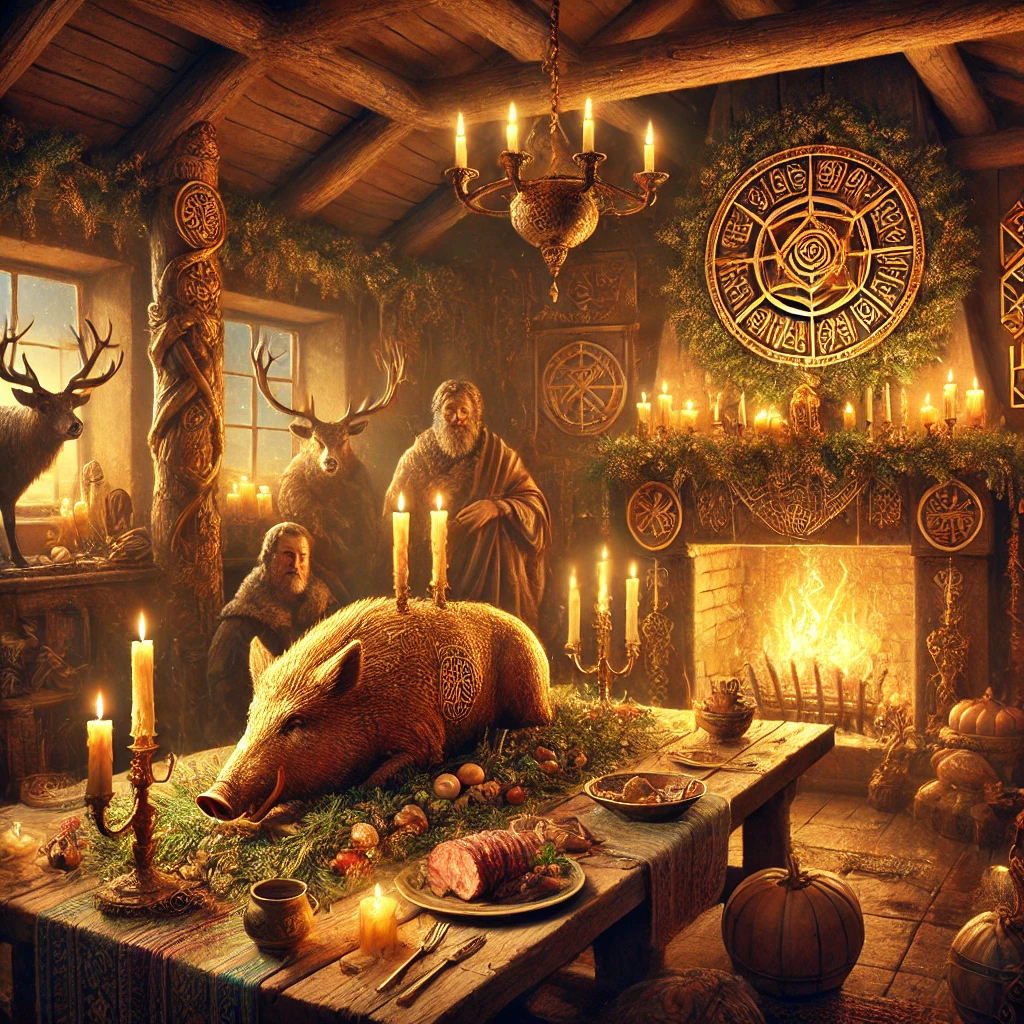
On the third day of Yule, we celebrate Father’s Night, a sacred occasion dedicated to the male guardians in our lives—divine, ancestral, or earthly. This day bridges the realms of the living and the spiritual, paying homage to the Alfar (male ancestors and nature spirits), the Norse god Freyr, and his loyal companion Gullinborsti, the golden boar. Through rituals, feasts, and the heartwarming practice of Hygge, Father’s Night becomes a tapestry woven with reverence, gratitude, and the shared joys of the Yuletide season.

From creating altars to honor the Alfar to the symbolic Feast of Swine that pays tribute to Freyr’s guardianship and prosperity, Father’s Night is rich in tradition. Oaths sworn under the watchful gaze of Freyr and the bristles of Gullinborsti add solemnity to the evening, while the Danish practice of Hygge invites families to gather in cozy spaces, celebrating simple joys, shared stories, and seasonal comforts.

Whether creating an altar, crafting an oath, or savoring family traditions, let Father’s Night inspire connections across realms, honor the wisdom of male guardianship, and invite the spirit of comfort and unity into your Yule celebrations.

Dec 22nd – The 3rd Day of Yule Resources

Deeper Knowledge

Recipes

Posted on Leave a comment

Recipe: Sun-Dazzled Brews – Tea for Sunna

Sun-Dazzled Brews – Tea for Sunna

Introduction

A Warming and Zesty Herbal Tea to Honor Sunna and Embrace Her Vibrant Energy

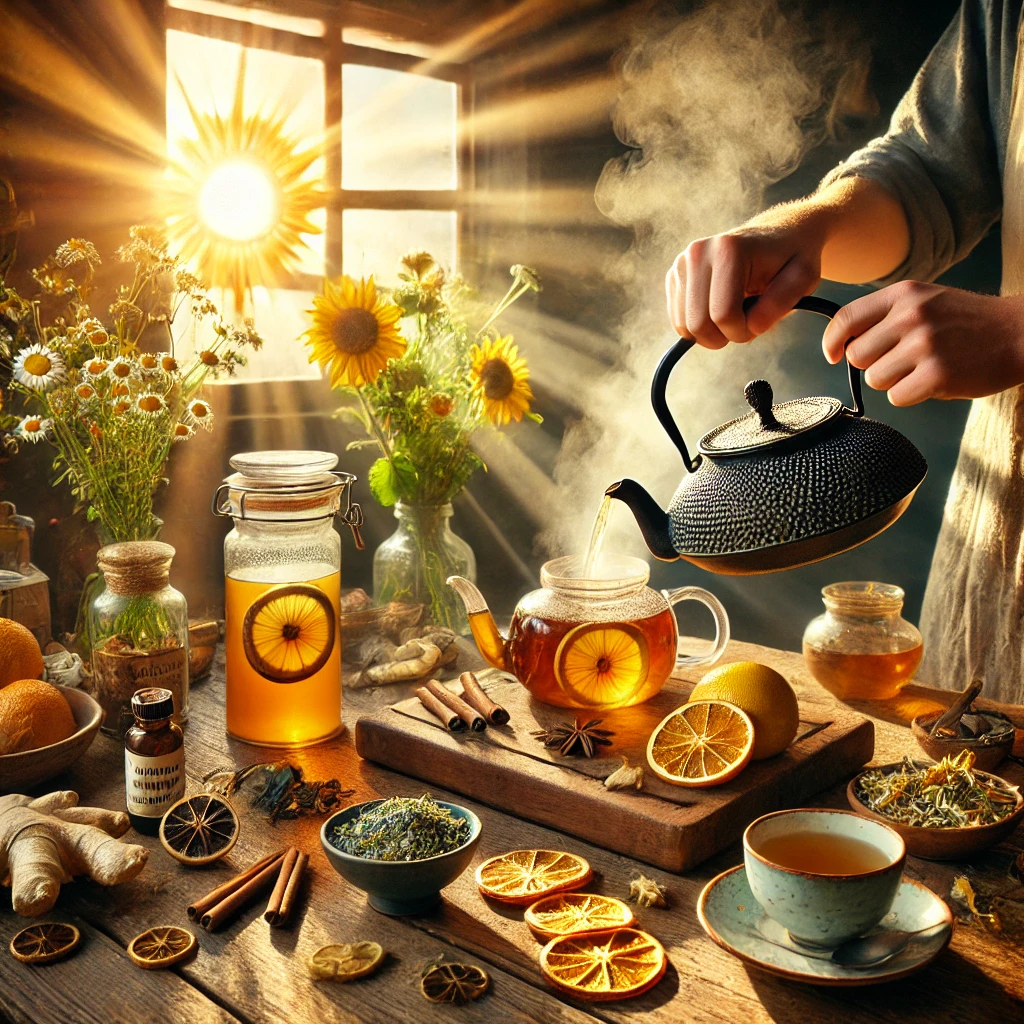
As the golden rays of the Sun illuminate the frosty mornings of Yule, “Sun-Dazzled Brews” pays homage to Sunna, the radiant solar goddess who brings life, warmth, and vitality to the Earth. This ritual tea blends citrus, warming spices, and soothing herbs, creating a sensory celebration of Sunna’s light and energy. Each sip invites renewal, joy, and connection to the solar forces that guide us through the darkest days of winter.

The Magic of Sun-Dazzled Brews

This tea is more than a simple beverage—it is a radiant tribute to Sunna. The citrus represents her light and warmth, cinnamon and ginger evoke her fiery vitality, and chamomile brings balance and harmony. This blend becomes a ritual of connection, best prepared during Yule mornings or anytime you seek Sunna’s invigorating energy.

Through this ritual tea, we honor Sunna’s essential role in the cosmos, inviting her guidance and inspiration to brighten our days. It is a moment of reflection, renewal, and gratitude for the light she brings, even in winter’s chill.

ASpell for Embracing Vitality

Intent: To connect with Sunna’s energy, inviting vitality, warmth, and inspiration into your life.

Ingredients for the Spell:

  • 1 cup of prepared Sun-Dazzled Brews tea.
  • 1 gold or yellow candle (symbolizing the Sun).
  • A small offering dish.

Spell Instructions:

  1. Light the candle, placing it near a window or on an altar bathed in sunlight.
  2. Pour a small amount of tea into the offering dish.
  3. Speak the invocation:

“Sunna, radiant and bold,
Keeper of warmth and light of gold.
I sip this brew, bright and true,
Honoring your glow, my spirit renewed.”

  1. Reflect on Sunna’s gifts as you sip the tea, feeling her energy infuse your being.

Magical Properties of Sun-Dazzled Brews

Honey or Agave: Sweetens the brew, symbolizing the Sun’s nurturing warmth.

Orange Peel: Represents light, energy, and joy, aligning with Sunna’s solar essence.

Ginger Root: Evokes warmth and vitality, symbolizing the Sun’s fire.

Cinnamon: Adds sweetness and renewal, amplifying the solar energy.

Chamomile: Brings harmony and calm, balancing Sunna’s brilliance.

Sun-Dazzled Brews – Tea for Sunna

A warming, citrus-infused herbal tea to honor Sunna and her life-giving energy.

  • Kettle
  • Teapot or heat-safe container
  • Strainer
  • Mug or teacup
  • 1 tsp dried orange peel (required: Symbolizing Sunna’s energy.)
  • 1 tsp dried chamomile flowers (optional: For harmony and calm.)
  • 1 tsp fresh ginger root (sliced (required): For vitality and warmth.)
  • 1 stick cinnamon (required: For sweetness and renewal.)
  • 2 cups boiling water (required: To infuse the ingredients.)
  • 1 tsp honey or agave (optional: To sweeten and represent nurturing warmth.)

Preparing the Ingredients

  1. Gather all ingredients and ensure their freshness.
  2. Slice the ginger root thinly to release its vibrant flavors.

Brewing the Tea

  1. Boil 2 cups of water in the kettle.
  2. Place the orange peel, ginger slices, cinnamon stick, and chamomile (if using) into the teapot or container.
  3. Pour boiling water over the ingredients.
  4. Cover and steep for 5–10 minutes, adjusting for flavor strength.

Preparing the Offering and Serving

  1. Strain the tea into a mug or teacup.
  2. Add honey or agave if desired, stirring gently.
  3. Pour a small portion into the offering dish. Place it on an altar or windowsill bathed in sunlight.

Honoring Sunna and Savoring the Tea

  1. Sit comfortably in a sunny space, holding the mug to feel its warmth.
  2. Reflect on Sunna’s gifts as you sip, expressing gratitude for her light and vitality.
  3. Allow the tea’s flavors to invigorate your spirit, connecting you to the solar energy.

• Enhance the tea by adding solar herbs like calendula or lemon balm.
• The offering to Sunna can be returned to the Earth, symbolizing gratitude and renewal.
• This caffeine-free blend is perfect for uplifting mornings or reflective afternoons.

Tea
Seasonal Solar Magic, Winter Solstice, Yule
Recipe

Conclusion

“Sun-Dazzled Brews – Tea for Sunna” is a radiant homage to the solar goddess, capturing her vitality and warmth in every sip. As you prepare and enjoy this tea, you connect with Sunna’s life-giving energy, inviting her light to brighten your days and inspire your spirit. Let this brew be a reminder of the Sun’s timeless brilliance and the renewal that Yule promises.

Posted on Leave a comment

Ritual: Sunna’s Awakening: A Morning Offering

Sunna's Awakening A Morning Offering

Introduction

Honoring the Radiance of the Rising Sun

At the heart of Yule, the season of the Sun’s return, we honor Sunna, the radiant goddess of the Sun, who graces the morning sky with light and vitality. As dawn unfolds, this ritual invites practitioners to commune with Sunna, offering gratitude and symbolic gifts to celebrate her life-giving energy. “Sunna’s Awakening” is a deeply meditative and reverent practice, a moment to align with the rhythms of nature and begin the day bathed in her glow.

Ritual Basics

Before beginning any ritual, it is important to prepare yourself mentally and physically. You may want to take a cleansing bath, or shower, and meditate or perform some grounding exercises to center yourself. Gather any materials you will need, such as candles, incense, and offerings for the forest spirits.

You can read a more detailed Ritual Preparation guide here.

Sunna’s Awakening: A Morning Offering

A dawn ritual to honor Sunna and the light she bestows, marking a fresh start and invoking the Sun’s warmth and vitality.

  • Candle
  • Small fireproof dish or altar
  • Matches or lighter
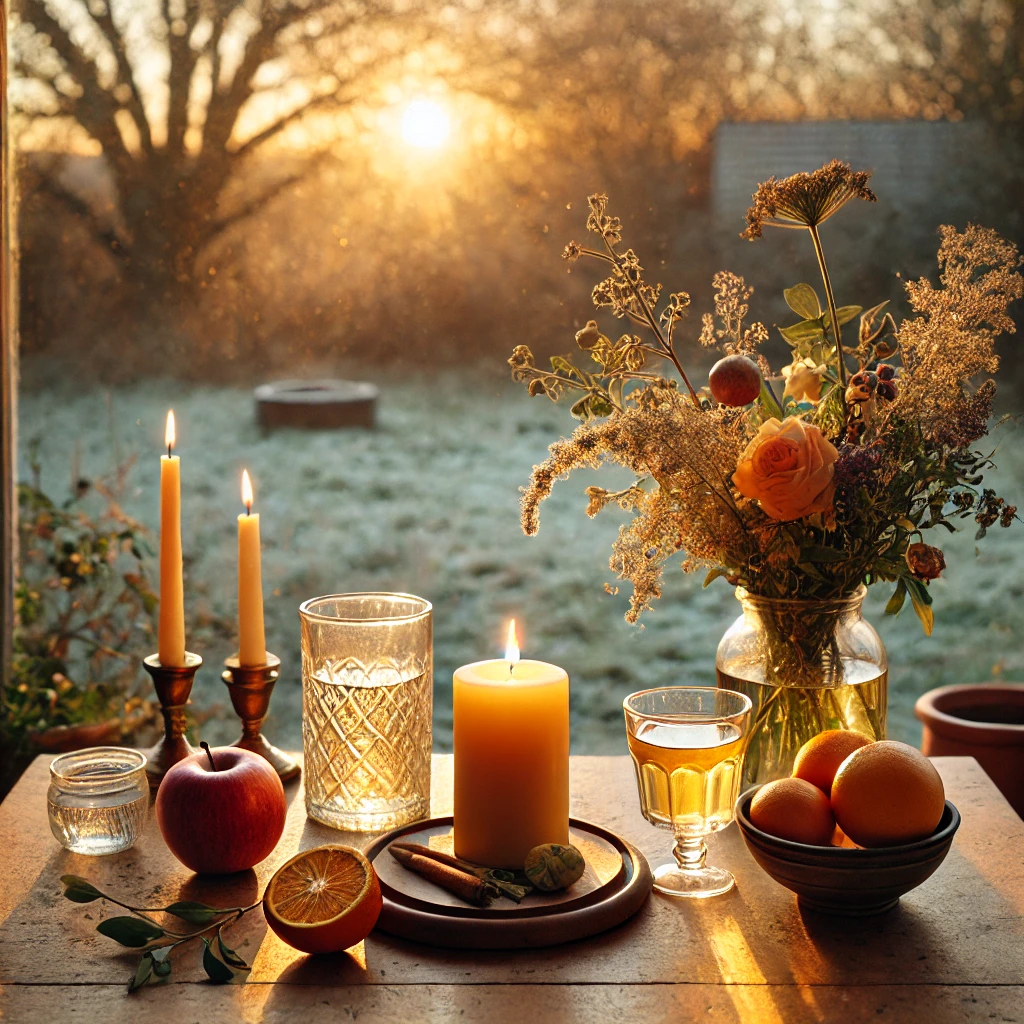
  • 1 Glass Cider (required – Symbolizing vitality and simple joys.)
  • 1 Glass Mead or Goldschlager (optional – Representing sweetness and brilliance.)
  • 1 Apple (required – A symbol of abundance and health.)
  • 1 Orange (required – Representing freshness and the Sun’s energy.)
  • 1 Bouquet Flowers (required – Fragrant and symbolic of beauty and gratitude.)
  • 1 Bowl Water or dew (optional – To connect with the morning’s natural purity.)

Preparing Your Sacred Space

  1. Select a serene location where you can observe the morning light, such as an outdoor spot or a window facing east.
  2. Place your candle at the center of a small altar or table. Surround it with the offerings—cider, mead, fruit, flowers, and water.
  3. Ensure the space is peaceful and free from distractions. If outdoors, embrace the crisp morning air and the sounds of nature.

Centering and Setting Intentions

  1. Sit or stand before your altar, taking a few deep breaths to ground yourself in the moment.
  2. Quiet your mind and focus on the anticipation of dawn. Set an intention for the ritual—whether it’s gratitude, renewal, or connection with Sunna’s energy.

Lighting the Candle

  1. As the first light of day begins to touch the horizon, light the candle.
  2. Say:

    “Sunna, radiant goddess of the morning sky,

    I honor your ascent and the warmth you bring.

    As your light grows, so too does life and hope.

    Bless this day with your vitality and wisdom.

    May your brilliance guide and sustain me."

Presenting the Offerings

  1. One by one, present each offering to Sunna with gratitude:
  2. – Cider: “I offer this cider, a toast to your joy and vibrancy.”
  3. – Mead or Goldschlager: “I offer this mead, a tribute to your sweetness and brilliance.”
  4. – Apple: “I offer this apple, a symbol of abundance and life.”
  5. – Orange: “I offer this orange, embodying your energy and light.”
  6. – Flowers: “I offer these flowers, tokens of my appreciation for your beauty and grace.”
  7. Place each item deliberately on the altar or in front of the candle, imagining Sunna’s golden light bathing them in blessing.

Communing with Sunna

  1. Sit quietly, gazing at the flickering flame and the light of the rising Sun.
  2. Reflect on the Sun’s symbolism—rebirth, vitality, and the unending cycle of life.
  3. If you feel moved, speak words of gratitude or meditate on your connection to the divine energy Sunna represents.

Closing the Ritual

  1. After a moment of silence or meditation, extinguish the candle if the Sun has fully risen, or allow it to burn out safely.
  2. Say:

    “Sunna, I thank you for your light,

    Your warmth sustains all life.

    As you rise today, I honor your journey

    And carry your brilliance within."

  3. Dispose of the offerings respectfully—by placing flowers or fruit in nature or sharing the cider with loved ones.
  • This ritual can be adapted for any morning of personal significance, not just during Yule. 
  • The offerings are symbolic, and substitutions can be made based on availability or personal preference.
  • If you cannot perform the ritual outdoors, a window with a view of the sunrise serves as an excellent alternative.
Winter Solstice, Yule
Rituals

Conclusion

“Sunna’s Awakening: A Morning Offering” is a ritual of renewal and gratitude, connecting us with the life-giving energy of the Sun. Through this simple yet profound act, we honor Sunna’s radiant ascent and align ourselves with the rhythms of light and life. As her golden light bathes the world, may we find inspiration, strength, and joy in her warmth, carrying her blessings into the day and the season of Yule.

Posted on Leave a comment

Ritual: Crafting the Yule Log – Burning

Yule log ritual
Yule log ritual

Introduction

Honoring the Sun and Embracing the Magic of Yule

On the second day of Yule, a timeless ritual unfolds—the crafting of the Yule log, a symbolic blaze of renewal and protection. Rooted in ancient tradition, the Yule log connects us to the enduring fire of the Sun and the cycles of life, death, and rebirth. Traditionally made from oak, the Yule log becomes an altar for hopes and blessings, adorned with nature’s symbols and prepared to carry your intentions into the flame. As the log burns, its light strengthens the Sun’s return, casting away darkness and ushering in renewal for the coming year.

Ritual Basics

Before beginning any ritual, it is important to prepare yourself mentally and physically. You may want to take a cleansing bath, or shower, and meditate or perform some grounding exercises to center yourself. Gather any materials you will need, such as candles, incense, and offerings for the forest spirits.

You can read a more detailed Ritual Preparation guide here.

The Yule Log: A Symbol of Light and Renewal

The tradition of the Yule log, deeply embedded in the history of Yule, celebrates the life-giving energy of the Sun. By adorning the log with sacred herbs, pinecones, and flowers, practitioners honor nature’s abundance and the promise of rebirth. The act of burning the Yule log is not just a celebration; it’s a ritual to fortify the Sun’s strength during the darkest days of the year. This simple, yet profound ritual invites the flame of the Yule log to carry away stagnant energies, clear your path, and ignite the magic of renewal within your heart and home.

Crafting the Yule Log – For Burning

A ritual for crafting and burning a Yule log, symbolizing the Sun’s return, rebirth, and the turning of the wheel.

  • Heat-safe surface or fire pit
  • 1 Log Oak or other suitable wood (required – Oak is preferred for its connection to strength, protection, and longevity.)
  • 3 Pinecones (optional – Symbolizes life and rebirth.)
  • 1 Bundle Pine branches (optional – Represents longevity and prosperity.)
  • 3 Dried flowers (optional – Choose flowers that represent love, gratitude, and hope (such as lavender, rosemary, or holly).)
  • 1 Sprig Mistletoe or Holly (optional – Represents protection and blessing.)
  • 1 Pinch Cinnamon or other seasonal spices (optional – For abundance and warmth.)
  • 1 Bundle Dried herbs (optional – Choose herbs such as rosemary, bay leaves, or sage for purification and protection.)
  • Twine or ribbon ((optional) – For binding symbolic items to the log.)

Step 1: Selecting and Preparing the Yule Log

  1. Choose your log—traditionally oak, but any sturdy wood can be used. The log should be large enough to burn for several hours if possible.
  2. If you are gathering the log yourself, ensure it is dry and free from rot or decay. If buying from a store or woodpile, cleanse it with intention (using smoke from incense or salt) to purify the energy.

Step 2: Decorating the Yule Log

  1. Gather your natural adornments—pinecones, branches, flowers, herbs, or other seasonal items.
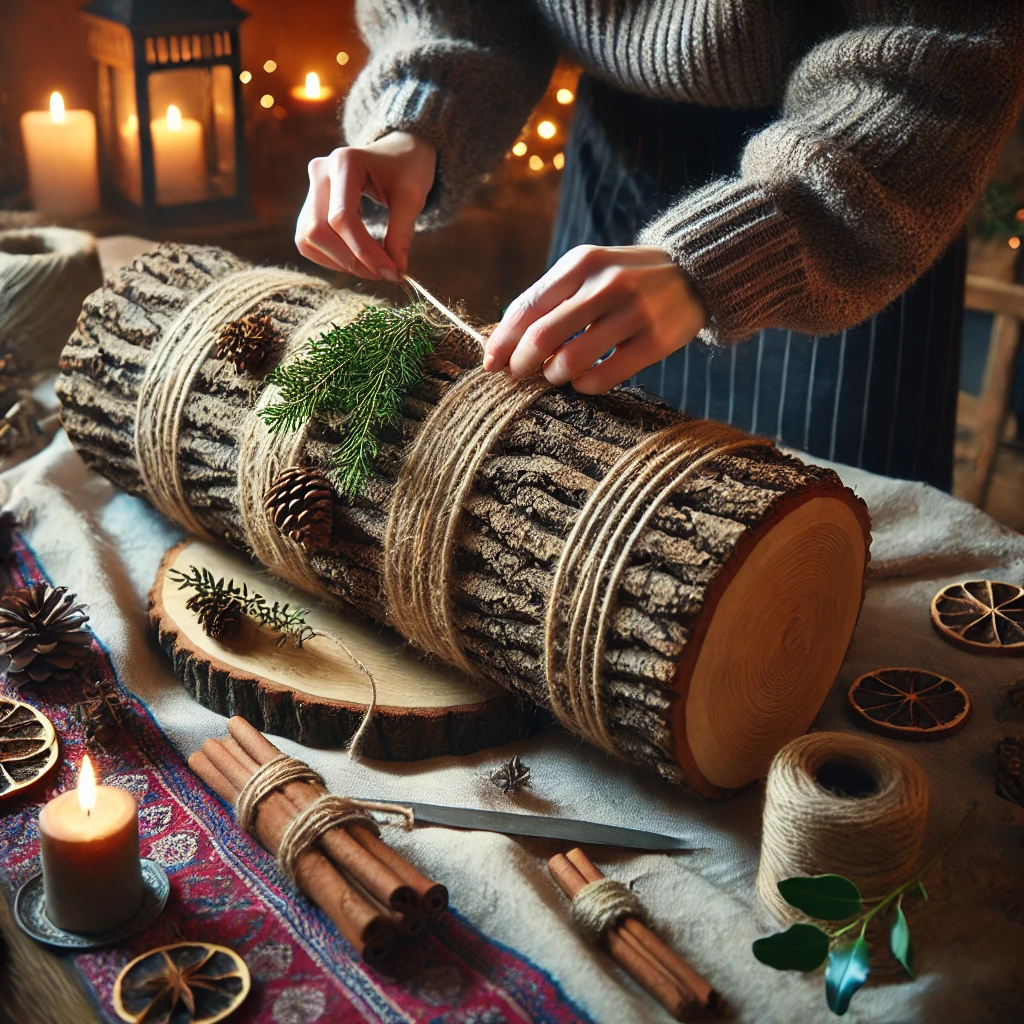
  2. Begin adorning your log with these items. You can attach them using twine or ribbon, wrapping them around the log to secure. Each piece added carries symbolic meaning:
  3. – Pinecones: Represent rebirth and fertility.

  4. – Flowers: Symbolize beauty, love, and hope.

  5. – Herbs: Offer protection, purification, and abundance.

  6. – Mistletoe or Holly: Offers protection and good fortune.

  7. – Cinnamon: Adds warmth and blessings to your home.

  8. As you decorate, speak aloud your intentions for the new year—whether it’s personal growth, prosperity, protection, or simply honoring the Sun’s return.

Step 3: Creating Sacred Space

  1. Find your space—whether it be indoors at a hearth, or outdoors in a fire pit or similar setup.
  2. Arrange the log and your space with care, adding candles or lanterns around the area to set the tone.
  3. Take a moment to ground and center yourself. Call upon the Sun and the energies of Yule by lighting a candle to honor the Solstice.

Step 4: Invoking Blessings and Lighting the Yule Log

  1. Once your space is prepared, offer a blessing over the Yule log, saying something like:

    “I call upon the ancient fire,

    Light of the Sun, and the warmth I desire.

    In this log, I place my hope and my call,

    For renewal, for love, for the good of us all.

    May this flame bring light to the dark,

    And with it, a new year shall spark.”

  2. Light the Yule log (if indoors, be sure to burn in a safe, controlled environment). Watch as the flames dance, knowing that each spark represents the return of the Sun’s strength and the promise of renewal.

Step 5: Reflecting and Watching the Flame

  1. As the Yule log burns, sit quietly and reflect on the magic of Yule. Meditate on the warmth and light, feeling it fill your space and your spirit.
  2. If celebrating with others, invite them to share their blessings, intentions, or thoughts for the coming year.
  3. Let the fire burn for as long as possible. If it must be extinguished, do so with gratitude and reverence. Save a portion of the ash to scatter in your garden or keep for future blessings.

This Yule log ritual can be adapted to suit your space and needs. If you do not have a place for an outdoor fire, consider using a smaller log that can be placed in an indoor hearth or even a symbolic log for display with candles. The important part is the intention behind the ritual and the connection to the energies of the season. The Yule log symbolizes hope, rebirth, and the eternal cycle of life, death, and renewal, making it a perfect centerpiece for any Yule celebration.

Winter Solstice, Yule
Rituals

Conclusion

Crafting a Yule log is more than a simple act of creation; it is a sacred and symbolic gesture of inviting light into the darkest part of the year. Through the act of decorating and burning the Yule log, you connect to the ancient tradition of honoring the Sun and welcoming renewal into your life. As the flames flicker and illuminate your space, feel the magic of Yule enveloping you, carrying your blessings, intentions, and hopes forward into the new year. Let the warmth of the Yule log fill your heart and home, bringing light, love, and renewal for the season ahead.

Posted on Leave a comment

Eostre

Goddess Eostre
Goddess Eostre

Introduction

Unveiling the Tapestry of the Goddess of Spring’s Renewal

In the tapestry of ancient folklore and the ever-turning wheel of the seasons, the figure of Eostre emerges as a captivating symbol of spring’s renewal and the celebration of life’s cyclical journey. Rooted in Germanic traditions and honored in various forms across cultures, Eostre weaves a narrative that intertwines the themes of fertility, rebirth, and the vibrant emergence of life after the dormancy of winter. In this article we explore the Origins, Symbols, Modern Celebration, and many more aspects of the goddess Eostre.

Origins of Eostre

In the intricate tapestry of ancient Germanic paganism, Eostre emerges as a goddess shrouded in the mists of dawn, her origins weaving a narrative of celestial luminosity and the promise of a fertile earth. The roots of Eostre’s existence delve deep into the spiritual landscape of Germanic traditions, where she is revered as a deity intimately connected with the dawning light and the blossoming vitality that accompanies the arrival of spring.

As we navigate the corridors of time, our understanding of Eostre is illuminated by the remnants of historical writings and linguistic studies. Within the annals of ancient texts and the etymological echoes of her name, we catch glimpses of a figure whose influence is most profoundly felt during the veneration of the spring equinox. It is in this celebration that Eostre’s essence intertwines with the cyclical rhythms of the seasons, bringing forth a tapestry of renewal, growth, and the triumphant emergence of life from the hibernation of winter.

Eostre’s presence, though often veiled in the mystery of ages, is believed to have permeated the hearts and rituals of ancient Germanic communities. Her association with dawn signifies not only the literal break of day but also the metaphorical awakening of the natural world from its wintry slumber. In the soft glow of the early morning light, Eostre is said to have ushered in the promise of warmer days, heralding the return of life to the once-dormant earth.

The burgeoning fertility attributed to Eostre aligns her with the earth’s transformative journey from barrenness to abundance. She becomes a guardian of the burgeoning life force, a deity who oversees the sprouting of seeds, the blossoming of flowers, and the renewal of the land. The very essence of Eostre mirrors the profound interconnectedness between the divine and the earthly, as communities celebrated her influence during the season of burgeoning life and burgeoning light.

While the specifics of Eostre’s myths may have been lost to the passage of time, her presence resonates through the echoes of ancient rituals and the subtle shifts in language that carry fragments of her name. In the realm of Germanic paganism, Eostre stands as a symbol of hope, a beacon guiding communities through the ever-changing dance of seasons, and a testament to the enduring human connection with the cycles of nature.

Eostre’s Dance with Light and Darkness

In the celestial ballet that unfolds across the skies, the spring equinox emerges as a pivotal moment, marking the delicate balance between day and night. Celebrated with reverence and joy around March 20th or 21st in the Northern Hemisphere, this astronomical phenomenon becomes the stage upon which Eostre, the goddess of dawn and fertility, casts her enchanting influence.

As the earth begins its gradual tilt towards the sun, the vernal equinox serves as the herald of a transformative season. Day and night, stand in equipoise, sharing the cosmic canvas in equal measure. It is within this harmonious equilibrium that Eostre’s connection with the celestial event comes to light, resonating with the essence of balance, renewal, and the perpetual dance of light and darkness.

The arrival of the spring equinox serves as a celestial proclamation, announcing the end of winter’s hibernation and the awakening of nature from its slumber. Eostre, synonymous with dawn and the burgeoning fertility of the earth, aligns herself with the rejuvenating forces that come to life during this celestial spectacle. The sun’s ascent to prominence bathes the world in a gentle warmth, coaxing the emergence of delicate buds, the first blossoms, and the vibrant hues of a world reborn.

Eostre’s association with the spring equinox becomes a symbolic tapestry woven with threads of hope and renewal. As daylight extends its embrace, overcoming the lingering shadows of winter’s chill, the goddess stands as a beacon of light, symbolizing the triumph of vitality over dormancy. Her influence mirrors the inherent promise of the season — a promise of growth, of life unfurling, and of the earth awakening to the symphony of renewal.

In the mythic realms of ancient traditions, the alignment of Eostre with the spring equinox represents a cosmic acknowledgment of the cyclical journey of life. Her presence during this celestial event becomes a testament to the perpetual cycle of birth, growth, and eventual rest, mirrored in the dance of day and night that unfolds above.

As communities gather to celebrate the spring equinox, they do so with an awareness of the intricate choreography of the cosmos. The equinox becomes a sacred moment when Eostre’s influence is palpable, guiding the world towards the flourishing abundance of spring and weaving her narrative into the very fabric of the changing seasons.

Eostre’s Enigmatic Symbols

Unveiling the Hare and the Egg

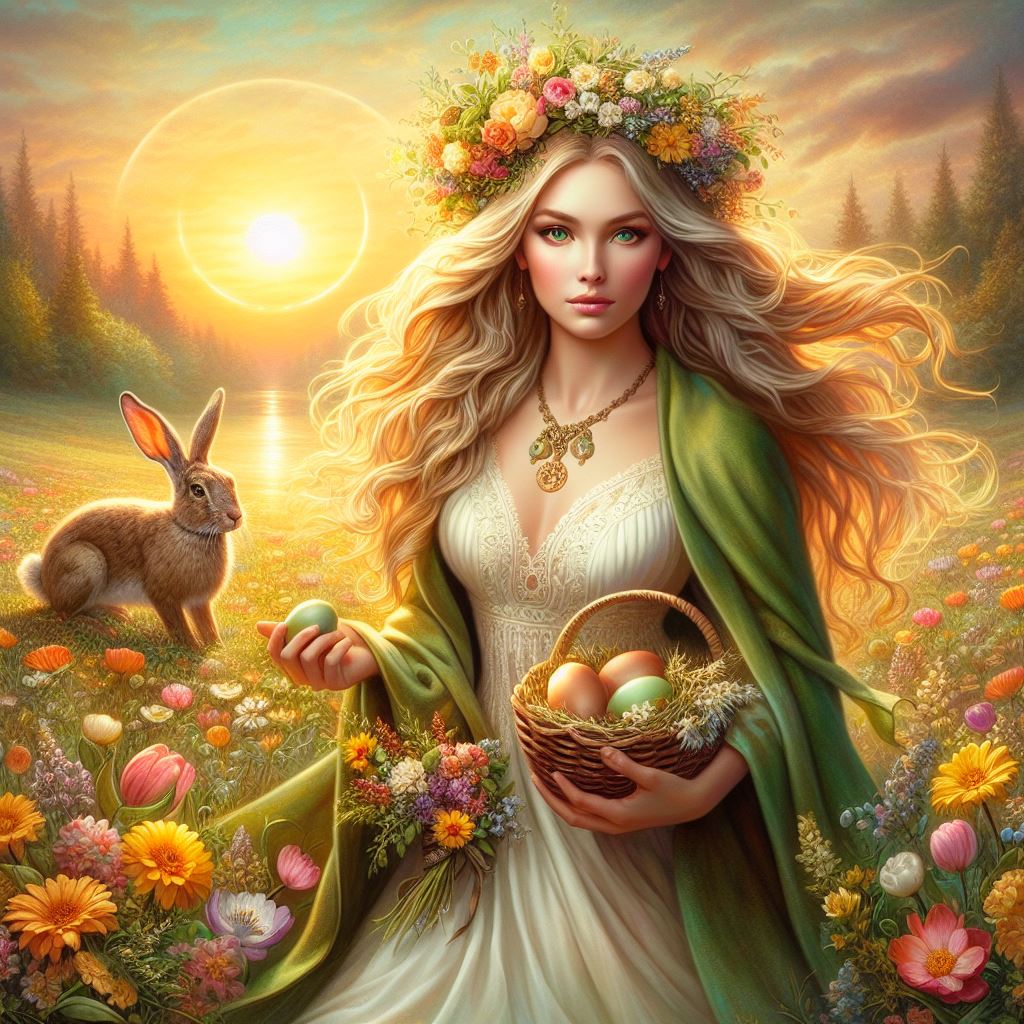
In the symbolic lexicon of Eostre, the goddess of dawn and fertility, two enigmatic icons emerge — the hare and the egg. These potent symbols, woven into the tapestry of Eostre’s lore, carry profound significance, acting as conduits for the essence of fertility, rebirth, and the eternal dance of life’s cycles.

The hare, with its graceful leaps and associations with the moon, stands as a powerful emblem of fecundity and the rhythmic pulse of nature’s vitality. Revered for its prolific breeding, the hare intertwines its destiny with the mysteries of fertility. In the soft glow of moonlight, the hare’s nocturnal activities align it with the lunar cycles, further emphasizing the interconnectedness of Eostre’s influence with the celestial rhythms that govern life’s perpetual flow.

As a symbol in the tapestry of Eostre’s narrative, the hare embodies the spirit of nature awakening from its wintry slumber. Its swift movements and moonlit activities become a testament to the goddess’s role in ushering in the burgeoning life force that transforms the dormant earth into a vibrant canvas of growth and renewal.

Complementing the hare in Eostre’s symbolic repertoire is the egg — a universal emblem of new life, growth, and the infinite potential that lies within the womb of existence. The egg, with its protective shell cradling the promise of life, mirrors the cyclical nature of birth, death, and rebirth. In the hands of Eostre, the egg becomes a vessel of transformation, encapsulating the essence of the season as it heralds the return of warmth and vitality.

Eostre’s association with the egg is a poignant reminder of the ever-present potential for renewal that resides within the natural world. As the earth awakens from its winter slumber, the egg becomes a symbol of the latent possibilities waiting to hatch and unfurl into the tapestry of life. The goddess, with her symbols of the hare and the egg, invites devotees to contemplate the cyclical nature of existence, where every ending paves the way for a new beginning.

In the tapestry of Eostre’s symbols, the hare and the egg intertwine to create a visual narrative that encapsulates the essence of the season she governs. As communities gather to celebrate the goddess during the spring equinox, these symbols become potent reminders of nature’s perpetual dance — a dance that mirrors the eternal cycle of life, death, and the promise of rebirth.

Eostre’s Mythic Whispers

In the ethereal realms of mythology, Eostre, the goddess of dawn and fertility, graces the narratives with her elusive presence. While the specifics of her mythology remain shrouded in the mists of time, a tapestry of interconnected tales emerges, weaving together the changing seasons, the eternal dance of life and death, and the promise of rejuvenation that accompanies the cycle of rebirth.

Eostre’s mythology, though not extensively documented, becomes an enchanting narrative interwoven with the ephemerality of the natural world. As the earth, in its winter slumber, dreams of the awakening spring, the goddess’s influence is said to stir the dormant energies, coaxing forth the blossoming of flowers and the vibrant greenery that transforms landscapes.

In the tapestry of Eostre’s mythology, her footsteps are traced in the delicate blooms that emerge, heralding the end of winter’s icy grip. The goddess’s touch becomes the catalyst for the return of vitality to the natural world, orchestrating a symphony of life as flora unfurls its petals, reaching toward the sun in joyful celebration of the impending warmth.

Linked to the eternal cycle of life, death, and rebirth, Eostre’s mythology becomes a cosmic dance that mirrors the ever-turning wheel of existence. Her influence is felt in the rhythmic cadence of the seasons, where each phase seamlessly transitions into the next, echoing the profound interconnectedness of all living things.

As communities gather to celebrate the spring equinox, Eostre’s mythology echoes through rituals and ceremonies, becoming a whispered enchantment that resonates with the promise of renewal. The goddess’s ephemeral presence is felt in the gentle breezes that carry the scent of blooming flowers and in the tender embrace of sunlight that graces the rejuvenated earth.

While the details of her stories may remain veiled, Eostre’s mythology invites seekers to immerse themselves in the essence of the changing seasons. Her mythic whispers beckon devotees to partake in the dance of life, to embrace the cyclical nature of existence, and to find solace in the eternal promise of rebirth that she, as the goddess of dawn, brings to the world.

Modern Celebrations of Eostre

Ostara

In the tapestry of modern Pagan and Heathen traditions, the celebration of Eostre during the spring equinox unfolds as a vibrant expression of reverence for the goddess of dawn, fertility, and the burgeoning earth. As the natural world begins to stir from its winter slumber, practitioners of contemporary traditions weave together rituals, ceremonies, and festivities that harmonize with the essence of Eostre’s themes.

The sabbat of Ostara, the spring equinox, marked around March 20th or 21st in the Northern Hemisphere, stands as a pivotal moment when day and night find equilibrium, signaling the awakening of warmer days and the blossoming of the landscape. Eostre’s connection to this celestial event aligns her with the rejuvenating forces of spring, symbolizing the triumph of light over darkness and the promise of new beginnings.

In contemporary celebrations, altars and sacred spaces are adorned with offerings that encapsulate the spirit of Eostre’s mythology. Colored eggs, representing the potential for new life and growth, take center stage, their vibrant hues mirroring the blossoming flowers that dot the landscape. Fresh blooms, symbols of nature’s reawakening, infuse the rituals with the delicate fragrances of renewal and vitality.

Hares, revered as potent symbols of fertility and rebirth, also find their place in modern Eostre celebrations. Whether depicted in artwork, sculptures, or as part of ceremonial decorations, the hare becomes a living emblem of the fecundity that Eostre’s influence bestows upon the earth. Its presence adds a touch of enchantment, embodying the natural rhythms of the seasons and the perpetual dance of life.

Rituals during Eostre celebrations may include invocations to the goddess, acknowledging her role in the cyclical nature of existence. Devotees may engage in activities that mirror the themes of fertility and rebirth, such as planting seeds, tending to gardens, or crafting nature-inspired art. The act of communing with the earth becomes a sacred gesture, aligning with Eostre’s essence and fostering a deeper connection to the cycles of nature.

As practitioners join to celebrate Eostre in contemporary times, the festivities become a harmonious blend of ancient reverence and modern interpretations. The goddess’s presence is invoked not only through traditional symbols but also through the shared intention to embrace the burgeoning life that unfolds with the arrival of spring. In these celebrations, Eostre’s mythology continues to weave its enchanting threads into the evolving tapestry of spiritual traditions, reminding all who partake that, like the changing seasons, life is an eternal dance of renewal and growth.

Eostre’s Linguistic Legacy

From Spring Festivities to Easter Traditions

The intriguing connection between Eostre and the Christian holiday of Easter forms a fascinating tapestry of linguistic evolution and cultural amalgamation. Rooted in the linguistic musings of Bede, an English monk and historian from the 8th century, the name Eostre became etched into the annals of time, finding an unexpected echo in the Christian celebration of the resurrection of Jesus.

Bede’s writings, notably in his work “De temporum ratione” (On the Reckoning of Time), casually mention Eostre in the context of the month of April. While scant details about Eostre’s mythology were provided, Bede’s association of her name with the spring month left an indelible mark on linguistic history. The term “Eosturmonath” (Old English for April) found its place in Bede’s narrative, etching the goddess’s name into the fabric of the English language.

Fast forward through the corridors of time, and the linguistic connection between Eostre and Easter becomes apparent. As Christianity spread and assimilated various cultural practices, the celebration of Jesus’s resurrection merged with pre-existing pagan festivities tied to the arrival of spring. This fusion created a syncretic celebration that incorporated both Christian and pagan elements, giving rise to the Easter traditions that many recognize today.

Easter eggs, a prominent symbol in both pagan and Christian traditions, found their way into the Easter narrative. The egg, a universal symbol of new life and rebirth, seamlessly blended with the themes of resurrection and renewal inherent in the Christian story. The egg’s association with Eostre’s symbols of fertility and the potential for growth further solidified its place in the Easter festivities.

Hares, too, hopped across the cultural divide, transitioning from their role as symbols of fertility in pagan traditions to becoming occasional companions of the Easter Bunny. This playful embodiment of fertility became a whimsical addition to Easter celebrations, charming children, and adults alike.

As Eostre’s name echoes through the corridors of linguistic history, her legacy persists in the shared traditions of spring celebrations. The linguistic bridge between Eostre and Easter serves as a testament to the dynamic interplay between cultures, where ancient pagan echoes continue to resonate in the modern rituals that mark the arrival of spring and the promise of new life.

Eostre’s Enduring Legacy

In the timeless dance of nature’s cycles, Eostre’s legacy stands as an enduring emblem of hope, growth, and the perpetual rhythm of life’s eternal cycle. Through the eons, she has woven herself into the very fabric of cultural celebrations, from ancient pagan rituals heralding the spring equinox to the modern festivities that echo the promise of new beginnings. Eostre’s influence transcends the boundaries of time, inviting all who seek to connect with the profound magic of seasonal rebirth. As we embrace the vibrant tapestry of nature’s rhythms, Eostre remains a guiding light, a symbol that speaks to the heart of humanity’s deep-seated yearning for renewal and the ever-renewing spirit of the Earth.

Posted on 2 Comments

The 3rd Day of Yule – Father’s Night

Introduction

Father’s Night Revelry

The third day of Yule unfolds as Father’s Night, a sacred juncture where the male spirits, both ancestral and divine, are honored with reverence. Embracing the spirit of this day involves paying homage to the Alfar, powerful male ancestors, and nature spirits, as well as venerating Freyr, the Norse god associated with fertility, prosperity, and virility, alongside his loyal boar, Gullinborsti. In this enchanted celebration, we delve into the rich tapestry of Yuletide, where oaths are made and honored, and the cozy embrace of Hygge invites us to rest and revel in the warmth of familial connections amidst the winter landscape.

Father’s Night: A Tribute to Male Guardianship

Father’s Night is a dedicated occasion to honor the male spirits that serve as protectors in our lives. This transcends the conventional definition of fatherhood, encompassing all males who guide, support, and care for us. Much like Mother’s Night, this evening invites us to create altars adorned with pictures of male ancestors and influential figures, forging a connection between the realms of the living and the departed.

In the gentle glow of candlelight, we pay homage to these male guardians, recognizing the diverse roles they play in shaping our journey. The term “father” extends beyond biological ties, embracing mentors, friends, and any male presence that has offered guidance and protection. The ritual of crafting altars becomes a poignant act of remembrance and gratitude, a gesture that bridges the earthly and spiritual realms. Through this sacred space, we acknowledge the continuum of male guardianship, weaving a tapestry of connection that transcends the boundaries of time and mortality.

The Alfar: Ancestral Spirits in Nature’s Embrace

The Alfar, revered as male ancestors and potent nature spirits, find their moment of acknowledgment on Father’s Night. Creating a space on altars for the Alfar or extending the existing altar from Mother’s Night serves as a symbolic bridge between male and female ancestors. This act of remembrance and veneration strengthens the bond with ancestral energies, fostering a connection to the wisdom of the past.

As we arrange tokens of reverence on the altar — perhaps photographs, mementos, or symbols associated with the Alfar — we engage in a ritual that transcends the boundaries of time. The Alfar, as guardians of ancestral wisdom, offer their guidance and protection. The altar becomes a locus where the ethereal and earthly meet, a conduit through which the energies of the Alfar can intertwine with the living. This symbolic bridge not only honors the male ancestors but also reinforces the continuum of spiritual guidance passed down through generations, enriching our connection to the natural world and the unseen forces that shape our existence.

Crafting an Alfar Altar: Bridging Realms of Ancestral Wisdom

Creating an altar dedicated to the Alfar, revered male ancestors and potent nature spirits, is a sacred act that bridges the gap between the living and the departed. Follow this guide to set up an Alfar altar that becomes a focal point for remembrance, connection, and the channeling of ancestral wisdom.

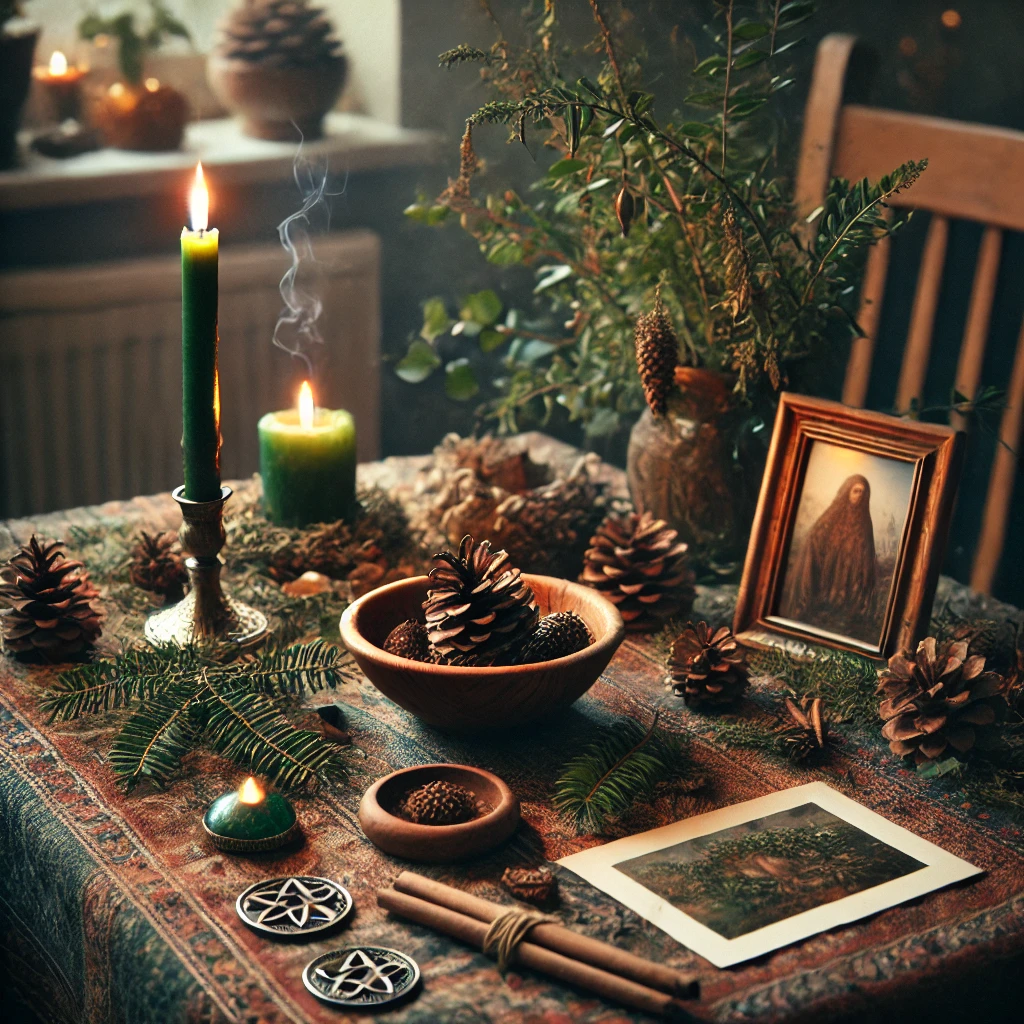
  • Choose a Sacred Space – Select a quiet and undisturbed space for your altar. It could be a corner of a room, a small table, or a shelf. Ensure it’s a space where you can spend moments in reflection and communion.
  • Altar Cloth – Cover the surface of your chosen space with a fabric that holds significance for you. Earthy tones or colors that resonate with ancestral connections, such as deep greens or browns, can enhance the sacred ambiance.
  • Pictures and Mementos – Gather pictures of your male ancestors and influential male figures in your life. Place these on the altar, arranging them in a way that feels harmonious. Add mementos like personal items, jewelry, or tokens that carry the energy of those you wish to honor.
  • Symbols of Nature – As nature spirits, the Alfar are deeply connected to the natural world. Incorporate elements such as pinecones, leaves, or small branches to symbolize this connection. These items not only honor the Alfar but also act as conduits for their potent energy.
  • Candle Magic – Light candles on your altar to symbolize the eternal flame of remembrance. White or green candles are often used to invoke the energies of the Alfar. You may also choose colors that personally resonate with you or have significance in your cultural or spiritual practice.
  • Offering Bowl – Place an offering bowl on your altar. This can be a vessel for offerings such as water, herbs, or grains. As you connect with the Alfar, consider leaving small offerings periodically, expressing your gratitude and reverence.
  • Crystals and Gemstones – Select crystals or gemstones known for their connection to ancestral energies. Common choices include moonstone, labradorite, or clear quartz. Arrange them aesthetically or based on your intuition.
  • Incense and Scents – Infuse the space with the fragrance of incense or essential oils. Frankincense, myrrh, or juniper are choices that resonate with ancestral energies. The aroma serves as a conduit, enhancing your connection with the Alfar.
  • Reflection and Meditation – Designate a space on your altar for reflection and meditation. This can be a small cushion, a meditation stone, or any item that signifies a space for quiet contemplation. Use this area to commune with the energies of the Alfar and receive their guidance.
  • Personalization – Finally, infuse the altar with your personal touch. Add elements that resonate with your heritage, traditions, or specific aspects of the male spirits you are honoring. Trust your intuition and allow the altar to evolve as your connection with the Alfar deepens.
  • Maintenance – Regularly cleanse and energize your altar. This can be done through rituals, such as smudging with sage or using consecrated water. Keep the space free from clutter, and periodically renew the offerings to maintain the vibrancy of the connection.

Remember, your Alfar altar is a living representation of the connection between the realms, a sacred space where you can honor, remember, and receive guidance from the male ancestors and nature spirits who continue to weave their wisdom through the tapestry of your life.

Freyr and Gullinborsti: Guardians of Oaths

In the cosmic tapestry of Father’s Night, Freyr, a deity of Norse mythology, emerges as a central figure, bathed in the glow of veneration. Linked to sacral kingship, fertility, peace, and prosperity, Freyr’s essence permeates the evening, and his presence is amplified by the steadfast companion at his side — Gullinborsti, the sacred boar.

Freyr, master of sworn oaths, presides over a feast of swine, a ritualistic celebration where oaths are made and solemnized under his vigilant observation. The ancient tradition of swearing oaths on the bristles of Gullinborsti weaves a profound connection between the divine and mortal realms. The bristles, symbolic of strength and resilience, serve as the binding force for these sacred promises, echoing through time as a tradition that contributes to the very fabric of New Year’s resolutions.

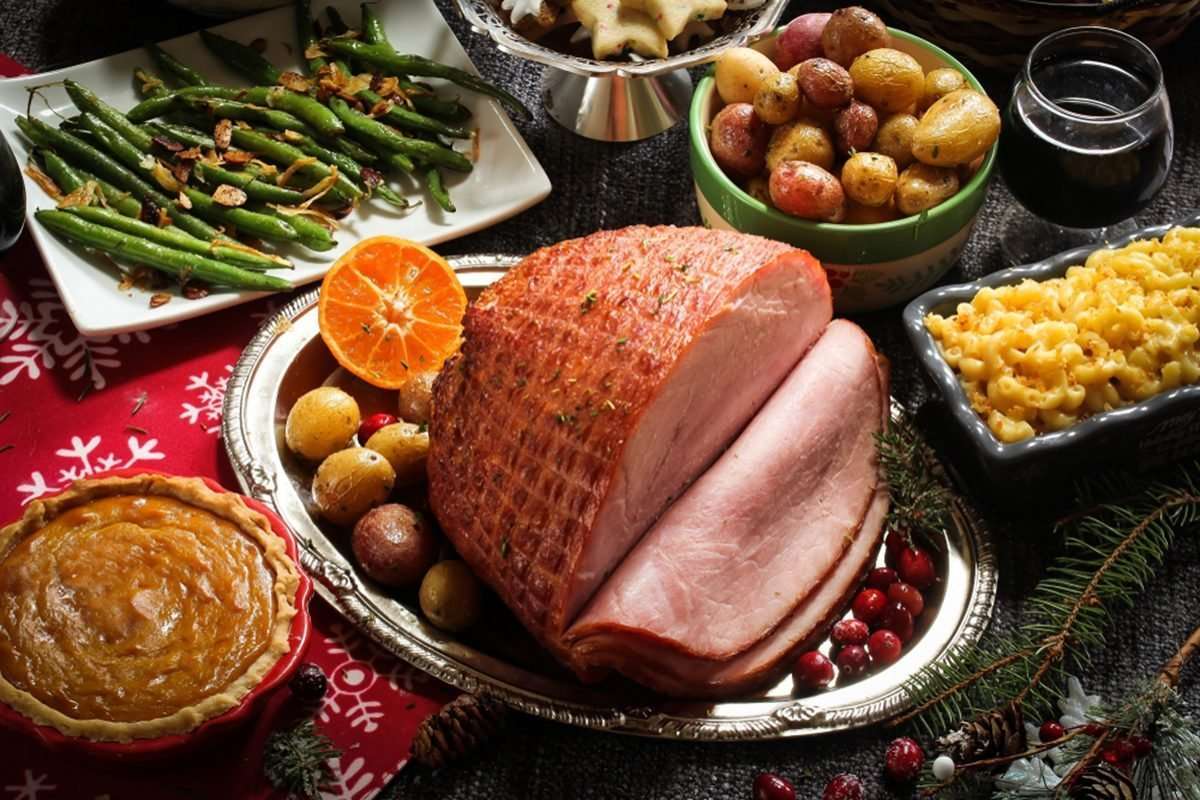
As the feast unfolds, the air is filled with the sizzling aroma of a ham dinner, a culinary homage to Freyr and his revered companion. Each bite becomes a testament to the interconnectedness of tradition and the divine, a communion with the energies that govern both the celestial and earthly domains. The feast becomes a symphony of flavors, a chorus of gratitude for the protection and prosperity bestowed by Freyr and his celestial kin.

Forging Oaths: A Sacred Bonding Guide

Forming and bonding an oath with Freyr, the Norse god of fertility and prosperity, and his loyal boar Gullinborsti is a profound and sacred undertaking. The following guide offers steps to create a meaningful and lasting oath, strengthening your connection with these divine beings.

  • Preparation – Begin by finding a quiet and sacred space where you won’t be disturbed. Consider performing this ritual during Father’s Night or at a time when you feel spiritually attuned.
  • Setting the Intention – Clarify the purpose and intention of your oath. What commitment are you making to yourself, to others, or to the divine? Be specific and sincere in your intention, as this forms the foundation of your oath.
  • Altar Setup – Create an altar dedicated to Freyr and Gullinborsti. Include symbols associated with Freyr, such as a depiction of the god and representations of a boar. Light candles and use colors like green and gold to invoke the energies of prosperity and fertility.
  • Invocation – Invoke Freyr and Gullinborsti through prayer or meditation. Express your intention and invite their presence into your ritual space. Speak from your heart, acknowledging their attributes and the qualities you seek to embody through the oath.
  • Offering – Present an offering to Freyr and Gullinborsti. This can be mead, cider, or another beverage associated with celebrations. Place the offering on the altar as a gesture of gratitude and as a symbol of the reciprocity inherent in divine connections.
  • Crafting the Oath – Carefully articulate your oath. Be precise in your words and genuine in your commitment. Consider the traditional method of speaking the oath on the bristles of Gullinborsti. If possible, create a representation of the boar’s bristles or use a symbolic item to physically embody the oath.
  • Speaking the Oath – Stand before the altar and, with sincerity and conviction, speak your oath aloud. Address Freyr and Gullinborsti directly, sharing your intentions, promises, and the significance of the oath in your life. Speak clearly and from the depths of your being.
  • Symbolic Act – Perform a symbolic act to seal the oath. This could involve holding the representation of Gullinborsti, lighting a candle, or any action that signifies the initiation of your commitment. Envision the divine energies of Freyr and the boar infusing your oath with their strength and blessings.
  • Closing the Ritual – Express gratitude to Freyr and Gullinborsti for their presence and the sacred exchange. Close the ritual with a heartfelt thanksgiving, knowing that your oath has been heard and acknowledged.
  • Upholding the Oath – An oath is a sacred commitment, and upholding it requires dedication and integrity. Regularly revisit the terms of your oath, assess your progress, and make any necessary adjustments. Consider performing periodic rituals to reaffirm your connection with Freyr and Gullinborsti.

Remember, forming an oath with Freyr and Gullinborsti is a profound spiritual endeavor. Approach it with reverence, sincerity, and a genuine desire to align your actions with the divine energies they represent. May your oath be a source of strength, growth, and blessings on your journey.

Feast of Swine: A Culinary Tribute

As the cloak of night envelops the realms, the Feast of Swine takes center stage on Father’s Night, a ceremonial ode to Freyr and his steadfast companion, Gullinborsti. The focal point of this ritualistic gathering is a ham dinner, a feast that transcends mere sustenance to become a symbolic act of homage to the revered boar upon whose bristle’s oaths were once solemnized.

The dinner table becomes an altar of sorts, adorned with the rich and savory offerings reminiscent of the earthy bonds between the divine and mortal realms. The sizzling aroma of the ham, with its succulent flavors, wafts through the air, carrying with it the essence of tradition and reverence. Each morsel consumed becomes a ritual act, a communion with the energies of protection, prosperity, and the sacred vows that echo through the ages.

Amidst the clinking of glasses and the warmth of shared moments, the Feast of Swine transforms into more than a culinary experience. It becomes a poignant occasion to toast to victories, both past and those yet to unfold. It is a collective raising of glasses, a celebration of achievements, and a sharing of aspirations. As the feast progresses, the bonds of support among those gathered are fortified, weaving a tapestry of camaraderie and shared dreams under the watchful gaze of Freyr and Gullinborsti.

Hygge: Embracing Winter Comfort

After days steeped in reverence and spirited activities, Father’s Night extends an invitation to partake in the art of Hygge, a Danish tradition that elevates the simple joys of coziness and comfort. It’s a time when families gather like a tightly knit embrace, seeking solace in the shared warmth of each other’s company. As the flickering candles cast a soft glow, the ambiance is infused with the essence of familial bonds and the spirit of the season.

In the sanctuary of Hygge, the ordinary transforms into the extraordinary. The air is filled with the harmonious melodies of holiday tunes, creating a symphony that resonates with the festive spirit. The soft glow of twinkling lights adds a touch of enchantment, turning the space into a haven of tranquility.

Amidst the snug blankets and the aroma of seasonal treats, activities abound. Families huddle together to watch heartwarming holiday movies, the screen flickering with tales of joy and celebration. The air is filled with laughter and shared stories, creating a timeless atmosphere of connection.

For those seeking moments of repose, the call of rejuvenating naps becomes irresistible. In the gentle embrace of a cozy blanket, individuals find respite, recharging their spirits for the festivities yet to unfold. As the day unfolds, creative energies are unleashed in the form of crafts, adding a personal touch to the holiday celebrations. And, of course, no Hygge experience is complete without an array of delectable snacks. From homemade treats to seasonal delights, the table is adorned with an assortment of favorites that tickle the taste buds and nourish the soul.

In these moments of shared simplicity, Hygge becomes a ritual—a celebration of the profound beauty found in the ordinary. Father’s Night, wrapped in the embrace of Hygge, becomes a sanctuary where the warmth of familial connections outshines all else, creating lasting memories to be cherished throughout the Yuletide season.

Conclusion

As the third day of Yule unfolds, Father’s Night becomes a tapestry woven with threads of ancestral reverence, divine acknowledgment, culinary homage, and the serene joy of shared comfort—a celebration of the male guardians who shape our spiritual and earthly journeys. As Father’s Night draws to a close, the tapestry of Yule continues to weave its intricate threads, each day a celebration of profound significance. In honoring the male spirits, from revered ancestors to the divine presence of Freyr and his boar, Gullinborsti, we forge connections across realms, embracing the wisdom of the past and the magic of the present. The altars adorned with pictures, the symbolic bridge between male and female ancestors, stand as a testament to the enduring bond that transcends time. The Feast of Swine, with its ritualistic ham dinner, becomes a communal space for toasts, not only to past victories but also to the aspirations that unite us in the journey ahead.

Father’s Night, with its blend of tradition and modernity, culminates in the practice of Hygge—a Danish concept that transforms familial spaces into sanctuaries of coziness and comfort. Amidst the soft glow of lights and the echoes of laughter, families share in the simple joys of holiday movies, festive music, rejuvenating naps, crafts, and the delightful flavors of seasonal snacks. In the sanctuary of Hygge, Yule becomes not just a series of days but a timeless celebration of familial connection and shared warmth. As we embrace these moments of repose and revelry, the spirit of Father’s Night echoes through the corridors of our memories, leaving behind a legacy of love, laughter, and the magic of the Yuletide season.