Posted on Leave a comment

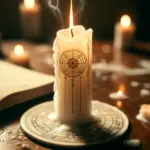
Candle Divination

Candle DivinationReading Time: 3 minutes
Candle Divination

Introduction

Illuminate Your Path with the Wisdom of Flames

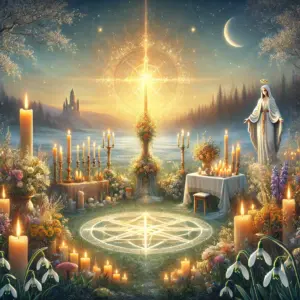
Candle divination, an ancient and intuitive practice, invites us to gaze into the dance of a flame for insights into life’s mysteries. Whether you seek guidance, clarity, or spiritual connection, this ritual transforms a simple candle into a conduit of wisdom. Candlemas, a time of light and renewal, offers an especially auspicious occasion to perform candle divination, harnessing the symbolic and energetic power of fire.

Ritual Basics

Before beginning any ritual, it is important to prepare yourself mentally and physically. You may want to take a cleansing bath, or shower, and meditate or perform some grounding exercises to center yourself. Gather any materials you will need, such as candles, incense, and offerings for the forest spirits.

You can read a more detailed Ritual Preparation guide here.

About Candle Divination

The art of candle divination, or ceromancy, is rooted in the elemental energy of fire. Candles have long served as spiritual tools, bridging the seen and unseen realms. Observing a candle’s flame, wax patterns, and behavior allows practitioners to glean messages and connect with the energies surrounding their intentions. This ritual encourages mindfulness and trust in your intuition, fostering a deeper connection with the divine and your inner wisdom.

Candlemas, celebrated as a midpoint between winter and spring, symbolizes the return of light and warmth. Performing candle divination during this sacred time enhances the ritual’s potency, aligning your practice with the seasonal shift toward renewal and clarity.

Candle Divination
Print Ritual
No ratings yet

Candle Divination: Reading the Language of Flame

Gain insight and clarity through the art of candle divination, observing the flame, wax, and energy of a candle as it burns.
Prep Time10 minutes
Ritual Time30 minutes
Total Time40 minutes
Ritual Type: Candlemas, Fire Magic
Type: Rituals
Author: Theo, Witch
Cost: Minimal, depending on the candle’s type and availability.

Tools

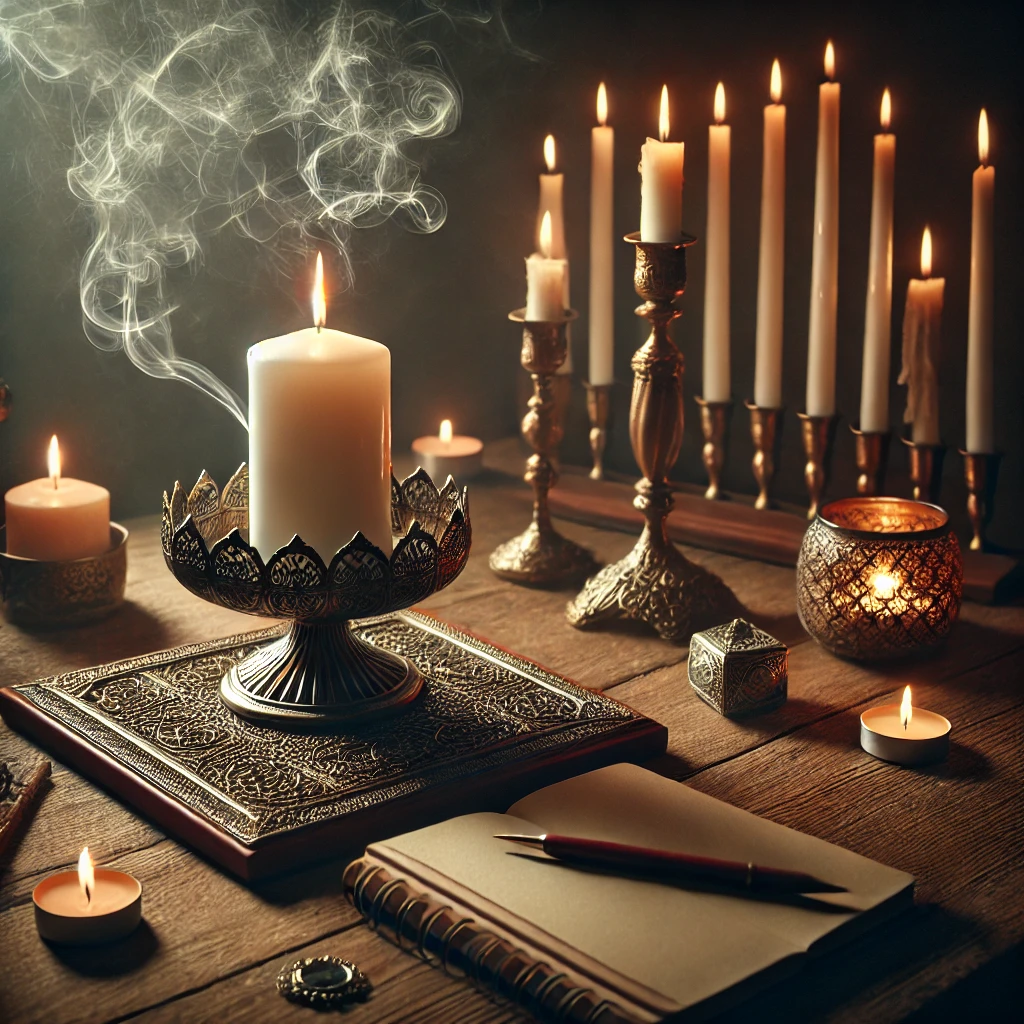
  • 1 Candle holder Stable and fire-safe.
  • 1 Heat-resistant plate or tray (optional) To catch dripping wax for interpretation.
  • 1 Notebook and pen (optional) For recording insights or patterns.

Supplies

  • 1 Candle See color symbolism for guidance.
  • 1 Lighter or matches For lighting the candle.

Instructions

Preparing Your Space

  • Choose a quiet, dimly lit space where you can focus without interruptions.
  • Arrange your tools on a flat surface. Place the candle in the holder and, if interpreting wax, position the heat-resistant plate beneath it.
  • Light additional candles or burn incense to create a sacred atmosphere.

Setting the Intention

  • Sit comfortably and take a few deep breaths to center yourself.
  • Focus on your question or intention. Keep it clear and concise, as this will guide your divination.

Observing the Flame

  • Light the candle and observe the flame’s behavior. Use the interpretations below to guide your reading:
  • – Steady flame: Stability, positive outcomes, and alignment.
    – Flickering flame: Fluctuating energy, external interference, or unresolved conflict.
    – Smoky or sputtering flame: Obstacles, cleansing needed, or lingering negativity.

Interpreting the Wax

  • Allow the candle to burn long enough for wax to pool or drip.
  • Examine the shapes and patterns formed by the wax:
  • – Circle: Unity, wholeness, or cycles.
    – Line: Movement, travel, or forward momentum.
    – Random shapes: Intuitive or symbolic messages personal to you.

Incorporating Candle Color Symbolism

  • Select a candle color aligned with your intention:
  • – White: Clarity, peace, spiritual connection.
    – Black: Protection, banishing negativity, grounding.
    – Green: Growth, prosperity, renewal.
    – Red: Passion, energy, courage.
    – Blue: Intuition, calm, communication.

Reflecting and Concluding

  • Extinguish the candle with care, thanking the flame for its guidance.
  • Record your observations in a notebook, noting any patterns, symbols, or insights.

Notes

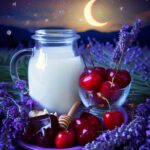
Moon Milk Lavender and CherriesMoon milk is believed to have magical properties that promote relaxation, sleep, and spiritual connection. Lavender is a powerful herb that is often used in spells and rituals to promote tranquility, purification, and harmony. It is said to help calm the mind, soothe anxiety, and facilitate communication with the spiritual realm. Cherries, on the other hand, are associated with abundance, prosperity, and love. By combining these two ingredients in moon milk, we can create a potent brew that promotes restful sleep, deep relaxation, and a profound sense of spiritual connection.
As you sip on your moon milk and gaze up at the moon, take a moment to reflect on the magic and mystery of the universe. Whether you are working with the moon to manifest your desires, to connect with your intuition, or simply to enjoy a peaceful moment of reflection, remember that the power of the moon is always with you, waiting to be harnessed and celebrated.
*Calories Calculated with 2% Dairy Milk, Different bases will change the values.

© The Equinox Apothecary 2024 – Permission is granted to copy and reproduce this Ritual with attribution

Conclusion

Candle divination offers a luminous path to clarity and connection, transforming a humble flame into a source of wisdom. As you practice this art, trust your intuition and let the language of the candle guide your journey. Performed during Candlemas or any sacred moment, this ritual fosters mindfulness, aligns you with the element of fire, and illuminates the mysteries of your path. May the light of the flame guide and inspire you in all that lies ahead.

Posted on Leave a comment

Bridging Imbolc and Candlemas

Imbolc and CandlemasReading Time: 12 minutes
Imbolc and Candlemas

Introduction

Celebrating the Light and Promise of Spring

At the heart of the year’s turning, as the days grow longer and the winter’s grip begins to loosen, two sacred celebrations emerge to honor the promise of light and new beginnings: Imbolc and Candlemas. Though rooted in distinct cultural and religious traditions, these holidays share a profound connection in their themes of renewal, light, and the anticipation of spring. Exploring their similarities and contrasts reveals the universal human yearning to celebrate the return of warmth, hope, and the cycles of life.

Imbolc: Honoring Brigid and the Spark of Life

Imbolc is a Gaelic festival celebrated at the midpoint between the winter solstice and the spring equinox, typically on February 1st or 2nd. It is a sacred time marking the gradual shift from the darkness of winter to the growing light of spring. The name “Imbolc” derives from the Irish word “imbolg”, meaning “in the belly,” a reference to the pregnancy of ewes, symbolizing fertility and the promise of new life. This imagery reflects the earth itself stirring beneath the snow, preparing for the vibrant growth of the coming season.

Traditionally celebrated in Ireland, Scotland, and the Isle of Man, Imbolc was a time to honor the goddess Brigid, a beloved deity of fertility, healing, poetry, and smithcraft. Brigid’s influence extended over both domestic and natural realms, embodying the creative spark needed for renewal and transformation. As winter waned and daylight grew stronger, communities invoked Brigid’s blessings to ensure abundance, vitality, and protection for the land, animals, and households.

Brigid: The Goddess of Renewal and Vitality

Brigid, often considered a triple goddess, represents the union of poetry, creation, and transformation. She is both a deity of the hearth and the forge, symbolizing the spark of life that ignites growth and the fire of creativity that inspires change. Her dominion over fertility connects her deeply to the cycles of the earth, where she is seen as a nurturing force ensuring the land awakens after its long winter rest.

As a goddess of poetry, Brigid inspires words of beauty, song, and expression, embodying the voice of nature as it begins to stir. Her connection to healing extends beyond physical ailments to emotional and spiritual renewal, making Imbolc a time for internal cleansing and restoring vitality. Her role as a smith underscores the transformative power of fire to create, shape, and forge new beginnings, aligning perfectly with the themes of renewal at Imbolc.

Traditional Practices and Key Rituals

Imbolc rituals and celebrations are rich in symbolism, reflecting themes of light, renewal, and preparation. They draw on ancient traditions that honor the earth’s awakening, the blessings of Brigid, and the balance between the dormancy of winter and the vitality of spring.

Lighting Candles and Hearth Fires

The lighting of candles and hearth fires during Imbolc holds profound significance. These flames symbolize the returning warmth and light of the sun, driving away the darkness of winter and illuminating the path toward spring. The hearth, often considered the heart of the home, was rekindled as an act of devotion to Brigid, inviting her presence to bless the household. In modern Imbolc celebrations, candlelit rituals are often performed to honor the goddess and symbolize personal or spiritual illumination.

Offerings to Brigid

Offerings to Brigid were central to traditional Imbolc celebrations. Milk, bread, butter, and mead were placed on altars, windowsills, or by the hearth to honor her nurturing and creative aspects. Milk, in particular, held special importance, symbolizing nourishment, fertility, and the abundance of spring. Some practitioners crafted Brigid’s crosses, woven from rushes or straw, as offerings to protect homes and livestock for the year ahead. These crosses were often hung above doorways or hearths as a symbol of Brigid’s blessings.

Spring Cleaning

Imbolc is a time of cleansing and renewal, both physically and spiritually. Spring cleaning was performed to sweep out the old, clearing away the stagnant energy of winter and preparing for the fresh beginnings of spring. This act was both practical and symbolic, creating a clean slate to welcome Brigid and her blessings into the home. Today, modern practitioners might extend this practice to clearing mental or emotional clutter, setting intentions for the year ahead.

Divination Rituals

As a time of transition, Imbolc was also seen as a moment to seek insight and guidance for the future. Divination practices such as scrying, casting runes, or interpreting natural signs were performed to align with the rhythms of nature and discern what lay ahead. Brigid’s role as a goddess of wisdom and foresight made her a powerful guide during this time.

Preparation of Fields and Gardens

Imbolc reflects the anticipation of planting season, as the earth begins to wake from its winter slumber. Farmers prepared their fields for sowing, and seeds were blessed to ensure a fruitful harvest. This practice symbolizes new beginnings, with seeds representing both literal crops and the intentions and aspirations planted in one’s life. Even for those who do not farm, preparing gardens or setting goals aligns with this theme of readiness for growth.

Modern Imbolc Celebrations

In contemporary practice, Imbolc has become a time for introspection, gratitude, and hope for the future. It invites practitioners to reflect on the cycles of nature and the transitions in their own lives. Common modern-day rituals include:

  • Creating altars dedicated to Brigid with candles, flowers, and representations of spring.
  • Making and displaying Brigid’s crosses as symbols of protection and renewal.
  • Baking and sharing seasonal foods, such as breads, dairy-based dishes, or spiced cakes, to honor the goddess.
  • Lighting candles or fires to honor the returning sun and set intentions for growth.
  • Spending time in nature, observing the subtle stirrings of spring, such as the emergence of snowdrops or the songs of returning birds.

A Celebration of Nature’s Quiet Transition

Imbolc is a festival of hope and anticipation, a moment when the stillness of winter begins to yield to the promise of spring. It is a time to honor Brigid’s gifts, from the creative spark of inspiration to the gentle nurturing of life’s cycles. Whether through rituals of light, offerings, or the act of clearing away the old, Imbolc encourages us to align with nature’s quiet transitions and nurture the seeds—both literal and metaphorical—that will grow in the months ahead. In honoring Imbolc, we celebrate the beauty of renewal and our connection to the eternal rhythms of the earth.

Candlemas: A Christian Celebration of Light and Purification

Candlemas, observed annually on February 2nd, is a significant Christian holiday that commemorates two key biblical events: the presentation of Jesus at the Temple and the purification of the Virgin Mary following childbirth, as recounted in the Gospel of Luke (2:22-40). Falling exactly 40 days after Christmas, this holiday reflects the Jewish tradition of purification and dedication, a practice where mothers underwent a ritual cleansing and firstborn sons were presented to God in the temple. Candlemas, rich in symbolism, serves as both a religious observance and a celebration of light’s return to the world.

At its heart, Candlemas emphasizes Christ as the “light of the world”—a spiritual beacon guiding humanity toward salvation. The holiday’s focus on light resonates with both spiritual themes of hope and redemption and the natural cycle of increasing daylight as winter begins to wane. Candlemas is also steeped in themes of renewal, gratitude, and preparation, making it a moment of reflection and celebration as the faithful look toward the promises of brighter days ahead.

The Biblical Roots of Candlemas

Candlemas derives its spiritual significance from two key events recorded in the New Testament:

  1. The Presentation of Jesus at the Temple: In keeping with Jewish law, Mary and Joseph brought the infant Jesus to the temple in Jerusalem to consecrate him to God as the firstborn son. This act symbolized Jesus’s divine role and connection to God’s covenant with humanity. During this presentation, the devout man Simeon recognized Jesus as the Messiah and proclaimed him as a “light for revelation to the Gentiles and for glory to your people Israel” (Luke 2:32). Simeon’s prophecy serves as the foundation for the Candlemas theme of light—a guiding force and symbol of salvation.
  2. The Purification of Mary: Following Jewish customs outlined in Leviticus 12, women who gave birth were considered ritually impure for 40 days after delivering a male child. At the end of this period, they were to present themselves at the temple to undergo a purification rite, signifying a return to religious and communal life. Candlemas marks this event in Mary’s life, emphasizing themes of cleansing, renewal, and the fulfillment of sacred traditions.

Candlemas Rituals and Traditions

Over centuries, Christian communities developed rituals and practices to honor Candlemas, blending biblical significance with cultural and seasonal observances. These traditions center on the themes of light, renewal, and purification, offering a chance to celebrate both the spiritual and natural transitions taking place at this time of year.

Blessing and Procession of Candles

The most distinctive feature of Candlemas is the blessing of candles, which symbolize Christ’s light illuminating the darkness of the world. During church services, priests bless candles brought by parishioners, which are then carried in processions to invoke spiritual protection and the guiding light of faith. These blessed candles are often kept in homes throughout the year and lit during moments of prayer, storms, or significant events, serving as a reminder of Christ’s enduring presence and hope.

The candlelight procession, a centerpiece of Candlemas, is a visual and communal act of devotion. As the faithful walk together, holding their glowing candles, they symbolize their shared journey toward spiritual renewal and their commitment to carrying Christ’s light into the world.

Lighting Candles at Home

Beyond church ceremonies, families incorporate the lighting of candles into their home observances of Candlemas. These flames not only reflect the divine light of Christ but also evoke the comforting warmth of faith and community. In the stillness of winter, lighting candles becomes an intimate ritual, a moment to reflect on hope, guidance, and renewal as the season begins to shift toward spring.

Weather Predictions and Folklore

Candlemas is also entwined with seasonal folklore, emphasizing its role as a bridge between winter and spring. One well-known belief holds that the weather on Candlemas Day predicts the remaining length of winter. The saying goes:
“If Candlemas Day be fair and bright,
Winter will have another flight.
If Candlemas Day brings cloud and rain,
Winter won’t come again.”

This tradition gave rise to Groundhog Day in the United States, where the behavior of a groundhog is said to forecast the arrival of spring. The weather-watching practice underscores Candlemas’s dual significance as both a religious and seasonal celebration, bridging the physical world with the divine.

Themes of Purification and Renewal

Candlemas is a time for personal and spiritual reflection, inspired by the themes of purification and renewal. Just as Mary underwent a ritual cleansing, believers are encouraged to evaluate their own spiritual lives, casting off negativity and embracing hope, clarity, and divine guidance. This symbolic “purification” aligns with the broader seasonal practice of preparing for spring, echoing the need to cleanse, simplify, and make space for new beginnings.

The Symbolism of Candlemas Light

The central theme of Candlemas is light, which holds profound spiritual and symbolic meaning. Light is a universal representation of hope, salvation, and divine presence, and at Candlemas, this light is both metaphorical and literal. In Christian belief, Christ is the light of the world, offering guidance and redemption to a weary and uncertain humanity. The flickering glow of candles represents this unwavering beacon, illuminating the path through life’s challenges.

Beyond its spiritual connotations, light also reflects the natural cycle of the seasons. Candlemas arrives as winter’s grip begins to loosen and the days grow longer. The increased sunlight mirrors the return of warmth and vitality, fostering hope for growth and renewal in the coming months. In this way, Candlemas serves as a celebration of both spiritual illumination and the physical return of the sun’s brightness.

Modern Observances of Candlemas

In contemporary practice, Candlemas continues to hold meaning for both religious and secular communities. While traditional church rituals remain central for many Christians, the holiday’s themes of light, purification, and renewal resonate beyond religious boundaries. Families and individuals celebrate Candlemas in ways that reflect their personal beliefs and cultural heritage.

For some, Candlemas is a time to reflect on their spiritual journey, lighting candles and offering prayers of gratitude and hope. Others embrace its seasonal significance, using the holiday as an opportunity to reconnect with the rhythms of nature and prepare for the arrival of spring. In either case, Candlemas serves as a moment of pause and reflection, offering a chance to embrace transitions with faith, intention, and optimism.

Candlemas as a Bridge Between the Seasons

Candlemas occupies a unique place in the calendar, standing as a bridge between the seasons—both physically and spiritually. It connects the depths of winter with the promise of spring, blending ancient traditions of light and renewal with Christian narratives of salvation and hope. Whether celebrated with blessed candles, shared meals, or quiet moments of reflection, Candlemas invites us to carry the light of faith and warmth into the world, embracing the cycles of life with reverence and gratitude. As the days grow brighter and the earth awakens, Candlemas reminds us of the power of light to dispel darkness, and the enduring promise of renewal in all its forms.

Shared Themes: Light, Renewal, and the Cycles of Life

Despite their different origins—Imbolc rooted in the ancient pagan traditions of the Gaelic world and Candlemas emerging from early Christianity—these two holidays reflect shared human themes that transcend specific religions or cultures. Imbolc and Candlemas both serve as celebrations of light, renewal, and the cycles of life, bridging the physical and spiritual realms during this transitional time of year. They invite participants to reflect on their connection with the natural world, the divine, and the promise of brighter days ahead.

The Return of Light: Hope After Darkness

At the heart of both Imbolc and Candlemas lies the return of light after the long darkness of winter. Imbolc honors the first signs of nature’s awakening, with longer days and the promise of spring’s arrival. The flickering flames of candles, hearth fires, and Brigid’s sacred flame symbolize this burgeoning light and the warmth it brings to a weary winter landscape. Similarly, Candlemas celebrates the light of Christ as a spiritual beacon, guiding the faithful toward hope, redemption, and renewal. The tradition of blessing candles at Candlemas is an act of embracing this light, both physically and spiritually.

Light, in these contexts, transcends its physical presence and becomes a metaphor for guidance, clarity, and the divine promise. For the ancient Celts, Brigid’s flame symbolized creative energy and the spark of life, illuminating the path toward new beginnings. In Christianity, the light of Christ offers a similar promise of salvation and hope, dispelling the darkness of sin and despair. Whether through the gentle glow of candles on an altar or the warmth of a hearth fire, both holidays remind us of the transformative power of light and its ability to dispel fear and uncertainty.

New Beginnings and Fertility: A Season of Renewal

Imbolc and Candlemas also share a focus on new beginnings, embodying the promise of growth, renewal, and the turning of the seasons. Imbolc, derived from the Irish word “imbolg” (meaning “in the belly”), celebrates fertility, both in the land and in life itself. It marks the early stirrings of spring, as pregnant ewes symbolize the promise of future abundance and seeds prepare to germinate beneath the cold earth. This sense of fertility is both literal and symbolic, representing the cultivation of new ideas, goals, and dreams.

Candlemas, while focused on spiritual renewal, echoes these themes of fresh starts and growth. The purification of the Virgin Mary and the presentation of Jesus at the temple signify the completion of a sacred cycle and the beginning of a new chapter. Candlemas invites participants to reflect on their own spiritual “cleansing,” letting go of burdens or negativity to create space for hope, peace, and divine guidance.

Both holidays are inherently tied to the natural cycles of life. Imbolc’s connection to the earth’s fertility mirrors Candlemas’s emphasis on spiritual renewal, linking the physical and spiritual processes of rebirth. Together, they remind us that endings are not finite—they are the seeds of beginnings, and winter’s stillness is a precursor to spring’s vitality.

Rituals with Fire and Candles: Symbols of Life and Divinity

The element of fire plays a central role in both Imbolc and Candlemas, uniting the holidays through the shared symbolism of illumination, warmth, and life. Fire is a powerful symbol in human culture, representing not only physical warmth but also spiritual enlightenment and creative energy. For the Celts, lighting candles and hearth fires during Imbolc honored Brigid’s life-sustaining powers and welcomed the sun’s gradual return to prominence. Fire rituals carried deep cultural significance, serving as both protective acts and ways to align with Brigid’s nurturing energy.

In Candlemas, the practice of blessing and lighting candles is steeped in Christian symbolism. The glowing flames represent Christ’s light, which illuminates the path for humanity and brings salvation. Candlelit processions in churches and homes create a visual representation of the divine radiance that dispels darkness and fosters faith.

Despite the differences in their focus, both holidays highlight the universal human need for symbols of hope during the darkest days of the year. Fire and candles act as tangible reminders of the power of light to overcome shadows, guiding people through transitions and preparing them for the rebirth and vitality of spring.

Modern Celebrations: Honoring Both Traditions

In today’s diverse and interconnected world, many people celebrate Imbolc and Candlemas in ways that draw from both traditions, blending their earth-centered practices and spiritual significance. Modern observances often emphasize shared themes of light, renewal, and gratitude, creating a space for reflection, community, and preparation for the coming season.

The lighting of candles remains a common thread, symbolizing both the growing sunlight in nature and the spiritual illumination that inspires personal and communal growth. In homes and on altars, candlelight bridges the divide between pagan reverence for the sun’s return and Christian celebrations of Christ’s divine radiance. Many practitioners of both traditions also incorporate spring cleaning, a symbolic act of clearing out the old to make room for new energy, both in physical spaces and in personal lives.

Offerings of food and flowers are another shared practice, rooted in the recognition of abundance and gratitude. From fresh-baked bread to vibrant seasonal blooms, these offerings honor the divine, the earth, and the cycles that sustain life. Such acts foster a deep connection to both nature and the spiritual forces that guide and inspire renewal.

Time spent in nature—whether through mindful walks, gardening, or observing seasonal changes—also resonates with the themes of both holidays. Engaging with the quiet transition of the earth toward spring mirrors the personal and spiritual transitions celebrated at this time.

Finally, sharing meals with loved ones reflects the communal spirit of both Imbolc and Candlemas. Gathering around the warmth of food and fire fosters gratitude, connection, and joy, reinforcing the shared themes of light, renewal, and the cyclical nature of life.

Cycles of Life: A Universal Celebration

Imbolc and Candlemas, though rooted in different traditions, offer an opportunity to reflect on the universal cycles of life, light, and renewal. They remind us that, as the wheel of the year turns, we are part of an ever-unfolding dance of endings and beginnings. Whether honoring Brigid’s creative energy or Christ’s guiding light, these holidays invite us to pause, express gratitude, and prepare for the possibilities that lie ahead. In their shared themes, they provide a reminder of our connection to the natural world, to one another, and to the divine forces that guide us through life’s seasons.

A Harmonious Celebration of Hope

Imbolc and Candlemas remind us that, regardless of our cultural or spiritual backgrounds, we are all connected by the rhythms of nature and the cycles of light and dark. As we celebrate these holidays, we honor the hopeful energy of the coming spring and the transformative power of light—whether in the form of Brigid’s flame or Christ’s divine radiance.

By bridging these two traditions, we create a beautiful, shared tapestry that invites us to embrace renewal, nurture creativity, and welcome the blessings of the seasons. This sacred time offers an opportunity to look forward with joy and gratitude, carrying the warmth of the returning light into our homes, hearts, and lives.
Posted on Leave a comment

Ritual: Alfar Altar

Alfar altarReading Time: 3 minutes
Alfar altar

Introduction

Creating a Sacred Connection to Male Ancestors and Nature Spirits

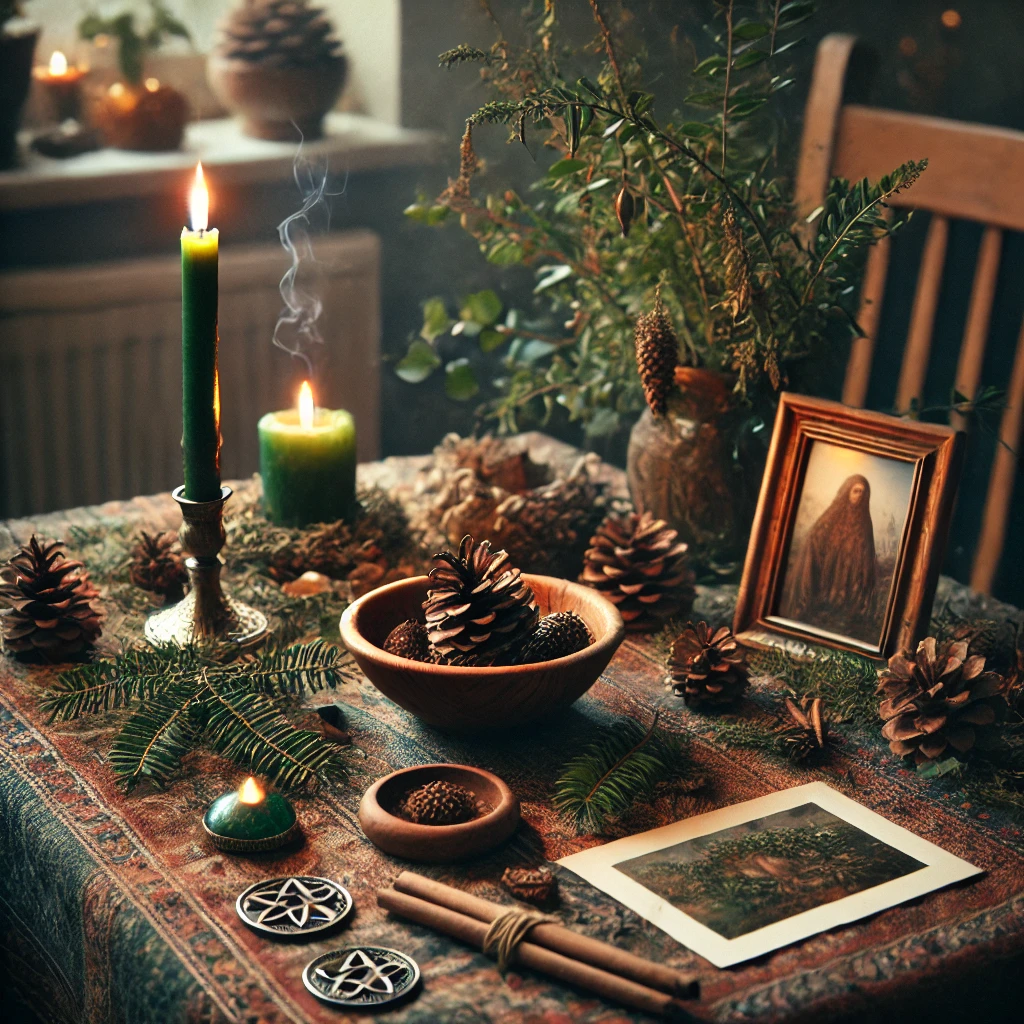
The Yule season, a time steeped in reflection and reverence, offers a unique opportunity to honor the Alfar—the male ancestors and potent nature spirits who guide and protect us. Through the creation of an Alfar altar, we bridge the realms of the living and the departed, inviting ancestral wisdom and the essence of nature into our sacred space. This ritual becomes a focal point for remembrance, gratitude, and connection, aligning us with the deep-rooted energies of our heritage and the natural world.

Ritual Basics

Before beginning any ritual, it is important to prepare yourself mentally and physically. You may want to take a cleansing bath, or shower, and meditate or perform some grounding exercises to center yourself. Gather any materials you will need, such as candles, incense, and offerings for the forest spirits.

You can read a more detailed Ritual Preparation guide here.

About the Alfar Altar

The Alfar, revered in Norse tradition, are male spirits connected to lineage and nature. They embody strength, wisdom, and the enduring ties between the past and present. Establishing an altar dedicated to the Alfar during Yule is a profound act of respect and acknowledgment, symbolizing a bridge between worlds. This ritual celebrates their presence in our lives while inviting their guidance and blessings for the coming year.

Whether you seek to honor a beloved male ancestor, draw strength from their legacy, or commune with the natural world’s energies, the Alfar altar becomes a sacred gateway for connection and introspection.

Alfar altar
Print Ritual
No ratings yet

Alfar Altar: Bridging Realms of Ancestral Wisdom

A ritual to honor male ancestors and nature spirits by creating a dedicated altar space.
Prep Time30 minutes
Ritual Time20 minutes
Total Time50 minutes
Author: Webmaster
Cost: Minimal (dependent on materials chosen).

Tools

  • 1 Altar cloth Earthy tones or colors resonating with ancestral energies (green, brown, or deep hues).
  • 1 Candle holder For safely burning candles during the ritual.
  • 1 Incense holder or diffuser For burning incense or diffusing essential oils.

Supplies

  • 1 Picture or token Photographs or items representing male ancestors or influential male figures.
  • 3 Pieces Natural elements Pinecones, leaves, branches, or other symbols of nature.
  • 1 Bundle Incense or essential oil Frankincense, myrrh, or juniper to enhance the sacred atmosphere.
  • 1 Candle White or green for remembrance and connection.
  • 1 Offering bowl For holding water, herbs, grains, or other offerings.
  • 1 Piece Crystal or gemstone Moonstone, labradorite, or clear quartz for ancestral energies.

Instructions

Choosing the Sacred Space

  • Select a quiet, undisturbed area for your altar. This could be a small table, shelf, or any surface where you can commune with the Alfar.
  • Cleanse the space with sage, consecrated water, or incense to remove any lingering energies and prepare it for sacred use.

Preparing the Altar

  • Cover the altar surface with the chosen cloth, symbolizing a foundation of connection.
  • Arrange photographs, heirlooms, or tokens of male ancestors centrally on the altar to honor their presence.

Adding Symbols of Nature

  • Place pinecones, leaves, or branches on the altar, representing the Alfar’s connection to the natural world.
  • Position these items intuitively, allowing the altar to reflect your relationship with the spirits and nature.

Lighting the Candle

  • Light the white or green candle as a symbol of remembrance and guidance. Let its flame remind you of the eternal connection between worlds.
  • Speak words of intention, such as:
    “I honor the Alfar, guardians of wisdom and protectors of my lineage.
    May this light bridge our realms, uniting us in strength and guidance.”

Offering to the Alfar

  • Fill the offering bowl with water, grains, or herbs, and place it on the altar.
  • Present the offering as an expression of gratitude, saying:
    “I offer these gifts to the Alfar, with reverence and love.
    May this sacred space honor your wisdom and presence.”

Invoking Connection

  • Sit quietly before the altar. Focus on the candle’s flame, allowing its light to guide your thoughts to the Alfar.
  • Meditate on their influence, wisdom, and the natural cycles they embody. Listen for intuitive messages or impressions.

Notes

Moon Milk Lavender and CherriesMoon milk is believed to have magical properties that promote relaxation, sleep, and spiritual connection. Lavender is a powerful herb that is often used in spells and rituals to promote tranquility, purification, and harmony. It is said to help calm the mind, soothe anxiety, and facilitate communication with the spiritual realm. Cherries, on the other hand, are associated with abundance, prosperity, and love. By combining these two ingredients in moon milk, we can create a potent brew that promotes restful sleep, deep relaxation, and a profound sense of spiritual connection.
As you sip on your moon milk and gaze up at the moon, take a moment to reflect on the magic and mystery of the universe. Whether you are working with the moon to manifest your desires, to connect with your intuition, or simply to enjoy a peaceful moment of reflection, remember that the power of the moon is always with you, waiting to be harnessed and celebrated.
*Calories Calculated with 2% Dairy Milk, Different bases will change the values.
© The Equinox Apothecary 2024 – Permission is granted to copy and reproduce this Ritual with attribution

Conclusion

The creation of an Alfar altar is more than a physical act; it is a spiritual gesture that acknowledges the enduring bond between the realms of the living and the departed. Through this sacred space, you honor male ancestors and nature spirits, drawing their wisdom and strength into your life. As you nurture this connection, the altar becomes a living testament to the cycles of life, the power of nature, and the unbroken threads of ancestral legacy. Embrace this ritual as a cornerstone of your Yule celebration, allowing it to illuminate your path with the light of remembrance and reverence.

Posted on Leave a comment

Ritual: Heartfelt Letters and Expressions

Heartfelt Letters and ExpressionsReading Time: 5 minutes
Heartfelt Letters and Expressions

Introduction

Connecting to Ancestral Wisdom through the Power of the Written Word

In the gentle glow of Mother’s Night, the first night of Yule, the warmth of the hearth and the feminine influence of the home beckon practitioners to honor the Disir—the protective female spirits, ancestors, and mothers who have shaped lives throughout generations. The evening becomes a sacred opportunity to honor the feminine, to nurture connections with those who have come before, and to celebrate the love that flows through time and space. One of the most meaningful rituals to mark this night is the act of writing heartfelt letters or expressions of love and gratitude to the Disir and influential women of one’s life, both seen and unseen. The written word becomes a sacred tool of connection, allowing the heart to speak and creating a bridge that weaves between the earthly realm and the spiritual world.

Ritual Basics

Before beginning any ritual, it is important to prepare yourself mentally and physically. You may want to take a cleansing bath, or shower, and meditate or perform some grounding exercises to center yourself. Gather any materials you will need, such as candles, incense, and offerings for the forest spirits.

You can read a more detailed Ritual Preparation guide here.

Honoring the Disir through Words

The Power of Heartfelt Letters on Mother’s Night
Mothers’ Night is a time of deep reflection, honor, and the rekindling of the threads that bind us to the Disir—the guardian spirits, female ancestors, and protectors of fate and fertility. By setting aside time to write heartfelt letters or express gratitude through other creative forms, practitioners are given a chance to cultivate reverence for the loving energies that have watched over and guided them. As the words take shape on the page, they become a tangible expression of emotions, intentions, and love, inviting a deeper sense of communion and understanding. This practice is particularly significant, as it highlights the act of expressing and giving voice to the often unspoken connections between the past, present, and future.

Print Ritual
No ratings yet

Heartfelt Letters and Expressions: A Writing Ritual for the Disir

A reflective Yule ritual of writing letters to honor the Disir and influential feminine energies in one’s life.
Prep Time30 minutes
Ritual Time1 hour
Total Time1 hour 30 minutes
Ritual Type: Mother’s Night, Yule
Type: Rituals
Author: Theo, Witch
Cost: $1-$5

Tools

  • Writing Materials (required) Parchment, paper, stationery, and a pen. Should be meaningful and special to you.
  • 1 Candle (required) To illuminate the writing space and represent the guiding light of the Disir
  • 1 Altar or Writing Space (optional) A designated space to write and place the letters, adorned with symbols of Yule and feminine energy
  • 1 Decorative Box or Pouch (optional) To store the letters and keep them safe throughout the season

Supplies

  • 1 Stick or Bundle Incense Any Autumn or Winter Scent

    optional – To cleanse the space and invoke the presence of the Disir

  • 1 Small Offering Herbs or Dried Flowers optional – Such as rosemary, lavender, or rose petals to offer to the spirits
  • 1 Token of Appreciation Symbol of a Loved Ancestor

    optional – Such as a piece of jewelry, photograph, or keepsake to honor the Disir

Instructions

Step 1: Preparing the Sacred Writing Space

  • Choose a quiet place where you can sit comfortably and write without distractions. This could be near a hearth, at a kitchen table, or at an altar adorned for Yule.
  • Light a candle and place it in your writing space, setting the tone of reverence and illumination. The flame represents the presence of the Disir and the guiding light of female ancestors.
  • If desired, burn incense to cleanse and consecrate the space, welcoming the energies of Mother’s Night to join in your reflections.

Step 2: Setting the Intention for Connection and Gratitude

  • Before beginning your writing, take a moment of silence to ground yourself and focus on your breath. Inhale deeply, drawing in the warmth of the season, and exhale to release any distractions or concerns.
  • Visualize your intentions clearly—to honor the Disir, express gratitude for the women in your lineage, and connect with the nurturing energies that have supported you.
  • With your eyes closed, take a moment to call upon the Disir. You may choose to speak words aloud, inviting them to guide your hand and heart as you write:
  • “Disir, guardians and protectors, I honor you this night.
    Through my words, may my gratitude be heard,
    And may my love reach across time and space.”

Step 3: Writing Heartfelt Letters or Expressions

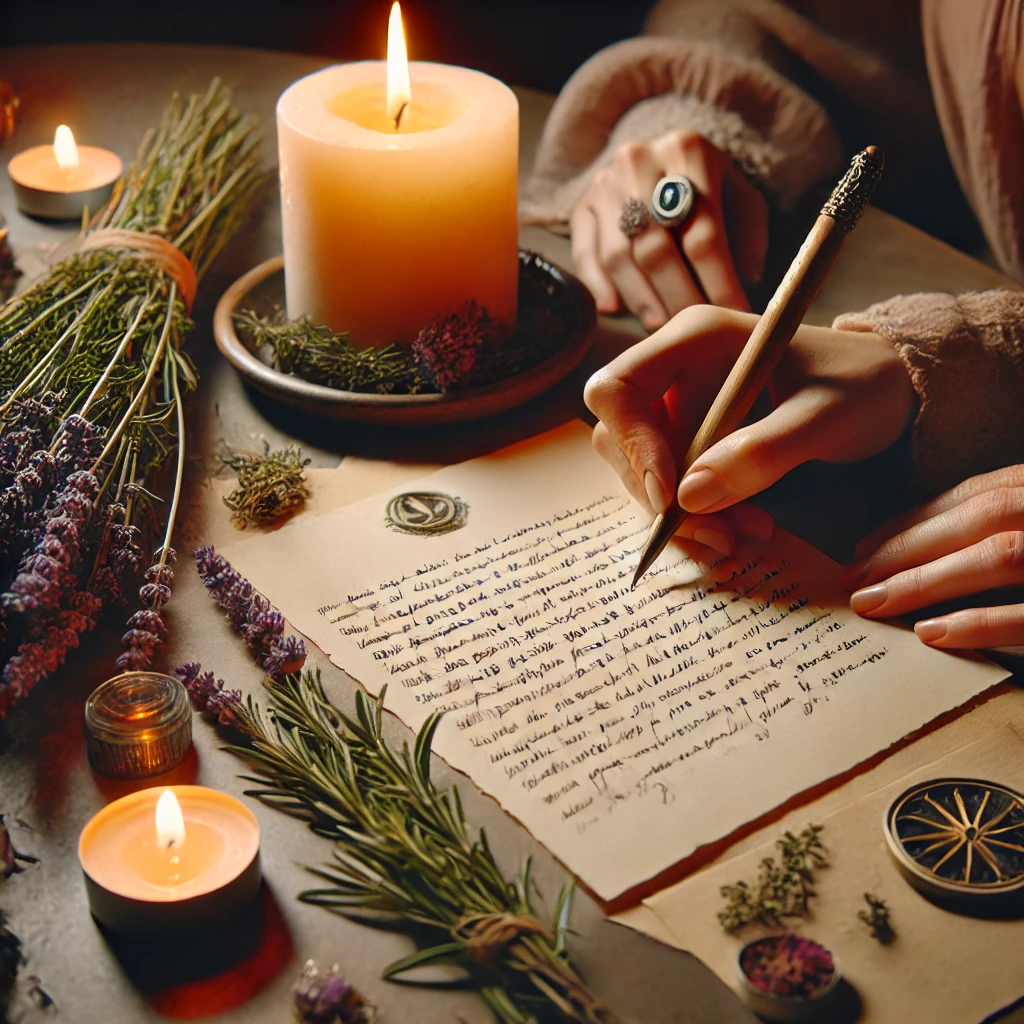
  • As you sit with your paper or parchment, let the words flow from your heart. Write to a specific female ancestor, the collective Disir, or to the feminine energies that have blessed and guided your life.
  • Express your gratitude, admiration, and love—you may choose to write about memories, offer thanks for blessings received, or simply speak from the heart. Let the candle’s gentle light guide your thoughts as they find their way onto the page.
  • If words don’t come easily, you may also choose to draw symbols, create poetry, or compose songs that carry your intention. Each expression is sacred and honored, no matter the form it takes.

Step 4: Presenting the Letters as Offerings

  • Once your letter or expression is complete, take a moment to read it aloud to the flame of the candle, knowing that the words are carried to the spirits through the light and smoke.
  • Fold the letter and place it on your altar, within a decorative box, or tucked under a keepsake that holds significance. This act serves as an offering, a gift to the Disir and those who have watched over you.
  • If you have herbs, dried flowers, or small tokens, you may wish to place them alongside your letters as a gesture of respect and beauty, enriching the offering with nature’s bounty.

Step 5: Closing the Writing Ritual

  • After presenting your letters, sit quietly and meditate upon the feelings of connection, reverence, and gratitude. Feel the bond between you and the Disir, strengthened by your heartfelt words.
  • Offer a closing prayer or blessing to the spirits, expressing thanks for their presence and guidance:
  • “Thank you, Disir, for hearing my words and receiving my love.
    May the bonds of connection be woven strong,
    And may your blessings fill this hearth and home.”
  • Extinguish the candle, and keep the letters or offerings on your altar or in a sacred place throughout the Yule season, revisiting them whenever you wish to connect with the Disir.

Notes

Moon Milk Lavender and CherriesMoon milk is believed to have magical properties that promote relaxation, sleep, and spiritual connection. Lavender is a powerful herb that is often used in spells and rituals to promote tranquility, purification, and harmony. It is said to help calm the mind, soothe anxiety, and facilitate communication with the spiritual realm. Cherries, on the other hand, are associated with abundance, prosperity, and love. By combining these two ingredients in moon milk, we can create a potent brew that promotes restful sleep, deep relaxation, and a profound sense of spiritual connection.
As you sip on your moon milk and gaze up at the moon, take a moment to reflect on the magic and mystery of the universe. Whether you are working with the moon to manifest your desires, to connect with your intuition, or simply to enjoy a peaceful moment of reflection, remember that the power of the moon is always with you, waiting to be harnessed and celebrated.
*Calories Calculated with 2% Dairy Milk, Different bases will change the values.
© The Equinox Apothecary 2024 – Permission is granted to copy and reproduce this Ritual with attribution

Conclusion

The ritual of writing heartfelt letters and expressions on Yule’s Mother’s Night is a profound practice that allows you to connect deeply with the Disir, honoring the feminine wisdom that flows through your lineage and life. As your pen touches the page, your words carry love, gratitude, and intention, building a bridge between you and the guiding spirits that watch over you. Each expression becomes a sacred offering, a gift that transcends the ordinary, inviting the blessings of the Disir into your home and heart. May your letters be filled with the warmth of the hearth, the light of the Yule season, and the enduring love of those who protect and guide you on your path.

Posted on Leave a comment

Ritual: Pumpkin Carving for Wild Animals

Pumpkin Carving for Wild AnimalsReading Time: 5 minutes
Pumpkin Carving for Wild Animals

Introduction

A Samhain Honoring Ritual of Offering and Gratitude

Samhain marks the end of the harvest season and the beginning of the darker half of the year. It is a time when the veil between the physical and spiritual worlds is said to be at its thinnest, offering a sacred moment to honor ancestors, spirits, and the natural world. As we celebrate this turning of the wheel, we can also express gratitude to the earth and its creatures through rituals of offering. One beautiful way to do this is by carving a pumpkin, not for decoration, but as an offering to the wildlife in your area. This Samhain honoring ritual helps us give back to the natural world by providing sustenance to wild animals during the colder months ahead.

Ritual Basics

Before beginning any ritual, it is important to prepare yourself mentally and physically. You may want to take a cleansing bath, or shower, and meditate or perform some grounding exercises to center yourself. Gather any materials you will need, such as candles, incense, and offerings for the forest spirits.

You can read a more detailed Ritual Preparation guide here.

About Pumpkin Carving for Wild Animals

The ritual of carving pumpkins during Samhain traditionally symbolizes protection and honoring the spirits. By carving a pumpkin to feed wild animals, we offer our gratitude to the earth’s creatures, acknowledging the interconnectedness of life. This ritual brings a mindful and sustainable approach to pumpkin carving, transforming it from simple seasonal décor to an act of kindness and reverence for nature. The pumpkin, a symbol of the harvest, becomes not only a gift to the wildlife around us but also a living altar of gratitude and respect.

Offering pumpkins as food is an ancient practice that can be seen as a reflection of the balance between giving and receiving. As we receive the earth’s bounty, we also give back, ensuring that other creatures benefit from the harvest. Carving a pumpkin for wild animals is best done during Samhain or the days leading up to it, as the pumpkins will be ready for the animals to enjoy before the freezing weather fully sets in. This ritual is perfect for solitary practitioners, families, or groups who wish to honor nature and provide a meaningful offering during this sacred time.

Carving Pumpkin Carving for Wild Animals
Print Ritual
No ratings yet

Ritual: Carving a Pumpkin for Wild Animals

A Samhain ritual of gratitude and offering, where a carved pumpkin becomes a nourishing gift for wildlife.
Prep Time20 minutes
Ritual Time45 minutes
Total Time1 hour 5 minutes
Ritual Type: Samhain
Type: Rituals
Author: Theo, Witch
Cost: Minimal

Tools

  • 1 Carving knife (required) A tool to carve the pumpkin safely
  • 1 Large spoon (optional) To scoop out seeds and pulp
  • 1 Outdoor-friendly bowl (optional) For collecting seeds and leftovers for animals or composting
  • 1 Small candle or tealight (optional) For placing inside the carved pumpkin to honor the spirits

Supplies

  • 1 Large Pumpkin (required The larger the better to provide more food for wildlife
  • 1 Handful Seeds or nuts optional To add inside the pumpkin as extra treats for the animals
  • 1 Bundle Natural decorations optional Leaves, twigs, or other natural items to place around the pumpkin for aesthetic or ritualistic purposes

Instructions

Step 1: Choosing and Preparing the Pumpkin

  • Begin by selecting a large, fresh pumpkin. This will act as both the main offering to the animals and the vessel for the ritual.
  • Clean the pumpkin, if necessary, then gather your carving tools. Sit quietly for a moment, offering a silent intention of gratitude for the harvest and the abundance of nature. Acknowledge the pumpkin as a gift from the earth.
  • Place the pumpkin in an outdoor space where it will remain undisturbed by humans but accessible to animals. A garden, clearing, or edge of a forest works well.

Step 2: Carving the Pumpkin

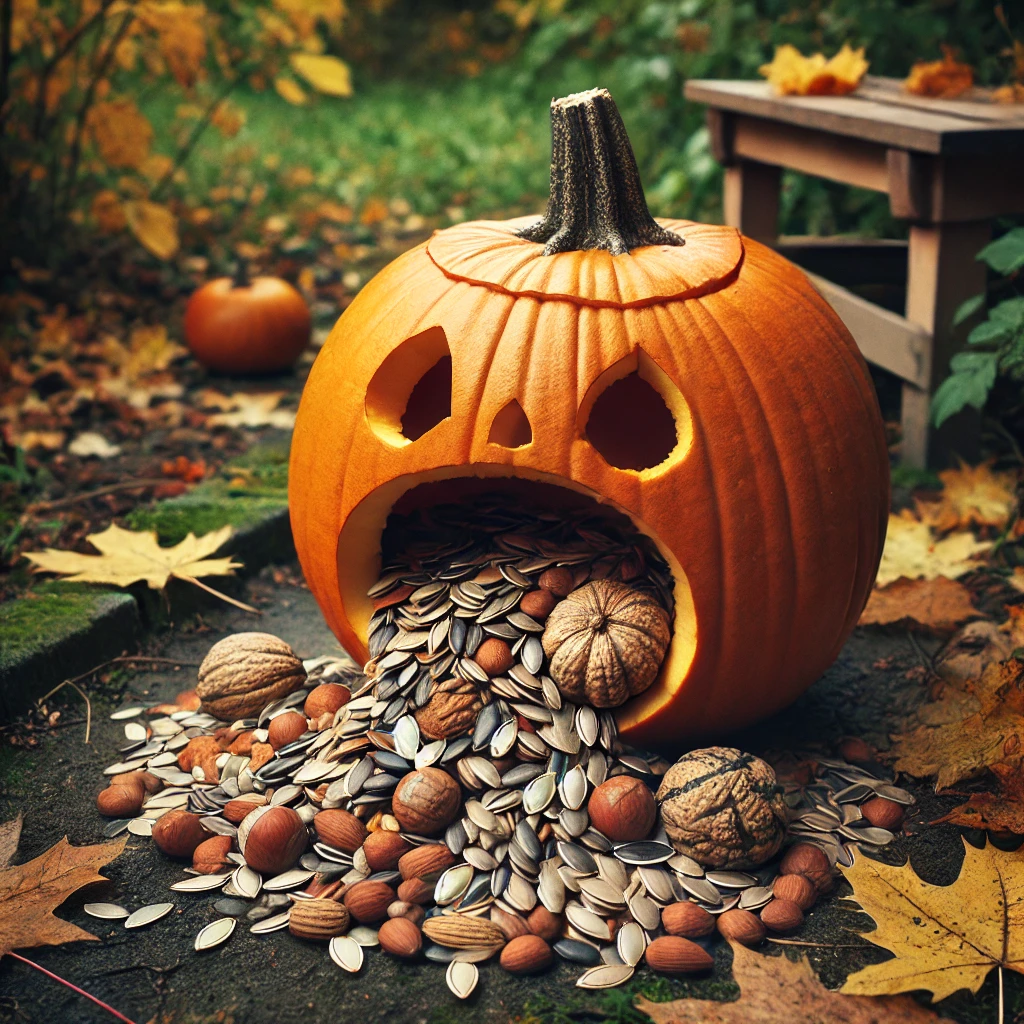
  • Begin carving the pumpkin, creating simple, open designs like large holes or shapes that allow wildlife easy access to the pumpkin’s interior.
  • As you carve, speak or think of your intentions: to give back to the earth, honor the wild creatures, and express gratitude for the cycle of life and death during Samhain.
  • Gently scoop out the seeds and pulp, placing them aside in a bowl. If you like, you can scatter them around the area as an additional food offering for birds or small animals. Alternatively, reserve the seeds for composting or roasting for yourself, maintaining the cycle of balance and sustainability.

Step 3: Filling and Blessing the Pumpkin

  • Once your pumpkin is carved, fill it with a small handful of nuts, seeds, or other foods that are safe for wild animals, if you wish. These may include sunflower seeds, unsalted peanuts, or dried fruit, depending on what local wildlife will enjoy.
  • Place a small tealight or candle inside the pumpkin, lighting it as a symbol of warmth, protection, and connection to the spirits. Speak a blessing for the animals who will find nourishment from the offering, such as:
  • "As the wheel turns, I offer this gift to the creatures of the earth,
    In gratitude for the abundance shared with all beings.
    May they find sustenance and shelter in this time of darkness,
    As we honor the balance of life and death,
    Blessed be the wild ones, and blessed be the harvest."
  • After lighting the candle (optional), take a moment of quiet reflection, connecting to the energies of Samhain, the earth, and the wildlife around you. Feel the presence of the spirits, ancestors, and nature’s creatures as you honor their roles in the cycle of life.
  • If you used a candle, blow it out and remove it before moving the pumpkin to a new space.

Step 4: Offering and Placement

  • Once your blessing is complete, place the carved pumpkin in an area where animals can easily access it. Choose a spot that is protected from too much human activity, such as near the edge of a garden, by a wooded path, or at the base of a tree.
  • Leave the pumpkin as an offering to nature. Over time, animals will come to eat the pumpkin’s flesh and seeds, returning your gift with their presence.
  • If you are in an area with scavengers or nocturnal animals, check on the pumpkin the next day to see which creatures have enjoyed your offering.

Step 5: Closing the Ritual

  • When you have finished the ritual, take a final moment to ground yourself and thank the earth for its gifts.
  • Leave your offering behind, knowing that you have honored both the season and the creatures who share the land with you.

Notes

Moon Milk Lavender and CherriesMoon milk is believed to have magical properties that promote relaxation, sleep, and spiritual connection. Lavender is a powerful herb that is often used in spells and rituals to promote tranquility, purification, and harmony. It is said to help calm the mind, soothe anxiety, and facilitate communication with the spiritual realm. Cherries, on the other hand, are associated with abundance, prosperity, and love. By combining these two ingredients in moon milk, we can create a potent brew that promotes restful sleep, deep relaxation, and a profound sense of spiritual connection.
As you sip on your moon milk and gaze up at the moon, take a moment to reflect on the magic and mystery of the universe. Whether you are working with the moon to manifest your desires, to connect with your intuition, or simply to enjoy a peaceful moment of reflection, remember that the power of the moon is always with you, waiting to be harnessed and celebrated.
*Calories Calculated with 2% Dairy Milk, Different bases will change the values.
© The Equinox Apothecary 2024 – Permission is granted to copy and reproduce this Ritual with attribution

Conclusion

Carving a pumpkin for wild animals as part of a Samhain honoring ritual allows you to connect deeply with nature and the spirit of the season. By giving back to the earth’s creatures, you acknowledge the cyclical nature of life, death, and rebirth. This simple yet profound act of kindness and reverence serves as both a magical offering and a practical gift to the wildlife that inhabits the natural world. As you offer nourishment to the animals, you become part of the sacred dance of Samhain, honoring the balance between the seen and unseen worlds. Through this ritual, may you cultivate gratitude, connection, and a deeper sense of harmony with the wild.

Posted on Leave a comment

Ritual: Ancestor Altar for Samhain

Ritual Samhain Ancestor AltarReading Time: 4 minutes
Ritual Samhain Ancestor Altar

Introduction

Honoring Our Roots: Creating an Ancestor Altar for Samhain

Samhain, often referred to as Halloween or the Witches’ New Year, is a time of powerful connection between the living and the dead. Traditionally celebrated by Pagans and Wiccans, Samhain marks the thinning of the veil between the physical world and the spirit world, making it an ideal time to honor our ancestors and loved ones who have passed on. One of the most cherished rituals of this season is the creation of an ancestor altar, where offerings and memories come together to create a sacred space for reflection, remembrance, and communication with the spirits of those who came before us.

Ritual Basics

Before beginning any ritual, it is important to prepare yourself mentally and physically. You may want to take a cleansing bath, or shower, and meditate or perform some grounding exercises to center yourself. Gather any materials you will need, such as candles, incense, and offerings for the forest spirits.

You can read a more detailed Ritual Preparation guide here.

The Significance of the Ancestor Altar

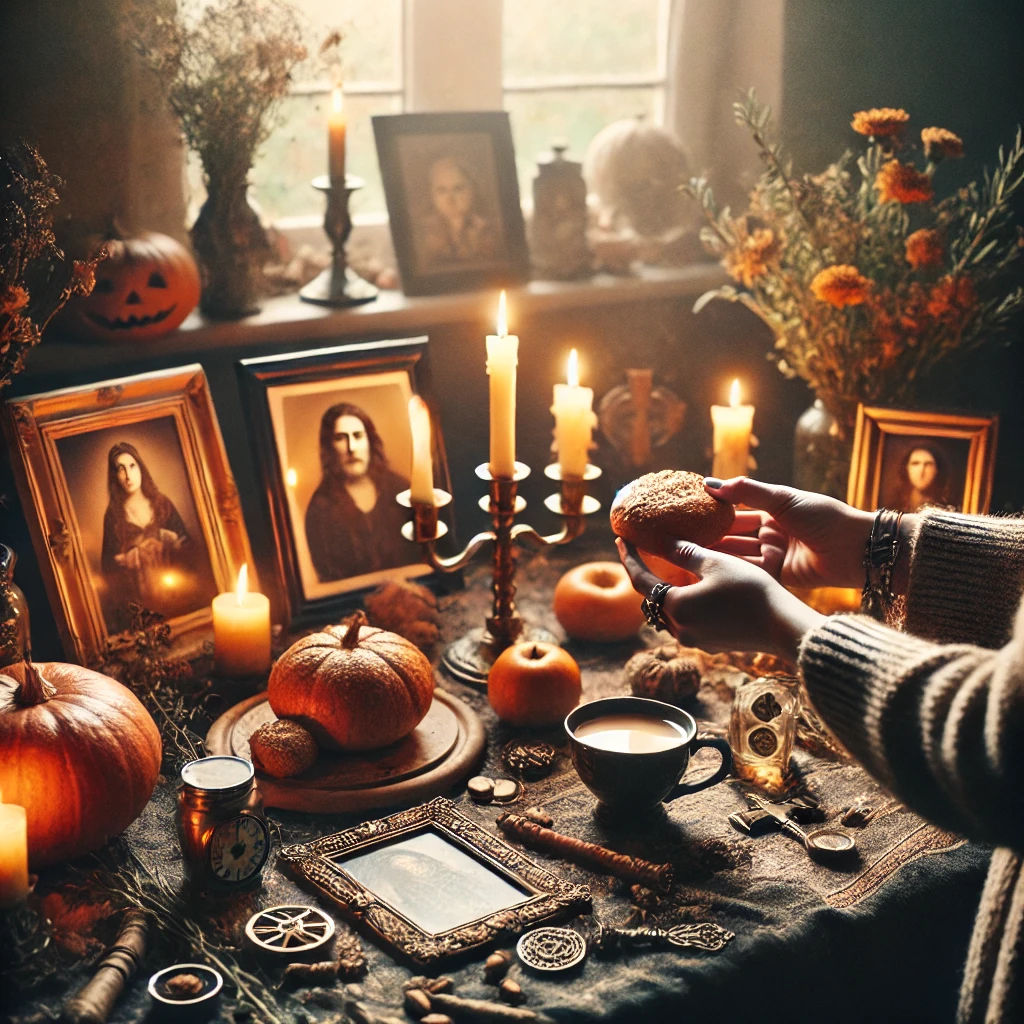
An ancestor altar is more than a decorative display; it is a symbolic connection to your familial and spiritual roots. At Samhain, this altar serves as a beacon, inviting the spirits of your ancestors to join you in celebration and honoring their legacy. The items placed on the altar hold personal significance, acting as a bridge between the past and present. Whether performed indoors or outdoors, this ritual creates a sacred space for reflection, gratitude, and the honoring of lives lived and memories cherished. Traditionally, Samhain falls on October 31st, but this ritual can be performed anytime during the thinning of the veil, from late October to early November.

Samhain Ancestor Altar
Print Ritual
No ratings yet

Ritual: Crafting an Ancestor Altar for Samhain

This ritual involves creating an altar dedicated to your ancestors, adorning it with personal and meaningful items, and offering it as a space of respect and gratitude during Samhain.
Prep Time30 minutes
Ritual Time15 minutes
Charging8 hours
Total Time8 hours 45 minutes
Ritual Type: Samhain
Type: Rituals
Author: Theo, Witch
Cost: Minimal

Tools

  • 1 Surface altar table, shelf, or outdoor setting such as a tree stump or rock
  • 1 Cloth in a color symbolizing Samhain—black, purple, or any personal choice
  • 2 Candles optional for representing life and spirit

Supplies

  • 1 – Photos or heirlooms of ancestors to represent those being honored
  • 1 – Offering dish for food or drink offerings
  • 1 – Handful of seasonal flowers or herbs such as marigolds, rosemary, or chrysanthemums
  • 1 – Cup Apple cider or wine symbolizing offerings to your ancestors
  • 1 – Plate – Small serving of food such as nuts, fruit, or bread

Instructions

Selecting the Altar Surface:

  • Choose a surface that feels sacred to you, whether it is a table, a shelf, or something connected to nature, like a tree stump or rock. Outdoor altars can provide a direct connection with the Earth, but indoor altars may feel more private. Place this altar in a space that feels quiet, personal, and sacred for you.

Covering the Altar:

  • Once you have selected the surface, cover it with a cloth. Colors like black or deep purple are traditional for Samhain, symbolizing the connection with the spirit world. However, choose a color that resonates with your intention. Each color holds its own symbolic meaning:
  • Black or Purple – Associated with Samhain and the spirit realm
  • White – Symbolizing purity and remembrance
  • Green – Representing life and growth, perfect for ancestral healing

Arranging the Items:

  • Now, begin to arrange items that honor your ancestors:
  • Photographs and Heirlooms: Place photos, mementos, or heirlooms of your ancestors in a prominent position. These items serve as a focal point for the altar.
  • Candles: Light two candles, one on each side of the altar. White candles are often used to symbolize the spirits of loved ones, while black candles can be used to honor the cycle of life, death, and rebirth.
  • Offerings: Prepare offerings of seasonal fruits, nuts, or a small plate of bread and place them in front of the photos or heirlooms. Pour a cup of apple cider or wine as a symbolic gesture of gratitude.
  • Flowers or Herbs: Add fresh flowers or dried herbs to enhance the natural beauty of the altar. Rosemary is traditionally used for remembrance, while marigolds or chrysanthemums symbolize the connection to the spirit world.

Blessing and Invocation:

  • Once your altar is arranged, take a moment to sit quietly in front of it. Reflect on the lives of your ancestors, what they have passed down to you, and the legacy they left behind. Light the candles and say:
  • "Spirits of my ancestors, I honor you on this sacred night.
    As the veil between worlds thins, I welcome your presence in my life.
    Through this altar, may you feel my love, respect, and gratitude.
    Guide me with your wisdom, protect me with your love,
    And bless me with the strength of our lineage.
    Blessed be."

Offering to the Ancestors:

  • Take a small piece of bread or fruit, and lift the offering up, saying:
  • "I offer this gift to you,
    To nourish your spirit as you have nourished mine.
    With this food and drink, I honor your presence.
    Blessed be."
  • Leave the offerings on the altar overnight or until the next morning as a sign of respect.

Reflection and Meditation:

  • After your offering, sit quietly and meditate on the connection with your ancestors. Allow any thoughts, feelings, or memories to surface, and feel the warmth of their presence. Write down any insights or messages that come to you in a journal or notebook.

Notes

Moon Milk Lavender and CherriesMoon milk is believed to have magical properties that promote relaxation, sleep, and spiritual connection. Lavender is a powerful herb that is often used in spells and rituals to promote tranquility, purification, and harmony. It is said to help calm the mind, soothe anxiety, and facilitate communication with the spiritual realm. Cherries, on the other hand, are associated with abundance, prosperity, and love. By combining these two ingredients in moon milk, we can create a potent brew that promotes restful sleep, deep relaxation, and a profound sense of spiritual connection.
As you sip on your moon milk and gaze up at the moon, take a moment to reflect on the magic and mystery of the universe. Whether you are working with the moon to manifest your desires, to connect with your intuition, or simply to enjoy a peaceful moment of reflection, remember that the power of the moon is always with you, waiting to be harnessed and celebrated.
*Calories Calculated with 2% Dairy Milk, Different bases will change the values.
© The Equinox Apothecary 2024 – Permission is granted to copy and reproduce this Ritual with attribution

Conclusion

Setting up an Ancestor Altar during Samhain is a beautiful way to honor and connect with the spirits of your loved ones. This ritual strengthens the bond between you and your ancestors, offering a space for remembrance, reflection, and gratitude. By dedicating this sacred space, you open a portal for wisdom, love, and guidance from beyond the veil. As the flames flicker and the offerings are made, may your heart be filled with warmth, and may the presence of your ancestors bring peace and blessings to your life. Blessed Be.

Posted on Leave a comment

Ritual: Casting a Circle

Casting a circleReading Time: 4 minutes
Casting a circle

Introduction

Creating a Sacred Space for Ritual and Magic

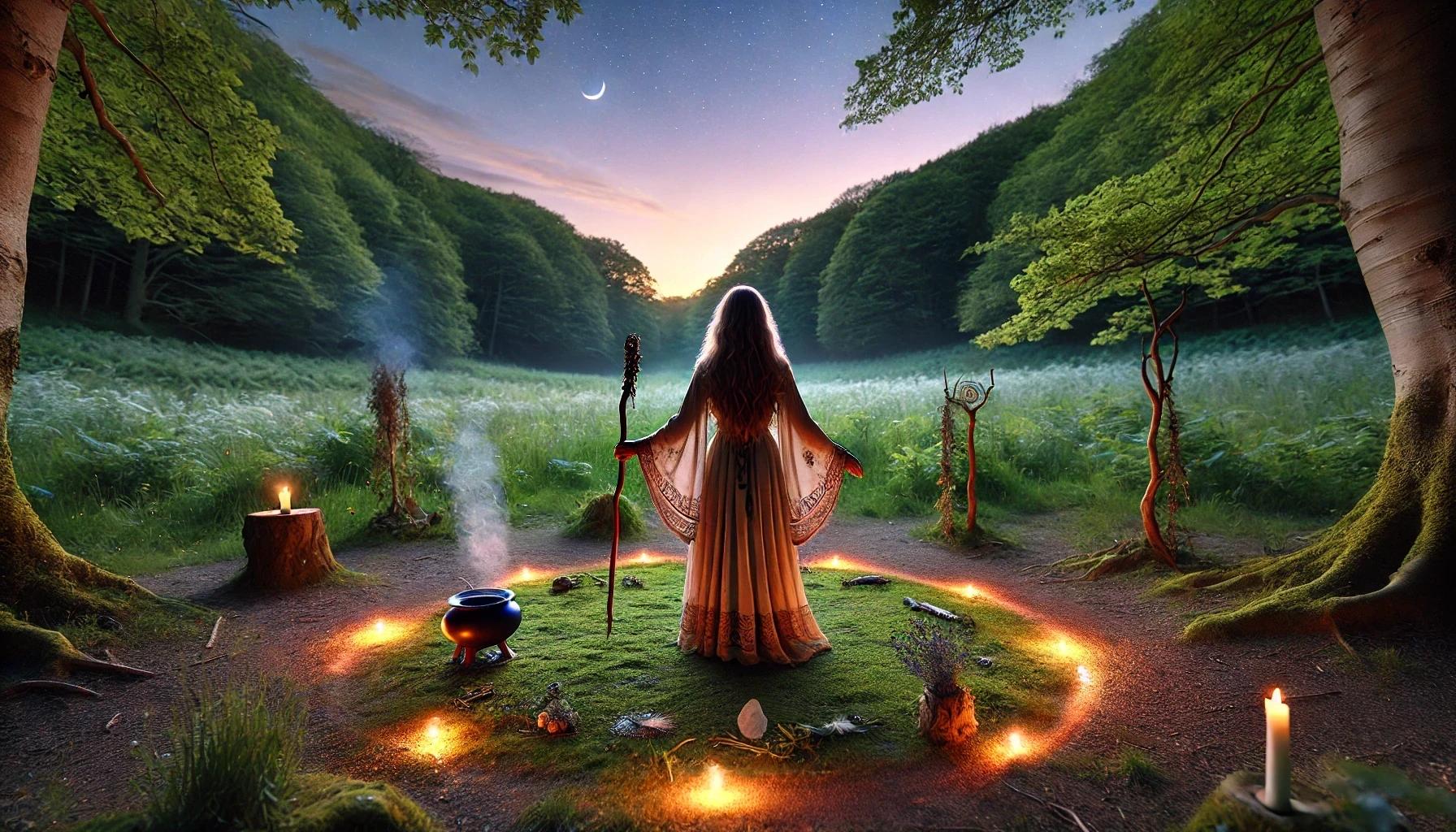
Casting a circle is a cornerstone practice in many pagan and Wiccan traditions. It creates a sacred space that serves as a boundary between the mundane world and the spiritual realm, providing protection and amplifying the energy raised during rituals and spellwork. This article will guide you through the steps to cast a circle, offering insights into the significance and techniques involved.

Ritual Basics

Before beginning any ritual, it is important to prepare yourself mentally and physically. You may want to take a cleansing bath, or shower, and meditate or perform some grounding exercises to center yourself. Gather any materials you will need, such as candles, incense, and offerings for the forest spirits.

You can read a more detailed Ritual Preparation guide here.

Why Cast a Circle?

Casting a circle is more than just a ritualistic step; it is a spiritual practice that enhances your connection to the divine, grounds your energy, and creates a focused environment for your magical workings. Here are some reasons why casting a circle is essential:

  • Protection: A circle acts as a barrier against negative energies and unwanted influences, ensuring that the space within remains pure and sacred.
  • Energy Amplification: By containing the energy raised during a ritual, a circle intensifies and directs it towards your intention or spell.
  • Sacred Space Creation: The circle delineates a space that is spiritually significant, allowing you to connect deeply with the elements, deities, and your inner self.
  • Focus and Intention: Casting a circle helps to center your mind, body, and spirit, aligning them with the purpose of your ritual.
Ritual Casting a Circle
Print Ritual
No ratings yet

Ritual: Casting a Circle

Casting a circle is a cornerstone practice in many pagan and Wiccan traditions. It creates a sacred space that serves as a boundary between the mundane world and the spiritual realm, providing protection and amplifying the energy raised during rituals and spellwork. This article will guide you through the steps to cast a circle, offering insights into the significance and techniques involved.
Prep Time20 minutes
Charging1 hour
Total Time20 minutes
Ritual Type: General Magic
Type: Rituals
Author: Theo, Witch

Tools

  • Wand or athame (ritual knife)
  • Candles representing the elements (Earth, Air, Fire, Water)
  • Incense
  • Salt
  • Water
  • Any additional ritual items (e.g., crystals, altar decorations)

Instructions

Preparation

  • Choose a quiet, undisturbed area, either indoors or outdoors.
  • Cleanse the area physically and spiritually (e.g., sweep the floor, smudge with sage).
  • Set your intentions for the circle casting and the ritual to follow.

Steps to Cast a Circle

  • Purify the Space
  • Physically clean the area and spiritually cleanse it using incense or a smudging stick. Walk around the perimeter, allowing the smoke to purify the space.
  • Ground and Center
  • Stand or sit comfortably in the center of your chosen space. Close your eyes, take deep breaths, and visualize roots extending from your feet into the Earth, grounding you.
  • Create Sacred Space
  • Starting in the North (or East, depending on your tradition), walk clockwise (sunwise) around the perimeter, visualizing a circle of light forming as you go. Use your wand or athame to trace the boundary.
  • Call the Quarters
  • Face each cardinal direction, invoking the elements and their guardians.
  • North (Earth): “Guardians of the North, powers of Earth, I call upon you to protect and bless this circle.”
  • East (Air): “Guardians of the East, powers of Air, I call upon you to protect and bless this circle.”
  • South (Fire): “Guardians of the South, powers of Fire, I call upon you to protect and bless this circle.”
  • West (Water): “Guardians of the West, powers of Water, I call upon you to protect and bless this circle.”
  • Raise Energy
  • Stand in the center of the circle and raise your arms. Visualize energy building within and around you. You can chant, drum, or dance to raise this energy, filling the circle with light and power.
  • Set the Boundary
  • Finalize the circle by mentally or physically completing the boundary. Imagine a shimmering dome of light enclosing the space. Declare the circle cast, saying, “This circle is cast, a sacred space between the worlds.”

Working Within the Circle

  • Once the circle is cast, you can proceed with your ritual or spellwork. Whether you are performing a seasonal celebration, invoking deities, or casting a spell, the circle serves as a container for your focused intention and energy.

Closing the Circle

  • When your ritual is complete, it’s important to close the circle properly:
  • Thank the Quarters
  • Face each direction and thank the elemental guardians for their presence and assistance. For example, “Guardians of the North, powers of Earth, thank you for your protection and blessings. Depart in peace.”
  • Release the Circle
  • Walk counterclockwise (widdershins) around the circle, visualizing the energy dissipating. Use your wand or athame to “cut” the circle, releasing the energy back to the universe.
  • Ground Yourself
  • Take a moment to ground any excess energy. Eat or drink something nourishing, connect with the Earth, or simply sit quietly and breathe deeply.

Notes

Moon Milk Lavender and CherriesMoon milk is believed to have magical properties that promote relaxation, sleep, and spiritual connection. Lavender is a powerful herb that is often used in spells and rituals to promote tranquility, purification, and harmony. It is said to help calm the mind, soothe anxiety, and facilitate communication with the spiritual realm. Cherries, on the other hand, are associated with abundance, prosperity, and love. By combining these two ingredients in moon milk, we can create a potent brew that promotes restful sleep, deep relaxation, and a profound sense of spiritual connection.
As you sip on your moon milk and gaze up at the moon, take a moment to reflect on the magic and mystery of the universe. Whether you are working with the moon to manifest your desires, to connect with your intuition, or simply to enjoy a peaceful moment of reflection, remember that the power of the moon is always with you, waiting to be harnessed and celebrated.
*Calories Calculated with 2% Dairy Milk, Different bases will change the values.
© The Equinox Apothecary 2024 – Permission is granted to copy and reproduce this Ritual with attribution

Conclusion

Casting a circle is a deeply personal and powerful practice that enhances your spiritual and magical work. By creating a sacred space, you connect more profoundly with the elements, deities, and your inner self, fostering a sense of protection, focus, and intention. Whether you are new to this practice or an experienced practitioner, casting a circle is a valuable skill that enriches your rituals and deepens your connection to the spiritual realm.

May your circles be strong, your energy focused, and your rituals blessed. Blessed Be!