Posted on Leave a comment

The Silly Feast

Reading Time: 2 minutes

Introduction

A Playful Celebration of Whimsy, Role Reversal, and Laughter

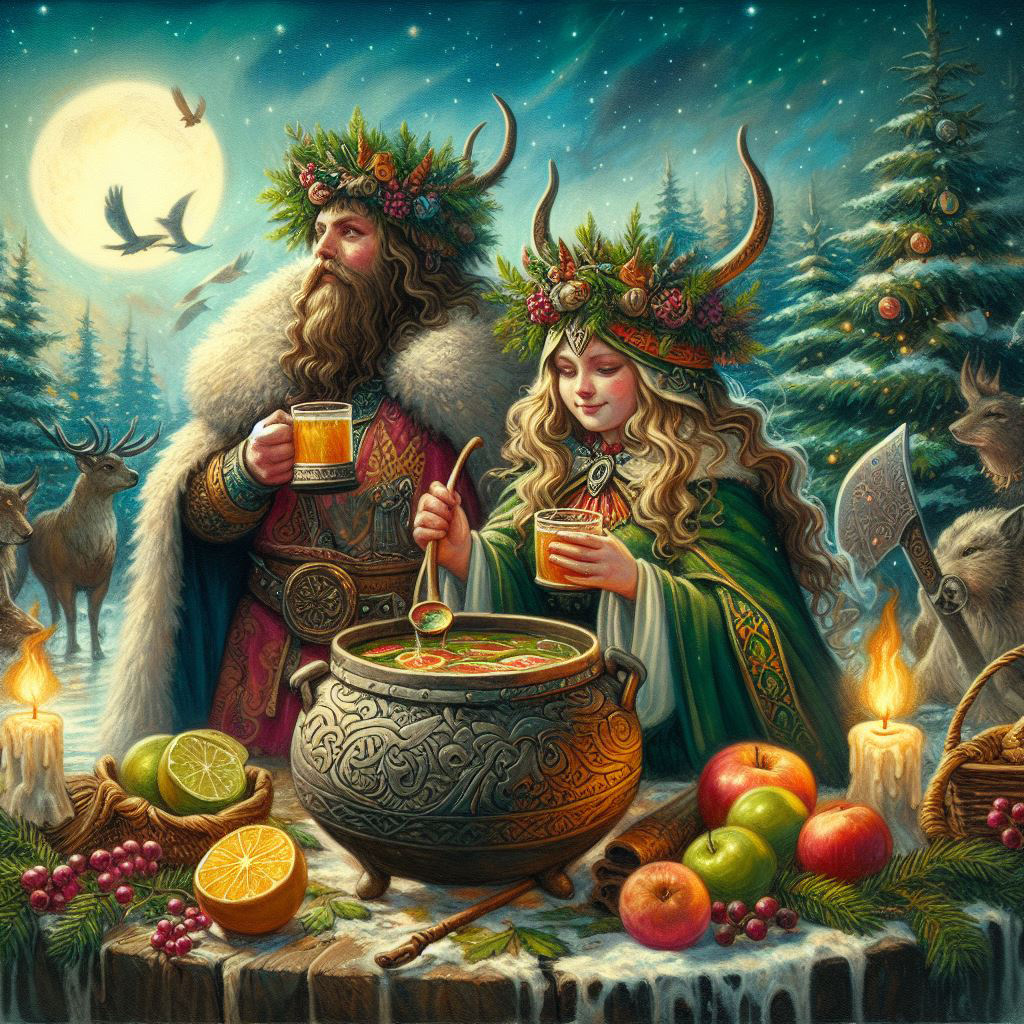
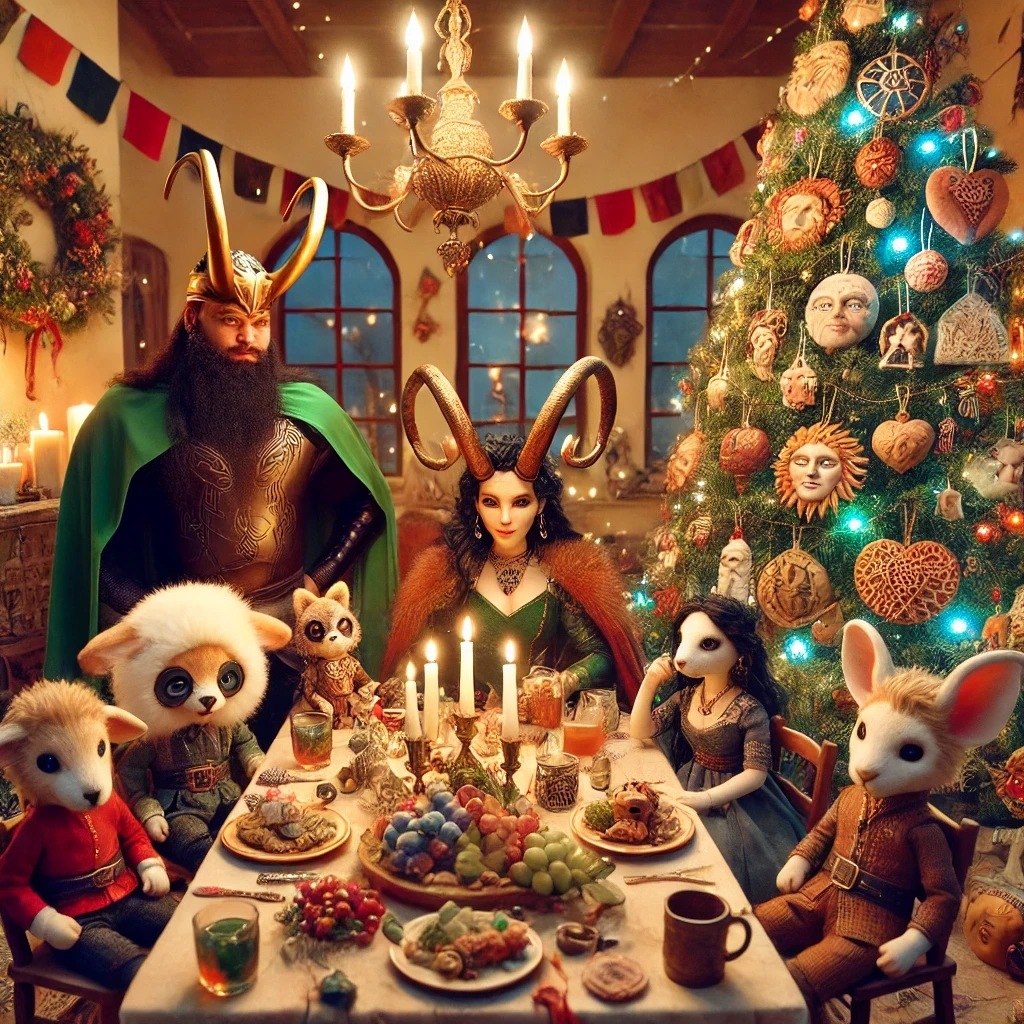
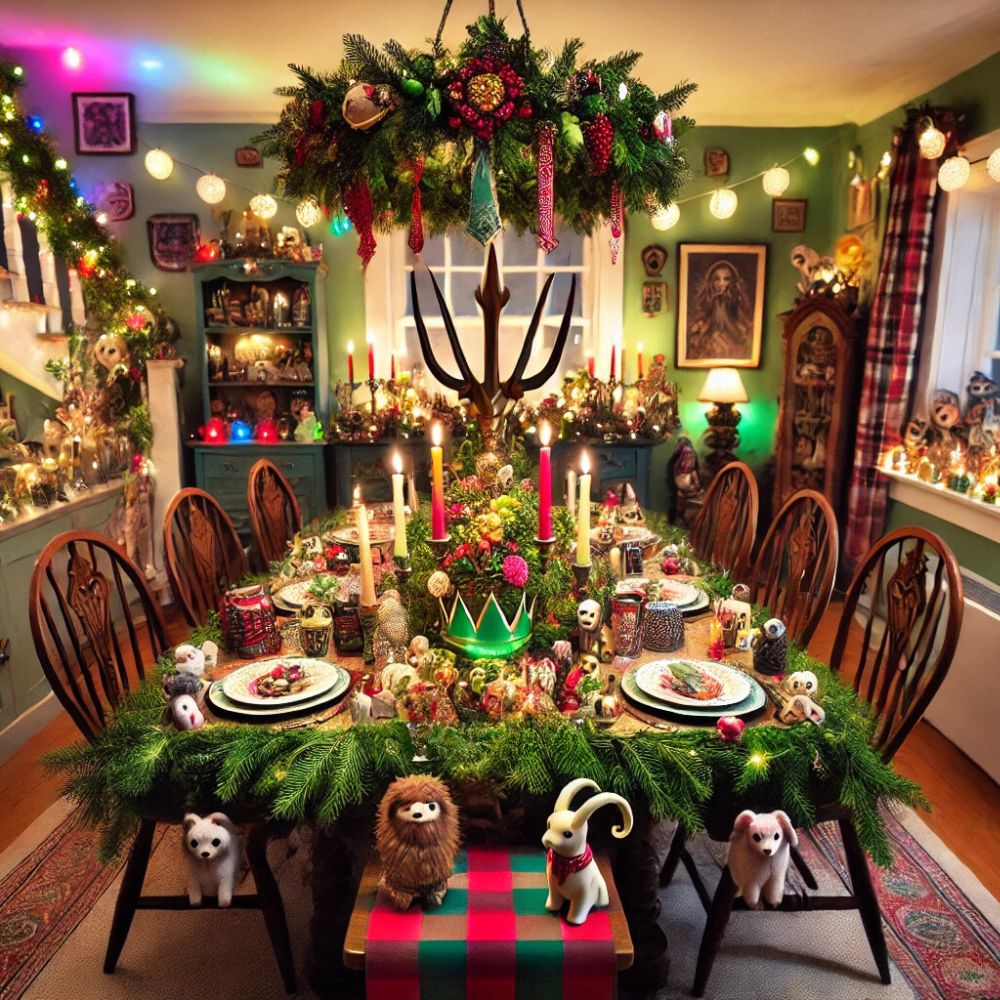
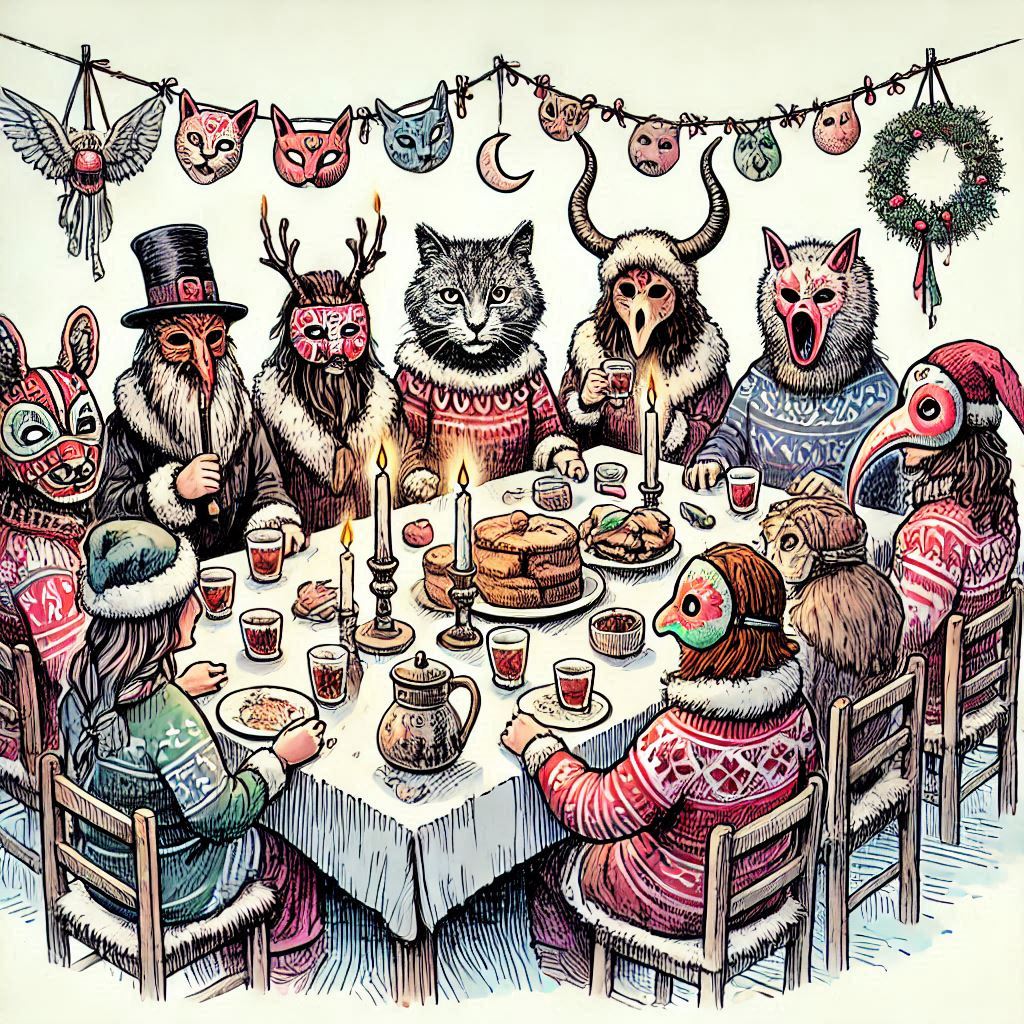
The Silly Feast takes center stage on Yule’s fourth day, honoring the dynamic duo of Norse mythology—Loki, the mischievous trickster, and his steadfast consort, Sigyn. This feast is an occasion to revel in the unexpected and embrace the magic of transformation, balancing Loki’s chaotic humor with Sigyn’s grounding presence. Participants don animal disguises, embodying attributes they seek in the coming year, and gather around the Yule Tree adorned with Wish Ornaments and symbols of gratitude. The Silly Feast is a tapestry woven with joy, reminiscence, and a whimsical nod to the Lord of Misrule and his Loyal Queen.

In the radiant glow of Yule’s fourth day, the Silly Feast unfolds as a whimsical inversion of social norms, celebrating the extraordinary within the ordinary. Friends and family, dressed in animal-themed disguises, revel in laughter and surprise, blurring the boundaries between species. Gifts are exchanged, and two individuals assume the roles of the Lord of Misrule and the Loyal Queen, adding a playful twist to the festivities.

As the Silly Feast draws to a close, the joyous moments and playful role reversals become cherished memories, reminding us of the importance of unbridled joy amidst life’s seriousness. This celebration invites all to embrace the unexpected, transforming the ordinary into the extraordinary and creating a radiant tapestry of shared experiences and laughter.

The 12 Course Silly Feast

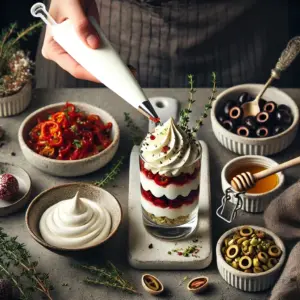
Deceptive Winter Parfait

Amuse Bouche: Deceptive Winter Parfait

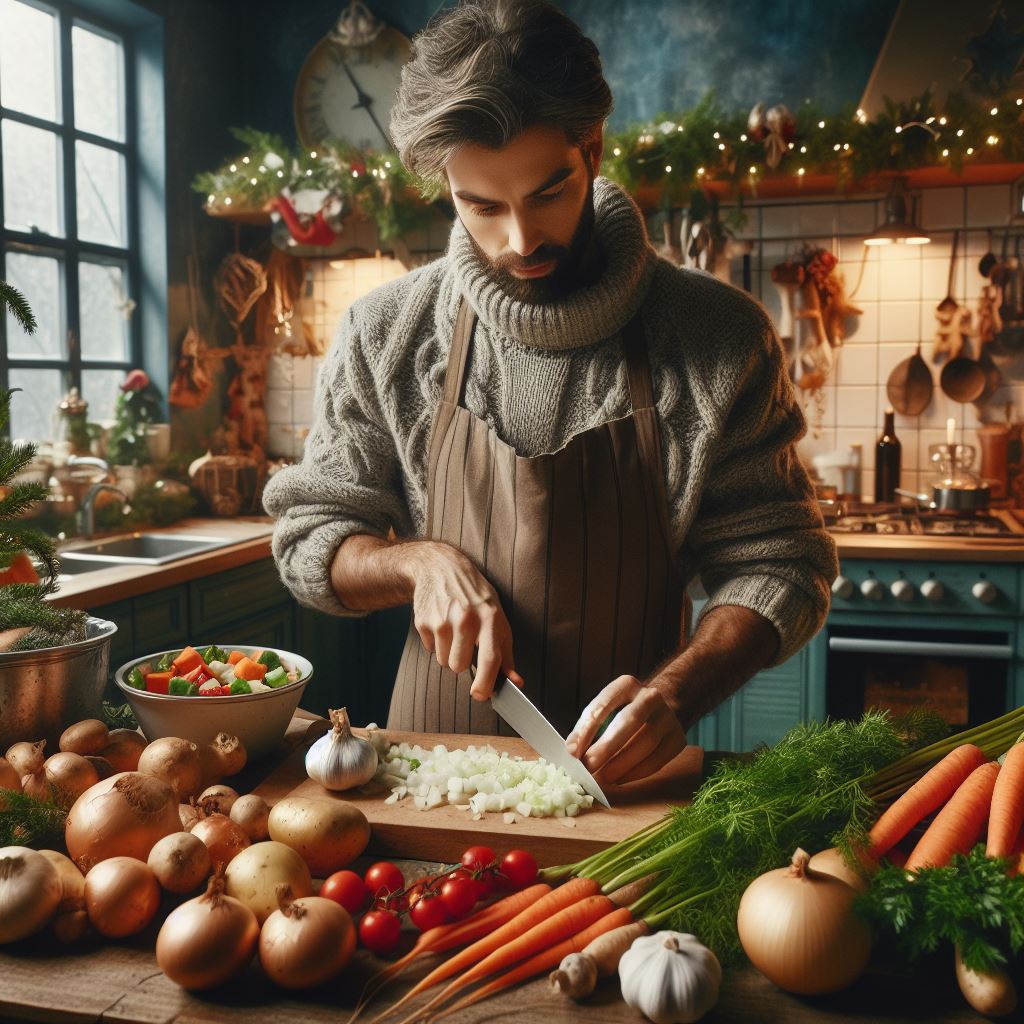
A playful amuse bouche that surprises the senses with savory whipped goat cheese, roasted red peppers, and black olive tapenade disguised as a sweet parfait.
Read More
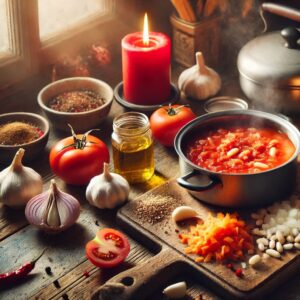
Trickster's Tomato Soup

Soup: Trickster’s Tomato Soup

A mischievous soup with hearty white beans and subtle warming spices, resembling a classic creamy tomato soup but delivering an unexpected twist.
Read More
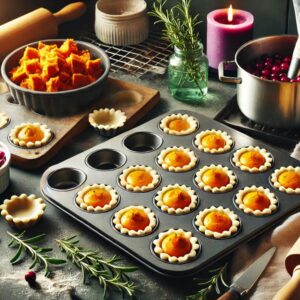
Savory Winter Tartlets

Appetizer: Savory Winter Tartlets

Tartlets with creamy mashed sweet potatoes, goat cheese, and spiced cranberries, disguised as mini desserts but delivering a warm, savory bite.
Read More
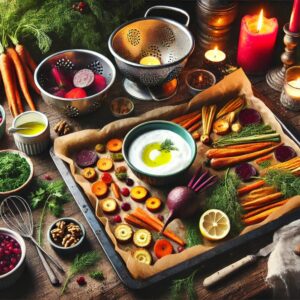
Mirthful Winter Pudding Salad

Salad: Mirthful Winter Pudding Salad

A playful salad masquerading as a dessert pudding, featuring roasted root vegetables, winter greens, and a tangy herb dressing layered to resemble a parfait.
Read More
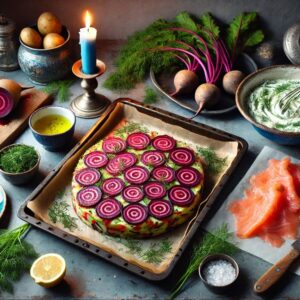
Disguised Cake with Salmon and D

Seafood: Disguised Winter “Cake” with Salmon and Dill

A whimsical dish crafted to look like a decadent layer cake, but surprises with layers of smoked salmon, creamy dill spread, and thinly sliced winter vegetables.
Read More
Deceptive Winter Shepherd's Pie

Main Course: Deceptive Winter Shepherd’s Pie

A savory dish disguised as a dessert pie, featuring ground lamb, root vegetables, and creamy mashed potatoes piped to resemble fluffy meringue.
Read More
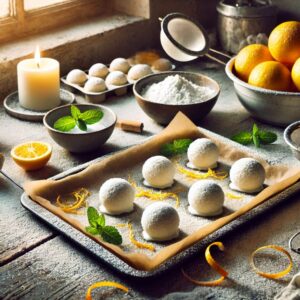
Frosted Citrus Snowballs

Palate Cleanser: Frosted Citrus Snowballs

Icy spheres of tart lemon and orange sorbet coated in powdered sugar, appearing as confectionery treats but offering a crisp, tangy flavor.
Read More
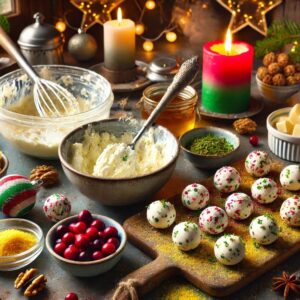
Whimsical Cheese Truffles

Cheese Course: Whimsical Cheese Truffles

Creamy cheese balls rolled in colorful coatings like crushed cranberries and candied walnuts, resembling dessert truffles but delivering a savory, tangy surprise.
Read More
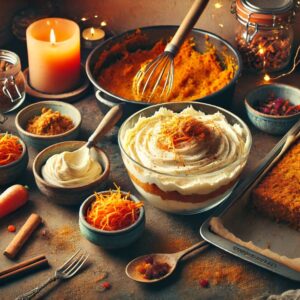
Mischievous Winter Carrot Cake

Dessert: Mischievous Winter Carrot Cake Trifle

A trifle that combines spiced sweet potato and savory mascarpone layers, resembling a traditional carrot cake but hiding bursts of candied ginger and cranberries.
Read More
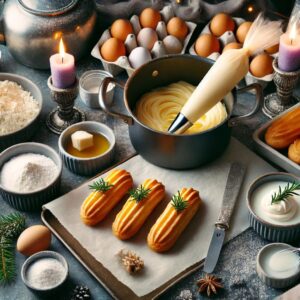
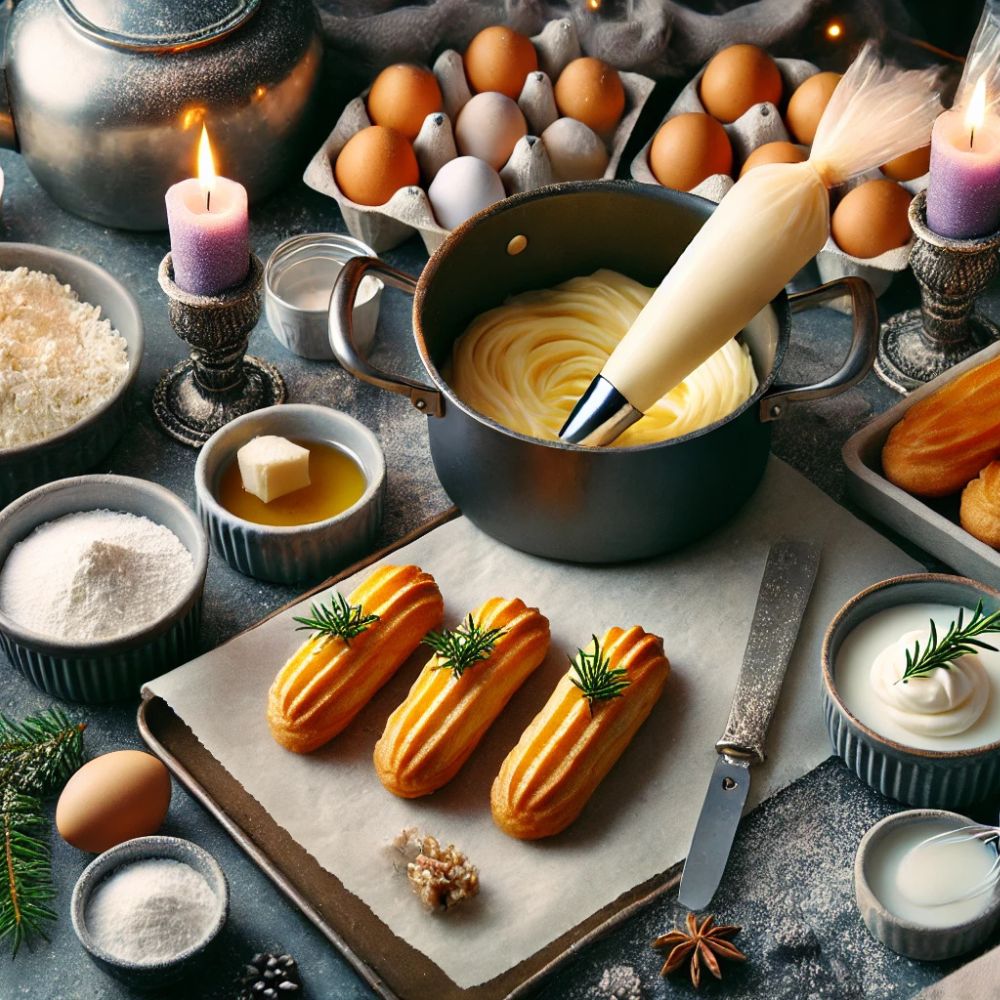
Trickster's Petite Éclairs

Mignardise: Trickster’s Petite Éclairs

Bite-sized éclairs filled with savory rosemary and goat cheese cream, glazed to look like sweet confections, surprising the palate with their savory flavor.
Read More
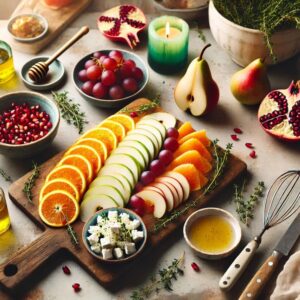
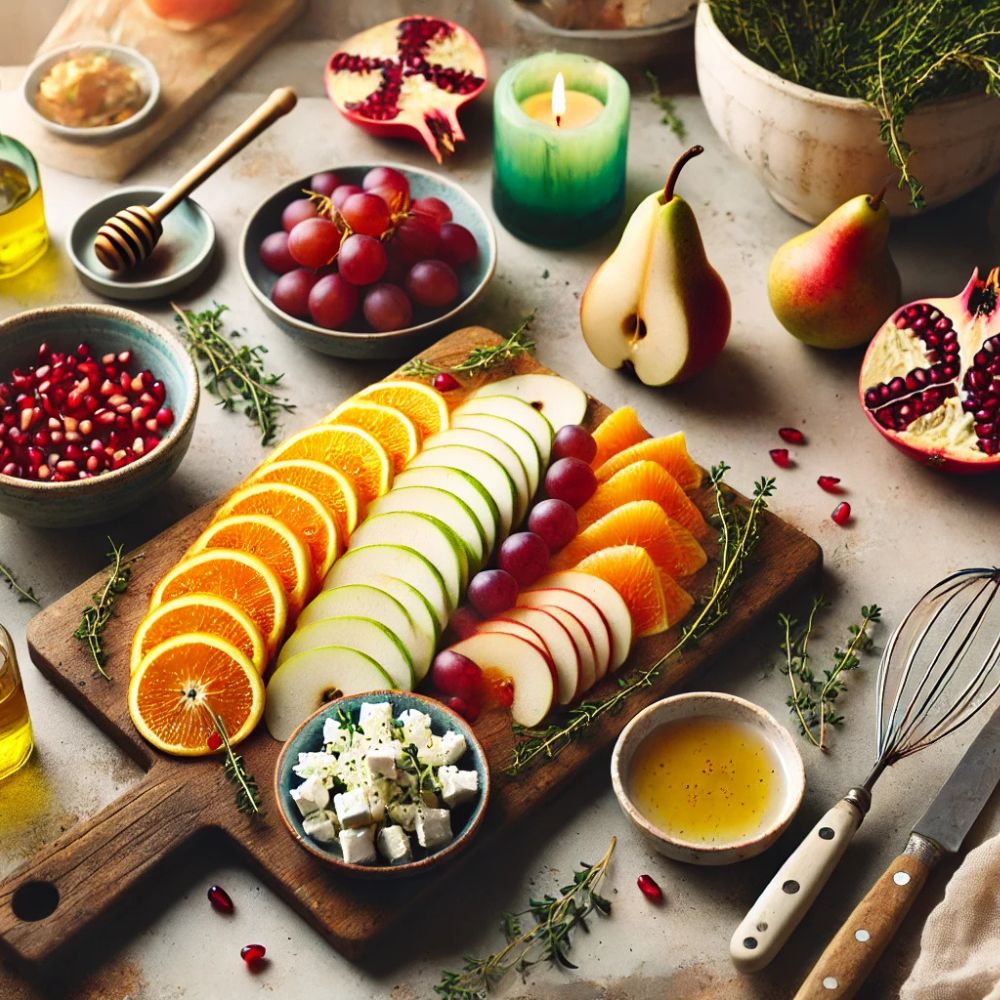
Charlatan's Savory Fruit Salad

Fruit Course: Charlatan’s “Savory” Fruit Salad

A playful fruit salad with fresh winter fruits paired with savory herbs, goat cheese, and a tangy honey-lemon vinaigrette, disguised as a traditional fruit dessert.
Read More
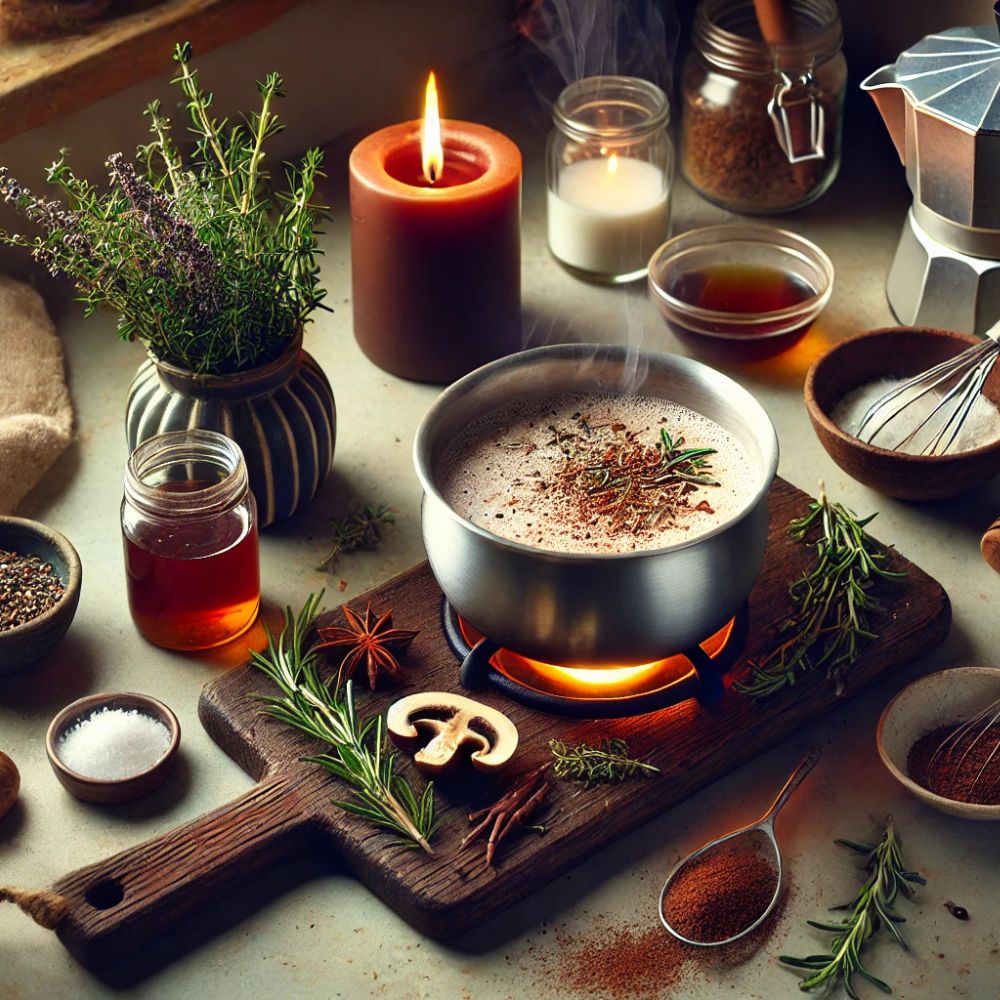
Loki’s Hot Chocolate Surprise

Digestif: Loki’s Hot “Chocolate” Surprise

A savory broth-based digestif disguised as decadent hot chocolate, infused with winter herbs, earthy mushrooms, and a touch of cocoa powder for a velvety finish.
Read More

Concluding the Feast

As the Silly Feast draws to a close, we are left with more than just the echoes of laughter and the taste of whimsical dishes. This celebration, rooted in the playful energy of Loki and the steadfast devotion of Sigyn, becomes a tapestry of cherished memories and shared joy. The inversion of norms, the vibrant disguises, and the playful role reversals remind us of the transformative power of laughter and camaraderie.

Through the Silly Feast, we honor the balance between chaos and stability, mischief and devotion, inviting us to embrace the extraordinary within the ordinary. As we carry forward the spirit of this festive gathering, may the joy, warmth, and magic of the Silly Feast inspire us throughout the Yuletide season and beyond, lighting our paths with laughter, love, and a touch of whimsy.

Posted on Leave a comment

The 4th Day of Yule – Loki, Sigyn, and the Silly Feast

4th day of yuleReading Time: 9 minutes
4th day of yule

Introduction

Loki, Sigyn, and the Silly Feast

The fourth day of Yule ushers in a celebration of the year’s blessings, an occasion to honor the dynamic duo of Norse mythology—Loki, the mischievous trickster, and his steadfast consort, Sigyn. Together, they bring laughter, adaptability, and victory over life’s battles. In the spirit of revelry, a Silly Feast takes center stage, a merry gathering where participants don animal disguises embodying attributes they seek in the coming year. As the Yule Tree graces the space with its presence, adorned with Wish Ornaments and symbols of gratitude, this day becomes a tapestry woven with joy, reminiscence, and a whimsical nod to the Lord of Misrule and his Loyal Queen.

Loki and Sigyn: A Mythic Harmony Unveiled

Within the intricate threads of Norse mythology, the enigmatic duo of Loki, the shape-shifting trickster, and his steadfast wife, Sigyn, unfurls a tale of mythic harmony. Before Loki’s mischievous antics took center stage, Sigyn held her own domain, a deity adorned with victories and devotion. Together, they create a dance of contrasts, a balance of chaos and order, laughter and steadfastness, echoing the intricate rhythm of life itself.

Loki’s Mischievous Alchemy

Loki, with his ever-changing forms and clever machinations, brings an alchemy of mischief to the mythic stage. His ability to challenge norms and turn the world upside down adds a dynamic unpredictability to the cosmos. In this, we find not just chaos but the potent seeds of transformation and renewal, a reminder that sometimes it takes a trickster to spark change.

Sigyn’s Steadfast Devotion

On the other side of this cosmic equation stands Sigyn, a beacon of stability and devotion. In the midst of Loki’s capricious escapades, Sigyn remains a symbol of steadfastness, offering a counterpoint to the swirling energies of change. Her devotion becomes a source of strength, a reminder that even in the face of chaos, there exists a steady anchor.

The Dance of Laughter and Victory

Together, Loki and Sigyn engage in a dance that weaves laughter and victory into the very fabric of existence. Loki’s laughter echoes through the mythic realms, challenging conventions and inviting joy into the cosmic tapestry. Meanwhile, Sigyn, with her quiet victories over life’s smaller battles, adds a layer of resilience and purpose to the narrative.

On this auspicious day, we gather to pay homage to the unique partnership of Loki and Sigyn. It’s a celebration that transcends the boundaries of mischief and devotion, embracing the harmonious interplay of contrasting forces. Loki’s chaotic laughter becomes the counterpoint to Sigyn’s steadfast victories, creating a mythic symphony that resonates through the ages.

As we honor Loki and Sigyn, we recognize the inherent balance they bring to the mythic cosmos. Loki’s chaotic dance challenges stagnation, encouraging growth and evolution. Simultaneously, Sigyn’s steadfast presence provides the necessary grounding to navigate the twists and turns of existence. In their mythic harmony, we find not just a story but a reflection of the intricate dance of life itself—a dance that invites us to embrace both the chaos and the stability, the laughter and the victories that define our journey.

Honoring Loki and Sigyn: Silly Feast and Revelry

In the radiant glow of Yule’s fourth day, a whimsical transformation unfolds—a mirthful inversion of social norms known as the Silly Feast. This festive occasion is a celebration where the ordinary gives way to the extraordinary, and the mundane is cast aside for a moment of lighthearted revelry.

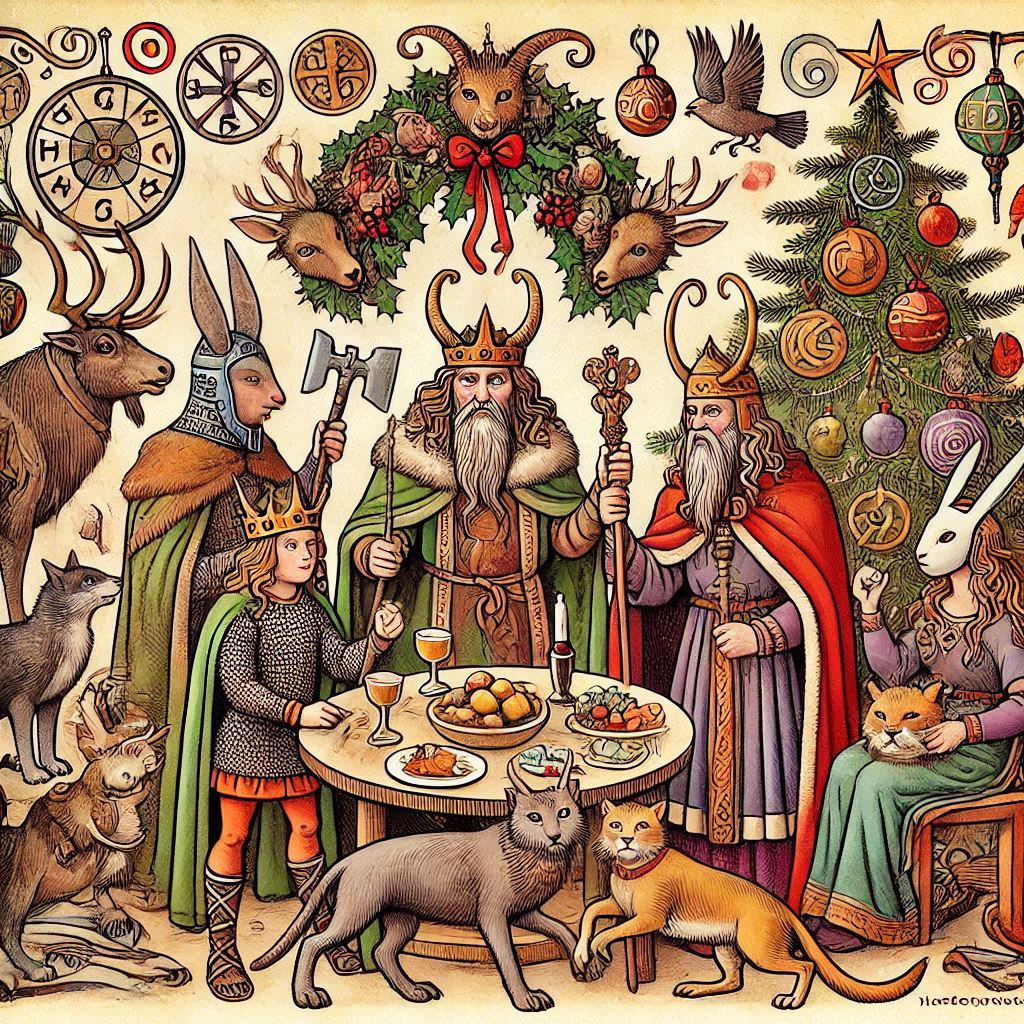
At the heart of the Silly Feast lies a delightful spectacle—the gathering of friends and family bedecked in animal-themed disguises. Laughter cascades through the air as the boundaries between species blur, and the spirit of the animal kingdom mingles with the human realm. It’s a joyous expression of the extraordinary within the ordinary, a celebration where the wild and whimsical converge.

As the Silly Feast ensues, the air becomes tinged with excitement and anticipation. Gifts are exchanged, each one wrapped in the spirit of surprise and delight. Yet, the revelry doesn’t stop there. In a charming twist, two individuals are chosen to embody the roles of the Lord of Misrule and the Loyal Queen. This playful role reversal adds an extra layer of merriment, creating a dynamic where the expected becomes the unexpected, and joy reigns supreme.

Against the backdrop of animal disguises and festive roles, the Silly Feast unfolds with a symphony of laughter. It’s laughter that transcends the ordinary, echoing through the spaces between the disguised revelers. The air is charged with the energy of shared joy and camaraderie, creating an atmosphere where memories are not just made but etched into the collective tapestry of the gathering.

As the Silly Feast draws to a close, what remains are not just the echoes of laughter but cherished moments that will be carried forward into the coming year. The inversion of norms, the joyous disguises, and the playful role reversals become threads woven into the fabric of shared memories. These moments of lighthearted revelry serve as a reminder that, during life’s seriousness, there exists a space for unbridled joy and delightful surprises.

In the Silly Feast, the ordinary becomes extraordinary, and the expected takes a delightful detour into the realm of the unexpected. It’s a celebration that transcends the boundaries of everyday life, inviting all participants to revel in the joyous liberation of laughter, gift-giving, and the whimsical dance of role reversals. As the festivities unfold, the Silly Feast becomes a testament to the transformative power of joy—a joy that lingers, creating a radiant tapestry of memories for the year that lies ahead.

Animal Attributes and Symbolic Masks: A Tapestry of Meaningful Choices

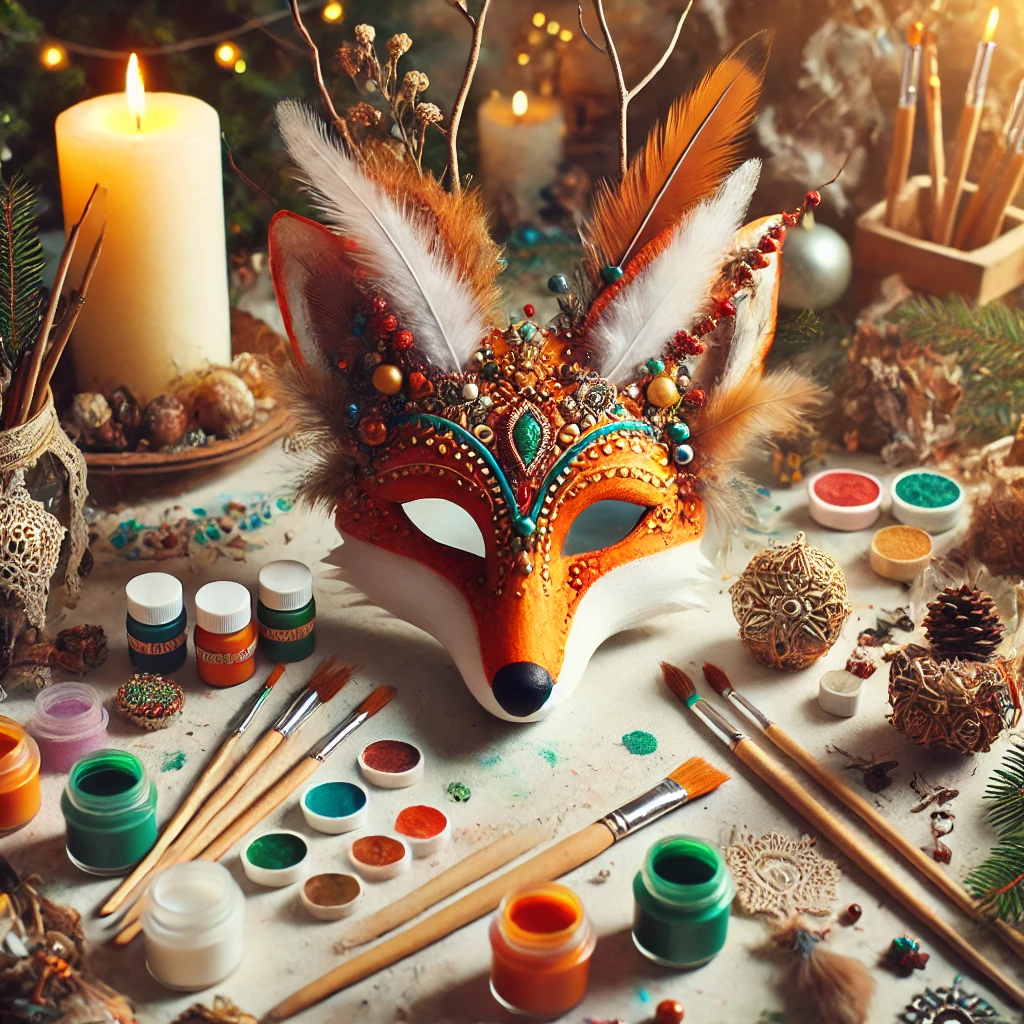
In the vibrant tapestry of the Silly Feast, the creation of animal masks or ornaments becomes a profound and personalized expression of aspirations for the coming year. Each animal is chosen for its symbolic attributes, weaving a narrative of qualities one wishes to cultivate. The choices are not just vast; they are laden with meaning and intention, creating a rich and meaningful tableau:

Bear: Strength, Power, Connection to the Earth

The bear, a symbol of strength and power, embodies a profound connection to the earth. Choosing the bear signifies a quest for inner strength, resilience, and a grounded connection to the world.

Wolf: Fierceness, Loyalty, Collaboration

Wolves, known for their fierce nature and unwavering loyalty to the pack, are chosen to signify a commitment to fearlessness, loyalty in relationships, and collaboration with others.

Fox: Cunning, Trickster, Problem-Solving

The fox, a cunning and clever creature, represents the art of strategic thinking, adaptability, and the ability to navigate challenges with a touch of playful trickery.

Mink: Playfulness, Adaptability, Quick Thinking

Minks, with their playful demeanor and adaptability, symbolize the importance of embracing playfulness, adapting to change, and thinking on one’s feet.

Seal: Mystery, Joy, Feminine Magic

Seals, creatures of mystery and joy, carry the essence of feminine magic. Choosing the seal signifies an embrace of the mysteries of life, finding joy in the unknown, and connecting with feminine energy.

Boar: Power, Wealth, War

The boar, sacred to Freyja and Freyr, represents power, wealth, and the spirit of war. Choosing the boar signifies a desire for personal strength, prosperity, and the courage to face life’s battles.

Horse: Cooperation, Adventure, Support

Horses, known for their cooperative nature and sense of adventure, symbolize a commitment to collaboration, a spirit of adventure, and the importance of providing and receiving support.

Rabbit: Caution, Fertility, Abundance

Rabbits, with their cautious nature and associations with fertility, signify a desire for careful planning, the abundance of life’s blessings, and the fertility of creative endeavors.

Cat: Independence, Silence, Ferocity

Cats, symbols of independence and silent observation, represent a quest for self-reliance, the power of silence, and the ferocity needed to protect what matters.

Snake/Dragon: Transformation, Secret Knowledge

Snakes and dragons, with their transformative symbolism and association with secret knowledge, represent a commitment to personal transformation and the pursuit of hidden wisdom.

Deer: Authority, Self-Sacrifice

Deer, embodying authority, and the spirit of self-sacrifice, signify a dedication to responsible leadership and the willingness to make sacrifices for the greater good.

Raven: Magic, Communication, Perception

Ravens, messengers in mythology, symbolize magic, effective communication, and heightened perception. Choosing the raven signifies a desire for magical moments, clear communication, and keen awareness.

Falcon: Spiritual Messenger, Travel

Falcons, as spiritual messengers and symbols of travel, represent a connection to the spiritual realms and a desire for meaningful journeys, both physical and spiritual.

Goat: Hearty, Persistent, Ambitious, Lusty

Goats, known for their hearty nature, persistence, ambition, and a touch of lustiness, signify a pursuit of robust health, determined ambition, and a zest for passionate living.

In the artistry of selecting and crafting these symbolic masks or ornaments, individuals embark on a personal journey of self-discovery and intentional living, weaving the desires of the heart into the fabric of the year to come. The Silly Feast, adorned with these representations, becomes not just a celebration but a profound expression of individual and collective aspirations.

The Yule Tree: A Living Tapestry of Gratitude

Amidst the merriment of the fourth day of Yule, a cherished tradition takes center stage—the setting up of the Yule Tree. In this festive ritual, the Yule Tree becomes not just a symbol of seasonal cheer but a living tapestry of gratitude, weaving together the threads of blessings and shared moments from the year gone by.

Rooted in ancient Pagan traditions, the Yule Tree has traversed the corridors of time, maintained its significance and evolved into a central emblem of Yuletide celebrations. Once an outdoor live tree adorned with candles, it has now found a place within our homes, bringing nature’s vitality into the heart of our festivities.

As the Yule Tree takes its place of honor, it transcends mere decoration; it becomes the symbolic Tree of Life. Each branch, a testament to the interconnectedness of all things, and each needle, a reminder of the evergreen spirit that persists even in the coldest of winters. It stands as a living metaphor, mirroring the cycles of life, death, and rebirth that dance through the seasons.

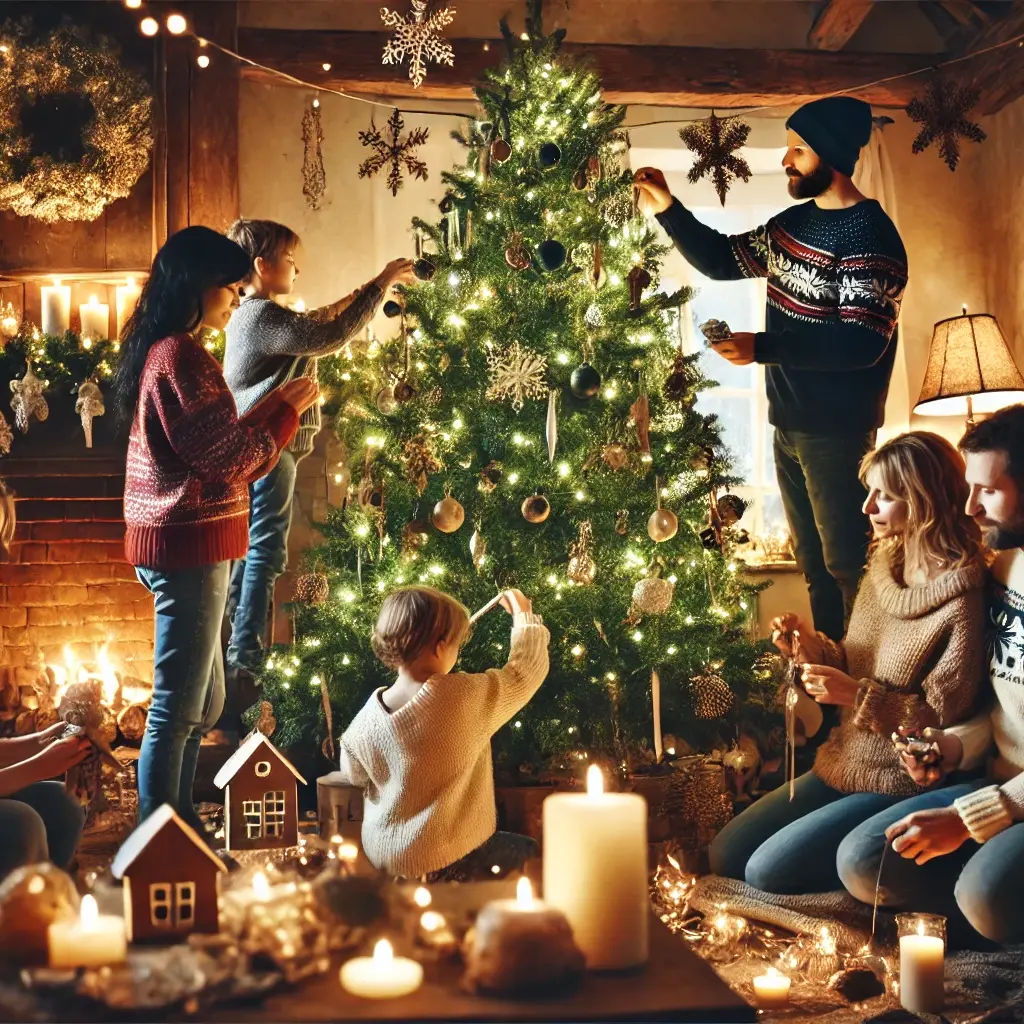
The act of decorating the Yule Tree is no mere task; it’s a communal endeavor steeped in meaning. Strings of lights, reminiscent of the celestial bodies that have guided humanity through the ages, replace the traditional candles, ensuring safety while preserving the symbolism. As ornaments are delicately placed, each one becomes a vessel carrying a cherished moment, a blessing, or a shared joy from the passing year.

In the soft glow of Yuletide lights, take a moment to reflect on the blessings that have graced your life. The Yule Tree becomes a mirror reflecting the abundance of moments that have shaped the year. It’s a visual journey through the tapestry of experiences—some grand, others subtle—each contributing to the mosaic of gratitude.

The Yule Tree, now adorned with the collective reflections of those who partake in its decoration, transforms into a visual expression of thanks. It’s not merely a festive ornament but a radiant testament to the richness of shared experiences. As you stand in the presence of this arboreal masterpiece, you stand amidst a forest of memories, each bauble and light a marker of moments that have defined the passage of time.

In the glow of Yuletide, the Yule Tree stands not just as a beacon of festive brilliance but as a living embodiment of gratitude. The blessings of the year, woven into every bough and hanging ornament, create a radiant spectacle—a testament to the enduring spirit of thankfulness that transcends seasons and binds us in the warmth of shared memories.

Counting the Blessings: Wish Ornaments

As the revelry of the fourth day of Yule reaches its zenith, a poignant tradition takes center stage—the crafting of “Wish Ornaments.” Beyond being mere decorative elements, these ornaments crafted from salt dough or other materials carry the profound weight of aspirations, hopes, and dreams for the coming year.

Homemade Artistry

The crafting process is an artistry of its own. Whether shaped from salt dough, sculpted from clay, or fashioned from other materials, each ornament is a testament to the creativity and intention infused into its form. The tactile act of creation becomes a ceremonial expression, setting the stage for the wishes that will soon adorn these small, tangible canvases.

Please see our Wish Ornaments Article, for a salt dough recipe and tips.

Symbols of Hope and Dreams

Upon each ornament, symbols are carefully etched or molded symbols that encapsulate the collective desires of those gathered. These could range from simple yet powerful icons representing hope, resilience, and growth to intricate designs weaving in personal aspirations and shared dreams. Each stroke and curve on these small creations carries the weight of collective intention.

The magic of the Wish Ornaments lies not just in their visual appeal but in the spoken wishes that accompany their creation. As each ornament takes shape, wishes for prosperity, joy, love, and personal growth are spoken aloud, infusing the very essence of the ornaments with the energy of aspirations. These spoken words echo through time, creating a resonance that lingers in the air long after the crafting is complete.

Adorning the Yule Tree

The culmination of this heartfelt crafting process comes as the Wish Ornaments find their place among the branches of the Yule Tree. It’s not a mere act of decoration but a deliberate placement, a conscious integration of hopes into the tapestry of Yuletide celebrations. The Yule Tree, now adorned with these tangible wishes, becomes a living testament to the collective vision of a brighter, more fulfilling future.

As the festivities unfold, and the Yule Tree becomes a beacon of light, the Wish Ornaments stand out as beacons of hope. Each time the soft glow of Yuletide lights catches on the surface of these ornaments, it serves as a gentle reminder of the shared dreams, goals, and aspirations that bind those present. These tangible tokens become more than ornaments; they become symbols of a community’s collective vision for the days and months to come.

The moment of hanging the Wish Ornaments is not just a decorative act but a symbolic unveiling of shared desires. It’s a ceremonial gesture, marking the fusion of individual aspirations into a cohesive narrative of hope. The Yule Tree, now aglow with these tangible representations of dreams, stands as a beacon, radiating the collective energy of a community counting its blessings and looking forward to the promises of the future.

Conclusion

As the Silly Feast draws to a close, and the Yule Tree stands adorned with Wish Ornaments, the fourth day of Yule becomes a testament to the joyous spirit of the season. In honoring Loki and Sigyn, the Lord of Misrule and his Loyal Queen, we partake in a mythic harmony that mirrors the dance of chaos and order. The laughter that echoes in the air during the Silly Feast becomes a symphony, harmonizing with the animal-themed disguises and the joyous exchange of gifts. The Yule Tree, now a symbol of gratitude, stands as a visual expression of collective blessings, each Wish Ornament a tangible representation of shared dreams and aspirations. As we count our blessings and weave them into the fabric of this joyous season, we embrace the promise of a new year, illuminated by the glow of Yuletide lights and the shared hope encapsulated in every crafted ornament. In this tapestry of laughter, dreams, and shared festivities, we find not just the conclusion of a day but the continuation of a timeless celebration that resonates through the hearts of those who gather in the warmth of Yule’s embrace.Top of Form

Posted on Leave a comment

Freyr: The Fertility God of Lammas

Freyr LammasReading Time: 10 minutes
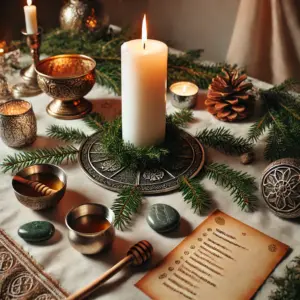
Freyr Lammas

Introduction

Freyr: The Fertility God of Lammas

Lammas is a significant festival celebrated in many cultures around the world. It marks the beginning of the harvest season, a time when the fields are ripe with golden grains and the fruits of the earth are ready for gathering. Among the deities associated with Lammas, one stands out as a symbol of fertility, abundance, and prosperity: Freyr, the Norse god of agriculture and harvest

Freyr: The Norse God of Fertility and Prosperity

Freyr, the Norse god of fertility and prosperity, holds a significant place in the realm of Norse mythology. Born as the son of the sea god Njord and the giantess Skadi, Freyr assumes a central role in overseeing the abundant aspects of nature, ensuring the flourishing growth of crops, the fertility of livestock, and the overall prosperity of the land. His divine presence radiates warmth and abundance, casting a benevolent light upon the realms he governs.

Radiant Beauty and Sacrifice

Freyr’s Divine Presence

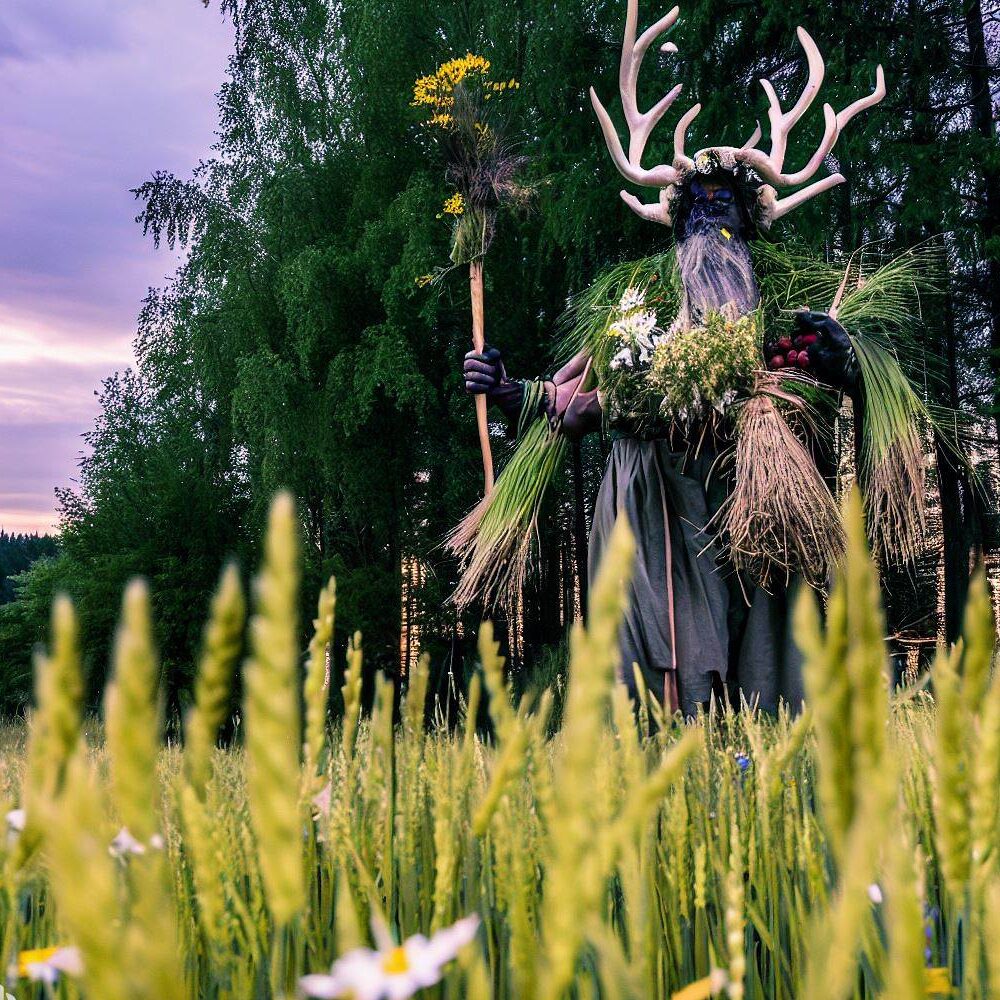
Depicted as a handsome and radiant figure, Freyr captivates with his divine beauty and charm. His radiant aura symbolizes the vitality and vibrancy that accompany fertility and prosperity. With his magical sword in hand, which he acquired through a selfless sacrifice of one of his own teeth, Freyr exemplifies the willingness to give up something precious for the sake of the harvest. This act serves as a testament to his dedication and commitment to ensuring the well-being and abundance of the earth.

Overseeing Prosperity

Freyr, the God of Fertility

As the god of fertility, Freyr’s responsibilities encompass a wide range of bountiful aspects of nature. From the growth of crops to the fertility of livestock, Freyr oversees the cycles of life that sustain communities and foster prosperity. Farmers and cultivators turn to Freyr, invoking his blessings to ensure favorable weather, fruitful harvests, and the health and well-being of their livestock. His presence during the agricultural seasons brings reassurance and hope, as his divine influence brings forth abundance and prosperity to those who honor him.

Embodying Abundance

Freyr’s Influence in All Aspects of Life

Freyr’s role as the deity of fertility goes beyond the physical realm of crops and livestock. He embodies the concept of prosperity in its entirety, extending his blessings to all aspects of life. The essence of Freyr’s divine energy resonates with individuals seeking abundance and prosperity in their personal and professional endeavors. Whether one seeks success in agriculture, business ventures, or personal growth, Freyr’s influence serves as an inspiration to embrace the qualities of fertility, prosperity, and abundance.

In Norse mythology, Freyr holds a revered place as the bringer of fertility and prosperity. His radiance and generosity bring forth the bountiful blessings of the land, ensuring the well-being and sustenance of communities. Through his presence, he imparts the significance of nurturing and sustaining the earth, cherishing the cycles of life, and embracing the abundance that surrounds us. Freyr’s legacy as the god of fertility and prosperity endures, reminding us of the interconnectedness between humans and the natural world and the importance of honoring and celebrating the blessings bestowed upon us.

Freyr’s Influence at Lammas

Blessing the Harvest

Freyr’s influence reaches its peak during the celebration of Lammas, a festival of great significance in Norse tradition. Lammas, observed on August 1st, marks the moment when the first grains are ready to be harvested, signaling the beginning of the fruitful season. As the god of fertility and prosperity, Freyr’s presence during this festival is especially pronounced, as he is invoked to bless the crops and ensure a successful harvest.

Expressing Gratitude and Seeking Favor

The Significance of Offerings at Lammas

Lammas serves as a time of gratitude and celebration, where communities gather to express their appreciation for the abundance of the land. In honor of Freyr, prayers and offerings are presented, seeking his favor and protection for the agricultural endeavors that sustain their livelihoods. These offerings may include freshly harvested grains, fruits, and flowers, symbolizing the fruits of their labor and the interconnectedness between humans and the natural world.

Unity and Reverence

Rituals and Customs to Invoke Freyr’s Blessings

The rituals and customs observed during Lammas are intended to invoke Freyr’s blessings and ensure a prosperous harvest. Communities come together in joyful unity, sharing feasts, songs, and dances as they express their reverence for the bountiful gifts of the earth. Through these rituals, the people recognize the vital role that Freyr plays in their agricultural pursuits and acknowledge the importance of maintaining a harmonious relationship with the land.

Seeking Guidance and Protection

Prayers for a Prosperous Harvest

During Lammas, individuals and communities also seek Freyr’s guidance and protection for the challenges that lie ahead. They offer heartfelt prayers, expressing their hopes for favorable weather conditions, fertile soil, and a bountiful yield. Through these acts of devotion, they demonstrate their trust in Freyr’s benevolence and his ability to nurture the land and ensure its continued fertility.

Infusing Lammas with Anticipation and Gratitude

Freyr’s Influence and the Cycles of Life

As the festival of Lammas unfolds, the presence of Freyr infuses the atmosphere with a sense of anticipation and gratitude. His influence during this time serves as a reminder of the cyclical nature of life, where the harvest represents not only the tangible fruits of the earth but also the abundant blessings that sustain and nurture the community. Through the invocation of Freyr’s blessings, the people express their commitment to the cycles of nature and their deep connection to the land that provides for their well-being.

Lammas stands as a testament to the enduring reverence for Freyr and the importance of honoring the divine forces that govern the fertility of the earth. It serves as a reminder of the interdependence between humans and the natural world, inspiring individuals to cherish and protect the precious resources that support their existence.

Lammas Rituals and Offerings to Freyr

Symbolizing Fertility and Connection to the Land

Rituals and customs associated with Freyr hold a significant place during the celebration of Lammas. As this festival unfolds, people engage in various practices to honor and invoke the blessings of Freyr, the Norse god of fertility and abundance. One such custom involves the creation of decorative cornucopias or corn dollies, which serve as symbolic representations of the fruitful harvest.

Symbolic Creations

The Intricate Craftsmanship of Cornucopias and Corn Dollies

These intricate cornucopias or corn dollies are meticulously crafted using grain stalks and other natural materials. The process of their creation holds deep symbolism, emphasizing the interconnectedness between Freyr, the land, and the cycles of life. By weaving together, the very essence of the harvest, these offerings embody the blessings and abundance that Freyr brings forth.

The Reverential Procession

Carrying Corn Dollies Through the Fields

In some traditions, these corn dollies are paraded through the fields, carried by individuals who are filled with gratitude for the fertile earth. This procession serves as a ceremonial act, where the corn dollies are shown to the fields, symbolically bestowing blessings upon the crops and invoking Freyr’s favor. It is a moment of reverence and acknowledgment, as the community recognizes the vital role that Freyr plays in the sustenance and prosperity of their agricultural endeavors.

Inviting Blessings

Placing Corn Dollies on Altars and in Homes

Following the procession, the corn dollies find their place on the altar or are hung in homes. Placing them in these sacred spaces is believed to invite the presence of Freyr and his blessings into the household. The corn dollies become focal points of devotion and serve as a constant reminder of the interconnected relationship between humans, the land, and the benevolent forces of nature.

Gratitude and Reciprocity

Tangible Expressions of Devotion during Lammas

Throughout Lammas, these rituals, and offerings to Freyr serve as tangible expressions of gratitude and reverence. They serve as acts of reciprocity, acknowledging the role that Freyr plays in ensuring a bountiful harvest and a prosperous livelihood. By engaging in these customs, individuals and communities deepen their connection with the divine and reaffirm their commitment to harmoniously coexist with the cycles of nature.

Lammas rituals and offerings to Freyr stand as a testament to the enduring reverence for this deity and the timeless importance placed on the fertility and abundance of the land. These sacred practices provide a profound opportunity for individuals to come together, express gratitude, and seek the blessings of Freyr, ensuring a successful harvest and the continuation of prosperity for the community.

Freyr’s Association with Livestock and the Symbolism of the Boar

Freyr, the god of fertility, holds a significant association with not only the growth of crops but also the prosperity of livestock. Farmers and animal husbandry practitioners turn to Freyr for his aid in ensuring the well-being and abundance of their animals. In Norse mythology, Freyr’s connection to livestock is exemplified through his special bond with the boar, a powerful symbol of abundance and virility.

The Symbolic Importance of the Boar

Representing Vitality and Abundance in Freyr’s Worship

The boar, an animal revered for its strength and fertility, holds great symbolic importance in the worship of Freyr. It represents the vitality and abundance that Freyr brings to all aspects of life, including the welfare of livestock. The boar’s energetic spirit and virility embody the essence of Freyr’s divine power, emphasizing his role as a provider of prosperity and abundance.

Harvest Home

Honoring Freyr with Sacrificial Boars for Prosperity and Blessings

During the festival of Harvest Home, which predates Lammas, boars were offered as sacrificial animals to honor Freyr and invoke his blessings for a fruitful year ahead. These offerings were a solemn tribute to Freyr’s connection with livestock and an expression of gratitude for his role in ensuring their health and prosperity. By sacrificing the boars, farmers sought to establish a harmonious relationship with Freyr and secure his benevolent influence over their animals.

The Deeper Significance of Offering Boars

Acknowledging Interdependence and Divine Guidance

The act of offering boars to Freyr during Harvest Home held a deeper significance beyond the physical sacrifice itself. It was a symbolic gesture that acknowledged the interdependence between humans, animals, and the divine. By offering the boars, farmers demonstrated their understanding of the cyclical nature of life and their reliance on Freyr’s divine guidance for a prosperous future.

Symbolism of Boar Sacrifice

Establishing Harmony and Commitment to Fertility and Abundance

The boar’s symbolism as a sacrificial offering to Freyr reflects the ancient belief that through this act, the gods’ favor would be gained, and blessings would flow abundantly upon the livestock and agricultural endeavors. The offering of boars to Freyr represented the commitment and devotion of the community to maintaining a harmonious balance with the natural world and honoring the divine forces that govern fertility and abundance.

Modern Relevance

Freyr’s Association with Livestock for Prosperity and Well-being

In modern interpretations, Freyr’s association with livestock and the boar resonates with those seeking prosperity and well-being for their animals and agricultural ventures. Individuals who work with livestock and engage in animal husbandry may invoke Freyr’s blessings, seeking his guidance and protection for the health, fertility, and overall prosperity of their herds.

Freyr’s connection with livestock and the symbolism of the boar highlight the depth and breadth of his role as a fertility deity. Through his association with livestock, he extends his benevolent influence on all aspects of agricultural life, ensuring the prosperity and abundance of both crops and animals. As individuals and communities honor Freyr and seek his favor, they recognize the vital role he plays in nurturing and sustaining the well-being of livestock and the agricultural community.

Freyr’s Significance in Modern Interpretations

Invoking Abundance and Prosperity

In modern times, Freyr’s significance extends beyond the realms of ancient mythology and finds relevance in the lives of individuals seeking abundance and prosperity. As a fertility god, Freyr embodies the essence of growth, vitality, and success, making him a powerful symbol for those pursuing their aspirations and endeavors.

Freyr’s Influence in Agriculture

Blessing Crops and Nurturing the Land

One area where Freyr’s influence is particularly felt is in agriculture. Farmers and cultivators, aware of the cyclical nature of the harvest and the importance of fertility in their fields, invoke Freyr’s energy to bless their crops. They seek his guidance in achieving favorable weather conditions, fruitful yields, and overall success in their agricultural pursuits. Freyr serves as an inspiration, encouraging farmers to nurture the land, work in harmony with nature, and embrace the qualities of fertility and abundance.

Freyr’s Role in Business Ventures

Fueling Growth and Prosperity

Beyond agriculture, Freyr’s presence resonates in the realm of business ventures. Entrepreneurs and individuals engaged in commercial endeavors invoke Freyr’s energy to bring forth growth and prosperity in their enterprises. They draw inspiration from his divine qualities, tapping into his radiance and abundance to fuel their own ambitions. Freyr’s influence encourages individuals to take bold steps, make sacrifices, and cultivate a mindset of abundance, ultimately striving for success in their chosen fields.

Freyr’s Guidance in Personal Endeavors

Manifesting Abundance and Fertility

Moreover, Freyr’s significance is not limited to professional pursuits. In personal endeavors, individuals turn to Freyr for inspiration and guidance. They invoke his energy to bring fertility and abundance into their lives, whether in relationships, creative pursuits, or personal growth. Freyr represents the power of manifestation and the belief in the abundance of opportunities and resources available to them. By connecting with Freyr’s energy, individuals tap into their own inner potential, fostering growth, success, and fertility in all areas of their lives.

The essence of Freyr as a fertility god continues to resonate in modern interpretations because it addresses a universal human desire for abundance and prosperity. Whether it is in agriculture, business ventures, or personal endeavors, individuals recognize the significance of Freyr’s energy in bringing forth growth, success, and fertility. By invoking his presence and embracing his qualities, individuals seek to manifest their dreams and aspirations, aligning themselves with the forces of abundance and prosperity that Freyr represents.

A Celebration of Interconnectedness and Gratitude for Freyr’s Blessings

Lammas is a joyous celebration that holds deep significance in the honoring of Freyr and the recognition of our interconnectedness with the natural world. This sacred festival, observed on August 1st, marks a pivotal moment in the agricultural calendar when the first grains are ready to be harvested. It serves as a time of reflection, expressing profound gratitude for the abundance bestowed upon us by the earth and acknowledging the deities, particularly Freyr, who play a vital role in ensuring fertility and prosperity.

Embracing Interconnectedness and Nurturing the Earth at Lammas

At Lammas, as we gather to celebrate this auspicious occasion, we are reminded of the intricate web of interconnectedness that binds us to the natural world. We understand that our own well-being is intimately tied to the health and vitality of the land, the cycles of life, and the benevolent forces that govern them. Lammas serves as a gentle nudge to nurture and sustain the earth, cherishing the delicate balance of nature’s rhythms and embracing the bountiful blessings that surround us.

Gratitude and Honor

Celebrating Freyr’s Influence on Lammas

Central to the essence of Lammas is the expression of gratitude for the gifts of the earth. As we invoke the presence of Freyr, the god of fertility, we honor his divine influence in our lives and acknowledge his pivotal role in ensuring the prosperity of the land and its inhabitants. It is a time to offer heartfelt appreciation for the abundant harvests, the fruitful yields, and the sustenance that grace our tables, all made possible through Freyr’s benevolence and blessings.

Deepening Connection and Seeking Guidance

Lammas Rituals to Invoke Freyr

In celebrating Lammas, we engage in rituals and ceremonies that deepen our connection to Freyr and the cycles of nature. We weave together the threads of ancient customs and contemporary practices, recognizing the significance of these acts in fostering a harmonious relationship with the land. Through communal feasts, songs, dances, and prayers, we collectively express our reverence for the abundance that sustains us, while seeking Freyr’s continued guidance and favor.

A Call to Stewardship and Sustainable Practices

Beyond the festivities, Lammas inspires us to embody the spirit of stewardship and responsibility toward the earth. It encourages us to engage in sustainable practices, to cultivate the land with care and respect, and to cherish the diversity of life that flourishes around us. Lammas is a gentle reminder that our actions, both small and significant, have the power to influence the cycles of fertility and abundance, perpetuating the sacred bond between humans and the natural world.

As we immerse ourselves in the radiant energy of Lammas, we are invited to reflect on the blessings bestowed upon us and the role we play in sustaining the earth’s prosperity. In celebrating Freyr and the interconnectedness between humanity and nature, we deepen our appreciation for the cycles of life, nurture our relationship with the land, and embody the spirit of gratitude that resonates throughout this sacred festival.

Conclusion:

Freyr, the Norse god of fertility and prosperity, holds a significant place in the hearts and minds of those who recognize the interconnectedness between humans and the natural world. As we celebrate festivals like Lammas, we are reminded of Freyr’s benevolent presence and his role in ensuring the abundance that sustains us. Through rituals, gratitude, and a commitment to responsible stewardship, we honor Freyr’s blessings and embrace the cycles of life that nurture and nourish our existence. May Freyr’s radiant energy continue to inspire us to live in harmony with the earth, cultivating a future brimming with prosperity, abundance, and gratitude

Posted on Leave a comment

Dec 30th – The 11th Day of Yule

Idunn, Bragi, and the Joyful WassailReading Time: 9 minutes
Idunn, Bragi, and the Joyful Wassail

Introduction – Embracing Blessings

Idunn, Bragi, and the Joyful Wassail

As the eleventh day of Yule unfolds, we turn our attention to the divine couple, Idunn and Bragi, weaving a tapestry of rejuvenation and poetic inspiration. In Norse mythology, Idunn, the goddess of spring and rejuvenation, and Bragi, the god of poetry, stand as a harmonious pair, their energies interwoven like the verses of a timeless ballad.

Idunn: Guardian of Eternal Youth and Hope

In the celestial tapestry of Norse mythology, Idunn emerges as a figure of gentle grace and profound significance. Her role as the keeper of the magic apples of immortality places her at the heart of the gods’ perpetual vitality. These mystical apples, when partaken by the divine beings, bestow upon them the gift of eternal youth. In the realm of Yule, where the old gives way to the new, Idunn’s essence becomes a beacon of hope and the promise of rejuvenation.

As the embodiment of spring, Idunn brings forth the vitality and exuberance of the season. Her presence is akin to a gentle breeze, carrying with it the fragrance of blooming flowers and the whispers of new beginnings. In the cycle of nature, spring marks a period of renewal and growth, and Idunn stands as its custodian, nurturing the earth with the vitality that flows from her sacred apples.

The offerings laid at Idunn’s altar symbolize the reverence for her benevolent dominion. Apples, whether plucked from the orchard or fashioned from precious materials, become tokens of appreciation for the goddess’s eternal gift. Potted plants, in their burgeoning life, and flowers, in their delicate bloom, pay homage to the vibrant essence of nature over which Idunn holds sway. Gardening tools, symbols of tending to the earth’s fertility, further emphasize her connection to the verdant tapestry of life.

Idunn’s sanctuary is a place where the eternal meets the ephemeral, where the promise of perpetual youth intertwines with the ever-renewing spirit of spring. In honoring Idunn, we not only celebrate the timeless magic of her apples but also embrace the hopeful energy she imparts—an energy that carries us through the cycles of life with the promise of perpetual beginnings.

Bragi: Maestro of Poetic Harmony

In the symphony of Norse mythology, Bragi emerges as the god whose divine artistry weaves through the realms of poetry and music. His domain, extending into the expressive tapestry of words and melodies, marks him as the muse of skalds—the skilled poets and musicians of Viking Age culture. On this eleventh day of Yule, we turn our gaze toward Bragi, honoring his creative essence that resonates through the very fabric of artistic inspiration.

Revered by those who craft tales with the finesse of a master, Bragi finds joy in the art of poetic expression. His presence enlivens the words that spill from the pens of poets and the enchanting tunes that emanate from musical instruments. On this auspicious day, the altar dedicated to Bragi becomes a stage where musical instruments take center stage, their strings and keys resonating with the divine echoes of inspiration. Well-written books, repositories of profound stories and poignant verses, find a cherished place, embodying the spirit of intellectual creativity that Bragi fosters.

The written and spoken word, infused with passion and artistry, becomes offerings to Bragi on this day. As a storyteller of old, he appreciates the nuance and power of narrative, and so tales spun with fervor and heart take flight as tributes to this god of leisure and entertainment. The altar becomes a testament to the marriage of rhythm and rhyme, where every stroke of the pen and every chord struck on an instrument echoes the divine melody that Bragi, the maestro of poetic harmony, conducts.

In the presence of Bragi, the musings of poets and the resonances of musicians become offerings that transcend the mundane, reaching toward the sublime. On the eleventh day of Yule, as we honor Bragi, we celebrate the transformative power of words and melodies—a power that echoes through the ages, inspiring both mortal and immortal alike.

Recipes

Recipe: Yuletide Wassail

Making Yuletide Wassail
Reading Time: 2 minutesWassail is a hot, mulled punch that dates back to the Middle Ages and is associated with Yuletide festivities. In this article, you will discover how to prepare this delicious and enchanting beverage with apple cider, cranberry juice, orange juice, and various spices.

Idunn and Bragi: Nurturers of Yuletide Radiance

In the enchanting tapestry of Yule, Idunn and Bragi emerge as divine figures, each contributing a unique essence that adds to the vibrancy of the season. Idunn, the gentle keeper of the magic apples of immortality, and Bragi, the god of poetry and artistic inspiration, weave a harmonious narrative that resonates with the themes of renewal, hope, and creative expression during the Yuletide festivities.

Idunn: Guardian of Spring’s Promise

Idunn, with her association with the magic apples that grant eternal youth, embodies the promise of spring even in the heart of winter. Her role as the keeper of these rejuvenating fruits aligns with the spirit of regeneration that Yule heralds. As the days begin to lengthen, Idunn’s presence signifies the awakening of life and the anticipation of the verdant season to come. In the offerings of apples, flowers, and symbols of nature, we honor Idunn’s custodianship over the essence of spring, infusing the Yule celebrations with her gentle and nurturing energy.

Bragi: Inspirer of Artistic Splendor

Bragi, the poetic muse and god of artistic expression, connects Yule to the creative forces that stir during the winter months. In the quieter, reflective moments of this season, Bragi’s influence inspires poets, musicians, and storytellers. The eleventh day of Yule, dedicated to Bragi, becomes a celebration of the artistic spirit that finds solace and expression during the long nights. With musical instruments, well-written books, and passionate tales, we acknowledge Bragi’s contribution to the Yuletide festivities, recognizing the intrinsic connection between the creative arts and the winter season.

Together, Idunn and Bragi infuse Yule with a sense of renewal and artistic inspiration. As we honor these divine figures, we partake in the timeless dance of nature’s cycles and the boundless creativity that enriches the human spirit during the winter’s embrace.

Honoring Idunn and Bragi: Songs, Cheer, and Baking

The celebration of Idunn and Bragi is a festive affair, filled with songs, cheer, and the comforting aromas of baking. Musical instruments echo through the halls, as the skald’s artistry and the laughter of merriment resonate in harmony. Idunn is pleased by the offerings of apples or apple-infused creations, embodying the essence of her sacred fruit. Meanwhile, Bragi delights in the melodic tunes and the heartfelt stories shared in his honor.

Honoring Idunn: Embracing the Essence of the Sacred Apple

In the luminous tapestry of Yule, paying homage to Idunn, the gentle guardian of the magic apples of immortality, becomes a poignant act of celebration. The essence of this nurturing goddess is intimately tied to the crisp sweetness of apples, symbolizing not just the fruit itself but the promise of renewal, vitality, and eternal youth.

  • Apples: Tokens of Renewal Idunn’s delight is kindled by the humble apple. Whether real or transformed into culinary creations, these fruits symbolize the promise of spring, the cycle of rebirth, and the eternal renewal of life. Presenting apples on the altar is a gesture that transcends the physical fruit; it embodies the cyclical nature of existence and the unending potential for rejuvenation that Idunn brings to the realms of gods and mortals alike.
  • Apple-Infused Creations: Culinary Offerings To elevate the act of honoring Idunn, crafting apple-infused creations becomes a delightful expression of devotion. From pies and tarts to spiced cider and apple-scented candles, these culinary offerings mirror the essence of the sacred fruit. Each bite or sip becomes a communion with the divine, a recognition of the interconnectedness between the tangible and the symbolic.
  • Floral Tributes: Blooms of Spring’s Anticipation In addition to apples, Idunn’s altar welcomes floral tributes. Potted plants, blossoms, and gardening tools become symbols of the vibrant life that stirs beneath the surface during the winter months. These offerings extend beyond the immediate beauty of the flowers; they signify the anticipation of the coming spring, echoing Idunn’s role as the herald of renewal.

As the fragrance of apples mingles with the freshness of blooms, the act of honoring Idunn during Yule transforms into a celebration of life’s perpetual cycle. In these offerings, we echo the ageless dance of seasons, expressing gratitude for the promise of spring that resides in the heart of winter.

Honoring Bragi: An Ode to Melody and Narrative

In the radiant embrace of Yule, paying homage to Bragi, the god of poetry, unfolds as a harmonious celebration of music, literature, and the art of storytelling. Bragi, revered by skalds and musicians, finds joy in the rhythmic cadence of poetic verses and the enchanting melodies that dance through the air.

  • Musical Instruments: Instruments of Praise Bragi’s altar comes alive with the presence of musical instruments. Whether it be the lilting notes of a lyre, the soul-stirring tones of a flute, or the resonant chords of a harp, these instruments become vessels for the expression of devotion. Playing a tune for Bragi becomes a sacred act, an offering of the melodic language that speaks directly to the soul.
  • Well-Written Books: Homage to Literature The written word holds a special place on Bragi’s altar. Well-written books, filled with impassioned prose, poetry, and tales, are tokens of admiration for the god of poetry. Each carefully chosen volume is a testament to the enduring power of narratives and the written art form that Bragi so ardently cherishes.
  • Words of Poetry and Song: Spun with Passion On the eleventh day of Yule, the air becomes a canvas for the spoken and sung word. Words of poetry, spoken with passion, and songs that echo with emotion become offerings to Bragi. In the flickering glow of Yule lights, the stories told and the verses recited become a symphony of appreciation for the god of leisure and entertainment.

As we honor Bragi, we weave a tapestry of melody and narrative, inviting the spirit of poetic inspiration into our homes. In the rustling pages of well-loved books and the resonant chords of musical instruments, we find a communion with the divine, expressing gratitude for the enduring magic of words and music that transcend the boundaries of time.

Wassailing: A Joyful Tradition of Blessings

As the eleventh day of Yule unfolds, a time-honored tradition takes center stage—Wassailing, an enchanting practice deeply rooted in the tapestry of Anglo-Saxon culture. Wassail, a hot and spiced mulled drink, becomes the elixir of goodwill, symbolizing the collective hope for a bountiful apple harvest and an auspicious year ahead.

Wassailing involves a delightful ritual of encircling a fruit tree, forming a harmonious circle that mirrors the interconnectedness of nature and the community. As participants join hands, their collective energy resonates with the life force of the tree, fostering a sense of unity with the orchard and the land. This communal act becomes a dance of celebration, a joyful acknowledgment of the cyclical nature of life.

With the circle formed, voices rise in song, echoing through the winter air with melodies that speak of joy, hope, and gratitude. The songs, crafted with love and shared in unity, become offerings to the spirits of the orchard, awakening the dormant energies of the trees and inviting blessings for a fruitful harvest. In this shared chorus, the essence of Wassailing transcends the mere act of singing—it becomes a heartfelt conversation with nature.

In a gesture of communal generosity, pieces of toast soaked in Wassail are placed in the branches of the fruit tree. This offering is not just for the enjoyment of our avian friends but serves as a symbolic act of gratitude to the spirits that watch over the orchard. The toast, drenched in the warmth of Wassail, becomes a token of appreciation for the interconnected web of life, where humans, nature, and the divine coexist.

As the sweet aroma of Wassail fills the air and the songs of celebration linger in the winter breeze, Wassailing becomes a bridge between the human realm and the spirit of the orchard. It is a tradition that transcends time, weaving together the threads of the past, present, and future—a joyful celebration of nature’s abundance and a fervent prayer for prosperity in the cycles yet to unfold.

Inviting Prosperity: Symbols of Luck in the New Year

In the intricate dance between tradition and belief, the eleventh day of Yule heralds the arrival of symbols believed to usher in prosperity, positivity, and good fortune as the new year beckons. Across cultures and traditions, various tokens and charms are embraced, each carrying its unique resonance of luck and positive energy.

  • Elephants: Guardians of Prosperity Tiny elephant ornaments, with their trunks raised in a gesture of triumph, find their place as guardians of prosperity. Symbolizing strength, wisdom, and loyalty, these small pachyderms become silent sentinels, positioned strategically to invite good luck and ward off negative energies. Their presence within the home creates a harmonious atmosphere, promising a year filled with understanding, protection, and enduring fortune.
  • Fish in Aquariums: A Watery Symphony of Prosperity Within the fluid realms of aquariums, fish become more than aquatic companions—they transform into symbols of good health, prosperity, happiness, wealth, and power. As the eleventh day of Yule unfolds, tending to these underwater realms takes on a special significance. Cleaning the aquarium, changing out plants, and infusing the water with fresh energy become rituals that ensure the flow of positive vibes into the upcoming year.
  • Crystals: Jewels of Positive Vibrations The eleventh day of Yule also welcomes the radiant energy of crystals into homes. Each crystal, with its unique properties, becomes a jewel of positive vibrations. Rose quartz, known for its association with love and happiness, weaves a tender embrace of affection. Turquoise, with its calming influence, promises tranquility and balance. These crystals, strategically placed, form a sparkling network of positivity, creating an ambiance of serenity and well-being.
  • Nature’s Charms: Leaves, Clovers, and Aloe Vera Embracing the wisdom of nature, homes welcome symbols that echo peace, balance, and good fortune. Plants with rounded leaves, strategically positioned near entrances, become silent guardians of harmony. Four-leaf clovers, renowned for their rarity, are cherished as tokens of luck. Aloe Vera, with its enduring vitality, finds its place as a harbinger of positive energy, symbolizing longevity and the promise of a thriving new year.

In this symphony of symbols, the eleventh day of Yule transforms into a canvas adorned with representations of luck and positive vibrations. As each element finds its place within the home, it contributes to the creation of an environment steeped in the promise of prosperity, balance, and the enduring magic of the coming year.

Harmony, Joy, and the Magic of Renewal: A Closing Ode to the Eleventh Day of Yule

In the waning moments of the eleventh day of Yule, as Wassailing songs fade into the crisp night air and the laughter of festive cheer lingers, we stand at the threshold of renewal. Today’s activities, from honoring Idunn and Bragi to the joyous tradition of Wassailing, become more than mere rituals—they are symbolic acts of decluttering, a shedding of the old to make way for the new.

In this symphony of celebration, we have woven the blessings of Idunn and Bragi into the fabric of our homes. The promise of rejuvenation, the gentle embrace of spring’s essence, and the poetic inspiration embodied by Bragi linger in the air, infusing our spaces with timeless magic.

As we bid farewell to the eleventh day of Yule, may our homes resonate with the harmony of nature’s bounty, the joyous melodies of music, and the enduring magic of this sacred season. In the quiet moments that follow, let us carry forward the promises of luck, positivity, and renewal, ready to welcome the coming year with open hearts and the echoes of Yule’s timeless enchantment.

Posted on 2 Comments

Dec 24th – The 5th Day of Yule

Reading Time: 6 minutes
Introduction

The Enchanting Tale of the Wild Hunt and Yuletide Stockings

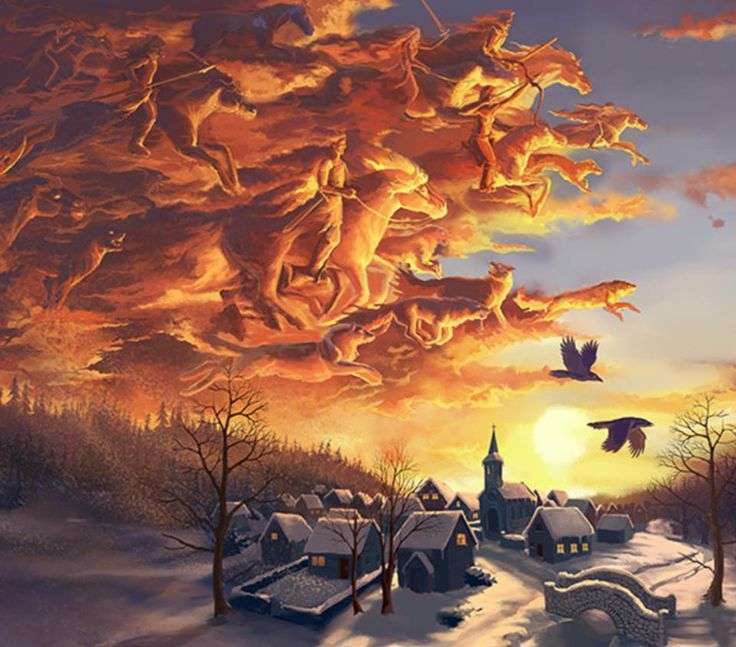
The fifth day of Yule unfolds as a mystical journey into the realms of Norse mythology, where the air is charged with the energy of the Wild Hunt led by Odin, the King of the Norse Gods. In the light of the sun, preparations are made—errands run, and hearty food is prepared, for as the sun bids farewell, the Wild Hunt takes to the sky. On this night, caution is advised, for those wandering after dark may be mistaken for Yule Spirits and spirited away by Frau Holda and Odin in the spectral cavalcade of the Wild Hunt.

Leader of the Wondrous Wild Hunt, Odin

In the rich tapestry of Norse mythology, Odin emerges as a figure of unparalleled complexity, associated with a myriad of aspects ranging from wisdom and healing to the solemnity of death and the prowess of battle. Revered as the King of the Norse Gods, Odin stands as a symbol of royalty, knowledge, victory, and the arcane arts. His divine consort, Frigg, complements his majesty, forming a celestial union that resonates through the mythic realms.
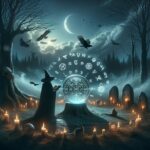
Yule, the sacred season of celebration, takes on a mystical hue under Odin’s influence. According to Norse lore, Odin, in his grandeur, leads a spectral cavalcade known as the Wild Hunt across the heavens. This ethereal hunting party, a manifestation of Odin’s divine prowess, embarks on its nocturnal journey, culminating in the enchanting eve of Christmas. In this celestial expedition, Odin assumes the name Wadon, becoming the embodiment of the Yule Being, orchestrating a cosmic dance that blurs the boundaries between the mundane and the divine.
As Yule unfolds, Odin’s presence looms large, weaving a tale of magic, wisdom, and the ever-turning wheel of existence. The skies become the canvas for his spectral hunting party, a celestial phenomenon that captivates the imaginations of those who gaze upward. The Yuletide air is charged with the energy of Odin’s mystique, inviting all to partake in the reverence and awe inspired by the King of the Norse Gods during this enchanting season.

The Wondrous Wild Hunt

The Wild Hunt, an otherworldly procession that traverses the ethereal realms, unfolds as a ghostly parade of spirits riding fiercely through the veiled night. This mystical phenomenon, steeped in ancient lore, stretches its ephemeral influence from the hallowed time of Samhain, where the boundary between our worlds begins to thin, until the enchanting eve of Yule.

As the veils separating the living from the spirit world grow translucent during this sacred season, spirits and entities traverse more freely into our realm. The Wild Hunt, a cosmic cavalcade led by Odin, becomes a conduit for these spectral beings to roam our world. Riding across the celestial tapestry, the Wild Hunt gathers these wandering entities, ushering them back to their ethereal abodes as the New Year approaches.

During this celestial ballet, it is wisely suggested to refrain from nighttime travel. The spirits, in their restless pursuit, might mistake a traveler for a wandering Yule Spirit, drawing them into the ethereal procession. The veil between worlds, thin and permeable, demands caution and respect during the night of the Wild Hunt. As the cosmic energies heighten in anticipation of the coming New Year, the air is charged with the magic of this ghostly parade, urging all to embrace the enchantment from the safety of their hearths.

Recipes

Recipe: Festive Yuletide Bread

Making Festive Yuletide Bread
Reading Time: 3 minutesFestive Yuletide Bread is a delectable bread that symbolizes abundance and celebration.

Recipe: Yuletide Hearth Stew

Making Yuletide Hearth Stew
Reading Time: 3 minutesA cozy and delicious stew that invokes the earthy and grounding energies of the season.

An Offering of Hearth and Spirits

An integral aspect of the Yuletide tapestry is the time-honored tradition of offering homage to Odin and his ethereal companions of the Wild Hunt. This ritual involves a carefully curated bounty, a gesture of reverence and celebration as the celestial cavalcade graces the night sky.

To commence this sacred offering, arrange a generous spread for the spectral steeds, the majestic companions of the Wild Hunt. Lay out a feast of carrots, apples, and straw, symbolizing sustenance and vitality for these otherworldly beings. As the huntress and hunters traverse the realms, their spectral steeds partake in this earthly tribute, forging a mystical connection between the ethereal and the tangible.

For Odin, the All-Father and King of the Norse Gods, the offerings take on a more refined essence. Present a pipe with tobacco, a nod to ancient rituals and the camaraderie shared in the luminous skies. Mead, with its honeyed richness, stands as a libation to honor Odin’s wisdom and regal stature. Alternatively, a good dry red wine, whiskey, or other spirits can be offered, each sip symbolizing a toast to the cosmic journey of the Wild Hunt.

In the spirit of Yule, a time of warmth and togetherness, it is advisable to remain snug indoors as Odin and the Wild Hunt paint trails of stardust across the night canvas. Gather in the glow of the hearth, reveling in the joy of companionship, as the celestial spectacle unfolds above. This act of offering becomes not only a tribute to the divine but a celebration of the interconnected dance between the mortal and the mystical during the enchanting nights of Yule.

Frau Holda’s Graceful Presence

In the intricate threads of Yuletide lore, Frau Holda emerges as a central figure, a Germanic goddess presiding over the hearth, winter’s embrace, the art of spinning, and the enchanting realm of magic. During the festive season, her presence is felt most keenly, woven into the fabric of the Wild Hunt and the blessings she bestows upon the earthly hearths.

Frau Holda, often depicted as an old woman traveling in a wagon, commands a spectral procession of children’s souls during the Wild Hunt. This ethereal entourage follows her as she traverses the wintry landscapes, bringing both a touch of magic and a sense of solemnity to the Yuletide nights.

As she passes over homes adorned with the remnants of Yule Log ash, Frau Holda imparts her benevolence, casting good tidings for the coming year. The Yule Log, a symbol of continuity and the enduring flame of hearth and home, becomes a vessel for her blessings. The hearths, blessed by her spectral journey, promise warmth, prosperity, and the gentle glow of familial bonds in the seasons to unfold.

Honoring Frau Holda

In homage to Frau Holda during Yule, consider engaging in activities that honor the hearth and home. Crafting a hearty stew with root vegetables or preparing whole-grain bread becomes a gesture of recognition for Frau Holda as the Lady of the House. It was said that Frau Holda would punish the lazy and reward the productive.

Beyond the culinary realm, storytelling takes on a sacred dimension during this time. Geese are sacred to Holda, some say she is the source of the storybook character Mother Goose.  Share tales that echo through the ages, tales that honor the wisdom and magic Frau Holda imparts. Engage in household activities, from cleaning to spinning, as a heartfelt homage to the goddess who blesses productivity and the harmonious rhythms of domestic life.

In weaving Frau Holda’s essence into the Yuletide celebrations, one not only honors an ancient goddess but also embraces the spirit of the season—a spirit that transcends time and connects the hearths of today with the enchantments of eras long past.

Yuletide Stockings – A Delightful Tradition

Though not intrinsically woven into the tapestry of Yule, the tradition of hanging stockings adds a delightful touch of merriment to the holiday season. This festive custom, often associated with Christmas, seamlessly integrates into the broader Yuletide celebrations, bringing joy and anticipation to the hearths of the season.

Embrace the spirit of this tradition by adorning your home with stockings, creating a visual symphony of warmth and festivity. The act of hanging stockings becomes a canvas for creativity, each stocking a unique expression of the individual or deity it represents. Personalize them with care, infusing the space with the magic of the season.

In the true spirit of inclusivity, extend the tradition to encompass not only family and friends but also the divine forces you hold dear. Craft stockings for the deities in your pantheon, paying homage with offerings symbolic of their essence. Herbs, candles, or other sacred items nestled within these stockings become tokens of reverence, weaving the divine into the fabric of your Yuletide festivities.

The origins of the stocking tradition trace back to a timeless legend, a tale that transcends cultural and religious boundaries. As the story goes, one magical night, Nicholas, in a spirit of clandestine generosity, bestowed a bag of gold down a man’s chimney. This precious gift found its way into a stocking hanging to dry over the fireplace, giving birth to the beloved legend of Santa and the Christmas stocking.

In the enchanted nights of Yule, as stockings are hung with care, the air is charged with the anticipation of shared joy and the magic of giving. The tradition, whether embraced for its cultural significance or adapted for personal spirituality, becomes a beacon of light and warmth, inviting all to partake in the universal spirit of generosity and goodwill during this festive season.

Conclusion

As the fifth day of Yule gracefully unfolds, we find ourselves immersed in the mystical tales of the Wild Hunt, guided by Odin and Frau Holda through the ethereal realms. The stockings, hung with care, become vessels of anticipation and delight, embodying the spirit of giving and the warmth of companionship. As we revel in hearty feasts, share stories, and honor ancient traditions, we forge connections that transcend time, embracing the magic of this enchanted season. May the blessings of Odin, the grace of Frau Holda, and the joy of shared stockings illuminate our homes and hearts throughout the Yuletide festivities.

Posted on Leave a comment

Dec 23rd – The 4th Day of Yule

Silly FeastReading Time: < 1 minute
Silly Feast

Introduction

Embracing the Blessings – Loki, Sigyn, and the Silly Feast

On the fourth day of Yule, the celebration takes a whimsical turn with a joyous homage to Loki, the mischievous trickster, and his steadfast partner, Sigyn. Together, they symbolize the balance of chaos and devotion, laughter and resilience, which mirrors the dynamic rhythm of life itself. This day invites us to embrace our blessings, honor adaptability, and celebrate the victories of the past year with the lighthearted traditions of the Silly Feast and the sacred presence of the Yule Tree.

The Silly Feast becomes the heart of this day—a time for laughter, revelry, and role reversals where participants don animal disguises embodying qualities they aspire to cultivate in the coming year. Loki’s playful mischief intertwines with Sigyn’s unwavering loyalty, creating an atmosphere where joy reigns supreme. Meanwhile, the Yule Tree, adorned with Wish Ornaments and tokens of gratitude, transforms into a living tapestry of shared blessings and hopes for the year ahead.

Whether you’re learning about the myths of Loki and Sigyn, preparing for the Silly Feast, or creating your own Wish Ornaments, this page offers the resources and inspiration you need to honor this lighthearted and meaningful day of Yule. Celebrate the blessings, laughter, and shared hope that define this timeless tradition, and carry its magic forward into the year ahead!

Dec 23rd – The 4th Day of Yule Resources

Deeper Knowledge

The 4th Day of Yule – Loki, Sigyn, and the Silly Feast

4th day of yule
Reading Time: 9 minutesDiscover the meaning and fun of the Silly Feast, a merry gathering where we don animal disguises and exchange gifts.

The Silly Feast

The Silly Feast
Reading Time: 2 minutesDiscover the Silly Feast, a whimsical Yuletide celebration honoring Loki and Sigyn, featuring playful and surprising dishes that embody mischief and devotion.

Ritual: Yuletide Animal Masks

Yuletide Animal Masks
Reading Time: 4 minutesCreate symbolic animal masks during Yuletide, embracing the traits and energies of sacred animals to set intentions and cultivate personal growth.

Ritual: The Yule Tree

The Yule Tree
Reading Time: 4 minutesDiscover the Yule Tree tradition, a living tapestry of beauty, symbolism, and gratitude, honoring the cycles of life, death, and rebirth during Yuletide.

Ritual: Silly Feast and Revelry

Ritual: Silly Feast and Revelry
Reading Time: 4 minutesCelebrate the spirit of playfulness on Yule’s fourth day with the Silly Feast, honoring Loki and Sigyn through laughter, role reversal, and community bonds.

Recipes

Recipe: Loki’s Hot Chocolate Surprise

Loki’s Hot Chocolate Surprise
Reading Time: 3 minutesExperience Loki’s Hot “Chocolate” Surprise, a savory broth-based digestif disguised as hot chocolate, embodying Loki’s chaos and Sigyn’s nurturing energy.

Recipe: Charlatan’s “Savory” Fruit Salad

Charlatan's Savory Fruit Salad
Reading Time: 3 minutesEnjoy Charlatan’s “Savory” Fruit Salad, a playful blend of sweet fruits, savory herbs, and tangy vinaigrette, embodying Loki’s mischief and Sigyn’s loyalty.

Recipe: Trickster’s Petite Éclairs

Trickster's Petite Éclairs
Reading Time: 3 minutesEnjoy Trickster’s Petite Éclairs, playful bite-sized treats for Yule’s Silly Feast, combining savory rosemary and goat cheese with a deceptive sweet glaze.