Posted on Leave a comment

The 4th Day of Yule – Loki, Sigyn, and the Silly Feast

4th day of yuleReading Time: 9 minutes
4th day of yule

Introduction

Loki, Sigyn, and the Silly Feast

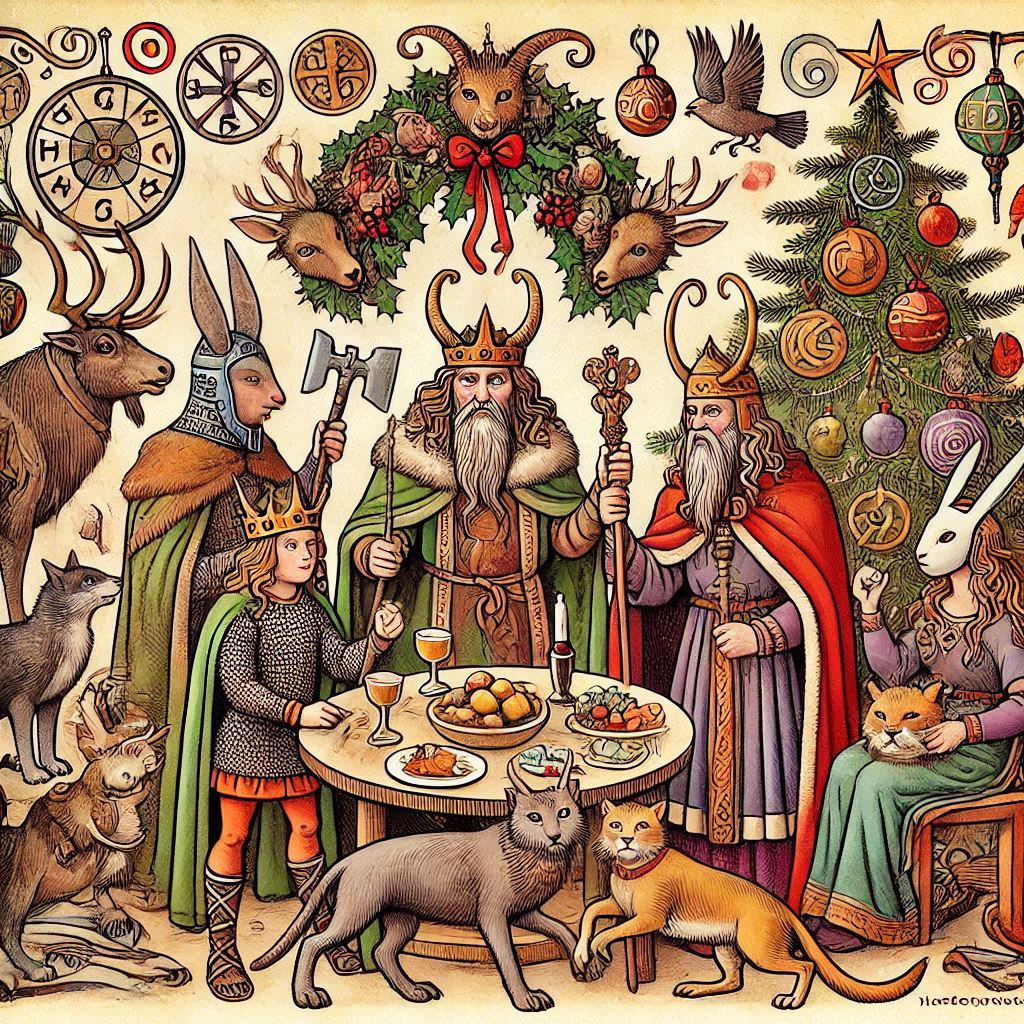
The fourth day of Yule ushers in a celebration of the year’s blessings, an occasion to honor the dynamic duo of Norse mythologyโ€”Loki, the mischievous trickster, and his steadfast consort, Sigyn. Together, they bring laughter, adaptability, and victory over life’s battles. In the spirit of revelry, a Silly Feast takes center stage, a merry gathering where participants don animal disguises embodying attributes they seek in the coming year. As the Yule Tree graces the space with its presence, adorned with Wish Ornaments and symbols of gratitude, this day becomes a tapestry woven with joy, reminiscence, and a whimsical nod to the Lord of Misrule and his Loyal Queen.

Loki and Sigyn: A Mythic Harmony Unveiled

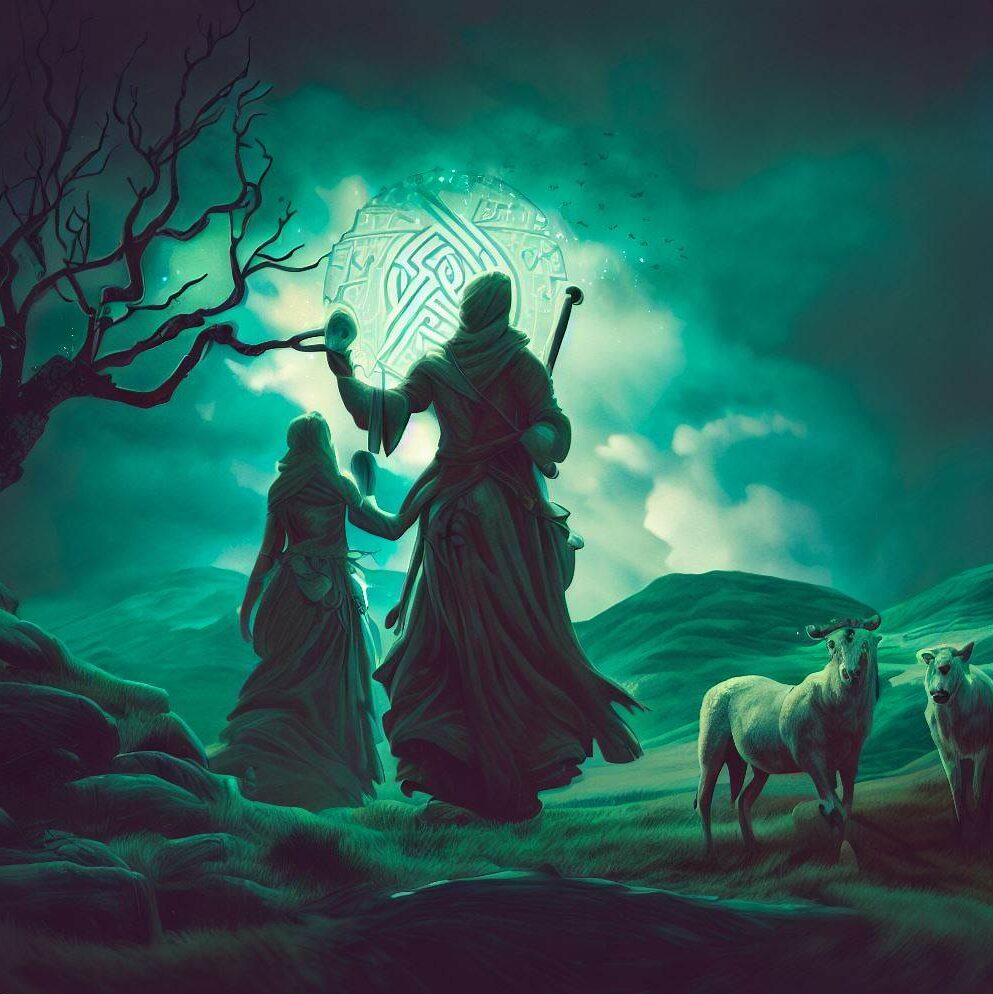
Within the intricate threads of Norse mythology, the enigmatic duo of Loki, the shape-shifting trickster, and his steadfast wife, Sigyn, unfurls a tale of mythic harmony. Before Loki’s mischievous antics took center stage, Sigyn held her own domain, a deity adorned with victories and devotion. Together, they create a dance of contrasts, a balance of chaos and order, laughter and steadfastness, echoing the intricate rhythm of life itself.

Loki’s Mischievous Alchemy

Loki, with his ever-changing forms and clever machinations, brings an alchemy of mischief to the mythic stage. His ability to challenge norms and turn the world upside down adds a dynamic unpredictability to the cosmos. In this, we find not just chaos but the potent seeds of transformation and renewal, a reminder that sometimes it takes a trickster to spark change.

Sigyn’s Steadfast Devotion

On the other side of this cosmic equation stands Sigyn, a beacon of stability and devotion. In the midst of Loki’s capricious escapades, Sigyn remains a symbol of steadfastness, offering a counterpoint to the swirling energies of change. Her devotion becomes a source of strength, a reminder that even in the face of chaos, there exists a steady anchor.

The Dance of Laughter and Victory

Together, Loki and Sigyn engage in a dance that weaves laughter and victory into the very fabric of existence. Loki’s laughter echoes through the mythic realms, challenging conventions and inviting joy into the cosmic tapestry. Meanwhile, Sigyn, with her quiet victories over life’s smaller battles, adds a layer of resilience and purpose to the narrative.

On this auspicious day, we gather to pay homage to the unique partnership of Loki and Sigyn. It’s a celebration that transcends the boundaries of mischief and devotion, embracing the harmonious interplay of contrasting forces. Loki’s chaotic laughter becomes the counterpoint to Sigyn’s steadfast victories, creating a mythic symphony that resonates through the ages.

As we honor Loki and Sigyn, we recognize the inherent balance they bring to the mythic cosmos. Loki’s chaotic dance challenges stagnation, encouraging growth and evolution. Simultaneously, Sigyn’s steadfast presence provides the necessary grounding to navigate the twists and turns of existence. In their mythic harmony, we find not just a story but a reflection of the intricate dance of life itselfโ€”a dance that invites us to embrace both the chaos and the stability, the laughter and the victories that define our journey.

Honoring Loki and Sigyn: Silly Feast and Revelry

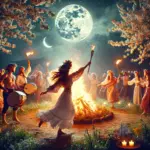
In the radiant glow of Yule’s fourth day, a whimsical transformation unfoldsโ€”a mirthful inversion of social norms known as the Silly Feast. This festive occasion is a celebration where the ordinary gives way to the extraordinary, and the mundane is cast aside for a moment of lighthearted revelry.

At the heart of the Silly Feast lies a delightful spectacleโ€”the gathering of friends and family bedecked in animal-themed disguises. Laughter cascades through the air as the boundaries between species blur, and the spirit of the animal kingdom mingles with the human realm. It’s a joyous expression of the extraordinary within the ordinary, a celebration where the wild and whimsical converge.

As the Silly Feast ensues, the air becomes tinged with excitement and anticipation. Gifts are exchanged, each one wrapped in the spirit of surprise and delight. Yet, the revelry doesn’t stop there. In a charming twist, two individuals are chosen to embody the roles of the Lord of Misrule and the Loyal Queen. This playful role reversal adds an extra layer of merriment, creating a dynamic where the expected becomes the unexpected, and joy reigns supreme.

Against the backdrop of animal disguises and festive roles, the Silly Feast unfolds with a symphony of laughter. It’s laughter that transcends the ordinary, echoing through the spaces between the disguised revelers. The air is charged with the energy of shared joy and camaraderie, creating an atmosphere where memories are not just made but etched into the collective tapestry of the gathering.

As the Silly Feast draws to a close, what remains are not just the echoes of laughter but cherished moments that will be carried forward into the coming year. The inversion of norms, the joyous disguises, and the playful role reversals become threads woven into the fabric of shared memories. These moments of lighthearted revelry serve as a reminder that, during life’s seriousness, there exists a space for unbridled joy and delightful surprises.

In the Silly Feast, the ordinary becomes extraordinary, and the expected takes a delightful detour into the realm of the unexpected. It’s a celebration that transcends the boundaries of everyday life, inviting all participants to revel in the joyous liberation of laughter, gift-giving, and the whimsical dance of role reversals. As the festivities unfold, the Silly Feast becomes a testament to the transformative power of joyโ€”a joy that lingers, creating a radiant tapestry of memories for the year that lies ahead.

Animal Attributes and Symbolic Masks: A Tapestry of Meaningful Choices

In the vibrant tapestry of the Silly Feast, the creation of animal masks or ornaments becomes a profound and personalized expression of aspirations for the coming year. Each animal is chosen for its symbolic attributes, weaving a narrative of qualities one wishes to cultivate. The choices are not just vast; they are laden with meaning and intention, creating a rich and meaningful tableau:

Bear: Strength, Power, Connection to the Earth

The bear, a symbol of strength and power, embodies a profound connection to the earth. Choosing the bear signifies a quest for inner strength, resilience, and a grounded connection to the world.

Wolf: Fierceness, Loyalty, Collaboration

Wolves, known for their fierce nature and unwavering loyalty to the pack, are chosen to signify a commitment to fearlessness, loyalty in relationships, and collaboration with others.

Fox: Cunning, Trickster, Problem-Solving

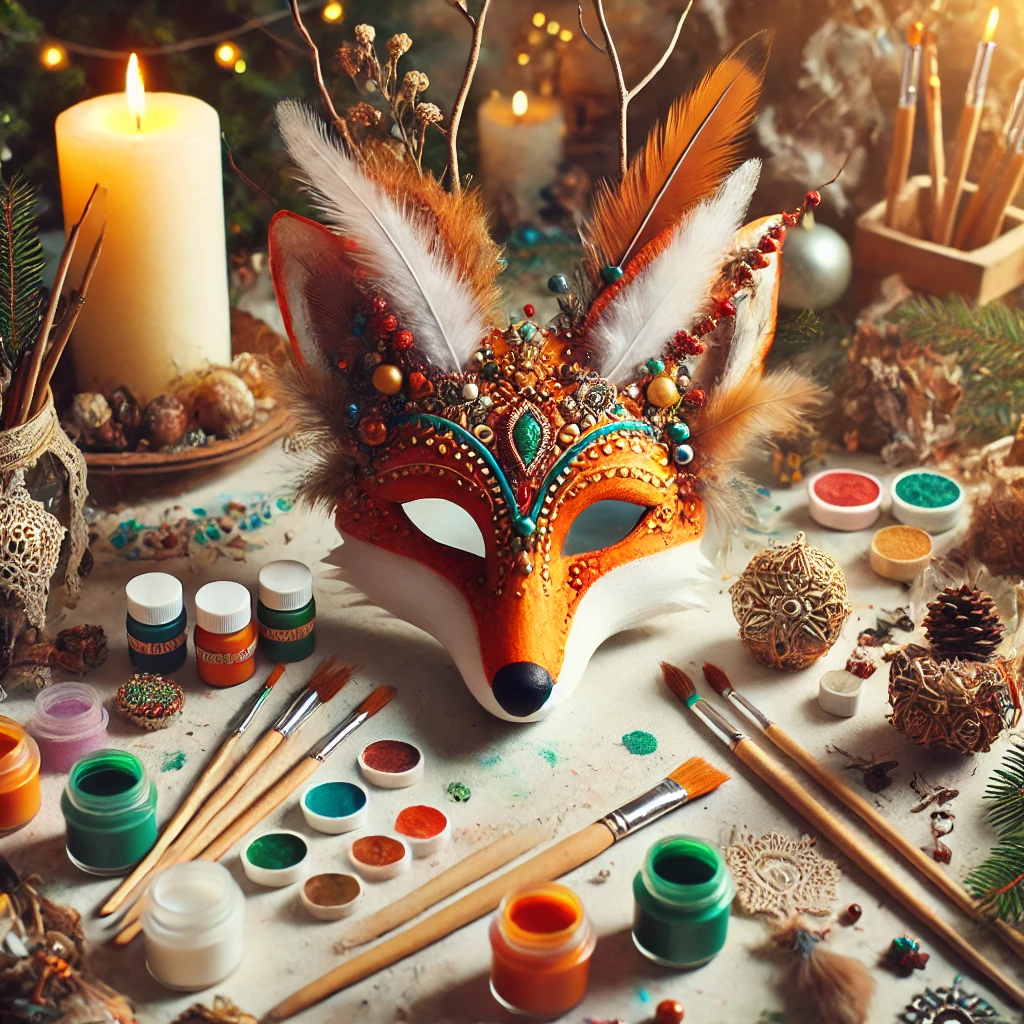
The fox, a cunning and clever creature, represents the art of strategic thinking, adaptability, and the ability to navigate challenges with a touch of playful trickery.

Mink: Playfulness, Adaptability, Quick Thinking

Minks, with their playful demeanor and adaptability, symbolize the importance of embracing playfulness, adapting to change, and thinking on one’s feet.

Seal: Mystery, Joy, Feminine Magic

Seals, creatures of mystery and joy, carry the essence of feminine magic. Choosing the seal signifies an embrace of the mysteries of life, finding joy in the unknown, and connecting with feminine energy.

Boar: Power, Wealth, War

The boar, sacred to Freyja and Freyr, represents power, wealth, and the spirit of war. Choosing the boar signifies a desire for personal strength, prosperity, and the courage to face life’s battles.

Horse: Cooperation, Adventure, Support

Horses, known for their cooperative nature and sense of adventure, symbolize a commitment to collaboration, a spirit of adventure, and the importance of providing and receiving support.

Rabbit: Caution, Fertility, Abundance

Rabbits, with their cautious nature and associations with fertility, signify a desire for careful planning, the abundance of life’s blessings, and the fertility of creative endeavors.

Cat: Independence, Silence, Ferocity

Cats, symbols of independence and silent observation, represent a quest for self-reliance, the power of silence, and the ferocity needed to protect what matters.

Snake/Dragon: Transformation, Secret Knowledge

Snakes and dragons, with their transformative symbolism and association with secret knowledge, represent a commitment to personal transformation and the pursuit of hidden wisdom.

Deer: Authority, Self-Sacrifice

Deer, embodying authority, and the spirit of self-sacrifice, signify a dedication to responsible leadership and the willingness to make sacrifices for the greater good.

Raven: Magic, Communication, Perception

Ravens, messengers in mythology, symbolize magic, effective communication, and heightened perception. Choosing the raven signifies a desire for magical moments, clear communication, and keen awareness.

Falcon: Spiritual Messenger, Travel

Falcons, as spiritual messengers and symbols of travel, represent a connection to the spiritual realms and a desire for meaningful journeys, both physical and spiritual.

Goat: Hearty, Persistent, Ambitious, Lusty

Goats, known for their hearty nature, persistence, ambition, and a touch of lustiness, signify a pursuit of robust health, determined ambition, and a zest for passionate living.

In the artistry of selecting and crafting these symbolic masks or ornaments, individuals embark on a personal journey of self-discovery and intentional living, weaving the desires of the heart into the fabric of the year to come. The Silly Feast, adorned with these representations, becomes not just a celebration but a profound expression of individual and collective aspirations.

The Yule Tree: A Living Tapestry of Gratitude

Amidst the merriment of the fourth day of Yule, a cherished tradition takes center stageโ€”the setting up of the Yule Tree. In this festive ritual, the Yule Tree becomes not just a symbol of seasonal cheer but a living tapestry of gratitude, weaving together the threads of blessings and shared moments from the year gone by.

Rooted in ancient Pagan traditions, the Yule Tree has traversed the corridors of time, maintained its significance and evolved into a central emblem of Yuletide celebrations. Once an outdoor live tree adorned with candles, it has now found a place within our homes, bringing nature’s vitality into the heart of our festivities.

As the Yule Tree takes its place of honor, it transcends mere decoration; it becomes the symbolic Tree of Life. Each branch, a testament to the interconnectedness of all things, and each needle, a reminder of the evergreen spirit that persists even in the coldest of winters. It stands as a living metaphor, mirroring the cycles of life, death, and rebirth that dance through the seasons.

The act of decorating the Yule Tree is no mere task; it’s a communal endeavor steeped in meaning. Strings of lights, reminiscent of the celestial bodies that have guided humanity through the ages, replace the traditional candles, ensuring safety while preserving the symbolism. As ornaments are delicately placed, each one becomes a vessel carrying a cherished moment, a blessing, or a shared joy from the passing year.

In the soft glow of Yuletide lights, take a moment to reflect on the blessings that have graced your life. The Yule Tree becomes a mirror reflecting the abundance of moments that have shaped the year. It’s a visual journey through the tapestry of experiencesโ€”some grand, others subtleโ€”each contributing to the mosaic of gratitude.

The Yule Tree, now adorned with the collective reflections of those who partake in its decoration, transforms into a visual expression of thanks. It’s not merely a festive ornament but a radiant testament to the richness of shared experiences. As you stand in the presence of this arboreal masterpiece, you stand amidst a forest of memories, each bauble and light a marker of moments that have defined the passage of time.

In the glow of Yuletide, the Yule Tree stands not just as a beacon of festive brilliance but as a living embodiment of gratitude. The blessings of the year, woven into every bough and hanging ornament, create a radiant spectacleโ€”a testament to the enduring spirit of thankfulness that transcends seasons and binds us in the warmth of shared memories.

Counting the Blessings: Wish Ornaments

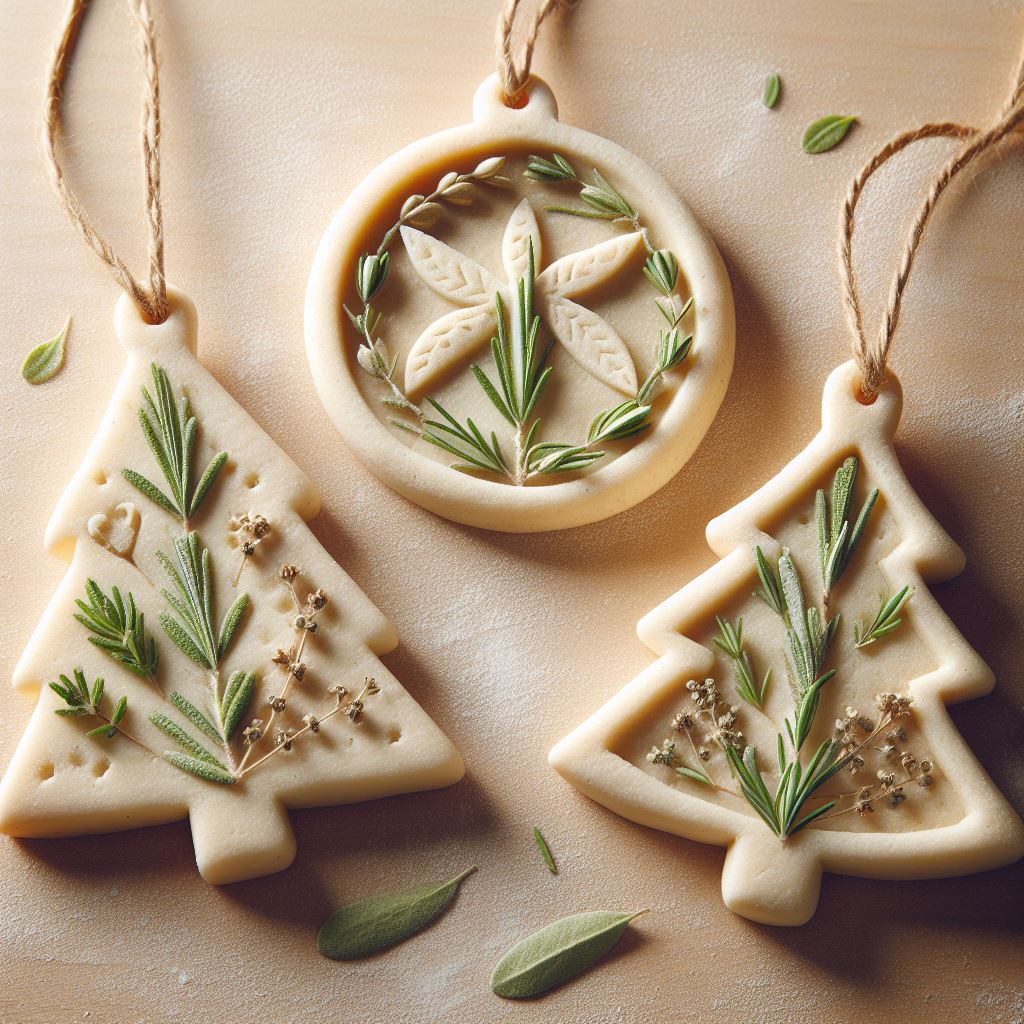
As the revelry of the fourth day of Yule reaches its zenith, a poignant tradition takes center stageโ€”the crafting of “Wish Ornaments.” Beyond being mere decorative elements, these ornaments crafted from salt dough or other materials carry the profound weight of aspirations, hopes, and dreams for the coming year.

Homemade Artistry

The crafting process is an artistry of its own. Whether shaped from salt dough, sculpted from clay, or fashioned from other materials, each ornament is a testament to the creativity and intention infused into its form. The tactile act of creation becomes a ceremonial expression, setting the stage for the wishes that will soon adorn these small, tangible canvases.

Please see our Wish Ornaments Article, for a salt dough recipe and tips.

Symbols of Hope and Dreams

Upon each ornament, symbols are carefully etched or molded symbols that encapsulate the collective desires of those gathered. These could range from simple yet powerful icons representing hope, resilience, and growth to intricate designs weaving in personal aspirations and shared dreams. Each stroke and curve on these small creations carries the weight of collective intention.

The magic of the Wish Ornaments lies not just in their visual appeal but in the spoken wishes that accompany their creation. As each ornament takes shape, wishes for prosperity, joy, love, and personal growth are spoken aloud, infusing the very essence of the ornaments with the energy of aspirations. These spoken words echo through time, creating a resonance that lingers in the air long after the crafting is complete.

Adorning the Yule Tree

The culmination of this heartfelt crafting process comes as the Wish Ornaments find their place among the branches of the Yule Tree. It’s not a mere act of decoration but a deliberate placement, a conscious integration of hopes into the tapestry of Yuletide celebrations. The Yule Tree, now adorned with these tangible wishes, becomes a living testament to the collective vision of a brighter, more fulfilling future.

As the festivities unfold, and the Yule Tree becomes a beacon of light, the Wish Ornaments stand out as beacons of hope. Each time the soft glow of Yuletide lights catches on the surface of these ornaments, it serves as a gentle reminder of the shared dreams, goals, and aspirations that bind those present. These tangible tokens become more than ornaments; they become symbols of a community’s collective vision for the days and months to come.

The moment of hanging the Wish Ornaments is not just a decorative act but a symbolic unveiling of shared desires. It’s a ceremonial gesture, marking the fusion of individual aspirations into a cohesive narrative of hope. The Yule Tree, now aglow with these tangible representations of dreams, stands as a beacon, radiating the collective energy of a community counting its blessings and looking forward to the promises of the future.

Conclusion

As the Silly Feast draws to a close, and the Yule Tree stands adorned with Wish Ornaments, the fourth day of Yule becomes a testament to the joyous spirit of the season. In honoring Loki and Sigyn, the Lord of Misrule and his Loyal Queen, we partake in a mythic harmony that mirrors the dance of chaos and order. The laughter that echoes in the air during the Silly Feast becomes a symphony, harmonizing with the animal-themed disguises and the joyous exchange of gifts. The Yule Tree, now a symbol of gratitude, stands as a visual expression of collective blessings, each Wish Ornament a tangible representation of shared dreams and aspirations. As we count our blessings and weave them into the fabric of this joyous season, we embrace the promise of a new year, illuminated by the glow of Yuletide lights and the shared hope encapsulated in every crafted ornament. In this tapestry of laughter, dreams, and shared festivities, we find not just the conclusion of a day but the continuation of a timeless celebration that resonates through the hearts of those who gather in the warmth of Yule’s embrace.Top of Form
Posted on Leave a comment

The 1st Day of Yule – Mother’s Night

Reading Time: 13 minutes

Introduction

Motherโ€™s Night, the Disir, Yuleโ€™s Eve, Frigg

As the veil between worlds grows thin and the frost-kissed winds announce the impending arrival of Yule, December 20th takes on a mystical hue. It is a night of significance, heralding the commencement of Yuleโ€™s enchantmentโ€”Motherโ€™s Night, the eve of Yule itself, where the feminine energies that cradle and empower life are celebrated in a dance with the spirits of fate and fertility.

Yule’s Eve and the Feminine Powers

In the hushed embrace of Yule’s Eve, the world prepares for a dance with enchantment. Known as Mother’s Night, this celestial prelude to Yule is a tapestry woven with threads of reverence for the feminine energies that sculpt and nurture the very fabric of our lives. As the frost-kissed winds whisper ancient tales, preparations unfold for the grandeur of Yule, a crescendo that reaches its zenith with the Winter Solstice on the 21st.

Homage to the Feminine Powers

 Yule’s Eve becomes a sacred canvas upon which practitioners paint their gratitude for the feminine forces that shape existence. It’s a celebration of the nurturing energies, both seen and unseen, that guide the cycles of life, a recognition of the mystical dance between creation and sustenance. The air is infused with a sense of anticipation as altars are adorned, spaces are consecrated, and the veil between the mundane and the magical begins to shimmer.

Commencement of Yule’s Grandeur

This eve is not merely a precursor; it’s the initiation into the grandeur of Yule. As the moon casts its silvery glow, a symphony of rituals and preparations commences. Altars dedicated to the sacred feminine are carefully arranged, each item a testament to the qualities of love, protection, and wisdom embodied by the goddesses and female spirits. Candles flicker, resonating with the flame of divine femininity, and incense weaves a fragrant tapestry in honor of the unseen forces that weave through the cosmos.

The Long Night and Magic of Yule

To fully partake in the joyous days that unfold, a good night’s rest is recommended. The coming day, marked by the Winter Solstice, is a canvas upon which the magic of Yule is painted. The Winter Solstice is a celestial spectacle, a moment when the sun’s journey seems to pause before heralding the return of light. In the longest night, magic stirs, and the practitioners, well-rested and attuned, become custodians of ancient rites.

The long night is not merely a passage of time but a tapestry of moments where the mundane and the magical coalesce. It’s a time when the sacred and the secular converge, and the boundaries between worlds thin. The practitioners, with hearts brimming with reverence, embark on a journey through the night, guided by the luminous threads of Yule’s enchantment.

A Symphony of Feminine Energy

As the world sleeps, Yule’s Eve becomes a symphony of feminine energy, echoing through the realms. It’s an ode to the nurturing spirits and goddesses who, in their unseen presence, cradle the Earth in their eternal embrace. The eve, steeped in tradition and bathed in the glow of candlelight, becomes a sanctuary for communing with the divine feminine, a moment to acknowledge the interconnectedness of all life and the sacred dance of creation.

In the silence of Yule’s Eve, beneath the blanket of stars, practitioners stand as witnesses to the cosmic ballet. The feminine energies, revered and honored, become the guiding lights through the longest night, promising the dawn of a new cycle, a new beginning, and the continuation of the ageless dance of life.

The Disir – Guardians of Fate and Fertility

On the hallowed eve of Yule, the sacred space within homes and upon altars transforms into a haven for the Disir. These ethereal beings, revered as the guardians of fate and fertility, emerge from the veil between worlds to grace the realms of the living. Their presence is a tapestry of protection, woven intricately through the fabric of ancestral lineage.

An Altar Adorned with Essence

As the practitioner prepares for the sacred night, an altar dedicated to the Disir takes shapeโ€”a portal where the mundane converges with the mystical. The altar becomes a testament to the essence of these protective female spirits, adorned with symbols and items resonating with their ethereal qualities. In this sacred nexus, herbs such as basil, with their aromatic whispers of love, fennel, embodying the essence of gratitude, lavender, a fragrant ode to devotion, and sage, the wise guardian, find their place.

  • Basil’s Embrace of Love – The sweet scent of basil permeates the air, a fragrant embrace of love that transcends the boundaries of time. It is a reminder of the enduring affection woven into the threads of familial bonds. Basil, with its heart-shaped leaves, symbolizes the love that stretches across generations, connecting the living with the ancestral embrace.
  • Fennel’s Grateful Dance – In the flickering candlelight, fennel leaves sway gracefully, embodying the spirit of gratitude. The Disir, guardians of fate, are honored with the essence of thankfulness. Fennel, with its feathery fronds, becomes a dance of appreciation for the blessings bestowed by the hands of those who walked before. It is a symbol of the cyclical exchange of gratefulness that transcends the boundaries of life and death.
  • Lavender’s Devotion Unveiled – The purple hues of lavender paint the altar with an aura of devotion. The Disir, custodians of lineage, are acknowledged with the essence of unwavering dedication. Lavender, with its calming fragrance, becomes a bridge between the seen and the unseen, a reminder that devotion endures beyond the veils of mortality.
  • Sage’s Wisdom Guarding the Tapestry – The wisps of sage rise, like fragrant tendrils, carrying with them the wisdom of the Disir. Sage, with its purifying properties, stands as a guardian at the threshold between realms. The Disir, in their ethereal wisdom, guides the living with their insights, shaping the destiny woven in the intricate threads of life’s tapestry.

A Nexus of Protection and Love

As the altar takes form, it becomes a nexus where protection, love, and guidance converge. The Disir, honored on this sacred eve, becomes the interweaving threads connecting the present with the past. The altar is not just a physical space; it is a bridge where the living commune with the spirits of the ancestral feminine, acknowledging their eternal presence in the dance of fate and fertility. In this sacred communion, the Disir’s vigil unfolds, embracing the practitioner in the protective and loving embrace of the divine feminine across the tapestry of time.

Honoring Frigg, Goddess of Motherhood

As the night deepens into the embrace of Yule’s Eve, the focus shifts to the sacred figure of Frigg, a beacon of motherhood and divine femininity in the tapestry of Germanic mythology. In the watery halls of Fensalir, where echoes of maternal wisdom reverberate, Frigg takes center stage on this enchanted eve. The practitioner, guided by the flickering candlelight, embarks on a journey of homage to the goddess who embodies the essence of marriage, prophecy, clairvoyance, and, above all, motherhood.

The imagery of Fensalir, the ethereal abode of Frigg, paints a mystical canvas in the practitioner’s mind. The halls, adorned with the soft luminescence of watery reflections, symbolize the fluidity of maternal guidance. Fensalir is not merely a dwelling place; it is a sacred space where the waters of intuition and nurturing love converge.

As the practitioner stands before the altar, images of Frigg unfold in the mind’s eyeโ€”her presence, a tapestry of maternal wisdom. Frigg’s gaze, like the reflective surface of tranquil waters, unveils the depths of her insights. She beckons the practitioner to delve into the intuitive realms, to seek answers in the quietude of the heart, and to trust the sacred dance of prophecy and clairvoyance that unfolds within.

Frigg, in her association with marriage, becomes a symbol of the union between the earthly and the divine. The practitioner, in honoring Frigg, acknowledges the sacred bonds woven not only in marital unions but also in the profound connections between generations. The marriage of earth and sky, of the mundane and the divine, finds expression in the rituals of this sacred eve.

The essence of Frigg’s presence is most palpable in the acknowledgment of motherhood. The practitioner, whether a parent or one who looks to the nurturing energies of the divine feminine, pays tribute to the sacred role of mothers. Frigg’s embrace extends beyond biological ties, encompassing all who seek the comforting arms of maternal love and guidance.

On the altar, symbols of Friggโ€”a representation of her watery realm, perhaps a small bowl filled with water or reflective surfacesโ€”take their place. Offerings of herbs resonant with the energy of motherhood, like chamomile for soothing comfort, rosemary for remembrance, and jasmine for maternal love, become tokens of reverence.

As the night unfolds, the practitioner, guided by Frigg’s grace, engages in a mystical ritual. The names of Frigg’s twelve handmaidens are inscribed on pieces of paper, and each person present draws one. The mystery of the chosen handmaiden becomes a guiding force for the coming yearโ€”a practice of devotion to specific qualities represented by each.

In the quiet moments of communion, the practitioner, with heartfelt sincerity, seeks Frigg’s blessing. The goddess of motherhood is invoked not as a distant deity but as a guiding force ever-present in the sacred journey of parenthood and nurturing love. The practitioner, in honoring Frigg on this Yule’s Eve, becomes a participant in the eternal dance of maternal energies, acknowledging their role in the cosmic symphony of life.

Setting Up a Disir Altar

As Yule’s Eve unfolds, a practitioner, attuned to the subtle energies of the sacred, embarks on the sacred task of creating an altar dedicated to the Disir. These protective female spirits, guardians of fate and fertility, are honored on this enchanting eve, and the practitioner, with intention and reverence, crafts a space that resonates with the energies of love, protection, and ancestral guidance.

Elements of the Disir Altar:

  • Candles of Illumination: A soft glow emanates from candles carefully arranged on the altar. The flickering flames symbolize the eternal light of the Disir, a guiding force through the intricate threads of fate. The choice of colors, perhaps gentle hues of white, blue, or silver, reflects the purity and transcendence associated with these ethereal guardians.
  • Offering Bowl or Plate: At the heart of the altar lies an offering bowl or plate, a vessel of abundance and gratitude. This receptacle, chosen with care, becomes a symbol of the practitioner’s willingness to receive the blessings and guidance of the Disir. It is a space where tokens of appreciation and devotion find a tangible form.
  • Subtle Imagery of Celebration: Imagery celebrating the spirits being honored adorns the altar. Photographs of female ancestors, images of nurturing goddesses, or symbolic representations of fate and fertility find their place. These visual cues serve as portals connecting the practitioner with the spiritual realm of the Disir.
  • Feast of Favorite Delights: A feast of favorite treats and delights, carefully chosen to resonate with the tastes and preferences of the honored spirits, graces the altar. The practitioner, with culinary artistry, prepares dishes that evoke memories and stir the energies of love and joy. It is a banquet inviting the Disir to partake in the festivities.

Alter setup notes

For those seeking to establish a distinct space for the Disir, a separate altar becomes a focal point of reverence. Here, the practitioner can channel creativity into arranging a sacred tableau, a visual symphony of elements resonant with feminine energies. The space is consecrated with intention, becoming a nexus where the veil between the earthly and the spiritual is thin.

The act of laying out a feast is not merely a culinary endeavor; it is a gesture of hospitality and invitation. The practitioner, in a moment of quiet communion, invites the Disir to partake in the celebration. It is a symbolic sharing of nourishment, a recognition that the bonds between the seen and the unseen are woven in the fabric of sustenance and joy.

In the creation of the Disir altar, the practitioner engages in a sacred act of weaving a tapestry of love, protection, and ancestral reverence. Each element, from the gentle glow of candles to the offerings laid out with care, contributes to the harmonious dance between the earthly and the divine. The Disir, honored in this crafted space, became companions in the practitioner’s journey through the sacred days of Yule.

Activities on Motherโ€™s Night

In the enchanting embrace of Motherโ€™s Night, the hearth and kitchen, historical domains of feminine influence, awaken with the flickering glow of celebration. This sacred eve beckons practitioners to engage in a tapestry of activities that honor the Disir and the feminine energies that have shaped and guided lives.

  • Culinary Alchemy in the Hearth – The kitchen, a haven where the alchemy of flavors unfolds, becomes a sacred space of creation on Motherโ€™s Night. Practitioners, attuned to the tastes and preferences of the honored females, embark on a culinary journey. Favorite treats, desserts, side dishes, and main meals are crafted with meticulous care, each dish resonating with the essence of love and gratitude.
  • Offerings for the Altar – As pots simmer and ovens whisper tales of warmth, a portion of the culinary delights is reserved, a symbolic gesture of invitation to the honored spirits. The altar, adorned with the feast, becomes a nexus where the seen and unseen commune. The aromas that waft through the kitchen carry not only the promise of gastronomic delights but also the subtle energies of ancestral connection.
  • Activities Beyond the Kitchen – For those honoring living individuals, Motherโ€™s Night extends its arms beyond the kitchen. Activities that mirror the spirits of those being celebrated are encouraged, creating a holistic celebration of connection and appreciation. The celebration is not confined to the culinary arts; it expands to embrace shared activities that weave moments of joy and togetherness.
  • Heartfelt Letters and Expressions – In the glow of candlelight and the warmth of shared spaces, practitioners may choose to express their gratitude through heartfelt letters. The written word, a vessel of emotions, becomes a bridge that spans the realms of the mundane and the sacred. Each word penned is a brushstroke, painting a portrait of appreciation and love.
  • Shared Activities and Quality Time – Motherโ€™s Night becomes a canvas for shared activities that resonate with the spirits being celebrated. Whether it’s a shared craft, a favorite pastime, or a simple moment of shared laughter, these activities transcend the ordinary and become threads woven into the fabric of familial and spiritual bonds.
  • Expressing Gratitude – Simple yet profound, expressions of gratitude take center stage on Motherโ€™s Night. A heartfelt message, a whispered thank you, or a shared moment of reflection becomes a ritual. In these expressions, the practitioner acknowledges the profound impact of feminine energies in their life’s journey.

As Motherโ€™s Night unfolds, the kitchen becomes a cauldron of alchemical magic, and shared activities become rituals of connection. The practitioner, guided by the spirits of those being honored, weaves a tapestry of love, gratitude, and ancestral reverence. Motherโ€™s Night is not merely an eve of culinary delights; it is a celebration of the feminine energies that shape and nurture the intricate threads of life’s journey.

Honoring Friggโ€™s Handmaidens

As Motherโ€™s Night draws to a close, a profound shift occursโ€”a transition from feasting on earthly delights to communing with the divine. The sacred space, already laden with the energy of honored females, expands to embrace Frigg and her 12 mysterious handmaidens. This is a moment of divination, a dance with the unknown, as the names of the handmaidens are inscribed on separate pieces of paper, ready to reveal the guiding principles for the year ahead.

Divination Ritual

The culmination of Motherโ€™s Night sets the stage for an intriguing divination ritual. Each person present partakes in the mystery by randomly drawing a piece of paper bearing the name of one of Friggโ€™s handmaidens. The air is charged with anticipation, and as each participant unveils their chosen handmaiden, a unique connection with a divine guide is established.

These handmaidens, each with their distinct essence, bring forth guiding principles that practitioners are encouraged to embrace in the coming year. The mysteries associated with each handmaiden serve as beacons, illuminating the path of spiritual growth, self-discovery, and manifestation.

Here are examples of the focused areas for each handmaiden:

  • Eir – Healing and Self-Healing: Focus on herbalism and caring for the health of others.
  • Sรกga – Embracing History and Ancestry: Dive into the realms of history, storytelling, writing, and the study of ancestry.
  • Fulla – Wealth and Abundance: Direct attention to wealth, abundance, and the careful management of resources.
  • Gnรก – Good Communication and Spiritual Messengership: Practice good communication, listen for messages, and become a messenger for spiritual forces.
  • Lofn – Tolerance, Compassion, and Aid: Cultivate tolerance, compassion, and aid to misunderstood groups or individuals.
  • Syn – Protection and Caution: Engage in protection, both spiritual and physical, and practice caution in endeavors.
  • Vรกr – Honoring Oaths and Promises: Honor oaths and promises, ensuring they are made and kept with sincerity.
  • Snotra – Gracious Hosting and Diplomacy: Cultivate gracious hosting, hospitality, good etiquette, and diplomacy.
  • Gefjon – Giving and Receiving: Focus on giving and receiving, embodying generosity, gratitude, and acceptance.
  • Sjรถfn – Exploring Love and Affection: Delve into the realms of love, affection, appreciation for partners, and opening oneself to love.
  • Hlรญn – Providing Refuge and Support: Provide refuge, stand up for others, be a safe shoulder to lean on, and know when to seek help.
  • Vรถr – Foresight and Intuition: Develop foresight, pay attention to omens, practice divination, and trust instincts.

As the mysteries of Friggโ€™s handmaidens are unveiled, an enchanted year unfolds for each practitioner. These guiding principles, intertwined with divine energies, become the compass that steers them through the cosmic dance of life, fostering growth, wisdom, and a deepened connection with the divine feminine.

A Night of Mystic Communion

In the hushed embrace of Motherโ€™s Night, the veil between the mortal realm and the ethereal worlds thins, inviting us to partake in a night of mystic communion. This sacred eve, serving as the gateway to the grandeur of Yule, transcends the ordinary and unfolds as a luminous tapestry woven with threads of love, gratitude, and the promise of divine guidance from the sacred feminine.

  • Feasts of Love and Connection – The festivities commence with feasts that extend beyond the material nourishment of the body. The kitchen, historically the heart of the home and the realm of the feminine, becomes a cauldron where love is stirred into every dish. As pots simmer and ovens warm, the air is saturated with the aroma of cherished recipes, invoking memories of shared moments and the wisdom passed down through generations.
  • Altars Adorned with Love – Altars, those sacred portals to the divine, become adorned with symbols of love and reverence. The Disir, those guardians of fate and fertility, find their place in this sacred space. Candles flicker, casting a soft glow on images and items that represent the feminine spirits of lineage and love. The altar becomes a nexus, a place where the mortal and the divine meet in a dance of mutual recognition and honor.
  • Divinatory Rituals and Unveiling Mysteries – As the night deepens, divinatory rituals unfold, echoing the age-old practices of seeking guidance from the unseen realms. The mysteries of Frigg and her handmaidens take center stage. Names inscribed on paper become vessels of insight, unlocking the guiding principles for the year ahead. Each draw is a moment of communion with the divine, an exchange of energies that shapes the practitioner’s path.

The tapestry of Motherโ€™s Night is woven with threads of gratitude and love, binding the present to the past and the future. As practitioners honor the feminine energiesโ€”those who walk among us and those who have passed into the realms beyondโ€”they embark on a journey of remembrance, celebration, and the acknowledgment of the profound role played by the feminine in the tapestry of life.

The Promise of Divine Guidance

In this enchanted night, the promise of divine guidance unfolds. The feminine energies, embodiments of protection, love, and ancestral wisdom, extend their blessings. As the practitionerโ€™s rest, the whispers of the divine feminine echo in their dreams, offering glimpses of the path ahead and illuminating the cosmic dance in which they are entwined.

As Motherโ€™s Night unfolds, a tapestry of mystic communion is laid outโ€”each thread a connection to the divine, each moment a step on a sacred journey. The promise of guidance, the warmth of shared feasts, and the glow of altars filled with love become the guiding lights that will accompany the practitioners through the 12 days of Yule and beyond, marking the beginning of a new cycle in the dance of life.

Conclusion

A Tapestry of Love and Legacy Unveiled

In the quiet embrace of Motherโ€™s Night, we witness the unveiling of a tapestry woven with love and legacy. As the feasts settle and altars glow with the essence of the divine feminine, we find ourselves standing at the threshold of a sacred journey through the 12 days of Yule. The rituals of this night, from honoring the Disir to divining the mysteries of Frigg’s handmaidens, echo through the corridors of time, connecting us to the ancient wisdom of our lineage. In the warmth of shared meals and the flicker of candlelight, we commune with feminine energies, both present and ancestral. As we drift into dreams, the promise of guidance lingers, a whisper from the divine feminine, guiding us through the cosmic dance of life. Motherโ€™s Night, with its mystical communion, becomes not just a celebration but a testament to the enduring power of love, the legacy of the feminine, and the eternal dance in which we are all participants.

Posted on 1 Comment

Spellcraft

SpellcraftReading Time: 1 minute
Spellcraft

Introduction

Welcome to the Spellcraft Category

In the Spellcraft category, you will find a wealth of information on spells, spellwork, and magic in general. This category is dedicated to exploring the art and science of spellcraft, providing you with the knowledge and tools to enhance your magical practice.

Our articles cover a wide range of topics, from the basics of spellcasting to advanced techniques and everything in between. Whether youโ€™re a beginner looking to learn the fundamentals or an experienced practitioner seeking new insights, youโ€™ll find valuable resources here.

Each post in this category delves into the intricacies of spellwork, offering detailed explanations, step-by-step instructions, and practical tips. We also explore the history and cultural significance of various spells, helping you understand the roots of these magical practices. Additionally, you will find a variety of spells and invocations to incorporate into your rituals and daily practice.

We believe that spellcraft is a deeply personal and empowering journey. By learning and practicing these techniques, you can harness the energies around you to manifest your desires and create positive change in your life. Our goal is to support you on this journey by providing accurate, insightful, and inspiring content.

We hope you enjoy exploring the Spellcraft category and find the information you need to deepen your magical practice. Remember, the power of magic lies within you, and with the right knowledge and intention, you can achieve anything. Blessed be!

All Spellcraft Posts

Reading the Signs

Reading the Signs: Understanding Omens in Witchcraft

By
ByTheo, WitchApr 18, 2025
Reading Time: 12 minutesThis exploration reveals natureโ€™s subtle signals and symbolic whispers, offering profound insights that illuminate our spiritual journey and guide intuitive reflection.
Mabon Release and Renew Spell

Spell: Mabon Release & Renewal

By
ByTheo, WitchSep 10, 2024
Reading Time: 3 minutesHarness the energies of Mabon with the Release & Renewal Spell. Embrace the autumn equinox for positive change, balance, and transformation in your life.
Curses

Curses, Unveiling Their Obscurities

By
ByTheo, WitchAug 16, 2024
Reading Time: 13 minutesDive into the depths of curses in witchcraft, uncovering their nature, intent, and duration. Learn to recognize and break their malevolent influence.
hexes-shadows and truths

Hexes: Shadows and Truths

By
ByTheo, WitchJun 28, 2024
Reading Time: 12 minutesDelve into the depths of hexes, uncovering their essence, intention, and duration. Learn to navigate their influence with clarity, resilience, and integrity.
Mysteries of Jinxes

Mysteries of Jinxes

By
ByTheo, WitchMay 15, 2024
Reading Time: 12 minutesDelve into the subtle world of jinxes, understanding their magical nuances and mastering the art of ethical witchcraft for positive influence.
Crafting the Lemon Protection Charm

Spell: Easy-Peasy Lemon Squeezy Protection Charm

By
ByTheo, WitchMay 14, 2024
Reading Time: 10 minutesCraft a simple-yet powerful lemon protection charm. Our guide offers a potent spell for shielding against negativity.
Spellwork Containers

Crafting Spells in Containers

By
ByTheo, WitchDec 13, 2023
Reading Time: 11 minutesLearn how to craft spells in containers and discover the secrets of size, material, and intent. Enhance your spellcraft with container magic.
Moon Water - Uses

The Benefits and Uses of Moon-Blessed Water in Witchcraft

By
ByTheo, WitchJul 4, 2023
Reading Time: 10 minutesMoon-Blessed Water: A Powerful Tool for Witchcraft. Discover the benefits and uses of this magical water for cleansing, healing, divination, and more.
Safety

Embracing the Art: Safety Considerations When Practicing Magic

By
ByTheo, WitchJun 28, 2023
Reading Time: 17 minutesLearn how to practice magic safely and responsibly with these tips and considerations. Embrace the art of magic and transform your life.
Posted on Leave a comment

Rituals

RitualsReading Time: < 1 minute
Rituals

Introduction

Welcome to the Rituals Category

In the Rituals category, you will find detailed guides for a wide variety of spellcraft rituals. These rituals are designed to help you connect with the magical energies around you and manifest your intentions. Each ritual includes a printable version, making it easy for you to perform the ritual without the need for a digital deviceโ€”perfect for our non-technopagan friends!
Our rituals cover a broad spectrum of magical practices, from simple daily rituals to more elaborate ceremonies. Whether youโ€™re looking to enhance your personal power, attract love, protect your home, or honor the deities, youโ€™ll find a ritual that resonates with your needs and desires.
Each post in this category provides comprehensive instructions, along with some background information, and the historical context of the ritual. We believe that understanding the origins and significance of these practices enriches your experience and deepens your connection to the magic.

We hope you find these rituals inspiring and empowering. Remember, the true power of a ritual lies in your intention and belief. May these rituals guide you on your magical journey and help you create the life you envision. Blessed be!

Preparing for a Ritual

Ritual Preparation
Reading Time: 2 minutesThis article is but one method on how to prepare for a ritual, and itโ€™s a basic guideline for you to follow.

All Rituals

Spring Gratitude Circle

Ritual: Spring Gratitude Circle

By
ByTheo, WitchMar 17, 2025
Reading Time: 3 minutesGather with loved ones to reflect on past blessings and welcome the light of spring. This ritual fosters connection and celebrates nature’s harmony during the season’s renewal.
Spring Crown

Ritual: Crafting Spring Crowns for Ostara

By
ByTheo, WitchMar 8, 2025
Reading Time: 3 minutesDiscover how crafting floral crowns honors Ostara by symbolizing the Earth’s renewal, celebrating balance, fertility, and embracing the vibrant energy of spring.
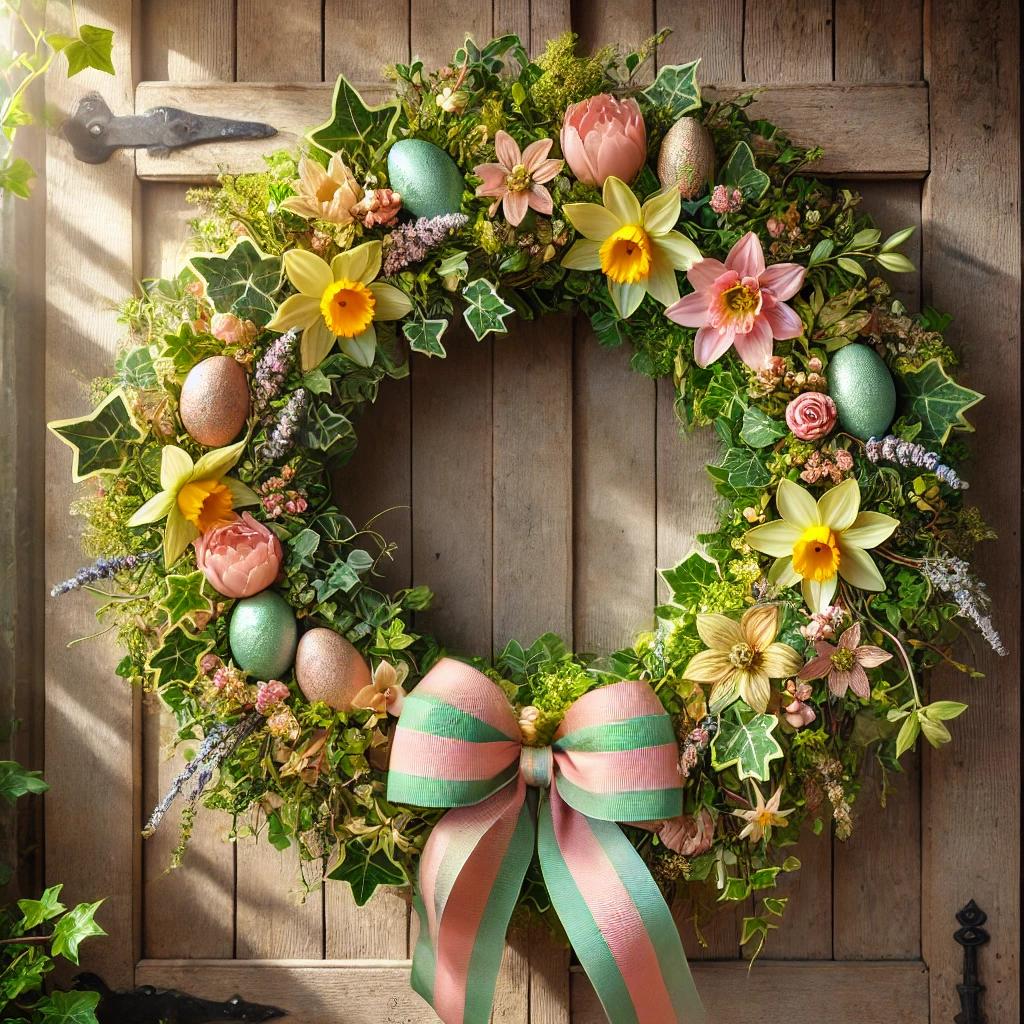
Ostara wreath

Ritual: Ostara Wreath Making

By
ByTheo, WitchMar 5, 2025
Reading Time: 3 minutesDiscover how crafting vibrant wreaths with flowers, vines, and ribbons honors the Spring Equinox by symbolizing fertility, balance, and renewal in a creative ritual.
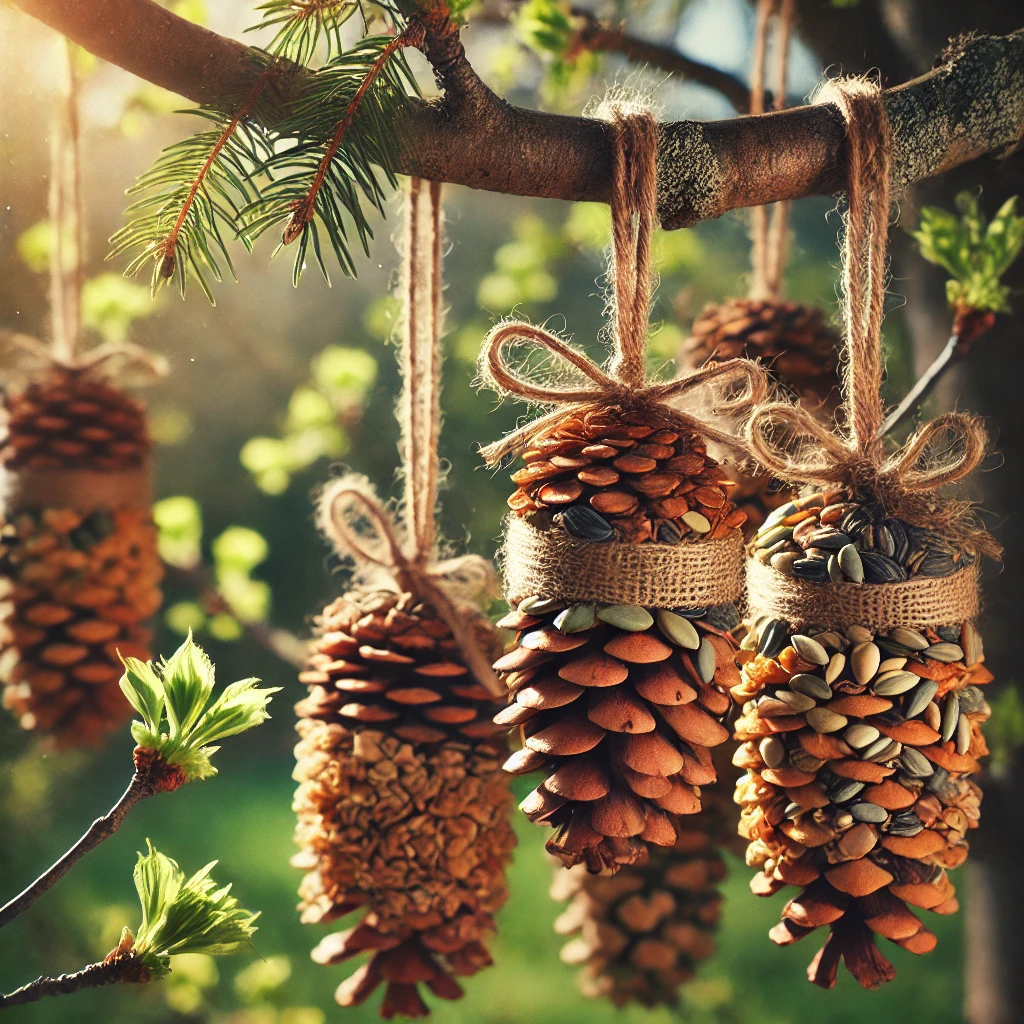
Bird Feeders

Ritual: Bird Feeders

By
ByTheo, WitchMar 3, 2025
Reading Time: 3 minutesLearn how crafting bird feeders honors Ostara by connecting with nature’s renewal, supporting wildlife, and embodying the spirit of giving during the Earth’s awakening.
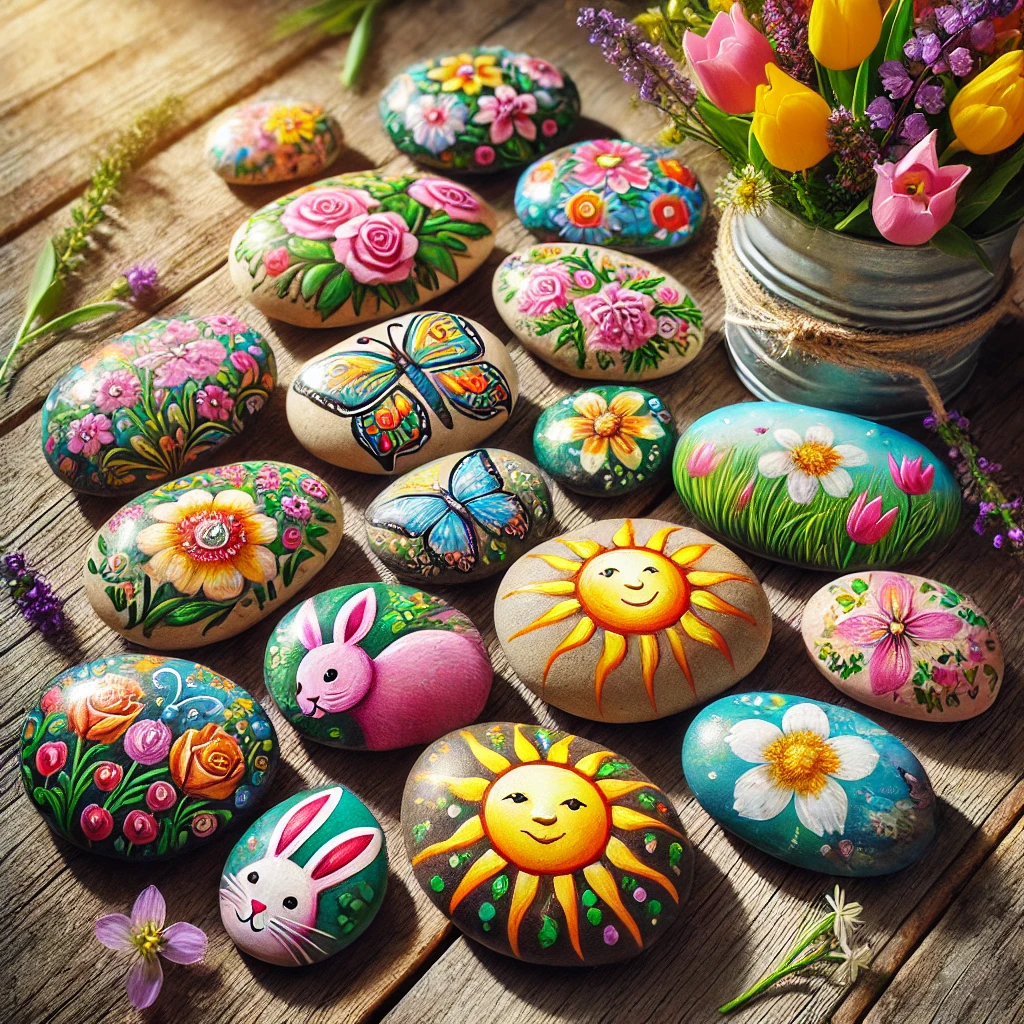
Painted Rocks

Ritual: Painting Rocks for Ostara

By
ByTheo, WitchFeb 20, 2025
Reading Time: 3 minutesLearn how painting rocks with seasonal symbols celebrates Ostaraโ€™s renewal, infusing your home and garden with spring’s energy and serving as joyful reminders of nature’s cyclical beauty.
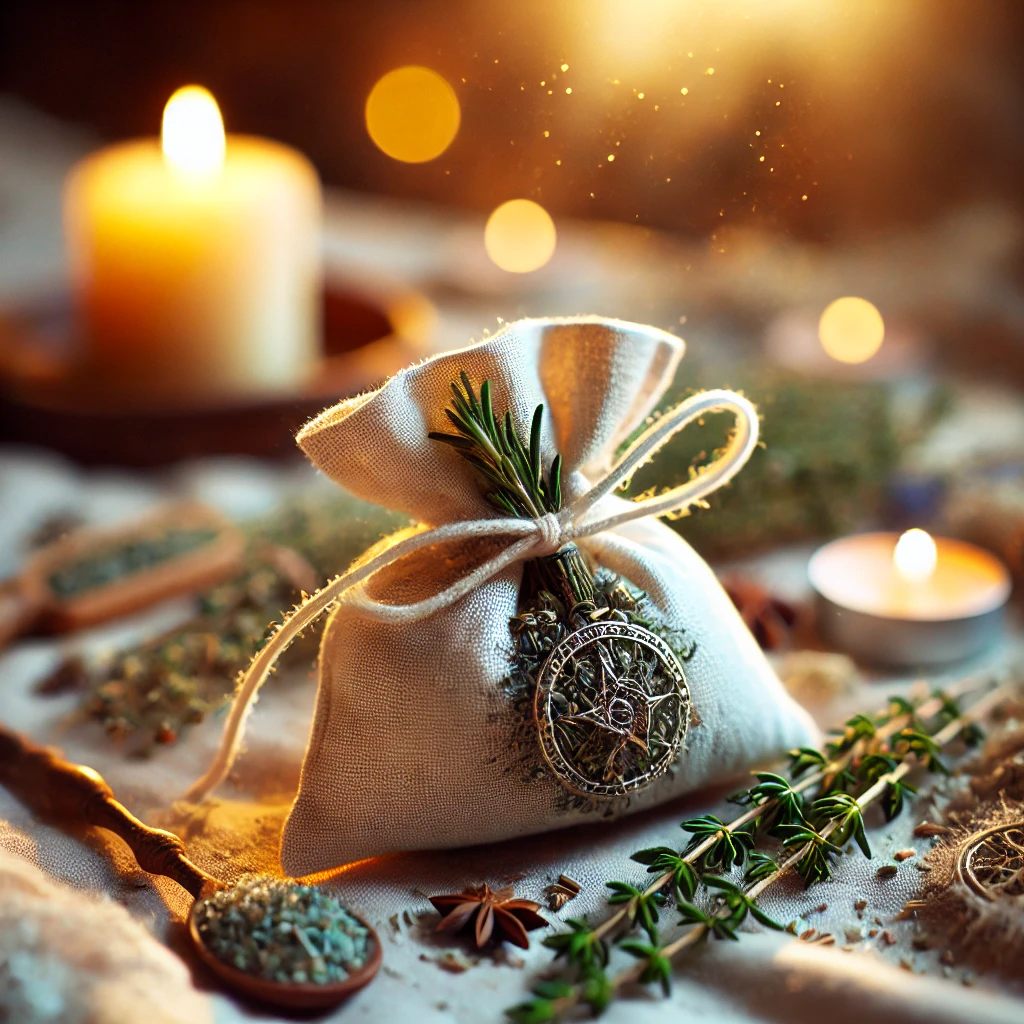
Candlemas Dream Pillows

Ritual: Candlemas Dream Pillows

By
ByTheo, WitchJan 27, 2025
Reading Time: 3 minutesCraft dream pillows with rosemary or thyme for Candlemas Eve to invite prophetic dreams. Embrace the mystical tradition and connect with the ethereal realm.
Candle Lighting

Ritual: Candle Lighting

By
ByTheo, WitchJan 27, 2025
Reading Time: 3 minutesLight candles for Imbolc to honor Brigid and the returning sun. Each flame symbolizes hope, renewal, and the transformative power of fire in this sacred ritual.
Brigid cross

Ritual: Weaving Brigid’s Cross

By
ByTheo, WitchJan 27, 2025
Reading Time: 3 minutesWeave Brigid’s Cross to invoke protection and renewal for Imbolc. Each straw intertwines as a timeless talisman honoring the goddess Brigidโ€™s enduring presence.
Yuletide Animal Masks

Ritual: Yuletide Animal Masks

By
ByTheo, WitchDec 18, 2024
Reading Time: 4 minutesCreate symbolic animal masks during Yuletide, embracing the traits and energies of sacred animals to set intentions and cultivate personal growth.
Posted on Leave a comment

Home Remedies

Home RemediesReading Time: < 1 minute
Home Remedies

Introduction

Welcome to the Home Remedies Category

In the Home Remedies category, you will find a treasure trove of natural solutions to support your well-being throughout the seasons. Our posts are thoughtfully organized by season and cover a wide range of remedies, including teas, elixirs, aromatherapy, tinctures, tonics, herbal glycerites, broths, and steam treatments. Each remedy is crafted to harness the healing power of nature and provide you with effective, holistic care.

Every post in this category includes detailed background information, step-by-step instructions, and the rich history behind each remedy. Whether youโ€™re looking to soothe a sore throat with a warming tea, invigorate your senses with aromatherapy, or boost your immune system with a nourishing broth, youโ€™ll find the guidance you need right here.

Our Home Remedies are designed to be accessible and easy to incorporate into your daily routine. We believe in the power of natural ingredients and the wisdom of traditional practices to promote health and harmony. By exploring these remedies, you can connect with the cycles of nature and embrace a more balanced, mindful approach to wellness.

We hope you enjoy discovering the diverse range of remedies in this category and find inspiration to create your own natural healing rituals. Remember, the journey to wellness is a personal and empowering one, and we are here to support you every step of the way. Blessed be!

Home Remedies by Season

Winter

    Winter Home Remedies – Broths

    Winter Home Remedies Broths
    Reading Time: 6 minutesDiscover nourishing and comforting winter broths using herbs like rosemary, sage, thyme, and oregano to support your immune function and overall wellness. Discover nourishing and comforting winter broths using herbs like rosemary, sage, thyme, and oregano to support your immune function and overall wellness.

    Winter Home Remedies – Elixirs

    Winter Home Remedies - Elixirs
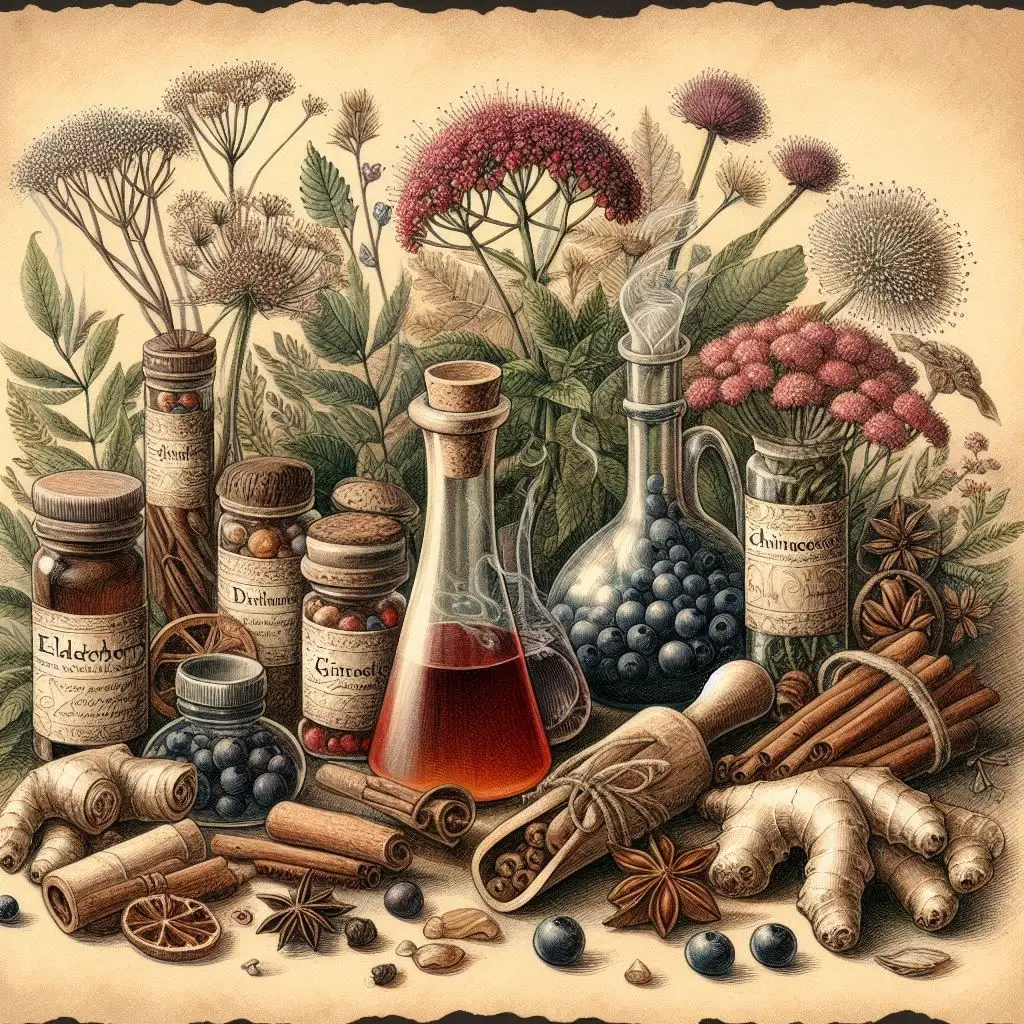
    Reading Time: 5 minutesDiscover potent and nourishing winter elixirs using herbs like elderberry, echinacea, ginger, and cinnamon to support your immune function and overall wellness.

    Winter Home Remedies – Herbal Glycerites

    Winter Home Remedies - Herbal Glycerites
    Reading Time: 6 minutesDiscover sweet and effective herbal glycerites using winter herbs to support your immune function, respiratory health, and overall wellness during the colder months.

    Winter Home Remedies – Steam Treatments

    Winter Home Remedies - Steam Treatments
    Reading Time: 5 minutesDiscover powerful steam treatments using winter herbs like eucalyptus, peppermint, thyme, and rosemary to support respiratory health and overall well-being.

    Spring

    Summer

      Summer Home Remedies – Aroma Therapies

      Summer Home Remedy - Aroma Therapy
      Reading Time: 5 minutesIn this article we cover Summer Aroma Therapies; how to select the perfect summer herbs, ways to use them, and various blends for just the right magical effect.

      Summer Home Remedies – Broths

      Broth
      Reading Time: 5 minutesDiscover how to make refreshing and nutritious summer broths with fresh herbs and enjoy their flavors and health benefits. Summer broths are a great way to hydrate and revitalize your body and mind.

      Summer Home Remedies – Elixirs

      Summer Remedies - Elixirs
      Reading Time: 5 minutesIn this article, we cover Elixers, How to choose the right herbs and infuse them properly, along with a few Refreshing combinations.

      Summer Home Remedies – Herbal Glycerites

      Herbal Glycerites
      Reading Time: 5 minutesWe explore the art of making herbal glycerites using fresh summer herbs, highlighting their therapeutic benefits, and providing step-by-step instructions on how to create these natural remedies at home.

      Autumn

        Autumn Home Remedies – Aroma Therapies

        Autumn Aroma Therapy
        Reading Time: 6 minutesLearn how to use aromatherapy with autumn herbs, plants, and flowers to relax, balance, and heal. Find out the benefits and methods of autumn aromatherapy in this article.

        Autumn Home Remedies – Broths

        Autumn Broths
        Reading Time: 4 minutesDiscover how to make refreshing and nutritious summer broths with fresh herbs and enjoy their flavors and health benefits. Summer broths are a great way to hydrate and revitalize your body and mind.

        Autumn Home Remedies – Elixirs

        Autumn Elixers
        Reading Time: 6 minutesLearn how to make nourishing and revitalizing elixirs with autumn foraging in this article. Discover the benefits of herbs, plants, and flowers for your well-being and vitality.

        Autumn Home Remedies – Herbal Glycerites

        Autumn Herbal Glycerites
        Reading Time: 8 minutesThis article teaches you how to make herbal glycerites from autumn foraging. Learn how these liquid extracts of herbs, plants, and flowers can improve your well-being and holistic health.

        All Home Remedies

        Winter Home Remedies - Tonics

        Winter Home Remedies – Tonics

        By
        ByTheo, WitchDec 19, 2024
        Reading Time: 6 minutesDiscover revitalizing winter herb tonics using ginger, turmeric, cinnamon, and rosemary to support your immune function and overall wellness during the colder months.
        Winter Home Remedies - Tinctures

        Winter Home Remedies – Tinctures

        By
        ByTheo, WitchDec 17, 2024
        Reading Time: 5 minutesDiscover potent winter tinctures using herbs like echinacea, ginger, elderberry, and astragalus to support your immune function and overall wellness during the colder months.
        Winter Home Remedies - Teas

        Winter Home Remedies – Teas

        By
        ByTheo, WitchDec 14, 2024
        Reading Time: 4 minutesDiscover delightful and nourishing winter teas using herbs like peppermint, chamomile, cinnamon, and lemon balm to support your well-being during the colder months.
        Winter Home Remedies - Steam Treatments

        Winter Home Remedies – Steam Treatments

        By
        ByTheo, WitchDec 12, 2024
        Reading Time: 5 minutesDiscover powerful steam treatments using winter herbs like eucalyptus, peppermint, thyme, and rosemary to support respiratory health and overall well-being.
        Winter Home Remedies - Herbal Glycerites

        Winter Home Remedies – Herbal Glycerites

        By
        ByTheo, WitchDec 10, 2024
        Reading Time: 6 minutesDiscover sweet and effective herbal glycerites using winter herbs to support your immune function, respiratory health, and overall wellness during the colder months.
        Winter Home Remedies - Elixirs

        Winter Home Remedies – Elixirs

        By
        ByTheo, WitchDec 7, 2024
        Reading Time: 5 minutesDiscover potent and nourishing winter elixirs using herbs like elderberry, echinacea, ginger, and cinnamon to support your immune function and overall wellness.
        Winter Home Remedies Broths

        Winter Home Remedies – Broths

        By
        ByTheo, WitchDec 5, 2024
        Reading Time: 6 minutesDiscover nourishing and comforting winter broths using herbs like rosemary, sage, thyme, and oregano to support your immune function and overall wellness. Discover nourishing and comforting winter broths using herbs like rosemary, sage, thyme, and oregano to support your immune function and overall wellness.
        Winter - Armoa Therapy

        Winter Home Remedies โ€“ Aroma Therapy

        By
        ByTheo, WitchDec 3, 2024
        Reading Time: 6 minutesDiscover natural and effective aroma therapy remedies to enhance your winter wellness using ingredients like eucalyptus, peppermint, lavender, and pine.
        Autumn Elixers

        Autumn Home Remedies – Elixirs

        By
        ByTheo, WitchDec 21, 2023
        Reading Time: 6 minutesLearn how to make nourishing and revitalizing elixirs with autumn foraging in this article. Discover the benefits of herbs, plants, and flowers for your well-being and vitality.
        Posted on Leave a comment

        Recipe: Beltane Blossom Salad

        Beltane Blossom SaladReading Time: 3 minutes
        Beltane Blossom Salad

        Introduction

        A symphony of colors and flavors.

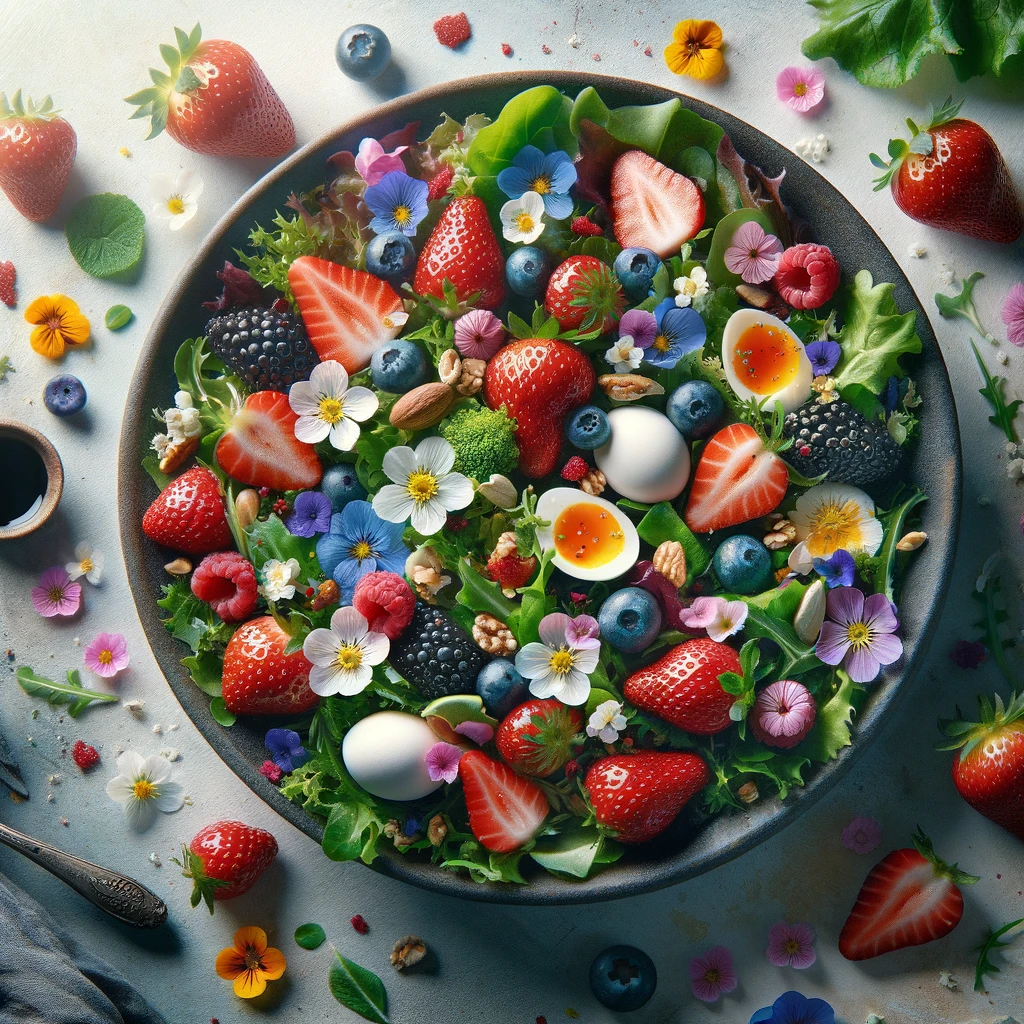
        As the wheel of the year turns and we welcome the vibrant energies of Beltane, we embrace the arrival of spring in all its splendor. Beltane is a time of celebration, fertility, and the awakening of nature’s vitality. In this recipe for Beltane Blossom Salad, we honor the season’s bounty by crafting a dish that bursts with color, flavor, and the essence of new beginnings. With fresh, crisp ingredients and a touch of magic, this salad embodies the spirit of Beltane and invites you to revel in the joy of renewal and growth.

        Spell for Growth and Renewal

        As you prepare to enjoy this Beltane Blossom Salad, take a moment to connect with the energies of the season. Visualize yourself surrounded by the vibrant colors and scents of spring, feeling the warmth of the sun on your skin and the gentle breeze in your hair. Say the following spell aloud or in your heart:

        “By the power of Beltane’s bloom,

        I embrace the magic of growth and renewal.

        May this salad nourish my body and soul,

        And fill me with the vitality of the season’s flow.

        As the earth awakens and life begins anew,

        I welcome the blessings of growth and true.”

        May this Beltane Blossom Salad bring you joy, abundance, and the blessings of the season. Blessed be!

        Magical Properties

        • Strawberries: Associated with love and fertility, strawberries are believed to enhance passion and vitality. Their vibrant red color symbolizes the energy of the sun and the fire of Beltane.
        • Edible Flowers: Flowers such as pansies, violets, and rose petals carry the magic of beauty, transformation, and connection to the divine. They add a touch of enchantment to the salad, infusing it with the essence of the season’s bloom.
        • Nuts: Representing abundance and nourishment, nuts are often used in spells for prosperity and growth. Their earthy flavor and crunchy texture ground the salad and evoke the energy of the fertile earth.
        Beltane Blossom Salad
        Print Recipe Share on Facebook Pin Recipe
        No ratings yet

        Recipe: Recipe: Beltane Blossom Salad

        As the wheel of the year turns and we welcome the vibrant energies of Beltane, we embrace the arrival of spring in all its splendor. Beltane is a time of celebration, fertility, and the awakening of nature’s vitality. In this recipe for Beltane Blossom Salad, we honor the season’s bounty by crafting a dish that bursts with color, flavor, and the essence of new beginnings. With fresh, crisp ingredients and a touch of magic, this salad embodies the spirit of Beltane and invites you to revel in the joy of renewal and growth.
        Prep Time15 minutes
        Total Time15 minutes
        Course: Salad
        Season: Beltane
        Type: Recipe
        Servings: 4
        Calories: 350kcal
        Author: Theo, Witch

        Ingredients

        • 4 cups mixed salad greens such as arugula, spinach, and spring mix
        • 1 cup strawberries hulled and sliced
        • 1/2 cup blueberries
        • 1/2 cup raspberries
        • 1/4 cup edible flowers such as pansies, violets, or rose petals
        • 1/4 cup crumbled feta cheese
        • 1/4 cup chopped walnuts or almonds
        • Balsamic vinaigrette dressing

        Instructions

        • Prepare the Salad Greens: Wash and dry the mixed salad greens, then place them in a large salad bowl.
        • Add the Fruit: Scatter the sliced strawberries, blueberries, and raspberries over the salad greens.
        • Garnish with Flowers: Carefully scatter the edible flowers over the salad, allowing their vibrant colors to add a touch of beauty and magic.
        • Sprinkle with Cheese and Nuts: Sprinkle the crumbled feta cheese and chopped walnuts or almonds evenly over the salad.
        • Drizzle with Dressing: Just before serving, drizzle the balsamic vinaigrette dressing over the salad, tossing gently to coat all the ingredients.
        • Serve and Enjoy: Transfer the Beltane Blossom Salad to individual plates or bowls and serve immediately as a delightful celebration of the season’s abundance.

        Notes

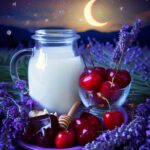
        Moon Milk Lavender and CherriesMoon milk is believed to have magical properties that promote relaxation, sleep, and spiritual connection. Lavender is a powerful herb that is often used in spells and rituals to promote tranquility, purification, and harmony. It is said to help calm the mind, soothe anxiety, and facilitate communication with the spiritual realm. Cherries, on the other hand, are associated with abundance, prosperity, and love. By combining these two ingredients in moon milk, we can create a potent brew that promotes restful sleep, deep relaxation, and a profound sense of spiritual connection.
        As you sip on your moon milk and gaze up at the moon, take a moment to reflect on the magic and mystery of the universe. Whether you are working with the moon to manifest your desires, to connect with your intuition, or simply to enjoy a peaceful moment of reflection, remember that the power of the moon is always with you, waiting to be harnessed and celebrated.
        *Calories Calculated with 2% Dairy Milk, Different bases will change the values.

        Recipe: Beltane Blossom Salad

        Proudly brought to you by

        The Equinox Apothecary

        © The Equinox Apothecary 2024 – Permission is granted to copy and reproduce this Recipe with attribution

        Posted on Leave a comment

        Comparing Witch Archetypes

        Reading Time: 10 minutes

        Introduction

        Exploring the Tapestry of Witchcraft, Wicca, and Paganism

        Unraveling the Threads of Mystical Practices

        In the enchanting realms of magic and mysticism, terms like “witch,” “Wiccan,” and “Pagan” are often used interchangeably, leading to confusion among those traversing the diverse landscapes of the occult. Let’s embark on a journey to unravel the distinct threads that weave together these fascinating practices, shedding light on the rich tapestry of witchcraft, Wicca, and Paganism.

        Witchcraft, the Ancient Dance with Energy

        The Art of the Craft Witchcraft, often considered the oldest spiritual practice, is a magical art rooted in the manipulation of energy to bring about change. Witches harness the natural forces of the universe to manifest their intentions, utilizing spells, rituals, and the power of the elements. While witchcraft itself is a broad term encompassing various traditions and belief systems, it serves as the umbrella under which both Wicca and Paganism find their place.

        At the very core of the mystical realms, witchcraft stands as a timeless practice, often regarded as the oldest spiritual art known to humanity. It is a captivating dance with energy, a profound connection with the natural forces that weave through the fabric of existence. Rooted in ancient wisdom, witchcraft is an art that spans cultures, continents, and centuries, providing a conduit for individuals to commune with the unseen energies that shape reality.

        The essence of witchcraft lies in the manipulation of energy, an ethereal force that flows through everything in the universe. Witches, as practitioners of this ancient craft, understand the delicate interplay between intention and energy. They become weavers, shaping the threads of reality through the careful manipulation of these mystical energies.

        In the practice of witchcraft, spells become the language through which intentions are articulated. These incantations, often spoken with reverence and purpose, serve as the keys to unlock the doors between the mundane and the magical. Witches infuse their spells with intention, directing the energy towards their desires, whether for healing, protection, or manifestation.

        Rituals form an integral part of the witch’s journey, creating sacred spaces where the veil between worlds thins, allowing a harmonious exchange of energies. Circles, often cast with precision and intention, become arenas where the witch can commune with the divine, the elemental, and the spiritual. The power of the elementsโ€”earth, air, fire, and waterโ€”becomes a tool in the hands of the adept, amplifying the potency of their magical workings.

        Witchcraft, as a term, serves as a vast umbrella encompassing a myriad of traditions, each with its own unique practices, symbols, and rituals. From the cunning folk of Europe to the wise women of ancient civilizations, the diverse expressions of witchcraft reveal the adaptability and resilience of this mystical art. It is within this expansive realm that both Wicca and Paganism find their niche, drawing inspiration from the ancient roots of witchcraft while evolving into distinct paths of their own.

        As contemporary witches navigate the intricate tapestry of magic, they stand on the shoulders of their mystical ancestors, inheritors of a legacy that transcends time and space. Witchcraft, with its rich history and ever-evolving practices, remains a beacon for those who seek to explore the depths of the unseen, to dance with the energies that flow through the veins of the universe, and to wield the ancient art of the craft.

        Wicca – The Tapestry of Modern Paganism

        A Modern Pagan Path Wicca, a modern Pagan religion, emerged in the mid-20th century, largely popularized by figures like Gerald Gardner and Doreen Valiente. Wiccans follow a structured system of beliefs and practices, often centered around the worship of a dual deityโ€”The God and The Goddess. Rituals, Sabbats, and Esbats mark the Wiccan calendar, emphasizing the cycles of nature and the harmonious balance of polarities. Wiccans hold the Wiccan Rede (“An’ it harm none, do what ye will”) as a guiding ethical principle, promoting a responsible and positive use of magic.

        In the mid-20th century, against the backdrop of societal shifts and a rekindled interest in the mystical, Wicca emerged as a modern Pagan religion, forever altering the landscape of contemporary spirituality. The architects of this transformative movement, figures like Gerald Gardner and Doreen Valiente, wove together threads of ancient wisdom, folklore, and ceremonial magic to craft a spiritual path that resonates with seekers around the world.

        At its heart, Wicca embraces the label of a modern Pagan religion, acknowledging its roots in ancient practices while adapting to the needs of the contemporary seeker. Wiccans find inspiration in the cyclical rhythms of nature, aligning their beliefs and practices with the ever-turning wheel of the seasons. The worship of a dual deityโ€”the God and the Goddessโ€”takes center stage in Wiccan cosmology, symbolizing the divine polarity inherent in the natural world.

        Rituals form the cornerstone of Wiccan practice, serving as conduits for spiritual connection and transformation. The Wiccan calendar is marked by Sabbats and Esbats, sacred moments that align with the cycles of the moon and the changing seasons. Sabbats celebrate the major turning points of the solar year, such as the equinoxes and solstices, while Esbats are lunar rituals that honor the phases of the moon, emphasizing the ebb and flow of magical energies.

        Central to the Wiccan ethos is the Wiccan Rede, a succinct ethical principle that guides practitioners in their magical endeavors: “An’ it harm none, do what ye will.” This guiding light underscores the responsibility and accountability inherent in wielding magical forces. Wiccans strive for a harmonious balance in their actions, ensuring that their use of magic is aligned with benevolence and respect for all living things.

        The harmonious interplay of polarities is a recurring theme in Wicca, reflecting the understanding that life is a delicate dance between light and dark, masculine, and feminine, creation and destruction. Wiccan rituals often embody this duality, seeking to find equilibrium and unity amid these cosmic forces.

        As Wicca continues to evolve and adapt to the ever-changing tapestry of spiritual exploration, it remains a beacon for those who seek a structured yet flexible path, one that honors the ancient roots of Paganism while embracing the unique journey of each practitioner. In the sacred circle of Wicca, modern seekers find a space where the divine is celebrated, magic is woven, and the dance of life unfolds in harmony with the rhythms of the natural world.

        Paganism – The Eclectic Symphony of Nature’s Spirituality

        Embracing the Divine in Nature Paganism, a diverse umbrella term encompassing a multitude of spiritual practices, celebrates a connection with nature and the divine forces within it. Pagans may follow various pantheons, honoring gods and goddesses associated with natural elements, seasons, and aspects of life. Unlike Wicca, Paganism lacks a centralized dogma, allowing practitioners to explore a wide range of beliefs and practices. The reverence for the Earth, cycles of nature, and a deep connection to the spiritual realm are common threads among Pagans.

        Within the vast and varied landscape of spiritual exploration, Paganism stands as an eclectic symphony, weaving together the diverse threads of ancient wisdom, cultural traditions, and a profound reverence for the natural world. As an umbrella term encompassing a multitude of spiritual practices, Paganism invites practitioners to embark on a deeply personal journey, celebrating the sacred tapestry of life and embracing the divine forces that resonate within the realms of nature.

        Central to Paganism is the celebration of a connection with nature that goes beyond mere admirationโ€”it is a sacred communion. Pagans find spiritual significance in the rustle of leaves, the flowing waters, the vibrant blooms, and the changing seasons. The Earth, in all its majesty, is not merely a backdrop but a living, breathing manifestation of the divine. Pagan rituals often take place outdoors, under the open sky or within the embrace of ancient groves, fostering a direct and tangible link to the natural forces that permeate existence.

        Unlike more structured paths like Wicca, Paganism lacks a centralized dogma or set of prescribed beliefs. This absence of rigid doctrine provides Pagans with the freedom to explore and define their spirituality based on personal experiences, cultural influences, and individual interpretations. This diversity within Paganism results in a rich tapestry of beliefs, rituals, and practices, as practitioners may choose to follow various pantheons, honor specific deities associated with natural elements, or forge their own unique path.

        Within the realm of Paganism, gods and goddesses are revered as embodiments of the natural world’s energies. Pantheons from different cultures, whether Greek, Norse, Celtic, or others, offer a myriad of divine archetypes representing the forces of creation, fertility, wisdom, and more. Pagans may choose to work with specific deities that resonate with their spiritual journey, forging personal relationships through rituals, offerings, and meditative practices.

        A unifying thread among Pagans is the deep respect for the Earth and its cycles. The turning of the wheel of the year, marked by festivals like Beltane, Samhain, and Imbolc, reflects the cyclical nature of life, death, and rebirth. These celebrations serve not only as rituals but as moments of reflection, aligning practitioners with the natural ebb and flow of existence.

        In the heart of Paganism lies a profound connection to the spiritual realm. Practices such as divination, meditation, and energy work are embraced to deepen this connection, allowing practitioners to tap into the unseen forces that interweave with the material world.

        As the spiritual journey unfolds within the realm of Paganism, practitioners find themselves immersed in a tapestry of diverse beliefs, united by a shared reverence for the Earth, an appreciation for the cycles of nature, and a commitment to exploring the boundless possibilities of the spiritual realm. In the dance of Paganism, individuals discover a path that resonates deeply with their souls, embracing the beauty and complexity of nature’s divine symphony.

        Divergent Paths – Unraveling the Key Differences

        Within the enchanting tapestry of mystical practices, the paths of Wicca, witchcraft, and Paganism diverge, each offering a unique journey for those who seek to explore the realms of magic and spirituality. Let’s delve deeper into the key differences that distinguish these paths, unraveling the nuances that shape the experiences of practitioners.

        Structure and Dogma:

        In the labyrinth of spiritual exploration, the question of structure and dogma emerges as a defining characteristic. Wicca, with its roots in ceremonial magic and occultism, follows a structured system that includes rituals, ceremonies, and specific beliefs. This structured framework provides a roadmap for practitioners, offering a sense of continuity and a shared ritualistic language. In contrast, both witchcraft and Paganism embrace a more eclectic approach. Witchcraft, as a broad term encompassing various traditions, allows practitioners the freedom to choose or create their own path. Similarly, Paganism, lacking a centralized dogma, invites individuals to explore a wide range of beliefs and practices, fostering a diverse and dynamic spiritual landscape.

        Deities:

        The pantheon of gods and goddesses serves as a focal point in understanding the spiritual landscape of these paths. Wicca, with its roots in ancient fertility religions, often involves the worship of specific deitiesโ€”the God and the Goddess. These divine counterparts embody the dual aspects of nature and the cosmic forces. In contrast, Paganism paints with a broader brush, allowing practitioners to honor a diverse array of gods and goddesses associated with natural elements, seasons, and aspects of life. The eclectic nature of Paganism opens the door to a rich tapestry of cultural pantheons, enabling practitioners to forge connections with deities that resonate personally.

        Ethics:

        Ethics form the moral compass that guides practitioners on their spiritual journey. Wiccans adhere to the Wiccan Rede, a succinct ethical principle that emphasizes harmlessness: “An’ it harm none, do what ye will.” This principle underscores the responsibility and accountability inherent in the use of magical forces, promoting a positive and considerate approach to spellcraft. On the other hand, ethical guidelines in witchcraft and Paganism may vary based on individual beliefs. The absence of a centralized ethical code allows for a more fluid interpretation of what is considered morally sound, with practitioners drawing from personal experiences, cultural influences, and spiritual insights to shape their ethical compass.

        In traversing the diverse landscapes of Wicca, witchcraft, and Paganism, practitioners find themselves on distinct yet interconnected paths. These key differences not only contribute to the richness of each tradition but also provide seekers with the freedom to choose a spiritual journey that resonates most profoundly with their individual beliefs, experiences, and aspirations.

        Exploring the Shared Ground of Witches, Wiccans, and Pagans

        Despite the distinct paths that witches, Wiccans, and Pagans tread, there exists a profound interconnectedness, weaving a tapestry of shared beliefs, practices, and spiritual values. Let’s delve into the harmonious threads that bind these mystical practitioners together, creating a sense of unity within the diverse realms of witchcraft, Wicca, and Paganism.

        Connection with Nature

        At the core of these mystical traditions lies a deep reverence for natureโ€”the sacred and ever-changing canvas upon which their spiritual journeys unfold. Whether casting spells in the moonlit groves, celebrating Sabbats under the open sky, or communing with the elements, witches, Wiccans, and Pagans share a common understanding of the divine forces that permeate the natural world. The cycles of the moon, the changing seasons, and the energies embodied by earth, air, fire, and water serve as pillars of connection, grounding practitioners in the timeless rhythms of the Earth.

        Energy Manipulation and Magic

        The art of harnessing and manipulating energy is a skill honed by all three paths. Whether through spellwork, rituals, or other magical practices, witches, Wiccans, and Pagans engage in the conscious shaping of energies to bring about change. The shared belief in the efficacy of intention, symbolism, and the unseen forces that permeate the cosmos unites these practitioners in their magical endeavors. The very essence of their craft lies in the understanding that the practitioner is an active participant in the co-creation of their reality.

        Embrace of Mysticism

        Mysticism, the pursuit of a direct and personal experience of the divine, is a common theme that unites witches, Wiccans, and Pagans. The desire to transcend the mundane, to explore the realms of the unseen, and to forge a deep connection with the spiritual dimensions fuels their mystical pursuits. Whether through meditation, divination, or ecstatic rituals, practitioners from these paths seek to pierce the veil separating the material and spiritual worlds, delving into the mysteries that lie beyond ordinary perception.

        Respect for Individual Paths

        While each path has its unique characteristics, there exists a shared respect for the diversity of individual spiritual journeys. The recognition that spirituality is a deeply personal and subjective experience fosters an environment of acceptance and inclusivity. Whether one follows a specific tradition within witchcraft, adheres to the structured rituals of Wicca, or explores the eclectic landscape of Paganism, the emphasis on personal exploration and the celebration of diverse beliefs creates a sense of unity within the broader community.

        Ethical Considerations

        Despite variations in specific ethical codes, a common thread among witches, Wiccans, and Pagans is the acknowledgment of the responsibility that comes with magical practice. Whether guided by the Wiccan Rede or individual moral compasses, practitioners share a commitment to the ethical use of magic, promoting harmony, respect for others, and a mindful approach to their craft.

        In recognizing these shared elements, practitioners of witchcraft, Wicca, and Paganism find a common groundโ€”a space where the beauty of diversity coexists with the unifying principles of nature, magic, mysticism, and ethical consideration. It is within this shared realm that the practitioners of these paths discover the richness and depth of their interconnected spiritual journeys.

        Conclusion

        In the ever-evolving tapestry of witchcraft, Wicca, and Paganism, each distinctive thread intertwines to form a dynamic and vibrant mosaic of mystical practices. As practitioners navigate their individual journeys, understanding the unique aspects within these traditions becomes a guiding compass through the labyrinth of spiritual exploration. Within the enchanting realms of these paths, practitioners find not only diversity but also unityโ€”a shared resonance with the forces that shape our world. It is within this nuanced understanding that practitioners uncover the profound interconnectedness that transcends the surface differences, revealing the underlying harmony that binds the practitioners of witchcraft, Wicca, and Paganism. The tapestry becomes a living testament to the rich and kaleidoscopic nature of spiritual exploration, inviting practitioners to not only embrace their own unique paths but also celebrate the myriad ways in which others traverse the realms of magic. In the end, it is the collective wisdom, the shared reverence for nature, and the universal pursuit of mystical insights that define the essence of these practices. With clarity as their guide, practitioners find themselves not only immersed in the depth of their own spiritual journey but also contributing to the ever-expanding and interconnected narrative of witchcraft, Wicca, and Paganismโ€”a celebration of the multifaceted beauty that emerges when diverse threads come together to form a tapestry that reflects the magic inherent in the very fabric of existence.

        Posted on Leave a comment

        Crafting Yuletide Wish Ornaments: A Magical Guide

        Making Yuletide Wish OrnamentsReading Time: 5 minutes
        Making Yuletide Wish Ornaments

        Introduction

        Unveiling the Tradition

        As the Yuletide season unfolds, Wish Ornaments emerge as enchanting tokens of hope, dreams, and aspirations. These magical creations symbolize the collective wishes of those who partake in the festive spirit. Crafted with intention and imbued with meaning, these ornaments become tangible vessels for the manifestation of desires.

        Materials that Dance with Magic: Crafting Wish Ornaments

        Wish Ornaments can be crafted from various materials, each carrying its own unique magical properties:

        Salt Dough

        A versatile and accessible option, salt dough provides a malleable medium for sculpting ornaments. The salt within the dough symbolizes purification and protection, while the earthiness of the flour connects the wishes to the grounding energies of the earth.

        Clay

        Clay, known for its transformative qualities when fired, represents the alchemical process of manifesting intentions. It embodies the idea that, just as clay is molded into form, so too can our wishes take shape in the material realm.

        Wood

        Wooden ornaments link us to the spirit of the trees, channels of ancient wisdom. Each carved symbol or etching becomes a language communicated to the arboreal spirits, invoking their support in manifesting the wishes.

        Paper

        Delicate and versatile, paper holds the power of the written word. When crafting wish ornaments from paper, the act of writing down the desires becomes a sacred gesture, infusing the ornament with the energy of intention.

        The Alchemy of Magical Properties: Understanding Materials

        • Salt Dough: Purification, protection, grounding.
        • Clay: Transformation, manifestation, connection to the earth.
        • Wood: Ancient wisdom, communication with tree spirits.
        • Paper: Power of the written word, intention setting.

        The Ritual Unveiled: Bringing Wishes to Life

        1. Setting Intentions: Begin by clarifying the wishes and intentions. Each participant should reflect on their desires for the coming year, ensuring that these wishes are positive and aligned with the greater good.
        2. Crafting: With materials in hand, embark on the crafting journey. Sculpt, carve, or shape the ornaments with mindfulness, infusing each stroke with the energy of the intended wish.
        3. Symbolism: Incorporate symbols, colors, and shapes that resonate with the wishes. Every element should carry a personal significance, contributing to the overall potency of the ornament.
        4. Charging the Ornaments: Once crafted, place the ornaments on an altar or in a sacred space. Engage in a ritual to charge them with energy. This can involve meditation, visualization, or even a simple blessing.
        5. Hanging on the Yule Tree: The culmination of the ritual involves hanging the Wish Ornaments on the Yule Tree. As each ornament finds its place among the branches, the collective energy of the wishes mingles, creating a powerful beacon of manifestation.

        In the dance of Yuletide magic, Wish Ornaments would become not just decorations but conduits of intention, weaving a tapestry of dreams that illuminates the festive season with the promise of manifestation and the joy of shared wishes.

        Salt Dough Recipe for Yuletide Magic

        Ingredients:

        • 2 cups all-purpose flour
        • 1 cup salt
        • 1 cup warm water

        Magical Properties Tied to Yuletide:

        Salt: Purification, Protection, Grounding

        Flour: Nourishment, Connection to Earth

        Instructions:

        1. Mixing the Ingredients: In a large bowl, combine the flour and salt. Gradually add warm water, stirring continuously until the dough forms.
        2. Kneading: Turn the dough onto a floured surface and knead until it becomes smooth and pliable. This process infuses the dough with your energy and intention.
        3. Rolling and Shaping: Roll out the dough to your desired thickness. Use cookie cutters or your hands to shape the dough into ornaments. Remember to poke a hole at the top for hanging.
        4. Baking: Preheat your oven to 200ยฐF (93ยฐC). Place the shaped ornaments on a baking sheet and bake for approximately 2-3 hours or until fully hardened. Keep an eye on them to prevent burning.
        5. Cooling: Allow the ornaments to cool completely before decorating.

        Best Spell to Accompany the Recipe: Yuletide Wishing Spell

        1. Set Your Intentions: Before starting the recipe, take a moment to reflect on your wishes and intentions for the upcoming year. Ensure they are positive and aligned with your higher self.
        2. Infuse the Ingredients: As you mix the flour, salt, and water, visualize these ingredients as conduits for your intentions. Envision them carrying the energy of grounding, protection, and nourishment.
        3. Kneading with Purpose: While kneading, focus on imbuing the dough with your personal energy. Let each fold and press represent the shaping of your desires.
        4. Shaping Your Wishes: As you cut out shapes or mold the ornaments, visualize each one as a vessel for a specific wish. Feel the magic flowing through your hands into the dough.
        5. Baking with Intent: During the baking process, imagine the energy intensifying, solidifying your wishes into tangible form. See the ornaments glowing with the enchantment of Yuletide magic.
        6. Hanging on the Yule Tree: Once decorated and cooled, hang the ornaments on your Yule Tree. With each placement, say your wishes aloud, allowing the collective energy to harmonize with the festive season.

        Enhancing Magical Properties with Herbs and Spices

        Elevate your Yuletide salt dough ornaments by infusing them with herbs and spices, each carrying its own unique magical properties. Choose ingredients that align with your intentions to create personalized and potent spellwork.

        Cinnamon: Associated with warmth and protection, cinnamon infuses your ornaments with comforting energy. It also adds a sweet and festive aroma to your creations.

        Rosemary: Known for its purification properties, rosemary brings clarity and positive energy. Incorporate it for a touch of freshness and to enhance the spiritual aspects of your ornaments.

        Lavender: Embodying peace and tranquility, lavender not only relaxes the mind but also invites blessings. Use it to instill a sense of calmness in your Yuletide creations.

        Cloves: Symbolizing protection and prosperity, cloves bring a rich and earthy scent to your salt dough. They are ideal for spells focused on safeguarding and abundance.

        Ginger: With its fiery energy, ginger adds a zing to your ornaments. It is associated with success and power, making it a great addition for those seeking personal growth.

        Nutmeg: Embrace the magical properties of nutmeg for luck and divination. Its warm and nutty aroma enhances the overall sensory experience of your Yuletide creations.

        Yuletide Wish Ornaments

        Infusing Process

        Ground Form: For most herbs and spices, using them in their ground form is ideal for even distribution in the dough. Add them to the flour and salt mixture.

        Oil Infusion: Create an herbal-infused oil by steeping dried herbs in a carrier oil. Strain the oil and add a few drops to the warm water in the dough recipe.

        Whole Form: If you prefer a more rustic look, consider adding whole herbs directly to the dough. This method provides a visual element to your ornaments.

        Note:

        Experiment with different combinations to tailor the magical properties of your ornaments to your specific intentions.

        Ensure that any herbs or spices added are completely dry to prevent mold in the dough.

        Remember, the infusion of herbs and spices enhances the sensory and magical experience of your salt dough ornaments, making them uniquely yours in both appearance and intention.

        Safety Concerns and Disclaimer

        • Oven Safety: Ensure proper handling of the oven, especially if involving children. Adult supervision is recommended.
        • Decoration Materials: Be cautious with small decoration materials that could be a choking hazard, especially if the ornaments are made with children.

        Disclaimer: While this salt dough recipe is meant for creative and magical purposes, individuals are responsible for their safety and that of others during the crafting process. The magical properties are based on symbolism and intention, not guaranteed supernatural effects. Use common sense and take appropriate precautions, especially when involving children in the activity.

        Embracing the Magic Within

        As you embark on the enchanting journey of crafting Yuletide wish ornaments, remember that the true magic lies not just in the materials, but in the intentions woven into each creation. These ornaments are more than decorative pieces; they are tangible manifestations of your hopes, dreams, and aspirations. As you hang them on the Yule Tree, let the flickering lights illuminate not only your living space but also the possibilities and blessings that await in the coming year. May the act of crafting these ornaments be a celebration of creativity, magic, and the endless potential within you. Happy crafting and may your Yuletide be filled with wonder and joy!

        Posted on Leave a comment

        Foraging: Stinging Nettle

        Stinging NettleReading Time: 10 minutes
        Stinging Nettle

        Introduction

        A Comprehensive Guide to Foraging and Utilizing Stinging Nettle

        Stinging nettle, with its prickly reputation and myriad of practical applications, is a remarkable wild plant that has captivated foragers, herbalists, and nature enthusiasts for centuries. This comprehensive article serves as a thorough exploration of stinging nettle, covering its variants, appearance, foraging locations, culinary and medicinal uses, magical properties, and important safety considerations.

        Embracing the Nettle

        What is Stinging Nettle and Its Variants

        Stinging nettle, scientifically referred to as Urtica dioica, is a perennial herbaceous plant renowned for its stinging hairs and numerous practical applications. It belongs to the Urticaceae family and encompasses various variants, including the common stinging nettle (Urtica dioica) and the dwarf nettle (Urtica urens). Although the common stinging nettle is the most frequently encountered species, all variants share similar characteristics that define the nettle family.

        Common Stinging Nettle (Urtica dioica) The common stinging nettle is a widely recognized species within the nettle family. It features toothed, heart-shaped leaves that grow in opposite pairs along its upright stems. The leaves are covered with stinging hairs or trichomes, which deliver a mild sting when touched. Common stinging nettle produces small, inconspicuous greenish flowers arranged in clusters. It typically reaches heights of 2 to 7 feet (0.6 to 2 meters) and forms dense stands or patches in suitable habitats.

        Dwarf Nettle (Urtica urens) The dwarf nettle, also known as small nettle or burning nettle, is another variant of stinging nettle. It shares similarities with the common stinging nettle but tends to have smaller leaves and a more compact growth habit. The stinging hairs on the leaves of dwarf nettle can deliver a more intense sting compared to its common counterpart.

        While these variants exist, it is important to note that all stinging nettle species, including the common stinging nettle and the dwarf nettle, share comparable characteristics. These encompass the characteristic toothed, heart-shaped leaves growing in opposite pairs, the presence of stinging hairs, and the greenish flowers arranged in clusters. Familiarizing oneself with these defining features aids in accurate identification during foraging expeditions, ensuring the safe and confident harvest of stinging nettle.

        Identifying Stinging Nettle

        Identifying stinging nettles during foraging excursions is crucial to distinguish it from other plants and ensure a safe harvesting experience. Here are key characteristics to help you confidently identify both the common stinging nettle and the dwarf nettle:

        Common Stinging Nettle (Urtica dioica)

        • Toothed, Heart-Shaped Leaves: Common stinging nettle features toothed, heart-shaped leaves that grow in opposite pairs along the stems. The leaves have a pointed tip and a slightly serrated or toothed edge. They are typically 2 to 6 inches (5 to 15 cm) long but can grow larger under optimal conditions.
        • Stinging Hairs (Trichomes): One of the most distinctive features of stinging nettle is the presence of tiny stinging hairs, or trichomes, on its leaves and stems. These stinging hairs contain irritants that can cause a mild stinging sensation and skin irritation upon contact.
        • Inconspicuous Greenish Flowers: Stinging nettle produces small, inconspicuous greenish flowers that are arranged in clusters called inflorescences. The flowers lack showy petals but are surrounded by leaf-like structures called bracts.
        • Height and Growth Habit: Common stinging nettle can reach heights of 2 to 7 feet (0.6 to 2 meters). It tends to form dense stands or patches in suitable habitats, often spreading through rhizomes (underground stems) to form extensive colonies.

        Dwarf Nettle (Urtica urens)

        • Similar Leaf Characteristics: The dwarf nettle shares many leaf characteristics with the common stinging nettle. It has toothed, heart-shaped leaves that grow in opposite pairs along the stems. The leaves of dwarf nettle are typically smaller than those of the common species.
        • Intense Stinging Hairs: The stinging hairs on the leaves and stems of dwarf nettle can deliver a more intense sting compared to common stinging nettle, making it important to exercise caution when handling this variant.
        • Inconspicuous Greenish Flowers: Like the common stinging nettle, the dwarf nettle produces small, greenish flowers arranged in clusters.

        By paying close attention to these identifying features, such as the toothed, heart-shaped leaves growing in opposite pairs, the presence of stinging hairs, the inconspicuous greenish flowers, and the height and growth habit of stinging nettle, you can confidently recognize and differentiate both the common stinging nettle and the dwarf nettle during your foraging endeavors.

        Habitat and Foraging Locations

        Stinging nettle exhibits a versatile nature when it comes to its habitat preferences, allowing it to thrive in various environments. Understanding where to find and forage stinging nettle is essential for successful and safe harvesting. Here are insights into the habitat and foraging locations of stinging nettle:

        Rich, Moist Soils: Stinging nettle thrives in soils that are rich in organic matter and moisture. It prefers well-drained, fertile soils that provide the necessary nutrients for robust growth. Areas with loamy or clay soil often support healthy populations of stinging nettle.

        Partially Shaded Areas: Stinging nettle is commonly found in locations that offer partial shade, such as woodlands, forest edges, and areas with tall vegetation. It can tolerate varying levels of sunlight but generally prefers partially shaded environments. Look for stinging nettle growing alongside paths, stream banks, or in clearings within wooded areas.

        Disturbed Sites and Meadows: Stinging nettle has an adaptability that allows it to thrive in disturbed sites. You can often find it in areas that have experienced human activity or disruptions, such as abandoned fields, cleared land, or along road edges. Additionally, meadows and grasslands provide favorable habitats for stinging nettle, where it can form dense stands or patches.

        Global Distribution: Stinging nettle is a widespread plant that can be found in numerous regions worldwide. Its adaptability to different climates and habitats has contributed to its ubiquity. From North America and Europe to Asia and beyond, stinging nettle is a common sight in various countries and continents.

        When foraging for stinging nettles, keep in mind the importance of sustainable harvesting practices. Only gather what you need and be mindful of the plant’s role in the ecosystem. Additionally, ensure that you have proper permission to forage on private or protected lands.

        Be cautious when navigating stinging nettle patches, as the plant’s stinging hairs can cause skin irritation. Wearing gloves, long sleeves, and pants can help protect you from accidental contact. Always practice responsible foraging and respect the natural habitats where stinging nettle grows.

        By exploring the preferred habitats and foraging locations of stinging nettle, you can increase your chances of encountering this versatile plant. However, remember to prioritize safety, ethical foraging practices, and respect for the environment while embarking on your stinging nettle foraging journey.

        Culinary and Medicinal Uses

        Culinary

        Stinging nettle, with its remarkable culinary versatility, offers a range of delectable possibilities for the adventurous forager. The young leaves and tender tops of stinging nettle are edible and provide unique flavors along with a plethora of health benefits. Here are some culinary uses for stinging nettle that can elevate your culinary creations:

        • Soups and Stews: Stinging nettle’s tender leaves and tops can be incorporated into soups and stews, imparting a delightful earthy flavor. Add nettle to vegetable, chicken, or mushroom-based broths to infuse them with a nutritious and distinct taste. Whether in a hearty vegetable soup or a rich meat stew, stinging nettle can contribute a vibrant touch to your creations.
        • Sautรฉed or Stir-fried Dishes: Sautรฉing or stir-frying stinging nettle leaves and tops is a quick and simple way to enjoy their unique flavors. Heat a pan with oil or butter, then toss in the leaves and tops. Sautรฉ them briefly until wilted, and season with salt, pepper, and other desired herbs and spices. The result is a flavorful and nutritious side dish that pairs well with various main courses.
        • Nettle Tea: Nettle tea is a classic and soothing beverage made from the leaves of stinging nettle. Steep dried or fresh nettle leaves in hot water for several minutes to release their flavors and healthful properties. Nettle tea offers a mild and refreshing herbal infusion that can be enjoyed on its own or combined with other herbs for added complexity.
        • Nettle Pesto: Put a unique twist on traditional pesto by incorporating stinging nettle leaves. Blanched nettle leaves can be used as a substitute for basil in pesto recipes, offering a distinctive flavor profile. Combine blanched nettle leaves, garlic, nuts (such as pine nuts or walnuts), Parmesan cheese, olive oil, and a squeeze of lemon juice in a food processor to create a flavorful nettle pesto. This can be used as a spread, pasta sauce, or a dip for vegetables.
        • Nettle-infused Oils and Vinegars: Nettle leaves can be used to infuse oils or vinegars, adding their unique taste to various culinary applications. Simply place fresh or dried nettle leaves in a clean jar, cover them with oil or vinegar, and let them infuse for a few weeks. The resulting nettle-infused oil or vinegar can be used in salad dressings, marinades, or as a flavoring for various dishes.

        Before incorporating stinging nettle into your culinary endeavors, remember to handle it with care to avoid stinging hairs. Blanching, cooking, or drying the leaves neutralizes the stinging properties, ensuring their safety for consumption. When foraging, choose young, vibrant leaves and tops for the best flavors and nutritional value.

        Explore the culinary potential of stinging nettle and let its unique flavors and health benefits inspire your gastronomic adventures. By incorporating this versatile plant into your dishes, you can savor its distinctive taste while harnessing the nutritional richness it offers.

        Medical

        Stinging nettle possesses a long-standing reputation in traditional medicine, revered for its nutritional abundance and potential therapeutic benefits. Explore the medicinal applications of stinging nettle and discover how this remarkable plant can be used to support various health conditions:

        • Nutritional Richness: Stinging nettle is a nutritional powerhouse, containing an array of vitamins, minerals, and beneficial compounds. It is particularly rich in vitamins A, C, and K, as well as minerals like iron, calcium, and magnesium. The nutritional density of nettle makes it a valuable addition to a well-rounded diet, providing essential nutrients that support overall health and well-being.
        • Allergies and Hay Fever: Stinging nettle has been traditionally used to alleviate symptoms associated with allergies and hay fever. Some studies suggest that nettle may help reduce inflammation and inhibit histamine release, which can contribute to allergic reactions. Nettle leaves can be brewed into teas or used as an ingredient in herbal preparations aimed at supporting respiratory health during allergy seasons.
        • Joint Pain and Inflammation: Stinging nettle possesses potential anti-inflammatory properties, which may make it beneficial for individuals with joint pain or inflammatory conditions like arthritis. Some people find relief by applying nettle topically or consuming nettle extracts, tinctures, or teas. However, it is important to consult with a healthcare professional for appropriate guidance and to ensure compatibility with any existing medications or conditions.
        • Urinary Tract Health: Stinging nettle has diuretic properties, meaning it can promote urine production and help maintain urinary tract health. It is believed to support kidney function and assist in flushing out toxins from the body. Nettle tea or herbal preparations may aid in reducing water retention and promoting a healthy urinary system.
        • Anemia and Nutritional Support: Stinging nettle’s nutritional richness, particularly its iron and vitamin C content, makes it beneficial for individuals with iron-deficiency anemia. Iron is a vital component of red blood cells, and nettle’s iron content, along with its vitamin C, aids in iron absorption. Incorporating nettles into the diet, such as in teas or as a leafy green vegetable, may provide nutritional support for individuals with anemia.

        When utilizing stinging nettle for medicinal purposes, it is important to consult with a healthcare professional, particularly if you have underlying health conditions or are taking medications. They can provide personalized guidance and ensure its appropriateness for your specific circumstances.

        Stinging nettle leaves can be brewed into teas, infused into oils, or incorporated into tinctures and herbal preparations to harness its potential therapeutic benefits. However, always prioritize safety and consult with a healthcare professional to ensure proper usage and to address any potential interactions or contraindications.

        Discover the potential health-supporting properties of stinging nettles and consider incorporating it into your wellness routine. However, keep in mind that while stinging nettle has a long history of traditional use, scientific research on its medicinal effects is ongoing.

        Magical Properties

        Stinging nettle, beyond its culinary and medicinal applications, has a rich history of magical and folklore associations. Discover the enchanting world of stinging nettle’s magical properties and its connection to mystical practices:

        • Protection and Warding Off Negativity: In magical folklore, stinging nettle is often associated with protection and warding off negativity. It is believed to possess a natural defense mechanism, symbolizing resilience and the ability to shield oneself from harm. Stinging nettle can be used in rituals, talismans, or amulets to create a protective barrier and repel negative energies.
        • Prosperity and Abundance: Stinging nettle is also associated with prosperity and abundance in magical traditions. It is believed that the plant’s vibrant growth and nutritional richness symbolize fertility, growth, and bountiful harvests. Stinging nettle can be utilized in spells or rituals aimed at attracting prosperity, abundance, and overall well-being.
        • Good Luck and Fortune: In some magical practices, stinging nettle is regarded as a plant that brings good luck and fortune. Its connection to luck is believed to stem from its ability to thrive and flourish in diverse environments, representing adaptability and resilience. Stinging nettle can be included in rituals or charms intended to enhance one’s luck or attract fortunate circumstances.
        • Purification and Cleansing: Stinging nettle is associated with purification and cleansing properties in magical folklore. Its stinging hairs are seen as symbolic of the plant’s ability to remove negativity, toxins, and stagnant energy. Stinging nettle can be incorporated into rituals, smudging, or herbal baths to cleanse spaces, objects, or individuals energetically.

        When working with stinging nettle for magical purposes, it is important to approach it with respect and intention. Create a sacred space, align your energy, and focus on your desired intentions. Whether incorporating stinging nettle in rituals, spellwork, or creating talismans, allow your intuition to guide you and honor the plant’s symbolism.

        Remember, magical practices are highly personal, and interpretations may vary. Respect the traditions and beliefs of different magical systems while embracing your own spiritual path. It is important to note that while stinging nettle has magical associations, its magical properties are rooted in folklore and subjective beliefs, rather than empirical evidence.

        Explore the magical properties of stinging nettle and embrace its connection to protection, prosperity, and abundance. Allow this enchanting plant to inspire your mystical journey and infuse your practices with its unique symbolism.

        Safety Considerations

        Safety considerations are paramount when foraging for stinging nettle to ensure a positive and secure experience. While this remarkable plant offers numerous benefits, it is important to be aware of potential hazards associated with its stinging hairs. Here are essential safety guidelines to keep in mind:

        • Protective Measures: When harvesting stinging nettle, it is crucial to protect yourself from skin irritation. Wear gloves, long sleeves, and pants to prevent direct contact with the stinging hair. Additionally, consider using tools such as scissors or pruners to handle the plant, minimizing the risk of accidental contact.
        • Accurate Identification: Properly identifying stinging nettles is essential to avoid accidental contact with other harmful plants. Familiarize yourself with its distinguishing features, such as toothed, heart-shaped leaves growing in opposite pairs and the presence of stinging hairs. If uncertain about identification, consult reliable field guides or seek guidance from experienced foragers or botanists.
        • Harvesting Locations: Ensure that the stinging nettle you gather is from areas free of pesticides, herbicides, and other contaminants. Avoid foraging near roadsides, industrial sites, or locations where chemical treatments may have occurred. Selecting clean, unpolluted environments ensures the safety and quality of the harvested nettle.
        • Neutralizing Stinging Hairs: Before consuming stinging nettles, it is important to neutralize the stinging hairs to prevent skin irritation. Cooking or blanching the nettle leaves effectively neutralizes the stinging components, making them safe for consumption. Boiling nettle leaves for a few minutes or incorporating them into cooked dishes will render them sting-free.
        • Medical Disclaimer: While stinging nettle has been traditionally used for various medicinal purposes, it is essential to consult with a healthcare professional before using nettle medicinally, particularly if you have certain medical conditions or are taking medications. Nettle may interact with medications or exacerbate certain health conditions. Individual responses and tolerances may vary, so personalized guidance from a healthcare professional is crucial to ensure safe and appropriate usage.

        Always prioritize your personal safety and well-being during foraging expeditions. If you have any doubts or concerns, consult local experts or experienced foragers for guidance. Respecting safety considerations allows for a positive and rewarding foraging experience, ensuring that you can enjoy the benefits of stinging nettle with confidence and peace of mind.

        Conclusion

        Stinging nettle stands as a captivating and multifaceted plant that beckons foragers and herbal enthusiasts alike to embark on a journey of exploration and discovery. Its culinary delights, medicinal benefits, and magical associations make it a plant of immense value and intrigue. However, in the pursuit of harnessing the potential of stinging nettle, it is vital to approach it with a sense of responsibility and awareness. By employing responsible foraging practices, ensuring accurate identification, and prioritizing safety considerations, you can fully embrace the wonders of nettle while safeguarding your well-being. Let the knowledge and respect you cultivate for this remarkable plant deepen your connection with the natural world and unlock the abundant treasures it has to offer. May your encounters with stinging nettle be rewarding, enriching, and imbued with a profound sense of harmony between humanity and nature.

        Posted on Leave a comment

        Mabon and the Quest for Unity

        Mabon LoreReading Time: 3 minutes
        Mabon Lore

        Introduction

        Exploring the Myth of Culhwch and Mabon ap Modron in Celtic Tradition

        In the mystical tapestry of Celtic mythology, the age-old tale of Culhwch and his quest to rescue Mabon ap Modron stands as a captivating narrative that weaves together the threads of transition, unity, and the ever-turning wheel of the seasons. As we journey through this myth, we find ourselves mirroring the shifting dynamics of nature itself. Through the lens of Culhwch and Mabon ap Modronโ€™s story, we gain profound insights into the intricate connections between mythology, nature, and the human experience.

        Culhwch – A Hero’s Journey

        Culhwch, a prominent figure in Welsh mythology, emerges as a hero of extraordinary courage and unwavering determination. His lineage, marked by tragedy and mysticism, sets the stage for a destiny entwined with the enigmatic Mabon ap Modron. Culhwch’s first challenge materializes when he resists his stepmother’s attempt to arrange his marriage to her daughter. This rebellion results in a curse that foretells his destiny: he can only marry Olwen, the daughter of a formidable giant.

        Culhwch’s odyssey unfurls with the task of seeking the aid of his cousin, Arthur, who graciously agrees to assist him in his quest for Olwen. However, the real test comes in the form of a list of seemingly insurmountable tasks set by Olwen’s father. These challenges include hunting a monstrous boar, retrieving a mystical cauldron, and, most significantly, freeing Mabon ap Modron from his age-old prison.

        Mabon ap Modron – A Divine Captive

        Mabon ap Modron occupies a unique place in Celtic mythology as the offspring of the goddess Modron, a lineage emphasized by his name, which translates to “Mabon, Son of Modron.” The myth of Mabon’s captivity encapsulates a central theme: the transition from the zenith of summer’s bounty to the gradual fading of autumn’s light. Mabon’s early capture mirrors the dwindling sunlight and vitality that herald the approaching autumn season. Scholar Miranda Green insightfully notes that Mabon’s imprisonment symbolizes an “annual withdrawal into darkness,” paralleling the “loss of fertility in nature.” His eventual liberation, therefore, signifies the return of light and life after a period of darkness and death.

        The Quest for Unity and Cooperation

        At the heart of the Culhwch and Mabon ap Modron myth lies the heroic quest undertaken by Culhwch to free Mabon from his enduring captivity. This quest serves as a potent metaphor for the ever-shifting dynamics of the seasons, underscoring the profound interconnectedness of life’s cyclical patterns. As Culhwch assembles a diverse team of heroes, each possessing unique skills, the myth reinforces the timeless importance of unity and cooperation in surmounting life’s challengesโ€”a theme that harmonizes with the natural world’s seamless transition from one season to the next.

        Transition and Symbolism

        Mabon’s captivity holds more than just a tale of rescue; it symbolizes the poignant transition from the zenith of summer’s prosperity to the gradual decline of autumn. The fading light and waning warmth poignantly reflect the challenges accompanying seasonal change. Culhwch’s unyielding determination to liberate Mabon emerges as a beacon of hope, mirroring humanity’s resilience in the face of inevitable change.

        The Myth’s Relevance Today

        For practitioners of witchcraft and seekers of the occult, the story of Culhwch and Mabon ap Modron reverberates with profound relevance. It serves as a timeless reminder of life’s cyclical nature, encouraging introspection and adaptability as the seasons unfold. The myth’s resonant themes of unity, cooperation, and unwavering determination find application in one’s personal journey as a witch, fostering a deeper connection with both nature and the divine.

        By emulating Culhwch’s unwavering resolve, we can surmount our own obstacles and challenges with courage and perseverance. By learning from Mabon’s experience, we can gracefully embrace our own potential and transformation. By honoring the balance between light and dark, life and death, we can align ourselves with the natural rhythms of the Earth and the cosmos. The story of Culhwch and Mabon ap Modron serves not only as a wellspring of inspiration and wisdom but also as a potent tool for personal growth and empowerment.

        Conclusion

        In the captivating narrative of Culhwch and Mabon ap Modron, we unearth a myth that transcends time and culture, offering profound insights into the interconnectedness of mythology, nature, and the human experience. As you embark on your journey through the realms of Wiccan, Pagan, and witchcraft practices, carry with you the enduring lessons nestled within this ancient taleโ€”the significance of unity, the inevitability of transition, and the potent force of cooperation in the face of change. Just as Culhwch embarked on a quest to free Mabon, embrace your own journey of growth and transformation, finding wisdom and inspiration in the ancient myths that continue to weave their magic through our lives.

        If you would like to read the tale yourself head over HERE.