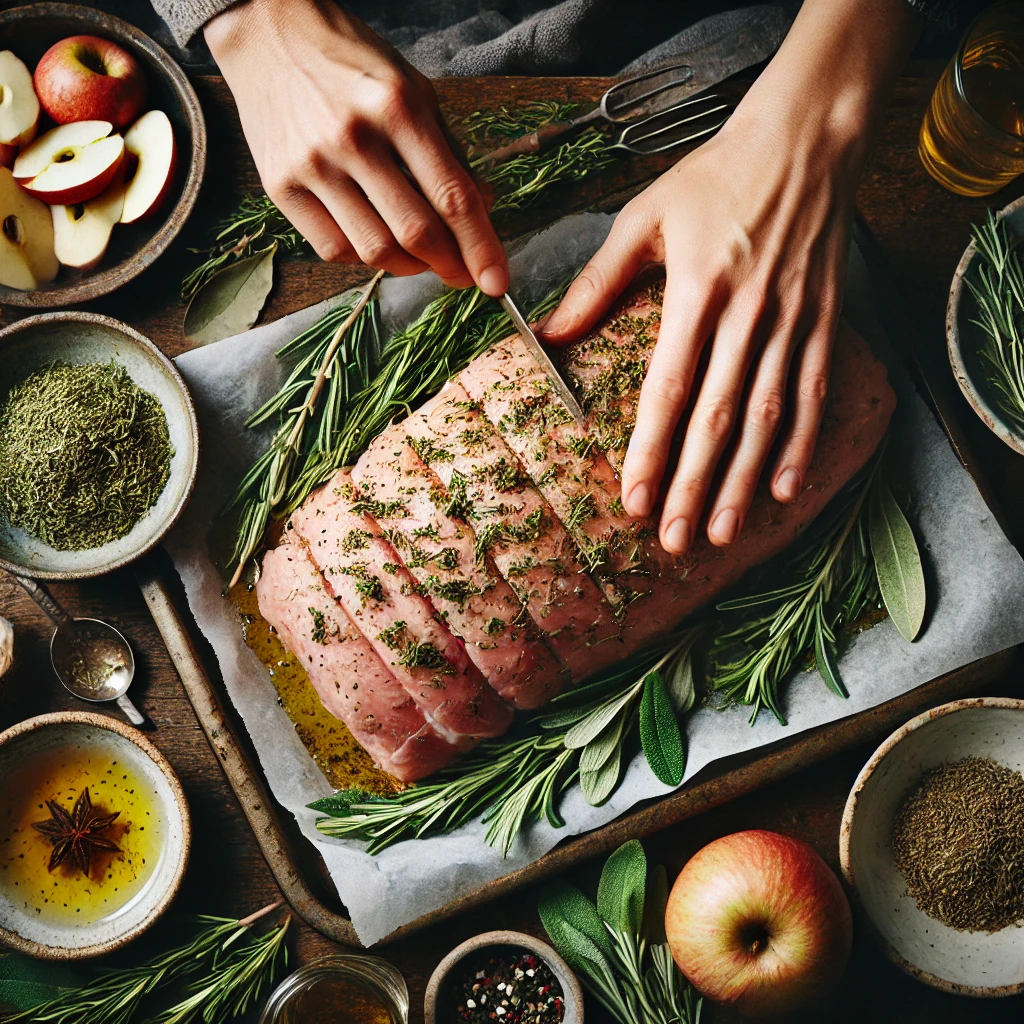
Mother’s Night, celebrated on December 20th as the start of Yule, honors the nurturing feminine energies of the season and the powerful bond between mothers and their families. It is a night to gather, reflect, and embrace the warmth and comfort of home as the winter solstice approaches. A fitting main dish for this sacred night is an Herb-Crusted Roast Pork Loin, prepared with the bounty of winter ingredients like rosemary, sage, thyme, and apples. The pork loin symbolizes strength and abundance, while the aromatic herbs and apples connect us to the earth and the season’s essence.
The Magic of Herb-Crusted Roast Pork Loin
Mother’s Night, the start of Yule, is a time to honor the divine feminine, maternal love, and the cycles of life that sustain us. During this feast, we celebrate not only the physical mothers in our lives but also the nurturing earth, goddess energies, and feminine ancestral spirits. The Herb-Crusted Roast Pork Loin is a dish steeped in symbolism and flavor, bringing together hearty and comforting ingredients to set the tone for a warm, love-filled gathering.
Pork, with its associations of fertility, strength, and prosperity, forms the foundation of this dish. The herbs—rosemary, sage, and thyme—invoke protection, wisdom, and strength, all qualities tied to the motherly energies honored during Yule. Apples add a touch of sweetness and joy, symbolizing life and vitality amidst the cold winter months. This meal is an expression of love, warmth, and nourishment, bringing family and friends together as the longest night of the year approaches.
Spell for Nurturing Love and Warmth
As you prepare this dish, use this spell to honor the nurturing energies of Mother’s Night and invite warmth and love into your home.
Light a white or red candle to represent nurturing love and the warmth of family.
As you prepare the pork loin and herbs, focus on your intention to bring warmth and harmony into your home.
While rubbing the herb mixture onto the pork, chant:
“Herbs of wisdom, apple sweet, Nurturing warmth in love complete. Bless this feast with joy and light, Mother’s love on this Yule night.”
Serve the dish with reverence, sharing it with loved ones and offering a portion to honor the motherly spirits who guide and protect.
Magical Properties of Herb-Crusted Roast Pork Loin
This dish is infused with ingredients carrying significant magical properties for Mother’s Night and Yule:
Garlic: Offers protection and purification, strengthening the protective energies of the feast.
Pork Loin: Represents strength, abundance, and fertility, bringing grounded and prosperous energy to the table.
Rosemary: Invokes protection, memory, and clarity. It’s an herb that enhances the warmth and comfort of the home.
Sage: Symbolizes wisdom, purification, and healing. Sage is often used to clear energy and bless a space.
Thyme: Known for courage, strength, and healing. Thyme adds depth to the meal and promotes resilience.
Apples: Symbolize life, vitality, and joy, adding a touch of sweetness and invoking abundance.
Herb-Crusted Roast Pork Loin
A tender, flavorful pork loin crusted with winter herbs and baked alongside apples for a warm and comforting Yule feast.
Roasting pan or large baking dish
Small mixing bowl
Knife
Cutting board
Meat thermometer
3 lbs boneless pork loin
2 tbsp olive oil
4 cloves garlic (minced)
1 tbsp fresh rosemary (chopped (or 1 tsp dried))
1 tbsp fresh sage (chopped (or 1 tsp dried))
1 tbsp fresh thyme (chopped (or 1 tsp dried))
Salt and pepper (to taste)
2 large apples (cored and quartered)
1 cup apple cider or broth (for basting)
Prepare the Pork and Herbs:
Preheat the oven to 375°F (190°C).
In a small bowl, mix together the olive oil, minced garlic, rosemary, sage, thyme, salt, and pepper to form a paste.
Season the Pork Loin:
Pat the pork loin dry with paper towels.
Rub the herb paste all over the pork, ensuring an even coating on all sides.
Prepare for Roasting:
Place the pork loin in a roasting pan or large baking dish.
Arrange the quartered apples around the pork.
Roast the Pork:
Pour the apple cider or broth over the apples to keep them moist.
Roast the pork loin for 1 hour 15 minutes to 1 hour 30 minutes, or until the internal temperature reaches 145°F (63°C) for medium doneness. Baste the pork with the apple cider or broth halfway through cooking.
Rest and Serve:
Remove the pork from the oven and let it rest for at least 10 minutes before slicing. This allows the juices to redistribute and keeps the meat tender.
Serve the pork slices with roasted apples on the side and drizzle with the pan juices.
This Herb-Crusted Roast Pork Loin pairs well with roasted root vegetables or mashed potatoes for a complete Yule feast. Remember to carve the meat with care, as this is a moment to reflect on the love and nurturing qualities that Mother’s Night celebrates. Leftovers can be enjoyed as part of a comforting winter stew or sandwich.
Main Course
Mother’s Night, Yule
Feast, Recipe
Conclusion
Herb-Crusted Roast Pork Loin is a nourishing and magical main dish to honor Mother’s Night, the opening of Yule’s festivities. This dish brings together the grounding energies of the season with the nurturing warmth of herbs and apples, making it a fitting meal for gathering with loved ones. May this recipe fill your home with warmth, love, and the blessings of the divine feminine as you celebrate the light within the darkness of winter.
On the fifth day of Yuletide, enhance your festive table with a delectable creation that not only complements the Yuletide Hearth Stew but also stands as a symbol of abundance and celebration – the Festive Yuletide Bread. This aromatic and hearty bread, infused with magical properties, embodies the spirit of Yuletide, and adds a touch of warmth to your holiday feast. In this article, we’ll explore the ingredients and steps to create the Festive Yuletide Bread, delve into the magical properties associated with Yuletide, and craft a spell to infuse your December 24th gathering with joy and prosperity.
The Magic of Lemon-Herb Baked Cod
During Mother’s Night, we honor the divine feminine and the nurturing qualities that carry us through the coldest part of the year. Fish, connected to water and intuition, aligns well with the themes of deep reflection, growth, and comfort. Cod, with its delicate flavor and smooth texture, symbolizes clarity and adaptability, qualities that complement the themes of Yule.
The infusion of lemon and winter herbs like rosemary and parsley not only enhances the flavor of the dish but also brings brightness, purification, and grounding energy to the table. Garlic butter adds a layer of richness and warmth, making this dish both comforting and elegant, and creating harmony with the rest of the courses.
Spell for Clarity and Nurturing Energy
As you prepare this seafood dish, use this spell to infuse clarity and nurturing energy into your Mother’s Night feast.
Light a blue or white candle to represent water, clarity, and nurturing love.
As you prepare the fish, visualize the cleansing and healing energies of water flowing through each ingredient.
While brushing the cod with lemon and herbs, chant:
“Waters pure, herbs so bright, Nurturing love on this Yule night. Clarity flows, warmth and peace, Bless this feast, may joy increase.”
Serve the dish with love and gratitude, inviting the energies of clarity, comfort, and nourishment to flow through the meal.
Magical Properties of Lemon-Herb Baked Cod
Butter: Adds harmony, comfort, and unity, evoking a sense of home and togetherness.
Cod: Represents clarity, adaptability, and healing. Connected to water, it promotes emotional balance and spiritual growth.
Lemon: Symbolizes purification, clarity, and rejuvenation. Its bright flavor brings vitality and positivity to the dish.
Garlic: Known for protection and purification, garlic infuses warmth and fortification into the meal.
Rosemary & Parsley: Represent remembrance, protection, and healing. These herbs ground the dish and enhance its nurturing qualities.
Lemon-Herb Baked Cod with Garlic Butter
A tender and flavorful cod fillet baked with lemon, herbs, and garlic butter—an elegant and refreshing seafood addition to your Mother’s Night feast.
Baking dish
Small saucepan
Knife
Cutting board
Basting brush (optional)
4-6 cod fillets (about 6 oz each)
3 tbsp unsalted butter
3 cloves garlic (minced)
1 lemon (half sliced into rounds & half juiced)
1 tbsp fresh rosemary (chopped or 1 tsp dried)
2 tbsp fresh parsley (chopped)
Salt and pepper (to taste)
Fresh thyme leaves (Optional :for garnish)
Prepare the Garlic Butter:
Preheat oven to 375°F (190°C).
In a small saucepan, melt the butter over low heat.
Add the minced garlic and sauté for 1-2 minutes until fragrant. Remove from heat and stir in the lemon juice.
Season the Cod:
Pat the cod fillets dry with a paper towel.
Place the fillets in a baking dish and season both sides with salt and pepper.
Arrange lemon slices around and on top of the fillets.
Brush with Garlic Butter and Herbs:
Pour or brush the garlic butter evenly over the fillets, ensuring each fillet is well-coated.
Sprinkle the rosemary and parsley over the fish for an aromatic finish.
Bake the Cod:
Bake in the preheated oven for 15-20 minutes, or until the cod is opaque and flakes easily with a fork. Cooking time may vary depending on the thickness of the fillets.
Serve:
Once baked, remove the dish from the oven and let the cod rest for 5 minutes.
Garnish with fresh thyme leaves and serve warm as a delicate and flavorful component of your Mother’s Night feast.
Lemon-Herb Baked Cod is best served immediately for optimal flavor and texture. To add more depth, drizzle a touch of olive oil or a squeeze of fresh lemon juice over the fillets before serving. This dish pairs wonderfully with your pork main dish, side dishes like Brussels sprouts and carrots, garlic mashed sweet potatoes, the hors d’oeuvre of spiced cranberry and brie crostini, creamy parsnip and apple soup, and the winter citrus and pomegranate salad.
Seafood
Mother’s Night, Yule
Feast, Recipe
Conclusion
Lemon-Herb Baked Cod with Garlic Butter is a delicate and flavorful dish that perfectly complements your Mother’s Night feast. Bringing together the brightness of lemon, the warmth of garlic, and the nurturing qualities of winter herbs, this dish not only harmonizes with the rest of the menu but also honors the comforting, loving energies of Yule. May this elegant seafood addition bring clarity, nourishment, and joy to your Mother’s Night table.
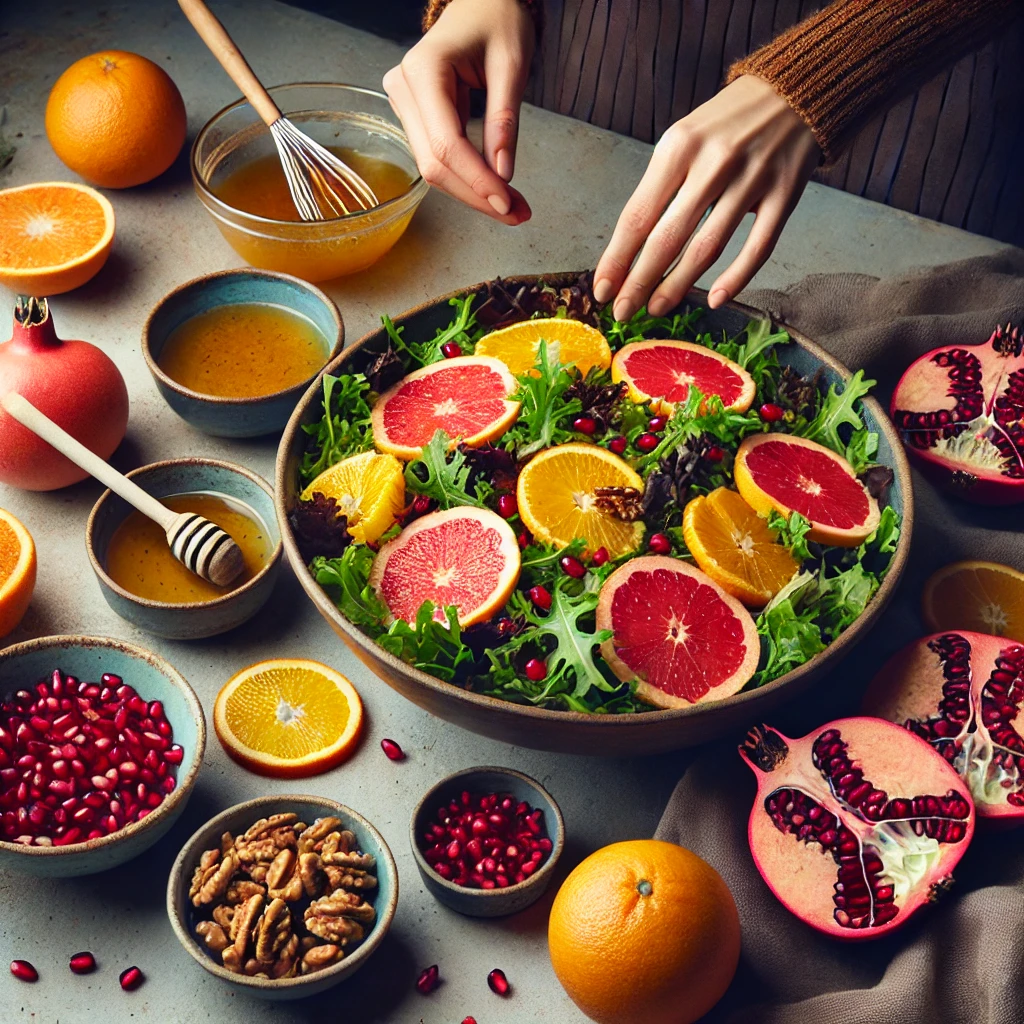
Mother’s Night, marking the beginning of Yule, is a time for gathering warmth and joy around the table. To balance the rich, hearty flavors of your feast, a Winter Citrus and Pomegranate Salad adds a refreshing and vibrant touch. This salad combines winter’s finest ingredients—crisp greens, juicy citrus, pomegranate arils, and a spiced vinaigrette—to create a light and uplifting dish. This salad perfectly complements the herb-crusted pork main dish, the comforting root vegetable side dishes, and the creamy soup, bringing a burst of flavor and color to your Mother’s Night celebration.
The Magic of Winter Citrus and Pomegranate Salad
Winter citrus, such as oranges and grapefruits, ripens during Yule, bringing brightness and vitality into the darkest part of the year. These fruits symbolize the return of the sun, joy, and renewal, making them a perfect addition to the Mother’s Night table. The pomegranate, with its jewel-like seeds, represents fertility, abundance, and love. The addition of nuts and tender winter greens connects the dish to the earth’s nourishing energy, balancing the bright acidity of the citrus.
The sweet and spiced vinaigrette enhances the flavors and invites warmth, peace, and love into your feast. Altogether, this salad represents a harmonious blend of the nurturing and vibrant energies of Yule, providing a refreshing complement to your rich and savory courses.
Spell for Brightness and Renewal
As you prepare this salad, use this spell to invite light, joy, and renewal into your Mother’s Night feast.
Light a yellow or orange candle to represent the returning light of the sun and joy.
As you prepare the citrus, envision the bright light of the sun filling your home and bringing joy to all who gather.
While tossing the salad, chant softly:
“Citrus bright, pomegranate bold, Light returns as nights grow cold. Joy and love in every leaf, Renewal comes, bringing relief.”
Serve the salad with love, allowing its energy to bring freshness, lightness, and joy to your feast.
Magical Properties of Winter Citrus and Pomegranate Salad
Dijon Mustard: Represents strength and clarity, enhancing the bold flavors and harmonizing the dish’s energies.
Oranges and Grapefruit: Represent joy, renewal, and the return of the sun. Their bright color and fresh flavor symbolize vitality and rebirth.
Pomegranate Arils: Associated with abundance, love, and fertility, connecting the dish to the blessings and prosperity of the season.
Mixed Greens (like arugula, spinach, or baby kale): Represent earth connection, growth, and health, adding grounding energy to the meal.
Walnuts or Pecans: Symbolize wisdom, protection, and prosperity, bringing earthy richness to the dish.
Honey: Offers sweetness, unity, and warmth, fostering love and connection among those who share the feast.
Winter Citrus and Pomegranate Salad
A refreshing and vibrant salad with winter citrus, pomegranate arils, nuts, and a spiced honey vinaigrette, perfect for bringing brightness and balance to a Mother’s Night feast.
Large salad bowl
Small mixing bowl
Whisk
Knife
Cutting board
For the Salad:
4 cups mixed winter greens (arugula, spinach, or baby kale)
2 oranges or tangerines (peeled and sliced)
1 grapefruit (peeled and sliced)
½ cup pomegranate arils (seeds)
¼ cup walnuts or pecans (chopped)
For the Vinaigrette:
3 tbsp olive oil
1 tbsp apple cider vinegar
1 tbsp honey
1 tsp Dijon mustard
Salt and pepper (to taste)
Pinch ground cinnamon (optional, for warmth)
Prepare the Salad Ingredients:
In a large salad bowl, add the mixed winter greens.
Arrange the orange, tangerine, and grapefruit slices over the greens.
Sprinkle the pomegranate arils and chopped nuts over the top.
Make the Vinaigrette:
In a small mixing bowl, whisk together olive oil, apple cider vinegar, honey, Dijon mustard, salt, pepper, and cinnamon (if using). Taste and adjust seasoning as needed.
Dress the Salad:
Just before serving, drizzle the vinaigrette over the salad.
Toss gently to coat the greens and distribute the citrus and pomegranate evenly.
Serve:
Transfer to a serving dish or serve directly from the salad bowl.
Enjoy as a refreshing and bright complement to your Mother’s Night feast.
This Winter Citrus and Pomegranate Salad is best enjoyed fresh, with the vinaigrette added just before serving to preserve the crispness of the greens. Feel free to customize the nuts or greens based on your preferences. The addition of crumbled feta or goat cheese can also provide an extra layer of creaminess and flavor.
Salad
Mother’s Night, Yule
Feast, Recipe
Conclusion
This Winter Citrus and Pomegranate Salad brings brightness and vitality to your Mother’s Night feast, offering a refreshing counterpoint to your main dishes. As you enjoy this salad’s sweet and savory flavors, may it fill your table with the light of the returning sun and the joy of the season, blessing your Yule celebration with warmth, renewal, and love.
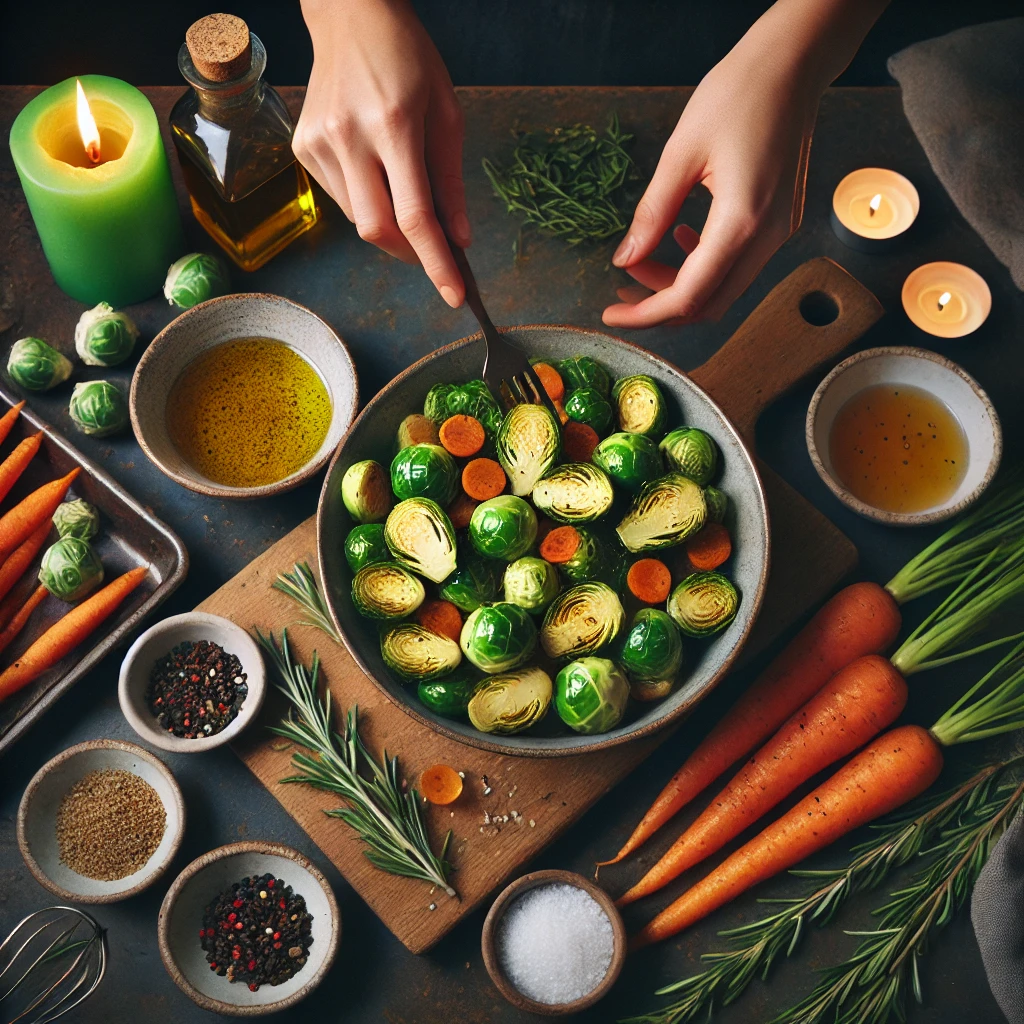
On Mother’s Night, the opening of the Yule season, we honor the nurturing feminine energies that bring warmth and comfort during the darkest time of the year. As the feast begins, pairing your main dish with the perfect side is essential for creating a well-rounded meal. This Maple Roasted Brussels Sprouts and Carrots dish, with its blend of sweet, savory, and earthy flavors, complements a hearty pork roast and celebrates winter’s bounty. By using seasonal vegetables and warming spices, this dish brings balance, joy, and a touch of sweetness to your Mother’s Night celebration.
The Magic of Maple Roasted Brussels Sprouts and Carrots
Mother’s Night is a time to honor the nurturing energy of the Divine Mother and female ancestors, while embracing the hearth and home. Root vegetables and winter greens symbolize stability, growth, and protection during this reflective season. Carrots represent clarity and vision, helping to bring forth the light within the darkness. Brussels sprouts, a symbol of growth and fortitude, align with the strengthening energies needed to endure the long winter months.
The sweetness of maple syrup represents the unity and joy we celebrate during Yule, while the grounding nature of the olive oil and spices brings a sense of comfort and connection to the earth. Roasting these vegetables transforms their flavors, bringing out their natural sweetness and earthiness, making this dish both nourishing and symbolic of the winter solstice.
Spell for Unity and Warmth
As you prepare this dish, focus on creating a warm and loving environment for family and friends.
Light a green or gold candle to represent unity, joy, and abundance.
As you mix the vegetables and maple syrup, visualize love and warmth filling your home.
While spreading the vegetables on the roasting pan, chant:
“Roots of earth, greens of might, Unity and warmth on this Yule night. Sweetness flows and hearts entwine, Love and joy for all to shine.”
Serve the dish with gratitude, allowing its energy to spread warmth, joy, and unity to those who partake in the feast.
Magical Properties of Maple Roasted Brussels Sprouts and Carrots
Rosemary: An herb for remembrance, clarity, and protection. It enhances the warming qualities of the dish and brings a sacred touch to the feast.
Brussels Sprouts: Represent growth, strength, and protection, aiding in endurance and spiritual fortitude during the cold winter.
Carrots: Symbolize clarity, vision, and grounding. Their bright color helps illuminate the path forward during dark times.
Maple Syrup: Associated with sweetness, unity, and abundance, inviting warmth and love into the home.
Olive Oil: Brings peace, protection, and grounding, helping to harmonize the energies within the dish.
Maple Roasted Brussels Sprouts and Carrots
A warm and comforting side dish of roasted Brussels sprouts and carrots tossed in maple syrup and rosemary, perfect for a winter feast.
Baking sheet
Mixing bowl
Knife
Cutting board
1 lb brussels sprouts – trimmed and halved (trimmed and halved)
3 large carrots – peeled and sliced into thick coins (peeled and sliced into thick coins)
2 tbsp olive oil
2 tbsp maple syrup
1 tbsp fresh rosemary ( chopped or 1 tsp dried)
Salt and pepper (to taste)
Prepare the Vegetables:
Preheat oven to 400°F (200°C).
In a mixing bowl, toss the Brussels sprouts and carrot slices with olive oil, maple syrup, rosemary, salt, and pepper until well coated.
Roast the Vegetables:
Spread the seasoned vegetables in an even layer on a baking sheet.
Roast for 30-35 minutes, stirring halfway through, until the vegetables are tender and caramelized.
Serve:
Once roasted, remove the vegetables from the oven and let cool slightly.
Transfer to a serving dish and enjoy warm as a sweet and savory accompaniment to your Mother’s Night pork dish.
This side dish can be prepared in advance and reheated just before serving. Feel free to add a sprinkle of nuts (like walnuts or pecans) before roasting for extra crunch and flavor. The natural sweetness of the maple syrup balances the earthy taste of Brussels sprouts and carrots, making this dish a perfect match for savory pork.
Appetizer
Mother’s Night, Yule
Recipe
Conclusion
Maple Roasted Brussels Sprouts and Carrots is a delightful and meaningful addition to your Mother’s Night feast, offering a perfect balance of sweet and savory flavors. As you share this dish with loved ones, may it bring warmth, unity, and a sense of nurturing comfort to your Yule celebrations, honoring the sacred feminine and the blessings of the season.
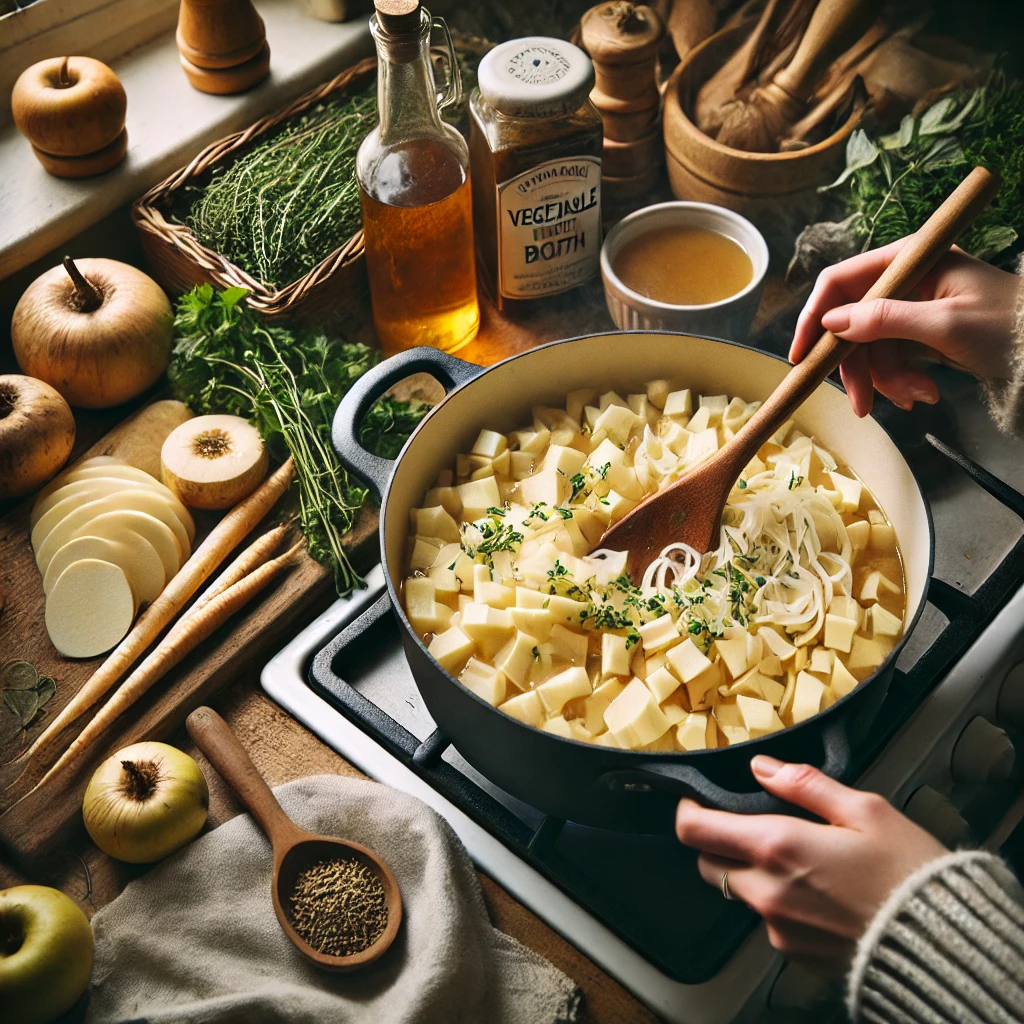
Mother’s Night marks the beginning of Yule, bringing warmth and celebration to the darkest part of the year. As family and friends gather, the menu should reflect the comfort and nourishment of the season. Creamy Parsnip and Apple Soup is a perfect way to begin your feast, offering the delicate sweetness of winter apples and parsnips blended with the savory notes of thyme and sage. This silky, warming soup balances the flavors of your pork main dish and complements the earthy tones of the side dishes, making it a harmonious addition to your Mother’s Night table.
The Magic of Creamy Parsnip and Apple Soup
Winter is a time for grounding, nourishing, and embracing the warmth of the hearth. This Creamy Parsnip and Apple Soup represents these qualities, bringing together seasonal ingredients to create a deeply flavorful and heartwarming starter for your feast. Parsnips, sweet and earthy, connect us to the earth and encourage stability and protection during the long winter nights. Apples, which symbolize love, joy, and health, add a layer of brightness and vitality to the soup, balancing the rich and savory elements of the meal.
The herbs, including sage and thyme, provide grounding energy and connect us to ancestral wisdom and guidance, aligning with the motherly energies honored on Mother’s Night. The cream brings unity and comfort, enveloping all the flavors in a smooth and luxurious texture. As you serve this soup, you’ll be inviting warmth, nourishment, and harmony to your Mother’s Night feast.
Spell for Warmth and Comfort
Use this spell while preparing the soup to infuse your gathering with warmth, comfort, and loving energy.
Light a white candle to represent peace and comfort.
As you sauté the parsnips and apples, envision your intentions to create a warm and loving space for all who attend.
While stirring the soup, softly chant:
“Parsnips deep, apples bright, Warmth and love on this Yule night. Comfort grows as soup does steam, Bring us joy, like a winter’s dream.”
Serve the soup with a sense of gratitude and comfort, sharing its warmth and nourishment with your loved ones.
Magical Properties of Creamy Parsnip and Apple Soup
Cream: Adds comfort, unity, and nurturing energy, helping to blend and balance all elements of the dish.
Parsnips: Represent grounding, protection, and earth connection. Their earthy sweetness aligns with winter’s energy, helping to nourish and stabilize.
Apples: Symbolize love, health, and joy, adding brightness and warmth to the meal and bringing blessings for health and unity.
Onions: Provide protection and clarity, acting as a barrier against negativity and promoting clear communication.
Sage: Invokes wisdom, clarity, and purification, helping to create a peaceful and protected space.
Thyme: Represents strength, courage, and healing, lending fortifying energy to the soup and to the feast.
Creamy Parsnip and Apple Soup
A smooth and comforting soup combining the sweet earthiness of parsnips and apples with warming herbs—a perfect winter starter for Mother’s Night.
Large pot or Dutch oven
Wooden spoon
Knife
Cutting board
Blender or immersion blender
1 tbsp olive oil
1 – medium onion (chopped)
3 – large parsnips (peeled and chopped)
2 – large apples (Granny Smith or Honeycrisp recommended – peeled, cored, and chopped)
4 cups vegetable broth (or chicken broth)
1 tsp fresh thyme leaves (or ½ tsp dried thyme)
1 tsp fresh sage (chopped (or ½ tsp dried sage))
Salt and pepper (to taste)
½ cup heavy cream (or coconut milk for a dairy-free option)
Fresh parsley or thyme – for garnish (Optional – for garnish)
Sauté the Aromatics:
In a large pot or Dutch oven, heat the olive oil over medium heat.
Add the chopped onion and sauté until translucent, about 3-4 minutes.
Cook the Vegetables and Apples:
Add the chopped parsnips and apples to the pot, stirring to combine with the onion.
Sauté for 5 minutes until they begin to soften.
Simmer the Soup:
Add the broth, thyme, and sage to the pot. Bring to a boil, then reduce the heat to low and simmer for 20 minutes, or until the parsnips are tender.
Blend and Add Cream:
Using a blender or immersion blender, carefully blend the soup until smooth and creamy.
Stir in the heavy cream, and season with salt and pepper to taste.
Serve:
Ladle the soup into bowls and garnish with fresh parsley or thyme if desired.
Enjoy warm, allowing the soothing flavors to envelop you and your loved ones.
Creamy Parsnip and Apple Soup can be prepared ahead of time and gently reheated before serving. For added flavor, swirl in a bit of extra cream or drizzle a touch of olive oil on top just before serving. This soup pairs wonderfully with the herb-crusted pork loin, roasted Brussels sprouts and carrots, garlic mashed sweet potatoes, and spiced cranberry and brie crostini.
Soup
Mother’s Night, Yule
Recipe
Conclusion
Creamy Parsnip and Apple Soup is the perfect way to start your Mother’s Night feast, offering a delicate balance of sweet and savory flavors that harmonize beautifully with the season. As you serve this comforting winter soup, may its warmth, grounding energy, and sweetness fill your home with love, comfort, and blessings for the Yule season ahead.
Mother’s Night, the beginning of Yule, is a time for honoring the divine feminine energies that nurture and comfort during the darkest part of the year. A wonderful way to start this feast is with an elegant and flavorful hors d’oeuvre like Spiced Cranberry and Brie Crostini. This delightful dish brings together the sweet-tart flavor of cranberries, creamy brie, and the warmth of spices—all served atop crispy baguette slices. This festive appetizer pairs beautifully with a pork main dish and complements the winter flavors of your Brussels sprouts and carrots, and garlic mashed sweet potato side dishes.
The Magic of Spiced Cranberry and Brie Crostini
During Yule, the winter solstice, we celebrate warmth, abundance, and unity amidst the year’s darkest days. The pairing of cranberries and brie in this crostini symbolizes the harmony between sweetness and richness, balancing the energies of light and dark. Cranberries bring brightness and vitality to your Mother’s Night table, while brie represents the nurturing qualities of love and protection that are celebrated during this season.
The warming spices added to the cranberry sauce—cinnamon and nutmeg—enhance the festive qualities of the dish, filling the air with comforting aromas that connect us to winter’s magic. The crispy crostini serves as a grounding base, representing the stability and strength we find in our homes and families.
Spell for Abundance and Harmony
Use this spell as you prepare this hors d’oeuvre to invite abundance and harmony into your Mother’s Night feast.
Light a red or gold candle to symbolize warmth, abundance, and unity.
As you mix the cranberry sauce, visualize each ingredient coming together in perfect harmony.
While spreading the cranberry sauce and layering the brie, chant:
“Cranberries bright, brie so smooth, Harmony and warmth, may love infuse. Winter’s night, we feast and cheer, Abundance and joy in hearts draw near.”
Serve the crostini with love, sharing its energy of unity and celebration with all who partake.
Magical Properties of Spiced Cranberry and Brie Crostini
Honey: A symbol of sweetness and manifestation, honey adds a touch of warmth and unity to the cranberry sauce.
Cranberries: Represent vitality, healing, and joy. Their bright red color symbolizes the life force and the return of light during the winter solstice.
Brie: Signifies comfort, nurturing, and unity, creating a sense of warmth and protection at the feast.
Baguette: A grounding element, representing stability and connection to the earth.
Cinnamon & Nutmeg: These warming spices add abundance, love, and protection to the dish, enhancing the festive energy of Yule.
Spiced Cranberry and Brie Crostini
Sweet and spiced cranberry sauce paired with creamy brie, served on crispy baguette slices—a festive and elegant appetizer perfect for Mother’s Night.
Baking sheet
Small saucepan
Knife
Cutting board
Spatula
For the Crostini:
1 French baguette – sliced into 16 thin rounds (sliced into 16 thin rounds)
2 tbsp olive oil (for brushing)
8 oz brie cheese (sliced into small pieces)
For the Cranberry Sauce:
1 cup fresh or frozen cranberries
¼ cup honey or maple syrup
¼ cup orange juice
1 tsp orange zest
¼ tsp ground cinnamon
⅛ tsp ground nutmeg
fresh thyme leaves (Optional garnish:)
Prepare the Cranberry Sauce:
In a small saucepan, combine cranberries, honey or maple syrup, orange juice, orange zest, cinnamon, and nutmeg.
Bring to a simmer over medium heat, stirring occasionally, until the cranberries soften and pop, about 10-12 minutes. The sauce should thicken slightly. Remove from heat and set aside to cool.
Prepare the Crostini:
Preheat oven to 375°F (190°C).
Arrange baguette slices on a baking sheet and brush both sides with olive oil.
Toast in the oven for 8-10 minutes, flipping halfway through, until golden and crisp.
Assemble the Crostini:
Place a piece of brie on each toasted baguette slice.
Top with a spoonful of the cooled cranberry sauce.
Serve:
Arrange the crostini on a platter and garnish with fresh thyme leaves if desired.
Serve immediately, allowing the creamy brie and sweet-spiced cranberries to bring joy to the feast.
Spiced Cranberry and Brie Crostini are best enjoyed fresh but can be assembled in advance by preparing the cranberry sauce and slicing the brie ahead of time. To add a touch of warmth, briefly broil the crostini for 1-2 minutes after assembling, just enough to melt the brie slightly. This dish pairs wonderfully with the savory flavors of herb-crusted pork, roasted Brussels sprouts and carrots, and garlic mashed sweet potatoes.
Amuse Bouche
Mother’s Night, Yule
Recipe
Conclusion
This Spiced Cranberry and Brie Crostini is a deliciously festive way to start your Mother’s Night feast, bringing together the sweetness of cranberries and the creaminess of brie. Each bite is a celebration of warmth, unity, and abundance, setting the tone for a night of love and joy as you gather with family and friends to celebrate the opening of Yule. May this elegant appetizer bring light, comfort, and harmony to your Mother’s Night gathering.
Unveil the Magic of Juniper Berries: From Culinary Delights to Wild Foraging
With their aromatic, resinous scent and vibrant blue hues, juniper “berries” bring a distinctive flavor and versatility to winter foraging. From infusing gin to crafting wild yeast starters, these berries offer a wide range of culinary and medicinal uses.
A Unique Winter Spice and More
Though commonly referred to as “berries,” juniper berries are fleshy pinecones, with a spicy, resinous flavor that is uniquely their own. Known for their strong aroma and distinctive taste, they’re a valuable wild ingredient for both culinary and medicinal uses. Juniper berries are perhaps best known as the primary flavoring agent in gin, lending the spirit its unmistakable character. They also make excellent additions to winter cooking, herbal teas, and even as a wild yeast source for fermentation projects. Let’s explore the ins and outs of foraging juniper berries, from identifying and harvesting them to discovering their rich array of uses.
What Are Juniper Berries?
Juniper berries grow on juniper shrubs or small trees, part of the cypress family (Cupressaceae). While they look similar to other berries, these small, dark blue to purple “berries” are actually modified cones, with fleshy scales that have fused together to form a berry-like appearance. Juniper berries develop over the course of two to three years, starting as green, unripe cones before maturing to a deep blue or purplish color.
They have a distinctive scent and flavor profile—spicy, piney, and slightly peppery, with a subtle hint of citrus. These unique flavors are what make juniper berries a popular spice in culinary traditions and a fundamental ingredient in gin production. Beyond their culinary appeal, juniper berries have been traditionally used for their medicinal properties, making them a valuable plant in herbal remedies and natural medicine.
Variants of Juniper Berries
Several species of juniper are found across the world, though only certain types are recommended for culinary and medicinal use:
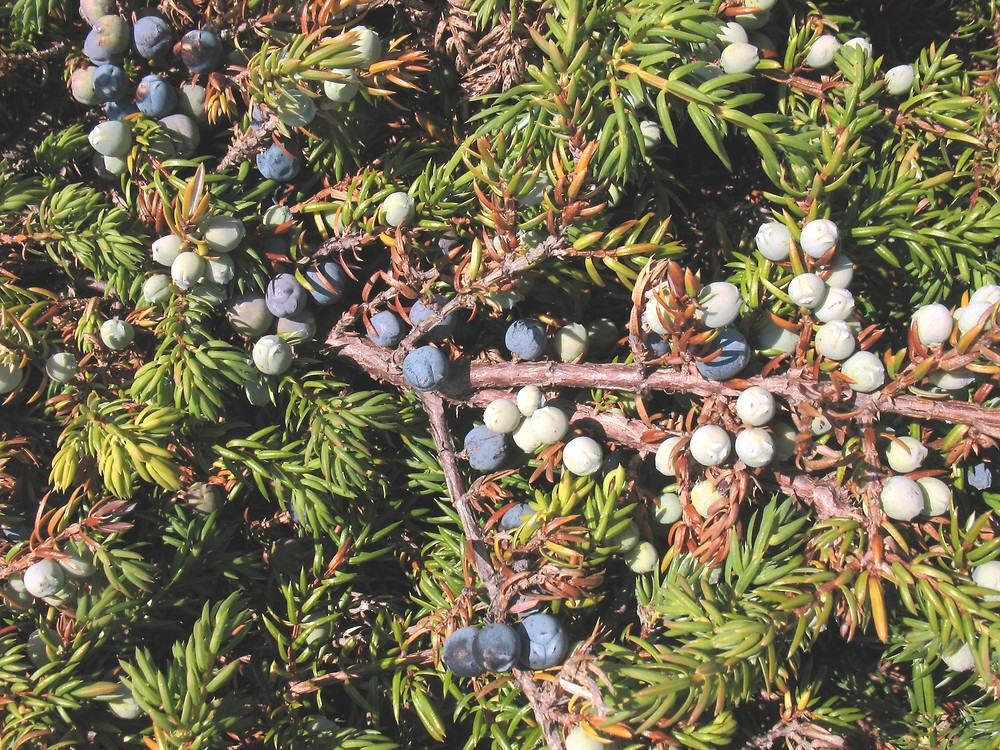
Common Juniper (Juniperus communis): This is the most widely used and foraged species for culinary purposes. It produces medium-sized, blue berries and has a strong, resinous flavor. Common Juniper is also the primary species used in gin production.
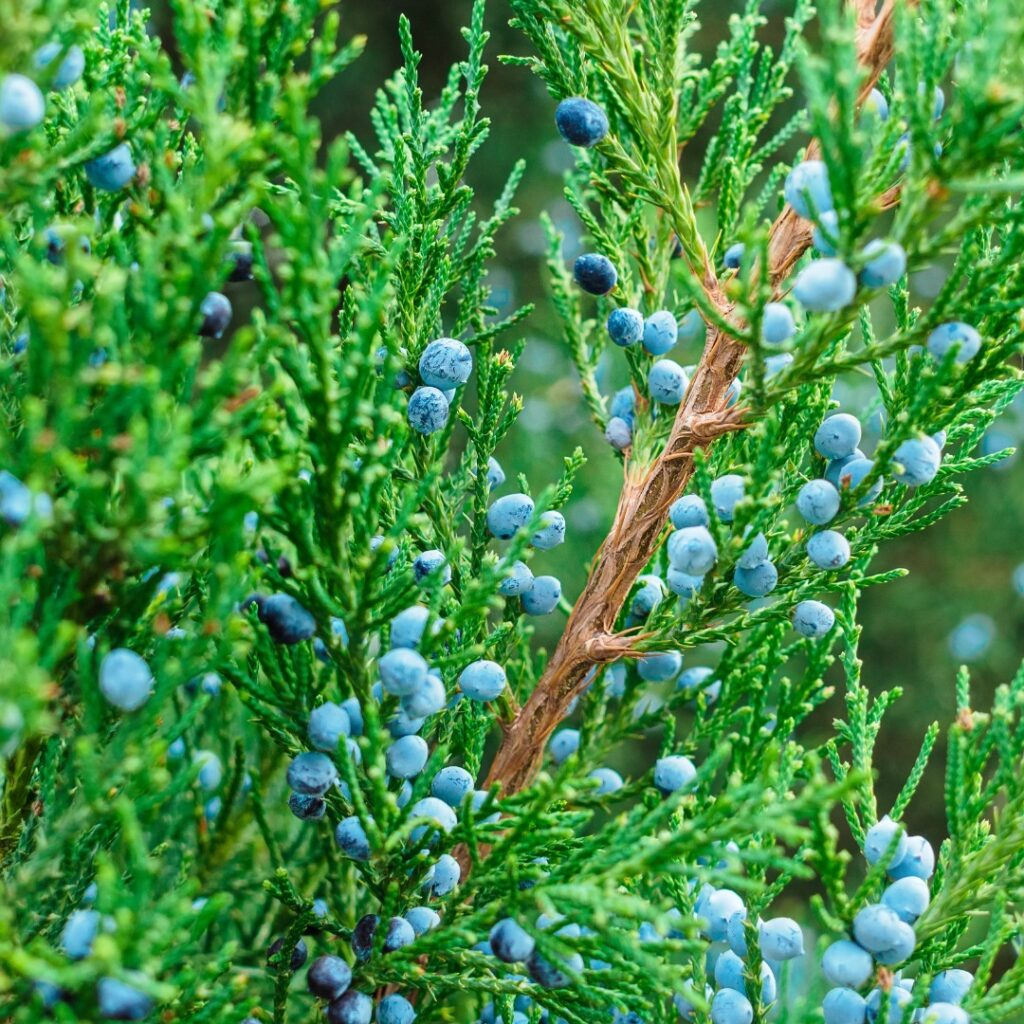
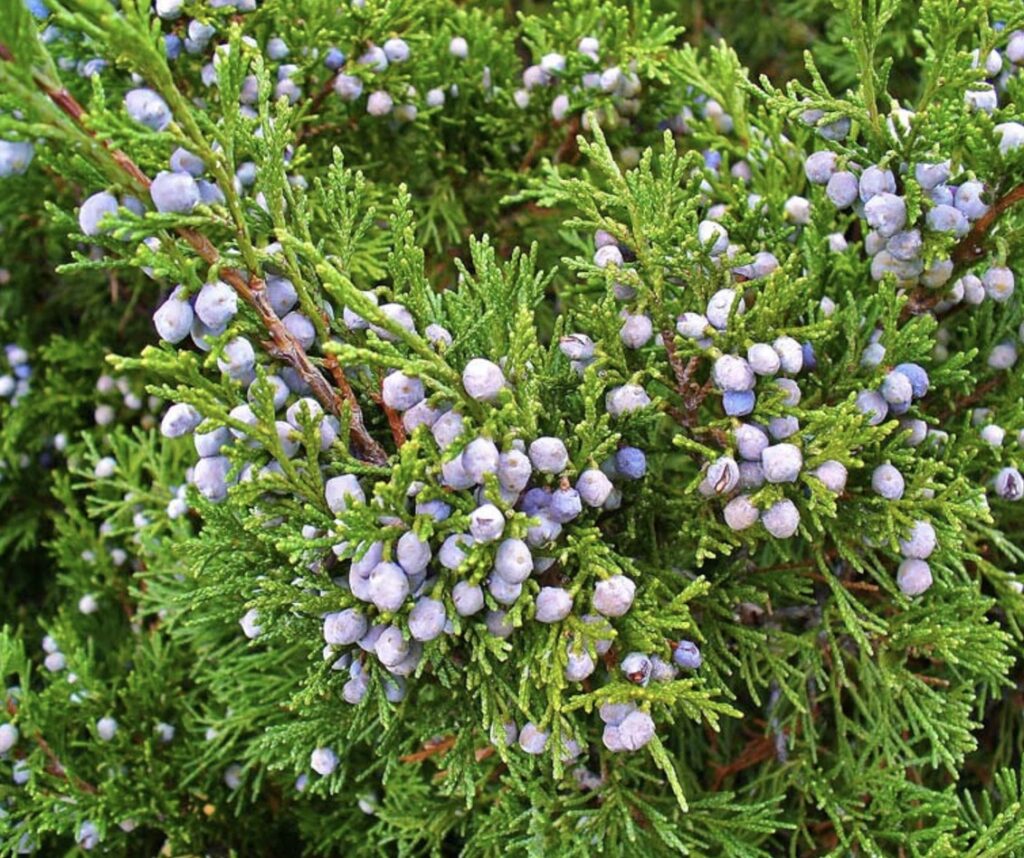
Eastern Red Cedar (Juniperus virginiana): Found throughout eastern North America, Eastern Red Cedar produces smaller, reddish-blue berries with a more intense, peppery flavor. Though it’s safe to use in moderation, it’s not as commonly used in cooking due to its stronger, more medicinal taste.
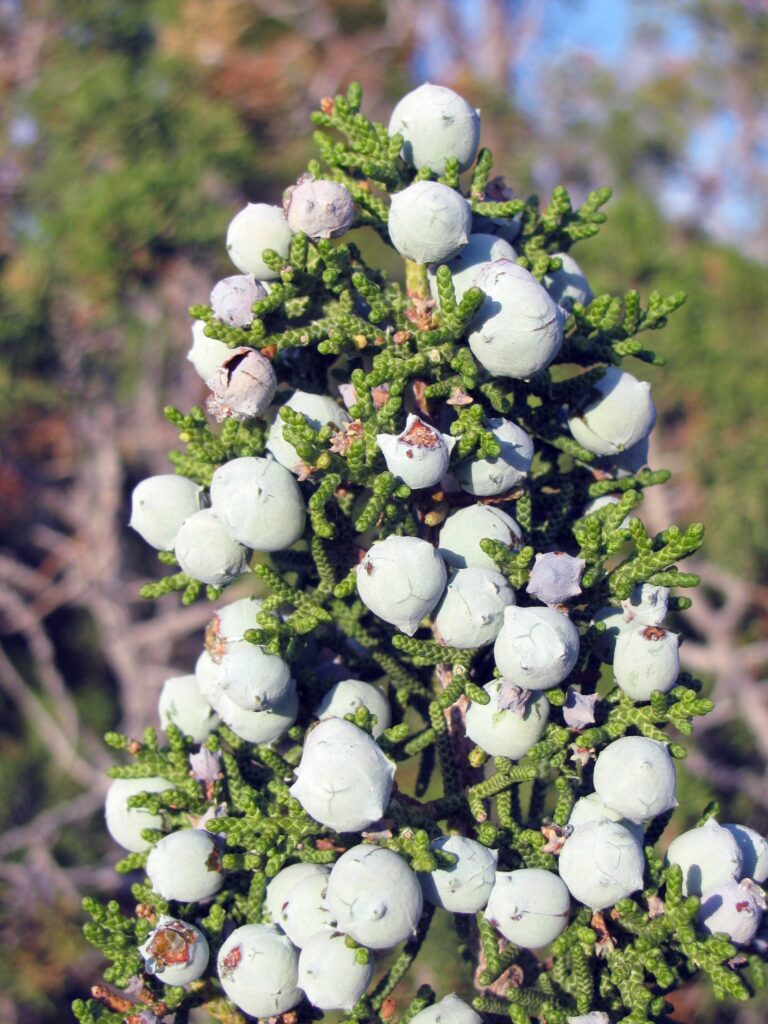
California Juniper (Juniperus californica): Native to the southwestern United States, California Juniper produces larger, lighter-colored berries with a milder flavor. It is often used by indigenous communities for food and medicinal purposes.
Note: While most juniper species are safe for consumption in small amounts, others, like Juniperus sabina (Savin Juniper), are toxic and should not be consumed. Always confirm the species before foraging juniper berries.
Common Juniper (Juniperus communis)
The Common Juniper (Juniperus communis) is the most widely recognized and foraged species within the juniper family, prized for its distinctive flavor, versatility, and accessibility. This hardy shrub or small tree grows across North America, Europe, and parts of Asia, thriving in a variety of environments, from rocky outcrops and hillsides to open woodlands. Common Juniper is easy to identify, with its needle-like leaves, vibrant blue berries, and robust, aromatic scent, making it a favorite among foragers and culinary enthusiasts alike.
Appearance and Identification
Common Juniper is a low-growing, often bushy plant that reaches heights between 3 to 5 feet, though some varieties can grow taller. Its needles are sharp, slender, and arranged in whorls of three along the branches. The needles are typically bright green with a slight silver stripe running down their center, adding a unique visual cue for identification.
The “berries” of Common Juniper, which are actually modified cones, are round and range from blue to deep purple when mature. These berries take about two to three years to fully ripen, resulting in a plant that often has both green (unripe) and blue (ripe) berries simultaneously. When crushed, the berries release a distinctive resinous aroma with hints of pine, pepper, and citrus, making them easily distinguishable from other wild berries.
Flavor Profile
Common Juniper berries have a robust, piney flavor with strong resinous and peppery undertones. This intense taste is balanced by a slight bitterness and a hint of citrus, adding a complex depth to dishes. The berries’ unique profile lends itself well to a variety of culinary uses, particularly in hearty, savory recipes where their bold flavor can stand out.
Culinary Uses
As the most popular juniper species for culinary applications, Common Juniper has been used for centuries to add a wild, woodsy note to foods and beverages. Some of its primary culinary uses include:
Gin Production: Common Juniper is the primary flavoring agent in gin, where its distinctive piney taste forms the core character of the spirit. In gin-making, the berries are often paired with other botanicals like coriander, angelica root, and citrus peel to create a balanced and aromatic flavor profile. For home foragers, crushing Common Juniper berries and steeping them in vodka allows for an easy DIY gin infusion that showcases the berries’ resinous character.
Meat and Game Flavoring: Juniper berries are commonly used in marinades and rubs for game meats such as venison, boar, and duck, as well as beef and lamb. The berries’ sharp, peppery flavor cuts through the richness of these meats, balancing their intensity. Crushing a few berries and adding them to stews, roasts, or braises infuses the dish with an earthy, forest-like aroma.
Savory Spice Blends: Common Juniper can be dried and ground into a powder, which is then used to create spice rubs and seasonings. The berries pair well with other spices such as rosemary, black pepper, thyme, and garlic, enhancing their savory qualities. Juniper berry powder can be sprinkled on roasted vegetables, incorporated into sauces, or mixed with salt for a unique seasoning.
Winter Cocktails and Syrups: Besides gin, Common Juniper can be used to infuse syrups and bitters for winter cocktails. Juniper syrup, made by simmering crushed berries with sugar and water, adds a festive note to cocktails, hot drinks, and even desserts. This syrup can be used as a sweetener in gin cocktails, drizzled over pastries, or added to spiced teas for an extra layer of flavor.
Medicinal Uses
Common Juniper has long been valued in traditional medicine for its antiseptic, digestive, and diuretic properties. Juniper berry tea is sometimes used to soothe digestion and relieve bloating, while the essential oils in the berries can help support respiratory health when inhaled as steam. The immune-boosting properties of the berries are particularly beneficial in winter, helping ward off seasonal colds.
Note: Due to the potency of juniper berries, they should be used sparingly, particularly in medicinal contexts. Pregnant women and individuals with kidney issues should consult a healthcare professional before using juniper.
Cultural and Historical Significance
Historically, Common Juniper has been held in high regard not only for its culinary and medicinal uses but also for its cultural significance. The plant was often considered a protective herb in European folklore, believed to ward off negative energies and cleanse spaces. In some traditions, burning juniper branches was thought to purify homes, and the berries were carried as charms for protection and good fortune.
Foraging Tips
Common Juniper is best foraged in the fall when the berries have reached full maturity and their flavor is most concentrated. Look for dark blue or purple berries, which indicate ripeness. Be sure to pick sustainably, only taking a small portion of berries from each plant to ensure a lasting population for wildlife and future foragers.
Common Juniper (Juniperus communis) is a versatile, aromatic foraged ingredient with a rich history and a wide range of uses. From gin production and game flavoring to medicinal teas and protection charms, Common Juniper embodies both utility and tradition, making it a prized find in winter foraging. Its bold, piney flavor and unique aromatic qualities bring a wild touch to winter recipes and homemade infusions, connecting foragers with the evergreen beauty and resilience of nature.
Eastern Red Cedar (Juniperus virginiana)
Eastern Red Cedar, or Juniperus virginiana, is a robust, versatile conifer found across eastern North America. Despite its name, this tree is a type of juniper rather than a true cedar and is well-known for its distinctive reddish wood, aromatic foliage, and medicinally potent berries. Eastern Red Cedar has been used historically by Indigenous communities and settlers alike for its various practical, medicinal, and spiritual properties.
Appearance and Identification
Eastern Red Cedar trees are relatively easy to recognize. They typically grow to a height of 30-50 feet, though they can reach up to 90 feet in favorable conditions. The tree has a narrow, columnar form with dense, overlapping branches, and its bark is fibrous, peeling off in thin, reddish-brown strips. The foliage is a rich green, often taking on a bluish or grayish tint, especially in winter, and consists of scale-like leaves that lie close to the branches, giving the tree a soft, textured appearance.
The “berries” of Eastern Red Cedar are small and have a reddish-blue hue, sometimes appearing almost purple when fully ripe. These berries are smaller than those of Common Juniper, and they often have a frosty or dusty coating. Inside each berry is a single seed, surrounded by resin-rich, aromatic flesh. When crushed, these berries emit a strong, peppery, and slightly medicinal aroma that reflects their intense flavor profile.
Flavor Profile
Eastern Red Cedar berries have a notably more intense and peppery flavor than those of Common Juniper. They are highly aromatic, with a sharp, almost medicinal taste and an underlying warmth that can be likened to pepper with a resinous kick. This powerful flavor makes them suitable for use in very small quantities, as their taste can easily dominate other ingredients.
Due to their intensity, Eastern Red Cedar berries are typically not used as frequently in culinary applications as other juniper species. However, their unique profile can add a distinct, spicy warmth when used carefully, especially in recipes that call for a bold, woodsy accent.
Culinary Uses
Though Eastern Red Cedar berries are safe to consume in moderation, their stronger flavor requires a cautious approach in cooking. When used sparingly, these berries can lend an interesting, peppery depth to dishes:
Seasoning for Meat and Game: Similar to Common Juniper, Eastern Red Cedar berries can be used to season game meats such as venison, duck, and wild boar. Their pungent, peppery flavor helps cut through the richness of these meats, enhancing their natural taste. Due to the berries’ intensity, only a few crushed berries are needed, and they work best in long, slow-cooked dishes like stews or braises, where their flavors can mellow.
Infusions for Medicinal Tonics: The berries of Eastern Red Cedar are commonly infused to create medicinal tonics rather than culinary infusions. Traditionally, they have been steeped in hot water to create a warming tea that can support respiratory health and aid digestion. However, their strong flavor requires a light touch, and they are often combined with other herbs or a sweetener to temper their sharpness.
Sparingly in Spice Blends: When used sparingly, Eastern Red Cedar berries can be incorporated into spice blends, particularly those designed for robust winter dishes. They can be crushed and mixed with other warming spices like black pepper, cloves, and allspice to create a powerful seasoning blend for meats and root vegetables.
Caution: Given their potent flavor and medicinal properties, Eastern Red Cedar berries should be used sparingly, and are not recommended for everyday culinary use. Due to their powerful compounds, they may not be suitable for people with kidney conditions or for pregnant women.
Medicinal Uses
Historically, Eastern Red Cedar berries and other parts of the plant have been valued for their medicinal benefits, particularly in traditional Indigenous medicine:
Respiratory Support: The berries are often used to relieve respiratory congestion and ease coughs. When prepared as a tea or steam inhalation, their aromatic oils help open up the airways, clear mucus, and support respiratory health.
Digestive Aid and Diuretic: The berries have mild diuretic properties and have traditionally been used as a remedy for digestive complaints such as bloating and mild stomach discomfort. A small amount of berry infusion can stimulate digestion and promote detoxification.
Antiseptic Properties: Eastern Red Cedar was historically used as a natural antiseptic, with both the berries and leaves employed in poultices and washes to cleanse wounds. Today, the berries are sometimes included in herbal tinctures to support immune health.
Cultural and Spiritual Significance
Eastern Red Cedar holds deep cultural and spiritual significance in many Indigenous traditions. The tree’s branches, berries, and wood have been used in various rituals and ceremonies to purify spaces, ward off negative energies, and invite protection. The aromatic smoke from burning Eastern Red Cedar branches is believed to cleanse and protect, and the berries themselves may be carried as protective charms.
Foraging Tips
Foraging Eastern Red Cedar berries requires careful identification to ensure you are not confusing them with the berries of other juniper species or non-edible conifers. Here are some tips for sustainable and safe foraging:
Timing: For the best flavor and potency, forage Eastern Red Cedar berries in late autumn to early winter when they are fully ripe and display their rich reddish-blue color.
Harvest Moderately: Eastern Red Cedar trees can be slow-growing, so be mindful to only harvest a small portion of berries from each tree, leaving plenty for wildlife and to ensure the tree’s continued health.
Storage: The berries can be dried for future use by spreading them in a single layer on a clean, dry surface in a cool, dark place. Once fully dried, store them in an airtight container, where they will keep for up to a year.
Eastern Red Cedar (Juniperus virginiana) is a unique juniper species with a bold, peppery flavor and potent medicinal qualities. Though not as commonly used in everyday cooking due to its intensity, it offers a range of applications in seasoning, traditional medicine, and even spiritual practices. For those willing to experiment with its powerful profile, Eastern Red Cedar provides a distinctive, warming accent to winter dishes and herbal preparations, grounding the forager in the rich traditions and resilience of this aromatic tree.
California Juniper (Juniperus californica)
California Juniper (Juniperus californica) is a native species to the arid regions of the southwestern United States, especially in California, Nevada, Arizona, and parts of Baja California. This species is well-adapted to dry, rocky environments and thrives in high desert areas, foothills, and chaparral landscapes. Known for its resilience and utility, California Juniper has been used by Indigenous communities for centuries as a valuable source of food, medicine, and materials. The tree’s berries are unique in both appearance and flavor, making them a distinctive option among junipers for foragers and culinary enthusiasts.
Appearance and Identification
California Juniper trees typically grow to a modest height of 10 to 20 feet, although some can reach up to 30 feet under favorable conditions. The tree has a dense, rounded shape with gnarled, twisting branches that give it a striking, rugged appearance. The bark is fibrous and reddish-brown, often peeling in thin strips, and its foliage consists of scaly, bluish-green leaves that lie close to the branches. California Juniper is notably drought-resistant, with deep roots that allow it to survive in some of the most arid climates in North America.
The berries of California Juniper are larger than those of many other juniper species, ranging from about 1/4 to 1/2 inch in diameter. These berries are typically lighter in color, often appearing pale blue, gray, or even whitish due to a waxy coating that gives them a frosted look. The lighter color and larger size of the berries are key identifying features, helping foragers distinguish California Juniper from other juniper species.
Flavor Profile
California Juniper berries have a milder, less resinous flavor compared to other junipers like Common Juniper or Eastern Red Cedar. They still possess the characteristic piney and slightly peppery taste of juniper berries but with a softer, more earthy quality that is less intense. This gentler flavor makes California Juniper a versatile ingredient in cooking, as it can add depth to dishes without overpowering other flavors.
The milder taste also makes California Juniper berries more palatable when consumed directly or in simple preparations, which is one reason why Indigenous communities have historically used these berries as a staple food source in various preparations.
Culinary Uses
California Juniper berries are suitable for a range of culinary applications, thanks to their mild and earthy flavor. Here are some common ways they are used in food:
Traditional Indigenous Preparations: Indigenous communities in the southwestern United States have long valued California Juniper berries as a reliable food source, especially during times of scarcity. The berries are sometimes ground into a flour-like substance and mixed with other ingredients to create nutrient-dense cakes or porridge. This flour can also be added to soups or stews as a thickener and flavor enhancer.
Flavoring for Meat Dishes: Like other juniper berries, California Juniper works well as a seasoning for meat, particularly game meats like rabbit, venison, or quail. The berries can be lightly crushed and added to marinades, rubs, or slow-cooked dishes to impart a subtle piney, peppery flavor. Because of their milder taste, California Juniper berries can be used in larger quantities without overwhelming the dish.
Infusions and Beverages: California Juniper berries can be infused in water, vinegar, or alcohol to create lightly flavored beverages. When steeped in water or tea, they lend a gentle, earthy flavor with a hint of pine. These infusions can be enjoyed on their own or used as a base for other beverages, like cocktails. In gin production, California Juniper is sometimes used to achieve a softer juniper note, especially when a more delicate flavor profile is desired.
Medicinal Uses
California Juniper has been traditionally used in Indigenous medicine for its various health benefits. The berries, bark, and foliage all hold medicinal properties that make this tree a valuable natural remedy:
Digestive Aid: Juniper berries are commonly used to support digestion, and California Juniper is no exception. Consuming a small amount of juniper berry tea or infusion can help stimulate the digestive system, reduce bloating, and alleviate mild stomach discomfort.
Respiratory Health: The aromatic oils in California Juniper have been traditionally used to relieve respiratory issues. The berries and foliage are sometimes burned or used in steam inhalation to help clear congestion and soothe the airways. This method is particularly useful during cold and flu season, offering natural relief from coughs and nasal congestion.
Anti-Inflammatory Properties: California Juniper berries contain compounds with mild anti-inflammatory effects, making them useful in natural remedies for joint pain or muscle aches. The berries can be consumed as a tea, or the essential oil from the foliage can be used in salves and ointments for topical application.
Caution: As with all juniper berries, California Juniper should be consumed in moderation. The berries contain compounds that may not be suitable for people with kidney issues or for pregnant women. Always consult a healthcare provider if you have any concerns about consuming juniper.
Cultural and Spiritual Significance
In addition to its practical uses, California Juniper holds cultural and spiritual importance among many Indigenous groups. The tree is often considered sacred, symbolizing resilience, strength, and protection in harsh environments. The berries and branches are used in various ceremonies and rituals, particularly for cleansing and protection. The smoke from burning juniper branches is thought to purify spaces and ward off negative energy, while juniper berries are sometimes carried as talismans for personal protection.
Foraging Tips
California Juniper berries are generally ripe and ready for harvest in late autumn to early winter when they turn pale blue or gray. Here are some tips for ethical and sustainable foraging:
Harvesting Berries: Gently pluck the ripe, frosted berries from the branches, being mindful not to over-harvest from a single tree. California Juniper is slow-growing and valuable to wildlife, so only take what you need.
Storage: Fresh California Juniper berries can be used right away or dried for future use. To dry them, spread the berries out in a single layer in a well-ventilated area away from direct sunlight. Once fully dried, store them in an airtight container in a cool, dark place, where they can last up to a year.
Identify Safely: Always ensure you’ve correctly identified California Juniper before harvesting, as some juniper species are toxic. California Juniper’s pale, frosted berries and distinctive bluish-green foliage are key identifiers.
California Juniper (Juniperus californica) is a unique and valuable species, offering a milder, earthy flavor that makes it versatile for culinary, medicinal, and cultural applications. From seasoning meats to soothing respiratory ailments and playing a role in traditional ceremonies, California Juniper connects foragers with the spirit of the arid Southwest and the wisdom of Indigenous traditions. Its gentle yet distinct profile is perfect for foragers looking to explore the world of juniper without the strong intensity of other varieties, bringing both flavor and heritage into your winter foraging practices.
How to Identify Juniper Berries and Their Variants
Accurate identification is essential when foraging juniper berries, as not all species are suitable for consumption. Here are some key characteristics to look for:
Needles and Branches: Juniper trees have needle-like or scale-like leaves that grow in whorls around the branches. The needles may be spiky or soft, depending on the species, and are usually dark green or gray-green in color.
Berry Color and Size: Mature juniper berries are typically dark blue, purple, or even blackish in color, with a slightly frosted appearance. They are small, generally between 1/4 to 1/2 inch in diameter, and often grow in clusters along the branches.
Growth Patterns: Most juniper berries take two to three years to fully mature, meaning you may see both green (unripe) and blue (ripe) berries on the same plant. Only harvest the mature, blue berries for culinary and medicinal use, as the green ones are not yet fully developed.
Aromatic Quality: Juniper berries have a strong, piney aroma when crushed. This distinctive scent can help you differentiate them from other berries or cones.
Habits of Juniper Shrubs and Trees
Juniper shrubs and trees are among the most adaptable and resilient plants in the wild, thriving in a variety of environments and often in areas where other plants struggle to survive. Known for their hardy, drought-resistant nature, junipers are well-suited to extreme conditions, including rocky hillsides, arid deserts, open woodlands, and coastal areas. They have evolved to tolerate poor soils and full sun, making them ideal for rugged, well-drained environments where other vegetation may be sparse.
Adaptability to Harsh Environments
Junipers are incredibly versatile in terms of the climates and terrains they can endure. They can be found in the northern boreal forests, where temperatures plummet and snowfall is heavy, as well as in hot, arid deserts, where rainfall is scarce. This adaptability has enabled juniper species to spread across the globe, from North America and Europe to parts of Asia and Africa. Their extensive root systems allow them to access deep water sources, helping them survive prolonged droughts and dry seasons, while their evergreen nature allows them to photosynthesize year-round, even in winter.
Growth and Longevity
Junipers are typically slow-growing and can live for decades, with some species known to live for several hundred years. The Rocky Mountain Juniper, for example, has been documented to reach ages well over 1,000 years. This slow growth rate often results in twisted, gnarled branches that give older junipers a unique, ancient appearance. Junipers typically grow as shrubs or small trees, reaching heights between 10 to 30 feet, though some species can grow taller under optimal conditions. Their long lifespan and resilience make them valuable stabilizers in ecosystems, preventing soil erosion on slopes and providing shelter for other plants and animals.
Seasonal and Evergreen Characteristics
Most juniper species are evergreen, retaining their needle-like or scale-like foliage throughout the year. This characteristic is essential for winter foragers, as junipers remain accessible even in colder months when many other plants have shed their leaves or gone dormant. The evergreen nature of juniper also helps the plant continue photosynthesis during winter, providing a constant source of energy and resilience, which is reflected in the plant’s dense, aromatic foliage and vibrant berries.
Wildlife and Ecological Importance
Juniper shrubs and trees are vital to their ecosystems, offering food, shelter, and habitat for a range of wildlife. Many bird species rely on juniper berries as a winter food source, particularly when other berries and seeds are scarce. Mammals, such as deer, rabbits, and bears, also consume juniper berries when available, and smaller animals may use juniper shrubs for protection from predators. In addition to supporting animal life, junipers contribute to soil stabilization, especially on slopes and rocky hillsides, where their root systems help prevent erosion.
Adaptations to Low-Water Conditions
Junipers have evolved specific adaptations to cope with drought and low-water conditions. Their leaves, which are needle-like or scale-like, have a reduced surface area and are covered with a waxy coating that helps minimize water loss through transpiration. This trait is particularly useful in desert and high-altitude environments where water is limited. The ability of junipers to store water in their woody tissues and tap into deep underground water reserves allows them to survive extended dry periods and remain green and productive year-round.
Widespread Distribution and Accessibility
Due to their adaptability and resilience, juniper shrubs and trees are widely distributed and accessible to foragers in many parts of the world. In North America, species like the Common Juniper (Juniperus communis) and Eastern Red Cedar (Juniperus virginiana) are prevalent from coast to coast, while California Juniper (Juniperus californica) is common in the southwestern deserts. European juniper species, such as Juniperus communis, have a long-standing cultural significance, and they can be found throughout Europe and Asia, often in mountainous and heathland areas.
For foragers, juniper trees provide an abundant and sustainable winter resource, with berries that ripen in late autumn and remain on the tree into winter, accessible even during the cold months. By understanding the habits and resilient nature of juniper trees, foragers can connect with a plant that has adapted to some of the earth’s most challenging landscapes, offering both nourishment and a powerful symbol of endurance.
How to Properly Forage Juniper Berries
Foraging juniper berries is a rewarding experience, as these unique berries bring a distinctive flavor and aroma to culinary and medicinal uses. However, due to the variability among juniper species and their potent compounds, responsible and informed foraging is essential. Here’s a step-by-step guide to safely and sustainably foraging juniper berries.
1. Identify the Species
Proper identification is the first and most critical step when foraging juniper berries. Some juniper species, such as Common Juniper (Juniperus communis) and California Juniper (Juniperus californica), are safe and flavorful for culinary use. However, certain species, like Savin Juniper (Juniperus sabina), contain toxic compounds that can be harmful if ingested. Here are a few tips for identifying safe juniper species:
Check the Leaf Structure and Berry Color: Common Juniper, for example, has needle-like leaves, while some other junipers have scale-like leaves. Safe juniper berries are generally blue to dark purple when ripe, whereas other species may have slightly different coloring or smaller, hard berries.
Use Field Guides or Apps for Accurate ID: Consider carrying a foraging field guide or using a plant identification app to verify the species, especially if you are new to foraging. The slight differences between juniper species can be hard to discern, so having a reliable guide is valuable.
Consult Local Experts: When in doubt, consult with local foragers, herbalists, or conservationists who are familiar with the native juniper species in your area. They can help confirm the species and offer additional guidance.
2. Harvesting Berries
When harvesting juniper berries, it’s important to handle them gently to preserve the plant’s health and maintain sustainable foraging practices. Here are some best practices for harvesting:
Use Gloves or Small Scissors: Juniper berries can be slightly resinous and sticky, and some people may experience mild skin irritation when handling the berries. Wearing gloves can help protect your hands. Alternatively, use a small pair of scissors to snip the berries from the branches without damaging the plant.
Gently Pluck Ripe Berries: Ripe berries should come off the branches with a gentle pull. Avoid forcing any berries that are difficult to remove, as they may not be fully mature. You may find that berries are more accessible when harvesting in late autumn or early winter.
Harvest Selectively and Moderately: For sustainable foraging, avoid overharvesting from a single plant. Juniper berries are a food source for wildlife, and the plant itself benefits from retaining a portion of its berries. Aim to take only a small amount from each plant, and if possible, gather from several different plants to minimize impact on any single juniper.
3. Only Harvest Mature Berries
Juniper berries have a unique growth cycle, taking two to three years to fully ripen, which means you may find both green (unripe) and blue (ripe) berries on the same plant. Selecting only mature berries is essential for quality and taste:
Identify Ripe Berries by Color and Texture: Fully mature juniper berries are typically dark blue to purple and may have a frosty or waxy coating. They are also slightly softer to the touch compared to unripe berries, which are green, hard, and bitter.
Avoid Green Berries: Green juniper berries are not only unripe but also much more resinous and bitter, which can overpower the flavor in culinary applications. Additionally, some unripe berries may contain compounds that are not ideal for consumption.
Choose Berries Carefully: To ensure that you’re gathering the highest quality berries, pick selectively, focusing on the darkest and most developed berries. This selection process also ensures the younger, green berries can mature for future harvests.
4. Storage
Storing juniper berries properly can preserve their flavor and potency, making them available for culinary and medicinal use throughout the year. Here are some tips for effective storage:
Drying the Berries: Spread the berries out in a single layer on a clean, dry surface or a screen in a well-ventilated area, away from direct sunlight. Allow the berries to dry for several days until they become shriveled and firm to the touch. Drying helps to concentrate the flavor and extends their shelf life.
Storing in Airtight Containers: Once fully dried, place the berries in an airtight container, such as a glass jar or a sealed bag. Store the container in a cool, dark place, like a pantry or cupboard. Properly dried and stored juniper berries will keep for up to a year without losing their aromatic qualities.
Freezing for Long-Term Storage: If you plan to use the berries over an extended period or want to maintain a fresher flavor, consider freezing them. Place dried berries in a freezer-safe bag or container, where they will keep their potency for up to two years. Frozen berries can be used directly in teas, infusions, or spice blends.
By following these steps for foraging juniper berries, you can gather this unique wild ingredient responsibly, ensuring both safety and sustainability in your practice. Proper harvesting and storage techniques allow you to enjoy the rich, aromatic flavors of juniper berries in culinary and medicinal applications, bringing the spirit of the wild into your pantry year-round.
Culinary Uses of Juniper Berries
Juniper berries bring a distinctive, piney flavor to foods and beverages, making them a popular spice for winter cooking and a key ingredient in gin production.
Flavoring for Meat and Game: Juniper berries are often used to flavor meats, particularly game meats like venison, as well as pork and lamb. The berries can be crushed and added to marinades or stews to lend a resinous, slightly peppery flavor that complements rich meats.
Infused Gin: Juniper berries are the primary flavoring agent in gin, lending the spirit its signature taste. You can make your own infused gin by adding a handful of crushed juniper berries to vodka and letting it steep for a few weeks. This homemade gin can be used in winter cocktails or enjoyed on its own.
Wild Yeast Starter for Fermentation: Juniper berries are rich in natural yeasts and can be used to create a wild yeast starter for bread-making or fermenting beverages. Simply crush a few berries and soak them in water to activate the yeast before adding it to your recipe.
Seasoning and Spice Blends: Dried juniper berries can be ground into a powder and mixed with other spices to create flavorful rubs and seasonings. They pair well with ingredients like rosemary, thyme, garlic, and black pepper, adding complexity to spice blends.
Medicinal Uses of Juniper Berries
Juniper berries have a long history in traditional medicine, particularly for their antiseptic, diuretic, and anti-inflammatory properties. They are often used in teas, tinctures, and salves.
Digestive Aid: Juniper berry tea can help stimulate digestion, reduce bloating, and relieve mild stomach discomfort. The berries’ natural oils and bitterness support digestive function.
Respiratory Support: The aromatic oils in juniper berries make them a valuable remedy for colds and respiratory issues. Drinking juniper tea or inhaling steam infused with juniper can help ease congestion and clear the airways.
Natural Diuretic: Juniper berries are a mild diuretic, promoting kidney health and helping to flush out toxins from the body. They are sometimes used in herbal blends to support urinary health.
Caution: Due to their potent compounds, juniper berries should be consumed in moderation, particularly by pregnant women or individuals with kidney issues. Consult a healthcare professional if you have any concerns before consuming juniper.
Magical Uses of Juniper Berries
In folklore and magic, juniper berries are often associated with protection, purification, and strength. Their aromatic, evergreen nature lends them an enduring symbolism and power:
Protection Spells: Juniper berries are often used in protective charms or incense. Burned or carried in sachets, they are believed to ward off negativity and protect against harm.
Purification and Cleansing: Juniper berries can be burned as incense or added to cleansing baths to purify spaces, objects, or oneself. The berries’ strong scent is thought to clear away stagnant or negative energy.
Prosperity and Abundance: In some traditions, junipers are associated with abundance and can be used in spells or rituals to attract good fortune and prosperity.
Safety Concerns
While most juniper species are safe in small amounts, some contain toxic compounds that should be avoided. Only forage from species known to be edible, like Common Juniper (Juniperus communis). Pregnant women, individuals with kidney issues, and those sensitive to strong herbal compounds should consume juniper in moderation or consult a healthcare provider beforehand.
Caution: Juniperus sabina (Savin Juniper)
Juniperus sabina, commonly known as Savin Juniper, is a species of juniper that contains potent toxic compounds and should never be consumed. This species is native to mountainous and rocky regions of Europe and parts of Asia, though it is sometimes found in North American ornamental gardens due to its hardy, low-growing nature and ability to withstand harsh conditions. Unlike other juniper species that are safe and even beneficial in moderation, Savin Juniper contains toxic chemicals that can be dangerous if ingested or handled improperly.
Toxic Compounds in Savin Juniper
Savin Juniper contains several toxic compounds, the most notable being sabinyl acetate and sabinene, both of which are found in high concentrations in the plant’s leaves, berries, and essential oils. These compounds are known for their irritant properties and can cause severe reactions when ingested, inhaled, or even absorbed through the skin in large amounts. When consumed, these chemicals can disrupt the gastrointestinal, nervous, and renal systems, making Savin Juniper especially harmful.
Symptoms of Savin Juniper Poisoning
If ingested, even a small amount of Savin Juniper can lead to serious symptoms, including:
Gastrointestinal Distress: Nausea, vomiting, severe abdominal pain, and diarrhea are common symptoms of Savin Juniper poisoning.
Kidney and Liver Damage: The toxic compounds in Savin Juniper are particularly harmful to the kidneys and liver, potentially leading to acute damage and organ stress.
Respiratory Issues: Ingesting or inhaling fumes from burning Savin Juniper can irritate the respiratory system, leading to coughing, shortness of breath, and in severe cases, respiratory distress.
Skin Irritation: The essential oils in Savin Juniper are strong skin irritants and can cause redness, itching, and rashes upon contact, particularly if the oils are undiluted.
Special Precautions for Vulnerable Individuals
Pregnant women should take extra caution to avoid any exposure to Savin Juniper, as it has historically been used in herbal medicine as an abortifacient. Exposure to the plant or its oils can be especially harmful during pregnancy, potentially causing uterine contractions and risking pregnancy complications. Additionally, people with existing kidney, liver, or respiratory issues should avoid contact with this plant to prevent aggravating their conditions.
Identifying Savin Juniper in the Wild
Proper identification is essential to avoid accidental foraging of Savin Juniper. Here are a few key characteristics to distinguish it from safe juniper species:
Growth Form: Savin Juniper is typically a low-growing shrub that spreads outward, forming dense ground cover. It rarely grows tall, unlike other juniper trees and shrubs that can reach significant heights.
Foliage and Berries: The foliage of Savin Juniper is scaly and dark green, often arranged closely to the stem. The berries are usually smaller, harder, and less fleshy than those of Common Juniper, often appearing dark blue or black when ripe.
Aromatic Differences: When crushed, the leaves of Savin Juniper emit a pungent, almost unpleasant odor that is distinct from the pleasant, resinous scent of safe juniper species. This odor is often described as medicinal or camphor-like, which can serve as a warning sign.
Avoiding Savin Juniper in Foraging
If you are foraging in an area where Savin Juniper is known to grow, exercise caution to avoid any plants that fit its description. Avoid harvesting any juniper that has unfamiliar characteristics or lacks the classic aroma of edible juniper species like Common Juniper. When in doubt, it’s best to leave questionable plants unharvested.
Savin Juniper (Juniperus sabina) is a beautiful but highly toxic juniper species that should never be consumed or handled carelessly. By being aware of its toxic properties and practicing proper identification, foragers can safely enjoy the benefits of safe juniper species while steering clear of this hazardous plant.
Wrapping Up
Juniper berries are a unique and rewarding foraged find, offering a variety of uses from culinary infusions to medicinal teas and protective charms. Their bold flavor and symbolic strength make them an ideal addition to winter foraging, bringing warmth, wellness, and a touch of wild magic to the cold months. By foraging responsibly and appreciating the distinctive qualities of juniper, you can connect with nature’s resilience and explore the many ways these “berries” can enrich your life. Happy foraging!
Pine needles, with their fresh, earthy aroma and subtle citrusy flavor, bring a touch of woodland magic to this Pine-Infused Winter Risotto. This dish combines creamy arborio rice with the delicate essence of pine, complemented by seasonal ingredients like mushrooms, Parmesan cheese, and a hint of lemon. This risotto is perfect for winter gatherings, whether as a centerpiece or a side dish, offering a comforting and enchanting connection to the natural world during the season of stillness and renewal.
The Magic of Pine-Infused Winter Risotto
Pine needles symbolize resilience, protection, and purification, making them a powerful ingredient for winter magic. In Wiccan and Pagan traditions, pine is revered for its evergreen qualities, representing life and endurance through the colder months. Infusing their essence into risotto connects us to the grounding energy of the forest and invites a sense of tranquility and renewal.
The creamy texture of risotto mirrors the nurturing warmth of a winter hearth, while the pine essence adds an aromatic layer that evokes the spirit of the forest. This dish is a reminder of nature’s beauty and endurance, offering both nourishment and a touch of enchantment to your winter table.of gratitude, abundance, and transformation, making it a fitting centerpiece for your Mabon feast.
Spell for Resilience and Connection
While preparing this risotto, use this spell to ground yourself, foster resilience, and deepen your connection to nature.
Light a green candle to symbolize the strength and vitality of evergreen trees.
As you prepare the pine-infused broth, visualize its aroma filling your home with grounding and protective energy.
While stirring the risotto, chant softly:
“Forest green, needles bright, Ground my spirit on this winter night. Nourish my soul, connection anew, Pine’s wisdom flows in every brew.”
Serve with love and gratitude, inviting the protective and calming energy of pine into your meal.
Magical Properties of Pine-Infused Winter Risotto
Lemon: Brings clarity, renewal, and a bright contrast to the earthy flavors. clarity and harmony.
Pine Needles: Represent resilience, purification, and protection, bringing the grounding energy of the forest into the dish.
Arborio Rice: Symbolizes abundance and nourishment, providing a rich and creamy base.
Mushrooms: Offer grounding, transformation, and growth, connecting the dish to the earth’s cycles.
Parmesan Cheese: Represents comfort and unity, adding richness and depth.
Pine-Infused Winter Risotto
A creamy and aromatic risotto infused with the fresh, earthy essence of pine needles, mushrooms, and Parmesan, perfect for a winter celebration.
Medium saucepan
Large skillet or saucepan
Wooden spoon
Fine-mesh strainer
For the Pine-Infused Broth:
4 cups vegetable or chicken broth
½ cup fresh pine needles (washed thoroughly – from an edible variety like white pine)
For the Risotto:
1 tbsp olive oil
1 tbsp unsalted butter
1 small onion ( finely chopped)
2 cloves garlic (minced)
1 cup arborio rice
½ cup dry white wine
1 cup mushrooms (sliced: shiitake or cremini work well)
½ cup grated Parmesan cheese
Zest and juice of 1 lemon
Salt and pepper ( to taste)
Optional: fresh parsley (chopped, for garnish)
Prepare the Pine-Infused Broth:
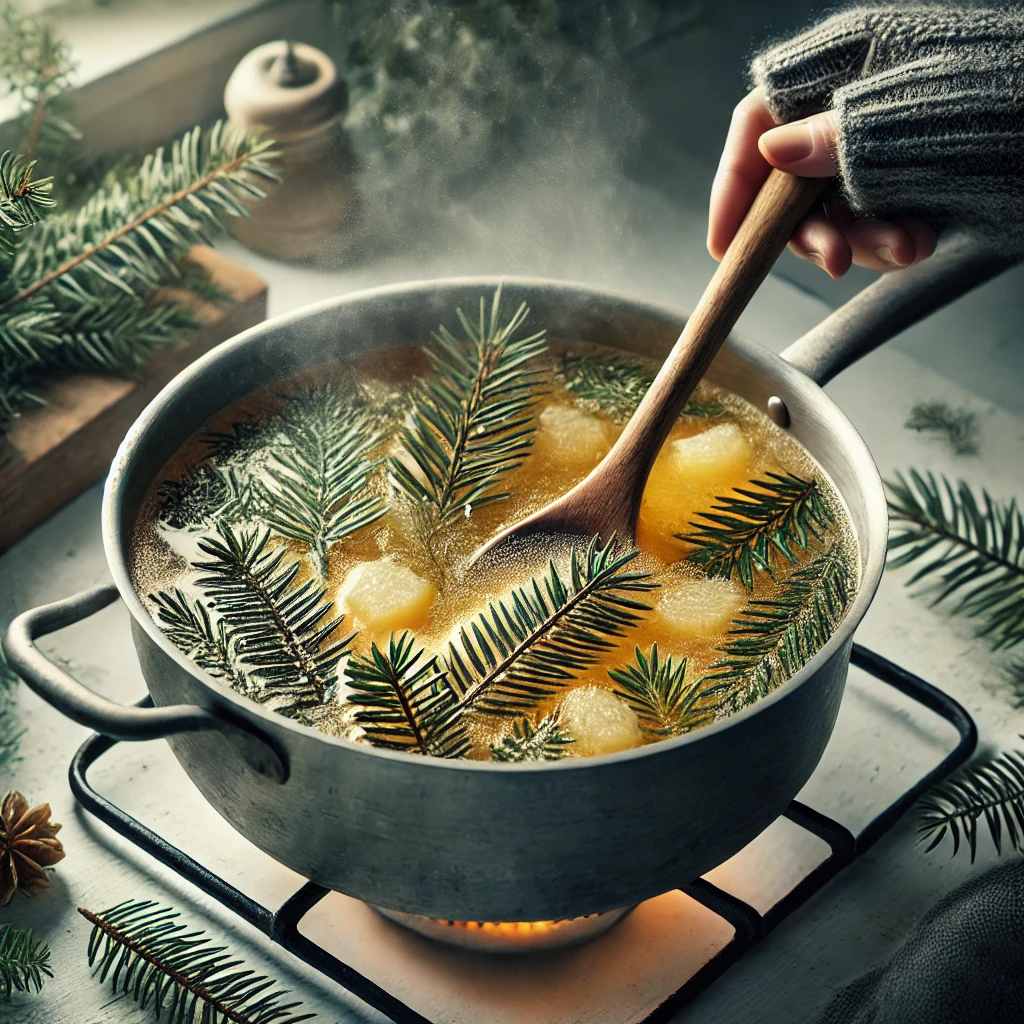
In a medium saucepan, combine the broth and fresh pine needles.
Heat over medium-low heat, allowing the pine to infuse the broth for 10-15 minutes.
Strain the broth through a fine-mesh strainer to remove the needles, keeping the infused liquid warm.
Sauté the Aromatics:
In a large skillet or saucepan, heat the olive oil and butter over medium heat.
Add the chopped onion and garlic, sautéing until softened and fragrant, about 3-4 minutes.
Stir in the mushrooms and cook until tender, about 5 minutes.
Toast the Rice:
Add the arborio rice to the skillet, stirring to coat the grains in the oil and butter.
Cook for 2-3 minutes, or until the edges of the rice are translucent.
Deglaze with Wine:
Pour in the white wine and stir until it is mostly absorbed.
Cook the Risotto:
Begin adding the warm pine-infused broth, one ladleful at a time, stirring frequently.
Allow each addition of broth to be absorbed before adding the next, cooking the rice until tender and creamy, about 20-25 minutes.
Finish the Dish:
Stir in the Parmesan cheese, lemon zest, and lemon juice.
Season with salt and pepper to taste. Remove from heat and let the risotto rest for 5 minutes.
Serve:
Garnish with chopped parsley and additional Parmesan if desired. Serve warm, savoring the grounding and aromatic flavors of the dish.
Pine-Infused Winter Risotto pairs beautifully with roasted vegetables or a simple green salad for a complete meal. Be sure to use only edible pine varieties (such as white pine) and wash them thoroughly before use. The infused broth can be made ahead of time and stored in the refrigerator for up to two days.
Main Course, Side Dish
Winter
Recipe
Conclusion
Pine-Infused Winter Risotto is a comforting and magical dish that brings the essence of the winter forest into your home. With its creamy texture, earthy flavors, and subtle pine aroma, this risotto nourishes the body and spirit, connecting you to the resilience and wisdom of the natural world. May this dish bring warmth, grounding, and a touch of enchantment to your winter celebrations.
As the hearth’s glow softens the edges of the night and the warmth of shared connection fills the air, Yule’s Mothers’ Night invites you to celebrate the simple, yet profound joy of shared activities. This sacred time is one to engage in meaningful moments that honor the Disir—the protective spirits and ancestral women who have shaped our lives—and to weave threads of laughter, creativity, and togetherness into the fabric of familial bonds. The activities chosen are as unique as the lives and memories of those who are honored, making them treasured traditions that deepen connections and enrich the spirit of Yule.
Ritual Basics
Before beginning any ritual, it is important to prepare yourself mentally and physically. You may want to take a cleansing bath, or shower, and meditate or perform some grounding exercises to center yourself. Gather any materials you will need, such as candles, incense, and offerings for the forest spirits.
Bringing Love, Craft, and Joy to Mothers’ Night Mothers’ Night, the first night of Yule, is a time for family and friends to gather and celebrate the feminine energies that guide, nurture, and protect. Engaging in shared activities and spending quality time with loved ones becomes an act of honoring the Disir and the women who have come before. Whether creating crafts, storytelling, singing, baking, or simply sharing laughter over a hot cup of cider, these moments transcend the ordinary, cultivating an atmosphere of love, joy, and reflection. Through these activities, we create a sacred space that nurtures the bond between the living and the spirits who watch over us.
Shared Activities and Quality Time: A Tapestry of Togetherness for Mother’s Night
A relaxed and joyful ritual involving shared crafts, games, and meaningful activities to honor the Disir and feminine energies.
Warm Blanket or Throw (required)
Candles or Twinkling Lights (optional)
Activity Supplies (required)
Comforting Beverages (optional)
Adapt to chosen activity
Craft Supplies (Yule-Themed Decorations
optional – Such as pinecones, holly, cinnamon sticks, glue, twine, or paint)
Baking Ingredients (For Family Recipes or Seasonal Treats
optional – Flour, sugar, spices, nuts, or dried fruits for baking together)
Tokens of Remembrance (Symbolic Items for Honoring Ancestors
optional – A photo frame, fabric for quilt squares, or materials for a shared journal to honor the Disir)
Step 1: Preparing the Space for Togetherness
Choose a gathering space in your home, such as a cozy corner of the living room, the kitchen table, or a circle around the hearth, where everyone can comfortably sit and engage in activities together.
Place warm blankets, pillows, or throws around the space to create a sense of comfort and relaxation. Add candles or twinkling lights to set a mood of joy and celebration.
Set up any necessary materials for your chosen activities, whether it be craft supplies, game pieces, musical instruments, or baking ingredients. Arrange these items on a table, within easy reach, or as a focal point for the gathering.
Step 2: Gathering for Quality Time
Invite everyone to sit together in the gathering space, and begin by lighting a candle or saying a few words to honor the Disir and the feminine energies being celebrated on Mothers’ Night. You may wish to speak a blessing:
“On this sacred night, we gather to honor those who have come before,
To weave laughter and love into the fabric of our lives,
And to celebrate the guiding spirits of Mother’s Night.
May joy, connection, and gratitude fill this space.”
Choose an activity that resonates with the mood and interests of the group. The activity could be something as simple as storytelling, singing, or crafting, or it could involve baking a favorite family recipe together.
Step 3: Engaging in Shared Activities
Crafting Together: Gather supplies to make Yule decorations, like wreaths, Yule logs, or garlands. Each person can create their own craft or contribute to a shared creation, such as a quilt square for a memory quilt or a communal ornament for the tree. Allow creativity to flow, and encourage everyone to share stories or memories while they work.
Baking and Cooking: Prepare a special meal, dessert, or snacks as a family. Choose recipes that have significance to your heritage or the women of your family. As you cook, share memories associated with the dish, and enjoy the scents and warmth of the kitchen together.
Storytelling and Singing: Share tales of female ancestors, memorable family stories, or tales of Yule and the season’s traditions. Sing songs together, whether they are Yule carols, family favorites, or traditional folk songs that honor the season and the Disir.
Playing Games or Dancing: Engage in traditional games that the whole family enjoys, or clear a space for dancing together. Let the energy be light, playful, and full of joy.
Step 4: Honoring and Reflecting Together
As the activities come to a close, take a moment to pause and reflect. Allow each person to share what the night has meant to them, or offer a gratitude prayer to the Disir and female ancestors:
“We give thanks for the joy shared, for the love given and received,
For the laughter and light that fill this night,
And for the guidance of our beloved Disir,
Who walk with us through every season of life.”
Enjoy the remaining moments together, whether by sitting in quiet reflection, sharing a comforting beverage, or simply being present in each other’s company.
Remember that the purpose of this ritual is to celebrate connection, love, and joy in a way that feels authentic and meaningful to those present. There are no right or wrong activities; simply choose what brings a sense of delight and closeness to the gathering. If young children are present, consider activities that are fun, simple, and interactive. Allow the night to unfold naturally, without pressure or expectation—each shared moment is a gift to honor and remember.
Mother’s Night, Yule
Rituals
Conclusion
Mothers’ Night is a celebration of love, unity, and the nurturing bonds that weave through generations. By engaging in shared activities and spending quality time with loved ones, we honor the Disir and all those who have shaped our lives with grace and strength. Every craft made, song sung, and game played becomes an act of remembrance and joy, filling the night with warmth and the spirit of togetherness. As the Yule season unfolds, may the connections you celebrate on Mothers’ Night bring you closer to your family, your ancestors, and the guiding energies of love and protection that accompany you throughout the year.
Connecting to Ancestral Wisdom through the Power of the Written Word
In the gentle glow of Mother’s Night, the first night of Yule, the warmth of the hearth and the feminine influence of the home beckon practitioners to honor the Disir—the protective female spirits, ancestors, and mothers who have shaped lives throughout generations. The evening becomes a sacred opportunity to honor the feminine, to nurture connections with those who have come before, and to celebrate the love that flows through time and space. One of the most meaningful rituals to mark this night is the act of writing heartfelt letters or expressions of love and gratitude to the Disir and influential women of one’s life, both seen and unseen. The written word becomes a sacred tool of connection, allowing the heart to speak and creating a bridge that weaves between the earthly realm and the spiritual world.
Ritual Basics
Before beginning any ritual, it is important to prepare yourself mentally and physically. You may want to take a cleansing bath, or shower, and meditate or perform some grounding exercises to center yourself. Gather any materials you will need, such as candles, incense, and offerings for the forest spirits.
The Power of Heartfelt Letters on Mother’s Night Mothers’ Night is a time of deep reflection, honor, and the rekindling of the threads that bind us to the Disir—the guardian spirits, female ancestors, and protectors of fate and fertility. By setting aside time to write heartfelt letters or express gratitude through other creative forms, practitioners are given a chance to cultivate reverence for the loving energies that have watched over and guided them. As the words take shape on the page, they become a tangible expression of emotions, intentions, and love, inviting a deeper sense of communion and understanding. This practice is particularly significant, as it highlights the act of expressing and giving voice to the often unspoken connections between the past, present, and future.
Heartfelt Letters and Expressions: A Writing Ritual for the Disir
A reflective Yule ritual of writing letters to honor the Disir and influential feminine energies in one’s life.
Writing Materials (required)
Candle (required)
Altar or Writing Space (optional)
Decorative Box or Pouch (optional)
1 Stick or Bundle Incense (Any Autumn or Winter Scent
optional – To cleanse the space and invoke the presence of the Disir)
1 Small Offering Herbs or Dried Flowers (optional – Such as rosemary, lavender, or rose petals to offer to the spirits)
1 Token of Appreciation (Symbol of a Loved Ancestor
optional – Such as a piece of jewelry, photograph, or keepsake to honor the Disir)
Step 1: Preparing the Sacred Writing Space
Choose a quiet place where you can sit comfortably and write without distractions. This could be near a hearth, at a kitchen table, or at an altar adorned for Yule.
Light a candle and place it in your writing space, setting the tone of reverence and illumination. The flame represents the presence of the Disir and the guiding light of female ancestors.
If desired, burn incense to cleanse and consecrate the space, welcoming the energies of Mother’s Night to join in your reflections.
Step 2: Setting the Intention for Connection and Gratitude
Before beginning your writing, take a moment of silence to ground yourself and focus on your breath. Inhale deeply, drawing in the warmth of the season, and exhale to release any distractions or concerns.
Visualize your intentions clearly—to honor the Disir, express gratitude for the women in your lineage, and connect with the nurturing energies that have supported you.
With your eyes closed, take a moment to call upon the Disir. You may choose to speak words aloud, inviting them to guide your hand and heart as you write:
“Disir, guardians and protectors, I honor you this night.
Through my words, may my gratitude be heard,
And may my love reach across time and space.”
Step 3: Writing Heartfelt Letters or Expressions
As you sit with your paper or parchment, let the words flow from your heart. Write to a specific female ancestor, the collective Disir, or to the feminine energies that have blessed and guided your life.
Express your gratitude, admiration, and love—you may choose to write about memories, offer thanks for blessings received, or simply speak from the heart. Let the candle’s gentle light guide your thoughts as they find their way onto the page.
If words don’t come easily, you may also choose to draw symbols, create poetry, or compose songs that carry your intention. Each expression is sacred and honored, no matter the form it takes.
Step 4: Presenting the Letters as Offerings
Once your letter or expression is complete, take a moment to read it aloud to the flame of the candle, knowing that the words are carried to the spirits through the light and smoke.
Fold the letter and place it on your altar, within a decorative box, or tucked under a keepsake that holds significance. This act serves as an offering, a gift to the Disir and those who have watched over you.
If you have herbs, dried flowers, or small tokens, you may wish to place them alongside your letters as a gesture of respect and beauty, enriching the offering with nature’s bounty.
Step 5: Closing the Writing Ritual
After presenting your letters, sit quietly and meditate upon the feelings of connection, reverence, and gratitude. Feel the bond between you and the Disir, strengthened by your heartfelt words.
Offer a closing prayer or blessing to the spirits, expressing thanks for their presence and guidance:
“Thank you, Disir, for hearing my words and receiving my love.
May the bonds of connection be woven strong,
And may your blessings fill this hearth and home.”
Extinguish the candle, and keep the letters or offerings on your altar or in a sacred place throughout the Yule season, revisiting them whenever you wish to connect with the Disir.
While writing the letters, focus on your genuine emotions and allow the act to be one of love, healing, and reflection. If children or family members are participating, they can write their own letters, draw pictures, or speak words aloud. Encourage each person to connect with their lineage, and to honor both the known and unknown feminine energies in their lives.
Yule
Rituals
Conclusion
The ritual of writing heartfelt letters and expressions on Yule’s Mother’s Night is a profound practice that allows you to connect deeply with the Disir, honoring the feminine wisdom that flows through your lineage and life. As your pen touches the page, your words carry love, gratitude, and intention, building a bridge between you and the guiding spirits that watch over you. Each expression becomes a sacred offering, a gift that transcends the ordinary, inviting the blessings of the Disir into your home and heart. May your letters be filled with the warmth of the hearth, the light of the Yule season, and the enduring love of those who protect and guide you on your path.
[aioseo_breadcrumbs]
Table of Contents
Coming Soon
[display-posts post_status="future" posts_per_page="4" include_date="true" image_size="medium" wrapper="div" wrapper_class="display-upcoming-posts image-left" order="ASC" include_link="false" no_posts_message="No New posts Scheduled, Check back in a few days!"]