Mother’s Night, or “Modraniht,” marks the beginning of the Yule festivities and offers a time for practitioners to honor the feminine forces that guide and protect. On this sacred evening, the hearth and home are imbued with special significance, becoming the center of warmth, nourishment, and remembrance. Traditionally a night dedicated to the Disir—the protective female spirits and ancestral mothers—this ritual celebrates the power of feminine influence, from the tender guidance of the ancestral spirits to the nurturing energy of the home itself. Through culinary creations and offerings, you connect with the feminine energies that flow through generations, honoring those who came before and the forces that continue to shape your path.
Ritual Basics
Before beginning any ritual, it is important to prepare yourself mentally and physically. You may want to take a cleansing bath, or shower, and meditate or perform some grounding exercises to center yourself. Gather any materials you will need, such as candles, incense, and offerings for the forest spirits.
Mother’s Night is celebrated on the eve before Yule, setting the tone for the winter solstice festivities. Historically, this night acknowledges and venerates the feminine protectors and nurturers—both human and divine. The Disir, in particular, are female spirits or ancestors who are seen as guardians of fate, fertility, and familial well-being. The focus on cooking, the hearth, and the home recognizes the feminine influence in these realms, transforming the space where food is prepared and shared into a sacred altar of connection and remembrance. Through the act of cooking, serving, and honoring, this ritual seeks to build a bridge between the worlds, inviting the spirits of the Disir and other feminine guides into the celebration.
Yule’s Mother’s Night: Culinary Alchemy and Reverence
A Yule ritual to honor the Disir and feminine energies through cooking, feasting, and offerings.
Cooking utensils and cookware (required)
Candles (required)
Large plate or serving bowl (required)
Altar cloth (optional)
Ingredients for favorite treats (desserts, or meals (required) – Choose dishes loved by female ancestors or the spirits being honored)
1 Offering bowl (optional – For pouring a drink offering (mead, wine, or cider are commonly used))
1 Small bouquet Fresh herbs (flowers, or sprigs of evergreen (optional) – Symbolizing the blessings of the season)
1 Cup Drink offering (mead, cider, or other seasonal beverage)
Step 1: Preparing the Kitchen and Hearth
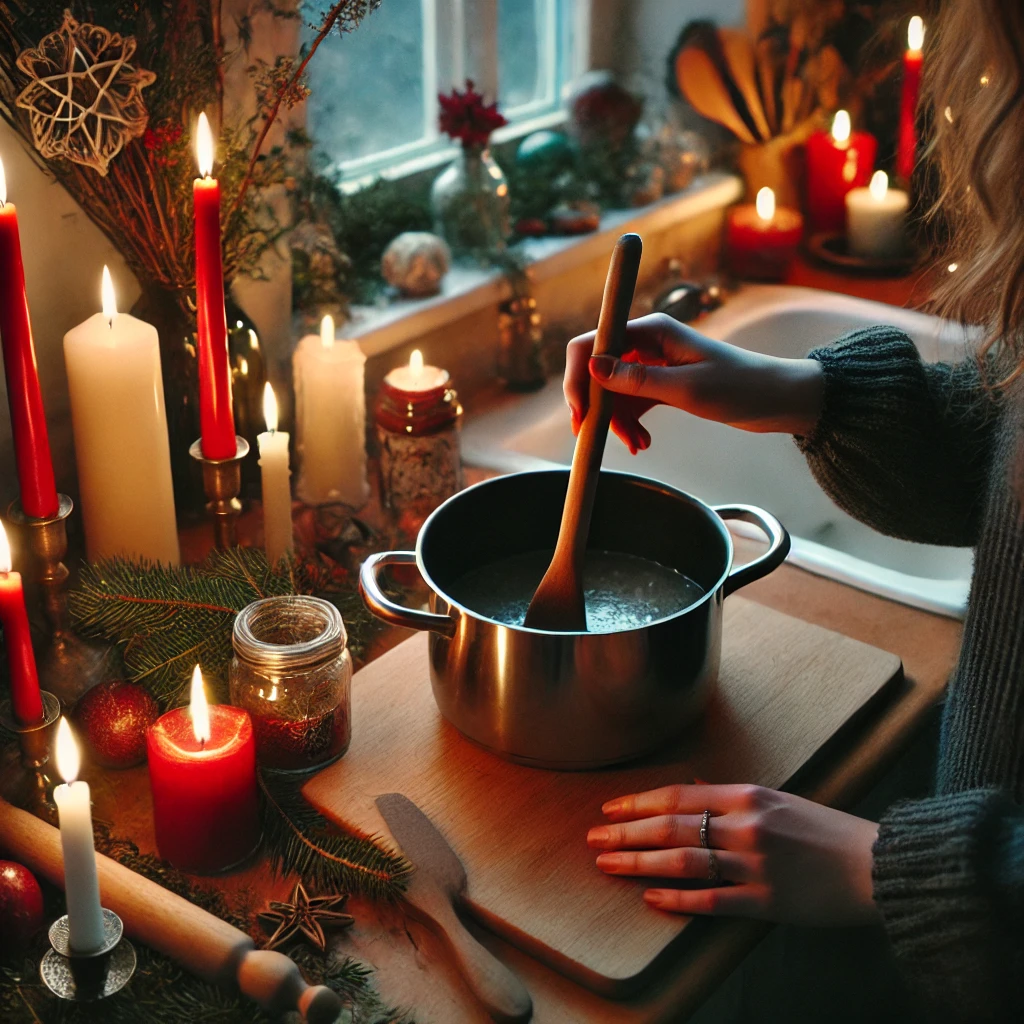
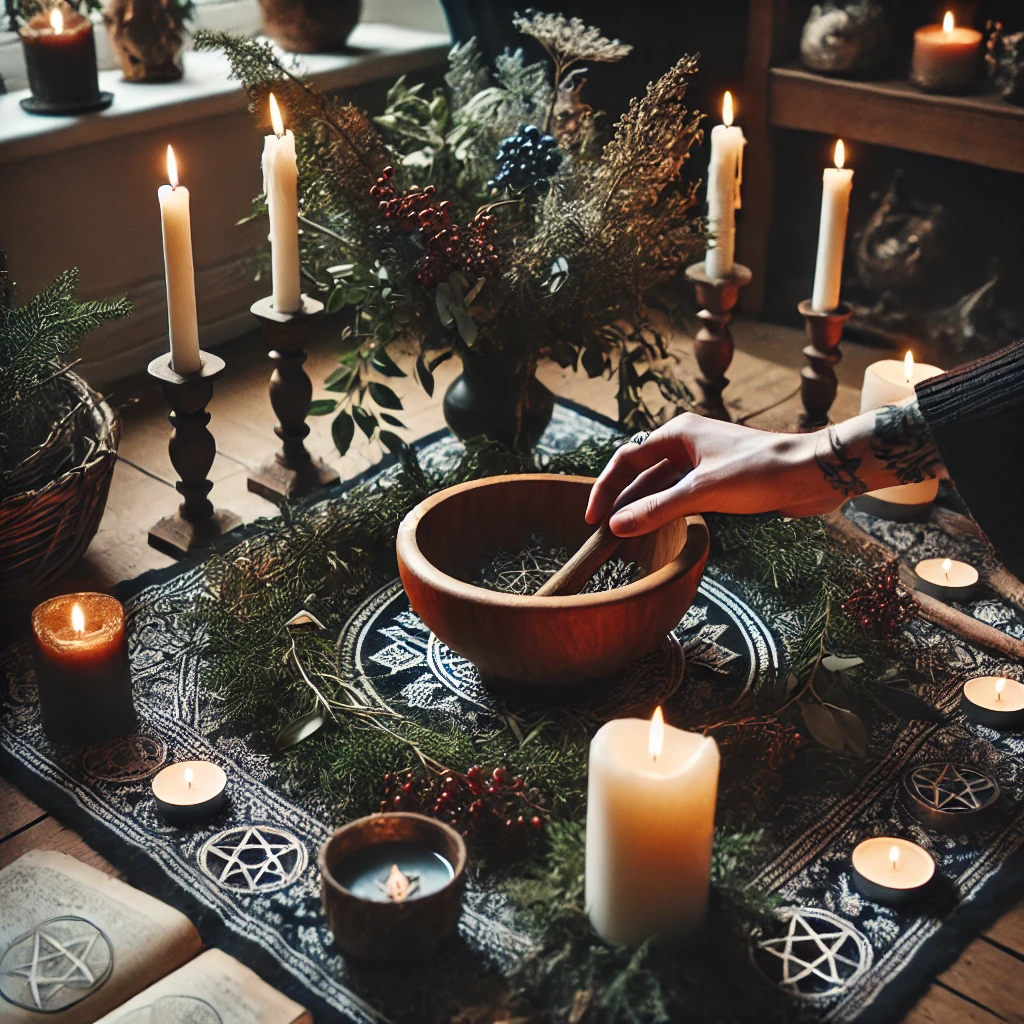
Start by setting an intentional space within your kitchen or cooking area. Light a candle or place a small altar on the counter, laying down a cloth in a color resonant with Yule (red, white, green, or gold).
Arrange symbols of Mother’s Night, such as sprigs of evergreen, winter berries, or representations of the Disir—photos, figurines, or heirlooms of female ancestors. This transforms your cooking area into a sacred space, honoring the nurturing energies of the hearth.
If you wish, invite the spirits or energies of the Disir to be present, saying:
“Spirits of the Disir, mothers, protectors, and nurturers,
I honor you this night with love and gratitude.
May your blessings fill this space and guide me
As I craft these offerings in your name."
Step 2: Cooking with Intention
Select the dishes you will prepare in honor of Mother’s Night. These may be traditional family recipes, favorite meals of female ancestors, or foods associated with warmth, love, and abundance.
As you prepare each dish, infuse your actions with intention. Stir with gratitude, chop with love, and season with blessings. Each movement is a prayer and a gesture of connection with the spirits you honor.
Allow your senses to be fully immersed in the act of creation, feeling the textures, smelling the fragrances, and relishing the alchemy of ingredients coming together. You may choose to play soft music that resonates with the spirit of the night as you cook.
Step 3: Decorating the Altar and Hearth
Once the meal is ready, arrange the dishes beautifully on a large serving plate or in bowls, ready to be offered. If you have prepared multiple dishes, place each in its own container to honor the diversity of the offerings.
Move to the altar or hearth, lighting the candles to signify the sacredness of the moment. The warm glow reflects the nurturing energies of the Disir and the feminine.
Arrange the food offerings on the altar, and if you have a drink offering (such as mead, cider, or wine), pour it into a special cup. Say words of gratitude as you place each item, for example:
“To the Disir, mothers of the past, protectors of the present,
I offer these gifts in love and thanks.
Bless this hearth, bless this home,
And may your presence guide and guard us."
Step 4: Feasting in Celebration
Gather your family or loved ones to share in the meal prepared for Mother’s Night. As you feast, take time to share stories and memories of female ancestors or spirits you are honoring. If you are alone, reflect quietly on their guidance and influence in your life.
Invite everyone to speak their gratitude, either aloud or in silence. Each person may offer a toast to the Disir, honoring their presence and blessings. If the atmosphere allows, laughter, storytelling, and joy should fill the room, for the Disir delight in merriment and love shared among family and friends.
Step 5: Sharing with the Disir
When the feast is complete, set aside a portion of each dish on the altar or offering plate as a formal offering to the Disir. This is a symbolic gesture, sharing the abundance of the meal with the honored spirits.
You may choose to leave the offerings overnight, placing them outdoors the next morning to return them to nature as a final gesture of respect and connection.
During Mother’s Night, the focus is on gratitude, love, and honoring the feminine spirit. Let the ritual flow naturally, adjusting as needed to fit your own traditions or family customs. Feel free to involve children in preparing the meal, setting the altar, or lighting candles, and share with them the importance of remembering and honoring the spirits of the past. If any family recipes have been passed down through the generations, cooking these dishes can add an additional layer of meaning and connection.
Yule
Rituals
Conclusion
Yule’s Mother’s Night is a celebration of feminine energy, honoring the protectors, nurturers, and guides of our lives. As you cook, feast, and offer your gratitude to the Disir, you weave the strands of your own ancestry into the fabric of this sacred night. By gathering around the hearth, sharing stories, and preparing offerings, you create a space where the past and present meet—a space where blessings, protection, and love flow freely. May the warmth of the hearth and the spirit of the Disir fill your heart and home with light as you welcome Yule’s blessings and the embrace of the nurturing forces that guide you throughout the year.
Honoring Ancestral Spirits and Feminine Energies through Sacred Cooking
Yule’s Mother’s Night, or Modraniht, marks the beginning of Yule festivities and is a sacred time for honoring the Disir—protective female spirits, ancestors, and guides—and the nurturing feminine energies that influence the hearth and home. The warmth of the hearth and the aroma of food carry a deeper spiritual significance on this night, as the kitchen becomes a sacred space for alchemy and remembrance. Through the preparation of offerings and the intentional adornment of the altar, practitioners honor their ancestors, the Disir, and the generative forces that bring life and protection. This ritual focuses on creating culinary offerings that invite the spirits to the hearth, and in doing so, blend the energies of nourishment, connection, and reverence.
Ritual Basics
Before beginning any ritual, it is important to prepare yourself mentally and physically. You may want to take a cleansing bath, or shower, and meditate or perform some grounding exercises to center yourself. Gather any materials you will need, such as candles, incense, and offerings for the forest spirits.
Mother’s Night offers a space for reflection, honoring, and reverence of feminine energies that hold together families, communities, and the cycles of life itself. It is an eve devoted to the Disir, female ancestors, and spirits that provide guidance and blessings. This ritual invites participants to engage in a conscious celebration of their feminine lineage and the nurturing power of food. The feast prepared is more than sustenance; it becomes an offering to those who dwell beyond the veil, expressing gratitude for the paths they have paved and the protection they provide. As you prepare, cook, and present these offerings, you weave intention into every dish, creating a sacred communion between the seen and unseen.
Offerings for the Altar: A Sacred Feast for the Disir
A Yule ritual of cooking and preparing food offerings for the Disir on Mother’s Night.
Cookware and Utensils (required)
Candle or Lantern (required)
Altar cloth (optional)
Offering bowl or plate (required)
Ingredients for Meal Offerings (required – Select dishes that are meaningful to you or your ancestors, or seasonal Yule foods (breads, meats, fruits, nuts, desserts))
1 Bundle Fresh Herbs (optional – Such as rosemary, thyme, or sage for purification and protection)
1 Cup Drink Offering (optional – Wine, mead, cider, or other favorite beverages to offer)
1 Small Bouquet Winter Greens or Flowers (optional – Holly, pine, ivy, or flowers to honor feminine energies)
Step 1: Creating the Sacred Kitchen and Hearth Space
Prepare your space by clearing and cleaning your kitchen area, setting an intentional mood for sacred cooking.
Light a candle or lantern, symbolizing the guiding light of the Disir. Place it on your stove, counter, or altar area to bring warmth and invite the spirits to join you in the act of cooking.
If you have a dedicated altar space for the Disir, adorn it with the altar cloth, symbols of the season (evergreen, winter fruits), and any images or tokens that represent your female ancestors or protective spirits.
Step 2: Choosing and Preparing the Meal Offerings
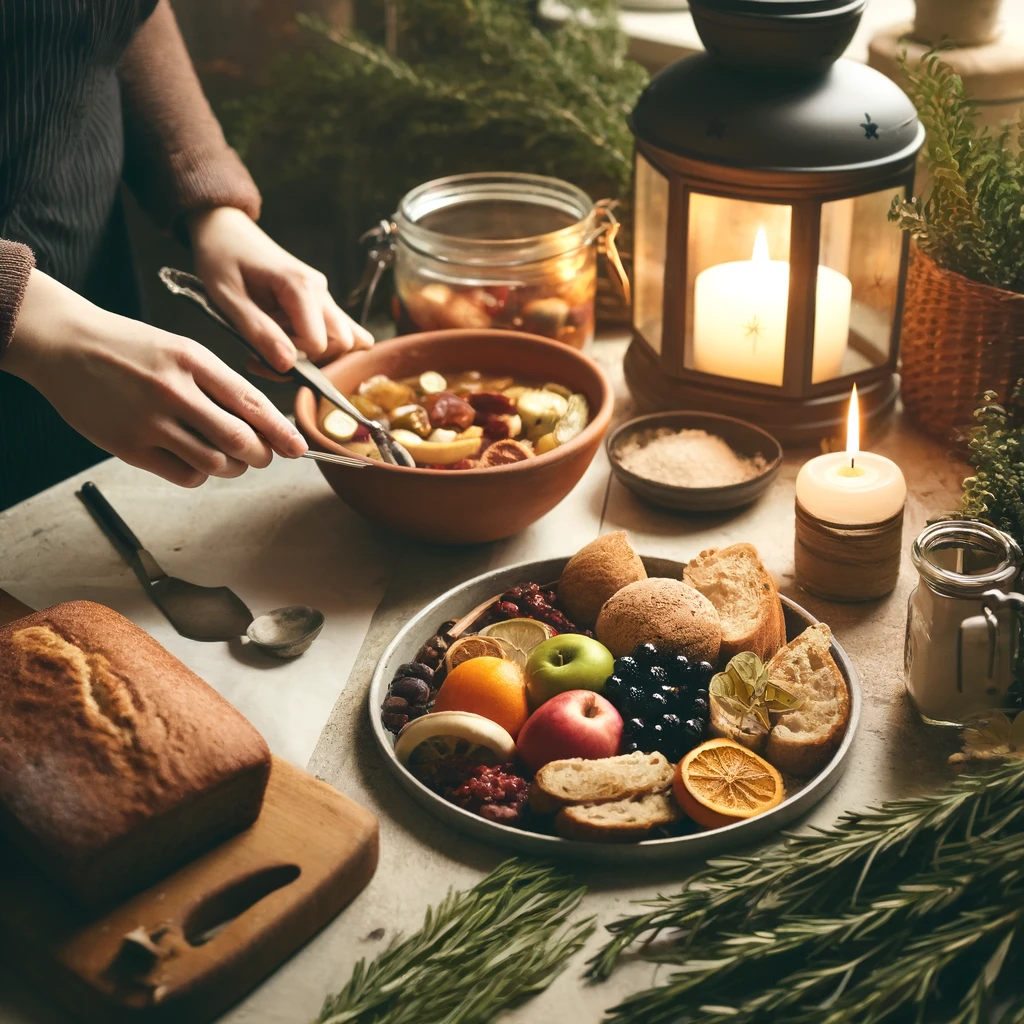
Select dishes that have special significance, either to you or to the Disir. Traditional Yule foods include hearty breads, stews, root vegetables, nuts, dried fruits, sweet desserts, and spiced drinks.
As you prepare each dish, work with intention, focusing on the love and nourishment the food will bring, both to those who eat it and to the spirits who receive it. You may speak words of gratitude or silently send loving thoughts to your ancestors and guides as you cook.
Allow your senses to awaken to the textures, aromas, and energy of the ingredients, recognizing that each item holds magic and connection to the earth, the cycle of seasons, and the feminine power that nurtures and sustains.
Step 3: Offering Portions to the Disir
As you finish each dish, take a small portion to set aside for the altar offering. This may include a bit of bread, a spoonful of stew, a piece of dessert, or a cup of mulled cider.
Arrange these offerings on a dedicated plate or bowl, placing it on the altar or hearth. If you have a drink offering (such as wine or mead), pour it into a special cup to present to the spirits.
Speak words of invitation and reverence, welcoming the Disir to partake in the meal. An example invocation may be:
“I offer this feast to the Disir, the honored spirits,
Protectors, guides, and mothers of old.
Partake in this meal prepared with love,
And let your blessings be upon this hearth and home."
Step 4: Honoring the Feast and Family Connection
With your family, friends, or alone, sit down to the meal you have prepared. Let the atmosphere be one of joy, warmth, and storytelling. Share memories of your female ancestors or speak of the nurturing energies you wish to honor.
Take a moment of silence before eating to give thanks for the food, the feminine guidance in your life, and the spirits that protect and guide your journey.
As you enjoy the meal, hold the presence of the Disir and feminine energies in your thoughts. Engage in conversations that evoke love, gratitude, and connection.
Step 5: Closing the Ritual
Once the meal is complete, leave the food offerings on the altar overnight, allowing the Disir to partake in the spirit of the feast.
The next day, you may return the food to nature by placing it outdoors, either burying it in the earth or leaving it for animals. This act acknowledges the cycle of giving and receiving, reflecting the season’s theme of generosity.
Offer a final blessing or words of gratitude to the Disir as you extinguish the candle, knowing their presence has been honored and the connection between you and them strengthened.
While preparing the meal and setting up the altar, be aware that Mother’s Night is a deeply personal and intuitive practice. Feel free to add elements that resonate with you or your family’s traditions. Children can be invited to help with simple tasks like stirring, decorating the altar, or lighting candles (under supervision), which creates a multigenerational bond and respect for the ancestral practice.
Yule
Rituals
Conclusion
Mother’s Night is a celebration of nurturing, connection, and remembrance, dedicated to honoring the Disir and the protective feminine spirits in our lives. Through the sacred act of cooking and offering food, you create a space where the physical and spiritual worlds can meet, and where the warmth of the hearth becomes a bridge to the unseen. May your offerings carry love and gratitude to your ancestors and spirits, and may their blessings of protection, fertility, and joy fill your hearth and home as you honor them on this sacred night of Yule.
Honoring the Protective Spirits of Fate and Fertility
As Yule’s Eve unfolds, practitioners prepare to honor the Disir, the protective female spirits who guard over fate, fertility, and the well-being of families. These spirits, often seen as ancestral or divine guardians, are revered during the darkest nights of the year, when the veil between the worlds is thinnest. Setting up a Disir altar is a sacred act of love, protection, and ancestral reverence. This ritual invites the Disir to be present and offers gratitude for their ongoing guidance.
Ritual Basics
Before beginning any ritual, it is important to prepare yourself mentally and physically. You may want to take a cleansing bath, or shower, and meditate or perform some grounding exercises to center yourself. Gather any materials you will need, such as candles, incense, and offerings for the forest spirits.
Honoring the Disir is a practice rooted in Norse tradition and often performed during Yule. The Disir are protective female spirits, sometimes seen as female ancestors or goddesses, who watch over families and their fate. During Yule, the darkest part of the year, we honor them by creating an altar and sharing a symbolic feast to invite their protection, guidance, and blessings into our lives.
Setting up a Disir altar during Yule invites these spirits to become present, nourishing the connection between the earthly and the spiritual realms. The act of creating this space is steeped in intention, with each element carefully selected to represent the themes of fertility, fate, and protection. The altar becomes a sacred focal point during this time, allowing practitioners to connect deeply with the energies of their ancestors and the protective forces surrounding them. This ritual can be performed on Yule’s Eve, during the twelve nights of Yule, or at any time of year when one seeks the wisdom and guidance of the Disir.
Disir Altar: Honoring the Protective Spirits
A Yule ritual to create a sacred altar honoring the Disir, inviting their protection and guidance for the coming year.
Candles (required)
Altar cloth (optional)
Offering bowl or plate (required)
1 Handful Fresh herbs or flowers (optional – Associated with Yule or protection, such as evergreen, rosemary, or holly)
1 Offering Food or drink (required – Choose items that resonate with you or your ancestors (bread, fruits, wine, etc.))
1 Handful Tokens or similar items (optional – Representing protection, fate, or the Disir (family heirlooms, symbolic images, etc.))
Step 1: Preparing the Altar Space
Select a quiet and sacred space where your Disir altar will reside. This could be a corner of your home or an outdoor area if the weather permits.
Lay a cloth over the surface of your altar, choosing colors such as black, white, or deep blue to represent the veil between the worlds.
Begin by placing your three candles on the altar. The flickering light represents the eternal guidance of the Disir. Arrange them in a triangle or circle to symbolize the balance between fate, fertility, and protection.
Step 2: Decorating the Altar
Gather elements of the season to adorn the altar. Use evergreen branches, holly, or mistletoe to invoke the energy of Yule and the protection of the natural world.
Place the offering bowl or plate at the center of the altar. This is where you will lay your food offerings, a symbol of abundance and gratitude for the Disir’s guidance.
Add photographs, heirlooms, or symbolic images of your female ancestors or goddesses associated with protection and fertility. These images serve as a link between the earthly realm and the spiritual, inviting the Disir’s presence.
Step 3: Offering and Honoring the Disir
Prepare a small feast or offering to lay at the altar. This can include bread, fruits, nuts, or a special dish that you associate with your ancestors or the spirits. You may also offer wine, mead, or another symbolic beverage.
With your offering in hand, light the candles one by one, calling upon the Disir to join you. Speak words of invitation such as:
“I call upon the Disir, the guardians of fate and fertility,
Those who watch over my family and home,
Come, I invite you to join this sacred space.
With this offering, I honor you and seek your protection."
Place your offering in the center of the altar, allowing the light of the candles to illuminate it. Sit quietly in the presence of the Disir, feeling their protective energy surround you.
Step 4: Reflecting and Listening
Take a moment to sit quietly, reflecting on the guidance you seek or the blessings you wish to offer. This is a time to meditate on the cycles of fate, the protection of your loved ones, and the importance of ancestral wisdom.
As you sit in stillness, listen for any messages or insights from the Disir. These could come as intuitive thoughts, sensations, or symbols in your mind’s eye. Allow yourself to receive these messages without judgment.
Step 5: Closing the Ritual
When you feel ready, thank the Disir for their presence and blessings. Extinguish each candle, offering gratitude as you blow out the flame:
“I thank you, Disir, for your guidance and protection.
May your light continue to watch over me and mine.”
Leave the offerings on the altar overnight or for as long as you feel appropriate. If you are outside, be mindful of animals that may eat or interact with the offerings, as this symbolizes the blessings being accepted by nature.
This ritual is a beautiful way to connect with the feminine energies of protection and fertility during Yule. It’s important to approach the creation of the Disir altar with reverence and intention, as this sacred space serves as a direct link to the spiritual forces that guide and protect. Feel free to personalize the altar with symbols and offerings that resonate with your own ancestral heritage or spiritual path.
Yule
Rituals
Conclusion
Creating a Disir altar during Yule is a powerful and intimate ritual that honors the protective female spirits who guide our fate and ensure the fertility of both our homes and the land. As you light candles, offer food, and sit in the quiet presence of the Disir, you invite their ancient wisdom into your life. This practice not only fosters a deep connection with your ancestors but also with the sacred cycles of protection and nourishment. By honoring the Disir, you cultivate a sacred bond that spans generations, grounding you in the ancient energies of Yule while looking forward to the blessings yet to come. Through this ritual, may you find the protection, guidance, and love of the Disir as you journey through the sacred days of winter.
As the veil between worlds grows thin and the frost-kissed winds announce the impending arrival of Yule, December 20th takes on a mystical hue. It is a night of significance, heralding the commencement of Yule’s enchantment—Mother’s Night, the eve of Yule itself, where the feminine energies that cradle and empower life are celebrated in a dance with the spirits of fate and fertility.
Yule’s Eve and the Feminine Powers
In the hushed embrace of Yule’s Eve, the world prepares for a dance with enchantment. Known as Mother’s Night, this celestial prelude to Yule is a tapestry woven with threads of reverence for the feminine energies that sculpt and nurture the very fabric of our lives. As the frost-kissed winds whisper ancient tales, preparations unfold for the grandeur of Yule, a crescendo that reaches its zenith with the Winter Solstice on the 21st.
Homage to the Feminine Powers
Yule’s Eve becomes a sacred canvas upon which practitioners paint their gratitude for the feminine forces that shape existence. It’s a celebration of the nurturing energies, both seen and unseen, that guide the cycles of life, a recognition of the mystical dance between creation and sustenance. The air is infused with a sense of anticipation as altars are adorned, spaces are consecrated, and the veil between the mundane and the magical begins to shimmer.
Commencement of Yule’s Grandeur
This eve is not merely a precursor; it’s the initiation into the grandeur of Yule. As the moon casts its silvery glow, a symphony of rituals and preparations commences. Altars dedicated to the sacred feminine are carefully arranged, each item a testament to the qualities of love, protection, and wisdom embodied by the goddesses and female spirits. Candles flicker, resonating with the flame of divine femininity, and incense weaves a fragrant tapestry in honor of the unseen forces that weave through the cosmos.
The Long Night and Magic of Yule
To fully partake in the joyous days that unfold, a good night’s rest is recommended. The coming day, marked by the Winter Solstice, is a canvas upon which the magic of Yule is painted. The Winter Solstice is a celestial spectacle, a moment when the sun’s journey seems to pause before heralding the return of light. In the longest night, magic stirs, and the practitioners, well-rested and attuned, become custodians of ancient rites.
The long night is not merely a passage of time but a tapestry of moments where the mundane and the magical coalesce. It’s a time when the sacred and the secular converge, and the boundaries between worlds thin. The practitioners, with hearts brimming with reverence, embark on a journey through the night, guided by the luminous threads of Yule’s enchantment.
A Symphony of Feminine Energy
As the world sleeps, Yule’s Eve becomes a symphony of feminine energy, echoing through the realms. It’s an ode to the nurturing spirits and goddesses who, in their unseen presence, cradle the Earth in their eternal embrace. The eve, steeped in tradition and bathed in the glow of candlelight, becomes a sanctuary for communing with the divine feminine, a moment to acknowledge the interconnectedness of all life and the sacred dance of creation.
In the silence of Yule’s Eve, beneath the blanket of stars, practitioners stand as witnesses to the cosmic ballet. The feminine energies, revered and honored, become the guiding lights through the longest night, promising the dawn of a new cycle, a new beginning, and the continuation of the ageless dance of life.
The Disir – Guardians of Fate and Fertility
On the hallowed eve of Yule, the sacred space within homes and upon altars transforms into a haven for the Disir. These ethereal beings, revered as the guardians of fate and fertility, emerge from the veil between worlds to grace the realms of the living. Their presence is a tapestry of protection, woven intricately through the fabric of ancestral lineage.
An Altar Adorned with Essence
As the practitioner prepares for the sacred night, an altar dedicated to the Disir takes shape—a portal where the mundane converges with the mystical. The altar becomes a testament to the essence of these protective female spirits, adorned with symbols and items resonating with their ethereal qualities. In this sacred nexus, herbs such as basil, with their aromatic whispers of love, fennel, embodying the essence of gratitude, lavender, a fragrant ode to devotion, and sage, the wise guardian, find their place.
Basil’s Embrace of Love – The sweet scent of basil permeates the air, a fragrant embrace of love that transcends the boundaries of time. It is a reminder of the enduring affection woven into the threads of familial bonds. Basil, with its heart-shaped leaves, symbolizes the love that stretches across generations, connecting the living with the ancestral embrace.
Fennel’s Grateful Dance – In the flickering candlelight, fennel leaves sway gracefully, embodying the spirit of gratitude. The Disir, guardians of fate, are honored with the essence of thankfulness. Fennel, with its feathery fronds, becomes a dance of appreciation for the blessings bestowed by the hands of those who walked before. It is a symbol of the cyclical exchange of gratefulness that transcends the boundaries of life and death.
Lavender’s Devotion Unveiled – The purple hues of lavender paint the altar with an aura of devotion. The Disir, custodians of lineage, are acknowledged with the essence of unwavering dedication. Lavender, with its calming fragrance, becomes a bridge between the seen and the unseen, a reminder that devotion endures beyond the veils of mortality.
Sage’s Wisdom Guarding the Tapestry – The wisps of sage rise, like fragrant tendrils, carrying with them the wisdom of the Disir. Sage, with its purifying properties, stands as a guardian at the threshold between realms. The Disir, in their ethereal wisdom, guides the living with their insights, shaping the destiny woven in the intricate threads of life’s tapestry.
A Nexus of Protection and Love
As the altar takes form, it becomes a nexus where protection, love, and guidance converge. The Disir, honored on this sacred eve, becomes the interweaving threads connecting the present with the past. The altar is not just a physical space; it is a bridge where the living commune with the spirits of the ancestral feminine, acknowledging their eternal presence in the dance of fate and fertility. In this sacred communion, the Disir’s vigil unfolds, embracing the practitioner in the protective and loving embrace of the divine feminine across the tapestry of time.
Honoring Frigg, Goddess of Motherhood
As the night deepens into the embrace of Yule’s Eve, the focus shifts to the sacred figure of Frigg, a beacon of motherhood and divine femininity in the tapestry of Germanic mythology. In the watery halls of Fensalir, where echoes of maternal wisdom reverberate, Frigg takes center stage on this enchanted eve. The practitioner, guided by the flickering candlelight, embarks on a journey of homage to the goddess who embodies the essence of marriage, prophecy, clairvoyance, and, above all, motherhood.
The imagery of Fensalir, the ethereal abode of Frigg, paints a mystical canvas in the practitioner’s mind. The halls, adorned with the soft luminescence of watery reflections, symbolize the fluidity of maternal guidance. Fensalir is not merely a dwelling place; it is a sacred space where the waters of intuition and nurturing love converge.
As the practitioner stands before the altar, images of Frigg unfold in the mind’s eye—her presence, a tapestry of maternal wisdom. Frigg’s gaze, like the reflective surface of tranquil waters, unveils the depths of her insights. She beckons the practitioner to delve into the intuitive realms, to seek answers in the quietude of the heart, and to trust the sacred dance of prophecy and clairvoyance that unfolds within.
Frigg, in her association with marriage, becomes a symbol of the union between the earthly and the divine. The practitioner, in honoring Frigg, acknowledges the sacred bonds woven not only in marital unions but also in the profound connections between generations. The marriage of earth and sky, of the mundane and the divine, finds expression in the rituals of this sacred eve.
The essence of Frigg’s presence is most palpable in the acknowledgment of motherhood. The practitioner, whether a parent or one who looks to the nurturing energies of the divine feminine, pays tribute to the sacred role of mothers. Frigg’s embrace extends beyond biological ties, encompassing all who seek the comforting arms of maternal love and guidance.
On the altar, symbols of Frigg—a representation of her watery realm, perhaps a small bowl filled with water or reflective surfaces—take their place. Offerings of herbs resonant with the energy of motherhood, like chamomile for soothing comfort, rosemary for remembrance, and jasmine for maternal love, become tokens of reverence.
As the night unfolds, the practitioner, guided by Frigg’s grace, engages in a mystical ritual. The names of Frigg’s twelve handmaidens are inscribed on pieces of paper, and each person present draws one. The mystery of the chosen handmaiden becomes a guiding force for the coming year—a practice of devotion to specific qualities represented by each.
In the quiet moments of communion, the practitioner, with heartfelt sincerity, seeks Frigg’s blessing. The goddess of motherhood is invoked not as a distant deity but as a guiding force ever-present in the sacred journey of parenthood and nurturing love. The practitioner, in honoring Frigg on this Yule’s Eve, becomes a participant in the eternal dance of maternal energies, acknowledging their role in the cosmic symphony of life.
Setting Up a Disir Altar
As Yule’s Eve unfolds, a practitioner, attuned to the subtle energies of the sacred, embarks on the sacred task of creating an altar dedicated to the Disir. These protective female spirits, guardians of fate and fertility, are honored on this enchanting eve, and the practitioner, with intention and reverence, crafts a space that resonates with the energies of love, protection, and ancestral guidance.
Elements of the Disir Altar:
Candles of Illumination: A soft glow emanates from candles carefully arranged on the altar. The flickering flames symbolize the eternal light of the Disir, a guiding force through the intricate threads of fate. The choice of colors, perhaps gentle hues of white, blue, or silver, reflects the purity and transcendence associated with these ethereal guardians.
Offering Bowl or Plate: At the heart of the altar lies an offering bowl or plate, a vessel of abundance and gratitude. This receptacle, chosen with care, becomes a symbol of the practitioner’s willingness to receive the blessings and guidance of the Disir. It is a space where tokens of appreciation and devotion find a tangible form.
Subtle Imagery of Celebration: Imagery celebrating the spirits being honored adorns the altar. Photographs of female ancestors, images of nurturing goddesses, or symbolic representations of fate and fertility find their place. These visual cues serve as portals connecting the practitioner with the spiritual realm of the Disir.
Feast of Favorite Delights: A feast of favorite treats and delights, carefully chosen to resonate with the tastes and preferences of the honored spirits, graces the altar. The practitioner, with culinary artistry, prepares dishes that evoke memories and stir the energies of love and joy. It is a banquet inviting the Disir to partake in the festivities.
Alter setup notes
For those seeking to establish a distinct space for the Disir, a separate altar becomes a focal point of reverence. Here, the practitioner can channel creativity into arranging a sacred tableau, a visual symphony of elements resonant with feminine energies. The space is consecrated with intention, becoming a nexus where the veil between the earthly and the spiritual is thin.
The act of laying out a feast is not merely a culinary endeavor; it is a gesture of hospitality and invitation. The practitioner, in a moment of quiet communion, invites the Disir to partake in the celebration. It is a symbolic sharing of nourishment, a recognition that the bonds between the seen and the unseen are woven in the fabric of sustenance and joy.
In the creation of the Disir altar, the practitioner engages in a sacred act of weaving a tapestry of love, protection, and ancestral reverence. Each element, from the gentle glow of candles to the offerings laid out with care, contributes to the harmonious dance between the earthly and the divine. The Disir, honored in this crafted space, became companions in the practitioner’s journey through the sacred days of Yule.
Activities on Mother’s Night
In the enchanting embrace of Mother’s Night, the hearth and kitchen, historical domains of feminine influence, awaken with the flickering glow of celebration. This sacred eve beckons practitioners to engage in a tapestry of activities that honor the Disir and the feminine energies that have shaped and guided lives.
Culinary Alchemy in the Hearth – The kitchen, a haven where the alchemy of flavors unfolds, becomes a sacred space of creation on Mother’s Night. Practitioners, attuned to the tastes and preferences of the honored females, embark on a culinary journey. Favorite treats, desserts, side dishes, and main meals are crafted with meticulous care, each dish resonating with the essence of love and gratitude.
Offerings for the Altar – As pots simmer and ovens whisper tales of warmth, a portion of the culinary delights is reserved, a symbolic gesture of invitation to the honored spirits. The altar, adorned with the feast, becomes a nexus where the seen and unseen commune. The aromas that waft through the kitchen carry not only the promise of gastronomic delights but also the subtle energies of ancestral connection.
Activities Beyond the Kitchen – For those honoring living individuals, Mother’s Night extends its arms beyond the kitchen. Activities that mirror the spirits of those being celebrated are encouraged, creating a holistic celebration of connection and appreciation. The celebration is not confined to the culinary arts; it expands to embrace shared activities that weave moments of joy and togetherness.
Heartfelt Letters and Expressions – In the glow of candlelight and the warmth of shared spaces, practitioners may choose to express their gratitude through heartfelt letters. The written word, a vessel of emotions, becomes a bridge that spans the realms of the mundane and the sacred. Each word penned is a brushstroke, painting a portrait of appreciation and love.
Shared Activities and Quality Time – Mother’s Night becomes a canvas for shared activities that resonate with the spirits being celebrated. Whether it’s a shared craft, a favorite pastime, or a simple moment of shared laughter, these activities transcend the ordinary and become threads woven into the fabric of familial and spiritual bonds.
Expressing Gratitude – Simple yet profound, expressions of gratitude take center stage on Mother’s Night. A heartfelt message, a whispered thank you, or a shared moment of reflection becomes a ritual. In these expressions, the practitioner acknowledges the profound impact of feminine energies in their life’s journey.
As Mother’s Night unfolds, the kitchen becomes a cauldron of alchemical magic, and shared activities become rituals of connection. The practitioner, guided by the spirits of those being honored, weaves a tapestry of love, gratitude, and ancestral reverence. Mother’s Night is not merely an eve of culinary delights; it is a celebration of the feminine energies that shape and nurture the intricate threads of life’s journey.
Honoring Frigg’s Handmaidens
As Mother’s Night draws to a close, a profound shift occurs—a transition from feasting on earthly delights to communing with the divine. The sacred space, already laden with the energy of honored females, expands to embrace Frigg and her 12 mysterious handmaidens. This is a moment of divination, a dance with the unknown, as the names of the handmaidens are inscribed on separate pieces of paper, ready to reveal the guiding principles for the year ahead.
Divination Ritual
The culmination of Mother’s Night sets the stage for an intriguing divination ritual. Each person present partakes in the mystery by randomly drawing a piece of paper bearing the name of one of Frigg’s handmaidens. The air is charged with anticipation, and as each participant unveils their chosen handmaiden, a unique connection with a divine guide is established.
These handmaidens, each with their distinct essence, bring forth guiding principles that practitioners are encouraged to embrace in the coming year. The mysteries associated with each handmaiden serve as beacons, illuminating the path of spiritual growth, self-discovery, and manifestation.
Here are examples of the focused areas for each handmaiden:
Eir – Healing and Self-Healing: Focus on herbalism and caring for the health of others.
Sága – Embracing History and Ancestry: Dive into the realms of history, storytelling, writing, and the study of ancestry.
Fulla – Wealth and Abundance: Direct attention to wealth, abundance, and the careful management of resources.
Gná – Good Communication and Spiritual Messengership: Practice good communication, listen for messages, and become a messenger for spiritual forces.
Lofn – Tolerance, Compassion, and Aid: Cultivate tolerance, compassion, and aid to misunderstood groups or individuals.
Syn – Protection and Caution: Engage in protection, both spiritual and physical, and practice caution in endeavors.
Vár – Honoring Oaths and Promises: Honor oaths and promises, ensuring they are made and kept with sincerity.
Snotra – Gracious Hosting and Diplomacy: Cultivate gracious hosting, hospitality, good etiquette, and diplomacy.
Gefjon – Giving and Receiving: Focus on giving and receiving, embodying generosity, gratitude, and acceptance.
Sjöfn – Exploring Love and Affection: Delve into the realms of love, affection, appreciation for partners, and opening oneself to love.
Hlín – Providing Refuge and Support: Provide refuge, stand up for others, be a safe shoulder to lean on, and know when to seek help.
Vör – Foresight and Intuition: Develop foresight, pay attention to omens, practice divination, and trust instincts.
As the mysteries of Frigg’s handmaidens are unveiled, an enchanted year unfolds for each practitioner. These guiding principles, intertwined with divine energies, become the compass that steers them through the cosmic dance of life, fostering growth, wisdom, and a deepened connection with the divine feminine.
A Night of Mystic Communion
In the hushed embrace of Mother’s Night, the veil between the mortal realm and the ethereal worlds thins, inviting us to partake in a night of mystic communion. This sacred eve, serving as the gateway to the grandeur of Yule, transcends the ordinary and unfolds as a luminous tapestry woven with threads of love, gratitude, and the promise of divine guidance from the sacred feminine.
Feasts of Love and Connection – The festivities commence with feasts that extend beyond the material nourishment of the body. The kitchen, historically the heart of the home and the realm of the feminine, becomes a cauldron where love is stirred into every dish. As pots simmer and ovens warm, the air is saturated with the aroma of cherished recipes, invoking memories of shared moments and the wisdom passed down through generations.
Altars Adorned with Love – Altars, those sacred portals to the divine, become adorned with symbols of love and reverence. The Disir, those guardians of fate and fertility, find their place in this sacred space. Candles flicker, casting a soft glow on images and items that represent the feminine spirits of lineage and love. The altar becomes a nexus, a place where the mortal and the divine meet in a dance of mutual recognition and honor.
Divinatory Rituals and Unveiling Mysteries – As the night deepens, divinatory rituals unfold, echoing the age-old practices of seeking guidance from the unseen realms. The mysteries of Frigg and her handmaidens take center stage. Names inscribed on paper become vessels of insight, unlocking the guiding principles for the year ahead. Each draw is a moment of communion with the divine, an exchange of energies that shapes the practitioner’s path.
The tapestry of Mother’s Night is woven with threads of gratitude and love, binding the present to the past and the future. As practitioners honor the feminine energies—those who walk among us and those who have passed into the realms beyond—they embark on a journey of remembrance, celebration, and the acknowledgment of the profound role played by the feminine in the tapestry of life.
The Promise of Divine Guidance
In this enchanted night, the promise of divine guidance unfolds. The feminine energies, embodiments of protection, love, and ancestral wisdom, extend their blessings. As the practitioner’s rest, the whispers of the divine feminine echo in their dreams, offering glimpses of the path ahead and illuminating the cosmic dance in which they are entwined.
As Mother’s Night unfolds, a tapestry of mystic communion is laid out—each thread a connection to the divine, each moment a step on a sacred journey. The promise of guidance, the warmth of shared feasts, and the glow of altars filled with love become the guiding lights that will accompany the practitioners through the 12 days of Yule and beyond, marking the beginning of a new cycle in the dance of life.
Conclusion
A Tapestry of Love and Legacy Unveiled
In the quiet embrace of Mother’s Night, we witness the unveiling of a tapestry woven with love and legacy. As the feasts settle and altars glow with the essence of the divine feminine, we find ourselves standing at the threshold of a sacred journey through the 12 days of Yule. The rituals of this night, from honoring the Disir to divining the mysteries of Frigg’s handmaidens, echo through the corridors of time, connecting us to the ancient wisdom of our lineage. In the warmth of shared meals and the flicker of candlelight, we commune with feminine energies, both present and ancestral. As we drift into dreams, the promise of guidance lingers, a whisper from the divine feminine, guiding us through the cosmic dance of life. Mother’s Night, with its mystical communion, becomes not just a celebration but a testament to the enduring power of love, the legacy of the feminine, and the eternal dance in which we are all participants.
Winter can be a challenging time for our health, as the cold weather and dry air can cause a variety of ailments, from coughs and colds to dry skin and chapped lips. While there are many over-the-counter remedies available, they can be costly and may contain harsh chemicals. Luckily, there are plenty of natural home remedies that can be made using items and materials that are readily available during the winter months. In this article, we will explore some effective and easy-to-make home remedies that use ingredients and materials from wintertime, so you can stay healthy and comfortable all winter long without breaking the bank.
There are a lot of home remedies and nearly endless possibilities of methods, in this article we’ll go over elixirs.
Elixirs
Elixirs have been used for centuries to promote health and wellness, and they are particularly beneficial during the winter months. Winter can be a challenging time for our bodies, as the cold weather and dry air can lead to a weakened immune system and an increased risk of illness. By using winter herbs in elixirs, we can help to boost our immune system and fight off winter ailments. In this article, we will discuss the benefits of elixirs during the winter and some popular winter herbs that can be used in the elixirs.
Historical Significance of Elixirs in Witchcraft, Paganism, and Wiccan Traditions
Elixirs have a storied history within witchcraft, paganism, and Wiccan traditions, where they have been revered not only for their health benefits but also for their magical and spiritual properties. The use of elixirs dates back to ancient times, where they were crafted with intention and imbued with the energies of various herbs and ingredients.
Ancient Practices
In ancient pagan cultures, elixirs were often prepared during rituals and ceremonies to honor deities and spirits. These elixirs were considered sacred and were believed to carry the essence of the herbs and ingredients used. The act of creating an elixir was seen as a way to harness the magical properties of the ingredients, creating a potent potion that could be consumed for healing, protection, and spiritual empowerment.
Witchcraft and Elixirs
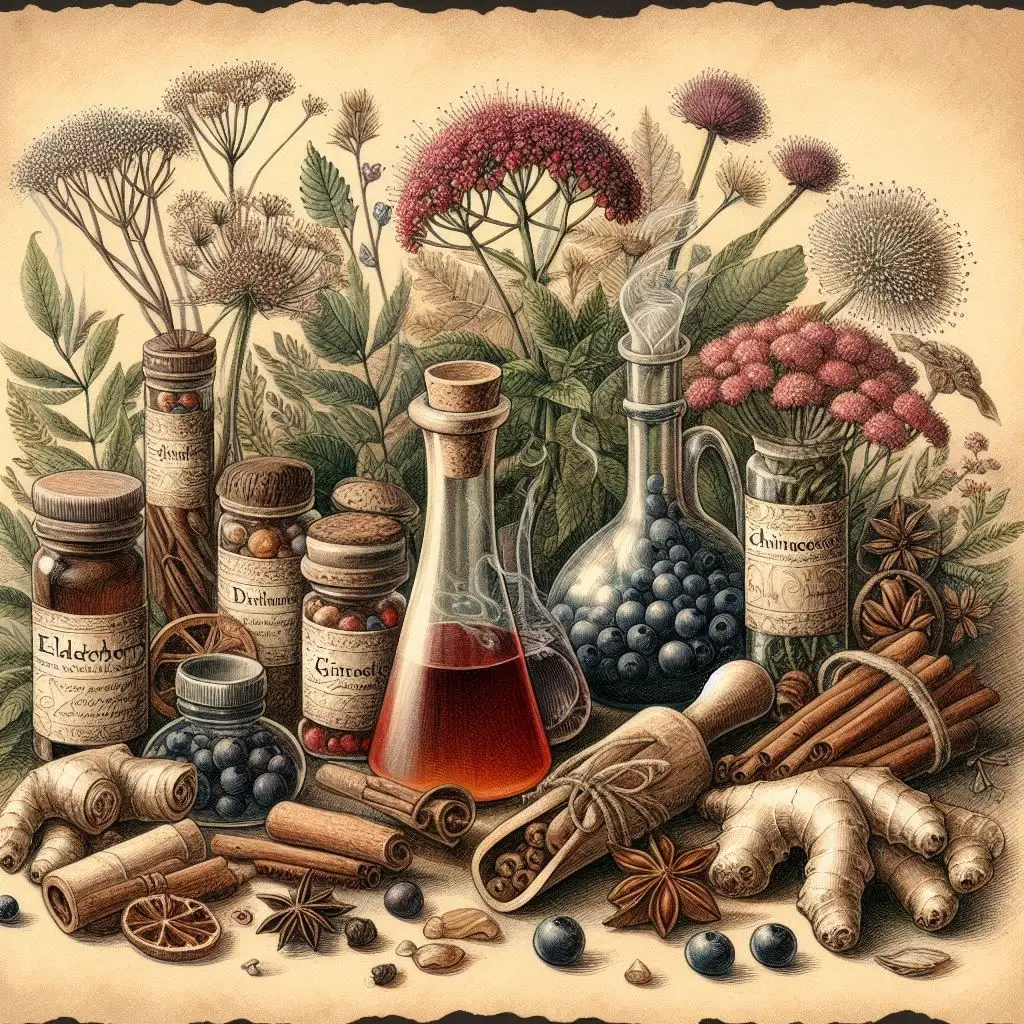
Witches have long utilized elixirs as part of their magical practices. The process of making an elixir was often accompanied by chants, incantations, and the visualization of desired outcomes. Herbs such as elderberry, echinacea, ginger, and cinnamon, which are commonly used in winter elixirs, were also revered for their protective, purifying, and healing properties. By incorporating these herbs into elixirs, witches believed they could harness their energies to ward off illness, enhance psychic abilities, and promote overall well-being.
Wiccan Traditions
In Wiccan traditions, elixirs are often prepared during the winter months as part of seasonal celebrations and rituals. The winter solstice, known as Yule, is a time when Wiccans honor the rebirth of the sun and the return of light. During this time, elixirs made with winter herbs are consumed to symbolize the nourishment and warmth provided by the sun’s return. These elixirs are also used in rituals to invoke the energies of the season, promote healing, and strengthen the connection to nature.
Symbolism and Ritual Use
Elixirs in witchcraft, paganism, and Wiccan traditions are more than just a source of physical nourishment. They are imbued with symbolism and are used as tools for spiritual growth and transformation. The act of preparing and consuming an elixir is seen as a form of alchemy, where the combination of ingredients and the intention behind their use create a powerful potion. This practice aligns with the belief that food and drink can be sacred and that the energy put into their creation can influence their effects.
By understanding the historical and spiritual significance of elixirs within these traditions, we can appreciate their role not only as a winter remedy but also as a means of connecting with ancient practices and enhancing our spiritual journey.
Benefits of Elixirs during the Winter
Elixirs are a popular home remedy that can provide numerous health benefits, particularly during the winter months. Elixirs are often made with a combination of herbs, spices, and other natural ingredients, which can help to boost the immune system and promote overall health and wellness. Additionally, elixirs can help to soothe sore throats, reduce congestion, and alleviate other cold and flu symptoms.
Winter Herbs for Elixirs
There are many winter herbs that can be used in elixirs to provide additional health benefits during the winter months. Here are some popular winter herbs that can be used in the elixirs:
Elderberry: Elderberry is a popular herb that is commonly used in elixirs during the winter months. It is rich in antioxidants and has anti-inflammatory properties, which can help to boost the immune system and fight off illness.
Echinacea: Echinacea is another popular herb that is commonly used in elixirs during the winter months. It has been shown to help stimulate the immune system and reduce the severity and duration of cold and flu symptoms.
Ginger: Ginger is a popular spice that is often used in elixirs during the winter months. It contains compounds that can help to reduce inflammation, soothe sore throats, and alleviate nausea.
Cinnamon: Cinnamon is another popular spice that is often used in elixirs during the winter months. It contains antioxidants and has anti-inflammatory properties, which can help to boost the immune system and reduce inflammation.
Methods of Making Elixirs
There are several methods of making elixirs, depending on the desired ingredients and health benefits. Here are some popular methods:
Hot Water Infusion: This is the most popular method of making elixirs. It involves boiling water in a pot, adding winter herbs and spices, and letting the mixture steep for several minutes. To make a hot water infusion, simply boil water in a pot, add the desired herbs and spices, and let the mixture steep for several minutes before straining and drinking.
Cold Water Infusion: A cold water infusion is another option for making elixirs. To do this, simply add the desired herbs and spices to cold water and let the mixture steep for several hours. Once the infusion is ready, strain and drink.
Tinctures: A tincture is a concentrated herbal extract that can be used in elixirs. To make a tincture, herbs are steeped in alcohol or vinegar for several weeks. Once the tincture is ready, it can be added to water or other liquids to make elixirs. (See Full Tincture Article for more)
Elixirs are a natural and effective way to promote health and wellness during the winter months. By using winter herbs in elixirs, we can help to boost our immune system and fight off winter ailments. When making elixirs, be sure to use high-quality ingredients and follow appropriate safety precautions. Additionally, if you have any pre-existing health conditions, be sure to consult with your doctor before using elixirs.
Conclusion
Elixirs, with their rich history in witchcraft, paganism, and Wiccan traditions, offer a unique and natural way to enhance your winter wellness. By incorporating winter herbs like elderberry, echinacea, ginger, and cinnamon, you can create potent and nourishing elixirs that support immune function, soothe sore throats, and alleviate cold and flu symptoms. Whether through hot water infusions, cold water infusions, or tinctures, these elixirs provide a delightful and effective approach to staying healthy and comfortable during the colder months. Embrace the ancient wisdom and modern benefits of elixirs to nurture your body and spirit throughout the winter season.
Nourish Your Body and Spirit with Healing Winter Broths
Winter can be a challenging time for our health, as the cold weather and dry air can cause a variety of ailments, from coughs and colds to dry skin and chapped lips. While there are many over-the-counter remedies available, they can be costly and may contain harsh chemicals. Luckily, there are plenty of natural home remedies that can be made using items and materials that are readily available during the winter months. In this article, we will explore some effective and easy-to-make home remedies that use ingredients and materials from wintertime, so you can stay healthy and comfortable all winter long without breaking the bank.
There are a lot of home remedies and nearly endless possibilities of methods, in this article we’ll go over broths.
Broths
Broths have long been cherished as a nourishing and comforting remedy, especially during the winter months when warmth and immune support are essential. By incorporating winter herbs into homemade broths, we can enhance their nutritional value and medicinal properties, creating a powerful elixir to boost our health and well-being. In this article, we will explore the art of crafting winter broths using a variety of winter herbs, along with the methods to prepare these revitalizing and therapeutic concoctions in the comfort of your own home.
Historical Significance of Broths in Witchcraft, Paganism, and Wiccan Traditions
Broths have a rich history within witchcraft, paganism, and Wiccan traditions, serving not only as a source of nourishment but also as a medium for spiritual and magical practices. The use of broths can be traced back to ancient times when they were crafted with intention and infused with herbs believed to possess magical properties.
Ancient Practices
In ancient pagan cultures, broths were often prepared during rituals and ceremonies to honor deities and spirits. These broths were considered sacred and were believed to carry the essence of the herbs and ingredients used. The act of simmering herbs in a broth was seen as a way to release their magical properties, creating a potent elixir that could be consumed for healing and spiritual empowerment.
Witchcraft and Broths
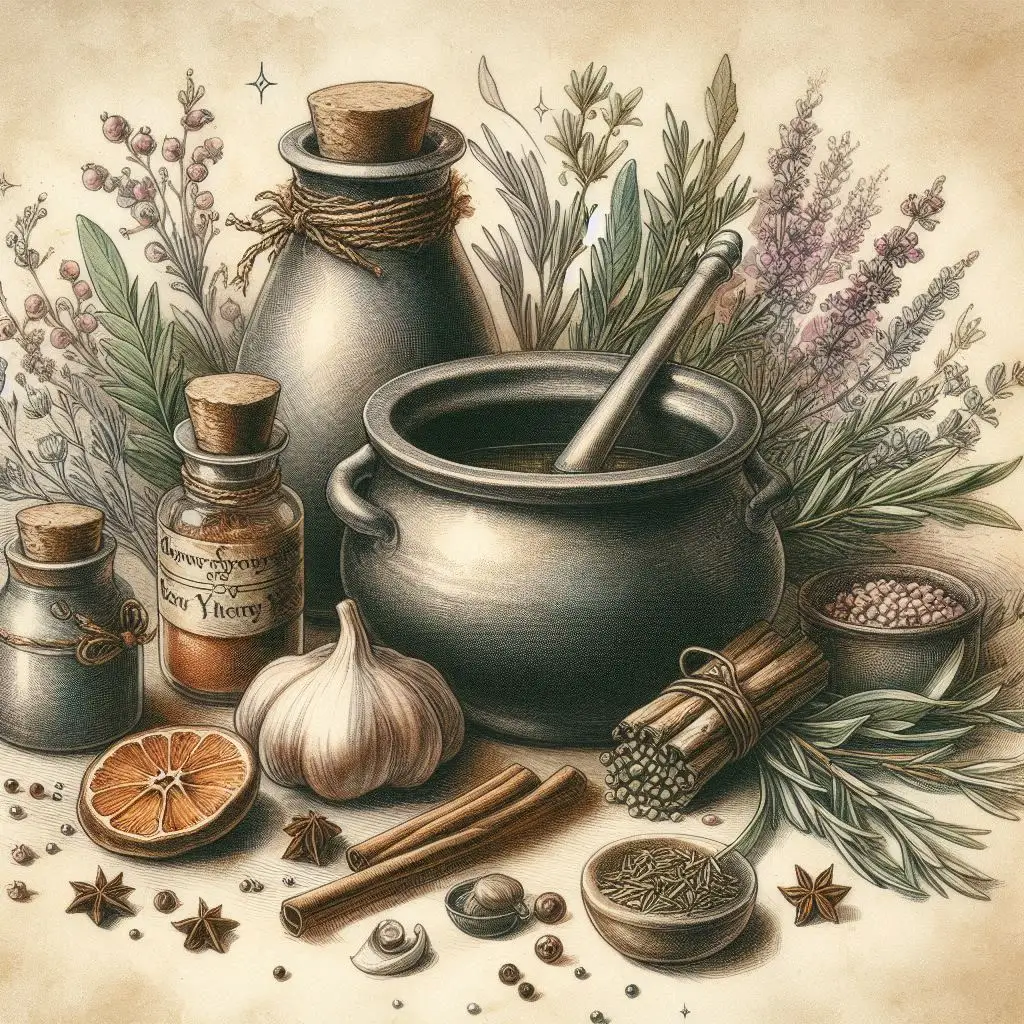
Witches have long utilized broths as part of their magical repertoire. The process of making a broth was often accompanied by chants, incantations, and the visualization of desired outcomes. Herbs such as rosemary, sage, thyme, and oregano, which are commonly used in winter broths, were also revered for their protective, purifying, and healing properties. By incorporating these herbs into broths, witches believed they could harness their energies to ward off illness, enhance psychic abilities, and promote overall well-being.
Wiccan Traditions
In Wiccan traditions, broths are often prepared during the winter months as part of seasonal celebrations and rituals. The winter solstice, known as Yule, is a time when Wiccans honor the rebirth of the sun and the return of light. During this time, broths made with winter herbs are consumed to symbolize the nourishment and warmth provided by the sun’s return. These broths are also used in rituals to invoke the energies of the season, promote healing, and strengthen the connection to nature.
Symbolism and Ritual Use
Broths in witchcraft, paganism, and Wiccan traditions are more than just a source of physical nourishment. They are imbued with symbolism and are used as tools for spiritual growth and transformation. The act of preparing and consuming a broth is seen as a form of alchemy, where the combination of ingredients and the intention behind their use create a powerful potion. This practice aligns with the belief that food and drink can be sacred and that the energy put into their creation can influence their effects.
By understanding the historical and spiritual significance of broths within these traditions, we can appreciate their role not only as a winter remedy but also as a means of connecting with ancient practices and enhancing our spiritual journey.
Benefits of Winter Broths
Winter broths offer a range of benefits that make them an ideal home remedy during the colder months.
Here are some key advantages:
Immune-Boosting Properties: By simmering winter herbs in broths, we can extract their immune-boosting compounds, which can help strengthen our immune system and support our body’s defense against winter illnesses.
Nutrient-Rich: Broths provide a concentrated source of nutrients, such as vitamins, minerals, and amino acids. Including winter herbs in broths can enhance their nutritional profile, ensuring we receive essential nourishment during the season.
Hydration and Warmth: During winter, it’s crucial to stay hydrated and keep warm. Sipping on warm broth not only provides necessary hydration but also helps to regulate body temperature and provide comfort.
Winter Herbs for Broths
Several winter herbs can be incorporated into broths to add flavor, aroma, and therapeutic benefits. Here are some popular winter herbs to consider using:
Rosemary: Rosemary is a fragrant herb with antioxidant and anti-inflammatory properties. It adds a delightful flavor to broths and provides immune support.
Sage: Sage is known for its antimicrobial properties and can help soothe sore throats and respiratory issues. It adds a savory note to broths.
Thyme: Thyme has antibacterial properties and can help alleviate coughs and congestion. Its aromatic flavor complements various broths.
Oregano: Oregano is rich in antioxidants and has antimicrobial properties. Adding it to broths can help support immune health and enhance the taste.
Methods for Making Winter Broths
There are different methods for preparing winter broths, allowing you to tailor the process to your preferences. Here’s a basic method to create flavorful and nutritious winter broths:
Select Your Ingredients: Start with a high-quality base such as chicken, beef, or vegetable broth. Gather your choice of winter herbs and additional ingredients like vegetables, spices, and proteins (if desired).
Prepare the Broth: Place the broth in a large pot and bring it to a gentle simmer over medium-low heat.
Add Winter Herbs: Add the winter herbs of your choice to the simmering broth. You can tie them in a bundle or place them loosely in the pot. This allows their flavors and medicinal properties to infuse into the broth.
Enhance with Ingredients: If desired, add vegetables, spices, and proteins to enhance the flavor and nutritional value of the broth. Consider ingredients like onions, garlic, carrots, celery, mushrooms, ginger, and turmeric.
Simmer and Extract Flavors: Allow the broth to simmer gently for at least 1-2 hours, or even longer for richer flavors. This process allows the herbs and ingredients to release their flavors and nutrients into the broth.
Strain and Serve: Once the broth is infused with the desired flavors, strain it through a fine-mesh sieve or cheesecloth to remove any solids. The resulting broth is ready to be served and enjoyed.
Storage: Leftover broth can be stored in airtight containers in the refrigerator for up to 4-5 days or frozen for future use. Freezing broth in smaller portions allows for convenient use whenever needed.
Serving and Enjoying: Winter broths can be enjoyed on their own as a comforting and nourishing drink or used as a base for soups, stews, and other culinary creations. Add fresh herbs or a squeeze of lemon juice to enhance the flavor further.
Customizing Your Broth: Feel free to experiment with different combinations of winter herbs and ingredients to create broths tailored to your taste and specific health needs. Adjust the seasoning and intensity of flavors to suit your preferences.
Precautions
While winter broths are generally safe for consumption, it’s important to ensure that you are using fresh, high-quality ingredients and practicing proper hygiene during preparation. If you have specific dietary restrictions or health concerns, it’s advisable to consult with a healthcare professional or nutritionist before making any significant changes to your diet.
Winter broths infused with winter herbs are a wonderful home remedy to fortify your health and well-being during the colder months. By harnessing the medicinal properties and flavors of these herbs, you can create nourishing broths that provide immune support, warmth, and comfort. Experiment with different combinations, adapt the recipes to suit your preferences, and savor the benefits of these revitalizing winter elixirs. Stay warm, healthy, and nourished throughout the winter season with the power of homemade broths enriched with winter herbs.
Conclusion
Winter broths, with their rich history in witchcraft, paganism, and Wiccan traditions, offer a nourishing and comforting remedy during the colder months. By incorporating winter herbs like rosemary, sage, thyme, and oregano, you can create flavorful and therapeutic broths that support immune function, provide essential nutrients, and offer warmth and hydration. Whether enjoyed on their own or used as a base for soups and stews, these broths provide a delightful and effective approach to staying healthy and comfortable during the winter season. Embrace the ancient wisdom and modern benefits of winter broths to nurture your body and spirit throughout the colder months.
Embrace the Magic of Winter with Soothing Aroma Therapy Remedies
Winter can be a challenging time for our health, as the cold weather and dry air can cause a variety of ailments, from coughs and colds to dry skin and chapped lips. While there are many over-the-counter remedies available, they can be costly and may contain harsh chemicals. Luckily, there are plenty of natural home remedies that can be made using items and materials that are readily available during the winter months. In this article, we will explore some effective and easy-to-make home remedies that use ingredients and materials from wintertime, so you can stay healthy and comfortable all winter long without breaking the bank.
There are a lot of home remedies and nearly endless possibilities of methods, in this article we’ll go over aroma therapy.
Aroma Therapy
Aroma therapies, also known as aromatherapy, can be a delightful and effective home remedy during the winter season. By harnessing the power of winter herbs and their aromatic properties, we can create soothing and invigorating scents that promote relaxation, uplift the mood, and provide relief from common winter ailments. In this article, we will explore the art of using aroma therapies with winter herbs, along with methods to incorporate these fragrant remedies into your daily winter wellness routine.
History of Aroma Therapy in Witchcraft, Paganism, and Wiccan Traditions
Aromatherapy has deep roots in the practices of witchcraft, paganism, and Wiccan traditions. The use of aromatic herbs and essential oils has been an integral part of these spiritual practices for centuries, serving both medicinal and ritualistic purposes.
Ancient Practices
Egyptians: One of the earliest known uses of aromatherapy can be traced back to ancient Egypt, where fragrant oils such as frankincense and myrrh were used in religious ceremonies and for embalming the dead.
Greeks and Romans: The Greeks and Romans also utilized aromatic herbs and oils for their healing properties and in their religious rituals. They believed that the scents of certain plants could connect them with the divine.
Witchcraft and Paganism
Herbalism: Herbalism has always been a cornerstone of witchcraft and pagan practices. Herbs were believed to possess magical properties that could be harnessed for healing, protection, and spiritual growth.
Rituals and Spells: Aromatic herbs and oils were often used in rituals and spells to enhance their effectiveness. For example, burning sage was believed to cleanse a space of negative energy, while lavender was used for its calming and protective properties.
Wiccan Traditions
Nature-Based Religion: Wicca, a modern-day nature-based pagan religion, places a strong emphasis on the use of natural elements, including herbs and essential oils, in its practices.
Seasonal Celebrations: Wiccans celebrate the cycles of the moon and the changing seasons, often incorporating aromatic herbs and oils into their rituals to honor the natural world and its cycles.
Goddess Worship: Many Wiccans worship a female goddess and a male god, and they use aromatic herbs and oils to create sacred spaces and to invoke the presence of these deities.
By understanding the historical and spiritual significance of aromatherapy in these traditions, we can appreciate the depth and richness it brings to our modern practices. Incorporating these ancient wisdoms into our winter home remedies not only enhances their effectiveness but also connects us to a long lineage of natural healing and spiritual practices.
Benefits of Aroma Therapies during Winter
Aroma therapies offer numerous benefits that make them a valuable addition to your winter home remedies.
Here are some advantages:
Emotional Support: Aromas have a profound impact on our emotions. Certain scents can help reduce stress, anxiety, and seasonal blues, enhancing our overall well-being during the winter months.
Respiratory Relief: Many winter herbs possess decongestant, expectorant, and antiviral properties. Inhaling their aromas can help alleviate respiratory discomfort, congestion, and support the health of the respiratory system.
Immune Support: Some winter herbs used in aroma therapies have immune-boosting properties. Inhaling their fragrances can stimulate the immune system and help protect against winter illnesses.
Relaxation and Sleep Aid: Certain scents promote relaxation and better sleep. Incorporating them into your aroma therapies can help you unwind, improve sleep quality, and combat winter-related restlessness.
Winter Herbs for Aroma Therapies
A variety of winter herbs can be used to create delightful and therapeutic aromas. Here are some popular winter herbs to consider incorporating into your aroma therapies:
Eucalyptus: Eucalyptus has a refreshing and invigorating aroma that helps clear the sinuses and promote respiratory health. It’s especially useful for combating winter congestion and coughs.
Peppermint: Peppermint has a cooling and uplifting scent that can help alleviate headaches, improve focus, and provide a burst of energy during the winter season.
Lavender: Lavender is renowned for its calming and relaxing properties. Its gentle floral scent can promote better sleep, reduce anxiety, and create a soothing environment during the winter months.
Pine: The scent of pine brings the freshness of the outdoors inside during the winter. It can help uplift the mood, relieve fatigue, and create a cozy and festive atmosphere.
Methods for Using Winter Herbs in Aroma Therapies
There are various methods to incorporate winter herbs into aroma therapies. Here are some popular techniques to try:
Diffusers: Electric or candle-powered diffusers are commonly used to disperse the aroma of essential oils or herb-infused oils into the air. Add a few drops of essential oil or a blend of winter herb-infused oil to the diffuser and enjoy the fragrant mist in your living space.
Steam Inhalation: Steam inhalation is a simple and effective method to benefit from the aromatic properties of winter herbs. Add a few drops of essential oil or a handful of fresh/dried herbs to a bowl of steaming hot water. Place a towel over your head, close your eyes, and inhale the steam deeply for several minutes to relieve congestion and respiratory discomfort.
Aromatic Baths: Create a soothing and aromatic bath experience by adding a few drops of essential oil or a handful of dried herbs directly to your bathwater. The warm water will release the fragrances, providing a relaxing and rejuvenating experience.
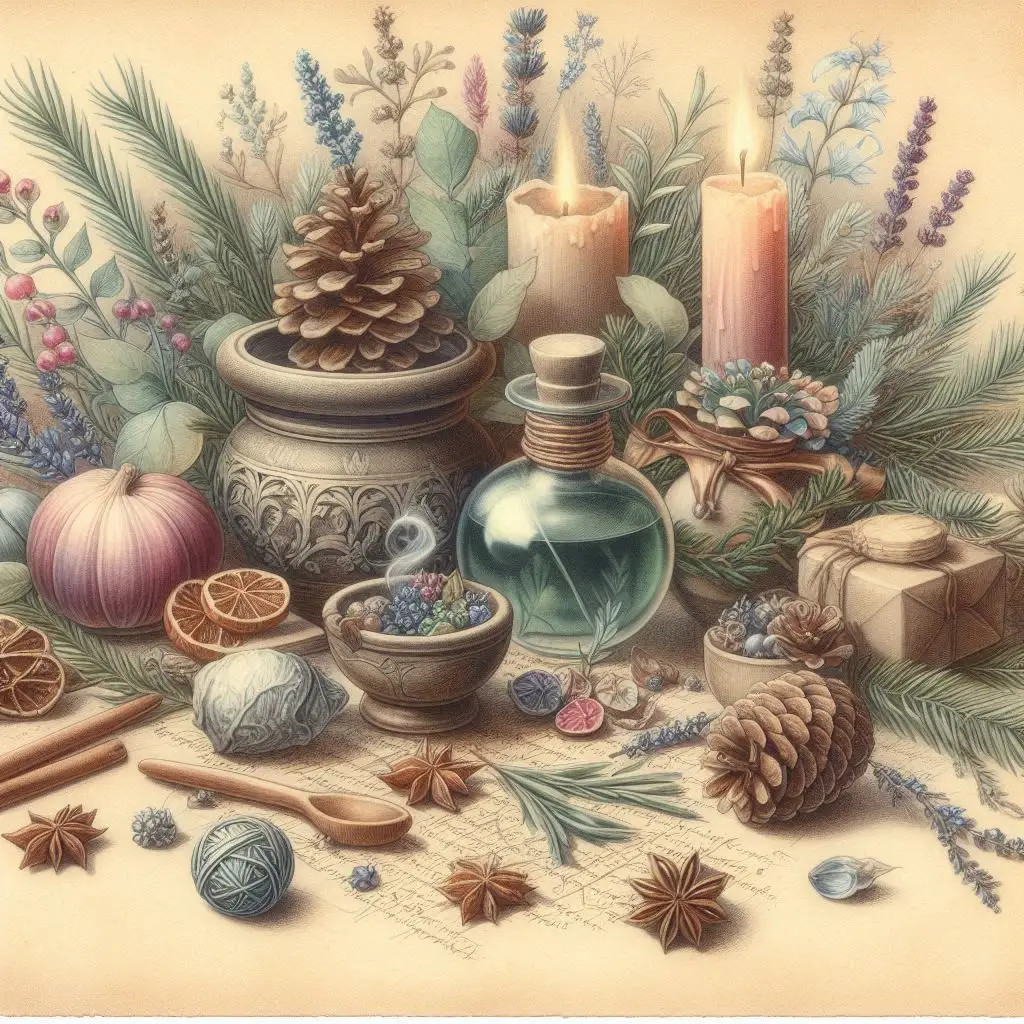
Homemade Potpourri: Create your own homemade potpourri by combining dried winter herbs, citrus peels, and spices. Place the mixture in a decorative bowl and let the fragrant blend permeate your living space.
Scented Candles: Choose scented candles infused with essential oils or winter herb extracts. Light the candles to fill your home with soothing and aromatic scents, creating a cozy and inviting atmosphere during the winter season.
Herbal Sachets: Create herbal sachets by placing dried winter herbs in small fabric pouches. You can place these sachets in your drawers, closets, or near your bed to enjoy the subtle and refreshing aroma.
Homemade Room Sprays: Make your own room spray by combining distilled water, a few drops of essential oils, and winter herb extracts in a spray bottle. Shake well and spritz the mixture around your living space to freshen the air and uplift your mood.
Massage and Body Oils: Mix a carrier oil such as sweet almond oil or jojoba oil with a few drops of essential oils or winter herb-infused oils. Use this blend for massage or apply it to your body after a bath or shower to nourish your skin and enjoy the aromatic benefits.
Inhalers: Create your own inhalers by saturating a cotton wick or a small piece of cloth with essential oils or winter herb extracts. Place it inside a small inhaler tube or a resealable bag. Carry it with you and inhale the scents whenever needed for an instant boost of energy or relaxation.
Safety Considerations
While aroma therapies are generally safe, it’s important to follow safety guidelines. Essential oils should be properly diluted before use, and it’s advisable to perform a patch test to check for any adverse reactions. If you have any underlying health conditions or are pregnant or nursing, consult with a qualified aromatherapist or healthcare professional before using aroma therapies.
Aroma therapies using winter herbs can be a delightful and effective way to enhance your winter well-being. By incorporating the aromatic properties of winter herbs into your daily routine, you can enjoy the benefits of relaxation, respiratory relief, immune support, and mood enhancement. Experiment with different scents, methods, and combinations to find what works best for you. Embrace the comforting and uplifting power of winter herbs through aroma therapies and create a cozy and nurturing environment during the colder months.
Conclusion
Aroma therapy, with its rich history in witchcraft, paganism, and Wiccan traditions, offers a unique and natural way to enhance your winter wellness. By incorporating the aromatic properties of winter herbs like eucalyptus, peppermint, lavender, and pine, you can create a soothing and uplifting environment that supports emotional well-being, respiratory health, and immune function. Whether through diffusers, steam inhalation, aromatic baths, or homemade potpourri, these fragrant remedies provide a delightful and effective approach to staying healthy and comfortable during the colder months. Embrace the ancient wisdom and modern benefits of aroma therapy to nurture your body and spirit throughout the winter season.
A Winter Treat Infused with the Essence of the Forest
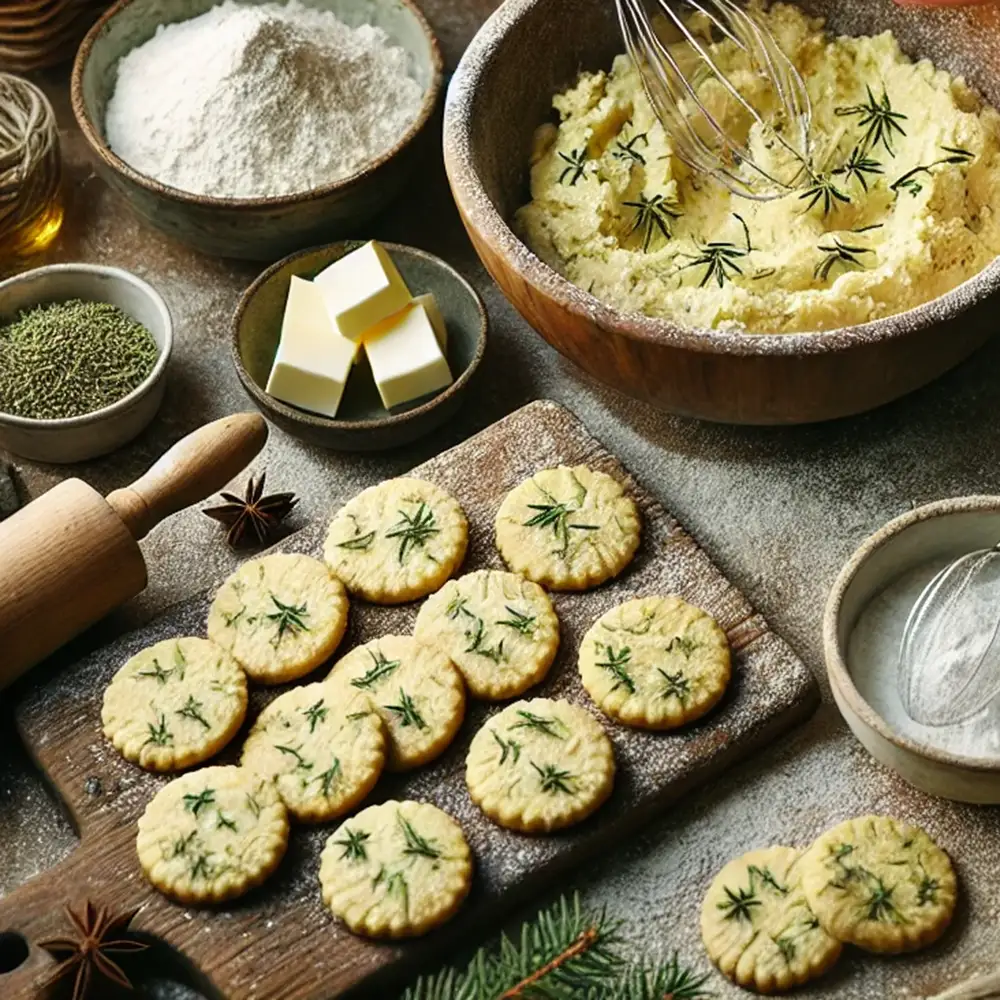
Pine trees, with their evergreen needles, symbolize resilience, protection, and the wisdom of the winter forest. With this recipe for Pine Needle Shortbread Cookies, we capture the aroma and energy of the forest, bringing the outdoors into a delicious winter treat. Delicate and buttery, these shortbread cookies are infused with the subtle, fresh flavor of pine needles, creating a unique dessert that celebrates the season. These cookies are perfect for Yule gatherings, as an offering, or simply as a reminder of the endurance and magic of winter.
The Magic of Pine Needle Shortbread Cookies
Pine trees are revered for their evergreen nature, representing resilience, life, and purity during winter’s dormancy. In Wiccan and Pagan traditions, pine is associated with protection, healing, and wisdom, making it a powerful ingredient to incorporate into winter rituals and celebrations. The fresh, slightly herbal flavor of pine needles pairs beautifully with buttery shortbread, offering a grounding, earthy taste that connects you to the quiet strength of the winter forest.
These cookies are not only delicious but also carry the calming, protective energy of pine, making them perfect for bringing comfort and peace to your winter gatherings. Each bite serves as a reminder of nature’s beauty and resilience, adding a touch of magic to your winter treat repertoire.
Spell for Resilience and Protection
While preparing these cookies, use this spell to invite resilience, grounding, and protection into your life.
Light a green or white candle to symbolize purity, resilience, and the wisdom of the winter forest.
As you add the pine needles to the dough, visualize their protective energy infusing the cookies with strength and healing.
While kneading and shaping the dough, chant softly:
“Needles green, ancient and wise, Protection and strength under winter skies. In each bite, resilience I take, A gift of the forest, these cookies I make.”
Serve with love, sharing the cookies’ warmth and protection with all who gather.
Magical Properties of Pine Needle Shortbread Cookies
Vanilla: Enhances unity, love, and harmony, balancing the herbal notes of pine with a touch of sweetness.
Pine Needles: Symbolize resilience, protection, and healing, connecting you to the strength of the winter forest.
Butter: Represents comfort, unity, and abundance, adding warmth and grounding to the cookies.
Sugar: Symbolizes sweetness, joy, and attraction, amplifying the magic of the forest with a touch of festive energy.
Pine Needle Shortbread Cookies
Buttery shortbread cookies with a delicate infusion of pine needles, celebrating the resilience and grounding energy of the winter forest.
Mixing bowl
Rolling Pin
Baking sheet
Parchment paper
Knife
1 cup unsalted butter (softened)
½ cup powdered sugar
1 tsp vanilla extract
2 cups all-purpose flour
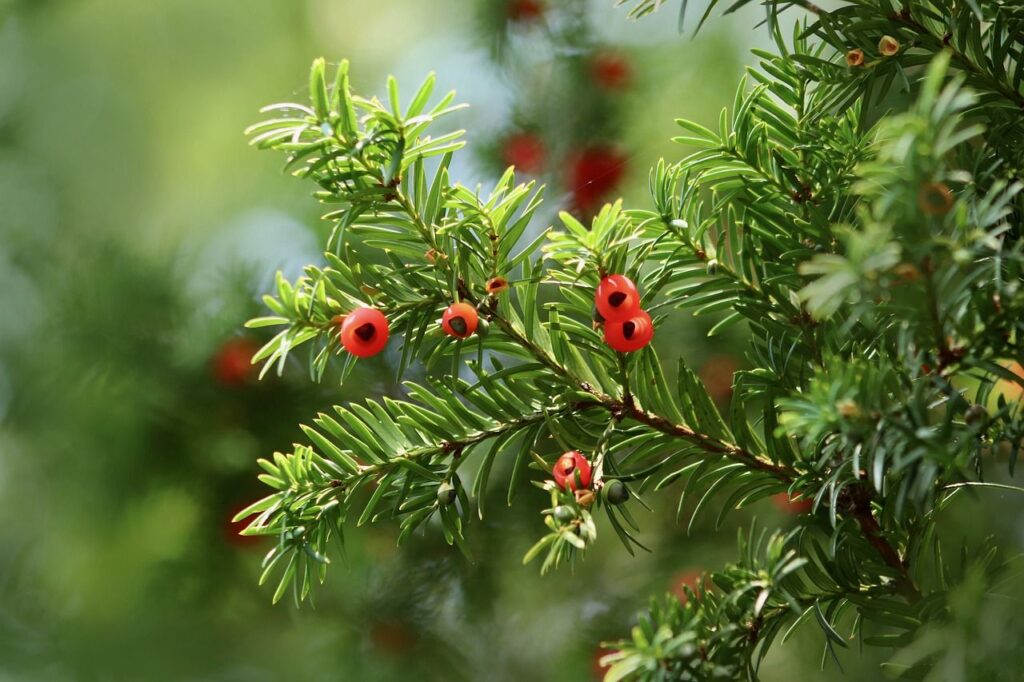
¼ cup fresh pine needles – finely chopped (finely chopped
ensure they are clean and from an edible variety like white pine – DO NOT USE YEW!)
¼ tsp salt
Prepare the Dough:
In a mixing bowl, cream together the softened butter and powdered sugar until light and fluffy.
Add the vanilla extract and mix until well incorporated.
Gradually add the flour and salt, mixing until just combined.
Gently fold in the finely chopped pine needles, distributing them evenly throughout the dough.
Chill the Dough:
Shape the dough into a disk, wrap it in plastic wrap, and chill in the refrigerator for at least 1 hour. This helps firm the dough for easier rolling and enhances the flavor.
Preheat and Roll the Dough:
Preheat oven to 325°F (165°C). Line a baking sheet with parchment paper.
On a lightly floured surface, roll the chilled dough to about ¼ inch thickness. Cut into shapes using a cookie cutter or simply slice into squares or rectangles.
Bake the Cookies:
Place the cookies on the prepared baking sheet, leaving a little space between each one.
Bake for 15-20 minutes, or until the edges are lightly golden. Keep an eye on them to prevent over-baking.
Cool and Serve:
Allow the cookies to cool on the baking sheet for a few minutes before transferring to a wire rack to cool completely.
Serve at room temperature, enjoying the subtle, earthy flavor of pine needles in each bite.
Pine Needle Shortbread Cookies can be stored in an airtight container at room temperature for up to one week. Make sure to source your pine needles from a safe, edible variety (such as white pine), and thoroughly wash and dry them before use. These cookies are lovely on their own or paired with a cup of hot tea, making them perfect for quiet winter moments.
Dessert
Winter, Yule
Recipe
Conclusion
Pine Needle Shortbread Cookies offer a unique way to bring the grounding energy of the forest into your winter celebrations. With each bite, you taste the resilience and protection of pine, connecting you to the ancient wisdom of the winter forest. These delicate cookies serve as a sweet reminder of nature’s beauty and endurance, adding a touch of magic to your winter celebrations and inviting you to savor the comfort and peace of the season.
When the world grows cold, evergreen conifer needles offer a vibrant source of nutrients, flavors, and magical uses, making them one of the most accessible winter wild edibles.
In the chilly months when much of nature lies dormant, conifer needles bring life, resilience, and health to the winter landscape. Found on evergreen trees such as pines, spruces, firs, and hemlocks, these needles are a versatile resource for the winter forager, packed with nutrients, flavor, and unique magical properties. This guide explores everything you need to know about foraging conifer needles, from identification to their many uses, making them an essential wild edible to include in your winter foraging adventures.
What Are Conifer Needles?
Conifer needles are the slender, evergreen leaves of trees within the Pinaceae family, such as pines, firs, spruces, and hemlocks. These needles vary widely in appearance, flavor, and aroma, depending on the species, but they all serve as resilient, nutrient-rich foliage that endures through the harshest winter climates. Conifer needles are typically rich in vitamins C and A, antioxidants, and essential oils that impart a refreshing, citrusy or resinous flavor.
The needles are also prized for their adaptability, offering a readily accessible source of nutrition, medicine, and magic in the forest. Whether brewed into teas, incorporated into culinary dishes, or used in ritual practices, conifer needles have been cherished for their versatility and symbolic strength.
Variants
Most conifer species offer edible needles, though each brings unique characteristics:
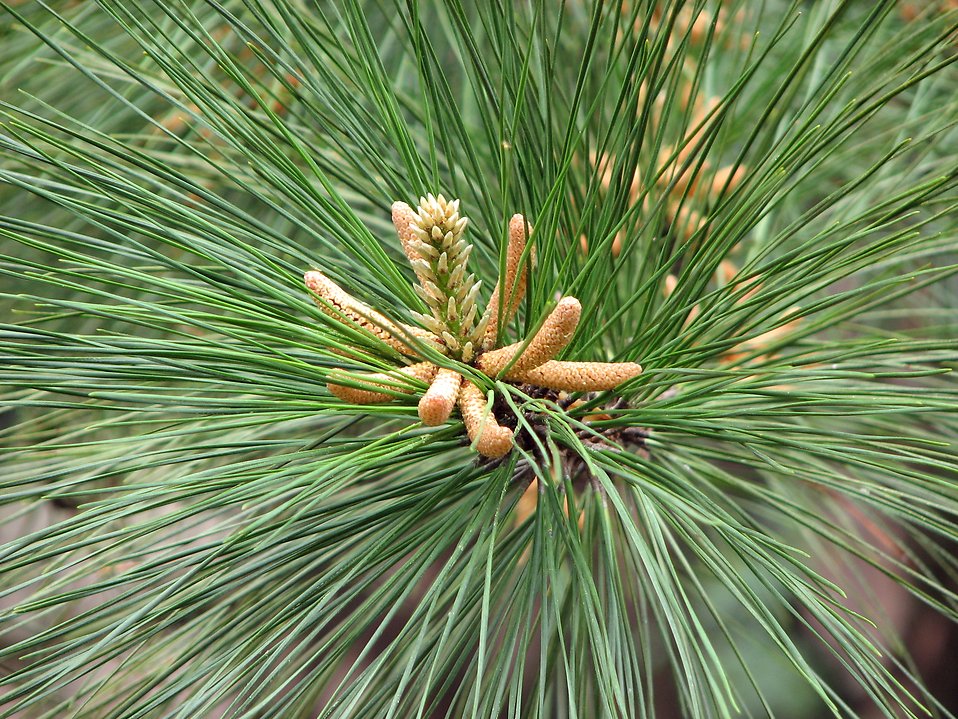
Pine (Pinus spp.): Pine needles are long and slender, often growing in clusters of 2 to 5. They have a subtly sweet, slightly citrusy flavor, making them popular for teas and flavor infusions.
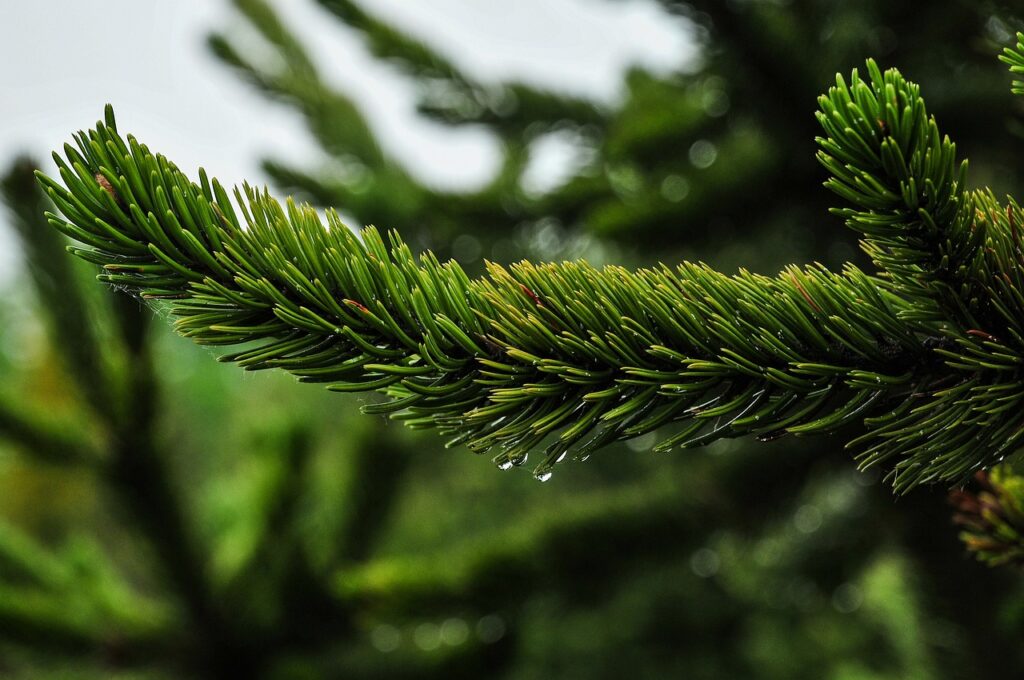
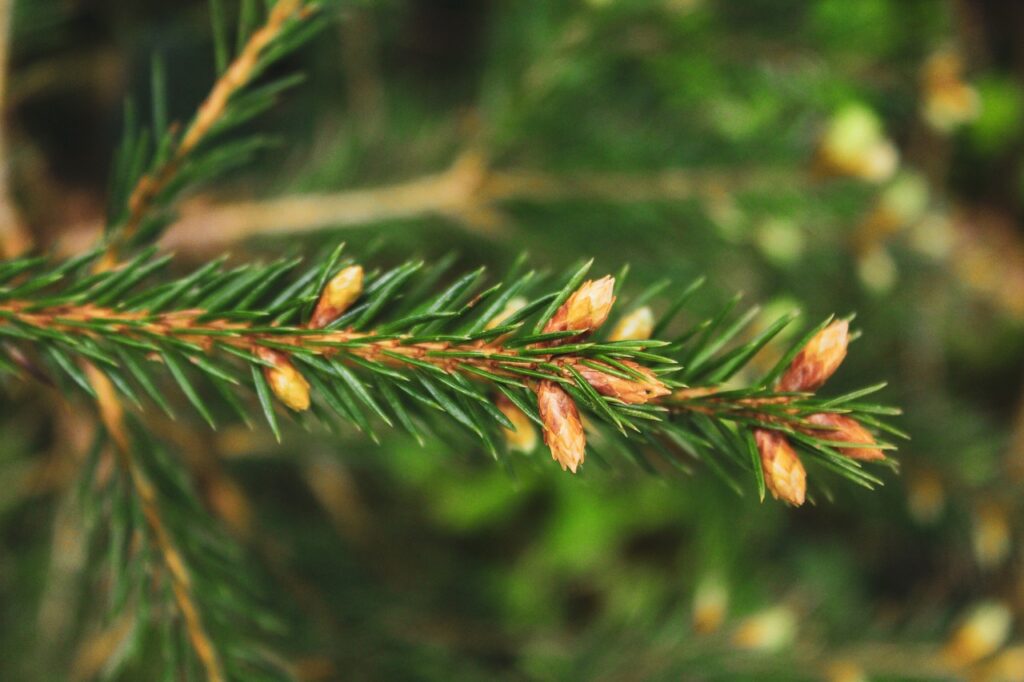
Spruce (Picea spp.): Spruce needles are short, square, and sharp, often giving the tree a “spiky” appearance. Their flavor is more intense, with a bright citrusy aroma, lending itself well to culinary dishes and medicinal teas.
Fir (Abies spp.): Fir needles are softer and more aromatic, growing individually along the branches. They offer a mild, refreshing flavor and a delicate aroma, suitable for teas, broths, and as a natural seasoning.
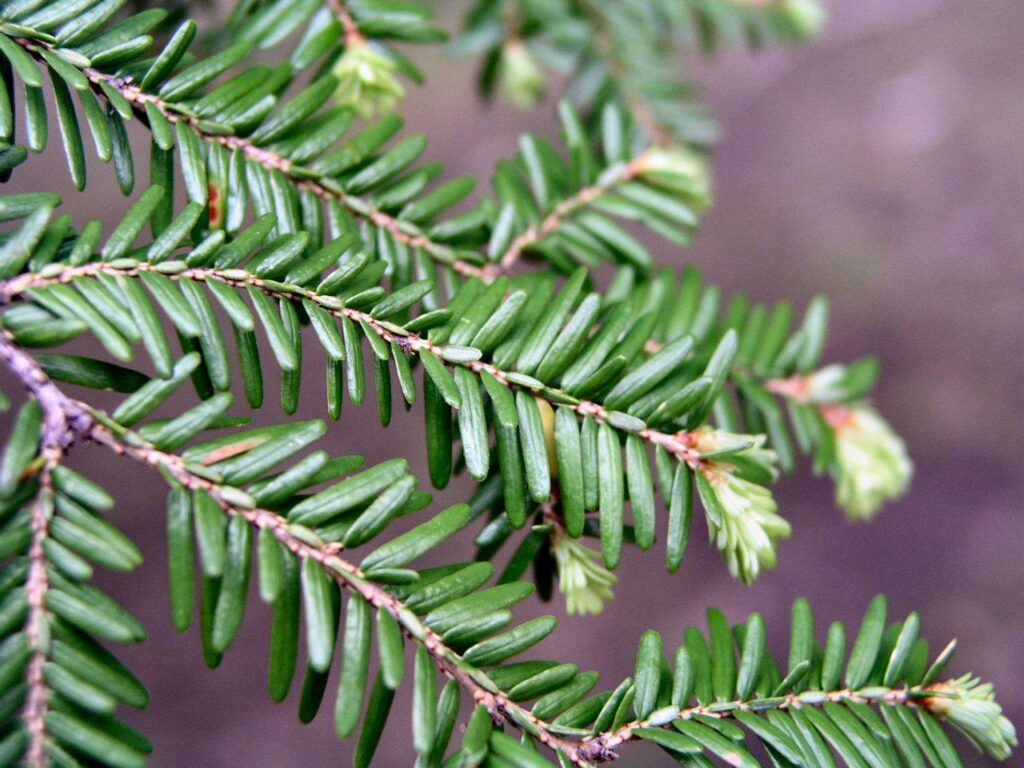
Hemlock (Tsuga spp.): Hemlock needles are short and flat, often darker green and soft to the touch. They have a gentle, earthy flavor with a mild resinous scent. Despite its name, this tree is unrelated to the toxic poison hemlock and is safe to consume.
Important Note: The yew tree (Taxus spp.) is also a conifer, but its needles are highly toxic and should never be consumed. Unlike other conifers, yew needles are shorter, flat, and tend to have a dark green color with red berries. Exercise caution when foraging to avoid this species.
Pine (Pinus spp.)
Pine needles are among the most recognizable and versatile of the conifer needles, distinguished by their long, slender shape and clustered growth pattern. Typically, pine needles grow in bundles or clusters of 2 to 5 needles per fascicle, which can help in identifying specific pine species. The color of pine needles ranges from bright green to deep blue-green, and they maintain their soft texture even during the winter, which adds to their appeal as a foraged ingredient.
Flavor Profile and Uses Pine needles are known for their subtly sweet, slightly citrusy flavor, with some varieties offering hints of resin and a refreshing, almost minty aftertaste. This unique flavor profile makes pine needles popular for teas and flavor infusions, as they can bring brightness to winter dishes and beverages. Pine needle tea, for instance, is prized for its mild, soothing taste, which pairs well with honey or lemon for added sweetness. The needles can also be finely chopped or ground to add a subtle, piney flavor to dishes, providing a unique taste reminiscent of citrus and fresh herbs.
Aromatic and Culinary Applications Beyond tea, pine needles can be used to infuse syrups, honeys, vinegars, or oils, creating aromatic bases for cocktails, marinades, and dressings. These pine-infused ingredients work particularly well in winter cocktails or with hearty dishes like roasted meats, game, or root vegetables. Pine needles can also be used to flavor salt or sugar, adding an earthy, aromatic touch to rubs, desserts, or baked goods.
Popular Pine Species for Foraging While most pine species offer edible needles, some are particularly favored for their flavor and nutritional properties:
Eastern White Pine (Pinus strobus): Known for its long, soft, and fragrant needles, Eastern White Pine is a popular choice for tea and culinary infusions. The needles are relatively mild in flavor, making them suitable for beginners.
Ponderosa Pine (Pinus ponderosa): With its robust, resinous aroma, Ponderosa Pine offers needles that have a more intense, piney flavor. Note that the needles of Ponderosa Pine should be used in moderation, as they contain small amounts of compounds that may not be suitable for pregnant women.
Sugar Pine (Pinus lambertiana): The longest needles among the pine species, Sugar Pine needles have a mild, sweet flavor, making them excellent for teas and syrups.
Health Benefits Pine needles are rich in vitamin C and antioxidants, making them a nourishing addition to winter diets. The needles’ high vitamin C content supports the immune system, while their antioxidants help protect against oxidative stress. Pine needle tea is traditionally used as a remedy for colds and respiratory issues, as the essential oils in the needles act as mild decongestants.
Pine needles are a fantastic foraging find for both their culinary uses and health benefits, bringing flavor, nutrition, and natural resilience to your foraged winter pantry.
Craft and Aromatherapy Uses
Pine needles are not only valuable for culinary and medicinal purposes but also popular in crafting and aromatherapy. Their fresh, invigorating scent makes them ideal for creating natural potpourri, sachets, and wreaths that bring a pleasant forest aroma to indoor spaces. Pine needles can also be used in homemade soaps, candles, or essential oils, where their scent promotes relaxation, mental clarity, and respiratory ease. Pine’s refreshing fragrance is especially popular in winter, evoking a sense of warmth and connection to nature.
Pine needles are a versatile and beneficial foraging find, offering a wide array of culinary, medicinal, and aromatic applications. Whether you’re using them in tea, syrups, or infusions, or incorporating them into crafts and home remedies, pine needles bring unique flavors, scents, and health benefits to your winter foraging routine. Their enduring green color and resilient nature symbolize vitality and strength, making them a truly remarkable addition to any pantry or wellness practice.
Spruce (Picea spp.)
Spruce trees are a vibrant and hardy conifer species, easily recognized by their short, sharp needles that grow individually along the branches, giving the tree a spiky, almost prickly appearance. The needles are typically square in cross-section, which allows you to easily roll them between your fingers—an identifying feature that distinguishes spruce from other conifers like fir. Ranging from dark green to a blue-gray shade, spruce needles are often compact and tightly arranged along the branches, contributing to their dense, bushy look.
Flavor Profile and Culinary Uses Spruce needles offer a more intense and complex flavor profile than other conifer needles, combining notes of bright citrus with subtle resinous undertones. Their strong, fresh aroma and mildly acidic taste lend themselves beautifully to a variety of culinary applications. Spruce needles are particularly popular in winter and holiday cooking, as their citrusy flavor can brighten up hearty dishes and rich, savory ingredients.
Spruce Needle Tea: Spruce needles make a delicious and potent tea, known for its tangy, lemony flavor. Brewing spruce needle tea brings out the needles’ bright citrus notes, making for a refreshing and warming drink during cold months. Adding honey or a touch of ginger can enhance the tea’s flavor and create a soothing, health-boosting beverage.
Flavor Infusions: Spruce needles can be used to infuse vinegars, syrups, and oils, imparting their intense, citrusy aroma to sauces, marinades, and dressings. Spruce-infused vinegar, for example, makes an excellent addition to salad dressings or a tangy component in braised dishes. Spruce syrup can add depth to cocktails, drizzle over desserts, or serve as a unique glaze for meats.
Seasoning and Garnish: Finely chopped spruce needles can be used sparingly as a seasoning for game meats, fish, and roasted vegetables. The needles’ bright, citrusy flavor pairs especially well with fatty dishes, cutting through richness and adding a refreshing contrast. Spruce needles can also be used as a garnish for winter cocktails, adding an aromatic touch to beverages like gin or whiskey-based drinks.
Popular Spruce Species for Foraging While most spruce trees produce edible needles, some species are especially valued for their aromatic qualities and ease of identification:
Norway Spruce (Picea abies): This common species has a deep green color and short, slightly curved needles. The needles of Norway Spruce are highly aromatic and well-suited for teas and infusions, offering a sharp, lemony flavor.
Sitka Spruce (Picea sitchensis): Found primarily along the Pacific Coast, Sitka Spruce has a robust citrusy aroma with a hint of bitterness, making it ideal for infusions and flavoring salt. Its sharp, intense flavor pairs well with seafood and is a favorite among chefs.
Blue Spruce (Picea pungens): Known for its striking blue-gray needles, Blue Spruce provides a softer, citrus-forward flavor that’s perfect for culinary applications. Its needles are a bit less sharp, making them easier to work with in teas and syrups.
Medicinal Benefits Spruce needles are rich in vitamin C, making them an excellent immune-boosting ingredient during winter. Traditionally, spruce needle tea has been used to alleviate symptoms of colds, coughs, and congestion. The essential oils in spruce needles have mild expectorant properties, helping to soothe respiratory issues and open up airways. Additionally, the antioxidant properties of spruce needles help combat inflammation and support skin health.
Craft and Decorative Uses Beyond culinary and medicinal applications, spruce needles are also popular for crafts and decorations, particularly during the holiday season. Spruce branches can be woven into wreaths or used as garlands, bringing their fresh, citrusy aroma indoors. Foraging spruce needles for both culinary and decorative uses makes them an especially versatile find in the wild.
Spruce needles are an aromatic and flavorful addition to winter foraging, lending themselves well to teas, infusions, and savory dishes. Their sharp, citrus-forward flavor brings a refreshing element to cold-weather cooking, while their rich vitamin C content and medicinal properties make them a valuable natural remedy during the colder months.
Fir (Abies spp.)
Fir trees are known for their soft, fragrant needles and graceful appearance, making them a favorite in both forests and ornamental landscaping. Fir needles are typically flat, rounded at the tips, and grow individually along the branches in a spiral pattern, creating a lush, full look. Unlike the sharp needles of spruce or the long clusters of pine, fir needles are soft and flexible to the touch, which, along with their delicate aroma, makes them especially pleasant to handle and forage. Fir trees are also distinguished by their smooth, often silvery bark and upright cones that stand on the branches like small candles.
Flavor Profile and Culinary Uses Fir needles have a mild, refreshing flavor that is often described as sweet and subtly citrusy, with delicate, woodsy undertones. Their soft texture and nuanced flavor make them ideal for teas, broths, and culinary infusions where a gentler coniferous note is desired. The needles of fir trees are versatile, enhancing both savory and sweet dishes with their delicate aroma and brightening flavor.
Fir Needle Tea: Fir needles are commonly used to make tea, which has a smooth, refreshing taste with a hint of sweetness. Fir needle tea is a gentler option compared to the intense flavor of spruce or pine, making it a great introduction to conifer teas. Brewed alone, fir needle tea is calming and fragrant, perfect for sipping on cold winter days. Adding honey or lemon can complement the fir’s natural flavors and create a soothing, aromatic beverage.
Broths and Soups: Fir needles can be added to broths and soups, where their mild flavor imparts a subtle, forest-fresh aroma to the dish. The needles can be tied in a bundle and steeped in the broth during cooking, then removed before serving. Fir-infused broths are particularly well-suited for chicken or vegetable-based soups, adding a touch of depth and earthiness to warm, hearty dishes.
Infusions and Syrups: Fir needles make wonderful infusions for syrups, vinegars, or honey. Fir syrup, for example, adds a unique, slightly citrusy sweetness that pairs well with desserts, cocktails, or even savory glazes for meats. Fir-infused vinegar is excellent for marinades or as a bright, herbal addition to dressings. These infusions capture the fir’s gentle aroma and work beautifully in seasonal cooking and holiday recipes.
Natural Seasoning: Finely chopped fir needles can be used sparingly as a seasoning, adding a light, citrusy note to fish, poultry, and roasted vegetables. The mild flavor of fir needles complements delicate proteins and brightens up root vegetables, making them a versatile addition to winter cooking.
Popular Fir Species for Foraging Fir needles are edible across most species, but certain firs are particularly favored for their aromatic qualities and flavor:
Balsam Fir (Abies balsamea): Known for its strong, balsam fragrance, Balsam Fir is one of the most aromatic of the fir species. Its needles have a sweet, refreshing flavor and are often used for teas, as well as aromatherapy due to their potent scent.
Douglas Fir (Pseudotsuga menziesii): Although technically not a true fir, Douglas Fir has similar needle characteristics and a lovely, citrus-forward flavor. The needles are soft and bright green, and their flavor is often described as having hints of grapefruit, making Douglas Fir needles a favorite for teas and syrups.
White Fir (Abies concolor): White Fir has soft, blue-green needles with a mild, pleasant aroma. Its delicate flavor works well in culinary infusions and is less resinous than other firs, making it a gentle addition to teas and broths.
Medicinal Benefits Fir needles contain vitamin C, antioxidants, and essential oils, which can offer various health benefits. The high vitamin C content in fir needles supports immune health, making fir needle tea an excellent winter remedy to boost immunity and ward off colds. The essential oils in fir needles have mild expectorant and anti-inflammatory properties, making fir needle tea or steam inhalation helpful for respiratory issues such as congestion and sore throats. In addition, the soothing aroma of fir needles has a calming effect, promoting relaxation and reducing stress.
Aromatherapy and Craft Uses Fir needles are commonly used in aromatherapy for their calming and uplifting properties. Their refreshing scent can be incorporated into sachets, incense, or essential oils, filling spaces with a forest-fresh aroma that helps reduce stress and anxiety. Fir needles are also popular in holiday wreaths and garlands, providing a natural, festive scent that brings warmth and cheer to indoor spaces.
Fir’s soft, aromatic needles offer both culinary and therapeutic uses, bringing a refreshing quality to teas, broths, and seasonal infusions. The gentle, uplifting aroma of fir needles provides a sensory link to the winter forest, enhancing well-being and connecting us to nature’s enduring resilience. Fir needles are a perfect foraging find for those seeking a subtler, sweeter conifer flavor and a calming presence in both culinary and medicinal applications.
Hemlock (Tsuga spp.)
Hemlock trees, often mistaken for their poisonous namesake due to the shared name, are actually a safe and valuable foraging option among conifers. Hemlock needles are small, flat, and soft to the touch, offering a mild and earthy flavor with a subtle resinous aroma. These needles grow in a two-row formation along the branches, creating a delicate and lush appearance. Hemlocks are frequently found in shaded, moist forested areas and are easily recognizable by their short, feathery needles and small, pendant-like cones.
Flavor Profile and Culinary Uses Hemlock needles have a gentle, earthy taste with a mild hint of resin, making them ideal for those who prefer a more subdued conifer flavor. Unlike the more intense citrus notes found in spruce or the sweetness of fir, hemlock offers a balanced, mellow taste that is well-suited for culinary applications where a less pronounced flavor is desired.
Hemlock Needle Tea: Hemlock needle tea is light and refreshing, with a delicate earthiness that pairs well with a hint of honey or lemon. This tea is particularly soothing on chilly days, providing a gentle warmth without the stronger flavors of other coniferous teas. It’s also naturally high in vitamin C, making it a nourishing option during cold and flu season.
Broths and Soups: Hemlock needles can be used in broths and soups, where their earthy, slightly resinous flavor adds depth to the base without overpowering it. Tie the needles in a small bundle and steep them in the broth while cooking, then remove them before serving. Hemlock-infused broths pair wonderfully with root vegetables, mushrooms, and poultry, adding a subtle woodland note to hearty, comforting dishes.
Infusions and Syrups: Hemlock needles make excellent infusions in vinegars, syrups, or even honey, adding a soft, earthy aroma and a hint of resinous depth to these ingredients. Hemlock-infused vinegar is versatile in salad dressings, especially when paired with herbs or a hint of sweetness. Hemlock syrup, on the other hand, can be used in cocktails, drizzled over desserts, or as a glaze for roasted meats, lending a gentle, forested flavor.
Popular Hemlock Species for Foraging While all true hemlock species (Tsuga spp.) are edible, certain species are more common and sought after for their soft needles and mild flavor:
Western Hemlock (Tsuga heterophylla): Native to the Pacific Northwest, Western Hemlock has shorter, dark green needles and a soft, feathery appearance. It’s highly aromatic, and the needles provide a gentle, earthy taste that is perfect for teas and culinary infusions.
Eastern Hemlock (Tsuga canadensis): Found in eastern North America, Eastern Hemlock has slightly longer needles with a bluish-green color. Its mild flavor and resinous scent are ideal for both broths and teas, and it has a high vitamin C content, making it a popular choice for winter foraging.
Medicinal Benefits Hemlock needles contain beneficial compounds like vitamin C, antioxidants, and mild essential oils, making them a valuable resource for traditional and natural remedies.
Immune Support: Hemlock needles are rich in vitamin C, helping to support the immune system during the winter months. Drinking hemlock needle tea can help ward off colds and strengthen the body’s defenses.
Respiratory Health: The essential oils in hemlock needles have mild expectorant properties, which can be helpful in soothing respiratory issues. Drinking hemlock tea or inhaling steam infused with hemlock needles may relieve mild congestion and promote easier breathing.
Calming Properties: Hemlock is known for its subtle, calming aroma. When used in teas or as an aromatherapy infusion, hemlock needles help reduce stress and create a sense of calm, making it an ideal herb for relaxation and grounding practices.
Safety Considerations Despite the safe nature of true hemlock (Tsuga spp.), it’s important to distinguish it from poison hemlock (Conium maculatum), a highly toxic plant with similar names but entirely different characteristics. Poison hemlock is not a tree; it is a flowering plant with tall, hollow stems and clusters of white flowers, commonly found in fields and roadsides. Ensuring proper identification is crucial when foraging for true hemlock.
Craft and Aromatherapy Uses Hemlock needles are frequently used in wreaths, garlands, and sachets due to their soft texture and gentle aroma. In aromatherapy, the subtle, grounding scent of hemlock needles is known to promote relaxation, making it popular in sachets, incense, or potpourri. Adding dried hemlock needles to baths or creating a simple hemlock-infused oil can provide a soothing experience, helping to ease stress and bring a sense of balance.
Hemlock needles are a versatile and gentle option among foraged conifers, ideal for those seeking a softer, earthy flavor and calming energy. Whether in teas, culinary infusions, or therapeutic applications, hemlock offers a wonderful way to connect with the quiet strength and beauty of the winter forest.
How to Identify Conifer Needles and Their Variants
Identifying conifer needles is key to safe and effective foraging. Here are some tips to recognize each type:
Pine Needles: Typically grow in clusters of 2–5, with long, thin, slightly twisted needles. Pines have a scaly or flaky bark that ranges in color from reddish to gray.
Spruce Needles: Short, square-shaped, and sharp to the touch, they grow individually from the branches and have a bright green color. The bark of spruce trees is rough and scaly.
Fir Needles: Soft, flat, and growing individually along the branch, fir needles are slightly curved with a distinct “balsam” fragrance. The bark is smooth, often with small resin blisters.
Hemlock Needles: Small, flat, and growing in two rows along each side of the branch, hemlock needles are dark green with a silvery underside. The bark is grayish-brown and deeply ridged.
To Avoid Toxic Yew: Yew needles are darker green and grow in a flat formation along the branches. Yew also produces distinctive red berries, which are highly toxic. Avoid any conifer with red berries and flat, dark needles to ensure safety.
Habits of Conifer Trees
Conifer trees are among the most adaptable and resilient plants, displaying remarkable survival traits that allow them to flourish across diverse ecosystems and climates. Characterized by their hardy nature, conifers grow from cold boreal forests to arid mountain regions and even temperate urban settings, proving themselves to be remarkably versatile. Their ability to thrive in different conditions makes them an essential part of ecosystems worldwide, and their unique features make them valuable foragers’ resources, especially in winter.
Year-Round Resilience and Photosynthesis
One of the most notable characteristics of conifers is their evergreen nature. Unlike deciduous trees that shed their leaves in autumn, conifers retain their needles year-round. This allows them to continue photosynthesizing during the winter months when other trees lie dormant, storing energy that supports their growth and survival. The needles of conifers are adapted to withstand harsh winter conditions, with a waxy coating and minimal surface area that help reduce water loss and resist freezing temperatures. This trait is not only key to their survival but also makes them an enduring symbol of vitality and resilience, especially during the colder months.
Adaptation to Diverse Soil and Climate Conditions
Conifers are highly adaptable to a wide range of soils and climates. They are often found in well-drained soils, as their roots are particularly vulnerable to rot in overly moist conditions. Conifers thrive in sandy, rocky, or even slightly acidic soils, allowing them to establish themselves in challenging terrains like mountainsides, dry forests, and boreal regions. Some conifer species, such as spruce and fir, are particularly cold-tolerant and can survive in subarctic climates, while others, like certain pine species, are well-suited to hot, arid environments.
In urban landscapes, conifers are frequently planted as ornamental trees because of their hardiness, attractive appearance, and year-round greenery. Their ability to tolerate pollution and low soil fertility makes them suitable for city life, where they provide aesthetic beauty, shade, and even serve as windbreaks or privacy barriers.
Growth Patterns and Longevity
Conifers generally grow slower than many deciduous trees, but they often have impressive lifespans, with some species living for hundreds or even thousands of years. Their slow, steady growth and thick, resinous bark help them withstand environmental stressors like fire, pests, and disease. This resilience is particularly evident in certain species such as the bristlecone pine (Pinus longaeva), which can live for thousands of years, and the giant sequoia (Sequoiadendron giganteum), known for its massive size and remarkable age.
Self-Sufficiency and Reproductive Adaptations
Conifers have evolved several reproductive adaptations that enhance their survival. Most conifers reproduce through cones, which contain seeds protected by woody scales. Male and female cones are often found on the same tree, allowing them to pollinate themselves in favorable conditions. Some conifers, like lodgepole pine, have serotinous cones that only open in response to the heat of a forest fire, a clever adaptation that allows them to regenerate quickly after fire clears competing vegetation.
Ecological Role and Winter Foraging Benefits
Conifers play a vital role in their ecosystems, providing shelter and food for wildlife, stabilizing soil, and influencing water cycles. Their dense foliage offers shelter for animals during the winter, and their seeds and needles are a critical food source for various bird and mammal species.
For foragers, conifers are a valuable resource in the winter when many other plants are dormant. Their needles are rich in nutrients, particularly vitamin C, and can be harvested throughout the colder months to make teas, syrups, and culinary infusions. The accessibility of conifer needles during winter provides a steady source of nutrition and flavor, and their resilience serves as a reminder of nature’s enduring vitality even in the harshest conditions.
In summary, conifer trees embody resilience and adaptability, thriving in diverse environments and remaining evergreen throughout the year. Their ability to endure various climates and soil types, along with their role as a crucial food and shelter source in winter, make them an essential part of natural ecosystems and a valuable resource for foragers.
How to Properly Forage Conifer Needles
Foraging conifer needles is an accessible and sustainable way to gather a nutritious, versatile resource from the wild. However, foragers should always approach the process with care, respect for the tree, and an eye for safety to ensure that their harvest is beneficial for both them and the environment. Here’s a detailed guide on how to properly forage conifer needles, including tips on identification, harvesting techniques, ideal timing, and storage methods.
1. Identify Safely
The first and most crucial step in foraging conifer needles is proper identification. Conifer needles come in a range of shapes, textures, and arrangements, each unique to specific species like pine, spruce, fir, and hemlock. Carefully examine the needle characteristics:
Needle Arrangement and Shape: Pay attention to the way needles are arranged on the branches. For example, pine needles grow in clusters of 2-5 needles, while spruce and fir needles grow individually. Hemlock needles are arranged in a flat, two-row pattern along the branches.
Needle Texture and Smell: Gently crush a needle between your fingers to release its aroma. Pine often has a subtle citrus scent, while spruce is sharper and more resinous, and fir tends to be sweet and balsamic. Scent can be a helpful guide in distinguishing one conifer from another.
Check for Berries: One essential rule when foraging conifers is to avoid yew trees (Taxus spp.), as their needles and berries are highly toxic. Yew needles are short, dark green, and arranged in a flat formation, often accompanied by distinctive red berries. If you come across a conifer with these characteristics, avoid harvesting it entirely.
2. Harvesting Needles
Once you have identified the correct conifer species, it’s time to begin harvesting. Here are some best practices to ensure sustainable and respectful forage:
Use the Right Tools: Carry a pair of clean scissors or a small knife. These tools will allow you to trim the needles precisely and prevent damage to the tree.
Trim Small Branches or Clusters: When harvesting needles, select small branches or clusters rather than stripping large sections of the tree. This helps preserve the tree’s health and appearance. Trim a few clusters from different parts of the tree to minimize any visible impact on a single area.
Be Mindful of New Growth: Conifer trees produce new growth in the spring, which is softer, brighter, and more nutrient-rich. While these new tips are excellent for culinary use, avoid removing too many of them, as they are essential for the tree’s development. Opt to take more mature needles when possible, leaving the new growth to thrive.
Respectfully Harvest in Moderation: Take only what you need. Overharvesting can harm the tree, so practice restraint and harvest modestly. If you’re foraging in a public area, be considerate of other foragers and wildlife that may also rely on these resources.
3. Best Timing
While conifer needles can be foraged year-round, timing can influence the quality, freshness, and nutritional content of the needles:
Late Winter to Early Spring: This is often the best time to forage for conifer needles, as they tend to be especially nutrient-dense and aromatic during these colder months. In late winter, the needles retain a high level of vitamin C, which is valuable for health and immunity.
Spring Growth Tips: During spring, many conifers produce fresh, tender growth tips that are vibrant in color and have a milder flavor. These young tips are particularly popular for culinary uses, as they’re less resinous and easier to chew. However, take care to harvest sparingly to allow the tree to continue thriving.
Year-Round Availability: Conifer needles are evergreen, so they can be harvested throughout the year. In summer and autumn, the needles will be slightly tougher but can still be used in teas, infusions, and crafts. Foragers who seek a stronger flavor and aromatic intensity may prefer the mature needles available year-round.
4. Storage
Proper storage of conifer needles will help preserve their flavor, aroma, and nutritional properties:
Short-Term Fresh Storage: Freshly harvested conifer needles can be stored in the refrigerator for up to a week. To keep them fresh, place the needles in a plastic bag or airtight container with a slightly damp paper towel. This will help maintain their moisture level and prevent drying out.
Drying for Long-Term Storage: If you’re looking to store conifer needles for a longer period, drying is an excellent option. Spread the needles in a single layer on a clean, dry surface in a well-ventilated area, away from direct sunlight. Allow them to air-dry for several days until they are completely dry and brittle to the touch. Once dried, store the needles in an airtight container in a cool, dark place to preserve their aroma and potency. Properly dried conifer needles can last for up to a year.
Freezing: For maximum freshness, conifer needles can also be frozen. Place the needles in a freezer-safe bag or container, ensuring that as little air as possible is trapped inside. This method will preserve the needles’ flavor and nutritional properties for several months. Frozen needles are perfect for teas, syrups, or other culinary uses, as they retain much of their original essence when thawed.
By following these foraging techniques, you’ll be able to gather conifer needles responsibly, ensuring you enjoy their benefits while preserving the health of the trees.
Magical Uses of Conifer Needles
Conifer needles are prized for their protective and grounding energies, embodying the resilience and strength of the evergreen tree. They are often used in spells, charms, and rituals focused on endurance, purification, and spiritual strength.
Protection and Purification: Burn conifer needles as incense to cleanse a space of negative energy. The aromatic smoke is believed to ward off harmful spirits and bring positive vibrations.
Grounding and Resilience: Use conifer needles in ritual baths or sachets to promote stability, resilience, and grounding energy. They are especially powerful in spells aimed at overcoming obstacles or enduring hardship.
Nature Connections: Place conifer needles on your altar or in sacred spaces to connect with natural spirits and bring the vitality of evergreen energy into your spiritual practice.
Medicinal Uses of Conifer Needles
Conifer needles offer a range of medicinal benefits, making them a valuable resource for natural health:
Rich in Vitamin C: Conifer needles, particularly pine and spruce, are high in vitamin C, which supports the immune system and helps combat winter colds and flu.
Respiratory Health: The essential oils in conifer needles act as decongestants and expectorants, making needle tea useful for respiratory issues, such as colds, congestion, and coughs.
Antioxidants: The needles contain antioxidants that help reduce inflammation and protect cells from oxidative stress. These antioxidants also support skin health and can be beneficial in natural skincare preparations.
Caution: Pregnant women should consult a healthcare provider before consuming conifer needle tea, as the oils may be too potent.
Culinary Uses of Conifer Needles
Conifer needles bring a unique, citrusy, and resinous flavor to culinary applications:
Needle Tea: Brew fresh or dried needles in hot water for a refreshing, vitamin C-rich tea. Add honey or lemon to balance the flavor, and enjoy warm or cold.
Flavoring: Use ground or finely chopped needles as a seasoning for fish, game meats, and roasted vegetables. The flavor is particularly pleasant with hearty winter dishes.
Syrups and Infusions: Infuse needles in honey, vinegar, or syrups for use in cocktails, dressings, or drizzles. These conifer-infused ingredients add a fragrant, earthy note to culinary creations.
Safety Concerns
While most conifer needles are safe for consumption, there are a few safety concerns to be mindful of:
Avoid Yew (Taxus spp.): Yew needles are toxic and should never be ingested. Always confirm the conifer species before harvesting.
Pregnancy Precautions: Pregnant women should consult a healthcare provider before consuming conifer needle tea, as the essential oils can be very potent.
Sensitive Stomachs: Some people may experience mild digestive upset when consuming conifer needle tea. Start with small amounts to ensure compatibility.
To Avoid Toxic Yew
Yew trees (Taxus spp.) are unique among conifers in that every part of the plant—needles, seeds, and bark—contains highly toxic compounds. These toxins can have severe effects if ingested, particularly the alkaloid taxine, which affects the heart and nervous system. For foragers, the presence of yew is an important caution, as mistaking yew needles for edible conifer needles could lead to serious health risks.
Identifying Yew Trees To ensure safe foraging, be vigilant in identifying yew trees by their distinctive features:
Needle Appearance: Yew needles are typically short, flat, and darker green compared to other conifers. Unlike pine or spruce, which have long or pointed needles, yew needles grow in a flat, two-row formation along the branches. They are soft to the touch, not spiky, and usually have a slight sheen. This unique arrangement is key to distinguishing yew from other edible conifers.
Needle Arrangement: Yew needles are arranged oppositely along each side of the branch, forming a flattened look. This is in contrast to pines, which grow in clusters, or spruces and firs, where needles tend to grow individually and often around the entire branch.
Distinctive Red Berries: One of the most recognizable features of yew trees is their bright red, fleshy berries, called arils. These small, cup-shaped berries contain a single seed, which is extremely toxic. While the arils themselves are not toxic, the seed within each berry is highly poisonous if ingested. No other common edible conifers produce such berries, making this a clear red flag for foragers.
Avoiding Yew in the Field When foraging for conifer needles, it’s best to avoid any conifer that has red berries or dark, flat needles growing in a two-row formation. This visual cue can help you steer clear of yew trees and avoid potential health hazards. If you’re unsure whether a conifer is yew, it’s safer to leave it unharvested and search for a more readily identifiable species, such as pine, spruce, or fir.
The Risks of Yew Toxicity Ingesting yew needles, berries, or seeds can cause serious symptoms, including nausea, vomiting, abdominal pain, respiratory issues, and even fatal heart complications. Children and pets are particularly vulnerable to yew toxicity, as the berries can appear attractive to them. Even handling yew can cause irritation for sensitive individuals, so approach this plant with caution.
Understanding how to recognize and avoid yew trees is crucial for any forager. By being mindful of yew’s distinguishing dark green, flat needles and red berries, you can safely navigate the forest and enjoy the benefits of other edible conifers without risk.
Wrapping Up
Conifer needles are a resilient gift from nature, offering nutrition, flavor, and spiritual power even in the depths of winter. As one of the most accessible and abundant foraged foods, conifer needles invite foragers to explore their culinary, medicinal, and magical properties. By responsibly foraging and incorporating these evergreen needles into your practices, you connect with the endurance and vitality of nature, bringing warmth and wellness to the winter season. Whether crafting teas, syrups, or ritual items, conifer needles provide a versatile way to experience the rich bounty of the natural world all year round. Happy foraging!
When we think of meals in witchcraft and pagan practices, we often consider the spiritual energy and intent behind the preparation, consumption, and even sharing of food. A 12-course meal, traditionally a decadent and lengthy affair, offers more than just culinary delight; it provides an opportunity to align each course with magical intent and purpose, turning the meal into a ceremonial experience.
This article will take you through the 12 courses, each with its traditional culinary purpose and a touch of magic. You’ll learn how to incorporate elements of the craft, seasonal energies, and witchy symbolism into every stage of the feast.
The Structure of a 12-Course Meal
A 12-course meal follows a progression of dishes, designed to stimulate different senses, palates, and energies. Each course is an opportunity to introduce a magical intention, herb, or flavor profile that resonates with a different aspect of life or energy. Here’s how you can transform each course into a magical experience.
1. Amuse-Bouche (The Opening Spell)
Purpose: A tiny, bite-sized starter, the amuse-bouche awakens the palate and sets the tone for the meal to come. Magic: Use this first course to open up your guests’ senses and start setting the intentions for the feast. Consider a small morsel infused with herbs for heightened awareness, like rosemary for mental clarity or basil for good luck. This is the first spell you cast on the meal—an opening invocation to the experience.
2. Soup (Cleansing and Protection)
Purpose: Soups are gentle and warm, often broths or purees that continue to prepare the body for the courses ahead. Magic: Soups are ideal for introducing cleansing and protective energies. Choose ingredients like garlic and onion to ward off negativity, or fennel for purification. Stirring the soup clockwise will add energy and positivity, while counterclockwise stirs can banish and cleanse unwanted energies from the space and participants.
3. Appetizer (Invocation of Elements)
Purpose: A small, flavorful dish that is more substantial than the amuse-bouche and primes the stomach for heavier courses. Magic: This is a great opportunity to incorporate elemental magic. An appetizer that balances all four elements (earth, water, fire, and air) can help ground your guests and prepare them to receive the rest of the courses with balance. Think of a vegetable tart (earth), drizzled with a sauce (water), a touch of spice or heat (fire), and something light and crisp like puff pastry or whipped cream (air).
4. Salad (Green Magic and Abundance)
Purpose: A refreshing dish that often cleanses the palate with fresh vegetables and light dressings. Magic: Salads represent earth magic and abundance. Every leaf of lettuce or herb symbolizes prosperity and the grounding energy of nature. Add edible flowers like violets (love and luck) or nasturtiums (creativity and passion) to enhance the energies of the ingredients. Use vinaigrettes or citrus dressings to add a touch of movement and flow, invoking emotions and intentions that will carry forward throughout the meal.
5. Fish Course (Connection to Water and Intuition)
Purpose: A lighter protein course, often focusing on delicate flavors and subtle seasonings. Magic: Fish naturally connects to the element of water, and this course can be used to open intuition, emotion, and spiritual receptivity. Choose flavors and ingredients that correspond to the moon or water elements, like lemon (clarity), dill (focus), or sea salt (purification). For a vegetarian option, a seaweed salad or dishes containing coastal ingredients like sea beans are equally potent.
6. Main Course (Manifestation and Power)
Purpose: The heaviest and most substantial dish, usually meat or a hearty vegetarian option, which serves as the focal point of the meal. Magic: The main course symbolizes manifestation and physical power. Here, you can focus on grounding energies and manifestation through hearty ingredients like root vegetables (potatoes, carrots) for stability, or proteins like beef or mushrooms for strength. Season with herbs like thyme (courage), sage (wisdom), or black pepper (banishing negativity).
7. Palate Cleanser (Spiritual Rebirth)
Purpose: A small serving designed to refresh the taste buds, preparing for richer, sweeter courses. Magic: The palate cleanser is an opportunity for rebirth and renewal. A sorbet infused with herbs like mint (fresh starts) or lemon balm (calm and joy) can help shift energies and prepare for the sweetness to come. Think of it as a symbolic clearing of space, making way for something new and vibrant.
8. Cheese Course (Balance and Duality)
Purpose: Cheese courses offer a variety of flavors and textures, often paired with nuts, fruits, or crackers. Magic: Cheese represents both indulgence and balance—especially when paired with complementary flavors like sweet fruits or tangy nuts. Incorporate dried figs (fertility and love), honey (attraction), and walnuts (mental clarity) to provide not only a balance of flavors but also a representation of duality in magic. Think of the harmony of opposites—sweet and savory, soft and crunchy.
9. Dessert (Pleasure and Gratitude)
Purpose: The sweet conclusion to the main part of the meal, typically a rich, sweet, and indulgent dish. Magic: Dessert is all about joy, pleasure, and gratitude. Make this course a celebration of life’s sweetness by using vanilla (love), chocolate (sensuality), or cinnamon (protection and prosperity). Let this course be a physical manifestation of the pleasures of life and the intent to savor every moment. Use decorations like edible gold leaf to symbolize wealth and abundance.
10. Mignardises (Blessings and Sweet Farewells)
Purpose: Tiny sweet treats, like truffles, macarons, or candied nuts, served to end the meal on a sweet note. Magic: Mignardises are often shared communally, making them an ideal way to bless and send off your guests. Anoint these little bites with blessing oil or dust them with powdered sugar mixed with a pinch of dried herbs like lavender (calm and protection) or rose petals (love and beauty) for added intention.
11. Fruit Course (Renewal and Health)
Purpose: A simple, fresh course of seasonal fruits, offering a light finish to the meal and preparing the body for digestion. Magic: Fruit is a powerful symbol of renewal, life, and health. Using seasonal and local fruits ties the meal into the natural cycles, reinforcing renewal and grounding. Apples (knowledge and healing), grapes (fertility and prosperity), and pomegranate seeds (abundance and fertility) can all be used to close the meal with a blessing of health and continuation.
12. Digestif (Closure and Grounding)
Purpose: A small after-dinner drink, like liqueurs, brandy, or herbal tea, to aid digestion and conclude the feast. Magic: The digestif serves as a closing to the ceremony, grounding the energies raised throughout the meal. An herbal liqueur or tea with fennel (healing), chamomile (calm), or peppermint (renewal) will not only aid digestion but also gently guide the energies toward a peaceful conclusion. Toast to the intentions set throughout the feast and give thanks for the experience shared.
Conclusion: Crafting a Magical Meal
Each course of a 12-course meal offers a magical touchpoint, from the setting of intentions at the amuse-bouche to the closing digestif that seals the energies. By weaving magical correspondences into the ingredients, preparation, and consumption of each course, the meal becomes more than just sustenance—it becomes a ritual, a celebration, and a spell in its own right.
Embrace the energies, flavors, and intentions of each course to create a truly magical dining experience that feeds not only the body but also the spirit and soul. Whether you are hosting a grand sabbat feast or an intimate gathering, let each course be a celebration of the magic in food and the power of communal ritual. Blessed be, and bon appétit!
[aioseo_breadcrumbs]
Table of Contents
Coming Soon
[display-posts post_status="future" posts_per_page="4" include_date="true" image_size="medium" wrapper="div" wrapper_class="display-upcoming-posts image-left" order="ASC" include_link="false" no_posts_message="No New posts Scheduled, Check back in a few days!"]