Posted on Leave a comment

Recipe: Winter Moonmilk

Winter Moonmilk
Winter Moonmilk

Introduction

A Magical Elixir for Tranquil Nights

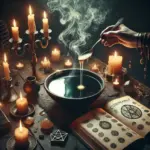
Step into the enchanting realm of winter nights with the soothing embrace of Winter Moonmilk. This magical elixir, crafted with care and intention, weaves together a symphony of calming herbs and warm spices to create a potion designed for tranquil evenings. As the cold winds whisper outside, let the gentle aroma of chamomile and lavender guide you into a state of relaxation. With honey’s sweetness and the comforting essence of cinnamon and nutmeg, Winter Moonmilk becomes more than a beverage – it’s a ritual, a potion to sip beneath the winter moon, inviting peace and serenity into your heart. Join us on a journey through the ingredients, the art of preparation, the magical properties that enhance its allure, and discover a spell to accompany each sip, bringing tranquility to your winter nights.

Spell for Tranquil Nights

As you prepare and sip the Winter Moonmilk, embrace the tranquil energies of the winter night. Whisper a spell like:

“Moonlit skies and stars so bright,

In Winter’s embrace, find calm tonight.

Chamomile’s peace, lavender’s grace,

Bring tranquility to this sacred space.”

May the Winter Moonmilk be your potion of tranquility, guiding you into restful nights and serene dreams during the enchanting winter season.

Magical Properties

Delve deeper into the enchantment that infuses each sip of Winter Moonmilk, a celestial elixir designed to elevate your winter nights.

  • Chamomile’s Tranquility: Beyond its soothing flavor, chamomile is revered for its magical essence in promoting relaxation and tranquility. As you embrace the subtle floral notes in each sip, envision the calming energies weaving a cocoon of serenity around you, guiding you towards a profound and peaceful night’s sleep.
  • Lavender’s Whispering Calm: Lavender, a fragrant companion in this elixir, goes beyond its aromatic charm. It’s a spell, enhancing calmness and whispering serenity to the mind. Picture the lavender-infused moonlight gently cradling your thoughts, ushering in a sense of peace that lingers as you journey through the realm of dreams.
  • Honey’s Sweet Harmony: The golden sweetness of honey transcends its culinary role, symbolizing unity and comfort. Feel the harmonizing energies of honey as it blends with the other ingredients, bringing not only sweetness but a comforting warmth that wraps around you like a cozy winter blanket.
  • Cinnamon’s Abundant Warmth: Cinnamon, with its rich and warming aroma, represents not just a spice but the embodiment of abundance and warmth. Picture the comforting presence of cinnamon as it weaves through the elixir, infusing each sip with the promise of abundance and a touch of winter coziness.
  • Nutmeg’s Grounding Embrace: Nestled in the heart of Winter Moonmilk, nutmeg offers more than a hint of spice. Its magical properties extend to grounding and comfort, creating a sense of security. Visualize the grounding embrace of nutmeg as it anchors you to the present moment, dispelling any restlessness and inviting a serene sense of security.

In each carefully chosen ingredient, discover the alchemy of magical properties that transforms Winter Moonmilk into more than a beverage—it becomes a conduit for tranquility, a potion that aligns the energies of the season to bring solace to your winter nights.

Winter Moonmilk

Step into the enchanting realm of winter nights with the soothing embrace of Winter Moonmilk. This magical elixir, crafted with care and intention, weaves together a symphony of calming herbs and warm spices to create a potion designed for tranquil evenings. As the cold winds whisper outside, let the gentle aroma of chamomile and lavender guide you into a state of relaxation. With honey’s sweetness and the comforting essence of cinnamon and nutmeg, Winter Moonmilk becomes more than a beverage – it’s a ritual, a potion to sip beneath the winter moon, inviting peace and serenity into your heart. Join us on a journey through the ingredients, the art of preparation, the magical properties that enhance its allure, and discover a spell to accompany each sip, bringing tranquility to your winter nights. Ingredients

  • 1 cup milk (dairy or plant-based)
  • 1 tablespoon honey
  • 1/2 teaspoon vanilla extract
  • 1/4 teaspoon ground cinnamon
  • A pinch of nutmeg
  • A pinch of cardamom (optional)
  • 1-2 dried lavender buds (edible)
  • 1 chamomile tea bag
  1. Warm the Milk: In a small saucepan, heat the milk over medium heat until it's warm but not boiling.

  2. Infuse with Herbs: Add the chamomile tea bag and dried lavender buds to the warm milk. Let it steep for 5-7 minutes to infuse the flavors.
  3. Sweeten and Flavor: Remove the tea bag and lavender buds. Stir in honey, vanilla extract, ground cinnamon, nutmeg, and cardamom if using. Mix well until the honey is fully dissolved.
  4. Heat Gently: Heat the infused milk mixture for an additional 2-3 minutes, ensuring it’s warm throughout. Be cautious not to bring it to a boil.
  5. Strain and Serve: Strain the Moonmilk into your favorite mug to remove any remaining herbs. Enjoy it warm and comforting.
Drinks
Winter
Recipe
Posted on Leave a comment

The Vernal Equinox

The Vernal Equinox
The Vernal Equinox

Introduction

A Dance of Light and Life, Ostara

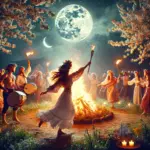
As the earth emerges from its serene winter slumber, Ostara, a festival cherished during the vernal equinox around March 20th, orchestrates the enchanting ballet of light and life. In this sacred Pagan celebration, imbued with the essence of balance and fertility, we stand at the juncture where day and night intertwine in a harmonious dance, sharing an embrace of perfect equilibrium. It is a moment when the tangible promise of spring materializes, breathing life into the dormant landscape and infusing the air with the sweet anticipation of nature’s reawakening.

What is Ostara?

Ostara, a radiant celebration named after the Germanic goddess Eostre, unfurls its petals as a symbol of the triumphant ascendancy of light over darkness. Nestled around the vernal equinox, this enchanting festival heralds the lengthening of days and the gradual awakening of nature from its wintry repose. It’s a poignant juncture where the earth, infused with renewed vitality, readies itself to burst forth in vibrant hues of green and blossoms. Ostara invites us to partake in a joyous communion with this resurgent energy, acknowledging the eternal dance of light and darkness in the grand tapestry of existence.

History and Origins

Ostara’s historical tapestry is woven with threads of ancient traditions, entwined with the rich narratives of cultural celebrations marking the arrival of the spring equinox. At the heart of this festival is Eostre, the Anglo-Saxon goddess of dawn and fertility, her name whispered through the ages as a testament to the cyclical dance of life and nature.

The origins of Ostara trace back to pre-Christian times, where diverse cultures embraced the equinox as a moment of profound significance. Eostre, often associated with the rising sun and the fecundity of the earth, became a focal point for springtime festivities. Her name, infused with the promise of dawn and the resurgence of life, lent a poetic elegance to this celebration.

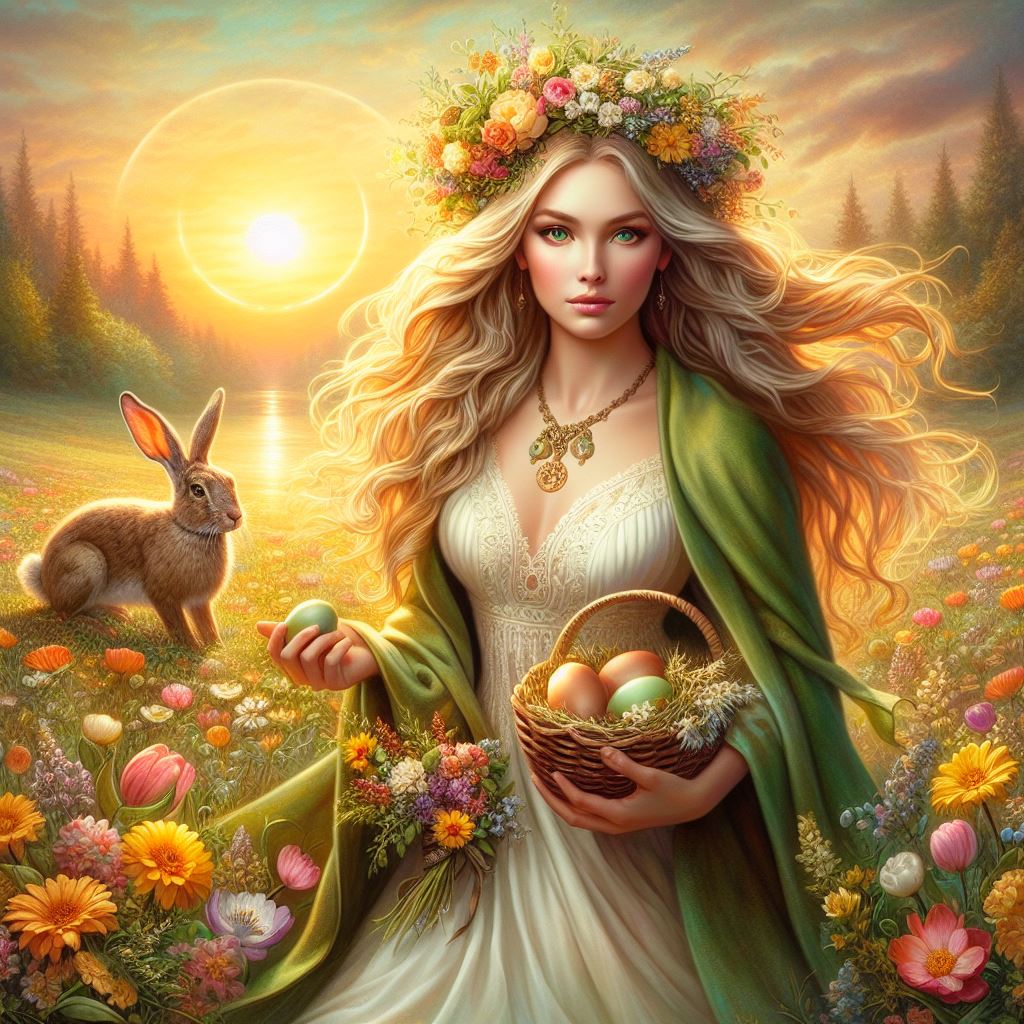
Symbols like eggs and hares, deeply embedded in Ostara’s iconography, carry echoes of ancient beliefs in rebirth and abundance. Eggs, potent with the potential of life within, symbolize the embryonic stage of the natural world’s renewal. Hares, renowned for their prolific reproductive capacities, embody the vitality and fertility intrinsic to this season of awakening. As Ostara unfolds, it beckons us to explore these ancient roots, where the earth’s rebirth and the goddess Eostre intertwine in a dance as old as time itself.

Embodied Spirits of Renewal: Deities Associated with Ostara

At the heart of Ostara’s spiritual tableau stands Eostre, a goddess whose very essence encapsulates the vibrant rebirth of the earth. Eostre, with her resplendent aura of dawn and fertility, becomes the focal point of reverence during this seasonal celebration. As the days lengthen and the earth awakens, she emerges as a symbol of the triumphant return of life, casting a benevolent gaze upon the burgeoning blooms and the promise of abundance.

Persephone, from the realms of Greek mythology, joins the chorus of deities honored during Ostara. Her myth, intricately linked with the changing seasons, sees her journeying between the underworld and the world above. As she returns to the surface, nature responds in kind, blossoming in a symphony of colors and life. Persephone embodies the cyclical nature of existence, and her presence during Ostara is a poignant reminder of life’s eternal dance.

In the verdant tapestry of nature, the Green Man finds his place of honor during Ostara. A symbol of untamed vitality, the Green Man represents the flourishing life force that courses through the earth. His visage, often depicted as a face adorned with foliage, speaks to the interconnectedness of all living things. As buds unfurl and the landscape transforms, the Green Man stands as a testament to the perpetual cycle of growth and renewal that defines the essence of Ostara. These deities, woven into the fabric of this celebration, beckon us to witness the divine choreography of spring’s awakening.

Traditions: A Tapestry of Symbolism

In the enchanting celebration of Ostara, traditions unfold like a vibrant tapestry, interwoven with profound symbolism that resonates with the essence of spring. Each custom, adorned with layers of meaning, paints a picture of renewal, fertility, and the rhythmic dance between light and darkness. As we delve into the tapestry of Ostara traditions, we discover the significance behind eggs, hares, and floral decorations, witnessing the timeless symbols that bridge the ancient past to the present, embodying the spirit of nature’s awakening.

  • Eggs Fertility and Rebirth – Eggs, universally recognized symbols of fertility and rebirth, assume a prominent role in Ostara traditions. The act of decorating eggs transcends cultures, each pattern and color telling a unique story. The tradition of egg rolling, where participants roll decorated eggs down a hill, symbolizes the energetic rolling away of winter’s dormancy, welcoming the vibrant days of spring.
  • Hares/Rabbits Prolific Breeding and Lunar Connection – Hares and rabbits, renowned for their prolific breeding, become powerful symbols of fertility during Ostara. Their connection to the moon adds another layer of symbolism, intertwining with lunar cycles and reflecting the cyclical nature of seasons. As these creatures bound into the landscape, they embody the joyful exuberance of life’s renewal.
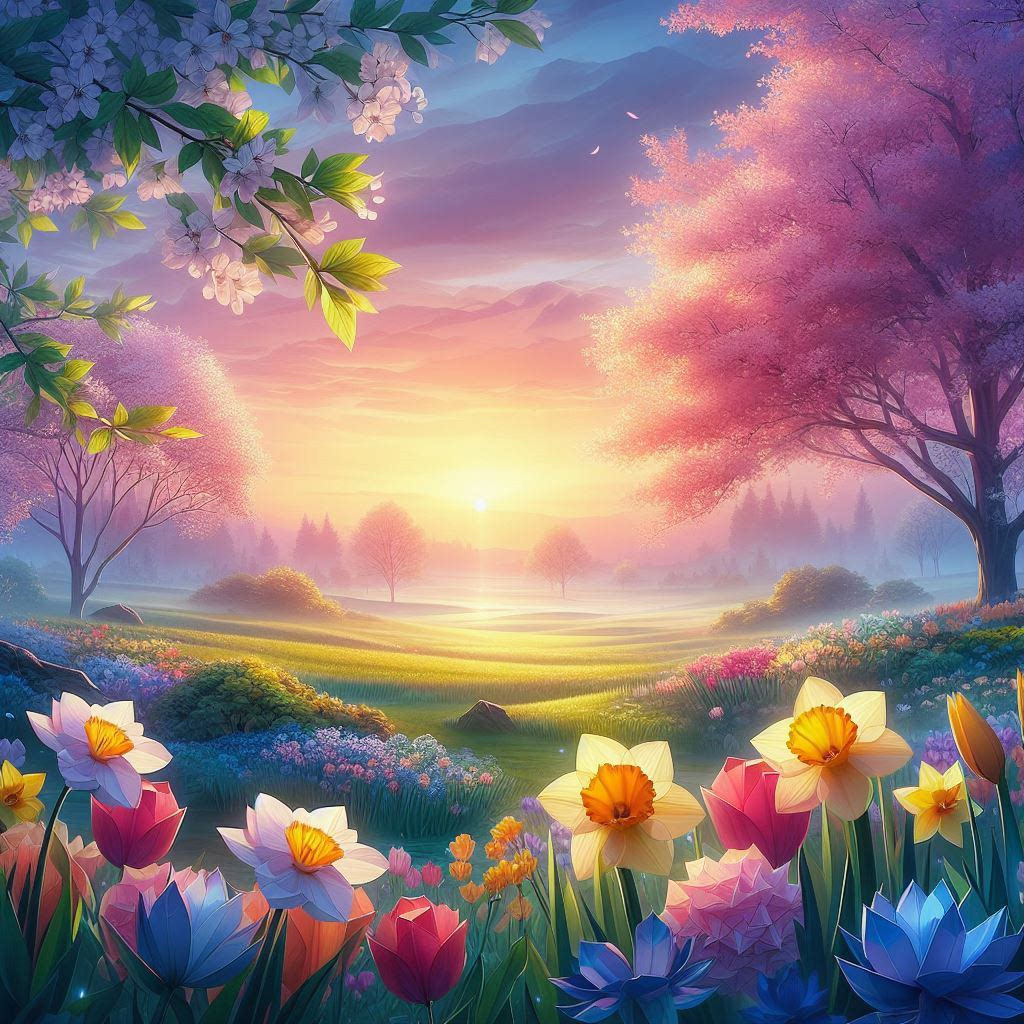
  • Floral Decorations Welcoming the Blossoming Season – Altars and homes come alive with the vibrant hues and fragrances of spring flowers during Ostara. Floral decorations, from daffodils to cherry blossoms, symbolize the beauty and vitality of the burgeoning season. The delicate petals and fresh aromas serve as reminders of nature’s awakening and the promise of life unfolding once again.

Modern Practices: A Blend of Old and New

In the kaleidoscope of modern Paganism, the celebration of Ostara manifests as a harmonious blend of ancient wisdom and contemporary spirituality. As the vernal equinox graces the Earth, modern practitioners engage in rituals that reflect a profound connection to the cyclical rhythms of nature. Lighting candles becomes a symbolic act, representing the delicate balance between light and darkness, as meditative reflections on equilibrium infuse the celebration with spiritual depth. Setting intentions for personal growth and renewal becomes a cherished tradition, echoing the ageless themes of Ostara. Moreover, many modern Pagans choose to honor their roots by incorporating traditional symbols like eggs and hares into their festivities, bridging the timeless past with the ever-evolving present. In this fusion of old and new practices, the celebration of Ostara becomes a living tapestry, weaving together threads of ancient reverence and contemporary spirituality.

Family Activities: Embracing Nature’s Renewal

Ostara presents a wonderful opportunity for families to come together and celebrate the awakening of the Earth after the slumber of winter. Engaging in various activities that connect them with the vibrant energy of the season, families create cherished memories and strengthen bonds.

  • Egg Decorating Gather around the table with paints, markers, and stickers to transform ordinary eggs into works of art. This time-honored tradition not only sparks creativity but also symbolizes fertility and rebirth. Children delight in designing intricate patterns and vibrant colors, while parents share stories of the significance behind this ancient practice.
  • Planting Seeds As the Earth awakens from its wintry hibernation, planting seeds becomes a meaningful activity for the whole family. Whether sowing seeds in a backyard garden or nurturing indoor plants, this hands-on experience fosters a connection with nature’s cycle of growth and renewal. Children eagerly watch as tiny seeds sprout into green shoots, learning valuable lessons about life and nurturing.
  • Nature Walks Amidst the blossoming landscape, take a leisurely stroll with your loved ones and immerse yourselves in the beauty of the season. Explore local parks, nature reserves, or nearby trails, and observe the vibrant colors and fragrant blooms that herald the arrival of spring. Encourage children to collect fallen flowers, leaves, and other natural treasures, fostering a deeper appreciation for the wonders of the natural world.

Incorporating these family activities into your Ostara celebrations not only strengthens familial bonds but also instills a profound reverence for the cycles of nature and the interconnectedness of all living things.

The Symbolism of Eggs in Ostara Celebrations

As the earth begins to awaken from its wintry slumber, the arrival of Ostara heralds a time of renewal, fertility, and the vibrant promise of spring. At the heart of this ancient celebration lies a cherished tradition that transcends cultures and spans centuries: the symbolism of eggs. Universally recognized as symbols of fertility and rebirth, eggs take center stage during Ostara festivities, each delicately decorated shell telling its own unique story.

A Tradition Across Cultures

The practice of adorning eggs with vibrant colors and intricate patterns is a tradition that spans across cultures and civilizations. From ancient civilizations to modern-day societies, the egg has held profound symbolic significance. In ancient Egypt, eggs were buried in graves as symbols of rebirth and the afterlife. In Persia, decorated eggs were exchanged as gifts to celebrate the arrival of spring during the festival of Nowruz. Similarly, in Eastern European cultures, intricately painted eggs known as pysanky were crafted to symbolize protection, fertility, and the sun.

Renewal of Life and Nature

The symbolism of eggs in Ostara celebrations is deeply rooted in the renewal of life and the awakening of nature. As winter gives way to spring, the earth bursts forth with new life, and the egg serves as a powerful emblem of this transformation. The act of decorating eggs with vibrant colors and intricate patterns symbolizes the emergence of life from dormancy, the bursting forth of new possibilities, and the celebration of the cyclical nature of existence.

Egg Rolling: A Joyful Tradition

One of the most beloved customs associated with Ostara is the tradition of egg rolling. This joyful activity sees participants gathering atop hillsides to roll decorated eggs downhill. As the eggs cascade down the slopes, they symbolize the energetic rolling away of winter’s dormancy and the ushering in of the vibrant days of spring. This playful ritual embodies the spirit of Ostara, celebrating the renewal of life and the promise of new beginnings.

Heralding the Arrival of Spring

As the decorated eggs tumble down the hillsides, they herald the arrival of spring and the promise of new beginnings. The vibrant colors and intricate patterns adorning each egg serve as a testament to the beauty and diversity of life. In this moment of joy and celebration, participants are reminded of the cyclical nature of existence and the eternal cycle of renewal that defines the changing seasons.

The symbolism of eggs in Ostara celebrations serves as a powerful reminder of the eternal cycle of life, death, and rebirth. As we decorate eggs, roll them down hillsides, and celebrate the arrival of spring, we honor the profound interconnectedness of all living things and the enduring promise of renewal that accompanies the changing seasons.

The Symbolism of Hares/Rabbits in Ostara Celebrations

During Ostara, the celebration of the vernal equinox, nature awakens from its winter slumber, bursting forth with new life and vitality. Among the symbols that herald the arrival of spring, hares and rabbits occupy a prominent place, embodying the essence of fertility, abundance, and the cyclical nature of existence.

Prolific Breeding: Symbols of Fertility

Hares and rabbits are renowned for their prolific breeding habits, making them powerful symbols of fertility and renewal. In many cultures, these creatures have long been associated with the fecundity of the earth and the abundance of life. Their presence during Ostara celebrations serves as a potent reminder of the vitality and resilience of nature as it emerges from the dormancy of winter.

Lunar Connection: Intertwining with Lunar Cycles

In addition to their association with fertility, hares and rabbits also hold a significant connection to the moon. Throughout history, these creatures have been linked to lunar cycles, with their breeding patterns often mirroring the phases of the moon. This lunar connection adds another layer of symbolism to their presence during Ostara, underscoring the cyclical nature of seasons and the eternal dance of light and darkness.

Embodying Joyful Renewal

As hares and rabbits bound into the landscape during Ostara, they embody the joyful exuberance of life’s renewal. Their playful antics and boundless energy serve as a vibrant expression of the season’s vitality, inspiring awe, and wonder in those who witness their frolics. In their presence, we are reminded of the enduring cycles of nature and the eternal promise of renewal that accompanies the changing seasons.

Hares and rabbits play a vital role in Ostara celebrations, symbolizing the fertility, abundance, and cyclical nature of existence. As these creatures bound across the landscape, they remind us of the inexorable rhythms of nature and the eternal cycle of life, death, and rebirth. In their presence, we find solace and inspiration, knowing that with each passing season, life’s everlasting renewal is assured.

The Significance of Floral Decorations in Ostara Celebrations

As Ostara, the festival of the vernal equinox, unfolds, altars and homes alike are adorned with the vibrant colors and delicate fragrances of spring flowers. This tradition of floral decorations serves as a poignant expression of the beauty and vitality inherent in the burgeoning season, symbolizing the renewal of life and the promise of new beginnings.

A Tapestry of Spring Hues

Floral decorations during Ostara encompass a wide array of blossoms, each imbued with its own unique symbolism and significance. Daffodils, with their cheerful yellow blooms, herald the arrival of spring and the awakening of nature from its winter slumber. Cherry blossoms, revered for their ephemeral beauty, evoke a sense of transience and renewal, reminding us to cherish the fleeting moments of life’s blossoming.

Embracing Nature’s Awakening

The presence of spring flowers in Ostara celebrations serves as a tangible reminder of nature’s awakening and the cyclical rhythms of the seasons. As delicate petals unfurl and fresh aromas fill the air, we are invited to embrace the beauty and vitality of the burgeoning season, rejoicing in the boundless creativity of the natural world.

A Symbol of Hope and Renewal

Floral decorations not only beautify our surroundings but also carry profound symbolic significance. They symbolize hope, renewal, and the eternal cycle of life, death, and rebirth. In their presence, we find solace and inspiration, knowing that with each passing season, nature offers us the opportunity for growth, transformation, and spiritual renewal.

Floral decorations play a vital role in Ostara celebrations, symbolizing the beauty, vitality, and renewal inherent in the burgeoning season. As we adorn our altars and homes with spring flowers, we pay homage to the creative power of nature and the eternal cycle of life’s blossoming. In their delicate petals and fragrant aromas, we find solace and inspiration, rejoicing in the promise of new beginnings and the enduring beauty of the natural world.

Conclusion: A Rebirth of Spirit

In the symphony of nature’s awakening, Ostara emerges as a poignant reminder of the cyclical nature of life and the eternal dance of renewal. As we bask in the equinox energies, may we find harmony and balance within ourselves, resonating with the vibrant pulse of the season. With each blossom and each songbird’s trill, let us witness the profound transformation unfolding both in the world around us and within our own spirits. As Ostara envelops us in its embrace, may we embrace the potential for growth, joy, and vitality, blooming anew with each passing day.

Posted on Leave a comment

Parentalia

Parentalia Main
Parentalia Main

Introduction

Honoring Ancestors in Ancient Rome

In the heart of ancient Rome, from February 13 to 21, a solemn and private festival known as Parentalia unfolded—a time when Romans turned their attention to their ancestral roots, honoring the departed with rituals that would ensure their well-being in the afterlife. This intimate celebration, distinct from the public extravagance of many Roman festivals, played a vital role in Roman religion and society, offering families an opportunity to come together, reconnect with their lineage, and pay homage to those who had gone before them.

Reconnecting with Ancestral Roots

In the intimate observance of Parentalia, Romans seized a distinctive opportunity to reestablish profound connections with the very essence of their familial history. Rooted in the firm belief that the spirits of departed kin held sway over the destinies of the living, Parentalia became a sacred interval dedicated to ensuring the continued well-being of ancestors in the afterlife. This profound conviction propelled families toward the sacred resting grounds of their forebears, where heartfelt ceremonies unfolded amidst the hallowed tombs.

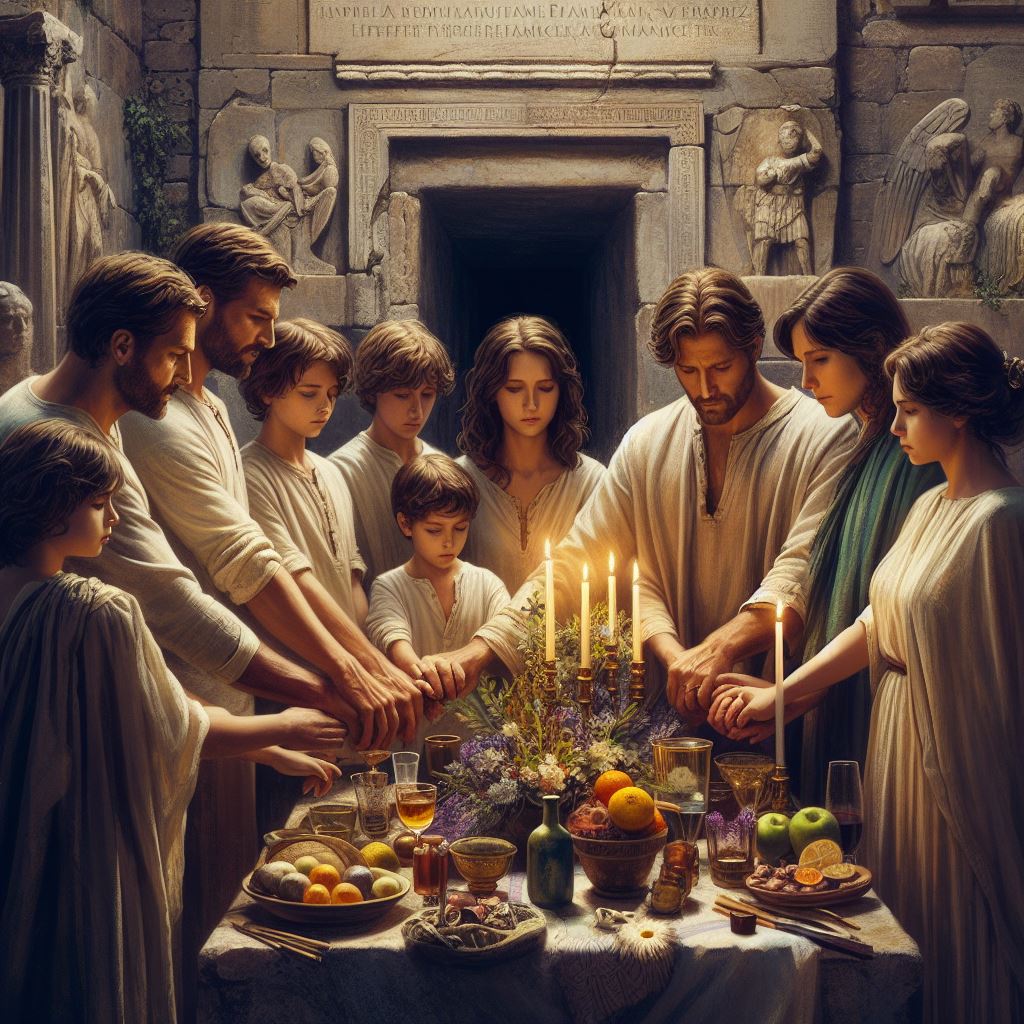
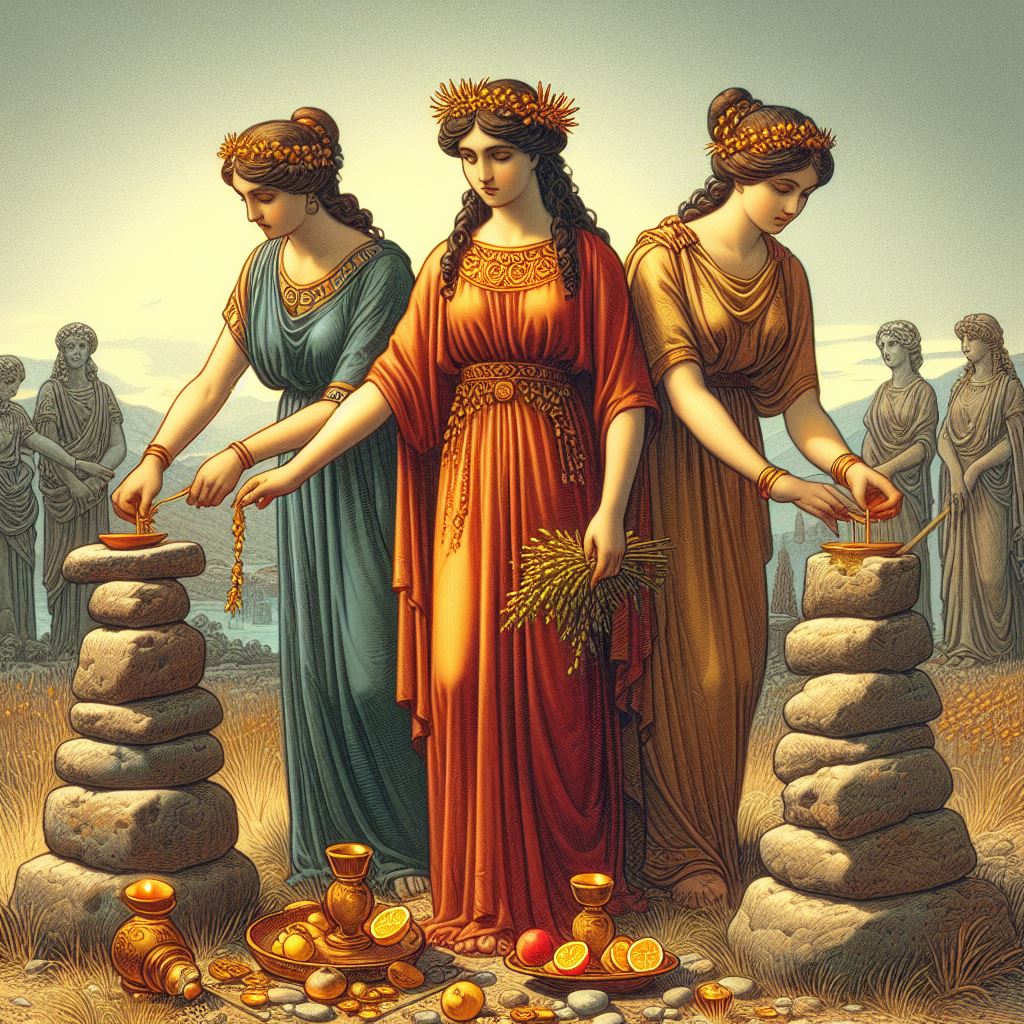
Against the backdrop of ancient stone and the echoes of familial whispers in the breeze, families engaged in a poignant act of devotion, presenting offerings laden with symbolism. Food, carefully chosen to reflect earthly abundance, stood as a token of sustenance for the departed souls. Flowers, with their ephemeral beauty, symbolized the fleeting nature of life and the eternal cycle of renewal. The wafting fragrance of incense, a conduit between the terrestrial and spiritual realms, carried the collective prayers and sentiments of love.

In this sacred communion between the living and the departed, Parentalia’s rituals served as an eloquent expression of filial love and reverence. Families, guided by a deep sense of duty and connection, sought to honor the invaluable contributions of those who had paved the way for their existence. The act of bearing offerings became more than a symbolic gesture; it was a tangible manifestation of gratitude, a recognition of the profound debt owed to the generations that had preceded them.

As Romans approached the tombs, a sacred dialogue unfolded—a tender conversation that transcended the boundaries between worlds. The offerings, carefully arranged with familial intent, became tokens of remembrance and gratitude. Each morsel of food, each delicate petal, and the aromatic tendrils of incense were expressions of an unbroken bond with the departed. Parentalia, in essence, became a bridge spanning time and mortality, allowing the living to reach across the veil and touch the essence of their ancestors.

In the act of reconnecting with their ancestral roots, Romans partook in a sacred dance of remembrance—a timeless ritual that echoed with the footsteps of generations past. Through the tangible offerings, the spirits of the departed were not only remembered but actively invited to partake in the continuing journey of their familial legacy. Parentalia, therefore, was not just a festival; it was a poignant affirmation of the enduring connection between the living and the departed, a testament to the unbroken thread that wove through the tapestry of Roman familial history.

Private Rituals and Family Focus

Parentalia stood apart from the grandeur of public Roman festivals, unfolding as an intimately private affair that delved into the sacred heart of individual families and their ancestral narratives. In a departure from the ostentatious spectacles often associated with Roman celebrations, Parentalia took residence within the familial domain, its sanctity preserved within the confines of ancestral tombs and the cherished memories of those who had come before.

The inaugural day of Parentalia, February 13, emerged as a sacred ode to the Manes—the ethereal spirits of departed kin. Families, bound by a collective sense of reverence, turned their attention to the ethereal realm, dedicating this initial day to honoring the essence that transcended the mortal coil. As the festival unfolded, subsequent days became an intricate tapestry, each dedicated to specific family members and the sacred lineage they represented.

This distinctive focus on individual families allowed Parentalia to assume a deeply personal and customized character. Unlike the expansive public gatherings of other Roman festivals, where the collective took precedence, Parentalia’s essence resided in the details of familial stories and the unique legacies etched into the annals of ancestry. This intimate approach provided families with the flexibility to tailor their observances, ensuring that the rituals and offerings resonated with the singular narratives of their forebears.

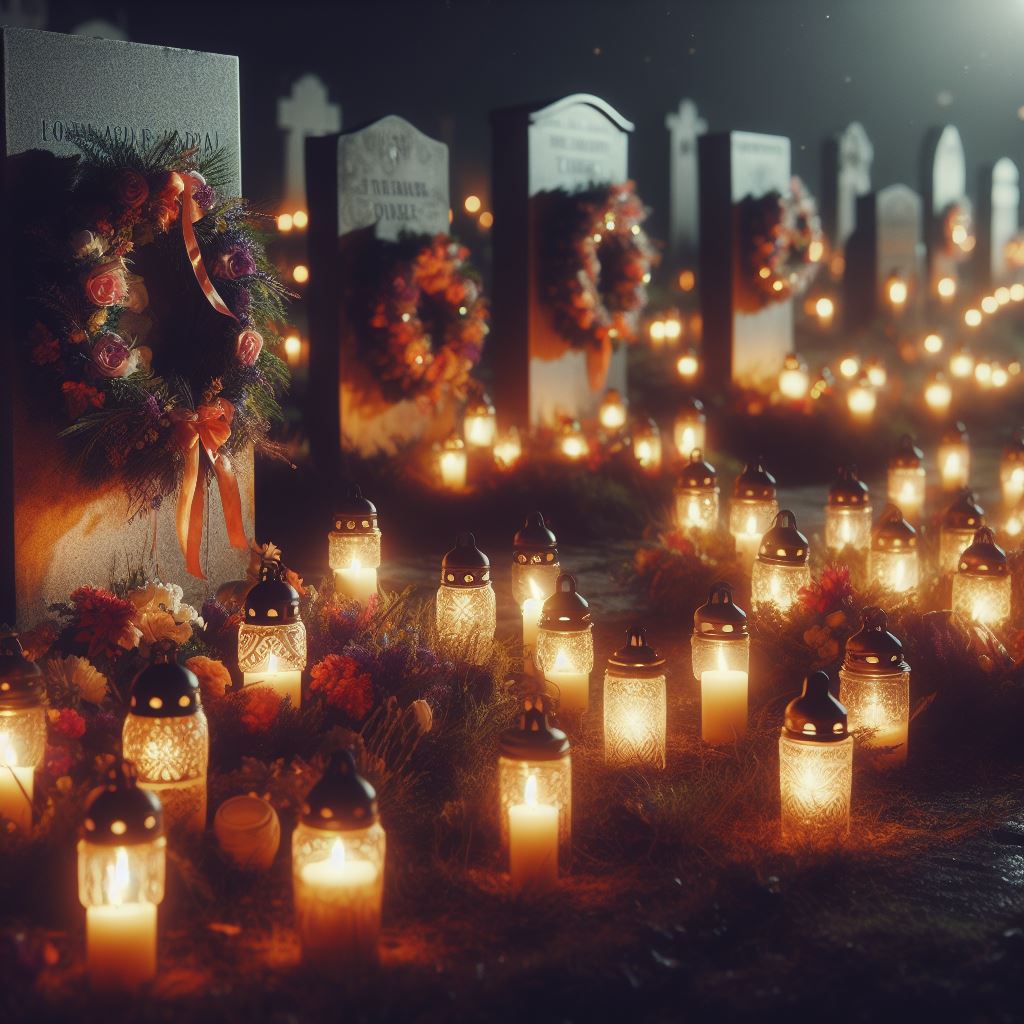
In the quietude of ancestral tombs, families engaged in private rituals that unfolded like whispered secrets passed down through generations. The air, thick with the weight of familial history, bore witness to the sacred dialogues between the living and the departed. Each family, enveloped in the warm glow of flickering candles and the fragrance of incense, embarked on a journey through time, rediscovering the tales of resilience, love, and triumph that defined their familial tapestry.

Parentalia’s distinction as a private observance underscored the profound value placed on familial bonds and the intimate communion with the spirits of the departed. In these sacred moments, families were afforded the space to embrace the complexities of their individual histories, fostering a deep sense of connection that transcended the temporal boundaries of mortality. Parentalia, in its quiet and private focus, became a timeless tribute to the cherished stories that resonated within the chambers of familial hearts—a whispered acknowledgment of the unbroken thread that wove through the rich tapestry of Roman familial traditions.

Sacred Offerings: A central ritual of Parentalia involved the offering of mola salsa—a mixture of salted flour and salt, crafted from the first grains of the harvest. The head of the household, often the father, would sprinkle this sacred mixture on the tombs of ancestors, accompanied by prayers for their well-being in the afterlife. This act symbolized a connection with the Earth’s bounty and a wish for abundance in the spirit realm.

Guiding Lights for Departed Souls

Within the sacred precincts of Parentalia, lamps and candles emerged as poignant symbols, their flickering flames weaving an ethereal tapestry that bridged the realms of the living and the departed. These sources of light assumed a profound significance, transcending mere illumination to become beacons guiding the spirits of ancestors back to their eternal resting places.

As the ritual of Parentalia unfolded, families, enveloped in the shadows cast by ancient tombs, engaged in the timeless act of illuminating the night. Lamps, their flames dancing with the whispers of the past, and candles, their steady glow casting a warm embrace, were kindled with deliberate intent. Placed reverently at the tombs of ancestors, these luminous offerings transformed the sepulchral landscape into a sacred tableau.

The decision to let the lamps and candles burn throughout the night was a deliberate one—an act of devotion that transcended the temporal boundaries of dusk and dawn. The flickering flames, resilient in the face of the nocturnal veil, served as a steadfast vigil, a beacon in the darkness that beckoned the spirits of the departed back to their earthly resting places. In the gentle dance of the flames, families found a connection that surpassed the tangible, an affirmation of the enduring bond with those who had crossed the threshold into the afterlife.

Symbolically, these radiant sentinels of light became guiding beacons, steering the ancestral spirits through the ethereal realms and ensuring their safe return to the sacred grounds. The act of lighting lamps and candles symbolized not only the acknowledgment of the departed but also a deliberate effort to facilitate their journey between worlds. In the delicate interplay of shadow and light, Parentalia unveiled a visual poem—a testament to the enduring connection between the realms of the living and the dead.

The significance of lamps and candles in Parentalia transcended the pragmatic realm of illumination; it spoke to the spiritual and symbolic dimensions of the festival. The luminous dance at the tombs mirrored the enduring flame of familial connection, a flame that flickered with the shared memories, stories, and love of generations. In these flickering lights, Parentalia found a timeless ritual—a silent, illuminating dialogue that affirmed the unbroken thread linking the present to the echoes of the past, casting its glow on the path that connected the living and the departed.

The Feralia: A Public Tribute to the Forgotten

In the poignant culmination of Parentalia, the festival reached its zenith with the arrival of the Feralia—the last day dedicated to a collective tribute to the departed, a poignant juncture where the voices of the forgotten echoed through the annals of remembrance. The Feralia emerged as a public ceremony, a solemn testament to the enduring commitment of Romans to honor not only their own ancestral lines but also the legacies of those who might otherwise slip into the folds of oblivion.

On this final day of Parentalia, the air hung heavy with collective reverence as Romans gathered to partake in a shared ceremony. The Feralia was not confined to the private realms of familial tombs but spilled into the public arena, transforming the city into a sacred space of communal remembrance. This shift from individual to collective remembrance underscored the Roman commitment to inclusivity, ensuring that even those who lacked living descendants to perpetuate their memory were not consigned to the shadows of neglect.

The act of making offerings to the spirits of the departed, who faced the risk of fading into the tapestry of forgotten souls, became a poignant gesture of acknowledgment. Romans, irrespective of familial ties, came together to pay homage to the unremembered, a collective effort to ensure that no spirit, no matter how seemingly detached from the living, would be left without solace. In the ritualistic gestures and shared prayers of the Feralia, the Romans sought to bridge the gap between the realms of the living and the departed, extending their communal embrace to all souls, whether bound by blood or unclaimed by familial ties.

The Feralia served as a societal reminder that the bonds of human connection extended beyond the confines of lineage. It embodied a collective responsibility to honor the departed, acting as custodians of memory for those who lacked the earthly tether of descendants. The ceremony resonated with a universal truth—that every life, regardless of its narrative intricacies, deserved acknowledgment and remembrance.

In the poignant echoes of the Feralia, the forgotten found a collective voice, and their stories were woven into the rich fabric of Roman societal memory. The public nature of the ceremony ensured that the unremembered souls were not consigned to the shadows but were embraced by the shared light of communal remembrance. The Feralia, in its inclusive spirit, encapsulated the essence of Parentalia—a festival that not only celebrated the individual stories of families but also safeguarded the narratives of those who might have otherwise faded away in the corridors of time.

Parentalia’s Influence on Modern Traditions

Parentalia, with its ancient roots steeped in reverence for the departed, has left an indelible mark on modern holiday traditions, notably contributing to the evolution of Halloween—a celebration that echoes with themes and rituals reminiscent of the Roman festival. The practice of visiting ancestral tombs, leaving offerings of food, flowers, and incense, and illuminating the night with the warm glow of candles and lanterns during Parentalia found its way into the contemporary tapestry of Halloween customs.

The act of paying homage to ancestors and seeking a connection with the spirit world, integral to Parentalia, laid the groundwork for the modern fascination with the supernatural and the mystical. In the modern Halloween celebrations, the echoes of Parentalia resound as individuals visit cemeteries, adorned with vibrant autumnal hues, to connect with their familial roots. The practice of leaving offerings, albeit transformed into the more playful tradition of trick-or-treating, reflects the enduring human desire to establish a link between the living and the departed.

The lighting of candles and lanterns, a poignant gesture during Parentalia to guide the spirits of the departed back to their resting places, has seamlessly integrated into the atmospheric aesthetics of Halloween. The flickering flames not only illuminate the night but also symbolize the enduring connection between the realms of the living and the dead. As jack-o’-lanterns cast playful shadows on doorsteps, the ancient ritual of guiding souls finds a contemporary expression that draws from the mystical aura of Parentalia.

The parallels between Parentalia and Halloween extend beyond mere surface-level observances; they delve into the profound theme of interconnectedness between the living and the departed. Both festivals serve as poignant reminders that the stories of the past continue to weave into the fabric of the present. Whether it’s the private and solemn observances of Parentalia or the lively and exuberant celebrations of Halloween, the underlying thread of honoring the departed and acknowledging the enduring influence of the spirit world persists through the ages.

In essence, Parentalia’s subtle influence on modern traditions like Halloween exemplifies the timeless nature of human rituals and the enduring quest for connection with the mysteries beyond the veil. The themes and practices that originated in ancient Rome have transcended the confines of time, enriching the cultural tapestry of contemporary celebrations with the echoes of an age-old festival dedicated to honoring the dead.

A Solemn Legacy

 Parentalia, despite its private nature, played a vital role in the tapestry of Roman religious and societal practices. It provided a space for families to unite, honor their ancestors, and reflect on the continuity of life and death. As the Romans paid homage to those who had gone before them, Parentalia left an indelible mark on the cultural and spiritual landscape, its influence reverberating through time to shape modern holiday traditions dedicated to remembering the departed.

The Parentalia was a solemn and private affair, with no public festivals or religious ceremonies.

Summary of Parentalia Activities

Each day of the Parentalia had its unique practices, traditions, and activities.

  • Day 1: February 13th – Opening Day
    The first day of Parentalia marked the beginning of the festival. On this day, families would gather at the tombs of their ancestors to perform rites and offer sacrifices. The offerings were typically simple, consisting of flowers, wine, and incense.
  • Day 2: February 14th – The Fornacalia
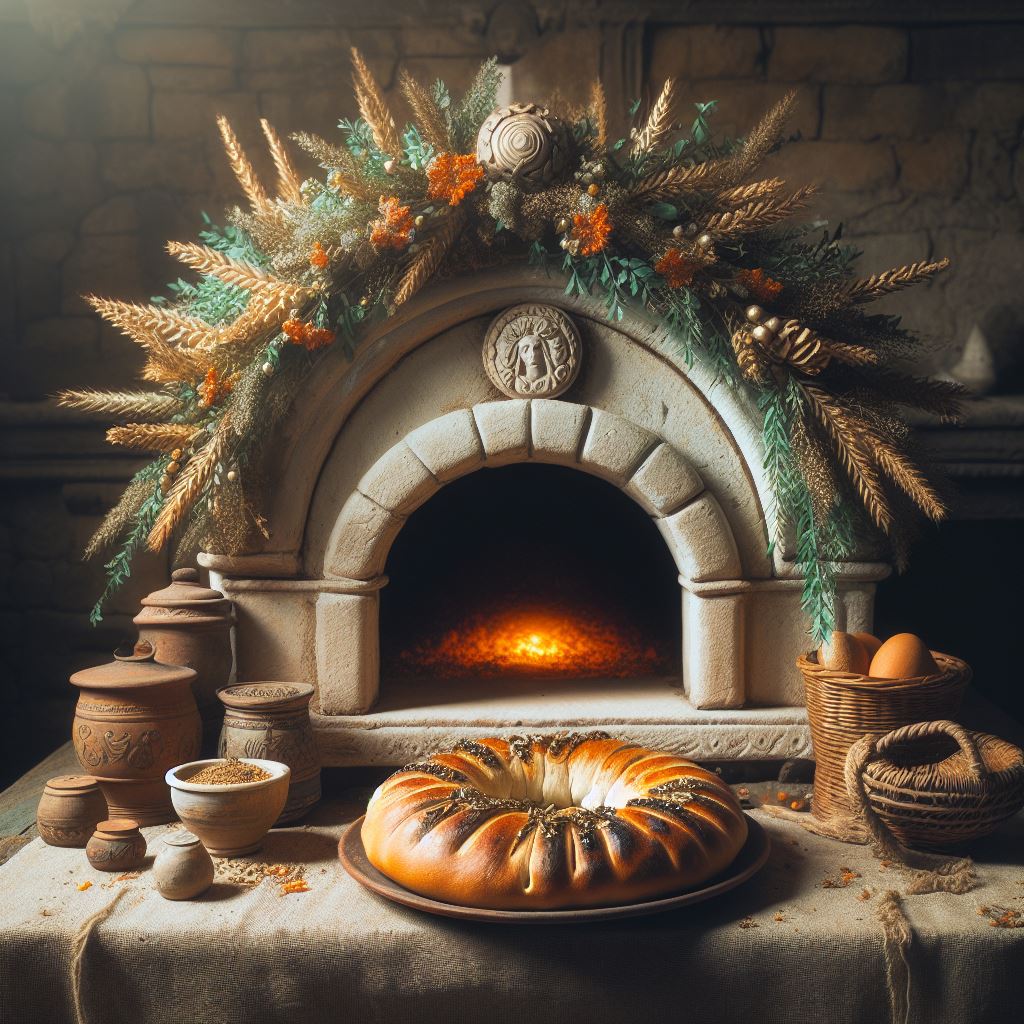
    The Fornacalia was a separate festival celebrated in conjunction with Parentalia. It was a public holiday that celebrated the goddess Fornax, the patroness of ovens and bread-baking. On this day, people would clean and sweep their ovens, and then offer a loaf of bread to the goddess.
  • Day 3: February 15th – Caristia
    The third day of Parentalia was known as Caristia, or the “Day of Affection.” On this day, families would come together to celebrate their love and affection for one another. They would share a meal of bread, cheese, and wine, and exchange small gifts.
  • Day 4: February 16th – Quietus
    The fourth day of Parentalia was known as Quietus. On this day, families would take a break from their festivities and spend time in quiet reflection. It was a day of solemn remembrance, as they honored their ancestors and reflected on their own mortality.
  • Day 5: February 17th – Feralia
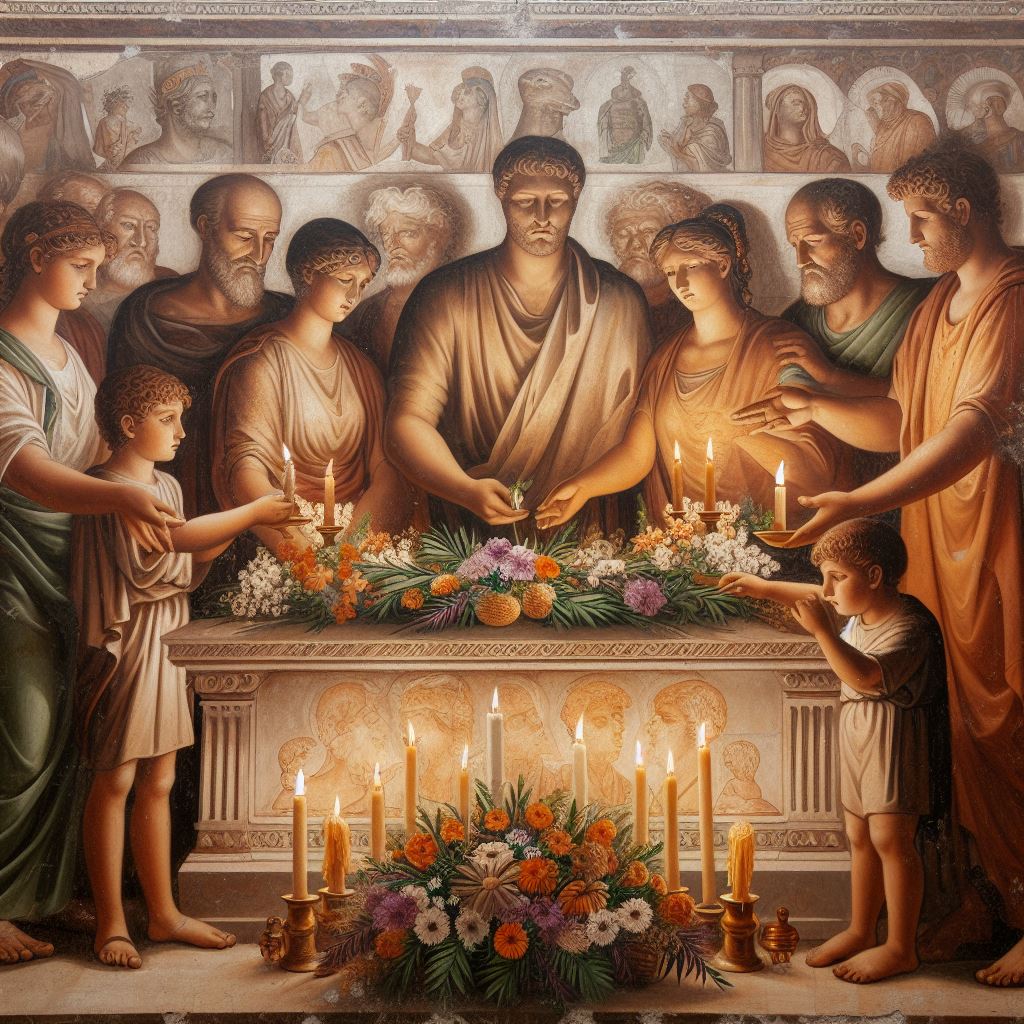
    The fifth day of Parentalia was the most important day of the festival. It was known as Feralia, or the “Day of the Dead.” On this day, families would gather at the tombs of their ancestors to offer more elaborate sacrifices. They would also place wreaths of flowers and garlands on the tombs, and light candles in their memory.
  • Day 6: February 18th – Carmentalia
    The sixth day of Parentalia was known as Carmentalia, a festival that celebrated the goddess Carmenta, the patroness of childbirth and prophecy. It was also a day of purification and cleansing, as people would bathe in the sacred waters of the Carmenta fountain.
  • Day 7: February 19th – Agonia
    The seventh day of Parentalia was known as Agonia, or the “Day of Anguish.” It was a day of mourning, as families would remember loved ones who had died suddenly or violently. They would offer special sacrifices to help soothe their restless spirits.
  • Day 8: February 20th – Terminalia
    The eighth day of Parentalia was known as Terminalia, a festival that honored the god Terminus, the patron of boundaries and borders. Families would mark the boundaries of their property with stones and offerings to appease the god.
  • Day 9: February 21st – Feralia Publica
    The final day of Parentalia was known as Feralia Publica, a public holiday that celebrated the dead. It was a day of mourning and remembrance, as people would visit the graves of their loved ones and offer sacrifices in their memory.
Day 1 February 13th Opening Day

Day 1: February 13th

Commencing the Sacred Rites of Parentalia

As the ides of February unfolded, ushering in the ancient Roman festival of Parentalia, the opening day, February 13th, stood as a sacred threshold connecting the realms of the living and the departed. Families, with hearts heavy with reverence and love, embarked on a pilgrimage to the resting places of their ancestors, initiating a series of rites and offerings that would unfold over the ensuing days.

In the quietude of the cemetery, an atmosphere pregnant with solemnity, families converged upon the tombs, each step echoing with a sense of purpose. The air, infused with the fragrance of flowers and the subtle notes of incense, carried the promise of familial connection and spiritual communion. This opening day was a poignant prelude to a festival dedicated to honoring those who had gone before, a day when the veil between the living and the dead seemed to thin.

The offerings presented on this inaugural day were gestures of love and remembrance, simple yet profound. Flowers, with their delicate petals, symbolized the ephemeral beauty of life and the enduring spirit of those who had passed on. Wine, poured in libation, carried the essence of shared memories and the familial bond that transcended the boundaries of life and death. The wafting tendrils of incense, rising like prayers, bridged the material and spiritual, creating a sacred ambiance for the communion of souls.

As families gathered around the tombs, the patriarch, often the father or the head of the household, assumed the role of the ritual conductor. Clad in robes imbued with ceremonial significance, he orchestrated the proceedings with a blend of solemnity and devotion. The opening day’s rituals were a rhythmic dance of gestures, a symphony of offerings that echoed through the ages.

The atmosphere, charged with emotion and the weight of ancestral legacy, became a conduit for stories told through the ages. Each flower placed, each drop of wine poured, and each wisp of incense ignited was a whispered prayer, a declaration of love, and a reaffirmation of the unbroken thread that connected the present generation with the bygone.

As the sun dipped below the horizon, casting an ethereal glow upon the cemetery, families lingered at the tombs, exchanging silent moments of reflection and connection. The opening day of Parentalia set the tone for the days to come—a tapestry woven with familial ties, shared memories, and the eternal rhythm of life and death.

In the hallowed stillness of the cemetery, where the whispers of the departed intertwined with the present, February 13th became more than a date on the calendar. It became a sacred portal, a bridge across time, inviting families to traverse the realms and commune with their ancestors. The opening day of Parentalia was a tender embrace between the visible and the unseen, a day when the echoes of the past resonated in the hearts of the living, and the spirits of the departed felt palpably close.

Day 2 February 14th The Fornacalia

Day 2: February 14th

Embracing the Fornacalia in Harmony with Parentalia

As the sacred tapestry of Parentalia continued to unfurl, the second day, February 14th, brought forth a unique celebration within the larger festival—the Fornacalia. A harmonious convergence of private reverence and public festivity, this day added an extra layer of cultural richness to the intricate rituals of honoring the ancestors.

The Fornacalia was a public holiday interwoven with the fabric of Parentalia, dedicated to venerating the goddess Fornax, the guardian of ovens and the artisanal craft of bread-baking. In the bustling streets of Rome, a palpable energy of communal spirit infused the air as people prepared to pay homage to this benevolent deity, whose influence reached into the very heart of Roman households.

The morning of February 14th saw the city awakening to a collective effort, resonating with the echoes of brooms sweeping and ovens being meticulously cleaned. This act of communal cleansing symbolized not only the physical purification of the spaces where daily sustenance was crafted but also carried a deeper, symbolic resonance—an affirmation of the collective commitment to purity and preparation.

As the ovens gleamed in the midday sun, their interiors purified and ready for the culinary endeavors that lay ahead, the people turned their attention to the heart of the celebration—the offering of bread to the goddess Fornax. In a procession marked by shared purpose, loaves of bread, crafted with care and reverence, were carried to sanctuaries dedicated to the goddess.

The loaves, embodiments of sustenance and the communal spirit, became offerings symbolizing the fruits of labor, the blessings of the harvest, and the essential role of bread in sustaining life. The act of offering these loaves was not merely a ritual; it was a communal expression of gratitude, a recognition of the interconnectedness between the divine and the daily rituals of sustenance.

As the aroma of freshly baked bread wafted through the air, mingling with the ambient incense from the preceding days of Parentalia, a sense of unity permeated the city. The Fornacalia, nestled within the broader tapestry of Parentalia, served as a reminder that the sacred and the mundane were intricately entwined.

In the evening, as the city embraced the soft glow of twilight, families returned to their homes, the warmth of freshly baked bread in their hands and hearts. The Fornacalia became a day of shared labor, shared offerings, and shared blessings—a harmonious interlude within the more private observances of Parentalia. February 14th, a day dedicated to both the goddess Fornax and the ongoing remembrance of ancestors, showcased the multifaceted nature of Roman celebrations. It exemplified the Roman spirit—where the sacred and the communal intersected, weaving a rich tapestry of tradition that echoed through the cobblestone streets and resonated within the sanctuaries of both hearth and deity.

Day 3 February 15th Caristia

Day 3: February 15th

Embracing Love and Togetherness on Caristia

As the tender threads of Parentalia continued to weave through the days of remembrance, the third day, February 15th, dawned with a distinct aura of warmth and affection—Caristia, the “Day of Affection.” This day stood as a poignant pause in the solemn observances, inviting families to gather in celebration of the bonds that bound them together.

Caristia was a unique interlude within the broader tapestry of Parentalia, a moment where the focus shifted from ancestral remembrance to the living, breathing relationships that formed the foundation of Roman families. In the heart of this day, love and togetherness became the offerings, shared in the sacred space of familial gatherings.

As the morning sun cast its golden glow upon the city of Rome, families emerged from their homes with hearts filled with gratitude and love. The air was infused with the scents of freshly baked bread and the sweet notes of incense lingering from the preceding days, creating a harmonious backdrop for the day’s festivities.

The central ritual of Caristia unfolded around a shared meal—a simple yet profound expression of familial unity. Families came together around tables adorned with bread, cheese, and wine, symbols of sustenance and shared abundance. The act of breaking bread together took on a deeper significance, representing the interconnectedness of lives within the familial tapestry.

The feast was not merely a physical nourishment but a celebration of the bonds that transcended the boundaries of time and generations. Each morsel of bread, each sip of wine, carried with it the essence of familial love—a love that stretched back to the ancestors being honored and reached forward to the generations yet unborn.

Gift-giving became another cherished tradition of Caristia. Small tokens of affection were exchanged among family members, serving as tangible reminders of the bonds that bound them together. These gifts, whether modest or elaborate, spoke a universal language—the language of love, gratitude, and the enduring strength of familial ties.

As the day unfolded, laughter echoed through the homes, and conversations danced in the air like the flickering flames of candles and incense. Caristia became a celebration of the living, an affirmation that amidst the solemnity of remembrance, there existed a vibrant tapestry of relationships to be nurtured and cherished.

As the sun dipped below the horizon, casting a warm glow upon the city, families bid farewell to Caristia with hearts brimming with love and gratitude. The echoes of shared laughter and the taste of communal meals lingered, weaving themselves into the very fabric of Parentalia—a festival that celebrated not only the departed but also the enduring vitality of love within the embrace of family.

Day 4 February 16th Quietus

Day 4: February 16th

Quietus: A Day of Reverent Reflection

As the whispers of ancestral tales continued to echo through the Roman streets during the solemn days of Parentalia, the arrival of February 16th ushered in Quietus—a day of hushed contemplation and introspection. This marked a poignant pause in the festivities, where families set aside the lively celebrations of Caristia to engage in quiet reflection, acknowledging the transient nature of life and the eternal bond with those who had gone before.

Quietus, aptly named for its call to stillness and tranquility, invited Romans to step back from the bustle of daily life and immerse themselves in moments of contemplative silence. The day was dedicated to solemn remembrance, an opportunity for families to honor their ancestors with a profound sense of reverence.

The morning air carried a gentle stillness as families made their way to the tombs of their forebears. The usual lively chatter gave way to reflective whispers, and the vibrant colors of Caristia’s festivities softened into more muted tones. The offerings placed at the tombs were simple yet profound—tokens of respect, such as flowers and incense, symbolizing the enduring connection between the living and the departed.

Quietus served as a reminder of the cyclical nature of life and death, prompting Romans to confront the inevitability of mortality. The day was not marked by elaborate rituals or communal gatherings but by individual moments of reflection. Each family member, in their own way, contemplated the fragility of existence and the legacy they would leave for future generations.

In the quiet corners of ancestral resting places, the flickering flames of candles and the subtle scent of incense became conduits for contemplation. As the sun traversed the sky, casting a gentle glow on the city, families engaged in private prayers and silent conversations with their departed loved ones. It was a day to acknowledge the transient beauty of life and to express gratitude for the legacies woven into the tapestry of familial history.

The theme of Quietus extended beyond the tombs to permeate the homes of Romans. It was a day when the usual hustle and bustle yielded to a more subdued atmosphere. The city itself seemed to embrace a collective breath, inviting its inhabitants to turn inward and reflect on the profound interplay between life and death.

As the evening descended, the streets of Rome remained hushed, carrying the collective reflections of a city in communion with its past. Quietus, with its understated solemnity, served as a poignant reminder that within the silence lay the echoes of countless stories, each contributing to the rich narrative of Roman families and their enduring connections with the departed.

Day 5 February 17th Feralia

Day 5: February 17th

Feralia: A Solemn Tribute to Ancestral Spirits

As the whispers of ancestral tales lingered in the Roman air, February 17th arrived, heralding the most significant day of Parentalia—the sacred and reverent Feralia, also known as the “Day of the Dead.” On this pivotal day, Roman families, with hearts intertwined with both sorrow and respect, converged at the tombs of their ancestors to offer elaborate sacrifices, adornments, and illuminated tributes.

Feralia unfolded as a tapestry of poignant rituals and heartfelt expressions of remembrance. The usually bustling streets assumed a more contemplative demeanor as families prepared for the profound observances ahead. The air carried a sense of collective reverence, as if the entire city paused to acknowledge the timeless connection between the living and the departed.

As the sun graced the sky with its golden hues, families gathered at the resting places of their forebears. The tombs, adorned with wreaths of vibrant flowers and garlands, became vibrant symbols of the enduring love and respect for those who had journeyed into the realm beyond. Candles, carefully lit, flickered like stars in the daylight—a tangible manifestation of the eternal flame of remembrance.

The offerings presented on Feralia transcended the simplicity of previous days. Elaborate sacrifices, ranging from the finest foods to symbolic tokens of familial bonds, were laid upon the tombs. The act of giving was not merely a gesture; it was a profound expression of gratitude and a continuation of the unbroken thread that connected the living to the spirits of the departed.

In the quietude of the sacred spaces, prayers resonated, whispered with a profound sense of introspection. Each family member took a moment to reflect on the legacy left by their ancestors, acknowledging the invaluable contributions that reverberated through time. Feralia became a bridge between the tangible present and the intangible realm of memories, where the spirits of the dead were invited to partake in the familial bonds that transcended the boundary between worlds.

As the day unfolded, the city was draped in a somber yet serene atmosphere. Feralia’s significance extended beyond individual families to encompass the collective remembrance of all the departed souls. The city’s tombs, adorned with myriad wreaths and illuminated by countless candles, stood as a testament to the interconnected web of stories that wove together the tapestry of Roman life.

Feralia’s rituals were not confined to the tombs alone; they resonated within the homes of Romans as well. Families gathered for communal meals, sharing stories that spanned generations and recounting the tales of those who had walked the same streets and breathed the same air. It was a day to acknowledge the intricate web of familial ties that endured, transcending the boundaries of time and space.

As the sun dipped below the horizon, casting a gentle glow upon the city, the candles at the tombs continued to burn—a silent testament to the enduring flame of remembrance. Feralia, with its solemnity and deep significance, concluded the festival of Parentalia, leaving behind a city touched by the ethereal presence of the departed and a legacy of familial bonds that transcended the veil between the living and the dead.

Day 6 February 18th Carmentalia

Day 6: February 18th

Carmentalia: Embracing Purification and Prophecy

As the echoes of ancestral tributes lingered in the Roman air, February 18th dawned with a distinct vibrancy—the arrival of Carmentalia, a day devoted to celebrating the divine essence of the goddess Carmenta. Patroness of childbirth and prophecy, Carmenta held a revered place in the Roman pantheon, and her festival within the tapestry of Parentalia brought a unique blend of purification rituals and glimpses into the threads of fate.

Carmentalia was a multifaceted celebration, weaving together themes of cleansing, prophecy, and the sacred journey of bringing new life into the world. Romans prepared for this day with a sense of anticipation, recognizing that the goddess Carmenta held sway over aspects of life’s most profound transitions.

A central aspect of Carmentalia was the ritual of purification. In a symbolic gesture of cleansing both body and spirit, Romans sought the sacred waters of the Carmenta fountain. Bathing in these rejuvenating waters was believed to wash away impurities, ensuring a fresh start and a renewed connection with the divine forces that guided the course of life.

The Carmenta fountain, a focal point of communal gathering, echoed with laughter and whispers as Romans engaged in the purifying ritual. The cool waters offered a tangible manifestation of the goddess’s benevolence, and those who partook in the cleansing ceremony carried forth a sense of spiritual clarity and renewal.

Prophecy, intertwined with Carmenta’s essence, also played a significant role in the day’s observances. Romans believed that the goddess had the power to unveil glimpses of the future, and on Carmentalia, individuals sought her guidance through various divination practices. Oracles and seers were consulted, and the delicate dance of interpreting signs and omens became a communal endeavor.

Carmentalia unfolded as a day of reflection on the cyclical nature of life—embracing both its beginnings and its unknown trajectories. Families gathered to honor Carmenta, offering prayers for the well-being of expectant mothers and seeking insights into the unfolding chapters of their own narratives.

The festival’s connection to childbirth was especially poignant, as Romans recognized the pivotal role of Carmenta in the journey from conception to delivery. Expectant mothers participated in special rituals, invoking the goddess’s protection and guidance for a safe and auspicious birth.

As the day transitioned into evening, the city resonated with a sense of spiritual rejuvenation. The purified and inspired Romans carried the energy of Carmentalia forward, mindful of the interconnectedness of life’s profound moments—the cleansing waters, the prophecies unveiled, and the goddess’s benevolent gaze shaping the chapters yet to unfold.

Carmentalia, nestled within the heart of Parentalia, added a dynamic layer to the festival’s rich tapestry. Romans, having traversed days of remembrance and solemnity, embraced the vibrant energy of purification and prophecy. The waters of the Carmenta fountain, infused with divine essence, became not only a source of physical cleansing but also a metaphorical wellspring of inspiration, guiding the city through the ever-evolving tapestry of life.

Day 7 February 19th Agonia

Day 7: February 19th

Agonia: Navigating the Depths of Sorrow

In the hushed corridors of remembrance, February 19th unfolded as Agonia—the poignant “Day of Anguish” within the sacred weave of Parentalia. As the festival progressed, Romans found themselves navigating the depths of sorrow, dedicating this day to the memory of loved ones whose lives were cut short by sudden or violent ends.

Agonia brought with it an atmosphere of solemn reflection, a collective pause in the festivities to acknowledge the pain and grief that lingered in the hearts of those who had endured the loss of cherished souls. Families gathered in a spirit of unity, sharing stories of lives extinguished too soon and finding solace in the collective mourning that the day embodied.

The rituals of Agonia were marked by a unique set of offerings and observances tailored to assuage the anguish that often accompanied untimely departures. Families, with heavy hearts yet determined spirits, approached the tombs of those who had met sudden or violent ends, seeking to provide comfort to their restless spirits.

Special sacrifices were made on Agonia, chosen with care to address the unique circumstances of each departed soul. The flickering flames of candles and the fragrant tendrils of incense mingled in the air, serving as conduits for the heartfelt prayers and expressions of love sent to those who had experienced abrupt farewells.

The significance of Agonia extended beyond the material offerings. Romans believed that the act of remembrance and the sincere expression of grief held the power to soothe the souls of the departed. It was a day of acknowledging the pain, embracing the shared burden of loss, and seeking a semblance of peace for those whose journeys had been abruptly interrupted.

The rituals performed on Agonia were not only a testament to the enduring love Romans held for their departed kin but also a poignant acknowledgment of the fragility of life. In the quiet moments of reflection, families grappled with the profound questions that arise in the face of sudden or violent deaths, finding strength in the communal sharing of grief.

As the sun dipped below the horizon, casting shadows upon the tombs, the collective sorrow of Agonia reverberated through the city. Romans, bound together by the common thread of loss, stood united in their determination to navigate the depths of anguish and emerge with hearts tempered by remembrance.

Agonia, nestled within the heart of Parentalia, served as a somber yet essential chapter in the festival’s narrative. In honoring the lives that ended abruptly, Romans acknowledged the delicate balance between the joyous celebrations of ancestry and the inevitable shadows that punctuate the human experience. The rituals of Agonia, though steeped in sorrow, illuminated the resilience of the human spirit as it confronted the complexities of life, death, and the enduring echoes of love that transcend the boundaries of mortal existence.

Day 8 February 20th Terminalia

Day 8: February 20th

Terminalia: Honoring Terminus, Guardian of Boundaries

In the intricate tapestry of Parentalia, February 20th unfolded as Terminalia—the revered festival dedicated to the god Terminus, the steadfast guardian of boundaries and borders. As Romans continued their journey through the sacred days of remembrance, Terminalia emerged as a day of homage to the deity entrusted with preserving the sanctity of physical and metaphysical limits.

The rituals of Terminalia were marked by a unique blend of reverence and practicality, as families engaged in acts aimed at safeguarding the demarcations of their properties. Terminus, the divine custodian, was invoked to bless and protect the boundaries that delineated the realms of familial and communal existence.

On this auspicious day, Romans ventured to the edges of their properties, carrying with them offerings that symbolized both gratitude and a plea for divine favor. Stones, carefully selected for their significance, were placed along the perimeters, becoming tangible markers of the sacred pact between the earthly and the divine.

The act of marking boundaries with stones was more than a practical ritual—it was a symbolic gesture embodying the recognition of sacred space. As the stones stood sentinel at the edges of familial domains, they became more than mere physical markers; they became conduits through which the divine energies of Terminus could flow, imparting stability and protection to the household.

Offerings of grains, fruits, and symbolic representations of the family’s prosperity adorned the boundary stones. Romans believed that the act of appeasing Terminus ensured not only the security of their property but also the harmonious coexistence of neighbors and the community at large. It was a day of fostering unity through shared acknowledgment of the importance of respecting the limits that defined the spaces individuals called their own.

In the broader context of Parentalia, Terminalia brought a pragmatic yet spiritually significant dimension to the festival. While the preceding days were dedicated to honoring the deceased and reconnecting with ancestral roots, Terminalia turned the focus to the living and the spaces they inhabited. It underscored the interconnectedness of the divine and the mundane, emphasizing that the boundaries of one’s property were not just physical but held a spiritual resonance.

As the sun cast its golden glow upon the marked boundaries, Romans found reassurance in the rituals of Terminalia. The blessings sought from Terminus were not confined to the tangible realm; they extended to the intangible boundaries that governed relationships, communities, and the delicate balance between the seen and the unseen.

Terminalia, in its celebration of Terminus, became a testament to the Romans’ profound understanding of the symbiotic relationship between humanity and the divine. The rituals performed on this day resonated with the timeless wisdom that recognizing and respecting boundaries—both material and spiritual—was essential for the flourishing of individuals, families, and the broader tapestry of communal life.

Day 9 February 21st Feralia Publica

Day 9: February 21st

Feralia Publica: A Collective Tribute to the Departed

As the curtain fell on the sacred observance of Parentalia, the Romans embraced the final day, February 21st, with solemnity and reverence. This day, known as Feralia Publica, transcended the private confines of familial remembrance and blossomed into a public holiday dedicated to honoring the collective spirits of the departed.

Feralia Publica marked a poignant moment in the festival, inviting Romans from all walks of life to join in a communal act of mourning and remembrance. The air was thick with a sense of shared grief as people gathered to pay homage to not just their individual ancestors but to all the departed souls who had traversed the veil between the realms of the living and the dead.

The rituals of Feralia Publica mirrored those of the preceding days but on a grander scale. Families, friends, and even strangers united in their journey to visit gravesites, adorned with offerings that spoke of both personal and shared grief. The fragrant aroma of incense wafted through the air, mingling with the heartfelt prayers that sought solace for the departed and peace for the living.

Graves were adorned with wreaths of flowers and garlands, transforming the sacred spaces into vibrant tapestries of collective remembrance. Candles flickered, casting a gentle glow upon the tombstones, as if to illuminate the path for the spirits to find their way back to the realm of the departed.

Offerings of food and libations were placed with care, symbolizing the sustenance needed for the spiritual journey. Romans believed that these collective acts of tribute not only ensured the well-being of individual souls but contributed to the broader cosmic harmony that connected the living and the dead.

Feralia Publica served as a communal balm for the collective soul of Rome, as the city itself became a living memorial to the departed. The echoes of grief and love reverberated through the streets, creating an atmosphere where the boundaries between individuals faded, and a shared understanding of mortality prevailed.

In the public spaces designated for the communal remembrance, the diversity of tributes mirrored the diverse tapestry of Roman society. The rich and the poor, the powerful and the humble—all stood side by side in their shared acknowledgment of the inevitability of life’s end and the enduring legacy of those who had gone before.

As the sun dipped below the horizon on Feralia Publica, the collective prayers and offerings rose like incense, reaching toward the heavens. Romans left the sacred grounds with a sense of connection to something larger than themselves—a shared destiny that transcended the boundaries of the earthly realm.

Feralia Publica, with its amalgamation of individual grief into a collective tapestry of remembrance, became a powerful testament to the unity inherent in the human experience. The festival’s conclusion was not a farewell to the departed but a poignant acknowledgment that, as long as the living remembered, the spirits of the dead would continue to weave their influence into the fabric of Roman life.

Posted on Leave a comment

Eostre

Goddess Eostre
Goddess Eostre

Introduction

Unveiling the Tapestry of the Goddess of Spring’s Renewal

In the tapestry of ancient folklore and the ever-turning wheel of the seasons, the figure of Eostre emerges as a captivating symbol of spring’s renewal and the celebration of life’s cyclical journey. Rooted in Germanic traditions and honored in various forms across cultures, Eostre weaves a narrative that intertwines the themes of fertility, rebirth, and the vibrant emergence of life after the dormancy of winter. In this article we explore the Origins, Symbols, Modern Celebration, and many more aspects of the goddess Eostre.

Origins of Eostre

In the intricate tapestry of ancient Germanic paganism, Eostre emerges as a goddess shrouded in the mists of dawn, her origins weaving a narrative of celestial luminosity and the promise of a fertile earth. The roots of Eostre’s existence delve deep into the spiritual landscape of Germanic traditions, where she is revered as a deity intimately connected with the dawning light and the blossoming vitality that accompanies the arrival of spring.

As we navigate the corridors of time, our understanding of Eostre is illuminated by the remnants of historical writings and linguistic studies. Within the annals of ancient texts and the etymological echoes of her name, we catch glimpses of a figure whose influence is most profoundly felt during the veneration of the spring equinox. It is in this celebration that Eostre’s essence intertwines with the cyclical rhythms of the seasons, bringing forth a tapestry of renewal, growth, and the triumphant emergence of life from the hibernation of winter.

Eostre’s presence, though often veiled in the mystery of ages, is believed to have permeated the hearts and rituals of ancient Germanic communities. Her association with dawn signifies not only the literal break of day but also the metaphorical awakening of the natural world from its wintry slumber. In the soft glow of the early morning light, Eostre is said to have ushered in the promise of warmer days, heralding the return of life to the once-dormant earth.

The burgeoning fertility attributed to Eostre aligns her with the earth’s transformative journey from barrenness to abundance. She becomes a guardian of the burgeoning life force, a deity who oversees the sprouting of seeds, the blossoming of flowers, and the renewal of the land. The very essence of Eostre mirrors the profound interconnectedness between the divine and the earthly, as communities celebrated her influence during the season of burgeoning life and burgeoning light.

While the specifics of Eostre’s myths may have been lost to the passage of time, her presence resonates through the echoes of ancient rituals and the subtle shifts in language that carry fragments of her name. In the realm of Germanic paganism, Eostre stands as a symbol of hope, a beacon guiding communities through the ever-changing dance of seasons, and a testament to the enduring human connection with the cycles of nature.

Eostre’s Dance with Light and Darkness

In the celestial ballet that unfolds across the skies, the spring equinox emerges as a pivotal moment, marking the delicate balance between day and night. Celebrated with reverence and joy around March 20th or 21st in the Northern Hemisphere, this astronomical phenomenon becomes the stage upon which Eostre, the goddess of dawn and fertility, casts her enchanting influence.

As the earth begins its gradual tilt towards the sun, the vernal equinox serves as the herald of a transformative season. Day and night, stand in equipoise, sharing the cosmic canvas in equal measure. It is within this harmonious equilibrium that Eostre’s connection with the celestial event comes to light, resonating with the essence of balance, renewal, and the perpetual dance of light and darkness.

The arrival of the spring equinox serves as a celestial proclamation, announcing the end of winter’s hibernation and the awakening of nature from its slumber. Eostre, synonymous with dawn and the burgeoning fertility of the earth, aligns herself with the rejuvenating forces that come to life during this celestial spectacle. The sun’s ascent to prominence bathes the world in a gentle warmth, coaxing the emergence of delicate buds, the first blossoms, and the vibrant hues of a world reborn.

Eostre’s association with the spring equinox becomes a symbolic tapestry woven with threads of hope and renewal. As daylight extends its embrace, overcoming the lingering shadows of winter’s chill, the goddess stands as a beacon of light, symbolizing the triumph of vitality over dormancy. Her influence mirrors the inherent promise of the season — a promise of growth, of life unfurling, and of the earth awakening to the symphony of renewal.

In the mythic realms of ancient traditions, the alignment of Eostre with the spring equinox represents a cosmic acknowledgment of the cyclical journey of life. Her presence during this celestial event becomes a testament to the perpetual cycle of birth, growth, and eventual rest, mirrored in the dance of day and night that unfolds above.

As communities gather to celebrate the spring equinox, they do so with an awareness of the intricate choreography of the cosmos. The equinox becomes a sacred moment when Eostre’s influence is palpable, guiding the world towards the flourishing abundance of spring and weaving her narrative into the very fabric of the changing seasons.

Eostre’s Enigmatic Symbols

Unveiling the Hare and the Egg

In the symbolic lexicon of Eostre, the goddess of dawn and fertility, two enigmatic icons emerge — the hare and the egg. These potent symbols, woven into the tapestry of Eostre’s lore, carry profound significance, acting as conduits for the essence of fertility, rebirth, and the eternal dance of life’s cycles.

The hare, with its graceful leaps and associations with the moon, stands as a powerful emblem of fecundity and the rhythmic pulse of nature’s vitality. Revered for its prolific breeding, the hare intertwines its destiny with the mysteries of fertility. In the soft glow of moonlight, the hare’s nocturnal activities align it with the lunar cycles, further emphasizing the interconnectedness of Eostre’s influence with the celestial rhythms that govern life’s perpetual flow.

As a symbol in the tapestry of Eostre’s narrative, the hare embodies the spirit of nature awakening from its wintry slumber. Its swift movements and moonlit activities become a testament to the goddess’s role in ushering in the burgeoning life force that transforms the dormant earth into a vibrant canvas of growth and renewal.

Complementing the hare in Eostre’s symbolic repertoire is the egg — a universal emblem of new life, growth, and the infinite potential that lies within the womb of existence. The egg, with its protective shell cradling the promise of life, mirrors the cyclical nature of birth, death, and rebirth. In the hands of Eostre, the egg becomes a vessel of transformation, encapsulating the essence of the season as it heralds the return of warmth and vitality.

Eostre’s association with the egg is a poignant reminder of the ever-present potential for renewal that resides within the natural world. As the earth awakens from its winter slumber, the egg becomes a symbol of the latent possibilities waiting to hatch and unfurl into the tapestry of life. The goddess, with her symbols of the hare and the egg, invites devotees to contemplate the cyclical nature of existence, where every ending paves the way for a new beginning.

In the tapestry of Eostre’s symbols, the hare and the egg intertwine to create a visual narrative that encapsulates the essence of the season she governs. As communities gather to celebrate the goddess during the spring equinox, these symbols become potent reminders of nature’s perpetual dance — a dance that mirrors the eternal cycle of life, death, and the promise of rebirth.

Eostre’s Mythic Whispers

In the ethereal realms of mythology, Eostre, the goddess of dawn and fertility, graces the narratives with her elusive presence. While the specifics of her mythology remain shrouded in the mists of time, a tapestry of interconnected tales emerges, weaving together the changing seasons, the eternal dance of life and death, and the promise of rejuvenation that accompanies the cycle of rebirth.

Eostre’s mythology, though not extensively documented, becomes an enchanting narrative interwoven with the ephemerality of the natural world. As the earth, in its winter slumber, dreams of the awakening spring, the goddess’s influence is said to stir the dormant energies, coaxing forth the blossoming of flowers and the vibrant greenery that transforms landscapes.

In the tapestry of Eostre’s mythology, her footsteps are traced in the delicate blooms that emerge, heralding the end of winter’s icy grip. The goddess’s touch becomes the catalyst for the return of vitality to the natural world, orchestrating a symphony of life as flora unfurls its petals, reaching toward the sun in joyful celebration of the impending warmth.

Linked to the eternal cycle of life, death, and rebirth, Eostre’s mythology becomes a cosmic dance that mirrors the ever-turning wheel of existence. Her influence is felt in the rhythmic cadence of the seasons, where each phase seamlessly transitions into the next, echoing the profound interconnectedness of all living things.

As communities gather to celebrate the spring equinox, Eostre’s mythology echoes through rituals and ceremonies, becoming a whispered enchantment that resonates with the promise of renewal. The goddess’s ephemeral presence is felt in the gentle breezes that carry the scent of blooming flowers and in the tender embrace of sunlight that graces the rejuvenated earth.

While the details of her stories may remain veiled, Eostre’s mythology invites seekers to immerse themselves in the essence of the changing seasons. Her mythic whispers beckon devotees to partake in the dance of life, to embrace the cyclical nature of existence, and to find solace in the eternal promise of rebirth that she, as the goddess of dawn, brings to the world.

Modern Celebrations of Eostre

Ostara

In the tapestry of modern Pagan and Heathen traditions, the celebration of Eostre during the spring equinox unfolds as a vibrant expression of reverence for the goddess of dawn, fertility, and the burgeoning earth. As the natural world begins to stir from its winter slumber, practitioners of contemporary traditions weave together rituals, ceremonies, and festivities that harmonize with the essence of Eostre’s themes.

The sabbat of Ostara, the spring equinox, marked around March 20th or 21st in the Northern Hemisphere, stands as a pivotal moment when day and night find equilibrium, signaling the awakening of warmer days and the blossoming of the landscape. Eostre’s connection to this celestial event aligns her with the rejuvenating forces of spring, symbolizing the triumph of light over darkness and the promise of new beginnings.

In contemporary celebrations, altars and sacred spaces are adorned with offerings that encapsulate the spirit of Eostre’s mythology. Colored eggs, representing the potential for new life and growth, take center stage, their vibrant hues mirroring the blossoming flowers that dot the landscape. Fresh blooms, symbols of nature’s reawakening, infuse the rituals with the delicate fragrances of renewal and vitality.

Hares, revered as potent symbols of fertility and rebirth, also find their place in modern Eostre celebrations. Whether depicted in artwork, sculptures, or as part of ceremonial decorations, the hare becomes a living emblem of the fecundity that Eostre’s influence bestows upon the earth. Its presence adds a touch of enchantment, embodying the natural rhythms of the seasons and the perpetual dance of life.

Rituals during Eostre celebrations may include invocations to the goddess, acknowledging her role in the cyclical nature of existence. Devotees may engage in activities that mirror the themes of fertility and rebirth, such as planting seeds, tending to gardens, or crafting nature-inspired art. The act of communing with the earth becomes a sacred gesture, aligning with Eostre’s essence and fostering a deeper connection to the cycles of nature.

As practitioners join to celebrate Eostre in contemporary times, the festivities become a harmonious blend of ancient reverence and modern interpretations. The goddess’s presence is invoked not only through traditional symbols but also through the shared intention to embrace the burgeoning life that unfolds with the arrival of spring. In these celebrations, Eostre’s mythology continues to weave its enchanting threads into the evolving tapestry of spiritual traditions, reminding all who partake that, like the changing seasons, life is an eternal dance of renewal and growth.

Eostre’s Linguistic Legacy

From Spring Festivities to Easter Traditions

The intriguing connection between Eostre and the Christian holiday of Easter forms a fascinating tapestry of linguistic evolution and cultural amalgamation. Rooted in the linguistic musings of Bede, an English monk and historian from the 8th century, the name Eostre became etched into the annals of time, finding an unexpected echo in the Christian celebration of the resurrection of Jesus.

Bede’s writings, notably in his work “De temporum ratione” (On the Reckoning of Time), casually mention Eostre in the context of the month of April. While scant details about Eostre’s mythology were provided, Bede’s association of her name with the spring month left an indelible mark on linguistic history. The term “Eosturmonath” (Old English for April) found its place in Bede’s narrative, etching the goddess’s name into the fabric of the English language.

Fast forward through the corridors of time, and the linguistic connection between Eostre and Easter becomes apparent. As Christianity spread and assimilated various cultural practices, the celebration of Jesus’s resurrection merged with pre-existing pagan festivities tied to the arrival of spring. This fusion created a syncretic celebration that incorporated both Christian and pagan elements, giving rise to the Easter traditions that many recognize today.

Easter eggs, a prominent symbol in both pagan and Christian traditions, found their way into the Easter narrative. The egg, a universal symbol of new life and rebirth, seamlessly blended with the themes of resurrection and renewal inherent in the Christian story. The egg’s association with Eostre’s symbols of fertility and the potential for growth further solidified its place in the Easter festivities.

Hares, too, hopped across the cultural divide, transitioning from their role as symbols of fertility in pagan traditions to becoming occasional companions of the Easter Bunny. This playful embodiment of fertility became a whimsical addition to Easter celebrations, charming children, and adults alike.

As Eostre’s name echoes through the corridors of linguistic history, her legacy persists in the shared traditions of spring celebrations. The linguistic bridge between Eostre and Easter serves as a testament to the dynamic interplay between cultures, where ancient pagan echoes continue to resonate in the modern rituals that mark the arrival of spring and the promise of new life.

Eostre’s Enduring Legacy

In the timeless dance of nature’s cycles, Eostre’s legacy stands as an enduring emblem of hope, growth, and the perpetual rhythm of life’s eternal cycle. Through the eons, she has woven herself into the very fabric of cultural celebrations, from ancient pagan rituals heralding the spring equinox to the modern festivities that echo the promise of new beginnings. Eostre’s influence transcends the boundaries of time, inviting all who seek to connect with the profound magic of seasonal rebirth. As we embrace the vibrant tapestry of nature’s rhythms, Eostre remains a guiding light, a symbol that speaks to the heart of humanity’s deep-seated yearning for renewal and the ever-renewing spirit of the Earth.

Posted on Leave a comment

Recipe: Creamy Mashed Potato Soup with Dashi

Making Creamy Mashed Potato Soup with Dashi

Introduction

A Winter Alchemy

Embark on a culinary journey that transcends the ordinary with our Creamy Mashed Potato Soup with Dashi, a potion crafted to enchant your winter nights. In the heart of this velvety concoction lies the humble potato, a symbol of grounding and stability, offering a hearty embrace against the winter’s chill. Infused with the elemental magic of Dashi, a Japanese soup base, this recipe channels the fluidity and adaptability reminiscent of winter’s dance. As cream swirls in, it brings the comforting warmth of a hearth, nurturing and sustaining. Join us in uncovering the alchemical blend of ingredients, the magical properties that dance in each spoonful, and a spell that elevates this winter elixir to an enchanting feast for the senses. Welcome to a realm where flavors and magic converge—Creamy Mashed Potato Soup with Dashi awaits to weave its spell on your winter table.

Spell for Winter Nourishment

As you savor the Creamy Mashed Potato Soup with Dashi, let the spell unfold:

“In winter’s chill, this soup I brew,

Potatoes ground, the elements true.

Dashi’s dance, a balance pure,

Cream’s embrace, comfort to endure.

With each spoon, enchantments spun,

Nourishment blessed by winter’s sun.”

May this spell infuse the soup with the magic of winter, bringing not just warmth to your body but a nourishing enchantment to your spirit.

Magical Properties of this Winter Alchemy

  • Potatoes for Grounding: Potatoes, the hearty foundation of this soup, symbolize grounding and stability. As you prepare and consume this dish, envision the earthy energy grounding you, creating a sense of stability amidst the winter’s fluctuations.
  • Dashi’s Elemental Connection: Dashi, a Japanese soup base, adds an elemental touch to the recipe. It symbolizes the harmonious balance of the elements, aligning the soup with the fluidity and adaptability reminiscent of winter. Embrace the transformative power of water and the resilience of winter with each spoonful.
  • Cream’s Comforting Embrace: The addition of cream brings forth a sense of comfort and nurturing warmth. Allow its velvety texture to evoke the comforting energies of winter, reminiscent of a cozy hearth that shields you from the cold.

Creamy Mashed Potato Soup with Dashi – A Winter Alchemy

Embark on a culinary journey that transcends the ordinary with our Creamy Mashed Potato Soup with Dashi, a potion crafted to enchant your winter nights. In the heart of this velvety concoction lies the humble potato, a symbol of grounding and stability, offering a hearty embrace against the winter’s chill. Infused with the elemental magic of Dashi, a Japanese soup base, this recipe channels the fluidity and adaptability reminiscent of winter’s dance. As cream swirls in, it brings the comforting warmth of a hearth, nurturing and sustaining. Join us in uncovering the alchemical blend of ingredients, the magical properties that dance in each spoonful, and a spell that elevates this winter elixir to an enchanting feast for the senses. Welcome to a realm where flavors and magic converge—Creamy Mashed Potato Soup with Dashi awaits to weave its spell on your winter table.

  • 4 large potatoes (peeled and diced)
  • 1 onion (finely chopped)
  • 2 cloves garlic (minced)
  • 4 cups vegetable broth
  • 2 cups water
  • 1 cup heavy cream
  • 2 tbsp butter
  • 1 tbsp dashi powder
  • Salt and pepper to taste
  • Chopped chives for garnish
  1. Prepare Potatoes: In a large pot, combine potatoes, onion, and garlic. Add vegetable broth and water. Bring to a boil and then simmer until the potatoes are tender (about 15-20 minutes).
  2. Mash Potatoes: Using a potato masher, mash the potatoes in the pot until smooth.
  3. Add Creamy Element: Stir in heavy cream, butter, and dashi powder. Simmer for an additional 10 minutes, allowing the flavors to meld.
  4. Season to Perfection: Season the soup with salt and pepper to taste. Adjust the consistency with more water or cream if desired.
  5. Garnish and Serve: Ladle the creamy mashed potato soup into bowls. Garnish with chopped chives for a burst of freshness.
Soup
Winter
Recipe
Posted on Leave a comment

Aphrodite

Aphrodite
Aphrodite

Introduction

The Enchanting Muse of Love and Magic

In the realms of witchcraft, Wicca, and pagan practices, Aphrodite emerges as a captivating and multifaceted goddess, weaving threads of love, beauty, and enchantment into the tapestry of spiritual exploration. Revered as the goddess of love, beauty, and sensuality, Aphrodite’s influence extends beyond the romantic realm, making her a cherished patroness for those who seek the harmonious integration of magic and matters of the heart.

Aphrodite’s Alchemy in Witchcraft: Unveiling the Mysteries of Love

Within the realm of witchcraft, Aphrodite emerges as a potent symbol of love’s alchemy—a force that transcends the superficial boundaries of romance and extends its influence into the depths of self-love, compassion, and the harmonization of energies. For witches who invoke Aphrodite, the goddess becomes a guiding light, illuminating the path of spells and rituals that weave together the threads of love’s intricate tapestry.

Aphrodite’s presence in witchcraft signifies a love that goes beyond the stereotypical notions of romantic entanglements. Witches who align with the goddess understand that her energy encompasses a broader spectrum, embracing self-love, compassion for others, and the harmonious interplay of energies. Aphrodite, in this context, becomes a beacon guiding practitioners to explore the transformative alchemy of love in all its nuanced forms.

In the realm of spellwork, practitioners weave intricate rituals under the watchful gaze of Aphrodite. The goddess’s influence is summoned to enhance self-love, amplify attraction, and infuse romantic relationships with passion. Aphrodite’s guidance is sought in crafting spells that nurture the heart’s desires, fostering a sense of inner beauty and empowerment. Practitioners recognize the sacredness of invoking Aphrodite’s energy, understanding that the goddess’s realm extends beyond the physical, reaching into the realms of emotions and spiritual connection.

Aphrodite’s energy is often invoked to enhance self-love, inviting practitioners to gaze into the sacred mirror of their own souls. In this reflection, they see the beauty and worthiness that Aphrodite herself recognizes. The goddess’s presence encourages individuals to cultivate a deep and abiding love for themselves, acknowledging that true love begins from within.

Witches working with Aphrodite seek her influence to amplify attraction, drawing energies that align with the practitioner’s desires. The goddess’s magnetic pull is harnessed to create an aura of allure and charm, both in interpersonal connections and in the general atmosphere surrounding the practitioner.

In matters of romantic relationships, practitioners call upon Aphrodite to infuse passion into the bonds they share with others. The goddess’s sacred flame is invoked to reignite the spark of love, fostering a deeper connection and intimacy between partners. Aphrodite’s energy serves as a catalyst for the transformative power of love, breathing new life into relationships.

Aphrodite’s influence in witchcraft encourages practitioners to approach matters of the heart with intention and respect. Love, under the guidance of Aphrodite, becomes a sacred force to be wielded with mindfulness. Whether crafting spells for self-love, attraction, or relationship enhancement, practitioners align themselves with the goddess’s wisdom, recognizing the sanctity of the emotions they seek to nurture and manifest.

Aphrodite’s presence in witchcraft unveils the mysteries of love, offering practitioners a profound understanding of its transformative alchemy. The goddess becomes a symbol of love in its entirety—encompassing self-love, compassion, and the harmonization of energies. Witches who invoke Aphrodite tap into the sacred essence of love, crafting rituals that honor the intricate dance of the heart’s desires with intention, respect, and the guiding light of the goddess.


Aphrodite in Wicca: Weaving the Tapestry of Love and Harmony

In the intricate tapestry of Wiccan traditions, Aphrodite emerges as a revered deity, celebrated for her pivotal role in balancing the energies of the divine feminine and masculine. As a goddess of love and fertility, Aphrodite becomes a beacon guiding Wiccans to cultivate harmonious relationships not only with others but also within themselves, embodying the nurturing aspects of the feminine divine.

Within the sacred circles of Wicca, Aphrodite’s essence is embraced for its ability to harmonize the dual energies of the divine feminine and masculine. The goddess, with her nurturing and compassionate qualities, serves as a reminder to practitioners of the delicate balance needed to foster unity and equilibrium in both spiritual and mundane realms. Aphrodite’s presence encourages Wiccans to explore the harmonious dance of polarities within themselves, seeking a balance that honors the diversity of energies present in the universe.

Wiccan rituals often intertwine with the energy of Aphrodite, especially during celebrations centered on love, such as handfastings and fertility rites. As a goddess of love, Aphrodite’s benevolent presence is invoked to bless unions, kindle the fires of passion, and inspire a deeper connection to the cycles of nature. The sacred act of handfasting, symbolizing the union of two souls, finds resonance with Aphrodite’s energy, as Wiccans seek her blessings to infuse such unions with love, fertility, and enduring harmony.

During Wiccan handfasting ceremonies, Aphrodite’s energy is called upon to bestow blessings upon the union. The goddess’s association with fertility aligns harmoniously with the themes of growth and abundance, fostering an environment where love can blossom and thrive. Wiccans may seek Aphrodite’s guidance to kindle the flames of passion, ensuring that the union remains vibrant and enduring throughout the cycles of life.

Aphrodite’s significance in Wicca extends beyond the realm of human relationships to encompass a deeper connection to the cycles of nature. Practitioners invoke the goddess to attune themselves to the natural rhythms, recognizing that love and harmony are inherent in the ebb and flow of the seasons. Aphrodite becomes a guide, encouraging Wiccans to align their magical workings with the cyclical nature of the Earth, weaving a harmonious dance that mirrors the interconnectedness of all life.

Wiccans may call upon Aphrodite to infuse their magical workings with the essence of beauty. The goddess’s influence is sought to create sacred spaces resonating with love and harmony. Whether performing rituals for personal empowerment or group ceremonies, Aphrodite’s energy elevates the vibrational frequency of the sacred space, fostering an atmosphere that radiates with the transformative power of love.

Within the rich tapestry of Wiccan traditions, Aphrodite emerges as a guide, weaving the threads of love and harmony. Her role in balancing the energies of the divine feminine and masculine resonates deeply with Wiccans, who seek her blessings in handfastings, fertility rites, and magical workings. Aphrodite’s enduring presence serves as a reminder of the sacred dance of energies within and around us, inspiring practitioners to cultivate love, harmony, and unity in their spiritual journeys.

Aphrodite in Pagan Traditions: Embracing Natural Beauty and Divine Essence

Within the rich tapestry of pagan traditions, Aphrodite emerges as a revered figure, celebrated as a manifestation of natural beauty and the divine essence interwoven within the earthly realm. Pagans pay homage to the goddess during seasonal festivals, particularly those aligned with themes of love, fertility, and the ever-changing cycles of nature. Aphrodite’s connection to the sea holds a special place in coastal rituals, where practitioners honor her as a maritime deity, embodying the boundless beauty and power of the ocean.

In pagan traditions, Aphrodite is honored during seasonal festivals that coincide with the rhythms of nature. These celebrations, often tied to the cycles of love and fertility, emphasize the goddess’s role in the ever-changing dance of the natural world. Pagans recognize Aphrodite’s influence in the blossoming of flowers in spring, the abundance of harvest in summer, and the transformative beauty of the changing seasons. The goddess becomes an integral part of the pagan wheel of the year, embodying the interconnectedness of love, beauty, and the cyclical nature of life.

Aphrodite’s association with the sea is acknowledged in coastal rituals, where practitioners gather to pay homage to the goddess as a maritime deity. In these sacred ceremonies, the rhythmic waves become a backdrop to the celebration of Aphrodite’s boundless beauty and power. Seashells, a symbol of the ocean’s treasures, are often incorporated into rituals as offerings to the goddess, symbolizing the interconnected relationship between land and sea.

Pagan practices dedicated to Aphrodite often involve offerings that symbolize the beauty and abundance of the natural world. Flowers, in their vibrant hues and fragrant blossoms, are presented as tokens of admiration and appreciation. Seashells, gathered from the shores, become offerings that connect practitioners with Aphrodite’s maritime realm. Symbols of love, carefully chosen and charged with intention, are woven into rituals as expressions of devotion to the goddess of love.

The goddess Aphrodite serves as a muse for artists, poets, and seekers of inspiration in matters of the heart. Pagans, seeking to channel the essence of love and beauty into their creative endeavors, turn to Aphrodite for guidance. Her influence becomes a source of inspiration, infusing artistic expressions with the timeless themes of love, passion, and the profound beauty found in the natural world.

Pagan celebrations involving Aphrodite underscore the interconnectedness of love, beauty, and the ever-changing dance of nature. The rituals weave together the threads of these themes, emphasizing the cyclical nature of life and the divine essence that permeates the earthly realm. Aphrodite, as a revered deity in pagan traditions, becomes a focal point in celebrations that honor the intrinsic beauty found in the natural world and the transformative power of love.

Connecting with Aphrodite: Sacred Rituals and Offerings

For witches, Wiccans, and pagans eager to forge a deep connection with Aphrodite, the art of ritual and the thoughtful presentation of offerings stand as essential gateways to the goddess’s transformative energy. These rituals and offerings are a symbolic bridge that unites practitioners with the timeless essence of Aphrodite, fostering a profound communion with love, beauty, and the divine feminine.

Devotees of Aphrodite often express their reverence through carefully chosen offerings. Flowers, in their various hues and fragrances, symbolize the blossoming of beauty and love. Rose quartz crystals, associated with love and emotional healing, are presented as tokens of devotion. Seashells, echoing the goddess’s maritime connection, become offerings that bridge the terrestrial and the oceanic realms. Sweet-scented herbs like rosemary and lavender, known for their aromatic allure, are chosen to honor the goddess’s sacred essence. Each offering is a deliberate gesture, charged with intention and presented as an act of devotion.

The lighting of pink or red candles holds symbolic significance in rituals dedicated to Aphrodite. Pink candles represent the nurturing and compassionate aspects of the goddess, fostering a loving environment within the sacred space. Red candles, on the other hand, symbolize the passionate and fiery energies associated with love. The flickering flames become beacons, inviting Aphrodite’s presence to infuse the ritual space with her empowering and transformative energies.

Rituals dedicated to Aphrodite encompass a spectrum of practices, each resonating with the goddess’s empowering energies. Meditation becomes a vehicle for seekers to attune themselves to Aphrodite’s presence, fostering a deep sense of connection. Visualization techniques may be employed to invite the goddess’s energy into one’s life, visualizing the blossoming of love and beauty. Spellwork, crafted with intention, may focus on self-love, the attraction of love into one’s life, or the fostering of positive relationships. These rituals serve as conduits, channeling the transformative power of Aphrodite into the practitioner’s life.

Practitioners connecting with Aphrodite often explore practices that celebrate sensuality, beauty, and the divine feminine. These rituals embrace the goddess’s empowering energies, encouraging individuals to honor their own unique beauty and to revel in the sensuality inherent in the human experience. Through these practices, devotees align themselves with the transformative power of Aphrodite, recognizing the sacred dance of love and beauty within and around them.

For witches, Wiccans, and pagans, connecting with Aphrodite involves a harmonious interplay of rituals and offerings. Each gesture is a reverent act, inviting the goddess’s transformative energy into the practitioner’s life. Through these sacred practices, individuals forge a profound communion with Aphrodite, experiencing the timeless and empowering essence of love, beauty, and the divine feminine.

Conclusion

In the ethereal realms where love and magic intertwine, Aphrodite, the enchanting muse, gracefully weaves her presence into the hearts and practices of witches, Wiccans, and pagans alike. Beyond the confines of mere romance, her influence becomes a guiding light, beckoning practitioners toward the sacred realms of self-love, harmonious relationships, and a profound connection with the natural world.

As the eternal goddess of love and beauty, Aphrodite’s legacy persists, a timeless source of inspiration and empowerment for those who embark on the mystical journey. In the tapestry of spiritual exploration, her divine essence infuses the transformative magic of the heart, encouraging seekers to recognize the sacred dance between love and beauty that permeates the very fabric of existence.

Aphrodite’s enchanting aura resonates in the harmonious chords of rituals, the whispered incantations of spellwork, and the tender moments where practitioners, guided by the goddess’s influence, embrace the profound magic of love. Her legacy transcends the boundaries of tradition, fostering a universal connection that spans the diverse landscapes of witchcraft, Wicca, and pagan practices.

In the tender embrace of Aphrodite’s timeless presence, practitioners find not only the inspiration to kindle the flames of passion but also the empowerment to embark on a journey toward self-discovery and self-love. As the goddess’s influence ripples through the spiritual realms, Aphrodite remains an enduring muse, encouraging all who seek her to infuse their spiritual journey with the transformative magic that resides within the depths of the heart.

Posted on Leave a comment

Libanomancy

Libanomancy
Libanomancy

Introduction

Unveiling Mystical Insights through Incense Divination

Libanomancy, an ancient divination practice rooted in the observation of burning incense, offers seekers a mesmerizing journey into the mystical realm. Derived from the Greek words “libanos” (incense) and “manteia” (divination), Libanomancy harnesses the ethereal dance of incense smoke and the subtle nuances of falling ash to provide profound insights into the unseen forces shaping our lives. In this exploration, we delve into the essence of Libanomancy, its historical roots, methods, and the art of interpreting the ethereal messages woven into the fragrant tendrils of incense smoke.

Historical Roots

Libanomancy, a practice as ancient as the swirls of aromatic incense itself, boasts a rich history entrenched in the traditions of bygone civilizations. The roots of Libanomancy extend deep into the annals of time, where the mystical dance of incense smoke was revered as a direct means of communication with the divine. Among the cultures that embraced this sacred art, the Greeks, Romans, and Egyptians stand prominently, weaving the fragrant tendrils of incense into the very fabric of their spiritual and religious practices.

The Greeks

In the illustrious tapestry of ancient Greece, Libanomancy emerged as a revered practice within the hallowed halls of temples and oracles, casting fragrant tendrils into the very heart of spiritual and divinatory rituals. The Greeks, with their deep-seated connection to the divine, believed that the aromatic plumes of incense smoke possessed the transformative power to bridge the earthly and celestial realms, becoming a profound conduit for communion with the gods.

Among the pantheon of deities that the Greeks revered, temples dedicated to Apollo and Athena stood as luminous beacons of spiritual devotion. These sacred spaces were not only architectural marvels but also theaters for celestial communication through Libanomancy. Incense rituals became an integral part of the divine worship, creating an ambiance steeped in the aromatic essence of frankincense, myrrh, and other sacred resins.

In the spiritual worldview of the Greeks, incense smoke served as a symbolic bridge connecting mortals to the gods. Libanomancy was not merely an offering of fragrant smoke but a sacred dialogue, a means by which the divine and earthly realms could intermingle. The rising tendrils of incense were perceived as ethereal messengers, carrying prayers, supplications, and inquiries from the mortal plane to the divine abode.

Libanomancy unfolded as a captivating practice within the sanctuaries. The Greeks, known for their keen observation of signs and symbols, viewed the patterns formed by the rising incense smoke as celestial messages. Seers and priests meticulously interpreted the dance of the fragrant plumes, discerning insights into the fate of individuals, the prosperity of city-states, and the guidance offered by the divine forces.

Incense rituals were not merely ceremonial; they were profound acts of shaping destiny. Devotees sought guidance and protection, and cities sought the favor of the gods through the artful observation of Libanomancy. The rising and unfolding patterns of incense smoke were believed to hold the keys to unlocking the secrets of the future, guiding the course of individuals and the collective destiny of the Greek city-states.

Libanomancy left an indelible mark on the mystical legacy of ancient Greece. It was a practice that transcended the material and entered the realms of the divine, infusing sacred spaces with the intoxicating fragrance of spirituality. Temples dedicated to Apollo and Athena, adorned with the ethereal dance of incense, bore witness to the enduring connection between mortals and the gods—an eternal dance orchestrated by the fragrant tendrils that carried messages from the earthly realm to the celestial abode.

The Romans

As the inheritors of the cultural treasures left by the Greeks, the Romans embraced Libanomancy with fervor, ensuring its place of prominence within the religious and spiritual tapestry of their vast and influential empire. In the grandeur of the Roman Empire, Libanomancy became a sacred tradition, an artful practice that bridged the temporal and divine realms through the fragrant tendrils of incense.

For the Romans, incense was more than a pleasant fragrance; it held profound symbolism. It became a conduit for purity and spiritual elevation, a medium through which individuals could ascend to a higher plane of connection with the divine. Libanomancy was woven into the fabric of Roman religious ceremonies, where the aromatic plumes of incense played a pivotal role in invoking spiritual transcendence.

In the vast pantheon of Roman gods and goddesses, Libanomancy found expression in rituals dedicated to deities such as Jupiter and Venus. Temples dedicated to these celestial beings were adorned with the intoxicating fragrance of incense, creating an ambiance of sacred reverence. Libanomancy rituals were conducted in honor of these gods, seeking their favor, guidance, and protection for the empire and its citizens.

As in ancient Greece, Libanomancy in Rome involved the careful observation and interpretation of the patterns formed by the ascending incense smoke. Skilled priests and seers scrutinized the ethereal dance of the fragrant tendrils, recognizing in their movements and configurations the language of the divine. The ascending smoke became a canvas upon which the gods painted their responses to the inquiries and supplications of mortal seekers.

Libanomancy, within the Roman religious framework, was not a one-sided communication but a dynamic exchange between mortals and the divine. The patterns and movements of incense smoke were believed to convey divine responses, offering insights into the fate of individuals, the prosperity of the empire, and the spiritual well-being of the worshippers. Libanomancy rituals were a sacred dialogue, a communion that transcended the material and delved into the mysteries of the cosmos.

Libanomancy’s legacy endured within the annals of Roman spirituality, leaving an indelible mark on the religious practices of the empire. The fragrant tendrils of incense continued to rise in temples, carrying with them the hopes, prayers, and aspirations of a civilization that sought to connect with the divine forces that shaped their destiny. The Romans, guardians of a cultural heritage, ensured that Libanomancy remained a cherished tradition, resonating with the echoes of an ancient dance that united the mortal and immortal realms through the sublime language of ascending incense smoke.

The Egyptians

In the mystical expanse of ancient Egypt, Libanomancy resonated as a revered practice, weaving its fragrant tendrils through the sacred precincts of temples dedicated to an extensive pantheon of deities. The Egyptians, renowned for their profound understanding of symbolism and mysticism, embraced the art of Libanomancy as a spiritual communion with gods such as Ra and Isis. Within the hallowed walls of temples along the banks of the Nile, the rising plumes of incense smoke became a sacred language, a script through which the gods communicated their divine will.

The temples dedicated to Ra, the sun god, and Isis, the goddess of magic and wisdom, served as spiritual epicenters where Libanomancy unfolded as a sacred symphony. Incense, carefully chosen for its aromatic properties and symbolic significance, was employed as a potent offering to invoke the presence and blessings of these revered deities. The fragrant tendrils of incense smoke, rising in graceful ascension, symbolized a bridge between the earthly and divine realms.

Egyptians believed that the choice of incense was not arbitrary but held profound significance in Libanomancy. Different resins and herbs were selected based on their spiritual properties, aligning with the intentions of the worshipper and the nature of the deity being invoked. The act of burning incense became a ritualized offering, symbolizing purification, elevation, and a conduit for the sacred dialogue between mortals and gods.

In the temples along the Nile, Libanomancy unfolded as a mystical language, deciphered by skilled priests who were adept in the art of observation and interpretation. The rising plumes of incense smoke, swirling and dancing in ethereal patterns, were considered a script through which the gods revealed their will. Each movement, each shift in the aromatic tendrils, carried a message that resonated with the divine intentions and cosmic energies that permeated the sacred space.

Skilled priests, acting as intermediaries between the mortal and divine realms, meticulously interpreted the patterns and movements of incense smoke. Each curl, twist, and dispersion held significance, conveying messages about the gods’ favor, guidance, or potential warnings. Libanomancy, in the hands of these adept practitioners, became a form of divine revelation—a sacred dance that unfolded within the temples, shaping the spiritual landscape of ancient Egyptian worship.

Temples along the banks of the Nile transformed into theaters where the ethereal dance of incense unfolded. The fragrant tendrils, carrying with them the hopes and prayers of the worshippers, wove a tapestry of spiritual connection. Libanomancy became not just a practice but a sublime expression of the Egyptians’ unwavering devotion and their belief in the sacred language spoken through the rising plumes of incense.

In the mystic land of ancient Egypt, Libanomancy left an enduring legacy—a testament to the Egyptians’ profound connection with the divine, their mastery of symbolism, and their ability to decipher the sacred messages woven into the fragrant dance of incense smoke.

Temples and Sacred Spaces

Libanomancy, the ancient art of divination through incense, flourished within the sanctuaries of temples and sacred spaces across the civilizations of old. Beyond being a mere fragrant offering, incense served as a potent conduit for spiritual revelation, captivating the senses and becoming a medium through which messages from the divine were believed to traverse the ethereal veil between the mortal and immortal realms. In the delicate formations of rising aromatic tendrils, devotees perceived a sacred language, seeking guidance, protection, and profound insights that fostered a tangible connection between the earthly and divine planes.

Libanomancy unfolded within the hallowed walls of temples, where the air was heavy with the scent of sacred resins. These sanctuaries were not just architectural marvels; they were theaters for divine communication. Whether in the grandeur of Greek temples dedicated to Apollo and Athena, the magnificence of Roman shrines venerating Jupiter and Venus, or the mystical ambiance of Egyptian temples devoted to Ra and Isis, Libanomancy became an integral part of the sacred rituals performed by priests and devotees alike.

Incense transcended its physical form to become a channel for spiritual revelation. The deliberate act of kindling incense was a sacred ritual, invoking the presence of the divine and establishing a sacred atmosphere. The aromatic tendrils of smoke, rising with purpose, symbolized a tangible connection between the material world and the unseen forces that governed the cosmos.

In the delicate formations of rising incense smoke, devotees perceived ethereal messages encoded by the gods. Spirals, loops, and dispersing patterns were interpreted as a divine script, carrying guidance and insight for those who sought communion. The dance of aromatic tendrils became a visual poetry, eloquently expressing the mystical language that echoed through the sanctuaries of Libanomancy.

Devotees turned to Libanomancy with earnest hearts, seeking more than mere answers—they sought guidance, protection, and profound insights into the mysteries of existence. The rising incense, like a bridge between the terrestrial and celestial realms, was believed to carry the blessings and responses of the gods. Through the observation of incense patterns, devotees cultivated a profound connection with the divine, finding solace and wisdom in the delicate dance of fragrant tendrils.

Libanomancy wasn’t just a divination practice; it was a sacred act that fostered a profound connection between mortals and the divine. In the moments of observing the aromatic tendrils, individuals felt a tangible link to the spiritual realms. The fragrant dance of incense became a communal experience, uniting worshippers in a shared pursuit of spiritual revelation and divine guidance.

In the sacred sanctuaries where Libanomancy unfolded, the aromatic tendrils of incense spoke a language understood by the devout—a language that transcended the material and paved the way for a tangible connection with the divine. Through the delicate dance of fragrant tendrils, ancient civilizations discovered a path to spiritual revelation, seeking answers and solace in the ethereal messages carried from the gods to the mortal realm.

In the sacred echoes of Libanomancy’s history, we find a tapestry woven with reverence for the mystical dance of incense smoke. Ancient civilizations, each contributing to the intricate design, celebrated this divination practice as a sublime means of unraveling the mysteries of the cosmos and communing with the divine. The fragrant tendrils of incense, once an offering to the gods, have left an indelible mark on the pages of history, carrying with them the whispers of ancient wisdom and the sacred messages woven into the ethereal patterns of Libanomancy.

The Art of Libanomancy

Libanomancy, the ancient art of divination through incense, is a practice steeped in symbolism, intention, and a profound connection to the divine. The meticulous orchestration of this sacred dance involves selecting the right incense, creating a sacred space with focused intent, igniting the fragrant offering, and then engaging in a dedicated observation and focus as the aromatic tendrils rise, conveying messages from realms beyond.

Choosing the Right Incense

Central to the art of Libanomancy is the selection of the appropriate incense. Different resins, herbs, and botanicals carry unique energies and correspondences, influencing the nature of divination. Devotees often choose incense based on its symbolic properties and the specific intentions of their divination session. Frankincense may be chosen for purification, myrrh for spiritual insight, or sage for cleansing negative energies. The process of selecting incense becomes a symbolic act, aligning the material with the metaphysical.

Preparation and Intent

Creating a sacred space is paramount in Libanomancy. Before embarking on the divination journey, practitioners ensure that the environment is consecrated and focused. This involves setting a clear intention for the session—whether seeking guidance, spiritual insight, or connection with a specific deity. The act of preparation becomes a ritual itself, a deliberate step to invite the divine into the sacred space and align energies for the forthcoming incense divination.

Igniting the Incense

The ignition of incense marks the commencement of the divine dialogue. Lighting the tip of the incense and allowing the flame to flicker before gently extinguishing it sets the fragrant tendrils in motion. The transition from flame to smoke is symbolic, representing the transformation of material offerings into ethereal messengers. The aromatic smoke becomes the conduit through which intentions, prayers, and inquiries ascend to the divine realms.

Observation and Focus

As the aromatic tendrils rise, practitioners engage in a state of focused observation. The dance of incense smoke becomes a canvas upon which the divine communicates. Practitioners keenly observe the patterns, movements, and shapes formed by the rising tendrils. Spirals, loops, and dispersing patterns are all part of the mystical language encoded in the fragrant dance. This stage requires not just physical observation but a tuning of the senses and an attunement to subtle energies.

In the artful practice of Libanomancy, each step is a deliberate act, infusing the divination session with intention and reverence. The fragrant tendrils of incense, rising in response to the earthly offerings and intentions, become messengers that carry insights and guidance from the divine. This sacred dance, executed with mindful precision, opens a portal between the material and spiritual realms, inviting seekers to partake in the ethereal conversation written in the delicate movements of fragrant tendrils.

Interpreting Incense Smoke

In the intricate art of Libanomancy, the observation and interpretation of incense smoke go beyond the mere physical act—it is an intuitive dance with the ethereal, where seekers glean insights from the patterns, movements, and shapes formed by the fragrant tendrils. Each element of the rising incense smoke, from its speed and direction to the patterns it weaves, contributes to the mystical language that practitioners decipher in their quest for divine guidance.

Speed and Direction

The speed and direction of the ascending incense smoke are essential components in Libanomancy interpretation. Rapid, upward movement may signify dynamic and positive energy, suggesting clarity and spiritual growth. Conversely, slow, or erratic movements might indicate obstacles or challenges in the seeker’s path. The flow and trajectory of the smoke provide valuable insights into the prevailing energies surrounding the divination.

Consistency of Smoke

The consistency of the incense smoke holds symbolic significance in Libanomancy. A steady, clear stream of smoke might indicate focused and harmonious energy, suggesting a conducive environment for spiritual exploration. On the other hand, erratic or dissipating smoke may suggest scattered energies or unresolved influences. The thickness, color, and overall consistency of the smoke contribute to the narrative, offering clues about the nature of the divination session.

Patterns and Shapes

Libanomancy is an art that unfolds in the delicate formations and shapes created by the rising incense smoke. Practitioners keenly observe spirals, loops, or sudden shifts in the patterns, understanding these formations as a mystical script. Spirals may symbolize spiritual growth, loops might denote cycles or recurring themes, and unique shapes could carry specific messages. The interpretation of these patterns requires a discerning eye and a connection to the symbolic language woven into the fragrant dance.

Ash Interpretation

In addition to the observation of incense smoke, Libanomancy extends to the interpretation of the ash that is left behind. The way ash accumulates, whether evenly or in specific areas, contributes to the overall divination narrative. Areas with more ash might be indicative of concentrated energy or areas requiring attention. The examination of the ash acts as an additional layer of insight, providing a holistic understanding of the messages conveyed through the fragrant tendrils.

As practitioners engage in the ancient dance of Libanomancy, the interpretation of incense smoke becomes an intuitive art. Speed, direction, consistency, patterns, and ash—all these elements weave a tapestry of meaning that guides seekers on their spiritual journey. In the subtle language of rising incense smoke, the divine communicates, and those attuned to the ethereal nuances unlock the secrets encoded within the fragrant tendrils, creating a bridge between the earthly and celestial realms.

A Conclusion to Libanomancy

In the timeless dance between the terrestrial and celestial, Libanomancy emerges as a resplendent tapestry, woven with threads of ancient wisdom and sacred practices. Rooted in the traditions of civilizations that revered the ethereal language of incense, Libanomancy stands as a powerful tool for modern seekers, beckoning them to engage in the artful observation and interpretation of fragrant tendrils. As the rising incense smoke continues to captivate the imagination, it unfolds a unique glimpse into the unseen energies that intricately shape our spiritual journeys.

Libanomancy, with its ancient roots intertwined with the sacred practices of bygone civilizations, transcends time and culture to offer a mystical bridge between realms. The fragrant tendrils, rising delicately, become guides through the ethereal realms, unraveling the mysteries that echo with the wisdom of the ages. The artful dance of incense smoke, a testament to the sacred dialogue between mortals and the divine, continues to captivate seekers, inviting them to partake in a journey of profound revelation.

As you engage in Libanomancy, may the fragrant tendrils guide you through the veiled corridors of the unseen, unveiling insights that resonate with the echoes of ancient wisdom. Let the mystical dance of incense smoke be your companion, whispering secrets that echo with the profound knowledge carried by civilizations long past. Libanomancy, a timeless practice, invites you to embrace the fragrant tendrils and immerse yourself in the ethereal language that transcends the boundaries of the material, connecting you to the cosmic tapestry of existence.

Posted on Leave a comment

The Modern Understanding of the Triple Moon Goddess

Hecate Modern Understanding

Introduction

Modern Interpretation of Hecate

In the contemporary landscape of spirituality and modern witchcraft, Hecate has undergone a remarkable transformation from her ancient roots. Beyond the traditional association with magic and crossroads, Hecate has been embraced in a new light as the Triple Moon Goddess—the maiden, the mother, and the crone. In this exploration, we delve into the modern understanding of Hecate, tracing her evolution into a symbol of feminine power, wisdom, and the cyclical nature of life.

The Triple Moon Goddess Archetype

Hecate’s contemporary persona as the Triple Moon Goddess draws inspiration from the maiden, mother, and crone archetypes. Each phase represents a distinct aspect of a woman’s life and symbolizes the cycles of growth, creation, and wisdom.

The Maiden: In her maiden aspect, Hecate embodies the energy of youthful vitality, new beginnings, and the waxing moon. This phase is associated with innocence, curiosity, and the potential for new ventures. The maiden represents the budding aspects of femininity and the start of life’s journey.

The Mother: As the mother, Hecate transitions into the fullness of life, fertility, and nurturing energy, symbolized by the full moon. This aspect reflects the creative and nurturing forces inherent in womanhood, representing the peak of life’s productivity, both in terms of physical and metaphorical fertility.

The Crone: The crone aspect of Hecate is associated with wisdom, maturity, and the waning moon. This phase represents the culmination of life experiences, the harvest of knowledge, and the acceptance of the cyclical nature of existence. The crone is a symbol of inner strength, intuition, and the embracing of one’s own power.

The Maiden

Blossoming Energies of Youthful Vitality and New Beginnings

In the realm of Hecate’s triple moon archetype, the Maiden phase is a radiant expression of youthful vitality, symbolized by the waxing moon and resonating with the limitless potential for new beginnings. As the embodiment of this energy, Hecate in her maiden form stands as a beacon of innocence, curiosity, and the untamed enthusiasm that characterizes the initiation of life’s journey.

This phase of Hecate is akin to the first buds of spring, where nature bursts forth with vibrant colors and fragrances. In the Maiden, Hecate invites individuals to explore the uncharted territories of their lives, encouraging them to embrace the thrill of discovery and the exhilaration that accompanies fresh experiences. The maiden aspect serves as a reminder that within each of us lies the spark of curiosity and the capacity for boundless growth.

Curiosity and Exploration:

In this phase, Hecate encourages a sense of curiosity that propels individuals to question, learn, and seek new horizons. The maiden embodies the spirit of the eternal student, eager to absorb knowledge and experience with wide-eyed wonder. It is a time to explore interests, forge new connections, and lay the foundations for the unfolding chapters of life.

Innocence and Unbridled Potential:

The innocence associated with the maiden is not a naivety to be outgrown but a wellspring of untarnished potential. Hecate, in her maiden aspect, urges individuals to retain a sense of wonder, embracing the world with open hearts and minds. It is a phase of unbridled potential where the possibilities seem boundless, mirroring the waxing moon’s increasing illumination of the night sky.

Initiation of Life’s Journey:

The maiden aspect marks the commencement of life’s journey, symbolizing the first steps taken on a path yet to be fully revealed. Hecate, as the maiden, guides and empowers individuals to embark on this journey with courage and optimism. It is a time to lay the groundwork for personal growth, self-discovery, and the pursuit of dreams, much like the way the moon gradually unveils its luminous beauty during its waxing phase.

In essence, Hecate’s maiden aspect becomes a muse for those navigating the exciting junctures of youth, encouraging them to embrace the unfolding adventure, savor the beauty of new beginnings, and dance under the waxing moonlight of potential. As the journey unfolds, the maiden’s influence remains a timeless reminder that within every ending, there is a fresh start waiting to be embraced with the same exuberance and vitality that marks the maiden’s phase in the eternal cycle of Hecate’s triple moon.

The Mother

Embodied Fullness, Fertility, and Nurturing Energy under the Full Moon

In the expansive journey through Hecate’s triple moon archetype, the Mother phase unfolds as a resplendent expression of life’s fullness, marked by fertility and a nurturing embrace, symbolized by the radiant full moon. Here, Hecate gracefully transitions into a manifestation of the creative and nurturing forces intrinsic to womanhood, signifying the zenith of life’s productivity on both physical and metaphorical planes.

Fertility and Abundance:

The Mother aspect of Hecate radiates with the energy of fertility, mirroring the abundant glow of the full moon. This is a phase where the creative potential within individuals burgeons, whether it be in the literal sense of conceiving new life or in the metaphorical sense of birthing ideas, projects, and relationships. Hecate, as the Mother, encourages the cultivation of seeds sown during the maiden phase, fostering an environment ripe for growth, abundance, and the realization of aspirations.

Nurturing Energy:

Central to the Mother aspect is the embodiment of nurturing energy. Hecate, in this phase, becomes the archetype of the caring and protective force that sustains life. Much like the moon’s gentle illumination of the night sky, the Mother aspect of Hecate illuminates the path with a nurturing presence, providing guidance, support, and a sense of security. It is a time for individuals to nurture their creations, relationships, and themselves, drawing strength from the deep wellspring of maternal energy within.

Peak of Productivity:

Representing the zenith of life’s productivity, the Mother phase encapsulates a time of thriving and accomplishment. Hecate, as the Mother, guides individuals to channel their creative energies into the realization of goals and the nurturing of personal and professional endeavors. This is a season of reaping the rewards of hard work, fostering a sense of fulfillment, and celebrating the richness that life has to offer.

Symbolism of the Full Moon:

The full moon, symbolic of completion and illumination, mirrors the peak of the Mother’s influence. It represents a time of clarity, where intentions and endeavors come to fruition. Under the full moon’s glow, Hecate guides individuals to reflect on their achievements, acknowledging the cycles of life and the interconnectedness of creation and completion.

In essence, the Mother aspect of Hecate stands as a testament to the multifaceted journey of womanhood, symbolizing the peak of life’s productivity and the embodiment of nurturing energies. As individuals traverse this phase, Hecate’s guidance invites them to embrace the fullness of their potential, celebrate their accomplishments, and nurture the creations that have come to fruition in the radiant light of the full moon. The Mother phase, bathed in the luminosity of Hecate’s nurturing spirit, becomes a timeless expression of life’s richness and the cyclical nature of creation and fulfillment within the triple moon archetype.

The Crone

Embodiment of Wisdom, Maturity, and the Waning Moon

In the profound narrative of Hecate’s triple moon archetype, the Crone phase unfolds as a majestic expression of wisdom, maturity, and the subtle glow of the waning moon. Hecate, in her crone aspect, symbolizes the culmination of life experiences, the harvest of knowledge, and an intimate acceptance of the cyclical nature of existence. This phase is a profound symbol of inner strength, intuition, and the profound embrace of one’s own power.

Wisdom Forged through Experience:

The Crone, as embodied by Hecate, becomes a living repository of wisdom, forged through the crucible of countless life experiences. This is a time when individuals draw upon the lessons of their journey, cultivating a profound understanding of themselves, others, and the intricate tapestry of life. Hecate guides those in the crone phase to reflect on the richness of their experiences, extracting pearls of wisdom that shimmer with the iridescence of hard-earned knowledge.

Maturity and Acceptance:

As the waning moon gracefully presides over the night sky, the Crone phase signifies a period of maturity and acceptance. Hecate, in her crone aspect, encourages individuals to embrace the inevitability of life’s cycles, acknowledging that each phase is integral to the grand tapestry of existence. This is a season of gracefully letting go of what no longer serves, allowing for inner transformation, and finding beauty in the ebb and flow of life’s perpetual dance.

Harvest of Knowledge:

The Crone is the guardian of the harvest of knowledge, a season when individuals reap the bounty of their intellectual and spiritual pursuits. Hecate guides those traversing this phase to take stock of their accumulated wisdom, celebrating the depth and breadth of their understanding. The crone aspect encourages individuals to share their insights, becoming mentors and beacons of guidance for those on the earlier stages of their journeys.

Symbol of Inner Strength and Intuition:

Hecate, as the Crone, emerges as an enduring symbol of inner strength and intuition. This phase calls upon individuals to tap into the wellspring of resilience within, navigating challenges with a deep understanding of their own power. The Crone’s intuitive abilities become a guiding force, offering insights that transcend the limitations of mere logic and connect individuals with the profound currents of their own inner knowing.

Embracing Personal Power:

Above all, the Crone phase is a celebration of personal power. Hecate, in her crone aspect, beckons individuals to embrace the fullness of their strength, acknowledging the transformative journey that has brought them to this point. The Crone is a symbol of empowerment, a reminder that inner fortitude, resilience, and the wisdom gained through the cycles of life form the bedrock of true personal power.

In essence, the Crone aspect of Hecate encapsulates a profound season of life where wisdom, maturity, and self-empowerment converge. Under the gentle light of the waning moon, Hecate’s crone aspect becomes a guiding force for those navigating the intricate passages of life’s later chapters. It is a time to revel in the richness of accumulated experiences, to gracefully accept life’s cycles, and to stand in awe of the enduring strength that resides within the embrace of the Crone’s archetype in the eternal cycle of Hecate’s triple moon.

Hecate and Feminine Empowerment

In the ever-evolving landscape of modern interpretations, Hecate’s role as the Triple Moon Goddess transcends the boundaries of mythology, emerging as a potent symbol of feminine empowerment and a catalyst for transformative change. The embrace of all three aspects—the Maiden, the Mother, and the Crone—stands as a revolutionary act, challenging societal norms that have often confined women to narrow definitions of femininity.

Hecate, in her Triple Moon Goddess archetype, becomes a rallying point for dismantling limiting norms that have historically constrained the multifaceted nature of womanhood. Embracing the Maiden aspect acknowledges the vivaciousness of youth and the potential for boundless exploration, counteracting societal pressures that often dictate rigid standards of beauty and behavior. The Mother aspect challenges the notion that a woman’s worth is solely tied to motherhood, recognizing the fullness of her creative and nurturing capacities beyond traditional roles. The Crone aspect disrupts ageist paradigms, celebrating the wisdom and power that women gain as they traverse the later stages of life.

At its core, Hecate’s Triple Moon Goddess archetype fosters a sense of unity and support among women. By acknowledging and celebrating the diverse stages of life, women are encouraged to forge connections that transcend age, experiences, and backgrounds. Hecate becomes a unifying force, weaving a tapestry of shared experiences and wisdom that strengthens the collective bonds of womanhood.

Hecate’s invitation to embrace unique strengths at every stage of life stands as a revolutionary affirmation. Women are encouraged to recognize the inherent power within each aspect—the exuberance of the Maiden, the nurturing abilities of the Mother, and the wisdom of the Crone. This recognition becomes a source of empowerment, allowing women to navigate their individual journeys with authenticity and resilience.

The Triple Moon Goddess archetype, when embraced, becomes a vehicle for transformative empowerment. It propels women to reclaim their narratives, reject societal expectations that seek to confine them, and redefine their identities on their own terms. Hecate’s influence encourages a shift from a perspective of limitation to one of boundless potential, inspiring women to embrace the full spectrum of their existence.

Hecate in Contemporary Witchcraft

In the dynamic realm of contemporary interpretations, Hecate’s Triple Moon Goddess archetype emerges not only as a personal catalyst for transformation but as a potent force reshaping the very foundations of societal norms. Empowered women, inspired by the wisdom inherent in Hecate’s triune form, are not content to merely challenge restrictive norms on an individual level; they become agents of systemic change within their communities. The transformative energy harnessed from the Triple Moon Goddess archetype propels these women into leadership roles, where they actively dismantle entrenched biases and advocate for inclusivity. Hecate’s influence, thus, permeates the collective consciousness, sparking conversations and actions that challenge, redefine, and ultimately contribute to the creation of a more equitable and empowering societal framework.

Modern witchcraft, with its fluid and inclusive practices, warmly embraces Hecate into its sacred folds. Within the covens and solitary practices of contemporary witches, Hecate is revered not only for her traditional attributes as the guardian of crossroads and the mistress of magic but also as a profound representation of the divine feminine in its entirety. Practitioners invoke Hecate to forge a connection with the phases of the moon, tapping into the celestial rhythms that mirror the cyclical nature of life. As a symbol of feminine strength, diversity, and empowerment, Hecate becomes a guiding force for modern witches seeking to align their craft with a holistic understanding of the divine feminine.

In the rituals and spellwork of modern witchcraft, Hecate is invoked not just as a deity but as a living embodiment of the divine feminine’s complexity. She encapsulates the maiden’s vibrancy, the mother’s nurturing embrace, and the crone’s wisdom. Hecate’s presence in witchcraft serves as a reminder that the divine feminine is multifaceted, transcending societal expectations and inviting practitioners to explore the richness of their own femininity. Through the invocation of Hecate, modern witches weave a tapestry of spirituality that honors diversity, empowers the practitioner, and contributes to the broader movement of reshaping cultural narratives surrounding the feminine experience.

Embracing Complexity and Transformation

Hecate, in her revered role as the Triple Moon Goddess, stands as a luminescent guide for individuals navigating the labyrinthine passages of life’s journey. Within the contours of her triune form lies an exquisite embodiment of complexity and transformation. Her modern understanding serves as a poignant reminder that life, like the phases of the moon, is a cyclical dance of change, growth, and renewal. Embracing the wisdom inherent in Hecate’s archetype becomes a source of strength for those traversing life’s intricate paths, urging them to welcome transformation as an ally, not a foe.

Hecate’s influence encourages individuals to embrace change as an ever-present companion on the journey of self-discovery. Much like the waxing and waning of the moon, life unfolds in cycles of beginnings, peaks, and graceful conclusions. The Triple Moon Goddess archetype serves as a navigational tool, allowing individuals to move through these cycles with a deep understanding that each phase contributes to the beauty of the whole. Hecate beckons them to let go of resistance, to dance with the rhythms of change, and to find solace in the knowledge that transformation is an integral part of the human experience.

In the sacred embrace of Hecate’s archetype, individuals are encouraged to cherish the wisdom gained through the alchemy of experience. Each aspect—the Maiden, the Mother, and the Crone—holds its unique reservoir of insights, lessons, and revelations. Hecate’s modern understanding inspires a reverence for the tapestry of personal history, guiding individuals to find empowerment in the threads of their own narratives. It is a call to acknowledge the significance of every chapter, be it marked by exuberant beginnings, nurturing maturation, or the profound insights that come with the passage of time.

Hecate’s wisdom invites individuals to recognize the cyclical nature of their own existence. Life, much like the moon’s journey across the night sky, unfolds in continuous loops of birth, growth, and rebirth. In understanding this cyclical dance, individuals discover a profound sense of connection to the broader rhythms of the cosmos. Hecate’s modern understanding becomes a celestial compass, guiding them to navigate the ever-shifting tides of their own lives with grace, resilience, and an openness to the transformative potential within every cycle.

Conclusion

In the modern tapestry of spirituality and witchcraft, Hecate has evolved into a multifaceted symbol, transcending her ancient origins. As the Triple Moon Goddess, she weaves together the threads of the maiden, the mother, and the crone, offering a narrative of feminine empowerment, growth, and wisdom. Embraced by contemporary practitioners and spiritual seekers alike, Hecate continues to guide those who journey through the diverse phases of life, reminding us that within the cycles of the moon and the stages of womanhood, there lies a profound and timeless wisdom waiting to be discovered.

Posted on Leave a comment

Numerology – Exploring the Art of Divination

Numerology - The Mystic Dance of Numbers

Introduction

The Mystic Dance of Numbers

In the tapestry of witchcraft and divination, Numerology stands as a mesmerizing and profound art, beckoning seekers into the mystical realm of numbers. Like a key that unlocks the secrets of the universe, Numerology intertwines ancient traditions with esoteric wisdom, providing a captivating journey for those who dare to explore its depths. Enchanting and captivating, the journey into Numerology is not just an exploration of digits but a profound sojourn into the very fabric of existence. It is a dance of discovery, where seekers waltz through the cosmic energies encoded in numbers, unraveling the tapestry of their own destinies.

Numerology’s origins can be traced back to ancient civilizations, where the understanding of numbers transcended mere counting. The ancients believed that numbers held a vibrational essence, a cosmic language that connected the earthly and spiritual realms. Across diverse cultures and mystical traditions, the symbolic significance of numbers became a gateway to unraveling the mysteries of existence.

Embedded within the fabric of Numerology is a wealth of esoteric knowledge, passed down through generations of mystics, sages, and scholars. These teachings emphasize the interconnectedness of all things and assert that numbers are not arbitrary symbols but conduits of universal energies. Each number, from the seemingly mundane to the extraordinary, carries a unique frequency, resonating with the very essence of creation.

Numerology’s potency lies in its ability to serve as a formidable tool for divination, the art of seeking guidance from unseen forces. By deciphering the language of numbers, practitioners unlock a cosmic code that reveals insights into the past, present, and future. It is a dance with the mystical, a journey guided by the rhythms and harmonies of numerical vibrations.

Numbers, in the context of Numerology, are not merely mathematical entities but cosmic messengers. They whisper secrets about the individual and the cosmos at large. The practitioner, much like a skilled dancer, interprets this cosmic choreography, revealing hidden truths and guiding seekers on their spiritual quests.

Numerology is akin to a sacred language, a dialect spoken by the universe itself. As practitioners delve into the meanings of numbers, they uncover a lexicon of symbolism, where each numeral carries a nuanced message. From the foundational Life Path Number to the intricacies of personal expression and destiny, Numerology unfolds a narrative written in the universal language of numbers.

In the grand spectacle of the Mystic Dance of Numbers, practitioners of Numerology find themselves not only interpreters of a cosmic symphony but active participants in the unfolding drama of life. Through the art of Numerology, the secrets of the universe are laid bare, inviting all who dare to join in the enchanting dance of numbers.

Understanding Numerology

In the intricate tapestry of metaphysical arts, Numerology emerges as a profound system that bestows significance upon numbers and their ethereal vibrations. Rooted in the belief that each number possesses unique energies and influences, Numerology transcends the realm of mere mathematics, weaving a narrative where numbers become potent cosmic forces, intricately intertwined with the fabric of our lives and destinies.

At its core, Numerology is a metaphysical discipline that delves into the unseen realms, acknowledging the existence of energies beyond the physical plane. It goes beyond the conventional understanding of numbers as mere symbols for counting and explores their metaphysical essence, viewing them as carriers of vibrational frequencies that echo throughout the cosmos.

In the world of Numerology, each number is regarded as a distinct entity, possessing its own set of energies and influences. This belief stems from the notion that numbers are not arbitrary placeholders but rather conduits for universal forces. From the solitary singularity of ‘1’ to the infinite expansiveness of higher digits, each number resonates with a specific energy that contributes to the cosmic symphony of existence.

Numerology challenges the conventional perception of numbers as mere mathematical symbols by imbuing them with a deeper, spiritual significance. In this paradigm, numbers cease to be mundane tools for calculation; they become archetypes, gateways to the unseen, and windows into the metaphysical realms. Practitioners of Numerology see beyond the surface, recognizing the cosmic dance in the numerical patterns that surround us.

The core principle of Numerology revolves around the profound idea that numbers are not just abstract concepts but powerful cosmic forces that exert influence on our lives and destinies. Much like celestial bodies shaping the cosmos, each number contributes its unique energy to the grand design of existence. Numerologists perceive a cosmic interconnectedness where the vibrational resonance of numbers intertwines with the threads of fate.

Numerology posits that the impact of numbers goes beyond the surface of our daily experiences. It suggests that the arrangement of numbers in our birth charts, names, and significant life events holds the key to understanding the underlying forces shaping our paths. The vibrations of numbers, when deciphered with precision, unveil the blueprint of our destinies, providing insights into the challenges, opportunities, and transformative moments that await us.

In essence, Numerology is a gateway to a deeper understanding of the cosmic forces at play in our lives. It invites us to view numbers not as abstract symbols but as living entities with their own unique energies. Through this metaphysical lens, Numerology offers seekers a profound journey into the intricacies of the universe, where the dance of numbers becomes a mystical exploration of the unseen forces that shape our existence.

The Art of Divination

In the vast landscape of mystical practices, divination stands as the sacred art of seeking insights and guidance from higher realms, offering a pathway to unravel the mysteries of existence. Within this realm, Numerology emerges as a captivating avenue for those who seek to commune with cosmic energies and unravel the threads of destiny. The practitioner of this profound art, known as a numerologist, becomes an interpreter of the language of numbers, delving into energetic frequencies and symbolic meanings to unveil hidden truths, discover life paths, and gain a deeper understanding of the self.

Divination is a timeless practice that transcends cultural and historical boundaries, rooted in the fundamental human desire to connect with the divine, the unseen, and the cosmic forces that govern our existence. It is an artful dance between the mundane and the mystical, where individuals seek insights beyond the veil of ordinary perception, striving to understand the patterns and messages that shape their lives.

Numerology, as a form of divination, opens a portal to the mystical dimensions through the language of numbers. It allows seekers to tap into the vibrational frequencies inherent in numerical patterns, transcending the boundaries of the material world to access deeper insights and cosmic wisdom. The numerologist becomes a guide, navigating the intricate web of numeric symbolism to illuminate the hidden pathways of fate and destiny.

A numerologist engages in a subtle dance with the energetic frequencies that numbers emit. Each number carries a unique vibration, a cosmic resonance that echoes through the fabric of existence. The practitioner hones their intuitive faculties to attune themselves to these subtle energies, interpreting the whispers of the universe encoded in the numerical sequences.

Numerology unveils the symbolic meanings hidden within the numerical language, transforming seemingly mundane digits into profound archetypes. Numbers cease to be mere quantities and transform into keys that unlock the doorways to self-discovery and cosmic insights. Numerologists decode symbolism, revealing the underlying narratives that shape individual destinies and cosmic connections.

Central to the art of numerological divination is the revelation of life paths. By analyzing the numbers inherent in an individual’s birth chart, name, or significant events, the numerologist unveils the intricate roadmap of their journey. This exploration transcends the linear concept of time, providing a holistic perspective that spans past, present, and future, offering seekers a profound understanding of their life’s purpose and the challenges they are destined to face.

Numerology, as a tool for divination, serves as a mirror reflecting the depths of the self. Through the exploration of numeric symbolism, the practitioner gains insights into the individual’s strengths, weaknesses, and hidden potentials. This deep self-awareness becomes a transformative catalyst, empowering the seeker to navigate life with clarity, purpose, and a profound connection to the cosmic tapestry.

In the artful practice of divination through Numerology, the numerologist becomes a steward of cosmic wisdom, guiding seekers on a transformative journey. It is a dance of interpretation and intuition, where the language of numbers becomes a conduit for divine messages, offering a rich tapestry of insights to those who dare to explore the mystical realms encoded in the numeric vibrations.

Unlocking the Secrets – An Exploration into How Numerology Works

In the intricate tapestry of the mystical arts, Numerology stands as a radiant thread, weaving its way through the fabric of existence, offering seekers a profound and fascinating journey into the hidden realms of cosmic symbolism. How does Numerology work, one might wonder? This ancient discipline, steeped in esoteric wisdom and transcending the confines of mere mathematics, unveils the mysteries of the universe through a language written in numbers.

At its essence, Numerology is more than a method of calculation; it is a symphony of energies that resonate through the universe. Each number, from the smallest digit to the most complex combination, carries its own unique frequency. In this symphony, practitioners of Numerology discern the subtle vibrations, decoding the energetic language that shapes destinies and weaves the cosmic dance of existence.

Numerology, however, is not confined to the mere act of calculation. It is an intuitive art, requiring a deep attunement to the energies inherent in numbers. Practitioners become interpreters of cosmic language, transcending the boundaries of the mundane to unveil the profound meanings encoded in numerical sequences.

As we embark on this exploration of How Numerology Works, we delve into the realms where numbers cease to be abstract symbols and transform into keys that unlock the mysteries of existence. It is a journey guided by the rhythmic dance of digits, a journey that invites seekers to decipher the cosmic code written in the language of numbers.

Life Path Number – Guiding Light through the Cosmic Labyrinth

At the very heart of Numerology lies a profound revelation – the Life Path Number, a mystical compass intricately woven from the strands of an individual’s birth date. This numerical cipher, far more than a mere calculation, stands as a guiding light that illuminates the journey of the soul, unveiling inherent qualities, presenting challenges, and mapping out a potential life trajectory. The Life Path Number is the quintessential key to self-discovery, offering seekers a compass that directs them through the intricate labyrinth of existence.

A Birth Date’s Secrets Unveiled: The calculation of the Life Path Number begins with the sacred birth date – a moment in time that carries cosmic significance. Numerologists meticulously distill this date into a single-digit or, in some cases, a master number, each holding its own unique vibration. This numerical alchemy transforms the seemingly mundane into a profound revelation, unlocking the secrets embedded in the very fabric of one’s existence.

Inherent Qualities Illuminated: The Life Path Number is not merely a label; it is a mirror reflecting the innate qualities and characteristics that shape an individual’s essence. Like a cosmic fingerprint, this number unveils the inherent gifts, talents, and predispositions that accompany the soul on its earthly journey. It is a poetic exploration into the core of one’s being, highlighting the unique attributes that color the canvas of the self.

Challenges Laid Bare: Beyond the celebration of strengths, the Life Path Number is an honest reckoning of challenges and hurdles that may pepper the individual’s life. These challenges, rather than obstacles, are viewed through the lens of growth opportunities – the steppingstones that shape and mold the soul on its evolutionary path. In the face of adversity, the Life Path Number becomes a wise counselor, offering insights into the transformative lessons woven into the cosmic tapestry.

Destined Journey Mapped Out: The most enchanting aspect of the Life Path Number lies in its ability to serve as a cosmic cartographer, mapping out the destined journey through the twists and turns of life. It is a roadmap of potentials and possibilities, revealing the broader strokes of the individual’s purpose and the overarching themes that will color their experiences. The Life Path Number, in its artful interpretation, whispers the story of the soul’s unfolding narrative.

Compass for Self-Discovery: More than a numerical formula, the Life Path Number becomes a compass that guides seekers on a journey of self-discovery. Through the skilled interpretation of this key number, Numerology transcends the confines of the present moment, offering a profound insight into the purpose and direction of one’s life. It invites individuals to navigate the labyrinth of existence with clarity, embracing the wisdom encoded in their unique numerical signature.

In the dance of digits and the cosmic choreography of the Life Path Number, seekers find not just a calculation but a transformative tool for understanding the self. It is a luminous beacon that casts light on the path of self-discovery, inviting individuals to embrace the richness of their inherent qualities, navigate challenges with resilience, and embark on a destined journey through the intricate labyrinth of life.

Expression Number – The Mirror of Authentic Self in the Cosmic Dance

In the enchanting symphony of Numerology, the Expression Number emerges as a luminous reflection, intricately derived from the full birth name. Far beyond the realm of mere labels, names become sacred codes that unlock the essence of an individual’s expression in the world. This mystical number, woven from the letters that compose the full birth name, is a mirror that uncovers the talents, strengths, and challenges shaping the unique way an individual engages with the cosmic dance of existence.

Birth Name as a Cosmic Signature: The derivation of the Expression Number commences with the recognition that a birth name is not a casual arrangement of letters; it is a cosmic signature. Each letter carries its own vibrational frequency, contributing to the symphony of energies that define an individual. The Expression Number artfully decodes this celestial melody, revealing the nuanced qualities that form the authentic self.

Talents Unveiled: As Numerologists unravel the secrets within the Expression Number, a gallery of talents and innate abilities comes into focus. It is a revelation of the gifts bestowed upon the individual by the cosmic weaver. These talents, often latent or underappreciated, are now brought to the forefront, becoming beacons that guide the individual towards avenues of self-expression and fulfillment. The Expression Number is a gateway to the reservoir of untapped potential within the self.

Strengths Illuminated: The Expression Number serves as a cosmic lantern, casting light upon the strengths that fortify the individual on their life journey. These strengths, akin to inner treasures, empower the individual to navigate challenges, overcome obstacles, and illuminate their path with resilience. Numerology, through the Expression Number, transforms the understanding of strengths into a dynamic force, shaping the individual’s narrative in the cosmic dance.

Challenges as Growth Opportunities: In the revelation of challenges embedded within the Expression Number, Numerology imparts a profound wisdom. Challenges are not viewed as impediments but as opportunities for growth and transformation. Each hurdle, when embraced with awareness, becomes a stepping stone towards self-realization. The Expression Number, in its nuanced interpretation, offers insights into the transformative potential concealed within life’s challenges.

Unique Life Purpose: At the core of the Expression Number lies the illumination of a unique life purpose. It is a cosmic compass guiding the individual towards their authentic path. Whether through creative endeavors, intellectual pursuits, or compassionate interactions, the Expression Number unveils the overarching theme of the individual’s life journey. It is a revelation of purpose that resonates with the individual’s soul, inviting them to express their essence in the grand tapestry of existence.

Mirror of Authentic Self: Ultimately, the Expression Number serves as a mirror reflecting the authentic self in the cosmic dance of existence. It is a profound revelation, inviting individuals to recognize and embrace the intricacies of their unique expression. This mystical mirror not only reveals the individual to themselves but also guides them towards a deeper understanding of how they can contribute to the collective rhythm of the universe.

In the dance of letters and the cosmic choreography of the Expression Number, individuals discover a mirror that reflects not only their inherent talents and strengths but also the authentic essence of their being. Numerology, through this intricate calculation, unveils the tapestry of one’s expression, inviting individuals to step boldly onto the stage of life and contribute their unique melody to the symphony of the cosmos.

Soul Urge Number – A Bridge to Profound Self-Understanding

In the sacred tapestry of Numerology, the Soul Urge Number emerges as a luminous bridge connecting the earthly existence to the ethereal realms of the soul. Calculated with precision from the vowels within an individual’s birth name, this mystical cipher becomes a key to unlocking the deepest yearnings and motivations concealed within the recesses of the soul. The Soul Urge Number is a guide, whispering the innermost desires and aspirations, leading seekers on a profound journey towards personal fulfillment and spiritual purpose.

Vowels as Vibrational Resonance: At the heart of the Soul Urge Number lies the recognition that vowels, in their unique combination, carry a distinct vibrational resonance. Numerologists adeptly decipher this resonance, extracting the essence of the soul’s desires from the harmonious interplay of vowels in the birth name. The vowels, considered the breath of language, become conduits through which the soul’s yearnings are channeled into the realm of numerological interpretation.

Innermost Desires Unveiled: The Soul Urge Number is a cosmic revealer, unveiling the innermost desires that reside within the individual’s soul. These desires, often obscured by the noise of daily life, are brought into focus through the numerological lens. The Soul Urge Number becomes a mirror reflecting the authentic self, offering a profound revelation of what truly matters to the soul—what it longs for, seeks to experience, and aspires to manifest in the earthly journey.

Motivations Whispered: As Numerology delves into the depths of the soul, the Soul Urge Number becomes a whisperer of motivations. It decodes the silent language of the soul, translating its yearnings into a numeric language. These motivations, when uncovered and understood, become guiding lights, influencing choices, decisions, and the trajectory of the individual’s life. The Soul Urge Number is a roadmap, directing seekers towards a life aligned with the authentic motivations of their inner being.

A Bridge Between Realms: The Soul Urge Number serves as a mystical bridge, spanning the gap between the earthly and the ethereal. It is a conduit through which the spiritual essence of an individual finds expression in the material world. This numerological calculation is a testament to the interconnectedness of the soul and the cosmos, offering a unique perspective on how personal desires are woven into the greater cosmic tapestry.

Guidance Towards Fulfillment: Ultimately, the Soul Urge Number becomes a guiding light towards personal fulfillment. By understanding and embracing the soul’s yearnings, individuals embark on a journey of self-discovery and alignment. This mystical cipher empowers seekers to make choices that resonate with the deepest parts of themselves, fostering a sense of purpose and satisfaction that transcends the transient nature of external achievements.

Spiritual Purpose Unearthed: In the interpretation of the Soul Urge Number, Numerology reveals not only the desires and motivations but also the spiritual purpose encoded within the soul. It is an excavation into the soul’s blueprint, uncovering the unique contribution an individual is meant to make in the grand symphony of existence. The Soul Urge Number becomes a guide, urging seekers towards a life that resonates with the profound purpose of their spiritual essence.

In the cosmic dance of vowels and the numerological choreography of the Soul Urge Number, individuals find a bridge that connects them to the deepest recesses of their being. It is a journey into self-discovery, guided by the whispers of the soul’s desires, and an invitation to live a life that resonates with the authentic essence of their spiritual purpose.

Destiny Number – Illuminating Life’s Script with Cosmic Numerals

In the celestial ballet of Numerology, the Destiny Number emerges as a radiant guide, intricately woven from the numerical values assigned to the letters in an individual’s birth name. This mystical cipher, more than a mere calculation, serves as a luminous script outlining the life lessons and opportunities that lie ahead. Like a cosmic roadmap, the Destiny Number becomes an indispensable tool, helping individuals navigate the twists and turns of their destiny and align with their higher purpose.

Numeric Essence of the Birth Name: At the core of the Destiny Number lies the recognition that each letter in an individual’s birth name carries a unique numerical vibration. Numerologists, akin to alchemists of the cosmic alphabet, assign values to these letters, transforming names into numerical sequences. The Destiny Number, then, becomes an embodiment of the numeric essence embedded within the birth name—a coded script awaiting interpretation.

Life Lessons and Opportunities Unveiled: The Destiny Number is a celestial revealer, shedding light on the profound tapestry of life lessons and opportunities that await the seeker. It is not a predetermined fate etched in stone but a dynamic blueprint that unfolds with each step on life’s journey. Through the interpretation of this numerological key, individuals gain insights into the challenges that pave the path to growth, as well as the opportunities that beckon for fulfillment and evolution.

Roadmap for the Journey: The Destiny Number transcends the linear concept of time, offering a panoramic view of the individual’s life journey. It acts as a roadmap, guiding seekers through the labyrinth of experiences, choices, and encounters. With its cosmic script written in numerical code, the Destiny Number becomes a compass, directing individuals toward the fulfillment of their higher purpose—a purpose intricately woven into the fabric of their destiny.

Aligning with Higher Purpose: One of the most profound aspects of the Destiny Number is its role as a guide for aligning with one’s higher purpose. By decoding the numeric language of the Destiny Number, individuals gain a clearer understanding of the overarching theme of their lives. It becomes a source of empowerment, urging seekers to make choices that resonate with their authentic selves and contribute to the realization of their spiritual mission.

Dynamic Cosmic Script: In the hands of practitioners navigating the realm of Numerology, the Destiny Number is not a static proclamation but a dynamic cosmic script. It is continuously influenced by the choices individuals make, the lessons they embrace, and the opportunities they seize. The Destiny Number, therefore, becomes a living document, evolving in tandem with the seeker’s conscious participation in the cosmic dance of existence.

Empowering Journey of Self-Discovery: As individuals delve into the depths of their Destiny Number, they embark on an empowering journey of self-discovery. It is a revelation of the cosmic forces at play, guiding them through the chapters of their lives. The Destiny Number is an invitation to co-author the script of one’s destiny, engaging with each lesson and opportunity as a conscious participant in the grand narrative of existence.

In the cosmic ballet of letters and the numerological choreography of the Destiny Number, individuals discover a roadmap that illuminates the twists and turns of their destiny. It is a journey guided by cosmic numerals, inviting seekers to align with their higher purpose and engage with life’s script with intention, wisdom, and a profound understanding of the opportunities that lie ahead.

Unlocking Cosmic Insights – A Journey into Divination with Numerology

In the mystical realms where the unseen intertwines with the material, Numerology stands as a potent key to deciphering the cosmic codes that govern our lives. Beyond its mathematical origins, Numerology emerges as a profound tool for divination—a mystical art of seeking insights and guidance from higher realms. As we embark on the journey of using Numerology for divination, we open the door to a universe where numbers cease to be mere symbols and become gateways to the profound wisdom woven into the fabric of existence.

In the enchanting world of divination, Numerology reveals itself as a metaphysical tapestry where numbers are not just abstract entities but carriers of cosmic energies. Rooted in ancient traditions and steeped in esoteric knowledge, Numerology unveils a realm where each number possesses a unique vibrational frequency, influencing our destinies and illuminating the pathways of our spiritual journeys.

Divination, as an age-old practice, beckons seekers to explore the unseen, to commune with the divine, and to unravel the mysteries that shape our lives. Numerology, with its elegant dance of numbers, becomes a vessel through which practitioners delve into the cosmic symphony, extracting insights, guidance, and profound revelations. The art of divination with Numerology transcends the boundaries of the known, offering a transformative journey into the unseen dimensions of existence.

At the heart of using Numerology for divination lies the belief that numbers are more than mathematical symbols—they are cosmic messengers conveying intricate messages from the universe. Each digit, arrangement, and sequence becomes a portal through which practitioners gain access to higher wisdom, unlocking the secrets that guide us on our individual and collective paths.

As we delve into the realm of using Numerology for divination, we embark on a quest for cosmic understanding. The dance of numbers becomes a language, a code that, when deciphered with intention and intuition, reveals the unseen threads connecting us to the universal tapestry. It is an invitation to explore the mystical dimensions, to seek guidance from the cosmic forces, and to unravel the secrets that lie hidden in the numerical patterns of our lives.

Join us in this exploration of Numerology as a divine tool for divination—a journey that promises to unveil cosmic insights, guide us on our spiritual paths, and illuminate the unseen facets of our existence. In the dance of numbers, we discover a language spoken by the universe, inviting us to participate in the timeless dialogue between the known and the mysterious.

Personal Readings – Navigating Cosmic Pathways with Numerology

In the sacred realm of Numerology, personal readings emerge as profound voyages into the cosmic tapestry of an individual’s existence. Beyond the mere calculations, practitioners of Numerology, known as numerologists, delve deep into the language of numbers to provide personalized insights that illuminate the character, challenges, and potential opportunities awaiting the seeker. These readings transcend the mundane and become cosmic connections, unveiling the intricate web of energies encoded in the individual’s life journey.

Interpreting Life Path Numbers: Central to a personal reading is the exploration of the Life Path Number, a numeric representation derived from the birth date. Numerologists decipher this number as a guiding light, unveiling the inherent qualities, challenges, and destined journey of the individual. It serves as a cosmic compass, pointing towards the unique path the individual is meant to tread in this lifetime.

Expression Numbers as a Mirror: The examination of the Expression Number adds depth to the personal reading, as numerologists decode the numeric essence of the full birth name. This number becomes a mirror reflecting the talents, strengths, and challenges shaping the individual’s unique way of engaging with the world. It provides insights into how the individual expresses themselves authentically, contributing their unique melody to the cosmic symphony.

Soul Urge Numbers Unveiling Desires: Soul Urge Numbers, derived from the vowels in the birth name, become whispers of the soul’s innermost desires and motivations. In the personal reading, numerologists delve into these soulful yearnings, offering seekers a profound glimpse into the deeper layers of their being. These numbers guide individuals towards understanding what truly fulfills their spirit, shaping choices that align with the soul’s authentic purpose.

Deciphering Destiny Numbers: The personal reading reaches its zenith with the unveiling of the Destiny Number, a numeric blueprint derived from the letters in the birth name. This numerical script outlines life lessons and opportunities, acting as a roadmap for the seeker’s journey. Numerologists interpret the Destiny Number to empower individuals with insights into the cosmic forces at play, guiding them through the twists and turns of their destiny.

Cosmic Maps for Life Journeys: Through the harmonious interpretation of these numbers, personal readings in Numerology become more than calculations—they transform into cosmic maps. Numerologists guide seekers through the labyrinth of their unique life journeys, illuminating the hidden pathways, offering clarity in the face of challenges, and revealing the cosmic connections that weave the fabric of their existence.

Guidance Beyond the Mundane: Personal readings in Numerology transcend the limitations of the mundane. They offer seekers a perspective that goes beyond the surface, tapping into the profound wisdom encoded in the numerical patterns surrounding their birth. These readings become guides, offering not only a reflection of the present but insights into the potential futures that unfold as the seeker consciously engages with their cosmic journey.

In the hands of numerologists, personal readings become an artful dance with numbers, a journey into the cosmic dimensions of an individual’s being. It is an exploration that honors the uniqueness of each soul, providing seekers with a roadmap to navigate the intricate labyrinth of life and offering profound insights that foster self-awareness, empowerment, and a deeper connection to the cosmic symphony of existence.

Harmony in Relationships – Exploring Cosmic Compatibility with Numerology

As Numerology unveils its mystical wisdom, it extends its influence beyond the individual to illuminate the intricate dance of energies within relationships. The artful practice of compatibility analysis in Numerology becomes a guiding light, allowing practitioners to delve into the cosmic connections that shape the dynamics of personal and professional bonds. By comparing Life Path Numbers and other relevant numerological aspects, individuals gain valuable insights into the harmony, challenges, and potential embedded in their relationships.

Cosmic Threads in Relationship Analysis: In the realm of Numerology, relationships are viewed as cosmic tapestries woven with unique threads of energy. Compatibility analysis becomes a nuanced exploration of how these cosmic threads interlace, creating a pattern that defines the dynamics between individuals. Practitioners meticulously examine numerical aspects to unravel the cosmic influences shaping the harmony and challenges within relationships.

Comparing Life Path Numbers: Central to compatibility analysis in Numerology is the comparison of Life Path Numbers. This foundational number, derived from the birth date of each individual, serves as a cosmic signature guiding the path of their lives. Numerologists interpret the interaction between Life Path Numbers to reveal the overarching theme of the relationship. It becomes a compass, offering insights into the shared journey, mutual growth, and potential challenges that may arise.

Insights into Personal and Professional Bonds: Numerology’s influence extends not only to personal relationships but also to the professional sphere. Compatibility analysis is applied to unveil the dynamics within professional partnerships, collaborations, and team dynamics. By exploring the numerical interplay between individuals, practitioners provide insights into the strengths, challenges, and collaborative potentials that shape the collective energy within a team or business venture.

Balancing Energies and Challenges: Numerology in relationship analysis offers a unique perspective on balancing energies within partnerships. Harmonious interplay between Life Path Numbers suggests a natural alignment of goals, values, and communication styles. Conversely, challenges highlighted in the numerical aspects provide valuable insights into areas that may require attention, fostering conscious efforts to navigate potential conflicts and promote growth within the relationship.

Navigating Personal and Collective Destinies: Compatibility analysis in Numerology transcends the immediate dynamics of relationships; it becomes a tool for navigating the destinies of both individuals involved. By understanding the cosmic influences at play, individuals gain clarity on how their personal journeys intersect and contribute to each other’s growth. It fosters a conscious awareness of the shared purpose and evolution encoded in the fabric of the relationship.

Fostering Conscious Connections: Numerology encourages individuals to approach relationships with consciousness and intention. By embracing the insights gained through compatibility analysis, individuals can foster conscious connections that honor the unique energies of each participant. It becomes a tool for enhancing communication, resolving conflicts, and nurturing the growth of personal and professional bonds in alignment with the cosmic energies at play.

In the cosmic choreography of Numerology, compatibility analysis becomes a dance of energies, guiding individuals through the intricacies of relationships. It is an exploration that invites seekers to understand the cosmic connections shaping their bonds, offering valuable insights for fostering harmony, navigating challenges, and co-creating a tapestry of relationships that align with the higher energies of the universe.

Electional Numerology – Aligning with Cosmic Forces for Auspicious Events

In the intricate tapestry of Numerology, where cosmic energies dance through the rhythmic patterns of numbers, electional numerology emerges as a profound art—a method that empowers individuals to choose auspicious dates and times for significant life events. Whether it be the union of hearts in weddings, the initiation of new business ventures, or the commencement of other important life milestones, electional numerology becomes a guiding compass, aligning the seeker with the cosmic energies associated with specific numbers.

Choosing Cosmic Signposts for Special Moments: Electional numerology operates on the premise that numbers are not merely abstract symbols but carriers of potent cosmic vibrations. Practitioners delve into the intricate dance of numerical energies to identify auspicious dates and times that resonate with the unique frequencies of the event in question. It becomes a process of selecting cosmic signposts that amplify the intentions and energies surrounding significant life moments.

Aligning Dates with Personal and Collective Energies: The process of electional numerology involves aligning the chosen dates and times with the personal and collective energies of the individuals involved. Numerologists consider factors such as the Life Path Numbers and other relevant numerological aspects of the key participants to ensure a harmonious convergence of energies. This alignment is believed to enhance the overall vibrational resonance of the event and contribute to its success and positive outcomes.

Weddings as Cosmic Unions: One of the most common applications of electional numerology is in the realm of weddings. Couples seeking to celebrate the union of their lives may turn to numerology to choose a wedding date that aligns with the energies conducive to harmony, love, and longevity. By carefully selecting a date with numerological significance, couples intend to infuse their wedding ceremony with cosmic blessings that resonate with the foundational essence of their union.

Business Ventures Inaugurated with Cosmic Timing: In the entrepreneurial sphere, electional numerology is often employed when inaugurating new business ventures. Choosing a launch date aligned with favorable numerological energies is believed to set the tone for success, growth, and prosperity. Entrepreneurs may seek the guidance of numerologists to identify dates that resonate with the business’s purpose and the intentions for its success.

Significant Life Events as Cosmic Initiations: Beyond weddings and business ventures, electional numerology extends its influence to various significant life events such as property purchases, launching creative projects, or embarking on personal journeys. Individuals seeking to initiate new chapters in their lives turn to numerology for guidance, aligning their actions with the cosmic energies associated with specific numbers to enhance the positive outcomes of their endeavors.

A Method Rooted in Intention and Synchronicity: Electional numerology operates not merely as a deterministic tool but as a method rooted in intention and synchronicity. It is an acknowledgment of the interconnectedness between cosmic energies and the events unfolding in an individual’s life. By choosing auspicious dates aligned with specific numerological vibrations, individuals aim to enhance the resonance between their intentions and the cosmic forces at play.

In the hands of practitioners, electional numerology becomes a tool that empowers individuals in the selection of significant dates and times. It invites a conscious co-creation with cosmic energies, fostering an environment where intentions, actions, and celestial forces align in harmony. Through this intentional approach to timing, individuals seek to infuse their life events with a cosmic blessing, enhancing the journey of their endeavors with the supportive energies of the universe.Top of Form

Conclusion

Numerology beckons us into a realm where numbers cease to be mere symbols and transform into cosmic messengers, revealing the profound intricacies of our existence. As we navigate the intricate tapestry of numbers and symbolism, Numerology stands as an awe-inspiring art of divination. May the dance of digits guide you on the path of self-discovery, unveiling the mysteries of the cosmos. In the enchanting symphony of Numerology, may you find empowerment, wisdom, and a harmonious resonance with the cosmic forces that weave through the fabric of your unique journey. As you embrace the magic of Numerology, may the numbers become your allies, illuminating the pathways of your soul, and enriching your life with the profound revelations hidden within the enchanting dance of digits.
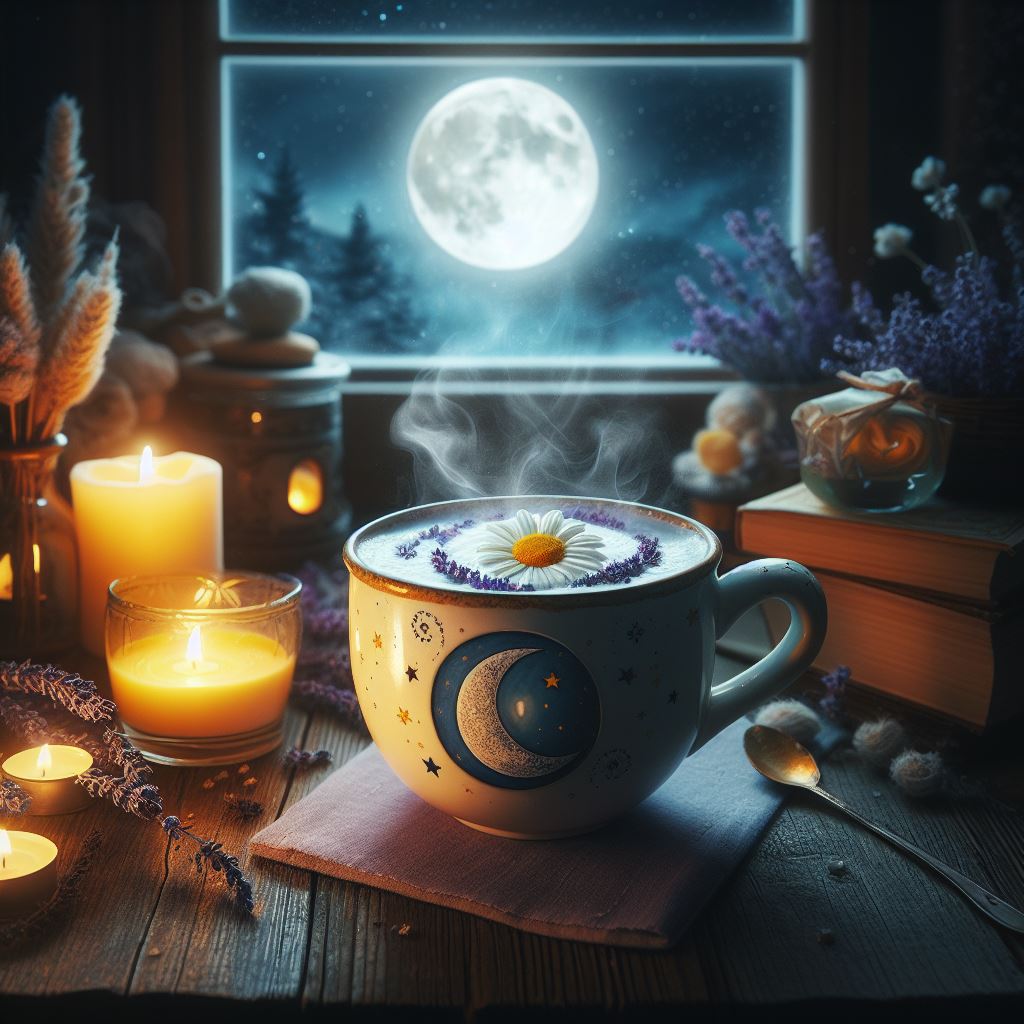

Posted on Leave a comment

Stonehenge

Stonehenge
Stonehenge

Introduction

A Druidic Tapestry Through Time

Nestled on the Salisbury Plain in Wiltshire, England, Stonehenge stands as an ancient testament to human ingenuity, celestial reverence, and a profound connection with the cycles of nature. This iconic monument, shrouded in mystery and draped in the mists of time, is not just a collection of stones but a living tapestry of Druidic traditions, astronomical significance, and cultural enigma.

A Monumental Marvel

Stonehenge is a prehistoric monument comprised of a ring of standing stones, each around 13 feet high, seven feet wide, and weighing approximately 25 tons. The larger stones, known as sarsens, form the outer ring, while smaller bluestones make up the inner ring. Additionally, there are iconic lintels that connect the stones, creating a captivating architectural ensemble.

Stonehenge, a marvel of prehistoric architecture, is an iconic testament to the ingenuity of ancient civilizations. The monument is composed of a carefully arranged ring of standing stones, each a colossal presence standing at approximately 13 feet in height, seven feet in width, and weighing an astonishing 25 tons. The larger stones, aptly named sarsens, form the imposing outer ring, while the inner sanctum is crafted from smaller yet equally significant bluestones.

What adds to the mesmerizing allure of Stonehenge is the presence of lintels, seamlessly connecting the colossal stones and creating a harmonious architectural ensemble. These lintels, positioned horizontally across the towering vertical stones, not only enhance the structural integrity of the monument but also contribute to its aesthetic grandeur. The arrangement of lintels forms a celestial dance, a silent testimony to the ancient builders’ precision and understanding of both engineering and astronomy.

Beyond its colossal physicality, Stonehenge is celebrated for its precise astronomical alignment. The layout of the stones and lintels suggests a meticulous understanding of celestial events, particularly the solstices and equinoxes. This intentional alignment showcases a deep connection between the monument and the movements of the sun, moon, and stars, underlining the monument’s multifaceted purpose as an astronomical observatory and a sacred space.

The stones themselves bear significance beyond their sheer size and weight. Each stone, carefully selected and transported over considerable distances, is a symbolic representation of the ancient builders’ reverence for the earth and the celestial realm. The choice of stone types, the alignment of the monument, and the careful integration of lintels all contribute to the intricate symbolism woven into the very fabric of Stonehenge.

While scholars and archaeologists have delved into the depths of Stonehenge’s history, much about its purpose and the exact methods employed in its construction remains shrouded in mystery. The monument continues to be a source of fascination and speculation, inviting individuals from across the globe to marvel at its colossal stones and ponder the ancient wisdom embedded in its design.

Stonehenge stands not merely as a collection of stones but as a testament to the brilliance of our ancient ancestors. Its architectural grandeur, astronomical precision, and symbolic significance elevate it to a realm beyond mere construction. As visitors stand in the shadow of these towering stones and trace the lines of lintels against the sky, they embark on a journey through time, where the stones themselves whisper ancient secrets and the lintels hold the key to understanding a celestial dance that has endured for millennia.

A Connection Beyond Time

Stonehenge’s ties to Druidic traditions are deeply rooted. Druids, the ancient priestly class of the Celts, are believed to have used this sacred site for ceremonies, rituals, and celestial observations. The very alignment of the stones with astronomical events suggests an intentional connection to the movements of the sun, moon, and stars.

The intertwining of Stonehenge with Druidic traditions forms a tapestry woven with the threads of ancient wisdom and reverence for the natural world. Druids, the esteemed priestly class of the Celts, were keepers of knowledge, stewards of the sacred, and custodians of the cosmic dance. Stonehenge, with its colossal stones and celestial alignments, emerged as a sacred canvas upon which the Druids painted their rituals, ceremonies, and deep communion with the cosmos.

Stonehenge, with its meticulous astronomical alignment, served as more than just a collection of stones; it was an open-air observatory for the Druids. The intentional arrangement of the stones attests to a sophisticated understanding of celestial events, particularly the solstices and equinoxes. For the Druids, these celestial occurrences weren’t merely astronomical phenomena, but sacred moments woven into the fabric of their spiritual practices.

The stones of Stonehenge bore witness to ceremonies that echoed through the corridors of time. Druidic rituals, deeply rooted in nature worship and cosmic reverence, found a natural stage amidst the towering sarsens and bluestones. The layout of the monument allowed the Druids to mark significant celestial events, aligning their ceremonies with the ebb and flow of the celestial ballet.

For the Druids, Stonehenge wasn’t just a physical structure; it was a bridge connecting the earthly realm to the Otherworld. The veil between the worlds was believed to be thin at this sacred site, especially during celestial junctures. As they stood amidst the stones, the Druids felt the energy of the earth pulsating beneath their feet, connecting them to realms unseen and mysteries profound.

Stonehenge’s association with Druidic practices endured even as the Celtic civilization waned. The monument became a living testament to the enduring legacy of the Celts, their spiritual insights, and their harmonious relationship with the natural world. The echoes of Druidic chants and rituals lingered, imprinting the stones with a resonance that transcended the passage of centuries.

Stonehenge stands as a silent witness to the ancient rites of the Druids, a sacred space where the earthly and the celestial converged. As visitors tread upon the same ground where Druids once stood, they step into a realm where the stones whisper tales of cosmic communion, where the alignment of lintels tells a story of a priestly class deeply attuned to the rhythms of nature. In the heart of Stonehenge, the Druidic connection remains, an eternal flame that illuminates the path to understanding our mystical connection with the cosmos.

Stonehenge’s Multifaceted Significance

Stonehenge holds multifaceted significance. It served as a celestial observatory, allowing ancient observers to mark key events such as solstices and equinoxes. This alignment underscores a deep understanding of the natural world and an intricate knowledge of the cosmos. Additionally, the site is believed to have played a role in rituals related to life, death, and the changing seasons.

At its core, Stonehenge is a celestial symphony, a monument finely tuned to the rhythms of the cosmos. The significance of Stonehenge lies in its meticulous alignment with celestial events, most notably the solstices and equinoxes. Each stone, a sentinel standing in silent reverence, becomes a marker for key astronomical occurrences. The Druidic architects of Stonehenge were not just builders; they were celestial choreographers, attuned to the dance of the heavens.

Stonehenge, with its strategic positioning of stones and lintels, functioned as a sophisticated cosmic observatory. The alignment with the solstices speaks volumes about the ancient inhabitants’ deep understanding of the Earth’s axial tilt and its dance with the Sun. Stonehenge allowed them to mark the passage of time with celestial precision, turning the monument into a living calendar that breathed with the seasons.

Beyond its role as an astronomical observatory, Stonehenge held profound spiritual significance. The belief that the veil between the earthly realm and the Otherworld was thin at this sacred site infused Stonehenge with an aura of mysticism. It became a gateway through which the Druids could commune with the divine, conduct rituals that bridged the realms, and seek guidance from the celestial forces that governed their existence.

Stonehenge’s stones bore witness to the rituals that marked the cycles of life and death. The changing seasons, symbolized by the solstices and equinoxes, were interwoven with ceremonies that celebrated life’s abundance during harvests and acknowledged the inevitability of death as winter approached. Stonehenge, with its carefully calculated alignments, became a sacred space where the earthly and the divine met in a dance of ritualistic expression.

Stonehenge’s enduring significance lies in its role as a symbol of cultural resilience. Despite the passage of millennia, Stonehenge stands as a testament to the intellectual prowess, spiritual depth, and harmonious relationship with nature of the ancient inhabitants. Its legacy echoes through time, reminding us that even in ancient times, humanity possessed a profound connection with the cosmos.

Stonehenge’s significance is layered, like the stones that form its structure. It is a cosmic observatory, a gateway to the divine, and a witness to the rituals that shaped the spiritual landscape of its builders. In the hushed whispers of the wind that sweeps across the Salisbury Plain, Stonehenge’s significance reverberates—a testament to the timeless connection between humanity and the celestial tapestry above.

The Enigmatic Architects of Stonehenge

The exact builders of Stonehenge remain a mystery, but it is generally attributed to ancient cultures spanning different periods. The monument evolved over centuries, with the earliest phase dating back to around 3100 BCE. The construction involved a remarkable feat of engineering, with stones transported from great distances and arranged with precision. Its purpose, though multifaceted, included ceremonial and spiritual practices.

Stonehenge, standing proudly on the Salisbury Plain, is a testament to the ingenuity of ancient hands, though the precise identity of these architects remains veiled in the mists of time. The monument’s creation is attributed to different cultures spanning epochs, and its evolution, like chapters in a cosmic saga, unfolded over millennia.

One prevailing theory links Stonehenge to the Druids, the ancient Celtic priestly class. Though the Druids are often associated with Stonehenge, their role in its construction is a subject of scholarly debate. The alignment of the stones with celestial events suggests a profound connection to Druidic practices, making Stonehenge a potential ceremonial space and astronomical observatory for these enigmatic figures.

The construction of Stonehenge is a testament to ancient engineering prowess. The stones, both the massive sarsens and the smaller bluestones, were quarried and transported from considerable distances. The feat of moving stones weighing up to 25 tons from quarries in Wales to Salisbury Plain boggles the modern mind. This endeavor, requiring meticulous planning and a deep understanding of the landscape, stands as a testament to the mastery of ancient builders.

The arrangement of the stones at Stonehenge is a testament to intentional design. The outer ring of imposing sarsens, capped by lintels, creates a visual spectacle that aligns with celestial events. The inner ring, composed of bluestones, adds an intricate layer to the monument’s composition. It is a symphony in stone, orchestrated with celestial precision, suggesting that Stonehenge was not merely a product of practicality but a carefully crafted space with spiritual and ceremonial significance.

Stonehenge served multifaceted purposes, acting as a ceremonial center and an astronomical observatory. The alignment of its stones with the solstices and equinoxes indicates a keen interest in celestial events. The changing seasons, marked by these astronomical occurrences, likely played a pivotal role in the rituals and ceremonies conducted within the hallowed space of Stonehenge.

Stonehenge’s builders, whether Druids or another ancient community, left behind a legacy etched in stone. The monument’s construction challenges our understanding of ancient capabilities and stands as a symbol of human ingenuity. As we gaze upon the weathered stones that have weathered the ages, we are invited to contemplate the hands that shaped them and the mysteries that still linger within the ancient embrace of Stonehenge.

A Beacon for Modern Celebrations

In the modern era, Stonehenge continues to captivate and inspire. While its original purpose may never be fully unraveled, it has become a focal point for Druidic and Pagan celebrations, particularly during the sabbats. The site is open to the public, and its mystique draws visitors from around the world.

Stonehenge, with its weathered stones echoing with the whispers of ancient rites, has transcended its historical origins to become a modern pilgrimage site. While the exact purpose of this monumental marvel may remain shrouded in mystery, its allure persists through the ages, drawing seekers and curious minds alike.

In the contemporary era, Stonehenge has found new purpose as a sacred space for modern Druidic and Pagan celebrations. The rhythmic dance of the seasons, a theme integral to these spiritual traditions, finds resonance among the standing stones. During significant moments in the Pagan Wheel of the Year, such as the sabbats, Stonehenge becomes a living altar where practitioners gather to honor the changing seasons, much like the ancient Druids might have done in centuries past.

Stonehenge’s alignment with celestial events, particularly the solstices and equinoxes, lends itself to the rhythmic cycle of sabbats. As the sun bathes the stones in its golden hues during these pivotal moments, modern practitioners engage in rituals, ceremonies, and celebrations that echo the ancient energies lingering within the sacred space. The stones, standing as silent witnesses to the passage of time, become a canvas upon which the modern narrative of spiritual connection and reverence is painted.

Today, Stonehenge stands as more than an archaeological site; it is a living symbol of mystical connection. Its enigmatic presence continues to evoke a sense of wonder and reverence, inviting both spiritual pilgrims and curious explorers. The stones, though weathered by time, resonate with the energies of countless rituals, both ancient and modern, creating a tapestry woven with threads of human connection to the cosmos.

Stonehenge’s mystical embrace is not confined to a select few. In a gesture of openness, the site welcomes visitors from around the world. The curious and the contemplative, the spiritual seeker and the history enthusiast—all are invited to tread the sacred ground and witness the dance of light and shadow that plays out among the ancient stones.

Stonehenge, with its ancient stones standing as sentinels in time, continues to be a beacon that bridges the ancient and the modern. In its silent testimony, it invites us to reflect on the enduring quest for connection, the cyclical dance of the seasons, and the timeless allure of the mystical tapestry woven within its sacred circle.

Embracing the Sabbats

Stonehenge’s alignment with celestial events, particularly the solstices, establishes a direct connection to Pagan and Druidic sabbats. During the Winter Solstice, in particular, the rising sun aligns with the central axis of the monument, casting a cascade of light upon the stones. This alignment is thought to have held profound spiritual and symbolic significance for ancient rituals and continues to do so in modern Pagan and Druidic celebrations.

Stonehenge, with its cyclopean stones standing sentinel on the Salisbury Plain, is not merely a relic of the past; it is a living testament to the eternal dance between Earth and cosmos. Among the many celestial ballets it orchestrates, its intimate connection to the sabbats, especially the Winter Solstice, stands as a poignant expression of the mystical tapestry woven within its ancient circle.

As the wheel of the year turns, the Winter Solstice emerges as a pinnacle of celestial alignment at Stonehenge. The rising sun, in a moment of cosmic choreography, aligns perfectly with the central axis of the monument. The first rays extend a golden embrace, casting intricate shadows that dance upon the stones. This alignment, a spectacle of breathtaking beauty, serves as a bridge across ages, connecting the modern practitioner to the ancient rhythms of Pagan and Druidic traditions.

The alignment during the Winter Solstice holds profound symbolic significance. It marks not just an astronomical event but a spiritual communion between Earth and sky. The interplay of light and shadow becomes a language, a silent hymn sung by the stones, echoing the cyclical nature of life, death, and rebirth. In this cosmic theatre, the stones become actors, and the sun, the maestro, conducting a symphony of renewal and hope.

For modern Pagans and Druids, Stonehenge is not a relic frozen in time; it is a sacred stage where the drama of the sabbats unfolds. During the Winter Solstice, practitioners gather amidst the ancient stones to honor the changing seasons, reflect on the mysteries of life, and partake in rituals that echo the ancient energies permeating the site. The alignment becomes a focal point, a conduit for spiritual energy, as contemporary celebrations harmonize with the age-old wisdom embedded in the stones.

Stonehenge’s alignment with the sabbats is not a historical footnote; it is a continuum of spiritual connection that traverses time and tradition. As the sunbathes the stones in its luminous glow, it invites modern practitioners to participate in a timeless dance, where the threads of ancient and contemporary spirituality intertwine. In this sacred circle, the alignment with the Winter Solstice becomes a bridge, allowing the modern seeker to touch the pulse of the cosmos and partake in the cosmic rhythm of the sabbats.

Stonehenge – A Tapestry Woven Through Time and Beyond

In the heart of the Salisbury Plain, Stonehenge stands not just as a collection of stones but as a living tapestry of Druidic traditions, astronomical significance, and cultural enigma. Its colossal stones, meticulously arranged, tell a story of human ingenuity and a profound connection with the cycles of nature that transcend the ages. As we explore the marvel of Stonehenge, we unravel the enigma that shrouds its construction, delve into its multifaceted significance, and witness its enduring role as a beacon for modern celebrations.

Stonehenge’s architectural grandeur, with its colossal standing stones and iconic lintels, showcases not only the physical prowess of ancient civilizations but also their celestial precision. The intentional alignment with astronomical events, particularly the solstices and equinoxes, reveals a deep understanding of the cosmic dance that governs our world. As the stones stand as silent witnesses, the celestial ballet unfolds, connecting the earthly realm with the celestial tapestry above.

The stones themselves, carefully selected and transported over great distances, become more than mere physical entities. Each stone is a symbol, a representation of the ancient builders’ reverence for the earth and the celestial realm. The choice of stone types, the alignment of the monument, and the integration of lintels all contribute to the intricate symbolism woven into the very fabric of Stonehenge. Beyond its colossal physicality, Stonehenge becomes a canvas upon which the ancients painted their rituals, ceremonies, and deep communion with the cosmos.

Despite centuries of scholarly investigation, much about Stonehenge’s purpose and the methods employed in its construction remains shrouded in mystery. The monument continues to be a source of fascination and speculation, inviting individuals from across the globe to marvel at its colossal stones and ponder the ancient wisdom embedded in its design. As visitors stand in the shadow of these towering stones and trace the lines of lintels against the sky, they embark on a journey through time, where the stones themselves whisper ancient secrets and the lintels hold the key to understanding a celestial dance that has endured for millennia.

Stonehenge’s ties to Druidic traditions form a tapestry woven with the threads of ancient wisdom and reverence for the natural world. Druids, the esteemed priestly class of the Celts, are believed to have used this sacred site for ceremonies, rituals, and celestial observations. The very alignment of the stones with astronomical events suggests an intentional connection to the movements of the sun, moon, and stars. Stonehenge becomes not just a physical structure but a bridge connecting the earthly realm to the Otherworld, where the veil between worlds is thin during celestial junctures.

As we gaze upon Stonehenge, we are not merely witnessing an archaeological site but a living symbol of human connection with the cosmos. Its enduring significance lies in its role as a celestial observatory, a gateway to the divine, and a witness to the rituals that marked the cycles of life and death. Stonehenge, with its timeless allure and mystical embrace, invites us to reflect on the enduring quest for connection, the cyclical dance of the seasons, and the timeless beauty of the celestial tapestry woven within its sacred circle.

Wrapping Up

In the hushed whispers of the wind that sweeps across the Salisbury Plain, Stonehenge’s significance reverberates—a testament to the timeless connection between humanity and the celestial tapestry above. As a beacon that bridges the ancient and the modern, Stonehenge invites us to tread its sacred ground, where the stones themselves become storytellers, and the alignment with celestial events becomes a timeless dance between Earth and cosmos. Embracing Stonehenge, we embrace a tapestry woven through time and beyond—a tapestry that continues to captivate, inspire, and connect us to the mysteries of the cosmos.