Posted on Leave a comment

Comparing Witch Archetypes

Introduction

Exploring the Tapestry of Witchcraft, Wicca, and Paganism

Unraveling the Threads of Mystical Practices

In the enchanting realms of magic and mysticism, terms like “witch,” “Wiccan,” and “Pagan” are often used interchangeably, leading to confusion among those traversing the diverse landscapes of the occult. Let’s embark on a journey to unravel the distinct threads that weave together these fascinating practices, shedding light on the rich tapestry of witchcraft, Wicca, and Paganism.

Witchcraft, the Ancient Dance with Energy

The Art of the Craft Witchcraft, often considered the oldest spiritual practice, is a magical art rooted in the manipulation of energy to bring about change. Witches harness the natural forces of the universe to manifest their intentions, utilizing spells, rituals, and the power of the elements. While witchcraft itself is a broad term encompassing various traditions and belief systems, it serves as the umbrella under which both Wicca and Paganism find their place.

At the very core of the mystical realms, witchcraft stands as a timeless practice, often regarded as the oldest spiritual art known to humanity. It is a captivating dance with energy, a profound connection with the natural forces that weave through the fabric of existence. Rooted in ancient wisdom, witchcraft is an art that spans cultures, continents, and centuries, providing a conduit for individuals to commune with the unseen energies that shape reality.

The essence of witchcraft lies in the manipulation of energy, an ethereal force that flows through everything in the universe. Witches, as practitioners of this ancient craft, understand the delicate interplay between intention and energy. They become weavers, shaping the threads of reality through the careful manipulation of these mystical energies.

In the practice of witchcraft, spells become the language through which intentions are articulated. These incantations, often spoken with reverence and purpose, serve as the keys to unlock the doors between the mundane and the magical. Witches infuse their spells with intention, directing the energy towards their desires, whether for healing, protection, or manifestation.

Rituals form an integral part of the witch’s journey, creating sacred spaces where the veil between worlds thins, allowing a harmonious exchange of energies. Circles, often cast with precision and intention, become arenas where the witch can commune with the divine, the elemental, and the spiritual. The power of the elements—earth, air, fire, and water—becomes a tool in the hands of the adept, amplifying the potency of their magical workings.

Witchcraft, as a term, serves as a vast umbrella encompassing a myriad of traditions, each with its own unique practices, symbols, and rituals. From the cunning folk of Europe to the wise women of ancient civilizations, the diverse expressions of witchcraft reveal the adaptability and resilience of this mystical art. It is within this expansive realm that both Wicca and Paganism find their niche, drawing inspiration from the ancient roots of witchcraft while evolving into distinct paths of their own.

As contemporary witches navigate the intricate tapestry of magic, they stand on the shoulders of their mystical ancestors, inheritors of a legacy that transcends time and space. Witchcraft, with its rich history and ever-evolving practices, remains a beacon for those who seek to explore the depths of the unseen, to dance with the energies that flow through the veins of the universe, and to wield the ancient art of the craft.

Wicca – The Tapestry of Modern Paganism

A Modern Pagan Path Wicca, a modern Pagan religion, emerged in the mid-20th century, largely popularized by figures like Gerald Gardner and Doreen Valiente. Wiccans follow a structured system of beliefs and practices, often centered around the worship of a dual deity—The God and The Goddess. Rituals, Sabbats, and Esbats mark the Wiccan calendar, emphasizing the cycles of nature and the harmonious balance of polarities. Wiccans hold the Wiccan Rede (“An’ it harm none, do what ye will”) as a guiding ethical principle, promoting a responsible and positive use of magic.

In the mid-20th century, against the backdrop of societal shifts and a rekindled interest in the mystical, Wicca emerged as a modern Pagan religion, forever altering the landscape of contemporary spirituality. The architects of this transformative movement, figures like Gerald Gardner and Doreen Valiente, wove together threads of ancient wisdom, folklore, and ceremonial magic to craft a spiritual path that resonates with seekers around the world.

At its heart, Wicca embraces the label of a modern Pagan religion, acknowledging its roots in ancient practices while adapting to the needs of the contemporary seeker. Wiccans find inspiration in the cyclical rhythms of nature, aligning their beliefs and practices with the ever-turning wheel of the seasons. The worship of a dual deity—the God and the Goddess—takes center stage in Wiccan cosmology, symbolizing the divine polarity inherent in the natural world.

Rituals form the cornerstone of Wiccan practice, serving as conduits for spiritual connection and transformation. The Wiccan calendar is marked by Sabbats and Esbats, sacred moments that align with the cycles of the moon and the changing seasons. Sabbats celebrate the major turning points of the solar year, such as the equinoxes and solstices, while Esbats are lunar rituals that honor the phases of the moon, emphasizing the ebb and flow of magical energies.

Central to the Wiccan ethos is the Wiccan Rede, a succinct ethical principle that guides practitioners in their magical endeavors: “An’ it harm none, do what ye will.” This guiding light underscores the responsibility and accountability inherent in wielding magical forces. Wiccans strive for a harmonious balance in their actions, ensuring that their use of magic is aligned with benevolence and respect for all living things.

The harmonious interplay of polarities is a recurring theme in Wicca, reflecting the understanding that life is a delicate dance between light and dark, masculine, and feminine, creation and destruction. Wiccan rituals often embody this duality, seeking to find equilibrium and unity amid these cosmic forces.

As Wicca continues to evolve and adapt to the ever-changing tapestry of spiritual exploration, it remains a beacon for those who seek a structured yet flexible path, one that honors the ancient roots of Paganism while embracing the unique journey of each practitioner. In the sacred circle of Wicca, modern seekers find a space where the divine is celebrated, magic is woven, and the dance of life unfolds in harmony with the rhythms of the natural world.

Paganism – The Eclectic Symphony of Nature’s Spirituality

Embracing the Divine in Nature Paganism, a diverse umbrella term encompassing a multitude of spiritual practices, celebrates a connection with nature and the divine forces within it. Pagans may follow various pantheons, honoring gods and goddesses associated with natural elements, seasons, and aspects of life. Unlike Wicca, Paganism lacks a centralized dogma, allowing practitioners to explore a wide range of beliefs and practices. The reverence for the Earth, cycles of nature, and a deep connection to the spiritual realm are common threads among Pagans.

Within the vast and varied landscape of spiritual exploration, Paganism stands as an eclectic symphony, weaving together the diverse threads of ancient wisdom, cultural traditions, and a profound reverence for the natural world. As an umbrella term encompassing a multitude of spiritual practices, Paganism invites practitioners to embark on a deeply personal journey, celebrating the sacred tapestry of life and embracing the divine forces that resonate within the realms of nature.

Central to Paganism is the celebration of a connection with nature that goes beyond mere admiration—it is a sacred communion. Pagans find spiritual significance in the rustle of leaves, the flowing waters, the vibrant blooms, and the changing seasons. The Earth, in all its majesty, is not merely a backdrop but a living, breathing manifestation of the divine. Pagan rituals often take place outdoors, under the open sky or within the embrace of ancient groves, fostering a direct and tangible link to the natural forces that permeate existence.

Unlike more structured paths like Wicca, Paganism lacks a centralized dogma or set of prescribed beliefs. This absence of rigid doctrine provides Pagans with the freedom to explore and define their spirituality based on personal experiences, cultural influences, and individual interpretations. This diversity within Paganism results in a rich tapestry of beliefs, rituals, and practices, as practitioners may choose to follow various pantheons, honor specific deities associated with natural elements, or forge their own unique path.

Within the realm of Paganism, gods and goddesses are revered as embodiments of the natural world’s energies. Pantheons from different cultures, whether Greek, Norse, Celtic, or others, offer a myriad of divine archetypes representing the forces of creation, fertility, wisdom, and more. Pagans may choose to work with specific deities that resonate with their spiritual journey, forging personal relationships through rituals, offerings, and meditative practices.

A unifying thread among Pagans is the deep respect for the Earth and its cycles. The turning of the wheel of the year, marked by festivals like Beltane, Samhain, and Imbolc, reflects the cyclical nature of life, death, and rebirth. These celebrations serve not only as rituals but as moments of reflection, aligning practitioners with the natural ebb and flow of existence.

In the heart of Paganism lies a profound connection to the spiritual realm. Practices such as divination, meditation, and energy work are embraced to deepen this connection, allowing practitioners to tap into the unseen forces that interweave with the material world.

As the spiritual journey unfolds within the realm of Paganism, practitioners find themselves immersed in a tapestry of diverse beliefs, united by a shared reverence for the Earth, an appreciation for the cycles of nature, and a commitment to exploring the boundless possibilities of the spiritual realm. In the dance of Paganism, individuals discover a path that resonates deeply with their souls, embracing the beauty and complexity of nature’s divine symphony.

Divergent Paths – Unraveling the Key Differences

Within the enchanting tapestry of mystical practices, the paths of Wicca, witchcraft, and Paganism diverge, each offering a unique journey for those who seek to explore the realms of magic and spirituality. Let’s delve deeper into the key differences that distinguish these paths, unraveling the nuances that shape the experiences of practitioners.

Structure and Dogma:

In the labyrinth of spiritual exploration, the question of structure and dogma emerges as a defining characteristic. Wicca, with its roots in ceremonial magic and occultism, follows a structured system that includes rituals, ceremonies, and specific beliefs. This structured framework provides a roadmap for practitioners, offering a sense of continuity and a shared ritualistic language. In contrast, both witchcraft and Paganism embrace a more eclectic approach. Witchcraft, as a broad term encompassing various traditions, allows practitioners the freedom to choose or create their own path. Similarly, Paganism, lacking a centralized dogma, invites individuals to explore a wide range of beliefs and practices, fostering a diverse and dynamic spiritual landscape.

Deities:

The pantheon of gods and goddesses serves as a focal point in understanding the spiritual landscape of these paths. Wicca, with its roots in ancient fertility religions, often involves the worship of specific deities—the God and the Goddess. These divine counterparts embody the dual aspects of nature and the cosmic forces. In contrast, Paganism paints with a broader brush, allowing practitioners to honor a diverse array of gods and goddesses associated with natural elements, seasons, and aspects of life. The eclectic nature of Paganism opens the door to a rich tapestry of cultural pantheons, enabling practitioners to forge connections with deities that resonate personally.

Ethics:

Ethics form the moral compass that guides practitioners on their spiritual journey. Wiccans adhere to the Wiccan Rede, a succinct ethical principle that emphasizes harmlessness: “An’ it harm none, do what ye will.” This principle underscores the responsibility and accountability inherent in the use of magical forces, promoting a positive and considerate approach to spellcraft. On the other hand, ethical guidelines in witchcraft and Paganism may vary based on individual beliefs. The absence of a centralized ethical code allows for a more fluid interpretation of what is considered morally sound, with practitioners drawing from personal experiences, cultural influences, and spiritual insights to shape their ethical compass.

In traversing the diverse landscapes of Wicca, witchcraft, and Paganism, practitioners find themselves on distinct yet interconnected paths. These key differences not only contribute to the richness of each tradition but also provide seekers with the freedom to choose a spiritual journey that resonates most profoundly with their individual beliefs, experiences, and aspirations.

Exploring the Shared Ground of Witches, Wiccans, and Pagans

Despite the distinct paths that witches, Wiccans, and Pagans tread, there exists a profound interconnectedness, weaving a tapestry of shared beliefs, practices, and spiritual values. Let’s delve into the harmonious threads that bind these mystical practitioners together, creating a sense of unity within the diverse realms of witchcraft, Wicca, and Paganism.

Connection with Nature

At the core of these mystical traditions lies a deep reverence for nature—the sacred and ever-changing canvas upon which their spiritual journeys unfold. Whether casting spells in the moonlit groves, celebrating Sabbats under the open sky, or communing with the elements, witches, Wiccans, and Pagans share a common understanding of the divine forces that permeate the natural world. The cycles of the moon, the changing seasons, and the energies embodied by earth, air, fire, and water serve as pillars of connection, grounding practitioners in the timeless rhythms of the Earth.

Energy Manipulation and Magic

The art of harnessing and manipulating energy is a skill honed by all three paths. Whether through spellwork, rituals, or other magical practices, witches, Wiccans, and Pagans engage in the conscious shaping of energies to bring about change. The shared belief in the efficacy of intention, symbolism, and the unseen forces that permeate the cosmos unites these practitioners in their magical endeavors. The very essence of their craft lies in the understanding that the practitioner is an active participant in the co-creation of their reality.

Embrace of Mysticism

Mysticism, the pursuit of a direct and personal experience of the divine, is a common theme that unites witches, Wiccans, and Pagans. The desire to transcend the mundane, to explore the realms of the unseen, and to forge a deep connection with the spiritual dimensions fuels their mystical pursuits. Whether through meditation, divination, or ecstatic rituals, practitioners from these paths seek to pierce the veil separating the material and spiritual worlds, delving into the mysteries that lie beyond ordinary perception.

Respect for Individual Paths

While each path has its unique characteristics, there exists a shared respect for the diversity of individual spiritual journeys. The recognition that spirituality is a deeply personal and subjective experience fosters an environment of acceptance and inclusivity. Whether one follows a specific tradition within witchcraft, adheres to the structured rituals of Wicca, or explores the eclectic landscape of Paganism, the emphasis on personal exploration and the celebration of diverse beliefs creates a sense of unity within the broader community.

Ethical Considerations

Despite variations in specific ethical codes, a common thread among witches, Wiccans, and Pagans is the acknowledgment of the responsibility that comes with magical practice. Whether guided by the Wiccan Rede or individual moral compasses, practitioners share a commitment to the ethical use of magic, promoting harmony, respect for others, and a mindful approach to their craft.

In recognizing these shared elements, practitioners of witchcraft, Wicca, and Paganism find a common ground—a space where the beauty of diversity coexists with the unifying principles of nature, magic, mysticism, and ethical consideration. It is within this shared realm that the practitioners of these paths discover the richness and depth of their interconnected spiritual journeys.

Conclusion

In the ever-evolving tapestry of witchcraft, Wicca, and Paganism, each distinctive thread intertwines to form a dynamic and vibrant mosaic of mystical practices. As practitioners navigate their individual journeys, understanding the unique aspects within these traditions becomes a guiding compass through the labyrinth of spiritual exploration. Within the enchanting realms of these paths, practitioners find not only diversity but also unity—a shared resonance with the forces that shape our world. It is within this nuanced understanding that practitioners uncover the profound interconnectedness that transcends the surface differences, revealing the underlying harmony that binds the practitioners of witchcraft, Wicca, and Paganism. The tapestry becomes a living testament to the rich and kaleidoscopic nature of spiritual exploration, inviting practitioners to not only embrace their own unique paths but also celebrate the myriad ways in which others traverse the realms of magic. In the end, it is the collective wisdom, the shared reverence for nature, and the universal pursuit of mystical insights that define the essence of these practices. With clarity as their guide, practitioners find themselves not only immersed in the depth of their own spiritual journey but also contributing to the ever-expanding and interconnected narrative of witchcraft, Wicca, and Paganism—a celebration of the multifaceted beauty that emerges when diverse threads come together to form a tapestry that reflects the magic inherent in the very fabric of existence.

Posted on Leave a comment

Recipe: Winter Storm Beef Stew

Making Winter Storm Beef Stew

Introduction

Thor’s Feast

On the twelfth day of Yule, honor the mighty god Thor with a feast fit for a thunderous celebration—Winter Storm Beef Stew. This hearty and robust dish, brimming with winter ingredients, pays homage to Thor’s strength and resilience. In this article, we’ll guide you through the ingredients, instructions, preparation and cook time, explore the magical properties associated with Yuletide, and craft a spell to channel Thor’s protective energies on your December 31st celebration.

Spell for Thor’s Protection

As you prepare and savor the Winter Storm Beef Stew, invoke Thor’s protective energies. While enjoying each spoonful, speak a spell like:

“Thor, mighty god of thunder’s roar,

In this stew, your strength we implore.

Winter’s storm, a hearty delight,

Under your shield, we dine tonight.”

May the Winter Storm Beef Stew be a testament to Thor’s strength and protection on your December 31st celebration, filling your feast with the resilience and power of the thunder god.

Magical Properties

  • Beef Stew Meat: Symbolizes strength and sustenance.
  • Carrots and Parsnips: Represent grounding and connection to the earth.
  • Baby Potatoes: Signify the bountiful harvest and prosperity.
  • Beef Broth: Brings the essence of warmth and protection.
  • Red Wine (Optional): Represents transformation and celebration.
  • Tomatoes and Tomato Paste: Symbolize vitality and life.
  • Herbs (Thyme and Rosemary): Offer protection and bring clarity.

Winter Storm Beef Stew

Thor’s Feast – On the twelfth day of Yule, honor the mighty god Thor with a feast fit for a thunderous celebration—Winter Storm Beef Stew. This hearty and robust dish, brimming with winter ingredients, pays homage to Thor’s strength and resilience.

  • 2 lbs beef stew meat (cubed)
  • 2 tablespoons olive oil
  • 1 large onion (chopped)
  • 3 cloves garlic (minced)
  • 3 carrots (sliced)
  • 3 parsnips (sliced)
  • 2 cups baby potatoes (halved)
  • 1 cup celery (chopped)
  • 4 cups beef broth
  • 1 cup red wine (optional)
  • 1 can (14 oz diced tomatoes)
  • 1 tablespoon tomato paste
  • 2 bay leaves
  • 1 teaspoon dried thyme
  • 1 teaspoon dried rosemary
  • Salt and pepper to taste
  • Chopped fresh parsley for garnish
  1. Sear the Beef: In a large pot, heat olive oil over medium-high heat. Sear the beef cubes until browned on all sides. Remove the beef and set aside.

  2. Sauté Aromatics: In the same pot, sauté the chopped onion and minced garlic until softened. Add a splash of red wine to deglaze the pot.

  3. Build the Stew: Return the seared beef to the pot. Add carrots, parsnips, baby potatoes, and celery. Pour in beef broth, red wine (if using), diced tomatoes, tomato paste, bay leaves, thyme, rosemary, salt, and pepper.

  4. Simmer: Bring the stew to a boil, then reduce the heat to low. Cover and simmer for 2-3 hours, or until the beef is tender and the flavors meld.

  5. Serve: Discard bay leaves. Ladle the Winter Storm Beef Stew into bowls, garnish with chopped fresh parsley, and serve.

Main Course, Stew
Winter, Yule
Recipe
Posted on Leave a comment

Recipe: Winter Harvest Salad

Making Winter Harvest Salad

Introduction

Sif’s Elegance

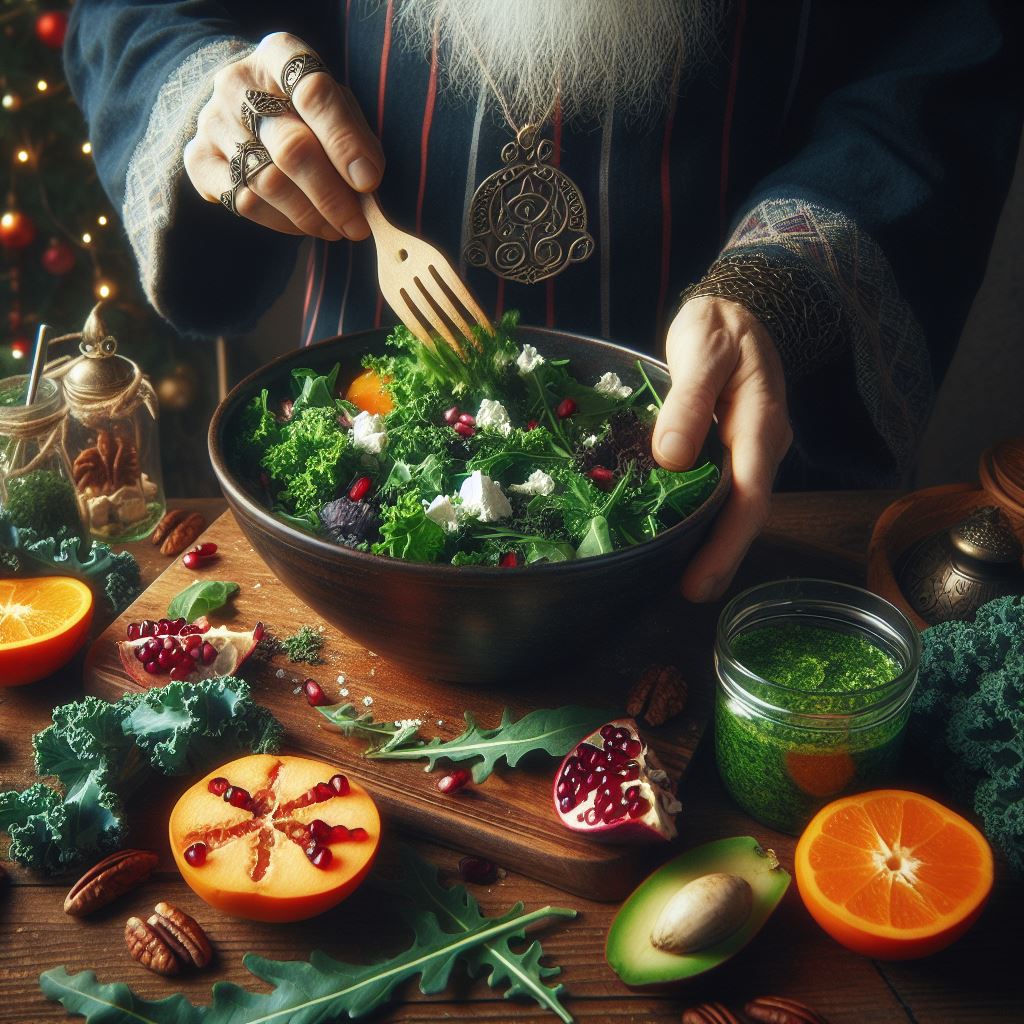
On the twelfth day of Yule, pay homage to the graceful goddess Sif with a dish that embodies her beauty and the bounty of the winter harvest—Winter Harvest Salad. This delightful salad, adorned with winter ingredients, celebrates Sif’s elegance and connection to nature. In this article, we’ll guide you through the ingredients, instructions, preparation and cook time, explore the magical properties associated with Yuletide, and craft a spell to honor Sif on your December 31st celebration.

Spell to Honor Sif

As you prepare and enjoy the Winter Harvest Salad, offer your gratitude to Sif for her beauty and the abundance of the winter harvest. While savoring each bite, speak a spell like:

“Sif, goddess fair with golden hair,

In this salad, your grace we share.

Winter’s bounty, nature’s delight,

In your honor, we dine tonight.”

May the Winter Harvest Salad be a tribute to Sif’s elegance and the wonders of the winter harvest on your December 31st celebration, filling your feast with beauty and vitality.

Magical Properties

  • Winter Greens: Symbolize Sif’s connection to nature, embodying life and vitality.
  • Pomegranate Seeds: Signify love, fertility, and the divine feminine.
  • Persimmons: Represent transformation and the abundance of the winter harvest.
  • Feta Cheese: Adds a touch of Sif’s elegance and unity to the magical mix.
  • Candied Pecans: Symbolize prosperity and the richness of life.
  • Balsamic Vinaigrette: Signifies transformation, as the flavors meld and harmonize.

Winter Harvest Salad

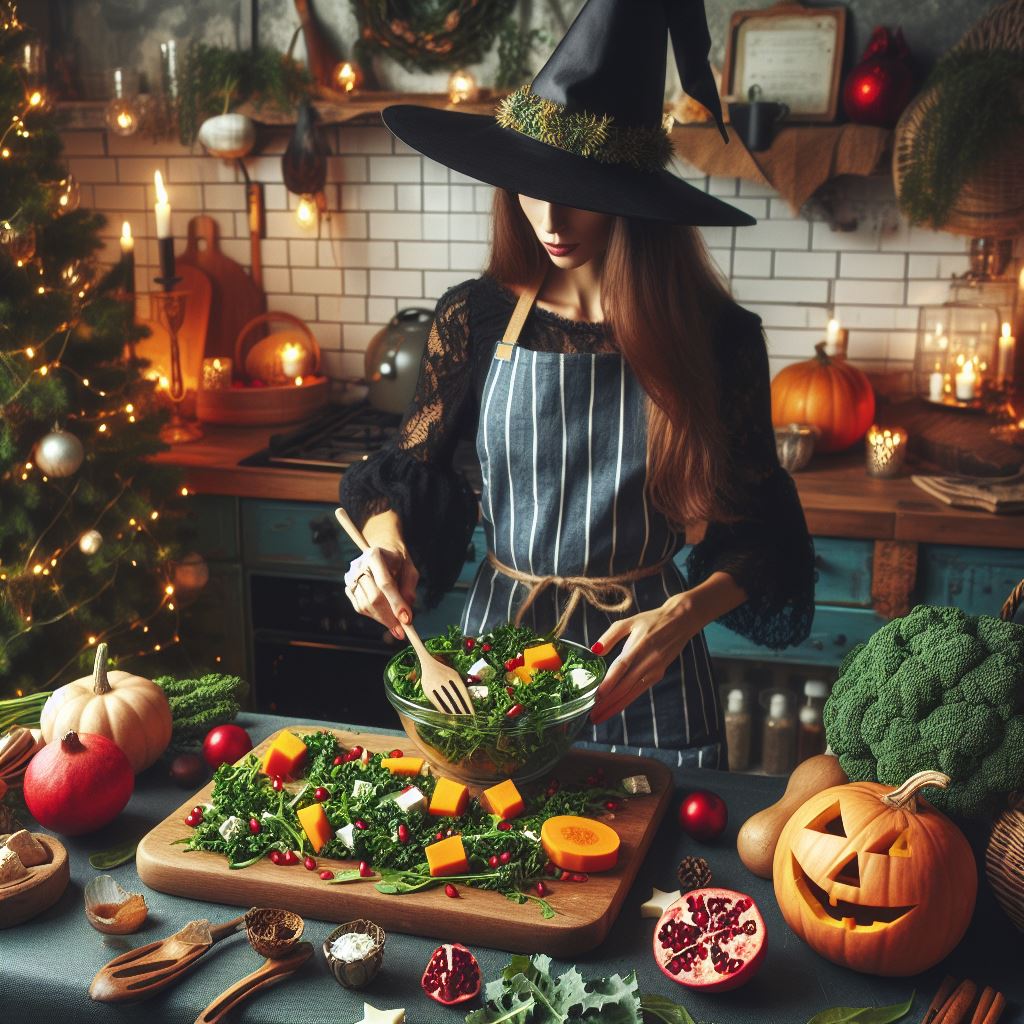
Sif’s Elegance – On the twelfth day of Yule, pay homage to the graceful goddess Sif with a dish that embodies her beauty and the bounty of the winter harvest—Winter Harvest Salad. This delightful salad, adorned with winter ingredients, celebrates Sif’s elegance and connection to nature.

  • 6 cups mixed winter greens (kale, arugula, spinach)
  • 1 cup pomegranate seeds
  • 1 cup sliced persimmons
  • 1 cup crumbled feta cheese
  • 1/2 cup candied pecans
  • 1/4 cup balsamic vinaigrette dressing
  • Salt and pepper to taste
  1. Prepare Ingredients: Wash and dry the mixed winter greens. Slice the persimmons.

  2. Assemble the Salad: In a large salad bowl, combine the mixed winter greens, pomegranate seeds, sliced persimmons, crumbled feta cheese, and candied pecans.

  3. Dress the Salad: Drizzle the balsamic vinaigrette over the salad. Toss gently to coat the ingredients evenly.

  4. Season to Taste: Add salt and pepper to taste. Toss again, ensuring the flavors are well-balanced.

Salad
Winter, Yule
Recipe
Posted on Leave a comment

Recipe: Winter Citrus Infusion for Renewal

Making Yuletide Cleansing Elixir

Introduction

Yuletide Cleansing Elixir

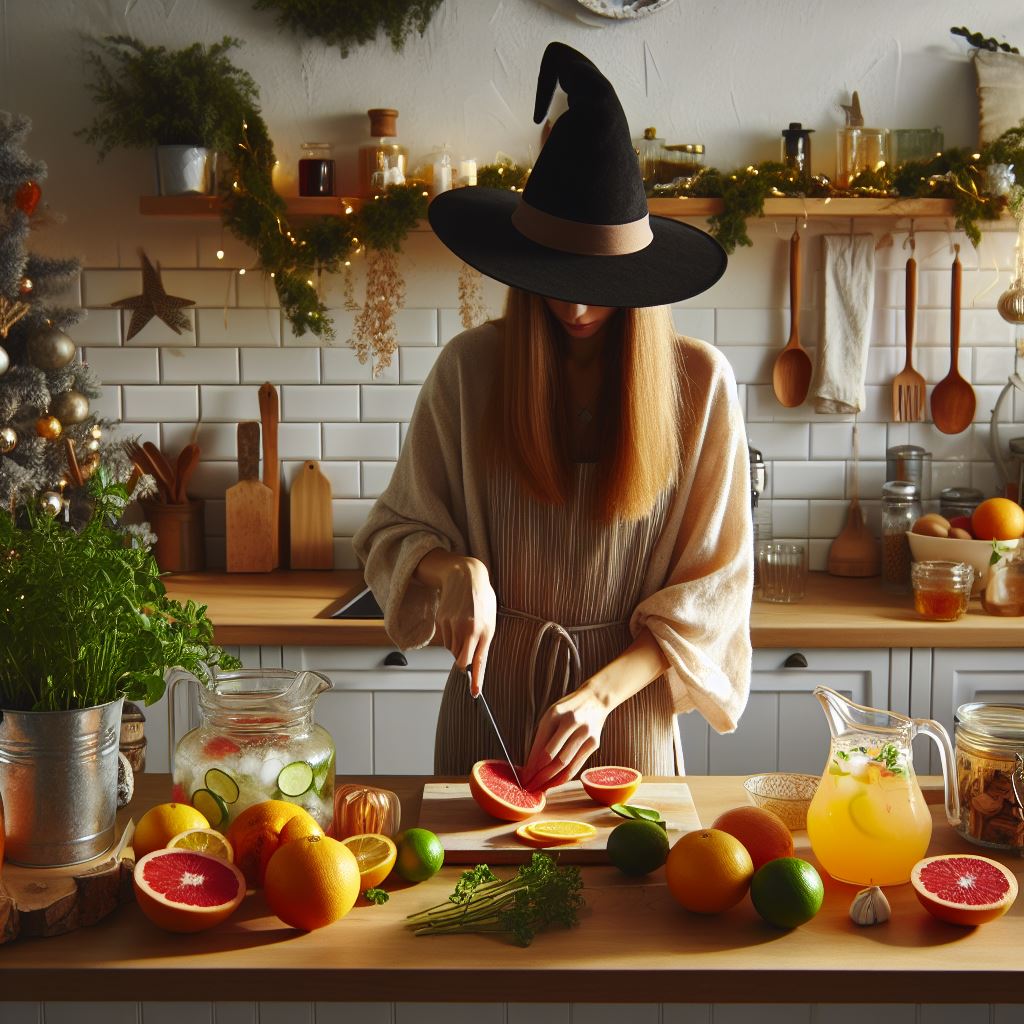
On the twelfth day of Yule, embark on a refreshing journey of renewal and cleansing with a Winter Citrus Infusion. This vibrant elixir, crafted with winter ingredients, is designed to cleanse the palate, and invigorate the spirit as you bid farewell to the old year. In this article, we’ll guide you through the ingredients, instructions, preparation, and infusion time, explore the magical properties associated with Yuletide, and craft a spell to welcome the energies of renewal on your December 31st celebration.

Spell for Yuletide Renewal

As you prepare and sip the Winter Citrus Infusion, embrace the energies of renewal. Whisper a spell like:

“Citrus bright, cleanse and renew,

With each sip, my spirit imbue.

Winter’s end, a fresh start in sight,

As I welcome the new with pure delight.”

May the Winter Citrus Infusion be a beacon of renewal on your December 31st celebration, cleansing the old and welcoming the new year with a burst of fresh energy.Top of Form

Magical Properties

  • Grapefruits: Symbolize cleansing and renewal, purifying the spirit.
  • Oranges: Represent vitality, positivity, and joy.
  • Lemon: Signify clarity, cleansing, and dispelling negative energies.
  • Lime: Brings a burst of freshness and renewal to the elixir.
  • Honey: Symbolizes sweetness and unity, harmonizing the flavors.
  • Fresh Mint: Offers a touch of magic, refreshing the senses.

Winter Citrus Infusion for Renewal

Yuletide Cleansing Elixir – On the twelfth day of Yule, embark on a refreshing journey of renewal and cleansing with a Winter Citrus Infusion. This vibrant elixir, crafted with winter ingredients, is designed to cleanse the palate, and invigorate the spirit as you bid farewell to the old year.

  • 2 grapefruits (sliced)
  • 2 oranges (sliced)
  • 1 lemon (sliced)
  • 1 lime (sliced)
  • 1 tablespoon honey
  • 1 sprig fresh mint
  • 4 cups cold water
  • Ice cubes (optional)
  1. Prepare Citrus Slices: Wash and slice the grapefruits, oranges, lemon, and lime.

  2. Assemble in a Pitcher: In a large pitcher, combine the citrus slices. Add a sprig of fresh mint for a burst of aromatic freshness.

  3. Add Honey: Drizzle honey over the citrus slices. Adjust the amount to your desired sweetness.

  4. Infuse with Water: Pour cold water over the citrus slices and mint. Stir gently to incorporate the honey.

  5. Chill: Cover the pitcher and let the Winter Citrus Infusion chill in the refrigerator for at least 2 hours to allow the flavors to meld.

  6. Serve: Pour the infused elixir into glasses over ice cubes if desired.

Drinks
Winter, Yule
Recipe
Posted on Leave a comment

Recipe: Yuletide Wassail

Making Yuletide Wassail

Introduction

A Warm Winter Celebration

Celebrate the eleventh day of Yule with the age-old tradition of Wassailing—an enchanting drink that captures the essence of winter’s warmth and merriment. This recipe invites you to partake in the joyous act of toasting to health and prosperity, surrounded by the magical energies of the season. In this article, we’ll guide you through the ingredients, instructions, preparation and cook time, explore the magical properties associated with Yuletide, and craft a spell to infuse your Wassail with blessings on your December 30th celebration.

Spell for Yuletide Blessings

As you prepare and share the Yuletide Wassail, embrace the spirit of the season. While raising your mug, speak a spell like:

“Wassail warm, spirits bright,

Bless us on this Yuletide night.

Prosperity, health, joy we share,

In this cup, the magic’s in the air.”

May your Yuletide Wassail be a vessel of warmth and blessings on your December 30th celebration, uniting you with the magic of the season.

Magical Properties

Apple Cider: Symbolizes the sweetness of life and prosperity.

Cranberry Juice: Signifies protection and the joy of celebration.

Orange Juice: Represents vitality and the energy of the sun.

Brown Sugar: Adds warmth and grounding to the brew.

Cloves: Offer protection and attract positive energy.

Cinnamon Sticks: Bring transformative energy and a touch of fire.

Allspice Berries: Symbolize unity and blend the flavors harmoniously.

Citrus Slices: Infuse the Wassail with the energies of the sun.

Yuletide Wassail

A Warm Winter Celebration – Celebrate the eleventh day of Yule with the age-old tradition of Wassailing—an enchanting drink that captures the essence of winter’s warmth and merriment. This recipe invites you to partake in the joyous act of toasting to health and prosperity, surrounded by the magical energies of the season.

  • 1 gallon apple cider
  • 2 cups cranberry juice
  • 1 cup orange juice
  • 1/2 cup brown sugar
  • 1 teaspoon whole cloves
  • 3 cinnamon sticks
  • 1 teaspoon allspice berries
  • 1 orange (sliced)
  • 1 apple (sliced)
  • 1 lemon (sliced)
  • 1 cup brandy (optional)
  • Additional cinnamon sticks for garnish
  1. Combine Ingredients: In a large pot, combine apple cider, cranberry juice, orange juice, brown sugar, cloves, cinnamon sticks, allspice berries, orange slices, apple slices, and lemon slices.

  2. Simmer: Bring the mixture to a gentle simmer over medium heat. Let it simmer for at least 30 minutes to allow the flavors to meld.

  3. Strain and Serve: Strain the Wassail to remove the spices and fruit slices. Ladle the warm Wassail into mugs.

  4. Add Brandy (Optional): If desired, add a splash of brandy to each mug for an extra warming kick.

  5. Garnish: Garnish each mug with a cinnamon stick for a festive touch.

Drinks
Winter, Yule
Recipe
Posted on Leave a comment

Recipe: Winter Harvest Stuffed Acorn Squash

Making Festive Yuletide Bread

Introduction

Nature’s Embrace

On the tenth day of Yuletide, immerse yourself in the enchanting flavors of Winter Harvest Stuffed Acorn Squash—a delightful creation that celebrates the season’s bountiful offerings. This recipe invites you to indulge in the warmth and richness of winter ingredients, crafting a dish that mirrors the beauty of the natural world. In this article, we’ll guide you through the ingredients, instructions, preparation, and cooking time, explore the magical properties associated with Yuletide, and craft a spell to connect with the natural energies on your December 29th celebration.

Spell for Nature’s Connection

As you prepare and savor the Winter Harvest Stuffed Acorn Squash, connect with the natural energies around you. While enjoying each bite, speak a spell like:

“In Winter’s harvest, magic intertwines,

Acorn’s protection, where prosperity shines.

Brussels’ strength, cranberries’ delight,

Nature’s embrace in each bite.”

May the Winter Harvest Stuffed Acorn Squash bring you closer to the wonders of nature on your December 29th celebration, allowing you to revel in the richness and blessings of the winter landscape.

Magical Properties

Acorn Squash: Symbolizes protection and prosperity, drawing on the earth’s energies.

Wild Rice: Represents adaptability and connection to nature.

Brussels Sprouts: Signify strength and resilience, mirroring the winter landscape.

Dried Cranberries: Infuse the dish with the celebratory spirit of the season.

Pecans: Grounding and prosperity are represented by pecans, adding an earthy richness.

Feta Cheese: Adds a touch of comfort and unity to the magical mix.

Maple Syrup: Represents sweetness and unity, weaving a thread of togetherness and joy.

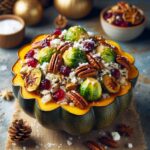
Winter Harvest Stuffed Acorn Squash

Nature’s Embrace – On the tenth day of Yuletide, immerse yourself in the enchanting flavors of Winter Harvest Stuffed Acorn Squash—a delightful creation that celebrates the season’s bountiful offerings. This recipe invites you to indulge in the warmth and richness of winter ingredients, crafting a dish that mirrors the beauty of the natural world.

  • 2 acorn squash (halved and seeds removed)
  • 1 cup wild rice (cooked)
  • 1 cup Brussels sprouts (thinly sliced)
  • 1/2 cup dried cranberries
  • 1/2 cup pecans (chopped)
  • 1/2 cup feta cheese (crumbled)
  • 2 tablespoons olive oil
  • 1 tablespoon maple syrup
  • Salt and pepper to taste
  • Fresh thyme for garnish
  1. Prepare Ingredients: Preheat your oven to 400°F (200°C). Place acorn squash halves on a baking sheet.

  2. Roast Squash: Brush the cut sides of the squash with olive oil and season with salt and pepper. Roast in the preheated oven for 30-35 minutes or until tender.

  3. Prepare Filling: In a skillet, sauté sliced Brussels sprouts in olive oil until softened. Combine with cooked wild rice, dried cranberries, chopped pecans, and crumbled feta. Drizzle with maple syrup and mix well.

  4. Stuff the Squash: Once the squash halves are tender, fill each half with the prepared stuffing mixture.

  5. Bake Again: Return the stuffed squash to the oven and bake for an additional 15 minutes or until the filling is heated through.

  6. Garnish and Serve: Garnish with fresh thyme before serving.

Main Course
Winter, Yule
Recipe
Posted on Leave a comment

Recipe: Nordic Winter Salad

Making Nordic Winter Salad

Introduction

Freyja’s Feast

On the tenth day of Yuletide, honor the radiant goddess Freyja with a culinary tribute—Nordic Winter Salad. This vibrant dish, adorned with winter ingredients, captures the essence of Freyja’s grace and love for nature. In this article, we’ll guide you through the ingredients, instructions, preparation and cook time, explore the magical properties associated with Yuletide, and craft a spell to honor Freyja on your December 29th celebration.

Spell to Honor Freyja

As you prepare and enjoy the Nordic Winter Salad, honor Freyja with gratitude and love. While savoring each bite, speak a spell-like:

“Freyja, radiant goddess of love and grace,

In this salad, your presence we embrace.

Winter’s bounty, nature’s delight,

In your honor, we share this feast tonight.”

May the Nordic Winter Salad be a tribute to Freyja’s love and warmth on your December 29th celebration, filling your heart with joy and appreciation for the divine feminine.

Magical Properties

Winter Greens: Symbolize Freyja’s connection to nature, embodying life and vitality.

Butternut Squash: Represents warmth and comfort, mirroring Freyja’s nurturing presence.

Pomegranate Seeds: Signify love, fertility, and the divine feminine.

Sliced Beets: Connect to the earth’s energies, symbolizing Freyja’s grounding influence.

Goat Cheese: Adds a touch of Freyja’s sweetness and unity to the magical mix.

Candied Pecans: Represent prosperity and the richness of life.

Balsamic Vinaigrette: Signifies transformation, as the flavors meld and harmonize.

Nordic Winter Salad

Freyja’s Feast – On the tenth day of Yuletide, honor the radiant goddess Freyja with a culinary tribute—Nordic Winter Salad. This vibrant dish, adorned with winter ingredients, captures the essence of Freyja’s grace and love for nature.

  • 4 cups mixed winter greens (kale, arugula, spinach)
  • 1 cup roasted butternut squash (cubed)
  • 1/2 cup pomegranate seeds
  • 1/2 cup sliced beets (precooked or roasted)
  • 1/4 cup crumbled goat cheese
  • 1/4 cup candied pecans
  • 2 tablespoons balsamic vinaigrette dressing
  • Salt and pepper to taste
  1. Prepare Ingredients: Roast butternut squash cubes until tender. Cook or roast beets and slice them.
  2. Assemble the Salad: In a large salad bowl, combine the mixed winter greens, roasted butternut squash, pomegranate seeds, sliced beets, crumbled goat cheese, and candied pecans.
  3. Dress the Salad: Drizzle the balsamic vinaigrette over the salad. Toss gently to coat the ingredients evenly.
  4. Season to Taste: Add salt and pepper to taste. Toss again, ensuring the flavors are well-balanced.
Salad
Winter, Yule
Recipe
Posted on Leave a comment

Recipe: Lavender Shortbread

Making Lavender Shortbread

Introduction

Yuletide Serenity

On the ninth day of Yuletide, immerse yourself in the delicate allure of Lavender Shortbread—a treat that transcends the ordinary, bringing a sense of calm and serenity to your festive celebration. This enchanting recipe combines the aromatic essence of lavender with the buttery richness of shortbread, creating a delightful indulgence that captures the magic of the season. In this article, we’ll guide you through the ingredients, instructions, preparation and cook time, delve into the magical properties associated with Yuletide, and craft a spell to infuse your December 28th gathering with tranquility and joy.

Spell for Tranquility and Joy

As you create and savor the Lavender Shortbread, infuse it with intentions of tranquility and joy. While enjoying a bite, speak a spell like:

“In lavender’s embrace, serenity flows,

In each shortbread crumb, Yuletide joy glows.

Butter’s warmth, a comforting embrace,

Tranquility and joy, filling this space.”

May the Lavender Shortbread bring serenity and joy to your December 28th celebration, allowing the magic of Yuletide to unfold in peaceful moments.

Magical Properties

  • Lavender: Brings tranquility, clarity, and peace.
  • Butter: Symbolizes comfort, unity, and richness.
  • Flour: Represents grounding and stability.
  • Sugar: Adds sweetness and joy to the magical mix.
  • Salt: Purifies and balances energies.

Lavender Shortbread

Yuletide Serenity – On the ninth day of Yuletide, immerse yourself in the delicate allure of Lavender Shortbread—a treat that transcends the ordinary, bringing a sense of calm and serenity to your festive celebration. This enchanting recipe combines the aromatic essence of lavender with the buttery richness of shortbread, creating a delightful indulgence that captures the magic of the season.

  • 1 cup unsalted butter (softened)
  • 1/2 cup granulated sugar
  • 2 cups all-purpose flour
  • 1 tablespoon dried lavender buds (culinary grade)
  • 1/4 teaspoon salt
  • Lavender sugar for dusting (mix sugar with a pinch of dried lavender, optional)
  1. Prepare Ingredients: Preheat your oven to 350°F (175°C). Line a baking sheet with parchment paper.
  2. Cream Butter and Sugar: In a mixing bowl, cream together the softened butter and granulated sugar until light and fluffy.
  3. Add Dry Ingredients: Sift in the flour and add the dried lavender buds and salt. Mix until just combined.
  4. Shape the Shortbread: Gather the dough into a ball and roll it out on a floured surface to about 1/4-inch thickness. Use cookie cutters to shape the shortbread.
  5. Bake: Place the shaped shortbread on the prepared baking sheet. Bake for 12-15 minutes or until the edges are lightly golden.
  6. Cool and Dust: Allow the shortbread to cool on a wire rack. Dust with lavender sugar if desired.
Dessert
Winter, Yule
Recipe
Posted on Leave a comment

Recipe: Enchanting Plum Pudding

Making Enchanting Plum Pudding

Introduction

Yuletide Delight

As the ninth day of Yuletide unfolds, let the aroma of festive spices and the rich sweetness of dried fruits fill your home with the magic of the season. We present an enchanting recipe for Plum Pudding—a timeless Yuletide delight that captures the essence of tradition and celebration. In this article, we’ll guide you through the ingredients, instructions, preparation and cook time, explore the magical properties associated with Yuletide, and craft a spell to infuse your December 28th celebration with warmth, joy, and the spirit of the season.

Spell for Warmth and Joy

As the Plum Pudding steams, infuse it with intentions of warmth, joy, and the spirit of the season. While serving, speak a spell like:

“In this Plum Pudding, joy we find,

Warmth and magic intertwined.

Spices dance, their enchantment weaves,

In Yuletide’s embrace, hearts receive.”

May the enchanting Plum Pudding bring warmth and joy to your December 28th celebration, filling your home with the magic of Yuletide.Top of Form

Magical Properties

  • Dried Fruits: Symbolize abundance, prosperity, and the harvest.
  • Spices (Cinnamon, Nutmeg, Allspice): Enhance magical energy, warmth, and protection.
  • Almonds: Represent fertility, prosperity, and good fortune.
  • Apple: Symbolizes love, healing, and the sacred feminine.
  • Stout or Dark Beer: Connects to the earth’s energies, grounding the magical properties of the pudding.
  • Treacle or Molasses: Adds sweetness and unity to the magical mix.

Enchanting Plum Pudding

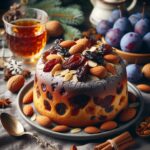
Yuletide Delight – As the ninth day of Yuletide unfolds, let the aroma of festive spices and the rich sweetness of dried fruits fill your home with the magic of the season. We present an enchanting recipe for Plum Pudding—a timeless Yuletide delight that captures the essence of tradition and celebration.

  • 1 cup suet or butter
  • 1 cup dark brown sugar
  • 3 large eggs
  • 1 cup all-purpose flour
  • 1 cup fresh breadcrumbs
  • 1 teaspoon mixed spice (cinnamon, nutmeg, allspice)
  • 1/2 teaspoon ground ginger
  • 1/2 cup chopped almonds
  • 1/2 cup mixed dried fruits (raisins, currants, chopped dates, candied peel)
  • 1/2 cup grated apple
  • 1/2 cup stout or dark beer
  • 1 tablespoon black treacle or molasses
  • Zest of 1 lemon
  • Zest of 1 orange
  1. Prepare Ingredients: Grease a pudding basin or heatproof bowl.
  2. Mix the Pudding: In a large mixing bowl, cream the suet or butter with the brown sugar. Beat in the eggs.
  3. Add Dry Ingredients: Sift in the flour and fold in the breadcrumbs, mixed spice, ground ginger, chopped almonds, mixed dried fruits, grated apple, lemon zest, and orange zest.
  4. Combine Wet Ingredients: In a separate bowl, mix the stout or dark beer with the black treacle or molasses. Add this mixture to the pudding batter and stir until well combined.
  5. Fill the Basin: Spoon the pudding batter into the prepared basin, leaving some space for expansion. Smooth the top.
  6. Cover and Steam: Cover the basin with a layer of parchment paper and a layer of foil. Secure with string. Steam the pudding for 3-4 hours.
  7. Serve Warm: Once steamed, let the pudding cool slightly before turning it out. Serve warm with a dollop of brandy butter or custard.
Dessert
Winter, Yule
Recipe
Posted on Leave a comment

Recipe: Ullr’s Frosty Potion

Making Ullr's Frosty Potion

Introduction

Winter’s Elixir

Celebrate the eighth day of Yuletide with a libation fit for Ullr, the god of archery and the winter wilderness. Introducing “Ullr’s Frosty Potion,” a delightful recipe that pays homage to the crisp breath of the North Wind and the strength that winter bestows upon us. In this article, we’ll guide you through the ingredients and steps to create this winter-inspired beverage, delve into the magical properties associated with Yuletide, and craft a spell to express gratitude for the resilience found in winter’s embrace.

Spell of Gratitude

As you pour Ullr’s Frosty Potion, speak a spell of gratitude:

“To Ullr, god of winter’s might,

In this potion, your essence alight.

For strength and resilience, winter’s gift,

With gratitude, our spirits lift.”

May Ullr’s Frosty Potion infuse your December 27th celebration with the invigorating spirit of the North Wind and the resilience found in the heart of winter. Skål!

Magical Properties

  • Mead: Symbolizes the nectar of the gods, connecting to the divine and enhancing magical energies.
  • Cranberry Juice: Represents joy, protection, and the vibrant energy of winter berries.
  • Honey: Signifies sweetness, unity, and prosperity.
  • Lemon Juice: Adds a burst of freshness, symbolizing vitality and clarity.
  • Rosemary: Brings protection, clarity, and invokes the essence of the evergreen.

Ullr’s Frosty Potion

Winter’s Elixir – Celebrate the eighth day of Yuletide with a libation fit for Ullr, the god of archery and the winter wilderness. Introducing “Ullr’s Frosty Potion,” a delightful recipe that pays homage to the crisp breath of the North Wind and the strength that winter bestows upon us.

  • 1 bottle 750ml mead or your favorite winter-inspired beverage
  • 1 cup cranberry juice
  • 1/4 cup honey
  • 1 tablespoon fresh lemon juice
  • Ice cubes
  • Fresh rosemary sprigs for garnish
  • Sliced cranberries for an extra festive touch (Optional)
  1. Chill Ingredients: Ensure the mead, cranberry juice, and honey are well-chilled before starting.
  2. Mix the Potion: In a large pitcher, combine the mead, cranberry juice, honey, and fresh lemon juice. Stir until the honey is fully dissolved.
  3. Add Ice: Fill serving glasses with ice cubes.
  4. Pour and Garnish: Pour the frosty potion over the ice. Garnish each glass with a fresh rosemary sprig and, if desired, sliced cranberries.
  5. Toast to Ullr: Raise your glass and toast to Ullr, the god of archery and winter wilderness. Express gratitude for the strength and resilience found in the winter season.
Drinks
Winter, Yule
Recipe