Posted on Leave a comment

Recipe: Ostara Honey Glazed Carrots

Making Honey Glazed Carrots

Introduction

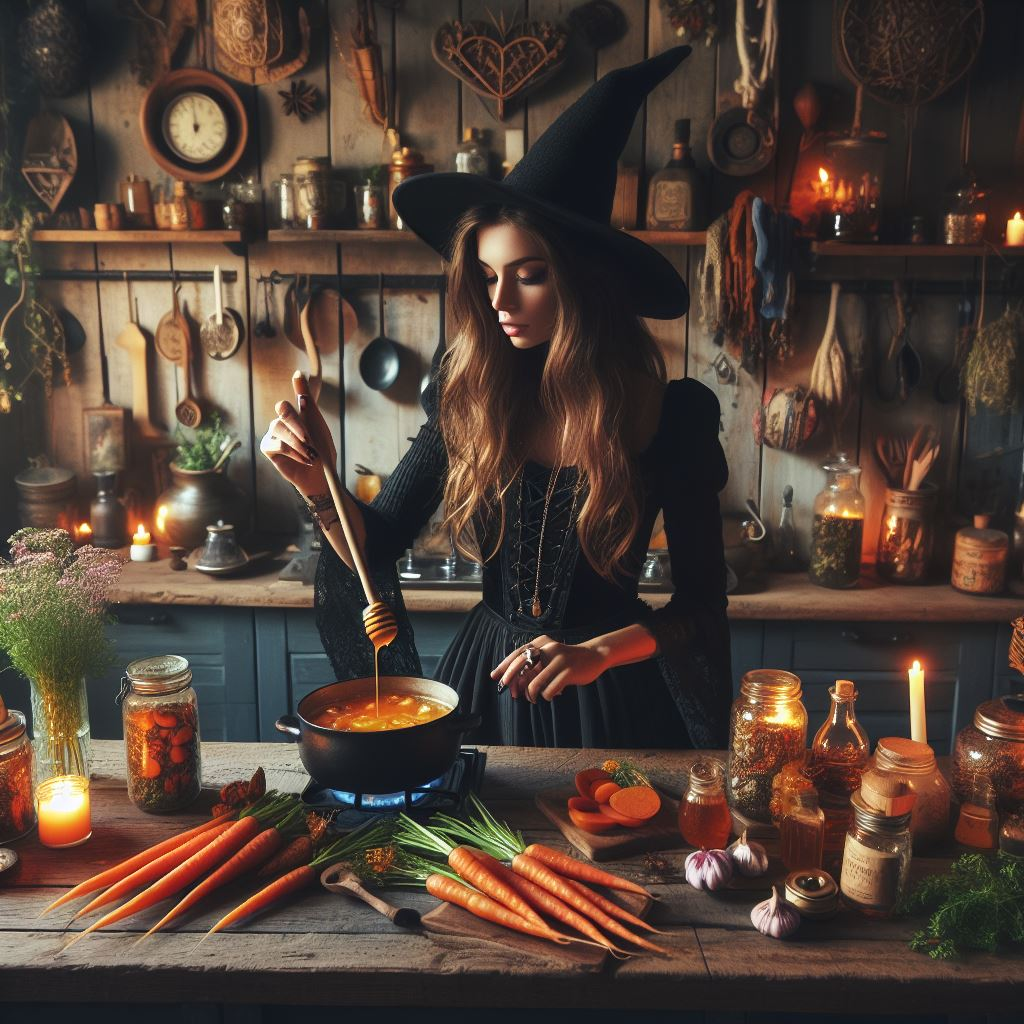
As the wheel of the year turns towards Ostara, the celebration of spring’s arrival beckons us to embrace the renewal of life and the awakening of the earth. In honor of this sacred Sabbat, we present a recipe that pays homage to the vibrant energy and abundance of the season: Ostara Honey Glazed Carrots. Bursting with color, flavor, and symbolic significance, these tender carrots bathed in a luscious honey glaze embody the essence of fertility, growth, and the promise of new beginnings. With each bite, savor the sweetness of honey, the tanginess of fresh lemon, and the warmth of ginger—a harmonious symphony of flavors that heralds the arrival of spring. Join us in crafting this delightful dish and infusing it with the magic of Ostara, as we rejoice in the beauty of nature’s rebirth and the blessings of the season.

Spell for Ostara Blessings

As you prepare and enjoy these Ostara Honey Glazed Carrots, envision them as symbols of the season’s blessings. Speak the following spell aloud or in your heart:

“With each bite, I welcome the blessings of Ostara,

As the earth awakens and life begins anew.

May these honey-glazed carrots nourish body and soul,

Infused with the magic of the spring’s gentle glow.

As I eat, I celebrate the return of light and warmth,

And embrace the abundance that springs forth from the earth.”

May these Ostara Honey Glazed Carrots bring joy, abundance, and blessings to your Sabbat celebration. Blessed be!

Magical Properties

  • Carrots: Symbolize fertility, growth, and the coming of spring. Eating carrots during Ostara celebrates the renewal of the earth and the awakening of nature.
  • Honey: Represents sweetness, abundance, and prosperity. Its golden hue reflects the warming rays of the spring sun and the promise of a bountiful harvest.
  • Lemon Juice: Adds a touch of brightness and vitality, symbolizing purification and cleansing. Its tangy flavor invigorates the senses and heralds the arrival of spring.
  • Ginger: Brings warmth and energy, stimulating the senses and encouraging movement and growth. Its spicy kick enlivens the dish and awakens the spirit for the season ahead.

Ostara Honey Glazed Carrots

As the wheel of the year turns towards Ostara, the celebration of spring’s arrival beckons us to embrace the renewal of life and the awakening of the earth. In honor of this sacred Sabbat, we present a recipe that pays homage to the vibrant energy and abundance of the season: Ostara Honey Glazed Carrots. Bursting with color, flavor, and symbolic significance, these tender carrots bathed in a luscious honey glaze embody the essence of fertility, growth, and the promise of new beginnings. With each bite, savor the sweetness of honey, the tanginess of fresh lemon, and the warmth of ginger—a harmonious symphony of flavors that heralds the arrival of spring. Join us in crafting this delightful dish and infusing it with the magic of Ostara, as we rejoice in the beauty of nature’s rebirth and the blessings of the season.

  • 1 pound Carrots (peeled or sliced carrots)
  • 2 tablespoons butter
  • 2 tablespoons honey
  • 1 tablespoon fresh lemon juice
  • 1/4 teaspoon ground ginger
  • Salt and pepper to taste
  • Fresh parsley (chopped (for garnish, optional))
  • Fresh edible flowers (for a special Ostara garnish, optional)
  1. Prepare the Carrots: If using whole carrots, peel and slice them into 1/4-inch-thick rounds. If using baby carrots, rinse them thoroughly.
  2. Steam the Carrots: In a steamer basket over boiling water, steam the carrots until they are tender but still firm, about 5-7 minutes. Alternatively, you can boil them in water until tender, but steaming helps to retain more nutrients.
  3. Make the Glaze: In a small saucepan, melt the butter over medium heat. Stir in the honey, fresh lemon juice, and ground ginger. Cook for 1-2 minutes, stirring constantly, until the mixture is smooth and well combined.
  4. Glaze the Carrots: Once the carrots are tender, transfer them to a large bowl. Pour the honey glaze over the carrots and toss gently until they are evenly coated.
  5. Season and Garnish: Season the glazed carrots with salt and pepper to taste. If desired, sprinkle chopped fresh parsley, or whole edible flowers, over the top for a pop of color and freshness.
  6. Serve: Transfer the glazed carrots to a serving dish and serve warm as a delightful side dish for your Ostara feast.
Side Dish
Ostara
Recipe
Posted on Leave a comment

Ritual: How to Decorate Eggs for Ostara

Making Ostara Eggs
Making Ostara Eggs

Introduction

Infusing Symbolism and Creativity

Egg decorating stands as a timeless tradition, deeply intertwined with the fabric of seasonal celebrations, none more so than Ostara, the vibrant festival heralding the arrival of spring and renewal. Across cultures and epochs, this joyful activity has united communities in a colorful display of creativity and symbolism. As we embark on this journey of artistic expression, we not only adorn eggs with vibrant hues and intricate patterns but also imbue them with the essence of the season. Join us as we delve into the art of egg decorating for Ostara, exploring the significance of colors and the myriad symbols that infuse this cherished tradition with meaning and magic.

Ritual Basics

Before beginning any ritual, it is important to prepare yourself mentally and physically. You may want to take a cleansing bath, or shower, and meditate or perform some grounding exercises to center yourself. Gather any materials you will need, such as candles, incense, and offerings for the forest spirits.

You can read a more detailed Ritual Preparation guide here.

How to Decorate Eggs for Ostara

Egg decorating stands as a timeless tradition, deeply intertwined with the fabric of seasonal celebrations, none more so than Ostara, the vibrant festival heralding the arrival of spring and renewal. Across cultures and epochs, this joyful activity has united communities in a colorful display of creativity and symbolism. As we embark on this journey of artistic expression, we not only adorn eggs with vibrant hues and intricate patterns but also imbue them with the essence of the season. Join us as we delve into the art of egg decorating for Ostara, exploring the significance of colors and the myriad symbols that infuse this cherished tradition with meaning and magic.

  • Paintbrushes
  • Markers
  • Stickers
  • Egg carton or stand
  • Protective covering for your work surface
  • Hard-boiled eggs or favored decorating eggs
  • Non-toxic paints or food coloring
  1. Prepare Your Eggs Start by boiling your eggs until they are hard-boiled and allow them to cool completely before decorating. You can prepare as many eggs as you like, depending on the size of your gathering and your decorating ambitions. Alternatively, gather up faux eggs, wooden or plastic.
  2. Set Up Your Workspace Cover your work surface with a protective covering to prevent any messes. Lay out your paints, markers, stickers, and other decorating materials within easy reach.
  3. Choose Your Colors Colors play a significant role in egg decorating, with each hue carrying its own symbolism. (See Below for list of colors.)
  4. Add Meaningful Symbols In addition to colors, you can incorporate meaningful symbols into your egg designs to honor Ostara and the themes of spring and renewal. (See Below for list of symbols.)
  5. Get Creative Let your imagination soar as you decorate your eggs with colors and symbols that resonate with you. Experiment with different designs, patterns, and techniques to create truly unique and beautiful creations.
  6. Display and Enjoy Once your eggs are decorated to your satisfaction, carefully place them in an egg carton or stand to dry. Display them proudly as a centerpiece on your Ostara altar or table or give them as gifts to friends and loved ones to spread the joy of the season.

Consider incorporating the following colors into your designs:

Yellow: Symbolizes the vibrant energy of the sun, evoking feelings of warmth, vitality, and optimism. It represents the dawning of new beginnings, growth, and the promise of a fresh start.

Green: Reflects the lushness of spring foliage and the renewal of nature. It symbolizes fertility, abundance, and the vitality of life bursting forth after the dormancy of winter. Green also embodies harmony, balance, and a deep connection to the earth.

Blue: Represents the clear skies of spring, symbolizing clarity, truth, and spiritual insight. It evokes feelings of serenity, peace, and tranquility, inviting us to align with the harmonious rhythms of nature and the universe.

Pink: Symbolizes love, compassion, and the gentle nurturing energy of the season. It embodies feelings of tenderness, affection, and emotional renewal, reminding us to cultivate kindness and connection in our relationships.

Purple: Signifies spiritual awakening, wisdom, and transformation. It represents the divine connection between the physical and spiritual realms, inviting us to delve deeper into our inner wisdom and explore the mysteries of the soul.

White: Represents purity, innocence, and the blank canvas of new possibilities. It embodies the pristine beauty of freshly fallen snow and the purity of untouched landscapes, signaling a clean slate and the potential for growth, enlightenment, and spiritual rebirth.

Orange: Symbolizes creativity, enthusiasm, and the zest for life. It represents the warmth of the sun as it bathes the earth in its golden glow, infusing everything with energy and vitality. Orange also evokes feelings of joy, optimism, and adventure, inspiring us to embrace new opportunities and pursue our passions.

Red: Reflects the fiery energy of the sun and the vitality of life force energy. It symbolizes passion, courage, and strength, igniting the flames of creativity and determination within us. Red also represents love and desire, reminding us to follow our hearts and pursue our deepest desires with passion and conviction.

Gold: Signifies abundance, prosperity, and spiritual enlightenment. It represents the radiant energy of the sun and the preciousness of life’s treasures. Gold also symbolizes achievement, success, and the fulfillment of our highest aspirations, reminding us of the infinite possibilities that lie within us.

Silver: Represents intuition, reflection, and the lunar energies of the Goddess. It symbolizes the serenity of moonlit nights and the mystical realms of the subconscious mind. Silver also embodies grace, elegance, and the power of intuition, guiding us on our spiritual journey and illuminating the path ahead.

Brown: Symbolizes stability, grounding, and the nurturing energy of the earth. It represents the fertile soil that nourishes new growth and sustains life. Brown also evokes feelings of security, reliability, and connection to the natural world, reminding us to stay rooted in our values and beliefs as we navigate life’s journey.

Turquoise: Reflects the tranquil hues of springtime skies and the soothing energies of flowing water. It symbolizes communication, creativity, and emotional healing. Turquoise also represents balance, harmony, and the integration of mind, body, and spirit, guiding us toward inner peace and serenity.

Some possible symbols to consider include:

Bees: Represent diligence, community, and the importance of hard work. Bees symbolize cooperation, teamwork, and the sweet rewards of collective effort. They remind us to stay focused on our goals and to appreciate the interconnectedness of all living beings.

Ladybugs: Signify luck, protection, and the blessings of abundance. Ladybugs are considered harbingers of good fortune and are believed to bring blessings wherever they go. They remind us to count our blessings and to cultivate an attitude of gratitude for the abundance in our lives.

Blossoms: Symbolize renewal, vitality, and the beauty of fleeting moments. Blossoms represent the ephemeral nature of life and the importance of cherishing each moment. They remind us to embrace the beauty of impermanence and to savor the joys of springtime while they last.

Rainbows: Reflect the beauty of diversity, hope, and the promise of brighter days ahead. Rainbows symbolize transformation, healing, and the integration of light and shadow. They remind us that even during darkness, there is always the potential for beauty and joy to emerge.

Seeds: Represent potential, growth, and the promise of new beginnings. Seeds symbolize the fertile ground from which new life emerges and the infinite possibilities that lie within each tiny seed. They remind us to nurture our dreams and to plant the seeds of intention for the future.

Nests: Signify home, safety, and the nurturing energy of the maternal instinct. Nests represent the place where new life begins and the importance of creating a supportive environment for growth. They remind us to cherish our homes and to cultivate a sense of security and belonging.

Raindrops: Symbolize cleansing, renewal, and the purifying energy of spring showers. Raindrops represent the nourishing waters that replenish the earth and awaken dormant seeds. They remind us to release what no longer serves us and to embrace the cleansing power of renewal.

Caterpillars: Represent transformation, patience, and the journey of personal growth. Caterpillars symbolize the process of metamorphosis and the gradual unfolding of one’s potential. They remind us that change takes time, and that true transformation requires patience and perseverance.

Dragonflies: Signify adaptability, agility, and the ability to navigate change with grace. Dragonflies are known for their swift movements and their ability to dart effortlessly through the air. They remind us to embrace change as an opportunity for growth and to trust in our own ability to adapt to new circumstances.

Rainclouds: Symbolize emotional release, purification, and the cleansing of stagnant energy. Rainclouds represent the storms of life that bring renewal and growth in their wake. They remind us that it’s okay to let go of what no longer serves us and to allow ourselves to be cleansed by the healing waters of change.

Frogs: Represent fertility, abundance, and the life-giving power of water. Frogs are associated with rain and the replenishment of the earth’s water sources. They remind us to honor the cycles of nature and to trust in the abundance that flows to us when we align with the natural rhythms of the earth.

Dragon Eggs: Signify protection, strength, and the awakening of inner fire. Dragon eggs are symbols of power and resilience, representing the potential for transformation and growth. They remind us to tap into our inner strength and to harness the fiery energy that lies within us.

Mushrooms: Symbolize resilience, regeneration, and the ability to thrive in challenging environments. Mushrooms are often found growing in dark, damp places, yet they emerge as symbols of life and vitality. They remind us to find beauty and opportunity even in the most unlikely of places.

Spirals: Represent interconnectedness, evolution, and the cyclical nature of life. Spirals are ancient symbols found in nature, from seashells to galaxies, representing the journey of the soul and the eternal cycle of birth, death, and rebirth. They remind us that life is a journey of growth and transformation, leading us ever onward in our quest for understanding and enlightenment.

Hearts: Symbolize love, compassion, and the interconnectedness of all beings. Hearts represent the universal bond that connects us to one another and to the earth. They remind us to cultivate love and kindness in our hearts and to nurture our relationships with care.

Crescent Moons: Signify intuition, feminine energy, and the cycles of the moon. Crescent moons are symbols of the divine feminine and the ever-changing nature of life. They remind us to honor our intuition and to embrace the ebb and flow of our emotions.

Stars: Represent guidance, inspiration, and the infinite possibilities of the universe. Stars are symbols of hope and guidance, shining brightly in the darkness to light our way forward. They remind us to trust in our own inner light and to follow our dreams with courage and determination.

Triangles: Signify balance, harmony, and the union of body, mind, and spirit. Triangles are symbols of strength and stability, representing the interconnectedness of all things. They remind us to strive for balance in our lives and to honor the sacred connection between ourselves and the world around us.

Sunbursts: Represent vitality, energy, and the life-giving power of the sun. Sunbursts are symbols of warmth and light, radiating energy and vitality into the world. They remind us to embrace the energy of the sun and to celebrate the abundance and growth that it brings.

Seeds: Symbolize potential, growth, and the cycle of life. Seeds are the source of new life, containing the potential for growth and transformation. They remind us to plant seeds of intention and to nurture our dreams with care and dedication.

Ostara
Rituals

Conclusion

Decorating eggs for Ostara is not just a tradition; it’s a heartfelt expression of our connection to the Earth’s cycles and the renewal of life that spring brings. As you delve into this creative endeavor, remember that each stroke of color and every symbol you choose carries significance, weaving a tapestry of meaning that celebrates the essence of the season. Whether you’re honoring ancient traditions or infusing your own unique flair into designs, let the process reflect your connection to the natural world and the joy of welcoming new beginnings. So, gather your supplies, unleash your imagination, and embark on this journey of creativity and celebration. May your Ostara be filled with vibrant colors, abundant blessings, and the magic of renewal!

Posted on Leave a comment

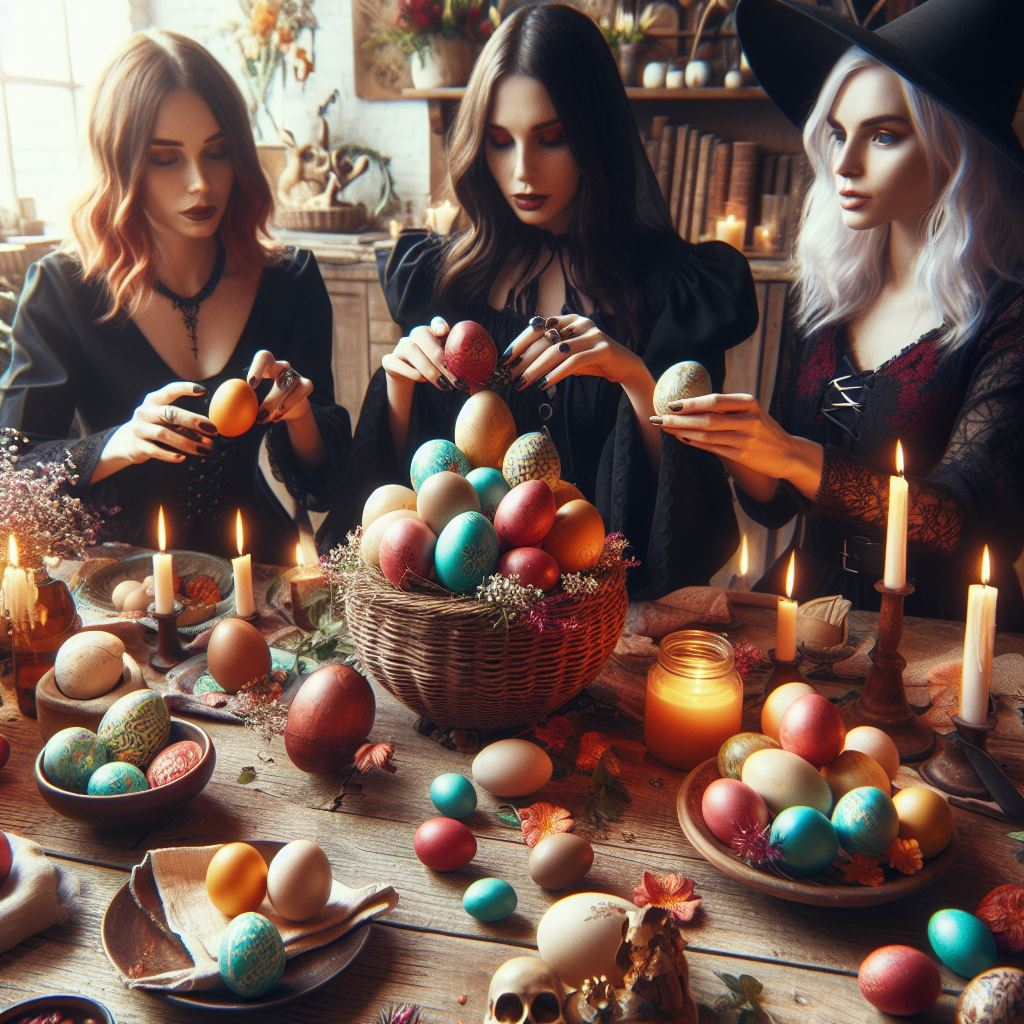
Ostara Egg Decorating

Ostara Egg Decorating

Introduction

Embracing Creativity and Symbolism

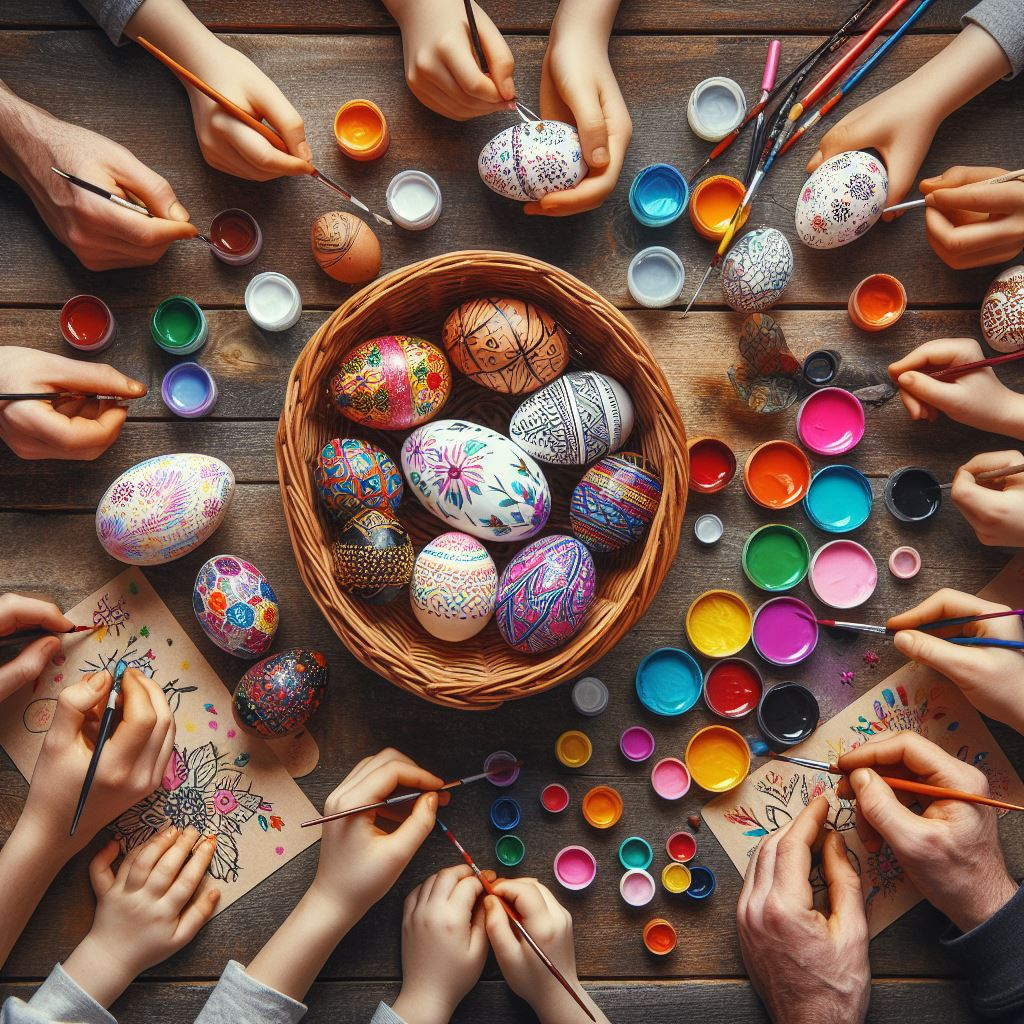
As the earth awakens from its winter slumber and bursts forth with new life, we find ourselves immersed in the vibrant energy of Ostara, the spring equinox. This auspicious time marks a celebration of renewal, growth, and the promise of new beginnings. Among the myriad of customs and traditions associated with this joyous occasion, one activity stands out as both a delightful pastime and a meaningful symbol of the season: egg decorating. Gathering around the table with paints, markers, and stickers, individuals of all ages come together to transform ordinary eggs into works of art, infusing them with creativity, symbolism, and a sense of communal joy. In this article, we delve into the rich tradition of egg decorating during Ostara, exploring its deep-rooted symbolism, its role in fostering creativity and connection, and the timeless joy it brings to families and communities alike.

A Time-Honored Tradition

Egg decorating is far more than just a creative pastime; it is a venerable tradition that has traversed time and space, leaving its indelible mark on cultures and civilizations throughout history. Dating back to ancient times, this practice holds deep significance and symbolism, embodying themes of fertility, rebirth, and the eternal cycle of life. From the ancient civilizations of Mesopotamia and Egypt to the vibrant cultures of Greece and Rome, eggs were revered as powerful symbols of renewal and transformation.

In the ancient world, eggs were seen as potent symbols of fertility and new life. Their smooth, oval shape and potential to contain new life within their shells made them a natural representation of the creative forces of the universe. As the seasons shifted and the earth emerged from the darkness of winter, eggs became powerful metaphors for the burgeoning life force that pulsated throughout the natural world. The arrival of spring, with its promise of renewal and growth, was heralded by the emergence of eggs, symbolic of the new beginnings that awaited both the earth and its inhabitants.

Moreover, eggs were deeply intertwined with the concept of rebirth and regeneration. In many ancient cultures, eggs were used in rituals and ceremonies to mark significant life events, such as births, weddings, and harvest festivals. They were believed to possess magical properties, capable of bestowing blessings, protection, and prosperity upon those who adorned them with care and reverence. Through the act of decorating eggs, individuals sought to align themselves with the cyclical rhythms of nature, tapping into the transformative energies that permeated the universe.

As the earth awakens from its winter slumber and bursts forth with new life, the egg serves as a powerful metaphor for the potential and possibilities that lie dormant within us, waiting to be hatched and realized. Just as the egg contains the promise of life within its shell, so too do we hold within us the seeds of our own growth and transformation. Egg decorating, with its roots firmly planted in ancient symbolism and tradition, offers us a tangible reminder of the cyclical nature of existence and the eternal journey of renewal and rebirth.

Symbolism of Fertility and Rebirth

At its essence, egg decorating is a sacred practice steeped in symbolism, particularly poignant during Ostara, the venerated celebration of spring and renewal. The egg, with its seemingly unassuming exterior concealing the potential for new life within, serves as a profound emblem of promise and fertility. As the earth awakens from its wintry slumber and begins to teem with burgeoning life, the egg becomes a potent symbol of the fertile energy pulsating through the natural world.

When we embark upon the task of adorning eggs with intricate patterns and vibrant colors, we engage in a ritual that honors the cyclical nature of existence. Each stroke of paint, each embellishment carefully applied to the egg’s surface, becomes a testament to the creative force that permeates the universe. Just as the seasons ebb and flow in an eternal dance of life, death, and rebirth, so too does the act of decorating eggs mirror this sacred rhythm.

Moreover, the act of embellishing eggs during Ostara serves as a powerful affirmation of our own journey of growth and transformation. As we pour our creative energy into each egg, we are reminded of the potential for renewal and regeneration that lies dormant within us. Like the egg awaiting the moment of hatching, we too stand on the threshold of new beginnings, poised to embark upon a journey of self-discovery and evolution.

In adorning the eggs with intricate patterns and vibrant colors, we pay homage to the creative force that propels us forward on our journey of growth and transformation. Each brushstroke, each hue applied to the egg’s surface, becomes a prayer for renewal and a celebration of the fertile energy that courses through the earth. Through the sacred act of egg decorating, we honor the cyclical nature of life, death, and rebirth, and affirm our place within the ever-unfolding tapestry of existence.

Joy and Creativity

Egg decorating transcends age boundaries, captivating both children and adults with its promise of boundless joy and creative expression. Armed with paints, markers, and stickers, individuals of all ages embark on a journey of imagination, transforming ordinary eggs into miniature works of art that dazzle the senses and ignite the imagination. The simple act of decorating eggs becomes a gateway to a world of endless possibilities, where the only limit is one’s own imagination.

For children, egg decorating is a particularly enchanting experience, offering an opportunity to unleash their creativity and express themselves in a tangible and tactile way. With eager hands and curious minds, they dive into the process of decorating eggs with unabashed enthusiasm, eager to see their visions come to life. Whether they’re splashing vibrant colors onto the egg’s surface or carefully placing stickers in intricate patterns, each brushstroke and embellishment is infused with a sense of wonder and possibility.

Similarly, for adults, egg decorating offers a welcome respite from the hustle and bustle of daily life, allowing them to reconnect with their inner child and rediscover the joy of creative expression. Armed with paints and markers, they revel in the opportunity to let their imaginations run wild, experimenting with different color combinations and designs to create truly unique masterpieces. The process of decorating eggs becomes a form of therapy, providing a moment of respite from the stresses of the outside world and allowing them to immerse themselves fully in the present moment.

As families and friends gather around the table to decorate eggs together, laughter fills the air, creating a warm and inviting atmosphere that is filled with love and camaraderie. Each stroke of paint, each embellishment carefully placed on the egg’s surface becomes a shared experience, fostering bonds that will be cherished for years to come. These moments of togetherness become treasured memories that serve as a testament to the enduring power of creativity and connection.

Egg decorating is far more than just a creative activity; it is a source of boundless joy and creativity that transcends age boundaries. Whether young or old, individuals come together to unleash their imaginations and transform simple eggs into miniature masterpieces that dazzle the senses and ignite the imagination. Through the process of decorating eggs, families and friends forge bonds that are as enduring as the memories they create, celebrating the joy of creativity and connection in all its forms.

Sharing Stories and Traditions

Beyond the mere act of adorning eggs with vibrant colors and intricate designs, egg decorating serves as a profound catalyst for storytelling and the sharing of cherished traditions. As families gather around the table to engage in this age-old practice, parents and elders seize the opportunity to impart wisdom, share tales of ancient lore, and pass down the rich tapestry of traditions that have been woven through the ages.

At the heart of this tradition lies the art of storytelling, a timeless practice that has been passed down from generation to generation. Parents and elders regale children with tales of Ostara, the celebration of spring and renewal, weaving together myths, legends, and personal anecdotes that illuminate the significance of this sacred time. Through these stories, the true magic of Ostara comes alive, connecting individuals to their ancestral roots and the timeless wisdom of the earth.

In the flickering light of candles and the warmth of familial bonds, stories unfold like delicate petals unfurling in the gentle breeze. Children listen with rapt attention as tales of Ostara’s significance are spun before them, their imaginations ignited by visions of goddesses and gods, nymphs, and sprites dancing through sun-dappled groves. Each story becomes a thread in the rich tapestry of tradition, binding generations together in a shared legacy of wisdom and wonder.

But the stories told during egg decorating sessions are more than mere entertainment; they are powerful vehicles for imparting knowledge and wisdom about the natural world. Parents and elders use these tales to teach children about the cycles of nature, the importance of renewal, and the interconnectedness of all living things. Through these stories, children learn to appreciate the rhythms of the earth and to recognize their place within the larger web of life.

Moreover, the act of decorating eggs becomes imbued with deeper meaning as each brushstroke and design is infused with symbolism and significance. Parents and elders guide children in understanding the symbolism behind each embellishment, teaching them to recognize the hidden messages and deeper truths encoded within the egg’s shell. In this way, egg decorating becomes not only a creative expression but also a profound spiritual practice, connecting individuals to the sacred mysteries of the universe.

Egg decorating serves as far more than just a creative pastime; it is a powerful catalyst for storytelling and the sharing of cherished traditions. As families gather around the table to decorate eggs together, they weave together tales of Ostara and its significance, passing down the timeless wisdom of the earth from generation to generation. Through these stories, the true magic of Ostara comes alive, connecting individuals to their ancestral roots and the deeper rhythms of the natural world.

Conclusion

Egg decorating stands as a cherished tradition that resonates deeply during Ostara, the time-honored celebration of spring and renewal. Around the table adorned with paints, markers, and stickers, we immerse ourselves in the spirit of the season, channeling the fertility and rebirth that define this magical time. With each stroke of color and every intricate design, we pay homage to the cycles of nature, infusing each egg with creativity, symbolism, and boundless joy. Through this timeless practice, we not only honor our ancestral traditions but also celebrate the present moment, embracing the promise of a vibrant future filled with growth, transformation, and endless possibilities. As we gather with loved ones to decorate eggs, we forge connections that transcend time and space, weaving together the threads of our shared history and welcoming the dawn of a new season with open arms and hearts full of gratitude.

Posted on Leave a comment

Celebrating Ostara by Planting Seeds

Planting Seeds
Planting Seeds

Introduction

Nurturing New Beginings

As the days lengthen and the earth begins to awaken from its winter slumber, the arrival of Ostara heralds a time of profound significance in the natural world. This ancient festival, celebrated by many cultures around the globe, marks the vernal equinox and the transition from the darkness of winter to the light of spring. It is a season of renewal, growth, and fertility, as the earth bursts forth with new life and the promise of abundance. One of the most sacred rituals associated with Ostara is the act of planting seeds, a tangible expression of our connection to the cycles of nature and the eternal dance of life. In this article, we will explore the timeless tradition of planting seeds during Ostara and the profound symbolism it holds for nurturing the cycle of growth and renewal in both the natural world and our own lives.

Nurturing the Cycle of Growth and Renewal

As the Earth gradually sheds its winter coat and basks in the gentle caress of the returning sun, the arrival of Ostara heralds a season of profound transformation and renewal. This ancient festival, rooted in the rhythms of the natural world, invites us to partake in the awakening of the Earth and to reconnect with the cyclical patterns of growth and rebirth that define this time of year. At the heart of Ostara lies a celebration of life’s eternal cycle, where death gives way to new beginnings and darkness yields to the burgeoning light.

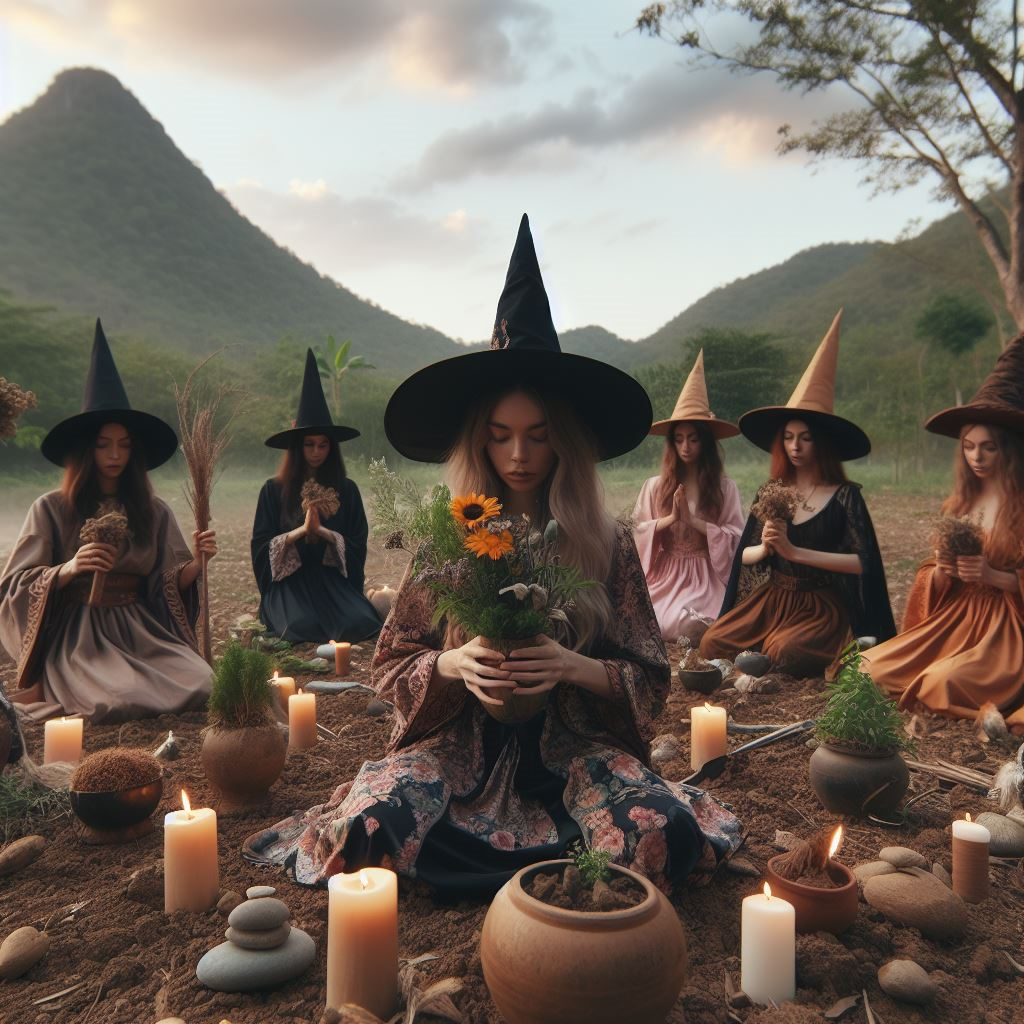
Amidst this backdrop of burgeoning vitality, one of the most poignant and symbolic activities that embody the essence of Ostara is the act of planting seeds. Whether you find yourself tending to a sprawling backyard garden or nurturing delicate shoots in the coziness of your home, the simple act of sowing seeds serves as a poignant reminder of the inherent magic and resilience of nature. As we gently press each tiny seed into the waiting embrace of the soil, we become co-creators in the unfolding drama of springtime, our hands serving as conduits for the divine energy of growth and transformation.

Indeed, there is something profoundly intimate and sacred about the act of planting seeds during Ostara. It is a tangible expression of our connection to the Earth and a poignant reminder of our place within the intricate web of life. As we tenderly water our seeds and watch with bated breath as they begin to unfurl their delicate tendrils towards the warming sun, we are reminded of the miraculous power of renewal that lies dormant within each tiny kernel of life.

Moreover, the act of planting seeds serves as a powerful metaphor for the personal growth and transformation that we too undergo during this season of renewal. Just as the seeds we plant take root and unfurl their tender shoots towards the sky, so too do we have the opportunity to shed the constraints of the past and embrace the boundless potential of the future. In this way, planting seeds becomes not only a celebration of nature’s eternal cycle but also a deeply personal and transformative journey towards self-discovery and renewal.

In essence, the act of planting seeds during Ostara serves as a poignant reminder of the profound interconnectedness of all life and our innate capacity to embrace the transformative power of growth and renewal. Whether we find ourselves tending to a bustling garden or nurturing a single potted plant on our windowsill, the simple act of sowing seeds becomes a sacred ritual through which we can honor the beauty, resilience, and inherent magic of the natural world. So let us embrace this season of renewal with open hearts and hands, as we plant the seeds of hope, love, and transformation that will blossom and flourish in the days and weeks to come.

Connecting with Nature’s Cycle

Planting seeds during Ostara is not merely an act of gardening; it is a sacred communion with the rhythms of the natural world, a dance of co-creation between humanity and the Earth itself. As we tenderly cradle each seed in our palms and gently nestle it into the waiting soil, we become active participants in the timeless cycle of growth and renewal that unfolds with each turn of the seasons. With each scoop of earth and each drop of water, we sow the seeds of hope and possibility, aligning ourselves with the ancient rhythms that have guided life’s unfolding since time immemorial.

In this sacred act of planting, we are reminded of the profound interconnectedness of all living things and our role as stewards of the Earth’s precious resources. As we nurture our seeds with water and sunlight, we bear witness to the miracle of life as it unfurls before our eyes. The Earth, in her infinite wisdom, responds to our care and attention, coaxing forth new life from the depths of the soil and inviting us to participate in the ongoing dance of creation and renewal.

Just as the Earth bursts forth with new life in the spring, so too do our seeds sprout and grow, reaching eagerly towards the warmth of the sun. In the tender green shoots that emerge from the soil, we see reflections of our own journey of growth and transformation. Like the seeds we plant, we too carry within us the potential for renewal and rebirth, waiting patiently for the nurturing touch of sunlight and water to awaken our dormant potential.

As we tend to our seeds with care and attention, we are reminded of the cyclical nature of existence, the eternal dance of birth, growth, death, and rebirth that defines the natural world. In this sacred act of planting, we honor the interconnected web of life that sustains us all, reaffirming our commitment to stewardship and reverence for the Earth and all her inhabitants.

Planting seeds during Ostara is a sacred act of co-creation, a tangible expression of our connection to the rhythms of the natural world. As we participate in the cycle of growth and renewal, we are reminded of the infinite potential that lies dormant within each seed, waiting to be awakened by the nurturing touch of human hands and the gentle embrace of the Earth herself.

Educational and Empowering

For children, the act of planting seeds transcends mere gardening; it becomes a transformative and deeply educational journey that instills invaluable lessons about life, nature, and responsibility. As they eagerly scatter seeds into the waiting soil and tenderly water them, children are not just participants in a gardening activity; they are active agents in the miracle of life itself. With each passing day, they witness the remarkable transformation as their seeds germinate, sending forth delicate green shoots that reach eagerly towards the warming sun.

This firsthand experience of witnessing the magic of growth and renewal fosters a profound sense of awe and wonder in children. They marvel at the resilience of nature and the intricate dance of life that unfolds before their eyes. Through this hands-on activity, children gain a deeper understanding of the interconnectedness of all living things and develop a newfound appreciation for the natural world.

Moreover, planting seeds provides children with a tangible connection to the food they eat and the journey it takes from seed to plate. As they watch their plants grow and mature, children learn about the importance of healthy eating and the vital role that plants play in nourishing our bodies and sustaining our planet. This awareness fosters a sense of responsibility for caring for the Earth and its precious resources, instilling in children a lifelong commitment to environmental stewardship.

Furthermore, the act of nurturing plants teaches children important life skills such as patience, perseverance, and empathy. They learn the value of tending to living-things with care and compassion, and the rewards of patience and dedication as they witness the fruits of their labor blossom before their eyes. These invaluable lessons extend far beyond the garden, shaping the way children approach challenges and relationships in their daily lives.

In essence, planting seeds is not just a gardening activity; it is a transformative educational experience that fosters a deeper connection to nature, instills valuable life skills, and cultivates a sense of responsibility for the Earth and its inhabitants. As children watch their seeds sprout and grow, they are not just cultivating plants; they are nurturing the seeds of curiosity, compassion, and stewardship that will blossom and flourish in the years to come.

Fostering Connection and Community

Planting seeds transcends mere gardening; it becomes a sacred ritual of togetherness and unity, an opportunity for families to forge deeper connections with one another and with the Earth itself. Whether gathered in a sprawling backyard garden, on a cozy balcony, or around pots on a sunlit windowsill, the act of gardening becomes a sacred space where love, laughter, and memories flourish alongside the tender green shoots of new life.

As families come together to plant seeds, they embark on a journey of shared discovery and exploration. Side by side, they dig their hands into the rich earth, feeling the cool soil beneath their fingertips and the promise of new beginnings that lies dormant within each tiny seed. With each scoop of earth and each drop of water, they participate in the timeless dance of growth and renewal, forging bonds that transcend the boundaries of time and space.

In the shared act of gardening, families find solace and joy in each other’s company, basking in the warmth of the sun and the gentle caress of the breeze. As they tend to their plants with care and attention, they learn valuable lessons about patience, perseverance, and the interconnectedness of all living things. Through triumphs and setbacks alike, they support one another with unwavering love and encouragement, celebrating each new leaf and bud as a testament to the power of unity and cooperation.

Moreover, the act of gardening becomes a catalyst for meaningful conversations and shared experiences. As families work together to nurture their plants, they share stories, dreams, and aspirations, weaving a tapestry of shared memories that will be treasured for generations to come. From planting the first seeds to harvesting the fruits of their labor, each step of the journey becomes a cherished moment of connection and togetherness, reaffirming the bonds that unite them as a family.

Planting seeds is not just an act of gardening; it is a sacred rite of passage that strengthens the bonds of family and deepens our connection to the Earth. As families come together to plant, nurture, and grow, they embark on a journey of shared discovery and transformation, creating lasting memories and forging connections that will endure long after the last seed has been sown.

Honoring the Spirit of Ostara

In many cultures and spiritual traditions, Ostara is revered as a time of profound significance, symbolizing the emergence of spring and the renewal of life after the long winter slumber. It is a season steeped in symbolism, with themes of fertility, growth, and new beginnings woven into its very fabric. By engaging in the act of planting seeds during Ostara, we not only honor the spirit of this sacred time but also align ourselves with the natural rhythms of the Earth, tapping into the boundless energy of renewal that courses through the soil and the air.

As we carefully sow our seeds into the waiting earth, we become active participants in the ancient dance of creation and renewal that defines the spring season. Each seed planted is a symbol of hope and potential, a tiny beacon of light that heralds the arrival of warmer days and brighter skies. With each stroke of the soil and each drop of water, we imbue our seeds with the energy of intention, calling forth the magic of growth and transformation that lies dormant within them.

As our seeds take root and begin to grow, we bear witness to the miracle of life unfolding before our eyes. In the tender green shoots that emerge from the soil, we see reflections of our own journey of growth and evolution. We are reminded that just as the Earth awakens from its winter slumber, so too do we have the power to awaken to new possibilities and potentialities in our own lives.

Moreover, planting seeds during Ostara is a deeply symbolic act of reverence and gratitude for the Earth and all its bountiful gifts. It is a way of honoring the cycles of nature and acknowledging our interconnectedness with all living things. As we nurture our seeds with care and attention, we celebrate the abundant blessings that springtime brings, from the vibrant colors of the flowers to the sweet melodies of the birdsong.

Planting seeds during Ostara is a sacred act of co-creation, a tangible expression of our connection to the Earth and the cyclical nature of existence. It is a way of honoring the spirit of renewal that permeates the season and celebrating the promise of a new life that awaits us all. Through this simple yet profound ritual, we are reminded of the infinite possibilities that lie within us and the boundless potential of the world around us.

Planting Seeds

As Ostara approaches and the earth awakens from its winter slumber, many individuals are drawn to the ancient practice of planting seeds as a symbolic gesture of renewal and growth. This time-honored tradition allows us to connect with the rhythms of nature and harness the magical energies of the season to manifest our intentions for the coming months. In this how-to article, we will explore the steps for planting seeds for Ostara, including selecting the right seeds, understanding their meanings and magical properties, and nurturing them to fruition.

Step 1: Choose Your Seeds

The first step in planting seeds for Ostara is to choose the right seeds for your intentions and magical workings. Consider selecting seeds that align with the themes of the season, such as fertility, growth, and renewal. Some popular choices include:

  • Flower Seeds: Flowers are symbols of beauty, joy, and new beginnings. Choose seeds for flowers that bloom in spring, such as daffodils, tulips, and crocuses.
  • Herb Seeds: Herbs are not only useful for culinary and medicinal purposes but also carry potent magical properties. Consider planting seeds for herbs like lavender (for peace and relaxation), basil (for prosperity and abundance), and chamomile (for healing and purification).
  • Vegetable Seeds: Planting vegetable seeds is a practical way to connect with the earth and promote sustainability. Choose seeds for vegetables that thrive in the springtime, such as lettuce, spinach, and radishes.
  • Fruit Seeds: If you have space for fruit-bearing plants, consider planting seeds for fruits like strawberries, blueberries, and raspberries. These seeds symbolize abundance, sweetness, and nourishment.

Step 2: Understand the Meanings and Magical Properties

Before planting your seeds, take some time to research the meanings and magical properties associated with each type of seed. Understanding the symbolism behind the seeds you plant can enhance the intention-setting process and imbue your garden with powerful energy. Here are some examples:

  • Daffodil Seeds: Daffodils symbolize rebirth, new beginnings, and the arrival of spring. Planting daffodil seeds can help you let go of the past and embrace the fresh start that Ostara represents.
  • Lavender Seeds: Lavender is associated with peace, tranquility, and relaxation. Planting lavender seeds can create a serene and harmonious atmosphere in your garden, perfect for meditation and spiritual practices.
  • Lettuce Seeds: Lettuce is a symbol of abundance and prosperity. Planting lettuce seeds can attract wealth and abundance into your life, both in the garden and beyond.
  • Strawberry Seeds: Strawberries are a symbol of love, passion, and sweetness. Planting strawberry seeds can enhance romance and foster deeper connections in relationships.

Step 3: Plant Your Seeds with Intention

Once you have chosen your seeds and learned about their meanings and magical properties, it’s time to plant them with intention. Find a suitable location for your garden, whether it’s a backyard plot, a balcony container, or a sunny windowsill. Prepare the soil by loosening it with a garden fork or trowel and adding compost or organic fertilizer to provide nutrients for your seeds.

As you plant each seed, visualize your intentions clearly in your mind and imbue the seeds with your energy and intention. You may wish to say a prayer or recite an incantation as you plant, calling upon the energies of Ostara and the natural world to bless your garden and help your seeds grow strong and healthy.

Step 4: Care for Your Seeds

After planting your seeds, it’s essential to care for them properly to ensure their success. Water your seeds regularly, keeping the soil moist but not waterlogged. Place your garden in a sunny location where your seeds will receive plenty of sunlight throughout the day. As your seeds begin to sprout and grow, continue to nurture them with love and care, pruning away any dead or damaged foliage and providing support for tall or sprawling plants.

Step 5: Harvest and Enjoy the Fruits of Your Labor

Finally, as your seeds grow and mature, celebrate the fruits of your labor and the blessings of Ostara. Take time to enjoy the beauty and abundance of your garden, whether through admiring the colorful blooms of your flowers, harvesting fresh herbs and vegetables for cooking, or indulging in the sweet taste of homegrown fruits. As you reap the rewards of your gardening efforts, remember to express gratitude to the Earth and the energies of Ostara for their guidance and support along the way.

By planting seeds for Ostara with intention and mindfulness, you can harness the powerful energies of the season to manifest your desires and cultivate a deeper connection with the natural world. May your garden flourish and thrive, and may the blessings of Ostara bring renewal, growth, and abundance into your life.

Conclusion

Planting seeds during Ostara is not merely a seasonal activity; it is a sacred ritual that anchors us in the rhythm of the Earth’s heartbeat and the eternal cycle of life. As we gently sow our seeds into the waiting soil, we are reminded of the profound interconnectedness of all living things and our role as stewards of the Earth’s precious resources. This hands-on experience fosters a deep sense of connection with nature, allowing us to witness firsthand the miracle of growth and renewal that unfolds with each turn of the seasons.

Whether tending to a backyard garden or nurturing indoor plants, the act of planting seeds provides invaluable educational opportunities for children and adults alike. Through observation and experimentation, we gain a deeper understanding of the natural world and our place within it. As children eagerly watch their seeds sprout into green shoots and mature into plants, they learn valuable lessons about patience, perseverance, and the interconnectedness of all living things.

Moreover, planting seeds is a communal activity that strengthens bonds within families and communities. As we come together to work the soil, water our plants, and share stories and laughter, we forge connections that transcend the boundaries of age, culture, and background. In the shared act of gardening, we find solace and joy in each other’s company, creating memories that will be cherished for years to come.

As we celebrate the arrival of spring and the promise of new beginnings, let us embrace the magic of planting seeds as a sacred ritual of renewal and growth. May each seed we sow be a testament to our commitment to stewardship and reverence for the Earth and may the vibrant green shoots that emerge from the soil remind us of the infinite possibilities that lie within each of us. Through the simple act of planting seeds, we reaffirm our connection to the natural world and our role as custodians of its beauty and bounty.

Posted on Leave a comment

The Vernal Equinox

The Vernal Equinox
The Vernal Equinox

Introduction

A Dance of Light and Life, Ostara

As the earth emerges from its serene winter slumber, Ostara, a festival cherished during the vernal equinox around March 20th, orchestrates the enchanting ballet of light and life. In this sacred Pagan celebration, imbued with the essence of balance and fertility, we stand at the juncture where day and night intertwine in a harmonious dance, sharing an embrace of perfect equilibrium. It is a moment when the tangible promise of spring materializes, breathing life into the dormant landscape and infusing the air with the sweet anticipation of nature’s reawakening.

What is Ostara?

Ostara, a radiant celebration named after the Germanic goddess Eostre, unfurls its petals as a symbol of the triumphant ascendancy of light over darkness. Nestled around the vernal equinox, this enchanting festival heralds the lengthening of days and the gradual awakening of nature from its wintry repose. It’s a poignant juncture where the earth, infused with renewed vitality, readies itself to burst forth in vibrant hues of green and blossoms. Ostara invites us to partake in a joyous communion with this resurgent energy, acknowledging the eternal dance of light and darkness in the grand tapestry of existence.

History and Origins

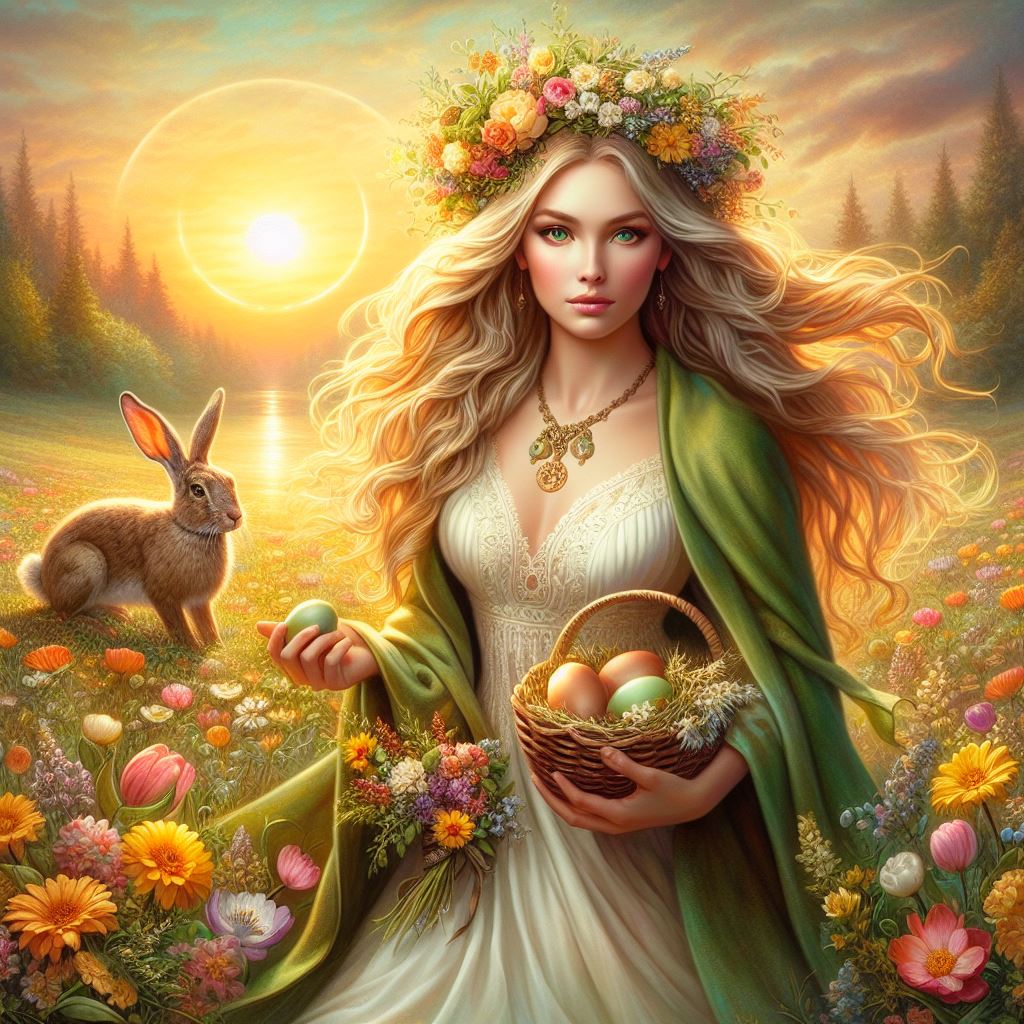
Ostara’s historical tapestry is woven with threads of ancient traditions, entwined with the rich narratives of cultural celebrations marking the arrival of the spring equinox. At the heart of this festival is Eostre, the Anglo-Saxon goddess of dawn and fertility, her name whispered through the ages as a testament to the cyclical dance of life and nature.

The origins of Ostara trace back to pre-Christian times, where diverse cultures embraced the equinox as a moment of profound significance. Eostre, often associated with the rising sun and the fecundity of the earth, became a focal point for springtime festivities. Her name, infused with the promise of dawn and the resurgence of life, lent a poetic elegance to this celebration.

Symbols like eggs and hares, deeply embedded in Ostara’s iconography, carry echoes of ancient beliefs in rebirth and abundance. Eggs, potent with the potential of life within, symbolize the embryonic stage of the natural world’s renewal. Hares, renowned for their prolific reproductive capacities, embody the vitality and fertility intrinsic to this season of awakening. As Ostara unfolds, it beckons us to explore these ancient roots, where the earth’s rebirth and the goddess Eostre intertwine in a dance as old as time itself.

Embodied Spirits of Renewal: Deities Associated with Ostara

At the heart of Ostara’s spiritual tableau stands Eostre, a goddess whose very essence encapsulates the vibrant rebirth of the earth. Eostre, with her resplendent aura of dawn and fertility, becomes the focal point of reverence during this seasonal celebration. As the days lengthen and the earth awakens, she emerges as a symbol of the triumphant return of life, casting a benevolent gaze upon the burgeoning blooms and the promise of abundance.

Persephone, from the realms of Greek mythology, joins the chorus of deities honored during Ostara. Her myth, intricately linked with the changing seasons, sees her journeying between the underworld and the world above. As she returns to the surface, nature responds in kind, blossoming in a symphony of colors and life. Persephone embodies the cyclical nature of existence, and her presence during Ostara is a poignant reminder of life’s eternal dance.

In the verdant tapestry of nature, the Green Man finds his place of honor during Ostara. A symbol of untamed vitality, the Green Man represents the flourishing life force that courses through the earth. His visage, often depicted as a face adorned with foliage, speaks to the interconnectedness of all living things. As buds unfurl and the landscape transforms, the Green Man stands as a testament to the perpetual cycle of growth and renewal that defines the essence of Ostara. These deities, woven into the fabric of this celebration, beckon us to witness the divine choreography of spring’s awakening.

Traditions: A Tapestry of Symbolism

In the enchanting celebration of Ostara, traditions unfold like a vibrant tapestry, interwoven with profound symbolism that resonates with the essence of spring. Each custom, adorned with layers of meaning, paints a picture of renewal, fertility, and the rhythmic dance between light and darkness. As we delve into the tapestry of Ostara traditions, we discover the significance behind eggs, hares, and floral decorations, witnessing the timeless symbols that bridge the ancient past to the present, embodying the spirit of nature’s awakening.

  • Eggs Fertility and Rebirth – Eggs, universally recognized symbols of fertility and rebirth, assume a prominent role in Ostara traditions. The act of decorating eggs transcends cultures, each pattern and color telling a unique story. The tradition of egg rolling, where participants roll decorated eggs down a hill, symbolizes the energetic rolling away of winter’s dormancy, welcoming the vibrant days of spring.
  • Hares/Rabbits Prolific Breeding and Lunar Connection – Hares and rabbits, renowned for their prolific breeding, become powerful symbols of fertility during Ostara. Their connection to the moon adds another layer of symbolism, intertwining with lunar cycles and reflecting the cyclical nature of seasons. As these creatures bound into the landscape, they embody the joyful exuberance of life’s renewal.
  • Floral Decorations Welcoming the Blossoming Season – Altars and homes come alive with the vibrant hues and fragrances of spring flowers during Ostara. Floral decorations, from daffodils to cherry blossoms, symbolize the beauty and vitality of the burgeoning season. The delicate petals and fresh aromas serve as reminders of nature’s awakening and the promise of life unfolding once again.

Modern Practices: A Blend of Old and New

In the kaleidoscope of modern Paganism, the celebration of Ostara manifests as a harmonious blend of ancient wisdom and contemporary spirituality. As the vernal equinox graces the Earth, modern practitioners engage in rituals that reflect a profound connection to the cyclical rhythms of nature. Lighting candles becomes a symbolic act, representing the delicate balance between light and darkness, as meditative reflections on equilibrium infuse the celebration with spiritual depth. Setting intentions for personal growth and renewal becomes a cherished tradition, echoing the ageless themes of Ostara. Moreover, many modern Pagans choose to honor their roots by incorporating traditional symbols like eggs and hares into their festivities, bridging the timeless past with the ever-evolving present. In this fusion of old and new practices, the celebration of Ostara becomes a living tapestry, weaving together threads of ancient reverence and contemporary spirituality.

Family Activities: Embracing Nature’s Renewal

Ostara presents a wonderful opportunity for families to come together and celebrate the awakening of the Earth after the slumber of winter. Engaging in various activities that connect them with the vibrant energy of the season, families create cherished memories and strengthen bonds.

  • Egg Decorating Gather around the table with paints, markers, and stickers to transform ordinary eggs into works of art. This time-honored tradition not only sparks creativity but also symbolizes fertility and rebirth. Children delight in designing intricate patterns and vibrant colors, while parents share stories of the significance behind this ancient practice.
  • Planting Seeds As the Earth awakens from its wintry hibernation, planting seeds becomes a meaningful activity for the whole family. Whether sowing seeds in a backyard garden or nurturing indoor plants, this hands-on experience fosters a connection with nature’s cycle of growth and renewal. Children eagerly watch as tiny seeds sprout into green shoots, learning valuable lessons about life and nurturing.
  • Nature Walks Amidst the blossoming landscape, take a leisurely stroll with your loved ones and immerse yourselves in the beauty of the season. Explore local parks, nature reserves, or nearby trails, and observe the vibrant colors and fragrant blooms that herald the arrival of spring. Encourage children to collect fallen flowers, leaves, and other natural treasures, fostering a deeper appreciation for the wonders of the natural world.

Incorporating these family activities into your Ostara celebrations not only strengthens familial bonds but also instills a profound reverence for the cycles of nature and the interconnectedness of all living things.

The Symbolism of Eggs in Ostara Celebrations

As the earth begins to awaken from its wintry slumber, the arrival of Ostara heralds a time of renewal, fertility, and the vibrant promise of spring. At the heart of this ancient celebration lies a cherished tradition that transcends cultures and spans centuries: the symbolism of eggs. Universally recognized as symbols of fertility and rebirth, eggs take center stage during Ostara festivities, each delicately decorated shell telling its own unique story.

A Tradition Across Cultures

The practice of adorning eggs with vibrant colors and intricate patterns is a tradition that spans across cultures and civilizations. From ancient civilizations to modern-day societies, the egg has held profound symbolic significance. In ancient Egypt, eggs were buried in graves as symbols of rebirth and the afterlife. In Persia, decorated eggs were exchanged as gifts to celebrate the arrival of spring during the festival of Nowruz. Similarly, in Eastern European cultures, intricately painted eggs known as pysanky were crafted to symbolize protection, fertility, and the sun.

Renewal of Life and Nature

The symbolism of eggs in Ostara celebrations is deeply rooted in the renewal of life and the awakening of nature. As winter gives way to spring, the earth bursts forth with new life, and the egg serves as a powerful emblem of this transformation. The act of decorating eggs with vibrant colors and intricate patterns symbolizes the emergence of life from dormancy, the bursting forth of new possibilities, and the celebration of the cyclical nature of existence.

Egg Rolling: A Joyful Tradition

One of the most beloved customs associated with Ostara is the tradition of egg rolling. This joyful activity sees participants gathering atop hillsides to roll decorated eggs downhill. As the eggs cascade down the slopes, they symbolize the energetic rolling away of winter’s dormancy and the ushering in of the vibrant days of spring. This playful ritual embodies the spirit of Ostara, celebrating the renewal of life and the promise of new beginnings.

Heralding the Arrival of Spring

As the decorated eggs tumble down the hillsides, they herald the arrival of spring and the promise of new beginnings. The vibrant colors and intricate patterns adorning each egg serve as a testament to the beauty and diversity of life. In this moment of joy and celebration, participants are reminded of the cyclical nature of existence and the eternal cycle of renewal that defines the changing seasons.

The symbolism of eggs in Ostara celebrations serves as a powerful reminder of the eternal cycle of life, death, and rebirth. As we decorate eggs, roll them down hillsides, and celebrate the arrival of spring, we honor the profound interconnectedness of all living things and the enduring promise of renewal that accompanies the changing seasons.

The Symbolism of Hares/Rabbits in Ostara Celebrations

During Ostara, the celebration of the vernal equinox, nature awakens from its winter slumber, bursting forth with new life and vitality. Among the symbols that herald the arrival of spring, hares and rabbits occupy a prominent place, embodying the essence of fertility, abundance, and the cyclical nature of existence.

Prolific Breeding: Symbols of Fertility

Hares and rabbits are renowned for their prolific breeding habits, making them powerful symbols of fertility and renewal. In many cultures, these creatures have long been associated with the fecundity of the earth and the abundance of life. Their presence during Ostara celebrations serves as a potent reminder of the vitality and resilience of nature as it emerges from the dormancy of winter.

Lunar Connection: Intertwining with Lunar Cycles

In addition to their association with fertility, hares and rabbits also hold a significant connection to the moon. Throughout history, these creatures have been linked to lunar cycles, with their breeding patterns often mirroring the phases of the moon. This lunar connection adds another layer of symbolism to their presence during Ostara, underscoring the cyclical nature of seasons and the eternal dance of light and darkness.

Embodying Joyful Renewal

As hares and rabbits bound into the landscape during Ostara, they embody the joyful exuberance of life’s renewal. Their playful antics and boundless energy serve as a vibrant expression of the season’s vitality, inspiring awe, and wonder in those who witness their frolics. In their presence, we are reminded of the enduring cycles of nature and the eternal promise of renewal that accompanies the changing seasons.

Hares and rabbits play a vital role in Ostara celebrations, symbolizing the fertility, abundance, and cyclical nature of existence. As these creatures bound across the landscape, they remind us of the inexorable rhythms of nature and the eternal cycle of life, death, and rebirth. In their presence, we find solace and inspiration, knowing that with each passing season, life’s everlasting renewal is assured.

The Significance of Floral Decorations in Ostara Celebrations

As Ostara, the festival of the vernal equinox, unfolds, altars and homes alike are adorned with the vibrant colors and delicate fragrances of spring flowers. This tradition of floral decorations serves as a poignant expression of the beauty and vitality inherent in the burgeoning season, symbolizing the renewal of life and the promise of new beginnings.

A Tapestry of Spring Hues

Floral decorations during Ostara encompass a wide array of blossoms, each imbued with its own unique symbolism and significance. Daffodils, with their cheerful yellow blooms, herald the arrival of spring and the awakening of nature from its winter slumber. Cherry blossoms, revered for their ephemeral beauty, evoke a sense of transience and renewal, reminding us to cherish the fleeting moments of life’s blossoming.

Embracing Nature’s Awakening

The presence of spring flowers in Ostara celebrations serves as a tangible reminder of nature’s awakening and the cyclical rhythms of the seasons. As delicate petals unfurl and fresh aromas fill the air, we are invited to embrace the beauty and vitality of the burgeoning season, rejoicing in the boundless creativity of the natural world.

A Symbol of Hope and Renewal

Floral decorations not only beautify our surroundings but also carry profound symbolic significance. They symbolize hope, renewal, and the eternal cycle of life, death, and rebirth. In their presence, we find solace and inspiration, knowing that with each passing season, nature offers us the opportunity for growth, transformation, and spiritual renewal.

Floral decorations play a vital role in Ostara celebrations, symbolizing the beauty, vitality, and renewal inherent in the burgeoning season. As we adorn our altars and homes with spring flowers, we pay homage to the creative power of nature and the eternal cycle of life’s blossoming. In their delicate petals and fragrant aromas, we find solace and inspiration, rejoicing in the promise of new beginnings and the enduring beauty of the natural world.

Conclusion: A Rebirth of Spirit

In the symphony of nature’s awakening, Ostara emerges as a poignant reminder of the cyclical nature of life and the eternal dance of renewal. As we bask in the equinox energies, may we find harmony and balance within ourselves, resonating with the vibrant pulse of the season. With each blossom and each songbird’s trill, let us witness the profound transformation unfolding both in the world around us and within our own spirits. As Ostara envelops us in its embrace, may we embrace the potential for growth, joy, and vitality, blooming anew with each passing day.

Posted on Leave a comment

Eostre

Goddess Eostre
Goddess Eostre

Introduction

Unveiling the Tapestry of the Goddess of Spring’s Renewal

In the tapestry of ancient folklore and the ever-turning wheel of the seasons, the figure of Eostre emerges as a captivating symbol of spring’s renewal and the celebration of life’s cyclical journey. Rooted in Germanic traditions and honored in various forms across cultures, Eostre weaves a narrative that intertwines the themes of fertility, rebirth, and the vibrant emergence of life after the dormancy of winter. In this article we explore the Origins, Symbols, Modern Celebration, and many more aspects of the goddess Eostre.

Origins of Eostre

In the intricate tapestry of ancient Germanic paganism, Eostre emerges as a goddess shrouded in the mists of dawn, her origins weaving a narrative of celestial luminosity and the promise of a fertile earth. The roots of Eostre’s existence delve deep into the spiritual landscape of Germanic traditions, where she is revered as a deity intimately connected with the dawning light and the blossoming vitality that accompanies the arrival of spring.

As we navigate the corridors of time, our understanding of Eostre is illuminated by the remnants of historical writings and linguistic studies. Within the annals of ancient texts and the etymological echoes of her name, we catch glimpses of a figure whose influence is most profoundly felt during the veneration of the spring equinox. It is in this celebration that Eostre’s essence intertwines with the cyclical rhythms of the seasons, bringing forth a tapestry of renewal, growth, and the triumphant emergence of life from the hibernation of winter.

Eostre’s presence, though often veiled in the mystery of ages, is believed to have permeated the hearts and rituals of ancient Germanic communities. Her association with dawn signifies not only the literal break of day but also the metaphorical awakening of the natural world from its wintry slumber. In the soft glow of the early morning light, Eostre is said to have ushered in the promise of warmer days, heralding the return of life to the once-dormant earth.

The burgeoning fertility attributed to Eostre aligns her with the earth’s transformative journey from barrenness to abundance. She becomes a guardian of the burgeoning life force, a deity who oversees the sprouting of seeds, the blossoming of flowers, and the renewal of the land. The very essence of Eostre mirrors the profound interconnectedness between the divine and the earthly, as communities celebrated her influence during the season of burgeoning life and burgeoning light.

While the specifics of Eostre’s myths may have been lost to the passage of time, her presence resonates through the echoes of ancient rituals and the subtle shifts in language that carry fragments of her name. In the realm of Germanic paganism, Eostre stands as a symbol of hope, a beacon guiding communities through the ever-changing dance of seasons, and a testament to the enduring human connection with the cycles of nature.

Eostre’s Dance with Light and Darkness

In the celestial ballet that unfolds across the skies, the spring equinox emerges as a pivotal moment, marking the delicate balance between day and night. Celebrated with reverence and joy around March 20th or 21st in the Northern Hemisphere, this astronomical phenomenon becomes the stage upon which Eostre, the goddess of dawn and fertility, casts her enchanting influence.

As the earth begins its gradual tilt towards the sun, the vernal equinox serves as the herald of a transformative season. Day and night, stand in equipoise, sharing the cosmic canvas in equal measure. It is within this harmonious equilibrium that Eostre’s connection with the celestial event comes to light, resonating with the essence of balance, renewal, and the perpetual dance of light and darkness.

The arrival of the spring equinox serves as a celestial proclamation, announcing the end of winter’s hibernation and the awakening of nature from its slumber. Eostre, synonymous with dawn and the burgeoning fertility of the earth, aligns herself with the rejuvenating forces that come to life during this celestial spectacle. The sun’s ascent to prominence bathes the world in a gentle warmth, coaxing the emergence of delicate buds, the first blossoms, and the vibrant hues of a world reborn.

Eostre’s association with the spring equinox becomes a symbolic tapestry woven with threads of hope and renewal. As daylight extends its embrace, overcoming the lingering shadows of winter’s chill, the goddess stands as a beacon of light, symbolizing the triumph of vitality over dormancy. Her influence mirrors the inherent promise of the season — a promise of growth, of life unfurling, and of the earth awakening to the symphony of renewal.

In the mythic realms of ancient traditions, the alignment of Eostre with the spring equinox represents a cosmic acknowledgment of the cyclical journey of life. Her presence during this celestial event becomes a testament to the perpetual cycle of birth, growth, and eventual rest, mirrored in the dance of day and night that unfolds above.

As communities gather to celebrate the spring equinox, they do so with an awareness of the intricate choreography of the cosmos. The equinox becomes a sacred moment when Eostre’s influence is palpable, guiding the world towards the flourishing abundance of spring and weaving her narrative into the very fabric of the changing seasons.

Eostre’s Enigmatic Symbols

Unveiling the Hare and the Egg

In the symbolic lexicon of Eostre, the goddess of dawn and fertility, two enigmatic icons emerge — the hare and the egg. These potent symbols, woven into the tapestry of Eostre’s lore, carry profound significance, acting as conduits for the essence of fertility, rebirth, and the eternal dance of life’s cycles.

The hare, with its graceful leaps and associations with the moon, stands as a powerful emblem of fecundity and the rhythmic pulse of nature’s vitality. Revered for its prolific breeding, the hare intertwines its destiny with the mysteries of fertility. In the soft glow of moonlight, the hare’s nocturnal activities align it with the lunar cycles, further emphasizing the interconnectedness of Eostre’s influence with the celestial rhythms that govern life’s perpetual flow.

As a symbol in the tapestry of Eostre’s narrative, the hare embodies the spirit of nature awakening from its wintry slumber. Its swift movements and moonlit activities become a testament to the goddess’s role in ushering in the burgeoning life force that transforms the dormant earth into a vibrant canvas of growth and renewal.

Complementing the hare in Eostre’s symbolic repertoire is the egg — a universal emblem of new life, growth, and the infinite potential that lies within the womb of existence. The egg, with its protective shell cradling the promise of life, mirrors the cyclical nature of birth, death, and rebirth. In the hands of Eostre, the egg becomes a vessel of transformation, encapsulating the essence of the season as it heralds the return of warmth and vitality.

Eostre’s association with the egg is a poignant reminder of the ever-present potential for renewal that resides within the natural world. As the earth awakens from its winter slumber, the egg becomes a symbol of the latent possibilities waiting to hatch and unfurl into the tapestry of life. The goddess, with her symbols of the hare and the egg, invites devotees to contemplate the cyclical nature of existence, where every ending paves the way for a new beginning.

In the tapestry of Eostre’s symbols, the hare and the egg intertwine to create a visual narrative that encapsulates the essence of the season she governs. As communities gather to celebrate the goddess during the spring equinox, these symbols become potent reminders of nature’s perpetual dance — a dance that mirrors the eternal cycle of life, death, and the promise of rebirth.

Eostre’s Mythic Whispers

In the ethereal realms of mythology, Eostre, the goddess of dawn and fertility, graces the narratives with her elusive presence. While the specifics of her mythology remain shrouded in the mists of time, a tapestry of interconnected tales emerges, weaving together the changing seasons, the eternal dance of life and death, and the promise of rejuvenation that accompanies the cycle of rebirth.

Eostre’s mythology, though not extensively documented, becomes an enchanting narrative interwoven with the ephemerality of the natural world. As the earth, in its winter slumber, dreams of the awakening spring, the goddess’s influence is said to stir the dormant energies, coaxing forth the blossoming of flowers and the vibrant greenery that transforms landscapes.

In the tapestry of Eostre’s mythology, her footsteps are traced in the delicate blooms that emerge, heralding the end of winter’s icy grip. The goddess’s touch becomes the catalyst for the return of vitality to the natural world, orchestrating a symphony of life as flora unfurls its petals, reaching toward the sun in joyful celebration of the impending warmth.

Linked to the eternal cycle of life, death, and rebirth, Eostre’s mythology becomes a cosmic dance that mirrors the ever-turning wheel of existence. Her influence is felt in the rhythmic cadence of the seasons, where each phase seamlessly transitions into the next, echoing the profound interconnectedness of all living things.

As communities gather to celebrate the spring equinox, Eostre’s mythology echoes through rituals and ceremonies, becoming a whispered enchantment that resonates with the promise of renewal. The goddess’s ephemeral presence is felt in the gentle breezes that carry the scent of blooming flowers and in the tender embrace of sunlight that graces the rejuvenated earth.

While the details of her stories may remain veiled, Eostre’s mythology invites seekers to immerse themselves in the essence of the changing seasons. Her mythic whispers beckon devotees to partake in the dance of life, to embrace the cyclical nature of existence, and to find solace in the eternal promise of rebirth that she, as the goddess of dawn, brings to the world.

Modern Celebrations of Eostre

Ostara

In the tapestry of modern Pagan and Heathen traditions, the celebration of Eostre during the spring equinox unfolds as a vibrant expression of reverence for the goddess of dawn, fertility, and the burgeoning earth. As the natural world begins to stir from its winter slumber, practitioners of contemporary traditions weave together rituals, ceremonies, and festivities that harmonize with the essence of Eostre’s themes.

The sabbat of Ostara, the spring equinox, marked around March 20th or 21st in the Northern Hemisphere, stands as a pivotal moment when day and night find equilibrium, signaling the awakening of warmer days and the blossoming of the landscape. Eostre’s connection to this celestial event aligns her with the rejuvenating forces of spring, symbolizing the triumph of light over darkness and the promise of new beginnings.

In contemporary celebrations, altars and sacred spaces are adorned with offerings that encapsulate the spirit of Eostre’s mythology. Colored eggs, representing the potential for new life and growth, take center stage, their vibrant hues mirroring the blossoming flowers that dot the landscape. Fresh blooms, symbols of nature’s reawakening, infuse the rituals with the delicate fragrances of renewal and vitality.

Hares, revered as potent symbols of fertility and rebirth, also find their place in modern Eostre celebrations. Whether depicted in artwork, sculptures, or as part of ceremonial decorations, the hare becomes a living emblem of the fecundity that Eostre’s influence bestows upon the earth. Its presence adds a touch of enchantment, embodying the natural rhythms of the seasons and the perpetual dance of life.

Rituals during Eostre celebrations may include invocations to the goddess, acknowledging her role in the cyclical nature of existence. Devotees may engage in activities that mirror the themes of fertility and rebirth, such as planting seeds, tending to gardens, or crafting nature-inspired art. The act of communing with the earth becomes a sacred gesture, aligning with Eostre’s essence and fostering a deeper connection to the cycles of nature.

As practitioners join to celebrate Eostre in contemporary times, the festivities become a harmonious blend of ancient reverence and modern interpretations. The goddess’s presence is invoked not only through traditional symbols but also through the shared intention to embrace the burgeoning life that unfolds with the arrival of spring. In these celebrations, Eostre’s mythology continues to weave its enchanting threads into the evolving tapestry of spiritual traditions, reminding all who partake that, like the changing seasons, life is an eternal dance of renewal and growth.

Eostre’s Linguistic Legacy

From Spring Festivities to Easter Traditions

The intriguing connection between Eostre and the Christian holiday of Easter forms a fascinating tapestry of linguistic evolution and cultural amalgamation. Rooted in the linguistic musings of Bede, an English monk and historian from the 8th century, the name Eostre became etched into the annals of time, finding an unexpected echo in the Christian celebration of the resurrection of Jesus.

Bede’s writings, notably in his work “De temporum ratione” (On the Reckoning of Time), casually mention Eostre in the context of the month of April. While scant details about Eostre’s mythology were provided, Bede’s association of her name with the spring month left an indelible mark on linguistic history. The term “Eosturmonath” (Old English for April) found its place in Bede’s narrative, etching the goddess’s name into the fabric of the English language.

Fast forward through the corridors of time, and the linguistic connection between Eostre and Easter becomes apparent. As Christianity spread and assimilated various cultural practices, the celebration of Jesus’s resurrection merged with pre-existing pagan festivities tied to the arrival of spring. This fusion created a syncretic celebration that incorporated both Christian and pagan elements, giving rise to the Easter traditions that many recognize today.

Easter eggs, a prominent symbol in both pagan and Christian traditions, found their way into the Easter narrative. The egg, a universal symbol of new life and rebirth, seamlessly blended with the themes of resurrection and renewal inherent in the Christian story. The egg’s association with Eostre’s symbols of fertility and the potential for growth further solidified its place in the Easter festivities.

Hares, too, hopped across the cultural divide, transitioning from their role as symbols of fertility in pagan traditions to becoming occasional companions of the Easter Bunny. This playful embodiment of fertility became a whimsical addition to Easter celebrations, charming children, and adults alike.

As Eostre’s name echoes through the corridors of linguistic history, her legacy persists in the shared traditions of spring celebrations. The linguistic bridge between Eostre and Easter serves as a testament to the dynamic interplay between cultures, where ancient pagan echoes continue to resonate in the modern rituals that mark the arrival of spring and the promise of new life.

Eostre’s Enduring Legacy

In the timeless dance of nature’s cycles, Eostre’s legacy stands as an enduring emblem of hope, growth, and the perpetual rhythm of life’s eternal cycle. Through the eons, she has woven herself into the very fabric of cultural celebrations, from ancient pagan rituals heralding the spring equinox to the modern festivities that echo the promise of new beginnings. Eostre’s influence transcends the boundaries of time, inviting all who seek to connect with the profound magic of seasonal rebirth. As we embrace the vibrant tapestry of nature’s rhythms, Eostre remains a guiding light, a symbol that speaks to the heart of humanity’s deep-seated yearning for renewal and the ever-renewing spirit of the Earth.