 Reading Time: 3 minutes
Introduction
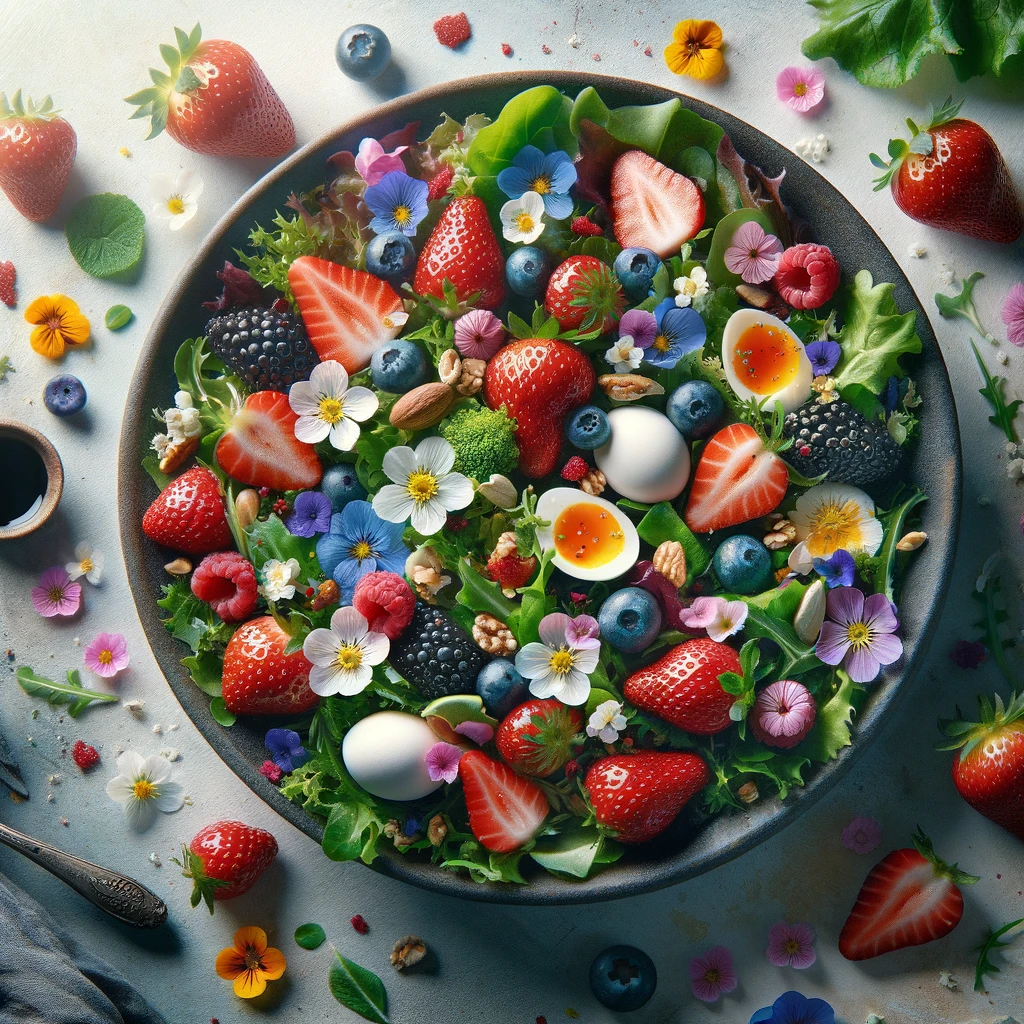
A symphony of colors and flavors.
As the wheel of the year turns and we welcome the vibrant energies of Beltane, we embrace the arrival of spring in all its splendor. Beltane is a time of celebration, fertility, and the awakening of nature’s vitality. In this recipe for Beltane Blossom Salad, we honor the season’s bounty by crafting a dish that bursts with color, flavor, and the essence of new beginnings. With fresh, crisp ingredients and a touch of magic, this salad embodies the spirit of Beltane and invites you to revel in the joy of renewal and growth.

Spell for Growth and Renewal
As you prepare to enjoy this Beltane Blossom Salad, take a moment to connect with the energies of the season. Visualize yourself surrounded by the vibrant colors and scents of spring, feeling the warmth of the sun on your skin and the gentle breeze in your hair. Say the following spell aloud or in your heart:
“By the power of Beltane’s bloom,
I embrace the magic of growth and renewal.
May this salad nourish my body and soul,
And fill me with the vitality of the season’s flow.
As the earth awakens and life begins anew,
I welcome the blessings of growth and true.”
May this Beltane Blossom Salad bring you joy, abundance, and the blessings of the season. Blessed be!
Magical Properties
- Strawberries: Associated with love and fertility, strawberries are believed to enhance passion and vitality. Their vibrant red color symbolizes the energy of the sun and the fire of Beltane.
- Edible Flowers: Flowers such as pansies, violets, and rose petals carry the magic of beauty, transformation, and connection to the divine. They add a touch of enchantment to the salad, infusing it with the essence of the season’s bloom.
- Nuts: Representing abundance and nourishment, nuts are often used in spells for prosperity and growth. Their earthy flavor and crunchy texture ground the salad and evoke the energy of the fertile earth.
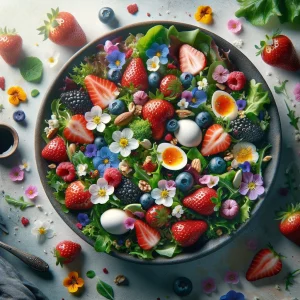
Recipe: Recipe: Beltane Blossom Salad
Ingredients
- 4 cups mixed salad greens such as arugula, spinach, and spring mix
- 1 cup strawberries hulled and sliced
- 1/2 cup blueberries
- 1/2 cup raspberries
- 1/4 cup edible flowers such as pansies, violets, or rose petals
- 1/4 cup crumbled feta cheese
- 1/4 cup chopped walnuts or almonds
- Balsamic vinaigrette dressing
Instructions
- Prepare the Salad Greens: Wash and dry the mixed salad greens, then place them in a large salad bowl.
- Add the Fruit: Scatter the sliced strawberries, blueberries, and raspberries over the salad greens.
- Garnish with Flowers: Carefully scatter the edible flowers over the salad, allowing their vibrant colors to add a touch of beauty and magic.
- Sprinkle with Cheese and Nuts: Sprinkle the crumbled feta cheese and chopped walnuts or almonds evenly over the salad.
- Drizzle with Dressing: Just before serving, drizzle the balsamic vinaigrette dressing over the salad, tossing gently to coat all the ingredients.
- Serve and Enjoy: Transfer the Beltane Blossom Salad to individual plates or bowls and serve immediately as a delightful celebration of the season’s abundance.
Notes
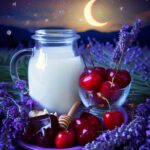 Moon milk is believed to have magical properties that promote relaxation, sleep, and spiritual connection. Lavender is a powerful herb that is often used in spells and rituals to promote tranquility, purification, and harmony. It is said to help calm the mind, soothe anxiety, and facilitate communication with the spiritual realm. Cherries, on the other hand, are associated with abundance, prosperity, and love. By combining these two ingredients in moon milk, we can create a potent brew that promotes restful sleep, deep relaxation, and a profound sense of spiritual connection.
As you sip on your moon milk and gaze up at the moon, take a moment to reflect on the magic and mystery of the universe. Whether you are working with the moon to manifest your desires, to connect with your intuition, or simply to enjoy a peaceful moment of reflection, remember that the power of the moon is always with you, waiting to be harnessed and celebrated.
*Calories Calculated with 2% Dairy Milk, Different bases will change the values.
Moon milk is believed to have magical properties that promote relaxation, sleep, and spiritual connection. Lavender is a powerful herb that is often used in spells and rituals to promote tranquility, purification, and harmony. It is said to help calm the mind, soothe anxiety, and facilitate communication with the spiritual realm. Cherries, on the other hand, are associated with abundance, prosperity, and love. By combining these two ingredients in moon milk, we can create a potent brew that promotes restful sleep, deep relaxation, and a profound sense of spiritual connection.
As you sip on your moon milk and gaze up at the moon, take a moment to reflect on the magic and mystery of the universe. Whether you are working with the moon to manifest your desires, to connect with your intuition, or simply to enjoy a peaceful moment of reflection, remember that the power of the moon is always with you, waiting to be harnessed and celebrated.
*Calories Calculated with 2% Dairy Milk, Different bases will change the values.Recipe: Beltane Blossom Salad
Proudly brought to you by
The Equinox Apothecary
© The Equinox Apothecary 2024 – Permission is granted to copy and reproduce this Recipe with attribution
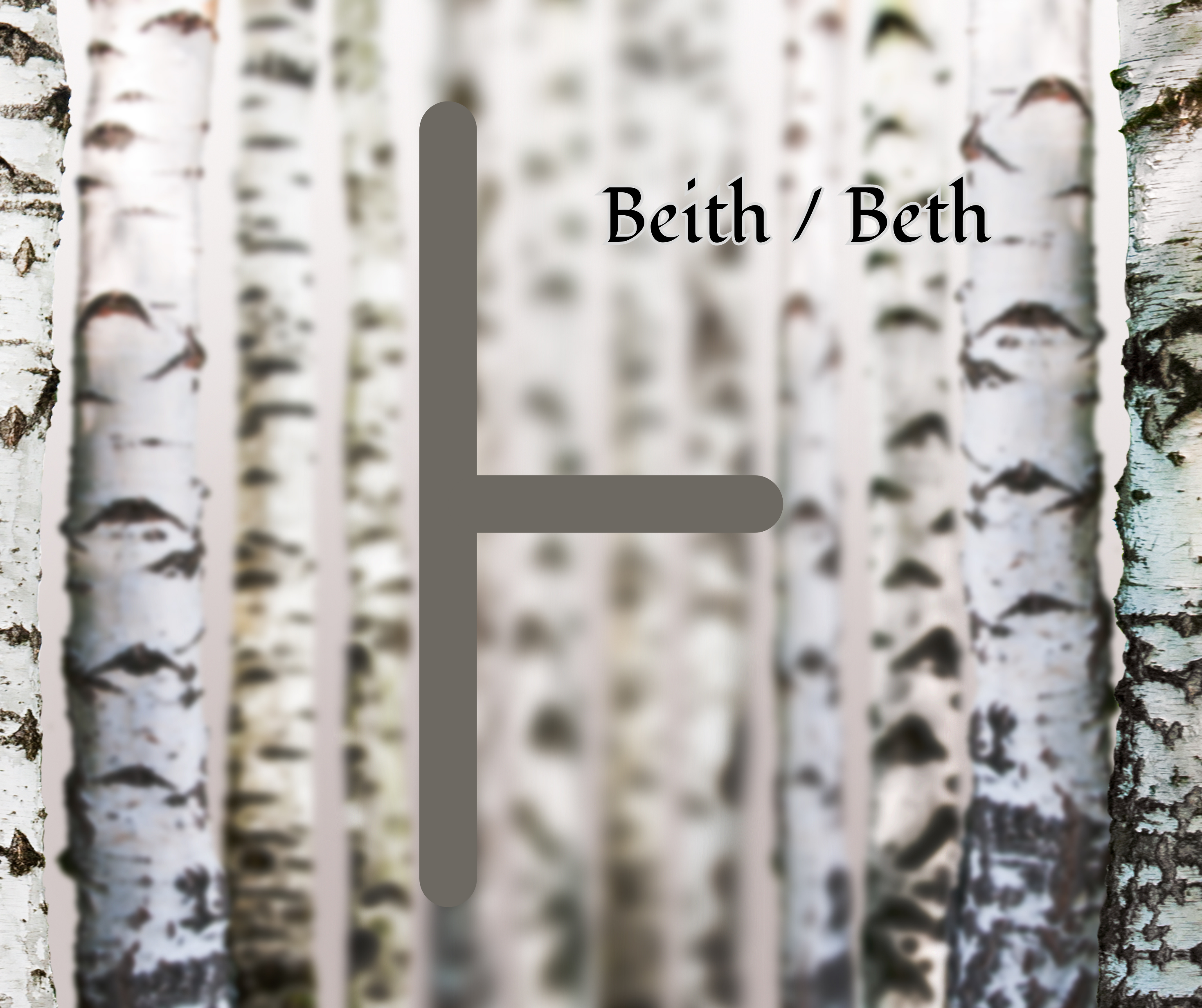 In Celtic mythology, the birch tree was seen as a symbol of renewal and purification. The Beith Ogham letter is associated with the birch tree, and therefore carries a similar meaning of new beginnings and growth. It is believed that the Beith Ogham letter represents a time of renewal, both physically and spiritually. It signifies the start of a new journey and encourages the querent to embrace change and act towards their goals.
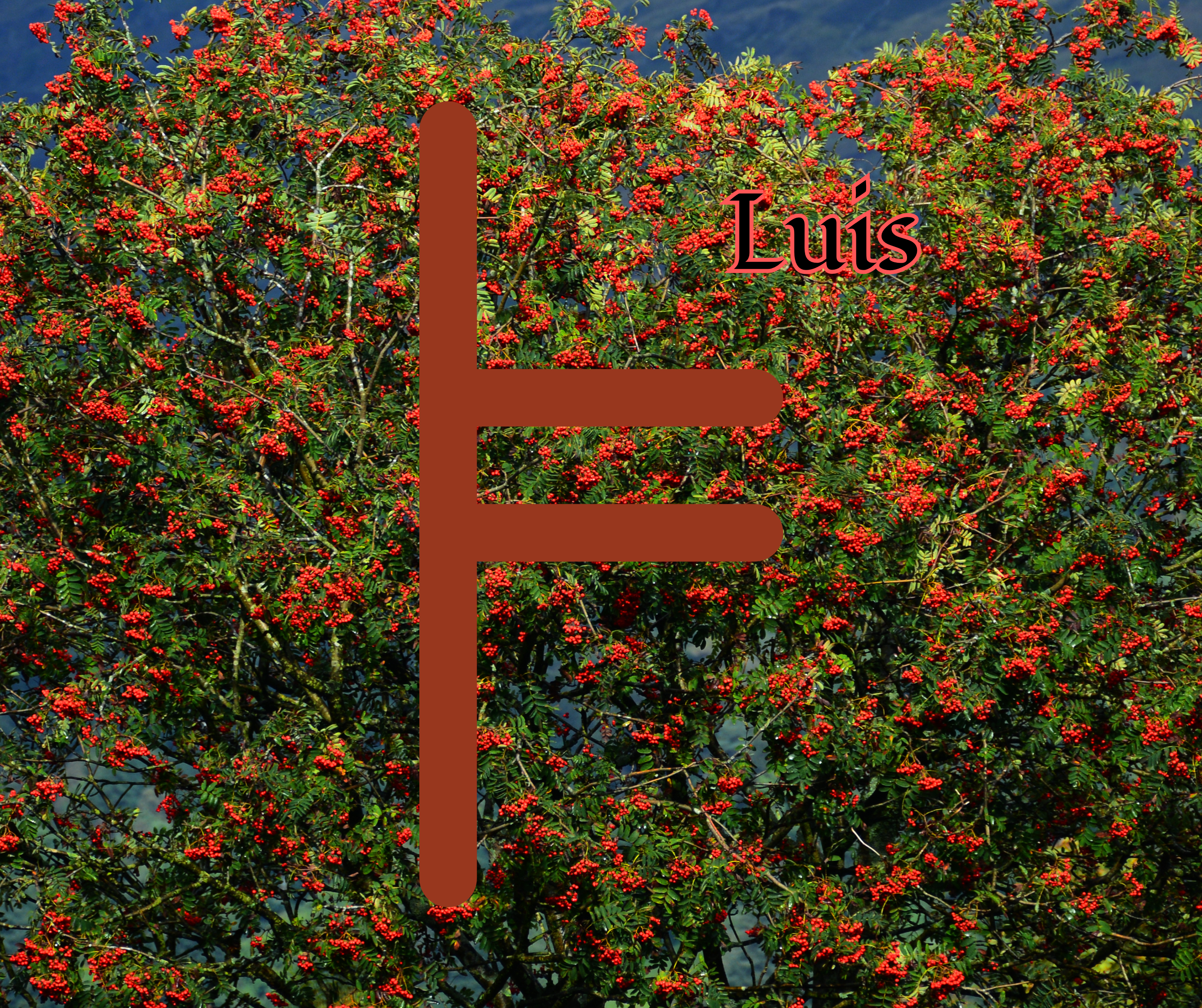 In Celtic mythology, the rowan tree was believed to be a sacred tree that possessed powerful protective qualities. As such, the Luis letter is often interpreted as a symbol of protection and defense. It is believed to offer protection against evil, negative energies, and harmful influences. The letter is also associated with healing and the restoration of balance and harmony. It is believed to possess the power to heal emotional wounds and promote spiritual growth. In divination, the Luis letter may indicate that the querent needs protection or healing in some aspect of their life. It may also suggest that the querent needs to be more mindful of their actions and surroundings to avoid negative influences.
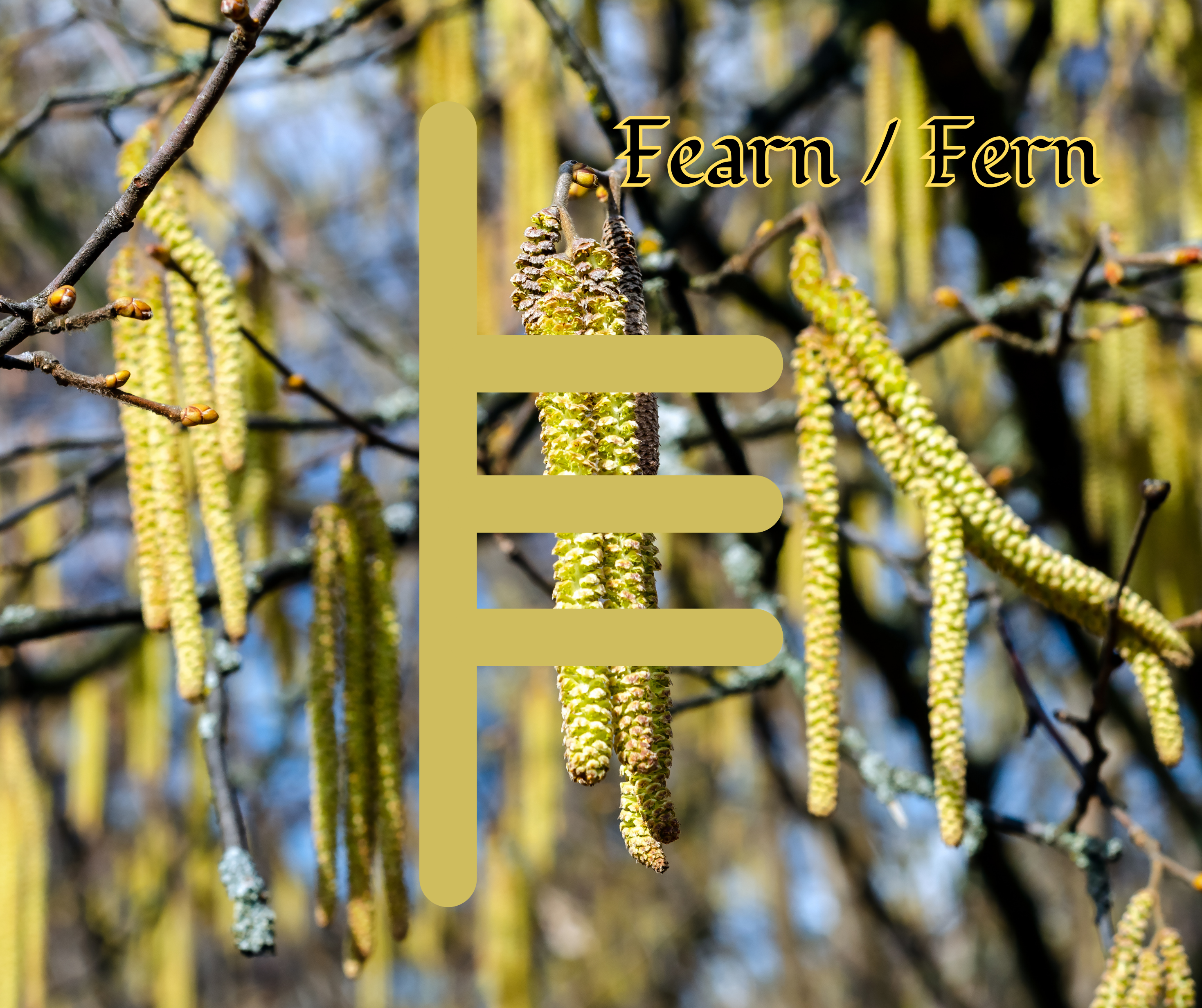 In Celtic mythology, the Alder tree was one of the sacred trees and was associated with Bran the Blessed, who was known for his great strength and protection. The letter Fearn is connected to this powerful tree and is often interpreted as a symbol of strength, courage, and protection. In divination, the Fearn letter can suggest that the querent has the strength and courage to overcome any challenges they may be facing. It can also indicate that they may need to focus on strengthening their own protection, whether that be physical, emotional, or spiritual.
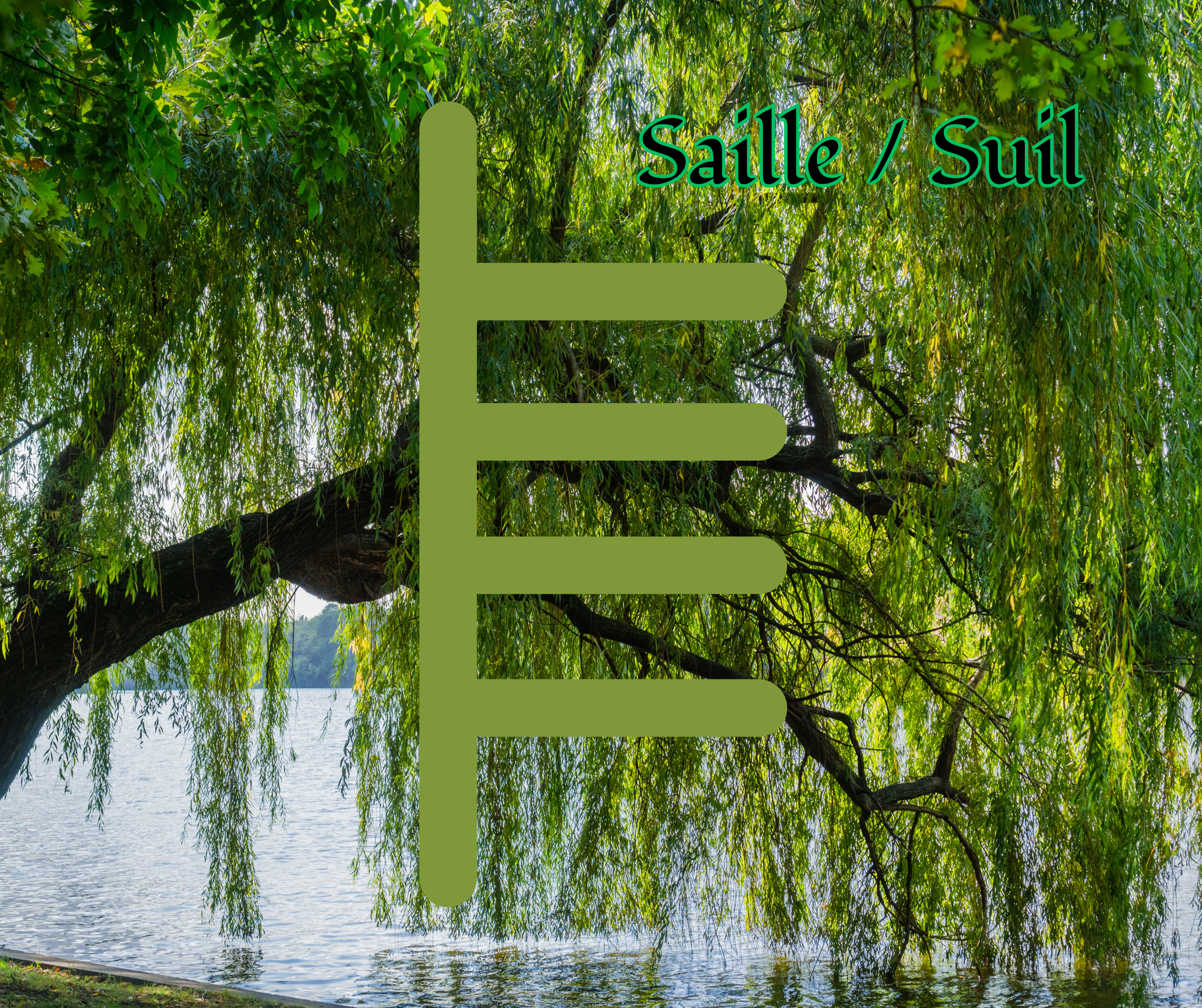 Saille, the fifth letter in the Ogham alphabet, is associated with the willow tree. The willow tree is known for its long, slender branches and graceful appearance. In Celtic mythology, the willow was often associated with the moon and the goddesses of the Triple Goddess. The willow is also associated with water and the subconscious mind. As such, the letter Saille is often interpreted as being connected to intuition, dreams, and the feminine.
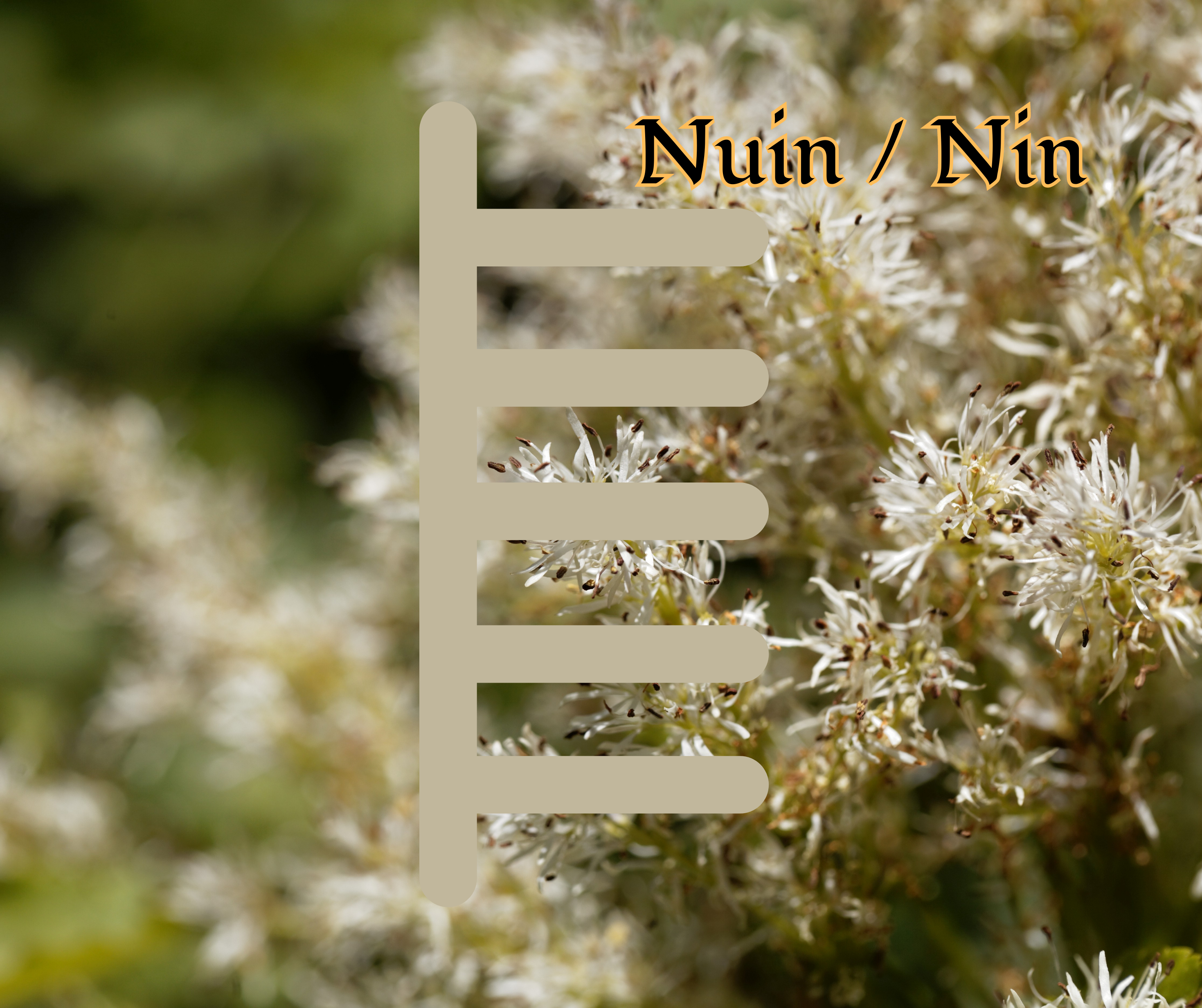 In Celtic mythology, the ash tree was considered sacred and had many associations with the natural world. The ash tree was often seen as a symbol of balance and harmony, as it was believed to connect the three worlds of the heavens, the earth, and the underworld. As a result, the letter Nuin, which is represented by the ash tree, is often associated with themes of health, healing, and balance.
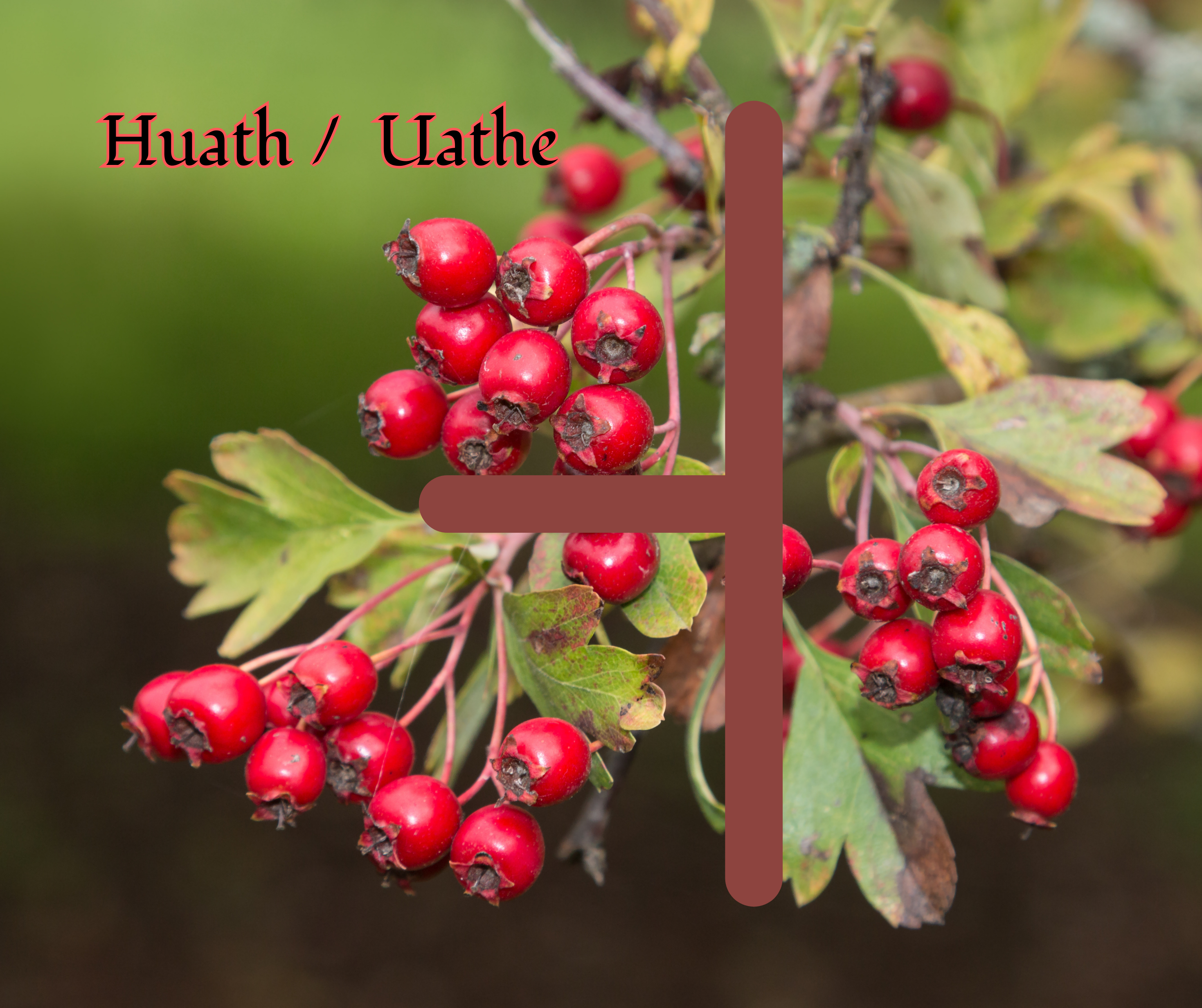 In Celtic mythology, the hawthorn was often considered a sacred tree and was believed to be a gateway to the otherworld. As such, the letter Huath in the Ogham alphabet is often associated with spiritual protection, love, and purity. It is a symbol of the feminine, representing the power of women in the realms of love and magic.
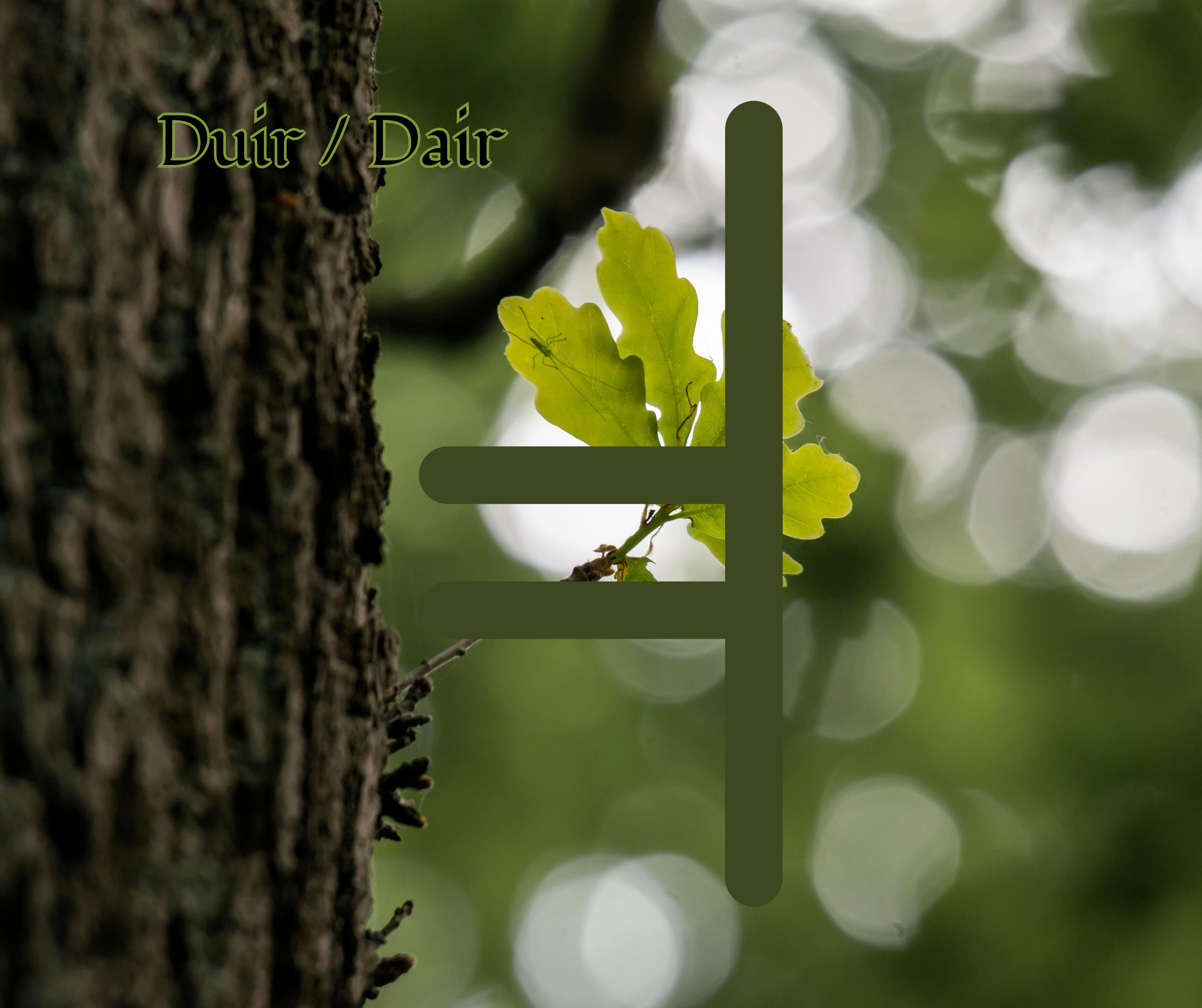 In Celtic mythology, the Oak tree was considered sacred and was often associated with the god of thunder and lightning, Taranis. The Oak was also associated with the concept of sovereignty and kingship, and the word ‘Duir’ itself was often used to refer to a powerful ruler or leader. The letter Duir in the Ogham alphabet is therefore seen as representing strength, stability, and endurance – qualities that are often associated with leadership and authority.
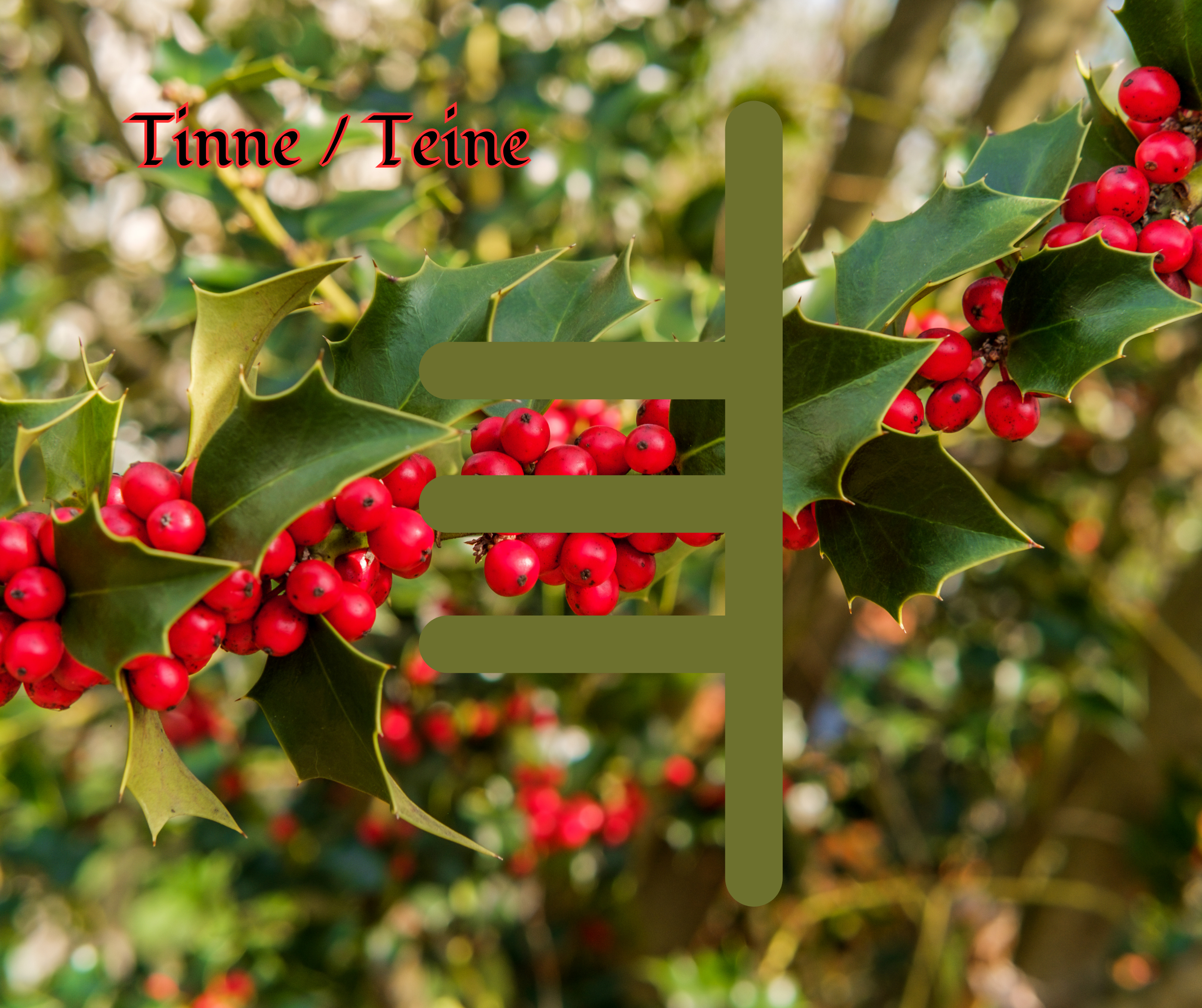 In Celtic mythology, the holly tree was a powerful symbol of protection and defense, making the letter Tinne a fitting symbol for these qualities. In Ogham divination, the Tinne letter can represent a time of spiritual growth and development, as well as a need for increased protection and security in one’s life.
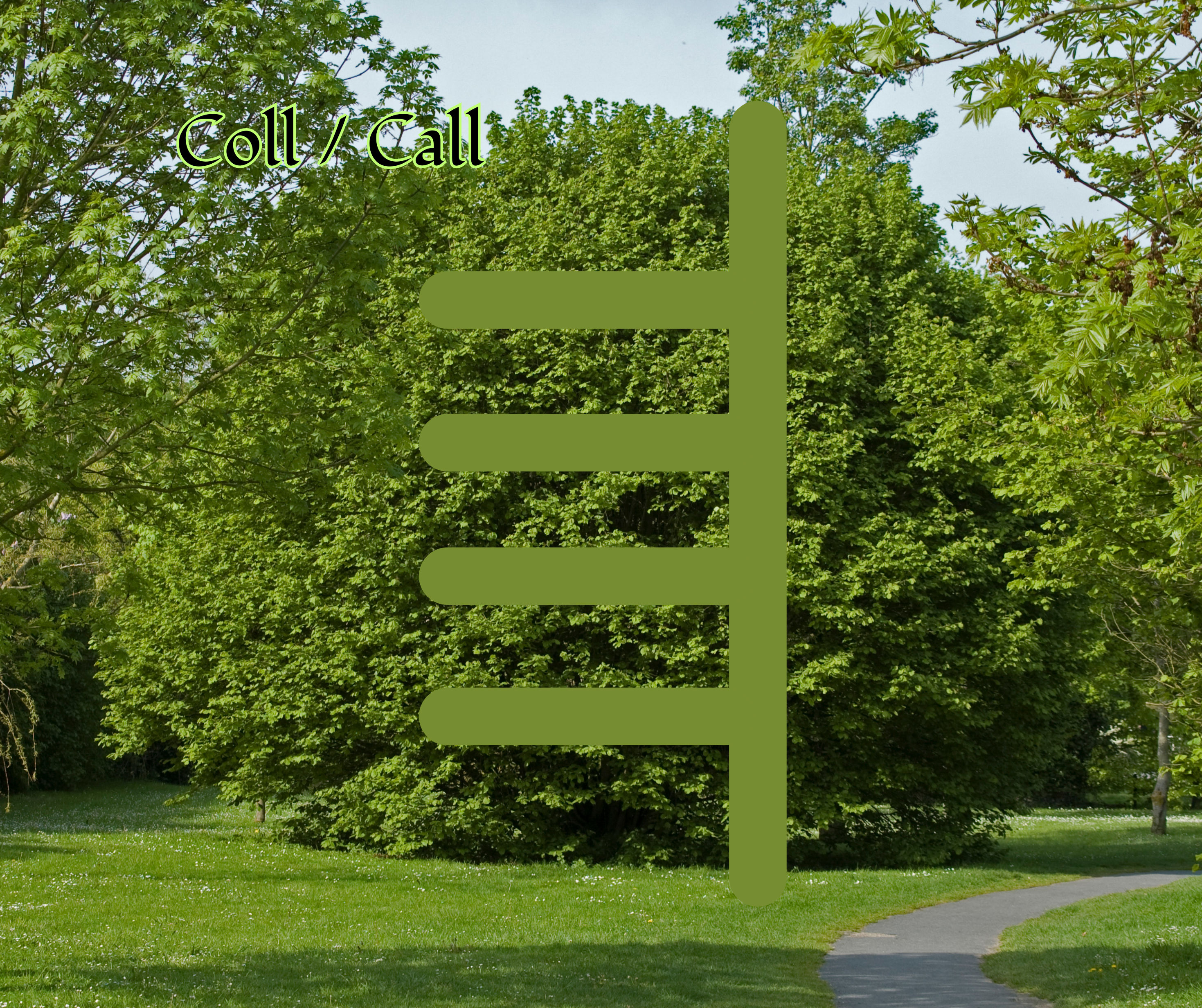 Coll, the eighth letter of the Ogham alphabet, is associated with the Hazel tree. In Celtic mythology, the Hazel was considered a sacred tree that symbolized wisdom and inspiration. The nuts of the Hazel were believed to contain magical powers and were often used in divination practices. The letter Coll is said to have the power to help the seeker find inspiration and guidance on their path towards greater wisdom and understanding.
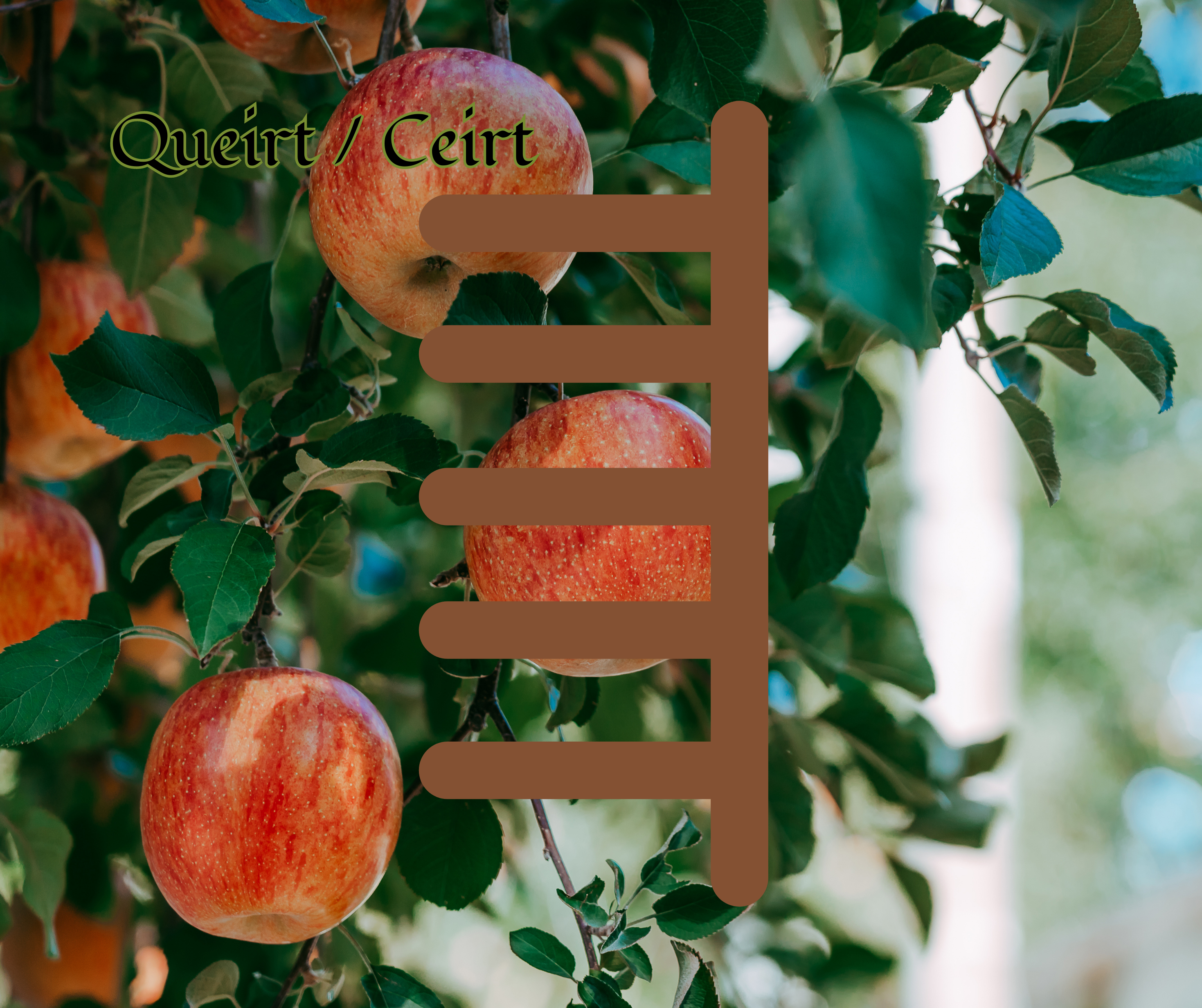 Quert, the Ogham letter for apple, is often interpreted as a symbol of knowledge, abundance, and the divine. Apples have been revered in many cultures throughout history as a sacred fruit, often associated with knowledge and wisdom. In Celtic mythology, apples were considered a symbol of immortality and were said to grant eternal youth to those who consumed them. As such, the Quert Ogham letter is often seen as a symbol of enlightenment, knowledge, and spiritual growth.
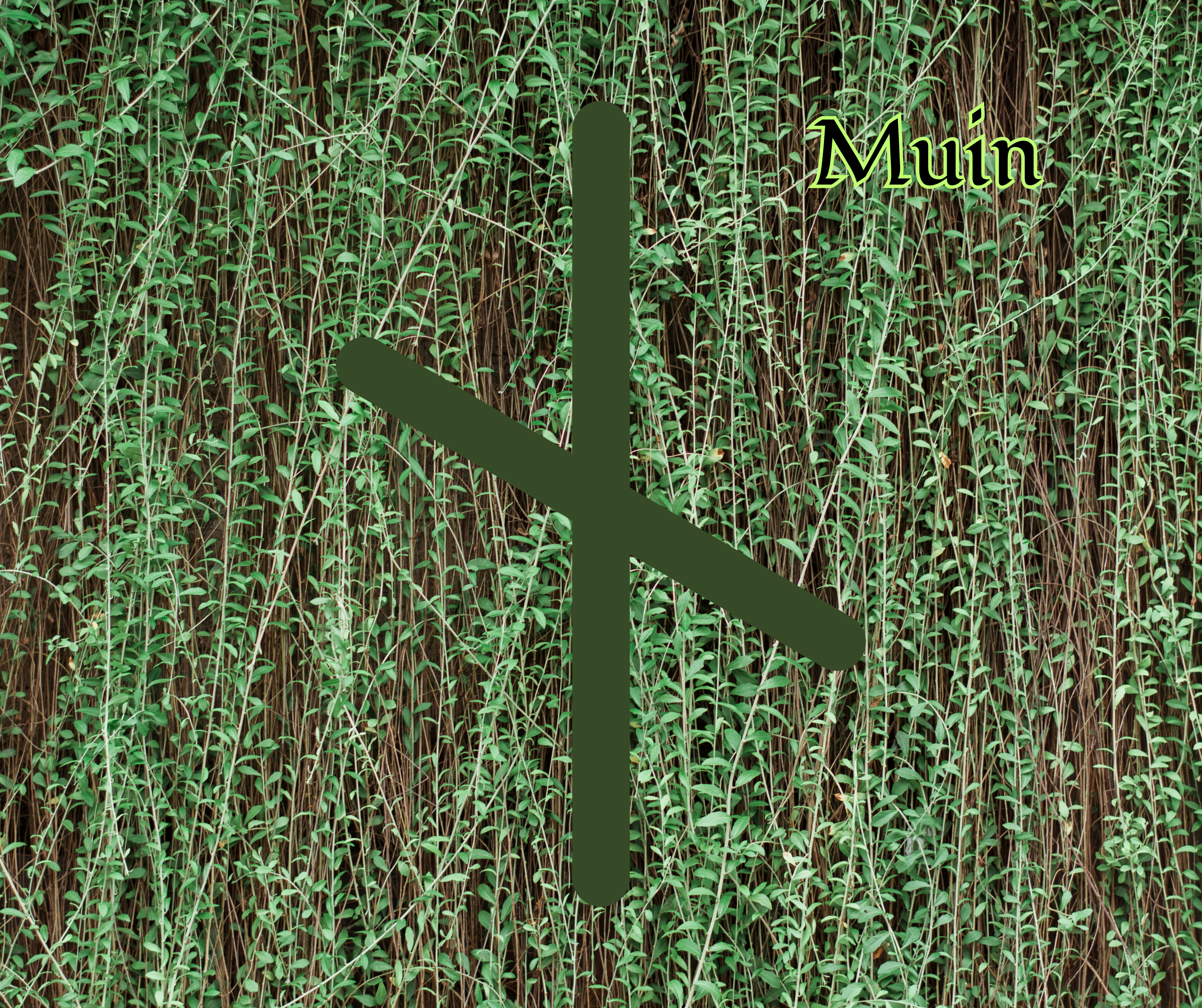 Muin, the thirteenth letter of the Ogham alphabet, is represented by the vine. The vine is a symbol of growth, abundance, and joy. In divination, Muin can represent the rewards of hard work and the harvest of one’s efforts. It may also suggest a time of celebration, happiness, and abundance in one’s life. The vine is known for its ability to produce fruit, and as such, Muin can also symbolize the fruition of one’s goals or aspirations.
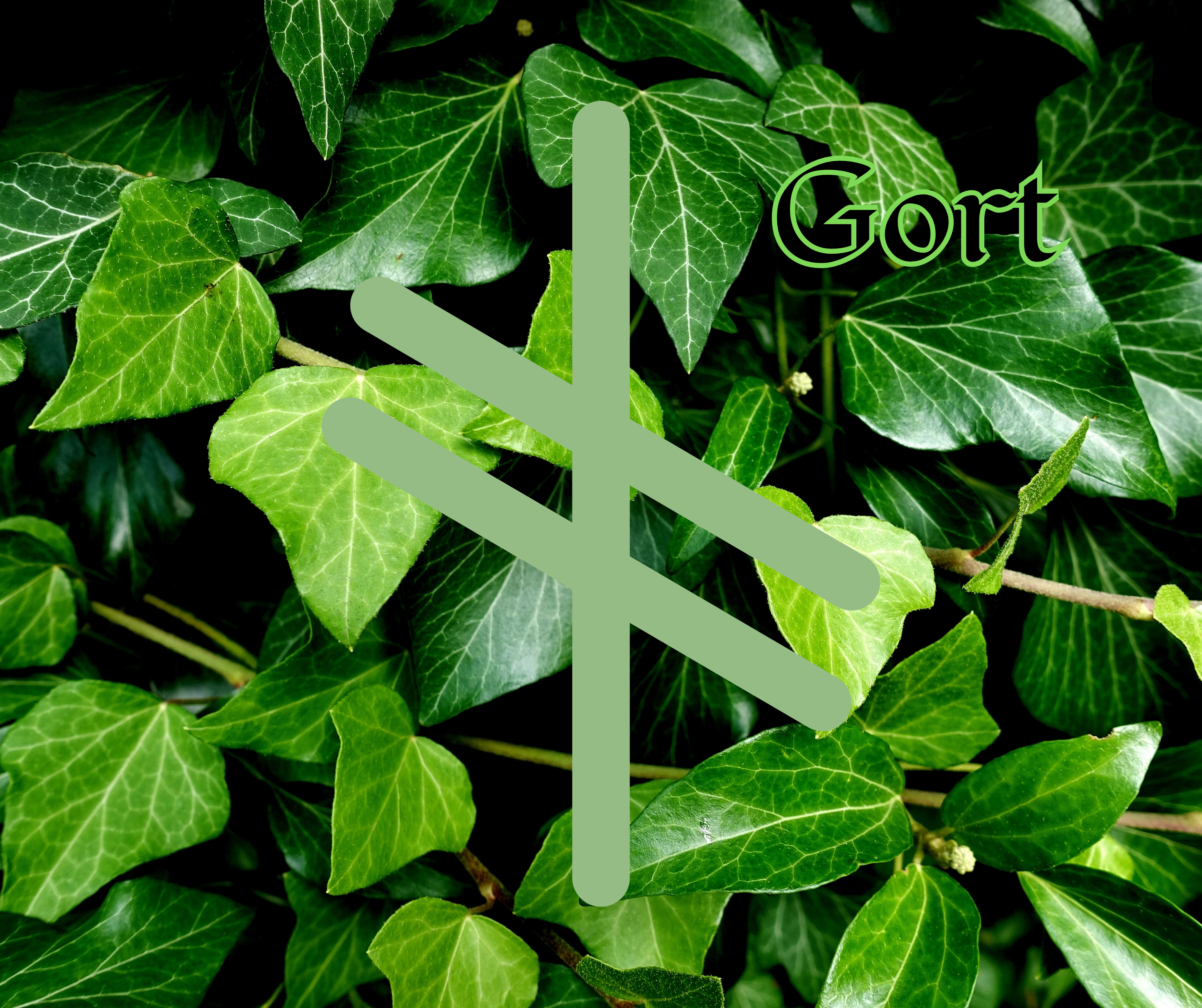 Gort, the letter of the Ivy, is a symbol of transformation, growth, and perseverance. Ivy is known for its ability to grow in even the harshest of environments, and its presence can symbolize the ability to adapt and overcome obstacles. In divination, the appearance of Gort can indicate a time of transformation, where the querent is going through significant changes in their life. This transformation may require them to let go of old habits or beliefs, much like the ivy sheds its leaves to make way for new growth.
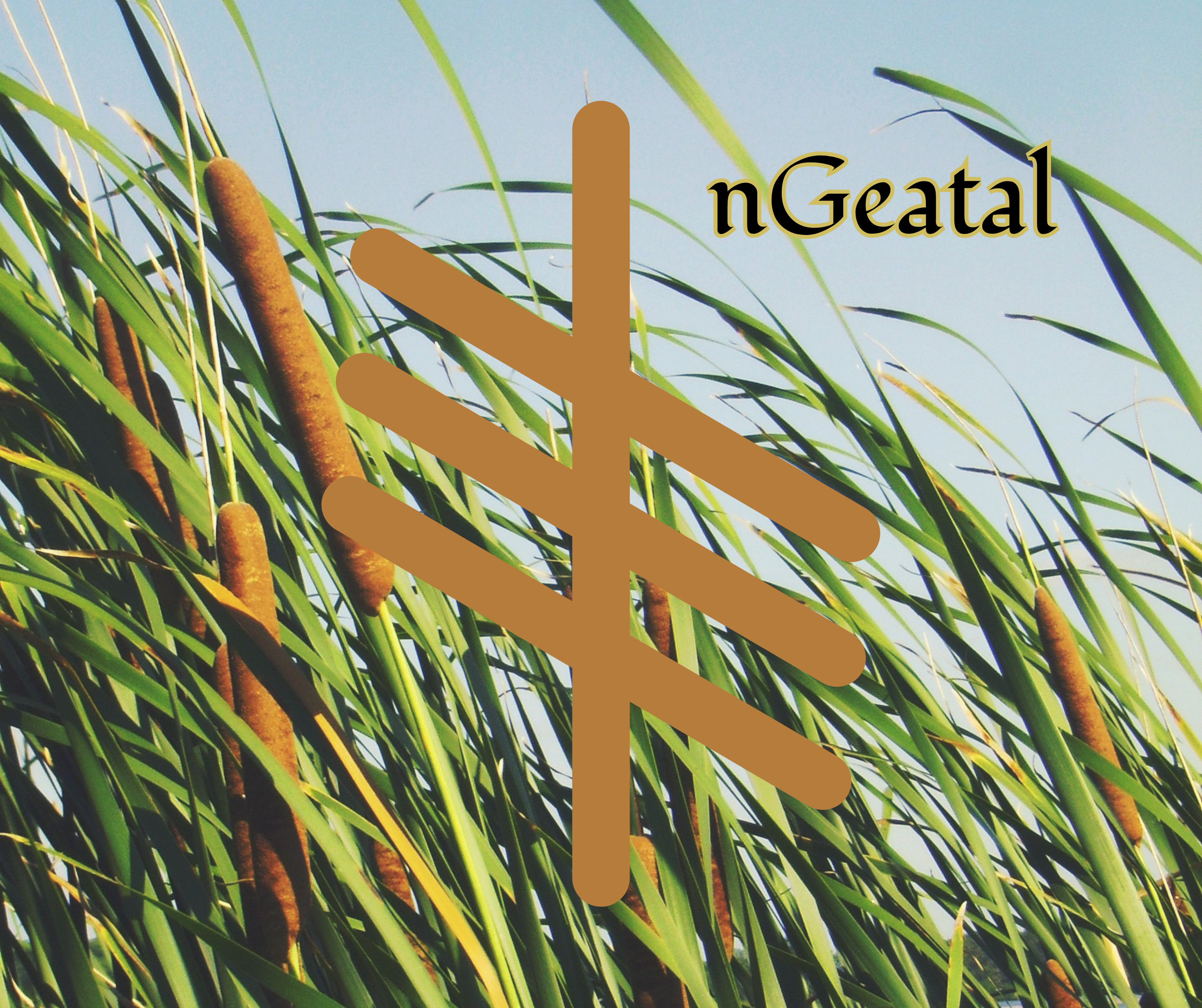 In the Ogham alphabet, Ngetal or Reed is one of the symbols that is associated with healing and protection. The reed is known for its ability to grow in swampy areas and provide a haven for animals and insects. As such, the Ngetal symbolizes the ability to thrive in adverse conditions and find strength in the face of challenges. When this symbol appears in a divination reading, it may suggest that the querent is in need of protection or healing and should seek out supportive communities or environments to help them navigate their struggles.
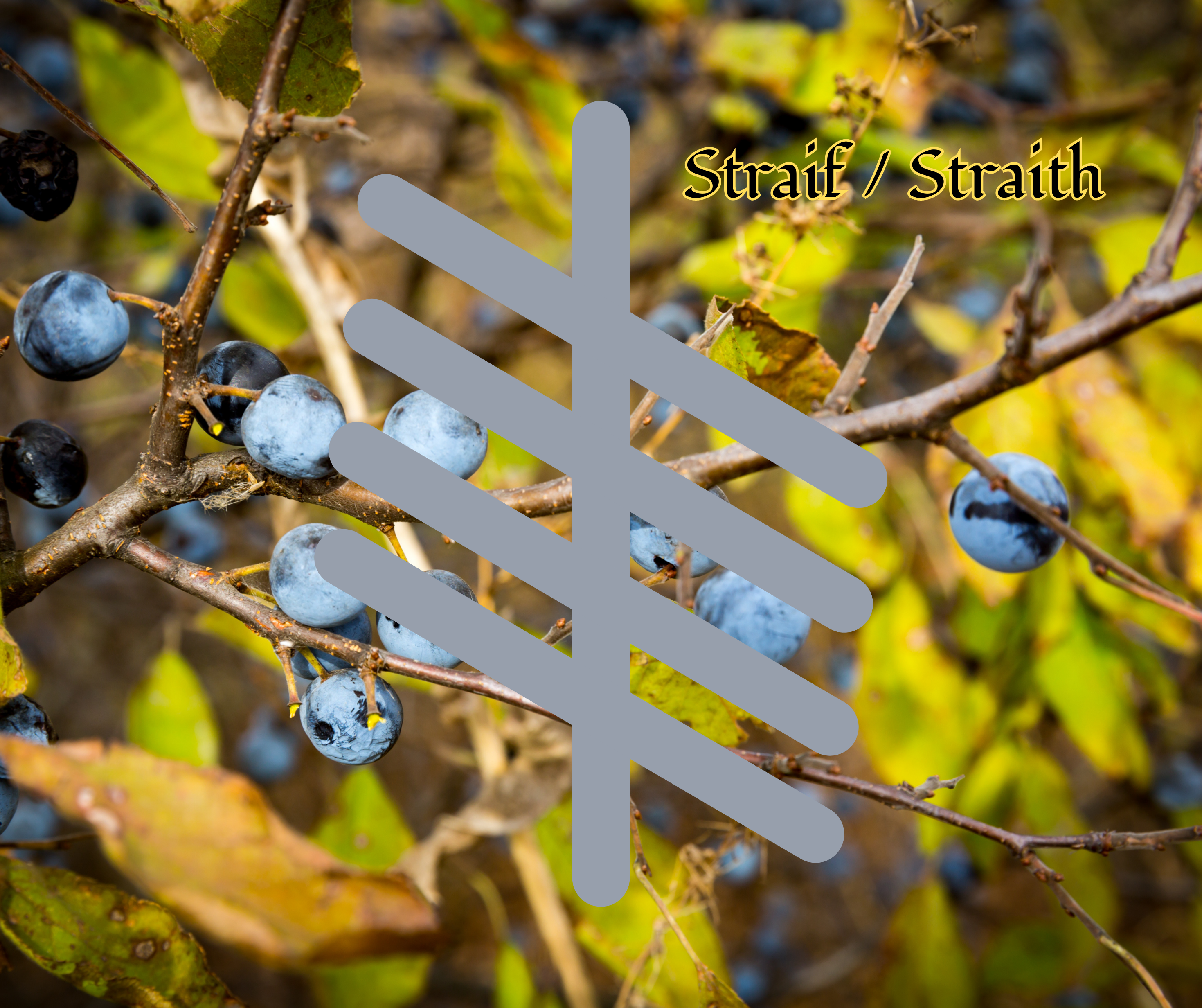 Straif (Blackthorn) is the 20th and final letter in the Ogham alphabet. It is a symbol of transformation and the power of overcoming obstacles. The Blackthorn tree is known for its sharp thorns and tough, dense wood, which makes it an apt representation of overcoming adversity. In divination, Straif may indicate that the querent is facing a difficult challenge or a period of change, but that they have the strength and resilience to overcome it. It may also suggest the importance of staying grounded and focused during times of transition.
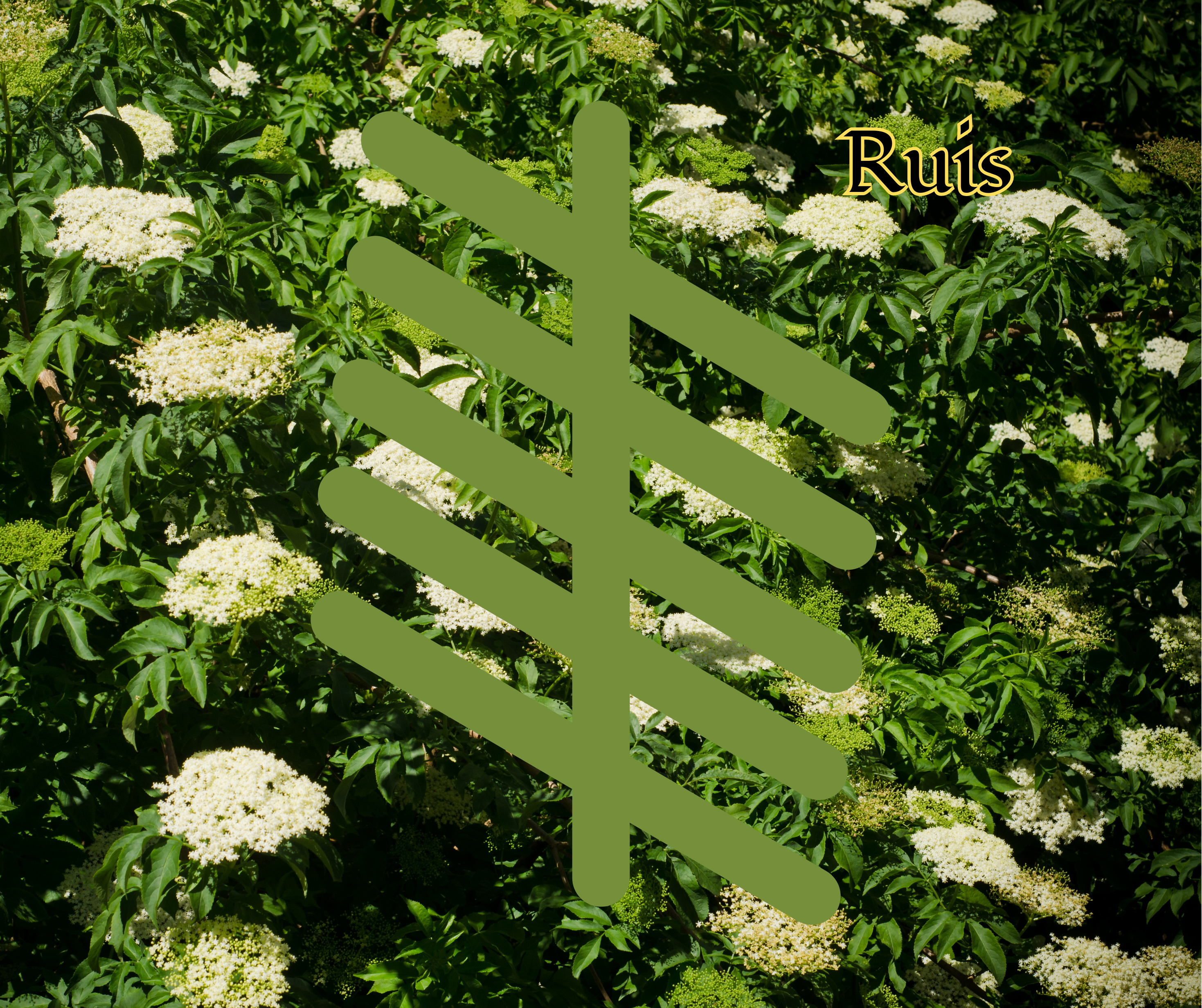 Ruis, the thirteenth letter of the Ogham alphabet, is associated with the elder tree. This tree has a rich history of use in traditional medicine and folklore, and it is often associated with healing, protection, and transformation. In divination, the Ruis symbol may represent the need for protection, both physical and spiritual. It may suggest that the querent needs to be cautious and vigilant in their actions, and to seek guidance or support from trusted sources when facing challenges or adversity.
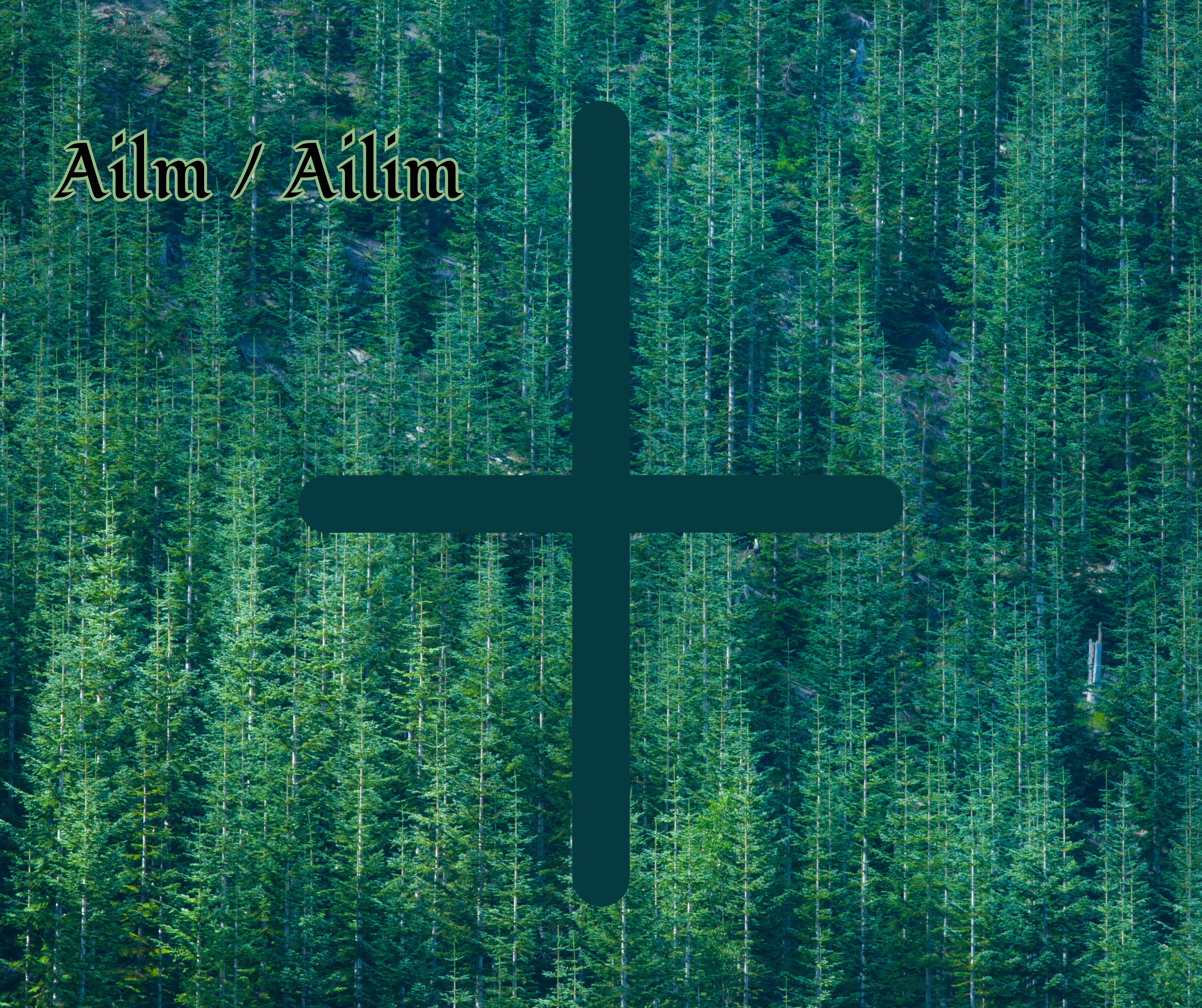 Ailm is the fir tree in the Ogham alphabet, and it holds great significance in Celtic mythology. It is a symbol of balance and harmony, representing the perfect integration of male and female energies. The fir tree was highly regarded by the Celts for its ability to maintain its green color throughout the year, even during the darkest months of winter. This quality made it a powerful symbol of endurance, perseverance, and resilience. As such, Ailm is often associated with strength and stability, making it a popular choice for those seeking guidance during times of upheaval or change.
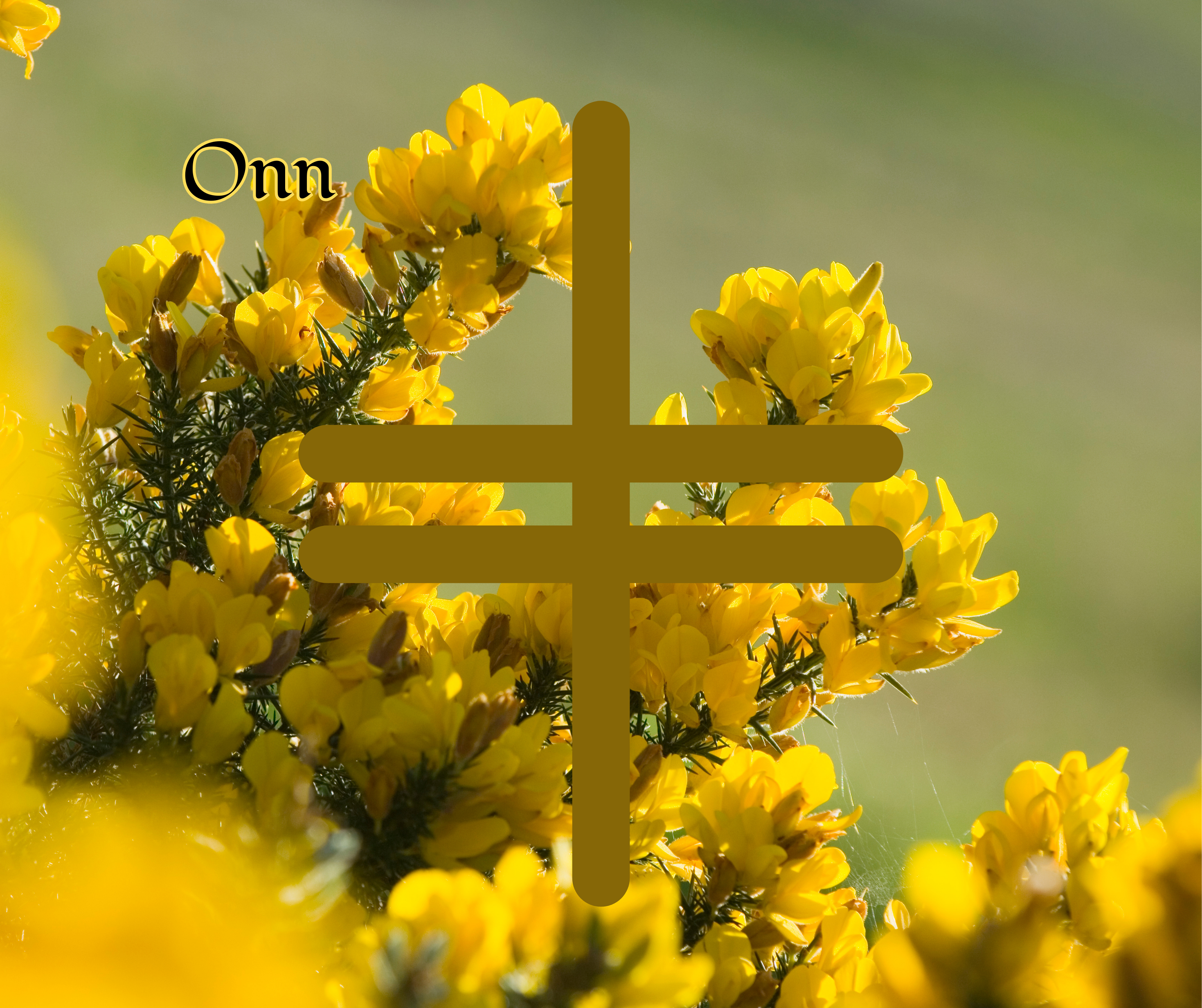 Onn (Gorse) is the 19th letter of the Ogham alphabet, and it is associated with courage, protection, and the power of the sun. In Celtic mythology, the gorse plant was associated with the sun god Lugh, who was said to have used gorse to make a powerful spear. In divination, the Onn symbol may indicate that you have the courage and strength to overcome any obstacle or challenge that comes your way. This letter can also represent the protective qualities of the sun and may indicate that you have a strong sense of self-protection and the ability to shield yourself from negativity.
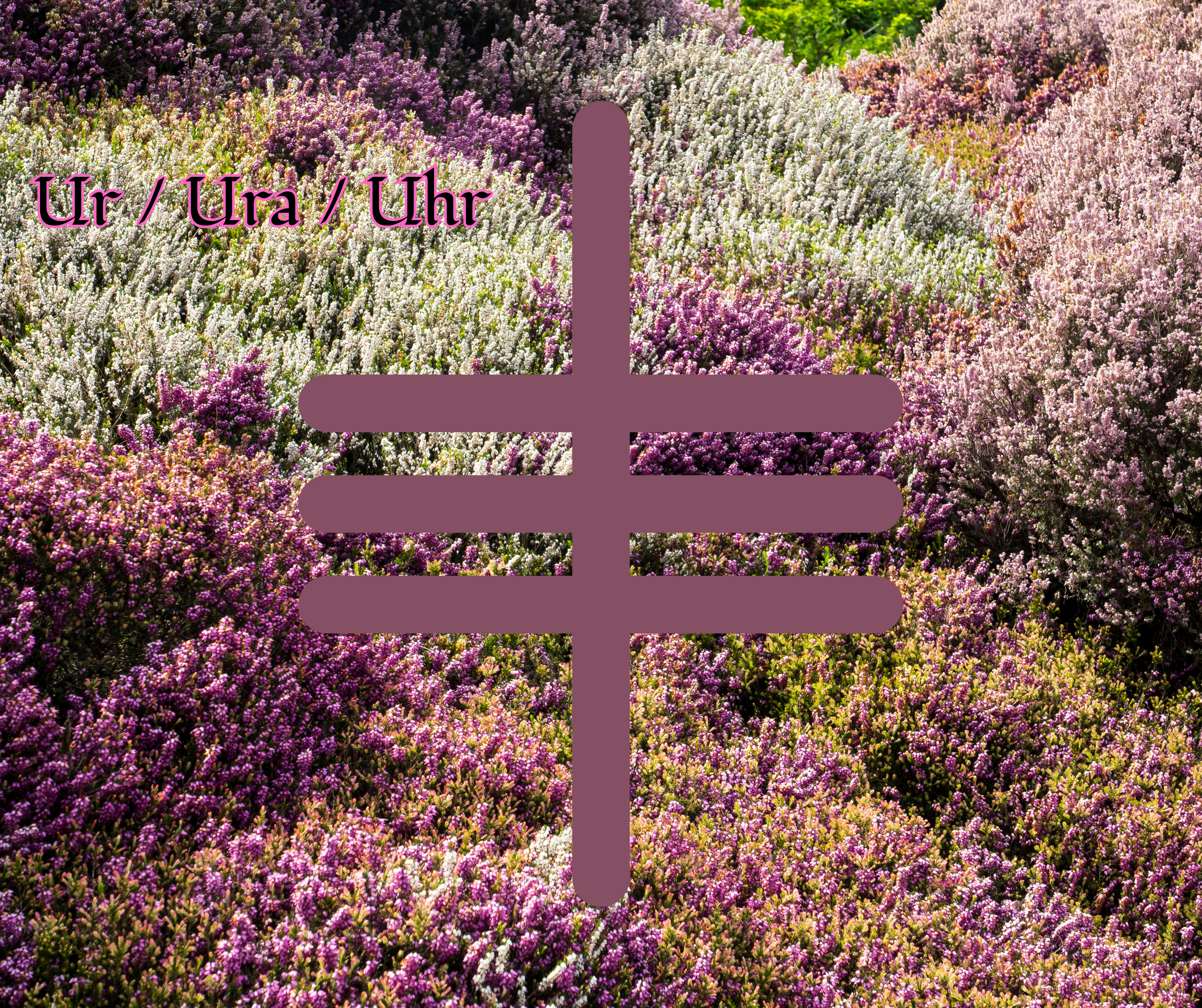 Ur, also known as Heather, is one of the letters of the Ogham alphabet. It is said to represent cleansing, renewal, and growth. In Celtic mythology, heather was associated with the Summer Solstice, a time of spiritual purification and renewal. It was also believed that heather had the power to ward off negative energies and promote healing. In divination, the presence of the Ur symbol may indicate that it is time to let go of negative energies and embrace new beginnings. It may also suggest that a period of healing and spiritual growth is on the horizon.
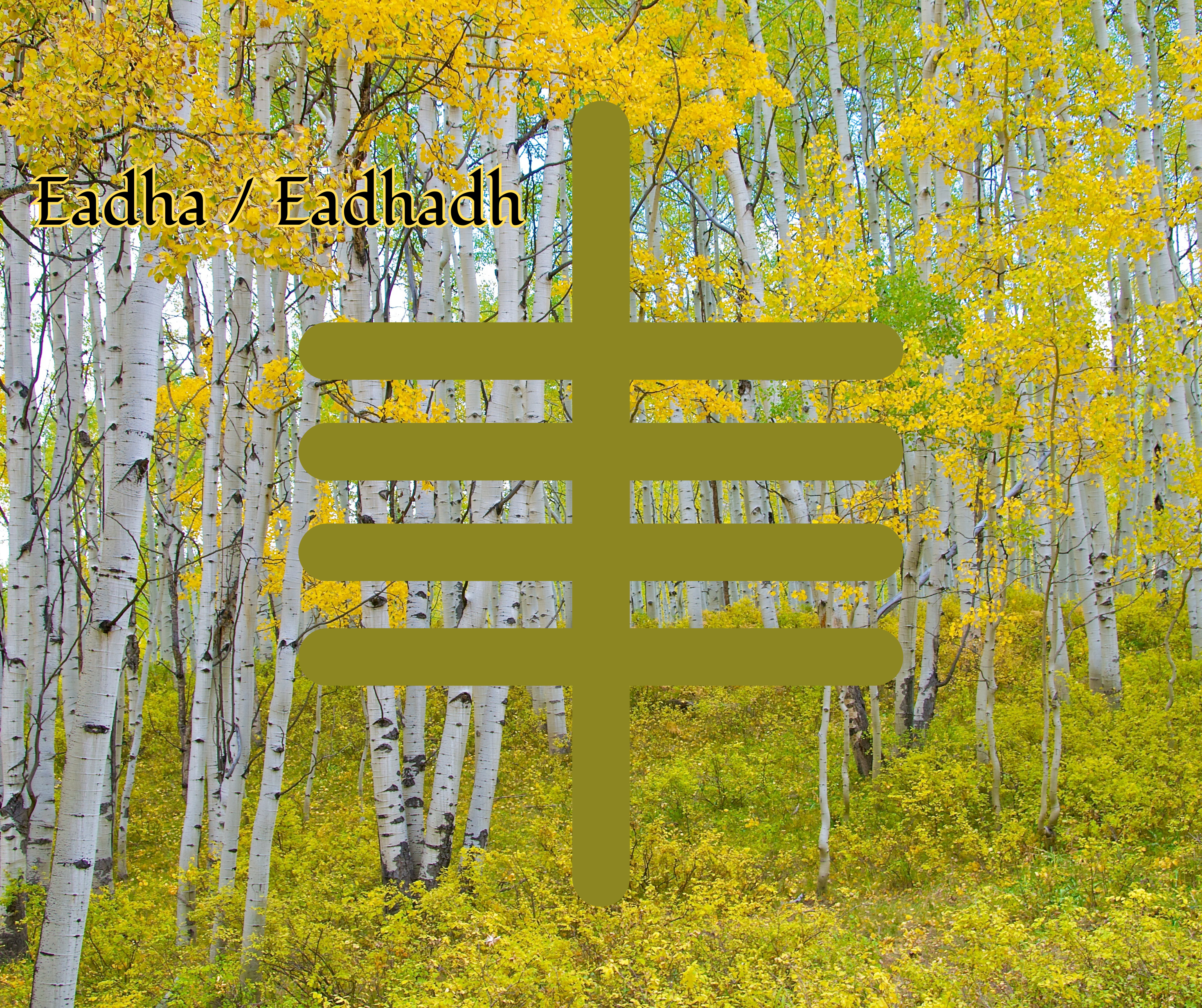 Eadha, also known as Aspen, is the twenty-third letter of the Ogham alphabet. It is associated with the season of autumn and the element of air. This letter has a deep connection to transformation, as the Aspen tree is known for its ability to regenerate from its roots and for the rustling sound its leaves make in the wind. In divination, Eadha can indicate a time of change or a need for transformation in one’s life. It may also represent the need to communicate openly and honestly with others.
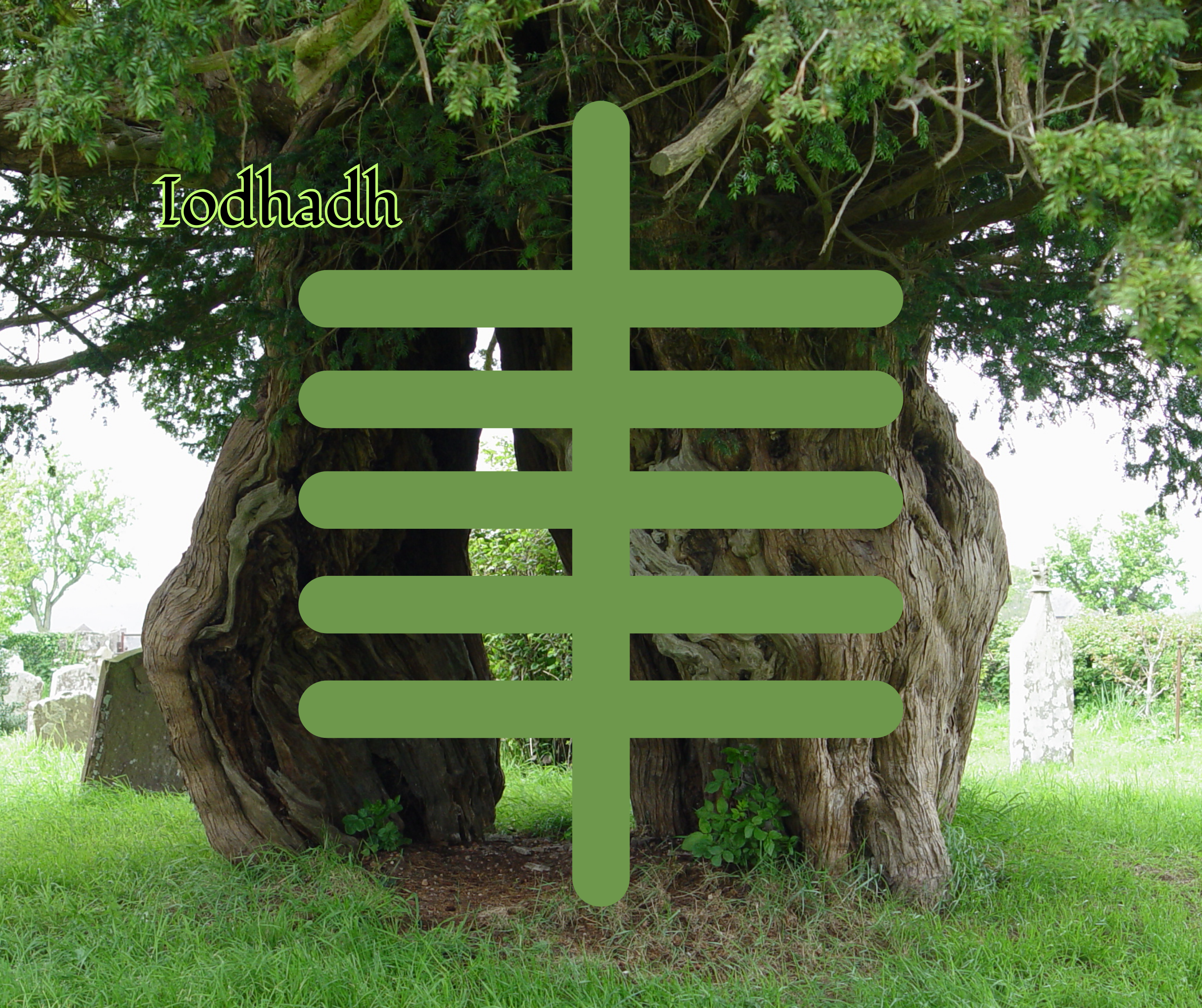 The Iodhadh letter, also known as Yew, is a powerful symbol of death and rebirth. The yew tree is known for its longevity, with some specimens living for thousands of years. In Celtic mythology, the yew was believed to be a gateway between the world of the living and the world of the dead. As such, the Iodhadh letter is often associated with ancestral wisdom, shamanic journeying, and spiritual transformation. In divination, the Iodhadh letter may indicate a need to let go of old patterns and beliefs to embrace a new phase of life. It may also indicate a time of profound spiritual growth and inner transformation.
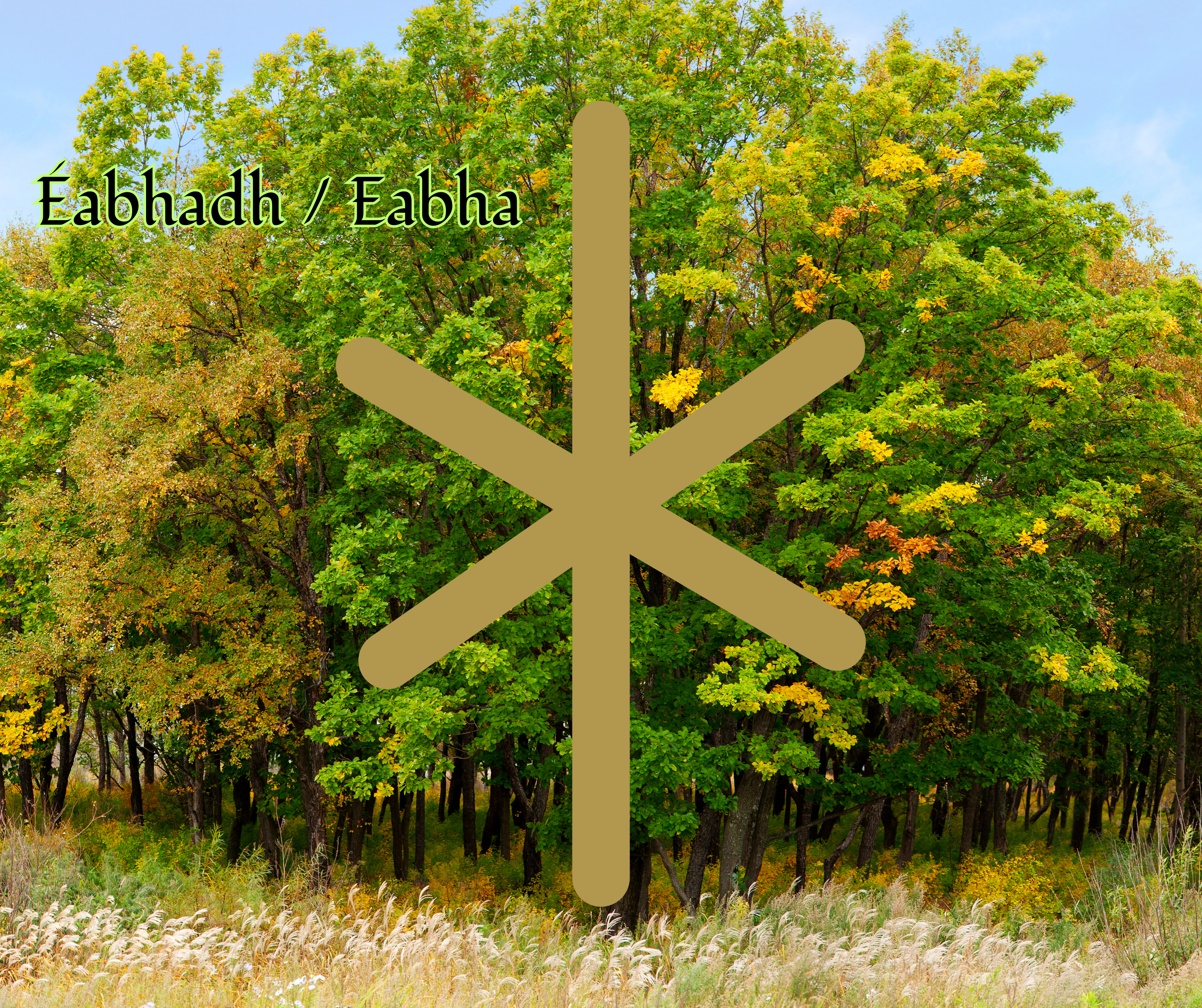 Éabhadh (Aspen) is an Ogham letter that represents communication, gathering, and resolution. It symbolizes the ability to connect with others, speak one’s truth, and come to a place of understanding and compromise. The Aspen tree, which this letter represents, is known for its shimmering leaves that rustle in the wind, making a gentle sound that is said to carry messages from the spirit realm. This letter is often associated with the power of speech and the ability to communicate with both the physical and spiritual worlds. In divination, Éabhadh can suggest the need to speak up, to share one’s thoughts and feelings, and to seek out a resolution to a conflict or misunderstanding.
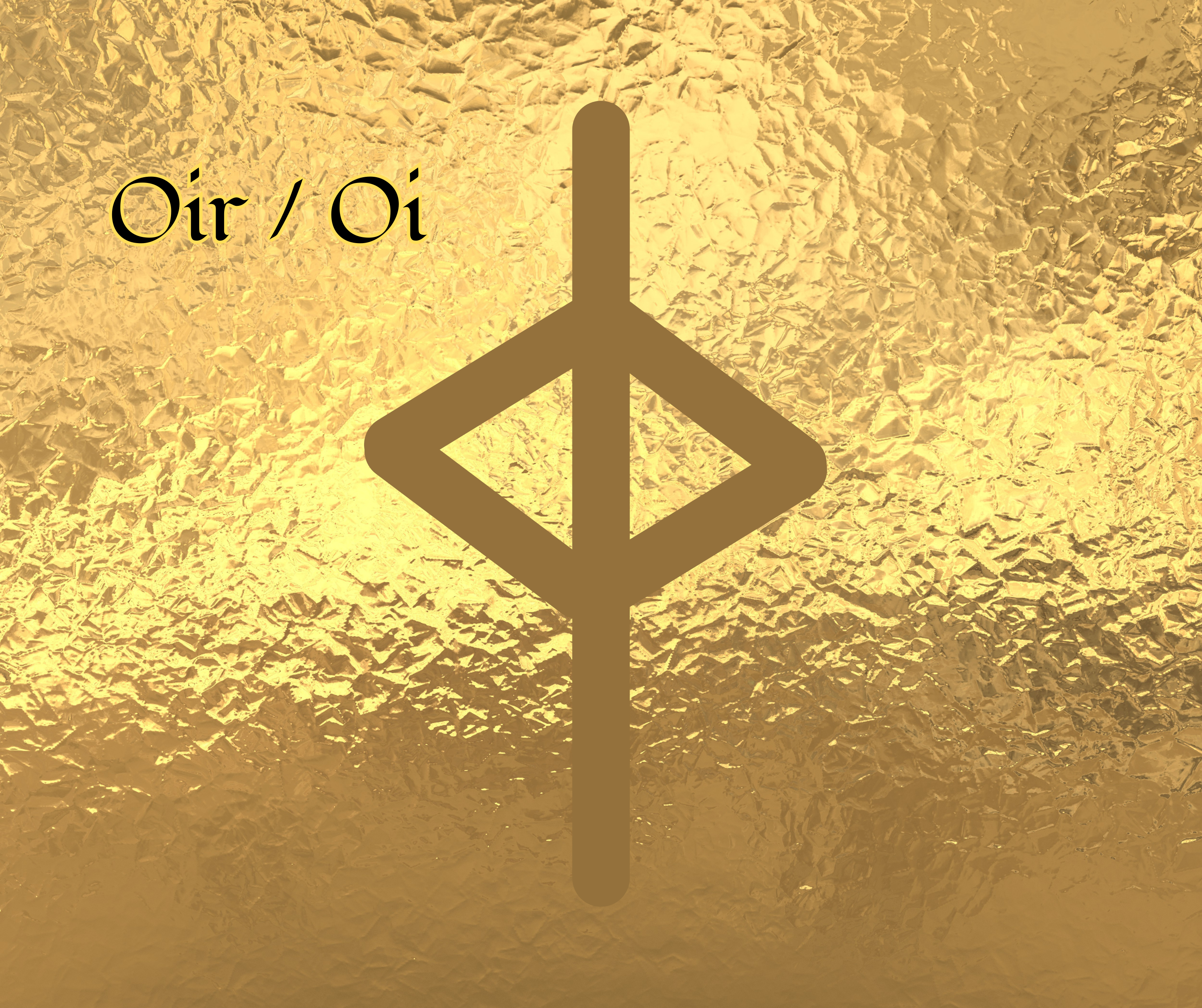 It is one of the few letters that is named after a metal, symbolizing its preciousness and value. In divination, Óir can indicate material wealth and financial success, as well as the richness of one’s inner life and spiritual growth. It may also suggest a need to let go of material attachments and focus on more meaningful aspects of life.
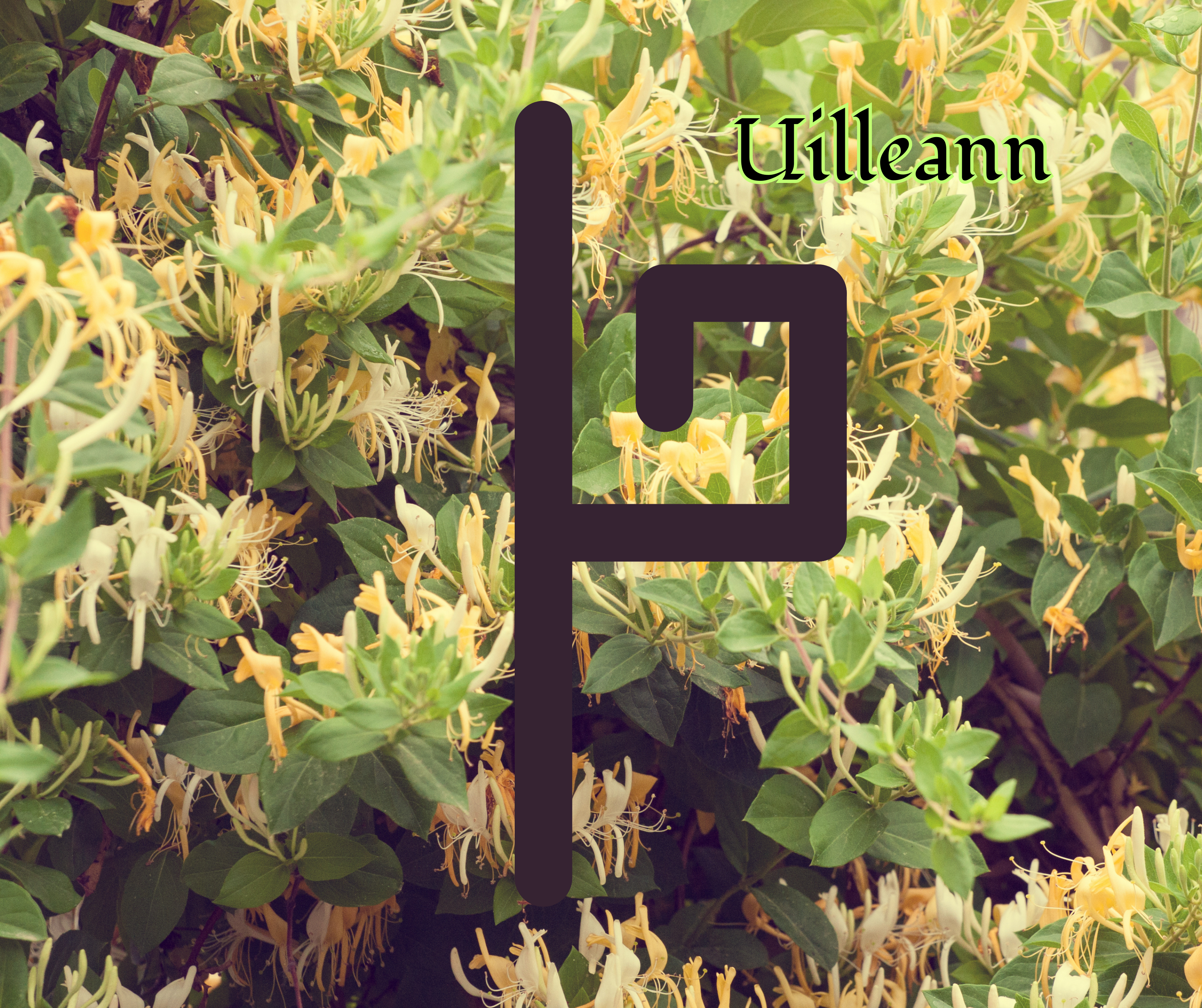 This letter is associated with manifestation, unspoken desire, and the true self. In Ogham divination, the Uilleann is often interpreted as a reminder to listen to our innermost desires and trust our instincts to bring them into manifestation. Like the twisting vines of the Honeysuckle, the path to our true selves may be winding and unpredictable, but we must have faith in our ability to navigate it.
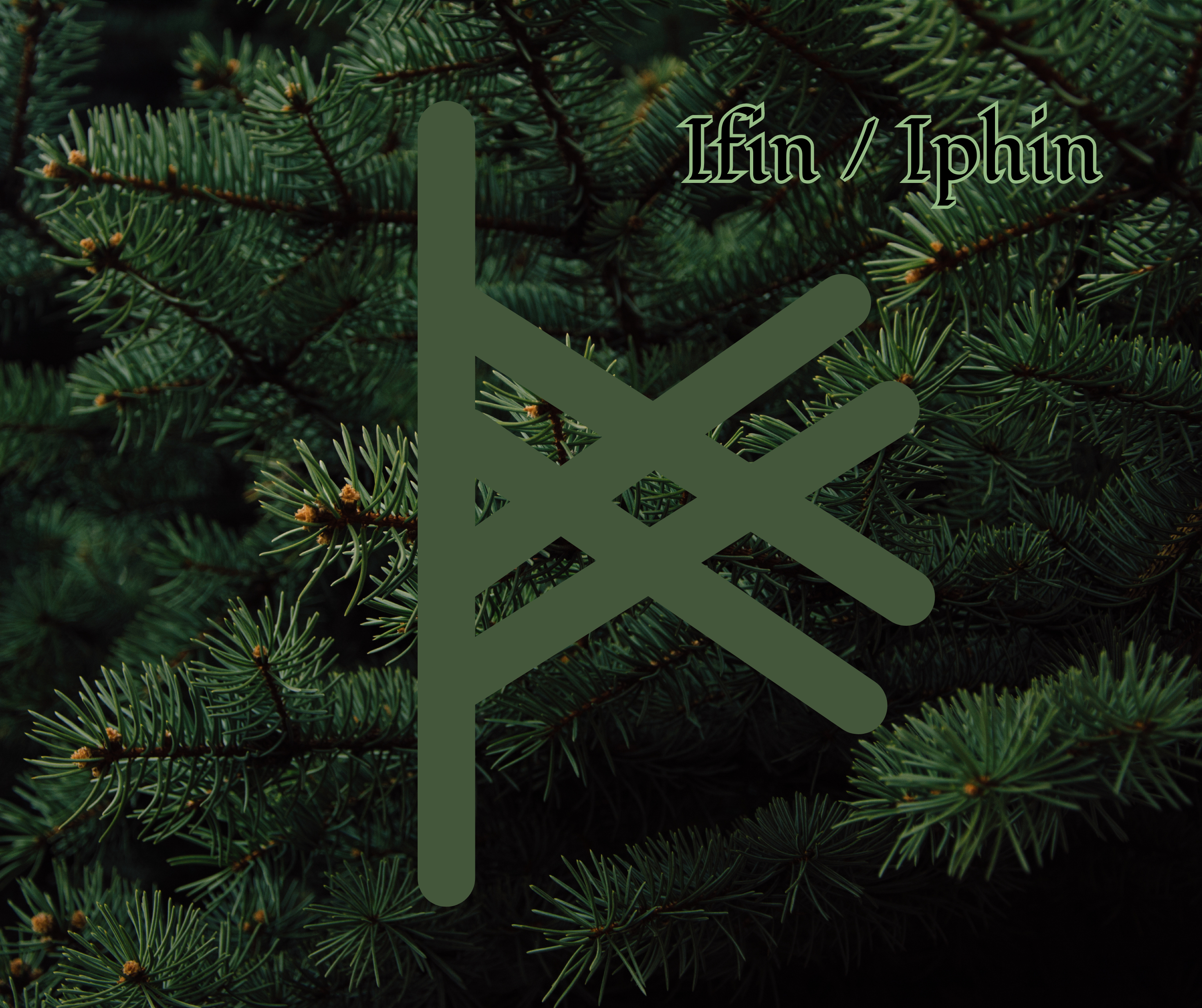 Ifin (Pine) is a letter of clarity, awareness, and closure. It represents the ability to see through the veil of confusion and gain clarity of vision. It is often associated with the pine tree, which is a symbol of longevity and strength. In divination, Ifin is believed to indicate a time of closure and completion, as well as a need to let go of the past and move forward with clarity and purpose. It can also suggest the need for self-reflection and introspection in order to gain a deeper understanding of oneself and the world around us.
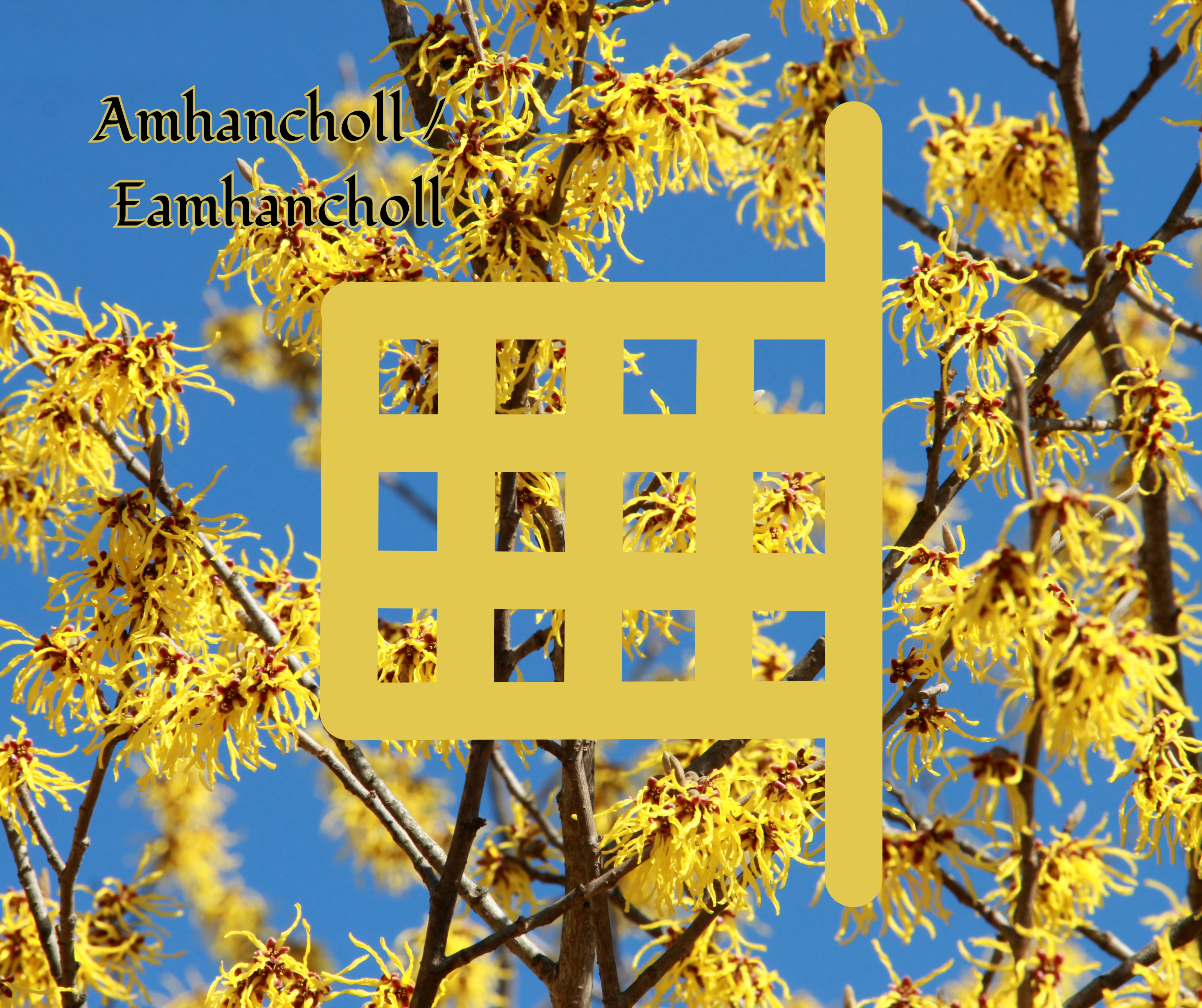 Amhancholl represents cleansing, purification, and relief. It is a letter that is often associated with letting go of negative energy and emotions and finding a sense of renewal and peace. In divination, it may indicate a need for introspection and self-reflection, and a focus on releasing what no longer serves you. It may also suggest that a period of healing and self-care is needed to move forward with a clearer mind and a lighter heart.