Posted on Leave a comment

Mea’n Fo’mhair: The Celtic Celebration of Autumn Equinox

Mea'n Fo'mhair
Mea'n Fo'mhair

Introduction

Mea’n Fo’mhair

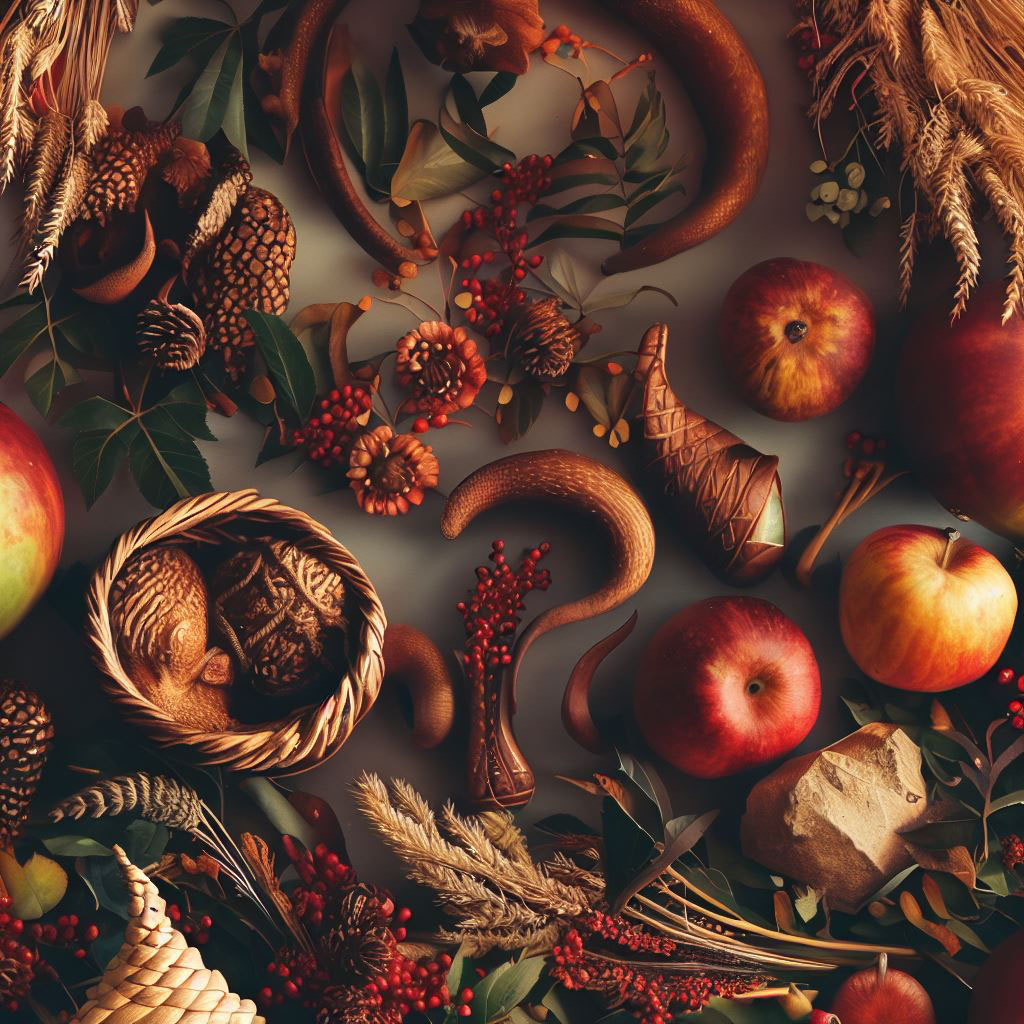
Mea’n Fo’mhair The Celtic Celebration of Autumn Equinox As the wheel of the year turns once more, we arrive at a moment of perfect balance between light and dark. The day and night are equal in length, marking the transition from summer to autumn. This is Mea’n Fo’mhair, pronounced “mayn fo-vahr,” a traditional Celtic festival that celebrates the Autumn Equinox. Also known as the “Middle of Harvest” or “Mabon” in modern Pagan and Wiccan traditions, Mea’n Fo’mhair has deep roots in Celtic history and culture.

Mea’n Fo’mhair is a time to honor the bounty of nature, to express gratitude for the fruits of our labor, and to share our abundance with others. It is also a time to reflect on our lives, to seek balance within ourselves and in our relationships, and to honor the wisdom of our ancestors. In this article, we will explore what Mea’n Fo’mhair is, its historical origins, its celebration in the past, and how it continues to be observed in the present. We will also discover how Mea’n Fo’mhair can help us find harmony and equilibrium in our lives, as we align ourselves with the natural rhythms of the Earth.

What is Mea’n Fo’mhair?

Mea’n Fo’mhair is a Gaelic term that translates to “middle of autumn.” It signifies the moment of balance when day and night are of equal length, marking the official start of autumn in the Celtic calendar. This festival is an occasion to give thanks for the year’s bountiful harvest, express gratitude for nature’s abundance, and prepare for the approaching winter months.

In the enchanting dance of celestial bodies, Mea’n Fo’mhair marks a precise moment when the Earth finds itself in perfect equilibrium. It is that exquisite juncture when the sun graces the world with precisely as much light as darkness, a moment that holds profound symbolism. As daylight and nightfall share the stage, it is a reminder of the delicate equilibrium that governs our existence, where opposites find unity and harmony.

In the ancient Celtic calendar, Mea’n Fo’mhair is the official inception of autumn, a season of transformation and transition. It stands as a testament to the deeply rooted connection between the Celtic people and the rhythms of nature. A moment of transition and reflection, this festival invites us to step into the embrace of autumn’s embrace and let go of the warmth of summer’s embrace.

At its core, Mea’n Fo’mhair is a festival of gratitude. It beckons us to give thanks for the year’s bountiful harvest, a time when the land generously yields its fruits, and the toils of the year’s labor bear fruit. The grains of wheat and barley bow in the fields, offering themselves to the reapers’ hands. Apples hang low on the branches, the embodiment of nature’s sweet gifts. Root vegetables, plucked from the dark earth, symbolize sustenance and abundance. It is a time when communities come together, recognizing the interdependence between humanity and the land that sustains us.

But Mea’n Fo’mhair is not merely about celebrating the abundance of the present; it is also a moment of thoughtful preparation for the future. As the sun’s warmth wanes and the days grow shorter, winter’s specter looms on the horizon. The festival encourages us to store away the riches of summer and the harvest, to prepare for the colder months when the earth rests beneath a blanket of snow.

Mea’n Fo’mhair is a celebration of balance, of gratitude, and of the ever-turning wheel of the seasons. As we stand at the cusp of autumn’s embrace, this Gaelic festival invites us to pause and savor the moment, to express our thanks for nature’s bounty, and to prepare our hearts and homes for the wintry slumber that awaits.

Historical Origins of Mea’n Fo’mhair

The origins of Mea’n Fo’mhair take us on a captivating journey back in time, deep into the annals of Celtic history and culture. In the heartlands of Ireland, Scotland, Wales, and across the expanse of the British Isles, the ancient Celtic peoples thrived, their lives intricately woven into the fabric of the natural world. These communities held a profound reverence for the changing seasons, forging a spiritual bond with the Earth that resonates through the ages.

Mea’n Fo’mhair, a festival that now dances at the edge of autumn, was born from this connection to nature. It served as a sacred bridge between the Celtic tribes and the land they called home, a time when the veil between humanity and the Earth was at its thinnest.

At the heart of this venerable festival lay the cycles of agriculture. The Celtic people were not just observers of the land; they were its stewards, working in harmony with its rhythms. Mea’n Fo’mhair, which translates to “middle of autumn,” was the pivotal moment when these communities would gather to reap the rewards of their toil.

The fields, once awash in the vibrant hues of summer, took on a golden hue as grains like wheat and barley bowed low to the reapers’ scythes. The orchards, heavy with the weight of apples and pears, were ready for the harvest. Root vegetables, diligently nurtured throughout the year, were plucked from the earth’s embrace. This was a time when the land yielded its treasures, a moment of abundance and plenty.

Yet, Mea’n Fo’mhair was not solely a celebration of the land’s generosity. It held a dual significance that spoke to the very essence of the Celtic way of life. As the festival marked the culmination of the agricultural year, it was also a harbinger of the months ahead. The Celtic people knew well the challenges of the approaching winter, when the earth would rest beneath a blanket of snow, and the bounty of summer would be a distant memory.

Thus, Mea’n Fo’mhair was a time of dual purpose. It was a joyous celebration of the earth’s abundance, a moment to revel in the fruits of the year’s labor, to share in the communal feast, and to express gratitude for the land’s generosity. Simultaneously, it was a period of thoughtful preparation, as the community came together to ensure that the stored harvest would sustain them through the darker, colder months. Crops were carefully stored, preserving their vitality for the leaner times ahead.

Mea’n Fo’mhair reflected the Celtic way of life—a harmonious dance with nature’s rhythms, a celebration of the land’s generosity, and a pragmatic preparation for the future. The festival’s ancient roots continue to echo in the contemporary celebrations of the Autumn Equinox, as it invites us all to pause and honor the enduring relationship between humanity and the natural world.

Traditional Celebrations of Mea’n Fo’mhair

In ancient Celtic society, Mea’n Fo’mhair was a time of communal celebration and rituals. Some of the traditional practices and customs associated with the festival included:

  • Harvest Feasts: Communities would come together to share the fruits of their labor. A grand feast featuring freshly harvested foods was the centerpiece of the celebration. Roasted grains, root vegetables, and seasonal fruits were prominently featured on the menu.
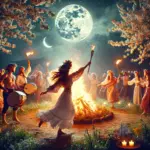
  • Bonfires: Large bonfires were lit to symbolize the waning power of the sun and to provide light and warmth as the days grew shorter and colder. These fires were often lit on hilltops and served as beacons of celebration.
  • Offerings to Deities: The Celts believed in various nature and harvest deities. Offerings of grains, fruits, and other agricultural products were made to these deities as a sign of gratitude for a successful harvest season.
  • Mumming and Masked Celebrations: People would don masks and costumes, a tradition that may have laid the groundwork for modern Halloween festivities. These masked celebrations were believed to ward off malevolent spirits and ensure a bountiful harvest.

Mea’n Fo’mhair in the Present

Today, Mea’n Fo’mhair is still celebrated, albeit in different forms. Modern Pagans, Wiccans, and individuals interested in nature-based spirituality often observe Mea’n Fo’mhair as part of their rituals and festivals. Some common modern practices and celebrations include:

  • Altar Decorations: Many create altars adorned with symbols of the season, such as colorful leaves, gourds, and apples. These altars serve as focal points for reflection, meditation, and offerings.
  • Harvest Feasts: Contemporary celebrations often involve preparing and sharing seasonal meals with friends and family. It is a time to connect with loved ones and give thanks for the abundance of the year.
  • Rituals and Ceremonies: Rituals may vary but often include elements of gratitude, balance, and reflection. Lighting candles, meditation, and nature walks are common components of these modern rituals.
  • Charitable Acts: Some choose to engage in acts of charity, such as donating food to those in need or participating in environmental cleanup efforts, to give back to the community and honor the spirit of Mea’n Fo’mhair.

Conclusion

Mea’n Fo’mhair is a traditional Celtic celebration of the Autumn Equinox with deep historical roots. While the ways in which it is celebrated have evolved over time, the core themes of gratitude for the harvest and preparation for the coming winter remain central to its observance. Whether through ancient customs or modern practices, Mea’n Fo’mhair continues to be a meaningful time to connect with nature and the changing seasons.
Posted on Leave a comment

Embracing the Druidic Traditions of the Autumn Equinox: Alban Elfed

Alban Elfed
Alban Elfed

Introduction

Druidic Traditions of the Autumn Equinox

In the spirit of Alban Elfed, Druids and their fellow celebrants engage in a tapestry of traditions and customs that bridge the ancient with the contemporary. These rituals embody the essence of gratitude, reflection, and reverence for the Earth and her bountiful gifts. They serve as a poignant reminder of our intrinsic connection to the natural world and the eternal dance of light and darkness that weaves through the cosmos and our own souls.

In this post, we shall embark on a journey to explore the captivating traditions and customs associated with Alban Elfed, delving into their rich symbolism and their enduring relevance in modern Druidry. We shall uncover the threads of wisdom that have been woven into this sacred celebration, revealing how it continues to inspire, guide, and transform the lives of those who heed its call. For Alban Elfed is more than a seasonal observance; it is an affirmation of our place within the tapestry of existence, an opportunity to draw closer to the heart of nature, and a reminder that the ancient wisdom of Druidry continues to illuminate our path in the present day.

Alban Elfed

In the intricate tapestry of Druidic traditions, the Autumn Equinox emerges as a cornerstone of profound significance, an annual milestone that carries with it the essence of the natural world’s transformation. Within the sacred circle of Druidry, this seasonal celebration is known as Alban Elfed, a name that resonates with the deep-rooted wisdom and symbolism of this ancient tradition. Translating to “Light of the Water” in Druidic Welsh, Alban Elfed stands as a testament to the delicate equilibrium that graces our world during this enchanting time.

As the days grow shorter, the air becomes crisp, and the leaves don their resplendent coats of crimson and gold, Druids and kindred spirits converge to honor the changing of the seasons. Alban Elfed, as celebrated by Druids, invites individuals to partake in a profound moment of communion with the Earth and her ever-turning wheel of seasons. It is a time when the boundaries between the mundane and the sacred blur, beckoning those who seek wisdom and spiritual insight to immerse themselves in the embrace of nature.

This celebration takes on an even deeper significance when we consider its name, “Light of the Water.” Within this evocative title lies a multifaceted symbolism. It is a recognition of the precious, life-giving nature of water, which sustains all living beings and courses through the veins of the Earth herself. Water, with its ability to reflect and refract light, serves as a metaphor for the interplay between light and dark, a theme central to the equinox. This celestial event is a moment when night and day stand in perfect balance, an exquisite choreography of cosmic forces mirrored in the natural world.

The Significance of Alban Elfed

Alban Elfed, known as the Autumn Equinox in common parlance, is an auspicious moment in the natural calendar that typically graces the Northern Hemisphere between September 21st and 23rd. As the Earth continues its celestial dance through the cosmos, this equinox marks the precise juncture when day and night, light and darkness, share equal dominion over our planet. It is as if the universe itself momentarily holds its breath, bestowing upon us a cosmic pause that speaks to the profound equilibrium sought by Druids and spiritual practitioners alike during this time.

This celestial phenomenon is a mirror reflecting the inner equilibrium that dwells deep within the hearts and spirits of those who follow the path of Druidry. It is a reminder of the timeless wisdom that harmony is found not only in the grand movements of the cosmos but also in the quiet chambers of our souls. Druids, in their quest for connection with nature and the divine, draw inspiration from this moment when the scales of light and dark achieve a delicate balance. It symbolizes the harmony sought within oneself, the equilibrium between the inner and outer worlds, and the quest for spiritual growth and insight.

At the core of Druidry lies a profound connection to the intricate cycles of nature. Alban Elfed stands as a pivotal point in this grand tapestry, signifying the transition from the vibrant, outward energy of summer to the contemplative, inward energy of winter. It is a time to honor and celebrate the harvest, offering heartfelt gratitude for the Earth’s abundance that sustains us throughout the year. As the fields yield their final bounties and the orchards bestow their fruits, Druids and kindred spirits join to recognize the interconnectedness of all life and the eternal dance of the seasons.

This season of reflection is not merely a pause between the vivacity of summer and the hush of winter; it is a preparation for the journey ahead. Druids, like the wise creatures of the forest, recognize the importance of readiness. Alban Elfed invites practitioners to prepare, both practical and spiritual, for the impending season. It encourages introspection, the storing of knowledge, and the nurturing of the inner flame of wisdom that will guide one through the cold, dark months that lie ahead.

Alban Elfed is a tapestry woven with threads of celestial significance and earthly wisdom. It calls upon Druids to embrace the equilibrium within and without, to celebrate the Earth’s generosity, and to ready themselves for the profound lessons and transformations that winter shall bring. It is a moment when the rhythms of the natural world converge with the depths of the human spirit, creating a timeless resonance that continues to inspire and guide those who walk the path of Druidry.

Traditions and Customs of Alban Elfed

Alban Elfed is a moment when Druids and those who share in this rich tradition come together to partake in an array of customs and rituals. These ancient practices are deeply imbued with profound themes of gratitude, balance, and a profound connection with the natural world. They serve as a bridge between the modern world and the timeless wisdom of the Druids’ ancestors, a testament to the enduring relevance of this sacred time.

  • Harvest Feasts: A central and cherished custom of Alban Elfed is the gathering of kindred spirits for communal feasts. It is a time when the bounty of the Earth is celebrated through the sharing of freshly harvested foods. Fruits, grains, and vegetables that have ripened under the nurturing sun are lovingly prepared and savored, symbolizing not only the physical sustenance provided by the land but also the spiritual nourishment that nature bestows upon us.
  • Offerings to the Land: Druids often engage in rituals of gratitude by making offerings to the land. These offerings can take various forms, from libations of water or mead poured upon the Earth to the placing of fruits and grains in the natural world. Each offering is a heartfelt gesture of thanksgiving to the Earth for her generosity throughout the year.
  • Balance and Equilibrium: As the equinox represents a perfect balance between light and dark, Druids use this time to reflect upon the delicate equilibrium in their own lives. Rituals and meditations may be conducted to seek inner balance and harmony, recognizing the need to embrace both the active and introspective aspects of their existence.
  • Communion with Nature: Alban Elfed is a season of deepening one’s connection with the natural world. Druids often engage in outdoor rituals, where they stand amidst the changing leaves, breathe in the crisp autumn air, and revel in the sights and sounds of the season. Nature walks, tree meditations, and ceremonies held in sacred groves all serve as powerful means to connect with the Earth’s rhythms.
  • Storytelling and Wisdom Sharing: The long evenings of autumn provide the perfect backdrop for storytelling and the sharing of wisdom. Druids gather around fires, whether literal or metaphorical, to recount tales of ancestral knowledge, myth, and the cycles of life. This oral tradition ensures that the wisdom of the Druids continues to be passed down through the generations.
  • Crafting and Creativity: Druids embrace their creative spirit during Alban Elfed. Whether it is through crafting ritual tools, making art inspired by the season, or composing poetry and music, this time encourages the expression of one’s inner creativity to honor the beauty and abundance of the Earth.
  • Environmental Stewardship: In a world increasingly aware of ecological challenges, some Druids use Alban Elfed as a time to engage in environmental stewardship. Activities may include tree planting, habitat restoration, or participating in eco-conscious initiatives as a means of giving back to the Earth and preserving its natural beauty.

The customs and rituals of Alban Elfed are a tapestry of reverence and celebration. They are a testament to the deep spiritual connection that Druids share with the natural world and a reminder that the wisdom of their tradition continues to thrive and inspire in the modern age. These customs not only honor the Earth’s abundance but also invite individuals to cultivate gratitude, seek inner balance, and strengthen their bonds with the ever-turning wheel of the seasons.

Modern Relevance

Alban Elfed, as celebrated in modern Druidry and embraced by the broader spiritual community, holds a timeless and enduring relevance that resonates profoundly in our contemporary world. In an age marked by the growing disconnect between humanity and the natural world, this sacred celebration stands as a luminous beacon, gently guiding us back to the rhythms of the Earth. Its significance extends beyond the borders of any single tradition, inviting all who seek wisdom, unity, and a sense of belonging to partake in its embrace.

In a world often entangled in the web of modernity, where the hustle and bustle of daily life can distract us from the profound beauty of nature’s cycles, Alban Elfed emerges as a poignant reminder. It calls upon us to slow down, to step away from the relentless march of time, and to harmonize with the Earth’s timeless rhythms. In doing so, it fosters a deep and abiding mindfulness, inviting us to become acutely aware of the subtle shifts in the natural world—the changing leaves, the crispness of the air, the golden glow of the harvest moon.

At its core, Alban Elfed encourages a profound sense of gratitude. In a world where convenience often obscures the sources of our sustenance, this celebration prompts us to pause and acknowledge the Earth’s boundless generosity. It inspires us to express gratitude not only for the physical nourishment she provides but also for the spiritual sustenance derived from our connection to her rhythms.

Most significantly, Alban Elfed carries a vital message of responsibility. It reminds us that as stewards of this planet, we bear a duty to safeguard its well-being. It encourages us to reflect on the impact of our actions and choices on the environment and to take steps, both small and significant, to nurture and protect the Earth. This celebration is a call to environmental consciousness, a recognition that the health and vitality of the planet are intrinsically linked to our own well-being.

Alban Elfed is a sacred tapestry interwoven with threads of mindfulness, gratitude, and responsibility. It holds enduring relevance as a timeless reminder of our connection to the Earth’s cycles and the imperative to live in harmony with the natural world. In a world where the pace of life often blinds us to the Earth’s subtle wonders, Alban Elfed illuminates a path of reverence, unity, and responsibility—a path that beckons us to rediscover our place within the intricate dance of the cosmos and to embrace the profound wisdom of the ancients in our modern lives.

Conclusion

Alban Elfed, the Druidic tradition of the Autumn Equinox, is a testament to the deep reverence that Druids and like-minded individuals hold for the natural world. It is a time of balance, reflection, and celebration of the harvest’s abundance. Amid our modern, fast-paced lives, this tradition invites us to pause, connect with nature, and honor the eternal dance of light and darkness that weaves through the cosmos and our own souls. Alban Elfed is a living testament to the enduring wisdom of Druidry, reminding us of our intrinsic connection to the Earth and the importance of nurturing that connection for the well-being of all.Top of Form

Posted on Leave a comment

Dec 27th – The 8th Day of Yule

Introduction

Embracing the Winter’s Heart – Skadi, Ullr, and the Protection of Home

As the eighth day of Yule unfolds, a crisp embrace of winter takes center stage. On this day, we pay homage to Skadi, the goddess of bowhunting, skiing, and mountains, and Ullr, the god associated with archery, winter wilderness, and the art of combat. Together, they weave the essence of the wilds, and our offerings extend beyond the realm of deities to the flora, fauna, and spirits of the woods.

Skadi: Queen of the Frosty Realms

In the vast tapestry of Norse mythology, Skadi emerges as a formidable and independent goddess, embodying the untamed spirit of the wild, the thrill of the hunt, and the majestic allure of mountains. Her connection with Yule adds a frosty and enchanting dimension to the winter festivities.

Skadi, often hailed as the daughter of the giant Thjazi, stands out as a peerless huntress among the Norse deities. Armed with a bow and arrow, her skills in bowhunting rival those of the mightiest gods. As winter descends and nature takes on a serene hush, Skadi’s presence intensifies, guiding the spirits of the hunt through the snow-laden forests. In the stillness of Yule, one can imagine the goddess traversing the snowy landscapes, her bow drawn, ready to bring sustenance to the gods and creatures alike.

Skadi’s association with skiing sets her apart, infusing the winter season with an element of graceful movement. In the realms of Norse myth, skiing wasn’t just a sport but a practical skill for traversing the snow-covered mountains. Skadi, as the goddess of mountains, glides effortlessly over the slopes, leaving behind a trail of powdery snow. As Yule unfolds, the image of Skadi skiing down the mountainside becomes a poetic celebration of the season’s beauty and the goddess’s prowess.

Mountains, stoic and majestic, serve as Skadi’s throne. Her affinity for these towering peaks aligns with the grandeur of winter landscapes. In the heart of Yule, envision Skadi standing atop a snow-capped summit, surveying her wintry domain. The mountains, adorned in blankets of snow, become a symbol of Skadi’s regal presence and a testament to the strength and resilience evoked during the coldest season.

Skadi’s connection with Yule intertwines her with the festive spirit of the season. As the days grow shorter and the air crisps with frost, her influence becomes palpable. In the mythic realms, Yule is not merely a time of celebration but a cosmic event where gods and goddesses partake in the essence of winter. Skadi, with her bow, skis, and mountainous realm, adds a touch of wild beauty to the Yule festivities, reminding all that the frosty embrace of winter holds both challenge and enchantment. As we honor Skadi during Yule, we acknowledge the untamed forces that shape the winter landscape, and in doing so, we embrace the essence of the huntress, the skier, and the queen of the mountains.

Ullr: Guardian of Winter’s Vigor

In the intricate tapestry of Norse mythology, Ullr emerges as a deity of striking prowess, embodying the essence of archery, the untamed wilderness of winter, and the artistry of combat. As Yule unfolds, Ullr’s presence weaves through the fabric of the season, infusing it with the thrill of the hunt, the serenity of snowy landscapes, and the strength required to navigate the challenges of winter.

Ullr’s association with archery places him among the finest marksmen of the Norse pantheon. The twang of his bowstring resounds through the winter air, echoing the precision and skill required to navigate the frozen landscapes. As Yule descends, envision Ullr drawing his bow, his keen eyes focused on distant targets. The symbolism of archery becomes a testament to the need for precision and focus during the long, dark nights of winter.

Ullr’s dominion extends into the winter wilderness, where the landscape transforms into a pristine, snow-covered expanse. In the heart of Yule, envision Ullr traversing the frosty forests and snow-laden fields, a figure of strength and resilience against the winter’s chill. The winter wilderness, under Ullr’s guardianship, becomes a sanctuary for both the gods and mortal beings seeking the solace of nature amid the hush of winter.

Beyond the tranquility of snowy landscapes, Ullr is a god linked to the art of combat. Amid Yule, the symbolism of combat takes on a metaphorical resonance. Ullr’s martial prowess becomes a reminder that the winter season, with its challenges and hardships, requires a warrior’s spirit. The combat arts, under Ullr’s guidance, become a metaphorical preparation for facing the adversities of winter with courage and determination.

Ullr’s connection with Yule interlaces the season with a dance of strength and serenity. Amidst the winter’s challenges, Ullr stands as a guardian, embodying the vigor required to navigate the cold, the precision needed to hunt for sustenance, and the martial spirit essential for facing the trials of winter. As we honor Ullr during Yule, we acknowledge the blend of archery, wilderness, and combat arts that define the season. In doing so, we embrace the qualities that Ullr personifies—strength, precision, and the resilience needed to endure the winter’s embrace.

Recipes

Embracing the Winter Gods: Honoring Skadi and Ullr during Yule

As the eighth day of Yule unfolds, it marks a poignant moment to honor the Norse deities Skadi and Ullr, guardians of winter’s beauty, strength, and the untamed wilds. In paying homage to these gods, we engage in rituals that resonate with the crispness of the season and the power encapsulated in its icy grasp.

Begin your ritual by creating a sacred space that resonates with the energy of Skadi and Ullr. Anoint your altar with oils that evoke the scent of winter forests—cedarwood, pine, and juniper. Consider placing symbols of archery, snowflakes, and mountain imagery on the altar to invoke the essence of these deities.

Skadi and Ullr’s influence extends beyond the divine realm to the spirits of the winter woods. Craft edible garlands using popcorn, cranberries, and other wildlife-friendly edibles. Engage in this creative activity with a sense of reverence, understanding that these offerings are not only for the gods but also for the creatures that inhabit the winter landscapes.

Skadi, the goddess associated with bowhunting, skiing, and mountains, and Ullr, the god of archery and winter wilderness, share a connection with the North Wind. Pour libations of mead or a winter-inspired beverage, symbolizing the crisp and invigorating breath of the North Wind. As you do so, speak words of gratitude for the strength and resilience that winter brings.

In the spirit of safeguarding your home outwardly, prepare a mixture of protective herbs such as juniper, rosemary, and cedar. Infuse this blend with intentions of goodwill and protection. Take a walk around your property’s edge, sprinkling this mixture to create a line of safety around your home. Visualize the energy of Skadi and Ullr weaving a shield that guards against malevolent forces.

Draw protective runes under outdoor welcome mats, infusing them with the power of winter magic. Bless the wreath on your front door, symbolizing the cyclical nature of the seasons and the enduring strength of winter. Hang mistletoe and mint swags around the exterior of your house, invoking the blessings of Skadi and Ullr to permeate your home with their protective energies.

Acknowledging the practical aspects of winter, prepare remedies for possible ailments. Brew teas with herbs like elderberry, chamomile, and peppermint. Create tinctures, tonics, herbal glycerites, and syrups that can serve as allies during the cold season. Incorporate bone broth into your meals, recognizing its nourishing properties for both body and spirit.

As the day concludes, gather in the glow of candlelight. Engage in meditation or reflection, attuning yourself to the energies of Skadi and Ullr. Express gratitude for the strength they bestow upon you and the beauty they bring to the winter landscape. Conclude the night with a shared meal, savoring the flavors of winter and the enchantment that lingers in the air.

In honoring Skadi and Ullr during Yule, we not only acknowledge the gods of winter but also celebrate the interconnectedness of the divine, the natural world, and our own lives. Through rituals, offerings, and mindful reflections, we weave ourselves into the fabric of winter’s magic, embracing its challenges and reveling in its unique beauty.

Offerings to Flora & Fauna: A Symphony for Nature

In the tapestry of winter, where the stillness of the woods meets the crisp breath of the North Wind, honoring Skadi and Ullr becomes a symphony for nature itself. Engaging in activities that extend your reverence to the untamed beauty of the forest is not only a ritual but a celebration of the interconnectedness of all living beings.

  • Crafting Edible Garlands: An Act of Generosity Crafting edible garlands becomes a gesture of generosity to the unseen dwellers of the woods. Using simple ingredients like popcorn, cranberries, and other wildlife-friendly edibles, you embark on a creative endeavor that transcends the boundaries between human and creature. Each piece strung together is a note in the melody of winter, an offering of sustenance to those who navigate the cold terrain.
  • Peanut Butter Pinecone Ornaments: A Delight for All In the spirit of sharing the bounty of winter, the creation of peanut butter pinecone ornaments becomes a delightful craft. Spreading peanut butter on pinecones and coating them with birdseed transforms simple materials into edible ornaments. These not only please the palate of the winged inhabitants of the woods but also stand as tokens of goodwill. Hang these ornaments in your backyard, creating a feast that extends beyond the boundaries of your immediate surroundings.
  • Adorning a Yule Tree in Nature: Communion with the Wild Spirits Venturing into winter’s landscape, seek out a Yule Tree standing proud in its natural habitat. This living symbol of the season becomes a canvas for your crafted garlands and ornaments. As you adorn the branches, you partake in a communion with the wild spirits that call the forest home. Your offerings become a harmonious blend of human creativity and the inherent beauty of the natural world.
  • Creating a Harmonious Offering: Nature’s Blessings As you engage in these activities, envision a harmonious offering to the wild spirits, a symphony of nature’s blessings. The rustle of creatures in the underbrush, the soft padding of paws on snow, and the gentle sway of branches in the winter breeze—all become part of this sacred composition. In crafting these offerings, you not only honor Skadi and Ullr but also become a steward of the delicate balance between the human realm and the wild mysteries of the forest.

In this symphony for nature, every act of creation is a note, and every offering is a melody that resonates through the winter woods. As you stand amidst the beauty you’ve contributed too, know that your gestures ripple through the intricate web of life, fostering a sense of unity with the wild spirits that inhabit the winter landscape.

Protecting the Home (Outside): A Winterized Fortress

As the frosty fingers of winter reach into every corner, transforming the world into a glistening tableau, it’s crucial to fortify the external defenses of your home. This act not only aligns with practical considerations but also serves as a symbolic gesture of respect to Skadi and Ullr, the guardians of winter’s wild domain.

  • Creating a Protective Mixture: Infusing Goodwill and Security Begin the ritual of fortification by crafting a protective mixture infused with the essence of winter herbs and sacred ash. These elements, charged with the blessings of goodwill and security, become the alchemical blend that forms a shield against the biting winds of the season. In this act of creation, you harmonize with the natural energies that Skadi and Ullr embody.
  • Sacred Perimeter Walk: Drawing a Line of Safety Armed with your protective mixture, embark on a sacred journey along the perimeter of your property. As you walk, sprinkle the concoction, drawing a line of safety that demarcates the boundary between the mundane and the mystical. This ritual is not only a practical measure but a symbolic act that invites the watchful eyes of Skadi and Ullr to stand guard over your dwelling.
  • Runes of Protection: Enchanting Outdoor Welcome Mats Extend the protective charm by drawing runes under your outdoor welcome mats. Each symbol becomes a sigil of defense, etched into the very threshold that separates the outer world from the inner sanctum of your home. As guests step over these runes, they unknowingly traverse a boundary imbued with the energies of safeguarding and hospitality.
  • Blessing the Wreath: A Gateway of Goodwill The wreath on your front door becomes more than a decorative ornament—it transforms into a gateway of goodwill. Before winter’s breath rustles its boughs, bestow upon it the blessings of Skadi and Ullr. This act infuses the wreath with protective energies, creating a symbol that greets all who enter with a touch of the sacred.
  • Mistletoe and Mint Swags: Nature’s Embrace Hang mistletoe and mint swags around the exterior of your home, weaving a tapestry of nature’s embrace. Mistletoe, with its ancient associations of protection, and mint, with its purifying properties, become guardians adorning the outer walls. These botanical sentinels stand vigilant, inviting the spirits of Skadi and Ullr to join their watch.

In this winterized fortress, every action is a prayer, and every protective gesture is an invitation. As you complete these rituals, know that you’ve not only secured your dwelling against winter’s harshness but have also opened a channel for the benevolent presence of Skadi and Ullr to grace your living space.

Warding for Winter: Herbal Shield Against Ailments

As the winter frost settles in, ushering in a season of icy winds and crystalline landscapes, it’s essential to fortify not only against the external chill but also the internal vulnerabilities that come with the cold embrace of winter. In a dance with the spirits of Skadi and Ullr, consider weaving a herbal shield against ailments, a tapestry of nature’s remedies to safeguard your well-being.

The Herbal Arsenal: Teas, Tinctures, Tonics, and More

While acknowledging that herbal remedies are not a replacement for professional medical advice, they can be valuable allies in the quest for winter wellness. Craft a repertoire of teas, tinctures, tonics, herbal glycerites, and syrups, each concocted from immune-boosting herbs. Echinacea, elderberry, ginger, and peppermint are among the herbal guardians known for their protective properties.

  • Teas: Infusing Warmth and Healing A hot cup of herbal tea becomes a ritual of comfort and healing during the winter months. Infuse dried crushed leaves of immune-boosting herbs in boiling water, creating a concoction that not only warms your body but also imparts the healing essence of nature. Let each sip be a communion with the plant spirits, a gentle reminder of the interconnectedness between humans and the botanical realm.
  • Tinctures: Concentrated Elixirs of Defense Crafting tinctures involves extracting the active constituents of herbs in alcohol, creating potent elixirs of defense. These concentrated remedies, when taken in moderation, can serve as a powerful supplement to support your immune system. Store them in amber glass bottles, preserving the vitality of the herbs within and ensuring their readiness when needed.
  • Tonics: Invigorating Potions of Well-Being A tonic, with its invigorating properties, becomes a medicinal substance that bestows a feeling of vigor and well-being. Create a concoction with herbs like astragalus, known for its immune-boosting capabilities, and sip it as a daily elixir. Let the tonic be a toast to your health, a gesture of self-care that resonates with the protective energies of Skadi and Ullr.
  • Herbal  Glycerites and Syrups: Sweet Remedies of Nature Glycerites, herbal mixtures using vegetable glycerin, and syrups, sweet concoctions infused with the essence of herbs, provide alternative avenues for winter wellness. These sweet remedies make herbal supplementation a delightful experience, offering not only immune support but also a touch of sweetness to uplift the spirits.
  • Bone Broth: Nourishment for Body and Soul In the vast tapestry of winter wellness, bone broth emerges as a time-honored elixir. Boiled down from animal bones and connective tissue, this liquid gold not only offers nutritional benefits but also aids in hydration, weight management, and improved sleep. Whether sipped as a comforting tea or incorporated into hearty soups, bone broth becomes a cornerstone of your winter health routine.

As you embrace this herbal shield against winter ailments, let each remedy be a prayer, a nod to the wisdom of the earth and the protective spirits that oversee the season. In these herbal offerings, find a sanctuary of well-being, a space where the healing energies of nature and the benevolence of Skadi and Ullr converge.

Embracing Winter’s Resilience

As we tread into the folds of winter, paying homage to the ancient spirits of Skadi and Ullr, we unfurl a tapestry woven with threads of protection and well-being. The symphony of nature’s melodies, the fortified bastion of home, and the herbal remedies form an intricate dance, crafting a sanctuary resilient against winter’s chill. In the embrace of this eighth day of Yule, let our celebration echo the harmonious spirit of the wild, the enduring strength of the home, and the healing touch of nature, a triumphant ode to the resilience that winter bestows upon both the earth and our souls.