Paganism – The Eclectic Symphony of Nature’s Spirituality
Embracing the Divine in Nature Paganism, a diverse umbrella term encompassing a multitude of spiritual practices, celebrates a connection with nature and the divine forces within it. Pagans may follow various pantheons, honoring gods and goddesses associated with natural elements, seasons, and aspects of life. Unlike Wicca, Paganism lacks a centralized dogma, allowing practitioners to explore a wide range of beliefs and practices. The reverence for the Earth, cycles of nature, and a deep connection to the spiritual realm are common threads among Pagans.
Within the vast and varied landscape of spiritual exploration, Paganism stands as an eclectic symphony, weaving together the diverse threads of ancient wisdom, cultural traditions, and a profound reverence for the natural world. As an umbrella term encompassing a multitude of spiritual practices, Paganism invites practitioners to embark on a deeply personal journey, celebrating the sacred tapestry of life and embracing the divine forces that resonate within the realms of nature.
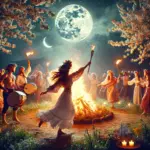
Central to Paganism is the celebration of a connection with nature that goes beyond mere admiration—it is a sacred communion. Pagans find spiritual significance in the rustle of leaves, the flowing waters, the vibrant blooms, and the changing seasons. The Earth, in all its majesty, is not merely a backdrop but a living, breathing manifestation of the divine. Pagan rituals often take place outdoors, under the open sky or within the embrace of ancient groves, fostering a direct and tangible link to the natural forces that permeate existence.
Unlike more structured paths like Wicca, Paganism lacks a centralized dogma or set of prescribed beliefs. This absence of rigid doctrine provides Pagans with the freedom to explore and define their spirituality based on personal experiences, cultural influences, and individual interpretations. This diversity within Paganism results in a rich tapestry of beliefs, rituals, and practices, as practitioners may choose to follow various pantheons, honor specific deities associated with natural elements, or forge their own unique path.
Within the realm of Paganism, gods and goddesses are revered as embodiments of the natural world’s energies. Pantheons from different cultures, whether Greek, Norse, Celtic, or others, offer a myriad of divine archetypes representing the forces of creation, fertility, wisdom, and more. Pagans may choose to work with specific deities that resonate with their spiritual journey, forging personal relationships through rituals, offerings, and meditative practices.
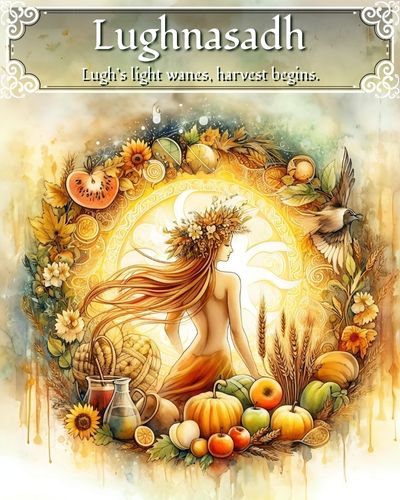
A unifying thread among Pagans is the deep respect for the Earth and its cycles. The turning of the wheel of the year, marked by festivals like Beltane, Samhain, and Imbolc, reflects the cyclical nature of life, death, and rebirth. These celebrations serve not only as rituals but as moments of reflection, aligning practitioners with the natural ebb and flow of existence.
In the heart of Paganism lies a profound connection to the spiritual realm. Practices such as divination, meditation, and energy work are embraced to deepen this connection, allowing practitioners to tap into the unseen forces that interweave with the material world.
As the spiritual journey unfolds within the realm of Paganism, practitioners find themselves immersed in a tapestry of diverse beliefs, united by a shared reverence for the Earth, an appreciation for the cycles of nature, and a commitment to exploring the boundless possibilities of the spiritual realm. In the dance of Paganism, individuals discover a path that resonates deeply with their souls, embracing the beauty and complexity of nature’s divine symphony.
Divergent Paths – Unraveling the Key Differences
Within the enchanting tapestry of mystical practices, the paths of Wicca, witchcraft, and Paganism diverge, each offering a unique journey for those who seek to explore the realms of magic and spirituality. Let’s delve deeper into the key differences that distinguish these paths, unraveling the nuances that shape the experiences of practitioners.
Structure and Dogma:
In the labyrinth of spiritual exploration, the question of structure and dogma emerges as a defining characteristic. Wicca, with its roots in ceremonial magic and occultism, follows a structured system that includes rituals, ceremonies, and specific beliefs. This structured framework provides a roadmap for practitioners, offering a sense of continuity and a shared ritualistic language. In contrast, both witchcraft and Paganism embrace a more eclectic approach. Witchcraft, as a broad term encompassing various traditions, allows practitioners the freedom to choose or create their own path. Similarly, Paganism, lacking a centralized dogma, invites individuals to explore a wide range of beliefs and practices, fostering a diverse and dynamic spiritual landscape.
Deities:
The pantheon of gods and goddesses serves as a focal point in understanding the spiritual landscape of these paths. Wicca, with its roots in ancient fertility religions, often involves the worship of specific deities—the God and the Goddess. These divine counterparts embody the dual aspects of nature and the cosmic forces. In contrast, Paganism paints with a broader brush, allowing practitioners to honor a diverse array of gods and goddesses associated with natural elements, seasons, and aspects of life. The eclectic nature of Paganism opens the door to a rich tapestry of cultural pantheons, enabling practitioners to forge connections with deities that resonate personally.
Ethics:
Ethics form the moral compass that guides practitioners on their spiritual journey. Wiccans adhere to the Wiccan Rede, a succinct ethical principle that emphasizes harmlessness: “An’ it harm none, do what ye will.” This principle underscores the responsibility and accountability inherent in the use of magical forces, promoting a positive and considerate approach to spellcraft. On the other hand, ethical guidelines in witchcraft and Paganism may vary based on individual beliefs. The absence of a centralized ethical code allows for a more fluid interpretation of what is considered morally sound, with practitioners drawing from personal experiences, cultural influences, and spiritual insights to shape their ethical compass.
In traversing the diverse landscapes of Wicca, witchcraft, and Paganism, practitioners find themselves on distinct yet interconnected paths. These key differences not only contribute to the richness of each tradition but also provide seekers with the freedom to choose a spiritual journey that resonates most profoundly with their individual beliefs, experiences, and aspirations.
Exploring the Shared Ground of Witches, Wiccans, and Pagans
Despite the distinct paths that witches, Wiccans, and Pagans tread, there exists a profound interconnectedness, weaving a tapestry of shared beliefs, practices, and spiritual values. Let’s delve into the harmonious threads that bind these mystical practitioners together, creating a sense of unity within the diverse realms of witchcraft, Wicca, and Paganism.
Connection with Nature
At the core of these mystical traditions lies a deep reverence for nature—the sacred and ever-changing canvas upon which their spiritual journeys unfold. Whether casting spells in the moonlit groves, celebrating Sabbats under the open sky, or communing with the elements, witches, Wiccans, and Pagans share a common understanding of the divine forces that permeate the natural world. The cycles of the moon, the changing seasons, and the energies embodied by earth, air, fire, and water serve as pillars of connection, grounding practitioners in the timeless rhythms of the Earth.
Energy Manipulation and Magic
The art of harnessing and manipulating energy is a skill honed by all three paths. Whether through spellwork, rituals, or other magical practices, witches, Wiccans, and Pagans engage in the conscious shaping of energies to bring about change. The shared belief in the efficacy of intention, symbolism, and the unseen forces that permeate the cosmos unites these practitioners in their magical endeavors. The very essence of their craft lies in the understanding that the practitioner is an active participant in the co-creation of their reality.
Embrace of Mysticism
Mysticism, the pursuit of a direct and personal experience of the divine, is a common theme that unites witches, Wiccans, and Pagans. The desire to transcend the mundane, to explore the realms of the unseen, and to forge a deep connection with the spiritual dimensions fuels their mystical pursuits. Whether through meditation, divination, or ecstatic rituals, practitioners from these paths seek to pierce the veil separating the material and spiritual worlds, delving into the mysteries that lie beyond ordinary perception.
Respect for Individual Paths
While each path has its unique characteristics, there exists a shared respect for the diversity of individual spiritual journeys. The recognition that spirituality is a deeply personal and subjective experience fosters an environment of acceptance and inclusivity. Whether one follows a specific tradition within witchcraft, adheres to the structured rituals of Wicca, or explores the eclectic landscape of Paganism, the emphasis on personal exploration and the celebration of diverse beliefs creates a sense of unity within the broader community.
Ethical Considerations
Despite variations in specific ethical codes, a common thread among witches, Wiccans, and Pagans is the acknowledgment of the responsibility that comes with magical practice. Whether guided by the Wiccan Rede or individual moral compasses, practitioners share a commitment to the ethical use of magic, promoting harmony, respect for others, and a mindful approach to their craft.
In recognizing these shared elements, practitioners of witchcraft, Wicca, and Paganism find a common ground—a space where the beauty of diversity coexists with the unifying principles of nature, magic, mysticism, and ethical consideration. It is within this shared realm that the practitioners of these paths discover the richness and depth of their interconnected spiritual journeys.
Conclusion
In the ever-evolving tapestry of witchcraft, Wicca, and Paganism, each distinctive thread intertwines to form a dynamic and vibrant mosaic of mystical practices. As practitioners navigate their individual journeys, understanding the unique aspects within these traditions becomes a guiding compass through the labyrinth of spiritual exploration. Within the enchanting realms of these paths, practitioners find not only diversity but also unity—a shared resonance with the forces that shape our world. It is within this nuanced understanding that practitioners uncover the profound interconnectedness that transcends the surface differences, revealing the underlying harmony that binds the practitioners of witchcraft, Wicca, and Paganism. The tapestry becomes a living testament to the rich and kaleidoscopic nature of spiritual exploration, inviting practitioners to not only embrace their own unique paths but also celebrate the myriad ways in which others traverse the realms of magic. In the end, it is the collective wisdom, the shared reverence for nature, and the universal pursuit of mystical insights that define the essence of these practices. With clarity as their guide, practitioners find themselves not only immersed in the depth of their own spiritual journey but also contributing to the ever-expanding and interconnected narrative of witchcraft, Wicca, and Paganism—a celebration of the multifaceted beauty that emerges when diverse threads come together to form a tapestry that reflects the magic inherent in the very fabric of existence.
 Reading Time: 3 minutes

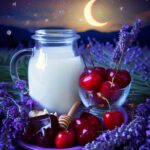 Moon milk is believed to have magical properties that promote relaxation, sleep, and spiritual connection. Lavender is a powerful herb that is often used in spells and rituals to promote tranquility, purification, and harmony. It is said to help calm the mind, soothe anxiety, and facilitate communication with the spiritual realm. Cherries, on the other hand, are associated with abundance, prosperity, and love. By combining these two ingredients in moon milk, we can create a potent brew that promotes restful sleep, deep relaxation, and a profound sense of spiritual connection.
As you sip on your moon milk and gaze up at the moon, take a moment to reflect on the magic and mystery of the universe. Whether you are working with the moon to manifest your desires, to connect with your intuition, or simply to enjoy a peaceful moment of reflection, remember that the power of the moon is always with you, waiting to be harnessed and celebrated.
*Calories Calculated with 2% Dairy Milk, Different bases will change the values.
Moon milk is believed to have magical properties that promote relaxation, sleep, and spiritual connection. Lavender is a powerful herb that is often used in spells and rituals to promote tranquility, purification, and harmony. It is said to help calm the mind, soothe anxiety, and facilitate communication with the spiritual realm. Cherries, on the other hand, are associated with abundance, prosperity, and love. By combining these two ingredients in moon milk, we can create a potent brew that promotes restful sleep, deep relaxation, and a profound sense of spiritual connection.
As you sip on your moon milk and gaze up at the moon, take a moment to reflect on the magic and mystery of the universe. Whether you are working with the moon to manifest your desires, to connect with your intuition, or simply to enjoy a peaceful moment of reflection, remember that the power of the moon is always with you, waiting to be harnessed and celebrated.
*Calories Calculated with 2% Dairy Milk, Different bases will change the values.